
1. Search Result
Search Result
Pathways Recommended: Stem Cell/Wnt Cell Cycle/DNA Damage
Results for "

bladder cancer cells

" in MedChemExpress (MCE) Product Catalog:

133

Inhibitors & Agonists

3

Fluorescent Dyes

6

Biochemical Assay Reagents

3

Peptides

6

Inhibitory Antibodies

31

Natural
Products

7

Isotope-Labeled Compounds

8

Oligonucleotides

2

GMP Molecules

Cat. No. Product Name Target Research Areas Chemical Structure
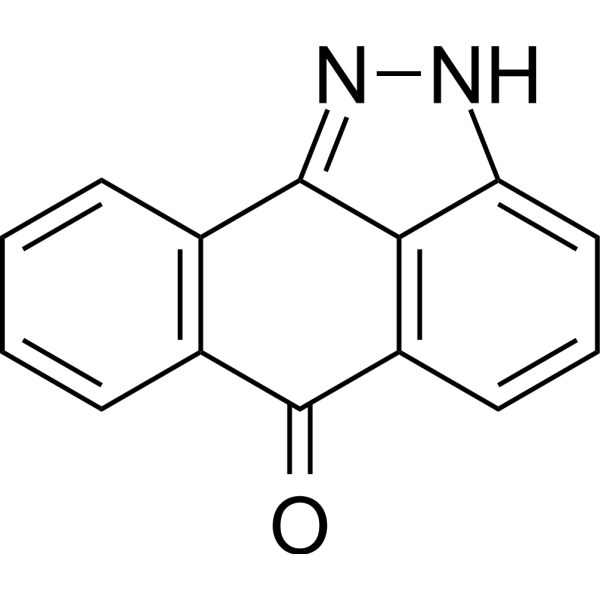
  • HY-12041
    SP600125
    Maximum Cited Publications
    584 Publications Verification

    JNK Autophagy Apoptosis Ferroptosis Cancer
    SP600125 is an orally active, reversible, and ATP-competitive JNK inhibitor with IC50s of 40, 40 and 90 nM for JNK1, JNK2 and JNK3, respectively. SP600125 is a potent ferroptosis inhibitor. SP600125 induces the transformation of bladder cancer cells from autophagy to apoptosis .
    SP600125
  • HY-B1247
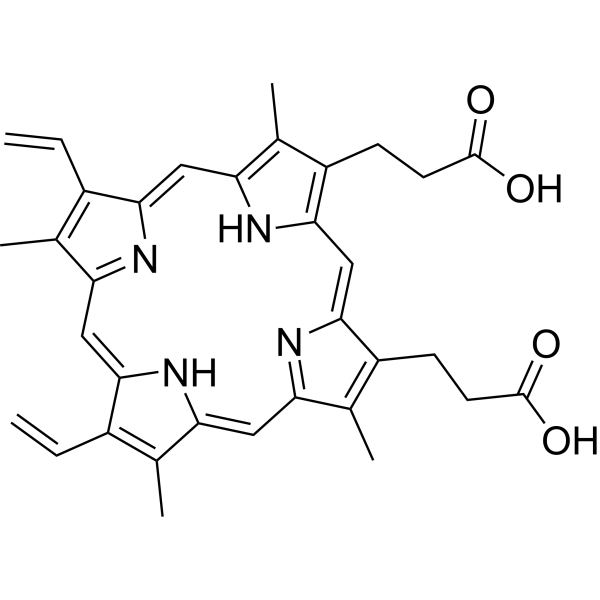
    Protoporphyrin IX
    Maximum Cited Publications
    22 Publications Verification

    PPIX

    Endogenous Metabolite Others
    Protoporphyrin IX is a final intermediate in the heme biosynthetic pathway, which acts as a radiation sensitizer enhancing ROS generation even in a hypoxic state and inducing DNA damage. Protoporphyrin IX also acts as a photo sensitizer undergoing photobleaching that occurs through direct degradation by light irradiation. Protoporphyrin IX is formed and accumulated following 5-aminolevulinic acid (5-ALA) (HY-W000450) administration in the tumor cells of rats. Protoporphyrin IX causes selective improvement of basal cell carcinoma when activated red fluorescence of a peak wavelength at 405 nm. Protoporphyrin IX is promising for research of sonodynamic and photodynamic agents for a wide range of cancers, such as bladder cancer and nodular basal cell carcinoma .
    Protoporphyrin IX
  • HY-N1372A
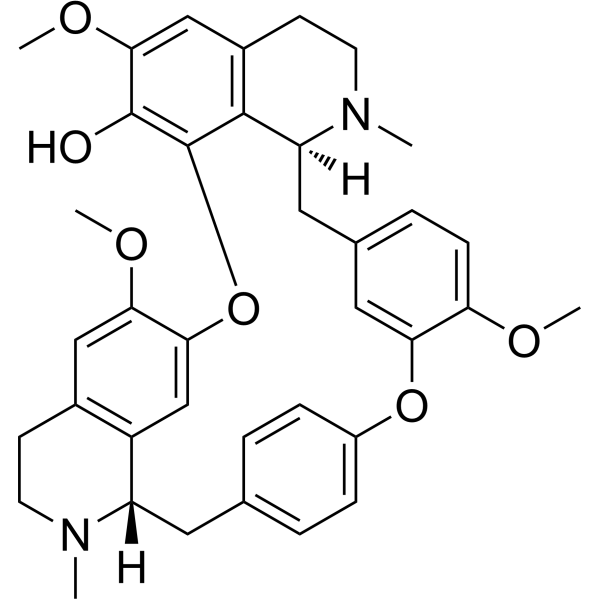
    Fangchinoline
    5+ Cited Publications

    HIV FAK Apoptosis Autophagy Infection Cancer
    Fangchinoline is isolated from Stephania tetrandra with extensive biological activities, such as enhancing immunity, anti-inflammatory sterilization and anti-atherosclerosis. Fangchinoline, a novel HIV-1 inhibitor, inhibits HIV-1 replication by impairing gp160 proteolytic processing . Fangchinoline targets Focal adhesion kinase (FAK) and suppresses FAK-mediated signaling pathway in tumor cells which highly expressed FAK . Fangchinoline induces apoptosis and adaptive autophagy in bladder cancer .
    Fangchinoline
  • HY-A0033
    Darifenacin
    5+ Cited Publications

    UK-88525

    mAChR p38 MAPK Akt Neurological Disease Metabolic Disease Cancer
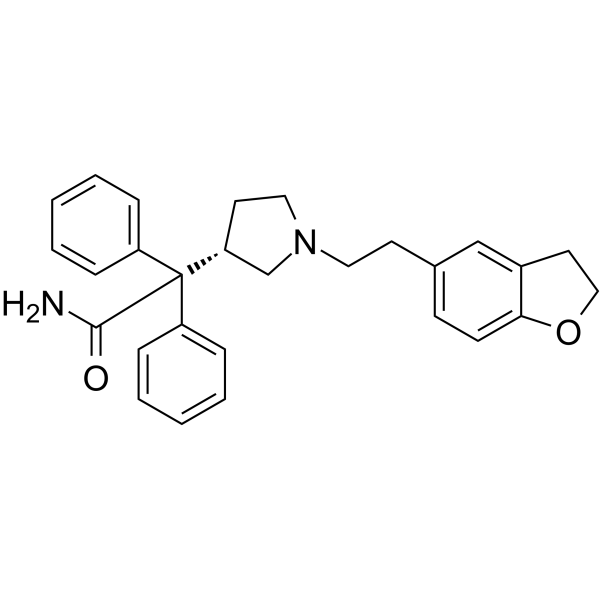
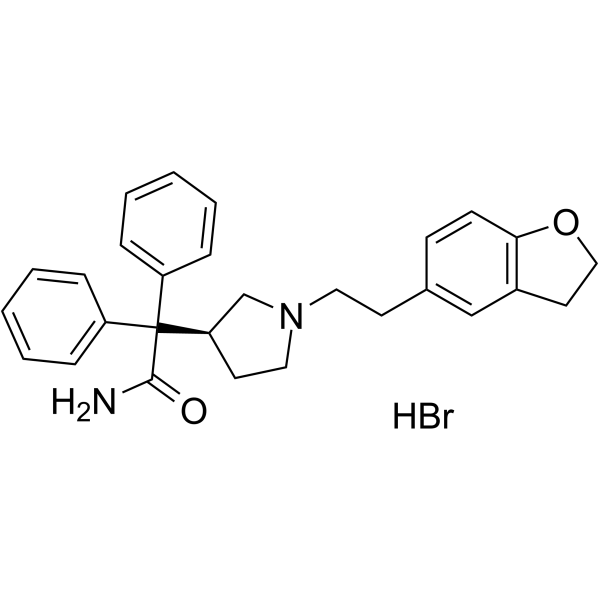
    Darifenacin (UK-88525) is a selective and orally active M3 muscarinic receptor (M3R) antagonist with a pKi of 8.9. Darifenacin binds >20-fold more specifically to M3R than to other muscarinic receptors. Darifenacin can be used in the study of urinary incontinence and other symptoms of overactive bladder. Darifenacin inhibits tumor growth in colorectal cancer cells and has anti-tumor effects .
    Darifenacin
  • HY-N6973
    Boldine
    1 Publications Verification

    RANKL/RANK Apoptosis Inflammation/Immunology Cancer
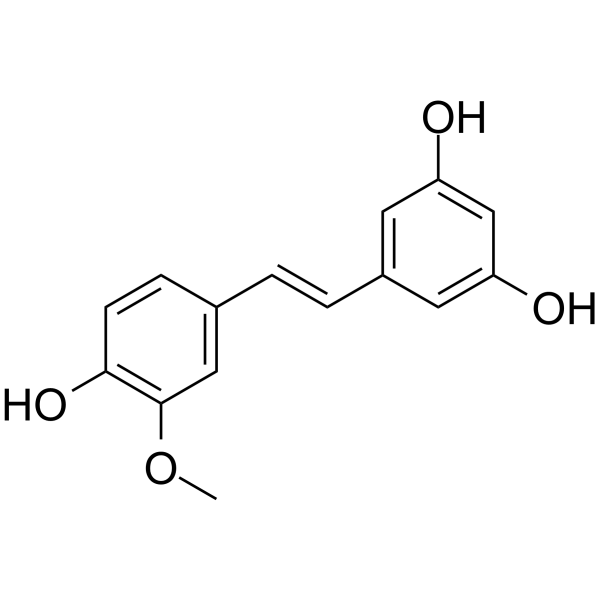
    Boldine is an apomorphine isoquinoline alkaloid extracted from the root of the pheasant pepper (Litsea cubeba). Boldine is an oral effective antioxidant, anti-inflammatory, antitumor agent, and can inhibit osteoclast formation. Boldine induces apoptosis of human bladder cancer cells by regulating ERK, AKT and GSK-3β. Boldine ameliorates bone destruction by down-regulating the OPG/RANKL/RANK signaling pathway. It can be used in rheumatoid arthritis research .
    Boldine
  • HY-B0860
    Diuron
    2 Publications Verification

    Environmental Pollutants Reactive Oxygen Species (ROS) Herbicide MDM-2/p53 Cancer
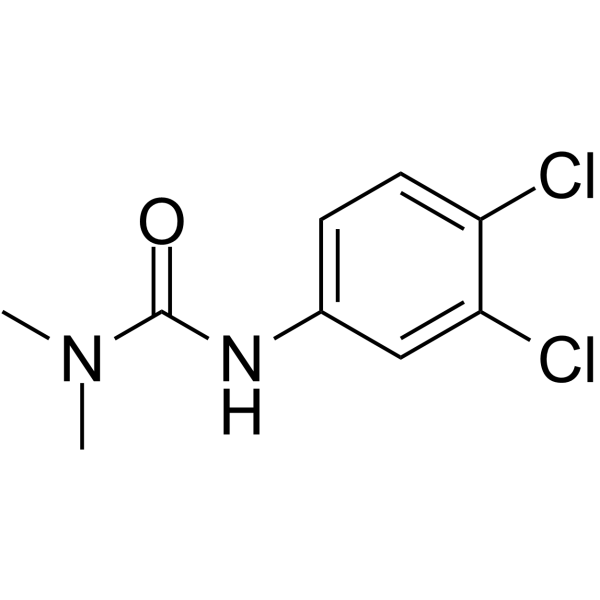
    Diuron is an orally active phenylurea herbicide. Diuron inhibits photosynthesis in plants by blocking the formation of ATP and NADH. Diuron increases the production of ROS. Diuron increases expression of p53 in certain cell lines. Diuron has herbicidal activity against annual and perennial broadleaf weeds and grass weeds. Diuron promotes DMBA/BBN-induced bladder cancer. Diuron can be used in breast cancer research .
    Diuron
  • HY-108719
    Insulin glargine
    1 Publications Verification

    Insulin Receptor Akt Metabolic Disease Cancer
    Insulin glargine is a long-acting insulin analog. Insulin glargine has the effect of lowering blood sugar and can be used in the research of diabetes. In addition, high doses of Insulin glargine can promote the proliferation of bladder cancer cells .
    Insulin glargine
  • HY-N2420
    Flavokawain A
    2 Publications Verification

    Apoptosis Histone Methyltransferase Cytochrome P450 Caspase Survivin IAP p38 MAPK PI3K NO Synthase COX JNK ERK Akt Inflammation/Immunology Cancer
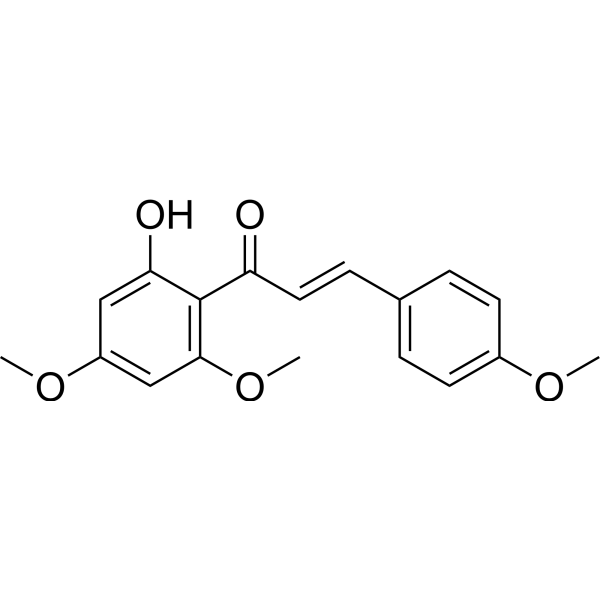
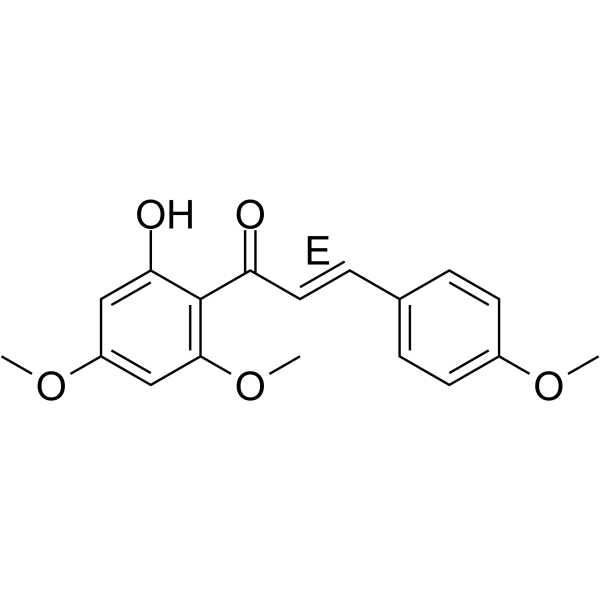
    Flavokawain A is a chalcone compound and an orally active inhibitor of PRMT5 and cytochrome P450. Flavokawain A has anti-inflammatory, anti-tumor, and immunomodulatory effects. Flavokawain A can inhibit the proliferation of tumor cells and induce apoptosis. Flavokawain A can be used in the research of diseases such as bladder cancer .
    Flavokawain A
  • HY-119024

    SHP1 STAT Cancer
    BCI-137 is a Argonaute 2 (AGO2) inhibitor. By inhibiting AGO2 function, reducing PTPN6/SHP-1 protein levels and enhancing STAT1 phosphorylation, BCI-137 restores the sensitivity of tumor cells to IFN-γ. BCI-137 effectively enhances the recruitment, activation and cytotoxicity of CD8 + T cells. BCI-137 exerts a synergistic effect with anti-PD-1 antibodies and significantly reduces tumor volume in preclinical mouse models. BCI-137 exhibits favorable safety profiles and does not cause significant weight loss or death in mice. BCI-137 can be used in research related to bladder cancer, colorectal cancer, melanoma and other related fields .
    BCI-137
  • HY-N0800
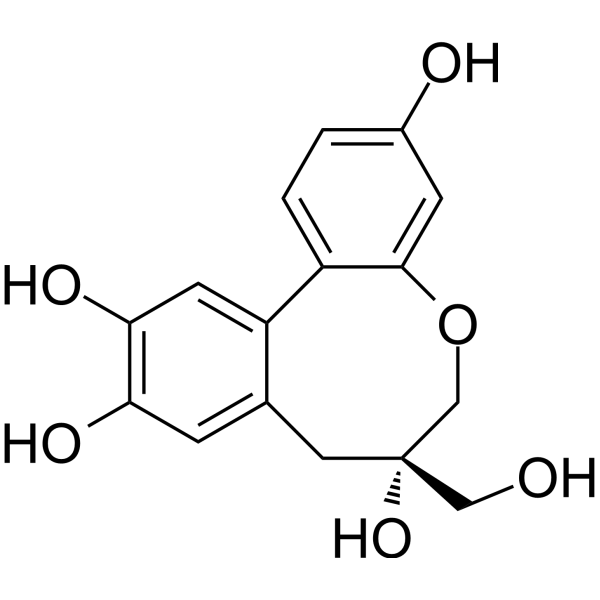
    Protosappanin B
    2 Publications Verification

    (-)-Protosappanin B

    Apoptosis Cancer
    Protosappanin B is a phenolic compound extracted from Caesalpinia sappan. Anti-cancer activity . Protosappanin B induces apoptosis and causes G1 cell cycle arrest in human bladder cancer cells .
    Protosappanin B
  • HY-W755252

    BBN

    DNA Alkylator/Crosslinker Cancer
    N-Butyl-N-(4-hydroxybutyl)nitrosamine is a potent mutagen that can cause high-level of mutagenesis specifically in the epithelial cells (urothelial) of the urinary bladder. N-Butyl-N-(4-hydroxybutyl)nitrosamine is used to induce bladder cancer in rodents .
    N-Butyl-N-(4-hydroxybutyl)nitrosamine
  • HY-W014839

    Sodium cyclamate; Cyclohexylsulfamic acid sodium

    Environmental Pollutants Necroptosis Apoptosis Metabolic Disease Cancer
    Cyclamic acid sodium (Sodium cyclamate) is a commonly used sweetener. Cyclamic acid sodium is toxic to osteoblasts and can inhibit cell proliferation, induce apoptosis and reduce cell mineralization. Cyclamic acid sodium causes focal necrosis of bladder organs in rats in vitro, which can promote bladder cancer, but some studies have shown that low doses of Cyclamic acid sodium have no carcinogenic effect. In addition, Cyclamic acid sodium has no effect on insulin and glucagon secretion induced by arginine .
    Cyclamic acid sodium
  • HY-Y1117
    Melamine
    1 Publications Verification

    Environmental Pollutants Drug Metabolite Apoptosis COX NADPH Oxidase NF-κB ROS Kinase TGF-β Receptor Neurological Disease Inflammation/Immunology Cancer
    Melamine is an orally active inducer of Apoptosis. Melamine induces animal disease models. Melamine affects the activity of Sertoli cell and can be used for research on male reproductive function. Melamine also has neurotoxicity and nephrotoxicity. Melamine induces cognitive impairment and acute kidney injury models. Melamine can also be used to induce bladder cancer and urinary stone models .
    Melamine
  • HY-N2877
    Annonacin
    1 Publications Verification

    Potassium Channel Sodium Channel Na+/K+ ATPase Calcium Channel Apoptosis Neurological Disease Cancer
    Annonacin is an acetylgenin that is toxic by inhibiting the pathway of the mitochondrial complex. Annonacin increases tau phosphorylation in R406W +/+ mice. Annonacin acts as an inhibitor of the sodium/potassium and sarcoplasmic reticulum (SERCA) ATPase pumps. Annonacin has significant killing effect on ovarian cancer cell, cervical cancer cell, breast cancer cell, bladder cancer cell and skin cancer cell. Annonacin induces apoptosis through Bax and Caspase-3-related pathways .
    Annonacin
  • HY-N1366

    Methylumbelliferone

    Apoptosis Bacterial Infection Cancer
    Herniarin is a natural coumarin occurs in some flowering plants with anticancer effects. Herniarin results in a significant decrease in cell viability by inducing apoptosis in MCF-7 cells. Herniarin also has anti-dermatophytic activity. Herniarin can be used for the study of bladder cancer and breast cancer .
    Herniarin
  • HY-145722
    Apatorsen sodium
    1 Publications Verification

    OGX-427 sodium

    HSP Cancer
    Apatorsen (OGX-427) sodium is a 2'-methoxyethyl-modified antisense oligonucleotide and also a Hsp27 inhibitor. Apatorsen sodium reduces Hsp27 mRNA and protein levels, impairs stress-induced cytoprotective functions, induces cell apoptosis, inhibits tumor growth and prevents metastasis. Apatorsen sodium is applicable to research related to non-small cell lung cancer, castration-resistant prostate cancer, breast cancer, ovarian cancer and bladder cancer .
    Apatorsen sodium
  • HY-13299
    MK-8033
    3 Publications Verification

    c-Met/HGFR Cancer
    MK-8033 is an orally active ATP competitive c-Met/Ron dual inhibitor (IC50s: 1 nM (c-Met),7 nM (Ron)), with preferential binding to the activated kinase conformation. MK-8033 can be used in the research of cancers, such as breast and bladder cancers, non-small cell lung cancers (NSCLCs) .
    MK-8033
  • HY-W008923
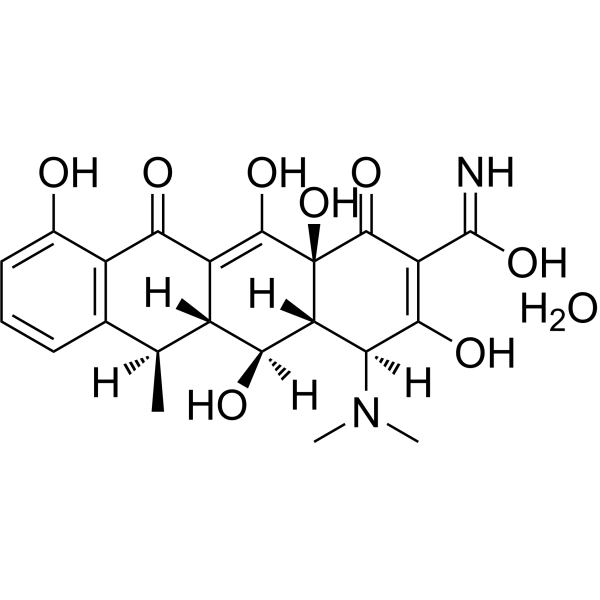
    Doxycycline monohydrate
    170+ Cited Publications

    MMP Parasite Bacterial Antibiotic Apoptosis Akt PI3K Infection Neurological Disease Inflammation/Immunology Cancer
    Doxycycline monohydrate is an orally active highly lipophilic, tissue-permeable MMP inhibitor with broad-spectrum antibacterial activity. Doxycycline monohydrate is also a semi-synthetic antibiotic with chelating properties, which blocks bacterial protein synthesis and inhibits extracellular matrix degradation through interactions with zinc and calcium atoms. Doxycycline monohydrate also inhibits mitochondrial biogenesis, translation, and the expression of respiratory chain proteins. Doxycycline monohydrate induces apoptosis, inhibits autophagy and EMT, downregulates stem cell markers, and activates the PI3K-AKT pathway, thereby effectively inhibiting the viability and proliferation of cancer cells such as breast cancer cells. Doxycycline monohydrate also promotes the survival and self-renewal of embryonic stem cells and neural stem cells, and reduces the frequency of medium changes in culture. Doxycycline monohydrate has been applied in studies related to breast cancer, prostate cancer, bladder cancer, and other cancers .
    Doxycycline monohydrate
  • HY-120692

    JAK STAT Apoptosis Cancer
    Cyclanoline chloride is an alkaloid. Cyclanoline chloride can be isolated from Fangji. Cyclanoline (chloride) inhibits the phosphorylation of JAK2 and STAT3, and induces Apoptosis. Cyclanoline chloride suppresses tumor growth in subcutaneous bladder cancer xenograft models of nude mice. Cyclanoline chloride reverses cisplatin resistance in bladder cancer cells and enhances the efficacy of Cisplatin (HY-17394). Cyclanoline chloride can be used for research related to bladder cancer .
    Cyclanoline chloride
  • HY-119198

    Apoptosis Histone Methyltransferase Cancer
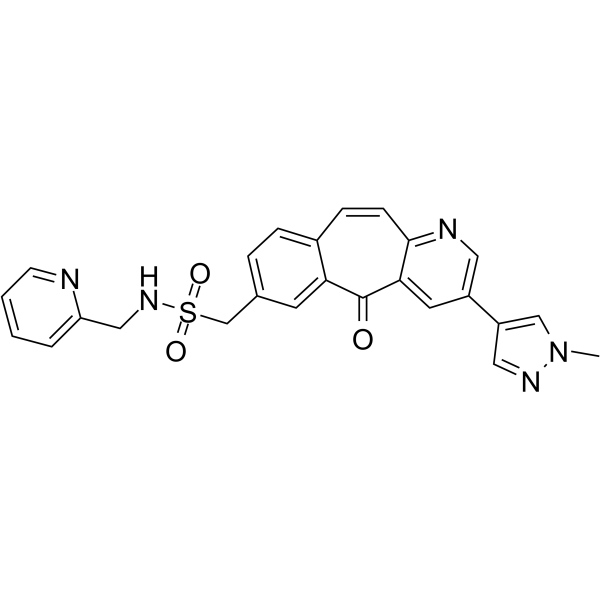
    NSC745885 an effective anti-tumor agent, shows selective toxicity against multiple cancer cell lines but not normal cells. NSC745885 is an effective down-regulator of EZH2 via proteasome-mediated degradation. NSC745885 provides possibilities for the study of advanced bladder and oral squamous cell carcinoma (OSCC) cancers .
    NSC745885
  • HY-P99899

    PR-1498487

    ADC Antibody Cancer
    Samrotamab (PR-1498487) is a humanized IgG1-κ chimeric antibody targeting LRRC15. Samrotamab markedly reduces bladder cancer cells viability and inhibits clonogenic growth, migratory and invasive capabilities. Samrotamab significantly increases LRRC15 mRNA level while suppressing SCG5 mRNA expression. Samrotamab can be used for synthesis of ADC ABBV-085 .
    Samrotamab
  • HY-N2571

    Reverse Transcriptase HIV Opioid Receptor Infection Neurological Disease Cancer
    Corydine is a HIV-1 reverse transcriptase inhibitor and μ-opioid receptor (MOR) agonist, with an IC50 of 356.7 μg/mL against HIV-1 reverse transcriptase, an EC50 of 0.51 μM for MOR, and a Ki of 2.82 μM for MOR. Corydine produces antinociceptive effects by inhibiting acetic acid-induced writhing behavior in a MOR-dependent manner. Corydine inhibits the proliferation of cancer cells, mitogen-stimulated lymphocytes and IL-2-dependent cells. Corydine can be used in studies related to human immunodeficiency virus infection, visceral pain, leukemia, melanoma, bladder cancer and colon adenocarcinoma .
    Corydine
  • HY-115718
    PZ703b
    4 Publications Verification

    PROTACs Bcl-2 Family Cancer
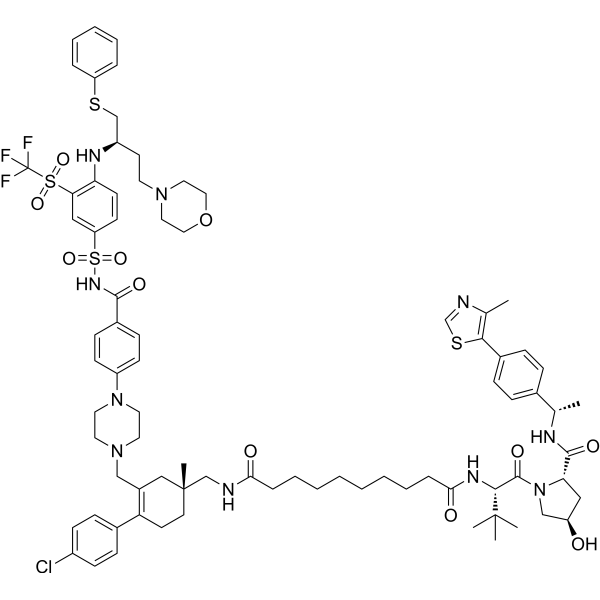
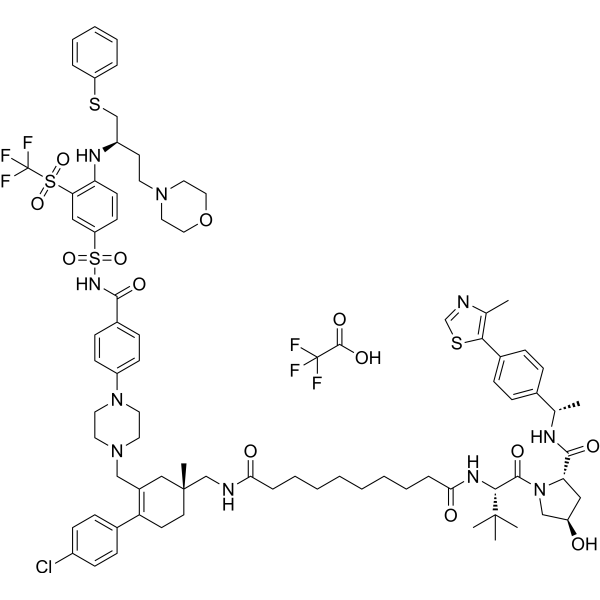
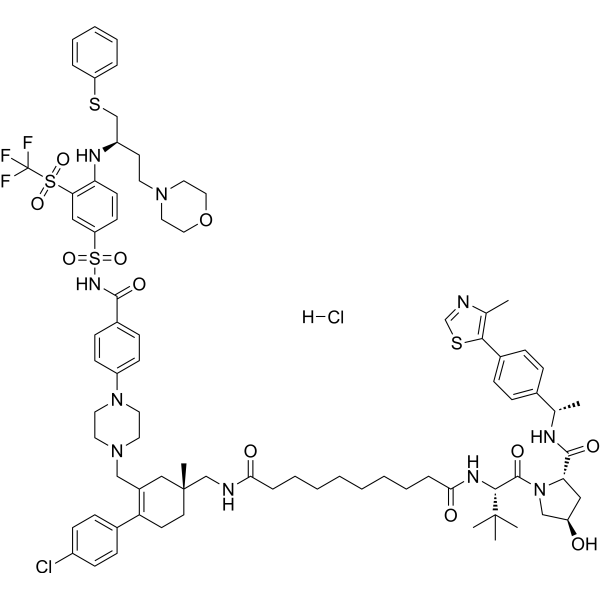
    PZ703b is a Bcl-xl PROTAC degrader that induces apoptosis and inhibits cancer cell proliferation. PZ703b can be used for the research of bladder cancer research .
    PZ703b
  • HY-164315

    Ras PERK Cancer
    KRAS G12C inhibitor 67 (Example 35) is an orally active KRAS G12C inhibitor. KRAS G12C inhibitor 67 inhibits pERK and active KRas. KRAS G12C inhibitor 67 selectively inhibits the growth of various KRAS G12C mutant tumor cell lines. KRAS G12C inhibitor 67 exhibits anticancer activity against esophageal cancer, bladder cancer, colorectal cancer, lung cancer, and pancreatic cancer .
    KRAS G12C inhibitor 67
  • HY-N6872

    JNK Akt Apoptosis Autophagy Reactive Oxygen Species (ROS) Cancer
    Actein, a triterpene glycoside, shows an inhibitory effect on cancer cells, which is isolated from the rhizomes of Cimicifuga foetida. Actein suppresses cell proliferation, induces autophagy and apoptosis through promoting ROS/JNK activation, and blunting AKT pathway in bladder cancer. Actein has little toxicity in vivo .
    Actein
  • HY-B0541

    Cyclohexylsulfamic acid; Cyclamate

    Environmental Pollutants Apoptosis Necroptosis Metabolic Disease Cancer
    Cyclamic acid (Cyclamate) is a commonly used sweetener. Cyclamic acid sodium is toxic to osteoblasts and can inhibit cell proliferation, induce apoptosis and reduce cell mineralization. Cyclamic acid sodium causes focal necrosis of bladder organs in rats in vitro, which can promote bladder cancer, but some studies have shown that low doses of Cyclamic acid sodium have no carcinogenic effect. In addition, Cyclamic acid sodium has no effect on insulin and glucagon secretion induced by arginine .
    Cyclamic acid
  • HY-P99884

    PF-06801591

    PD-1/PD-L1 Inflammation/Immunology Cancer
    Sasanlimab is a humanized IgG4 isotype anti-PD-1 antibody. Sasanlimab blocks PD-1 interaction with PD-L1/PD-L2, reverses PD-1-mediated inhibitory T-cell signaling, augments T-cell proliferation and cytokine production. Sasanlimab inhibits colon adenocarcinoma tumor growth, and accelerates graft-versus-host disease incidence via enhanced T-cell activity. Sasanlimab can be used for the research of cancer, such as bladder cancer and colon adenocarcinoma .
    Sasanlimab
  • HY-115565

    CDK Apoptosis Cancer
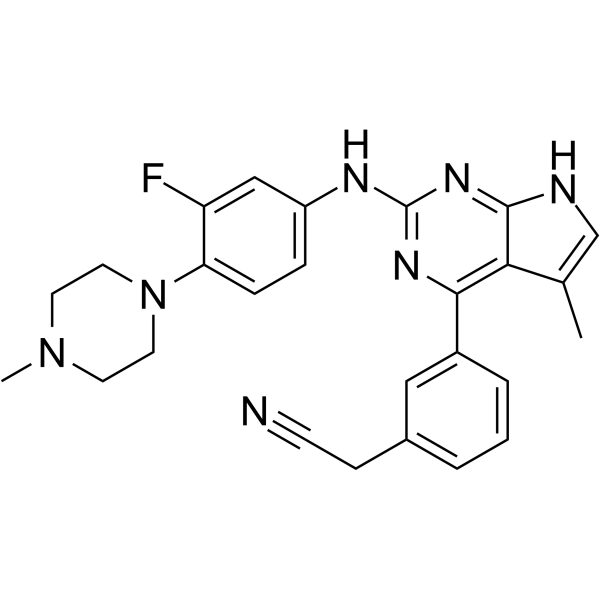
    CGP-74514 (Compound 13) is a highly selective cyclin-dependent kinase 1 (CDK1) inhibitor (IC50=25 nM). CGP-74514 inhibits CDK1/cyclin B complex activity, arrests the cell cycle at G2/M phase and induces tumor cell apoptosis. CGP-74514 is promising for research of bladder cancer .
    CGP-74514
  • HY-12964
    SGI-7079
    3 Publications Verification

    TAM Receptor Cancer
    SGI-7079 is a selective, ATP-competitive, orally active inhibitor of the receptor tyrosine kinase Axl. SGI-7079 blocks Axl-mediated signaling pathways such as NF-κB activation and MMP-9 expression, thereby inhibiting tumor cell proliferation, migration and invasion. SGI-7079 is mainly used in the research of malignant tumors such as inflammatory breast cancer and bladder cancer, as well as in combination with immunization (used in combination with PD-1 therapy)[1][2][3].
    SGI-7079
  • HY-N0565S1

    Isotope-Labeled Compounds MMP Parasite Bacterial Antibiotic Apoptosis Akt PI3K Infection Neurological Disease Inflammation/Immunology Cancer
    Doxycycline-d3 hyclate (major) is the deuterium labeled Doxycycline hyclate (HY-N0565B). Doxycycline hyclate is an orally active highly lipophilic, tissue-permeable MMP inhibitor with broad-spectrum antibacterial activity. Doxycycline hyclate is also a semi-synthetic antibiotic with chelating properties, which blocks bacterial protein synthesis and inhibits extracellular matrix degradation through interactions with zinc and calcium atoms. Doxycycline hyclate also inhibits mitochondrial biogenesis, translation, and the expression of respiratory chain proteins. Doxycycline hyclate induces apoptosis, inhibits autophagy and EMT, downregulates stem cell markers, and activates the PI3K-AKT pathway, thereby effectively inhibiting the viability and proliferation of cancer cells such as breast cancer cells. Doxycycline hyclate also promotes the survival and self-renewal of embryonic stem cells and neural stem cells, and reduces the frequency of medium changes in culture. Doxycycline hyclate has been applied in studies related to breast cancer, prostate cancer, bladder cancer, and other cancers .
    Doxycycline-d3 (hyclate) (major)
  • HY-145722A
    Apatorsen
    1 Publications Verification

    OGX-427

    HSP Cancer
    Apatorsen is a 2'-methoxyethyl-modified antisense oligonucleotide and also a Hsp27 inhibitor. Apatorsen reduces Hsp27 mRNA and protein levels, impairs stress-induced cytoprotective functions, induces cell apoptosis, inhibits tumor growth and prevents metastasis. Apatorsen is applicable to research related to non-small cell lung cancer, castration-resistant prostate cancer, breast cancer, ovarian cancer and bladder cancer .
    Apatorsen
  • HY-171030

    Reactive Oxygen Species (ROS) Cancer
    Pro-GA is a γ-glutamyl cyclotransferase (GGCT) inhibitor. Pro-GA inhibits the enzymatic activity of GGCT, disrupts glutathione homeostasis, induces the production of mitochondrial ROS, and upregulates the expression of p21, p27 and p16 in cells. Pro-GA inhibits the growth of cancer cells, induces cell cycle arrest and cellular senescence. Pro-GA exerts anti-tumor effects in breast cancer xenograft mouse models. Pro-GA can be used in research related to bladder cancer and breast cancer .
    Pro-GA
  • HY-B1247R

    PPIX (Standard)

    Reference Standards Endogenous Metabolite Others
    Protoporphyrin IX (Standard) is the analytical standard of Protoporphyrin IX. This product is intended for research and analytical applications. Protoporphyrin IX is a final intermediate in the heme biosynthetic pathway, which acts as a radiation sensitizer enhancing ROS generation even in a hypoxic state and inducing DNA damage. Protoporphyrin IX also acts as a photo sensitizer undergoing photobleaching that occurs through direct degradation by light irradiation. Protoporphyrin IX is formed and accumulated following 5-aminolevulinic acid (5-ALA) (HY-W000450) administration in the tumor cells of rats. Protoporphyrin IX causes selective improvement of basal cell carcinoma when activated red fluorescence of a peak wavelength at 405 nm. Protoporphyrin IX is promising for research of sonodynamic and photodynamic agents for a wide range of cancers, such as bladder cancer and nodular basal cell carcinoma .
    Protoporphyrin IX (Standard)
  • HY-N0565AR

    Reference Standards MMP Parasite Bacterial Antibiotic Apoptosis Akt PI3K Infection Neurological Disease Inflammation/Immunology Cancer
    Doxycycline hydrochloride (Standard) is the analytical standard of Doxycycline hydrochloride (HY-N0565A). This product is intended for research and analytical applications. Doxycycline hydrochloride is an orally active highly lipophilic, tissue-permeable MMP inhibitor with broad-spectrum antibacterial activity. Doxycycline hydrochloride is also a semi-synthetic antibiotic with chelating properties, which blocks bacterial protein synthesis and inhibits extracellular matrix degradation through interactions with zinc and calcium atoms. Doxycycline hydrochloride also inhibits mitochondrial biogenesis, translation, and the expression of respiratory chain proteins. Doxycycline hydrochloride induces apoptosis, inhibits autophagy and EMT, downregulates stem cell markers, and activates the PI3K-AKT pathway, thereby effectively inhibiting the viability and proliferation of cancer cells such as breast cancer cells. Doxycycline hydrochloride also promotes the survival and self-renewal of embryonic stem cells and neural stem cells, and reduces the frequency of medium changes in culture. Doxycycline hydrochloride has been applied in studies related to breast cancer, prostate cancer, bladder cancer, and other cancers .
    Doxycycline (hydrochloride) (Standard)
  • HY-N0565R

    Reference Standards MMP Parasite Bacterial Antibiotic Apoptosis Akt PI3K Infection Neurological Disease Inflammation/Immunology Cancer
    Doxycycline (Standard) is the analytical standard of Doxycycline (HY-N0565). This product is intended for research and analytical applications. Doxycycline is an orally active highly lipophilic, tissue-permeable MMP inhibitor with broad-spectrum antibacterial activity. Doxycycline is also a semi-synthetic antibiotic with chelating properties, which blocks bacterial protein synthesis and inhibits extracellular matrix degradation through interactions with zinc and calcium atoms. Doxycycline also inhibits mitochondrial biogenesis, translation, and the expression of respiratory chain proteins. Doxycycline induces apoptosis, inhibits autophagy and EMT, downregulates stem cell markers, and activates the PI3K-AKT pathway, thereby effectively inhibiting the viability and proliferation of cancer cells such as breast cancer cells. Doxycycline also promotes the survival and self-renewal of embryonic stem cells and neural stem cells, and reduces the frequency of medium changes in culture. Doxycycline has been applied in studies related to breast cancer, prostate cancer, bladder cancer, and other cancers .
    Doxycycline (Standard)
  • HY-N0565BR

    Doxycycline (hydrochloride hemiethanolate hemihydrate) (Standard); WC2031 (Standard)

    Reference Standards MMP Parasite Bacterial Antibiotic Apoptosis Akt PI3K Infection Neurological Disease Inflammation/Immunology Cancer
    Doxycycline hyclate (Standard) is the analytical standard of Doxycycline hyclate (HY-N0565B). This product is intended for research and analytical applications. Doxycycline hyclate is an orally active highly lipophilic, tissue-permeable MMP inhibitor with broad-spectrum antibacterial activity. Doxycycline hyclate is also a semi-synthetic antibiotic with chelating properties, which blocks bacterial protein synthesis and inhibits extracellular matrix degradation through interactions with zinc and calcium atoms. Doxycycline hyclate also inhibits mitochondrial biogenesis, translation, and the expression of respiratory chain proteins. Doxycycline hyclate induces apoptosis, inhibits autophagy and EMT, downregulates stem cell markers, and activates the PI3K-AKT pathway, thereby effectively inhibiting the viability and proliferation of cancer cells such as breast cancer cells. Doxycycline hyclate also promotes the survival and self-renewal of embryonic stem cells and neural stem cells, and reduces the frequency of medium changes in culture. Doxycycline hyclate has been applied in studies related to breast cancer, prostate cancer, bladder cancer, and other cancers .
    Doxycycline hyclate (Standard)
  • HY-N7707

    Environmental Pollutants Apoptosis Cancer
    Sandacanol is a specific agonist of olfactory receptor (OR10H1). Sandacanol induces cell cycle arrest and some apoptosis in bladder cancer cells .
    Sandacanol
  • HY-N5106
    (E)-Flavokawain A
    2 Publications Verification

    Apoptosis Cancer
    (E)-Flavokawain A, a chalcone extracted from Kava, has anticarcinogenic effect. (E)-Flavokawain A induces apoptosis in bladder cancer cells by involvement of bax protein-dependent and mitochondria-dependent apoptotic pathway and suppresses tumor growth in mice .
    (E)-Flavokawain A
  • HY-16322
    Minodronic acid
    1 Publications Verification

    YM-529

    P2X Receptor Apoptosis Farnesyl Transferase Metabolic Disease Cancer
    Minodronic acid (YM-529) is an FPP synthase inhibitor with an IC50 of 3 nM, and also an antagonist of P2X2/3 receptors with an IC50 of 62.7 μM. Minodronic acid induces tumor cell apoptosis and inhibits cell growth. Minodronic acid also suppresses bone resorption. Minodronic acid can be used in research related to osteoporosis and cancer .
    Minodronic acid
  • HY-B1247A
    Protoporphyrin IX disodium
    20+ Cited Publications

    PPIX disodium

    Endogenous Metabolite Cancer
    Protoporphyrin IX disodium is a final intermediate in the heme biosynthetic pathway, which acts as a radiation sensitizer enhancing ROS generation even in a hypoxic state and inducing DNA damage. Protoporphyrin IX disodium also acts as a photo sensitizer undergoing photobleaching that occurs through direct degradation by light irradiation. Protoporphyrin IX disodium is formed and accumulated following 5-aminolevulinic acid (5-ALA) (HY-W000450) administration in the tumor cells of rats. Protoporphyrin IX disodium causes selective improvement of basal cell carcinoma when activated red fluorescence of a peak wavelength at 405 nm. Protoporphyrin IX disodium is promising for research of sonodynamic and photodynamic agents for a wide range of cancers, such as bladder cancer and nodular basal cell carcinoma .
    Protoporphyrin IX disodium
  • HY-150308

    PPAR Cancer
    SR10221, a noncovalent inverse agonist of PPARγ, represses downstream PPARγ target genes leading to growth inhibition in bladder cancer cell lines .
    SR10221
  • HY-N0565AS

    Isotope-Labeled Compounds MMP Parasite Bacterial Antibiotic Apoptosis Akt PI3K Infection Neurological Disease Inflammation/Immunology Cancer
    Doxycycline-d3 hydrochloride is deuterium labeled Doxycycline hydrochloride (HY-N0565A). Doxycycline hydrochloride is an orally active highly lipophilic, tissue-permeable MMP inhibitor with broad-spectrum antibacterial activity. Doxycycline hydrochloride is also a semi-synthetic antibiotic with chelating properties, which blocks bacterial protein synthesis and inhibits extracellular matrix degradation through interactions with zinc and calcium atoms. Doxycycline hydrochloride also inhibits mitochondrial biogenesis, translation, and the expression of respiratory chain proteins. Doxycycline hydrochloride induces apoptosis, inhibits autophagy and EMT, downregulates stem cell markers, and activates the PI3K-AKT pathway, thereby effectively inhibiting the viability and proliferation of cancer cells such as breast cancer cells. Doxycycline hydrochloride also promotes the survival and self-renewal of embryonic stem cells and neural stem cells, and reduces the frequency of medium changes in culture. Doxycycline hydrochloride has been applied in studies related to breast cancer, prostate cancer, bladder cancer, and other cancers .
    Doxycycline-d3 (hydrochloride)
  • HY-N0565S3

    Isotope-Labeled Compounds MMP Parasite Bacterial Antibiotic Apoptosis Akt PI3K Infection Neurological Disease Inflammation/Immunology Cancer
    Doxycycline- 13C,d3 is 13C and deuterium labeled Doxycycline (HY-N0565). Doxycycline is an orally active highly lipophilic, tissue-permeable MMP inhibitor with broad-spectrum antibacterial activity. Doxycycline is also a semi-synthetic antibiotic with chelating properties, which blocks bacterial protein synthesis and inhibits extracellular matrix degradation through interactions with zinc and calcium atoms. Doxycycline also inhibits mitochondrial biogenesis, translation, and the expression of respiratory chain proteins. Doxycycline induces apoptosis, inhibits autophagy and EMT, downregulates stem cell markers, and activates the PI3K-AKT pathway, thereby effectively inhibiting the viability and proliferation of cancer cells such as breast cancer cells. Doxycycline also promotes the survival and self-renewal of embryonic stem cells and neural stem cells, and reduces the frequency of medium changes in culture. Doxycycline has been applied in studies related to breast cancer, prostate cancer, bladder cancer, and other cancers .
    Doxycycline-13C,d3
  • HY-B0860S

    Isotope-Labeled Compounds Herbicide Reactive Oxygen Species (ROS) MDM-2/p53 Cancer
    Diuron-d6 is the deuterium labeled Diuron (HY-B0860). Diuron is an orally active phenylurea herbicide. Diuron inhibits photosynthesis in plants by blocking the formation of ATP and NADH. Diuron increases the production of ROS. Diuron increases expression of p53 in certain cell lines. Diuron has herbicidal activity against annual and perennial broadleaf weeds and grass weeds. Diuron promotes DMBA/BBN-induced bladder cancer. Diuron can be used in breast cancer research .
    Diuron-d6
  • HY-N1366S

    7-Methoxycoumarin-d3; Methyl umbelliferyl ether-d3

    Isotope-Labeled Compounds Apoptosis Bacterial Infection Cancer
    Herniarin-d3 is the deuterium labeled Herniarin (HY-N1366). Herniarin is a natural coumarin occurs in some flowering plants with anticancer effects. Herniarin results in a significant decrease in cell viability by inducing apoptosis in MCF-7 cells. Herniarin also has anti-dermatophytic activity. Herniarin can be used for the study of bladder cancer and breast cancer .
    Herniarin-d3
  • HY-B0510CR

    Reference Standards Antifolate Bacterial Antibiotic Infection Cancer
    Actein (Standard) is the analytical standard of Actein. This product is intended for research and analytical applications. Actein, a triterpene glycoside, shows an inhibitory effect on cancer cells, which is isolated from the rhizomes of Cimicifuga foetida. Actein suppresses cell proliferation, induces autophagy and apoptosis through promoting ROS/JNK activation, and blunting AKT pathway in bladder cancer. Actein has little toxicity in vivo .
    Trimethoprim lactate (Standard)
  • HY-160160

    PPAR Cancer
    BAY-5516 is a inverse-agonist o PPARG, with the IC50 value of 6.1±3.6 nM that has anti-tumor effect .
    BAY-5516
  • HY-118976

    CGP-74514A

    CDK Apoptosis Cancer
    CGP-74514 hydrochloride is a highly selective cyclin-dependent kinase 1 (CDK1) inhibitor (IC50: 25 nM). CGP-74514 hydrochloride inhibits CDK1/cyclin B complex activity, arrests the cell cycle at G2/M phase and induces tumor cell apoptosis. CGP-74514 hydrochloride is promising for research of bladder cancer .
    CGP-74514 hydrochloride
  • HY-P991525

    TNF Receptor Cancer
    2141-V11 is an anti-CD40 agonist antibody with enhanced binding to FcγRIIB. 2141-V11 results in effective tumor-specific T-cell responses in vivo. 2141-V11 can be used for the study of BCG-unresponsive non-muscle invasive bladder cancer .
    2141-V11
  • HY-N15742

    Ferroptosis Reactive Oxygen Species (ROS) p38 MAPK Cancer
    Talaroconvolutin A is a ferroptosis inducer. Talaroconvolutin A induces ferroptosis by increasing reactive oxygen species (ROS) levels rather than the GPX4 pathway. Talaroconvolutin A downregulates the expression of the channel protein solute carrier family 7 member 11 (SLC7A11) and upregulates arachidonic acid lipoxygenase 3 (ALOXE3). Talaroconvolutin A inhibits the growth of colorectal cancer cells HCT116 and bladder cancer cells SW480 with IC50 values of 1.22 μM and 1.4 μM, respectively. Talaroconvolutin A can be used in the study of colorectal cancer and bladder cancer [1] [2] [3].
    Talaroconvolutin A

Inquiry Online

Your information is safe with us. * Required Fields.

Salutation


Country or Region *

Applicant Name *


Organization Name *

Department *


Email Address *


Product Name *

Cat. No.


Requested quantity *

Phone Number *


Remarks

Inquiry Online

Inquiry Information

Product Name:
Cat. No.:
Quantity:
MCE Japan Authorized Agent:

