


Search Result
Results for "
endothelial cell proliferation
" in MedChemExpress (MCE) Product Catalog:
3
Biochemical Assay Reagents
4
Isotope-Labeled Compounds
| Cat. No. |
Product Name |
Target |
Research Areas |
Chemical Structure |
-
- HY-B0636
-
|
|
Glucocorticoid Receptor
FGFR
|
Cardiovascular Disease
Inflammation/Immunology
Endocrinology
Cancer
|
|
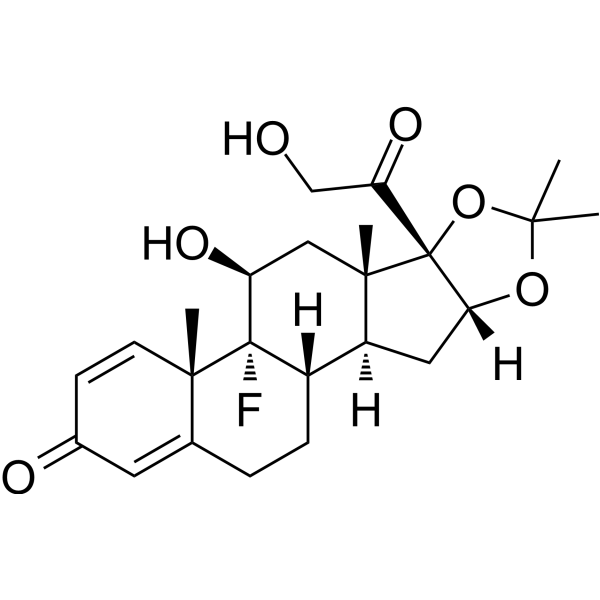
Triamcinolone acetonide inhibits basic fibroblast growth factor (bFGF) induced proliferation of retinal endothelial cells. Triamcinolone acetonide reduces chondrocyte viability and leads to cartilage destruction. Triamcinolone acetonide activates macrophage with anti-inflammatory characteristics. Triamcinolone acetonide can be used in the study of diseases such as atopic dermatitis .
|
-
-
- HY-17369B
-
|
L700462; MK383
|
Integrin
|
Cardiovascular Disease
|
|
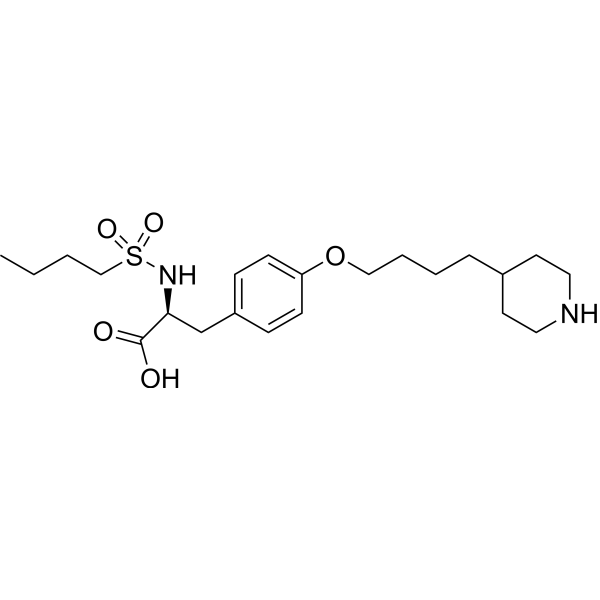
Tirofiban (L700462) is a selective and reversible platelet integrin receptor (Gp IIb/IIIa) antagonist that inhibits fibrinogen binding to this receptor and has antithrombotic activity. Tirofiban induces proliferation and migration on endothelial cell by inducing production of VEGF. Tirofiban can significantly reduces myocardial no-reflow and ischemia-reperfusion injury by alleviating myocardial microvascular structural and endothelial dysfunction in the ischemic area .
|
-
-
- HY-170230
-
|
ECGS,Bovine
|
Biochemical Assay Reagents
|
Others
|
|
Bovine Endothelial cell growth supplement, suitable for cell culture (ECGS, Bovine) is a culture medium supplement, endothelial cell growth supplement (ECGS), which promotes the proliferation of human saphenous vein endothelial cells (HSVEC) and human umbilical vein endothelial cells (HUVEC) .
|
-
-
- HY-17369
-
|
L700462 hydrochloride monohydrate; MK383 hydrochloride monohydrate
|
Integrin
|
Cardiovascular Disease
|
|
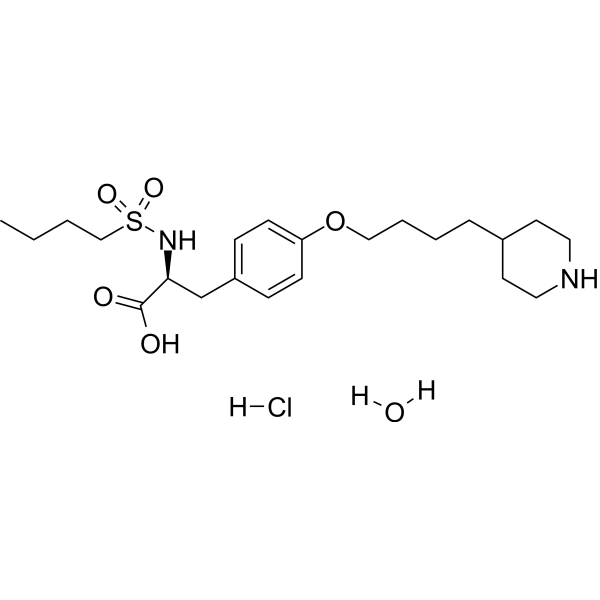
Tirofiban (L700462) hydrochloride monohydrate is a selective and reversible platelet integrin receptor (Gp IIb/IIIa) antagonist that inhibits fibrinogen binding to this receptor and has antithrombotic activity. Tirofiban hydrochloride monohydrate induces proliferation and migration on endothelial cell by inducing production of VEGF. Tirofiban hydrochloride monohydrate can significantly reduces myocardial no-reflow and ischemia-reperfusion injury by alleviating myocardial microvascular structural and endothelial dysfunction in the ischemic area .
|
-
-
- HY-19542
-
|
C6-Cer; N-Hexanoylsphingosine
|
Apoptosis
|
Cancer
|
|
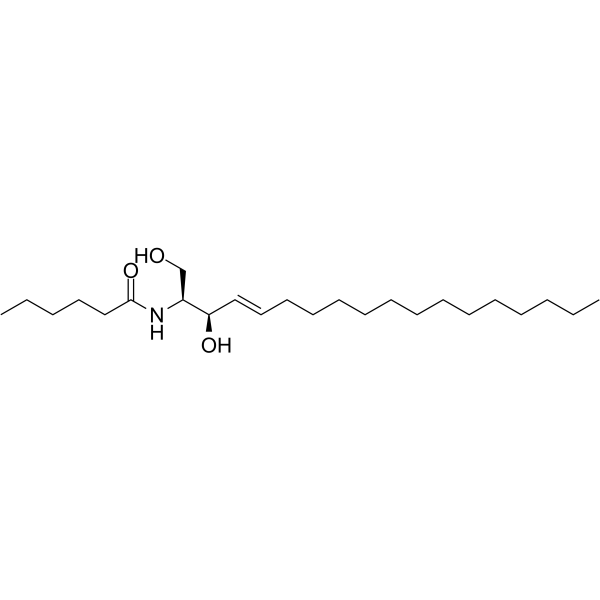
C6 Ceramide (C6-Cer) is a short-chain, cell-permeable ceramide pathway activator with anticancer activity. C6 Ceramide-mediated miR-29b expression participates in the progression of multiple myeloma through suppressing the proliferation, migration and angiogenesis of endothelial cells by targeting Akt signal pathway. C6 Ceramide exhibits multiple anti-cancer properties including cell cycle arrest, Apoptosis, inhibition of tumor growth and enhances the effects of chemotherapy in drug-resistant cancer cells. C6-ceramide can be used as an adjuvant for chemotherapeutic agents, to enhance anti-tumor effects .
|
-
-
- HY-P991202
-
|
|
TSH Receptor
PKA
|
Metabolic Disease
Inflammation/Immunology
|
|
Anti-TSHR Antibody (M22) is a selective agonist targeting TSHR (thyroid-stimulating hormone receptor), acting through competitive binding to the extracellular domain of TSHR. Anti-TSHR Antibody (M22) can mimic the biological effects of thyroid-stimulating hormone (TSH), activating downstream cAMP-PKA and other signaling pathways. Anti-TSHR Antibody (M22) can stimulate the proliferation of thyroid follicular epithelial cells and human umbilical vein endothelial cells (HUVECs), promote angiogenesis and tube formation, cell migration, and also upregulate the expression of angiogenesis-related proteins such as PROX1. Anti-TSHR Antibody (M22) can be used in research areas such as the mechanisms of goiter formation in Graves' disease (GD), angiogenesis regulation, and TSHR antagonist screening .
|
-
-
- HY-112234
-
|
Sepiapterin
|
Endogenous Metabolite
|
Cancer
|
|
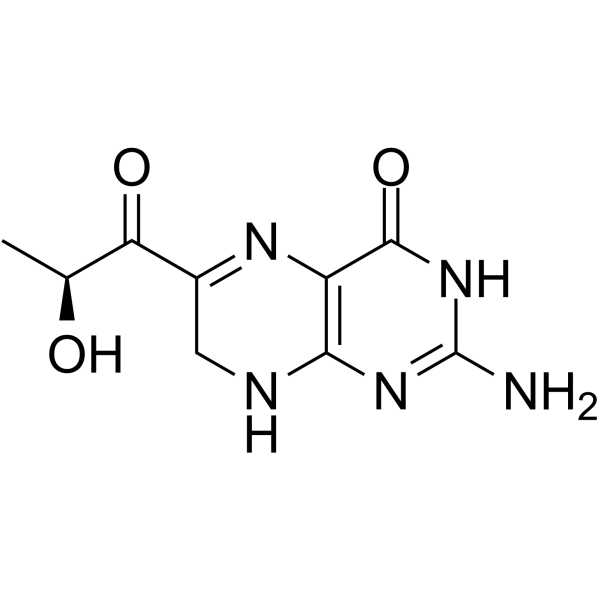
L-Sepiapterin (Sepiapterin), is a phenylalanine hydroxylase activator, is a precursor of the endothelial nitric oxide synthase (eNOS) cofactor tetrahydrobiopterin (BH4). L-Sepiapterin improves endothelial dysfunction in small mesenteric arteries from db/db mice, and induces angiogenesis. L-Sepiapterin inhibits cell proliferation and migration of ovarian cancer cells via down-regulation of p70 S6K-dependent VEGFR-2 expression. L-Sepiapterin can be used for the study of hyperphenylalaninemia .
|
-
-
- HY-P99333
-
|
M200; Eos 200-4
|
Integrin
|
Cardiovascular Disease
Cancer
|
|
Volociximab (M200) is a chimeric human/murine IgG4 antibody IIA1 targeting integrin α5β1 (EC50=0.2 nM). Integrin α5β1 is a major fibronectin receptor involved in angiogenesis. Volociximab has antiangiogenic and antitumor activities and inhibits the proliferation of human umbilical vein vascular endothelial cells (HUVECs) .
|
-
-
- HY-152293
-
|
|
VEGFR
ERK
|
Cancer
|
|
EVT801 is an orally active and selective inhibitor of VEGFR-3 (IC50=11 nM), which has antitumor effects. EVT801 inhibits not only VEGF-C-induced human endothelial cell proliferation, but also tumor (lymphatic) angiogenesis in tumor mouse models. EVT801 can reduce tumor hypoxia, immunosuppressive cytokines (CCL4, CCL5) and myeloid derived suppressor cells (MDSC) production. EVT801 has synergistic effect with immune checkpoint therapy (ICT), which improves ICT response rate and has better inhibitory effect on cancer mouse models . EVT801 is a click chemistry reagent, it contains an Alkyne group and can undergo copper-catalyzed azide-alkyne cycloaddition (CuAAc) with molecules containing Azide groups.
|
-
-
- HY-P1856
-
|
|
Insulin Receptor
PDGFR
MAPKAPK2 (MK2)
|
Cardiovascular Disease
Metabolic Disease
Inflammation/Immunology
|
|
Proinsulin C-peptide (human) is a peptide consisting of 31 amino acids that links the A and B chains of proinsulin to ensure its correct folding. Proinsulin C-peptide (human) inhibits the high glucose-induced increase in PDGF-β receptor protein expression and the phosphorylation of p42/p44 MAP kinase. Proinsulin C-peptide (human) increases the deformability of erythrocytes derived from type 1 diabetes, inhibits insulin-induced neointimal thickening, and suppresses the proliferation of rat aortic smooth muscle cells cultured under high-glucose conditions .
|
-
-
- HY-Y1314
-
|
|
Bacterial
|
Metabolic Disease
|
|
Dimethyl sulfone (Methyl Sulfonyl Methane) is a metabolic product of endogenous methanethiol metabolism and intestinal bacterial metabolism. Dimethyl sulfone inhibits choriocapillary endothelial (CCE) cell proliferation, also has many biological effects, including antiinflammatory, antioxidant, and local anesthetic effects that could be neuroprotective .
|
-
-
- HY-N0419
-
|
Quercetin-7-O-β-D-glucopyranoside
|
Glycosidase
c-Kit
MMP
VEGFR
Aurora Kinase
|
Metabolic Disease
Cancer
|
|
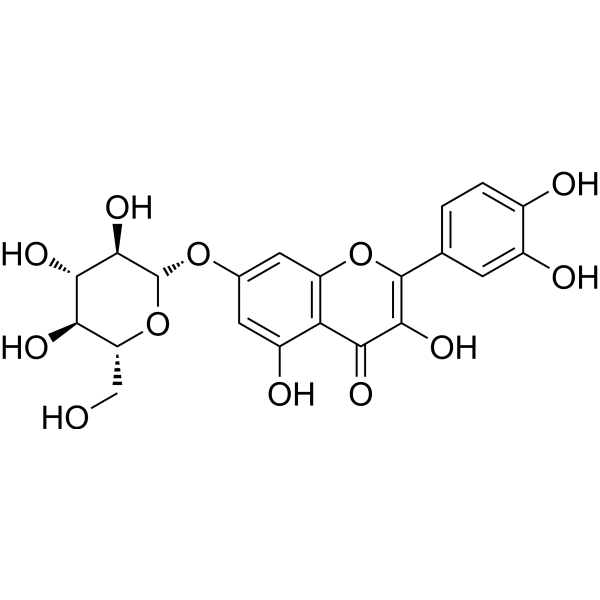
Quercimeritrin (Quercetin-7-O-β-D-glucopyranoside) is an orally active α-glucosidase inhibitor (with an IC50 of 79.88 μM against the Saccharomyces cerevisiae enzyme) and a P-gp substrate, with anti-angiogenic and antioxidant activities. Quercimeritrin does not cross the blood-brain barrier and does not inhibit cytochrome P450 enzymes. Quercimeritrin precisely binds to and inhibits the active sites of c-Kit, MMP-2, Aurora-A kinases and α-glucosidase, thereby disrupting target functions. Quercimeritrin effectively regulates postprandial blood glucose and also exhibits significant anti-angiogenic activity, which inhibits endothelial cell proliferation and microvascular growth. Quercimeritrin can be used in the research of diabetes and breast cancer .
|
-
-
- HY-W015490
-
|
|
Environmental Pollutants
DNA/RNA Synthesis
NF-κB
Monoamine Oxidase
TNF Receptor
Bacterial
|
Infection
Inflammation/Immunology
Cancer
|
|
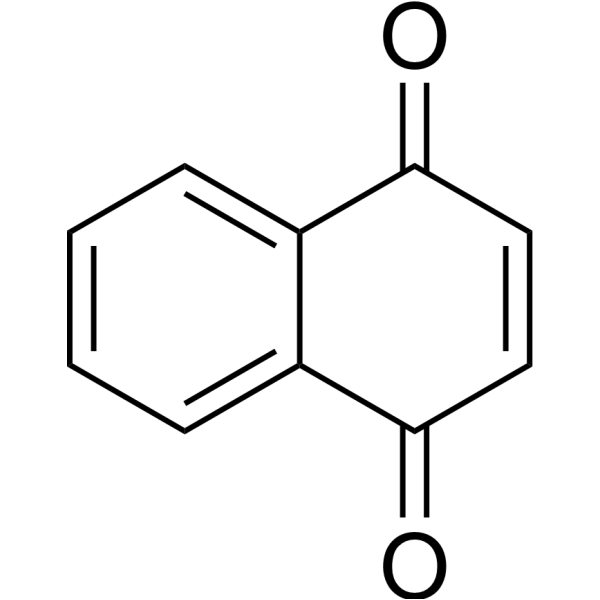
1,4-Naphthoquinone is an inhibitor with broad-spectrum inhibitory activity targeting DNA polymerase, NF-κB and monoamine oxidase (MAO-A/B), with antibacterial and anti-biofilm efficacy. 1,4-Naphthoquinone is a competitive inhibitor of MAO-B (Ki=1.4 μM) and a non-competitive inhibitor of MAO-A (Ki=7.7 μM). 1,4-Naphthoquinone inhibits DNA polymerase pol α, β, γ, δ, ε, λ with IC50 ranging from 5.57-128 μM. 1,4-Naphthoquinone inhibits tumor cell proliferation, induces apoptosis and necrosis, and has anti-angiogenic and anti-inflammatory activities by inducing oxidative stress, depleting glutathione (GSH), inhibiting DNA polymerase-mediated DNA synthesis and blocking NF-κB nuclear translocation. 1,4-Naphthoquinone can be used in anti-bacterial , anti-tumor and anti-inflammatory studies, including inhibition of melanoma and colon cancer cell growth and endothelial cell function, as well as LPS-induced inflammation models .
|
-
-
- HY-119443
-
|
|
Phosphatase
|
Metabolic Disease
|
|
Neridronate is an aminobisphosphonate. Neridronate induces osteoblast differentiation, enhances alkaline phosphatase activity and mineralized nodule formation. Neridronate inhibits endothelial cell proliferation, fibroblast growth factor-2-induced capillary-like tube formation, and angiogenesis. Neridronate can be used for osteogenesis imperfecta and Paget’s disease of bone .
|
-
-
- HY-P5558
-
|
|
VEGFR
|
Neurological Disease
|
|
KLTWQELYQLKYKGI is a VEGF mimetic peptide designed based on the VEGF helix sequence 17-25, with the ability to activate VEGF receptors and exert pro-angiogenic biological activity. KLTWQELYQLKYKGI effectively promotes the attachment, spreading and proliferation of human umbilical vein endothelial cells. KLTWQELYQLKYKGI enhances the proliferation, migration and osteogenic differentiation of bone marrow stromal cells (BMSCs). KLTWQELYQLKYKGI synergistically accelerates angiogenesis and bone regeneration in rat cranial defect models. KLTWQELYQLKYKGI can be used for the research of brain tissue engineering and traumatic brain injury repair and biomaterials for bone tissue engineering and bone repair .
|
-
-
- HY-108136A
-
|
BIM-X hydrochloride; Ro31-8425 hydrochloride
|
PKC
CDK
|
Cardiovascular Disease
Inflammation/Immunology
Cancer
|
|
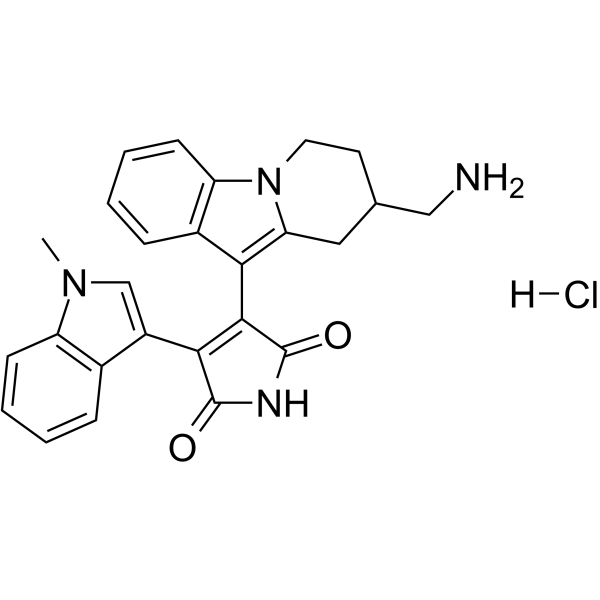
Bisindolylmaleimide X hydrochloride(Ro 31-8425 hydrochloride, BIM-X hydrochloride) is a cell-penetrating PKC inhibitor. Bisindolylmaleimide X hydrochloride is a potent cyclin-dependent kinase 2 (CDK2) antagonist with an IC50 of 200 nM. Bisindolylmaleimide X hydrochloride inhibits the proliferation of CD4 T cells in vitro. Bisindolylmaleimide X hydrochloride inhibits eNOS-Ser1177 phosphorylation in human embryonic vein endothelial cells. Bisindolylmaleimide X hydrochloride can be used for research on the immune system and cardiovascular diseases .
|
-
-
- HY-W040055
-
|
D-(+)-Neopterin; D-erythro-Neopterin
|
NF-κB
PPAR
ERK
Raf
Src
|
Cardiovascular Disease
Inflammation/Immunology
|
|
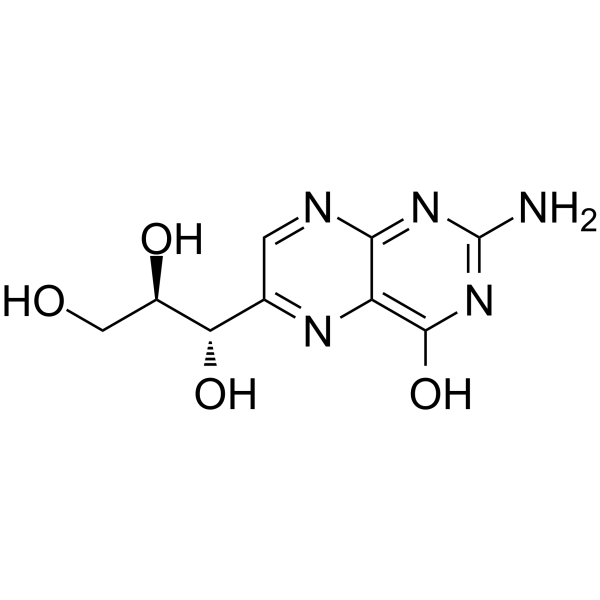
Neopterin is an immune system activator metabolized by GTP and can be produced by activated macrophages. Neopterin has the potential to resist vascular inflammation and atherosclerosis. Neopterin inhibits the phosphorylation of NF-κB and promotes the expression of PPAR-γ, thereby suppressing the inflammatory response of vascular endothelial cells, reducing the formation of macrophage foam cells, and regulating the migration and proliferation of vascular smooth muscle cells. Neopterin can be used in research fields such as cardiovascular diseases (such as atherosclerosis), inflammation-related diseases and tumor immunomonitoring .
|
-
-
- HY-P99296
-
|
CNTO 95; Anti-Human CD51 Recombinant Antibody
|
Integrin
Apoptosis
|
Cancer
|
|
Intetumumab (CNTO 95) is a human monoclonal antibody targeting αv integrin, with a Kd value of 1-24 nM. Through high-affinity binding to αv integrin, Intetumumab inhibits its interaction with extracellular matrix proteins (such as vitronectin and fibronectin), thereby blocking the downstream focal adhesion kinase signaling pathway. This further inhibits the adhesion, migration and invasion of tumor cells as well as the proliferation of vascular endothelial cells, promotes cell apoptosis, and exerts anti-tumor and anti-angiogenic effects. Intetumumab can be used in research related to head and neck cancer, non-small cell lung cancer and uterine serous papillary carcinoma .
|
-
-
- HY-P5098
-
|
|
Integrin
|
Neurological Disease
Cancer
|
|
E (c (RGDfK)) 2 is a αvβ3 integrin ligand and tumor-targeting agent. E (c (RGDfK)) 2 binds to αvβ3 integrin, mediates receptor-mediated endocytosis of conjugated payloads, and inhibits integrin-dependent cell adhesion to fibrinogen. E (c (RGDfK)) 2 inhibits the proliferation of cancer cells and endothelial cells. E (c (RGDfK)) 2 preferentially accumulates in orthotopic mouse breast tumors and human ovarian cancer xenograft tumors. E (c (RGDfK)) 2 can be used in research related to glioblastoma, lung cancer, breast adenocarcinoma and ovarian cancer .
|
-
-
- HY-P99291
-
|
LM609; MEDI-522
|
Integrin
Apoptosis
Akt
|
Cancer
|
|
Etaracizumab (LM 609) is an αvβ3 integrin IgG mAb. Etaracizumab is developed to target αvβ3+ cancer cells via NK cell-mediated cytotoxicity. Etaracizumab sterically hinders access of large ligands to the RGD-binding pocket, without obstructing it. Etaracizumab decreases p-Akt in vitro. Etaracizumab can decrease cancer proliferation and invasion. Etaracizumab induces tumor cell apoptosis, and inhibition ofαvβ3-mediated cell adhesion, endothelial cell migration and osteoclast-mediated bone resorption. Etaracizumab can be studied in anti-tumor research against cancers such as ovarian cancer, metastatic melanoma as well as advanced solid tumors. Recommend Isotype Control: Human IgG1 kappa, Isotype Control (HY-P99001) .
|
-
-
- HY-N2445
-
|
|
Apoptosis
Akt
JNK
PERK
Caspase
PARP
MDM-2/p53
IAP
Reactive Oxygen Species (ROS)
SOD
FABP
Autophagy
AMPK
mTOR
GLUT
EGFR
PI3K
HSP
VEGFR
FAK
|
Cancer
|
|
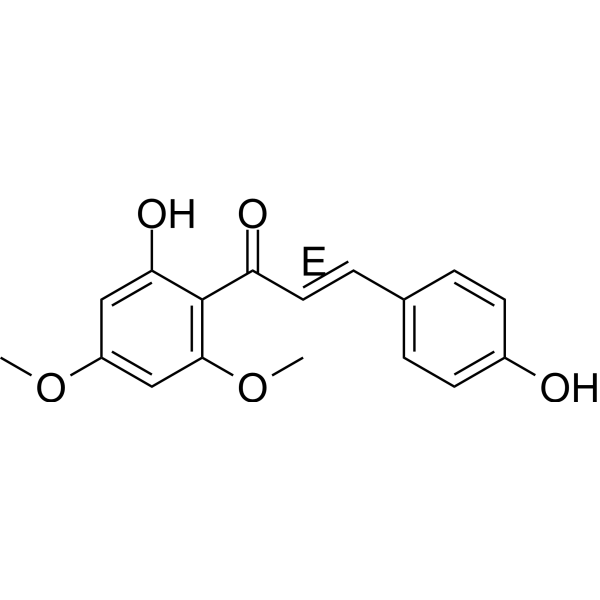
Flavokawain C is an orally active natural chalcone. Flavokawain C inhibits the proliferation of various cancer cells. Flavokawain C upregulates GADD153 in cancer cells, inhibits the phosphorylation of Akt and JNK, suppresses early ERK phosphorylation, activates late ERK phosphorylation, activates caspase related subtypes, induces PARP-1 cleavage, causes upregulation of p21 and p27, downregulation of mutant p53 and anti-apoptotic IAP proteins, elevates intracellular ROS levels, reduces SOD activity, and induces apoptosis. Flavokawain C downregulates FABP4, induces autophagy in cancer cells, and activates the AMPK/mTOR pathway . Flavokawain C decreases the expression of glycolysis-related proteins GLUT1 and HK2, and inhibits glycolysis in nasopharyngeal carcinoma cells. Flavokawain C inhibits the activation of the EGFR/PI3K/Akt/mTOR signaling pathway and reduces the expression of HSP90B1. Flavokawain C inhibits angiogenesis by decreasing the expression of angiogenic proteins Ang-1 and VEGF in human umbilical vein endothelial cells. Flavokawain C increases γ-H2AX levels in cells, inhibits the phosphorylation of FAK, PI3K and AKT in cells, and induces DNA damage in cells. Flavokawain C exerts anti-tumor activity in multiple tumor xenograft mouse models. Flavokawain C is applicable to research related to colorectal cancer, colon adenocarcinoma, nephroblastoma, nasopharyngeal carcinoma and liver cancer .
|
-
-
- HY-Y0850U3
-
|
Polyvinyl alcohol (Mw 125000, 98-99% hydrolyzed, ~2800 polymerization); Poly(Ethenol) (Mw 125000, 98-99% hydrolyzed, ~2800 polymerization)
|
Biochemical Assay Reagents
|
Others
|
|
PVA (Polyvinyl alcohol) (Mw 125000, 98-99% hydrolyzed, ~2800 polymerization) is a water-soluble, biodegradable, biocompatible and non-immunogenic polymer. PVA (Mw 125000, 98-99% hydrolyzed, ~2800 polymerization) causes no irritation to rabbit eyes, no skin sensitization in guinea pigs, promotes the proliferation of human skin keratinocytes, and reduces the loss of corneal endothelial cells. The LD50 of PVA (Mw 125000, 98-99% hydrolyzed, ~2800 polymerization) in rats and dogs is greater than 10 g/kg. PVA (Mw 125000, 98-99% hydrolyzed, ~2800 polymerization) is hardly absorbed by the digestive system, causes no adverse effects upon long-term oral administration, and shows no mutagenicity or carcinogenicity. However, repeated intravenous or portal vein injection of PVA (Mw 125000, 98-99% hydrolyzed, ~2800 polymerization) may induce pathological changes such as glomerular lesions, anemia, hypertension or liver fibrosis in rats or dogs. Crosslinked nanofibers prepared by modifying PVA (Mw 125000, 98-99% hydrolyzed, ~2800 polymerization) can be used in studies related to wound dressings and other applications .
|
-
-
- HY-W002199
-
|
6:2 FTOH; 1H,1H,2H,2H-Perfluoro-1-octanol; 2-(Perfluorohexyl)ethanol
|
Bacterial
Apoptosis
ERK
TNF Receptor
|
Infection
Neurological Disease
|
|
6:2 Fluorotelomer alcohol (6:2 FTOH) is an orally active, blood-brain barrier-permeable modulator of cyclin D1 and ETS1. 6:2 Fluorotelomer alcohol downregulates cyclin D1 expression, upregulates ETS1 via the TNF-α/ERK 1/2 pathway, impairs mitochondrial membrane potential and respiratory function, increases reactive oxygen species levels, disrupts calcium homeostasis and activates endoplasmic reticulum stress markers, and induces cell proliferation inhibition and endothelial-mesenchymal transition. Furthermore, 6:2 Fluorotelomer alcohol induces morphological abnormalities in zebrafish embryos and liver developmental damage, while disrupting the brain immune microenvironment in mice, causing systemic toxicity and delayed pup maturation in CD-1 mice. 6:2 Fluorotelomer alcohol also induces cortical neuron apoptosis, glial cell activation, synaptic abnormalities, colonic barrier damage, intestinal dysbiosis and autism spectrum disorder-like symptoms in mice. 6:2 Fluorotelomer alcohol shows no mutagenic, clastogenic, primary skin/eye irritation or skin sensitizing effects, exhibits no selective reproductive toxicity in CD-1 mice, and is classified as GHS Category 4 for acute oral toxicity. 6:2 Fluorotelomer alcohol can be used in studies of neurodevelopmental disorders and autism spectrum disorders .
|
-
-
- HY-B0708
-
|
1,3,5(10)-Estratriene-3,17β-diol 17-acetate
|
Estrogen Receptor/ERR
|
Endocrinology
|
|
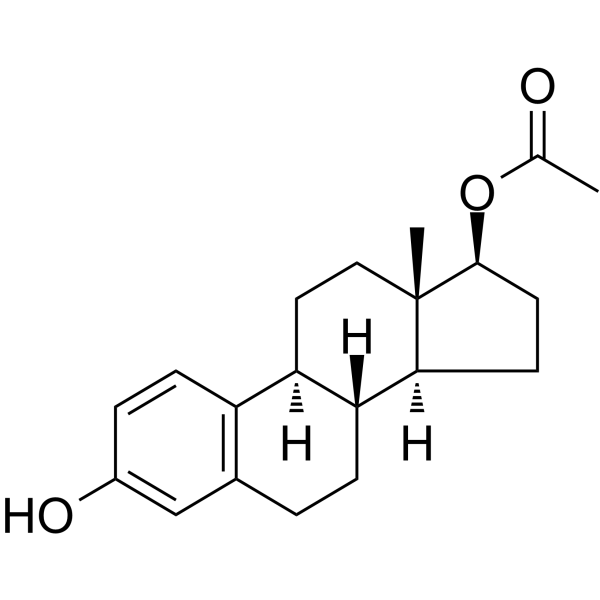
β-Estradiol 17-acetate (1,3,5(10)-Estratriene-3,17β-diol 17-acetate) is a long-acting endogenous estrogen precursor and also a cell viability and proliferation enhancer. β-Estradiol 17-acetate promotes the adhesion and proliferation of freshly isolated and revived female-derived human brain microvascular endothelial cells, and reverses the decreased viability of revived male-derived human brain microvascular endothelial cells. β-Estradiol 17-acetate exerts the microvascular protective effect of estrogen, enabling non-tumor human brain microvascular endothelial cells to be cultured in vitro for 2 months after cryopreservation. β-Estradiol 17-acetate is biotransformed into β-estradiol via hydrolase action in the in vitro skin of humans, hairless dogs, rats and hairless mice .
|
-
-
- HY-N6745
-
|
|
Na+/K+ ATPase
Apoptosis
|
Infection
Cardiovascular Disease
|
|
Citreoviridin, a toxin from Penicillium citreoviride NRRL 2579, inhibits brain synaptosomal Na +/K +-ATPase whereas in microsomes, both Na +/K +-ATPase and Mg 2+-ATPase activities are significantly stimulated in a dose-dependent manner . Citreoviridin inhibits cell proliferation and enhances apoptosis of human umbilical vein endothelial cells .
|
-
-
- HY-132305
-
|
|
VEGFR
|
Cancer
|
|
VEGFR-3-IN-1 is a potent and selective VEGFR3 inhibitor with an IC50 of 110.4 nM. VEGFR-3-IN-1 significantly inhibits proliferation and migration of VEGF-C-induced human dermal lymphatic endothelial cells (HDLEC), MDA-MB-231, and MDA-MB-436 cells by inactivating the VEGFR3 signaling pathway, and also effectively inhibits breast cancer growth .
|
-
-
- HY-P3695
-
|
|
FGFR
|
Cancer
|
|
VSPPLTLGQLLS is a small peptide FGFR3 inhibitor, peptide P3, inhibits FGFR3 phosphorylation. VSPPLTLGQLLS inhibits 9-cisRA-induced tracheal lymphangiogenesis and blocks lymphatic endothelial cell (LEC) proliferation, migration, and tubule formation .
|
-
-
- HY-120417
-
|
|
Src
FAK
|
Cardiovascular Disease
|
|
JP-153 is the Src-FAK-Paxillin signaling inhibitor. JP-153 inhibits Src-dependent phosphorylation of paxillin (Y118) and downstream activation of Akt (S473). JP-153 reduces VEGF-induced migration and proliferation in retinal endothelial cells. JP-153 can be uesd for the study of neovascular eye disease .
|
-
-
- HY-P990961
-
|
IMM-2510; SYN-2510
|
VEGFR
PD-1/PD-L1
|
Cardiovascular Disease
Inflammation/Immunology
Cancer
|
|
Palverafusp alfa (IMM-2510; SYN-2510) is a PD-L1/VEGF-targeting IgG1κ type humanized antibody. Palverafusp alfa blocks PD-1/PD-L1 binding, relieves immune suppression, mediates PD-L1-directed antibody-dependent cellular cytotoxicity (ADCC). Palverafusp alfa blocks VEGF/VEGFR binding, inhibits angiogenic signaling, relieves VEGF-induced immune suppression. Palverafusp alfa reduces endothelial cell proliferation, enhances ADCC and antibody-dependent cellular phagocytosis (ADCP), inhibits tumor growth, reverses T cell immune suppression. Palverafusp alfa exhibits immune stimulatory, antiangiogenic, and anti-tumor activity in the tumor microenvironment. Palverafusp alfa can be used for the research of cancer, such as solid tumors, non-small cell lung cancer .
|
-
-
- HY-W015490S
-
|
|
Isotope-Labeled Compounds
DNA/RNA Synthesis
NF-κB
Monoamine Oxidase
TNF Receptor
Bacterial
|
Infection
Inflammation/Immunology
Cancer
|
|
1,4-Naphthoquinone-d6 is the deuterium labeled 1,4-Naphthoquinone. 1,4-Naphthoquinone is an inhibitor with broad-spectrum inhibitory activity targeting DNA polymerase, NF-κB and monoamine oxidase (MAO-A/B), with antibacterial and anti-biofilm efficacy. 1,4-Naphthoquinone is a competitive inhibitor of MAO-B (Ki=1.4 μM) and a non-competitive inhibitor of MAO-A (Ki=7.7 μM). 1,4-Naphthoquinone inhibits DNA polymerase pol α, β, γ, δ, ε, λ with IC50 ranging from 5.57-128 μM. 1,4-Naphthoquinone inhibits tumor cell proliferation, induces apoptosis and necrosis, and has anti-angiogenic and anti-inflammatory activities by inducing oxidative stress, depleting glutathione (GSH), inhibiting DNA polymerase-mediated DNA synthesis and blocking NF-κB nuclear translocation. 1,4-Naphthoquinone can be used in anti-bacterial , anti-tumor and anti-inflammatory studies, including inhibition of melanoma and colon cancer cell growth and endothelial cell function, as well as LPS-induced inflammation models .
|
-
-
- HY-14811
-
|
ZGN-440; CKD-732 free base
|
MetAP
NF-κB
|
Metabolic Disease
|
Beloranib (ZGN-440; CKD-732 free base) is a selective, irreversible inhibitor of methionine aminopeptidase MetAP2 that suppresses appetite and increases energy expenditure. Beloranib blocks the enzymatic cleavage of N-terminal methionine from nascent proteins by forming a covalent bond with MetAP2, thereby regulating fatty acid metabolism, adrenergic signaling, and hypothalamic NF-κB expression. Beloranib significantly reduces food intake, body weight, and fat accumulation, while improving glucose tolerance, insulin sensitivity, and lipid metabolism. Beloranib also elevates energy expenditure and fat oxidation levels, without affecting body temperature, spontaneous activity, or the inflammatory cytokine IL-1β. Beloranib can be used in research on obesity and hypothalamic obesity .
|
-
-
- HY-W440983
-
|
PC(18:0/22:6); DHA-PC; 1-Stearoyl-2-docosahexaenoyl-sn-glyerco-3-phosphocholine
|
PPAR
|
Cardiovascular Disease
Cancer
|
|
SDPC (DHA-PC) is a new generation of omega-3 lipids, which contains an ester bond linking DHA at the sn-2 position of phospholipid. 1-Stearoyl-2-docosahexaenoyl-sn-glyerco-3-phosphocholine exerts anti-angiogenesis effect through activating PPARγ. 1-Stearoyl-2-docosahexaenoyl-sn-glyerco-3-phosphocholine significantly declines the proliferation, migration, tube formation of human umbilical vein endothelial cells. 1-Stearoyl-2-docosahexaenoyl-sn-glyerco-3-phosphocholine has the potential for anti-tumor angiogenesis research .
|
-
-
- HY-112547
-
|
CRT0066051
|
PKD
|
Others
|
|
CRT5, a pyrazine benzamide, is a potent and selective inhibitor for all three isoforms of PKD in endothelial cells treated with VEGF (IC50s = 1, 2, and 1.5 nM for PKD1, PKD2, and PKD3, respectively). CRT5 decreases VEGF-induced endothelial migration, proliferation and tubulogenesis .
|
-
-
- HY-116116
-
|
SIM010603
|
c-Kit
RET
VEGFR
|
Cancer
|
|
Tafetinib (SIM010603) is an oral multi-targets receptor tyrosine kinases inhibitor. Tafetinib inhibitsstem cell factor receptor (Kit),vascular endothelial growth factor receptor-2 (VEGFR-2),platelet-derived growth factor receptor-β (PDGFR-β),glial cell line-derived neurotrophic factor receptor (Rearranged during Transfection; RET), andFms-like tyrosine kinase-3 (FLT3)withIC50values between 5.0 and 68.1 nmol/l. Tafetinib inhibits the phosphorylation ofPDGFR-βandVEGFR-2. Tafetinib inhibits endothelial cell proliferation, endothelial cells chemotaxis, and corneal angiogenesis .
|
-
-
- HY-P1663
-
|
|
VEGFR
|
Others
|
|
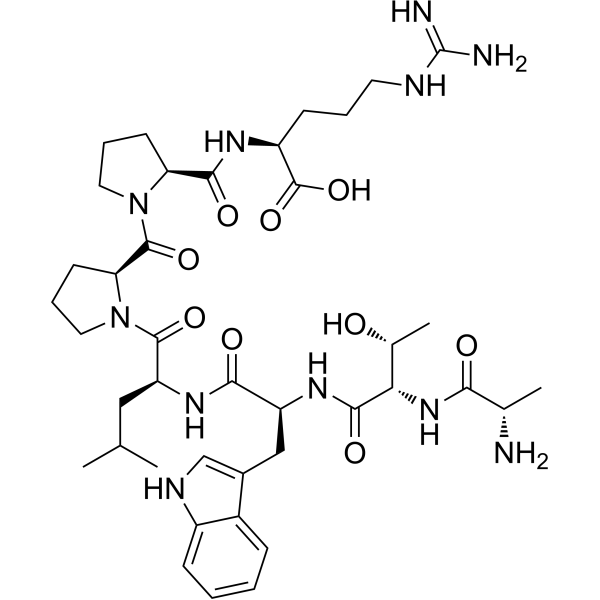
ATWLPPR Peptide is a biological active peptide. (This peptide is a specific VEGFR2/KDR heptapeptide antagonist, it binds VEGFR2 (KDR/flk), completely inhibiting VEGF binding to KDR and preventing VEGF-induced angiogenesis in-vivo. It specifically inhibits human endothelial cell proliferation in-vitro and totally abolishes VEGF-induced angiogenesis in-vivo.)
|
-
-
- HY-16191
-
|
|
Microtubule/Tubulin
Apoptosis
HIF/HIF Prolyl-Hydroxylase
Mitosis
|
Cancer
|
|
ELR510444 is an orally active tubulin inhibitor with an IC50 of 10 μM. ELR510444 binds to the colchicine-binding site on β-tubulin, inhibits tubulin assembly, depolymerizes microtubules and blocks HIF activity. ELR510444 induces cellular microtubule loss, abnormal mitotic spindle, mitotic arrest, apoptosis, morphological changes in tumor endothelial cells, and inhibits cancer cell proliferation, angiogenesis and tumor growth. ELR510444 can be used in research related to various cancers such as renal cell carcinoma .
|
-
-
- HY-P990189
-
|
|
MHC
Apoptosis
Reactive Oxygen Species (ROS)
|
Infection
Cancer
|
|
Anti-Monkey/Human MHC class II (HLA-DR) Antibody (L243) is a mouse-derived IgG2a κ type antibody inhibitor, targeting to monkey/human MHC class II. Anti-Monkey/Human MHC class II (HLA-DR) Antibody (L243) can inhibits tumor cells proliferation and induce apoptosis. Anti-Monkey/Human MHC class II (HLA-DR) Antibody (L243) increases cellular reactive oxygen species (ROS) and loss of mitochondrial membrane potential in human endothelial cells. Anti-Monkey/Human MHC class II (HLA-DR) Antibody (L243) can be used for the researches of cancer and infection, such as lymphoma .
|
-
-
- HY-113127
-
|
|
Apoptosis
|
Others
|
|
L-Tryptophanamide is a compound discovered in wet age-related macular degeneration research, which has activities related to affecting retinal cell proliferation, apoptosis, necrosis and angiogenesis. In in vitro experiments, L-Tryptophanamide affects the proliferation, apoptosis and necrosis of human retinal pigment epithelial cells, and promotes tube formation and migration of human retinal endothelial cells.
|
-
-
- HY-P99516
-
|
HLX-06
|
VEGFR
|
Cancer
|
Vulinacimab (HLX-06) is a human monoclonal antibody directed against human vascular endothelial growth factor receptor 2 (VEGFR-2). Vulinacimab specifically binds to and inhibits VEGFR-2, which may inhibit tumor angiogenesis and tumor cell proliferation. Vulinacimab can be used for the research of solid tumors and non-small cell lung cancer .
|
-
-
- HY-103653
-
|
|
MetAP
|
Cardiovascular Disease
Cancer
|
|
CKD-731 is a Fumagillin (HY-B0751) analogue. CKD-731 inhibits the proliferation of calf pulmonary artery endothelial cells (CPAE), lymphoma EL-4 cells and murine leukemia P388D1 cells. CKD-731 exerts the effect of inhibiting MetAP-2 activity and blocking angiogenesis. CKD-731 can be used for the research of anti-angiogenesis-related cancer .
|
-
-
- HY-P3995
-
|
|
VEGFR
|
Cardiovascular Disease
|
|
Scospondistatin is an anti-angiogenic peptide that can inhibit proliferation and migration of human umbilical vein endothelial cells in vitro .
|
-
-
- HY-P4002
-
|
|
ADAMTS
|
Cancer
|
|
Adamtsostatin 18 is an anti-angiogenic peptide derived from proteins containing type I thrombospondin motifs. Adamtsostatin 18 inhibits cell migration and proliferation .
|
-
-
- HY-174510
-
|
|
mRNA
|
Cancer
|
|
Human VEGFA mRNA encodes the human vascular endothelial growth factor A (VEGFA) protein, a member of the PDGF/VEGF growth factor family. VEGFA could induce proliferation and migration of vascular endothelial cells, and is essential for both physiological and pathological angiogenesis.
|
-
-
- HY-P2939
-
|
|
Apoptosis
Biochemical Assay Reagents
|
Cancer
|
|
Chondroitinase AC is a hydrolytic enzyme. Chondroitinase AC degrades chondroitin sulfate A and chondroitin sulfate C. Chondroitinase AC inhibits the invasion and proliferation of melanoma cells and endothelial cells, and increases apoptosis. Chondroitinase AC can be used in research on melanoma and other cancers .
|
-
-
- HY-17369A
-
|
L700462 hydrochloride; MK383 hydrochloride
|
Integrin
|
Cardiovascular Disease
|
|
Tirofiban (L700462) hydrochloride is a selective and reversible platelet integrin receptor (Gp IIb/IIIa) antagonist that inhibits fibrinogen binding to this receptor and has antithrombotic activity. Tirofiban hydrochloride induces proliferation and migration on endothelial cell by inducing production of VEGF. Tirofiban hydrochloride can significantly reduces myocardial no-reflow and ischemia-reperfusion injury by alleviating myocardial microvascular structural and endothelial dysfunction in the ischemic area .
|
-
-
- HY-17369BR
-
|
L700462 (Standard); MK383 (Standard)
|
Reference Standards
Integrin
|
Cardiovascular Disease
|
|
Tirofiban (Standard) is the analytical standard of Tirofiban. This product is intended for research and analytical applications. Tirofiban (L700462) is a selective and reversible platelet integrin receptor (Gp IIb/IIIa) antagonist that inhibits fibrinogen binding to this receptor and has antithrombotic activity. Tirofiban induces proliferation and migration on endothelial cell by inducing production of VEGF. Tirofiban can significantly reduces myocardial no-reflow and ischemia-reperfusion injury by alleviating myocardial microvascular structural and endothelial dysfunction in the ischemic area .
|
-
-
- HY-119112A
-
|
|
PKC
|
Neurological Disease
|
|
LY 379196 is a PKC-β inhibitor (IC50: 50 nM and 30 nM for PKC βI and βII respectively). LY 379196 inhibits the VEGF, IGF-1 and bFGF-induced proliferation of bovine retinal microvascular endothelial cells (BREC). LY 379196 is an antiproliferatory agentfor proliferative retinopathy .
|
-
-
- HY-177134
-
|
|
VEGFR
c-Met/HGFR
|
Cancer
|
|
Taligantinib (Compound Example 70) is an orally active and selective dual inhibitor targeting vascular endothelial growth factor receptor 2 (VEGFR-2) and hepatocyte growth factor receptor (c-Met). Taligantinib suppresses tumor angiogenesis and cell proliferation. Taligantinib is promising for research of solid tumors such as non-small cell lung cancer and hepatocellular carcinoma .
|
-
-
- HY-164387
-
|
|
EGFR
PDGFR
VEGFR
|
Cancer
|
|
Sutetinib is an orally active inhibitor for tyrosine kinase, that is associated with tumor growth and angiogenesis, such as VEGFR (Ki= 0.009 µM for VEGFR-1/2/3), PDGFR (Ki= 0.008 µM for PDGFR-α/β) and proto-oncogene cKIT. Sutetinib inhibits the proliferation, migration, and tubular structure formation of endothelial cells and fibroblasts, and exhibits board-spectrum antitumor efficacy in vitro and in vivo .
|
-
-
- HY-10338A
-
|
|
c-Met/HGFR
VEGFR
|
Cancer
|
|
Foretinib phosphate is an orally bioavailable small molecule with potential anti-tumor activity. Foretinib phosphate can selectively inhibit hepatocyte growth factor (HGF) receptor c-MET and vascular endothelial growth factor receptor 2 (VEGFR2), thereby potentially inhibiting tumor angiogenesis, tumor cell proliferation and metastasis. Foretinib phosphate shows different anti-cancer activity from cabozantinib in lung cancer cells and has stronger inhibitory effects on targets such as MEK1/2, FER and AURKB .
|
-
- HY-164387A
-
|
|
EGFR
VEGFR
PDGFR
|
Cancer
|
|
Sutetinib maleate is the maleate form of Sutetinib (HY-164387). Sutetinib maleate is an orally active inhibitor for tyrosine kinase, that is associated with tumor growth and angiogenesis, such as VEGFR (Ki= 0.009 µM for VEGFR-1/2/3), PDGFR (Ki= 0.008 µM for PDGFR-α/β) and proto-oncogene cKIT. Sutetinib maleate inhibits the proliferation, migration, and tubular structure formation of endothelial cells and fibroblasts, and exhibits board-spectrum antitumor efficacy in vitro and in vivo .
|
-
- HY-W015490R
-
|
|
Reference Standards
DNA/RNA Synthesis
NF-κB
Monoamine Oxidase
TNF Receptor
Bacterial
|
Infection
Inflammation/Immunology
Cancer
|
|
1,4-Naphthoquinone is an inhibitor with broad-spectrum inhibitory activity targeting DNA polymerase, NF-κB and monoamine oxidase (MAO-A/B), with antibacterial and anti-biofilm efficacy. 1,4-Naphthoquinone is a competitive inhibitor of MAO-B (Ki=1.4 μM) and a non-competitive inhibitor of MAO-A (Ki=7.7 μM). 1,4-Naphthoquinone inhibits DNA polymerase pol α, β, γ, δ, ε, λ with IC50 ranging from 5.57-128 μM. 1,4-Naphthoquinone inhibits tumor cell proliferation, induces apoptosis and necrosis, and has anti-angiogenic and anti-inflammatory activities by inducing oxidative stress, depleting glutathione (GSH), inhibiting DNA polymerase-mediated DNA synthesis and blocking NF-κB nuclear translocation. 1,4-Naphthoquinone can be used in anti-bacterial , anti-tumor and anti-inflammatory studies, including inhibition of melanoma and colon cancer cell growth and endothelial cell function, as well as LPS-induced inflammation models .
|
-
- HY-122757
-
|
Curcumin pyrazole
|
Others
|
Cancer
|
|
Hydrazinocurcumin (Curcumin pyrazole) is a potent endothelial cell proliferation inhibitor (IC50=520 nM). Hydrazinocurcumin disrupts angiogenic signaling pathways and inhibits endothelial cell migration and tube formation, exerting anti-angiogenic activity. Hydrazinocurcumin is promising for research of tumor angiogenesis inhibition, metastatic cancer, and vascular-dependent diseases such as retinopathies .
|
-
- HY-N1419R
-
|
|
Reference Standards
AMPK
|
Metabolic Disease
|
|
Vaccarin (Standard) is the analytical standard of Vaccarin. This product is intended for research and analytical applications. Vaccarin is an active flavonoid glycoside associated with various biological functions. Vaccarin significantly promote wound healing and endothelial cells and fibroblasts proliferation in the wound site. Vaccarin ameliorates insulin resistance and steatosis by activating the AMPK signaling pathway .
|
-
- HY-P10335
-
|
|
Biochemical Assay Reagents
|
Metabolic Disease
|
|
SPARC (119-122) (mouse) stimulates endothelial cell proliferation and angiogenesis. SPARC (119-122) (mouse) can be used to enhance neovascularization in modified polypropropylene biomaterials .
|
-
- HY-112353
-
|
|
Endogenous Metabolite
|
Others
|
|
NP603 is a potent inhibitor of FGF receptor 1, exhibiting remarkable activity against endothelial proliferation in HUVEC cells stimulated by rhFGF-2, with a minimum effective dose of 0.4 microM.
|
-
- HY-A0117
-
|
Temocapril diacid; Temocaprilate; RS 5139
|
Angiotensin-converting Enzyme (ACE)
|
Cardiovascular Disease
|
|
Temocaprilat (Temocapril diacid) is an inhibitor of angiotensin-converting enzyme (ACE). Temocaprilat alleviates the inhibitory effect of high glucose on the proliferation of aortic endothelial cells. Temocaprilat has potential applications in hypertension and vascular inflammation .
|
-
- HY-135605
-
|
FCE26644
|
FGFR
|
Cancer
|
|
PNU-145156E (FCE26644) is an angiogenesis inhibitor with anti-tumor activity. PNU-145156E inhibits the binding of bFGF to its receptor and inhibits bFGF-induced endothelial cell proliferation and motility .
|
-
- HY-28099
-
|
NSC 11435
|
Endogenous Metabolite
|
Cancer
|
|
VEC6 (NSC 11435) is an inhibitor of VEZF1–DNA interaction and has the activity to recapitulate RhoB loss in ischemic retinopathy. VEC6 reduces pathological angiogenesis and promotes lymphangiogenesis. VEC6 plays a unique role in angiogenesis and lymphangiogenesis by regulating the expression of different sets of genes in endothelial cells. VEC6 has an inhibitory effect on VEZF1-mediated transcriptional activity, thereby affecting the proliferation and sprouting of endothelial cells .
|
-
- HY-174542
-
|
|
mRNA
|
Cancer
|
|
Human PRKCB mRNA encodes the human protein kinase C beta (PRKCB) protein, a member of Protein kinase C (PKC) family. PRKCB has been reported to be involved in many different cellular functions, such as B cell activation, apoptosis induction, endothelial cell proliferation, and intestinal sugar absorption.
|
-
- HY-114585
-
|
|
Bacterial
|
Infection
Cancer
|
|
Sperabillin A is an antibacterial agent against gram-positive and gram-negative bacteria. Sperabillin A shows strong inhibition of human umbilical vein endothelial (HUVE) cell proliferation. Sperabillin A also shows anti-tumor acfivity against B16 melanoma in mouse .
|
-
- HY-W800162
-
|
|
VEGFR
|
Cancer
|
|
VEGFR-2-IN-37 (compound 12) is an inhibitor of VEGFR-2. The inhibition rate at 200 μM was approximately 56.9 μM. VEGFR-2-IN-37 is a potential inhibitor of human umbilical vein endothelial cell (HUVEC) proliferation .
|
-
- HY-P3695A
-
|
|
FGFR
|
Cancer
|
|
VSPPLTLGQLLS TFA is a small peptide FGFR3 inhibitor, peptide P3, inhibits FGFR3 phosphorylation. VSPPLTLGQLLS TFA inhibits 9-cisRA-induced tracheal lymphangiogenesis and blocks lymphatic endothelial cell (LEC) proliferation, migration, and tubule formation .
|
-
- HY-17369R
-
|
L700462 hydrochloride monohydrate (Standard); MK383 hydrochloride monohydrate (Standard)
|
Reference Standards
Integrin
|
Cardiovascular Disease
|
|
Tirofiban (hydrochloride monohydrate) (Standard) is the analytical standard of Tirofiban (hydrochloride monohydrate). This product is intended for research and analytical applications. Tirofiban (L700462) hydrochloride monohydrate is a selective and reversible platelet integrin receptor (Gp IIb/IIIa) antagonist that inhibits fibrinogen binding to this receptor and has antithrombotic activity. Tirofiban hydrochloride monohydrate induces proliferation and migration on endothelial cell by inducing production of VEGF. Tirofiban hydrochloride monohydrate can significantly reduces myocardial no-reflow and ischemia-reperfusion injury by alleviating myocardial microvascular structural and endothelial dysfunction in the ischemic area .
|
-
- HY-121701
-
|
|
Calcium Channel
|
Cardiovascular Disease
|
|
SR 33805 (analog) is an orally active Ca 2+ channel blocker that selectively inhibits the proliferation of smooth muscle cells. SR 33805 (analog) reduces calcium uptake by blocking calcium channels, thereby inhibiting smooth muscle cell proliferation induced by serum, platelet-derived growth factor, and basic fibroblast growth factor. SR 33805 (analog) significantly reduces intimal thickening following endothelial injury in rabbits. SR 33805 (analog) shows promise for cardiovascular disease research, such as in early atherosclerosis .
|
-
- HY-164551
-
|
|
VEGFR
STAT
ERK
Apoptosis
|
Cancer
|
YLL545 is a type of vascular endothelial growth factor receptor 2 (VEGFR2) inhibitor. YLL545 can inhibit VEGF-induced phosphorylation of VEGFR2 and the activation of downstream signaling factors (like phosphorylated STAT3 and phosphorylated ERK1/2) in human umbilical vein endothelial cells (HUVEC). YLL545 can suppress the proliferation, migration, invasion, and angiogenesis of HUVEC. YLL545 can induce apoptosis in breast cancer mice and inhibit tumor growth .
|
-
- HY-Z8648
-
|
|
Drug Intermediate
|
Inflammation/Immunology
Endocrinology
Cancer
|
|
Δ14-Triamcinolone acetonide is a potential impurity. Triamcinolone acetonide inhibits basic fibroblast growth factor (bFGF) induced proliferation of retinal endothelial cells. Triamcinolone acetonide reduces chondrocyte viability and leads to cartilage destruction. Triamcinolone acetonide can be used in the study of diseases such as atopic dermatitis .
|
-
- HY-P10692
-
|
|
Interleukin Related
|
Inflammation/Immunology
|
|
HB-107 is a peptide with wound healing properties. HB-107 promotes the proliferation of keratinocytes and increased leukocyte infiltration at the wound site, and it also stimulates cultured endothelial cells to secrete interleukin 8 (IL-8). HB-107 holds potential for research in the fields of wound healing and inflammation .
|
-
- HY-W015912S
-
|
2-Furyl methyl ketone-d3
|
Isotope-Labeled Compounds
|
Others
|
|
2-Acetylfuran-d3 is deuterated labeled Citreoviridin (HY-N6745). Citreoviridin, a toxin from Penicillium citreoviride NRRL 2579, inhibits brain synaptosomal Na +/K +-ATPase whereas in microsomes, both Na +/K +-ATPase and Mg 2+-ATPase activities are significantly stimulated in a dose-dependent manner . Citreoviridin inhibits cell proliferation and enhances apoptosis of human umbilical vein endothelial cells .
|
-
- HY-Y1314R
-
|
|
Drug Metabolite
Reference Standards
Endogenous Metabolite
|
Metabolic Disease
|
|
Dimethyl sulfone (Standard) is the analytical standard of Dimethyl sulfone. This product is intended for research and analytical applications. Dimethyl sulfone (Methyl Sulfonyl Methane) is a metabolic product of endogenous methanethiol metabolism and intestinal bacterial metabolism. Dimethyl sulfone inhibits choriocapillary endothelial (CCE) cell proliferation, also has many biological effects, including antiinflammatory, antioxidant, and local anesthetic effects that could be neuroprotective .
|
-
- HY-177477
-
|
|
Drug Derivative
Cadherin
β-catenin
|
Cardiovascular Disease
Cancer
|
|
2,5-Epidithia-3,6-dioxopiperazine (Formula 15) is a derivative of Epidithiodioxopiperazine (ETP). 2,5-Epidithia-3,6-dioxopiperazine improves intracellular penetration and restores the activity of 2-Cys-Prx (especially Peroxiredoxin II (PrxII)) of form simulation in cells. 2,5-Epidithia-3,6-dioxopiperazine inhibits PDGF-induced proliferation and migration in vascular smooth muscle cells while promoting these actions in endothelial cells with VEGF induction. 2,5-Epidithia-3,6-dioxopiperazine effectively inhibits the proliferation and migration and lung metastasis of melanoma cells. 2,5-Epidithia-3,6-dioxopiperazine can be used for vascular diseases such as hypertension, angina pectoris and myocardial infarction research .
|
-
- HY-B0636S1
-
|
|
Isotope-Labeled Compounds
Glucocorticoid Receptor
FGFR
|
Cardiovascular Disease
Inflammation/Immunology
Endocrinology
Cancer
|
|
Triamcinolone acetonide- 13C3 is the 13C-labeled Triamcinolone acetonide (HY-B0636). Triamcinolone acetonide inhibits basic fibroblast growth factor (bFGF) induced proliferation of retinal endothelial cells. Triamcinolone acetonide reduces chondrocyte viability and leads to cartilage destruction. Triamcinolone acetonide activates macrophage with anti-inflammatory characteristics. Triamcinolone acetonide can be used in the study of diseases such as atopic dermatitis .
|
-
- HY-119443R
-
|
|
Reference Standards
Phosphatase
|
Metabolic Disease
Inflammation/Immunology
|
|
Neridronate (Standard) is the analytical standard of Neridronate (HY-119443). This product is intended for research and analytical applications. Neridronate is an aminobisphosphonate. Neridronate induces osteoblast differentiation, enhances alkaline phosphatase activity and mineralized nodule formation. Neridronate inhibits endothelial cell proliferation, fibroblast growth factor-2-induced capillary-like tube formation, and angiogenesis. Neridronate can be used for osteogenesis imperfecta and Paget’s disease of bone .
|
-
- HY-123864
-
|
S 448
|
Integrin
|
Cardiovascular Disease
Cancer
|
|
SC-68448 (S 448) is a selective αvβ3 antagonist (IC50 = 1 nM). SC-68448 inhibits αvβ3-mediated endothelial cell proliferation. SC-68448 reduces the total level of αvβ6 in NHBE cells. SC-68448 inhibits angiogenesis in a rat corneal neoplasia model. SC-68448 inhibits tumor growth and completely prevents the development of hypercalcemia in a rat Ledich cell tumor model. SC-68448 can be used in research on cardiovascular and cerebrovascular diseases such as hypercalcemia and cancers such as testicular interstitial cell tumors .
|
-
- HY-19471
-
|
|
Drug Isomer
CDK
VEGFR
Survivin
Apoptosis
|
Cancer
|
|
(rac)-ZK-304709 is an isoform of ZK-304709 and is an orally active multi-targeted tumor growth inhibitor that inhibits multiple cell cycle-dependent kinases (CDKs), vascular endothelial growth factor receptor kinases (VEGF-RTKs), and platelet-derived growth factor receptor kinase β (PDGF-RTKβ). (rac)-ZK-304709 can dose-dependently inhibit the proliferation and colony formation of neuroendocrine tumor (NET) cells. (rac)-ZK-304709 directly acts on NET cells by inducing G2 cell cycle arrest and apoptosis, while reducing the expression of MCL1, survivin, and HIF1α. (rac)-ZK-304709 effectively controls tumor growth by inducing apoptosis and inhibiting tumor-induced angiogenesis, and may become a potential agent for inhibiting NET .
|
-
- HY-W342441
-
|
|
VEGFR
Akt
Ferroptosis
Insulin Receptor
|
Metabolic Disease
Cancer
|
|
Monosialoganglioside GM3 (bovine) is a monosialoganglioside and an inhibitor of VEGFR2 and Akt. At a concentration of 20 μM, Monosialoganglioside GM3 inhibits angiogenesis and reduces the proliferation and migration of human umbilical vein endothelial cells (HUVECs) by inhibiting VEGFR2 and Akt phosphorylation. Ganglioside GM3 also inhibits ferroptosis, providing protective effects during the formation of abdominal aortic aneurysms. Additionally, Monosialoganglioside GM3 (bovine) acts as an inhibitor of insulin signaling, inducing the dissociation of the insulin receptor (IR)-Caveolin-1 complex from lipid microdomains and causing insulin resistance in adipocytes. Monosialoganglioside GM3 (bovine) can be used in cancer and metabolic disease research .
|
-
- HY-164530
-
|
|
Src
VEGFR
Raf
p38 MAPK
|
Cancer
|
|
SKLB646 is an orally active multi-target kinase inhibitor. SKLB646 shows significant inhibitory effects on SRC and VEGFR2 with IC50 values ??of 0.002 μmol/L and 0.012 μmol/L, respectively. SKLB646 also shows significant inhibitory effects on B-Raf and C-Raf with IC50 values ??of 0.022 μmol/L and 0.019 μmol/L, respectively. SKLB646 inhibits the activation of the SRC signaling pathway and blocks the MAPK signaling pathway by inhibiting Raf kinase. In addition, SKLB646 can inhibit the proliferation, migration and invasion of human umbilical vein endothelial cells (HUVEC) to inhibit tumor-induced angiopoietic formation. SKLB646 shows significant anti-proliferative and anti-survival activities against triple-negative breast cancer (TNBC) cell lines .
|
-
- HY-182482
-
|
|
MetAP
|
Cancer
|
|
SB-587094 is a MetAP-2 inhibitor. SB-587094 inhibits cobalt- and manganese-containing hMetAP2. SB-587094 inhibits endothelial cell proliferation. SB-587094 is applicable to cancer-related research .
|
-
- HY-P11775A
-
|
|
VEGFR
|
Cardiovascular Disease
|
|
Peptide HRH acetate is a polypeptide that specifically binds to VEGF receptors. Peptide HRH acetate inhibits VEGF-stimulated endothelial cell proliferation. Peptide HRH acetate inhibits angiogenesis and suppresses corneal neovascularization. Peptide HRH acetate can be used in anti-angiogenesis related studies .
|
-
- HY-P11775
-
|
|
VEGFR
|
Cardiovascular Disease
|
|
Peptide HRH is a polypeptide that specifically binds to VEGF receptors. Peptide HRH inhibits VEGF-stimulated endothelial cell proliferation. Peptide HRH inhibits angiogenesis and suppresses corneal neovascularization. Peptide HRH can be used in anti-angiogenesis related studies .
|
-
- HY-111015A
-
|
|
Microtubule/Tubulin
|
Cancer
|
|
IRC-083927 is an orally effective tubulin inhibitor. IRC-083927 binds to the colchicine site on tubulin to inhibit its polymerization, thereby inducing G2-M phase cell cycle arrest in tumor cells. IRC-083927 significantly inhibits endothelial cell proliferation and in vitro angiogenesis, and exhibits remarkable antitumor activity. IRC-083927 can be widely applied in relevant studies on human cervical cancer, breast cancer, pancreatic cancer, prostate cancer, as well as small cell and non-small cell lung cancer .
|
-
- HY-116903
-
|
|
Endogenous Metabolite
|
Cancer
|
|
Pfn1-IN-2 is an inhibitor of Profilin1 (Pfn1) and has the activity to interfere with the interaction between Pfn1 and actin. Pfn1-IN-2 can significantly reduce the overall level of intracellular filamentous (F) actin. Pfn1-IN-2 also slows down the migration and proliferation of endothelial cells (EC). Pfn1-IN-2 can inhibit the angiogenic ability of endothelial cells both in vivo and in vitro .
|
-
- HY-181068
-
|
|
PARP
Apoptosis
Microtubule/Tubulin
|
Cancer
|
|
2'-Nitroflavone is a PARP1 inhibitor. 2'-Nitroflavone inhibits the proliferation, induces cell cycle arrest and apoptosis of triple-negative breast cancer cells. 2'-Nitroflavone also inhibits the migration of triple-negative breast cancer cells and endothelial cells. 2'-Nitroflavone exhibits antitumor activity and can be used in the research of tumors such as triple-negative breast cancer .
|
-
- HY-174712
-
|
|
mRNA
|
Cancer
|
|
Human FGF1 mRNA encodes the human Fibroblast growth factor 1 (FGF1) protein, a member of fibroblast growth factor (FGF) family. FGF1 functions as a modifier of endothelial cell migration and proliferation, as well as an angiogenic factor. It also acts as a mitogen for a variety of mesoderm- and neuroectoderm-derived cells in vitro, thus is thought to be involved in organogenesis.
|
-
- HY-W032902
-
|
|
Drug Derivative
|
Cardiovascular Disease
|
|
4-Amino-N-methylphthalimide (Compound 13) is an angiogenesis regulator and Thalidomide (HY-14658) derivative. 4-Amino-N-methylphthalimide exerts a bidirectional regulatory (inhibitory or promotive) effect on the proliferation of vascular endothelial cells. 4-Amino-N-methylphthalimide is applicable to the research of coronary heart disease .
|
-
- HY-108136
-
|
BIM-X; Ro31-8425
|
PKC
CDK
|
Cardiovascular Disease
Inflammation/Immunology
|
|
Bisindolylmaleimide X (Ro 31-8425, BIM-X) is a cell-penetrating PKC inhibitor. Bisindolylmaleimide X is a potent cyclin-dependent kinase 2 (CDK2) antagonist with an IC50 of 200 nM. Bisindolylmaleimide X inhibits the proliferation of CD4 T cells in vitro. Bisindolylmaleimide X inhibits eNOS-Ser1177 phosphorylation in human embryonic vein endothelial cells. Bisindolylmaleimide X can be used for research on the immune system and cardiovascular diseases .
|
-
- HY-133806
-
|
|
MetAP
VEGFR
|
Cardiovascular Disease
Neurological Disease
Metabolic Disease
Cancer
|
|
Fumarranol, a Fumagillin (HY-B0751) analogue, is a selective type 2 methionine aminopeptidase (MetAP2) inhibitor with a human IC50 of 3.2 μM. Fumarranol inhibits proliferation of bovine aortic endothelial cells and inhibits angiogenesis in a mouse matrigel plug model. Fumarranol can be used for the researches of cancer, diabetic retinopathy, age-related macular degeneration .
|
-
- HY-116452
-
|
|
VEGFR
|
Cancer
|
|
YLT192 is an orally active and highly bioavailable VEGFR2 inhibitor with potent anti-angiogenic activity and anti-tumor efficacy. YLT192 significantly inhibited the kinase activity of VEGFR2 and inhibited the proliferation, migration, invasion and tube formation of human umbilical cord vascular endothelial cells. YLT192 also inhibited VEGF-induced VEGFR2 phosphorylation and its downstream signaling regulators. YLT192 also showed the ability to inhibit angiogenesis in vivo in zebrafish embryo models and alginate-coated tumor cell experiments. YLT192 can directly inhibit the proliferation of cancer cells and induce their apoptosis .
|
-
- HY-118273
-
|
|
Integrin
|
Inflammation/Immunology
Cancer
|
|
IPS-05002 is an α5β1 antagonist. IPS-05002 can inhibit VEGF-stimulated human umbilical vein endothelial cell (HUVEC) proliferation, adhesion, and migration, and also suppresses tubular network formation. IPS-05002 can upregulate IKB-β, XRCC4, and downregulate Cdc6 in VEGF-induced HUVECs. IPS-05002 can be used for the study of tumor angiogenesis .
|
-
- HY-180159
-
|
|
Microtubule/Tubulin
Apoptosis
|
Cancer
|
|
Tubulin-IN-63 is a potent tubulin polymerization inhibitor targeting the colchicine-binding site, with an IC50 of 6.03 µM. Tubulin-IN-63 disrupts microtubule dynamics, induces G2/M arrest and apoptosis, thereby suppressing cancer cell proliferation. Tubulin-IN-63 disrupts capillary network formation in human umbilical vein endothelial cells (HUVECs) and exhibits in vivo antitumor efficacy in a B16-F10 mouse model. Tubulin-IN-63 can be used for the research of cancers, such as melanoma, lung cancer, and liver cancer .
|
-
- HY-138008
-
|
|
Microtubule/Tubulin
Apoptosis
|
Cancer
|
|
WX-132-18B is a tubulin inhibitor with an IC50 of 0.45-0.99 nM. WX-132-18B selectively binds to the colchicine-binding site on tubulin, reduces microtubule content via depolymerization, and inhibits tubulin polymerization. WX-132-18B induces tumor cell cycle arrest, apoptosis and changes in nuclear membrane permeability, and decreases mitochondrial membrane potential. WX-132-18B exhibits antiproliferative activity against endothelial cells and human tumor cells, and inhibits the proliferation and growth of xenograft tumors in mice. WX-132-18B can be used in research related to sarcoma, non-small cell lung cancer, gastric cancer and breast cancer .
|
-
- HY-P992372
-
|
|
Drug Derivative
Transmembrane Glycoprotein
|
Cancer
|
|
huAA98 is a humanized monoclonal antibody and also a CD146 inhibitor. huAA98 binds to human CD146, regulates its activity and inhibits cancer-related angiogenesis, as well as tube formation, motility, proliferation and migration of endothelial cells. huAA98 inhibits angiogenesis in the chick chorioallantoic membrane assay and reduces microvessel density in human tumor xenograft models. huAA98 shows immunoreactivity only to neovascular vessels within tumors and inhibits the growth of tumor xenograft models. huAA98 can be used in studies related to cancer-related angiogenesis, liver cancer, leiomyosarcoma and pancreatic cancer .
|
-
- HY-10321G
-
|
|
FGFR
TGF-beta/Smad
|
Cancer
|
|
PD173074 GMP is PD173074 (HY-10321) produced by using GMP guidelines. GMP small molecules works appropriately as an auxiliary reagent for cell therapy manufacture. PD173074 is an orally active FGFR inhibitor that targets the transphosphorylation of FGFR1 and FGFR2 and blocks the FGF signaling pathway. By reducing the phosphorylation level of SMAD2 and altering the expression of Nodal/Activin target genes, PD173074 eliminates endothelial differentiation potential, thereby inhibiting the formation of capillary-like structures. PD173074 blocks the proliferation and colony formation of tumor cells and increases intratumoral cell apoptosis. PD173074 successfully reverses FGF-2-induced chemoresistance to enhance the effect of cisplatin (HY-17394) in small cell lung cancer models. PD173074 can be applied to research related to critical limb ischemia and small cell lung cancer .
|
-
- HY-117733
-
|
|
Tie
VEGFR
|
Cancer
|
|
Zerumin A is an anti-angiogenic agent that acts on multiple molecular targets related to angiogenesis (including kdr/VEGFR2, angpt1, angpt2, tie1, and tie2). Zerumin A specifically inhibits the proliferation and migration of human umbilical vein endothelial cells (HUVECs) by regulating the VEGF-VEGFR and ANGPT-TIE signaling pathways, and dose-dependently inhibits angiogenesis (10-20 μM significantly inhibits zebrafish embryo angiogenesis). Zerumin A can be used in the research of cancer and angiogenesis-related inflammatory diseases. Zerumin A can be naturally extracted from the 95% ethanol extract of the fruits, seeds, and pericarp of Alpinia caerulea (R.Br.) Bentham (a plant of the Alpinia genus in the Zingiberaceae family) .
|
-
- HY-P992323
-
|
|
VEGFR
Tie
ERK
|
Cardiovascular Disease
Cancer
|
|
BI-836880 is a humanized bispecific nanobody and a selective inhibitor of VEGF and ANG2, with a Kd of 16 pM for hANG2, an EC50 of 1.4 nM for VEGF165, and an EC50 of 2.3 nM for VEGF121. BI-836880 blocks ERK phosphorylation downstream of VEGF-A as well as TIE2 phosphorylation downstream of ANG2. BI-836880 does not inhibit ANG1-mediated TIE2 phosphorylation. BI-836880 exerts anti-angiogenic effects, reduces the number of immature endothelial vessels in tumor tissues, and inhibits tumor growth in preclinical models. BI-836880 can be used in the research of pancreatic cancer, non-small cell lung cancer, renal cell carcinoma, ovarian cancer, colon cancer, and Lewis lung cancer .
|
-
- HY-W766368
-
|
C6-Cer-13C2,d2; N-Hexanoylsphingosine-13C2,d2
|
Isotope-Labeled Compounds
Apoptosis
|
Cancer
|
|
C6 Ceramide- 13C2,d2 (C6-Cer- 13C2,d2) is the deuterium labeled and 13C-labeled C6 Ceramide (HY-19542). C6 Ceramide (C6-Cer) is a short-chain, cell-permeable ceramide pathway activator with anticancer activity. C6 Ceramide-mediated miR-29b expression participates in the progression of multiple myeloma through suppressing the proliferation, migration and angiogenesis of endothelial cells by targeting Akt signal pathway. C6 Ceramide exhibits multiple anti-cancer properties including cell cycle arrest, Apoptosis, inhibition of tumor growth and enhances the effects of chemotherapy in drug-resistant cancer cells. C6-ceramide can be used as an adjuvant for chemotherapeutic agents, to enhance anti-tumor effects .
|
-
- HY-167262
-
|
|
RAR/RXR
|
Metabolic Disease
Cancer
|
|
AGN-191659 is an orally active RAR/RXR agonist with EC50 values of 11 nM, 23 nM, and 37 nM for RXRα, RARβ, and RARγ, respectively. AGN-191659 activates RXRα, RARβ and RARγ to induce gene transcription. AGN-191659 induces tissue transglutaminase activity, inhibits ornithine decarboxylase activity induced by tumor promoters, and suppresses chondrogenesis. AGN-191659 reverses basic fibroblast growth factor-induced endothelial cell proliferation. AGN-191659 induces hypertriglyceridemia in rat models. AGN-191659 inhibits total heparin-releasable lipase activity. AGN-191659 can be used in research related to promyelocytic leukemia and hypertriglyceridemia .
|
-
- HY-P992200
-
|
|
Transmembrane Glycoprotein
PI3K
Akt
p38 MAPK
NF-κB
MMP
Apoptosis
Caspase
Bcl-2 Family
|
Cardiovascular Disease
Cancer
|
|
Anti-CD146 Antibody (AA98) is an antibody targeting CD146 and an angiogenesis inhibitor. Anti-CD146 Antibody (AA98) blocks the dimerization of CD146 as well as its downstream PI3K/AKT, p38 MAPK and NF-κB signaling pathways; it inhibits the expression of MMP9 and ICAM1, epithelial-mesenchymal transition (EMT), and the proliferation, migration and tube formation of endothelial cells. Anti-CD146 Antibody (AA98) enhances radiation-induced cancer cell apoptosis and survival inhibition, reduces tumor microvessel density, and suppresses tumor growth, invasion and vasculogenic mimicry. Anti-CD146 Antibody (AA98) can be used in research related to cervical cancer, liver cancer, malignant phyllodes tumor of the breast, uveal melanoma, leiomyosarcoma, pancreatic cancer, other tumors and angiogenesis .
|
-
- HY-182354
-
|
|
VEGFR
FGFR
FLT3
PDGFR
RET
Akt
ERK
c-Kit
|
Cancer
|
|
VEGFR2-IN-84 is an orally active, multi-targeted tyrosine kinase inhibitor based on a naphthalene ring scaffold. VEGFR2-IN-84 inhibits VEGFR2 with sub-nanomolar affinity and broadly targets kinases including Kit, FGFR, PDGFR, and Ret. By competitively binding to the ATP-binding pocket, VEGFR2-IN-84 blocks the phosphorylation of VEGFR2 and its downstream AKT/ERK signaling pathway, thereby significantly inhibiting endothelial cell proliferation, migration, and tumor angiogenesis. VEGFR2-IN-84 exhibits broad-spectrum antiproliferative activity against various solid tumors such as liver cancer, lung cancer, and renal cancer, shows weak toxicity to normal cells, and has superior potency to Lenvatinib (HY-10981). VEGFR2-IN-84 possesses favorable pharmacokinetic properties and high safety (LD50>2000 mg/kg), and can be used in related studies of various malignant tumors .
|
-
- HY-P991744
-
|
|
CXCR
|
Cancer
|
|
Anti-Mouse CXCR4 Antibody is a monoclonal antibody that specifically recognizes murine CXCR4 (C-X-C chemokine receptor 4), also known as fusin or CD184. CXCR4 is a seven-transmembrane G protein–coupled receptor whose principal endogenous ligand is CXCL12 (stromal cell–derived factor-1α, SDF-1α) and is widely expressed in hematopoietic cells, endothelial cells, neurons, as well as embryonic and adult stem cells. The CXCR4–CXCL12 signaling axis activates multiple downstream pathways, including ERK1/2, Ras, p38 MAPK, PLC/MAPK, and SAPK/JNK, thereby regulating cell survival, proliferation, migration, and stemness maintenance. Aberrant overexpression of CXCR4 is closely associated with poor prognosis and metastasis in various cancers, with CXCR4-positive tumor cells preferentially home to CXCL12-rich tissues such as the liver, bone marrow, lung, and lymph nodes. Accordingly, CXCR4 and its CXCL12-related antagonists emerge as attractive targets for experimental anticancer therapy. Anti-Mouse CXCR4 Antibody is generated using a cell-based immunization and screening strategy and exhibits high affinity for both endogenous and exogenous murine CXCR4. Anti-Mouse CXCR4 Antibody can be used for thestudy of chronic lymphocytic leukemia and multiple myeloma .
|
-
- HY-14811A
-
|
ZGN-440 hemioxalate; ZGN-433 hemioxalate; CDK732 hemioxalate
|
NF-κB
MetAP
|
Metabolic Disease
|
Beloranib (ZGN-440; CKD-732 free base) hemioxalate is a selective, irreversible inhibitor of methionine aminopeptidase MetAP2 that suppresses appetite and increases energy expenditure. Beloranib hemioxalate blocks the enzymatic cleavage of N-terminal methionine from nascent proteins by forming a covalent bond with MetAP2, thereby regulating fatty acid metabolism, adrenergic signaling, and hypothalamic NF-κB expression. Beloranib hemioxalate significantly reduces food intake, body weight, and fat accumulation, while improving glucose tolerance, insulin sensitivity, and lipid metabolism. Beloranib hemioxalate also elevates energy expenditure and fat oxidation levels, without affecting body temperature, spontaneous activity, or the inflammatory cytokine IL-1β. Beloranib hemioxalate can be used in research on obesity and hypothalamic obesity .
|
-
| Cat. No. |
Product Name |
Type |
-
- HY-10321G
-
|
|
Fluorescent Dyes
|
|
PD173074 GMP is PD173074 (HY-10321) produced by using GMP guidelines. GMP small molecules works appropriately as an auxiliary reagent for cell therapy manufacture. PD173074 is an orally active FGFR inhibitor that targets the transphosphorylation of FGFR1 and FGFR2 and blocks the FGF signaling pathway. By reducing the phosphorylation level of SMAD2 and altering the expression of Nodal/Activin target genes, PD173074 eliminates endothelial differentiation potential, thereby inhibiting the formation of capillary-like structures. PD173074 blocks the proliferation and colony formation of tumor cells and increases intratumoral cell apoptosis. PD173074 successfully reverses FGF-2-induced chemoresistance to enhance the effect of cisplatin (HY-17394) in small cell lung cancer models. PD173074 can be applied to research related to critical limb ischemia and small cell lung cancer .
|
| Cat. No. |
Product Name |
Type |
-
- HY-170230
-
|
ECGS,Bovine
|
Biochemical Assay Reagents
|
|
Bovine Endothelial cell growth supplement, suitable for cell culture (ECGS, Bovine) is a culture medium supplement, endothelial cell growth supplement (ECGS), which promotes the proliferation of human saphenous vein endothelial cells (HSVEC) and human umbilical vein endothelial cells (HUVEC) .
|
-
- HY-Y0850U3
-
|
Polyvinyl alcohol (Mw 125000, 98-99% hydrolyzed, ~2800 polymerization); Poly(Ethenol) (Mw 125000, 98-99% hydrolyzed, ~2800 polymerization)
|
Biochemical Assay Reagents
|
|
PVA (Polyvinyl alcohol) (Mw 125000, 98-99% hydrolyzed, ~2800 polymerization) is a water-soluble, biodegradable, biocompatible and non-immunogenic polymer. PVA (Mw 125000, 98-99% hydrolyzed, ~2800 polymerization) causes no irritation to rabbit eyes, no skin sensitization in guinea pigs, promotes the proliferation of human skin keratinocytes, and reduces the loss of corneal endothelial cells. The LD50 of PVA (Mw 125000, 98-99% hydrolyzed, ~2800 polymerization) in rats and dogs is greater than 10 g/kg. PVA (Mw 125000, 98-99% hydrolyzed, ~2800 polymerization) is hardly absorbed by the digestive system, causes no adverse effects upon long-term oral administration, and shows no mutagenicity or carcinogenicity. However, repeated intravenous or portal vein injection of PVA (Mw 125000, 98-99% hydrolyzed, ~2800 polymerization) may induce pathological changes such as glomerular lesions, anemia, hypertension or liver fibrosis in rats or dogs. Crosslinked nanofibers prepared by modifying PVA (Mw 125000, 98-99% hydrolyzed, ~2800 polymerization) can be used in studies related to wound dressings and other applications .
|
-
- HY-10321G
-
|
|
Biochemical Assay Reagents
|
|
PD173074 GMP is PD173074 (HY-10321) produced by using GMP guidelines. GMP small molecules works appropriately as an auxiliary reagent for cell therapy manufacture. PD173074 is an orally active FGFR inhibitor that targets the transphosphorylation of FGFR1 and FGFR2 and blocks the FGF signaling pathway. By reducing the phosphorylation level of SMAD2 and altering the expression of Nodal/Activin target genes, PD173074 eliminates endothelial differentiation potential, thereby inhibiting the formation of capillary-like structures. PD173074 blocks the proliferation and colony formation of tumor cells and increases intratumoral cell apoptosis. PD173074 successfully reverses FGF-2-induced chemoresistance to enhance the effect of cisplatin (HY-17394) in small cell lung cancer models. PD173074 can be applied to research related to critical limb ischemia and small cell lung cancer .
|
| Cat. No. |
Product Name |
Target |
Research Area |
-
- HY-P1856
-
|
|
Insulin Receptor
PDGFR
MAPKAPK2 (MK2)
|
Cardiovascular Disease
Metabolic Disease
Inflammation/Immunology
|
|
Proinsulin C-peptide (human) is a peptide consisting of 31 amino acids that links the A and B chains of proinsulin to ensure its correct folding. Proinsulin C-peptide (human) inhibits the high glucose-induced increase in PDGF-β receptor protein expression and the phosphorylation of p42/p44 MAP kinase. Proinsulin C-peptide (human) increases the deformability of erythrocytes derived from type 1 diabetes, inhibits insulin-induced neointimal thickening, and suppresses the proliferation of rat aortic smooth muscle cells cultured under high-glucose conditions .
|
-
- HY-P5558
-
|
|
VEGFR
|
Neurological Disease
|
|
KLTWQELYQLKYKGI is a VEGF mimetic peptide designed based on the VEGF helix sequence 17-25, with the ability to activate VEGF receptors and exert pro-angiogenic biological activity. KLTWQELYQLKYKGI effectively promotes the attachment, spreading and proliferation of human umbilical vein endothelial cells. KLTWQELYQLKYKGI enhances the proliferation, migration and osteogenic differentiation of bone marrow stromal cells (BMSCs). KLTWQELYQLKYKGI synergistically accelerates angiogenesis and bone regeneration in rat cranial defect models. KLTWQELYQLKYKGI can be used for the research of brain tissue engineering and traumatic brain injury repair and biomaterials for bone tissue engineering and bone repair .
|
-
- HY-P5098
-
|
|
Integrin
|
Neurological Disease
Cancer
|
|
E (c (RGDfK)) 2 is a αvβ3 integrin ligand and tumor-targeting agent. E (c (RGDfK)) 2 binds to αvβ3 integrin, mediates receptor-mediated endocytosis of conjugated payloads, and inhibits integrin-dependent cell adhesion to fibrinogen. E (c (RGDfK)) 2 inhibits the proliferation of cancer cells and endothelial cells. E (c (RGDfK)) 2 preferentially accumulates in orthotopic mouse breast tumors and human ovarian cancer xenograft tumors. E (c (RGDfK)) 2 can be used in research related to glioblastoma, lung cancer, breast adenocarcinoma and ovarian cancer .
|
-
- HY-P3695
-
|
|
FGFR
|
Cancer
|
|
VSPPLTLGQLLS is a small peptide FGFR3 inhibitor, peptide P3, inhibits FGFR3 phosphorylation. VSPPLTLGQLLS inhibits 9-cisRA-induced tracheal lymphangiogenesis and blocks lymphatic endothelial cell (LEC) proliferation, migration, and tubule formation .
|
-
- HY-137874
-
|
|
Peptides
|
Metabolic Disease
Cancer
|
|
L-Glutamic γ-monohydroxamate is an antitumor agent, inhibits cell proliferation. L-Glutamic γ-monohydroxamate selectively inhibits the uptake of L-histidine into microvascular endothelial cell. L-Glutamic γ-monohydroxamate, as a vanadium ligand, activates glucose uptake and metabolism, thus decreases the blood glucose levels in vivo .
|
-
- HY-P1663
-
|
|
VEGFR
|
Others
|
|
ATWLPPR Peptide is a biological active peptide. (This peptide is a specific VEGFR2/KDR heptapeptide antagonist, it binds VEGFR2 (KDR/flk), completely inhibiting VEGF binding to KDR and preventing VEGF-induced angiogenesis in-vivo. It specifically inhibits human endothelial cell proliferation in-vitro and totally abolishes VEGF-induced angiogenesis in-vivo.)
|
-
- HY-P3995
-
|
|
VEGFR
|
Cardiovascular Disease
|
|
Scospondistatin is an anti-angiogenic peptide that can inhibit proliferation and migration of human umbilical vein endothelial cells in vitro .
|
-
- HY-P4002
-
|
|
ADAMTS
|
Cancer
|
|
Adamtsostatin 18 is an anti-angiogenic peptide derived from proteins containing type I thrombospondin motifs. Adamtsostatin 18 inhibits cell migration and proliferation .
|
-
- HY-P10335
-
|
|
Biochemical Assay Reagents
|
Metabolic Disease
|
|
SPARC (119-122) (mouse) stimulates endothelial cell proliferation and angiogenesis. SPARC (119-122) (mouse) can be used to enhance neovascularization in modified polypropropylene biomaterials .
|
-
- HY-P11067
-
|
|
Peptides
|
Others
|
|
PRG peptide is a self-assembling peptide. PRG peptide significantly enhances endothelial cell survival, proliferation, migration, and morphological tubulogenesis. PRG peptide can be used for tissue regeneration research .
|
-
- HY-P3695A
-
|
|
FGFR
|
Cancer
|
|
VSPPLTLGQLLS TFA is a small peptide FGFR3 inhibitor, peptide P3, inhibits FGFR3 phosphorylation. VSPPLTLGQLLS TFA inhibits 9-cisRA-induced tracheal lymphangiogenesis and blocks lymphatic endothelial cell (LEC) proliferation, migration, and tubule formation .
|
-
- HY-P10692
-
|
|
Interleukin Related
|
Inflammation/Immunology
|
|
HB-107 is a peptide with wound healing properties. HB-107 promotes the proliferation of keratinocytes and increased leukocyte infiltration at the wound site, and it also stimulates cultured endothelial cells to secrete interleukin 8 (IL-8). HB-107 holds potential for research in the fields of wound healing and inflammation .
|
-
- HY-P11775A
-
|
|
VEGFR
|
Cardiovascular Disease
|
|
Peptide HRH acetate is a polypeptide that specifically binds to VEGF receptors. Peptide HRH acetate inhibits VEGF-stimulated endothelial cell proliferation. Peptide HRH acetate inhibits angiogenesis and suppresses corneal neovascularization. Peptide HRH acetate can be used in anti-angiogenesis related studies .
|
-
- HY-P11775
-
|
|
VEGFR
|
Cardiovascular Disease
|
|
Peptide HRH is a polypeptide that specifically binds to VEGF receptors. Peptide HRH inhibits VEGF-stimulated endothelial cell proliferation. Peptide HRH inhibits angiogenesis and suppresses corneal neovascularization. Peptide HRH can be used in anti-angiogenesis related studies .
|
-
- HY-P11068
-
|
|
Peptides
|
Others
|
|
RAD-KLT is a self-assembling peptide. RAD-KLT significantly enhances endothelial cell survival, proliferation, migration, and morphological tubulogenesis. RAD-KLT can be used for tissue regeneration research .
|
| Cat. No. |
Product Name |
Target |
Research Area |
Image |
-
- HY-P991202
-
|
|
TSH Receptor
PKA
|
Metabolic Disease
Inflammation/Immunology
|
|
Anti-TSHR Antibody (M22) is a selective agonist targeting TSHR (thyroid-stimulating hormone receptor), acting through competitive binding to the extracellular domain of TSHR. Anti-TSHR Antibody (M22) can mimic the biological effects of thyroid-stimulating hormone (TSH), activating downstream cAMP-PKA and other signaling pathways. Anti-TSHR Antibody (M22) can stimulate the proliferation of thyroid follicular epithelial cells and human umbilical vein endothelial cells (HUVECs), promote angiogenesis and tube formation, cell migration, and also upregulate the expression of angiogenesis-related proteins such as PROX1. Anti-TSHR Antibody (M22) can be used in research areas such as the mechanisms of goiter formation in Graves' disease (GD), angiogenesis regulation, and TSHR antagonist screening .
|
-
(5)
-
- HY-P99333
-
|
M200; Eos 200-4
|
Integrin
|
Cardiovascular Disease
Cancer
|
|
Volociximab (M200) is a chimeric human/murine IgG4 antibody IIA1 targeting integrin α5β1 (EC50=0.2 nM). Integrin α5β1 is a major fibronectin receptor involved in angiogenesis. Volociximab has antiangiogenic and antitumor activities and inhibits the proliferation of human umbilical vein vascular endothelial cells (HUVECs) .
|
-
(5)
-
- HY-P99296
-
|
CNTO 95; Anti-Human CD51 Recombinant Antibody
|
Integrin
Apoptosis
|
Cancer
|
|
Intetumumab (CNTO 95) is a human monoclonal antibody targeting αv integrin, with a Kd value of 1-24 nM. Through high-affinity binding to αv integrin, Intetumumab inhibits its interaction with extracellular matrix proteins (such as vitronectin and fibronectin), thereby blocking the downstream focal adhesion kinase signaling pathway. This further inhibits the adhesion, migration and invasion of tumor cells as well as the proliferation of vascular endothelial cells, promotes cell apoptosis, and exerts anti-tumor and anti-angiogenic effects. Intetumumab can be used in research related to head and neck cancer, non-small cell lung cancer and uterine serous papillary carcinoma .
|
-
(5)
-
- HY-P99291
-
|
LM609; MEDI-522
|
Integrin
Apoptosis
Akt
|
Cancer
|
|
Etaracizumab (LM 609) is an αvβ3 integrin IgG mAb. Etaracizumab is developed to target αvβ3+ cancer cells via NK cell-mediated cytotoxicity. Etaracizumab sterically hinders access of large ligands to the RGD-binding pocket, without obstructing it. Etaracizumab decreases p-Akt in vitro. Etaracizumab can decrease cancer proliferation and invasion. Etaracizumab induces tumor cell apoptosis, and inhibition ofαvβ3-mediated cell adhesion, endothelial cell migration and osteoclast-mediated bone resorption. Etaracizumab can be studied in anti-tumor research against cancers such as ovarian cancer, metastatic melanoma as well as advanced solid tumors. Recommend Isotype Control: Human IgG1 kappa, Isotype Control (HY-P99001) .
|
-
(5)
-
- HY-P990961
-
|
IMM-2510; SYN-2510
|
VEGFR
PD-1/PD-L1
|
Cardiovascular Disease
Inflammation/Immunology
Cancer
|
|
Palverafusp alfa (IMM-2510; SYN-2510) is a PD-L1/VEGF-targeting IgG1κ type humanized antibody. Palverafusp alfa blocks PD-1/PD-L1 binding, relieves immune suppression, mediates PD-L1-directed antibody-dependent cellular cytotoxicity (ADCC). Palverafusp alfa blocks VEGF/VEGFR binding, inhibits angiogenic signaling, relieves VEGF-induced immune suppression. Palverafusp alfa reduces endothelial cell proliferation, enhances ADCC and antibody-dependent cellular phagocytosis (ADCP), inhibits tumor growth, reverses T cell immune suppression. Palverafusp alfa exhibits immune stimulatory, antiangiogenic, and anti-tumor activity in the tumor microenvironment. Palverafusp alfa can be used for the research of cancer, such as solid tumors, non-small cell lung cancer .
|
-
(5)
-
- HY-P990189
-
|
|
MHC
Apoptosis
Reactive Oxygen Species (ROS)
|
Infection
Cancer
|
|
Anti-Monkey/Human MHC class II (HLA-DR) Antibody (L243) is a mouse-derived IgG2a κ type antibody inhibitor, targeting to monkey/human MHC class II. Anti-Monkey/Human MHC class II (HLA-DR) Antibody (L243) can inhibits tumor cells proliferation and induce apoptosis. Anti-Monkey/Human MHC class II (HLA-DR) Antibody (L243) increases cellular reactive oxygen species (ROS) and loss of mitochondrial membrane potential in human endothelial cells. Anti-Monkey/Human MHC class II (HLA-DR) Antibody (L243) can be used for the researches of cancer and infection, such as lymphoma .
|
-
(5)
-
- HY-P99516
-
|
HLX-06
|
VEGFR
|
Cancer
|
Vulinacimab (HLX-06) is a human monoclonal antibody directed against human vascular endothelial growth factor receptor 2 (VEGFR-2). Vulinacimab specifically binds to and inhibits VEGFR-2, which may inhibit tumor angiogenesis and tumor cell proliferation. Vulinacimab can be used for the research of solid tumors and non-small cell lung cancer .
|
-
(5)
-
- HY-P992372
-
|
|
Drug Derivative
Transmembrane Glycoprotein
|
Cancer
|
|
huAA98 is a humanized monoclonal antibody and also a CD146 inhibitor. huAA98 binds to human CD146, regulates its activity and inhibits cancer-related angiogenesis, as well as tube formation, motility, proliferation and migration of endothelial cells. huAA98 inhibits angiogenesis in the chick chorioallantoic membrane assay and reduces microvessel density in human tumor xenograft models. huAA98 shows immunoreactivity only to neovascular vessels within tumors and inhibits the growth of tumor xenograft models. huAA98 can be used in studies related to cancer-related angiogenesis, liver cancer, leiomyosarcoma and pancreatic cancer .
|
-
(5)
-
- HY-P992323
-
|
|
VEGFR
Tie
ERK
|
Cardiovascular Disease
Cancer
|
|
BI-836880 is a humanized bispecific nanobody and a selective inhibitor of VEGF and ANG2, with a Kd of 16 pM for hANG2, an EC50 of 1.4 nM for VEGF165, and an EC50 of 2.3 nM for VEGF121. BI-836880 blocks ERK phosphorylation downstream of VEGF-A as well as TIE2 phosphorylation downstream of ANG2. BI-836880 does not inhibit ANG1-mediated TIE2 phosphorylation. BI-836880 exerts anti-angiogenic effects, reduces the number of immature endothelial vessels in tumor tissues, and inhibits tumor growth in preclinical models. BI-836880 can be used in the research of pancreatic cancer, non-small cell lung cancer, renal cell carcinoma, ovarian cancer, colon cancer, and Lewis lung cancer .
|
-
(5)
-
- HY-P992200
-
|
|
Transmembrane Glycoprotein
PI3K
Akt
p38 MAPK
NF-κB
MMP
Apoptosis
Caspase
Bcl-2 Family
|
Cardiovascular Disease
Cancer
|
|
Anti-CD146 Antibody (AA98) is an antibody targeting CD146 and an angiogenesis inhibitor. Anti-CD146 Antibody (AA98) blocks the dimerization of CD146 as well as its downstream PI3K/AKT, p38 MAPK and NF-κB signaling pathways; it inhibits the expression of MMP9 and ICAM1, epithelial-mesenchymal transition (EMT), and the proliferation, migration and tube formation of endothelial cells. Anti-CD146 Antibody (AA98) enhances radiation-induced cancer cell apoptosis and survival inhibition, reduces tumor microvessel density, and suppresses tumor growth, invasion and vasculogenic mimicry. Anti-CD146 Antibody (AA98) can be used in research related to cervical cancer, liver cancer, malignant phyllodes tumor of the breast, uveal melanoma, leiomyosarcoma, pancreatic cancer, other tumors and angiogenesis .
|
-
(5)
-
- HY-P991744
-
|
|
CXCR
|
Cancer
|
|
Anti-Mouse CXCR4 Antibody is a monoclonal antibody that specifically recognizes murine CXCR4 (C-X-C chemokine receptor 4), also known as fusin or CD184. CXCR4 is a seven-transmembrane G protein–coupled receptor whose principal endogenous ligand is CXCL12 (stromal cell–derived factor-1α, SDF-1α) and is widely expressed in hematopoietic cells, endothelial cells, neurons, as well as embryonic and adult stem cells. The CXCR4–CXCL12 signaling axis activates multiple downstream pathways, including ERK1/2, Ras, p38 MAPK, PLC/MAPK, and SAPK/JNK, thereby regulating cell survival, proliferation, migration, and stemness maintenance. Aberrant overexpression of CXCR4 is closely associated with poor prognosis and metastasis in various cancers, with CXCR4-positive tumor cells preferentially home to CXCL12-rich tissues such as the liver, bone marrow, lung, and lymph nodes. Accordingly, CXCR4 and its CXCL12-related antagonists emerge as attractive targets for experimental anticancer therapy. Anti-Mouse CXCR4 Antibody is generated using a cell-based immunization and screening strategy and exhibits high affinity for both endogenous and exogenous murine CXCR4. Anti-Mouse CXCR4 Antibody can be used for thestudy of chronic lymphocytic leukemia and multiple myeloma .
|
-
(5)
| Cat. No. |
Product Name |
Category |
Target |
Chemical Structure |
-
- HY-112234
-
-
-
- HY-Y1314
-
-
-
- HY-N0419
-
-
-
- HY-W040055
-
|
D-(+)-Neopterin; D-erythro-Neopterin
|
Natural Products
Classification of Application Fields
Endogenous metabolite
Inflammation/Immunology
Disease Research Fields
Source Classification
|
NF-κB
PPAR
ERK
Raf
Src
|
|
Neopterin is an immune system activator metabolized by GTP and can be produced by activated macrophages. Neopterin has the potential to resist vascular inflammation and atherosclerosis. Neopterin inhibits the phosphorylation of NF-κB and promotes the expression of PPAR-γ, thereby suppressing the inflammatory response of vascular endothelial cells, reducing the formation of macrophage foam cells, and regulating the migration and proliferation of vascular smooth muscle cells. Neopterin can be used in research fields such as cardiovascular diseases (such as atherosclerosis), inflammation-related diseases and tumor immunomonitoring .
|
-
-
- HY-N2445
-
|
|
Structural Classification
Classification of Application Fields
Piperaceae
Plants
Chalcones
Flavonoids
other families
Phenols
Polyphenols
Piper methysticum G.Forst.
Disease Research Fields
Source Classification
Cancer
|
Apoptosis
Akt
JNK
PERK
Caspase
PARP
MDM-2/p53
IAP
Reactive Oxygen Species (ROS)
SOD
FABP
Autophagy
AMPK
mTOR
GLUT
EGFR
PI3K
HSP
VEGFR
FAK
|
|
Flavokawain C is an orally active natural chalcone. Flavokawain C inhibits the proliferation of various cancer cells. Flavokawain C upregulates GADD153 in cancer cells, inhibits the phosphorylation of Akt and JNK, suppresses early ERK phosphorylation, activates late ERK phosphorylation, activates caspase related subtypes, induces PARP-1 cleavage, causes upregulation of p21 and p27, downregulation of mutant p53 and anti-apoptotic IAP proteins, elevates intracellular ROS levels, reduces SOD activity, and induces apoptosis. Flavokawain C downregulates FABP4, induces autophagy in cancer cells, and activates the AMPK/mTOR pathway . Flavokawain C decreases the expression of glycolysis-related proteins GLUT1 and HK2, and inhibits glycolysis in nasopharyngeal carcinoma cells. Flavokawain C inhibits the activation of the EGFR/PI3K/Akt/mTOR signaling pathway and reduces the expression of HSP90B1. Flavokawain C inhibits angiogenesis by decreasing the expression of angiogenic proteins Ang-1 and VEGF in human umbilical vein endothelial cells. Flavokawain C increases γ-H2AX levels in cells, inhibits the phosphorylation of FAK, PI3K and AKT in cells, and induces DNA damage in cells. Flavokawain C exerts anti-tumor activity in multiple tumor xenograft mouse models. Flavokawain C is applicable to research related to colorectal cancer, colon adenocarcinoma, nephroblastoma, nasopharyngeal carcinoma and liver cancer .
|
-
-
- HY-B0708
-
|
1,3,5(10)-Estratriene-3,17β-diol 17-acetate
|
Structural Classification
Monophenols
Animals
Classification of Application Fields
Phenols
Disease Research Fields
Endocrinology
Steroids
Source Classification
|
Estrogen Receptor/ERR
|
|
β-Estradiol 17-acetate (1,3,5(10)-Estratriene-3,17β-diol 17-acetate) is a long-acting endogenous estrogen precursor and also a cell viability and proliferation enhancer. β-Estradiol 17-acetate promotes the adhesion and proliferation of freshly isolated and revived female-derived human brain microvascular endothelial cells, and reverses the decreased viability of revived male-derived human brain microvascular endothelial cells. β-Estradiol 17-acetate exerts the microvascular protective effect of estrogen, enabling non-tumor human brain microvascular endothelial cells to be cultured in vitro for 2 months after cryopreservation. β-Estradiol 17-acetate is biotransformed into β-estradiol via hydrolase action in the in vitro skin of humans, hairless dogs, rats and hairless mice .
|
-
-
- HY-N6745
-
-
-
- HY-N1419R
-
-
-
- HY-114585
-
-
-
- HY-Y1314R
-
-
-
- HY-117733
-
|
|
Structural Classification
Arecaceae Bercht. & J. Presl
Ketones, Aldehydes, Acids
Terpenoids
Arecaceae
Diterpenoids
Plants
Source Classification
Zingiberaceae
|
Tie
VEGFR
|
|
Zerumin A is an anti-angiogenic agent that acts on multiple molecular targets related to angiogenesis (including kdr/VEGFR2, angpt1, angpt2, tie1, and tie2). Zerumin A specifically inhibits the proliferation and migration of human umbilical vein endothelial cells (HUVECs) by regulating the VEGF-VEGFR and ANGPT-TIE signaling pathways, and dose-dependently inhibits angiogenesis (10-20 μM significantly inhibits zebrafish embryo angiogenesis). Zerumin A can be used in the research of cancer and angiogenesis-related inflammatory diseases. Zerumin A can be naturally extracted from the 95% ethanol extract of the fruits, seeds, and pericarp of Alpinia caerulea (R.Br.) Bentham (a plant of the Alpinia genus in the Zingiberaceae family) .
|
-
| Cat. No. |
Product Name |
Chemical Structure |
-
- HY-W015490S
-
|
|
|
1,4-Naphthoquinone-d6 is the deuterium labeled 1,4-Naphthoquinone. 1,4-Naphthoquinone is an inhibitor with broad-spectrum inhibitory activity targeting DNA polymerase, NF-κB and monoamine oxidase (MAO-A/B), with antibacterial and anti-biofilm efficacy. 1,4-Naphthoquinone is a competitive inhibitor of MAO-B (Ki=1.4 μM) and a non-competitive inhibitor of MAO-A (Ki=7.7 μM). 1,4-Naphthoquinone inhibits DNA polymerase pol α, β, γ, δ, ε, λ with IC50 ranging from 5.57-128 μM. 1,4-Naphthoquinone inhibits tumor cell proliferation, induces apoptosis and necrosis, and has anti-angiogenic and anti-inflammatory activities by inducing oxidative stress, depleting glutathione (GSH), inhibiting DNA polymerase-mediated DNA synthesis and blocking NF-κB nuclear translocation. 1,4-Naphthoquinone can be used in anti-bacterial , anti-tumor and anti-inflammatory studies, including inhibition of melanoma and colon cancer cell growth and endothelial cell function, as well as LPS-induced inflammation models .
|
-
-
- HY-W015912S
-
|
|
|
2-Acetylfuran-d3 is deuterated labeled Citreoviridin (HY-N6745). Citreoviridin, a toxin from Penicillium citreoviride NRRL 2579, inhibits brain synaptosomal Na +/K +-ATPase whereas in microsomes, both Na +/K +-ATPase and Mg 2+-ATPase activities are significantly stimulated in a dose-dependent manner . Citreoviridin inhibits cell proliferation and enhances apoptosis of human umbilical vein endothelial cells .
|
-
-
- HY-B0636S1
-
|
|
|
Triamcinolone acetonide- 13C3 is the 13C-labeled Triamcinolone acetonide (HY-B0636). Triamcinolone acetonide inhibits basic fibroblast growth factor (bFGF) induced proliferation of retinal endothelial cells. Triamcinolone acetonide reduces chondrocyte viability and leads to cartilage destruction. Triamcinolone acetonide activates macrophage with anti-inflammatory characteristics. Triamcinolone acetonide can be used in the study of diseases such as atopic dermatitis .
|
-
-
- HY-W766368
-
|
|
|
C6 Ceramide- 13C2,d2 (C6-Cer- 13C2,d2) is the deuterium labeled and 13C-labeled C6 Ceramide (HY-19542). C6 Ceramide (C6-Cer) is a short-chain, cell-permeable ceramide pathway activator with anticancer activity. C6 Ceramide-mediated miR-29b expression participates in the progression of multiple myeloma through suppressing the proliferation, migration and angiogenesis of endothelial cells by targeting Akt signal pathway. C6 Ceramide exhibits multiple anti-cancer properties including cell cycle arrest, Apoptosis, inhibition of tumor growth and enhances the effects of chemotherapy in drug-resistant cancer cells. C6-ceramide can be used as an adjuvant for chemotherapeutic agents, to enhance anti-tumor effects .
|
-
| Cat. No. |
Product Name |
|
Classification |
-
- HY-W440983
-
|
PC(18:0/22:6); DHA-PC; 1-Stearoyl-2-docosahexaenoyl-sn-glyerco-3-phosphocholine
|
|
Phospholipids
|
|
SDPC (DHA-PC) is a new generation of omega-3 lipids, which contains an ester bond linking DHA at the sn-2 position of phospholipid. 1-Stearoyl-2-docosahexaenoyl-sn-glyerco-3-phosphocholine exerts anti-angiogenesis effect through activating PPARγ. 1-Stearoyl-2-docosahexaenoyl-sn-glyerco-3-phosphocholine significantly declines the proliferation, migration, tube formation of human umbilical vein endothelial cells. 1-Stearoyl-2-docosahexaenoyl-sn-glyerco-3-phosphocholine has the potential for anti-tumor angiogenesis research .
|
-
- HY-174510
-
|
|
|
mRNA
|
|
Human VEGFA mRNA encodes the human vascular endothelial growth factor A (VEGFA) protein, a member of the PDGF/VEGF growth factor family. VEGFA could induce proliferation and migration of vascular endothelial cells, and is essential for both physiological and pathological angiogenesis.
|
-
- HY-174542
-
|
|
|
mRNA
|
|
Human PRKCB mRNA encodes the human protein kinase C beta (PRKCB) protein, a member of Protein kinase C (PKC) family. PRKCB has been reported to be involved in many different cellular functions, such as B cell activation, apoptosis induction, endothelial cell proliferation, and intestinal sugar absorption.
|
-
- HY-174712
-
|
|
|
mRNA
|
|
Human FGF1 mRNA encodes the human Fibroblast growth factor 1 (FGF1) protein, a member of fibroblast growth factor (FGF) family. FGF1 functions as a modifier of endothelial cell migration and proliferation, as well as an angiogenic factor. It also acts as a mitogen for a variety of mesoderm- and neuroectoderm-derived cells in vitro, thus is thought to be involved in organogenesis.
|
| Cat. No. |
Product Name |
Target |
Research Areas |
Chemical Structure |
-
- HY-10321G
-
|
|
FGFR
TGF-beta/Smad
|
Cancer
|
|
PD173074 GMP is PD173074 (HY-10321) produced by using GMP guidelines. GMP small molecules works appropriately as an auxiliary reagent for cell therapy manufacture. PD173074 is an orally active FGFR inhibitor that targets the transphosphorylation of FGFR1 and FGFR2 and blocks the FGF signaling pathway. By reducing the phosphorylation level of SMAD2 and altering the expression of Nodal/Activin target genes, PD173074 eliminates endothelial differentiation potential, thereby inhibiting the formation of capillary-like structures. PD173074 blocks the proliferation and colony formation of tumor cells and increases intratumoral cell apoptosis. PD173074 successfully reverses FGF-2-induced chemoresistance to enhance the effect of cisplatin (HY-17394) in small cell lung cancer models. PD173074 can be applied to research related to critical limb ischemia and small cell lung cancer .
|
-
Your information is safe with us. * Required Fields.
Inquiry Information
- Product Name:
- Cat. No.:
- Quantity:
- MCE Japan Authorized Agent:

