

1. Search Result
Search Result
Results for "

hemorrhagic

" in MedChemExpress (MCE) Product Catalog:

131

Inhibitors & Agonists

1

Fluorescent Dyes

24

Peptides

5

Inhibitory Antibodies

8

Natural
Products

7

Isotope-Labeled Compounds

Cat. No. Product Name Target Research Areas Chemical Structure
  • HY-10999
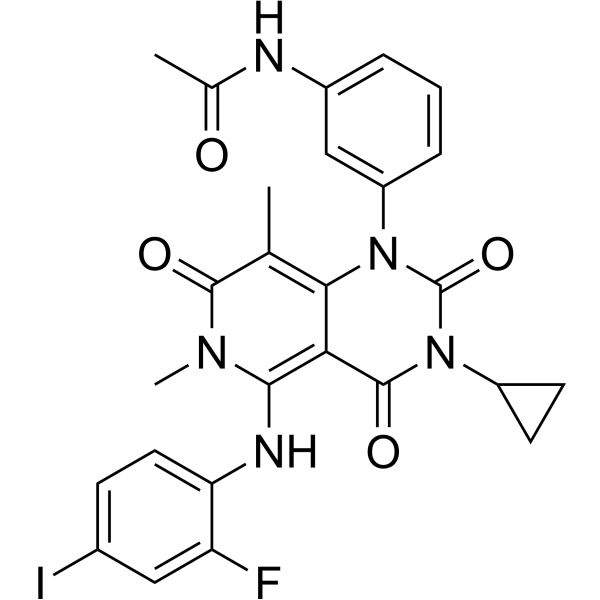
    Trametinib
    Maximum Cited Publications
    286 Publications Verification

    GSK1120212; JTP-74057

    MEK Autophagy Apoptosis Infection Neurological Disease Metabolic Disease Inflammation/Immunology Cancer
    Trametinib (GSK1120212; JTP-74057) is an orally active MEK inhibitor that inhibits MEK1 and MEK2 with IC50s of about 2 nM. Trametinib activates autophagy and induces apoptosis, cross the blood-brain barrier (BBB), used in research related to subarachnoid hemorrhage (SAH) .
    Trametinib
  • HY-B0099
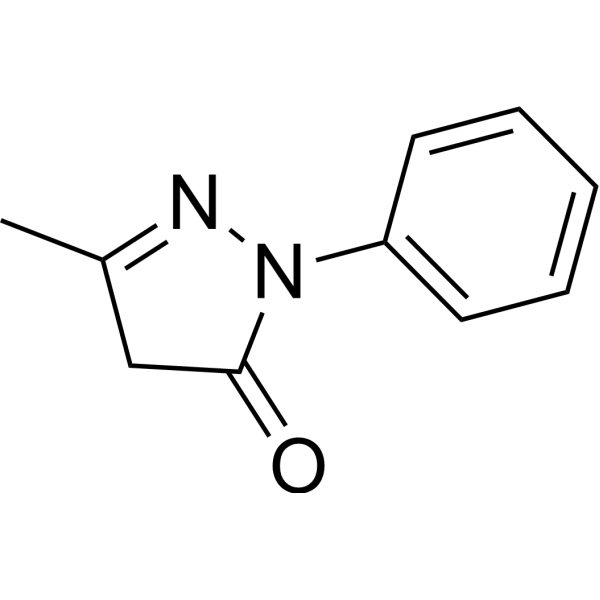
    Edaravone
    40+ Cited Publications

    MCI-186

    MMP Apoptosis Neurological Disease
    Edaravone is a strong novel free radical scavenger, and inhibits MMP-9-related brain hemorrhage in rats treated with tissue plasminogen activator.
    Edaravone
  • HY-16990
    Ac-YVAD-cmk
    30+ Cited Publications

    Caspase-1 Inhibitor II

    Caspase Inflammation/Immunology
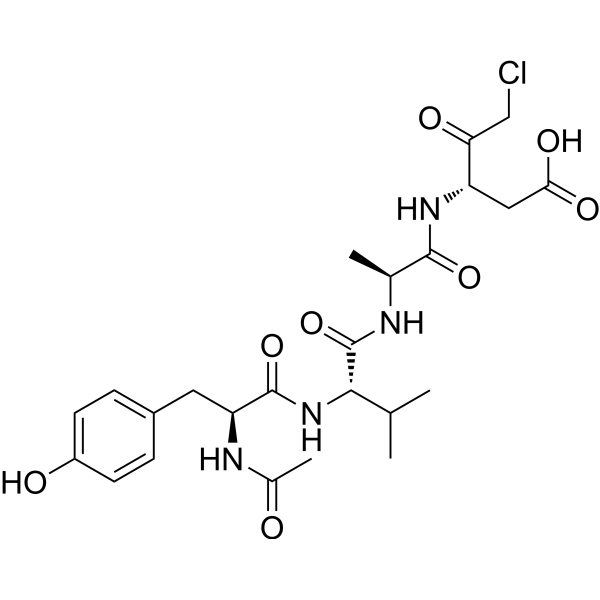
    Ac-YVAD-cmk (Caspase-1 Inhibitor II) is a selective caspase-1 (IL-1beta converting enzyme, ICE)) inhibitor with neuroprotective and anti-inflammatory effects. Ac-YVAD-cmk effectively suppresses the expression of IL-1β and IL-18. Ac-YVAD-cmk inhibits pyroptosis in many diseases .
    Ac-YVAD-cmk
  • HY-P2764
    Apyrase
    3 Publications Verification

    NTPDase Inflammation/Immunology
    Apyrase is an Nucleoside triphosphate diphosphohydrolase (NTPDase). Apyrase can hydrolyze extracellular adenosine triphosphate (ATP) and adenosine diphosphate (ADP). Apyrase can inhibit Stx2 toxin release of enterohemorrhagic Escherichia coli (EHEC) infection and protect the intestinal barrier function. Apyrase can be used for the research of infection and inflammation, such as hemorrhagic colitis .
    Apyrase
  • HY-13679
    Sodium 2-mercaptoethanesulfonate
    2 Publications Verification

    Mesnum

    Glutathione Peroxidase Cancer
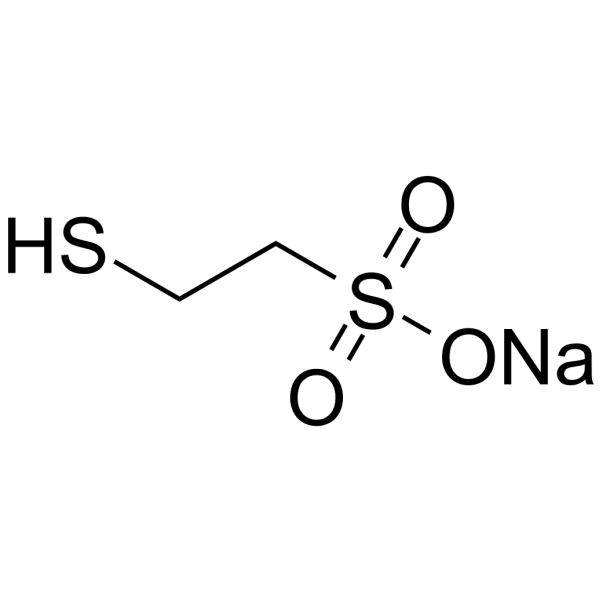
    Mesna (Sodium 2-mercaptoethanesulfonate) is an antioxidant which has cytoprotective effects. Mesna is widely used as a systemic protective agent against chemotherapy toxicity. Mesna is also used to reduce hemorrhagic cystitis induced by cyclophosphamide .
    Sodium 2-mercaptoethanesulfonate
  • HY-111914A
    Ferroheme
    1 Publications Verification

    NO Synthase Fatty Acid Synthase (FASN) Cardiovascular Disease
    Ferroheme is the ferrous form of heme in hemoglobin, reversibly binding oxygen as an oxygen carrier. Its free form induces oxidative stress and ferroptosis by releasing iron ions, which catalyze reactive oxygen species generation via Fenton reactions, leading to lipid peroxidation and cell death. This mechanism is critical in pathological contexts like intracerebral hemorrhage and neurodegenerative diseases, making it a target for studying iron-overload disorders and ferroptosis-related pathologies[1][2][3].
    Ferroheme
  • HY-17573
    Carbetocin
    2 Publications Verification

    Oxytocin Receptor Neurological Disease Endocrinology
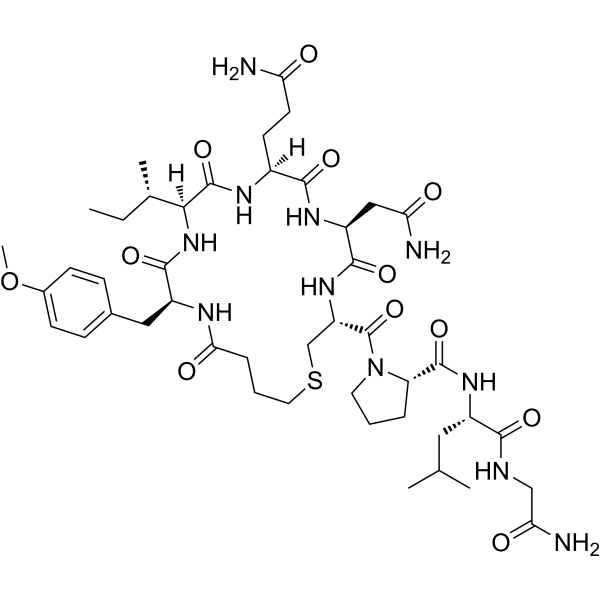
    Carbetocin, an oxytocin (OT) analogue, is an oxytocin receptor agonist with a Ki of 7.1 nM. Carbetocin has high affinity to chimeric N-terminus (E1) of the oxytocin receptor (Ki=1.17 μM). Carbetocin has the potential for postpartum hemorrhage research. Carbetocin can crosse the blood-brain barrier and produces antidepressant-like activity via activation of oxytocin receptors in the CNS .
    Carbetocin
  • HY-P2813
    Hirudin
    3 Publications Verification

    Thrombin Apoptosis Cardiovascular Disease Cancer
    Hirudin is a thrombin inhibitor with blood anticoagulant property. Hirudin has potent anti-thrombotic, wound repair, anti-fibrosis, anti-tumor and anti-hyperuricemia effects. Hirudin also affects diabetic complications, cerebral hemorrhage, and others .
    Hirudin
  • HY-P0084

    SRIF-14; Somatostatin-14

    Endogenous Metabolite Cardiovascular Disease Neurological Disease
    Cyclic somatostatin (SRIF-14) is a growth hormone-release inhibiting factor used in the research of severe, acute hemorrhages of gastroduodenal ulcers. Cyclic somatostatin is a neuropeptide co-stored with acetylcholine in the cardiac parasympathetic innervation, exerts influences directly on contraction of ventricular cardiomyocytes. Cyclic somatostatin inhibits the contractile response of isoprenaline with an IC50 value of 13 nM. Cyclic somatostatin can be used for the research of cardiovascular disease .
    Cyclic somatostatin
  • HY-107661
    Arundic Acid
    2 Publications Verification

    ONO-2506; (R)-2-Propyloctanoic acid

    ERK Akt NF-κB EAAT Cardiovascular Disease Neurological Disease
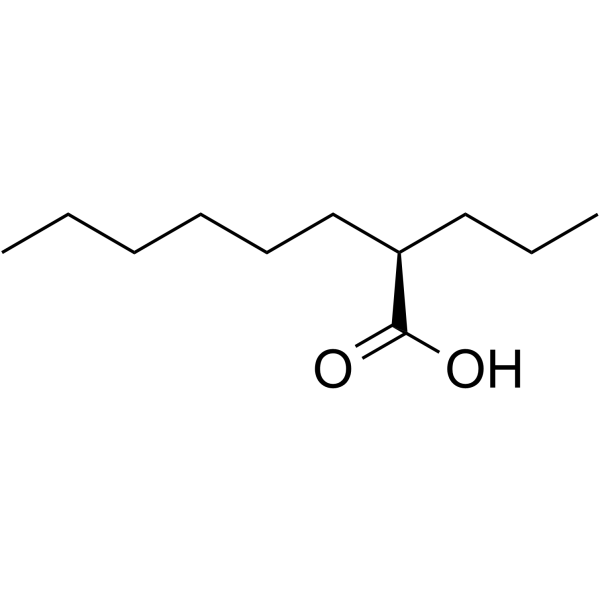
    Arundic Acid is an orally effective astrocyte function modulator and neuroprotective agent. Arundic Acid increases the expression and function of the astrocytic glutamate transporter EAAT1 by activating the ERK, Akt and NF-κB pathways. Arundic Acid attenuates retinal ganglion cell death in a normal-tension glaucoma model. Arundic Acid exerts neuroprotective effects in a mouse model of Parkinson's disease. Arundic Acid is a S100β protein synthesis inhibitor that prevents neurological deficits and brain tissue damage after intracerebral hemorrhage in rats. Arundic Acid downregulates neuroinflammation and astrocytic dysfunction after status epilepticus in immature rats. Arundic Acid is applicable to research related to Parkinson's disease, cerebral ischemia, glaucoma, intracerebral hemorrhage and epilepsy .
    Arundic Acid
  • HY-B0553
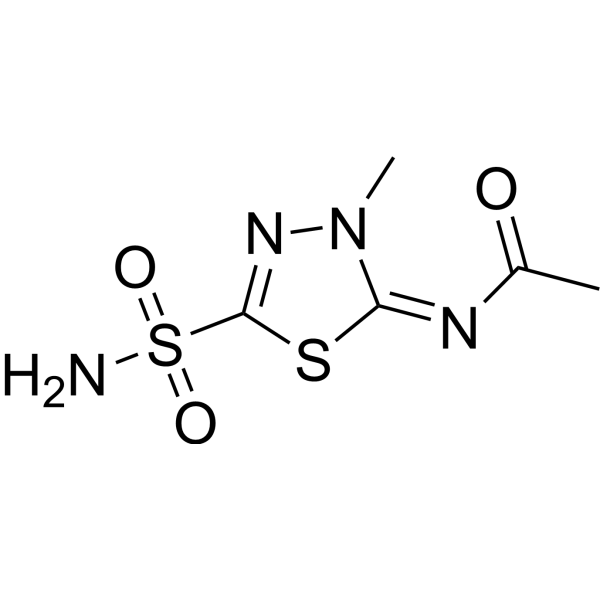
    Methazolamide
    4 Publications Verification

    L584601

    Carbonic Anhydrase Apoptosis Reactive Oxygen Species (ROS) Caspase Cardiovascular Disease Neurological Disease Inflammation/Immunology Cancer
    Methazolamide (L584601) is a BBB-penetrable and orally active carbonic anhydrase inhibitor, with a Ki of 14 nM for human carbonic anhydrase II. Methazolamide can reduce intraocular pressure and has a neuroprotective effect, being able to inhibit neuronal apoptosis. Methazolamide can be used in the research of ophthalmic diseases such as glaucoma and cerebrovascular diseases such as subarachnoid hemorrhage .
    Methazolamide
  • HY-122816
    HLY78
    10+ Cited Publications

    Wnt β-catenin Apoptosis Cardiovascular Disease Neurological Disease Cancer
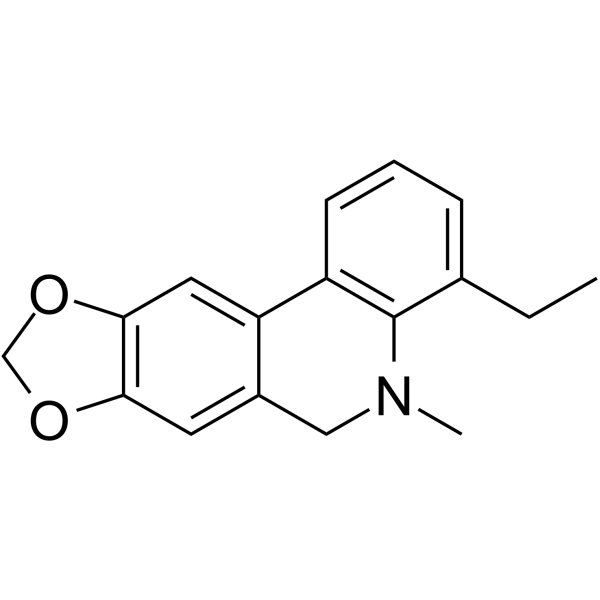
    HLY78, a Lycorine (HY-N0288) derivative, is a potent activator of the Wnt/β-catenin signaling pathway. HLY78 targets the DIX domain of Axin and promotes the Axin-LRP6 (lipoprotein receptor-related protein 6) association, thus promoting LRP6 phosphorylation and Wnt signal transduction. HLY78 can be used for subarachnoid hemorrhage (SAH) research .
    HLY78
  • HY-E70005J

    Type VII collagenase

    MMP Neurological Disease
    Collagenase, Type VII (EC 3.4.24.3) is a collagenase that can be used to induce thalamic hemorrhage .
    Collagenase, Type VII
  • HY-B1074

    Etamsylate

    Prostaglandin Receptor Cardiovascular Disease Endocrinology
    Ethamsylate (Etamsylate) is an orally active anti-hemorrhagic compound. Ethamsylate inhibits biosynthesis and action of prostaglandins. Ethamsylate has the potential to maintain early hemostasis as well as restores capillary resistance. Ethamsylate acts as an antiangiogenic factor, inhibiting wound healing and matrigel tubulogenesis. .
    Ethamsylate
  • HY-P9940

    ACE-910; RG6013

    Factor VIII Cardiovascular Disease
    Emicizumab is a bispecific monoclonal antibody that bridges activated factor IX and factor X to replace the function of missing activated factor VIII, thereby restoring hemostasis. Emicizumab can be used for hemophilia A research .
    Emicizumab
  • HY-A0195

    Prostaglandin Receptor Endocrinology
    Carboprost tromethamine is the synthetic 15-methyl analogue of prostaglandin F. Carboprost tromethamine can effectively promote law contraction of the uterus and significantly reduce the amount of bleeding during and after delivery .
    Carboprost tromethamine
  • HY-162596

    BA-1049 free base

    ROCK Neurological Disease
    NRL-1049 (BA-1049 (free base)) is an orally available and selective ROCK2 inhibitor with IC50 values of 0.59 µM for ROCK2 and 26 µM for ROCK1, respectively. NRL-1049 modulates ROCK signaling, preserves blood-brain barrier integrity, reduces edema, seizures and hemorrhage, and alleviates cerebral cavernous malformation lesion burden. NRL-1049 can be used for the study of acute brain injury, ischemic stroke, and cerebral cavernous malformations .
    NRL-1049
  • HY-W012009
    2'-Deoxy-2'-fluorocytidine
    1 Publications Verification

    Influenza Virus Infection
    2'-Deoxy-2'-fluorocytidine, an nucleoside analog, is a potent inhibitor of Crimean-Congo hemorrhagic fever virus (CCHFV) replication. 2′-deoxy-2′-fluorocytidine can act synergistically with T705 to increase the potency of both compounds antiviral effects on CCHFV replication .
    2'-Deoxy-2'-fluorocytidine
  • HY-B0780
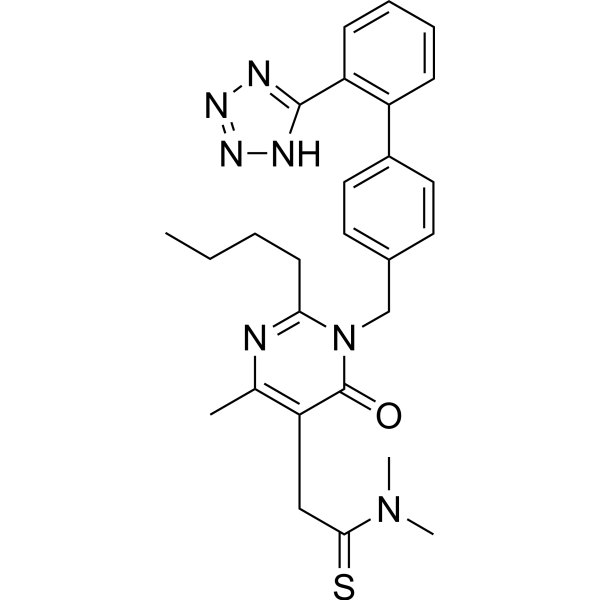
    Fimasartan
    4 Publications Verification

    BR-A-657

    Angiotensin Receptor Apoptosis NF-κB Cardiovascular Disease Neurological Disease Inflammation/Immunology Endocrinology
    Fimasartan (BRA-657) is an orally effective angiotensin receptor AT1 non-peptide antagonist. Fimasartan has antihypertensive effects. Fimasartan improves neuroinflammation and brain injury mediated by NLRP3 inflammatome after intracerebral hemorrhage, and has neuroprotective effect. Fimasartan inhibits the expression of inducible nitric oxide synthase through the inactivation of NF-κB and activator protein-1 .
    Fimasartan
  • HY-B0072
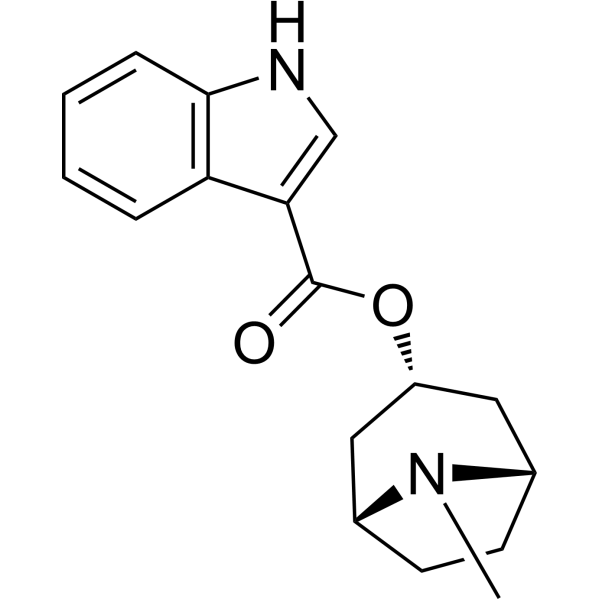
    Tropisetron
    4 Publications Verification

    SDZ-ICS-930 free base

    5-HT Receptor nAChR p38 MAPK NF-κB AP-1 Nuclear Factor of activated T Cells (NFAT) JAK Neurological Disease Inflammation/Immunology Cancer
    Tropisetron is an orally active 5-HT3R antagonist (Ki = 5.3 nM) as well as being a potent and selective α7 nicotinic partial agonist (EC50 = 1.3 μM). Tropisetron prevents phosphorylation and activation of the p38 MAPK. Tropisetron inhibits both IL-2 gene transcription and IL-2 synthesis in stimulated T cells. Tropisetron inhibits the binding to DNA and the transcriptional activity of NFAT and AP-1. Tropisetron is anti-inflammatory and antiemetic. Tropisetron has antitumor and neuroprotective effects. Tropisetron can be studied in research for diseases including hemorrhagic cystitis, chronic joint inflammation, lung cancer and chronic cerebral hypoperfusion .
    Tropisetron
  • HY-B0099R

    MCI-186 (Standard)

    Reference Standards MMP Apoptosis Neurological Disease
    Edaravone (Standard) is the analytical standard of Edaravone. This product is intended for research and analytical applications. Edaravone is a strong novel free radical scavenger, and inhibits MMP-9-related brain hemorrhage in rats treated with tissue plasminogen activator.
    Edaravone (Standard)
  • HY-173591

    Formyl Peptide Receptor (FPR) Apoptosis Cardiovascular Disease Neurological Disease Inflammation/Immunology
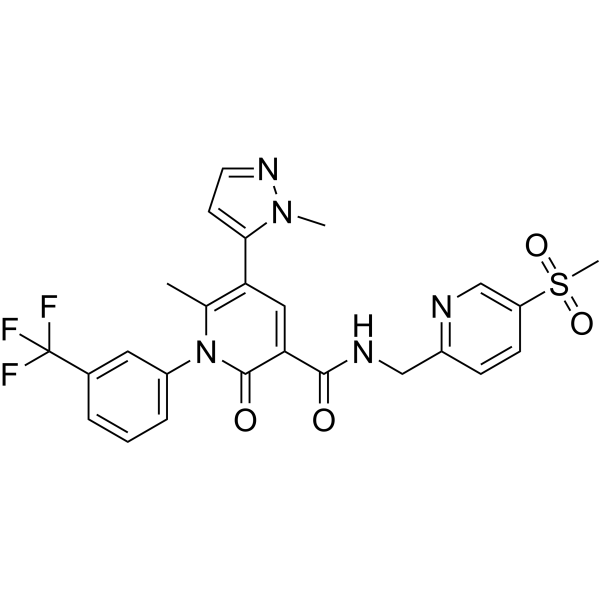
    T0080 is a central nervous system-penetrant FPR1 inhibitor. By functionally blocking the FPR1 signaling pathway, T0080 effectively reduces neutrophil infiltration into ischemic brain tissue and maintains the integrity of the blood-brain barrier. T0080 alleviates tPA-associated hemorrhagic transformation, inhibits demyelination responses and the expression of NOX2. T0080 also possesses anti-apoptotic (apoptosis) and anti-inflammatory properties, thereby protecting myelin and reducing neurological deficits. T0080 is widely used in studies related to ischemic stroke complicated by hemorrhagic transformation after tPA thrombolysis, as well as multiple sclerosis .
    T0080
  • HY-P1108
    Astressin 2B
    1 Publications Verification

    CRFR Neurological Disease Inflammation/Immunology
    Astressin 2B is a blood-brain barrier-impermeable, highly selective CRFR2 antagonist (rCRFR2, IC50=0.57 nM). Astressin 2B blocks the protective effects mediated by CRFR2, thereby exacerbating indomethacin (HY-14397)-induced hemorrhagic intestinal injury in rats. Astressin 2B reverses the protective effects of Urocortin 1 against intestinal hypermotility, bacterial invasion and upregulation of inflammatory mediators. Astressin 2B also blocks the anxiogenic effect of Urocortin 2 and attenuates stress-induced anxiety-related behaviors. In the Clostridioides difficile toxin A (C. difficile toxin A)-mediated enteritis model, Astressin 2B mimics the phenotype of CRFR2-deficient mice, significantly exacerbating intestinal epithelial damage, edema, neutrophil migration and the expression of multiple proinflammatory cytokines. Astressin 2B is an important tool molecule for investigating the intestinal protective mechanisms of CRFR2 .
    Astressin 2B
  • HY-128879A
    VP3.15 dihydrobromide
    3 Publications Verification

    Phosphodiesterase (PDE) GSK-3 Tau Protein Cardiovascular Disease Neurological Disease Inflammation/Immunology
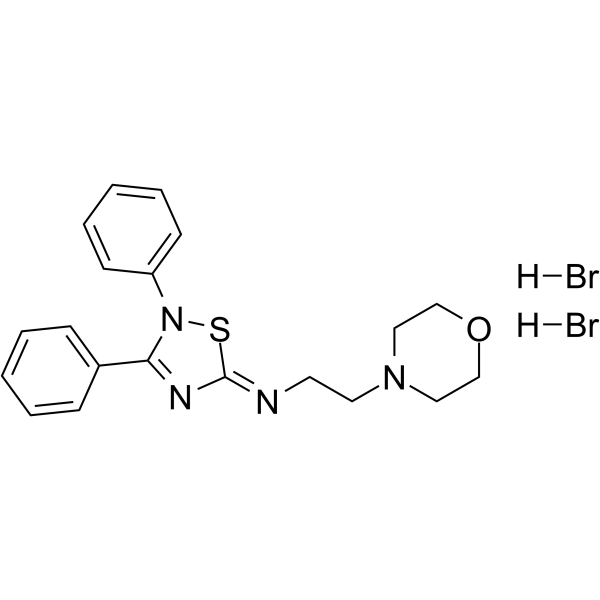
    VP3.15 dihydrobromide is a highly potent, orally bioavailable, and CNS-penetrant PDE7-GSK3 dual inhibitor, with IC50 values of 1.59 μM and 0.88 μM against PDE7 and GSK3, respectively . VP3.15 dihydrobromide elevates intracellular cAMP levels, suppresses immune responses, enhances remyelination, limits excessive tau phosphorylation, and alleviates neuroinflammation and neuronal loss. VP3.15 dihydrobromide promotes oligodendrocyte precursor cell differentiation, improves in vivo remyelination, inhibits autoimmune encephalomyelitis, and mitigates germinal matrix-intraventricular hemorrhage-related brain injury, cerebral atrophy, ventricular enlargement, and cognitive impairment. VP3.15 dihydrobromide can be used in research related to multiple sclerosis and germinal matrix-intraventricular hemorrhage .
    VP3.15 dihydrobromide
  • HY-121615

    alpha-Phellandrene

    Environmental Pollutants Insecticide NO Synthase Apoptosis Autophagy Infection Neurological Disease Inflammation/Immunology Cancer
    α-Phellandrene (alpha-Phellandrene) is an orally active monoterpenoid and insecticide. α-Phellandrene can be isolated from plant essential oils. α-Phellandrene induces Apoptosis and Autophagy. α-Phellandrene promotes cAMP signaling pathway and increases NO production. α-Phellandrene has anti-inflammatory and anticancer (sarcoma) activities. α-Phellandrene shows insecticidal activity against Lucilia cuprina L3. α-Phellandrene reduces mechanical hyperalgesia .
    α-Phellandrene
  • HY-19360

    SHB 286; CP-34089; ZK-57671

    Prostaglandin Receptor Cardiovascular Disease Inflammation/Immunology
    Sulprostone (SHB 286) is a potent and selective EP3 receptor agonist. Sulprostone (SHB 286) is a prostaglandin E2 (PGE2) analogue and has antiulcer and nonsteroidal abortifacient effects. Sulprostone has potential for the research of pregnancy termination and hemorrhages during delivery .
    Sulprostone
  • HY-17573A
    Carbetocin acetate
    2 Publications Verification

    Oxytocin Receptor Neurological Disease Endocrinology
    Carbetocin acetate, an oxytocin (OT) analogue, is an oxytocin receptor agonist with a Ki of 7.1 nM. Carbetocin acetate has high affinity to chimeric N-terminus (E1) of the oxytocin receptor (Ki=1.17 μM). Carbetocin acetate has the potential for postpartum hemorrhage research. Carbetocin acetate can crosse the blood-brain barrier and produces antidepressant-like activity via activation of oxytocin receptors in the CNS .
    Carbetocin acetate
  • HY-128428

    15(S)-15-Methyl Prostaglandin F2α; 15-Methyl-PGF2α

    Prostaglandin Receptor Endocrinology
    Carboprost (15(S)-15-Methyl Prostaglandin F2α) is a metabolically stable synthetic analog of prostaglandin F2α. Carboprost stimulates uterine contractions and induces abortion. Carboprost is used for postpartum hemorrhage due to uterine atony and for the termination of pregnancy in the second trimester .
    Carboprost
  • HY-101446

    Trk Receptor ERK Apoptosis Neurological Disease
    HIOC is a potent and selective activator of TrkB (tropomyosin related kinase B) receptor. HIOC can pass the blood-brain and blood-retinal barriers.HIOC activates TrkB/ERK pathway and decreases neuronal cell apoptosis. HIOC attenuates early brain injury after SAH (subarachnoid hemorrhage). HIOC shows protective activity in an animal model for light-induced retinal degeneration .
    HIOC
  • HY-142117

    Calcium Channel Chloride Channel Others
    Adenophostin A is an IP3 receptor (inositol 1,4,5-trisphosphate receptors) modulator and Ca 2+ releaser, with an IC50 of 1.3 nM, an EC50 of 1.4 nM, and a Ki of 0.18 nM in rats, and an IC50 of 0.95 nM in humans. Adenophostin A activates IP3 receptors, stimulates Ca 2+ release from intracellular stores and microsomes, inhibits the binding of [ 3H]IP3 to plasma membrane receptors, and activates chloride channels. Adenophostin A resists phosphorylation and dephosphorylation by IP3 metabolic enzymes to maintain its activity, and increases cytoplasmic [Ca 2+] levels via calcium mobilization from the endoplasmic reticulum of vascular smooth muscle cells. Adenophostin A is applicable to research related to hemorrhagic shock .
    Adenophostin A
  • HY-103320A
    Calhex 231 hydrochloride
    5+ Cited Publications

    CaSR Metabolic Disease
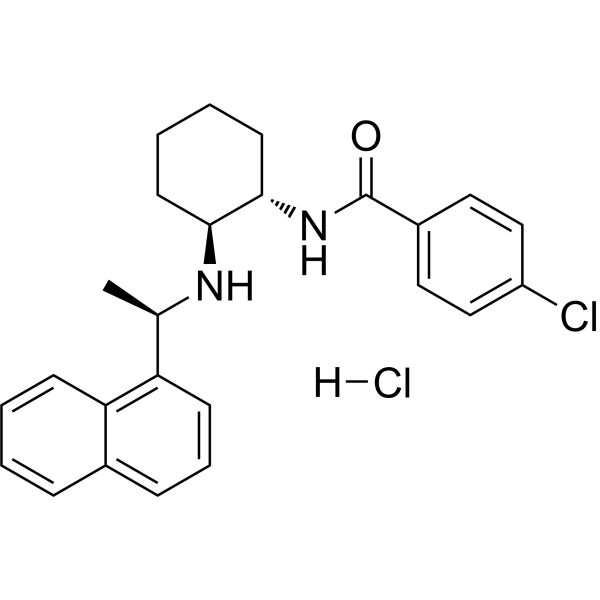
    Calhex 231 hydrochloride is a potent negative allosteric modulator that blocks (IC50 = 0.39 μM) increases in [ 3H]inositol phosphates elicited by activating the human wild-type CaSR transiently Ca 2+-sensing receptor. Calhex 231 hydrochloride can be used in the study of traumatic hemorrhagic shock (THS) and diabetic cardiomyopathy (DCM) .
    Calhex 231 hydrochloride
  • HY-N6726

    Fungal Endogenous Metabolite Infection Cancer
    Fumonisin B3 is an orally active fumonisin Mycotoxin. Fumonisin B3 can be isolated from Fusarium moniliforme, Fusarium proliferatum and Fusarium nygamai. Fumonisin B3 induces precancerous lesions, triggers embryonic death of chicken embryos, causes severe hemorrhage in dead chicken embryos. Fumonisin B3 can be used in studies related to hepatocellular carcinoma .
    Fumonisin B3
  • HY-W015815

    Endogenous Metabolite Neurological Disease
    6-Methylnicotinamide is a nicotinamide derivative. 6-methylnicotinamide is also an endogenous metabolite and its sudden increase in the acute stages of intracerebral hemorrhage (ICH) exacerbates neurological damages in rat model. 6-Methylnicotinamide can significantly enhance the coordination effect between acylamino and undercoordinated defective Pb 2+ cations. 6-Methylnicotinamide results in enhanced efficiency of perovskite solar cells to 24.33% with excellent environmental storage, heat, and light stabilities .
    6-Methylnicotinamide
  • HY-B0265A

    (R)-BAY-e 9736

    Calcium Channel Cardiovascular Disease Neurological Disease
    (R)-Nimodipine ((R)-BAY-e 9736) is an orally active, blood-brain barrier-permeable L-type calcium channel blocker with an IC50 of 5 nM. (R)-Nimodipine inhibits corticosterone release by blocking calcium channels on the hypothalamic-pituitary-adrenal axis, thereby reversing immobilization stress-induced memory impairment and behavioral abnormalities. (R)-Nimodipine is widely used in studies related to aneurysmal subarachnoid hemorrhage, cerebral ischemia, epilepsy, age-related degenerative neurological diseases, and alcohol intoxication .
    (R)-Nimodipine
  • HY-B1404

    Buphenine hydrochloride

    iGluR Influenza Virus Infection Cardiovascular Disease Inflammation/Immunology
    Nylidrin hydrochloride (Buphenine hydrochloride) is an orally active β-adrenergic agonist. Nylidrin hydrochloride antagonizes NR1A/2B NMDA receptors (IC50 = 0.18 μM in Xenopus oocytes). Nylidrin hydrochloride reduces the levels of NP, HA, and M1. Nylidrin hydrochloride has antiviral activity against multiple H1N1 subtype influenza A viruses. Nylidrin hydrochloride improves hemorrhagic shock and anti-allergic effects .
    Nylidrin hydrochloride
  • HY-P99816

    PCSK9 Metabolic Disease
    Ralpancizumab is a selective PCSK9 inhibitor with potential application in hemorrhagic stroke .
    Ralpancizumab
  • HY-P3068

    Adrenocorticotropic hormone (1-16)

    Melanocortin Receptor Cardiovascular Disease
    ACTH (1-16) (human) (Adrenocorticotropic hormone (1-16)) is an ACTH fragment. ACTH (1-16) (human) improves cardiovascular function and survival in experimental hemorrhagic shock .
    ACTH (1-16) (human)
  • HY-113963

    Apoptosis Cancer
    Ac- IETD- CHO is a potent, reversible inhibitor of granzyme B and caspase-8. Ac- IETD- CHO inhibits Fas-mediated apoptotic cell death, hemorrhage, and liver failure. Ac- IETD- CHO also inhibits cytotoxic T lymphocytes induced cell death .
    Ac-​IETD-​CHO
  • HY-P99891
    Rovelizumab
    1 Publications Verification

    Hu23F2G

    Integrin Cardiovascular Disease
    Rovelizumab is a humanized monoclonal leukointegrin antibody. Rovelizumab is a monoclonal antibody directed against the CD11/CD18 cell adhesion proteins. Rovelizumab can be used for research of multiple sclerosis (MS), hemorrhagic shock, myocardial infarction (MI) and stroke .
    Rovelizumab
  • HY-100967

    Homodimaprit dihydrochloride

    Histone Methyltransferase Infection Cardiovascular Disease Inflammation/Immunology
    SKF 91488 (Homodimaprit) dihydrochloride is a potent and noncompetitive histamine N-methyltransferase inhibitor with a Ki value of 0.9 μM. SKF 91488 dihydrochloride can block histamine metabolism and increase histamine concentrations. SKF 91488 dihydrochloride can increase blood pressure and enhance bronchoconstriction. SKF 91488 can be used for the researches of infection, inflammation and cardiovascular disease, such as Mycoplasma pneumonia and hemorrhagic hypotension .
    SKF 91488 dihydrochloride
  • HY-P10580A

    Cadherin Tie Claudin PI3K Akt Cardiovascular Disease Infection Inflammation/Immunology
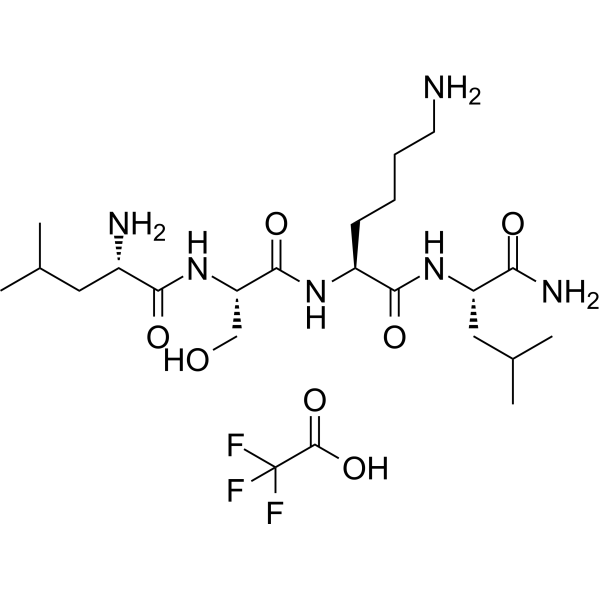
    Vasculotide TFA is a blood-brain barrier (BBB)-penetrant Tie2 agonist. Vasculotide TFA binds to a unique domain of Tie2, induces receptor clustering to drive phosphorylation, activates downstream PI3K/Akt and eNOS pathways, enhances inter-endothelial cell junctions (such as VE-cadherin and claudin-5), and inhibits inflammatory adhesion molecules, ultimately stabilizing the vascular endothelial barrier and reducing its permeability . Vasculotide TFA alleviates pulmonary microvascular leakage and microcirculatory dysfunction caused by cardiopulmonary bypass, acts as an adjuvant radioprotective agent to reduce acute radiation dermatitis, and promotes BBB recovery after focused ultrasound (FUS). Combination of Vasculotide TFA with antibiotics reduces lung injury .
    Vasculotide TFA
  • HY-132280

    U 74006F free base

    Reactive Oxygen Species (ROS) SARS-CoV Virus Protease Neurological Disease Inflammation/Immunology
    Tirilazad (U 74006F free base) is a neuroprotective agent. Tirilazad can also bind tightly to the main protease of the COVID-19 virus and exert anti-SARS-CoV-2 activity. Tirilazad scavenges hydroxyl and lipid peroxyl free radicals and maintains the levels of endogenous antioxidants. Tirilazad reduces cerebral infarct volume and improves neurobehavioral scores in animal models of focal ischemia. Tirilazad can be used in research related to ischemic stroke and subarachnoid hemorrhage .
    Tirilazad
  • HY-P10359A

    TGF-beta/Smad MMP Neurological Disease
    TAT-QFNP12 acetate is a peptide that blocks the NDRG2-PPM1A binding and reduces Smad2/3 phosphorylation, decreases astrocytic MMP-9 production and BBB disruption after subarachnoid hemorrhage (SAH) .
    TAT-QFNP12 acetate
  • HY-124618A
    FGI-106 tetrahydrochloride
    1 Publications Verification

    Flavivirus Dengue Virus HCV HIV Infection
    FGI-106 tetrahydrochloride is a potent and broad-spectrum inhibitor with inhibitory activity against multiple viruses. FGI-106 tetrahydrochloride is active against Ebola, Rift Valley and Dengue Fever viruses with EC50s of 100 nM, 800 nM and 400-900 nM, respectively. FGI-106 tetrahydrochloride also inhibits non-hemorrhagic fever viruses HCV and HIV-1 with EC50s of 200 nM and 150 nM, respectively .
    FGI-106 tetrahydrochloride
  • HY-124662

    Flavivirus Dengue Virus Glycosidase Infection
    IHVR-19029 is a potent endoplasmic reticulum (ER) α-glucosidases I and II inhibitor, with an IC50 of 0.48 μM for ER a-glucosidase I. IHVR-19029 efficiently blocks the replication of several hemorrhagic fever viruses, such as Dengue virus (DENV), Ebola virus (EBOV) and Rift Valley fever virus. The combination of IHVR-19029 with Favipiravir (HY-14768) improves the antiviral efficacy .
    IHVR-19029
  • HY-120039A

    Elastase Inflammation/Immunology
    (S)-MDL-101146 is the S-isomer of MDL-101146. MDL-101146 is an orally active, competitive and reversible inhibitor against human neutrophil elastase (HNE) with a Ki value of 25 nM. MDL-101146 inhibits HNE-induced hemorrhage in hamsters. MDL-101146 is promising for research of emphysema, rheumatoid arthritis, chronic bronchitis, cystic fibrosis, adult respiratory distress syndrome and glomerulonephritis .
    (S)-MDL-101146
  • HY-173272

    PAI-1 Cardiovascular Disease
    BT-114143 is a plasminogen activation inhibitor, with an IC50 of 8.42 μM. BT-114143 can be used in the research of hemorrhagic diseases caused by hyperfibrinolysis, such as traumatic bleeding, severe menstrual bleeding, postpartum hemorrhage, and complications of hemophilia .
    BT-114143
  • HY-115447

    Histamine Receptor Neurological Disease
    Clobenpropit is a potent histamine H3-receptor antagonist. Clobenpropit decreases dopamine release and increases histamine levels in the hypothalamus. Clobenpropit shows antipsychotic-like activities. Clobenpropit causes a resuscitating effect in rats subjected to the hemorrhagic shock .
    Clobenpropit
  • HY-122070

    U 74006F

    Antibiotic Infection Neurological Disease
    Tirilazad mesylate (U 74006F) is a nonglucocorticoid, 21-aminosteroid that inhibits lipid peroxidation. Tirilazad mesylate can attenuate brain or spinal cord injury caused by trauma, stroke, ischemia and reperfusion injury. Tirilazad mesylate has antiviral activities against nCoV. Tirilazad mesylate is neuroprotective for ischaemic stroke, can be used for subarachnoid hemorrhage research .
    Tirilazad mesylate
  • HY-W015815R

    Reference Standards Endogenous Metabolite Neurological Disease
    6-Methylnicotinamide is a nicotinamide derivative. 6-methylnicotinamide is also an endogenous metabolite and its sudden increase in the acute stages of intracerebral hemorrhage (ICH) exacerbates neurological damages in rat model. 6-Methylnicotinamide can significantly enhance the coordination effect between acylamino and undercoordinated defective Pb2+ cations. 6-Methylnicotinamide results in enhanced efficiency of perovskite solar cells to 24.33% with excellent environmental storage, heat, and light stabilities .
    6-Methylnicotinamide (Standard)

Inquiry Online

Your information is safe with us. * Required Fields.

Salutation


Country or Region *

Applicant Name *


Organization Name *

Department *


Email Address *


Product Name *

Cat. No.


Requested quantity *

Phone Number *


Remarks

Inquiry Online

Inquiry Information

Product Name:
Cat. No.:
Quantity:
MCE Japan Authorized Agent:

