


Search Result
Results for "
microtubule disruption
" in MedChemExpress (MCE) Product Catalog:
1
Biochemical Assay Reagents
9
Isotope-Labeled Compounds
| Cat. No. |
상품명 |
Target |
연구분야 |
Chemical Structure |
-
- HY-13520
-
Nocodazole
Maximum Cited Publications
119 Publications Verification
Oncodazole; R17934
|
Bcr-Abl
Autophagy
Microtubule/Tubulin
Apoptosis
Mitosis
|
Cancer
|
|
Nocodazole (Oncodazole) is a rapidly-reversible inhibitor of microtubule. Nocodazole binds to β-tubulin and disrupts microtubule assembly/disassembly dynamics, which prevents mitosis and induces apoptosis in tumor cells. Nocodazole inhibits Bcr-Abl.
|
-
-
- HY-16569
-
|
|
Environmental Pollutants
Apoptosis
Autophagy
Microtubule/Tubulin
NOD-like Receptor (NLR)
|
Cancer
|
|
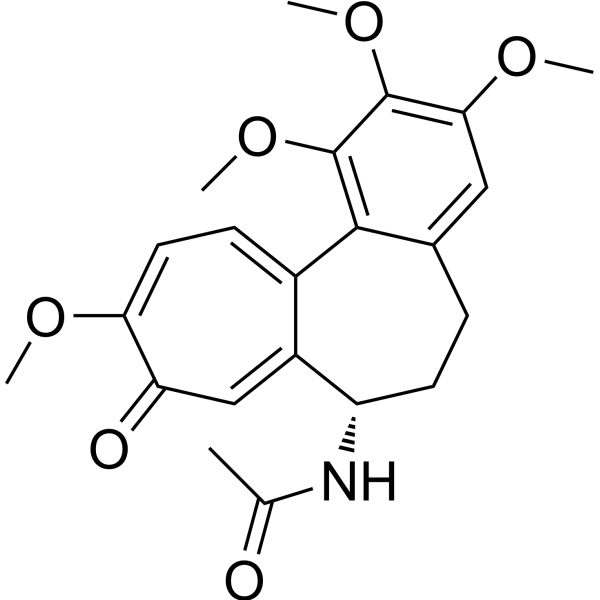
Colchicine, an orally active alkaloid, is a potent tubulin inhibitor and a microtubule disrupting agent. Colchicine inhibits microtubule polymerization with an IC50 of 3 nM. Colchicine is also a competitive antagonist of the α3 glycine receptors (GlyRs). Colchicine prevents non-steroidal anti-inflammatory drug (NSAID)-induced small intestinal injury by inhibiting activation of the NLRP3 inflammasome. Colchicine has extensive anti-inflammatory, immunosuppressive and strong anti-fibrosis effects and has the potential for gouty arthritis research .
|
-
-
- HY-P99016
-
|
|
ADC Antibody
Nectin-4
|
Cancer
|
|
Enfortumab is a humanized derived anti-Nectin-4 antibody that can be conjugated with the highly efficient microtubule disruptor MMAE (HY-15162) to generate the antibody drug conjugate (ADC) Enfortumab vedotin-ejfv (HY-P99016A). Enfortumab can be used for the study of locally advanced and metastatic urothelial carcinoma .
|
-
-
- HY-N0488A
-
Vincristine
Maximum Cited Publications
74 Publications Verification
Leurocristine; NSC-67574; 22-Oxovincaleukoblastine
|
Apoptosis
Microtubule/Tubulin
Mitosis
|
Infection
Cancer
|
|
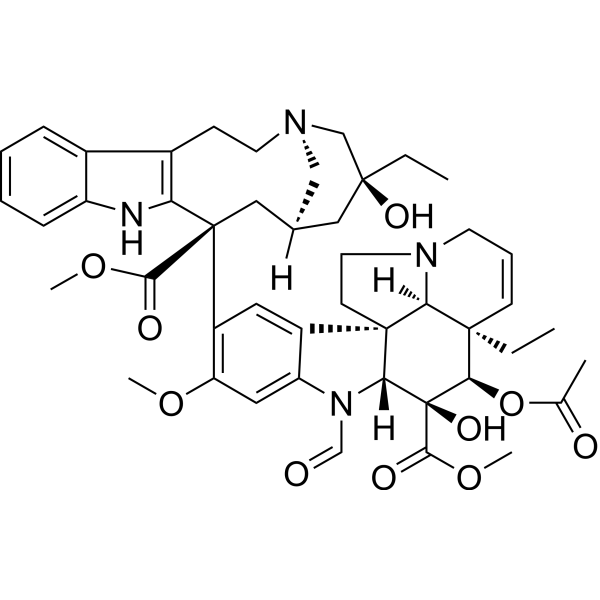
Vincristine (Leurocristine; NSC-67574; 22-Oxovincaleukoblastine) is a microtubule inhibitor that disrupts microtubule polymerization by binding to β-tubulin (with a Ki of 85 nM in bovine), arrests the cell cycle and induces apoptosis. Vincristine inhibits cell replication, tumor blood flow and the proliferation of various cancer cells, while triggering effects such as oxidative stress, inflammation, calcium overload, epithelial-mesenchymal transition and peripheral neuropathic pain. Vincristine upregulates the expression of various transporters and nuclear receptors, and enriches gastric cancer stem-like cells. Vincristine is used in research related to various tumors including acute lymphoblastic leukemia, lymphoma, melanoma, gastric cancer, solid tumors and sarcomas .
|
-
-
- HY-101070
-
|
DM1-SMCC
|
Drug-Linker Conjugates for ADC
|
Cancer
|
|
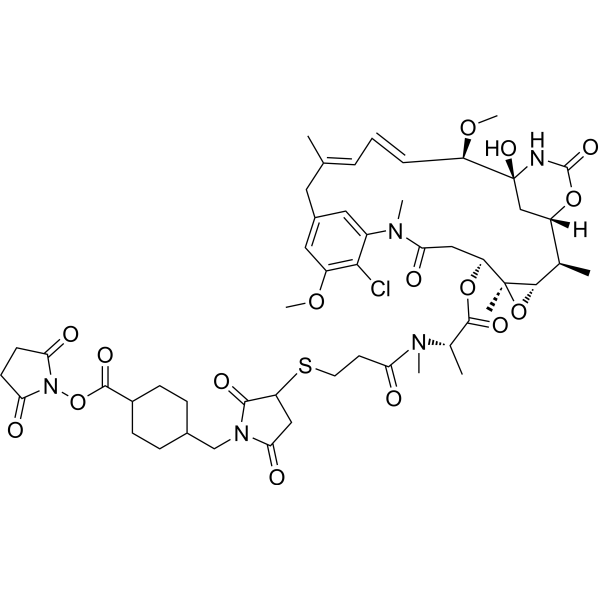
SMCC-DM1 (DM1-SMCC) is a agent-linker conjugate composed of a potent microtubule-disrupting agent DM1 and a linker SMCC to make antibody agent conjugate (ADC) .
|
-
-
- HY-B0294
-
|
|
Parasite
Microtubule/Tubulin
STAT
MDM-2/p53
Apoptosis
Autophagy
|
Infection
Cancer
|
|
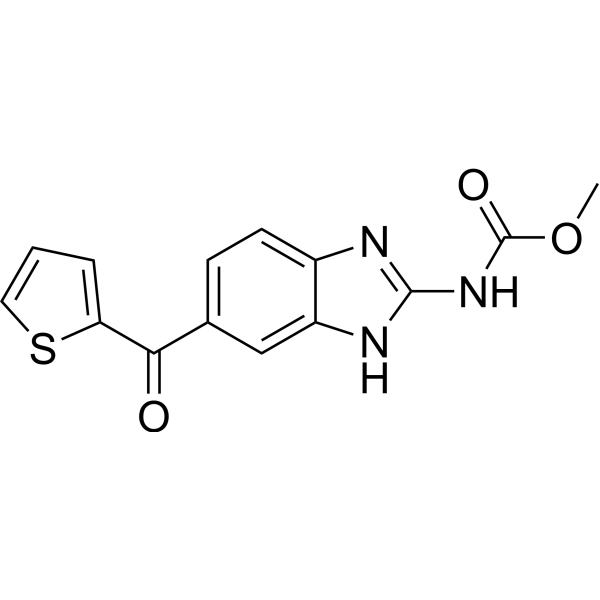
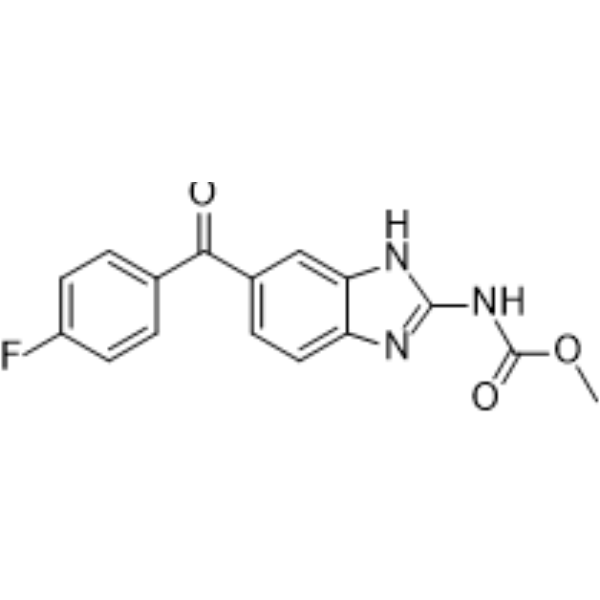
Flubendazole is an anthelmintic drug based on altering microtubule structure, inhibition of tubulin polymerization and disruption of microtubule function. Flubendazole induces apoptosis in human colorectal cancer (CRC) by blocking the STAT3 signaling axis and activation of autophagy. Flubendazole induces P53 expression and reduced Cyclin B1 and p-cdc2 expression. Flubendazole is an antitumor agent. Flubendazole can be used for worm and intestinal parasites .
|
-
-
- HY-150233
-
|
|
Microtubule/Tubulin
|
Cancer
|
|
Cys-McMMAF is the released payload of AlMcMMAF, an anti-5T4 humanized A1 antibody conjugated to the microtubule disrupting MMAF (HY-15579) via a maleimidocaproyl linker. Cys-McMMAF has antitumor efficacy in two tumor mouse models (H1975 and MDA-MB-361-DYT2 models) .
|
-
-
- HY-13716
-
|
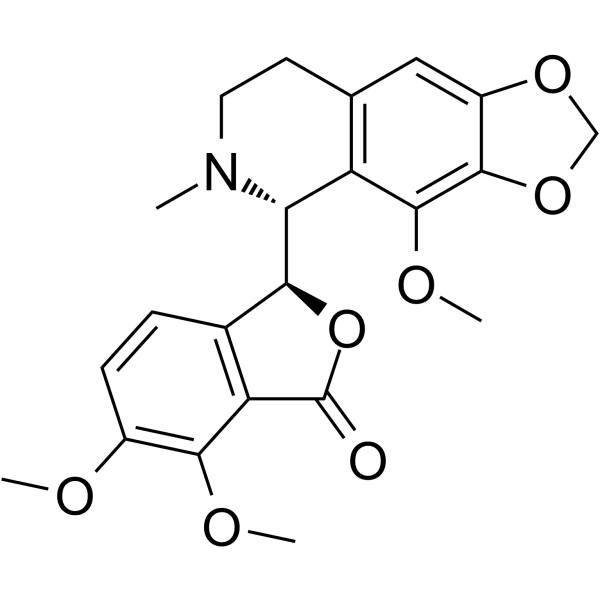
(S,R)-Noscapine
|
Opioid Receptor
Apoptosis
|
Neurological Disease
Inflammation/Immunology
Cancer
|
|
Noscapine ((S,R)-Noscapine) is an orally active phthalideisoquinoline alkaloid with potent antitussive. Noscapine exerts its antitussive effects by activating sigma opioid receptors and is a non-competitive Bradykinin inhibitor. Noscapine disrupts microtubule dynamics, induces mitotic arrest and apoptosis. Noscapine possesses anticancer, neuroprotective, anti-inflammatory activities, and can cross the blood-brain barrier .
|
-
-
- HY-126491
-
|
|
Drug-Linker Conjugates for ADC
|
Cancer
|
|
SPP-DM1 is a agent-linker conjugate for ADC with potent antitumor activity by using DM1 (a potent microtubule-disrupting agent), linked via the ADC linker SPP .
|
-
-
- HY-136610
-
|
|
Cholinesterase (ChE)
|
Neurological Disease
|
|
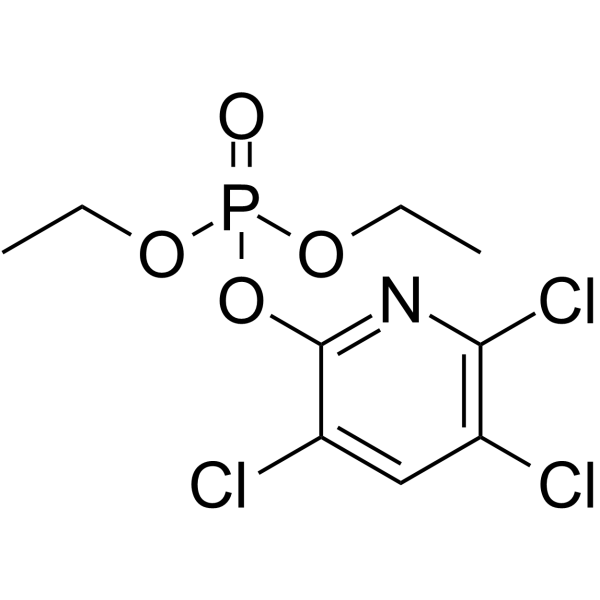
Chlorpyrifos-oxon, an active metabolite of Chlorpyrifos, is a potent phosphorylating agent that potently inhibits AChE. Chlorpyrifos-oxon can induce cross-linking between subunits of tubulin and disrupt microtubule function .
|
-
-
- HY-B0413
-
|
|
Parasite
HIF/HIF Prolyl-Hydroxylase
Microtubule/Tubulin
Antibiotic
|
Infection
Cancer
|
|
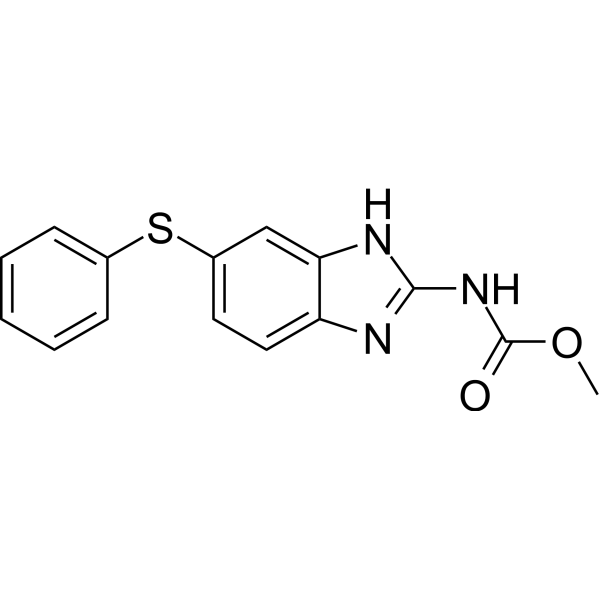
Fenbendazole is an orally active benzimidazole anthelmintic agent, with a broad antiparasitic range. Fenbendazole is a microtubule destabilizing agent and acts on helminthes primarily by binding to tubulin and disrupting the tubulin microtubule equilibrium. Fenbendazole stabilizes the transcriptional activator HIF-1α. Fenbendazole possesses an efficient anti-proliferative activity and induces apoptosis. Fenbendazole causes cell-cycle arrest and mitotic cell death, and has antitumor activity in mice xenografted with wild-type p53 .
|
-
-
- HY-15584
-
|
HTI-286; SPA-110
|
Microtubule/Tubulin
ADC Payload
Apoptosis
|
Cancer
|
|
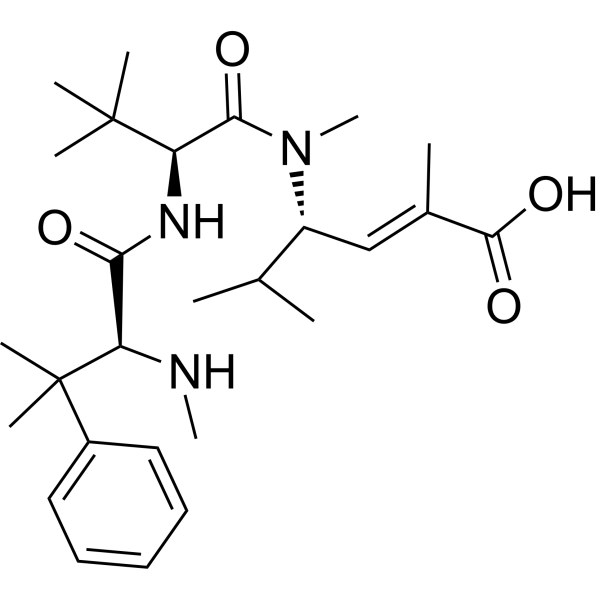
Taltobulin (HTI-286), a synthetic analogue of the tripeptide hemiasterlin, is a potent antimicrotubule agent that circumvents P-glycoprotein-mediated resistance in vitro and in vivo. Taltobulin inhibits the polymerization of purified tubulin, disrupts microtubule organization in cells, and induces mitotic arrest, as well as apoptosis .
|
-
-
- HY-153066
-
|
KIF18A-IN-7
|
Kinesin
Microtubule/Tubulin
Apoptosis
|
Cancer
|
|
VLS-1272 (Compound 22) is an orally active KIF18A inhibitor that binds to the KIF18A-microtubule complex in an ATP-noncompetitive manner (IC50 = 41 nM), blocking its ATPase activity and inhibiting microtubule translocation. This leads to abnormal accumulation of KIF18A at spindle poles, disrupting chromosome alignment and inducing mitotic arrest and apoptosis in CIN High tumor cells (e.g., ovarian cancer OVCAR-3, breast cancer JIMT-1). VLS-1272 is a promising candidate for anti-tumor research .
|
-
-
- HY-139604
-
|
|
MARK
Apoptosis
|
Cancer
|
|
PCC0208017 is a microtubule affinity regulating kinases (MARK3/MARK4) inhibitor with IC50s of 1.8 and 2.01 nM, respectively. PCC0208017 has much lower inhibitory activity against MARK1 and MARK2, with IC50s of 31.4 and 33.7 nM, respectively. PCC0208017 suppresses glioma progression in vitro and in vivo. PCC0208017 disrupts microtubule dynamics and induces G2/M phase cell cycle arrest and cell apoptosis. PCC0208017 demonstrates robust antitumor activity in vivo and displays good BBB permeability .
|
-
-
- HY-136286
-
|
|
Drug-Linker Conjugates for ADC
|
Cancer
|
|
MC-DM1 is a agent-linker conjugate composed of a potent microtubule-disrupting agent DM1 and a linker MC to make antibody agent conjugate (ADC) .
|
-
-
- HY-126682
-
|
|
Drug-Linker Conjugates for ADC
|
Cancer
|
|
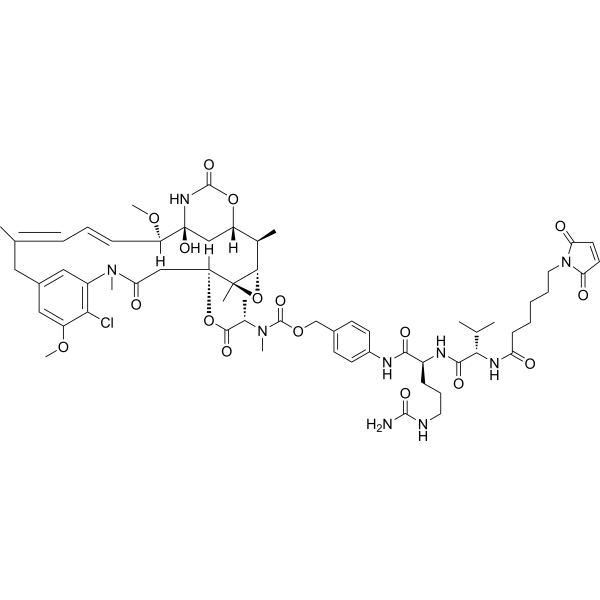
Mal-VC-PAB-DM1 is a agent-linker conjugate for ADC with potent antitumor activity by using DM1 (a potent microtubule-disrupting agent), linked via the ADC linker Mal-VC-PAB .
|
-
-
- HY-139441
-
-
-
- HY-111664A
-
|
(-)-Citronellal
|
Drug Isomer
|
Cancer
|
|
(S)-(-)-Citronellal ((-)-Citronellal) is an oxygenated monoterpenoid found in Citrus limon (L.) Burm. F. essential oils. (S)-(-)-Citronellal is a chiral isomers of (R)-(+)-Citronellal (HY-111664) and does not possess microtubule-disrupting activity. (S)-(-)-Citronellal can be used for cancer research .
|
-
-
- HY-136170
-
MC-SN38
2 Publications Verification
|
Drug-Linker Conjugates for ADC
|
Cancer
|
|
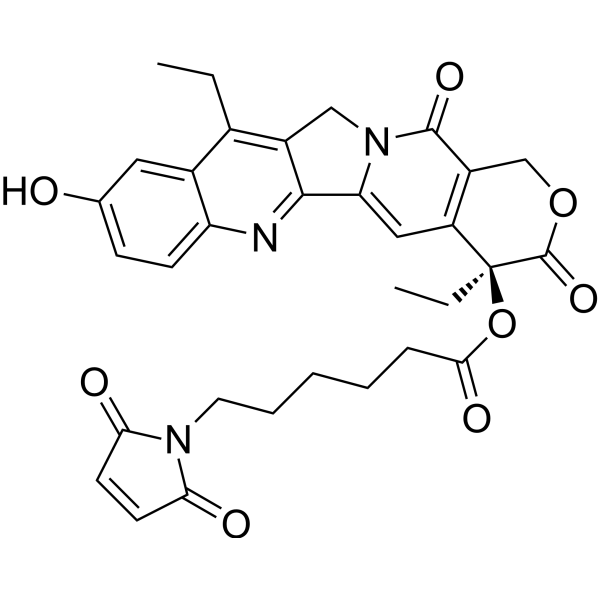
MC-SN38 is a agent-linker conjugate composed of a potent microtubule-disrupting agent SN38 and a non-cleavable MC linker to make antibody agent conjugate (ADC). SN-38, an active metabolite of the Topoisomerase I inhibitor Irinotecan, inhibits DNA synthesis and causes frequent DNA single-strand breaks .
|
-
-
- HY-13716A
-
|
(S,R)-Noscapine hydrochloride
|
Opioid Receptor
Apoptosis
|
Neurological Disease
Inflammation/Immunology
Cancer
|
|
Noscapine ((S,R)-Noscapine) hydrochloride is an orally active phthalideisoquinoline alkaloid with potent antitussive. Noscapine hydrochloride exerts its antitussive effects by activating sigma opioid receptors and is a non-competitive Bradykinin inhibitor. Noscapine hydrochloride disrupts microtubule dynamics, induces mitotic arrest and apoptosis. Noscapine hydrochloride possesses anticancer, neuroprotective, anti-inflammatory activities, and can crosse the blood-brain barrier .
|
-
-
- HY-15579AS
-
-
-
- HY-13563
-
|
T138067
|
Microtubule/Tubulin
Apoptosis
|
Cancer
|
|
Batabulin (T138067) is an antitumor agent, which binds covalently and selectively to a subset of the β-tubulin isotypes, thereby disrupting microtubule polymerization. Batabulin affects cell morphology and leads to cell-cycle arrest ultimately induces apoptotic cell death .
|
-
-
- HY-P99595
-
|
AGS15E; ASG-15ME; 1vcMMAE
|
Antibody-Drug Conjugates (ADCs)
|
Cancer
|
|
Sirtratumab vedotin (ASG15-ME) is an ADC composed of a SLITRK6-specific human gamma 2 antibody (Igγ2) conjugated to a small molecule microtubule disrupting agent, monomethyl auristatin E (MMAE) via a protease-cleavable linker .
|
-
-
- HY-12098
-
|
MPC-6827 hydrochloride
|
Microtubule/Tubulin
|
Cancer
|
|
Verubulin hydrochloride (MPC-6827 hydrochloride) is a blood brain barrier permeable microtubule-disrupting agent, with potent and broad-spectrum in vitro and in vivo cytotoxic activities. Verubulin hydrochloride (MPC-6827 hydrochloride) exhibits potent anticancer activity in human MX-1 breast and other mouse xenograft cancer models. Verubulin hydrochloride (MPC 6827 hydrochloride) is a promising candidate for the treatment of multiple cancer types .
|
-
-
- HY-132260
-
|
IMGN529; Debio 1562
|
Antibody-Drug Conjugates (ADCs)
Apoptosis
|
Cancer
|
|
Naratuximab emtansine (IMGN529) is a CD37-targeted ADC consisting of a humanized IgG1 mAb coupled to the microtubule disruptor DM1. Naratuximab emtansine has high affinity and specificity for CD37, allowing ADC internalization, processing and intracellular release of DM1. Due to its ability to disrupt microtubule assembly, DM1 can subsequently induce cell cycle arrest and apoptosis .
|
-
-
- HY-13563A
-
|
T138067 sodium
|
Microtubule/Tubulin
Apoptosis
|
Cancer
|
|
Batabulin sodium (T138067 sodium) is an antitumor agent, which binds covalently and selectively to a subset of the β-tubulin isotypes, thereby disrupting microtubule polymerization. Batabulin sodium affects cell morphology and leads to cell-cycle arrest ultimately induces apoptotic cell death .
|
-
-
- HY-N7659A
-
|
|
Phytohormone
Microtubule/Tubulin
Apoptosis
|
Others
|
|
Glucobrassicin potassium is an indole-based anticancer agent and plant growth-regulating hormone. Glucobrassicin potassium exerts its biological activity by disrupting the integrity of microtubule networks in both plant and mammalian cells. At high concentrations, Glucobrassicin potassium inhibits seed germination and root growth; it can also specifically induce apoptosis in mammalian cancer cells and interfere with the intercellular transmission of viruses that rely on microtubules. In plants, Glucobrassicin potassium can be catalyzed by myrosinase to release growth-regulating substances, exhibiting a concentration-dependent growth-regulating effect .
|
-
-
- HY-N7659
-
|
|
Phytohormone
Apoptosis
Microtubule/Tubulin
|
Cancer
|
|
Glucobrassicin is an indole-based anticancer agent and plant growth-regulating hormone. Glucobrassicin exerts its biological activity by disrupting the integrity of microtubule networks in both plant and mammalian cells. At high concentrations, Glucobrassicin inhibits seed germination and root growth; it can also specifically induce apoptosis in mammalian cancer cells and interfere with the intercellular transmission of viruses that rely on microtubules. In plants, Glucobrassicin can be catalyzed by myrosinase to release growth-regulating substances, exhibiting a concentration-dependent growth-regulating effect .
|
-
-
- HY-16569B
-
|
|
Biochemical Assay Reagents
Microtubule/Tubulin
|
Inflammation/Immunology
Cancer
|
|
Colchicine,suitable for plant cell culture, an orally active alkaloid, is a potent tubulin inhibitor and a microtubule disrupting agent. Colchicine inhibits microtubule polymerization with an IC50 of 3 nM. Colchicine is also a competitive antagonist of the α3 glycine receptors (GlyRs). Colchicine prevents non-steroidal anti-inflammatory drug (NSAID)-induced small intestinal injury by inhibiting activation of the NLRP3 inflammasome. Colchicine,suitable for plant cell culture can be used for plant cell culture .
|
-
-
- HY-B0413R
-
|
|
Reference Standards
Parasite
HIF/HIF Prolyl-Hydroxylase
Microtubule/Tubulin
Antibiotic
|
Infection
|
|
Fenbendazole (Standard) is the analytical standard of Fenbendazole. This product is intended for research and analytical applications. Fenbendazole is an orally active benzimidazole anthelmintic agent, with a broad antiparasitic range. Fenbendazole is a microtubule destabilizing agent and acts on helminthes primarily by binding to tubulin and disrupting the tubulin microtubule equilibrium. Fenbendazole stabilizes the transcriptional activator HIF-1α. Fenbendazole possesses an efficient anti-proliferative activity and induces apoptosis. Fenbendazole causes cell-cycle arrest and mitotic cell death, and has antitumor activity in mice xenografted with wild-type p53 .
|
-
-
- HY-W008581
-
|
3-O-Methyl estradiol; 17β-Estradiol 3-methyl ether; 3-Methoxyestradiol
|
Biochemical Assay Reagents
TRP Channel
Microtubule/Tubulin
Autophagy
|
Metabolic Disease
Cancer
|
|
Estradiol 3-methyl ether (EDME) is a highly selective TRPML1 ion channel antagonist and microtubule (microtubule) depolymerizing agent, with IC50 values of 0.22 μM and 3.8 μM against TRPML1 and TRPML2, respectively; it shows no activity against TRPML3. Estradiol 3-methyl ether induces the disruption of cytoplasmic microtubule networks in mammalian cells, with an EC50 of 9 μM. Independent of estrogen receptors, Estradiol 3-methyl ether blocks autophagy (autophagy), TFEB nuclear translocation, and inhibits the migration and invasion of triple-negative breast cancer cells by suppressing TRPML1. Estradiol 3-methyl ether is applicable for relevant research on triple-negative breast cancer .
|
-
-
- HY-16569R
-
|
|
Reference Standards
Microtubule/Tubulin
NOD-like Receptor (NLR)
Autophagy
Apoptosis
|
Cancer
|
|
Colchicine (Standard) is the analytical standard of Colchicine. This product is intended for research and analytical applications. Colchicine, an orally active alkaloid, is a potent tubulin inhibitor and a microtubule disrupting agent. Colchicine inhibits microtubule polymerization with an IC50 of 3 nM. Colchicine is also a competitive antagonist of the α3 glycine receptors (GlyRs). Colchicine prevents non-steroidal anti-inflammatory drug (NSAID)-induced small intestinal injury by inhibiting activation of the NLRP3 inflammasome. Colchicine has extensive anti-inflammatory, immunosuppressive and strong anti-fibrosis effects and has the potential for gouty arthritis research .
|
-
-
- HY-P99719
-
|
BAY 1129980; Anti-C4.4a antibody-drug conjugates
|
Antibody-Drug Conjugates (ADCs)
|
Cancer
|
|
Lupartumab Amadotin (BAY 1129980) is an antibody–drug conjugate (ADC) consisting of a fully human C4.4A (LYPD3)-targeting mAb (BAY 1135626) (HY-147281) conjugated to a novel, highly potent derivative of the microtubule-disrupting cytotoxic drug auristatin via a noncleavable alkyl hydrazide linker. Lupartumab Amadotin can be used for the research of non-small cell lung cancer .
|
-
-
- HY-41047
-
|
|
Apoptosis
|
Cancer
|
|
Taltobulin intermediate-1 is an intermediate in the synthesis of Taltobulin (HY-15584). Taltobulin is a common toxin component in ADC preparation (ADC Cytotoxin), and it is also a powerful tubulin (Microtubule/Tubulin) inhibitor. Taltobulin disrupts tubulin polymerization, induces mitotic arrest, and induces apoptosis .
|
-
-
- HY-41054
-
|
|
Apoptosis
|
Cancer
|
|
Taltobulin intermediate-3 is an intermediate in the synthesis of Taltobulin (HY-15584). Taltobulin is a common toxin component in ADC preparation (ADC Cytotoxin), and it is also a powerful tubulin (Microtubule/Tubulin) inhibitor. Taltobulin disrupts tubulin polymerization, induces mitotic arrest, and induces apoptosis .
|
-
-
- HY-41045
-
|
|
Apoptosis
|
Cancer
|
|
(Rac)-Taltobulin intermediate-1 is an intermediate in the synthesis of Taltobulin (HY-15584). Taltobulin is a common toxin component in ADC preparation (ADC Cytotoxin), and it is also a powerful tubulin (Microtubule/Tubulin) inhibitor. Taltobulin disrupts tubulin polymerization, induces mitotic arrest, and induces apoptosis .
|
-
-
- HY-153384
-
|
|
Apoptosis
Microtubule/Tubulin
Mitosis
|
Cancer
|
|
EAPB 02303 is a microtubule-disrupting agent and inhibitor. EAPB 02303 induces mitosis arrest and impairment of spindle assembly. Thus, EAPB 02303 induces apoptosis and exhibits antitumor activity. EAPB 02303 also exhibits a potent synergy with Paclitaxel (HY-B0015) at lower concentrations .
|
-
-
- HY-162086
-
|
|
HDAC
|
Cancer
|
|
HDAC-IN-68 (Compound 29) is a potent HDAC inhibitor that disrupts microtubule structure and inhibits tumor growth. HDAC-IN-68 significantly inhibits class I HDACs (HDAC1, HDAC2, HDAC3) with IC50 values of 5.1, 11.5 and 8.8 nM, respectively .
|
-
-
- HY-N1450
-
|
|
Phospholipase
|
Cancer
|
|
Aristolochic acid C is a derivative of Aristolochic acid. Aristolochic acid is a phospholipase A2 (PLA2) inhibitor, which disrupts cortical microtubule arrays and root growth in Arabidopsis .
|
-
-
- HY-15584A
-
|
HTI-286 trifluoroacetate; SPA-110 trifluoroacetate
|
Microtubule/Tubulin
ADC Payload
Apoptosis
|
Cancer
|
|
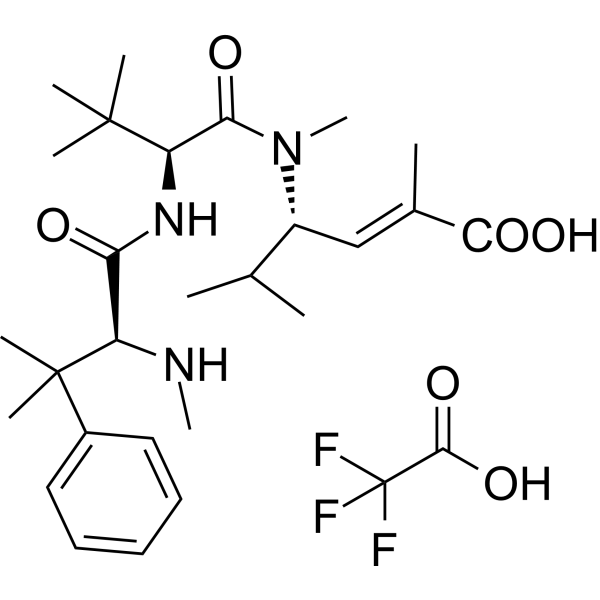
Taltobulin trifluoroacetate (HTI-286 trifluoroacetate), a synthetic analogue of the tripeptide hemiasterlin, is a potent antimicrotubule agent that circumvents P-glycoprotein-mediated resistance in vitro and in vivo. Taltobulin trifluoroacetate inhibits the polymerization of purified tubulin, disrupts microtubule organization in cells, and induces mitotic arrest, as well as apoptosis .
|
-
-
- HY-B0294R
-
|
|
Reference Standards
Parasite
Microtubule/Tubulin
STAT
MDM-2/p53
Apoptosis
Autophagy
|
Infection
Cancer
|
|
Flubendazole (Standard) is the analytical standard of Flubendazole. This product is intended for research and analytical applications. Flubendazole is an anthelmintic drug based on altering microtubule structure, inhibition of tubulin polymerization and disruption of microtubule function. Flubendazole induces apoptosis in human colorectal cancer (CRC) by blocking the STAT3 signaling axis and activation of autophagy. Flubendazole induces P53 expression and reduced Cyclin B1 and p-cdc2 expression. Flubendazole is an antitumor agent. Flubendazole can be used for worm and intestinal parasites .
|
-
-
- HY-163737
-
|
|
Microtubule/Tubulin
|
Cancer
|
|
ST-401, a microtubule-targeting agent (MTA), is a brain-penetrant microtubule (MT) assembly inhibitor. ST-401 disrupts microtubule (MT) function through gentle and reverisible reduction in MT assembly that triggers mitotic delay and cell death in interphase. ST-401 shows a potent antitumor activity .
|
-
-
- HY-16569S
-
-
-
- HY-16569S1
-
-
-
- HY-13520R
-
|
Oncodazole (Standard); R17934 (Standard)
|
Bcr-Abl
Autophagy
Microtubule/Tubulin
Apoptosis
Mitosis
Reference Standards
|
Cancer
|
|
Nocodazole (Standard) is the analytical standard of Nocodazole. This product is intended for research and analytical applications. Nocodazole (Oncodazole) is a rapidly-reversible inhibitor of microtubule. Nocodazole binds to β-tubulin and disrupts microtubule assembly/disassembly dynamics, which prevents mitosis and induces apoptosis in tumor cells. Nocodazole inhibits Bcr-Abl.
|
-
-
- HY-120921
-
|
RH-7281
|
Fungal
Microtubule/Tubulin
|
Infection
|
|
Zoxamide (RH-7281) is an oomycete Fungicide and covalent β-tubulin inhibitor. RH-7281 inhibits the assembly of tubulin into microtubules in vitro. Zoxamide binds covalently to β-tubulin, disrupting microtubule assembly and the cytoskeleton. Zoxamide blocks nuclear division in germinated hyphae of Phytophthora capsici and inhibits hyphal growth of Phytophthora capsici .
|
-
-
- HY-127166
-
|
O10-Demethylcolchicine
|
Microtubule/Tubulin
|
Inflammation/Immunology
|
|
Colchiceine is one of several metabolites of the anti-gout medication Colchicine (HY-16569). Colchicine is a tubulin inhibitor and a microtubule disrupting agent, and may protect rats from developing liver injury and fibrosis .
|
-
-
- HY-14815
-
|
Combretastatin A4 phosphate
|
Apoptosis
Microtubule/Tubulin
|
Cancer
|
|
Fosbretabulin (Combretastatin A4 phosphate) is a vascular disruptor with antitumor activity against atypical thyroid carcinoma (ATC) cell lines and xenografts. Fosbretabulin inhibits tumor growth by inhibiting microtubule polymerization, inducing apoptosis, and suppressing angiogenesis in tumors .
|
-
-
- HY-145820
-
|
|
Apoptosis
Microtubule/Tubulin
|
Cancer
|
|
Tubulin inhibitor 14 is a potent NQO2 (quinone oxidoreductase 2) inhibitor with an IC50 of 1.0 μM. Tubulin inhibitor 14 also inhibits tubulin polymerization and the formation of endothelial cell capillary-like tubes. Tubulin inhibitor 14 is a microtubule-destabilizing agent with potential tumor-selectivity and antiangiogenic and vascular disrupting features .
|
-
-
- HY-133222
-
-
- HY-N11600
-
|
|
Apoptosis
|
Cancer
|
|
β-Apopicropodophyllin is a nature product that could be isolated from Hyptis wticillata.β-Apopicropodophyllin induces apoptosis by inducing microtubule disruption, DNA damage, cell cycle arrest and ER stress. β-Apopicropodophyllin can be used in research of cancer .
|
-
- HY-119587
-
|
|
Microtubule/Tubulin
|
Cancer
|
|
Alestramustine is an antineoplastic cytostatic agent that disrupts microtubule function by binding to microtubule-associated proteins and β-tubulin through its active metabolites, effectively inhibiting cell division.
|
-
- HY-15581S
-
|
Demethyldolastatin 10-d8; Monomethylauristatin D-d8; Monomethyl Dolastatin 10-d8
|
ADC Payload
Microtubule/Tubulin
|
Cancer
|
|
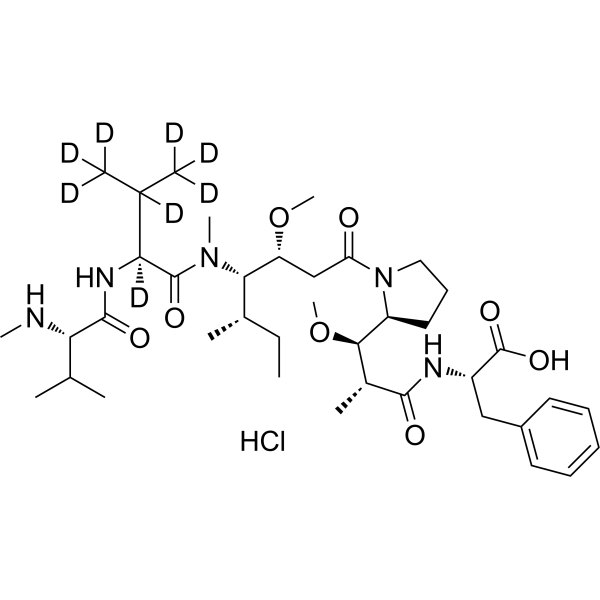
MMAD-d8D is a deuterated form of MMAD, which is a microtubule disrupting agent.
|
-
- HY-14919
-
|
MN-029 free base
|
Microtubule/Tubulin
|
Cancer
|
|
Denibulin, a novel vascular-disrupting agent, inhibits microtubule assembly reversibly, disrupting tumor vascular endothelial cell cytoskeletons. Denibulin demonstrated tolerability and potential anti-vascular effects, warranting further investigation in cancer therapy .
|
-
- HY-123266
-
|
|
Microtubule/Tubulin
Filovirus
|
Infection
|
|
D011-2120 functions as an antiviral agent by inhibiting microtubule polymerization, disrupting the Golgi complex, and preventing viral trafficking to the plasma membrane during the virus egress process.
|
-
- HY-151953
-
|
|
Microtubule/Tubulin
|
Cancer
|
|
Antitubulin agents-1 is an antitubulin agent that induces disruption of the microtubules (Microtubule/Tubulin) and increases α-tubulin acetylation. Antitubulin agents-1 has anticancer effects . Antitubulin agent 1 is a click chemistry reagent, it contains an Alkyne group and can undergo copper-catalyzed azide-alkyne cycloaddition (CuAAc) with molecules containing Azide groups.
|
-
- HY-122151
-
|
|
Microtubule/Tubulin
Apoptosis
|
Cancer
|
|
MPT0B002 is a potent microtubule inhibitor with anticancer activities. MPT0B002 disrupts tubulin polymerization, induces apoptosis, and arrests cell cycle at the G2/M phase .
|
-
- HY-155196
-
|
|
Estrogen Receptor/ERR
|
Cancer
|
|
ER degrader 6 (compound 35s) is a potent Estrogen Receptor (ER)α degrader. ER degrader 6 disrupts the microtubule network by restraining tubulin polymerization. ER degrader 6 suppresses tumor growth without noticeable poisonousness .
|
-
- HY-N1450R
-
|
|
Reference Standards
Phospholipase
|
Cancer
|
|
Aristolochic acid C (Standard) is the analytical standard of Aristolochic acid C. This product is intended for research and analytical applications. Aristolochic acid C is a derivative of Aristolochic acid. Aristolochic acid is a phospholipase A2 (PLA2) inhibitor, which disrupts cortical microtubule arrays and root growth in Arabidopsis .
|
-
- HY-176201
-
|
|
Microtubule/Tubulin
Apoptosis
|
Cancer
|
|
Tubulin polymerization-IN-80 (Compound 32) is a potent tubulin polymerization inhibitor with antiproliferative activity. Tubulin polymerization-IN-80 disrupts microtubule formation and leads to cell cycle arrest and apoptosis. Tubulin polymerization-IN-80 is promising for research of cancers .
|
-
- HY-15584B
-
|
HTI-286 hydrochloride; SPA-110 hydrochloride
|
Microtubule/Tubulin
ADC Payload
Apoptosis
|
Cancer
|
|
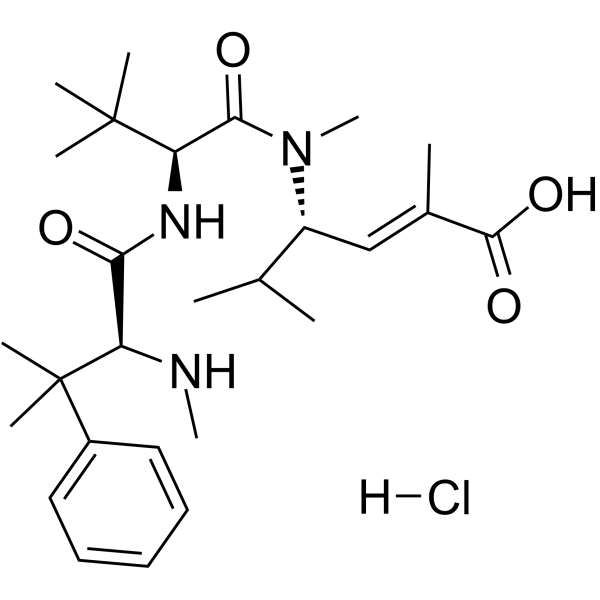
Taltobulin hydrochloride (HTI-286 hydrochloride), a synthetic analogue of the tripeptide hemiasterlin, is a potent antimicrotubule agent that circumvents P-glycoprotein-mediated resistance in vitro and in vivo. Taltobulin hydrochloride inhibits the polymerization of purified tubulin, disrupts microtubule organization in cells, and induces mitotic arrest, as well as apoptosis .
|
-
- HY-41069
-
|
|
Apoptosis
|
Cancer
|
|
Taltobulin intermediate-7 is an intermediate in the synthesis of Taltobulin (HY-15584). Taltobulin is a common toxin component in ADC preparation (ADC Cytotoxin), and it is also a powerful tubulin (Microtubule/Tubulin) inhibitor. Taltobulin disrupts tubulin polymerization, induces mitotic arrest, and induces apoptosis .
|
-
- HY-41055
-
|
|
ADC Payload
|
Cancer
|
|
Taltobulin intermediate-4 is an intermediate in the synthesis of Taltobulin (HY-15584). Taltobulin is a common toxin component in ADC preparation (ADC Cytotoxin), and it is also a powerful tubulin (Microtubule/Tubulin) inhibitor. Taltobulin disrupts tubulin polymerization, induces mitotic arrest, and induces apoptosis .
|
-
- HY-41070
-
|
|
Microtubule/Tubulin
ADC Payload
|
Cancer
|
|
Taltobulin intermediate-8 is an intermediate in the synthesis of Taltobulin (HY-15584). Taltobulin is a common toxin component in ADC preparation (ADC Cytotoxin), and it is also a powerful tubulin (Microtubule/Tubulin) inhibitor. Taltobulin disrupts tubulin polymerization, induces mitotic arrest, and induces apoptosis .
|
-
- HY-41043
-
|
|
Apoptosis
|
Cancer
|
|
Taltobulin intermediate-2 is an intermediate in the synthesis of Taltobulin (HY-15584). Taltobulin is a common toxin component in ADC preparation (ADC Cytotoxin), and it is also a powerful tubulin (Microtubule/Tubulin) inhibitor. Taltobulin disrupts tubulin polymerization, induces mitotic arrest, and induces apoptosis .
|
-
- HY-41067
-
|
|
Apoptosis
|
Cancer
|
|
Taltobulin intermediate-6 is an intermediate in the synthesis of Taltobulin (HY-15584). Taltobulin is a common toxin component in ADC preparation (ADC Cytotoxin), and it is also a powerful tubulin (Microtubule/Tubulin) inhibitor. Taltobulin disrupts tubulin polymerization, induces mitotic arrest, and induces apoptosis .
|
-
- HY-41066
-
|
|
Apoptosis
|
Cancer
|
|
Taltobulin intermediate-5 is an intermediate in the synthesis of Taltobulin (HY-15584). Taltobulin is a common toxin component in ADC preparation (ADC Cytotoxin), and it is also a powerful tubulin (Microtubule/Tubulin) inhibitor. Taltobulin disrupts tubulin polymerization, induces mitotic arrest, and induces apoptosis .
|
-
- HY-46004
-
|
|
Apoptosis
|
Cancer
|
|
Taltobulin intermediate-10 is an intermediate in the synthesis of Taltobulin (HY-15584). Taltobulin is a common toxin component in ADC preparation (ADC Cytotoxin), and it is also a powerful tubulin (Microtubule/Tubulin) inhibitor. Taltobulin disrupts tubulin polymerization, induces mitotic arrest, and induces apoptosis .
|
-
- HY-46005
-
|
|
Apoptosis
|
Cancer
|
|
Taltobulin intermediate-11 is an intermediate in the synthesis of Taltobulin (HY-15584). Taltobulin is a common toxin component in ADC preparation (ADC Cytotoxin), and it is also a powerful tubulin (Microtubule/Tubulin) inhibitor. Taltobulin disrupts tubulin polymerization, induces mitotic arrest, and induces apoptosis .
|
-
- HY-41061
-
|
|
Apoptosis
|
Cancer
|
|
D-Boc Valine methyl ester is an intermediate in the synthesis of Taltobulin (HY-15584). Taltobulin is a common toxin component in ADC preparation (ADC Cytotoxin), and it is also a powerful tubulin (Microtubule/Tubulin) inhibitor. Taltobulin disrupts tubulin polymerization, induces mitotic arrest, and induces apoptosis .
|
-
- HY-46006
-
|
|
Apoptosis
|
Cancer
|
|
Taltobulin intermediate-12 is an intermediate in the synthesis of Taltobulin (HY-15584). Taltobulin is a common toxin component in ADC preparation (ADC Cytotoxin), and it is also a powerful tubulin (Microtubule/Tubulin) inhibitor. Taltobulin disrupts tubulin polymerization, induces mitotic arrest, and induces apoptosis .
|
-
- HY-136610S
-
|
|
Isotope-Labeled Compounds
Cholinesterase (ChE)
|
Neurological Disease
|
|
Chlorpyrifos-oxon-d10 is the deuterium labeled Chlorpyrifos-oxon. Chlorpyrifos-oxon, an active metabolite of Chlorpyrifos, is a potent phosphorylating agent that potently inhibits AChE. Chlorpyrifos-oxon can induce cross-linking between subunits of tubulin and disrupt microtubule function .
|
-
- HY-162695
-
|
|
Microtubule/Tubulin
|
Cancer
|
|
Antitumor agent-168 (compound 21b) disrupts the microtubule network in tumor cells leading to G2/M cell cycle arrest and apoptosis induction. Antitumor agent-168 inhibits MCF-7 growth with an IC50 value of 1.4 nM .
|
-
- HY-N1098R
-
|
|
Reference Standards
HIF/HIF Prolyl-Hydroxylase
|
Inflammation/Immunology
|
|
Colchiceine (Standard) is the analytical standard of Colchiceine. This product is intended for research and analytical applications. Colchiceine is one of several metabolites of the anti-gout medication Colchicine (HY-16569). Colchicine is a tubulin inhibitor and a microtubule disrupting agent, and may protect rats from developing liver injury and fibrosis .
|
-
- HY-127166R
-
|
O10-Demethylcolchicine (Standard)
|
Microtubule/Tubulin
Reference Standards
|
Inflammation/Immunology
|
|
Colchiceine (Standard) is the analytical standard of Colchiceine. This product is intended for research and analytical applications. Colchiceine is one of several metabolites of the anti-gout medication Colchicine (HY-16569). Colchicine is a tubulin inhibitor and a microtubule disrupting agent, and may protect rats from developing liver injury and fibrosis .
|
-
- HY-136610R
-
|
|
Cholinesterase (ChE)
|
Neurological Disease
|
|
Chlorpyrifos-oxon (Standard) is the analytical standard of Chlorpyrifos-oxon. This product is intended for research and analytical applications. Chlorpyrifos-oxon, an active metabolite of Chlorpyrifos, is a potent phosphorylating agent that potently inhibits AChE. Chlorpyrifos-oxon can induce cross-linking between subunits of tubulin and disrupt microtubule function .
|
-
- HY-119118
-
|
|
Microtubule/Tubulin
|
Cancer
|
|
J-30 is an orally active and potent tubulin inhibitor (IC50=15-20 nM). J-30 disrupts microtubule polymerization and induces G2/M phase arrest. J-30 is promising for research of solid tumors (e.g., gastric, oral) .
|
-
- HY-155963
-
|
|
Microtubule/Tubulin
|
Cancer
|
|
Tubulin polymerization-IN-48 (Compound 4k) is a tubulin polymerization inhibitor. Tubulin polymerization-IN-48 has a moderate effect on disruption of the microtubule network. Tubulin polymerization-IN-48 inhibits neuroblastoma cancer cell proliferation, with IC50s of 79 and 165 nM for Chp-134 and Kelly cell line .
|
-
- HY-149363
-
|
|
Microtubule/Tubulin
Apoptosis
|
Cancer
|
|
Tubulin polymerization-IN-43 (compound 15h) is a tubulin polymerization inhibitor. Tubulin polymerization-IN-43 disrupts cellular microtubule networks by targeting the Colchicine (HY-16569) site, and promots cell cycle arrest of leukemia cells at G2/M phase and cell apoptosis, as well as inhibiting angiogenesis .
|
-
- HY-155249
-
|
|
Microtubule/Tubulin
|
Cancer
|
|
KGP591 is a tubulin polymerization inhibitor (IC50 0.57 µM). KGP591 induces significant G2/M stagnation, inhibits cell migration, disrupts microtubule structure and cell morphology in MDA-MB-231 cells. KGP591 shows antitumor activity in orthotopic model of kidney cancer (RENCA) .
|
-
- HY-163523
-
|
|
Microtubule/Tubulin
|
Cancer
|
|
PYRIB-SO 2 is a potent antimitotic agent. PYRIB-SO 2 shows antiproliferative activity and induces cell cycle arrest at G2/M phase. PYRIB-SO 2 reduces and disruptes microtubule structures. PYRIB-SO 2 binds to the colchicine-binding site (C-BS) of α, β-tubulin .
|
-
- HY-115458
-
|
|
Microtubule/Tubulin
Apoptosis
|
Cancer
|
|
6-MOMIPP is a brain-penetrant microtubule disruptor that targets the colchicine site on β-tubulin. 6-MOMIPP can induce mitotic arrest and cell apoptosis. 6-MOMIPP has broad activity against the viability of multiple glioblastoma, melanoma and lung carcinoma cell lines. 6-MOMIPP can be used for the research of cancer .
|
-
- HY-144584
-
|
|
Biochemical Assay Reagents
|
Others
|
|
AGL-0182-30 is a proprietary microtubule disrupting agent . AGL-0182-30 is a click chemistry reagent, it contains an Azide group and can undergo copper-catalyzed azide-alkyne cycloaddition reaction (CuAAc) with molecules containing Alkyne groups. It can also undergo strain-promoted alkyne-azide cycloaddition (SPAAC) reactions with molecules containing DBCO or BCN groups.
|
-
- HY-170971
-
|
|
Apoptosis
Src
|
Cancer
|
|
Src Inhibitor 4 (Compound 18) is a derivative of KX-01 and an Src inhibitor. Src Inhibitor 4 can inhibit tumor cells, disrupt microtubules, and induce cell cycle arrest, apoptosis, and immunogenic cell death. After the introduction of phenolic or aniline functionality, Src Inhibitor 4 can serve as a payload attachment site for antibody-drug conjugates and has anti-tumor activity .
|
-
- HY-146311
-
|
|
Microtubule/Tubulin
|
Cancer
|
|
Tubulin polymerization-IN-16 (compound 5g) is a potent inhibitor of tubulin polymerization. Tubulin polymerization-IN-16 shows most potent against cancer cells, with IC50 values of 0.084-0.221 μM. Tubulin polymerization-IN-16 potently disrupts microtubule/tubulin dynamics, induces cell cycle arrest at G2/M phase in SGC-7901 cells .
|
-
- HY-174148
-
|
|
Anion Exchangers
Ferroptosis
|
Cancer
|
|
Anion transporter-4 (Compound 6) is a small-molecule anion transporter, which induces tubulin degradation and mitochondrial dysfunction. Anion transporter-4 can increase intracellular anion levels such as chloride ions by disrupting microtubule dynamics, promoting lipid peroxidation, and impairing mitochondrial function. Anion transporter-4 triggers ferroptosis to exert anticancer activity. Anion transporter-4 is promising for research of cancers .
|
-
- HY-182478
-
|
|
Microtubule/Tubulin
|
Cancer
|
|
MDL-27048, a tubulin inhibitor, binds competitively, reversibly to the Colchicine (HY-16569)-binding site on tubulin heterodimers. MDL-27048 inhibits microtubule assembly, induces slow depolymerization of preassembled microtubules, disrupts microtubule polymerization-depolymerization dynamics, and disrupts cytoplasmic microtubule networks. MDL-27048 exerts growth inhibitory effects on human cancer cells, induces mitotic arrest, and does not disrupt actin filaments at microtubule-depolymerizing concentrations. MDL-27048 can be used for the research of malignant tumors .
|
-
- HY-119126
-
|
|
Microtubule/Tubulin
|
Cancer
|
|
PK-3 is a cancer cell growth inhibitor with microtubule-binding activity. PK-3 binds to tubulin, disrupts the intracellular microtubule network required for mitosis, and induces cell death. PK-3 can be used in research related to chronic myeloid leukemia .
|
-
- HY-165369
-
|
|
Aurora Kinase
|
Cancer
|
|
IBPR002 is an inhibitor of Aurora kinase A and Aurora kinase B, with IC50 values of 41 nM and 17 nM, respectively. IBPR002 disrupts the nucleation and bundling of kinetochore microtubules, impairs the bipolarity of mitotic spindles, and promotes the binding of non-phosphorylated hepatoma up-regulated protein (HURP) to microtubules derived from the mother centrosome. IBPR002 reduces tumorigenesis levels in a colorectal cancer xenograft model using athymic nude mice. IBPR002 is applicable for research related to colorectal cancer .
|
-
- HY-181763
-
|
|
Microtubule/Tubulin
Apoptosis
CDK
|
Cancer
|
|
Tubulin-IN-65 (Compound Imp-18) is a Tubulin inhibitor. Tubulin-IN-65 exhibits tubulin-disrupting activity. Tubulin-IN-65 disrupts microtubule integrity. Tubulin-IN-65 induces Apoptosis and increases the expression of CDK1 and Cyclin B1. Tubulin-IN-65 possesses anticancer activity against breast cancer and colorectal cancer. Tubulin-IN-65 can be used in research related to triple-negative breast cancer and colorectal adenocarcinoma .
|
-
- HY-181019
-
|
|
Microtubule/Tubulin
Apoptosis
Bcl-2 Family
Caspase
|
Neurological Disease
Cancer
|
|
iMPZ-8 is a β-tubulin polymerization inhibitor that inhibits β-tubulin protein expression, disrupts microtubule structure, impairs microtubule organization. iMPZ-8 inhibits proliferation and reduces cellular migration and colonization in cancer cells. iMPZ-8 induces G2/M phase arrestand induces apoptosis via the BAX-Caspase-3 intrinsic apoptotic signaling pathway. iMPZ-8 can be used for the research of cancer, suah as breast cancer, neuroblastoma and colon cancer .
|
-
- HY-182602
-
|
|
Microtubule/Tubulin
Cytochrome P450
|
Cancer
|
|
KOSN 1724 is an anticancer agent. KOSN 1724 disrupts tubulin activity, stabilizes microtubules, and inhibits cancer cells proliferation. KOSN 1724 inhibits cytochrome P450 3A4, CYP2C9, and CYP2C19 activity. KOSN 1724 can be used for the research of cancer .
|
-
- HY-W741136
-
|
|
Drug Isomer
Microtubule/Tubulin
NOD-like Receptor (NLR)
Autophagy
Apoptosis
|
Inflammation/Immunology
|
|
(R)-Colchicine is the R-isomer of Colchicine (HY-16569). Colchicine, an orally active alkaloid, is a potent tubulin inhibitor and a microtubule disrupting agent. Colchicine inhibits microtubule polymerization with an IC50 of 3 nM. Colchicine is also a competitive antagonist of the α3 glycine receptors (GlyRs). Colchicine prevents non-steroidal anti-inflammatory drug (NSAID)-induced small intestinal injury by inhibiting activation of the NLRP3 inflammasome. Colchicine has extensive anti-inflammatory, immunosuppressive and strong anti-fibrosis effects and has the potential for gouty arthritis research .
|
-
- HY-169882
-
|
|
Microtubule/Tubulin
|
Cancer
|
|
Tubulin inhibitor 49 (Compound 18) is an inhibitor for tubulin polymerization with an IC50 of 48 μM. Tubulin inhibitor 49 disrupts the cell microtubule network, arrests the cell cycle at G2 phase, and exhibits cytotoxicity (IC50=8.8 μM in HeLa cell). Tubulin inhibitor 49 can be used in the research of cervical cancer .
|
-
- HY-169882A
-
|
|
Microtubule/Tubulin
|
Cancer
|
|
Tubulin inhibitor 49 (Compound 18) hydrobromide is an inhibitor for tubulin polymerization with an IC50 of 48 μM. Tubulin inhibitor 49 hydrobromide disrupts the cell microtubule network, arrests the cell cycle at G2 phase, and exhibits cytotoxicity (IC50=8.8 μM in HeLa cell). Tubulin inhibitor 49 hydrobromide can be used in the research of cervical cancer .
|
-
- HY-W721611
-
|
|
Herbicide
|
Others
|
|
Terbucarb is a phenylcarbamate herbicide. Terbucarb disrupts the mitotic microtubule organizing centers in plant cells, leading to the formation of multipolar spindles and branched phragmoplasts, thereby inhibiting plant growth. An "anaphase star" pattern induced by Terbucarb is observed in onion root tips. Terbucarb is cytotoxic to isolated rat hepatocytes, inducing cell death accompanied by depletion of intracellular ATP, protein thiols and glutathione .
|
-
- HY-182391
-
|
|
MASTL
Apoptosis
Aurora Kinase
PARP
Caspase
|
Cancer
|
|
MKI-3 is a selective microtubule-associated serine/threonine kinase-like (MASTL) inhibitor with an IC50 of 5.72 nM and a Kd of 1.89 nM. MKI-3 disrupts the MASTL-ENSA-Aurora A signaling axis. MKI-3 induces chromosomal instability, mitotic catastrophe and apoptosis (apoptosis) in cancer cells. MKI-3 is applicable to research related to triple-negative breast cancer .
|
-
- HY-180159
-
|
|
Microtubule/Tubulin
Apoptosis
|
Cancer
|
|
Tubulin-IN-63 is a potent tubulin polymerization inhibitor targeting the colchicine-binding site, with an IC50 of 6.03 µM. Tubulin-IN-63 disrupts microtubule dynamics, induces G2/M arrest and apoptosis, thereby suppressing cancer cell proliferation. Tubulin-IN-63 disrupts capillary network formation in human umbilical vein endothelial cells (HUVECs) and exhibits in vivo antitumor efficacy in a B16-F10 mouse model. Tubulin-IN-63 can be used for the research of cancers, such as melanoma, lung cancer, and liver cancer .
|
-
- HY-130558
-
|
|
Apoptosis
Microtubule/Tubulin
|
Cancer
|
|
SL-1-73 is a tubulin ligand. SL-1-73 exhibits antitumor activity against esophageal squamous cell carcinoma (ESCC) both in vitro and in vivo by inhibiting microtubule assembly, inducing G2/M phase cell cycle arrest and apoptosis, and disrupting tumor blood vessels. SL-1-73 can be used for the research of ESCC and other tumors .
|
-
- HY-182039
-
|
|
Microtubule/Tubulin
Caspase
Apoptosis
|
Cancer
|
|
Tubulin polymerization-IN-89 is a tubulin polymerization inhibitor. Tubulin polymerization-IN-89 binds to the colchicine-binding site on tubulin heterodimers, disrupting tubulin polymerization and microtubule formation. Tubulin polymerization-IN-89 induces apoptosis in melanoma cells and arrests the cell cycle at the G2/M phase. Tubulin polymerization-IN-89 can be used in studies related to metastatic melanoma .
|
-
- HY-P99662
-
|
MLN0264; TAK-264
|
Antibody-Drug Conjugates (ADCs)
Guanylate Cyclase
Apoptosis
|
Cancer
|
|
Indusatumab vedotin (MLN-0264; AKT-264) is an antibody-drug conjugate (ADC) consisting of the human anti-guanylate cyclase C (GCC) antibody linked to a microtubule-disruptor Monomethyl auristatin (HY-15162). Indusatumab vedotin has anti-proliferative effects on pancreas cancer cell lines. Indusatumab vedotin arrests cell cycle at G2/M phase, and induces apoptosis .
|
-
- HY-N0488
-
|
Leurocristine sulfate; NSC-67574 sulfate; 22-Oxovincaleukoblastine sulfate
|
Apoptosis
Microtubule/Tubulin
Mitosis
|
Cancer
|
|
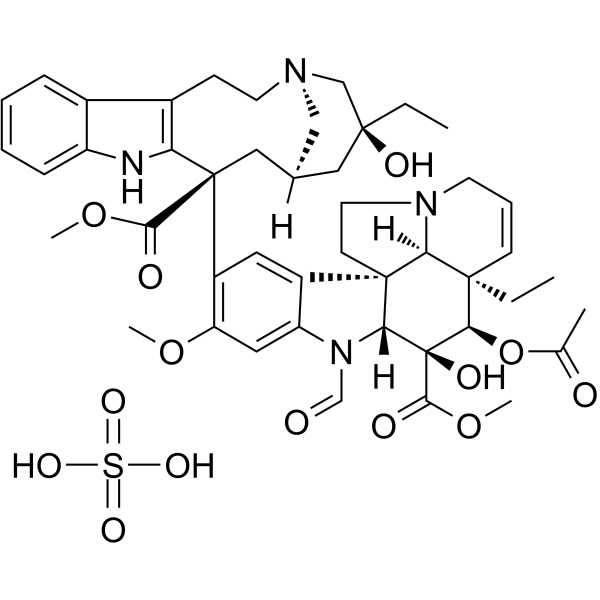
Vincristine (Leurocristine; NSC-67574; 22-Oxovincaleukoblastine) sulfate is a microtubule inhibitor that disrupts microtubule polymerization by binding to β-tubulin (with a Ki of 85 nM in bovine), arrests the cell cycle and induces apoptosis. Vincristine sulfate inhibits cell replication, tumor blood flow and the proliferation of various cancer cells, while triggering effects such as oxidative stress, inflammation, calcium overload, epithelial-mesenchymal transition and peripheral neuropathic pain. Vincristine sulfate upregulates the expression of various transporters and nuclear receptors, and enriches gastric cancer stem-like cells. Vincristine sulfate is used in research related to various tumors including acute lymphoblastic leukemia, lymphoma, melanoma, gastric cancer, solid tumors and sarcomas .
|
-
- HY-144585
-
|
|
Microtubule/Tubulin
ADC Payload
|
Others
|
|
AGD-0182 is a microtubule disrupting agent. AGD-0182 is a synthetic analogue of the naturally occurring tubulin-binding molecule Dolastatin 10 . AGD-0182 is a click chemistry reagent, it contains an Azide group and can undergo copper-catalyzed azide-alkyne cycloaddition reaction (CuAAc) with molecules containing Alkyne groups. It can also undergo strain-promoted alkyne-azide cycloaddition (SPAAC) reactions with molecules containing DBCO or BCN groups.
|
-
- HY-148595
-
|
|
Cytochrome P450
|
Cancer
|
|
CYP1A1-IN-2 (Compound 14) is a competitive inhibitor of CYP1A1 (Ki: 1.4 μM). CYP1A1-IN-2 exhibits potent antimitotic activity and arrests cell in the G2/M phase. CYP1A1-IN-2 disrupts the microtubule and the cytoskeleton in CYP1A1-expressing breast cancer cells .
|
-
- HY-13716R
-
|
(S,R)-Noscapine (Standard)
|
Reference Standards
Opioid Receptor
Apoptosis
|
Neurological Disease
Inflammation/Immunology
Cancer
|
|
Noscapine (Standard) is the analytical standard of Noscapine. This product is intended for research and analytical applications. Noscapine ((S,R)-Noscapine) is an orally active phthalideisoquinoline alkaloid with potent antitussive. Noscapine exerts its antitussive effects by activating sigma opioid receptors and is a non-competitive Bradykinin inhibitor. Noscapine disrupts microtubule dynamics, induces mitotic arrest and apoptosis. Noscapine possesses anticancer, neuroprotective, anti-inflammatory activities, and can cross the blood-brain barrier [4] .
|
-
- HY-12098R
-
|
MPC-6827 hydrochloride (Standard)
|
Microtubule/Tubulin
Reference Standards
|
Cancer
|
|
Verubulin (hydrochloride) (Standard) is the analytical standard of Verubulin (hydrochloride). This product is intended for research and analytical applications. Verubulin hydrochloride (MPC-6827 hydrochloride) is a blood brain barrier permeable microtubule-disrupting agent, with potent and broad-spectrum in vitro and in vivo cytotoxic activities. Verubulin hydrochloride (MPC-6827 hydrochloride) exhibits potent anticancer activity in human MX-1 breast and other mouse xenograft cancer models. Verubulin hydrochloride (MPC 6827 hydrochloride) is a promising candidate for the treatment of multiple cancer types .
|
-
- HY-152963
-
|
|
Antibody-Drug Conjugates (ADCs)
|
Inflammation/Immunology
Cancer
|
|
Tisotumab vedotin is an antibody drug conjugate (ADC) targeting tissue factor (TF), formed by covalently linking a fully human monoclonal antibody (TF-011) against TF with the microtubule disruptor Monomethyll Auristatin E (MMAE) (HY-15162), and the drug-linker conjugate for ADC is VcMMAE (HY-15575). Tisotumab vedotin has immunomodulatory and anti-tumor activities, and can be used in the study of advanced or metastatic solid tumors such as cervical cancer .
|
-
- HY-E70653
-
|
|
CDK
|
Cancer
|
|
CDK1 is a cyclin-dependent kinase that functions as a serine/threonine protein kinase, and is a key player in cell cycle regulation. CDK1/CycB1 Recombinant Human Active Protein Kinase is an ortholog of CDK1. CDK1/cyclin B1 complexes initiates mitotic entry by phosphorylating a multitude of proteins to condense chromosomes, disrupt the nuclear envelope, and enable microtubules polymerization to attach and to segregate the chromosomes .
|
-
- HY-N0488S
-
|
Leurocristine-d3 sulfate; NSC-67574-d3 sulfate; 22-Oxovincaleukoblastine-d3 sulfate
|
Isotope-Labeled Compounds
Apoptosis
Microtubule/Tubulin
Mitosis
|
Cancer
|
|
Vincristine-d3 sulfate is the deuterium labeled Vincristine sulfate. Vincristine sulfate (Leurocristine; NSC-67574; 22-Oxovincaleukoblastine) is a microtubule inhibitor that disrupts microtubule polymerization by binding to β-tubulin (with a Ki of 85 nM in bovine), arrests the cell cycle and induces apoptosis. Vincristine sulfate inhibits cell replication, tumor blood flow and the proliferation of various cancer cells, while triggering effects such as oxidative stress, inflammation, calcium overload, epithelial-mesenchymal transition and peripheral neuropathic pain. Vincristine sulfate upregulates the expression of various transporters and nuclear receptors, and enriches gastric cancer stem-like cells. Vincristine sulfate is used in research related to various tumors including acute lymphoblastic leukemia, lymphoma, melanoma, gastric cancer, solid tumors and sarcomas .
|
-
- HY-N0488S2
-
|
Leurocristine-d6 sulfate; NSC-67574-d6 sulfate; 22-Oxovincaleukoblastine-d6 sulfate
|
Isotope-Labeled Compounds
Apoptosis
Mitosis
Microtubule/Tubulin
|
Cancer
|
|
Vincristine-d6 (sulfate) is the deuterium labeled Vincristine sulfate. Vincristine sulfate (Leurocristine; NSC-67574; 22-Oxovincaleukoblastine) is a microtubule inhibitor that disrupts microtubule polymerization by binding to β-tubulin (with a Ki of 85 nM in bovine), arrests the cell cycle and induces apoptosis. Vincristine sulfate inhibits cell replication, tumor blood flow and the proliferation of various cancer cells, while triggering effects such as oxidative stress, inflammation, calcium overload, epithelial-mesenchymal transition and peripheral neuropathic pain. Vincristine sulfate upregulates the expression of various transporters and nuclear receptors, and enriches gastric cancer stem-like cells. Vincristine sulfate is used in research related to various tumors including acute lymphoblastic leukemia, lymphoma, melanoma, gastric cancer, solid tumors and sarcomas .
|
-
- HY-13716S
-
|
|
Isotope-Labeled Compounds
Apoptosis
Opioid Receptor
|
Cancer
|
|
Noscapine- 13C,d3 is a 13C- labeled and deuterated labeled Noscapine . Noscapine ((S,R)-Noscapine) is an orally active phthalideisoquinoline alkaloid with potent antitussive. Noscapine exerts its antitussive effects by activating sigma opioid receptors and is a non-competitive Bradykinin inhibitor. Noscapine disrupts microtubule dynamics, induces mitotic arrest and apoptosis. Noscapine possesses anticancer, neuroprotective, anti-inflammatory activities, and can cross the blood-brain barrier .
|
-
- HY-179466
-
|
|
Microtubule/Tubulin
Apoptosis
Caspase
|
Cancer
|
|
BKT300 is a potent and selective protein regulator of cytokinesis 1 (PRC1) inhibitor. BKT300 inhibits PRC1 dephosphorylation at T481, disrupts actin and microtubule formation, induces G2/M cell cycle arrest, triggers mitotic catastrophe, and promotes apoptosis, thereby inhibiting proliferation and migration of acute myeloid leukemia (AML) cells while sparing normal cells. BKT300 inhibits tumor growth in mouse xenograft AML models. BKT300 can be used for the research of AML .
|
-
- HY-147947
-
|
|
Microtubule/Tubulin
|
Cancer
|
|
Tubulin polymerization-IN-30 (compound 6e) is a potent Tubulin polymerization inhibitor. Tubulin polymerization-IN-30 is a colchicine binding site inhibitor. Tubulin polymerization-IN-30 can disrupt intracellular microtubule organization, arrest cell cycle at the G2/M phase. Tubulin polymerization-IN-30 exhibits the high potency against the cancer cell lines including SGC-7901, A549 and HeLa, with IC50 values of 2.16, 2.21, and 0.403 μM .
|
-
- HY-130559
-
|
|
Microtubule/Tubulin
Apoptosis
|
Cancer
|
|
SL-3-19 is a tubulin ligand. SL-3-19 exhibits antitumor activity against esophageal squamous cell carcinoma (ESCC) both in vitro and in vivo by inhibiting microtubule assembly, inducing G2/M phase cell cycle arrest and apoptosis, and disrupting tumor blood vessels. SL-3-19 has a higher activity than SL-1-73 (HY-130558). SL-3-19 can be used for the research of ESCC and other tumors .
|
-
- HY-175555
-
|
|
Microtubule/Tubulin
Apoptosis
|
Cancer
|
|
Tubulin-IN-54 is a tubulin inhibitor. Tubulin-IN-54 exhibits anti-proliferative activity against various cancer cells. Tubulin-IN-54 inhibits tubulin polymerization, disrupts microtubule networks, induces G2/M cell cycle arrest, and promotes cancer cell apoptosis. Tubulin-IN-54 demonstrates significant anti-tumor efficacy in mice bearing PC-3/TxR xenografts. Tubulin-IN-54 can be used for the study of taxane-resistant cancers (prostate cancer, melanoma) .
|
-
- HY-N0488R
-
|
Leurocristine sulfate (Standard); NSC-67574 sulfate (Standard); 22-Oxovincaleukoblastine sulfate (Standard)
|
Reference Standards
Apoptosis
Microtubule/Tubulin
Mitosis
|
Cancer
|
|
Vincristine (sulfate) (Standard) is the analytical standard of Vincristine (sulfate). This product is intended for research and analytical applications. Vincristine sulfate (Leurocristine; NSC-67574; 22-Oxovincaleukoblastine) is a microtubule inhibitor that disrupts microtubule polymerization by binding to β-tubulin (with a Ki of 85 nM in bovine), arrests the cell cycle and induces apoptosis. Vincristine sulfate inhibits cell replication, tumor blood flow and the proliferation of various cancer cells, while triggering effects such as oxidative stress, inflammation, calcium overload, epithelial-mesenchymal transition and peripheral neuropathic pain. Vincristine sulfate upregulates the expression of various transporters and nuclear receptors, and enriches gastric cancer stem-like cells. Vincristine sulfate is used in research related to various tumors including acute lymphoblastic leukemia, lymphoma, melanoma, gastric cancer, solid tumors and sarcomas .
|
-
- HY-N0488S1
-
|
Leurocristine-d3-1 sulfate; NSC-67574-d3-1 sulfate; 22-Oxovincaleukoblastine-d3-1 sulfate
|
Isotope-Labeled Compounds
Apoptosis
Mitosis
Microtubule/Tubulin
|
Cancer
|
|
Vincristine-d3 sulfate is the deuterium labeled Vincristine sulfate. Vincristine-1 sulfate (Leurocristine; NSC-67574; 22-Oxovincaleukoblastine) is a microtubule inhibitor that disrupts microtubule polymerization by binding to β-tubulin (with a Ki of 85 nM in bovine), arrests the cell cycle and induces apoptosis. Vincristine-1 sulfate inhibits cell replication, tumor blood flow and the proliferation of various cancer cells, while triggering effects such as oxidative stress, inflammation, calcium overload, epithelial-mesenchymal transition and peripheral neuropathic pain. Vincristine-1 sulfate upregulates the expression of various transporters and nuclear receptors, and enriches gastric cancer stem-like cells. Vincristine-1 sulfate is used in research related to various tumors including acute lymphoblastic leukemia, lymphoma, melanoma, gastric cancer, solid tumors and sarcomas .
|
-
- HY-P99016A
-
|
|
Antibody-Drug Conjugates (ADCs)
Nectin-4
|
Cancer
|
|
Enfortumab vedotin-ejfv is an anti-Nectin-4 antibody-drug conjugate. Enfortumab vedotin-ejfv is a fully humanized IgG1 antibody conjugated to the microtubule disrupting agent MMAE (HY-15162) via a protease-cleavable Val-Cit linker. The antibody portion is Enfortumab (HY-P99016), and the drug-linker conjugate for ADC is VcMMAE (HY-15575). Nectin-4 is an adhesion protein involved in cellular processes and tumorigenesis, and Enfortumab vedotin-ejfv is indicated for the inhibition of locally advanced or metastatic urothelial carcinoma .
|
-
- HY-180193
-
|
|
Microtubule/Tubulin
Apoptosis
|
Cancer
|
|
Tubulin polymerization-IN-86 (Compound B6) is an effective inhibitor of tubulin polymerization. Tubulin polymerization-IN-86 effectively inhibits microtubulin polymerization by binding to the colchicine binding sites on microtubulin, thereby disrupting the microtubule cytoskeleton within the cell. Tubulin polymerization-IN-86 exhibits potent anti-proliferative activity against a variety of cancer cell lines. Tubulin polymerization-IN-86 induces cell cycle arrest, apoptosis, inhibits cell migration, invasion, and long-term survival ability. Tubulin polymerization-IN-86 inhibits tumor growth in mice and can be used for the study of melanoma .
|
-
- HY-P99016B
-
|
|
Antibody-Drug Conjugates (ADCs)
Nectin-4
|
Cancer
|
|
Enfortumab vedotin-ejfv (solution) is an anti-Nectin-4 antibody-drug conjugate (ADC). Enfortumab vedotin-ejfv (solution) is a fully humanized IgG1 antibody conjugated to the microtubule disrupting agent MMAE (HY-15162) via a protease-cleavable Val-Cit linker. The antibody portion is Enfortumab (HY-P99016), and the drug-linker conjugate for ADC is VcMMAE (HY-15575). Nectin-4 is an adhesion protein involved in cellular processes and tumorigenesis, and Enfortumab vedotin-ejfv (solution) is indicated for the inhibition of locally advanced or metastatic urothelial carcinoma .
|
-
- HY-181074
-
|
|
Microtubule/Tubulin
Apoptosis
Bcl-2 Family
|
Neurological Disease
Cancer
|
|
Tubulin polymerization-IN-88 is a tubulin inhibitor that blocks tubulin polymerization, leading to microtubule destabilization and disruption of the mitotic spindle. Tubulin polymerization-IN-88 induces G2/M phase arrest and apoptosis in cancer cells, and inhibits cancer cell migration and self-renewal of cancer stem cells. It exhibits in vitro anti-proliferative activity against cancer cells with selectivity over normal cells. Tubulin polymerization-IN-88 also demonstrates in vivo anti-cancer activity without significant toxicity. Tubulin polymerization-IN-88 is applicable for research on glioblastoma, lung cancer, endometrial cancer, ovarian cancer, and leukemia .
|
-
- HY-182753
-
|
|
Microtubule/Tubulin
P-glycoprotein
Apoptosis
CDK
Bcl-2 Family
|
Cancer
|
|
Tubulin-IN-66 is a tubulin (tubulin) and P-gp inhibitor with antiproliferative activity against cancer cells. Tubulin-IN-66 covalently binds to the Colchicine (HY-16569)-binding site at Cys239 of the β-tubulin subunit, inhibits tubulin polymerization and disrupts the microtubule network. Tubulin-IN-66 inhibits P-gp function to overcome multidrug resistance. Tubulin-IN-66 arrests the cell cycle at the G2/M phase and induces apoptosis (apoptosis). Tubulin-IN-66 inhibits colony formation and migration of cancer cells. Tubulin-IN-66 can be used in the research of tumors such as breast cancer .
|
-
- HY-176171
-
|
|
Microtubule/Tubulin
Hippo (MST)
YAP
Apoptosis
|
Cancer
|
|
Tubulin polymerization-IN-79 (Compound C20) is a tubulin polymerization inhibitor. Tubulin polymerization-IN-79 shows potent antiproliferative activity against esophageal cancer cells (e.g., KYSE450, IC50=0.36 μM; EC-109, IC50=0.63 μM). Tubulin polymerization-IN-79 occupies the colchicine binding site to disrupt microtubule network integrity, activating the Hippo signaling pathway, downregulating the oncogenic protein YAP expression, and inducing G2/M phase arrest and apoptosis in esophageal cancer cells. Tubulin polymerization-IN-79 is promising for research of esophageal cancers .
|
-
- HY-W275793
-
|
Glycerol tripropionate
|
Carboxylesterase (CES)
|
Others
|
|
Tripropionin (Glycerol tripropionate) is a triglyceride that can be hydrolyzed by carboxylic esterase from carrots. Tripropionin can serve as the oil phase for constructing high-performance lipid nanoemulsion droplets, enabling efficient encapsulation of Combretastatin A4 (HY-N2146) to achieve its stable storage and controlled release .
|
-
- HY-183147A
-
|
|
Amino acid Transporter
|
Cancer
|
|
LAT1-IN-2 hydrochloride is an orally active anticancer agent, as well as a LAT1 substrate and tubulin-binding agent. LAT1-IN-2 hydrochloride relies on LAT1 for cellular uptake, disrupts microtubule formation by binding to the colchicine site of tubulin, and induces actin depolymerization to transform cells into a spherical shape. LAT1-IN-2 hydrochloride effectively inhibits tumor growth in xenograft mice. Compared with Etoposide (HY-13629), LAT1-IN-2 hydrochloride shows higher distribution in tumor tissues, lower distribution in major organs, and better tolerability. LAT1-IN-2 hydrochloride has been applied in studies related to esophageal cancer .
|
-
- HY-141860
-
|
|
PSMA
Microtubule/Tubulin
Reactive Oxygen Species (ROS)
Cytochrome P450
|
Cancer
|
|
PSMA-Val-Cit-PAB-MMAE is a small-molecule conjugate targeting PSMA, with Monomethyl auristatin E (MMAE) (HY-15162) as its cytotoxic payload. PSMA-Val-Cit-PAB-MMAE binds to PSMA, thereby being delivered into PSMA-expressing prostate cancer cells. Subsequently, the Val-Cit linker is cleaved under the mediation of cathepsin B, releasing active MMAE. PSMA-Val-Cit-PAB-MMAE inhibits CYP3A4 activity (IC50 = 11.2 μM), induces intracellular ROS production and oxidative stress, disrupts the cytoskeleton through microtubule destabilization, and induces prostate cancer cell death. PSMA-Val-Cit-PAB-MMAE can be used in research related to prostate cancer .
|
-
- HY-D3153
-
|
|
Apoptosis
Caspase
Microtubule/Tubulin
|
Inflammation/Immunology
|
|
PbQ is a tubulin inhibitor (with an IC50 of 5 μM against goat tubulin) and a fluorescent probe for cuprous ions Cu (I). PbQ can penetrate the membrane of peripheral blood mononuclear cells, form a stable 1:1 complex with Cu + ions, and exhibits low toxicity and good biocompatibility toward macrophage cell lines. In addition, PbQ promotes tubulin degradation and disrupts the microtubule network in lung epithelial cells without affecting actin. PbQ also possesses genotoxicity by forming DNA base adducts, and it can activate caspase-3 and apoptosis-related genes, induce loss of mitochondrial membrane potential, and trigger cell apoptosis. PbQ can be used in studies related to chronic obstructive pulmonary disease .
|
-
- HY-116568
-
|
JAU-6476
|
Fungal
Cytochrome P450
Microtubule/Tubulin
Mitochondrial Metabolism
DNA/RNA Synthesis
Apoptosis
Fatty Acid Synthase (FASN)
|
Infection
Metabolic Disease
Endocrinology
|
|
Prothioconazole is an orally active broad-spectrum fungicide. Prothioconazole weakly inhibits CaCYP51 activity in Candida albicans, with an apparent IC50 of approximately 120 μM. Prothioconazole disrupts Microtubule stability by reducing the acetylation level of α-tubulin. Prothioconazole induces Mitochondrial dysfunction, oxidative stress, DNA damage, and Apoptosis. Prothioconazole accumulates 14-methylated sterols and depletes ergosterol in cells, culture media, plants, and animals. Prothioconazole interferes with pyruvate metabolism and glycolysis/gluconeogenesis processes in mouse liver, downregulates Fasn mRNA expression, and induces hepatotoxicity and renal metabolic disorders. Prothioconazole reduces the fertility of female mice. Prothioconazole inhibits body weight gain and increases liver/kidney indices in mice. Prothioconazole can be used in studies related to candidiasis .
|
-
- HY-N1255A
-
|
(-)-Scoulerine hydrochloride; Discretamine hydrochloride
|
Apoptosis
PI3K
Akt
mTOR
Adrenergic Receptor
GABA Receptor
Beta-secretase
Bcl-2 Family
|
Cancer
|
|
Scoulerine ((-)-Scoulerine; Discretamine) hydrochloride is a multi-target inhibitor with anti-tumor and antioxidant activities. Scoulerine hydrochloride mainly targets the PI3K/Akt/mTOR signaling axis and α1D-adrenergic receptor, disrupts microtubule structure, and induces cell cycle arrest and apoptosis. Scoulerine hydrochloride effectively inhibits mitochondrial dehydrogenase activity, targets GABA receptors and BACE1, and suppresses the proliferation, migration, invasion, epithelial-mesenchymal transition and stem cell properties of cancer cells. Scoulerine hydrochloride also exhibits multiple pharmacological activities including anti-Plasmodium falciparum, antibacterial, antiemetic and antitussive effects, and regulates endoplasmic reticulum stress and mitochondrial function (modulates Bax, Bcl-2 and cytochrome c). Scoulerine hydrochloride is applicable to research related to leukemia, ovarian cancer, and colorectal cancer .
|
-
- HY-N1255
-
|
(-)-Scoulerine; Discretamine
|
Bcl-2 Family
Apoptosis
mTOR
GABA Receptor
PI3K
Adrenergic Receptor
Beta-secretase
Akt
|
Cancer
|
|
Scoulerine ((-)-Scoulerine; Discretamine) hydrochloride is a multi-target inhibitor with anti-tumor and antioxidant activities. Scoulerine mainly targets the PI3K/Akt/mTOR signaling axis and α1D-adrenergic receptor, disrupts microtubule structure, and induces cell cycle arrest and apoptosis. Scoulerine effectively inhibits mitochondrial dehydrogenase activity, targets GABA receptors and BACE1, and suppresses the proliferation, migration, invasion, epithelial-mesenchymal transition and stem cell properties of cancer cells. Scoulerine also exhibits multiple pharmacological activities including anti-Plasmodium falciparum, antibacterial, antiemetic and antitussive effects, and regulates endoplasmic reticulum stress and mitochondrial function (modulates Bax, Bcl-2 and cytochrome c). Scoulerine is applicable to research related to leukemia, ovarian cancer, and colorectal cancer .
|
-
- HY-170924
-
|
|
Microtubule/Tubulin
Apoptosis
Mitosis
|
Cancer
|
|
Tubulin polymerization-IN-76 (compound 20b) is a potent and orally active Tubulin polymerization inhibitor. Tubulin polymerization-IN-76 inhibits Tubulin polymerization with an IC50 of 2.505 μM by acting on the colchicine binding site, thereby disrupting intracellular Microtubule networks and interfering with cell mitosis. Tubulin polymerization-IN-76 demonstrates exceptional efficacy against MGC-803 and HGC-27 cells with IC50s of 1.61 and 1.82 nM, respectively. Tubulin polymerization-IN-76 effectively inhibits the colony formation and cell migration activities, and induces G2/M phase cycle arrest and Apoptosis in MGC-803 and HGC-27 cells.Tubulin polymerization-IN-76 shows a broad-spectrum antiproliferative activity .
|
-
- HY-175834
-
|
|
Topoisomerase
Reactive Oxygen Species (ROS)
Apoptosis
Microtubule/Tubulin
|
Cancer
|
|
DNA/TOP2A-IN-1 is an inhibitor of DNA and TOP2A. DNA/TOP2A-IN-1 selectively binds to TOP2A, not TOP2B, and interacts with DNA and TOP2A to form a stable DM1-TOP2A-DNA ternary complex. DNA/TOP2A-IN-1 induces DNA damage, increases reactive oxygen species (ROS) and triggers apoptosis in triple-negative breast cancer (TNBC) cells. DNA/TOP2A-IN-1 disrupts microtubule distribution and induces cell cycle arrest. DNA/TOP2A-IN-1 shows strong antiproliferative activity and inhibits cell migration. DNA/TOP2A-IN-1 inhibits tumor growth and can be used for TNBC research .
|
-
- HY-176283
-
|
|
Microtubule/Tubulin
Histone Demethylase
Apoptosis
Wee1
Bcl-2 Family
Caspase
|
Cancer
|
|
Tubulin/LSD1-IN-1 is an effective dual inhibitor of Tubulin polymerization and LSD1 (IC50 = 1.72 μM). Tubulin/LSD1-IN-1 has broad-spectrum antiproliferative activity against cancer cell lines. Tubulin/LSD1-IN-1 inhibits tubulin polymerization by targeting colchicine binding sites, thereby disrupting the microtubule network in gastric cancer cells. Tubulin/LSD1-IN-1 increases the methylation levels of H3K4me1/2 and H3K9me2/3, thereby achieving epigenetic regulation. Tubulin/LSD1-IN-1 induces G2/M arrest, promotes apoptosis, and effectively inhibits colony formation of gastric cancer cells .
|
-
- HY-179049
-
|
|
EGFR
Microtubule/Tubulin
Akt
ERK
Autophagy
Atg8/LC3
p62
Ferroptosis
Reactive Oxygen Species (ROS)
|
Cancer
|
|
EGFR/tubulin-IN-1 (Compound 26) is a dual-target inhibitor of EGFR and tubulin. EGFR/tubulin-IN-1 significantly reduces the levels of p-EGFR, p-AKT, and p-ERK in cells, disrupting the microtubule structure of the cells. EGFR/tubulin-IN-1 significantly inhibits the proliferation of H1975 cells and significantly blocks the cells in the G2/M phase. EGFR/tubulin-IN-1 induces the expression of autophagy markers LC3B-II and Beclin-1, while down-regulating the expression of p62. EGFR/tubulin-IN-1 induces ferroptosis, with increased ROS content and depletion of glutathione (GSH). EGFR/tubulin-IN-1 inhibits epithelial-mesenchymal transition (EMT) and tumor metastasis. EGFR/tubulin-IN-1 has a significant tumor-suppressing effect in the H1975 transplanted tumor nude mouse model. EGFR/tubulin-IN-1 can be used for the study of non-small cell lung cancer .
|
-
-
- HY-P99016B
-
|
|
Fluorescent Dyes
|
|
Enfortumab vedotin-ejfv (solution) is an anti-Nectin-4 antibody-drug conjugate (ADC). Enfortumab vedotin-ejfv (solution) is a fully humanized IgG1 antibody conjugated to the microtubule disrupting agent MMAE (HY-15162) via a protease-cleavable Val-Cit linker. The antibody portion is Enfortumab (HY-P99016), and the drug-linker conjugate for ADC is VcMMAE (HY-15575). Nectin-4 is an adhesion protein involved in cellular processes and tumorigenesis, and Enfortumab vedotin-ejfv (solution) is indicated for the inhibition of locally advanced or metastatic urothelial carcinoma .
|
-
- HY-P99016A
-
|
|
Fluorescent Dyes
|
|
Enfortumab vedotin-ejfv is an anti-Nectin-4 antibody-drug conjugate. Enfortumab vedotin-ejfv is a fully humanized IgG1 antibody conjugated to the microtubule disrupting agent MMAE (HY-15162) via a protease-cleavable Val-Cit linker. The antibody portion is Enfortumab (HY-P99016), and the drug-linker conjugate for ADC is VcMMAE (HY-15575). Nectin-4 is an adhesion protein involved in cellular processes and tumorigenesis, and Enfortumab vedotin-ejfv is indicated for the inhibition of locally advanced or metastatic urothelial carcinoma .
|
-
- HY-D3153
-
|
|
Fluorescent Dyes
|
|
PbQ is a tubulin inhibitor (with an IC50 of 5 μM against goat tubulin) and a fluorescent probe for cuprous ions Cu (I). PbQ can penetrate the membrane of peripheral blood mononuclear cells, form a stable 1:1 complex with Cu + ions, and exhibits low toxicity and good biocompatibility toward macrophage cell lines. In addition, PbQ promotes tubulin degradation and disrupts the microtubule network in lung epithelial cells without affecting actin. PbQ also possesses genotoxicity by forming DNA base adducts, and it can activate caspase-3 and apoptosis-related genes, induce loss of mitochondrial membrane potential, and trigger cell apoptosis. PbQ can be used in studies related to chronic obstructive pulmonary disease .
|
-
- HY-16569B
-
|
|
Biochemical Assay Reagents
|
|
Colchicine,suitable for plant cell culture, an orally active alkaloid, is a potent tubulin inhibitor and a microtubule disrupting agent. Colchicine inhibits microtubule polymerization with an IC50 of 3 nM. Colchicine is also a competitive antagonist of the α3 glycine receptors (GlyRs). Colchicine prevents non-steroidal anti-inflammatory drug (NSAID)-induced small intestinal injury by inhibiting activation of the NLRP3 inflammasome. Colchicine,suitable for plant cell culture can be used for plant cell culture .
|
| Cat. No. |
상품명 |
Target |
Research Area |
Image |
-
- HY-P99016
-
|
|
ADC Antibody
Nectin-4
|
Cancer
|
|
Enfortumab is a humanized derived anti-Nectin-4 antibody that can be conjugated with the highly efficient microtubule disruptor MMAE (HY-15162) to generate the antibody drug conjugate (ADC) Enfortumab vedotin-ejfv (HY-P99016A). Enfortumab can be used for the study of locally advanced and metastatic urothelial carcinoma .
|
-
(5)
-
- HY-P99016B
-
|
|
Antibody-Drug Conjugates (ADCs)
Nectin-4
|
Cancer
|
|
Enfortumab vedotin-ejfv (solution) is an anti-Nectin-4 antibody-drug conjugate (ADC). Enfortumab vedotin-ejfv (solution) is a fully humanized IgG1 antibody conjugated to the microtubule disrupting agent MMAE (HY-15162) via a protease-cleavable Val-Cit linker. The antibody portion is Enfortumab (HY-P99016), and the drug-linker conjugate for ADC is VcMMAE (HY-15575). Nectin-4 is an adhesion protein involved in cellular processes and tumorigenesis, and Enfortumab vedotin-ejfv (solution) is indicated for the inhibition of locally advanced or metastatic urothelial carcinoma .
|
-
(5)
-
- HY-132260
-
|
IMGN529; Debio 1562
|
Antibody-Drug Conjugates (ADCs)
Apoptosis
|
Cancer
|
|
Naratuximab emtansine (IMGN529) is a CD37-targeted ADC consisting of a humanized IgG1 mAb coupled to the microtubule disruptor DM1. Naratuximab emtansine has high affinity and specificity for CD37, allowing ADC internalization, processing and intracellular release of DM1. Due to its ability to disrupt microtubule assembly, DM1 can subsequently induce cell cycle arrest and apoptosis .
|
-
(5)
-
- HY-P99662
-
|
MLN0264; TAK-264
|
Antibody-Drug Conjugates (ADCs)
Guanylate Cyclase
Apoptosis
|
Cancer
|
|
Indusatumab vedotin (MLN-0264; AKT-264) is an antibody-drug conjugate (ADC) consisting of the human anti-guanylate cyclase C (GCC) antibody linked to a microtubule-disruptor Monomethyl auristatin (HY-15162). Indusatumab vedotin has anti-proliferative effects on pancreas cancer cell lines. Indusatumab vedotin arrests cell cycle at G2/M phase, and induces apoptosis .
|
-
(5)
| Cat. No. |
상품명 |
Category |
Target |
Chemical Structure |
-
- HY-16569
-
-
-
- HY-N0488
-
|
Leurocristine sulfate; NSC-67574 sulfate; 22-Oxovincaleukoblastine sulfate
|
Apocynaceae
Alkaloids
Structural Classification
Classification of Application Fields
Anti-aging
Plants
Disease Research Fields
Alkaloid Dimers
Catharanthus roseus (L.) G. Don
Source Classification
Cancer
|
Apoptosis
Microtubule/Tubulin
Mitosis
|
|
Vincristine (Leurocristine; NSC-67574; 22-Oxovincaleukoblastine) sulfate is a microtubule inhibitor that disrupts microtubule polymerization by binding to β-tubulin (with a Ki of 85 nM in bovine), arrests the cell cycle and induces apoptosis. Vincristine sulfate inhibits cell replication, tumor blood flow and the proliferation of various cancer cells, while triggering effects such as oxidative stress, inflammation, calcium overload, epithelial-mesenchymal transition and peripheral neuropathic pain. Vincristine sulfate upregulates the expression of various transporters and nuclear receptors, and enriches gastric cancer stem-like cells. Vincristine sulfate is used in research related to various tumors including acute lymphoblastic leukemia, lymphoma, melanoma, gastric cancer, solid tumors and sarcomas .
|
-
-
- HY-N0488A
-
Vincristine
Maximum Cited Publications
74 Publications Verification
Leurocristine; NSC-67574; 22-Oxovincaleukoblastine
|
Apocynaceae
Alkaloids
Structural Classification
Classification of Application Fields
Plants
Disease Research Fields
Alkaloid Dimers
Catharanthus roseus (L.) G. Don
Source Classification
Cancer
|
Apoptosis
Microtubule/Tubulin
Mitosis
|
|
Vincristine (Leurocristine; NSC-67574; 22-Oxovincaleukoblastine) is a microtubule inhibitor that disrupts microtubule polymerization by binding to β-tubulin (with a Ki of 85 nM in bovine), arrests the cell cycle and induces apoptosis. Vincristine inhibits cell replication, tumor blood flow and the proliferation of various cancer cells, while triggering effects such as oxidative stress, inflammation, calcium overload, epithelial-mesenchymal transition and peripheral neuropathic pain. Vincristine upregulates the expression of various transporters and nuclear receptors, and enriches gastric cancer stem-like cells. Vincristine is used in research related to various tumors including acute lymphoblastic leukemia, lymphoma, melanoma, gastric cancer, solid tumors and sarcomas .
|
-
-
- HY-13716
-
-
-
- HY-N1255
-
|
(-)-Scoulerine; Discretamine
|
Alkaloids
Structural Classification
other families
Classification of Application Fields
Phenols
Polyphenols
Plants
Isoquinoline Alkaloids
Disease Research Fields
Source Classification
Cancer
|
Bcl-2 Family
Apoptosis
mTOR
GABA Receptor
PI3K
Adrenergic Receptor
Beta-secretase
Akt
|
|
Scoulerine ((-)-Scoulerine; Discretamine) hydrochloride is a multi-target inhibitor with anti-tumor and antioxidant activities. Scoulerine mainly targets the PI3K/Akt/mTOR signaling axis and α1D-adrenergic receptor, disrupts microtubule structure, and induces cell cycle arrest and apoptosis. Scoulerine effectively inhibits mitochondrial dehydrogenase activity, targets GABA receptors and BACE1, and suppresses the proliferation, migration, invasion, epithelial-mesenchymal transition and stem cell properties of cancer cells. Scoulerine also exhibits multiple pharmacological activities including anti-Plasmodium falciparum, antibacterial, antiemetic and antitussive effects, and regulates endoplasmic reticulum stress and mitochondrial function (modulates Bax, Bcl-2 and cytochrome c). Scoulerine is applicable to research related to leukemia, ovarian cancer, and colorectal cancer .
|
-
-
- HY-111664A
-
-
-
- HY-N7659
-
|
|
Structural Classification
Isatis tinctoria L.
Glucosinolates
Plants
Brassicaceae
Source Classification
|
Phytohormone
Apoptosis
Microtubule/Tubulin
|
|
Glucobrassicin is an indole-based anticancer agent and plant growth-regulating hormone. Glucobrassicin exerts its biological activity by disrupting the integrity of microtubule networks in both plant and mammalian cells. At high concentrations, Glucobrassicin inhibits seed germination and root growth; it can also specifically induce apoptosis in mammalian cancer cells and interfere with the intercellular transmission of viruses that rely on microtubules. In plants, Glucobrassicin can be catalyzed by myrosinase to release growth-regulating substances, exhibiting a concentration-dependent growth-regulating effect .
|
-
-
- HY-16569R
-
|
|
Structural Classification
Natural Products
other families
Plants
Source Classification
|
Reference Standards
Microtubule/Tubulin
NOD-like Receptor (NLR)
Autophagy
Apoptosis
|
|
Colchicine (Standard) is the analytical standard of Colchicine. This product is intended for research and analytical applications. Colchicine, an orally active alkaloid, is a potent tubulin inhibitor and a microtubule disrupting agent. Colchicine inhibits microtubule polymerization with an IC50 of 3 nM. Colchicine is also a competitive antagonist of the α3 glycine receptors (GlyRs). Colchicine prevents non-steroidal anti-inflammatory drug (NSAID)-induced small intestinal injury by inhibiting activation of the NLRP3 inflammasome. Colchicine has extensive anti-inflammatory, immunosuppressive and strong anti-fibrosis effects and has the potential for gouty arthritis research .
|
-
-
- HY-N1450
-
-
-
- HY-127166
-
-
-
- HY-N0488R
-
|
Leurocristine sulfate (Standard); NSC-67574 sulfate (Standard); 22-Oxovincaleukoblastine sulfate (Standard)
|
Apocynaceae
Alkaloids
Structural Classification
Plants
Alkaloid Dimers
Catharanthus roseus (L.) G. Don
Source Classification
|
Reference Standards
Apoptosis
Microtubule/Tubulin
Mitosis
|
|
Vincristine (sulfate) (Standard) is the analytical standard of Vincristine (sulfate). This product is intended for research and analytical applications. Vincristine sulfate (Leurocristine; NSC-67574; 22-Oxovincaleukoblastine) is a microtubule inhibitor that disrupts microtubule polymerization by binding to β-tubulin (with a Ki of 85 nM in bovine), arrests the cell cycle and induces apoptosis. Vincristine sulfate inhibits cell replication, tumor blood flow and the proliferation of various cancer cells, while triggering effects such as oxidative stress, inflammation, calcium overload, epithelial-mesenchymal transition and peripheral neuropathic pain. Vincristine sulfate upregulates the expression of various transporters and nuclear receptors, and enriches gastric cancer stem-like cells. Vincristine sulfate is used in research related to various tumors including acute lymphoblastic leukemia, lymphoma, melanoma, gastric cancer, solid tumors and sarcomas .
|
-
-
- HY-N11600
-
-
-
- HY-N1450R
-
-
-
- HY-N1098R
-
-
-
- HY-127166R
-
-
-
- HY-13716R
-
-
-
- HY-N1255A
-
|
(-)-Scoulerine hydrochloride; Discretamine hydrochloride
|
Structural Classification
Alkaloids
Phenols
Polyphenols
Umbelliferae
Plants
Isoquinoline Alkaloids
Carphephorus corymbosus (Nutt.) Torr. & A.Gray
Source Classification
|
Apoptosis
PI3K
Akt
mTOR
Adrenergic Receptor
GABA Receptor
Beta-secretase
Bcl-2 Family
|
|
Scoulerine ((-)-Scoulerine; Discretamine) hydrochloride is a multi-target inhibitor with anti-tumor and antioxidant activities. Scoulerine hydrochloride mainly targets the PI3K/Akt/mTOR signaling axis and α1D-adrenergic receptor, disrupts microtubule structure, and induces cell cycle arrest and apoptosis. Scoulerine hydrochloride effectively inhibits mitochondrial dehydrogenase activity, targets GABA receptors and BACE1, and suppresses the proliferation, migration, invasion, epithelial-mesenchymal transition and stem cell properties of cancer cells. Scoulerine hydrochloride also exhibits multiple pharmacological activities including anti-Plasmodium falciparum, antibacterial, antiemetic and antitussive effects, and regulates endoplasmic reticulum stress and mitochondrial function (modulates Bax, Bcl-2 and cytochrome c). Scoulerine hydrochloride is applicable to research related to leukemia, ovarian cancer, and colorectal cancer .
|
-
| Cat. No. |
상품명 |
Chemical Structure |
-
- HY-15579AS
-
1 Publications Verification
|
|
MMAF-d8 (hydrochloride)e is a deuterated form of MMAF hydrochloride, which is a microtubule disrupting agent.
|
-
-
- HY-N0488S
-
|
|
|
Vincristine-d3 sulfate is the deuterium labeled Vincristine sulfate. Vincristine sulfate (Leurocristine; NSC-67574; 22-Oxovincaleukoblastine) is a microtubule inhibitor that disrupts microtubule polymerization by binding to β-tubulin (with a Ki of 85 nM in bovine), arrests the cell cycle and induces apoptosis. Vincristine sulfate inhibits cell replication, tumor blood flow and the proliferation of various cancer cells, while triggering effects such as oxidative stress, inflammation, calcium overload, epithelial-mesenchymal transition and peripheral neuropathic pain. Vincristine sulfate upregulates the expression of various transporters and nuclear receptors, and enriches gastric cancer stem-like cells. Vincristine sulfate is used in research related to various tumors including acute lymphoblastic leukemia, lymphoma, melanoma, gastric cancer, solid tumors and sarcomas .
|
-
-
- HY-16569S
-
|
|
|
Colchicine-d6 is the deuterium labeled Colchicine. Colchicine is a tubulin inhibitor and a microtubule disrupting agent. Colchicine inhibits microtubule polymerization with an IC50 of 3 nM . Colchicine is also a competitive antagonist of the α3 glycine receptors (GlyRs) .
|
-
-
- HY-16569S1
-
|
|
|
Colchicine-d3 is the deuterium labeled Colchicine. Colchicine is a tubulin inhibitor and a microtubule disrupting agent. Colchicine inhibits microtubule polymerization with an IC50 of 3 nM . Colchicine is also a competitive antagonist of the α3 glycine receptors (GlyRs) .
|
-
-
- HY-N0488S2
-
|
|
|
Vincristine-d6 (sulfate) is the deuterium labeled Vincristine sulfate. Vincristine sulfate (Leurocristine; NSC-67574; 22-Oxovincaleukoblastine) is a microtubule inhibitor that disrupts microtubule polymerization by binding to β-tubulin (with a Ki of 85 nM in bovine), arrests the cell cycle and induces apoptosis. Vincristine sulfate inhibits cell replication, tumor blood flow and the proliferation of various cancer cells, while triggering effects such as oxidative stress, inflammation, calcium overload, epithelial-mesenchymal transition and peripheral neuropathic pain. Vincristine sulfate upregulates the expression of various transporters and nuclear receptors, and enriches gastric cancer stem-like cells. Vincristine sulfate is used in research related to various tumors including acute lymphoblastic leukemia, lymphoma, melanoma, gastric cancer, solid tumors and sarcomas .
|
-
-
- HY-N0488S1
-
|
|
|
Vincristine-d3 sulfate is the deuterium labeled Vincristine sulfate. Vincristine-1 sulfate (Leurocristine; NSC-67574; 22-Oxovincaleukoblastine) is a microtubule inhibitor that disrupts microtubule polymerization by binding to β-tubulin (with a Ki of 85 nM in bovine), arrests the cell cycle and induces apoptosis. Vincristine-1 sulfate inhibits cell replication, tumor blood flow and the proliferation of various cancer cells, while triggering effects such as oxidative stress, inflammation, calcium overload, epithelial-mesenchymal transition and peripheral neuropathic pain. Vincristine-1 sulfate upregulates the expression of various transporters and nuclear receptors, and enriches gastric cancer stem-like cells. Vincristine-1 sulfate is used in research related to various tumors including acute lymphoblastic leukemia, lymphoma, melanoma, gastric cancer, solid tumors and sarcomas .
|
-
-
- HY-15581S
-
|
|
|
MMAD-d8D is a deuterated form of MMAD, which is a microtubule disrupting agent.
|
-
-
- HY-136610S
-
|
|
|
Chlorpyrifos-oxon-d10 is the deuterium labeled Chlorpyrifos-oxon. Chlorpyrifos-oxon, an active metabolite of Chlorpyrifos, is a potent phosphorylating agent that potently inhibits AChE. Chlorpyrifos-oxon can induce cross-linking between subunits of tubulin and disrupt microtubule function .
|
-
-
- HY-13716S
-
|
|
|
Noscapine- 13C,d3 is a 13C- labeled and deuterated labeled Noscapine . Noscapine ((S,R)-Noscapine) is an orally active phthalideisoquinoline alkaloid with potent antitussive. Noscapine exerts its antitussive effects by activating sigma opioid receptors and is a non-competitive Bradykinin inhibitor. Noscapine disrupts microtubule dynamics, induces mitotic arrest and apoptosis. Noscapine possesses anticancer, neuroprotective, anti-inflammatory activities, and can cross the blood-brain barrier .
|
-
| Cat. No. |
상품명 |
|
Classification |
-
- HY-151953
-
|
|
|
Alkynes
|
|
Antitubulin agents-1 is an antitubulin agent that induces disruption of the microtubules (Microtubule/Tubulin) and increases α-tubulin acetylation. Antitubulin agents-1 has anticancer effects . Antitubulin agent 1 is a click chemistry reagent, it contains an Alkyne group and can undergo copper-catalyzed azide-alkyne cycloaddition (CuAAc) with molecules containing Azide groups.
|
-
- HY-144584
-
|
|
|
Azide
|
|
AGL-0182-30 is a proprietary microtubule disrupting agent . AGL-0182-30 is a click chemistry reagent, it contains an Azide group and can undergo copper-catalyzed azide-alkyne cycloaddition reaction (CuAAc) with molecules containing Alkyne groups. It can also undergo strain-promoted alkyne-azide cycloaddition (SPAAC) reactions with molecules containing DBCO or BCN groups.
|
-
- HY-144585
-
|
|
|
Azide
|
|
AGD-0182 is a microtubule disrupting agent. AGD-0182 is a synthetic analogue of the naturally occurring tubulin-binding molecule Dolastatin 10 . AGD-0182 is a click chemistry reagent, it contains an Azide group and can undergo copper-catalyzed azide-alkyne cycloaddition reaction (CuAAc) with molecules containing Alkyne groups. It can also undergo strain-promoted alkyne-azide cycloaddition (SPAAC) reactions with molecules containing DBCO or BCN groups.
|
Your information is safe with us. * Required Fields.
Inquiry Information
- 상품명:
- Cat. No.:
- 수량:
- MCE Japan Authorized Agent:

