Delivery of temperature sensitive items including proteins and kits will be paused on 6/19 for the Juneteenth holiday. For urgent orders please contact customer service.
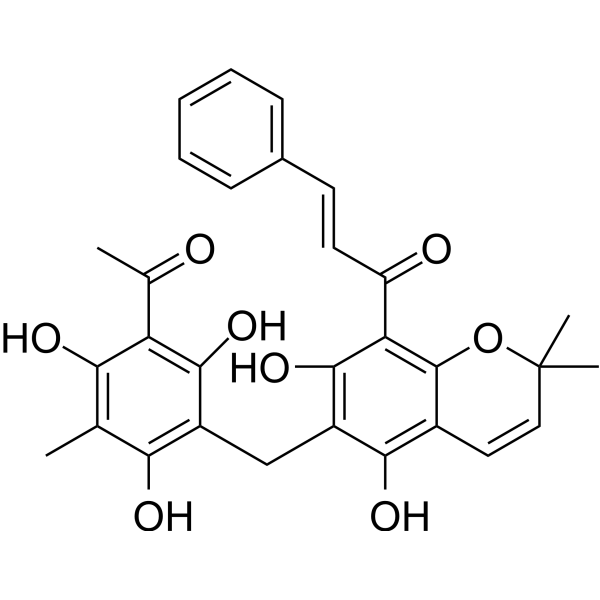
Rottlerin, a natural product purified from Mallotus Philippinensis, is a specific PKC inhibitor, with IC50 values for PKCδ of 3-6 μM, PKCα,β,γ of 30-42 μM, PKCε,η,ζ of 80-100 μM. Rottlerin acts as a direct mitochondrial uncoupler, and stimulates autophagy by targeting a signaling cascade upstream of mTORC1. Rottlerin induces apoptosis via caspase 3 activation . Rottlerin inhibits HIV-1 integration and Rabies virus (RABV) infection .
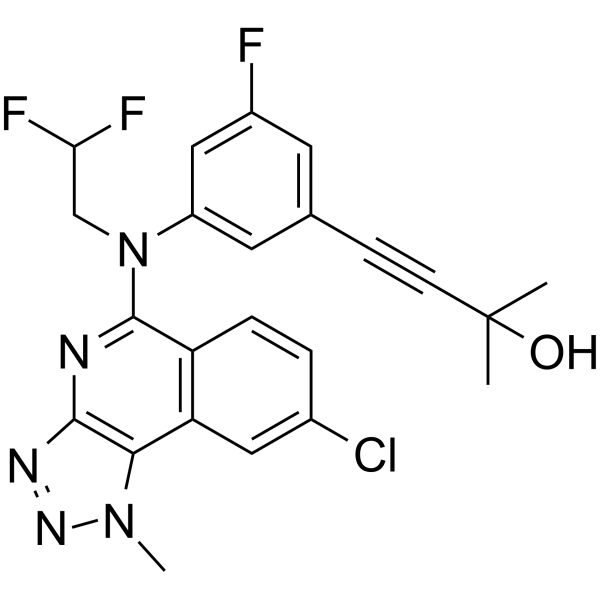
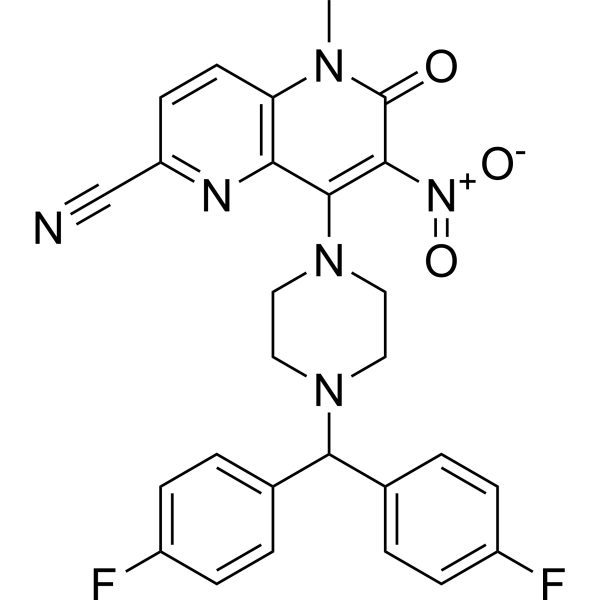
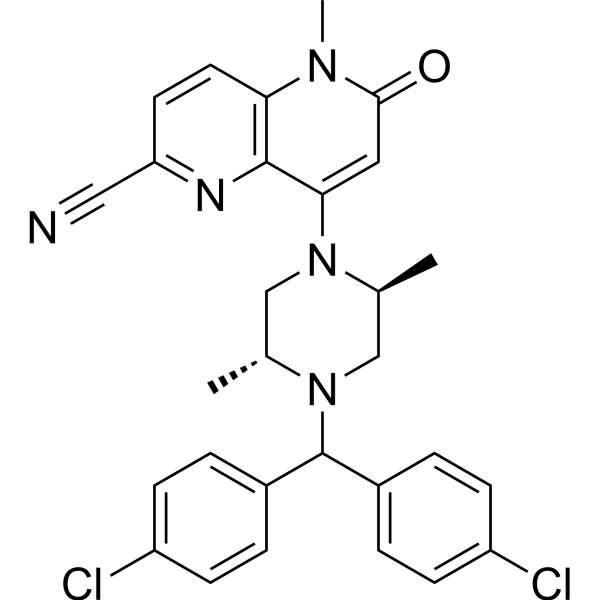
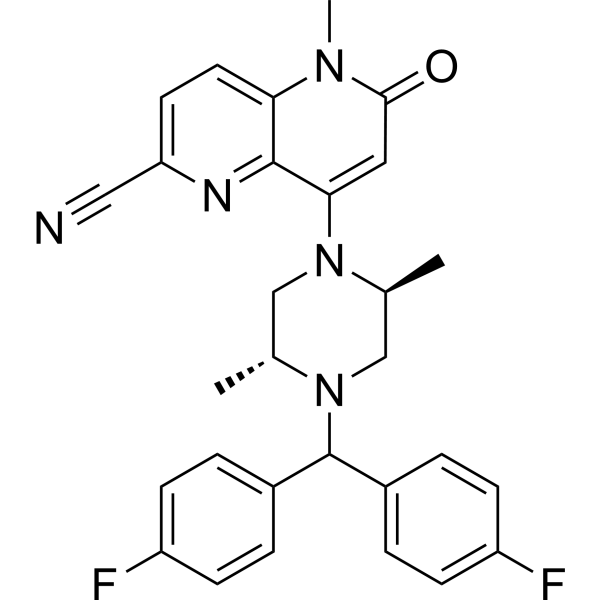
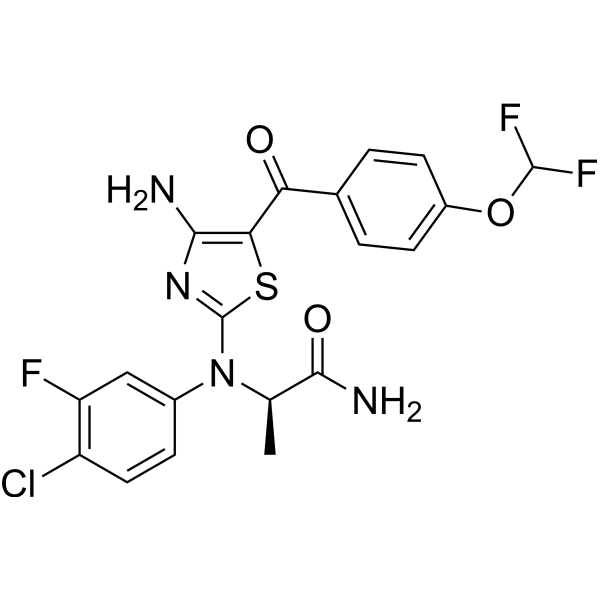
BMS-986408 is an orally active inhibitor of DGKα and DGKζ, with IC50 values of 0.0003 μM and 0.002 μM, respectively. BMS-986408 activates intratumoral T cell responses, enhances the priming and expansion of tumor-reactive T cells in tumor-draining lymph nodes, and functions as an immunostimulant. BMS-986408 can be used in the research of tumors .
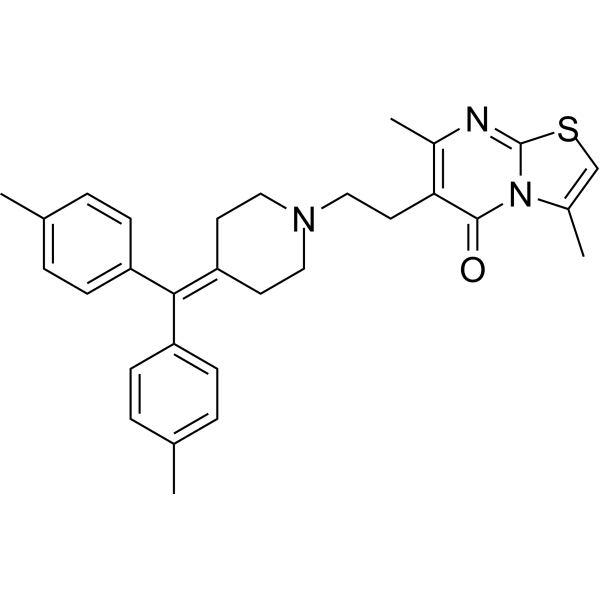
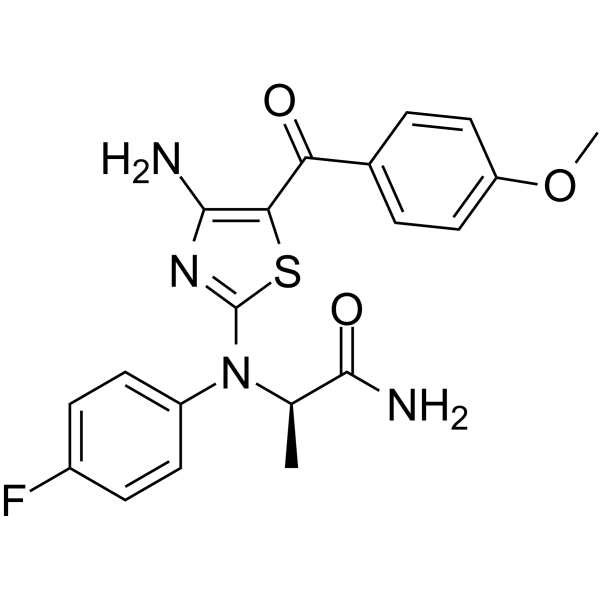
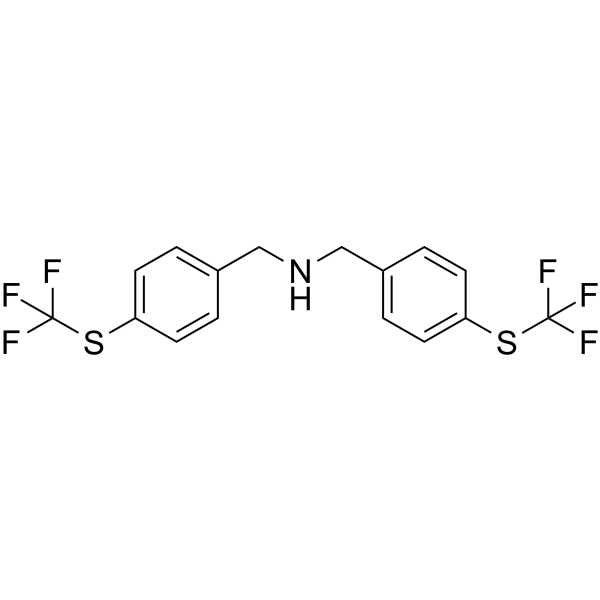
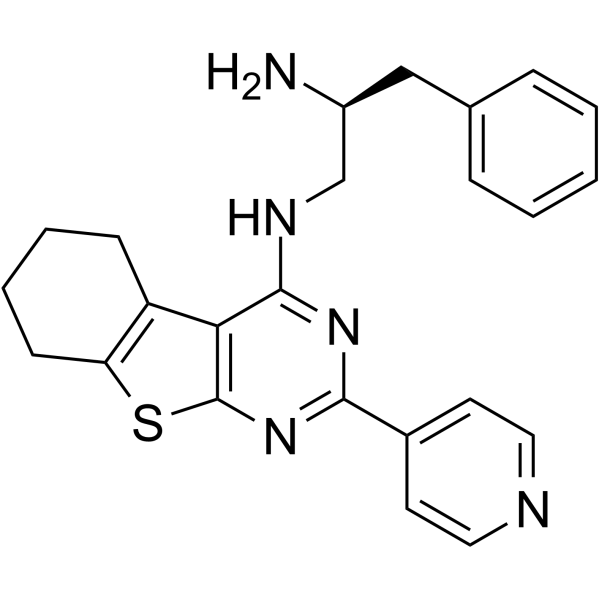
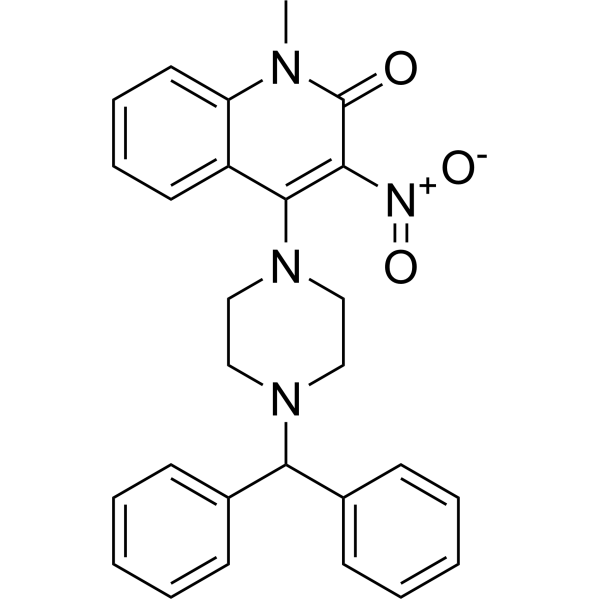
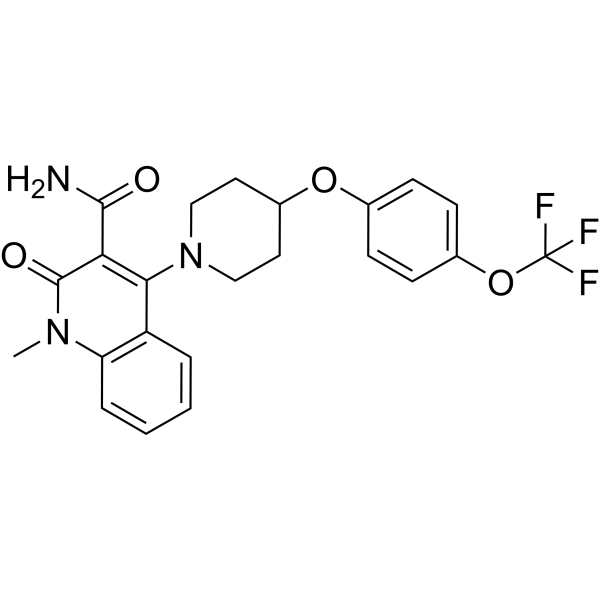
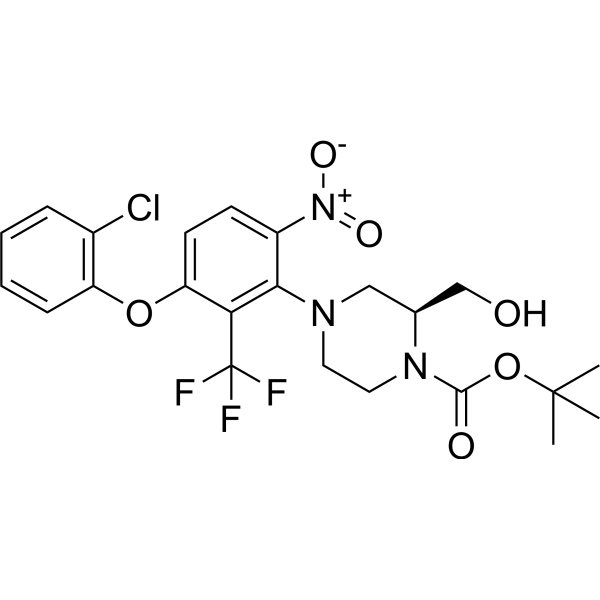
BAY 2965501 is a potent and selective diacylglycerol kinase zeta(DGKζ) inhibitor. BAY 2965501 induces pERK activation. BAY 2965501 can be used for the research of cancer .
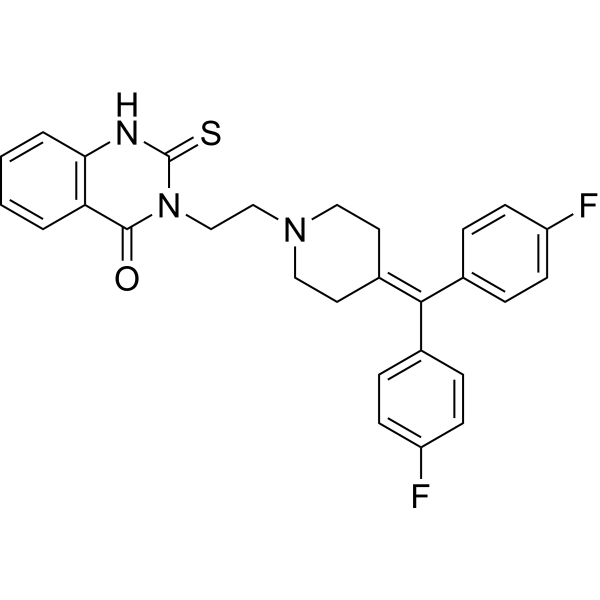
R59949 is a pan diacylglycerol kinase (DGK) inhibitor with an IC50 of 300 nM. R59949 strongly inhibits the activity of type I DGK α and γ and moderately attenuates the activity of type II DGK θ and κ. R59949 activates protein kinase C (PKC) by enhancing the levels of the endogenous ligand diacyl glycerol .
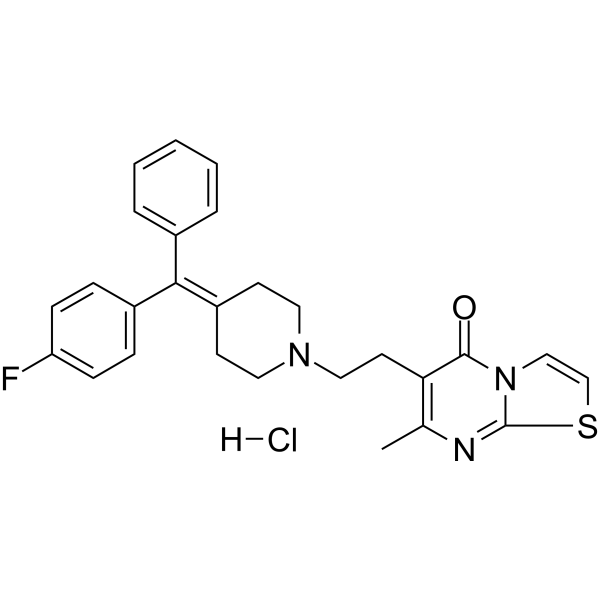
R 59-022 (DKGI-I) is a DGK inhibitor (IC50: 2.8 µM). R 59-022 inhibits the phosphorylation of OAG to OAPA. R 59-022 is a 5-HT Receptor antagonist, and activates protein kinase C (PKC). R 59-022 potentiates thrombin-induced diacylglycerol production in platelets and inhibits phosphatidic acid production in neutrophils .
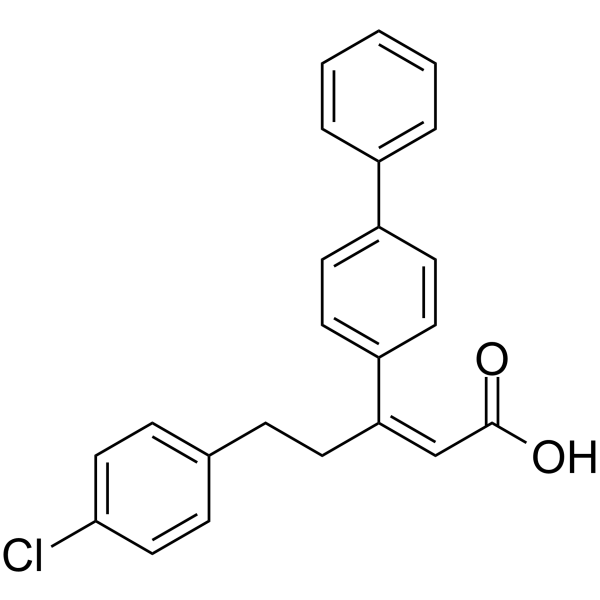
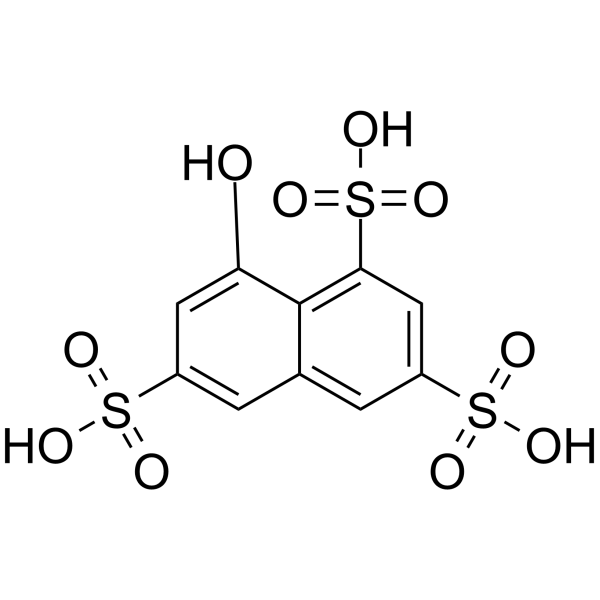
(E)-FOBISIN101 is a 14-3-3 protein-protein interaction (14-3-3 protein-protein interaction) inhibitor, with IC50 values of 9.3 and 16.4 μM for disrupting the binding of 14-3-3ζ or 14-3-3γ to PRAS40, respectively. (E)-FOBISIN101 inhibits the binding of 14-3-3 to Raf-1 and proline-rich AKT substrate, and neutralizes the ability of 14-3-3 to activate exotoxin S ADP-ribosyltransferase. (E)-FOBISIN101 is applicable to 14-3-3-mediated cancer research .
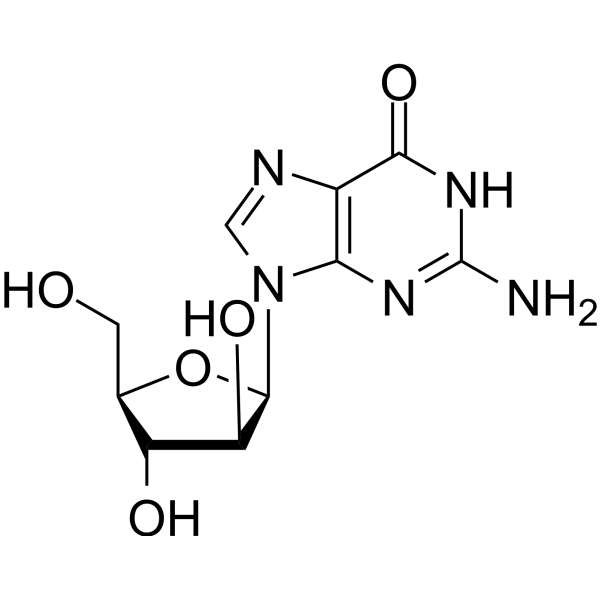
9-β-D-Arabinofuranosylguanine is a Guanosine (HY-N0097) analog and shows high affinity for deoxyguanosine kinase (dGK) with a Km of 8.0 μM. 9-β-D-Arabinofuranosylguanine can be used for the research of T-cell lymphoblastic disease .
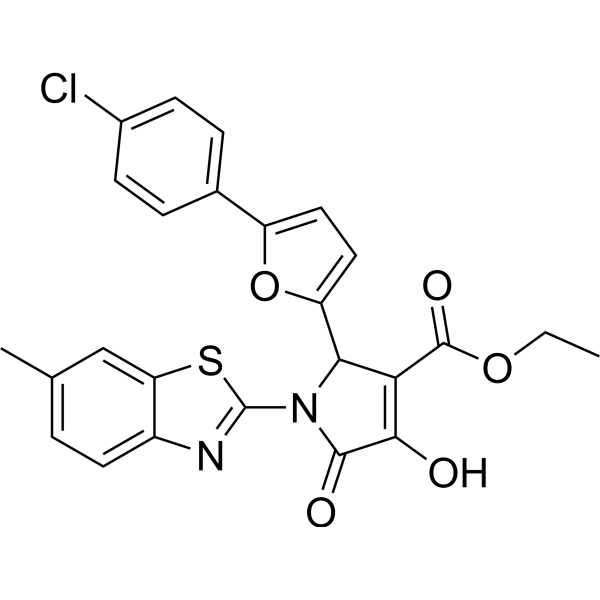
ZAP-180013 is a zeta-chain-associated protein kinase 70 (ZAP-70) inhibitor with an IC50 of 1.8 μM. ZAP-180013 inhibits the interaction of ZAP-70 SH2 domain with immunoreceptor tyrosine-based activation motif (ITAMs) .
MY10 is a potent and orally active receptor protein tyrosine phosphatase (RPTPβ/ζ) inhibitor. MY10 reduces NF-κB p65 expression. MY10 activates tyrosine phosphorylation of c-Met. MY10 prevents the alcohol-induced downregulation of Ptprz1 and Alk expression. MY10 attenuates binge-like ethanol consumption and ethanol reward. MY10 can be used in the study of neurological and vascular diseases .
BMS-502 (Compound 22) is a potent dual inhibitor of diacylglycerol kinase (DGK) α and ζ with IC50 of 4.6 nM and 2.1 nM. BMS-502 enhanced T cell immune responses in mice. BMS-502 can be used in tumor immunity related research .
ζ-Stat (NSC37044) is a specific and atypical PKC-ζ inhibitor, with an IC50 of 5 μM. ζ-Stat can reduce melanoma cell lines proliferation and induce apoptosis, and has antitumor activity in vitro .
MY33-3 is a potent and selective inhibitor of receptor protein tyrosine phosphatase (RPTP)β/ζ, with an IC50 of ~0.1 μM. MY33-3 also inhibits PTP-1B (IC50 ~0.7 μM). MY33-3 can reduce ethanol consumption and alleviate Sevoflurane-induced neuroinflammation and cognitive dysfunction .
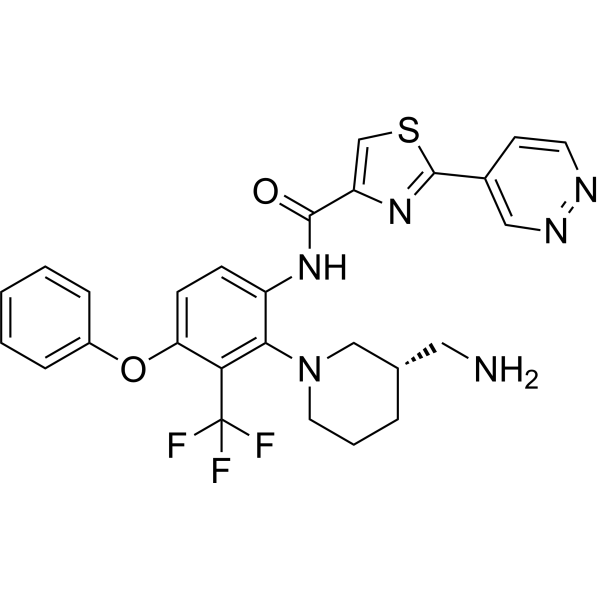
Alcudacigib (ASP1570; DGKζ-IN-1) is an orally active diacylglycerol kinase ζ(DGKζ) inhibitor, with an IC50 of 4.7 nM against human DGKζ and an IC50 of 3.0 nM against mouse DGKζ. Alcudacigib selectively inhibits the kinase activity of DGKζ and induces proteasome-dependent degradation of DGKζ protein. Alcudacigib enhances the anti-tumor functions of T cells and NK cells. Alcudacigib can be used for the research of advanced/metastatic solid tumors .
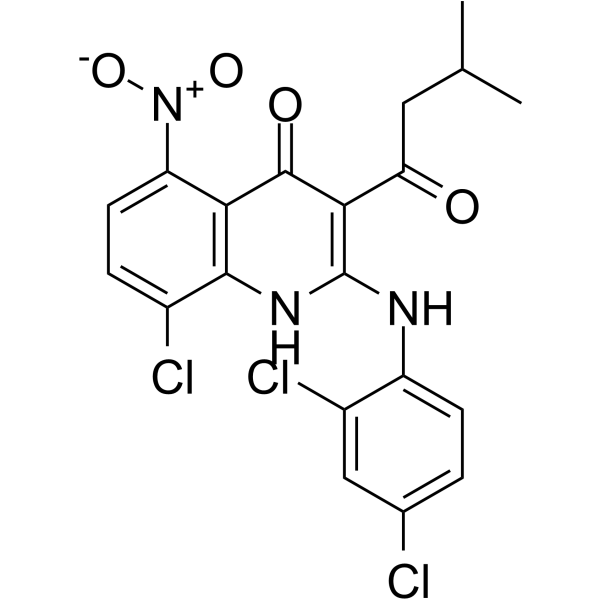
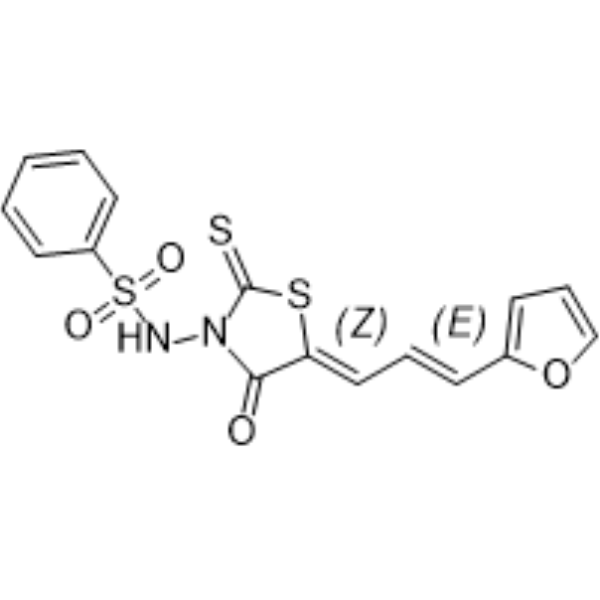
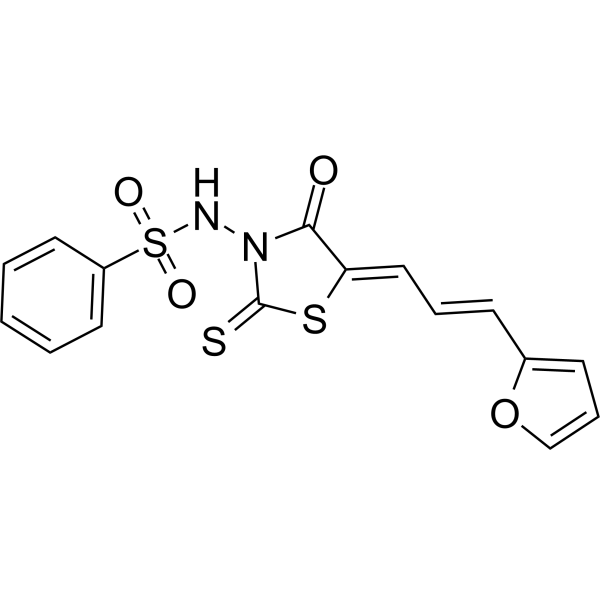
(5Z,2E)-CU-3 is an isomer of CU-3 (HY-121638). CU-3 is a DGKα inhibitor with an IC50 of 0.6 μM. CU-3 competitively reduces DGKα’s affinity for ATP via binding to the enzyme’s catalytic region. CU-3 induces apoptosis in cancer cells. CU-3 promotes T-cell activation and enhances IL-2 production. CU-3 can be used for the research of hepatocellular carcinoma and cervical cancer .
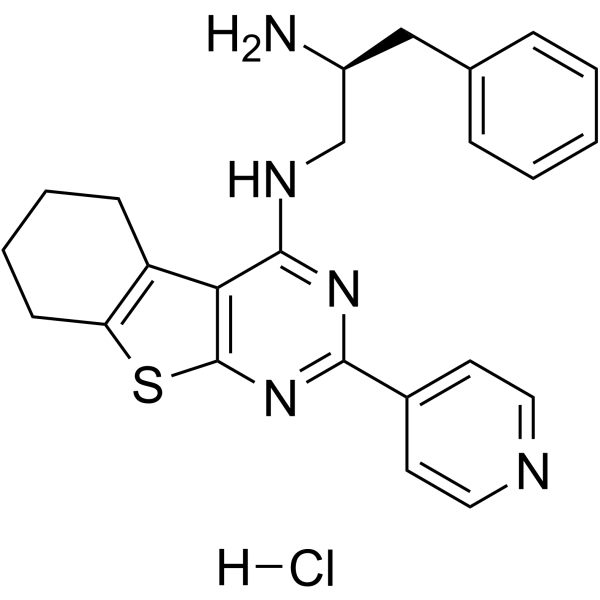
CRT0066854 is a potent and selective atypical PKC isoenzymes inhibitor. CRT0066854 is against full-length (FL) PKCι, PKCζ, and ROCK-II kinases with IC50 values of 132 nM, 639 nM, and 620 nM, respectively .
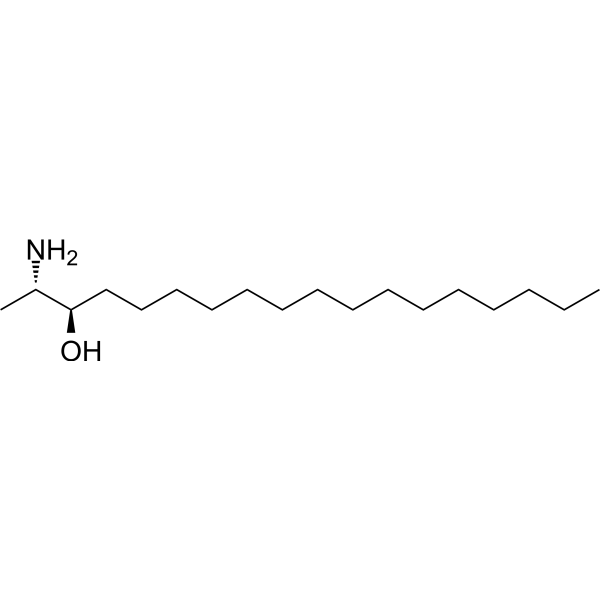
Spisulosine (ES-285) is an antiproliferative (antitumoral) compound of marine origin. Spisulosine inhibits the growth of the prostate PC-3 and LNCaP cells through intracellular ceramide accumulation and PKCζ activation. Spisulosine induces apoptosis in PC-3 and LNCaP cells .
(S)-BAY 2965501 is the left-handed isomer of BAY 2965501 (HY-153343). BAY 2965501 is a potent and selective diacylglycerol kinase zeta(DGKζ) inhibitor. BAY 2965501 induces pERK activation. BAY 2965501 can be used for the research of cancer .
BMS-684 is a selective DGKα inhibitor with an IC50 of 15 nM. BMS-684 inhibits DGKα kinase activity with >100-fold selectivity over the related DGK type I family members DGKβ and DGKγ. BMS-684 does not inhibit any of the other seven DGK isozymes .
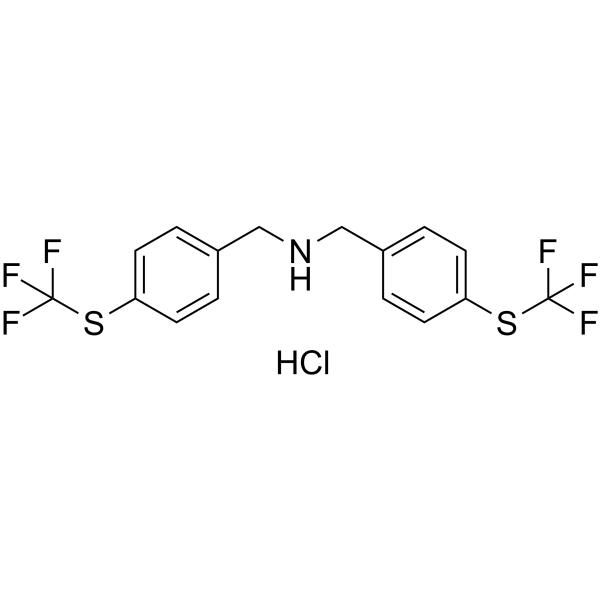
CRT0066854 hydrochloride is a potent and selective atypical PKCs inhibitor. CRT0066854 is against full-length (FL) PKCι, PKCζ, and ROCK-II kinases with IC50 values of 132 nM, 639 nM, and 620 nM, respectively .
PS432 is a PKC inhibitor with IC50s of 16.9 μM (PKCι) and 18.5 μM (PKCζ), respectively. PS432 effectively inhibits the proliferation of non-small cell lung cancer cells (NSCLCs) and tumor growth in mouse xenograft models .
Alcudacigib (ASP1570; DGKζ-IN-1) TFA is an orally active diacylglycerol kinase ζ(DGKζ) inhibitor, with an IC50 of 4.7 nM against human DGKζ and an IC50 of 3.0 nM against mouse DGKζ. Alcudacigib TFA selectively inhibits the kinase activity of DGKζ and induces proteasome-dependent degradation of DGKζ protein. Alcudacigib TFA enhances the anti-tumor functions of T cells and NK cells. Alcudacigib TFA can be used for the research of advanced/metastatic solid tumors .
Cathepsin G is a pH-dependent serine protease. Cathepsin G hydrolyzes diverse synthetic and protein substrates and remodels extracellular matrix. Cathepsin G exerts immunomodulatory effects via recruiting phagocytes, enhancing T cell motility, activating ERK1/2 and p38 MAPK signaling, and mediating PKCζ membrane translocation. Cathepsin G regulates inflammatory responses by cleaving inflammatory mediators. Cathepsin G participates in vascular regulation by converting angiotensin I to angiotensin II. Cathepsin G induces PAR4-dependent platelet activation, facilitates platelet-neutrophil aggregation, and mediates VITT-related NETosis, thrombus formation. Cathepsin G can be used for the research of immune thrombotic thrombocytopenia, cardiovascular disease, and select autoimmune and inflammatory diseases .
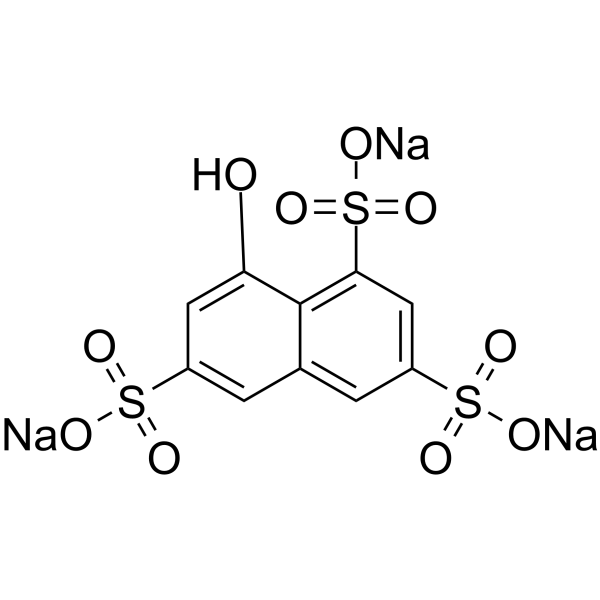
ζ-Stat trisodium (NSC37044 trisodium) is a specific and atypical PKC-ζ inhibitor, with an IC50 of 5 μM. ζ-Stat trisodium can reduce melanoma cell lines proliferation and induce apoptosis, and has antitumor activity in vitro .
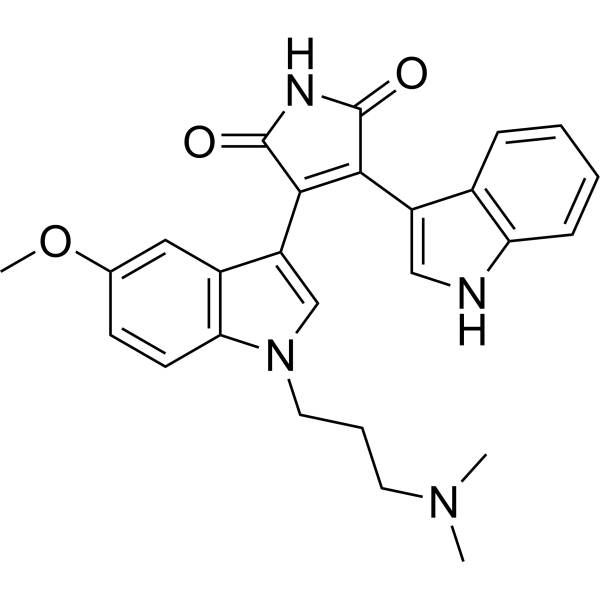
PKCζ-IN-1 is a compound that inhibits PKCζ and CDK2, showing an IC50 value of 5.18 nM for PKCζ and 1.04 μM for CDK2, with significant selectivity of 200-fold. PKCζ-IN-1 can reduce the activity of CDK2 while inhibiting PKCζ.
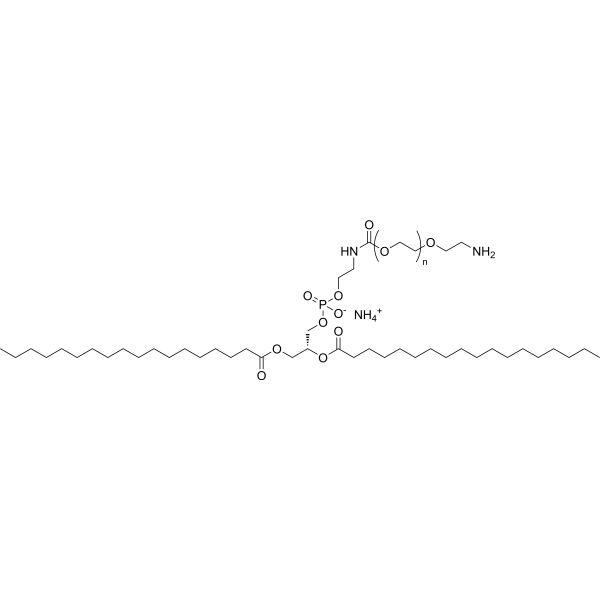
DSPE-PEG-Amine (DSPE-PEG-NH2), MW 3400 ammonium is an amino-functionalized PEGylated phospholipid. It serves not only as a key component for preparing σ receptor-targeted liposomes (such as anisamide-modified lipids) but also as a starting material for synthesizing click chemistry- and tumor-targeted lipids including DSPE-PEG-DBCO (HY-155788) and DSPE-PEG2000-TCO (HY-170704). DSPE-PEG-Amine, MW 3400 ammonium effectively modulates the ζ potential of nanoparticles, enables complexation with nucleic acids or proteins to protect DNA from nuclease degradation, and supports ligand conjugation on the nanoparticle surface. It is used in studies related to DU-145 tumors, breast cancer, and other relevant research .
BMS-332 is a dual DGKα/ζ lipid kinase inhibitor, with IC50s of 5 and 1 nM against DGKα and DGKζ, respectively. BMS-332 enhances the antigen-specific T cell response. BMS-332 reduces the viral load in the liver and spleen when combined with anti-PD-1 in chronic infection models. BMS-332 can be used for the study of T cell immune checkpoint strategy .
DGKα-IN-2 (example 48) is a DGKα inhibitor with the IC50 of 0.9 nM, extracted from patent WO2021105115. DGKα-IN-2 significantly enhances the anti-tumor effect of anti-PD-1 by increasing the proliferation and function of T cells. DGKα-IN-2 has the potential for cancer and immunology study.
R 59-022 (DKGI-I) hydrochloride is a DGK inhibitor (IC50: 2.8 µM). R 59-022 hydrochloride inhibits the phosphorylation of OAG to OAPA. R 59-022 hydrochloride is a 5-HT Receptor antagonist, and activates protein kinase C (PKC). R 59-022 hydrochloride potentiates thrombin-induced diacylglycerol production in platelets and inhibits phosphatidic acid production in neutrophils .
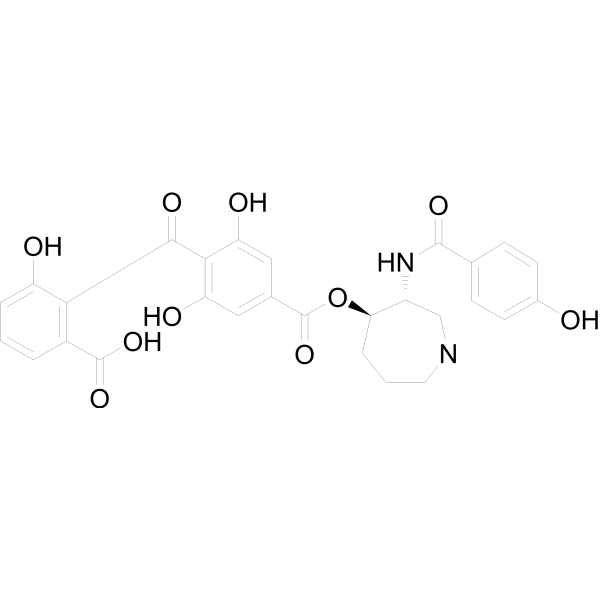
Balanol (Ophiocordin; Azepinostatin) is a potent and ATP competitive PKC/PKA inhibitor against human PKC isozymes α, β-I, β-II, γ, δ, ε, η (IC50s=4-9 nM) and ζ (IC50=150 nM). Balanol also blocks the phosphorylation of cyclic AMP response element-binding protein (CREB) and myristoylated alanine-rich C kinase substrate (MARCKS). Balanol can be isolated from the fungus Verticillium balanoides .
Ceramide (Egg) (Ceramide (Egg, Chicken)) is a ceramide from chicken. Ceramide (Egg) is a sphingomyelin signaling pathway second messenger.Ceramide (Egg) activates PP2A, JNK, p38 MAPK, CAPK, ceramide-activated protein phosphatase, Vav, PKCζ, and SAPK/JNK cascade.Ceramide (Egg) downregulates or inhibits AKT, survivin, CDK2, mTOR, and FLIP.Ceramide (Egg) mediates apoptosis, autophagy, cell cycle arrest, mitochondrial dysfunction, redox state shifts, and ROS generation.Ceramide (Egg) can be used for the research of cancer and neurological disease .
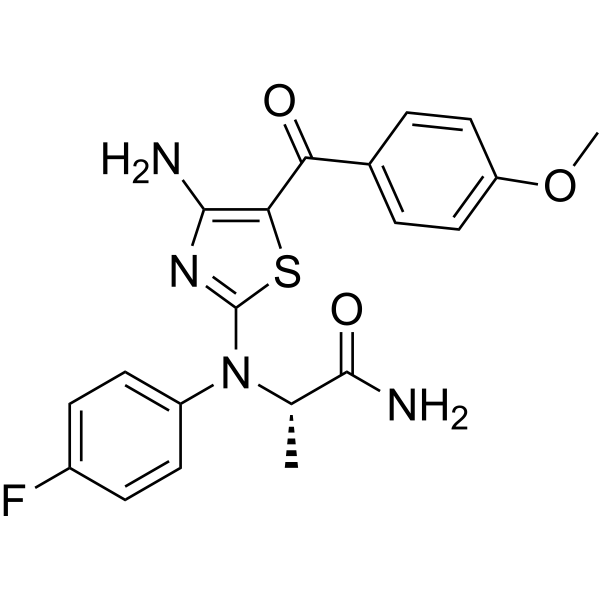
DGKζ-IN-4 is a DGK-zeta inhibitor. DGKζ-IN-4 can be used as an active component of pharmaceutical compositions. DGKζ-IN-4 is used to treat cancers associated with immune cell activation or cancers resistant to anti-PD-1 antibody/anti-PD-11 antibody research .
DGK-IN-11 (Compound 1) is a diacylglycerol kinase (DGK) inhibitor. DGK-IN-11 exhibits inhibitory activity against DGKα and DGKγ. DGK-IN-11 regulates intracellular diacylglycerol levels and enhances T cell activation, cytokine production, and proliferation. DGK-IN-11 can be used for the study of cancer .
CU-3 is a DGKα inhibitor with an IC50 of 0.6 μM. CU-3 competitively reduces DGKα’s affinity for ATP via binding to the enzyme’s catalytic region. CU-3 induces apoptosis in cancer cells. CU-3 promotes T-cell activation and enhances IL-2 production. CU-3 can be used for the research of hepatocellular carcinoma and cervical cancer .
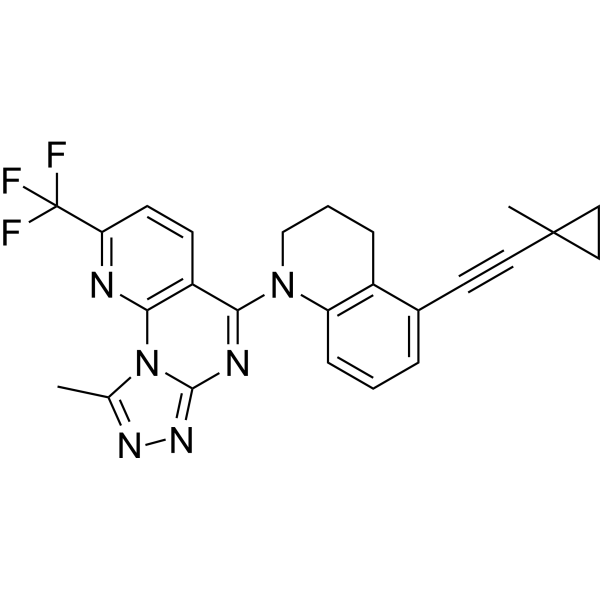
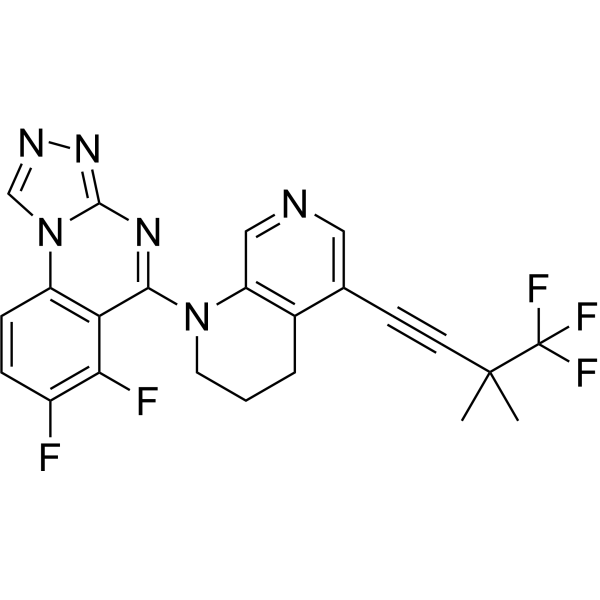
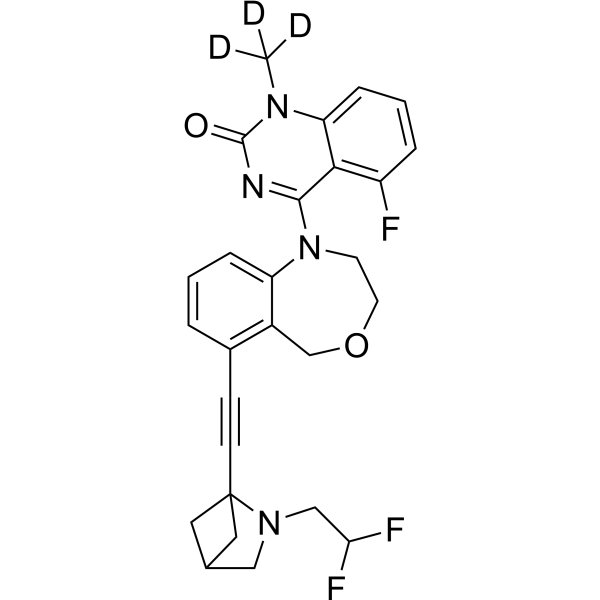
DGKα/ζ-IN-2 is a potent, orally active and selective dual DGKα/ζinhibitor with IC50 values of 23 nM (DGKα) and 1.2 nM (DGKζ). DGKα/ζ-IN-2 exhibits selectivity over other DGK isoforms, such as DGKβ and DGKγ. DGKα/ζ-IN-2 shows robust and dose-dependent immune activation in the presence of antigen presentation in an OT-1 murine model. DGKα/ζ-IN-2 can be used for antitumor immunity .
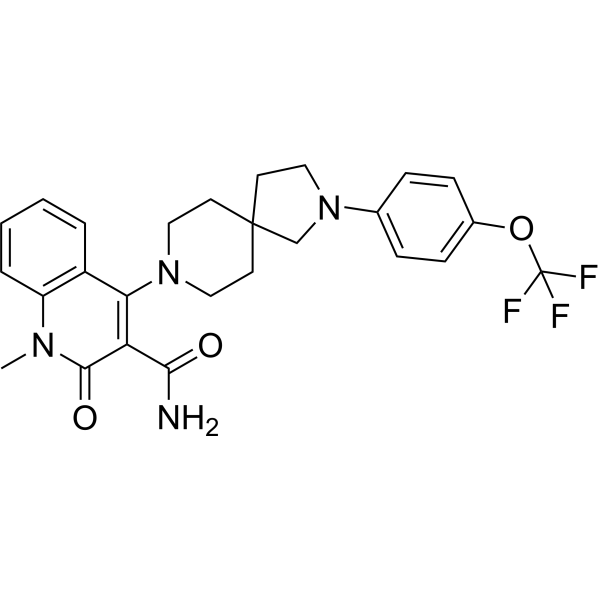
DGKα-IN-10 is an orally active and potent DGKα inhibitor with an IC50 of 0.27 nM. DGKα-IN-10 can induce IL-2 release and T cells proliferation. DGKα-IN-10 can be used for the research of cancer, such as colon cancer .
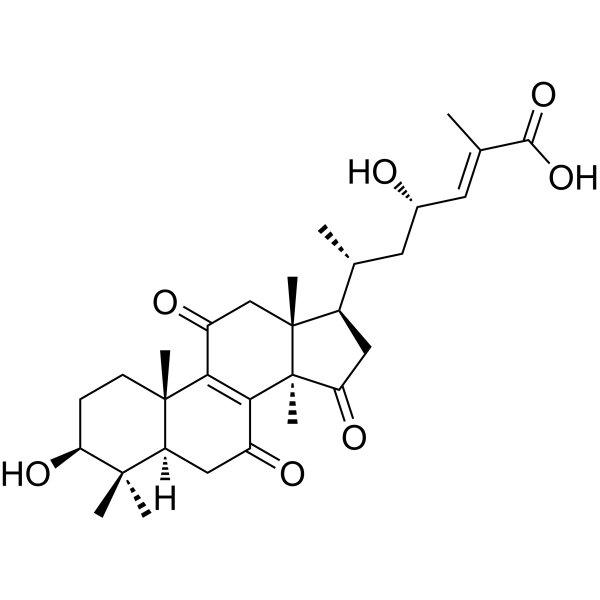
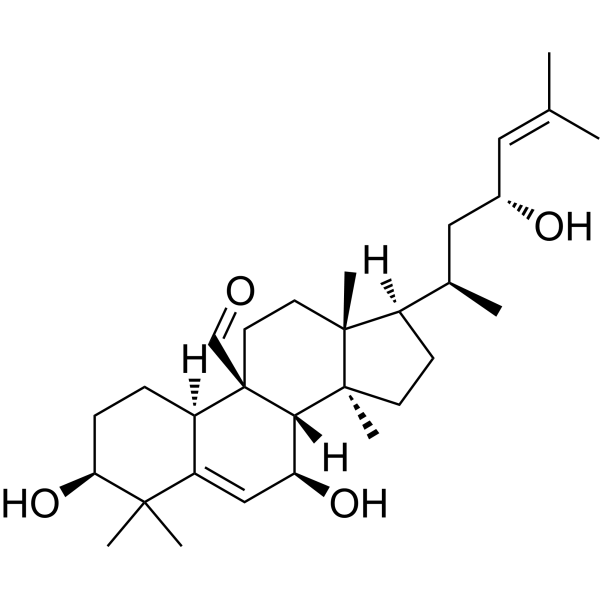
Momordicine I is a cucurbitane-type triterpenoids. Momordicine I suppresses glioma growth by promoting apoptosis and impairing mitochondrial oxidative phosphorylation. Momordicine I inhibits glycolysis, lipid metabolism, induces autophagy in HNC cells to suppress head and neck cancer growth. Momordicine I alleviates isoproterenol-induced cardiomyocyte hypertrophy through suppression of PLA2G6 and DGK-ζ. Momordicine I exerts its cardiovascular benefits by upregulating nitric oxide, inhibiting the activity of angiotensin-converting enzyme (ACE), activating the PI3K/Akt pathway, reducing oxidative stress and inflammation. Momordicine I inhibits AKT1, IL-6, and SRC, suggesting its potential application in type 2 diabetes .
1-NBD-decanoyl-2-decanoyl-sn-glycerol is a diacylglycerol (DAG) derivative, which is labeled with a fluorescent group NBD. 1-NBD-decanoyl-2-decanoyl-sn-glycerol is the substrate for diacylglycerol kinase(DGK), and can be used for quantitative detection of the DGF enzyme kinetics in vitro, and the changes in DAG and PA during cell signaling .
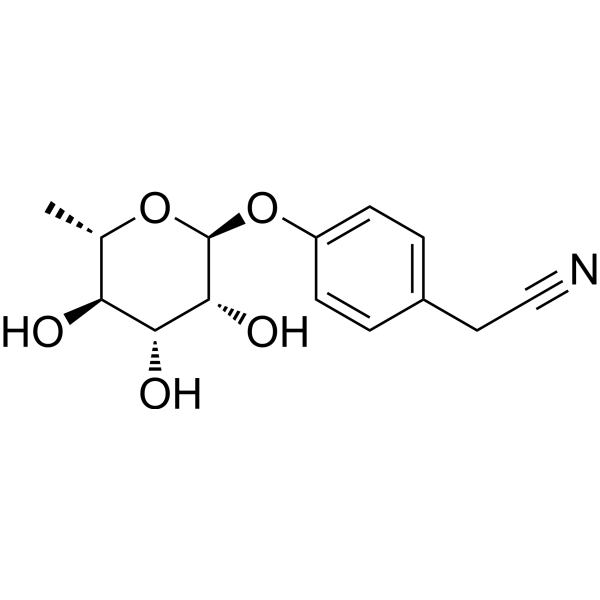
Niazirin is an orally active antioxidant. Niazirin can be isolated from Moringa oleifera Lam. Niazirin reduces the production levels of ROS and MDA, while increasing the levels of superoxide dismutase SOD and glutathione peroxidase GPx. Niazirin also abolishes high glucose-induced PKCζ activation and inhibits Nox4 protein expression. Niazirin exhibits excellent free radical scavenging activity. Niazirin significantly inhibits high glucose-induced proliferation of vascular smooth muscle cells. Niazirin can be used in the research of diabetic atherosclerosis .
DGKα/ζ-IN-1 (Compound II) is a DGK target inhibitor. DGKα/ζ-IN-1 can enhance the function of T cells, and has a synergistic effect with PD-1, which has therapeutic effects IN both immune and tumor .
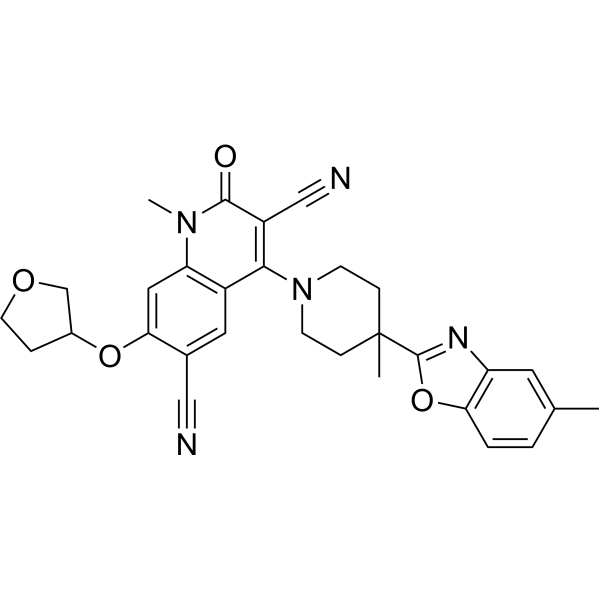
DGKα-IN-9 is a diacylglycerol kinase alpha (DGKα) inhibitor. DGKα-IN-9 demonstrates a tumor growth inhibition in MC38 or or CT26 mouse tumor model. DGKα-IN-9 can be used for the study of cancer .
DGKα-IN-8 (Example 51) is a DGKα inhibitor (IC50=22.491 nM; EC50=0.256 nM). DGKα-IN-8 can be used to study cancer, including solid tumors, and viral infections, such as HIV or hepatitis B virus infection .
TCF199 is an allosteric stabilizer that stabilizes the 14-3-3/TAZ peptide interaction, binding to the 14-3-3ζ/E R α peptide and 14-3-3ζ/Chibby peptide. TCF199 has a Kd value of 122 μM for its interaction with 14-3-3/TAZ .
JNJ-3790339, a Ritanserin (HY-10791) analog, is a potent and selective diacylglycerol kinase (DGKα) inhibitor with an IC50 of 9.6 μM. JNJ-3790339 has induction of toxicity in malignant cells, and improves ability to upregulate T cell activation .
Go 6983 (Standard) is the analytical standard of Go 6983. This product is intended for research and analytical applications. Go 6983 is a pan-PKC inhibitor against for PKCα, PKCβ, PKCγ, PKCδ and PKCζ with IC50 of 7 nM, 7 nM, 6 nM, 10 nM and 60 nM, respectively.
PS315, a derivative of PS48 (HY-15967), is an allosteric PKC inhibitor by binding to the PIF-pocket of aPKC and inducing a displacement of the active site residue Lys111. PS315 inhibits the full-length and catalytic domain constructs of PKCζ (IC50=10 μM) and PKCη (IC50=30 μM). PS315 has anti-cancer activity .
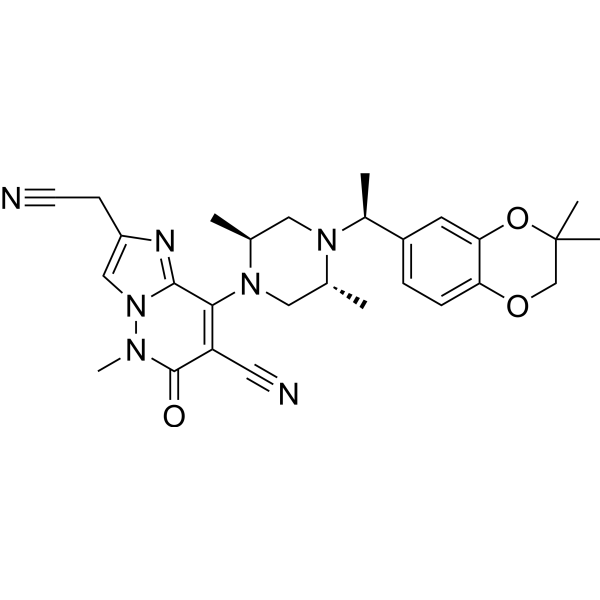
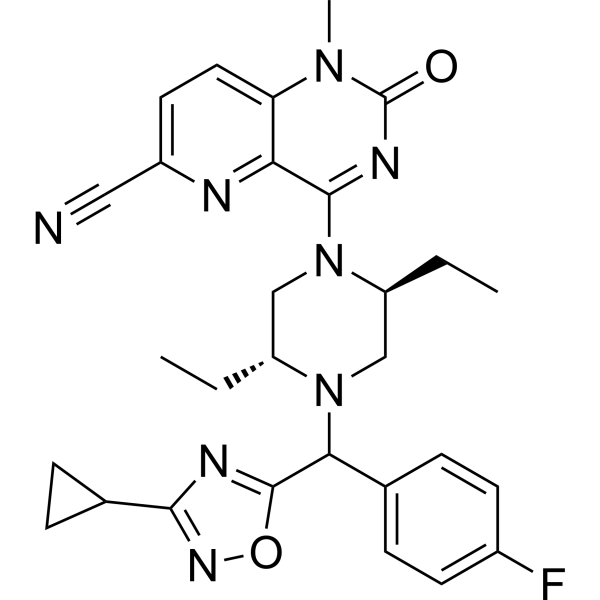
DGK-IN-10 (example 61) is a DGK inhibitor with IC50 values of ≤ 10 nM for both DGKα and DGKζ. DGK-IN-10 can be used for the research of diseases including cancer .
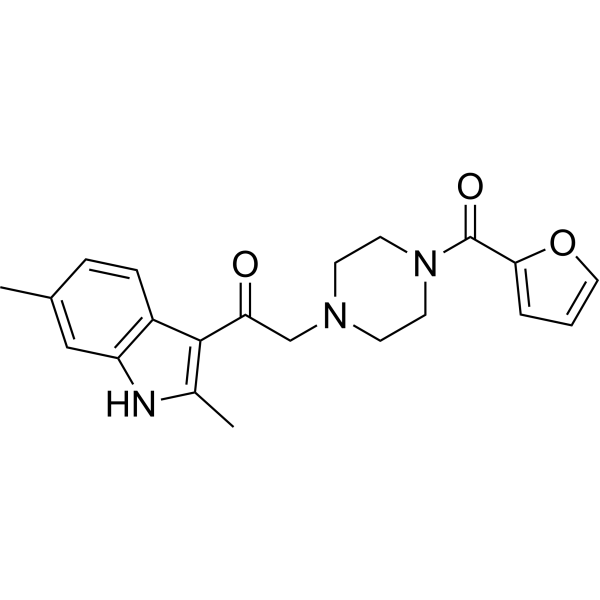
DGKζ-IN-7 (compound 97) is an oral active DGKζ inhibitor with the IC50 of 33.4 nM. DGKζ-IN-6 inhibits the secretion of IL-2 and can be used for study of cancer and autoimmune diseases .
DGKζ-IN-6 (compound 40) is an oral active DGKζ inhibitor with the IC50 of 45.5 nM. DGKζ-IN-6 inhibits the secretion of IL-2 and can be used for study of cancer and autoimmune diseases .
DGKα-IN-6 is a DGKα inhibitor with the IC50 of 1.377 nM, extracted from patent WO2022271650 (compound 143). DGKα-IN-6 has the potential for cancer study.
DGKα-IN-7 is a DGKα inhibitor with the IC50 of 6.225 nM, extracted from patent WO2022271684 (compound 100). DGKα-IN-7 has the potential for cancer study.
DGKα-IN-3 (example 25) is a DGKα inhibitor with the IC50 of 283 nM, extracted from patent WO2021105115. DGKα-IN-2 significantly enhances the anti-tumor effect of anti-PD-1 by increasing the proliferation and function of T cells. DGKα-IN-2 has the potential for cancer and immunology study.
DGKα-IN-4 (example 432) is a DGKα inhibitor with the IC50 of 0.1 nM, extracted from patent WO2021105117. DGKα-IN-2 significantly enhances the anti-tumor effect of anti-PD-1 by increasing the proliferation and function of T cells. DGKα-IN-3 has the potential for cancer and immunology study.
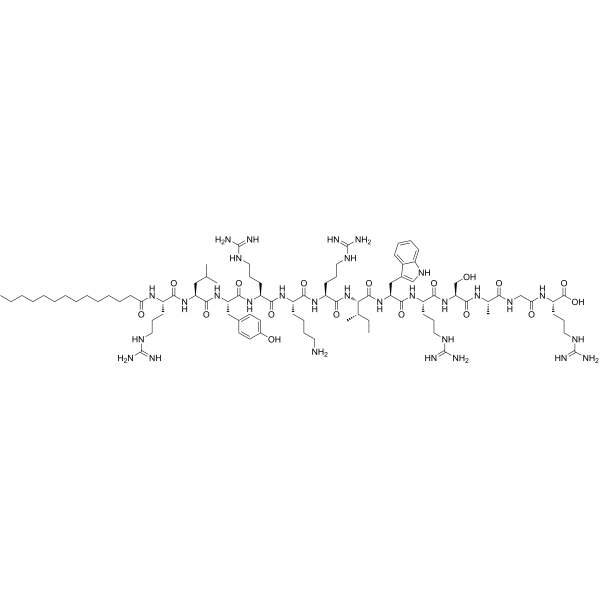
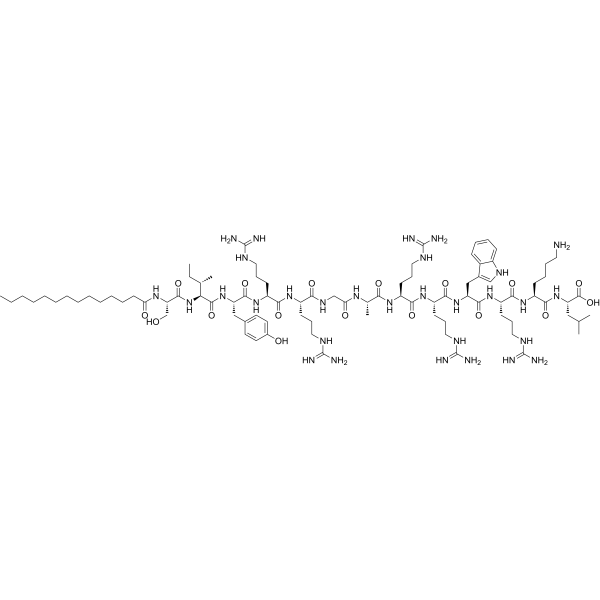
Pep2m, myristoylated (Myr-Pep2m) is a cell-permeable peptide. Pep2m, myristoylated can disrupt the protein kinase ζ (PKMζ) downstream targets, N-ethylmaleimide-sensitive factor/glutamate receptor subunit 2 (NSF/GluR2) interactions. PKMζ is an autonomously active isozyme of protein kinase C (PKC) .
Pep2m, myristoylated TFA (Myr-Pep2m TFA) is a cell-permeable peptide. Pep2m, myristoylated TFA can disrupt the protein kinase ζ (PKMζ) downstream targets, N-ethylmaleimide-sensitive factor/glutamate receptor subunit 2 (NSF/GluR2) interactions. PKMζ is an autonomously active isozyme of protein kinase C (PKC) .
AMB639752 is a potent DGKα inhibitor. AMB639752 restores restimulation induced cell death (RICD) in SAP deficient lymphocytes by inhibiting DGKα in intact cells. AMB639752 can be used for X-linked lymphoproliferative disease 1(XLP-1) research .
Ilicicolin F is a fungal metabolite that has been found in Fusarium and has diverse biological activities. It inhibits T. vivax alternative oxidase and the E. coli ubiquinol oxidase cytochrome bo (IC50s=0.43 and 0.37 μM, respectively) but not the E. coli ubiquinol oxidase cytochrome bd (IC50=85 μM).2 Ilicicolin F is active against the fungi A. fumigatus and C. albicans (MICs=1.66-3.33 and 6.66-13.33 μg/mL, respectively). It is cytotoxic to HeLa cells with an EC50 value of 0.003 μg/mL.
aPKC-IN-1 (compound 1) is an atypical protein kinase C (aPKCζ) inhibitor. aPKC-IN-1 can be used for the study of a host of diseases involving increased vascular permeability and inflammation .
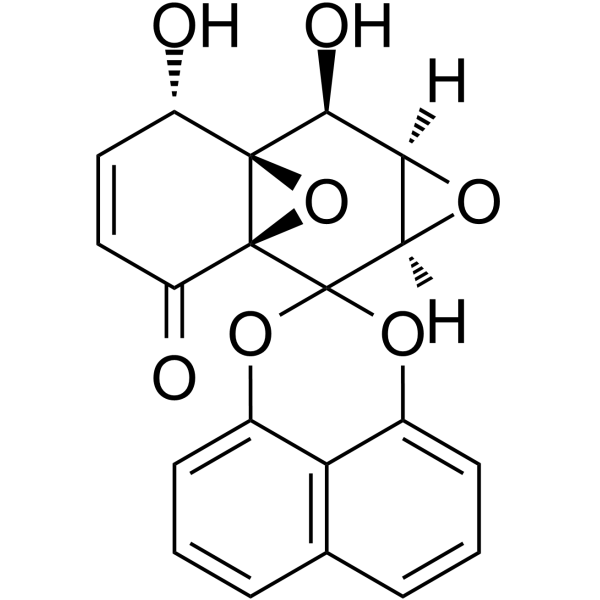
Cladospirone bisepoxide is a metabolite that isolated from cultures of a fungus. Cladospirone bisepoxide displays selective antibiotic activity against several bacteria and fungi and inhibits germinations of Lepidium sativum at low concentrations .
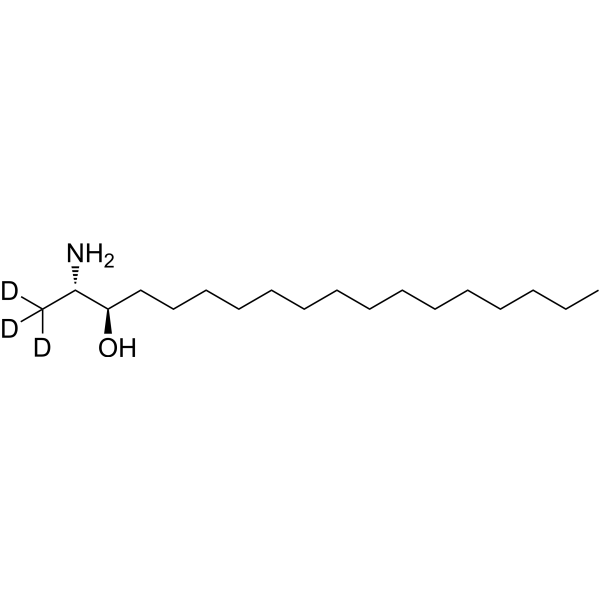
Spisulosine-d3 (ES-285-d3) is deuterium labeled Spisulosine (HY-13626). Spisulosine is an antiproliferative (antitumoral) compound of marine origin. Spisulosine inhibits the growth of the prostate PC-3 and LNCaP cells through intracellular ceramide accumulation and PKCζ activation. Spisulosine induces apoptosis in PC-3 and LNCaP cells .
MY33-3 hydrochloride is a potent and selective inhibitor of receptor protein tyrosine phosphatase (RPTP)β/ζ, with an IC50 of ~0.1 μM. MY33-3 hydrochloride also inhibits PTP-1B (IC50 ~0.7 μM). MY33-3 hydrochloride can reduce ethanol consumption and alleviate Sevoflurane-induced neuroinflammation and cognitive dysfunction .
R 59-022 (Standard) is the analytical standard of R 59-022. This product is intended for research and analytical applications. R 59-022 (DKGI-I) is a DGK inhibitor (IC50: 2.8 µM). R 59-022 inhibits the phosphorylation of OAG to OAPA. R 59-022 is a 5-HT Receptor antagonist, and activates protein kinase C (PKC). R 59-022 potentiates thrombin-induced diacylglycerol production in platelets and inhibits phosphatidic acid production in neutrophils .
Zeta-Cypermethrin is a type II pyrethroid insecticide. Zeta-Cypermethrin primarily acts on voltage-gated sodium channels in nerve cells, causing delayed channel closure, persistent nerve excitation and convulsions. In Drosophila, Zeta-Cypermethrin rapidly induces extremely high metabolic resistance that can be screened, and exhibits in vitro genotoxicity to human peripheral blood lymphocytes .
ζ-Carotene isomerase (EC 5.2.1.12) catalyses the cis-trans isomerization of the 15-15' carbon-carbon double bond in 9,15,9'-tricis-ζ-Carotene, which is required for biosynthesis of all plant carotenoids. Requires heme b.
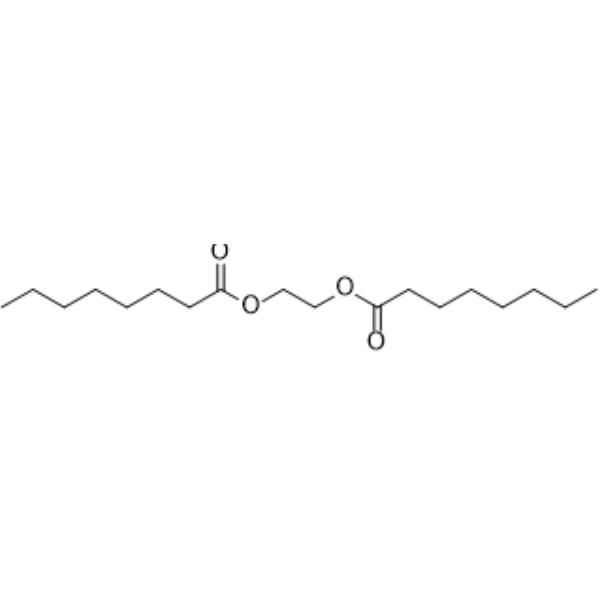
Dioctanoylglycol (Standard) is the analytical standard of Dioctanoylglycol (HY-100960). This product is intended for research and analytical applications. Dioctanoylglycol (Ethylene glycol dicaprylate), a diacylglycerol analog, is a diacylglycerol kinase (DGK) inhibitor (Ki of 58 μM) .
INCB191358 is a selective and orally active inhibitor of diacylglycerol kinase α/ζ/ι (DGKα/ζ/ι ) with IC50 values of 0.12, 0.36 and 0.36 nM. INCB191358 induces antigen-dependent T-cell activation, induces IL-2 production and enhances antitumor efficacy in combination with PD-1 blockade. INCB191358 can be used for the research of cancer, such as colon carcinoma .
PKCζ is a member of the atypical PKC subfamily and has been widely implicated in the regulation of cellular functions. The major activation pathway of PKCζ depends on phosphatidylinositol (PI)-3,4,5-trisphosphate (PIP(3)), which is mainly produced by PI-3 kinase. PKCζ Recombinant Human Active Protein Kinase is a recombinant PKCζ protein that can be used to study PKCζ-related functions .
R59949 (Standard) is the analytical standard of R59949 (HY-108355). This product is intended for research and analytical applications. R59949 is a pan diacylglycerol Kinase (DGK) inhibitor with an IC50 of 300 nM. R59949 strongly inhibits the activity of type I DGK α and γ and moderately attenuates the activity of type II DGK θ and κ. R59949 activates protein Kinase C (PKC) by enhancing the levels of the endogenous ligand diacyl glycerol .
AHL-7160 is a covalent DGKα inhibitor that possesses dual functions of enzyme activity inhibition (IC₅₀ ≈ 12 nM) and molecular gel-mediated degradation. AHL-7160 can rapidly recruit endogenous DGKα to the cell membrane (EC₅₀ = 39 nM), and this effect has isozyme selectivity. AHL-7160 can stereospecifically block phosphatidylcholine acid (PA) production mediated by DGKα (IC₅₀ = 340 nM). AHL-7160 enhances T cell activation and promotes anti-tumor immune responses. AHL-7160 can be used for research on immunotherapy .
MK-8457 is a dual inhibitor of spleen tyrosine kinase (SYK) and zeta-chain-associated protein kinase 70 (ZAP70). MK-8457 can be used for the researches of rheumatoid arthritis, hypertension .
UTKO1 (Compound 2) is a derivate of Moverastin.UTKO1 has optical activity and significant inhibitory activity against tumor cell migration by abrogating the binding of 14-3-3ζ/Tiam1. UTKO1 can be used for cancers like esophageal cancer and epidermoid carcinoma research .
1-NBD-Stearoyl-2-arachidonoyl-sn-glycerol (NBD-SAG) is a fluorescently labeled 1-Stearoyl-2-arachidonoyl-sn-glycerol (HY-131897). 1-NBD-Stearoyl-2-arachidonoyl-sn-glycerol acts as a fluorescent probe for the measurement of DGKε enzymatic activity .
CV2a is a 14-3-3-directed molecular glue-based PROTAC that selectively targets the ERα protein complex with an EC50 of 0.10 μM. CV2a cooperatively recruits VHL to the 14-3-3/ERα complex and promotes robust polyubiquitination of the 14-3-3ζ/ERα complex .
TCR-IN-2 (Compound A-68) is a TCR inhibitor. TCR-IN-2 inhibits the release of IFNγ and IL-2. TCR-IN-2 inhibits the time-dependent phosphorylation of CD3ζ. TCR-IN-2 inhibits TCR-mediated T cell activation, both in response to anti-CD3 antibodies and in response to human cells with unmatched HLA .
R 59-022 hydrochloride (Standard) is the analytical standard of R 59-022 (hydrochloride) (HY-107613A). This product is intended for research and analytical applications. R 59-022 (DKGI-I) hydrochloride is a DGK inhibitor (IC50: 2.8 µM). R 59-022 hydrochloride inhibits the phosphorylation of OAG to OAPA. R 59-022 hydrochloride is a 5-HT Receptor antagonist, and activates protein Kinase C (PKC). R 59-022 hydrochloride potentiates thrombin-induced diacylglycerol production in platelets and inhibits phosphatidic acid production in neutrophils .
1-NBD-Stearoyl-2-arachidonoyl-sn-glycerol (NBD-SAG) is a fluorescently labeled 1-Stearoyl-2-arachidonoyl-sn-glycerol (HY-131897). 1-NBD-Stearoyl-2-arachidonoyl-sn-glycerol acts as a fluorescent probe for the measurement of DGKε enzymatic activity .
DSPE-PEG-Amine (DSPE-PEG-NH2), MW 3400 ammonium is an amino-functionalized PEGylated phospholipid. It serves not only as a key component for preparing σ receptor-targeted liposomes (such as anisamide-modified lipids) but also as a starting material for synthesizing click chemistry- and tumor-targeted lipids including DSPE-PEG-DBCO (HY-155788) and DSPE-PEG2000-TCO (HY-170704). DSPE-PEG-Amine, MW 3400 ammonium effectively modulates the ζ potential of nanoparticles, enables complexation with nucleic acids or proteins to protect DNA from nuclease degradation, and supports ligand conjugation on the nanoparticle surface. It is used in studies related to DU-145 tumors, breast cancer, and other relevant research .
Cathepsin G is a pH-dependent serine protease. Cathepsin G hydrolyzes diverse synthetic and protein substrates and remodels extracellular matrix. Cathepsin G exerts immunomodulatory effects via recruiting phagocytes, enhancing T cell motility, activating ERK1/2 and p38 MAPK signaling, and mediating PKCζ membrane translocation. Cathepsin G regulates inflammatory responses by cleaving inflammatory mediators. Cathepsin G participates in vascular regulation by converting angiotensin I to angiotensin II. Cathepsin G induces PAR4-dependent platelet activation, facilitates platelet-neutrophil aggregation, and mediates VITT-related NETosis, thrombus formation. Cathepsin G can be used for the research of immune thrombotic thrombocytopenia, cardiovascular disease, and select autoimmune and inflammatory diseases .
Pep2m, myristoylated (Myr-Pep2m) is a cell-permeable peptide. Pep2m, myristoylated can disrupt the protein kinase ζ (PKMζ) downstream targets, N-ethylmaleimide-sensitive factor/glutamate receptor subunit 2 (NSF/GluR2) interactions. PKMζ is an autonomously active isozyme of protein kinase C (PKC) .
Pep2m, myristoylated TFA (Myr-Pep2m TFA) is a cell-permeable peptide. Pep2m, myristoylated TFA can disrupt the protein kinase ζ (PKMζ) downstream targets, N-ethylmaleimide-sensitive factor/glutamate receptor subunit 2 (NSF/GluR2) interactions. PKMζ is an autonomously active isozyme of protein kinase C (PKC) .
Rottlerin, a natural product purified from Mallotus Philippinensis, is a specific PKC inhibitor, with IC50 values for PKCδ of 3-6 μM, PKCα,β,γ of 30-42 μM, PKCε,η,ζ of 80-100 μM. Rottlerin acts as a direct mitochondrial uncoupler, and stimulates autophagy by targeting a signaling cascade upstream of mTORC1. Rottlerin induces apoptosis via caspase 3 activation . Rottlerin inhibits HIV-1 integration and Rabies virus (RABV) infection .
Spisulosine (ES-285) is an antiproliferative (antitumoral) compound of marine origin. Spisulosine inhibits the growth of the prostate PC-3 and LNCaP cells through intracellular ceramide accumulation and PKCζ activation. Spisulosine induces apoptosis in PC-3 and LNCaP cells .
Balanol (Ophiocordin; Azepinostatin) is a potent and ATP competitive PKC/PKA inhibitor against human PKC isozymes α, β-I, β-II, γ, δ, ε, η (IC50s=4-9 nM) and ζ (IC50=150 nM). Balanol also blocks the phosphorylation of cyclic AMP response element-binding protein (CREB) and myristoylated alanine-rich C kinase substrate (MARCKS). Balanol can be isolated from the fungus Verticillium balanoides .
Momordicine I is a cucurbitane-type triterpenoids. Momordicine I suppresses glioma growth by promoting apoptosis and impairing mitochondrial oxidative phosphorylation. Momordicine I inhibits glycolysis, lipid metabolism, induces autophagy in HNC cells to suppress head and neck cancer growth. Momordicine I alleviates isoproterenol-induced cardiomyocyte hypertrophy through suppression of PLA2G6 and DGK-ζ. Momordicine I exerts its cardiovascular benefits by upregulating nitric oxide, inhibiting the activity of angiotensin-converting enzyme (ACE), activating the PI3K/Akt pathway, reducing oxidative stress and inflammation. Momordicine I inhibits AKT1, IL-6, and SRC, suggesting its potential application in type 2 diabetes .
Niazirin is an orally active antioxidant. Niazirin can be isolated from Moringa oleifera Lam. Niazirin reduces the production levels of ROS and MDA, while increasing the levels of superoxide dismutase SOD and glutathione peroxidase GPx. Niazirin also abolishes high glucose-induced PKCζ activation and inhibits Nox4 protein expression. Niazirin exhibits excellent free radical scavenging activity. Niazirin significantly inhibits high glucose-induced proliferation of vascular smooth muscle cells. Niazirin can be used in the research of diabetic atherosclerosis .
Cladospirone bisepoxide is a metabolite that isolated from cultures of a fungus. Cladospirone bisepoxide displays selective antibiotic activity against several bacteria and fungi and inhibits germinations of Lepidium sativum at low concentrations .
The hemoglobin zeta subunit (HBAZ) protein acts as an α-type chain in mammalian embryonic hemoglobin. It contributes to the formation of heterotetramers and is involved in various developmental stages. Hemoglobin subunit zeta/HBAZ Protein, Human (His) is the recombinant human-derived Hemoglobin subunit zeta/HBAZ protein, expressed by E. coli , with N-6*His labeled tag.
IFN-zeta/Limitin protein is a member of the alpha/beta interferon family. IFN-zeta/Limitin Protein, Mouse (HEK293, His) is the recombinant mouse-derived IFN-zeta/Limitin protein, expressed by HEK293 , with C-6*His labeled tag.
The COPZ1 protein is a key coating subunit essential for intracellular protein transport.In coat isoform complexes, it binds to a dilysine motif that facilitates reversible association with Golgi vesicles.COPZ1 Protein, Human/Mouse/Rat (His) is the recombinant COPZ1 protein, expressed by E.coli , with N-His labeled tag.
PKCz proteins are involved in multiple cellular processes, including mitotic signaling, cell proliferation, cell polarity, inflammatory responses, and maintenance of long-term potentiation (LTP). PKCz Protein, Human (sf9) is the recombinant human-derived PKCz protein, expressed by sf9 insect cells , with tag free.
CD3 zeta/CD247 is a component of the TCR-CD3 complex and can transmit APC-induced TCR signals to initiate immune responses. CD3D, CD3E, CD3G, and CD3Z contain ITAMs that are phosphorylated by LCK and FYN upon TCR engagement, providing docking sites for ZAP70. CD3 zeta/CD247 Protein, Human (His) is the recombinant human-derived CD3 zeta/CD247 protein, expressed by E. coli , with N-His labeled tag.
The maleylacetoacetate isomerase/GSTZ1 protein is a member of the GST superfamily and detoxifies electrophilic molecules. It converts maleylacetoacetate to fumarylacetoacetate, a key step in phenylalanine/tyrosine degradation. Maleylacetoacetate isomerase/GSTZ1 Protein, Human (N-His) is the recombinant human-derived Maleylacetoacetate isomerase/GSTZ1 protein, expressed by E. coli , with N-6*His labeled tag.
The DGKA protein converts diacylglycerol (DAG) into phosphatidic acid (PA), regulates its levels and serves as a central switch between signaling pathways. DGKA Protein, Human (sf9, His, Myc) is the recombinant human-derived DGKA, expressed by Sf9 insect cells, with C-Myc, N-10*His labeled tag. The total length of DGKA Protein, Human (sf9, His, Myc) is 735 a.a..
IL-37 protein is an important immunoregulatory cytokine that suppresses innate inflammation and immune responses and reduces excessive inflammation. It signals intracellularly through nuclear translocation of SMAD3 and extracellularly through binding to its receptors, consisting of IL18R1 and IL18RAP. IL-37 Protein, Human is the recombinant human-derived IL-37 protein, expressed by E. coli , with tag free.
IL-37 protein is an important immunoregulatory cytokine that suppresses innate inflammation and immune responses and reduces excessive inflammation.It signals intracellularly through nuclear translocation of SMAD3 and extracellularly through binding to its receptors, consisting of IL18R1 and IL18RAP.Animal-Free IL-37 Protein, Human (His) is the recombinant human-derived animal-FreeIL-37 protein, expressed by E.coli , with C-His labeled tag.This product is for cell culture use only.
IL-37 protein is an important immunoregulatory cytokine that suppresses innate inflammation and immune responses and reduces excessive inflammation. It signals intracellularly through nuclear translocation of SMAD3 and extracellularly through binding to its receptors, consisting of IL18R1 and IL18RAP. IL-37 Protein, Human (His) is the recombinant human-derived IL-37 protein, expressed by E. coli, with C-His labeled tag.
The PNPLA2 protein catalyzes the hydrolysis of triglycerides, preferably long-chain fatty acid esters, in lipid droplets. PNPLA2 Protein, Human (His-SUMO) is the recombinant human-derived PNPLA2 protein, expressed by E. coli , with N-SUMO, N-6*His labeled tag.
Spisulosine-d3 (ES-285-d3) is deuterium labeled Spisulosine (HY-13626). Spisulosine is an antiproliferative (antitumoral) compound of marine origin. Spisulosine inhibits the growth of the prostate PC-3 and LNCaP cells through intracellular ceramide accumulation and PKCζ activation. Spisulosine induces apoptosis in PC-3 and LNCaP cells .
PRKCI; DXS1179E; Protein kinase C iota type; PRKCZ; PKC2; Protein kinase C zeta type
WB, IHC-P
Human, Mouse
Phospho-PKC zeta/lambda (Thr410/Thr412) Antibody (YA2631) is a Rabbit-derived and non-conjugated IgG monoclonal antibody, targeting to Phospho-PKC zeta/lambda (Thr410/Thr412).
PRKCI; DXS1179E; Protein kinase C iota type; PRKCZ; PKC2; Protein kinase C zeta type
WB, IHC-P
Human, Mouse
Phospho-PKC zeta/lambda (Thr410/Thr412) Antibody (YA2631) is a Rabbit-derived and non-conjugated IgG monoclonal antibody, targeting to Phospho-PKC zeta/lambda (Thr410/Thr412).
Phospho-Zap70(Tyr319)/Syk(Tyr352)Antibody (YA5860) is a Rabbit-derived and non-conjugated IgG monoclonal antibody, targeting to Phospho-Zap70(Tyr319)/Syk(Tyr352).
DSPE-PEG-Amine (DSPE-PEG-NH2), MW 3400 ammonium is an amino-functionalized PEGylated phospholipid. It serves not only as a key component for preparing σ receptor-targeted liposomes (such as anisamide-modified lipids) but also as a starting material for synthesizing click chemistry- and tumor-targeted lipids including DSPE-PEG-DBCO (HY-155788) and DSPE-PEG2000-TCO (HY-170704). DSPE-PEG-Amine, MW 3400 ammonium effectively modulates the ζ potential of nanoparticles, enables complexation with nucleic acids or proteins to protect DNA from nuclease degradation, and supports ligand conjugation on the nanoparticle surface. It is used in studies related to DU-145 tumors, breast cancer, and other relevant research .
Inquiry Online
Your information is safe with us. * Required Fields.
Western blot analysis of extracts from THP-1(lane 2(20μg), Jurkat (lane 3(20μg) and NIH3T3(lane 4(20μg) using FOXO1A (HY-P80132) Rabbit mAb. Proteins were transferred
to a PVDF membrane and blocked with 5% non-fat milk in TBST for 2 hour at room temperature. The primary antibody (1/1000) and Loading control antibody (Beta Actin, HY-P80438, 1/10000) was
used in 5% non-fat milk in TBST at 4°C overnight. Goat Anti-Mouse/Rabbit IgG-HRP Secondary Antibody (1/10000) was used for 1 hour at room temperature.
Western blot analysis of extracts from THP-1(lane 2(20μg), Jurkat (lane 3(20μg) and NIH3T3(lane 4(20μg) using FOXO1A (HY-P80132) Rabbit mAb. Proteins were transferred
to a PVDF membrane and blocked with 5% non-fat milk in TBST for 2 hour at room temperature. The primary antibody (1/1000) and Loading control antibody (Beta Actin, HY-P80438, 1/10000) was
used in 5% non-fat milk in TBST at 4°C overnight. Goat Anti-Mouse/Rabbit IgG-HRP Secondary Antibody (1/10000) was used for 1 hour at room temperature.
Western blot analysis of extracts from THP-1(lane 2(20μg), Jurkat (lane 3(20μg) and NIH3T3(lane 4(20μg) using FOXO1A (HY-P80132) Rabbit mAb. Proteins were transferred
to a PVDF membrane and blocked with 5% non-fat milk in TBST for 2 hour at room temperature. The primary antibody (1/1000) and Loading control antibody (Beta Actin, HY-P80438, 1/10000) was
used in 5% non-fat milk in TBST at 4°C overnight. Goat Anti-Mouse/Rabbit IgG-HRP Secondary Antibody (1/10000) was used for 1 hour at room temperature.
Western blot analysis of extracts from THP-1(lane 2(20μg), Jurkat (lane 3(20μg) and NIH3T3(lane 4(20μg) using FOXO1A (HY-P80132) Rabbit mAb. Proteins were transferred
to a PVDF membrane and blocked with 5% non-fat milk in TBST for 2 hour at room temperature. The primary antibody (1/1000) and Loading control antibody (Beta Actin, HY-P80438, 1/10000) was
MedchemExpress Validation 03
Western blot analysis of extracts from THP-1(lane 2(20μg), Jurkat (lane 3(20μg) and NIH3T3(lane 4(20μg) using FOXO1A (HY-P80132) Rabbit mAb. Proteins were transferred
MedchemExpress Validation 04
Western blot analysis of extracts from THP-1(lane 2(20μg), Jurkat (lane 3(20μg) and NIH3T3(lane 4(20μg) using FOXO1A (HY-P80132) Rabbit mAb. Proteins were transferred
to a PVDF membrane and blocked with 5% non-fat milk in TBST for 2 hour at room temperature. The primary antibody (1/1000) and Loading control antibody (Beta Actin, HY-P80438, 1/10000) was
used in 5% non-fat milk in TBST at 4°C overnight. Goat Anti-Mouse/Rabbit IgG-HRP Secondary Antibody (1/10000) was used for 1 hour at room temperature.
MedchemExpress Validation
Western blot analysis of extracts from THP-1(lane 2(20μg), Jurkat (lane 3(20μg) and NIH3T3(lane 4(20μg) using FOXO1A (HY-P80132) Rabbit mAb. Proteins were transferred
to a PVDF membrane and blocked with 5% non-fat milk in TBST for 2 hour at room temperature. The primary antibody (1/1000) and Loading control antibody (Beta Actin, HY-P80438, 1/10000) was
used in 5% non-fat milk in TBST at 4°C overnight. Goat Anti-Mouse/Rabbit IgG-HRP Secondary Antibody (1/10000) was used for 1 hour at room temperature.
Western blot analysis of extracts from THP-1(lane 2(20μg), Jurkat (lane 3(20μg) and NIH3T3(lane 4(20μg) using FOXO1A (HY-P80132) Rabbit mAb. Proteins were transferred
to a PVDF membrane and blocked with 5% non-fat milk in TBST for 2 hour at room temperature. The primary antibody (1/1000) and Loading control antibody (Beta Actin, HY-P80438, 1/10000) was
used in 5% non-fat milk in TBST at 4°C overnight. Goat Anti-Mouse/Rabbit IgG-HRP Secondary Antibody (1/10000) was used for 1 hour at room temperature.
MedchemExpress Validation
Western blot analysis of extracts from THP-1(lane 2(20μg), Jurkat (lane 3(20μg) and NIH3T3(lane 4(20μg) using FOXO1A (HY-P80132) Rabbit mAb. Proteins were transferred
to a PVDF membrane and blocked with 5% non-fat milk in TBST for 2 hour at room temperature. The primary antibody (1/1000) and Loading control antibody (Beta Actin, HY-P80438, 1/10000) was
used in 5% non-fat milk in TBST at 4°C overnight. Goat Anti-Mouse/Rabbit IgG-HRP Secondary Antibody (1/10000) was used for 1 hour at room temperature.
MedchemExpress Validation
Western blot analysis of extracts from THP-1(lane 2(20μg), Jurkat (lane 3(20μg) and NIH3T3(lane 4(20μg) using FOXO1A (HY-P80132) Rabbit mAb. Proteins were transferred
to a PVDF membrane and blocked with 5% non-fat milk in TBST for 2 hour at room temperature. The primary antibody (1/1000) and Loading control antibody (Beta Actin, HY-P80438, 1/10000) was
used in 5% non-fat milk in TBST at 4°C overnight. Goat Anti-Mouse/Rabbit IgG-HRP Secondary Antibody (1/10000) was used for 1 hour at room temperature.
MedchemExpress Validation
Western blot analysis of extracts from THP-1(lane 2(20μg), Jurkat (lane 3(20μg) and NIH3T3(lane 4(20μg) using FOXO1A (HY-P80132) Rabbit mAb. Proteins were transferred
to a PVDF membrane and blocked with 5% non-fat milk in TBST for 2 hour at room temperature. The primary antibody (1/1000) and Loading control antibody (Beta Actin, HY-P80438, 1/10000) was
used in 5% non-fat milk in TBST at 4°C overnight. Goat Anti-Mouse/Rabbit IgG-HRP Secondary Antibody (1/10000) was used for 1 hour at room temperature.
MedchemExpress Validation
Western blot analysis of extracts from THP-1(lane 2(20μg), Jurkat (lane 3(20μg) and NIH3T3(lane 4(20μg) using FOXO1A (HY-P80132) Rabbit mAb. Proteins were transferred
to a PVDF membrane and blocked with 5% non-fat milk in TBST for 2 hour at room temperature. The primary antibody (1/1000) and Loading control antibody (Beta Actin, HY-P80438, 1/10000) was
used in 5% non-fat milk in TBST at 4°C overnight. Goat Anti-Mouse/Rabbit IgG-HRP Secondary Antibody (1/10000) was used for 1 hour at room temperature.
MedchemExpress Validation
Western blot analysis of extracts from THP-1(lane 2(20μg), Jurkat (lane 3(20μg) and NIH3T3(lane 4(20μg) using FOXO1A (HY-P80132) Rabbit mAb. Proteins were transferred
to a PVDF membrane and blocked with 5% non-fat milk in TBST for 2 hour at room temperature. The primary antibody (1/1000) and Loading control antibody (Beta Actin, HY-P80438, 1/10000) was
used in 5% non-fat milk in TBST at 4°C overnight. Goat Anti-Mouse/Rabbit IgG-HRP Secondary Antibody (1/10000) was used for 1 hour at room temperature.
MedchemExpress Validation
Western blot analysis of extracts from THP-1(lane 2(20μg), Jurkat (lane 3(20μg) and NIH3T3(lane 4(20μg) using FOXO1A (HY-P80132) Rabbit mAb. Proteins were transferred
to a PVDF membrane and blocked with 5% non-fat milk in TBST for 2 hour at room temperature. The primary antibody (1/1000) and Loading control antibody (Beta Actin, HY-P80438, 1/10000) was
used in 5% non-fat milk in TBST at 4°C overnight. Goat Anti-Mouse/Rabbit IgG-HRP Secondary Antibody (1/10000) was used for 1 hour at room temperature.
MedChemExpress values your privacy and your trust is important to us. We use cookies to enhance your website experience. Some cookies are necessary to run the website.
Privacy and Cookie Policy










![[Met5]-Enkephalin, amide TFA](http://file.medchemexpress.com/product_pic/hy-p1467a.gif)









![[Met5]-Enkephalin, amide](http://file.medchemexpress.com/product_pic/hy-p1467.gif)