Search Result
Results for "
Cytokine-IN-1
" in MedChemExpress (MCE) Product Catalog:
1
Biochemical Assay Reagents
6
Isotope-Labeled Compounds
| Cat. No. |
Product Name |
Target |
Research Areas |
Chemical Structure |
-
- HY-B1081A
-
|
6-HydroxydopamINe hydrobromide; 6-OHDA hydrobromide
|
Dopamine Receptor
Autophagy
Mitophagy
COX
PGE synthase
Interleukin Related
p38 MAPK
Apoptosis
Caspase
|
Neurological Disease
Cancer
|
|
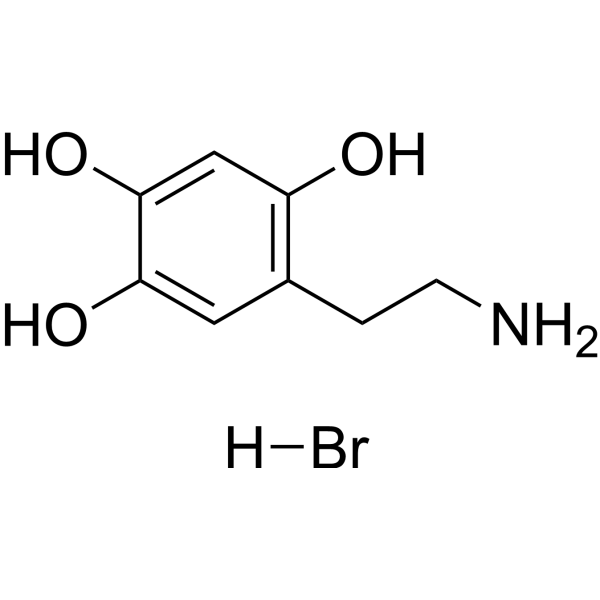
Oxidopamine (6-OHDA) hydrobromide is an antagonist of the neurotransmitter dopamine. Oxidopamine hydrobromide is a widely used neurotoxin and selectively destroys dopaminergic neurons. Oxidopamine hydrobromide promotes COX-2 activation, leading to PGE2 synthesis and pro-inflammatory cytokine IL-1β secretion. Oxidopamine hydrobromide can be used for the research of Parkinson’s disease (PD), attention-deficit hyperactivity disorder (ADHD), and Lesch-Nyhan syndrome [1] .
|
-
-
- HY-B1081
-
|
6-HydroxydopamINe Hydrochloride
|
Dopamine Receptor
Autophagy
Mitophagy
COX
PGE synthase
Interleukin Related
p38 MAPK
Apoptosis
Caspase
|
Neurological Disease
Cancer
|
|
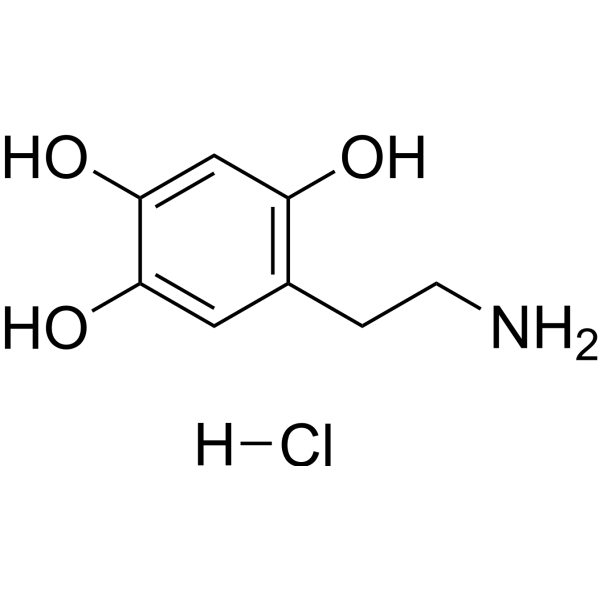
Oxidopamine (6-OHDA) hydrochloride is an antagonist of the neurotransmitter dopamine. Oxidopamine hydrochloride is a widely used neurotoxin and selectively destroys dopaminergic neurons. Oxidopamine hydrochloride promotes COX-2 activation, leading to PGE2 synthesis and pro-inflammatory cytokine IL-1β secretion. Oxidopamine hydrochloride can be used for the research of Parkinson’s disease (PD), attention-deficit hyperactivity disorder (ADHD), and Lesch-Nyhan syndrome [1] .
|
-
-
- HY-101092
-
QS-21-Api
Maximum Cited Publications
7 Publications Verification
Stimulon
|
NOD-like Receptor (NLR)
|
Inflammation/Immunology
Cancer
|
|
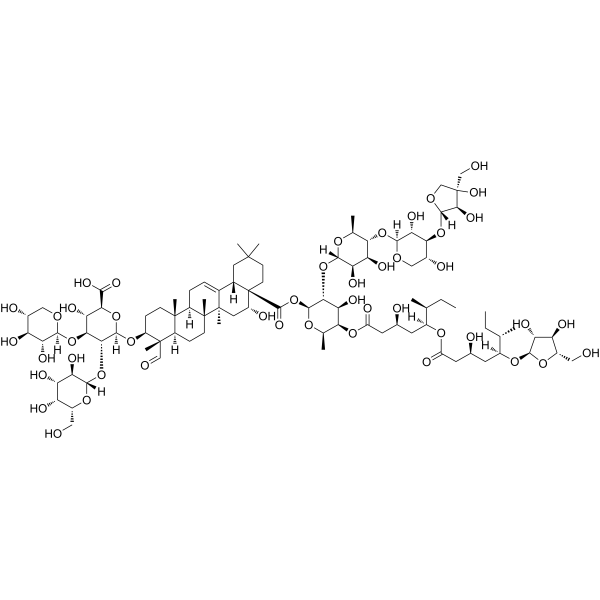
QS-21-Api, an immunostimulatory saponin, could be used as a potent vaccine adjuvant. QS-21-Api stimulates Th2 humoral and Th1 cell-mediated immune responses through action on antigen presenting cells (APCs) and T cells. QS-21-Api can activate the NLRP3 inflammasome with subsequent release of caspase-1 dependent cytokines, IL-1β and IL-18 [1] .
|
-
-
- HY-B1092
-
-
-
- HY-168625
-
|
|
Molecular Glues
|
Inflammation/Immunology
|
|
VAV1 degrader-3 (Example 185) is an orally active VAV1 molecular glue degrader (DC50: 7 nM). VAV1 degrader-3 reduces immune cell activation, immune cell proliferation and the production of various cytokines. VAV1 degrader-3 can be used for research of inflammatory or autoimmune disorder. VAV1 degrader-3 inhibits disease progression in experimntal autoimmune encephalomyelitis (EAE) mouse model, Collagen-induced arthritis (CIA) mouse model, etc. [1].
|
-
-
- HY-130413
-
|
NeuroprotectIN D1; NPD1
|
Endogenous Metabolite
PI3K
Akt
HIF/HIF Prolyl-Hydroxylase
Reactive Oxygen Species (ROS)
Caspase
Interleukin Related
MicroRNA
|
Cardiovascular Disease
Neurological Disease
Inflammation/Immunology
|
|
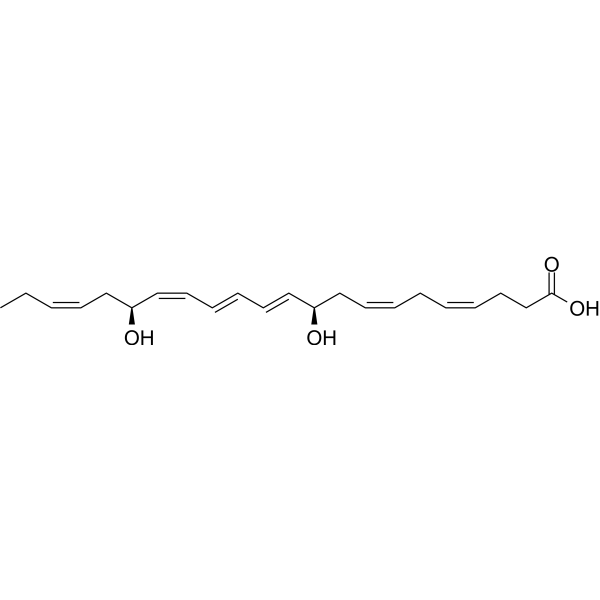
Protectin D1, a neuroprotectin D1 produced by neuronal cells, is a member of a newly discovered family of bioactive products derived from docosahexaenoic acid. Protectin D1 also serves as a specialized pro-resolving mediator, exhibiting effective in vivo pro-resolving activity in various human disease models. Additionally, Protectin D1 is an inhibitor of NALP3 inflammasomes and regulates the PI3K/AKT and HIF-1α signaling pathways. Protectin D1 exerts anti-inflammatory effects by reducing ROS levels, inhibiting the expression of NALP3, ASC, and Caspase-1, and consequently decreasing the release of pro-inflammatory cytokines IL-1β and IL-18. Furthermore, Protectin D1 enhances miRNA-210 expression, activates the PI3K/AKT signaling pathway, and exerts cardioprotective effects. Protectin D1 holds promise for research in cardiovascular diseases and inflammatory disorders [1] .
|
-
-
- HY-B1092A
-
|
D-Gluconic acid sodium salt; Sodium D-gluconate; D-Gluconate sodium salt
|
Environmental Pollutants
ERK
NO Synthase
Endogenous Metabolite
Interleukin Related
|
Cardiovascular Disease
Inflammation/Immunology
Cancer
|
|
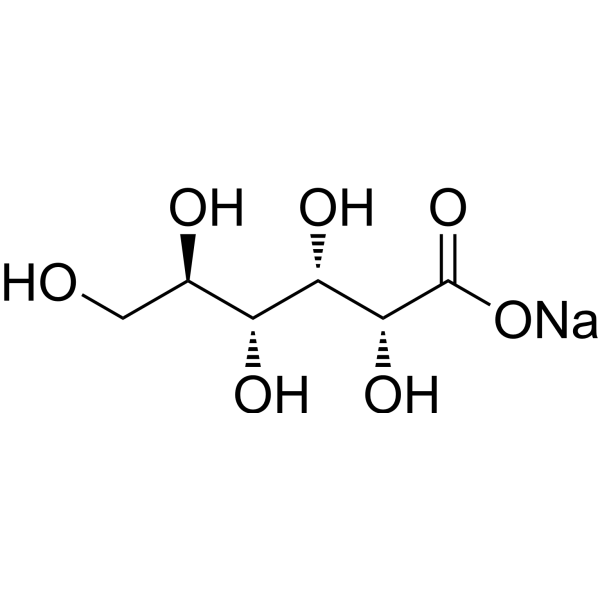
Gluconate sodium (D-Gluconic acid sodium salt) is an orally active glucose derivative. Gluconate sodium reduces nitric oxide and inflammatory cytokines (IL-1β and IL-6). Gluconate sodium inhibits ERK phosphorylation. Gluconate sodium has antioxidant and antiplatelet activation activities. Gluconate sodium has antitumor activity against colorectal cancer. Gluconate sodium improves osteoarthritis, intestinal damage and acute lung injury [1] .
|
-
-
- HY-155876
-
|
NLRP3 antagonist 2
|
NOD-like Receptor (NLR)
|
Infection
Inflammation/Immunology
|
|
NVP-DFV890 is an orally administered, selective NLRP3 inhibitor. NVP-DFV890 directly binds to NLRP3, blocks maturation of pro-inflammatory cytokines IL-1β and IL-18, and inhibits pyroptotic cell death. NVP-DFV890 acts as an inducer of viral clearance, promoting earlier clearance of SARS-CoV-2. NVP-DFV890 can be used for the research of COVID-19 pneumonia and coronavirus-associated acute respiratory distress syndrome (CARDS) [1].
|
-
-
- HY-N2481
-
|
Oroxyloside; OroxylIN A-7-O-β-D-glucuronide
|
Prolyl Endopeptidase (PREP)
Drug Metabolite
JNK
PPAR
NF-κB
Interleukin Related
|
Cardiovascular Disease
Metabolic Disease
Inflammation/Immunology
Cancer
|
|
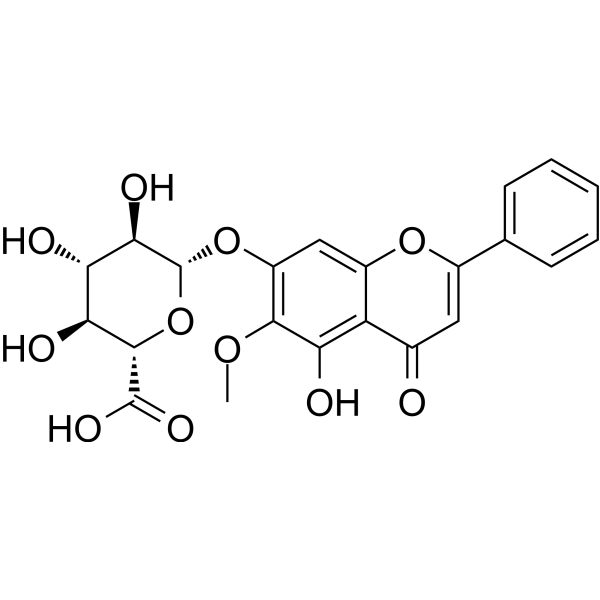
Oroxylin A-7-O-glucuronide (oroxyloside) is an orally active flavonoid glucuronide and metabolite of Oroxylin A (HY-N0560). Oroxylin A-7-O-glucuronide can be extracted from the dried root of Scutellaria baicalensis. Oroxylin A-7-O-glucuronide exhibits prolyl oligopeptidase inhibitory activity. Oroxylin A-7-O-glucuronide inhibits the JNK pathway, upregulates PPARγ, and inhibits NF-κB p65 nuclear translocation. Oroxylin A-7-O-glucuronide reduces cytokine (IL-1β, IL-6) production. Oroxylin A-7-O-glucuronide exhibits anti-angiogenic, anti-tumor (glioma, liver cancer), anti-inflammatory, and hepatoprotective activities [1] .
|
-
-
- HY-P2729
-
|
EC 3.4.21.14
|
Ser/Thr Protease
Apoptosis
Interleukin Related
Bacterial
|
Inflammation/Immunology
Cancer
|
|
Subtilisin (EC 3.4.21.14) is a bacterial serine protease. Subtilisin induces Apoptosis. Subtilisin stimulates the expression of pro-allergic cytokines (IL-1α, IL-33). Subtilisin induces prototypic allergic lung inflammation. Subtilisin exhibits anticancer activity against breast and colon cancer. Subtilisin shows antifouling activity. Subtilisin can be used as a detergent additive [1] .
|
-
-
- HY-172162
-
|
|
Molecular Glues
NEKs
Interleukin Related
|
Inflammation/Immunology
Cancer
|
|
LC-04-045 is a selective NIMA-related kinase 7 (NEK7) molecular glue degrader. LC-04-045 induces NEK7 degradation via the CRBN-based ubiquitin-proteasome system, dependent on the glycine 57-containing degron motif. LC-04-045 inhibits secretion of downstream cytokines IL-1β and IL-18. LC-04-045 can be used for the research of lymphoblastic leukemia [1].
|
-
-
- HY-N6636
-
|
|
NF-κB
Interleukin Related
|
Inflammation/Immunology
|
|
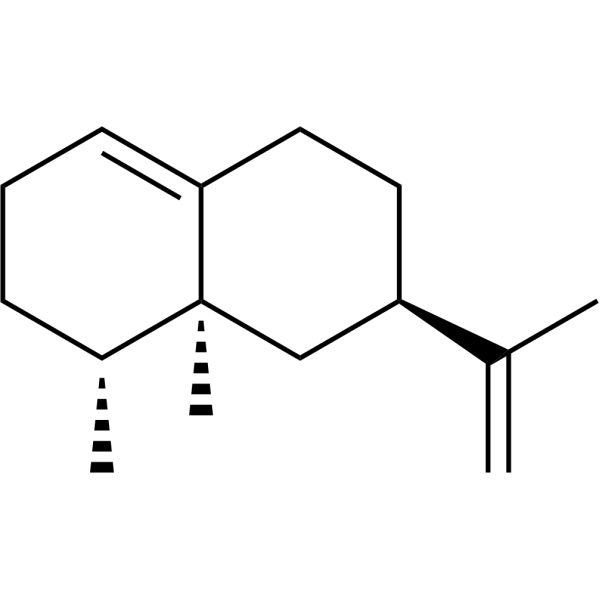
Valencene is a sesquiterpene that can be isolated from Cyperus rotundus. Valencene possesses antiallergic, antimelanogenesis, anti-infammatory, and antioxidant activitivies. Valencene inhibits the exaggerated expression of Th2 chemokines and proinflammatory chemokines through blockade of the NF-κB pathway. Valencene inhibits the production and expression of proinflammatory cytokines IL-1β and IL-6 in LPS-stimulated RAW 264.7 cells. Valencene can reduce atopic dermatitis symptoms and recover decreased expression of filaggrin in DNCB-sensitized mouse model [1] .
|
-
-
- HY-N0633
-
-
-
- HY-P3042
-
|
|
SARS-CoV
Virus Protease
NF-κB
Interleukin Related
|
Inflammation/Immunology
|
|
Chymostatin is a SARS-CoV-2 M pro inhibitor. Chymostatin up-regulates endocan and inhibits NF-κBp65 activity. Chymostatin reduces proinflammatory cytokines (IL-1β and IL-6) and HMGB1. Chymostatin shows protective effects against Paraquat-induced acute lung injury. Chymostatin exhibits anticancer activity against lung cancer [1] .
|
-
-
- HY-169996
-
-
-
- HY-P99555
-
|
OPN-305
|
Toll-like Receptor (TLR)
MyD88
NOD-like Receptor (NLR)
Tau Protein
Interleukin Related
|
Cardiovascular Disease
Neurological Disease
Inflammation/Immunology
Cancer
|
|
Tomaralimab (OPN-305) is a humanized anti-TLR2 IgG4 monoclonal antibody. Tomaralimab inhibits TLR2, MyD88, NLRP3, and reduces pro-inflammatory cytokine (IL-1β, IL-6, IL-8) production. Tomaralimab reduces tau pathology. Tomaralimab improves cognition, atopic dermatitis. Tomaralimab has anticancer effects on pancreatic ductal adenocarcinoma. Tomaralimab is being studied in myelodysplastic syndrome (MDS), atopic dermatitis, pancreatic ductal adenocarcinoma, Alzheimer's disease, and myocardial ischemia/reperfusion injury [1] .
|
-
-
- HY-W013579
-
|
D-Carvone
|
Environmental Pollutants
Apoptosis
Caspase
Interleukin Related
Reactive Oxygen Species (ROS)
NOD-like Receptor (NLR)
SOD
|
Neurological Disease
Metabolic Disease
Inflammation/Immunology
Cancer
|
|
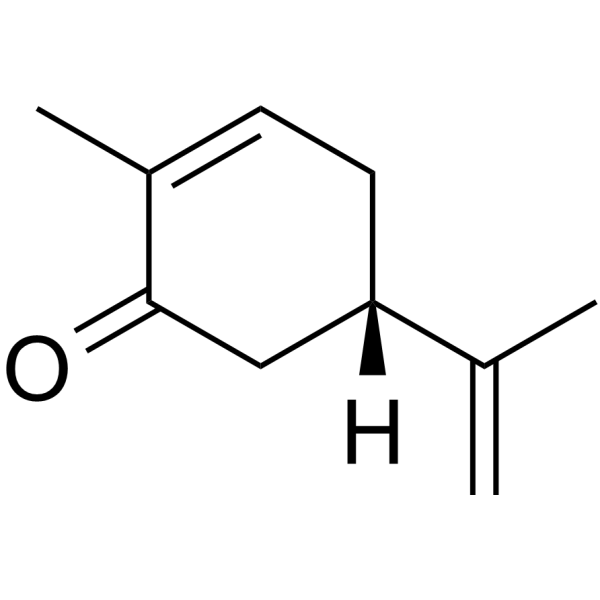
(S)-(+)-Carvone is an orally active natural product. (S)-(+)-Carvone increases the activity of antioxidant enzymes (SOD, CAT) and ROS, reduces the levels of oxidative stress markers (MDA, AChE), reduces the secretion of proinflammatory cytokines (IL-1β, IL-4, IL-6, IL-10), and downregulates NLRP3. (S)-(+)-Carvone increases the activities of caspase-8, -9 and -3. (S)-(+)-Carvone induces apoptotic death. (S)-(+)-Carvone has antimanic-like effect, liver protection and anticancer activity against skin cancer. (S)-(+)-Carvone improves memory and arthritis [1] .
|
-
-
- HY-N6866
-
|
|
Apoptosis
AMPK
Akt
PERK
Keap1-Nrf2
Caspase
PARP
GSK-3
NO Synthase
Interleukin Related
|
Neurological Disease
Metabolic Disease
Inflammation/Immunology
Endocrinology
Cancer
|
|
Gomisin N is an orally active lignan compound. Gomisin N can be isolated from Schisandra chinensis. Gomisin N induces Apoptosis in a variety of cells. Gomisin N activates AMPK, Akt, MAPK/ERK, Nrf2, caspase-3 and PARP-1. Gomisin N inhibits GSK3β, nitric oxide (NO), and proinflammatory cytokines (IL-1β, IL-6, TNF-α). Gomisin N has anti-inflammatory, antioxidant, anti-obesity, anti-diabetic, and anti-melanogenesis activities. Gomisin N has anti-tumor activity against cervical cancer and liver cancer. Gomisin N improves Alzheimer's disease [1] .
|
-
-
- HY-147105
-
|
|
Orphan Nuclear Receptor
Interleukin Related
|
Inflammation/Immunology
|
|
LRH-1 agonist-2 (Compound 6N) is a selective, full LRH-1 agonist with an EC50 of 15.7 nM. LRH-1 agonist-2 directly interacts with the Thr352 and His390 residues in the LRH-1 binding pocket, promotes allosteric signaling to the activation function surface (AFS), stabilizes the AFS and enhances coactivator recruitment. LRH-1 agonist-2 induces the anti-inflammatory cytokine IL-10, and reduces the pro-inflammatory cytokines IL-1β and TNFα. LRH-1 modulator-1 exerts anti-inflammatory effects in intestinal organoids. LRH-1 modulator-1 can be used in studies related to inflammatory bowel disease [1].
|
-
-
- HY-158155
-
-
-
- HY-B0419
-
|
|
Calcium Channel
Interleukin Related
|
Cardiovascular Disease
Neurological Disease
Endocrinology
|
|
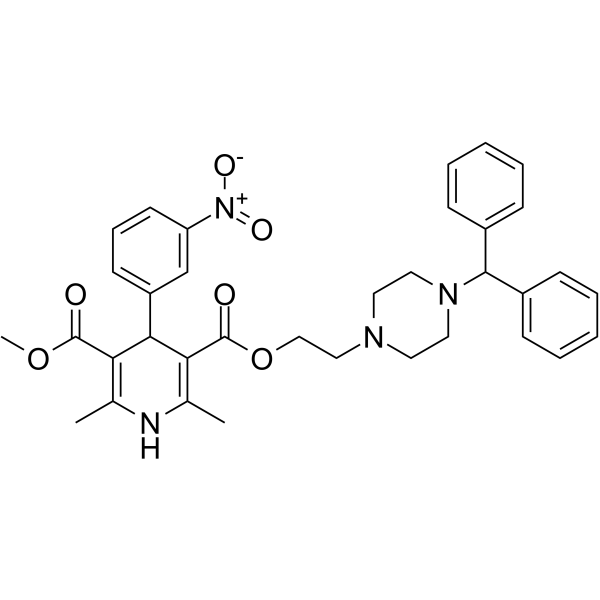
Manidipine is an orally active calcium channel antagonist. Manidipine regulates the expression of cytokines (IL-1β, IL-6). Manidipine has a hypotensive effect. Manidipine can be used in the study of cardiovascular diseases (such as hypertension, myocardial ischemia-reperfusion injury, ventricular hypertrophy), kidney diseases (such as glomerular diseases), and epilepsy [1] .
|
-
-
- HY-N3029
-
|
|
Interleukin Related
Apoptosis
Glutathione Peroxidase
SOD
Glutathione S-transferase
Necroptosis
|
Inflammation/Immunology
|
|
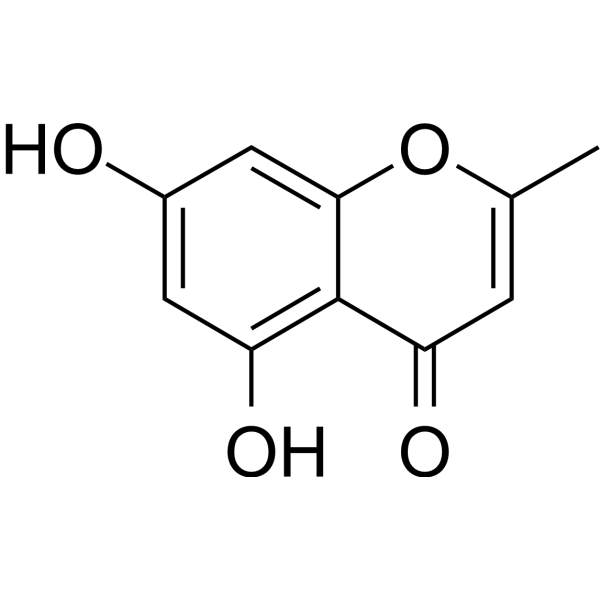
Noreugenin is a phenolic compound found in Calea uniflora Less. Noreugenin inhibits myeloperoxidase activity and reduces levels of proinflammatory cytokines IL-1β and IL-17A levels in LPS (HY-D1056)-induced murine pleurisy model. Noreugenin reduces apoptosis and necrosis. Noreugenin reduces lipid peroxidation, and antioxidant enzyme (CAT, SOD, GST) activity. Noreugenin exhibits anti-inflammatory and antioxidant effects. Noreugenin can be used for the research of inflammatory conditions, such as pleurisy [1].
|
-
-
- HY-117878
-
ML345
1 Publications Verification
|
IDE
NOD-like Receptor (NLR)
Interleukin Related
|
Inflammation/Immunology
Endocrinology
|
|
ML345 is a potent and selective inhibitor of insulin-degrading enzyme (IDE) and NLRP3, with an IC50 of 188 nM against IDE. ML345 targets the Cys819 residue of IDE to inhibit IDE. ML345 selectively binds to NLRP3 in a non-covalent manner. ML345 inhibits inflammatory cytokines (IL-1β, IL-6) and exhibits potent anti-inflammatory activity. ML345 exerts a protective effect against miscarriage [1] .
|
-
-
- HY-129138
-
|
|
Interleukin Related
NO Synthase
STAT
IKK
PERK
p38 MAPK
Akt
|
Neurological Disease
Inflammation/Immunology
|
|
Cyanidin 3,5-diglucoside chloride is an anthocyanin. Cyanidin 3,5-diglucoside chloride inhibits inflammatory cytokines (IL-1α, IL-1β, and IL-6) expression and NO production. Cyanidin 3,5-diglucoside chloride inhibits the phosphorylation of STAT3, IκB, ERK, p38, and AKT. Cyanidin 3,5-diglucoside chloride inhibits high pressure-induced decrease in GLAST. Cyanidin 3,5-diglucoside chloride exerts anti-inflammatory and skin barrier modulating effects. Cyanidin 3,5-diglucoside chloride can be used in retinal research [1] .
|
-
-
- HY-N5084
-
|
|
TRP Channel
HDAC
p38 MAPK
JNK
ERK
NF-κB
TNF Receptor
Interleukin Related
|
Neurological Disease
Inflammation/Immunology
Cancer
|
|
Pinocembrin 7-O-[3''-O-galloyl-4'',6''-hexahydroxydiphenoyl]-β-D-glucoside is a TRPV1 antagonist and HDAC7 inhibitor. Pinocembrin 7-O-[3''-O-galloyl-4'',6''-hexahydroxydiphenoyl]-β-D-glucoside blocks TRPV1-mediated calcium influx, suppresses phosphorylation of p65, IκBα, p38, JNK, and ERK1/2, inhibiting NF-κB and MAPK signaling cascades. Pinocembrin 7-O-[3''-O-galloyl-4'',6''-hexahydroxydiphenoyl]-β-D-glucoside reduces production and gene expression of pro-inflammatory cytokines IL-1β, IL-6, and TNF-α. Pinocembrin 7-O-[3''-O-galloyl-4'',6''-hexahydroxydiphenoyl]-β-D-glucoside exhibits potent analgesic activity, elevates thermal pain threshold and mechanical pain threshold in murine models. Pinocembrin 7-O-[3''-O-galloyl-4'',6''-hexahydroxydiphenoyl]-β-D-glucoside restores CD8 + T cell infiltration into bladder cancer tumors and improves bladder cancer immunotherapy efficacy. Pinocembrin 7-O-[3''-O-galloyl-4'',6''-hexahydroxydiphenoyl]-β-D-glucoside can be used for the researches of painand bladder cancer [1] .
|
-
-
- HY-N2083
-
|
|
NF-κB
|
Inflammation/Immunology
|
|
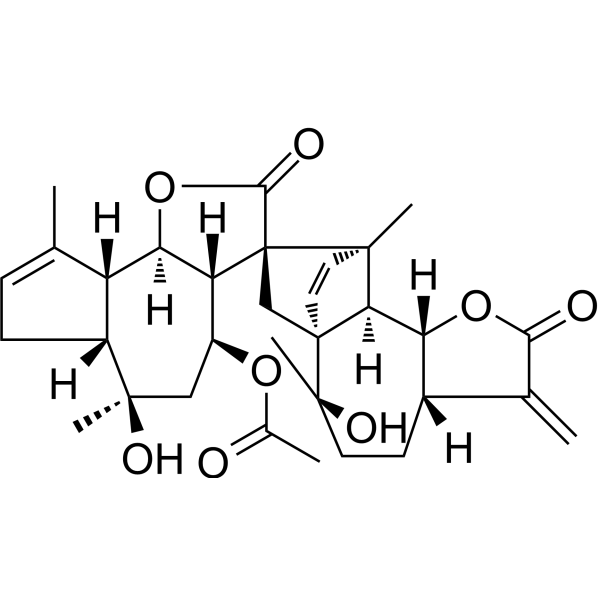
Handelin is a guaianolide dimer from Chrysanthemum boreale that has potent anti-inflammatory activity by down-regulating NF-κB signaling and pro-inflammatory cytokine production .
|
-
-
- HY-N2115
-
|
ChikusetsusaponIN IV
|
Renin
Apoptosis
Bcl-2 Family
Interleukin Related
|
Cardiovascular Disease
Inflammation/Immunology
Cancer
|
|
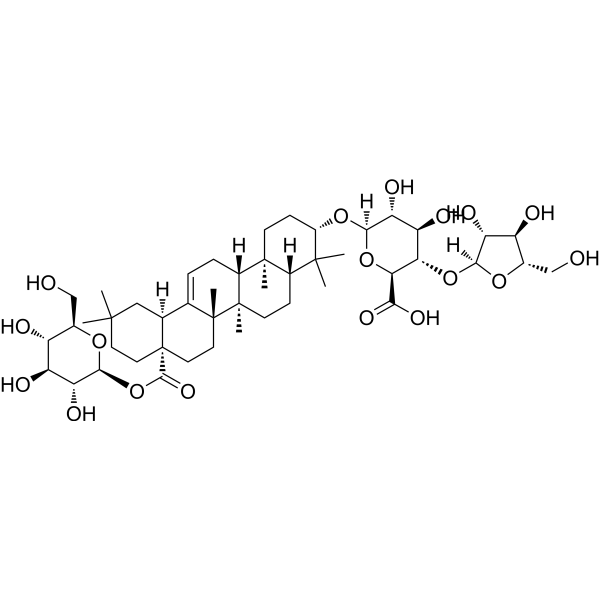
Araloside A (Chikusetsusaponin IV), triterpenoid saponins, is an orally active component of Aralia elata. Araloside A shows low-renin-inhibitory activity with an IC50 of 77.4 μM. Araloside A can inhibit cell proliferation and induce apoptosis. Araloside A suppresses inflammatory cytokines IL-1β and IL-6 production. Araloside A can be used for the researches of cancer, inflammation and cardiovascular disease, such as renal cell carcinoma and rheumatoid arthritis [1] .
|
-
-
- HY-N0695
-
|
GomisIN-B; Wuweizi ester-B; SchisantherIN-B
|
PI3K
Akt
mTOR
GSK-3
Tau Protein
TNF Receptor
Interleukin Related
Apoptosis
|
Neurological Disease
Inflammation/Immunology
|
|
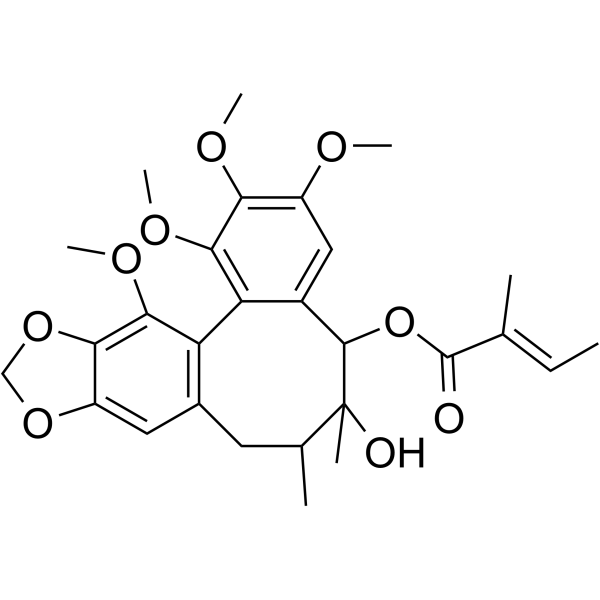
Schisantherin B (Gomisin-B) is a lignan compound and one of the active components of Schisandra chinensis. Schisantherin B activates the PI3K/AKT signaling pathway, restores the activity of GSK3β, and reduces the hyperphosphorylation of tau protein in hippocampal and cerebral cortical tissues. Schisantherin B upregulates the level of GLT-1, decreases the expression of pro-inflammatory cytokines TNF-α/IL-1β/IL-6, upregulates the expression of IL-10, and inhibits cell apoptosis. Schisantherin B is applicable to the research of spinal cord injury, Alzheimer's disease and depression [1] .
|
-
-
- HY-19717
-
|
S-[(1E)-1,2-Dichloroethenyl]-L-cysteINe
|
TNF Receptor
|
Inflammation/Immunology
|
|
DCVC (S-[(1E)-1,2-Dichloroethenyl]-L-cysteine) is a bioactive metabolite of trichloroethylene (TCE). DCVC inhibits pathogen-stimulated pro-inflammatory cytokines IL-1β, IL-8, and TNF-α release from tissue cultures [1] .
|
-
-
- HY-P1117
-
MMK1
1 Publications Verification
|
Formyl Peptide Receptor (FPR)
Calcium Channel
|
Neurological Disease
Inflammation/Immunology
|
|
MMK1 is a potent and selective human formyl peptide receptor like-1 (FPRL-1/FPR2) agonist with EC50s of <2 nM and >10000 nM for FPRL-1 and FPR1, respectively. MMK1 is a potent chemotactic and calcium-mobilizing agonist. MMK1 potently activates phagocytic leukocytes and enhances Pertussis Toxin-sensitive production by human monocytes of proinflammatory cytokines IL-1b and IL-6. MMK1 exerts anxiolytic-like activity [1] .
|
-
-
- HY-N2434
-
|
|
COX
Interleukin Related
NF-κB
Parasite
|
Infection
Inflammation/Immunology
Cancer
|
|
[10]-Shogaol is an orally active antioxidant. [10]-Shogaol can be extracted from ginger (Zingiber officinale). [10]-Shogaol1 inhibits COX-2 with an IC50 value of 7.5 μM. [10]-Shogaol inhibits the production of proinflammatory cytokines (IL-1β, IL-6). [10]-Shogaol inhibits NF-κB phosphorylation. [10]-Shogaol has anti-inflammatory effects. [10]-Shogaol has anticancer effects against Docetaxel (HY-B0011)-resistant prostate cancer. [10]-Shogaol exhibits larvicidal activity against L5 larvae of Angiostrongylus cantonensis [1] .
|
-
-
- HY-14811
-
|
ZGN-440; CKD-732 free base
|
MetAP
NF-κB
|
Metabolic Disease
|
Beloranib (ZGN-440; CKD-732 free base) is a selective, irreversible inhibitor of methionine aminopeptidase MetAP2 that suppresses appetite and increases energy expenditure. Beloranib blocks the enzymatic cleavage of N-terminal methionine from nascent proteins by forming a covalent bond with MetAP2, thereby regulating fatty acid metabolism, adrenergic signaling, and hypothalamic NF-κB expression. Beloranib significantly reduces food intake, body weight, and fat accumulation, while improving glucose tolerance, insulin sensitivity, and lipid metabolism. Beloranib also elevates energy expenditure and fat oxidation levels, without affecting body temperature, spontaneous activity, or the inflammatory cytokine IL-1β. Beloranib can be used in research on obesity and hypothalamic obesity [1] .
|
-
-
- HY-178761
-
|
|
Phosphoglycerate Kinase (PGK)
Keap1-Nrf2
Heme Oxygenase (HO)
Interleukin Related
|
Inflammation/Immunology
|
|
PGK1-IN-1 (Compound 6e) is a potent and selective PGK1 inhibitor (IC50: 33 nM). PGK1-IN-1 inhibits PGK1-mediated glycolytic metabolism and reduces glucose consumption/lactate production. PGK1-IN-1 enhances Nrf2 accumulation and HO-1 expression, and suppresses the transcription and protein levels of the inflammatory cytokines IL-1β and IL-6. PGK1-IN-1 ameliorates Dextran sulfate sodium (DSS) (HY-116282C)-induced experimental colitis in mice. PGK1-IN-1 can be used for research of inflammatory bowel disease (IBD) [1].
|
-
-
- HY-P11296A
-
|
|
IKK
NF-κB
|
Inflammation/Immunology
|
|
LLVK TFA is a selective IκB phosphorylation inhibitor. LLVK TFA reduces LPS-induced pro-inflammatory cytokines (IL-1β, IL-6, TNF-α). LLVK TFA is promising for research of inflammatory bowel disease and rheumatoid arthritis [1].
|
-
-
- HY-P990781
-
-
-
- HY-116227
-
|
|
Epigenetic Reader Domain
|
Inflammation/Immunology
|
|
(2S,3R)-LP99 is a potent and selective BRD7 and BRD9 inhibitor with an KD of 99 nM for BRD9. (2S,3R)-LP99 inhibits the association of BRD7 and BRD9 to acetylated histones in vitro and in cells. (2S,3R)-LP99 demonstrates that BRD7/9 plays a role in regulating pro-inflammatory cytokine secretion .
|
-
-
- HY-162359
-
|
|
IRAK
|
Neurological Disease
Inflammation/Immunology
|
|
BIO-7488 is an orally active, selective and blood-brain barrier permeable IRAK4 inhibitor, with an IC50 value of 0.5 nM. BIO-7488 inhibits the production of pro-inflammatory cytokines (IL-1β, TNFα, IL-6) and demonstrates anti-inflammatory effects in both LPS (HY-D1056) and distal hypoxic-middle cerebral artery occlusion (DH-MCAO) ischemic stroke model. BIO-7488 can be used for the study of neuroinflammatory-related diseases, particularly ischemic stroke [1].
|
-
-
- HY-W768336
-
|
D-Gluconic acid-13C6 sodium; D-Gluconate-13C6 sodium
|
Isotope-Labeled Compounds
Interleukin Related
ERK
NO Synthase
Endogenous Metabolite
|
Cardiovascular Disease
Inflammation/Immunology
Cancer
|
|
Gluconate sodium- 13C6 (D-Gluconic acid sodium salt- 13C6) is the 13C-labeled Gluconate sodium (HY-B1092A). Gluconate sodium (D-Gluconic acid sodium salt) is an orally active glucose derivative. Gluconate sodium reduces nitric oxide and inflammatory cytokines (IL-1β and IL-6). Gluconate sodium inhibits ERK phosphorylation. Gluconate sodium has antioxidant and antiplatelet activation activities. Gluconate sodium has antitumor activity against colorectal cancer. Gluconate sodium improves osteoarthritis, intestinal damage and acute lung injury [1] .
|
-
-
- HY-P11296
-
|
|
IKK
NF-κB
|
Inflammation/Immunology
|
|
LLVK is a selective IκB phosphorylation inhibitor. LLVK reduces LPS-induced pro-inflammatory cytokines (IL-1β, IL-6, TNF-α). LLVK is promising for research of inflammatory bowel disease and rheumatoid arthritis [1].
|
-
-
- HY-134000
-
|
NSC624610
|
p38 MAPK
NF-κB
ERK
JNK
VEGFR
MMP
|
Cancer
|
|
Emodic acid (NSC624610) is an anthraquinone compound isolated from A. microcarpus, which can inhibit the proliferation of cancer cells by inhibiting the activity of NF-κB. Emodic acid can also inhibit the phosphorylation of p38, ERK and JNK, the secretion of tumor-promoting cytokines IL-1β and IL-6, and the expression of VEGF and MMP, thereby inhibiting the invasion and migration potential of cancer cells [1].
|
-
-
- HY-152251
-
|
|
Cannabinoid Receptor
FAAH
|
Inflammation/Immunology
|
|
CB2R/FAAH modulator-1 is a cannabinoid type 2 receptor (CB2R) full agonist with Kis of 14.8 nM and 241.3 nM for CB2R and CB1R, respectively. CB2R/FAAH modulator-1 is a fatty acid amide hydrolase (FAAH) inhibitor with an IC50 of 4 μM. CB2R/FAAH modulator-1 decreases pro-inflammatory and increases anti-inflammatory cytokines production .
|
-
-
- HY-B1092AS
-
|
D-Gluconic acid sodium salt-1-13C; Sodium D-gluconate-1-13C; D-Gluconate sodium salt-1-13C
|
Isotope-Labeled Compounds
NO Synthase
Endogenous Metabolite
Interleukin Related
ERK
|
Cardiovascular Disease
Inflammation/Immunology
Cancer
|
|
Gluconate-1- 13C (D-Gluconic acid-1- 13C) sodium is the 13C labeled Gluconate sodium (HY-B1092A). Gluconate (D-Gluconic acid) sodium is an orally active glucose derivative. Gluconate sodium reduces nitric oxide and inflammatory cytokines (IL-1β and IL-6). Gluconate sodium inhibits ERK phosphorylation. Gluconate sodium has antioxidant and antiplatelet activation activities. Gluconate sodium has antitumor activity against colorectal cancer. Gluconate sodium improves osteoarthritis, intestinal damage and acute lung injury [1] .
|
-
-
- HY-W419589
-
|
|
COX
NO Synthase
Interleukin Related
Reactive Oxygen Species (ROS)
|
Inflammation/Immunology
Cancer
|
|
Xanthomicrol is extracted from the resin of the plant called Chinese bellflower (a member of the Scrophulariaceae family) and is a monoamine oxidase (MAOs) inhibitor. Xanthomicrol has anti-tumor and anti-inflammatory properties, with IC50 values of 0.88 and 1.69 μg/mL in HL60 and K562 cells. Xanthomicrol's the main metabolite of 5DT in mouse colon, and it can reduce levels of iNOS protein and mRNA, as well as COX-2 protein levels. Additionally, Xanthomicrol decreases the production of the pro-inflammatory cytokine IL-1β and induces the expression of the antioxidant enzyme HO-1 [1] .
|
-
-
- HY-14811A
-
|
ZGN-440 hemioxalate; ZGN-433 hemioxalate; CDK732 hemioxalate
|
NF-κB
MetAP
|
Metabolic Disease
|
Beloranib (ZGN-440; CKD-732 free base) hemioxalate is a selective, irreversible inhibitor of methionine aminopeptidase MetAP2 that suppresses appetite and increases energy expenditure. Beloranib hemioxalate blocks the enzymatic cleavage of N-terminal methionine from nascent proteins by forming a covalent bond with MetAP2, thereby regulating fatty acid metabolism, adrenergic signaling, and hypothalamic NF-κB expression. Beloranib hemioxalate significantly reduces food intake, body weight, and fat accumulation, while improving glucose tolerance, insulin sensitivity, and lipid metabolism. Beloranib hemioxalate also elevates energy expenditure and fat oxidation levels, without affecting body temperature, spontaneous activity, or the inflammatory cytokine IL-1β. Beloranib hemioxalate can be used in research on obesity and hypothalamic obesity [1] .
|
-
-
- HY-183533
-
-
-
- HY-16013
-
-
-
- HY-125197
-
|
|
Autophagy
|
Inflammation/Immunology
|
|
BRD5631 is an autophagy enhancer, enhances autophagy through an mTOR-independent pathway. BRD5631 affects several cellular disease phenotypes previously linked to autophagy, including protein aggregation, cell survival, bacterial replication, and inflammatory cytokine production .
|
-
-
- HY-177559
-
|
|
NEKs
Interleukin Related
NOD-like Receptor (NLR)
|
Inflammation/Immunology
|
|
NEK7 degrader-2 (Compound 25) is a NEK7 degrader. NEK7 degrader-2 shows dose-dependent NEK7 degradation ability in human PBMC-derived macrophages. NEK7 degrader-2 reduce the release level of pro-inflammatory cytokines IL-1β induced by NLRP3 inflammasome activation. NEK7 degrader-2 can be used for the study of inflammatory diseases [1].
|
-
-
- HY-147105A
-
|
|
Orphan Nuclear Receptor
Interleukin Related
|
Inflammation/Immunology
|
|
(+)-LRH-1 modulator-1 is a stereoisomer of LRH-1 modulator-1. LRH-1 modulator-1 (compound 6N) is a potent LRH-1 (liver receptor homolog-1) modulator/agonist. LRH-1 modulator-1 has anti-inflammatory effects in intestinal organoids. LRH-1 modulator-1 induces the anti-inflammatory cytokine IL-10 and reduces the inflammatory cytokines IL-1b and TNFa [1].
|
-
-
- HY-W145695
-
|
|
Biochemical Assay Reagents
Apoptosis
Interleukin Related
IFNAR
|
Cardiovascular Disease
Inflammation/Immunology
|
|
Chitoheptaose is an orally active chitooligosaccharide (degree of polymerization = 7). Chitoheptaose can be extracted from the exoskeletons of crustaceans, such as the shells of crabs, shrimps and lobsters. Chitoheptaose reduces pro-inflammatory cytokines while increasing the levels of anti-inflammatory cytokines (decreasing the levels of pro-inflammatory cytokines IL-1β, IL-17A and IFN-γ, and increasing the level of the anti-inflammatory cytokine IL-10). Chitoheptaose possesses antioxidant, anti-inflammatory and anti-Apoptotic activities. Chitoheptaose improves cardiac parameters, alleviates myocarditis injury, and exerts cardioprotective effects in a rat model of myocarditis. Chitoheptaose can be used in studies related to myocarditis [1].
|
-
- HY-175655
-
|
|
p38 MAPK
Cholinesterase (ChE)
Interleukin Related
|
Neurological Disease
Inflammation/Immunology
|
|
BChE/p38-α MAPK-IN-1 is a selective dual inhibitor of hBChE (IC50 = 772 nM) and p38α MAPK (IC50 = 191 nM). BChE/p38-α MAPK-IN-1 reduces the production of pro-inflammatory cytokines (IL-1β, IL-6, IL-8, TNF-α) in cells. BChE/p38-α MAPK-IN-1 improves Scopolamine (HY-N0296)-induced cognitive impairment, as well as alleviates LPS (HY-D1056)-induced spatial learning impairment and exerts anti-neuroinflammatory effects in mice. BChE/p38-α MAPK-IN-1 can be used for the study of Alzheimer’s disease (AD) by targeting both cholinergic deficit and neuroinflammation [1].
|
-
- HY-P2320
-
|
|
Bacterial
|
Infection
Inflammation/Immunology
|
|
IDR-1 is an antimicrobial peptide that is active against Gram-positive and Gram-negative bacteria. IDR-1 counters infection by selective modulation of innate immunity without obvious toxicities. IDR-1 has anti-inflammatory and anti-infective properties, enhances the levels of monocyte chemokines, and attenuates pro-inflammatory cytokine release .
|
-
- HY-P11122
-
|
|
IFNAR
Interleukin Related
|
Inflammation/Immunology
|
MSP-1 P2 is a synthetic peptide of merozoite surface protein-1 (MSP-1). MSP-1 P2 stimulates umbilical cord blood lymphocytes to produce IFN-γ and IL-13, and this immune response is primarily mediated by CD4+ T cells. MSP-1 P2 can be used as a specific antigen stimulus to detect T cell responses and cytokine levels .
|
-
- HY-P11469
-
-
- HY-114908
-
|
|
Interleukin Related
TNF Receptor
Drug Derivative
|
Inflammation/Immunology
|
|
CX-659S is an orally active 5-carboxamide uracil derivative. CX-659S can effectively inhibit lipid peroxidation (IC50 = 5.9 μM). CX-659S can reduce the infiltration of neutrophils and eosinophils. CX-659S inhibits the mRNA expression of pro-inflammatory cytokines IL-1β and TNF-α. CX-659S can be used for research on inflammatory conditions [1].
|
-
- HY-P5642
-
-
- HY-N6636R
-
|
|
Reference Standards
NF-κB
Interleukin Related
|
Inflammation/Immunology
|
|
Valencene (Standard) is the analytical standard of Valencene. This product is intended for research and analytical applications. Valencene is a sesquiterpene that can be isolated from Cyperus rotundus. Valencene possesses antiallergic, antimelanogenesis, anti-infammatory, and antioxidant activitivies. Valencene inhibits the exaggerated expression of Th2 chemokines and proinflammatory chemokines through blockade of the NF-κB pathway. Valencene inhibits the production and expression of proinflammatory cytokines IL-1β and IL-6 in LPS-stimulated RAW 264.7 cells. Valencene can reduce atopic dermatitis symptoms and recover decreased expression of filaggrin in DNCB-sensitized mouse model [1] .
|
-
- HY-137007
-
|
|
Interleukin Related
|
Others
Inflammation/Immunology
|
|
SMA-12b is a small molecule analogue of the parasitic worm compound ES-62. SMA-12b has immunomodulatory activity, acting by regulating the expression of multiple inflammatory response genes, especially those associated with inflammatory bodies. SMA-12b significantly reduces the expression of cytokine IL-1β associated with inflammatory bodies and inhibites the production of IL-1β through a mechanism mediated by NRF2. SMA-12b can be used in the study of rheumatoid arthritis (RA) and other autoimmune diseases [1].
|
-
- HY-178967
-
|
|
DAPK
Apoptosis
Interleukin Related
Endogenous Metabolite
|
Metabolic Disease
|
|
DRAK1/2-IN-2 (Compound Y17) is a DRAK1/2 inhibitor with IC50 values for DRAK2 and DRAK1 of 353.2 nM and 507.4 nM respectively. DRAK1/2-IN-2 can enhance mitochondrial membrane potential and glucose-stimulated insulin secretion (GSIS). DRAK1/2-IN-2 resists lipotoxicity-induced cell apoptosis. DRAK1/2-IN-2 significantly inhibits the secretion of pro-inflammatory cytokine IL-1β, thereby exerting an anti-inflammatory effect. DRAK1/2-IN-2 can significantly lower the blood glucose levels of mice. DRAK1/2-IN-2 can be used in diabetes research.
|
-
- HY-N2481R
-
|
Oroxyloside (Standard); OroxylIN A-7-O-β-D-glucuronide (Standard)
|
Reference Standards
Prolyl Endopeptidase (PREP)
Drug Metabolite
JNK
PPAR
NF-κB
Interleukin Related
|
Cardiovascular Disease
Metabolic Disease
Inflammation/Immunology
Cancer
|
|
Oroxylin A-7-O-glucuronide (Standard) is the analytical standard of Oroxylin A-7-O-glucuronide (HY-N2481). This product is intended for research and analytical applications. Oroxylin A-7-O-glucuronide (oroxyloside) is an orally active flavonoid glucuronide and metabolite of Oroxylin A (HY-N0560). Oroxylin A-7-O-glucuronide can be extracted from the dried root of Scutellaria baicalensis. Oroxylin A-7-O-glucuronide exhibits prolyl oligopeptidase inhibitory activity. Oroxylin A-7-O-glucuronide inhibits the JNK pathway, upregulates PPARγ, and inhibits NF-κB p65 nuclear translocation. Oroxylin A-7-O-glucuronide reduces cytokine (IL-1β, IL-6) production. Oroxylin A-7-O-glucuronide exhibits anti-angiogenic, anti-tumor (glioma, liver cancer), anti-inflammatory, and hepatoprotective activities [1] .
|
-
- HY-178353
-
|
|
EGFR
TNF Receptor
Interleukin Related
Apoptosis
|
Inflammation/Immunology
Cancer
|
|
EGFR/Cytokine-IN-1 is an EGFR (IC50 = 0.03 μM) and Cytokine inhibitor (TNF-α, IC50 = 3.1 μM; IL-6, IC50 = 1.6 μM). EGFR/Cytokine-IN-1 shows potent anticancer activity on A549 and MCF7, respectively. EGFR/Cytokine-IN-1 significantly reduces IL-6 and TNF-α levels in A549 cells, and also shows promising ADMET profiles. EGFR/Cytokine-IN-1 can induce apoptosis in a dose-dependent manner. compound 5h can be used for the study of breast cancer and lung cancer [1].
|
-
- HY-N3788
-
|
|
Others
|
Inflammation/Immunology
|
|
Dulcioic acid (compound 19) is a product isolated from Tripterygium wilfordii Hook f. Dulcioic acid shows a significant inhibitory effect on cytokine production .
|
-
- HY-N15322
-
|
|
Interleukin Related
|
Inflammation/Immunology
|
|
Polyandric acid A is a clerodane diterpenoid that can be isolated from the Australian medicinal plant D. polyandra. Polyandric acid A attenuates pro-inflammatory cytokine secretion .
|
-
- HY-N10092
-
|
(-)-Saucerneol
|
MEK
|
Inflammation/Immunology
|
|
Saucerneol is a lignans that can be isolated from Saururus chinensis. Saucerneol inhibits LPS-induced or Con A-induced lymphocytes proliferation. Saucerneol inhibits mixed lymphocyte response. Saucerneol also inhibits mitogens-induced cytokines secretion .
|
-
- HY-117562
-
|
|
FABP
|
Metabolic Disease
|
|
a-FABP-IN-1 (Compound 5g) is a potent and selective human adipocyte fatty acid-binding protein (a-FABP) inhibitor with a Ki below 1.0 nM. a-FABP-IN-1 inhibits the pro-inflammatory cytokine production .
|
-
- HY-P10796
-
|
|
MAPKAPK2 (MK2)
|
Inflammation/Immunology
|
|
YARA peptide, a cell-penetrating peptide, is a MK2 inhibitor. YARA-loaded nanoparticles decreases the levels of inflammatory cytokines (IL-1β, IL-6, and TNF-α) in an ex vivo skin culture model. YARA peptide is promising for research of atopic dermatitis (AD) [1].
|
-
- HY-N15226
-
|
|
NO Synthase
Interleukin Related
Autophagy
|
Inflammation/Immunology
|
|
Butyrolactone Ia is the inhibitor for the NO production with an IC50 of 18 μM. Butyrolactone Ia inhibits LPS (HY-D1056)-induced mRNA expression of iNOS and the inflammatory cytokine IL-1β. Butyrolactone Ia modulates autophagy in HeLa cells, and exhibits immune suppressive activity [1].
|
-
- HY-117461
-
-
- HY-N0633R
-
-
- HY-19717S
-
|
S-[(1E)-1,2-Dichloroethenyl]-L-cysteINe-13C3,15N
|
Isotope-Labeled Compounds
|
Inflammation/Immunology
|
|
DCVC- 13C3, 15N is 15N and 13C labeled DCVC. DCVC (S-[(1E)-1,2-Dichloroethenyl]-L-cysteine) is a bioactive metabolite of trichloroethylene (TCE). DCVC inhibits pathogen-stimulated pro-inflammatory cytokines IL-1β, IL-8, and TNF-α release from tissue cultures [1] .
|
-
- HY-158024A
-
-
- HY-B0419R
-
|
|
Calcium Channel
Interleukin Related
Reference Standards
|
Cardiovascular Disease
Neurological Disease
Endocrinology
|
|
Manidipine (Standard) is the analytical standard of Manidipine. This product is intended for research and analytical applications. Manidipine is an orally active calcium channel antagonist. Manidipine regulates the expression of cytokines (IL-1β, IL-6). Manidipine has a hypotensive effect. Manidipine can be used in the study of cardiovascular diseases (such as hypertension, myocardial ischemia-reperfusion injury, ventricular hypertrophy), kidney diseases (such as glomerular diseases), and epilepsy [1] .
|
-
- HY-B0419S
-
|
|
Isotope-Labeled Compounds
Calcium Channel
Interleukin Related
|
Cardiovascular Disease
Neurological Disease
|
|
Manidipine-d4 is the deuterium labeled Manidipine (HY-B0419). Manidipine is an orally active calcium channel antagonist. Manidipine regulates the expression of cytokines (IL-1β, IL-6). Manidipine has a hypotensive effect. Manidipine can be used in the study of cardiovascular diseases (such as hypertension, myocardial ischemia-reperfusion injury, ventricular hypertrophy), kidney diseases (such as glomerular diseases), and epilepsy [1] .
|
-
- HY-173407
-
|
|
P2Y Receptor
Interleukin Related
|
Inflammation/Immunology
|
|
P2Y14R antagonist 4 (Compound 25l) is an orally active P2Y14R antagonist (IC50: 5.6 nM) with superior binding affinity to P2Y14R over PPTN. P2Y14R antagonist 4 has anti-inflammatory activity and reduces LPS (HY-D1056)-induced proinflammatory cytokines (IL-1β, IL-6, and TNF-α) release [1].
|
-
- HY-N2115R
-
|
ChikusetsusaponIN IV (Standard)
|
Reference Standards
Renin
Apoptosis
Bcl-2 Family
Interleukin Related
|
Cardiovascular Disease
Inflammation/Immunology
Cancer
|
|
Araloside A (Standard) (Chikusetsusaponin IV (Standard)), triterpenoid saponins, is an orally active component of Aralia elata. Araloside A (Standard) shows low-renin-inhibitory activity with an IC50 of 77.4 μM. Araloside A (Standard) can inhibit cell proliferation and induce apoptosis. Araloside A (Standard) suppresses inflammatory cytokines IL-1β and IL-6 production. Araloside A (Standard) can be used for the researches of cancer, inflammation and cardiovascular disease, such as renal cell carcinoma and rheumatoid arthritis [1] .
|
-
- HY-E70733
-
|
|
JAK
|
Cancer
|
|
JAK1 belongs to Janus family kinases (JAK) family. JAK mediates the Stat activation by cytokines. Jak1 is involved in IL-6-stimulated Stat3 activity. JAK1S729C mutations is proved to be activating mutations in vitro. JAK1 S729C Recombinant Human Active Protein Kinase is a recombinant JAK1 S729C protein that can be used to study JAK1 S729C-related functions [1].
|
-
- HY-B1092AR
-
|
D-Gluconic acid sodium salt (Standard); Sodium D-gluconate (Standard); D-Gluconate sodium salt (Standard)
|
Reference Standards
NO Synthase
Endogenous Metabolite
Interleukin Related
ERK
|
Cardiovascular Disease
Inflammation/Immunology
Cancer
|
|
Gluconate (D-Gluconic acid) (Standard) is the analytical standard of Gluconate sodium (HY-B1092A). This product is intended for research and analytical applications. Gluconate (D-Gluconic acid) sodium is an orally active glucose derivative. Gluconate sodium reduces nitric oxide and inflammatory cytokines (IL-1β and IL-6). Gluconate sodium inhibits ERK phosphorylation. Gluconate sodium has antioxidant and antiplatelet activation activities. Gluconate sodium has antitumor activity against colorectal cancer. Gluconate sodium improves osteoarthritis, intestinal damage and acute lung injury [1] .
|
-
- HY-P1117A
-
|
|
Formyl Peptide Receptor (FPR)
Calcium Channel
|
Neurological Disease
Inflammation/Immunology
|
|
MMK1 TFA is a potent and selective human formyl peptide receptor like-1 (FPRL-1/FPR2) agonist with EC50s of <2 nM and >10000 nM for FPRL-1 and FPR1, respectively. MMK1 TFA is a potent chemotactic and calcium-mobilizing agonist. MMK1 TFA potently activates phagocytic leukocytes and enhances Pertussis Toxin-sensitive production by human monocytes of proinflammatory cytokines IL-1b and IL-6. MMK1 TFA exerts anxiolytic-like activity [1] .
|
-
- HY-N3029R
-
|
|
Reference Standards
Interleukin Related
Apoptosis
Glutathione Peroxidase
SOD
Glutathione S-transferase
|
Inflammation/Immunology
|
|
Noreugenin (Standard) is the analytical standard of Noreugenin. This product is intended for research and analytical applications. Noreugenin is a phenolic compound found in Calea uniflora Less. Noreugenin inhibits myeloperoxidase activity and reduces levels of proinflammatory cytokines IL-1β and IL-17A levels in LPS (HY-D1056)-induced murine pleurisy model. Noreugenin reduces apoptosis and necrosis. Noreugenin reduces lipid peroxidation, and antioxidant enzyme (CAT, SOD, GST) activity. Noreugenin exhibits anti-inflammatory and antioxidant effects. Noreugenin can be used for the research of inflammatory conditions, such as pleurisy [1].
|
-
- HY-B1092R
-
|
Calcium D-gluconate (Standard); Gluconic acid hemicalcium salt (Standard)
|
Reference Standards
NO Synthase
Endogenous Metabolite
Interleukin Related
ERK
|
Cardiovascular Disease
Inflammation/Immunology
Cancer
|
|
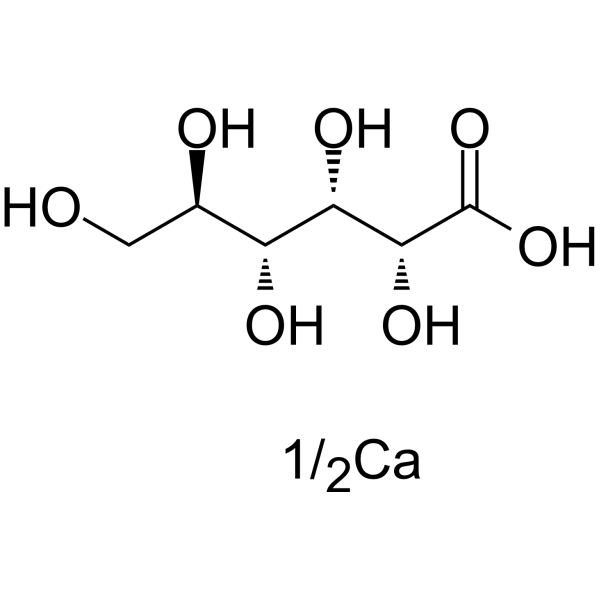
Gluconate Calcium (Standard) (Calcium D-gluconate (Standard)) is the analytical standard of Gluconate Calcium (HY-B1092). This product is intended for research and analytical applications. Gluconate (D-Gluconic acid) Calcium is an orally active glucose derivative. Gluconate Calcium reduces nitric oxide and inflammatory cytokines (IL-1β and IL-6). Gluconate Calcium inhibits ERK phosphorylation. Gluconate Calcium has antioxidant and antiplatelet activation activities. Gluconate Calcium has antitumor activity against colorectal cancer. Gluconate Calcium improves osteoarthritis, intestinal damage and acute lung injury [1] .
|
-
- HY-168922
-
-
- HY-N0695R
-
|
GomisIN-B (Standard); Wuweizi ester-B (Standard); SchisantherIN-B (Standard)
|
Reference Standards
PI3K
Akt
mTOR
GSK-3
Tau Protein
TNF Receptor
Interleukin Related
Apoptosis
|
Neurological Disease
Inflammation/Immunology
|
|
Schisantherin B (Gomisin-B) (Standard) is the analytical standard of Schisantherin B. This product is intended for research and analytical applications. Schisantherin B is a lignan compound and one of the active components of Schisandra chinensis. Schisantherin B activates the PI3K/AKT signaling pathway, restores the activity of GSK3β, and reduces the hyperphosphorylation of tau protein in hippocampal and cerebral cortical tissues. Schisantherin B upregulates the level of GLT-1, decreases the expression of pro-inflammatory cytokines TNF-α/IL-1β/IL-6, upregulates the expression of IL-10, and inhibits cell apoptosis. Schisantherin B is applicable to the research of spinal cord injury, Alzheimer's disease and depression.
|
-
- HY-W013579R
-
|
D-Carvone (Standard)
|
Reference Standards
Others
|
Neurological Disease
Metabolic Disease
Inflammation/Immunology
Cancer
|
|
(S)-(+)-Carvone (Standard) is the analytical standard of (S)-(+)-Carvone. This product is intended for research and analytical applications. (S)-(+)-Carvone is an orally active natural product. (S)-(+)-Carvone increases the activity of antioxidant enzymes (SOD, CAT) and ROS, reduces the levels of oxidative stress markers (MDA, AChE), reduces the secretion of proinflammatory cytokines (IL-1β, IL-4, IL-6, IL-10), and downregulates NLRP3. (S)-(+)-Carvone increases the activities of caspase-8, -9 and -3. (S)-(+)-Carvone induces apoptotic death. (S)-(+)-Carvone has antimanic-like effect, liver protection and anticancer activity against skin cancer. (S)-(+)-Carvone improves memory and arthritis [1] .
|
-
- HY-129138R
-
|
|
Reference Standards
Interleukin Related
NO Synthase
STAT
IKK
PERK
p38 MAPK
Akt
|
Neurological Disease
Inflammation/Immunology
|
|
Cyanidin 3,5-diglucoside (chloride) (Standard) is the analytical standard of Cyanidin 3,5-diglucoside (chloride) (HY-129138). This product is intended for research and analytical applications. Cyanidin 3,5-diglucoside chloride is an anthocyanin. Cyanidin 3,5-diglucoside chloride inhibits inflammatory cytokines (IL-1α, IL-1β, and IL-6) expression and NO production. Cyanidin 3,5-diglucoside chloride inhibits the phosphorylation of STAT3, IκB, ERK, p38, and AKT. Cyanidin 3,5-diglucoside chloride inhibits high pressure-induced decrease in GLAST. Cyanidin 3,5-diglucoside chloride exerts anti-inflammatory and skin barrier modulating effects. Cyanidin 3,5-diglucoside chloride can be used in retinal research [1] .
|
-
- HY-N2434R
-
|
|
Reference Standards
COX
Interleukin Related
NF-κB
Parasite
|
Infection
Inflammation/Immunology
Cancer
|
|
-Shogaol (Standard) is the analytical standard of -Shogaol (HY-N2434). This product is intended for research and analytical applications. [10]-Shogaol is an orally active antioxidant. [10]-Shogaol can be extracted from ginger (Zingiber officinale). [10]-Shogaol1 inhibits COX-2 with an IC50 value of 7.5 μM. [10]-Shogaol inhibits the production of proinflammatory cytokines (IL-1β, IL-6). [10]-Shogaol inhibits NF-κB phosphorylation. [10]-Shogaol has anti-inflammatory effects. [10]-Shogaol has anticancer effects against Docetaxel (HY-B0011)-resistant prostate cancer. [10]-Shogaol exhibits larvicidal activity against L5 larvae of Angiostrongylus cantonensis [1] .
|
-
- HY-B0113S1
-
|
H 16868-d3-1
|
Na+/K+ ATPase
Interleukin Related
Proton Pump
Cytochrome P450
Bacterial
Apoptosis
Autophagy
TNF Receptor
Atg8/LC3
|
Infection
Metabolic Disease
Cancer
|
|
Omeprazole-d3-1 is the deuterium labeled Omeprazole. Omeprazole-1 (H 16868) is an orally active H +,K +-ATPase inhibitor and a proton pump inhibitor. Omeprazole-1 competitively inhibits CYP2C19, CYP3A4, and CYP2C9 activity. Omeprazole-1 inhibits gastric acid secretion and can be used for acid-related gastrointestinal disorders. Omeprazole-1 inhibits pancreatic cancer cell proliferation, induces apoptosis, autophagosome accumulation (elevated LC3-I and LC3-II levels), oxidative stress, and cytogenetic imbalance, modulates lysosomal transport, reduces inflammatory cytokines. Omeprazole-1 alters small intestinal morphology and magnesium absorption, and induces gastric mucosa morphologic changes. Omeprazole-1 aslo has neuroprotective and antibacterial effects [1] .
|
-
- HY-182308
-
|
|
Interleukin Related
TNF Receptor
|
Inflammation/Immunology
|
|
LC-PDA-01 is a selective peroxiredoxin 1 (PRDX1) activator with an EC50 of 111.8 nM and a human KD of 123.2 nM. LC-PDA-01 inhibits the expression of pro-inflammatory cytokines IL-1β, IL-6 and TNF-α. LC-PDA-01 can be used in antioxidant/anti-inflammatory research [1].
|
-
- HY-178726
-
|
|
MAP3K
ERK
TNF Receptor
Interleukin Related
|
Inflammation/Immunology
|
|
Cot-IN-4 (compound 32) is a potent cancer osaka thyroid (COT) kinase inhibitor with an IC50 of 6 nM. Cot-IN-4 inhibits the phosphorylation of ERK (IC50: 60 nM) and inhibits TNFα release (IC50: 60 nM). Cot-IN-4 also inhibits the formation of the pro-inflammatory cytokine IL-1β (IC50: 0.2 μM) in Uric acid (HY-B2130)-stimulated macrophages. Cot-IN-4 can be used for the study of inflammatory diseases [1].
|
-
- HY-181027
-
|
|
PARP
IFNAR
|
Cancer
|
|
TIPARP-IN-1 (Compound 15) is a selective PARP7 (TIPARP) (2,3,7,8-Tetrachlorodiben-zo-p-dioxin(TCDD)-inducible PARP) inhibitor with an IC50 of 2.15 nM. TIPARP-IN-1 can restore IFN signaling pathway in tumors by inhibiting TIPARP. TIPARP-IN-1 selectively activates the anti-tumor immune response in the tumor microenvironment and avoids the production of systemic cytokines. TIPARP-IN-1 can be used for research of head and neck squamous cell carcinoma [1].
|
-
- HY-N17353
-
|
|
IKK
NF-κB
NO Synthase
Interleukin Related
|
Neurological Disease
Inflammation/Immunology
|
|
Vitedoamine A is a Phenylnaphthalene-type lignan alkaloid. Vitedoamine A can be isolated from Vitex negundo. Vitedoamine A inhibits the activity of IKKβ with an IC50 value of 39 μM. Vitedoamine A could inhibit the transcriptional activity of NF-κB, and suppress the production of NO and reduce the expressions of inflammatory cytokines (IL-1β, IL-6, and TNF-α). Vitedoamine A inhibits the phosphorylation of IKKα/β and p65, and prevents the degradation of IκBα. Vitedoamine A possesses anti-rheumatoid arthritis capacity [1].
|
-
- HY-B1092AS2
-
|
D-Gluconic acid sodium salt-d6; Sodium D-gluconate-d6; D-Gluconate sodium salt-d6
|
Isotope-Labeled Compounds
Interleukin Related
ERK
NO Synthase
Endogenous Metabolite
|
Cardiovascular Disease
Inflammation/Immunology
Cancer
|
|
Gluconate-d6 sodium (D-Gluconic acid sodium salt-d6) is the deuterium labeled Gluconate sodium (HY-B1092A). Gluconate sodium (D-Gluconic acid sodium salt) is an orally active glucose derivative. Gluconate sodium reduces nitric oxide and inflammatory cytokines (IL-1β and IL-6). Gluconate sodium inhibits ERK phosphorylation. Gluconate sodium has antioxidant and antiplatelet activation activities. Gluconate sodium has antitumor activity against colorectal cancer. Gluconate sodium improves osteoarthritis, intestinal damage and acute lung injury [1] .
|
-
- HY-182283
-
|
|
Epoxide Hydrolase
Reactive Oxygen Species (ROS)
Interleukin Related
NF-κB
|
Inflammation/Immunology
|
|
sEH-IN-23 is a soluble epoxide hydrolase inhibitor with a IC50 of 0.8 nM against human sEH and 0.7 nM against murine sEH. sEH-IN-23 inhibits inflammatory factor production mediated by NF-κB activation, reactive oxygen species (ROS) generation, and the release of pro-inflammatory cytokines IL-1β, IL-6 and TNF-α. sEH-IN-23 exhibits anti-inflammatory activity in acute lung injury models. sEH-IN-23 can be used for the research of acute lung injury [1].
|
-
- HY-181796
-
|
|
Toll-like Receptor (TLR)
Interleukin Related
|
Inflammation/Immunology
|
|
TLR7 antagonist-1 (Compound 44#) is an orally active, selective TLR7 antagonist with an IC50 value of 0.3 nM against TLR7. TLR7 antagonist-1 selectively binds to TLR7, inhibits its activation, and downregulates the c-Rel signaling pathway. TLR7 antagonist-1 downregulates the mRNA levels of proinflammatory cytokines IL-1β, IL-6, and TNF-α. TLR7 antagonist-1 alleviates Imiquimod (HY-B0180)-induced psoriasis-like skin lesions. TLR7 antagonist-1 is applicable to research related to psoriasis [1].
|
-
- HY-107272
-
|
22-EpidelavINone
|
Cholinesterase (ChE)
Apoptosis
Bcl-2 Family
Caspase
Interleukin Related
TNF Receptor
Toll-like Receptor (TLR)
MyD88
NF-κB
p38 MAPK
|
Inflammation/Immunology
Cancer
|
|
Chuanbeinone (22-Epidelavinone) is an orally active alkaloid found in Fritillaria pallidiflora. Chuanbeinone shows cytotoxicity against mutiple cancer cells and can induces apoptosis and S phase arrest. Chuanbeinone downregulates Bcl-2, upregulates Bax, and activates caspase-3. Chuanbeinone exerts anti-inflammatory and antitussive effects by reducing pro-inflammatory cytokine (IL-1β, IL-6 and TNF-α) production and mRNA expression, and inhibiting TRIF-, MyD88-, NF-κB-, and MAPK-dependent signaling pathways. Chuanbeinone inhibits AChE and BChE with IC50 values of 7.7 and 0.7 μM. Chuanbeinone can be used for the researches of lung carcinoma, cough, inflammatory diseases [1] .
|
-
- HY-180271
-
|
|
Xanthine Oxidase
NF-κB
TNF Receptor
Interleukin Related
URAT1
GLUT
|
Metabolic Disease
|
|
Xanthine oxidase-IN-21, a Genipin (HY-17389) derivative, is an orally active mixed competitive xanthine oxidase (XOD) inhibitor with an IC50 of 0.68 μM. Xanthine oxidase-IN-21 reduces renal fibrosis by decreasing α-SMA expression and suppresses pro-inflammatory cytokines IL-1β, IL-6, and TNF-α through NF-κB pathway regulation. Xanthine oxidase-IN-21 also inhibits URAT1 and GLUT9 expression, promoting uric acid excretion and lowering serum uric acid levels. Xanthine oxidase-IN-21 shows significantly hepatorenal protection activity. Xanthine oxidase-IN-21 can be used for the research of hyperuricemia [1].
|
-
- HY-N19801
-
|
|
Toll-like Receptor (TLR)
NF-κB
Interleukin Related
TNF Receptor
|
Neurological Disease
Inflammation/Immunology
|
|
N-Palmitoyl-D-glucosamine is an orally active TLR4 antagonist. N-Palmitoyl-D-glucosamine stably binds MD-2 with, preventing LPS-induced NF-κB signaling, decreases pro-inflammatory cytokines (IL-1β, TNF-α, and IL-6), increases anti-inflammatory IL-10 and IL-1rα, and normalizes miR-20a-5p, miR-106a-5p, and miR-27a-3p levels. N-Palmitoyl-D-glucosamine decreases allodynia and prevents myelino-axonal degeneration of peripheral nerves. N-Palmitoyl-D-glucosamine can be used for the researches of keratitis and peripheral neuropathy [1].
|
-
- HY-181924
-
|
|
MAP4K
Interleukin Related
|
Inflammation/Immunology
Cancer
|
|
HPK1-IN-68 (Compound 39) is a HPK1 inhibitor with an IC50 of 2.8 nM. HPK1-IN-68 blocks HPK1 signaling, inhibits HPK1-mediated phosphorylation of SLP76, and promotes the production of the IL-2 cytokine. HPK1-IN-68 antagonizes the immunosuppressive effect mediated by PGE2. HPK1-IN-68 enhances the infiltration of CD3 +/CD8 + T cells into tumor tissues. HPK1-IN-68 exerts T cell-dependent antitumor efficacy in a mouse colon cancer model. HPK1-IN-68 exhibits significant synergistic antitumor effects when used in combination with anti-PD-1. HPK1-IN-68 is applicable to research related to colon cancer [1].
|
-
| Cat. No. |
Product Name |
Type |
-
- HY-W145695
-
|
|
Biochemical Assay Reagents
|
|
Chitoheptaose is an orally active chitooligosaccharide (degree of polymerization = 7). Chitoheptaose can be extracted from the exoskeletons of crustaceans, such as the shells of crabs, shrimps and lobsters. Chitoheptaose reduces pro-inflammatory cytokines while increasing the levels of anti-inflammatory cytokines (decreasing the levels of pro-inflammatory cytokines IL-1β, IL-17A and IFN-γ, and increasing the level of the anti-inflammatory cytokine IL-10). Chitoheptaose possesses antioxidant, anti-inflammatory and anti-Apoptotic activities. Chitoheptaose improves cardiac parameters, alleviates myocarditis injury, and exerts cardioprotective effects in a rat model of myocarditis. Chitoheptaose can be used in studies related to myocarditis [1].
|
| Cat. No. |
Product Name |
Target |
Research Area |
-
- HY-P3042
-
|
|
SARS-CoV
Virus Protease
NF-κB
Interleukin Related
|
Inflammation/Immunology
|
|
Chymostatin is a SARS-CoV-2 M pro inhibitor. Chymostatin up-regulates endocan and inhibits NF-κBp65 activity. Chymostatin reduces proinflammatory cytokines (IL-1β and IL-6) and HMGB1. Chymostatin shows protective effects against Paraquat-induced acute lung injury. Chymostatin exhibits anticancer activity against lung cancer [1] .
|
-
- HY-P1117
-
MMK1
1 Publications Verification
|
Formyl Peptide Receptor (FPR)
Calcium Channel
|
Neurological Disease
Inflammation/Immunology
|
|
MMK1 is a potent and selective human formyl peptide receptor like-1 (FPRL-1/FPR2) agonist with EC50s of <2 nM and >10000 nM for FPRL-1 and FPR1, respectively. MMK1 is a potent chemotactic and calcium-mobilizing agonist. MMK1 potently activates phagocytic leukocytes and enhances Pertussis Toxin-sensitive production by human monocytes of proinflammatory cytokines IL-1b and IL-6. MMK1 exerts anxiolytic-like activity [1] .
|
-
- HY-P11296A
-
|
|
IKK
NF-κB
|
Inflammation/Immunology
|
|
LLVK TFA is a selective IκB phosphorylation inhibitor. LLVK TFA reduces LPS-induced pro-inflammatory cytokines (IL-1β, IL-6, TNF-α). LLVK TFA is promising for research of inflammatory bowel disease and rheumatoid arthritis [1].
|
-
- HY-P11296
-
|
|
IKK
NF-κB
|
Inflammation/Immunology
|
|
LLVK is a selective IκB phosphorylation inhibitor. LLVK reduces LPS-induced pro-inflammatory cytokines (IL-1β, IL-6, TNF-α). LLVK is promising for research of inflammatory bowel disease and rheumatoid arthritis [1].
|
-
- HY-P2320
-
|
|
Bacterial
|
Infection
Inflammation/Immunology
|
|
IDR-1 is an antimicrobial peptide that is active against Gram-positive and Gram-negative bacteria. IDR-1 counters infection by selective modulation of innate immunity without obvious toxicities. IDR-1 has anti-inflammatory and anti-infective properties, enhances the levels of monocyte chemokines, and attenuates pro-inflammatory cytokine release .
|
-
- HY-P11122
-
|
|
IFNAR
Interleukin Related
|
Inflammation/Immunology
|
MSP-1 P2 is a synthetic peptide of merozoite surface protein-1 (MSP-1). MSP-1 P2 stimulates umbilical cord blood lymphocytes to produce IFN-γ and IL-13, and this immune response is primarily mediated by CD4+ T cells. MSP-1 P2 can be used as a specific antigen stimulus to detect T cell responses and cytokine levels .
|
-
- HY-P11469
-
-
- HY-P5642
-
-
- HY-P10796
-
|
|
MAPKAPK2 (MK2)
|
Inflammation/Immunology
|
|
YARA peptide, a cell-penetrating peptide, is a MK2 inhibitor. YARA-loaded nanoparticles decreases the levels of inflammatory cytokines (IL-1β, IL-6, and TNF-α) in an ex vivo skin culture model. YARA peptide is promising for research of atopic dermatitis (AD) [1].
|
-
- HY-P1117A
-
|
|
Formyl Peptide Receptor (FPR)
Calcium Channel
|
Neurological Disease
Inflammation/Immunology
|
|
MMK1 TFA is a potent and selective human formyl peptide receptor like-1 (FPRL-1/FPR2) agonist with EC50s of <2 nM and >10000 nM for FPRL-1 and FPR1, respectively. MMK1 TFA is a potent chemotactic and calcium-mobilizing agonist. MMK1 TFA potently activates phagocytic leukocytes and enhances Pertussis Toxin-sensitive production by human monocytes of proinflammatory cytokines IL-1b and IL-6. MMK1 TFA exerts anxiolytic-like activity [1] .
|
| Cat. No. |
Product Name |
Target |
Research Area |
Image |
-
- HY-P99555
-
|
OPN-305
|
Toll-like Receptor (TLR)
MyD88
NOD-like Receptor (NLR)
Tau Protein
Interleukin Related
|
Cardiovascular Disease
Neurological Disease
Inflammation/Immunology
Cancer
|
|
Tomaralimab (OPN-305) is a humanized anti-TLR2 IgG4 monoclonal antibody. Tomaralimab inhibits TLR2, MyD88, NLRP3, and reduces pro-inflammatory cytokine (IL-1β, IL-6, IL-8) production. Tomaralimab reduces tau pathology. Tomaralimab improves cognition, atopic dermatitis. Tomaralimab has anticancer effects on pancreatic ductal adenocarcinoma. Tomaralimab is being studied in myelodysplastic syndrome (MDS), atopic dermatitis, pancreatic ductal adenocarcinoma, Alzheimer's disease, and myocardial ischemia/reperfusion injury [1] .
|
-
(5)
-
- HY-P990781
-
-
(5)
| Cat. No. |
Product Name |
Category |
Target |
Chemical Structure |
-
- HY-101092
-
-
-
- HY-B1092
-
-
-
- HY-130413
-
|
NeuroprotectIN D1; NPD1
|
Neurological Disease
Classification of Application Fields
Ketones, Aldehydes, Acids
Endogenous metabolite
Disease Research Fields
Source Classification
|
Endogenous Metabolite
PI3K
Akt
HIF/HIF Prolyl-Hydroxylase
Reactive Oxygen Species (ROS)
Caspase
Interleukin Related
MicroRNA
|
|
Protectin D1, a neuroprotectin D1 produced by neuronal cells, is a member of a newly discovered family of bioactive products derived from docosahexaenoic acid. Protectin D1 also serves as a specialized pro-resolving mediator, exhibiting effective in vivo pro-resolving activity in various human disease models. Additionally, Protectin D1 is an inhibitor of NALP3 inflammasomes and regulates the PI3K/AKT and HIF-1α signaling pathways. Protectin D1 exerts anti-inflammatory effects by reducing ROS levels, inhibiting the expression of NALP3, ASC, and Caspase-1, and consequently decreasing the release of pro-inflammatory cytokines IL-1β and IL-18. Furthermore, Protectin D1 enhances miRNA-210 expression, activates the PI3K/AKT signaling pathway, and exerts cardioprotective effects. Protectin D1 holds promise for research in cardiovascular diseases and inflammatory disorders [1] .
|
-
-
- HY-B1092A
-
-
-
- HY-N2481
-
-
-
- HY-N6636
-
-
-
- HY-N0633
-
-
-
- HY-W013579
-
|
D-Carvone
|
Structural Classification
Classification of Application Fields
Ketones, Aldehydes, Acids
Gymnaster koraiensis
Other Diseases
Umbelliferae
Plants
Disease Research Fields
Source Classification
|
Environmental Pollutants
Apoptosis
Caspase
Interleukin Related
Reactive Oxygen Species (ROS)
NOD-like Receptor (NLR)
SOD
|
|
(S)-(+)-Carvone is an orally active natural product. (S)-(+)-Carvone increases the activity of antioxidant enzymes (SOD, CAT) and ROS, reduces the levels of oxidative stress markers (MDA, AChE), reduces the secretion of proinflammatory cytokines (IL-1β, IL-4, IL-6, IL-10), and downregulates NLRP3. (S)-(+)-Carvone increases the activities of caspase-8, -9 and -3. (S)-(+)-Carvone induces apoptotic death. (S)-(+)-Carvone has antimanic-like effect, liver protection and anticancer activity against skin cancer. (S)-(+)-Carvone improves memory and arthritis [1] .
|
-
-
- HY-N6866
-
|
|
Neurological Disease
Classification of Application Fields
Lignans
Phenylpropanoids
Plants
Schisandraceae
Schisandra chinensis (Turcz.) Baill.
Inflammation/Immunology
Disease Research Fields
Source Classification
Cancer
|
Apoptosis
AMPK
Akt
PERK
Keap1-Nrf2
Caspase
PARP
GSK-3
NO Synthase
Interleukin Related
|
|
Gomisin N is an orally active lignan compound. Gomisin N can be isolated from Schisandra chinensis. Gomisin N induces Apoptosis in a variety of cells. Gomisin N activates AMPK, Akt, MAPK/ERK, Nrf2, caspase-3 and PARP-1. Gomisin N inhibits GSK3β, nitric oxide (NO), and proinflammatory cytokines (IL-1β, IL-6, TNF-α). Gomisin N has anti-inflammatory, antioxidant, anti-obesity, anti-diabetic, and anti-melanogenesis activities. Gomisin N has anti-tumor activity against cervical cancer and liver cancer. Gomisin N improves Alzheimer's disease [1] .
|
-
-
- HY-N3029
-
-
-
- HY-129138
-
|
|
Anthocyans
Flavonoids
Punica granatum L.
Neurological Disease
Classification of Application Fields
Punicaceae
Plants
Disease Research Fields
Source Classification
|
Interleukin Related
NO Synthase
STAT
IKK
PERK
p38 MAPK
Akt
|
|
Cyanidin 3,5-diglucoside chloride is an anthocyanin. Cyanidin 3,5-diglucoside chloride inhibits inflammatory cytokines (IL-1α, IL-1β, and IL-6) expression and NO production. Cyanidin 3,5-diglucoside chloride inhibits the phosphorylation of STAT3, IκB, ERK, p38, and AKT. Cyanidin 3,5-diglucoside chloride inhibits high pressure-induced decrease in GLAST. Cyanidin 3,5-diglucoside chloride exerts anti-inflammatory and skin barrier modulating effects. Cyanidin 3,5-diglucoside chloride can be used in retinal research [1] .
|
-
-
- HY-N5084
-
|
|
Structural Classification
Flavonoids
Classification of Application Fields
Flavonones
Other Diseases
Phenols
Polyphenols
Saxifragaceae
Plants
Penthorum chinense Pursh
Disease Research Fields
Source Classification
|
TRP Channel
HDAC
p38 MAPK
JNK
ERK
NF-κB
TNF Receptor
Interleukin Related
|
|
Pinocembrin 7-O-[3''-O-galloyl-4'',6''-hexahydroxydiphenoyl]-β-D-glucoside is a TRPV1 antagonist and HDAC7 inhibitor. Pinocembrin 7-O-[3''-O-galloyl-4'',6''-hexahydroxydiphenoyl]-β-D-glucoside blocks TRPV1-mediated calcium influx, suppresses phosphorylation of p65, IκBα, p38, JNK, and ERK1/2, inhibiting NF-κB and MAPK signaling cascades. Pinocembrin 7-O-[3''-O-galloyl-4'',6''-hexahydroxydiphenoyl]-β-D-glucoside reduces production and gene expression of pro-inflammatory cytokines IL-1β, IL-6, and TNF-α. Pinocembrin 7-O-[3''-O-galloyl-4'',6''-hexahydroxydiphenoyl]-β-D-glucoside exhibits potent analgesic activity, elevates thermal pain threshold and mechanical pain threshold in murine models. Pinocembrin 7-O-[3''-O-galloyl-4'',6''-hexahydroxydiphenoyl]-β-D-glucoside restores CD8 + T cell infiltration into bladder cancer tumors and improves bladder cancer immunotherapy efficacy. Pinocembrin 7-O-[3''-O-galloyl-4'',6''-hexahydroxydiphenoyl]-β-D-glucoside can be used for the researches of painand bladder cancer [1] .
|
-
-
- HY-N2083
-
-
-
- HY-N2115
-
-
-
- HY-N0695
-
-
-
- HY-N2434
-
-
-
- HY-134000
-
-
-
- HY-N6636R
-
-
-
- HY-N2481R
-
|
Oroxyloside (Standard); OroxylIN A-7-O-β-D-glucuronide (Standard)
|
Monophenols
Flavonoids
Flavones
Labiatae
Phenols
Plants
Medicago truncatula Gaertn.
Source Classification
|
Reference Standards
Prolyl Endopeptidase (PREP)
Drug Metabolite
JNK
PPAR
NF-κB
Interleukin Related
|
|
Oroxylin A-7-O-glucuronide (Standard) is the analytical standard of Oroxylin A-7-O-glucuronide (HY-N2481). This product is intended for research and analytical applications. Oroxylin A-7-O-glucuronide (oroxyloside) is an orally active flavonoid glucuronide and metabolite of Oroxylin A (HY-N0560). Oroxylin A-7-O-glucuronide can be extracted from the dried root of Scutellaria baicalensis. Oroxylin A-7-O-glucuronide exhibits prolyl oligopeptidase inhibitory activity. Oroxylin A-7-O-glucuronide inhibits the JNK pathway, upregulates PPARγ, and inhibits NF-κB p65 nuclear translocation. Oroxylin A-7-O-glucuronide reduces cytokine (IL-1β, IL-6) production. Oroxylin A-7-O-glucuronide exhibits anti-angiogenic, anti-tumor (glioma, liver cancer), anti-inflammatory, and hepatoprotective activities [1] .
|
-
-
- HY-N3788
-
-
-
- HY-N15322
-
-
-
- HY-N10092
-
-
-
- HY-N15226
-
-
-
- HY-N0633R
-
-
-
- HY-N2115R
-
-
-
- HY-B1092AR
-
-
-
- HY-N3029R
-
-
-
- HY-B1092R
-
|
Calcium D-gluconate (Standard); Gluconic acid hemicalcium salt (Standard)
|
Structural Classification
Endogenous metabolite
Saccharides
Monosaccharides
Source Classification
|
Reference Standards
NO Synthase
Endogenous Metabolite
Interleukin Related
ERK
|
|
Gluconate Calcium (Standard) (Calcium D-gluconate (Standard)) is the analytical standard of Gluconate Calcium (HY-B1092). This product is intended for research and analytical applications. Gluconate (D-Gluconic acid) Calcium is an orally active glucose derivative. Gluconate Calcium reduces nitric oxide and inflammatory cytokines (IL-1β and IL-6). Gluconate Calcium inhibits ERK phosphorylation. Gluconate Calcium has antioxidant and antiplatelet activation activities. Gluconate Calcium has antitumor activity against colorectal cancer. Gluconate Calcium improves osteoarthritis, intestinal damage and acute lung injury [1] .
|
-
-
- HY-N0695R
-
-
-
- HY-W013579R
-
|
D-Carvone (Standard)
|
Ketones, Aldehydes, Acids
Gymnaster koraiensis
Umbelliferae
Plants
Source Classification
|
Reference Standards
Others
|
|
(S)-(+)-Carvone (Standard) is the analytical standard of (S)-(+)-Carvone. This product is intended for research and analytical applications. (S)-(+)-Carvone is an orally active natural product. (S)-(+)-Carvone increases the activity of antioxidant enzymes (SOD, CAT) and ROS, reduces the levels of oxidative stress markers (MDA, AChE), reduces the secretion of proinflammatory cytokines (IL-1β, IL-4, IL-6, IL-10), and downregulates NLRP3. (S)-(+)-Carvone increases the activities of caspase-8, -9 and -3. (S)-(+)-Carvone induces apoptotic death. (S)-(+)-Carvone has antimanic-like effect, liver protection and anticancer activity against skin cancer. (S)-(+)-Carvone improves memory and arthritis [1] .
|
-
-
- HY-129138R
-
|
|
Structural Classification
Anthocyans
Flavonoids
Punica granatum L.
Punicaceae
Plants
Source Classification
|
Reference Standards
Interleukin Related
NO Synthase
STAT
IKK
PERK
p38 MAPK
Akt
|
|
Cyanidin 3,5-diglucoside (chloride) (Standard) is the analytical standard of Cyanidin 3,5-diglucoside (chloride) (HY-129138). This product is intended for research and analytical applications. Cyanidin 3,5-diglucoside chloride is an anthocyanin. Cyanidin 3,5-diglucoside chloride inhibits inflammatory cytokines (IL-1α, IL-1β, and IL-6) expression and NO production. Cyanidin 3,5-diglucoside chloride inhibits the phosphorylation of STAT3, IκB, ERK, p38, and AKT. Cyanidin 3,5-diglucoside chloride inhibits high pressure-induced decrease in GLAST. Cyanidin 3,5-diglucoside chloride exerts anti-inflammatory and skin barrier modulating effects. Cyanidin 3,5-diglucoside chloride can be used in retinal research [1] .
|
-
-
- HY-N2434R
-
|
|
Zingiber officinale Roscoe
Structural Classification
Monophenols
Phenols
Plants
Source Classification
Zingiberaceae
|
Reference Standards
COX
Interleukin Related
NF-κB
Parasite
|
|
-Shogaol (Standard) is the analytical standard of -Shogaol (HY-N2434). This product is intended for research and analytical applications. [10]-Shogaol is an orally active antioxidant. [10]-Shogaol can be extracted from ginger (Zingiber officinale). [10]-Shogaol1 inhibits COX-2 with an IC50 value of 7.5 μM. [10]-Shogaol inhibits the production of proinflammatory cytokines (IL-1β, IL-6). [10]-Shogaol inhibits NF-κB phosphorylation. [10]-Shogaol has anti-inflammatory effects. [10]-Shogaol has anticancer effects against Docetaxel (HY-B0011)-resistant prostate cancer. [10]-Shogaol exhibits larvicidal activity against L5 larvae of Angiostrongylus cantonensis [1] .
|
-
-
- HY-N17353
-
-
-
- HY-107272
-
-
-
- HY-N19801
-
-
| Cat. No. |
Product Name |
Chemical Structure |
-
- HY-W768336
-
|
|
|
Gluconate sodium- 13C6 (D-Gluconic acid sodium salt- 13C6) is the 13C-labeled Gluconate sodium (HY-B1092A). Gluconate sodium (D-Gluconic acid sodium salt) is an orally active glucose derivative. Gluconate sodium reduces nitric oxide and inflammatory cytokines (IL-1β and IL-6). Gluconate sodium inhibits ERK phosphorylation. Gluconate sodium has antioxidant and antiplatelet activation activities. Gluconate sodium has antitumor activity against colorectal cancer. Gluconate sodium improves osteoarthritis, intestinal damage and acute lung injury [1] .
|
-
-
- HY-B1092AS
-
|
|
|
Gluconate-1- 13C (D-Gluconic acid-1- 13C) sodium is the 13C labeled Gluconate sodium (HY-B1092A). Gluconate (D-Gluconic acid) sodium is an orally active glucose derivative. Gluconate sodium reduces nitric oxide and inflammatory cytokines (IL-1β and IL-6). Gluconate sodium inhibits ERK phosphorylation. Gluconate sodium has antioxidant and antiplatelet activation activities. Gluconate sodium has antitumor activity against colorectal cancer. Gluconate sodium improves osteoarthritis, intestinal damage and acute lung injury [1] .
|
-
-
- HY-19717S
-
|
|
|
DCVC- 13C3, 15N is 15N and 13C labeled DCVC. DCVC (S-[(1E)-1,2-Dichloroethenyl]-L-cysteine) is a bioactive metabolite of trichloroethylene (TCE). DCVC inhibits pathogen-stimulated pro-inflammatory cytokines IL-1β, IL-8, and TNF-α release from tissue cultures [1] .
|
-
-
- HY-B0419S
-
|
|
|
Manidipine-d4 is the deuterium labeled Manidipine (HY-B0419). Manidipine is an orally active calcium channel antagonist. Manidipine regulates the expression of cytokines (IL-1β, IL-6). Manidipine has a hypotensive effect. Manidipine can be used in the study of cardiovascular diseases (such as hypertension, myocardial ischemia-reperfusion injury, ventricular hypertrophy), kidney diseases (such as glomerular diseases), and epilepsy [1] .
|
-
-
- HY-B0113S1
-
|
|
|
Omeprazole-d3-1 is the deuterium labeled Omeprazole. Omeprazole-1 (H 16868) is an orally active H +,K +-ATPase inhibitor and a proton pump inhibitor. Omeprazole-1 competitively inhibits CYP2C19, CYP3A4, and CYP2C9 activity. Omeprazole-1 inhibits gastric acid secretion and can be used for acid-related gastrointestinal disorders. Omeprazole-1 inhibits pancreatic cancer cell proliferation, induces apoptosis, autophagosome accumulation (elevated LC3-I and LC3-II levels), oxidative stress, and cytogenetic imbalance, modulates lysosomal transport, reduces inflammatory cytokines. Omeprazole-1 alters small intestinal morphology and magnesium absorption, and induces gastric mucosa morphologic changes. Omeprazole-1 aslo has neuroprotective and antibacterial effects [1] .
|
-
-
- HY-B1092AS2
-
|
|
|
Gluconate-d6 sodium (D-Gluconic acid sodium salt-d6) is the deuterium labeled Gluconate sodium (HY-B1092A). Gluconate sodium (D-Gluconic acid sodium salt) is an orally active glucose derivative. Gluconate sodium reduces nitric oxide and inflammatory cytokines (IL-1β and IL-6). Gluconate sodium inhibits ERK phosphorylation. Gluconate sodium has antioxidant and antiplatelet activation activities. Gluconate sodium has antitumor activity against colorectal cancer. Gluconate sodium improves osteoarthritis, intestinal damage and acute lung injury [1] .
|
-
Your information is safe with us. * Required Fields.
Inquiry Information
- Product Name:
- Cat. No.:
- Quantity:
- MCE Japan Authorized Agent: