



Schisantherin B
Based on 1 publication(s) in Google Scholar
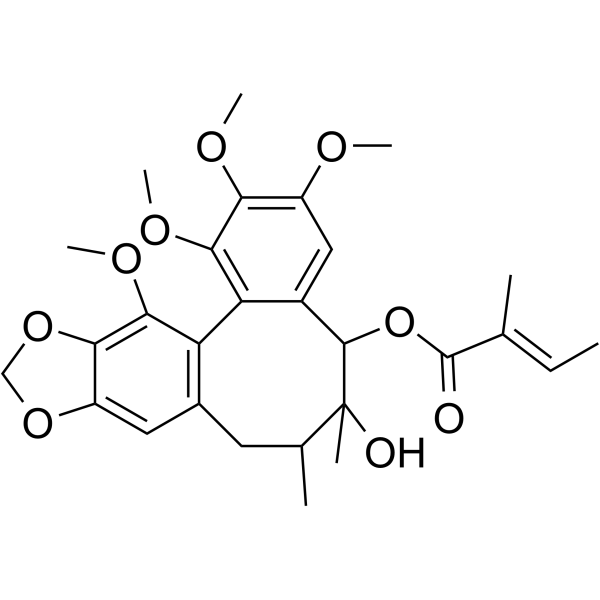
Schisantherin B (Gomisin-B) is a lignan compound and one of the active components of Schisandra chinensis. Schisantherin B activates the PI3K/AKT signaling pathway, restores the activity of GSK3β, and reduces the hyperphosphorylation of tau protein in hippocampal and cerebral cortical tissues. Schisantherin B upregulates the level of GLT-1, decreases the expression of pro-inflammatory cytokines TNF-α/IL-1β/IL-6, upregulates the expression of IL-10, and inhibits cell apoptosis. Schisantherin B is applicable to the research of spinal cord injury, Alzheimer's disease and depression.
For research use only. We do not sell to patients.
- Purity : 99.75%
- CAS No.: 58546-55-7
- Formula: C28H34O9
- Molecular Weight:514.56
-
Storage:Powder -20°C, 3 years , 4°C, 2 years ; In solvent -80°C, 6 months , -20°C, 1 month

To place orders, for customer services and technical support, please contact: MedChemExpress USA
Tel: 609-228-6898 E-mail: [email protected] [email protected]


-
 Biological Activity
-
Chemical Information
-
Solvent & Solubility
- Protocols
- Purity & Documentation
- References
-
 Help & FAQs


-
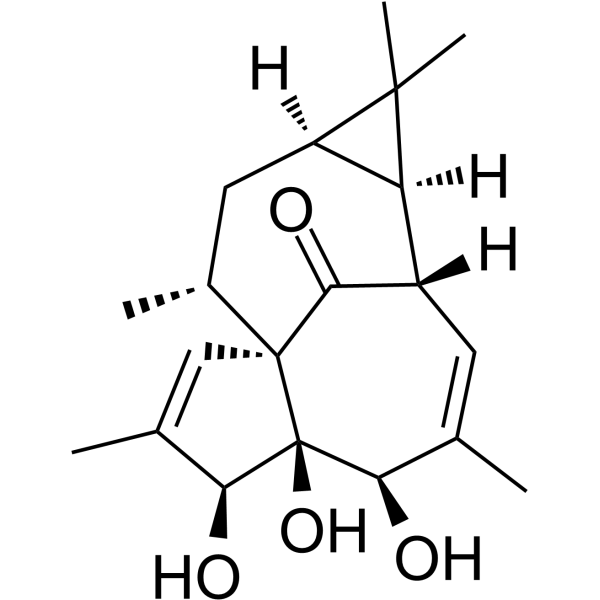
HY-N0866
20-DeoxyingenolAutophagy Inducer -
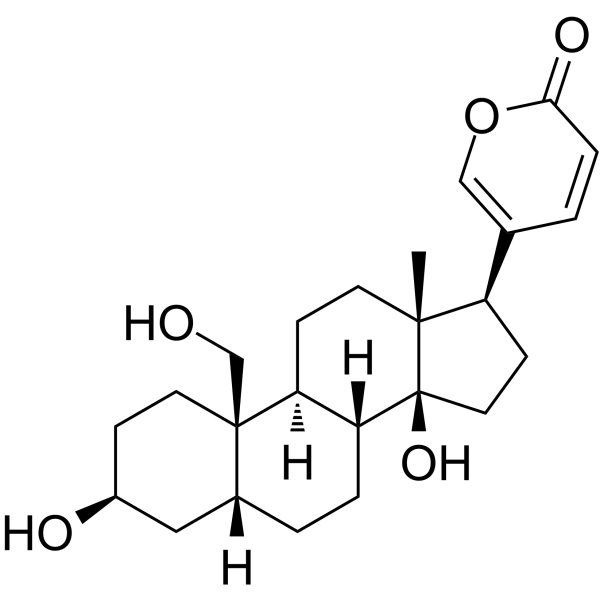
HY-N7019
19-Hydroxybufalin -
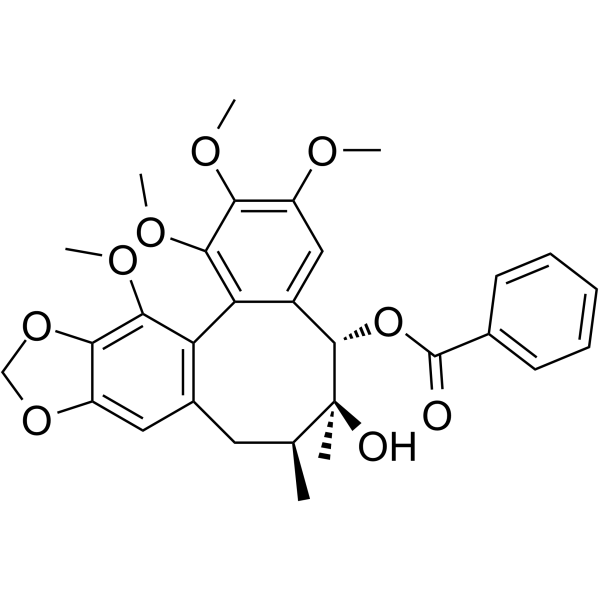
HY-N0694
Schisantherin ANF-κB Inhibitor -

HY-N0695R
Schisantherin B (Standard)Standard of Schisantherin B -
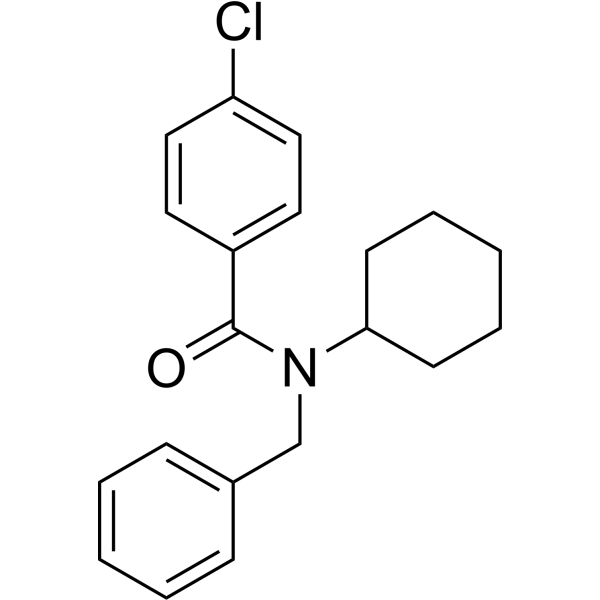
HY-19370
FPS-ZM1Amyloid-β Inhibitor -
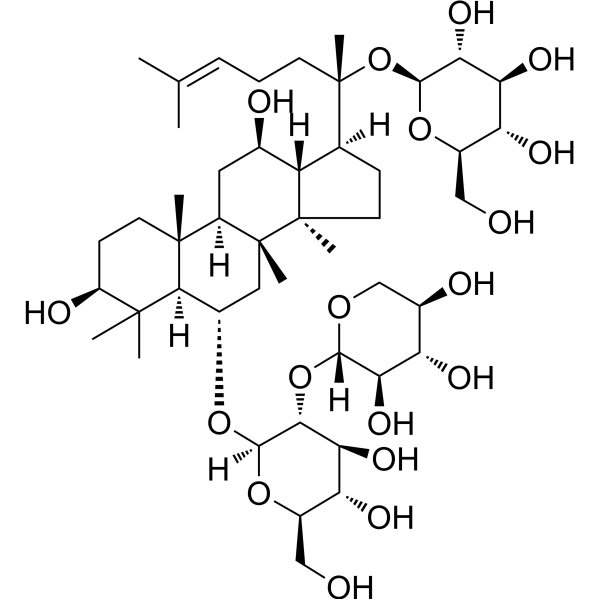
HY-N0615
Notoginsenoside R1Apoptosis Inhibitor -
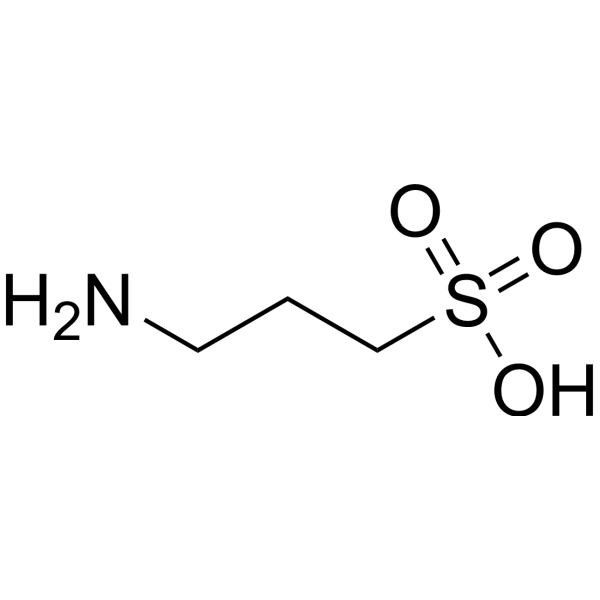
HY-14602
TramiprosateNeuroprotection Agent -
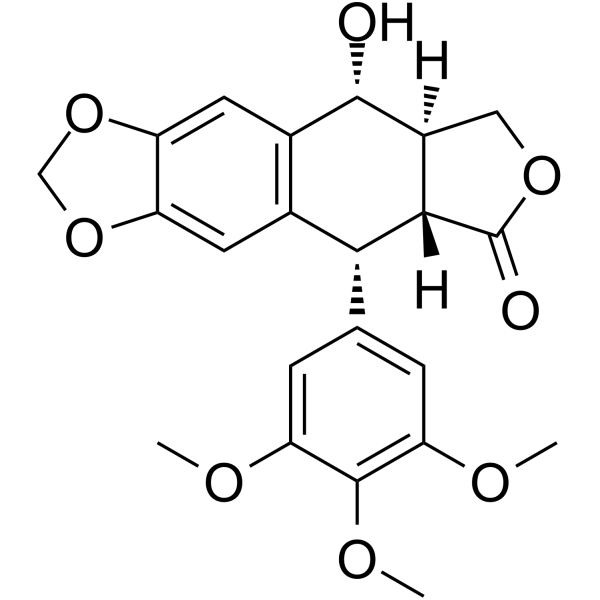
HY-15552
PodofiloxMicrotubule/Tubulin Inhibitor -

HY-P1363A
β-Amyloid (1-42), humanAmyloid β Peptide -

HY-P1363B
β-Amyloid (1-42), human, HFIP-treatedβ-Amyloid (1-42) Peptide -
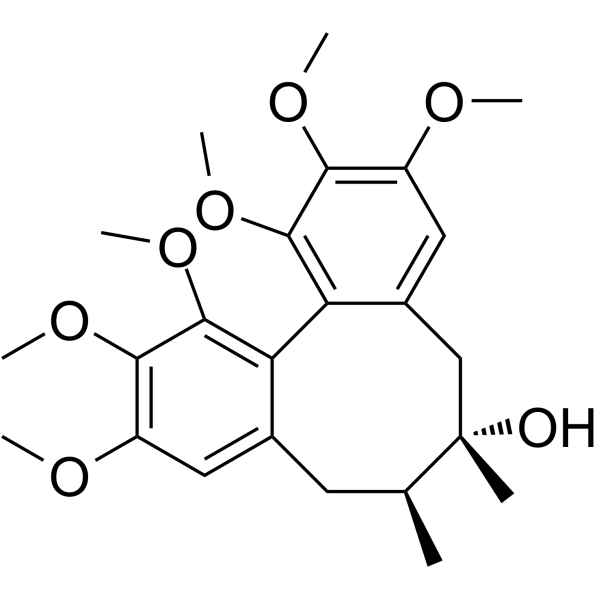
HY-N0691
SchisandrinAutophagy Inducer -
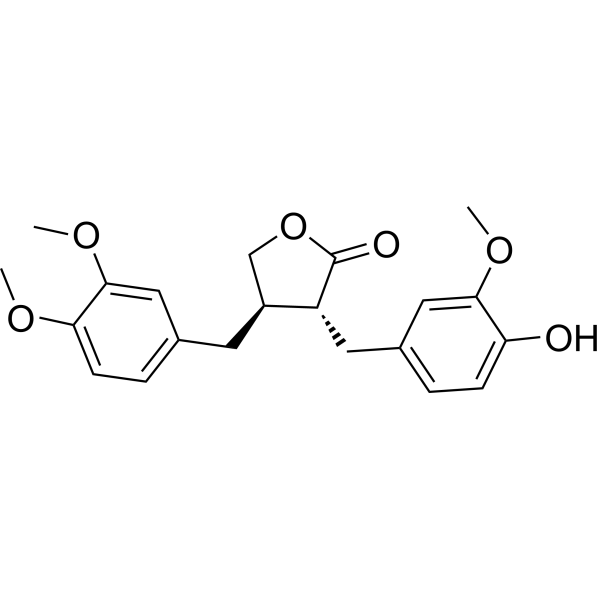
HY-N0035
ArctigeninAntitumor Agent
Publications Citing Use of MedChemExpress (MCE) Schisantherin B
More

Biological Activity
Description
Cellular Effect
|
Cell Line

|
Type | Value | Description | References |
|---|---|---|---|---|
| H9 | EC50 |
40 μM
Compound: schisantherin B
|
Antiviral activity against HIV1 3B in H9 cells after 4 days by p24-antigen ELISA
Antiviral activity against HIV1 3B in H9 cells after 4 days by p24-antigen ELISA
|
[PMID: 17190445] |
| H9 | IC50 |
>49 μM
Compound: schisantherin B
|
Cytotoxicity against human H9 cells after 4 days
Cytotoxicity against human H9 cells after 4 days
|
[PMID: 17190445] |
In Vitro
Schisantherin B (25 μM; 4 h) increases viability, inhibits apoptosis, and activates the PI3K/AKT pathway in H2O2-treated PC12 cells[2].
MedChemExpress (MCE) has not independently confirmed the accuracy of these methods. They are for reference only. Further protocols information, click here.
-
Cell Line:PC12 cells
-
Concentration:25 μM (co-incubated with 90 μM H2O2)
-
Incubation Time:4 hours
-
Result:Increased PC12 cell viability to 66.15% (compared to 40.86% in the H2O2-only group).
Reduced the apoptotic cell percentage to 5.84% (compared to 10.81% in the H2O2-only group).
Significantly decreased mean fluorescence intensity (MFI) of cleaved caspase-3.
Significantly upregulated MFI of phosphorylated PI3K (p-PI3K) and phosphorylated AKT (p-AKT) compared to the H2O2-only group.
In Vivo
Schisantherin B (15 mg/kg; intravenous injection; three times daily) improves motor function, alleviates tissue damage, inhibits apoptosis and inflammatory responses, and activates the PI3K/AKT pathway to mitigate secondary injury, thereby promoting recovery in a mouse model of spinal cord injury[2].
Schisantherin B (0.015-0.15 mg/kg; intracerebroventricular injection; once daily for 5 consecutive days) dose-dependently ameliorates Aβ1-42-induced cognitive decline and neuronal damage in mice by restoring the functions of GLT-1 and GSK3β and reducing excessive tau phosphorylation[3].
Schisantherin B (0.15 mg/kg; intracerebroventricular injection, once daily for 5 consecutive days) enhances spatial learning ability in healthy mice without altering their basal motor activity or inducing neuronal or biochemical abnormalities[3].
MedChemExpress (MCE) has not independently confirmed the accuracy of these methods. They are for reference only.
-
Animal Model:KM mice (male, 10-week old, 20-25 g, forced swimming test-induced depression)[1]
-
Dosage:15 mg/kg
-
Administration:i.p.; daily; 10 days
-
Result:Significantly reduced immobility time and climbing time, and significantly increased swimming time relative to the control group.
Significantly increased spontaneous alternation behavior relative to the control group on day 19; by day 20, spontaneous alternation behavior was comparable to the normal (non-FST) group; by day 27, no differences in alternation behavior were observed between groups.
Significantly increased total distance traveled relative to the control group on day 20.
Significantly restored hippocampal levels of GLT-1, P-PI3K/PI3K, P-AKT/AKT, and P-mTOR/mTOR relative to the control group on day 19.
-
Animal Model:C57BL/6J Nifdc (8-10-week-old; spinal cord injury model via 12.5 g weight-drop procedure under ketamine/xylazine anesthesia)[2]
-
Dosage:15 mg/kg
-
Administration:i.v.; three times daily
-
Result:Increased Basso Mouse Scale scores significantly at 21 and 28 days post-injury compared to untreated mice.
Increased hindlimb stride length to ~36 mm and reduced stride width to ~21 mm compared to untreated mice.
Reduced spinal cord cavity size, preserved spinal cord tissue integrity, and increased the number of surviving ventral horn motor neurons.
Reduced the percentage of apoptotic cells and suppressed microglial activation.
Decreased concentrations of pro-inflammatory cytokines IL-6, IL-1β, and TNF-α, and increased concentrations of anti-inflammatory cytokine IL-10.
Increased the proportion of p-PI3K-positive neurons to ~0.5, p-AKT-positive neurons to ~0.45, and upregulated p-PI3K/PI3K and p-AKT/AKT protein expression ratios compared to untreated mice.
-
Animal Model:KM mice (male, 10-week-old, 25-30 g, intracerebroventricular injection of aggregated Aβ1-42 peptide)[3]
-
Dosage:0.015 mg/kg; 0.15 mg/kg
-
Administration:i.c.v.; daily; 5 days
-
Result:Showed no significant effect on locomotor activity.
Significantly relieved Aβ1-42-induced reduction in spontaneous alternation behavior in the Y-maze test, with 0.15 mg/kg showing greater efficacy than 0.015 mg/kg.
Significantly ameliorated Aβ1-42-induced increases in escape latency and escape distance in the Morris water maze place navigation test on days 4 and 5 at 0.15 mg/kg.
Restored hippocampal GLT-1 levels to 58.18 pg/mL, cerebral cortex GLT-1 levels to 98.05 pg/mL, reduced hippocampal GSK3β levels to 80.56 pmol/l, cerebral cortex GSK3β levels to 181.22 pmol/l, and restored hippocampal p-GSK3β levels to 217.24 ng/l, cerebral cortex p-GSK3β levels to 215.83 ng/l at 0.15 mg/kg.
Reduced hippocampal p-tau levels to 192.32 ng/l and cerebral cortex p-tau levels to 179.43 ng/l at 0.15 mg/kg.
Normalized hippocampal and cerebral cortex Aβ1-42 levels at 0.15 mg/kg.
Restored hippocampal GLT-1/β-actin, GSK3β/β-actin, p-GSK3β/β-actin, and p-tau/β-actin ratios to near-normal levels at 0.15 mg/kg.
Inhibited Aβ1-42-induced hippocampal neuronal damage (shrunken nuclei, swollen neuronal bodies) as observed via H.E. and Nissl staining at 0.15 mg/kg.
Reduced escape latency in the Morris water maze place navigation test in healthy mice treated with 0.15 mg/kg compared to normal untreated mice.
Maintained near-normal hippocampal and cerebral cortex GLT-1, GSK3β, p-GSK3β, Aβ1-42, and p-tau levels in healthy mice treated with 0.15 mg/kg.
Showed intact, ordered hippocampal neurons in healthy mice treated with 0.15 mg/kg.
-
Animal Model:KM mice (male, 10-week-old, 25-30 g)[3]
-
Dosage:0.15 mg/kg
-
Administration:i.c.v.; daily; 5 days
-
Result:Showed no significant effect on locomotor activity or Y-maze spontaneous alternation behavior.
Reduced escape latency in the Morris water maze place navigation test compared to normal untreated mice.
Spent more time in the target quadrant during the Morris water maze spatial probe test.
Maintained near-normal hippocampal and cerebral cortex GLT-1, GSK3β, p-GSK3β, Aβ1-42, and p-tau levels.
Showed intact, ordered hippocampal neurons.


Chemical Information
-
CAS No. 58546-55-7
-
Appearance Solid
-
Molecular Weight 514.56
-
Formula C28H34O9
-
Color White to off-white
-
SMILES
O=C(OC(C(C)(O)C(C)C1)C2=CC(OC)=C(OC)C(OC)=C2C3=C1C=C4OCOC4=C3OC)/C(C)=C/C
-
Synonyms
Gomisin-B; Wuweizi ester-B; Schisantherin-B
-
Structure Classification
-
Initial Source
-
Shipping
Room temperature in continental US; may vary elsewhere.
-
Storage
Powder -20°C 3 years 4°C 2 years In solvent -80°C 6 months -20°C 1 month


Publications (1)
-
Journal Impact Factor
-
Most Recent
-
Vet Microbiol
The Chinese medicine monomer Schisandrin C inhibits PRRSV infection by regulating the OGT-PI3K/AKT/mTOR signaling pathway. [Abstract]2026 May:316:110992. PMID: 41865607


Solvent & Solubility
In Vitro:
DMSO : 50 mg/mL (97.17 mM; Need ultrasonic; Hygroscopic DMSO has a significant impact on the solubility of product, please use newly opened DMSO)
Please refer to the solubility information to select the appropriate solvent. Once prepared, please aliquot and store the solution to prevent product inactivation from repeated freeze-thaw cycles.
Storage method and period of stock solution: -80°C, 6 months; -20°C, 1 month. When stored at -80°C, please use it within 6 months. When stored at -20°C, please use it within 1 month.
Please refer to the solubility information to select the appropriate solvent. Once prepared, please aliquot and store the solution to prevent product inactivation from repeated freeze-thaw cycles.
Storage method and period of stock solution: -80°C, 6 months; -20°C, 1 month. When stored at -80°C, please use it within 6 months. When stored at -20°C, please use it within 1 month.
Concentration (start) × Volume (start) = Concentration (final) × Volume (final)
In Vivo:
Select the appropriate dissolution method based on your experimental animal and administration route.
- For the following dissolution methods, please ensure to first prepare a clear stock solution using an In Vitro approach and then sequentially add co-solvents:
- To ensure reliable experimental results, the clarified stock solution can be appropriately stored based on storage conditions. As for the working solution for In Vivo experiments, it is recommended to prepare freshly and use it on the same day.
- The percentages shown for the solvents indicate their volumetric ratio in the final prepared solution. If precipitation or phase separation occurs during preparation, heat and/or sonication can be used to aid dissolution.
In Vivo Dissolution Calculator
Please enter the basic information of animal experiments:
-
-
-
-
Recommended: Prepare an additional quantity of animals to account for potential losses during experiments.
Please enter your animal formula composition:
-
%DMSO +
Recommended: Keep the proportion of DMSO in working solution below 2% if your animal is weak.
-
%+
-
+%Tween-80 + +
-
%Saline +
The co-solvents required include: DMSO, . All of co-solvents are available by MedChemExpress (MCE). , Tween 80. All of co-solvents are available by MedChemExpress (MCE).
Working solution concentration: 0.22 mg/mL
Method for preparing stock solution: mg drug dissolved in μL DMSO. Stock solution concentration: mg/mL.
1. Take μL DMSO stock solution;
2. Add μL .
μL , mix evenly;
3. Then add μL Tween 80, mix evenly;
4. Then add μL
Please ensure that the stock solution in the first step is dissolved to a clear state, and add co-solvents in sequence. You can use ultrasonic heating (ultrasonic cleaner, recommended frequency 20-40 kHz), vortexing, etc. to assist dissolution.

Protocols
-
RNA extraction experimental
By lysing cells, releasing RNA, and removing impurities such as proteins and DNA, high-purity RNA products are finally obtained. The commonly used traditional method is the guanidine isothiocyanate/phenol/chloroform method (Trizol), which is suitable for a variety of animal materials including animal tissues, microorganisms, cultured cells, etc., and most plant materials.
-
Apoptosis
Apoptosis, also called programmed cell death, is generally characterized by distinct morphological characteristics.
-
TUNEL staining for apoptotic DNA fragmentation
TUNEL staining detects DNA strand breaks by using terminal deoxynucleotidyl transferase to add labeled nucleotides to exposed 3′-OH DNA termini, generating either microscopic staining in fixed cells or tissue sections, or fluorescence/cytometric signal in cell suspensions. TUNEL positivity reflects DNA fragmentation but should not be interpreted alone as definitive apoptosis, because TUNEL can also label necrotic, autolytic, mechanically damaged, or DNA-repair-associated DNA breaks.
-
LPS-Induced Endotoxemia/Systemic Inflammation
Lipopolysaccharide (LPS)-induced endotoxemia is a widely used in vivo model of acute systemic inflammation in which LPS, a Gram-negative bacterial endotoxin, activates innate immune signaling primarily through TLR4, leading to rapid and transient induction of pro-inflammatory cytokines such as TNF-α, IL-6, and IL-1β in circulation and tissues. This cytokine surge is commonly used as a measurable readout of systemic inflammatory activation and immune dysregulation, and is typically assessed within hours after intraperitoneal LPS administration in mouse models of endotoxemia. The model captures key features of systemic inflammatory response syndrome, including cytokine release, immune cell activation, and downstream tissue responses, and has been used to evaluate anti-inflammatory interventions such as cytokine modulation, lipid mediators, and immune cell-targeting therapies.
-
Annexin V plus membrane-impermeant dye apoptosis staining
Annexin V-based apoptosis assays rely on the detection of phosphatidylserine (PS) externalization from the inner leaflet of the plasma membrane to the outer leaflet, an early biochemical hallmark of apoptosis. Fluorescently labeled Annexin V binds PS in a calcium-dependent manner, enabling identification of early apoptotic cells by flow cytometry or fluorescence microscopy. When combined with a membrane-impermeant DNA-binding dye (e. g. , propidium iodide), this approach allows discrimination between viable (Annexin V−/dye−), early apoptotic (Annexin V+/dye−), and late apoptotic or necrotic (Annexin V+/dye+) cell populations by assessing membrane integrity and PS exposure.
-
Apoptosis Solutions
Apoptosis is a regulated, generally non-lytic cell-death pathway that removes unwanted, damaged, infected, or abnormal cells through coordinated morphological changes, caspase activation, DNA fragmentation, and membrane remodeling. The intrinsic apoptosis pathway is controlled mainly by mitochondrial outer membrane permeabilization, BCL-2 family proteins, cytochrome c release, apoptosome formation, caspase-9 activation, and downstream executioner caspase-3/7 activation. The extrinsic apoptosis pathway is initiated by death receptors such as Fas, TNFR, and TRAIL receptors, which recruit adaptor proteins and activate caspase-8 before engaging executioner caspases or mitochondrial amplification through BID cleavage. Apoptosis is linked to many phenotypes, including cancer cell killing, tissue homeostasis, immune regulation, neurodegeneration, infection response, and treatment-induced cytotoxicity; unresolved questions include how apoptosis interacts with necroptosis, pyroptosis, ferroptos
-
Research Protocol for Inflammation-related Diseases
The NLRP3 inflammasome is a cytosolic innate immune signaling platform that integrates priming signals and danger-signal activation to promote caspase-1 activation, maturation of IL-1β and IL-18, and gasdermin D-mediated pyroptotic cell death. The core experimental logic is to determine whether inflammatory disease phenotypes are driven by increased NLRP3 expression, ASC-containing inflammasome assembly, caspase-1 cleavage, GSDMD cleavage, and extracellular release of IL-1β/IL-18 rather than by nonspecific cell injury alone. The pathway is strongly linked to inflammation-related disease phenotypes because monosodium urate crystals activate NALP3/NLRP3 inflammasome signaling in gout-like crystal inflammation, cholesterol crystals activate NLRP3 inflammasomes in atherogenesis models, and DSS-induced intestinal inflammation has been reported to involve NLRP3 inflammasome activity. However, experimental colitis studies also show context-dependent protective effects of NLRP3 inflammasome co
-
Pyroptosis Solutions
Pyroptosis is a lytic inflammatory cell-death pathway executed by gasdermin pores, most classically through inflammasome-mediated activation of caspase-1, cleavage of gasdermin D, membrane pore formation, LDH release, and secretion of IL-1β and IL-18. The canonical pathway is commonly modeled by priming cells with an inflammatory signal such as LPS to induce pro-IL-1β and inflammasome components, followed by an activation signal such as ATP or nigericin to activate NLRP3, ASC speck formation, caspase-1 cleavage, GSDMD cleavage, cytokine release, and pyroptotic membrane rupture. The non-canonical pathway is triggered when cytosolic LPS activates mouse caspase-11 or human caspase-4/5, leading to GSDMD cleavage and pyroptosis, and this can secondarily activate NLRP3-dependent IL-1β release. Pyroptosis is linked to inflammatory injury, infection, cancer, liver disease, ocular disease, placental inflammation, and other disease phenotypes, but unresolved questions include which gasdermin fam
-
Alzheimer’s Disease Modeling
Alzheimer’s Disease (AD) is a neurodegenerative disorder characterized by a progressive decline in cognitive functions and loss of specific types of neurons and synapses. Alzheimer's symptoms can be simulated in mice by injecting drugs (such as Aβ) or genetically modified.


Purity & Documentation
-
Data Sheet (304 KB)
-
SDS (252 KB)
- English - EN (252 KB)
- Français - FR (252 KB)
- Deutsch - DE (252 KB)
- Norwegian - NO (252 KB)
- Español - ES (252 KB)
- Swedish - SV (252 KB)
- Italian - IT (252 KB)
- Korean - KR (252 KB)
- Portuguese - PT (252 KB)
-
Handling Instructions (2659 KB)
References
[1]. Xu M, et al. Schisantherin B Improves the Pathological Manifestations of Mice Caused by Behavior Desperation in Different Ages-Depression with Cognitive Impairment. Biomol Ther (Seoul). 2019;27(2):160-167. [Content Brief]
[2]. Wang W, et al. Schisantherin B exerts therapeutic effects on spinal cord injury via the PI3K/AKT signaling pathway. Pak J Pharm Sci. 2026;39(1):232-241. [Content Brief]
[3]. Xu M, et al. Schisantherin B ameliorates Aβ1-42-induced cognitive decline via restoration of GLT-1 in a mouse model of Alzheimer's disease. Physiol Behav. 2016;167:265-273. [Content Brief]


Complete Stock Solution Preparation Table
Please refer to the solubility information to select the appropriate solvent. Once prepared, please aliquot and store the solution to prevent product inactivation from repeated freeze-thaw cycles.
Storage method and period of stock solution: -80°C, 6 months; -20°C, 1 month. When stored at -80°C, please use it within 6 months. When stored at -20°C, please use it within 1 month.
| Optional Solvent | Concentration Solvent Mass | 1 mg | 5 mg | 10 mg | 25 mg |
|---|---|---|---|---|---|
| DMSO | 1 mM | 1.9434 mL | 9.7170 mL | 19.4341 mL | 48.5852 mL |
| 5 mM | 0.3887 mL | 1.9434 mL | 3.8868 mL | 9.7170 mL | |
| 10 mM | 0.1943 mL | 0.9717 mL | 1.9434 mL | 4.8585 mL | |
| 15 mM | 0.1296 mL | 0.6478 mL | 1.2956 mL | 3.2390 mL | |
| 20 mM | 0.0972 mL | 0.4859 mL | 0.9717 mL | 2.4293 mL | |
| 25 mM | 0.0777 mL | 0.3887 mL | 0.7774 mL | 1.9434 mL | |
| 30 mM | 0.0648 mL | 0.3239 mL | 0.6478 mL | 1.6195 mL | |
| 40 mM | 0.0486 mL | 0.2429 mL | 0.4859 mL | 1.2146 mL | |
| 50 mM | 0.0389 mL | 0.1943 mL | 0.3887 mL | 0.9717 mL | |
| 60 mM | 0.0324 mL | 0.1620 mL | 0.3239 mL | 0.8098 mL | |
| 80 mM | 0.0243 mL | 0.1215 mL | 0.2429 mL | 0.6073 mL |


Schisantherin B Related Classifications
HY-N0695 Related Classifications
 Powered by Bioz