1. Search Result
Search Result
Results for "

Glutamate Antagonist

" in MedChemExpress (MCE) Product Catalog:

133

Inhibitors & Agonists

1

Peptides

14

Natural
Products

23

Isotope-Labeled Compounds

Cat. No. Product Name Target Research Areas Chemical Structure
  • HY-100714A
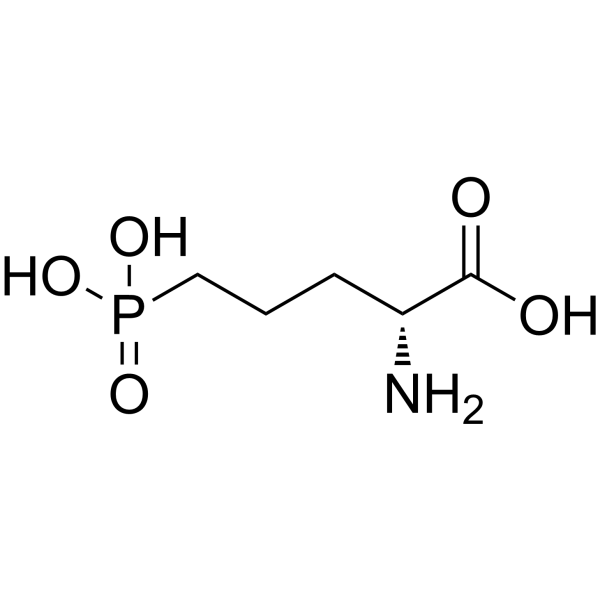
    D-AP5
    25+ Cited Publications

    D-APV; D-2-Amino-5-phosphonovaleric acid

    iGluR Neurological Disease
    D-AP5 (D-APV) is a selective and competitive NMDA receptor antagonist with a Kd of 1.4 μM. D-AP5 (D-APV) inhibits the glutamate binding site of NMDA receptors .
    D-AP5
  • HY-17412
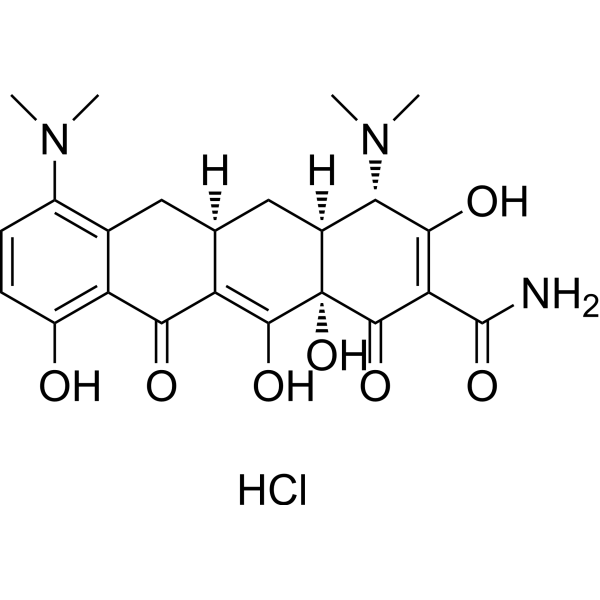
    Minocycline hydrochloride
    Maximum Cited Publications
    65 Publications Verification

    Bacterial Antibiotic HIF/HIF Prolyl-Hydroxylase Apoptosis MDM-2/p53 Potassium Channel Calcium Channel Infection Cardiovascular Disease Neurological Disease Metabolic Disease Inflammation/Immunology Cancer
    Minocycline hydrochloride is an orally active, potent and BBB-penetrated semi-synthetic tetracycline antibiotic. Minocycline hydrochloride is a hypoxia-inducible factor (HIF)-1α inhibitor. Minocycline hydrochloride shows anti-cancer, anti-inflammatory, and glutamate antagonist effects. Minocycline hydrochloride reduces glutamate neurotransmission and shows neuroprotective properties and antidepressant effects. Minocycline hydrochloride inhibits bacterial protein synthesis through binding with the 30S subunit of the bacterial ribosome, resulting in a bacteriostatic effect .
    Minocycline hydrochloride
  • HY-100806
    Kynurenic acid
    Maximum Cited Publications
    10 Publications Verification

    Quinurenic acid

    iGluR Endogenous Metabolite Apoptosis CXCR GPR35 Neurological Disease Inflammation/Immunology Endocrinology
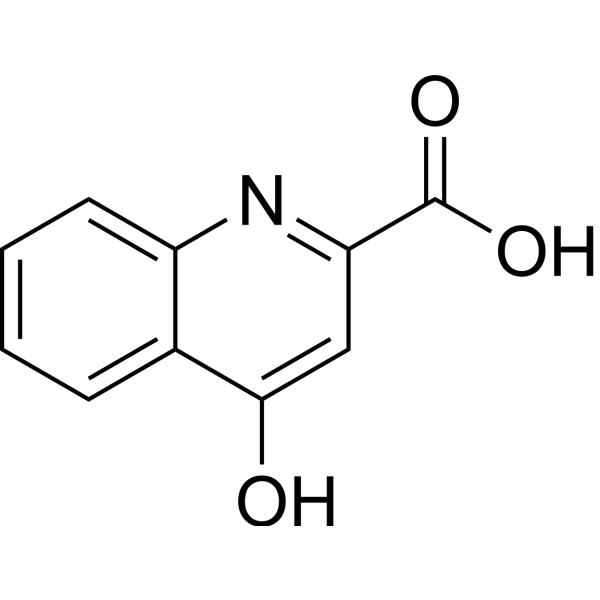
    Kynurenic acid, an endogenous tryptophan metabolite, is a broad-spectrum antagonist targeting NMDA, glutamate, α7 nicotinic acetylcholine receptor. Kynurenic acid is also an agonist of GPR35/CXCR8.
    Kynurenic acid
  • HY-N0215
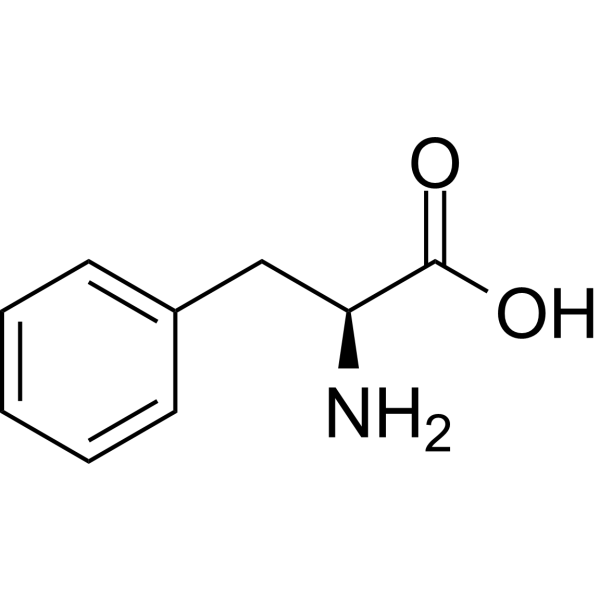
    L-Phenylalanine
    5+ Cited Publications

    (S)-2-Amino-3-phenylpropionic acid

    Calcium Channel iGluR Endogenous Metabolite Ligands for E3 Ligase Metabolic Disease Cancer
    L-Phenylalanine ((S)-2-Amino-3-phenylpropionic acid) is an essential amino acid isolated from Escherichia coli. L-Phenylalanine is a α2δ subunit of voltage-dependent Ca + channels antagonist with a Ki of 980 nM. L-phenylalanine is a competitive antagonist for the glycine- and glutamate-binding sites of N-methyl-D-aspartate receptors (NMDARs) (KB of 573 μM ) and non-NMDARs, respectively. L-Phenylalanine is widely used in the production of food flavors and pharmaceuticals .
    L-Phenylalanine
  • HY-122218
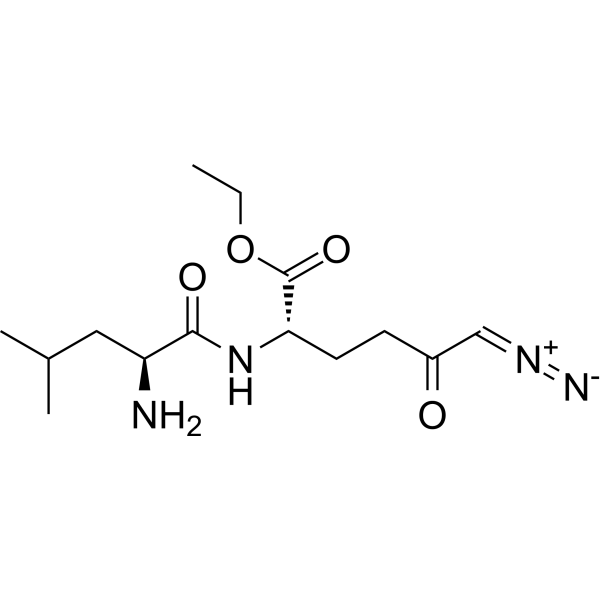
    JHU-083
    5+ Cited Publications

    Glutaminase Neurological Disease
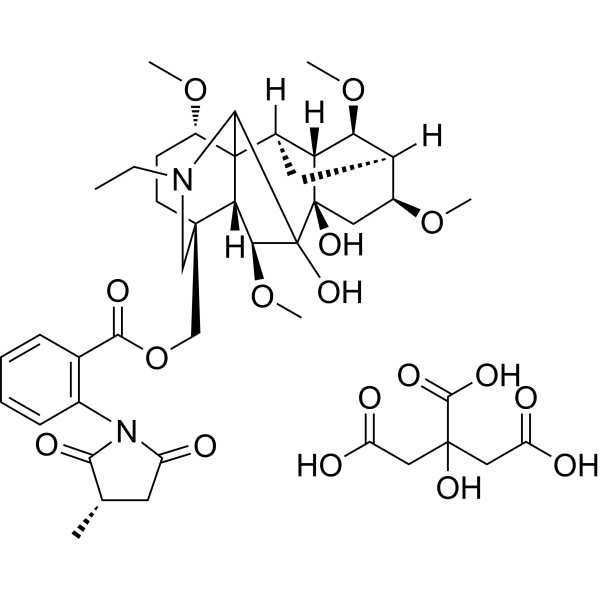
    JHU-083, a proagent of 6-diazo-5-oxo-L-norleucine (DON; HY-108357), is an orally active and selective glutaminase antagonist. JHU-083 blocks glutaminase activity in brain CD11b + cells and experimental cerebral malaria (ECM) resulting in a net decrease of glutamate levels in the animals .
    JHU-083
  • HY-17412A
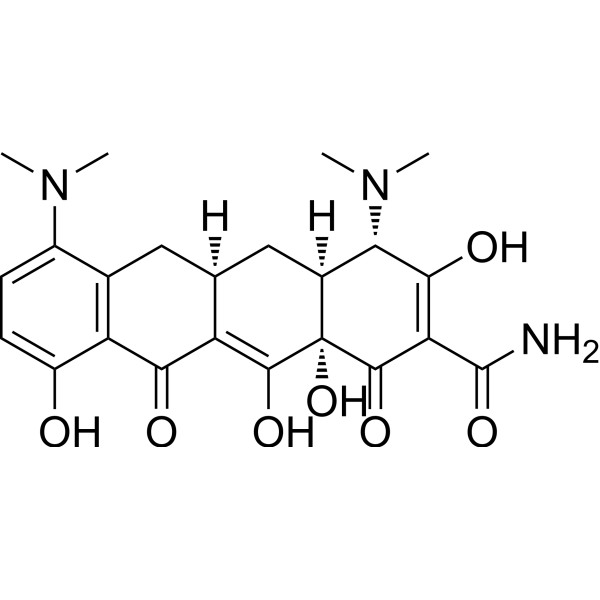
    Minocycline
    Maximum Cited Publications
    65 Publications Verification

    Antibiotic Bacterial HIF/HIF Prolyl-Hydroxylase Apoptosis MDM-2/p53 Potassium Channel Calcium Channel Infection Cardiovascular Disease Neurological Disease Metabolic Disease Inflammation/Immunology Cancer
    Minocycline is an orally active, potent and BBB-penetrated semi-synthetic tetracycline antibiotic. Minocycline is a hypoxia-inducible factor (HIF)-1α inhibitor. Minocycline shows anti-cancer, anti-inflammatory, and glutamate antagonist effects. Minocycline reduces glutamate neurotransmission and shows neuroprotective properties and antidepressant effects. Minocycline inhibits bacterial protein synthesis through binding with the 30S subunit of the bacterial ribosome, resulting in a bacteriostatic effect .
    Minocycline
  • HY-70059
    LY341495
    10+ Cited Publications

    mGluR Neurological Disease
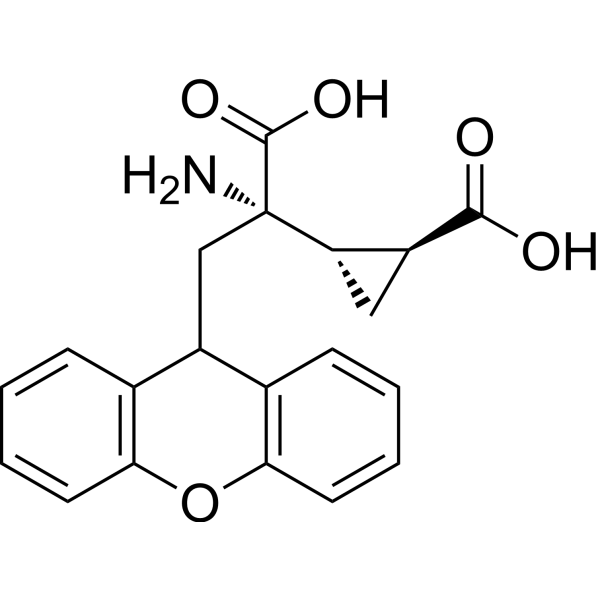
    LY341495 is a metabotropic glutamate receptor (mGluR) antagonist with IC50s of 21 nM, 14 nM, 7.8 μM, 8.2 μM, 170 nM, 990 nM, 22 μM for mGlu2, mGlu3, mGlu1a, mGlu5a, mGlu8, mGlu7, and mGlu4 receptors, respectively .
    LY341495
  • HY-15067
    DNQX
    10+ Cited Publications

    FG 9041

    iGluR Cancer
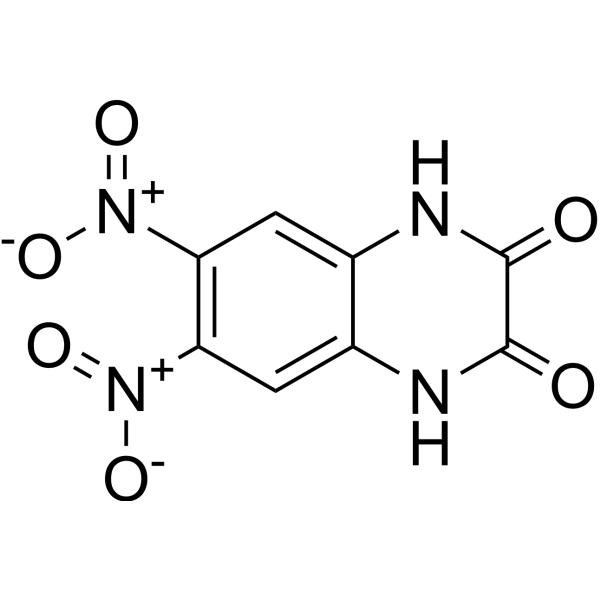
    DNQX (FG 9041), a quinoxaline derivative, is a selective, potent competitive non-NMDA glutamate receptor antagonist (IC50s = 0.5, 2 and 40 μM for AMPA, kainate and NMDA receptors, respectively) .
    DNQX
  • HY-100806S
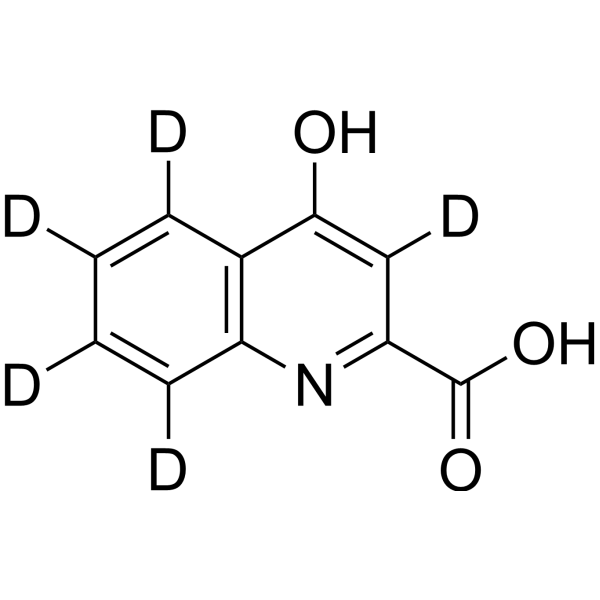
    Kynurenic acid-d5
    1 Publications Verification

    Quinurenic acid-d5

    Isotope-Labeled Compounds iGluR Endogenous Metabolite Apoptosis CXCR GPR35 Neurological Disease Metabolic Disease Inflammation/Immunology
    Kynurenic acid-d5 is the deuterium labeled Kynurenic acid. Kynurenic acid, an endogenous tryptophan metabolite, is a broad-spectrum antagonist targeting NMDA, glutamate, α7 nicotinic acetylcholine receptor. Kynurenic acid is also an agonist of GPR35/CXCR8 .
    Kynurenic acid-d5
  • HY-107512
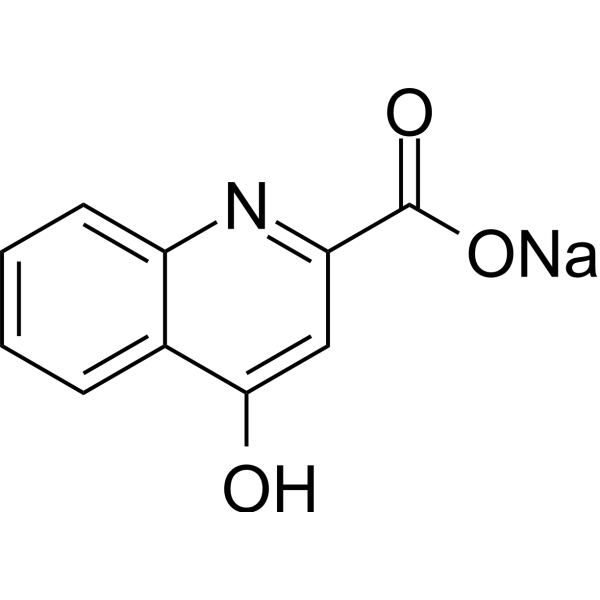
    Kynurenic acid sodium
    Maximum Cited Publications
    10 Publications Verification

    iGluR Apoptosis Endogenous Metabolite CXCR GPR35 Neurological Disease Inflammation/Immunology Endocrinology
    Kynurenic acid sodium, an endogenous tryptophan metabolite, is a broad-spectrum antagonist targeting NMDA, glutamate, α7 nicotinic acetylcholine receptor. Kynurenic acid sodium is also an agonist of GPR35/CXCR8.
    Kynurenic acid sodium
  • HY-N0215S12
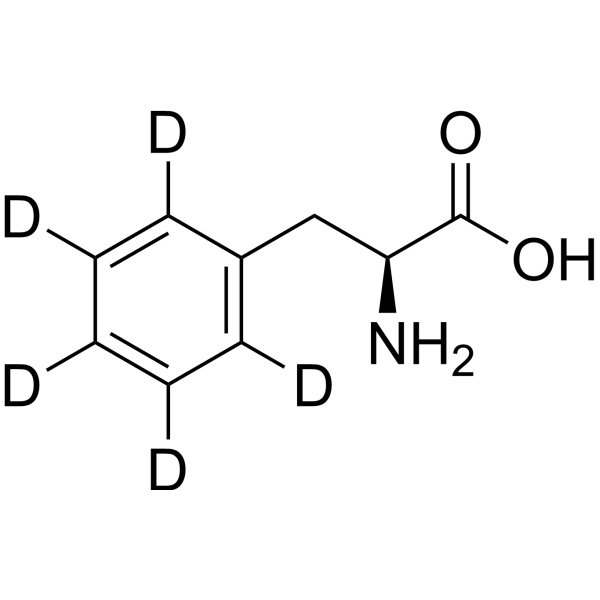
    L-Phenylalanine-d5
    1 Publications Verification

    (S)-2-Amino-3-phenylpropionic acid-d5

    Calcium Channel iGluR Endogenous Metabolite Metabolic Disease
    L-Phenylalanine-d5 is the deuterium labeled L-Phenylalanine. L-Phenylalanine ((S)-2-Amino-3-phenylpropionic acid) is an essential amino acid isolated from Escherichia coli. L-Phenylalanine is a α2δ subunit of voltage-dependent Ca+ channels antagonist with a Ki of 980 nM. L-phenylalanine is a competitive antagonist for the glycine- and glutamate-binding sites of N-methyl-D-aspartate receptors (NMDARs) (KB of 573 μM ) and non-NMDARs, respectively. L-Phenylalanine is widely used in the production of food flavors and pharmaceuticals .
    L-Phenylalanine-d5
  • HY-108690
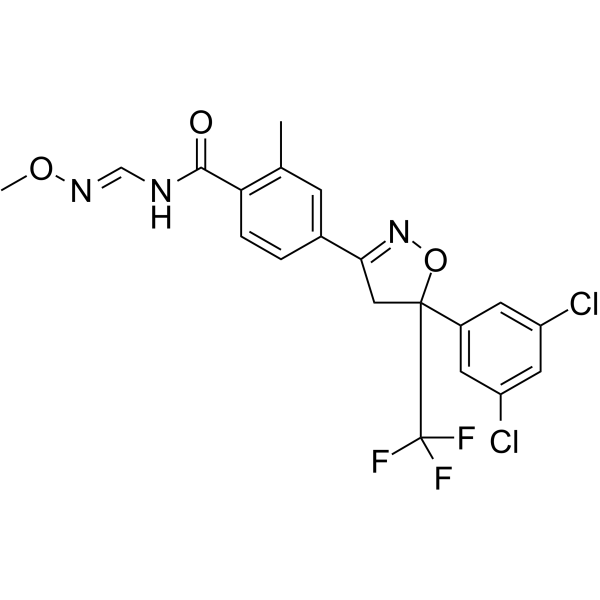
    Fluxametamide
    3 Publications Verification

    Environmental Pollutants GABA Receptor Others
    Fluxametamide is an insecticide with wide spectrum, acts as an antagonist of GABA- and glutamate-gated chloride channels, with IC50 of 1.95 nM and 225 nM for M. domestica GABACls and GluCls.
    Fluxametamide
  • HY-17387
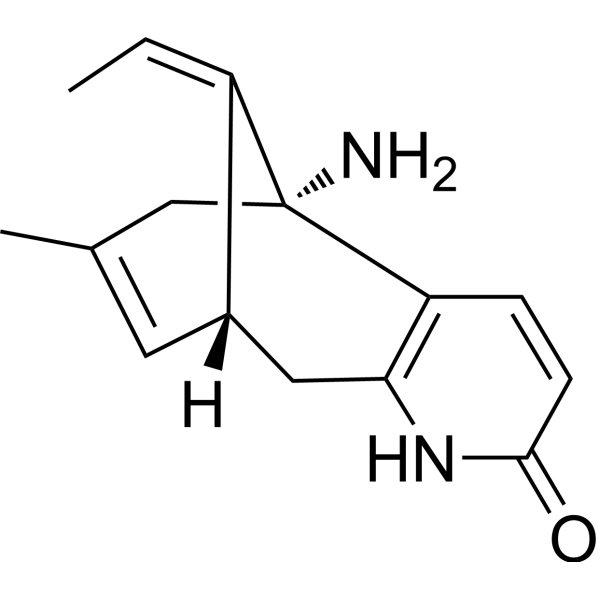
    (-)-Huperzine A
    5+ Cited Publications

    Huperzine A

    Cholinesterase (ChE) iGluR Infection Neurological Disease Inflammation/Immunology
    (-)-Huperzine A (Huperzine A) is an alkaloid isolated from Huperzia serrata, with neuroprotective activity. (-)-Huperzine A is a potent, highly specific, reversible and blood-brain barrier penetrant inhibitor of acetylcholinesterase (AChE), with an IC50 of 82 nM. (-)-Huperzine A also is non-competitive antagonist of N-methyl-D-aspartate glutamate (NMDA) receptor. (-)-Huperzine A is developed for the research of neurodegenerative diseases, including Alzheimer’s disease .
    (-)-Huperzine A
  • HY-N0215S1
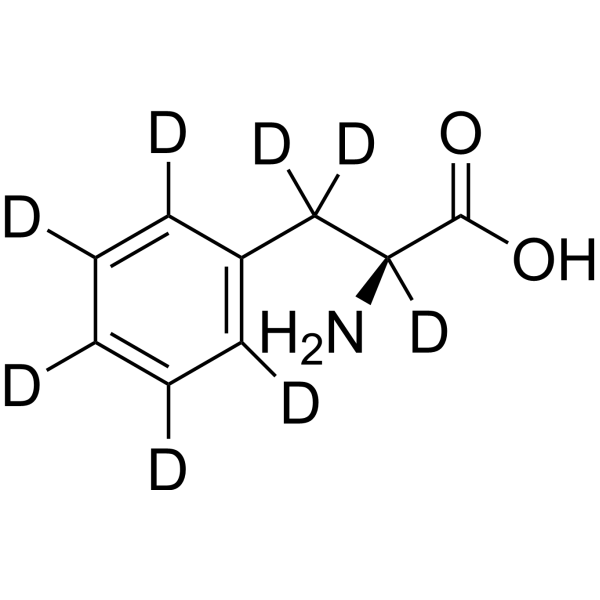
    L-Phenylalanine-d8
    1 Publications Verification

    (S)-2-Amino-3-phenylpropionic acid-d8

    Calcium Channel iGluR Endogenous Metabolite Metabolic Disease
    L-Phenylalanine-d8 is the deuterium labeled L-Phenylalanine. L-Phenylalanine ((S)-2-Amino-3-phenylpropionic acid) is an essential amino acid isolated from Escherichia coli. L-Phenylalanine is a α2δ subunit of voltage-dependent Ca+ channels antagonist with a Ki of 980 nM. L-phenylalanine is a competitive antagonist for the glycine- and glutamate-binding sites of N-methyl-D-aspartate receptors (NMDARs) (KB of 573 μM ) and non-NMDARs, respectively. L-Phenylalanine is widely used in the production of food flavors and pharmaceuticals .
    L-Phenylalanine-d8
  • HY-106467B

    iGluR Neurological Disease
    Caroverine hydrochloride is a potent, competitive and reversible antagonist of NMDA and AMPA glutamate receptor. Caroverine hydrochloride is also an antioxidant and calcium-blocking agent that exhibits vasorelaxant action. Caroverine hydrochloride can be used for the research of inner ear tinnitus .
    Caroverine hydrochloride
  • HY-100811
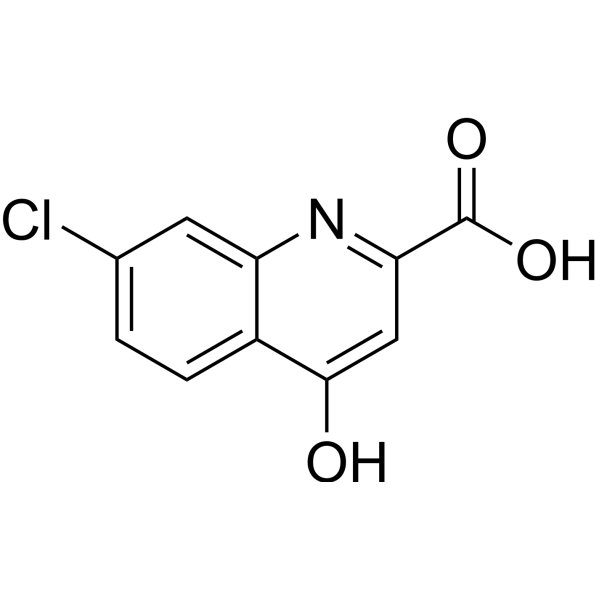
    7-Chlorokynurenic acid
    4 Publications Verification

    7-CKA

    iGluR Neurological Disease
    7-Chlorokynurenic acid (7-CKA) is a potent and selective antagonist of the glycine B coagonist site of the N-methyl-D-aspartate (NMDA) receptor (IC50=0.56 μM). 7-Chlorokynurenic acid is also a potent inhibitor of the reuptake of glutamate into synaptic vesicles with a Ki of 0.59 μM. 7-Chlorokynurenic acid has potent antinociceptive actions after neuraxial delivery .
    7-Chlorokynurenic acid
  • HY-100811A
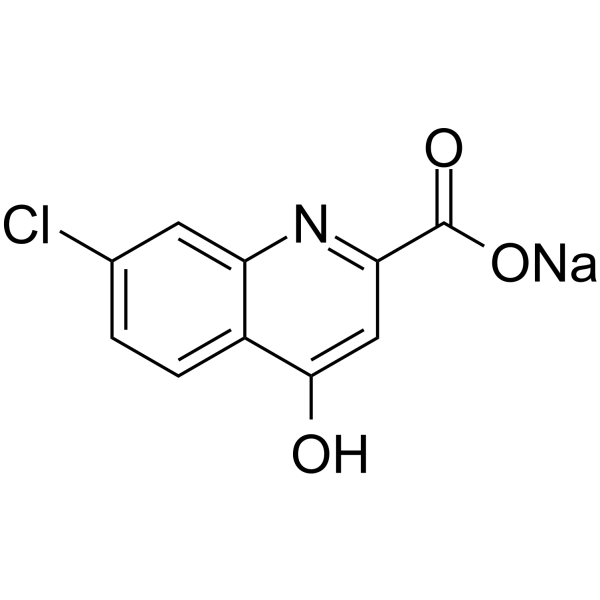
    7-Chlorokynurenic acid sodium salt
    4 Publications Verification

    7-CKA sodium salt

    iGluR Neurological Disease
    7-Chlorokynurenic acid sodium salt (7-CKA sodium salt) is a potent and selective antagonist of the glycine B coagonist site of the N-methyl-D-aspartate (NMDA) receptor (IC50=0.56 μM). 7-Chlorokynurenic acid sodium salt is also a potent inhibitor of the reuptake of glutamate into synaptic vesicles with a Ki of 0.59 μM. 7-Chlorokynurenic acid sodium salt has potent antinociceptive actions after neuraxial delivery .
    7-Chlorokynurenic acid sodium salt
  • HY-100371
    (RS)-MCPG
    1 Publications Verification

    alpha-MCPG

    mGluR Neurological Disease
    (RS)-MCPG (alpha-MCPG) is a competitive and selective group I/group II metabotropic glutamate receptor (mGluR) antagonist. (RS)-MCPG blocks theta-burst stimulation (TBS)-induced shifts in both juvenile and neonatal rat hippocampal neurons .
    (RS)-MCPG
  • HY-100806R
    Kynurenic acid (Standard)
    Maximum Cited Publications
    10 Publications Verification

    Quinurenic acid (Standard)

    Reference Standards iGluR Endogenous Metabolite Apoptosis CXCR GPR35 Neurological Disease Inflammation/Immunology Endocrinology
    Kynurenic acid (Standard) is the analytical standard of Kynurenic acid. This product is intended for research and analytical applications. Kynurenic acid, an endogenous tryptophan metabolite, is a broad-spectrum antagonist targeting NMDA, glutamate, α7 nicotinic acetylcholine receptor. Kynurenic acid is also an agonist of GPR35/CXCR8.
    Kynurenic acid (Standard)
  • HY-103111

    mGluR Neurological Disease
    MMPIP hydrochloride is an allosteric metabotropic glutamate receptor 7 (mGluR7) selective antagonist (KB values 24 -30 nM). MMPIP hydrochloride acts as a pharmacological tool for elucidating the roles of mGluR7 on central nervous system functions. MMPIP hydrochloride alleviates pain and normalizes affective and cognitive behavior in neuropathic mice .
    MMPIP hydrochloride
  • HY-17412R

    Reference Standards Antibiotic Bacterial HIF/HIF Prolyl-Hydroxylase Apoptosis MDM-2/p53 Potassium Channel Calcium Channel Infection Cardiovascular Disease Neurological Disease Metabolic Disease Inflammation/Immunology Cancer
    Minocycline (hydrochloride) (Standard) is the analytical standard of Minocycline (hydrochloride). This product is intended for research and analytical applications. Minocycline hydrochloride is an orally active, potent and BBB-penetrated semi-synthetic tetracycline antibiotic. Minocycline hydrochloride is a hypoxia-inducible factor (HIF)-1α inhibitor. Minocycline hydrochloride shows anti-cancer, anti-inflammatory, and glutamate antagonist effects. Minocycline hydrochloride reduces glutamate neurotransmission and shows neuroprotective properties and antidepressant effects. Minocycline hydrochloride inhibits bacterial protein synthesis through binding with the 30S subunit of the bacterial ribosome, resulting in a bacteriostatic effect .
    Minocycline hydrochloride (Standard)
  • HY-17388
    (±)-Huperzine A
    1 Publications Verification

    Drug Isomer Cholinesterase (ChE) iGluR Neurological Disease
    (±)-Huperzine A is the racemate of (-)-Huperzine A (HY-17387). (-)-Huperzine A is an alkaloid isolated from Huperzia serrata, with neuroprotective activity. (-)-Huperzine A is a potent, highly specific, reversible and blood-brain barrier penetrant inhibitor of acetylcholinesterase (AChE), with an IC50 of 82 nM. (-)-Huperzine A also is non-competitive antagonist of N-methyl-D-aspartate glutamate (NMDA) receptor. (-)-Huperzine A is developed for the research of neurodegenerative diseases, including Alzheimer’s disease .
    (±)-Huperzine A
  • HY-101226

    mGluR Neurological Disease
    MSOP is a selective group III metabotropic glutamate receptor antagonist with apparent KD of 51 μM for the L-AP4-sensitive presynaptic mGluR.
    MSOP
  • HY-100406
    (S)-MCPG
    1 Publications Verification

    (+)-MCPG

    mGluR Neurological Disease
    (S)-MCPG ((+)-MCPG) is a potent group I/II metabotropic glutamate receptor (mGluRs) antagonist and the active isomer of (RS)-MCPG (HY-100371) . (S)-MCPG can be used for the study of the function of mGluRs in spatial learning .
    (S)-MCPG
  • HY-111973

    Phytohormone iGluR Neurological Disease
    Phaseic acid is a Abscisic acid terpenoid catabolite that can able to activate a subset of Abscisic acid repectors. Phaseic acid is a plant hormone associated with photosynthesis arrest and abscission. Phaseic acid is the antagonist for NMDA-type glutamate receptor (NMDAR) that inhibits NMDAR currents with an IC50 of 34.37 μM. Phaseic acid reduces intracellular calcium influx, and exhibits neuroprotective effect .
    Phaseic acid
  • HY-164284

    Sodium Channel Neurological Disease
    LK-2 is an antagonist for ASIC1a with a Kd of 1.9 μM. LK-2 reduces glutamate-induced ASIC1a current-enhancement with an IC50 of 6.6 μM. LK-2 exhibits neuroprotective efficacy in mouse ischemic stroke model, with improved motor and coordination skills. LK-2 is blood-brain barrier (BBB) penetrable .
    LK-2
  • HY-101356

    mGluR Neurological Disease
    CPCCOEt is a low affinity, selective, non-competitive and reversible antagonist of metabotropic glutamate receptor 1b (mGluR1b) .
    CPCCOEt
  • HY-100405

    mGluR Neurological Disease
    FTIDC is an orally active, noncompetitive, selective allosteric metabotropic glutamate receptor (mGluR) 1 antagonist with an IC50 of 5.8 nM for human mGluR1a. FTIDC has no species differences in its antagonistic activity on recombinant human, mouse, and rat mGluR1 .
    FTIDC
  • HY-123820
    LY3020371 hydrochloride
    1 Publications Verification

    mGluR Neurological Disease
    LY3020371 hydrochloride is a potent, selective metabotropic glutamate 2/3 receptor (mGlu2/3) antagonist with Ki of 5.3 and 2.5 nM, potently blocks cAMP formation with IC50 of 16.2 nM . LY3020371 hydrochloride exerts an antidepressant-like signature in vivo .
    LY3020371 hydrochloride
  • HY-100743

    2-Amino-4-phosphonobutyric acid

    mGluR Neurological Disease Metabolic Disease
    DL-AP4 (2-Amino-4-phosphonobutyric acid) is a glutamate antagonist. DL-AP4 behaves as a competitive inhibitor of glutamate binding with an apparent Kd of 66 μM. DL-AP4 can be used for the research of central nervous system and visual system .
    DL-AP4
  • HY-15072

    YM 872

    iGluR Metabolic Disease
    Zonampanel (YM 872) is a selective antagonist of the glutamate receptor subtype, α-amino-3-hydroxy-5-methylisoxazole-4-propionic acid (AMPA) receptor.
    Zonampanel
  • HY-103233
    DNQX disodium salt
    10+ Cited Publications

    FG 9041 disodium salt

    iGluR Cancer
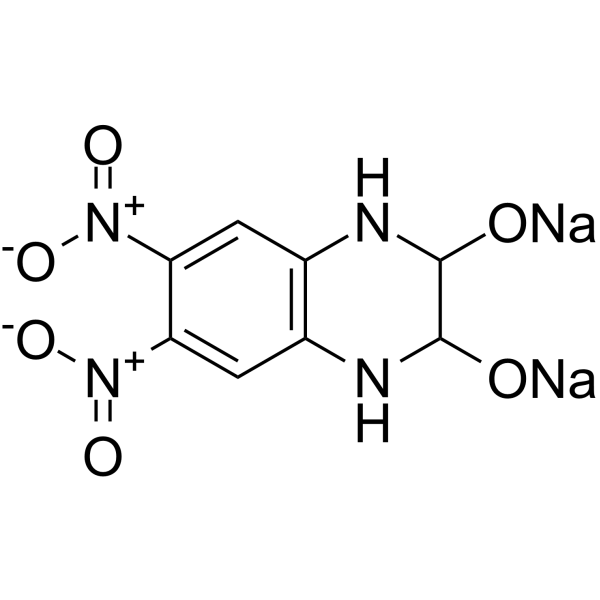
    DNQX (FG 9041) disodium salt, a quinoxaline derivative, is a selective, potent competitive non-NMDA glutamate receptor antagonist (IC50s = 0.5, 2 and 40 μM for AMPA, kainate and NMDA receptors, respectively) .
    DNQX disodium salt
  • HY-107503

    mGluR Neurological Disease
    MMPIP is an allosteric metabotropic glutamate receptor 7 (mGluR7) selective antagonist (KB values 24 -30 nM). MMPIP acts as a pharmacological tool for elucidating the roles of mGluR7 on central nervous system functions. MMPIP alleviates pain and normalizes affective and cognitive behavior in neuropathic mice .
    MMPIP
  • HY-110146

    mGluR Neurological Disease
    XAP044 is a potent and selective antagonist of mGlu7. The metabotropic glutamate receptor subtype 7 (mGlu7) is an important presynaptic regulator of neurotransmission in the mammalian CNS. XAP044 demonstrates good brain exposure and wide spectrum anti-stress and antidepressant- and anxiolytic-like efficacy in rodent behavioral paradigms .
    XAP044
  • HY-N6776

    Potassium Channel Neurological Disease Cancer
    Penitrem A is an indole diterpene neurotoxic alkaloid produced by Penicillium, acts as a selective BK channel antagonist with antiproliferative and anti-invasive activities against multiple malignancies. Penitrem A increases the spontaneous release of endogenous glutamate, gamma-aminobutyric acid (GABA) and aspartate from cerebrocortical synaptosomes, and induces tremorgenic syndromes in animals .
    Penitrem A
  • HY-N0215S3

    (S)-2-Amino-3-phenylpropionic acid-d2

    Calcium Channel iGluR Endogenous Metabolite Metabolic Disease
    L-Phenylalanine-d2 is the deuterium labeled L-Phenylalanine. L-Phenylalanine ((S)-2-Amino-3-phenylpropionic acid) is an essential amino acid isolated from Escherichia coli. L-Phenylalanine is a α2δ subunit of voltage-dependent Ca+ channels antagonist with a Ki of 980 nM. L-phenylalanine is a competitive antagonist for the glycine- and glutamate-binding sites of N-methyl-D-aspartate receptors (NMDARs) (KB of 573 μM ) and non-NMDARs, respectively. L-Phenylalanine is widely used in the production of food flavors and pharmaceuticals .
    L-Phenylalanine-d2
  • HY-N0215S7
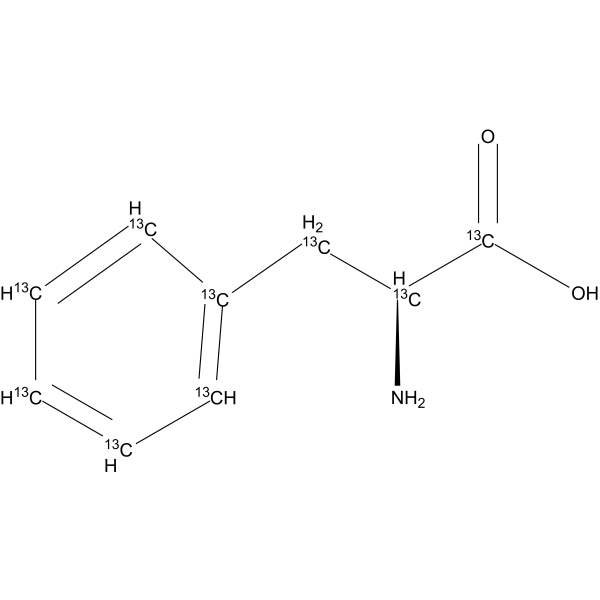
    L-Phenylalanine-3-13C
    1 Publications Verification

    (S)-2-Amino-3-phenylpropionic acid-3-13C

    Calcium Channel iGluR Endogenous Metabolite Metabolic Disease
    L-Phenylalanine-3- 13C is the 13C-labeled L-Phenylalanine. L-Phenylalanine ((S)-2-Amino-3-phenylpropionic acid) is an essential amino acid isolated from Escherichia coli. L-Phenylalanine is a α2δ subunit of voltage-dependent Ca+ channels antagonist with a Ki of 980 nM. L-phenylalanine is a competitive antagonist for the glycine- and glutamate-binding sites of N-methyl-D-aspartate receptors (NMDARs) (KB of 573 μM ) and non-NMDARs, respectively. L-Phenylalanine is widely used in the production of food flavors and pharmaceuticals .
    L-Phenylalanine-3-13C
  • HY-108546

    3-Phosphono-L-alanine

    mGluR Neurological Disease
    L-AP3, metabotropic glutamate receptor (mGluR) antagonist, inhibits D-phosphoserine and L-phosphoserine with IC50s of 368 μM and 2087 μM, respectively .
    L-AP3
  • HY-101311

    AIDA

    mGluR Inflammation/Immunology Cancer
    UPF-523 (AIDA), a rigid (carboxyphenyl) glycine derivative, is a relatively potent and selective antagonist of group I metabotropic glutamate receptors (mGlu1a) with an IC50 of 214 μM. But UPF-523 has no effect on group II (mGlu2), group III (mGlu4) receptors or ionotropic glutamate receptors. UPF-523 has the potential for the research of the acute arthritis .
    UPF-523
  • HY-19168

    EAA-090

    iGluR Neurological Disease
    Perzinfotel (EAA-090) is a potent, selective, and competitive NMDA receptor antagonist with neuroprotective effects. Perzinfotel (EAA-090) shows high affinity (IC50=30 nM) for the glutamate site .
    Perzinfotel
  • HY-103568

    mGluR Neurological Disease
    YM-298198 hydrochloride is a high-affinity, selective, orally active, and non-competitive antagonist of metabotropic glutamate receptor type 1 (mGluR1). YM-298198 hydrochloride can be used for the research of neurological disorders .
    YM-298198 hydrochloride
  • HY-102094

    mGluR Neurological Disease
    (E/Z)-SIB-1893 is a racemic compound of (E)-SIB-1893 and (Z)-SIB-1893 isomers. (E)-SIB-1893 is a selective non-competitive metabotropic glutamate subtype 5 receptor (mGluR5) antagonist .
    (E/Z)-SIB-1893
  • HY-17412AS

    Isotope-Labeled Compounds Antibiotic Bacterial HIF/HIF Prolyl-Hydroxylase Apoptosis MDM-2/p53 Potassium Channel Calcium Channel Infection Cardiovascular Disease Neurological Disease Metabolic Disease Inflammation/Immunology Cancer
    Minocycline-d6 is deuterium labeled Minocycline (HY-17412A). Minocycline is an orally active, potent and BBB-penetrated semi-synthetic tetracycline antibiotic. Minocycline is a hypoxia-inducible factor (HIF)-1α inhibitor. Minocycline shows anti-cancer, anti-inflammatory, and glutamate antagonist effects. Minocycline reduces glutamate neurotransmission and shows neuroprotective properties and antidepressant effects. Minocycline inhibits bacterial protein synthesis through binding with the 30S subunit of the bacterial ribosome, resulting in a bacteriostatic effect .
    Minocycline-d6
  • HY-101375

    mGluR Neurological Disease
    (RS)-APICA is a selective group II metabotropic glutamate receptor (mGluR II) antagonist. (RS)-APICA shows potential neuroprotective effect .
    (RS)-APICA
  • HY-101809A

    iGluR Cardiovascular Disease
    CNS-5161 is a novel NMDA ion-channel antagonist that interacts with the NMDA receptor/ion channel site to produce a noncompetitive blockade of the actions of glutamate.
    CNS 5161
  • HY-103232

    mGluR Neurological Disease
    IEM-1925 bromide is an orally active glutamate receptor antagonist, increases the latent period and decreases the duration of status epilepticus in rats in a lithium-pilocarpine model of epilepsy .
    IEM-1925 bromide
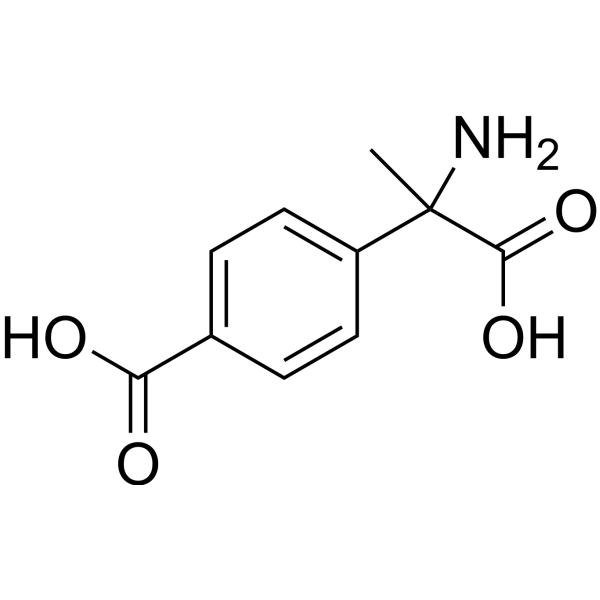
  • HY-100617A

    (RS)-4-Carboxyphenylglycine

    mGluR Others
    (RS)-4CPG ((RS)-4-Carboxyphenylglycine) is a type I metabotropic glutamate receptor antagonist with activity in blocking LTP induction. In mice lacking IP3R1, (RS)-4CPG (500μM) nearly blocked long-term potentiation (LTP) induced by type I metabotropic glutamate receptor activation, with LTP of 117.6±1.7% (n = 8) in IP3R1(-/-) mice and 116.9±1.8% (n = 5) in IP3R1(+/+) mice.
    (RS)-4CPG
  • HY-120970

    Cholinesterase (ChE) GABA Receptor iGluR Neurological Disease
    Bis(7)-tacrine dihydrochloride is a dimeric AChE inhibitor derived from tacrine. Bis(7)-tacrine dihydrochloride prevents glutamate-induced neuronal apoptosis by blocking NMDA receptors. Bis(7)-tacrine dihydrochloride is a potent GABAAreceptor antagonist. Bis(7)-tacrine dihydrochloride has the potential for the research of Alzheimer's disease .
    Bis(7)-tacrine dihydrochloride
  • HY-19742A

    SRA-333 hydrochloride

    5-HT Receptor Neurological Disease
    Lecozotan (SRA-333) hydrochloride is an orally active and selective antagonist of 5-HT1A with a Ki of 4.5 nM for cloned human 5-HT1A receptor. Lecozotan hydrochloride enhances the stimulated release of glutamate and acetylcholine in the hippocampus and possesses cognitive-enhancing properties. Lecozotan hydrochloride has the potential for mild-to-moderate Alzheimer's disease (AD) research .
    Lecozotan hydrochloride
  • HY-131289

    mGluR Neurological Disease
    LY3020371 is a potent and selective antagonist of glutamate (mGlu) 2/3 receptor, with Kis of 5.26 and 2.50 nM for hmGluR2 and hmGluR3, respectively. LY3020371 can be used for the research of depression .
    LY3020371

Inquiry Online

Your information is safe with us. * Required Fields.

Salutation


Country or Region *

Applicant Name *


Organization Name *

Department *


Email Address *


Product Name *

Cat. No.


Requested quantity *

Phone Number *


Remarks

Inquiry Online

Inquiry Information

Product Name:
Cat. No.:
Quantity:
MCE Japan Authorized Agent:

