1. Search Result
Search Result
Results for "

Glycosylation

" in MedChemExpress (MCE) Product Catalog:

104

Inhibitors & Agonists

1

Screening Libraries

2

Fluorescent Dyes

22

Biochemical Assay Reagents

4

Peptides

2

MCE Kits

3

Inhibitory Antibodies

23

Natural
Products

13

Recombinant Proteins

7

Antibodies

6

Click Chemistry

3

Oligonucleotides

Cat. No. 상품명 Target 연구분야 Chemical Structure
  • HY-A0098
    Tunicamycin
    Maximum Cited Publications
    155 Publications Verification

    Antibiotic Influenza Virus Fungal Bacterial Aminotransferases (Transaminases) Exosomes Infection Inflammation/Immunology Cancer
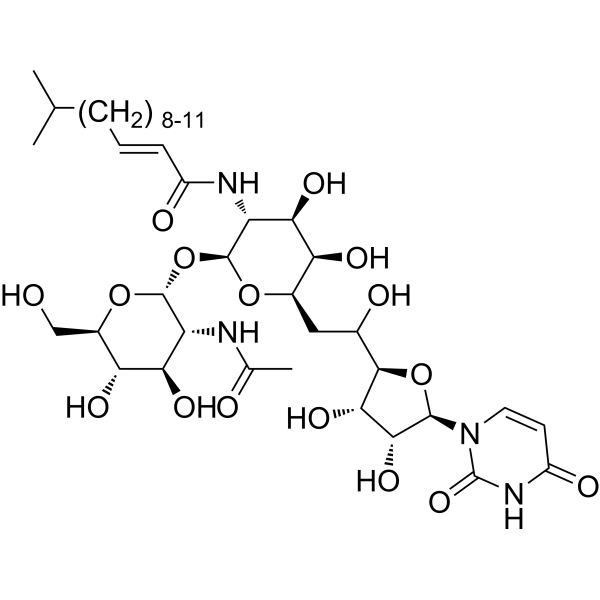
    Tunicamycin is a mixture of homologous nucleoside antibiotic that inhibits N-linked glycosylation and blocks GlcNAc phosphotransferase (GPT). Tunicamycin causes accumulation of unfolded proteins in cell endoplasmic reticulum (ER) and induces ER stress, and causes blocking of DNA synthesis and cell cycle arrest in G1 phase. Tunicamycin inhibits gram-positive bacteria, yeasts, fungi, and viruses and has anti-cancer activity .Tunicamycin increases exosome release in cervical cancer cells .
    Tunicamycin
  • HY-129389
    Benzyl-α-GalNAc
    5+ Cited Publications

    Glycosyltransferase Cancer
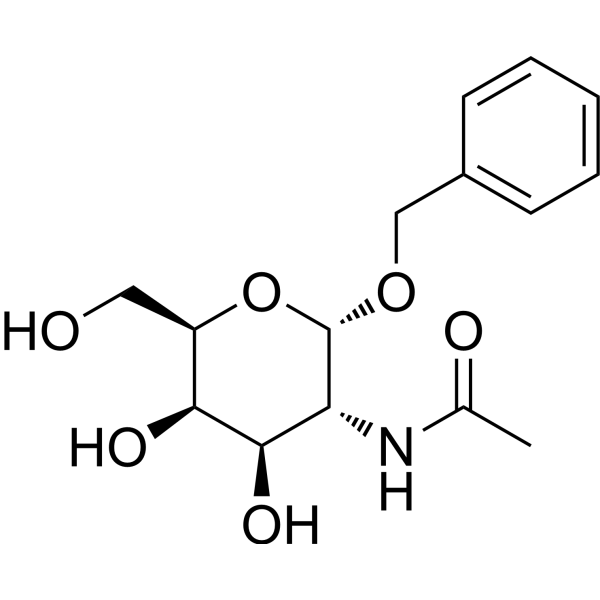
    Benzyl-α-GalNAc is a potent O-glycosylation inhibitor. Benzyl-α-GalNAc effectively inhibits the proliferation and activation of LX-2 cells and suppresses the expression of collagen I/III, which has good potential for investigation in liver fibrosis. Benzyl-α-GalNAc also significantly enhances the anti-tumour activity of 5-Fluorouracil (HY-90006) (e.g. pancreatic cancer) by inhibiting O-glycosylation .
    Benzyl-α-GalNAc
  • HY-114365
    UDP-GalNAc disodium
    1 Publications Verification

    UDP-N-acetyl-D-galactosamine disodium

    Endogenous Metabolite Metabolic Disease Cancer
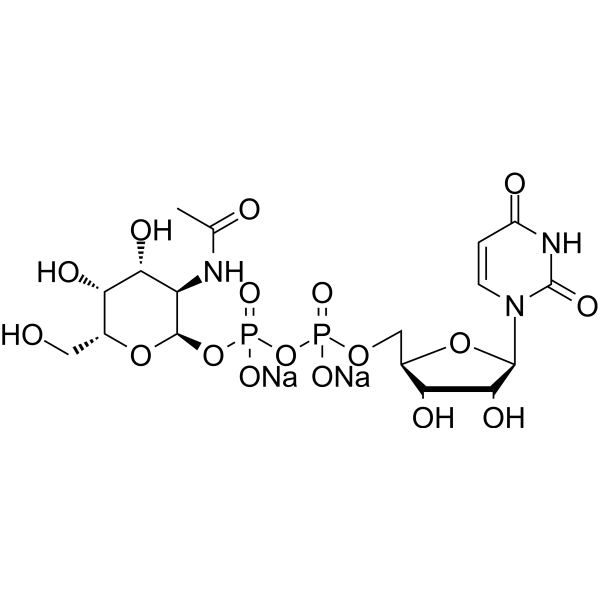
    UDP-GalNAc (UDP-N-acetyl-D-galactosamine) disodium is a sugar nucleotide and a substrate for EpsC115. EpsC115 is a mutant with N-terminal residues 1-115 deleted from the exopolymeric substance (EPS). UDP-GalNAc disodium is a donor substrate for many N-acetylgalactosaminyltransferases, which transfer GalNAc from nucleotide sugars to sugar or peptide acceptors. UDP-GalNAc disodium provides a sugar group donor for glycosylation reactions. UDP-GalNAc disodium can be used in cancer research, such as colorectal and breast cancer .
    UDP-GalNAc disodium
  • HY-W009783
    1-Deoxymannojirimycin hydrochloride
    1 Publications Verification

    HIV Influenza Virus Infection Cancer
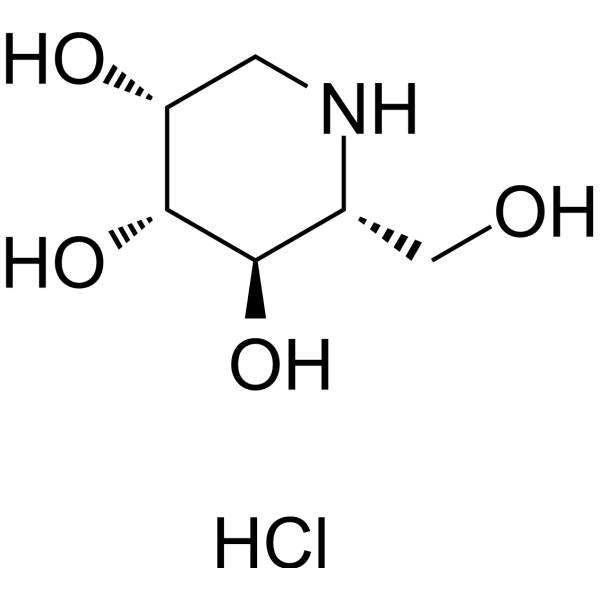
    1-Deoxymannojirimycin hydrochloride is a selective class I α1,2-mannosidase inhibitor with an IC50 of 20 μM. 1-Deoxymannojirimycin hydrochloride is also a N-linked glycosylation inhibitor. 1-Deoxymannojirimycin hydrochloride has antiviral activity against HIV‐1 strains . 1-Deoxymannojirimycin hydrochloride increases high mannose structures. 1-Deoxymannojirimycin hydrochloride can be used for the study of liver cancer and colon cancer .
    1-Deoxymannojirimycin hydrochloride
  • HY-N1347
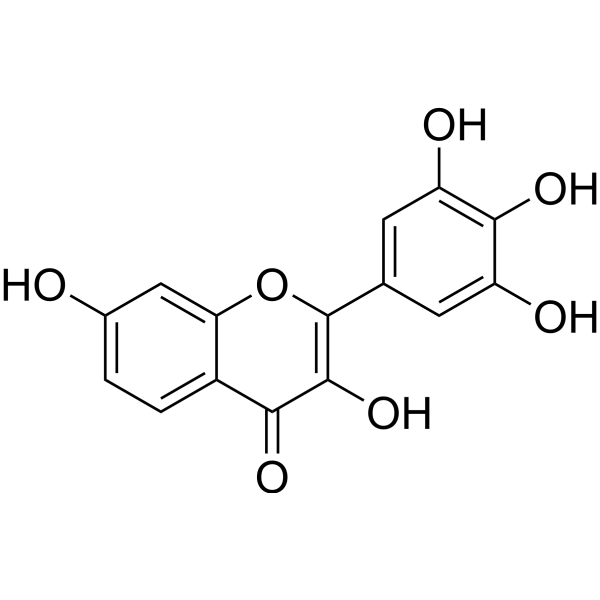
    Robinetin
    1 Publications Verification

    3,3',4',5',7-Pentahydroxyflavone

    Fungal HIV Integrase Bacterial Infection
    Robinetin (3,3',4',5',7-Pentahydroxyflavone), a naturally occurring flavonoid with remarkable ‘two color’ intrinsic fluorescence properties, has antifungal, antiviral, antibacterial, antimutagenesis, and antioxidant activity. Robinetin also can inhibit lipid peroxidation and protein glycosylation .
    Robinetin
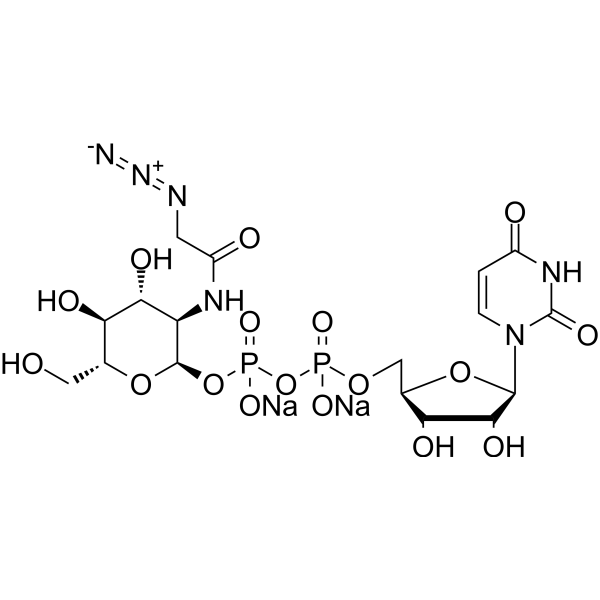
  • HY-145934A

    OGT Biochemical Assay Reagents Glycosidase Metabolic Disease
    UDP-GlcNAz disodium is the analogue of UDP-GlcNAc disodium (HY-112174). UDP-GlcNAc disodium is the donor substrate of many N-acetylgalactosaminyltransferases, enzymes which transfer GlcNAc from the nucleotide sugar to a saccharide or peptide acceptor. UDP-GlcNAc disodium is a click chemistry reagent, it contains an Azide group and can undergo copper-catalyzed azide-alkyne cycloaddition reaction (CuAAc) with molecules containing Alkyne groups. It can also undergo strain-promoted alkyne-azide cycloaddition (SPAAC) reactions with molecules containing DBCO or BCN groups .
    UDP-GlcNAz disodium
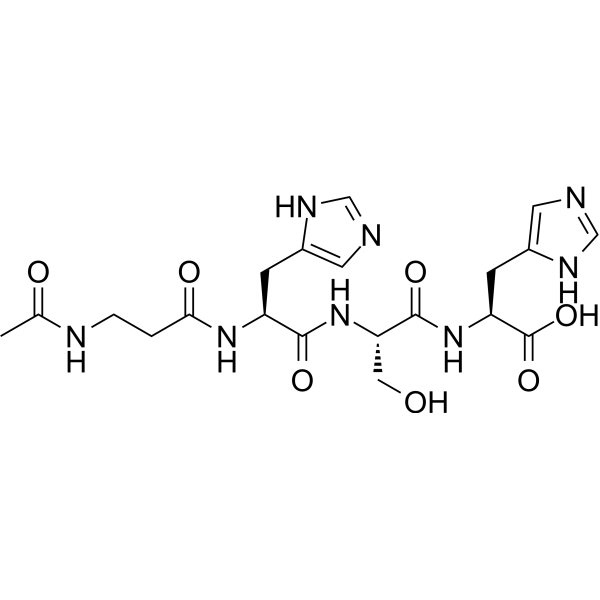
  • HY-P0095

    Angiotensin-converting Enzyme (ACE) Others
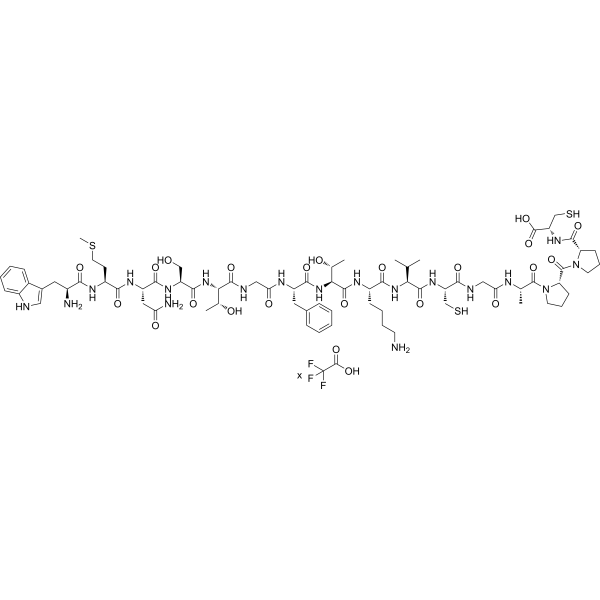
    Acetyl tetrapeptide-5 inhibits glycosylation and ACE-1 activity. Acetyl tetrapeptide-5 reduces edema and relieves vascular pressure by improving the vascular system and strengthening the skin under the eyes. Acetyl tetrapeptide-5 can be used in the research of Antioxidant, anti-aging skin care .
    Acetyl tetrapeptide-5
  • HY-P99322

    LFG316; Anti-Human C5 Recombinant Antibody

    Complement System Inflammation/Immunology
    Tesidolumab (LFG316) is a fully-human IgG1/λ anti-C5 monoclonal antibody of 143 kDa (without glycosylation). Tesidolumab (LFG316) blocks cleavage of C5 and prevents subsequent formation of the membrane attack complex .
    Tesidolumab
  • HY-175674

    NF-κB Toll-like Receptor (TLR) GLUT Inflammation/Immunology
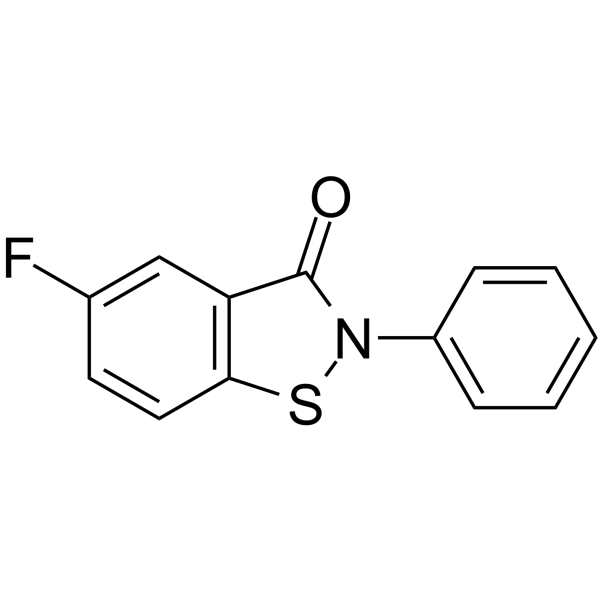
    NGI-235 is an STT3A-selective oligosaccharyltransferase complex OST-A inhibitor. NGI-235 preferentially inhibits OST-A catalytic activity, impairing N-glycosylation of OST-A substrates. NGI-235 causes the hypoglycosylation of both TLR4, GLUT1 and inhibits NF-κB signaling. NGI-235 can be used for the research of inflammation .
    NGI-235
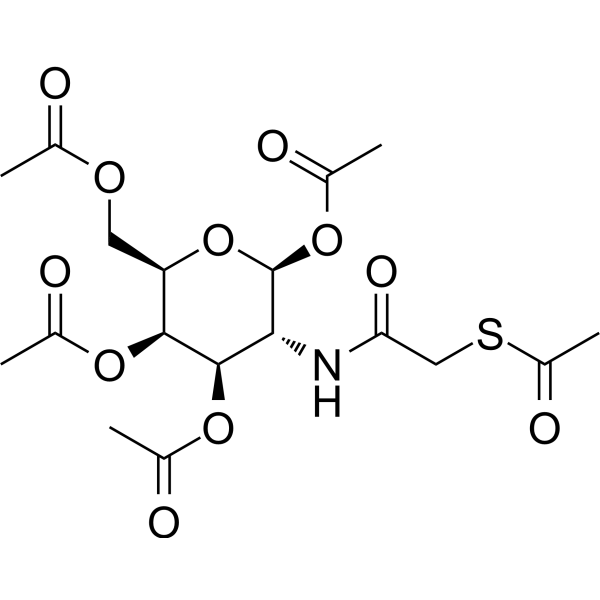
  • HY-160109
    Ac5GalNTGc
    1 Publications Verification

    Mucin Inflammation/Immunology Cancer
    Ac5GalNTGc is a potent, peracetylated C-2 thioglycolyl-substituted GalNAc analog that efficiently inhibits mucin-type O-glycan biosynthesis. Ac5GalNTGc reduces leukocyte sialyl-Lewis-X expression and inhibits L-/P-selectin mediated rolling under flow, as well as P-selectin dependent leukocyte-platelet adhesion. Ac5GalNTGc exhibits anti-inflammatory activity in a thioglycollate-induced acute peritonitis model. Ac5GalNTGc can be used for studies of O-glycan/mucin biology, inflammation, and related translational research .
    Ac5GalNTGc
  • HY-113357

    Endogenous Metabolite Neurological Disease Metabolic Disease Inflammation/Immunology
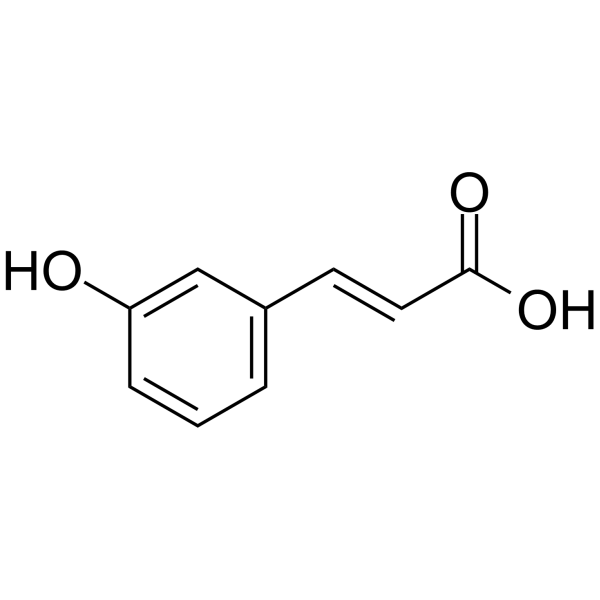
    m-Coumaric acid is a polyphenol metabolite from caffeic acid, formed by the gut microflora and the amount in human biofluids is diet-dependant. m-Coumaric acid is a BBB-penetrant metabolite of chlorogenic acid. m-Coumaric acid stimulates the cerebral nerves in vitro. m-Coumaric acid can evoke neurite outgrowth in hippocampal neuronal cells. m-Coumaric acid can promote neuronal differentiation. m-Coumaric acid increases spontaneous locomotor activity in mice by acting on the central nervous system. m-Coumaric acid inhibits the oxidation of L-dopa by epidermis tyrosinase. m-Coumaric acid attenuates non-catalytic protein glycosylation in retinas of diabetic rats .
    m-Coumaric acid
  • HY-137042

    Alkyne-Cy5

    Oxidative Phosphorylation Mitochondrial Metabolism Cancer
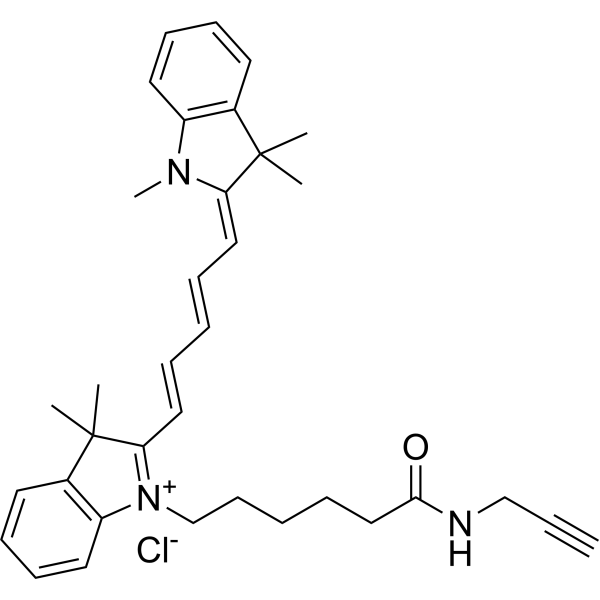
    Cyanine5 alkyne (Alkyne-Cy5) is a fluorescent dye used to label azide proteins and can be used to analyse post-translational modifications of proteins, glycosylation etc. Cyanine5 alkyne can also be used as a mitochondrial OXPHOS inhibitor to inhibit the growth of cancer stem cells (CSC) . Cyanine5 alkyne is a click chemistry reagent, it contains an Alkyne group and can undergo copper-catalyzed azide-alkyne cycloaddition (CuAAc) with molecules containing Azide groups.
    Cyanine5 alkyne
  • HY-W013707

    Cytidine triphosphate disodium dihydrate; 5'-CTP disodium dihydrate

    Endogenous Metabolite Metabolic Disease
    Cytidine-5'-triphosphate disodium dihydrate (5'-CTP disodium dihydrate) is a molecule of high energy, and acts as a coenzyme in glycerophospholipid biosynthesis and protein glycosylation .
    Cytidine-5'-triphosphate disodium dihydrate
  • HY-129099A

    PKC Estrogen Receptor/ERR Drug Metabolite Endogenous Metabolite Cancer
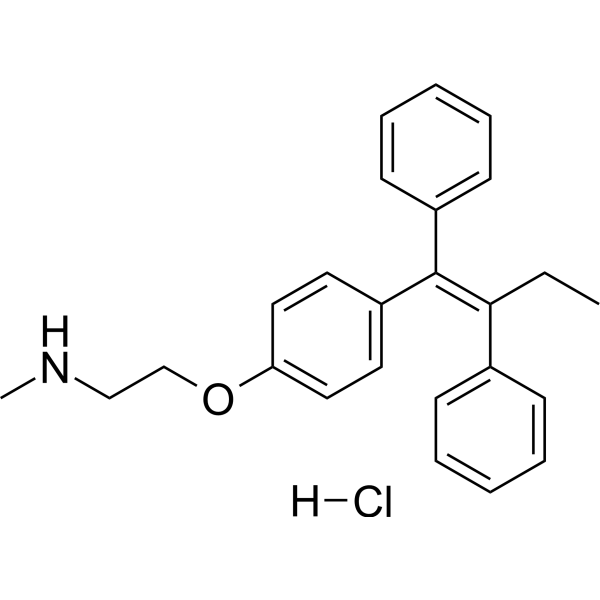
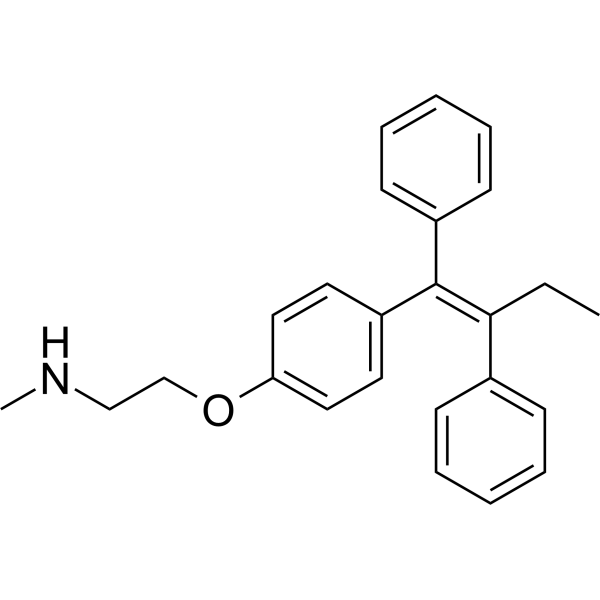
    N-Desmethyltamoxifen hydrochloride is the major metabolite of tamoxifen in humans. N-Desmethyltamoxifen, a poor antiestrogen, is a ten-fold more potent protein kinase C (PKC) inhibitor than Tamoxifen. N-Desmethyltamoxifen hydrochloride is also a potent regulator of ceramide metabolism in human AML cells, limiting ceramide glycosylation, hydrolysis, and sphingosine phosphorylation .
    N-Desmethyltamoxifen hydrochloride
  • HY-P3443
    Peanut agglutinin
    1 Publications Verification

    PNA

    Biochemical Assay Reagents Cancer
    Peanut agglutinin (PNA) is a carbohydrate-recognition protein that binds competitively and irreversibly to cell-surface β-D-Gal (1-3)-GalNAc, and this binding can be inhibited by D-galactose and asialofetuin. Peanut agglutinin recognizes exposed glycoepitopes and reflects the glycosylation status of cells. Peanut agglutinin can label glycoconjugates at neuromuscular junctions to safely visualize synaptic structures. Peanut agglutinin can be used to synthesize dyes to distinguish between normal and tumor tissues. Peanut agglutinin provides support for research on leukemia, Burkitt's tumors, and cutaneous squamous lesions .
    Peanut agglutinin
  • HY-116284

    Methyl β-D-glucoside

    Drug Intermediate Others
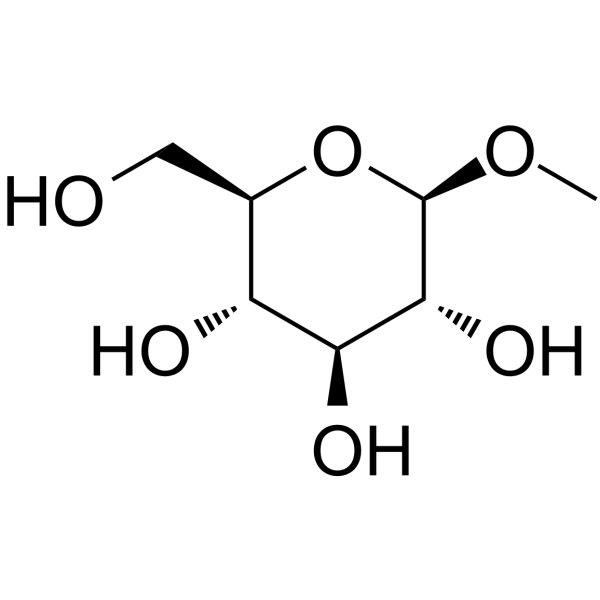
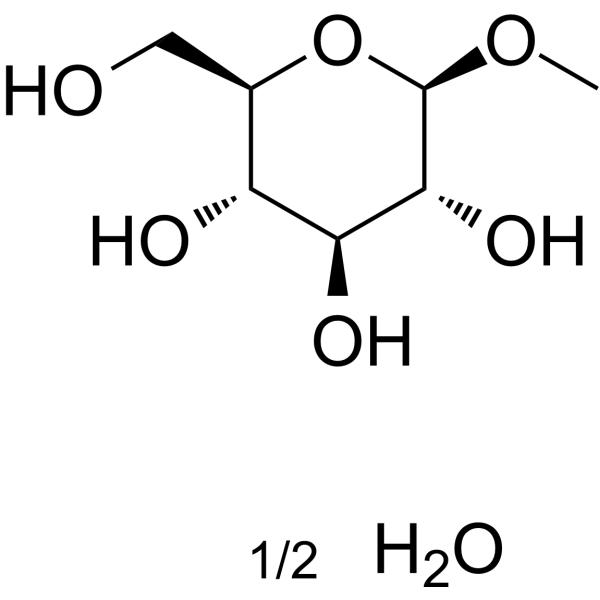
    Methyl β-D-glucopyranoside (Methyl β-D-glucoside) is a model glycosyl acceptor for enzymatic glycosylation reactions. Methyl β-D-glucopyranoside participates in glycoside synthesis and can react with acyl donors such as caffeic acid esters under the catalysis of specific enzymes (such as Lipozyme TL IM) to achieve acylation modification. Methyl β-D-glucopyranoside can generate biologically active derivatives (such as 6-O-caffeoyl glucoside). Methyl β-D-glucopyranoside can be used in organic synthesis and biocatalysis research, especially the efficient enzymatic preparation of medicinal glycosides (such as Robustaside B (HY-N2720), 6-O-caffeoyl salidroside) .
    Methyl β-D-glucopyranoside
  • HY-164390

    Neu5Acα2-6Galβ1-4GlcNAc

    Endogenous Metabolite Infection Cancer
    6′SLN is a cancer-related extracellular vesicle (EVs) surface glycan that serves as a key form of protein glycosylation in EVs. 6′SLN is also a sialic acid derivative that can interact with hemagglutinins (HAs) from human and avian influenza virus strains, making it useful for research into anti-influenza drugs .
    6′SLN
  • HY-138802
    ML089
    1 Publications Verification

    Phosphomannose Isomerase (PMI) Metabolic Disease
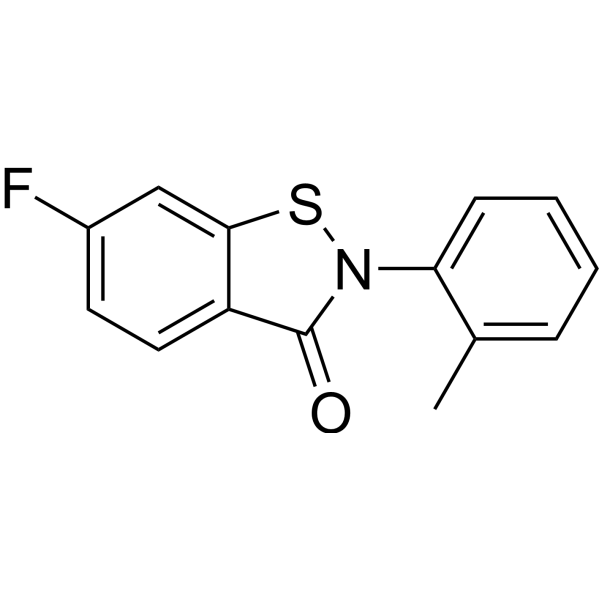
    ML089 is a potent, selective, and orally available phosphomannose isomerase (PMI) inhibitor with an IC50 of 1.3 µM. ML089 can be used for the research of congenital disorder of glycosylation Ia .
    ML089
  • HY-W423080

    Biochemical Assay Reagents Fluorescent Dye Others
    TAMRA alkyne, 5-isomer (Compound 3) is an alkyne derivative of TAMRA and can be used for the enrichment, in-gel fluorescence detection, and identification of O-GlcNAc-modified proteins. TAMRA alkyne, 5-isomer contains an Alkyne group and can undergo copper-catalyzed azide-alkyne cycloaddition reaction (CuAAc) with molecules containing Azide groups. It can also undergo strain-promoted alkyne-azide cycloaddition (SPAAC) reactions with molecules containing DBCO or BCN groups .
    TAMRA alkyne,5-isomer
  • HY-NP163D

    WGA-AF594

    Fluorescent Dye Cancer
    Wheat germ agglutinin-AF594 (WGA-AF594) is a plant lectin that contains the fluorescent dye AF594, which can be used to identify carbohydrate chains. Wheat germ agglutinin-AF594 can be used to assess abnormal glycosylation levels in the body. The specific glycosylation detection sites of Wheat germ agglutinin is bis-GlcNAc, SA .
    Wheat germ agglutinin-AF594
  • HY-W718137

    Biochemical Assay Reagents Others
    6-Azido-6-deoxy-D-galactose, 95% can be used as a substrate in enzymology to study the activity and specificity of galactosyltransferases and other glycosylation enzymes.
    6-Azido-6-deoxy-D-galactose, 95%
  • HY-156905

    Biochemical Assay Reagents Others
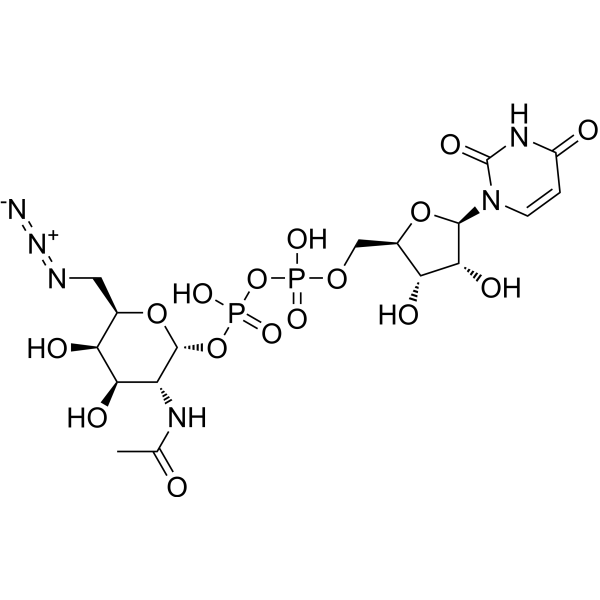
    6-Azido-N-acetylgalactosamine-UDP (Compound 5) is a 6-azido-modified nucleotide sugar. It acts as an active sugar donor in lactose glycosylation catalyzed by beta-1,3-N-Acetylhexaminyltransferase (LgtA). Azido-modified nucleotide sugars are strategically used in copper-free click chemistry to modify the N-glycan core structure of IgG .
    6-Azido-N-acetylgalactosamine-UDP
  • HY-135646

    Influenza Virus Infection Inflammation/Immunology
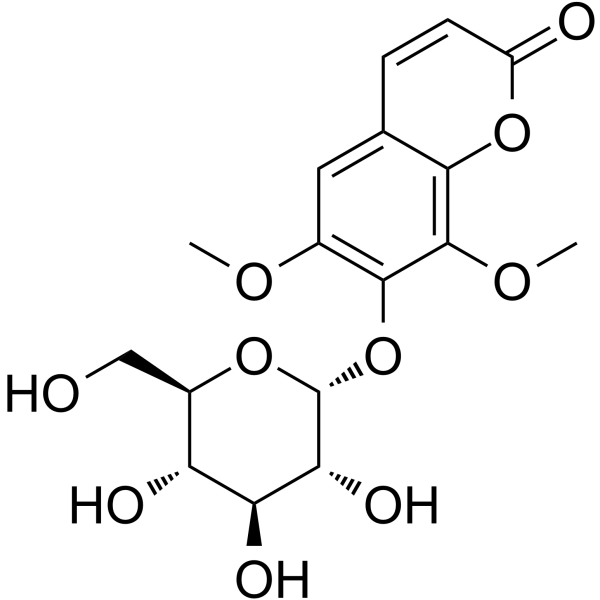
    Eleutheroside B1, a coumarin compound, has a wide spectrum of anti-human influenza virus efficacy, with an IC50 value of 64-125 µg/ml. Eleutheroside B1 mediates its anti-influenza activity through POLR2A and N-glycosylation. Eleutheroside B1 inhibits the mRNA expression of several chemokine genes and the influenza nucleoprotein (NP) gene, and exhibits low cytotoxicity. Antiviral and anti-inflammatory activities .
    Eleutheroside B1
  • HY-W040294

    Methyl α-D-glucopyranoside

    Biochemical Assay Reagents Others
    Methyl α-D-glucoside (Methyl α-D-glucopyranoside) can be used for protein glycosylation modification. Methyl α-D-glucoside is a kind of biological materials or organic compounds that are widely used in life science research .
    Methyl α-D-glucoside
  • HY-16304

    Endogenous Metabolite Metabolic Disease
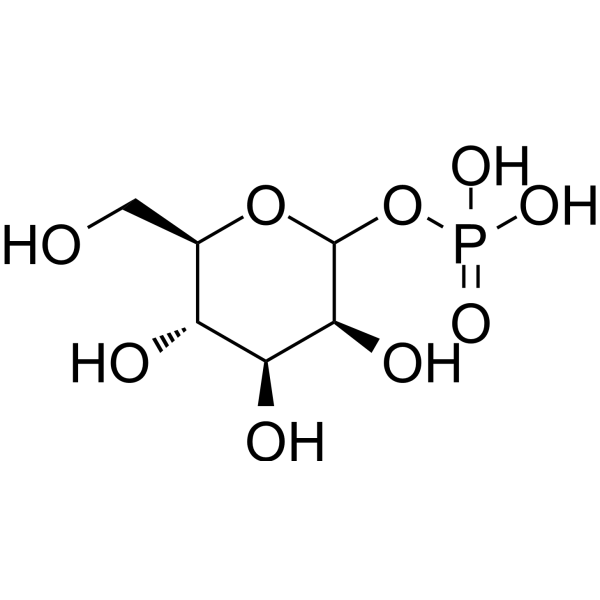
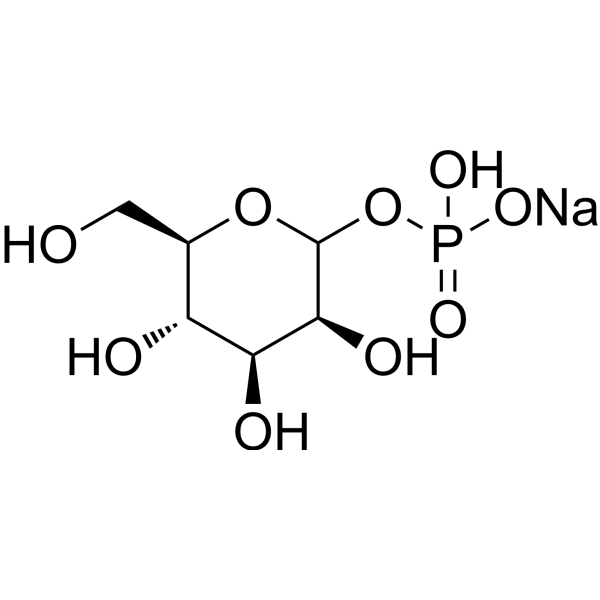
    Mannose 1-phosphate is a phosphorylated mannose that serves as a precursor of GDP-mannose, a constituent unit of glycosylation biosynthetic pathways. Mannose 1-phosphate increases intracellular GDP-mannose concentration, promotes normalization of lipid-linked oligosaccharide structures, and enhances the formation of mature N-glycans on cellular proteins. Mannose 1-phosphate can be used in studies related to glycosylation disorders .
    Mannose 1-phosphate
  • HY-116392E

    Glucosylceramide Synthase (GCS) Apoptosis Neurological Disease Metabolic Disease Cancer
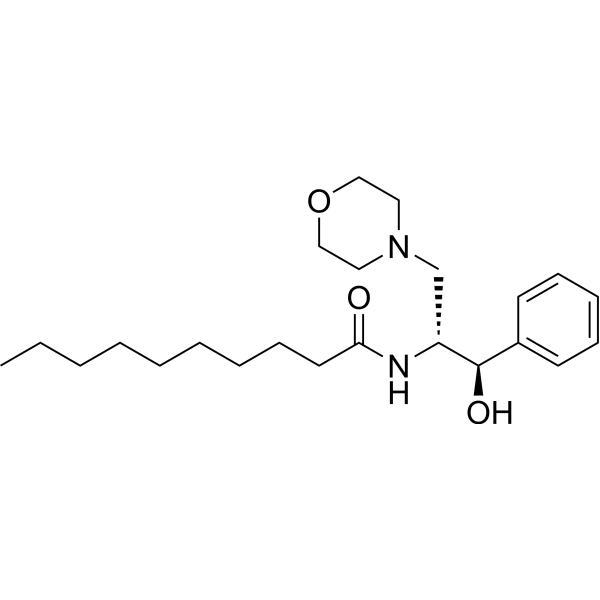
    D-threo-PDMP is a potent glucoceramide synthase (GCS) inhibitor, which reduces the glycosphingolipids (such as GM3 and GD3) on the cell surface by inhibiting glycosylation, reduces the total length of the axon plexus and the number of axon branch points, and inhibits neurite growth. D-threo-PDMP inhibits the synthesis of GM3, thereby reducing the adhesion ability of B16 melanoma cells and mimicking the pathological effects of hyperglycemia/TGF-β1. D-threo-PDMP inhibits the synthesis of GD3, thereby protecting liver cells from apoptosis induced by TNF-α. D-threo-PDMP can be used to study diseases related to targeted glycosphingolipid metabolism .
    D-threo-PDMP
  • HY-NP163E

    WGA-AF647

    Fluorescent Dye Cancer
    Wheat germ agglutinin-AF647 (WGA-AF647) is a plant lectin that contains the fluorescent dye AF647, which can be used to identify carbohydrate chains. Wheat germ agglutinin-AF647 can be used to assess abnormal glycosylation levels in the body. The specific glycosylation detection sites of Wheat germ agglutinin is bis-GlcNAc, SA .
    Wheat germ agglutinin-AF647
  • HY-W674039

    Biochemical Assay Reagents Others
    6-Azido-6-deoxy-D-glucose, 95% is used for visualizing protein-specific glycosylation in living cells.
    6-Azido-6-deoxy-D-glucose, 95%
  • HY-E70290

    GALNT1

    Endogenous Metabolite β-catenin Wnt Cancer
    N-Acetylgalactosaminyltransferase 1 (GALNT1) is a glycosyltransferase that initiates mucin-type O-glycosylation by transferring α-GalNAc from UDP-GalNAc to serine (Ser) or threonine (Thr) residues in proteins. Overexpression of N-Acetylgalactosaminyltransferase 1 in gastric cancer can promote abnormal O-glycosylation of CD44, thereby activating the Wnt/β-catenin signaling pathway and regulating the malignant behavior of gastric cancer cells. Additionally, N-Acetylgalactosaminyltransferase 1 plays a crucial role in cancer growth and metastasis by modifying the O-glycosylation of various glycoproteins, such as mucin (MUC1), osteopontin (OPN), matrix metalloproteinase-14 (MMP14), and integrin α3 .
    N-Acetylgalactosaminyltransferase 1
  • HY-E70104

    α-L-Rhamnosidase

    Others Others
    α-Rhamnosidase is a glycoside hydrolase. α-Rhamnosidase is able to finish the enzymatic de-glycosylation of many nature flavone glycosides .
    α-Rhamnosidase
  • HY-124890

    Phosphomannose Isomerase (PMI) Glucose-6-Phosphate Isomerase (GPI) Metabolic Disease
    Thr101 is an inhibitor (IC50=2.9 μM) of phosphomannose isomerase (PMI).PMI can compete with phosphomannose mutase 2 (PMM2) for the binding site of Man-6-P and convert mannose-6-phosphate (Man-6-P) into fructose-6-phosphate (Fru-6-P) .Thr101 only specifically inhibits PMI and not PMM2. Thr101 can be used for research of congenital disorder of glycosylation type Ia (CDG-Ia) .
    Thr101
  • HY-116392F

    Glucosylceramide Synthase (GCS) Neurological Disease Metabolic Disease Cancer
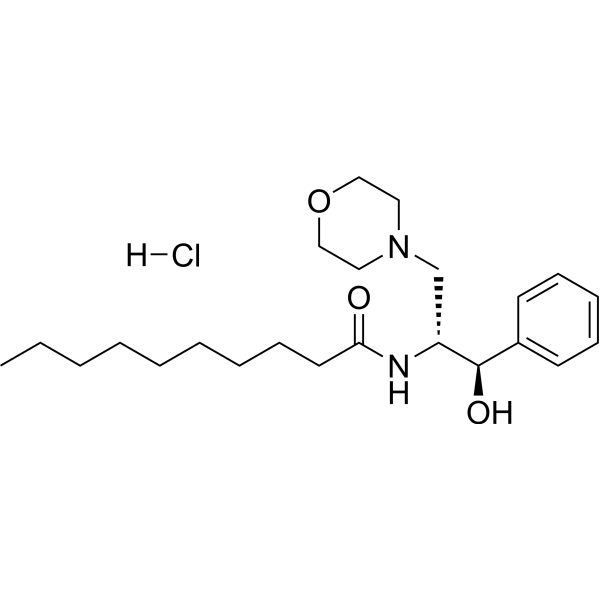
    D-threo-PDMP hydrochloride is a potent glucoceramide synthase (GCS) inhibitor, which reduces the glycosphingolipids (such as GM3 and GD3) on the cell surface by inhibiting glycosylation, reduces the total length of the axon plexus and the number of axon branch points, and inhibits neurite growth. D-threo-PDMP hydrochloride inhibits the synthesis of GM3, thereby reducing the adhesion ability of B16 melanoma cells and mimicking the pathological effects of hyperglycemia/TGF-β1. D-threo-PDMP hydrochloride inhibits the synthesis of GD3, thereby protecting liver cells from apoptosis induced by TNF-α. D-threo-PDMP hydrochloride can be used to study diseases related to targeted glycosphingolipid metabolism .
    D-threo-PDMP hydrochloride
  • HY-113230B
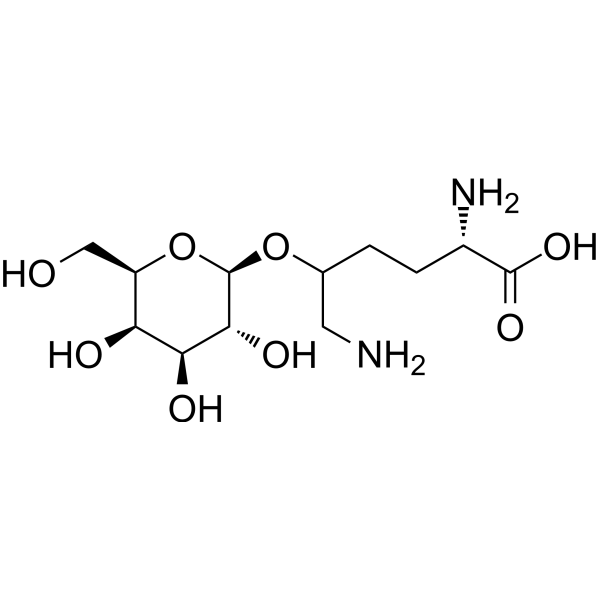
    Galactosylhydroxylysine hydrochloride
    1 Publications Verification

    Endogenous Metabolite Metabolic Disease
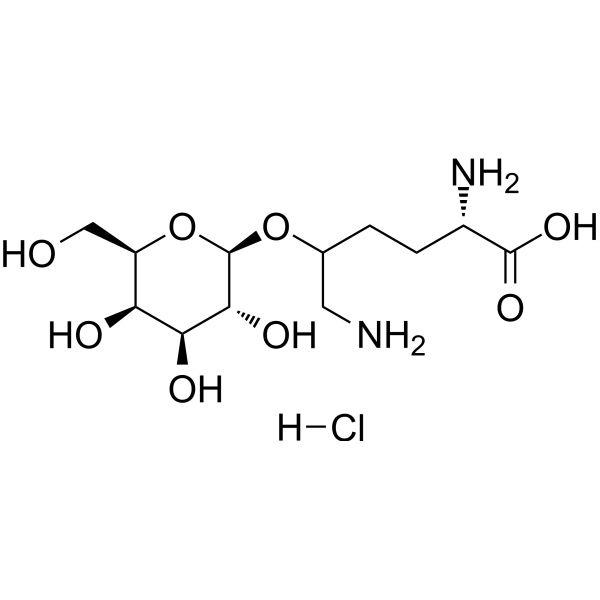
    Galactosylhydroxylysine hydrochloride is a component of bone collagen produced by post-translational glycosylation of hydroxylysine. Galactosylhydroxylysine hydrochloride is released during bone resorption and has been shown to be elevated in metabolic bone loss .
    Galactosylhydroxylysine hydrochloride
  • HY-41588

    Biochemical Assay Reagents Others
    2,3,4,6-Tetra-O-acetyl-D-glucopyranose, 96% can be used in simulated glycosylation experiments.
    2,3,4,6-Tetra-O-acetyl-D-glucopyranose, 96%
  • HY-E70883

    EndoS D233Q

    Glycosidase Others
    Endoglycosidase S (D233Q mutant) (EndoS D233Q) is a mutant endoglycosidase, which catalyzes the glycosylation of Trastuzumab (HY-P9907)-GlcNAc with the functionalized, non-natural glycans to give glycosylated monoclonal Abs (mAbs) carrying two glycans each functionalized with two reaction handles .
    Endoglycosidase S (D233Q mutant)
  • HY-129099

    PKC Estrogen Receptor/ERR Drug Metabolite Endogenous Metabolite Cancer
    N-Desmethyltamoxifen is the major metabolite of tamoxifen in humans. N-Desmethyltamoxifen, a poor antiestrogen, is a ten-fold more potent protein kinase C (PKC) inhibitor than Tamoxifen. N-Desmethyltamoxifen is also a potent regulator of ceramide metabolism in human AML cells, limiting ceramide glycosylation, hydrolysis, and sphingosine phosphorylation .
    N-Desmethyltamoxifen
  • HY-P2929B

    Glycosidase Others
    PNGase F (Immobilized, Microspin) is a resin in which PNGase F (peptide N-glycosidase F) is covalently coupled to agarose beads, and it is used to remove N-glycans from antibodies, fusion proteins and other N-glycosylated proteins. The enzyme is recombinantly expressed in Escherichia coli, with its sequence derived from Flavobacterium meningsepticum .
    PNGase F (Immobilized, Microspin)
  • HY-150177

    Drug Intermediate Metabolic Disease
    Mannose 6 phosphate is an essential precursor for mannosyl glycoconjugates, including lipid-linked oligosaccharides (LLO; glucose3mannose9GlcNAc2-P-P-dolichol) used for protein N-glycosylation. Mannose 6 phosphate causes specific LLO cleavage. Mannose 6 phosphate causes specific degradation of G3M9Gn2-P-P-Dol. Complexes containing Mannose 6 phosphate can remodel the dermal collagen network, improve skin biomechanical properties, and reverse visible signs of aging. Mannose 6 phosphate can be used in research related to skin aging .
    Mannose 6 phosphate
  • HY-W415798

    Endogenous Metabolite Others
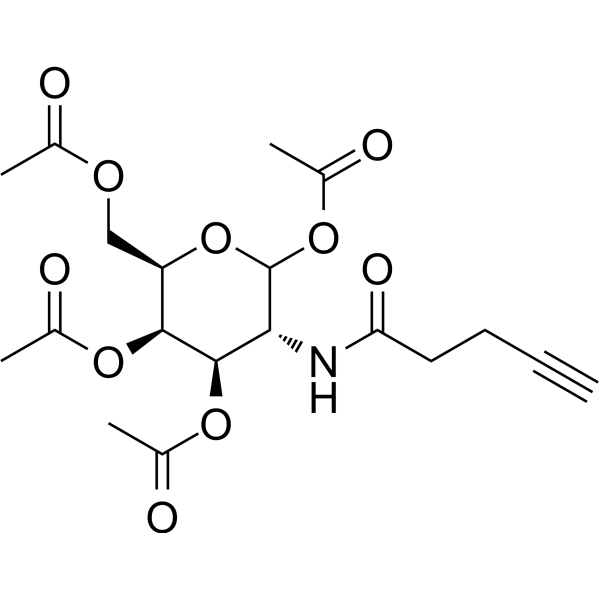
    Ac4GalNAlk is a weakly alkyne-labeled reagent for metabolic oligosaccharide engineering (MOE) that can be used to detect protein glycosylation. MOE reagents can be activated by cellular biosynthetic machinery into nucleotide sugars, which can be further traced through the introduction of glycoproteins in bioorthogonal chemistry. Ac4GalNAlk promotes nucleotide-sugar biosynthesis and increases bioorthogonal cell surface markers .
    Ac4GalNAlk
  • HY-NP163

    WGA-AF350

    Fluorescent Dye Cancer
    Wheat germ agglutinin-AF350 (WGA-AF350) is a plant lectin that contains the fluorescent dye AF350, which can be used to identify carbohydrate chains. Wheat germ agglutinin-AF350 can be used to assess abnormal glycosylation levels in the body. The specific glycosylation detection sites of Wheat germ agglutinin is bis-GlcNAc, SA .
    Wheat germ agglutinin-AF350
  • HY-W047324

    4-Aminophenylmannoside, 98%

    Biochemical Assay Reagents Others
    4-Aminophenyl-α-D-mannopyranoside, 98% is a synthetic glycoside primarily used as a molecular tool in biochemical research for studying glycosylation processes and enzyme-substrate interactions.
    4-Aminophenyl-α-D-mannopyranoside, 98%
  • HY-145934B

    OGT Biochemical Assay Reagents Glycosidase Metabolic Disease
    UDP-GlcNAz is the analogue of UDP-GlcNAc disodium (HY-112174). UDP-GlcNAc disodium is the donor substrate of many N-acetylgalactosaminyltransferases, enzymes which transfer GlcNAc from the nucleotide sugar to a saccharide or peptide acceptor. UDP-GlcNAc disodium is a click chemistry reagent, it contains an Azide group and can undergo copper-catalyzed azide-alkyne cycloaddition reaction (CuAAc) with molecules containing Alkyne groups. It can also undergo strain-promoted alkyne-azide cycloaddition (SPAAC) reactions with molecules containing DBCO or BCN groups .
    UDP-GlcNAz
  • HY-176559

    Drug-Linker Conjugates for ADC Cancer
    LacNAc-VC-PAB-MMAE is a component of an Antibody-Drug Conjugate (ADC). LacNAc-VC-PAB-MMAE is assembled onto the N-glycosylation site of Trastuzumab (HY-P9907) by WT Endo-S2 .
    LacNAc-VC-PAB-MMAE
  • HY-W039854

    1,2,3,4-Tetra-O-acetyl-beta-D-glucopyranose, 96%

    Biochemical Assay Reagents Others
    1,2,3,4-Tetra-O-acetyl-β-D-glucopyranose, 96% (1,2,3,4-Tetra-O-acetyl-beta-D-glucopyranose, 96%) can be used in glycobiology research to study glycosylation mechanisms, glycosidic bond formation, and stereochemistry.
    1,2,3,4-Tetra-O-acetyl-β-D-glucopyranose, 96%
  • HY-113357R

    Reference Standards Endogenous Metabolite Neurological Disease Inflammation/Immunology
    m-Coumaric acid (Standard) is the analytical standard of m-Coumaric acid. This product is intended for research and analytical applications. m-Coumaric acid is a polyphenol metabolite from caffeic acid, formed by the gut microflora and the amount in human biofluids is diet-dependant. m-Coumaric acid is a BBB-penetrant metabolite of chlorogenic acid. m-Coumaric acid stimulates the cerebral nerves in vitro. m-Coumaric acid can evoke neurite outgrowth in hippocampal neuronal cells. m-Coumaric acid can promote neuronal differentiation. m-Coumaric acid increases spontaneous locomotor activity in mice by acting on the central nervous system. m-Coumaric acid inhibits the oxidation of L-dopa by epidermis tyrosinase. m-Coumaric acid attenuates non-catalytic protein glycosylation in retinas of diabetic rats .
    m-Coumaric acid (Standard)
  • HY-E70292

    GALNT11

    Notch Endogenous Metabolite Cardiovascular Disease
    N-Acetylgalactosaminyltransferase 11 (GALNT11) is a glycosylation transferase capable of activating the Notch signal .
    N-Acetylgalactosaminyltransferase 11
  • HY-NP163I

    WGA-AF 680

    Fluorescent Dye Cancer
    Wheat germ agglutinin-AF680 (WGA-AF 680) is a plant lectin that contains the fluorescent dye AF680, which can be used to identify carbohydrate chains. Wheat germ agglutinin-AF680 can be used to assess abnormal glycosylation levels in the body. The specific glycosylation detection sites of Wheat germ agglutinin is bis-GlcNAc, SA .
    Wheat germ agglutinin-AF680
  • HY-NP163J

    WGA-AF 405

    Fluorescent Dye Cancer
    Wheat germ agglutinin-AF405 (WGA-AF 405) is a plant lectin that contains the fluorescent dye AF405, which can be used to identify carbohydrate chains. Wheat germ agglutinin-AF405 can be used to assess abnormal glycosylation levels in the body. The specific glycosylation detection sites of Wheat germ agglutinin is bis-GlcNAc, SA .
    Wheat germ agglutinin-AF405
  • HY-125849

    Chrysin 7-O-β-gentiobioside

    Drug Derivative Cancer
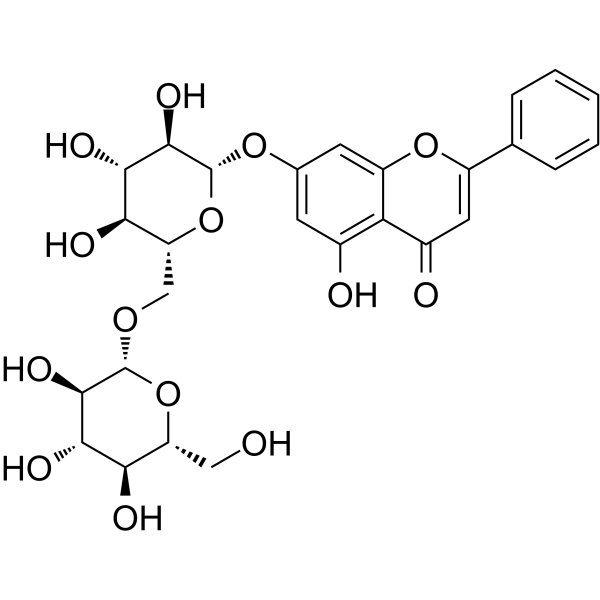
    Chrysin 7-O-beta-gentiobioside (Chrysin 7-O-β-gentiobioside) is the glycosylation product of Chrysin .
    Chrysin 7-O-beta-gentiobioside
  • HY-W661016

    1-Azido-1-deoxy-beta-D-galactopyranoside, 97%

    Biochemical Assay Reagents Others
    1-Azido-1-deoxy-β-D-galactopyranoside, 97% is extensively used in research on glycosylation processes and enzyme mechanisms.
    1-Azido-1-deoxy-β-D-galactopyranoside, 97%

온라인 문의

Your information is safe with us. * Required Fields.

호칭


Country or Region *

고객명 *


회사명 *

Department *


메일주소 *


상품명 *

Cat. No.


Requested quantity *

전화번호 *


비고

온라인 문의

Inquiry Information

상품명:
Cat. No.:
수량:
MCE Japan Authorized Agent: