

Search Result
Results for "
Penicillium
" in MedChemExpress (MCE) Product Catalog:
5
Biochemical Assay Reagents
5
Isotope-Labeled Compounds
| Cat. No. |
Product Name |
Target |
Research Areas |
Chemical Structure |
-
- HY-B1747
-
|
|
Antibiotic
Bacterial
Fungal
|
Infection
|
|
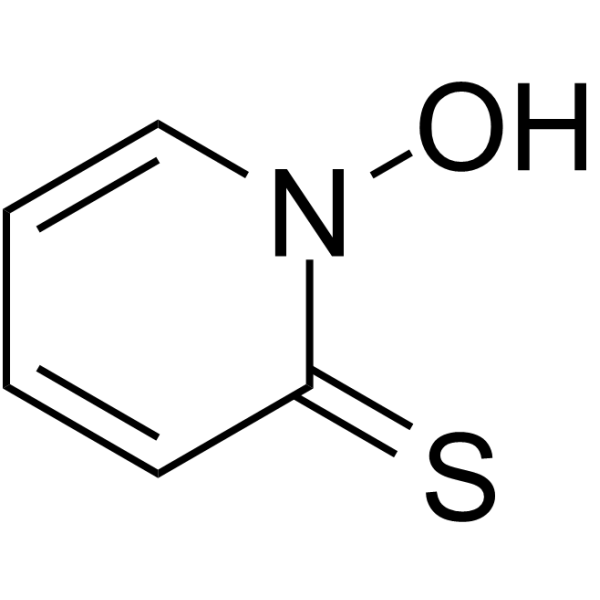
Pyrithione is an inhibitor of membrane transport processes in fungi. Pyrithione is a potent antibiotic aspergillic acid. Pyrithion incubated Penicillium mycelia would have a marked decrease in the activities of a variety of independently regulated transport systems .
|
-
-
- HY-N6779
-
Patulin
4 Publications Verification
Terinin
|
Bacterial
Apoptosis
Autophagy
Antibiotic
|
Infection
|
|
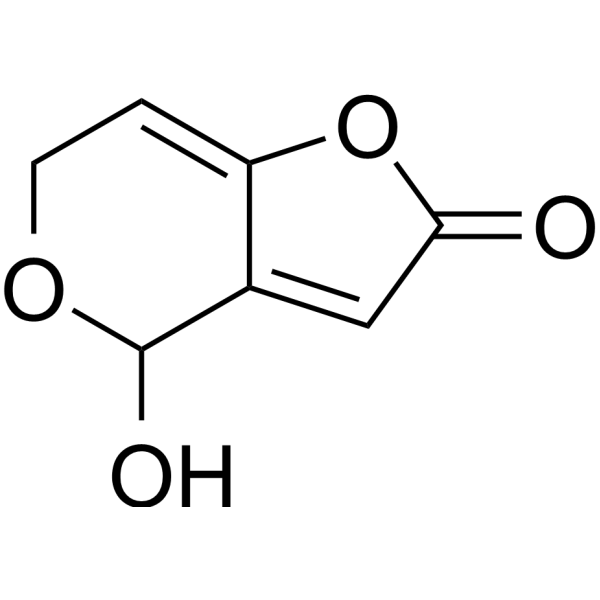
Patulin (Terinin) is a mycotoxin produced by fungi including the Aspergillus, Penicillium, and Byssochlamys species, causes chromosome breakage, mutation, teratogenic and cytotoxic. Patulin induces autophagy-dependent apoptosis through lysosomal-mitochondrial axis, and causes DNA damage .
|
-
-
- HY-30220
-
-
-
- HY-N6777
-
-
-
- HY-N6748
-
-
-
- HY-170035
-
|
C18 Glucosyl(β) ceramide (d18:1/18:0); D-glucosyl-β-1,1' N-stearoyl-D-erythro-sphingosine
|
Fungal
Wnt
β-catenin
|
Infection
Neurological Disease
Cancer
|
|
GlcCer (d18:1/18:0) (C18 Glucosyl(β) ceramide (d18:1/18:0)) is a glycosphingolipids that activates the Wnt/β-catenin pathway by targeting LRP6. GlcCer (d18:1/18:0) drives EMT, migration, invasion and GBA1-mediated liver cancer metastasis. GlcCer (d18:1/18:0) accumulates to impair lysosomal function and induce toxic α-synuclein aggregation. GlcCer (d18:1/18:0) supports growth, sporulation, germination and virulence in Penicillium digitatum. GlcCer (d18:1/18:0) is reduced in demyelinated mouse corpus callosum. GlcCer (d18:1/18:0) can be used for the research of liver cancer, synucleinopathies, fungal, Parkinson’s disease and Gaucher disease .
|
-
-
- HY-W099579
-
|
Kojic dipalmitate
|
Tyrosinase
|
Endocrinology
|
|
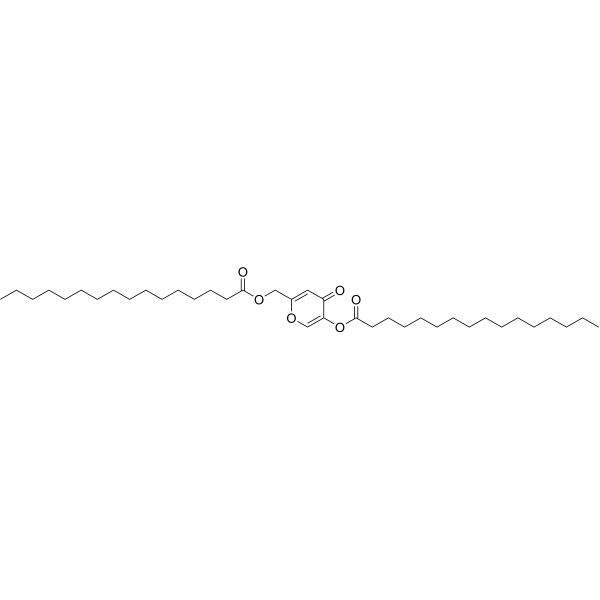
Kojic acid dipalmitate (Kojic dipalmitate) is a derivative of Kojic acid (HY-W050154), a fungal metabolite that can be produced by species of Aspergillus, Acetobacter and Penicillium. Kojic acid dipalmitate is a slow and reversible competitive inhibitor of tyrosinase. Kojic acid dipalmitate can be used for skin‐lightening agent research .
|
-
-
- HY-W001084
-
|
|
Others
|
Infection
Cancer
|
|
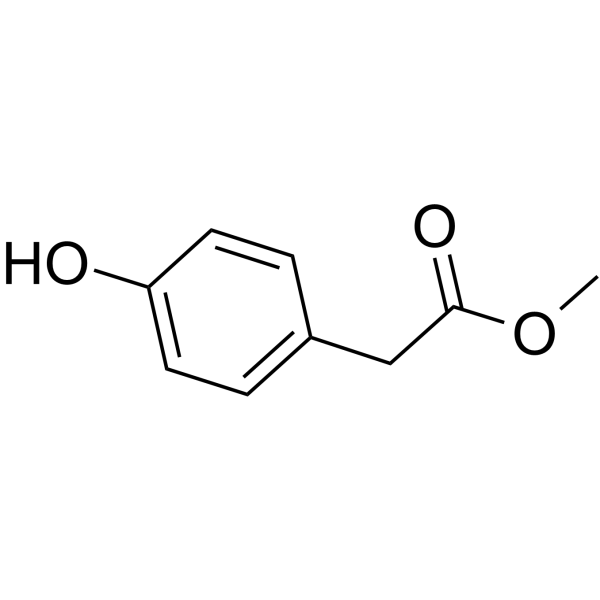
Methyl 4-hydroxyphenylacetate is a compound found in the marine fungus Penicillium oxalicum 0312F1. Methyl 4-hydroxyphenylacetate can be Methyl 4-hydroxyphenylacetate inhibits replication of tobacco mosaic virus (TMV) in Nicotiana tabacum leaf discs. Methyl 4-hydroxyphenylacetate shows inhibitory activity against proliferation of cancer cells. Methyl 4-hydroxyphenylacetate can be used for the researches of TMV infection and cancer .
|
-
-
- HY-75564
-
|
|
Endogenous Metabolite
|
Cancer
|
|
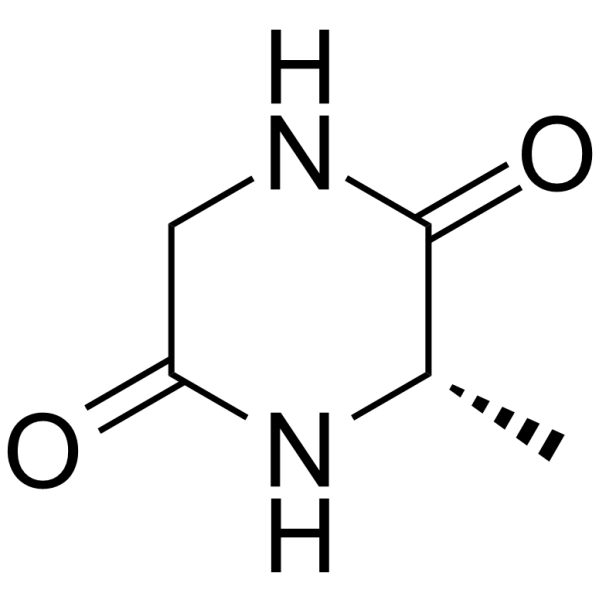
Cyclo(Ala-Gly), a metabolite of a mangrove endophytic fungus, Penicillium thomi, exhibits cytotoxicity against A549, HepG2 and HT29 cells. The IC50 values range from 9.5 to 18.1 μM .
|
-
-
- HY-129591
-
|
PNU-97333
|
Antibiotic
Parasite
nAChR
|
Others
|
|
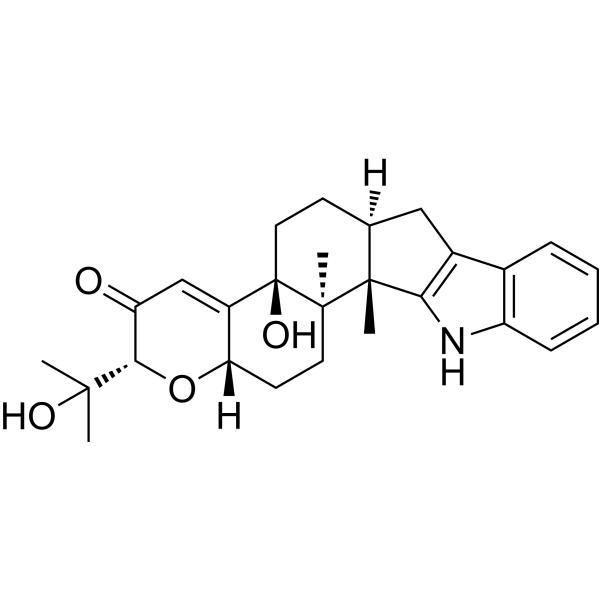
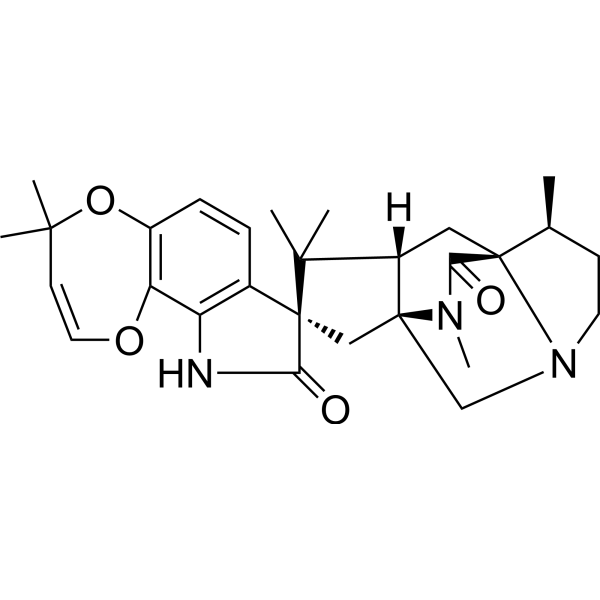
Paraherquamide A (PNU-97333) is a toxic metabolite that can be isolated from Penicillium paraherquei .
|
-
-
- HY-W250119
-
|
EDTA disodium calcium salt hydrate; Ethylenediaminetetraacetic acid disodium calcium salt hydrate
|
Biochemical Assay Reagents
Fungal
Mitochondrial Metabolism
|
Infection
|
|
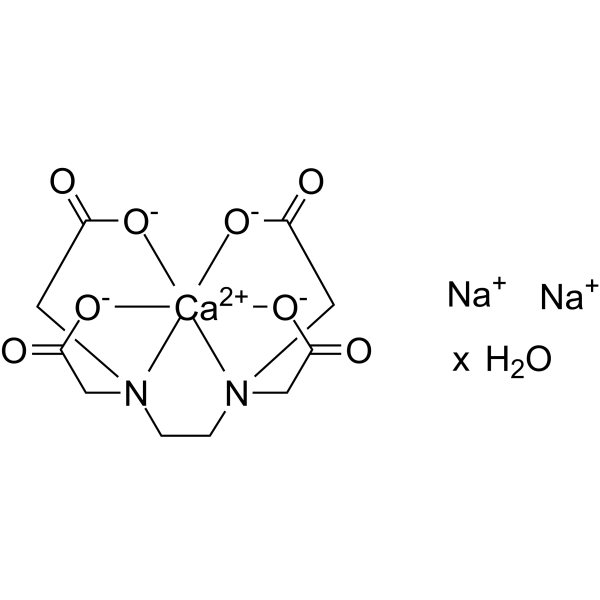
Calcium disodium edetate hydrate (EDTA disodium calcium salt hydrate) is a metal chelator and antifungal agent. Calcium disodium edetate hydrate chelates Mn 2+, damages mitochondria, and interferes with carbohydrate metabolic pathways, particularly the synthesis of pyruvate in glycolysis. Calcium disodium edetate hydrate inhibits Penicillium digitatum and delays conidial germination. Calcium disodium edetate (hydrate) enhances the host defense system of citrus fruits. Calcium disodium edetate hydrate is applicable to research related to citrus green mold .
|
-
-
- HY-N10220
-
-
-
- HY-126983
-
|
Epoxybergamottin
|
Cytochrome P450
|
Others
|
|
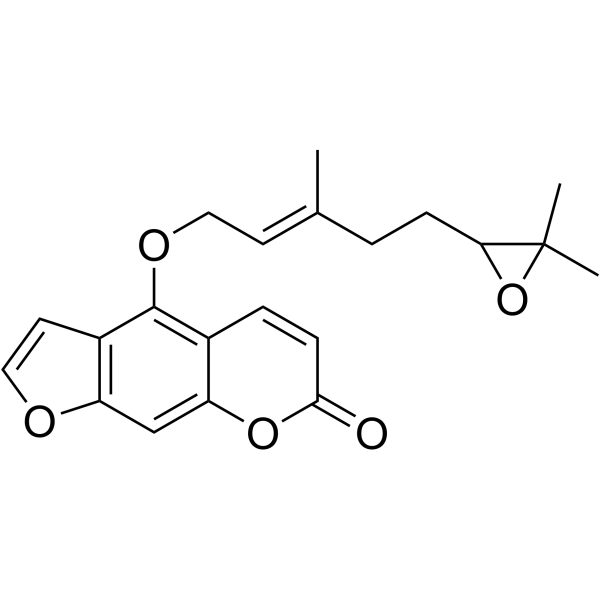
6',7'-Epoxybergamottin is a metabolism of Penicillium digitatum. 6',7'-Epoxybergamottin can be used in study the cytochrome P450 3A4 inhibitory activity .
|
-
-
- HY-117517
-
|
|
Trk Receptor
|
Cancer
|
|
NG-012, potentiator of nerve growth factor (NGF), were isolated from the culture broth of Penicillium verruculosum F-4542. NG-012 potentiates the neurite outgrowth induced by NGF in rat pheochromocytoma cell line (PC12) .
|
-
-
- HY-126484
-
|
|
Fungal
|
Others
|
|
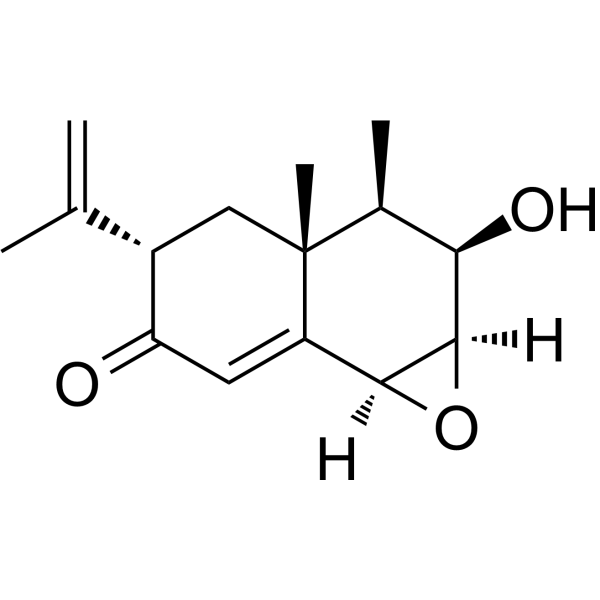
Eremofortin B is a sesquiterpenoid compound synthesized by penicillium roqueforti PR Toxin (PRT) .
|
-
-
- HY-116479
-
|
|
Bacterial
|
Others
|
|
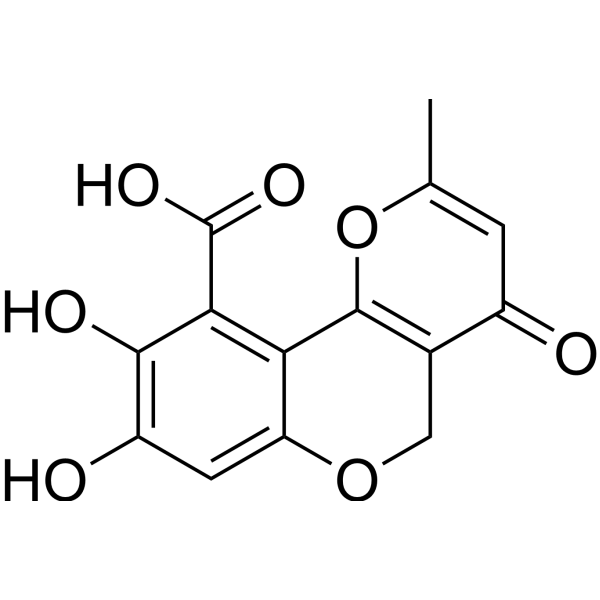
Citromycetin is an aromatic polyketide compound from Australian marine-derived and terrestrial Penicillium spp .
|
-
-
- HY-N16439
-
|
Phoenicine
|
HMG-CoA Reductase (HMGCR)
|
Others
|
|
Phenicin (Phoenicine), a microbial metabolite, is an irreversible HMG-CoA reductase (HMGCR) inhibitor. Phenicin can be isolated from cultures of Penicillium phoeniceum and Penicillium rubrum. Phenicin specifically inhibits the conversion of HMG-CoA to mevalonate catalyzed by HMGCR, effectively inhibiting cholesterol synthesis .
|
-
-
- HY-N8548
-
-
-
- HY-W134163
-
|
trans-2-Octenal
|
Fungal
Reactive Oxygen Species (ROS)
Mitochondrial Metabolism
Phosphatase
Pyruvate Kinase
|
Infection
|
|
(E)-2-Octenal is an Antifungal agent. (E)-2-Octenal disrupts cell membrane integrity and causes ROS accumulation. (E)-2-Octenal decreases the activities of phosphofructokinase and pyruvate kinase. (E)-2-Octenal inhibits Neofusicoccum parvum growth by disrupting mitochondrial energy metabolism. (E)-2-Octenal suppresses the growth of a Prochloraz (HY-B0845)-resistant Penicillium italicum strain. (E)-2-octenal exerts a broad-spectrum and potent inhibitory effect on various fungi, including Sclerotium rolfsii, Metarhizium anisopliae sensu lato, and Aspergillus flavus, etc. (E)-2-Octenal can be used for the research of citrus blue mold and mango stem-end rot .
|
-
-
- HY-129279
-
|
|
Farnesyl Transferase
|
Cancer
|
|
Andrastin A meroterpenoid compound, is a farnesyltransferase inhibitor. Andrastin A inhibits the efflux of anticancer compounds from multidrug-resistant cancer cells. Andrastin A can be isolated from Penicillium species .
|
-
-
- HY-N12914
-
|
(+)-Tanzawaic acid B; GS-1302-1; 10-Deoxytanzawaic acid E
|
Reactive Oxygen Species (ROS)
|
Others
|
|
Tanzawaic acid B ((+)-Tanzawaic acid B; GS-1302-1; 10-Deoxytanzawaic acid E) is a superoxide anion production inhibitor and can be isolated from Penicillium citrinum .
|
-
-
- HY-126604
-
|
|
Others
|
Infection
|
|
Pyranonigrin A is isolated and identified from Penicillium brocae MA-231. Pyranonigrin A shows potent activity against a broad spectrum of human-, aqua-, and plant-pathogens .
|
-
-
- HY-N8287
-
|
|
Microtubule/Tubulin
|
Cancer
|
|
Oxaline is a fungal alkaloid that can be isolated from Penicillium oxalicum. Oxaline inhibits tubulin polymerization, resulting in cell cycle arrest at the M phase .
|
-
-
- HY-115127
-
|
m-Methoxytoluene; m-Methylanisole
|
Endogenous Metabolite
Bacterial
|
Infection
Others
|
|
Methylanisole (m-Methoxytoluene; m-MetHYlanisole) is a volatile metabolite produced by Penicillium strains growing on barley. 3-Methylanisole serves as a precursor for the biotechnological production of vanillin .
|
-
-
- HY-P5591
-
|
|
Fungal
|
Infection
|
|
PAF26 is an antimicrobial peptide against phytopathogenic fungi Penicillium digitatum, Penicillium italicum and Botrytis cinerea .
|
-
-
- HY-129208
-
|
|
Antibiotic
Fungal
|
Infection
|
|
Viridicatumtoxin is a new mycotoxin extracted from Penicillium viridicatum with a LD50 of 122.4 mg/kg in rats.
|
-
-
- HY-W971442
-
|
|
Endogenous Metabolite
NF-κB
|
Inflammation/Immunology
|
|
Moniliphenone (Compounds 5) is a secondary metabolite. Moniliphenone can be isolated from the endophytic fungus Penicillium chrysogenum. Moniliphenone has an anti-inflammatory activity and significantly inhibits TNF-α-stimulated NF-κB activation .
|
-
-
- HY-120551
-
|
|
Others
|
Others
|
|
Fructigenine A (compound 4) is a active product that can be isolated from marine-derived Penicillium sp. .
|
-
-
- HY-N12184
-
|
|
Others
|
Others
|
|
Peniciside is a triterpenoid glycoside derived from the fungus Penicillium sp.169 .
|
-
-
- HY-126697
-
-
-
- HY-N12911
-
|
|
Others
|
Others
|
|
Tanzawaic acid E is a carboxylic acid and can be isolated from Penicillium steckii .
|
-
-
- HY-W741556
-
|
|
Antibiotic
Fungal
|
Infection
|
|
Dehydrogriseofulvin can be isolated from Penicillium sp. Dehydrogriseofulvin inhibits Colletotrichum musae with MIC > 1 µg/scrip.
|
-
-
- HY-N12266
-
|
|
Others
|
Others
|
|
12-Hydroxyalbrassitriol is a drimane sesquiterpenoid that can be isolated from Penicillium sp .
|
-
-
- HY-N7480A
-
|
|
Cholinesterase (ChE)
|
Neurological Disease
|
|
Quinolactacin A1 is a potent acetylcholinesterase (AChE) inhibitor from solid state fermentation of Penicillium citrinum 90648. Quinolactacin A1 can be used for the research of Alzheimer disease .
|
-
-
- HY-P3043
-
|
|
Opioid Receptor
|
Neurological Disease
|
|
Bilaid A is a μ-opioid receptor agonist that can be extracted from Penicillium. The Ki value is 3.1 μM. Bilaid A can be used in pain research .
|
-
-
- HY-N16425
-
|
(-)-Mitorubrin
|
Influenza Virus
|
Infection
|
|
Mitorubrin ((-)-Mitorubrin) is a compound that can be isolated from Penicillium purpurogenum JS03-21. Mitorubrin shows no significant inhibitory activity against the H1N1 influenza virus (IC50 > 200 μM) .
|
-
-
- HY-129806
-
|
(+)-Rugulosin
|
Bacterial
Fungal
|
Infection
|
|
Rugulosin is a crystalline colouring matter of Penicillium rugulosum Thom. Rugulosin shows markedly specific antibacterial activity and moderately antifungal activity .
|
-
-
- HY-130757
-
|
|
Endogenous Metabolite
|
Inflammation/Immunology
|
|
Remisporine B is a polyketide, that can be isolated from Penicillium sp. ZJ-SY2. Remisporine B exhibits immunosuppressive efficacy, that inhibits concanavalin A (HY-P2149)-induced T-cell proliferation and LPS (HY-D1056)- induced B-cell proliferations of mouse splenic lymphocytes with IC50 of 30.1 µg/mL and 32.4 µg/mL .
|
-
-
- HY-122076
-
|
|
Antibiotic
Bacterial
Fungal
|
Infection
|
|
A-26771B is an antibiotic can be obtained from Penicillium turbatum. A-26771B exhibits moderate antimicrobial activity against Gram-positive bacteria, mycoplasma, and fungi. A-26771B also inhibits potassium-dependent ATPase in rat liver mitochondria .
|
-
-
- HY-N12761
-
|
|
Phosphatase
Glycosidase
|
Metabolic Disease
Inflammation/Immunology
|
|
Penpaxilloids A (Compound 1) is a non-competitive inhibitor of protein tyrosine phosphatase 1B (PTP1B) with an IC50 value of 8.60 μM. Penpaxilloids A can be isolated from the fungus Penicillium sp. ZYX-Z-143. Penpaxilloids A is also an α-glucosidase (α-glucosidase) inhibitor with anti-inflammatory activity .
|
-
-
- HY-N12165
-
|
|
Others
|
Others
|
|
1,3,5,6-Tetrahydroxy-8-methylxanthone (compound 8) is a dimeric 1,4-benzoquinone derivative isolated from the marine-derived fungus Penicillium genus .
|
-
-
- HY-118463
-
|
(-)-Benzomalvin A
|
Neurokinin Receptor
|
Neurological Disease
|
|
Benzomalvin A is a potent antagonist of neurokinin receptor isolated from Penicillium sp. Benzomalvin A shows inhibitory activity against substance P with Ki values of 12, 42 and 43 μM at the guinea pig, rat and human neurokinin NK1 receptors, respectively .
|
-
-
- HY-W099579R
-
|
Kojic dipalmitate (Standard)
|
Reference Standards
Tyrosinase
|
Endocrinology
|
|
Kojic acid dipalmitate (Standard) is the analytical standard of Kojic acid dipalmitate. This product is intended for research and analytical applications. Kojic acid dipalmitate (Kojic dipalmitate) is a derivative of Kojic acid (HY-W050154), a fungal metabolite that can be produced by species of Aspergillus, Acetobacter and Penicillium. Kojic acid dipalmitate is a slow and reversible competitive inhibitor of tyrosinase. Kojic acid dipalmitate can be used for skin‐lightening agent research .
|
-
-
- HY-N10177
-
|
|
HSV
|
Infection
|
|
Peniterphenyl A is a natural product obtained from a deep-sea-derived Penicillium sp. Peniterphenyl A inhibits HSV-1/2 virus entry into cells and may block HSV-1/2 infection through direct interaction with virus envelope glycoprotein D to interfere with virus adsorption and membrane fusion. Peniterphenyl A is a promising lead compound against HSV-1/2 .
|
-
-
- HY-P10329
-
|
|
Fungal
|
Infection
|
|
KK14(R) is an analog of the de novo synthetic peptide KK14, which exhibits antifungal activity against Fusarium culmorum, Penicillium expansum and Aspergillus niger , with MICs of 6.25, 12.5 and 12.5 μg/mL, respecitvely. KK14(R) exhibits good heat- and pH-stability. KK14(R) exhibits cytotoxicity against cells Caco-2 and RAW264.7 .
|
-
-
- HY-N14509
-
|
|
Fungal
|
Infection
|
|
Queenslandon has moderate anti-streptomyces, penicillium, Penicillium, Aspergillus fumigatus, aspergillus flavus and other fungal activities. And it has no effect on bacteria .
|
-
-
- HY-N10215
-
-
-
- HY-133001
-
-
-
- HY-121332
-
-
-
- HY-136871
-
-
- HY-N7221
-
|
|
Fungal
|
Infection
|
|
Janthitrem G is a microbial metabolite that can be isolated from cultures of Penicillium .
|
-
- HY-125298
-
|
|
Parasite
|
Infection
|
|
Cycloaspeptide A, isolated from the endophytic fungus Penicillium janczewskii, has antiparasitic activity .
|
-
- HY-172191
-
-
- HY-N14486
-
|
|
Fungal
|
Infection
|
|
Neihumicin is resistant to beer Saccharomyces yeast ATCC 9763 and Penicillium italium Wehmer, but not to bacteria .
|
-
- HY-123474
-
-
- HY-N15658
-
|
|
Biochemical Assay Reagents
|
Others
|
|
Isopatulin can be isolated from the marine isolate of the fungus Penicillium claviforme associated with the seagrass Zostera marina .
|
-
- HY-125546
-
|
|
Antibiotic
|
Infection
|
|
Erythromycin C is an antibiotic. Erythromycin C could be isolated from the fermentation process of the penicillium Streptomyces erythreus .
|
-
- HY-121163
-
|
|
Fungal
|
Infection
|
|
Janthitrem F is a metabolite isolated from tremorigen-producing Penicillium and a potential causative agent of ryegrass spurt disease.
|
-
- HY-120154
-
|
(±)-Palitantin
|
Parasite
Endogenous Metabolite
|
Infection
|
|
Palitantin ((±)-Palitantin), a metabolite of Penicillium frequentans on Leishmania brasiliensis, has antiprotozoal effect against Leishmania brasiliensis .
|
-
- HY-N13086
-
|
|
Others
|
Others
|
|
Peniviridiol A (compound4) is a viridin derivative that can be isolated from rhizosphere fungus Penicillium sp. SMU0102 .
|
-
- HY-N7222
-
|
|
Fungal
|
Infection
|
|
Janthitrem F is a metabolite isolated from tremorigen-producing Penicillium and a potential causative agent of ryegrass spurt disease .
|
-
- HY-125060
-
-
- HY-124301
-
|
|
Bacterial
|
Infection
|
|
Penicolinate A is a picolinic acid derivative. Penicolinate A is isolated from endophytic Penicillium sp. BCC16054. Penicolinate A exhibits antimalarial and antitubercular activities .
|
-
- HY-N14665
-
|
|
Antibiotic
Bacterial
|
Infection
|
|
Atrovenetin is an antibiotic found in Penicillium species. Atrovenetin has inhibitory activity against Bacillus subtilis and Staphylococcus aureus. Atrovenetin is also a potent antioxidant.
|
-
- HY-N15097
-
-
- HY-W780198
-
|
|
Bacterial
Fungal
|
Infection
|
|
Endophenazine A has activity against Gram-positive bacteria and filamentous fungi such as mucor and Penicillium. Its weeding ability to Lemna minor is relatively low .
|
-
- HY-W152146
-
|
|
Fungal
|
Others
|
|
Methylxanthoxylin is a ketone that can be isolated from the leaves and bark of Acradenia Jianklinii . Methylxanthoxylin exhibited moderate antifungal activity against Candida albicans and Penicillium expansum .
|
-
- HY-116812
-
|
|
Insecticide
|
|
|
Sclerotigenin is an anti-insect benzodiazepine compound identified in Penicillium sclerotigenum (NRRL 3461). Sclerotigenin exhibits significant anti-insect activity against crop pest Helicoverpa zea .
|
-
- HY-176099
-
|
|
Drug Isomer
|
Others
|
|
Epibenzomalvin E is an isomer of Benzmalvin E. Benzomalvin E is an indoleamine 2,3-dioxygenase inhibitor .
|
-
- HY-30220R
-
|
L-(-)-3-Phenyllactic Acid (Standard)
|
Endogenous Metabolite
Fungal
Reference Standards
|
Infection
Metabolic Disease
|
|
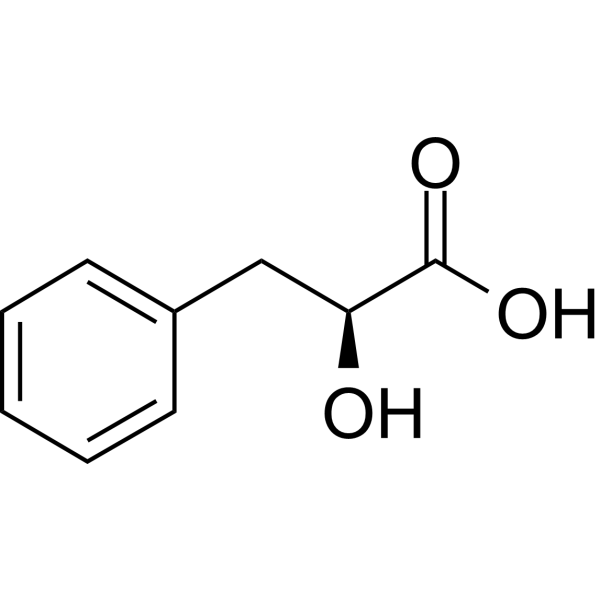
(S)-2-Hydroxy-3-phenylpropanoic acid (Standard) is the analytical standard of (S)-2-Hydroxy-3-phenylpropanoic acid. This product is intended for research and analytical applications. (S)-2-Hydroxy-3-phenylpropanoic acid is the L-configuration of 2-Hydroxy-3-phenylpropanoic acid, and its level is closely related to some diseases, such as phenylketonuria .
|
-
- HY-122062R
-
|
|
Insecticide
Reference Standards
|
Others
|
|
Erythromycin C (Standard) is the analytical standard of Erythromycin C. This product is intended for research and analytical applications. Erythromycin C is an antibiotic. Erythromycin C could be isolated from the fermentation process of the penicillium Streptomyces erythreus .
|
-
- HY-125546R
-
|
|
Reference Standards
Antibiotic
|
Infection
|
|
Erythromycin C (Standard) is the analytical standard of Erythromycin C. This product is intended for research and analytical applications. Erythromycin C is an antibiotic. Erythromycin C could be isolated from the fermentation process of the penicillium Streptomyces erythreus .
|
-
- HY-N8498
-
|
|
Apoptosis
|
Cancer
|
|
GKK1032B is an alkaloid compound that can be found in endophytic fungus Penicillium sp. GKK1032B can induce the apoptosis of human osteosarcoma MG63 cells through caspase pathway activation .
|
-
- HY-N16412
-
|
Citreomontanine
|
Drug Intermediate
|
Others
|
|
Citreomontanin (Citreomontanine) (Compound 3), an α‑Pyrone polyketide, is an intermediate of Citreoviripyrone A. Citreomontanin can be isolated from the mycelium of endophytic Penicillium sp. in Catharanthus roseus. Citreoviripyrone A has a moderate inhibitory activity on HCT116 cells growth .
|
-
- HY-N14302
-
|
|
Antibiotic
Bacterial
|
Infection
Cancer
|
|
44-HomooIigomycin A is an antitumor antibiotic. 44-Homooligomycin A has activity against fungi such as Aspergillus, Penicillium and Fusarium, but not against yeast and bacteria. 44-Homooligomycin A has moderate anti-tumor activity against Colon 26 in vivo .
|
-
- HY-P4107
-
|
|
Opioid Receptor
|
Neurological Disease
|
|
Bilaid C, a tetrapeptide, can be isolated from the Australian estuarine isolate of Penicillium sp. MST-MF667. Bilaid C is also a potent and selective μ-Opioid Receptor (MOPr) agonist (Ki=210 nM, hMOPr) .
|
-
- HY-121234
-
|
|
Bacterial
DNA/RNA Synthesis
|
Infection
|
|
Botryodiplodin is a mycotoxin isolated from Penicillium roqueforti. Botryodiplodin inhibits the growth of some Gram-positive and Gram-negative bacteria and can also induce DNA-protein cross-links in mammalian cells, inhibiting the synthesis of DNA, RNA, and protein .
|
-
- HY-126775
-
|
|
Mitochondrial Metabolism
Endogenous Metabolite
|
Cancer
|
|
Xenoclauxin is a secondary metabolite isolated from certain species of the Penicillium genus, which exhibits an inhibitory effect on the proliferation of tumor cells. Xenoclauxin affects cellular energy metabolism, particularly by inhibiting ATP synthesis in the mitochondria. Xenoclauxin can be used for anti-tumor research .
|
-
- HY-116498
-
|
|
Others
|
Infection
|
|
Penigequinolone A is an alkaloid isolated from Penicillium. It is lethal to P. penetrans (LD50=100 mg/L) but has no effect on C. elegans at concentrations up to 1000 mg/L.1 Penigequinolone A also accelerates the root growth of rice seedlings in a dose-dependent manner.
|
-
- HY-P3044
-
|
|
Opioid Receptor
|
Neurological Disease
|
|
Bilaid A1e (Compound 1e) is a tetrapeptide agonist of the µ-opioid receptor (Ki = 750 nM). Bilaid A1e can be isolated from an Australian estuarine isolate of Penicillium sp. Bilaid A1e can be used for pain research .
|
-
- HY-N14305
-
|
|
Antibiotic
Bacterial
|
Infection
Cancer
|
|
44-HomooIigomycin B is an antitumor antibiotic. 44-Homooligomycin B has activity against fungi such as Aspergillus, Penicillium and Fusarium, but not against yeast and bacteria. 44-Homooligomycin B has moderate anti-tumor activity against Colon 26 in vivo .
|
-
- HY-P2840A
-
|
|
Biochemical Assay Reagents
|
Metabolic Disease
|
|
Dextranase, Penicillium sp. (EC 3.2.1.11) hydrolyzes-(1,6)-glucosidic linkages in dextran. Dextranase, Penicillium sp. (EC 3.2.1.11) has been used for hydrolyzing dextran at sugar mills in order to improve efficiency of sugar production.
|
-
- HY-E70103A
-
-
- HY-E70104A
-
-
- HY-E70103K
-
-
- HY-E70593
-
|
|
Biochemical Assay Reagents
|
Others
|
|
exo-α-1,5-Arabinanase, Penicillium chrysogenum is a glycoside hydrolase involved in arabinan decomposition. exo-α-1,5-Arabinanase is capable of cleaving arabinan main chains .
|
-
- HY-E70103I
-
|
|
Biochemical Assay Reagents
|
Others
|
|
exo-α-1,3-Arabinofuranosidase, Penicillium chrysogenum (EC.3.2.1.55) is a glycoside hydrolase that cleaves terminal 1,3-linked-l-Araf residues present at the ends of branched arabinans and arabinogalactans .
|
-
- HY-N16447
-
|
|
Cholinesterase (ChE)
|
Others
|
|
Territrem C is an acetylcholinesterase (AchE) inhibitor with an IC50 value of 0.23 μM. Territrem C, which belongs to α-pyrone meroterpenoids, can be isolated and produced from the fungus Penicillium sp. SK5GW1L .
|
-
- HY-N16393
-
|
Mitorubrinol
|
Others
|
Cancer
|
|
(-)-Mitorubrinol is found in the marine-derived Penicillium purpurogenum G59 strain induced by diethyl sulfate (DES). (-)-Mitorubrinol exhibits inhibitory effects on K562, HL-60, HeLa, and BGC-823 cancer cell lines .
|
-
- HY-N19641
-
|
Dichlorodiaportin
|
Bacterial
Endogenous Metabolite
|
Infection
|
|
Dichlorodiaporthin (Dichlorodiaportin) is an isocoumarin metabolite found in cultures of Penicillium nalgiovense. Dichlorodiaporthin acts as an antibacterial agent against various bacterial species .
|
-
- HY-N19938
-
|
|
Reactive Oxygen Species (ROS)
|
Others
|
|
Roseopurpurin B is a polyketide compound found in Aspergillus aculeatus DL1011 and Penicillium roseopurpureum (CMB-MF038), with DPPH scavenging activity. Roseopurpurin B shows no cytotoxicity against human cancer cells, and exhibits no growth inhibitory activity against Gram-positive or Gram-negative bacteria .
|
-
- HY-N17400
-
|
|
Others
|
Inflammation/Immunology
|
|
(22E,24R)-23-Methylergosta-7,22-diene-3β,5α,6β-triol (Compound 7) is an Ergosteroid. (22E,24R)-23-Methylergosta-7,22-diene-3β,5α,6β-triol can be isolated from Penicillium herquei. (22E,24R)-23-Methylergosta-7,22-diene-3β,5α,6β-triol exhibits no obvious inhibitory activities against NO production induced by LPS .
|
-
- HY-182496
-
|
|
Antibiotic
Bacterial
|
Infection
|
|
Kanchanamycin A is a 36-membered polyol macrolide antibiotic found in Streptomyces olivaceus Tü 4018, with high activity against Pseudomonas fluorescens, weak activity against Gram-positive bacteria and filamentous fungi, and no activity against yeasts. Kanchanamycin A inhibits growth of Pseudomonas fluorescens, Botrytis cinerea, Mucor miehei, Penicillium notatum, and Staphylococcus aureus. Kanchanamycin A is commonly used in the study of bacterial infections .
|
-
- HY-E70111
-
|
Endo-1,5-arabinanase
|
Glycosidase
|
Others
|
|
Endo-1,5-α-arabinanase (Endo-1,5-arabinanase) belongs to CAZy family 43 of the glycoside hydrolase (GH). Endo-1,5-α-arabinanase mainly shorts arabinooligosaccharides and arabinose from debranched arabinan .
|
-
- HY-W988083
-
-
- HY-N14783
-
-
- HY-N19220
-
|
|
Bacterial
Endogenous Metabolite
Antibiotic
|
Infection
Cancer
|
|
Radiclonic acid acts as an antibacterial agent, anticancer agent, and root growth promoter. Radiclonic acid is isolable from fungi of the genus Penicillium. Radiclonic acid exhibits antibacterial activity against MRSA with a MIC of 3.13 μg/mL. Radiclonic acid shows anticancer activity against esophageal cancer, bladder cancer, and liver cancer. Radiclonic acid promotes root growth in Chinese cabbage seedlings. Radiclonic acid is inactive against pancreatic cancer and cervical cancer. Radiclonic acid can be used in research related to Staphylococcus aureus infection, bladder cancer, esophageal cancer, and liver cancer .
|
-
- HY-N12169
-
|
11,12-Epoxyjanthitrem B
|
Others
|
Neurological Disease
|
|
Janthitrem A (11,12-Epoxyjanthitrem B) is a natural product that can be isolated from Penicillium janthinellum. Janthitrem A induces tremors in mice and reduces weight gain and food consumption of porina (Wiseana cervinata) larvae .
|
-
- HY-126071
-
|
Mitorubrinic acid
|
Drug Derivative
Fungal
|
Infection
|
|
(-)-Mitorubrinic acid (Mitorubrinic acid) is a polyketide. (-)-Mitorubrinic acid is synthesis by two non-reducing polyketide synthase (PKS) genes (pks12 and pks11) in a sequential manner. (-)-Mitorubrinic is a virulence factor of Penicillium marneffei by improving its intracellular survival in macrophages .
|
-
- HY-W009815
-
|
δ-Laurolactone
|
Environmental Pollutants
Fungal
|
Infection
|
|
δ-Dodecalactone can be obtained from L. plantarum AF1. δ-Dodecalactone exhibits potent antifungal activity against molds Aspergillus flavus, A. fumigatus, A. petrakii, A. ochraceus, A. nidulans, and Penicillium roqueforti. δ-Dodecalactone is a flavoring compound .
|
-
- HY-N15042
-
|
|
Fungal
|
Infection
|
|
9-Hydroxyoudemansin A is an antibiotic. 9-Hydroxyoudemansin A has antifungal activity, has an MIC of 12.5 μg/mL against ochre-like yeast, and is resistant to fungi such as Candida albicans, Crimson Yeast, Penicillium and Streptomyces with MICs are all> 50 μg/mL. No anti-bacterial effect .
|
-
- HY-N6797
-
|
|
Bacterial
c-Met/HGFR
Antibiotic
|
Infection
Cancer
|
|
Meleagrin is a roquefortine C-derived alkaloid produced by fungi of the genus Penicillium and has antimicrobial and anti-proliferative activities. Meleagrin is a class of FabI inhibitor. Meleagrin is a lead c-Met inhibitory entity useful for the control of c-Met-dependent metastatic and invasive breast malignancies .
|
-
- HY-P2950J
-
|
|
Biochemical Assay Reagents
|
Others
|
|
exo-α-1,2/3-Arabinofuranosidase, Penicillium oxalicum (EC.3.2.1.77) is a glycoside hydrolase that can hydrolyze mannose α-1,2 and α-1,3 linkages in host N-glycans .
|
-
- HY-P2032
-
|
|
Endogenous Metabolite
|
Infection
Cancer
|
|
Cyclochlorotine is a mycotoxin that can be extracted from the yellow rice infectant Penicillium islandicum Sopp. Cyclochlorotine promotes glycogenolysis, inhibits glycogen synthesis, affects fat synthesis and protein synthesis in liver cells. Cyclochlorotine exhibits chronic toxicity in liver that induces liver fibrosis and cirrhosis in mouse models. Cyclochlorotine exhibits carcinogenicity .
|
-
- HY-N6776
-
|
|
Potassium Channel
|
Neurological Disease
Cancer
|
|
Penitrem A is an indole diterpene neurotoxic alkaloid produced by Penicillium, acts as a selective BK channel antagonist with antiproliferative and anti-invasive activities against multiple malignancies. Penitrem A increases the spontaneous release of endogenous glutamate, gamma-aminobutyric acid (GABA) and aspartate from cerebrocortical synaptosomes, and induces tremorgenic syndromes in animals .
|
-
- HY-N6745
-
|
|
Na+/K+ ATPase
Apoptosis
|
Infection
Cardiovascular Disease
|
|
Citreoviridin, a toxin from Penicillium citreoviride NRRL 2579, inhibits brain synaptosomal Na +/K +-ATPase whereas in microsomes, both Na +/K +-ATPase and Mg 2+-ATPase activities are significantly stimulated in a dose-dependent manner . Citreoviridin inhibits cell proliferation and enhances apoptosis of human umbilical vein endothelial cells .
|
-
- HY-N12229
-
|
|
Endogenous Metabolite
Bacterial
|
Infection
|
|
Penipurdin A (Compound 1), an anthraquinone, is a microbial secondary metabolite. Penipurdin A can be isolated from the soil fungus Penicillium purpurogenum SC0070. Penipurdin A has no significant cytotoxicity against cancer cells, such as A549, HepG2 and Hela cells. Penipurdin A has antibacterial activity against Enterococcus faecalis and Staphylococcus aureus .
|
-
- HY-123457
-
|
|
Fungal
|
Infection
|
|
PF-1163A is an antifungal agent that inhibits Ergosterol (HY-N0181) synthesis (IC50 = 12 ng/mL), which is found in a fermentation broth of Penicillium sp. PF-1163A also inhibits C-4 sterol methyl oxidase with an MIC value of 12.5 µg/mL .
|
-
- HY-N19113
-
|
|
Endogenous Metabolite
|
Infection
Cancer
|
|
Emindole SB is an anticancer agent. Emindole SB can be isolated from Penicillium species. Emindole SB exerts anticancer effects against ovarian cancer, breast cancer and lymphoma. Emindole SB shows no toxicity to Caenorhabditis elegans. Emindole SB can be used in studies related to ovarian cancer, lymphoma and breast cancer .
|
-
- HY-W093399
-
-
- HY-N6027
-
|
|
Fungal
Bacterial
|
Infection
|
|
Cyclosporin C is a fungal metabolite that has been found in T. inflatum and has diverse biological activities, including antifungal, antiviral, and immunosuppressant properties. Cyclosporin C shows no activity against bacteria or yeasts .
|
-
- HY-N6777S
-
|
|
Isotope-Labeled Compounds
|
Cancer
|
|
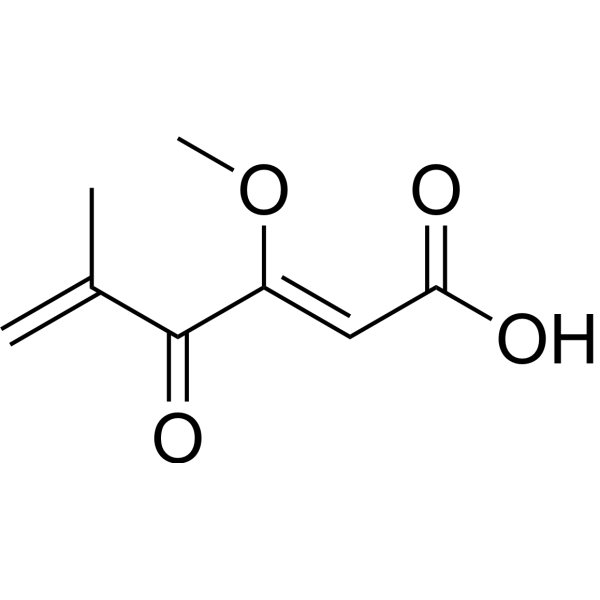
Penicillic acid- 13C8 is the 13C-labeled Penicillic acid (HY-N6777). Penicillic acid is a polyketide mycotoxin produced by several species of Aspergillus and Penicillium. Penicillic acid exhibits cytotoxicity in rat alveolar macrophages (AM) in vitro. Penicillic acid inhibits Fas ligand-induced apoptosis by blocking self-processing of caspase-8 .
|
-
- HY-N6779R
-
|
Terinin (Standard)
|
Reference Standards
Bacterial
Apoptosis
Autophagy
Antibiotic
|
Infection
|
|
Patulin (Standard) is the analytical standard of Patulin. This product is intended for research and analytical applications. Patulin (Terinin) is a mycotoxin produced by fungi including the Aspergillus, Penicillium, and Byssochlamys species, causes chromosome breakage, mutation, teratogenic and cytotoxic. Patulin induces autophagy-dependent apoptosis through lysosomal-mitochondrial axis, and causes DNA damage .
|
-
- HY-N16067
-
|
|
Epigenetic Reader Domain
|
Inflammation/Immunology
|
|
Penipanoid C (Compound 9) is a BRD4 inhibitor. Penipanoid C can be isolated from marine sediment-derived fungus Penicillium paneum SD-44. Penipanoid C has anti-inflammatory activity and cytotoxic activity against the SMMC-7721 cells. Penipanoid C can be used for inflammatory diseases research .
|
-
- HY-N8316
-
|
|
Others
|
Infection
|
|
Rugulotrosin A is an antibiotic originally isolated from Penicillium. It is active against the Gram-positive bacteria E. faecalis, B. cereus, B. subtilis, and S. aureus with 99% lethal dose (LD99) values of 1.6, 3.1, 5.5, and 200 μg/mL, respectively.1 Rugulotrosin A is inactive against Gram-negative bacteria.
|
-
- HY-115127S
-
|
m-Methoxytoluene-d3; m-Methylanisole-d3
|
Isotope-Labeled Compounds
Endogenous Metabolite
Bacterial
|
Infection
|
|
3-Methylanisole-d3 (m-Methoxytoluene-d3; m-MetHYlanisole-d3) is the deuterium labeled 3-Methylanisole (HY-115127) . Methylanisole is a volatile metabolite produced by Penicillium strains growing on barley. 3-Methylanisole serves as a precursor for the biotechnological production of vanillin .
|
-
- HY-75564R
-
|
|
Reference Standards
Endogenous Metabolite
|
Cancer
|
|
Cyclo(Ala-Gly) (Standard) is the analytical standard of Cyclo(Ala-Gly). This product is intended for research and analytical applications. Cyclo(Ala-Gly), a metabolite of a mangrove endophytic fungus, Penicillium thomi, exhibits cytotoxicity against A549, HepG2 and HT29 cells. The IC50 values range from 9.5 to 18.1 μM[1].
|
-
- HY-N6688
-
|
|
Potassium Channel
Bacterial
|
Infection
Neurological Disease
|
|
Verruculogen is a tremorgenic mycotoxin and inhibitor of the M phase of the mammalian cell cycle. Verruculogen is produced by Penicillium and Aspergillus species. Verruculogen enhances the binding of ChTX to maxi-k channels with a K1/2 value of 170 nM. Verruculogen inhibits the amplitude of Ca 2+-activated K + currents. Verruculogen induces severe tremors in infected animals .
|
-
- HY-N4096R
-
|
|
Reference Standards
Others
|
Inflammation/Immunology
|
|
Kojic acid dipalmitate (Standard) is the analytical standard of Kojic acid dipalmitate. This product is intended for research and analytical applications. Kojic acid dipalmitate (Kojic dipalmitate) is a derivative of Kojic acid (HY-W050154), a fungal metabolite that can be produced by species of Aspergillus, Acetobacter and Penicillium. Kojic acid dipalmitate is a slow and reversible competitive inhibitor of tyrosinase. Kojic acid dipalmitate can be used for skin‐lightening agent research .
|
-
- HY-121624
-
|
|
Glutathione S-transferase
|
Infection
|
|
Anthglutin is a gamma-glutamyltransferase inhibitor isolated from Penicillium oxalicum cultures. The Ki values of Anthglutin for different enzymes are: porcine kidney enzyme 5.7 μM, human kidney enzyme 18.3 μM, human liver soluble enzyme 13.6 μM, and conjugated enzyme 10.2 μM. Anthglutin had no significant effect on intestinal absorption of methionine in rats .
|
-
- HY-N12726
-
|
|
p38 MAPK
MMP
|
Infection
Inflammation/Immunology
Cancer
|
Halociline, a derivative of alkaloids, that can be isolated from the marine fungus Penicillium griseofulvum.
Halociline targets MAPK1, MMP-9, and PIK3CA in gastric cancer cells, potentially mediated by diverse pathways including cancer, lipid metabolism, atherosclerosis, and EGFR tyrosine kinase inhibitor resistance. Halociline possesses antimicrobial, antioxidant and biofilm inhibitory activities .
|
-
- HY-122306
-
|
Mycotrienin II
|
Antibiotic
Bacterial
|
Infection
Cancer
|
|
Ansatrienin B (Mycotrienin II) is an ansamycin antibiotic isolated from Streptomyces. Ansatrienin B is active against fungi and yeasts, but inactive against bacteria.Ansatrienin B displays antitumor antibiotic activity and can be used as an ADC Toxin .
|
-
- HY-N6779S
-
|
Terinin-13C7
|
Isotope-Labeled Compounds
|
Infection
|
|
Patulin- 13C7 (Terinin- 13C7) is the 13C labeled Patulin (HY-N6779) . Patulin (Terinin) is a mycotoxin produced by fungi including the Aspergillus, Penicillium, and Byssochlamys species, is suspected to be clastogenic, mutagenic, teratogenic and cytotoxic. Patulin induces autophagy-dependent apoptosis through lysosomal-mitochondrial axis, and causes DNA damage .
|
-
- HY-116866
-
|
|
Lipoxygenase
Fungal
|
Infection
Inflammation/Immunology
|
|
Sclerotiorin is a reversible and uncompetitive inhibitor against soybean lipoxygenase-1 (LOX-1) (IC50: 4.2 μM). Sclerotiorin also shows antioxidant activity by scavenging free radical (ED50: 0.12 μM), and nonenzymatic lipid peroxidation inhibition activity. Sclerotiorin has antifungal activity, and also inhibits platelet aggregation. Sclerotiorin can be purified from the fermented broth of Penicillium frequentans .
|
-
- HY-116620
-
|
|
Neurokinin Receptor
|
Infection
|
|
Benzomalvin C is a weak antagonist of the neurokinin-1 (NK1) receptor inhibiting binding of substance P by 46% when used at 100 μg/mL in vitro. It is also a weak inhibitor of indolamine 2,3-dioxygenase (IDO) with an IC50 value of 130 μM for recombinant IDO. It is isolated from Penicillium and contains an epoxide group at C-19 and C-20, which is not present in benzomalvins A, B, or E.
|
-
- HY-135535
-
|
|
Endogenous Metabolite
Bacterial
Fungal
|
Infection
|
|
Sclerotioramine (Compound 1), a red pigment, is an antioxidant compound. Sclerotioramine can be isolated from the endolichenic fungus Penicillium sp.-strain 1322P. Sclerotioramine has potent antibacterial activity with MICs of 3.125, 3.125 and 6.25 μg/mL for Bacillus subtilis, Bacillus megaterium and Shigella dysentery, respectively. Sclerotioramine also has significant antifungal activity against Pestalotiopsis theae, Cochliobolus miyabeanus and Exserohilum turcicum .
|
-
- HY-N0334
-
-
- HY-N0535
-
|
Magnoflorine chloride; α-Magnoflorine chloride; Thalictrine chloride
|
Fungal
Autophagy
Apoptosis
PINK1/Parkin
NOD-like Receptor (NLR)
Caspase
JNK
NF-κB
Sirtuin
AMPK
Reactive Oxygen Species (ROS)
|
Infection
Metabolic Disease
|
|
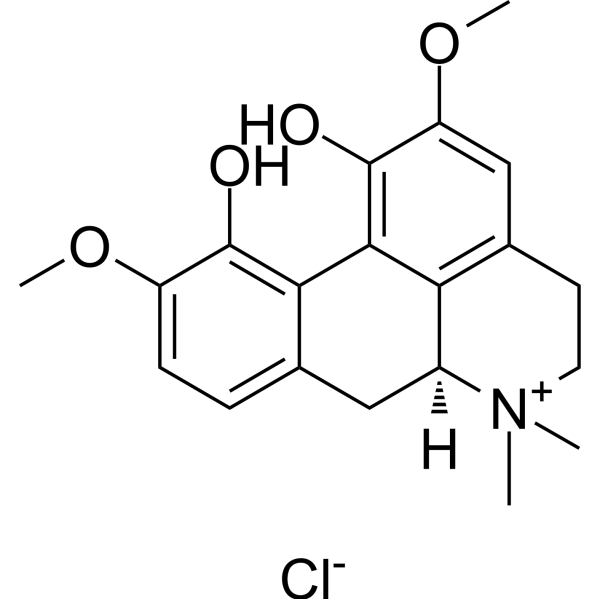
(+)-Magnoflorine (α-Magnoflorine) chloride is an orally active aporphine alkaloid with multiple biological activities. (+)-Magnoflorine chloride promotes Parkin/PINK1-mediated mitochondrial autophagy, inhibits the activation of NLRP3/Caspase-1 pathway, regulates the intestinal microbiota, and exhibits significant anti-inflammatory and immunomodulatory activities. (+)-Magnoflorine chloride inhibits JNK and TLR4/NF-κB signaling pathways, activates Sirt1/AMPK pathway, alleviates neuronal oxidative stress and apoptosis. Magnoflorine chloride upregulates miR-410-3p, inhibits HMGB1/NF-κB pathway, and has anti-tumor activity. (+)-Magnoflorine chloride also has significant antifungal activity .
|
-
- HY-W012530
-
|
|
Endogenous Metabolite
PDI
|
Infection
Metabolic Disease
|
|
Phenylpyruvic acid is a precursor of the antifungal compound phenyllactic acid. Phenylpyruvic acid can improve the antifungal activity of eight lactic acid bacterial strains through the addition into a dedined growth medium. Phenylpyruvic acid demonstrates improved inhibitory activity against fungal bread contaminants Aspergillus niger and Penicillium roqueforti. Phenylpyruvic acid affects enzyme activity of the pentose phosphate pathway involved in the oxidative phase in rat brain homogenates. Phenylpyruvic acid can reduce glucose-6-phosphate dehydrogenase activity .
|
-
- HY-W015912S
-
|
2-Furyl methyl ketone-d3
|
Isotope-Labeled Compounds
|
Others
|
|
2-Acetylfuran-d3 is deuterated labeled Citreoviridin (HY-N6745). Citreoviridin, a toxin from Penicillium citreoviride NRRL 2579, inhibits brain synaptosomal Na +/K +-ATPase whereas in microsomes, both Na +/K +-ATPase and Mg 2+-ATPase activities are significantly stimulated in a dose-dependent manner . Citreoviridin inhibits cell proliferation and enhances apoptosis of human umbilical vein endothelial cells .
|
-
- HY-117092
-
|
|
Antibiotic
Fungal
|
Infection
|
|
BE-31405 is an antifungal antibiotic. BE-31405 can be isolated from the culture broth of the fungal strains such as Penicillium minioluteum F31405, Talaromyces siamensis FKA-61, and Phomopsis sp. FKA-62. BE-31405 exhibits potent growth inhibitory activity against pathogenic fungal strains including Candida albicans, Candida glabrata, and Cryptococcus neoformans. BE-31405 shows no cytotoxicity against mammalian cells .
|
-
- HY-N6778
-
Paxilline
Maximum Cited Publications
10 Publications Verification
|
Potassium Channel
Calcium Channel
Reactive Oxygen Species (ROS)
|
Neurological Disease
|
|
Paxilline is an indole alkaloid mycotoxin derived from Penicillium paxilli, which effectively inhibits the BK channel through a channel-blocking mechanism. Paxilline also inhibits sarco/endoplasmic reticulum Ca 2+-stimulated ATPase (SERCA), with IC50 values ranging from 5 μM to 50 μM for different SERCA isoforms. Paxilline exhibits significant anticonvulsant and neuroprotective effects, as well as certain antioxidant activity .
|
-
- HY-N6748S
-
|
|
Isotope-Labeled Compounds
P-glycoprotein
Cytochrome P450
Bacterial
c-Met/HGFR
|
Infection
|
|
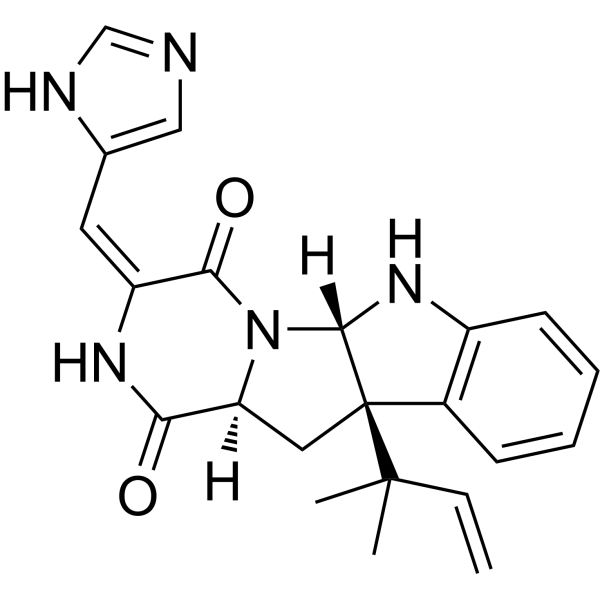
Roquefortine C- 13C22 is the 13C-labeled Roquefortine C (HY-N6748). Roquefortine C is a mycotoxin that can be isolated from Penicillium species. Roquefortine C is an agonist of P-gp and an inhibitor of P450 3A and P450 1A. Roquefortine C can inhibit Gram-positive bacteria and also has certain neurotoxicity. Additionally, Roquefortine C can exert antitumor activity .
|
-
- HY-114881
-
|
NSC 246118
|
Fungal
|
Infection
|
|
Frequentin, a secondary metabolite produced by Penicillium janthinellum, is influenced by environmental conditions such as cadmium nitrate and sodium chloride concentrations. In cadmium nitrate-free medium, P. janthinellum produces cyclopenin, carlosic acid, erythroskyrin, kojic acid, and patulin. At 100 ppm cadmium nitrate, it produces cyclopenin, carlosic acid, frequentin, and islandicin. In the presence of sodium chloride, frequentin is produced at 2% and 3% concentrations. These findings indicate that frequentin production is sensitive to specific environmental stressors, highlighting its potential variability under different growth conditions .
|
-
- HY-P2963
-
|
|
Endogenous Metabolite
|
Others
|
|
Nuclease P1 is a single-stranded specific endonuclease, it hydrolyzes nucleic acids into 5'-mononucleotides and cleaves the single-stranded region of a double-stranded nucleic acid. Nuclease P1 is one of the most well-known single stranded specific nucleases in the field of molecular biology, it is widely used in the pharmaceutical and food industries . Nuclease P1 can be obtained by fermentation of Penicillium citrinum: through extraction process, ultrafiltration concentration, drying and purification, etc.
|
-
- HY-N16392
-
|
|
Endogenous Metabolite
|
Infection
|
|
14-epi-Berkeleylactone F (Compound 8) is a C-14 epimer of Berkeleylactone F (HY-N8386). 14-epi-Berkeleylactone F can be isolated from Penicillium turbatum NRRL 5630. 14-epi-Berkeleylactone F has no significant biological activity against bacterium (Staphylococcus aureus, Bacillus subtilis and E. coli), fungi Candida albicans, the parasite Giardia duodenalis and NS-1 murine myeloma cells .
|
-
- HY-N6744
-
|
|
Apoptosis
Endogenous Metabolite
Fungal
Parasite
Arp2/3 Complex
|
Infection
Cancer
|
|
Chaetoglobosin A is a secondary metabolite and nematicide. Chaetoglobosin A is produced by Penicillium aquamarinium. Chaetoglobosin A targets Filamentous actin in cells, thereby inducing cell cycle arrest, and inhibiting membrane ruffle formation and cell migration. Chaetoglobosin A preferentially induces Apoptosis in chronic lymphocytic leukemia cells. Chaetoglobosin A induces dose- and time-dependent death in J2 larvae of the southern root-knot nematode (Meloidogyne incognita). Chaetoglobosin A can be used in studies related to root-knot nematode disease and chronic lymphocytic leukemia .
|
-
- HY-158721
-
|
Marinamide
|
Endogenous Metabolite
Parasite
|
Infection
Cancer
|
|
Penicinoline (Marinamide) (Compound 1), a pyrrolyl 4-quinolinone alkaloid, is a microbial secondary metabolite. Penicinoline can be isolated from endophytic fungus Penicillium sp. Penicinoline has antimalarial activity against Chloroquine (HY-17589A) sensitive strain (pf3d7) and against Chloroquine resistant strain (pfDd2) of plasmodium falciparum. Penicinoline also has strong insecticidal activity against Aphis gossypii and selective anticancer effect with significant cytotoxicity for 95-D and HepG2 cells .
|
-
- HY-W012530R
-
|
|
Reference Standards
Endogenous Metabolite
PDI
|
Infection
Metabolic Disease
|
|
Phenylpyruvic acid (Standard) is the analytical standard of Phenylpyruvic acid. This product is intended for research and analytical applications. Phenylpyruvic acid is a precursor of the antifungal compound phenyllactic acid. Phenylpyruvic acid can improve the antifungal activity of eight lactic acid bacterial strains through the addition into a dedined growth medium. Phenylpyruvic acid demonstrates improved inhibitory activity against fungal bread contaminants Aspergillus niger and Penicillium roqueforti. Phenylpyruvic acid affects enzyme activity of the pentose phosphate pathway involved in the oxidative phase in rat brain homogenates. Phenylpyruvic acid can reduce glucose-6-phosphate dehydrogenase activity .
|
-
- HY-W016203
-
|
Sodium phenylpyruvate
|
Endogenous Metabolite
PDI
|
Infection
Metabolic Disease
|
|
Phenylpyruvic acid sodium is a endogenous metabolite that participates in the synthesis of 3-phenyllactic acid (PLA) by lactate dehydrogenase. Phenylpyruvic acid is a precursor of the antifungal compound phenyllactic acid. Phenylpyruvic acid can improve the antifungal activity of eight lactic acid bacterial strains through the addition into a dedined growth medium. Phenylpyruvic acid demonstrates improved inhibitory activity against fungal bread contaminants Aspergillus niger and Penicillium roqueforti. Phenylpyruvic acid affects enzyme activity of the pentose phosphate pathway involved in the oxidative phase in rat brain homogenates. Phenylpyruvic acid can reduce glucose-6-phosphate dehydrogenase activity .
|
-
- HY-N19782
-
|
|
Bacterial
Apoptosis
Reactive Oxygen Species (ROS)
|
Infection
Neurological Disease
|
|
Striatisporolide A is an antibacterial agent. Striatisporolide A exhibits antibacterial activity against Escherichia coli in vitro. Striatisporolide A damages the cell wall and cell membrane of Escherichia coli, and induces changes in protein levels and morphology. Striatisporolide A reduces the level of apoptosis (apoptosis) in HUVECs, inhibits excessive production of ROS, and possesses pro-proliferative and mild cytoprotective effects. Striatisporolide A can be used in studies related to bacterial infections and degenerative diseases .
|
-
- HY-N12230
-
|
|
Bacterial
Parasite
Fungal
|
Infection
Cancer
|
|
Penicolinate B is a picolinic acid derivative that can be isolated from Penicillium sp. Penicolinate B exhibits antimalarial activity (IC50: 1.40 μg/mL), antitubercular activity (MIC: 25.0 μg/mL), activity against Bacillus cereus (IC50: 25.0 μg/mL), and activity against Candida albicans (IC50: 1.45 μg/mL). Penicolinate B also has certain cytotoxicity against cancer cells such as MCF-7, KB, and NCI-H187. Penicolinate B can be used in research on malaria, tuberculosis, bacterial/fungal infections and tumors .
|
-
- HY-N17442
-
|
|
Topoisomerase
Caspase
PARP
Fungal
DNA/RNA Synthesis
|
Infection
Cancer
|
|
Echinoside A is a saponin. Echinoside A can be isolated from sea cucumber. Echinoside A inhibits the catalytic activity of Top2α, reduces the noncovalent binding of Top2α to DNA. Echinoside A activates Caspase-3 and induces PARP cleavage. Echinoside A induces Apoptosis. Echinoside A has anticancer activity against prostate cancer, hepatocellular carcinoma, and S-180 sarcoma. Echinoside A exhibits antifungal activity against a variety of fungi, with a minimum growth inhibitory concentration range of 3.12 to 50.0 μg/mL, including potent activity against Aspergillus and Penicillium species .
|
-
- HY-W001084R
-
|
|
Reference Standards
|
Others
|
|
Methyl 4-hydroxyphenylacetate (Standard) is the analytical standard of Methyl 4-hydroxyphenylacetate (HY-W001084). This product is intended for research and analytical applications. Methyl 4-hydroxyphenylacetate is a compound found in the marine fungus Penicillium oxalicum 0312F1. Methyl 4-hydroxyphenylacetate can be Methyl 4-hydroxyphenylacetate inhibits replication of tobacco mosaic virus (TMV) in Nicotiana tabacum leaf discs. Methyl 4-hydroxyphenylacetate shows inhibitory activity against proliferation of cancer cells. Methyl 4-hydroxyphenylacetate can be used for the researches of TMV infection and cancer .
|
-
- HY-117235
-
-
- HY-117235R
-
-
- HY-108385
-
|
|
Isotope-Labeled Compounds
Endogenous Metabolite
DNA/RNA Synthesis
PPAR
Reactive Oxygen Species (ROS)
Apoptosis
Fungal
|
Inflammation/Immunology
Cancer
|
|
Ochratoxin A-D4 (Phe-OTA-D4) is the deuterium labeled Ochratoxin A. Ochratoxin A is an orally active food-borne mycotoxin that can cross the blood-brain barrier. Ochratoxin A is a secondary metabolite of fungi belonging to the genera Aspergillus and Penicillium, and is classified as a Group 2B carcinogen. Ochratoxin A exerts its effects through multiple pathways, including inducing oxidative stress, inhibiting mitochondrial respiration, causing oxidative DNA damage, disrupting the PPAR-γ-CD36 axis, inducing immunosuppression, generating ROS, mediating mitochondria-dependent apoptosis, inhibiting glutamate uptake, triggering demyelination and neuroinflammation, inducing DNA hypomethylation, and inhibiting cell proliferation. Ochratoxin A can induce nephrotoxicity, hepatotoxicity, immunotoxicity, and neurotoxicity, and also exhibits mutagenicity, teratogenicity, and carcinogenicity.
|
-
- HY-W072994
-
|
|
Fungal
Insecticide
|
Infection
|
|
Copper naphthenate is an organocopper compound with the properties of a fungicide, preservative, oil-borne protectant, and toxicant. Copper naphthenate increases serum and urine copper levels in exposed populations, causes skin irritation, and induces intraperitoneal toxicity in rats. Copper naphthenate inhibits the growth of decay fungi and molds on moso bamboo, kills the free-living stages of Ichthyophthirius multifiliis, and controls wood-boring insects and termites .
|
-
- HY-P2877
-
|
|
Endogenous Metabolite
|
Others
|
|
Tannase is a tannin acyl hydrolase. Tannase catalyzes the hydrolysis of ester bonds in gallotannins, complex tannins and gallic acid esters to release gallic acid. Tannase plays a role in industrial production, including the manufacture of instant tea, beer, fruit juice, some wines, and the production of gallic acid .
|
-
- HY-P1759A
-
|
Z-FR-AMC hydrochloride
|
Cathepsin
|
Others
|
|
N-CBZ-Phe-Arg-AMC (Z-FR-AMC) hydrochloride is a cathepsin substrate used in assessment activity of lysosomal cathepsin enzymes .
|
-
- HY-B1647
-
|
|
Insecticide
|
Others
|
|
Ferric phosphate is used as food and feed supplement, particularly in bread enrichment. Ferric phosphate is also used as a fertilizer and as a molluscicide for a variety of slugs and snails including Deroceras reticulatum, D.laeve, Arion subfuscus .
|
-
- HY-N17436
-
|
|
Bacterial
|
Inflammation/Immunology
Cancer
|
|
Demethoxyhexahydrocurcumin is a Curcumin (HY-N0005) biotransformation metabolite and diarylheptanoid with antioxidant and antimicrobial activities. Demethoxyhexahydrocurcumin scavenges free radicals, inhibits cancer cell viability, and suppresses microbial growth. Demethoxyhexahydrocurcumin can be used for the research of colorectal cancer .
|
-
- HY-N18269
-
|
|
Fungal
|
Infection
|
|
3-O-α-L-Arabinopyranosyl hederagenin 28-O-α-L-rhamnopyranosyl ester is an anti-fungal triterpene saponin. 3-O-α-L-Arabinopyranosyl hederagenin 28-O-α-L-rhamnopyranosyl ester can be isolated from the aerial parts of Clematis tangutica. 3-O-α-L-Arabinopyranosyl hederagenin 28-O-α-L-rhamnopyranosyl ester exhibits antifungal activity against fungal strains (P. avellaneum, C. glabrata, S. cerevisiae, T. beigelii), with the strongest activity against S. cerevisiae .
|
-
| Cat. No. |
Product Name |
Type |
-
- HY-W093399
-
|
|
Biochemical Assay Reagents
|
|
Ammonium bicarbonate,AR,99% is an analytical reagent-grade ammonium bicarbonate. Ammonium bicarbonate has antifungal activity. Ammonium bicarbonate is widely used in laboratory analysis, food processing, agricultural fertilization and other fields .
|
-
- HY-B1647
-
|
|
Biochemical Assay Reagents
|
|
Ferric phosphate is used as food and feed supplement, particularly in bread enrichment. Ferric phosphate is also used as a fertilizer and as a molluscicide for a variety of slugs and snails including Deroceras reticulatum, D.laeve, Arion subfuscus .
|
-
- HY-P1759A
-
|
Z-FR-AMC hydrochloride
|
Biochemical Assay Reagents
|
|
N-CBZ-Phe-Arg-AMC (Z-FR-AMC) hydrochloride is a cathepsin substrate used in assessment activity of lysosomal cathepsin enzymes .
|
-
- HY-W250119
-
|
EDTA disodium calcium salt hydrate; Ethylenediaminetetraacetic acid disodium calcium salt hydrate
|
Biochemical Assay Reagents
|
|
Calcium disodium edetate hydrate (EDTA disodium calcium salt hydrate) is a metal chelator and antifungal agent. Calcium disodium edetate hydrate chelates Mn 2+, damages mitochondria, and interferes with carbohydrate metabolic pathways, particularly the synthesis of pyruvate in glycolysis. Calcium disodium edetate hydrate inhibits Penicillium digitatum and delays conidial germination. Calcium disodium edetate (hydrate) enhances the host defense system of citrus fruits. Calcium disodium edetate hydrate is applicable to research related to citrus green mold .
|
-
- HY-172191
-
| Cat. No. |
Product Name |
Target |
Research Area |
-
- HY-N6748
-
-
- HY-75564
-
|
|
Endogenous Metabolite
|
Cancer
|
|
Cyclo(Ala-Gly), a metabolite of a mangrove endophytic fungus, Penicillium thomi, exhibits cytotoxicity against A549, HepG2 and HT29 cells. The IC50 values range from 9.5 to 18.1 μM .
|
-
- HY-N11955
-
|
|
Peptides
|
Others
|
|
Cyclo(Ile-Leu) is a Alkaloids product that can be isolated from From Penicillium oxalicum .
|
-
- HY-P5591
-
|
|
Fungal
|
Infection
|
|
PAF26 is an antimicrobial peptide against phytopathogenic fungi Penicillium digitatum, Penicillium italicum and Botrytis cinerea .
|
-
- HY-P5941
-
|
|
Peptides
|
Others
|
|
Bilaid C1 is a tetrapeptide isolated from Penicillium sp .
|
-
- HY-P3043
-
|
|
Opioid Receptor
|
Neurological Disease
|
|
Bilaid A is a μ-opioid receptor agonist that can be extracted from Penicillium. The Ki value is 3.1 μM. Bilaid A can be used in pain research .
|
-
- HY-P10329
-
|
|
Fungal
|
Infection
|
|
KK14(R) is an analog of the de novo synthetic peptide KK14, which exhibits antifungal activity against Fusarium culmorum, Penicillium expansum and Aspergillus niger , with MICs of 6.25, 12.5 and 12.5 μg/mL, respecitvely. KK14(R) exhibits good heat- and pH-stability. KK14(R) exhibits cytotoxicity against cells Caco-2 and RAW264.7 .
|
-
- HY-P4107
-
|
|
Opioid Receptor
|
Neurological Disease
|
|
Bilaid C, a tetrapeptide, can be isolated from the Australian estuarine isolate of Penicillium sp. MST-MF667. Bilaid C is also a potent and selective μ-Opioid Receptor (MOPr) agonist (Ki=210 nM, hMOPr) .
|
-
- HY-P3044
-
|
|
Opioid Receptor
|
Neurological Disease
|
|
Bilaid A1e (Compound 1e) is a tetrapeptide agonist of the µ-opioid receptor (Ki = 750 nM). Bilaid A1e can be isolated from an Australian estuarine isolate of Penicillium sp. Bilaid A1e can be used for pain research .
|
-
- HY-P2032
-
|
|
Endogenous Metabolite
|
Infection
Cancer
|
|
Cyclochlorotine is a mycotoxin that can be extracted from the yellow rice infectant Penicillium islandicum Sopp. Cyclochlorotine promotes glycogenolysis, inhibits glycogen synthesis, affects fat synthesis and protein synthesis in liver cells. Cyclochlorotine exhibits chronic toxicity in liver that induces liver fibrosis and cirrhosis in mouse models. Cyclochlorotine exhibits carcinogenicity .
|
| Cat. No. |
Product Name |
Category |
Target |
Chemical Structure |
-
- HY-W012530
-
-
-
- HY-N0535
-
-
-
- HY-N6778
-
-
-
- HY-N6779
-
-
-
- HY-30220
-
-
-
- HY-N0334
-
-
-
- HY-N6777
-
-
-
- HY-N6748
-
-
-
- HY-N6745
-
-
-
- HY-N6688
-
-
-
- HY-N6744
-
-
-
- HY-W001084
-
-
-
- HY-75564
-
-
-
- HY-N10220
-
-
-
- HY-N6776
-
|
|
Structural Classification
Microorganisms
Terpenoids
Diterpenoids
Source Classification
|
Potassium Channel
|
|
Penitrem A is an indole diterpene neurotoxic alkaloid produced by Penicillium, acts as a selective BK channel antagonist with antiproliferative and anti-invasive activities against multiple malignancies. Penitrem A increases the spontaneous release of endogenous glutamate, gamma-aminobutyric acid (GABA) and aspartate from cerebrocortical synaptosomes, and induces tremorgenic syndromes in animals .
|
-
-
- HY-W012530R
-
-
-
- HY-N11955
-
-
-
- HY-126983
-
-
-
- HY-117517
-
-
-
- HY-N6779R
-
-
-
- HY-126484
-
-
-
- HY-116479
-
-
-
- HY-N16439
-
-
-
- HY-N8548
-
-
-
- HY-W134163
-
-
-
- HY-N6797
-
-
-
- HY-N12726
-
|
|
Microorganisms
Marine natural products
Phenols
Marine microorganism
Source Classification
|
p38 MAPK
MMP
|
Halociline, a derivative of alkaloids, that can be isolated from the marine fungus Penicillium griseofulvum.
Halociline targets MAPK1, MMP-9, and PIK3CA in gastric cancer cells, potentially mediated by diverse pathways including cancer, lipid metabolism, atherosclerosis, and EGFR tyrosine kinase inhibitor resistance. Halociline possesses antimicrobial, antioxidant and biofilm inhibitory activities .
|
-
-
- HY-116866
-
|
|
Structural Classification
Natural Products
Microorganisms
Source Classification
|
Lipoxygenase
Fungal
|
|
Sclerotiorin is a reversible and uncompetitive inhibitor against soybean lipoxygenase-1 (LOX-1) (IC50: 4.2 μM). Sclerotiorin also shows antioxidant activity by scavenging free radical (ED50: 0.12 μM), and nonenzymatic lipid peroxidation inhibition activity. Sclerotiorin has antifungal activity, and also inhibits platelet aggregation. Sclerotiorin can be purified from the fermented broth of Penicillium frequentans .
|
-
-
- HY-N16392
-
|
|
Natural Products
Microorganisms
Source Classification
|
Endogenous Metabolite
|
|
14-epi-Berkeleylactone F (Compound 8) is a C-14 epimer of Berkeleylactone F (HY-N8386). 14-epi-Berkeleylactone F can be isolated from Penicillium turbatum NRRL 5630. 14-epi-Berkeleylactone F has no significant biological activity against bacterium (Staphylococcus aureus, Bacillus subtilis and E. coli), fungi Candida albicans, the parasite Giardia duodenalis and NS-1 murine myeloma cells .
|
-
-
- HY-W001084R
-
|
|
Structural Classification
Monophenols
Microorganisms
Phenols
Source Classification
|
Reference Standards
|
|
Methyl 4-hydroxyphenylacetate (Standard) is the analytical standard of Methyl 4-hydroxyphenylacetate (HY-W001084). This product is intended for research and analytical applications. Methyl 4-hydroxyphenylacetate is a compound found in the marine fungus Penicillium oxalicum 0312F1. Methyl 4-hydroxyphenylacetate can be Methyl 4-hydroxyphenylacetate inhibits replication of tobacco mosaic virus (TMV) in Nicotiana tabacum leaf discs. Methyl 4-hydroxyphenylacetate shows inhibitory activity against proliferation of cancer cells. Methyl 4-hydroxyphenylacetate can be used for the researches of TMV infection and cancer .
|
-
-
- HY-129279
-
-
-
- HY-N12914
-
-
-
- HY-126604
-
-
-
- HY-N8287
-
-
-
- HY-129208
-
-
-
- HY-W971442
-
-
-
- HY-N16067
-
-
-
- HY-158721
-
|
Marinamide
|
Structural Classification
Alkaloids
Microorganisms
Indole Alkaloids
Source Classification
|
Endogenous Metabolite
Parasite
|
|
Penicinoline (Marinamide) (Compound 1), a pyrrolyl 4-quinolinone alkaloid, is a microbial secondary metabolite. Penicinoline can be isolated from endophytic fungus Penicillium sp. Penicinoline has antimalarial activity against Chloroquine (HY-17589A) sensitive strain (pf3d7) and against Chloroquine resistant strain (pfDd2) of plasmodium falciparum. Penicinoline also has strong insecticidal activity against Aphis gossypii and selective anticancer effect with significant cytotoxicity for 95-D and HepG2 cells .
|
-
-
- HY-120551
-
-
-
- HY-N12184
-
-
-
- HY-126697
-
-
-
- HY-N12911
-
-
-
- HY-N12266
-
-
-
- HY-N7480A
-
-
-
- HY-N16425
-
-
-
- HY-130757
-
|
|
Microorganisms
Xanthones
Phenols
Source Classification
|
Endogenous Metabolite
|
|
Remisporine B is a polyketide, that can be isolated from Penicillium sp. ZJ-SY2. Remisporine B exhibits immunosuppressive efficacy, that inhibits concanavalin A (HY-P2149)-induced T-cell proliferation and LPS (HY-D1056)- induced B-cell proliferations of mouse splenic lymphocytes with IC50 of 30.1 µg/mL and 32.4 µg/mL .
|
-
-
- HY-N12761
-
-
-
- HY-N12165
-
-
-
- HY-118463
-
-
-
- HY-N10177
-
-
- HY-N14509
-
-
- HY-N10215
-
-
- HY-N7221
-
-
- HY-125298
-
-
- HY-N14486
-
-
- HY-123474
-
-
- HY-N15658
-
-
- HY-125546
-
-
- HY-120154
-
-
- HY-N13086
-
-
- HY-N7222
-
-
- HY-125060
-
-
- HY-124301
-
-
- HY-N14665
-
-
- HY-N15097
-
-
- HY-W780198
-
-
- HY-W152146
-
-
- HY-116812
-
-
- HY-30220R
-
-
- HY-125546R
-
-
- HY-N8498
-
-
- HY-N16412
-
|
Citreomontanine
|
Microorganisms
Ketones, Aldehydes, Acids
Source Classification
|
Drug Intermediate
|
|
Citreomontanin (Citreomontanine) (Compound 3), an α‑Pyrone polyketide, is an intermediate of Citreoviripyrone A. Citreomontanin can be isolated from the mycelium of endophytic Penicillium sp. in Catharanthus roseus. Citreoviripyrone A has a moderate inhibitory activity on HCT116 cells growth .
|
-
- HY-N14302
-
-
- HY-126775
-
-
- HY-116498
-
|
|
Microorganisms
Source Classification
|
Others
|
|
Penigequinolone A is an alkaloid isolated from Penicillium. It is lethal to P. penetrans (LD50=100 mg/L) but has no effect on C. elegans at concentrations up to 1000 mg/L.1 Penigequinolone A also accelerates the root growth of rice seedlings in a dose-dependent manner.
|
-
- HY-N14305
-
-
- HY-N4096R
-
-
- HY-121624
-
|
|
Microorganisms
Ketones, Aldehydes, Acids
Source Classification
|
Glutathione S-transferase
|
|
Anthglutin is a gamma-glutamyltransferase inhibitor isolated from Penicillium oxalicum cultures. The Ki values of Anthglutin for different enzymes are: porcine kidney enzyme 5.7 μM, human kidney enzyme 18.3 μM, human liver soluble enzyme 13.6 μM, and conjugated enzyme 10.2 μM. Anthglutin had no significant effect on intestinal absorption of methionine in rats .
|
-
- HY-116620
-
-
- HY-135535
-
|
|
Natural Products
Microorganisms
Source Classification
|
Endogenous Metabolite
Bacterial
Fungal
|
|
Sclerotioramine (Compound 1), a red pigment, is an antioxidant compound. Sclerotioramine can be isolated from the endolichenic fungus Penicillium sp.-strain 1322P. Sclerotioramine has potent antibacterial activity with MICs of 3.125, 3.125 and 6.25 μg/mL for Bacillus subtilis, Bacillus megaterium and Shigella dysentery, respectively. Sclerotioramine also has significant antifungal activity against Pestalotiopsis theae, Cochliobolus miyabeanus and Exserohilum turcicum .
|
-
- HY-114881
-
|
NSC 246118
|
Microorganisms
Antibiotics
Other Antibiotics
Source Classification
|
Fungal
|
|
Frequentin, a secondary metabolite produced by Penicillium janthinellum, is influenced by environmental conditions such as cadmium nitrate and sodium chloride concentrations. In cadmium nitrate-free medium, P. janthinellum produces cyclopenin, carlosic acid, erythroskyrin, kojic acid, and patulin. At 100 ppm cadmium nitrate, it produces cyclopenin, carlosic acid, frequentin, and islandicin. In the presence of sodium chloride, frequentin is produced at 2% and 3% concentrations. These findings indicate that frequentin production is sensitive to specific environmental stressors, highlighting its potential variability under different growth conditions .
|
-
- HY-N12230
-
|
|
Microorganisms
Ketones, Aldehydes, Acids
Source Classification
|
Bacterial
Parasite
Fungal
|
|
Penicolinate B is a picolinic acid derivative that can be isolated from Penicillium sp. Penicolinate B exhibits antimalarial activity (IC50: 1.40 μg/mL), antitubercular activity (MIC: 25.0 μg/mL), activity against Bacillus cereus (IC50: 25.0 μg/mL), and activity against Candida albicans (IC50: 1.45 μg/mL). Penicolinate B also has certain cytotoxicity against cancer cells such as MCF-7, KB, and NCI-H187. Penicolinate B can be used in research on malaria, tuberculosis, bacterial/fungal infections and tumors .
|
-
- HY-N16447
-
-
- HY-N16393
-
-
- HY-N19641
-
-
- HY-N19938
-
-
- HY-N17400
-
|
|
Structural Classification
Tetracyclic Triterpenoids
Microorganisms
Terpenoids
Steroids
Source Classification
|
Others
|
|
(22E,24R)-23-Methylergosta-7,22-diene-3β,5α,6β-triol (Compound 7) is an Ergosteroid. (22E,24R)-23-Methylergosta-7,22-diene-3β,5α,6β-triol can be isolated from Penicillium herquei. (22E,24R)-23-Methylergosta-7,22-diene-3β,5α,6β-triol exhibits no obvious inhibitory activities against NO production induced by LPS .
|
-
- HY-182496
-
|
|
Structural Classification
Microorganisms
Ketones, Aldehydes, Acids
Source Classification
|
Antibiotic
Bacterial
|
|
Kanchanamycin A is a 36-membered polyol macrolide antibiotic found in Streptomyces olivaceus Tü 4018, with high activity against Pseudomonas fluorescens, weak activity against Gram-positive bacteria and filamentous fungi, and no activity against yeasts. Kanchanamycin A inhibits growth of Pseudomonas fluorescens, Botrytis cinerea, Mucor miehei, Penicillium notatum, and Staphylococcus aureus. Kanchanamycin A is commonly used in the study of bacterial infections .
|
-
- HY-N14783
-
-
- HY-N19220
-
|
|
Structural Classification
Microorganisms
Lipid
Source Classification
|
Bacterial
Endogenous Metabolite
Antibiotic
|
|
Radiclonic acid acts as an antibacterial agent, anticancer agent, and root growth promoter. Radiclonic acid is isolable from fungi of the genus Penicillium. Radiclonic acid exhibits antibacterial activity against MRSA with a MIC of 3.13 μg/mL. Radiclonic acid shows anticancer activity against esophageal cancer, bladder cancer, and liver cancer. Radiclonic acid promotes root growth in Chinese cabbage seedlings. Radiclonic acid is inactive against pancreatic cancer and cervical cancer. Radiclonic acid can be used in research related to Staphylococcus aureus infection, bladder cancer, esophageal cancer, and liver cancer .
|
-
- HY-N12169
-
-
- HY-126071
-
|
Mitorubrinic acid
|
Microorganisms
Ketones, Aldehydes, Acids
Source Classification
|
Drug Derivative
Fungal
|
|
(-)-Mitorubrinic acid (Mitorubrinic acid) is a polyketide. (-)-Mitorubrinic acid is synthesis by two non-reducing polyketide synthase (PKS) genes (pks12 and pks11) in a sequential manner. (-)-Mitorubrinic is a virulence factor of Penicillium marneffei by improving its intracellular survival in macrophages .
|
-
- HY-N15042
-
|
|
Microorganisms
Antibiotics
Other Antibiotics
Source Classification
|
Fungal
|
|
9-Hydroxyoudemansin A is an antibiotic. 9-Hydroxyoudemansin A has antifungal activity, has an MIC of 12.5 μg/mL against ochre-like yeast, and is resistant to fungi such as Candida albicans, Crimson Yeast, Penicillium and Streptomyces with MICs are all> 50 μg/mL. No anti-bacterial effect .
|
-
- HY-P2032
-
|
|
Microorganisms
Cyclopeptides
Source Classification
|
Endogenous Metabolite
|
|
Cyclochlorotine is a mycotoxin that can be extracted from the yellow rice infectant Penicillium islandicum Sopp. Cyclochlorotine promotes glycogenolysis, inhibits glycogen synthesis, affects fat synthesis and protein synthesis in liver cells. Cyclochlorotine exhibits chronic toxicity in liver that induces liver fibrosis and cirrhosis in mouse models. Cyclochlorotine exhibits carcinogenicity .
|
-
- HY-N12229
-
|
|
Quinones
Microorganisms
Anthraquinones
Source Classification
|
Endogenous Metabolite
Bacterial
|
|
Penipurdin A (Compound 1), an anthraquinone, is a microbial secondary metabolite. Penipurdin A can be isolated from the soil fungus Penicillium purpurogenum SC0070. Penipurdin A has no significant cytotoxicity against cancer cells, such as A549, HepG2 and Hela cells. Penipurdin A has antibacterial activity against Enterococcus faecalis and Staphylococcus aureus .
|
-
- HY-N19113
-
-
- HY-N8316
-
-
- HY-75564R
-
-
- HY-N19782
-
-
- HY-N17442
-
|
|
Triterpenes
Structural Classification
Polysaccharides
Animals
Terpenoids
Saccharides
Source Classification
|
Topoisomerase
Caspase
PARP
Fungal
DNA/RNA Synthesis
|
|
Echinoside A is a saponin. Echinoside A can be isolated from sea cucumber. Echinoside A inhibits the catalytic activity of Top2α, reduces the noncovalent binding of Top2α to DNA. Echinoside A activates Caspase-3 and induces PARP cleavage. Echinoside A induces Apoptosis. Echinoside A has anticancer activity against prostate cancer, hepatocellular carcinoma, and S-180 sarcoma. Echinoside A exhibits antifungal activity against a variety of fungi, with a minimum growth inhibitory concentration range of 3.12 to 50.0 μg/mL, including potent activity against Aspergillus and Penicillium species .
|
-
- HY-117235
-
-
- HY-117235R
-
-
- HY-N17436
-
-
- HY-N18269
-
-
| Cat. No. |
Product Name |
Chemical Structure |
-
- HY-115127S
-
|
|
|
3-Methylanisole-d3 (m-Methoxytoluene-d3; m-MetHYlanisole-d3) is the deuterium labeled 3-Methylanisole (HY-115127) . Methylanisole is a volatile metabolite produced by Penicillium strains growing on barley. 3-Methylanisole serves as a precursor for the biotechnological production of vanillin .
|
-
-
- HY-N6779S
-
|
|
|
Patulin- 13C7 (Terinin- 13C7) is the 13C labeled Patulin (HY-N6779) . Patulin (Terinin) is a mycotoxin produced by fungi including the Aspergillus, Penicillium, and Byssochlamys species, is suspected to be clastogenic, mutagenic, teratogenic and cytotoxic. Patulin induces autophagy-dependent apoptosis through lysosomal-mitochondrial axis, and causes DNA damage .
|
-
-
- HY-W015912S
-
|
|
|
2-Acetylfuran-d3 is deuterated labeled Citreoviridin (HY-N6745). Citreoviridin, a toxin from Penicillium citreoviride NRRL 2579, inhibits brain synaptosomal Na +/K +-ATPase whereas in microsomes, both Na +/K +-ATPase and Mg 2+-ATPase activities are significantly stimulated in a dose-dependent manner . Citreoviridin inhibits cell proliferation and enhances apoptosis of human umbilical vein endothelial cells .
|
-
-
- HY-N6777S
-
|
|
|
Penicillic acid- 13C8 is the 13C-labeled Penicillic acid (HY-N6777). Penicillic acid is a polyketide mycotoxin produced by several species of Aspergillus and Penicillium. Penicillic acid exhibits cytotoxicity in rat alveolar macrophages (AM) in vitro. Penicillic acid inhibits Fas ligand-induced apoptosis by blocking self-processing of caspase-8 .
|
-
-
- HY-N6748S
-
|
|
|
Roquefortine C- 13C22 is the 13C-labeled Roquefortine C (HY-N6748). Roquefortine C is a mycotoxin that can be isolated from Penicillium species. Roquefortine C is an agonist of P-gp and an inhibitor of P450 3A and P450 1A. Roquefortine C can inhibit Gram-positive bacteria and also has certain neurotoxicity. Additionally, Roquefortine C can exert antitumor activity .
|
-
Your information is safe with us. * Required Fields.
Inquiry Information
- Product Name:
- Cat. No.:
- Quantity:
- MCE Japan Authorized Agent:

