1. Search Result
Search Result
Results for "

chromosomes

" in MedChemExpress (MCE) Product Catalog:

140

Inhibitors & Agonists

3

Screening Libraries

9

Fluorescent Dyes

6

Biochemical Assay Reagents

6

Peptides

19

Natural
Products

2

Recombinant Proteins

12

Isotope-Labeled Compounds

8

Antibodies

3

Click Chemistry

3

Oligonucleotides

Cat. No. Product Name Target Research Areas Chemical Structure
  • HY-W004544
    o-Phenanthroline
    5 Publications Verification

    1,10-Phenanthroline

    Environmental Pollutants MMP Others
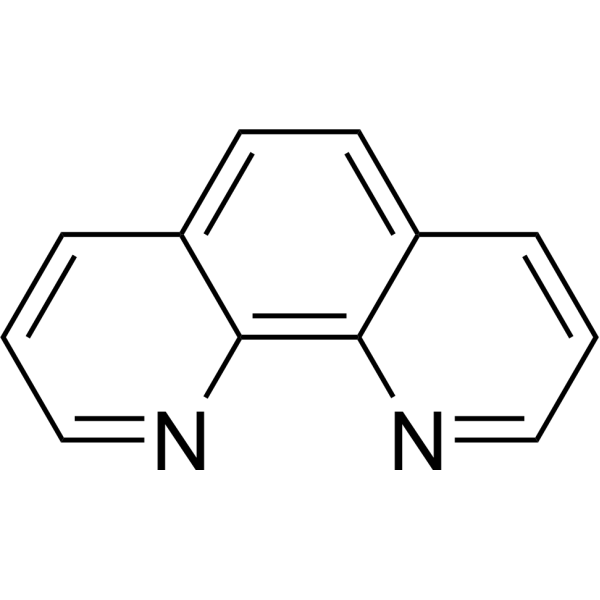
    o-Phenanthroline (1,10-Phenanthroline), a metal chelator, prevents the induction of chromosomal aberrations in streptozotocin-treated cells. o-Phenanthroline (1,10-Phenanthroline) forms a red chelate with Fe 2+ that absorbs maximally at 510 nm. o-Phenanthroline (1,10-Phenanthroline) is also a MMP inhibitor .
    o-Phenanthroline
  • HY-N6739

    Bacterial Apoptosis Fungal PI3K Akt TNF Receptor Interleukin Related Infection Cancer
    Beauvericin is a cyclohexapeptide Fusarium toxin with insecticidal, antibacterial, anticancer, antiviral and cytotoxic activities. Beauvericin causes cellular genotoxicity by producing DNA breaks, chromosomal aberrations and micronuclei, and inhibits the PI3K/AKT pathway to induce apoptosis, thereby inhibiting the growth of HCC. In addition, Beauvericin affects immune function by inhibiting lymphocyte proliferation and interfering with the differentiation process of human monocytes into macrophages .
    Beauvericin
  • HY-D0186
    2'-Deoxyuridine
    3 Publications Verification

    Endogenous Metabolite Thymidylate Synthase Infection
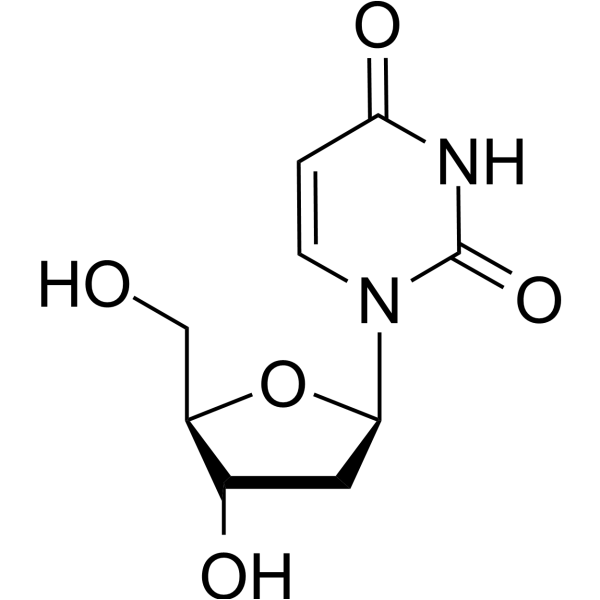
    2’-deoxyuridine is a brain-penetrant pyrimidines nucleotide that is associated with nervous system diseases. 2'-Deoxyuridine could increase chromosome breakage and results in a decreased thymidylate synthetase activity. 2'-Deoxyuridine is a precursor in the synthesis of Edoxudine (HY-B1011) and also an analogue of 5-ethynyl-2'-deoxyuridine, EdU (HY-118411). 2’-deoxyuridine reduces microglial activation and improve oxidative stress damage by modulating glycolytic metabolism on the Aβ25-35-induced brain injury, which is promising for research of Alzheimer’s disease (AD) .
    2'-Deoxyuridine
  • HY-147092
    Oryzalin
    1 Publications Verification

    Environmental Pollutants Microtubule/Tubulin Herbicide Infection
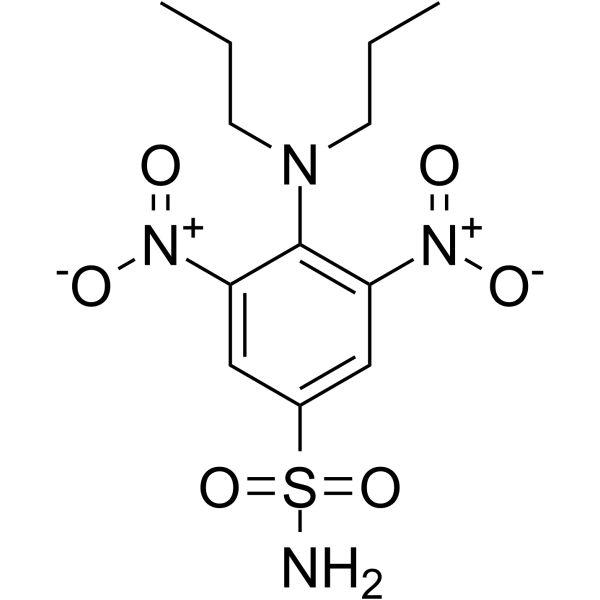
    Oryzalin is a dinitroaniline herbicide with antimitotic and antileishmanial activities. Oryzalin can bind to plant tubulin, inhibit the polymerization of microtubules in plant cells, and affect chromosome migration. Oryzalin can also be used to induce chromosome doubling .
    Oryzalin
  • HY-15842
    SF1670
    Maximum Cited Publications
    21 Publications Verification

    PTEN Phosphatase Autophagy Cancer
    SF1670 is a potent and specific phosphatase and tensin homolog deleted on chromosome 10 (PTEN) inhibitor .
    SF1670
  • HY-145967
    FT709
    1 Publications Verification

    Deubiquitinase Mitosis Cancer
    FT709 is a potent and selective USP9X inhibitor, an IC50 of 82 nM. USP9X has been linked with centrosome function, chromosome alignment during mitosis, EGF receptor degradation, chemo-sensitization, and circadian rhythms .
    FT709
  • HY-Y1841
    o-Phenanthroline monohydrate
    5 Publications Verification

    1,10-Phenanthroline monohydrate

    MOFs MMP Others
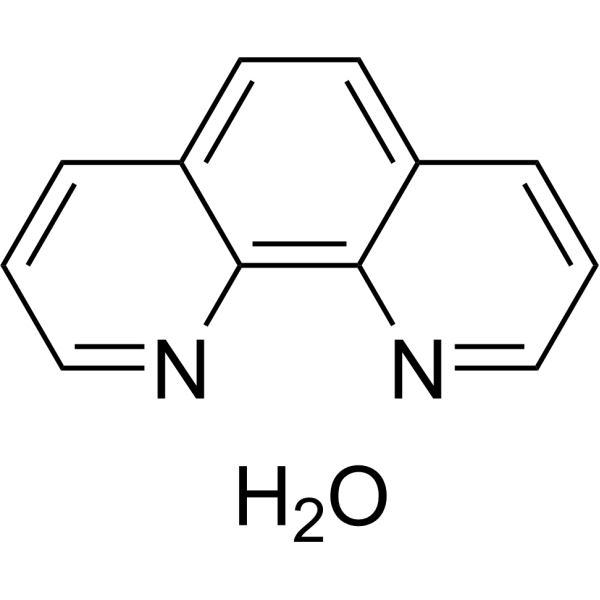
    o-Phenanthroline (1,10-Phenanthroline) monohydrate, a metal chelator, prevents the induction of chromosomal aberrations in streptozotocin-treated cells. o-Phenanthroline monohydrate forms a red chelate with Fe 2+ that absorbs maximally at 510 nm. o-Phenanthroline (1,10-Phenanthroline) monohydrate is also a MMP inhibitor .
    o-Phenanthroline monohydrate
  • HY-N6779
    Patulin
    4 Publications Verification

    Terinin

    Bacterial Apoptosis Autophagy Antibiotic Infection
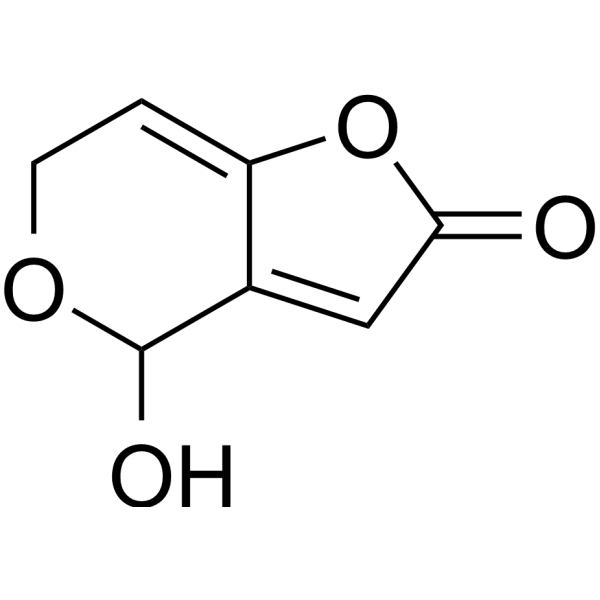
    Patulin (Terinin) is a mycotoxin produced by fungi including the Aspergillus, Penicillium, and Byssochlamys species, causes chromosome breakage, mutation, teratogenic and cytotoxic. Patulin induces autophagy-dependent apoptosis through lysosomal-mitochondrial axis, and causes DNA damage .
    Patulin
  • HY-110185
    NSC 617145
    3 Publications Verification

    DNA/RNA Synthesis Cancer
    NSC 617145 is a selective werner syndrome helicase (WRN) helicase inhibitor with an IC50 value of 230 nM. NSC 617145 inhibits WRN ATPase, and induces double-strand breaks (DSB) and chromosomal abnormalities. NSC 617145 shows selective for WRN over BLM, FANCJ, ChlR1, RecQ, and UvrD helicases .
    NSC 617145
  • HY-122266

    Biochemical Assay Reagents Metabolic Disease
    Orcein is an irreversible stain that specifically targets elastic fibers and can interact hydrophobically with the protein components in elastic fibers. Orcein makes elastic fibers in tissues appear purple or purple-red. Orcein can be used for morphological studies of Drosophila polytene chromosomes and for qualitative and quantitative analysis of elastic fibers, collagen fibers and other components in atherosclerotic plaques .
    Orcein
  • HY-148530

    PROTACs CDK Cancer
    YX-2-107 is a PROTAC (IC50= 4.4 nM) that selectively degrades CDK6. YX-2-107 effectively inhibits RB phosphorylation and FOXM1 expression in vitro and inhibits the development of Ph + ALL in rats. YX-2-107 can be used in the study of Ph chromosome-positive (Ph +) acute lymphoblastic leukemia (ALL) .
    YX-2-107
  • HY-N4183
    Licoflavone C
    1 Publications Verification

    Apoptosis Caspase Estrogen Receptor/ERR Cardiovascular Disease Infection
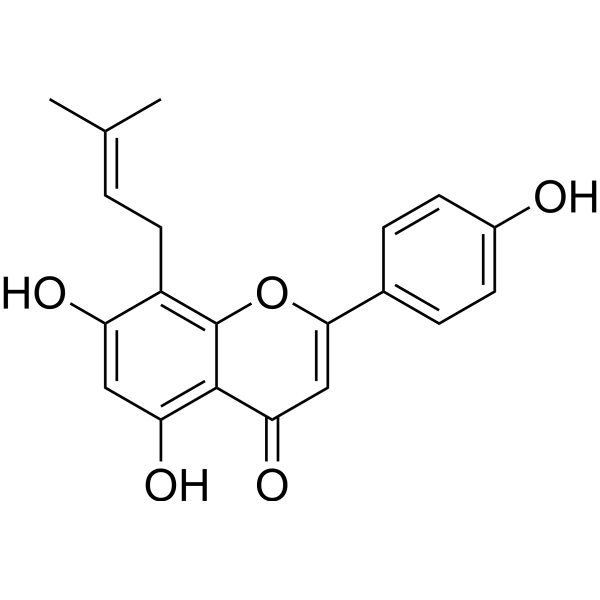
    Licoflavone C is a broad-spectrum antiviral inhibitor with estrogen-like properties. Licoflavone C binds to viral endonuclease (CEN) and inhibits the replication of various bunyaviruses including severe fever with thrombocytopenia syndrome virus (SFTSV) and lymphocytic choriomeningitis virus in a non-substrate competitive manner. The IC50 values of Licoflavone C against SFTSV CEN and SFTSV CEN are 35.5 μM and 135.8 μM, respectively, and its Kd value against SFTSV CEN is 9.53 μM. After viral entry into cells, Licoflavone C reduces viral loads in mouse tissues in a dose-dependent manner, and exhibits extremely low cytotoxicity and genotoxicity. Licoflavone C induces apoptosis by increasing caspase 3/7 activity, blocks the cell cycle, and alleviates chemotherapy-induced chromosomal damage. Licoflavone C is applicable to the research on severe fever with thrombocytopenia syndrome and related viral infection mechanisms .
    Licoflavone C
  • HY-127034

    Ser/Thr Protease DNA/RNA Synthesis Metabolic Disease Cancer
    Antipain dihydrochloride is a protease inhibitor isolated from Actinomycetes. Antipain dihydrochloride inhibits N-methyl-N'-nitro-N-nitrosoguanidine (MNNG)-induced transformation and increases chromosomal aberrations. Antipain dihydrochloride restricts uterine DNA synthesis and function in mice .
    Antipain dihydrochloride
  • HY-118773

    A22 hydrochloride

    Bacterial Infection
    MreB Perturbing Compound A22 hydrochloride (A22 hydrochloride) is a reversible MreB inhibitor and antimicrobial agent that exhibits bacteriostatic activity against Escherichia coli, with low activity against Gram-positive bacteria. MreB Perturbing Compound A22 hydrochloride rapidly and reversally delocalizes MreB from the helical/circular structures in cells, impairs MreB function, and reduces the binding of MreB to the chromosomal region proximal to the replication origin. MreB Perturbing Compound A22 hydrochloride alters the cell morphology of caulobacters to round/lemon-shaped, slows caulobacter growth, blocks their cell division, and induces the formation of spherical morphology, asymmetric division, and anucleate cells in Escherichia coli. MreB Perturbing Compound A22 hydrochloride is used for studies related to bacterial rod-shaped morphology determination, chromosome segregation, and cell division mechanisms .
    MreB Perturbing Compound A22 hydrochloride
  • HY-145034
    KIF18A-IN-1
    1 Publications Verification

    Kinesin Cancer
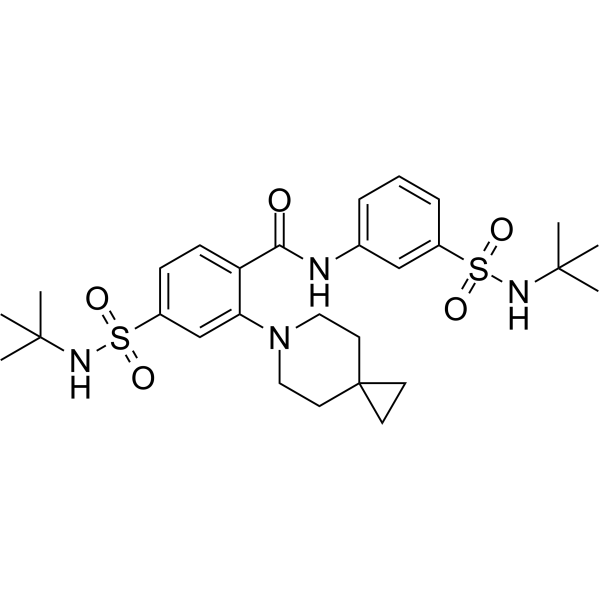
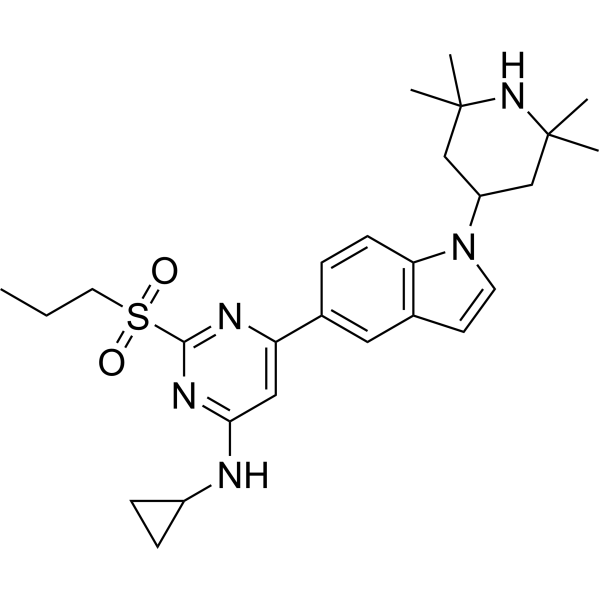
    KIF18A-IN-1 is an inhibitor of the mitotic kinesin KIF18A with anti-tumor activity. KIF18A targeted inhibitors may activate mitotic checkpoints and selectively kill chromosomally unstable cancer cells .
    KIF18A-IN-1
  • HY-162110

    Kinesin Microtubule/Tubulin Cancer
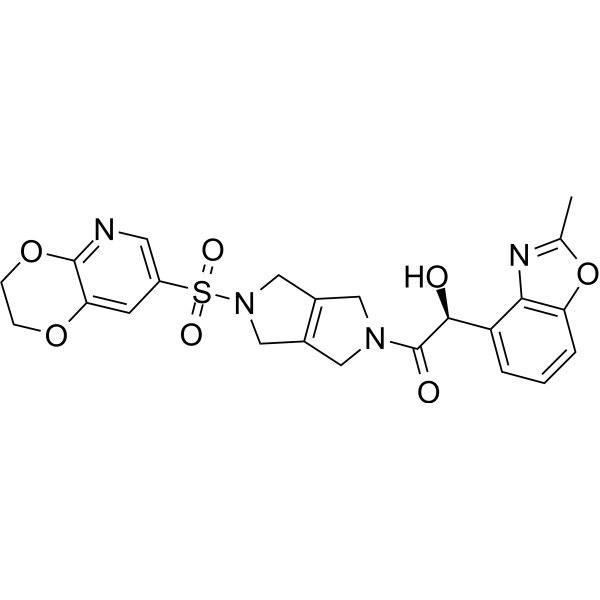
    AM-9022 is an orally active, potent, selective KIF18A inhibitor that can be used for research on cancer .
    AM-9022
  • HY-80002
    BMX-IN-1
    5+ Cited Publications

    BMX kinase inhibitor

    Btk BMX Kinase Cancer
    BMX-IN-1 is a selective, irreversible inhibitor of bone marrow tyrosine kinase on chromosome X (BMX) that targets Cys 496 in the BMX ATP binding domain with an IC50 of 8 nM, also targets the related Bruton’s tyrosine kinase (BTK) with an IC50 value of 10.4 nM, but is more than 47-656-fold less potent against Blk, JAK3, EGFR, Itk, or Tec activity.
    BMX-IN-1
  • HY-122236

    Mitosis Kinesin Microtubule/Tubulin Aurora Kinase Cancer
    UMK57 is a MCAK activator and kinetochore-microtubule destabilizer. UMK57 enhances MCAK-dependent microtubule depolymerization, increases kinetochore-microtubule turnover, reduces chromosome mis-segregation and lagging chromosomes, and inhibits cancer cell proliferation. UMK57 triggers adaptive resistance in Aurora B cancer cells via reversible Aurora B signaling pathway alterations. UMK57 can be used for the research of solid tumors .
    UMK57
  • HY-D1746
    EDTA-AM
    2 Publications Verification

    EDTA acetoxymethyl ester; Ethylenediaminetetraacetic acid acetoxymethyl ester

    Biochemical Assay Reagents Mitosis Others
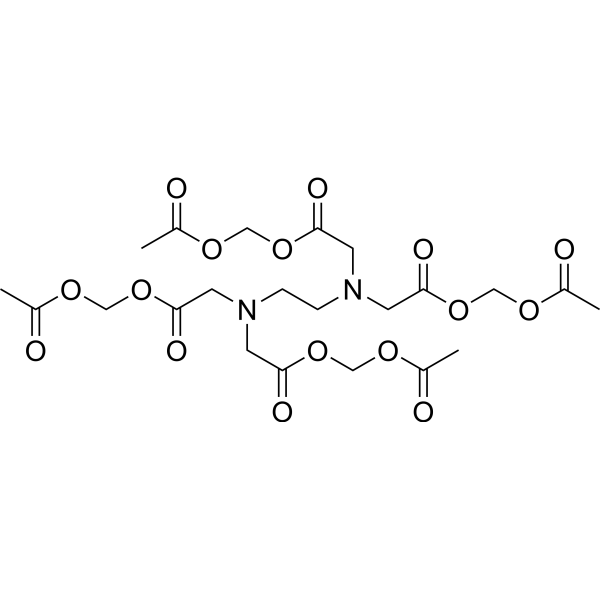
    EDTA-AM (ethylenediaminetetraacetic acid, acetoxymethyl ester) is the membrane-permeant form of the metal chelator EDTA (HY-Y0682). Live cells passively load EDTA-AM by incubating with EDTA-AM. Once internalized, cytoplasmic esterase decomposes AM esters, releasing the active ligand EDTA, which isolates metal ions within the cell. EDTA-AM induces an arrest of mitotic progression and chromosome decondensation .
    EDTA-AM
  • HY-116887

    Endogenous Metabolite Nucleoside Antimetabolite/Analog DNA/RNA Synthesis Cancer
    N6-Methyladenine is a DNA epigenetic modification that involves the addition of a methyl group to the sixth position of adenine. N6-Methyladenine plays an important role in distinguishing host DNA from exogenous DNA and controls many biological functions, such as DNA replication, transcription, mismatch repair, and chromosome replication. N6-Methyladenine can be used for the kidney diseases .
    N6-Methyladenine
  • HY-110374
    NVS-CECR2-1
    1 Publications Verification

    Epigenetic Reader Domain Apoptosis Cancer
    NVS-CECR2-1, a non-BET family Bromodomain (BRD) inhibitor, is a potent and selective cat eye syndrome chromosome region, candidate 2 (CECR2) inhibitor. NVS-CECR2-1 binds to CECR2 BRD with high affinity (IC50=47 nM; KD=80 nM). NVS-CECR2-1 exhibits cytotoxic activity and induces apoptosis against various cancer cells by targeting CECR2 as well as via CECR2-independent mechanism . NVS-CECR2-1 is a chemical probe.
    NVS-CECR2-1
  • HY-161853

    Phosphodiesterase (PDE) Others
    TX-2552 is an orally active tyrosine DNA phosphodiesterase 1 (TDP1) inhibitor with an IC50 value of 0.62 μM. TX-2552 can enhance the clastogenic activity of Topotecan (HY-13768) in mouse bone marrow cells, as well as the anti-tumor effect of Topotecan (HY-13768) in Krebs-2 ascites tumor mice .
    TX-2552
  • HY-117996

    CRM1 Apoptosis Cancer
    KPT-251 is an orally active chromosome region maintenance 1 protein (CRM1) inhibitor. KPT-251 induces cancer cell apoptosis and shows antileukemic activity .
    KPT-251
  • HY-D0954

    Fluorescent Dye Others
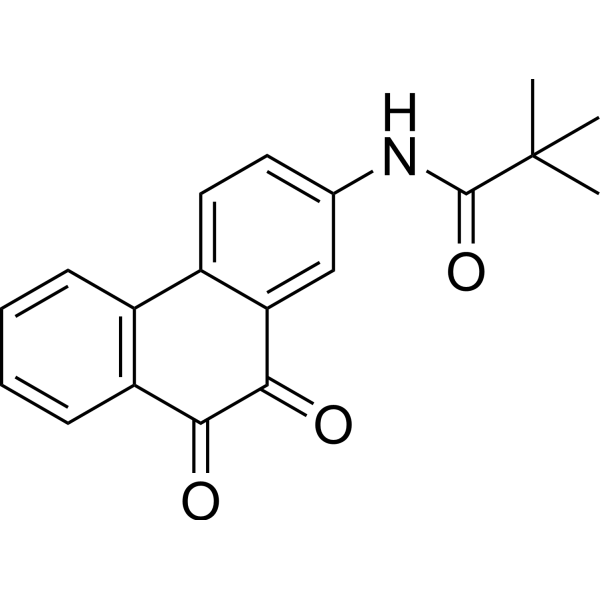
    Jenner's Stain is a dye that is used in microscopy for staining blood smears. Jenner's Stain can be used for the chromosome stain by C-banding technique. Jenner's Stain can be used for the stain for routine blood examinations and malarial staining .
    Jenner's Stain
  • HY-138084

    Separase Mitosis Cancer
    SIC5-6 is a potent Separase inhibitor. Separase, a large cysteine protease, involves in chromosome segregation during mitosis and meiosis, DNA damage repair, centrosome disengagement and duplication, spindle stabilization and elongation. Separase is highly overexpressed in many solid cancers, serves as an attractive chemotherapeutic target .
    SIC5-6
  • HY-144894

    Kinesin Microtubule/Tubulin Cancer
    AM-5308 is the inhibitor for KIF18A (IC50=47 nM) that inhibits KIF18A-mediated microtubule ATPase activity. AM-5308 activates mitotic checkpoints, regulates cell division processes, including chromosome segregation and spindle assembly. AM-5308 exhibits antitumor activity .
    AM-5308
  • HY-104000

    Ser/Thr Protease Cancer
    BAY-320 is a selective and ATP-competitive Bub1 inhibitor that inhibits the kinase activity of Bub1 with an IC50 of 680 nM. BAY-320 inhibits endogenous Bub1-mediated Sgo1 localization. BAY-320 affects cellular mitotic chromosome arrangement and spindle assembly. BAY-320 inhibits cell proliferation. BAY-320 can be used in the study of cancer such as ovarian cancer and cervical cancer .
    BAY-320
  • HY-152246

    DNA/RNA Synthesis Cancer
    ZIM, a norbornene derived from 4-Aminoantipyrine, is a potent inducer of DNA damage, causing genomic and chromosomal damage as well as inducing cell death and activating phagocytosis. ZIM has chemotherapeutic potential for use in cancer research .
    ZIM
  • HY-W127705
    Quinacrine mustard dihydrochloride
    1 Publications Verification

    Fluorescent Dye Others
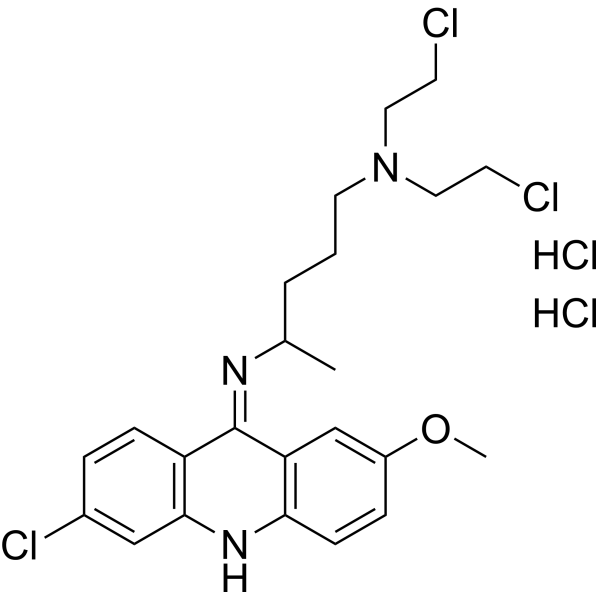
    Quinacrine mustard dihydrochloride is a fluorochrome. Quinacrine mustard dihydrochloride as a polycyclic aromatic agent can be used as mutagenic agent induces the mutants of bacteria. Quinacrine mustard dihydrochloride induces cell cycle arrest at G2/M-phase. Quinacrine mustard dihydrochloride has the potential for the research of plant, animal, or human chromosomes .
    Quinacrine mustard dihydrochloride
  • HY-157549A

    AYX1 sodium

    Nucleoside Antimetabolite/Analog Neurological Disease
    Brivoligide (AYX1) sodium is a double-stranded, unprotected, 23 base-pair oligonucleotide. Brivoligide sodium can reduce acute post-surgical pain. Brivoligide sodium mimics the DNA sequence normally bound by EGR1 on chromosomes .
    Brivoligide sodium
  • HY-W199190

    DNA/RNA Synthesis Cancer
    2-CEES is a mustard gas analog forms only DNA monoadducts. 2-CEES induces centrosome amplification in human and mouse cells. 2-CEES induces centrosome amplification and chromosome instability .
    2-CEES
  • HY-W178327

    Adenosine Receptor Cancer
    8-Chloro caffeine binds to adenosine receptors (Ki = 30 µM). 8-Chloro caffeine potentiates UV-induced chromosomal aberrations in Cl-I Chinese hamster embryonic lung cells. 8-Chloro caffeine is a derivative of the methylxanthine alkaloid caffeine .
    8-Chloro caffeine
  • HY-W541025

    Biochemical Assay Reagents Others
    Deoxyribonucleic acid is a polymer formed by two polynucleotide chains twisted around each other to form a double-helix structure. Deoxyribonucleic acid exists in all dividing cells and is a fundamental component of chromosomes .
    Deoxyribonucleic acid
  • HY-122509

    Senkirkine; Renardin

    Cytochrome P450 Others
    Senkirkin is a pyrrolizidine alkaloid derived from Tussilago farfara. Senkirkin induces chromosomal damage in lymphocytes and is metabolized by CYP3A4 .
    Senkirkin
  • HY-117865

    Epigenetic Reader Domain Cancer
    GNE-886 (Compound 21) is a potent and selective inhibitor of Cat eye syndrome chromosome region candidate 2 bromodomain (CECR2) (BRD) with an IC50 value of 0.016 µM and an EC50 value of 370 nM. GNE-886 also inhibits BRD9 with an IC50 value of 1.6 µM .
    GNE-886
  • HY-N6779R

    Terinin (Standard)

    Reference Standards Bacterial Apoptosis Autophagy Antibiotic Infection
    Patulin (Standard) is the analytical standard of Patulin. This product is intended for research and analytical applications. Patulin (Terinin) is a mycotoxin produced by fungi including the Aspergillus, Penicillium, and Byssochlamys species, causes chromosome breakage, mutation, teratogenic and cytotoxic. Patulin induces autophagy-dependent apoptosis through lysosomal-mitochondrial axis, and causes DNA damage .
    Patulin (Standard)
  • HY-116887R

    Endogenous Metabolite Nucleoside Antimetabolite/Analog DNA/RNA Synthesis Reference Standards Cancer
    N6-Methyladenine (Standard) is the analytical standard of N6-Methyladenine (HY-116887). This product is intended for research and analytical applications. N6-Methyladenine is a modified purine that is widely present in prokaryotes. In prokaryotes, N6-Methyladenine plays an important role in distinguishing host DNA from exogenous DNA and controls many biological functions, such as DNA replication, transcription, mismatch repair, and chromosome replication. N6-Methyladenine can be used for the kidney diseases .
    N6-Methyladenine (Standard)
  • HY-E70653

    CDK Cancer
    CDK1 is a cyclin-dependent kinase that functions as a serine/threonine protein kinase, and is a key player in cell cycle regulation. CDK1/CycB1 Recombinant Human Active Protein Kinase is an ortholog of CDK1. CDK1/cyclin B1 complexes initiates mitotic entry by phosphorylating a multitude of proteins to condense chromosomes, disrupt the nuclear envelope, and enable microtubules polymerization to attach and to segregate the chromosomes .
    CDK1/CycB1 Recombinant Human Active Protein Kinase
  • HY-D0186R

    Reference Standards Endogenous Metabolite Thymidylate Synthase Infection
    2'-Deoxyuridine (Standard) is the analytical standard of 2'-Deoxyuridine. This product is intended for research and analytical applications. 2’-deoxyuridine is a brain-penetrant pyrimidines nucleotide that is associated with nervous system diseases. 2'-Deoxyuridine could increase chromosome breakage and results in a decreased thymidylate synthetase activity. 2'-Deoxyuridine is a precursor in the synthesis of Edoxudine (HY-B1011) and also an analogue of 5-ethynyl-2'-deoxyuridine, EdU (HY-118411). 2’-deoxyuridine reduces microglial activation and improve oxidative stress damage by modulating glycolytic metabolism on the Aβ25-35-induced brain injury, which is promising for research of Alzheimer’s disease (AD) . In Vitro:The interaction between the 2-deoxyuridine and the column increases the duration of retention of 2-deoxyuridine .
    Gradient elution with sodium acetate buffer-ACN eluent on two ZIC-HILIC homemade columns separates 2-deoxyuridine in under 9 min .
    In Vivo:2'-Deoxyuridine (34.42 ng/mL, gavage, 15 min) passes the blood-brain barrier (BBB) to enter the hippocampus of mice brain .
    2'-Deoxyuridine (20 mg/kg, gavage, daily for 4 weeks) improves cognition and memory loss and attenuates the damage to the hippocampus in Aβ25-35-induced mice model .
    2'-Deoxyuridine (Standard)
  • HY-157549

    AYX1

    Nucleoside Antimetabolite/Analog Neurological Disease
    Brivoligide (AYX1) is a double-stranded, unprotected, 23 base-pair oligonucleotide. Brivoligide can reduce acute post-surgical pain. Brivoligide mimics the DNA sequence normally bound by EGR1 on chromosomes .
    Brivoligide
  • HY-130803

    Nucleoside Antimetabolite/Analog Cancer
    5-Methyl-5,6-dihydrouridine is a minor constituent in the chromosomal RNA of the rat ascites tumor. 5-Methyl-5,6-dihydrouridine can be used for nucleic acid modification .
    5-Methyl-5,6-dihydrouridine
  • HY-127039

    Ser/Thr Protease DNA/RNA Synthesis Metabolic Disease Cancer
    Antipain is a protease inhibitor isolated from Actinomycetes. Antipain inhibits N-methyl-N'-nitro-N-nitrosoguanidine (MNNG)-induced transformation and increases chromosomal aberrations. Antipain restricts uterine DNA synthesis and function in mice .
    Antipain
  • HY-122817

    Antibiotic Parasite Infection
    FR900098 sodium is an antimalarial agent that inhibits 1-deoxy-d-xylulose-5-phosphate (DXP) reductoisomerase. FR900098 sodium has no significant acute toxicity or genotoxicity, and does not have the ability to cause chromosome breakage or heterogeneity. FR900098 sodium has no effect on bone marrow red blood cells in NMRI mice .
    FR900098 sodium
  • HY-134013

    DNA/RNA Synthesis Endothelin Receptor Cardiovascular Disease Cancer
    Piperitenone oxide is an orally active monoterpene ketone. Piperitenone oxide can be isolated from the essential oils of plants belonging to Mentha x villosa and Ziziphora clinopodioides. Piperitenone oxide induces differentiation. Piperitenone oxide induces chromosome breakage damage, aneuploidy damage and DNA single-strand breaks. Piperitenone oxide reduces ET-1 levels. Piperitenone oxide exerts antihypertensive effects. Piperitenone oxide can be used in studies related to colon cancer .
    Piperitenone oxide
  • HY-109855

    Topoisomerase Antibiotic Bacterial Infection
    CP-67015, a quinolone antibiotic, is a potent topoisomerase II inhibitor. CP-67015 is a positive direct-acting mutagen in mammalian cells with both gene and chromosomal level effects .
    CP-67015
  • HY-108028

    Estrogen Receptor/ERR DNA/RNA Synthesis Cancer
    NDC 1308 is an estradiol analogue. NDC 1308 can bind estrogen receptor beta and inhibit cancer cell proliferation by blocking chromosome replication. NDC 1308 can be used for the research of cancer, such as breast cancer .
    NDC 1308
  • HY-D1660

    NSC 219743

    DNA Stain Others
    Acridine homodimer (NSC 219743), acridine dimer, is a fluorescence dye. Acridine homodimer emits a blue-green fluorescence when bound to DNA. Acridine homodimer has extremely high affinity for AT-rich regions of nucleic acids, can be used for chromosome banding .
    Acridine homodimer
  • HY-135243

    DNA/RNA Synthesis Cancer
    Ypenyl is a cytostatic. Ypenyl hydrochloride, belonging to the alkylating agent class, exhibits clear genotoxicity and cell cycle disruption properties. Ypenyl induces chromosomal aberrations in broad bean root tip meristem cells and leads to a decrease in the mitotic index. Ypenyl may be used in cancer research .
    Ypenyl
  • HY-158618

    Aurora Kinase Apoptosis Cancer
    Aurora kinase inhibitor-14 (Compound 79) is an orally active and highly selective inhibitor of Aurora kinases with IC50 values of 0.5 nM and 1.2 nM for Aurora A and Aurora B, respectively. Aurora kinase inhibitor-14 binds to the ATP-binding site of Aurora kinases to block chromosome segregation during mitosis and induce apoptosis in tumor cells. Aurora kinase inhibitor-14 is promising for research of various solid tumors and hematological malignancies, such as non-small cell lung cancer, breast cancer, and acute myeloid leukemia .
    Aurora kinase inhibitor-14
  • HY-W271064

    Environmental Pollutants Fluorescent Dye Others
    1-Methylpyrene is a ubiquitous environmental pollutant and rodent carcinogen. Its mutagenic activity depends on sequential activation by various CYP and sulfotransferase (SULT) enzymes. 1-Methylpyrene induces chromosome loss and mitotic disturbance, proba
    1-Methylpyrene

Inquiry Online

Your information is safe with us. * Required Fields.

Salutation


Country or Region *

Applicant Name *


Organization Name *

Department *


Email Address *


Product Name *

Cat. No.


Requested quantity *

Phone Number *


Remarks

Inquiry Online

Inquiry Information

Product Name:
Cat. No.:
Quantity:
MCE Japan Authorized Agent:

