1. Search Result
Search Result
Results for "

food+intake

" in MedChemExpress (MCE) Product Catalog:

156

Inhibitors & Agonists

2

Screening Libraries

1

Biochemical Assay Reagents

66

Peptides

7

Natural
Products

5

Isotope-Labeled Compounds

Cat. No. Product Name Target Research Areas Chemical Structure
  • HY-P3462
    Cagrilintide
    3 Publications Verification

    CGRP Receptor Metabolic Disease
    Cagrilintide is an investigational novel long-acting acylated amylin analogue, acts as nonselective amylin receptors (AMYR) and calcitonin G protein-coupled receptor (CTR) agonist. Cagrilintide induces significant weight loss and reduces food intake. Cagrilintide has the potential for the research of obesity .
    Cagrilintide
  • HY-P3462A
    Cagrilintide acetate
    3 Publications Verification

    CGRP Receptor Metabolic Disease
    Cagrilintide acetate is a non-selective AMYR/CTR agonist and long-acting acylated amylase analogue. Cagrilintide acetate causes a reduction in food intake and significant weight loss in a dose-dependent manner. Cagrilintide acetate can be used in obesity studies .
    Cagrilintide acetate
  • HY-P3463
    Beinaglutide
    1 Publications Verification

    GLP-1 (human)

    GCGR Metabolic Disease Inflammation/Immunology
    Beinaglutide is a human GLP-1 polypeptide that shares almost 100% homology with human GLP-1 (7–36). Beinaglutide displays does-dependent effects in glycemic control, inhibiting food intake and gastric empty and promoting weight loss. Beinaglutide has the potential for the research of overweight/obesity and nonalcoholic steatohepatitis (NASH) .
    Beinaglutide
  • HY-W010042
    L-Glucose
    1 Publications Verification

    L-(-)-Glucose

    Fluorescent Dye Metabolic Disease Cancer
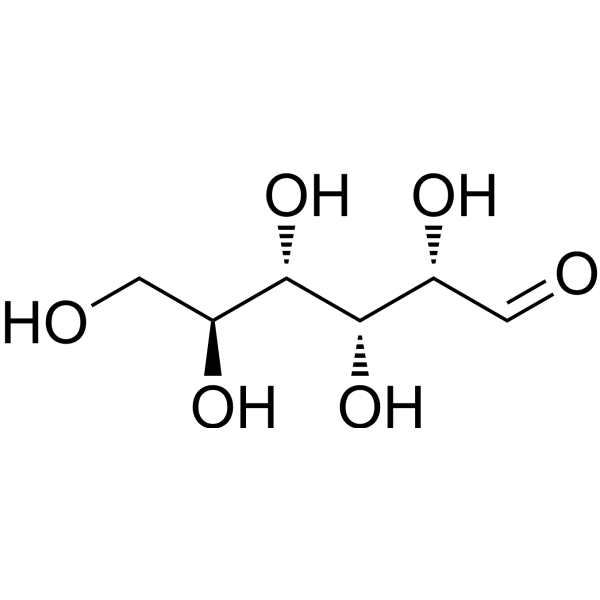
    L-Glucose (L-(-)-Glucose) is a stereoisomer of D-Glucose (HY-B0389), which does not readily enter the brain. L-Glucose can promote food intake. L-glucose is combined with a fluorescence detector to produce a fluorescent probe that can be used to visualize and characterize cancer cells. L-Glucose also can be used in the research to enhance memory in mice .
    L-Glucose
  • HY-P11245A

    Amylin Receptor Metabolic Disease
    NN1213 acetate, a long-acting human amylin peptide analog, is a selective Amylin receptor agonist with EC50 values of 0.177 and 0.262 nM for hAMY3R and rAMY3R, respectively. NN1213 acetate significantly reduces food intake and fat mass. NN1213 acetate can reduce body weightin diet-induced obese rats. NN1213 acetate can be used for the research of obesity .
    NN1213 acetate
  • HY-116797

    MS0015203

    GPR171 Metabolic Disease
    MS15203 is a potent and selective GPR171 agonist. MS15203 increases food intake and body weight. MS15203 increases neuronal activity. MS15203 significantly increases the abundance of the mRNAs encoding proSAAS, NPY, AgRP .
    MS15203
  • HY-118930

    Melanocortin Receptor Metabolic Disease
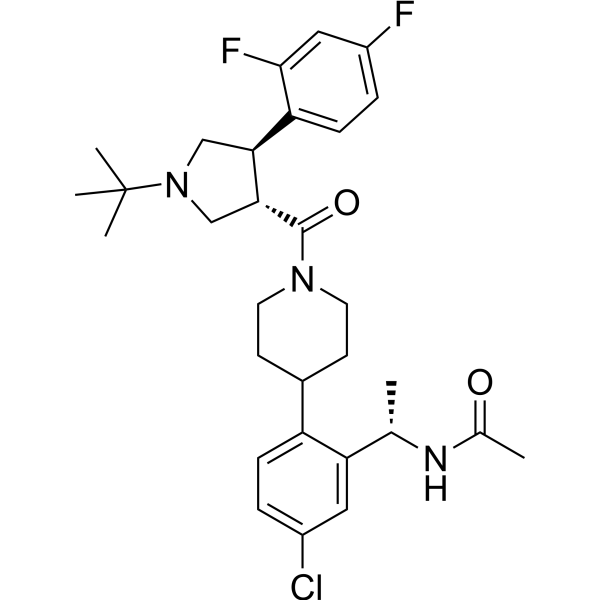
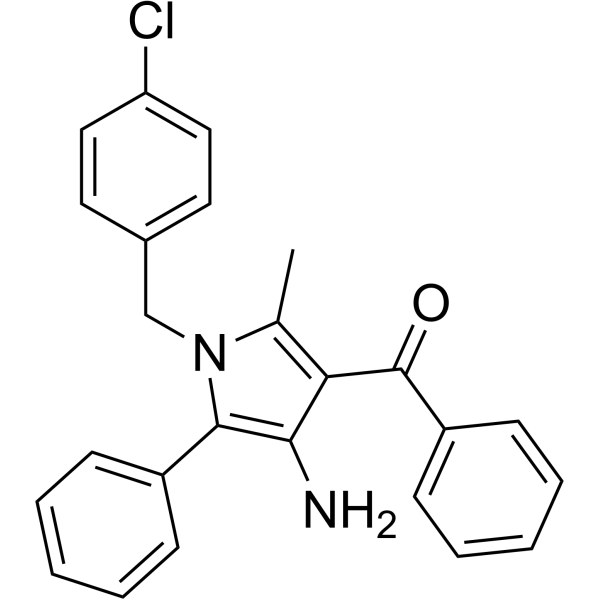
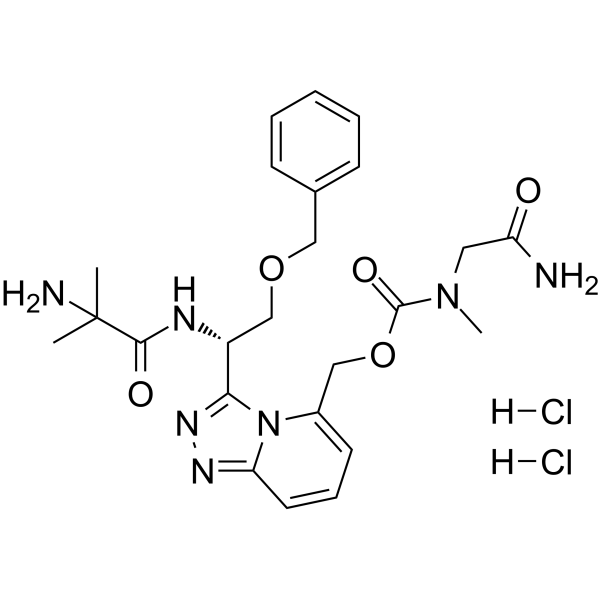
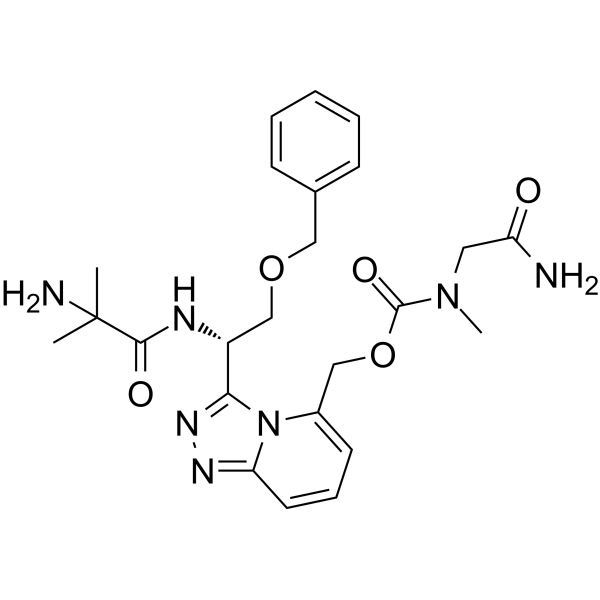
    MK-0493 is an orally active melanocortin-4 receptor (MC4R) agonist. MK-0493 reduces food intake, suppresses weight gain, elevates blood pressure at high doses, and exhibits preclinical erectile regulatory activity. MK-0493 can be used in research related to obesity .
    MK-0493
  • HY-120619
    BMS-193885
    1 Publications Verification

    Neuropeptide Y Receptor Neurological Disease Endocrinology
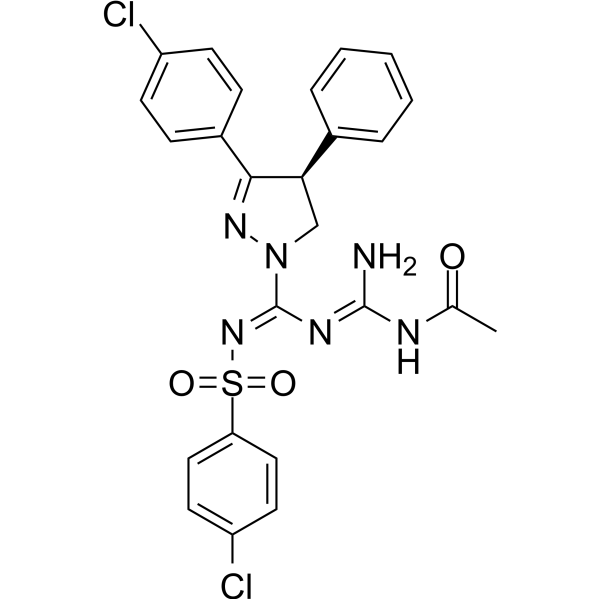
    BMS-193885 is a selective neuropeptide Y1 receptor antagonist (Ki=3.3 nM) that competitively blocks the receptor to inhibit NPY-mediated appetite regulation signaling pathways, reduce food intake and inhibit weight gain. BMS-193885 has good blood-brain barrier penetration and is mainly used in the study of obesity and related metabolic diseases .
    BMS-193885
  • HY-101365A
    RS-102221 hydrochloride
    1 Publications Verification

    5-HT Receptor Neurological Disease
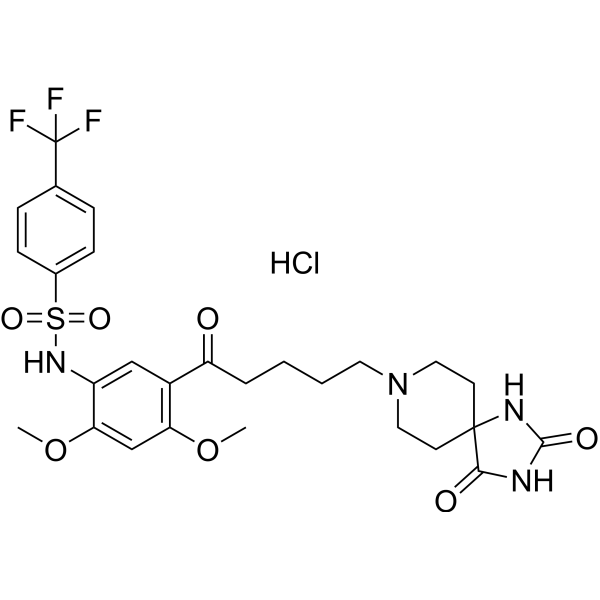
    RS-102221 hydrochloride is a selective 5-HT2C receptor antagonist (Ki=10 nM). RS-102221 hydrochloride shows nearly 100-fold selectivity for the 5-HT2C receptor as compared to the 5-HT2A and 5-HT2B receptors. RS-102221 hydrochloride can promote the differentiation of new nerve cells. RS-102221 hydrochloride increases food-intake and weight-gain in rats .
    RS-102221 hydrochloride
  • HY-107734

    Neuropeptide Y Receptor Metabolic Disease Endocrinology
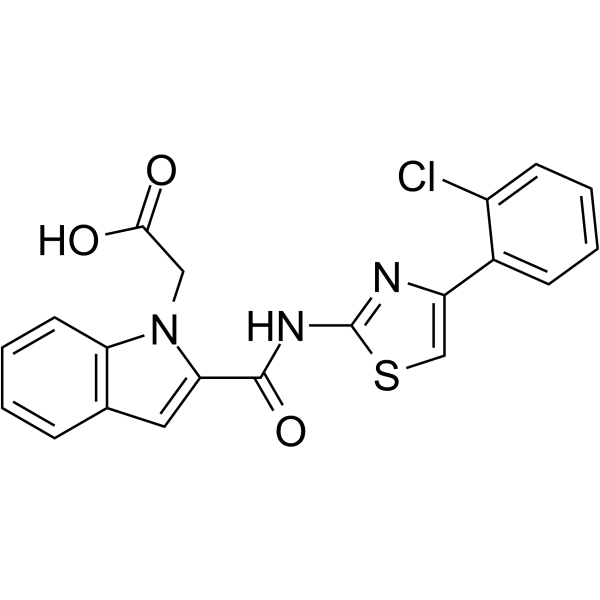
    L 152804 is an orally active and selective neuropeptide Y Y5 receptor (NPY5-R) antagonist, with a Ki of 26 nM for hY5. L 152804 causes weight loss in diet-induced obese mice by modulating food intake and energy expenditure .
    L 152804
  • HY-14342
    MK-5046
    2 Publications Verification

    Bombesin Receptor Metabolic Disease
    MK-5046 is a potent, selective and orally active Bombesin receptor subtype-3 (BRS-3) allosteric agonist with an IC50 and an EC50 value of 27 and 25 nM for hBRS-3, respectively. MK-5046 inhibits food intake and reduces body weight of diet-induced obese (DIO) mouse models. MK-5046 can be used for the research of obesity .
    MK-5046
  • HY-P11245

    Amylin Receptor Metabolic Disease
    NN1213, a long-acting human amylin peptide analog, is a selective Amylin receptor agonist with EC50 values of 0.177 and 0.262 nM for hAMY3R and rAMY3R, respectively. NN1213 significantly reduces food intake and fat mass. NN1213 can reduce body weightin diet-induced obese rats. NN1213 can be used for the research of obesity .
    NN1213
  • HY-P2932
    Cholecystokinin
    1 Publications Verification

    Cholecystokinin-33(human); CCK-33(human)

    Cholecystokinin Receptor Metabolic Disease
    Cholecystokinin is a peptide hormone. Cholecystokinin, as a hunger suppressant, inhibits food intake and stimulates the digestion of fat and protein. Cholecystokinin can be used for the research of gastrointestinal system .
    Cholecystokinin
  • HY-P2210

    GPR171 Metabolic Disease
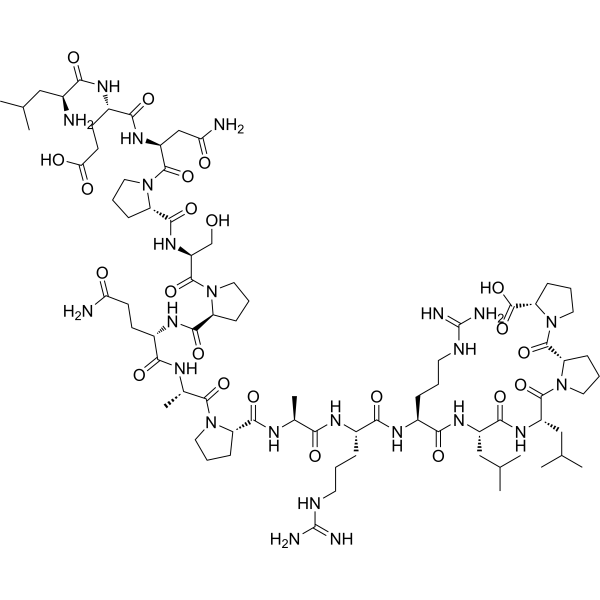
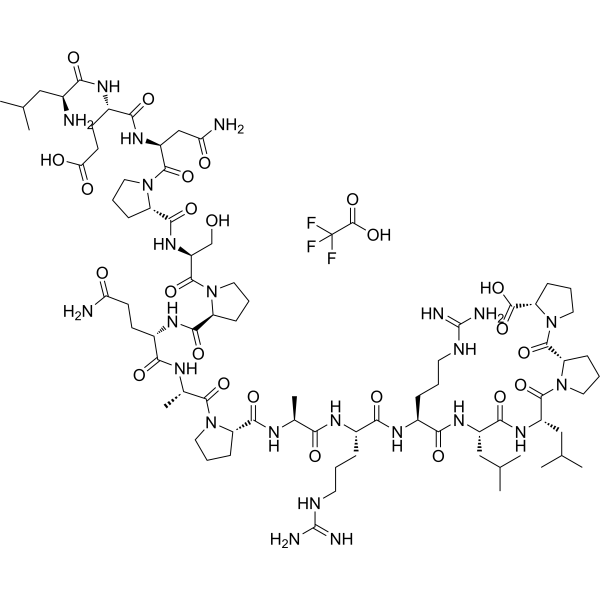
    BigLEN(mouse) is a potent and selective agonist of orphan G protein-coupled receptor 171 (GPR171), with a Kd of ∼0.5 nM. BigLEN(mouse) can be used to regulate responses associated with food intake and metabolism .
    BigLEN(mouse)
  • HY-P3561A

    Melanocortin Receptor Neurological Disease
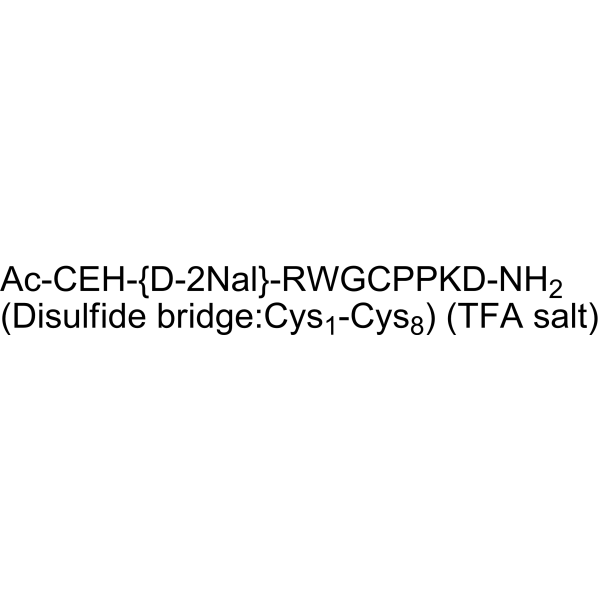
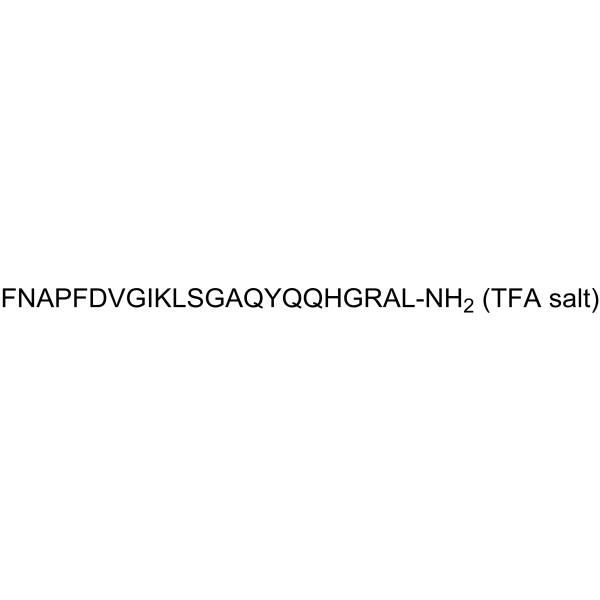
    Agouti-related Protein (AGRP) (83-132) Amide (human) TFA is a fragment of agouti-related protein (AGRP) which is a protein found in abundance in the arcuate nucleus of the hypothalamus. AgRP primarily acts as an inverse agonist for the melanocortin-4 receptor (MC4R) to increase food intake .
    Agouti-related Protein (AGRP) (83-132) Amide (human) TFA
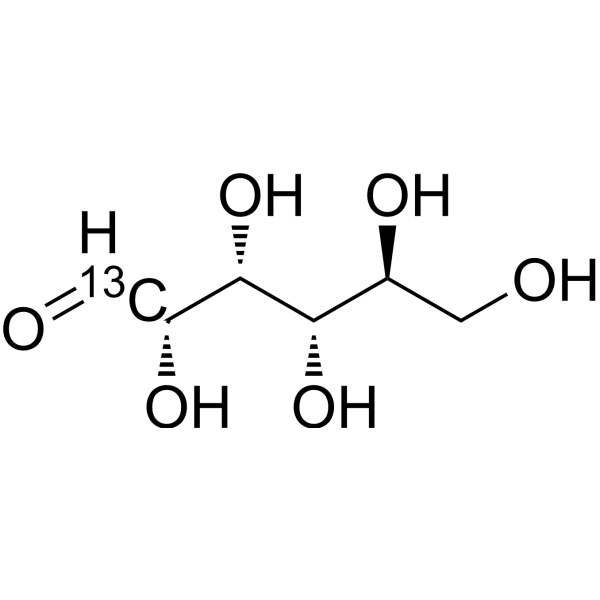
  • HY-W010042S
    L-Glucose-13C
    1 Publications Verification

    L-(-)-Glucose-13C

    Isotope-Labeled Compounds Metabolic Disease
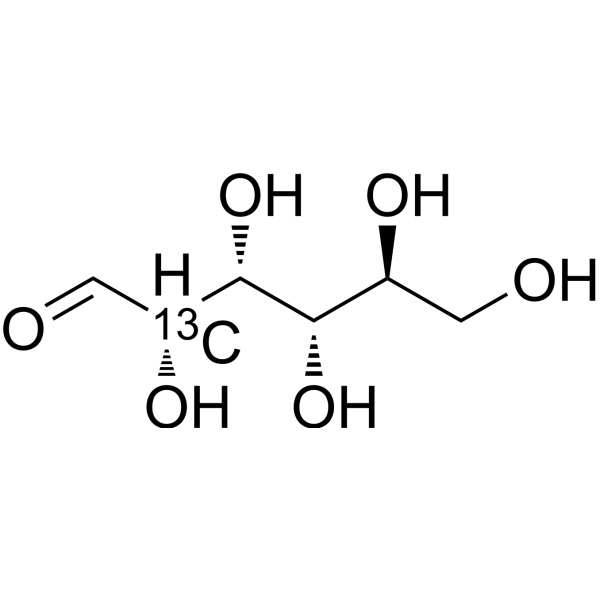
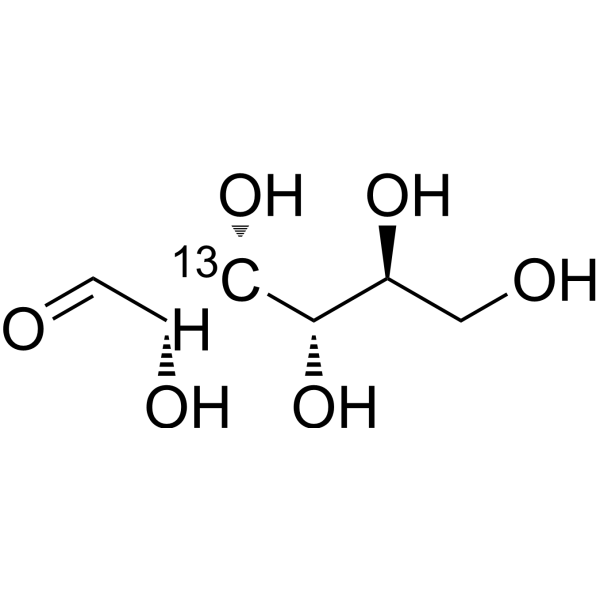
    L-Glucose- 13C is the 13C labeled L-Glucose. L-Glucose (L-(-)-Glucose) is an enantiomer of D-glucose. L-Glucose can promote food intake .
    L-Glucose-13C
  • HY-P1215A
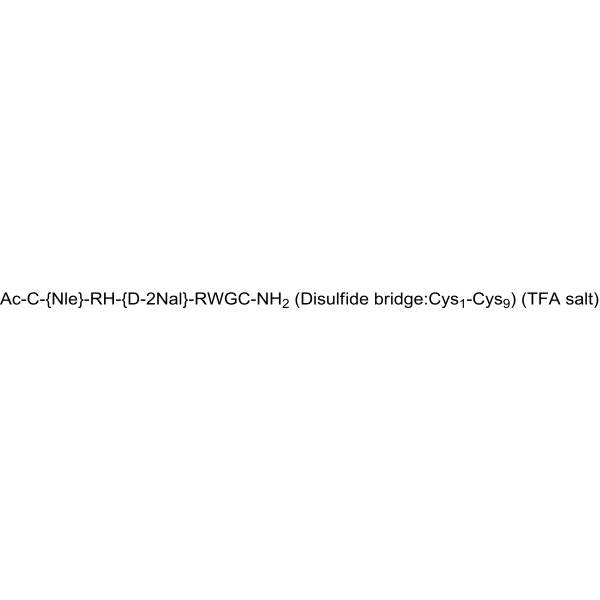
    HS024 TFA
    1 Publications Verification

    Melanocortin Receptor Metabolic Disease
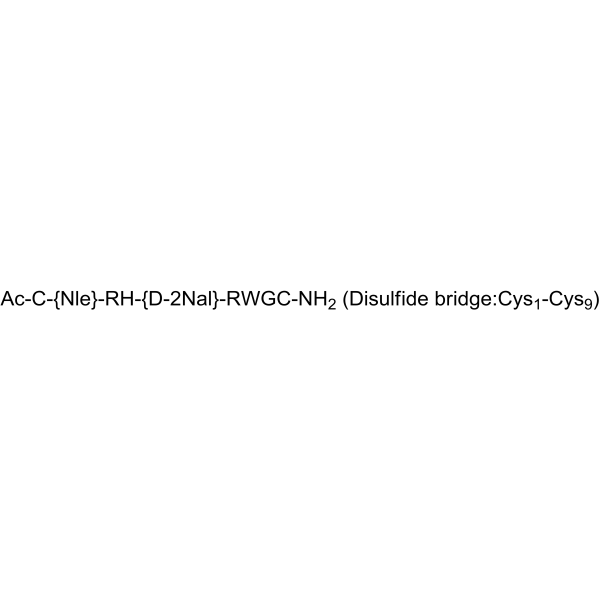
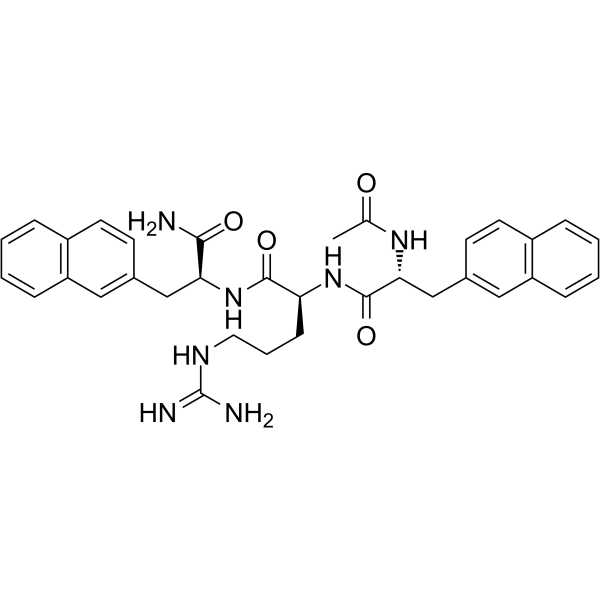
    HS024 is a selective MC4 receptor antagonist, with Kis of 0.29, 3.29, 5.45, 18.6 nM for MC4, MC5, MC3, and MC1, respectively. HS024 increase food intake .
    HS024 TFA
  • HY-P0259

    Endogenous Metabolite Neurological Disease Metabolic Disease
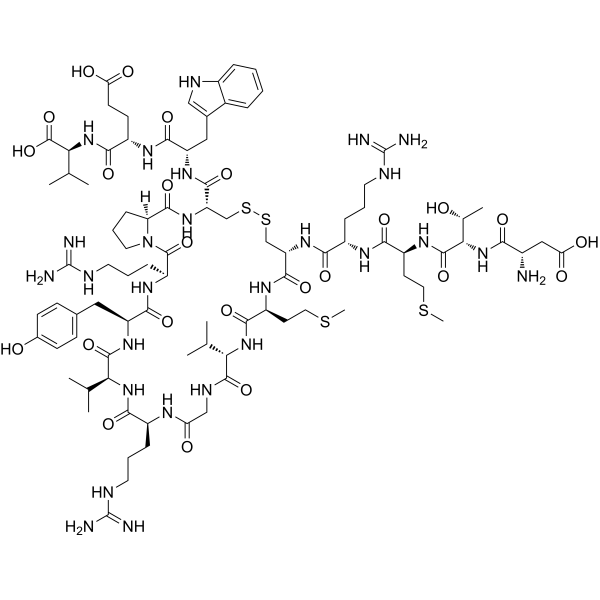
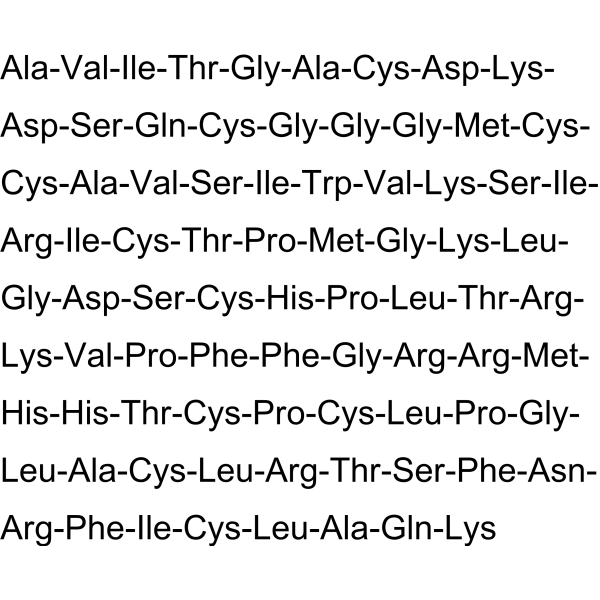
    Xenin is a 25-amino acid peptide initially isolated from human gastric mucosa. Xenin is a gut hormone that can reduce food intake.
    Xenin
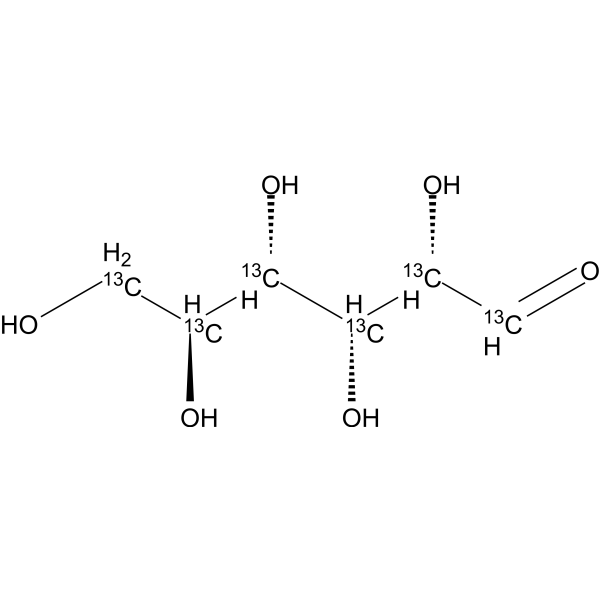
  • HY-W010042S3

    L-(-)-Glucose-13C6

    Isotope-Labeled Compounds Metabolic Disease
    L-Glucose- 13C6 (L-(-)-Glucose- 13C6) is C13-labeled L-Glucose. L-Glucose is an enantiomer of D-glucose. L-Glucose enhances food intake .
    L-Glucose-13C6
  • HY-124821

    5-HT Receptor Neurological Disease Metabolic Disease
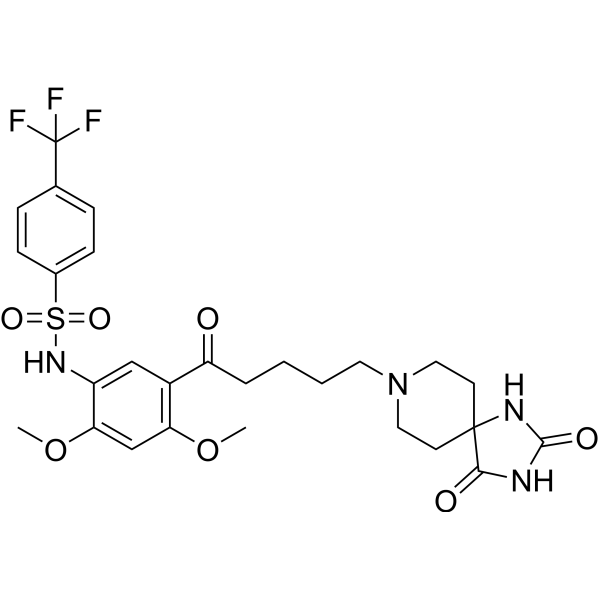
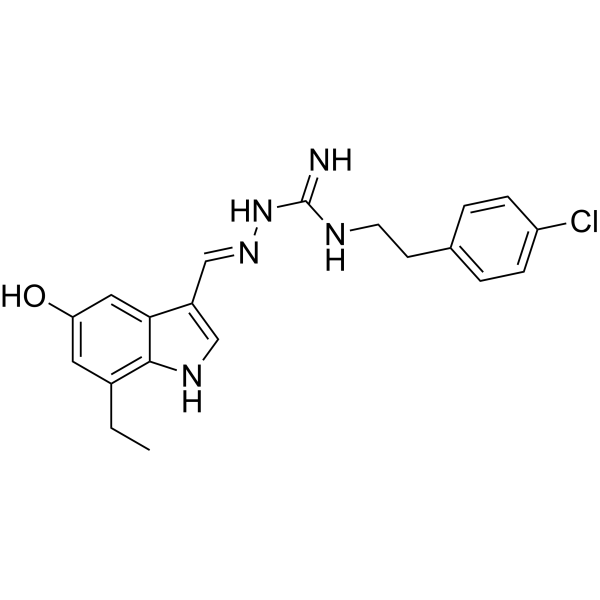
    VA012 (compound 11) is a positive allosteric modulator (PAM) of the serotonin 5-HT2C receptor. VA012 reduces food intake and body weight gain without causing CNS-related malaise during subchronic administration. VA012 can be utilized in obesity research .
    VA012
  • HY-153798

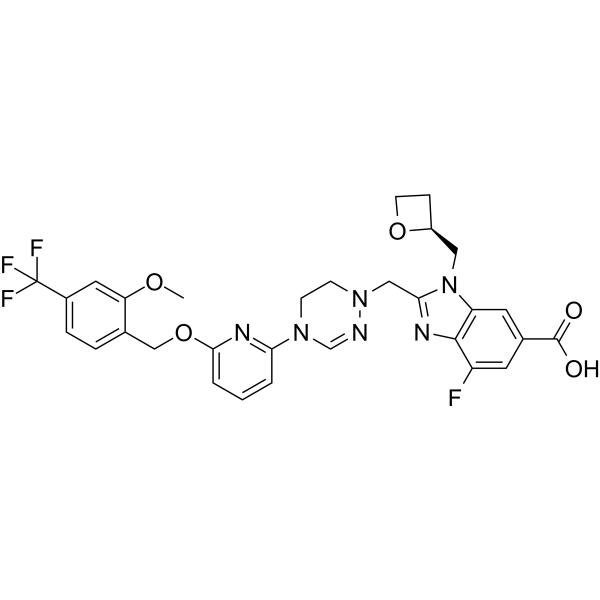
    GLP Receptor Metabolic Disease
    GLP-1 receptor agonist 10 (compound 42) is an agonist of GLP Receptor. GLP-1 receptor agonist 10 inhibits food intake and reduces glucose excursion in mice. GLP-1 receptor agonist 10 can be used in the study of type 2 diabetes (T2DM) and obesity .
    GLP-1 receptor agonist 10
  • HY-122964

    Cannabinoid Receptor Metabolic Disease
    URB447 is a peripherally restricted CB1 cannabinoid antagonist (IC50: 313 nM and 41 nM for rat CB1 and human CB2 receptor respectively ). URB447 lowers food intake and body-weight gain in mice without entering the brain or antagonizing central CB1-dependent responses. URB447 can be used for research of obesity .
    URB447
  • HY-101764

    SR 27897

    Cholecystokinin Receptor Metabolic Disease
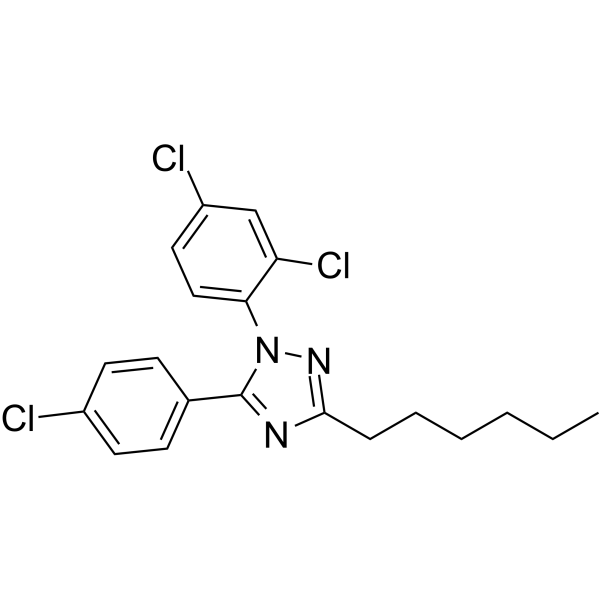
    Lintitript (SR 27897) is a highly potent, selective, orally active, competitive and non-peptide cholecystokinin (CCK1) receptor antagonist with an EC50 of 6 nM and a Ki of 0.2 nM. Lintitript displays > 33-fold selectivity more selective for CCK1 than CCK2 receptors (EC50 value of 200 nM). Lintitript increases plasma concentration of leptin and food intake as well as plasma concentration of insulin .
    Lintitript
  • HY-P1322

    Neuropeptide Y Receptor Neurological Disease
    [D-Trp34]-Neuropeptide Y is a potent and selective neuropeptide Y (NPY) Y5 receptor agonist. [D-Trp34]-Neuropeptide Y is a significantly less potent agonist at the NPY Y1, Y2, Y4, and y6 receptors. [D-Trp34]-Neuropeptide Y markedly increases food intake in rats .
    [D-Trp34]-Neuropeptide Y
  • HY-101365

    5-HT Receptor Neurological Disease
    RS-102221 is a selective 5-HT2C receptor antagonist (Ki=10 nM). RS-102221 shows nearly 100-fold selectivity for the 5-HT2C receptor as compared to the 5-HT2A and 5-HT2B receptors. RS-102221 can promote the differentiation of new nerve cells. RS-102221 increases food-intake and weight-gain in rats .
    RS-102221
  • HY-101480

    5-HT Receptor Neurological Disease
    Xylamidine is a peripheral 5-HT receptor antagonist used to investigate possible peripheral appetite suppressant effects of 5-hydroxytryptophan (5-HTP) and fenfluramine. In a 1-hour food intake test, xylamidine attenuated the decrease in food intake induced by 5-HT and 5-HTP, but had no effect on fenfluramine, suggesting that the appetite suppressant effect of 5-HTP is mediated in part through peripheral 5-HT receptors. Microstructural analysis revealed that 5-HTP and fenfluramine induced a decrease in food intake rate and a reduction in feeding batch size. Xylamidine reversed the effects of 5-HTP on food intake rate and induced a slight increase in feeding batch size itself, thus, the peripheral effect of 5-HTP appears to be to slow food intake rate. No effect of xylamidine on fenfluramine-induced changes in feeding was observed. The results suggest that the appetite suppressant effects of 5-HTP and fenfluramine are differentiated based on the peripheral effects of 5-HTP. The peripheral effects of 5-HTP are distinct from the previously reported 5-HT-induced decreases in feeding batch size and duration. Possible mechanisms underlying the differences in peripheral effects of 5-HT and 5-HTP are discussed.
    Xylamidine
  • HY-P1215

    Melanocortin Receptor Metabolic Disease
    HS024 is a selective MC4 receptor antagonist, with Kis of 0.29, 3.29, 5.45, and 18.6 nM for MC4, MC5, MC3, and MC1, respectively. HS024 increase food intake .
    HS024
  • HY-P1525

    MCH (salmon)

    MCHR1 (GPR24) Cardiovascular Disease Neurological Disease Metabolic Disease Endocrinology
    Melanin Concentrating Hormone, salmon is a 19-amino-acid neuropeptide initially identified in the pituitary gland of teleost fish, which regulates food intake, energy balance, sleep state, and the cardiovascular system. Melanin-concentrating hormone is a ligand for an orphan G protein-coupled receptor (SLC-1/GPR24) and MCHR2.
    Melanin Concentrating Hormone, salmon
  • HY-P1525A

    MCH (salmon) TFA

    MCHR1 (GPR24) Cardiovascular Disease Neurological Disease Metabolic Disease Endocrinology
    Melanin Concentrating Hormone, salmon TFA (MCH (salmon) TFA) is a 19-amino-acid neuropeptide initially identified in the pituitary gland of teleost fish, which regulates food intake, energy balance, sleep state, and the cardiovascular system. Melanin-concentrating hormone is a ligand for an orphan G protein-coupled receptor (SLC-1/GPR24) and MCHR2.
    Melanin Concentrating Hormone, salmon TFA
  • HY-P3652

    Cholecystokinin Receptor Metabolic Disease
    Cholecystokinin-33 (swine) is a cholecystokinin (CCK) fragment. Cholecystokinin-33 (swine) can reduce food intake and gallbladder contraction .
    Cholecystokinin-33 (swine)
  • HY-P2210A

    GPR171 Neurological Disease
    BigLEN(mouse) TFA is a GPR171 agonist. BigLEN(mouse) TFA is a proSAAS-derived neuropeptide. BigLEN(mouse) TFA regulates food intake in mice. BigLEN(mouse) inhibits the release of glutamate onto parvocellular neurons of the paraventricular nucleus in a process dependent upon activation of postsynaptic G proteins.
    BigLEN(mouse) TFA
  • HY-19848

    LBM-642

    PPAR Metabolic Disease
    Cevoglitazar (LBM-642) is an orally active and highly potent PPARα and PPARγ dual agonist. Cevoglitazar can reduce food intake, body weight, and fasting plasma insulin in obese mice and cynomolgus monkeys. Cevoglitazar has the potential for diabetes and obesity-related disorders research .
    Cevoglitazar
  • HY-P3561

    Melanocortin Receptor Neurological Disease
    Agouti-related Protein (AGRP) (83-132) Amide (human) is a fragment of agouti-related protein (AGRP) which is a protein found in abundance in the arcuate nucleus of the hypothalamus. AgRP primarily acts as an inverse agonist for the melanocortin-4 receptor (MC4R) to increase food intake .
    Agouti-related Protein (AGRP) (83-132) Amide (human)
  • HY-149663

    Acyltransferase Metabolic Disease
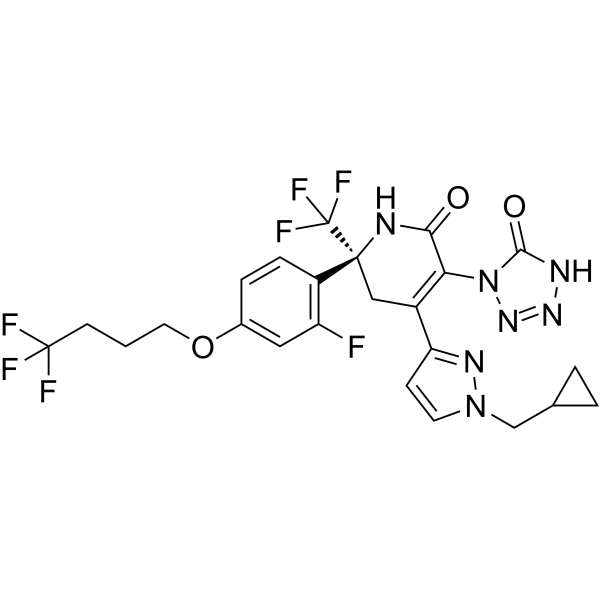
    BMS-986172 is an orally active and selective Monoacylglycerol acyltransferase 2 (MGAT2) inhibitor with an IC50 of 4.6 nM and 20 nM for hMGAT2 and mMGAT2, respectively. BMS-986172 reduces food intake and body weight. BMS-986172 can be used for the researches of metabolic diseases, such as obesity .
    BMS-986172
  • HY-P3130

    CRFR Neurological Disease Inflammation/Immunology
    Stresscopin-related peptide (human) is a specific ligand for the type 2 CRH receptor. Stresscopin-related peptide (human) suppresses food intake, delayed gastric emptying and decreases heat-induced edema. Stresscopin-related peptide (human) maintains homeostasis after stress, and can be used in the research of stress-related diseases .
    Stresscopin-related peptide (human)
  • HY-103327

    Cannabinoid Receptor Metabolic Disease
    MJ15 is a potent and selective CB1 receptor antagonist with a Ki of 27.2 pM and an IC50 of 118.9 pM for rat CB1 receptors. MJ15 exhibits potency in obesity and hyperlipidemia models. MJ15 inhibits food intake and increases in body weight in diet-induced obese rats and mice .
    MJ15
  • HY-P1216

    Melanocortin Receptor Neurological Disease
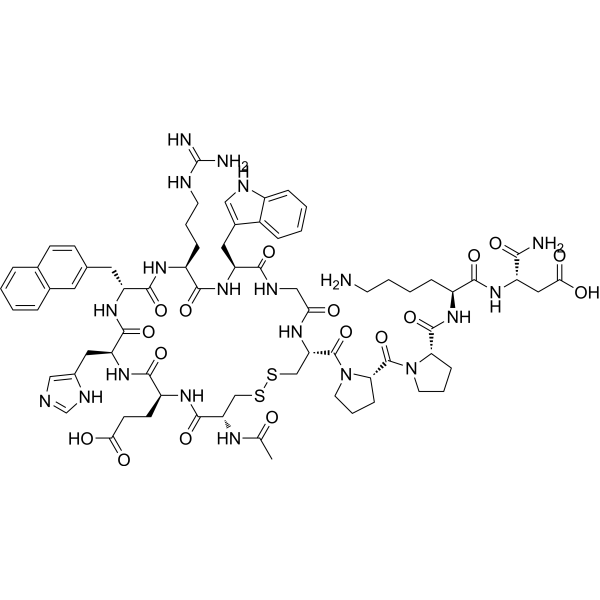
    HS014 is a potent and selective melanocortin-4 (MC4) receptor antagonist, with Kis of 3.16, 108, 54.4 and 694 nM for human MC4, MC1, MC3 and MC5 receptors, respectively. HS014 modulates the behavioral effects of morphine in mice. HS014 increases food intake in free-feeding rats .
    HS014
  • HY-P11321A

    acyl-GIP hydrochloride

    Insulin Receptor Metabolic Disease
    IUB0271 (acyl-GIP) hydrochloride is a fatty acylated and long-acting glucose-dependent insulinotropic polypeptide (GIP). IUB0271 hydrochloride increases cFos neuronal activity in hypothalamic feeding centers and decreases body weight, food intake and glycemia in DIO mouse models, and these effects depend on CNS-GIPR signaling. IUB0271 hydrochloride can be used for type 2 diabetes mellitus (T2DM) and obesity research .
    IUB0271 hydrochloride
  • HY-P11321

    acyl-GIP

    Insulin Receptor Metabolic Disease
    IUB0271 (acyl-GIP) is a fatty acylated and long-acting glucose-dependent insulinotropic polypeptide (GIP). IUB0271 increases cFos neuronal activity in hypothalamic feeding centers and decreases body weight, food intake and glycemia in DIO mouse models, and these effects depend on CNS-GIPR signaling. IUB0271 can be used for type 2 diabetes mellitus (T2DM) and obesity research .
    IUB0271
  • HY-P2703

    Neuropeptide Y Receptor Metabolic Disease Endocrinology
    Peptide YY (pig) is a 36 amino acid gastrointestinal peptide, can be isolated from porcine duodenum. Peptide YY (pig) decreases appetite and food-intake by activation of the Y2 receptor. Peptide YY (pig) is present mainly in pancreatic endocrine cells with effect on both intestinal motility and the cardiovascular system .
    Peptide YY (pig)
  • HY-125088

    Apoptosis Metabolic Disease
    Oleoylestrone, an adipose tissue-derived hormonal signal, is a slimming agent that decreases food intake and maintains energy expenditure .
    Oleoylestrone
  • HY-P1421A

    GPR39 Metabolic Disease
    Obestatin(human) TFA is an endogenous peptide derived from the same prepropeptide as ghrelin. Obestatin(human) suppresses food intake and reduce body weight-gain in rats.
    Obestatin(human) TFA
  • HY-129207

    GHSR Endocrinology
    Ghrelin is an endogenous ligand for the growth hormone secretagogue receptor that stimulates food intake and transduces signals to hypothalamic regulatory nuclei that control energy homeostasis. JMV3002 is a potent ghrelin receptor antagonist with an IC50 value of 1.1 nM in vitro. 80 μg/kg, JMV3002 inhibits hexarelin-stimulated food intake by as much as 98% in rats. JMV3002 alone does not elicit growth hormone release nor does it inhibit hexarelin-stimulated growth hormone secretion when tested in infant rats at a dose of 160 μg/kg.
    JMV 3002
  • HY-W010042S1

    L-(-)-Glucose-13C-1

    Isotope-Labeled Compounds Metabolic Disease
    L-Glucose- 13C-1 is the 13C labeled L-Glucose. L-Glucose (L-(-)-Glucose) is an enantiomer of D-glucose. L-Glucose can promote food intake .
    L-Glucose-13C-1
  • HY-107627

    Melanocortin Receptor Inflammation/Immunology
    MCL0020 is a potent and selective melanocortin MC4 receptor antagonist, with an IC50 of 11.63 nM. MCL0020 dose-dependently and significantly attenuates restraint stress-induced anorexia without affecting food intake .
    MCL0020
  • HY-121827
    LH21
    1 Publications Verification

    Cannabinoid Receptor Metabolic Disease
    LH-21 is a potent in vivo neutral cannabinoid CB1 receptor antagonist. LH-21 reduces food intake and body weight gain in obese Zucker rats. , and displays efficacy as a feeding inhibitor .
    LH21
  • HY-P4815

    Endogenous Metabolite Neurological Disease Metabolic Disease
    Prokineticin 2 Isoform 2 (human) is a hypothalamic neuropeptide. Prokineticin 2 Isoform 2 (human) decreases food intake and involves in thermoregulation and energy metabolism in rodents. Prokineticin 2 has the potential for the research of hyperglycemia, metabolic syndrome (MetS) and obesity .
    Prokineticin 2 Isoform 2 (human)
  • HY-111583

    RXFP Receptor Metabolic Disease
    RXFP3/4 agonist 1 is an agonist of relaxin family peptide 3/4 receptor (RXFP3/4), with EC50s of 82/2 nM, respectivley. RXFP3/4 agonist 1 increases food intake in rats .
    RXFP3/4 agonist 1
  • HY-P2046

    Opioid Receptor Neurological Disease
    β-Endorphin (rat) is an endogenous opioid neuropeptide and peptide hormone. β-Endorphin (rat) has analgesic activity and also contributes to food intake in satiated rats. β-Endorphin (rat) can be used in the research of neurological diseases such as analgesia and drug addiction .
    β-Endorphin (rat)
  • HY-P1216A
    HS014 TFA
    1 Publications Verification

    Melanocortin Receptor Neurological Disease
    HS014 TFA is a potent and selective melanocortin-4 (MC4) receptor antagonist, with Kis of 3.16, 108, 54.4 and 694 nM for human MC4, MC1, MC3 and MC5 receptors respectively. HS014 TFA increases food intake in free-feeding rats .
    HS014 TFA

Inquiry Online

Your information is safe with us. * Required Fields.

Salutation


Country or Region *

Applicant Name *


Organization Name *

Department *


Email Address *


Product Name *

Cat. No.


Requested quantity *

Phone Number *


Remarks

Inquiry Online

Inquiry Information

Product Name:
Cat. No.:
Quantity:
MCE Japan Authorized Agent: