



TGR5 Receptor Agonist
Based on 3 publication(s) in Google Scholar
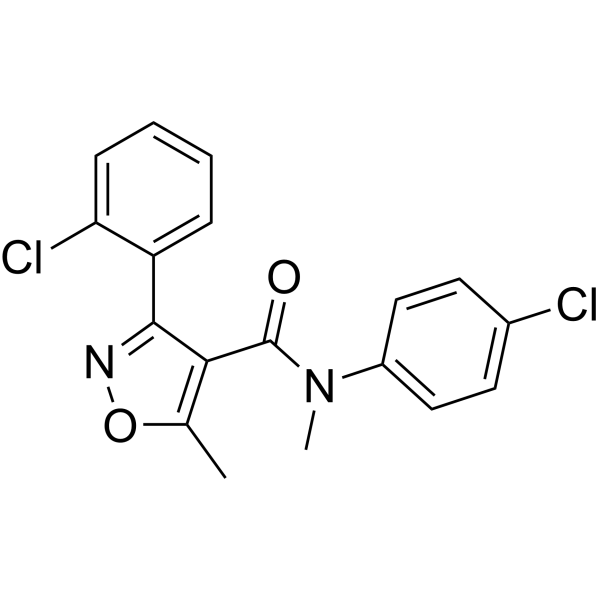
TGR5 Receptor Agonist (CCDC), a potent Takeda G protein-coupled receptor 5 (TGR5; GPCR19) agonist, shows improved potency in the U2-OS cells and melanophore cells with pEC50s of 6.8 and 7.5, respectively. TGR5 Receptor Agonist can induce peripheral and central hypersensitivity to bladder distension in mice, and increase intracellular Ca2+ concentration. TGR5 Receptor Agonist can also reduces food intake and improves insulin responsiveness, in diet-induced obese mice. TGR5 Receptor Agonist can be used to research diabetes, bladder hypersensitivity and anti-obesity.
For research use only. We do not sell to patients.
- Purity : 99.67%
- CAS No.: 1197300-24-5
- Formula: C18H14Cl2N2O2
- Molecular Weight:361.22
-
Storage:Powder -20°C, 3 years , 4°C, 2 years ; In solvent -80°C, 2 years , -20°C, 1 year

To place orders, for customer services and technical support, please contact: MedChemExpress USA
Tel: 609-228-6898 E-mail: [email protected] [email protected]


-
 Biological Activity
-
Chemical Information
-
Solvent & Solubility
- Protocols
- Purity & Documentation
- References
-
 Help & FAQs


-
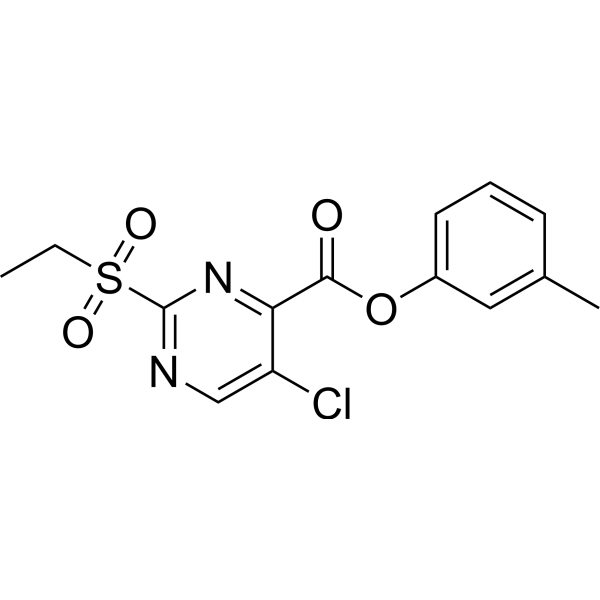
HY-111534
SBI-115TGR5 (GPCR19) Antagonist -
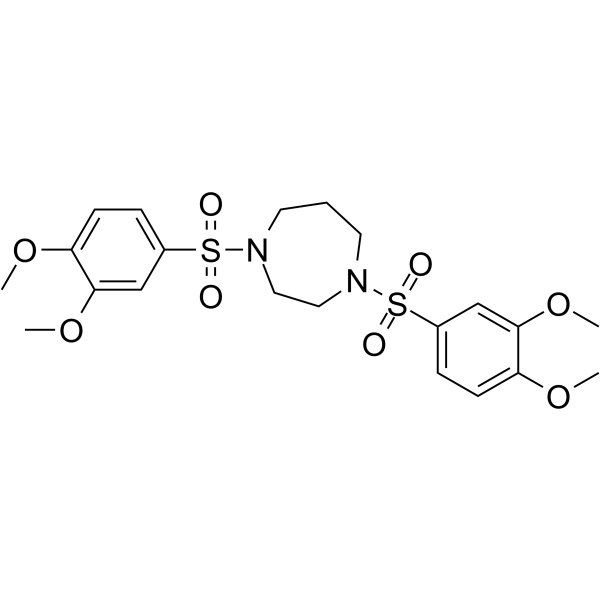
HY-102016
SB756050TGR5 Agonist -
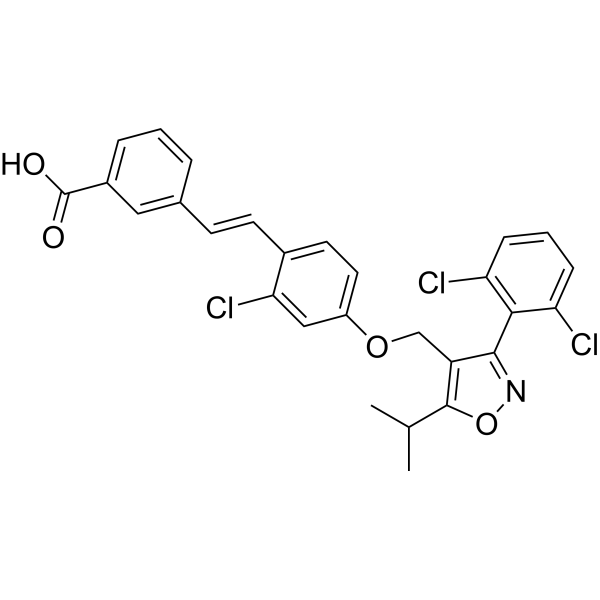
HY-50108
GW 4064FXR Agonist -
HY-B0172
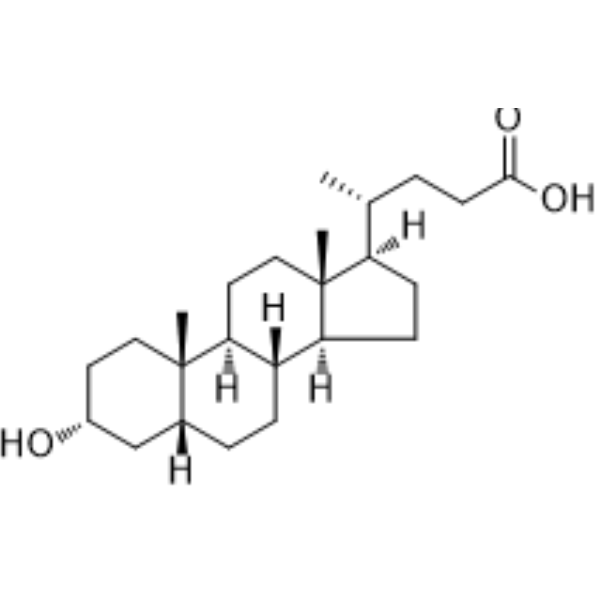
Lithocholic acidAutophagy Inducer -
HY-15677
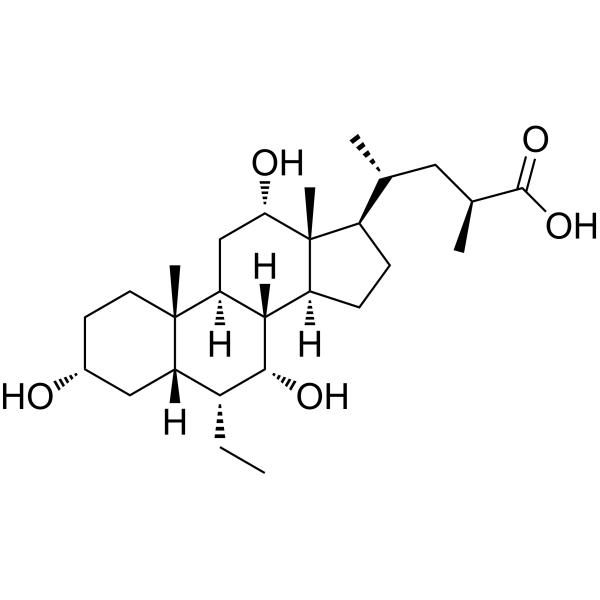
INT-777TGR5 Agonist -
HY-100953
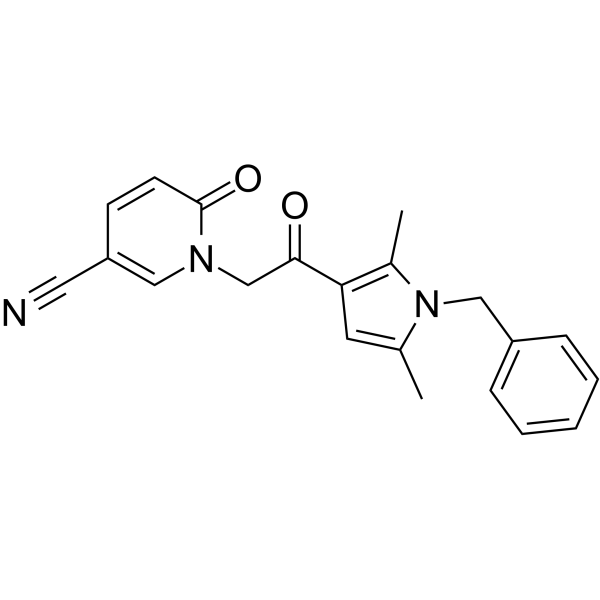
CYM-5520S1PR2 Agonist -
HY-N0593A
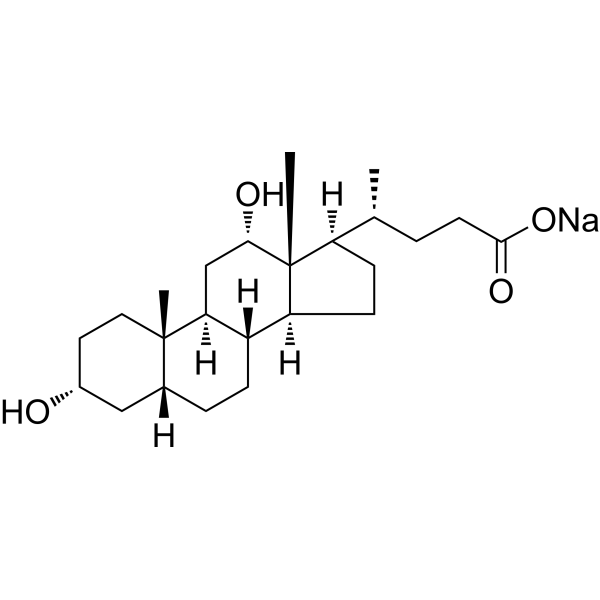
Deoxycholic acid sodium saltBile Acid Receptor Activator -

HY-14229R
TGR5 Receptor Agonist (Standard)TGR5 Receptor Agonist -
HY-N0169
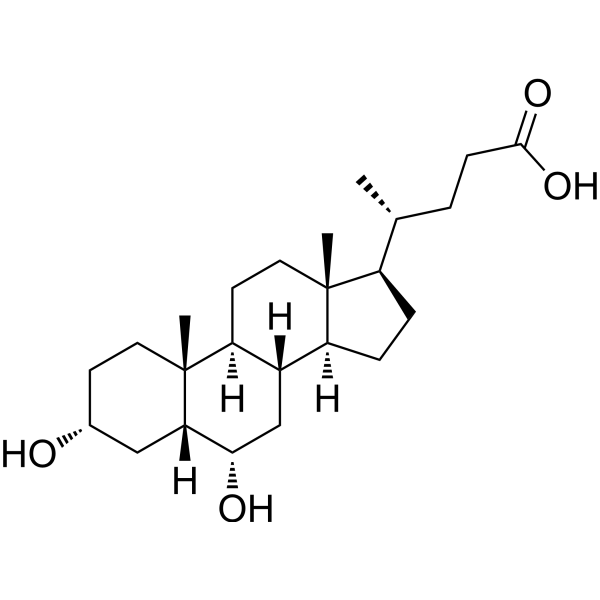
Hyodeoxycholic acidGPBAR1 Agonist -
HY-13771
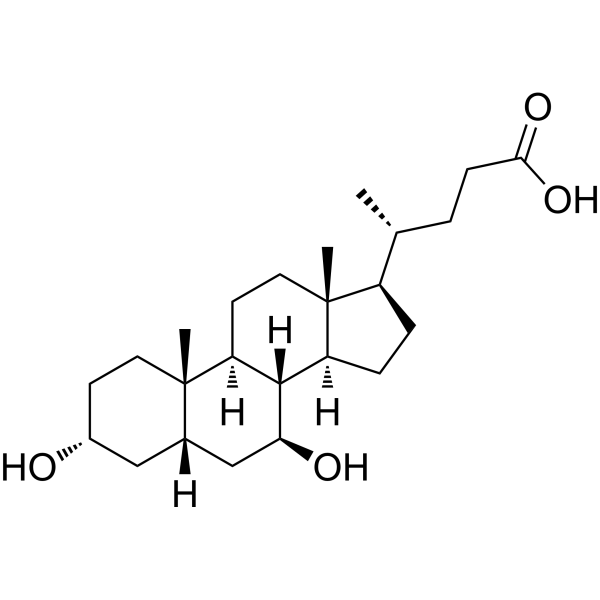
Ursodeoxycholic acidGPCR19 Agonist /FXR Antagonist -
HY-101274
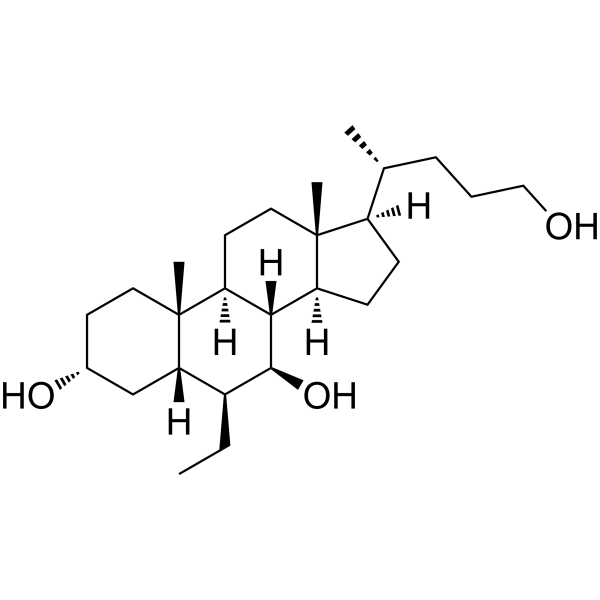
BAR501GPBAR1 Agonist -

HY-N0169R
Hyodeoxycholic acid (Standard)GPBAR1 Agonist
Publications Citing Use of MedChemExpress (MCE) TGR5 Receptor Agonist
MoreAll Calcium Channel Isoforms
More

Biological Activity
Description
IC50 & Target
TGR5[1]
In Vivo
TGR5 Receptor Agonist (CCDC) (2 or 5 μg; ICV) reduces food intake and body weight in diet-induced obese mice[3].
MedChemExpress (MCE) has not independently confirmed the accuracy of these methods. They are for reference only.
-
Animal Model:Female C57BL/6J mice [12-18 weeks; TRPV1 knockout (trpv1-/-), TRPA1 knockout (trpa1-/-), or TGR5 knockout (Gpbar1-/-)][2]
-
Dosage:100 µM, 100 µL
-
Administration:Infused gently, to fill but not fully distend the bladder, and allowed to incubate for 5 min
-
Result:Activated directly a sub-population of bladder-innervating dorsal root ganglia (DRG) neurons in Trpv1-/- mice, also activated a small percentage of non-neuronal cells.
Increased intracellular Ca2+ in bladder-innervating DRG neurons.
Increased intracellular Ca2+ in a small proportion of non-neuronal cells.
-
Animal Model:Male C57BL/6J mice (obese induced by high-fat diet)[3]
-
Dosage:2 or 5 μg at a volume of 0.2 μL per brain side and a rate of 0.6 μL/min
-
Administration:ICV (acute intra-hypothalamic experiment)
-
Result:Significantly reduced food intake over time, with a robust reduction in 24 h food intake and body weight gain.
-
Animal Model:Male C57BL/6J mice (obese induced by high-fat diet; implanted with micro-osmotic pumps that were filled with CCDC)[3]
-
Dosage:5 μg/day; 91.9 μL, pumping rate of 0.09 μL/h
-
Administration:ICV; for 4 weeks (chronic experiment)
-
Result:Reduced food intake and improved insulin responsiveness.
Increased energy expenditure during the dark phase.
Increased mRNA expression of β1, 2, and 3 adrenoreceptors (Adrb1, Adrb2, and Adrb3) in the epidydimal white adipose tissue, and increased Dio2 (the gene expressing the enzyme D2) in brown adipose tissue.


Chemical Information
-
CAS No. 1197300-24-5
-
Appearance Solid
-
Molecular Weight 361.22
-
Formula C18H14Cl2N2O2
-
Color White to off-white
-
SMILES
ClC1=CC=CC=C1C2=NOC(C)=C2C(N(C)C3=CC=C(Cl)C=C3)=O
-
Synonyms
CCDC
-
Shipping
Room temperature in continental US; may vary elsewhere.
-
Storage
Powder -20°C 3 years 4°C 2 years In solvent -80°C 2 years -20°C 1 year


Publications (3)
-
Journal Impact Factor
-
Most Recent
-
Nat Commun
High body temperature increases gut microbiota-dependent host resistance to influenza A virus and SARS-CoV-2 infection. [Abstract]2023 Jun 30;14(1):3863. PMID: 37391427 -
Pharmacol Res
Lactobacillus rhamnosus GG ameliorates triptolide-induced liver injury through modulation of the bile acid-FXR axis. [Abstract]2024 Aug:206:107275. PMID: 38908615 -
Commun Biol
Lactobacillus paragasseri LPG-9 reduces placental inflammation in intrahepatic cholestasis of pregnancy by regulating TGR5 in mice. [Abstract]2026 Mar 26. PMID: 41888318


Solvent & Solubility
In Vitro:
DMSO : ≥ 48 mg/mL (132.88 mM; Hygroscopic DMSO has a significant impact on the solubility of product, please use newly opened DMSO)
* "≥" means soluble, but saturation unknown.
Please refer to the solubility information to select the appropriate solvent. Once prepared, please aliquot and store the solution to prevent product inactivation from repeated freeze-thaw cycles.
Storage method and period of stock solution: -80°C, 2 years; -20°C, 1 year. When stored at -80°C, please use it within 2 years. When stored at -20°C, please use it within 1 year.
Please refer to the solubility information to select the appropriate solvent. Once prepared, please aliquot and store the solution to prevent product inactivation from repeated freeze-thaw cycles.
Storage method and period of stock solution: -80°C, 2 years; -20°C, 1 year. When stored at -80°C, please use it within 2 years. When stored at -20°C, please use it within 1 year.
Concentration (start) × Volume (start) = Concentration (final) × Volume (final)
In Vivo:
Select the appropriate dissolution method based on your experimental animal and administration route.
- For the following dissolution methods, please ensure to first prepare a clear stock solution using an In Vitro approach and then sequentially add co-solvents:
- To ensure reliable experimental results, the clarified stock solution can be appropriately stored based on storage conditions. As for the working solution for In Vivo experiments, it is recommended to prepare freshly and use it on the same day.
- The percentages shown for the solvents indicate their volumetric ratio in the final prepared solution. If precipitation or phase separation occurs during preparation, heat and/or sonication can be used to aid dissolution.
Add each solvent one by one: 10% DMSO 40% PEG300 5% Tween-80 45% Saline
Solubility: ≥ 10 mg/mL (27.68 mM); Clear solution
This protocol yields a clear solution of ≥ 10 mg/mL (saturation unknown).
Taking 1 mL working solution as an example, add 100 μL DMSO stock solution (100.0 mg/mL) to 400 μL PEG300, and mix evenly; then add 50 μL Tween-80 and mix evenly; then add 450 μL Saline to adjust the volume to 1 mL.
Preparation of Saline: Dissolve 0.9 g sodium chloride in ddH₂O and dilute to 100 mL to obtain a clear Saline solution.
In Vivo Dissolution Calculator
Please enter the basic information of animal experiments:
-
-
-
-
Recommended: Prepare an additional quantity of animals to account for potential losses during experiments.
Please enter your animal formula composition:
-
%DMSO +
Recommended: Keep the proportion of DMSO in working solution below 2% if your animal is weak.
-
%+
-
+%Tween-80 + +
-
%Saline +
The co-solvents required include: DMSO, . All of co-solvents are available by MedChemExpress (MCE). , Tween 80. All of co-solvents are available by MedChemExpress (MCE).
Working solution concentration: 0.22 mg/mL
Method for preparing stock solution: mg drug dissolved in μL DMSO. Stock solution concentration: mg/mL.
1. Take μL DMSO stock solution;
2. Add μL .
μL , mix evenly;
3. Then add μL Tween 80, mix evenly;
4. Then add μL
Please ensure that the stock solution in the first step is dissolved to a clear state, and add co-solvents in sequence. You can use ultrasonic heating (ultrasonic cleaner, recommended frequency 20-40 kHz), vortexing, etc. to assist dissolution.

Protocols
-
Research Protocol for Endocrine Diseases
Endocrine diseases often arise from disrupted hormone production, hormone signaling, or target-tissue responsiveness; for diabetes-focused endocrine disease models, insulin signaling regulates glucose uptake, hepatic glucose output, lipid metabolism, and β-cell compensation. Type 2 diabetes develops through interacting defects in insulin resistance, β-cell dysfunction, adipose inflammation, hepatic glucose overproduction, altered incretin signaling, and ectopic lipid metabolism. A major unresolved question is whether endocrine dysfunction is driven primarily by target-tissue insulin resistance, intrinsic β-cell failure, immune/inflammatory stress, or combined multi-organ failure that differs by disease stage.
-
Ca2+ Staining Technique
Ca2+ staining is an experimental technique that utilizes specific fluorescent probes (such as Fluo-4 AM, Fura-2, etc.) to qualitatively or quantitatively detect dynamic changes in intracellular Ca2+ concentrations; this is achieved by monitoring the changes in fluorescent signals generated when these probes bind to free intracellular calcium ions. The underlying principle relies primarily on the presence of chelating groups within the probe's molecular structure that possess high affinity for calcium ions.
-
Research Protocol for Metabolic Diseases
AMP-activated protein kinase, AMPK, is a conserved cellular energy sensor that responds to reduced cellular energy status and coordinates metabolism by increasing ATP-generating catabolic pathways while suppressing ATP-consuming anabolic processes. In metabolic disease research, the AMPK pathway is experimentally relevant because it regulates hepatic lipid synthesis, fatty acid oxidation, glucose production, skeletal-muscle glucose disposal, mTORC1-linked biosynthesis, autophagy, mitochondrial homeostasis, and whole-body energy balance. The central pathway logic is that energy stress, metformin, exercise-like stimulation, or direct AMPK activators increase AMPKα Thr172 phosphorylation and downstream substrate phosphorylation, including ACC and RAPTOR. Phosphorylation of ACC suppresses lipogenesis and supports fatty acid oxidation, whereas phosphorylation of RAPTOR suppresses mTORC1 signaling and links cellular energy status to growth and protein synthesis control. The pathway is linked


Purity & Documentation
-
Data Sheet (282 KB)
-
SDS (393 KB)
- English - EN (393 KB)
- Français - FR (393 KB)
- Deutsch - DE (393 KB)
- Norwegian - NO (393 KB)
- Español - ES (393 KB)
- Swedish - SV (393 KB)
- Italian - IT (393 KB)
- Korean - KR (393 KB)
- Portuguese - PT (393 KB)
-
Handling Instructions (2659 KB)
References
[1]. Evans KA, et al. Discovery of 3-aryl-4-isoxazolecarboxamides as TGR5 receptor agonists. J Med Chem. 2009 Dec 24;52(24):7962-5. [Content Brief]
[2]. Caldwell A, Grundy L, Harrington AM, Garcia-Caraballo S, Castro J, Bunnett NW, Brierley SM. TGR5 agonists induce peripheral and central hypersensitivity to bladder distension. Sci Rep. 2022 Jun 15;12(1):9920. [Content Brief]
[3]. Castellanos-Jankiewicz A, et al. Hypothalamic bile acid-TGR5 signaling protects from obesity. Cell Metab. 2021 Jul 6;33(7):1483-1492.e10. [Content Brief]


Complete Stock Solution Preparation Table
Please refer to the solubility information to select the appropriate solvent. Once prepared, please aliquot and store the solution to prevent product inactivation from repeated freeze-thaw cycles.
Storage method and period of stock solution: -80°C, 2 years; -20°C, 1 year. When stored at -80°C, please use it within 2 years. When stored at -20°C, please use it within 1 year.
| Optional Solvent | Concentration Solvent Mass | 1 mg | 5 mg | 10 mg | 25 mg |
|---|---|---|---|---|---|
| DMSO | 1 mM | 2.7684 mL | 13.8420 mL | 27.6840 mL | 69.2099 mL |
| 5 mM | 0.5537 mL | 2.7684 mL | 5.5368 mL | 13.8420 mL | |
| 10 mM | 0.2768 mL | 1.3842 mL | 2.7684 mL | 6.9210 mL | |
| 15 mM | 0.1846 mL | 0.9228 mL | 1.8456 mL | 4.6140 mL | |
| 20 mM | 0.1384 mL | 0.6921 mL | 1.3842 mL | 3.4605 mL | |
| 25 mM | 0.1107 mL | 0.5537 mL | 1.1074 mL | 2.7684 mL | |
| 30 mM | 0.0923 mL | 0.4614 mL | 0.9228 mL | 2.3070 mL | |
| 40 mM | 0.0692 mL | 0.3460 mL | 0.6921 mL | 1.7302 mL | |
| 50 mM | 0.0554 mL | 0.2768 mL | 0.5537 mL | 1.3842 mL | |
| 60 mM | 0.0461 mL | 0.2307 mL | 0.4614 mL | 1.1535 mL | |
| 80 mM | 0.0346 mL | 0.1730 mL | 0.3460 mL | 0.8651 mL | |
| 100 mM | 0.0277 mL | 0.1384 mL | 0.2768 mL | 0.6921 mL |


TGR5 Receptor Agonist Related Classifications
HY-14229 Related Classifications
 Powered by Bioz