Search Result
Results for "
human gastric cancer cells
" in MedChemExpress (MCE) Product Catalog:
| Cat. No. |
Product Name |
Target |
Research Areas |
Chemical Structure |
-
- HY-141598
-
|
DS-1062 (solution); Dato-DXd (solution)
|
TROP2
Antibody-Drug Conjugates (ADCs)
Topoisomerase
|
Cancer
|
|
Datopotamab deruxtecan (DS-1062) solution is a TROP2-targeted antibody-drug conjugate (ADC) with human TROP2 Kd of 0.74 nmol/L. Datopotamab deruxtecan solution consists of the antibody Datopotamab (HY-P99843) and the toxic molecule-linker conjugate Deruxtecan (HY-13631E). Datopotamab deruxtecan solution binds TROP2, triggers internalization and lysosomal trafficking and releases DXd topoisomerase I inhibitor payload. Datopotamab deruxtecan solution disrupts DNA function, induces DNA damage, apoptosis, and bystander killing of tumor microenvironment cells. Datopotamab deruxtecan solution can be used in research related to triple-negative breast cancer, gastric cancer, and non-small cell lung cancer .
|
-

-
- HY-164992
-
|
MRG002; Trastuzumab MMAE
|
Antibody-Drug Conjugates (ADCs)
EGFR
Microtubule/Tubulin
|
Cancer
|
|
Trastuzumab vedotin (MRG002; Trastuzumab MMAE) is an antibody-drug conjugate and cytotoxin targeting HER2, with a Kd of 7.50E-11 M for human HER2. After binding to HER2, Trastuzumab vedotin undergoes internalization and lysosomal trafficking, delivering a cytotoxic payload to HER2-expressing cells and inducing tumor regression in in vivo xenograft models with HER2-expressing tumors. The anti-tumor activity of Trastuzumab vedotin is enhanced when used in combination with anti-PD-1 antibodies, and it exhibits preclinical anti-tumor activity in drug-resistant breast cancer, gastric cancer, and urothelial carcinoma PDX models. Trastuzumab vedotin has low antibody-dependent cellular cytotoxicity activity and can be used in studies related to HER2-positive breast cancer, HER2-positive gastric cancer, and unresectable locally advanced or metastatic HER2-positive urothelial carcinoma .
|
-

-
- HY-A0059
-
|
NF 113; SAP 113; Methylmercadone
|
Bacterial
Parasite
Antibiotic
Fungal
Apoptosis
STAT
Interleukin Related
TNF Receptor
|
Infection
Inflammation/Immunology
Cancer
|
|
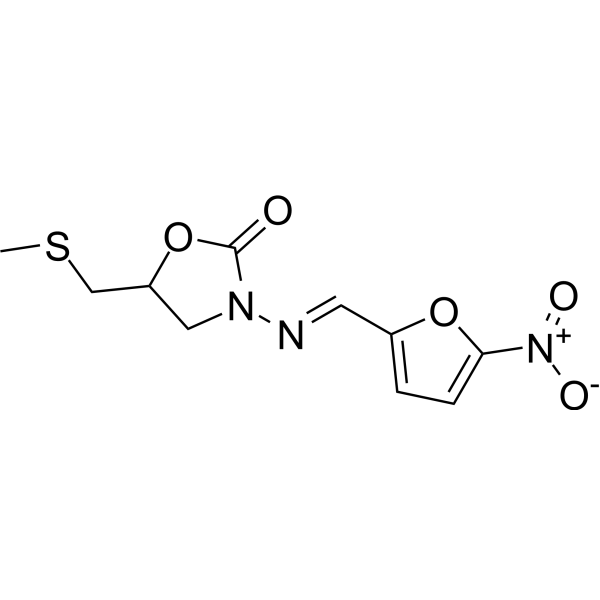
Nifuratel (NF 113) is an orally active broad-spectrum antibiotic with antiprotozoal, antibacterial, anticancer and anti-inflammatory activities, and has good inhibitory effects on Candida and Trichomonas. Nifuratel is also a STAT3 inhibitor, which significantly inhibits the growth and proliferation of human gastric cancer cells and induces apoptosis. In addition, Nifuratel also inhibits mast cell-mediated antigen hypersensitivity reactions and can be used in the study of IgE-mediated allergic diseases .
|
-
-
- HY-156617A
-
|
SHR169265
|
ADC Payload
Topoisomerase
|
Cancer
|
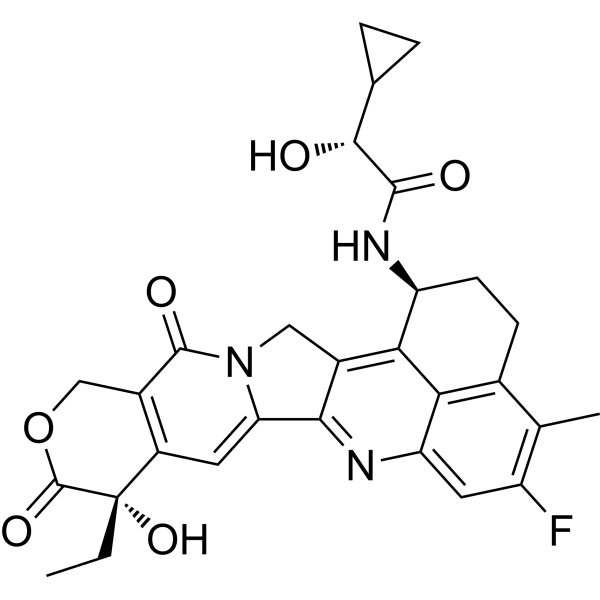
(αR)-Cyclopropaneacetamide-Exatecan (SHR169265) is a DNA Topoisomerase I inhibitor with enhanced membrane permeability (with an IC50 of 1.34 μM against the human DNA Topoisomerase I). (αR)-Cyclopropaneacetamide-Exatecan exerts cytotoxic effects by inhibiting the enzymatic activity of Topoisomerase I, and this anticancer effect is independent of the expression level of HER2. (αR)-Cyclopropaneacetamide-Exatecan is an ADC Cytotoxin derived from Exatecan (HY-13631), which can be used in research related to advanced cancers such as breast cancer, gastric cancer, colorectal cancer and non-small cell lung cancer .
|
-
-
- HY-N0255
-
|
α-Hederin
|
Apoptosis
|
Others
Cancer
|
|
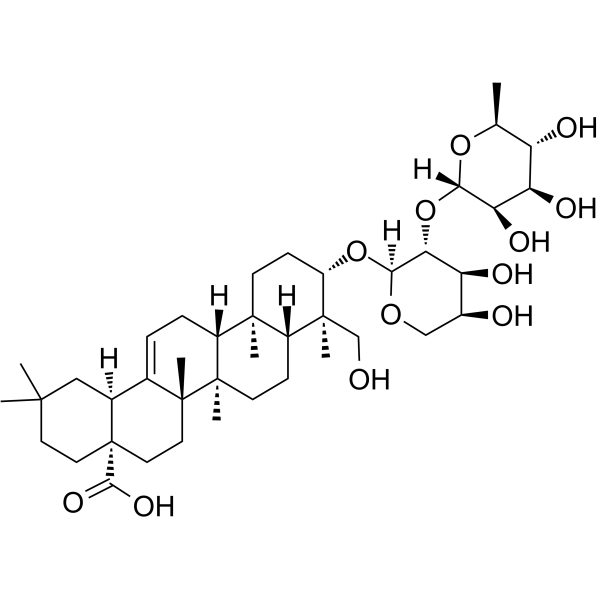
alpha-Hederin (α-Hederin), a monodesmosidic triterpenoid saponin, exhibits promising antitumor potential against a variety of human cancer cell lines. alpha-Hederin could inhibit the proliferation and induce apoptosis of gastric cancer accompanied by glutathione decrement and reactive oxygen species generation via activating mitochondrial dependent pathway .
|
-
-
- HY-108713
-
|
SHR1020
|
VEGFR
PDGFR
Apoptosis
|
Cancer
|
|
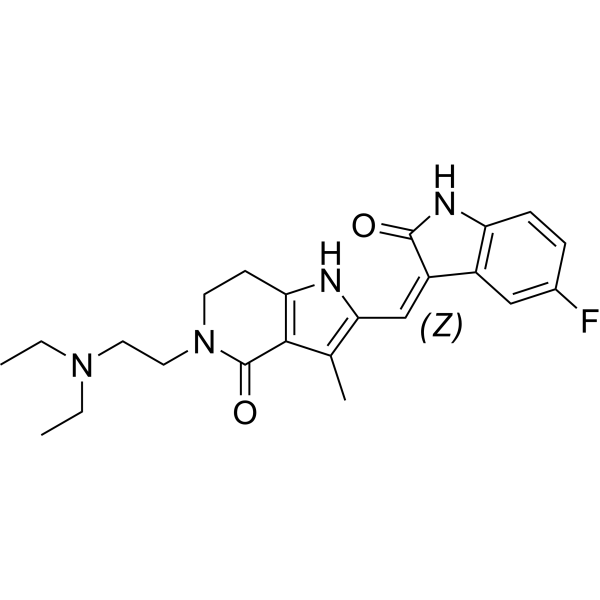
Famitinib (SHR1020), an orally active multi-targeted kinase inhibitor, inhibits the activity of c-kit, VEGFR-2 and PDGFRβ with IC50 values of 2.3 nM, 4.7 nM and 6.6 nM, respectively . Famitinib exerts powerful antitumor activity in human gastric cancer cells and xenografts. Famitinib triggers apoptosis .
|
-
-
- HY-P99618
-
|
IBI-315; BH2950
|
EGFR
PD-1/PD-L1
|
Cancer
|
|
Fidasimtamab is a bispecific antibody targeting human epidermal growth factor receptor 2 (Her2) and programmed death protein 1 (PD-1), with a Ka of 3.55e-10 M for human Her2 and a Ka of 1.17e-9 M for human PD-1. Fidasimtamab cross-links Her2-positive tumor cells with PD-1-positive T cells to form immune synapses, blocks PD-1-ligand interactions, preserves antibody-dependent cellular cytotoxicity, induces gasdermin B (GSDMB)-mediated pyroptosis, and activates T cells. Fidasimtamab is applicable to relevant research on Her2-positive gastric cancer .
|
-

-
- HY-P991728
-
|
TORL-3-600 antibody
|
Cadherin
ADC Antibody
|
Cancer
|
|
Zarutatug (TORL-3-600 antibody) is an IgG1κ humanized antibody targeting cadherin 17 (CDH17). It selectively binds to cell-surface CDH17, triggering endocytosis and trafficking to lysosomes. Zarutatug can be used to construct ADCs, such as TORL-3-600 .
|
-

-
- HY-N4089
-
|
|
Aldose Reductase
Cytochrome P450
|
Metabolic Disease
Cancer
|
|
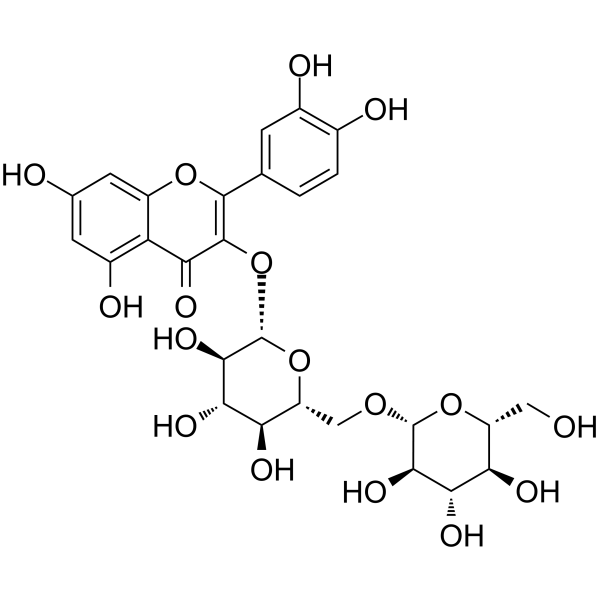
Quercetin 3-gentiobioside is a flavonoid found in Artemisia iwayomogi. Quercetin 3-gentiobioside inhibits aromatase with an Ki of 46.77 nM. Quercetin 3-gentiobioside inhibits aldose reductase (AR) and the formation of advanced glycation end products (AGEs), with IC50 values of 10.60 μM and 109.46 μM, respectively. Quercetin 3-gentiobioside inhibits proliferation of cancer cells and fibroblast-like synoviocytes. Quercetin 3-gentiobioside can be used for the research of cancer, such as lung carcinoma .
|
-
-
- HY-153937
-
|
|
E1/E2/E3 Enzyme
|
Cancer
|
|
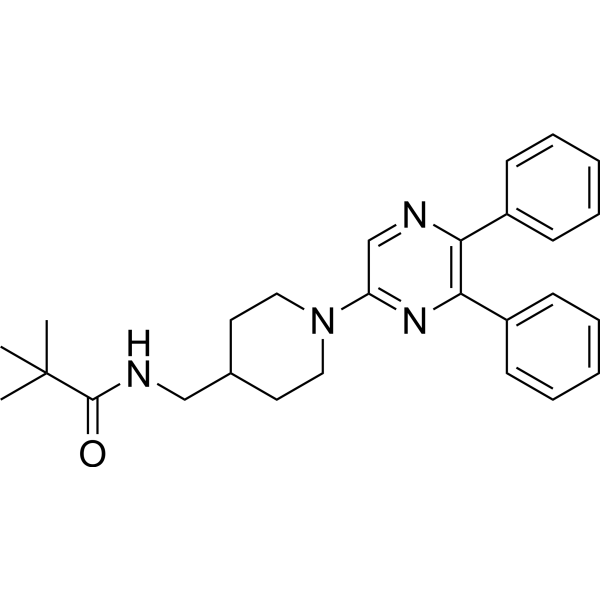
Skp2 inhibitor 2 is a Skp2-Cks1 protein-protein interaction inhibitor with a human IC50 of 0.57 μM. Skp2 inhibitor 2 binds to Skp2 at the interaction interface to block Skp2-Cks1 complex formation. Skp2 inhibitor 2 can be used for the research of gastric cancer, non-small cell lung cancer, breast cancer, prostate cancer .
|
-
-
- HY-P991567
-
|
VX5/5261
|
CXCR
|
Inflammation/Immunology
Cancer
|
|
VX5 (VX5/5261) is a humanized IgG1κ monoclonal antibody inhibitor targeting BCA-1/CXCL13. VX5 significantly inhibits human CXCL13-mediated internalization of CXCR5, blocks both human and mouse CXCL13-dependent B-cells chemotaxis and migration. VX5 can be used to study autoimmune diseases like multiple sclerosis and arthritis, and cancers like gastric lymphomas and colon cancer .
|
-

-
- HY-P99007
-
|
BAY 1179470
|
FGFR
|
Cancer
|
|
Aprutumab (BAY 1179470) is a fully human fibroblast growth factor receptor 2 (FGFR2)-specific monoclonal antibody . Aprutumab induces FGFR2 endocytosis and degradation in cancer cells expressing FGFR2. Aprutumab serves as the targeted monoclonal antibody component of the antibody-drug conjugate BAY 1187982 (HY-141600) and mediates the endocytosis of the antibody-drug conjugate into FGFR2-positive cells. Aprutumab can be used for the research of FGFR2-positive solid tumors, including studies on gastric cancer and triple-negative breast cancer .
|
-

-
- HY-176812
-
|
|
Ras
PI3K
Akt
|
Cancer
|
|
VVD-849 is a RAS ligand. VVD-849 covalently binds to Cys242 in the RAS-binding domain of PI3K p110α and promotes RAS/PI3K interaction. VVD-849 partially inhibits pAKT (S473) in HER2-overexpressing tumors. VVD-849 can be used for the research of cancers such as breast cancer .
|
-

-
- HY-148819A
-
|
|
ADC Payload
Topoisomerase
|
Cancer
|
|
NH2-bicyclopentane-7-MAD-MDCPT hydrochloride (Formula I) is a topoisomerase I (TOP1) inhibitor. NH2-bicyclopentane-7-MAD-MDCPT hydrochloride is applicable to the synthesis of the ADC ABBV-969. NH2-bicyclopentane-7-MAD-MDCPT hydrochloride is used in research on lung adenocarcinoma and melanoma .
|
-
![NH2-bicyclo[1.1.1]pentane-7-MAD-MDCPT hydrochloride](//file.medchemexpress.com/product_pic/hy-148819a.gif)
-
- HY-125035
-
|
GNF-PF-2356
|
PAK
Apoptosis
|
Cancer
|
|
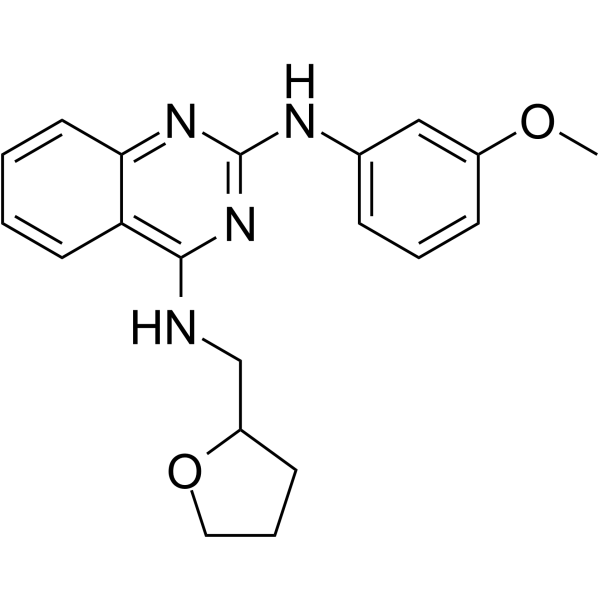
LCH-7749944 (GNF-PF-2356) is a potent PAK4 inhibitor with an IC50 of 14.93 μM. LCH-7749944 effectively suppresses the proliferation of human gastric cancer cells through downregulation of PAK4/c-Src/EGFR/cyclin D1 pathway and induces apoptosis .
|
-
-
- HY-169259
-
|
|
HDAC
DNA/RNA Synthesis
Reactive Oxygen Species (ROS)
Apoptosis
Caspase
p38 MAPK
|
Cancer
|
|
HDAC9-IN-1 is a selective class IIa HDAC inhibitor that binds to HDAC9 with an IC50 of 40 nM. HDAC9-IN-1 potently inhibits HDACs 4 and 7 while showing weak activity against HDAC6 (IC50 values: 180 nM (HDAC4), 190 nM (HDAC7), 970 nM (HDAC6)). HDAC9-IN-1 significantly inhibits several human cancer cells, induces apoptosis and DNA damage in human cancer cells, and modulates caspase-related proteins and p38 in human cancer cells. HDAC9-IN-1 can be used for the research of oral cancer, breast cancer, gastric cancer .
|
-

-
- HY-P990690
-
|
MEDI-5752
|
PD-1/PD-L1
CTLA-4
|
Cancer
|
|
Volrustomig (MEDI-5752) is a human IgG1 κ monoclonal antibody targeting CTLA4/PD1. The isotype control for Volrustomig is Human IgG1 kappa, Isotype Control (HY-P99001). Volrustomig anchors to the surface of T cells by binding PD-1, induces PD-1 internalization and degradation, and preferentially inhibits CTLA-4 on activated PD-1 + T cells. Volrustomig binds to tumor-infiltrating lymphocytes and a subset of PD-1 + B cells, enhances T cell function and IFNγ secretion. Volrustomig reduces the activation of non-tumor-infiltrating lymphocytes and exhibits manageable toxicity. Volrustomig can be used in research on various cancers, such as non-small cell lung cancer, gastric cancer, hepatobiliary cancer, and cervical cancer .
|
-

-
- HY-160066
-
|
|
Transmembrane Glycoprotein
|
Cancer
|
|
SYL3C aptamer sodium is a DNA aptamer targeting EpCAM. SYL3C aptamer sodium targets a variety of cancer cell lines. SYL3C aptamer sodium can be used for targeted cancer cell imaging and circulating tumor cell detection .
|
-

-
- HY-N4148
-
|
|
DNA/RNA Synthesis
Apoptosis
Bacterial
|
Infection
Inflammation/Immunology
Cancer
|
|
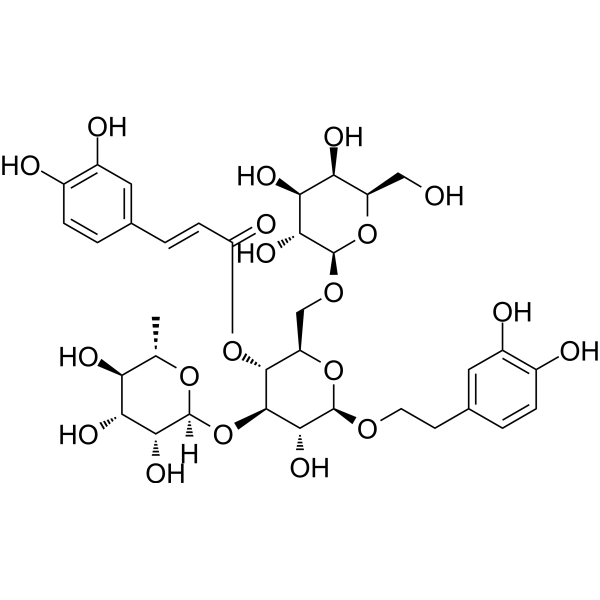
Purpureaside C, phenolic glycoside, is a minichromosome maintenance complex component 6 (MCM6) inhibitor. Purpureaside C binds to the ATP-pocket of MCM6, suppresses MCM6 protein expression in gastric cancer cells. Purpureaside C suppresses gastric cancer cell growth and induces apoptosis. Purpureaside C exerts antibacterial activity and proinflammatory activity. Purpureaside C can be used for the researches of gastric cancer, bacterial infection and inflammation .
|
-
-
- HY-N1510
-
|
|
Glycosidase
Notch
Toll-like Receptor (TLR)
NF-κB
Mucin
Reactive Oxygen Species (ROS)
Bacterial
TGF-beta/Smad
Anaplastic lymphoma kinase (ALK)
|
Infection
Inflammation/Immunology
Cancer
|
|
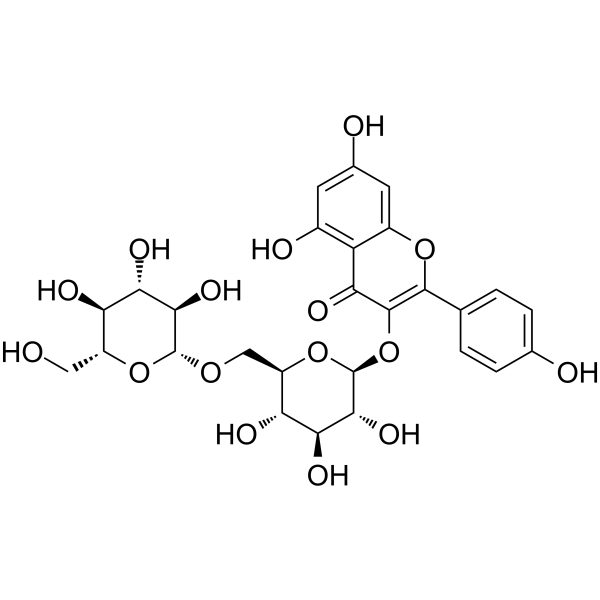
Kaempferol 3-O-gentiobioside is an orally active flavonoid, with a Ka value of 57 µM against human NOTCH1 and an IC50 value of 50 μM against α-glucosidase. Kaempferol 3-O-gentiobioside inhibits the NOTCH signaling pathway. It downregulates the expression of TLR4 and NLRP3, and suppresses the activation and nuclear translocation of NF-κB. Kaempferol 3-O-gentiobioside inhibits the expression of MUC5AC, reduces nitrite and ROS levels, and attenuates excessive mucus secretion. It exhibits antibacterial activity, reducing the formation and growth of MRSA biofilms. Kaempferol 3-O-gentiobioside blocks the TGF-β/ALK5/Smad signaling pathway and inhibits epithelial-mesenchymal transition. It suppresses the proliferation, migration, invasion and metastatic growth of tumor cells. Kaempferol 3-O-gentiobioside alleviates airway inflammation and mucus hypersecretion in mice with allergic asthma . It reduces the volume of ovarian cancer xenografts in mice. Kaempferol 3-O-gentiobioside can be used in research related to allergic asthma, diabetes, MRSA infection, breast cancer, gastric cancer and ovarian cancer .
|
-
-
- HY-P991257
-
MK-1966
1 Publications Verification
|
Interleukin Related
CXCR
MHC
|
Cancer
|
|
MK-1966 is an anti-IL-10 antibody. MK-1966 inhibits secretion of cytokines from activated macrophages, production of CC and CXC chemokines, and a TH1 response, down-regulates MHC and costimulatory molecules on dendritic cells (DCs), and induces regulatory T cells. MK-1966 can be used for the research of cancer , such as gastric cancer .
|
-

-
- HY-14653
-
|
TAC-101; Am 555S
|
RAR/RXR
Apoptosis
|
Cancer
|
|
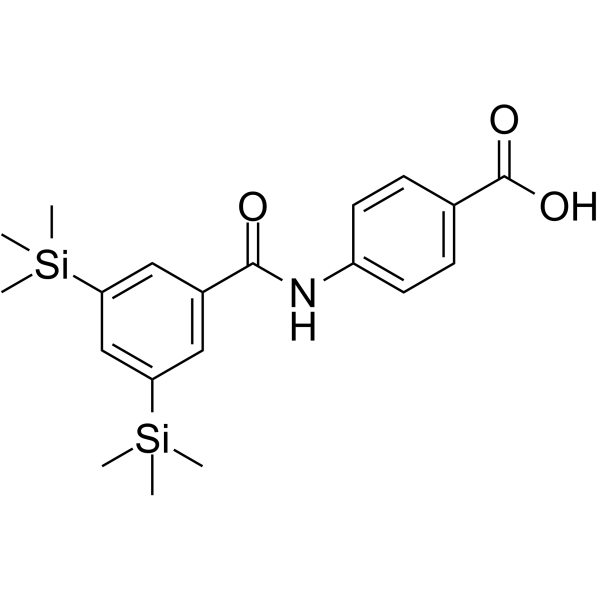
Amsilarotene (TAC-101; Am 555S), an orally active synthetic retinoid, has selective affinity for retinoic acid receptor α (RAR-α) binding with Ki of 2.4, 400 nM for RAR-α and RAR-β. Amsilarotene induces the apoptotic of human gastric cancer, hepatocellular carcinoma and ovarian carcinoma cells. Amsilarotene can be used for the research of cancer .
|
-
-
- HY-100555
-
|
|
HSP
|
Infection
Cancer
|
|
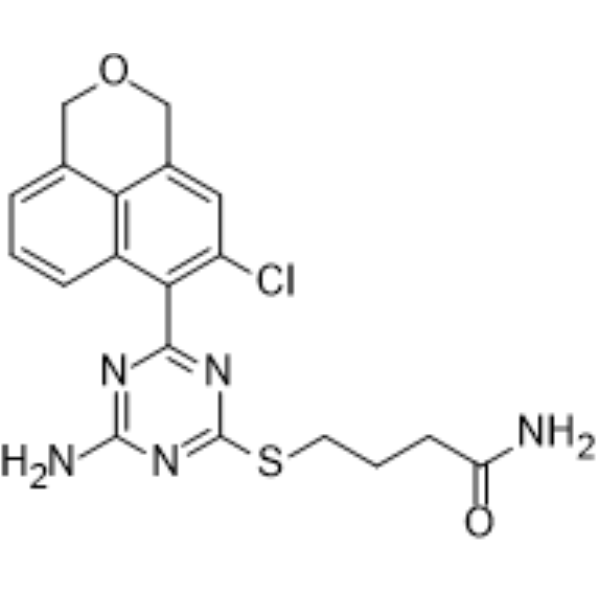
CH5138303 is a potent and orally active Hsp90 inhibitor. CH5138303 shows high binding affinity for N-terminal Hsp90α, with Kd of 0.52 nM. CH5138303 shows potent anti-proliferative activity against human cancer cell lines (HCT116 and NCI-N87), with IC50 values of 0.098 and 0.066 μM, respectively. CH5138303 shows high oral bioavailability in mice (F=44.0%). CH5138303 shows potent antitumor efficacy in a human NCI-N87 gastric cancer xenograft model .
|
-
-
- HY-W001084
-
|
|
Others
|
Infection
Cancer
|
|
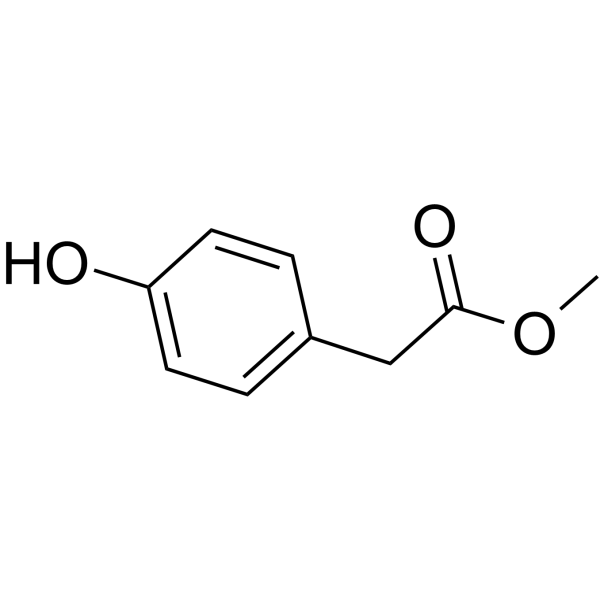
Methyl 4-hydroxyphenylacetate is a compound found in the marine fungus Penicillium oxalicum 0312F1. Methyl 4-hydroxyphenylacetate can be Methyl 4-hydroxyphenylacetate inhibits replication of tobacco mosaic virus (TMV) in Nicotiana tabacum leaf discs. Methyl 4-hydroxyphenylacetate shows inhibitory activity against proliferation of cancer cells. Methyl 4-hydroxyphenylacetate can be used for the researches of TMV infection and cancer .
|
-
-
- HY-163084
-
|
|
Myosin
Ferlin Family
Apoptosis
|
Cancer
|
|
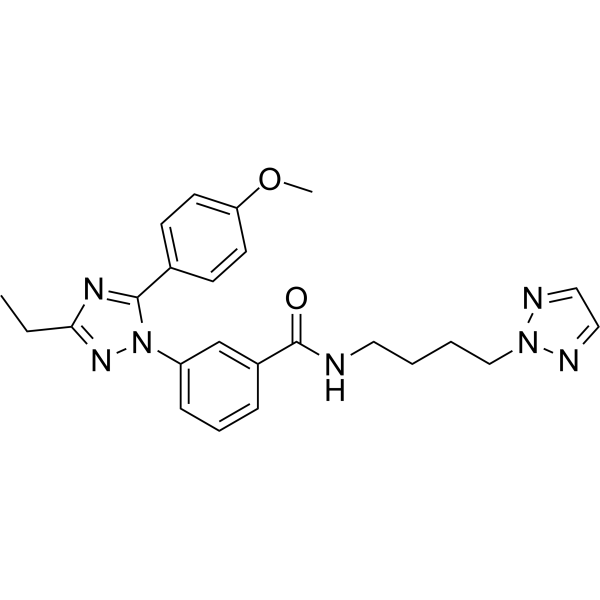
HJ445A is an orally active myoferlin (MYOF) inhibitor with a Kd value of 0.17 μM against human targets. HJ445A directly binds to the MYOF-C2D domain to stabilize the MYOF protein, thereby regulating vesicle trafficking, cell proliferation, colony formation, migration and apoptosis processes in cancer cells, and exhibits anti-tumor efficacy. HJ445A can be used in gastric cancer-related research .
|
-
-
- HY-P10939
-
|
|
Caspase
Pyroptosis
|
Inflammation/Immunology
Cancer
|
|
Ac-DmLD-CMK is a caspase 3 inhibitor and a GSDME inhibitor. Ac-DmLD-CMK binds directly to the catalytic domain of caspase-3, blocks caspase-3-mediated cleavage of GSDME, inhibits the activation of caspase 3 and Gsdme in the caspase 3-Gsdme signaling pathway, and reduces the levels of pyroptosis and apoptosis as well as the expression of LDH, IL-6, IL-1β and IL-18. Ac-DmLD-CMK alleviates renal function deterioration, renal tubular epithelial cell injury, inflammatory cytokine secretion, pulmonary structural damage, and chemotherapy-induced nephrotoxicity .
|
-

-
- HY-119748
-
|
|
Apoptosis
|
Infection
Cancer
|
|
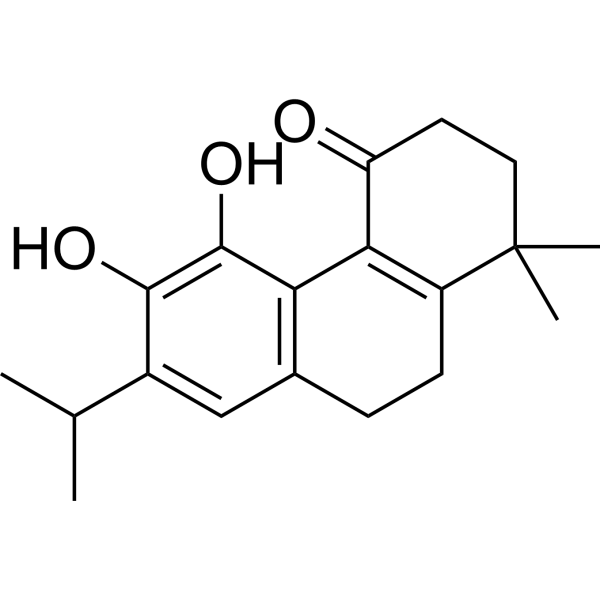
Sageone, a diterpene that can be isolated from Rosmarinus officinalis, is a antiviral and anticancer agent. Sageone induces apoptosis in SNU-1 human gastric cancer cells .
|
-
-
- HY-108713A
-
|
SHR1020 malate
|
VEGFR
PDGFR
Apoptosis
|
Cancer
|
|
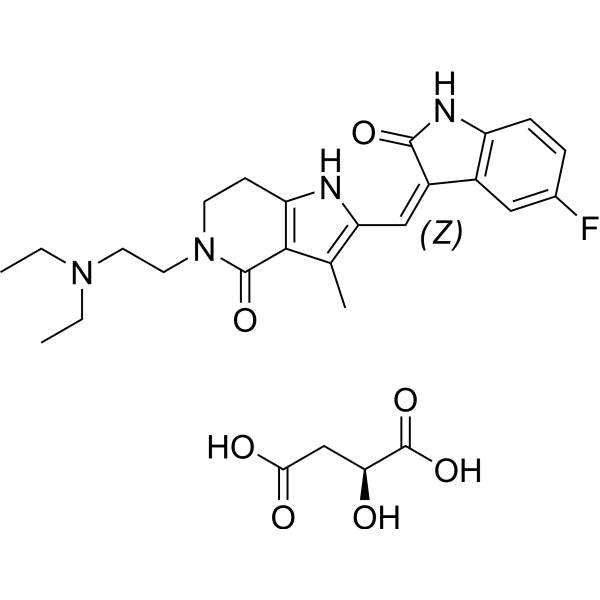
Famitinib (SHR1020) malate, an orally active multi-targeted kinase inhibitor, inhibits the activity of c-kit, VEGFR-2 and PDGFRβ with IC50 values of 2.3 nM, 4.7 nM and 6.6 nM, respectively. Famitinib malate induces cell apoptosis. Famitinib malate exerts powerful antitumor activity in human gastric cancer cells and xenografts, it can be used for the research of cancer .
|
-
-
- HY-117085
-
|
|
Phosphatase
TMV
Lipoxygenase
|
Cancer
|
|
Lobaric acid is a depsipeptide metabolite isolated from Stereocaulon lichen with antioxidant, antiproliferative, antiviral and enzyme inhibitory activities. Lobaric acid scavenges superoxide free radicals (IC50=97.9 μM) and inhibits cancer cell proliferation (EC50 of 15.2-63.9 μg/mL against leukemia, colorectal, gastric, breast, ovarian, prostate, pancreatic and lung cancer cell lines). Lobaric acid inhibits protein tyrosine phosphatase 1B (PTP1B; IC50=0.87 μM for human recombinant enzyme) and 12(S)-HETE produced by 12(S)-lipoxygenase (IC50=28.5 μM). Lobaric acid (250 μM) also reduced pathological changes in tobacco leaves infected with tobacco mosaic virus (TMV).
|
-

-
- HY-W854385A
-
|
SLeA sodium
|
Biochemical Assay Reagents
|
Cancer
|
|
Sialyl Lewis A (SLeA) sodium is a tumor-associated carbohydrate antigen, also known as carbohydrate antigen 19-9 (CA19-9), that binds to E-selectin (ELAM-1) and selectins to mediate cell-endothelium adhesion. Sialyl Lewis A sodium promotes cancer cell-vascular endothelium adhesion, and its surface presence correlates with increased tumorigenicity and invasiveness in cancer cells. Sialyl Lewis A sodium shows elevated expression in human adenocarcinomas of the colon, pancreas, and stomach, with expression levels linked to tumor progression and poor prognosis in colorectal and gastric carcinomas. Sialyl Lewis A sodium can be used for the research of cancers, such as colon, pancreas, stomach, and squamous lung cancer .
|
-

-
- HY-W854385
-
|
SLeA
|
Biochemical Assay Reagents
E-Selectin
|
Cancer
|
|
Sialyl Lewis A (SLeA) is a tumor-associated carbohydrate antigen, also known as carbohydrate antigen 19-9 (CA19-9), that binds to E-selectin (ELAM-1) and selectins to mediate cell-endothelium adhesion. Sialyl Lewis A promotes cancer cell-vascular endothelium adhesion, and its surface presence correlates with increased tumorigenicity and invasiveness in cancer cells. Sialyl Lewis A shows elevated expression in human adenocarcinomas of the colon, pancreas, and stomach, with expression levels linked to tumor progression and poor prognosis in colorectal and gastric carcinomas. Sialyl Lewis A can be used for the research of cancers, such as colon, pancreas, stomach, and squamous lung cancer .
|
-

-
- HY-N11546
-
|
|
Cytochrome P450
Bacterial
Fungal
|
Infection
Cancer
|
|
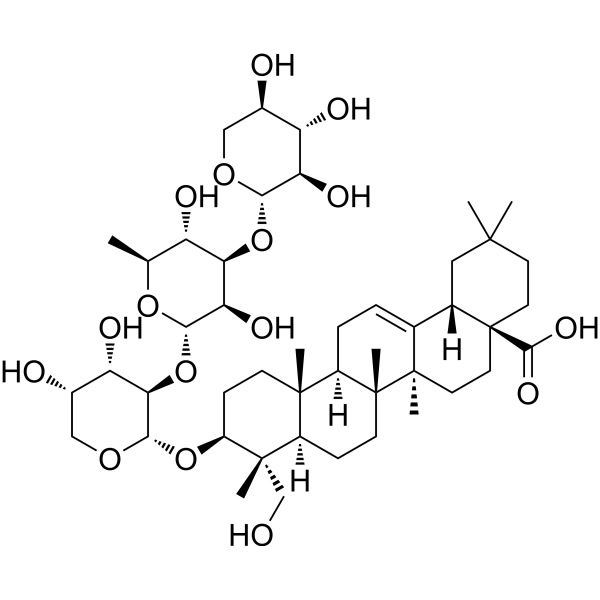
Sapindoside B is a substance with hepatoprotective activity, and also acts as a cytochrome P-450 (cytochrome P-450) inhibitor, antibacterial agent and membrane-disrupting agent. Sapindoside B reversibly inhibits the content of cytochrome P-450 in liver microsomes, suppresses the phenobarbital-induced increase in enzyme content, reduces the production of active metabolites mediated by cytochrome P-450, and alleviates hepatotoxic injury. Sapindoside B binds to Cutibacterium acnes lipase, reduces lipase activity, inhibits biofilm formation, and decreases bacterial adhesion. Sapindoside B exhibits cytotoxicity against human cancer, liver cancer, leukemia and glioblastoma cells. Sapindoside B inhibits mycelial growth of phytopathogenic fungal strains, possesses antibacterial activity against dermatophytes, and also has hemolytic/membrane-lytic activity. Sapindoside B can be used in research related to liver injury, Cutibacterium acnes biofilm-associated infections, gastric cancer, carcinoma, promyelocytic leukemia, glioblastoma, apple scab and grape gray mold .
|
-
-
- HY-124398
-
|
|
PAK
|
Cancer
|
|
GL-1196 is an inhibitor of PAK4. GL-1196 can suppress the proliferation and invasion of gastric cancer cells. GL-1196 inhibits PAK4-mediated signaling pathways. GL-1196 can hinder the proliferation of human gastric cancer cells through suppressing PAK4/c-Src/EGFR/CyclinD1 and CDK4/6. GL-1196 can reduce filamentous pseudopodia formation and induce filamentous pseudopodia formation and promote cell elongation in SGC7901 and BGC823 cells. GL-1196 can be studied in anti-cancer research .
|
-

-
- HY-P991243
-
|
|
EGFR
Akt
|
Cancer
|
|
MP-RM-1 is an antibody-based, non-competitive ErbB-3 inhibitor with a Kd value of 32.7 nM. MP-RM-1 inhibits both ligand-dependent and ligand-independent ErbB-3 activation, blocks ErbB-2/ErbB-3 heterodimerization, induces ErbB-3 internalization and degradation, and suppresses the phosphorylation of downstream Akt. MP-RM-1 exerts its antagonistic effect through a non-competitive mechanism. MP-RM-1 inhibits tumor growth in melanoma and prostate cancer xenograft models in nude mice and reduces the proliferative activity of tumor cells .
|
-

-
- HY-P991565
-
|
|
c-Met/HGFR
|
Cancer
|
|
CE-355621 is a humanized anti-c-Met IgG1 monoclonal antibody. CE-355621 can effectively bind with human c-Met (KD = 200 pM, IC50 = 466 pM) in A549 cells and cyno c-Met (KD = 610 pM) in cynomolgus kidney cells. CE-355621 inhibits the c-Met signaling pathway by blocking HGF binding. CE-355621 significantly inhibits the growth of tumors dependent on the c-Met/HGF pathway. CE-355621 can be used for research on cancer such as glioblastoma and gastric cancer .
|
-

-
- HY-108713R
-
|
SHR1020 (Standard)
|
Reference Standards
VEGFR
PDGFR
Apoptosis
|
Cancer
|
|
Famitinib (Standard) is the analytical standard of Famitinib. This product is intended for research and analytical applications. Famitinib (SHR1020), an orally active multi-targeted kinase inhibitor, inhibits the activity of c-kit, VEGFR-2 and PDGFRβ with IC50 values of 2.3 nM, 4.7 nM and 6.6 nM, respectively . Famitinib exerts powerful antitumor activity in human gastric cancer cells and xenografts. Famitinib triggers apoptosis .
|
-

-
- HY-W395613
-
|
|
Aurora Kinase
|
Cancer
|
|
TY-011 is an Aurora A/B kinase inhibitor. TY-011 induces abnormal microtubule-kinetochore attachment, leading to DNA damage and apoptosis (Apoptosis) in human gastric cancer cells, and ultimately inhibits cancer cell proliferation, with an IC50 value ranging from 0.11 to 4.49 μM in human gastric cancer cell lines. TY-011 has potential applications in gastric cancer research .
|
-

-
- HY-N12142
-
|
|
Others
|
Cancer
|
|
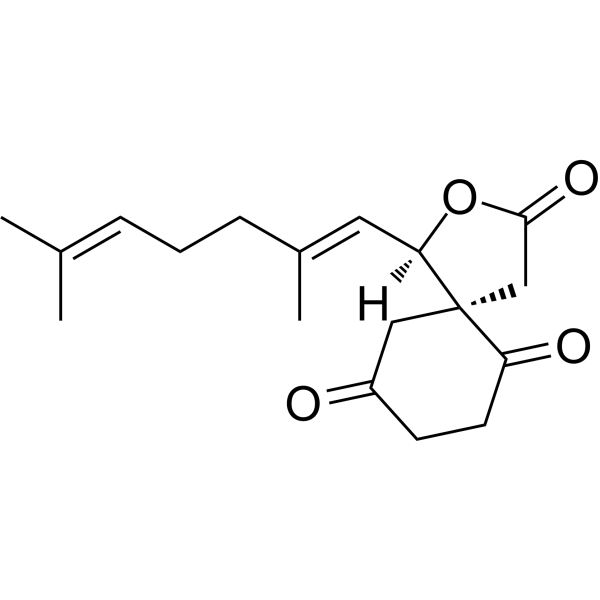
Anticancer agent 156 (compound 11) is a powerful anticancer agent based on Miliusanes (anticancer lead molecule). Anticancer agent 156 effectively inhibits the growth of human cancer cells and shows significant cytotoxicity to gastric cancer cells .
|
-
-
- HY-111007
-
|
|
HSP
|
Cancer
|
|
CH5015765 is an orally available Hsp90 inhibitor bound to the N-terminal ATP binding site, with a dissociation constant of 3.4 nM, CH5015765 exerts antiproliferative activity against human cancer cell lines, with IC50 values of 0.46 μM for HCT116 colorectal cancer cells and 0.57 μM for NCI-N87 gastric cancer cells. CH5015765 can be used for the study of cancer .
|
-

-
- HY-N3665
-
|
|
Tyrosinase
|
Cancer
|
|
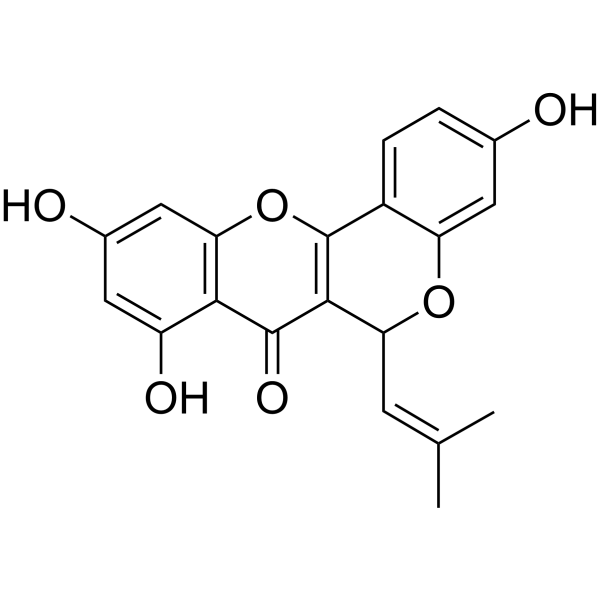
Cyclocommunol is a prenylflavonoid with antityrosinase and antiplatelet activitie, can be solated from breadfruit. Cyclocommunol exerts anti-tumor activity and inhibits the growth of human hepatoma and gastric cancer cells with IC50 values between 16 and 80 µM. Cyclocommunol shows proapoptotic effect on oral squamous cell carcinoma (OSCC) .
|
-
-
- HY-164374
-
|
|
PAK
|
Cancer
|
|
AK963/40708899 is a potent PAK1 inhibitor. AK963/40708899 suppresses the proliferation of human gastric cancer cells by downregulation of PAK1-NF-κB-cyclinB1 pathway. AK963/40708899 induces cell cycle arrest at G2 phase and reduces the migration and invasion. AK963/40708899 inhibits the formation of filopodia and promots cell adhesion which in turn inhibits invasive potential of gastric cells by negatively regulating PAK1-LIMKl-cofilin and PAK1-ERK-FAK pathways .
|
-

-
- HY-N12033
-
|
|
Others
|
Cancer
|
|
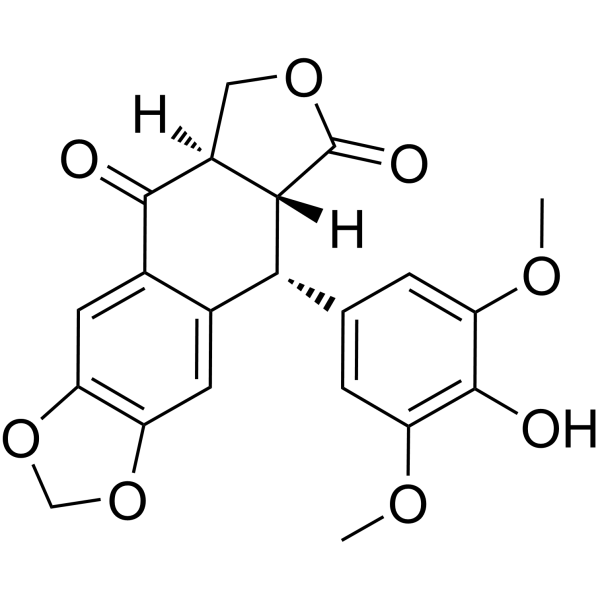
4'-Demethylpodophyllotoxone is an intermediate product of the biotransformation of Alternaria alternata S-f6. After 4'-Demethylpodophyllotoxone is modified with 4-(2,3,5,6-tetramethylpyrazine-1) (4-TMP), the resulting novel compound can strongly inhibit the growth of human gastric cancer cell line (BGC-823) .
|
-
-
- HY-121512
-
|
|
HDAC
Apoptosis
|
Cancer
|
|
SK-7041 is a HDAC inhibitor with the IC50 of 172 nM. SK-7041 induces the hyperacetylation of histones H3 and H4 .SK-7041 inhibits tumor cell growth in vivo and in vitro, induces cell apoptosis, and arrests cell cycle at the G1 phase .
|
-

-
- HY-N0255R
-
|
α-Hederin (Standard)
|
Reference Standards
Apoptosis
|
Others
|
|
alpha-Hederin (Standard) is the analytical standard of alpha-Hederin. This product is intended for research and analytical applications. alpha-Hederin (α-Hederin), a monodesmosidic triterpenoid saponin, exhibits promising antitumor potential against a variety of human cancer cell lines. alpha-Hederin could inhibit the proliferation and induce apoptosis of gastric cancer accompanied by glutathione decrement and reactive oxygen species generation via activating mitochondrial dependent pathway .
|
-

-
- HY-N3626
-
|
|
Others
|
Cancer
|
|
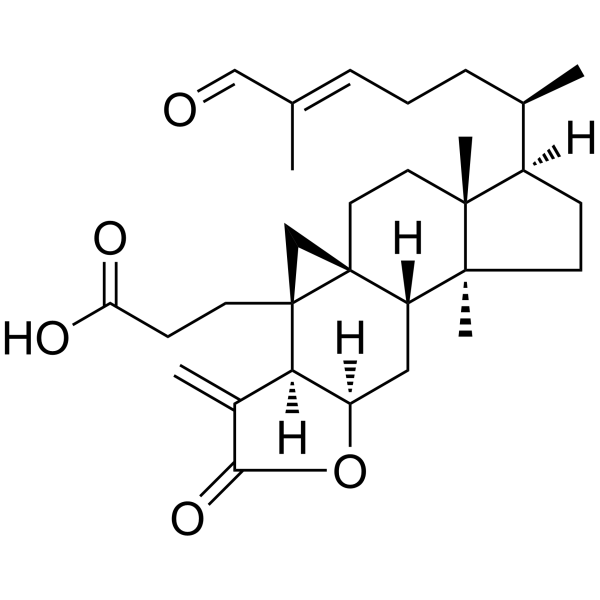
Coronalolide is a natural triterpene with anticancer effects. Coronalolide exhibits a broad cytotoxic activity for human breast (BT474), gastric (KATO-3), lung (CHAGO), colon (SW-620), and liver (Hep-G2) cancer cell lines, with IC50 values of 6.59 µg/mL, 5.85 µg/mL, 5.42 µg/mL, 4.98 µg/mL, and 6.41 µg/mL, respectively .
|
-
-
- HY-N18228
-
|
|
Others
|
Cancer
|
|
Stauntoside Ⅱ is a 14,15-secopregnane-type C21 steroidal glycoside found in the roots of Cynanchum stauntonii. Stauntoside Ⅱ does not exhibit cytotoxic activity against human colon, hepatoma, gastric, lung, and ovarian cancer cells .
|
-

-
- HY-N17608
-
|
|
Others
|
Others
|
|
10 (14)-Guaien-11-ol is a guaiane-type sesquiterpenoid that exists in the roots of Jatropha curcas. 10 (14)-Guaien-11-ol shows no significant growth inhibitory activity against human gastric cancer cells .
|
-

-
- HY-183888
-
|
|
Carbamoyl Phosphate Synthetase (CPS)
|
Cancer
|
|
H3B-616 is a selective carbamoyl phosphate synthetase 1 (CPS1) inhibitor with a human IC50 of 66 nM. H3B-616 binds to an allosteric pocket in the CPS1 integrating domain to exert target engagement and inhibit enzyme activity. H3B-616 can be used for the research of nonsmall cell lung cancer and gastric cancer .
|
-

-
- HY-181578
-
|
|
NAMPT
Apoptosis
|
Cancer
|
|
Nampt-IN-17 is an selective orally active NAMPT inhibitor with a human NAMPT IC50 of 17 nM and Ki of 25.9 nM. Nampt-IN-17 depletes intracellular NAD + and ATP, disrupts mitochondrial membrane potential, suppresses cell proliferation, self-renewal, invasion, and migration, induces cell-cycle arrest and apoptosis. Nampt-IN-17 exhibits selective activity against NAPRT-deficient gastric cancer cells. Nampt-IN-17 can be used for the research of NAPRT-deficient gastric cancer .
|
-

-
- HY-174271
-
|
|
Apoptosis
|
Cancer
|
|
Antioxidant agent-21 (Compound 9) is a phenolic heterocyclic compound with antioxidant and anticancer activities. Antioxidant agent-21 shows significant cytotoxicity toward human gastric adenocarcinoma (AGS) and lung cancer (A549) cells. Antioxidant agent-21 induces caspase-dependent apoptosis in cancer cells .
|
-

- HY-P992374
-
|
DMB5F3; chDMB5F3
|
Mucin
|
Cancer
|
|
huDMB5F3 (DMB5F3; chDMB5F3) is a human monoclonal antibody against human CD227/MUC1, with a Ka value of 5.89 pM for its human target. huDMB5F3 enters MUC1-positive cancer cells via a temperature-dependent internalization process. huDMB5F3 induces cytotoxicity in MUC1-positive cancer cells. huDMB5F3 can be used in the research of various cancers including breast cancer, pancreatic cancer and gastric cancer .
|
-

- HY-N13139
-
|
|
Others
|
Cancer
|
|
Dexylosyltubeimoside Ⅲ (compound 3) is a cyclic disoside that can be isolated from Actinostemma lobatum MAXIM. Dexylosyltubeimoside Ⅲ has in vitro anticancer activity and inhibits the growth of human esophageal cancer cell line ECA109 (IC50=22.37 μM), lung cancer cell line A549 (IC50=27.27 μM) and gastric cancer cell line MGC-803 (IC50=36.85 μM) .
|
-

- HY-183754
-
|
|
EGFR
PI3K
Akt
Apoptosis
|
Cancer
|
|
EGFR-IN-213 is a selective inhibitor of EGFR L858R/T790M/C797S with a human IC50 of 0.48 nM. EGFR-IN-213 acts as an antiproliferative agent, inducing apoptosis and cell cycle arrest, and inhibiting colony formation, cell migration, and tube formation. EGFR-IN-213 can be used for the research of non-small cell lung cancer, chronic myeloid leukemia, gastric cancer, prostate cancer .
|
-

- HY-P992401
-
|
|
EGFR
CD3
PI3K
Akt
p38 MAPK
Caspase
Apoptosis
IFNAR
TNF Receptor
Interleukin Related
|
Cancer
|
|
M802 is an anti-HER2/CD3 bispecific antibody, with a Kd of 0.578 nM for human HER2 and a Kd of 71.2 nM for human CD3. M802 inhibits the PI3K/AKT and MAPK signaling pathways, suppresses tumor cell proliferation, activates caspase-3, and promotes tumor cell apoptosis (apoptosis). M802 recruits and activates CD3-positive immune cells, mediates cytotoxicity against HER2-positive tumor cells, and induces immune cells to secrete IFN-γ, TNF-α, IL-2 and IL-6. M802 exhibits anti-tumor efficacy in mice with gastric cancer xenografts. M802 can be used in research related to HER2-positive breast cancer, HER2-positive gastric cancer and other cancers. The recommended isotype control is human IgG1 kappa (HY-P99001) .
|
-

- HY-183941
-
|
|
PAK
|
Cancer
|
|
SPU-106 is a p21 activated kinase 4 (PAK4) inhibitor with a target IC50 of 21.36 μM. SPU-106 selectively binds to the C-terminal kinase domain of PAK4 to inhibit its kinase activity. SPU-106 inhibits the PAK4/LIMK1/cofilin and PAK4/SCG10 signaling pathways. SPU-106 inhibits invasion of gastric cancer cells and lacks cytotoxicity against cancer cells. SPU-106 can be used for the research of gastric cancer .
|
-

- HY-N17552
-
|
|
Others
|
Cancer
|
|
Notabilisin L is an isoprenylated flavonoid. Notabilisin L can be isolated from root bark of M. alba. Notabilisin L has no significant inhibitory effects on the viability of gastric cancer cells .
|
-

- HY-P992347
-
|
|
CD276/B7-H3
|
Cancer
|
|
DS-5573a is a human monoclonal antibody targeting B7-H3, with a Kd of 1.8 nM for the 4Ig isoform and 11 nM for the 2Ig isoform. DS-5573a induces antibody-dependent cellular cytotoxicity and antibody-dependent cellular phagocytosis against B7-H3-expressing cancer cells. DS-5573a exerts dose-dependent anti-tumor activity via effector cells. DS-5573a can be used in the research of cancers including breast adenocarcinoma, non-small cell lung cancer, renal cell adenocarcinoma, gastric cancer and prostate cancer .
|
-

- HY-N17973
-
|
|
Others
|
Cancer
|
|
(-)-Folicanthine is a dimeric tryptamine-related alkaloid found in the fruits of Chimonanthus praecox. (-)-Folicanthine shows cytotoxic against cancer cells. (-)-Folicanthine can be used for the research of cancer, such as gastric carcinoma and hepatocarcinoma .
|
-

- HY-164717
-
|
|
Poly(ADP-ribose) Glycohydrolase (PARG)
|
Cancer
|
|
FORX-428 is a selective and orally active Poly (ADP-ribose) glycohydrolase (PARG) inhibitor. FORX-428 exhibits strong and reversible binding to the catalytic domain of human PARG, and thereby inhibits PARG´s enzymatic activity. FORX-428 leads to the excessive accumulation of PAR chains and activates DNA damage and replication stress responses. FORX-428 selectively inhibits the proliferation of various cancer cell lines, including breast, ovarian, and gastric cancer .
|
-

- HY-183604
-
|
|
Deubiquitinase
|
Cancer
|
|
T-10531 is a selective USP25/USP28 inhibitor. T-10531 exhibits an IC50 of 0.03 μM and a Kd of 0.2 μM against human USP25, as well as an IC50 of 0.12 μM and a Kd of 0.06 μM against human USP28. T-10531 inhibits USP25/USP28 activity and induces the degradation of USP25 via the proteasomal pathway, without inhibiting other deubiquitinases. T-10531 can be used in the research of squamous cell carcinoma, colorectal cancer, gastric cancer, triple-negative breast cancer and pancreatic cancer .
|
-

- HY-138008
-
|
|
Microtubule/Tubulin
Apoptosis
|
Cancer
|
|
WX-132-18B is a tubulin inhibitor with an IC50 of 0.45-0.99 nM. WX-132-18B selectively binds to the colchicine-binding site on tubulin, reduces microtubule content via depolymerization, and inhibits tubulin polymerization. WX-132-18B induces tumor cell cycle arrest, apoptosis and changes in nuclear membrane permeability, and decreases mitochondrial membrane potential. WX-132-18B exhibits antiproliferative activity against endothelial cells and human tumor cells, and inhibits the proliferation and growth of xenograft tumors in mice. WX-132-18B can be used in research related to sarcoma, non-small cell lung cancer, gastric cancer and breast cancer .
|
-

- HY-119618
-
|
|
Endogenous Metabolite
|
Cancer
|
|
R1498 is a multi-target kinase inhibitor with anti-angiogenic and anti-proliferative activities. R1498 mainly targets targets such as Aurora kinase and VEGFR2, which are associated with tumor development. R1498 showed moderate in vitro growth inhibition in a variety of tumor cells, with IC50 values in the micromolar range. R1498 showed anti-tumor efficacy superior to sorafenib in a variety of gastric cancer and hepatocellular carcinoma xenograft models, with tumor growth inhibition rates exceeding 80%, and tumor shrinkage was observed in some models. R1498 showed a 10-30% tumor shrinkage rate in three xenograft models derived from human primary gastric cancer tumors, further demonstrating its inhibitory potential. R1498 effectively inhibited Aurora A activity in vivo and reduced tumor vascularization .
|
-

- HY-N18009
-
|
|
Bacterial
|
Infection
Cancer
|
|
1-Hydroxy-3,5-dimethoxyxanthone is a xanthone and Antibacterial agent. 1-Hydroxy-3,5-dimethoxyxanthone can be isolated from Lomatogonium rotatum. 1-Hydroxy-3,5-dimethoxyxanthone inhibits the growth of Pseudomonas aeruginosa ATCC27853 and Escherichia coli ATCC25923 with an MIC of 640 μg/mL. 1-Hydroxy-3,5-dimethoxyxanthone exhibits anticancer activity against cervical cancer, breast cancer, melanoma, liver cancer, and gastric cancer .
|
-

- HY-186132
-
|
|
PROTACs
CDK
|
Cancer
|
|
PROTAC CDK2-pRb degrader-1 is an orally active PROTAC-class degrader of CDK2. PROTAC CDK2-pRb degrader-1 effectively inhibits the phosphorylation of retinoblastoma protein (Rb) at serine residues 807/811 by inducing ubiquitination and proteasomal degradation of CDK2. PROTAC CDK2-pRb degrader-1 exhibits significant activity against human cells (with EC50 values of 12 nM and 125 nM, respectively). In xenograft models, PROTAC CDK2-pRb degrader-1 effectively inhibits tumor growth and induces tumor stasis, making it suitable for research related to CCNE1-amplified cancers (such as ovarian cancer, gastric cancer, and breast cancer) .
|
-

- HY-P992381
-
|
|
Drug Derivative
|
Cancer
|
|
IBI352g4a is a humanized IgG1 monoclonal antibody targeting PVRIG (Kd = 0.53 nM) and acts as a PVRIG/PVRL2 inhibitor. The anti-tumor effect of IBI352g4a depends on the binding of its Fc region to FcγR. IBI352g4a binds to the extracellular domains of human and cynomolgus monkey PVRIG, and blocks the PVRIG-PVRL2 interaction. IBI352g4a induces NK cell activation, promotes their degranulation and tumor killing. IBI352g4a can be used in the research of gastric cancer .
|
-

- HY-P11022
-
|
A-3302-B
|
Endogenous Metabolite
HSV
TRP Channel
|
Infection
Cancer
|
|
TL-119 (A-3302-B) is a polypeptide. TL-119 can be isolated from the bacteria Micromonospora sp. MAG 9-7 and Saccharomonospora sp. CNQ-490. TL-119 inhibits TRPV-1. TL-119 exhibits antiviral activity against HSV-2. TL-119 possesses anticancer activity against gastric cancer and colorectal cancer .
|
-

- HY-P991896
-
|
AT14-012
|
Transmembrane Glycoprotein
|
Inflammation/Immunology
Cancer
|
|
AT1412 is a CD9-binding antibody. AT1412 binds to the tetraspanin protein CD9 and modulates CD9 function by enhancing T cell adhesion to endothelial cells (HUVECs) and transendothelial migration. AT1412 binds to B-ALL cell lines but not to T-ALL. AT1412 induces antibody-dependent cellular cytotoxicity in B-ALL cell lines. AT1412 binds to melanoma cells, B-ALL, gastric cancer, colorectal cancer, and pancreatic cancer cells [1] .
|
-

| Cat. No. |
Product Name |
Type |
-
- HY-141598
-
|
DS-1062 (solution); Dato-DXd (solution)
|
Fluorescent Dyes
|
|
Datopotamab deruxtecan (DS-1062) solution is a TROP2-targeted antibody-drug conjugate (ADC) with human TROP2 Kd of 0.74 nmol/L. Datopotamab deruxtecan solution consists of the antibody Datopotamab (HY-P99843) and the toxic molecule-linker conjugate Deruxtecan (HY-13631E). Datopotamab deruxtecan solution binds TROP2, triggers internalization and lysosomal trafficking and releases DXd topoisomerase I inhibitor payload. Datopotamab deruxtecan solution disrupts DNA function, induces DNA damage, apoptosis, and bystander killing of tumor microenvironment cells. Datopotamab deruxtecan solution can be used in research related to triple-negative breast cancer, gastric cancer, and non-small cell lung cancer .
|
-
- HY-164992
-
|
MRG002; Trastuzumab MMAE
|
Fluorescent Dyes
|
|
Trastuzumab vedotin (MRG002; Trastuzumab MMAE) is an antibody-drug conjugate and cytotoxin targeting HER2, with a Kd of 7.50E-11 M for human HER2. After binding to HER2, Trastuzumab vedotin undergoes internalization and lysosomal trafficking, delivering a cytotoxic payload to HER2-expressing cells and inducing tumor regression in in vivo xenograft models with HER2-expressing tumors. The anti-tumor activity of Trastuzumab vedotin is enhanced when used in combination with anti-PD-1 antibodies, and it exhibits preclinical anti-tumor activity in drug-resistant breast cancer, gastric cancer, and urothelial carcinoma PDX models. Trastuzumab vedotin has low antibody-dependent cellular cytotoxicity activity and can be used in studies related to HER2-positive breast cancer, HER2-positive gastric cancer, and unresectable locally advanced or metastatic HER2-positive urothelial carcinoma .
|
| Cat. No. |
Product Name |
Target |
Research Area |
-
- HY-P10939
-
|
|
Caspase
Pyroptosis
|
Inflammation/Immunology
Cancer
|
|
Ac-DmLD-CMK is a caspase 3 inhibitor and a GSDME inhibitor. Ac-DmLD-CMK binds directly to the catalytic domain of caspase-3, blocks caspase-3-mediated cleavage of GSDME, inhibits the activation of caspase 3 and Gsdme in the caspase 3-Gsdme signaling pathway, and reduces the levels of pyroptosis and apoptosis as well as the expression of LDH, IL-6, IL-1β and IL-18. Ac-DmLD-CMK alleviates renal function deterioration, renal tubular epithelial cell injury, inflammatory cytokine secretion, pulmonary structural damage, and chemotherapy-induced nephrotoxicity .
|
-
- HY-P11022
-
|
A-3302-B
|
Endogenous Metabolite
HSV
TRP Channel
|
Infection
Cancer
|
|
TL-119 (A-3302-B) is a polypeptide. TL-119 can be isolated from the bacteria Micromonospora sp. MAG 9-7 and Saccharomonospora sp. CNQ-490. TL-119 inhibits TRPV-1. TL-119 exhibits antiviral activity against HSV-2. TL-119 possesses anticancer activity against gastric cancer and colorectal cancer .
|
| Cat. No. |
Product Name |
Target |
Research Area |
Image |
-
- HY-P99618
-
|
IBI-315; BH2950
|
EGFR
PD-1/PD-L1
|
Cancer
|
|
Fidasimtamab is a bispecific antibody targeting human epidermal growth factor receptor 2 (Her2) and programmed death protein 1 (PD-1), with a Ka of 3.55e-10 M for human Her2 and a Ka of 1.17e-9 M for human PD-1. Fidasimtamab cross-links Her2-positive tumor cells with PD-1-positive T cells to form immune synapses, blocks PD-1-ligand interactions, preserves antibody-dependent cellular cytotoxicity, induces gasdermin B (GSDMB)-mediated pyroptosis, and activates T cells. Fidasimtamab is applicable to relevant research on Her2-positive gastric cancer .
|
-

(5)
-
- HY-P991728
-
|
TORL-3-600 antibody
|
Cadherin
ADC Antibody
|
Cancer
|
|
Zarutatug (TORL-3-600 antibody) is an IgG1κ humanized antibody targeting cadherin 17 (CDH17). It selectively binds to cell-surface CDH17, triggering endocytosis and trafficking to lysosomes. Zarutatug can be used to construct ADCs, such as TORL-3-600 .
|
-
(5)
-
- HY-P991567
-
|
VX5/5261
|
CXCR
|
Inflammation/Immunology
Cancer
|
|
VX5 (VX5/5261) is a humanized IgG1κ monoclonal antibody inhibitor targeting BCA-1/CXCL13. VX5 significantly inhibits human CXCL13-mediated internalization of CXCR5, blocks both human and mouse CXCL13-dependent B-cells chemotaxis and migration. VX5 can be used to study autoimmune diseases like multiple sclerosis and arthritis, and cancers like gastric lymphomas and colon cancer .
|
-
(5)
-
- HY-P99007
-
|
BAY 1179470
|
FGFR
|
Cancer
|
|
Aprutumab (BAY 1179470) is a fully human fibroblast growth factor receptor 2 (FGFR2)-specific monoclonal antibody . Aprutumab induces FGFR2 endocytosis and degradation in cancer cells expressing FGFR2. Aprutumab serves as the targeted monoclonal antibody component of the antibody-drug conjugate BAY 1187982 (HY-141600) and mediates the endocytosis of the antibody-drug conjugate into FGFR2-positive cells. Aprutumab can be used for the research of FGFR2-positive solid tumors, including studies on gastric cancer and triple-negative breast cancer .
|
-
(5)
-
- HY-P990690
-
|
MEDI-5752
|
PD-1/PD-L1
CTLA-4
|
Cancer
|
|
Volrustomig (MEDI-5752) is a human IgG1 κ monoclonal antibody targeting CTLA4/PD1. The isotype control for Volrustomig is Human IgG1 kappa, Isotype Control (HY-P99001). Volrustomig anchors to the surface of T cells by binding PD-1, induces PD-1 internalization and degradation, and preferentially inhibits CTLA-4 on activated PD-1 + T cells. Volrustomig binds to tumor-infiltrating lymphocytes and a subset of PD-1 + B cells, enhances T cell function and IFNγ secretion. Volrustomig reduces the activation of non-tumor-infiltrating lymphocytes and exhibits manageable toxicity. Volrustomig can be used in research on various cancers, such as non-small cell lung cancer, gastric cancer, hepatobiliary cancer, and cervical cancer .
|
-
(5)
-
- HY-P991257
-
MK-1966
1 Publications Verification
|
Interleukin Related
CXCR
MHC
|
Cancer
|
|
MK-1966 is an anti-IL-10 antibody. MK-1966 inhibits secretion of cytokines from activated macrophages, production of CC and CXC chemokines, and a TH1 response, down-regulates MHC and costimulatory molecules on dendritic cells (DCs), and induces regulatory T cells. MK-1966 can be used for the research of cancer , such as gastric cancer .
|
-
(5)
-
- HY-P991243
-
|
|
EGFR
Akt
|
Cancer
|
|
MP-RM-1 is an antibody-based, non-competitive ErbB-3 inhibitor with a Kd value of 32.7 nM. MP-RM-1 inhibits both ligand-dependent and ligand-independent ErbB-3 activation, blocks ErbB-2/ErbB-3 heterodimerization, induces ErbB-3 internalization and degradation, and suppresses the phosphorylation of downstream Akt. MP-RM-1 exerts its antagonistic effect through a non-competitive mechanism. MP-RM-1 inhibits tumor growth in melanoma and prostate cancer xenograft models in nude mice and reduces the proliferative activity of tumor cells .
|
-
(5)
-
- HY-P991565
-
|
|
c-Met/HGFR
|
Cancer
|
|
CE-355621 is a humanized anti-c-Met IgG1 monoclonal antibody. CE-355621 can effectively bind with human c-Met (KD = 200 pM, IC50 = 466 pM) in A549 cells and cyno c-Met (KD = 610 pM) in cynomolgus kidney cells. CE-355621 inhibits the c-Met signaling pathway by blocking HGF binding. CE-355621 significantly inhibits the growth of tumors dependent on the c-Met/HGF pathway. CE-355621 can be used for research on cancer such as glioblastoma and gastric cancer .
|
-
(5)
-
- HY-P992374
-
|
DMB5F3; chDMB5F3
|
Mucin
|
Cancer
|
|
huDMB5F3 (DMB5F3; chDMB5F3) is a human monoclonal antibody against human CD227/MUC1, with a Ka value of 5.89 pM for its human target. huDMB5F3 enters MUC1-positive cancer cells via a temperature-dependent internalization process. huDMB5F3 induces cytotoxicity in MUC1-positive cancer cells. huDMB5F3 can be used in the research of various cancers including breast cancer, pancreatic cancer and gastric cancer .
|
-
(5)
-
- HY-P992401
-
|
|
EGFR
CD3
PI3K
Akt
p38 MAPK
Caspase
Apoptosis
IFNAR
TNF Receptor
Interleukin Related
|
Cancer
|
|
M802 is an anti-HER2/CD3 bispecific antibody, with a Kd of 0.578 nM for human HER2 and a Kd of 71.2 nM for human CD3. M802 inhibits the PI3K/AKT and MAPK signaling pathways, suppresses tumor cell proliferation, activates caspase-3, and promotes tumor cell apoptosis (apoptosis). M802 recruits and activates CD3-positive immune cells, mediates cytotoxicity against HER2-positive tumor cells, and induces immune cells to secrete IFN-γ, TNF-α, IL-2 and IL-6. M802 exhibits anti-tumor efficacy in mice with gastric cancer xenografts. M802 can be used in research related to HER2-positive breast cancer, HER2-positive gastric cancer and other cancers. The recommended isotype control is human IgG1 kappa (HY-P99001) .
|
-
(5)
-
- HY-P992347
-
|
|
CD276/B7-H3
|
Cancer
|
|
DS-5573a is a human monoclonal antibody targeting B7-H3, with a Kd of 1.8 nM for the 4Ig isoform and 11 nM for the 2Ig isoform. DS-5573a induces antibody-dependent cellular cytotoxicity and antibody-dependent cellular phagocytosis against B7-H3-expressing cancer cells. DS-5573a exerts dose-dependent anti-tumor activity via effector cells. DS-5573a can be used in the research of cancers including breast adenocarcinoma, non-small cell lung cancer, renal cell adenocarcinoma, gastric cancer and prostate cancer .
|
-
(5)
-
- HY-P992414
-
|
|
Inhibitory Antibodies
|
Cancer
|
|
MS17-38 is a monoclonal antibody targeting PODXL-v2. MS17-38 binds to a specific conformational epitope of PODXL-v2 on gastric cancer cells, modulates target function, inhibits gastric cancer cell growth and migration, and blocks tumor growth and lung metastasis. MS17-38 can be used for the research of gastric cancer .
|
-

(5)
-
- HY-P992381
-
|
|
Drug Derivative
|
Cancer
|
|
IBI352g4a is a humanized IgG1 monoclonal antibody targeting PVRIG (Kd = 0.53 nM) and acts as a PVRIG/PVRL2 inhibitor. The anti-tumor effect of IBI352g4a depends on the binding of its Fc region to FcγR. IBI352g4a binds to the extracellular domains of human and cynomolgus monkey PVRIG, and blocks the PVRIG-PVRL2 interaction. IBI352g4a induces NK cell activation, promotes their degranulation and tumor killing. IBI352g4a can be used in the research of gastric cancer .
|
-
(5)
-
- HY-P991896
-
|
AT14-012
|
Transmembrane Glycoprotein
|
Inflammation/Immunology
Cancer
|
|
AT1412 is a CD9-binding antibody. AT1412 binds to the tetraspanin protein CD9 and modulates CD9 function by enhancing T cell adhesion to endothelial cells (HUVECs) and transendothelial migration. AT1412 binds to B-ALL cell lines but not to T-ALL. AT1412 induces antibody-dependent cellular cytotoxicity in B-ALL cell lines. AT1412 binds to melanoma cells, B-ALL, gastric cancer, colorectal cancer, and pancreatic cancer cells [1] .
|
-
(5)
| Cat. No. |
Product Name |
Category |
Target |
Chemical Structure |
-
- HY-N0255
-
-
-
- HY-N4089
-
-
-
- HY-N4148
-
-
-
- HY-N1510
-
|
|
Flavonols
Structural Classification
Flavonoids
Sauropus spatulifolius Beille
Classification of Application Fields
Phenols
Polyphenols
Metabolic Disease
Euphorbiaceae
Plants
Disease Research Fields
Source Classification
|
Glycosidase
Notch
Toll-like Receptor (TLR)
NF-κB
Mucin
Reactive Oxygen Species (ROS)
Bacterial
TGF-beta/Smad
Anaplastic lymphoma kinase (ALK)
|
|
Kaempferol 3-O-gentiobioside is an orally active flavonoid, with a Ka value of 57 µM against human NOTCH1 and an IC50 value of 50 μM against α-glucosidase. Kaempferol 3-O-gentiobioside inhibits the NOTCH signaling pathway. It downregulates the expression of TLR4 and NLRP3, and suppresses the activation and nuclear translocation of NF-κB. Kaempferol 3-O-gentiobioside inhibits the expression of MUC5AC, reduces nitrite and ROS levels, and attenuates excessive mucus secretion. It exhibits antibacterial activity, reducing the formation and growth of MRSA biofilms. Kaempferol 3-O-gentiobioside blocks the TGF-β/ALK5/Smad signaling pathway and inhibits epithelial-mesenchymal transition. It suppresses the proliferation, migration, invasion and metastatic growth of tumor cells. Kaempferol 3-O-gentiobioside alleviates airway inflammation and mucus hypersecretion in mice with allergic asthma . It reduces the volume of ovarian cancer xenografts in mice. Kaempferol 3-O-gentiobioside can be used in research related to allergic asthma, diabetes, MRSA infection, breast cancer, gastric cancer and ovarian cancer .
|
-
-
- HY-W001084
-
-
-
- HY-119748
-
-
-
- HY-N11546
-
|
|
Structural Classification
Eleutherococcus sieboldianus Makino
Terpenoids
Diterpenoids
Plants
Araliaceae
Source Classification
|
Cytochrome P450
Bacterial
Fungal
|
|
Sapindoside B is a substance with hepatoprotective activity, and also acts as a cytochrome P-450 (cytochrome P-450) inhibitor, antibacterial agent and membrane-disrupting agent. Sapindoside B reversibly inhibits the content of cytochrome P-450 in liver microsomes, suppresses the phenobarbital-induced increase in enzyme content, reduces the production of active metabolites mediated by cytochrome P-450, and alleviates hepatotoxic injury. Sapindoside B binds to Cutibacterium acnes lipase, reduces lipase activity, inhibits biofilm formation, and decreases bacterial adhesion. Sapindoside B exhibits cytotoxicity against human cancer, liver cancer, leukemia and glioblastoma cells. Sapindoside B inhibits mycelial growth of phytopathogenic fungal strains, possesses antibacterial activity against dermatophytes, and also has hemolytic/membrane-lytic activity. Sapindoside B can be used in research related to liver injury, Cutibacterium acnes biofilm-associated infections, gastric cancer, carcinoma, promyelocytic leukemia, glioblastoma, apple scab and grape gray mold .
|
-
-
- HY-N12142
-
-
-
- HY-N3665
-
-
-
- HY-N12033
-
-
-
- HY-N0255R
-
-
-
- HY-N3626
-
|
|
Triterpenes
Terpenoids
Rubiaceae
Gardenia sootepensis hutchins.
Plants
Source Classification
|
Others
|
|
Coronalolide is a natural triterpene with anticancer effects. Coronalolide exhibits a broad cytotoxic activity for human breast (BT474), gastric (KATO-3), lung (CHAGO), colon (SW-620), and liver (Hep-G2) cancer cell lines, with IC50 values of 6.59 µg/mL, 5.85 µg/mL, 5.42 µg/mL, 4.98 µg/mL, and 6.41 µg/mL, respectively .
|
-
-
- HY-N18228
-
-
-
- HY-N17608
-
-
-
- HY-N13139
-
-
-
- HY-N17552
-
-
-
- HY-N17973
-
-
-
- HY-N18009
-
-
| Cat. No. |
Product Name |
|
Classification |
-
- HY-160066
-
|
|
|
Aptamers
|
|
SYL3C aptamer sodium is a DNA aptamer targeting EpCAM. SYL3C aptamer sodium targets a variety of cancer cell lines. SYL3C aptamer sodium can be used for targeted cancer cell imaging and circulating tumor cell detection .
|
Your information is safe with us. * Required Fields.
Inquiry Information
- Product Name:
- Cat. No.:
- Quantity:
- MCE Japan Authorized Agent:





![NH2-bicyclo[1.1.1]pentane-7-MAD-MDCPT hydrochloride](http://file.medchemexpress.com/product_pic/hy-148819a.gif)





