1. Search Result
Search Result
Results for "

insulin signalling pathway

" in MedChemExpress (MCE) Product Catalog:

78

Inhibitors & Agonists

2

Screening Libraries

3

Biochemical Assay Reagents

7

Peptides

2

Inhibitory Antibodies

34

Natural
Products

7

Isotope-Labeled Compounds

1

Click Chemistry

1

Oligonucleotides

Cat. No. Product Name Target Research Areas Chemical Structure
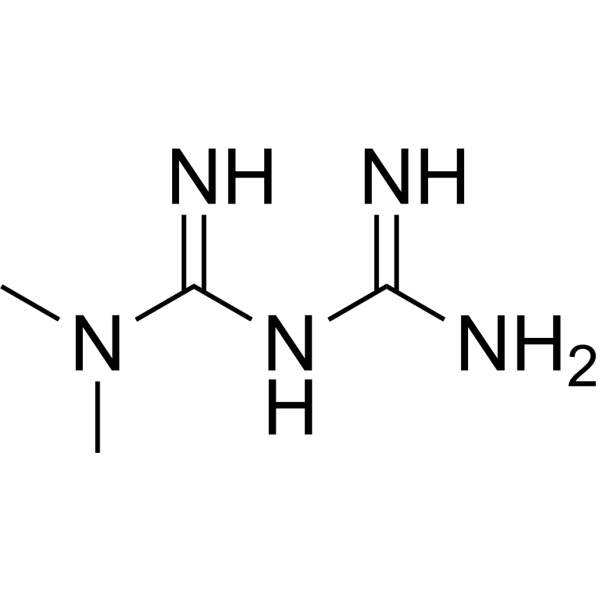
  • HY-B0627
    Metformin
    Maximum Cited Publications
    196 Publications Verification

    1,1-Dimethylbiguanide

    AMPK Autophagy Mitophagy Apoptosis mTOR Cardiovascular Disease Infection Neurological Disease Metabolic Disease Inflammation/Immunology Cancer
    Metformin (1,1-Dimethylbiguanide) inhibits the mitochondrial respiratory chain in the liver, leading to AMPK activation and enhancing insulin sensitivity, and can be used in the study of type 2 diabetes. Metformin exerts central glucose-lowering effects by inhibiting Ras-related protein 1 (Rap1) in SF1 hypothalamic neurons. Metformin also inhibits liver oxidative stress, nitrosative stress, inflammation, and apoptosis caused by liver ischemia/reperfusion injury. In addition, Metformin regulates the expression of autophagy-related proteins by activating AMPK and inhibiting the mTOR signaling pathway, thereby inducing tumor cell autophagy and inhibiting the growth of renal cell carcinoma in vitro and in vivo .
    Metformin
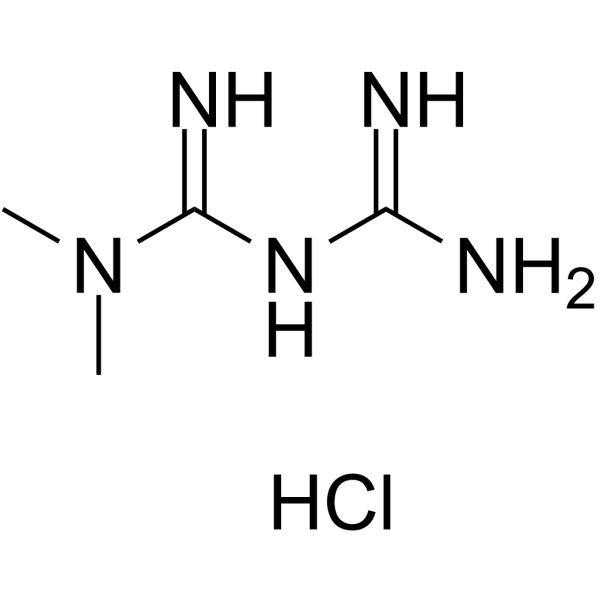
  • HY-17471A
    Metformin hydrochloride
    Maximum Cited Publications
    196 Publications Verification

    1,1-Dimethylbiguanide hydrochloride

    AMPK Autophagy Mitophagy Apoptosis mTOR Cardiovascular Disease Infection Neurological Disease Metabolic Disease Inflammation/Immunology Cancer
    Metformin (1,1-Dimethylbiguanide) hydrochloride inhibits the mitochondrial respiratory chain in the liver, leading to AMPK activation and enhancing insulin sensitivity, and can be used in the study of type 2 diabetes. Metformin hydrochloride exerts central glucose-lowering effects by inhibiting Ras-related protein 1 (Rap1) in SF1 hypothalamic neurons. Metformin hydrochloride also inhibits liver oxidative stress, nitrosative stress, inflammation, and apoptosis caused by liver ischemia/reperfusion injury. In addition, Metformin hydrochloride regulates the expression of autophagy-related proteins by activating AMPK and inhibiting the mTOR signaling pathway, thereby inducing tumor cell autophagy and inhibiting the growth of renal cell carcinoma in vitro and in vivo .
    Metformin hydrochloride
  • HY-N0457
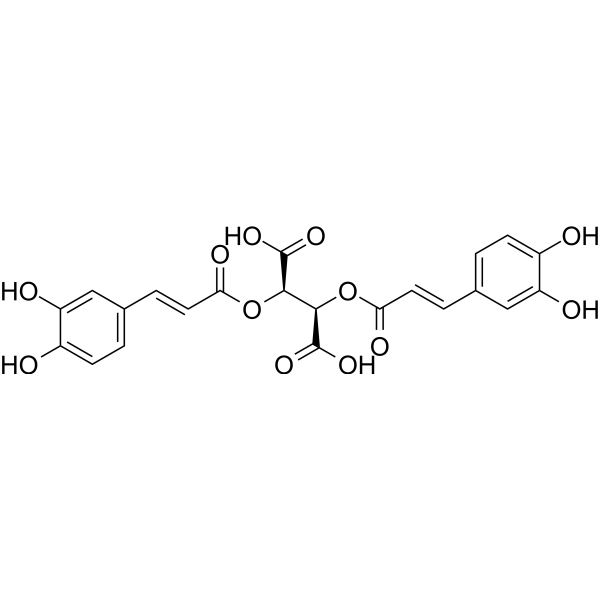
    Chicoric acid
    2 Publications Verification

    Cichoric acid; Dicaffeoyltartaric acid

    Reactive Oxygen Species (ROS) Apoptosis Metabolic Disease Inflammation/Immunology
    Chicoric acid (Cichoric acid), an orally active dicaffeyltartaric acid, induces reactive oxygen species (ROS) generation. Chicoric acid inhibits cell viability and induces mitochondria-dependent apoptosis in 3T3-L1 preadipocytes through ROS-mediated PI3K/Akt and MAPK signaling pathways. Chicoric acid increases glucose uptake, improves insulin resistance, and attenuates glucosamine-induced inflammation. Chicoric acid has antidiabetic properties and antioxidant, anti-inflammatory effects .
    Chicoric acid
  • HY-112537
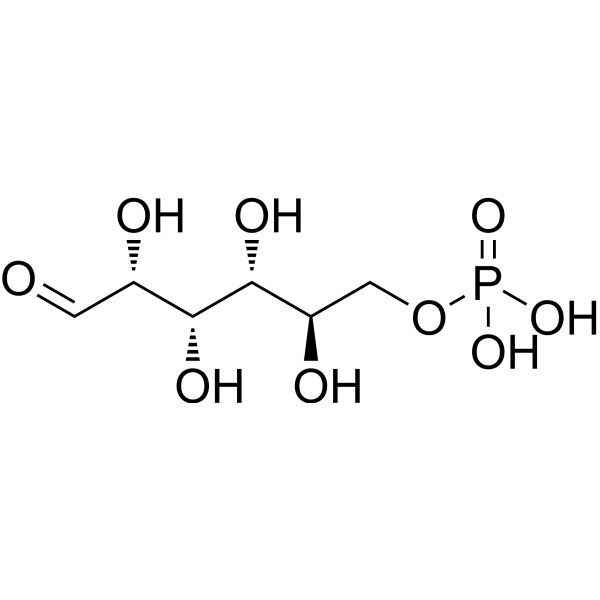
    D-Glucose 6-phosphate
    4 Publications Verification

    Endogenous Metabolite mTOR Cardiovascular Disease Metabolic Disease
    D-Glucose 6-phosphate is a key central node metabolite in glucose metabolism. It serves as the initiating metabolite for glycolysis and the pentose phosphate pathway, as well as a substrate for glycogen synthesis. D-Glucose 6-phosphate acts as a metabolic stress signal, which activates the mTOR pathway to promote protein synthesis, especially when phosphoglucose isomerase (PGI) is inhibited, thereby participating in cardiac remodeling processes. D-Glucose 6-phosphate can be used in research related to non-insulin-dependent diabetes mellitus and heart failure .
    D-Glucose 6-phosphate
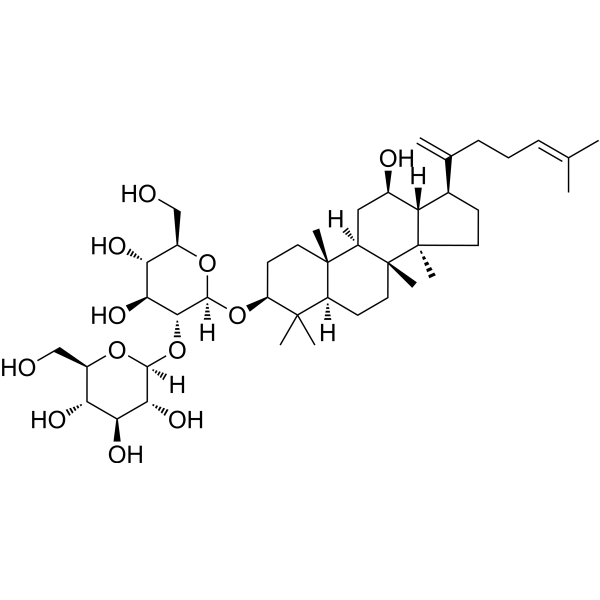
  • HY-N2515
    Ginsenoside Rk1
    Maximum Cited Publications
    9 Publications Verification

    NF-κB PI3K JAK Apoptosis Inflammation/Immunology Cancer
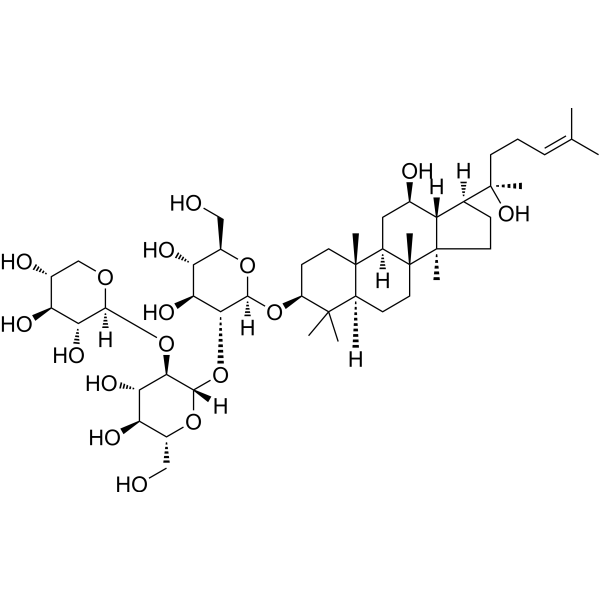
    Ginsenoside Rk1 is a unique component created by processing the ginseng plant (mainly Sung Ginseng, SG) at high temperatures . Ginsenoside Rk1 has anti-inflammatory effect, suppresses the activation of Jak2/Stat3 signaling pathway and NF-κB . Ginsenoside Rk1 has anti-tumor effect, antiplatelet aggregation activities, anti-insulin resistance, nephroprotective effect, antimicrobial effect, cognitive function enhancement, lipid accumulation reduction and prevents osteoporosis . Ginsenoside Rk1 induces cell apoptosis by triggering intracellular reactive oxygen species (ROS) generation and blocking PI3K/Akt pathway .
    Ginsenoside Rk1
  • HY-W012722
    4-Methyl-2-oxopentanoic acid
    1 Publications Verification

    α-Ketoisocaproic acid

    Endogenous Metabolite Autophagy mTOR SOD Neurological Disease Metabolic Disease
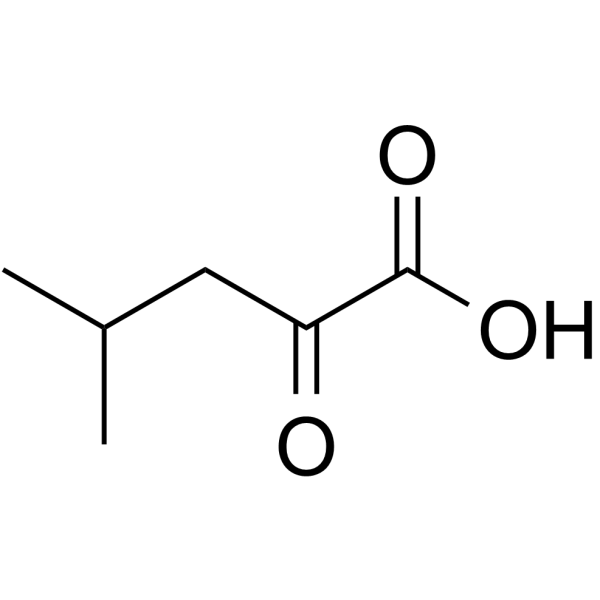
    4-Methyl-2-oxopentanoic acid (α-Ketoisocaproic acid) is a metabolite of L-leucine and is involved in energy metabolism. 4-Methyl-2-oxopentanoic acid increases endoplasmic reticulum stress, promotes lipid accumulation in preadipocytes and insulin resistance by impairing mTOR and autophagy signaling pathways. 4-Methyl-2-oxopentanoic acid also causes oxidative damage, leading to cognitive deficits, inhibits α-ketoglutarate dehydrogenase activity, acts as an oxidative phosphorylation uncoupler and metabolic inhibitor. 4-Methyl-2-oxopentanoic acid acts as a nutrient signal and stimulates skeletal muscle protein synthesis. 4-Methyl-2-oxopentanoic acid can be used in the study of maple syrup urine disease .
    4-Methyl-2-oxopentanoic acid
  • HY-N9933
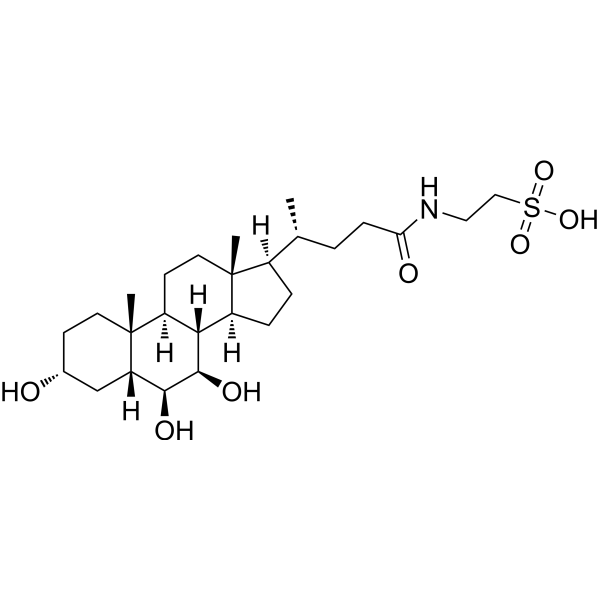
    Tauro-β-muricholic acid
    4 Publications Verification

    TβMCA

    FXR Apoptosis Neurological Disease Metabolic Disease Inflammation/Immunology Cancer
    Tauro-β-muricholic acid (TβMCA) is an orally active trihydroxylated bile acid and a competitive, reversible FXR antagonist (IC50=40 μM). Tauro-β-muricholic acid inhibits bile acid-induced hepatocyte apoptosis by maintaining mitochondrial membrane potential, while simultaneously inhibiting intestinal FXR signaling, affecting bile acid synthesis, hepatic lipid metabolism, and insulin sensitivity. Accumulation of tauro-β-muricholic acid disrupts metabolic homeostasis, promoting cancer stem cell proliferation and tumor progression. The mechanisms of tauro-β-muricholic acid involve two aspects: first, inhibiting the translocation of the pro-apoptotic protein Bax to mitochondria and maintaining mitochondrial membrane potential (MMP); and second, blocking the FXR signaling pathway to regulate bile acid metabolism, reduce serum ceramide production, and downregulate the hepatic SREBP1C/CIDEA pathway. Tauro-β-muricholic acid possesses anti-hepatocyte apoptosis, bile acid homeostasis regulation, and liver fat accumulation reduction properties, and also functions as a biomarker, making it useful in the study of diseases such as bile acid metabolism disorders, non-alcoholic fatty liver disease, colorectal cancer, and liver fibrosis .
    Tauro-β-muricholic acid
  • HY-160734

    GSBR-1290

    GLP Receptor Metabolic Disease
    Aleniglipron (GSBR-1290) is an orally active glucagon-like peptide-1 receptor (GLP-1R) agonist, with an EC50 value of less than 0.1 nM in HDB cell lines in cAMP stimulation assays. Aleniglipron selectively activates the Gαs-cAMP signaling pathway of GLP-1R without β-arrestin recruitment. Aleniglipron induces insulin release, promotes glucose clearance, reduces food intake and decreases body weight. Aleniglipron is applicable to research related to type 2 diabetes and obesity .
    Aleniglipron
  • HY-N2593
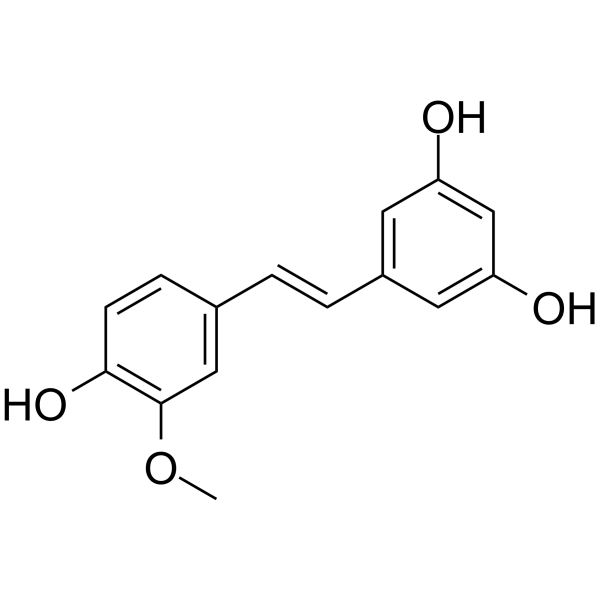
    Isorhapontigenin
    4 Publications Verification

    Carnitine Palmitoyltransferase (CPT) Reactive Oxygen Species (ROS) Autophagy Apoptosis NF-κB PI3K Akt MMP Keap1-Nrf2 Metabolic Disease Inflammation/Immunology Cancer
    Isorhapontigenin is an orally active dietary polyphenol. Isorhapontigenin acts as a potent antioxidant that reduces the production of reactive oxygen species (ROS). Isorhapontigenin promotes the binding of JUN to the AP-1 site on the SESN2 promoter, induces SESN2 transcription, triggers MAPK8-dependent JUN activation, and upregulates the expression of PPAR-α, PGC-1α and CPT-1A to facilitate fatty acid oxidation. Isorhapontigenin induces autophagy, apoptosis and preadipocyte differentiation; it inhibits tumor growth, cell invasion, NF-κB transcriptional activity, the PI3K/Akt signaling pathway, STAT1 phosphorylation and MMP-2 expression. Isorhapontigenin alleviates oxidative stress, inflammatory cytokine release and triglyceride accumulation; it increases intracellular ATP levels and promotes Nrf2 nuclear translocation. Isorhapontigenin improves insulin sensitivity in adipose tissue and glucose tolerance, and reduces postprandial blood glucose, insulin and free fatty acid levels. Isorhapontigenin is applicable to research on bladder cancer, liver injury, chronic obstructive pulmonary disease, acute lung injury and type 2 diabetes .
    Isorhapontigenin
  • HY-125848

    Apoptosis AMPK PPAR p38 MAPK PI3K Akt GSK-3 Reactive Oxygen Species (ROS) SOD Caspase Neurological Disease Metabolic Disease Inflammation/Immunology Cancer
    Ginsenoside F2 is an orally active bioactive compound that participates in the regulation of metabolism and inflammation. Ginsenoside F2 promotes the phosphorylation of AMPK and ACC, binds to PPARγ, inhibits the phosphorylation of MAPK, activates the PI3K/AKT/GSK-3β pathway, reduces GLRX expression, and regulates lipid metabolism. Ginsenoside F2 reduces ROS production and MDA levels, restores SOD activity in cells, and alleviates oxidative stress. Ginsenoside F2 induces cell apoptosis (Apoptosis) and increases the number of cleaved caspase-3-positive cells. Ginsenoside F2 reduces body weight gain, adipose tissue weight and serum lipid levels in obese mice, and activates the hepatic AMPK signaling pathway and the expression of antioxidant enzymes. Ginsenoside F2 alleviates atopic dermatitis in mice by inhibiting inflammation and reshaping the gut microbiota . Ginsenoside F2 is applicable to research related to insulin resistance, obesity, atopic dermatitis, liver cancer, glioblastoma and glioma .
    Ginsenoside F2
  • HY-18686
    AS1949490
    1 Publications Verification

    Phosphatase Akt Metabolic Disease
    AS1949490 is a potent, orally active, selective SHIP2 phosphatase inhibitor with IC50 values of 0.34, 0.62, 13, >50, >50, and >50 µM for Mouse SHIP2, Human SHIP2, Human SHIP1, Human PTEN, Human synaptojanin, and Human myotubularin, respectively. AS1949490 increases the phosphorylation of Akt, glucose consumption and glucose uptake. AS1949490 activates intracellular insulin signalling pathways. AS1949490 can be used for research of diabetes .
    AS1949490
  • HY-77813

    Bacterial Apoptosis Antibiotic Parasite Autophagy Reactive Oxygen Species (ROS) Infection Endocrinology Cancer
    Benzyl isothiocyanate is an orally available isothiocyanate with bactericidal, anticancer, antiangiogenic and anthelmintic activities. Benzyl isothiocyanate exerts anticancer functions by regulating multiple signaling pathways, including apoptosis, cell proliferation, cell cycle arrest, metastasis, angiogenesis, and autophagy. In addition, Benzyl isothiocyanate can enhance muscle insulin sensitivity to improve obesity-induced hyperglycemia .
    Benzyl isothiocyanate
  • HY-110228

    1,1-Dimethylbiguanide-d6 hydrochloride

    Isotope-Labeled Compounds AMPK Autophagy Mitophagy Apoptosis mTOR Cardiovascular Disease Metabolic Disease
    Metformin-d6 hydrochloride is a deuterium labeled Metformin hydrochloride. Metformin hydrochloride inhibits the mitochondrial respiratory chain in the liver, leading to AMPK activation and enhancing insulin sensitivity, and can be used in the study of type 2 diabetes. Metformin hydrochloride also inhibits liver oxidative stress, nitrosative stress, inflammation, and apoptosis caused by liver ischemia/reperfusion injury. In addition, metformin hydrochloride regulates the expression of autophagy-related proteins by activating AMPK and inhibiting the mTOR signaling pathway, thereby inducing tumor cell autophagy and inhibiting the growth of renal cell carcinoma in vitro and in vivo .
    Metformin-d6 hydrochloride
  • HY-N0466

    Glycosidase HMG-CoA Reductase (HMGCR) Fatty Acid Synthase (FASN) LDLR Others
    Rebaudioside A is an orally effective steviol glycoside with high sweetness. Rebaudioside A acts as an inhibitor of α-glucosidase with an IC50 value of 35.01 μg/mL. Rebaudioside A increases the ATP/ADP ratio in β cells in a glucose-dependent manner, thereby inhibiting KATP channels, leading to membrane depolarization, calcium influx, and ultimately stimulating insulin secretion. Rebaudioside A activates the SREBP signaling pathway by inhibiting HMGCR, the rate-limiting enzyme in cholesterol synthesis, resulting in increased expression of LDLR on the cell surface, thus promoting the uptake of LDL-C in the blood. Rebaudioside A can be used for studies on blood glucose and lipid regulation as well as anti-obesity .
    Rebaudioside A
  • HY-143712
    Allolithocholic acid
    1 Publications Verification

    Drug Metabolite G protein-coupled Bile Acid Receptor 1 ROR Metabolic Disease Inflammation/Immunology Cancer
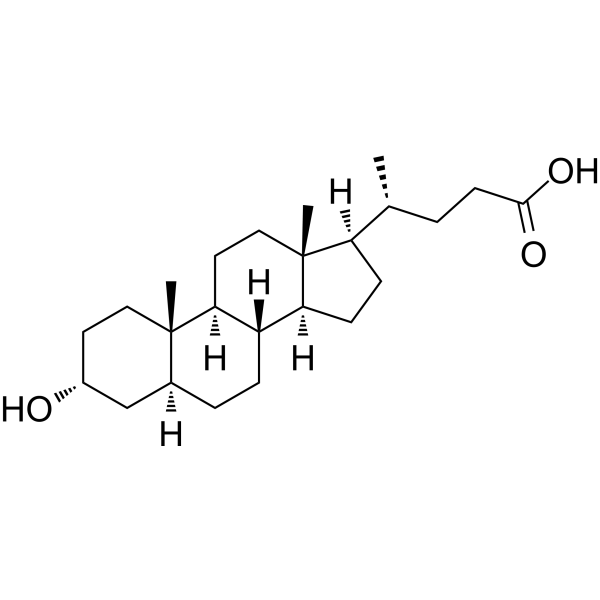
    Allolithocholic acid is an orally active metabolite of Lithocholic acid (HY-B0172). Allolithocholic acid is a dual GPBAR1 agonist (EC50 = 2.7 μM) and RORγt inverse agonist (IC50 = 3.4 μM). Allolithocholic acid modulates immune and metabolic pathways, regulates immune cell polarization, prevents M1 macrophage and Th17 CD4 cell polarization. Allolithocholic acid improves insulin sensitivity, reduces liver lipid accumulation, reverses liver immunological, inflammatory and metabolic signaling dysregulation, restores bile acid homeostasis, adipose tissue histopathology/function, and intestinal microbiota composition, modulates intestinal immunity. Allolithocholic acid can be used for the researches of cancer, inflammayion, immunology and metabolic disease .
    Allolithocholic acid
  • HY-N2468

    1,4-β-D-Xylobiose; 1,4-D-Xylobiose

    TNF Receptor Claudin HSP Metabolic Disease Inflammation/Immunology
    Xylobiose (1,4-β-D-Xylobiose; 1,4-D-Xylobiose) is an orally active Claudin 2/CLDN2 inhibitor and HSP27 inducer. Xylobiose works by regulating intestinal barrier function and glucose and lipid metabolism-related signaling pathways. Xylobiose inhibits CLDN2 expression to reduce intestinal permeability, induces HSP27 to enhance cell protection, and regulates the miR-122a/miR-33a axis to inhibit liver lipid synthesis and improve insulin resistance. Xylobiose can strengthen intestinal barrier integrity, reduce blood sugar and blood lipid levels, and reduce oxidative stress and inflammatory response. Xylobiose can be used in the study of type 2 diabetes and metabolic syndrome .
    Xylobiose
  • HY-109556

    Akt ERK Metabolic Disease
    Insulin Detemir is an artificial insulin, shows effect on controlling blood sugar levels. Insulin Detemir stimulates GLP-1 secretion as a consequence of enhanced Gcg expression by a mechanism involving activation of Akt- and/or extracellular signal-regulated kinase (ERK)-dependent-cat and CREB signaling pathways. Insulin Detemir can be used for type 2 diabetes research .
    Insulin Detemir
  • HY-N0628
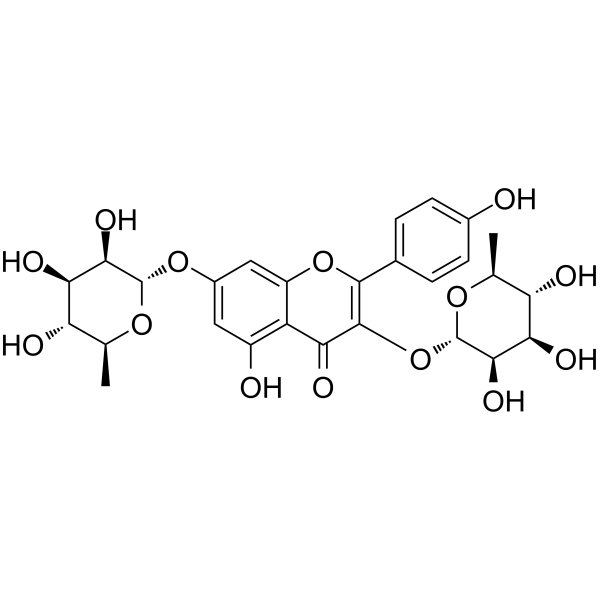
    Kaempferitrin
    5 Publications Verification

    Lespedin; Lespenephryl

    Insulin Receptor Metabolic Disease Endocrinology Cancer
    Kaempferitrin is a natural flavonoid, possesses antinociceptive, anti-inflammatory, anti-diabetic, antitumoral and chemopreventive effects, and activates insulin signaling pathway.
    Kaempferitrin
  • HY-N1419
    Vaccarin
    1 Publications Verification

    AMPK Akt ERK p38 MAPK NF-κB Nuclear Factor of activated T Cells (NFAT) JNK Cardiovascular Disease Metabolic Disease
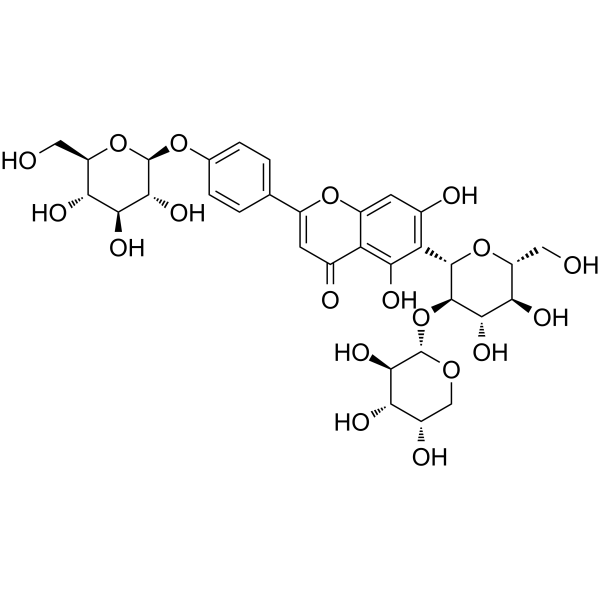
    Vaccarin is an orally active flavonoid glycoside with multiple biological functions. Vaccarin promotes neovascularization by activating AKT and ERK. Vaccarin activates the AMPK signaling pathway to improve insulin resistance and steatosis. Vaccarin is a MAPK, NF-κB, and NFAT inhibitor, effectively blocking RANKL-induced osteoclastogenesis .
    Vaccarin
  • HY-124418
    SBI-477
    1 Publications Verification

    Fluorescent Dye Insulin Receptor LXR Arrestin Metabolic Disease
    SBI-477 is a chemical probe that stimulates insulin signaling by deactivating the transcription factor MondoA. SBI-477 can lead to reduced expression of the insulin pathway suppressors thioredoxin-interacting protein (TXNIP) and arrestin domain-containing 4 (ARRDC4). SBI-477 coordinately inhibits triacylglyceride (TAG) synthesis and enhances basal glucose uptake in human skeletal myocytes .
    SBI-477
  • HY-134353B

    Adenosine 5'-β-thiodiphosphate trilithium

    P2Y Receptor NF-κB Interleukin Related Caspase Neurological Disease Inflammation/Immunology Cancer
    ADP-β-S (Adenosine 5'-(β-thiodiphosphate)) trilithium is a non-hydrolyzable ADP analog and a P2Y12 receptor agonist. ADP-β-S trilithium activates the P2Y12 receptor in microglia, thereby triggering downstream inflammatory signaling pathways. ADP-β-S trilithium activates P2Y purinergic receptors in rat pancreatic β cells and enhances glucose-induced insulin secretion. ADP-β-S trilithium can be used in the research of diseases such as inflammation and diabetes .
    ADP-β-S trilithium
  • HY-107586

    DAQ B1; L-783281; Dimethylasterriquinone

    Insulin Receptor Akt NO Synthase NADPH Oxidase JAK STAT FOXO DNA/RNA Synthesis ERK Flavivirus Cardiovascular Disease Infection Metabolic Disease Inflammation/Immunology
    Demethylasterriquinone B1 (DAQ B1; L-783281) is an orally active insulin receptor (insulin receptor) agonist and AKT activator. By activating AKT, Demethylasterriquinone B1 upregulates the expression and activity of eNOS to increase NO production, while downregulating the expression of the NADPH oxidase subunit p22phox to reduce oxidative stress and improve vascular endothelial dysfunction in hypertensive rats. Demethylasterriquinone B1 combind with an AKT inhibitor targets the insulin signaling pathway to activate two antiviral pathways, RNA interference and JAK/STAT, in mosquitoes, thereby reducing Zika virus infection .
    Demethylasterriquinone B1
  • HY-112537S1

    Isotope-Labeled Compounds Endogenous Metabolite mTOR Cardiovascular Disease Metabolic Disease
    D-Glucose 6-Phosphate- 13C6 disodium xhydrate is a 13C-labeled D-Glucose 6-phosphate disodium xhydrate. D-Glucose 6-phosphate disodium xhydrate is a key central node metabolite in sugar metabolism, serving as the initial metabolite of glycolysis and pentose phosphate pathway, and also a substrate for glycogen synthesis. D-Glucose 6-phosphate disodium xhydrate can act as a metabolic stress signal, especially when phosphoglucomutase (PGI) is inhibited, activating the mTOR pathway, promoting protein synthesis, and thereby participating in the remodeling process of the heart. D-Glucose 6-phosphate disodium xhydrate can be used in research related to non-insulin-dependent diabetes and heart failure.
    D-Glucose 6-Phosphate-13C6 (disodium xhydrate)
  • HY-110079

    IPK Superfamily Cancer
    TNP is a competitive, reversible inhibitor of IP6K1 and IP3K, with IC50s of 0.55 μM and 10.2 μM for IP6K1 and IP3K, respectively. TNP competitively binds to the ATP binding site of IP6K, inhibits the generation of 5-IP7, and thus relieves the inhibition of 5-IP7 on the AKT signaling pathway. TNP can enhance insulin sensitivity and promote thermogenesis in adipose tissue. TNP cannot effectively pass through the blood-brain barrier and is mainly used in the study of obesity, type 2 diabetes, and metabolic syndrome. However, TNP also inhibits CYP3A4 and may need further optimization[1][2][3].
    TNP
  • HY-17471AR

    1,1-Dimethylbiguanide hydrochloride (Standard)

    Reference Standards AMPK Autophagy Mitophagy Apoptosis mTOR Cardiovascular Disease Metabolic Disease Cancer
    Metformin hydrochloride (Standard) is the analytical standard of Metformin hydrochloride (HY-17471A). This product is intended for research and analytical applications. Metformin (1,1-Dimethylbiguanide) hydrochloride inhibits the mitochondrial respiratory chain in the liver, leading to AMPK activation and enhancing insulin sensitivity, and can be used in the study of type 2 diabetes. Metformin hydrochloride exerts central glucose-lowering effects by inhibiting Ras-related protein 1 (Rap1) in SF1 hypothalamic neurons. Metformin hydrochloride also inhibits liver oxidative stress, nitrosative stress, inflammation, and apoptosis caused by liver ischemia/reperfusion injury. In addition, Metformin hydrochloride regulates the expression of autophagy-related proteins by activating AMPK and inhibiting the mTOR signaling pathway, thereby inducing tumor cell autophagy and inhibiting the growth of renal cell carcinoma in vitro and in vivo .
    Metformin hydrochloride (Standard)
  • HY-121006

    Mitochondrial Metabolism AMPK Insulin Receptor Metabolic Disease Cancer
    Biguanide is an orally active antihyperglycemic agent. Biguanide inhibits mitochondrial ATP production, activates the LKB1-AMPK signaling pathway, and damages the energy homeostasis. Biguanide enhances insulin-receptor activation and downstream signaling. Biguanide exhibits potential in ameliorating the type 2 diabetes and the insulin-associated cancers.
    Biguanide
  • HY-135700

    Calcineurin Ras HMG-CoA Reductase (HMGCR) Metabolic Disease Inflammation/Immunology
    Mevalonolactone is an intermediate metabolite in the eukaryotic mevalonate pathway, serving as the stable δ-lactone form of mevalonate with oral activity. Mevalonolactone exhibits binding affinity for ZNF384 (Ka = 12.6 μM) and inhibitory activity against aconitase (aconitase). Mevalonolactone promotes the nuclear localization of ZNF384 and enhances its binding to the GGPPS promoter. Mevalonolactone induces insulin resistance, disrupts glucose and lipid metabolism, enhances the isoprenylation of K-Ras, and inhibits the activation of the insulin signaling pathway. Mevalonolactone inhibits polypeptide synthesis of HMG-CoA reductase in isolated rat hepatocytes, promotes its degradation, and reduces its enzymatic activity. Mevalonolactone impairs mitochondrial function in rat brains. Mevalonolactone promotes the development of metabolically unhealthy obesity. Mevalonolactone can be used in research related to metabolically abnormal obesity, mevalonic aciduria, HMGCR-related limb-girdle myopathy, and statin-induced myopathy .
    Mevalonolactone
  • HY-19870C
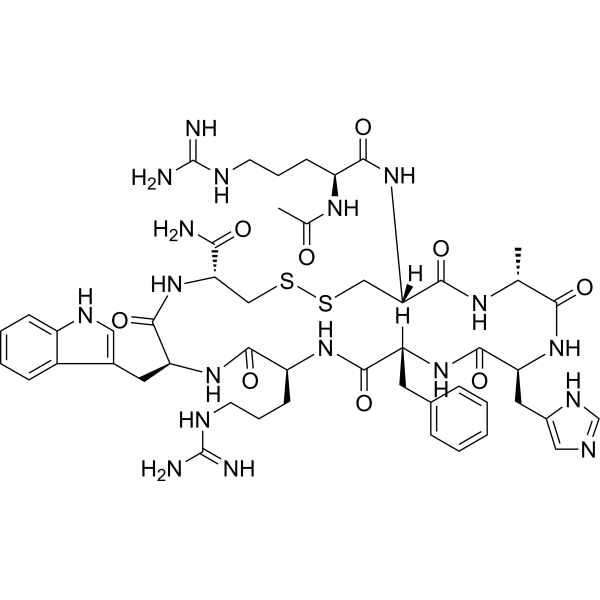
    Setmelanotide monoacetate
    5+ Cited Publications

    RM-493 monoacetate; BIM-22493 monoacetate; IRC-022493 monoacetate

    Melanocortin Receptor Calmodulin AMPK Cardiovascular Disease Metabolic Disease Inflammation/Immunology
    Setmelanotide monoacetate (RM-493 monoacetate) is a blood-brain barrier-permeable, selective MC4R agonist with a Ki value of 2.1 nM for hMC4R. Setmelanotide monoacetate activates the CaMKK2/AMPK signaling pathway. Setmelanotide monoacetate mediates body weight homeostasis, feeding regulation and energy expenditure modulation; it reduces food intake, induces weight loss, decreases obesity severity, increases daytime activity and energy expenditure, lowers levels of leptin, triglycerides, fasting insulin and diastolic blood pressure, improves insulin sensitivity, glucose tolerance and fatty liver condition, and reverses respiratory depression. Setmelanotide monoacetate is applicable to research related to obesity, hyperinsulinemia, fatty liver and respiratory depression .
    Setmelanotide monoacetate
  • HY-N7676
    Marein
    3 Publications Verification

    AMPK HDAC Cardiovascular Disease Neurological Disease Metabolic Disease
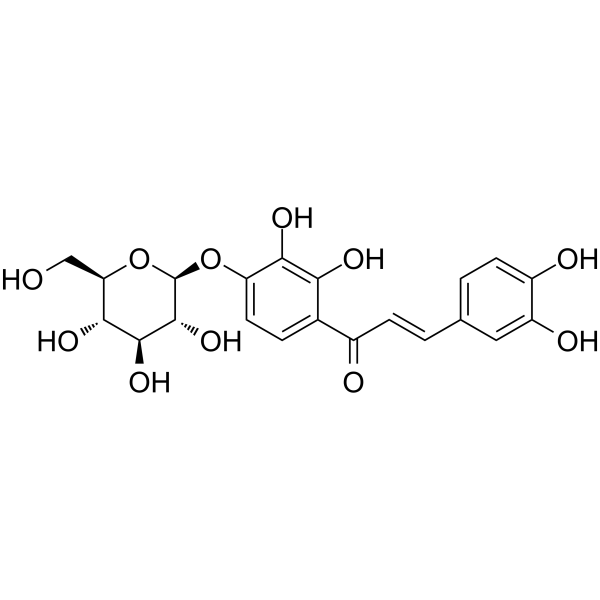
    Marein has the neuroprotective effect due to a reduction of damage to mitochondria function and activation of the AMPK signal pathway. Marein improves insulin resistance induced by high glucose in HepG2 cells through CaMKK/AMPK/GLUT1 to promote glucose uptake, through IRS/Akt/GSK-3β to increase glycogen synthesis, and through Akt/FoxO1 to decrease gluconeogenesis. Marein is a HDAC inhibitor with an IC50 of 100 μM. Marein has beneficial antioxidative, antihypertensive, antihyperlipidemic and antidiabetic effects .
    Marein
  • HY-N0910
    Notoginsenoside Ft1
    1 Publications Verification

    PI3K mTOR Akt Apoptosis p38 MAPK ERK Transmembrane Glycoprotein Glutathione Reductase (GR) Estrogen Receptor/ERR Calcium Channel Ferroptosis G protein-coupled Bile Acid Receptor 1 FXR Cardiovascular Disease Neurological Disease Metabolic Disease Inflammation/Immunology Cancer
    Notoginsenoside Ft1 is an orally active bioactive saponin. Notoginsenoside Ft1 inhibits the PI3K/AKT/mTOR signaling pathway, activates the p38 MAPK and ERK1/2 signaling pathways, and increases the proportion of CD8 + T cells, thereby inducing apoptosis and lysosomal cell death in various cancer cells, and promoting angiogenesis. Notoginsenoside Ft1 causes vasodilation by activating glucocorticoid receptors (GR) and estrogen receptor beta (ERβ) in endothelial cells. Notoginsenoside Ft1 increases intracellular Ca 2+ accumulation, reduces cAMP levels by activating a signaling network mediated through P2Y12 receptors, and promotes platelet aggregation, thereby exerting a procoagulant effect. Notoginsenoside Ft1 inhibits ferroptosis (ferroptosis) in renal tubular epithelial cells by activating the TGR5 receptor, thereby demonstrating a renal protective effect. Notoginsenoside Ft1 acts as a TGR5 agonist and an FXR antagonist to combat obesity and insulin resistance .
    Notoginsenoside Ft1
  • HY-N5027
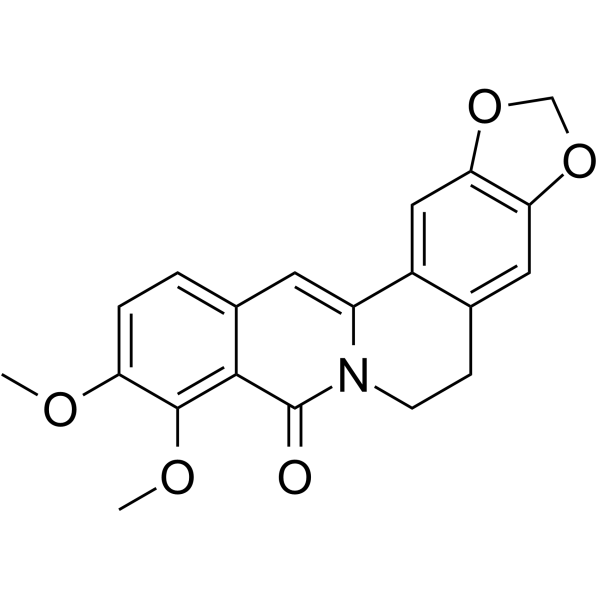
    Oxyberberine
    2 Publications Verification

    Oxyberberin; Berlambine; 8-Oxoberberine

    Others Infection Neurological Disease Inflammation/Immunology
    Oxyberberine (Oxyberberin; Berlambine) is an orally effective heme oxygenase HO-1 agonist that can activate antioxidant mechanisms by regulating the PI3K/Akt/AMPK signaling pathway. Oxyberberine induces HO-1 expression, increases SOD and GSH-Px activity, inhibits NF-κB-mediated inflammatory responses, and improves insulin sensitivity and glucose metabolism. Oxyberberine has anti-diabetic, neuroprotective, anti-inflammatory and antioxidant effects, and can be used to study type 2 diabetes, traumatic brain injury (TBI) and inflammatory bowel disease .
    Oxyberberine
  • HY-N3225

    NAMPT Sirtuin Microtubule/Tubulin Apoptosis Autophagy PDGFR NF-κB AMPK Cardiovascular Disease Neurological Disease Metabolic Disease Inflammation/Immunology Cancer
    Myricanol is a diarylheptanoid and a Nampt activator. Myricanol exerts anti-inflammatory effects and alleviates glucocorticoid-induced muscle atrophy by increasing Sirtuin 1 (SIRT1) and PRDX5 activities while regulating inflammatory factors. Myricanol exhibits growth inhibition and induces apoptosis in human lung adenocarcinoma A549 cells. Myricanol promotes autophagy-mediated clearance of microtubule-associated protein tau to exert neuroprotective effects. Myricanol protects cardiovascular function by inhibiting PDGFRβ and NF-κB signaling pathways. Myricanol activates mitochondrial transcription factor A (TFAM) expression to exert anti-renal fibrosis effects. Myricanol improves insulin resistance through AMPK activation .
    Myricanol
  • HY-112411

    EGFR ERK PDGFR FGFR Neurological Disease Inflammation/Immunology
    PD 174265 is a highly selective, reversible EGFR/ErbB2 tyrosine kinase inhibitor (IC50=0.45 nM) and cell differentiation inducer. By blocking receptor autophosphorylation and the downstream ERK signaling pathway (with an IC50 of 0.45 μM for full-length ERK), PD 174265 effectively inhibits tumor growth and exhibits antitumor activity without obvious toxicity in in vivo models. PD 174265 drives oligodendrocyte precursor cells to switch from a proliferative state to a differentiated state, significantly upregulates the expression of myelin proteins such as CNP, PLP and MBP, and induces neurite branching. PD 174265 shows no inhibitory effect on other kinases including insulin, PDGF and basic FGF receptors, and serves as a crucial tool molecule for investigating the treatment of human epidermoid carcinoma and the mechanism of myelin repair in multiple sclerosis .
    PD 174265
  • HY-N12445
    Quercetin-3'-O-glucoside
    1 Publications Verification

    Topoisomerase Caspase Apoptosis SOD Metabolic Disease Inflammation/Immunology Cancer
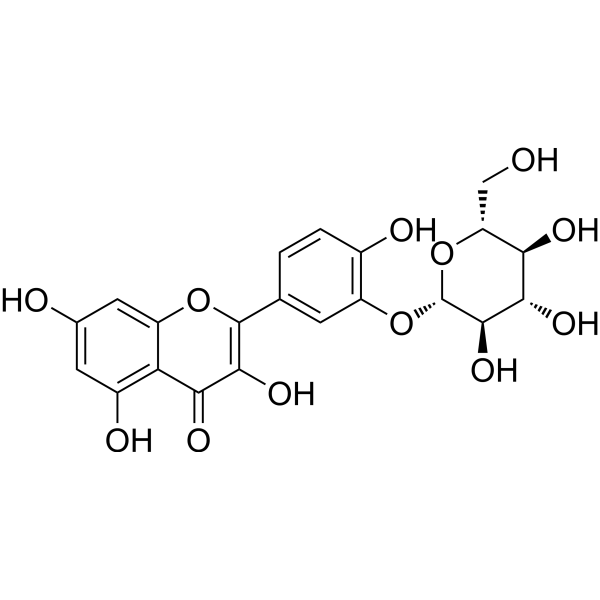
    Quercetin-3'-O-glucoside is an orally active flavonoid glycoside. Quercetin-3'-O-glucoside reduces liver glucose-6-phosphatase activity, alters serum insulin and glucose levels, and regulates the activities of antioxidant enzymes in the liver and kidney. Quercetin-3'-O-glucoside inhibits DNA topoisomerase II, induces S-phase cell cycle arrest and caspase-3-mediated apoptosis in hepatocellular carcinoma cells. Quercetin-3'-O-glucoside selectively inhibits EGFR-mediated signaling pathways targeting AKT, ERK1/2, FAK and MEK1/2. Quercetin-3'-O-glucoside inhibits growth factor-induced migration and invasion in pancreatic cancer cells. Quercetin-3'-O-glucoside exerts free radical scavenging effects. Quercetin-3'-O-glucoside is applicable to research related to pancreatic cancer, diabetes, hepatocellular carcinoma and malignant tumors .
    Quercetin-3'-O-glucoside
  • HY-107544

    PKA Metabolic Disease
    8-pCPT-2'-O-Me-cAMP-AM is a cyclic AMP analogue, selectively activates Epac-Rap signaling pathway. 8-pCPT-2'-O-Me-cAMP-AM protects renal function by activating Epac from ischemia injury. 8-pCPT-2'-O-Me-cAMP-AM also stimulates insulin secretion by interaction with PKA pathway .
    8-pCPT-2'-O-Me-cAMP-AM
  • HY-N0857
    Deoxyandrographolide
    1 Publications Verification

    GLUT HDAC Virus Protease PI3K AMPK Akt Histone Demethylase MDM-2/p53 IFNAR Reactive Oxygen Species (ROS) Infection Metabolic Disease Inflammation/Immunology
    Deoxyandrographolide is an orally active lactone found in the Andrographis paniculata Nees. Deoxyandrographolide shows a KD of 38.4 μM of HDAC1. Deoxyandrographolide enhances GLUT4 plasma membrane translocation, activates PI3K and AMPK-dependent signaling pathways, suppresses fasting blood glucose, serum insulin, triglycerides, and LDL-cholesterol levels. Deoxyandrographolide enhances HDAC1 expression via inhibited ubiquitination degradation, represses H3K4me3, improves chromosome stability, and restrains aging biomarkers p16, p21, γH2A.X, p53 and ROS production. Deoxyandrographolide interacts with Foot-and-Mouth Disease Virus 3Cpro active site, inhibits protease and IFN-antagonist activity, derepresses ISG expression, and inhibits viral replication. Deoxyandrographolide can be used for the researches of type 2 diabetes mellitus, vascular senescence and virus infection .
    Deoxyandrographolide
  • HY-B0627S

    1,1-Dimethylbiguanide-d6

    Isotope-Labeled Compounds AMPK Autophagy Mitophagy Apoptosis mTOR Cardiovascular Disease Cancer
    Metformin-d6 (1,1-Dimethylbiguanide-d6) is a deuterated labeled Metformin (HY-B0627). Metformin (1,1-Dimethylbiguanide) inhibits the mitochondrial respiratory chain in the liver, leading to AMPK activation and enhancing insulin sensitivity, and can be used in the study of type 2 diabetes. Metformin exerts central glucose-lowering effects by inhibiting Ras-related protein 1 (Rap1) in SF1 hypothalamic neurons. Metformin also inhibits liver oxidative stress, nitrosative stress, inflammation, and apoptosis caused by liver ischemia/reperfusion injury. In addition, Metformin regulates the expression of autophagy-related proteins by activating AMPK and inhibiting the mTOR signaling pathway, thereby inducing tumor cell autophagy and inhibiting the growth of renal cell carcinoma in vitro and in vivo .
    Metformin-d6
  • HY-N2421
    Sequoyitol
    1 Publications Verification

    5-O-Methyl-myo-inositol

    NF-κB TGF-β Receptor Reactive Oxygen Species (ROS) Insulin Receptor Akt Parasite Infection Metabolic Disease Endocrinology
    Sequoyitol (5-O-Methyl-myo-inositol) is an orally active hypoglycemic agent and antioxidant. Sequoyitol can be isolated from herbaceous plants. Sequoyitol downregulates the expression of NF-κB and TGF-β1, reduces ROS production and malondialdehyde levels, and enhances total antioxidant capacity. Sequoyitol activates the insulin signaling pathway, including the phosphorylation of IR, IRS1 and Akt. Sequoyitol increases serum insulin levels, inhibits hepatic glucose production, and promotes cellular glucose uptake. Sequoyitol antagonizes TNFα-induced inhibition of the insulin signaling pathway, and decreases blood urea nitrogen and serum creatinine levels. Sequoyitol elicits potential peaks in the chemosensors of adult and larval Atrophaneura alcinous, and acts as an oviposition stimulant for female Atrophaneura alcinous. Sequoyitol can be used in research related to type 2 diabetes, insulin resistance, hyperglycemia, impaired glucose tolerance and diabetic nephropathy .
    Sequoyitol
  • HY-112537S2

    Isotope-Labeled Compounds Endogenous Metabolite mTOR Others
    D-Glucose 6-phosphate- 13C is 13C labeled D-Glucose 6-phosphate (HY-112537). D-Glucose 6-phosphate is a key central node metabolite in glucose metabolism. It serves as the initiating metabolite for glycolysis and the pentose phosphate pathway, as well as a substrate for glycogen synthesis. D-Glucose 6-phosphate acts as a metabolic stress signal, which activates the mTOR pathway to promote protein synthesis, especially when phosphoglucose isomerase (PGI) is inhibited, thereby participating in cardiac remodeling processes. D-Glucose 6-phosphate can be used in research related to non-insulin-dependent diabetes mellitus and heart failure.
    D-Glucose 6-phosphate-13C
  • HY-NP192

    Reactive Oxygen Species (ROS) Bacterial COX NO Synthase Toll-like Receptor (TLR) p38 MAPK NF-κB Interleukin Related Cholinesterase (ChE) Bcl-2 Family Tyrosinase PI3K Akt Infection Neurological Disease Metabolic Disease Inflammation/Immunology Cancer
    Sericin is an orally active globular protein produced by silkworm cocoons. Sericin inhibits the expression of COX2, iNOS, TLR4, MAPK and NF-κB; reduces the levels of IL-18, IL-1 and CCL2; antagonizes the activity of AChE; and downregulates the expression of Bcl-2. Sericin enhances the PI3K/AKT-mediated insulin signaling pathway. Sericin inhibits the activity of tyrosinase (Tyrosinase), scavenges ROS, chelates metal ions, and increases the levels of antioxidant enzymes. Sericin induces apoptosis and arrests the cell cycle. Sericin exhibits antibacterial, moisturizing, cardioprotective and anticoagulant properties. Sericin can be used in research related to type 2 diabetes, hyperlipidemia, obesity, Alzheimer's disease, colon cancer, peripheral nerve injury and ischemic myocardial infarction .
    Sericin
  • HY-N3426

    NO Synthase Akt AMPK Metabolic Disease
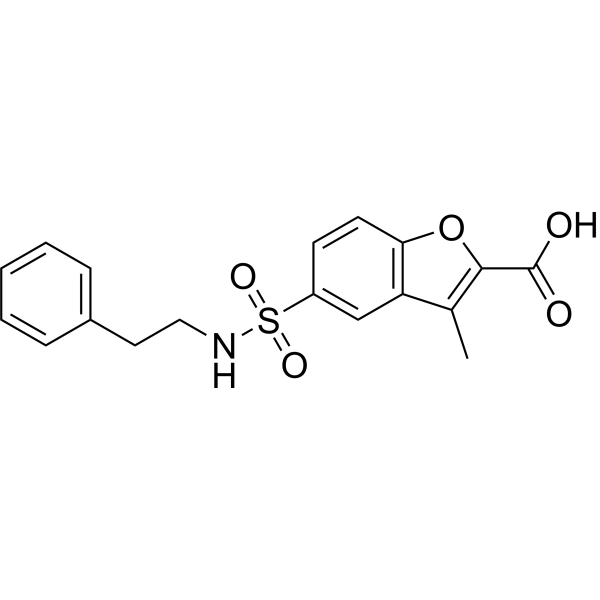
    Kazinol B, a prenylated flavan with a dimethyl pyrane ring, is an inhibitor of nitric oxide (NO) production. Kazinol B improves insulin sensitivity by enhancing glucose uptake via the insulin-Akt signaling pathway and AMPK activation. Kazinol B has the potential for diabetes mellitus research .
    Kazinol B
  • HY-P3255

    Insulin Receptor Neurological Disease Inflammation/Immunology
    DA-JC4 is a dual GLP-1/GIP receptor agonist and can be used for the research of neurological disease and insulin signaling pathways .
    DA-JC4
  • HY-W145699

    Biochemical Assay Reagents Endogenous Metabolite Others
    D-myo-Inositol 4-mono-phosphate, also known as IMP, is a phosphorylated form of inositol that is commonly found in various metabolic pathways, especially in the biosynthesis of phospholipids and cell signaling molecules. D-myo-Inositol 4-mono-phosphate has unique chemical properties that make it an important intermediate in the production of second messengers, such as inositol triphosphate (IP3) and diacylglycerol (DAG), which signal in cells plays a key role in. D-myo-Inositol 4-mono-phosphate is also used in dietary supplements and pharmaceuticals because of its potential health benefits, including improved insulin sensitivity and cognitive function.
    D-myo-Inositol 4-monophosphate
  • HY-13312A

    IGF-1R Insulin Receptor Akt Apoptosis Cancer
    GTx-134 is a dual insulin-like growth factor 1 receptor/insulin receptor (IGF-1R/IR) inhibitor with an IC50 values for IGF-1R and IR of 97 and 187 nM respectively. GTx-134 inhibits the autophosphorylation of IGF-1R and its downstream signaling pathway (Akt), thereby blocking the proliferation and survival signals of tumor cells. GTx-134 has broad-spectrum inhibitory activity against multiple myeloma cell lines and can induce apoptosis in sensitive cells. GTx-134 significantly inhibits tumor growth in mice with MM1.S cell transplantation. GTx-134 works in synergy with existing therapies (such as protease preparations, immunomodulators). GTx-134 can be used in high-risk myeloma research .
    GTx-134
  • HY-P5081

    TGF-β Receptor Collagen Inflammation/Immunology
    Endotrophin (Mus musculus) is an adipokine, a cleavage fragment derived from Collagen VI, whose levels are elevated in adipose tissue and breast tumors of obese mice. Endotrophin (Mus musculus) activates the TGF-β signaling pathway and reduces the expression of hormone-sensitive lipase. Endotrophin (Mus musculus) induces adipogenesis, lipid accumulation, fibrosis, inflammation, angiogenesis, adipose tissue expansion, epithelial-mesenchymal transition, and insulin resistance; it also induces Cisplatin (HY-17394) resistance in cancer cells. Endotrophin (Mus musculus) can be used in research related to metabolic diseases such as obesity and type 2 diabetes, as well as cancers such as breast cancer .
    Endotrophin (Mus musculus)
  • HY-124483

    Arrestin Metabolic Disease
    W2476 is a regulator of thioredocin-interacting protein signaling pathway. W2476 promotes competitive binding of forkhead box O1 transcription factor (FOXO1). W2476 can ameliorate β-cell dysfunction and enhance insulin secretion in diabetic mouse model .
    W2476
  • HY-112537A

    Endogenous Metabolite mTOR Cardiovascular Disease Metabolic Disease
    D-Glucose 6-phosphate dipotassium is a key central node metabolite in glucose metabolism. It serves as the initiating metabolite for glycolysis and the pentose phosphate pathway, as well as a substrate for glycogen synthesis. D-Glucose 6-phosphate dipotassium acts as a metabolic stress signal, which activates the mTOR pathway to promote protein synthesis, especially when phosphoglucose isomerase (PGI) is inhibited, thereby participating in cardiac remodeling processes. D-Glucose 6-phosphate dipotassium can be used in research related to non-insulin-dependent diabetes mellitus and heart failure .
    D-Glucose 6-phosphate dipotassium
  • HY-134353A

    Adenosine 5'-(β-thiodiphosphate) trisodium

    Interleukin Related P2Y Receptor NF-κB Caspase Neurological Disease Inflammation/Immunology Cancer
    ADP-β-S (Adenosine 5'-(β-thiodiphosphate)) trilithium is a non-hydrolyzable ADP analog and a P2Y12 receptor agonist. ADP-β-S trilithium activates the P2Y12 receptor in microglia, thereby triggering downstream inflammatory signaling pathways. ADP-β-S trilithium activates P2Y purinergic receptors in rat pancreatic β cells and enhances glucose-induced insulin secretion. ADP-β-S trilithium can be used in the research of diseases such as inflammation and diabetes .
    ADP-β-S trisodium
  • HY-W012722BS

    α-Ketoisocaproic acid-d7 sodium

    Endogenous Metabolite Isotope-Labeled Compounds Neurological Disease Metabolic Disease
    4-Methyl-2-oxopentanoic acid-d7 (α-Ketoisocaproic acid-d7) sodium is the deuterium labeled 4-Methyl-2-oxopentanoic acid (HY-W012722).4-Methyl-2-oxopentanoic acid is a metabolite of L-leucine and is involved in energy metabolism. 4-Methyl-2-oxopentanoic acid increases endoplasmic reticulum stress, promotes lipid accumulation in preadipocytes and insulin resistance by impairing mTOR and autophagy signaling pathways .
    4-Methyl-2-oxopentanoic acid-d7 sodium
  • HY-N0457R

    Cichoric acid (Standard); Dicaffeoyltartaric acid (Standard)

    Reference Standards Reactive Oxygen Species (ROS) Apoptosis Metabolic Disease Inflammation/Immunology
    Chicoric acid (Standard) is the analytical standard of Chicoric acid. This product is intended for research and analytical applications. Chicoric acid (Cichoric acid), an orally active dicaffeyltartaric acid, induces reactive oxygen species (ROS) generation. Chicoric acid inhibits cell viability and induces mitochondria-dependent apoptosis in 3T3-L1 preadipocytes through ROS-mediated PI3K/Akt and MAPK signaling pathways. Chicoric acid increases glucose uptake, improves insulin resistance, and attenuates glucosamine-induced inflammation. Chicoric acid has antidiabetic properties and antioxidant, anti-inflammatory effects .
    Chicoric acid (Standard)

Inquiry Online

Your information is safe with us. * Required Fields.

Salutation


Country or Region *

Applicant Name *


Organization Name *

Department *


Email Address *


Product Name *

Cat. No.


Requested quantity *

Phone Number *


Remarks

Inquiry Online

Inquiry Information

Product Name:
Cat. No.:
Quantity:
MCE Japan Authorized Agent:

