1. Search Result
Search Result
Results for "

Caffeine atm Inhibitors

" in MedChemExpress (MCE) Product Catalog:

112

阻害剤およびアゴニスト

2

スクリーニングライブラリ

1

蛍光色素

1

ペプチド

1

阻害性抗体

20

天然物

8

同位体標識化合物

11

抗体

3

オリゴヌクレオチド

Targets Recommended:
製品番号 製品名 Target 研究分野 構造式
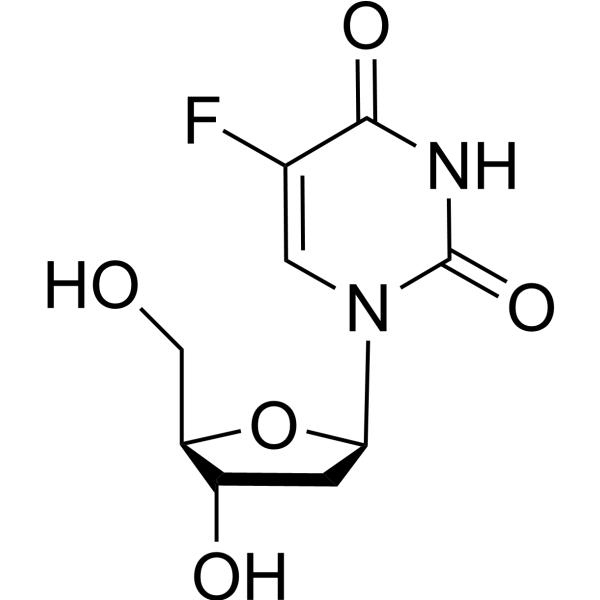
  • HY-B0097
    Floxuridine
    10+ Cited Publications

    5-Fluorouracil 2'-deoxyriboside

    Nucleoside Antimetabolite/Analog DNA/RNA Synthesis Bacterial CMV HSV Apoptosis Infection Cancer
    Floxuridine (5-Fluorouracil 2'-deoxyriboside) is a pyrimidine analog and known as an oncology antimetabolite. Floxuridine inhibits Poly(ADP-Ribose) polymerase and induces DNA damage by activating the ATM and ATR checkpoint signaling pathways in vitro. Floxuridine is a extreamly potent inhibitor for S. aureus infection and induces cell apoptosis . Floxuridine has antiviral effects against HSV and CMV .
    Floxuridine
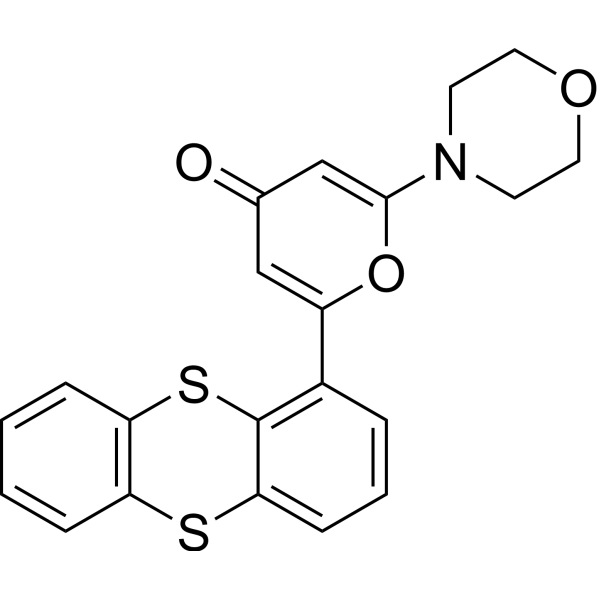
  • HY-12016
    KU-55933
    Maximum Cited Publications
    62 Publications Verification

    ATM/ATR Autophagy Cancer
    KU-55933 is a potent ATM inhibitor with an IC50 and Ki of 12.9 and 2.2 nM, respectively, and is highly selective for ATM as compared to DNA-PK, PI3K/PI4K, ATR and mTOR.
    KU-55933
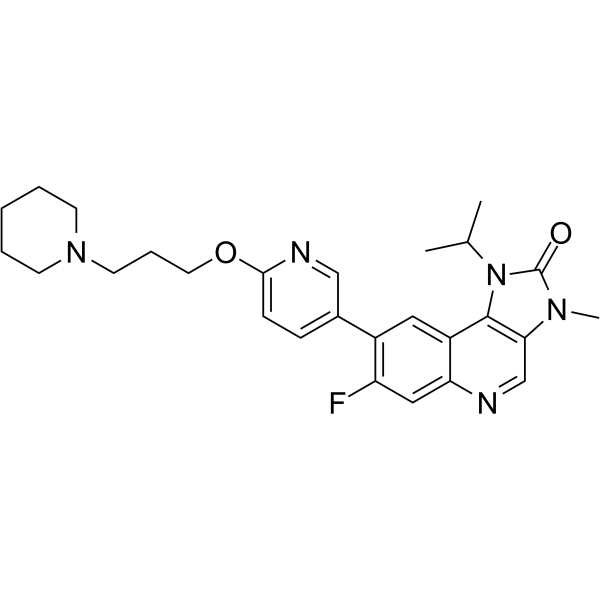
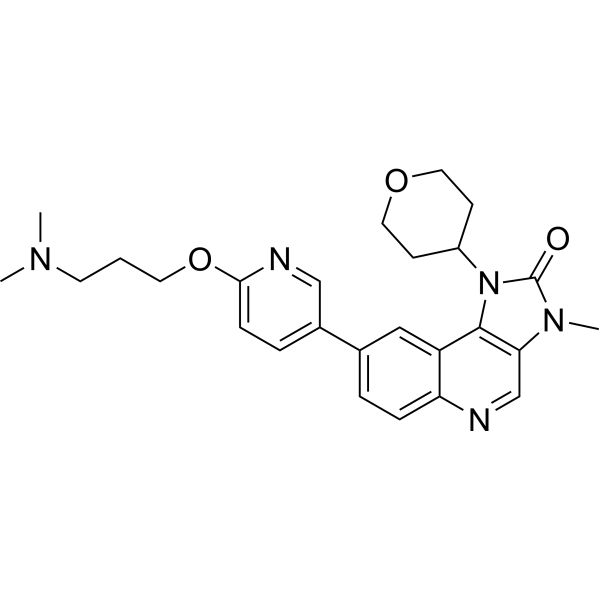
  • HY-109566
    AZD1390
    5+ Cited Publications

    ATM/ATR Inflammation/Immunology Cancer
    AZD1390 is a potent, highly selective, orally bioavailable, brain-penetrant ATM inhibitor with an IC50 of 0.78 nM in cell .
    AZD1390
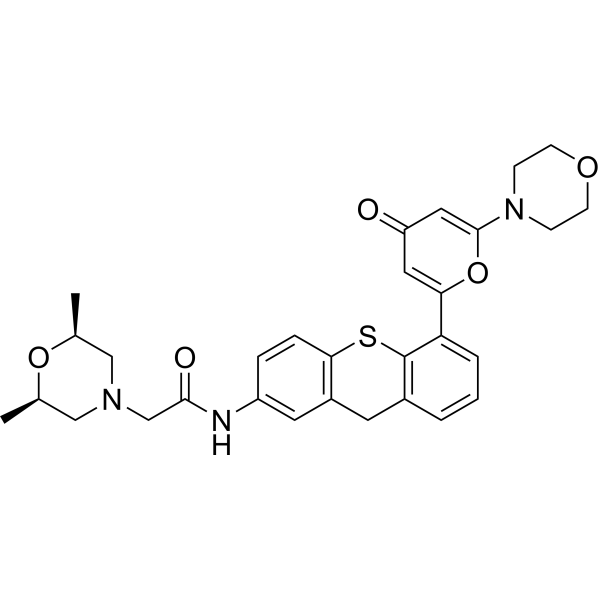
  • HY-12061
    KU-60019
    25+ Cited Publications

    ATM/ATR Cancer
    KU-60019 is an improved ATM kinase-specific inhibitor with IC50 of 6.3 nM.
    KU-60019
  • HY-139609
    Camonsertib
    2 Publications Verification

    RP-3500; ATR inhibitor 4

    ATM/ATR mTOR Cancer
    Camonsertib (RP-3500) is an orally active, selective ATR kinase inhibitor (ATRi) with an IC50 of 1.00 nM in biochemical assays. Camonsertib shows 30-fold selectivity for ATR over mTOR (IC50=120 nM) and >2,000-fold selectivity over ATM, DNA-PK, and PI3Kα kinases. Camonsertib has potent antitumor activity .
    Camonsertib
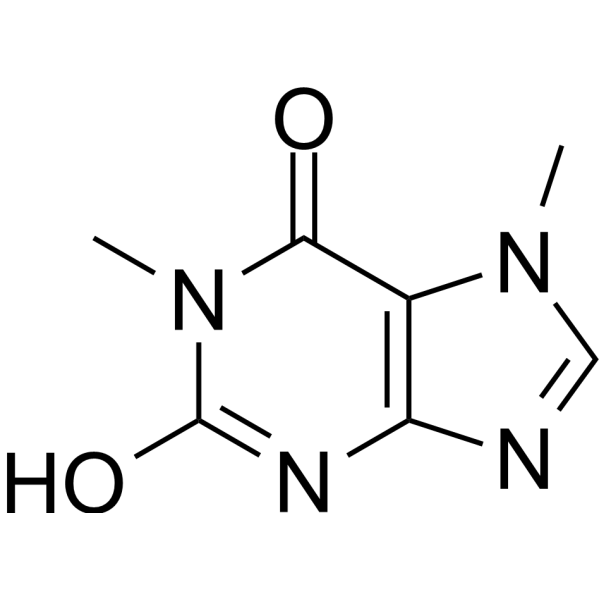
  • HY-W016498
    Paraxanthine
    2 Publications Verification

    Drug Metabolite Endogenous Metabolite Neurological Disease
    Paraxanthine, a caffeine metabolite, provides protection against Dopaminergic cell death via stimulation of Ryanodine Receptor Channels.
    Paraxanthine
  • HY-100016
    AZD0156
    10+ Cited Publications

    ATM/ATR Apoptosis Cancer
    AZD0156 is a potent, selective and orally active ATM inhibitor with an IC50 of 0.58 nM. AZD0156 inhibits the ATM-mediated signaling, prevents DNA damage checkpoint activation, disrupts DNA damage repair, and induces tumor cell apoptosis .
    AZD0156
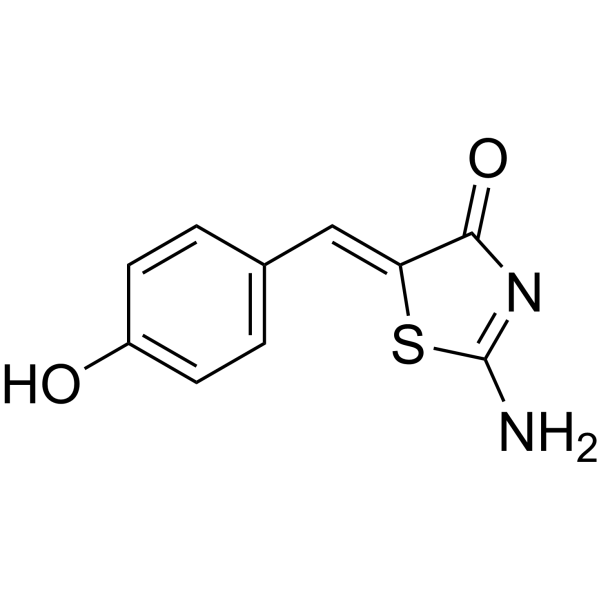
  • HY-19959
    Mirin
    5+ Cited Publications

    ATM/ATR Apoptosis Cancer
    Mirin is a potent Mre11-Rad50-Nbs1 (MRN) complex inhibitor. Mirin prevents MRN-dependent activation of ATM (IC50=12 μM) without affecting ATM protein kinase activity, and it inhibits Mre11-associated exonuclease activity. Mirin abolishes the G2/M checkpoint and homology-dependent repair in mammalian cells. Mirin prevents ATM activation in response to DNA double-strand breaks (DSBs) and blocks homology-directed repair (HDR) in mammalian cells .
    Mirin
  • HY-157941

    ATM/ATR Checkpoint Kinase (Chk) DNA/RNA Synthesis Cancer
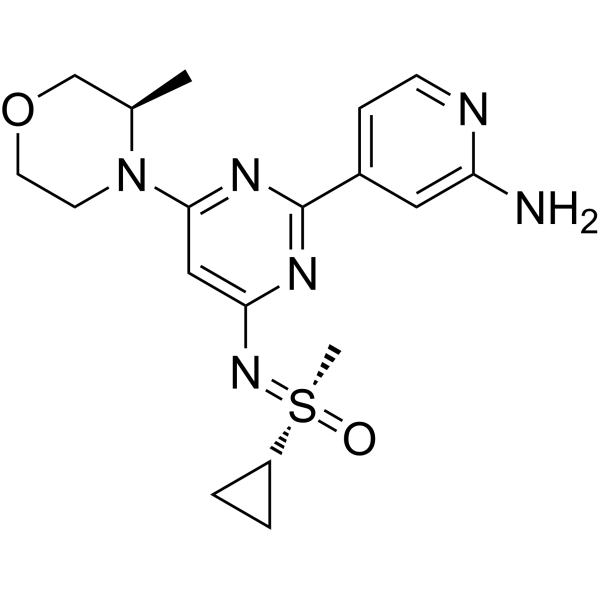
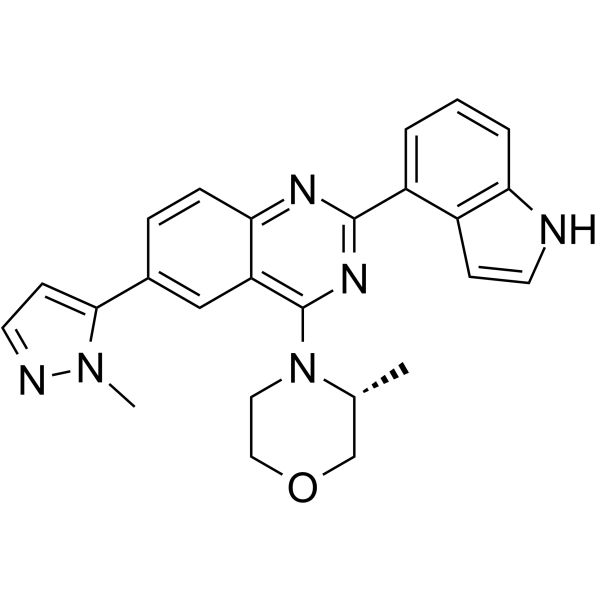
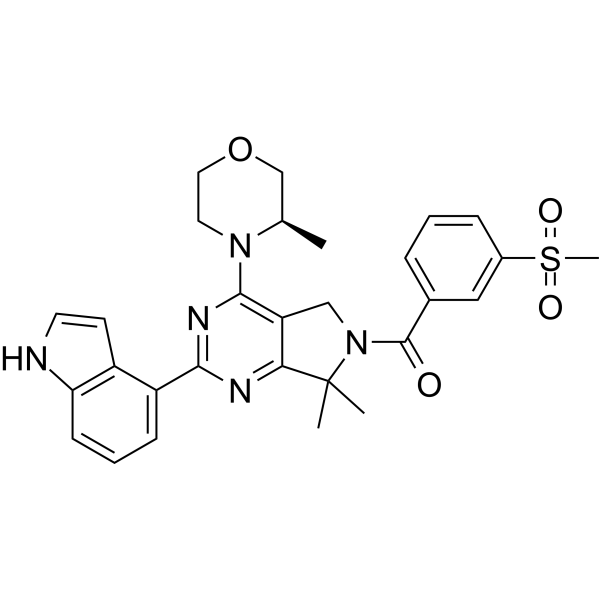
    ART0380 is a potent, selective and orally active ATR kinase inhibitor. ART0380 potently inhibits human ATR-ATRIP complex with an IC50 of 51.7 nM. ART0380 binds the ATP pocket of the ATR-ATRIP complex, blocks ATR-dependent Chk1 serine 345 phosphorylation, and induces cell cycle disorder and DNA damage. ART0380 demonstrates potent and selective antitumor activity in preclinical models with varying types of ataxia-telangiectasia mutated (ATM) gene aberrancy. ART0380 can be used for the research of cancer, such as colorectal cancer and prostate cancer .
    ART0380
  • HY-123834
    FEN1-IN-1
    5+ Cited Publications

    FLAP ATM/ATR Cancer
    FEN1-IN-1 (compound 1) is a small molecule flap endonuclease 1 (FEN1) inhibitor with antitumor activity. FEN1-IN-1 binds to the active site of FEN1 and partly achieves inhibition by the co-ordination of Mg 2+ ions. FEN1-IN-1 initiaties a DNA damage response and activates the ATM checkpoint signalling pathway, the phosphorylation of histone H2AX and the ubiquitination of FANCD2 in mammalian cells. FEN1-IN-1 is promising for research of cancers .
    FEN1-IN-1
  • HY-162472

    ATM/ATR DNA-PK Cancer
    XRD-0394 is a potent and orally active dual ATM and DNA-PKcs inhibitor with IC50s of 0.39 nM and 0.89 nM, respectively. XRD-0394 shows selectivity over other PIKK and PI3K family members. XRD-0394 significantly enhances tumor cell killing in vitro and in vivo under therapeutic ionizing radiation conditions. XRD-0394 can potentiate the effects of PARP and topoisomerase I inhibitors in vitro .
    XRD-0394
  • HY-16705
    BRD4770
    5 Publications Verification

    Histone Methyltransferase Cancer
    BRD4770 is a histone methyltransferase G9a inhibitor. BRD4770 reduces di- and trimethylation of lysine 9 on histone H3 (H3K9) with an EC50 of 5 μM, and has less or little effect toward H3K27me3, H3K36me3, H3K4me3, and H3K79me3. BRD4770 can activate the ataxia telangiectasia mutated (ATM) pathway and induce cell senescence .
    BRD4770
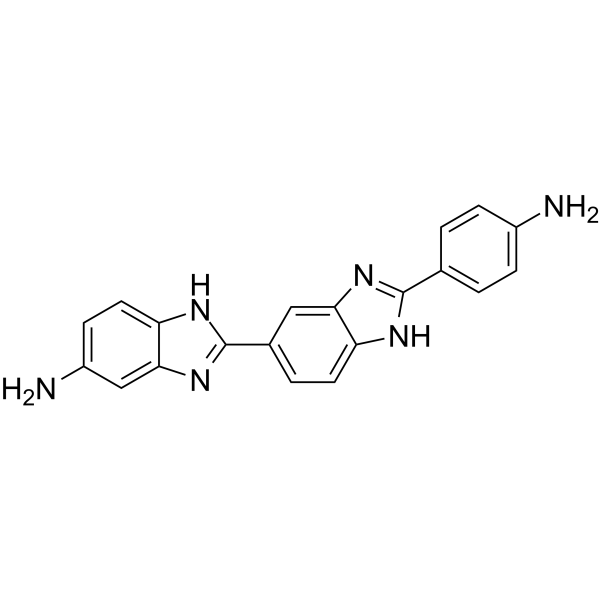
  • HY-P991049

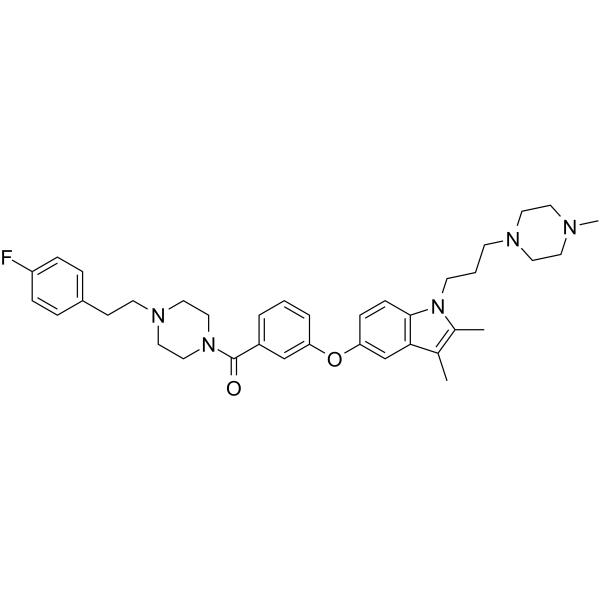
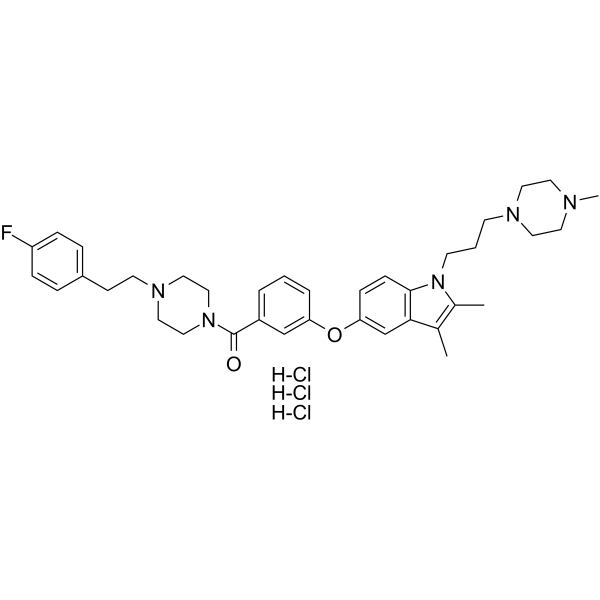
    atm-001

    TNF Receptor Metabolic Disease Inflammation/Immunology
    Atrosimab is an Fv-Fc1K fusion protein with an EC50 value of 0.37 nM against humans. Atrosimab inhibits TNF-induced TNFR1 activation, release of IL-6 and IL-8, and cell death, and alleviates neuroinflammation. Atrosimab is applicable to research related to inflammatory diseases, neurodegenerative diseases, acute and chronic inflammation, experimental arthritis, non-alcoholic steatohepatitis, and experimental autoimmune encephalomyelitis .
    Atrosimab
  • HY-15520
    CGK733
    5+ Cited Publications

    ATM/ATR Cancer
    CGK733 is a potent ATM/ATR inhibitor, used for the research of cancer.
    CGK733
  • HY-103164

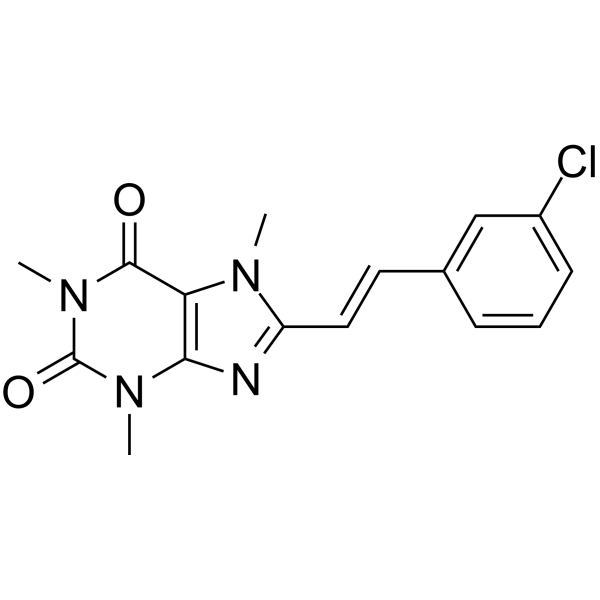
    (E)-CSC

    Adenosine Receptor Monoamine Oxidase Neurological Disease
    (E)-8-(3-Chlorostyryl)caffeine is a selective adenosine A2A receptor antagonist. (E)-8-(3-Chlorostyryl)caffeine inhibits monoamine oxidase B (MAO-B) with a Ki value of 70 nM by a pathway that is independent of its actions on the A2A receptor. (E)-8-(3-Chlorostyryl)caffeine has the potential for Parkinson's disease research .
    (E)-8-(3-Chlorostyryl)caffeine
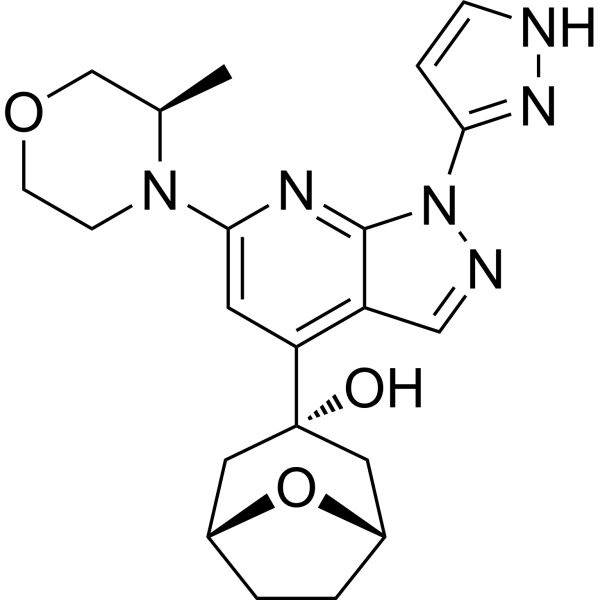
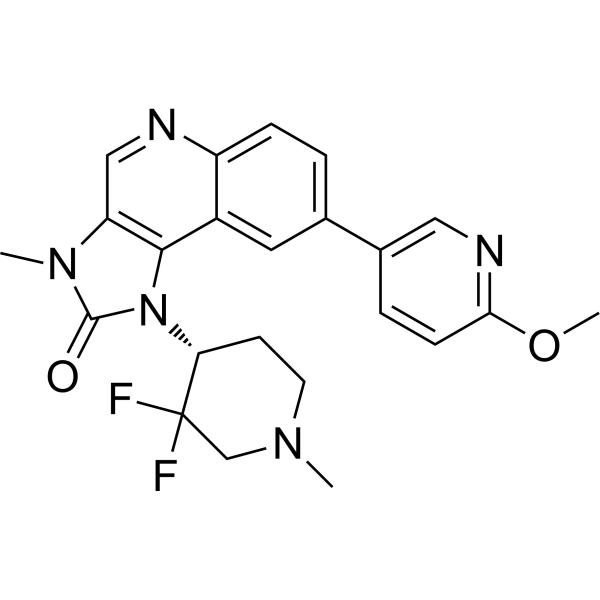
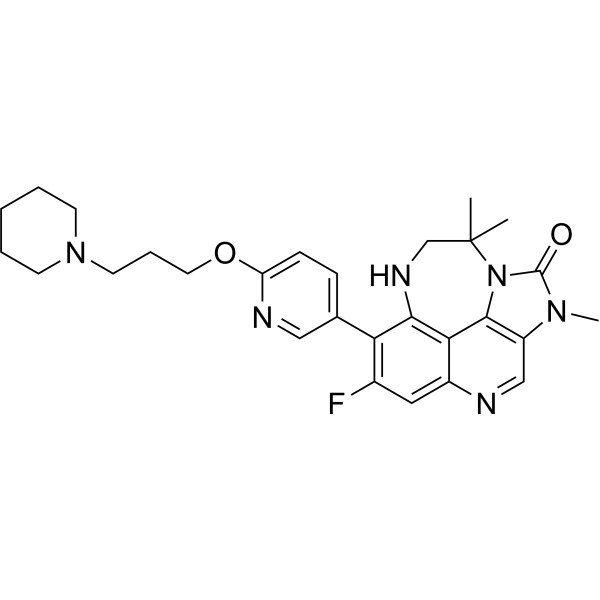
  • HY-150617
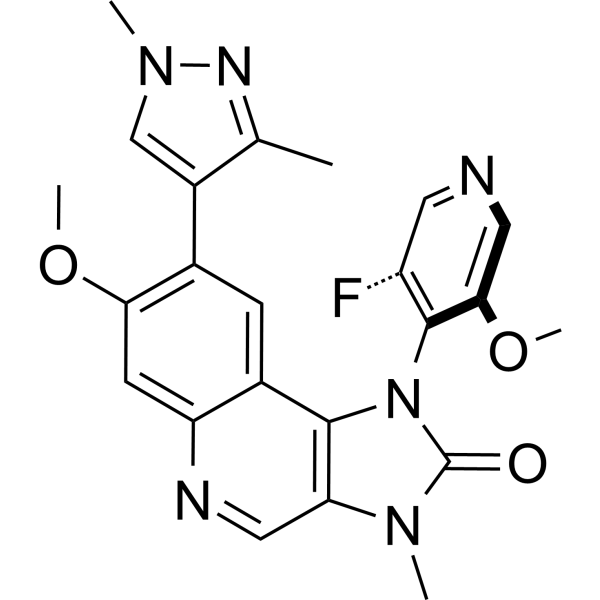
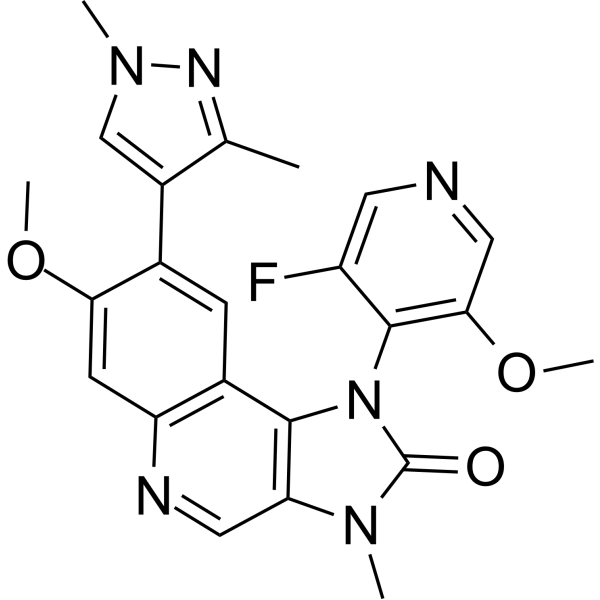
    Lartesertib
    1 Publications Verification

    M4076; atm Inhibitor-5

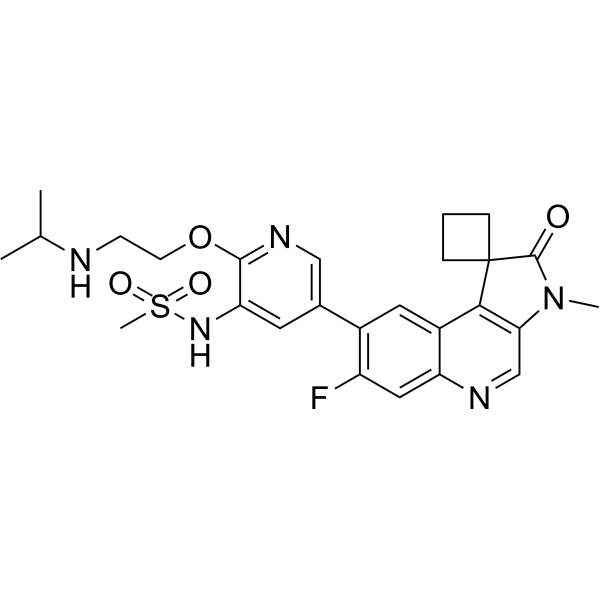
    ATM/ATR STING PD-1/PD-L1 Cardiovascular Disease Inflammation/Immunology Cancer
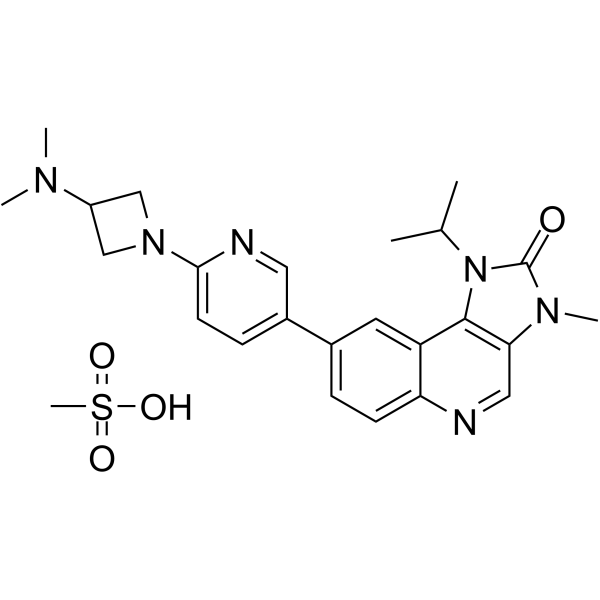
    Lartesertib (M4076) is an inhibitor of the serine/threonine protein kinase ATM with high potency. Lartesertib can inhibit the growth of multiple hematopoietic cell lines. Additionally, when combined with the ATR inhibitor Tuvusertib (HY-111451), Lartesertib can promote the death of tumor cells, activate the immune signaling pathway, and exhibit anti-tumor activity .
    Lartesertib
  • HY-117693
    (E/Z)-Mirin
    5+ Cited Publications

    ATM/ATR Cancer
    (E/Z)-Mirin is a mixture of (E)-Mirin and Mirin ((Z)-Mirin) (HY-19959) configurations. Among them, Mirin is an inhibitor of MRN (Mre11-Rad50-Nbs1). Mirin prevents MRN-dependent ATM activation without affecting ATM protein kinase activity .
    (E/Z)-Mirin
  • HY-124257

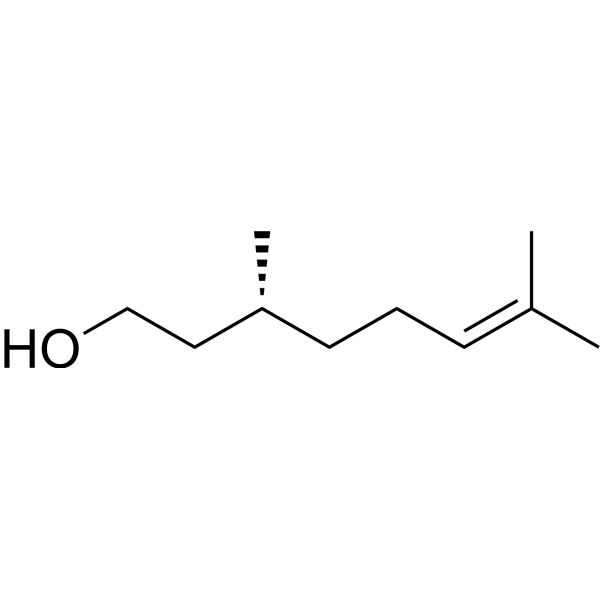
    D-Citronellol; (R)-(+)-β-Citronellol

    Endogenous Metabolite Inflammation/Immunology
    (R)-Citronellol (D-Citronellol) is an alcoholic monoterpene found in geranium essential oil. (R)-Citronellol inhibits degranulation of mast cells and does not affect caffeine bitterness perception. (R)-Citronellol can be used in decorative cosmetics, toiletries as well as in non-cosmetic products .
    (R)-Citronellol
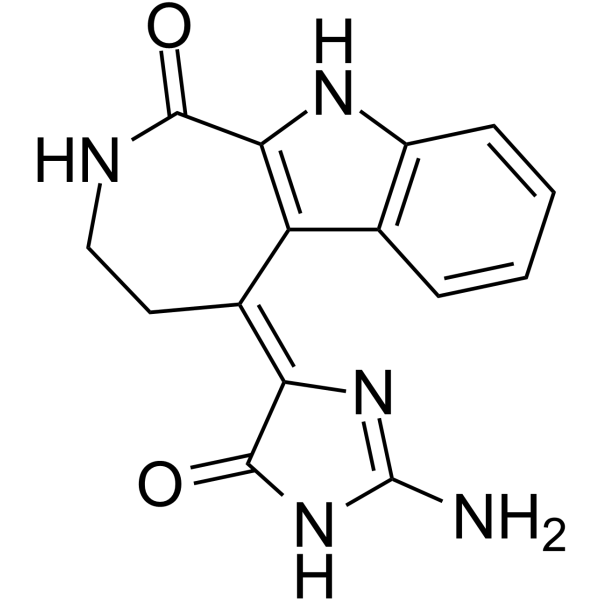
  • HY-15290
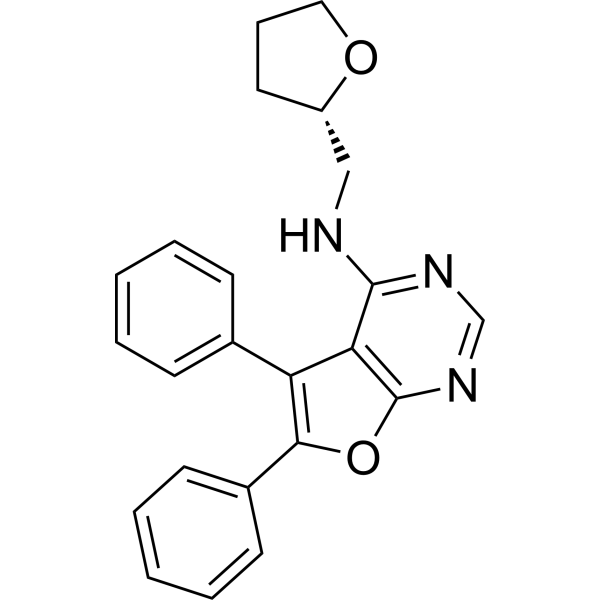
    AIM-100
    4 Publications Verification

    Ack1 Cancer
    AIM-100 is a potent and selective Ack1 inhibitor with an IC50 of 21.58 nM. AIM-100 also inhibits Tyr 267 phosphorylation. AIM-100 does not inhibits other kinases including PI3-kinase and AKT subfamily members. AIM-100 has an anticancer effect .
    AIM-100
  • HY-111664

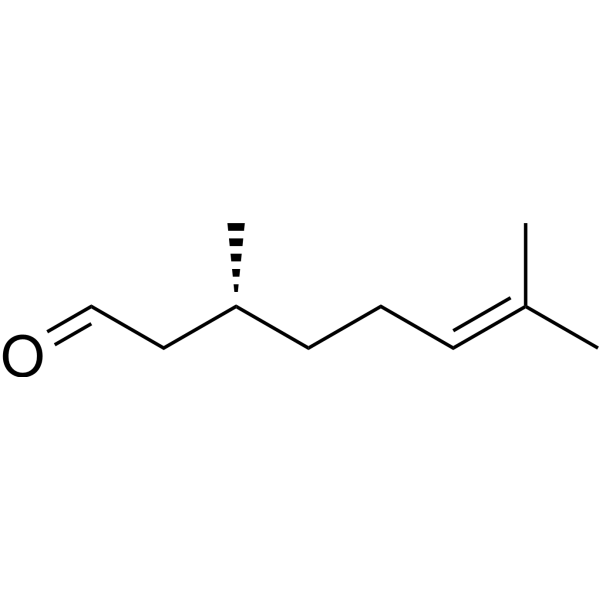
    (+)-Citronellal

    Bacterial Fungal Insecticide Taste Receptor Opioid Receptor Infection Neurological Disease Inflammation/Immunology
    (R)-(+)-Citronellal ((+)-Citronellal) is a monoterpenoid compound and is one of the main components of essential oils from plants such as lemon grass. (R)-(+)-Citronellal has antibacterial, antifungal, and insecticidal activities. (R)-(+)-Citronellal alleviates the bitterness of caffeine by antagonizing the bitter taste receptors Tas2r43 (IC50 = 84 μM) and Tas2R46. (R)-(+)-Citronellal generates analgesic activity by activating the opioid receptor (broad-spectrum opioid receptor) pathway, and its effect is particularly significant for inflammatory pain .
    (R)-(+)-Citronellal
  • HY-D2264

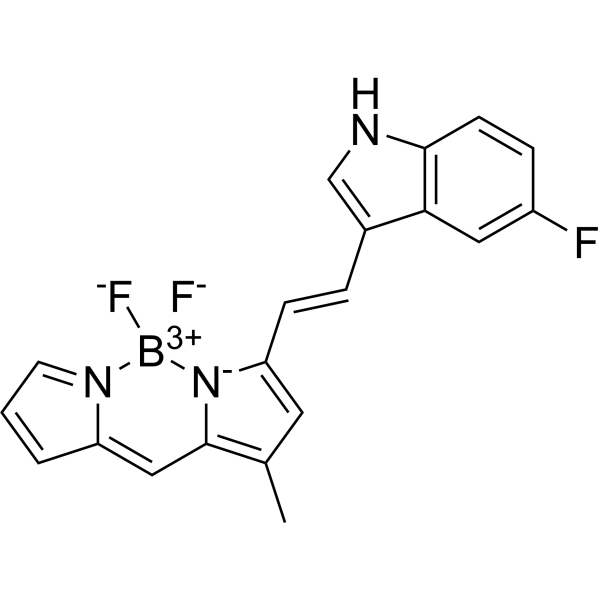
    Fluorescent Dye Others
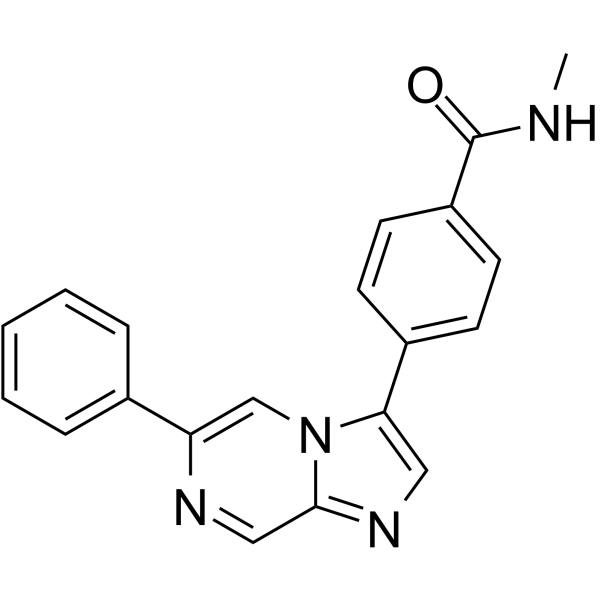
    Caffeine orange (Compound 1) is an aqueous-phase fluorescence turn-on sensor for caffeine that is highly selective to caffeine. Caffeine orange makes caffeinated coffee appear orange when exposed to 532 nM of green excitation light. Caffeine orange has excellent photophysical properties such as high extinction coefficient, high light stability and narrow emission bandwidth, which can be used in the research of caffeine detection devices .
    Caffeine orange
  • HY-162002

    ATM/ATR Cancer
    WSD0628 is a brain penetrant and potent ATM inhibitor with profound radiosensitizing effect .
    WSD0628
  • HY-103241
    Ro 90-7501
    3 Publications Verification

    Amyloid-β ATM/ATR Phosphatase Apoptosis Neurological Disease Cancer
    Ro 90-7501 is an amyloid β42 (Aβ42) fibril assembly inhibitor that reduces 42-induced cytotoxicity (EC50 of 2 μM). Ro 90-7501 inhibits ATM phosphorylation and DNA repair. RO 90-7501 selectively enhances toll-like receptor 3 (TLR3) and RIG-I-like receptor (RLR) ligand-induced IFN-β gene expression and antiviral response . Ro 90-7501 also inhibits protein phosphatase 5 (PP5) in a TPR-dependent manner . Ro 90-7501 has significant radiosensitizing effects on cervical cancer cells .
    Ro 90-7501
  • HY-112198

    ATM/ATR Cancer
    AZ31 is a a potent, highly selective, and orally active ATM inhibitor with an IC50 of <1.2 nM for ATM enzyme, and an IC50 of 46 nM for ATM in cell. AZ31 shows excellent selectivity over ATR (>500-fold) and excellent PIKK-family selectivity and pan-kinase selectivity. AZ31 is a potent radiosensitizer in vitro, it can be used for the research of cancer .
    AZ31
  • HY-161615

    PROTACs ATM/ATR Apoptosis Inflammation/Immunology Cancer
    PROTAC ATR degrader-2 is a selective ATR PROTAC degrader. PROTAC ATR degrader-2 degrades ATR in acute myeloid leukemia (AML) cells MV-4-11 and MOLM-13, with DC50 values of 22.9 nM and 34.5 nM, respectively. PROTAC ATR degrader-2 has an IC50 of 29.6 nM against ATR, and its IC50 values against ATM and PI3K are both greater than 2000 nM. PROTAC ATR degrader-2 induces apoptosis, DNA damage, and upregulates p53 expression. PROTAC ATR degrader-2 inhibits cancer cell proliferation through the kinase-independent function of ATR protein. PROTAC ATR degrader-2 is applicable to research related to acute myeloid leukemia .
    PROTAC ATR degrader-2
  • HY-163944

    DNA/RNA Synthesis Molecular Glues CDK Apoptosis RAD51 ATM/ATR PARP Cancer
    LL-K12-18 is a CDK12 kinase inhibitor and a dual-site molecular glue. LL-K12-18 inhibits human CDK12 with an IC50 value of 283.9 nM, and selectively degrades cyclin K via the ubiquitin-proteasome system by stabilizing the CDK12-DDB1 complex. LL-K12-18 downregulates DNA damage response genes, reduces the phosphorylation level of CTD Ser2 in RNA polymerase II, and modulates biomarkers such as ATM, RAD51, γ-H2AX and cleaved PARP, thereby effectively inducing apoptosis and inhibiting proliferation of breast cancer cells. LL-K12-18 exhibits high target selectivity and serves as a research tool for studies on triple-negative breast cancer .
    LL-K12-18
  • HY-11002
    CP-466722
    4 Publications Verification

    ATM/ATR Cancer
    CP-466722 is a rapidly reversible inhibitor of ATM, with an IC50 of 0.41 μM, and has no effects on PI3K or closely related PI3K-like protein kinase (PIKK) family members.
    CP-466722
  • HY-100948

    Myosin Cancer
    ATM-3507 is a potent tropomyosin inhibitor with IC50s from 3.83-6.84 μM in human melanoma cell lines.
    ATM-3507
  • HY-113327

    Endogenous Metabolite Cancer
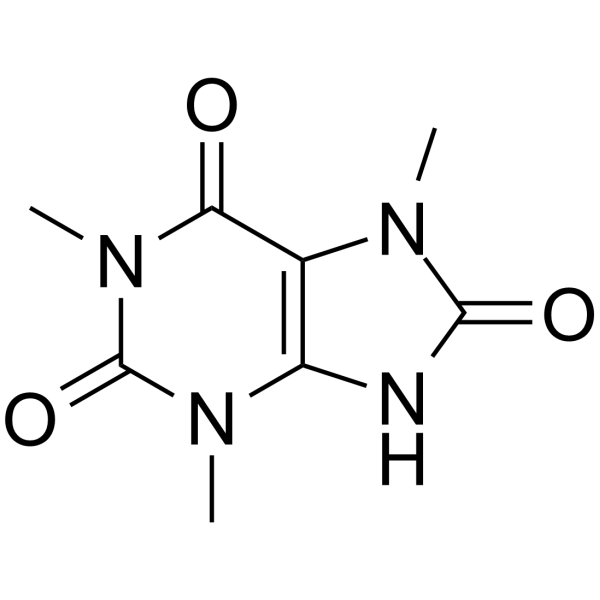
    1,3,7-Trimethyluric acid is the metabolite of caffeine. The metabolic ratio 1,3,7-Trimethyluric acid to caffeine can be evaluated as a biomarker to describe variability in CYP3A activity in a cohort .
    1,3,7-Trimethyluric acid
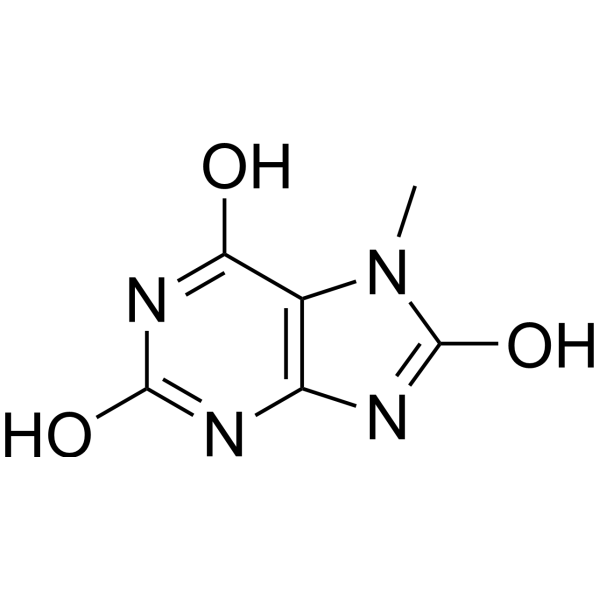
  • HY-W008449

    Drug Metabolite Endogenous Metabolite Cancer
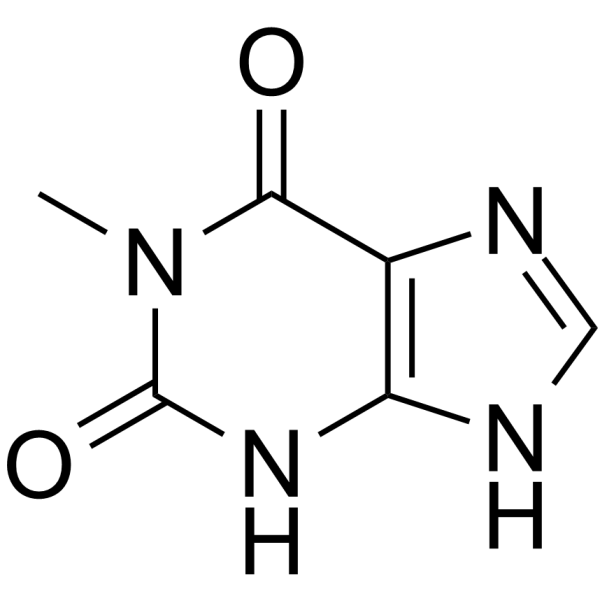
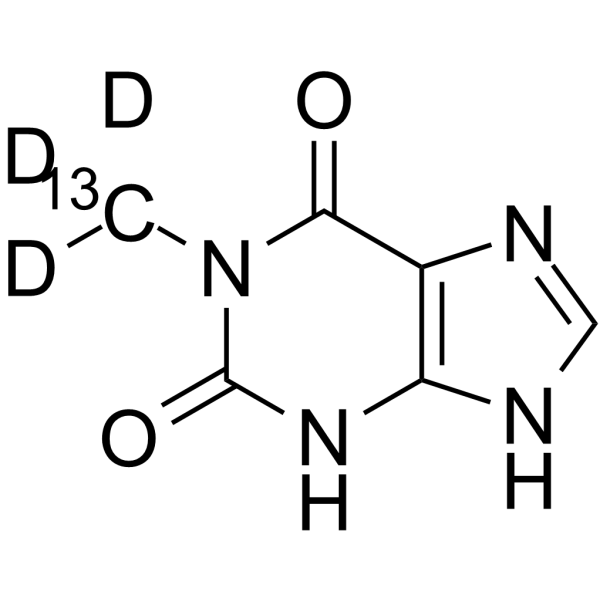
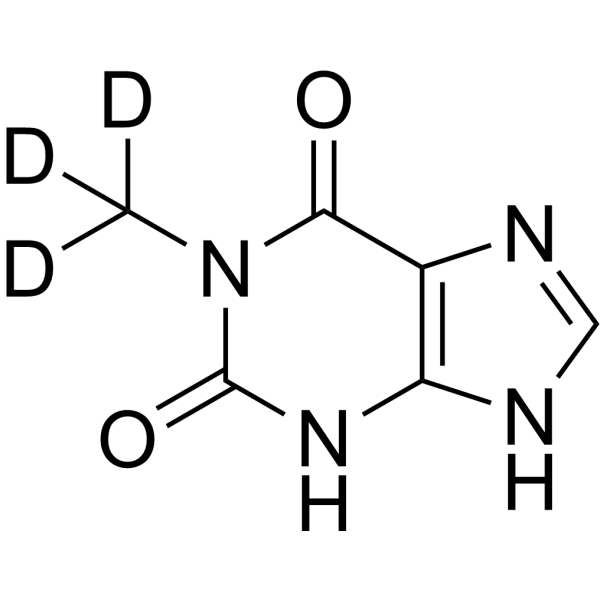
    1-Methylxanthine, a caffeine derivative, is an essential human urinary metabolite of caffeine and theophylline (1,3-dimethylxanthine, TP) . 1-Methylxanthine enhances the radiosensitivity of tumor cells .
    1-Methylxanthine
  • HY-160096

    ATM/ATR Cancer
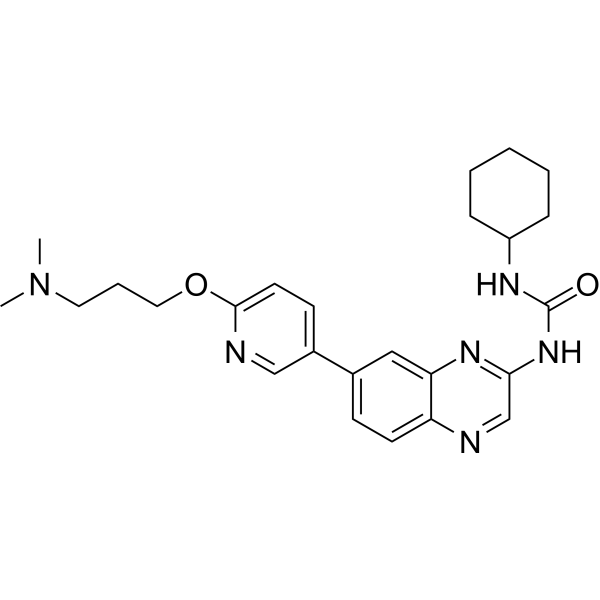
    M3541 is a potent, ATP-competitive and selective ATM inhibitor with an IC50 of 0.25 nM. M3541 shows remarkable selectivity against other protein kinases. M3541 suppresses double-strand breaks (DSB) repair and has antitumor activities .
    M3541
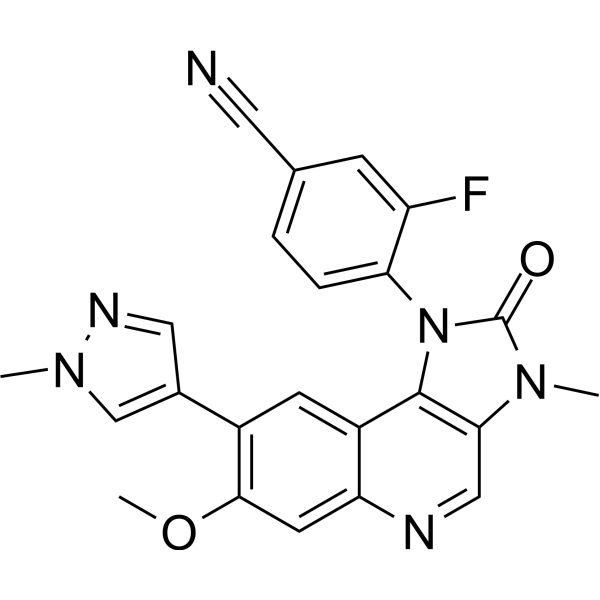
  • HY-112305

    ATM/ATR Cancer
    AZ32 is an orally bioavailable and blood-brain barrier-penetrating ATM inhibitor with an IC50 of <6.2 nM for ATM enzyme, and an IC50 of 0.31 μM for ATM in cell.
    AZ32
  • HY-158345

    PROTACs ATM/ATR DNA/RNA Synthesis Apoptosis Cancer
    PROTAC ATM degrader-1 is a ATM PROTAC degrader with a KD value of 1.17 nM. PROTAC ATM degrader-1 triggers DNA damage response, cell cycle arrest, and apoptosis in cancer cells via the ubiquitin-proteasome-dependent degradation pathway. PROTAC ATM degrader-1 can be used for research on colorectal cancer .
    PROTAC ATM degrader-1
  • HY-126061

    Biochemical Assay Reagents Drug Metabolite Others
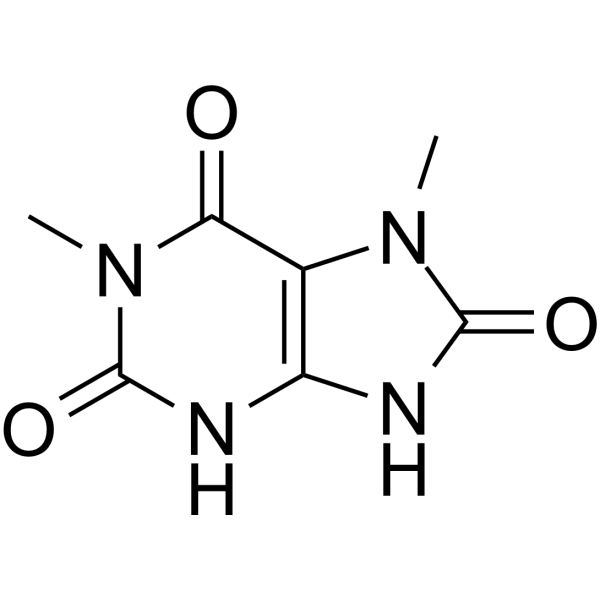
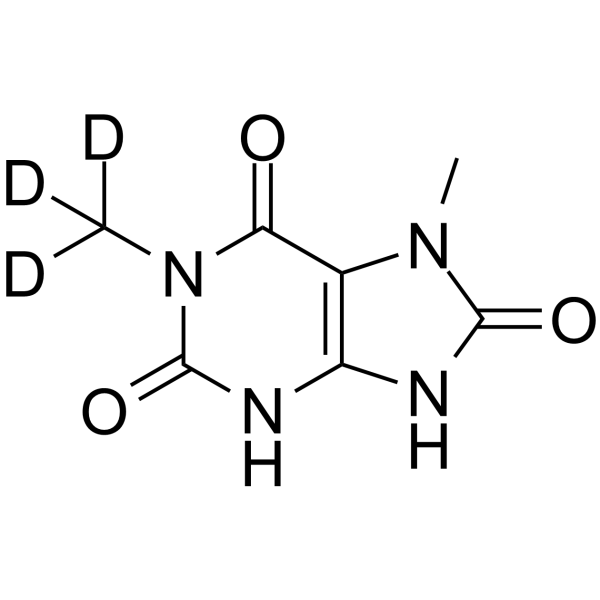
    1,7-Dimethyluric acid is an N-methylated uric acid and purine derivative, as well as a caffeine metabolite. When 1,7-Dimethyluric acid is acted upon by peroxidase in the presence of H2O2, it follows the same oxidation pathway to generate a UV-absorbing intermediate, which decays via first-order kinetics. 1,7-Dimethyluric acid can adsorb onto pyrolytic graphite electrodes, but not onto glassy carbon electrodes or platinum electrodes. The N-methylation modification of its pyrimidine ring prevents ring contraction of the diol intermediate, and no NMR evidence of O-alkylation is observed during propylation under the test conditions .
    1,7-Dimethyluric acid
  • HY-W178327

    Adenosine Receptor Cancer
    8-Chloro caffeine binds to adenosine receptors (Ki = 30 µM). 8-Chloro caffeine potentiates UV-induced chromosomal aberrations in Cl-I Chinese hamster embryonic lung cells. 8-Chloro caffeine is a derivative of the methylxanthine alkaloid caffeine .
    8-Chloro caffeine
  • HY-W016498S1

    Isotope-Labeled Compounds Endogenous Metabolite Neurological Disease
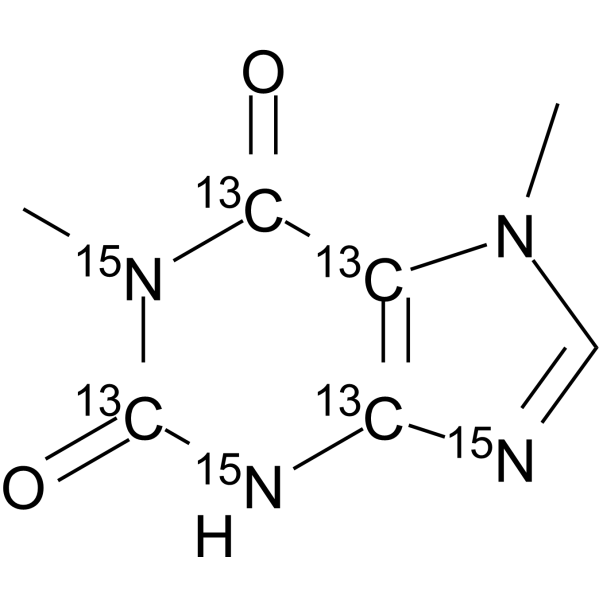
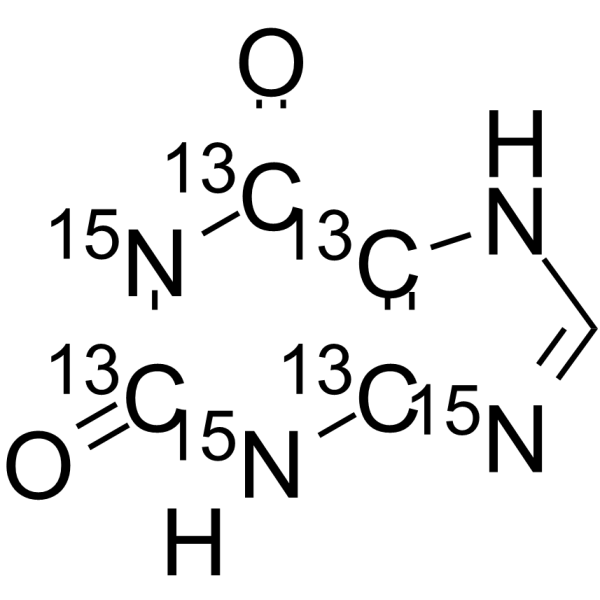
    Paraxanthine- 13C4, 15N3 is the 13C-labeled and 15N-labeled Paraxanthine. Paraxanthine, a caffeine metabolite, provides protection against Dopaminergic cell death via stimulation of Ryanodine Receptor Channels.
    Paraxanthine-13C4,15N3
  • HY-157767

    PROTACs ATM/ATR Cancer
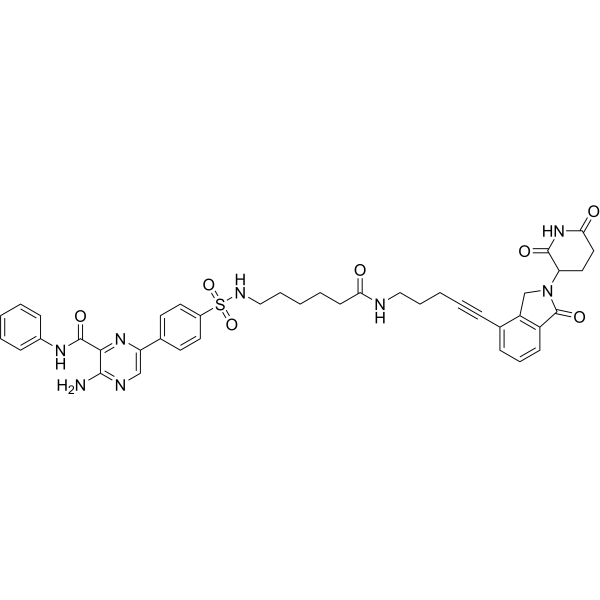
    Abd110 (compound 42i) is a Lenalidomide-based PROTAC ATR kinase degrader. Abd110 selectively decreases ATR and phospho-ATR without affecting related kinases ATM and DNA-PKcs .
    Abd110
  • HY-170844

    Endonuclease Cancer
    MU147 is an MRE11 nuclease inhibitor and chemical probe with anticancer activity, which is lethal to Ehrlich ascites tumor cells both in vitro and in vivo. MU147 also eliminates the double-strand break repair mechanism dependent on the MRE11 nuclease activity without impairing the activation of ATM. MU147 also impairs the degradation of nascent strands of stalled replication FOX and selectively affects brca2-deficient cells .
    MU147
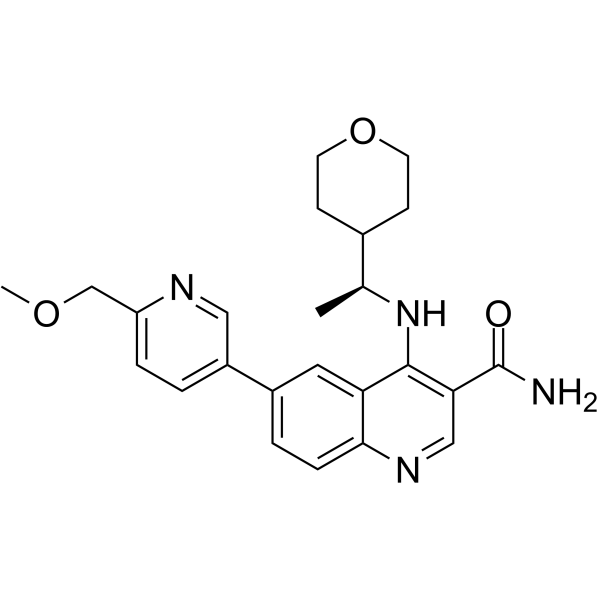
  • HY-118911

    ATM/ATR Cancer
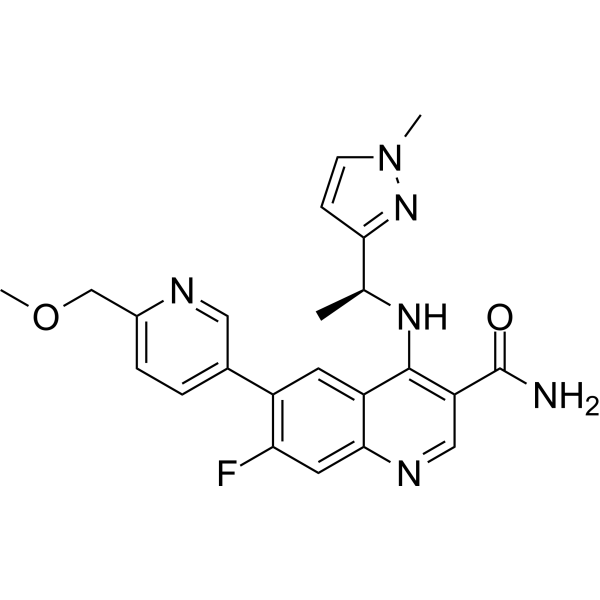
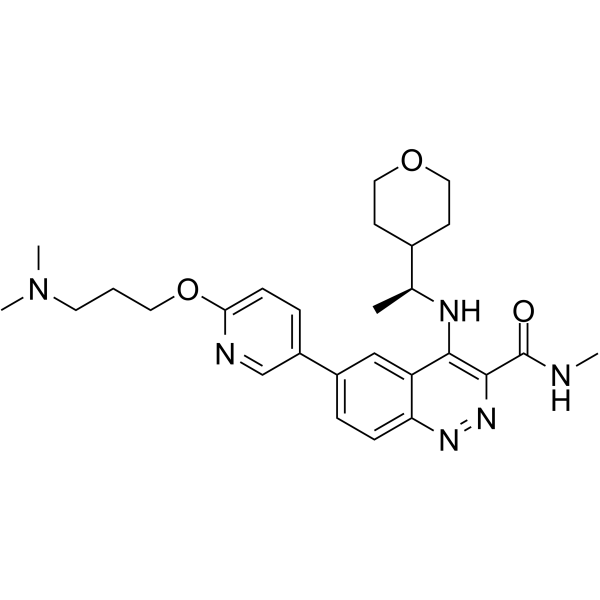
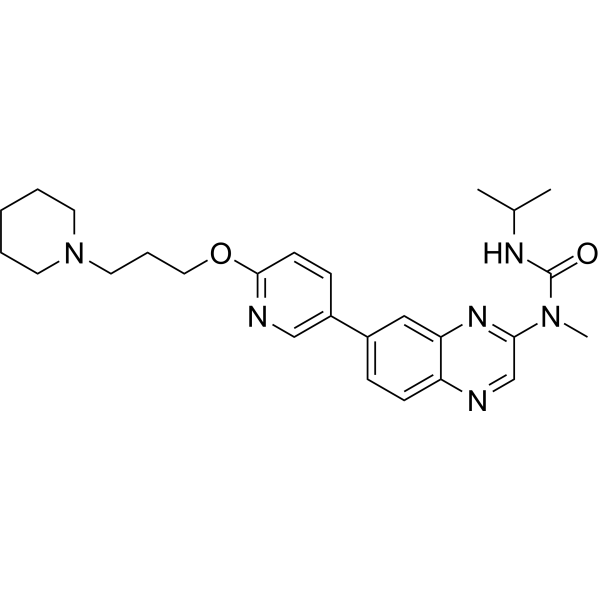
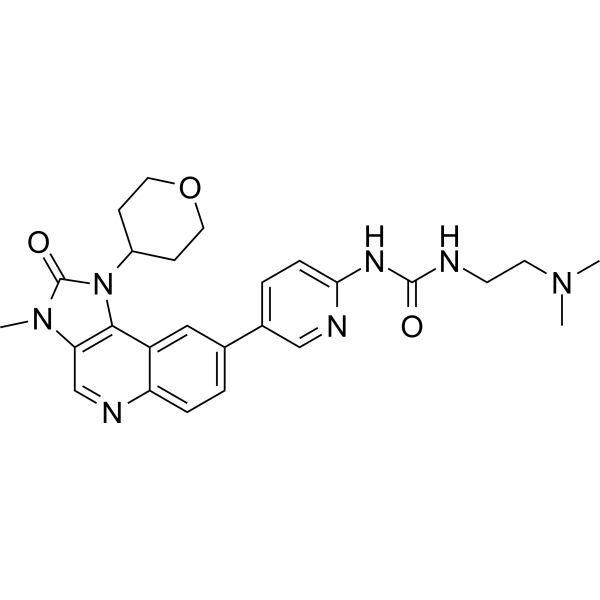
    ATM Inhibitor-10 (compound 74), a 3-quinoline carboxamide, is a highly selective and orally active ATM inhibitor (IC50: 0.6 nM). ATM Inhibitor-10 has anti-tumor activity in SW620 xenograft models. ATM Inhibitor-10 is synergistic with Top I inhibitors .
    ATM Inhibitor-10
  • HY-113118

    5-Acetylamino-6-amino-3-methyluracil

    Endogenous Metabolite Others
    AAMU (5-Acetylamino-6-amino-3-methyluracil) is the main metabolite of caffeine in the human body .
    AAMU
  • HY-W016498S

    Isotope-Labeled Compounds Endogenous Metabolite Neurological Disease
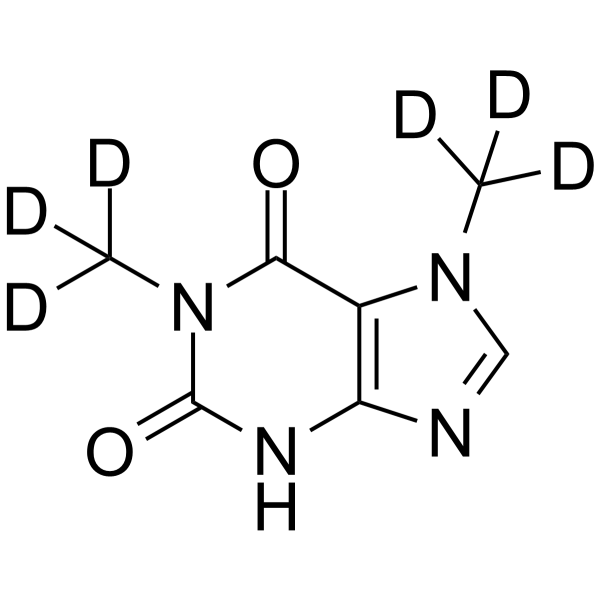
    Paraxanthine-d6 is the deuterium labeled Paraxanthine. Paraxanthine, a caffeine metabolite, provides protection against Dopaminergic cell death via stimulation of Ryanodine Receptor Channels.
    Paraxanthine-d6
  • HY-W016498R

    Drug Metabolite Reference Standards Endogenous Metabolite Neurological Disease
    Paraxanthine (Standard) is the analytical standard of Paraxanthine. This product is intended for research and analytical applications. Paraxanthine, a caffeine metabolite, provides protection against Dopaminergic cell death via stimulation of Ryanodine Receptor Channels.
    Paraxanthine (Standard)
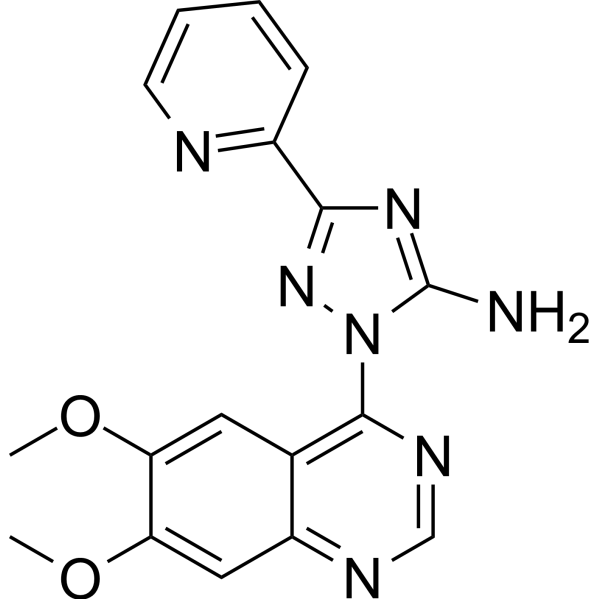
  • HY-144217

    ATM/ATR Cancer
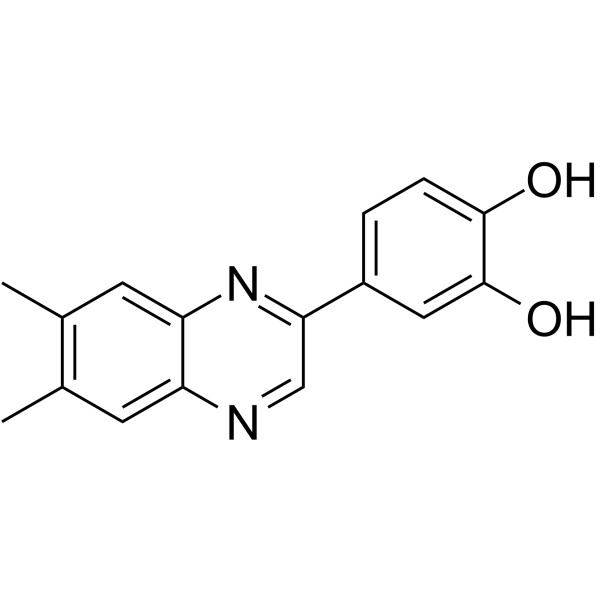
    SKLB-197 showed an IC50 value of 0.013 μM against ATR but very weak or no activity against other 402 protein kinases. It displayed potent antitumor activity against ATM-deficent tumors both in vitro and in vivo.
    SKLB-197
  • HY-119757

    SU1433; AG1433

    PDGFR VEGFR Cancer
    Tyrphostin AG1433 (SU1433) is a tyrosine kinases inhibitor. AG1433 is also a selective PDGFRβ and VEGFR-2 (Flk-1/KDR) inhibitor with IC50s of 5.0 μM and 9.3 μM, respectively. Tyrphostin AG1433 prevents blood vessel formation .
    Tyrphostin AG1433
  • HY-118921

    Apoptosis Infection Inflammation/Immunology Cancer
    Ovatodiolide is a compound that can be isolated from Anisomeles indica. Ovatodiolide has anti-bacterial and anti-inflammatory properties. Ovatodiolide also has anti-cancer activity that induces cell cycle G2/M arrest and apoptosis via a ROS-dependent ATM/ATR signaling pathways .
    Ovatodiolide
  • HY-W017389R

    Reference Standards Endogenous Metabolite Inflammation/Immunology
    Xanthine (Standard) is the analytical standard of Xanthine. This product is intended for research and analytical applications. Xanthine, a plant alkaloid found in tea, coffee, and cocoa, is a mild stimulant of the central nervous system. Xanthine also acts as an intermediate product on the pathway of purine degradation . In Vitro: A number of stimulants are derived from Xanthine including caffeine and theobromine. Xanthine is a product on the pathway of purine degradation. Xanthine is subsequently converted to uric acid by the action of the Xanthine oxidase enzyme.
    Xanthine (Standard)
  • HY-B0097R

    5-Fluorouracil 2'-deoxyriboside (Standard)

    Reference Standards Nucleoside Antimetabolite/Analog DNA/RNA Synthesis Bacterial CMV HSV Apoptosis Infection Cancer
    Floxuridine (Standard) is the analytical standard of Floxuridine. This product is intended for research and analytical applications. Floxuridine (5-Fluorouracil 2'-deoxyriboside) is a pyrimidine analog and known as an oncology antimetabolite. Floxuridine inhibits Poly(ADP-Ribose) polymerase and induces DNA damage by activating the ATM and ATR checkpoint signaling pathways in vitro. Floxuridine is a extreamly potent inhibitor for S. aureus infection and induces cell apoptosis . Floxuridine has antiviral effects against HSV and CMV .
    Floxuridine (Standard)
  • HY-18650
    KU 59403
    1 Publications Verification

    ATM/ATR Cancer
    KU 59403 is a potent ATM inhibitor, with IC50 values of 3 nM, 9.1 μM and 10 μM for ATM, DNA-PK and PI3K, respectively .
    KU 59403
  • HY-141564

    Calcium Channel Neurological Disease
    RyR1-IN-1 (Compound 1) is a RyR1 inhibitor with an IC50 of 12 nM. RyR1-IN-1 blocks Ca²⁺ release and inhibits muscle tetany caused by caffeine and heat stress. RyR1-IN-1 can completely prevent the increase in body temperature and death caused by isoflurane and heat stress. RyR1-IN-1 can be used for the study of heat stroke .
    RyR1-IN-1
  • HY-19731

    MiR-544 Inhibitor 1

    MicroRNA Apoptosis Cancer
    SID 3712249 (MiR-544 Inhibitor 1) is a miR-544 biogenesis inhibitor. SID 3712249 binds directly to the precursor miRNA. SID 3712249 blocks production of the mature microRNA and decreases miR-544, HIF-1α, and ATM transcripts. SID 3712249 can be used in the research of cancers, such as breast cancer .
    SID 3712249

オンラインお問い合わせ

入力情報は安全に管理されます. 必須入力項目.

タイトル


国或いは地域 *

お名前 *


組纖名 *

デパートメント *


メールアドレス *


製品名 *

製品番号


カスタマ需要量 *

電話番号 *


必ず会社名を記載ください。個人への返信は行いません。

備考

バルクお問い合わせ

Inquiry Information

製品名:
製品番号:
数量:
MCE 日本正規代理店: