1. Search Result
Search Result
Results for "

Aryl Hydrocarbon Receptor (AhR)

" in MedChemExpress (MCE) Product Catalog:

126

Inhibitors & Agonists

3

Fluorescent Dyes

1

Biochemical Assay Reagents

24

Natural
Products

1

Recombinant Proteins

15

Isotope-Labeled Compounds

4

Antibodies

1

Click Chemistry

1

GMP Molecules

Targets Recommended:
Cat. No. Product Name Target Research Areas Chemical Structure
  • HY-12684
    CH-223191
    110+ Cited Publications

    Aryl Hydrocarbon Receptor Cancer
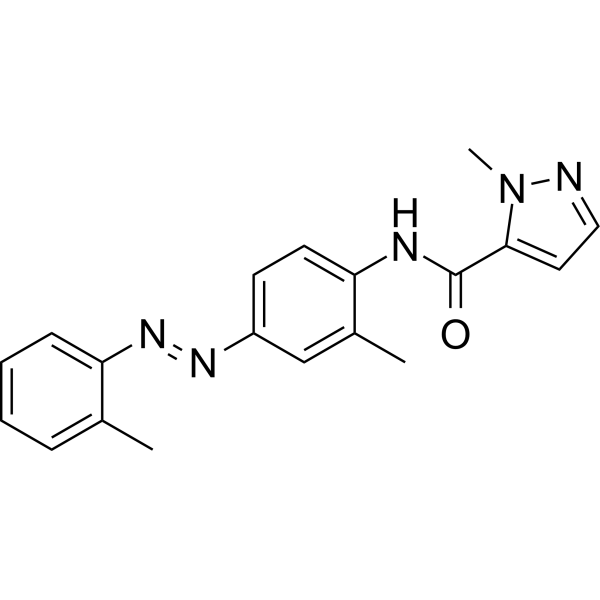
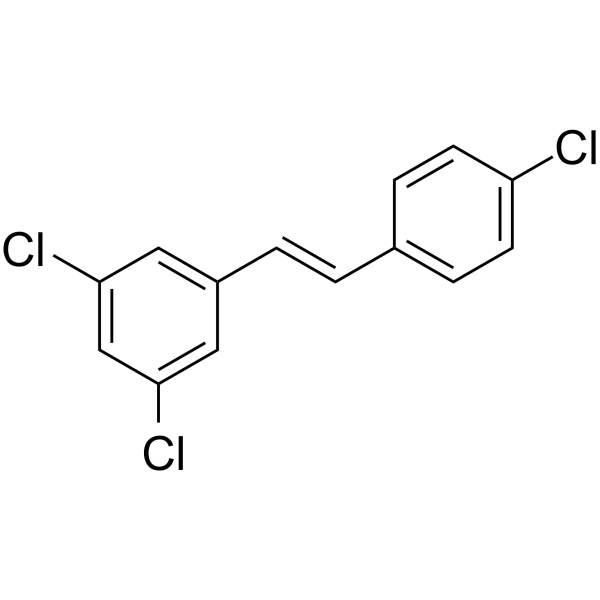
    CH-223191 is a potent and specific antagonist of aryl hydrocarbon receptor (AhR). CH-223191 inhibits TCDD-mediated nuclear translocation and DNA binding of AhR, and inhibits TCDD-induced luciferase activity with an IC50 of 0.03 μM .
    CH-223191
  • HY-15001
    Stemregenin 1
    15+ Cited Publications

    SR1

    Aryl Hydrocarbon Receptor Cancer
    Stemregenin 1 is a potent aryl hydrocarbon receptor (AhR) antagonist with IC50 of 127 nM.
    Stemregenin 1
  • HY-109044
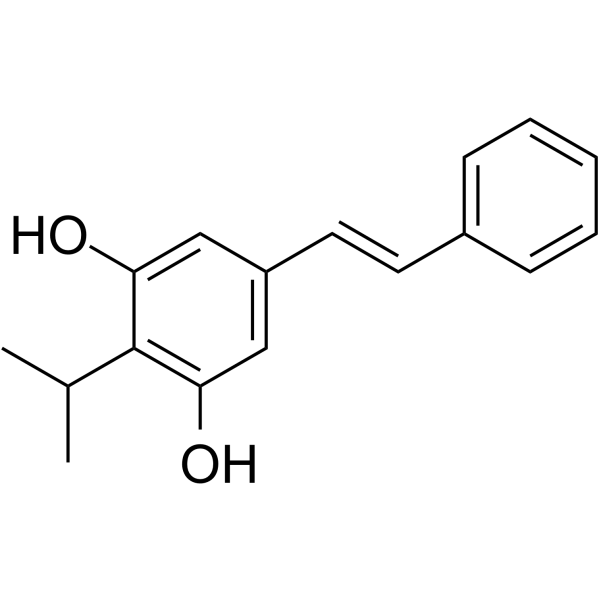
    Tapinarof
    10+ Cited Publications

    WBI-1001; Benvitimod; GSK2894512

    Aryl Hydrocarbon Receptor Inflammation/Immunology
    Tapinarof (WBI-1001) is a natural aryl hydrocarbon receptor (AhR) agonist with an EC50 of 13 nM. Tapinarof resolves skin inflammation in mice .
    Tapinarof
  • HY-15484
    Pifithrin-α hydrobromide
    95+ Cited Publications

    Pifithrin hydrobromide; PFTα hydrobromide

    MDM-2/p53 Aryl Hydrocarbon Receptor Ferroptosis Apoptosis Cancer
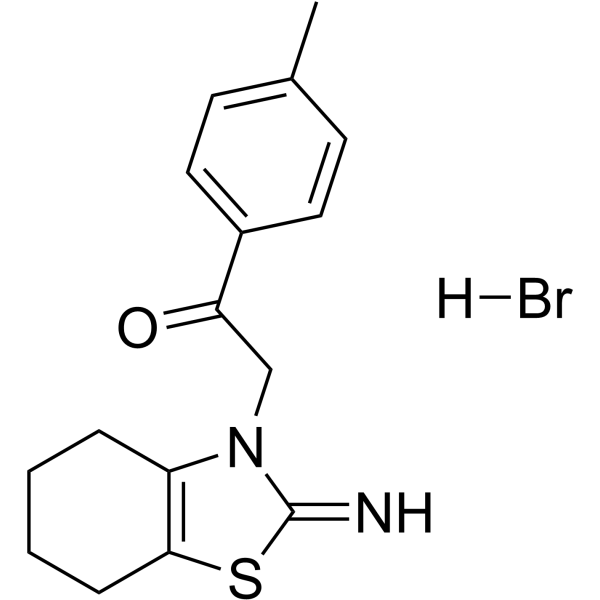
    Pifithrin-α hydrobromide is a p53 inhibitor which blocks its transcriptional activity and prevents cells from apoptosis. Pifithrin-α hydrobromide is also an aryl hydrocarbon receptor (AhR) agonist.
    Pifithrin-α hydrobromide
  • HY-12028
    PD98059
    Maximum Cited Publications
    391 Publications Verification

    MEK ERK Aryl Hydrocarbon Receptor Autophagy Cancer
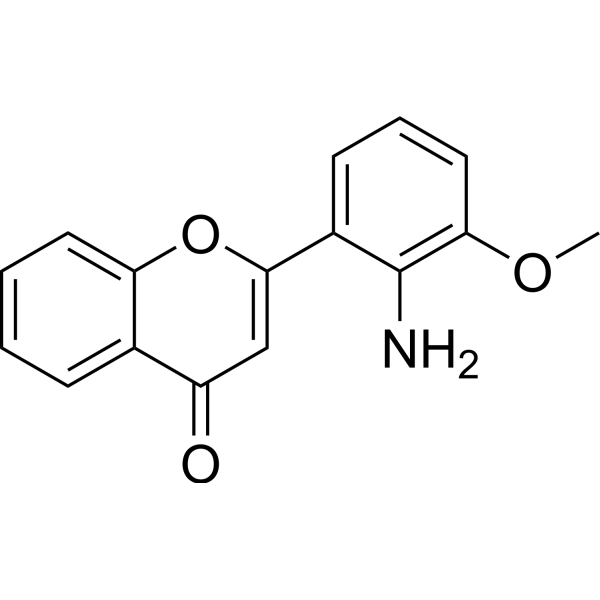
    PD98059 is a potent and selective MEK inhibitor with an IC50 of 5 µM. PD98059 binds to the inactive form of MEK, thereby preventing the activation of MEK1 (IC50 of 2-7 µM) and MEK2 (IC50 of 50 µM) by upstream kinases. PD98059 is a ERK1/2 signaling inhibitor. PD98059 is a ligand for the aryl hydrocarbon receptor (AHR), and suppresses TCDD binding (IC50 of 4 μM) and AHR transformation (IC50 of 1 μM). PD98059 also inhibits Mycobacterium bovis Bacillus CalmetteGuerin (BCG)-induced autophagy .
    PD98059
  • HY-N0178
    Diosmin
    Maximum Cited Publications
    17 Publications Verification

    Aryl Hydrocarbon Receptor Cardiovascular Disease Cancer
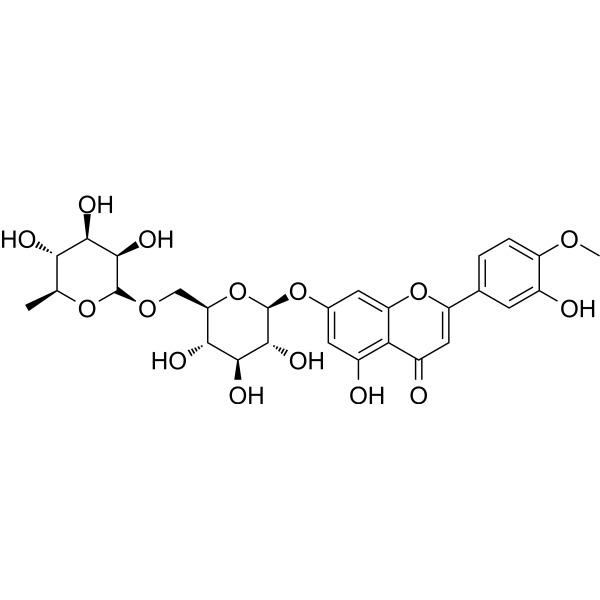
    Diosmin is a flavonoid found in a variety of citrus fruits and also an agonist of the aryl hydrocarbon receptor (AhR).
    Diosmin
  • HY-12451
    FICZ
    25+ Cited Publications

    6-Formylindolo[3,2-b]carbazole

    Aryl Hydrocarbon Receptor Others
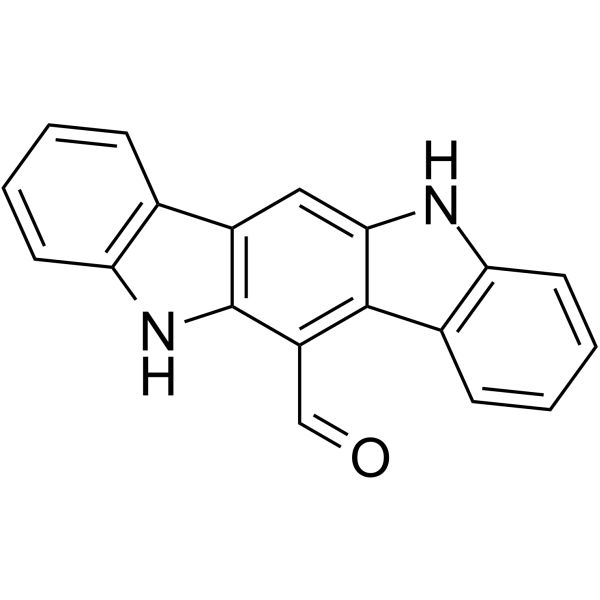
    FICZ is a potent aryl hydrocarbon receptor (AhR) agonist with a Kd of 70 pM.
    FICZ
  • HY-B0311
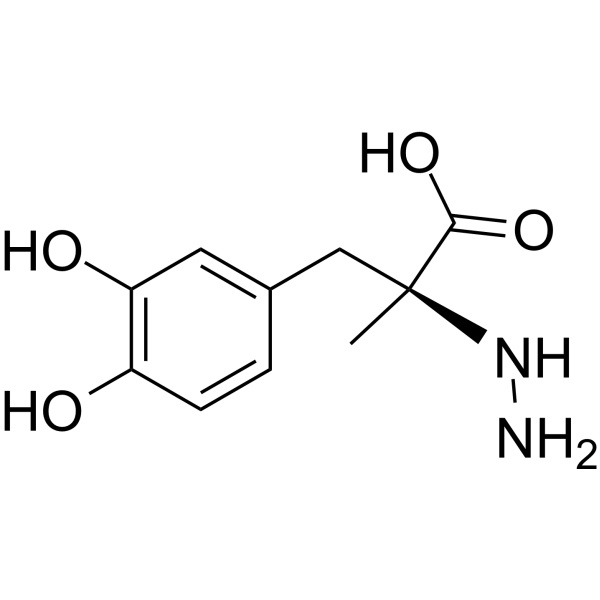
    Carbidopa
    2 Publications Verification

    (S)-(-)-Carbidopa

    Aryl Hydrocarbon Receptor Neurological Disease Cancer
    Carbidopa ((S)-(-)-Carbidopa), a peripheral decarboxylase inhibitor, can be used for the research of Parkinson's disease. Carbidopa is a selective aryl hydrocarbon receptor (AhR) modulator. Carbidopa inhibits pancreatic cancer cell and tumor growth .
    Carbidopa
  • HY-135829
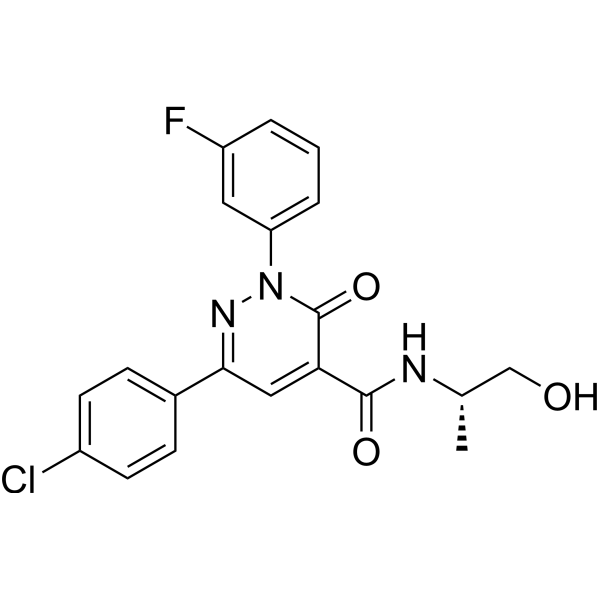
    BAY 2416964
    1 Publications Verification

    Aryl Hydrocarbon Receptor Cancer
    BAY 2416964 is a potent and orally active aryl hydrocarbon receptor (AHR) antagonist extracted from patent WO2018146010A1, example 192, has an IC50 of 341 nM. BAY 2416964 has the potential for solid tumors treatment .
    BAY 2416964
  • HY-N0170
    Indole-3-carbinol
    15+ Cited Publications

    Indole-3-methanol

    NF-κB Aryl Hydrocarbon Receptor E1/E2/E3 Enzyme Endogenous Metabolite Cancer
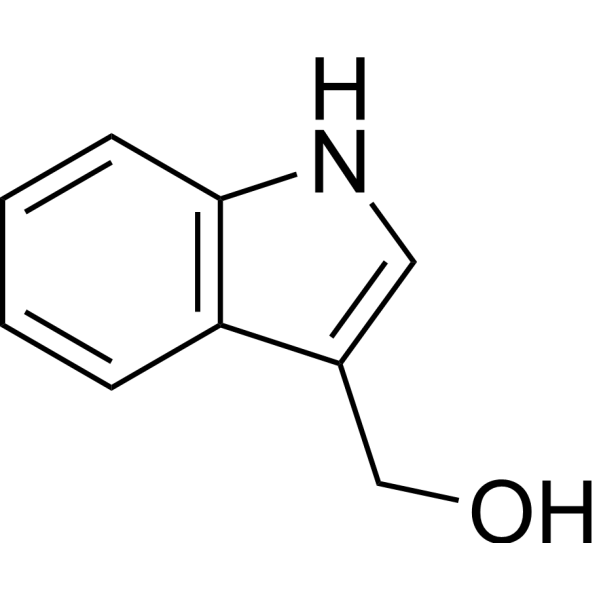
    Indole-3-carbinol (I3C) inhibits NF-κB activity and also is an Aryl hydrocarbon receptor (AhR) agonist, and an inhibitor of WWP1 (WW domain-containing ubiquitin E3 ligase 1).
    Indole-3-carbinol
  • HY-W014502

    Aryl Hydrocarbon Receptor Endogenous Metabolite Cancer
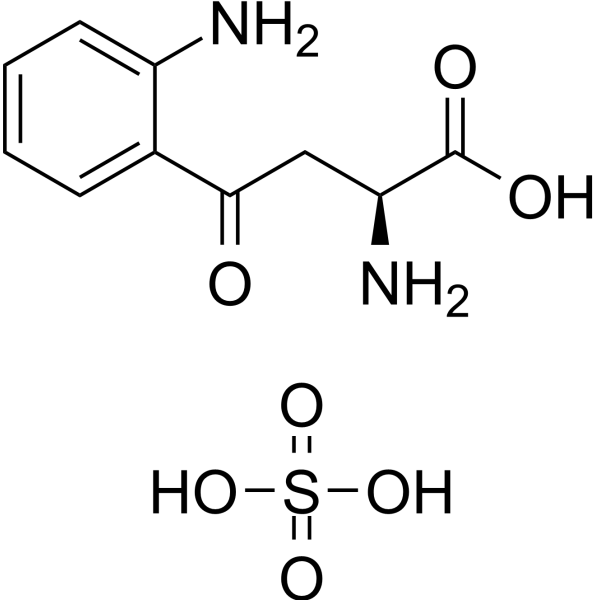
    D-kynurenine, a metabolite of D-tryptophan, can serve as the bioprecursor of kynurenic acid (KYNA) and 3-hydroxykynurenine. D-Kynurenine is an agonist for G protein-coupled receptor, GPR109B. D-Kynurenine is a substrate in a fluorometric assay of D-amino acid oxidase. D-kynurenine promotes epithelial-to-mesenchymal transition via activating aryl hydrocarbon receptor (AHR) .
    D-Kynurenine
  • HY-W011910
    Potassium 1H-indol-3-yl sulfate
    1 Publications Verification

    Endogenous Metabolite Aryl Hydrocarbon Receptor Cytochrome P450 UGT Interleukin Related Metabolic Disease
    Potassium 1H-indol-3-yl sulfate is a metabolite of tryptophan, produced by intestinal microorganisms and combined with sulfate in the liver before entering the circulatory system. Potassium 1H-indol-3-yl sulfate is a potent endogenous agonist of the aryl hydrocarbon receptor (AhR) and a urinary toxin. Potassium 1H-indol-3-yl sulfate can be used for research on kidney diseases .
    Potassium 1H-indol-3-yl sulfate
  • HY-102023
    GNF351
    5+ Cited Publications

    Aryl Hydrocarbon Receptor Others
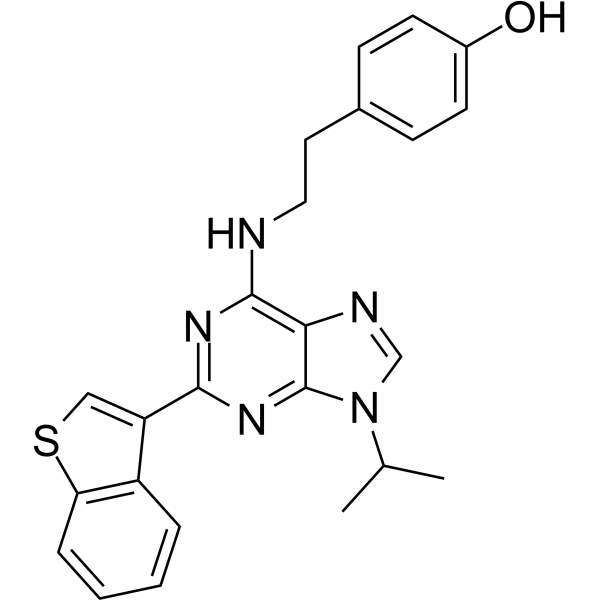
    GNF351 is a full aryl hydrocarbon receptor (AHR) antagonist. GNF351 competes with a photoaffinity AHR ligand for binding to the AHR with an IC50 of 62 nM. GNF351 is minimal toxicity in mouse or human keratinocytes .
    GNF351
  • HY-141609

    AHR antagonist 5 free base

    Aryl Hydrocarbon Receptor Cancer
    IK-175 is a selective and orally active aryl hydrocarbon receptor (AHR) inhibitor. IK-175 effectively blocks AHR from translocating from the cytoplasm to the nucleus. IK-175 is highly selective for AHR over other receptors, transporters, and kinases .
    IK-175
  • HY-114740
    β-Naphthoflavone
    1 Publications Verification

    5,6-Benzoflavone; beta-NF

    Aryl Hydrocarbon Receptor Apoptosis Neurological Disease Cancer
    β-Naphthoflavone is an exogenous aryl hydrocarbon receptor (AHR) ligand. β-Naphthoflavone can activate AHR to participate in various biological processes, including cell growth, differentiation, apoptosis, and metabolism. β-Naphthoflavone has antioxidant activity and can exert its antioxidant function by regulating the activity of antioxidant enzymes. β-Naphthoflavone is also a non-carcinogenic CYP1A inducer and can be used to study aristolochic acid (AAI) induced renal injury .
    β-Naphthoflavone
  • HY-19317
    ITE
    5+ Cited Publications

    Aryl Hydrocarbon Receptor Inflammation/Immunology Cancer
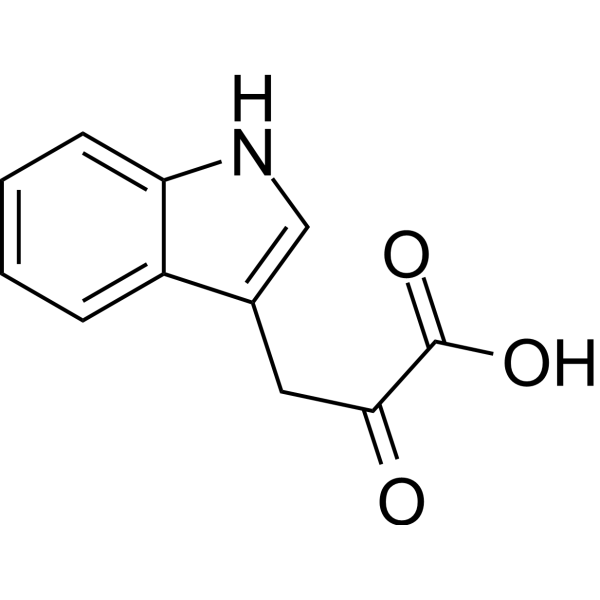
    ITE is a potent endogenous agonist of aryl hydrocarbon receptor (AhR), binding directly to AHR, with a Ki of 3 nM. ITE also has immunosuppressive activity.
    ITE
  • HY-B0845
    Prochloraz
    1 Publications Verification

    BTS 40542

    Environmental Pollutants Estrogen Receptor/ERR Aryl Hydrocarbon Receptor Fungal Androgen Receptor Infection Endocrinology
    Prochloraz is an imidazole antifungal. Prochloraz is as an estrogen receptor (ER) and androgen receptor (AR) antagonist and an aromatase inhibitor with IC50 values of 25 μM, 4 μM and 0.3 μM, respectively. Prochloraz is able to activate the aryl hydrocarbon receptor (AhR) having an EC50 of 1 μM .
    Prochloraz
  • HY-W007355
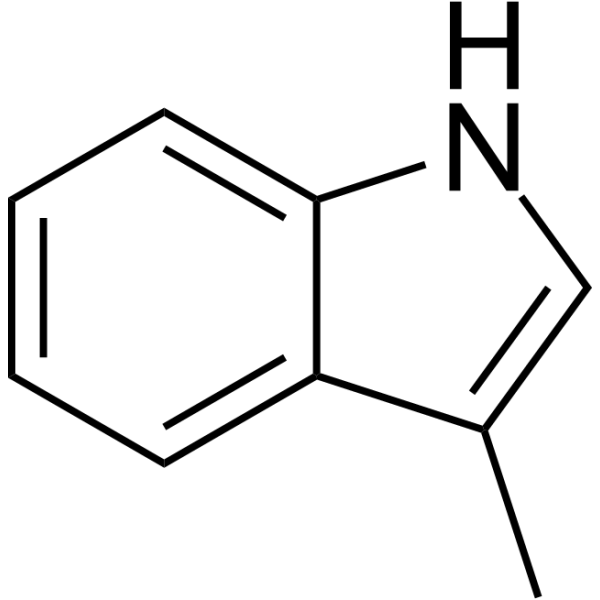
    Skatole
    5+ Cited Publications

    3-Methylindole; 3-Methyl-1H-indole

    Environmental Pollutants Apoptosis Endogenous Metabolite p38 MAPK Aryl Hydrocarbon Receptor Others
    Skatole (3-methylindole) is a heterocyclic compound naturally found in the feces of vertebrates and can be found in certain plants. Skatole can be produced by intestinal bacteria, inducing apoptosis of intestinal epithelial cells through activating aryl hydrocarbon receptors (AhR) and p38. Skatole has been used in specific products of the perfume industry or as a flavor additive in ice cream .
    Skatole
  • HY-W011338
    Benzyl butyl phthalate
    1 Publications Verification

    Environmental Pollutants Aryl Hydrocarbon Receptor Cancer
    Benzyl butyl phthalate, a member of phthalic acid esters (PAEs), can trigger the migration and invasion of hemangioma (HA) cells via upregulation of Zeb1. Benzyl butyl phthalate activates aryl hydrocarbon receptor (AhR) in breast cancer cells to stimulate SPHK1/S1P/S1PR3 signaling and enhances formation of metastasis-initiating breast cancer stem cells (BCSCs) .
    Benzyl butyl phthalate
  • HY-111449
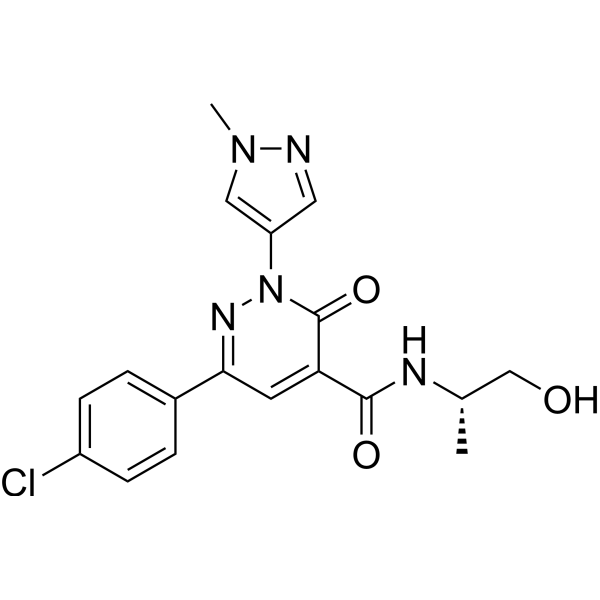
    BAY-218
    2 Publications Verification

    AHR antagonist 1

    Aryl Hydrocarbon Receptor Inflammation/Immunology Cancer
    BAY-218 (AHR antagonist 1) is an aryl hydrocarbon receptor (AHR) antagonist. BAY-218 has AHR inhibitory activity with an IC50 of 39.9 nM in in U87 glioblastoma cells. BAY-218 can be used for the research of cancer or conditions with dysregulated immune responses .
    BAY-218
  • HY-B0311A
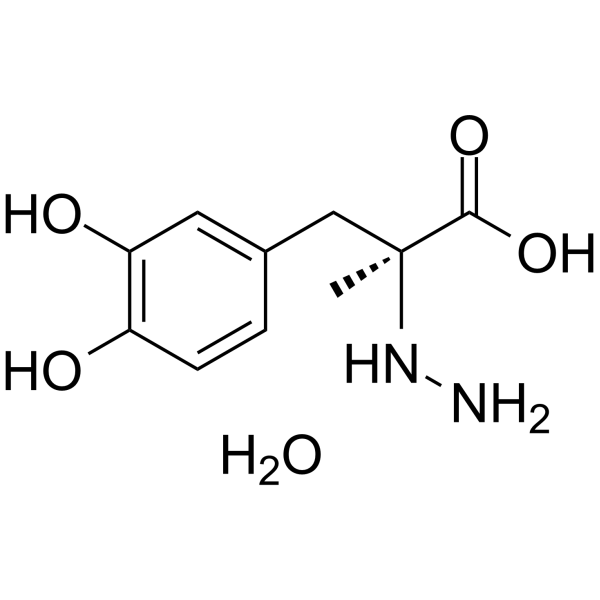
    Carbidopa monohydrate
    2 Publications Verification

    (S)-(-)-Carbidopa monohydrate

    Aryl Hydrocarbon Receptor Neurological Disease Cancer
    Carbidopa ((S)-(-)-Carbidopa) monohydrate, a peripheral decarboxylase inhibitor, can be used for the research of Parkinson's disease. Carbidopa monohydrate is a selective aryl hydrocarbon receptor (AhR) modulator. Carbidopa monohydrate inhibits pancreatic cancer cell and tumor growth .
    Carbidopa monohydrate
  • HY-18619
    YL-109
    2 Publications Verification

    Aryl Hydrocarbon Receptor Cancer
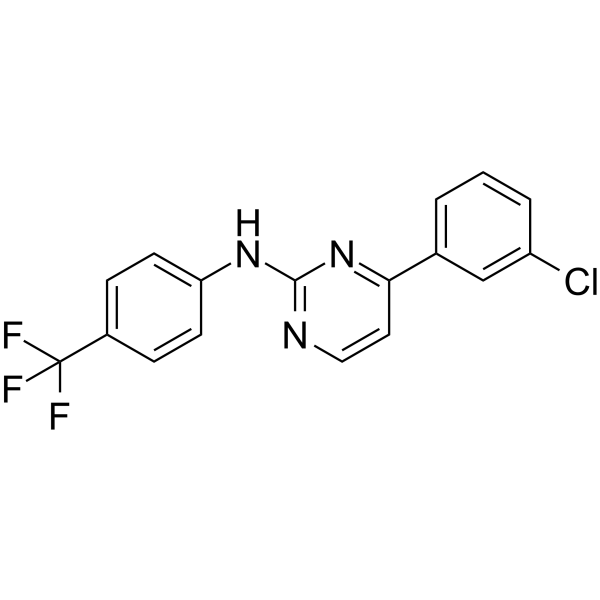
    YL-109 is an antitumor agent that can induce carboxyl terminus of Hsp70-interacting protein (CHIP) expression through aryl hydrocarbon receptor (AhR) signaling. YL-109 has ability to inhibit breast cancer cell growth and invasiveness .
    YL-109
  • HY-15001G

    SR1

    Aryl Hydrocarbon Receptor Cancer
    Stemregenin 1 (SR1) (GMP) is a GMP-grade Stemregenin 1 (HY-15001). GMP-grade small molecules can be used as adjuvants in cell therapy. Stemregenin 1 is a potent aryl hydrocarbon receptor (AhR) antagonist with an IC50 of 127 nM. Stemregenin 1 (GMP) can competitively bind to AhR and inhibit its nuclear translocation, inhibiting osteoclastogenesis and promoting hematopoietic progenitor cell expansion by blocking the AhR-c-src-NF-κB/p-ERK MAPK-NFATc1 signaling pathway. Stemregenin 1 (GMP) can be used for the study of osteoporosis, in vitro expansion of hematopoietic stem cells, and the study of the mechanism of bone metabolic diseases .
    Stemregenin 1
  • HY-D0932

    Solvent Red 24; C.I. 26105

    Environmental Pollutants Biochemical Assay Reagents Cytochrome P450 Aryl Hydrocarbon Receptor Metabolic Disease
    Sudan IV is an agonist of the aryl hydrocarbon receptor (AhR) that activates downstream signaling pathways and induces CYP1A1 expression. Sudan IV promotes CYP1A1 gene transcription by activating AhR-ARNT heterodimers and binding to exogenous response elements (XREs) on DNA, thereby enhancing drug metabolizing enzyme activity. Sudan IV can be used to study the toxicity mechanisms of industrial dyes and the effects of interactions with serum proteins (such as bovine serum albumin (BSA)) on their distribution in vivo. Sudan IV is a fat-soluble diazo dye that can be used to stain lipids, triglycerides, and lipoproteins on frozen sections .
    Sudan IV
  • HY-103221

    Aryl Hydrocarbon Receptor GSK-3 CDK Others
    MeBIO is a potent AhR (aryl hydrocarbon receptor) agonist, with IC50 of 44 μM (GSK-3) and 55 μM (CDK1/cyclin B), respectively .
    MeBIO
  • HY-N0586

    (+)-Laurelliptine

    Adenosine Receptor Inflammation/Immunology
    Norisoboldine is an orally active natural aryl hydrocarbon receptor (AhR) agonist. Norisoboldine, as a major isoquinoline alkaloid present in Radix Linderae, can be used for the research of Rheumatoid arthritis and Ulcerative colitis .
    Norisoboldine
  • HY-W014075

    Aryl Hydrocarbon Receptor Cytochrome P450 Collagen Inflammation/Immunology
    1-Hydroxypyrene, a biomarker of exposure to polycyclic aromatic hydrocarbons (PAHs), is analyzed in urine samples. 1-Hydroxypyrene is the major biomarker of exposure to pyrenes. 1-Hydroxypyrene is the orally active agonist for aryl hydrocarbon receptor (AhR) and can lead to renal fibrosis .
    1-Hydroxypyrene
  • HY-112629
    PDM2
    3 Publications Verification

    Aryl Hydrocarbon Receptor Inflammation/Immunology
    PDM2 is a selective, high-affinity aryl hydrocarbon receptor (AhR) antagonist with an Ki of 1.2±0.4 nM.
    PDM2
  • HY-N0178R

    Reference Standards Aryl Hydrocarbon Receptor Cardiovascular Disease Cancer
    Diosmin (Standard) is the analytical standard of Diosmin. This product is intended for research and analytical applications. Diosmin is a flavonoid found in a variety of citrus fruits and also an agonist of the aryl hydrocarbon receptor (AhR).
    Diosmin (Standard)
  • HY-135750
    VAF347
    3 Publications Verification

    Aryl Hydrocarbon Receptor Inflammation/Immunology
    VAF347 is a cell permeable and highly affinity aryl hydrocarbon receptor (AhR) agonist and induces AhR signaling. VAF347 inhibits the development of CD14 +CD11b + monocytes from granulo-monocytic (GM stage) precursors. VAF347 has anti-inflammatory effects .
    VAF347
  • HY-124421

    NSC-703786

    Aryl Hydrocarbon Receptor Others
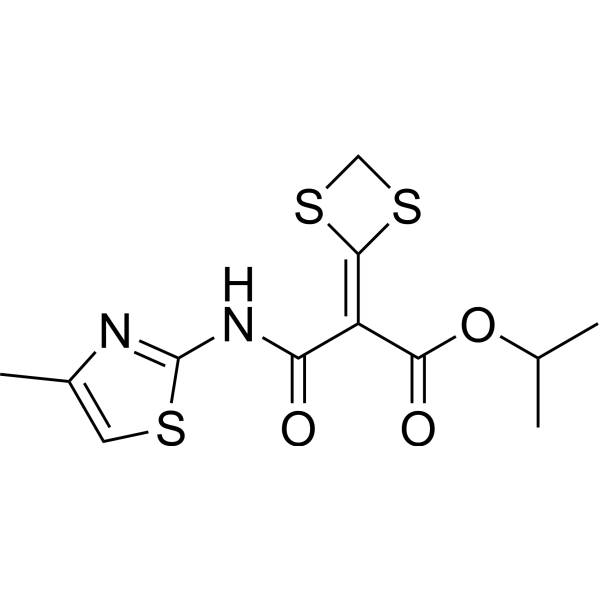
    5F-203 (NSC-703786) is a cytotoxic molecule that forms DNA adducts and cell cycle arrest. 5F-203 induces aryl hydrocarbon receptor (AhR) signaling and elevates expression of CYP1A1. 5F-203 also increases the levels of reactive oxygen species as well as activates JNK, ERK, and p38 .
    5F-203
  • HY-N4095

    Aryl Hydrocarbon Receptor Glycosidase Reactive Oxygen Species (ROS) GLUT Metabolic Disease Inflammation/Immunology Cancer
    Brevifolincarboxylic acid is a phenolic compound. Brevifolincarboxylic acid can be isolated from Duchesnea chrysantha. Brevifolincarboxylic acid inhibits α-glucosidase with an IC50 value of 323.46 μM. Brevifolincarboxylic acid has an inhibitory effect on the aryl hydrocarbon receptor (AhR). Brevifolincarbacid scavenges ROS. Brevifolincarbacid restores the glucose uptake activity of myotubes. Brevifolincarboxylic acid has antitumor activity against lung and gastric cancer. Brevifolincarbacid can be used in the study of diabetes and inflammatory diseases .
    Brevifolincarboxylic acid
  • HY-111441

    Chrysene-1,4-dione

    Aryl Hydrocarbon Receptor Cancer
    1,4-Chrysenequinone, a polycyclic aromatic quinone, acts as an activator of aryl hydrocarbon receptor (AhR).
    1,4-Chrysenequinone
  • HY-103220
    6,2',4'-Trimethoxyflavone
    1 Publications Verification

    Aryl Hydrocarbon Receptor Neurological Disease Cancer
    6,2',4'-Trimethoxyflavone is a potent aryl hydrocarbon receptor (AHR) antagonist. 6,2',4'-Trimethoxyflavone represses AHR-mediated gene induction .
    6,2',4'-Trimethoxyflavone
  • HY-135831
    AHR antagonist 2
    1 Publications Verification

    Aryl Hydrocarbon Receptor Inflammation/Immunology Cancer
    AHR antagonist 2 (Example 1) is a potent aryl hydrocarbon receptor (AHR) antagonist with IC50s of 885 pM and 2.03 nM for human and mouse AHR. AHR antagonist 2 can be used for the studies of cancers and imbalance of the immune response .
    AHR antagonist 2
  • HY-144339
    AhR agonist 2
    1 Publications Verification

    Aryl Hydrocarbon Receptor Others
    AhR agonist 2 (Compound 12a) is a potent agonist of aryl hydrocarbon receptor (AhR) with an EC50 of 0.03 nM. AhR agonist 2 induces rapid nuclear enrichment of AhR, triggers the transcription of downstream genes and promote skin barrier repair. AhR agonist 2 has the potential for the research of psoriasis .
    AhR agonist 2
  • HY-103222

    3',4'-Dimethoxy-αNF

    Aryl Hydrocarbon Receptor Inflammation/Immunology
    DiMNF (3',4'-Dimethoxy-αNF) is a selective aryl hydrocarbon receptor (AHR) modulator. DiMNF is a competitive AHR ligand (IC50 = 21 nM) with apparent antagonistic activity. DiMNF can be used as an anti-inflammatory agent .
    DiMNF
  • HY-N0586A

    (+)-Laurelliptine hydrochloride

    Adenosine Receptor Inflammation/Immunology
    Norisoboldine hydrochloride is an orally active natural aryl hydrocarbon receptor (AhR) agonist. Norisoboldine hydrochloride, as a major isoquinoline alkaloid present in Radix Linderae, can be used for the research of Rheumatoid arthritis and Ulcerative colitis .
    Norisoboldine hydrochloride
  • HY-W014701

    Aryl Hydrocarbon Receptor Cytochrome P450 Apoptosis Interleukin Related Neurological Disease Inflammation/Immunology Endocrinology
    1,4-Dihydroxy-2-naphthoic acid is an aryl hydrocarbon receptor (AhR) agonist. 1,4-Dihydroxy-2-naphthoic acid is also a bacterially derived metabolite and has anti-inflammatory activity .
    1,4-Dihydroxy-2-naphthoic acid
  • HY-130256

    PROTACs Epigenetic Reader Domain Cancer
    β-NF-JQ1 is a PROTAC that recruits Aryl Hydrocarbon Receptor E3 ligase to target proteins. β-NF-JQ1 is directed against bromodomain-containing (BRD) proteins using β-NF as an AhR ligand, induces the interaction of AhR and BRD proteins, and displays effective anticancer activity that correlated with protein knockdown activity .
    β-NF-JQ1
  • HY-W014075S

    Isotope-Labeled Compounds Aryl Hydrocarbon Receptor Cytochrome P450 Collagen Inflammation/Immunology
    1-Hydroxypyrene-d9 is the deuterium labeled 1-Hydroxypyrene (HY-W014075). 1-Hydroxypyrene, a biomarker of exposure to polycyclic aromatic hydrocarbons (PAHs), is analyzed in urine samples. 1-Hydroxypyrene is the major biomarker of exposure to pyrenes. 1-Hydroxypyrene is the orally active agonist for aryl hydrocarbon receptor (AhR) and can lead to renal fibrosis .
    1-Hydroxypyrene-d9
  • HY-117102

    Aryl Hydrocarbon Receptor Checkpoint Kinase (Chk) Cancer
    ANI-7 is an activator of aryl hydrocarbon receptor (AhR) pathway. ANI-7 inhibits the growth of multiple cancer cells, and potently and selectively inhibits the growth of MCF-7 breast cancer cells with a GI50 of 0.56 μM. ANI-7 induces CYP1-metabolizing mono-oxygenases by activating AhR pathway, and also induces DNA damage, checkpoint Kinase 2 (Chk2) activation, S-phase cell cycle arrest, and cell death in sensitive breast cancer cell lines .
    ANI-7
  • HY-77278

    VD/VDR Aryl Hydrocarbon Receptor LXR PPAR Others
    25-Hydroxytachysterol3 is the metabolite of Vitamin D3 (HY-15398). 25-Hydroxytachysterol3 inhibits the proliferation of epidermal keratinocytes and dermal fibroblasts, stimulates the expression of differentiation- and antioxidant-related genes in keratinocytes. 25-Hydroxytachysterol3 activates vitamin D receptor (VDR) and aryl hydrocarbon receptor (AhR), liver X receptor α/β (LXR α/β) and peroxisome proliferator-activated receptor γ (PPARγ), stimulates the expression of CYP24A1 .
    25-Hydroxytachysterol3
  • HY-112628

    AHR antagonist 7

    Aryl Hydrocarbon Receptor Cancer
    CAY10464 (AHR antagonist 7; compound 4j) is a selective and high-affinity aryl hydrocarbon receptor (AhR) antagonist with a Ki of 1.4 nM .
    CAY10464
  • HY-154825

    20(OH)D3; 20S-Hydroxyvitamin D3

    VD/VDR Aryl Hydrocarbon Receptor NF-κB Cytochrome P450 Inflammation/Immunology Cancer
    20-Hydroxyvitamin D3 (20(OH)D3), a product of vitamin D3 hydroxylation, is a noncalcemic immunomodulator. 20-Hydroxyvitamin D3 binds to vitamin D receptor (VDR), activates VDR and aryl hydrocarbon receptor (AhR) signaling, stimulates CYP24A1 expression, and drives VDR nuclear translocation. 20-Hydroxyvitamin D3 inhibits NF-κB activity via IκBα upregulation. 20-Hydroxyvitamin D3 acts as a substrate for CYP27B1 and rat CYP24A1, undergoing hydroxylation to form dihydroxy-derivatives. 20-Hydroxyvitamin D3 inhibits cell proliferation, colony formation, migration, and tumor growth, and induces cell differentiation in cancer cells. 20-Hydroxyvitamin D3 can be used for the research of inflammatory and autoimmune diseases, melanoma, breast carcinomas, and hepatocarcinoma .
    20-Hydroxyvitamin D3
  • HY-175785

    Estrogen Receptor/ERR Aryl Hydrocarbon Receptor Apoptosis MDM-2/p53 Cancer
    X15695 is selective and orally active estrogen receptor (ERα) degrader. X15695 is an aryl hydrocarbon receptor (AHR) ligand. X15695 enables AHR to form a complex with the ERα, promoting its proteasomal degradation. X15695 inhibits the breast cancer cells proliferation, promotes cell cycle block and induces apoptosis. X15695 can be used for the study of breast cancer .
    X15695
  • HY-N0170R

    Indole-3-methanol (Standard)

    NF-κB Aryl Hydrocarbon Receptor E1/E2/E3 Enzyme Endogenous Metabolite Reference Standards Cancer
    Indole-3-carbinol (Standard) is the analytical standard of Indole-3-carbinol. This product is intended for research and analytical applications. Indole-3-carbinol (I3C) inhibits NF-κB activity and also is an Aryl hydrocarbon receptor (AhR) agonist, and an inhibitor of WWP1 (WW domain-containing ubiquitin E3 ligase 1).
    Indole-3-carbinol (Standard)
  • HY-W764758

    Aryl Hydrocarbon Receptor Inflammation/Immunology
    3-OH-Kynurenamine dihydroiodide is the dihydroiodide form of 3-OH-Kynurenamine (HY-156908). 3-OH-Kynurenamine dihydroiodide is an activator for aryl hydrocarbon receptor (AhR), and thus regulates the immune response. 3-OH-Kynurenamine dihydroiodide upregulates the expressions of Ido1 and Tgfb1, ameliorates the skin inflammation in psoriasis mouse model and kidney damage in nephrotoxic lupus mouse model .
    3-OH-Kynurenamine dihydroiodide
  • HY-W007355R

    3-Methylindole (Standard); 3-Methyl-1H-indole (Standard)

    Reference Standards Aryl Hydrocarbon Receptor p38 MAPK Endogenous Metabolite Apoptosis Others
    Skatole (Standard) is the analytical standard of Skatole. This product is intended for research and analytical applications. Skatole (3-methylindole) is a heterocyclic compound naturally found in the feces of vertebrates and can be found in certain plants. Skatole can be produced by intestinal bacteria, inducing apoptosis of intestinal epithelial cells through activating aryl hydrocarbon receptors (AhR) and p38. Skatole has been used in specific products of the perfume industry or as a flavor additive in ice cream .
    Skatole (Standard)
  • HY-136220

    Aryl Hydrocarbon Receptor Cancer
    AHR antagonist 5, a potent and orally active aryl hydrocarbon receptor (AHR) antagonist extracted from patent WO2018195397, example 39, has an IC50 of < 0.5 μΜ. AHR antagonist 5 significantly inhibits tumor growth combined with checkpoint inhibitor anti-PD-1 .
    AHR antagonist 5

Inquiry Online

Your information is safe with us. * Required Fields.

Salutation


Country or Region *

Applicant Name *


Organization Name *

Department *


Email Address *


Product Name *

Cat. No.


Requested quantity *

Phone Number *


Remarks

Inquiry Online

Inquiry Information

Product Name:
Cat. No.:
Quantity:
MCE Japan Authorized Agent:

