
Search Result
Results for "
Cholinesterases
" in MedChemExpress (MCE) Product Catalog:
1
Biochemical Assay Reagents
13
Isotope-Labeled Compounds
| Cat. No. |
Product Name |
Target |
Research Areas |
Chemical Structure |
-
- HY-107569
-
|
|
Cholinesterase (ChE)
Histone Acetyltransferase
Apoptosis
Endogenous Metabolite
|
Inflammation/Immunology
Cancer
|
|
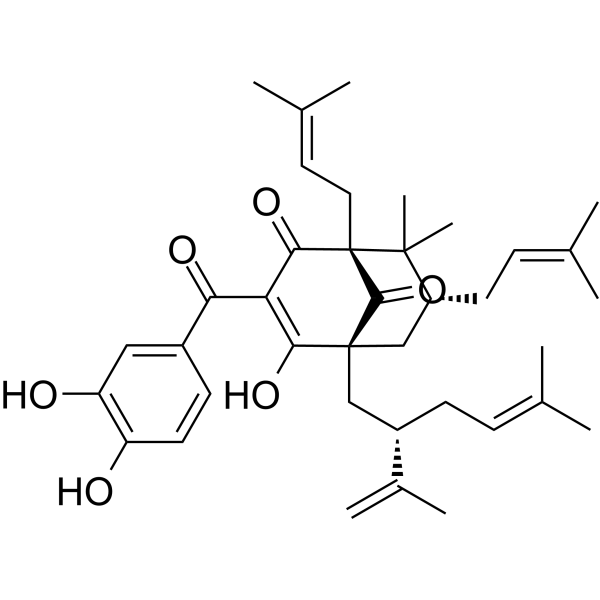
Garcinol, a polyisoprenylated benzophenone harvested from Garcinia indica, exerts anti-cholinesterase properties towards acetyl cholinesterase (AChE) and butyrylcholinesterase (BChE) with IC50s of 0.66 μM and 7.39 μM, respectively . Garcinol also inhibits histone acetyltransferases (HATs, IC50= 7 μM) and p300/CPB-associated factor (PCAF, IC50 = 5 μM). Garcinol has anti-inflammatory and anti-cancer activity .
|
-
-
- HY-134124
-
|
|
Reactive Oxygen Species (ROS)
|
Metabolic Disease
|
|
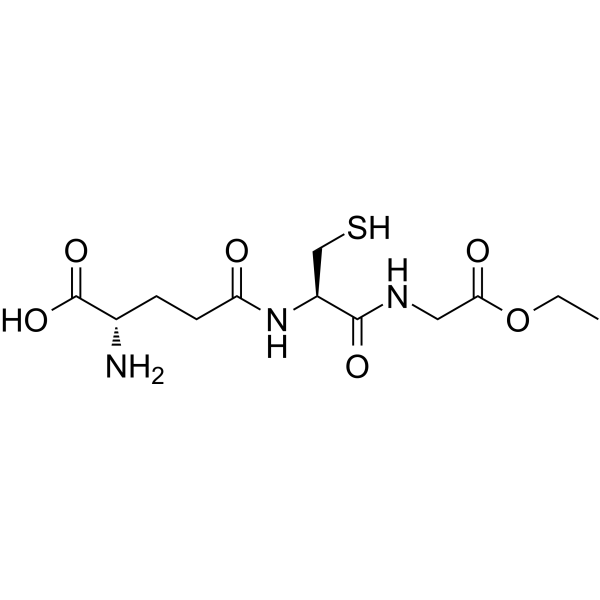
Glutathione ethyl ester is a cell-permeable GSH donor and provides an efficient supply of GSH to the oocyte. Glutathione ethyl ester shows positive effect on the in vitro production of embryos by enhancement of the antioxidative defense .
|
-
-
- HY-D0904
-
|
S-Acetylthiocholine iodide; ATCh iodide
|
Biochemical Assay Reagents
|
Others
|
|
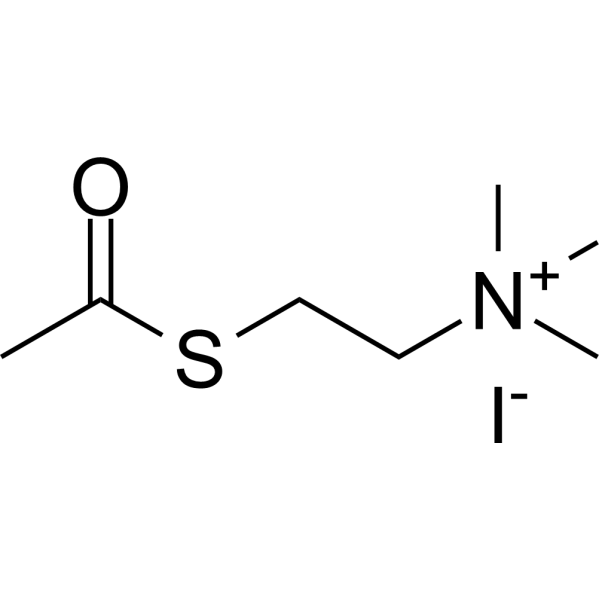
Acetylthiocholine iodide can be used as a substrate for certain enzymes, such as cholinesterase, etc., and can be used to determine the activity level of these enzymes. In addition, the compound is used in some medical research, for example in the fields of neuroscience and organ physiology.
|
-
-
- HY-17368
-
|
ENA 713 free base; SDZ-ENA 713 free base
|
Cholinesterase (ChE)
|
Neurological Disease
|
|
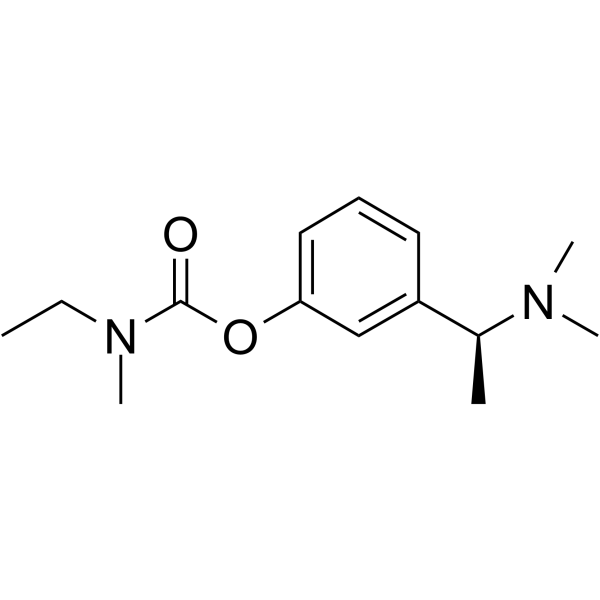
Rivastigmine (ENA 713 free base) is an orally active and potent cholinesterase (ChE) inhibitor and inhibits butyrylcholinesterase (BChE) and acetylcholinesteras (AChE) with IC50s of 0.037 μM , 4.15 μM, respectively. Rivastigmine can pass the blood brain barrier (BBB). Rivastigmine is a parasympathomimetic or cholinergic agent used for the research of mild to moderate dementia of the Alzheimer's type and dementia due to Parkinson's disease .
|
-
-
- HY-138097
-
α-NETA
Maximum Cited Publications
13 Publications Verification
|
Chemerin Receptor
Aldehyde Dehydrogenase (ALDH)
Cholinesterase (ChE)
Apoptosis
|
Cancer
|
|
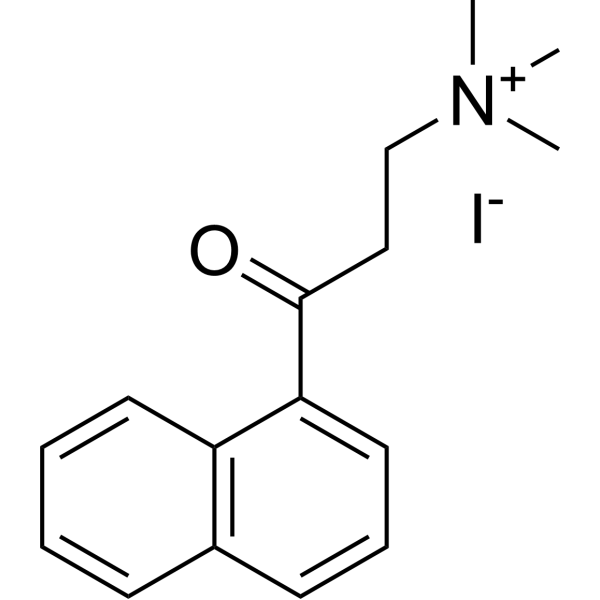
α-NETA is a potent and noncompetitive choline acetyltransferase (ChA) inhibitor with an IC50 of 9 μM. α-NETA is a potent ALDH1A1 (IC50=0.04 µM) and chemokine-like receptor-1 (CMKLR1) antagonist. α-NETA weakly inhibits cholinesterase (ChE; IC50=84 µM) and acetylcholinesterase (AChE; IC50=300 µM). α-NETA has anti-cancer activity .
|
-
-
- HY-B0423
-
|
Eustigmin bromide; Neoserine bromide
|
Cholinesterase (ChE)
|
Neurological Disease
|
|
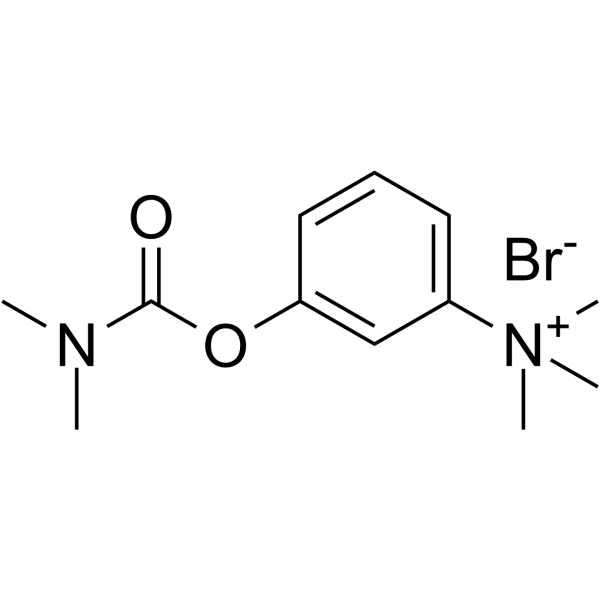
Neostigmine (Eustigmin) Bromide is an orally active and reversible cholinesterase inhibitor that acts on myasthenia gravis to prolong and intensify the muscarinic and nicotinic effects of acetylcholine. Neostigmine Bromide can be used in anesthesia to reverse the neuromuscular blockade produced by competitive neuromuscular blockers .
|
-
-
- HY-11017
-
|
ENA 713; SDZ-ENA 713
|
Cholinesterase (ChE)
|
Neurological Disease
|
|
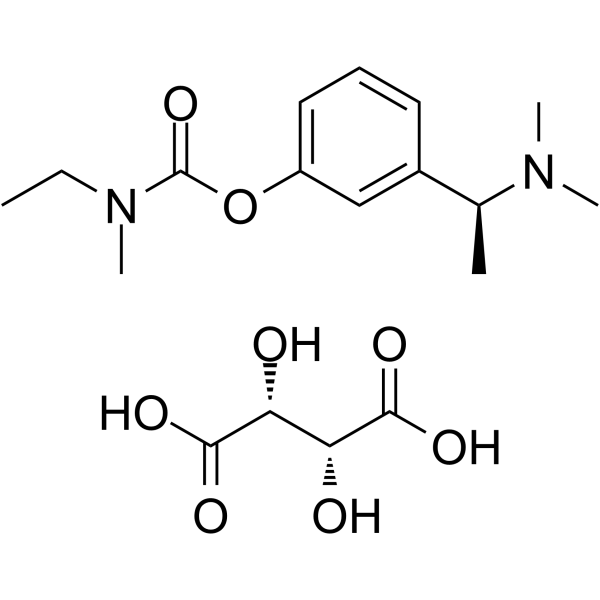
Rivastigmine tartrate (ENA 713; SDZ-ENA 713) is an orally active and potent cholinesterase (ChE) inhibitor and inhibits butyrylcholinesterase (BChE) and acetylcholinesteras (AChE) with IC50s of 0.037 μM, 4.15 μM, respectively. Rivastigmine tartrate can pass the blood brain barrier (BBB). Rivastigmine tartrate is a parasympathomimetic or cholinergic agent used for the research of mild to moderate dementia of the Alzheimer's type and dementia due to Parkinson's disease .
|
-
-
- HY-131922
-
|
Tetraisopropyl pyrophosphoramide
|
Cholinesterase (ChE)
|
Neurological Disease
|
|
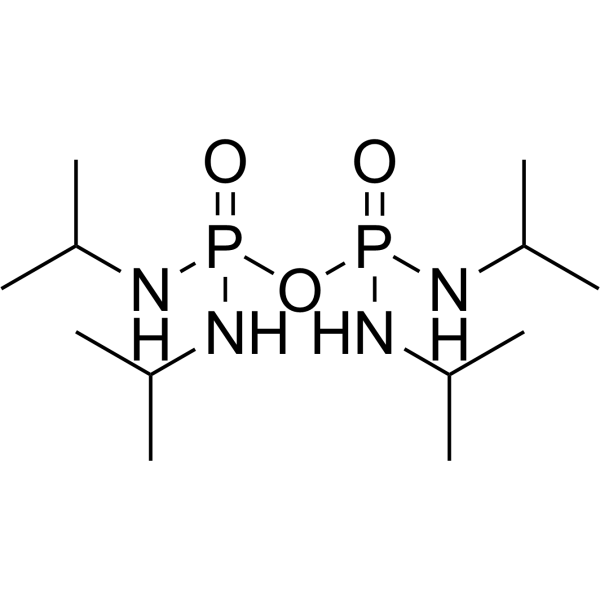
Iso-OMPA (Tetraisopropyl pyrophosphoramide) is a selective inhibitor of the irreversible butyrylcholinesterase (BuChE). Iso-OMPA enhances soman toxicity in rats associated with the inhibition of plasma carboxylesterase (CarbE) .
|
-
-
- HY-107922
-
|
Isothazine
|
Cholinesterase (ChE)
iGluR
mAChR
|
Neurological Disease
|
|
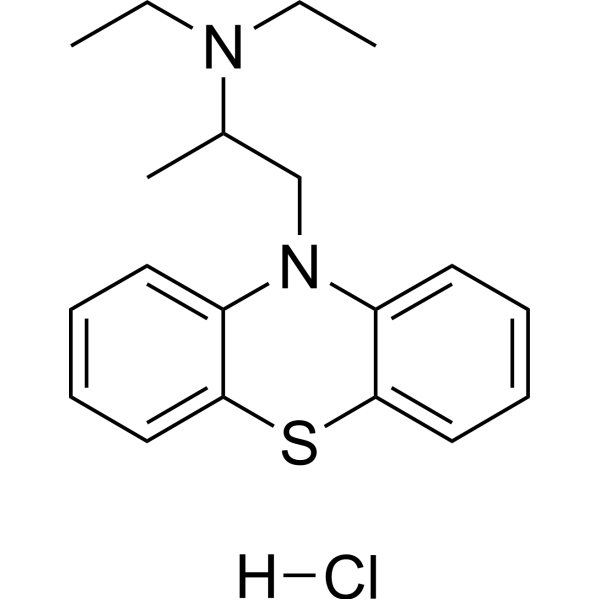
Ethopropazine (Isothazine) hydrochloride is a potent and selective BChE inhibitor, a poor AChE inhibitor and a non-selective mAChR and NMDA antagonist. Ethopropazine hydrochloride has anticholinergic, antihistamine, antiadrenergic actions and properties. Ethopropazine hydrochloride alleviates thermal hyperalgesia in a dose dependent manner. Ethopropazine hydrochloride can be used for the research of Parkinson’s disease .
|
-
-
- HY-B0207A
-
-
-
- HY-E70362
-
|
BCHE, BuChE, PCHE, pseudocholinesterase, plasma cholinesterase, Acylcholine acyl-hydrolase, Choline esterase, butyryl
|
Others
|
Others
|
|
Butyrylcholinesterase (BCHE), Horse Serum (BCHE, BuChE, PCHE, pseudocholinesterase, plasma cholinesterase, Acylcholine acyl-hydrolase, Choline esterase, butyryl) is a biological material or organic compound that can be used in life science research .
|
-
-
- HY-P2798
-
|
EC 3.1.1.8; BCHE, Horse serum
|
Cholinesterase (ChE)
|
Neurological Disease
|
|
Cholinesterase, Horse serum infers to acetylcholinesterase (AChE) and butyryl cholinesterase (BChE). AChE and BChE catalyze the hydrolysis of 6-MAM to morphine .
|
-
-
- HY-17530
-
-
-
- HY-119577
-
|
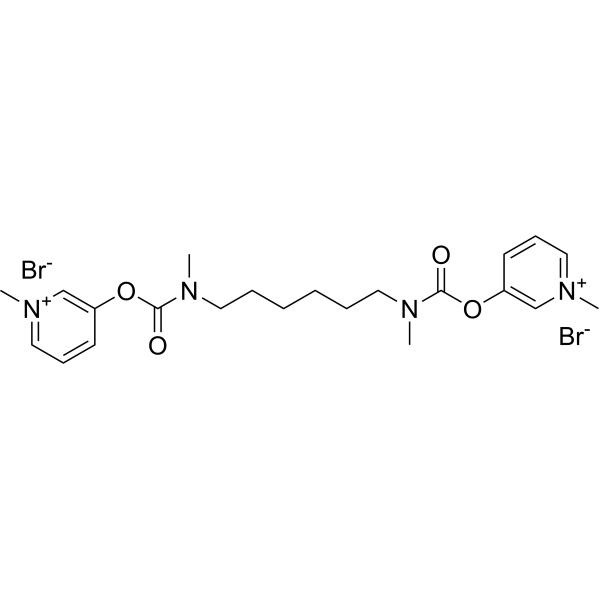
Distigmine dibromide
|
Cholinesterase (ChE)
|
Neurological Disease
|
|
Ubretid is a potent inhibitor of plasma cholinesterase. Ubretid therefore delays the hydrolysis of suxamethonium and prolongs its action, similar to the effects shown by other anticholinesterase agents, such as pyridostigmine and donepezil. Ubretid has the potential for the research of urinary retention prolongs the effect of suxamethonium. Ubretid is commonly prescribed for the research of myasthenia gravis and for difficulty in emptying the bladder .
|
-
-
- HY-B1626A
-
|
BC-48
|
Cholinesterase (ChE)
|
Neurological Disease
|
|
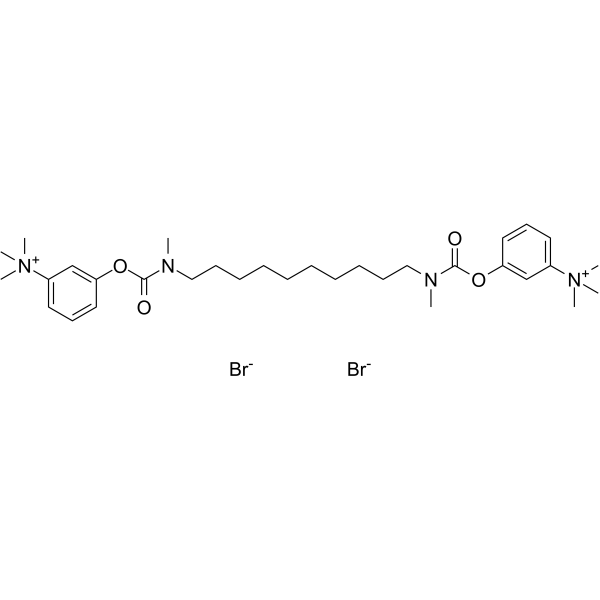
Demecarium Bromide (BC-48) is a potent cholinesterase inhibitor, with an apparent affinity (Kiapp) of 0.15 μM . Demecarium Bromide (BC-48) is used as a glaucoma agent .
|
-
-
- HY-B0207AS
-
|
|
Cholinesterase (ChE)
|
Others
|
|
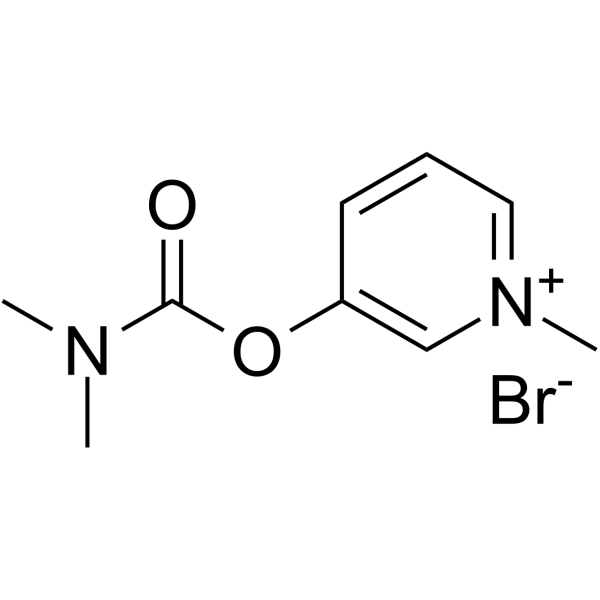
Pyridostigmine-d6 (bromide) is the deuterium labeled Pyridostigmine, which is a parasympathomimetic and a reversible cholinesterase inhibitor.
|
-
-
- HY-116583
-
-
-
- HY-W022759
-
|
|
Cholinesterase (ChE)
|
Others
|
|
9-Acridinecarboxylic acid is a precursor of a cholinesterase inhibitor, and its derivatives have nanomolar inhibitory potency against AChE and BChE .
|
-
-
- HY-I0020
-
|
(-)-Narwedine; Narwedin
|
Cholinesterase (ChE)
|
Neurological Disease
|
|
Galanthaminone (Narwedin) is a competitive and reversible cholinesterase (AChE) inhibitor; is used for the treatment of mild to moderate Alzheimer's disease and various other memory impairments.
|
-
-
- HY-N4206
-
|
|
Cholinesterase (ChE)
|
Neurological Disease
|
|
Leptomerine, an alkaloid from stems of Esenbeckia leiocarpa Engl. (Rutaceae) as potential treatment for Alzheimer Disease. Leptomerine inhibits acetyl cholinesterase (AChE) with an IC50 of 2.5 μM. Anticholinesterasic activity .
|
-
-
- HY-124957
-
|
|
Cholinesterase (ChE)
Apoptosis
|
Cancer
|
|
β-NETA is a potent and noncompetitive choline acetyltransferase (ChA; IC50=76 μM) and cholinesterase (ChE; IC50=40 μM) inhibitor. β-NETA weakly inhibits acetylcholinesterase (AChE; IC50=1 mM) .
|
-
-
- HY-17368R
-
|
ENA 713 free base(Standard); SDZ-ENA 713 free base(Standard)
|
Reference Standards
Cholinesterase (ChE)
|
Neurological Disease
|
|
Rivastigmine (Standard) is the analytical standard of Rivastigmine. This product is intended for research and analytical applications. Rivastigmine (ENA 713 free base) is an orally active and potent cholinesterase (ChE) inhibitor and inhibits butyrylcholinesterase (BChE) and acetylcholinesteras (AChE) with IC50s of 0.037 μM , 4.15 μM, respectively. Rivastigmine can pass the blood brain barrier (BBB). Rivastigmine is a parasympathomimetic or cholinergic agent used for the research of mild to moderate dementia of the Alzheimer's type and dementia due to Parkinson's disease .
|
-
-
- HY-N6865
-
-
-
- HY-131922R
-
|
Tetraisopropyl pyrophosphoramide (Standard)
|
Cholinesterase (ChE)
Reference Standards
|
Neurological Disease
|
|
Iso-OMPA (Standard) is the analytical standard of Iso-OMPA. This product is intended for research and analytical applications. Iso-OMPA (Tetraisopropyl pyrophosphoramide) is a selective inhibitor of the irreversible butyrylcholinesterase (BuChE). Iso-OMPA enhances soman toxicity in rats associated with the inhibition of plasma carboxylesterase (CarbE) .
|
-
-
- HY-107275
-
|
|
Cholinesterase (ChE)
|
Neurological Disease
|
|
Ebeiedinone, a steroidal alkaloid from Fritillaria species, inhibits the bioactivity of human whole blood cholinesterase (ChE) at the concentration of 0.1 mM, with the inhibitory effects of 69.0% .
|
-
-
- HY-108048
-
|
Deoxypeganine; Deoxyvasicine
|
Cholinesterase (ChE)
Monoamine Oxidase
|
Neurological Disease
|
|
Desoxypeganine (Deoxypeganine), an alkaloid, is a potent and orally active cholinesterase (BChE and AChE) and selective MAO-A inhibitor, with IC50 values of 2, 17, and 2 μM, respectively. Desoxypeganine can be used for alcohol abuse research .
|
-
-
- HY-P4281
-
-
-
- HY-136838
-
-
-
- HY-16252
-
|
Mylaxen
|
Cholinesterase (ChE)
|
Neurological Disease
|
|
Hexafluorenium dibromide (Mylaxen) is a potent cholinesterase (ChE) inhibitor with pI50 value of 6.96 and Ki value of 2.4 nM for human plasma cholinesterase (ChE) .
|
-
-
- HY-122790
-
|
|
Bacterial
|
Infection
|
|
2-Hydroxydocosanoic acid has antioxidant, cholinesterase inhibitory, and antimicrobial activities .
|
-
-
- HY-N3468
-
-
-
- HY-W011246
-
|
HP 029; Hydroxytacrine maleate
|
Cholinesterase (ChE)
|
Neurological Disease
|
|
Velnacrine maleate (HP 029) is an orally active cholinesterase inhibitor that can be used for the research of Alzheimer's disease .
|
-
-
- HY-126199
-
|
|
Endogenous Metabolite
|
Others
|
|
Tetrachlorvinphos is an organophosphorus pesticide that has the activity of inhibiting cholinesterase. Tetrachlorvinphos is used as a pesticide, mainly for the control of pests. Tetrachlorvinphos has low toxicity to mammals .
|
-
-
- HY-N7346
-
|
|
HSV
Cholinesterase (ChE)
|
Infection
|
|
Lucidadiol is a natural compound isolated from Ganoderma lucidum. Lucidadiol exhibits acetylcholinesterase-inhibitory activity, with IC50 values of 31 μM. Lucidadiol shows antiviral activity against influenza virus type A and HSV type 1 .
|
-
-
- HY-151562
-
|
|
Cholinesterase (ChE)
Monoamine Oxidase
|
Neurological Disease
|
|
AChE/BuChE/MAO-B-IN-1 (compound 19) is an inhibitor of human acetyl- (hAChE), butyrylcholinesterase (hBuChE) and monoamine oxidase-B (hMAO-B) with IC50s of 4.8 μM, 13.7 μM, and 1.11 μM, respectively. AChE/BuChE/MAO-B-IN-1 also exhibits high affinity to both the σ1 and σ2 receptors with Ki values of 42.8 nM (human σ1 receptor) and 191 nM (rat σ2 receptor), respectively. AChE/BuChE/MAO-B-IN-1 can be used for Alzheimer’s disease research .
|
-
-
- HY-165600A
-
|
TMB-4
|
Cholinesterase (ChE)
|
Others
|
|
Trimedoxime (TMB-4) is a blood-brain barrier-permeable cholinesterase reactivator . Trimedoxime reactivates cholinesterase inhibited by paraoxon, sarin, tabun and other agents, restricts the breakdown of acetylcholine and alleviates excessive cholinergic stimulation. Trimedoxime reduces mortality and prolongs survival time. Trimedoxime exhibits reactivation efficacy against AChE in rat tissues. Trimedoxime can be used in research related to organophosphate (paraoxon) poisoning and tabun poisoning .
|
-
-
- HY-107569R
-
|
|
Cholinesterase (ChE)
Histone Acetyltransferase
Apoptosis
Endogenous Metabolite
Reference Standards
|
Inflammation/Immunology
Cancer
|
|
Garcinol (Standard) is the analytical standard of Garcinol. This product is intended for research and analytical applications. Garcinol, a polyisoprenylated benzophenone harvested from Garcinia indica, exerts anti-cholinesterase properties towards acetyl cholinesterase (AChE) and butyrylcholinesterase (BChE) with IC50s of 0.66 μM and 7.39 μM, respectively . Garcinol also inhibits histone acetyltransferases (HATs, IC50= 7 μM) and p300/CPB-associated factor (PCAF, IC50 = 5 μM). Garcinol has anti-inflammatory and anti-cancer activity .
|
-
-
- HY-P2424
-
-
-
- HY-W101609
-
|
|
Cholinesterase (ChE)
|
Others
|
|
Phenylethyl isovalerate is a synthetic flavoring substance with very low acute oral toxicity. Phenylethyl isovalerate after long-term low-dose intake increases the activity of alanine aminotransferase (ALT) and the level of sulfhydryl groups in the serum, but decreases the activity of cholinesterase (ChE) .
|
-
-
- HY-124446
-
|
|
Carboxylesterase (CES)
|
Metabolic Disease
|
|
Dibromsalicil (Compound 31) is a carboxylesterase (CES) inhibitor with activity of 72.7 nM against hiCE (human intestinal carboxylesterase) and 53.5 nM against rCE (rabbit liver carboxylesterase). Dibromsalicil has almost no activity against hCE1 (human liver carboxylesterase) and cholinesterase .
|
-
-
- HY-N12581
-
|
|
Cholinesterase (ChE)
|
Neurological Disease
|
|
Kuwanon U is a potent cholinesterase inhibitor with IC50s of 19.69, 10.11 µM and Kis of 6.48, 9.59 µM for acetylcholinesterase (AChE) and butyrylcholinesterase (BChE), respectively. Kuwanon U has the potential for the research of Alzheimer’s disease (AD) .
|
-
-
- HY-N15710
-
|
|
Cholinesterase (ChE)
|
Neurological Disease
Inflammation/Immunology
|
|
Magnotriol B is a cholinesterase inhibitor with IC50 values of 12.63 nM and 14.5 nM against AChE and BChE, respectively. Magnotriol B also exhibits significant NO inhibitory activity with an IC50 of 2.02 μM. Magnotriol B can be used in the research of neurodegenerative and inflammatory diseases .
|
-
-
- HY-W325160
-
|
|
Monoamine Oxidase
Cholinesterase (ChE)
|
Others
|
|
4-Chlorochalcone (Compound 3) is a monoamine oxidase inhibitor (hMAO-B: IC50 = 0.082 μM, hMAO-A: IC50 = 9.95 μM). 4-Chlorochalcone also exhibits inhibitory activity against cholinesterase (AChE: IC50 = 2.79 μM). 4-Chlorochalcone is a chalcone derivative .
|
-
-
- HY-156188
-
|
|
Cholinesterase (ChE)
|
Others
|
|
AChE-IN-41 (Compound 2) is a compound of the Galantamine Memantine hybrid. AChE-IN-41 has the inhibition ability of cholinesterase. AChE-IN-41 shows higher plasma stability and comparable microsomal stability in vitro, while showing lower half-life and faster clearance in vivo .
|
-
-
- HY-169162
-
|
|
Carbonic Anhydrase
Cholinesterase (ChE)
|
Neurological Disease
|
|
hBChE-IN-3 (compound 30) is a combination of carbonic anhydrase (CA) activator and cholinesterase (ChE) inhibitor with IC50 values of 7.4 and 1.9 nM for AchE and BchE, respectively. hBChE-IN-3 can be used in the study of neurodegeneration and psychiatric disorders .
|
-
-
- HY-159880
-
|
|
Cholinesterase (ChE)
|
Neurological Disease
|
|
AChE/BChE-IN-24 (compound 5k) is a neuroprotective agent through cholinesterase inhibition. AChE/BChE-IN-24 inhibits AChE and BChE with IC50 values of 16.38 μM and 10.44 μM, respectively .
|
-
-
- HY-170691
-
|
|
Cholinesterase (ChE)
|
Neurological Disease
|
|
hAChE/hBuChE-IN-1 (compound C2) is a dual inhibitor of cholinesterase with IC50 values of 514 nM and 358 nM for hAChE and hBuChE respectively. hAChE/hBuChE-IN-1 has oral activity and improves cognition and spatial memory .
|
-
-
- HY-179122
-
|
|
Cholinesterase (ChE)
|
Neurological Disease
|
|
BChE-IN-45 (compound 4p) is a competitive (cholinesterase) dual acting inhibitor (Ki = 11.13 μM). BChE-IN-45 has an IC50 of 13.8 μM for BChE and 35.63 μM for AChE. BChE-IN-45 can be used for research on Alzheimer's disease .
|
-
-
- HY-124047
-
|
|
Cholinesterase (ChE)
|
Neurological Disease
|
|
RX 67668 is a potent cholinesterase inhibitor with an IC50 of 5 μM for both acetylcholinesterase (AChE) and butyrylcholinesterase. RX 67668 can reverse the neuromuscular blockade induced by D-tubocurarine. RX 67668 is a muscle relaxant used to relieve skeletal muscle fatigue .
|
-
-
- HY-157437
-
|
|
Cholinesterase (ChE)
Reactive Oxygen Species (ROS)
|
Neurological Disease
Inflammation/Immunology
|
|
AChE/BChE-IN-16 (compound C7) is a potent cholinesterase (ChE) inhibitor with IC50s of 30 nM and 48 nM for human acetylcholinesterase (hAChE) and human butyrylcholinesterase (hBChE), respectively. AChE/BChE-IN-16 exhibits a remarkable capacity to safeguard PC12 cells against H2O2-induced apoptosis and effectively suppresses the production of reactive oxygen species (ROS) .
|
-
- HY-149300
-
|
|
Cholinesterase (ChE)
|
Neurological Disease
|
|
SB-1436 is an Cholinesterase (ChE) inhibitor, inhibits acetylcholinesterase (AChE), butyrylcholinesterase (BChE) and recombinant human acetylcholinesterase (rHuAChE) with IC50s of 0.176, 0.37 and 0.08 μM, respectively. SB-1436 inhibits AChE and BChE in a non-competitive manner with Kis of 0.046 and 0.115 μM, respectively. SB-1436 significantly stops the self-aggregation of Aβ, and can be used for neurological disease research .
|
-
- HY-119577R
-
|
Distigmine dibromide (Standard)
|
Cholinesterase (ChE)
Reference Standards
|
Neurological Disease
|
|
Ubretid (Standard) is the analytical standard of Ubretid. This product is intended for research and analytical applications. Ubretid is a potent inhibitor of plasma cholinesterase. Ubretid therefore delays the hydrolysis of suxamethonium and prolongs its action, similar to the effects shown by other anticholinesterase agents, such as pyridostigmine and donepezil. Ubretid has the potential for the research of urinary retention prolongs the effect of suxamethonium. Ubretid is commonly prescribed for the research of myasthenia gravis and for difficulty in emptying the bladder .
|
-
- HY-162061
-
|
|
Monoamine Oxidase
|
Neurological Disease
|
|
ChEs/MAOs-IN-1 (Compound 4i) is a dual inhibitor of cholinesterases (ChEs) and monoamine oxidases (MAOs).ChEs/MAOs-IN-1 has IC50 values of 0.048 μM, 0.89 μM, 3.58 μM, and 0.095 μM for AChE, BChE, MAO-B and MAO-B respectively. ChEs/MAOs-IN-1 can be used in the study of neurodegenerative diseases .
|
-
- HY-17368S2
-
|
ENA 713-d3 hydrochloride; SDZ-ENA 713-d3 hydrochloride
|
Cholinesterase (ChE)
Isotope-Labeled Compounds
|
Neurological Disease
|
|
Rivastigmine-d3 hydrochloride is deuterated labeled Rivastigmine (HY-17368). Rivastigmine (ENA 713 free base) is an orally active and potent cholinesterase (ChE) inhibitor and inhibits butyrylcholinesterase (BChE) and acetylcholinesteras (AChE) with IC50s of 0.037 μM , 4.15 μM, respectively. Rivastigmine can pass the blood brain barrier (BBB). Rivastigmine is a parasympathomimetic or cholinergic agent used for the research of mild to moderate dementia of the Alzheimer's type and dementia due to Parkinson's disease .
|
-
- HY-119792A
-
-
- HY-16183A
-
|
Echothiophate chloride
|
Cholinesterase (ChE)
|
Cardiovascular Disease
|
|
Echothiophate (Echothiophate) chloride is a highly effective, long-lasting cholinesterase inhibitor employed as a miotic for managing glaucoma. Echothiopate chloride forms a covalent bond with the serine residue at the active site of cholinesterase through its phosphate group, rendering the enzyme permanently inactive and necessitating the synthesis of new enzymes by the cell. Given its irreversible binding to cholinesterase and the extremely slow rate of hydrolysis, the effects of echothiophate can persist for a week or longer. Echothiopate chloride is utilized as an ocular antihypertensive agent in the treatment of chronic glaucoma and, in certain cases, accommodative esotropia.
|
-
- HY-11017AS
-
|
|
Cholinesterase (ChE)
|
Others
|
|
(S)-Rivastigmine-d6 (tartrate) is the deuterium labeled (S)-Rivastigmine, which is an cholinesterase inhibitor.
|
-
- HY-149817
-
|
|
Cholinesterase (ChE)
|
Neurological Disease
|
|
AChE-IN-29, 3-OH pyrrolidine derivative, is an cholinesterase (ChE) inhibitor. AChE-IN-29 has cholinesterase inhibitory activity for hAChE, eeAChE and eqBChE with IC50 values of 0.25 μM, 0.23 μM and 0.72 μM, respectively. AChE-IN-29 can be used for the research of Alzheimer's disease .
|
-
- HY-169512
-
-
- HY-B0207AS1
-
-
- HY-121745
-
|
Imidoxon; Oxoimidan
|
Drug Metabolite
|
Infection
|
|
Phosmet oxon (Imidoxon) is a main and toxic metabolite of phosmet. Phosmet is a cholinesterase inhibitor insecticide used on pome and stone fruits .
|
-
- HY-B0207AR
-
-
- HY-B0423R
-
|
Eustigmin bromide (Standard); Neoserine bromide (Standard)
|
Reference Standards
Cholinesterase (ChE)
|
Metabolic Disease
Cancer
|
|
Neostigmine (Bromide) (Standard) is the analytical standard of Neostigmine (Bromide). This product is intended for research and analytical applications. Neostigmine Bromide is a cholinesterase inhibitor that acts on myasthenia gravis.
|
-
- HY-126021
-
|
|
Cholinesterase (ChE)
|
Neurological Disease
|
|
Mobam is a insecticide against Anoplura Pediculidae. Mobam inhibits cholinesterase (ChE) levels in rats plasma, erythrocytes, and brain, suppresses the avoidance behavior in rats .
|
-
- HY-159888
-
|
|
Cholinesterase (ChE)
|
Neurological Disease
|
|
SON38 is a copper chelator capable of chelating divalent copper. SON38 can inhibit the activity of cholinesterases and has potential applications in Alzheimer's disease research .
|
-
- HY-N3468R
-
|
|
Reference Standards
Cholinesterase (ChE)
|
Neurological Disease
|
|
Isomerazin (Standard) is the analytical standard of Isomerazin. This product is intended for research and analytical applications. Isomerazin is a coumarin isolated from Poncirus trifoliate Raf., and shows cholinesterase inhibition .
|
-
- HY-159173
-
-
- HY-B0230A
-
|
LAS 11871
|
COX
|
Inflammation/Immunology
|
|
Thiazolinobutazone is a COX inhibitor. Thiazolinobutazone has less toxic than Phenylbutazone (HY-B0230). Thiazolinobutazone can be used in the study of immunological diseases .
|
-
- HY-155714
-
-
- HY-108048A
-
|
Deoxypeganine hydrochloride; Deoxyvasicine hydrochloride
|
Cholinesterase (ChE)
Monoamine Oxidase
|
Neurological Disease
|
|
Desoxypeganine (Deoxypeganine) hydrochloride, an alkaloid, is a potent and orally active cholinesterase (BChE and AChE) and selective MAO-A inhibitor, with IC50 values of 2, 17, and 2 μM, respectively. Desoxypeganine hydrochloride can be used for alcohol abuse research .
|
-
- HY-I0020R
-
|
(-)-Narwedine (Standard); Narwedin (Standard)
|
Cholinesterase (ChE)
Reference Standards
|
Neurological Disease
|
|
Galanthaminone (Standard) is the analytical standard of Galanthaminone. This product is intended for research and analytical applications. Galanthaminone (Narwedin) is a competitive and reversible cholinesterase (AChE) inhibitor; is used for the treatment of mild to moderate Alzheimer's disease and various other memory impairments.
|
-
- HY-121745R
-
|
Imidoxon (Standard); Oxoimidan (Standard)
|
Reference Standards
Drug Metabolite
|
Infection
|
|
Phosmet oxon (Standard) is the analytical standard of Phosmet oxon. This product is intended for research and analytical applications. Phosmet oxon (Imidoxon) is a main and toxic metabolite of phosmet. Phosmet is a cholinesterase inhibitor insecticide used on pome and stone fruits .
|
-
- HY-124104
-
|
|
Drug Metabolite
|
Cardiovascular Disease
Metabolic Disease
|
|
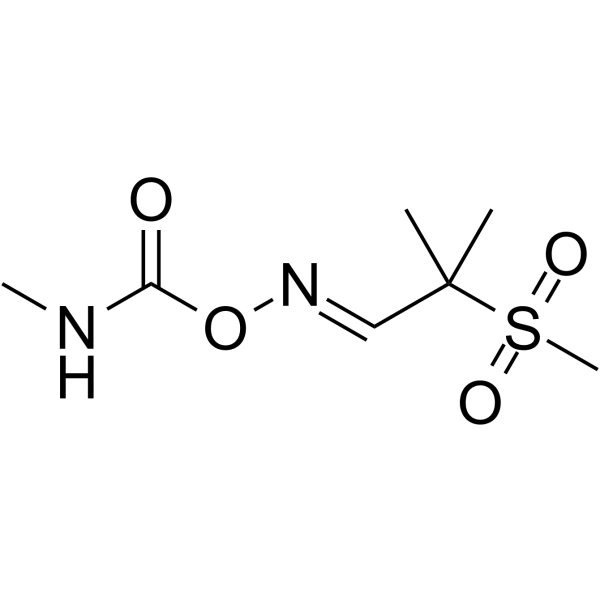
Aldicarb sulfoxide is a metabolite of Aldicarb. Aldicarb sulfoxide affects the glutathione-linked enzymes in CHO-K1 cells. Aldicarb sulfoxide inhibits cholinesterase (ChE) and carboxylesterase (CaE) with IC50 of 10 μM for both in zebrafish .
|
-
- HY-126199R
-
|
|
Endogenous Metabolite
Reference Standards
|
Others
|
|
Tetrachlorvinphos (Standard) is the analytical standard of Tetrachlorvinphos. This product is intended for research and analytical applications. Tetrachlorvinphos is an organophosphorus pesticide that has the activity of inhibiting cholinesterase. Tetrachlorvinphos is used as a pesticide, mainly for the control of pests. Tetrachlorvinphos has low toxicity to mammals .
|
-
- HY-173486
-
-
- HY-155708
-
|
|
Cholinesterase (ChE)
|
Neurological Disease
|
|
AChE/BChE-IN-13 (compound 5j) is a potent dual inhibitor of AChE and BChE with IC50s of 20.89 and 17.37 μM, respectively. AChE/BChE-IN-13 can be used in Alzheimer’s disease (AD) research .
|
-
- HY-176432
-
|
|
Cholinesterase (ChE)
|
Neurological Disease
|
|
BChE-IN-40 (compound D40) is a potent butyrylcholinesterase inhibitor with an IC50 of 0.59 μM. BChE-IN-40 exhibits strong anti-inflammatory effects with an IC50 of 4.55 μM for nitric oxide suppression. BChE-IN-40 demonstrates excellent blood-brain barrier permeability .
|
-
- HY-17530R
-
|
|
Reference Standards
Cholinesterase (ChE)
Parasite
Drug Metabolite
|
Infection
|
|
Aldicarb sulfone (Standard) is the analytical standard of Aldicarb sulfone (HY-17530). This product is intended for research and analytical applications. Aldicarb sulfone is one of the metabolites of the carbamate pesticide Aldicarb and has insecticidal activity. Aldicarb sulfone is also an inhibitor of cholinesterase.
|
-
- HY-126199S
-
|
|
Isotope-Labeled Compounds
Endogenous Metabolite
|
Others
|
|
(Z)-Tetrachlorvinphos-d6 is the deuterium labeled Tetrachlorvinphos (HY-126199). Tetrachlorvinphos is an organophosphorus pesticide that has the activity of inhibiting cholinesterase. Tetrachlorvinphos is used as a pesticide, mainly for the control of pests. Tetrachlorvinphos has low toxicity to mammals .
|
-
- HY-131127
-
|
AMQI
|
Cholinesterase (ChE)
|
Others
|
|
7-Acetoxy-1-methylquinolinium iodide (AMQI) is a fluorogenic substrate for cholinesterase (Ex = 320 nm, Em = 410 nm). Hydrolysis of 7-acetoxy-1-methylquinolinium iodide is used at the fluorometric flow system for the detection and identification of inhibitors. .
|
-
- HY-133776
-
|
3-Nitrophenyl ethyl(methyl)carbamate
|
Cholinesterase (ChE)
|
Neurological Disease
|
|
Rivastigmine carbamate impurity (3-Nitrophenyl ethyl(methyl)carbamate) is an impurity of Rivastigmine. Rivastigmine is an orally active and potent cholinesterase (ChE) inhibitor and inhibits butyrylcholinesterase (BChE) and acetylcholinesteras (AChE) with IC50s of 0.037 μM, 4.15 μM, respectively .
|
-
- HY-105327
-
|
|
Cholinesterase (ChE)
|
Neurological Disease
|
|
P11149 is a competitive, BBB-penetarated weakly, orally active and selective inhibitor of AChE. P11149 exhibits an IC50 of 1.3 μM for rat BChE/AChE. P11149, a Galanthamine derivative, demonstrates central cholinergic activity, behavioral efficacy and safety. P11149 is used in the study for Alzheimer's disease .
|
-
- HY-17530S
-
-
- HY-B1626AR
-
|
BC-48 (Standard)
|
Reference Standards
Cholinesterase (ChE)
|
Neurological Disease
|
|
Demecarium Bromide (Standard) is the analytical standard of Demecarium Bromide. This product is intended for research and analytical applications. Demecarium Bromide (BC-48) is a potent cholinesterase inhibitor, with an apparent affinity (Kiapp) of 0.15 μM . Demecarium Bromide (BC-48) is used as a glaucoma agent .
|
-
- HY-158092
-
|
|
Cholinesterase (ChE)
Monoamine Oxidase
|
Neurological Disease
|
|
ChEs/MAOs-IN-2 (compound a11) is a cholinesterases and monoamine oxidases inhibitor with IC50 values of 0.10, 0.20, 0.30, 0.40 µM for MAO-A, MAO-B, AChE, and BChE, respectively. ChEs/MAOs-IN-2 has the potential for the research of Alzheimer's disease .
|
-
- HY-162657
-
|
|
Cholinesterase (ChE)
|
Cancer
|
|
AChE-IN-74 (Compound 10) is a modulator for cholinesterase. AChE-IN-74 inhibits the proliferation of liver cancer cell Hep3B and SkHep1 with IC50 of 3.6 and 19.9 μM. AChE-IN-74 exhibits a low embryonic toxicity in zebrafish models (10-15 μM) .
|
-
- HY-169962
-
|
|
Carbonic Anhydrase
Cholinesterase (ChE)
|
Neurological Disease
Cancer
|
|
hCA I-IN-4 (Compound 14) is the inhibitor for carbonic anhydrase and cholinesterase, that inhibits hCA I, hCA II, AChE, and BChE with Ki of 29.94 nM, 17.72 nM, 21.21 nM, and 7.65 nMrespectively. hCA I-IN-4 exhibits cytotoxicity in BT-549 with IC50 of 16.59 μM .
|
-
- HY-124104S
-
|
|
Isotope-Labeled Compounds
|
Metabolic Disease
|
|
Aldicarb sulfoxide-d3 is the deuterium labled Aldicarb sulfoxide (HY-124104). Aldicarb sulfoxide is a metabolite of Aldicarb. Aldicarb sulfoxide affects the glutathione-linked enzymes in CHO-K1 cells. Aldicarb sulfoxide inhibits cholinesterase (ChE) and carboxylesterase (CaE) with IC50 of 10 μM for both in zebrafish .
|
-
- HY-156031
-
|
|
Cholinesterase (ChE)
|
Neurological Disease
|
|
BChE-IN-19 (Compound 7b) is a para-substituted derivative of indone (7b) with inhibitory activity of butyryl cholinesterase (BChE) (IC50=0.04 μM). BChE-IN-19 improves cholinergic scheduling in the nervous system. BChE-IN-19 can be used against Alzheimer's disease .
|
-
- HY-156358
-
-
- HY-106869A
-
|
|
Cholinesterase (ChE)
|
Neurological Disease
|
|
SM 10888 is a selective and orally active cholinesterase (ChE) inhibitor. SM 10888 can increase brain acetylcholine release. SM 10888 can be used for the research of neurological disease, such as Alzheimer's disease .
|
-
- HY-165600
-
|
TMB-4 dichloride
|
Cholinesterase (ChE)
|
Others
|
|
Trimedoxime dichloride (TMB-4 dichloride) is a blood-brain barrier-permeable cholinesterase reactivator . Trimedoxime dichloride reactivates cholinesterase inhibited by paraoxon, sarin, tabun and other agents, restricts the breakdown of acetylcholine and alleviates excessive cholinergic stimulation. Trimedoxime dichloride reduces mortality and prolongs survival time. Trimedoxime dichloride exhibits reactivation efficacy against AChE in rat tissues. Trimedoxime dichloride can be used in research related to organophosphate (paraoxon) poisoning and tabun poisoning .
|
-
- HY-165132
-
|
(S)-Floramultine; (S)-Bechuanine; Merenderine
|
Cholinesterase (ChE)
|
Others
|
|
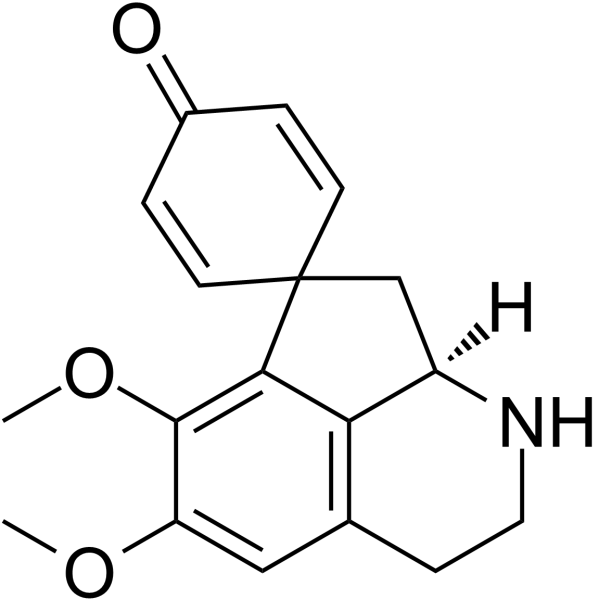
Floramultine ((S)-Floramultine) is a compound isolated from plants with cholinergic activity. It is a moderately potent reversible inhibitor of cholinesterase and has a certain specificity for different cholinesterases.
|
-
- HY-180892
-
|
|
Calcium Channel
Cholinesterase (ChE)
|
Neurological Disease
|
|
Multi-kinase-IN-10 (Compound IIIk) is a multi-kinase inhibitor. Multi-kinase-IN-10 exhibits significant calcium channel blocking activity, with its IC50 being 26.67 μM. Multi-kinase-IN-10 is a potent dual cholinesterase inhibitor, with its IC50 values for hAChE and hBuChE being 0.304 μM and 1.033 μM respectively. Multi-kinase-IN-10 has antioxidant and neuroprotective activities, and shows significant anti-amnesia activity. Multi-kinase-IN-10 can be used for research on Alzheimer's disease .
|
-
- HY-181851
-
|
|
Cholinesterase (ChE)
|
Neurological Disease
|
|
AChE-IN-109 is a potent mixed-type cholinesterase inhibitor with significantly stronger inhibitory activity against AChE than BChE. AChE-IN-109 has IC50 values of 0.55 μM and 12.45 μM against AChE and BChE, respectively. AChE-IN-109 inhibits cholinesterases through a mixed-type mechanism, binds to both the catalytic active site (CAS) and peripheral anionic site (PAS) of AChE. AChE-IN-109 can be used for the study of Alzheimer’s disease (AD) .
|
-
- HY-179121
-
|
|
Cholinesterase (ChE)
|
Neurological Disease
|
|
AChE-IN-97 (compound 7e) is a cholinesterase inhibitor. AChE-IN-97 exhibits AChE and BChE inhibitory activity through molecular docking. AChE-IN-97 can be used for research on neurological conditions .
|
-
- HY-W011246S
-
|
HP 029-d3-1; Hydroxytacrine-d3-1 maleate
|
Isotope-Labeled Compounds
Cholinesterase (ChE)
|
Neurological Disease
|
|
Velnacrine-d3-1 maleate (HP 029-d3-1) is the deuterium labeled Velnacrine maleate (HY-W011246). Velnacrine maleate (HP 029) is an orally active cholinesterase inhibitor that can be used for the research of Alzheimer's disease .
|
-
- HY-173152
-
|
|
Cholinesterase (ChE)
|
Neurological Disease
Inflammation/Immunology
|
|
AChE/BChE-IN-26 (Compound 20aa) is a cholinesterase inhibitor with IC50 values of 0.75 μM and 4.11 μM against eeAChE and eqBChE, respectively. AChE/BChE-IN-26 has antioxidant activity and can be used in the research of diseases such as Alzheimer's disease .
|
-
- HY-105327R
-
|
|
Reference Standards
Cholinesterase (ChE)
|
Neurological Disease
|
|
P11149 (Standard) is the analytical standard of P11149 (HY-105327). This product is intended for research and analytical applications. P11149 is a competitive, BBB-penetarated weakly, orally active and selective inhibitor of AChE. P11149 exhibits an IC50 of 1.3 μM for rat BChE/AChE. P11149, a Galanthamine derivative, demonstrates central cholinergic activity, behavioral efficacy and safety. P11149 is used in the study for Alzheimer's disease .
|
-
- HY-172219
-
|
|
Cholinesterase (ChE)
|
Neurological Disease
Inflammation/Immunology
|
|
CUR-IPA is a cholinesterase inhibitor, with IC50 of 5.99, 59.30, and 60.66 μM for eAChE (electric eel), hAChE (human), and hBChE (human), respectively. CUR-IPA can scavenge free radicals and has antioxidant activity. CUR-IPA can be used in the research of cognitive dysfunction .
|
-
- HY-156754
-
-
- HY-107922R
-
|
Isothazine (Standard)
|
Reference Standards
Cholinesterase (ChE)
iGluR
mAChR
|
Neurological Disease
|
|
Ethopropazine (hydrochloride) (Standard) is the analytical standard of Ethopropazine (hydrochloride) (HY-107922). This product is intended for research and analytical applications. Ethopropazine (Isothazine) hydrochloride is a potent and selective BChE inhibitor, a poor AChE inhibitor and a non-selective mAChR and NMDA antagonist. Ethopropazine hydrochloride has anticholinergic, antihistamine, antiadrenergic actions and properties. Ethopropazine hydrochloride alleviates thermal hyperalgesia in a dose dependent manner. Ethopropazine hydrochloride can be used for the research of Parkinson’s disease .
|
-
- HY-163537
-
|
|
Cholinesterase (ChE)
|
Neurological Disease
|
|
AChE/BuChE-IN-5 (compound 5a) is a dual target inhibitor. AChE/BuChE-IN-5 has excellent nanomolar inhibitory activity on acetylcholinesterase (AChE) (IC50=46.9 nM) and butyryl cholinesterase (BuChE) (IC50=3.5 nM). AChE/BuChE-IN-5 can be used for Alzheimer's Disease research .
|
-
- HY-107416
-
|
U-57908
|
DAGL
Acyltransferase
mAChR
COX
Phospholipase
|
Neurological Disease
Metabolic Disease
|
|
RHC 80267 (U-57908) is a potent and selective inhibitor of diacylglycerol lipase (DAGL) (with IC50 of 4 μM in canine platelets). RHC-80267 inhibits cholinesterase activity with an IC50 of 4 μM, thereby enhancing the relaxation evoked by acetylcholine. RHC 80267 also inhibits COX and the hydrolysis of phosphatidylcholine (PC) .
|
-
- HY-175973
-
|
|
Cholinesterase (ChE)
|
Neurological Disease
|
|
AChE/BChE-IN-30 (Compound 3g) is a Cholinesterase dual-target competitive inhibitor. AChE/BChE-IN-30 can inhibit AChE and BChE with IC50 values of 0.338 and 2.087 μM and Ki values of 0.045 and 0.789 μM. AChE/BChE-IN-30 can be used for the research of neurological disease, such as Alzheimer's disease .
|
-
- HY-159482
-
|
|
Cholinesterase (ChE)
NOD-like Receptor (NLR)
|
Neurological Disease
|
|
SBN-284 (compound 3x) is a dual inhibitor of blood-brain permeable Cholinesterases and the NLRP3 inflammasome and is effective against EeAChE, hAChE and eqBChE, the IC50 values of are 0.37, 0.31, 0.29 μM respectively, and the EC50 of NLRP3 inflamm is 1 μM. SBN-284 can be used in Alzheimer's disease research .
|
-
- HY-183750
-
|
|
Cholinesterase (ChE)
|
Metabolic Disease
|
|
BChE reactivator-1 is a human butyrylcholinesterase (BChE) activator and antidote, with a Ki value of 0.52 μM against human BChE. BChE reactivator-1 activates BChE inhibited by organophosphorus compounds, binds reversibly to native BChE, and restores cholinesterase activity in human whole blood. BChE reactivator-1 is applicable to research related to organophosphorus poisoning .
|
-
- HY-W272207
-
|
|
Cholinesterase (ChE)
Drug Intermediate
|
Neurological Disease
Inflammation/Immunology
|
|
AChE/BChE-IN-31 (Compound 3c) is a cholinesterase inhibitor. AChE/BChE-IN-31 exhibits certain inhibitory activity against hAChE and eqBChE. AChE/BChE-IN-31 also possesses antioxidant properties with an IC50 value of 105.04 μM against DPPH. AChE/BChE-IN-31 can be used in the research of diseases such as Alzheimer’s disease .
|
-
- HY-W754293
-
|
V0191; DMAE pidolate; DMAE PCA
|
mAChR
|
Neurological Disease
|
|
Deanol pidolate (V0191; DMAE pidolate) is an orally active pro-cholinergic agent that improves cognitive symptoms by increasing the release of acetylcholine (Ach) and avoids the typical side effects of cholinesterase inhibitors. Deanol pidolate can alleviate the harmful effects of scopolamine on long-term memory and restore to baseline levels more quickly. Deanol pidolate can be used in research on Alzheimer's disease .
|
-
- HY-123928
-
-
- HY-172460
-
|
|
Cholinesterase (ChE)
Monoamine Oxidase
|
Neurological Disease
|
|
AChE/BChE/MAO-B-IN-5 is a multitarget inhibitor of cholinesterases (AChE and BChE) and monoamine oxidase MAO-B with blood–brain barrier permeability. It exhibits IC50 values of 0.24 µM, 6.29 µM, and 0.11 µM against AChE, BChE, and MAO-B, respectively. AChE/BChE/MAO-B-IN-5 shows promise for research in the field of neurodegenerative diseases such as Alzheimer's disease .
|
-
- HY-144689
-
|
|
Cholinesterase (ChE)
|
Neurological Disease
|
|
BChE-IN-3 (compound 45a) is a potent, selective, time-dependent and pseudoirreversible BChE inhibitor, with an IC50 of 56.9 nM. BChE-IN-3 also shows marginal and reversible (not time-dependent) inhibition of AChE .
|
-
- HY-180819
-
|
|
Cholinesterase (ChE)
|
Neurological Disease
|
|
AChE/BChE-IN-33 (Compound 3N) is a dual-target inhibitor of AChE and BChE, with IC50 values of 12.81 and 44.54 nM respectively. AChE/BChE-IN-33 exhibits selective cytotoxicity against SH-SY5Y cells. AChE/BChE-IN-33 can be used for the study of Alzheimer's disease and neuroblastoma .
|
-
- HY-14795
-
|
ZT-1
|
Cholinesterase (ChE)
|
Neurological Disease
|
|
Mimopezil (ZT-1) is an cholinesterase (ChE) inhibitor that rapidly degrades into the active metabolite Huperzine A (HY-17388) in water or aqueous organic solvents. After oral administration, Mimopezil is rapidly absorbed but has low bioavailability (0.37%) in rats. However, after metabolism, it is converted into Huperzine A, which accumulates in the blood and exhibits strong activity. Following intravenous administration, Mimopezil reaches higher blood concentrations and is also rapidly metabolized into Huperzine A .
|
-
- HY-146035
-
|
|
Cholinesterase (ChE)
Histamine Receptor
|
Neurological Disease
|
|
AChE-IN-14 (compound 5) is a potent cholinesterase inhibitor with IC50s of 0.46 , 0.48, and 0.44 μM for electric eel acetylcholinesterase (eeAChE), human recombinant acetylcholinesterase (hAChE), and equine serum butyrylcholinesterase (eqBuChE), respectively. AChE-IN-14 exhibits high affinity toward human H3 receptor (H3R; Ki= 159.8 nM). AChE-IN-14 can be used for the research of Alzheimer’s disease .
|
-
- HY-N4225
-
-
- HY-107416R
-
|
U-57908 (Standard)
|
DAGL
Reference Standards
Acyltransferase
mAChR
COX
Phospholipase
|
Neurological Disease
Metabolic Disease
|
|
RHC 80267 (Standard) is the analytical standard of RHC 80267 (HY-107416). This product is intended for research and analytical applications. RHC 80267 (U-57908) is a potent and selective inhibitor of diacylglycerol lipase (DAGL) (with IC50 of 4 μM in canine platelets). RHC-80267 inhibits cholinesterase activity with an IC50 of 4 μM, thereby enhancing the relaxation evoked by acetylcholine. RHC 80267 also inhibits COX and the hydrolysis of phosphatidylcholine (PC) .
|
-
- HY-W654336
-
|
|
Isotope-Labeled Compounds
Cholinesterase (ChE)
|
Neurological Disease
|
|
(S)-Rivastigmine-d4 is deuterium labeled Rivastigmine. Rivastigmine (ENA 713 free base) is an orally active and potent cholinesterase (ChE) inhibitor and inhibits butyrylcholinesterase (BChE) and acetylcholinesteras (AChE) with IC50s of 0.037 μM , 4.15 μM, respectively. Rivastigmine can pass the blood brain barrier (BBB). Rivastigmine is a parasympathomimetic or cholinergic agent used for the research of mild to moderate dementia of the Alzheimer's type and dementia due to Parkinson's disease .
|
-
- HY-17368S1
-
|
(Rac)-ENA 713-d6 free base; (Rac)-SDZ-ENA 713-d6 free base
|
Isotope-Labeled Compounds
Cholinesterase (ChE)
|
Neurological Disease
|
|
(Rac)-Rivastigmine-d6 is a labelled racemic Rivastigmine. Rivastigmine (ENA 713 free base) is an orally active and potent cholinesterase (ChE) inhibitor and inhibits butyrylcholinesterase (BChE) and acetylcholinesteras (AChE) with IC50s of 0.037 μM , 4.15 μM, respectively. Rivastigmine can pass the blood brain barrier (BBB). Rivastigmine is a parasympathomimetic or cholinergic agent used for the research of mild to moderate dementia of the Alzheimer's type and dementia due to Parkinson's disease .
|
-
- HY-178943
-
|
|
Cholinesterase (ChE)
Cannabinoid Receptor
Aldehyde Dehydrogenase (ALDH)
Caspase
Apoptosis
|
Neurological Disease
|
|
Neuroprotective agent 15 (Compound 3e) is a neuroprotective agent. Neuroprotective agent 15 is a selective butyrylcholinesterase (BChE) inhibitor, with IC50 values of 2.6 and 114.3 μM for BChE and AChE respectively. Neuroprotective agent 15 has cannabinoid CB2 receptor (CB2 receptor) agonistic activity. Neuroprotective agent 15 can reduce cell death, LDH release and Caspase-3/7 activity, and inhibit apoptosis. Neuroprotective agent 15 can reduce the formation of superoxide free radicals, maintain cell morphology, and significantly lower oxidative stress levels. Neuroprotective agent 15 can be used in the research of neurodegenerative diseases, such as Alzheimer's disease and Parkinson's disease .
|
-
- HY-10399A
-
|
TV-3326 hydrochloride
|
Monoamine Oxidase
Cholinesterase (ChE)
|
Neurological Disease
|
|
Ladostigil (TV-3326) hydrochloride is an orally active dual inhibitor of cholinesterase and brain-selective monoamine oxidase (MAO), with IC50s of 37.1 and 31.8 μM for MAO-B and AChE, respectively. Ladostigil hydrochloride exhibits neuroprotective, antioxidant and anti-inflammatory activities. Ladostigil can be used for the research of depression and Alzheimer's disease . Ladostigil (hydrochloride) is a click chemistry reagent, it contains an Alkyne group and can undergo copper-catalyzed azide-alkyne cycloaddition (CuAAc) with molecules containing Azide groups.
|
-
- HY-10399
-
|
TV-3326
|
Monoamine Oxidase
Cholinesterase (ChE)
|
Neurological Disease
|
|
Ladostigil (TV-3326) is an orally active dual inhibitor of cholinesterase and brain-selective monoamine oxidase (MAO), with IC50s of 37.1 and 31.8 μM for MAO-B and AChE, respectively. Ladostigil exhibits neuroprotective, antioxidant and anti-inflammatory activities. Ladostigil can be used for the research of depression and Alzheimer's disease . Ladostigil is a click chemistry reagent, it contains an Alkyne group and can undergo copper-catalyzed azide-alkyne cycloaddition (CuAAc) with molecules containing Azide groups.
|
-
- HY-W741033
-
|
|
Drug Metabolite
|
Others
|
|
Demeton-S sulfone is an oxidative metabolite of the organophosphorus insecticide Disulfoton .
|
-
- HY-N9347
-
-
- HY-107825
-
|
|
Endogenous Metabolite
Bacterial
Cholinesterase (ChE)
|
Cardiovascular Disease
Metabolic Disease
Inflammation/Immunology
Cancer
|
|
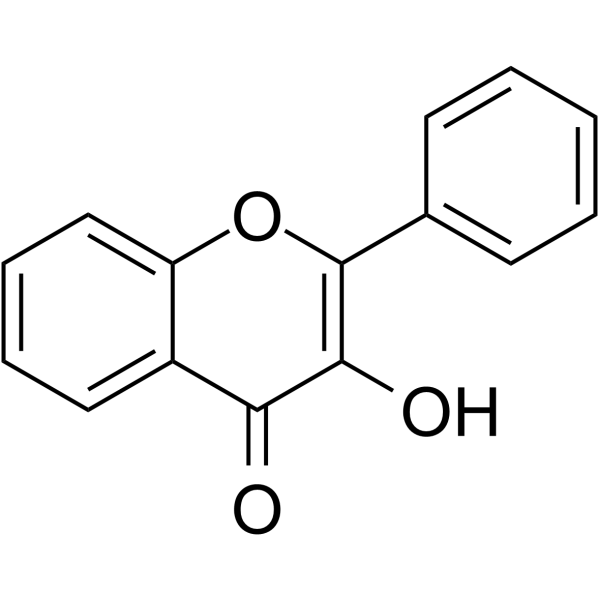
Flavonol is a cholinesterase (ChE) inhibitor, with an IC50 value of 120 μM and a Ki value of 74 μM. Flavonol has antioxidant, free radical-scavenging, antibacterial properties, and immune modulation functions. Flavonol inhibits the PriA helicase of Staphylococcus aureus. Flavonol can suppress the production of NO in LPS-activated RAW 264.7 cells by inhibiting the expression of the iNOS enzyme. Flavonol shows protective and analgesic effects in mice through various neuronal pathways. Flavonol can be used in research related to tumors and atherosclerosis diseases .
|
-
- HY-11017R
-
|
ENA 713 (Standard); SDZ-ENA 713 (Standard)
|
Reference Standards
Cholinesterase (ChE)
|
Neurological Disease
|
|
Rivastigmine (tartrate) (Standard) is the analytical standard of Rivastigmine (tartrate). This product is intended for research and analytical applications. Rivastigmine tartrate (ENA 713; SDZ-ENA 713) is an orally active and potent cholinesterase (ChE) inhibitor and inhibits butyrylcholinesterase (BChE) and acetylcholinesteras (AChE) with IC50s of 0.037 μM, 4.15 μM, respectively. Rivastigmine tartrate can pass the blood brain barrier (BBB). Rivastigmine tartrate is a parasympathomimetic or cholinergic agent used for the research of mild to moderate dementia of the Alzheimer's type and dementia due to Parkinson's disease .
|
-
- HY-B1885
-
|
|
Environmental Pollutants
Apoptosis
Insecticide
Cholinesterase (ChE)
AMPK
PI3K
Parasite
Akt
SOD
|
Infection
|
|
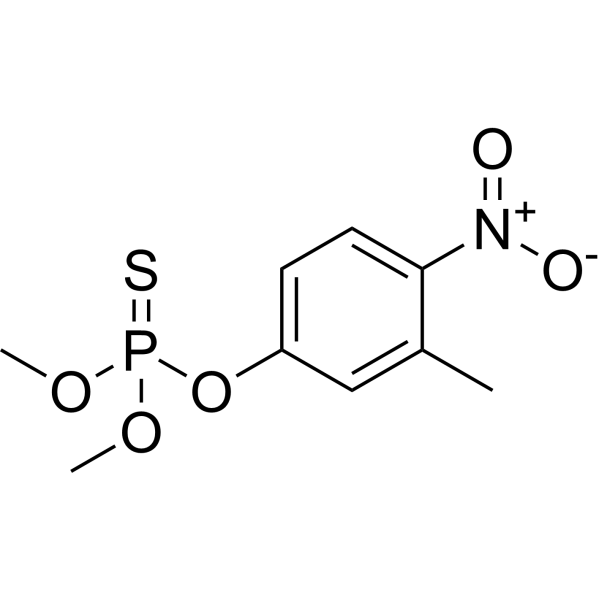
Fenitrothion is a broad-spectrum and orally active insecticide/acaricide. Fenitrothion inhibits cholinesterase, AMPKα and IRS1/PI3K/AKT. Fenitrothion causes Apoptosis, reduces SOD activity. Fenitrothion shows insecticidal effect against Rhyzopertha dominica and Tribolium castaneum adults. Fenitrothion is widely used in cotton crops, vegetable crops, fruit crops and field crops, especially rice. Fenitrothion can be used for brain and spleen toxicology studies .
|
-
- HY-W654335
-
|
|
Isotope-Labeled Compounds
Cholinesterase (ChE)
|
Neurological Disease
|
|
Rivastigmine-d4 (tartrate) is deuterium labeled Rivastigmine (tartrate). Rivastigmine tartrate (ENA 713; SDZ-ENA 713) is an orally active and potent cholinesterase (ChE) inhibitor and inhibits butyrylcholinesterase (BChE) and acetylcholinesteras (AChE) with IC50s of 0.037 μM, 4.15 μM, respectively. Rivastigmine tartrate can pass the blood brain barrier (BBB). Rivastigmine tartrate is a parasympathomimetic or cholinergic agent used for the research of mild to moderate dementia of the Alzheimer's type and dementia due to Parkinson's disease .
|
-
- HY-175658
-
|
|
Cholinesterase (ChE)
Amyloid-β
Tau Protein
|
Neurological Disease
|
|
AChE/BChE-IN-29 is an AChE/BChE inhibitor. AChE/BChE-IN-29 exhibits balanced dual cholinesterase inhibitory activity with IC50 values of 2.1 μM for Electrophorus electricus AChE (eeAChE) and 6.3 μM for equine serum butyrylcholinesterase (eqBChE). AChE/BChE-IN-29 effectively inhibits amyloid-β (Aβ42) aggregation and tau protein aggregation in E. coli cell models. AChE/BChE-IN-29 can be used for the study of Alzheimer’s disease (AD) .
|
-
- HY-10400
-
|
TV-3326 hemitartrate
|
Monoamine Oxidase
Cholinesterase (ChE)
|
Neurological Disease
|
|
Ladostigil (TV-3326) hemitartrate is an orally active dual inhibitor of cholinesterase and brain-selective monoamine oxidase (MAO) that can cross the blood-brain barrier, with IC50s of 37.1 and 31.8 μM for MAO-B and AChE, respectively. Ladostigil hemitartrate exhibits neuroprotective, antioxidant and anti-inflammatory activities. Ladostigil hemitartrate can be used for the research of depression and Alzheimer's disease . Ladostigil (hemitartrate) is a click chemistry reagent, it contains an Alkyne group and can undergo copper-catalyzed azide-alkyne cycloaddition (CuAAc) with molecules containing Azide groups.
|
-
- HY-146383
-
|
|
Histamine Receptor
Cholinesterase (ChE)
Monoamine Oxidase
|
Neurological Disease
|
|
H3R antagonist 2 (Compound 23) is a multitarget histamine H3 receptor (H3R) antagonist with a Ki of 170 nM for hH3R . H3R antagonist 2 shows inhibitory effects with IC50 values of 180, 880 and 775 nM for acetylcholinesterase, butyrylcholinesterase and human monoamine oxidase B (hMAO B), respectively. H3R antagonist 2 shows favorable anti-neuropathic pain and memory-enhancing effects. H3R can across BBB .
|
-
- HY-107825R
-
|
|
Endogenous Metabolite
Bacterial
Cholinesterase (ChE)
Reference Standards
|
Cardiovascular Disease
Metabolic Disease
Inflammation/Immunology
Cancer
|
|
Flavonol (Standard) is the analytical standard of Flavonol. This product is intended for research and analytical applications. Flavonol is a cholinesterase (ChE) inhibitor, with an IC50 value of 120 μM and a Ki value of 74 μM. Flavonol has antioxidant, free radical-scavenging, antibacterial properties, and immune modulation functions. Flavonol inhibits the PriA helicase of Staphylococcus aureus. Flavonol can suppress the production of NO in LPS-activated RAW 264.7 cells by inhibiting the expression of the iNOS enzyme. Flavonol shows protective and analgesic effects in mice through various neuronal pathways. Flavonol can be used in research related to tumors and atherosclerosis diseases .
|
-
- HY-B1885S
-
|
|
Isotope-Labeled Compounds
Insecticide
Cholinesterase (ChE)
AMPK
PI3K
Akt
Apoptosis
SOD
|
Infection
|
|
Fenitrothion-d6 is the deuterium labeled Fenitrothion (HY-B1885). Fenitrothion is a broad-spectrum and orally active insecticide/acaricide. Fenitrothion inhibits cholinesterase, AMPKα and IRS1/PI3K/AKT. Fenitrothion causes Apoptosis, reduces SOD activity. Fenitrothion shows insecticidal effect against Rhyzopertha dominica and Tribolium castaneum adults. Fenitrothion is widely used in cotton crops, vegetable crops, fruit crops and field crops, especially rice. Fenitrothion can be used for brain and spleen toxicology studies .
|
-
- HY-10400R
-
|
TV-3326 hemitartrate (Standard)
|
Reference Standards
Monoamine Oxidase
Cholinesterase (ChE)
|
Neurological Disease
|
|
Ladostigil hemitartrate (Standard) is the analytical standard of Ladostigil hemitartrate (HY-10400). This product is intended for research and analytical applications. Ladostigil (TV-3326) hemitartrate is an orally active dual inhibitor of cholinesterase and brain-selective monoamine oxidase (MAO), with IC50s of 37.1 and 31.8 μM for MAO-B and AChE, respectively. Ladostigil hemitartrate exhibits neuroprotective, antioxidant and anti-inflammatory activities. Ladostigil hemitartrate can be used for the research of depression and Alzheimer's disease . Ladostigil hemitartrate is a click chemistry reagent, it contains an Alkyne group and can undergo copper-catalyzed azide-alkyne cycloaddition (CuAAc) with molecules containing Azide groups.
|
-
- HY-B1885R
-
|
|
Reference Standards
Insecticide
Parasite
Cholinesterase (ChE)
AMPK
PI3K
Akt
Apoptosis
SOD
|
Infection
|
|
Fenitrothion (Standard) is the analytical standard of Fenitrothion (HY-B1885). This product is intended for research and analytical applications. Fenitrothion is a broad-spectrum and orally active insecticide/acaricide. Fenitrothion inhibits cholinesterase, AMPKα and IRS1/PI3K/AKT. Fenitrothion causes Apoptosis, reduces SOD activity. Fenitrothion shows insecticidal effect against Rhyzopertha dominica and Tribolium castaneum adults. Fenitrothion is widely used in cotton crops, vegetable crops, fruit crops and field crops, especially rice. Fenitrothion can be used for brain and spleen toxicology studies .
|
-
- HY-169156
-
|
|
HDAC
Monoamine Oxidase
Cholinesterase (ChE)
Histamine Receptor
5-HT Receptor
|
Neurological Disease
|
|
HDAC6-IN-49 (Compound 3) is an inhibitor for HDAC with IC50 of 0.012 and 0.735 μM for HDAC6 and HDAC1. HDAC6-IN-49 also exhibits inhibitory activities against MAO-B, cholinesterase (ChE), histamine receptor (H3R) and serotonin 6 receptor (5-HT6R). HDAC6-IN-49 exhibits neuroprotective efficacy on SH-SY5Y cell. HDAC6-IN-49 improves cognitive function and locomotor ability in Drosophila Parkinson's disease models and in C. elegans Alzheimer's disease models .
|
-
- HY-W540232
-
|
4-Methylphenyl ITC
|
Cholinesterase (ChE)
|
Neurological Disease
|
|
4-Methoxyphenyl isothiocyanate (4-Methylphenyl ITC) is an antioxidant, with a IC50 value of 1.25 mM for scavenging DPPH radicals. ORAC testing indicates its antioxidant capacity as 11.7 mM TE (indicating that the antioxidant efficacy of this compound is equivalent to 11.7 mmol of Trolox (HY-101445, a standard antioxidant) under the same conditions), and it extends the oxidation process by approximately 9180 seconds in the Briggs–Rauscher reaction. Additionally, 4-Methoxyphenyl isothiocyanate exhibits moderate cholinesterase inhibitory activity, with an inhibition rate of 30.4% against acetylcholinesterase (AChE) and 17.9% against butyrylcholinesterase (BChE). 4-Methoxyphenyl isothiocyanate holds potential for research in the fields of antioxidation and neurological disorders .
|
-
- HY-W041608
-
|
|
NF-κB
Toll-like Receptor (TLR)
Bacterial
|
Infection
Inflammation/Immunology
|
|
Methylchloroisothiazolinone is a widely used fungicide and also an aquatic pollutant with pro-inflammatory activity and neurotoxicity. Methylchloroisothiazolinone induces the production of pro-inflammatory cytokines (such as IL-1β, TNF-α, IL-6) by activating the NF-κB signaling pathway and upregulating TLR4 expression, thereby triggering allergic contact dermatitis. Methylchloroisothiazolinone reduces cholinesterase activity and exacerbates oxidative stress by impairing catalase activity and disrupting redox balance. Methylchloroisothiazolinone poses significant harm to Mediterranean mussels, reducing the viability of hemocytes and digestive gland cells, inhibiting immune phagocytic function, and disrupting osmoregulatory capacity. Methylchloroisothiazolinone is used in studies on allergic contact dermatitis and related immunotoxicity mechanisms .
|
-
- HY-117526
-
|
|
Serotonin Transporter
|
Neurological Disease
|
|
(-)-Mesembrine is a serotonin transporter (SERT) inhibitor. (-)-Mesembrine inhibits serotonin reuptake. (-)-Mesembrine exerts anxiolytic, mood-enhancing and anti-addictive effects. (-)-Mesembrine is applicable to research on mild-to-moderate depression, anxiety disorders and stress-related conditions .
|
-
- HY-N10686
-
|
|
Carboxylesterase (CES)
|
Cancer
|
|
Tanshinone IIA anhydride, present in root extracts of Salvia miltiorrhiza, acts as an inhibitor of human carboxylesterase (CE). Tanshinone IIA anhydride has a Ki value of 1.9 nM against hCE1 and a Ki value of 1.4 nM against hiCE. Tanshinone IIA anhydride forms a stable covalent complex with serine Ser221 at the active site of hCE1, blocking the catalytic cycle of carboxylesterase, and the activity of the inactivated enzyme cannot recover spontaneously. Tanshinone IIA anhydride is applicable in metabolism-related studies .
|
-
- HY-147851
-
|
|
Beta-secretase
|
Neurological Disease
|
|
BACE1-IN-12 (compound 7g) is a potent and BBB-penetrated BACE1 inhibitor, with an IC50 of 8.9 µM. BACE1-IN-12 shows selective BuChE (butyrylcholinesterase) inhibitory activity with an IC50 of 3.2 µM. BACE1-IN-12 shows effective antioxidant effect with an IC50 of 10.2 μM (DPPH). BACE1-IN-12 might be served as a potential anti-Alzheimer agent .
|
-
- HY-N8376
-
|
(±)-Fustin; 3,7,3',4'-Tetrahydroxyflavanone
|
Amyloid-β
mAChR
Cholinesterase (ChE)
|
Neurological Disease
|
|
Fustinis ((±)-Fustin; 3,7,3',4'-Tetrahydroxyflavanone) is a potent amyloid β (Aβ) inhibitor. Fustinis ((±)-Fustin; 3,7,3',4'-Tetrahydroxyflavanone) increases the expression of acetylcholine (ACh) levels, choline acetyltransferase (ChAT) activity, and ChAT gene induced by Aβ (1-42). Fustinis ((±)-Fustin; 3,7,3',4'-Tetrahydroxyflavanone) decreases in acetyl cholinesterase (AChE) activity and AChE gene expression induced by Aβ (1-42). Fustinis ((±)-Fustin; 3,7,3',4'-Tetrahydroxyflavanone) increases muscarinic M1 receptor gene expression and muscarinic M1 receptor binding activity. Fustinis ((±)-Fustin; 3,7,3',4'-Tetrahydroxyflavanone) can be used for Alzheimer's disease research .
|
-
- HY-W027553
-
|
NIK-247 free base; Amiridine free base
|
Cholinesterase (ChE)
Potassium Channel
Sodium Channel
|
Neurological Disease
Metabolic Disease
|
|
Ipidacrine is orally active and brain-penetrant AChE and BuChE inhibitors with IC50 values of 1 μM and 1.9 μM, respectively, which is also a partial agonist of M2-cholinergic receptors and a reversible cholinesterase inhibitor. Ipidacrine has a stimulating effect on neuromuscular transmission and excitation along the nerve fibres with a moderately anti-pain effect. Ipidacrine is an aminopyridines and is structurally similar to Tacrine (HY-111338). Ipidacrine is effective in various amnesia models, improves erectile function and inhibits K + and Na +-channels in the neuronal membrane in diabetic rats. Ipidacrine is promising for research of Alzheimer’s disease, ischaemic stroke, idiopathic neuropathy of the facial nerve, diabetes mellitus-induced erectile dysfunction and other deficits in central or peripheral cholinergic deseases .
|
-
- HY-W800535
-
|
|
NF-κB
p38 MAPK
mTOR
Topoisomerase
AMPK
Apoptosis
Cholinesterase (ChE)
HIF/HIF Prolyl-Hydroxylase
β-catenin
|
Infection
Metabolic Disease
Inflammation/Immunology
Cancer
|
|
Cryptolepine is an orally active multi-potent alkaloid with anti-cancer, anti-bacterial, anti-viral, anti-malarial, anti-inflammatory, anti-hyperglycemic, relieve pain and other properties. Cryptolepine acts as an inhibitor of c-Myc, mTOR, NF-κB, HIF-1, MAPK and an activator of AMPKα1/2. It intercalates into DNA, inhibits topoisomerase II (Top II), disrupts mitochondrial dynamics and induces apoptosis. Cryptolepine also exhibits anti-plasmodial and cholinesterase inhibitory activities. Cryptolepine can be used in research related to tumors (melanoma, hepatocellular carcinoma, mammary adenocarcinoma, etc.), malaria, inflammatory diseases and diabetes, particularly in studies focused on inhibiting tumor growth and anti-plasmodial infection .
|
-
- HY-19689
-
|
NIK-247; Amiridine
|
Cholinesterase (ChE)
Potassium Channel
Sodium Channel
|
Cardiovascular Disease
Neurological Disease
Endocrinology
|
|
Ipidacrine (NIK-247; Amiridine) hydrochloride is orally active and blood-brain-barrier-penetrant AChE and BuChE inhibitors with IC50 values of 1 μM and 1.9 μM, respectively, which is also a partial agonist of M2-cholinergic receptors and a reversible cholinesterase inhibitor. Ipidacrine hydrochloride has a stimulating effect on neuromuscular transmission and excitation along the nerve fibres with a moderately anti-pain effect. Ipidacrine hydrochloride is an aminopyridines and is structurally similar to Tacrine (HY-111338). Ipidacrine hydrochloride is effective in various amnesia models, improves erectile function and inhibits K + and Na +-channels in the neuronal membrane in diabetic rats. Ipidacrine hydrochloride is promising for research of Alzheimer’s disease, ischaemic stroke, idiopathic neuropathy of the facial nerve, diabetes mellitus-induced erectile dysfunction and other deficits in central or peripheral cholinergic deseases .
|
-
- HY-W027553R
-
|
NIK-247 free base (Standard); Amiridine free base (Standard)
|
Reference Standards
Cholinesterase (ChE)
Potassium Channel
Sodium Channel
|
Neurological Disease
Metabolic Disease
|
|
Ipidacrine (Standard) is the analytical reference standard of Ipidacrine. This product is used for research and analytical applications. Ipidacrine is orally active and blood-brain-barrier-penetrant AChE and BuChE inhibitors with IC50 values of 1 μM and 1.9 μM, respectively, which is also a partial agonist of M2-cholinergic receptors and a reversible cholinesterase inhibitor. Ipidacrine has a stimulating effect on neuromuscular transmission and excitation along the nerve fibres with a moderately anti-pain effect. Ipidacrine is an aminopyridines and is structurally similar to Tacrine (HY-111338). Ipidacrine is effective in various amnesia models, improves erectile function and inhibits K + and Na +-channels in the neuronal membrane in diabetic rats. Ipidacrine is promising for research of Alzheimer’s disease, ischaemic stroke, idiopathic neuropathy of the facial nerve, diabetes mellitus-induced erectile dysfunction and other deficits in central or peripheral cholinergic deseases .
|
-
- HY-W027553S1
-
|
NIK-247-d9 free base
|
Isotope-Labeled Compounds
Cholinesterase (ChE)
Potassium Channel
Sodium Channel
|
Metabolic Disease
|
|
Ipidacrine-d9 (NIK-247-d9 (free base)) is the deuterium labeled Ipidacrine (HY-W027553). Ipidacrine is orally active and brain-penetrant AChE and BuChE inhibitors with IC50 values of 1 μM and 1.9 μM, respectively, which is also a partial agonist of M2-cholinergic receptors and a reversible cholinesterase inhibitor. Ipidacrine has a stimulating effect on neuromuscular transmission and excitation along the nerve fibres with a moderately anti-pain effect. Ipidacrine is an aminopyridines and is structurally similar to Tacrine (HY-111338). Ipidacrine is effective in various amnesia models, improves erectile function and inhibits K+ and Na+-channels in the neuronal membrane in diabetic rats. Ipidacrine is promising for research of Alzheimer’s disease, ischaemic stroke, idiopathic neuropathy of the facial nerve, diabetes mellitus-induced erectile dysfunction and other deficits in central or peripheral cholinergic deseases .
|
-
- HY-162812
-
|
|
Apoptosis
Cholinesterase (ChE)
Tau Protein
Ferroptosis
Histamine Receptor
|
Neurological Disease
|
|
H3R antagonist 4 (compound 11L) was a dual inhibitor of cholinesterase and histamine receptor (H3R), with corresponding IC50 of 7.04 μM (eeAChE), 9.73 μM (hAChE)(reversible) and 1.09 nM (H3R) , respectively. H3R antagonist 4 inhibited the aggregation of Aβ1-42 induced by itself and Cu 2+ (95.48% and 88.63%) , and degraded the Aβ1-42 fibrils induced by itself and Cu 2+ (80.16% and 89.30%) . H3R antagonist 4 chelate biometals such as Cu 2+, Zn 2+, Al 3+, and Fe 2+. H3R antagonist 4 significantly reduced tau protein hyperphosphorylation induced by Aβ1-42 and inhibited RSL-3-induced apoptosis and ferroptosis in PC12 cells. H3R antagonist 4 had the best blood-brain barrier permeability and intestinal absorption in hCMEC/D3 and hPepT1-MDCK cells.H3R antagonist 4 ameliorates learning and memory impairment in a mouse model of Alzheimer's disease induced by scopolamine (HY-N0296) .
|
-
| Cat. No. |
Product Name |
Type |
-
- HY-116583
-
|
|
Fluorescent Dyes
|
|
Resorufin butyrate is a fluorogenic substrate for triglyceride lipases and cholinesterase (Ex=570 nm, Em=580 nm) .
|
| Cat. No. |
Product Name |
Type |
-
- HY-D0904
-
|
S-Acetylthiocholine iodide; ATCh iodide
|
Biochemical Assay Reagents
|
|
Acetylthiocholine iodide can be used as a substrate for certain enzymes, such as cholinesterase, etc., and can be used to determine the activity level of these enzymes. In addition, the compound is used in some medical research, for example in the fields of neuroscience and organ physiology.
|
| Cat. No. |
Product Name |
Target |
Research Area |
| Cat. No. |
Product Name |
Category |
Target |
Chemical Structure |
-
- HY-107569
-
-
-
- HY-107825
-
-
-
- HY-N8376
-
|
(±)-Fustin; 3,7,3',4'-Tetrahydroxyflavanone
|
Flavanonols
Flavonoids
Plants
Rhus glabra L.
Source Classification
Anacardiaceae
|
Amyloid-β
mAChR
Cholinesterase (ChE)
|
|
Fustinis ((±)-Fustin; 3,7,3',4'-Tetrahydroxyflavanone) is a potent amyloid β (Aβ) inhibitor. Fustinis ((±)-Fustin; 3,7,3',4'-Tetrahydroxyflavanone) increases the expression of acetylcholine (ACh) levels, choline acetyltransferase (ChAT) activity, and ChAT gene induced by Aβ (1-42). Fustinis ((±)-Fustin; 3,7,3',4'-Tetrahydroxyflavanone) decreases in acetyl cholinesterase (AChE) activity and AChE gene expression induced by Aβ (1-42). Fustinis ((±)-Fustin; 3,7,3',4'-Tetrahydroxyflavanone) increases muscarinic M1 receptor gene expression and muscarinic M1 receptor binding activity. Fustinis ((±)-Fustin; 3,7,3',4'-Tetrahydroxyflavanone) can be used for Alzheimer's disease research .
|
-
-
- HY-N4225
-
-
-
- HY-N10686
-
-
-
- HY-N4206
-
-
-
- HY-N6865
-
-
-
- HY-107275
-
-
-
- HY-108048
-
-
-
- HY-N9347
-
-
-
- HY-117526
-
-
-
- HY-122790
-
-
-
- HY-N3468
-
-
-
- HY-N7346
-
-
-
- HY-107569R
-
-
-
- HY-W101609
-
-
-
- HY-N12581
-
-
-
- HY-N15710
-
-
-
- HY-N3468R
-
-
-
- HY-107825R
-
|
|
Flavonols
Structural Classification
Flavonoids
Endogenous metabolite
Source Classification
|
Endogenous Metabolite
Bacterial
Cholinesterase (ChE)
Reference Standards
|
|
Flavonol (Standard) is the analytical standard of Flavonol. This product is intended for research and analytical applications. Flavonol is a cholinesterase (ChE) inhibitor, with an IC50 value of 120 μM and a Ki value of 74 μM. Flavonol has antioxidant, free radical-scavenging, antibacterial properties, and immune modulation functions. Flavonol inhibits the PriA helicase of Staphylococcus aureus. Flavonol can suppress the production of NO in LPS-activated RAW 264.7 cells by inhibiting the expression of the iNOS enzyme. Flavonol shows protective and analgesic effects in mice through various neuronal pathways. Flavonol can be used in research related to tumors and atherosclerosis diseases .
|
-
-
- HY-165132
-
-
-
- HY-W800535
-
|
|
Malvaceae
Structural Classification
Alkaloids
Sida acuta Burm. F.
Quinoline Alkaloids
Plants
Indole Alkaloids
Source Classification
|
NF-κB
p38 MAPK
mTOR
Topoisomerase
AMPK
Apoptosis
Cholinesterase (ChE)
HIF/HIF Prolyl-Hydroxylase
β-catenin
|
|
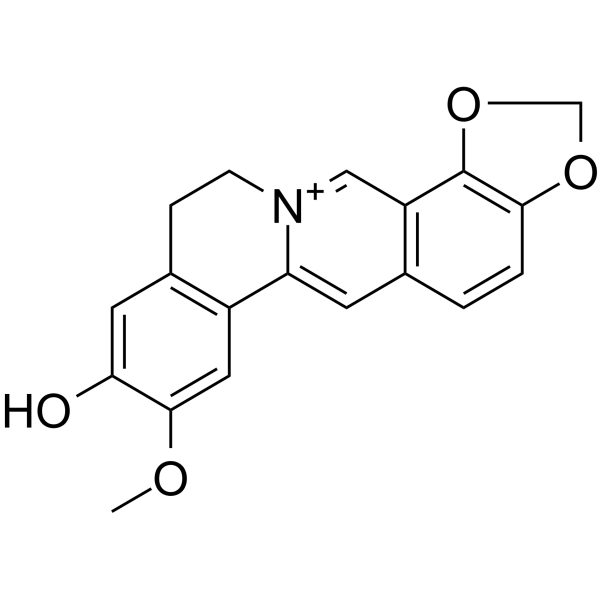
Cryptolepine is an orally active multi-potent alkaloid with anti-cancer, anti-bacterial, anti-viral, anti-malarial, anti-inflammatory, anti-hyperglycemic, relieve pain and other properties. Cryptolepine acts as an inhibitor of c-Myc, mTOR, NF-κB, HIF-1, MAPK and an activator of AMPKα1/2. It intercalates into DNA, inhibits topoisomerase II (Top II), disrupts mitochondrial dynamics and induces apoptosis. Cryptolepine also exhibits anti-plasmodial and cholinesterase inhibitory activities. Cryptolepine can be used in research related to tumors (melanoma, hepatocellular carcinoma, mammary adenocarcinoma, etc.), malaria, inflammatory diseases and diabetes, particularly in studies focused on inhibiting tumor growth and anti-plasmodial infection .
|
-
| Cat. No. |
Product Name |
Chemical Structure |
-
- HY-B0207AS
-
|
|
|
Pyridostigmine-d6 (bromide) is the deuterium labeled Pyridostigmine, which is a parasympathomimetic and a reversible cholinesterase inhibitor.
|
-
-
- HY-17368S2
-
|
|
|
Rivastigmine-d3 hydrochloride is deuterated labeled Rivastigmine (HY-17368). Rivastigmine (ENA 713 free base) is an orally active and potent cholinesterase (ChE) inhibitor and inhibits butyrylcholinesterase (BChE) and acetylcholinesteras (AChE) with IC50s of 0.037 μM , 4.15 μM, respectively. Rivastigmine can pass the blood brain barrier (BBB). Rivastigmine is a parasympathomimetic or cholinergic agent used for the research of mild to moderate dementia of the Alzheimer's type and dementia due to Parkinson's disease .
|
-
-
- HY-11017AS
-
|
|
|
(S)-Rivastigmine-d6 (tartrate) is the deuterium labeled (S)-Rivastigmine, which is an cholinesterase inhibitor.
|
-
-
- HY-B0207AS1
-
|
|
|
Pyridostigmine-d3 (bromide) is the deuterium labeled Pyridostigmine bromide. Pyridostigmine bromide is a parasympathomimetic and a reversible cholinesterase inhibitor.
|
-
-
- HY-126199S
-
|
|
|
(Z)-Tetrachlorvinphos-d6 is the deuterium labeled Tetrachlorvinphos (HY-126199). Tetrachlorvinphos is an organophosphorus pesticide that has the activity of inhibiting cholinesterase. Tetrachlorvinphos is used as a pesticide, mainly for the control of pests. Tetrachlorvinphos has low toxicity to mammals .
|
-
-
- HY-17530S
-
|
|
|
Aldicarb sulfone- 13C2,d3 is the deuterium and 13C labeled Aldicarb sulfone (HY-17530). Aldicarb sulfone is one of the metabolites of the carbamate pesticide Aldicarb and has insecticidal activity. Aldicarb sulfone is also an inhibitor of cholinesterase .
|
-
-
- HY-124104S
-
|
|
|
Aldicarb sulfoxide-d3 is the deuterium labled Aldicarb sulfoxide (HY-124104). Aldicarb sulfoxide is a metabolite of Aldicarb. Aldicarb sulfoxide affects the glutathione-linked enzymes in CHO-K1 cells. Aldicarb sulfoxide inhibits cholinesterase (ChE) and carboxylesterase (CaE) with IC50 of 10 μM for both in zebrafish .
|
-
-
- HY-17368S1
-
|
|
|
(Rac)-Rivastigmine-d6 is a labelled racemic Rivastigmine. Rivastigmine (ENA 713 free base) is an orally active and potent cholinesterase (ChE) inhibitor and inhibits butyrylcholinesterase (BChE) and acetylcholinesteras (AChE) with IC50s of 0.037 μM , 4.15 μM, respectively. Rivastigmine can pass the blood brain barrier (BBB). Rivastigmine is a parasympathomimetic or cholinergic agent used for the research of mild to moderate dementia of the Alzheimer's type and dementia due to Parkinson's disease .
|
-
-
- HY-W654335
-
|
|
|
Rivastigmine-d4 (tartrate) is deuterium labeled Rivastigmine (tartrate). Rivastigmine tartrate (ENA 713; SDZ-ENA 713) is an orally active and potent cholinesterase (ChE) inhibitor and inhibits butyrylcholinesterase (BChE) and acetylcholinesteras (AChE) with IC50s of 0.037 μM, 4.15 μM, respectively. Rivastigmine tartrate can pass the blood brain barrier (BBB). Rivastigmine tartrate is a parasympathomimetic or cholinergic agent used for the research of mild to moderate dementia of the Alzheimer's type and dementia due to Parkinson's disease .
|
-
-
- HY-B1885S
-
|
|
|
Fenitrothion-d6 is the deuterium labeled Fenitrothion (HY-B1885). Fenitrothion is a broad-spectrum and orally active insecticide/acaricide. Fenitrothion inhibits cholinesterase, AMPKα and IRS1/PI3K/AKT. Fenitrothion causes Apoptosis, reduces SOD activity. Fenitrothion shows insecticidal effect against Rhyzopertha dominica and Tribolium castaneum adults. Fenitrothion is widely used in cotton crops, vegetable crops, fruit crops and field crops, especially rice. Fenitrothion can be used for brain and spleen toxicology studies .
|
-
-
- HY-W027553S1
-
|
|
|
Ipidacrine-d9 (NIK-247-d9 (free base)) is the deuterium labeled Ipidacrine (HY-W027553). Ipidacrine is orally active and brain-penetrant AChE and BuChE inhibitors with IC50 values of 1 μM and 1.9 μM, respectively, which is also a partial agonist of M2-cholinergic receptors and a reversible cholinesterase inhibitor. Ipidacrine has a stimulating effect on neuromuscular transmission and excitation along the nerve fibres with a moderately anti-pain effect. Ipidacrine is an aminopyridines and is structurally similar to Tacrine (HY-111338). Ipidacrine is effective in various amnesia models, improves erectile function and inhibits K+ and Na+-channels in the neuronal membrane in diabetic rats. Ipidacrine is promising for research of Alzheimer’s disease, ischaemic stroke, idiopathic neuropathy of the facial nerve, diabetes mellitus-induced erectile dysfunction and other deficits in central or peripheral cholinergic deseases .
|
-
-
- HY-W011246S
-
|
|
|
Velnacrine-d3-1 maleate (HP 029-d3-1) is the deuterium labeled Velnacrine maleate (HY-W011246). Velnacrine maleate (HP 029) is an orally active cholinesterase inhibitor that can be used for the research of Alzheimer's disease .
|
-
-
- HY-W654336
-
|
|
|
(S)-Rivastigmine-d4 is deuterium labeled Rivastigmine. Rivastigmine (ENA 713 free base) is an orally active and potent cholinesterase (ChE) inhibitor and inhibits butyrylcholinesterase (BChE) and acetylcholinesteras (AChE) with IC50s of 0.037 μM , 4.15 μM, respectively. Rivastigmine can pass the blood brain barrier (BBB). Rivastigmine is a parasympathomimetic or cholinergic agent used for the research of mild to moderate dementia of the Alzheimer's type and dementia due to Parkinson's disease .
|
-
| Cat. No. |
Product Name |
|
Classification |
-
- HY-10399A
-
|
TV-3326 hydrochloride
|
|
Alkynes
|
|
Ladostigil (TV-3326) hydrochloride is an orally active dual inhibitor of cholinesterase and brain-selective monoamine oxidase (MAO), with IC50s of 37.1 and 31.8 μM for MAO-B and AChE, respectively. Ladostigil hydrochloride exhibits neuroprotective, antioxidant and anti-inflammatory activities. Ladostigil can be used for the research of depression and Alzheimer's disease . Ladostigil (hydrochloride) is a click chemistry reagent, it contains an Alkyne group and can undergo copper-catalyzed azide-alkyne cycloaddition (CuAAc) with molecules containing Azide groups.
|
-
- HY-10400
-
|
TV-3326 hemitartrate
|
|
Alkynes
|
|
Ladostigil (TV-3326) hemitartrate is an orally active dual inhibitor of cholinesterase and brain-selective monoamine oxidase (MAO) that can cross the blood-brain barrier, with IC50s of 37.1 and 31.8 μM for MAO-B and AChE, respectively. Ladostigil hemitartrate exhibits neuroprotective, antioxidant and anti-inflammatory activities. Ladostigil hemitartrate can be used for the research of depression and Alzheimer's disease . Ladostigil (hemitartrate) is a click chemistry reagent, it contains an Alkyne group and can undergo copper-catalyzed azide-alkyne cycloaddition (CuAAc) with molecules containing Azide groups.
|
-
- HY-10399
-
|
TV-3326
|
|
Alkynes
|
|
Ladostigil (TV-3326) is an orally active dual inhibitor of cholinesterase and brain-selective monoamine oxidase (MAO), with IC50s of 37.1 and 31.8 μM for MAO-B and AChE, respectively. Ladostigil exhibits neuroprotective, antioxidant and anti-inflammatory activities. Ladostigil can be used for the research of depression and Alzheimer's disease . Ladostigil is a click chemistry reagent, it contains an Alkyne group and can undergo copper-catalyzed azide-alkyne cycloaddition (CuAAc) with molecules containing Azide groups.
|
Your information is safe with us. * Required Fields.
Inquiry Information
- Product Name:
- Cat. No.:
- Quantity:
- MCE Japan Authorized Agent:

