From 11:00 pm to 12:00 pm EST ( 8:00 pm to 9:00 pm PST ) on January 6th, the website will be under maintenance. We are sorry for the inconvenience. Please arrange your schedule properly.
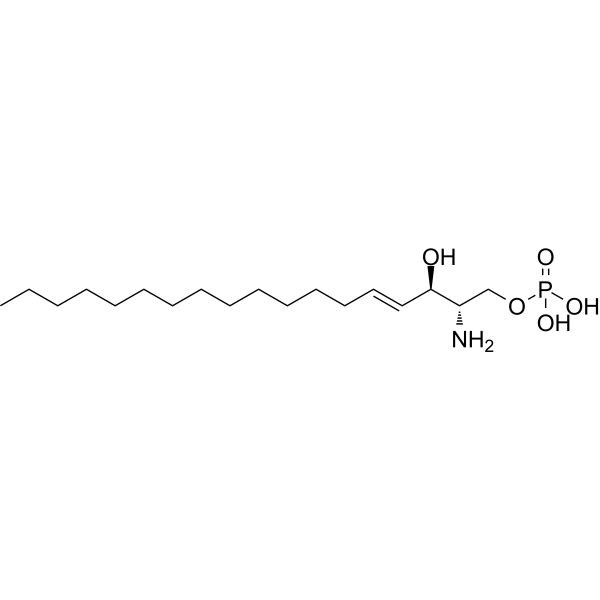
Sphingosine-1-phosphate (S1P) is an agonist of S1P1-5 receptors and a ligand of GPR3, GPR6 and GPR12. Sphingosine-1-phosphate is an intracellular second messenger and mobilizes Ca 2+ as an extracellular ligand for G protein-coupled receptors . Sphingosine-1-phosphate is an important lipid mediator generated from Sphingomyelin (HY-113498) or other membrane phospholipids . Sphingosine-1-phosphate stimulates the DNA synthesis, cell proliferation and migration .
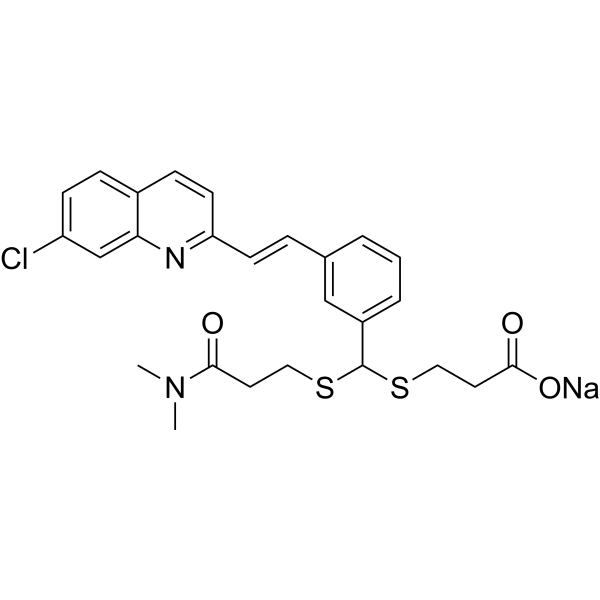
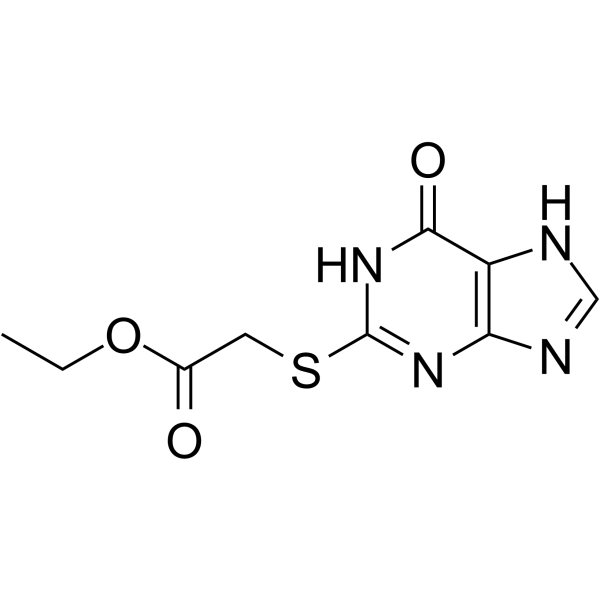
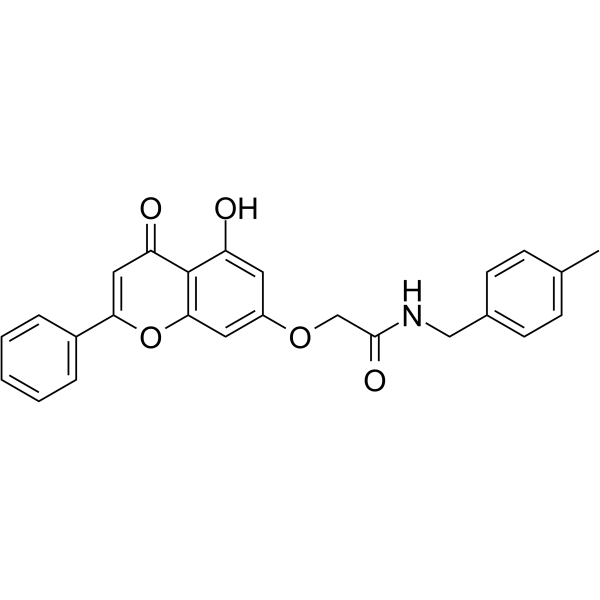
MK-571 (L-660711) sodium is an orally active, potent and selective competitive leukotriene D4 (LTD4) receptor antagonist, with Ki values of 0.22 and 2.1 nM in guinea pig and human lung membranes, respectively. MK-571 sodium is also a inhibitor of multidrug resistance-associated proteinMRP4 (ABCC4) and ABCC1 (MRP1). MK-571 sodium inhibits constitutive and antigen-stimulated S1P (sphingosine-1-phosphate) release .
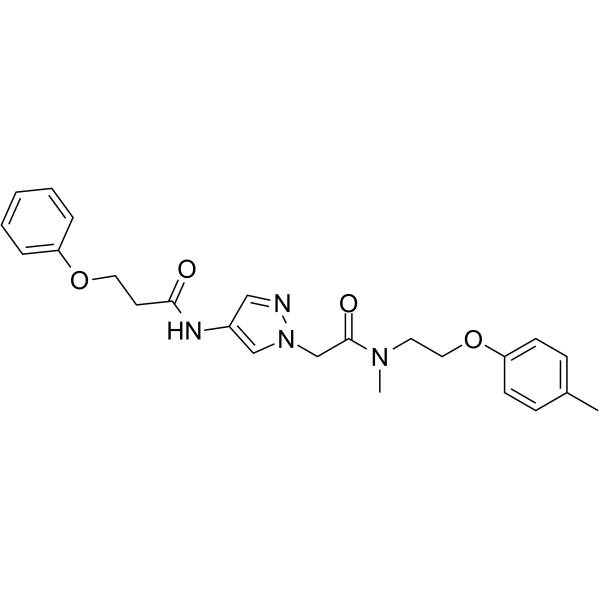
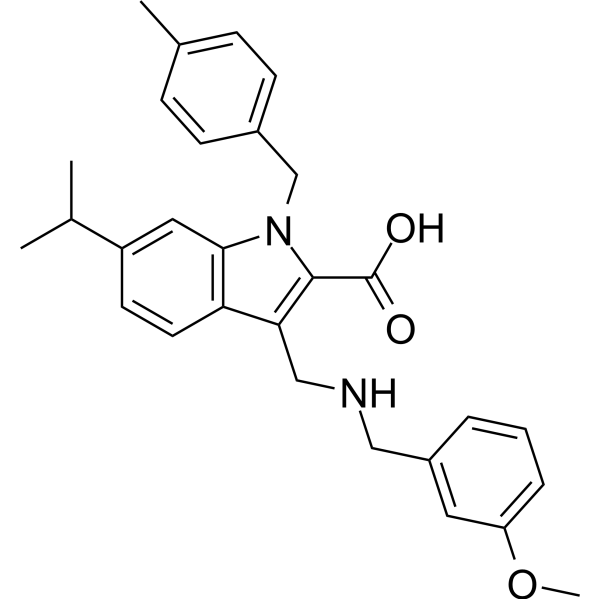
IXA4 is a highly selective, non-toxic IRE1/XBP1s activator. IXA4 activates IRE1/XBP1s signaling without globally activating the unfolded protein response (UPR) or other stress-responsive signaling pathways (e.g., the heat shock response or oxidative stress response). IXA4 reduces secretion of APP through IRE1 activation .
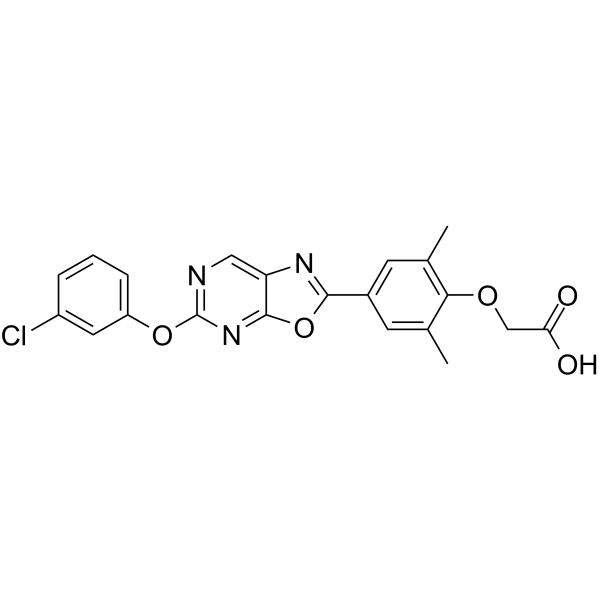
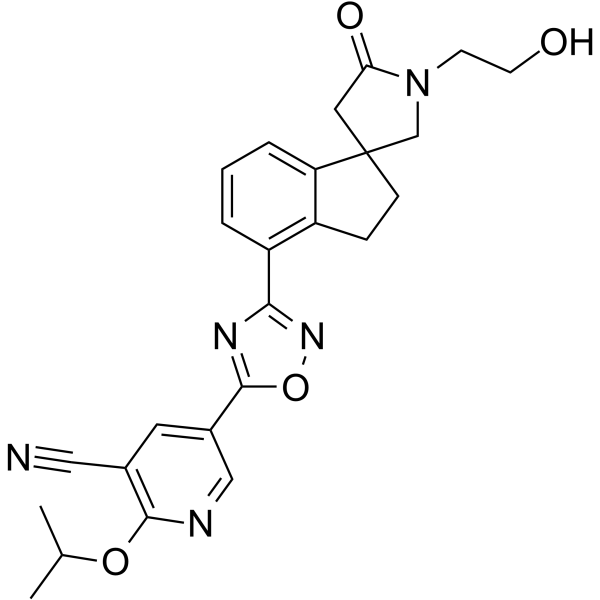
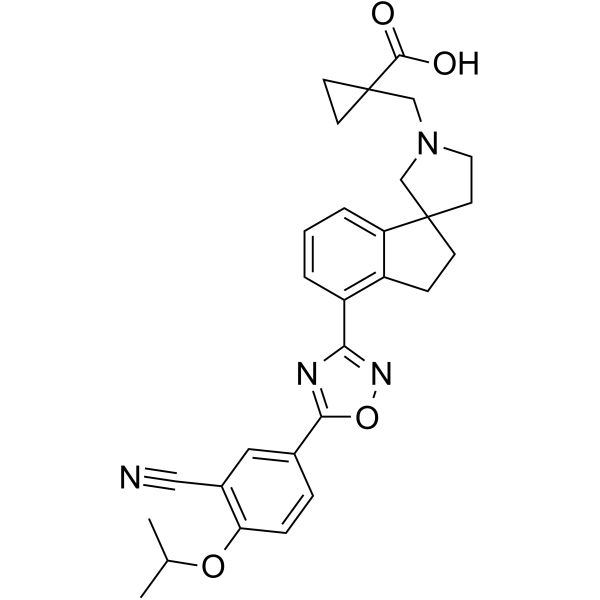
SAR247799 (S1P1 agonist 3) is an oral activity, selective G-protein-biased sphingosine-1 phosphate receptor-1 (S1P1 ) agonist, with EC50s rang from 12.6 to 493 nM in S1P1-overexpressing cells and HUVECs. SAR247799 can be used for the research of endothelial protection, including type-2 diabetes, metabolic syndrome .
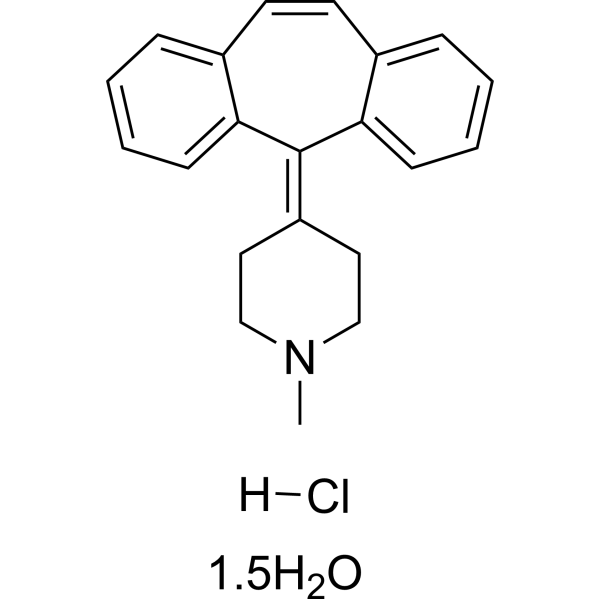
Cyproheptadine hydrochloride sesquihydrate acts as a p38 MAP kinase activator, CHK2 activator, histamine H1 receptor inhibitor and serotonin receptor inhibitor. Cyproheptadine hydrochloride sesquihydrate mediates cell cycle arrest via G1 phase arrest, G1/S transition arrest, G0/G1 phase arrest, reduced expression of cyclins D1/D2/D3, upregulated expression of HBP1, p16, p21, p27, and decreased phosphorylation of retinoblastoma protein. Cyproheptadine hydrochloride sesquihydrate induces Apoptosis by increasing PARP and cleaved PARP, as well as activating the mitochondrial caspase pathway. Cyproheptadine hydrochloride sesquihydrate inhibits tumor growth with extremely low toxicity to normal cells. Cyproheptadine hydrochloride sesquihydrate can be used in research related to hepatocellular carcinoma, multiple myeloma and acute myeloid leukemia .
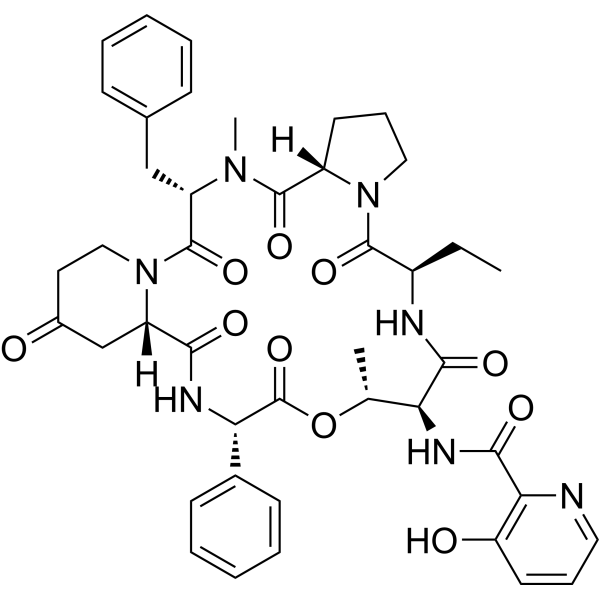
Virginiamycin S1 is a cyclic hexadepsipeptide antibiotic, inhibits bacterial protein synthesis at the level of aminoacyl-tRNA binding and peptide bond formation. Virginiamycin S1 belongs to the type B compounds in the streptogramin family and is produced by Streptomyces virginiae, shows a strong bactericidal activity against a wide range of Gram-positive bacteria. Virginiamycin S1 together with virginiamycin M1 is more effective in treat multidrug-resistant bacterial infections [1][2].
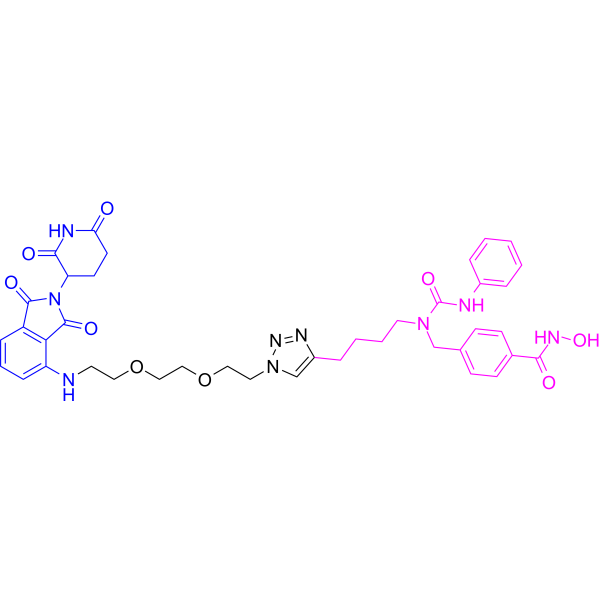
HDAC6 degrader-1 (Compound NP8) is the PROTAC degrader for HDAC6 with a DC50 of 3.8 nM in cell MM.1S .(Blue: ligand for E3 ligase Pomalidomide (HY-10984); Black: linker (HY-140213); Pink: ligand for target protein Nexturastat A (HY-16699))
Cholesteryl acetate (Cholesterol 3-acetate) is a cholesterol ester that is exported from Saccharomyces cerevisiae via a Pry1-dependent mechanism. Cholesteryl acetate binds to the CAP superfamily proteinPry1 via interactions dependent on Pry1’s caveolin-binding motif .
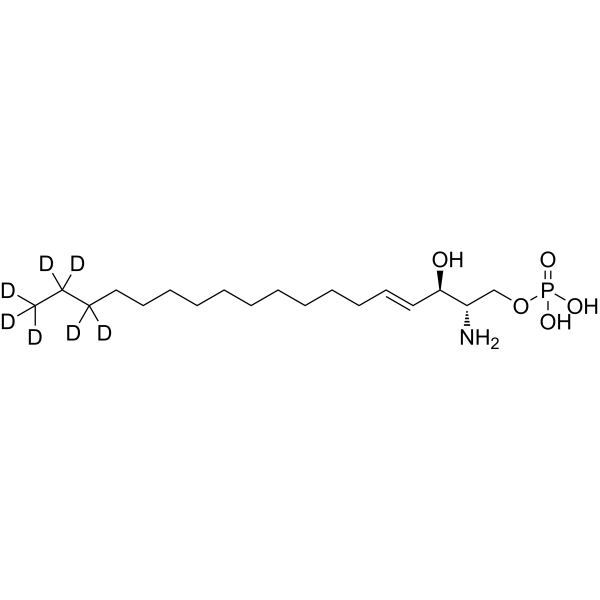
Sphingosine-1-phosphate-d7 is the deuterium labeled Sphingosine-1-phosphate. Sphingosine-1-phosphate (S1P) is an agonist of S1P1-5 receptors and a ligand of GPR3, GPR6 and GPR12.?Sphingosine-1-phosphate is an intracellular second messenger and mobilizes Ca2+ as an extracellular ligand for G protein-coupled receptors . Sphingosine-1-phosphate is an important lipid mediator generated from Sphingomyelin (HY-113498) or other membrane phospholipids .
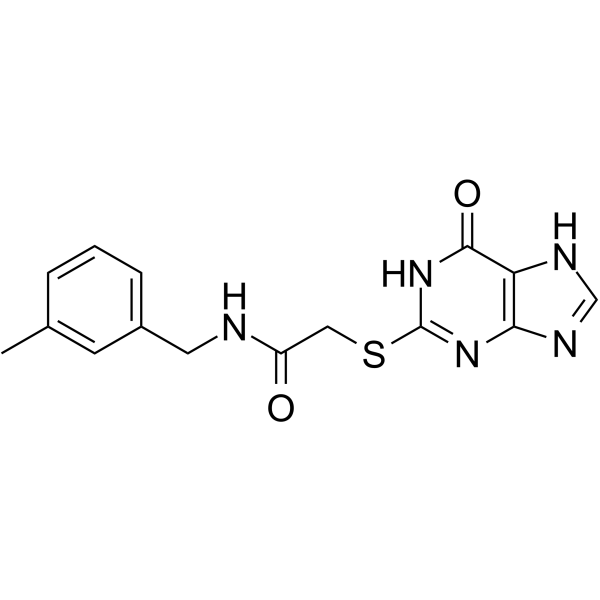
PXYC1 is a ribosomal proteinS1 (RpsA) antagonist with Kds of 0.81 and 0.31 μM for RpsA-CTD and RpsA-CTD Δ438A, respectively. RpsA plays an important role in the trans-translation process of Mycobacterium Tuberculosis (Mtb) .
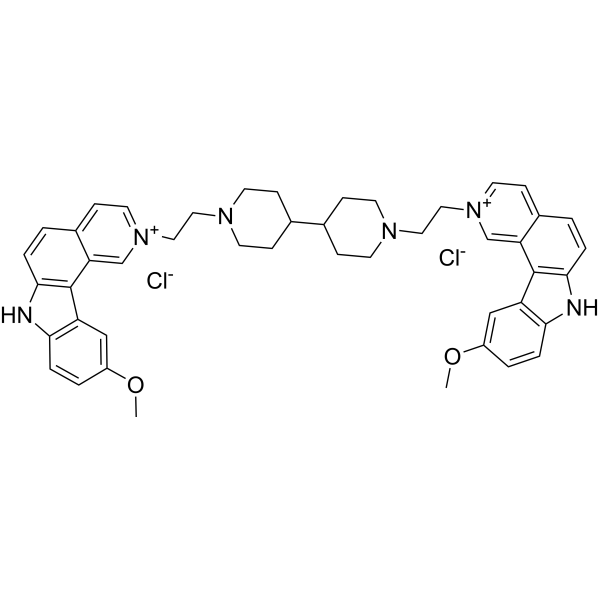
Ditercalinium chloride is an anticancer agent. Ditercalinium chloride inhibits human DNA polymerase gamma activity. Ditercalinium chloride can deplete mitochondrial DNA in both mouse and human cells. Ditercalinium chloride is a potential ligand against the COMMD10-AP3S1 fusion protein .
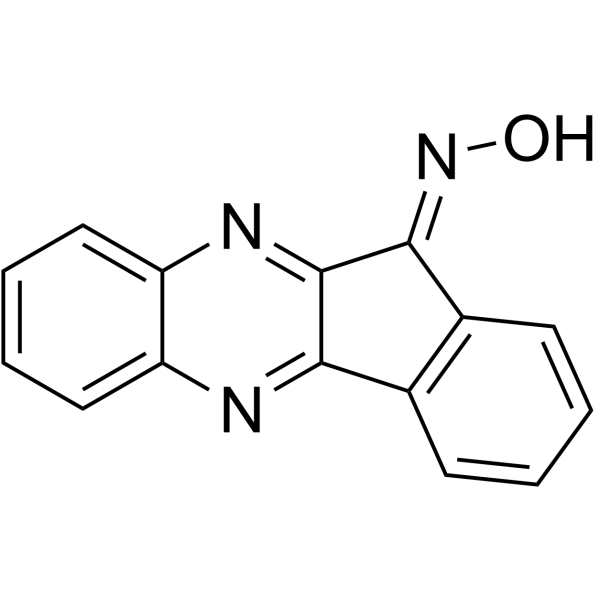
IQ-1S free acid is a prospective inhibitor of NF-κB/activating protein 1 (AP-1) activity with an IC50 of 2.3±0.41 μM. IQ-1S free acid has binding affinity (Kd values) in the nanomolar range for all three JNKs with Kds of 100 nM, 240 nM, and 360 nM for JNK3, JNK1, and JNK2, respectively.
Vasopressin-d5 TFA is the TFA salt form of Vasopressin-d5 (HY-B1811S1). Vasopressin-d5 TFA is an isotope-labeled compound of Vasopressin (HY-B1811). Vasopressin is a cyclic nonapeptide that is synthesized centrally in the hypothalamus. Vasopressin participates in the hypothalamic-pituitary-adrenal axis and regulates pituitary corticotropin secretion by potentiating the stimulatory effects of the corticotropin-releasing factor. Vasopressin also can act as a neurotransmitter, exerting its action by binding to specific G protein-coupled receptors .
SIAIS001 is a CRBN-dependent ALK PROTAC degrader with a DC50 of 3.9 nM. SIAIS001 induces ALK protein degradation via the ubiquitin-proteasome system. SIAIS001 induces G1/S phase cell cycle arrest and inhibits proliferation of cancer cells. SIAIS001 can be used for the research of anaplastic large-cell lymphomas .
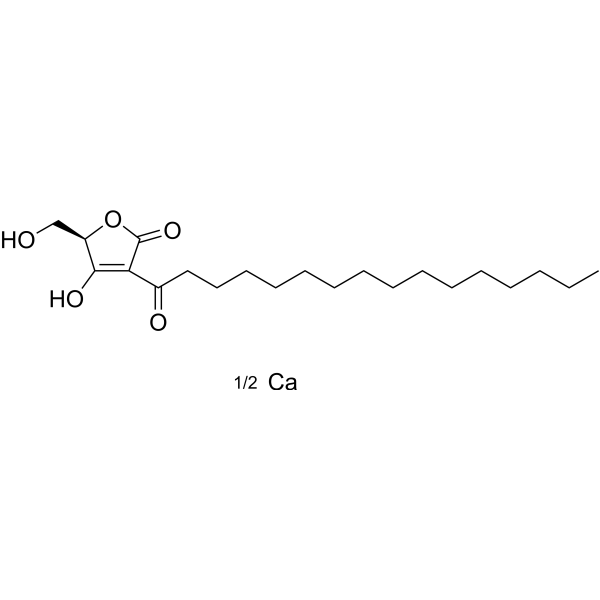
RK-682 is the inhibitor for protein tyrosine phosphatase (PTPase), heparanase, phospholipase A2 and HIV-1 protease. RK-682 inhibits the dephosphorylation of CD45 (IC50 is 54 μM) and VHR (IC50 is 2.0 μM), and thereby inhibits the ERK signaling pathway. RK-682 inhibits the cell viability of cancer cell MGH-U3, T24 and UROtsa with IC50s of 78.2, 43.2 and 145 nM, respectively, arrests the cell cycle at G1/S phase, inhibits the cell migration and autophagy in MGH-U3 and T24 .
BPH-1086 (compound 10) is an IspH inhibitor, IspH domain fused with ribosomal proteinS1 (RPS1) can bind to mRNA or form part of the bacterial ribosome .
PXYC12 is a ribosomal proteinS1 (RpsA) antagonist with Kds of 2.67 and 4.67 μM for RpsA-CTD and RpsA-CTD Δ438A, respectively. RpsA plays an important role in the trans-translation process of Mycobacterium Tuberculosis (Mtb) .
14-3-3η Protein inhibitor 1 (Compound C11) is a 14-3-3ηprotein inhibitor with a KD of 35 µM. 14-3-3η Protein inhibitor 1 shows inhibitory activities against several typical human liver cancer cell lines. 14-3-3η Protein inhibitor 1 induces cell apoptosis and G1-S cell cycle arrest with good metabolic stability .
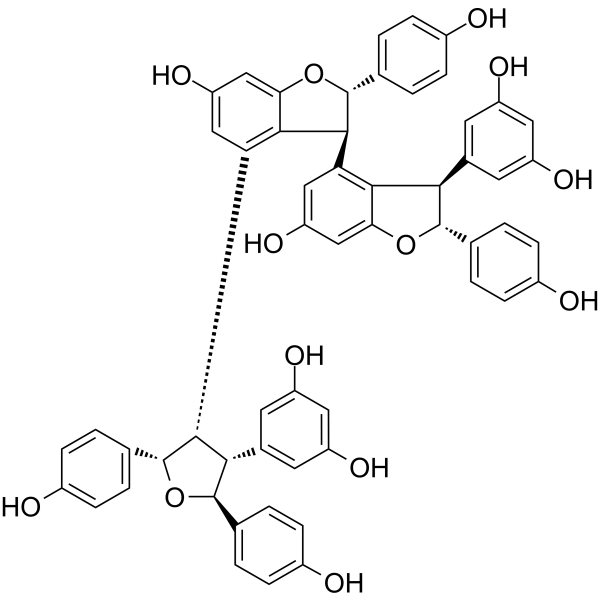
Kobophenol A, an oligomeric stilbene, blocks the interaction between the ACE2 receptor and S1-RBD with an IC50 of 1.81 μM and inhibits SARS-CoV-2 viral infection in cells with an EC50 of 71.6 μM. Kobophenol A inhibits the activity of partially purified rat brain protein kinase C (PKC) with an IC50 of 52 µM .
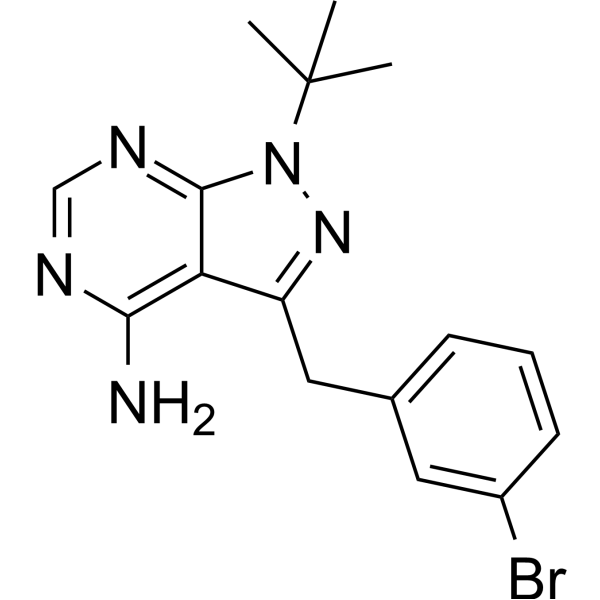
3BrB-PP1 is an ATP-competitive analog. 3BrB-PP1 can specifically inhibit the activity of protein kinase with mutations in the ATP-binding pocket (mutation of Thr97 within Sty1’s ATP-binding pocket) .
Anti-SARS-CoV-2 Spike mAb (CR3022) is a a CHO cell derived human monoclonal IgG1 antibody. It binds to both S1 domain of SARS-CoV/SARS-CoV-2 Spike protein .
Autophagy agonist-1 (compound 22) is an Autophagy agonist. Autophagy agonist-1 exhibits significant anticancer activity against HepG2 cells and normal cells with IC50s of 8.8 μM and > 50 μM. Autophagy agonist-1 induces G1/S phase cell cycle arrest and inhibits CDK4 and CyclinD1 expression while upregulating P21. Autophagy agonist-1 promotes the accumulation of autophagosomes and the proteinsLC3 and PINK1, enhancing autophagy and mitophagy in HepG2 cells .
PXYD3 is a ribosomal proteinS1 (RpsA) antagonist with Kds of 5.66 and 6.91 μM for RpsA-CTD and RpsA-CTD Δ438A, respectively. RpsA plays an important role in the trans-translation process of Mycobacterium Tuberculosis (Mtb) .
PXYC2 is a ribosomal proteinS1 (RpsA) antagonist with Kds of 6.35 and 5.11 μM for RpsA-CTD and RpsA-CTD Δ438A, respectively. RpsA plays an important role in the trans-translation process of Mycobacterium Tuberculosis (Mtb) .
PXYC13 is a ribosomal proteinS1 (RpsA) antagonist with Kds of 7.61 and 8.50 μM for RpsA-CTD and RpsA-CTD Δ438A, respectively. RpsA plays an important role in the trans-translation process of Mycobacterium Tuberculosis (Mtb) .
PXYD4 is a ribosomal proteinS1 (RpsA) antagonist with Kds of 3.24 and 1.64 μM for RpsA-CTD and RpsA-CTD Δ438A, respectively. RpsA plays an important role in the trans-translation process of Mycobacterium Tuberculosis (Mtb) .
Virginiamycin S1 (Standard) is the analytical standard of Virginiamycin S1. This product is intended for research and analytical applications. Virginiamycin S1 is a cyclic hexadepsipeptide antibiotic, inhibits bacterial protein synthesis at the level of aminoacyl-tRNA binding and peptide bond formation. Virginiamycin S1 belongs to the type B compounds in the streptogramin family and is produced by Streptomyces virginiae, shows a strong bactericidal activity against a wide range of Gram-positive bacteria. Virginiamycin S1 together with virginiamycin M1 is more effective in treat multidrug-resistant bacterial infections .
VIR-7229 is a human IgG1 monoclonal antibody (mAb) targeting Receptor-Binding Domain, RBD, Spike glycoprotein. VIR-7229 exerts antiviral activity by competing with ACE2 for binding and inducing S1protein shedding. VIR-7229 can be used in SARS-CoV-2 infection research. Recommended isotype control: Human IgG1 kappa, Isotype Control (HY-P99001) .
(±)-PPCC hemioxalate is a compound that has the ability to regulate the activity of the sigma-1 receptor. (±)-PPCC hemioxalate can selectively bind sigma-1protein(s1), and then activate s1 receptor leading to dissociation of s1-BIP complex to regulate ER-mitochondrial calcium signaling, which plays an important role in cell bioenergy and cell survival. (±)-PPCC hemioxalate can be used to study sigma-1 receptors in cocaine addiction, forgetting, pain, depression, Alzheimer's disease, stroke, and cancer .
SG3-179 is a potent inhibitor against the BET bromodomain proteins. SG3-179 is also a JAK2 and FLT3 inhibitor. SG3-179 causes a rapid reduction in HOXB13 protein expression. SG3-179 is promising for research of multiple myeloma (MM1.S) .
S1PR1 agonist 2 is a potent agonist of S1PR1. Sphingosine-1-phosphate (S1P) is a cell membrane-derived lysophospholipid signalling molecule that exerts its physiological functions mainly by stimulating some members of the G protein-coupled receptor family. S1PR1 agonist 2 has the potential for the research of autoimmune diseases (extracted from patent WO2021175225A1, compound 1) .
S1P1 agonist 7 is a potent, orally active, and β-arrestin-biased S1P1 agonist (EC50(G‑protein) = 12.7 nM and EC50(β‑arrestin) = 3.23 nM). S1P1 agonist 7 demonstrates potent immunomodulatory activity and a favorable safety profile. S1P1 agonist 7 exhibits excellent metabolic stability, minimal to moderate CYP inhibition, and S1P3-sparing selectivity. S1P1 agonist 7 shows pharmacokinetics, effectively reduces circulating lymphocytes, and significantly alleviates disease severity in experimental autoimmune encephalomyelitis (EAE) mouse models under both prophylactic and therapeutic regimens. S1P1 agonist 7 can be used for multiple sclerosis (MS) research .
Anti-SARS-80R mAb (SARS-80R) is a human monoclonal IgG1 antibody produced in CHO cells. Anti-SARS-80R mAb can specifically bind to Spike (S1)protein to prevent SARS virus infection of susceptible cells .
MG degrader 3 (Compound CM-3) is a molecular glucose degrading agent that targets the CRBNprotein. MG degrader 3 has certain anti proliferative activity in MM.1S cells (IC50 = 8.7 nM). MG degrader 3 can be used for cancer research .
BS148 is a selective sigma-2 receptor (S2R) agonist with a Ki 20 nM. BS148 shows >80-fold selective for S2R than S1R. BS148 activates the endoplasmic reticulum stress response through the upregulation of protein kinase R-like ER kinase (PERK), activating transcription factor 4 (ATF4) genes, and C/EBP homologous protein (CHOP). BS148 induces apoptosis in melanoma cell. BS148 downregulates genes related to the cholesterol pathway and activates the MAPK signaling pathway. BS148 can be used for the study of melanoma .
SARS-CoV-2-IN-34 (S-20-1) is a blood brain barrier penetrable pan-coronavirus (CoV) fusion inhibitor with broad-spectrum inhibitory activity. SARS-CoV-2-IN-34 effectively inhibits infection by pseudotyped and authentic SARS-CoV-2, and pseudotyped variants of concern (VOCs). SARS-CoV-2-IN-34 shows high affinity to RBD in S1 and HR1 domain in S2 of SARS-CoV-2 S protein. SARS-CoV-2-IN-34 can be used for the research of infection .
Maltopentaose (Standard) is the analytical standard of Maltopentaose. This product is intended for research and analytical applications. Maltopentaose is the shortest chain oligosaccharide that can be classified as maltodextrin and is also used in a study to investigate glycation and phosphorylation of α-lactalbumin.
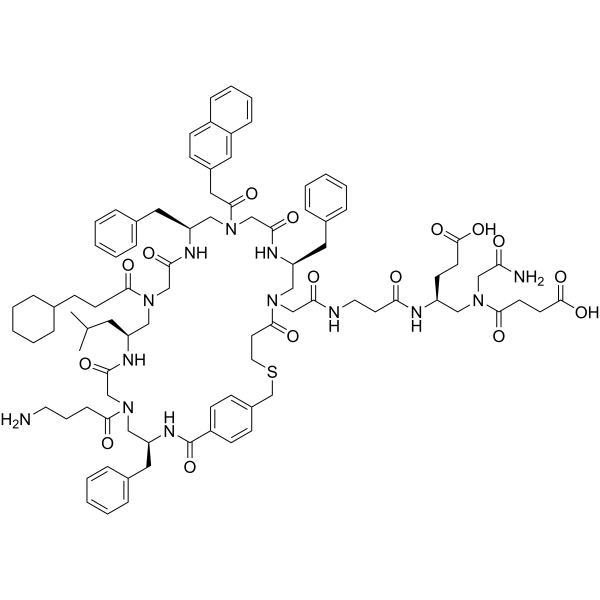
S1b3inL1 is a SARS-CoV-2 spike protein macrocyclic peptide inhibitor. S1b3inL1 can bind the conserved site of spike protein with high affinity and inhibit the infection of various SARS-CoV-2 variant strains. S1b3inL1 has antiviral activity .
A2G2S1 glycan (G2S1), 2-AB labelled (A2G2S1 N-linked oligosaccharide, 2-AB labelled) is a N-polysaccharide protein and a multifunctional fluorescent linker. The resulting conjugates exhibit high sensitivity and specificity by mimicking the antennal elements of N-glycans .
S1PR1 agonist 1 is a potent agonist of S1PR1. Sphingosine-1-phosphate (S1P) is a cell membrane-derived lysophospholipid signalling molecule that exerts its physiological functions mainly by stimulating some members of the G protein-coupled receptor family. S1PR1 agonist 1 has the potential for the research of autoimmune diseases (extracted from patent WO2021175223A1, compound 22) .
A2G2S1 glycan (G2S1) (A2G2S1 N-linked oligosaccharide; A2G(4)2S(6)1 glycan) is a N-polysaccharide protein and a multifunctional fluorescent linker. The resulting conjugates exhibit high sensitivity and specificity by mimicking the antennal elements of N-glycans .
FA2G2S1 glycan (G2FS1), 2-AB labelled (FA2G2S1 N-linked oligosaccharide, 2-AB labelled) is a N-polysaccharide protein and a multifunctional fluorescent linker. The resulting conjugates exhibit high sensitivity and specificity by mimicking the antennal elements of N-glycans .
FA2G2S1 glycan (G2FS1), 2-AA labelled (FA2G2S1 N-linked oligosaccharide, 2-AA labelled) is a N-polysaccharide protein and a multifunctional fluorescent linker. The resulting conjugates exhibit high sensitivity and specificity by mimicking the antennal elements of N-glycans .
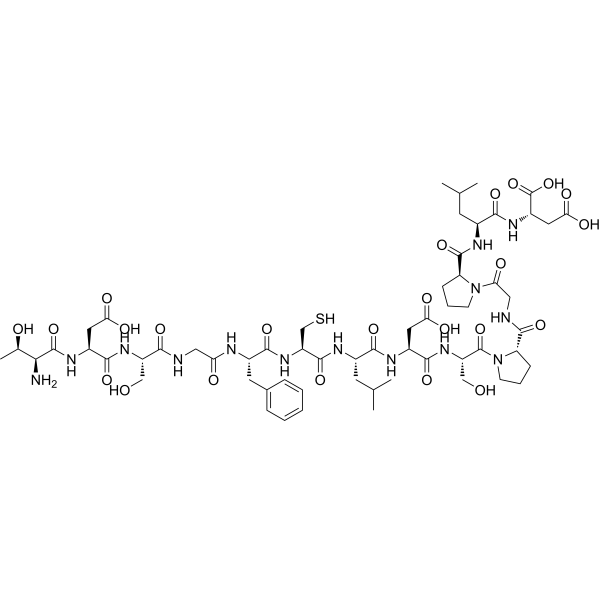
Cdc25A (80-93) (human) is a polypeptide that controls the cell proliferation and tumorigenesis by a change in expression of proteins involved in cyclin D1 regulation and G1/S transition. Cdc25A (80-93) (human) can be used in cancer research .
Human SERPINA1 mRNA encodes the human serpin family A member 1 (SERPINA1) protein, a serine protease inhibitor belonging to the serpin superfamily. SERPINA1’s major physiological function is the protection of the lower respiratory tract against proteolytic destruction by human leukocyte elastase (HLE).
IQ-1S is a prospective inhibitor of NF-κB/activating protein 1 (AP-1) activity with an IC50 of 1.8 μM. IQ-1 has binding affinity (Kd values) in the nanomolar range for all three JNKs with Kds of 87 nM, 360 nM, and 390 nM for JNK3, JNK2, and JNK1, respectively.
FA2G2S1 glycan (G2FS1) (FA2G2S1 N-linked oligosaccharide; α(2,6)/FA2G2S(6)1 glycan; F(6)A2G(4)2S(6)1 glycan) is a N-polysaccharide protein and a multifunctional fluorescent linker. The resulting conjugates exhibit high sensitivity and specificity by mimicking the antennal elements of N-glycans .
1-Acetyl-DHA (Compound 7) is a substrate of the phosphotriesterase homology protein (PHP) and can be hydrolyzed by PHP with a kcat/km value of 100 M -1s -1. The level of 1-Acetyl-DHA is regulated by mTORC1 and is negatively correlated with the nuclear acetate level. 1-Acetyl-DHA plays an important role in cellular metabolism and the regulation of histone acetylation .
Aurora kinase-IN-1 (Compound 9) is a potent inhibitor of aurora kinase. Aurora kinase-IN-1 upregulates the expression of G1 cell cycle inhibitory proteins including p21 and p27, and G1 progressive cyclin D1, and downregulates G1-to-S progressive cyclins, resulting in cell cycle arrest at the G1/S boundary. Aurora kinase-IN-1 also induces apoptosis. Aurora kinase-IN-1 is a lead compound for chemotherapeutic agents .
Apoptosis inducer 50 (Compound 5e) is an apoptosis inducer as well as an autophagy inducer agent. Apoptosis inducer 50 exhibits potent and selective anti-cancer activity against triple-negative breast cancer cells and metastatic colon cancer cells. Apoptosis inducer 50 upregulates the expression of pro-apoptotic proteins (Bax, Bim, cleaved Caspase-9) and downregulates the expression of the anti-apoptotic protein (BCL-XL). Apoptosis inducer 50 upregulates key autophagy markers such as Beclin-1 and ATG5, and enhances the conversion of LC3-I to LC3-II., Apoptosis inducer 50 arrests cancer cells in the G1/S phase by upregulating the expression of p21 and p27 while downregulating Cyclin D1. Apoptosis inducer 50 increases the level of ROS .
RK-682 hemicalcium is the hemicalcium salt form of RK-682 (HY-135564A). RK-682 hemicalcium is the inhibitor for protein tyrosine phosphatase (PTPase), heparanase, phospholipase A2 and HIV-1 protease. RK-682 hemicalcium inhibits the dephosphorylation of CD45 (IC50 is 54 μM) and VHR (IC50 is 2.0 μM), and thereby inhibits the ERK signaling pathway. RK-682 hemicalcium inhibits the cell viability of cancer cell MGH-U3, T24 and UROtsa with IC50s of 78.2, 43.2 and 145 nM, respectively, arrests the cell cycle at G1/S phase, inhibits the cell migration and autophagy in MGH-U3 and T24 [2] .
A2G2S1 glycan (G2S1), APTS labelled (A2G2S1 N-linked oligosaccharide, APTS labelled) is a N-polysaccharide protein and a multifunctional fluorescent linker. The resulting conjugates exhibit high sensitivity and specificity by mimicking the antennal elements of N-glycans .
A2G2S1 glycan (G2S1), 2-AA labelled (A2G2S1 N-linked oligosaccharide, 2-AA labelled) is a N-polysaccharide protein and a multifunctional fluorescent linker. The resulting conjugates exhibit high sensitivity and specificity by mimicking the antennal elements of N-glycans .
ACE2-SP PPI-IN-1 is an inhibitor of the interaction between the SARS-CoV-2 spike protein and ACE2, with an IC50 of 2162.77 nM. ACE2-SP PPI-IN-1 exhibits low cytotoxicity in human fibroblasts. ACE2-SP PPI-IN-1 binds to the interface region between the spike protein RBD and ACE2, reducing the flexibility of the critical receptor-binding loop and maintaining the structural compactness of the spike protein. ACE2-SP PPI-IN-1 can be used for research related to SARS-CoV-2 .
FA2G2S1 glycan (G2FS1), APTS labelled (FA2G2S1 N-linked oligosaccharide, APTS labelled) is a N-polysaccharide protein and a multifunctional fluorescent linker. The resulting conjugates exhibit high sensitivity and specificity by mimicking the antennal elements of N-glycans .
IQ-1S (free acid) (Standard) is the analytical standard of IQ-1S (free acid) (HY-100233). This product is intended for research and analytical applications. IQ-1S free acid is a prospective inhibitor of NF-κB/activating protein 1 (AP-1) activity with an IC50 of 2.3±0.41 μM. IQ-1S free acid has binding affinity (Kd values) in the nanomolar range for all three JNKs with Kds of 100 nM, 240 nM, and 360 nM for JNK3, JNK1, and JNK2, respectively.
FA2G2S1 glycan (G2FS1), procainamide labelled (FA2G2S1 N-linked oligosaccharide, procainamide labelled; α(2,6)/FA2G2S(6)1 glycan, procainamide labelled; F(6)A2G(4)2S(6)1 glycan, procainamide labelled) is a N-polysaccharide protein and a multifunctional fluorescent linker. The resulting conjugates exhibit high sensitivity and specificity by mimicking the antennal elements of N-glycans .
pan-BET/BD2-IN-1 (compound 6b) is a selective extra-terminal (BET)protein inhibitor (BRDT-1 Ki = 1.05 μM and BRD4-1 Ki = 0.68 μM). pan-BET/BD2-IN-1 inhibits MM.1S cancer cell growth with an IC50 of 2.6 μM .
VARS1-IN-2 (Compound 2901) is a VARS1 inhibitor with a Kd of 0.014 µM. VARS1-IN-2 does not alter VARS1 expression either at mRNA or protein level. VARS1-IN-2 exerts anti-prostate cancer effects mainly through interfering VARS1’s tRNA aminoacylation activity but not its expression .
VARS1-IN-1 is a valyl-tRNA synthetase (VARS1) inhibitor with a Kd of 0.213 μM. VARS1-IN-1 suppresses VARS1’s tRNA aminoacylation activity, reduces charged levels of valine tRNAs and redues total protein synthesis rate. VARS1-IN-1 suppresses aggressive tumor growth and cell proliferation in PC3 prostate cancer xenograft models. VARS1-IN-1 can be used for the research of prostate cancer .
GPS167 is a CLK kinase inhibitor that potently and selectively inhibits recombinant human CLK1, CLK2 and CLK4. By inhibiting CLK-mediated phosphorylation of SRSF10, GPS167 upregulates the protein-binding ability of CLK1 and CLK4 with SRSF10, downregulates oncogenic BCLAF1-L and upregulates tumor-suppressive BCLAF1-S, regulates alternative splicing of genes such as MDM2 and MDM4, stabilizes p53protein and induces DNA damage, ultimately triggering tumor cell apoptosis. GPS167 can block the epithelial-mesenchymal transition process of tumors, activate intracellular double-stranded RNA-mediated antiviral immune responses, and produce synergistic cytotoxicity when combined with microtubule-targeting drugs. GPS167 can be used in research related to various cancers including colorectal cancer .
A2G2S1 glycan (G2S1), 2-AB labelled (A2G2S1 N-linked oligosaccharide, 2-AB labelled) is a N-polysaccharide protein and a multifunctional fluorescent linker. The resulting conjugates exhibit high sensitivity and specificity by mimicking the antennal elements of N-glycans .
A2G2S1 glycan (G2S1) (A2G2S1 N-linked oligosaccharide; A2G(4)2S(6)1 glycan) is a N-polysaccharide protein and a multifunctional fluorescent linker. The resulting conjugates exhibit high sensitivity and specificity by mimicking the antennal elements of N-glycans .
FA2G2S1 glycan (G2FS1), 2-AB labelled (FA2G2S1 N-linked oligosaccharide, 2-AB labelled) is a N-polysaccharide protein and a multifunctional fluorescent linker. The resulting conjugates exhibit high sensitivity and specificity by mimicking the antennal elements of N-glycans .
FA2G2S1 glycan (G2FS1), 2-AA labelled (FA2G2S1 N-linked oligosaccharide, 2-AA labelled) is a N-polysaccharide protein and a multifunctional fluorescent linker. The resulting conjugates exhibit high sensitivity and specificity by mimicking the antennal elements of N-glycans .
FA2G2S1 glycan (G2FS1) (FA2G2S1 N-linked oligosaccharide; α(2,6)/FA2G2S(6)1 glycan; F(6)A2G(4)2S(6)1 glycan) is a N-polysaccharide protein and a multifunctional fluorescent linker. The resulting conjugates exhibit high sensitivity and specificity by mimicking the antennal elements of N-glycans .
A2G2S1 glycan (G2S1), APTS labelled (A2G2S1 N-linked oligosaccharide, APTS labelled) is a N-polysaccharide protein and a multifunctional fluorescent linker. The resulting conjugates exhibit high sensitivity and specificity by mimicking the antennal elements of N-glycans .
A2G2S1 glycan (G2S1), 2-AA labelled (A2G2S1 N-linked oligosaccharide, 2-AA labelled) is a N-polysaccharide protein and a multifunctional fluorescent linker. The resulting conjugates exhibit high sensitivity and specificity by mimicking the antennal elements of N-glycans .
FA2G2S1 glycan (G2FS1), APTS labelled (FA2G2S1 N-linked oligosaccharide, APTS labelled) is a N-polysaccharide protein and a multifunctional fluorescent linker. The resulting conjugates exhibit high sensitivity and specificity by mimicking the antennal elements of N-glycans .
FA2G2S1 glycan (G2FS1), procainamide labelled (FA2G2S1 N-linked oligosaccharide, procainamide labelled; α(2,6)/FA2G2S(6)1 glycan, procainamide labelled; F(6)A2G(4)2S(6)1 glycan, procainamide labelled) is a N-polysaccharide protein and a multifunctional fluorescent linker. The resulting conjugates exhibit high sensitivity and specificity by mimicking the antennal elements of N-glycans .
SARS-CoV-2-IN-34 (S-20-1) is a blood brain barrier penetrable pan-coronavirus (CoV) fusion inhibitor with broad-spectrum inhibitory activity. SARS-CoV-2-IN-34 effectively inhibits infection by pseudotyped and authentic SARS-CoV-2, and pseudotyped variants of concern (VOCs). SARS-CoV-2-IN-34 shows high affinity to RBD in S1 and HR1 domain in S2 of SARS-CoV-2 S protein. SARS-CoV-2-IN-34 can be used for the research of infection .
S1b3inL1 is a SARS-CoV-2 spike protein macrocyclic peptide inhibitor. S1b3inL1 can bind the conserved site of spike protein with high affinity and inhibit the infection of various SARS-CoV-2 variant strains. S1b3inL1 has antiviral activity .
Cdc25A (80-93) (human) is a polypeptide that controls the cell proliferation and tumorigenesis by a change in expression of proteins involved in cyclin D1 regulation and G1/S transition. Cdc25A (80-93) (human) can be used in cancer research .
Anti-SARS-CoV-2 Spike mAb (CR3022) is a a CHO cell derived human monoclonal IgG1 antibody. It binds to both S1 domain of SARS-CoV/SARS-CoV-2 Spike protein .
VIR-7229 is a human IgG1 monoclonal antibody (mAb) targeting Receptor-Binding Domain, RBD, Spike glycoprotein. VIR-7229 exerts antiviral activity by competing with ACE2 for binding and inducing S1protein shedding. VIR-7229 can be used in SARS-CoV-2 infection research. Recommended isotype control: Human IgG1 kappa, Isotype Control (HY-P99001) .
Anti-SARS-80R mAb (SARS-80R) is a human monoclonal IgG1 antibody produced in CHO cells. Anti-SARS-80R mAb can specifically bind to Spike (S1)protein to prevent SARS virus infection of susceptible cells .
Sphingosine-1-phosphate (S1P) is an agonist of S1P1-5 receptors and a ligand of GPR3, GPR6 and GPR12. Sphingosine-1-phosphate is an intracellular second messenger and mobilizes Ca 2+ as an extracellular ligand for G protein-coupled receptors . Sphingosine-1-phosphate is an important lipid mediator generated from Sphingomyelin (HY-113498) or other membrane phospholipids . Sphingosine-1-phosphate stimulates the DNA synthesis, cell proliferation and migration .
Virginiamycin S1 is a cyclic hexadepsipeptide antibiotic, inhibits bacterial protein synthesis at the level of aminoacyl-tRNA binding and peptide bond formation. Virginiamycin S1 belongs to the type B compounds in the streptogramin family and is produced by Streptomyces virginiae, shows a strong bactericidal activity against a wide range of Gram-positive bacteria. Virginiamycin S1 together with virginiamycin M1 is more effective in treat multidrug-resistant bacterial infections [1][2].
Cholesteryl acetate (Cholesterol 3-acetate) is a cholesterol ester that is exported from Saccharomyces cerevisiae via a Pry1-dependent mechanism. Cholesteryl acetate binds to the CAP superfamily proteinPry1 via interactions dependent on Pry1’s caveolin-binding motif .
Kobophenol A, an oligomeric stilbene, blocks the interaction between the ACE2 receptor and S1-RBD with an IC50 of 1.81 μM and inhibits SARS-CoV-2 viral infection in cells with an EC50 of 71.6 μM. Kobophenol A inhibits the activity of partially purified rat brain protein kinase C (PKC) with an IC50 of 52 µM .
Virginiamycin S1 (Standard) is the analytical standard of Virginiamycin S1. This product is intended for research and analytical applications. Virginiamycin S1 is a cyclic hexadepsipeptide antibiotic, inhibits bacterial protein synthesis at the level of aminoacyl-tRNA binding and peptide bond formation. Virginiamycin S1 belongs to the type B compounds in the streptogramin family and is produced by Streptomyces virginiae, shows a strong bactericidal activity against a wide range of Gram-positive bacteria. Virginiamycin S1 together with virginiamycin M1 is more effective in treat multidrug-resistant bacterial infections .
The SARS-CoV S protein coordinates viral entry by interacting with human ACE2 and CLEC4M/DC-SIGNR receptors to attach viral particles to the cell membrane. It downregulates host tethering protein (BST2) through lysosomal degradation, antagonizing its antiviral activity. SARS-CoV S1 Protein (HEK293, His-Avi) is the recombinant Virus-derived SARS-CoV S1 protein, expressed by HEK293 , with C-Avi, C-His labeled tag.
The SARS-CoV S protein coordinates viral entry by interacting with human ACE2 and CLEC4M/DC-SIGNR receptors to attach viral particles to the cell membrane. It downregulates host tethering protein (BST2) through lysosomal degradation, antagonizing its antiviral activity. SARS-CoV S1 Protein (HEK293, Fc-Avi) is the recombinant Virus-derived SARS-CoV S1 protein, expressed by HEK293 , with C-Avi, C-hFc labeled tag.
SARS-CoV-2 S1 Protein, in its Spike protein S1 form, initiates infection by attaching the virion to the cell membrane through host receptor interaction. Simultaneously, Spike protein S2' acts as a viral fusion peptide, revealing itself after S2 cleavage during virus endocytosis. SARS-CoV-2 S1 Protein (Biotinylated, HEK293, Fc-Avi) is the recombinant Virus-derived SARS-CoV-2 S1 protein, expressed by HEK293 , with C-Avi, C-hFc labeled tag.
The SARS-CoV S protein coordinates viral entry by interacting with human ACE2 and CLEC4M/DC-SIGNR receptors to attach viral particles to the cell membrane. It downregulates host tethering protein (BST2) through lysosomal degradation, antagonizing its antiviral activity. SARS-CoV S1 Protein RBD (Biotinylated, HEK293, His-Avi) is the recombinant Virus-derived SARS-CoV S1 protein RBD, expressed by HEK293 , with C-Avi, C-His labeled tag.
The SARS-CoV S protein coordinates viral entry by interacting with human ACE2 and CLEC4M/DC-SIGNR receptors to attach viral particles to the cell membrane. It downregulates host tethering protein (BST2) through lysosomal degradation, antagonizing its antiviral activity. SARS-CoV S1 Protein RBD (Biotinylated, HEK293, Fc-Avi) is the recombinant Virus-derived SARS-CoV S1 protein RBD, expressed by HEK293 , with C-Avi, C-hFc labeled tag.
SARS-CoV-2 S1 Protein, in its Spike protein S1 form, initiates infection by attaching the virion to the cell membrane through host receptor interaction. Simultaneously, Spike protein S2' acts as a viral fusion peptide, revealing itself after S2 cleavage during virus endocytosis. SARS-COV-2 S1 Protein (670a.a, HEK293, Fc-Avi) is the recombinant Virus-derived SARS-COV-2 S1 protein, expressed by HEK293 , with C-Avi, C-hFc labeled tag.
The SARS-Cov-2 S glycoprotein is a SARS-Cov-2 S glycoprotein. The amino acid sequence 1261-1267a.a of the SARS-Cov-2 S glycoprotein is transmembrane. The SARS-Cov-2 S glycoprotein is a highly glycosylated trimer, each of which consists of 1260 amino acids (residues 14-1273), divided into four structural domains: the n-terminal domain (NTD), the c-terminal domain (CTD, also known as the receptor-binding domain, RBD), and two subdomains (SD1 and SD2). SARS-COV-2 S1 Protein (N501Y, HEK293, His) is the recombinant Virus-derived SARS-COV-2 S1 protein, expressed by HEK293 , with C-His labeled tag.
SARS-CoV-2 S1 Protein, in its Spike protein S1 form, initiates infection by attaching the virion to the cell membrane through host receptor interaction. Simultaneously, Spike protein S2' acts as a viral fusion peptide, revealing itself after S2 cleavage during virus endocytosis. SARS-COV-2 S1 Protein (D614G, HEK293, His-Avi) is the recombinant Virus-derived SARS-COV-2 S1 protein, expressed by HEK293 , with C-Avi, C-His labeled tag.
SARS-CoV-2 S1 Protein, in its Spike protein S1 form, initiates infection by attaching the virion to the cell membrane through host receptor interaction. Simultaneously, Spike protein S2' acts as a viral fusion peptide, revealing itself after S2 cleavage during virus endocytosis. SARS-CoV-2 S1 Protein (Biotinylated, Omicron, B.1.1.529, HEK293, His-Avi) is a recombinant protein dimer complex containing Virus-derived SARS-CoV-2 S1 protein, expressed by HEK293 , with C-His, C-Avi labeled tag. SARS-CoV-2 S1 Protein (Biotinylated, Omicron, B.1.1.529, HEK293, His-Avi), has molecular weight of 110-120 kDa.
The SARS-Cov-2 S glycoprotein is a SARS-Cov-2 S glycoprotein. The amino acid sequence 1261-1267a.a of the SARS-Cov-2 S glycoprotein is transmembrane. The SARS-Cov-2 S glycoprotein is a highly glycosylated trimer, each of which consists of 1260 amino acids (residues 14-1273), divided into four structural domains: the n-terminal domain (NTD), the c-terminal domain (CTD, also known as the receptor-binding domain, RBD), and two subdomains (SD1 and SD2). SARS-COV-2 S1 Protein (N501Y, K417N, E484K, HEK293, His) is the recombinant Virus-derived SARS-COV-2 S1 protein, expressed by HEK293 , with C-His labeled tag.
SARS-CoV-2 S1 Protein, in its Spike protein S1 form, initiates infection by attaching the virion to the cell membrane through host receptor interaction. Simultaneously, Spike protein S2' acts as a viral fusion peptide, revealing itself after S2 cleavage during virus endocytosis. SARS-COV-2 S1 Protein NTD (HEK293, His-Flag) is the recombinant Virus-derived SARS-COV-2 S1 protein NTD, expressed by HEK293 , with C-His, C-Flag labeled tag.
The SARS-Cov-2 S glycoprotein is a SARS-Cov-2 S glycoprotein. The amino acid sequence 1261-1267a.a of the SARS-Cov-2 S glycoprotein is transmembrane. The SARS-Cov-2 S glycoprotein is a highly glycosylated trimer, each of which consists of 1260 amino acids (residues 14-1273), divided into four structural domains: the n-terminal domain (NTD), the c-terminal domain (CTD, also known as the receptor-binding domain, RBD), and two subdomains (SD1 and SD2). SARS-CoV-2 S1 Protein NTD (Biotinylated, HEK293, Fc-Avi) is the recombinant Virus-derived SARS-CoV-2 S1 protein NTD, expressed by HEK293 , with C-Avi, C-hFc labeled tag.
The SARS-CoV Spike glycoprotein (S) has three subunits S1, S2' and S2 through alternative splicing. S protein orchestrates viral entry by attaching the virion to the cell membrane through interactions with human ACE2 and CLEC4M/DC-SIGNR receptors. S protein also impairs target cell killing, cytokine production and down-regulates host tetherin (BST2), countering the antiviral activity of host. SARS-CoV S1 Protein (sf9, His) is the recombinant Virus-derived SARS-CoV S1 protein, expressed by Sf9 insect cells , with C-His labeled tag.
The SARS-CoV Spike glycoprotein (S) has three subunits S1, S2' and S2 through alternative splicing. S protein orchestrates viral entry by attaching the virion to the cell membrane through interactions with human ACE2 and CLEC4M/DC-SIGNR receptors. S protein also impairs target cell killing, cytokine production and down-regulates host tetherin (BST2), countering the antiviral activity of host. SARS-CoV S1 Protein (HEK293, Fc) is the recombinant Virus-derived SARS-CoV S1 protein, expressed by HEK293 , with C-mFc labeled tag.
Coronaviruses, enveloped positive-strand RNA viruses, generally cause mild to moderate upper-respiratory tract illness. OC43, like SARS-CoV-2, is in the genus Betacoronavirus but grouped in another subgenus called Embecovirus. The NS2 protein of HCoV-OC43 has cyclic phosphodiesterase activity, which may modulate cAMP-mediated signaling and important physiological processes such as lipid metabolism and apoptosis. HCoV-OC43 replicate principally in the upper respiratory tract epithelial cells, where they produce virus and cause local respiratory symptoms. HCoV-OC43 Spike/S1 Protein (HEK293, His) is the recombinant Virus-derived HCoV-OC43 Spike/S1 protein, expressed by HEK293 , with C-His labeled tag.
The SARS-CoV Spike glycoprotein (S) has three subunits S1, S2' and S2 through alternative splicing. The engagement of the MERS-CoV spike protein S1 with CD26 (also known as dipeptidyl peptidase 4, DPP4) mediates viral attachment to host cells and virus鈥揷ell fusion, thereby initiating infection. S2 mediates fusion of the virion and cellular membranes by acting as a class I viral fusion protein and S2' is unmasked following S2 cleavage occurring upon virus endocytosis. MERS-CoV Spike/S1 Protein (1297a.a, sf9, His) is the recombinant Virus-derived MERS-CoV Spike/S1 protein, expressed by Sf9 insect cells , with C-His labeled tag.
The SARS-CoV Spike glycoprotein (S) has three subunits S1, S2' and S2 through alternative splicing. The engagement of the MERS-CoV spike protein S1 with CD26 (also known as dipeptidyl peptidase 4, DPP4) mediates viral attachment to host cells and virus鈥揷ell fusion, thereby initiating infection. S2 mediates fusion of the virion and cellular membranes by acting as a class I viral fusion protein and S2' is unmasked following S2 cleavage occurring upon virus endocytosis. MERS-CoV Spike/S1 Protein (725a.a, sf9, His) is the recombinant Virus-derived MERS-CoV Spike/S1 protein, expressed by Sf9 insect cells , with C-His labeled tag.
The SARS-Cov-2 S glycoprotein is a SARS-Cov-2 S glycoprotein. The amino acid sequence 1261-1267a.a of the SARS-Cov-2 S glycoprotein is transmembrane. The SARS-Cov-2 S glycoprotein is a highly glycosylated trimer, each of which consists of 1260 amino acids (residues 14-1273), divided into four structural domains: the n-terminal domain (NTD), the c-terminal domain (CTD, also known as the receptor-binding domain, RBD), and two subdomains (SD1 and SD2). SARS-CoV-2 S1 Protein (HEK293, His-Avi) is the recombinant Virus-derived SARS-CoV-2 S1 protein, expressed by HEK293 , with C-Avi, C-His labeled tag.
The SARS-Cov-2 S glycoprotein is a SARS-Cov-2 S glycoprotein. The amino acid sequence 1261-1267a.a of the SARS-Cov-2 S glycoprotein is transmembrane. The SARS-Cov-2 S glycoprotein is a highly glycosylated trimer, each of which consists of 1260 amino acids (residues 14-1273), divided into four structural domains: the n-terminal domain (NTD), the c-terminal domain (CTD, also known as the receptor-binding domain, RBD), and two subdomains (SD1 and SD2). SARS-CoV-2 S1 Protein (Biotinylated, HEK293, His) is the recombinant Virus-derived SARS-CoV-2 S1 protein, expressed by HEK293 , with C-His labeled tag.
MERS-CoV Spike/S1 Proteinas, a crucial component of the Middle East Respiratory Syndrome Coronavirus (MERS-CoV), mediates viral entry into host cells by binding to the host receptor DPP4. The Spike/S1 protein initiates the infection process and is a key target for antiviral strategies. Understanding its structure and interactions is vital for developing effective interventions against MERS-CoV. MERS-CoV Spike/S1 Protein (CHO, hFc) is the recombinant Virus-derived MERS-CoV Spike/S1 protein, expressed by CHO , with C-hFc labeled tag.
The SARS-CoV Spike glycoprotein (S) has three subunits S1, S2' and S2 through alternative splicing. S protein orchestrates viral entry by attaching the virion to the cell membrane through interactions with human ACE2 and CLEC4M/DC-SIGNR receptors. S protein also impairs target cell killing, cytokine production and down-regulates host tetherin (BST2), countering the antiviral activity of host. SARS-CoV S1 Protein (Biotinylated, sf9, His) is the recombinant Virus-derived SARS-CoV S1 protein, expressed by Sf9 insect cells , with C-His labeled tag.
The SARS-Cov-2 S glycoprotein is a SARS-Cov-2 S glycoprotein. The amino acid sequence 1261-1267a.a of the SARS-Cov-2 S glycoprotein is transmembrane. The SARS-Cov-2 S glycoprotein is a highly glycosylated trimer, each of which consists of 1260 amino acids (residues 14-1273), divided into four structural domains: the n-terminal domain (NTD), the c-terminal domain (CTD, also known as the receptor-binding domain, RBD), and two subdomains (SD1 and SD2). SARS-CoV-2 S1 Protein (D614G, HEK293, His) is the recombinant Virus-derived SARS-CoV-2 S1 protein, expressed by HEK293 , with C-His labeled tag.
The SARS-Cov-2 S glycoprotein is a SARS-Cov-2 S glycoprotein. The amino acid sequence 1261-1267a.a of the SARS-Cov-2 S glycoprotein is transmembrane. The SARS-Cov-2 S glycoprotein is a highly glycosylated trimer, each of which consists of 1260 amino acids (residues 14-1273), divided into four structural domains: the n-terminal domain (NTD), the c-terminal domain (CTD, also known as the receptor-binding domain, RBD), and two subdomains (SD1 and SD2). SARS-CoV-2 S1 Protein (D614G, HEK293, Fc) is the recombinant Virus-derived SARS-CoV-2 S1 protein, expressed by HEK293 , with C-hFc labeled tag.
The SARS-Cov-2 S glycoprotein is a SARS-Cov-2 S glycoprotein. The amino acid sequence 1261-1267a.a of the SARS-Cov-2 S glycoprotein is transmembrane. The SARS-Cov-2 S glycoprotein is a highly glycosylated trimer, each of which consists of 1260 amino acids (residues 14-1273), divided into four structural domains: the n-terminal domain (NTD), the c-terminal domain (CTD, also known as the receptor-binding domain, RBD), and two subdomains (SD1 and SD2). SARS-CoV-2 S1 Protein (305a.a, HEK293, Fc-Avi) is the recombinant Virus-derived SARS-CoV-2 S1 protein, expressed by HEK293 , with C-Avi, C-hFc labeled tag.
The SARS-Cov-2 S glycoprotein is a SARS-Cov-2 S glycoprotein. The amino acid sequence 1261-1267a.a of the SARS-Cov-2 S glycoprotein is transmembrane. The SARS-Cov-2 S glycoprotein is a highly glycosylated trimer, each of which consists of 1260 amino acids (residues 14-1273), divided into four structural domains: the n-terminal domain (NTD), the c-terminal domain (CTD, also known as the receptor-binding domain, RBD), and two subdomains (SD1 and SD2). SARS-CoV-2 S1 Protein (N234Q, HEK293, His) is the recombinant Virus-derived SARS-CoV-2 S1 protein, expressed by HEK293 , with C-His labeled tag.
The SARS-CoV S protein coordinates viral entry by interacting with human ACE2 and CLEC4M/DC-SIGNR receptors to attach viral particles to the cell membrane. It downregulates host tethering protein (BST2) through lysosomal degradation, antagonizing its antiviral activity. SARS-CoV S Protein (HEK293, His-Myc) is the recombinant Virus-derived SARS-CoV S protein, expressed by HEK293 , with N-10*His, C-Myc labeled tag.
The SARS-Cov-2 S glycoprotein is a SARS-Cov-2 S glycoprotein. The amino acid sequence 1261-1267a.a of the SARS-Cov-2 S glycoprotein is transmembrane. The SARS-Cov-2 S glycoprotein is a highly glycosylated trimer, each of which consists of 1260 amino acids (residues 14-1273), divided into four structural domains: the n-terminal domain (NTD), the c-terminal domain (CTD, also known as the receptor-binding domain, RBD), and two subdomains (SD1 and SD2). SARS-CoV-2 S1 Protein (Delta, B.1.617.2, His) is the recombinant virus-derived SARS-CoV-2 S1, expressed by HEK293, with C-10*His labeled tag.
The SARS-Cov-2 S glycoprotein is a SARS-Cov-2 S glycoprotein. The amino acid sequence 1261-1267a.a of the SARS-Cov-2 S glycoprotein is transmembrane. The SARS-Cov-2 S glycoprotein is a highly glycosylated trimer, each of which consists of 1260 amino acids (residues 14-1273), divided into four structural domains: the n-terminal domain (NTD), the c-terminal domain (CTD, also known as the receptor-binding domain, RBD), and two subdomains (SD1 and SD2). SARS-CoV-2 S1 Protein NTD (Biotinylated, HEK293, His-Avi) is the recombinant Virus-derived SARS-CoV-2 S1 protein NTD, expressed by HEK293 , with C-Avi, C-His labeled tag.
The SARS-Cov-2 S glycoprotein is a SARS-Cov-2 S glycoprotein. The amino acid sequence 1261-1267a.a of the SARS-Cov-2 S glycoprotein is transmembrane. The SARS-Cov-2 S glycoprotein is a highly glycosylated trimer, each of which consists of 1260 amino acids (residues 14-1273), divided into four structural domains: the n-terminal domain (NTD), the c-terminal domain (CTD, also known as the receptor-binding domain, RBD), and two subdomains (SD1 and SD2). SARS-CoV-2 S1 Protein (HEK293, His) is the recombinant Virus-derived SARS-CoV-2 S1 protein, expressed by HEK293 , with C-His labeled tag.
The SARS-Cov-2 S glycoprotein is a SARS-Cov-2 S glycoprotein. The amino acid sequence 1261-1267a.a of the SARS-Cov-2 S glycoprotein is transmembrane. The SARS-Cov-2 S glycoprotein is a highly glycosylated trimer, each of which consists of 1260 amino acids (residues 14-1273), divided into four structural domains: the n-terminal domain (NTD), the c-terminal domain (CTD, also known as the receptor-binding domain, RBD), and two subdomains (SD1 and SD2). SARS-CoV-2 S1 Protein (sf9, His) is the recombinant Virus-derived SARS-CoV-2 S1 protein, expressed by Sf9 insect cells , with C-His labeled tag.
The SARS-Cov-2 S glycoprotein is a SARS-Cov-2 S glycoprotein. The amino acid sequence 1261-1267a.a of the SARS-Cov-2 S glycoprotein is transmembrane. The SARS-Cov-2 S glycoprotein is a highly glycosylated trimer, each of which consists of 1260 amino acids (residues 14-1273), divided into four structural domains: the n-terminal domain (NTD), the c-terminal domain (CTD, also known as the receptor-binding domain, RBD), and two subdomains (SD1 and SD2). SARS-CoV-2 S1 Protein (Omicron, B.1.1.529, HEK293, His, solution) is the recombinant Virus-derived SARS-CoV-2 S1 protein, expressed by HEK293 , with C-His labeled tag.
The SARS-Cov-2 S glycoprotein is a SARS-Cov-2 S glycoprotein. The amino acid sequence 1261-1267a.a of the SARS-Cov-2 S glycoprotein is transmembrane. The SARS-Cov-2 S glycoprotein is a highly glycosylated trimer, each of which consists of 1260 amino acids (residues 14-1273), divided into four structural domains: the n-terminal domain (NTD), the c-terminal domain (CTD, also known as the receptor-binding domain, RBD), and two subdomains (SD1 and SD2). SARS-CoV-2 S1 Protein (Omicron, B.1.1.529, HEK293, C-His) is the recombinant Virus-derived SARS-CoV-2 S1 protein, expressed by HEK293 , with C-10*His labeled tag.
The SARS-Cov-2 S glycoprotein is a SARS-Cov-2 S glycoprotein. The amino acid sequence 1261-1267a.a of the SARS-Cov-2 S glycoprotein is transmembrane. The SARS-Cov-2 S glycoprotein is a highly glycosylated trimer, each of which consists of 1260 amino acids (residues 14-1273), divided into four structural domains: the n-terminal domain (NTD), the c-terminal domain (CTD, also known as the receptor-binding domain, RBD), and two subdomains (SD1 and SD2). SARS-CoV-2 S1 Protein (Biotinylated, HEK293, Avi-His) is the recombinant Virus-derived SARS-CoV-2 S1 protein, expressed by HEK293 , with C-Avi, C-His labeled tag.
HCoV-NL63 is a coronavirus, specifically a filovirus from the genus coronavirus A. HCoV-NL63 is a coated, positive single-stranded RNA virus that enters host cells by binding to ACE2. HCoV-NL63 is mainly found in young children, the elderly, and immunocompromised patients with acute respiratory diseases. HCoV-NL63 Spike/S1 Protein (HEK293, His) is the recombinant Virus-derived HCoV-NL63 Spike/S1 protein, expressed by HEK293 , with C-His labeled tag.
Coronaviruses (CoVs) are enveloped, positive-sense, single-stranded RNA viruses with the largest genomes known among RNA viruses. The CoVs S-protein mediates receptor binding and fusion of the viral and host cell membranes. HCoV-229E is an alpha-coronaviruse that uses different host proteins as receptors.In HCoV-229E, its receptor binding domain (RBD) shows extensive sequence variation. HCoV-229E exploits trypsin, cathepsin L and TMPRSS2 to complete the fusion activation mediated by the S protein. HCoV-229E Spike/S1 Protein (APT69883, HEK293, His) is the recombinant Virus-derived HCoV-229E Spike/S1 protein, expressed by HEK293 , with C-His labeled tag.
The HCoV-HKU1 spike protein initiates viral infection by binding to host receptors, promoting attachment of viral particles to the cell membrane. As a class I viral fusion protein, it coordinates the fusion between the virion and the cell membrane through a series of conformational states. HCoV-HKU1 Spike/S1 Protein (Q0ZME7, HEK293, His) is the recombinant Virus-derived HCoV-HKU1 Spike/S1 protein, expressed by HEK293 , with C-His labeled tag.
The HCoV-HKU1 Spike/S1 protein plays a key role in infection by attaching viral particles to the host cell membrane, initiating the infection process. As a class I viral fusion protein, it promotes membrane fusion between virions and host cells through dynamic conformational transitions. HCoV-HKU1 Spike/S1 Protein (Q5MQD0, HEK293, His) is the recombinant Virus-derived HCoV-HKU1 Spike/S1 protein, expressed by HEK293 , with C-His labeled tag.
The SARS-CoV Spike glycoprotein (S) has three subunits S1, S2' and S2 through alternative splicing. The engagement of the MERS-CoV spike protein S1 with CD26 (also known as dipeptidyl peptidase 4, DPP4) mediates viral attachment to host cells and virus鈥揷ell fusion, thereby initiating infection. S2 mediates fusion of the virion and cellular membranes by acting as a class I viral fusion protein and S2' is unmasked following S2 cleavage occurring upon virus endocytosis. MERS-CoV Spike/S1 Protein (HEK293, His) is the recombinant Virus-derived MERS-CoV Spike/S1 protein, expressed by HEK293 , with C-His labeled tag.
The SARS-Cov-2 S glycoprotein is a SARS-Cov-2 S glycoprotein. The amino acid sequence 1261-1267a.a of the SARS-Cov-2 S glycoprotein is transmembrane. The SARS-Cov-2 S glycoprotein is a highly glycosylated trimer, each of which consists of 1260 amino acids (residues 14-1273), divided into four structural domains: the n-terminal domain (NTD), the c-terminal domain (CTD, also known as the receptor-binding domain, RBD), and two subdomains (SD1 and SD2). SARS-CoV-2 S Protein (sf9, His) is the recombinant Virus-derived SARS-CoV-2 S protein, expressed by Sf9 insect cells , with C-His labeled tag.
The SARS-Cov-2 S glycoprotein is a SARS-Cov-2 S glycoprotein. The amino acid sequence 1261-1267a.a of the SARS-Cov-2 S glycoprotein is transmembrane. The SARS-Cov-2 S glycoprotein is a highly glycosylated trimer, each of which consists of 1260 amino acids (residues 14-1273), divided into four structural domains: the n-terminal domain (NTD), the c-terminal domain (CTD, also known as the receptor-binding domain, RBD), and two subdomains (SD1 and SD2). SARS-CoV-2 S Protein (Biotinylated, sf9, Avi-His) is the recombinant Virus-derived SARS-CoV-2 S protein, expressed by Sf9 insect cells , with C-Avi, C-His labeled tag.
The B7-H4 protein acts as a negative regulator, inhibiting T cell-mediated immune responses, including activation, proliferation, cytokine production, and cytotoxicity. When expressed on tumor macrophages, it cooperates with regulatory T cells to suppress tumor-associated antigen-specific T cell immunity. B7-H4 Protein, Human (Biotinylated, HEK293, Fc-Avi) is the recombinant human-derived B7-H4 protein, expressed by HEK293 , with C-Avi, C-hFc labeled tag.
HCoV-NL63 is a coronavirus, specifically a filovirus from the genus coronavirus A. HCoV-NL63 is a coated, positive single-stranded RNA virus that enters host cells by binding to ACE2. HCoV-NL63 is mainly found in young children, the elderly, and immunocompromised patients with acute respiratory diseases. HCoV-NL63 Spike/S Protein (APF29071, sf9, His) is the recombinant Virus-derived HCoV-NL63 Spike/S protein, expressed by Sf9 insect cells , with C-His labeled tag.
The TROP-2 protein emerged as a potential growth factor receptor, implying involvement in cellular processes related to growth and signaling. As a putative receptor, TROP-2 may play a crucial role in transducing signals that regulate cell growth and proliferation. TROP-2 Protein, Canine (HEK293, His) is the recombinant canine-derived TROP-2 protein, expressed by HEK293 , with C-His labeled tag. The total length of TROP-2 Protein, Canine (HEK293, His) is 243 a.a., with molecular weight of 40-50 kDa.
Coronaviruses (CoVs) are enveloped, positive-sense, single-stranded RNA viruses with the largest genomes known among RNA viruses. The CoVs S-protein mediates receptor binding and fusion of the viral and host cell membranes. HCoV-229E is an alpha-coronaviruse that uses different host proteins as receptors.In HCoV-229E, its receptor binding domain (RBD) shows extensive sequence variation. HCoV-229E exploits trypsin, cathepsin L and TMPRSS2 to complete the fusion activation mediated by the S protein. HCoV-229E Spike/S Protein (APT69883, sf9, His) is the recombinant Virus-derived HCoV-229E Spike/S protein, expressed by Sf9 insect cells , with C-His labeled tag.
Coronaviruses, enveloped positive-strand RNA viruses, generally cause mild to moderate upper-respiratory tract illness. OC43, like SARS-CoV-2, is in the genus Betacoronavirus but grouped in another subgenus called Embecovirus. The NS2 protein of HCoV-OC43 has cyclic phosphodiesterase activity, which may modulate cAMP-mediated signaling and important physiological processes such as lipid metabolism and apoptosis. HCoV-OC43 replicate principally in the upper respiratory tract epithelial cells, where they produce virus and cause local respiratory symptoms. HCoV-OC43 Spike/S Protein (AVR40344, sf9, His) is the recombinant Virus-derived HCoV-OC43 Spike/S protein, expressed by Sf9 insect cells , with C-10*His labeled tag.
TM4SF1 Protein-VLP, Human (HEK293) is recommended for animal immunization, ELISA, PK assay. If VLP control is required, it is recommended HY-P702775. May have binding signals with Anti-His antibodies.
TM4SF1 Protein-VLP, Cynomolgus (HEK293, His) is recommended for animal immunization, ELISA. It is not recommended for receptor-ligand interaction detection and SPR/BLI assay since there are other irrelevant membrane proteins of the host on the VLP envelope, and the receptor-ligand interaction will have strong background interference. High requirements for chips and experimental protocols are needed for SPR/BLI assays. If VLP control is required, it is recommended HY-P701236. Tags can only be detected under denaturing conditions.
The HCoV-HKU1 spike protein initiates viral infection by binding to host receptors, promoting attachment of viral particles to the cell membrane. As a class I viral fusion protein, it coordinates the fusion between the virion and the cell membrane through a series of conformational states. HCoV-HKU1 Spike Protein (Q0ZME7, sf9, His) is the recombinant Virus-derived HCoV-HKU1 Spike protein, expressed by Sf9 insect cells , with C-His labeled tag.
The HCoV-HKU1 spike protein initiates viral infection by binding to host receptors, promoting attachment of viral particles to the cell membrane. As a class I viral fusion protein, it coordinates the fusion between the virion and the cell membrane through a series of conformational states. HCoV-HKU1 Spike Trimer Protein (1264a.a, HEK293, His) is the recombinant virus-derived HCoV-HKU1 Spike Trimer protein, expressed by HEK293, with C-His labeled tag.
ENPP-1 is a nucleotide pyrophosphatase that critically regulates bone mineralization and soft tissue calcification through the production of diphosphate (PPi).This PPi inhibits the growth of hydroxyapatite crystals and prevents unwanted mineralization.ENPP-1 Protein, Mouse (HEK293, His) is the recombinant mouse-derived ENPP-1 protein, expressed by HEK293 , with C-His labeled tag.
ENPP-1 protein is a nucleotide pyrophosphatase that inhibits excessive hydroxyapatite crystal growth by preferentially hydrolyzing ATP and other nucleoside triphosphates to generate PPi, thereby critically regulating bone mineralization and soft tissue calcification. ENPP-1 Protein, Human (HEK293, His) is the recombinant human-derived ENPP-1 protein, expressed by HEK293 , with C-10*His labeled tag.
ENPP-1 protein is a nucleotide pyrophosphatase that inhibits excessive hydroxyapatite crystal growth by preferentially hydrolyzing ATP and other nucleoside triphosphates to generate PPi, thereby critically regulating bone mineralization and soft tissue calcification. ENPP-1 Protein, Human (Biotinylated, HEK293, His-Avi) is the recombinant human-derived ENPP-1 protein, expressed by HEK293 , with C-Avi, C-His labeled tag.
The B7-H4 protein acts as a negative regulator and inhibits T cell-mediated immune responses, including activation, proliferation, cytokine production, and cytotoxicity. Significant significance can be observed when expressed on tumor macrophages, cooperating with regulatory T cells (Tregs) to suppress tumor-associated antigen-specific T cell immunity. B7-H4 Protein, Mouse (HEK293, His) is the recombinant mouse-derived B7-H4 protein, expressed by HEK293 , with C-His labeled tag.
The B7-H4 protein acts as a negative regulator, inhibiting T cell-mediated immune responses, including activation, proliferation, cytokine production, and cytotoxicity. When expressed on tumor macrophages, it cooperates with regulatory T cells to suppress tumor-associated antigen-specific T cell immunity. B7-H4 Protein, Human (HEK293, His) is the recombinant human-derived B7-H4 protein, expressed by HEK293 , with C-His labeled tag.
The B7-H4 protein acts as a negative regulator, inhibiting T cell activation, proliferation, cytokine production, and cytotoxicity. When expressed on tumor macrophages, it cooperates with regulatory T cells (Tregs) to suppress tumor-associated antigen-specific T cell immunity and create an immunosuppressive microenvironment. B7-H4 Protein, Rat (HEK293, His) is the recombinant rat-derived B7-H4 protein, expressed by HEK293 , with C-His labeled tag.
The B7-H4 protein acts as a negative regulator, inhibiting T cell-mediated immune responses, including activation, proliferation, cytokine production, and cytotoxicity. When expressed on tumor macrophages, it cooperates with regulatory T cells to suppress tumor-associated antigen-specific T cell immunity. B7-H4 Protein, Human (HEK293, His, solution) is the recombinant human-derived B7-H4 protein, expressed by HEK293 , with C-His labeled tag.
The B7-H4 protein acts as a negative regulator, inhibiting T cell-mediated immune responses, including activation, proliferation, cytokine production, and cytotoxicity. When expressed on tumor macrophages, it cooperates with regulatory T cells to suppress tumor-associated antigen-specific T cell immunity. B7-H4 Protein, Human (Biotinylated, HEK293, His) is the recombinant human-derived B7-H4 protein, expressed by HEK293 , with C-His labeled tag.
The B7-H4 protein acts as a negative regulator and inhibits T cell-mediated immune responses, including activation, proliferation, cytokine production, and cytotoxicity. Significant significance can be observed when expressed on tumor macrophages, cooperating with regulatory T cells (Tregs) to suppress tumor-associated antigen-specific T cell immunity. Azide-labeled B7-H4 Protein, Mouse (HEK293, His) is the recombinant mouse-derived Azide-labeled B7-H4 protein, expressed by HEK293, with C-His labeled tag.
The TROP-2 protein emerged as a potential growth factor receptor, implying involvement in cellular processes related to growth and signaling. As a putative receptor, TROP-2 may play a crucial role in transducing signals that regulate cell growth and proliferation. TROP-2 Protein, Cynomolgus (HEK293, His) is the recombinant cynomolgus-derived TROP-2 protein, expressed by HEK293 , with C-His labeled tag.
Fibulin-3 protein can bind to the EGF receptor (EGFR), stimulate EGFR autophosphorylation and activate downstream signaling pathways. It may act as a negative regulator of chondrocyte differentiation, affecting cell adhesion and migration. Fibulin-3 Protein, Human (HEK293, His) is the recombinant human-derived Fibulin-3 protein, expressed by HEK293 , with N-His labeled tag.
Fibulin-3 protein plays multiple roles, binding to EGFR to induce downstream signaling and affecting cell adhesion and migration. It may negatively regulate chondrocyte differentiation and affect glial cell function in the olfactory epithelium, including migration, differentiation, and support of neurite outgrowth. Fibulin-3 Protein, Mouse (HEK293, His) is the recombinant mouse-derived Fibulin-3 protein, expressed by HEK293 , with N-His labeled tag.
The TROP-2 protein emerged as a potential growth factor receptor, implying involvement in cellular processes related to growth and signaling. As a putative receptor, TROP-2 may play a crucial role in transducing signals that regulate cell growth and proliferation. TROP-2 Protein, Human (HEK293, hFc) is the recombinant human-derived TROP-2 protein, expressed by HEK293 , with C-hFc labeled tag.
B7-H4 Protein, Mouse (HEK293, Fc) may participate in negative regulation of cell-mediated immunity in peripheral tissues. Cell-associated B7-H4 could also inhibit T cell response. B7-H4 acts as a morphogenic factor for cancer cells.
The TROP-2 protein emerged as a potential growth factor receptor, implying involvement in cellular processes related to growth and signaling. As a putative receptor, TROP-2 may play a crucial role in transducing signals that regulate cell growth and proliferation. TROP-2 Protein, Human (Biotinylated, HEK293, His-Avi) is the recombinant human-derived TROP-2 protein, expressed by HEK293 , with C-Avi, C-His labeled tag.
The TROP-2 protein serves as a growth factor receptor and plays a key role in mediating cellular responses related to growth regulation. This implies its importance in transducing signals that influence cell growth processes. TROP-2 Protein, Rat (246a.a, HEK293, His) is the recombinant rat-derived TROP-2 protein, expressed by HEK293 , with C-His labeled tag.
B7-H4 Protein, Human (HEK293, Fc) may participate in negative regulation of cell-mediated immunity in peripheral tissues. Cell-associated B7-H4 could also inhibit T cell response. B7-H4 acts as a morphogenic factor for cancer cells.
B7-H4 Protein, Rhesus macaque (HEK293, His) may participate in negative regulation of cell-mediated immunity in peripheral tissues. Cell-associated B7-H4 could also inhibit T cell response. B7-H4 acts as a morphogenic factor for cancer cells.
B7-H4 Protein, Rhesus macaque (HEK293, Fc) may participate in negative regulation of cell-mediated immunity in peripheral tissues. Cell-associated B7-H4 could also inhibit T cell response. B7-H4 acts as a morphogenic factor for cancer cells.
IL-22BP/IL-22RA2 proteins (especially isoform 2) act as IL22 receptors and antagonists, inhibiting IL22 activity by preventing its interaction with functional IL-22R complexes in vitro. This regulatory effect suggests its potential in modulating inflammatory responses. IL-22BP/IL-22RA2 Protein, Human (HEK293, His) is the recombinant human-derived IL-22BP/IL-22RA2 protein, expressed by HEK293 , with C-6*His labeled tag.
IL-22BP/IL-22RA2 proteins (especially isoform 2) act as IL22 receptors and antagonists, inhibiting IL22 activity by preventing its interaction with functional IL-22R complexes in vitro. This regulatory effect suggests its potential in modulating inflammatory responses. IL-22BP/IL-22RA2 Protein, Human (HEK293, Fc) is the recombinant human-derived IL-22BP/IL-22RA2 protein, expressed by HEK293 , with C-hFc labeled tag.
The B7-H4 protein acts as a negative regulator, inhibiting T cell-mediated immune responses, including activation, proliferation, cytokine production, and cytotoxicity. When expressed on tumor macrophages, it cooperates with regulatory T cells to suppress tumor-associated antigen-specific T cell immunity. B7-H4 Protein, Human (Biotinylated, HEK293, His-Avi) is the recombinant human-derived B7-H4 protein, expressed by HEK293 , with C-Avi, C-His labeled tag.
IL-22BP/IL-22RA2 proteins (especially isoform 2) act as IL22 receptors and antagonists, inhibiting IL22 activity by preventing its interaction with functional IL-22R complexes in vitro. This regulatory effect suggests its potential in modulating inflammatory responses. IL-22BP/IL-22RA2 Protein, Human (HEK293, His-Fc) is the recombinant human-derived IL-22BP/IL-22RA2 protein, expressed by HEK293 , with C-hFc, C-His labeled tag.
The EpCAM/TROP1 protein serves as a multifunctional molecule that promotes homogeneous interactions between intestinal epithelial cells (IECs) and intraepithelial lymphocytes (IELs) in the mucosal epithelium. This suggests a crucial role in establishing an immune barrier against mucosal infection. EpCAM/TROP1 Protein, Mouse (HEK293, His) is the recombinant mouse-derived EpCAM/TROP1 protein, expressed by HEK293 , with C-His labeled tag.
EpCAM/TROP1 proteins play key roles in multiple processes as homogeneous interacting molecules that facilitate communication between mucosal epithelial midgut epithelial cells (IECs) and intraepithelial lymphocytes (IELs) to establish immunity against mucosal infections force. EpCAM/TROP1 Protein, Rhesus Macaque (HEK293, His) is the recombinant Rhesus Macaque-derived EpCAM/TROP1 protein, expressed by HEK293 , with C-His labeled tag.
The EpCAM/TROP1 protein serves as an important homogeneous interacting molecule that promotes direct contact between intestinal epithelial cells (IEC) and intraepithelial lymphocytes (IEL) in the mucosal epithelium. This feature helps establish an immune barrier against mucosal infections. EpCAM/TROP1 Protein, Human (Biotinylated, HEK293, Fc-Avi) is the recombinant human-derived EpCAM/TROP1 protein, expressed by HEK293 , with C-Avi, C-hFc labeled tag. The total length of EpCAM/TROP1 Protein, Human (Biotinylated, HEK293, Fc-Avi) is 242 a.a., with molecular weight of 60-66 kDa.
The EpCAM/TROP1 protein serves as an important homogeneous interacting molecule that promotes direct contact between intestinal epithelial cells (IEC) and intraepithelial lymphocytes (IEL) in the mucosal epithelium. This feature helps establish an immune barrier against mucosal infections. FITC-Labeled EpCAM/TROP1 Protein, Human (HEK293, Fc) is the recombinant human-derived FITC-Labeled EpCAM/TROP1 protein, expressed by HEK293 , with Fc labeled tag.
The EpCAM/TROP1 protein serves as an important homogeneous interacting molecule that promotes direct contact between intestinal epithelial cells (IEC) and intraepithelial lymphocytes (IEL) in the mucosal epithelium. This feature helps establish an immune barrier against mucosal infections. FITC-Labeled EpCAM/TROP1 Protein, Human (HEK293, His) is the recombinant human-derived FITC-Labeled EpCAM/TROP1 protein, expressed by HEK293 , with His labeled tag.
The EpCAM/TROP1 protein serves as an important homogeneous interacting molecule that promotes direct contact between intestinal epithelial cells (IEC) and intraepithelial lymphocytes (IEL) in the mucosal epithelium. This feature helps establish an immune barrier against mucosal infections. EpCAM/TROP1 Protein, Human (His-SUMO) is the recombinant human-derived EpCAM/TROP1 protein, expressed by E. coli , with N-6*His, N-SUMO labeled tag.
Sphingosine-1-phosphate-d7 is the deuterium labeled Sphingosine-1-phosphate. Sphingosine-1-phosphate (S1P) is an agonist of S1P1-5 receptors and a ligand of GPR3, GPR6 and GPR12.?Sphingosine-1-phosphate is an intracellular second messenger and mobilizes Ca2+ as an extracellular ligand for G protein-coupled receptors . Sphingosine-1-phosphate is an important lipid mediator generated from Sphingomyelin (HY-113498) or other membrane phospholipids .
Vasopressin-d5 TFA is the TFA salt form of Vasopressin-d5 (HY-B1811S1). Vasopressin-d5 TFA is an isotope-labeled compound of Vasopressin (HY-B1811). Vasopressin is a cyclic nonapeptide that is synthesized centrally in the hypothalamus. Vasopressin participates in the hypothalamic-pituitary-adrenal axis and regulates pituitary corticotropin secretion by potentiating the stimulatory effects of the corticotropin-releasing factor. Vasopressin also can act as a neurotransmitter, exerting its action by binding to specific G protein-coupled receptors .
Cholesteryl acetate (Cholesterol 3-acetate) is a cholesterol ester that is exported from Saccharomyces cerevisiae via a Pry1-dependent mechanism. Cholesteryl acetate binds to the CAP superfamily proteinPry1 via interactions dependent on Pry1’s caveolin-binding motif .
Human SERPINA1 mRNA encodes the human serpin family A member 1 (SERPINA1) protein, a serine protease inhibitor belonging to the serpin superfamily. SERPINA1’s major physiological function is the protection of the lower respiratory tract against proteolytic destruction by human leukocyte elastase (HLE).
Inquiry Online
Your information is safe with us. * Required Fields.
Western blot analysis of extracts from THP-1(lane 2(20μg), Jurkat (lane 3(20μg) and NIH3T3(lane 4(20μg) using FOXO1A (HY-P80132) Rabbit mAb. Proteins were transferred
to a PVDF membrane and blocked with 5% non-fat milk in TBST for 2 hour at room temperature. The primary antibody (1/1000) and Loading control antibody (Beta Actin, HY-P80438, 1/10000) was
used in 5% non-fat milk in TBST at 4°C overnight. Goat Anti-Mouse/Rabbit IgG-HRP Secondary Antibody (1/10000) was used for 1 hour at room temperature.
Western blot analysis of extracts from THP-1(lane 2(20μg), Jurkat (lane 3(20μg) and NIH3T3(lane 4(20μg) using FOXO1A (HY-P80132) Rabbit mAb. Proteins were transferred
to a PVDF membrane and blocked with 5% non-fat milk in TBST for 2 hour at room temperature. The primary antibody (1/1000) and Loading control antibody (Beta Actin, HY-P80438, 1/10000) was
used in 5% non-fat milk in TBST at 4°C overnight. Goat Anti-Mouse/Rabbit IgG-HRP Secondary Antibody (1/10000) was used for 1 hour at room temperature.
Western blot analysis of extracts from THP-1(lane 2(20μg), Jurkat (lane 3(20μg) and NIH3T3(lane 4(20μg) using FOXO1A (HY-P80132) Rabbit mAb. Proteins were transferred
to a PVDF membrane and blocked with 5% non-fat milk in TBST for 2 hour at room temperature. The primary antibody (1/1000) and Loading control antibody (Beta Actin, HY-P80438, 1/10000) was
used in 5% non-fat milk in TBST at 4°C overnight. Goat Anti-Mouse/Rabbit IgG-HRP Secondary Antibody (1/10000) was used for 1 hour at room temperature.
Western blot analysis of extracts from THP-1(lane 2(20μg), Jurkat (lane 3(20μg) and NIH3T3(lane 4(20μg) using FOXO1A (HY-P80132) Rabbit mAb. Proteins were transferred
to a PVDF membrane and blocked with 5% non-fat milk in TBST for 2 hour at room temperature. The primary antibody (1/1000) and Loading control antibody (Beta Actin, HY-P80438, 1/10000) was
MedchemExpress Validation 03
Western blot analysis of extracts from THP-1(lane 2(20μg), Jurkat (lane 3(20μg) and NIH3T3(lane 4(20μg) using FOXO1A (HY-P80132) Rabbit mAb. Proteins were transferred
MedchemExpress Validation 04
Western blot analysis of extracts from THP-1(lane 2(20μg), Jurkat (lane 3(20μg) and NIH3T3(lane 4(20μg) using FOXO1A (HY-P80132) Rabbit mAb. Proteins were transferred
to a PVDF membrane and blocked with 5% non-fat milk in TBST for 2 hour at room temperature. The primary antibody (1/1000) and Loading control antibody (Beta Actin, HY-P80438, 1/10000) was
used in 5% non-fat milk in TBST at 4°C overnight. Goat Anti-Mouse/Rabbit IgG-HRP Secondary Antibody (1/10000) was used for 1 hour at room temperature.
MedchemExpress Validation
Western blot analysis of extracts from THP-1(lane 2(20μg), Jurkat (lane 3(20μg) and NIH3T3(lane 4(20μg) using FOXO1A (HY-P80132) Rabbit mAb. Proteins were transferred
to a PVDF membrane and blocked with 5% non-fat milk in TBST for 2 hour at room temperature. The primary antibody (1/1000) and Loading control antibody (Beta Actin, HY-P80438, 1/10000) was
used in 5% non-fat milk in TBST at 4°C overnight. Goat Anti-Mouse/Rabbit IgG-HRP Secondary Antibody (1/10000) was used for 1 hour at room temperature.
Western blot analysis of extracts from THP-1(lane 2(20μg), Jurkat (lane 3(20μg) and NIH3T3(lane 4(20μg) using FOXO1A (HY-P80132) Rabbit mAb. Proteins were transferred
to a PVDF membrane and blocked with 5% non-fat milk in TBST for 2 hour at room temperature. The primary antibody (1/1000) and Loading control antibody (Beta Actin, HY-P80438, 1/10000) was
used in 5% non-fat milk in TBST at 4°C overnight. Goat Anti-Mouse/Rabbit IgG-HRP Secondary Antibody (1/10000) was used for 1 hour at room temperature.
MedchemExpress Validation
Western blot analysis of extracts from THP-1(lane 2(20μg), Jurkat (lane 3(20μg) and NIH3T3(lane 4(20μg) using FOXO1A (HY-P80132) Rabbit mAb. Proteins were transferred
to a PVDF membrane and blocked with 5% non-fat milk in TBST for 2 hour at room temperature. The primary antibody (1/1000) and Loading control antibody (Beta Actin, HY-P80438, 1/10000) was
used in 5% non-fat milk in TBST at 4°C overnight. Goat Anti-Mouse/Rabbit IgG-HRP Secondary Antibody (1/10000) was used for 1 hour at room temperature.
MedchemExpress Validation
Western blot analysis of extracts from THP-1(lane 2(20μg), Jurkat (lane 3(20μg) and NIH3T3(lane 4(20μg) using FOXO1A (HY-P80132) Rabbit mAb. Proteins were transferred
to a PVDF membrane and blocked with 5% non-fat milk in TBST for 2 hour at room temperature. The primary antibody (1/1000) and Loading control antibody (Beta Actin, HY-P80438, 1/10000) was
used in 5% non-fat milk in TBST at 4°C overnight. Goat Anti-Mouse/Rabbit IgG-HRP Secondary Antibody (1/10000) was used for 1 hour at room temperature.
MedchemExpress Validation
Western blot analysis of extracts from THP-1(lane 2(20μg), Jurkat (lane 3(20μg) and NIH3T3(lane 4(20μg) using FOXO1A (HY-P80132) Rabbit mAb. Proteins were transferred
to a PVDF membrane and blocked with 5% non-fat milk in TBST for 2 hour at room temperature. The primary antibody (1/1000) and Loading control antibody (Beta Actin, HY-P80438, 1/10000) was
used in 5% non-fat milk in TBST at 4°C overnight. Goat Anti-Mouse/Rabbit IgG-HRP Secondary Antibody (1/10000) was used for 1 hour at room temperature.
MedchemExpress Validation
Western blot analysis of extracts from THP-1(lane 2(20μg), Jurkat (lane 3(20μg) and NIH3T3(lane 4(20μg) using FOXO1A (HY-P80132) Rabbit mAb. Proteins were transferred
to a PVDF membrane and blocked with 5% non-fat milk in TBST for 2 hour at room temperature. The primary antibody (1/1000) and Loading control antibody (Beta Actin, HY-P80438, 1/10000) was
used in 5% non-fat milk in TBST at 4°C overnight. Goat Anti-Mouse/Rabbit IgG-HRP Secondary Antibody (1/10000) was used for 1 hour at room temperature.
MedchemExpress Validation
Western blot analysis of extracts from THP-1(lane 2(20μg), Jurkat (lane 3(20μg) and NIH3T3(lane 4(20μg) using FOXO1A (HY-P80132) Rabbit mAb. Proteins were transferred
to a PVDF membrane and blocked with 5% non-fat milk in TBST for 2 hour at room temperature. The primary antibody (1/1000) and Loading control antibody (Beta Actin, HY-P80438, 1/10000) was
used in 5% non-fat milk in TBST at 4°C overnight. Goat Anti-Mouse/Rabbit IgG-HRP Secondary Antibody (1/10000) was used for 1 hour at room temperature.
MedchemExpress Validation
Western blot analysis of extracts from THP-1(lane 2(20μg), Jurkat (lane 3(20μg) and NIH3T3(lane 4(20μg) using FOXO1A (HY-P80132) Rabbit mAb. Proteins were transferred
to a PVDF membrane and blocked with 5% non-fat milk in TBST for 2 hour at room temperature. The primary antibody (1/1000) and Loading control antibody (Beta Actin, HY-P80438, 1/10000) was
used in 5% non-fat milk in TBST at 4°C overnight. Goat Anti-Mouse/Rabbit IgG-HRP Secondary Antibody (1/10000) was used for 1 hour at room temperature.
MedChemExpress values your privacy and your trust is important to us. We use cookies to enhance your website experience. Some cookies are necessary to run the website.
Privacy and Cookie Policy