Delivery of temperature sensitive items including proteins and kits will be paused on 6/19 for the Juneteenth holiday. For urgent orders please contact customer service.
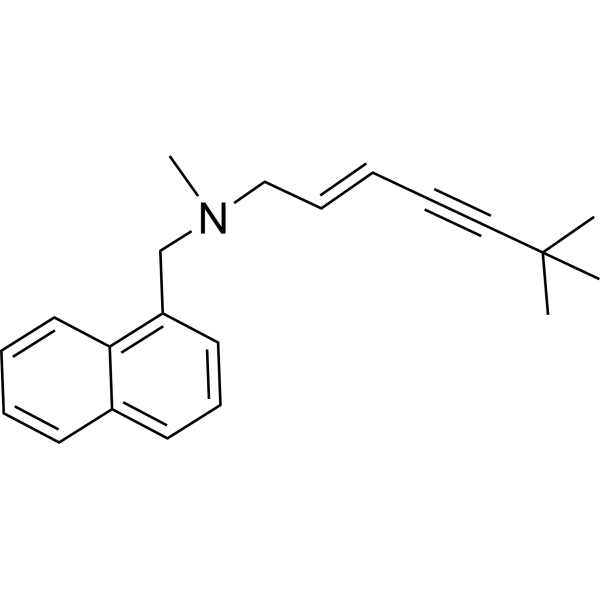
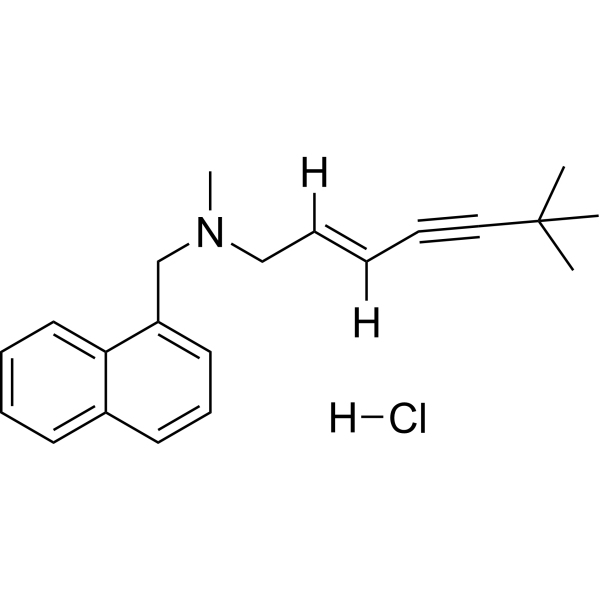
Terbinafine (TDT 067) is an orally active and potent antifungal agent. Terbinafine is a potent non-competitive inhibitor of squaleneepoxidase from Candida, with a Ki of 30 nM. Terbinafine also shows antibacterial activity against certain Gram-positive and Gram-negative bacteria . Terbinafine is a click chemistry reagent, it contains an Alkyne group and can undergo copper-catalyzed azide-alkyne cycloaddition (CuAAc) with molecules containing Azide groups.
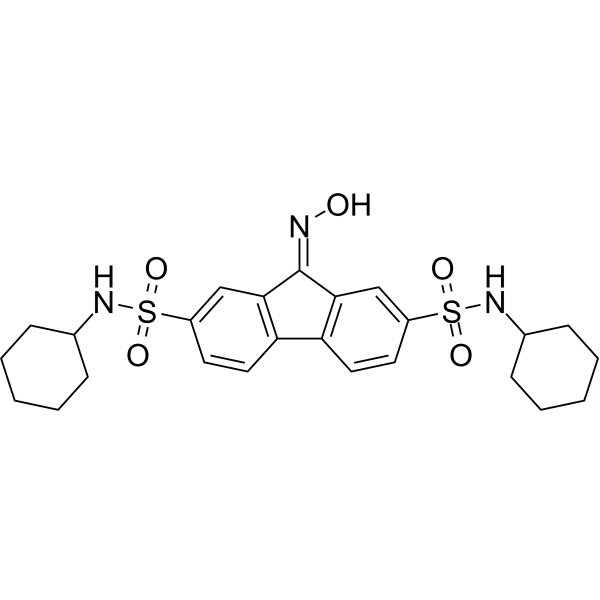
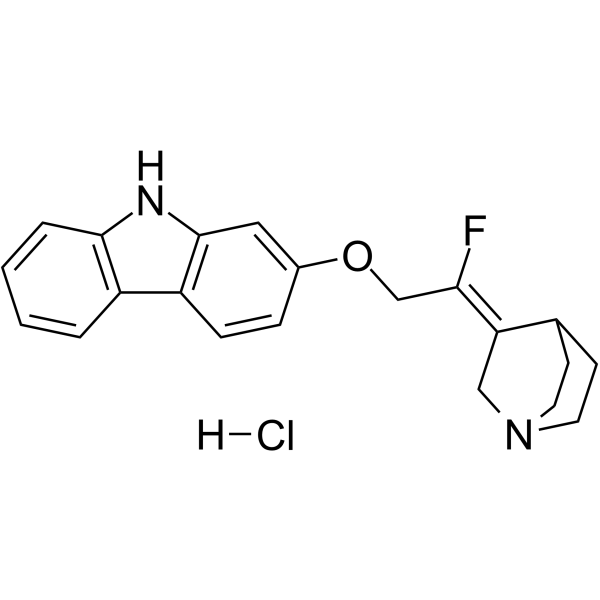
FIN56 is a specific inducer of ferroptosis. FIN56 induces ferroptosis by inducing degradation of GPX4. FIN56 also binds to and activates squalene synthase .
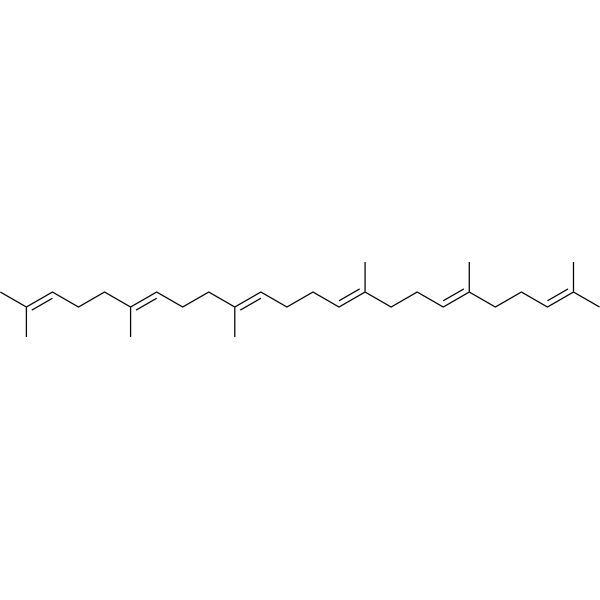
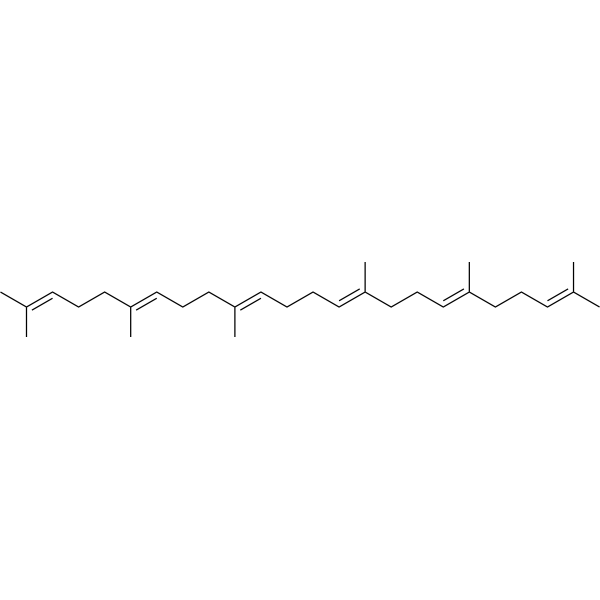
Squalene (Super Squalene) is an intermediate product in the synthesis of cholesterol, and shows several pharmacological properties such as hypolipidemic, hepatoprotective, antiatherosclerotic, cardioprotective, antioxidant, and antitumour activity .
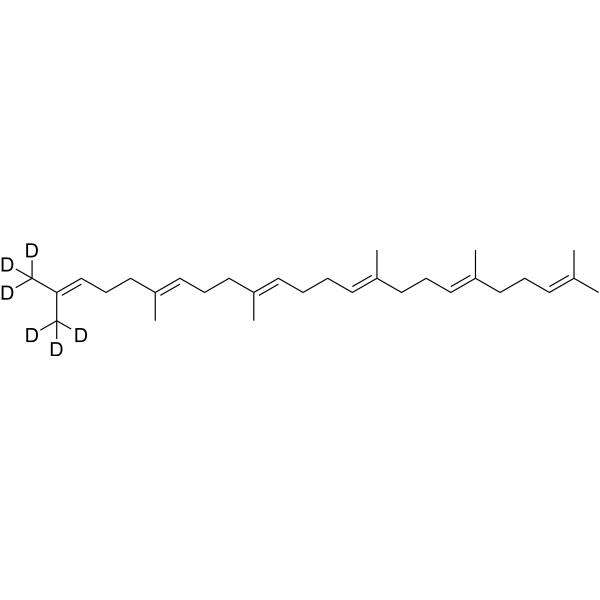
Squalene-d6 (Super Squalene-d6) is a deuterium labeled Squalene. Squalene (Super Squalene) is an intermediate product in the synthesis of cholesterol, and shows several pharmacological properties such as hypolipidemic, hepatoprotective, antiatherosclerotic, cardioprotective, antioxidant, and antitumour activity .
Terbinafine hydrochloride (TDT 067 hydrochloride) is an orally active and potent antifungal agent. Terbinafine hydrochloride is a potent non-competitive inhibitor of squaleneepoxidase from Candida, with a Ki of 30 nM. Terbinafine hydrochloride also shows antibacterial activity against certain Gram-positive and Gram-negative bacteria . Terbinafine hydrochloride is a click chemistry reagent, it contains an Alkyne group and can undergo copper-catalyzed azide-alkyne cycloaddition (CuAAc) with molecules containing Azide groups.
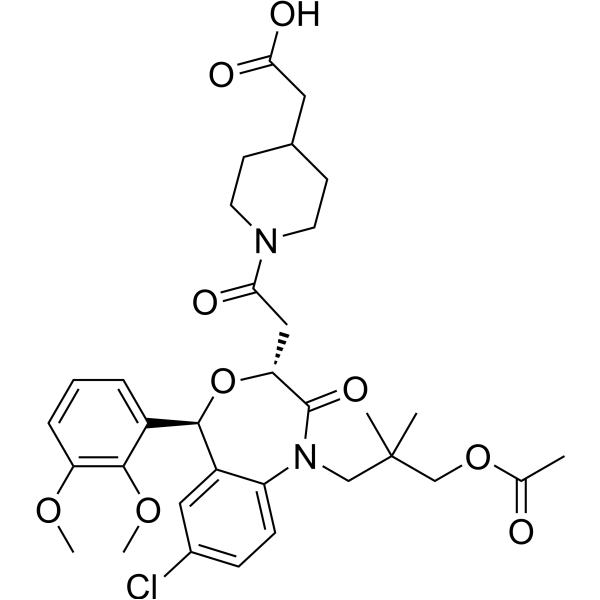
Lapaquistat acetate (TAK-475) is a squalene synthase inhibitor, blocking the conversion of farnesyl diphosphate (FPP) to squalene in the cholesterol biosynthesis pathway . Lapaquistat acetate is effective at lowering low-density lipoprotein cholesterol, but it might cause liver damage. Lapaquistat acetate is used for hypercholesterolemia and mevalonate kinase deficiency (MKD) research .
YM-53601, a squalene synthase inhibitor, reduces plasma cholesterol and triglyceride levels in vivo . YM-53601 inhibits squalene synthase derived from human hepatoma cells with an IC50 of 79 nM. Lipid-lowering agent . YM-53601 is also an inhibitor of farnesyl-diphosphate farnesyltransferase 1 (FDFT1) enzyme activity and abrogates HCV propagation .
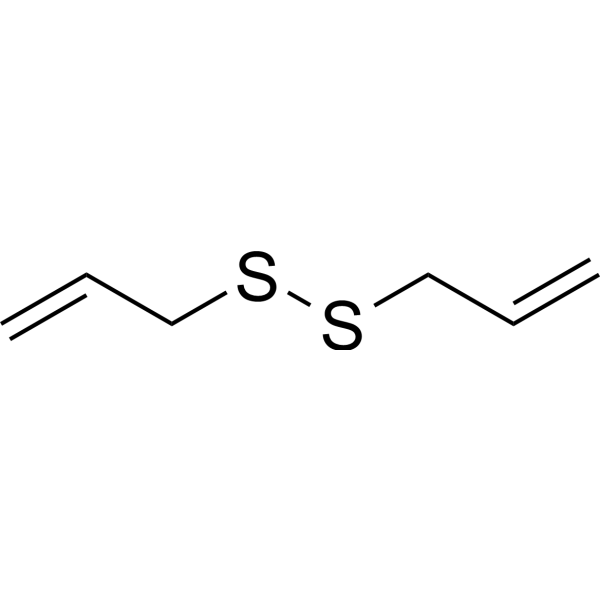
Diallyl disulfide, an active compound in garlic oil, is an orally active human squalenemonooxygenase inhibitor with an IC50 of 400 μM for squalene epoxidation. Diallyl disulfide exhibits obvious anti-inflammatory, anti-oxidative, antidepressant and anti-tumor activities .
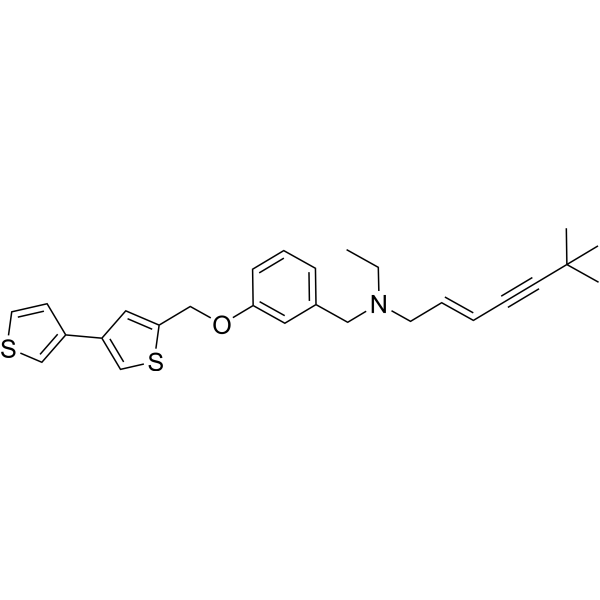
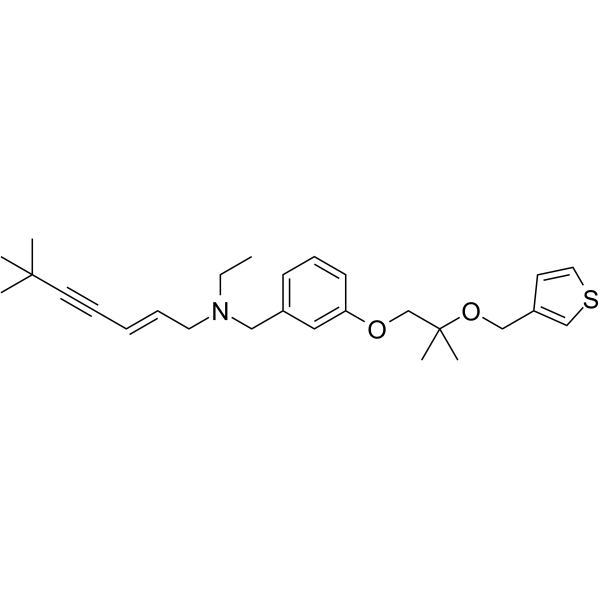
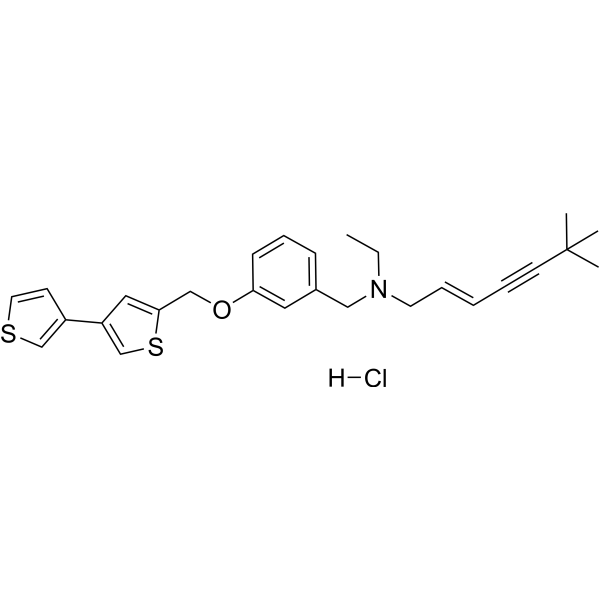
NB-598 is a potent and competitive inhibitor of squaleneepoxidase (SE), and suppresses triglyceride biosynthesis through the farnesol pathway. NB-598 is a click chemistry reagent, it contains an Alkyne group and can undergo copper-catalyzed azide-alkyne cycloaddition (CuAAc) with molecules containing Azide groups.
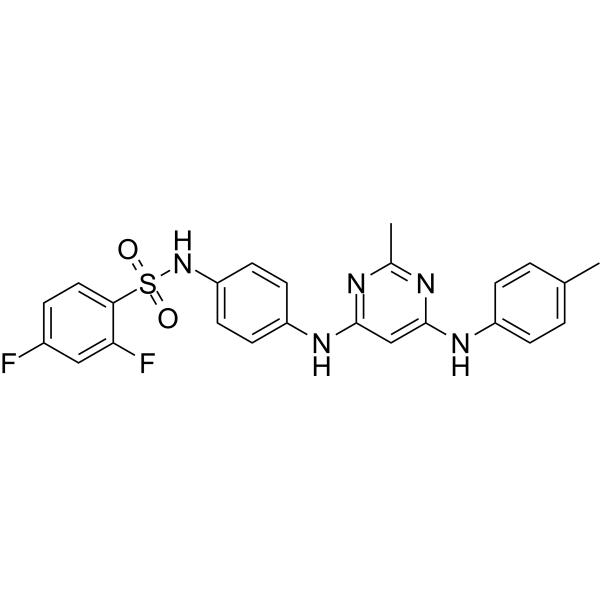
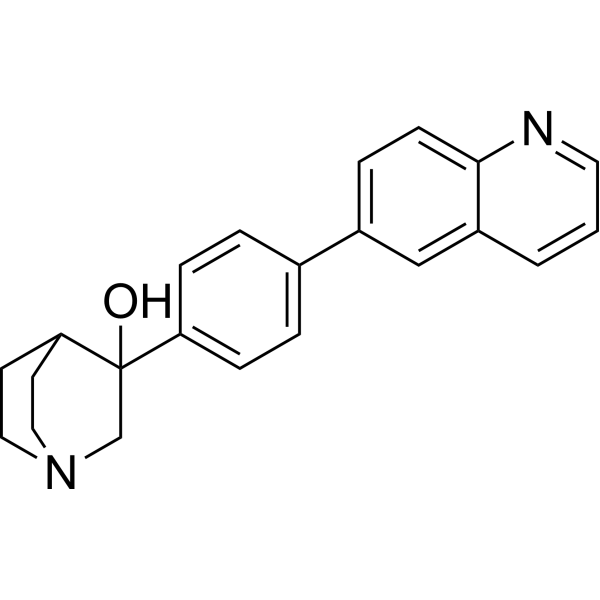
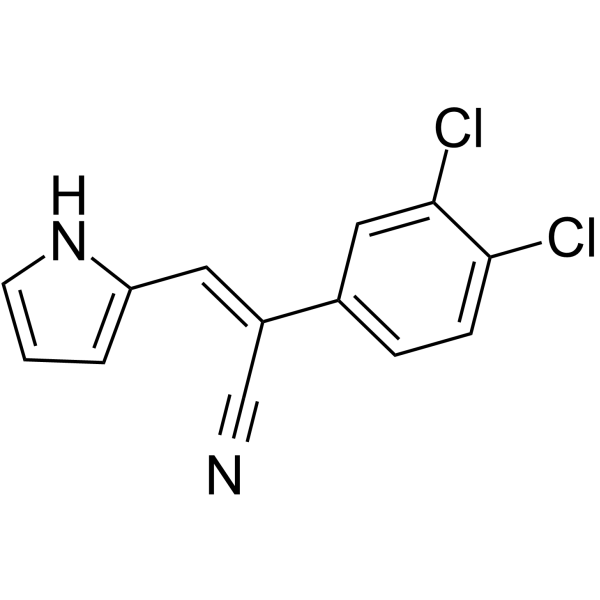
SQLE-IN-1 (compound 19) is a squaleneepoxidase(SQLE) inhibitor. SQLE-IN-1 inhibits the proliferation and migration of Huh7 cells. SQLE-IN-1 inhibits the cell cholesterol generation. SQLE-IN-1 increases the expression of PTEN and inhibits PI3K and AKT .
2,3-Oxidosqualene (Squalene oxide) is a sterol biosynthesis precursor intermediate.2,3-Oxidosqualene participates in cyclization pathways that form sterols and triterpenes, and contributes to introduction of their characteristic 3-hydroxyl group.2,3-Oxidosqualene forms metabolically from squalene in rat liver homogenates under sterol synthesis conditions.2,3-Oxidosqualene converts to sterols including cholesterol, lathosterol, and lanost-8-en-3β-ol in rat liver homogenates under anaerobic conditions .
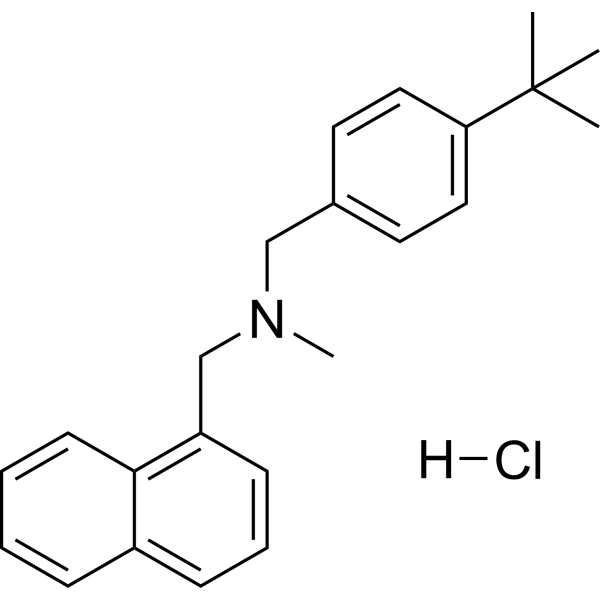
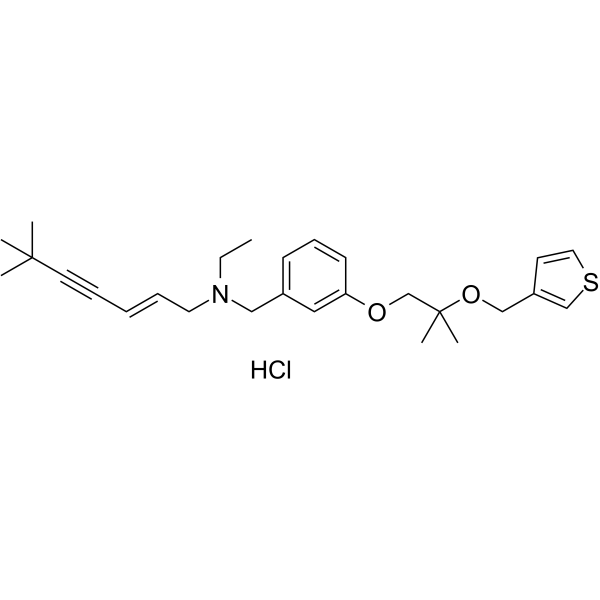
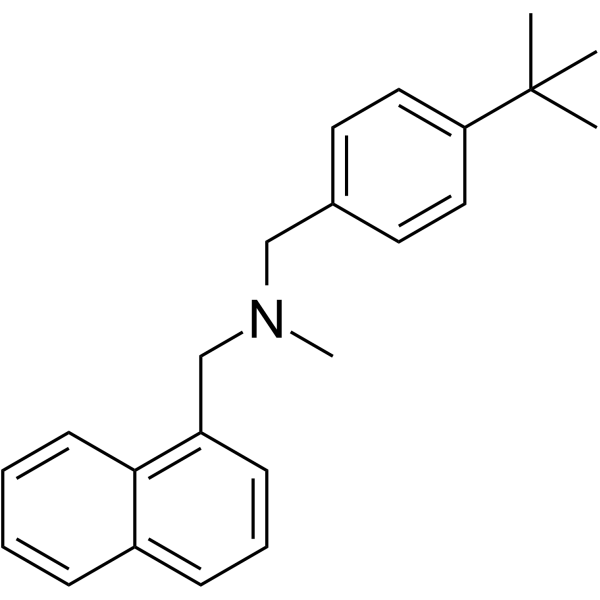
Butenafine Hydrochloride (KP363 Hydrochloride) is a synthetic benzylamine antifungal, works by inhibiting the synthesis of sterols by inhibiting squaleneepoxidase.
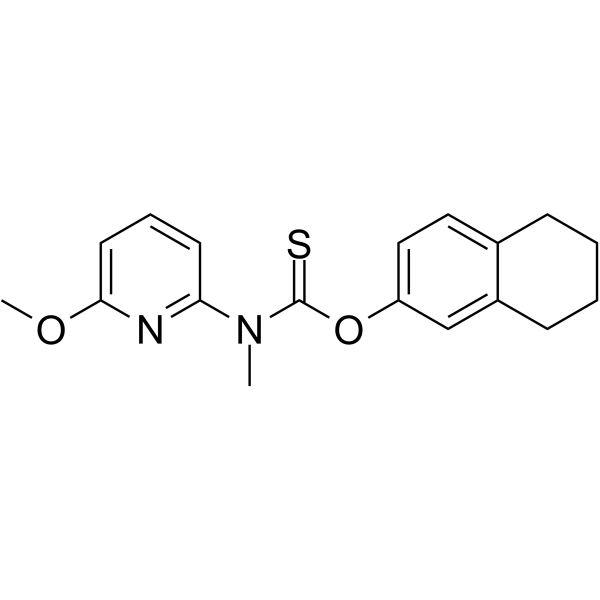
Liranaftate (Piritetrate) is a squaleneepoxidase inhibitor with anti-fungicidal activities. Liranaftate can be used for the research of dermatophytes. Liranaftate also suppresses fungal element-promoted production of IL-8 and experimental inflammation .
Feruloylputrescine is an oral active phenolamide found in citrus plants and formed through the decarboxylation of L-Arginine. Feruloylputrescine inhibits monooxygenase (cntA) and reductase (cntB) and trimethylamine production. Feruloylputrescine can be used for cardiovascular diseases research .
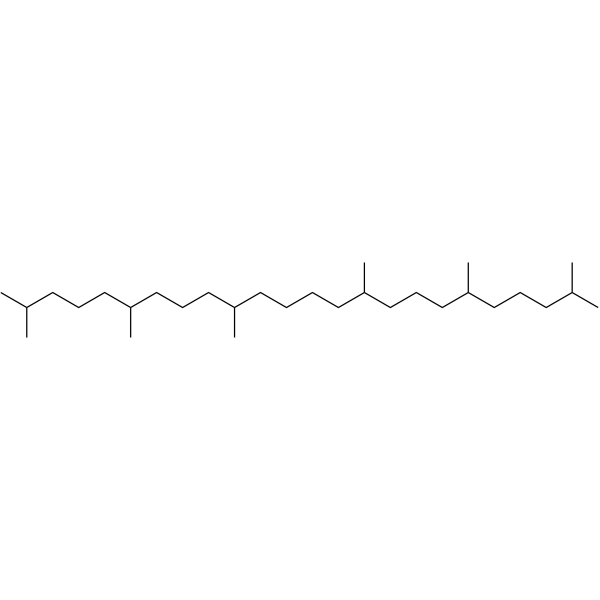
Squalane, found in certain fish oils (especially shark liver oil), and some vegetable oils, is a saturated derivative of Squalene. Squalane shows anticancer, antioxidant, skin hydrating, and emollient activities .
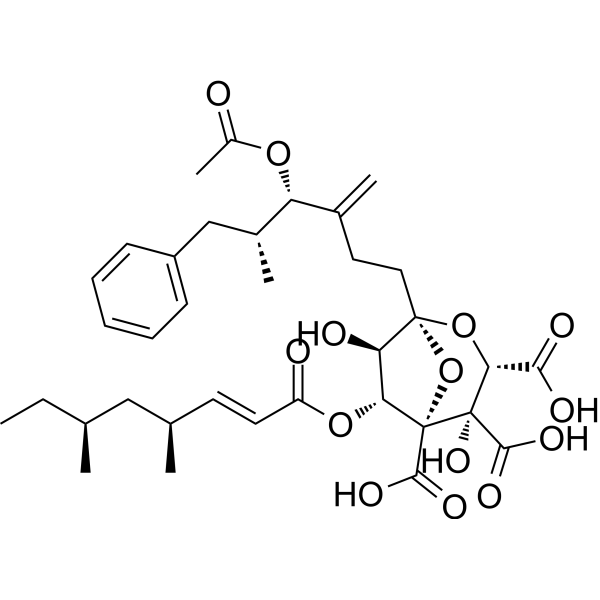
Zaragozic acid A is a fungal metabolite that acts as a reversible competitive inhibitor of squalene synthase. Zaragozic acid A is an inhibitor of acute hepatic cholesterol synthesis in mouse (IC50 = 6 μM) .
Squalene (Standard) is the analytical standard of Squalene. This product is intended for research and analytical applications. Squalene (Super Squalene) is an intermediate product in the synthesis of cholesterol, and shows several pharmacological properties such as hypolipidemic, hepatoprotective, antiatherosclerotic, cardioprotective, antioxidant, and antitumour activity .
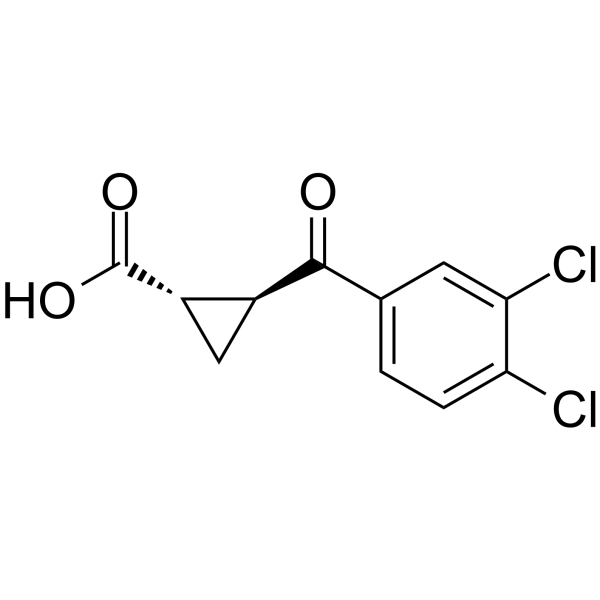
UPF-648 is a potent kynurenine 3-monooxygenase (KMO) inhibitor; exhibits highly active at 1 uM (81 ± 10% KMO inhibition); ineffective at blocking KAT activity.
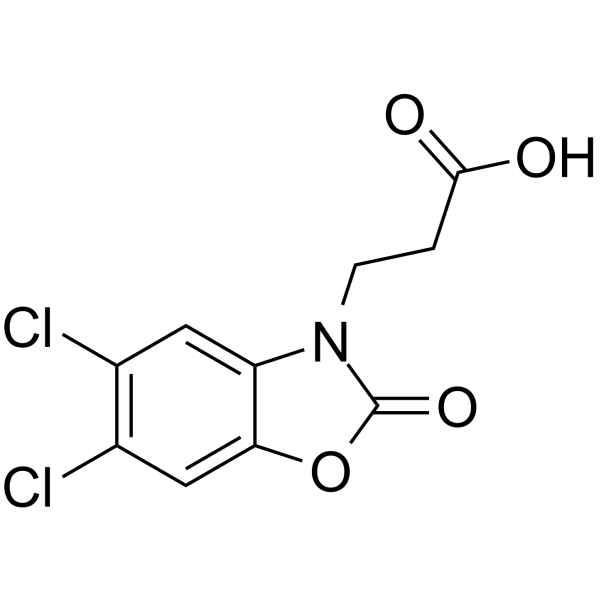
GSK180 is a selective, competitive, and potent inhibitor of kynurenine-3-monooxygenase(KMO), a key enzyme of tryptophan metabolism (IC50, ~6 nM), but shows negligible activity against other enzymes on the tryptophan pathway. GSK180 rapidly changes levels of kynurenine pathway metabolites, and acts as a useful tool to probe the therapeutic potential of KMO inhibition .
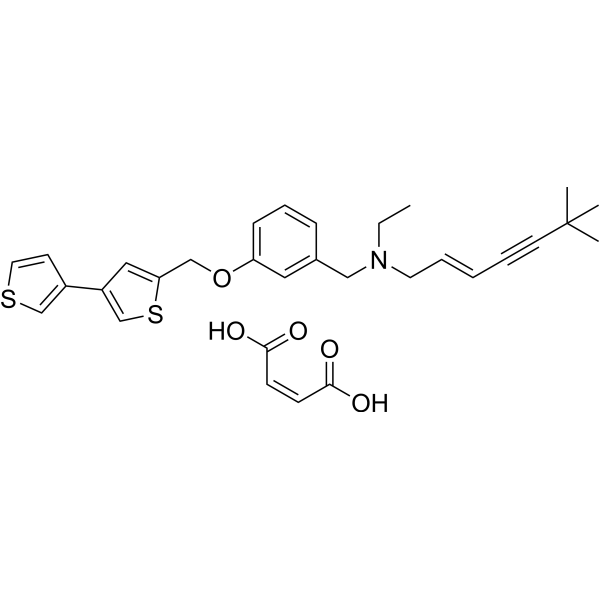
NB-598 Maleate is a potent and competitive inhibitor of squaleneepoxidase (SE), and suppresses triglyceride biosynthesis through the farnesol pathway. NB-598 (Maleate) is a click chemistry reagent, it contains an Alkyne group and can undergo copper-catalyzed azide-alkyne cycloaddition (CuAAc) with molecules containing Azide groups.
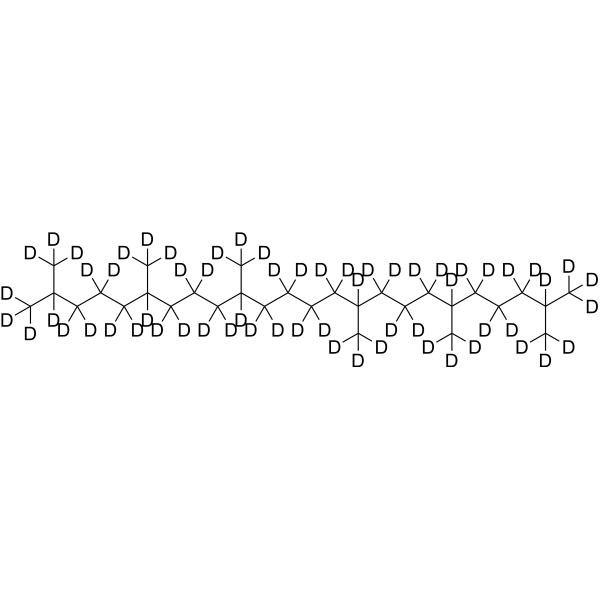
Squalane-d62 is the deuterium labeled Squalane . Squalane, found in certain fish oils (especially shark liver oil), and some vegetable oils, is a saturated derivative of Squalene. Squalane shows anticancer, antioxidant, skin hydrating, and emollient activities .
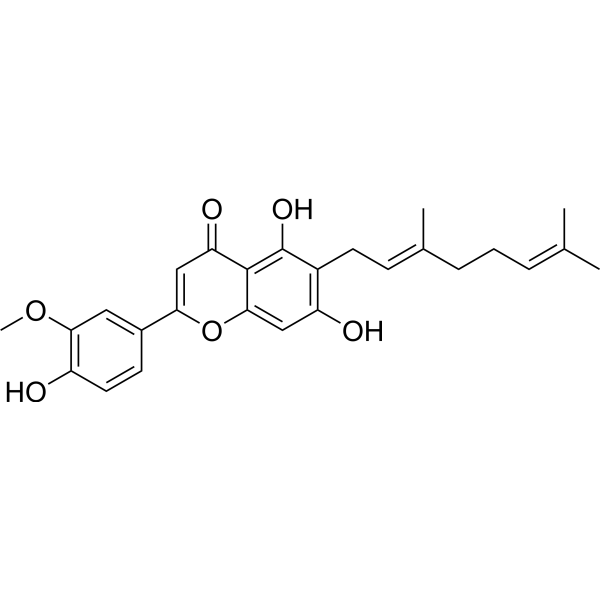
Cannflavin A can be isolated from Cannabis sativa L.. Cannflavin A has anti-cancer, neuroprotective and anti-inflammatory activity. Cannflavin A inhibits Aβ1-42 aggregation. Cannflavin A also inhibits kynurenine-3-monooxygenase (KMO) (IC50 = 29.4 μM). Cannflavin A activates apoptosis via caspase-3 cleavage. Cannflavin A exerts anti-inflammatory effects by inhibiting pro-inflammatory enzymes, including prostaglandin E2 and cytochrome c oxidases I and II in PC12 cell line .
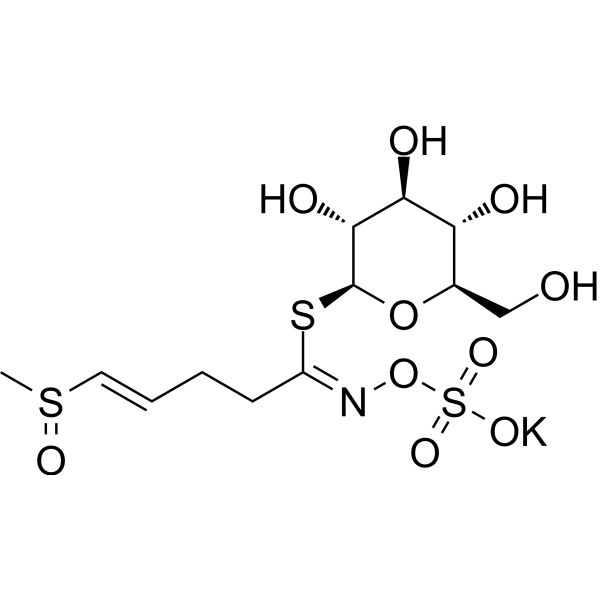
Glucoraphenin potassium is an orally effective glucosinolate. Glucoraphenin potassium can be isolated from radish sprouts. Glucoraphenin potassium enhances the enzymatic activity of Glutathione S-transferase. Glucoraphenin potassium enhances the activity of cytochrome P450-related monooxygenase .
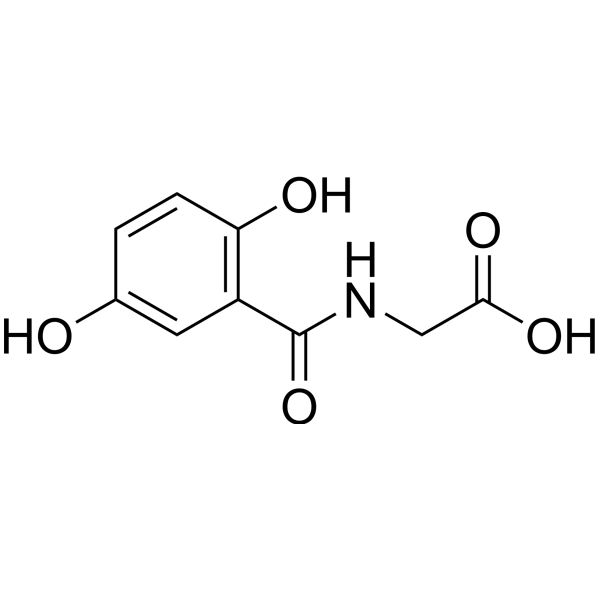
Gentisuric acid, a metabolite of Aspirin (HY-14654), is a substrate of α-amidating monooxygenase (PAM). Gentisuric acid prevents DNA-damage by Mitomycin C (HY-13316) .
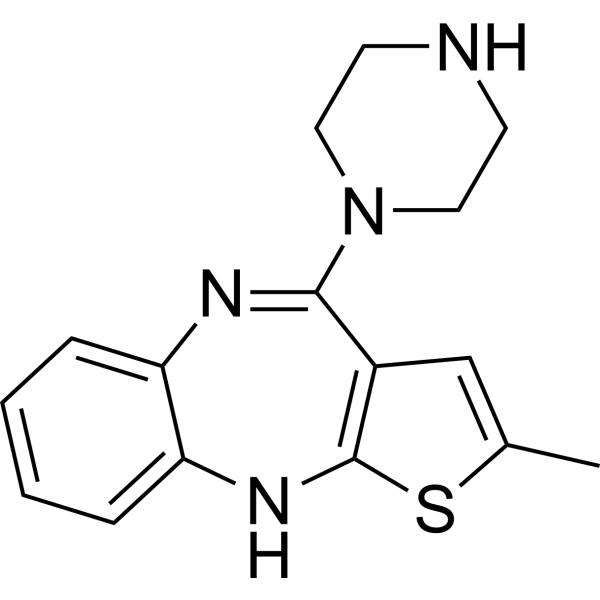
N-Desmethylolanzapine is an antipsychotic drug.
The formation of N-Desmethylolanzapine correlates with the level and activity
of human liver flavin-containing monooxygenase (FMO3). N-Desmethylolanzapine
can be used in the study of antipsychotic drugs .
Incadronate disodium (YM 175) is a bisphosphonate with strong inhibitory activity on bone resorption. Incadronate disodium indirectly stimulates renal 25-hydroxyvitamin D-1-hydroxylase by increasing circulating parathyroid hormone. Incadronate disodium, a cholesterol-lowering agent, is a potent inhibitor of rat liver microsomal squalene synthase (Ki=57 nM). Incadronate disodium inhibits sterol biosynthesis in mouse macrophage J774 cells (IC50=64 μM). Incadronate disodium has the potential for malignant tumors research .
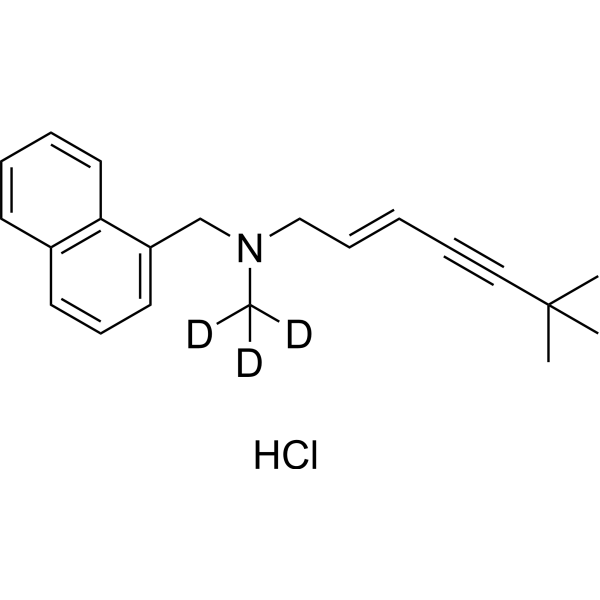
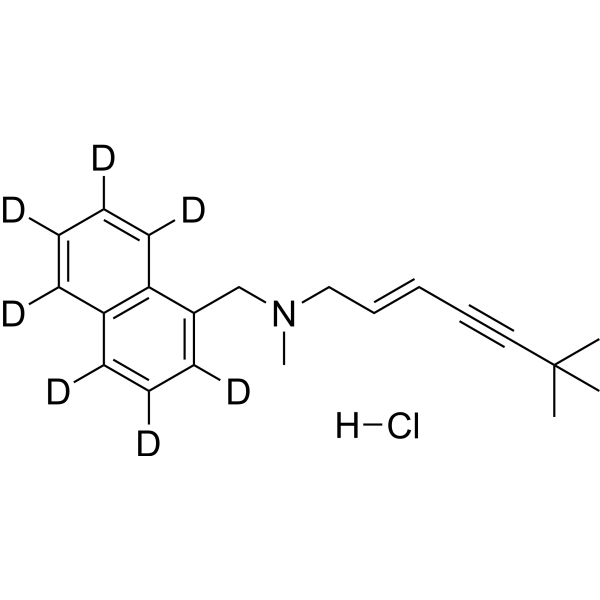
Terbinafine-d3 hydrochloride is the deuterium labeled Terbinafine hydrochloride. Terbinafine hydrochloride (TDT 067 hydrochloride) is an antifungal medication used to treat fungal infections. It is a potent non-competitive inhibitor of squaleneepoxidase from Candida with a Ki of 30 nM . Terbinafine hydrochloride also antibacterial activity against certain Gram-positive and Gram-negative bacteria .
Terbinafine (Standard) is the analytical standard of Terbinafine. This product is intended for research and analytical applications. Terbinafine (TDT 067) is an orally active and potent antifungal agent. Terbinafine is a potent non-competitive inhibitor of squaleneepoxidase from Candida, with a Ki of 30 nM. Terbinafine also shows antibacterial activity against certain Gram-positive and Gram-negative bacteria . Terbinafine is a click chemistry reagent, it contains an Alkyne group and can undergo copper-catalyzed azide-alkyne cycloaddition (CuAAc) with molecules containing Azide groups.
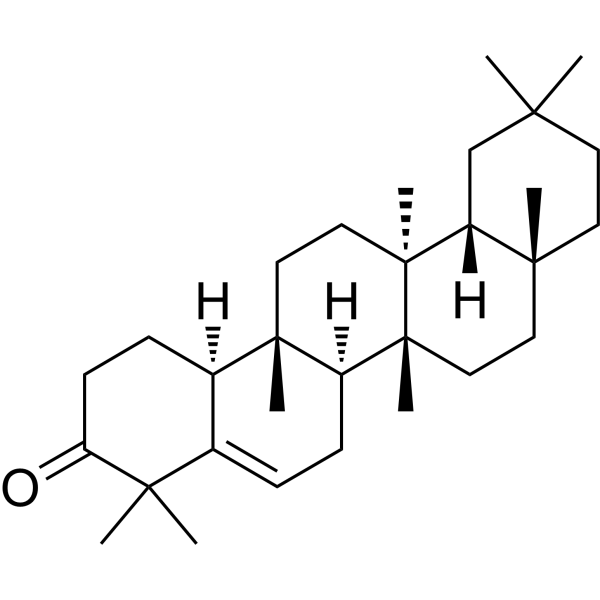
Alnusenone (Glutinone) is a stabilised intermediate int he biogenesis of friedelin (XV) from squalene. Alnusenone is the major natural compound in fractions .
2,3-Oxidosqualene-d6 (Squalene oxide-d6) is a deuterium labeled 2,3-Oxidosqualene (HY-114296). 2,3-Oxidosqualene (Squalene oxide) is a sterol biosynthesis precursor intermediate.2,3-Oxidosqualene participates in cyclization pathways that form sterols and triterpenes, and contributes to introduction of their characteristic 3-hydroxyl group.2,3-Oxidosqualene forms metabolically from squalene in rat liver homogenates under sterol synthesis conditions.2,3-Oxidosqualene converts to sterols including cholesterol, lathosterol, and lanost-8-en-3β-ol in rat liver homogenates under anaerobic conditions.
YM-53601 free base, a squalene synthase inhibitor, reduces plasma cholesterol and triglyceride levels in vivo . YM-53601 free base inhibits squalene synthase derived from human hepatoma cells with an IC50 of 79 nM. Lipid-lowering agent . YM-53601 free base is also an inhibitor of farnesyl-diphosphate farnesyltransferase 1 (FDFT1) enzyme activity and abrogates HCV propagation .
(E/Z)-Squalene ((E/Z)-Super Squalene; (E/Z)-AddaVax) is a triterpenic compound. (E/Z)-Squalene accumulates and reduces liver cholesterol and triglycerides in the liver. (E/Z)-Squalen regulates the production of intracellular active oxidants (ROS) and induces apoptosis and necrosis in a concentration-and time-dependent manner .
Squalane (Standard) is the analytical standard of Squalane. This product is intended for research and analytical applications. Squalane, found in certain fish oils (especially shark liver oil), and some vegetable oils, is a saturated derivative of Squalene. Squalane shows anticancer, antioxidant, skin hydrating, and emollient activities .
Terbinafine-d7 is the deuterium labeled Terbinafine. Terbinafine (TDT 067) is an antifungal medication used to treat fungal infections. It is a potent non-competitive inhibitor of squaleneepoxidase from Candida with a Ki of 30 nM . Terbinafine also antibacterial activity against certain Gram-positive and Gram-negative bacteria .
Terbinafine hydrochloride (Standard) is the analytical standard of Terbinafine hydrochloride. This product is intended for research and analytical applications. Terbinafine hydrochloride (TDT 067 hydrochloride) is an orally active and potent antifungal agent. Terbinafine hydrochloride is a potent non-competitive inhibitor of squaleneepoxidase from Candida, with a Ki of 30 nM. Terbinafine hydrochloride also shows antibacterial activity against certain Gram-positive and Gram-negative bacteria . Terbinafine hydrochloride is a click chemistry reagent, it contains an Alkyne group and can undergo copper-catalyzed azide-alkyne cycloaddition (CuAAc) with molecules containing Azide groups.
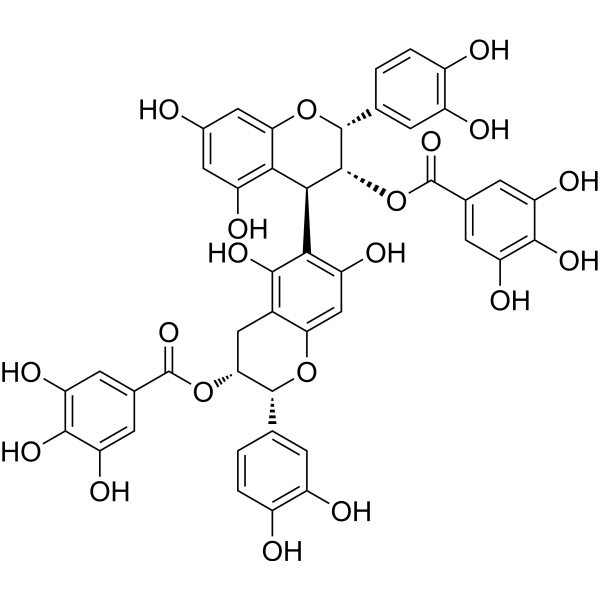
Procyanidin B-5 3,3'-di-O-gallate is a potent inhibitor of squaleneepoxidase with an IC50 of 0.55 μM. Procyanidin B-5 3,3'-di-O-gallate reduces cholesterol by inhibiting squaleneepoxidase activity .
Butenafine (KP363) is a potent and broad spectrum benzylamine antifungal agent . Butenafine inhibits fungal ergosterol biosynthesis at the point of squalene epoxidation, leading to a deficiency of the fungal cell membranes. Butenafine is effective against dermatophytes infections, such as tinea pedis, tinea cruris, tinea versicolor .
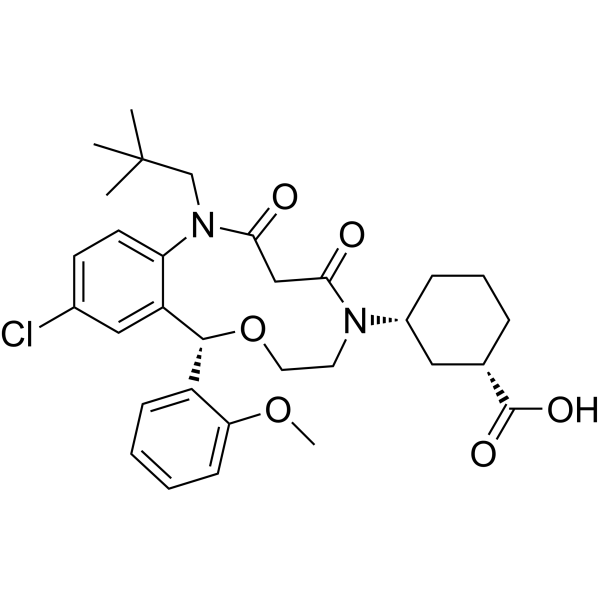
Squalene synthase-IN-2 (comppund isomer A-(1S, 3R)-14i) is an orally active squalene synthase inhibitor with IC50 values of 3.4, 99 nM for squalene synthase and cholesterol synthesis, respectively. Squalene synthase-IN-2 reduces plasma cholesterol and triglyceride .
Squalene synthase-IN-1 (compound 1) is a potent antihyperlipidemic agent acting through Squalene Synthase inhibition. Squalene synthase-IN-1 exhibits an outstanding antioxidant and anti-inflammatory activity. Squalene synthase-IN-1 displays a significant reduction not only of glucose but also of oxidative stress levels, while it did not cause any toxicity .
Liranaftate (Standard) is the analytical standard of Liranaftate. This product is intended for research and analytical applications. Liranaftate (Piritetrate) is a squaleneepoxidase inhibitor with anti-fungicidal activities. Liranaftate can be used for the research of dermatophytes. Liranaftate also suppresses fungal element-promoted production of IL-8 and experimental inflammation .
SQS-IN-1 is a squalene synthase (SQS) inhibitor. SQS-IN-1 exhibits potent and broad-spectrum anti-proliferative effects on both mouse and human lung cancer cell lines. SQS-IN-1 inhibits DNA replication and the cell cycle, causing mitochondrial hyperpolarization and inducing cell apoptosis. SQS-IN-1 inhibits cell migration and invasion. SQS-IN-1 can be used to the study of lung cancer .
Diallyl disulfide (Standard) is the analytical standard of Diallyl disulfide. This product is intended for research and analytical applications. Diallyl disulfide, an active compound in garlic oil, is an orally active human squalenemonooxygenase inhibitor with an IC50 of 400 μM for squalene epoxidation. Diallyl disulfide exhibits obvious anti-inflammatory, anti-oxidative, antidepressant and anti-tumor activities .
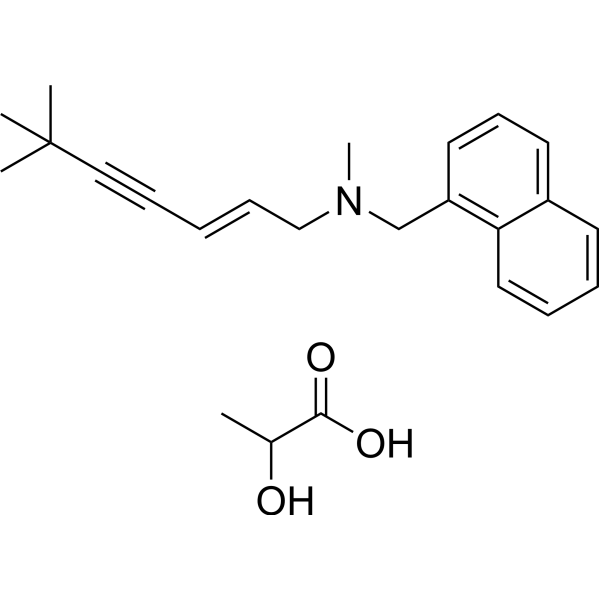
Terbinafine lactate (TDT 067 lactate) is an orally active and potent antifungal agent. Terbinafine lactate is a potent non-competitive inhibitor of squaleneepoxidase from Candida, with a Ki of 30 nM. Terbinafine lactate also shows antibacterial activity against certain Gram-positive and Gram-negative bacteria . Terbinafine (lactate) is a click chemistry reagent, it contains an Alkyne group and can undergo copper-catalyzed azide-alkyne cycloaddition (CuAAc) with molecules containing Azide groups.
Zaragozic acid D2 is the inhibitor for squalene synthase and Ras farnesyl-protein transferase (Ras FPTase), with IC50 of 2 nM and 100 nM, respectively. Zaragozic acid D2 is potentially ameliorating hypercholesterolemia and Ras-induced cancer .
J-104118 is a potent and orally active squalene synthase (SQS) inhibitor with an IC50 of 0.52 nM. J-104118 inhibits cholesterol synthesis in mice. J-104118 can be used for cholesterol-lowering research .
L-731128 is a novel alkyl citrate. L-731128 can be isolated as a minor component of Sporormiella intermedia (MF 5447, ATCC 20985) fermentations. L-731128 is a potent squalene synthase inhibitor, with an IC50 value of 767 nM .
L-731120 is an alkyl citrate zargozaga acid A analogue, which is secondary metabolite produced by fungal fermentation. L-731120 shows inhibitory activity against squalene synthase (SQS) (IC50 = 260 nM). L-731120 can inhibit the synthesis of cholesterol in the liver. L-731120 can be used for the research of infection and metabolic disease, such as hypercholesterolemia .
RPR107393 is an orally active potent selective squalene synthase (SQS) inhibitor. RPR107393 inhibits rat liver microsomal squalene synthase with an IC50 value of 0.8 nM. RPR107393 reduces triglyceride biosynthesis by suppressing fatty acid biosynthesis via an increase in intracellular farnesol and its derivatives. RPR107393 reduces plasma cholesterol in rats and marmosets. RPR107393 can be used for metabolic disease research, such as hypercholesterolemia, hypertriglyceridemia and atherosclerosis .
Benzobarbital is an active low-toxicity inductor of the liver monooxygenase system. Benzobarbital raises cytochrome P-450 concentration. Benzobarbital can be used in the research of post-ischemic liver disease .
Feruloylputrescine is an oral active phenolamide found in citrus plants and formed through the decarboxylation of L-Arginine. Feruloylputrescine inhibits monooxygenase (cntA) and reductase (cntB) and trimethylamine production. Feruloylputrescine can be used for cardiovascular diseases research .
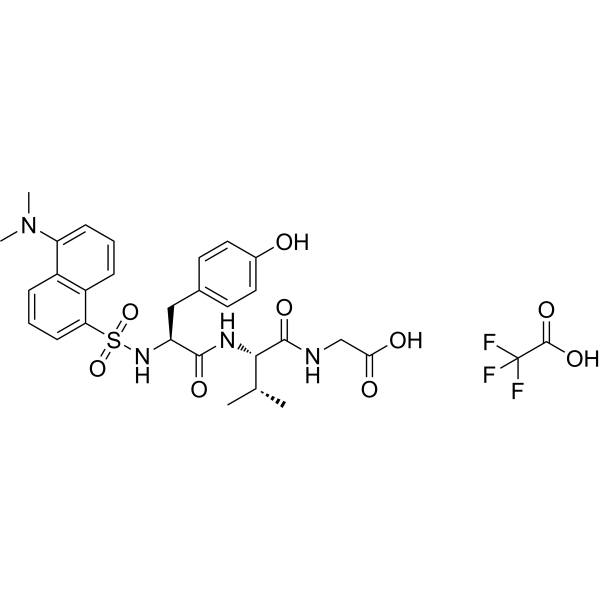
Dansyl-Tyr-Val-Gly TFA is a substrate of peptidylglycine monooxygenase (PHM), with a KD of 22 μM for PHM. Dansyl-Tyr-Val-Gly TFA can be used to investigate the catalytic mechanism, kinetics and inactivation characteristics of PHM .
RPR107393 free base is an orally active potent selective squalene synthase (SQS) inhibitor. RPR107393 free base inhibits rat liver microsomal squalene synthase with an IC50 value of 0.8 nM. RPR107393 free base reduces triglyceride biosynthesis by suppressing fatty acid biosynthesis via an increase in intracellular farnesol and its derivatives. RPR107393 free base reduces plasma cholesterol in rats and marmosets. RPR107393 free base can be used for metabolic disease research, such as hypercholesterolemia, hypertriglyceridemia and atherosclerosis [1][2].
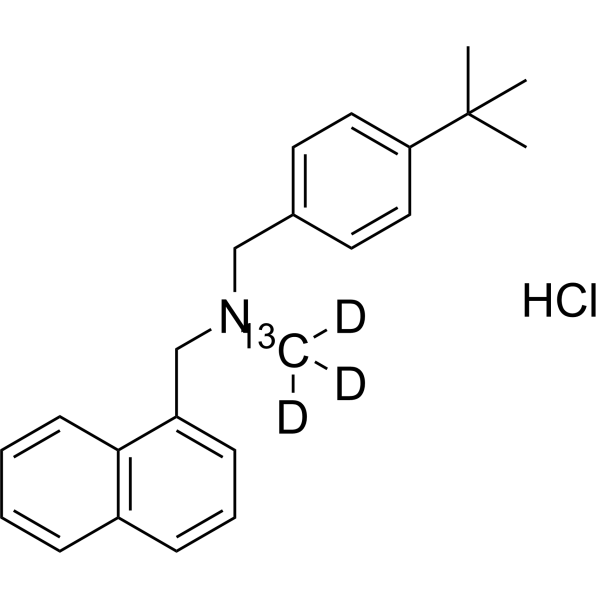
Butenafine- 13C,d3 (hydrochloride) is the 13C- and deuterium labeled. Butenafine Hydrochloride (KP363 Hydrochloride) is a synthetic benzylamine antifungal, works by inhibiting the synthesis of sterols by inhibiting squaleneepoxidase.
SQLE Human Pre-designed siRNA Set A contains three designed siRNAs for SQLE gene (Human), as well as a negative control, a positive control, and a FAM-labeled negative control.
Sqle Mouse Pre-designed siRNA Set A contains three designed siRNAs for Sqle gene (Mouse), as well as a negative control, a positive control, and a FAM-labeled negative control.
Homogeraniol (Homogeranyl alcohol) is a substrate of the squalene cyclase from Bacillus acidocaldarius and can be used to determine the activity of squalene cyclase .
NB-598 hydrochloride is a potent and competitive inhibitor of squaleneepoxidase (SE), and suppresses triglyceride biosynthesis through the farnesol pathway. NB-598 (hydrochloride) is a click chemistry reagent, it contains an Alkyne group and can undergo copper-catalyzed azide-alkyne cycloaddition (CuAAc) with molecules containing Azide groups.
Tyrosine 3-monooxygenase (Tyrosine hydroxylase) is a rate-limiting enzyme in catecholamine biosynthesis and belongs to the family of aromatic amino acid hydroxylases. Tyrosine 3-monooxygenase catalyzes the initial and rate-limiting step in the biosynthetic pathway of catecholamines, including dopamine, noradrenaline, and adrenaline .
Squalestatin 3 is a secondary metabolite, which can be isolated from Phoma. Squalestatin 3 is an inhibitor for squalene synthase with an IC50 of 6 nM .
Terbinafine-d3 (TDT 067-d3) is deuterium labeled Terbinafine. Terbinafine (TDT 067) is an orally active and potent antifungal agent. Terbinafine is a potent non-competitive inhibitor of squaleneepoxidase from Candida, with a Ki of 30 nM. Terbinafine also shows antibacterial activity against certain Gram-positive and Gram-negative bacteria . Terbinafine is a click chemistry reagent, it contains an Alkyne group and can undergo copper-catalyzed azide-alkyne cycloaddition (CuAAc) with molecules containing Azide groups.
BPH-1218 is an inhibitor of squalene synthase (SQS), with the IC50 of 31 nM and 64 nM for TcSQS and HsSQS, respectively, that can be used as an anti-infective agent .
Squalane (Standard) is the analytical standard of Squalane. This product is intended for research and analytical applications. Squalane, found in certain fish oils (especially shark liver oil), and some vegetable oils, is a saturated derivative of Squalene. Squalane shows anticancer, antioxidant, skin hydrating, and emollient activities .
FIN56 (Standard) is the analytical standard of FIN56 (HY-103087). This product is intended for research and analytical applications. FIN56 is a specific inducer of ferroptosis. FIN56 induces ferroptosis by inducing degradation of GPX4. FIN56 also binds to and activates squalene synthase .
Butenafine-d4 (KP363-d4) is the deuterium labeled Butenafine (HY-114518). Butenafine (KP363) is a potent and broad spectrum benzylamine antifungal agent . Butenafine inhibits fungal ergosterol biosynthesis at the point of squalene epoxidation, leading to a deficiency of the fungal cell membranes. Butenafine is effective against dermatophytes infections, such as ?tinea pedis, ?tinea cruris, tinea versicolor .
FR194738 (Standard) is the analytical standard of FR194738 (HY-100303A). This product is intended for research and analytical applications. FR194738 is a squaleneepoxidase inhibitor. FR194738 inhibits squaleneepoxidase activity in HepG2 cell homogenates with an IC50 of 9.8 nM.
FR194738 free base (Standard) is the analytical standard of FR194738 free base (HY-100303). This product is intended for research and analytical applications. FR194738 free base is a squaleneepoxidase inhibitor. FR194738 inhibits squaleneepoxidase activity in HepG2 cell homogenates with an IC50 of 9.8 nM.
UPF-648 sodium salt is an effective inhibitor of kynurenine 3-monooxygenase (KMO), achieving approximately 81% inhibition at a concentration of 1uM, with no inhibitory effect on kynurenine aminotransferase (KAT).
(3E,7E)-Homofarnesol is a C16 isoprenoid alcohol and non-natural substrate for squalene-hopene cyclases. (3E,7E)-Homofarnesol undergoes cyclization to form ambroxan .
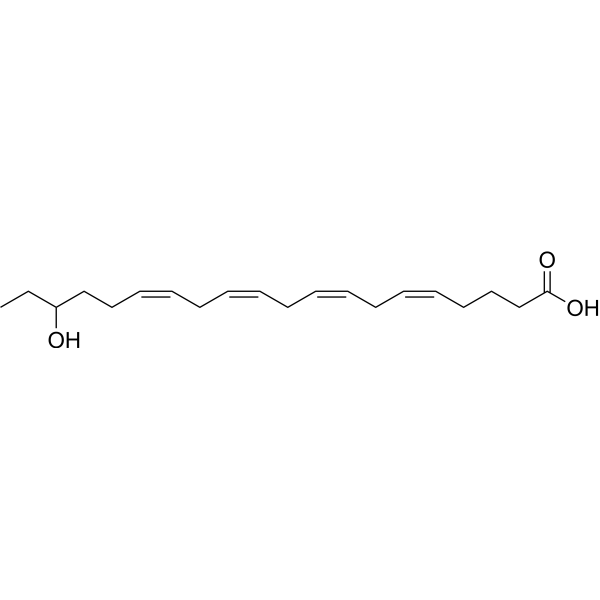
18-HETE (compound 3) is a monooxygenase metabolite of cytochrome P450 (CYP450).18- HETE consists of arachidonic acid bearing a hydroxy substituent at position 18 .
YM-53601 (Standard) is the analytical standard of YM-53601 (HY-100313A). This product is intended for research and analytical applications. YM-53601, a squalene synthase inhibitor, reduces plasma cholesterol and triglyceride levels in vivo . YM-53601 inhibits squalene synthase derived from human hepatoma cells with an IC50 of 79 nM. Lipid-lowering agent . YM-53601 is also an inhibitor of farnesyl-diphosphate farnesyltransferase 1 (FDFT1) enzyme activity and abrogates HCV propagation .
Sqle Rat Pre-designed siRNA Set A contains three designed siRNAs for Sqle gene (Rat), as well as a negative control, a positive control, and a FAM-labeled negative control.
Cyclohexanone Monooxygenase, Acinetobacter sp. (EC 1.14.13.22) is a versatile oxygenation catalyst. Cyclohexanone Monooxygenase, Acinetobacter sp. (EC 1.14.13.22) uses the bound FAD-4a-OOH oxygenating intermediate to initiate transfer of oxygen to electrophilic substrate sites. Cyclohexanone Monooxygenase, Acinetobacter sp. (EC 1.14.13.22) is also capable of oxygenating at nitrogen, trivalent phosphorus, and boron sites in boronic acids.
(S)-2-Hydroxypropylphosphonic acid epoxidase (EC 1.11.1.23) is the last enzyme in the biosynthetic pathway of fosfomycin, a broad-spectrum antibiotic produced by certain Streptomyces species. Contains non heme iron that forms a iron (IV)-oxo (ferryl) complex with hydrogen peroxide, which functions as a proton abstractor from the substrate.
Dopamine β-monooxygenase, Human (EC 1.14.17.1) is a copper-containing monooxygenase that converts dopamine into norepinephrine in noradrenergic neurons, adrenergic neurons, and adrenacentrocytes.
β-Amyrin 28-monooxygenase (EC 1.14.13.201), found in plants, is involved in the biosynthesis of oleanane-type triterpenoids, such as ginsenoside Ro. The enzyme from Medicago trunculata (CYP716A12) can also convert α-amyrin and lupeol to ursolic acid and betulinic acid, respectively.
E5700 is an orally active squalene synthase inhibitor, antimalarial agent and antifungal agent with an IC50 of 0.49 nM (without PPi) against squalene synthase from T. cruzi epimastigotes. E5700 shows antiparasitic activities against Trypanosoma cruzi. E5700 inhibits the growth and alters the lipid prolife and the ultrastructure of a multiple agent-resistant C. tropicalis strain. E5700 is a potent and selective inhibitor of the growth of Leishmania amazonensis .
1,8-Cineole 2-endo-monooxygenase (EC 1.14.13.156) is a heme-thiolate protein (P-450) which uses a flavodoxin-like redox partner to reduce the heme iron.
1,8-Cineole 2-exo-monooxygenase (EC 1.14.13.157) is a heme thiol protein (P-450) that catalyzes the oxidation of a variety of structurally unrelated compounds, including steroids, fatty acids, and exogenous substances.
14S(15R)-EET is an endogenous epoxytrienoic acid derivative that mainly exists in rat organs. By studying its metabolic process, it was found that its stereoselective hydration and formation of chiral diols were significantly affected by epoxidase. Different 14,15-EET enantiomers showed different regions and stereochemistry of hydration reactions, among which 14(R),15(S)-EET showed specific hydration for C15. These findings reveal the important role of epoxidase in the metabolism of endogenous EETs, and the differences in enzyme affinity and reaction rate for individual EET enantiomers may lead to their stereoselective metabolism .
m-Chlorohippuric acid (3-Chlorohippuric acid) is a substituted hippurate and substrate for peptidylglycine α-hydroxylating monooxygenase (PHM). m-Chlorohippuric acid can be used in research on cancer, rheumatoid arthritis, depression, and pesticides .
2-Phenylphenol sodium is a phenolic disinfectant and toxic agent with bactericidal, fungicidal and growth-inhibiting activities. 2-Phenylphenol sodium serves as a post-harvest agricultural fungicide and food preservative. At specific concentrations, 2-Phenylphenol sodium inhibits the growth of E. coli strains, while at high concentrations, 2-Phenylphenol sodium completely blocks their proliferation. 2-Phenylphenol sodium acts as a substrate for biocatalytic conversion, and is converted to 3-phenylcatechol by 2-hydroxybiphenyl 3-monooxygenase in recombinant E. coli. 2-Phenylphenol sodium also undergoes electrochemical oxidation in phosphate buffer solution .
GSK 366 is a type II kynurenine-3-monooxygenase (KMO) inhibitor with IC50 values of 2.3 nM and 0.7 nM for human KMO and P. fluorescens-KMO (Pf-KMO). GSK 366 binds to KMO’s substrate site, prevents productive NADPH association, substrate binding, and FAD hydroperoxy species formation. GSK 366 does not stimulate hydrogen peroxide (H2O2) production and reduces H2O2 levels. GSK 366 can be used for the researches of inflammation and neurological disease, such as acute pancreatitis multiple organ dysfunction syndrome and Alzheimer’s disease .
Dipropyl disulfide is oxidized to dipropyl thiosulfinate (DPDSO) by rat microsomes. Both flavincontaining monooxygenases (FMO) and cytochrome P450 enzymes (CYPs) are involved in dipropyl disulfide oxidation. Dipropyl disulfide forms two metabolites: propylglutathione sulfide conjugate and propylthiol .
Dipropyl disulfide is oxidized to dipropyl thiosulfinate (DPDSO) by rat microsomes. Both flavincontaining monooxygenases (FMO) and cytochrome P450 enzymes (CYPs) are involved in dipropyl disulfide oxidation. Dipropyl disulfide forms two metabolites: propylglutathione sulfide conjugate and propylthiol .
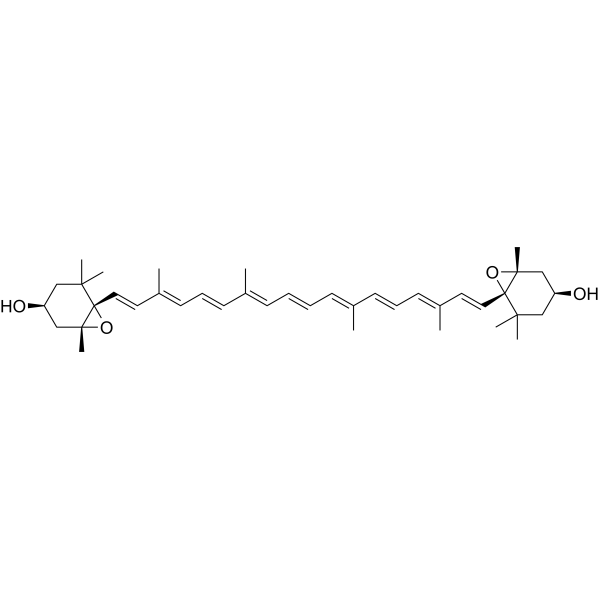
Violaxanthin is a lipophilic epoxy carotenoid and a light energy scavenger with biological activities such as antioxidation and anti-inflammation. Violaxanthin exists in photosynthetic eukaryotes including higher plants and participates in the xanthophyll cycle. As a component of the xanthophyll cycle, violaxanthin can be synthesized from zeaxanthin under the catalysis of epoxidase and scavenge excess light energy in photosynthetic eukaryotes .
Cytochrome P450 is a family of monooxygenase enzymes that catalyzes the conversion of fatty acids to terminal alkenes using hydrogen peroxide as a cosubstrate. Cytochrome P450 as membrane-bound hemoproteins, plays important roles in the detoxification of drugs, cellular metabolism, and homeostasis .
Cannflavin A (Standard) is the analytical standard of Cannflavin A. This product is intended for research and analytical applications. Cannflavin A can be isolated from Cannabis sativa L.. Cannflavin A has anti-cancer, neuroprotective and anti-inflammatory activity. Cannflavin A inhibits Aβ1-42 aggregation. Cannflavin A also inhibits kynurenine-3-monooxygenase (KMO) (IC50 = 29.4 μM). Cannflavin A activates apoptosis via caspase-3 cleavage. Cannflavin A exerts anti-inflammatory effects by inhibiting pro-inflammatory enzymes, including prostaglandin E2 and cytochrome c oxidases I and II in PC12 cell line .
Gentisuric acid (Standard) is the analytical standard of Gentisuric acid. This product is intended for research and analytical applications. Gentisuric acid, a metabolite of Aspirin (HY-14654), is a substrate of α-amidating monooxygenase (PAM). Gentisuric acid prevents DNA-damage by Mitomycin C (HY-13316)[1][2].
7-Deoxyloganin serves as a biosynthetic precursor of Loganin (HY-N0512). 7-Deoxyloganin undergoes hydroxylation catalyzed by 7-deoxyloganin 7-hydroxylase, a cytochrome P450-dependent monooxygenase, to produce Loganin .
Salicylate hydroxylase, Microorganism (EC 1.14.13.1) is a flavin-dependent monooxygenase. Salicylate hydroxylase, Microorganism catalyzes the decarboxylative hydroxylation of salicylate into catechol in the naphthalene degradation pathway in Pseudomonas putida G7. Salicylate hydroxylase, Microorganism has potential biocatalytic applications .
m-Terphenyl is a non-chlorinated trisphenyl compound and is commonly used as the basic structure for industrial raw materials (such as plastic additives). In liver enzyme induction experiments, m-Terphenyl exhibits weak activity and is unable to significantly activate the cytochrome P-450-dependent monooxygenase system .
Seneciphylline (Standard) is the analytical standard of Seneciphylline. This product is intended for research and analytical applications. Seneciphylline is a toxic pyrrolizidine alkaloid in Gynura japonica . Seneciphylline significantly increases the activities of epoxide hydrase and glutathione-S-transferase but causes reduction of cytochrome P-450 and related monooxygenase activities .
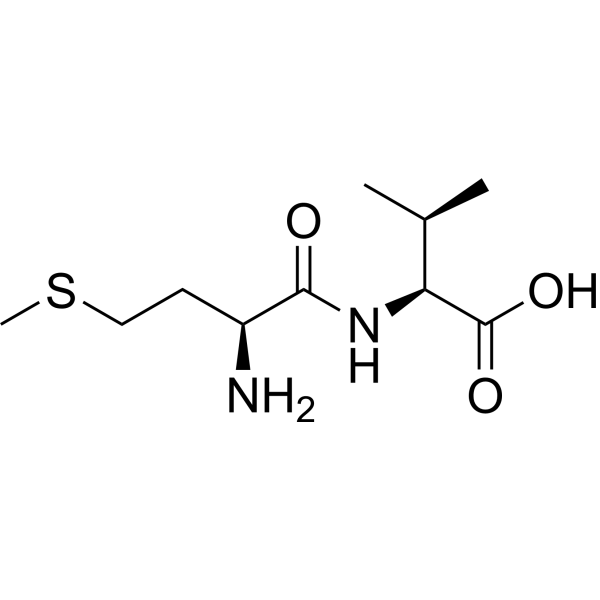
H-Met-Val-OH is a dipeptide containing free N-terminal methionine. H-Met-Val-OH exhibits activity against cDNA expressing Flavin-containing monooxygenase (FMO) 1 and FMO3. H-Met-Val-OH has potential applications in the growth of neuritis .
N-Desmethylolanzapine (Standard) is the analytical standard of N-Desmethylolanzapine. This product is intended for research and analytical applications. N-Desmethylolanzapine is an antipsychotic drug.
The formation of N-Desmethylolanzapine correlates with the level and activity
of human liver flavin-containing monooxygenase (FMO3). N-Desmethylolanzapine
can be used in the study of antipsychotic drugs .
N-Desmethylolanzapine-d8 hydrochloride (N-Demethylolanzapine-d8 hydrochloride) is the deuterium labeled N-Desmethylolanzapine (HY-W009247). N-Desmethylolanzapine is an antipsychotic drug. The formation of N-Desmethylolanzapine correlates with the level and activity of human liver flavin-containing monooxygenase (FMO3). N-Desmethylolanzapine can be used in the study of antipsychotic drugs .
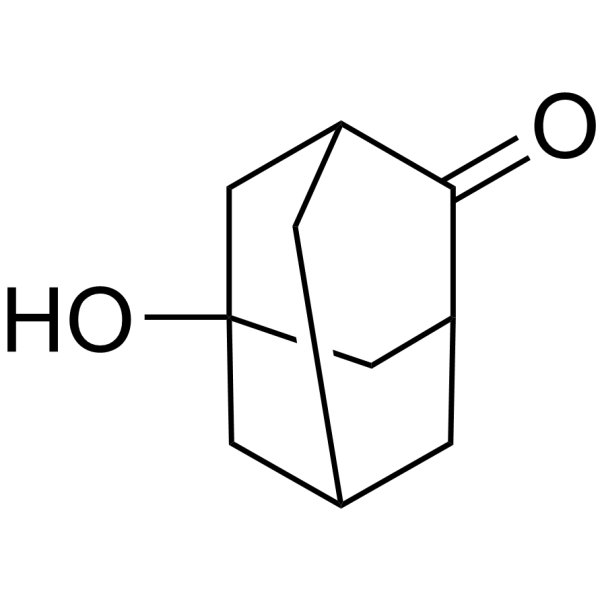
Idramantone (Kemantane, 5-Hydroxy-2-adamantanone) is an Adamantane derivative. Idramantone is an immunostimulant. Idramantone is a versatile starting material for the synthesis of various adamantine deivatives. Idramantone can be produced using P450cam monooxygenase coupled with NADH regeneration as an oxidation biocatalyst. Idramantone can be studied in research on bronchial pathology .
Propiolamide is a monooxygenase (MMO) system activator and glutathione peroxidase 4 (GPX4) inhibitor. Propiolamide induces ROS production through interaction with the MMO system. Propiolamide promotes the accumulation of intracellular cytotoxic lipid peroxides and induces ferroptosis. Propiolamide induces programmed cell death via the apoptosis pathway. Propiolamide can be used in cancer research .
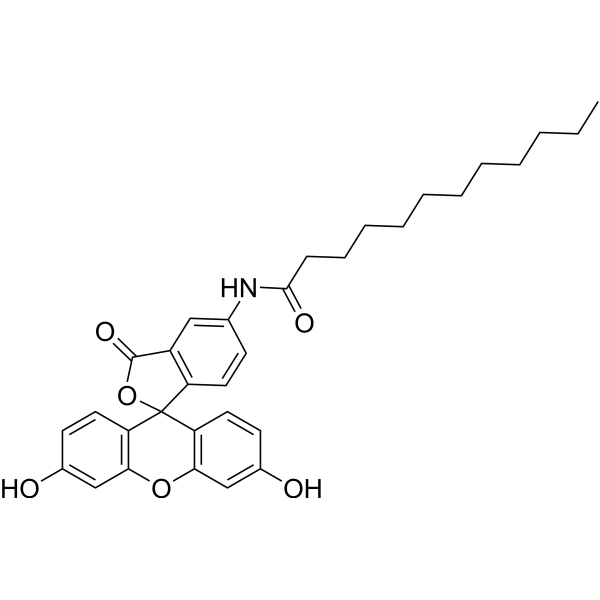
5-Dodecanoylaminofluorescein is an amphipathic (amphoteric) fluorescent probe (Ex/Em = 485 nm/515-535 nm), which consists of a hydrophilic fluorescein core and a hydrophobic dodecanoyl group (C12 fatty acid chain) linked by an amide bond. 5-Dodecanoylaminofluorescein is mainly used as an interface-localized radical trapping/indicator probe. Dodecanoylaminofluorescein can be used for the determination of the antioxidant properties of emulsions, or can serve as a lipophilic drug model for the study of passive skin penetration when encapsulated in tyrosine-derived nanospheres .
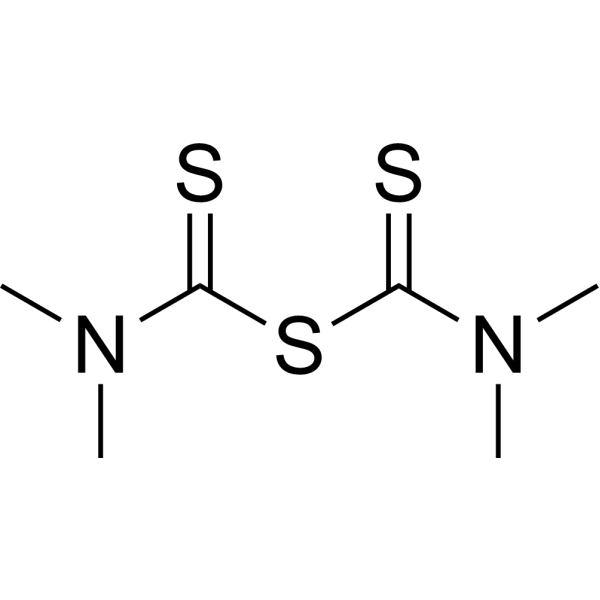
Tetramethylthiuram monosulfide (TMTM) is an orally active microsomalmonooxygenases inhibitor. Tetramethylthiuram monosulfide is used as an accelerator and activator in the processing of natural rubber and butyl rubber. Tetramethylthiuram monosulfide reduces palmitic acid incorporation into microsomal phospholipids, disrupts microsomal membrane integrity, and impairs electron transport during oxygenation. Tetramethylthiuram monosulfide can be used for the research of fungal infection, bacterial infection and allergic contact dermatitis .
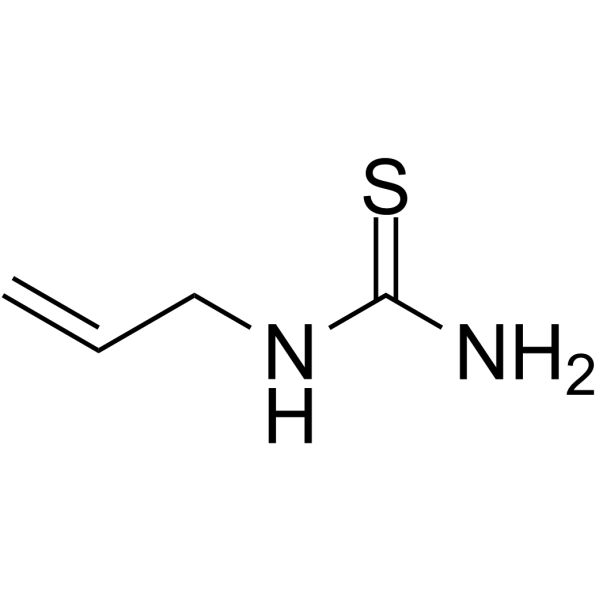
Allylthiourea can selectively inhibit the oxidation of ammonia. Allylthiourea is commonly used to inhibit nitrification by targeting ammonia monooxygenase and chelating copper in the active site to suppress its activity. Allylthiourea also exhibits anticancer activity, showing cytotoxicity against the MCF-7 cell line with an IC50 of 5.22 mM. Allylthiourea can be utilized in research related to micropollutant biodegradability and cancer studies .
CHDI-340246 is an orally active kynurenine monooxygenase (KMO) inhibitor. CHDI-340246 blocks KMO activity, alters the metabolic flux of the kynurenine pathway, inhibits the production of 3-hydroxykynurenine and quinolinic acid, elevates the levels of kynurenine and kynurenic acid, and restores electrophysiological abnormalities in transgenic mouse models of Huntington's disease. CHDI-340246 can be used in studies related to Huntington's disease .
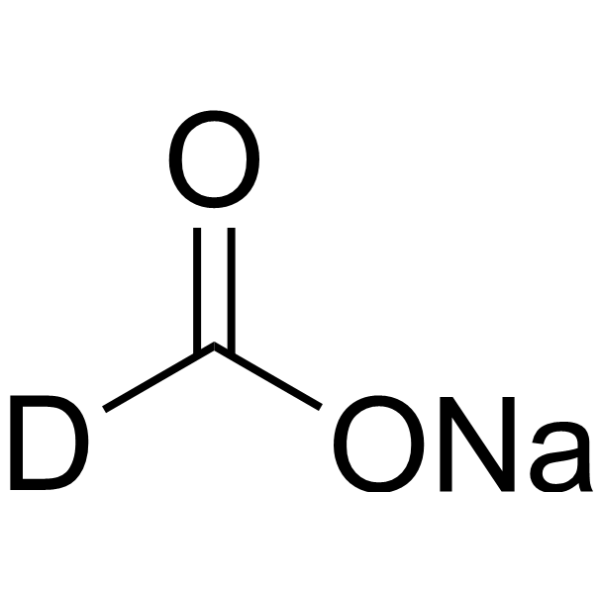
Sodium formate-d is the deuterium labeled Sodium formate.Sodium formate is a biochemical assay reagent. Sodium formate can react with zinc sources (such as ZnCl2) on the surface of alpha alumina support to form a zinc oxide layer. Sodium formate acts as a deprotonating agent, promoting the deprotonation of ligands (such as 2-methylimidazole) at high temperatures. Sodium formate provides the required reducing force in the catalytic oxidation of methane to methanol by methane monooxygenase (sMMO) and inhibits further oxidation of methanol .
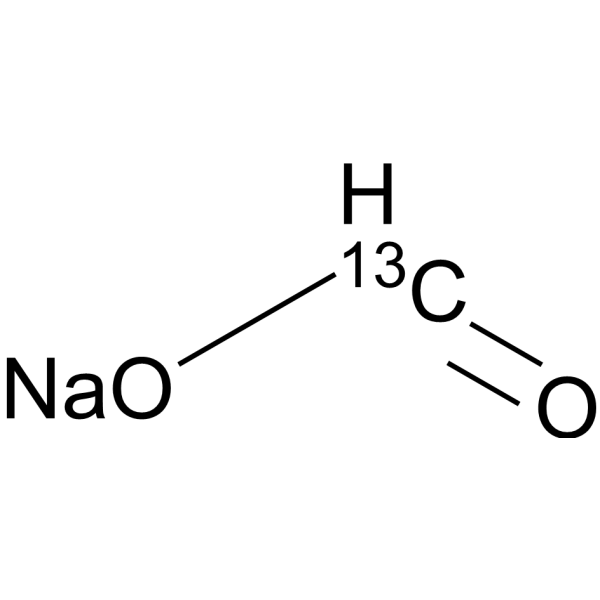
Formate- 13C (sodium) is the 13C labeled Sodium formate.Sodium formate is a biochemical assay reagent. Sodium formate can react with zinc sources (such as ZnCl2) on the surface of alpha alumina support to form a zinc oxide layer. Sodium formate acts as a deprotonating agent, promoting the deprotonation of ligands (such as 2-methylimidazole) at high temperatures. Sodium formate provides the required reducing force in the catalytic oxidation of methane to methanol by methane monooxygenase (sMMO) and inhibits further oxidation of methanol .
Allylthiourea (Standard) is the analytical standard of Allylthiourea. This product is intended for research and analytical applications. Allylthiourea can selectively inhibit the oxidation of ammonia. Allylthiourea is commonly used to inhibit nitrification by targeting ammonia monooxygenase and chelating copper in the active site to suppress its activity. Allylthiourea also exhibits anticancer activity, showing cytotoxicity against the MCF-7 cell line with an IC50 of 5.22 mM. Allylthiourea can be utilized in research related to micropollutant biodegradability and cancer studies [4].
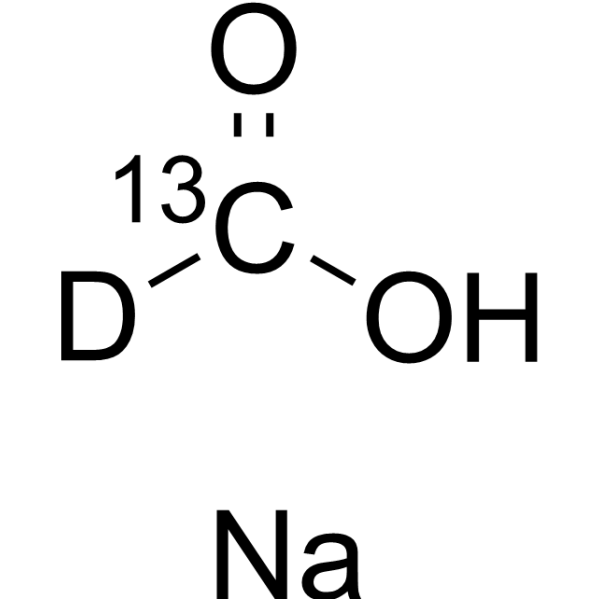
Sodium formate- 13C,d1 is the deuterium and 13C labeled Sodium formate.Sodium formate is a biochemical assay reagent. Sodium formate can react with zinc sources (such as ZnCl2) on the surface of alpha alumina support to form a zinc oxide layer. Sodium formate acts as a deprotonating agent, promoting the deprotonation of ligands (such as 2-methylimidazole) at high temperatures. Sodium formate provides the required reducing force in the catalytic oxidation of methane to methanol by methane monooxygenase (sMMO) and inhibits further oxidation of methanol .
11S(12R)-EET is a dominant enantiomer of epoxytrienoic acid (EET) that is metabolized at a higher rate in rat organs. It shows enantiomeric-dependent reaction selectivity in hydration, especially in the case of 11,12-EET, where water addition is non-regioselective, while in 8,9-EET, water addition occurs mainly at the C9 position. In addition, 11S(12R)-EET generates diol products with specific stereochemistry through enzymatic hydration reactions, which are affected by the selective recognition of epoxidases, reaction conversion rates, and substrate binding parameters .
ANI-7 is an activator of aryl hydrocarbon receptor (AhR) pathway. ANI-7 inhibits the growth of multiple cancer cells, and potently and selectively inhibits the growth of MCF-7 breast cancer cells with a GI50 of 0.56 μM. ANI-7 induces CYP1-metabolizing mono-oxygenases by activating AhR pathway, and also induces DNA damage, checkpoint Kinase 2 (Chk2) activation, S-phase cell cycle arrest, and cell death in sensitive breast cancer cell lines .
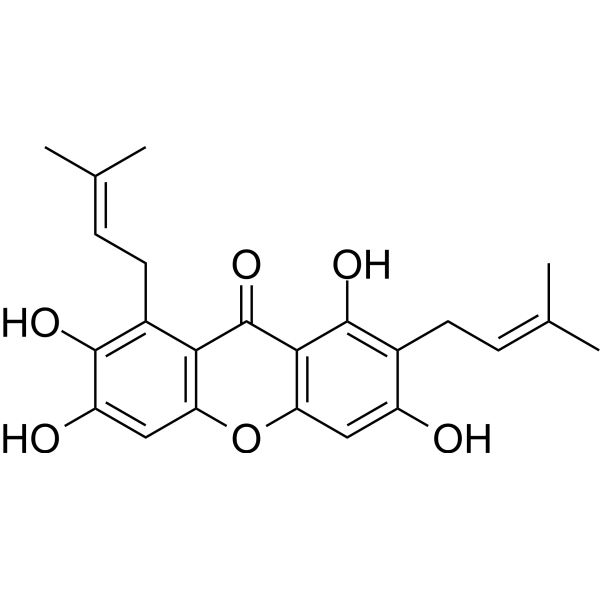
Gamma-Mangostin is a novel competitive 5-hydroxytryptamine 2A (5-HT2A) receptor antagonist and potent epoxidase 2 (COX-2) inhibitor, as well as a transthyroxin protein (TTR) profibrosis inhibitor. Gamma-Mangostin binds to the thyroxine (T4)-binding sites and stabilized the TTR tetramer . Gamma-Mangostin inhibits [3 H] spiperone binding to cultured rat aortic myocytes (IC50=3.5 nM) and reduces The perfusion pressure response of rat coronary artery to 5-HT2A (IC50=0.32 μM). Gamma-Mangostin has anti-inflammatory, antibacterial, antioxidant and anticancer activities, and can be used in the study of metabolic disorders such as diabetes .
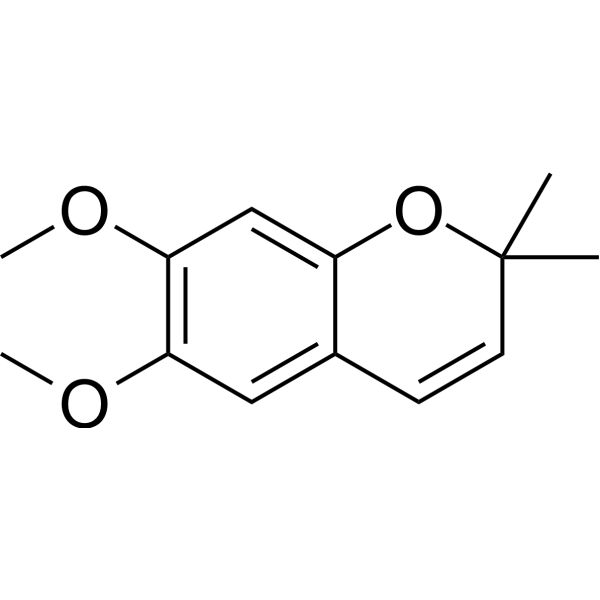
Precocene II (Ageratochromene) is a plant larva hormone antagonists that inhibits the biosynthesis of juvenile hormone. Precocene II inhibits corpora allata function and downregulates juvenile hormone levels, while exerting multiple effects including inducing precocious metamorphosis, forming macropterous morphs, inhibiting ovarian growth, producing cytotoxicity, disrupting insect development, and causing sterility and kidney damage. Precocene II blocks normal nymphal development, causes renal tubular damage and increases blood urea nitrogen levels, and also blocks juvenile hormone biosynthesis in vitro. Precocene II undergoes oxidative metabolism catalyzed by NADPH-dependent monooxygenase to generate a variety of metabolites. Precocene II can be applied in studies related to insect growth regulation and nephrotoxicity .
Gamma-Mangostin (Standard) is the analytical standard of Gamma-Mangostin. This product is intended for research and analytical applications. Gamma-Mangostin is a novel competitive 5-hydroxytryptamine 2A (5-HT2A) receptor antagonist and potent epoxidase 2 (COX-2) inhibitor, as well as a transthyroxin protein (TTR) profibrosis inhibitor. Gamma-Mangostin binds to the thyroxine (T4)-binding sites and stabilized the TTR tetramer . Gamma-Mangostin inhibits [3H] spiperone binding to cultured rat aortic myocytes (IC50=3.5 nM) and reduces The perfusion pressure response of rat coronary artery to 5-HT2A (IC50=0.32 μM). Gamma-Mangostin has anti-inflammatory, antibacterial, antioxidant and anticancer activities, and can be used in the study of metabolic disorders such as diabetes .
Precocene II (Standard) is the analytical standard of Precocene II (HY-122940). This product is intended for research and analytical applications. Precocene II (Ageratochromene) is a plant larva hormone antagonists that inhibits the biosynthesis of juvenile hormone. Precocene II inhibits corpora allata function and downregulates juvenile hormone levels, while exerting multiple effects including inducing precocious metamorphosis, forming macropterous morphs, inhibiting ovarian growth, producing cytotoxicity, disrupting insect development, and causing sterility and kidney damage. Precocene II blocks normal nymphal development, causes renal tubular damage and increases blood urea nitrogen levels, and also blocks juvenile hormone biosynthesis in vitro. Precocene II undergoes oxidative metabolism catalyzed by NADPH-dependent monooxygenase to generate a variety of metabolites. Precocene II can be applied in studies related to insect growth regulation and nephrotoxicity .
5-Dodecanoylaminofluorescein is an amphipathic (amphoteric) fluorescent probe (Ex/Em = 485 nm/515-535 nm), which consists of a hydrophilic fluorescein core and a hydrophobic dodecanoyl group (C12 fatty acid chain) linked by an amide bond. 5-Dodecanoylaminofluorescein is mainly used as an interface-localized radical trapping/indicator probe. Dodecanoylaminofluorescein can be used for the determination of the antioxidant properties of emulsions, or can serve as a lipophilic drug model for the study of passive skin penetration when encapsulated in tyrosine-derived nanospheres .
Dansyl-Tyr-Val-Gly is a substrate of peptidylglycine monooxygenase (PHM), with a KD of 22 μM for PHM. Dansyl-Tyr-Val-Gly can be used to investigate the catalytic mechanism, kinetics and inactivation characteristics of PHM .
H-Met-Val-OH is a dipeptide containing free N-terminal methionine. H-Met-Val-OH exhibits activity against cDNA expressing Flavin-containing monooxygenase (FMO) 1 and FMO3. H-Met-Val-OH has potential applications in the growth of neuritis .
Squalene (Super Squalene) is an intermediate product in the synthesis of cholesterol, and shows several pharmacological properties such as hypolipidemic, hepatoprotective, antiatherosclerotic, cardioprotective, antioxidant, and antitumour activity .
Gamma-Mangostin is a novel competitive 5-hydroxytryptamine 2A (5-HT2A) receptor antagonist and potent epoxidase 2 (COX-2) inhibitor, as well as a transthyroxin protein (TTR) profibrosis inhibitor. Gamma-Mangostin binds to the thyroxine (T4)-binding sites and stabilized the TTR tetramer . Gamma-Mangostin inhibits [3 H] spiperone binding to cultured rat aortic myocytes (IC50=3.5 nM) and reduces The perfusion pressure response of rat coronary artery to 5-HT2A (IC50=0.32 μM). Gamma-Mangostin has anti-inflammatory, antibacterial, antioxidant and anticancer activities, and can be used in the study of metabolic disorders such as diabetes .
Diallyl disulfide, an active compound in garlic oil, is an orally active human squalenemonooxygenase inhibitor with an IC50 of 400 μM for squalene epoxidation. Diallyl disulfide exhibits obvious anti-inflammatory, anti-oxidative, antidepressant and anti-tumor activities .
Feruloylputrescine is an oral active phenolamide found in citrus plants and formed through the decarboxylation of L-Arginine. Feruloylputrescine inhibits monooxygenase (cntA) and reductase (cntB) and trimethylamine production. Feruloylputrescine can be used for cardiovascular diseases research .
Squalane, found in certain fish oils (especially shark liver oil), and some vegetable oils, is a saturated derivative of Squalene. Squalane shows anticancer, antioxidant, skin hydrating, and emollient activities .
Zaragozic acid A is a fungal metabolite that acts as a reversible competitive inhibitor of squalene synthase. Zaragozic acid A is an inhibitor of acute hepatic cholesterol synthesis in mouse (IC50 = 6 μM) .
Squalene (Standard) is the analytical standard of Squalene. This product is intended for research and analytical applications. Squalene (Super Squalene) is an intermediate product in the synthesis of cholesterol, and shows several pharmacological properties such as hypolipidemic, hepatoprotective, antiatherosclerotic, cardioprotective, antioxidant, and antitumour activity .
Cannflavin A can be isolated from Cannabis sativa L.. Cannflavin A has anti-cancer, neuroprotective and anti-inflammatory activity. Cannflavin A inhibits Aβ1-42 aggregation. Cannflavin A also inhibits kynurenine-3-monooxygenase (KMO) (IC50 = 29.4 μM). Cannflavin A activates apoptosis via caspase-3 cleavage. Cannflavin A exerts anti-inflammatory effects by inhibiting pro-inflammatory enzymes, including prostaglandin E2 and cytochrome c oxidases I and II in PC12 cell line .
Precocene II (Ageratochromene) is a plant larva hormone antagonists that inhibits the biosynthesis of juvenile hormone. Precocene II inhibits corpora allata function and downregulates juvenile hormone levels, while exerting multiple effects including inducing precocious metamorphosis, forming macropterous morphs, inhibiting ovarian growth, producing cytotoxicity, disrupting insect development, and causing sterility and kidney damage. Precocene II blocks normal nymphal development, causes renal tubular damage and increases blood urea nitrogen levels, and also blocks juvenile hormone biosynthesis in vitro. Precocene II undergoes oxidative metabolism catalyzed by NADPH-dependent monooxygenase to generate a variety of metabolites. Precocene II can be applied in studies related to insect growth regulation and nephrotoxicity .
Violaxanthin is a lipophilic epoxy carotenoid and a light energy scavenger with biological activities such as antioxidation and anti-inflammation. Violaxanthin exists in photosynthetic eukaryotes including higher plants and participates in the xanthophyll cycle. As a component of the xanthophyll cycle, violaxanthin can be synthesized from zeaxanthin under the catalysis of epoxidase and scavenge excess light energy in photosynthetic eukaryotes .
Alnusenone (Glutinone) is a stabilised intermediate int he biogenesis of friedelin (XV) from squalene. Alnusenone is the major natural compound in fractions .
YM-53601 free base, a squalene synthase inhibitor, reduces plasma cholesterol and triglyceride levels in vivo . YM-53601 free base inhibits squalene synthase derived from human hepatoma cells with an IC50 of 79 nM. Lipid-lowering agent . YM-53601 free base is also an inhibitor of farnesyl-diphosphate farnesyltransferase 1 (FDFT1) enzyme activity and abrogates HCV propagation .
(E/Z)-Squalene ((E/Z)-Super Squalene; (E/Z)-AddaVax) is a triterpenic compound. (E/Z)-Squalene accumulates and reduces liver cholesterol and triglycerides in the liver. (E/Z)-Squalen regulates the production of intracellular active oxidants (ROS) and induces apoptosis and necrosis in a concentration-and time-dependent manner .
Squalane (Standard) is the analytical standard of Squalane. This product is intended for research and analytical applications. Squalane, found in certain fish oils (especially shark liver oil), and some vegetable oils, is a saturated derivative of Squalene. Squalane shows anticancer, antioxidant, skin hydrating, and emollient activities .
Procyanidin B-5 3,3'-di-O-gallate is a potent inhibitor of squaleneepoxidase with an IC50 of 0.55 μM. Procyanidin B-5 3,3'-di-O-gallate reduces cholesterol by inhibiting squaleneepoxidase activity .
Diallyl disulfide (Standard) is the analytical standard of Diallyl disulfide. This product is intended for research and analytical applications. Diallyl disulfide, an active compound in garlic oil, is an orally active human squalenemonooxygenase inhibitor with an IC50 of 400 μM for squalene epoxidation. Diallyl disulfide exhibits obvious anti-inflammatory, anti-oxidative, antidepressant and anti-tumor activities .
Zaragozic acid D2 is the inhibitor for squalene synthase and Ras farnesyl-protein transferase (Ras FPTase), with IC50 of 2 nM and 100 nM, respectively. Zaragozic acid D2 is potentially ameliorating hypercholesterolemia and Ras-induced cancer .
Feruloylputrescine is an oral active phenolamide found in citrus plants and formed through the decarboxylation of L-Arginine. Feruloylputrescine inhibits monooxygenase (cntA) and reductase (cntB) and trimethylamine production. Feruloylputrescine can be used for cardiovascular diseases research .
Cytochrome P450 is a family of monooxygenase enzymes that catalyzes the conversion of fatty acids to terminal alkenes using hydrogen peroxide as a cosubstrate. Cytochrome P450 as membrane-bound hemoproteins, plays important roles in the detoxification of drugs, cellular metabolism, and homeostasis .
Seneciphylline (Standard) is the analytical standard of Seneciphylline. This product is intended for research and analytical applications. Seneciphylline is a toxic pyrrolizidine alkaloid in Gynura japonica . Seneciphylline significantly increases the activities of epoxide hydrase and glutathione-S-transferase but causes reduction of cytochrome P-450 and related monooxygenase activities .
11S(12R)-EET is a dominant enantiomer of epoxytrienoic acid (EET) that is metabolized at a higher rate in rat organs. It shows enantiomeric-dependent reaction selectivity in hydration, especially in the case of 11,12-EET, where water addition is non-regioselective, while in 8,9-EET, water addition occurs mainly at the C9 position. In addition, 11S(12R)-EET generates diol products with specific stereochemistry through enzymatic hydration reactions, which are affected by the selective recognition of epoxidases, reaction conversion rates, and substrate binding parameters .
Gamma-Mangostin (Standard) is the analytical standard of Gamma-Mangostin. This product is intended for research and analytical applications. Gamma-Mangostin is a novel competitive 5-hydroxytryptamine 2A (5-HT2A) receptor antagonist and potent epoxidase 2 (COX-2) inhibitor, as well as a transthyroxin protein (TTR) profibrosis inhibitor. Gamma-Mangostin binds to the thyroxine (T4)-binding sites and stabilized the TTR tetramer . Gamma-Mangostin inhibits [3H] spiperone binding to cultured rat aortic myocytes (IC50=3.5 nM) and reduces The perfusion pressure response of rat coronary artery to 5-HT2A (IC50=0.32 μM). Gamma-Mangostin has anti-inflammatory, antibacterial, antioxidant and anticancer activities, and can be used in the study of metabolic disorders such as diabetes .
Squalestatin 3 is a secondary metabolite, which can be isolated from Phoma. Squalestatin 3 is an inhibitor for squalene synthase with an IC50 of 6 nM .
Squalane (Standard) is the analytical standard of Squalane. This product is intended for research and analytical applications. Squalane, found in certain fish oils (especially shark liver oil), and some vegetable oils, is a saturated derivative of Squalene. Squalane shows anticancer, antioxidant, skin hydrating, and emollient activities .
(3E,7E)-Homofarnesol is a C16 isoprenoid alcohol and non-natural substrate for squalene-hopene cyclases. (3E,7E)-Homofarnesol undergoes cyclization to form ambroxan .
Cannflavin A (Standard) is the analytical standard of Cannflavin A. This product is intended for research and analytical applications. Cannflavin A can be isolated from Cannabis sativa L.. Cannflavin A has anti-cancer, neuroprotective and anti-inflammatory activity. Cannflavin A inhibits Aβ1-42 aggregation. Cannflavin A also inhibits kynurenine-3-monooxygenase (KMO) (IC50 = 29.4 μM). Cannflavin A activates apoptosis via caspase-3 cleavage. Cannflavin A exerts anti-inflammatory effects by inhibiting pro-inflammatory enzymes, including prostaglandin E2 and cytochrome c oxidases I and II in PC12 cell line .
7-Deoxyloganin serves as a biosynthetic precursor of Loganin (HY-N0512). 7-Deoxyloganin undergoes hydroxylation catalyzed by 7-deoxyloganin 7-hydroxylase, a cytochrome P450-dependent monooxygenase, to produce Loganin .
14S(15R)-EET is an endogenous epoxytrienoic acid derivative that mainly exists in rat organs. By studying its metabolic process, it was found that its stereoselective hydration and formation of chiral diols were significantly affected by epoxidase. Different 14,15-EET enantiomers showed different regions and stereochemistry of hydration reactions, among which 14(R),15(S)-EET showed specific hydration for C15. These findings reveal the important role of epoxidase in the metabolism of endogenous EETs, and the differences in enzyme affinity and reaction rate for individual EET enantiomers may lead to their stereoselective metabolism .
Precocene II (Standard) is the analytical standard of Precocene II (HY-122940). This product is intended for research and analytical applications. Precocene II (Ageratochromene) is a plant larva hormone antagonists that inhibits the biosynthesis of juvenile hormone. Precocene II inhibits corpora allata function and downregulates juvenile hormone levels, while exerting multiple effects including inducing precocious metamorphosis, forming macropterous morphs, inhibiting ovarian growth, producing cytotoxicity, disrupting insect development, and causing sterility and kidney damage. Precocene II blocks normal nymphal development, causes renal tubular damage and increases blood urea nitrogen levels, and also blocks juvenile hormone biosynthesis in vitro. Precocene II undergoes oxidative metabolism catalyzed by NADPH-dependent monooxygenase to generate a variety of metabolites. Precocene II can be applied in studies related to insect growth regulation and nephrotoxicity .
FDFT1 is a key enzyme in cellular metabolism responsible for coordinating the condensation of two farnesyl pyrophosphate (FPP) molecules, a key step in sterol biosynthesis. The process proceeds in two distinct steps: First, two FPP molecules react to form the stable squalene diphosphate intermediate (PSQPP), releasing protons and inorganic diphosphate. FDFT1 Protein, Human (His) is the recombinant human-derived FDFT1 protein, expressed by E. coli , with N-6*His labeled tag.
Cyclopentanone monooxygenase Protein, Rhodococcus sp. S2-17 is the recombinant Cyclopentanone monooxygenase protein, expressed by E. coli, with tag free.
Cyclopentanone monooxygenase Protein, Rhodococcus sp. S2-17 (His) is the recombinant Cyclopentanone monooxygenase protein, expressed by E. coli, with N-6*His labeled tag.
TPH2 Protein, an isozyme of tryptophan hydroxylase, is a member of the pterin-dependent aromatic acid hydroxylase family. TPH2 is selectively expressed only in the serotonergic neurons of the raphe nuclei and is a rate-limiting enzyme in the brain serotonin synthesis pathway. TPH2 plays a more prominent role in the 5-HT synthesis in the brain. Moreover, it is a key factor in maintaining normal serotonin transfer in the central nervous system. TPH2 Protein, Human (His) is the recombinant human-derived TPH2 protein, expressed by E. coli , with N-6*His labeled tag.
TYR/Tyrosinase Protein, Mouse (Cell-Free, His) is the recombinant mouse-derived TYR/Tyrosinase protein, expressed by E. coli Cell-free, with N-10*His labeled tag., has molecular weight of 61.3 kDa.
The PAM protein is a bifunctional enzyme that coordinates the α-amidation process, which is critical for the biosynthesis of neuropeptides and endocrine peptides. The peptidyl α-hydroxylating monooxygenase (PHM) domain hydroxylates the C-terminal glycine, and the peptidylglycine amide glycolate lyase (PAL) domain cleaves the NC-α bond, producing α-amidated peptides. PAM Protein, Human (HEK293, Fc) is the recombinant human-derived PAM protein, expressed by HEK293 , with C-hFc labeled tag.
The PAM protein is a bifunctional enzyme that coordinates the α-amidation process, which is critical for the biosynthesis of neuropeptides and endocrine peptides. The peptidyl α-hydroxylating monooxygenase (PHM) domain hydroxylates the C-terminal glycine, and the peptidylglycine amide glycolate lyase (PAL) domain cleaves the NC-α bond, producing α-amidated peptides. PAM Protein, Human (HEK293, His) is the recombinant human-derived PAM protein, expressed by HEK293 , with C-His labeled tag.
Tyrosine hydroxylase is a key enzyme in the biosynthesis of catecholamines, catalyzing the conversion of L-tyrosine into L-dopa, which is the rate-limiting step in the synthesis of dopamine, norepinephrine, and epinephrine. Tyrosine is hydroxylated using tetrahydrobiopterin and oxygen. Tyrosine Hydroxylase Protein, Human (sf9, His) is the recombinant human-derived Tyrosine Hydroxylase protein, expressed by Sf9 insect cells , with N-His labeled tag.
Tyrosine hydroxylase protein is a key catalyst in the biosynthesis of catecholamines, including dopamine, norepinephrine, and epinephrine, and oversees the conversion of L-tyrosine to L-dihydroxyphenylalanine (L-Dopa) , which is the critical and rate-limiting step pathway in synthesis.Tyrosine Hydroxylase Protein, Mouse (sf9, His) is the recombinant mouse-derived Tyrosine Hydroxylase protein, expressed by sf9 insect cells , with N-His labeled tag.
Tyrosine hydroxylase protein is a key catalyst in the biosynthesis of catecholamines, including dopamine, norepinephrine, and epinephrine, and oversees the conversion of L-tyrosine to L-dihydroxyphenylalanine (L-Dopa) , which is the critical and rate-limiting step pathway in synthesis.Tyrosine Hydroxylase Protein, Mouse (sf9, His) is the recombinant mouse-derived Tyrosine Hydroxylase protein, expressed by Sf9 insect cells , with N-His labeled tag.
CYP21A2 Protein, a cytochrome P450 monooxygenase, crucially hydroxylates progesterone and 17alpha-hydroxyprogesterone at C-21, yielding vital intermediates for mineralocorticoid and glucocorticoid biosynthesis in adrenal steroidogenesis. This enzymatic process involves molecular oxygen, with NADPH providing essential electrons via cytochrome P450 reductase (CPR). CYP21A2 plays a pivotal role in regulating adrenal cortex hormone production. CYP21A2 Protein, Human (P.pastoris, His) is the recombinant human-derived CYP21A2 protein, expressed by P. pastoris , with N-6*His labeled tag.
The CYP102A1 protein acts as a fatty acid monooxygenase, catalyzing the hydroxylation of fatty acids at various positions. The protein also exhibits NADPH-dependent reductase activity, promoting electron transfer within its domain. CYP102A1 Protein, Priestia megaterium (P. pastoris, His) is the recombinant CYP102A1 protein, expressed by P. pastoris , with C-6*His labeled tag.
The kshB protein significantly degrades cholesterol by catalyzing the introduction of the 9a-hydroxyl moiety into 1,4-androstadiene-3,17-dione (ADD), resulting in the 9OHADD intermediate. It is spontaneously converted to HSA through the cleavage of the B ring and aromatization of the A ring. kshB Protein, Mycobacterium tuberculosis is the recombinant kshB protein, expressed by E. coli , with tag free.
The kshB protein significantly degrades cholesterol by catalyzing the introduction of the 9a-hydroxyl moiety into 1,4-androstadiene-3,17-dione (ADD), resulting in the 9OHADD intermediate. It is spontaneously converted to HSA through the cleavage of the B ring and aromatization of the A ring. kshB Protein, Mycobacterium tuberculosis (His) is the recombinant kshB protein, expressed by E. coli , with N-6*His labeled tag.
Squalene-d6 (Super Squalene-d6) is a deuterium labeled Squalene. Squalene (Super Squalene) is an intermediate product in the synthesis of cholesterol, and shows several pharmacological properties such as hypolipidemic, hepatoprotective, antiatherosclerotic, cardioprotective, antioxidant, and antitumour activity .
Squalane-d62 is the deuterium labeled Squalane . Squalane, found in certain fish oils (especially shark liver oil), and some vegetable oils, is a saturated derivative of Squalene. Squalane shows anticancer, antioxidant, skin hydrating, and emollient activities .
Terbinafine-d3 hydrochloride is the deuterium labeled Terbinafine hydrochloride. Terbinafine hydrochloride (TDT 067 hydrochloride) is an antifungal medication used to treat fungal infections. It is a potent non-competitive inhibitor of squaleneepoxidase from Candida with a Ki of 30 nM . Terbinafine hydrochloride also antibacterial activity against certain Gram-positive and Gram-negative bacteria .
2,3-Oxidosqualene-d6 (Squalene oxide-d6) is a deuterium labeled 2,3-Oxidosqualene (HY-114296). 2,3-Oxidosqualene (Squalene oxide) is a sterol biosynthesis precursor intermediate.2,3-Oxidosqualene participates in cyclization pathways that form sterols and triterpenes, and contributes to introduction of their characteristic 3-hydroxyl group.2,3-Oxidosqualene forms metabolically from squalene in rat liver homogenates under sterol synthesis conditions.2,3-Oxidosqualene converts to sterols including cholesterol, lathosterol, and lanost-8-en-3β-ol in rat liver homogenates under anaerobic conditions.
Terbinafine-d7 is the deuterium labeled Terbinafine. Terbinafine (TDT 067) is an antifungal medication used to treat fungal infections. It is a potent non-competitive inhibitor of squaleneepoxidase from Candida with a Ki of 30 nM . Terbinafine also antibacterial activity against certain Gram-positive and Gram-negative bacteria .
Formate- 13C (sodium) is the 13C labeled Sodium formate.Sodium formate is a biochemical assay reagent. Sodium formate can react with zinc sources (such as ZnCl2) on the surface of alpha alumina support to form a zinc oxide layer. Sodium formate acts as a deprotonating agent, promoting the deprotonation of ligands (such as 2-methylimidazole) at high temperatures. Sodium formate provides the required reducing force in the catalytic oxidation of methane to methanol by methane monooxygenase (sMMO) and inhibits further oxidation of methanol .
Sodium formate- 13C,d1 is the deuterium and 13C labeled Sodium formate.Sodium formate is a biochemical assay reagent. Sodium formate can react with zinc sources (such as ZnCl2) on the surface of alpha alumina support to form a zinc oxide layer. Sodium formate acts as a deprotonating agent, promoting the deprotonation of ligands (such as 2-methylimidazole) at high temperatures. Sodium formate provides the required reducing force in the catalytic oxidation of methane to methanol by methane monooxygenase (sMMO) and inhibits further oxidation of methanol .
Butenafine- 13C,d3 (hydrochloride) is the 13C- and deuterium labeled. Butenafine Hydrochloride (KP363 Hydrochloride) is a synthetic benzylamine antifungal, works by inhibiting the synthesis of sterols by inhibiting squaleneepoxidase.
Terbinafine-d3 (TDT 067-d3) is deuterium labeled Terbinafine. Terbinafine (TDT 067) is an orally active and potent antifungal agent. Terbinafine is a potent non-competitive inhibitor of squaleneepoxidase from Candida, with a Ki of 30 nM. Terbinafine also shows antibacterial activity against certain Gram-positive and Gram-negative bacteria . Terbinafine is a click chemistry reagent, it contains an Alkyne group and can undergo copper-catalyzed azide-alkyne cycloaddition (CuAAc) with molecules containing Azide groups.
Butenafine-d4 (KP363-d4) is the deuterium labeled Butenafine (HY-114518). Butenafine (KP363) is a potent and broad spectrum benzylamine antifungal agent . Butenafine inhibits fungal ergosterol biosynthesis at the point of squalene epoxidation, leading to a deficiency of the fungal cell membranes. Butenafine is effective against dermatophytes infections, such as ?tinea pedis, ?tinea cruris, tinea versicolor .
N-Desmethylolanzapine-d8 hydrochloride (N-Demethylolanzapine-d8 hydrochloride) is the deuterium labeled N-Desmethylolanzapine (HY-W009247). N-Desmethylolanzapine is an antipsychotic drug. The formation of N-Desmethylolanzapine correlates with the level and activity of human liver flavin-containing monooxygenase (FMO3). N-Desmethylolanzapine can be used in the study of antipsychotic drugs .
Sodium formate-d is the deuterium labeled Sodium formate.Sodium formate is a biochemical assay reagent. Sodium formate can react with zinc sources (such as ZnCl2) on the surface of alpha alumina support to form a zinc oxide layer. Sodium formate acts as a deprotonating agent, promoting the deprotonation of ligands (such as 2-methylimidazole) at high temperatures. Sodium formate provides the required reducing force in the catalytic oxidation of methane to methanol by methane monooxygenase (sMMO) and inhibits further oxidation of methanol .
14-3-3 protein eta; 1433F_HUMAN; Brain protein 14-3-3; eta isoform; HGNC:12853; Protein AS1; Tyrosine 3/tryptophan 5 monooxygenase activation protein eta polypeptide; YWHA 1; YWHA1; Ywhah.
WB
Human, Mouse, Rat
14-3-3 eta Antibody (YA838) is a Mouse-derived and non-conjugated IgG monoclonal antibody, targeting to 14-3-3 eta.
14-3-3 protein eta; 1433F_HUMAN; Brain protein 14-3-3; eta isoform; HGNC:12853; Protein AS1; Tyrosine 3/tryptophan 5 monooxygenase activation protein eta polypeptide; YWHA 1; YWHA1; Ywhah.
WB
Human, Mouse, Rat
14-3-3 eta Antibody (YA838) is a Mouse-derived and non-conjugated IgG monoclonal antibody, targeting to 14-3-3 eta.
SQLE Human Pre-designed siRNA Set A contains three designed siRNAs for SQLE gene (Human), as well as a negative control, a positive control, and a FAM-labeled negative control.
Sqle Mouse Pre-designed siRNA Set A contains three designed siRNAs for Sqle gene (Mouse), as well as a negative control, a positive control, and a FAM-labeled negative control.
Sqle Rat Pre-designed siRNA Set A contains three designed siRNAs for Sqle gene (Rat), as well as a negative control, a positive control, and a FAM-labeled negative control.
Inquiry Online
Your information is safe with us. * Required Fields.
Western blot analysis of extracts from THP-1(lane 2(20μg), Jurkat (lane 3(20μg) and NIH3T3(lane 4(20μg) using FOXO1A (HY-P80132) Rabbit mAb. Proteins were transferred
to a PVDF membrane and blocked with 5% non-fat milk in TBST for 2 hour at room temperature. The primary antibody (1/1000) and Loading control antibody (Beta Actin, HY-P80438, 1/10000) was
used in 5% non-fat milk in TBST at 4°C overnight. Goat Anti-Mouse/Rabbit IgG-HRP Secondary Antibody (1/10000) was used for 1 hour at room temperature.
Western blot analysis of extracts from THP-1(lane 2(20μg), Jurkat (lane 3(20μg) and NIH3T3(lane 4(20μg) using FOXO1A (HY-P80132) Rabbit mAb. Proteins were transferred
to a PVDF membrane and blocked with 5% non-fat milk in TBST for 2 hour at room temperature. The primary antibody (1/1000) and Loading control antibody (Beta Actin, HY-P80438, 1/10000) was
used in 5% non-fat milk in TBST at 4°C overnight. Goat Anti-Mouse/Rabbit IgG-HRP Secondary Antibody (1/10000) was used for 1 hour at room temperature.
Western blot analysis of extracts from THP-1(lane 2(20μg), Jurkat (lane 3(20μg) and NIH3T3(lane 4(20μg) using FOXO1A (HY-P80132) Rabbit mAb. Proteins were transferred
to a PVDF membrane and blocked with 5% non-fat milk in TBST for 2 hour at room temperature. The primary antibody (1/1000) and Loading control antibody (Beta Actin, HY-P80438, 1/10000) was
used in 5% non-fat milk in TBST at 4°C overnight. Goat Anti-Mouse/Rabbit IgG-HRP Secondary Antibody (1/10000) was used for 1 hour at room temperature.
Western blot analysis of extracts from THP-1(lane 2(20μg), Jurkat (lane 3(20μg) and NIH3T3(lane 4(20μg) using FOXO1A (HY-P80132) Rabbit mAb. Proteins were transferred
to a PVDF membrane and blocked with 5% non-fat milk in TBST for 2 hour at room temperature. The primary antibody (1/1000) and Loading control antibody (Beta Actin, HY-P80438, 1/10000) was
MedchemExpress Validation 03
Western blot analysis of extracts from THP-1(lane 2(20μg), Jurkat (lane 3(20μg) and NIH3T3(lane 4(20μg) using FOXO1A (HY-P80132) Rabbit mAb. Proteins were transferred
MedchemExpress Validation 04
Western blot analysis of extracts from THP-1(lane 2(20μg), Jurkat (lane 3(20μg) and NIH3T3(lane 4(20μg) using FOXO1A (HY-P80132) Rabbit mAb. Proteins were transferred
to a PVDF membrane and blocked with 5% non-fat milk in TBST for 2 hour at room temperature. The primary antibody (1/1000) and Loading control antibody (Beta Actin, HY-P80438, 1/10000) was
used in 5% non-fat milk in TBST at 4°C overnight. Goat Anti-Mouse/Rabbit IgG-HRP Secondary Antibody (1/10000) was used for 1 hour at room temperature.
MedchemExpress Validation
Western blot analysis of extracts from THP-1(lane 2(20μg), Jurkat (lane 3(20μg) and NIH3T3(lane 4(20μg) using FOXO1A (HY-P80132) Rabbit mAb. Proteins were transferred
to a PVDF membrane and blocked with 5% non-fat milk in TBST for 2 hour at room temperature. The primary antibody (1/1000) and Loading control antibody (Beta Actin, HY-P80438, 1/10000) was
used in 5% non-fat milk in TBST at 4°C overnight. Goat Anti-Mouse/Rabbit IgG-HRP Secondary Antibody (1/10000) was used for 1 hour at room temperature.
Western blot analysis of extracts from THP-1(lane 2(20μg), Jurkat (lane 3(20μg) and NIH3T3(lane 4(20μg) using FOXO1A (HY-P80132) Rabbit mAb. Proteins were transferred
to a PVDF membrane and blocked with 5% non-fat milk in TBST for 2 hour at room temperature. The primary antibody (1/1000) and Loading control antibody (Beta Actin, HY-P80438, 1/10000) was
used in 5% non-fat milk in TBST at 4°C overnight. Goat Anti-Mouse/Rabbit IgG-HRP Secondary Antibody (1/10000) was used for 1 hour at room temperature.
MedchemExpress Validation
Western blot analysis of extracts from THP-1(lane 2(20μg), Jurkat (lane 3(20μg) and NIH3T3(lane 4(20μg) using FOXO1A (HY-P80132) Rabbit mAb. Proteins were transferred
to a PVDF membrane and blocked with 5% non-fat milk in TBST for 2 hour at room temperature. The primary antibody (1/1000) and Loading control antibody (Beta Actin, HY-P80438, 1/10000) was
used in 5% non-fat milk in TBST at 4°C overnight. Goat Anti-Mouse/Rabbit IgG-HRP Secondary Antibody (1/10000) was used for 1 hour at room temperature.
MedchemExpress Validation
Western blot analysis of extracts from THP-1(lane 2(20μg), Jurkat (lane 3(20μg) and NIH3T3(lane 4(20μg) using FOXO1A (HY-P80132) Rabbit mAb. Proteins were transferred
to a PVDF membrane and blocked with 5% non-fat milk in TBST for 2 hour at room temperature. The primary antibody (1/1000) and Loading control antibody (Beta Actin, HY-P80438, 1/10000) was
used in 5% non-fat milk in TBST at 4°C overnight. Goat Anti-Mouse/Rabbit IgG-HRP Secondary Antibody (1/10000) was used for 1 hour at room temperature.
MedchemExpress Validation
Western blot analysis of extracts from THP-1(lane 2(20μg), Jurkat (lane 3(20μg) and NIH3T3(lane 4(20μg) using FOXO1A (HY-P80132) Rabbit mAb. Proteins were transferred
to a PVDF membrane and blocked with 5% non-fat milk in TBST for 2 hour at room temperature. The primary antibody (1/1000) and Loading control antibody (Beta Actin, HY-P80438, 1/10000) was
used in 5% non-fat milk in TBST at 4°C overnight. Goat Anti-Mouse/Rabbit IgG-HRP Secondary Antibody (1/10000) was used for 1 hour at room temperature.
MedchemExpress Validation
Western blot analysis of extracts from THP-1(lane 2(20μg), Jurkat (lane 3(20μg) and NIH3T3(lane 4(20μg) using FOXO1A (HY-P80132) Rabbit mAb. Proteins were transferred
to a PVDF membrane and blocked with 5% non-fat milk in TBST for 2 hour at room temperature. The primary antibody (1/1000) and Loading control antibody (Beta Actin, HY-P80438, 1/10000) was
used in 5% non-fat milk in TBST at 4°C overnight. Goat Anti-Mouse/Rabbit IgG-HRP Secondary Antibody (1/10000) was used for 1 hour at room temperature.
MedchemExpress Validation
Western blot analysis of extracts from THP-1(lane 2(20μg), Jurkat (lane 3(20μg) and NIH3T3(lane 4(20μg) using FOXO1A (HY-P80132) Rabbit mAb. Proteins were transferred
to a PVDF membrane and blocked with 5% non-fat milk in TBST for 2 hour at room temperature. The primary antibody (1/1000) and Loading control antibody (Beta Actin, HY-P80438, 1/10000) was
used in 5% non-fat milk in TBST at 4°C overnight. Goat Anti-Mouse/Rabbit IgG-HRP Secondary Antibody (1/10000) was used for 1 hour at room temperature.
MedchemExpress Validation
Western blot analysis of extracts from THP-1(lane 2(20μg), Jurkat (lane 3(20μg) and NIH3T3(lane 4(20μg) using FOXO1A (HY-P80132) Rabbit mAb. Proteins were transferred
to a PVDF membrane and blocked with 5% non-fat milk in TBST for 2 hour at room temperature. The primary antibody (1/1000) and Loading control antibody (Beta Actin, HY-P80438, 1/10000) was
used in 5% non-fat milk in TBST at 4°C overnight. Goat Anti-Mouse/Rabbit IgG-HRP Secondary Antibody (1/10000) was used for 1 hour at room temperature.
MedChemExpress values your privacy and your trust is important to us. We use cookies to enhance your website experience. Some cookies are necessary to run the website.
Privacy and Cookie Policy