1. Search Result
Search Result
Pathways Recommended: Stem Cell/Wnt Cell Cycle/DNA Damage
Results for "

aortic cells

" in MedChemExpress (MCE) Product Catalog:

89

Inhibitors & Agonists

1

Fluorescent Dyes

3

Biochemical Assay Reagents

9

Peptides

3

Inhibitory Antibodies

23

Natural
Products

7

Isotope-Labeled Compounds

1

Oligonucleotides

Cat. No. Product Name Target Research Areas Chemical Structure
  • HY-Y0406E

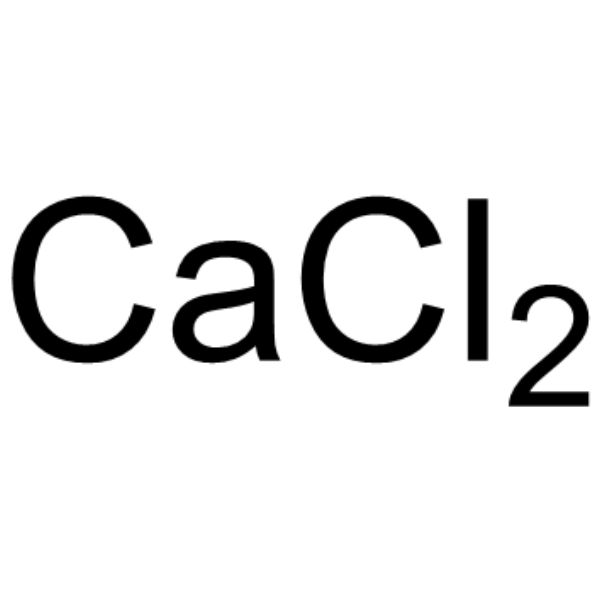
    Calcium dichloride anhydrous, for cell culture

    Environmental Pollutants Biochemical Assay Reagents Infection Cancer
    Calcium chloride anhydrous, for cell culture is an inorganic salt for the preparation of various buffers . Calcium chloride anhydrous, for cell culture can be used for animal modeling, to construct abdominal aortic aneurysm models .
    Calcium chloride anhydrous, for cell culture
  • HY-Y1750
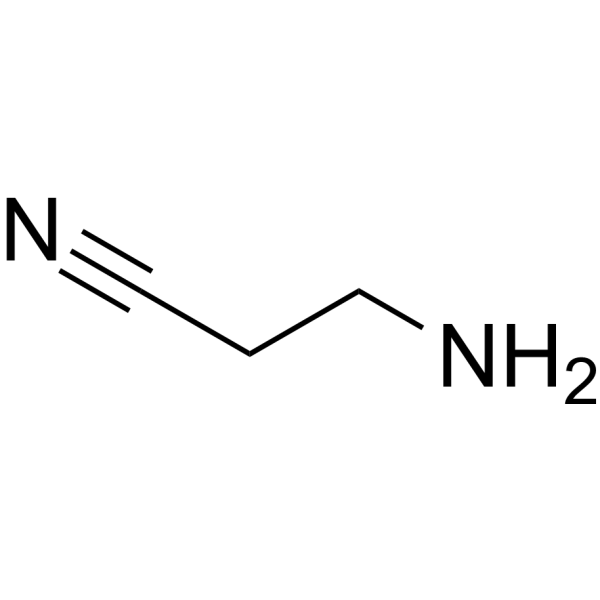
    β-Aminopropionitrile
    Maximum Cited Publications
    13 Publications Verification

    BAPN

    Monoamine Oxidase Endogenous Metabolite Metabolic Disease Cancer
    β-Aminopropionitrile (BAPN) is a specific, irreversible and orally active lysyl oxidase (LOX) inhibitor. β-Aminopropionitrile targets the active site of LOX or LOXL isoenzymes .
    β-Aminopropionitrile
  • HY-N0194
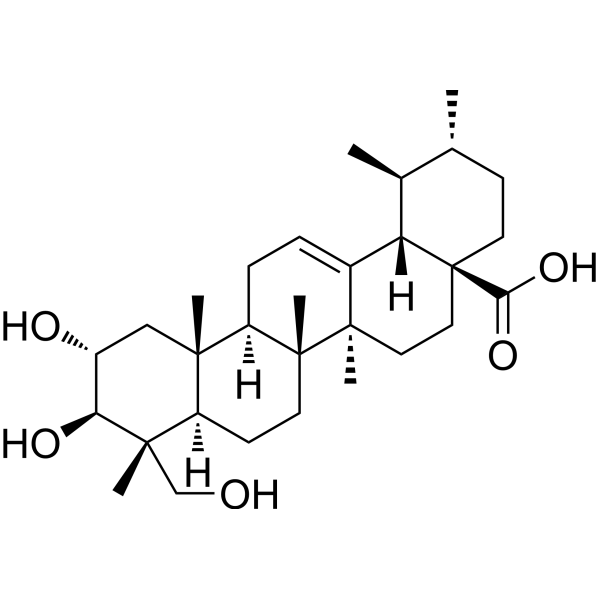
    Asiatic acid
    4 Publications Verification

    Apoptosis Parasite Inflammation/Immunology Cancer
    Asiatic acid, a pentacyclic triterpene found in Centella asiatica (Centella asiatica), has anticancer activity. Asiatic acid induces apoptosis in melanoma cells and has barrier protective effects on human aortic endothelial cells (HAEC). Asiatic acid also has anti-inflammatory activity and inhibits tumor necrosis factor (TNF)-α-induced endothelial barrier dysfunction. Asiatic acid also inhibits NLRP3 inflammasome activation and NF-κB pathway, effectively inhibits inflammation in rats, and has neuroprotective effects in rat spinal cord injury (SCI) model .
    Asiatic acid
  • HY-Y0337A
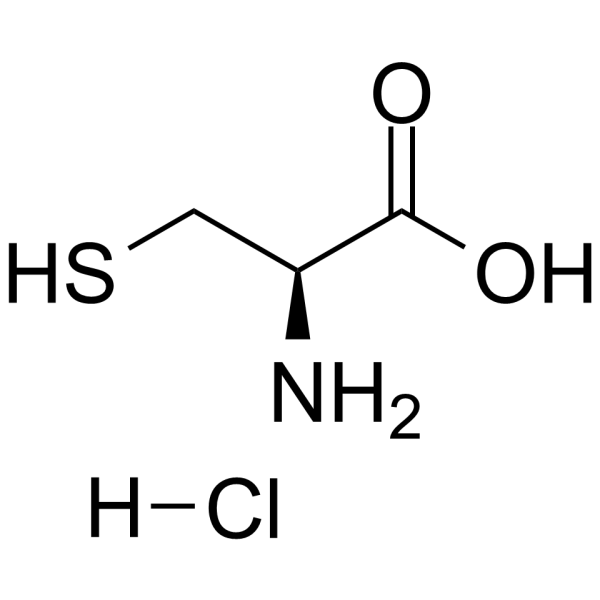
    L-Cysteine hydrochloride
    10+ Cited Publications

    Endogenous Metabolite Metabolic Disease Cancer
    L-Cysteine hydrochloride is an orally active conditionally essential amino acid, which acts as a precursor for biologically active molecules such as hydrogen sulphide (H2S), glutathione and taurine. L-Cysteine hydrochloride suppresses ghrelin and reduces appetite in rodents. L-Cysteine hydrochloride inhibits Aspergillus flavus growth and AFB synthesis by disrupting cell structure and antioxidant system balance. L-Cysteine hydrochloride enhances relaxant responses of rat aortic rings to NO and reduces responses to endothelium-derived relaxing factor (EDRF) .
    L-Cysteine hydrochloride
  • HY-P0049
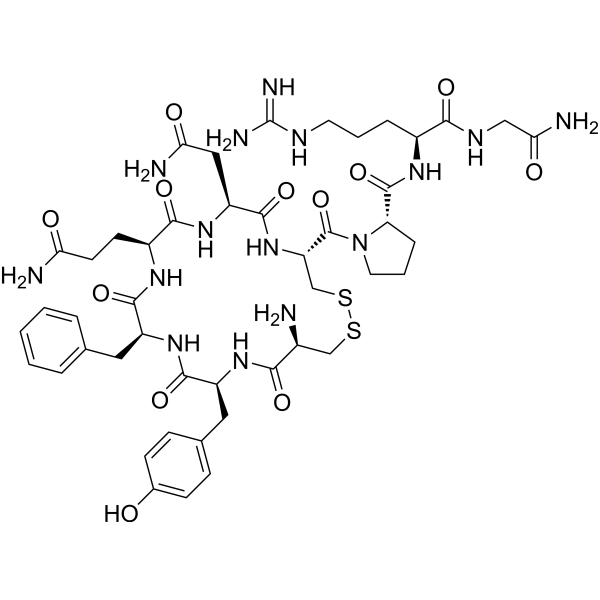
    Argipressin
    Maximum Cited Publications
    10 Publications Verification

    Arg8-vasopressin; AVP

    Vasopressin Receptor Neurological Disease Cancer
    Argipressin (Arg8-vasopressin) binds to the V1, V2, V3-vascular arginine vasopressin receptor, with a Kd value of 1.31 nM in A7r5 rat aortic smooth muscle cells for V1.
    Argipressin
  • HY-P990688

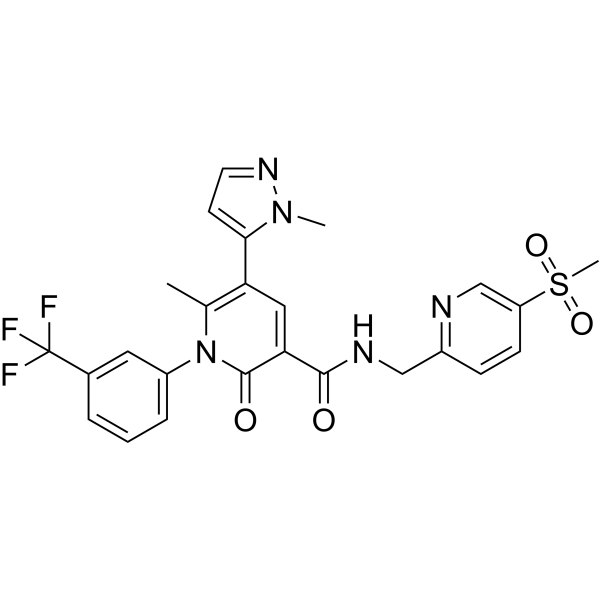
    AMG-509

    CD3 Cancer
    Xaluritamig (AMG-509) is a bispecific T cell engager and cytolytic agent with a Kd of 27.6 nM for human CD3ε. Xaluritamig binds to CD3ε via an anti-CD3 single-chain variable fragment (scFv) domain, and to STEAP1 via a bispecific anti-STEAP1 antigen-binding fragment (Fab) domain, thereby recruiting and activating T cells and forming a bridge between T cells and STEAP1-expressing cancer cells. Xaluritamig induces T cell-mediated redirected cytotoxicity, tumor cell lysis, cytokine release, CD8 + T cell activation and expansion, as well as tumor stasis or regression. Xaluritamig contains an Fc domain with no effector function, which prolongs serum half-life, exhibits only minimal activity against cells with low STEAP1 expression and normal cells, and shows extremely low target-related off-tumor toxicity in cynomolgus monkeys. Xaluritamig is used in STEAP1×CD3 XmAb 2+1 immunotherapy and in research on metastatic castration-resistant prostate cancer and Ewing sarcoma .
    Xaluritamig
  • HY-N1181
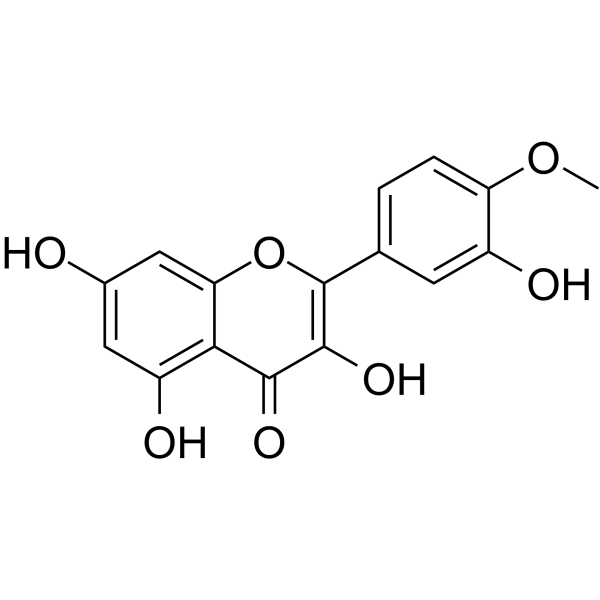
    Tamarixetin
    2 Publications Verification

    4'-O-Methyl Quercetin

    Endogenous Metabolite ClpP Bacterial Apoptosis Akt Interleukin Related COX JNK p38 MAPK Reactive Oxygen Species (ROS) Infection Cardiovascular Disease Inflammation/Immunology Cancer
    Tamarixetin (4'-O-Methyl Quercetin) is an orally active natural flavonoid derivative of quercetin and caseinolytic protease p (ClpP) inhibitor with anti-inflammatory, antioxidant and antitumor effects. Tamarixetin inhibits the hydrolytic activity of ClpP to the fluorescent substrate Suc-LY-AMC with an IC50 of 49.73 μM, which can be used for the study of Staphylococcus aureus infection. Tamarixetin inhibits tumor cell growth, induces apoptosis, and cell cycle arrest. Tamarixetin prevents cardiac hypertrophy by inhibiting the NFAT and AKT pathways .
    Tamarixetin
  • HY-B0199A

    RS 61443 hydrochloride; TM-MMF hydrochloride

    Interleukin Related Inflammation/Immunology
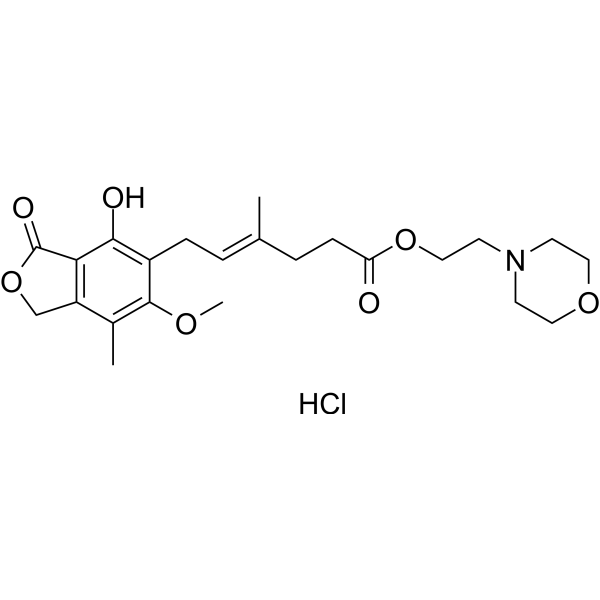
    Mycophenolate mofetil (RS 61443; TM-MMF) hydrochloride is an orally active antimetabolic immunosuppressant with antiproliferative and anti-inflammatory properties. Mycophenolate mofetil hydrochloride significantly inhibits the production of B, T lymphocytes and the proliferation of smooth muscle cells by selectively blocking the de novo purine synthesis pathway. Mycophenolate mofetil hydrochloride effectively reduces adventitial inflammation, medial necrosis and intimal thickening in rat aortic allografts, and decreases the number of lymphocytes expressing the IL-2 receptor, thereby delaying xenograft rejection. Mycophenolate mofetil hydrochloride shows certain toxicity in a hamster-to-rat limb xenotransplantation model when used in combination with FK506 (HY-13756). Mycophenolate mofetil hydrochloride is widely used in studies related to allograft arteriosclerosis (chronic rejection) .
    Mycophenolate mofetil hydrochloride
  • HY-P1856
    Proinsulin C-peptide (human)
    1 Publications Verification

    Insulin Receptor PDGFR MAPKAPK2 (MK2) Cardiovascular Disease Metabolic Disease Inflammation/Immunology
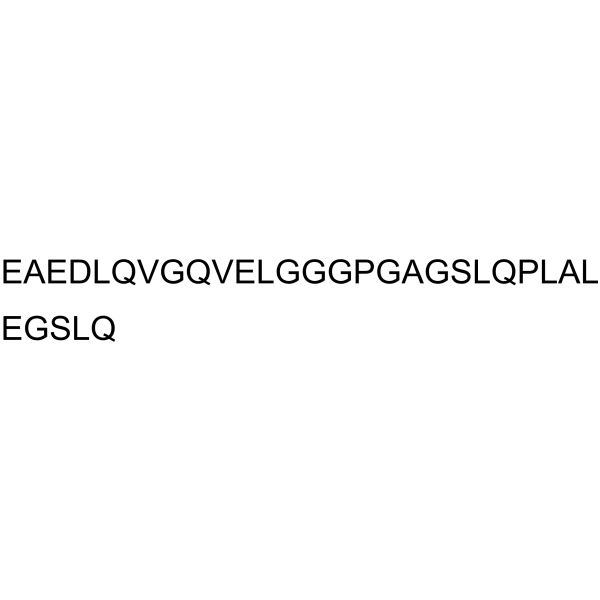
    Proinsulin C-peptide (human) is a peptide consisting of 31 amino acids that links the A and B chains of proinsulin to ensure its correct folding. Proinsulin C-peptide (human) inhibits the high glucose-induced increase in PDGF-β receptor protein expression and the phosphorylation of p42/p44 MAP kinase. Proinsulin C-peptide (human) increases the deformability of erythrocytes derived from type 1 diabetes, inhibits insulin-induced neointimal thickening, and suppresses the proliferation of rat aortic smooth muscle cells cultured under high-glucose conditions .
    Proinsulin C-peptide (human)
  • HY-N6031
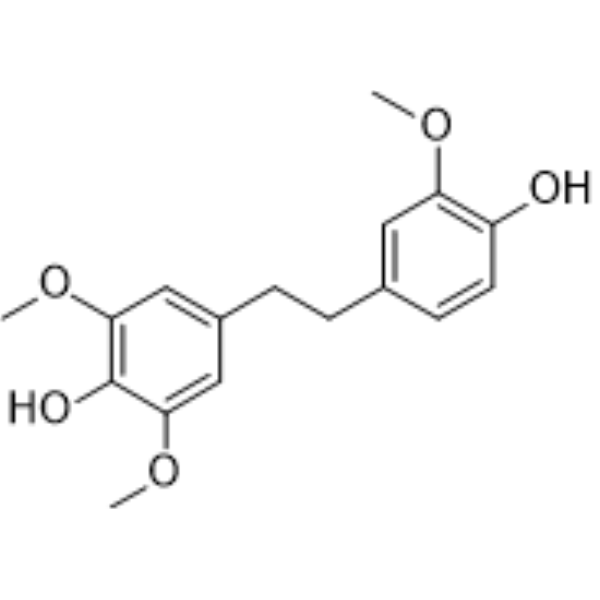
    Dendrophenol
    3 Publications Verification

    Moscatilin

    NF-κB Apoptosis COX HIF/HIF Prolyl-Hydroxylase Wnt β-catenin JNK Cardiovascular Disease Inflammation/Immunology Cancer
    Dendrophenol (Moscatilin) is a NF-κB inhibitor that inhibits inflammation. Dendrophenol exerts potent cytotoxic effect against tumor cells and induces cell cycle arrest and apoptosis. Dendrophenol has antitumor activity. In addition, Dendrophenol can inhibit vascular calcification by inhibiting the activation of WNT3/β-catenin .
    Dendrophenol
  • HY-16768
    Fevipiprant
    1 Publications Verification

    QAW039; NVP-QAW039

    Prostaglandin Receptor Cardiovascular Disease
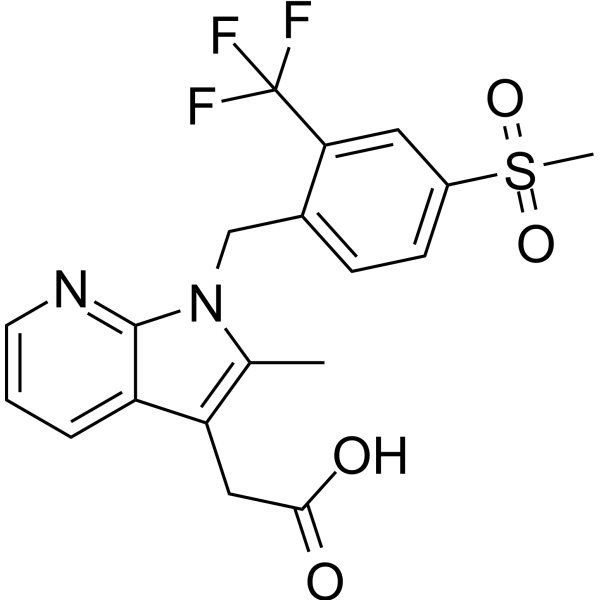
    Fevipiprant (QAW039, NVP-QAW039) is s an orally active, selective, reversible prostaglandin D2 (DP2) receptor antagonist with an Kd value of 1.14 nM. Fevipiprant has the potential for the research of bronchial asthma .
    Fevipiprant
  • HY-122542B
    PPACK TFA
    2 Publications Verification

    Ligands for E3 Ligase Molecular Glues IKZF Family Cardiovascular Disease
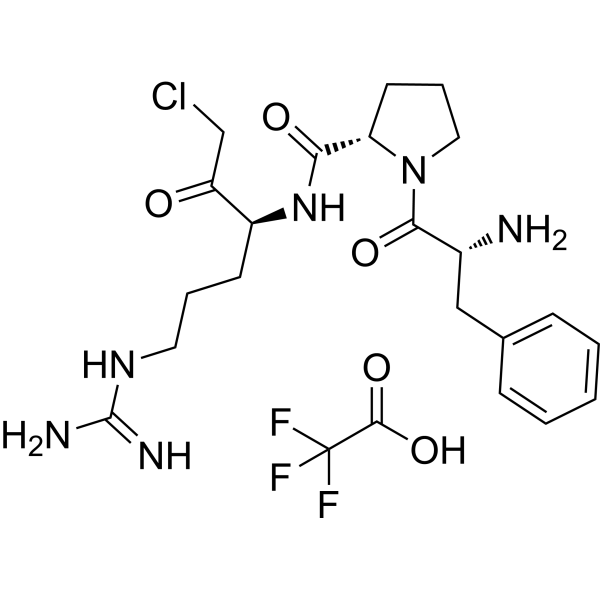
    PPACK TFA is an orally active, selective molecular glue degrader targeting IKZF2. Through a molecular glue mechanism, PPACK TFA binds to CRBN, recruits IKZF2 to form a ternary complex, and promotes its ubiquitination and proteasomal degradation. This further converts inhibitory regulatory T cells (Treg) into effector-like T cells, enhances CD8 + T cell responses, and modulates the Teff:Treg balance. PPACK TFA also increases the production of the inflammatory cytokine IL-2 and reduces the suppressive activity of Treg. PPACK TFA can be used in cancer immunotherapy research, and exhibits a synergistic effect when combined with immune checkpoint inhibitors such as anti-PD1 .
    PPACK TFA
  • HY-W539944
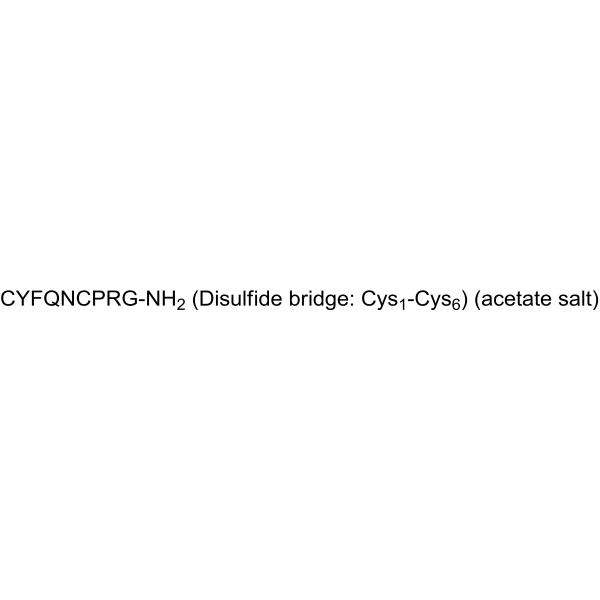
    Argipressin acetate
    Maximum Cited Publications
    10 Publications Verification

    Arg8-vasopressin acetate; AVP acetate

    Vasopressin Receptor Apoptosis Neurological Disease Cancer
    Argipressin (Arg8-vasopressin) (acetate) binds to the V1, V2, V3-vascular arginine vasopressin receptor, with a Kd value of 1.31 nM in A7r5 rat aortic smooth muscle cells for V1 .
    Argipressin acetate
  • HY-W587488

    3′-AMP

    Nucleoside Antimetabolite/Analog Cyclic GMP-AMP Synthase Cancer
    Adenosine 3’-monophosphate (3’-AMP) is a nucleotide. Adenosine 3’-monophosphate is a cyclic AMP production agonist. Adenosine 3’-monophosphate increases cyclic AMP levels concentration-dependently in NG108-15 cells. Adenosine 3’-monophosphate can be used in the determination of acid phosphatase activity of human serum, which is estabilished as a laboratory procedure in the diagnosis of prostate cancer, metastatic mammary cancer and Gaucher’s disease. Adenosine 3’-monophosphate inhibits human aortic and coronary vascular smooth muscle cell proliferation via A2B receptors .
    Adenosine 3′-monophosphate
  • HY-D1635

    Biotin-XX-SSE

    Fluorescent Dye Exosomes Infection
    Sulfo-NHS-LC-LC-Biotin (Biotin-XX-SSE), a biotin reagent, is used to label the proteins exposed to the external leaflet of intact exosomes and contains a larger spacer arm between the biotin and amine reactive linker. The size of this linker helps to overcome steric hindrance and increases labeling efficiency at the crowded exosome surface .
    Sulfo-NHS-LC-LC-Biotin
  • HY-N6660

    Tricaprin; Glyceryl tridecanoate

    Endogenous Metabolite Androgen Receptor Cardiovascular Disease Metabolic Disease
    Trisdecanoin (Tricaprin; Glyceryl tridecanoate) is an orally available precursor of decanoic acid (DA precursor) that can be hydrolyzed to decanoic acid. Trisdecanoin and its metabolite capric acid not only provide the body with a quick source of energy, but can also affect lipid metabolism. Trisdecanoin is a major component of medium chain triglycerides (MCT), which has preventive or inhibitory properties for abdominal aortic aneurysms (AAA), inhibition of cardiovascular disease, and anti-androgen (NSAA) and anti-hyperglycemic properties. Trisdecanoin can be used as an additive in food, medicine and cosmetics .
    Trisdecanoin
  • HY-P0132
    YIGSR
    1 Publications Verification

    Laminin Fragment 929-933

    NO Synthase Cancer
    YIGSR (Laminin Fragment 929-933) is a polypeptide that inhibits tumor growth and metastasis of leukemia cells. YIGSR specifically binds to the 67kDa laminin receptor and regulates the expression of eNOS in endothelial cells. YIGSR can be used in leukemia-related research .
    YIGSR
  • HY-122542

    PAI-1 Thrombin Inflammation/Immunology
    PPACK is a potent, peptidic inhibitor targeting thrombin and granzyme GZMK. PPACK specifically blocks the activities of thrombin and GZMK, thereby inhibiting thrombin-mediated PAR-1 cleavage, as well as downstream inflammatory and procoagulant signaling pathways. Through stabilizing IκB proteins, blocking NF-κB activation and reducing systemic levels of proinflammatory/procoagulant biomarkers, PPACK exerts multiple effects including anti-inflammatory, antithrombotic, barrier repair, and inhibition of atherosclerotic plaque progression. PPACK binds to platelets without interference from kininogen, effectively limiting acute thrombus growth and reducing eosinophil infiltration and goblet cell hyperplasia in asthma models. PPACK is an important tool molecule for investigating the mechanisms of atherosclerosis, asthma and related thromboinflammatory diseases .
    PPACK
  • HY-N0724
    Mesaconitine
    2 Publications Verification

    TNF Receptor Neurological Disease
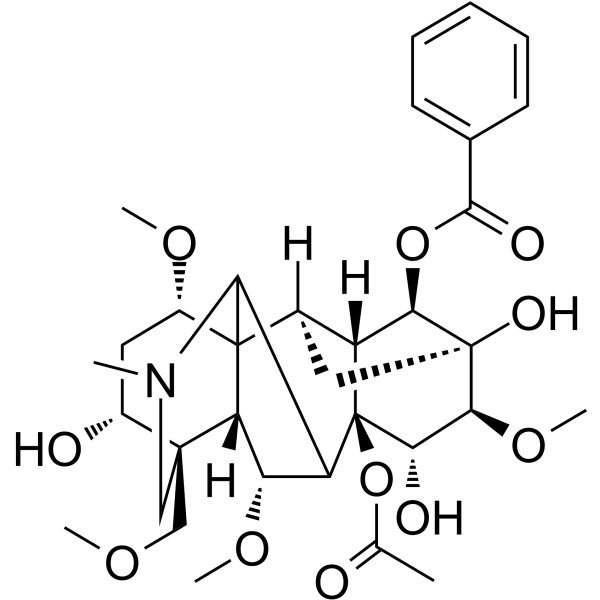
    Mesaconitine is a nitric oxide synthase activator. Mesaconitine drives extracellular Na + and Ca 2+ influx into endothelial cells, increases intracellular Na + and Ca 2+ concentrations, and triggers nitric oxide release. Mesaconitine is applicable for pain-related research .
    Mesaconitine
  • HY-112487

    Acyltransferase Metabolic Disease
    Sandoz 58-035 is a selective acyl-CoA:cholesterol acyltransferase (ACAT) inhibitor. Sandoz 58-035 inhibits this enzyme in intact cells and isolated microsomal fractions. Sandoz 58-035 blocks the esterification of exogenous vesicle-derived cholesterol and the incorporation of oleic acid into cellular cholesterol esters, reducing the formation and accumulation of cholesterol esters. Sandoz 58-035 causes a slight increase in cellular free cholesterol, and at high concentrations, it also causes a slight reduction in overall cellular protein synthesis. Sandoz 58-035 can be used in studies related to cellular cholesterol regulation .
    Sandoz 58-035
  • HY-125864C

    Biochemical Assay Reagents Cardiovascular Disease
    Porcine Fibrinogen is a coagulation protein, purified from porcine plasma with no plasminogen contained. Porcine Fibrinogen has excellent biocompatibility and does not induce aggregation of porcine platelets when in contact with porcine hepatocytes, aortic endothelial cells or hepatic sinusoidal endothelial cells. Porcine Fibrinogen is widely used in studies on the pathological mechanisms of cardiovascular diseases such as atherosclerosis and the development of related drugs .
    Porcine Fibrinogen
  • HY-126410
    Petunidin chloride
    1 Publications Verification

    FAK Metabolic Disease
    Petunidin chloride is an O-methylated anthocyanidin derived from delphinidin. Petunidin chloride binds with and suppresses the activity of focal adhesion kinase and to inhibit platelet-derived growth factor-induced aortic smooth muscle cell migration, which may confer a protective effect against atherosclerosis.
    Petunidin chloride
  • HY-141867

    Z-Phe-Phe-FMK

    Cathepsin MEK Caspase DNA/RNA Synthesis Apoptosis Cardiovascular Disease Neurological Disease
    Z-FF-FMK (Z-Phe-Phe-FMK) is a cell-permeable, irreversible, and cysteine protease inhibitor targeting cathepsin-L. Z-FF-FMK inhibits angiotensin II-induced MEK activation in vascular walls, aortic medial remodeling, blood pressure elevation, and upregulation of cystatin C in aortic walls. Z-FF-FMK prevents β-amyloid-mediated caspase-3 activation, poly (ADP-ribose) polymerase cleavage, DNA fragmentation, and apoptosis of cortical neurons (apoptosis). Z-FF-FMK can be used in research related to hypertension and Alzheimer's disease .
    Z-FF-FMK
  • HY-120986

    (S)-BEL; (S,E)-Bromoenol lactone

    Phospholipase Inflammation/Immunology
    (S)-Bromoenol lactone ((S)-BEL) is an irreversible, chiral, mechanism-based inhibitor of calcium-independent phospholipase A2β (iPLA2β) that inhibits the vasopressin-induced release of arachidonate from cultured rat aortic smooth muscle (A10) cells with an IC50 of 2 µM .
    (S)-Bromoenol lactone
  • HY-107867

    P2Y Receptor Cardiovascular Disease Inflammation/Immunology
    (±)-Clopidogrel bisulfate is a platelet P2Y12 receptor inhibitor and an adenosine diphosphate (ADP) receptor antagonist. (±)-Clopidogrel bisulfate inhibits the binding of ADP to its receptors on the membranes of platelet cells, and blocks ADP-mediated activation of the glycoprotein GPIIb/IIIa complex. (±)-Clopidogrel bisulfate reduces vascular inflammation and angiotensin II induced-abdominal aortic aneurysm progression. (±)-Clopidogrel bisulfate has anti-inflammatory effects .
    (±)-Clopidogrel bisulfate
  • HY-B1608

    Cardiovascular Disease Metabolic Disease
    Chromium chloride is a trivalent chromium compound and an essential trace mineral. Chromium chloride enhances insulin-stimulated GLUT4 translocation and glucose uptake in skeletal muscle. Chromium chloride regulates glucose and lipid metabolism, inhibits TNF-α secretion and oxidative stress in monocytes treated with high glucose or H2O2, and reverses hydrogen peroxide-induced cell growth inhibition. Chromium chloride reduces coronary and aortic lipid deposition and serum cholesterol levels in hypercholesterolemic rabbits. Chromium chloride can be used in research related to diabetes and cardiac atherosclerosis .
    Chromium chloride
  • HY-W040255

    PGPC

    Ferroptosis FABP Caspase Interleukin Related Apoptosis Inflammation/Immunology
    1-Palmitoyl-2-glutaryl-sn-glycero-3-phosphocholine is an oxidized phospholipid. 1-Palmitoyl-2-glutaryl-sn-glycero-3-phosphocholine reduces the viability of HUVECs, increases the levels of ferrous ions and lipid peroxidation, promotes the production of superoxide anions, and decreases the levels of glutathione and GPX4 in cells. 1-Palmitoyl-2-glutaryl-sn-glycero-3-phosphocholine upregulates the mRNA and protein levels of FABP3 in HUVECs, impairs mitochondrial membrane potential, and induces ferroptosis-related changes as well as mitochondrial dysfunction and damage. 1-Palmitoyl-2-glutaryl-sn-glycero-3-phosphocholine activates caspase-11 and promotes the continuous release of IL-1β from macrophages and dendritic cells. 1-Palmitoyl-2-glutaryl-sn-glycero-3-phosphocholine inhibits the proliferation of aortic smooth muscle cells and induces apoptosis in these cells. 1-Palmitoyl-2-glutaryl-sn-glycero-3-phosphocholine is applicable to relevant research on atherosclerosis .
    1-Palmitoyl-2-glutaryl-sn-glycero-3-phosphocholine
  • HY-137967

    Genistein 7-O-glucuronide

    Drug Metabolite Metabolic Disease
    Genistein 7-β-D-Glucuronide (Genistein 7-O-glucuronide) is the primary phase II metabolite of Genistein (HY-14596) in human and rat hepatocytes. Genistein 7-β-D-Glucuronide undergoes distinct deconjugation in different functional assays. Genistein 7-β-D-Glucuronide is produced via hepatic microsomal glucuronidation and shows a mild age-related increase in intrinsic clearance in male F344 rats. Genistein 7-β-D-Glucuronide can be used for research on metabolism .
    Genistein 7-β-D-Glucuronide
  • HY-B1035
    Levobunolol hydrochloride
    1 Publications Verification

    l-Bunolol hydrochloride

    Adrenergic Receptor Calcium Channel Casein Kinase Cardiovascular Disease
    Levobunolol (l-Bunolol) hydrochloride is a non-selective β-adrenergic antagonist and vasodilator. By blocking calcium ion influx and reducing the sensitivity of vascular smooth muscle to calcium, Levobunolol hydrochloride effectively dilates the ciliary arteries and increases ocular blood flow, so it is widely used in research on glaucoma and ocular hypertension. Levobunolol hydrochloride inhibits the β-receptor signaling pathway and the expression of related proliferation markers (such as CK3, CK14, CK19, Ki67) in corneal cells. In rabbit models, Levobunolol hydrochloride not only does not inhibit corneal epithelial regeneration, but also accelerates the healing of mechanical injury without adverse effects. Levobunolol hydrochloride also inhibits histamine-induced vasoconstriction and intracellular calcium elevation, exhibiting unique vascular regulatory activity. Levobunolol hydrochloride protects ocular blood flow and promotes corneal repair .
    Levobunolol hydrochloride
  • HY-15404

    Lu-135252

    Endothelin Receptor Cardiovascular Disease Endocrinology
    Darusentan (Lu-135252) is a selective endothelin receptor A (ET-A) receptor antagonist, which binds with a Ki of 1.4 nM to the ET-A receptor and a Ki of 184 nM to ET-B receptor, respectively with a 100-fold selectivity for ETA rather than ETB receptors . Darusentan competes for radiolabeled endothelin binding in rat aortic vascular smooth muscle cells (RAVSMs) membranes with single-site kinetics, exhibiting a Ki of 13 nM .
    Darusentan
  • HY-118824A

    (E/Z)-Moschamine

    Calcium Channel PDGFR ERK Cardiovascular Disease Inflammation/Immunology
    N-Feruloylserotonin ((E/Z)-Moschamine) is a serotonin hydroxycinnamic acid amide. It can be isolated from a variety of plants, particularly the seeds of safflower (Carthamus tinctorius L.). N-Feruloylserotonin inhibits KCl- and 5-HT-induced elevation of intracellular [Ca 2+]i. It suppresses PDGF-BB-induced phosphorylation of PDGFRβ and ERK1/2. N-Feruloylserotonin exerts anti-inflammatory effects on aortic endothelial cells. It inhibits atherosclerotic plaque formation in apolipoprotein E-deficient mice .
    N-Feruloylserotonin
  • HY-B0199S

    Isotope-Labeled Compounds Interleukin Related Cancer
    Mycophenolate Mofetil-d4 is the deuterium labeled Mycophenolate Mofetil. Mycophenolate mofetil (RS 61443; TM-MMF) hydrochloride is an orally active antimetabolic immunosuppressant with antiproliferative and anti-inflammatory properties. Mycophenolate mofetil hydrochloride significantly inhibits the production of B, T lymphocytes and the proliferation of smooth muscle cells by selectively blocking the de novo purine synthesis pathway. Mycophenolate mofetil hydrochloride effectively reduces adventitial inflammation, medial necrosis and intimal thickening in rat aortic allografts, and decreases the number of lymphocytes expressing the IL-2 receptor, thereby delaying xenograft rejection. Mycophenolate mofetil hydrochloride shows certain toxicity in a hamster-to-rat limb xenotransplantation model when used in combination with FK506 (HY-13756). Mycophenolate mofetil hydrochloride is widely used in studies related to allograft arteriosclerosis (chronic rejection) .
    Mycophenolate Mofetil-d4
  • HY-19664

    OPC-13340

    Calcium Channel NO Synthase Cardiovascular Disease
    Pranidipine (OPC-13340) is an orally active L-type voltage-dependent calcium channel (L-VDCC) blocker with a Ki value of 0.16 nM. Pranidipine inhibits calcium-induced contraction, suppresses slow-response action potentials, shortens action potential duration, reduces systolic and diastolic blood pressure, and exerts vasodilatory effects. Pranidipine enhances its vasodilatory effect by blocking NO decomposition. Pranidipine can be used in research related to essential hypertension, angina pectoris, myocardial infarction, and dilated cardiomyopathy .
    Pranidipine
  • HY-24504

    Mixed Lineage Kinase Inflammation/Immunology Cancer
    MBA-m1 is a MLKL inhibitor. MBA-m1 inhibits necroptosis in Mlkl −/− NIH-3T3 cells. MBA-m1 ameliorates disease in MLKL-induced dermatitis and abdominal aortic aneurysm mouse model .
    MBA-m1
  • HY-Y1890B

    Biochemical Assay Reagents Others
    Cremophor EL-10 is a nonionic polyoxyethylene castor oil surfactant with multiple functions including organic solubilizer, mixed zinc anode corrosion inhibitor and dendrite growth inhibitor. By forming a physical barrier to block electrolyte contact and constructing oriented hydration channels to reduce the desolvation energy barrier of Zn 2+ , Cremophor EL-10 achieves a corrosion inhibition efficiency of over 99%. Cremophor EL-10 exerts no significant effects on the mitochondrial activity and cell viability of epithelial cells, making it suitable for in vitro drug delivery and biopharmaceutical research at concentrations ≤10% v/v. However, Cremophor EL-10 may induce sustained non-endothelium-dependent contraction in rat aortic rings and exert concentration-dependent inhibitory effects on acetylcholine-induced endothelium-dependent relaxation responses .
    Cremophor EL-10
  • HY-15778A
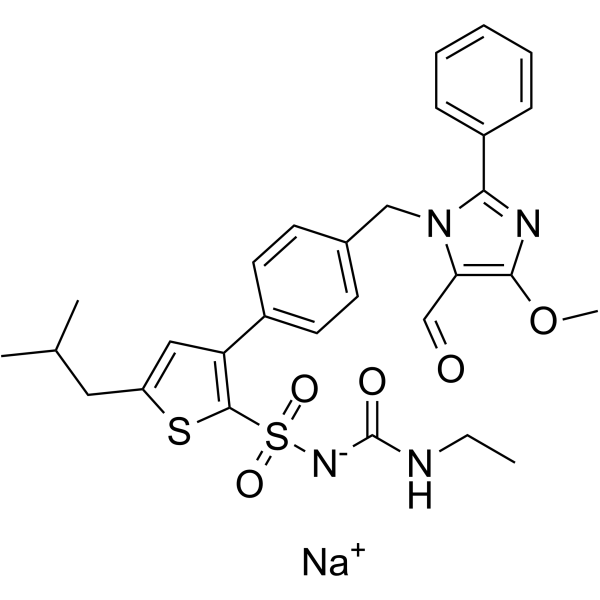
    AVE 0991 sodium salt
    Maximum Cited Publications
    15 Publications Verification

    Angiotensin Receptor Cardiovascular Disease Endocrinology
    AVE 0991 sodium salt is a nonpeptide and orally active Ang-(1-7) receptor Mas agonist. AVE 0991 competes for high-affinity binding of [ 125I]-Ang-(1-7) to bovine aortic endothelial cell membranes with IC50 of 21 nM .
    AVE 0991 sodium salt
  • HY-N0194R

    Reference Standards Apoptosis Parasite Inflammation/Immunology Cancer
    Asiatic acid (Standard) is the analytical standard of Asiatic acid. This product is intended for research and analytical applications. Asiatic acid, a pentacyclic triterpene found in Centella asiatica (Centella asiatica), has anticancer activity. Asiatic acid induces apoptosis in melanoma cells and has barrier protective effects on human aortic endothelial cells (HAEC). Asiatic acid also has anti-inflammatory activity and inhibits tumor necrosis factor (TNF)-α-induced endothelial barrier dysfunction. Asiatic acid also inhibits NLRP3 inflammasome activation and NF-κB pathway, effectively inhibits inflammation in rats, and has neuroprotective effects in rat spinal cord injury (SCI) model .
    Asiatic acid (Standard)
  • HY-N2673

    5-n-Heptadecylresorcinol; AR-C17

    Sirtuin Cardiovascular Disease Metabolic Disease
    5-Heptadecylresorcinol (AR-C17), a phenolic lipid component, is also an orally active mitochondrial protector. 5-Heptadecylresorcinol improves mitochondrial function via sirtuin3 signaling pathway, thus alleviates endothelial cell damage and apoptosis. 5-Heptadecylresorcinol induces sirtuin3-mediated autophagy. 5-Heptadecylresorcinol reduces the atherosclerotic plaques in the aortic root region of mice heart. 5-Heptadecylresorcinol can be used for research of atherosclerosis prevention and obesity .
    5-Heptadecylresorcinol
  • HY-Y1750A
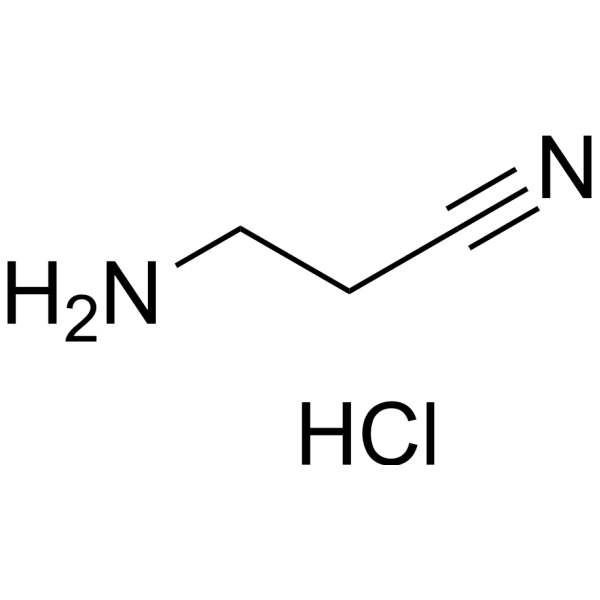
    β-Aminopropionitrile hydrochloride
    Maximum Cited Publications
    13 Publications Verification

    BAPN hydrochloride

    Monoamine Oxidase Endogenous Metabolite Metabolic Disease Cancer
    β-Aminopropionitrile (BAPN) hydrochloride is a specific, irreversible and orally active lysyl oxidase (LOX) inhibitor. β-Aminopropionitrile hydrochloride targets the active site of LOX or LOXL isoenzymes .
    β-Aminopropionitrile hydrochloride
  • HY-76779

    Drug Derivative Cancer
    4-(Chloromethyl)-7-hydroxycoumarin (compound 4) is a hydroxycoumarin derivative with potent antioxidant effect and high hydroxyl radical-scavenging property. 4-(Chloromethyl)-7-hydroxycoumarin contains a methyl group and a chlorine group in the heterocyclic ring. A series of coumarins incorporating hydroxy-, chloro- and/or chloromethyl-moieties has been investigated as potent inhibitors of the zinc enzyme carbonic anhydrase, expecially tumor-associated isoforms CA IX and XII .
    4-(Chloromethyl)-7-hydroxycoumarin
  • HY-16191
    ELR510444
    1 Publications Verification

    Microtubule/Tubulin Apoptosis HIF/HIF Prolyl-Hydroxylase Mitosis Cancer
    ELR510444 is an orally active tubulin inhibitor with an IC50 of 10 μM. ELR510444 binds to the colchicine-binding site on β-tubulin, inhibits tubulin assembly, depolymerizes microtubules and blocks HIF activity. ELR510444 induces cellular microtubule loss, abnormal mitotic spindle, mitotic arrest, apoptosis, morphological changes in tumor endothelial cells, and inhibits cancer cell proliferation, angiogenesis and tumor growth. ELR510444 can be used in research related to various cancers such as renal cell carcinoma .
    ELR510444
  • HY-100469

    LXR Inflammation/Immunology
    LXRβ agonist-2 is an orally active and selective LXRβ agonist. LXRβ agonist-2 increases high-density lipoprotein cholesterol levels without elevating plasma triglyceride levels. LXRβ agonist-2 decreases lipid accumulation area in the aortic arch. LXRβ agonist-2 can be used for the research of atherosclerosis .
    LXRβ agonist-2
  • HY-B0199R

    RS 61443 (Standard); TM-MMF (Standard)

    Reference Standards Interleukin Related Cancer
    Mycophenolate Mofetil (Standard) is the analytical standard of Mycophenolate Mofetil. This product is intended for research and analytical applications. Mycophenolate mofetil (RS 61443; TM-MMF) hydrochloride is an orally active antimetabolic immunosuppressant with antiproliferative and anti-inflammatory properties. Mycophenolate mofetil hydrochloride significantly inhibits the production of B, T lymphocytes and the proliferation of smooth muscle cells by selectively blocking the de novo purine synthesis pathway. Mycophenolate mofetil hydrochloride effectively reduces adventitial inflammation, medial necrosis and intimal thickening in rat aortic allografts, and decreases the number of lymphocytes expressing the IL-2 receptor, thereby delaying xenograft rejection. Mycophenolate mofetil hydrochloride shows certain toxicity in a hamster-to-rat limb xenotransplantation model when used in combination with FK506 (HY-13756). Mycophenolate mofetil hydrochloride is widely used in studies related to allograft arteriosclerosis (chronic rejection) .
    Mycophenolate Mofetil (Standard)
  • HY-169138

    Lipoxygenase Inflammation/Immunology
    ZD 2138 is a selective 5-lipoxygenase (5-lipoxygenase) inhibitor with an IC50 of 20-50 nM. ZD 2138 inhibits cytokine-induced rolling and adhesion of leukocytes on bovine aortic endothelial cells. ZD 2138 is applicable to research related to inflammatory diseases such as acute asthma .
    ZD 2138
  • HY-N13614

    Bacterial IFNAR Nuclear Factor of activated T Cells (NFAT) NF-κB Infection Inflammation/Immunology
    Centaurein, a flavonoid, is an IFN-γ promoter enhancer. Centaurein up-regulates the activity of NFAT and NF-κB enhancers. Centaurein increases the IFN-γ expression in T and NK cells and the serum IFN-γ level in mice. Centaureidin completely relaxes the contractions in intact rat aortic rings. Centaurein effectively protects mice against Listeria infection [1][2][3][4].
    Centaurein
  • HY-N9097

    Reactive Oxygen Species (ROS) SOD Glutathione Peroxidase PKC NADPH Oxidase Metabolic Disease Inflammation/Immunology
    Niazirin is an orally active antioxidant. Niazirin can be isolated from Moringa oleifera Lam. Niazirin reduces the production levels of ROS and MDA, while increasing the levels of superoxide dismutase SOD and glutathione peroxidase GPx. Niazirin also abolishes high glucose-induced PKCζ activation and inhibits Nox4 protein expression. Niazirin exhibits excellent free radical scavenging activity. Niazirin significantly inhibits high glucose-induced proliferation of vascular smooth muscle cells. Niazirin can be used in the research of diabetic atherosclerosis .
    Niazirin
  • HY-116307

    P2Y Receptor Cardiovascular Disease
    2-Thio-UTP is a selective P2Y2 inhibitor with an EC50 value of 50 nM. 2-Thio-UTP reduces pro-fibrotic gene expression and protein α-smooth muscle actin. 2-Thio-UTP has the potential for the research of calcific aortic valve stenosis (CAVS) .
    2-Thio-UTP
  • HY-110169

    Phosphatase Cardiovascular Disease Cancer
    (E/Z)-3PO is a potent PFKFB3 inhibitor. (E/Z)-3PO can inhibit the glycolysis process, reduce the extracellular acidification rate, and inhibit the capillary tube formation, migration of endothelial cells, and the formation of aortic sprouts, thereby suppressing angiogenesis. (E/Z)-3PO is promising for research of diseases such as cancer, acute lung injury, pulmonary fibrosis, and atherosclerosis .
    (E/Z)-3PO
  • HY-N2673R

    5-n-Heptadecylresorcinol (Standard); AR-C17 (Standard)

    Reference Standards Sirtuin Cardiovascular Disease Metabolic Disease
    5-Heptadecylresorcinol (AR-C17), a phenolic lipid component, is also an orally active mitochondrial protector. 5-Heptadecylresorcinol improves mitochondrial function via sirtuin3 signaling pathway, thus alleviates endothelial cell damage and apoptosis. 5-Heptadecylresorcinol induces sirtuin3-mediated autophagy. 5-Heptadecylresorcinol reduces the atherosclerotic plaques in the aortic root region of mice heart. 5-Heptadecylresorcinol can be used for research of atherosclerosis prevention and obesity .
    5-Heptadecylresorcinol (Standard)
  • HY-Y1750R

    Reference Standards Monoamine Oxidase Endogenous Metabolite Metabolic Disease Cancer
    β-Aminopropionitrile (BAPN) is a specific, irreversible and orally active lysyl oxidase (LOX) inhibitor. β-Aminopropionitrile targets the active site of LOX or LOXL isoenzymes .
    β-Aminopropionitrile (Standard)

Inquiry Online

Your information is safe with us. * Required Fields.

Salutation


Country or Region *

Applicant Name *


Organization Name *

Department *


Email Address *


Product Name *

Cat. No.


Requested quantity *

Phone Number *


Remarks

Inquiry Online

Inquiry Information

Product Name:
Cat. No.:
Quantity:
MCE Japan Authorized Agent:

