



1. Search Result
Search Result
Results for "

atherosclerotic

" in MedChemExpress (MCE) Product Catalog:

149

Inhibitors & Agonists

6

Fluorescent Dyes

5

Biochemical Assay Reagents

10

Peptides

3

Inhibitory Antibodies

25

Natural
Products

15

Isotope-Labeled Compounds

18

Oligonucleotides

Cat. No. Product Name Target Research Areas Chemical Structure
  • HY-B0218
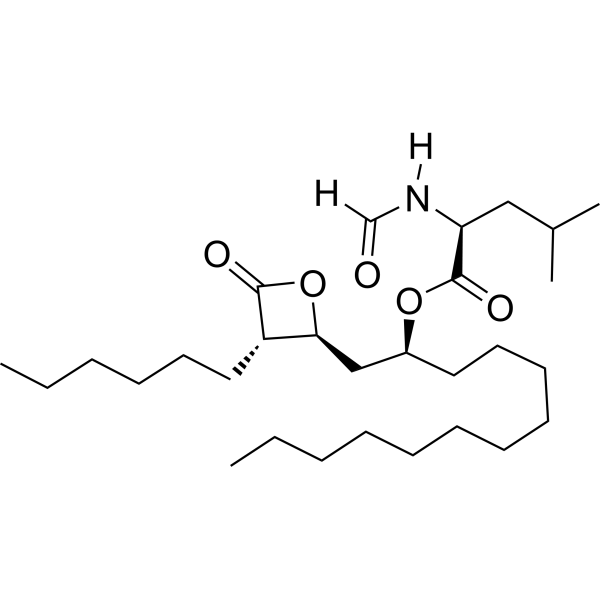
    Orlistat
    Maximum Cited Publications
    32 Publications Verification

    Tetrahydrolipstatin; Ro-18-0647

    Fatty Acid Synthase (FASN) Apoptosis Metabolic Disease Cancer
    Orlistat (Tetrahydrolipstatin) is a well-known irreversible inhibitor of pancreatic and gastric lipases. Orlistat is also an inhibitor of fatty acid synthase (FASN), is used orally for long-term research of obesity [1]. Anti-atherosclerotic effect .
    Orlistat
  • HY-146245
    ODN 1826
    Maximum Cited Publications
    10 Publications Verification

    CpG 1826

    Toll-like Receptor (TLR) Apoptosis NO Synthase Cardiovascular Disease Inflammation/Immunology Cancer
    ODN 1826 is a class B CpG ODN (oligodeoxynucleotide) and TLR9 agonist. ODN 1826 induces NO and iNOS production and enhances Apoptosis. ODN 1826 enhances immune surveillance. ODN 1826 increases aortic atherosclerotic plaque size. ODN 1826 has antitumor activity against lung cancer, glioma and melanoma .
    ODN 1826
  • HY-P9930
    Evolocumab
    3 Publications Verification

    AMG 145

    NF-κB Ser/Thr Protease Toll-like Receptor (TLR) Cardiovascular Disease Metabolic Disease Inflammation/Immunology Cancer
    Evolocumab (AMG 145) is a human monoclonal antibody that inhibits PCSK9. Evolocumab is used in the study of hypercholesterolemia and atherosclerotic cardiovascular disease. Evolocumab binds to circulating PCSK9 protein and inhibits its binding to LDLR. Evolocumab has antioxidant and cytoprotective activities against H2O2-induced oxidative damage to endothelial cells. Evolocumab may also negatively regulate activation of the TLR-4/NF-κB signaling pathway to prevent inflammation .
    Evolocumab
  • HY-B0144A
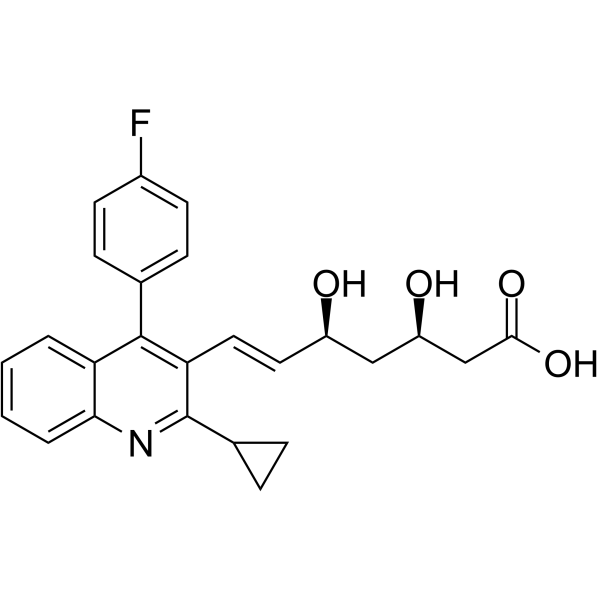
    Pitavastatin
    10+ Cited Publications

    NK-104

    HMG-CoA Reductase (HMGCR) Autophagy Mitophagy Apoptosis Cardiovascular Disease Neurological Disease Metabolic Disease Cancer
    Pitavastatin (NK-104) is a potent hydroxymethylglutaryl-CoA (HMG-CoA) reductase inhibitor. Pitavastatin inhibits cholesterol synthesis from acetic acid with an IC50 of 5.8 nM in HepG2 cells. Pitavastatin is an efficient hepatocyte low-density lipoprotein-cholesterol (LDL-C) receptor inducer. Pitavastatin also possesses anti-atherosclerotic, anti-asthmatic, anti-osteoarthritis, antineoplastic, neuroprotective, hepatoprotective and reno-protective effects .
    Pitavastatin
  • HY-132591
    Inclisiran
    5+ Cited Publications

    ALN-PCSsc

    PCSK9 Small Interfering RNA (siRNA) Pyroptosis PPAR NOD-like Receptor (NLR) Caspase Interleukin Related Cardiovascular Disease Metabolic Disease
    Inclisiran is a double-stranded small interfering RNA (siRNA) molecule. Inclisiran inhibits the transcription of PCSK9. Inclisiran inhibits Pyroptosis, activates PPARγ, and reduces NLRP3, cleaved caspase-1, IL-1β, and IL-18. Inclisiran has anti-inflammatory, lipid-regulating and anti-atherosclerotic activities. Inclisiran can be used in researches of hyperlipidemia and cardiovascular disease (CVD) .
    Inclisiran
  • HY-113342
    7-Ketocholesterol
    5 Publications Verification

    Endogenous Metabolite p38 MAPK Cardiovascular Disease Metabolic Disease
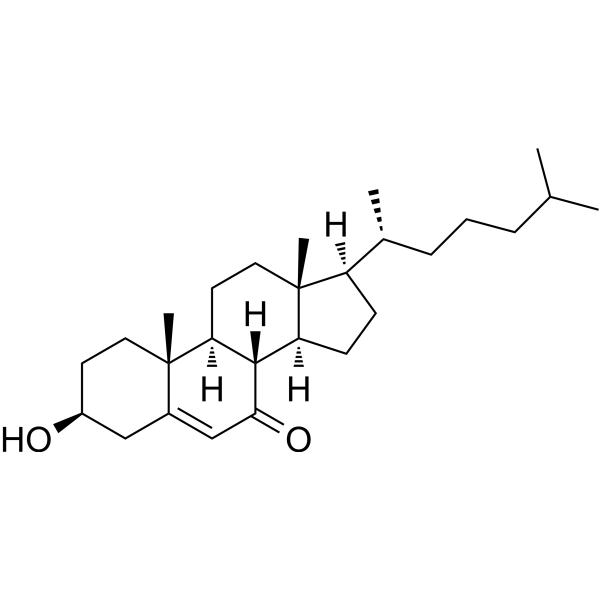
    7-Ketocholesterol is an oxidation product of cholesterol, widely present in atherosclerotic plaques, and has a stronger atherogenic effect than cholesterol. 7-Ketocholesterol can inhibit the rate-limiting enzymes involved in bile acid and cholesterol synthesis, such as cholesterol 7α-hydroxylase and HMG-CoA reductase. 7-Ketocholesterol exhibits pro-inflammatory effects both in vivo and in vitro and can induce cell apoptosis (apoptosis) .
    7-Ketocholesterol
  • HY-B0144
    Pitavastatin Calcium
    10+ Cited Publications

    NK-104 hemicalcium; Pitavastatin hemicalcium

    HMG-CoA Reductase (HMGCR) Autophagy Mitophagy Apoptosis Cardiovascular Disease Neurological Disease Metabolic Disease Cancer
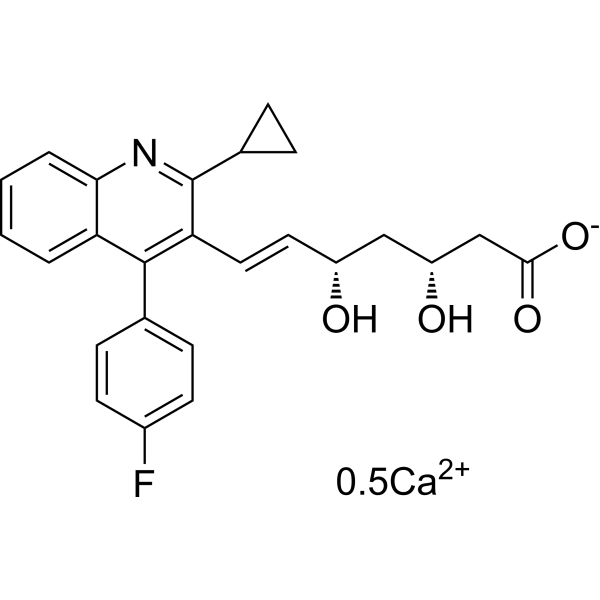
    Pitavastatin Calcium (NK-104 hemicalcium) is a potent hydroxymethylglutaryl-CoA (HMG-CoA) reductase inhibitor. Pitavastatin Calcium (NK-104 hemicalcium) inhibits cholesterol synthesis from acetic acid with an IC50 of 5.8 nM in HepG2 cells. Pitavastatin Calcium is an efficient hepatocyte low-density lipoprotein-cholesterol (LDL-C) receptor inducer. Pitavastatin Calcium also possesses anti-atherosclerotic, anti-asthmatic, anti-osteoarthritis, antineoplastic, neuroprotective, hepatoprotective and reno-protective effects .
    Pitavastatin Calcium
  • HY-132591A
    Inclisiran sodium
    5+ Cited Publications

    ALN-PCSsc sodium

    PCSK9 Small Interfering RNA (siRNA) Pyroptosis PPAR NOD-like Receptor (NLR) Caspase Interleukin Related Cardiovascular Disease Metabolic Disease
    Inclisiran sodium is a double-stranded small interfering RNA (siRNA) molecule. Inclisiran sodium inhibits the transcription of PCSK9. Inclisiran sodium inhibits Pyroptosis, activates PPARγ, and reduces NLRP3, cleaved caspase-1, IL-1β, and IL-18. Inclisiran sodium has anti-inflammatory, lipid-regulating and anti-atherosclerotic activities. Inclisiran sodium can be used in researches of hyperlipidemia and cardiovascular disease (CVD) .
    Inclisiran sodium
  • HY-146245C
    ODN 1826 sodium
    Maximum Cited Publications
    10 Publications Verification

    CpG 1826 sodium

    Toll-like Receptor (TLR) Apoptosis NO Synthase Cardiovascular Disease Inflammation/Immunology Cancer
    ODN 1826 sodium is a class B CpG ODN (oligodeoxynucleotide) and TLR9 agonist. ODN 1826 sodium induces NO and iNOS production and enhances Apoptosis. ODN 1826 sodium enhances immune surveillance. ODN 1826 sodium increases aortic atherosclerotic plaque size. ODN 1826 sodium has antitumor activity against lung cancer, glioma and melanoma .
    ODN 1826 sodium
  • HY-15589
    GW9508
    5+ Cited Publications

    Free Fatty Acid Receptor Potassium Channel Cardiovascular Disease Metabolic Disease Inflammation/Immunology
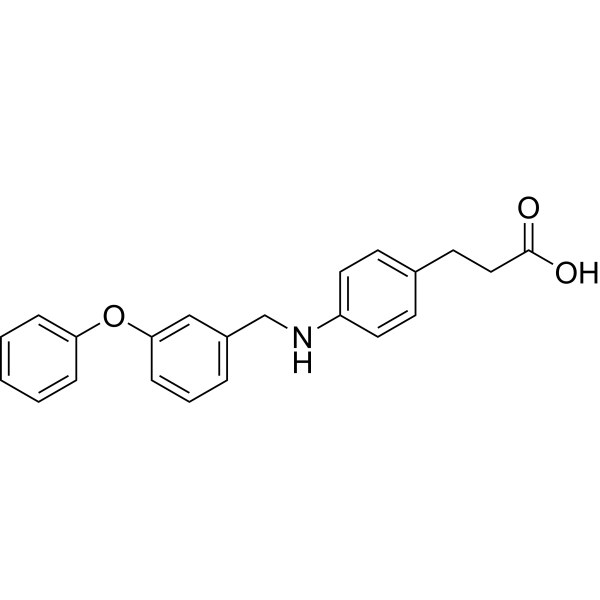
    GW9508 is a potent and selective G protein-coupled receptors FFA1 (GPR40) and GPR120 agonist with pEC50s of 7.32 and 5.46, respectively. GW9508 shows ~100-fold selectivity for GPR40 over GPR120. GW9508 is inactive against other GPCRs, kinases, proteases, integrins and PPARs. GW9508 is a glucose-sensitive insulin secretagogue and an ATP-sensitive potassium (KATP) channels opener. Anti-inflammatory and anti-atherosclerotic activities .
    GW9508
  • HY-P2310

    Bacterial Parasite Apoptosis HIV HSV CMV TNF Receptor NOD-like Receptor (NLR) DNA/RNA Synthesis Influenza Virus Cardiovascular Disease Infection
    Defensin HNP-1 human is a type of human neutrophil peptide (HNPs). Defensin HNP-1 human possesses immunomodulatory functions and can delay the apoptosis of neutrophils. Defensin HNP-1 human inhibits DNA/RNA/protein synthesis and interferes with metabolic pathways, thus exhibiting broad antibacterial activity. Defensin HNP-1 human has direct inactivation effects on HIV, HSV-1, HSV-2, CMV, influenza virus, etc. Defensin HNP-1 human has antileishmanial activity. Defensin HNP-1 human is involved in endothelial cell dysfunction during the early development of atherosclerosis .
    Defensin HNP-1 human
  • HY-18778

    TA-8995; DEZ-001; AMG-899

    CETP Apolipoprotein LPL Receptor LDLR Cardiovascular Disease
    Obicetrapib (TA-8995; DEZ-001) is an orally active cholesteryl ester transfer protein (CETP) inhibitor. Obicetrapib potently reduces atherogenic lipoproteins (such as LDL-C, ApoB, Lp (a)) and increases HDL-C. Obicetrapib can be used for the research of dyslipidemia and atherosclerotic cardiovascular disease (ASCVD) .
    Obicetrapib
  • HY-19900
    ITX5061
    3 Publications Verification

    p38 MAPK Scavenger Receptor Class B type I (SR-BI) Inflammation/Immunology
    ITX5061 is an orally active type II non-competitive p38 MAPK inhibitor. ITX5061 increases HDL-C levels by inhibiting SR-BI activity. ITX5061 also moderately elevates ApoA-I levels. ITX5061 reduces early atherosclerotic lesions in the aortic arch of mice fed an atherogenic diet. ITX5061 can be used in the research of atherosclerosis .
    ITX5061
  • HY-122266

    Biochemical Assay Reagents Metabolic Disease
    Orcein is an irreversible stain that specifically targets elastic fibers and can interact hydrophobically with the protein components in elastic fibers. Orcein makes elastic fibers in tissues appear purple or purple-red. Orcein can be used for morphological studies of Drosophila polytene chromosomes and for qualitative and quantitative analysis of elastic fibers, collagen fibers and other components in atherosclerotic plaques .
    Orcein
  • HY-14928

    PPAR ERK JNK TGF-beta/Smad NO Synthase COX NF-κB Interleukin Related Cardiovascular Disease Metabolic Disease Inflammation/Immunology
    Lobeglitazone is a new type of thiazolidinedione. Lobeglitazone is the orally active agonist for PPAR with EC50 of 137.4 nM and 546.3 nM for PPARγ and PPARα. Lobeglitazone is the inhibitor for ERK/JNK/Smad/NF-κB signaling pathway. Lobeglitazone exhibits anti-inflammatory, anti-diabetic, anti-fibrotic and anti-atherosclerotic properties .
    Lobeglitazone
  • HY-P99505

    COR-001; MEDI-5117; MEDI-5117; NN-6018; WBP-216

    Interleukin Related LDLR Inflammation/Immunology Endocrinology
    Ziltivekimab (COR-001) is a fully human monoclonal antibody and also an IL-6 inhibitor. Ziltivekimab significantly reduces inflammatory biomarkers and Lipoprotein (a) in chronic kidney disease patients with systemic inflammation. Ziltivekimab does not increase pro-atherosclerotic lipid levels. Ziltivekimab is used in studies related to atherosclerotic thrombotic diseases and chronic kidney disease .
    Ziltivekimab
  • HY-10835
    DG-041
    3 Publications Verification

    Prostaglandin Receptor Cardiovascular Disease
    DG-041 is a potent, high affinity and selective EP3 receptor antagonist with IC50s of 4.6 nM and 8.1 nM in the binding and FLIPR assay, respectively. DG-041 inhibits PGE2 facilitation of platelet aggregation. DG-041 crosses the blood-brain barrier .
    DG-041
  • HY-B0683
    Limaprost
    1 Publications Verification

    17α,20-dimethyl-δ2-PGE1; ONO1206; OP1206

    PGE synthase Cardiovascular Disease Inflammation/Immunology
    Limaprost (OP1206) is a PGE1 analogue and a potent and orally active vasodilator. Limaprost increases blood flow and inhibits platelet aggregation. Limaprost pain relief, has antianginal effects, and can be used for ischaemic symptoms research .
    Limaprost
  • HY-110247
    TRAF-STOP inhibitor 6877002
    4 Publications Verification

    TNF Receptor NF-κB Cardiovascular Disease Inflammation/Immunology
    TRAF-STOP inhibitor 6877002 is a selective CD40-TRAF6 interaction inhibitor. TRAF-STOP inhibitor 6877002 exerts anti-atherosclerotic activity by blocking the CD40-TRAF6 signaling pathway, inhibiting classical monocyte activation, leukocyte recruitment, and macrophage activation and migration. TRAF-STOP inhibitor 6877002 reduces the phosphorylation levels of signaling intermediates in the canonical NF-κB pathway .
    TRAF-STOP inhibitor 6877002
  • HY-143221

    Drug Intermediate Cardiovascular Disease
    AS-Inclisiran sodium is the antisense of Inclisiran (HY-132591). Inclisiran is a double-stranded small interfering RNA (siRNA) molecule. Inclisiran inhibits the transcription of PCSK9. Inclisiran inhibits Pyroptosis, activates PPARγ, and reduces NLRP3, cleaved caspase-1, IL-1β, and IL-18. Inclisiran has anti-inflammatory, lipid-regulating and anti-atherosclerotic activities. Inclisiran can be used in researches of hyperlipidemia and cardiovascular disease (CVD) .
    AS-Inclisiran sodium
  • HY-147425

    SLN360

    Small Interfering RNA (siRNA) Apolipoprotein Cardiovascular Disease
    Zerlasiran (SLN360) is a siRNA targeting apolipoprotein A (ApoA). Zerlasiran targets hepatic ApoA synthesis via RNA interference to degrade encoding mRNA. Zerlasiran can be used for the research of atherosclerotic cardiovascular disease and elevated ApoA levels .
    Zerlasiran
  • HY-N4247

    Bombesin Receptor Bacterial Apoptosis Reactive Oxygen Species (ROS) PI3K Akt GSK-3 MMP mTOR NF-κB LXR Infection Cardiovascular Disease Neurological Disease Inflammation/Immunology Cancer
    Kuwanon G is a flavonoid compound and an antagonist of the bombesin receptor. Kuwanon G has multiple activities such as bactericidal, anti-tumor, anti-inflammatory, antioxidant, anti-atherosclerotic, and neuroprotective effects. Kuwanon G exhibits strong antibacterial activity against oral pathogens, especially cariogenic bacteria and periodontal pathogens. Kuwanon G can induce apoptosis and inhibit proliferation, migration, and invasion of tumor cells. Kuwanon G can be used in the research of diseases such as gastric cancer and atherosclerosis .
    Kuwanon G
  • HY-P2310A

    Bacterial Parasite Apoptosis HIV HSV CMV TNF Receptor Interleukin Related NOD-like Receptor (NLR) DNA/RNA Synthesis Influenza Virus Cardiovascular Disease Infection
    Defensin HNP-1 human TFA is a type of human neutrophil peptide (HNPs). Defensin HNP-1 human TFA possesses immunomodulatory functions and can delay the apoptosis of neutrophils. Defensin HNP-1 human TFA inhibits DNA/RNA/protein synthesis and interferes with metabolic pathways, thus exhibiting broad antibacterial activity. Defensin HNP-1 human TFA has direct inactivation effects on HIV, HSV-1, HSV-2, CMV, influenza virus, etc. Defensin HNP-1 human TFA has antileishmanial activity. Defensin HNP-1 human TFA is involved in endothelial cell dysfunction during the early development of atherosclerosis .
    Defensin HNP-1 human TFA
  • HY-16991
    Terutroban
    1 Publications Verification

    S-18886

    Prostaglandin Receptor Cardiovascular Disease Metabolic Disease
    Terutroban (S-18886) is a selective and orally active thromboxane-prostaglandin (TP) receptor antagonist with an IC50 of 16.4 nM. Terutroban inhibits TXA2 and prostaglandin endoperoxide receptors. Terutroban is a potent antithrombotic agent and possesses anti-atherosclerotic and anti-vasoconstrictor properties .
    Terutroban
  • HY-173230

    ATP-binding cassette (ABC) transporters LXR Cardiovascular Disease
    ABCA1 inducer 2 is a non-lipotropic ABCA1 inducer. ABCA1 inducer 2 upregulates the expression of ABCA1 by targeting the LXR pathway. ABCA1 inducer 2 can reduce ox-LDL-induced lipid accumulation and thus inhibit foam cell formation. ABCA1 inducer 2 has anti-atherosclerotic potential .
    ABCA1 inducer 2
  • HY-B0374

    BDF5895

    Imidazoline Receptor Adrenergic Receptor LDLR Cardiovascular Disease Neurological Disease
    Moxonidine (BDF5895) is an orally active imidazoline type 1 receptor (I1-R) agonist. Moxonidine activates imidazoline I1 receptors and α2 adrenoceptors, affecting oxidized low-density lipoprotein uptake. Moxonidine reduces atherosclerotic lesions and lowers blood pressure. Moxonidine can be used in the study of hypertension, heart failure, and atherosclerosis .
    Moxonidine
  • HY-153491

    ISIS 678354; IONIS-APOCIII-LRx; AKCEA-APOCIII-LRx

    Apolipoprotein Cardiovascular Disease
    Olezarsen (ISIS 678354;IONIS-APOCIII-LRx) is a GalNAc-modified antisense oligonucleotide. Olezarsen binds to APOC3 mRNA and induces its degradation via ribonuclease H1-mediated sense strand cleavage, thereby reducing hepatic apolipoprotein C-III (apoC-III) synthesis. Olezarsen reduces plasma triglyceride, apolipoprotein B and non-high-density lipoprotein cholesterol levels. Olezarsen is applicable to research related to familial chylomicronemia syndrome, hypertriglyceridemia and atherosclerotic cardiovascular disease .
    Olezarsen
  • HY-117006
    E1231
    1 Publications Verification

    1-{4-[2-(5-Methylfuran-2-yl)quinoline-4-carbonyl]piperazin-1-yl}ethan-1-one

    Sirtuin Cardiovascular Disease
    E1231 is an orally active activator of Sirtuin 1 (SIRT1) (EC50=0.83 μM), to modulate cholesterol and lipid metabolism. E1231 interactes with SIRT1 (KD=9.61 μM) and deacetylated liver X receptor-alpha (LXRα), and increases ATP-binding cassette transporter A1 (ABCA1) expression. E1231 also reduces atherosclerotic plaque development in ApoE -/- mice model. E1231 can be used for research in cholesterol and lipid disorder-related diseases .
    E1231
  • HY-W010697

    Endogenous Metabolite Metabolic Disease
    Cholesteryl linoleate is shown to be the major cholesteryl ester contained in LDL and atherosclerotic lesions.
    Cholesteryl linoleate
  • HY-14744
    Levamlodipine
    2 Publications Verification

    (S)-Amlodipine; Levoamlodipine

    Calcium Channel MMP Cardiovascular Disease Neurological Disease
    Levamlodipine ((S)-Amlodipine; Levoamlodipin) is an orally active L-type calcium channel blocker and MMP-9 modulator with high permeability and retention properties. Levamlodipine significantly enhances plaque stability and improves lipid profiles by reducing blood pressure, decreasing systolic blood pressure variability, and inhibiting MMP-9 expression in atherosclerotic plaques. Levamlodipine not only alleviates cardiac and aortic hypertrophy and prevents renal atrophy, but also produces synergistic effects in blood pressure reduction and organ protection when combined with bisoprolol (HY-129029). Levamlodipine exerts no significant inhibitory effect on abdominal aortic intimal hyperplasia. When excessively accumulated in the epidermis, Levamlodipine may induce changes in keratin structure, impair the skin barrier and trigger inflammation; long-term use further exacerbates skin irritation caused by local administration. Levamlodipine can be used in research related to hypertension and atherosclerosis .
    Levamlodipine
  • HY-113870

    Fluorescent Dye Others
    6-NBDG is a fluorescent glucose analogue, it can be used for fluorescence imaging and monitoring glucose transport and uptake. 6-NBDG can be used as a fluorescent probe for detecting macrophage-rich atherosclerotic plaques .
    6-NBDG
  • HY-147425A

    SLN360 sodium

    Small Interfering RNA (siRNA) Apolipoprotein Cardiovascular Disease Metabolic Disease
    Zerlasiran (SLN360) sodium is a siRNA targeting apolipoprotein A (ApoA). Zerlasiran sodium targets hepatic ApoA synthesis via RNA interference to degrade encoding mRNA. Zerlasiran sodium can be used for the research of atherosclerotic cardiovascular disease and elevated ApoA levels .
    Zerlasiran sodium
  • HY-12403A
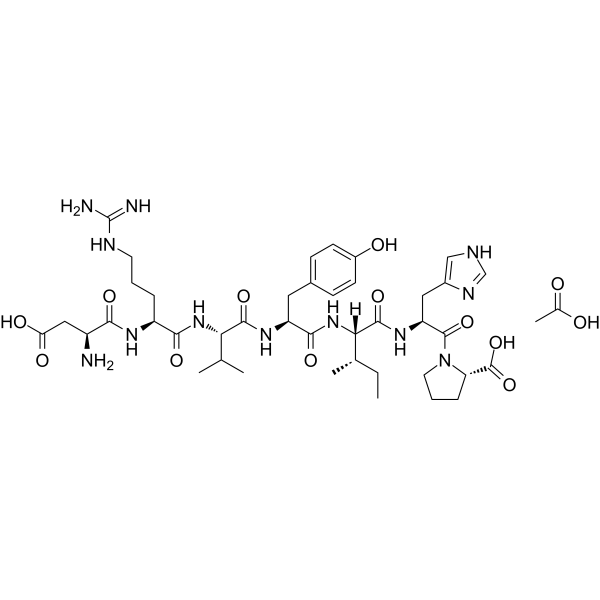
    Talfirastide acetate
    15+ Cited Publications

    TXA127 acetate; Angiotensin (1-7) acetate; Ang-(1-7) acetate

    Angiotensin Receptor Angiotensin-converting Enzyme (ACE) Endogenous Metabolite Cardiovascular Disease Inflammation/Immunology Endocrinology Cancer
    Angiotensin 1-7 (Ang-(1-7)) acetate is an endogenous heptapeptide from the renin-angiotensin system (RAS) with a cardioprotective role due to its anti-inflammatory and anti-fibrotic activities in cardiac cells. Angiotensin 1-7 acetate inhibits purified canine ACE activity (IC50=0.65 μM). Angiotensin 1-7 acetate acts as a local synergistic modulator of kinin-induced vasodilation by inhibiting ACE and releasing nitric oxide. Angiotensin 1-7 acetate blocks Ang II-induced smooth muscle cell proliferation and hypertrophy and shows antiangiogenic and growth-inhibitory effects on the endothelium .
    Talfirastide acetate
  • HY-152221

    PCSK9 Cardiovascular Disease Metabolic Disease
    PCSK9-IN-10 is a potent and orally active PCSK9 inhibitor with an IC50 value of 6.4 µM. PCSK9-IN-10 increases the expression of LDLR protein and decreases the expression of PCSK9. PCSK9-IN-10 reduces atherosclerosis progression. PCSK9-IN-10 has the potential for the research of hyperlipidemia .
    PCSK9-IN-10
  • HY-B0374A

    BDF5895 hydrochloride

    Imidazoline Receptor Adrenergic Receptor LDLR Cardiovascular Disease Neurological Disease
    Moxonidine (BDF5895) hydrochloride is an orally active imidazoline type 1 receptor (I1-R) agonist. Moxonidine hydrochloride activates imidazoline I1 receptors and α2 adrenoceptors, affecting oxidized low-density lipoprotein uptake. Moxonidine hydrochloride reduces atherosclerotic lesions and lowers blood pressure. Moxonidine hydrochloride can be used in the study of hypertension, heart failure, and atherosclerosis .
    Moxonidine hydrochloride
  • HY-E70127

    Brasan; Dasen

    Ser/Thr Protease COX Bacterial Prostaglandin Receptor Interleukin Related Cardiovascular Disease Infection Neurological Disease Inflammation/Immunology Cancer
    Serratiopeptidase (Brasan; Dasen) is an orally active zinc-containing metalloprotease belonging to the serralysin family. Serratiopeptidase reduces the release of inflammatory mediators such as prostaglandins, thromboxanes and interleukins by inhibiting COX, thereby relieving pain, swelling and redness. Serratiopeptidase exhibits antibiofilm, mucolytic and wound-healing activities. As a serine protease, Serratiopeptidase has the ability to dissolve blood clots, fibrin and atherosclerotic plaques. Serratiopeptidase degrades amyloid fibrils and has potential anti-Alzheimer's effects. Serratiopeptidase shows cytotoxicity against colon cancer cells .
    Serratiopeptidase
  • HY-113420

    Endogenous Metabolite Metabolic Disease
    11-Dehydro-thromboxane B2 is a platelet hemagglutinin. Thromboxane inhibition was assessed by urinary excretion levels of 11-Dehydro-thromboxane B2. 11-Dehydro-thromboxane B2 can be used in the study of atherosclerotic thrombosis .
    11-Dehydro-thromboxane B2
  • HY-B0218R
    Orlistat (Standard)
    Maximum Cited Publications
    32 Publications Verification

    Tetrahydrolipstatin (Standard); Ro-18-0647 (Standard)

    Reference Standards Fatty Acid Synthase (FASN) Apoptosis Metabolic Disease Cancer
    Orlistat (Standard) is the analytical standard of Orlistat. This product is intended for research and analytical applications. Orlistat (Tetrahydrolipstatin) is a well-known irreversible inhibitor of pancreatic and gastric lipases. Orlistat is also an inhibitor of fatty acid synthase (FASN), is used orally for long-term research of obesity . Anti-atherosclerotic effect .
    Orlistat (Standard)
  • HY-155773

    FAAH Epoxide Hydrolase Cardiovascular Disease
    VU534 is a NAPE-PLD activator, with an EC50 of 0.30 μM. VU534 is dual inhibitors of FAAH and sEH (IC50 of 1.2 μM). VU534 increases efferocytosis in a NAPE-PLD dependent manner. VU534 has the potential for cardiometabolic diseases study [1] .
    VU534
  • HY-14928A

    PPAR ERK JNK TGF-beta/Smad NO Synthase COX NF-κB Interleukin Related Cardiovascular Disease Metabolic Disease Inflammation/Immunology
    Lobeglitazone sulfate is a new type of thiazolidinedione. Lobeglitazone sulfate is the orally active agonist for PPAR with EC50 of 137.4 nM and 546.3 nM for PPARγ and PPARα. Lobeglitazone sulfate is the inhibitor for ERK/JNK/Smad/NF-κB signaling pathway. Lobeglitazone sulfate exhibits anti-inflammatory, anti-diabetic, anti-fibrotic and anti-atherosclerotic properties .
    Lobeglitazone sulfate
  • HY-118824A

    (E/Z)-Moschamine

    Calcium Channel PDGFR ERK Cardiovascular Disease Inflammation/Immunology
    N-Feruloylserotonin ((E/Z)-Moschamine) is a serotonin hydroxycinnamic acid amide. It can be isolated from a variety of plants, particularly the seeds of safflower (Carthamus tinctorius L.). N-Feruloylserotonin inhibits KCl- and 5-HT-induced elevation of intracellular [Ca 2+]i. It suppresses PDGF-BB-induced phosphorylation of PDGFRβ and ERK1/2. N-Feruloylserotonin exerts anti-inflammatory effects on aortic endothelial cells. It inhibits atherosclerotic plaque formation in apolipoprotein E-deficient mice .
    N-Feruloylserotonin
  • HY-D2004

    Fluorescent Dye Inflammation/Immunology
    ATTO 488 streptavidin is a fluorescent reagent that specifically targets and binds to biotin (biotin), formed by the conjugation of ATTO 488 with streptavidin (HY-P3152). ATTO 488 streptavidin enables visualization of the activity of streptavidin immobilized on the surface of polymeric nanoparticles, or acts as a fluorescent probe to detect the selective binding and internalization process of anti-HB-EGF/NA with cells expressing HB-EGF (with no such effect on cells that do not express this receptor). ATTO 488 streptavidin effectively verifies the function of streptavidin conjugated to the surface of nanoparticles and is suitable for research related to atherosclerotic cardiovascular diseases .
    ATTO 488 streptavidin
  • HY-W996116

    Glutathione Peroxidase Cardiovascular Disease Neurological Disease Inflammation/Immunology
    AZM198 is an orally active myeloperoxidase (MPO) inhibitor. AZM198 irreversibly inactivates MPO (IC50=0.015 μM) via covalent binding to the heme prosthetic group, preferentially targets extracellular MPO activity, and reduces neutrophil extracellular trap formation, reactive oxygen species production and degranulation. AZM198 increases the fibrous cap thickness of atherosclerotic plaques, reduces lesion area, ameliorates hepatic steatosis and fibrosis in non-alcoholic steatohepatitis, and alleviates proteinuria and inflammatory infiltration associated with glomerulonephritis. AZM198 also decreases circulating levels of high-sensitivity Cardiac Troponin I and IL-1β, and mitigates endothelial cell injury. Therefore, AZM198 is suitable for research on various MPO-related diseases, including atherosclerotic cardiovascular disease, myocardial infarction, ischemic stroke, non-alcoholic steatohepatitis and crescentic glomerulonephritis .
    AZM198
  • HY-107637

    MMP Cardiovascular Disease
    ONO-4817 is a potent inhibitor of matrix metalloproteinase (MMP). Inhibition of matrix metalloproteinases (MMPs) is expected to suppress atherosclerotic neointimal proliferation and thus limits atheromatous plaque progression. ONO-4817 suppresses the development of aortic intimal hyperplasia in experimental hyperlipidemic rabbit .
    ONO-4817
  • HY-B0144B

    NK-104 sodium

    HMG-CoA Reductase (HMGCR) Autophagy Mitophagy Apoptosis Cardiovascular Disease Neurological Disease Metabolic Disease Cancer
    Pitavastatin (NK-104) sodium is a potent hydroxymethylglutaryl-CoA (HMG-CoA) reductase inhibitor. Pitavastatin sodium inhibits cholesterol synthesis from acetic acid with an IC50 of 5.8 nM in HepG2 cells. Pitavastatin sodium is an efficient hepatocyte low-density lipoprotein-cholesterol (LDL-C) receptor inducer. Pitavastatin sodium also possesses anti-atherosclerotic, anti-asthmatic, anti-osteoarthritis, antineoplastic, neuroprotective, hepatoprotective and reno-protective effects .
    Pitavastatin sodium
  • HY-16991A
    Terutroban sodium
    1 Publications Verification

    S-18886 sodium

    Prostaglandin Receptor Cardiovascular Disease Metabolic Disease
    Terutroban (S-18886) sodium is a selective and orally active thromboxane-prostaglandin (TP) receptor antagonist with an IC50 of 16.4 nM. Terutroban sodium inhibits TXA2 and prostaglandin endoperoxide receptors. Terutroban sodium is a potent antithrombotic agent and possesses anti-atherosclerotic and anti-vasoconstrictor properties .
    Terutroban sodium
  • HY-B0218S

    Tetrahydrolipstatin-d3; Ro-18-0647-d3

    Isotope-Labeled Compounds Fatty Acid Synthase (FASN) Apoptosis Metabolic Disease
    Orlistat-d3 is a deuterated labeled Orlistat . Orlistat (Tetrahydrolipstatin) is a well-known irreversible inhibitor of pancreatic and gastric lipases. Orlistat is also an inhibitor of fatty acid synthase (FASN), is used orally for long-term research of obesity [2].?Anti-atherosclerotic?effect .
    Orlistat-d3
  • HY-B0144AR

    NK-104 (Standard)

    HMG-CoA Reductase (HMGCR) Autophagy Mitophagy Apoptosis Reference Standards Cardiovascular Disease Neurological Disease Metabolic Disease Cancer
    Pitavastatin (Standard) is the analytical standard of Pitavastatin. This product is intended for research and analytical applications. Pitavastatin (NK-104) is a potent hydroxymethylglutaryl-CoA (HMG-CoA) reductase inhibitor. Pitavastatin inhibits cholesterol synthesis from acetic acid with an IC50 of 5.8 nM in HepG2 cells. Pitavastatin is an efficient hepatocyte low-density lipoprotein-cholesterol (LDL-C) receptor inducer. Pitavastatin also possesses anti-atherosclerotic, anti-asthmatic, anti-osteoarthritis, antineoplastic, neuroprotective, hepatoprotective and reno-protective effects .
    Pitavastatin (Standard)
  • HY-P11447

    Collagen Cardiovascular Disease
    COLIV-peptide is a type of specific binding peptide that can recognize and bind to Collagen Ⅳ, a key non-cellular component in atherosclerotic plaques. COLIV-peptide can be used for the study of atherosclerotic .
    COLIV-peptide
  • HY-P11289

    Apoptosis Cardiovascular Disease
    Intermedin1-53 (Human) is a 53-aa human calcitonin family peptide that reduces the vulnerability of atherosclerotic plaques by inhibiting CHOP-mediated macrophage apoptosis and inflammasome .
    Intermedin1-53 (Human)

Inquiry Online

Your information is safe with us. * Required Fields.

Salutation


Country or Region *

Applicant Name *


Organization Name *

Department *


Email Address *


Product Name *

Cat. No.


Requested quantity *

Phone Number *


Remarks

Inquiry Online

Inquiry Information

Product Name:
Cat. No.:
Quantity:
MCE Japan Authorized Agent:

