1. Search Result
Search Result
Results for "

gastrointestinal disease

" in MedChemExpress (MCE) Product Catalog:

128

Inhibitors & Agonists

2

Screening Libraries

5

Biochemical Assay Reagents

3

Peptides

14

Natural
Products

11

Isotope-Labeled Compounds

1

Click Chemistry

1

Oligonucleotides

Cat. No. 상품명 Target 연구분야 Chemical Structure
  • HY-13771
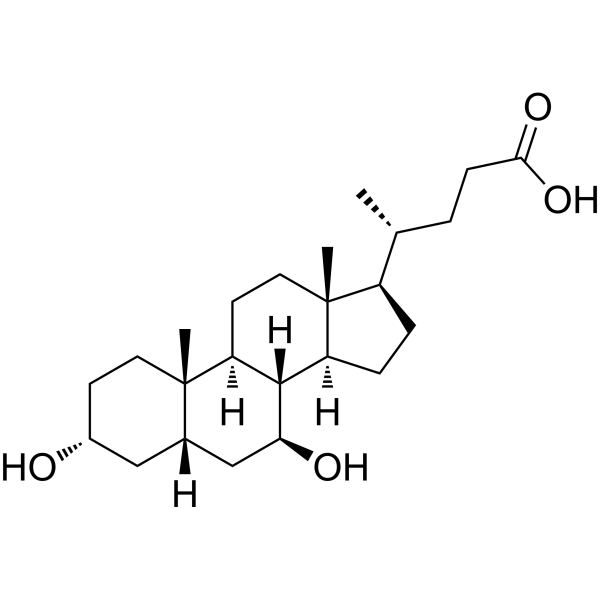
    Ursodeoxycholic acid
    Maximum Cited Publications
    26 Publications Verification

    Ursodeoxycholate; Ursodiol; UDCA

    G protein-coupled Bile Acid Receptor 1 FXR Angiotensin-converting Enzyme (ACE) Endogenous Metabolite Infection Metabolic Disease Cancer
    Ursodeoxycholic acid (Ursodeoxycholate) is a secondary bile acid issued from the transformation of (cheno)deoxycholic acid by intestinal bacteria, acting as a key regulator of the intestinal barrier integrity and essential for lipid metabolism. Ursodeoxycholic acid acts as signaling molecule, exerting its effects by interacting with bile acid activated receptors, including G-protein coupled bile acid receptor 5 (TGR5, GPCR19) and the farnesoid X receptor (FXR). Ursodeoxycholic acid can be used for the research of a variety of hepatic and gastrointestinal diseases. Ursodeoxycholic acid also reduces ACE2 expression and is beneficial for reducing SARS-CoV-2 infection. Orally active .
    Ursodeoxycholic acid
  • HY-122515
    Fulvic Acid
    1 Publications Verification

    Others Metabolic Disease Inflammation/Immunology
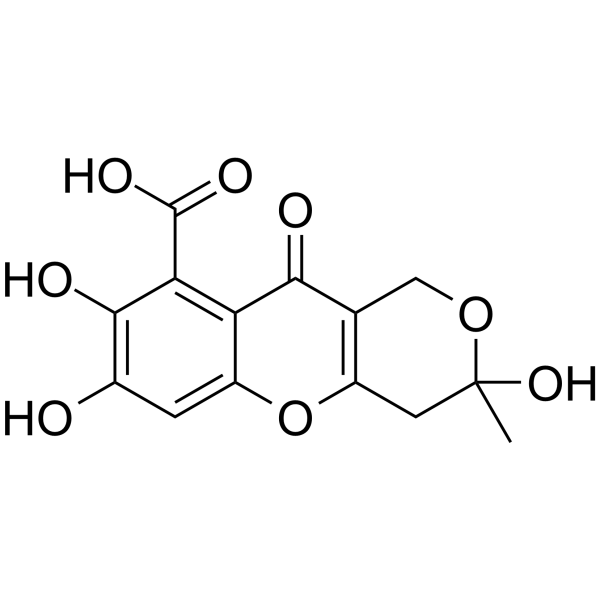
    Fulvic Acid is a natural product, which comes from humic substances produced by microorganisms in soil. Fulvic Acid can modulate the immune system, influence the oxidative state of cells, and improve gastrointestinal function. Fulvic Acid has the potential for researching chronic inflammatory diseases, including diabetes .
    Fulvic Acid
  • HY-13771A
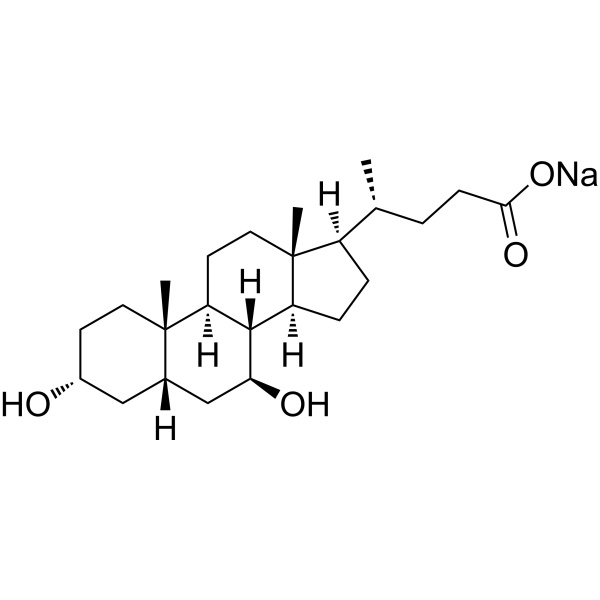
    Ursodeoxycholic acid sodium
    Maximum Cited Publications
    26 Publications Verification

    Ursodeoxycholate sodium; Ursodiol sodium; UCDA sodium

    G protein-coupled Bile Acid Receptor 1 FXR Endogenous Metabolite Metabolic Disease Inflammation/Immunology Cancer
    Ursodeoxycholic acid (Ursodeoxycholate) sodium is a secondary bile acid issued from the transformation of (cheno)deoxycholic acid by intestinal bacteria, acting as a key regulator of the intestinal barrier integrity and essential for lipid metabolism. Ursodeoxycholic acid sodium acts as signaling molecule, exerting its effects by interacting with bile acid activated receptors, including G-protein coupled bile acid receptor 5 (TGR5, GPCR19) and the farnesoid X receptor (FXR). Ursodeoxycholic acid sodium can be used for the research of a variety of hepatic and gastrointestinal diseases. Orally active .
    Ursodeoxycholic acid sodium
  • HY-134570
    ZINC40099027
    3 Publications Verification

    FAK Metabolic Disease Inflammation/Immunology
    ZINC40099027 is a selective FAK activator. ZINC40099027 promotes FAK phosphorylation, without activating its paralogs Pyk2 and Src. ZINC40099027 promotes the wound closure of human intestinal epithelial monolayers and the healing of mouse ulcers by activating FAK. ZINC40099027 can be used for diseases related to gastrointestinal mucosal injury research .
    ZINC40099027
  • HY-B0644

    Sucrose octasulfate-aluminum complex

    Bacterial Infection Inflammation/Immunology Cancer
    Sucralfate (Sucrose octasulfate-aluminum complex) is a potent and orally active gastroprotectant with no systemic effects. Sucralfate inhibits peptic activity and binds to negatively charged subepithelial proteins exposed during mucosal injury, forming a viscous layer that protects the vascular bed and proliferative zone. Sucralfate is used for prevention and research of several gastrointestinal diseases in vivo .
    Sucralfate
  • HY-168990

    AGMB-129

    TGF-β Receptor Metabolic Disease Inflammation/Immunology Cancer
    Ontunisertib (AGMB-129) is an orally active and selective gastrointestinal-restricted ALK5 (TGFβR1) inhibitor. Ontunisertib blocks signalling of the pro-fibrotic TGFβ pathway. Ontunisertib can be used for the research of fibrostenotic Crohn’s disease .
    Ontunisertib
  • HY-16102

    Antibiotic Bacterial Infection
    Bismuth subcitrate potassium is a compound bismuth salt with oral activity. Bismuth subcitrate potassium has antibacterial activity and can inhibit the growth of Campylobacter pyloridis with a MIC50 of 8 μg/mL. Bismuth subcitrate potassium can be used in the study of gastrointestinal diseases infected by Campylobacter pyloridis .
    Bismuth subcitrate potassium
  • HY-117259
    Valiltramiprosate
    1 Publications Verification

    ALZ-801

    Amyloid-β Neurological Disease
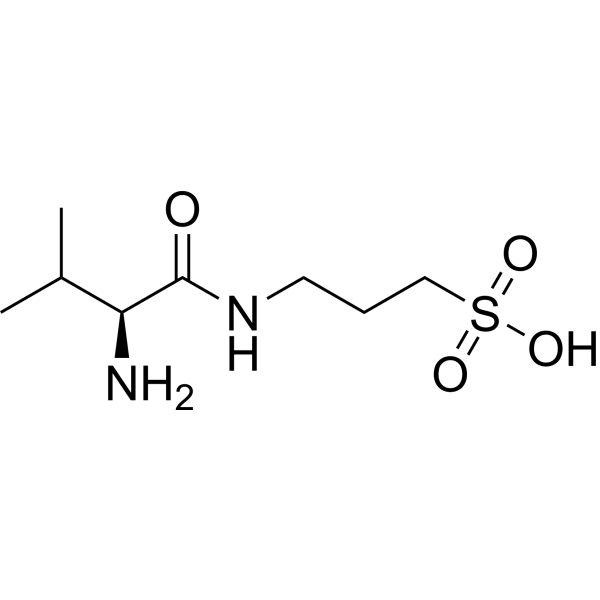
    ALZ-801 is a potent and orally available small-molecule β-amyloid (Aβ) anti-oligomer and aggregation inhibitor, valine-conjugated proagent of Tramiprosate with substantially improved PK properties and gastrointestinal tolerability compared with the parent compound . ALZ-801 is an advanced and markedly improved candidate for the treatment of alzheimer’s disease .
    Valiltramiprosate
  • HY-13995A
    Sevelamer (hydrochloride)
    1 Publications Verification

    FXR Metabolic Disease Endocrinology
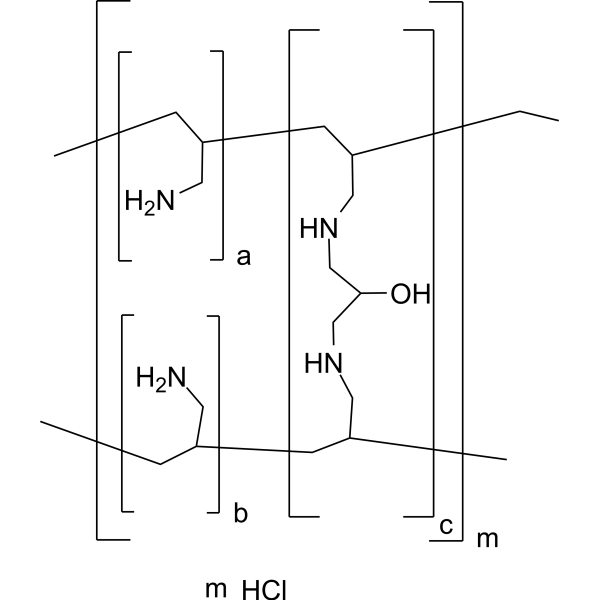
    Sevelamer hydrochloride is an orally active polymeric phosphate binder and bile acid sequestrant. Sevelamer hydrochloride binds dietary phosphate in the gastrointestinal tract, reducing phosphate absorption and serum phosphorus levels, and reduces urinary phosphate excretion. Sevelamer hydrochloride binds polyanion bile acids, increases bile acid faecal excretion, and reduces total cholesterol and LDL cholesterol levels. Sevelamer hydrochloride can be used for the research of hyperphosphataemia, hyperparathyroidism, chronic renal failure, kidney disease, and type 2 diabetes .
    Sevelamer (hydrochloride)
  • HY-40294

    Monoamine Oxidase GSK-3 LRRK2 Cardiovascular Disease Neurological Disease Cancer
    Indazole, also called isoindazole, a heterocyclic aromatic organic compound. Its derivatives display a broad variety of biological activities including anti-inflammatory, antibacterial, anti-HIV, antiarrhythmic, antifungal and antitumour properties. Indazole and its derivatives can be used for research of cancer, neurological disorders, cardiovascular diseases, gastrointestinal diseases .
    Indazole
  • HY-B0189
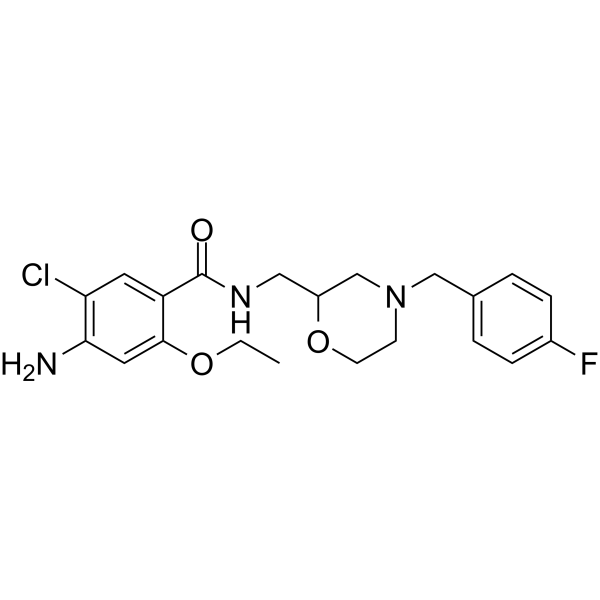
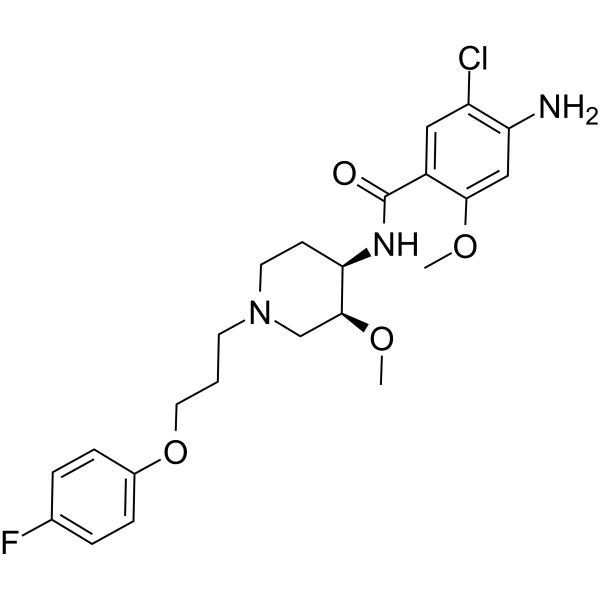
    Mosapride
    5+ Cited Publications

    TAK-370; AS-4370

    5-HT Receptor Cytochrome P450 Potassium Channel Neurological Disease Cancer
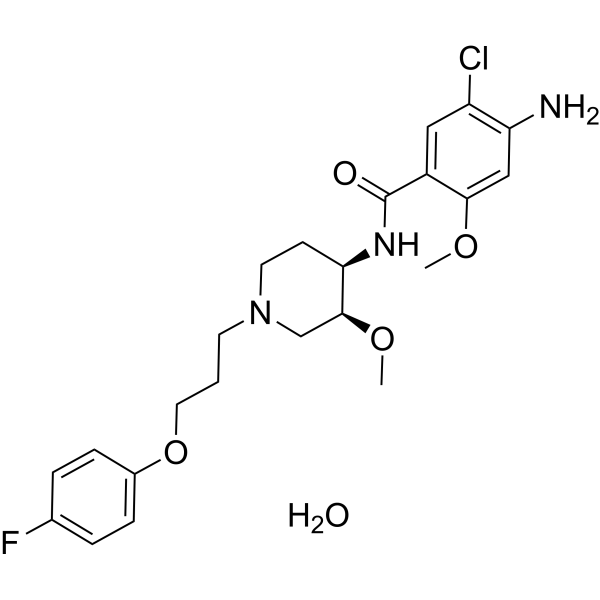
    Mosapride is an orally active gastroenterokinetic compound. Mosapride is a 5HT4 agonist. Mosapride is a CYP inducer. Mosapride has a concentration-dependent inhibitory effect on Kv4.3, and its IC50 value is 15.2 μM. Mosapride can be used in the study of gastrointestinal diseases .
    Mosapride
  • HY-G0017
    N-Desmethyl imatinib
    1 Publications Verification

    Norimatinib; Imatinib metabolite N-Desmethyl imatinib; CGP 74588

    Drug Metabolite P-glycoprotein Apoptosis Neurological Disease Cancer
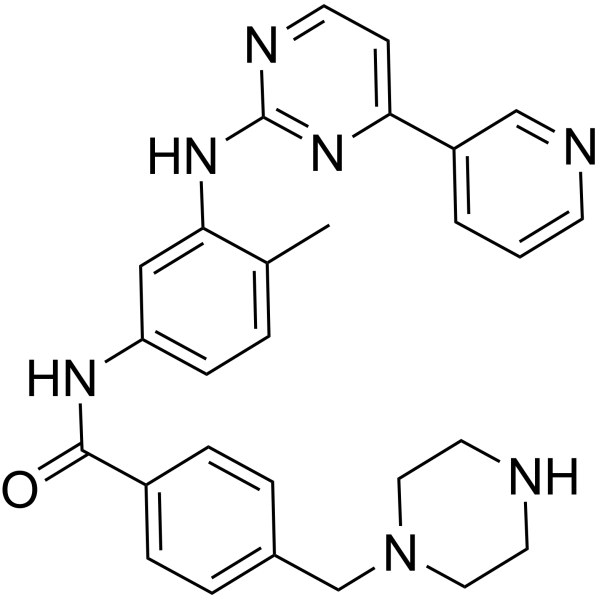
    N‑Desmethyl imatinib (Norimatinib) is an active metabolite of Imatinib (HY-15463), a selective c‑Abl inhibitor, and a substrate of P‑glycoprotein. N-Desmethyl imatinib binds to the c-Abl catalytic domain to prevent substrate phosphorylation, inhibits c-Abl-mediated α-synuclein activation and downstream inflammatory signaling pathways. N-Desmethyl imatinib induces apoptosis in K562 human leukemia cells. N-Desmethyl imatinib shows significantly elevated plasma levels in gastrointestinal stromal tumor (GIST) models with mild SARS-CoV-2 infection. N-Desmethyl imatinib can be used for the research of Parkinson’s disease, gastrointestinal stromal tumor, and chronic myeloid leukemia .
    N-Desmethyl imatinib
  • HY-B1169
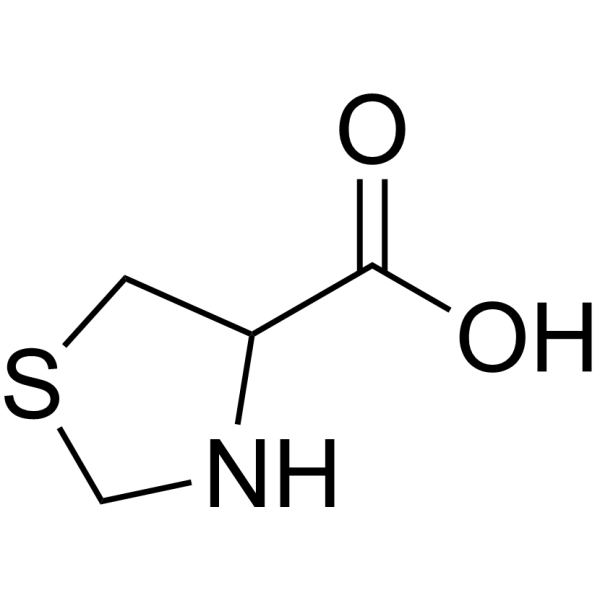
    Timonacic
    1 Publications Verification

    1,3-Thiazolidine-4-carboxylic acid

    Amino Acid Derivatives Cardiovascular Disease Cancer
    Timonacic (1,3-Thiazolidine-4-carboxylic acid) is an orally active thiol antioxidant. Timonacic has anti-aging and anti-hepatotoxic effects. Timonacic has a LD50 of 400 mg/kg for mice. Timonacic can be used in the research of liver diseases, gastrointestinal diseases, and cancer .
    Timonacic
  • HY-105174A

    JAK FAK Neurological Disease Metabolic Disease
    BPC 157 acetate is an orally active peptide. BPC 157 acetate exhibits multiple activities such as promoting wound healing, tendon healing, neuroprotection, and gastrointestinal protection. BPC 157 acetate can be used in the research of tendon injury, burn, gastric ulcer, and neurological diseases .
    BPC 157 acetate
  • HY-B0035
    Sulfamethazine
    3 Publications Verification

    Sulfadimidine; Sulfadimerazine

    Bacterial Antibiotic Infection
    Sulfamethazine (Sulfadimidine) is an antimicrobial agent with blood-brain barrier permeability. Sulfamethazine is widely used to treat and prevent various animal diseases (such as gastrointestinal and respiratory tract infections). In China and the European Commission, the maximum residue level for Sulfamethazine in animal product is set at 100 μg/kg .
    Sulfamethazine
  • HY-B0732

    HSR803

    Cholinesterase (ChE) Dopamine Receptor Bacterial Neurological Disease
    Itopride (HSR803) hydrochloride is a potent dopamine-2 antagonist and an acetylcholine esterase (AChE) inhibitor. Itopride hydrochloride enhances gastric motility through both antidopaminergic and anti-acetylcholinesterasic actions, can be used as a gastrointestinal prokinetic agent. Itopride can be used for researching gastro-esophageal reflux disease (GERD) .
    Itopride hydrochloride
  • HY-17623C

    (R)-CJ-12420; (R)-RQ-00000004

    Proton Pump Metabolic Disease
    (R)-Tegoprazan ((R)-CJ-12420; example 3), a benzimidazole derivative, is a potent kidney H +/K +-ATPase inhibitor with an IC50 of 98 nM of canine kidney Na +/K +-ATPase. (R)-Tegoprazan has the potential for gastrointestinal diseases research .
    (R)-Tegoprazan
  • HY-B0189A
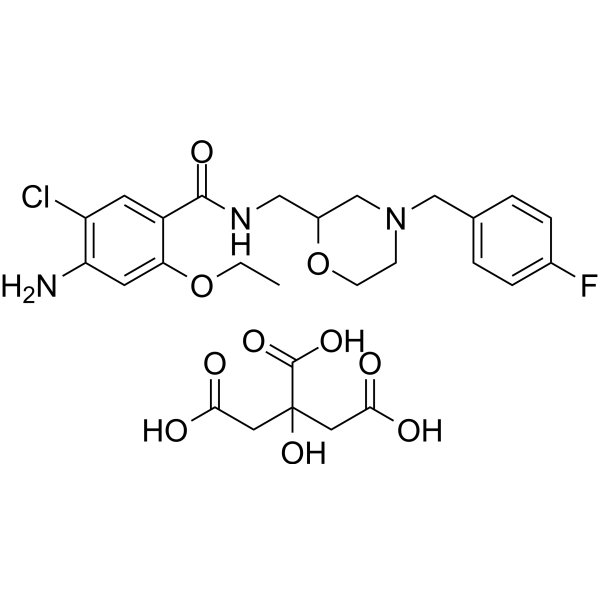
    Mosapride citrate
    5+ Cited Publications

    TAK-370 citrate; AS-4370 citrate

    5-HT Receptor Potassium Channel Cytochrome P450 Neurological Disease Cancer
    Mosapride citrate is an orally active gastroenterokinetic compound. Mosapride citrate is a 5HT4 agonist. Mosapride citrate is a CYP inducer. Mosapride citrate has a concentration-dependent inhibitory effect on Kv4.3, and its IC50 value is 15.2 μM. Mosapride citrate can be used in the study of gastrointestinal diseases .
    Mosapride citrate
  • HY-139557

    JP-1366

    Proton Pump Inflammation/Immunology
    Zastaprazan (JP-1366) is a proton pump inhibitor and a potent potassium-competitive acid blocker. Zastaprazan can be used in the research of gastrointestinal inflammatory diseases or gastric acid-related diseases such as gastroesophageal reflux disease .
    Zastaprazan
  • HY-139557A

    JP-1366 citrate

    Proton Pump Inflammation/Immunology
    Zastaprazan (JP-1366) citrate is a Proton pump inhibitor and potent potassium-competitive acid blocker. Zastaprazan citrate can be used in the research of gastrointestinal inflammatory diseases or gastric acid-related diseases such as gastroesophageal reflux disease .
    Zastaprazan citrate
  • HY-B0035A
    Sulfamethazine sodium
    3 Publications Verification

    Sulfadimidine sodium; Sulfadimerazine sodium

    Bacterial Antibiotic Infection
    Sulfamethazine sodium (Sulfadimidine sodium) is an antimicrobial with blood-brain barrier permeability. Sulfamethazine sodium is widely used to treat and prevent various animal diseases (such as gastrointestinal and respiratory tract infections). In China and the European Commission, the maximum residue level for Sulfamethazine sodium in animal product is set at 100 μg/kg .
    Sulfamethazine sodium
  • HY-N0299
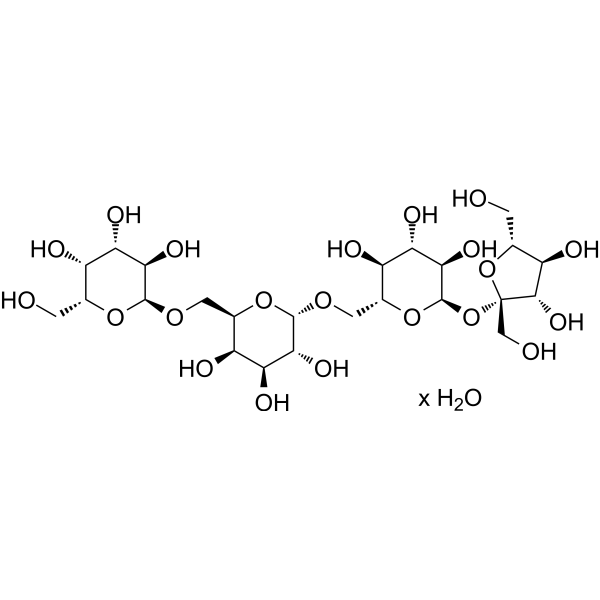
    Stachyose hydrate
    1 Publications Verification

    Endogenous Metabolite Apoptosis Metabolic Disease Inflammation/Immunology
    Stachyose hydrate is an orally active prebiotic that enhances the growth and activity of beneficial bacteria. Stachyose hydrate has hypoglycemic effects and can improve inflammation by regulating gut microbiota. In addition, Stachyose hydrate can induce plant cell apoptosis (Apoptosis). Stachyose hydrate can be used in research on inflammation, gastrointestinal diseases, and agriculture .
    Stachyose hydrate
  • HY-10457

    TD-5108

    5-HT Receptor Neurological Disease Metabolic Disease
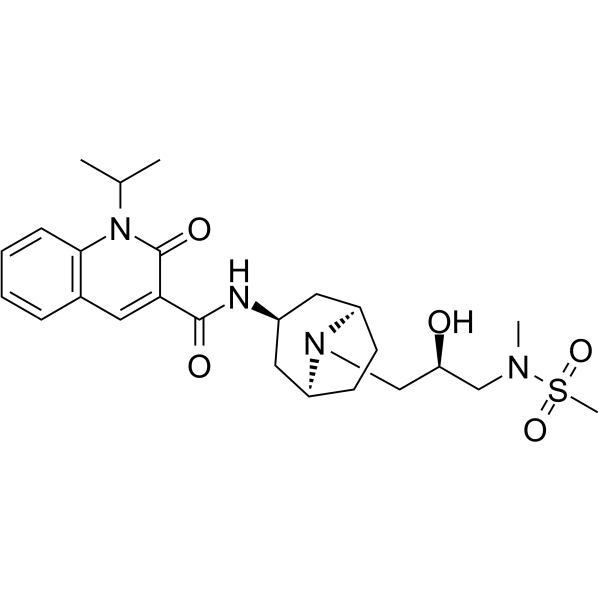
    Velusetrag (TD-5108) is an orally active, potent and selective agonist of serotonin 5-HT4 receptor (5-HT4R), with a pKi of 7.7. Velusetrag exhibits no affinity (Ki>10 μM) for 5-HT2A and 5-HT2B receptors. Velusetrag can be used for the research of gastrointestinal diseases and Parkinson's disease .
    Velusetrag
  • HY-109182

    JNJ-64251330

    JAK STAT Inflammation/Immunology
    Lorpucitinib (JNJ-64251330) is an orally active pan-JAK inhibitor with good enteric selectivity and safety. Lorpucitinib can inhibit the JAK/STAT pathway and reduce the levels of inflammatory biomarkers in serum. Lorpucitinib can be used in the research of familial adenomatous polyposis and gastrointestinal inflammatory diseases .
    Lorpucitinib
  • HY-116016

    L-DOPA ethyl ester; Levodopa ethyl ester

    Dopamine Receptor Drug Metabolite Neurological Disease
    Etilevodopa (L-Dopa ethyl ester), an ethyl-ester proagent of Levodopa, is rapidly hydrolyzed to Levodopa and ethanol by nonspecific esterases in the gastrointestinal tract. Etilevodopa is used for the treatment of Parkinson disease (PD). Levodopa is the direct precursor of dopamine and is a suitable proagent as it facilitates CNS penetration and delivers dopamine .
    Etilevodopa
  • HY-128878

    Cholecystokinin Receptor P-glycoprotein Metabolic Disease Endocrinology
    Dexloxiglumide is an orally active and selective cholecystokinin type A (CCKA) receptor antagonist. Dexloxiglumide is the active enantiomer of Loxiglumide, inhibits smooth muscle cell contractions induced by cholecystokinin-octapeptide (CCK-8). Dexloxiglumide exhibits moderate Caco-2 permeability that is polarized, concentration dependent, and pH dependent. Dexloxiglumide increases MRP1-substrate fluorescein uptake. Dexloxiglumide can be studied in research for gastrointestinal diseases and tumors .
    Dexloxiglumide
  • HY-109106A

    SK-1403; AJT240; PLS240

    CaSR Endocrinology
    Upacicalcet sodium is a non-peptide calcimimetic that acts as a CaSR agonist (EC50 = 10.8 nM). Upacicalcet sodium reduces serum intact parathyroid hormone (iPTH) and serum Ca 2+ levels, reducing hypocalcemia and gastrointestinal complications. Upacicalcet sodium sodium improves vascular calcification and bone disorders in the Adenine (HY-B0152)-induced secondary hyperparathyroidism (SHPT) rat model. Upacicalcet sodium sodium inhibits cortical pore formation and reduces bone fibrosis in rats with chronic kidney disease (CKD). Upacicalcet sodium is useful for studying SHPT .
    Upacicalcet sodium
  • HY-13771R

    Ursodeoxycholate (Standard); Ursodiol (Standard); UDCA (Standard)

    Reference Standards G protein-coupled Bile Acid Receptor 1 FXR Angiotensin-converting Enzyme (ACE) Endogenous Metabolite Infection Metabolic Disease Cancer
    Ursodeoxycholic acid (Standard) is the analytical standard of Ursodeoxycholic acid. This product is intended for research and analytical applications. Ursodeoxycholic acid (Ursodeoxycholate) is a secondary bile acid issued from the transformation of (cheno)deoxycholic acid by intestinal bacteria, acting as a key regulator of the intestinal barrier integrity and essential for lipid metabolism. Ursodeoxycholic acid acts as signaling molecule, exerting its effects by interacting with bile acid activated receptors, including G-protein coupled bile acid receptor 5 (TGR5, GPCR19) and the farnesoid X receptor (FXR). Ursodeoxycholic acid can be used for the research of a variety of hepatic and gastrointestinal diseases. Ursodeoxycholic acid also reduces ACE2 expression and is beneficial for reducing SARS-CoV-2 infection. Orally active .
    Ursodeoxycholic acid (Standard)
  • HY-103137
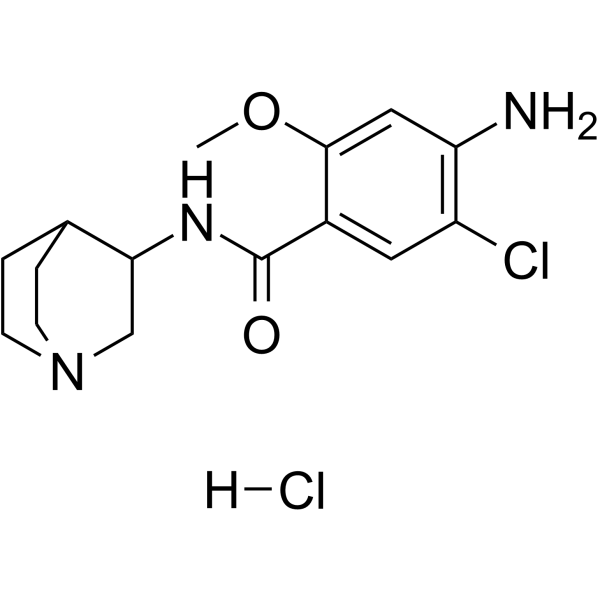
    Zacopride hydrochloride
    1 Publications Verification

    5-HT Receptor Cardiovascular Disease Neurological Disease
    Zacopride hydrochloride is an orally active 5-HT3 receptor (Ki of 0.38 nM) antagonist and 5-HT4 receptor (Ki of 373 nM) agonist. Zacopride hydrochloride exhibits multiple activities, such as regulating gastrointestinal motility, affecting cardiac function, and exerting anxiolytic and antiemetic effects. Zacopride hydrochloride is currently mainly used in the research of gastrointestinal diseases, cardiovascular diseases, and psychiatric diseases such as anxiety .
    Zacopride hydrochloride
  • HY-B1164
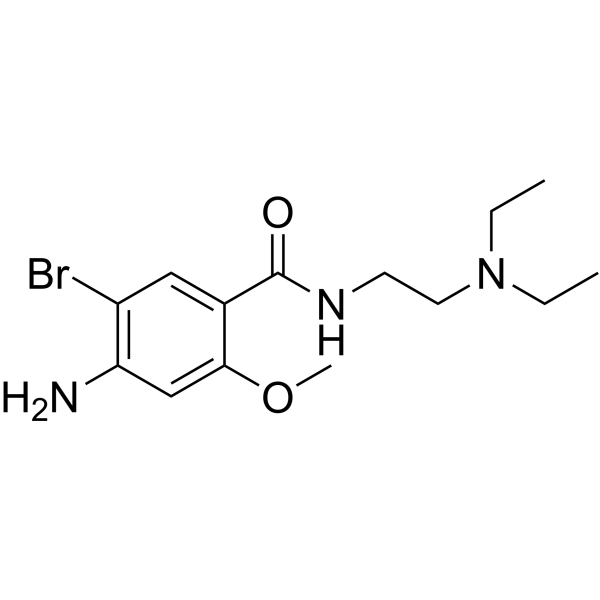
    Bromopride
    2 Publications Verification

    Dopamine Receptor Neurological Disease
    Bromopride is a selective, irreversible, competitive, and orally effective dopamine D2 receptor antagonist. Bromopride can pass through the blood-brain barrier, inhibit the vomiting center, and enhance gastrointestinal motility, exerting antiemetic and gastrointestinal motility effects. Bromopride antagonizes dopamine-mediated vomiting reflexes and promotes gastrointestinal smooth muscle contraction, and has no adverse effects on abdominal wall healing in rats with postoperative abdominal infection. Bromopride can be used for the study of digestive system diseases (such as gastric hypomotility, nausea and vomiting) .
    Bromopride
  • HY-147243

    ANG-3070

    VEGFR PDGFR Cardiovascular Disease Inflammation/Immunology
    Ansornitinib is an orally active dual kinase inhibitor that inhibits platelet-derived growth factor receptor (PDGFR) and vascular endothelial growth factor receptor (VEGFR2). Ansornitinib can be used as an antifibrotic agent in lung, liver, kidney, and gastrointestinal fibrotic diseases .
    Ansornitinib
  • HY-N10348

    Drug Derivative Endocrinology
    Progoitrin is a sulfur-containing glucosinolate, as well as a naturally occurring orally active thioglycoside. Progoitrin acts as a hepatotoxin and antithyroid agent. Progoitrin is quantitatively converted to goitrin in vivo, including via a gastrointestinal hydrolysis pathway that does not require exogenous myrosinase, thereby blocking the organification of iodine in the thyroid gland and inhibiting the uptake and accumulation of radioactive iodine. Progoitrin can be used in studies related to Graves' disease .
    Progoitrin
  • HY-121826

    ATI-7505

    5-HT Receptor Metabolic Disease Inflammation/Immunology
    Naronapride (ATI-7505) is a potent prokinetic 5-HT4 receptor agonist. Naronapride can be used for gastrointestinal diseases research .
    Naronapride
  • HY-U00382

    Neurokinin Receptor Neurological Disease Inflammation/Immunology
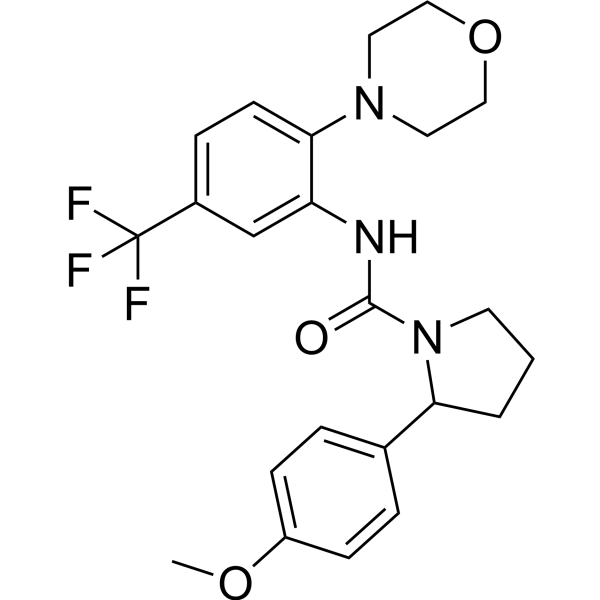
    Substance P Receptor Antagonist 1 has the potential function in central nervous system disorders, respiratory, inflammatory diseases and gastrointestinal disorders.
    Substance P Receptor Antagonist 1
  • HY-B0035S

    Sulfadimidine-d4; Sulfadimerazine-d4

    Bacterial Infection
    Sulfamethazine-d4 (Sulfadimidine-d4) is a deuterium labeled Sulfamethazine (Sulfadimidine). Sulfamethazine is an antimicrobial that is widely used to treat and prevent various animal diseases (such as gastrointestinal and respiratory tract infections) .
    Sulfamethazine-d4
  • HY-B0035S2

    Sulfadimidine-13C6; Sulfadimerazine-13C6

    Antibiotic Bacterial Isotope-Labeled Compounds Others
    Sulfamethazine- 13C6 is a 13C-labeled Sulfamethazine (HY-A0178). Sulfamethazine (Sulfadimidine) is an antimicrobial that is widely used to treat and prevent various animal diseases (such as gastrointestinal and respiratory tract infections) .
    Sulfamethazine-13C6
  • HY-10457A

    TD-5108 hydrochloride

    5-HT Receptor Neurological Disease Metabolic Disease
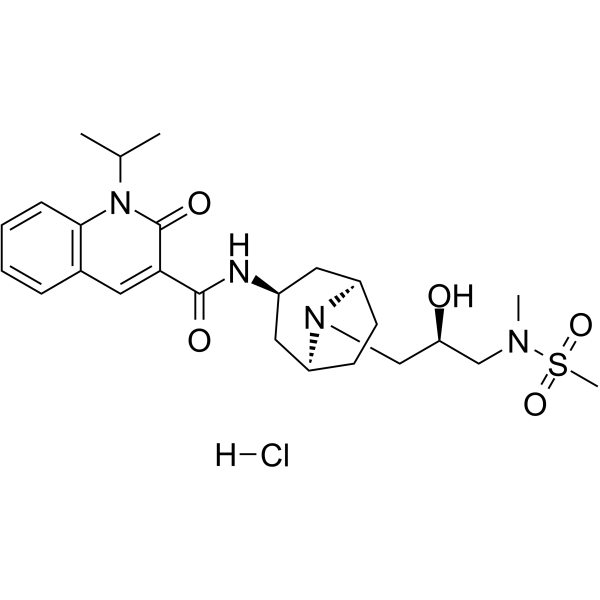
    Velusetrag (TD-5108) hydrochloride is an orally active, potent and selective agonist of serotonin 5-HT4 receptor (5-HT4R), with a pKi of 7.7. Velusetrag hydrochloride exhibits no affinity (Ki>10 μM) for 5-HT2A and 5-HT2B receptors. Velusetrag hydrochloride can be used for the research of gastrointestinal diseases and Parkinson's disease .
    Velusetrag hydrochloride
  • HY-145578

    X842

    Drug Intermediate Proton Pump Metabolic Disease
    Linaprazan glurate (X842) is an orally atcive prodrug of Linaprazan (HY-100412) with a potent and prolonged inhibitory effect on gastric acid secretion. Linaprazan glurate is rapidly transformed by enzymatic cleavage into its active metabolite, linaprazan. Linaprazan glurate is a potassium-competitive acid blocker. Linaprazan glurate selectively inhibites acid formation from gastric H⁺/K⁺-ATPase in a potassium-dependent manner (IC50 = 436.2 nM). Linaprazan glurate can be used for the studies of erosive esophagitis (EE) .
    Linaprazan glurate
  • HY-G0017S

    Norimatinib-d8; Imatinib metabolite N-Desmethyl imatinib-d8; CGP 74588-d8

    Isotope-Labeled Compounds Drug Metabolite P-glycoprotein Apoptosis Neurological Disease Cancer
    N-Desmethyl imatinib-d8 is a deuterium labeled Imatinib metabolite N-Desmethyl Imatinib (HY-G0017). N‑Desmethyl imatinib (Norimatinib) is an active metabolite of Imatinib (HY-15463), a selective c‑Abl inhibitor, and a substrate of P‑glycoprotein. N-Desmethyl imatinib binds to the c-Abl catalytic domain to prevent substrate phosphorylation, inhibits c-Abl-mediated α-synuclein activation and downstream inflammatory signaling pathways. N-Desmethyl imatinib induces apoptosis in K562 human leukemia cells. N-Desmethyl imatinib exhibits significantly elevated plasma levels in gastrointestinal stromal tumor (GIST) settings following mild SARS CoV 2 infection. N-Desmethyl imatinib can be used for the research of Parkinson’s disease, gastrointestinal stromal tumor, and chronic myeloid leukemia .
    N-Desmethyl imatinib-d8
  • HY-B1806A

    Pathilon chloride

    mAChR Neurological Disease Inflammation/Immunology
    Tridihexethyl (Pathilon) chloride is an orally active anticholinergic agent and mAChR antagonist, shows activities of antimuscarinic and anticholinergic. Tridihexethyl chloride shows pronounced antispasmodic and antisecretory effects on the gastrointestinal tract. Tridihexethyl chloride can be used in studies of peptic ulcer disease and acquired nystagmus .
    Tridihexethyl chloride
  • HY-B0732A

    HSR803 free base

    Cholinesterase (ChE) Dopamine Receptor Bacterial Others
    Itopride (HSR803 free base) is a potent and orally active dopamine-2 antagonist and an acetylcholine esterase (AChE) inhibitor. Itopride enhances gastric motility through both antidopaminergic and anti-acetylcholinesterasic actions, can be used as a gastrointestinal prokinetic agent. Itopride can be used for researching gastro-esophageal reflux disease (GERD) .
    Itopride
  • HY-111313

    Cholecystokinin Receptor Metabolic Disease
    JNJ-26070109 is a high-affinity, competitive, orally bioactive, and selective cholecystokinin 2 (CCK2) receptor antagonist with good pharmacokinetic properties, with pKis of 8.49, 7.99, and 7.70 for human, rat, and dog CCK2 receptors, respectively. The dual function of CCK2 receptors in regulating gastric acid secretion and growth of the gastrointestinal mucosa make this an attractive and novel target for the research of gastroesophageal reflux disease .
    JNJ-26070109
  • HY-142059

    Phosphodiesterase (PDE) Cardiovascular Disease Metabolic Disease
    PDE5-IN-4 is a phosphodiesterase 5 inhibitor. PDE5-IN-4 can be used for the research of acute myocardial infarction and damage caused by reperfusion, gastrointestinal diseases, damage caused by diabetes, and liver failure .
    PDE5-IN-4
  • HY-106327

    Motilin Receptor Metabolic Disease
    EM-523 is a motilin agonist and an erythromycin derivative. EM-523 has pED50 values of 8.19 and 6.08 for promoting contractions in rabbit small intestinal tissue and human duodenal tissue, respectively. EM-523 can be used in the research of gastrointestinal diseases .
    EM-523
  • HY-116016A

    L-DOPA ethyl ester hydrochloride; Levodopa ethyl ester hydrochloride

    Dopamine Receptor Drug Metabolite Neurological Disease
    Etilevodopa (L-Dopa ethyl ester) hydrochloride, an ethyl-ester proagent of Levodopa, is rapidly hydrolyzed to Levodopa and ethanol by nonspecific esterases in the gastrointestinal tract. Etilevodopa hydrochloride is used for the treatment of Parkinson disease (PD). Levodopa is the direct precursor of dopamine and is a suitable proagent as it facilitates CNS penetration and delivers dopamine .
    Etilevodopa hydrochloride
  • HY-N4173

    Drug Metabolite Metabolic Disease
    8-Oxoepiberberine is an alkaloid metabolite in the plasma after oral administration of Zuojin formula, a traditional chinese medicine used to treat gastrointestinal disease .
    8-Oxoepiberberine
  • HY-B0691A

    TA-2711

    Reactive Oxygen Species (ROS) Bacterial Apoptosis Infection
    Ecabet sodium (TA-2711) is currently applied to some gastrointestinal disease by inhibiting the ROS production and improving Helicobacter pylori eradication . Ecabet sodium reduces apoptosis .
    Ecabet sodium
  • HY-147203

    5-HT Receptor Cardiovascular Disease Metabolic Disease Endocrinology Cancer
    5-HT2B antagonist-1 is an orally active 5-HT2B receptor antagonist with an IC50 value of 33.4 nM. 5-HT2B antagonist-1 can be used in studies of diseases characterized by 5-HT2B receptor signaling, such as hepatocellular carcinoma, cardiovascular disease or gastrointestinal disease .
    5-HT2B antagonist-1
  • HY-B1169R

    1,3-Thiazolidine-4-carboxylic acid (Standard)

    Amino Acid Derivatives Reference Standards Cardiovascular Disease Cancer
    Timonacic (Standard) is the analytical standard of Timonacic. This product is intended for research and analytical applications. Timonacic (1,3-Thiazolidine-4-carboxylic acid) is an orally active thiol antioxidant. Timonacic has anti-aging and anti-hepatotoxic effects. Timonacic has a LD50 of 400 mg/kg for mice. Timonacic can be used in the research of liver diseases, gastrointestinal diseases, and cancer .
    Timonacic (Standard)
  • HY-101646

    HOE-731

    Proton Pump Inflammation/Immunology
    Saviprazole (HOE-731) is a H +,K +-ATPase inhibitor. Saviprazole inhibits gastric acid secretion. Saviprazole inhibits histamine- and dbcAMP-stimulated [ 14C]aminopyrine uptake, dbcAMP-induced oxygen consumption. Saviprazole can be used in research related to gastrointestinal diseases, such as gastric ulcers and acid reflux .
    Saviprazole

온라인 문의

Your information is safe with us. * Required Fields.

호칭


Country or Region *

고객명 *


회사명 *

Department *


메일주소 *


상품명 *

Cat. No.


Requested quantity *

전화번호 *


비고

온라인 문의

Inquiry Information

상품명:
Cat. No.:
수량:
MCE Japan Authorized Agent:

