Search Result
Results for "
in vivo antitumor activity
" in MedChemExpress (MCE) Product Catalog:
1
Biochemical Assay Reagents
1
Isotope-Labeled Compounds
| Cat. No. |
Product Name |
Target |
Research Areas |
Chemical Structure |
-
- HY-108697
-
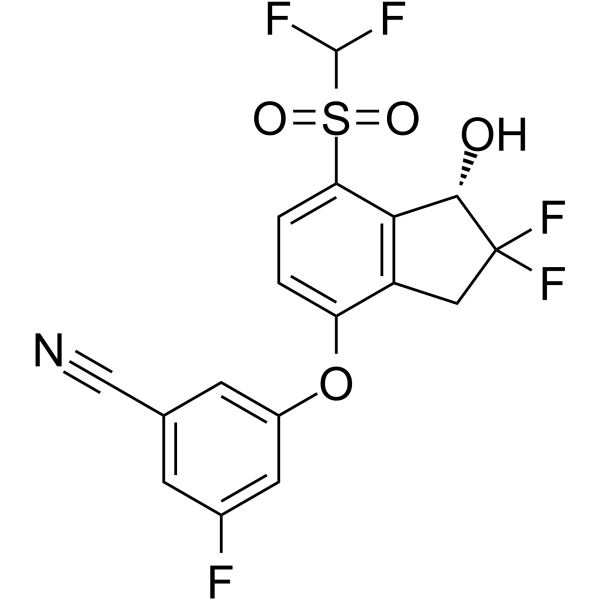
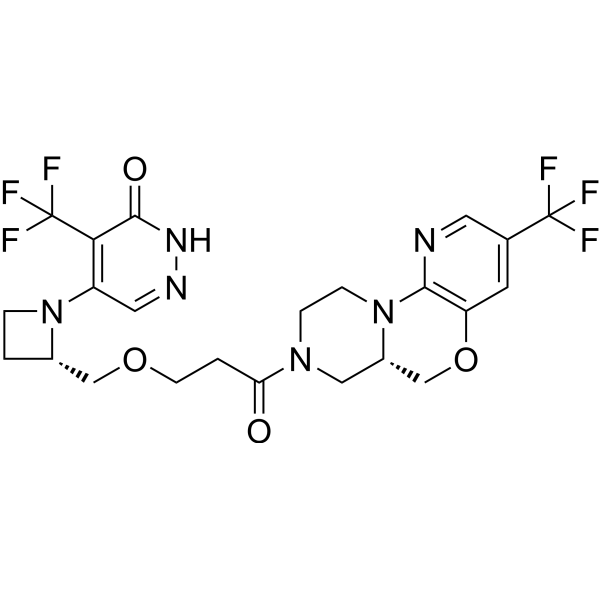
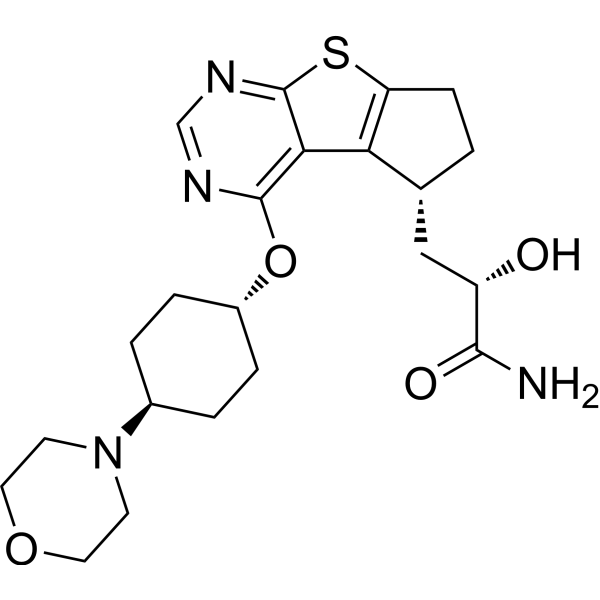
PT2399
Maximum Cited Publications
11 Publications Verification
|
HIF/HIF Prolyl-Hydroxylase
|
Cancer
|
|
PT2399 is a potent and selective HIF-2α antagonist, which directly binds to HIF-2α PAS B domain with an IC50 of 6 nM. PT2399 displays potent antitumor activity in vivo .
|
-
-
- HY-123055
-
-
-
- HY-139604
-
|
|
MARK
Apoptosis
|
Cancer
|
|
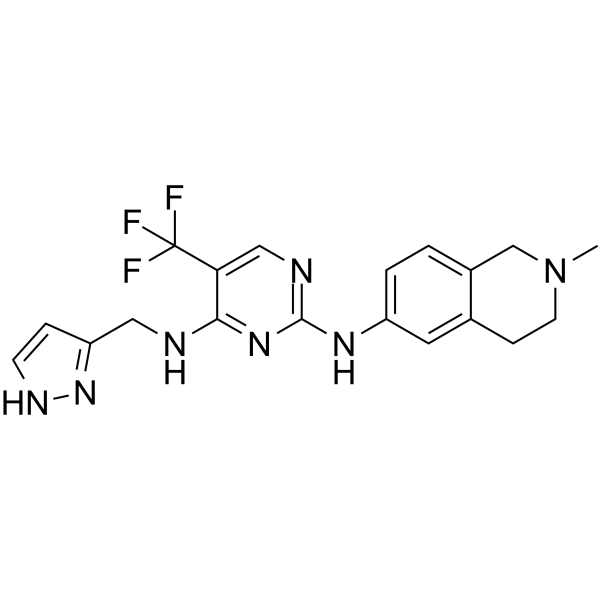
PCC0208017 is a microtubule affinity regulating kinases (MARK3/MARK4) inhibitor with IC50s of 1.8 and 2.01 nM, respectively. PCC0208017 has much lower inhibitory activity against MARK1 and MARK2, with IC50s of 31.4 and 33.7 nM, respectively. PCC0208017 suppresses glioma progression in vitro and in vivo. PCC0208017 disrupts microtubule dynamics and induces G2/M phase cell cycle arrest and cell apoptosis. PCC0208017 demonstrates robust antitumor activity in vivo and displays good BBB permeability .
|
-
-
- HY-151460
-
|
|
Eukaryotic Initiation Factor (eIF)
|
Cancer
|
|
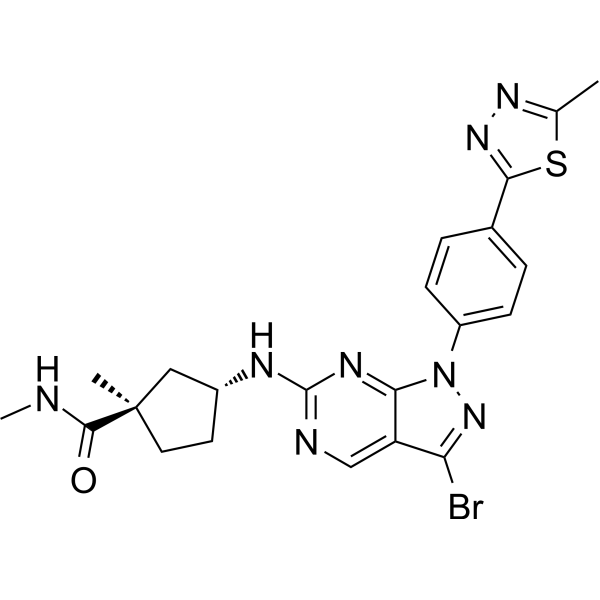
GCN2-IN-7 (compound 39) is an orally active and selective general control nonderepressible 2 (GCN2) inhibitor (IC50=5 nM). GCN2-IN-7 shows anti-tumor activity in vivo .
|
-
-
- HY-135299
-
|
|
Src
|
Cancer
|
|
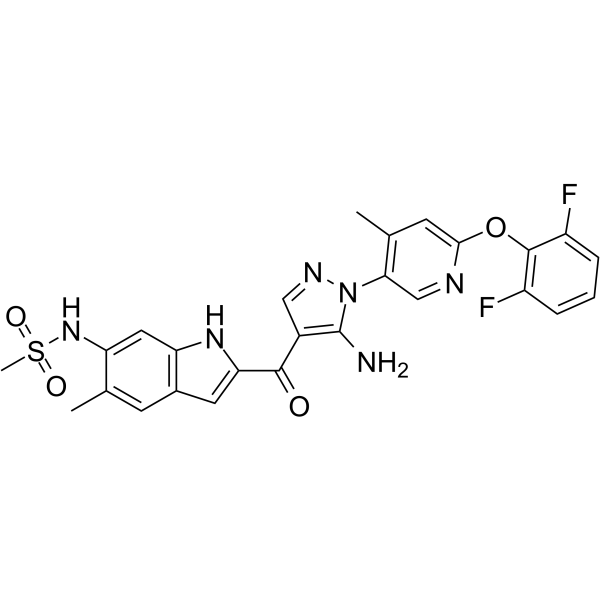
CH6953755 is a potent, orally active and selective YES1 kinase (a member of the SRC family) inhibitor with an IC50 of 1.8 nM. CH6953755 inhibits YES1 kinase, leading to antitumor activity against YES1 Gene -amplified cancers in vitro and in vivo .
|
-
-
- HY-15491
-
|
|
COX
Apoptosis
|
Cancer
|
|
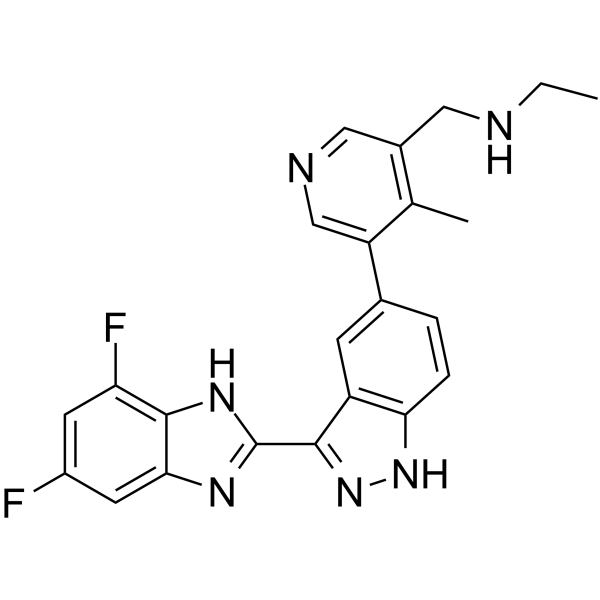
AG-024322 is a potent ATP-competitive pan-CDK inhibitor against cell cycle kinases CDK1, CDK2, and CDK4 with Ki values in the 1-3 nM range . AG-024322 displays broad-spectrum anti-tumor activity and clear target modulation in vivo. AG-024322 induces cell apoptosis .
|
-
-
- HY-D0162
-
|
MCCK1
|
Fungal
IKK
NF-κB
Apoptosis
|
Infection
Cancer
|
|
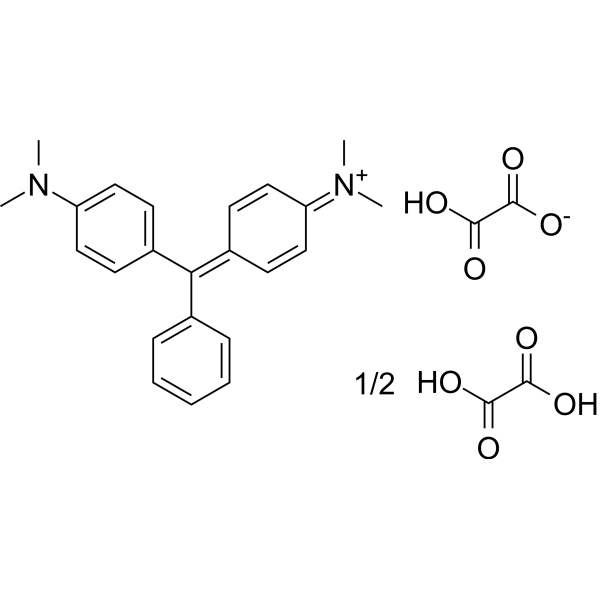
Malachite green hemioxalate (MCCK1) is a triphenylmethane dye which can be used to detect the release of phosphate in enzymatic reactions. Malachite green hemioxalate has antibacterial activity, which is attributed to inhibition of intracellular enzymes, insertion into DNA and/or interaction with cell membranes. Malachite green hemioxalate is also a potent and selective inhibitor of IKBKE, and inhibits its downstream targets such as IκBα, p65 and IRF3. Malachite green hemioxalate exhibits antitumor activity in vitro and in vivo .
|
-
-
- HY-101414
-
-
-
- HY-P9969
-
|
EMD 72000
|
EGFR
|
Cancer
|
|
Matuzumab (EMD 72000) is a humanized anti-EGFR monoclonal antibody that blocks EGFR activation and downstream signaling, inhibits tumor growth. Deglycosylation and the possible elimination of ADCC activity can reduce the in vivo anti-tumor activity of Mattuzumab .
|
-

-
- HY-155351
-
|
|
PARP
Cytochrome P450
|
Cancer
|
|
PARP7-IN-15 is an orally active and selective PARP7 inhibitor with an IC50 of 0.56 nM. PARP7-IN-15 inhibits the enzymatic activity of PARP7 and induces anti-tumor activity against lung cancer in vivo. PARP7-IN-15 can be used for the research of lung cancer .
|
-
-
- HY-P99852
-
|
ABT165; PR1283233
|
VEGFR
Notch
|
Cancer
|
|
Dilpacimab (ABT165) is a bispecific variable domain immunoglobulin. Dilpacimab binds to and inhibits DLL4 and VEGF and acts as a tumor growth inhibitor. Dilpacimab can be used in research related to metastatic colorectal cancer and advanced solid tumors .
|
-

-
- HY-N8432
-
|
|
Environmental Pollutants
Bacterial
Apoptosis
Fungal
|
Infection
Inflammation/Immunology
Cancer
|
|
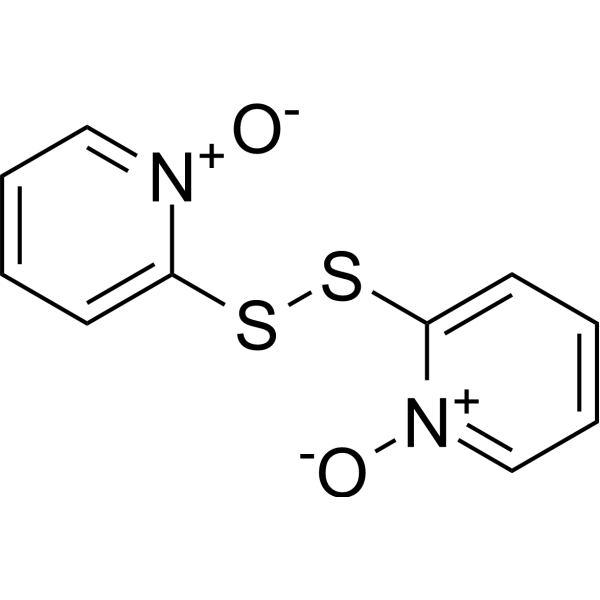
Dipyrithione is a potent antimicrobial agent. Dipyrithione shows antifungal activity and antiproliferative activity. Dipyrithione induces apoptosis and cycle arrest at G1 phase. Dipyrithione shows anti-inflammatory activity in vivo. Dipyrithione shows anti-tumor activity. Dipyrithione has the potential for the research of dermatophytosis .
|
-
-
- HY-12442
-
|
|
STAT
Apoptosis
|
Cancer
|
|
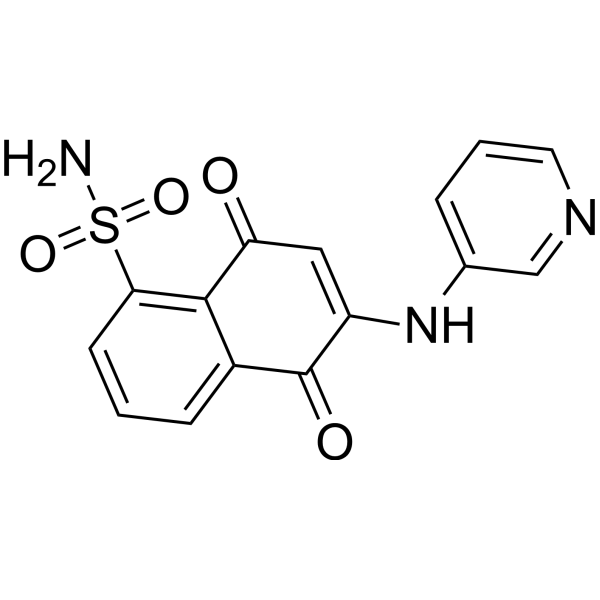
LY5 is a STAT3 inhibitor with an IC50 value of 0.5 μM. LY5 induces apoptosis and inhibits STAT3 phosphorylation. LY5 shows antitumor activity in vivo, it can be used for the research of cancer .
|
-
-
- HY-178861
-
|
|
PROTACs
CDK
Caspase
PARP
Apoptosis
|
Cancer
|
|
dCDK9-202 a potent CDK9 PROTAC degrader with an DC50 value of 3.5 nM. dCDK9-202 exhibits broad-spectrum anti-tumor activity and extensively disrupts the oncogenic transcriptome. dCDK9-202 can activate Caspase-3/7, increase the level of cleaved PARP, and directly induce apoptosis of tumor cells. dCDK9-202 effectively inhibits TC-71 tumor growth without any signs of toxicity in mice. dCDK9-202 can be used for the study of EGFR-driven cancers such as sarcoma (Pink: CDK9 ligand (HY-178862); Blue: CRBN ligand (HY-W248665); Black: Linker (HY-N8015)) .
|
-

-
- HY-107549
-
|
|
HDAC
|
Cancer
|
|
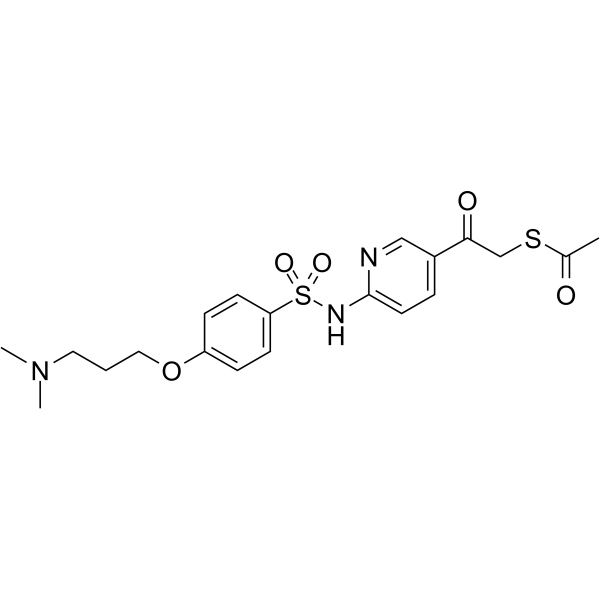
KD 5170 is a pan inhibitor of histone deacetylases (HDACs) and exhibits broad spectrum antitumor activity in vitro and in vivo .
|
-
-
- HY-128775
-
|
|
Drug Derivative
|
Cancer
|
|
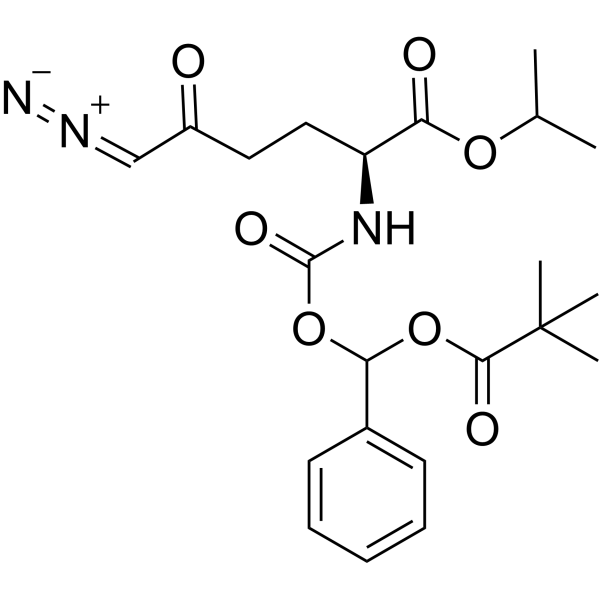
JHU395 is an orally-bioavailable and a plasma stable lipophilic glutamine antagonists (GA) proagent. JHU395 delivers 6-diazo-5-oxo-L-norleucine (DON) to malignant peripheral nerve sheath tumor (MPNST) in vitro and in vivo, and has antitumor activity in MPNST .
|
-
-
- HY-103224
-
|
|
PI3K
|
Cancer
|
|
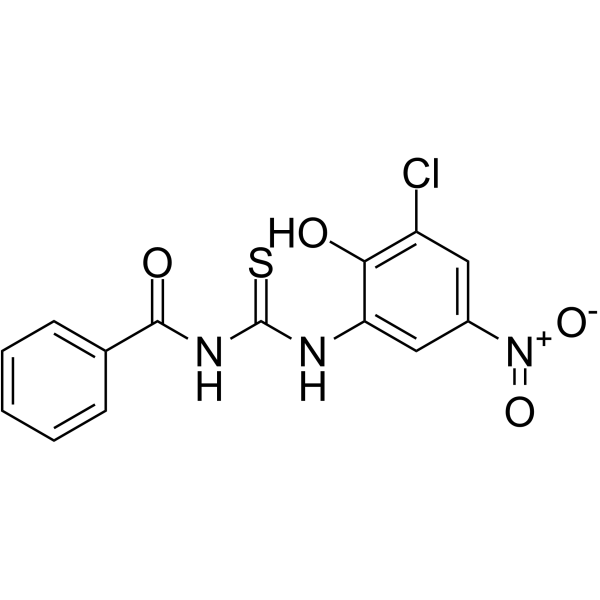
PIT-1 is a selective PIP3 (phosphatidylinositol 3,4,5-trisphosphate) antagonist. PIT-1 inhibits cancer cell survival and induces apoptosis by inhibition of PIP3 dependent PI3K / Akt signaling. PIT-1 exhibits antitumor activity in vivo .
|
-
-
- HY-143412
-
|
|
HDAC
DNA/RNA Synthesis
Apoptosis
|
Cancer
|
|
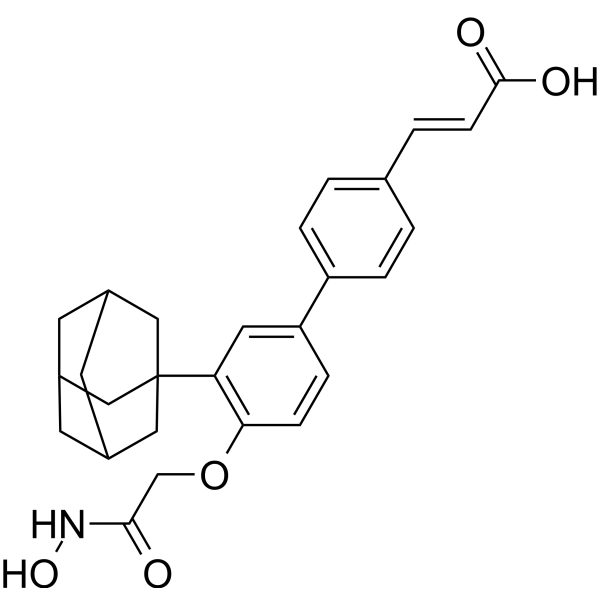
MIR002 is a potent and orally active DNA polymerase α (POLA1) and HDAC 11 dual inhibitor. MIR002 induces acetylation of p53, activation of p21, G1/S cell cycle arrest, and apoptosis. MIR002 shows significant antitumor activity in vivo .
|
-
-
- HY-149428
-
AD4
1 Publications Verification
|
PROTACs
|
Cancer
|
|
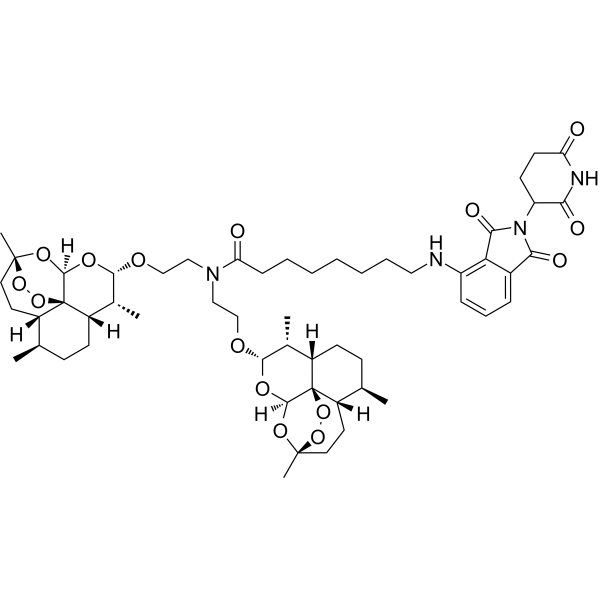
AD4 is an artemisinin derivative that is a proteolytic targeting chimera (PROTAC) targeting PCLAF. AD4 can effectively degrade PCLAF in RS4;11 cells (IC50: 0.6 nM), thereby activating the p21/Rb axis and exerting anti-tumor activity. AD4 also prolonged survival of RS4;11-transplanted NOD/SCID mice, with in vivo efficacy .
|
-
-
- HY-144217
-
|
|
ATM/ATR
|
Cancer
|
|
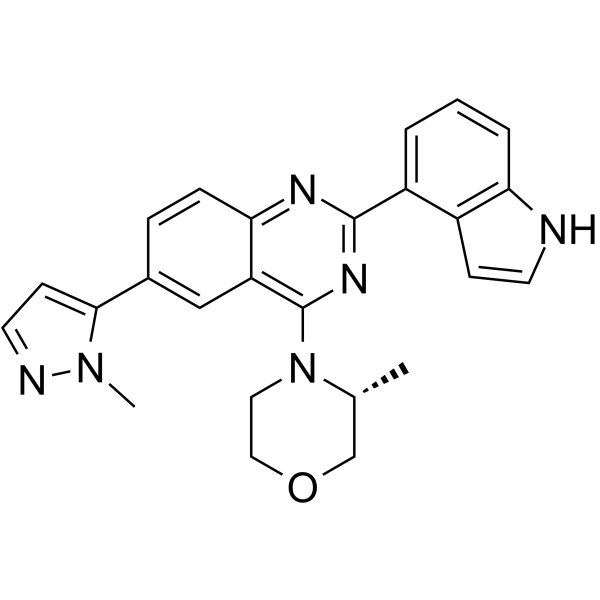
SKLB-197 showed an IC50 value of 0.013 μM against ATR but very weak or no activity against other 402 protein kinases. It displayed potent antitumor activity against ATM-deficent tumors both in vitro and in vivo.
|
-
-
- HY-N5020
-
|
|
Bacterial
|
Infection
Cancer
|
|
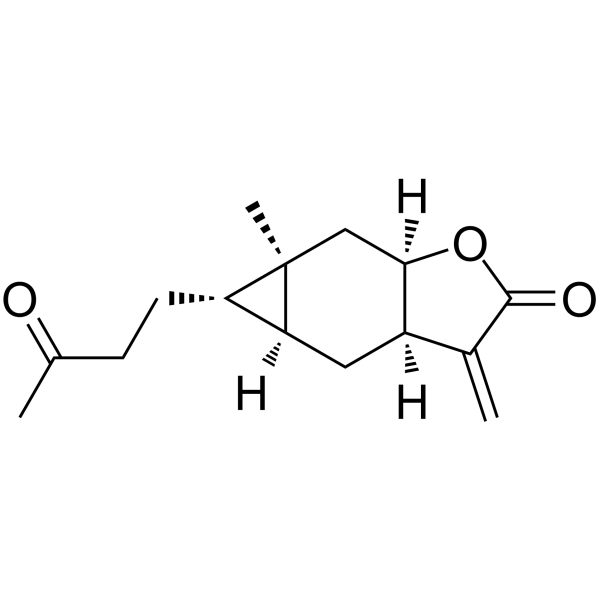
Carabrone is isolated from the fruits of Carpesium abrotanoides , is a well-known sesquiterpene and exhibits significant anti-bacterial and anti-tumor activities .
Carabrone exhibits antifungal activities in vitro and in vivo against Botrytis cinerea, Colletotrichum lagenarium(EC50=7.10 μg/mL) and Erysiphe graminis .
|
-
-
- HY-W013164
-
|
|
COX
|
Inflammation/Immunology
Cancer
|
|
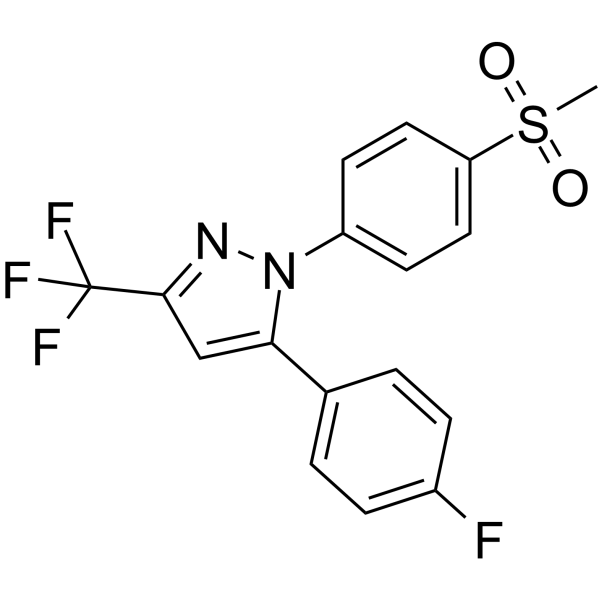
SC-58125 is a potent and selective inhibitor of cyclooxygenase 2 (COX-2), with an IC50 of 0.04 μM. SC-58125 exhibits antitumor activity in vitro and in vivo. SC-58125 also can inhibit edema at the inflammatory site and has analgesic effect .
|
-
-
- HY-148696A
-
|
|
ADC Payload
Topoisomerase
|
Cancer
|
|
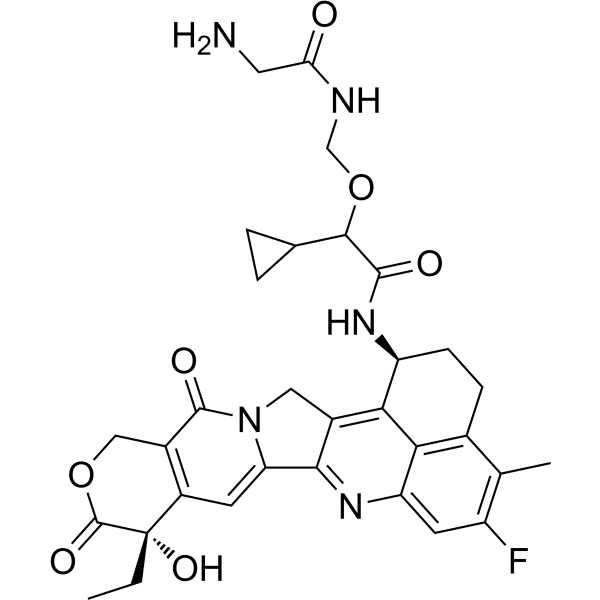
Gly-Cyclopropane-Exatecan involves in the synthesis of anti-B7-H4 ADC, containing Exatecan (HY-13631), a DNA Topoisomerase I inhibitor. Gly-Cyclopropane-Exatecan participated in the formation of the ADC hu2F7-Exatecan (compound 34), which showed antitumor activity in vivo and in vitro .
|
-
-
- HY-P10841
-
|
|
Amino Acid Derivatives
|
Cancer
|
|
CyPep-1 is a novel cationic lytic peptide with antitumor activity. CyPep-1 is highly cytotoxic by interacting with the negatively charged cell membrane of cancer cells. CyPep-1 has strong cytolytic activity on cancer cells both in vivo and in vitro, and can be used in the study of solid tumors .
|
-

-
- HY-174366
-
|
|
c-Fms
PI3K
|
Cancer
|
|
JMC14 is a selective and orally active PI3Kδ and CSF1R inhibitor with IC50 values of 12 nM and 143 nM, respectively. JMC14 preferentially inhibits PI3Kδ-mediated signaling at the cellular level. JMC14 demonstrates potent antitumor activity against B-cell lymphomas and triple-negative breast cancer (TNBC) in both in vitro and vivo studies. JMC14 can be used for the study of antitumor immunity .
|
-

-
- HY-118899
-
|
|
Endogenous Metabolite
|
Cancer
|
|
XR5944 is an anti-tumor compound with DNA-targeting activity. As a topoisomerase inhibitor, XR5944 can effectively inhibit the activities of topoisomerase I and II. XR5944 shows excellent anti-tumor activity against human and mouse tumor cells in vitro and in vivo. XR5944 exhibits significant potency in multiple cell lines, with IC50 values of 0.04-0.4 nM. XR5944 is not affected by atypical drug resistance in cells and remains significantly active even in cells overexpressing P-glycoprotein or multidrug resistance-related proteins. XR5944 showed anti-tumor efficacy in human tumor models of H69 small cell lung cancer and HT29 colon cancer, inducing tumor regression in most animals in the HT29 model. XR5944 can be used to study biological processes related to colon and lung cancer .
|
-

-
- HY-151618
-
|
|
Apoptosis
|
Cancer
|
|
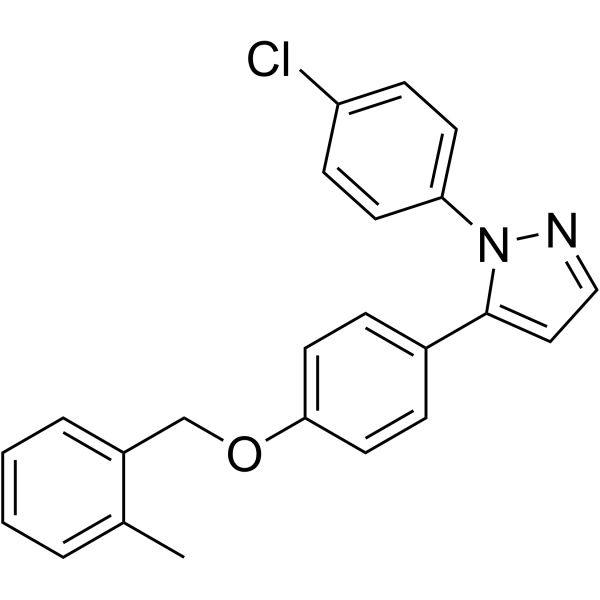
Antitumor agent-79 shows good antiproliferative activities against hepatocellular carcinoma and breast cancer cells with IC50 values of 0.7-7.9 μM. Antitumor agent-79 induces cancer cells apoptosis and shows in vivo antitumor effects. Antitumor agent-79 can be used for the research of cancer .
|
-
-
- HY-106218
-
|
5-Fluorocyclocytidine; 5'-Fluorocyclocytidine
|
Nucleoside Antimetabolite/Analog
|
Cancer
|
|
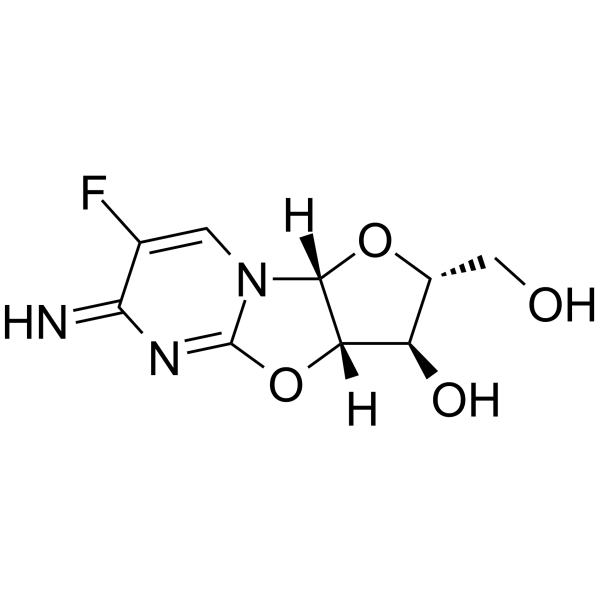
Flurocitabine (5-Fluorocyclocytidine) is a fluorinated anlydride analog of cytosine arabinoside, partially hydrolysecl in vivo into two active antitumor substances (arabinosyl-tluorocytosine (ara-FC) and arabinosyl-fluorouracil (ara-FU)). Flurocitabine (5-Fluorocyclocytidine) has antitumor activity during phase I studies in acute leukemia and solid tumors .
|
-
-
- HY-163134
-
|
|
DNA-PK
|
Cancer
|
|
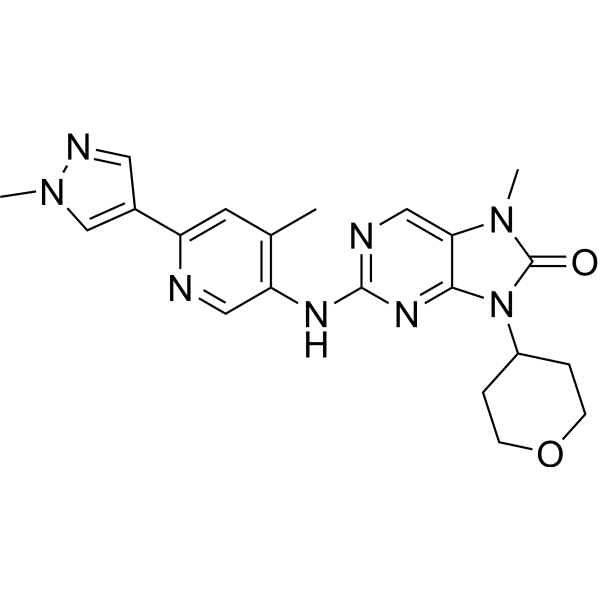
DNA-PK-IN-12 (compound 31t) is an oral active DNA-PK inhibitor with the IC50 of 0.1 nM. DNA-PK-IN-12 inhibits cell growth and Hct116 cell colony formation with the IC50 of 33.28 μM, and shows antitumor activity in vivo .
|
-
-
- HY-162783
-
|
|
Histone Methyltransferase
|
Cancer
|
|
AZ-PRMT5i-1 (Compound 28) is an effective and orally active MTAP-selective PRMT5 inhibitor. AZ-PRMT5i-1 also demonstrates MTA cooperativity and exhibits both in vitro and in vivo antitumor activities, and can be used to study MTAP-deficient cancers .
|
-

-
- HY-144898
-
|
|
Microtubule/Tubulin
Apoptosis
|
Cancer
|
|
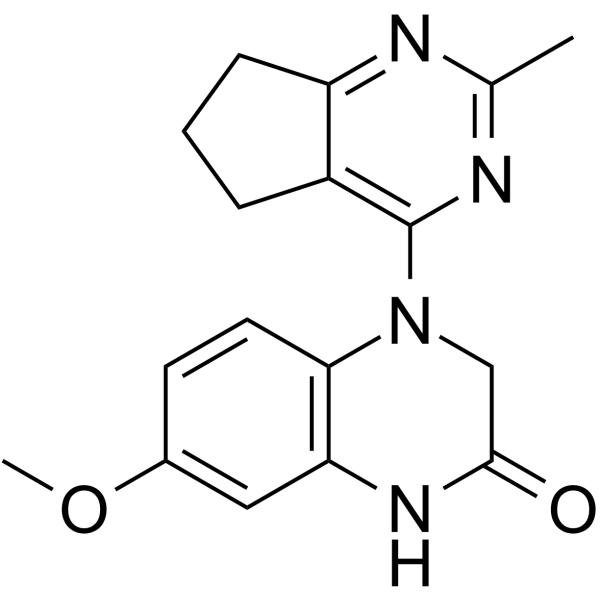
SB-216 is an BBB-penetrable tubulin polymerization inhibitor. SB-216 can inhibit the proliferation and migration, and induce apoptosis and cell cycle arrest of tumor cells. SB-216 has good in vivo metabolic stability and low toxicity, but its oral bioavailability is limited. SB-216 has antitumor activity and can be used in the research of tumors such as melanoma .
|
-
-
- HY-178350
-
|
|
CDK
HDAC
Apoptosis
Histamine Receptor
|
Cancer
|
|
MFDCH016 is a potent HDAC1/6 (IC50 = 38/59 nM) and CDK4/6 (IC50 = 680/720 nM) inhibitor. MFDCH016 induces apoptosis and cell cycle arrest in G2/M and G0/G1 phases in MCF-7 cells. MFDCH016 can modulate the HDAC-p21-CDK signaling pathway, increasing the levels of acetylated H3 and p21. MFDCH016 can be used for the study of breast cancer .
|
-

-
- HY-101414A
-
-
-
- HY-19095
-
|
|
Antifolate
|
Cancer
|
|
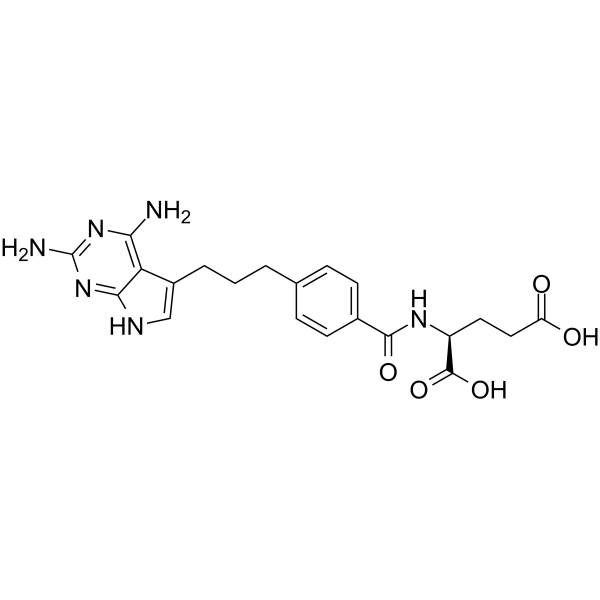
TNP-351 is an antifolate. TNP-351, a dihydrofolate reductase (DHFR) inhibitor, has potent antitumor activity against not only leukemia cells but also solid tumor cells in vitro and in vivo .
|
-
-
- HY-177081
-
|
|
MEK
|
Cancer
|
|
Envometinib (Compound B) is a dual-MEK inhibitor that works through Deep Cyclic Inhibition (DCI). Envometinib has antitumor activity in various in vivo models. Envometinib can be studied in RAS and RAF mutated cancer such as colorectal cancer and melanoma .
|
-

-
- HY-144656
-
|
|
Steroid Sulfatase
|
Cancer
|
|
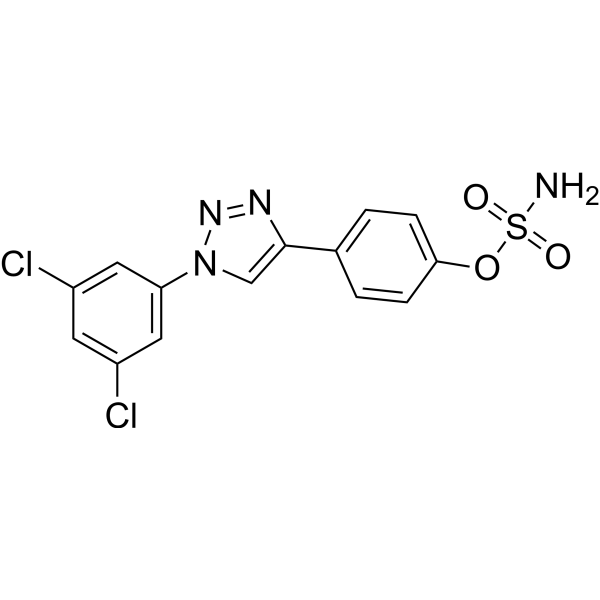
Steroid sulfatase-IN-1 is a potent and orally active Steroid sulfatase inhibitor with an IC50 of 1.71 nM. Steroid sulfatase-IN-1 shows antitumor activity in vivo. Steroid sulfatase-IN-1 has the potential for the research of breast cancer .
|
-
-
- HY-P99306
-
|
DS 1024; Zatuximab
|
EGFR
|
Cancer
|
|
Modotuximab (DS 1024) is an IgG1κ-type chimeric antibody targeting human EGFR protein. Modotuximab binds non-overlapping epitopes on domain III of EGFR, a domain that is intact in EGFRvIII. Modotuximab has antitumor activity in vivo .
|
-

-
- HY-N8473
-
|
(+)-Pericosine A
|
Topoisomerase
|
Cancer
|
|
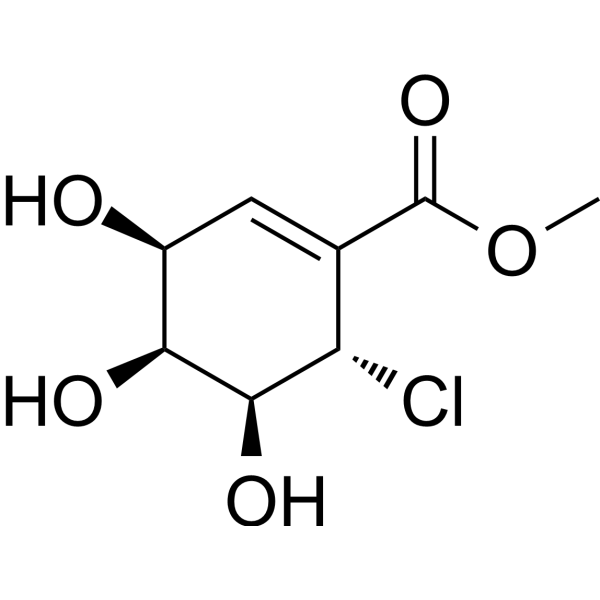
Pericosine A ((+)-Pericosine A) is a topoisomerase II (Topoisomerase II) inhibitor that can be isolated from the Periconia byssoides strain. Pericosine A has significant antitumor activity in vitro and in vivo and can be used in cancer research. Pericosine A also inhibits the protein kinase epidermal growth factor receptor .
|
-
-
- HY-W013164R
-
|
|
Reference Standards
COX
|
Inflammation/Immunology
Cancer
|
|
SC-58125 is a potent and selective inhibitor of cyclooxygenase 2 (COX-2), with an IC50 of 0.04 μM. SC-58125 exhibits antitumor activity in vitro and in vivo. SC-58125 also can inhibit edema at the inflammatory site and has analgesic effect .
|
-

-
- HY-120041
-
|
|
IRAK
|
Cancer
|
|
ND-2158 is a competitive IRAK4 inhibitor, with the Ki of 1.3 nM. ND-2158 suppresses LPS-induced TNF production in human white blood cells, alleviated collagen-induced arthritis, and blocked gout formation in mouse models. ND-2158 has antitumor activity in vivo .
|
-
-
- HY-174382
-
|
|
Akt
mTOR
NF-κB
ROR
Apoptosis
|
Cancer
|
|
ROR1-IN-3 (Compound 24d) is a potent and highly selective ROR1 kinase inhibitor (IC50 = 17.6 nM). ROR1-IN-3 demonstrates robust antitumor activity and inhibitory effect against ROR1 both in vitro and in vivo. ROR1-IN-3 has robust antiproliferative efficacy in vitro and in vivo. ROR1-IN-3 induces apoptosis in cancer cell lines. ROR1-IN-3 inhibits ROR1 downstream AKT/mTOR and NF-κB signaling pathway. ROR1-IN-3 can be studied in antitumor research .
|
-

-
- HY-W016689
-
|
|
Drug Intermediate
|
Cancer
|
|
2-Amino-4-phenylthiazole is a synthetic intermediate useful for pharmaceutical synthesis. 2-Amino-4-phenylthiazole can be used to synthesize suberoylanilide hydroxamic acid (SAHA) analogs with cancer cell growth inhibitory activities. 2-Amino-4-phenylthiazole also can be used to synthesize ketone histone deacetylase inhibitors with antitumor activity in vivo .
|
-

-
- HY-118184
-
|
|
PGE synthase
|
Cancer
|
|
AF3485 is a human mPGES-1 inhibitor that exhibits antitumor activity in vitro and in vivo. AF3485 inhibits tumor-associated angiogenesis by reducing PGE2 production, inhibiting EGFR signaling, and decreasing VEGF and FGF-2 expression. AF3485 reduced tumor growth in mice bearing human A431 xenograft tumors by subchronic administration.
|
-

-
- HY-122844B
-
|
BI-853520 tosylate; in-10018 tosylate
|
FAK
|
Cancer
|
|
Ifebemtinib (tosylate) (BI-853520 (tosylate); IN-10018 (tosylate)) is a highly selective PTK2 kinase inhibitor. Ifebemtinib (tosylate) demonstrates anti-tumor activity. Ifebemtinib (tosylate) inhibits FAK autophosphorylation in prostate carcinoma cells. Ifebemtinib (tosylate) can inhibit spheroid formation and orthotopic tumor growth in vivo. Ifebemtinib (tosylate) can be studied in anticancer research such as solid tumors, breast cancer, and malignant pleural mesothelioma .
|
-

-
- HY-142946
-
|
|
Ras
|
Cancer
|
|
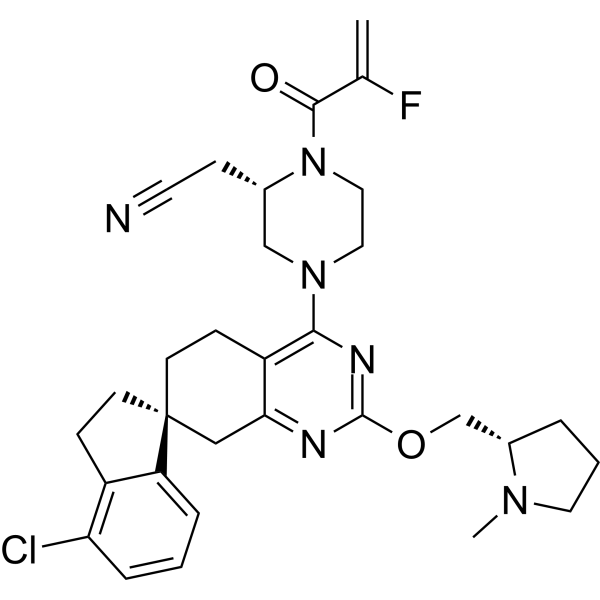
KRAS G12C inhibitor 44 (compound 54) is a potent and orally active KRAS G12C inhibitor. KRAS G12C inhibitor 44 shows anti-proliferation activities with IC50s of 0.016, 0.028 µM in MIA PaCA-2, H358 cells, respectively. KRAS G12C inhibitor 44 shows antitumor effects in vivo .
|
-
-
- HY-178862
-
|
|
Target Protein Ligand-Linker Conjugates
|
Cancer
|
|
CDK9 ligand-Linker Conjugate is a synthesized CDK9 ligand-linker conjugate that can be used for synthesis of dCDK9-202 (HY-178861). dCDK9-202 is a potent CDK9 PROTAC degrader with anti-tumor activity .
|
-

-
- HY-121350
-
|
|
Apoptosis
|
Cancer
|
|
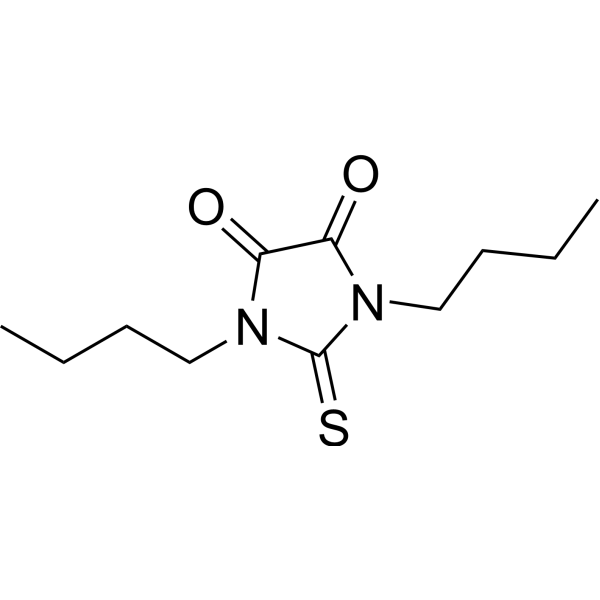
Merodantoin has significant antitumor activity in vitro and in vivo, and has less toxicity to normal cells and tissues .
|
-
-
- HY-N14302
-
|
|
Antibiotic
Bacterial
|
Infection
Cancer
|
|
44-HomooIigomycin A is an antitumor antibiotic. 44-Homooligomycin A has activity against fungi such as Aspergillus, Penicillium and Fusarium, but not against yeast and bacteria. 44-Homooligomycin A has moderate anti-tumor activity against Colon 26 in vivo .
|
-

-
- HY-161840
-
|
|
FGFR
|
Cancer
|
|
Antitumor agent-176 (Compound 22), an antitumor agent, can effectively bind to FGF2 and inhibit the activation of fibroblast growth factor receptor (FGFR) in multiple myeloma (MM) cells, exhibiting significant antitumor activity both in vivo and in vitro against MM .
|
-

-
- HY-N14305
-
|
|
Antibiotic
Bacterial
|
Infection
Cancer
|
|
44-HomooIigomycin B is an antitumor antibiotic. 44-Homooligomycin B has activity against fungi such as Aspergillus, Penicillium and Fusarium, but not against yeast and bacteria. 44-Homooligomycin B has moderate anti-tumor activity against Colon 26 in vivo .
|
-

- HY-161051
-
|
|
NAMPT
DNA Alkylator/Crosslinker
|
Cancer
|
|
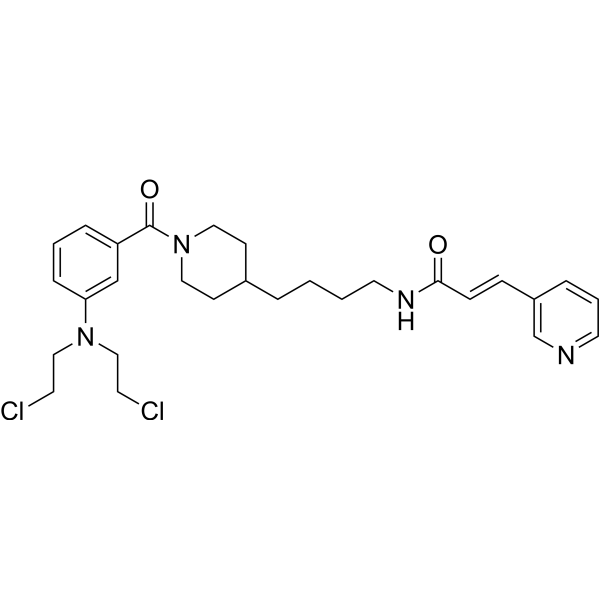
Anticancer agent 177 (Compound 11b) is a NAMPT inhibitor and DNA alkylating agent. Anticancer agent 177 has antitumor activity in vitro and in vivo .
|
-
- HY-106218A
-
|
5-Fluorocyclocytidine hydrochloride; 5'-Fluorocyclocytidine hydrochloride
|
Nucleoside Antimetabolite/Analog
|
Cancer
|
|
Flurocitabine hydrochloride (5-Fluorocyclocytidine hydrochloride; 5'-Fluorocyclocytidine hydrochloride) is the hydrochloride form of Flurocitabine (HY-106218). Flurocitabine hydrochloride exhibits antitumor activity through hydrolysation in vivo into two active antitumor substances arabinosyl-tluorocytosine (ara-FC) and arabinosyl-fluorouracil (ara-FU) .
|
-

- HY-116592
-
|
|
c-Met/HGFR
|
Cancer
|
|
SOMCL-863 is a selective and orally active c-Met inhibitor with antitumor activity in vitro and in vivo. SOMCL-863 can be utilized in cancer research .
|
-

- HY-167737
-
|
|
Cytochrome P450
|
Cancer
|
|
(-)-Vorozole is an orally active non-steroidal aromatase inhibitor with potent and selective properties. (-)-Vorozole demonstrates antitumor activity in in vivo experiments. (-)-Vorozole is utilized in the study of breast cancer.
|
-

- HY-N11777
-
|
NHAP
|
NF-κB
|
Cancer
|
|
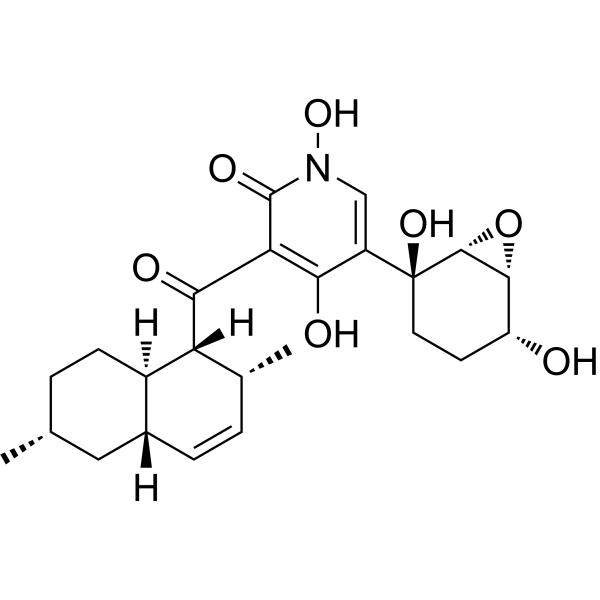
(−)-N-Hydroxyapiosporamide (NHAP), an alkaloid, is an NF-κB inhibitor with potent antitumor activity in vitro and in vivo. (−)-N-Hydroxyapiosporamide can be used for the research of colorectal cancer (CRC) .
|
-
- HY-19599
-
|
(+)-Vorozole; R83842
|
Cytochrome P450
|
Cancer
|
|
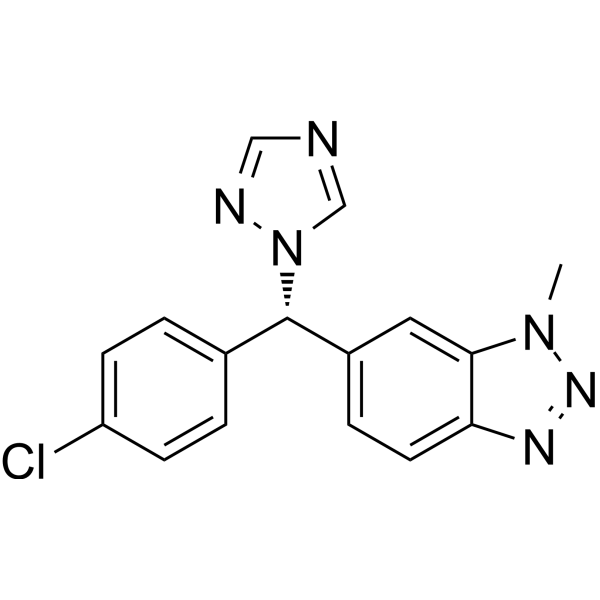
Vorozole is a potent and selective, orally active non-steroidal aromatase inhibitor . Vorozole shows antitumor activity in vivo. Vorozole has the potential for the research of mammary cancer .
|
-
- HY-161841
-
|
|
FGFR
|
Cancer
|
|
Antitumor agent-177 (compound 57), a non-steroidal NSC12 derivative, shows potent FGF2 binding affinity with a Kd of 24 μM by SPR. Antitumor agent-177 significantly inhibits the formation of HSPG/FGF2/FGFR1 ternary complexes. Antitumor agent-177 inhibits FGFR activation and exerts a potent anti-tumor activity on multiple myeloma (MM) cell lines in vitro and in vivo .
|
-

- HY-119324
-
|
|
Apoptosis
|
Others
|
|
Anticancer agent 254 (compound 10) is a dichloroacetic acid-loaded compound with enhanced antitumor activity against leukemia cells in vitro and better stability in vivo, and can be considered for preclinical evaluation of cancer inhibition.
|
-

- HY-145688
-
|
|
HDAC
|
Cancer
|
|
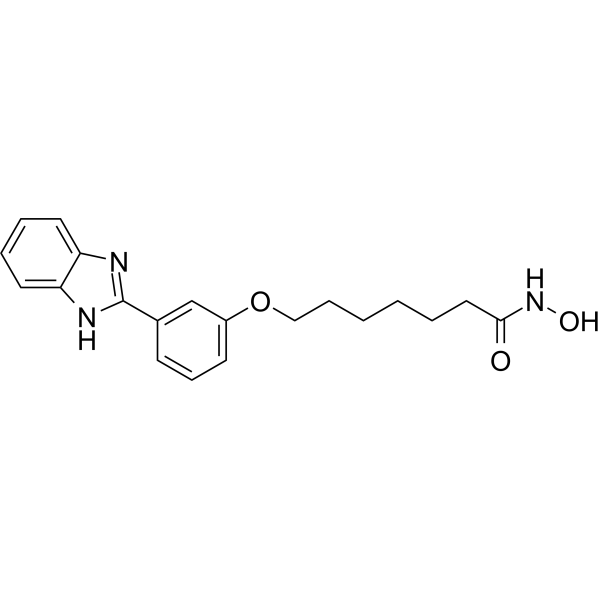
HDAC-IN-33 is a potent HDAC inhibitor with IC50s of 24, 46, and 47 nM for HDAC1, HDAC2 and HDAC6, respectively. HDAC-IN-33 possesses potent antiproliferation activities against tumor cells. HDAC-IN-33 shows potent antitumor efficacy in vivo That trigger antitumor immunity .
|
-
- HY-145687
-
|
|
HDAC
|
Cancer
|
|
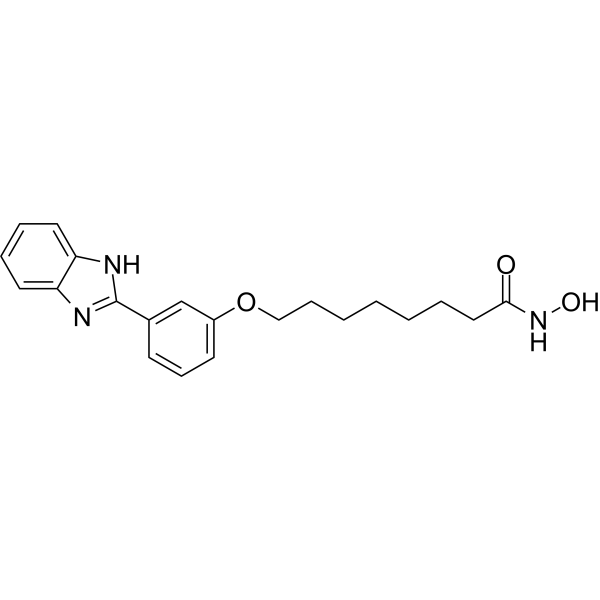
HDAC-IN-32 is a potent HDAC inhibitor with IC50s of 5.2, 11, and 28 nM for HDAC1, HDAC2 and HDAC6, respectively. HDAC-IN-32 possesses potent antiproliferation activities against tumor cells. HDAC-IN-32 shows potent antitumor efficacy in vivo That trigger antitumor immunity .
|
-
- HY-122315
-
|
NSC-741909
|
JNK
Apoptosis
|
Cancer
|
|
Oncrasin-60 (NSC-741909) is a compound with antitumor activity that is active against multiple cancer cell lines in vitro and can induce tumor regression in vivo, with its mechanism involving JNK activation and STAT3 inhibition.
|
-

- HY-D2095
-
|
|
Fluorescent Dye
|
Cancer
|
|
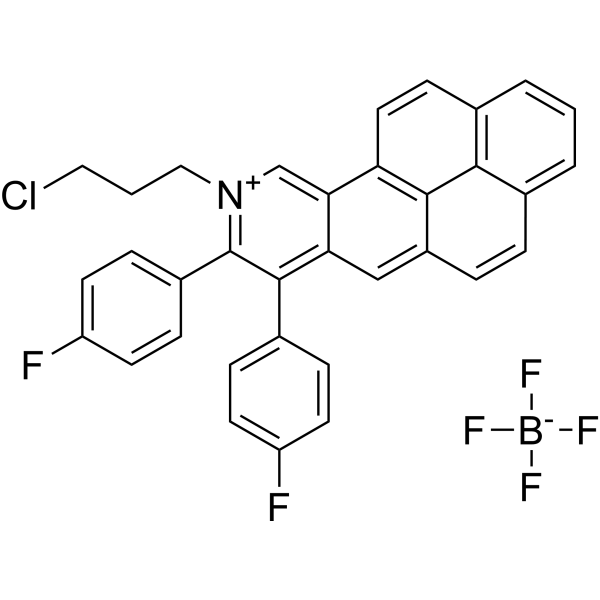
Medical fluorophore 33 is a novel quinoline-isoquinoline salt. Medical fluorophore 33 exhibits a strong fluorescent signal, good microsomal stability and high biocompatibility in vivo. Medical fluorophore 33 has antitumor activity in colorectal cancer mice .
|
-
- HY-131704
-
|
|
FGFR
|
Cancer
|
|
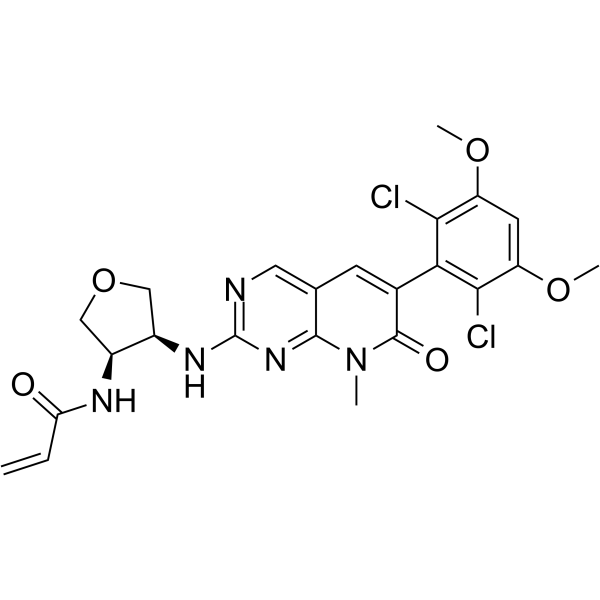
FGFR4-IN-5 is a potent and selective covalent FGFR4 inhibitor with an IC50 of 6.5 nM. FGFR4-IN-5 exhibits strong anti-tumor activity in vivo and can be used for hepatocellular carcinoma research .
|
-
- HY-162357
-
|
|
PD-1/PD-L1
|
Cancer
|
|
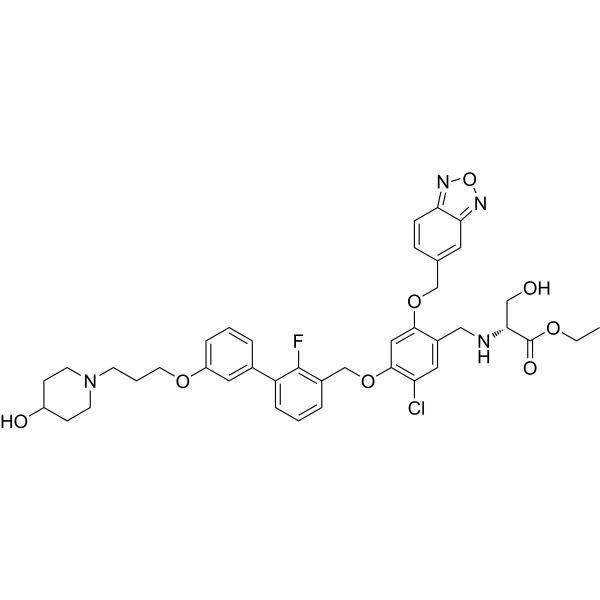
PD-L1-IN-5 (X22) is an orally active PD-L1 inhibitor, with the IC50 value of 785.6 nM. PD-L1-IN-5 has anti-tumor activity in vivo .
|
-
- HY-144232
-
|
|
Others
|
Cancer
|
|
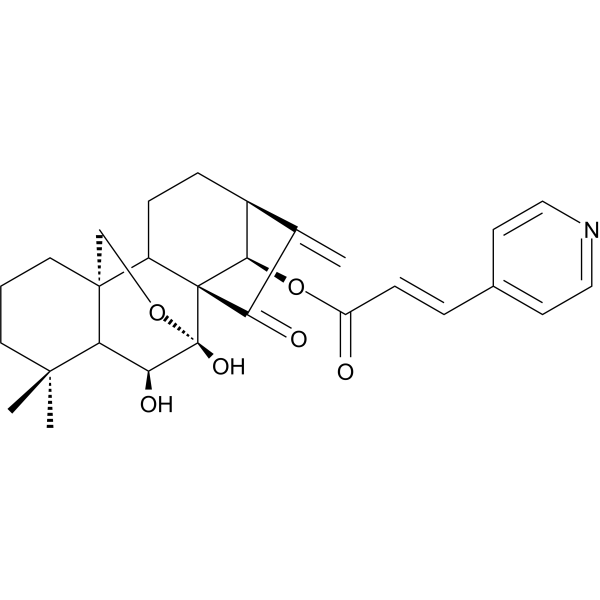
Anticancer agent 28 shows good antitumor activity in H22 allogeneic mice in vivo. Anticancer agent 28 has inhibitory potency in K562 cells of 50 times than oridonin, and its IC50 value is 0.09 μM.
|
-
- HY-146357
-
|
|
Microtubule/Tubulin
|
Cancer
|
|
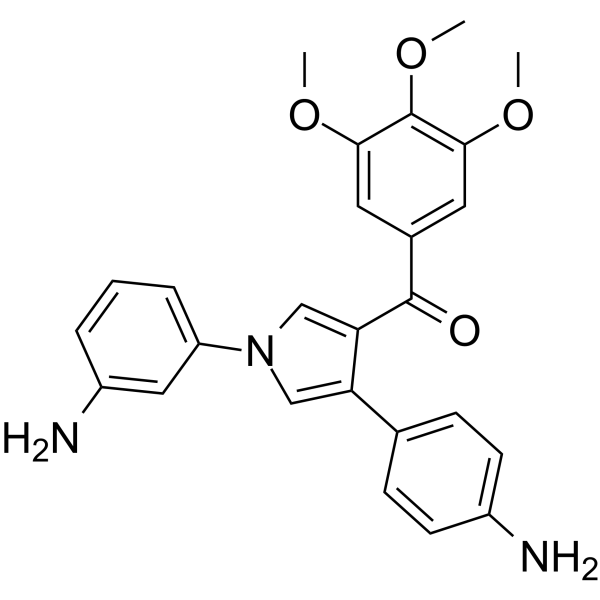
Anticancer agent 48 (compound 48) is a broad spectrum anticancer agent. Anticancer agent 48 inhibits tubulin polymerization. Anticancer agent 48 shows antiproliferative activity. Anticancer agent 48 shows antitumor activity in vivo. Anticancer agent 48 has the potential for the research of solid and hematological tumors .
|
-
- HY-156244
-
|
|
PROTACs
|
Cancer
|
|
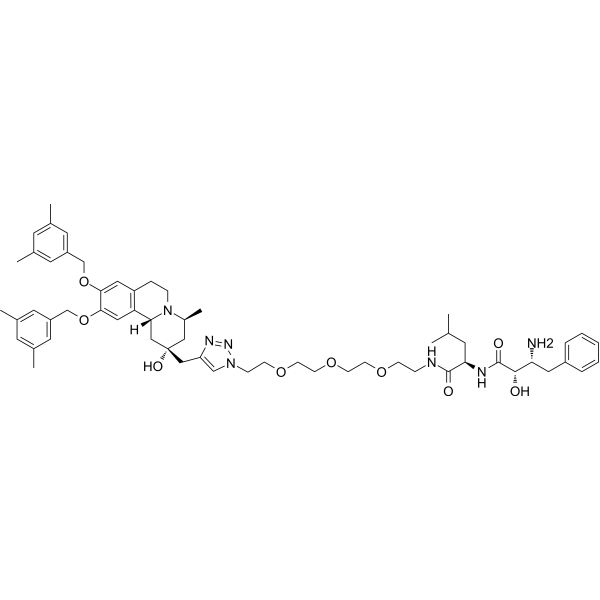
PROTAC GDI2 Degrader-1 (compound 21) is a potent PROTAC GDI2 degrader. PROTAC GDI2 Degrader-1 exhibits excellent in vivo antitumor activity in the GDI2-overexpressing pancreatic xenograft models .
|
-
- HY-146040
-
|
|
Apoptosis
|
Cancer
|
|
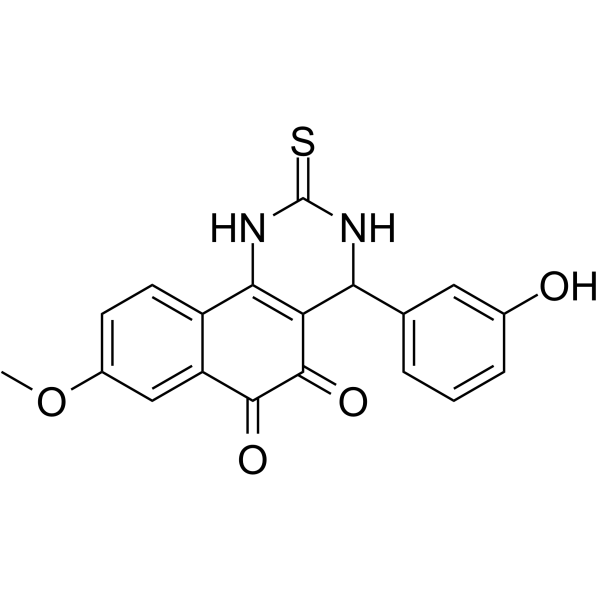
Anticancer agent 47 (compound 4j) is a potent anticancer agent. Anticancer agent 47 shows antiproliferative activities. Anticancer agent 47 induces apoptosis and cell cycle arrest at G0/G1 phase. Anticancer agent 47 shows shows antitumor activities in vivo .
|
-
- HY-101414R
-
|
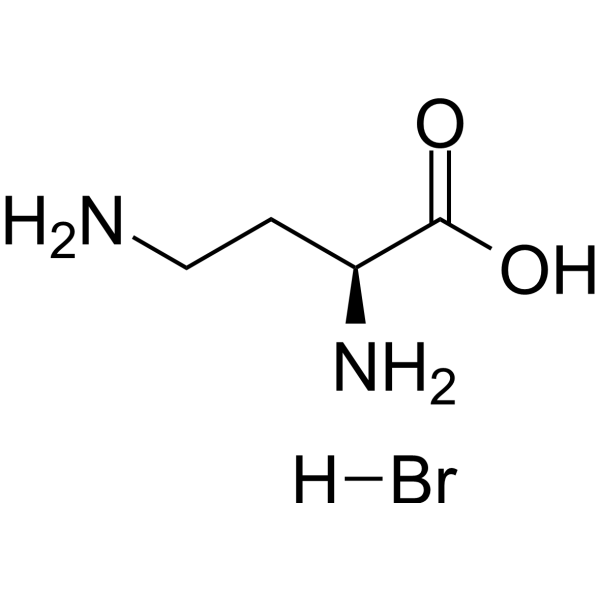
L-2,4-Diaminobutyric acid (Standard)
|
Reference Standards
GABA Receptor
Endogenous Metabolite
|
Neurological Disease
Cancer
|
|
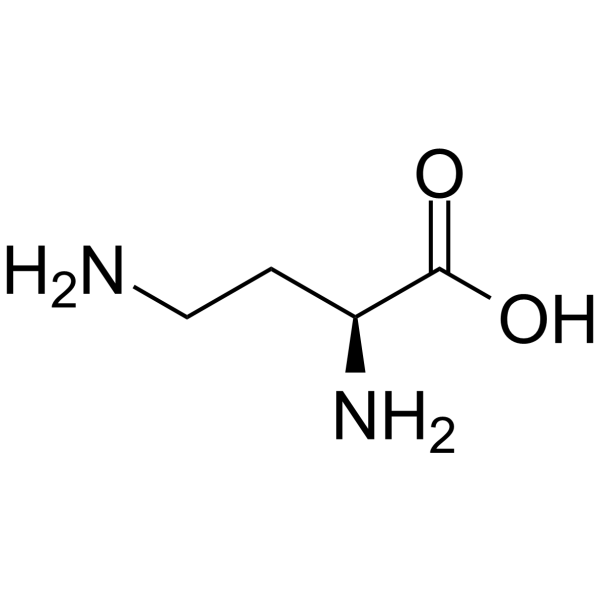
L-DABA (Standard) is the analytical standard of L-DABA. This product is intended for research and analytical applications. L-DABA (L-2,4-Diaminobutyric acid) is a week GABA transaminase inhibitor with an IC50 of larger than 500 μM; exhibits antitumor activity in vivo and in vitro.
|
-

- HY-W040293
-
|
PE(6:0/6:0); 1,2-Dihexanoyl-sn-glycero-3-phosphoethanolamine
|
Apoptosis
|
Cancer
|
|
06:0 PE (PE(6:0/6:0)) is a water-soluble phospholipid characterized by its short acyl chains, exhibiting notable antitumor activity and the ability to inhibit tumor progression in vivo, alongside antiproliferative and proapoptotic effects, while serving as a precursor for phosphatidylcholine and phosphatidylethanolamine.
|
-

- HY-101309A
-
|
|
5-HT Receptor
|
Cancer
|
|
5-(Nonyloxy)tryptamine oxalate, a high-affinity agonist for the 5-HTIDβ receptor, with an ED50 value of 68 nM. 5-(Nonyloxy)tryptamine oxalate, exhibits antitumor growth activity in vivo and enhances the ability of T cells to target tumor cells .
|
-

- HY-162763
-
|
|
Apoptosis
|
Cancer
|
|
FLQY2 is a camptothecin analog that exhibits outstanding antitumor efficacy against various solid tumors. FLQY2 possesses both in vitro and in vivo anti-pancreatic cancer activity, inhibiting cell proliferation, colony formation, inducing apoptosis, and causing cell cycle arrest at nanomolar concentrations .
|
-

- HY-156243
-
|
|
ROCK
|
Cancer
|
|
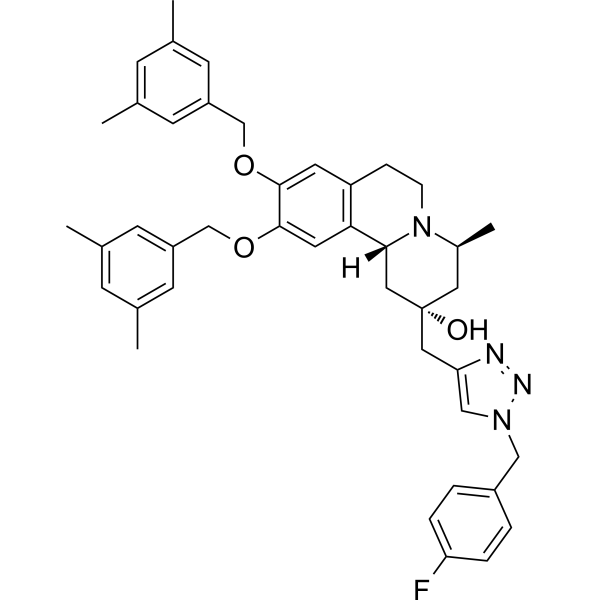
GDI2-IN-1 (compound (+)-37) is a GDP-dissociation inhibitor beta (GDI2) inhibitor with an IC50 of 2.87 μM and a KD of 36 μM. GDI2-IN-1 exhibits excellent in vivo antitumor activity in GDI2-overexpressing pancreatic xenograft models .
|
-
- HY-W848341
-
|
NSC 338947; CIEtSoSo
|
DNA Alkylator/Crosslinker
|
Cancer
|
|
Clomesone (NSC 338947) is a compound with antitumor activity. Clomesone induces the formation of cross-links between DNA strands in cell lines. Clomesone is inactive against most human colorectal cancer solid tumor cell lines in vitro, has no significant activity against mouse tumors in vivo, and is accompanied by bone marrow suppression. Its pharmacokinetic behavior indicates that it cannot reach effective concentrations at the tumor site.
|
-

- HY-161957
-
|
|
Topoisomerase
|
Cancer
|
|
Top1/2-IN-1 (compound 23) is an orally available dual inhibitor of Top1/2 with antiproliferative activity. Top1/2-IN-1 damages DNA with increased levels of reactive oxygen species, inducing apoptosis and cell cycle arrest in cancer cells. Top1/2-IN-1 exhibits in vivo antitumor activity in xenograft models .
|
-

- HY-123055R
-
|
|
Reference Standards
Nucleoside Antimetabolite/Analog
S-adenosylhomocysteine hydrolase (SAHH)
|
Cancer
|
|
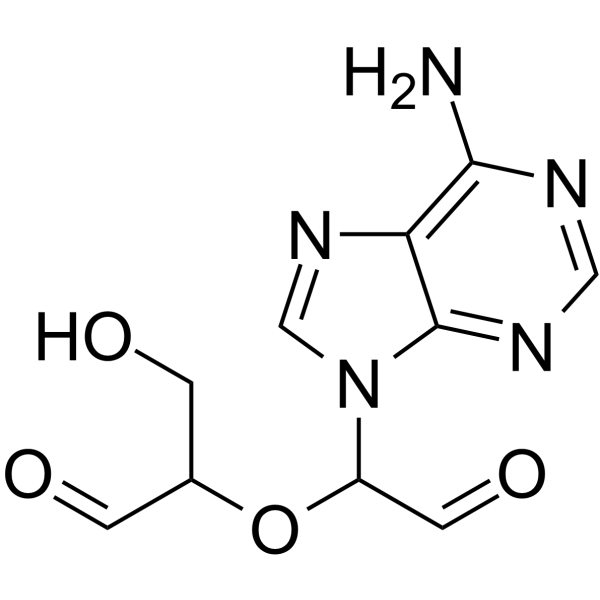
Adenosine dialdehyde (Standard) is the analytical standard of Adenosine dialdehyde. This product is intended for research and analytical applications. Adenosine dialdehyde, a purine nucleoside analogue, is a potent inhibitor of S-Adenosylhomocysteine hydrolase (SAHH) (Ki=3.3 nM) . Adenosine Dialdehyde exhibits potent anti-tumor activity in vivo and can be used for the cancer research .
|
-

- HY-115581
-
|
Deoxythymidine 3′,5′-diphosphate; pdTp
|
Apoptosis
|
Cancer
|
|
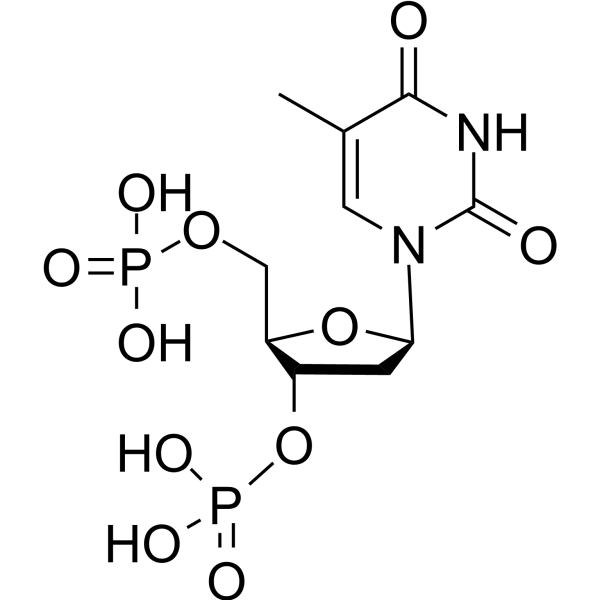
Thymidine 3',5'-disphosphate (Deoxythymidine 3′,5′-diphosphate; pdTp) is a selective small molecule inhibitor of staphylococcal nuclease and tudor domain containing 1 (SND1, the miRNA regulatory complex RISC subunit) and inhibits SND1 activity. Thymidine 3',5'-disphosphate exhibits anti-tumor efficacy in vivo .
|
-
- HY-146674
-
|
|
Indoleamine 2,3-Dioxygenase (IDO)
|
Cancer
|
|
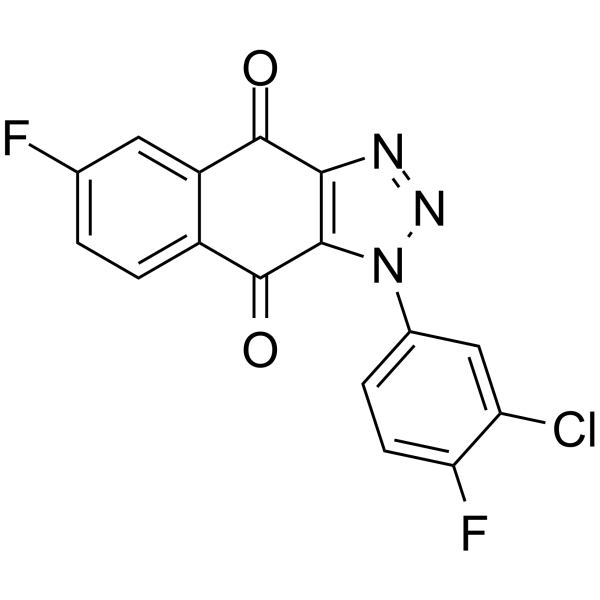
IDO1/TDO-IN-3 is a potent inhibitor of IDO1/TDO. IDO1/TDO-IN-3 exhibits significant activities against IDO1 (IC50: 0.005 μM) and TDO (IC50: 0.004 μM). IDO1/TDO-IN-3 shows considerable in vivo anti-tumor activity and no obvious toxicity is observed .
|
-
- HY-121716
-
|
Antibiotic 2088A; LL-14I352α
|
Bacterial
|
Cancer
|
|
Pelagiomicin A is a novel phenazine antibiotic produced by the marine bacterium Pelagiobacter variabilis. The compound is unstable in water and small alcohols. The absolute structure of its major component, Pelagiomicin A, as well as the properties of minor amounts of other structures, were determined by spectroscopic data and synthesis. Pelagiomicin A is active against both Gram-positive and Gram-negative bacteria and exhibits antitumor activity in vitro and in vivo.
|
-

- HY-161338
-
|
|
Microtubule/Tubulin
Apoptosis
|
Cancer
|
|
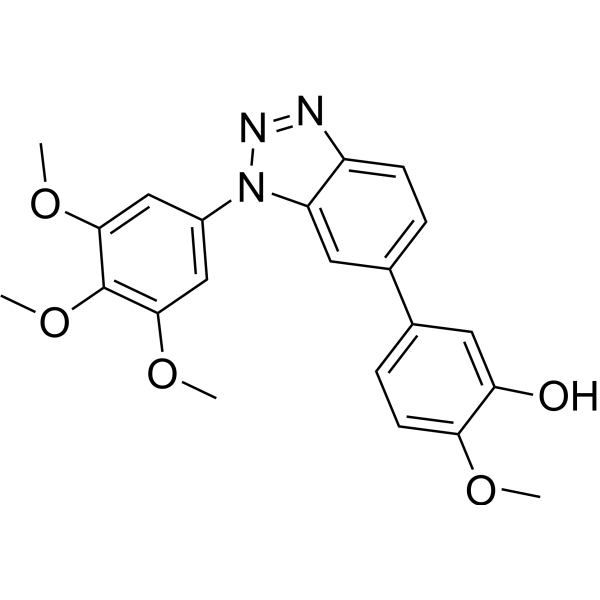
Tubulin polymerization-IN-61 (Compound 9a) is a tubulin polymerization inhibitor. Tubulin polymerization-IN-61 destroys the microtubule skeleton, blocks the cell cycle in G2/M phase, induces Apoptosis, and inhibits cancer cell migration and colony formation. Tubulin polymerization-IN-61 shows antitumor activity in vivo against 4T1 xenograft model .
|
-
- HY-107458
-
|
|
c-Kit
|
Cancer
|
|
AP23848 is an ATP-dependent kinase inhibitor that effectively and selectively targets the Kit activation loop mutation both in vitro and in vivo, showing anti-tumor activity. AP23848 can inhibit the phosphorylation of the activated Kit mutation and tumor growth in mice, making it suitable for targeting diseases with the D816V mutation, such as systemic mastocytosis (SM) and acute myeloid leukemia (AML) research .
|
-

- HY-113853
-
|
|
Akt
Apoptosis
|
Others
|
|
WF-10129 is a cytotoxic steroidal compound isolated from the plant Physalis. WF-10129 inhibits liver cancer cell proliferation, induces apoptosis, interferes with metabolism, and significantly reduces lactate production in vitro and in vivo. WF-10129 can also exert anti-tumor activity by regulating the expression of related genes and proteins through the AKT-p53 pathway.
|
-

- HY-14266A
-
|
|
Apoptosis
Reverse Transcriptase
Autophagy
HIV
|
Infection
|
|
Dapivirine hydrochloride is a non-nucleoside reverse transcriptase inhibitor with antitumor activity. Dapivirine hydrochloride attenuates the proliferation of glioblastoma cells and induces apoptosis. Dapivirine hydrochloride modulates autophagy and activates Akt, Bad, and SAPK/JNK signaling pathways. Dapivirine hydrochloride has shown inhibitory effects on glioma cell growth both in vitro and in vivo. Dapivirine hydrochloride is also a promising drug candidate for topical microbial agents for the prevention of sexual transmission of HIV-1 .
|
-

- HY-172175
-
|
|
mTOR
Akt
PI3K
Apoptosis
Autophagy
|
Cancer
|
|
HYS-072 is an orally active derivative of chrysin (HY-14589) with antitumor activity. HYS-072 induces apoptosis and autophagy by inhibiting the PI3K/AKT/mTOR signaling pathway and suppresses tumor growth in vivo in xenograft models by modulating autophagy-related pathways. HYS-072 can be used in the research of triple-negative breast cancer .
|
-

- HY-163965
-
|
|
Toll-like Receptor (TLR)
|
Cancer
|
|
Antitumor agent-185 (compound 3) shows antitumor activity that could effectively reduce the growth of tumors and prolong the survival time of mice in vivo .
|
-

- HY-183570
-
|
|
Photosensitizer
Reactive Oxygen Species (ROS)
|
Cancer
|
|
Antitumor photosensitizer-11 is a type-I carbazole/benzindolium photosensitizer with antitumor activity. Antitumor photosensitizer-11 induces ROS generation via a type-I pathway, forming superoxide anions and hydroxyl radicals. Antitumor photosensitizer-11 triggers immunogenic cell death in cancer cells via enhanced oxidative stress. Antitumor photosensitizer-11 exhibits antiproliferative activity in normoxic and hypoxic environments, inhibits breast cancer tumor growth in vivo, and promotes dendritic cell maturation and T cell infiltration. Antitumor photosensitizer-11 can be used for the research of cancer, such as breast cancer .
|
-

- HY-169129
-
|
ILX-295501
|
Drug Derivative
|
Cancer
|
|
LY-295501 is a sulfonylurea compound that has demonstrated in-vivo antitumor activity against a broad spectrum of solid tumors. LY-295501 can be utilized in cancer research .
|
-

- HY-165375
-
|
|
Others
|
Cancer
|
|
Plenolin is an anticancer agent. Plenolin exhibits inhibitory activity against human epidermoid carcinoma cells. Plenolin shows in vivo antitumor activity against ascites carcinosarcoma and lymphocytic leukemia in rodent models. Plenolin can be used for research related to ascites tumors and leukemia .
|
-

- HY-120482
-
|
|
Microtubule/Tubulin
|
Others
|
|
CHM-1-P-Na is a sodium monophosphate salt of 2-(2-fluorophenyl)-6,7-methylenedioxyquinolin-4-one, which can be converted into CHM-1, a compound with a unique anti-tumor mechanism, in vitro and in vivo, and has excellent anti-tumor activity in tumor models and clear pharmacological effects on related enzymes.
|
-

- HY-128995
-
|
Glycyl-DX-8951; Exatecan analog 2
|
Drug Metabolite
|
Cancer
|
|
Glycyl-Exatecan (Glycyl-DX-8951) is an active metabolite released from DE-310 by enzymatic cleavage of the spacer. Glycyl-Exatecan exerts anti-tumor activity in vivo. Glycyl-Exatecan can be used for solid tumor research .
|
-

- HY-N8432R
-
|
|
Apoptosis
Reference Standards
Bacterial
Fungal
|
Infection
Inflammation/Immunology
Cancer
|
|
Dipyrithione (Standard) is the analytical standard of Dipyrithione (HY-N8432). This product is intended for research and analytical applications. Dipyrithione is a potent antimicrobial agent. Dipyrithione shows antifungal activity and antiproliferative activity. Dipyrithione induces apoptosis and cycle arrest at G1 phase. Dipyrithione shows anti-inflammatory activity in vivo. Dipyrithione shows anti-tumor activity. Dipyrithione has the potential for the research of dermatophytosis .
|
-

- HY-180968
-
|
|
PROTACs
Bcr-Abl
|
Cancer
|
|
GMB-805 is a BCR-Abl PROTAC degrader with a DC50 of 30 nM in K562 cells. GMB-805 exerts antiproliferative activity in K562 cells. GMB-805 exhibits potent anti-tumor activity with favorable safety profile in vivo. GMB-805 can be used for chronic myeloid leukemia research .
|
-

- HY-179628
-
|
|
Drug Derivative
|
Cancer
|
|
STING agonist-49-CO-C2-mal-Cys (compound 2), the derivative of STING agonist-49-CO-C2-mal (HY-179627), is the product of ADC catabolism and payload release, exhibits antitumor activity in vivo .
|
-

- HY-170827
-
|
|
E3 Ligase Ligand-Linker Conjugates
|
Cancer
|
|
E3 Ligase Ligand-linker Conjugate 159 is an E3 ligase ligand-linker conjugate. E3 Ligase Ligand-linker Conjugate 159 can be used for the synthesis of SMD-3236 (HY-170824), a PRAOTAC that targets the degradation of SMARCA2, exhibiting long-lasting antitumor activity in vivo .
|
-

- HY-173253
-
|
|
E3 Ligase Ligand-Linker Conjugates
|
Cancer
|
|
E3 Ligase Ligand-linker Conjugate 173 is an E3 Ligase Ligand-Linker Conjugate. E3 Ligase Ligand-linker Conjugate 173 can be used to synthesize YN14-H (HY-173250) to induce apoptosis and inhibits migration, and exert antitumor activity in vivo .
|
-

- HY-W778375
-
|
|
Apoptosis
|
Inflammation/Immunology
Cancer
|
|
Hesperetin triacetate is an active compound with anti-inflammatory and anti-tumor activities. Hesperetin triacetate inhibits bovine serum albumin denaturation in vitro. Hesperetin triacetate inhibits carrageenan-induced paw swelling in mice in vivo. Hesperetin triacetate exhibits anti-proliferative activity against breast cancer cells. Hesperetin triacetate induces DNA degradation and apoptosis in breast cancer cells. Hesperetin triacetate can be used in studies related to breast cancer and inflammation .
|
-

- HY-108697R
-
|
|
Reference Standards
HIF/HIF Prolyl-Hydroxylase
|
Cancer
|
|
PT2399 (Standard) is the analytical standard of PT2399 (HY-108697). This product is intended for research and analytical applications. PT2399 is a potent and selective HIF-2α antagonist, which directly binds to HIF-2α PAS B domain with an IC50 of 6 nM. PT2399 displays potent antitumor activity in vivo .
|
-

- HY-183790
-
|
|
Microtubule/Tubulin
Apoptosis
Caspase
|
Cancer
|
|
SMU-G4 is a Tubulin polymerization inhibitor. SMU-G4 induces G2/M phase cell cycle arrest, triggers Apoptosis, and upregulates the expression of Cleaved-Caspase 3. SMU-G4 exhibits in vivo anti-tumor activity in melanoma xenograft models. SMU-G4 can be used for research related to melanoma .
|
-

- HY-130558
-
|
|
Apoptosis
Microtubule/Tubulin
|
Cancer
|
|
SL-1-73 is a tubulin ligand. SL-1-73 exhibits antitumor activity against esophageal squamous cell carcinoma (ESCC) both in vitro and in vivo by inhibiting microtubule assembly, inducing G2/M phase cell cycle arrest and apoptosis, and disrupting tumor blood vessels. SL-1-73 can be used for the research of ESCC and other tumors .
|
-

- HY-183253
-
|
|
Drug-Linker Conjugates for ADC
Eukaryotic Initiation Factor (eIF)
EGFR
|
Cancer
|
|
DL149 is a component of an antibody-drug conjugate (ADC) formed by conjugating the eIF4A inhibitor FD236 (HY-186186) with an ADC linker, and exhibits potential antitumor activity. DL149 can bind to an anti-HER2 antibody to form a complete ADC molecule, which precisely binds to the HER2 receptor on the surface of tumor cells. After internalization into cells, it releases the eIF4A inhibitor payload. DL149 irreversibly blocks the mRNA translation process in tumor cells, thereby inhibiting tumor cell proliferation and inducing their death. DL149 exhibits in vivo antitumor activity in the SK-OV-3 xenograft tumor model, and can be used for the research of HER2-positive solid tumors .
|
-

- HY-162589
-
|
|
PROTACs
HSP
Apoptosis
|
Cancer
|
|
Lw13 is a Hsp90-targeting PROTAC and achieves maximum degradation at a concentration of 0.05 μM in Siha cells. Lw13 induces cell apoptosis and exhibits potent anti-tumor activity both in vitro and in vivo(Sturcture Note:(Blue: Cereblon ligand (HY-A0003), Black: linker;Pink: Hsp90 inhibitor SNX-5422 (HY-10213)) .
|
-

- HY-106219
-
|
|
Microtubule/Tubulin
P-glycoprotein
|
Cancer
|
|
BMS 275183 is a potent, orally active analogue of Paclitaxel (HY-B0015). BMS 275183 can stabilize microtubules and exhibits antitumor activity in in vivo tumor models. BMS 275183 is active in vitro against Paclitaxel-resistant tumors including those harboring tubulin mutations or overexpressing P-glycoprotein. BMS 275183 can be used for cancer research, such as non-small cell lung cancer (NSCLC) and prostate carcinoma .
|
-

- HY-183749
-
|
|
c-Met/HGFR
Apoptosis
|
Cancer
|
|
c-Met-IN-29 is an orally active c-Met inhibitor with an IC50 of 1.6 nM. c-Met-IN-29 binds to and functionally modulates c-Met protein, inhibiting tumor cell proliferation, migration and apoptosis. c-Met-IN-29 exhibits anti-tumor activity both in vitro and in vivo. c-Met-IN-29 can be used for the research of non-small cell lung cancer .
|
-

- HY-157157
-
|
|
Protein Arginine Deiminase
|
Cancer
|
|
PAD4-IN-3 (compound 4B) is a PAD4 inhibitor with antitumor activity in vitro and in vivo. PAD4-IN-3 was covalently linked to RGD sequence peptide-modified chitosan (K-CRGDV), resulting in an enhanced oxidative stress-responsive nanoagent. K-CRGDV-PAD4-IN-3 can actively target tumors, inhibit PAD4 activity, block the formation of neutrophil extracellular traps (NETs), and improve the tumor immune microenvironment in response to the tumor microenvironment .
|
-
- HY-132192
-
|
|
PD-1/PD-L1
|
Cancer
|
|
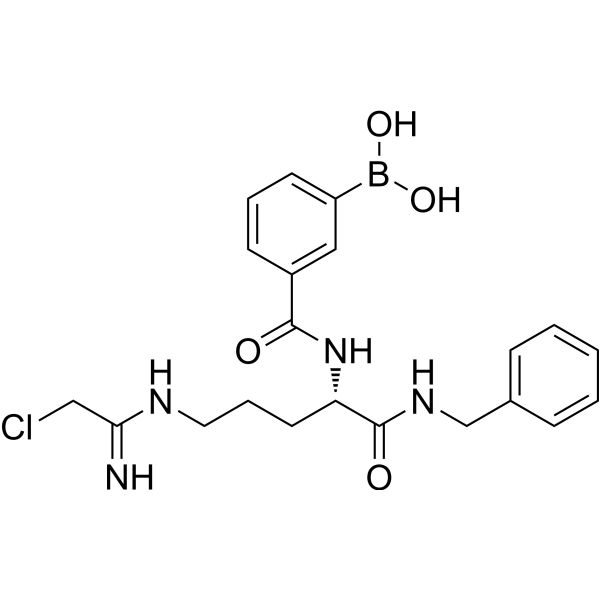
PD-1/PD-L1-IN-9 is a potent and orally active inhibitor of PD-1/PD-L1 interaction, with an IC50 of 3.8 nM. PD-1/PD-L1-IN-9 can enhance the killing activity of tumor cells by immune cells. PD-1/PD-L1-IN-9 also exhibits significant in vivo antitumor activity in a CT26 mouse model .
|
-
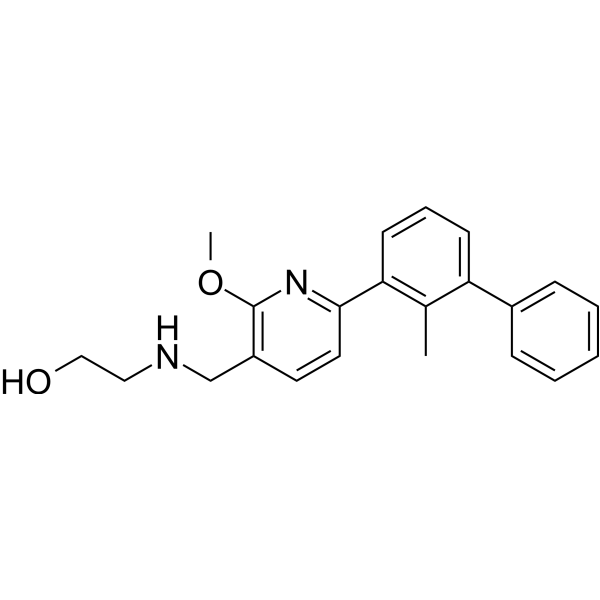
- HY-130559
-
|
|
Microtubule/Tubulin
Apoptosis
|
Cancer
|
|
SL-3-19 is a tubulin ligand. SL-3-19 exhibits antitumor activity against esophageal squamous cell carcinoma (ESCC) both in vitro and in vivo by inhibiting microtubule assembly, inducing G2/M phase cell cycle arrest and apoptosis, and disrupting tumor blood vessels. SL-3-19 has a higher activity than SL-1-73 (HY-130558). SL-3-19 can be used for the research of ESCC and other tumors .
|
-

- HY-132192A
-
|
|
PD-1/PD-L1
|
Cancer
|
|
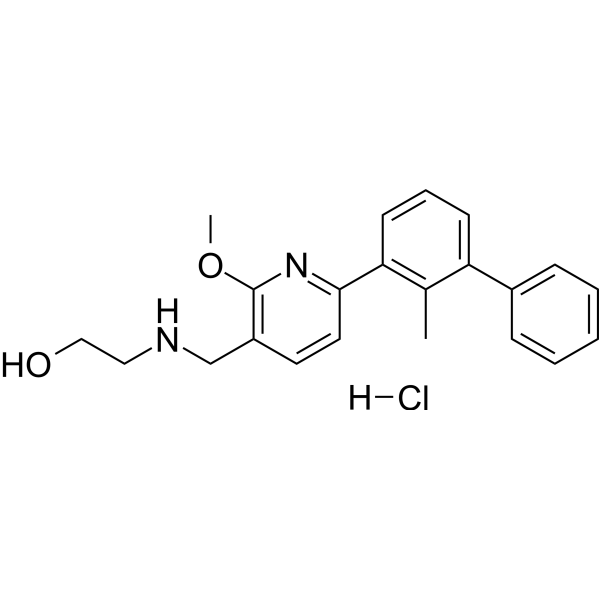
PD-1/PD-L1-IN-9 hydrochloride is a potent and orally active inhibitor of PD-1/PD-L1 interaction, with an IC50 of 3.8 nM. PD-1/PD-L1-IN-9 hydrochloride can enhance the killing activity of tumor cells by immune cells. PD-1/PD-L1-IN-9 hydrochloride also exhibits significant in vivo antitumor activity in a CT26 mouse model .
|
-
- HY-103224R
-
|
|
Reference Standards
PI3K
|
Cancer
|
|
PIT-1 (Standard) is the analytical standard of PIT-1. This product is intended for research and analytical applications. PIT-1 is a selective PIP3 (phosphatidylinositol 3,4,5-trisphosphate) antagonist. PIT-1 inhibits cancer cell survival and induces apoptosis by inhibition of PIP3 dependent PI3K / Akt signaling. PIT-1 exhibits antitumor activity in vivo .
|
-

- HY-119906
-
|
FW-04-806
|
HSP
Apoptosis
|
Cancer
|
|
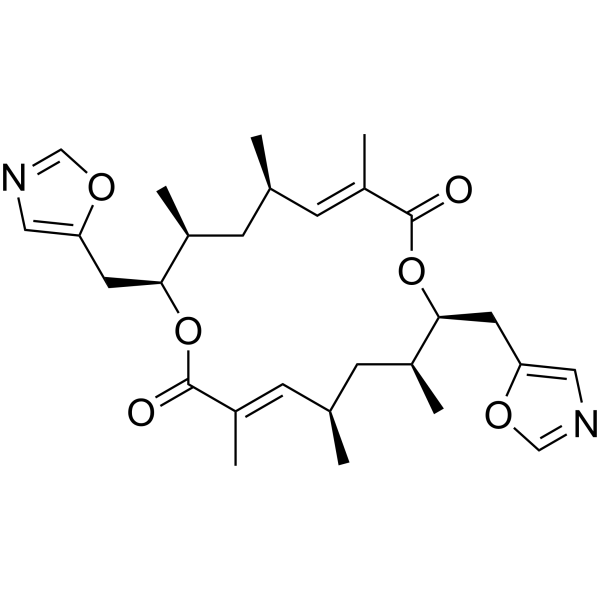
Conglobatin (FW-04-806), a macrolide dilactone, is isolated from the culture of Streptomyces conglobatus. Conglobatin is an orally active Hsp90 inhibitor. Conglobatin can bind to the N-terminal domain of Hsp90 and disrupt Hsp90-Cdc37 complex formation. Conglobatin induces apoptosis in human breast cancer cells and esophageal squamous cell carcinoma cells, and exhibits antitumor activity in vivo .
|
-
- HY-147994
-
|
|
EGFR
|
Cancer
|
|
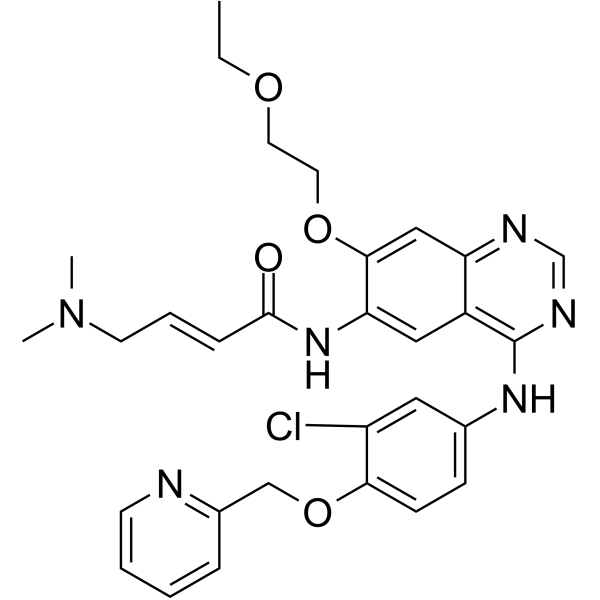
EGFR/HER2-IN-5 (compound 6h) is an orally active irreversible dual inhibitor. EGFR/HER2-IN-5 inhibits EGFR with an IC50 value of 1.01 nM and demonstrates potent EGFR kinase inhibitory activities on L858R and T790M mutations. EGFR/HER2-IN-5 has potent antitumor efficacy in vivo and can be used for lung cancer research .
|
-
- HY-156085
-
|
|
PD-1/PD-L1
|
Cancer
|
|
LP23 is a non-arylmethylamine PD-1/PD-L1 inhibitor (IC50: 16.7 nM) with anti-tumor activity. LP23 restores immune cell function in HepG2/Jurkat T cells and promotes HepG2 cell death. LP23 is active in vivo in the B16-F10 tumor model (TGI=88.6% at 30 mg/kg) .
|
-
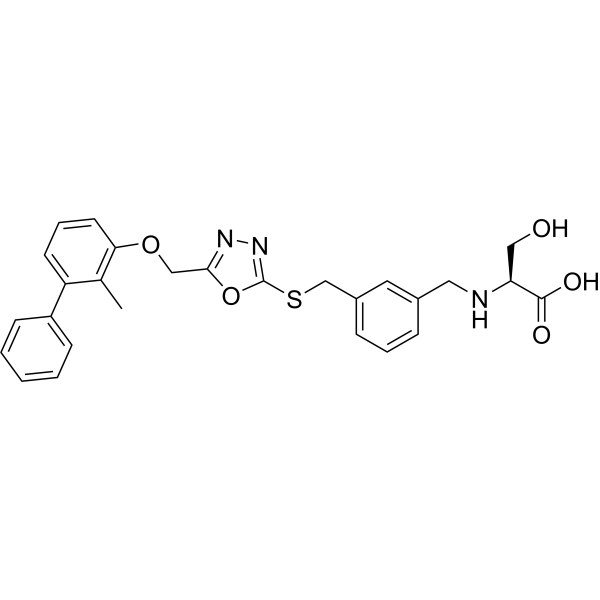
- HY-147992
-
|
|
EGFR
|
Cancer
|
|
EGFR/HER2-IN-4(compound 6d) is an orally active irreversible dual inhibitor. EGFR/HER2-IN-4 inhibits EGFR with an IC50 value of 0.6 nM and demonstrates potent EGFR kinase inhibitory activities on L858R and T790M mutations. EGFR/HER2-IN-4 has potent antitumor efficacy in vivo and can be used for lung cancer research .
|
-
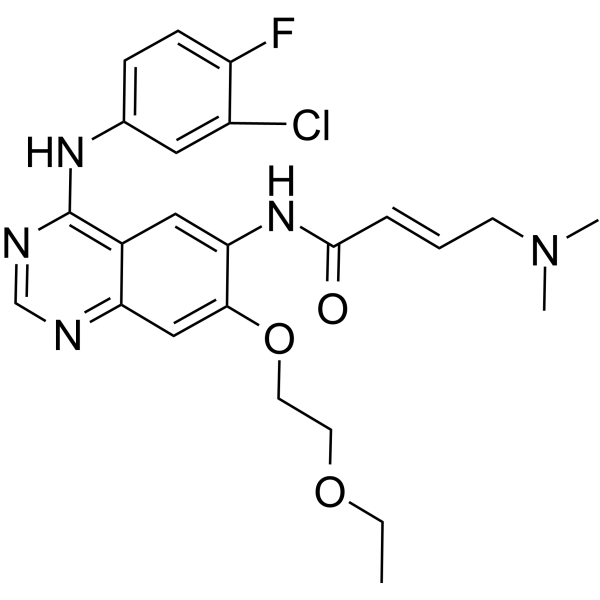
- HY-163445
-
|
|
NAMPT
|
Cancer
|
|
NAMPT activator-6 is a NAMPT activator, a regulatory molecule for the optical control system of NAMPT and NAD+. NAMPT activator-6 can be used to design efficient photoswitchable proteolysis-targeting chimeras (PS-PROTACs) to achieve up-down reversible regulation of NAMPT and NAD+ in a light-dependent manner and reduce the toxicity associated with inhibitor-based PS-PROTACs. PS-PROTAC can be used to achieve antitumor activity, NAMPT, and NAD+ modulation in vivo via optical manipulation .
|
-

- HY-112610
-
|
|
Epigenetic Reader Domain
Histone Acetyltransferase
|
Cancer
|
|
CF53 is a highly potent, selective and orally active inhibitor of BET protein, with a Ki of <1 nM, Kd of 2.2 nM and an IC50 of 2 nM for BRD4 BD1. CF53 binds to both the BD1 and BD2 domains of BRD2, BRD3, BRD4, and BRDT BET proteins with high affinities, very selective over non-BET bromodomain-containing proteins. CF53 shows potent anti-tumor activity both in vitro and in vivo .
|
-
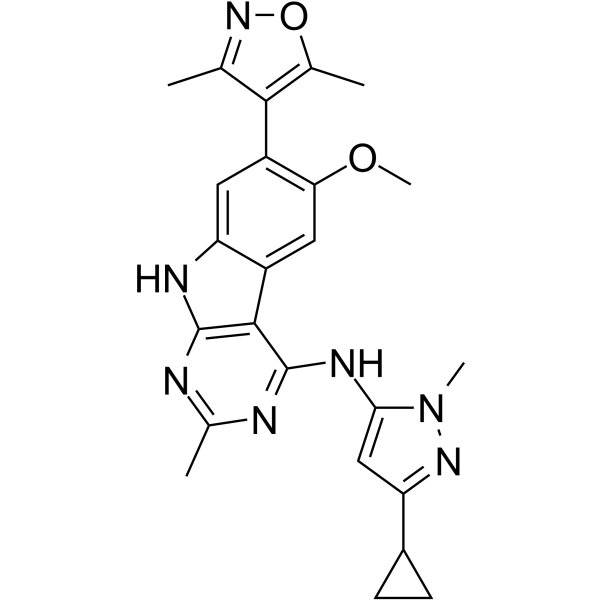
- HY-141601
-
|
ABBV-399
|
Antibody-Drug Conjugates (ADCs)
c-Met/HGFR
Microtubule/Tubulin
|
Cancer
|
|
Telisotuzumab vedotin (ABBV-399) (Teliso-V) is an anti-c-Met antibody-drug conjugate. Telisotuzumab vedotin consists of an anti-c-Met monoclonal antibody Telisotuzumab (ABT-700) (HY-P99391) and Monomethyl Auristatin E (HY-15162). Telisotuzumab vedotin exerts antitumor activity with acceptable toxicity in vivo. Telisotuzumab vedotin can be used for non-small cell lung cancer (NSCLC) research .
|
-

- HY-104048
-
QC6352
Maximum Cited Publications
11 Publications Verification
|
Histone Demethylase
|
Cancer
|
|
QC6352 is an orally active KDM4 inhibitor with anti-tumor and anti-proliferative activity. QC6352 has in vivo inhibitory effects on PDX models of breast and colon cancer and reduces the number of chemoresistant cell populations. QC6352 inhibits KDM4 different isoforms with IC50s of 104 nM (KDM4A), 56 nM (KDM4B), 35 nM (KDM4C), and 104 nM (KDM4D), respectively. QC6352 has moderate inhibitory activity against KDM5 with an IC50 of 750 nM (KDM5B) .
|
-
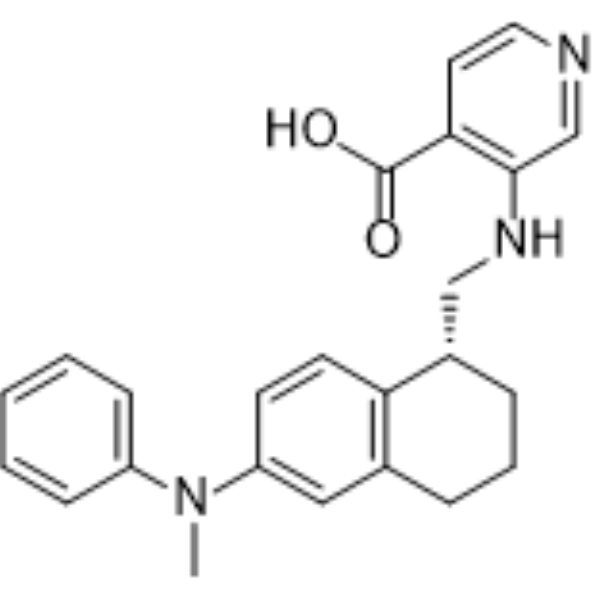
- HY-142690A
-
|
|
Apoptosis
HDAC
|
Cancer
|
|
HDAC-IN-27 dihydrochloride (Compound 11h) is a potent, orally active class I HDAC-selective inhibitor with IC50 values ranging from 0.43 to 3.01 nM against HDAC1-3. HDAC-IN-27 dihydrochloride exhibits both in vivo and in vitro antitumor activity. HDAC-IN-27 dihydrochloride demonstrates significant anti-proliferative activity against acute myeloid leukemia (AML) cell lines by inducing apoptosis and histone acetylation (AcHH3 and AcHH4). HDAC-IN-27 dihydrochloride can be used for research in acute myeloid leukemia (AML) .
|
-

- HY-142690
-
|
|
HDAC
Apoptosis
|
Cancer
|
|
HDAC-IN-27 (Compound 11h) is a potent, orally active class I HDAC-selective inhibitor with IC50 values ranging from 0.43 to 3.01 nM against HDAC1-3. HDAC-IN-27 exhibits both in vivo and in vitro antitumor activity. HDAC-IN-27 demonstrates significant anti-proliferative activity against acute myeloid leukemia (AML) cell lines by inducing apoptosis and histone acetylation (AcHH3 and AcHH4). HDAC-IN-27 can be used for research in acute myeloid leukemia (AML) .
|
-
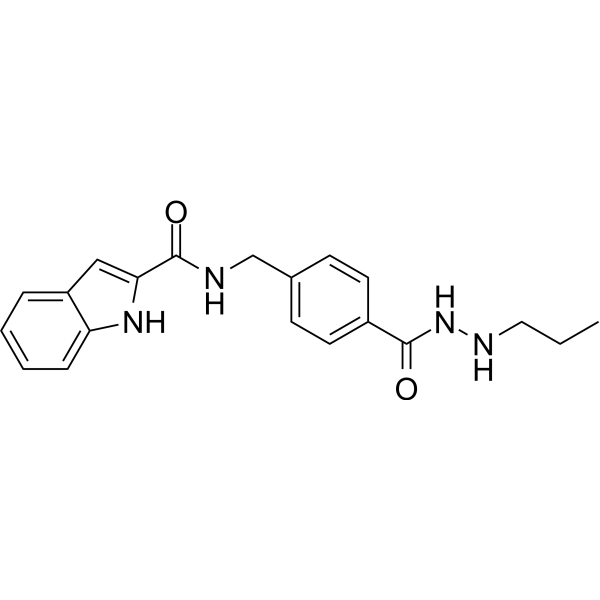
- HY-158156
-
|
|
NF-κB
Apoptosis
|
Cancer
|
|
NF-κB-IN-16 (compound 9) is a complex (Pt(IV) complex) of NF-κB inhibitor and Cisplatin (HY-17394), which has high efficacy and low toxicity in anti-tumor activity. active. NF-κB-IN-16 can cause DNA damage, induce mitochondrial dysfunction, produce reactive oxygen species, and induce apoptosis through the mitochondrial pathway and endoplasmic reticulum stress. NF-κB-IN-16 potently inhibits the NF-κB/MAPK signaling pathway and disrupts PI3K/AKT signaling. NF-κB-IN-16 also exhibits excellent in vivo antitumor efficiency and low toxicity in A549 or A549/CDDP xenograft models .
|
-
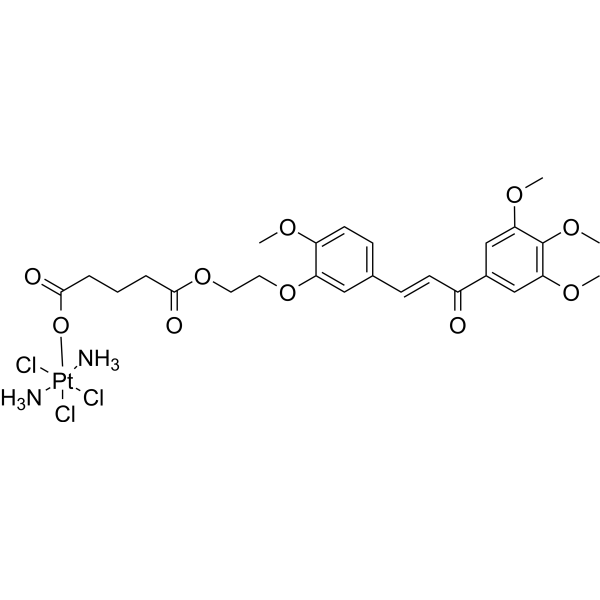
- HY-114778
-
|
SHR3162; Fuzuloparib
|
PARP
|
Cancer
|
|
Fluzoparib (SHR3162) is a potent and orally active PARP1 inhibitor (IC50=1.46±0.72 nM, a cell-free enzymatic assay) with superior antitumor activity. Fluzoparib selectively inhibits the proliferation of homologous recombination repair (HR)-deficient cells, and sensitizes both HR-deficient and HR-proficient cells to cytotoxic agents. Fluzoparib exhibits good pharmacokinetic properties in vivo and can be used for BRCA1/2-mutant relapsed ovarian cancer research .
|
-
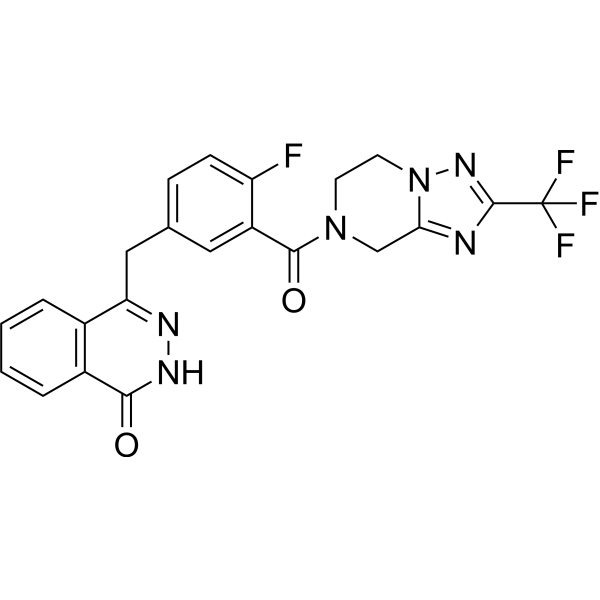
- HY-106122
-
|
VP 19
|
Topoisomerase
DNA/RNA Synthesis
|
Cancer
|
|
NK-611 (VP 19) is an epipodophyllotoxin derivative. NK-611 induces DNA double-strand breaks by inhibiting topoisomerase II (IC50 = 56 μM). NK-611 does not inhibit microtubule polymerization, thus avoiding the side effects of the parent compound, Podofilox (HY-15552). NK-611 exhibits broad-spectrum antitumor activity and demonstrates potent efficacy in in vivo models of leukemia. NK-611 can be used in cancer research .
|
-

- HY-P99284
-
|
MK-0646; h7C10
|
IGF-1R
Apoptosis
|
Cancer
|
|
Dalotuzumab (MK-0646) is a recombinant humanized monoclonal antibody (IgG1 type) targeting IGF-1R. Dalotuzumab acts by inhibiting IGF-1- and IGF-2-mediated tumor cell proliferation, IGF-1R autophosphorylation, and Akt phosphorylation. Dalotuzumab also induces apoptosis and cycle arrest. Dalotuzumab in combination with other anticancer agents such as statins can enhance the antitumor activity of Dalotuzumab in vitro and in vivo .
|
-

- HY-143497
-
|
|
HDAC
CDK
Apoptosis
|
Cancer
|
|
HDAC1/2 and CDK2-IN-1 (compound 14d) is a potent HDAC1, HDAC2 and CDK2 dual inhibitor, with IC50 values of 70.7, 23.1 and 0.80 μM, respectively. HDAC1/2 and CDK2-IN-1 can block the cell cycle and induce apoptosis. HDAC1/2 and CDK2-IN-1 exhibits desirable in vivo antitumor activity .
|
-
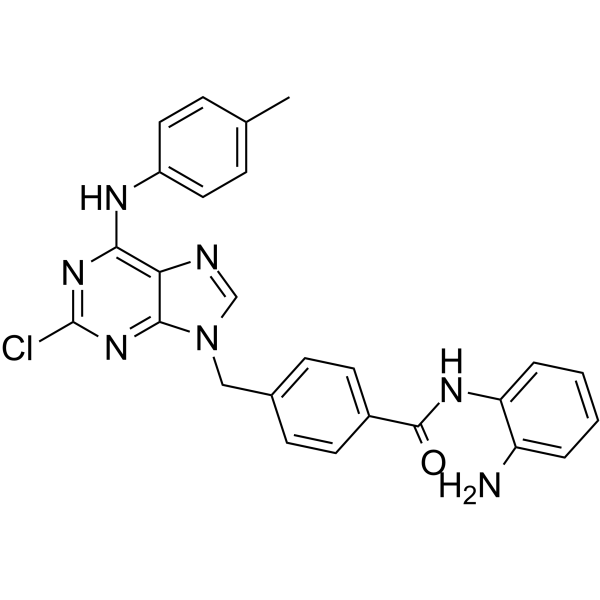
- HY-10032
-
|
PF 00477736
|
Checkpoint Kinase (Chk)
VEGFR
Src
c-Fms
Aurora Kinase
FGFR
FLT3
RET
CDK
|
Cancer
|
|
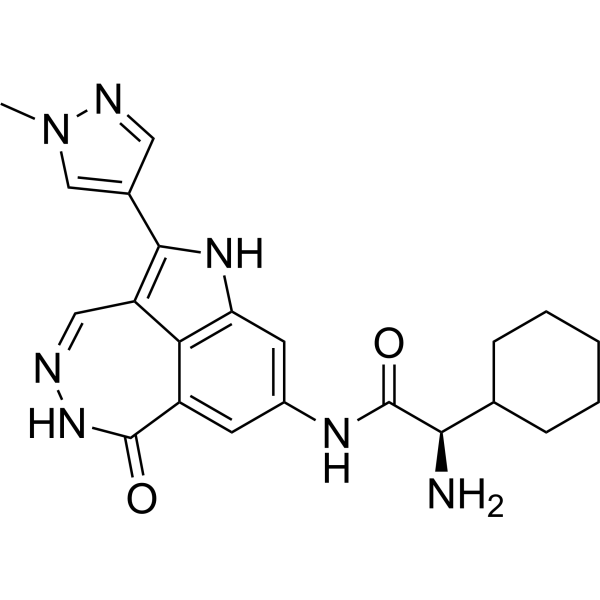
PF 477736 (PF 00477736) is a potent, selective and ATP-competitive inhibitor of Chk1, with a Ki of 0.49 nM, it is also a Chk2 inhibitor, with a Ki of 47 nM. PF 477736 shows <100-fold selectivity for Chk1 over VEGFR2, Fms, Yes, Aurora-A, FGFR3, Flt3, and Ret (IC50=8 (Ki), 10, 14, 23, 23, 25, and 39 nM, respectively). PF 477736 can enhance Gemcitabine antitumor activity in vitro and in vivo .
|
-
- HY-W040293S
-
|
PE(6:0/6:0)-d22; 1,2-Dihexanoyl-sn-glycero-3-phosphoethanolamine-d22
|
Isotope-Labeled Compounds
|
Cancer
|
|
06:0 PE-d22 (PE(6:0/6:0)-d22) is the deuterium labeled 06:0 PE (HY-W040293). 06:0 PE (PE(6:0/6:0)) is a water-soluble phospholipid characterized by its short acyl chains, exhibiting notable antitumor activity and the ability to inhibit tumor progression in vivo, alongside antiproliferative and proapoptotic effects, while serving as a precursor for phosphatidylcholine and phosphatidylethanolamine.
|
-

- HY-115630
-
|
|
RIP kinase
Caspase
Apoptosis
|
Cancer
|
|
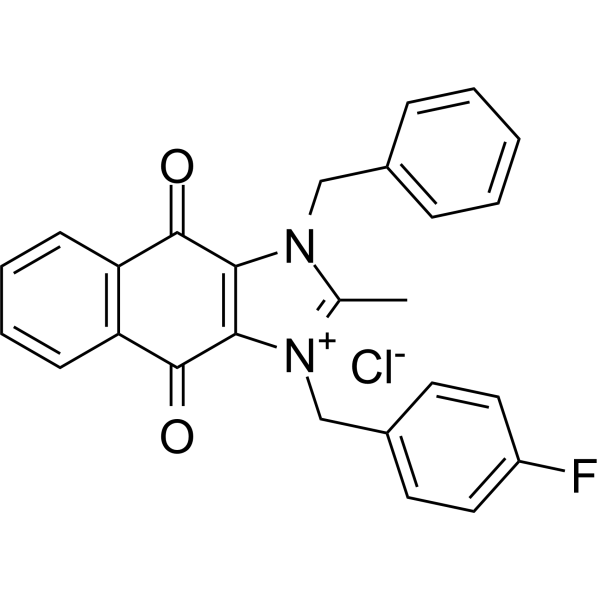
cRIPGBM chloride, an orally active, proapoptotic derivative. cRIPGBM can be generated from glioblastoma multiforme (GBM) cancer stem cells (CSCs). cRIPGBM(chloride) targets to receptor-interacting protein kinase 2 (RIPK2) to induce caspase 1-dependent apoptosis. cRIPGBM(chloride) suppresses the formation of RIPK2/TAK1 (prosurvival complex), and increases the formation of RIPK2/caspase 1 (proapoptotic complex). cRIPGBM(chloride) exerts potent anti-tumor activity in vivo in animal models .
|
-
- HY-D0162R
-
|
MCCK1 (Standard)
|
Reference Standards
Fungal
IKK
NF-κB
Apoptosis
|
Infection
Cancer
|
|
Malachite green hemioxalate (Standard) is the analytical standard of Malachite green hemioxalate (HY-D0162). This product is intended for research and analytical applications. Malachite green hemioxalate is a triphenylmethane dye which can be used to detect the release of phosphate in enzymatic reactions. Malachite green hemioxalate has antimicrobial activity, which is attributed to inhibition of intracellular enzymes, intercalation into DNA, and/or interaction with cellular membranes. Malachite green hemioxalate is also a potent and selective inhibitor of IKBKE, and inhibits its downstream targets such as IκBα, p65 and IRF3. Malachite green hemioxalate exhibits antitumor activity in vitro and in vivo.
|
-

- HY-160698
-
|
|
MALT1
Apoptosis
|
Cancer
|
|
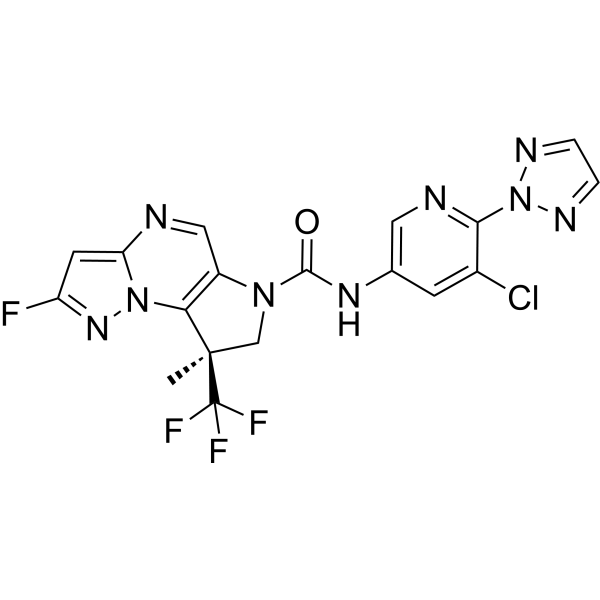
SGR-1505 is an oral small molecule MALT1 inhibitor with anti-proliferative and antitumor activity.SGR-1505 inhibits MALT1 enzymatic activity to modulate NF-κB pathway gene expression.SGR-1505 induces modulation of cell cycle, DNA damage, and apoptosis-related genes in in vivo tumor samples.SGR-1505 exerts tumorostatic and regressive activity in ABC-DLBCL xenograft models.SGR-1505 can be used for the research of activated B cell-like diffuse large B cell lymphoma, non-Hodgkin B-cell lymphomas, chronic lymphocytic leukemia, and mature B cell neoplasms .
|
-
- HY-164992
-
|
MRG002; Trastuzumab MMAE
|
Antibody-Drug Conjugates (ADCs)
EGFR
Microtubule/Tubulin
|
Cancer
|
|
Trastuzumab vedotin (MRG002; Trastuzumab MMAE) is an antibody-drug conjugate and cytotoxin targeting HER2, with a Kd of 7.50E-11 M for human HER2. After binding to HER2, Trastuzumab vedotin undergoes internalization and lysosomal trafficking, delivering a cytotoxic payload to HER2-expressing cells and inducing tumor regression in in vivo xenograft models with HER2-expressing tumors. The anti-tumor activity of Trastuzumab vedotin is enhanced when used in combination with anti-PD-1 antibodies, and it exhibits preclinical anti-tumor activity in drug-resistant breast cancer, gastric cancer, and urothelial carcinoma PDX models. Trastuzumab vedotin has low antibody-dependent cellular cytotoxicity activity and can be used in studies related to HER2-positive breast cancer, HER2-positive gastric cancer, and unresectable locally advanced or metastatic HER2-positive urothelial carcinoma .
|
-

- HY-P11011
-
|
Pep R54; CXCR4 antagonist peptide 19
|
CXCR
|
Cancer
|
|
Peptide R54 (Pep R54; CXCR4 antagonist peptide 19) is an antagonistic peptide targeting CXCR4 with significant anticancer activity. Peptide R54 inhibits CXCR4-dependent cell migration, epithelial-mesenchymal transition, and lung metastasis development, with better serum stability and higher CXCR4 affinity than the lead compound (IC50=20 nM). Peptide R54 synergizes with anti-PD-1 therapy to exert anti-tumor activity in vivo, enhances granzyme activity, and reduces infiltration of Foxp3 cells. Peptide R54 can be used in the study of colon cancer, ovarian cancer, and melanoma .
|
-

- HY-153268
-
|
BDTX-1535; EGFR-in-76
|
EGFR
|
Infection
Neurological Disease
Metabolic Disease
Cancer
|
|
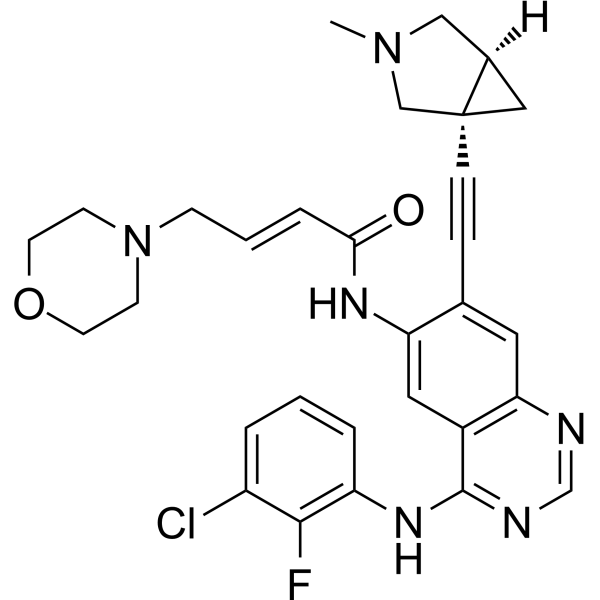
Silevertinib (BDTX-1535) is an irreversible, brain-penetrant, selective and orally active EGFR inhibitor with wild-type EGFR-sparing. Silevertinib targets key EGFR resistance mutations, including the kinase domain (C797S, L718Q, G724S, S768I), extracellular domain (EGFRvIII, A289X), and EGFR amplification. Silevertinib exerts anti-tumor activity with well tolerated in vivo. Silevertinib can be used for non-small cell lung cancer (NSCLC) and glioblastoma (GBM) research .
|
-
- HY-163083
-
|
|
MDM-2/p53
Apoptosis
|
Cancer
|
|
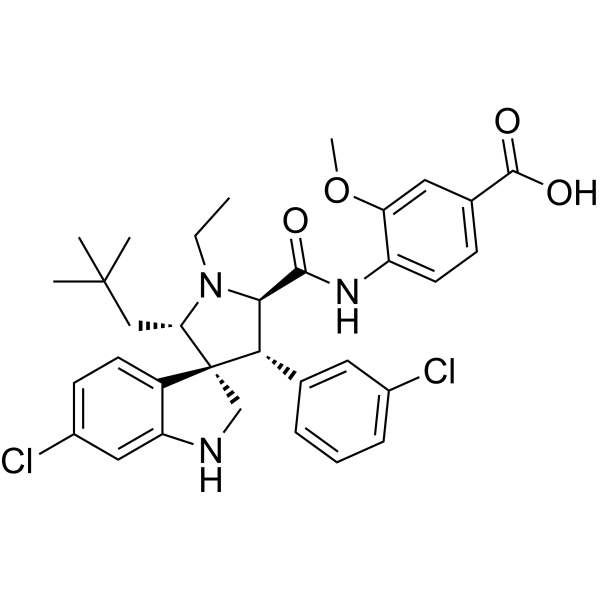
JN122, a spiroindoline-containing molecule, is a MDM2 inhibitor. JN122 Inhibits MDM2/p53 protein–protein interaction and exerts robust in vivo antitumor efficacy. JN122 has antiproliferative activity in HCT-116 cells and HEK-293 cells with IC50 values of 39.6 nM and 4.28μM, respectively. JN122 can promote activation of p53 and its target genes, inhibited cell cycle progression, and induced cell apoptosis .
|
-
- HY-182238
-
|
|
MAP4K
Interleukin Related
|
Cancer
|
|
HPK1-IN-69 is an orally active HPK1 inhibitor with an IC50 of 1.7 nM. HPK1-IN-69 inhibits the HPK1-mediated TCR signaling pathway, reduces the phosphorylation level of SLP76, and promotes the release of IL-2. HPK1-IN-69 exhibits in vivo anti-tumor activity in mouse models. HPK1-IN-69 can be used for the research of colorectal cancer and MC38 syngeneic tumors .
|
-

- HY-185430
-
|
|
TGF-β Receptor
|
Inflammation/Immunology
Cancer
|
|
HM-279 is a potent and orally active ALK5 inhibitor with an IC50 of 4.7 nM. HM-279 shows cross-reactivity with ALK7 (IC50 = 6.8 nM), but HM-279 has fair to good selectivity against other TGF-β receptor family kinases, with 4.5-693-fold selectivity. HM-279 demonstrates antitumor activity in vivo through CD8 + T cell immunity. HM-279 can be used for the research of colon cancer .
|
-

- HY-175341
-
|
|
Acyltransferase
Ras
Akt
|
Cancer
|
|
Rac1-IN-5 is a specific, reversible inhibitor of RAC1 (KD = 30 nM). Rac1-IN-5 competes with guanine nucleotides for specific binding to RAC proteins, effectively blocking RAC1 activity and RAC1-dependent cellular functions. Rac1-IN-5 exhibits anti-tumor metastasis effects in vivo and can improve survival. Rac1-IN-5 can be used to study invasive cancers such as triple-negative breast cancer and colon cancer .
|
-

- HY-115904
-
|
|
CDK
FLT3
|
Cancer
|
|
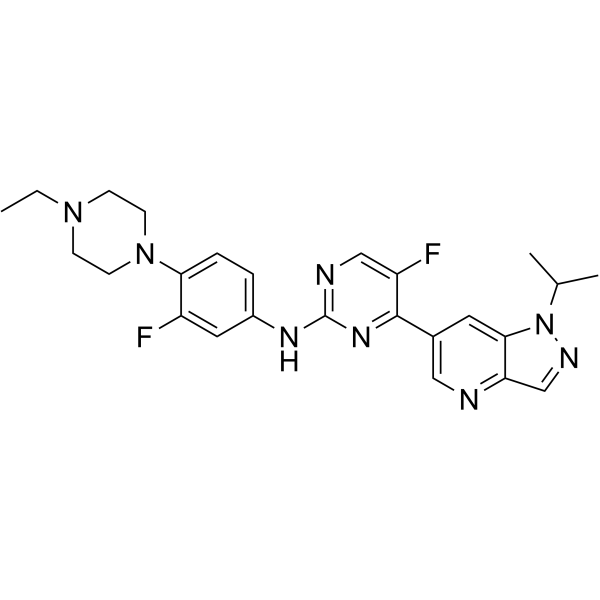
FLT3/CDK4-IN-1 is a potent, high selective and orally active FLT3/CDK4 dual inhibitor (IC50=11 and 7 nM for FLT3 and CDK4, respectively). FLT3/CDK4-IN-1 has antiproliferative activities against certain cancer cells. FLT3/CDK4-IN-1 has good antitumor effect in vivo .
|
-
- HY-116452
-
|
|
VEGFR
|
Cancer
|
|
YLT192 is an orally active and highly bioavailable VEGFR2 inhibitor with potent anti-angiogenic activity and anti-tumor efficacy. YLT192 significantly inhibited the kinase activity of VEGFR2 and inhibited the proliferation, migration, invasion and tube formation of human umbilical cord vascular endothelial cells. YLT192 also inhibited VEGF-induced VEGFR2 phosphorylation and its downstream signaling regulators. YLT192 also showed the ability to inhibit angiogenesis in vivo in zebrafish embryo models and alginate-coated tumor cell experiments. YLT192 can directly inhibit the proliferation of cancer cells and induce their apoptosis .
|
-

- HY-174377
-
|
|
Androgen Receptor
p38 MAPK
Caspase
Cytochrome P450
Calcium Channel
Reactive Oxygen Species (ROS)
Apoptosis
Mitochondrial Metabolism
GLUT
|
Cancer
|
|
PeS-9 is an Androgen Receptor (AR) degrader that induces androgen receptor degradation PeS-9 induces mitochondrial and ER stress by promoting cytotoxic ROS production, leading to the release of mitochondrial cytochrome C and AIF. PeS-9 subsequently activates caspases-9 and -3, causing DNA fragmentation and apoptotic cell death. PeS-9 has anticancer activity against prostate cancer and exerts in vivo antitumor and antimetastatic activity with minor side effects. PeS-9 can be used for the study of targeting monotherapy against GLUT-1-overexpressing tumors .
|
-

- HY-P992396
-
|
|
c-Met/HGFR
|
Cancer
|
|
KTN0073 is a high-affinity MET receptor tyrosine kinase inhibitor. KTN0073 can be used in studies related to non-small cell lung cancer and human cancers driven by HGF, MET amplification, or exon 14 mutation. KTN0073 binds to the Sema/PSI domain to block the HGF-MET interaction, and induces ubiquitination and degradation of oncogenic MET receptors via an HGF-independent pathway, thereby inhibiting MET-dependent signal transduction. KTN0073 exhibits significant antitumor activity in vivo, and its tumor suppressive activity is superior to that of the IgG1 subtype when grafted to the IgG2 constant region .
|
-

- HY-159905
-
|
|
MAP4K
|
Inflammation/Immunology
|
|
HPK1-IN-54 is a potent HPK1 (Hematopoietic Progenitor Kinase 1) inhibitor that enhances T cell activation and proliferation by inhibiting HPK1 activity, thereby exhibiting antitumor effects. Its IC50 value against HPK1 is 2.67 nM, with excellent selectivity over the MAP4K family (>100-fold) and other selected kinases (>300-fold). HPK1-IN-54 displayed moderate in vivo clearance and reasonable oral exposure in mice and rats. Additionally, HPK1-IN-54 demonstrated strong antitumor efficacy in a CT26 murine colon cancer model and synergistic effects when combined with anti-PD-1 (HY-P9902A). HPK1-IN-54 shows promise for research in the field of immunotherapy .
|
-

- HY-P2970
-
|
|
Apoptosis
PARP
Caspase
Bcl-2 Family
Bacterial
Interleukin Related
|
Infection
Inflammation/Immunology
Cancer
|
|
Stem bromelain (EC 3.4.22.32) is a cysteine protease and antibacterial agent. Stem bromelain can be isolated from the stem of the pineapple (Ananas comosus). Stem bromelain induces dose-dependent secretion of IL-12p70, and IL-6, induces Apoptosis, causes cleavage of full-length PARP protein, Caspase 3, and Caspase 9, increases Bax, and decreases Bcl-2. Stem bromelain possesses various fibrinolytic, antiedema, antithrombotic, and anti-inflammatory activities. Stem bromelain also exhibits in vivo antitumor and antileukemic activities, as well as antimetastatic effects. Stem bromelain has antimycobacterial activity. Stem bromelain provides protection against lead poisoning .
|
-

- HY-169061
-
|
|
Histone Methyltransferase
Aminotransferases (Transaminases)
Lactate Dehydrogenase
|
Cancer
|
|
WQQ-345 is an orally active BCAT1 inhibitor with an IC50 values of 10.8 mM. WQQ-345 reduces cellular α-KG levels, upregulating H3K27me3 expression, decreasing glycolytic enzyme expression, and impairing glycolysis activity. WQQ-345 reduces colony formation, suppresses growth of BCAT1-high TKI-resistant lung cancer cells. WQQ-345 exerts in vitro and in vivo antitumor activity. WQQ-345 can be used for the research of TKI-resistant non-small cell lung cancer and TKI-resistant lung cancer .
|
-

- HY-178036
-
|
|
MDM-2/p53
Topoisomerase
Bcl-2 Family
Caspase
Cyclin G-associated Kinase (GAK)
|
Cancer
|
|
ZM484 is a potent dual p53-MDM2/TOP1 inhibitor that exhibits antiproliferative and antitumor activity both in vitro and in vivo. ZM484 effectively upregulates p53 and MDM2 proteins and maintains TOP1 inhibitory activity by the release of camptothecin (CPT) and a potent p53-MDM2 inhibitor. ZM484 induces cell cycle arrest and apoptosis by regulating the expression of key apoptosis- and cycle-related proteins, including caspase-3, Bcl-2, and Cyclin B1. ZM484 can be used for colorectal cancer research .
|
-

- HY-179630
-
|
|
Deubiquitinase
SARS-CoV
VISTA
|
Infection
Cancer
|
|
MS102 is an orally active ubiquitin specific peptidase 2 (USP2) inhibitor with an IC50 of 5.46 μM. MS102 has viable antiviral activity against ACE2-dependent coronaviruses. MS102 significantly reduces V-domain Ig suppressor of T cell activation (VISTA) protein abundance in vitro and in vivo. MS102 can be used for the study of SARS-CoV-2. MS102 can be used in combination with anti-PD-1 immunotherapy to enhance the anti-tumor immune response .
|
-

- HY-P992012
-
|
|
Opioid Receptor
|
Neurological Disease
Cancer
|
|
CA1001 is a small-molecule ZNF74 inhibitor and a peripherally restricted κ/δ dual opioid receptor agonist. CA1001 exhibits potent antitumor activity both in vitro and in vivo. CA1001, in combination with immune checkpoint inhibitors, significantly enhances tumor regression. CA1001 activates peripherally restricted κ/δ dual opioid receptors and exerts analgesic effects under conditions of inflammatory pain, neuropathic pain, and mechanical hyperalgesia. CA1001 can be used in research related to melanoma, mechanical hyperalgesia, neuropathic pain, and inflammatory arthritis pain.
|
-

- HY-W039442
-
|
|
Nucleoside Antimetabolite/Analog
|
Infection
Cancer
|
|
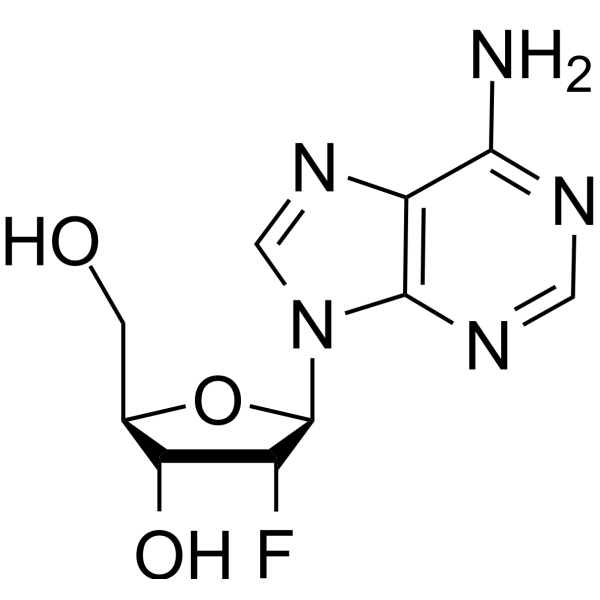
2′-Deoxy-2′-fluoroadenosine is a fluorinated deoxyadenosine with antitumor and antiviral activity, able to interfere with viral or cancer cell replication by being incorporated into DNA. 2′-Deoxy-2′-fluoroadenosine can be used for the synthesis of 2′-Deoxy-2′-fluoro-modified oligonucleotides hybridized with RNA. 2′-Deoxy-2′-fluoroadenosine can be cleaved efficiently by E. coli purine nucleoside phosphorylase (PNP) to the toxic agent 2-fluoroadenine (FAde). 2′-Deoxy-2′-fluoroadenosine shows excellent in vivo activity against tumors expressing E. coli PNP .
|
-
- HY-181996
-
|
|
Btk
Caspase
Apoptosis
PARP
|
Cancer
|
|
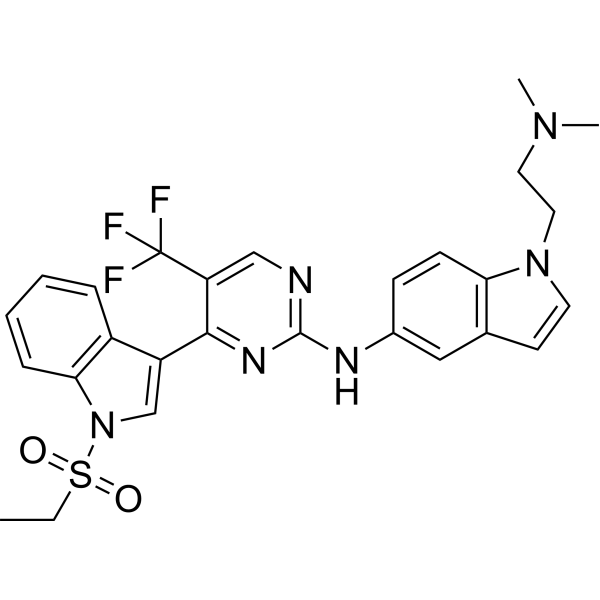
BTK-IN-47 (Compound 9e) is a covalent, selective BTK inhibitor with an IC50 of 5.15 nM against BTK. BTK-IN-47 inhibits the BTK signaling pathway, induces cell cycle arrest, and activates the canonical Caspase-dependent Apoptotic pathway (promoting the cleavage of Caspase-3, Caspase-7 and PARP), without inducing necroptosis, pyroptosis or ferroptosis. BTK-IN-47 exerts dose-dependent antiproliferative activity against hematologic tumor cell lines. BTK-IN-47 exhibits dose-dependent in vivo antitumor activity in a Ramos cell xenograft model in BALB/c nude mice. BTK-IN-47 can be used for the research of hematologic malignancies .
|
-

- HY-104048R
-
|
|
Reference Standards
Histone Demethylase
|
Cancer
|
|
QC6352 (Standard) is the analytical standard of QC6352 (HY-104048). This product is intended for research and analytical applications. QC6352 is an orally active KDM4 inhibitor with anti-tumor and anti-proliferative activity. QC6352 has in vivo inhibitory effects on PDX models of breast and colon cancer and reduces the number of chemoresistant cell populations. QC6352 inhibits KDM4 different isoforms with IC50s of 104 nM (KDM4A), 56 nM (KDM4B), 35 nM (KDM4C), and 104 nM (KDM4D), respectively. QC6352 has moderate inhibitory activity against KDM5 with an IC50 of 750 nM (KDM5B) .
|
-

- HY-123237
-
|
|
c-Met/HGFR
FLT3
Trk Receptor
Apoptosis
Autophagy
|
Cancer
|
|
KRC-108, an aminopyridine, is an orally active multiple kinase inhibitor with IC50s of 80 nM, 23 nM, 3 nM, 70 nM, 30 nM, 39 nM for c-Met, c-Met M1250T, c-Met Y1230D, Ron, Flt3 and TrkA, respectively. KRC-108 induces cell cycle arrest, apoptotic cell death, and autophagy. KRC-108 exhibits anti-tumor activity in vivo in HT29 colorectal cancer, NCI-H441 lung cancer xenograft models in athymic BALB/c nu/nu mice .
|
-

- HY-155005
-
|
|
EGFR
|
Cancer
|
|
EGFR mutant-IN-2 (Compound D51) is an EGFR mutant inhibitor. EGFR mutant-IN-2 inhibits the EGFR L858R/T790M/C797S mutant with an IC50 value of 14 nM. EGFR mutant-IN-2 inhibits the EGFR del19/T790M/C797S mutant with an IC50 value of 62 nM. EGFR mutant-IN-2 has favorable PK parameters, safety properties, in vivo stability, and antitumor activity .
|
-
- HY-10032R
-
|
PF 00477736 (Standard)
|
Checkpoint Kinase (Chk)
Reference Standards
VEGFR
Src
c-Fms
Aurora Kinase
FGFR
FLT3
RET
CDK
|
Cancer
|
|
PF 477736 (Standard) is the analytical standard of PF 477736 (HY-10032). This product is intended for research and analytical applications. PF 477736 (PF 00477736) is a potent, selective and ATP-competitive inhibitor of Chk1, with a Ki of 0.49 nM, it is also a Chk2 inhibitor, with a Ki of 47 nM. PF 477736 shows <100-fold selectivity for Chk1 over VEGFR2, Fms, Yes, Aurora-A, FGFR3, Flt3, and Ret (IC50=8 (Ki), 10, 14, 23, 23, 25, and 39 nM, respectively). PF 477736 can enhance Gemcitabine antitumor activity in vitro and in vivo .
|
-

- HY-176444
-
|
|
Molecular Glues
CDK
|
Cancer
|
|
CDK2 degrader 6 is an orally active and potent CDK2 molecular glue degrader with a DC50 of 46.5 nM. CDK2 degrader 6 binds to cereblon and CDK2 to induce ubiquitination and subsequent proteasomal degradation of CDK2. CDK2 degrader 6 modulates cell cycle in breast cancer cells. CDK2 degrader 6 reduces proliferation of breast cancer cells. CDK2 degrader 6 exhibits in vivo antitumor activity in gastric cancer mouse models. CDK2 degrader 6 can be used for the research of breast cancer, gastric cancer .
|
-

- HY-168715
-
|
|
SHP2
Apoptosis
MAPKAPK2 (MK2)
|
Cancer
|
|
SHP2-IN-33 (Compound D13) is an allosteric inhibitor of SHP2 with an IC50 of 1.2 μM. In cellular studies, SHP2-IN-33 demonstrates antiproliferative activity with an IC50 of 38 μM against Huh7 cells by arresting the G0/G1 cell cycle, promoting apoptosis (Apoptosis), and suppressing the MAPK signaling pathway. In an in vivo Huh7 xenograft mouse model, SHP2-IN-33 exhibits significant antitumor activity and favorable pharmacokinetics, including 54% oral bioavailability and a half-life of 10.57 hours. SHP2-IN-33 is a promising compound for studying tumor diseases associated with SHP2 .
|
-

- HY-11080A
-
|
|
PI3K
mTOR
|
Cancer
|
|
PKI-179 hydrochloride is a potent and orally active dual PI3K/mTOR inhibitor, with IC50s of 8 nM, 24 nM, 74 nM, 77 nM, and 0.42 nM for PI3K-α, PI3K-β, PI3K-γ, PI3K-δ and mTOR, respectively. PKI-179 hydrochloride also exhibits activity over E545K and H1047R, with IC50s of 14 nM and 11 nM, respectively. PKI-179 hydrochloride shows anti-tumor activity in vivo .
|
-
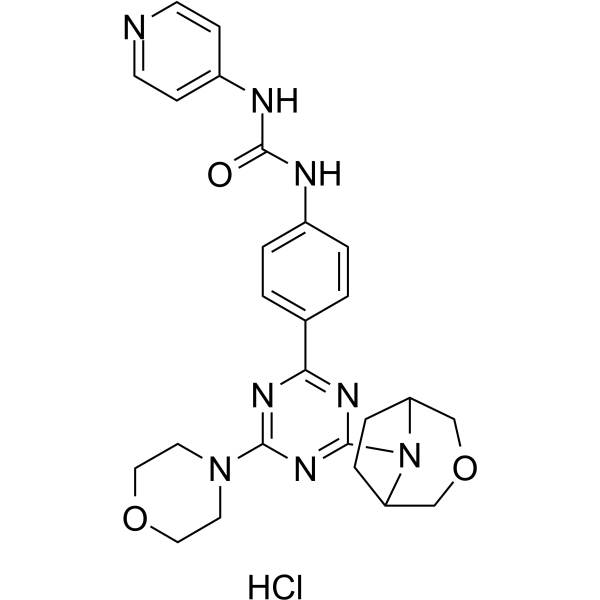
- HY-11080
-
PKI-179
1 Publications Verification
|
PI3K
mTOR
|
Cancer
|
|
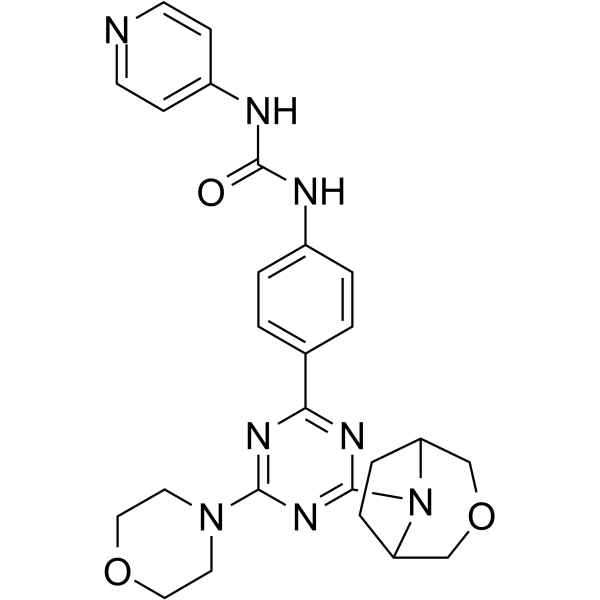
PKI-179 is a potent and orally active dual PI3K/mTOR inhibitor, with IC50s of 8 nM, 24 nM, 74 nM, 77 nM, and 0.42 nM for PI3K-α, PI3K-β, PI3K-γ, PI3K-δ and mTOR, respectively. PKI-179 also exhibits activity over E545K and H1047R, with IC50s of 14 nM and 11 nM, respectively. PKI-179 shows anti-tumor activity in vivo .
|
-
- HY-171808
-
|
|
Androgen Receptor
PROTACs
Apoptosis
|
Cancer
|
|
ITRI-90 is an orally active androgen receptor (AR) PROTAC degrader. ITRI-90 effectively degrades both full-length AR (AR-FL) and the splice variant AR-V7 protein via the ubiquitin-proteasome system, thereby inhibiting AR transcriptional activity and the target gene expression. ITRI-90 significantly inhibits the proliferation of prostate cancer cells and induces apoptosis, include Enzalutamide-resistant growth cell. ITRI-90 exhibits favorable pharmacokinetic properties and demonstrates potent antitumor efficacy in vivo. ITRI-90 can be used for prostate cancer research .
|
-

- HY-13590
-
|
|
VEGFR
|
Cancer
|
|
CEP-7055 (compound 21) is a novel vascular endothelial growth factor R2 (VEGF-R2) tyrosine kinase inhibitor with potent inhibitory activity. Studies have found that the inhibitor activity can be significantly improved by optimizing the R9 substituent. Compound 21 has potent low nanomolar inhibition of human VEGF-R tyrosine kinase and shows good selectivity against multiple tyrosine and serine/threonine kinases. N,N-dimethylglycine ester 40 was prepared to improve its water solubility and oral bioavailability. In animal pharmacokinetic studies, a significant increase in the plasma level of 21 was observed after oral administration of 40. Compound 21 showed significant in vivo antitumor activity in multiple tumor models and has entered phase I clinical trials as a water-soluble N,N-dimethylglycine ester proagent of 40 (CEP-7055).
|
-

- HY-162910
-
|
|
Xanthine Oxidase
HDAC
Autophagy
Apoptosis
|
Metabolic Disease
Inflammation/Immunology
Cancer
|
|
HDAC-IN-79 (compound 4) is an orally active dual xanthine oxidase-HDAC inhibitor (Xanthine oxidase: IC50=6.6 nM; HDAC1: IC50=134 nM; HDAC2: IC50=284 nM; HDAC3: IC50=173 nM; HDAC6: IC50=1.32 nM;), with significant in vivo anti-hyperuricemia and anti-tumor activities. HDAC-IN-79 is the most potent cell growth inhibitor (IC50=0.706 μM) of leukemia HL60 cells, induces apoptosis and autophagy, and can regulate the expression levels of signature biomarkers associated with intracellular HDAC inhibition .
|
-

- HY-117807
-
|
|
Ras
Farnesyl Transferase
VEGFR
|
Cancer
|
|
A-176120 is a selective inhibitor of farnesyl transferase (IC50=1.2 nM) based on a farnesyl pyrophosphate (FPP) analog, with superior selectivity against GGTaseI (IC50=423 nM), GGTaseII (IC50=3000 nM), and SSase (IC50>10 μM). A-176120 inhibits ras processing in H-ras transformed NIH3T3 cells and HCT116 K-ras mutant cells (ED50=1.6 and 0.5 μM, respectively). A-176120 has antiangiogenic and antitumor activities in vivo and reduces capillary structure formation and VEGF secretion .
|
-

- HY-P990778
-
|
ATG-101
|
TNF Receptor
PD-1/PD-L1
|
Inflammation/Immunology
Cancer
|
|
Xirestomig (ATG-101) is a tetravalent "2+2″ PD-L1×4-1BB bispecific antibody. Xirestomig binds PD-L1 and 4-1BB concurrently, with a greater affinity for PD-L1, and potently activated 4-1BB+ T cells when cross-linked with PD-L1-positive cells. Xirestomig activates exhausted T cells upon PD-L1 binding. Xirestomig displays potent antitumor activity in numerous in vivo tumor models, including those resistant or refractory to immune checkpoint inhibitors (ICIs) .
|
-

- HY-181943
-
|
|
Acyltransferase
|
Cancer
|
|
SPT-IN-2 is an orally active serine palmitoyltransferase (SPT) inhibitor (with an IC50 of 0.71 nM against human SPT2). SPT-IN-2 inhibits ceramide synthesis, suppresses cancer cell growth, and exhibits in vivo anti-tumor activity, favorable metabolic stability and cell membrane permeability in xenograft mouse models. SPT-IN-2 blocks the de novo sphingolipid synthesis pathway, significantly reducing intracellular ceramide levels and the levels of 3-ketodihydrosphingosine (3-KDS), the immediate downstream product of SPT. SPT-IN-2 can be used in research related to lung adenocarcinoma, acute promyelocytic leukemia and breast cancer .
|
-

- HY-183801
-
|
|
Phosphatase
Apoptosis
|
Cancer
|
|
Cu2LCl2(H2O) acts as a proteasome inhibitor and protein tyrosine phosphatase inhibitor, with antiproliferative and apoptosis-inducing effects. Cu2LCl2(H2O) exhibits low cytotoxicity against normal cells and remarkable in vivo antitumor efficacy. Cu2LCl2(H2O) inhibits proteasome activity in colon cancer cells, and suppresses PTP1B and TCPTP activities in breast cancer cells. Cu2LCl2(H2O) can be used in the research of colon cancer, breast cancer and liver cancer .
|
-

- HY-119618
-
|
|
Endogenous Metabolite
|
Cancer
|
|
R1498 is a multi-target kinase inhibitor with anti-angiogenic and anti-proliferative activities. R1498 mainly targets targets such as Aurora kinase and VEGFR2, which are associated with tumor development. R1498 showed moderate in vitro growth inhibition in a variety of tumor cells, with IC50 values in the micromolar range. R1498 showed anti-tumor efficacy superior to sorafenib in a variety of gastric cancer and hepatocellular carcinoma xenograft models, with tumor growth inhibition rates exceeding 80%, and tumor shrinkage was observed in some models. R1498 showed a 10-30% tumor shrinkage rate in three xenograft models derived from human primary gastric cancer tumors, further demonstrating its inhibitory potential. R1498 effectively inhibited Aurora A activity in vivo and reduced tumor vascularization .
|
-

- HY-174324
-
|
|
VEGFR
P-glycoprotein
Apoptosis
|
Cancer
|
|
VEGFR-2/P-gp-IN-1, a Licochalcone A (HY-N0372) derivative, is an orally active VEGFR-2 (IC50 = 0.885 μM) and P-gp inhibitor. VEGFR-2/P-gp-IN-1 achieves anti-tumor proliferation and overcomes chemotherapy resistance by synchronously inhibiting VEGFR-2 kinase activity and P-gp drug efflux pump function. VEGFR-2/P-gp-IN-1 inhibits phosphorylation of VEGFR-2 and downstream PI3K/AKT signaling pathway proteins, induces apoptosis, blocks cells in the S phase, and inhibits invasive migration. VEGFR-2/P-gp-IN-1 exerts potent in vivo anti-tumor effects in the HeLa/DDP cell xenograft tumor model. VEGFR-2/P-gp-IN-1 is used in cervical cancer research.
|
-

- HY-179570
-
|
|
E1/E2/E3 Enzyme
|
Cancer
|
|
XMU-MP-10 is a selective NEDD4 inhibitor with a KD of 43.92 nM. XMU-MP-10 selectively inhibits NEDD4 auto-ubiquitination without affecting other ubiquitination activity, upregulates of β-TrCP and results YAP degradation without affecting NEDD4 protein expression. XMU-MP-10 exhibits significant in vivo efficacy in inhibiting TNBC tumor growth by enhancing CD8 + T cell infiltration. XMU-MP-10 enhances antitumor immune responses through the β-TrCP/YAP/ECM axis. XMU-MP-10 can be used for Triple-Negative Breast Cancer (TNBC) research .
|
-

- HY-151137
-
|
|
mTOR
HSP
Apoptosis
Autophagy
|
Cancer
|
|
HSP90/mTOR-IN-1 is a potent and orally active Hsp90 and mTOR inhibitor with IC50 values of 69 nM and 29 nM, respectively. HSP90/mTOR-IN-1 suppresses the proliferation of SW780 cells through the over-activation of the PI3K/AKT/mTOR pathway. HSP90/mTOR-IN-1 induces apoptosis and autophagy via selective Hsp90 and mTOR inhibition. HSP90/mTOR-IN-1 also has considerable in vivo anti-tumor activity. HSP90/mTOR-IN-1 can be used for researching bladder cancer .
|
-
- HY-N8146
-
|
|
STAT
Bcl-2 Family
Ser/Thr Kinase
Survivin
c-Myc
Apoptosis
Necroptosis
CDK
|
Infection
Cancer
|
|
Bruceantinol is a quassinoid that can be isolated from Brucea javanica, inhibits pepper mottle virus (PepMoV) in pepper. Bruceantinol is a STAT3 inhibitor demonstrating potent antitumor activity in in vitro and in vivo human colorectal cancer (CRC) models. Bruceantinol has potent anti-leukemic activity. Bruceantinol strongly inhibits STAT3 DNA-binding ability (IC50 = 2.4 pM), blocks the constitutive and IL-6-induced STAT3 activation, and suppresses transcription of MCL-1, PTTG1, survivin and c-Myc. Bruceantinol binds with CDK2/4/6 to facilitate protein degradation through proteasome pathway. Bruceantinol can dose- and time-dependently reduces the cell growth, impede cell proliferation, disrupts the cell cycle, and induces necrosis in MCF-7 cells and apoptosis in MDA-MB-231 cells .
|
-
- HY-180553
-
|
|
Histone Methyltransferase
|
Cancer
|
|
NSD2-IN-6 is a selective and orally active NSD2 inhibitor with IC50s of 3.8 and 274 nM for NSD2 and NSD1 respectively. NSD2-IN-6 reduces H3K36me2 levels, reverses cell plasticity by restoring the androgen receptor ( AR) signaling pathway. NSD2-IN-6 reduces a shift from cluster 2 and 3 states towards the cluster 1 state in organoids. NSD2-IN-6 exerts antitumor activity by reversing tumor cell plasticity, suppressing growth, and promoting apoptosis in vivo. NSD2-IN-6 can be used for prostate cancer research .
|
-

- HY-P990947
-
|
AZD9592 Antibody
|
ADC Antibody
EGFR
|
Cancer
|
|
Tilatamig (AZD9592 Antibody) is a human antibody of the Ig (G1-κ_G1-λ2) subtype that targets EGFR/MET. Tilatamig conjugates with the Top1 inhibitor AZ14170133 (HY-145399) to form the antibody-drug conjugate (ADC) Tilatamig samrotecan (HY-171124) (AZD9592). Tilatamig accurately targets NSCLC models including EGFR-mutant, EGFR-wildtype, and EGFR tyrosine kinase inhibitor-treated ones, and its activity correlates with high expression of EGFR, c-MET and SLFN11. Tilatamig is available for in vivo anti-tumor studies in patient-derived xenograft models of non-small cell lung cancer (NSCLC) and head and neck squamous cell carcinoma (HNSCC) .
|
-

- HY-171124
-
|
AZD9592
|
Antibody-Drug Conjugates (ADCs)
EGFR
c-Met/HGFR
Topoisomerase
DNA/RNA Synthesis
|
Cancer
|
|
Tilatamig samrotecan (AZD9592) is an anti-EGFR/c-MET antibody-drug conjugate (ADC). Tilatamig samrotecan consists of an anti-EGFR/c-MET antibody with the drug-linker conjugate being AZ14170133 (HY-145399) (a topoisomerase I (TOP1i) inhibitor payload). Tilatamig samrotecan induces multiple DNA damage response pathway markers (like ATM, ATR, γH2AX). Tilatamig samrotecan selectively binds to EGFR and c-MET, delivering the cytotoxic payload. Tilatamig samrotecan exerts anti-tumor activity in vivo. Tilatamig samrotecan can be used for non-small cell lung cancer (NSCLC) and head and neck squamous cell carcinoma (HNSCC) research .
|
-

- HY-145836
-
|
|
FGFR
|
Cancer
|
|
FGFR4-IN-8 (Compound 7v) is an ATP-competitive, highly selective covalent inhibitor of wild-type and gatekeeper mutant FGFR4. FGFR4-IN-8 exhibits excellent potency against FGFR4, FGFR4 V550L, FGFR4 V550M and FGFR4 C552S with IC50s of 0.5, 0.25, 1.6, 931 nM, respectively. FGFR4-IN-8 exhibits potent antiproliferative activity against Hep3B hepatocellular carcinoma cells with the IC50 value of 29 nM. FGFR4-IN-8 demonstrates modest in vivo antitumor efficacy in nude mice bearing the Huh-7 xenograft model .
|
-
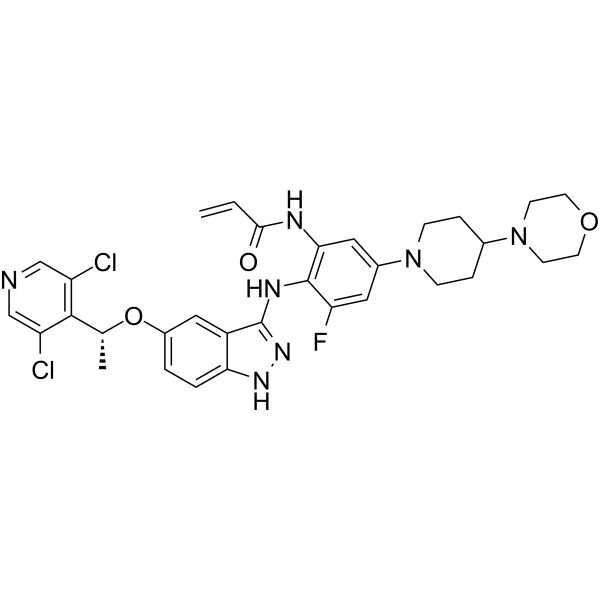
- HY-175459
-
|
|
PROTACs
FAK
|
Inflammation/Immunology
Cancer
|
|
PROTAC FAK degrader 3 is a selective FAK PROTAC degrader (DC50 = 1.08 nM). PROTAC FAK degrader 3 induces FAK degradation dependent on the ubiquitin-proteasome system and its binding to FAK and CRBN. PROTAC FAK degrader 3 upregulates MHC-I gene transcription and tumor cell surface expression by inhibiting the non-catalytic activity of FAK, leading to increased antigen presentation and activation of cytotoxic CD8 T cells. PROTAC FAK degrader 3 enhances in vivo anti-tumor activity by promoting MHC-I expression and enhancing T cell activation. PROTAC FAK degrader 3 can be used in cancer research targeting FAK degradation in ovarian cancer, hepatocellular carcinoma, and other cancers. (Pink: FAK-IN-3:HY-143407, Blue: Thalidomide-4-OH:HY-103596, Blue + Black: FAK ligand-3: HY-W939883, Black: Linker) .
|
-

- HY-164490
-
|
|
EGFR
Apoptosis
|
Cancer
|
|
LS-106 is an orally active and potent inhibitor against epidermal growth factor receptor (EGFR) . LS-106 exhibits antitumor activities both in vitro and in vivo. LS-106 inhibits the kinase activities of EGFR 19del/T790M/C797S and EGFR L858R/T790M/C797S with IC50 values of 2.4 nmol/L and 3.1 nmol/L, respectively, which is more potent than Osimertinib (HY-15772). LS-106 induces Apoptosis, suppresses cell proliferation of tumor cells harboring EGFR 19del/T790M/C797S and leas to significant tumor regression in a C797S-mutant xenograft model .
|
-

- HY-158029
-
|
|
PI3K
Apoptosis
|
Cancer
|
|
PI3Kα-IN-21 (compound 8) is a PI3Kα inhibitor, and its selectivity for PI3Kα is 10.41/16.99/37.53 times higher than PI3Kβ/γ/δ respectively (IC50: 96.89/568.24/397.48 nM ). PI3Kα-IN-21 inhibits cancer cell activity, proliferation, and migration, and induces mitochondrial apoptosis through the PI3K/Akt/mTOR pathway. PI3Kα-IN-21 exhibits in vivo antitumor potency in a mouse model of non-small cell lung cancer .
|
-

- HY-173250
-
|
|
PROTACs
Ras
Apoptosis
|
Cancer
|
|
YN14-H is a PROTAC degrader targeting KRAS G12C. YN14-H inhibits cell growth in NCI-H358 and MIA PaCa-2 cells (IC50 values of 0.042, 0.021 μM, DC50 values of 28.9, 18.1 nM, respectively). YN14-H significantly induces apoptosis and inhibits migration. YN14-H demonstrates favorable pharmacokinetic properties and excellent antitumor activity in vivo. (Structure Note: Pink: target protein ligand (HY-173252); Blue: E3 ligase ligand (HY-125905); Black: linker (HY-Y0840); E3 ligase ligand + linker (HY-173253) .
|
-

- HY-112411
-
|
|
EGFR
ERK
PDGFR
FGFR
|
Neurological Disease
Inflammation/Immunology
|
|
PD 174265 is a highly selective, reversible EGFR/ErbB2 tyrosine kinase inhibitor (IC50=0.45 nM) and cell differentiation inducer. By blocking receptor autophosphorylation and the downstream ERK signaling pathway (with an IC50 of 0.45 μM for full-length ERK), PD 174265 effectively inhibits tumor growth and exhibits antitumor activity without obvious toxicity in in vivo models. PD 174265 drives oligodendrocyte precursor cells to switch from a proliferative state to a differentiated state, significantly upregulates the expression of myelin proteins such as CNP, PLP and MBP, and induces neurite branching. PD 174265 shows no inhibitory effect on other kinases including insulin, PDGF and basic FGF receptors, and serves as a crucial tool molecule for investigating the treatment of human epidermoid carcinoma and the mechanism of myelin repair in multiple sclerosis .
|
-
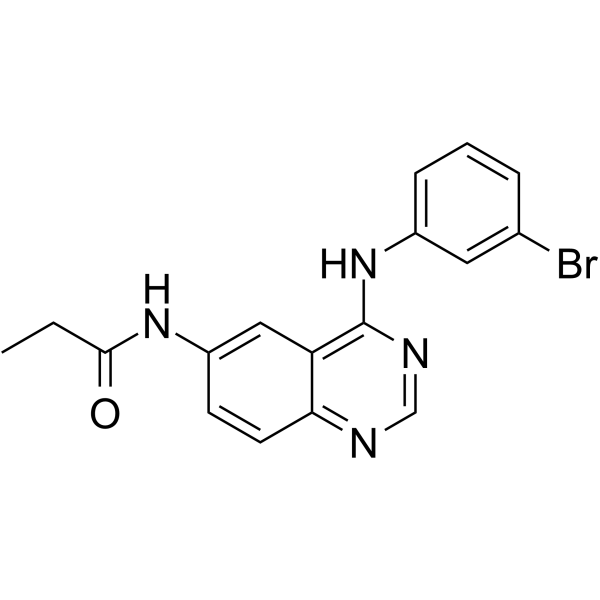
- HY-179585
-
|
|
Apoptosis
|
Cancer
|
|
DD-CIP2 is a DNA damage and apoptosis inducer. DD-CIP2 demonstrates effective anti-proliferative activity against multiple cancer cell. DD-CIP2 modulates the DNA damage response pathway, triggering robust DNA damage, cell cycle arrest, and apoptosis in vitro. DD-CIP2 demonstrates significant anti-tumor efficacy in vivo at well-tolerated doses, without substantial toxicity. DD-CIP2 exhibits superior cytotoxic potency against a broad panel of blood-and solid-tumor-derived cancer cell lines independent of their BRCA1/2 status. DD-CIP2 can be used for small-cell lung cancer (SCLC) and non small-cell lung cancer (NSCLC) research .
|
-

- HY-D1056B2
-
|
LPS, from bacterial (Proteus mirabilis)
|
Toll-like Receptor (TLR)
|
Inflammation/Immunology
|
Lipopolysaccharides, from Proteus mirabilis are lipopolysaccharide endotoxins and TLR-4 activators derived from Proteus mirabilis, classified as S-type LPS, which can activate pathogen-associated molecular patterns (PAMP) of the immune system and induce cellular secretion of migrasomes. Lipopolysaccharides, from Proteus mirabilis exhibit a typical three-part structure: O-antigen, core oligosaccharide, and lipid A. Proteus mirabilis is a major pathogen causing urinary tract infections and may also contribute to rheumatoid arthritis. Lipopolysaccharides, from Proteus mirabilis also exhibit potential anti-tumor effects, demonstrating in vivo inhibitory activity against solid tumors such as meningosarcoma and Walker carcinosarcoma .
It is recommended to prepare a solution with concentration ≥2 mg/mL. Vortex thoroughly for more than 10 minutes. Due to the adsorption characteristics of LPS, silanized container or low adsorption centrifuge tubes should be used for aliquoting and storage, and mix thoroughly before use.
|
-

- HY-15334
-
|
|
VEGFR
|
Cancer
|
|
CEP-5214, derived from a new indenopyrrolocarbazole template, is a potent inhibitor of vascular endothelial growth factor R2 (VEGF-R2) tyrosine kinase. Structurally, it features optimal substitutions at positions 9 (ethoxymethyl) and 12 (hydroxypropyl) on the indeno[2,1-a]pyrrolo[3,4-c]carbazole-5-one scaffold, leading to high potency against VEGF-R2 (IC50 8 nM). Compound 21 (CEP-5214) exhibits low-nanomolar inhibition of human VEGF-R tyrosine kinases (IC50 4 nM for VEGF-R2/KDR), with good selectivity over other kinases. The compound demonstrated significant cellular and in vivo antitumor activity across various models and advanced into phase I clinical trials as a water-soluble prodrug (CEP-7055) to enhance oral bioavailability .
|
-

- HY-170852
-
|
|
PROTACs
RET
|
Cancer
|
|
QZ2135 (compound 20) is a RET-targeted PROTAC degrader with in vivo antitumor properties in a Ba/F3-KIF5B-RET-G810C xenograft mouse model. The degradation activities of QZ2135 targeting KIF5B-RET have DC50 values of 4.7 nM (WT), 17.2 nM (V804M), and 73.8 nM (G810C), respectively. QZ2135 is composed of a target protein ligand (red part) RET ligand-3 (HY-170853), an E3 ligase ligand (blue part) Lenalidomide-F (HY-W039233), and a PROTAC Linker (black part) 7-Iodohept-1-yne (HY-W587352), in which the target protein ligand + linker form a conjugate RET Ligand-Linker Conjugate-1 (HY-170854) .
|
-

- HY-109056
-
|
R-1206
|
Drug Intermediate
HIV
Reverse Transcriptase
Carbonic Anhydrase
|
Infection
Cancer
|
|
Elsulfavirine (R-1206) is an orally active human carbonic anhydrase (carbonic anhydrase, CA) inhibitor and an allosteric inhibitor of HIV-1 non-nucleoside reverse transcriptase (NNRT). Elsulfavirine also targets and blocks the interaction between adenylosuccinate lyase (ADSL) and insulin-induced gene proteins INSIG1/2, blocks SREBP-1-mediated de novo lipid synthesis, and inhibits the proliferation of liver cancer cells. The combination of Elsulfavirine and Lenvatinib (HY-10981) produces a synergistic anti-tumor effect. Elsulfavirine is converted into the active metabolite VM1500A in vivo, blocks the DNA polymerase activity of reverse transcriptase, and inhibits HIV-1 replication. Elsulfavirine exhibits a Ki of 1960 nM-52400 nM against human carbonic anhydrase isoforms including I, VII, VI, VA, VB, IX, XIII, XIV. Elsulfavirine is used in studies related to HIV-1 infection and liver cancer .
|
-
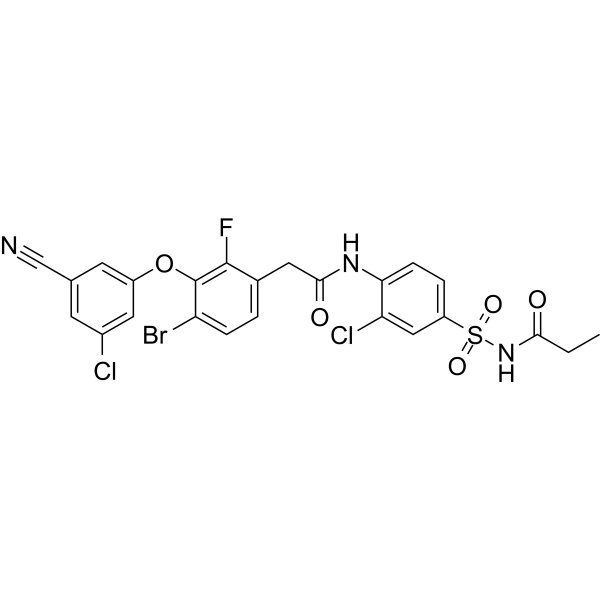
- HY-157213
-
|
|
Apoptosis
PROTACs
FLT3
|
Cancer
|
|
LWY713 is a PROTAC-class FLT3 degrader (DC50=0.64 nM), which selectively induces FLT3 degradation via cereblon and proteasome-dependent pathways. LWY713 inhibits cell proliferation and induces G0/G1 phase arrest and apoptosis in MV4-11 cells. LWY713 shows effective in vivo antitumor activity in MV4-11 xenograft models . LWY713 consists of a target protein ligand (red part) Gilteritinib (HY-12432), an E3 ubiquitin ligase ligand (blue part) Lenalidomide-F (HY-W039233), and a PROTAC linker (black part) Glycolic acid (HY-W015967). E3 ubiquitin ligase and linker can form Lenalidomide-Glycolic acid (HY-169373); the active control for the target protein ligand is Naproxen Gilteritinib (HY-169374).
|
-
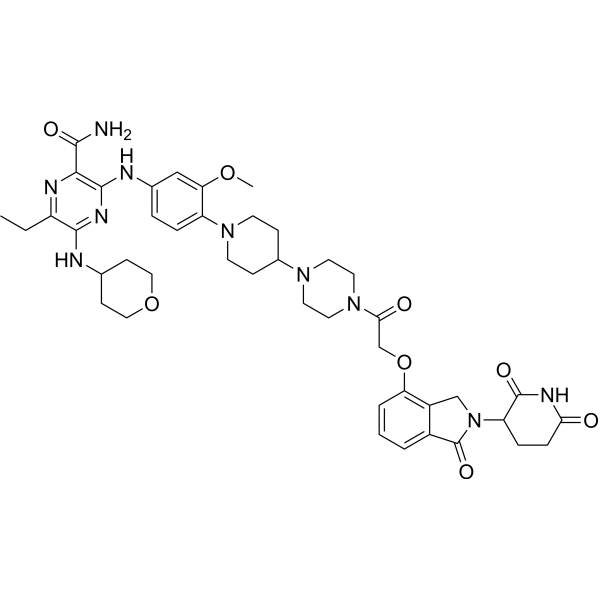
- HY-109056A
-
|
R-1206 sodium
|
HIV
Drug Intermediate
Reverse Transcriptase
Carbonic Anhydrase
|
Infection
Cancer
|
|
Elsulfavirine sodium (R-1206) is an orally active human carbonic anhydrase (carbonic anhydrase, CA) inhibitor and an allosteric inhibitor of HIV-1 non-nucleoside reverse transcriptase (NNRT). Elsulfavirine sodium also targets and blocks the interaction between adenylosuccinate lyase (ADSL) and insulin-induced gene proteins INSIG1/2, blocks SREBP-1-mediated de novo lipid synthesis, and inhibits the proliferation of liver cancer cells. The combination of Elsulfavirine sodium and Lenvatinib (HY-10981) produces a synergistic anti-tumor effect. Elsulfavirine sodium is converted into the active metabolite VM1500A in vivo, blocks the DNA polymerase activity of reverse transcriptase, and inhibits HIV-1 replication. Elsulfavirine sodium exhibits a Ki of 1960 nM-52400 nM against human carbonic anhydrase isoforms including I, VII, VI, VA, VB, IX, XIII, XIV. Elsulfavirine sodium is used in studies related to HIV-1 infection and liver cancer .
|
-

- HY-174396
-
|
|
PI3K
HDAC
Bcl-2 Family
Caspase
Reactive Oxygen Species (ROS)
Apoptosis
Histone Methyltransferase
Microtubule/Tubulin
|
Cancer
|
|
PI3Kδ/HDAC6-IN-1 (Compound 22E) is an orally active and dual inhibitor of PI3Kδ and HDAC6 with IC50 values of 2.4 nM and 6.2 nM, respectively. PI3Kδ/HDAC6-IN-1 exhibits potent antiproliferative effects on non-Hodgkin lymphoma (NHL) cells and possesses in vivo antitumor activity without significant toxicity. PI3Kδ/HDAC6-IN-1 arrests the cell cycle at the G0/G1 phase and induces apoptosis. PI3Kδ/HDAC6-IN-1 blocks the PI3K/AKT/mTOR signaling pathway and increases the acetylation levels of α-tubulin and histone H3 .
|
-

- HY-178032
-
|
|
PARP
Apoptosis
Reactive Oxygen Species (ROS)
DNA/RNA Synthesis
STING
|
Cancer
|
|
PARP1-IN-44, an Olaparib (HY-10162) derivative, is an orally active PARP1 inhibitor (IC50 = 0.6 nM), and also inhibits PARP2 (IC50 = 1.0 nM) and PARP7 (IC50 = 7.5 nM). PARP1-IN-44 has selective antiproliferative activity against BRCA-deficient cancer cells with minimal toxicity to normal cells. PARP1-IN-44 induces G2/M phase arrest, promotes apoptosis, elevates ROS levels, disrupts mitochondrial membrane potential. PARP1-IN-44 suppresses PARylation while increasing γH2AX accumulation. PARP1-IN-44 activates the cGAS-STING pathway, upregulating IFN-β and CXCL10 expression. PARP1-IN-44 enhancing CD8+ T cell infiltration in a CT26 tumor mouse model, demonstrating robust in vivo antitumor efficacy .
|
-

- HY-P10862
-
|
|
Exosomes
Virus Protease
|
Infection
Cancer
|
AH-D peptide is a brain-penetrant antiviral agent disrupting highly curved lipid membranes. AH-D peptide exhibits broad-spectrum antiviral activity against ZIKV, Dengue virus, Chikungunya virus, yellow fever virus and Japanese encephalitis virus, with
IC50 values of 11.9, 12.5, 35.7, 206 and 136 nM, respectively. AH-D peptide reduces the viral load in the brain, suppresses inflammation, protects neurons, and does not damage the blood brain barrier. AH-D peptide restores antitumor immunity by decreasing circulating PD-L1 + exosomes, reducing intratumoral immunosuppressive cells (regulatory T cells, myeloid-derived suppressor cells), and enhancing T cell function. AH-D peptide inhibits membrane-enveloped viruses and cancer cell metastasis in vivo. AH-D peptide exhibits no immunogenicity and has negligible effects on normal tissues. AH-D peptide can be used for research in Zika virus and other mosquito-borne viruses, cancer immunotherapy and metastasis .
|
-

- HY-109056R
-
|
R-1206 (Standard)
|
Reference Standards
Drug Intermediate
HIV
Reverse Transcriptase
Carbonic Anhydrase
|
Infection
Cancer
|
|
Elsulfavirine (Standard) is the analytical standard of Elsulfavirine (HY-109056). This product is intended for research and analytical applications. Elsulfavirine (R-1206) is an orally active human carbonic anhydrase (carbonic anhydrase, CA) inhibitor and an allosteric inhibitor of HIV-1 non-nucleoside reverse transcriptase (NNRT). Elsulfavirine also targets and blocks the interaction between adenylosuccinate lyase (ADSL) and insulin-induced gene proteins INSIG1/2, blocks SREBP-1-mediated de novo lipid synthesis, and inhibits the proliferation of liver cancer cells. The combination of Elsulfavirine and Lenvatinib (HY-10981) produces a synergistic anti-tumor effect. Elsulfavirine is converted into the active metabolite VM1500A in vivo, blocks the DNA polymerase activity of reverse transcriptase, and inhibits HIV-1 replication. Elsulfavirine exhibits a Ki of 1960 nM-52400 nM against human carbonic anhydrase isoforms including I, VII, VI, VA, VB, IX, XIII, XIV. Elsulfavirine is used in studies related to HIV-1 infection and liver cancer .
|
-

| Cat. No. |
Product Name |
Type |
-
- HY-141601
-
|
ABBV-399
|
Fluorescent Dyes
|
|
Telisotuzumab vedotin (ABBV-399) (Teliso-V) is an anti-c-Met antibody-drug conjugate. Telisotuzumab vedotin consists of an anti-c-Met monoclonal antibody Telisotuzumab (ABT-700) (HY-P99391) and Monomethyl Auristatin E (HY-15162). Telisotuzumab vedotin exerts antitumor activity with acceptable toxicity in vivo. Telisotuzumab vedotin can be used for non-small cell lung cancer (NSCLC) research .
|
-
- HY-164992
-
|
MRG002; Trastuzumab MMAE
|
Fluorescent Dyes
|
|
Trastuzumab vedotin (MRG002; Trastuzumab MMAE) is an antibody-drug conjugate and cytotoxin targeting HER2, with a Kd of 7.50E-11 M for human HER2. After binding to HER2, Trastuzumab vedotin undergoes internalization and lysosomal trafficking, delivering a cytotoxic payload to HER2-expressing cells and inducing tumor regression in in vivo xenograft models with HER2-expressing tumors. The anti-tumor activity of Trastuzumab vedotin is enhanced when used in combination with anti-PD-1 antibodies, and it exhibits preclinical anti-tumor activity in drug-resistant breast cancer, gastric cancer, and urothelial carcinoma PDX models. Trastuzumab vedotin has low antibody-dependent cellular cytotoxicity activity and can be used in studies related to HER2-positive breast cancer, HER2-positive gastric cancer, and unresectable locally advanced or metastatic HER2-positive urothelial carcinoma .
|
-
- HY-D0162
-
|
MCCK1
|
Fluorescent Dyes
|
|
Malachite green hemioxalate (MCCK1) is a triphenylmethane dye which can be used to detect the release of phosphate in enzymatic reactions. Malachite green hemioxalate has antibacterial activity, which is attributed to inhibition of intracellular enzymes, insertion into DNA and/or interaction with cell membranes. Malachite green hemioxalate is also a potent and selective inhibitor of IKBKE, and inhibits its downstream targets such as IκBα, p65 and IRF3. Malachite green hemioxalate exhibits antitumor activity in vitro and in vivo .
|
-
- HY-D2095
-
|
|
Fluorescent Dyes
|
|
Medical fluorophore 33 is a novel quinoline-isoquinoline salt. Medical fluorophore 33 exhibits a strong fluorescent signal, good microsomal stability and high biocompatibility in vivo. Medical fluorophore 33 has antitumor activity in colorectal cancer mice .
|
-
- HY-D0162R
-
|
MCCK1 (Standard)
|
Fluorescent Dyes
|
|
Malachite green hemioxalate (Standard) is the analytical standard of Malachite green hemioxalate (HY-D0162). This product is intended for research and analytical applications. Malachite green hemioxalate is a triphenylmethane dye which can be used to detect the release of phosphate in enzymatic reactions. Malachite green hemioxalate has antimicrobial activity, which is attributed to inhibition of intracellular enzymes, intercalation into DNA, and/or interaction with cellular membranes. Malachite green hemioxalate is also a potent and selective inhibitor of IKBKE, and inhibits its downstream targets such as IκBα, p65 and IRF3. Malachite green hemioxalate exhibits antitumor activity in vitro and in vivo.
|
| Cat. No. |
Product Name |
Type |
-
- HY-D1056B2
-
|
LPS, from bacterial (Proteus mirabilis)
|
Biochemical Assay Reagents
|
Lipopolysaccharides, from Proteus mirabilis are lipopolysaccharide endotoxins and TLR-4 activators derived from Proteus mirabilis, classified as S-type LPS, which can activate pathogen-associated molecular patterns (PAMP) of the immune system and induce cellular secretion of migrasomes. Lipopolysaccharides, from Proteus mirabilis exhibit a typical three-part structure: O-antigen, core oligosaccharide, and lipid A. Proteus mirabilis is a major pathogen causing urinary tract infections and may also contribute to rheumatoid arthritis. Lipopolysaccharides, from Proteus mirabilis also exhibit potential anti-tumor effects, demonstrating in vivo inhibitory activity against solid tumors such as meningosarcoma and Walker carcinosarcoma .
It is recommended to prepare a solution with concentration ≥2 mg/mL. Vortex thoroughly for more than 10 minutes. Due to the adsorption characteristics of LPS, silanized container or low adsorption centrifuge tubes should be used for aliquoting and storage, and mix thoroughly before use.
|
| Cat. No. |
Product Name |
Target |
Research Area |
-
- HY-P10862
-
|
|
Exosomes
Virus Protease
|
Infection
Cancer
|
AH-D peptide is a brain-penetrant antiviral agent disrupting highly curved lipid membranes. AH-D peptide exhibits broad-spectrum antiviral activity against ZIKV, Dengue virus, Chikungunya virus, yellow fever virus and Japanese encephalitis virus, with
IC50 values of 11.9, 12.5, 35.7, 206 and 136 nM, respectively. AH-D peptide reduces the viral load in the brain, suppresses inflammation, protects neurons, and does not damage the blood brain barrier. AH-D peptide restores antitumor immunity by decreasing circulating PD-L1 + exosomes, reducing intratumoral immunosuppressive cells (regulatory T cells, myeloid-derived suppressor cells), and enhancing T cell function. AH-D peptide inhibits membrane-enveloped viruses and cancer cell metastasis in vivo. AH-D peptide exhibits no immunogenicity and has negligible effects on normal tissues. AH-D peptide can be used for research in Zika virus and other mosquito-borne viruses, cancer immunotherapy and metastasis .
|
-
- HY-P10841
-
|
|
Amino Acid Derivatives
|
Cancer
|
|
CyPep-1 is a novel cationic lytic peptide with antitumor activity. CyPep-1 is highly cytotoxic by interacting with the negatively charged cell membrane of cancer cells. CyPep-1 has strong cytolytic activity on cancer cells both in vivo and in vitro, and can be used in the study of solid tumors .
|
-
- HY-P11011
-
|
Pep R54; CXCR4 antagonist peptide 19
|
CXCR
|
Cancer
|
|
Peptide R54 (Pep R54; CXCR4 antagonist peptide 19) is an antagonistic peptide targeting CXCR4 with significant anticancer activity. Peptide R54 inhibits CXCR4-dependent cell migration, epithelial-mesenchymal transition, and lung metastasis development, with better serum stability and higher CXCR4 affinity than the lead compound (IC50=20 nM). Peptide R54 synergizes with anti-PD-1 therapy to exert anti-tumor activity in vivo, enhances granzyme activity, and reduces infiltration of Foxp3 cells. Peptide R54 can be used in the study of colon cancer, ovarian cancer, and melanoma .
|
| Cat. No. |
Product Name |
Target |
Research Area |
Image |
-
- HY-P9969
-
|
EMD 72000
|
EGFR
|
Cancer
|
|
Matuzumab (EMD 72000) is a humanized anti-EGFR monoclonal antibody that blocks EGFR activation and downstream signaling, inhibits tumor growth. Deglycosylation and the possible elimination of ADCC activity can reduce the in vivo anti-tumor activity of Mattuzumab .
|
-

(5)
-
- HY-P99284
-
|
MK-0646; h7C10
|
IGF-1R
Apoptosis
|
Cancer
|
|
Dalotuzumab (MK-0646) is a recombinant humanized monoclonal antibody (IgG1 type) targeting IGF-1R. Dalotuzumab acts by inhibiting IGF-1- and IGF-2-mediated tumor cell proliferation, IGF-1R autophosphorylation, and Akt phosphorylation. Dalotuzumab also induces apoptosis and cycle arrest. Dalotuzumab in combination with other anticancer agents such as statins can enhance the antitumor activity of Dalotuzumab in vitro and in vivo .
|
-
(5)
-
- HY-P99852
-
|
ABT165; PR1283233
|
VEGFR
Notch
|
Cancer
|
|
Dilpacimab (ABT165) is a bispecific variable domain immunoglobulin. Dilpacimab binds to and inhibits DLL4 and VEGF and acts as a tumor growth inhibitor. Dilpacimab can be used in research related to metastatic colorectal cancer and advanced solid tumors .
|
-
(5)
-
- HY-P990947
-
|
AZD9592 Antibody
|
ADC Antibody
EGFR
|
Cancer
|
|
Tilatamig (AZD9592 Antibody) is a human antibody of the Ig (G1-κ_G1-λ2) subtype that targets EGFR/MET. Tilatamig conjugates with the Top1 inhibitor AZ14170133 (HY-145399) to form the antibody-drug conjugate (ADC) Tilatamig samrotecan (HY-171124) (AZD9592). Tilatamig accurately targets NSCLC models including EGFR-mutant, EGFR-wildtype, and EGFR tyrosine kinase inhibitor-treated ones, and its activity correlates with high expression of EGFR, c-MET and SLFN11. Tilatamig is available for in vivo anti-tumor studies in patient-derived xenograft models of non-small cell lung cancer (NSCLC) and head and neck squamous cell carcinoma (HNSCC) .
|
-
(5)
-
- HY-P990778
-
|
ATG-101
|
TNF Receptor
PD-1/PD-L1
|
Inflammation/Immunology
Cancer
|
|
Xirestomig (ATG-101) is a tetravalent "2+2″ PD-L1×4-1BB bispecific antibody. Xirestomig binds PD-L1 and 4-1BB concurrently, with a greater affinity for PD-L1, and potently activated 4-1BB+ T cells when cross-linked with PD-L1-positive cells. Xirestomig activates exhausted T cells upon PD-L1 binding. Xirestomig displays potent antitumor activity in numerous in vivo tumor models, including those resistant or refractory to immune checkpoint inhibitors (ICIs) .
|
-
(5)
-
- HY-P99306
-
|
DS 1024; Zatuximab
|
EGFR
|
Cancer
|
|
Modotuximab (DS 1024) is an IgG1κ-type chimeric antibody targeting human EGFR protein. Modotuximab binds non-overlapping epitopes on domain III of EGFR, a domain that is intact in EGFRvIII. Modotuximab has antitumor activity in vivo .
|
-
(5)
-
- HY-P992396
-
|
|
c-Met/HGFR
|
Cancer
|
|
KTN0073 is a high-affinity MET receptor tyrosine kinase inhibitor. KTN0073 can be used in studies related to non-small cell lung cancer and human cancers driven by HGF, MET amplification, or exon 14 mutation. KTN0073 binds to the Sema/PSI domain to block the HGF-MET interaction, and induces ubiquitination and degradation of oncogenic MET receptors via an HGF-independent pathway, thereby inhibiting MET-dependent signal transduction. KTN0073 exhibits significant antitumor activity in vivo, and its tumor suppressive activity is superior to that of the IgG1 subtype when grafted to the IgG2 constant region .
|
-
(5)
-
- HY-P992012
-
|
|
Opioid Receptor
|
Neurological Disease
Cancer
|
|
CA1001 is a small-molecule ZNF74 inhibitor and a peripherally restricted κ/δ dual opioid receptor agonist. CA1001 exhibits potent antitumor activity both in vitro and in vivo. CA1001, in combination with immune checkpoint inhibitors, significantly enhances tumor regression. CA1001 activates peripherally restricted κ/δ dual opioid receptors and exerts analgesic effects under conditions of inflammatory pain, neuropathic pain, and mechanical hyperalgesia. CA1001 can be used in research related to melanoma, mechanical hyperalgesia, neuropathic pain, and inflammatory arthritis pain.
|
-
(5)
| Cat. No. |
Product Name |
Category |
Target |
Chemical Structure |
-
- HY-P2970
-
|
|
Ananas comosus(L.) Merr.
Structural Classification
Natural Products
Classification of Application Fields
Bromeliaceae
Plants
Inflammation/Immunology
Disease Research Fields
Cancer
|
Apoptosis
PARP
Caspase
Bcl-2 Family
Bacterial
Interleukin Related
|
|
Stem bromelain (EC 3.4.22.32) is a cysteine protease and antibacterial agent. Stem bromelain can be isolated from the stem of the pineapple (Ananas comosus). Stem bromelain induces dose-dependent secretion of IL-12p70, and IL-6, induces Apoptosis, causes cleavage of full-length PARP protein, Caspase 3, and Caspase 9, increases Bax, and decreases Bcl-2. Stem bromelain possesses various fibrinolytic, antiedema, antithrombotic, and anti-inflammatory activities. Stem bromelain also exhibits in vivo antitumor and antileukemic activities, as well as antimetastatic effects. Stem bromelain has antimycobacterial activity. Stem bromelain provides protection against lead poisoning .
|
-
-
- HY-101414
-
-
-
- HY-N8432
-
-
-
- HY-119906
-
-
-
- HY-N8146
-
-
-
- HY-N5020
-
-
-
- HY-101414A
-
-
-
- HY-N8473
-
|
(+)-Pericosine A
|
Natural Products
Microorganisms
Source Classification
|
Topoisomerase
|
|
Pericosine A ((+)-Pericosine A) is a topoisomerase II (Topoisomerase II) inhibitor that can be isolated from the Periconia byssoides strain. Pericosine A has significant antitumor activity in vitro and in vivo and can be used in cancer research. Pericosine A also inhibits the protein kinase epidermal growth factor receptor .
|
-
-
- HY-N14302
-
-
-
- HY-N14305
-
-
-
- HY-N11777
-
-
-
- HY-101414R
-
-
-
- HY-121716
-
|
Antibiotic 2088A; LL-14I352α
|
Antibiotics
Marine natural products
Source Classification
|
Bacterial
|
|
Pelagiomicin A is a novel phenazine antibiotic produced by the marine bacterium Pelagiobacter variabilis. The compound is unstable in water and small alcohols. The absolute structure of its major component, Pelagiomicin A, as well as the properties of minor amounts of other structures, were determined by spectroscopic data and synthesis. Pelagiomicin A is active against both Gram-positive and Gram-negative bacteria and exhibits antitumor activity in vitro and in vivo.
|
-
-
- HY-113853
-
|
|
Microorganisms
Ketones, Aldehydes, Acids
Source Classification
|
Akt
Apoptosis
|
|
WF-10129 is a cytotoxic steroidal compound isolated from the plant Physalis. WF-10129 inhibits liver cancer cell proliferation, induces apoptosis, interferes with metabolism, and significantly reduces lactate production in vitro and in vivo. WF-10129 can also exert anti-tumor activity by regulating the expression of related genes and proteins through the AKT-p53 pathway.
|
-
-
- HY-N8432R
-
-
| Cat. No. |
Product Name |
Chemical Structure |
-
- HY-W040293S
-
|
|
|
06:0 PE-d22 (PE(6:0/6:0)-d22) is the deuterium labeled 06:0 PE (HY-W040293). 06:0 PE (PE(6:0/6:0)) is a water-soluble phospholipid characterized by its short acyl chains, exhibiting notable antitumor activity and the ability to inhibit tumor progression in vivo, alongside antiproliferative and proapoptotic effects, while serving as a precursor for phosphatidylcholine and phosphatidylethanolamine.
|
-
| Cat. No. |
Product Name |
|
Classification |
-
- HY-123055
-
|
|
|
Nucleoside Analogs
Adenosine
|
|
Adenosine dialdehyde, a purine nucleoside analogue, is a potent inhibitor of S-Adenosylhomocysteine hydrolase (SAHH) (Ki=3.3 nM) . Adenosine Dialdehyde exhibits potent anti-tumor activity in vivo and can be used for the cancer research .
|
-
- HY-W039442
-
|
|
|
Nucleoside Analogs
Adenosine
|
|
2′-Deoxy-2′-fluoroadenosine is a fluorinated deoxyadenosine with antitumor and antiviral activity, able to interfere with viral or cancer cell replication by being incorporated into DNA. 2′-Deoxy-2′-fluoroadenosine can be used for the synthesis of 2′-Deoxy-2′-fluoro-modified oligonucleotides hybridized with RNA. 2′-Deoxy-2′-fluoroadenosine can be cleaved efficiently by E. coli purine nucleoside phosphorylase (PNP) to the toxic agent 2-fluoroadenine (FAde). 2′-Deoxy-2′-fluoroadenosine shows excellent in vivo activity against tumors expressing E. coli PNP .
|
Your information is safe with us. * Required Fields.
Inquiry Information
- Product Name:
- Cat. No.:
- Quantity:
- MCE Japan Authorized Agent:








