Search Result
Results for "
insulin+sensitivity
" in MedChemExpress (MCE) Product Catalog:
5
Biochemical Assay Reagents
14
Isotope-Labeled Compounds
| Cat. No. |
Product Name |
Target |
Research Areas |
Chemical Structure |
-
- HY-B0627
-
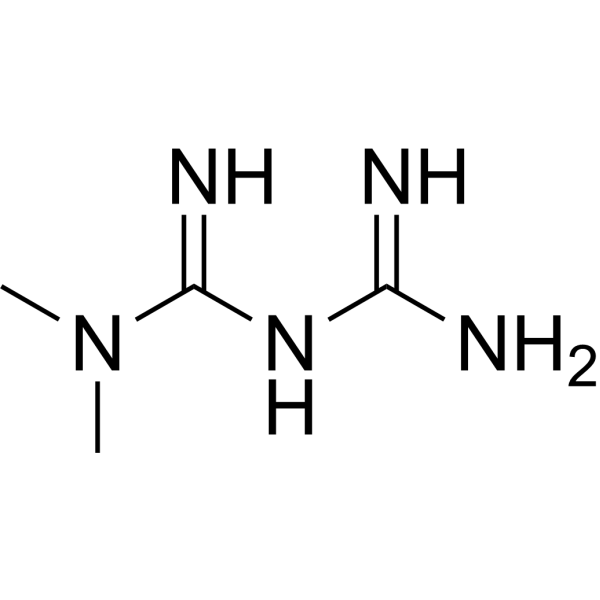
Metformin
Maximum Cited Publications
196 Publications Verification
1,1-Dimethylbiguanide
|
AMPK
Autophagy
Mitophagy
Apoptosis
mTOR
|
Cardiovascular Disease
Infection
Neurological Disease
Metabolic Disease
Inflammation/Immunology
Cancer
|
|
Metformin (1,1-Dimethylbiguanide) inhibits the mitochondrial respiratory chain in the liver, leading to AMPK activation and enhancing insulin sensitivity, and can be used in the study of type 2 diabetes. Metformin exerts central glucose-lowering effects by inhibiting Ras-related protein 1 (Rap1) in SF1 hypothalamic neurons. Metformin also inhibits liver oxidative stress, nitrosative stress, inflammation, and apoptosis caused by liver ischemia/reperfusion injury. In addition, Metformin regulates the expression of autophagy-related proteins by activating AMPK and inhibiting the mTOR signaling pathway, thereby inducing tumor cell autophagy and inhibiting the growth of renal cell carcinoma in vitro and in vivo .
|
-
-
- HY-17471A
-
|
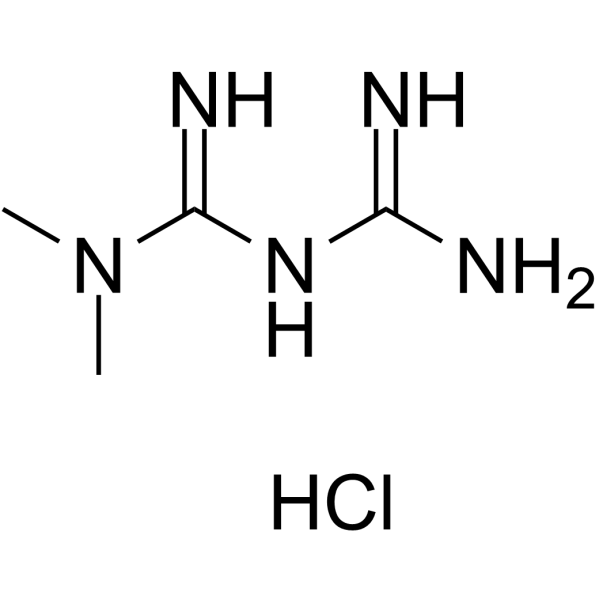
1,1-Dimethylbiguanide hydrochloride
|
AMPK
Autophagy
Mitophagy
Apoptosis
mTOR
|
Cardiovascular Disease
Infection
Neurological Disease
Metabolic Disease
Inflammation/Immunology
Cancer
|
|
Metformin (1,1-Dimethylbiguanide) hydrochloride inhibits the mitochondrial respiratory chain in the liver, leading to AMPK activation and enhancing insulin sensitivity, and can be used in the study of type 2 diabetes. Metformin hydrochloride exerts central glucose-lowering effects by inhibiting Ras-related protein 1 (Rap1) in SF1 hypothalamic neurons. Metformin hydrochloride also inhibits liver oxidative stress, nitrosative stress, inflammation, and apoptosis caused by liver ischemia/reperfusion injury. In addition, Metformin hydrochloride regulates the expression of autophagy-related proteins by activating AMPK and inhibiting the mTOR signaling pathway, thereby inducing tumor cell autophagy and inhibiting the growth of renal cell carcinoma in vitro and in vivo .
|
-
-
- HY-N7075
-
Inulin
4 Publications Verification
|
Endogenous Metabolite
|
Infection
Neurological Disease
Metabolic Disease
Cancer
|
|
Inulin is an orally active prebiotic targeting the intestinal microbiota, selectively promoting the proliferation and activity of beneficial bacteria such as bifidobacteria and lactic acid bacteria, and playing a role in regulating the intestinal microecology. The functions of Inulin include: Fermentation by probiotics in the colon to produce short-chain fatty acids (such as butyrate and propionate), lowering the intestinal pH and inhibiting the overgrowth of harmful bacteria; Enhancing the intestinal barrier function and reducing endotoxin translocation; Directly scavenging free radicals (such as superoxide free radicals, hydroxyl free radicals) and activating antioxidant enzymes (SOD, CAT) to reduce oxidative stress. Inulin can also be used in the study of intestinal diseases (constipation, IBD), metabolic syndrome (diabetes, obesity) and liver damage by regulating glucose and lipid metabolism (such as reducing triglycerides, improving insulin sensitivity) and immune response (enhancing NK cell activity, inhibiting inflammatory factors)[1][2][3][4].
|
-

-
- HY-P10746
-
|
|
Neurokinin Receptor
|
Metabolic Disease
|
|
EB1002 is a highly selective, long-acting NK2R agonist. EB1002 exerts central appetite suppression, increases peripheral energy expenditure and enhances insulin sensitivity, which effectively reduces body weight, improves glucose and lipid metabolism, with favorable safety profiles. EB1002 can be used for research on diseases such as obesity and type 2 diabetes .
|
-

-
- HY-134816
-
|
|
Toll-like Receptor (TLR)
|
Metabolic Disease
Inflammation/Immunology
Cancer
|
|
D-Glucan is an orally effective Dectin-1 receptor immune activator with antioxidant properties (reducing TNF-α). D-Glucan activates macrophages and neutrophils to scavenge free radicals, inhibit oxidative stress and inflammatory responses, and improve insulin sensitivity. D-Glucan promotes glycolysis by enhancing the activity of the antioxidant enzyme glutathione, inhibiting gluconeogenesis and activating GK. D-Glucan can be used in the research of liver damage protection (antagonizing Acetaminophen (HY-66005) toxicity), radiation protection (synergistic with vitamin E) and diabetes (improving glucose metabolism) .
|
-

-
- HY-P2048
-
|
|
Apoptosis
GLUT
AMPK
|
Neurological Disease
Metabolic Disease
Inflammation/Immunology
Endocrinology
|
|
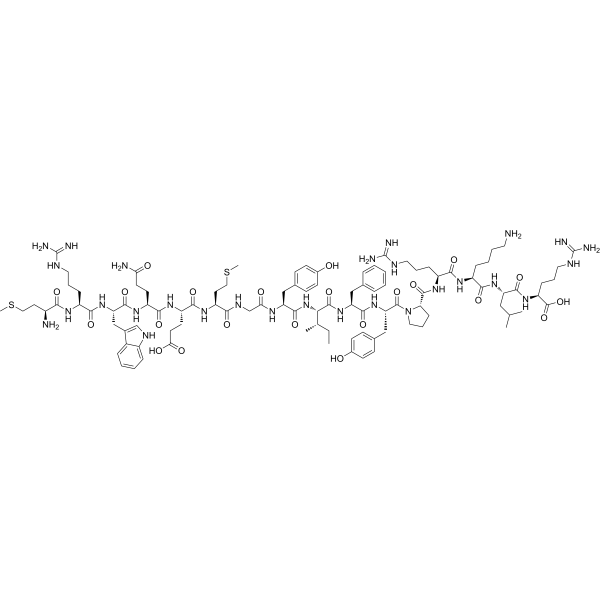
MOTS-c (human) is a blood-brain barrier-penetrating, mitochondrial-derived peptide that modulates the AMPK/PGC-1α pathway to enhance insulin sensitivity. MOTS-c (human) inhibits the folate cycle and de novo purine synthesis, increases AICAR levels to activate AMPK, and then regulates the Nrf2/Keap1 antioxidant pathway and inhibits the NF-κB inflammatory pathway, while promoting mitochondrial biogenesis and energy metabolism. MOTS-c (human) has the effects of improving glucose and lipid metabolism, anti-oxidative stress, anti-inflammatory and neuroprotection, and can be used in the study of type 2 diabetes, traumatic brain injury, inflammatory diseases and aging-related metabolic disorders .
|
-
-
- HY-P11274A
-
|
Amycretin sodium; NN 9487 sodium
|
Amylin Receptor
Insulin Receptor
GCGR
|
Metabolic Disease
|
Zenagamtide (Amycretin; NN 9487) sodium is an orally active, blood-brain barrier permeable triple agonist that targets GLP-1, amylin (Amylin Receptor) and calcitonin receptor (Calcitonin Receptor). Zenagamtide sodium is a single peptide consisting of 68 amino acids that can target brain regions regulating food intake, significantly suppress appetite and reduce energy intake. Therefore, Zenagamtide sodium improves body weight, waist circumference, glycated hemoglobin and lipid profile, and also alleviates the histological features of metabolic dysfunction-associated steatotic liver disease (MASLD) and enhances insulin sensitivity. Zenagamtide sodium may cause transient increases in heart rate and fluctuations in serum calcium levels, but it is an important compound for the study of overweight, obesity, insulin resistance and related metabolic diseases .
|
-

-
- HY-77813
-
|
|
Bacterial
Apoptosis
Antibiotic
Parasite
Autophagy
Reactive Oxygen Species (ROS)
|
Infection
Endocrinology
Cancer
|
|
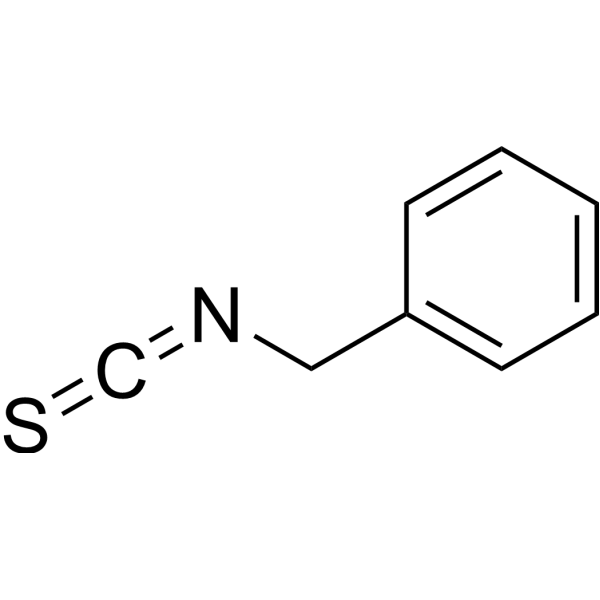
Benzyl isothiocyanate is an orally available isothiocyanate with bactericidal, anticancer, antiangiogenic and anthelmintic activities. Benzyl isothiocyanate exerts anticancer functions by regulating multiple signaling pathways, including apoptosis, cell proliferation, cell cycle arrest, metastasis, angiogenesis, and autophagy. In addition, Benzyl isothiocyanate can enhance muscle insulin sensitivity to improve obesity-induced hyperglycemia .
|
-
-
- HY-P1928
-
|
|
Bcl-2 Family
|
Neurological Disease
Endocrinology
|
Humanin, an anti-apoptotic peptide of 24 amino acids, is a Bax inhibitor. Humanin prevents the translocation of Bax from cytosol to mitochondria, blocks Bax from the inactive to active conformation. Humanin is a mitochondria-associated peptide with a neuroprotective effect against AD-related neurotoxicity. Humanin also improves overall insulin sensitivity in animal. Humanin are related to aging .
Humanin analogue, in which the serine at position 14 is replaced by glycine, names HNG .
|
-

-
- HY-110228
-
|
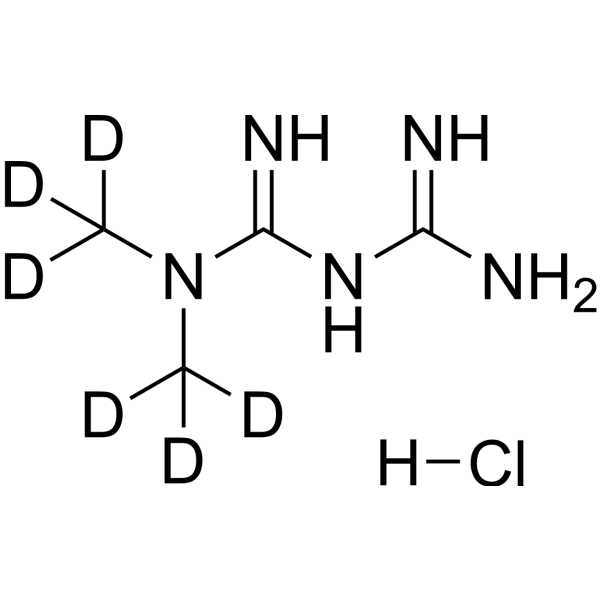
1,1-Dimethylbiguanide-d6 hydrochloride
|
Isotope-Labeled Compounds
AMPK
Autophagy
Mitophagy
Apoptosis
mTOR
|
Cardiovascular Disease
Metabolic Disease
|
|
Metformin-d6 hydrochloride is a deuterium labeled Metformin hydrochloride. Metformin hydrochloride inhibits the mitochondrial respiratory chain in the liver, leading to AMPK activation and enhancing insulin sensitivity, and can be used in the study of type 2 diabetes. Metformin hydrochloride also inhibits liver oxidative stress, nitrosative stress, inflammation, and apoptosis caused by liver ischemia/reperfusion injury. In addition, metformin hydrochloride regulates the expression of autophagy-related proteins by activating AMPK and inhibiting the mTOR signaling pathway, thereby inducing tumor cell autophagy and inhibiting the growth of renal cell carcinoma in vitro and in vivo .
|
-
-
- HY-143712
-
|
|
Drug Metabolite
G protein-coupled Bile Acid Receptor 1
ROR
|
Metabolic Disease
Inflammation/Immunology
Cancer
|
|
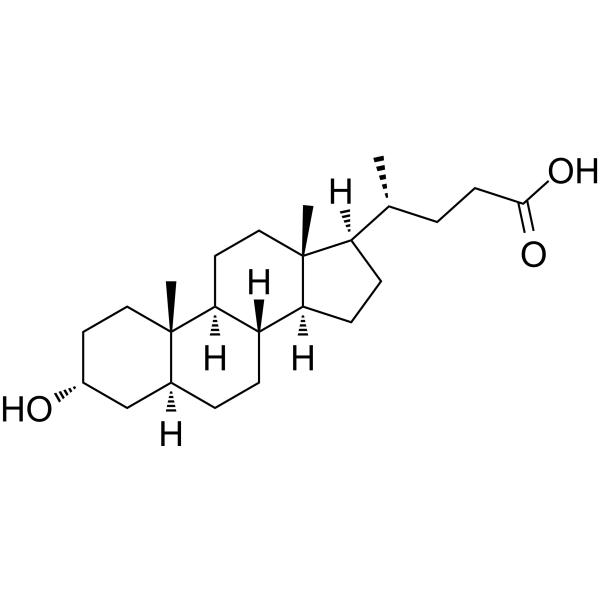
Allolithocholic acid is an orally active metabolite of Lithocholic acid (HY-B0172). Allolithocholic acid is a dual GPBAR1 agonist (EC50 = 2.7 μM) and RORγt inverse agonist (IC50 = 3.4 μM). Allolithocholic acid modulates immune and metabolic pathways, regulates immune cell polarization, prevents M1 macrophage and Th17 CD4 cell polarization. Allolithocholic acid improves insulin sensitivity, reduces liver lipid accumulation, reverses liver immunological, inflammatory and metabolic signaling dysregulation, restores bile acid homeostasis, adipose tissue histopathology/function, and intestinal microbiota composition, modulates intestinal immunity. Allolithocholic acid can be used for the researches of cancer, inflammayion, immunology and metabolic disease .
|
-
-
- HY-P10959
-
|
LY3532226
|
Insulin Receptor
|
Metabolic Disease
|
|
Macupatide is a glucose-dependent insulinotropic polypeptide (GIP) receptor agonist. Macupatide improves insulin secretion responses and insulin sensitivity.Macupatide can be used for the research of type 2 diabetes .
|
-

-
- HY-14771
-
-
-
- HY-B0283
-
|
K-9321
|
Carbonic Anhydrase
|
Metabolic Disease
|
|
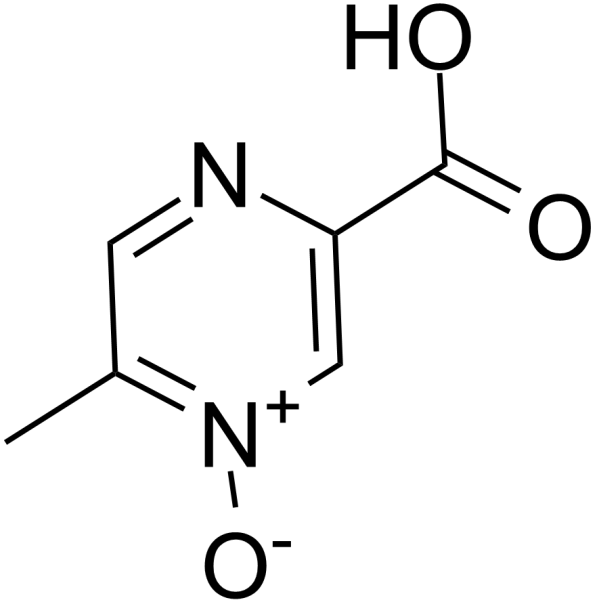
Acipimox (K-9321), a nicotinic acid analogue, is an antilipolytic compound. Acipimox stimulates leptin releas, inhibits lipolysis and suppresses systemic levels of free fatty acids (FFAs) and improves insulin sensitivity .
|
-
-
- HY-139142
-
|
PTI-125
|
mTOR
iGluR
Amyloid-β
Tau Protein
|
Neurological Disease
Metabolic Disease
Inflammation/Immunology
Cancer
|
|
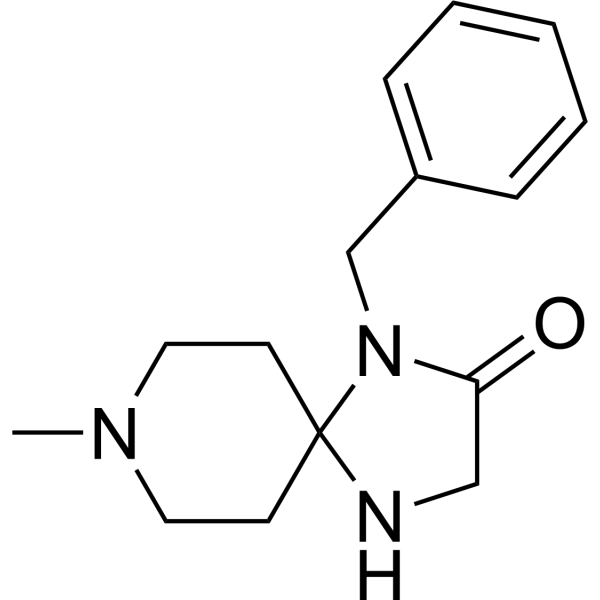
Simufilam (PTI-125) is an orally active FLNA modulator. Simufilam restores NMDAR signaling and Arc expression. Simufilam inhibits overactive mTOR signaling by restoring the normal conformation of FLNA, improves insulin sensitivity, reduces Aβ42-induced neuroinflammation and tau protein hyperphosphorylation.
Simufilam can be used for research of Alzheimer's disease .
|
-
-
- HY-P11274
-
|
Amycretin; NN 9487
|
Amylin Receptor
GCGR
Insulin Receptor
|
Metabolic Disease
|
Zenagamtide (Amycretin; NN 9487) is an orally active, blood-brain barrier permeable triple agonist that targets GLP-1, amylin (Amylin Receptor) and calcitonin receptor (Calcitonin Receptor). Zenagamtide is a single peptide consisting of 68 amino acids that can target brain regions regulating food intake, significantly suppress appetite and reduce energy intake. Therefore, Zenagamtide improves body weight, waist circumference, glycated hemoglobin and lipid profile, and also alleviates the histological features of metabolic dysfunction-associated steatotic liver disease (MASLD) and enhances insulin sensitivity. Zenagamtide may cause transient increases in heart rate and fluctuations in serum calcium levels, but it is an important compound for the study of overweight, obesity, insulin resistance and related metabolic diseases .
|
-

-
- HY-P11285A
-
|
Long acting GIPRA-1 TFA
|
Insulin Receptor
|
Metabolic Disease
|
|
LAGIPRA peptide TFA is a long-acting GIP1R agonist. LAGIPRA peptide TFA enhances insulin sensitivity by augmenting glucose disposal and reduces branched-chain amino acids (BCAAs) and ketoacids. LAGIPRA peptide TFA has the potential for the research of type 2 diabetes .
|
-

-
- HY-N0479
-
|
(-)-Licarin B
|
PPAR
GLUT
|
Metabolic Disease
|
|
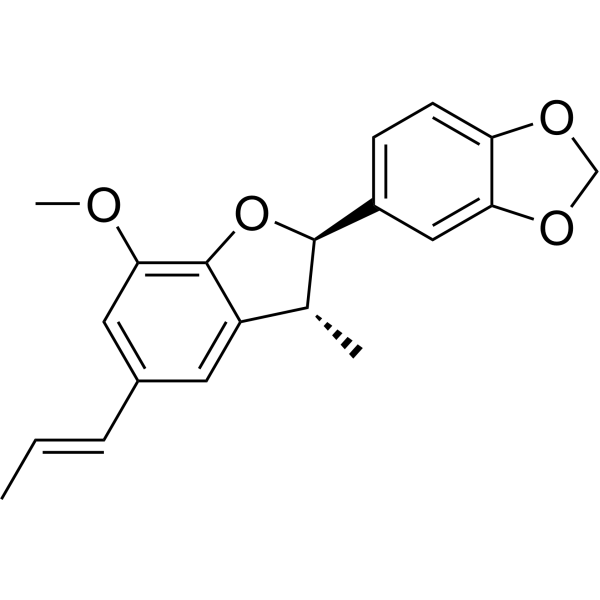
Licarin B, a nitric oxide production inhibitor extracted from the component of the seeds of Myristica fragrans, improves insulin sensitivity via PPARγ and activation of GLUT4 in the IRS-1/PI3K/AKT pathway .
|
-
-
- HY-P1434
-
|
|
Insulin Receptor
|
Metabolic Disease
|
|
[Pro3]-GIP (mouse) is a GIP receptor antagonist (IC50: 2.6 μM). [Pro3]-GIP (mouse) improves glucose tolerance and insulin sensitivity in ob/ob mice. [Pro3]-GIP (mouse) can be used for research of type 2 diabetes .
|
-
![[Pro3]-GIP (mouse)](//file.medchemexpress.com/product_pic/hy-p1434.gif)
-
- HY-142069
-
|
|
MMP
|
Neurological Disease
Metabolic Disease
|
|
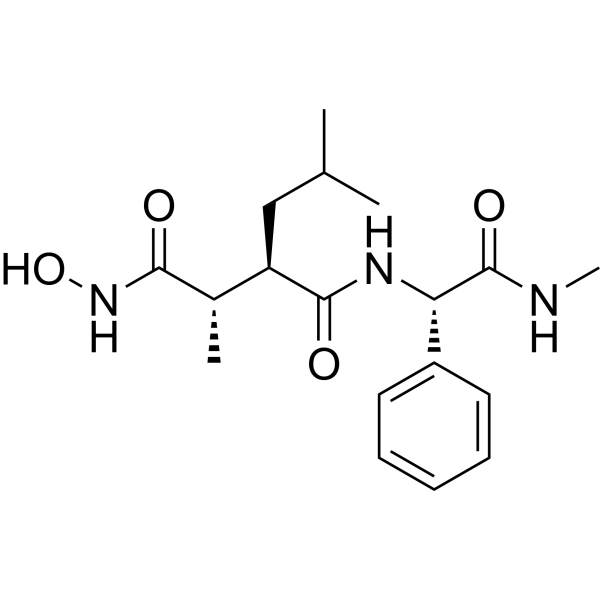
KB-R7785 is a matrix metalloproteinase (MMP) inhibitor, which improves insulin sensitivity by inhibiting TNF-α production. KB-R7785 can be used for diabetes research. KB-R7785 has a protective efficacy against focal cerebral ischemia .
|
-
-
- HY-17403
-
|
CV-4093
|
Calcium Channel
NF-κB
|
Infection
Cardiovascular Disease
Metabolic Disease
Inflammation/Immunology
|
|
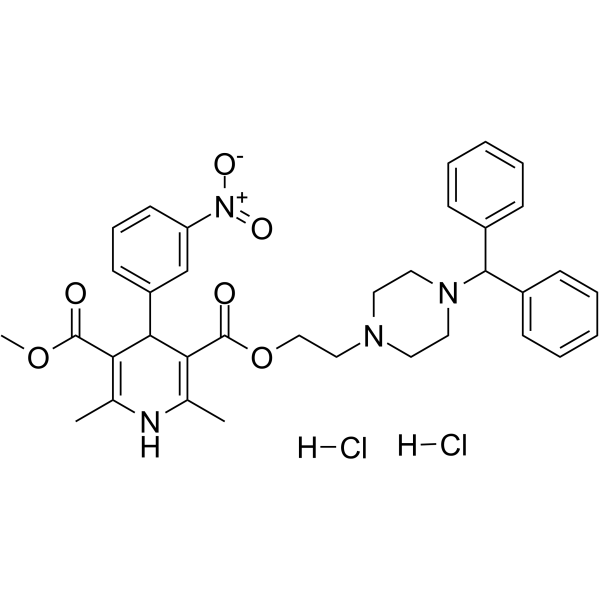
Manidipine dihydrochloride is a third-generation, lipophilic, orally active and highly vasoselective calcium channel antagonist (IC50 = 2.6 nM in guinea-pig ventricular cells) and acts as an antihypertensive agent. Manidipine effectively reduces blood pressure as well as improving insulin sensitivity, renal protection, and antiatherosclerotic activity. Manidipine also exerts anti-inflammatory activity mediated by NF-κB and antiviral activity against many flavivirus and negative-strand RNA viruses through the inhibition of calcium channel. Manidipine is widely applied to research of cardiovascular, metabolic disease and infection .
|
-
-
- HY-U00425
-
|
|
Ligands for Target Protein for PROTAC
Estrogen Receptor/ERR
|
Metabolic Disease
Cancer
|
|
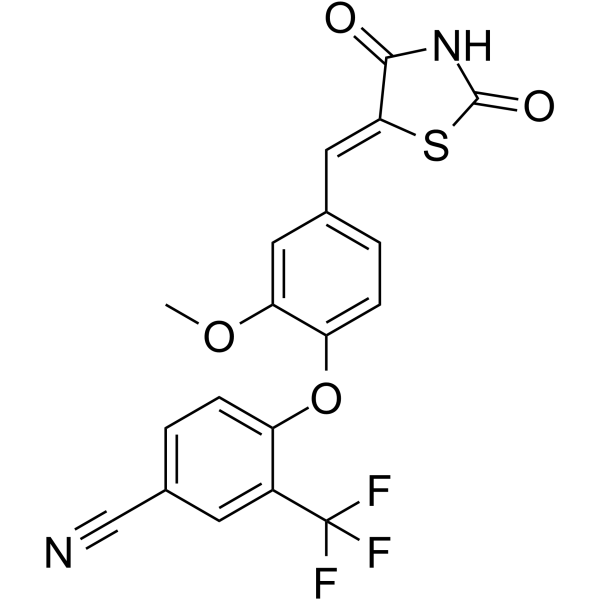
PROTAC ERRα ligand 1 is a PROTAC target protein ligand. PROTAC ERRα ligand 1 is an orally active ERRα inverse agonist with IC50 values of 0.6 μM for ERRα. PROTAC ERRα ligand 1 shows no significant activity against a panel of other nuclear receptors, including ERα c, ERRγ, ERβ, PPARα, PPARγ, PPARδ, and RXRα. PROTAC ERRα ligand 1 can provide enhanced insulin sensitivity in vivo. PROTAC ERRα ligand 1 can be used for metabolic diseases research, such as type 2 diabetes and obesity .
|
-
-
- HY-110079
-
|
|
IPK Superfamily
|
Cancer
|
|
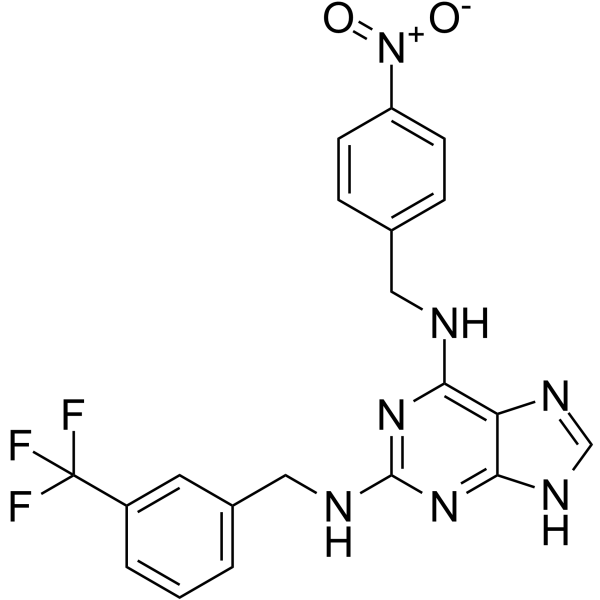
TNP is a competitive, reversible inhibitor of IP6K1 and IP3K, with IC50s of 0.55 μM and 10.2 μM for IP6K1 and IP3K, respectively. TNP competitively binds to the ATP binding site of IP6K, inhibits the generation of 5-IP7, and thus relieves the inhibition of 5-IP7 on the AKT signaling pathway. TNP can enhance insulin sensitivity and promote thermogenesis in adipose tissue. TNP cannot effectively pass through the blood-brain barrier and is mainly used in the study of obesity, type 2 diabetes, and metabolic syndrome. However, TNP also inhibits CYP3A4 and may need further optimization[1][2][3].
|
-
-
- HY-17471AR
-
|
1,1-Dimethylbiguanide hydrochloride (Standard)
|
Reference Standards
AMPK
Autophagy
Mitophagy
Apoptosis
mTOR
|
Cardiovascular Disease
Metabolic Disease
Cancer
|
|
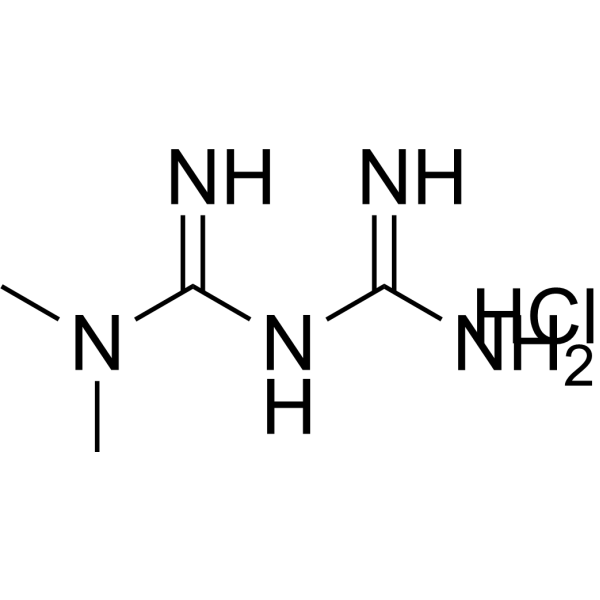
Metformin hydrochloride (Standard) is the analytical standard of Metformin hydrochloride (HY-17471A). This product is intended for research and analytical applications. Metformin (1,1-Dimethylbiguanide) hydrochloride inhibits the mitochondrial respiratory chain in the liver, leading to AMPK activation and enhancing insulin sensitivity, and can be used in the study of type 2 diabetes. Metformin hydrochloride exerts central glucose-lowering effects by inhibiting Ras-related protein 1 (Rap1) in SF1 hypothalamic neurons. Metformin hydrochloride also inhibits liver oxidative stress, nitrosative stress, inflammation, and apoptosis caused by liver ischemia/reperfusion injury. In addition, Metformin hydrochloride regulates the expression of autophagy-related proteins by activating AMPK and inhibiting the mTOR signaling pathway, thereby inducing tumor cell autophagy and inhibiting the growth of renal cell carcinoma in vitro and in vivo .
|
-
-
- HY-N8522
-
|
|
Others
|
Metabolic Disease
|
|
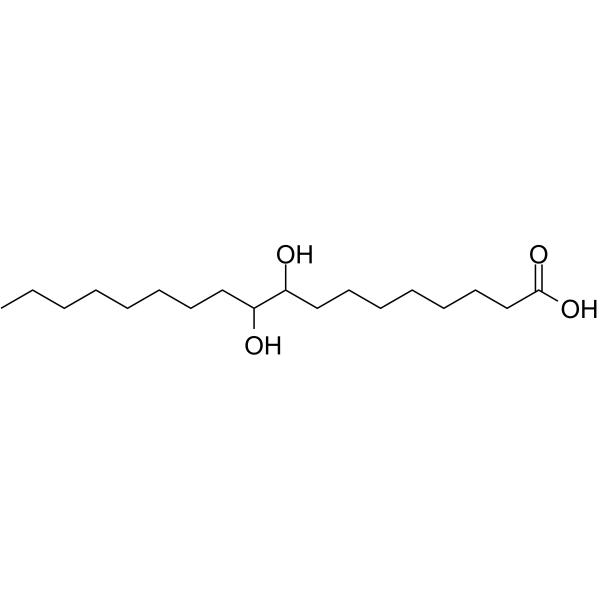
9,10-Dihydroxystearic acid is an oxidation product of oleic acid. 9,10-Dihydroxystearic acid can improve glucose tolerance and insulin sensitivity in KKAy mice .
|
-
-
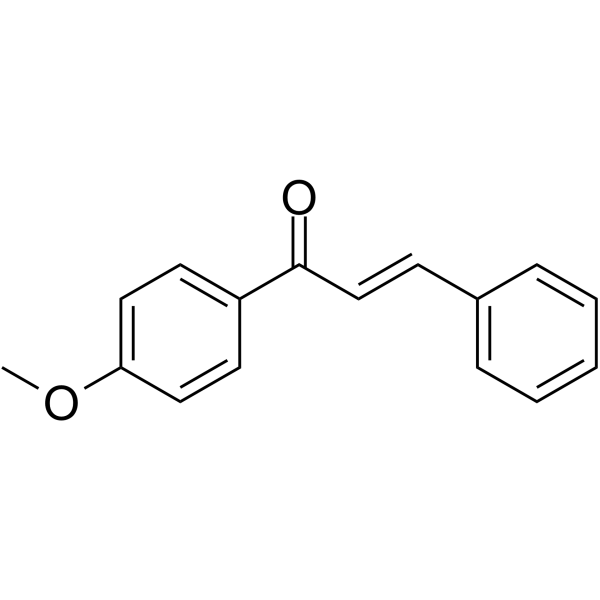
- HY-128400
-
|
|
PARP
|
Metabolic Disease
Cancer
|
|
4'-Methoxychalcone regulates adipocyte differentiation through PPARγ activation. 4'-Methoxychalcone modulates the expression and secretion of various adipokines in adipose tissue that are involved in insulin sensitivity .
|
-
-
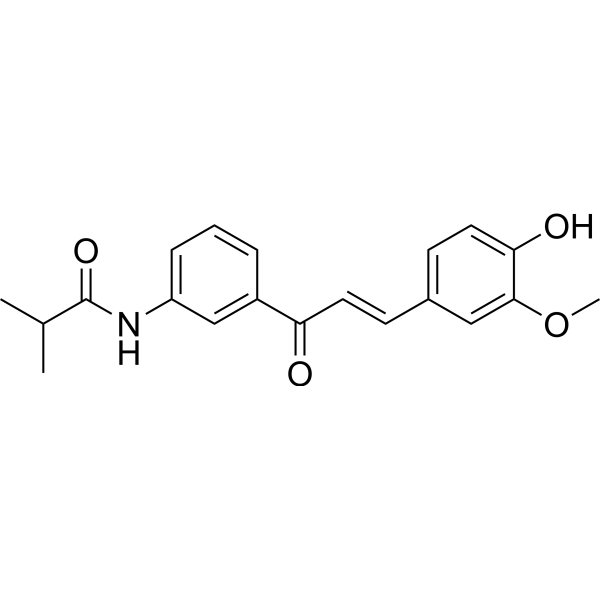
- HY-148598
-
|
CUR5-8
|
Apoptosis
Autophagy
|
Metabolic Disease
|
|
Curcumin 5-8 (CUR5-8) is a potent and orally active naturally active curcumin (CUR) analog. Curcumin 5-8 inhibits lipid droplet formation. Curcumin 5-8 increases autophagy and inhibits Apoptosis. Curcumin 5-8 improves insulin resistance and insulin sensitivity .
|
-
-
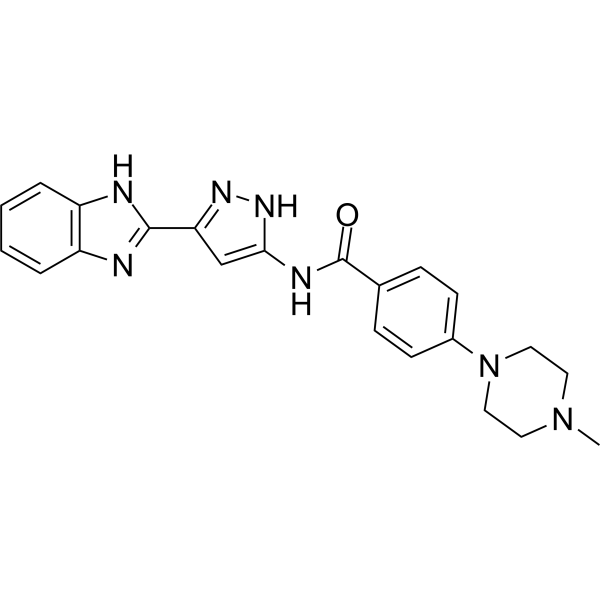
- HY-153617
-
|
|
FOXO
|
Metabolic Disease
|
|
FOXO1-IN-3 is a highly-selective and orally active FOXO1 inhibitor. FOXO1-IN-3 reduces hepatic glucose production in mice. FOXO1-IN-3 improves insulin sensitivity and glucose control in db/db mice without causing weight gain .
|
-
-
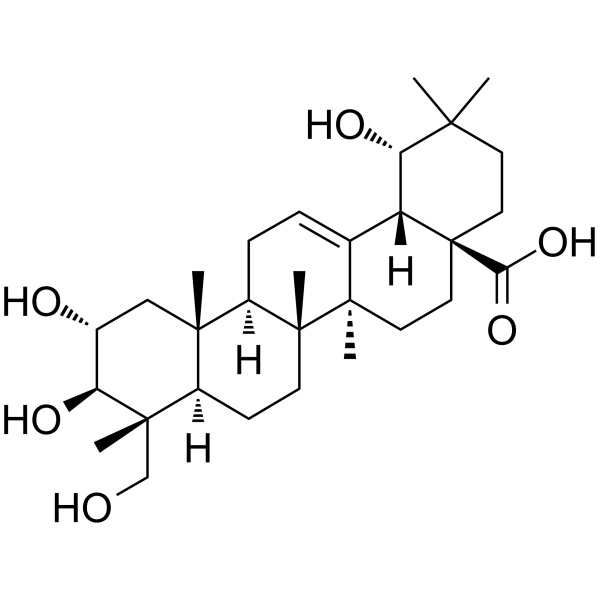
- HY-N4294
-
|
|
FXR
Insecticide
|
Infection
Metabolic Disease
Inflammation/Immunology
|
|
Arjungenin, a pentacyclic triterpenoid compound, is a FXR agonist. Arjungenin can improve insulin sensitivity by regulating the function of fat cells. Arjungenin exhibits moderate free radical scavenging activity. Arjungenin has growth inhibitory activity against the insect Spilarctia obliqua. Arjungenin has significant antiviral activity against a series of viruses such as chikungunya Virus (CHIKV) .
|
-
-
- HY-101064S3
-
|
|
PPAR
|
Metabolic Disease
|
|
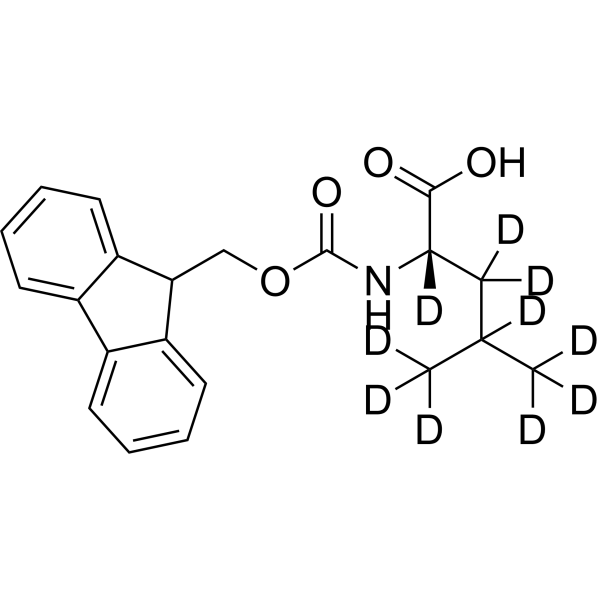
Fmoc-leucine-d10 is the deuterium labeled Fmoc-leucine. Fmoc-leucine is a selective PPARγ modulator. Fmoc-leucine activates PPARγ with a lower potency but a similar maximal efficacy than rosiglitazone. Fmoc-leucine improves insulin sensitivity in normal, diet-induced glucose-intolerant, and in diabetic db/db mice. Fmoc-leucine has a lower adipogenic activity .
|
-
-
- HY-100428
-
|
MCC-555; Isaglitazone
|
PPAR
|
Metabolic Disease
|
|
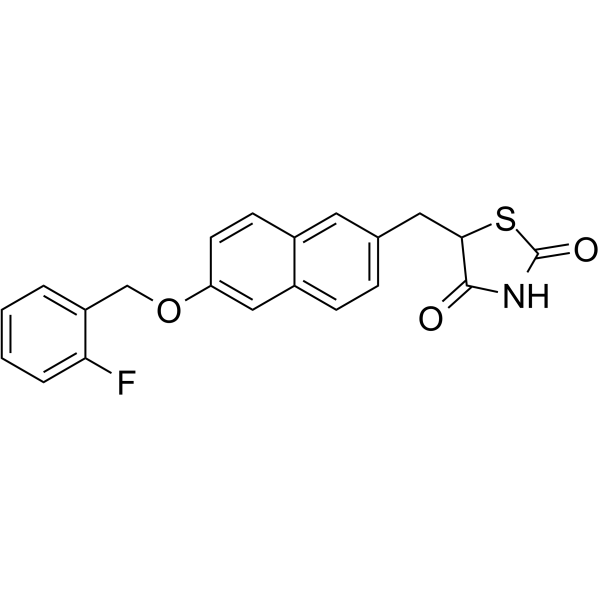
Netoglitazone (MCC-555) is an orally active PPARγ ligand with an EC50 of 8 μM. Netoglitazone mediates cell type-specific functional regulation, and modulates the transcriptional activity of PPARγ as a full agonist, partial agonist or antagonist. Netoglitazone induces adipogenesis, inhibits osteoblastogenesis, alters the weight of extramedullary fat depots and enhances insulin sensitivity. Netoglitazone reduces blood glucose levels. Netoglitazone can be used in research related to type 2 diabetes and non-insulin-dependent diabetes mellitus .
|
-
-
- HY-111254
-
|
|
PPAR
NF-κB
JNK
|
Inflammation/Immunology
|
|
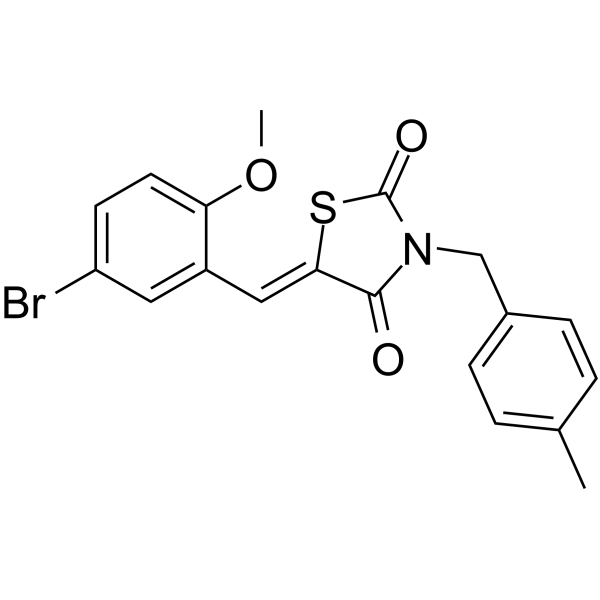
GQ-16 is an orally active PPARγ partial agonist with an IC50 of 1.84 μM and a Ki of 160 nM against human PPARγ. GQ-16 inhibits Cdk5-mediated Ser-273 phosphorylation. GQ-16 improves insulin sensitivity and glucose tolerance in obese and diabetic mice. GQ-16 also exhibits certain cytotoxicity against tumor cells. GQ-16 can be used in research related to obesity, diabetes and cancer .
|
-
-
- HY-N5027
-
|
Oxyberberin; Berlambine; 8-Oxoberberine
|
Others
|
Infection
Neurological Disease
Inflammation/Immunology
|
|
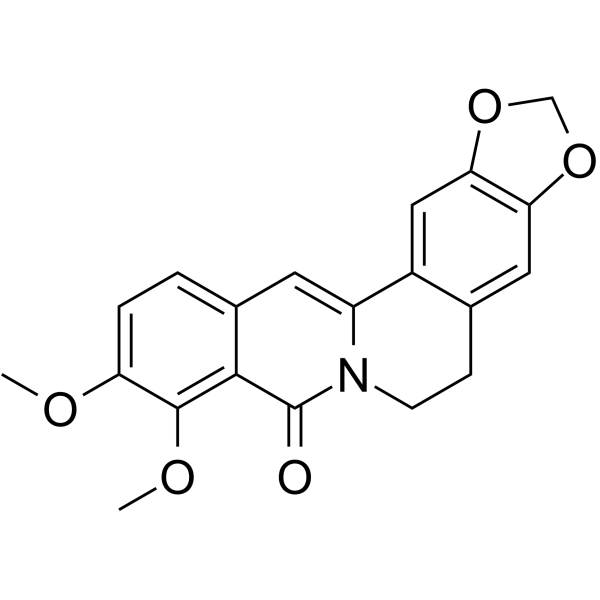
Oxyberberine (Oxyberberin; Berlambine) is an orally effective heme oxygenase HO-1 agonist that can activate antioxidant mechanisms by regulating the PI3K/Akt/AMPK signaling pathway. Oxyberberine induces HO-1 expression, increases SOD and GSH-Px activity, inhibits NF-κB-mediated inflammatory responses, and improves insulin sensitivity and glucose metabolism. Oxyberberine has anti-diabetic, neuroprotective, anti-inflammatory and antioxidant effects, and can be used to study type 2 diabetes, traumatic brain injury (TBI) and inflammatory bowel disease .
|
-
-
- HY-19870C
-
|
RM-493 monoacetate; BIM-22493 monoacetate; IRC-022493 monoacetate
|
Melanocortin Receptor
Calmodulin
AMPK
|
Cardiovascular Disease
Metabolic Disease
Inflammation/Immunology
|
|
Setmelanotide monoacetate (RM-493 monoacetate) is a blood-brain barrier-permeable, selective MC4R agonist with a Ki value of 2.1 nM for hMC4R. Setmelanotide monoacetate activates the CaMKK2/AMPK signaling pathway. Setmelanotide monoacetate mediates body weight homeostasis, feeding regulation and energy expenditure modulation; it reduces food intake, induces weight loss, decreases obesity severity, increases daytime activity and energy expenditure, lowers levels of leptin, triglycerides, fasting insulin and diastolic blood pressure, improves insulin sensitivity, glucose tolerance and fatty liver condition, and reverses respiratory depression. Setmelanotide monoacetate is applicable to research related to obesity, hyperinsulinemia, fatty liver and respiratory depression .
|
-

-
- HY-P2048A
-
|
|
AMPK
GLUT
|
Neurological Disease
Metabolic Disease
Inflammation/Immunology
Endocrinology
|
|
MOTS-c (human) acetate is a blood-brain barrier-penetrating, mitochondrial-derived peptide that modulates the AMPK/PGC-1α pathway to enhance insulin sensitivity. MOTS-c (human) acetate inhibits the folate cycle and de novo purine synthesis, increases AICAR levels to activate AMPK, and then regulates the Nrf2/Keap1 antioxidant pathway and inhibits the NF-κB inflammatory pathway, while promoting mitochondrial biogenesis and energy metabolism. MOTS-c (human) acetate has the effects of improving glucose and lipid metabolism, anti-oxidative stress, anti-inflammatory and neuroprotection, and can be used in the study of type 2 diabetes, traumatic brain injury, inflammatory diseases and aging-related metabolic disorders .
|
-

-
- HY-120657
-
|
|
CGRP Receptor
NF-κB
|
Neurological Disease
Metabolic Disease
Inflammation/Immunology
|
|
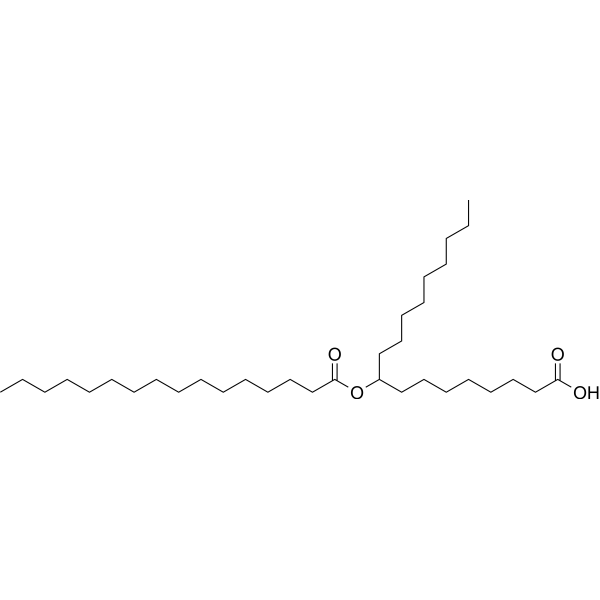
9-PAHSA is an orally active endogenous GPR120 agonist (EC50=18 μM). 9-PAHSA significantly inhibits LPS-induced inflammatory responses by blocking the NF-κB pathway. 9-PAHSA induces adipocyte browning, enhances glucose uptake and reduces lipid accumulation, while improving mitochondrial function and the survival rate of steatotic hepatocytes. In terms of neuroprotection, 9-PAHSA regulates the expression of REST and BDNF in the prefrontal cortex of diabetic mice, and effectively prevents spatial working memory deficits and abnormal social behaviors. 9-PAHSA does not directly regulate insulin secretion or improve systemic insulin sensitivity, and possesses specific anti-inflammatory, metabolic regulatory and neuroprotective properties. 9-PAHSA can be used in the research of diabetes-related cognitive impairment, obesity and non-alcoholic fatty liver disease .
|
-
-
- HY-P11285
-
|
Long acting GIPRA-1
|
Insulin Receptor
|
Metabolic Disease
|
|
LAGIPRA peptide is a long-acting GIP1R agonist. LAGIPRA peptide enhances insulin sensitivity by augmenting glucose disposal and reduces branched-chain amino acids (BCAAs) and ketoacids. LAGIPRA peptide has the potential for the research of type 2 diabetes .
|
-

-
- HY-129297
-
|
|
Endogenous Metabolite
|
Metabolic Disease
|
|
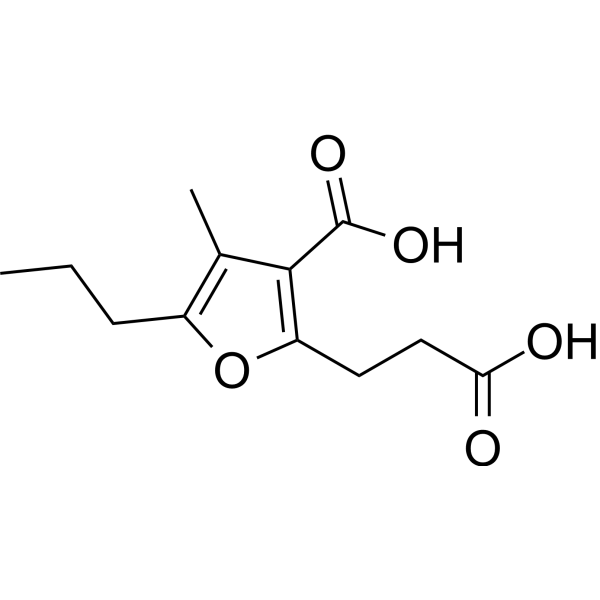
CMPF can be found in trace constituent of urine and blood. CMPF is a biomarker of type 2 diabetes. CMPF can act on the β cell and induces impaired mitochondrial function. CMPF decreases glucose-induced ATP accumulation, and induces oxidative stress. CMPF reverses hepatic lipid accumulation and improves insulin sensitivity in obese mice .
|
-
-
- HY-139142B
-
|
PTI-125 hydrochloride
|
mTOR
iGluR
Amyloid-β
Tau Protein
|
Neurological Disease
Metabolic Disease
Inflammation/Immunology
Cancer
|
|
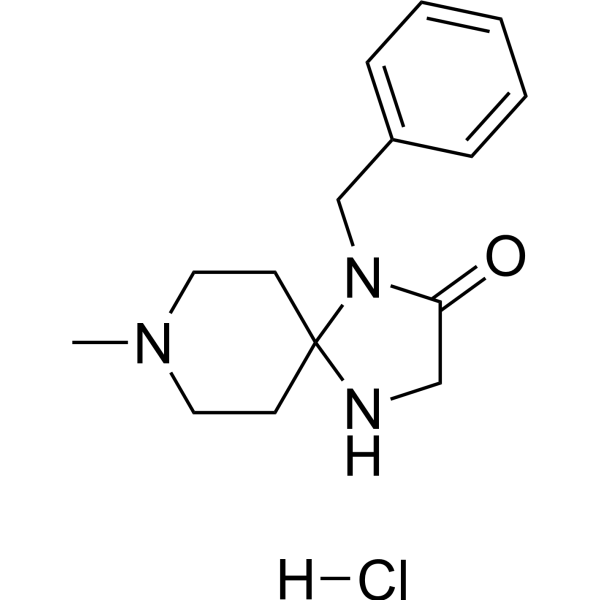
Simufilam hydrochloride (PTI-125 hydrochloride) is an orally active FLNA modulator. Simufilam hydrochloride restores NMDAR signaling and Arc expression. Simufilam hydrochloride inhibits overactive mTOR signaling by restoring the normal conformation of FLNA, improves insulin sensitivity, reduces Aβ42-induced neuroinflammation and tau protein hyperphosphorylation. Simufilam hydrochloride can be used for research of Alzheimer's disease .
|
-
-
- HY-101064S2
-
|
N-FMOC-leucine-d3; NPC 15199-d3; NSC 334290-d3
|
PPAR
|
Metabolic Disease
|
|
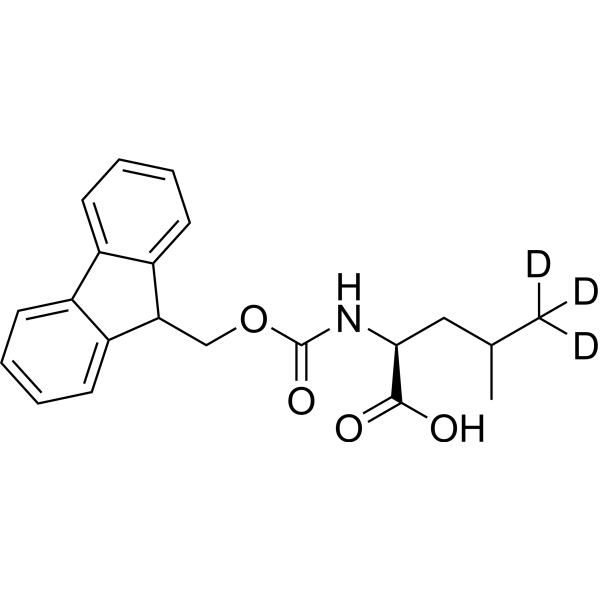
Fmoc-leucine-d3 is the deuterium labeled Fmoc-leucine. Fmoc-leucine is a selective PPARγ modulator. Fmoc-leucine activates PPARγ with a lower potency but a similar maximal efficacy than rosiglitazone. Fmoc-leucine improves insulin sensitivity in normal, diet-induced glucose-intolerant, and in diabetic db/db mice. Fmoc-leucine has a lower adipogenic activity .
|
-
-
- HY-14811
-
|
ZGN-440; CKD-732 free base
|
MetAP
NF-κB
|
Metabolic Disease
|
Beloranib (ZGN-440; CKD-732 free base) is a selective, irreversible inhibitor of methionine aminopeptidase MetAP2 that suppresses appetite and increases energy expenditure. Beloranib blocks the enzymatic cleavage of N-terminal methionine from nascent proteins by forming a covalent bond with MetAP2, thereby regulating fatty acid metabolism, adrenergic signaling, and hypothalamic NF-κB expression. Beloranib significantly reduces food intake, body weight, and fat accumulation, while improving glucose tolerance, insulin sensitivity, and lipid metabolism. Beloranib also elevates energy expenditure and fat oxidation levels, without affecting body temperature, spontaneous activity, or the inflammatory cytokine IL-1β. Beloranib can be used in research on obesity and hypothalamic obesity .
|
-
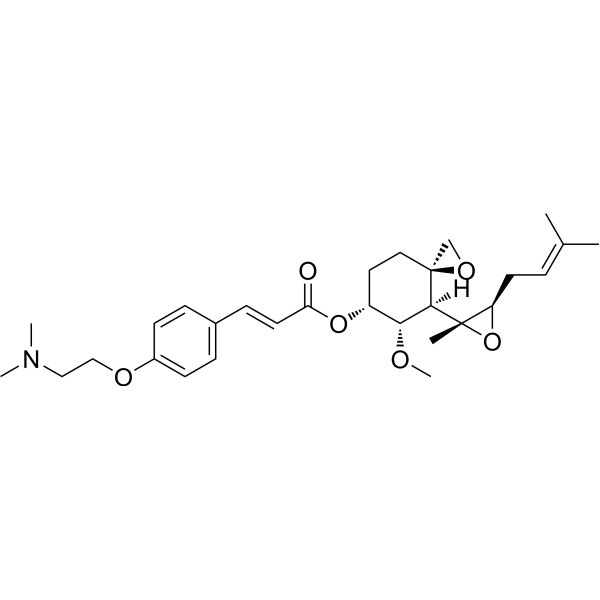
-
- HY-P10959A
-
|
LY3532226 acetate
|
Insulin Receptor
|
Metabolic Disease
|
|
Macupatide acetate is a glucose-dependent insulinotropic polypeptide (GIP) receptor agonist. Macupatide acetate improves insulin secretion responses and insulin sensitivity.Macupatide acetate can be used for the research of type 2 diabetes .
|
-

-
- HY-116193
-
-
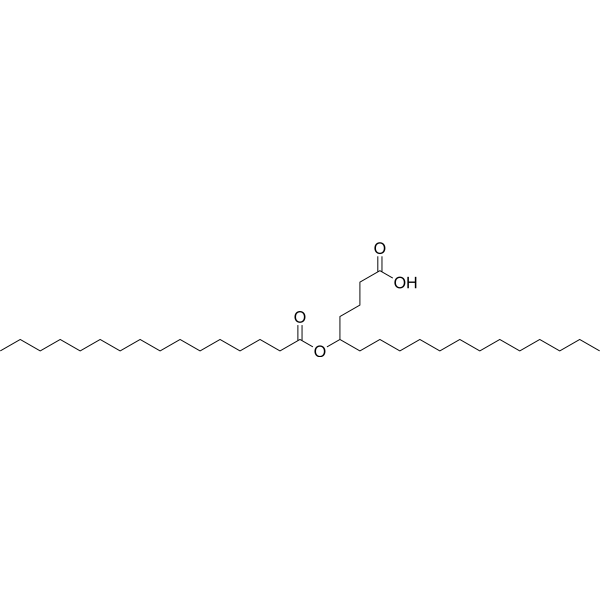
-
- HY-134656
-
-
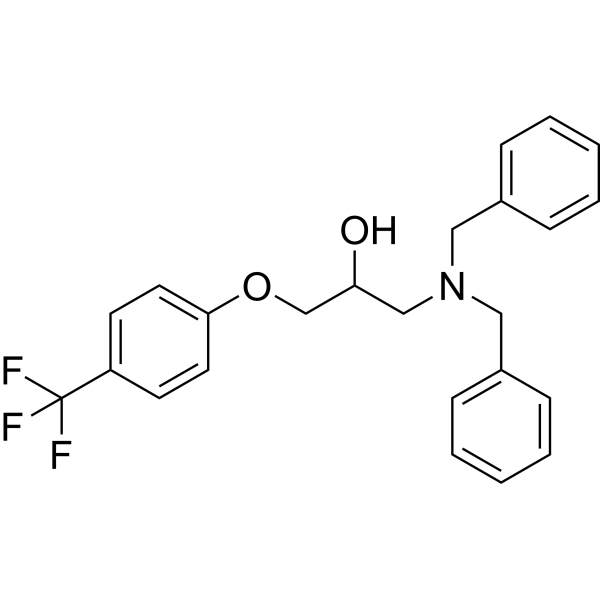
-
- HY-101064S1
-
|
|
Isotope-Labeled Compounds
PPAR
|
Metabolic Disease
|
|
Fmoc-leucine- 13C6, 15N is a 15N-labeled and 13C-labled Fmoc-leucine. Fmoc-leucine is a selective PPARγ modulator. Fmoc-leucine activates PPARγ with a lower potency but a similar maximal efficacy than rosiglitazone. Fmoc-leucine improves insulin sensitivity
|
-
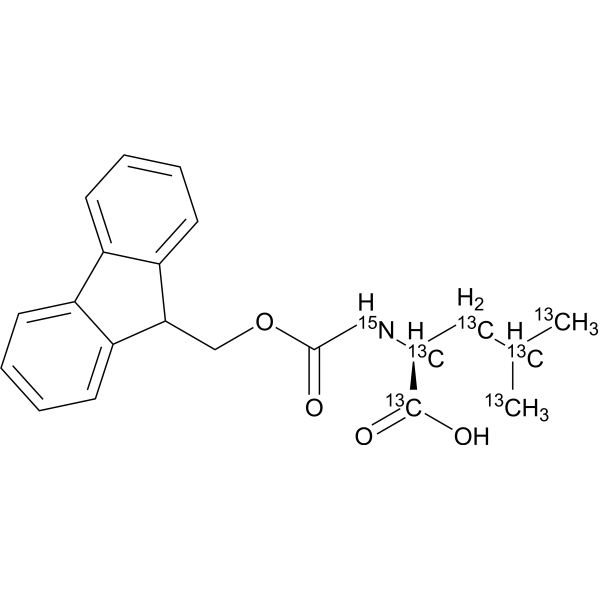
-
- HY-121212
-
|
|
LDLR
|
Metabolic Disease
Inflammation/Immunology
|
|
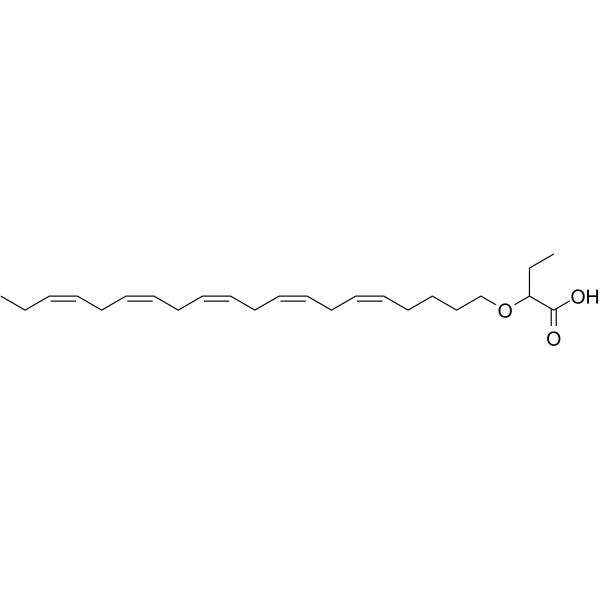
Icosabutate, an orally active ω-3 polyunsaturated fatty acid, is an aeicosapentaenoic acid (EPA) derivative. Icosabutate overcomes the drawbacks of unmodified EPA for liver targeting and improves insulin sensitivity, hepatic inflammation and fibrosis . Icosabutate is well tolerated, and efficacious in lowering non-high-density lipoprotein cholesterol (non-HDL-C) levels in persistent hypertriglyceridemia .
|
-
-
- HY-N15841
-
|
|
Ceramidase
|
Others
|
|
C25 Ceramide (d18:1/25:0) is an endogenous ultra-long-chain ceramide that antagonizes the detrimental effects of long-chain ceramides on insulin sensitivity. C25 Ceramide (d18:1/25:0) is specifically enriched in oxidative skeletal muscle fibers, where it serves dual roles in providing structural support to cell membranes and regulating cellular signaling. By participating in the regulation of lipid homeostasis within muscle fibers, C25 Ceramide (d18:1/25:0) helps maintain normal insulin signaling. C25 Ceramide (d18:1/25:0) is primarily utilized in research concerning metabolic diseases—particularly in mechanistic studies investigating the muscle fiber type-specific aspects of insulin resistance .
|
-

-
- HY-W010934
-
|
|
Biochemical Assay Reagents
|
Others
|
|
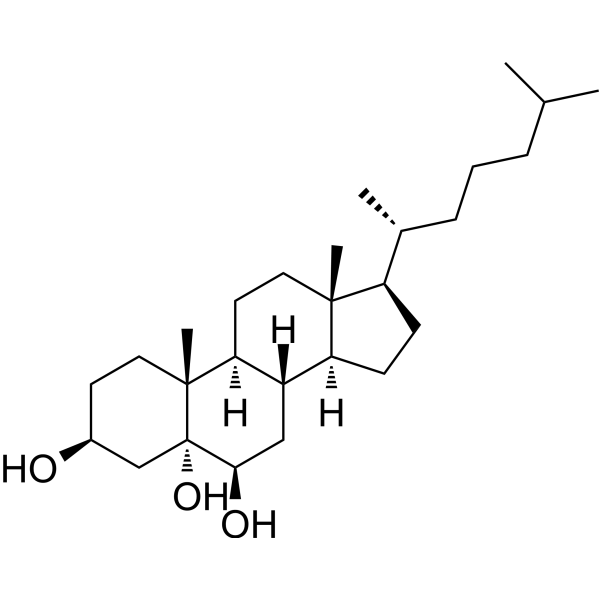
3β,5α,6β-Trihydroxycholestane is a steroid that occurs naturally in the body and is also found in certain foods. It belongs to a class of compounds known as cholestanes, which are closely related to the better known cholesterol. This particular compound is formed from cholesterol through a series of enzymatic reactions in the liver and other organs. It has been studied for its potential health benefits, including its ability to reduce inflammation and oxidative stress in the body. Some research suggests that it may also play a role in regulating blood sugar levels and improving insulin sensitivity. Despite these potential benefits, 3β,5α,6β-Trihydroxycholestane is not widely used as a supplement or medicine due to its relatively low content, focus on natural resources and limited research. However, researchers continue to investigate its potential uses and effects on human health.
|
-
-
- HY-164368
-
|
|
Phosphodiesterase (PDE)
Insulin Receptor
|
Metabolic Disease
|
|
GLUT4 activator 2 (C59) is an insulin sensitizer, which can be used for research of diabetic diseases. GLUT4 activator 2 improves glucose uptake and insulin sensitivity in rodents. GLUT4 activator 2 interacts with Unc119 and Unc119B resulting in increased insulin sensitivity and GLUT4 translocation .
|
-

-
- HY-N3426
-
|
|
NO Synthase
Akt
AMPK
|
Metabolic Disease
|
|
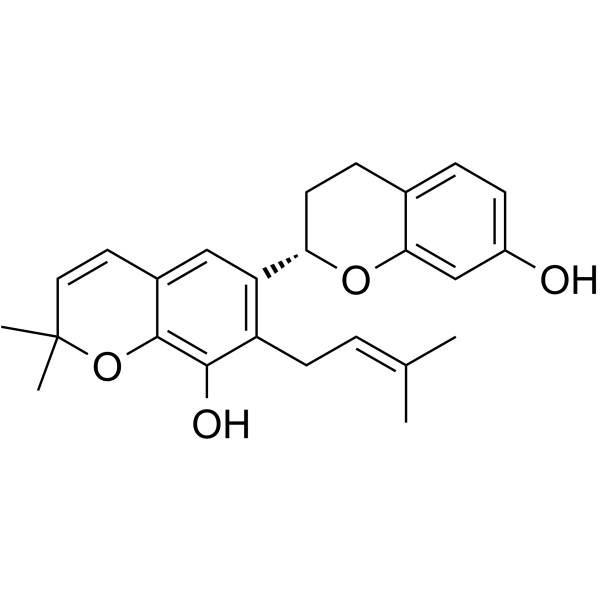
Kazinol B, a prenylated flavan with a dimethyl pyrane ring, is an inhibitor of nitric oxide (NO) production. Kazinol B improves insulin sensitivity by enhancing glucose uptake via the insulin-Akt signaling pathway and AMPK activation. Kazinol B has the potential for diabetes mellitus research .
|
-
- HY-139142A
-
|
PTI-125 dihydrochloride
|
Tau Protein
Amyloid-β
mTOR
iGluR
|
Neurological Disease
|
|
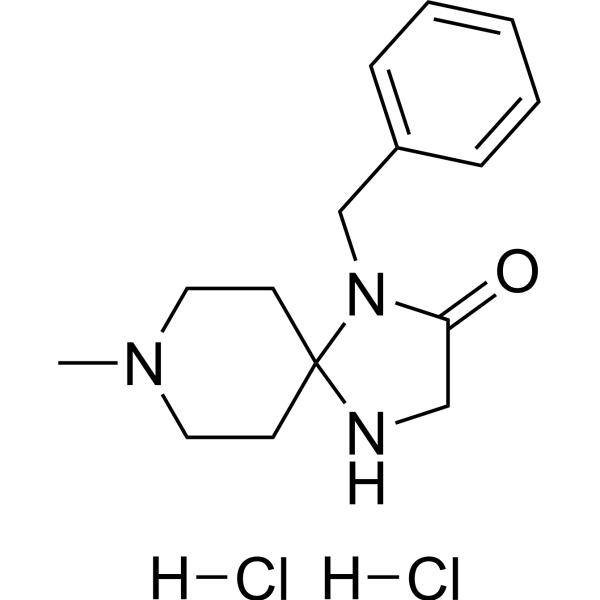
Simufilam dihydrochloride (PTI-125 dihydrochloride) is an orally active FLNA modulator. Simufilam dihydrochloride restores NMDAR signaling and Arc expression. Simufilam dihydrochloride inhibits overactive mTOR signaling by restoring the normal conformation of FLNA, improves insulin sensitivity, reduces Aβ42-induced neuroinflammation and tau protein hyperphosphorylation. Simufilam dihydrochloride can be used for research of Alzheimer's disease .
|
-
- HY-E70599
-
|
|
Carboxylesterase (CES)
|
Metabolic Disease
|
|
Human CES2 Enzyme is a carboxylesterase involved in drug metabolism and lipid homeostasis. Human CES2 Enzyme hydrolyzes triglycerides, cholesteryl esters and retinyl esters to regulate lipid metabolism and energy homeostasis. Human CES2 Enzyme improves glucose tolerance and insulin sensitivity, reduces hepatic lipid accumulation, alleviates white adipose tissue steatitis, decreases plasma cholesterol levels, and reduces body weight and white adipose tissue weight. Human CES2 Enzyme can be used in the research of metabolic syndrome .
|
-

- HY-N11262
-
|
|
Phosphodiesterase (PDE)
Sirtuin
PGC-1α
p38 MAPK
HSP
TNF Receptor
NO Synthase
Apoptosis
|
Metabolic Disease
Inflammation/Immunology
|
|
Sudachitin is an orally active compound that potently inhibits mouse PDE1C and human PDE4B, with IC50 values of 5.0 μM and 15.0 μM, respectively. Sudachitin upregulates Sirt1 and PGC‑1α expression in skeletal muscle to regulate energy metabolism and promote mitochondrial biogenesis. Sudachitin improves lipid metabolism, glucose tolerance, insulin sensitivity, energy expenditure, and fatty acid β‑oxidation. Sudachitin activates p38MAPK signaling, induces HSP27 phosphorylation and caspase‑dependent apoptosis, and blocks EGF‑driven keratinocyte migration and proliferation. Sudachitin suppresses LPS‑induced TNF‑α, NO, and iNOS expression in macrophages and shows potent anti‑inflammatory activity. Sudachitin can be used for the research of metabolic syndrome, type 2 diabetes, and psoriasis. .
|
-

- HY-14811A
-
|
ZGN-440 hemioxalate; ZGN-433 hemioxalate; CDK732 hemioxalate
|
NF-κB
MetAP
|
Metabolic Disease
|
Beloranib (ZGN-440; CKD-732 free base) hemioxalate is a selective, irreversible inhibitor of methionine aminopeptidase MetAP2 that suppresses appetite and increases energy expenditure. Beloranib hemioxalate blocks the enzymatic cleavage of N-terminal methionine from nascent proteins by forming a covalent bond with MetAP2, thereby regulating fatty acid metabolism, adrenergic signaling, and hypothalamic NF-κB expression. Beloranib hemioxalate significantly reduces food intake, body weight, and fat accumulation, while improving glucose tolerance, insulin sensitivity, and lipid metabolism. Beloranib hemioxalate also elevates energy expenditure and fat oxidation levels, without affecting body temperature, spontaneous activity, or the inflammatory cytokine IL-1β. Beloranib hemioxalate can be used in research on obesity and hypothalamic obesity .
|
-

- HY-129736A
-
|
|
Dipeptidyl Peptidase
|
Metabolic Disease
|
|
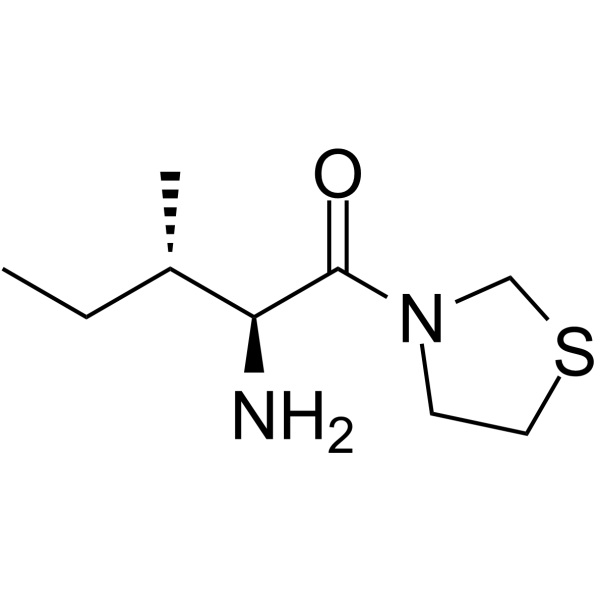
P32/98 a potent inhibitor of dipeptidyl peptidase IV with a Ki value of 130 nM. P32/98 improves glucose tolerance, insulin sensitivity and β-cell responsiveness in fatty Zucker rat model .
|
-
- HY-100546
-
|
|
Histone Demethylase
|
Infection
Metabolic Disease
Cancer
|
|
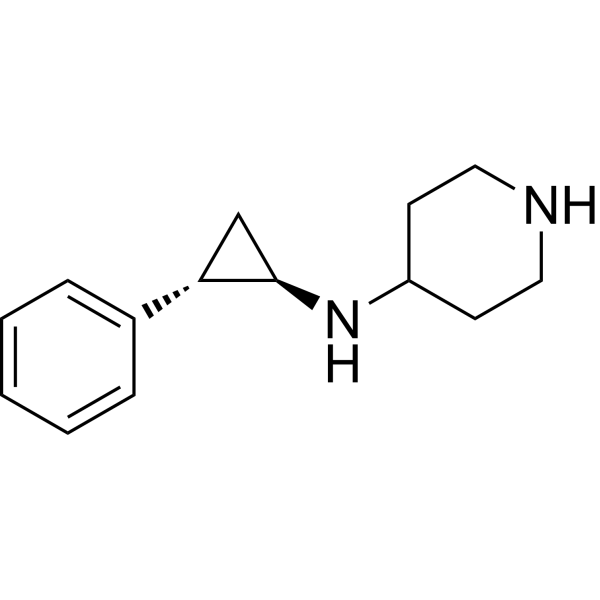
GSK-LSD1, a chemical probe, is a LSD1 inhibitor. GSK-LSD1 reduces food intake and body weight, and improves insulin sensitivity and glycemic control in mouse models of obesity. GSK-LSD1 also ameliorates NAFLD. GSK-LSD1 inhibits SARS-CoV-2-triggered cytokine release in COVID-19 PBMCs. GSK-LSD1 also inhibits cancer growth and metastasis .
|
-
- HY-W145699
-
|
|
Biochemical Assay Reagents
Endogenous Metabolite
|
Others
|
|
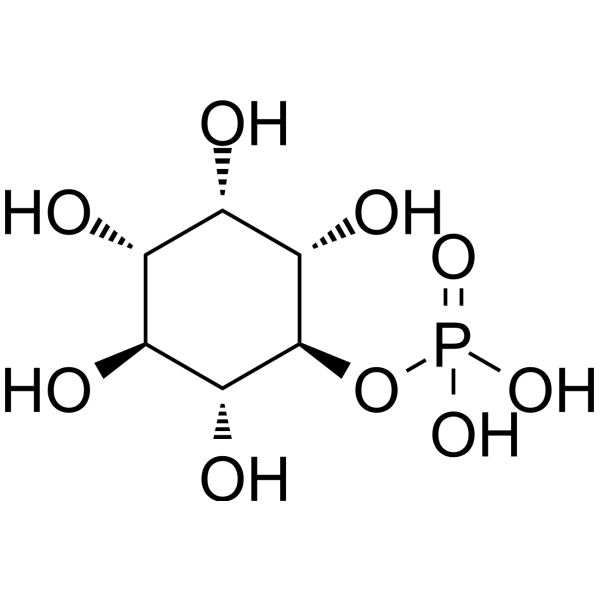
D-myo-Inositol 4-mono-phosphate, also known as IMP, is a phosphorylated form of inositol that is commonly found in various metabolic pathways, especially in the biosynthesis of phospholipids and cell signaling molecules. D-myo-Inositol 4-mono-phosphate has unique chemical properties that make it an important intermediate in the production of second messengers, such as inositol triphosphate (IP3) and diacylglycerol (DAG), which signal in cells plays a key role in. D-myo-Inositol 4-mono-phosphate is also used in dietary supplements and pharmaceuticals because of its potential health benefits, including improved insulin sensitivity and cognitive function.
|
-
- HY-B0283A
-
|
K-9321 sodium
|
Carbonic Anhydrase
|
Metabolic Disease
|
|
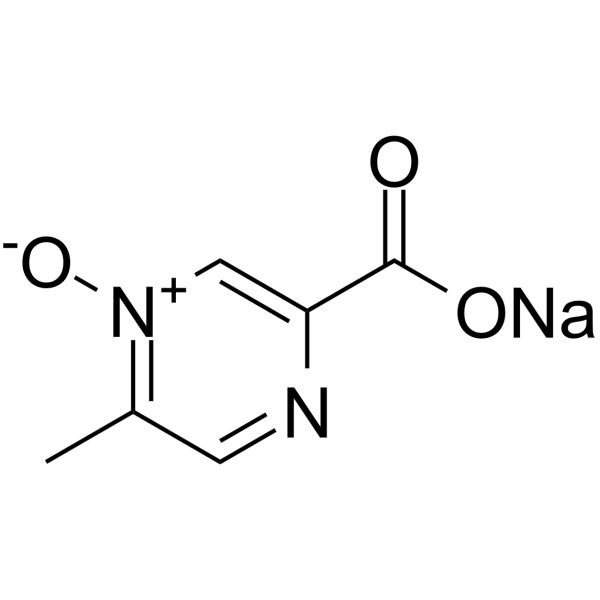
Acipimox (K-9321) sodium, a nicotinic acid analogue, is an antilipolytic compound. Acipimox sodium stimulates leptin releas, inhibits lipolysis and suppresses systemic levels of free fatty acids (FFAs) and improves insulin sensitivity .
|
-
- HY-164809
-
|
|
ROCK
|
Metabolic Disease
|
|
KD025m1 is a novel selective ROCK2 inhibitor. KD025m1 has good anti obesity, improved insulin sensitivity, and blood glucose control effects. KD025m1 can be used to study metabolic diseases such as diabetes and obesity .
|
-

- HY-14771S
-
-

- HY-106863
-
|
|
Adrenergic Receptor
|
Metabolic Disease
|
|
BRL 35135 is a potent and selective β3-adrenergic receptor agonist. BRL 35135 can dose dependently increase energy expenditure, reduce weight, and only reduce fat without reducing muscle protein. BRL 35135 can significantly improve glucose tolerance and insulin sensitivity. BRL 35135 can be used to study metabolic conditions such as obesity and diabetes .
|
-

- HY-W127851
-
|
Cypridina luciferin analog
|
Biochemical Assay Reagents
|
Others
Cancer
|
|
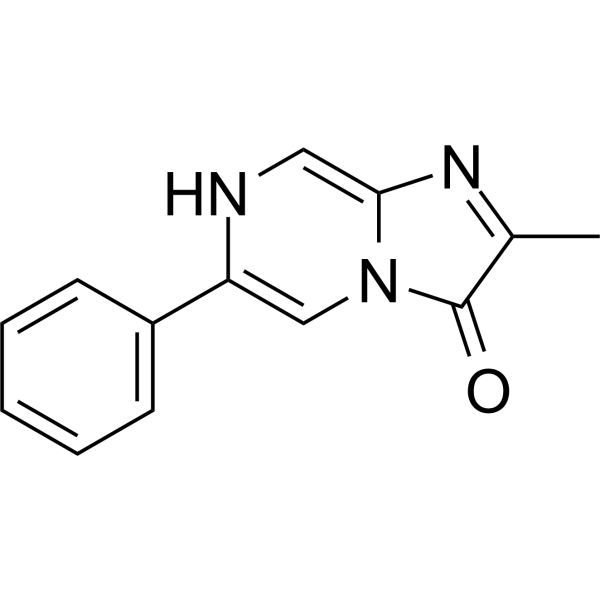
CLA, or conjugated linoleic acid, is a polyunsaturated fatty acid that occurs naturally in a variety of animal products, such as meat and dairy. It has several potential benefits for human health, including the ability to reduce body fat mass, improve insulin sensitivity, and reduce inflammation. CLA has been extensively studied for its effects on weight loss and muscle growth, as well as its potential role in preventing chronic diseases such as heart disease and cancer. Additionally, it can be taken as a dietary supplement in capsule form.
|
-
- HY-131306B
-
|
Gaidic acid
|
Biochemical Assay Reagents
|
Others
|
|
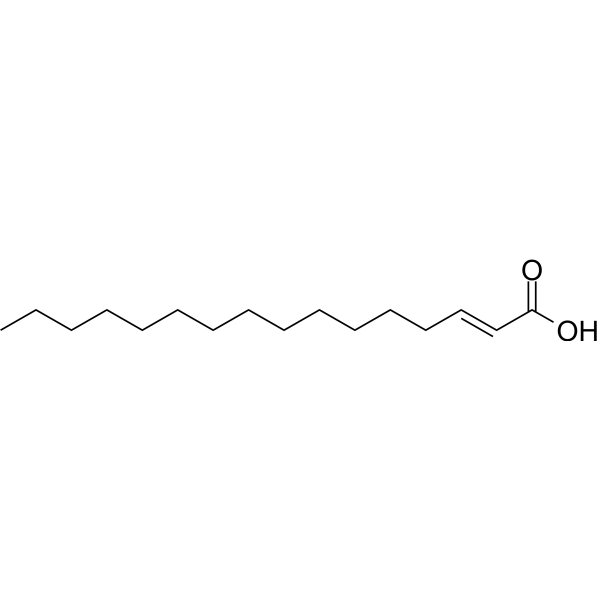
2-Hexadecenoic acid is a natural unsaturated fatty acid. It is ubiquitously present in various animal and plant tissues, especially adipose tissue and certain vegetable oils, such as macadamia nut oil. 2-Hexadecenoic acid has unique chemical properties that make it an important component of cell membranes and storage lipids, and participates in various metabolic processes such as lipid metabolism and inflammation. It's also been linked to potential health benefits, including improved insulin sensitivity and a lower risk of heart disease.
|
-
- HY-117428
-
|
|
11β-HSD
|
Metabolic Disease
|
|
INU-101 is a potent, selective and orally active 11β-hydroxysteroid dehydrogenase (11β-HSD) type 1 inhibitor. INU-101 has highly potent inhibitory activity in mouse, monkey and human 11β-HSD1, derived from liver microsomes. INU-101 can enhance insulin sensitivity and lower the fasting blood glucose level. INU-101 can be used for the research of metabolic disease, such as diabetes .
|
-

- HY-17538A
-
|
|
PGC-1α
|
Metabolic Disease
|
|
ZLN005 (hydrochloride) is a peroxisome proliferator-activated receptor-g coactivator-1a (PGC-1α) activator. ZLN005 (hydrochloride) can stimulate the expression of PGC-1α and downstream genes in skeletal muscle cells, improve glucose utilization and fatty acid oxidation. ZLN005 (hydrochloride) can increase the transcription of PGC-1α and downstream genes in skeletal muscle of diabetic db/db mice, increase fat oxidation and improve glucose tolerance, pyruvate tolerance and insulin sensitivity .
|
-

- HY-B0627A
-
|
1,1-Dimethylbiguanide (glycinate)
|
AMPK
Autophagy
Mitophagy
Apoptosis
mTOR
|
Cardiovascular Disease
Metabolic Disease
Cancer
|
|
Metformin (1,1-Dimethylbiguanide) glycinate inhibits the mitochondrial respiratory chain in the liver, leading to AMPK activation and enhancing insulin sensitivity, and can be used in the study of type 2 diabetes. Metformin glycinate exerts central glucose-lowering effects by inhibiting Ras-related protein 1 (Rap1) in SF1 hypothalamic neurons. Metformin glycinate also inhibits liver oxidative stress, nitrosative stress, inflammation, and apoptosis caused by liver ischemia/reperfusion injury. In addition, Metformin glycinate regulates the expression of autophagy-related proteins by activating AMPK and inhibiting the mTOR signaling pathway, thereby inducing tumor cell autophagy and inhibiting the growth of renal cell carcinoma in vitro and in vivo .
|
-

- HY-B0627S1
-
|
1,1-Dimethylbiguanide-13C2 hydrochloride
|
Isotope-Labeled Compounds
AMPK
Autophagy
Mitophagy
Apoptosis
mTOR
|
Cardiovascular Disease
Metabolic Disease
Cancer
|
|
Metformin- 13C2 (1,1-Dimethylbiguanide- 13C2) hydrochloride is the 13C-labeled Metformin hydrochloride (HY-17471A). Metformin (1,1-Dimethylbiguanide) hydrochloride inhibits the mitochondrial respiratory chain in the liver, leading to AMPK activation and enhancing insulin sensitivity, and can be used in the study of type 2 diabetes. Metformin hydrochloride exerts central glucose-lowering effects by inhibiting Ras-related protein 1 (Rap1) in SF1 hypothalamic neurons. Metformin hydrochloride also inhibits liver oxidative stress, nitrosative stress, inflammation, and apoptosis caused by liver ischemia/reperfusion injury. In addition, Metformin hydrochloride regulates the expression of autophagy-related proteins by activating AMPK and inhibiting the mTOR signaling pathway, thereby inducing tumor cell autophagy and inhibiting the growth of renal cell carcinoma in vitro and in vivo .
|
-

- HY-121796
-
|
|
Neprilysin
|
Others
|
|
Mixanpril is a compound with the ability to modulate insulin sensitivity and has the activity of regulating insulin sensitivity and femoral blood flow in obese Zucker rats. Mixanpril can affect insulin-mediated glucose disposal in obese Zucker rats and also has a regulatory effect on femoral blood flow, with different effects compared to the ACE inhibitor captopril.
|
-

- HY-163294
-
|
|
PPAR
|
Metabolic Disease
|
|
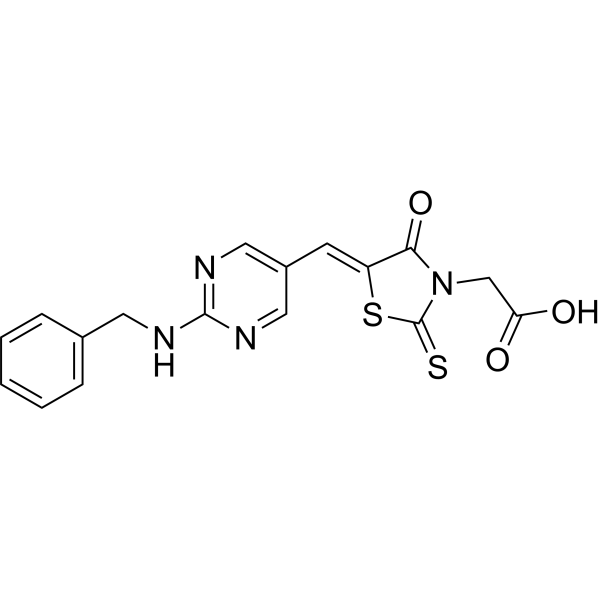
PPARγ agonist 10 (compound 33g) is a PPARγ agonist, and stimulats the insulin secretion, glucose uptake and insulin Sensitivity in βTC6 Cells .
|
-
- HY-101637
-
|
JT 501
|
PPAR
|
Metabolic Disease
|
|
Reglitazar is an agonist for peroxisome proliferator-activated receptor α and β (PPAR α and PPAR β), which enhances insulin sensitivity, lowers blood glucose and regulates blood lipid levels .
|
-

- HY-N6181
-
|
|
Others
|
Endocrinology
|
|
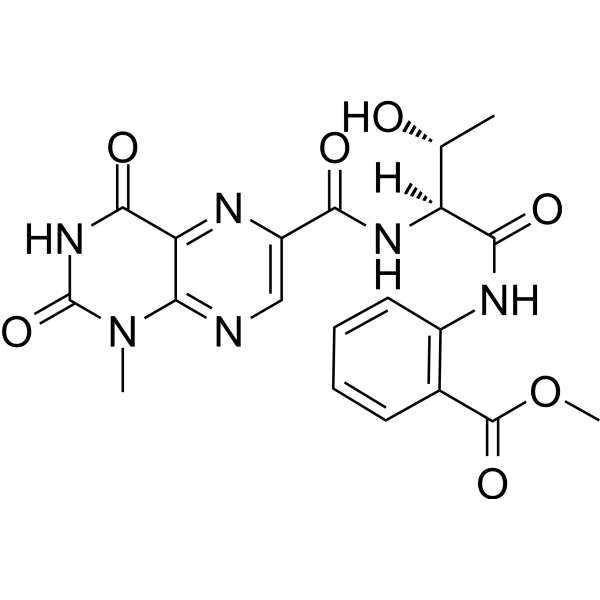
Terrelumamide A is a lumazine-containing peptide. Terrelumamide A is isolated from the culture broth of the marine-derived fungus Aspergillus terreus. Terrelumamide A exhibits pharmacological activity by improving insulin sensitivity. Terrelumamide A has the potential in the application of DNA sequence recognition .
|
-
- HY-129736
-
|
|
Dipeptidyl Peptidase
|
Metabolic Disease
|
|
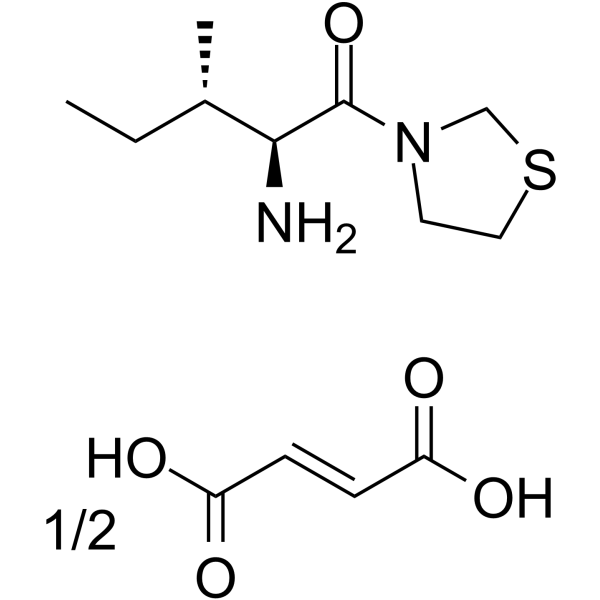
P32/98 hemifumarateis a potent inhibitor of dipeptidyl peptidase IV with a Ki value of 130 nM. P32/98 hemifumarate improves glucose tolerance, insulin sensitivity and β-cell responsiveness in fatty Zucker rat model .
|
-
- HY-169566
-
|
|
EGFR
AMPK
|
Metabolic Disease
|
|
EGFR-IN-146 is an EGFR inhibitor that can inhibit the EGFR signaling pathway and improve insulin sensitivity by activating the AMPK pathway, which can effectively reduce blood sugar levels and body weight. EGFR-IN-146 has great potential in the study of diabetes and obesity .
|
-

- HY-B0283R
-
|
K-9321 (Standard)
|
Carbonic Anhydrase
Reference Standards
|
Metabolic Disease
|
|
Acipimox (Standard) is the analytical standard of Acipimox. This product is intended for research and analytical applications. Acipimox (K-9321), a nicotinic acid analogue, is an antilipolytic compound. Acipimox stimulates leptin releas, inhibits lipolysis and suppresses systemic levels of free fatty acids (FFAs) and improves insulin sensitivity .
|
-

- HY-128400R
-
|
|
PARP
Reference Standards
|
Metabolic Disease
Cancer
|
|
4'-Methoxychalcone (Standard) is the analytical standard of 4'-Methoxychalcone. This product is intended for research and analytical applications. 4'-Methoxychalcone regulates adipocyte differentiation through PPARγ activation. 4'-Methoxychalcone modulates the expression and secretion of various adipokines in adipose tissue that are involved in insulin sensitivity .
|
-

- HY-179285
-
|
|
Phosphatase
|
Metabolic Disease
|
|
PTP1B-IN-32 (Compound 5G) is an uncompetitive PTP1B inhibitor, with a Ki value of 0.72 μM. PTP1B-IN-32 enhances insulin sensitivity. PTP1B-IN-32 can be used in the research of diabetes .
|
-

- HY-N0479S
-
|
|
Isotope-Labeled Compounds
PPAR
GLUT
|
Metabolic Disease
|
|
Licarin B-d4 is the deuterium labeled Licarin B (HY-N0479). Licarin B, a nitric oxide production inhibitor extracted from the component of the seeds of Myristica fragrans, improves insulin sensitivity via PPARγ and activation of GLUT4 in the IRS-1/PI3K/AKT pathway .
|
-

- HY-N4294R
-
|
|
Reference Standards
FXR
Insecticide
|
Infection
Metabolic Disease
Inflammation/Immunology
|
|
Arjungenin (Standard) is the analytical standard of Arjungenin. This product is intended for research and analytical applications. Arjungenin, a pentacyclic triterpenoid compound, is a FXR agonist. Arjungenin can improve insulin sensitivity by regulating the function of fat cells. Arjungenin exhibits moderate free radical scavenging activity. Arjungenin has growth inhibitory activity against the insect Spilarctia obliqua. Arjungenin has significant antiviral activity against a series of viruses such as chikungunya Virus (CHIKV).
|
-

- HY-155967
-
|
|
AMPK
Cannabinoid Receptor
|
Metabolic Disease
|
|
CB1R/AMPK modulator 1 (Compound 38-S) is an orally active CB1R/AMPK modulator, with an Ki of 0.81 nM and an IC50 of 3.9 nM for CB1R. CB1R/AMPK modulator 1 activates AMPK. CB1R/AMPK modulator 1 reduces food intake and body weight, and improves glucose tolerance and insulin sensitivity .
|
-
- HY-169404
-
|
|
PPAR
|
Metabolic Disease
|
|
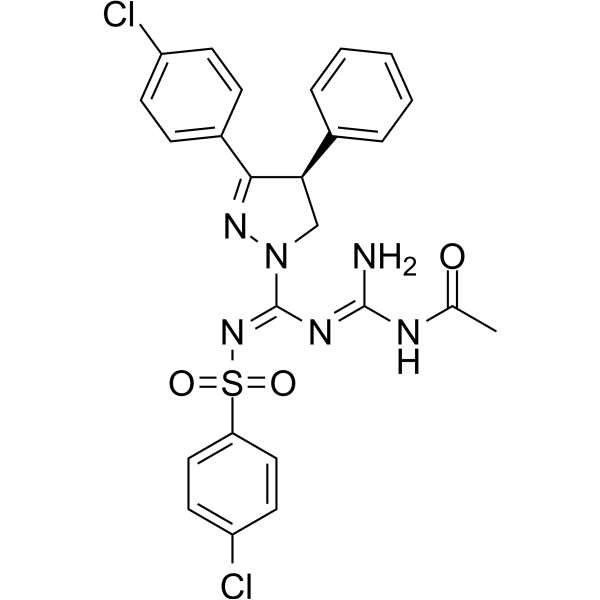
PPARγ agonist 15 (Compound 7c) is an agonist for PPARγ. PPARγ agonist 15 inhibits the expression of alpha-amylase (HPA) and alpha-glucosidase (HLAG) with IC50 of 28.35 µM and 26.21 µM. PPARγ agonist 15 enhances glucose uptake in the L6 myotube cell. PPARγ agonist 15 improves glucose homeostasis, insulin sensitivity, and lipid metabolism in rat Streptozotocin (HY-13753)-induced diabetes model .
|
-

- HY-77813R
-
|
|
Reference Standards
Bacterial
Apoptosis
Antibiotic
Parasite
Autophagy
Reactive Oxygen Species (ROS)
|
Infection
Endocrinology
Cancer
|
|
Benzyl isothiocyanate (Standard) is the analytical standard of Benzyl isothiocyanate. This product is intended for research and analytical applications. Benzyl isothiocyanate is an orally available isothiocyanate with bactericidal, anticancer, antiangiogenic and anthelmintic activities. Benzyl isothiocyanate exerts anticancer functions by regulating multiple signaling pathways, including apoptosis, cell proliferation, cell cycle arrest, metastasis, angiogenesis, and autophagy. In addition, Benzyl isothiocyanate can enhance muscle insulin sensitivity to improve obesity-induced hyperglycemia[1][2][3][4][5][6][7][8][9].
|
-

- HY-133559
-
|
|
PPAR
|
Metabolic Disease
|
|
VSP-77 is an orally active PPARγ agonist. VSP-77 selectively upregulates the expression of insulin sensitivity-related genes (Glut4 and Adiponectin) by inhibiting CDK5-mediated phosphorylation of PPARγ at Ser-273. VSP-77 significantly improves glucose tolerance, reduces fasting blood glucose and insulin levels in high-fat diet (HFD)-induced diabetic mouse models. VSP-77 can be used for the study of diabetes .
|
-

- HY-100428R
-
|
MCC-555 (Standard); Isaglitazone (Standard)
|
Reference Standards
PPAR
|
Metabolic Disease
|
|
Netoglitazone (Standard) is the analytical standard of Netoglitazone (HY-100428). This product is intended for research and analytical applications. Netoglitazone (MCC-555) is an orally active PPARγ ligand with an EC50 of 8 μM. Netoglitazone mediates cell type-specific functional regulation, and modulates the transcriptional activity of PPARγ as a full agonist, partial agonist or antagonist. Netoglitazone induces adipogenesis, inhibits osteoblastogenesis, alters the weight of extramedullary fat depots and enhances insulin sensitivity. Netoglitazone reduces blood glucose levels. Netoglitazone can be used in research related to type 2 diabetes and non-insulin-dependent diabetes mellitus .
|
-

- HY-143712R
-
|
|
Reference Standards
Drug Metabolite
G protein-coupled Bile Acid Receptor 1
ROR
|
Metabolic Disease
Inflammation/Immunology
Cancer
|
|
Allolithocholic acid (Standard) is the analytical standard of Allolithocholic acid (HY-143712). This product is intended for research and analytical applications. Allolithocholic acid is an orally active metabolite of Lithocholic acid (HY-B0172). Allolithocholic acid is a dual GPBAR1 agonist (EC50 = 2.7 μM) and RORγt inverse agonist (IC50 = 3.4 μM). Allolithocholic acid modulates immune and metabolic pathways, regulates immune cell polarization, prevents M1 macrophage and Th17 CD4 cell polarization. Allolithocholic acid improves insulin sensitivity, reduces liver lipid accumulation, reverses liver immunological, inflammatory and metabolic signaling dysregulation, restores bile acid homeostasis, adipose tissue histopathology/function, and intestinal microbiota composition, modulates intestinal immunity. Allolithocholic acid can be used for the researches of cancer, inflammayion, immunology and metabolic disease .
|
-

- HY-B0283S
-
|
K-9321-d4
|
Isotope-Labeled Compounds
|
Metabolic Disease
|
|
Acipimox-d4 is the deuterium labeled Acipimox. Acipimox (K-9321), a nicotinic acid analogue, is an antilipolytic compound. Acipimox acutely inhibits lipolysis and suppresses systemic levels of free fatty acids (FFAs) and improves insulin sensitivity .
|
-
- HY-180415
-
|
|
11β-HSD
|
Metabolic Disease
|
|
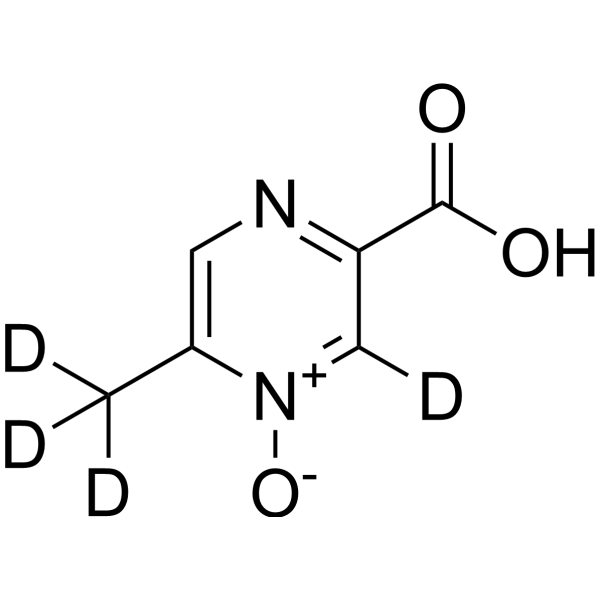
UE2316 is an orally active and specific 11βHSD1 inhibitor. UE2316 significantly improves glucose tolerance and insulin sensitivity in uremic rats. UE2316 also exacerbates hepatic fibrosis in mice. UE2316 can be used in the research of diseases such as hepatic fibrosis, uremia and diabetes mellitus .
|
-

- HY-N19065
-
|
|
Bacterial
|
Infection
Inflammation/Immunology
|
|
Dalchini extract is rich in various bioactive compounds, including cinnamaldehyde, eugenol, tannins, polyphenols, and aromatic essential oils. Dalchini extract helps regulate blood sugar levels and improve insulin sensitivity. It also possesses anti-inflammatory, antioxidant, and antibacterial properties, which help enhance immune function, prevent infection, and reduce inflammation.
|
-

- HY-116193R
-
|
|
Endogenous Metabolite
|
Neurological Disease
Metabolic Disease
Inflammation/Immunology
|
|
5-PAHSA (Standard) is the analytical standard of 5-PAHSA. This product is intended for research and analytical applications. 5-PAHSA increases insulin sensitivity, and has orally active anti-inflammatory and neuroprotective effects in mice HFD-induced diabetes mice. 5-PAHSA can be used for research of neurological dysfunction in diabetics .
|
-

- HY-180936
-
|
|
FBPase
AMPK
mTOR
Ribosomal S6 Kinase (RSK)
|
Metabolic Disease
|
|
FBPase-IN-6 (Compound 96) is an orally active FBPase inhibitor with an IC50 value of 1.769 μM. FBPase-IN-6 modulates AMPK/mTORC1/S6K signaling pathways. FBPase-IN-6 improves glucose tolerance, enhances insulin sensitivity, and promotes insulin secretion in type 2 diabetic mice .
|
-

- HY-P11610
-
|
|
Amylin Receptor
CGRP Receptor
|
Metabolic Disease
|
|
KBP-089 is a dual Amylin and Calcitonin Receptor agonist. KBP-089 reduces body weight, decreases adipose tissue mass and improves glucose tolerance in obese rats. KBP-089 also eliminates lipid accumulation in the liver and muscle, and ameliorates glycemic homeostasis and insulin sensitivity. KBP-089 is applicable to the research of diseases such as obesity and type 2 diabetes .
|
-

- HY-101064R
-
|
N-FMOC-leucine (Standard); NPC 15199 (Standard); NSC 334290 (Standard)
|
PPAR
Reference Standards
|
Metabolic Disease
|
|
Fmoc-leucine (Standard) is the analytical standard of Fmoc-leucine (HY-101064). This product is intended for research and analytical applications. Fmoc-leucine is a selective PPARγ modulator. Fmoc-leucine activates PPARγ with a lower potency but a similar maximal efficacy than rosiglitazone. Fmoc-leucine improves insulin sensitivity in normal, diet-induced glucose-intolerant, and in diabetic db/db mice. Fmoc-leucine has a lower adipogenic activity .
|
-

- HY-182558
-
|
|
Drug Derivative
AMPK
IKK
NF-κB
|
Metabolic Disease
|
|
Nandinine is an orally active derivative of Berberine (HY-N0716). Nandinine enhances AMPK activity, inhibits the activation of IKKβ/NF-κB, and regulates the phosphorylation of IRS-1. Nandinine reverses the abnormal production of adipokines, promotes insulin-mediated glucose uptake, and alleviates insulin resistance. Nandinine improves glucose tolerance and increases the insulin sensitivity index in mice. Nandinine can be used in studies related to insulin resistance .
|
-

- HY-182751
-
|
|
ATP Citrate Lyase
|
Inflammation/Immunology
|
|
ACLY-IN-4 is an ATP-citrate lyase (ACLY) inhibitor with an IC50 of 0.022 μM and a Kd of 0.19 μM. ACLY-IN-4 binds to the allosteric binding site of ACLY. ACLY-IN-4 exhibits hypolipidemic, anti-steatotic, insulin sensitivity-improving, anti-oxidative stress, anti-inflammatory and anti-fibrotic activities. ACLY-IN-4 alleviates hepatic steatosis, systemic insulin resistance, oxidative stress, hepatic inflammation and fibrosis. ACLY-IN-4 can be used for the research of metabolic dysfunction-associated steatohepatitis .
|
-

- HY-181709
-
|
TG062
|
GLP Receptor
GCGR
|
Metabolic Disease
Inflammation/Immunology
|
|
TPM003 (TG062) is a triple agonist of GLP-1R, GIPR and GCGR, with EC50 values of 33.9, 12.5 and 92.9 pM, respectively. TPM003 suppresses appetite, regulates blood glucose, enhances insulin sensitivity, reduces gastrointestinal intolerance, promotes hepatic lipid mobilization and increases energy expenditure. TPM003 induces weight loss, improves metabolic parameters, reverses hepatic steatosis and optimizes liver function markers. TPM003 is applicable for research on obesity and non-alcoholic steatohepatitis .
|
-

- HY-186011
-
|
|
Progesterone Receptor
|
Metabolic Disease
|
|
CPAG-1 is a small-molecule activator of progesterone receptor membrane component 2 (PGRMC2). CPAG-1 can enhance mitochondrial heme delivery to the nucleus mediated by PGRMC2 and activate genes related to heat production in brown adipose tissue (BAT), such as Ucp1 and Pgc-1α, and reduce lipid accumulation in BAT. CPAG-1 reduce fasting blood sugar and insulin levels, and improve glucose tolerance and insulin sensitivity. CPAG-1 can be used for research of type 2 diabetes .
|
-

- HY-186096
-
|
|
ACSL Family
GLP Receptor
|
Metabolic Disease
|
|
LP-856866 is an orally active ACSL5 inhibitor, with IC50 values of 8 nM and 4 nM against mouse and human ACSL5, respectively, and IC50 values of 6 nM and 17 nM against mouse and human ACSL1, respectively. LP-856866 induces delayed gastric emptying, promotes GLP-1 release, reduces food intake, decreases body weight and body fat mass, preserves lean body mass, improves glucose homeostasis, enhances insulin sensitivity, reduces hepatic lipid accumulation, and lowers serum triglyceride and total cholesterol levels. LP-856866 is applicable to research on diet-induced obesity .
|
-

- HY-17403R
-
|
CV-4093 (Standard)
|
Calcium Channel
NF-κB
Reference Standards
|
Infection
Cardiovascular Disease
Metabolic Disease
Inflammation/Immunology
|
|
Manidipine (dihydrochloride) (Standard) is the analytical standard of Manidipine (dihydrochloride). This product is intended for research and analytical applications. Manidipine dihydrochloride is a third-generation, lipophilic, orally active and highly vasoselective calcium channel antagonist (IC50 = 2.6 nM in guinea-pig ventricular cells) and acts as an antihypertensive agent. Manidipine effectively reduces blood pressure as well as improving insulin sensitivity, renal protection, and antiatherosclerotic activity. Manidipine also exerts anti-inflammatory activity mediated by NF-κB and antiviral activity against many flavivirus and negative-strand RNA viruses through the inhibition of calcium channel. Manidipine is widely applied to research of cardiovascular, metabolic disease and infection .
|
-

- HY-182014
-
|
|
LXR
|
Cardiovascular Disease
Metabolic Disease
|
|
TLC-2716 is an orally available, gut- and liver-restricted inhibitor against LXRα and LXRβ, with EC50 values of 7 nM and 15 nM, respectively. TLC-2716 represses LXRα/β transcriptional activity, downregulates genes involved in lipogenesis, lipid absorption and lipoprotein metabolism, and preserves peripheral reverse cholesterol transport. TLC-2716 reduces lipid accumulation, suppresses inflammation and fibrotic gene expression, enhances triglyceride-rich lipoprotein clearance, and improves glucose homeostasis and insulin sensitivity. TLC-2716 lowers serum and hepatic triglycerides, plasma cholesterol and other atherogenic lipid profiles in experimental models and humanized liver mice. TLC-2716 can be used for the research of dyslipidemia and related cardiometabolic disorders .
|
-

- HY-182046
-
|
|
MNK
PPAR
Eukaryotic Initiation Factor (eIF)
Stearoyl-CoA Desaturase (SCD)
|
Metabolic Disease
|
|
HD202A is an orally active, selective dual inhibitor of MNK1/MNK2 (with IC50 values of 6.09 nM and 8.06 nM, and Kd values of 1.913 μM and 5.244 μM, respectively) that inhibits the MNK-eIF4E signaling pathway. By downregulating perilipin 2 and SCD1, while upregulating adipose triglyceride lipase and PPARγ coactivator 1α, HD202A enhances mitochondrial fatty acid oxidation and redox homeostasis. HD202A effectively suppresses body weight gain, hepatic lipid accumulation and elevation of serum lipids, significantly improves glucose tolerance and insulin sensitivity of the organism, and ameliorates inflammatory features. With these comprehensive pharmacological activities, HD202A exhibits great application potential in studies of metabolic dysfunction-associated steatotic liver disease .
|
-

- HY-N17773
-
|
|
PPAR
GLUT
TNF Receptor
|
Metabolic Disease
|
|
Hydrangeic acid is an orally effective stilbene-type glycolipid metabolism regulator that lowers blood glucose and lipids. It can be isolated from processed leaves of Hydrangea macrophylla var. thunbergii. Hydrangeic acid is associated with glycolipid metabolism and insulin sensitivity regulation. Hydrangeic acid does not directly activate PPARγ or PPARα, but instead upregulates the mRNA expression of adiponectin, PPARγ2, GLUT4, and fatty acid-binding protein aP2, and downregulates TNF-α mRNA expression, promoting adipogenesis, glucose uptake, and GLUT4 translocation in 3T3-L1 cells. Simultaneously, Hydrangeic acid inhibits inflammatory factor-induced NO production, exerting activity in improving insulin resistance. Hydrangeic acid can be used in research related to type 2 diabetes and does not cause liver weight gain as a side effect.
|
-

- HY-B0627S
-
|
1,1-Dimethylbiguanide-d6
|
Isotope-Labeled Compounds
AMPK
Autophagy
Mitophagy
Apoptosis
mTOR
|
Cardiovascular Disease
Cancer
|
|
Metformin-d6 (1,1-Dimethylbiguanide-d6) is a deuterated labeled Metformin (HY-B0627). Metformin (1,1-Dimethylbiguanide) inhibits the mitochondrial respiratory chain in the liver, leading to AMPK activation and enhancing insulin sensitivity, and can be used in the study of type 2 diabetes. Metformin exerts central glucose-lowering effects by inhibiting Ras-related protein 1 (Rap1) in SF1 hypothalamic neurons. Metformin also inhibits liver oxidative stress, nitrosative stress, inflammation, and apoptosis caused by liver ischemia/reperfusion injury. In addition, Metformin regulates the expression of autophagy-related proteins by activating AMPK and inhibiting the mTOR signaling pathway, thereby inducing tumor cell autophagy and inhibiting the growth of renal cell carcinoma in vitro and in vivo .
|
-

- HY-W770410
-
|
|
Isotope-Labeled Compounds
CGRP Receptor
NF-κB
|
Others
|
|
9-PAHSA- 13C4 is 13C-labeled 9-PAHSA. 9-PAHSAis an orally active endogenous GPR120 agonist (EC50=18 μM). 9-PAHSAsignificantly inhibits LPS-induced inflammatory responses by blocking the NF-κB pathway. 9-PAHSAinduces adipocyte browning, enhances glucose uptake and reduces lipid accumulation, while improving mitochondrial function and the survival rate of steatotic hepatocytes. In terms of neuroprotection, 9-PAHSAregulates the expression of REST and BDNF in the prefrontal cortex of diabetic mice, and effectively prevents spatial working memory deficits and abnormal social behaviors. 9-PAHSAdoes not directly regulate insulin secretion or improve systemic insulin sensitivity, and possesses specific anti-inflammatory, metabolic regulatory and neuroprotective properties. 9-PAHSAcan be used in the research of diabetes-related cognitive impairment, obesity and non-alcoholic fatty liver disease .
|
-

- HY-143712S1
-
|
3α-hydoxy-5α-Cholaoic Acid-d4, allo-LCA-d4
|
Isotope-Labeled Compounds
Drug Metabolite
G protein-coupled Bile Acid Receptor 1
ROR
|
Metabolic Disease
Inflammation/Immunology
Cancer
|
|
Allolithocholic Acid-d4 (3α-hydoxy-5α-Cholaoic Acid-d4, allo-LCA-d4) is deuterium labeled Allolithocholic acid (HY-143712). Allolithocholic acid is an orally active metabolite of Lithocholic acid (HY-B0172). Allolithocholic acid is a dual GPBAR1 agonist (EC50 = 2.7 μM) and RORγt inverse agonist (IC50 = 3.4 μM). Allolithocholic acid modulates immune and metabolic pathways, regulates immune cell polarization, prevents M1 macrophage and Th17 CD4 cell polarization. Allolithocholic acid improves insulin sensitivity, reduces liver lipid accumulation, reverses liver immunological, inflammatory and metabolic signaling dysregulation, restores bile acid homeostasis, adipose tissue histopathology/function, and intestinal microbiota composition, modulates intestinal immunity. Allolithocholic acid can be used for the researches of cancer, inflammayion, immunology and metabolic disease .
|
-

- HY-120657R
-
|
|
Reference Standards
CGRP Receptor
NF-κB
|
Cardiovascular Disease
Inflammation/Immunology
|
|
Flumethrin (Standard) is the analytical standard of Flumethrin. This product is intended for research and analytical applications. 9-PAHSA is an orally active endogenous GPR120 agonist (EC50=18 μM). 9-PAHSA significantly inhibits LPS-induced inflammatory responses by blocking the NF-κB pathway. 9-PAHSA induces adipocyte browning, enhances glucose uptake and reduces lipid accumulation, while improving mitochondrial function and the survival rate of steatotic hepatocytes. In terms of neuroprotection, 9-PAHSA regulates the expression of REST and BDNF in the prefrontal cortex of diabetic mice, and effectively prevents spatial working memory deficits and abnormal social behaviors. 9-PAHSA does not directly regulate insulin secretion or improve systemic insulin sensitivity, and possesses specific anti-inflammatory, metabolic regulatory and neuroprotective properties. 9-PAHSA can be used in the research of diabetes-related cognitive impairment, obesity and non-alcoholic fatty liver disease .
|
-

- HY-144026S
-
|
|
CGRP Receptor
NF-κB
|
Inflammation/Immunology
|
|
9-PAHSA-d9 is the deuterium labeled 9-PAHSA (HY-120657). 9-PAHSA is an orally active endogenous GPR120 agonist (EC50=18 μM). 9-PAHSA significantly inhibits LPS-induced inflammatory responses by blocking the NF-κB pathway. 9-PAHSA induces adipocyte browning, enhances glucose uptake and reduces lipid accumulation, while improving mitochondrial function and the survival rate of steatotic hepatocytes. In terms of neuroprotection, 9-PAHSA regulates the expression of REST and BDNF in the prefrontal cortex of diabetic mice, and effectively prevents spatial working memory deficits and abnormal social behaviors. 9-PAHSA does not directly regulate insulin secretion or improve systemic insulin sensitivity, and possesses specific anti-inflammatory, metabolic regulatory and neuroprotective properties. 9-PAHSA can be used in the research of diabetes-related cognitive impairment, obesity and non-alcoholic fatty liver disease .
|
-

- HY-120657S
-
|
|
Isotope-Labeled Compounds
CGRP Receptor
NF-κB
|
Others
|
|
9-PAHSA-d4 is the deuterium labeled 9-PAHSA. 9-PAHSA is an orally active endogenous GPR120 agonist (EC50=18 μM). 9-PAHSA significantly inhibits LPS-induced inflammatory responses by blocking the NF-κB pathway. 9-PAHSA induces adipocyte browning, enhances glucose uptake and reduces lipid accumulation, while improving mitochondrial function and the survival rate of steatotic hepatocytes. In terms of neuroprotection, 9-PAHSA regulates the expression of REST and BDNF in the prefrontal cortex of diabetic mice, and effectively prevents spatial working memory deficits and abnormal social behaviors. 9-PAHSA does not directly regulate insulin secretion or improve systemic insulin sensitivity, and possesses specific anti-inflammatory, metabolic regulatory and neuroprotective properties. 9-PAHSA can be used in the research of diabetes-related cognitive impairment, obesity and non-alcoholic fatty liver disease .
|
-
- HY-120657S1
-
|
|
Isotope-Labeled Compounds
CGRP Receptor
NF-κB
|
Others
|
|
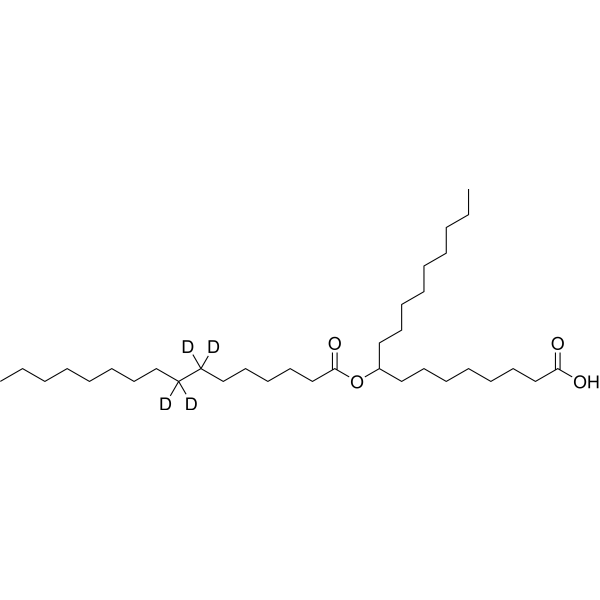
9-PAHSA-d31 is the deuterium labeled 9-PAHSA. 9-PAHSA is an orally active endogenous GPR120 agonist (EC50=18 μM). 9-PAHSA significantly inhibits LPS-induced inflammatory responses by blocking the NF-κB pathway. 9-PAHSA induces adipocyte browning, enhances glucose uptake and reduces lipid accumulation, while improving mitochondrial function and the survival rate of steatotic hepatocytes. In terms of neuroprotection, 9-PAHSA regulates the expression of REST and BDNF in the prefrontal cortex of diabetic mice, and effectively prevents spatial working memory deficits and abnormal social behaviors. 9-PAHSA does not directly regulate insulin secretion or improve systemic insulin sensitivity, and possesses specific anti-inflammatory, metabolic regulatory and neuroprotective properties. 9-PAHSA can be used in the research of diabetes-related cognitive impairment, obesity and non-alcoholic fatty liver disease .
|
-

- HY-N9933
-
|
TβMCA
|
FXR
Apoptosis
|
Neurological Disease
Metabolic Disease
Inflammation/Immunology
Cancer
|
|
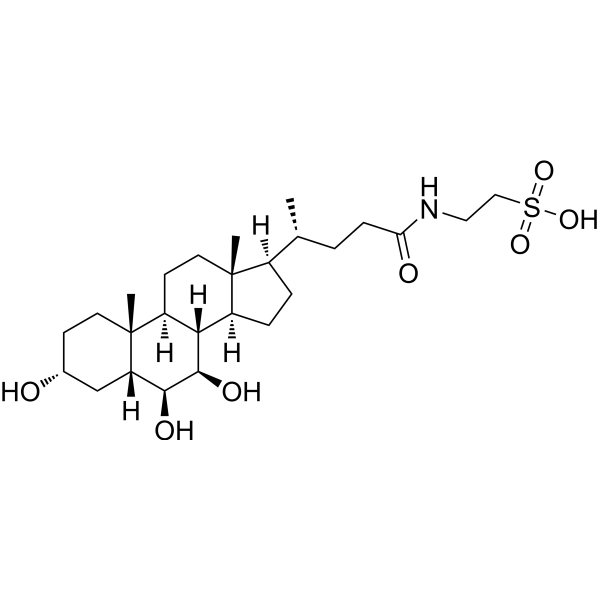
Tauro-β-muricholic acid (TβMCA) is an orally active trihydroxylated bile acid and a competitive, reversible FXR antagonist (IC50=40 μM). Tauro-β-muricholic acid inhibits bile acid-induced hepatocyte apoptosis by maintaining mitochondrial membrane potential, while simultaneously inhibiting intestinal FXR signaling, affecting bile acid synthesis, hepatic lipid metabolism, and insulin sensitivity. Accumulation of tauro-β-muricholic acid disrupts metabolic homeostasis, promoting cancer stem cell proliferation and tumor progression. The mechanisms of tauro-β-muricholic acid involve two aspects: first, inhibiting the translocation of the pro-apoptotic protein Bax to mitochondria and maintaining mitochondrial membrane potential (MMP); and second, blocking the FXR signaling pathway to regulate bile acid metabolism, reduce serum ceramide production, and downregulate the hepatic SREBP1C/CIDEA pathway. Tauro-β-muricholic acid possesses anti-hepatocyte apoptosis, bile acid homeostasis regulation, and liver fat accumulation reduction properties, and also functions as a biomarker, making it useful in the study of diseases such as bile acid metabolism disorders, non-alcoholic fatty liver disease, colorectal cancer, and liver fibrosis .
|
-
- HY-N2593
-
|
|
Carnitine Palmitoyltransferase (CPT)
Reactive Oxygen Species (ROS)
Autophagy
Apoptosis
NF-κB
PI3K
Akt
MMP
Keap1-Nrf2
|
Metabolic Disease
Inflammation/Immunology
Cancer
|
|
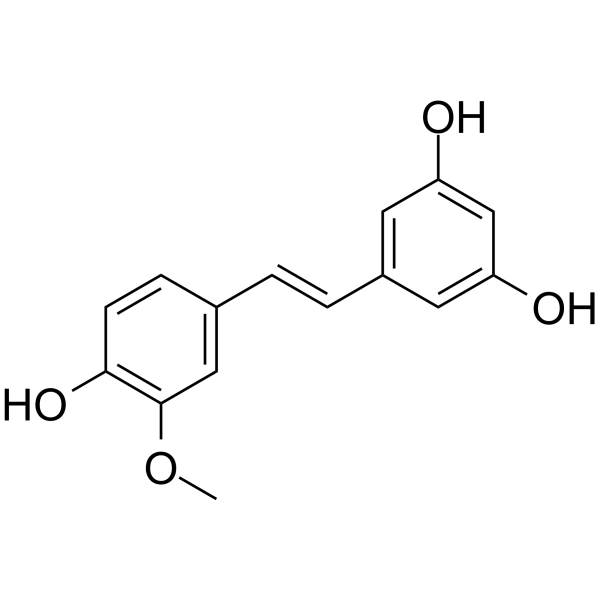
Isorhapontigenin is an orally active dietary polyphenol. Isorhapontigenin acts as a potent antioxidant that reduces the production of reactive oxygen species (ROS). Isorhapontigenin promotes the binding of JUN to the AP-1 site on the SESN2 promoter, induces SESN2 transcription, triggers MAPK8-dependent JUN activation, and upregulates the expression of PPAR-α, PGC-1α and CPT-1A to facilitate fatty acid oxidation. Isorhapontigenin induces autophagy, apoptosis and preadipocyte differentiation; it inhibits tumor growth, cell invasion, NF-κB transcriptional activity, the PI3K/Akt signaling pathway, STAT1 phosphorylation and MMP-2 expression. Isorhapontigenin alleviates oxidative stress, inflammatory cytokine release and triglyceride accumulation; it increases intracellular ATP levels and promotes Nrf2 nuclear translocation. Isorhapontigenin improves insulin sensitivity in adipose tissue and glucose tolerance, and reduces postprandial blood glucose, insulin and free fatty acid levels. Isorhapontigenin is applicable to research on bladder cancer, liver injury, chronic obstructive pulmonary disease, acute lung injury and type 2 diabetes .
|
-
- HY-N2593R
-
|
|
Reference Standards
Carnitine Palmitoyltransferase (CPT)
Reactive Oxygen Species (ROS)
Autophagy
Apoptosis
NF-κB
PI3K
Akt
MMP
Keap1-Nrf2
|
Inflammation/Immunology
Cancer
|
|
Isorhapontigenin (Standard) is the analytical standard of Isorhapontigenin (HY-N2593). This product is intended for research and analytical applications. Isorhapontigenin is an orally active dietary polyphenol. Isorhapontigenin acts as a potent antioxidant that reduces the production of reactive oxygen species (ROS). Isorhapontigenin promotes the binding of JUN to the AP-1 site on the SESN2 promoter, induces SESN2 transcription, triggers MAPK8-dependent JUN activation, and upregulates the expression of PPAR-α, PGC-1α and CPT-1A to facilitate fatty acid oxidation. Isorhapontigenin induces autophagy, apoptosis and preadipocyte differentiation; it inhibits tumor growth, cell invasion, NF-κB transcriptional activity, the PI3K/Akt signaling pathway, STAT1 phosphorylation and MMP-2 expression. Isorhapontigenin alleviates oxidative stress, inflammatory cytokine release and triglyceride accumulation; it increases intracellular ATP levels and promotes Nrf2 nuclear translocation. Isorhapontigenin improves insulin sensitivity in adipose tissue and glucose tolerance, and reduces postprandial blood glucose, insulin and free fatty acid levels. Isorhapontigenin is applicable to research on bladder cancer, liver injury, chronic obstructive pulmonary disease, acute lung injury and type 2 diabetes.
|
-

- HY-N3266
-
|
|
Tyrosinase
Phosphatase
Cholinesterase (ChE)
SARS-CoV
PERK
JNK
p38 MAPK
TGF-beta/Smad
Apoptosis
Reactive Oxygen Species (ROS)
AMPK
MMP
|
Cardiovascular Disease
Infection
Neurological Disease
Inflammation/Immunology
Cancer
|
|
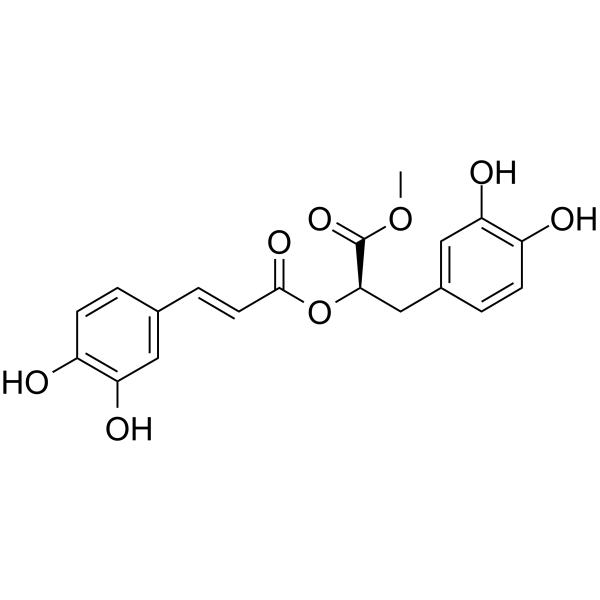
Methyl rosmarinate is an orally active hydroxycinnamic acid. Methyl rosmarinate exhibits an IC50 of 24.70 μM and a Ki of 15.29 μM against PTP1B, an IC50 of 41.46 μg/mL against BChE, a Ki of 0.61 mM against mushroom tyrosinase, and an IC50 of 2.50 μM against SARS-CoV-2 3CLpro. Methyl rosmarinate downregulates the phosphorylation levels of ERK, JNK, p38, Smad2 and Smad3. Methyl rosmarinate activates erythrocyte BPGM and promotes the production of 2,3-BPG. Methyl rosmarinate induces apoptosis of fibroblasts. Methyl rosmarinate prolongs the survival time of hypoxic mice. Methyl rosmarinate improves insulin sensitivity. Methyl rosmarinate binds to SARS-CoV-2 3CLpro and inhibits viral replication. Methyl rosmarinate induces glioblastoma cell death. Methyl rosmarinate activates the TGR5/AMPK axis and reduces the levels of ROS and MDA. Methyl rosmarinate shows inhibitory activity against MMP-1. Methyl rosmarinate can be used in research related to pulmonary fibrosis, hypoxia-induced injury, type 2 diabetes, Alzheimer's disease, hyperpigmentation disorders, COVID-19, glioblastoma and myocardial ischemia-reperfusion injury .
|
-
| Cat. No. |
Product Name |
Type |
-
- HY-134816
-
|
|
Biochemical Assay Reagents
|
|
D-Glucan is an orally effective Dectin-1 receptor immune activator with antioxidant properties (reducing TNF-α). D-Glucan activates macrophages and neutrophils to scavenge free radicals, inhibit oxidative stress and inflammatory responses, and improve insulin sensitivity. D-Glucan promotes glycolysis by enhancing the activity of the antioxidant enzyme glutathione, inhibiting gluconeogenesis and activating GK. D-Glucan can be used in the research of liver damage protection (antagonizing Acetaminophen (HY-66005) toxicity), radiation protection (synergistic with vitamin E) and diabetes (improving glucose metabolism) .
|
-
- HY-W010934
-
|
|
Biochemical Assay Reagents
|
|
3β,5α,6β-Trihydroxycholestane is a steroid that occurs naturally in the body and is also found in certain foods. It belongs to a class of compounds known as cholestanes, which are closely related to the better known cholesterol. This particular compound is formed from cholesterol through a series of enzymatic reactions in the liver and other organs. It has been studied for its potential health benefits, including its ability to reduce inflammation and oxidative stress in the body. Some research suggests that it may also play a role in regulating blood sugar levels and improving insulin sensitivity. Despite these potential benefits, 3β,5α,6β-Trihydroxycholestane is not widely used as a supplement or medicine due to its relatively low content, focus on natural resources and limited research. However, researchers continue to investigate its potential uses and effects on human health.
|
-
- HY-W145699
-
|
|
Biochemical Assay Reagents
|
|
D-myo-Inositol 4-mono-phosphate, also known as IMP, is a phosphorylated form of inositol that is commonly found in various metabolic pathways, especially in the biosynthesis of phospholipids and cell signaling molecules. D-myo-Inositol 4-mono-phosphate has unique chemical properties that make it an important intermediate in the production of second messengers, such as inositol triphosphate (IP3) and diacylglycerol (DAG), which signal in cells plays a key role in. D-myo-Inositol 4-mono-phosphate is also used in dietary supplements and pharmaceuticals because of its potential health benefits, including improved insulin sensitivity and cognitive function.
|
-
- HY-W127851
-
|
Cypridina luciferin analog
|
Biochemical Assay Reagents
|
|
CLA, or conjugated linoleic acid, is a polyunsaturated fatty acid that occurs naturally in a variety of animal products, such as meat and dairy. It has several potential benefits for human health, including the ability to reduce body fat mass, improve insulin sensitivity, and reduce inflammation. CLA has been extensively studied for its effects on weight loss and muscle growth, as well as its potential role in preventing chronic diseases such as heart disease and cancer. Additionally, it can be taken as a dietary supplement in capsule form.
|
-
- HY-131306B
-
|
Gaidic acid
|
Biochemical Assay Reagents
|
|
2-Hexadecenoic acid is a natural unsaturated fatty acid. It is ubiquitously present in various animal and plant tissues, especially adipose tissue and certain vegetable oils, such as macadamia nut oil. 2-Hexadecenoic acid has unique chemical properties that make it an important component of cell membranes and storage lipids, and participates in various metabolic processes such as lipid metabolism and inflammation. It's also been linked to potential health benefits, including improved insulin sensitivity and a lower risk of heart disease.
|
| Cat. No. |
Product Name |
Target |
Research Area |
-
- HY-P10746
-
|
|
Neurokinin Receptor
|
Metabolic Disease
|
|
EB1002 is a highly selective, long-acting NK2R agonist. EB1002 exerts central appetite suppression, increases peripheral energy expenditure and enhances insulin sensitivity, which effectively reduces body weight, improves glucose and lipid metabolism, with favorable safety profiles. EB1002 can be used for research on diseases such as obesity and type 2 diabetes .
|
-
- HY-P2048
-
|
|
Apoptosis
GLUT
AMPK
|
Neurological Disease
Metabolic Disease
Inflammation/Immunology
Endocrinology
|
|
MOTS-c (human) is a blood-brain barrier-penetrating, mitochondrial-derived peptide that modulates the AMPK/PGC-1α pathway to enhance insulin sensitivity. MOTS-c (human) inhibits the folate cycle and de novo purine synthesis, increases AICAR levels to activate AMPK, and then regulates the Nrf2/Keap1 antioxidant pathway and inhibits the NF-κB inflammatory pathway, while promoting mitochondrial biogenesis and energy metabolism. MOTS-c (human) has the effects of improving glucose and lipid metabolism, anti-oxidative stress, anti-inflammatory and neuroprotection, and can be used in the study of type 2 diabetes, traumatic brain injury, inflammatory diseases and aging-related metabolic disorders .
|
-
- HY-P11274A
-
|
Amycretin sodium; NN 9487 sodium
|
Amylin Receptor
Insulin Receptor
GCGR
|
Metabolic Disease
|
Zenagamtide (Amycretin; NN 9487) sodium is an orally active, blood-brain barrier permeable triple agonist that targets GLP-1, amylin (Amylin Receptor) and calcitonin receptor (Calcitonin Receptor). Zenagamtide sodium is a single peptide consisting of 68 amino acids that can target brain regions regulating food intake, significantly suppress appetite and reduce energy intake. Therefore, Zenagamtide sodium improves body weight, waist circumference, glycated hemoglobin and lipid profile, and also alleviates the histological features of metabolic dysfunction-associated steatotic liver disease (MASLD) and enhances insulin sensitivity. Zenagamtide sodium may cause transient increases in heart rate and fluctuations in serum calcium levels, but it is an important compound for the study of overweight, obesity, insulin resistance and related metabolic diseases .
|
-
- HY-P1928
-
|
|
Bcl-2 Family
|
Neurological Disease
Endocrinology
|
Humanin, an anti-apoptotic peptide of 24 amino acids, is a Bax inhibitor. Humanin prevents the translocation of Bax from cytosol to mitochondria, blocks Bax from the inactive to active conformation. Humanin is a mitochondria-associated peptide with a neuroprotective effect against AD-related neurotoxicity. Humanin also improves overall insulin sensitivity in animal. Humanin are related to aging .
Humanin analogue, in which the serine at position 14 is replaced by glycine, names HNG .
|
-
- HY-P10959
-
|
LY3532226
|
Insulin Receptor
|
Metabolic Disease
|
|
Macupatide is a glucose-dependent insulinotropic polypeptide (GIP) receptor agonist. Macupatide improves insulin secretion responses and insulin sensitivity.Macupatide can be used for the research of type 2 diabetes .
|
-
- HY-P11274
-
|
Amycretin; NN 9487
|
Amylin Receptor
GCGR
Insulin Receptor
|
Metabolic Disease
|
Zenagamtide (Amycretin; NN 9487) is an orally active, blood-brain barrier permeable triple agonist that targets GLP-1, amylin (Amylin Receptor) and calcitonin receptor (Calcitonin Receptor). Zenagamtide is a single peptide consisting of 68 amino acids that can target brain regions regulating food intake, significantly suppress appetite and reduce energy intake. Therefore, Zenagamtide improves body weight, waist circumference, glycated hemoglobin and lipid profile, and also alleviates the histological features of metabolic dysfunction-associated steatotic liver disease (MASLD) and enhances insulin sensitivity. Zenagamtide may cause transient increases in heart rate and fluctuations in serum calcium levels, but it is an important compound for the study of overweight, obesity, insulin resistance and related metabolic diseases .
|
-
- HY-P11285A
-
|
Long acting GIPRA-1 TFA
|
Insulin Receptor
|
Metabolic Disease
|
|
LAGIPRA peptide TFA is a long-acting GIP1R agonist. LAGIPRA peptide TFA enhances insulin sensitivity by augmenting glucose disposal and reduces branched-chain amino acids (BCAAs) and ketoacids. LAGIPRA peptide TFA has the potential for the research of type 2 diabetes .
|
-
- HY-P1434
-
|
|
Insulin Receptor
|
Metabolic Disease
|
|
[Pro3]-GIP (mouse) is a GIP receptor antagonist (IC50: 2.6 μM). [Pro3]-GIP (mouse) improves glucose tolerance and insulin sensitivity in ob/ob mice. [Pro3]-GIP (mouse) can be used for research of type 2 diabetes .
|
-
- HY-19870C
-
|
RM-493 monoacetate; BIM-22493 monoacetate; IRC-022493 monoacetate
|
Melanocortin Receptor
Calmodulin
AMPK
|
Cardiovascular Disease
Metabolic Disease
Inflammation/Immunology
|
|
Setmelanotide monoacetate (RM-493 monoacetate) is a blood-brain barrier-permeable, selective MC4R agonist with a Ki value of 2.1 nM for hMC4R. Setmelanotide monoacetate activates the CaMKK2/AMPK signaling pathway. Setmelanotide monoacetate mediates body weight homeostasis, feeding regulation and energy expenditure modulation; it reduces food intake, induces weight loss, decreases obesity severity, increases daytime activity and energy expenditure, lowers levels of leptin, triglycerides, fasting insulin and diastolic blood pressure, improves insulin sensitivity, glucose tolerance and fatty liver condition, and reverses respiratory depression. Setmelanotide monoacetate is applicable to research related to obesity, hyperinsulinemia, fatty liver and respiratory depression .
|
-
- HY-P2048A
-
|
|
AMPK
GLUT
|
Neurological Disease
Metabolic Disease
Inflammation/Immunology
Endocrinology
|
|
MOTS-c (human) acetate is a blood-brain barrier-penetrating, mitochondrial-derived peptide that modulates the AMPK/PGC-1α pathway to enhance insulin sensitivity. MOTS-c (human) acetate inhibits the folate cycle and de novo purine synthesis, increases AICAR levels to activate AMPK, and then regulates the Nrf2/Keap1 antioxidant pathway and inhibits the NF-κB inflammatory pathway, while promoting mitochondrial biogenesis and energy metabolism. MOTS-c (human) acetate has the effects of improving glucose and lipid metabolism, anti-oxidative stress, anti-inflammatory and neuroprotection, and can be used in the study of type 2 diabetes, traumatic brain injury, inflammatory diseases and aging-related metabolic disorders .
|
-
- HY-P11285
-
|
Long acting GIPRA-1
|
Insulin Receptor
|
Metabolic Disease
|
|
LAGIPRA peptide is a long-acting GIP1R agonist. LAGIPRA peptide enhances insulin sensitivity by augmenting glucose disposal and reduces branched-chain amino acids (BCAAs) and ketoacids. LAGIPRA peptide has the potential for the research of type 2 diabetes .
|
-
- HY-P10959A
-
|
LY3532226 acetate
|
Insulin Receptor
|
Metabolic Disease
|
|
Macupatide acetate is a glucose-dependent insulinotropic polypeptide (GIP) receptor agonist. Macupatide acetate improves insulin secretion responses and insulin sensitivity.Macupatide acetate can be used for the research of type 2 diabetes .
|
-
- HY-P11610
-
|
|
Amylin Receptor
CGRP Receptor
|
Metabolic Disease
|
|
KBP-089 is a dual Amylin and Calcitonin Receptor agonist. KBP-089 reduces body weight, decreases adipose tissue mass and improves glucose tolerance in obese rats. KBP-089 also eliminates lipid accumulation in the liver and muscle, and ameliorates glycemic homeostasis and insulin sensitivity. KBP-089 is applicable to the research of diseases such as obesity and type 2 diabetes .
|
| Cat. No. |
Product Name |
Category |
Target |
Chemical Structure |
-
- HY-N7075
-
Inulin
4 Publications Verification
|
Structural Classification
Human Gut Microbiota Metabolites
Polysaccharides
Classification of Application Fields
Metabolic Disease
Plants
Compositae
Endogenous metabolite
Disease Research Fields
Saccharides
Sophora tomentosa L.
Source Classification
|
Endogenous Metabolite
|
|
Inulin is an orally active prebiotic targeting the intestinal microbiota, selectively promoting the proliferation and activity of beneficial bacteria such as bifidobacteria and lactic acid bacteria, and playing a role in regulating the intestinal microecology. The functions of Inulin include: Fermentation by probiotics in the colon to produce short-chain fatty acids (such as butyrate and propionate), lowering the intestinal pH and inhibiting the overgrowth of harmful bacteria; Enhancing the intestinal barrier function and reducing endotoxin translocation; Directly scavenging free radicals (such as superoxide free radicals, hydroxyl free radicals) and activating antioxidant enzymes (SOD, CAT) to reduce oxidative stress. Inulin can also be used in the study of intestinal diseases (constipation, IBD), metabolic syndrome (diabetes, obesity) and liver damage by regulating glucose and lipid metabolism (such as reducing triglycerides, improving insulin sensitivity) and immune response (enhancing NK cell activity, inhibiting inflammatory factors)[1][2][3][4].
|
-
-
- HY-N9933
-
|
TβMCA
|
Structural Classification
Human Gut Microbiota Metabolites
Animals
Endogenous metabolite
Steroids
Source Classification
|
FXR
Apoptosis
|
|
Tauro-β-muricholic acid (TβMCA) is an orally active trihydroxylated bile acid and a competitive, reversible FXR antagonist (IC50=40 μM). Tauro-β-muricholic acid inhibits bile acid-induced hepatocyte apoptosis by maintaining mitochondrial membrane potential, while simultaneously inhibiting intestinal FXR signaling, affecting bile acid synthesis, hepatic lipid metabolism, and insulin sensitivity. Accumulation of tauro-β-muricholic acid disrupts metabolic homeostasis, promoting cancer stem cell proliferation and tumor progression. The mechanisms of tauro-β-muricholic acid involve two aspects: first, inhibiting the translocation of the pro-apoptotic protein Bax to mitochondria and maintaining mitochondrial membrane potential (MMP); and second, blocking the FXR signaling pathway to regulate bile acid metabolism, reduce serum ceramide production, and downregulate the hepatic SREBP1C/CIDEA pathway. Tauro-β-muricholic acid possesses anti-hepatocyte apoptosis, bile acid homeostasis regulation, and liver fat accumulation reduction properties, and also functions as a biomarker, making it useful in the study of diseases such as bile acid metabolism disorders, non-alcoholic fatty liver disease, colorectal cancer, and liver fibrosis .
|
-
-
- HY-N2593
-
|
|
Structural Classification
Stilbenes
Classification of Application Fields
Gnetum cleistostachyum C. Y. Cheng
Phenols
Polyphenols
Gnetaceae
Plants
Inflammation/Immunology
Disease Research Fields
Source Classification
|
Carnitine Palmitoyltransferase (CPT)
Reactive Oxygen Species (ROS)
Autophagy
Apoptosis
NF-κB
PI3K
Akt
MMP
Keap1-Nrf2
|
|
Isorhapontigenin is an orally active dietary polyphenol. Isorhapontigenin acts as a potent antioxidant that reduces the production of reactive oxygen species (ROS). Isorhapontigenin promotes the binding of JUN to the AP-1 site on the SESN2 promoter, induces SESN2 transcription, triggers MAPK8-dependent JUN activation, and upregulates the expression of PPAR-α, PGC-1α and CPT-1A to facilitate fatty acid oxidation. Isorhapontigenin induces autophagy, apoptosis and preadipocyte differentiation; it inhibits tumor growth, cell invasion, NF-κB transcriptional activity, the PI3K/Akt signaling pathway, STAT1 phosphorylation and MMP-2 expression. Isorhapontigenin alleviates oxidative stress, inflammatory cytokine release and triglyceride accumulation; it increases intracellular ATP levels and promotes Nrf2 nuclear translocation. Isorhapontigenin improves insulin sensitivity in adipose tissue and glucose tolerance, and reduces postprandial blood glucose, insulin and free fatty acid levels. Isorhapontigenin is applicable to research on bladder cancer, liver injury, chronic obstructive pulmonary disease, acute lung injury and type 2 diabetes .
|
-
-
- HY-77813
-
-
-
- HY-143712
-
|
|
Structural Classification
Classification of Application Fields
Metabolic Disease
Endogenous metabolite
Disease Research Fields
Steroids
Source Classification
|
Drug Metabolite
G protein-coupled Bile Acid Receptor 1
ROR
|
|
Allolithocholic acid is an orally active metabolite of Lithocholic acid (HY-B0172). Allolithocholic acid is a dual GPBAR1 agonist (EC50 = 2.7 μM) and RORγt inverse agonist (IC50 = 3.4 μM). Allolithocholic acid modulates immune and metabolic pathways, regulates immune cell polarization, prevents M1 macrophage and Th17 CD4 cell polarization. Allolithocholic acid improves insulin sensitivity, reduces liver lipid accumulation, reverses liver immunological, inflammatory and metabolic signaling dysregulation, restores bile acid homeostasis, adipose tissue histopathology/function, and intestinal microbiota composition, modulates intestinal immunity. Allolithocholic acid can be used for the researches of cancer, inflammayion, immunology and metabolic disease .
|
-
-
- HY-N0479
-
-
-
- HY-N3266
-
|
|
Structural Classification
Classification of Application Fields
Simple Phenylpropanols
Adenocarpus cincinnatus (Ball) Maire
Labiatae
Phenols
Polyphenols
Phenylpropanoids
Plants
Disease Research Fields
Source Classification
Cancer
|
Tyrosinase
Phosphatase
Cholinesterase (ChE)
SARS-CoV
PERK
JNK
p38 MAPK
TGF-beta/Smad
Apoptosis
Reactive Oxygen Species (ROS)
AMPK
MMP
|
|
Methyl rosmarinate is an orally active hydroxycinnamic acid. Methyl rosmarinate exhibits an IC50 of 24.70 μM and a Ki of 15.29 μM against PTP1B, an IC50 of 41.46 μg/mL against BChE, a Ki of 0.61 mM against mushroom tyrosinase, and an IC50 of 2.50 μM against SARS-CoV-2 3CLpro. Methyl rosmarinate downregulates the phosphorylation levels of ERK, JNK, p38, Smad2 and Smad3. Methyl rosmarinate activates erythrocyte BPGM and promotes the production of 2,3-BPG. Methyl rosmarinate induces apoptosis of fibroblasts. Methyl rosmarinate prolongs the survival time of hypoxic mice. Methyl rosmarinate improves insulin sensitivity. Methyl rosmarinate binds to SARS-CoV-2 3CLpro and inhibits viral replication. Methyl rosmarinate induces glioblastoma cell death. Methyl rosmarinate activates the TGR5/AMPK axis and reduces the levels of ROS and MDA. Methyl rosmarinate shows inhibitory activity against MMP-1. Methyl rosmarinate can be used in research related to pulmonary fibrosis, hypoxia-induced injury, type 2 diabetes, Alzheimer's disease, hyperpigmentation disorders, COVID-19, glioblastoma and myocardial ischemia-reperfusion injury .
|
-
-
- HY-N8522
-
-
-
- HY-128400
-
-
-
- HY-N4294
-
-
-
- HY-N5027
-
-
-
- HY-120657
-
|
|
Structural Classification
Classification of Application Fields
Ketones, Aldehydes, Acids
Other Diseases
Endogenous metabolite
Disease Research Fields
Source Classification
|
CGRP Receptor
NF-κB
|
|
9-PAHSA is an orally active endogenous GPR120 agonist (EC50=18 μM). 9-PAHSA significantly inhibits LPS-induced inflammatory responses by blocking the NF-κB pathway. 9-PAHSA induces adipocyte browning, enhances glucose uptake and reduces lipid accumulation, while improving mitochondrial function and the survival rate of steatotic hepatocytes. In terms of neuroprotection, 9-PAHSA regulates the expression of REST and BDNF in the prefrontal cortex of diabetic mice, and effectively prevents spatial working memory deficits and abnormal social behaviors. 9-PAHSA does not directly regulate insulin secretion or improve systemic insulin sensitivity, and possesses specific anti-inflammatory, metabolic regulatory and neuroprotective properties. 9-PAHSA can be used in the research of diabetes-related cognitive impairment, obesity and non-alcoholic fatty liver disease .
|
-
-
- HY-129297
-
-
-
- HY-N15841
-
|
|
Structural Classification
Lipid
|
Ceramidase
|
|
C25 Ceramide (d18:1/25:0) is an endogenous ultra-long-chain ceramide that antagonizes the detrimental effects of long-chain ceramides on insulin sensitivity. C25 Ceramide (d18:1/25:0) is specifically enriched in oxidative skeletal muscle fibers, where it serves dual roles in providing structural support to cell membranes and regulating cellular signaling. By participating in the regulation of lipid homeostasis within muscle fibers, C25 Ceramide (d18:1/25:0) helps maintain normal insulin signaling. C25 Ceramide (d18:1/25:0) is primarily utilized in research concerning metabolic diseases—particularly in mechanistic studies investigating the muscle fiber type-specific aspects of insulin resistance .
|
-
-
- HY-N3426
-
-
-
- HY-N11262
-
|
|
Structural Classification
Flavonoids
Flavones
Rutaceae
Citrus sudachi Hort. ex Shirai.
Plants
Source Classification
|
Phosphodiesterase (PDE)
Sirtuin
PGC-1α
p38 MAPK
HSP
TNF Receptor
NO Synthase
Apoptosis
|
|
Sudachitin is an orally active compound that potently inhibits mouse PDE1C and human PDE4B, with IC50 values of 5.0 μM and 15.0 μM, respectively. Sudachitin upregulates Sirt1 and PGC‑1α expression in skeletal muscle to regulate energy metabolism and promote mitochondrial biogenesis. Sudachitin improves lipid metabolism, glucose tolerance, insulin sensitivity, energy expenditure, and fatty acid β‑oxidation. Sudachitin activates p38MAPK signaling, induces HSP27 phosphorylation and caspase‑dependent apoptosis, and blocks EGF‑driven keratinocyte migration and proliferation. Sudachitin suppresses LPS‑induced TNF‑α, NO, and iNOS expression in macrophages and shows potent anti‑inflammatory activity. Sudachitin can be used for the research of metabolic syndrome, type 2 diabetes, and psoriasis. .
|
-
-
- HY-W145699
-
-
-
- HY-N6181
-
-
-
- HY-128400R
-
-
-
- HY-N4294R
-
|
|
Triterpenes
Terpenoids
Combretaceae
Terminalia chebula Retz.
Plants
Source Classification
|
Reference Standards
FXR
Insecticide
|
|
Arjungenin (Standard) is the analytical standard of Arjungenin. This product is intended for research and analytical applications. Arjungenin, a pentacyclic triterpenoid compound, is a FXR agonist. Arjungenin can improve insulin sensitivity by regulating the function of fat cells. Arjungenin exhibits moderate free radical scavenging activity. Arjungenin has growth inhibitory activity against the insect Spilarctia obliqua. Arjungenin has significant antiviral activity against a series of viruses such as chikungunya Virus (CHIKV).
|
-
-
- HY-77813R
-
-
-
- HY-143712R
-
|
|
Structural Classification
Endogenous metabolite
Steroids
Source Classification
|
Reference Standards
Drug Metabolite
G protein-coupled Bile Acid Receptor 1
ROR
|
|
Allolithocholic acid (Standard) is the analytical standard of Allolithocholic acid (HY-143712). This product is intended for research and analytical applications. Allolithocholic acid is an orally active metabolite of Lithocholic acid (HY-B0172). Allolithocholic acid is a dual GPBAR1 agonist (EC50 = 2.7 μM) and RORγt inverse agonist (IC50 = 3.4 μM). Allolithocholic acid modulates immune and metabolic pathways, regulates immune cell polarization, prevents M1 macrophage and Th17 CD4 cell polarization. Allolithocholic acid improves insulin sensitivity, reduces liver lipid accumulation, reverses liver immunological, inflammatory and metabolic signaling dysregulation, restores bile acid homeostasis, adipose tissue histopathology/function, and intestinal microbiota composition, modulates intestinal immunity. Allolithocholic acid can be used for the researches of cancer, inflammayion, immunology and metabolic disease .
|
-
-
- HY-120657R
-
|
|
Structural Classification
Ketones, Aldehydes, Acids
Endogenous metabolite
Source Classification
|
Reference Standards
CGRP Receptor
NF-κB
|
|
Flumethrin (Standard) is the analytical standard of Flumethrin. This product is intended for research and analytical applications. 9-PAHSA is an orally active endogenous GPR120 agonist (EC50=18 μM). 9-PAHSA significantly inhibits LPS-induced inflammatory responses by blocking the NF-κB pathway. 9-PAHSA induces adipocyte browning, enhances glucose uptake and reduces lipid accumulation, while improving mitochondrial function and the survival rate of steatotic hepatocytes. In terms of neuroprotection, 9-PAHSA regulates the expression of REST and BDNF in the prefrontal cortex of diabetic mice, and effectively prevents spatial working memory deficits and abnormal social behaviors. 9-PAHSA does not directly regulate insulin secretion or improve systemic insulin sensitivity, and possesses specific anti-inflammatory, metabolic regulatory and neuroprotective properties. 9-PAHSA can be used in the research of diabetes-related cognitive impairment, obesity and non-alcoholic fatty liver disease .
|
-
-
- HY-N2593R
-
|
|
Structural Classification
Stilbenes
Gnetum cleistostachyum C. Y. Cheng
Phenols
Polyphenols
Gnetaceae
Plants
Source Classification
|
Reference Standards
Carnitine Palmitoyltransferase (CPT)
Reactive Oxygen Species (ROS)
Autophagy
Apoptosis
NF-κB
PI3K
Akt
MMP
Keap1-Nrf2
|
|
Isorhapontigenin (Standard) is the analytical standard of Isorhapontigenin (HY-N2593). This product is intended for research and analytical applications. Isorhapontigenin is an orally active dietary polyphenol. Isorhapontigenin acts as a potent antioxidant that reduces the production of reactive oxygen species (ROS). Isorhapontigenin promotes the binding of JUN to the AP-1 site on the SESN2 promoter, induces SESN2 transcription, triggers MAPK8-dependent JUN activation, and upregulates the expression of PPAR-α, PGC-1α and CPT-1A to facilitate fatty acid oxidation. Isorhapontigenin induces autophagy, apoptosis and preadipocyte differentiation; it inhibits tumor growth, cell invasion, NF-κB transcriptional activity, the PI3K/Akt signaling pathway, STAT1 phosphorylation and MMP-2 expression. Isorhapontigenin alleviates oxidative stress, inflammatory cytokine release and triglyceride accumulation; it increases intracellular ATP levels and promotes Nrf2 nuclear translocation. Isorhapontigenin improves insulin sensitivity in adipose tissue and glucose tolerance, and reduces postprandial blood glucose, insulin and free fatty acid levels. Isorhapontigenin is applicable to research on bladder cancer, liver injury, chronic obstructive pulmonary disease, acute lung injury and type 2 diabetes.
|
-
-
- HY-N19065
-
|
|
Structural Classification
Extract
|
Bacterial
|
|
Dalchini extract is rich in various bioactive compounds, including cinnamaldehyde, eugenol, tannins, polyphenols, and aromatic essential oils. Dalchini extract helps regulate blood sugar levels and improve insulin sensitivity. It also possesses anti-inflammatory, antioxidant, and antibacterial properties, which help enhance immune function, prevent infection, and reduce inflammation.
|
-
-
- HY-N17773
-
|
|
Structural Classification
Monophenols
Hydrangeaceae
Phenols
Plants
Source Classification
|
PPAR
GLUT
TNF Receptor
|
|
Hydrangeic acid is an orally effective stilbene-type glycolipid metabolism regulator that lowers blood glucose and lipids. It can be isolated from processed leaves of Hydrangea macrophylla var. thunbergii. Hydrangeic acid is associated with glycolipid metabolism and insulin sensitivity regulation. Hydrangeic acid does not directly activate PPARγ or PPARα, but instead upregulates the mRNA expression of adiponectin, PPARγ2, GLUT4, and fatty acid-binding protein aP2, and downregulates TNF-α mRNA expression, promoting adipogenesis, glucose uptake, and GLUT4 translocation in 3T3-L1 cells. Simultaneously, Hydrangeic acid inhibits inflammatory factor-induced NO production, exerting activity in improving insulin resistance. Hydrangeic acid can be used in research related to type 2 diabetes and does not cause liver weight gain as a side effect.
|
-
| Cat. No. |
Product Name |
Chemical Structure |
-
- HY-110228
-
|
|
|
Metformin-d6 hydrochloride is a deuterium labeled Metformin hydrochloride. Metformin hydrochloride inhibits the mitochondrial respiratory chain in the liver, leading to AMPK activation and enhancing insulin sensitivity, and can be used in the study of type 2 diabetes. Metformin hydrochloride also inhibits liver oxidative stress, nitrosative stress, inflammation, and apoptosis caused by liver ischemia/reperfusion injury. In addition, metformin hydrochloride regulates the expression of autophagy-related proteins by activating AMPK and inhibiting the mTOR signaling pathway, thereby inducing tumor cell autophagy and inhibiting the growth of renal cell carcinoma in vitro and in vivo .
|
-
-
- HY-101064S3
-
|
|
|
Fmoc-leucine-d10 is the deuterium labeled Fmoc-leucine. Fmoc-leucine is a selective PPARγ modulator. Fmoc-leucine activates PPARγ with a lower potency but a similar maximal efficacy than rosiglitazone. Fmoc-leucine improves insulin sensitivity in normal, diet-induced glucose-intolerant, and in diabetic db/db mice. Fmoc-leucine has a lower adipogenic activity .
|
-
-
- HY-101064S2
-
|
|
|
Fmoc-leucine-d3 is the deuterium labeled Fmoc-leucine. Fmoc-leucine is a selective PPARγ modulator. Fmoc-leucine activates PPARγ with a lower potency but a similar maximal efficacy than rosiglitazone. Fmoc-leucine improves insulin sensitivity in normal, diet-induced glucose-intolerant, and in diabetic db/db mice. Fmoc-leucine has a lower adipogenic activity .
|
-
-
- HY-B0627S
-
|
|
|
Metformin-d6 (1,1-Dimethylbiguanide-d6) is a deuterated labeled Metformin (HY-B0627). Metformin (1,1-Dimethylbiguanide) inhibits the mitochondrial respiratory chain in the liver, leading to AMPK activation and enhancing insulin sensitivity, and can be used in the study of type 2 diabetes. Metformin exerts central glucose-lowering effects by inhibiting Ras-related protein 1 (Rap1) in SF1 hypothalamic neurons. Metformin also inhibits liver oxidative stress, nitrosative stress, inflammation, and apoptosis caused by liver ischemia/reperfusion injury. In addition, Metformin regulates the expression of autophagy-related proteins by activating AMPK and inhibiting the mTOR signaling pathway, thereby inducing tumor cell autophagy and inhibiting the growth of renal cell carcinoma in vitro and in vivo .
|
-
-
- HY-101064S1
-
|
|
|
Fmoc-leucine- 13C6, 15N is a 15N-labeled and 13C-labled Fmoc-leucine. Fmoc-leucine is a selective PPARγ modulator. Fmoc-leucine activates PPARγ with a lower potency but a similar maximal efficacy than rosiglitazone. Fmoc-leucine improves insulin sensitivity
|
-
-
- HY-W770410
-
|
|
|
9-PAHSA- 13C4 is 13C-labeled 9-PAHSA. 9-PAHSAis an orally active endogenous GPR120 agonist (EC50=18 μM). 9-PAHSAsignificantly inhibits LPS-induced inflammatory responses by blocking the NF-κB pathway. 9-PAHSAinduces adipocyte browning, enhances glucose uptake and reduces lipid accumulation, while improving mitochondrial function and the survival rate of steatotic hepatocytes. In terms of neuroprotection, 9-PAHSAregulates the expression of REST and BDNF in the prefrontal cortex of diabetic mice, and effectively prevents spatial working memory deficits and abnormal social behaviors. 9-PAHSAdoes not directly regulate insulin secretion or improve systemic insulin sensitivity, and possesses specific anti-inflammatory, metabolic regulatory and neuroprotective properties. 9-PAHSAcan be used in the research of diabetes-related cognitive impairment, obesity and non-alcoholic fatty liver disease .
|
-
-
- HY-14771S
-
|
|
|
Imeglimin-d3 (EMD 387008-d3) is deuterium labeled Imeglimin. Imeglimin (EMD 387008) is an oral glucose-lowering agent. Imeglimin improves insulin sensitivity. Imeglimin also reduces reactive oxygen species (ROS) production, increases mitochondrial DNA and improves mitochondrial function .
|
-
-
- HY-B0627S1
-
|
|
|
Metformin- 13C2 (1,1-Dimethylbiguanide- 13C2) hydrochloride is the 13C-labeled Metformin hydrochloride (HY-17471A). Metformin (1,1-Dimethylbiguanide) hydrochloride inhibits the mitochondrial respiratory chain in the liver, leading to AMPK activation and enhancing insulin sensitivity, and can be used in the study of type 2 diabetes. Metformin hydrochloride exerts central glucose-lowering effects by inhibiting Ras-related protein 1 (Rap1) in SF1 hypothalamic neurons. Metformin hydrochloride also inhibits liver oxidative stress, nitrosative stress, inflammation, and apoptosis caused by liver ischemia/reperfusion injury. In addition, Metformin hydrochloride regulates the expression of autophagy-related proteins by activating AMPK and inhibiting the mTOR signaling pathway, thereby inducing tumor cell autophagy and inhibiting the growth of renal cell carcinoma in vitro and in vivo .
|
-
-
- HY-143712S1
-
|
|
|
Allolithocholic Acid-d4 (3α-hydoxy-5α-Cholaoic Acid-d4, allo-LCA-d4) is deuterium labeled Allolithocholic acid (HY-143712). Allolithocholic acid is an orally active metabolite of Lithocholic acid (HY-B0172). Allolithocholic acid is a dual GPBAR1 agonist (EC50 = 2.7 μM) and RORγt inverse agonist (IC50 = 3.4 μM). Allolithocholic acid modulates immune and metabolic pathways, regulates immune cell polarization, prevents M1 macrophage and Th17 CD4 cell polarization. Allolithocholic acid improves insulin sensitivity, reduces liver lipid accumulation, reverses liver immunological, inflammatory and metabolic signaling dysregulation, restores bile acid homeostasis, adipose tissue histopathology/function, and intestinal microbiota composition, modulates intestinal immunity. Allolithocholic acid can be used for the researches of cancer, inflammayion, immunology and metabolic disease .
|
-
-
- HY-120657S
-
|
|
|
9-PAHSA-d4 is the deuterium labeled 9-PAHSA. 9-PAHSA is an orally active endogenous GPR120 agonist (EC50=18 μM). 9-PAHSA significantly inhibits LPS-induced inflammatory responses by blocking the NF-κB pathway. 9-PAHSA induces adipocyte browning, enhances glucose uptake and reduces lipid accumulation, while improving mitochondrial function and the survival rate of steatotic hepatocytes. In terms of neuroprotection, 9-PAHSA regulates the expression of REST and BDNF in the prefrontal cortex of diabetic mice, and effectively prevents spatial working memory deficits and abnormal social behaviors. 9-PAHSA does not directly regulate insulin secretion or improve systemic insulin sensitivity, and possesses specific anti-inflammatory, metabolic regulatory and neuroprotective properties. 9-PAHSA can be used in the research of diabetes-related cognitive impairment, obesity and non-alcoholic fatty liver disease .
|
-
-
- HY-N0479S
-
|
|
|
Licarin B-d4 is the deuterium labeled Licarin B (HY-N0479). Licarin B, a nitric oxide production inhibitor extracted from the component of the seeds of Myristica fragrans, improves insulin sensitivity via PPARγ and activation of GLUT4 in the IRS-1/PI3K/AKT pathway .
|
-
-
- HY-144026S
-
|
|
|
9-PAHSA-d9 is the deuterium labeled 9-PAHSA (HY-120657). 9-PAHSA is an orally active endogenous GPR120 agonist (EC50=18 μM). 9-PAHSA significantly inhibits LPS-induced inflammatory responses by blocking the NF-κB pathway. 9-PAHSA induces adipocyte browning, enhances glucose uptake and reduces lipid accumulation, while improving mitochondrial function and the survival rate of steatotic hepatocytes. In terms of neuroprotection, 9-PAHSA regulates the expression of REST and BDNF in the prefrontal cortex of diabetic mice, and effectively prevents spatial working memory deficits and abnormal social behaviors. 9-PAHSA does not directly regulate insulin secretion or improve systemic insulin sensitivity, and possesses specific anti-inflammatory, metabolic regulatory and neuroprotective properties. 9-PAHSA can be used in the research of diabetes-related cognitive impairment, obesity and non-alcoholic fatty liver disease .
|
-
-
- HY-120657S1
-
|
|
|
9-PAHSA-d31 is the deuterium labeled 9-PAHSA. 9-PAHSA is an orally active endogenous GPR120 agonist (EC50=18 μM). 9-PAHSA significantly inhibits LPS-induced inflammatory responses by blocking the NF-κB pathway. 9-PAHSA induces adipocyte browning, enhances glucose uptake and reduces lipid accumulation, while improving mitochondrial function and the survival rate of steatotic hepatocytes. In terms of neuroprotection, 9-PAHSA regulates the expression of REST and BDNF in the prefrontal cortex of diabetic mice, and effectively prevents spatial working memory deficits and abnormal social behaviors. 9-PAHSA does not directly regulate insulin secretion or improve systemic insulin sensitivity, and possesses specific anti-inflammatory, metabolic regulatory and neuroprotective properties. 9-PAHSA can be used in the research of diabetes-related cognitive impairment, obesity and non-alcoholic fatty liver disease .
|
-
-
- HY-B0283S
-
|
|
|
Acipimox-d4 is the deuterium labeled Acipimox. Acipimox (K-9321), a nicotinic acid analogue, is an antilipolytic compound. Acipimox acutely inhibits lipolysis and suppresses systemic levels of free fatty acids (FFAs) and improves insulin sensitivity .
|
-
Your information is safe with us. * Required Fields.
Inquiry Information
- Product Name:
- Cat. No.:
- Quantity:
- MCE Japan Authorized Agent:





![[Pro3]-GIP (mouse)](http://file.medchemexpress.com/product_pic/hy-p1434.gif)





