







Search Result
Results for "
tumor antigens
" in MedChemExpress (MCE) Product Catalog:
8
Biochemical Assay Reagents
1
Isotope-Labeled Compounds
| Cat. No. |
Product Name |
Target |
Research Areas |
Chemical Structure |
-
- HY-P99045
-
|
HRS7; hRS7
|
ADC Antibody
TROP2
|
Cancer
|
|
Sacituzumab is a humanized IgG1 monoclonal antibody targeting Trophoblast cell surface antigen 2 (TROP2). Sacituzumab demonstrates a lack of antitumor effects alone and does not inhibit the function of TROP-2 during tumor metastasis, binding to the linear epitopes of TROP-2 protein. Sacituzumab can be used for the synthesis of antibody-drug conjugates (ADC) drug Sacituzumab govitecan (HY-132254). Sacituzumab govitecan can be used in the field of triple-negative breast cancer .
|
-
-
- HY-153808A
-
|
|
Bacterial
|
Inflammation/Immunology
Cancer
|
|
Incomplete Freund's adjuvant (IFA) (Montanide ISA-51) is an immunoadjuvant emulsified with antigen by its discoverer Jules T. Freund. Incomplete Freund's adjuvant (IFA) does not contain inactivated tuberculosis bacilli and consists of petroleum jelly containing lanolin. Incomplete Freund's adjuvant (IFA) induces high antibody titers and long-lasting effector T cell responses with no long-term effects on collagen disease, tumors, or death. Complete Freund's adjuvant (CFA) (HY-153808) is another type of Freund's Adjuvant that stimulates a stronger immune response .
|
-
-
- HY-N1480
-
|
6-Desoxygalactose; L-(-)-Fucose; L-Galactomethylose
|
Endogenous Metabolite
Parasite
|
Infection
Metabolic Disease
Cancer
|
|
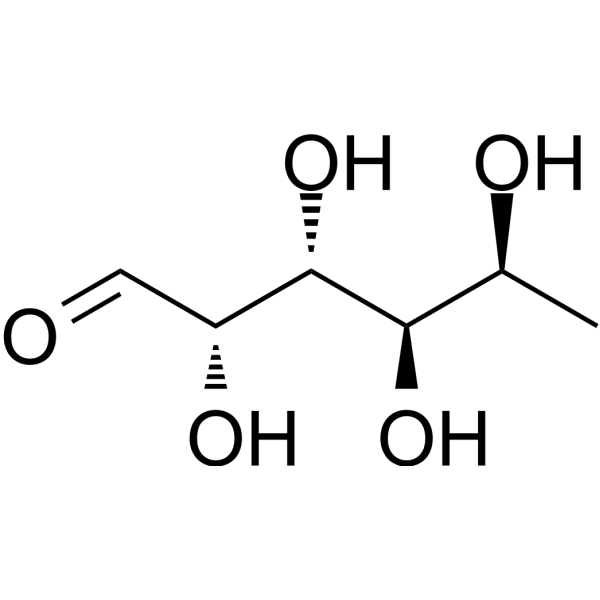
(-)-Fucose is classified as a member of the hexoses, plays a role in A and B blood group antigen substructure determination, selectin-mediated leukocyte-endothelial adhesion, and host-microbe interactions. (-)-Fucose is orally active, inhibits CL11-induced inflammatory response in kidney and tumor growth .
|
-
-
- HY-P99742
-
|
ADC-1013; JNJ-64457107; Vanalimab
|
TNF Receptor
|
Cancer
|
|
Mitazalimab (ADC-1013; JNJ-64457107) is FcγR-dependent CD40 agonist with tumor-directed activity. Mitazalimab activates antigen-presenting cells, e.g. dendritic cells (DC), to initiate tumor-reactive T cells. Therefore, Mitazalimab induces tumor-specific T cells to infiltrate and kill tumors. Mitazalimab remodels the tumor-infiltrating myeloid microenvironment .
|
-
-
- HY-P99352
-
|
Anti-MSLN Antibody
|
Mesothelin
ADC Antibody
|
Cancer
|
|
Anetumab (Anti-MSLN Antibody) is a fully humanized anti mesothelin (MSLN) IgG1 antibody. Anetumab (Anti-MSLN Antibody) can be used to synthesize the ADC molecule Anetumab ravtansine (HY-141606). Anetumab (Anti-MSLN Antibody) can be used for the research of cancer .
|
-
-
- HY-P99051
-
|
BAY 1834942
|
Transmembrane Glycoprotein
|
Inflammation/Immunology
Cancer
|
|
Tinurilimab (Bay 1834942) is an anti-CEACAM6 (carcinoembryonic antigen-related cell adhesion molecule 6) humanized IgG2 monoclonal antibody. CEACAM6 is an immune checkpoint regulator suppressing the activity of effector T-cells against tumors. Tinurilimab shows an increased tumor cell killing effect in the tumor-cell/T-cell co-culture system .
|
-
-
- HY-163028
-
|
|
Tim3
|
Cancer
|
|
ML-T7 is a potent Tim-3 inhibitor. ML-T7 blocks Tim-3 interactions with PtdSer and CEACAM1. ML-T7 not only enhances the antitumor activity of adoptive transfer therapy with cytotoxic T lymphocytes (CTLs) and CAR T cells but also increases the effector function of T cell. ML-T7 promotes NK cells’ killing activity against tumor cells and DC antigen-presenting capacity. ML-T7 directly exerts antitumor efficacy in preclinical tumor models either alone or in combination with Nivolumab (HY-P9903A). ML-T7 can be used for tumor immunotherapy research .
|
-
-
- HY-P99339
-
|
IMCgp100
|
Interleukin Related
TNF Receptor
|
Cancer
|
|
Tebentafusp (IMCgp100) is a bispecific fusion protein to target gp100 peptide-HLA-A*02:01 (a melanoma-associated antigen). Tebentafusp guides T cells to kill gp100-expressing tumor cells via a high affinity T-cell receptor (TCR) binding domain and an anti-CD3 T-cell engaging domain. Tebentafusp leads to inflammatory cytokines and cytolytic proteins production, resulting in the direct lysis of tumour cells .
|
-
-
- HY-P99045A
-
|
|
ADC Antibody
TROP2
|
Cancer
|
|
Sacituzumab (powder) is a humanized IgG1 monoclonal antibody targeting Trophoblast cell surface antigen 2 (TROP2). Sacituzumab (powder) demonstrates a lack of antitumor effects alone and does not inhibit the function of TROP-2 during tumor metastasis, binding to the linear epitopes of TROP-2 protein. Sacituzumab (powder) can be used for the synthesis of antibody-drug conjugates (ADC) drug Sacituzumab govitecan (HY-132254). Sacituzumab govitecan can be used in the field of triple-negative breast cancer .
|
-
-
- HY-116683
-
116-9e
2 Publications Verification
MAL2-11B
|
HSP
DNA/RNA Synthesis
|
Infection
Cancer
|
|
116-9e (MAL2-11B) is a Hsp70 co-chaperone DNAJA1 inhibitor. 116-9e inhibits Simian Virus 40 (SV40) replication and DNA synthesis. 116-9e inhibits tumor antigen (TAg)’s endogenous ATPase activity and the TAg-mediated activation of Hsp70 .
|
-
-
- HY-P991490
-
|
|
CD38
CD3
TNF Receptor
|
Cancer
|
|
ISB2001 is a trispecific antibody targeting CD38, CD3 and BCMA. ISB2001 effectively counteracts tumor immune escape mechanisms caused by antigen downregulation, antigen loss, soluble factor competition and other factors. ISB2001 is applicable to relevant research on multiple myeloma and relapsed/refractory multiple myeloma .
|
-
-
- HY-165740
-
|
Disialoganglioside GD2
|
Apoptosis
|
Cancer
|
|
Ganglioside GD2 (Disialoganglioside GD2) is a tumor-associated antigen. Ganglioside GD2 shows limited expression in normal tissues but is overexpressed in multiple tumor types, and thus can serve as a target in cancer. Ganglioside GD2 is associated with tumor development and malignant phenotypes, and its mechanism of action relies on enhancing cell proliferation, motility, migration, adhesion and invasion, with specific effects depending on the tumor type .
|
-
-
- HY-P99328
-
|
|
Interleukin Related
|
Inflammation/Immunology
Cancer
|
|
Tucotuzumab (Anti-EPCAM Recombinant Antibody) is an antigen-specific IgG1 monoclonal antibody that targets human epithelial cell adhesion molecule (EpCAM). Tucotuzumab links two IL-2 molecules and is an immunosuppressant and anti-tumor active molecule .
|
-
-
- HY-20167A
-
|
|
Neurokinin Receptor
|
Cancer
|
|
H-Glu(OtBu)-OtBu hydrochloride is a key intermediate that can be used to synthesize prostate-specific membrane antigen (PSMA) targeting probes. H-Glu(OtBu)-OtBu hydrochloride can reduce nonspecific background binding through negatively charged linkers, improve tumor/background contrast, and can be used in prostate cancer PET/SPECT imaging studies .
|
-
-
- HY-P9989
-
|
REGN5458
|
CD3
TNF Receptor
|
Cancer
|
|
Linvoseltamab (REGN5458) is a bispecific T-cell engager (BiTE) antibody that specifically binds to B cell maturation antigen (BCMA) and CD3 of T cells, thereby directing T cells to multiple myeloma (MM) cells expressing BCMA and activating T cells to kill tumor cells. Linvoseltamab can be used in research of relapsed/refractory multiple myeloma (RRMM) .
|
-
-
- HY-148385
-
|
|
Endogenous Metabolite
Integrin
FAK
Src
ERK
p38 MAPK
|
Neurological Disease
Cancer
|
|
Ganglioside GM2 is a human tumor antigen predominantly found in human tumor cells and fetal brain tissue. As a sialylated glycosphingolipid, Ganglioside GM2 is involved in processes such as cell signaling, adhesion, and motility. Ganglioside GM2 abnormal expression and accumulation are associated with tumors and neurodegenerative disorders. Ganglioside GM2 promotes tumor cell migration and invasion by directly binding to the integrin β1 receptor, activating the FAK/Src/Erk-MAPK signaling pathway, and inducing actin cytoskeleton remodeling .
|
-
-
- HY-P1876B
-
|
|
DNA/RNA Synthesis
|
Cancer
|
|
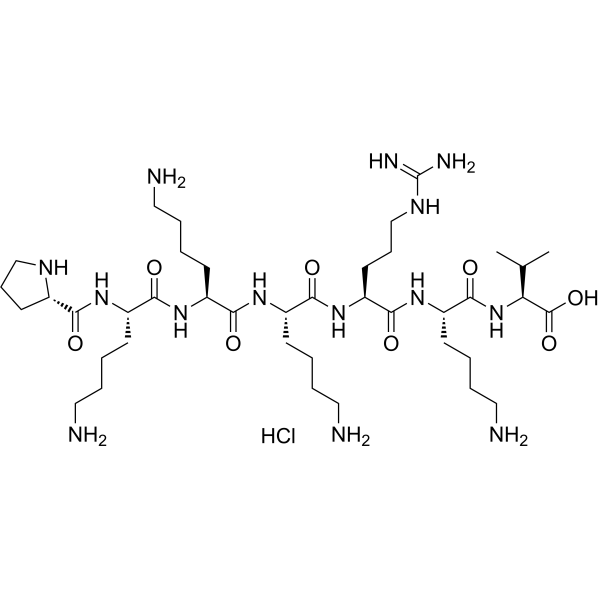
NLS (PKKKRKV) hydrochloride is the hydrochloride form of NLS (PKKKRKV) (HY-P1876). NLS (PKKKRKV) is a nuclear localization signal (NLS) derived from the simian virus 40 large tumor antigen (SV40 large T antigen), that mediates binding of the karyophilic protein to importin α. NLS (PKKKRKV) can function as a method to enhance nuclear entry in the field of gene transfer research .
|
-
-
- HY-124012
-
|
|
DNA/RNA Synthesis
Apoptosis
|
Cancer
|
|
PCNA-I1 is a selective small molecule inhibitor targeting proliferating cell nuclear antigen (PCNA) with anticancer activity. PCNA-I1 can stabilize the PCNA trimer structure (Kd=0.14-0.41μM), reduce its binding to chromatin, induce tumor cell cycle arrest, inhibit DNA replication and repair, and enhance the anti-tumor effect of DNA damaging agents. PCNA-I1 can be used in the study of targeted therapy for prostate cancer, lung cancer and other tumors .
|
-
-
- HY-P99236
-
|
FP-1305
|
Transmembrane Glycoprotein
|
Inflammation/Immunology
Cancer
|
|
Bexmarilimab (FP-1305) is a potent humanized anti-CLEVER-1 IgG4 antibody with an IC50 value of 4.51 nM. Bexmarilimab is capable of inducing a phenotypic M2 to M1 immune switch of tumor-associated macrophages. Bexmarilimab can promote antigen presentation and pro-inflammatory cytokine secretion. Bexmarilimab can induce B-cell and T-cell activation. Bexmarilimab can be used in researches of immunology and cancer, such as colorectal carcinoma .
|
-
-
- HY-141729
-
|
|
Fluorescent Dye
|
Cancer
|
|
Biotin-NH-PSMA-617 is a biotin-tagged PSMA-617. PSMA-617 is a small molecule targeting the prostate-specific membrane antigen (PSMA), which is directly expressed by the tumor cells .
|
-
-
- HY-N0475
-
|
Hypolide; (+)-Triptophenolide
|
Androgen Receptor
Pyroptosis
Caspase
Bcl-2 Family
Apoptosis
|
Inflammation/Immunology
Cancer
|
|
Triptophenolide (Hypolide) is a colorless crystal isolated from the ethyl acetate extract of Tripterygium wilfordii. Triptophenolide is an orally active pan‑antagonist of the androgen receptor (AR) with an IC50 of 467 nM against human wild‑type AR. Triptophenolide reduces AR expression, inhibits AR nuclear translocation, downregulates prostate‑specific antigen mRNA levels, and suppresses the growth of AR‑positive prostate cancer cells. Triptophenolide shows anti-tumor effects against breast cancer by inhibiting cell proliferation and migration, inducing G1-phase arrest and apoptosis, repressing xenograft tumor growth. Triptophenolide inhibits pyroptosis, alleviates tissue inflammation, and ameliorates synovial injury. Triptophenolide can be used for the study of prostate cancer, rheumatoid arthritis and breast cancer .
|
-
-
- HY-P5290
-
|
|
Radionuclide-Drug Conjugates (RDCs)
PSMA
|
Cancer
|
|
HYNIC-PSMA is a ligand for molecular imaging of tumors. Hynic-psma consists of two components: HYNIC (6-hydrazinonicotinamide) and PSMA (Prostate-Specific Membrane Antigen). HYNIC is a compound used to attach radioactive isotopes to targeted molecules, such as 188Re-HYNIC-PSMA. PSMA is a membrane antigen that is specifically expressed on the surface of prostate cancer cells. HYNIC-PSMA can be used in prostate cancer research . HYNIC-PSMA can be used for the synthesis/research of Radionuclide-Drug Conjugates (RDCs).
|
-
-
- HY-N7691
-
|
Karounidiol dibenzoate
|
EBV
|
Infection
Cancer
|
|
3,29-O-Dibenzoyloxykarounidiol (Karounidiol dibenzoate) is a triterpene benzoate isolated from the fruit of Momordica grosvenori. 3,29-O-Dibenzoyloxykarounidiol has potent inhibitory effects on Epstein-Barr virus early antigen (EBV-EA) induced by tumor promoter 12-O-tetradecanoylphorbol-13-acetate (TPA) .
|
-
-
- HY-N10534
-
|
Lewis X
|
Parasite
|
Infection
Inflammation/Immunology
Cancer
|
|
Lewis X trisaccharide (Lewis X, Le x) is a potent TH2 regulator, antagonizes LPS-induced IL-12 immune expression. Lewis X trisaccharide is a human histo-blood group antigen, plays an key role in cell-cell adhesion, and servers as a tumor marker. Lewis X trisaccharide is highly expressed in the outer membrane of the parasite, can be used for the immunology research of schistosomiasis .
|
-
-
- HY-P10740
-
|
|
Peptide-Drug Conjugates (PDCs)
PSMA
Folate Receptor (FR)
|
Cancer
|
|
CBP-1018 is a PDC (peptide-drug conjugate) formed by conjugating Monomethyl auristatin E (HY-15162) to a dual-targeting ligand of FLOR1/PSMA (prostate-specific membrane antigen) via a linker (HY-78738). CBP-1018 binds to FLOR1 and prostate-specific membrane antigen (PSMA). CBP-1018 is applicable to the research of solid tumors and metastatic castration-resistant prostate cancer .
|
-
-
- HY-B1250
-
|
|
Biochemical Assay Reagents
|
Cancer
|
|
Acedoben is a biochemical agent. Acedoben and iron ions can construct a fast self-assembled coordination complex. The Fe-Ace coordination complex can not only serve as a carrier of tumor antigens, but also enhance antigen-specific anti-tumor immunity due to its inherent adjuvant properties .
|
-
-
- HY-P991198
-
|
|
Tim3
|
Cancer
|
|
M6903 is a humanized monoclonal IgG2 antibody targeting T cell immunoglobulin and mucin domain-3 (TIM-3) (KD for human TIM-3 is 2.3 nM). M6903 binds to TIM-3, blocking the binding of TIM-3 to phosphatidylserine (PtdSer), carcinoembryonic antigen cell adhesion-related molecule 1 (CEACAM1), and galectin 9 (Gal-9), thus relieving TIM-3-mediated T cell inhibition and exerting the activities of activating antigen-specific T cells and enhancing anti-tumor immunity. M6903 is promising for research of cancers .
|
-
-
- HY-P991214
-
|
EMD 273066; huKS-IL2
|
Interleukin Related
|
Cancer
|
|
Tucotuzumab celmoleukin (EMD 273066) is an immunocytokine. Tucotuzumab celmoleukin consists of the following components: an IgG1 monoclonal antibody targeting human EpCAM antigen, and two molecules of IL2. Tucotuzumab celmoleukin binds to EpCAM. Tucotuzumab celmoleukin exerts anti-tumor effects on colon adenocarcinoma in synergy with radiofrequency ablation. Tucotuzumab celmoleukin can be used in research related to colon adenocarcinoma and colon cancer .
|
-
-
- HY-P991176
-
|
RO7443904
|
CD19
CD28
|
Cancer
|
|
RG-6333 is a bispecific agonist targeting CD19 and CD28. RG-6333 specifically recognizes and binds to the CD19 antigen on the surface of B-cell malignancies to locate tumor cells. RG-6333 activates T cells by binding to CD28, overcoming activation barriers to enhance anti-tumor immunity. RG-6333 can be used in the study of relapsed/refractory non-Hodgkin's lymphoma. The recommended isotype control is human IgG1 kappa, isotype control (HY-P99001) .
|
-
-
- HY-159643
-
|
|
MAP4K
IFNAR
Interleukin Related
|
Inflammation/Immunology
Cancer
|
|
NDI-101150 is an orally active, potent and selective hematopoietic progenitor cell kinase 1 (HPK1) inhibitor with an IC50 of 0.7 nM. NDI-101150 blocks HPK1-mediated negative regulation of immune receptor signaling, inhibits immunosuppression of T cell activation, enhances antigen-specific antibody production and augments B-cell activation. NDI-101150 inhibits tumor growth in syngeneic tumor models, establishes durable antitumor immune memory, and synergizes with anti-PD1 to enhance exhausted T cell activity and drive tumor regressions. NDI-101150 can be used for the research of cancer, such as breast cancer and colon cancer .
|
-
-
- HY-P99554
-
|
PRX-302
|
PSMA
|
Cancer
|
|
Topsalysin is a PSA-activated protoxin, a pore-forming protein (synthetic proaerolysin) fusion protein with human prostate-specific antigen. Topsalysin has tumor suppression effect in mice modle .
|
-
-
- HY-P99436
-
|
ABR-214936
|
Transmembrane Glycoprotein
|
Cardiovascular Disease
Inflammation/Immunology
Cancer
|
|
Anatumomab mafenatox (ABR-214936) is a 73 KDa recombinant protein to recognize the tumor-associated antigen 5T4, which is widely expressing in malignancy. Anatumomab mafenatox is between a modified form of SEA and a murine Fab. The main side effects of Anatumomab mafenatox are reported to include fever, low blood pressure, pain, nausea and drowsiness .
|
-
-
- HY-124844
-
|
AZA-9
|
HuR
|
Cancer
|
|
Azaphilone-9 (AZA-9) is an inhibitor of HuR-ARE RNA interaction (IC50=1.2 μM) by binding RNA-binding protein Hu antigen R (HuR). The HuR-RNA interactions stabilize many oncogenic mRNAs in tumors. Thus Azaphilone-9 potentially inhibit cancer cell growth and progression .
|
-
-
- HY-P5292A
-
|
|
Radionuclide-Drug Conjugates (RDCs)
PSMA
|
Cancer
|
|
HYNIC-iPSMA TFA is a ligand for molecular imaging of tumors. Hynic-ipsma consists of two components: HYNIC (6-hydrazinonicotinamide) and iPSMA (Inhibitor of Prostate-Specific Membrane Antigen). HYNIC is a compound used to attach radioactive isotopes to targeted molecules. iPSMA is a specific inhibitor used to inhibit prostate-specific membrane antigen (PSMA). 68GA-labeled iPSMA has been used to detect prostate cancer by PET imaging. The further 99mTc-EDDA/HYNIC-iPSMA TFA has excellent specificity and sensitivity . HYNIC-iPSMA TFA can be used for the synthesis/research of Radionuclide-Drug Conjugates (RDCs).
|
-
-
- HY-B1250A
-
|
|
Biochemical Assay Reagents
|
Cancer
|
|
Acedoben sodium is the sodium salt form of Acedoben. Acedoben and iron ions can construct a rapidly self-assembled coordination complex, and the Fe-Ace coordination complex can not only serve as a carrier of tumor antigens, but also enhance antigen-specific anti-tumor immunity due to its inherent adjuvant properties .
|
-
-
- HY-W854385A
-
|
SLeA sodium
|
Biochemical Assay Reagents
|
Cancer
|
|
Sialyl Lewis A (SLeA) sodium is a tumor-associated carbohydrate antigen, also known as carbohydrate antigen 19-9 (CA19-9), that binds to E-selectin (ELAM-1) and selectins to mediate cell-endothelium adhesion. Sialyl Lewis A sodium promotes cancer cell-vascular endothelium adhesion, and its surface presence correlates with increased tumorigenicity and invasiveness in cancer cells. Sialyl Lewis A sodium shows elevated expression in human adenocarcinomas of the colon, pancreas, and stomach, with expression levels linked to tumor progression and poor prognosis in colorectal and gastric carcinomas. Sialyl Lewis A sodium can be used for the research of cancers, such as colon, pancreas, stomach, and squamous lung cancer .
|
-
-
- HY-W854385
-
|
SLeA
|
Biochemical Assay Reagents
E-Selectin
|
Cancer
|
|
Sialyl Lewis A (SLeA) is a tumor-associated carbohydrate antigen, also known as carbohydrate antigen 19-9 (CA19-9), that binds to E-selectin (ELAM-1) and selectins to mediate cell-endothelium adhesion. Sialyl Lewis A promotes cancer cell-vascular endothelium adhesion, and its surface presence correlates with increased tumorigenicity and invasiveness in cancer cells. Sialyl Lewis A shows elevated expression in human adenocarcinomas of the colon, pancreas, and stomach, with expression levels linked to tumor progression and poor prognosis in colorectal and gastric carcinomas. Sialyl Lewis A can be used for the research of cancers, such as colon, pancreas, stomach, and squamous lung cancer .
|
-
-
- HY-172473
-
|
|
Liposome
|
Cancer
|
|
DSPE-PEG2000-NGR is a PEG compound which composed of DSPE and an Asn-Gly-Arg (NGR) peptide. NGR peptide can target tumor vascular antigen CD13. DSPE-PEG2000-NGR can be used for drug delivery .
|
-
-
- HY-P5292
-
|
|
Radionuclide-Drug Conjugates (RDCs)
PSMA
|
Cancer
|
|
HYNIC-iPSMA is a ligand for molecular imaging of tumors. Hynic-ipsma consists of two components: HYNIC (6-hydrazinonicotinamide) and iPSMA (Inhibitor of Prostate-Specific Membrane Antigen). HYNIC is a compound used to attach radioactive isotopes to targeted molecules. iPSMA is a specific inhibitor used to inhibit prostate-specific membrane antigen (PSMA). 68GA-labeled iPSMA has been used to detect prostate cancer by PET imaging. The further 99mTc-EDDA/HYNIC-iPSMA has excellent specificity and sensitivity . HYNIC-iPSMA can be used for the synthesis/research of Radionuclide-Drug Conjugates (RDCs).
|
-
-
- HY-164575
-
|
|
Radionuclide-Drug Conjugates (RDCs)
PSMA
|
Cancer
|
|
NH2-NODAGA is a NODAGA-type metal chelator that can bind to radionuclides to prepare radionuclide conjugates (RDCs). NH2-NODAGA can react with diethyl squarate in 0.5M phosphate buffer to obtain NODAGA.SA. NODAGA.SA can target L-lysine urea-L-glutamate (KuE), which is a key structure of prostate-specific membrane antigen (PSMA). NODAGA.SA.KuE can bind [68]Ga and can be used for PET examination of NMRInu/nu nude mice bearing LNCaP tumors.
|
-
-
- HY-P1700
-
|
|
TNF Receptor
|
Cancer
|
|
BCMA72-80 is a HLA-A2-specific B-cell maturation antigen (BCMA) peptide, with great affinity to HLA-A2, used in the research of multiple myeloma or other B-cell maturation antigen expressing tumors .
|
-
-
- HY-119505
-
|
|
HDAC
|
Others
|
|
Curcuphenol is a compound with histone deacetylase enhancing activity and has the activity of reversing immune escape. Curcuphenol can reverse the immune escape of tumors by restoring the expression of antigen presentation machinery. Its two synthetic analogs have histone deacetylase enhancing activity and play an important role in the immune recognition of metastatic tumors.
|
-
-
- HY-P1876A
-
|
|
DNA/RNA Synthesis
|
Cancer
|
|
NLS (PKKKRKV) TFA is the TFA form of NLS (PKKKRKV) (HY-P1876). NLS (PKKKRKV) is a nuclear localization signal (NLS) derived from the simian virus 40 large tumor antigen (SV40 large T antigen), that mediates binding of the karyophilic protein to importin α. NLS (PKKKRKV) can function as a method to enhance nuclear entry in the field of gene transfer research .
|
-
-
- HY-144655
-
|
|
Phosphatase
|
Cancer
|
|
IP2 is an immunomodulatory agent. IP2 increases PTP (Pioneer Translation Product)-derived antigen presentation in cancer cells. IP2 shows non-cytotoxic for cancer cells. IP2 induces tumor growth defects in mouse .
|
-
-
- HY-P11089
-
|
|
MHC
|
Cancer
|
|
TP53 neoepitope is a high-affinity antigenic peptide targeting HLA-A. TP53 neoepitope can triggers CD8 + T cell-mediated killing of TP53-mutant tumor cells. TP53 neoepitope is promising for research of solid tumors harboring TP53 hotspot mutations (e.g., R175H, R273H) .
|
-
-
- HY-P10947
-
|
|
Epigenetic Reader Domain
YAP
|
Cancer
|
|
MACTIDE-V is an orally active and selective peptide-drug conjugate targeting CD206. MACTIDE-V delivers Verteporfin (HY-B0146) to CD206 + tumor-associated macrophages (TAM) to inhibit the YAP/TAZ signaling pathway, prompting YAP exclusion from the nucleus, inducing TAM polarization toward an anti-tumoral phenotype with enhanced phagocytosis and antigen presentation, and boosting T cell infiltration and NK cell activity. MACTIDE-V suppresses primary tumor growth and lung metastasis in triple-negative breast cancer (TNBC) mouse models .
|
-
-
- HY-N1480R
-
|
6-Desoxygalactose (Standard); L-(-)-Fucose (Standard); L-Galactomethylose (Standard)
|
Reference Standards
Endogenous Metabolite
Parasite
|
Infection
Metabolic Disease
|
|
(-)-Fucose (Standard) is the analytical standard of (-)-Fucose. This product is intended for research and analytical applications. (-)-Fucose is classified as a member of the hexoses, plays a role in A and B blood group antigen substructure determination, selectin-mediated leukocyte-endothelial adhesion, and host-microbe interactions. (-)-Fucose is orally active, inhibits CL11-induced inflammatory response in kidney and tumor growth .
|
-
-
- HY-P10743
-
|
|
Radionuclide-Drug Conjugates (RDCs)
PSMA
|
Cancer
|
|
BQ7876 is a probe targeting prostate-specific membrane antigen (PSMA) that contains a DOTA chelator. BQ7876, after being radiolabeled with radionuclide (177Lu), functions in both radionuclide imaging and tumor cell destruction by specifically binding to PSMA. BQ7876 shows potential for research in the field of metastatic castration-resistant prostate cancer (mCRPC) . BQ7876 can be used for the synthesis/research of Radionuclide-Drug Conjugates (RDCs).
|
-
-
- HY-P10417
-
|
|
Integrin
IFNAR
|
Cancer
|
|
RTDLDSLRTYTL is an Alpha (v) beta (6) integrin (avb6) inhibitor with high affinity and specificity. RTDLDSLRTYTL binds to avb6 integrin, a peptide sequence that activates cytotoxicity and cytokine production in T cells, such as interferon-gamma. RTDLDSLRTYTL is designed through a chimeric T cell antigen receptor (CAR) so that T cells can be redirected to specifically recognize and attack tumor cells. RTDLDSLRTYTL can be used in the research of cancer immunotherapy and targeted drug development .
|
-
-
- HY-155176
-
|
|
HDAC
|
Cancer
|
|
SP-2-225 is a selective HDAC6 inhibitor. SP-2-225 enhance the production of cancer-associated antigens and macrophage antigen cross-presentation to T cells. SP-2-225 reduces the tumor volume in a syngeneic SM1 melanoma model .
|
-
- HY-157288
-
|
|
Biochemical Assay Reagents
|
Metabolic Disease
|
|
(R)-Phe-A110/B319, a hapten, is a selective binder to tumor-associated antigens. (R)-Phe-A110/B319 has a 20-fold higher affinity towards the H1047R mutant of p110α in the p110α/p85α PI3K complex. (R)-Phe-A110/B319 can be used for the research of conditional chimeric antigen receptor T (CAR-T) cell activation and tumor targeting .
|
-
- HY-118371
-
|
|
Arginase
|
Cancer
|
|
Arginase inhibitor 2 is an Arginase inhibitor. Arginase inhibitor 2 synergizes with adoptively transferred antigen- specific T cells to inhibit tumor growth .
|
-
- HY-P5930
-
|
MDM2 32-46
|
Ligands for E3 Ligase
|
Cancer
|
|
HOXB7 8–25 (MDM2 32-46) is an MDM2-derived peptide epitope and can elicit antigen-specifc and tumor-reactive CD4 + T cell responses .
|
-
- HY-N12978
-
|
|
Others
|
Cancer
|
|
Benzyl β-gentiobioside is a phenyl alcohol glycoside found in peach kernels (Prunus persica seeds). Benzyl β-gentiobioside has anti-tumor promoting activity by inhibiting TPA (12-O-tetradecanoylphorbol 13-acetate, a tumor promoter)-induced Epstein-Barr virus early antigen (EBV-EA) activation .
|
-
- HY-P10295
-
|
|
MDM-2/p53
|
Cancer
|
|
p53 (232-240) is a peptide segment of the 232-240 amino acid sequence of the human tumor suppressor protein p53. p53 (232-240) enhances its binding affinity to the Major histocompatibility complex (MHC), thereby enhancing the immunogenicity of this peptide to enhance the immune system's response to tumor antigens. p53 (232-240) can be used in the development of cancer vaccines and in the study of tumor cell recognition and clearance by the immune system .
|
-
- HY-172473A
-
|
|
Liposome
|
Cancer
|
|
DSPE-PEG34000-NGR is a PEG compound which composed of DSPE and an Asn-Gly-Arg (NGR) peptide. NGR peptide can target tumor vascular antigen CD13. DSPE-PEG3400-NGR can be used for drug delivery .
|
-
- HY-121659
-
|
|
PSMA
|
Cancer
|
|
DCFBC is a prostate-specific membrane antigen (PSMA) inhibitor that can be used for small animal positron emission tomography (PET) imaging. DCFBC labeled with F 18 ([18F]DCFBC) can images in severe combined immunodeficient mice. [18F]DCFBC uptake is higher in PIP tumors, but almost absent in FLU tumors. [18F]DCFBC uptake is also high in the kidney and bladder, but the radioactivity washout time is shorter than that in PIP tumors. Indicating that [18F]DCFBC can specifically localize to PSMA+ expressing tumors and is applicable to the study of prostate cancer .
|
-
- HY-151464
-
|
|
SHP2
Phosphatase
HDAC
|
Inflammation/Immunology
Cancer
|
|
SHP2/HDAC-IN-1 is a dual allosteric SHP2/HDAC inhibitor with IC50 values of 20.4 nM (SHP2) and 25.3 nM (HDAC1) respectively. SHP2/HDAC-IN-1 triggers efficient antitumor immunity by activating T cells, enhancing the antigen presentation function and promoting cytokine secretion. SHP2/HDAC-IN-1 can be used in the research of cancer immunoresearch .
|
-
- HY-P990716
-
|
AZD7789
|
PD-1/PD-L1
Tim3
|
Inflammation/Immunology
|
|
Sabestomig (AZD7789) is a monovalent bispecific antibody targeting PD-1 and TIM-3. Sabestomig binds to PD-1 and an epitope in the TIM-3 IgV domain outside the phosphatidylserine-binding cleft, thereby precisely regulating immune responses. Sabestomig promotes IL-2 production, efferocytosis and cross-presentation of tumor antigens, and enhances the release of anti-tumor T cell cytokines, cytotoxicity, and secretion of IFN-γ. Sabestomig inhibits the growth of solid tumors, prolongs the duration of tumor suppression, and significantly enhances anti-tumor responses following anti-PD-1 therapy. Sabestomig has been used in studies related to non-small cell lung cancer and classical Hodgkin lymphoma .
|
-
- HY-152003S
-
|
|
Isotope-Labeled Compounds
|
Others
|
|
Ganglioside GM2-d3 (ammonium) is the deuterium labeled Ganglioside GM2 (HY-148385). Ganglioside GM2 is a human tumor antigen predominantly found in human tumor cells and fetal brain tissue. As a sialylated glycosphingolipid, Ganglioside GM2 is involved in processes such as cell signaling, adhesion, and motility. Ganglioside GM2 abnormal expression and accumulation are associated with tumors and neurodegenerative disorders. Ganglioside GM2 promotes tumor cell migration and invasion by directly binding to the integrin β1 receptor, activating the FAK/Src/Erk-MAPK signaling pathway, and inducing actin cytoskeleton remodeling .
|
-
- HY-163760
-
|
|
HuR
MMP
|
Cancer
|
|
ZM-32 is an inhibitor for human antigen R (HuR), that downregulates the expression of VEGF-A and MMP9, and thus inhibits breast cancer tumor angiogenesis. ZM-32 exhibits broad-spectrum anti-proliferative effects in a variety of cancer cell lines, and exhibits antitumor efficacy against MDA-MB-231 in mouse models .
|
-
- HY-P10607
-
|
|
EBV
|
Cancer
|
|
IALYLQQNW is a specific nonapeptide sequence derived from the tumor-associated antigen latent membrane protein 1 (LMP1) encoded by Epstein-Barr virus (EBV). As a latent T-cell epitope, IALYLQQNW is able to activate EBV-specific cytotoxic T lymphocytes (CTLs), which are able to recognize and kill EBV-infected cells expressing LMP1. IALYLQQNW plays an important role in the immune response against EBV-associated tumors and can be used in the study of Hodgkin's disease and nasopharyngeal carcinoma .
|
-
- HY-P991235
-
|
BMS-986186
|
EGFR
Caspase
|
Cancer
|
|
FS102 is a selective Fc fragment with antigen binding (Fcab) that targets HER2 with a KD value of 0.8 nM. FS102 induces the degradation of HER2, activates Caspase 3/7 and disrupts the integrity of the cell membrane, triggering apoptosis of tumor cells. FS102 is promising for research of cancers such as breast cancer, gastric cancer, and colorectal cancer .
|
-
- HY-P990830
-
|
|
Mucin
|
Cancer
|
|
Anti-MUC16 Antibody (VK8) is a kind of mouse IgG1 κ chimeric antibody inhibitor, targeting to human MUC16. Anti-MUC16 Antibody (VK8) reacts with human MUC16 also known as carbohydrate antigen 125 (CA125). Anti-MUC16 Antibody (VK8) Anti-MUC16 Antibody (VK8) can be used for detection of tumor marker, such as ovarian cancer .
|
-
- HY-155446
-
|
|
Hapten
|
Inflammation/Immunology
Cancer
|
|
di-DTPA-LTL is a bivalent hapten based on tyrosine-containing polypeptide design. di-DTPA-LTL has good hydrophilia and biological distribution. di-DTPA-LTL is labeled with 111In (indium) and 131I (iodine). di-DTPA-LTL achieves tumor radioimmunoimaging in primary colorectal cancer patients with CEA by injecting a fixed low dose (5 mg) of bispecific antibody (anti-CEA x, anti-DTPA) and di-DTPA antigen peptide (labeled 111In) into the patients .
|
-
- HY-178248
-
|
|
PSMA
|
Cancer
|
|
PSMA ligand 2 is a prostate specific membrane antigen (PSMA) ligand with a glutamate-urea-lysine (GUL) moiety. PSMA ligand 2 can be efficiently labeled with radioactive nuclides such as 68Ga and 177Lu and specifically binds to PSMA-positive tumor cells. PSMA ligand 2 can be used for imaging of PSMA-expressing tumors or cells via PET or SPECT imaging. PSMA ligand 2 can be used for the research of prostate cancer .
|
-
- HY-P992339
-
|
|
Radionuclide-Drug Conjugates (RDCs)
|
Cancer
|
|
cT84.66 is a highly efficient tumor-targeting agent against carcinoembryonic antigen (CEA). cT84.66 engages in bivalent binding with CEA via variable region antigen-binding sites, enabling precise targeting of CEA-producing tumor cells for delivery of therapeutic radiation. cT84.66 exhibits high tumor uptake rate, rapid clearance rate, and excellent tumor-to-blood ratio. With dual functions as an imaging agent and an antibody-directed radiotherapy agent, cT84.66 is widely used in studies of colorectal cancer and metastatic CEA-positive malignancies .
|
-
- HY-P992314
-
|
|
Integrin
PD-1/PD-L1
|
Cancer
|
|
ASD141 is a mouse IgG1 antibody targeting mouse CD11b and a CD11b antagonist. ASD141 remodels the tumor microenvironment, enhances antigen presentation ability, and induces PD-L1 expression. ASD141 can be used for the research of colon cancer .
|
-
- HY-P991903
-
|
|
CD20
|
Cancer
|
|
PSB102 is a humanized Fc-enhanced IgG1 monoclonal antibody directed against the human B-cell-specific cell surface antigen and tumor-associated antigen CD20 .
|
-
- HY-B1250R
-
|
|
Biochemical Assay Reagents
Reference Standards
|
Cancer
|
|
Acedoben (Standard) is the analytical standard of Acedoben. This product is intended for research and analytical applications. Acedoben is a biochemical agent. Acedoben and iron ions can construct a fast self-assembled coordination complex. The Fe-Ace coordination complex can not only serve as a carrier of tumor antigens, but also enhance antigen-specific anti-tumor immunity due to its inherent adjuvant properties .
|
-
- HY-W736902
-
|
|
Arginase
|
Cancer
|
|
Arginase inhibitor 2 hydrochloride is an Arginase inhibitor. Arginase inhibitor 2 hydrochloride synergizes with adoptively transferred antigen- specific T cells to inhibit tumor growth .
|
-
- HY-P992338
-
|
|
Mesothelin
Constitutive Androstane Receptor
|
Inflammation/Immunology
Cancer
|
|
CT-1119 is an autologous human anti-Mesothelin chimeric antigen receptor macrophage (CAR-M). CT-1119 mediates CAR-dependent, antigen-dependent functional activities. CT-1119 acts as a phagocytosis inducer, tumor cell killer, pro-inflammatory cytokine inducer, and M1 macrophage polarizer. CT-1119 exhibits stronger resistance to M2 repolarization and reduces tumor burden in a mouse lung cancer xenograft model. CT-1119 can be used for the research of mesothelin-expressing solid tumors .
|
-
- HY-P992111
-
|
UCB4594
|
MHC
|
Cancer
|
|
Elfritatug (UCB4594) is a humanized monoclonal antibody targeting human leukocyte antigen-G (HLA-G). By binding to HLA-G on the surface of tumor cells, Elfritatug blocks its immunosuppressive effect, thereby enhancing the body's immune response against tumors .
|
-
- HY-179330
-
|
|
Fluorescent Dye
|
Cancer
|
|
PSMA-1092 is a fluorescence probe targeting prostate-specific membrane antigen (PSMA) with a Ki of 80 pM. PSMA-1092 can be used for tumor localization and imaging, such as prostate cancer .
|
-
- HY-185167
-
|
|
|
Cancer
|
|
PSMA-1-DOTA is a prostate-specific membrane antigen (PSMA) binder with high affinity, enables targeted radionuclide delivery for imaging and therapy. PSMA-1-DOTA acts as a tumor growth inhibitor that reduces growth of PSMA-expressing prostate cancer tumors .
|
-
- HY-P992459
-
|
|
ADC Antibody
Transmembrane Glycoprotein
|
Cancer
|
|
SGM-101 Antibody is a chimeric monoclonal antibody targeting carcinoembryonic antigen (CEA). SGM-101 Antibody can serve as a tumor-specific fluorescent imaging probe after being covalently conjugated with the near-infrared fluorescent dye BM104 . SGM-101 Antibody accumulates in CEA-positive tumor tissues via antigen-antibody specific binding, and emits near-infrared fluorescence to enable imaging of tumor lesions. SGM-101 Antibody can be used in research related to gastric cancer, colorectal cancer, pancreatic cancer, non-small cell lung cancer, breast cancer, peritoneal carcinomatosis, and liver metastases .
|
-
- HY-186226
-
|
|
PROTAC-Linker Conjugates for PAC
Ras
|
Cancer
|
|
KVL-9 is an intermediate used for constructing KRAS degrading antibody conjugates (DACs). KVL-9 consists of a KRAS small molecule binder, spacer, VHL recruitment ligand, and a cleavable antibody linker. KVL-9 achieves antigen-dependent intracellular delivery and induces ubiquitin-proteasome degradation of the KRAS protein mediated by VHL by conjugating with tumor antigen-targeting antibodies .
|
-
- HY-P992449
-
|
PRLR ADC antibody
|
ADC Antibody
|
Cancer
|
|
REGN2878 (PRLR ADC antibody) is a monoclonal antibody targeting the prolactin receptor (PRLR) and can block prolactin‑mediated activation of PRLR. REGN2878 exhibits an equilibrium dissociation constant (KD) of 1.05 nM and an IC50 of 0.344 nM for human PRLR. REGN2878 can be rapidly internalized and degraded in lysosomes by PRLR‑positive tumor cells, showing antigen‑specific binding and targeted enrichment properties. REGN2878 derivatives can be used as an immunoPET agent for antigen‑specific imaging of PRLR‑related tumors, and can also serve as a component of ADCs to exert anti‑tumor activity in breast cancer xenograft models. REGN2878 can be used in the research of breast cancer and prostate cancer. Isotype Comparison HY-P99001 .
|
-
- HY-P2674
-
|
|
MHC
|
Inflammation/Immunology
Cancer
|
|
KDEL is a tetrapeptide serving as an endoplasmic reticulum (ER) retrieval/retention signal. KDEL can target and deliver exogenous antigen peptides to the ER, significantly enhance and prolong MHC class I molecule presentation, and effectively boost anti-tumor immune responses .
|
-
- HY-172474
-
|
|
Liposome
|
Cancer
|
|
DSPE-PEG5000-NGR is a PEG compound which composed of DSPE and an Asn-Gly-Arg (NGR) peptide. NGR peptide can target tumor vascular antigen CD13. DSPE-PEG5000-NGR can be used for drug delivery .
|
-
- HY-172472
-
|
|
Liposome
|
Cancer
|
|
DSPE-PEG1000-NGR is a PEG compound which composed of DSPE and an Asn-Gly-Arg (NGR) peptide. NGR peptide can target tumor vascular antigen CD13. DSPE-PEG1000-NGR can be used for drug delivery .
|
-
- HY-P11280A
-
|
|
Melanocortin Receptor
|
Cancer
|
|
PRAME peptide (425-433) acetate is a proteasome-degraded peptide derived from the cancer-testis antigen PRAME (Preferentially Expressed Antigen in Melanoma). PRAME peptide (425-433) acetate is restricted by HLA-A*02:01 and can serve as a target for bispecific T cell engager therapy in the context of major histocompatibility complex I presentation. PRAME peptide (425-433) acetate shows application potential in various malignant tumors and is widely suitable for research related to solid tumors, melanoma, ovarian cancer, endometrial cancer, and lung cancer (including lung adenocarcinoma and lung squamous cell carcinoma). PRAME peptide (425-433) acetate can be used to explore disease of triple-negative breast cancer, diffuse large B-cell lymphoma, and head and neck squamous cell carcinoma .
|
-
- HY-P992471
-
|
SYD1875 Antibody
|
Antibody-Drug Conjugates (ADCs)
Apoptosis
|
Cancer
|
|
SYD1875 (SYD1875 Antibody) is an anti-5T4 antibody-drug conjugate (ADC) with anti-tumor potential. SYD1875 consists of a humanized IgG1 monoclonal antibody and a site-conjugated vc-seco-DUBA toxin. SYD1875 specifically binds to tumor cells that highly express carcinoembryonic antigen (CEA) 5T4, inducing apoptosis in these cells through DNA alkylation damage. SYD1875 can be used in research on aggressive tumors that highly express 5T4.
|
-
- HY-185743
-
|
|
Antibody-Drug Conjugates (ADCs)
Folate Receptor (FR)
|
Cancer
|
|
ZW-191 is an antibody-drug conjugate (ADC) targeting folate receptor α (FRα). ZW-191 consists of ZW-191 Antibody (HY-P992515) as the antibody component and MC-GGFG-AM-(10Me-11F-Camptothecin) (HY-153360) as the linker-payload component. ZW-191 possesses excellent tumor sphere penetration, cellular internalization and payload delivery capabilities, and can release a topoisomerase 1 inhibitor inside tumor cells to inhibit tumor cell activity. ZW-191 exerts a potent bystander effect on both antigen-positive and antigen-negative cells. ZW-191 exhibits prominent activity in xenograft models of cell lines with different FRα expression levels. ZW-191 can be used in studies related to ovarian cancer, non-small cell lung cancer, endometrial cancer and triple-negative breast cancer .
|
-
- HY-W714047
-
|
|
EBV
Bacterial
|
Infection
|
|
Valerianol is a sesquiterpene alcohol with anticancer, antibacterial, and antiviral activities. Valerianol selectively inhibits TPA (HY-18739)-induced Epstein-Barr virus early antigen (EBV-EA) activation (IC50=300 μM). Valerianol inhibits tumor promoter-mediated EBV-EA activation and also inhibits pathogenic bacteria such as Staphylococcus aureus .
|
-
- HY-P11591
-
|
PSMA-DOTA-PEI2
|
Radionuclide-Drug Conjugates (RDCs)
PSMA
|
Cancer
|
|
PDI2 (PSMA-DOTA-PEI2) is a prostate-specific membrane antigen (PSMA) ligand that acts as a tumor retention agent, renal uptake reducer, imaging agent and antitumor agent, applicable in SPECT diagnostic imaging and radiotheranostics. PDI2 specifically binds to PSMA on prostate cancer cells, enters cells via clathrin-dependent endocytosis, and exhibits higher tumor retention rate and lower renal uptake level. PDI2 is applicable in research related to prostate cancer and castration-resistant metastatic prostate cancer .
|
-
- HY-P992362
-
|
|
CD73
|
Cancer
|
|
HBM1007 is a fully human monoclonal antibody targeting CD73. HBM1007 is an extracellular enzyme expressed on the surface of stromal cells and tumor cells, capable of converting extracellular adenosine monophosphate (AMP) into adenosine, and recognizing CD73 via a unique antigenic epitope. HBM1007 inhibits both CD73-dependent and CD73-independent enzyme activities.
|
-
- HY-183263
-
|
|
ADC Payload
N-myristoyltransferase
|
Cancer
|
|
MYX1715 analog 1 is an analog of MYX1715 (HY-164285). MYX1715 analog 1 is an N-myristoyltransferase (NMT) inhibitor that inhibits protein myristoylation modification. MYX1715 analog 1 can be conjugated to targeting antibodies via cleavable or non-cleavable linkers for use as an ADC cytotoxin. MYX1715 analog 1 is used in the development of drugs targeting tumor-associated antigens .
|
-
- HY-183866
-
|
Maleimide-KGDEVD-doxorubicin
|
Peptide-Drug Conjugates (PDCs)
HSP
IFNAR
|
Cancer
|
|
MPD-1 (Maleimide-KGDEVD-doxorubicin) is a peptide drug conjugate (PDC). MPD-1 releases Doxorubicin (HY-15142) via radiation-activated caspase-3 cleavage, triggering a cytotoxic amplification cascade at the tumor site. MPD-1 enhances CD8 + T cell tumor infiltration, and activates antigen-presenting cells. MPD-1 enables dual-trigger payload release, amplifies cytotoxicity via in situ feedback, and selectively delivers payload to tumor microenvironments via enhanced albumin metabolism and macropinocytosis. MPD-1 exhibits antitumor efficacy in mouse colorectal cancer models. MPD-1 can be used for the research of colorectal cancer .
|
-
- HY-N13723
-
|
|
EBV
|
Cancer
|
|
Methyl lucidenate D is a selective inhibitor of Epstein-Barr virus early antigen (EBV-EA) activation with an IC50 of 290 mol ratio/32 pmol TPA. Methyl lucidenate D exerts potential anti-tumor promoting activity by inhibiting TPA-induced EBV-EA activation and maintains major Raji cell survival (70%) at effective concentrations. Methyl lucidenate D can be used in the field of cancer chemoprevention .
|
-
- HY-N17638
-
|
|
EBV
NO Synthase
|
Infection
Cancer
|
|
7-Oxomogroside V is a cucurbitane-type glycoside isolated from the fruits of Siraitia grosvenorii. 7-Oxomogroside V inhibits the activation of Epstein-Barr virus early antigen (EBV-EA) induced by TPA (HY-18739). 7-Oxomogroside V also exerts weak inhibitory effects on the activation of the nitric oxide donor NOR 1. 7-Oxomogroside V is applicable to tumor-related research .
|
-
- HY-P11397
-
|
|
MHC
|
Cancer
|
|
VLPDVFIRCV, a melanoma antigen-derived peptide, is the intron sequence (nt 38-67) of the N-acetylglucosamine transferase V (GnT-V) gene. VLPDVFIRCV has a high affinity for MHC-I class molecules, but it cannot activate the immune response against natural tumor cells. The cytotoxic T lymphocytes (CTL) induced by VLPDVFIRCV can specifically lyse T2 cells loaded with this peptide in the chromium release experiment. VLPDVFIRCV can be used for vaccine design research .
|
-
- HY-P992210
-
|
|
Transmembrane Glycoprotein
|
Cancer
|
|
Anti-CD326 Antibody (17-1A) is a human monoclonal antibody targeting CD326. Anti-CD326 Antibody (17-1A) can be used in cancer research. The recommended isotype control is Mouse IgG1 kappa (HY-P99977).
|
-
- HY-P10417B
-
|
|
Integrin
IFNAR
|
Cancer
|
|
RTDLDSLRTYTL TFA is an Alpha (v) beta (6) integrin (avb6) inhibitor with high affinity and specificity. RTDLDSLRTYTL TFA binds to avb6 integrin, a peptide sequence that activates cytotoxicity and cytokine production in T cells, such as interferon-gamma. RTDLDSLRTYTL TFA is designed through a chimeric T cell antigen receptor (CAR) so that T cells can be redirected to specifically recognize and attack tumor cells. RTDLDSLRTYTL TFA can be used in the research of cancer immunotherapy and targeted drug development .
|
-
- HY-P992389
-
|
|
LILRB
|
Cancer
|
|
IO-202 is a high-affinity LILRB4/ILT3 binder and myeloid checkpoint inhibitor. IO-202 blocks APOE binding and LILRB4 activation to reverse T-cell suppression and enhance T-cell cytotoxicity, while eliminating LILRB4-high-expressing leukemic blasts via ADCC and ADCP mechanisms. IO-202 promotes dendritic cell maturation and antigen presentation, reshapes the phenotype of tumor-associated macrophages, and reduces myeloid-derived suppressor cells. IO-202 is widely applicable to research on relapsed/refractory acute myeloid leukemia (AML), chronic myelomonocytic leukemia (CMML), and solid tumors .
|
-
- HY-P992060
-
|
|
CD20
NF-κB
|
Inflammation/Immunology
Cancer
|
|
Anti-Mouse CD20 Antibody (18B12) is a B cell depleting agent that targets mouse CD20. Anti-Mouse CD20 Antibody (18B12) not only inhibits the growth of mesothelioma, lung cancer and thymoma, but also significantly enhances the efficacy of adenoviral tumor antigen vaccines and induces tumor regression by increasing the number of tumor-specific CD8 + T cells. Anti-Mouse CD20 Antibody (18B12) reduces B cell infiltration into the central nervous system of mice with experimental autoimmune encephalomyelitis, and delays motor dysfunction and neuronal death after spinal cord injury by alleviating inflammatory responses and tissue damage. Anti-Mouse CD20 Antibody (18B12) is widely applicable to research in fields related to mesothelioma, lung cancer, thymoma, experimental autoimmune encephalomyelitis and spinal cord injury .
|
-
- HY-P992454
-
|
|
Tim3
|
Cancer
|
|
S095018 (Sym023) is a human IgG2-type inhibitor targeting T cell immunoglobulin and TIM-3. S095018 competitively blocks the binding of multiple ligands such as Gal-9 and phosphatidylserine to TIM-3. S095018 stimulates the anti-tumor activity of T cells, dendritic cells and macrophages, and exhibits good safety both as a monotherapy and in combination with the anti-PD-1 antibody Sym021. S095018 also induces an increase in the density of CD8 + T cells in the tumor microenvironment, and upregulates gene signatures associated with IFN-γ signaling, antigen presentation and T cell activation. S095018 can be used for the research of advanced/metastatic recurrent biliary tract cancer .
|
-
- HY-185002
-
|
|
mRNA
|
Cancer
|
|
BCMA CAR mRNA can express the CAR protein targeting human BCMA. BCMA CAR mRNA can trigger the transient expression of CAR, enabling T cells to be targeted without the need for permanent genetic modification. BCMA is a member of the tumor necrosis factor receptor superfamily 17 (TNFRSF17), also known as B-cell maturation antigen (CD269), which promotes B-cell survival and plays a role in regulating humoral immunity. BCMA is highly expressed in multiple myeloma and is a biomarker for the diagnosis of multiple myeloma.
|
-
- HY-164575B
-
|
|
Radionuclide-Drug Conjugates (RDCs)
PSMA
|
Cancer
|
|
NH2-NODAGA hydrochloride is a NODAGA-type metal chelator that can bind to radionuclides to prepare radionuclide conjugates (RDCs). NH2-NODAGA hydrochloride can react with diethyl squarate in 0.5M phosphate buffer to obtain NODAGA.SA. NODAGA.SA can target L-lysine urea-L-glutamate (KuE), which is a key structure of prostate-specific membrane antigen (PSMA). NODAGA.SA.KuE can bind [68]Ga and can be used for PET examination of NMRInu/nu nude mice bearing LNCaP tumors.
|
-
- HY-164575A
-
|
|
Radionuclide-Drug Conjugates (RDCs)
PSMA
|
Cancer
|
|
NH2-NODAGA TFA is a NODAGA-type metal chelator that can bind to radionuclides to prepare radionuclide conjugates (RDCs). NH2-NODAGA TFA can react with diethyl squarate in 0.5M phosphate buffer to obtain NODAGA.SA. NODAGA.SA can target L-lysine urea-L-glutamate (KuE), which is a key structure of prostate-specific membrane antigen (PSMA). NODAGA.SA.KuE can bind [68]Ga and can be used for PET examination of NMRInu/nu nude mice bearing LNCaP tumors.
|
-
- HY-114256
-
|
|
PSMA
|
Cancer
|
|
EC1169 is a cytotoxic maytansinoid conjugate that specifically binds to prostate-specific membrane antigen (PSMA). EC1169 precisely delivers the maytansinoid B hydrazide payload to PSMA-positive cells to exert antitumor activity. EC1169 only inhibits the growth of PSMA-positive cells but has no effect on PSMA-negative cells, and enables complete recovery in mice bearing PSMA-positive tumors. EC1169 exhibits safety with no body weight loss or major organ damage induced. EC1169 is used in studies of prostate cancer and other PSMA-expressing malignancies .
|
-
- HY-P11590
-
|
|
EGFR
|
Cancer
|
|
WGYRGFYC (WC8) is a selective HER2-targeting peptide that binds specifically to HER2 by mimicking the antigen-binding site of trastuzumab. The DOTA precursor of WGYRGFYC has a KD of 61.20 nM for HER2. WGYRGFYC enables specific and highly sensitive detection of HER2 expression in HER2-positive breast cancer cells and tumor tissues, and monitors the dynamic downregulation of HER2 expression. WGYRGFYC rapidly distributes to target tissues and is efficiently cleared from non-target tissues via the kidneys, generating an ideal tumor-to-background ratio in imaging; it is a component of the PET radiotracer Ga-DOTA-WC8. WGYRGFYC exhibits no significant cytotoxicity in breast cancer cells, and can be used for non-invasive imaging diagnosis and therapeutic efficacy evaluation of HER2-positive breast cancer .
|
-
- HY-N17354
-
|
|
EBV
|
Infection
|
|
Glycocitrine II is an acridone alkaloid. Glycocitrine II can be isolated from the Rutaceous plants. Glycocitrine II inhibits 12-O-tetradecanoylphorbol-13-acetate (TPA)-induced EBV-EA activation .
|
-
- HY-P10994
-
|
Eps8(327-335)
|
EGFR
IFNAR
Interleukin Related
TNF Receptor
Complement System
Apoptosis
|
Inflammation/Immunology
Cancer
|
|
Eps8 peptide 327 is an HLA-A*2402-restricted peptide antigen derived from Eps8 protein. Eps8 peptide 327 has potent antitumor activity with significant cytotoxicity. Eps8 peptide 327 effectively inhibits cancer cells proliferation, induces apoptosis and disrupts EGFR signal pathway by inhibiting downstream signals (such as IL-2, TNF-α and IFN-γ) expression and the Eps8/EGFR interaction. Eps8 peptide 327 significantly inhibits tumor growth in HT-29 xenograft mcie models .
|
-
- HY-P991455
-
|
|
TNF Receptor
|
Inflammation/Immunology
Cancer
|
|
PTX-35 is a costimulatory agonist antibody targeting TNFRSF25 as well as an immune activator that selectively regulates activated CD8 + T cells. PTX-35 enhances the expansion, survival and effector functions of T cells, while reducing the inhibitory activity of regulatory T cells and impairing their stability. PTX-35 exhibits anti-tumor activity, effectively delaying tumor progression and prolonging survival. PTX-35 has a synergistic effect with anti-OX40 agonist antibodies. PTX-35 can be widely used in research on related diseases such as colon cancer and melanoma .
|
-
- HY-P4322
-
|
|
ERK
Akt
|
Neurological Disease
Cancer
|
|
H-Ile-Lys-Val-Ala-Val-OH is one of the most potent active sites of laminin-1. H-Ile-Lys-Val-Ala-Val-OH promotes cell adhesion, neurite outgrowth, and tumor growth. H-Ile-Lys-Val-Ala-Val-OH stimulates BMMSC population growth and proliferation by activating MAPK/ERK1/2 and PI3K/Akt signalling pathways .
|
-
- HY-N0475R
-
|
Hypolide (Standard); (+)-Triptophenolide (Standard)
|
Reference Standards
Androgen Receptor
Pyroptosis
Caspase
Bcl-2 Family
Apoptosis
|
Inflammation/Immunology
Cancer
|
|
Triptophenolide (Standard) (Hypolide) is the analytical standard of Triptophenolide (HY-N0475). This product is intended for research and analytical applications. Triptophenolide is a colorless crystal isolated from the ethyl acetate extract of Tripterygium wilfordii. Triptophenolide is an orally active pan‑antagonist of the androgen receptor (AR) with an IC50 of 467 nM against human wild‑type AR. Triptophenolide reduces AR expression, inhibits AR nuclear translocation, downregulates prostate‑specific antigen mRNA levels, and suppresses the growth of AR‑positive prostate cancer cells. Triptophenolide shows anti-tumor effects against breast cancer by inhibiting cell proliferation and migration, inducing G1-phase arrest and apoptosis, repressing xenograft tumor growth. Triptophenolide inhibits pyroptosis, alleviates tissue inflammation, and ameliorates synovial injury. Triptophenolide can be used for the study of prostate cancer, rheumatoid arthritis and breast cancer .
|
-
- HY-D1056B2
-
|
LPS, from bacterial (Proteus mirabilis)
|
Toll-like Receptor (TLR)
|
Inflammation/Immunology
|
Lipopolysaccharides, from Proteus mirabilis are lipopolysaccharide endotoxins and TLR-4 activators derived from Proteus mirabilis, classified as S-type LPS, which can activate pathogen-associated molecular patterns (PAMP) of the immune system and induce cellular secretion of migrasomes. Lipopolysaccharides, from Proteus mirabilis exhibit a typical three-part structure: O-antigen, core oligosaccharide, and lipid A. Proteus mirabilis is a major pathogen causing urinary tract infections and may also contribute to rheumatoid arthritis. Lipopolysaccharides, from Proteus mirabilis also exhibit potential anti-tumor effects, demonstrating in vivo inhibitory activity against solid tumors such as meningosarcoma and Walker carcinosarcoma .
It is recommended to prepare a solution with concentration ≥2 mg/mL. Vortex thoroughly for more than 10 minutes. Due to the adsorption characteristics of LPS, silanized container or low adsorption centrifuge tubes should be used for aliquoting and storage, and mix thoroughly before use.
|
-
- HY-177434
-
|
Precem-TcT; M 9140
|
Antibody-Drug Conjugates (ADCs)
Transmembrane Glycoprotein
Topoisomerase
|
Cancer
|
|
Precemtabart tocentecan (Precem-TcT; M 9140) is an anti-CEACAM5 (carcinoembryonic antigen-related cell adhesion molecule 5) antibody-drug conjugate (ADC). Precemtabart tocentecan consists of a tumor-specific anti-CEACAM5 monoclonal antibody Precemtabart (HY-P990940), a highly hydrophilic and stable cleavable β-glucuronide linker, and a topoisomerase 1 inhibitor payload Exatecan (HY-13631), and the drug-linker conjugate for ADC is Mal-Gly-PAB-Exatecan-D-glucuronic acid (HY-153179). Precemtabart tocentecan inhibits the growth of CEACAM5-positive cancer cells. Precemtabart tocentecan exhibits significant antitumor activity in CEACAM5-expressing xenograft models. Precemtabart tocentecan can be used for the study of CEACAM5-expressing advanced solid tumors, especially mCRC .
|
-
- HY-P990688
-
|
AMG-509
|
CD3
|
Cancer
|
|
Xaluritamig (AMG-509) is a bispecific T cell engager and cytolytic agent with a Kd of 27.6 nM for human CD3ε. Xaluritamig binds to CD3ε via an anti-CD3 single-chain variable fragment (scFv) domain, and to STEAP1 via a bispecific anti-STEAP1 antigen-binding fragment (Fab) domain, thereby recruiting and activating T cells and forming a bridge between T cells and STEAP1-expressing cancer cells. Xaluritamig induces T cell-mediated redirected cytotoxicity, tumor cell lysis, cytokine release, CD8 + T cell activation and expansion, as well as tumor stasis or regression. Xaluritamig contains an Fc domain with no effector function, which prolongs serum half-life, exhibits only minimal activity against cells with low STEAP1 expression and normal cells, and shows extremely low target-related off-tumor toxicity in cynomolgus monkeys. Xaluritamig is used in STEAP1×CD3 XmAb 2+1 immunotherapy and in research on metastatic castration-resistant prostate cancer and Ewing sarcoma .
|
-
- HY-P10775A
-
|
|
MMP
|
Cancer
|
|
BT1769 acetate is a conjugate and antitumor agent targeting MT1-MMP, with a Kd value of 3.35 nM against human targets. BT1769 acetate exhibits favorable pharmacokinetic properties. BT1769 acetate specifically binds to MT1-MMP via its bicyclic peptide component, delivering the cytotoxic agent MMAE (HY-15162) to antigen-expressing cells. It effectively inhibits tumor growth, induces complete responses, and significantly prolongs event-free survival in osteosarcoma patient-derived xenograft models. BT1769 acetate shows extremely low activity in Ewing sarcoma models and can be used in osteosarcoma-related research .
|
-
- HY-175459
-
|
|
PROTACs
FAK
|
Inflammation/Immunology
Cancer
|
|
PROTAC FAK degrader 3 is a selective FAK PROTAC degrader (DC50 = 1.08 nM). PROTAC FAK degrader 3 induces FAK degradation dependent on the ubiquitin-proteasome system and its binding to FAK and CRBN. PROTAC FAK degrader 3 upregulates MHC-I gene transcription and tumor cell surface expression by inhibiting the non-catalytic activity of FAK, leading to increased antigen presentation and activation of cytotoxic CD8 T cells. PROTAC FAK degrader 3 enhances in vivo anti-tumor activity by promoting MHC-I expression and enhancing T cell activation. PROTAC FAK degrader 3 can be used in cancer research targeting FAK degradation in ovarian cancer, hepatocellular carcinoma, and other cancers. (Pink: FAK-IN-3:HY-143407, Blue: Thalidomide-4-OH:HY-103596, Blue + Black: FAK ligand-3: HY-W939883, Black: Linker) .
|
-
- HY-155801
-
|
|
Toll-like Receptor (TLR)
NF-κB
TNF Receptor
MyD88
Apoptosis
DNA/RNA Synthesis
|
Cardiovascular Disease
Infection
Neurological Disease
Inflammation/Immunology
Cancer
|
|
CRX 527 is a TLR4 agonist. CRX 527 activates the MyD88-dependent, TRIF-dependent, and TRAF6/NF-κB signaling pathways downstream of TLR4, mimics lipid A, and regulates antigen processing and presentation by dendritic cells. CRX 527 stimulates innate immune responses and enhances vaccine efficacy. CRX 527 maintains the structural integrity of hematopoietic tissues, spleen and intestine, alleviates radiation-induced damage, preserves intestinal homeostasis, and inhibits apoptosis, inflammatory responses, oxidative stress and DNA damage. CRX 527 can be used in the research of acute radiation syndrome, melanoma, HPV-related tumors and intracerebral hemorrhage .
|
-
- HY-159607
-
|
|
PROTACs
SWI/SNF Complex
|
Cancer
|
|
PRT3789 is a selective SMARCA2 PROTAC degrader (DC50 in HeLa cell: 0.72 nM for SMARCA2, 14 nM for SMARCA4). PRT3789 forms a stable ternary complex with Von Hippel-Lindau (VHL) E3 ligase, induces polyubiquitination at SMARCA2-specific lysine residues, and drives proteasome-dependent SMARCA2 degradation. PRT3789 disrupts SWI/SNF chromatin remodeling complex integrity, induces dissociation of specific subunits, suppresses oncogenic gene expression, reduces chromatin accessibility, and upregulates antigen processing/presentation-related gene expression. PRT3789 induces synthetic lethality, inhibits proliferation and colony formation, and drives tumor growth inhibition and regression in SMARCA4-deficient contexts. PRT3789 can be used for the research of SMARCA4-mutated solid tumors, non-small cell lung cancer, endometrial cancer, colorectal cancer, bladder cancer, esophageal cancer, ovarian cancer, and gastric cancer .
|
-
- HY-15322
-
|
P505-15; PRT-2607; BIIB-057
|
Syk
Apoptosis
Caspase
|
Inflammation/Immunology
Cancer
|
|
PRT062607 (P505-15; PRT-2607) is an orally active ATP-competitive Syk inhibitor with an IC50 value of 1 nM, and exhibits at least 80-fold selectivity over other kinases. PRT062607 blocks B cell antigen receptor-mediated activation, Fcε receptor 1-mediated basophil degranulation and microglial phagocytosis, and induces caspase-dependent apoptosis and microglial death. PRT062607 inhibits tumor growth and peripheral nerve injury-induced mechanical allodynia, and prevents neuronal loss. PRT062607 can be used in research related to rheumatoid arthritis, chronic lymphocytic leukemia, non-Hodgkin's lymphoma, neurodegenerative diseases and neuropathic pain .
|
-
- HY-183488
-
|
RRRRRRRRRCCLGIPEQEY
|
Apoptosis
PARP
|
Cancer
|
|
R9-caPep (RRRRRRRRRCCLGIPEQEY) is a cell-penetrating peptide derived from proliferating cell nuclear antigen (PCNA). R9-caPep selectively blocks the interactions between PCNA and FEN1, as well as between PCNA and LIGI, while preserving the binding of POLD3 to PCNA. R9-caPep interferes with DNA synthesis and homologous recombination-mediated double-strand DNA break repair, inducing S-phase arrest, DNA damage accumulation, and apoptosis. R9-caPep inhibits the growth of tumor volume and weight of neuroblastoma in nude mice . R9-caPep can be used in research related to neuroblastoma and triple-negative breast cancer .
|
-
- HY-P990115
-
|
|
Orexin Receptor (OX Receptor)
|
Inflammation/Immunology
Cancer
|
|
Anti-Mouse OX40/CD134 Antibody (OX-86) is an anti-mouse OX40/CD134 IgG1 monoclonal antibody. Anti-Mouse OX40/CD134 Antibody (OX-86) can enhance the anti-tumor function of CD8 + T cells. Anti-Mouse OX40/CD134 Antibody (OX-86) can reverse immune suppression, enhance antigen presentation and T cell activation. Anti-Mouse OX40/CD134 Antibody (OX-86) can be used for research on cancer such as papilloma and leukemia .
|
-
- HY-185729
-
|
ADCT-401
|
Antibody-Drug Conjugates (ADCs)
PSMA
|
Cancer
|
|
MEDI3726 (ADCT-401) is a prostate-specific membrane antigen (PSMA)-targeting antibody-drug conjugate (ADC), composed of LP Tesirine (HY-128952) and antibody J591 (HY-P991359). MEDI3726 binds PSMA’s extracellular domain, triggers endocytosis, undergoes lysosomal degradation to release a pyrrolobenzodiazepine warhead. MEDI3726 induces DNA crosslinking, DNA damage, cell death, cytotoxicity, and inhibits tumor growth in mouse xenograft models. MEDI3726 undergoes in vivo catabolism primarily via heavy-light chain dissociation, with minimal warhead deconjugation. MEDI3726 can be used for the research of metastatic castration-resistant prostate cancer and prostate cancers .
|
-
- HY-164575C
-
|
|
Drug Isomer
|
Cancer
|
|
(S)-NH2-NODAGA hydrochloride is the S isomer of NH2-NODAGA hydrochloride (HY-164575B). NH2-NODAGA hydrochloride is a NODAGA-type metal chelator that can bind to radioactive nuclides to prepare nuclide conjugates (RDC). NH2-NODAGA hydrochloride can react with diethyl fumarate in 0.5M phosphoric acid buffer to obtain NODAGA.SA. NODAGA.SA can target L-lysine urea-L-glutamic acid (KuE), and KuE is a key structure of prostate-specific membrane antigen (PSMA). NODAGA.SA.KuE can bind [68]Ga and can be used for PET examination in NMRInu/nu nude mice carrying LNCaP tumors.
|
-
- HY-146244
-
|
ODN 2006; PF-3512676; CpG 7909; ODN 7909
|
Toll-like Receptor (TLR)
Bacterial
NO Synthase
Apoptosis
|
Infection
Cancer
|
|
Agatolimod ((ODN 2006; PF-3512676; CpG 7909)) is a TLR9 agonist and immunomodulator with an EC50 of 180 nM against human TLR9. Agatolimod activates and upregulates the expression of both TLR9 and TLR6, and mediates downstream signaling pathways via IRAK4, IRF5, IRF7. Agatolimod induces Th1-type innate and adaptive immune responses, activates various immune cells and promotes antigen presentation, regulates antibody levels and immune cell infiltration, upregulates the secretion of multiple cytokines, induces apoptosis and cell cycle arrest, enhances cytotoxicity, and clears intracellular Salmonella. Agatolimod is applicable to research on COVID-19, breast cancer, lung adenocarcinoma, HPV-related tumors, melanoma, and salmonellosis .
|
-
- HY-N0699R
-
|
Dephnoretin (Standard); Thymelol (Standard)
|
Reference Standards
PKC
NOD-like Receptor (NLR)
Apoptosis
HBV
Caspase
Akt
JNK
PI3K
CDK
Influenza Virus
Bcl-2 Family
|
Infection
Inflammation/Immunology
Cancer
|
|
Daphnoretin (Dephnoretin; Thymelol) (Standard) is the analytical standard of Daphnoretin (HY-N0699). This product is used for research and analytical applications. Daphnoretin is a protein kinase C (PKC) activator that can inhibit the expression of hepatitis B virus (HBV) surface antigen (HBsAg) and has antiviral activity. Daphnoretin exerts its anti-tumor effect by inhibiting the activation of the PI3K/AKT signaling pathway, triggering the mitochondrial apoptosis pathway. Daphnoretin alleviates chondrocyte apoptosis and inflammatory responses by inhibiting endoplasmic reticulum stress and the activation of the NLRP3 inflammasome. Daphnoretin can regulate the differentiation and maturation of dendritic cells, by down-regulating the phosphorylation level of JNK, inhibiting its immune stimulating function, thereby playing a protective role in skin transplant rejection reactions.
|
-
- HY-156209
-
|
|
Biochemical Assay Reagents
|
Cardiovascular Disease
Cancer
|
|
Gb3 (d18:1/16:0) (Compound 1) is the P k antigen of the P blood group system. Gb3 (d18:1/16:0) acts as a cell surface receptor. Gb3 (d18:1/16:0) is used for research on Burkitt's lymphoma, teratocarcinoma, embryonal carcinoma, and Fabry's disease .
|
-
- HY-N18106
-
|
|
EBV
|
Cancer
|
|
Amygdalinic acid (Compound 3) is a glycoside. Amygdalinic acid can be isolated from Persicae Semen. Amygdalinic acid inhibits Epstein-Barr virus early antigen activation. Amygdalinic acid delays two-stage chemical carcinogenesis in mouse skin, reduces papilloma incidence .
|
-
- HY-P992059
-
|
|
CD1
|
Cancer
|
|
Anti-Mouse CD1d Antibody (1B1) is an antibody targeting mouse CD1d (Kd=12.5 nM). By inserting into the lipid-binding groove of CD1d, Anti-Mouse CD1d Antibody (1B1) overlaps with the binding sites of type I and type II NKT cell receptors (TCR), thereby effectively blocking TCR-mediated interactions. Anti-Mouse CD1d Antibody (1B1) activates antigen-presenting cells such as dendritic cells and macrophages, induces them to release IL-12p70, and increases the levels of key cytokines including IL-12, IFN-γ and IFN-α in mouse serum. Anti-Mouse CD1d Antibody (1B1) can be used in studies related to renal cancer, breast cancer and colon adenocarcinoma. When combined with anti-DR5 or anti-CD137 antibodies and chemotherapeutic drugs, Anti-Mouse CD1d Antibody (1B1) exhibits significant tumor inhibitory and even eradication effects in mice .
|
-
- HY-164899
-
|
2-aminopyridine-3-carboxylic acid imidazolide
|
Transmembrane Glycoprotein
|
Cancer
|
|
2A3 (2-aminopyridine-3-carboxylic acid imidazolide) is a T cell activator that specifically binds to CEACAM6 and CEACAM5. 2A3 exhibits enzymatic activity that catalyzes the glucuronidation of specific substrates (e.g., 1-naphthol), and possesses significant cytotoxic activity. When integrated into CAR T cells or used alone, 2A3 acts by inducing cytokine release, degranulation, and direct cytotoxicity. 2A3 kills pancreatic and breast cancer cells with high target antigen expression in vitro, and significantly inhibits the growth of pancreatic cancer xenografts in vivo. 2A3 broadly targets malignant tumors with overexpressed CEACAM5, CEACAM6, or co-expressed both, and shows high expression mainly in tissues such as the liver and colon. 2A3 serves as an important research tool for the immunotherapy of pancreatic and breast cancer . 2A3 is a novel SHAPE reagent, which can be used for the analysis of RNA structure both in vitro and in vivo . 2A3 is an electrophilic chemical probe that acylates the 2'-OH in the RNA backbone. 2A3 can be used for RNA SHAPE-MaP experiments and is capable of analyzing the RNA secondary structures at single nucleotide resolution.
|
-
- HY-D3347
-
|
|
Fluorescent Dye
|
Cancer
|
|
DUPA-FITC is a fluorescent reagent targeting PSMA, which specifically binds to prostate cancer cells expressing PSMA without non-specific binding to normal blood cells. DUPA-FITC can label PSMA-expressing prostate cancer cells in whole blood, followed by internalization and trafficking to acidic intracellular endosomes, during which the fluorescence is quenched. When combined with flow cytometry and density gradient centrifugation enrichment, DUPA-FITC enables quantitative analysis of circulating tumor cells in peripheral blood samples from prostate cancer patients .
|
-
-
-
HY-L172
-
|
|
142 compounds
|
|
Immunity refers to the ability of the body to resist the invasion of pathogenic microorganisms and resist a variety of diseases. Immunocompromised will inevitably lead to a series of diseases. Immunopotentiator are a class of compounds that enhance immune function and induce immune response. Immunopotentiator can activate the proliferation and differentiation of one or more kinds of immune active cells in the body, promote the secretion of lymphocytes, and then enhance the immune function of the body. Immunopotentiator are mainly used in the treatment of tumors, infectious diseases and immunodeficiency diseases. In addition, immunopotentiator are often used as adjuvants in combination with vaccine antigens to enhance the immunogenicity of vaccines.
MCE designs a unique collection of 142 compounds with definite or potential Immunopotentiating effect, mainly targeting the NOD-like Receptor (NLR), Toll-like Receptor (TLR), NF-κB, etc. It is an effective tool for development and research of anti-cancer, anti-infectious diseases and anti-immunodeficiency diseases compounds.
|
| Cat. No. |
Product Name |
Type |
-
- HY-177434
-
|
Precem-TcT; M 9140
|
Fluorescent Dyes
|
|
Precemtabart tocentecan (Precem-TcT; M 9140) is an anti-CEACAM5 (carcinoembryonic antigen-related cell adhesion molecule 5) antibody-drug conjugate (ADC). Precemtabart tocentecan consists of a tumor-specific anti-CEACAM5 monoclonal antibody Precemtabart (HY-P990940), a highly hydrophilic and stable cleavable β-glucuronide linker, and a topoisomerase 1 inhibitor payload Exatecan (HY-13631), and the drug-linker conjugate for ADC is Mal-Gly-PAB-Exatecan-D-glucuronic acid (HY-153179). Precemtabart tocentecan inhibits the growth of CEACAM5-positive cancer cells. Precemtabart tocentecan exhibits significant antitumor activity in CEACAM5-expressing xenograft models. Precemtabart tocentecan can be used for the study of CEACAM5-expressing advanced solid tumors, especially mCRC .
|
-
- HY-D3347
-
|
|
Fluorescent Dyes
|
|
DUPA-FITC is a fluorescent reagent targeting PSMA, which specifically binds to prostate cancer cells expressing PSMA without non-specific binding to normal blood cells. DUPA-FITC can label PSMA-expressing prostate cancer cells in whole blood, followed by internalization and trafficking to acidic intracellular endosomes, during which the fluorescence is quenched. When combined with flow cytometry and density gradient centrifugation enrichment, DUPA-FITC enables quantitative analysis of circulating tumor cells in peripheral blood samples from prostate cancer patients .
|
| Cat. No. |
Product Name |
Type |
-
- HY-B1250
-
|
|
Biochemical Assay Reagents
|
|
Acedoben is a biochemical agent. Acedoben and iron ions can construct a fast self-assembled coordination complex. The Fe-Ace coordination complex can not only serve as a carrier of tumor antigens, but also enhance antigen-specific anti-tumor immunity due to its inherent adjuvant properties .
|
-
- HY-D1056B2
-
|
LPS, from bacterial (Proteus mirabilis)
|
Biochemical Assay Reagents
|
Lipopolysaccharides, from Proteus mirabilis are lipopolysaccharide endotoxins and TLR-4 activators derived from Proteus mirabilis, classified as S-type LPS, which can activate pathogen-associated molecular patterns (PAMP) of the immune system and induce cellular secretion of migrasomes. Lipopolysaccharides, from Proteus mirabilis exhibit a typical three-part structure: O-antigen, core oligosaccharide, and lipid A. Proteus mirabilis is a major pathogen causing urinary tract infections and may also contribute to rheumatoid arthritis. Lipopolysaccharides, from Proteus mirabilis also exhibit potential anti-tumor effects, demonstrating in vivo inhibitory activity against solid tumors such as meningosarcoma and Walker carcinosarcoma .
It is recommended to prepare a solution with concentration ≥2 mg/mL. Vortex thoroughly for more than 10 minutes. Due to the adsorption characteristics of LPS, silanized container or low adsorption centrifuge tubes should be used for aliquoting and storage, and mix thoroughly before use.
|
-
- HY-B1250A
-
|
|
Biochemical Assay Reagents
|
|
Acedoben sodium is the sodium salt form of Acedoben. Acedoben and iron ions can construct a rapidly self-assembled coordination complex, and the Fe-Ace coordination complex can not only serve as a carrier of tumor antigens, but also enhance antigen-specific anti-tumor immunity due to its inherent adjuvant properties .
|
-
- HY-172473
-
|
|
Biochemical Assay Reagents
|
|
DSPE-PEG2000-NGR is a PEG compound which composed of DSPE and an Asn-Gly-Arg (NGR) peptide. NGR peptide can target tumor vascular antigen CD13. DSPE-PEG2000-NGR can be used for drug delivery .
|
-
- HY-172473A
-
|
|
Biochemical Assay Reagents
|
|
DSPE-PEG34000-NGR is a PEG compound which composed of DSPE and an Asn-Gly-Arg (NGR) peptide. NGR peptide can target tumor vascular antigen CD13. DSPE-PEG3400-NGR can be used for drug delivery .
|
-
- HY-B1250R
-
|
|
Biochemical Assay Reagents
|
|
Acedoben (Standard) is the analytical standard of Acedoben. This product is intended for research and analytical applications. Acedoben is a biochemical agent. Acedoben and iron ions can construct a fast self-assembled coordination complex. The Fe-Ace coordination complex can not only serve as a carrier of tumor antigens, but also enhance antigen-specific anti-tumor immunity due to its inherent adjuvant properties .
|
-
- HY-172474
-
|
|
Biochemical Assay Reagents
|
|
DSPE-PEG5000-NGR is a PEG compound which composed of DSPE and an Asn-Gly-Arg (NGR) peptide. NGR peptide can target tumor vascular antigen CD13. DSPE-PEG5000-NGR can be used for drug delivery .
|
-
- HY-172472
-
|
|
Biochemical Assay Reagents
|
|
DSPE-PEG1000-NGR is a PEG compound which composed of DSPE and an Asn-Gly-Arg (NGR) peptide. NGR peptide can target tumor vascular antigen CD13. DSPE-PEG1000-NGR can be used for drug delivery .
|
| Cat. No. |
Product Name |
Target |
Research Area |
-
- HY-20167A
-
|
|
Neurokinin Receptor
|
Cancer
|
|
H-Glu(OtBu)-OtBu hydrochloride is a key intermediate that can be used to synthesize prostate-specific membrane antigen (PSMA) targeting probes. H-Glu(OtBu)-OtBu hydrochloride can reduce nonspecific background binding through negatively charged linkers, improve tumor/background contrast, and can be used in prostate cancer PET/SPECT imaging studies .
|
-
- HY-P1876B
-
|
|
DNA/RNA Synthesis
|
Cancer
|
|
NLS (PKKKRKV) hydrochloride is the hydrochloride form of NLS (PKKKRKV) (HY-P1876). NLS (PKKKRKV) is a nuclear localization signal (NLS) derived from the simian virus 40 large tumor antigen (SV40 large T antigen), that mediates binding of the karyophilic protein to importin α. NLS (PKKKRKV) can function as a method to enhance nuclear entry in the field of gene transfer research .
|
-
- HY-P4322
-
|
|
ERK
Akt
|
Neurological Disease
Cancer
|
|
H-Ile-Lys-Val-Ala-Val-OH is one of the most potent active sites of laminin-1. H-Ile-Lys-Val-Ala-Val-OH promotes cell adhesion, neurite outgrowth, and tumor growth. H-Ile-Lys-Val-Ala-Val-OH stimulates BMMSC population growth and proliferation by activating MAPK/ERK1/2 and PI3K/Akt signalling pathways .
|
-
- HY-P2506
-
|
Mgp100 (25-33)
|
Peptides
|
Cancer
|
|
Gp100 (25-33), mouse sequence is found in residues 25 to 33 of the mouse self/tumor antigen glycoprotein (mgp100). Mgp100 is an enzyme involved in pigment synthesis, and the epitope fragment is expressed in both normal melanocytes and melanoma cells .
|
-
- HY-P5290
-
|
|
Radionuclide-Drug Conjugates (RDCs)
PSMA
|
Cancer
|
|
HYNIC-PSMA is a ligand for molecular imaging of tumors. Hynic-psma consists of two components: HYNIC (6-hydrazinonicotinamide) and PSMA (Prostate-Specific Membrane Antigen). HYNIC is a compound used to attach radioactive isotopes to targeted molecules, such as 188Re-HYNIC-PSMA. PSMA is a membrane antigen that is specifically expressed on the surface of prostate cancer cells. HYNIC-PSMA can be used in prostate cancer research . HYNIC-PSMA can be used for the synthesis/research of Radionuclide-Drug Conjugates (RDCs).
|
-
- HY-P10740
-
|
|
Peptide-Drug Conjugates (PDCs)
PSMA
Folate Receptor (FR)
|
Cancer
|
|
CBP-1018 is a PDC (peptide-drug conjugate) formed by conjugating Monomethyl auristatin E (HY-15162) to a dual-targeting ligand of FLOR1/PSMA (prostate-specific membrane antigen) via a linker (HY-78738). CBP-1018 binds to FLOR1 and prostate-specific membrane antigen (PSMA). CBP-1018 is applicable to the research of solid tumors and metastatic castration-resistant prostate cancer .
|
-
- HY-P2506A
-
|
Mgp100 (25-33) TFA
|
Peptides
|
Cancer
|
|
Gp100 (25-33), mouse TFA sequence is found in residues 25 to 33 of the mouse self/tumor antigen glycoprotein (mgp100). Mgp100 is an enzyme involved in pigment synthesis, and the epitope fragment is expressed in both normal melanocytes and melanoma cells .
|
-
- HY-P5292A
-
|
|
Radionuclide-Drug Conjugates (RDCs)
PSMA
|
Cancer
|
|
HYNIC-iPSMA TFA is a ligand for molecular imaging of tumors. Hynic-ipsma consists of two components: HYNIC (6-hydrazinonicotinamide) and iPSMA (Inhibitor of Prostate-Specific Membrane Antigen). HYNIC is a compound used to attach radioactive isotopes to targeted molecules. iPSMA is a specific inhibitor used to inhibit prostate-specific membrane antigen (PSMA). 68GA-labeled iPSMA has been used to detect prostate cancer by PET imaging. The further 99mTc-EDDA/HYNIC-iPSMA TFA has excellent specificity and sensitivity . HYNIC-iPSMA TFA can be used for the synthesis/research of Radionuclide-Drug Conjugates (RDCs).
|
-
- HY-P2114
-
|
|
Peptides
|
Cancer
|
|
IT9302 is a synthetic IL-10 agonist with the activity of inducing tolerogenic dendritic cells. IT9302 is able to mimic multiple effects of IL-10, including downregulating the antigen presentation machinery and increasing the sensitivity of tumor cells to natural killer cell-mediated lysis. IT9302 can also hinder the response of human monocytes to differentiation factors and reduce the antigen presentation and co-stimulatory capacity of dendritic cells. Dendritic cells treated with IT9302 showed a weakened ability to stimulate T cell proliferation and interferon-γ production. IT9302 exerts its effects through mechanisms that are partially different from IL-10, involving STAT3 inactivation and regulation of the NF-κB intracellular pathway. IT9302-treated dendritic cells showed enhanced expression of membrane-bound TGF-β, associated with the effective induction of foxp3+ regulatory T cells .
|
-
- HY-P5292
-
|
|
Radionuclide-Drug Conjugates (RDCs)
PSMA
|
Cancer
|
|
HYNIC-iPSMA is a ligand for molecular imaging of tumors. Hynic-ipsma consists of two components: HYNIC (6-hydrazinonicotinamide) and iPSMA (Inhibitor of Prostate-Specific Membrane Antigen). HYNIC is a compound used to attach radioactive isotopes to targeted molecules. iPSMA is a specific inhibitor used to inhibit prostate-specific membrane antigen (PSMA). 68GA-labeled iPSMA has been used to detect prostate cancer by PET imaging. The further 99mTc-EDDA/HYNIC-iPSMA has excellent specificity and sensitivity . HYNIC-iPSMA can be used for the synthesis/research of Radionuclide-Drug Conjugates (RDCs).
|
-
- HY-P10994
-
|
Eps8(327-335)
|
EGFR
IFNAR
Interleukin Related
TNF Receptor
Complement System
Apoptosis
|
Inflammation/Immunology
Cancer
|
|
Eps8 peptide 327 is an HLA-A*2402-restricted peptide antigen derived from Eps8 protein. Eps8 peptide 327 has potent antitumor activity with significant cytotoxicity. Eps8 peptide 327 effectively inhibits cancer cells proliferation, induces apoptosis and disrupts EGFR signal pathway by inhibiting downstream signals (such as IL-2, TNF-α and IFN-γ) expression and the Eps8/EGFR interaction. Eps8 peptide 327 significantly inhibits tumor growth in HT-29 xenograft mcie models .
|
-
- HY-P1700
-
|
|
TNF Receptor
|
Cancer
|
|
BCMA72-80 is a HLA-A2-specific B-cell maturation antigen (BCMA) peptide, with great affinity to HLA-A2, used in the research of multiple myeloma or other B-cell maturation antigen expressing tumors .
|
-
- HY-P1876A
-
|
|
DNA/RNA Synthesis
|
Cancer
|
|
NLS (PKKKRKV) TFA is the TFA form of NLS (PKKKRKV) (HY-P1876). NLS (PKKKRKV) is a nuclear localization signal (NLS) derived from the simian virus 40 large tumor antigen (SV40 large T antigen), that mediates binding of the karyophilic protein to importin α. NLS (PKKKRKV) can function as a method to enhance nuclear entry in the field of gene transfer research .
|
-
- HY-P11089
-
|
|
MHC
|
Cancer
|
|
TP53 neoepitope is a high-affinity antigenic peptide targeting HLA-A. TP53 neoepitope can triggers CD8 + T cell-mediated killing of TP53-mutant tumor cells. TP53 neoepitope is promising for research of solid tumors harboring TP53 hotspot mutations (e.g., R175H, R273H) .
|
-
- HY-P10947
-
|
|
Epigenetic Reader Domain
YAP
|
Cancer
|
|
MACTIDE-V is an orally active and selective peptide-drug conjugate targeting CD206. MACTIDE-V delivers Verteporfin (HY-B0146) to CD206 + tumor-associated macrophages (TAM) to inhibit the YAP/TAZ signaling pathway, prompting YAP exclusion from the nucleus, inducing TAM polarization toward an anti-tumoral phenotype with enhanced phagocytosis and antigen presentation, and boosting T cell infiltration and NK cell activity. MACTIDE-V suppresses primary tumor growth and lung metastasis in triple-negative breast cancer (TNBC) mouse models .
|
-
- HY-P10743
-
|
|
Radionuclide-Drug Conjugates (RDCs)
PSMA
|
Cancer
|
|
BQ7876 is a probe targeting prostate-specific membrane antigen (PSMA) that contains a DOTA chelator. BQ7876, after being radiolabeled with radionuclide (177Lu), functions in both radionuclide imaging and tumor cell destruction by specifically binding to PSMA. BQ7876 shows potential for research in the field of metastatic castration-resistant prostate cancer (mCRPC) . BQ7876 can be used for the synthesis/research of Radionuclide-Drug Conjugates (RDCs).
|
-
- HY-P10417
-
|
|
Integrin
IFNAR
|
Cancer
|
|
RTDLDSLRTYTL is an Alpha (v) beta (6) integrin (avb6) inhibitor with high affinity and specificity. RTDLDSLRTYTL binds to avb6 integrin, a peptide sequence that activates cytotoxicity and cytokine production in T cells, such as interferon-gamma. RTDLDSLRTYTL is designed through a chimeric T cell antigen receptor (CAR) so that T cells can be redirected to specifically recognize and attack tumor cells. RTDLDSLRTYTL can be used in the research of cancer immunotherapy and targeted drug development .
|
-
- HY-P10775A
-
|
|
MMP
|
Cancer
|
|
BT1769 acetate is a conjugate and antitumor agent targeting MT1-MMP, with a Kd value of 3.35 nM against human targets. BT1769 acetate exhibits favorable pharmacokinetic properties. BT1769 acetate specifically binds to MT1-MMP via its bicyclic peptide component, delivering the cytotoxic agent MMAE (HY-15162) to antigen-expressing cells. It effectively inhibits tumor growth, induces complete responses, and significantly prolongs event-free survival in osteosarcoma patient-derived xenograft models. BT1769 acetate shows extremely low activity in Ewing sarcoma models and can be used in osteosarcoma-related research .
|
-
- HY-P10496A
-
|
|
Peptides
|
Cancer
|
|
MAGE-A1-derived peptide acetate is a short peptide sequence derived from MAGE-A1 protein. As a tumor-specific antigen, MAGE-A1-derived peptide acetate can be recognized and activated by cytotoxic T lymphocytes (CTLs), thereby generating an immune response to tumor cells expressing MAGE-A1. This immune response can lead to the lysis and death of tumor cells. MAGE-A1-derived peptide acetate can be used in the study of tumor immunity .
|
-
- HY-P10496
-
|
|
Peptides
|
Cancer
|
|
MAGE-A1-derived peptide is a short peptide sequence derived from MAGE-A1 protein. As a tumor-specific antigen, MAGE-A1-derived peptide can be recognized and activated by cytotoxic T lymphocytes (CTLs), thereby generating an immune response to tumor cells expressing MAGE-A1. This immune response can lead to the lysis and death of tumor cells. MAGE-A1-derived peptide can be used in the study of tumor immunity .
|
-
- HY-P10264
-
|
MAGE-3(168-176), human
|
Peptides
|
Cancer
|
|
MAGE-3 peptide (MAGE-3 168-176, human) is a peptide encoded by human MAGE-3 gene, which is expressed in tumor cells, presented by HLA and recognized by cytolytic T lymphocytes (CTL) as tumor antigen .
|
-
- HY-P10263
-
|
MAGE-1(161-169), human
|
Peptides
|
Others
|
|
MAGE-1 nonapeptide (MAGE-1 (161-169), human) is a radioiodinated photoreactive derivative from MAGE-1 encoded melanoma tumor antigen .
|
-
- HY-P5930
-
|
MDM2 32-46
|
Ligands for E3 Ligase
|
Cancer
|
|
HOXB7 8–25 (MDM2 32-46) is an MDM2-derived peptide epitope and can elicit antigen-specifc and tumor-reactive CD4 + T cell responses .
|
-
- HY-P2524
-
|
|
Peptides
|
Cancer
|
|
MAGE-3 (271-279) is a 271-279 residue peptide derived from melanoma antigens encoded by MAGE-3. MAGE-3 is a cytolytic T lymphocyte (CTL)-defined MAGE-3 protein associated with the human leukocyte antigen (HLA)-A2 molecule. MAGE-3 is overexpressed in different human tumor types, including malignant melanoma, but not by normal tissues except for testis and placenta .
|
-
- HY-P10295
-
|
|
MDM-2/p53
|
Cancer
|
|
p53 (232-240) is a peptide segment of the 232-240 amino acid sequence of the human tumor suppressor protein p53. p53 (232-240) enhances its binding affinity to the Major histocompatibility complex (MHC), thereby enhancing the immunogenicity of this peptide to enhance the immune system's response to tumor antigens. p53 (232-240) can be used in the development of cancer vaccines and in the study of tumor cell recognition and clearance by the immune system .
|
-
- HY-P10607
-
|
|
EBV
|
Cancer
|
|
IALYLQQNW is a specific nonapeptide sequence derived from the tumor-associated antigen latent membrane protein 1 (LMP1) encoded by Epstein-Barr virus (EBV). As a latent T-cell epitope, IALYLQQNW is able to activate EBV-specific cytotoxic T lymphocytes (CTLs), which are able to recognize and kill EBV-infected cells expressing LMP1. IALYLQQNW plays an important role in the immune response against EBV-associated tumors and can be used in the study of Hodgkin's disease and nasopharyngeal carcinoma .
|
-
- HY-P2674
-
|
|
MHC
|
Inflammation/Immunology
Cancer
|
|
KDEL is a tetrapeptide serving as an endoplasmic reticulum (ER) retrieval/retention signal. KDEL can target and deliver exogenous antigen peptides to the ER, significantly enhance and prolong MHC class I molecule presentation, and effectively boost anti-tumor immune responses .
|
-
- HY-P11280A
-
|
|
Melanocortin Receptor
|
Cancer
|
|
PRAME peptide (425-433) acetate is a proteasome-degraded peptide derived from the cancer-testis antigen PRAME (Preferentially Expressed Antigen in Melanoma). PRAME peptide (425-433) acetate is restricted by HLA-A*02:01 and can serve as a target for bispecific T cell engager therapy in the context of major histocompatibility complex I presentation. PRAME peptide (425-433) acetate shows application potential in various malignant tumors and is widely suitable for research related to solid tumors, melanoma, ovarian cancer, endometrial cancer, and lung cancer (including lung adenocarcinoma and lung squamous cell carcinoma). PRAME peptide (425-433) acetate can be used to explore disease of triple-negative breast cancer, diffuse large B-cell lymphoma, and head and neck squamous cell carcinoma .
|
-
- HY-P11591
-
|
PSMA-DOTA-PEI2
|
Radionuclide-Drug Conjugates (RDCs)
PSMA
|
Cancer
|
|
PDI2 (PSMA-DOTA-PEI2) is a prostate-specific membrane antigen (PSMA) ligand that acts as a tumor retention agent, renal uptake reducer, imaging agent and antitumor agent, applicable in SPECT diagnostic imaging and radiotheranostics. PDI2 specifically binds to PSMA on prostate cancer cells, enters cells via clathrin-dependent endocytosis, and exhibits higher tumor retention rate and lower renal uptake level. PDI2 is applicable in research related to prostate cancer and castration-resistant metastatic prostate cancer .
|
-
- HY-P11397
-
|
|
MHC
|
Cancer
|
|
VLPDVFIRCV, a melanoma antigen-derived peptide, is the intron sequence (nt 38-67) of the N-acetylglucosamine transferase V (GnT-V) gene. VLPDVFIRCV has a high affinity for MHC-I class molecules, but it cannot activate the immune response against natural tumor cells. The cytotoxic T lymphocytes (CTL) induced by VLPDVFIRCV can specifically lyse T2 cells loaded with this peptide in the chromium release experiment. VLPDVFIRCV can be used for vaccine design research .
|
-
- HY-P10417B
-
|
|
Integrin
IFNAR
|
Cancer
|
|
RTDLDSLRTYTL TFA is an Alpha (v) beta (6) integrin (avb6) inhibitor with high affinity and specificity. RTDLDSLRTYTL TFA binds to avb6 integrin, a peptide sequence that activates cytotoxicity and cytokine production in T cells, such as interferon-gamma. RTDLDSLRTYTL TFA is designed through a chimeric T cell antigen receptor (CAR) so that T cells can be redirected to specifically recognize and attack tumor cells. RTDLDSLRTYTL TFA can be used in the research of cancer immunotherapy and targeted drug development .
|
-
- HY-P11590
-
|
|
EGFR
|
Cancer
|
|
WGYRGFYC (WC8) is a selective HER2-targeting peptide that binds specifically to HER2 by mimicking the antigen-binding site of trastuzumab. The DOTA precursor of WGYRGFYC has a KD of 61.20 nM for HER2. WGYRGFYC enables specific and highly sensitive detection of HER2 expression in HER2-positive breast cancer cells and tumor tissues, and monitors the dynamic downregulation of HER2 expression. WGYRGFYC rapidly distributes to target tissues and is efficiently cleared from non-target tissues via the kidneys, generating an ideal tumor-to-background ratio in imaging; it is a component of the PET radiotracer Ga-DOTA-WC8. WGYRGFYC exhibits no significant cytotoxicity in breast cancer cells, and can be used for non-invasive imaging diagnosis and therapeutic efficacy evaluation of HER2-positive breast cancer .
|
-
- HY-183488
-
|
RRRRRRRRRCCLGIPEQEY
|
Apoptosis
PARP
|
Cancer
|
|
R9-caPep (RRRRRRRRRCCLGIPEQEY) is a cell-penetrating peptide derived from proliferating cell nuclear antigen (PCNA). R9-caPep selectively blocks the interactions between PCNA and FEN1, as well as between PCNA and LIGI, while preserving the binding of POLD3 to PCNA. R9-caPep interferes with DNA synthesis and homologous recombination-mediated double-strand DNA break repair, inducing S-phase arrest, DNA damage accumulation, and apoptosis. R9-caPep inhibits the growth of tumor volume and weight of neuroblastoma in nude mice . R9-caPep can be used in research related to neuroblastoma and triple-negative breast cancer .
|
| Cat. No. |
Product Name |
Target |
Research Area |
Image |
-
- HY-P99045
-
|
HRS7; hRS7
|
ADC Antibody
TROP2
|
Cancer
|
|
Sacituzumab is a humanized IgG1 monoclonal antibody targeting Trophoblast cell surface antigen 2 (TROP2). Sacituzumab demonstrates a lack of antitumor effects alone and does not inhibit the function of TROP-2 during tumor metastasis, binding to the linear epitopes of TROP-2 protein. Sacituzumab can be used for the synthesis of antibody-drug conjugates (ADC) drug Sacituzumab govitecan (HY-132254). Sacituzumab govitecan can be used in the field of triple-negative breast cancer .
|
-
(5)
-
- HY-P990688
-
|
AMG-509
|
CD3
|
Cancer
|
|
Xaluritamig (AMG-509) is a bispecific T cell engager and cytolytic agent with a Kd of 27.6 nM for human CD3ε. Xaluritamig binds to CD3ε via an anti-CD3 single-chain variable fragment (scFv) domain, and to STEAP1 via a bispecific anti-STEAP1 antigen-binding fragment (Fab) domain, thereby recruiting and activating T cells and forming a bridge between T cells and STEAP1-expressing cancer cells. Xaluritamig induces T cell-mediated redirected cytotoxicity, tumor cell lysis, cytokine release, CD8 + T cell activation and expansion, as well as tumor stasis or regression. Xaluritamig contains an Fc domain with no effector function, which prolongs serum half-life, exhibits only minimal activity against cells with low STEAP1 expression and normal cells, and shows extremely low target-related off-tumor toxicity in cynomolgus monkeys. Xaluritamig is used in STEAP1×CD3 XmAb 2+1 immunotherapy and in research on metastatic castration-resistant prostate cancer and Ewing sarcoma .
|
-
(5)
-
- HY-P99742
-
|
ADC-1013; JNJ-64457107; Vanalimab
|
TNF Receptor
|
Cancer
|
|
Mitazalimab (ADC-1013; JNJ-64457107) is FcγR-dependent CD40 agonist with tumor-directed activity. Mitazalimab activates antigen-presenting cells, e.g. dendritic cells (DC), to initiate tumor-reactive T cells. Therefore, Mitazalimab induces tumor-specific T cells to infiltrate and kill tumors. Mitazalimab remodels the tumor-infiltrating myeloid microenvironment .
|
-
(5)
-
- HY-P99352
-
|
Anti-MSLN Antibody
|
Mesothelin
ADC Antibody
|
Cancer
|
|
Anetumab (Anti-MSLN Antibody) is a fully humanized anti mesothelin (MSLN) IgG1 antibody. Anetumab (Anti-MSLN Antibody) can be used to synthesize the ADC molecule Anetumab ravtansine (HY-141606). Anetumab (Anti-MSLN Antibody) can be used for the research of cancer .
|
-
(5)
-
- HY-P99051
-
|
BAY 1834942
|
Transmembrane Glycoprotein
|
Inflammation/Immunology
Cancer
|
|
Tinurilimab (Bay 1834942) is an anti-CEACAM6 (carcinoembryonic antigen-related cell adhesion molecule 6) humanized IgG2 monoclonal antibody. CEACAM6 is an immune checkpoint regulator suppressing the activity of effector T-cells against tumors. Tinurilimab shows an increased tumor cell killing effect in the tumor-cell/T-cell co-culture system .
|
-
(5)
-
- HY-P99339
-
|
IMCgp100
|
Interleukin Related
TNF Receptor
|
Cancer
|
|
Tebentafusp (IMCgp100) is a bispecific fusion protein to target gp100 peptide-HLA-A*02:01 (a melanoma-associated antigen). Tebentafusp guides T cells to kill gp100-expressing tumor cells via a high affinity T-cell receptor (TCR) binding domain and an anti-CD3 T-cell engaging domain. Tebentafusp leads to inflammatory cytokines and cytolytic proteins production, resulting in the direct lysis of tumour cells .
|
-
(5)
-
- HY-P99045A
-
|
|
ADC Antibody
TROP2
|
Cancer
|
|
Sacituzumab (powder) is a humanized IgG1 monoclonal antibody targeting Trophoblast cell surface antigen 2 (TROP2). Sacituzumab (powder) demonstrates a lack of antitumor effects alone and does not inhibit the function of TROP-2 during tumor metastasis, binding to the linear epitopes of TROP-2 protein. Sacituzumab (powder) can be used for the synthesis of antibody-drug conjugates (ADC) drug Sacituzumab govitecan (HY-132254). Sacituzumab govitecan can be used in the field of triple-negative breast cancer .
|
-
(5)
-
- HY-P991490
-
|
|
CD38
CD3
TNF Receptor
|
Cancer
|
|
ISB2001 is a trispecific antibody targeting CD38, CD3 and BCMA. ISB2001 effectively counteracts tumor immune escape mechanisms caused by antigen downregulation, antigen loss, soluble factor competition and other factors. ISB2001 is applicable to relevant research on multiple myeloma and relapsed/refractory multiple myeloma .
|
-
(5)
-
- HY-P99328
-
|
|
Interleukin Related
|
Inflammation/Immunology
Cancer
|
|
Tucotuzumab (Anti-EPCAM Recombinant Antibody) is an antigen-specific IgG1 monoclonal antibody that targets human epithelial cell adhesion molecule (EpCAM). Tucotuzumab links two IL-2 molecules and is an immunosuppressant and anti-tumor active molecule .
|
-
(5)
-
- HY-P9989
-
|
REGN5458
|
CD3
TNF Receptor
|
Cancer
|
|
Linvoseltamab (REGN5458) is a bispecific T-cell engager (BiTE) antibody that specifically binds to B cell maturation antigen (BCMA) and CD3 of T cells, thereby directing T cells to multiple myeloma (MM) cells expressing BCMA and activating T cells to kill tumor cells. Linvoseltamab can be used in research of relapsed/refractory multiple myeloma (RRMM) .
|
-
(5)
-
- HY-P99276
-
|
Anti-Human CA-125 Recombinant Antibody
|
Inhibitory Antibodies
|
Cancer
|
|
Abagovomab (Anti-Human CA-125 Recombinant Antibody) is a mouse monoclonal anti-idiotypic antibody that targets the tumor-associated antigen CA-125. Produced by mouse hybridoma cells, Abagovomab mimics the human TAA, CA-125. Abagovomab also induces humoral and cellular immune responses against ovarian cancer (OC) .
|
-
(5)
-
- HY-P99236
-
|
FP-1305
|
Transmembrane Glycoprotein
|
Inflammation/Immunology
Cancer
|
|
Bexmarilimab (FP-1305) is a potent humanized anti-CLEVER-1 IgG4 antibody with an IC50 value of 4.51 nM. Bexmarilimab is capable of inducing a phenotypic M2 to M1 immune switch of tumor-associated macrophages. Bexmarilimab can promote antigen presentation and pro-inflammatory cytokine secretion. Bexmarilimab can induce B-cell and T-cell activation. Bexmarilimab can be used in researches of immunology and cancer, such as colorectal carcinoma .
|
-
(5)
-
- HY-P99254
-
|
1E10
|
Inhibitory Antibodies
|
Inflammation/Immunology
Cancer
|
|
Racotumomab (Anti-Human NGcGM3 Recombinant Antibody) is an anti-idiotype monoclonal antibody (MAb). Racotumomab reacts to Neu-glycolyl (NeuGc)-containing gangliosides, sulfatides, and other antigens expressed in tumors. Racotumomab is an active anticancer agent for lung cancer .
|
-
(5)
-
- HY-P991198
-
|
|
Tim3
|
Cancer
|
|
M6903 is a humanized monoclonal IgG2 antibody targeting T cell immunoglobulin and mucin domain-3 (TIM-3) (KD for human TIM-3 is 2.3 nM). M6903 binds to TIM-3, blocking the binding of TIM-3 to phosphatidylserine (PtdSer), carcinoembryonic antigen cell adhesion-related molecule 1 (CEACAM1), and galectin 9 (Gal-9), thus relieving TIM-3-mediated T cell inhibition and exerting the activities of activating antigen-specific T cells and enhancing anti-tumor immunity. M6903 is promising for research of cancers .
|
-
(5)
-
- HY-P991214
-
|
EMD 273066; huKS-IL2
|
Interleukin Related
|
Cancer
|
|
Tucotuzumab celmoleukin (EMD 273066) is an immunocytokine. Tucotuzumab celmoleukin consists of the following components: an IgG1 monoclonal antibody targeting human EpCAM antigen, and two molecules of IL2. Tucotuzumab celmoleukin binds to EpCAM. Tucotuzumab celmoleukin exerts anti-tumor effects on colon adenocarcinoma in synergy with radiofrequency ablation. Tucotuzumab celmoleukin can be used in research related to colon adenocarcinoma and colon cancer .
|
-
(5)
-
- HY-P991176
-
|
RO7443904
|
CD19
CD28
|
Cancer
|
|
RG-6333 is a bispecific agonist targeting CD19 and CD28. RG-6333 specifically recognizes and binds to the CD19 antigen on the surface of B-cell malignancies to locate tumor cells. RG-6333 activates T cells by binding to CD28, overcoming activation barriers to enhance anti-tumor immunity. RG-6333 can be used in the study of relapsed/refractory non-Hodgkin's lymphoma. The recommended isotype control is human IgG1 kappa, isotype control (HY-P99001) .
|
-
(5)
-
- HY-P99554
-
|
PRX-302
|
PSMA
|
Cancer
|
|
Topsalysin is a PSA-activated protoxin, a pore-forming protein (synthetic proaerolysin) fusion protein with human prostate-specific antigen. Topsalysin has tumor suppression effect in mice modle .
|
-
(5)
-
- HY-P99436
-
|
ABR-214936
|
Transmembrane Glycoprotein
|
Cardiovascular Disease
Inflammation/Immunology
Cancer
|
|
Anatumomab mafenatox (ABR-214936) is a 73 KDa recombinant protein to recognize the tumor-associated antigen 5T4, which is widely expressing in malignancy. Anatumomab mafenatox is between a modified form of SEA and a murine Fab. The main side effects of Anatumomab mafenatox are reported to include fever, low blood pressure, pain, nausea and drowsiness .
|
-
(5)
-
- HY-P991455
-
|
|
TNF Receptor
|
Inflammation/Immunology
Cancer
|
|
PTX-35 is a costimulatory agonist antibody targeting TNFRSF25 as well as an immune activator that selectively regulates activated CD8 + T cells. PTX-35 enhances the expansion, survival and effector functions of T cells, while reducing the inhibitory activity of regulatory T cells and impairing their stability. PTX-35 exhibits anti-tumor activity, effectively delaying tumor progression and prolonging survival. PTX-35 has a synergistic effect with anti-OX40 agonist antibodies. PTX-35 can be widely used in research on related diseases such as colon cancer and melanoma .
|
-
(5)
-
- HY-P991248
-
|
|
Inhibitory Antibodies
|
Cancer
|
|
TTX-080 is a humanized monoclonal antagonistic antibody targeting human leukocyte antigen G (HLA-G). TTX-080 exerts anti-tumor activity by relieving HLA-G-mediated immune suppression. TTX-080 is promising for research of solid tumors such as metastatic colorectal cancer (mCRC) and head and neck squamous cell carcinoma (mHNSCC) .
|
-
(5)
-
- HY-P990115
-
|
|
Orexin Receptor (OX Receptor)
|
Inflammation/Immunology
Cancer
|
|
Anti-Mouse OX40/CD134 Antibody (OX-86) is an anti-mouse OX40/CD134 IgG1 monoclonal antibody. Anti-Mouse OX40/CD134 Antibody (OX-86) can enhance the anti-tumor function of CD8 + T cells. Anti-Mouse OX40/CD134 Antibody (OX-86) can reverse immune suppression, enhance antigen presentation and T cell activation. Anti-Mouse OX40/CD134 Antibody (OX-86) can be used for research on cancer such as papilloma and leukemia .
|
-
(5)
-
- HY-P990716
-
|
AZD7789
|
PD-1/PD-L1
Tim3
|
Inflammation/Immunology
|
|
Sabestomig (AZD7789) is a monovalent bispecific antibody targeting PD-1 and TIM-3. Sabestomig binds to PD-1 and an epitope in the TIM-3 IgV domain outside the phosphatidylserine-binding cleft, thereby precisely regulating immune responses. Sabestomig promotes IL-2 production, efferocytosis and cross-presentation of tumor antigens, and enhances the release of anti-tumor T cell cytokines, cytotoxicity, and secretion of IFN-γ. Sabestomig inhibits the growth of solid tumors, prolongs the duration of tumor suppression, and significantly enhances anti-tumor responses following anti-PD-1 therapy. Sabestomig has been used in studies related to non-small cell lung cancer and classical Hodgkin lymphoma .
|
-
(5)
-
- HY-P991235
-
|
BMS-986186
|
EGFR
Caspase
|
Cancer
|
|
FS102 is a selective Fc fragment with antigen binding (Fcab) that targets HER2 with a KD value of 0.8 nM. FS102 induces the degradation of HER2, activates Caspase 3/7 and disrupts the integrity of the cell membrane, triggering apoptosis of tumor cells. FS102 is promising for research of cancers such as breast cancer, gastric cancer, and colorectal cancer .
|
-
(5)
-
- HY-P990830
-
|
|
Mucin
|
Cancer
|
|
Anti-MUC16 Antibody (VK8) is a kind of mouse IgG1 κ chimeric antibody inhibitor, targeting to human MUC16. Anti-MUC16 Antibody (VK8) reacts with human MUC16 also known as carbohydrate antigen 125 (CA125). Anti-MUC16 Antibody (VK8) Anti-MUC16 Antibody (VK8) can be used for detection of tumor marker, such as ovarian cancer .
|
-
(5)
-
- HY-P992339
-
|
|
Radionuclide-Drug Conjugates (RDCs)
|
Cancer
|
|
cT84.66 is a highly efficient tumor-targeting agent against carcinoembryonic antigen (CEA). cT84.66 engages in bivalent binding with CEA via variable region antigen-binding sites, enabling precise targeting of CEA-producing tumor cells for delivery of therapeutic radiation. cT84.66 exhibits high tumor uptake rate, rapid clearance rate, and excellent tumor-to-blood ratio. With dual functions as an imaging agent and an antibody-directed radiotherapy agent, cT84.66 is widely used in studies of colorectal cancer and metastatic CEA-positive malignancies .
|
-
(5)
-
- HY-P992314
-
|
|
Integrin
PD-1/PD-L1
|
Cancer
|
|
ASD141 is a mouse IgG1 antibody targeting mouse CD11b and a CD11b antagonist. ASD141 remodels the tumor microenvironment, enhances antigen presentation ability, and induces PD-L1 expression. ASD141 can be used for the research of colon cancer .
|
-
(5)
-
- HY-P991903
-
|
|
CD20
|
Cancer
|
|
PSB102 is a humanized Fc-enhanced IgG1 monoclonal antibody directed against the human B-cell-specific cell surface antigen and tumor-associated antigen CD20 .
|
-
(5)
-
- HY-P992338
-
|
|
Mesothelin
Constitutive Androstane Receptor
|
Inflammation/Immunology
Cancer
|
|
CT-1119 is an autologous human anti-Mesothelin chimeric antigen receptor macrophage (CAR-M). CT-1119 mediates CAR-dependent, antigen-dependent functional activities. CT-1119 acts as a phagocytosis inducer, tumor cell killer, pro-inflammatory cytokine inducer, and M1 macrophage polarizer. CT-1119 exhibits stronger resistance to M2 repolarization and reduces tumor burden in a mouse lung cancer xenograft model. CT-1119 can be used for the research of mesothelin-expressing solid tumors .
|
-
(5)
-
- HY-P992111
-
|
UCB4594
|
MHC
|
Cancer
|
|
Elfritatug (UCB4594) is a humanized monoclonal antibody targeting human leukocyte antigen-G (HLA-G). By binding to HLA-G on the surface of tumor cells, Elfritatug blocks its immunosuppressive effect, thereby enhancing the body's immune response against tumors .
|
-
(5)
-
- HY-P992459
-
|
|
ADC Antibody
Transmembrane Glycoprotein
|
Cancer
|
|
SGM-101 Antibody is a chimeric monoclonal antibody targeting carcinoembryonic antigen (CEA). SGM-101 Antibody can serve as a tumor-specific fluorescent imaging probe after being covalently conjugated with the near-infrared fluorescent dye BM104 . SGM-101 Antibody accumulates in CEA-positive tumor tissues via antigen-antibody specific binding, and emits near-infrared fluorescence to enable imaging of tumor lesions. SGM-101 Antibody can be used in research related to gastric cancer, colorectal cancer, pancreatic cancer, non-small cell lung cancer, breast cancer, peritoneal carcinomatosis, and liver metastases .
|
-
(5)
-
- HY-P992449
-
|
PRLR ADC antibody
|
ADC Antibody
|
Cancer
|
|
REGN2878 (PRLR ADC antibody) is a monoclonal antibody targeting the prolactin receptor (PRLR) and can block prolactin‑mediated activation of PRLR. REGN2878 exhibits an equilibrium dissociation constant (KD) of 1.05 nM and an IC50 of 0.344 nM for human PRLR. REGN2878 can be rapidly internalized and degraded in lysosomes by PRLR‑positive tumor cells, showing antigen‑specific binding and targeted enrichment properties. REGN2878 derivatives can be used as an immunoPET agent for antigen‑specific imaging of PRLR‑related tumors, and can also serve as a component of ADCs to exert anti‑tumor activity in breast cancer xenograft models. REGN2878 can be used in the research of breast cancer and prostate cancer. Isotype Comparison HY-P99001 .
|
-
(5)
-
- HY-P991730
-
|
|
Inhibitory Antibodies
|
Cancer
|
|
Kiatomab is a monoclonal antibody targeting the mouse cancer stem cell-specific antigen KIAA1114. Kiatomab has anti-tumor activity. The corresponding isotype control is Mouse IgG2b kappa, Isotype Control (HY-P99982) .
|
-
(5)
-
- HY-P992317
-
|
|
Inhibitory Antibodies
|
Inflammation/Immunology
Cancer
|
|
ATL301 is a human monoclonal antibody that targets human ganglioside GD2 (ganglioside GD2). GD2 is a highly expressed glycolipid antigen on the surface of neuroepithelial tumor cells, and is commonly found in neuroblastoma, melanoma, osteosarcoma, small cell lung cancer, etc.
|
-
(5)
-
- HY-P992471
-
|
SYD1875 Antibody
|
Antibody-Drug Conjugates (ADCs)
Apoptosis
|
Cancer
|
|
SYD1875 (SYD1875 Antibody) is an anti-5T4 antibody-drug conjugate (ADC) with anti-tumor potential. SYD1875 consists of a humanized IgG1 monoclonal antibody and a site-conjugated vc-seco-DUBA toxin. SYD1875 specifically binds to tumor cells that highly express carcinoembryonic antigen (CEA) 5T4, inducing apoptosis in these cells through DNA alkylation damage. SYD1875 can be used in research on aggressive tumors that highly express 5T4.
|
-
(5)
-
- HY-P992362
-
|
|
CD73
|
Cancer
|
|
HBM1007 is a fully human monoclonal antibody targeting CD73. HBM1007 is an extracellular enzyme expressed on the surface of stromal cells and tumor cells, capable of converting extracellular adenosine monophosphate (AMP) into adenosine, and recognizing CD73 via a unique antigenic epitope. HBM1007 inhibits both CD73-dependent and CD73-independent enzyme activities.
|
-
(5)
-
- HY-P992210
-
|
|
Transmembrane Glycoprotein
|
Cancer
|
|
Anti-CD326 Antibody (17-1A) is a human monoclonal antibody targeting CD326. Anti-CD326 Antibody (17-1A) can be used in cancer research. The recommended isotype control is Mouse IgG1 kappa (HY-P99977).
|
-
(5)
-
- HY-P992389
-
|
|
LILRB
|
Cancer
|
|
IO-202 is a high-affinity LILRB4/ILT3 binder and myeloid checkpoint inhibitor. IO-202 blocks APOE binding and LILRB4 activation to reverse T-cell suppression and enhance T-cell cytotoxicity, while eliminating LILRB4-high-expressing leukemic blasts via ADCC and ADCP mechanisms. IO-202 promotes dendritic cell maturation and antigen presentation, reshapes the phenotype of tumor-associated macrophages, and reduces myeloid-derived suppressor cells. IO-202 is widely applicable to research on relapsed/refractory acute myeloid leukemia (AML), chronic myelomonocytic leukemia (CMML), and solid tumors .
|
-
(5)
-
- HY-P992060
-
|
|
CD20
NF-κB
|
Inflammation/Immunology
Cancer
|
|
Anti-Mouse CD20 Antibody (18B12) is a B cell depleting agent that targets mouse CD20. Anti-Mouse CD20 Antibody (18B12) not only inhibits the growth of mesothelioma, lung cancer and thymoma, but also significantly enhances the efficacy of adenoviral tumor antigen vaccines and induces tumor regression by increasing the number of tumor-specific CD8 + T cells. Anti-Mouse CD20 Antibody (18B12) reduces B cell infiltration into the central nervous system of mice with experimental autoimmune encephalomyelitis, and delays motor dysfunction and neuronal death after spinal cord injury by alleviating inflammatory responses and tissue damage. Anti-Mouse CD20 Antibody (18B12) is widely applicable to research in fields related to mesothelioma, lung cancer, thymoma, experimental autoimmune encephalomyelitis and spinal cord injury .
|
-
(5)
-
- HY-P992454
-
|
|
Tim3
|
Cancer
|
|
S095018 (Sym023) is a human IgG2-type inhibitor targeting T cell immunoglobulin and TIM-3. S095018 competitively blocks the binding of multiple ligands such as Gal-9 and phosphatidylserine to TIM-3. S095018 stimulates the anti-tumor activity of T cells, dendritic cells and macrophages, and exhibits good safety both as a monotherapy and in combination with the anti-PD-1 antibody Sym021. S095018 also induces an increase in the density of CD8 + T cells in the tumor microenvironment, and upregulates gene signatures associated with IFN-γ signaling, antigen presentation and T cell activation. S095018 can be used for the research of advanced/metastatic recurrent biliary tract cancer .
|
-
(5)
-
- HY-P992059
-
|
|
CD1
|
Cancer
|
|
Anti-Mouse CD1d Antibody (1B1) is an antibody targeting mouse CD1d (Kd=12.5 nM). By inserting into the lipid-binding groove of CD1d, Anti-Mouse CD1d Antibody (1B1) overlaps with the binding sites of type I and type II NKT cell receptors (TCR), thereby effectively blocking TCR-mediated interactions. Anti-Mouse CD1d Antibody (1B1) activates antigen-presenting cells such as dendritic cells and macrophages, induces them to release IL-12p70, and increases the levels of key cytokines including IL-12, IFN-γ and IFN-α in mouse serum. Anti-Mouse CD1d Antibody (1B1) can be used in studies related to renal cancer, breast cancer and colon adenocarcinoma. When combined with anti-DR5 or anti-CD137 antibodies and chemotherapeutic drugs, Anti-Mouse CD1d Antibody (1B1) exhibits significant tumor inhibitory and even eradication effects in mice .
|
-
(5)
| Cat. No. |
Product Name |
Category |
Target |
Chemical Structure |
-
- HY-N1480
-
-
-
- HY-N0475
-
-
-
- HY-N7691
-
-
-
- HY-N10534
-
-
-
- HY-N1480R
-
-
-
- HY-N12978
-
-
-
- HY-N0475R
-
|
Hypolide (Standard); (+)-Triptophenolide (Standard)
|
Structural Classification
Monophenols
Terpenoids
Celastraceae
Phenols
Diterpenoids
Tripterygium wilfordii Hook. f.
Plants
Source Classification
|
Reference Standards
Androgen Receptor
Pyroptosis
Caspase
Bcl-2 Family
Apoptosis
|
|
Triptophenolide (Standard) (Hypolide) is the analytical standard of Triptophenolide (HY-N0475). This product is intended for research and analytical applications. Triptophenolide is a colorless crystal isolated from the ethyl acetate extract of Tripterygium wilfordii. Triptophenolide is an orally active pan‑antagonist of the androgen receptor (AR) with an IC50 of 467 nM against human wild‑type AR. Triptophenolide reduces AR expression, inhibits AR nuclear translocation, downregulates prostate‑specific antigen mRNA levels, and suppresses the growth of AR‑positive prostate cancer cells. Triptophenolide shows anti-tumor effects against breast cancer by inhibiting cell proliferation and migration, inducing G1-phase arrest and apoptosis, repressing xenograft tumor growth. Triptophenolide inhibits pyroptosis, alleviates tissue inflammation, and ameliorates synovial injury. Triptophenolide can be used for the study of prostate cancer, rheumatoid arthritis and breast cancer .
|
-
-
- HY-N0699R
-
|
Dephnoretin (Standard); Thymelol (Standard)
|
Structural Classification
Monophenols
Thymelaeaceae
Coumarins
Phenols
Phenylpropanoids
Plants
Source Classification
Wikstroemia indica
|
Reference Standards
PKC
NOD-like Receptor (NLR)
Apoptosis
HBV
Caspase
Akt
JNK
PI3K
CDK
Influenza Virus
Bcl-2 Family
|
|
Daphnoretin (Dephnoretin; Thymelol) (Standard) is the analytical standard of Daphnoretin (HY-N0699). This product is used for research and analytical applications. Daphnoretin is a protein kinase C (PKC) activator that can inhibit the expression of hepatitis B virus (HBV) surface antigen (HBsAg) and has antiviral activity. Daphnoretin exerts its anti-tumor effect by inhibiting the activation of the PI3K/AKT signaling pathway, triggering the mitochondrial apoptosis pathway. Daphnoretin alleviates chondrocyte apoptosis and inflammatory responses by inhibiting endoplasmic reticulum stress and the activation of the NLRP3 inflammasome. Daphnoretin can regulate the differentiation and maturation of dendritic cells, by down-regulating the phosphorylation level of JNK, inhibiting its immune stimulating function, thereby playing a protective role in skin transplant rejection reactions.
|
-
-
- HY-W714047
-
-
-
- HY-N13723
-
-
-
- HY-N17638
-
-
-
- HY-N17354
-
-
-
- HY-N18106
-
-
| Cat. No. |
Product Name |
Chemical Structure |
-
- HY-152003S
-
|
|
|
Ganglioside GM2-d3 (ammonium) is the deuterium labeled Ganglioside GM2 (HY-148385). Ganglioside GM2 is a human tumor antigen predominantly found in human tumor cells and fetal brain tissue. As a sialylated glycosphingolipid, Ganglioside GM2 is involved in processes such as cell signaling, adhesion, and motility. Ganglioside GM2 abnormal expression and accumulation are associated with tumors and neurodegenerative disorders. Ganglioside GM2 promotes tumor cell migration and invasion by directly binding to the integrin β1 receptor, activating the FAK/Src/Erk-MAPK signaling pathway, and inducing actin cytoskeleton remodeling .
|
-
| Cat. No. |
Product Name |
|
Classification |
-
- HY-146244
-
|
ODN 2006; PF-3512676; CpG 7909; ODN 7909
|
|
CpG ODNs
|
|
Agatolimod ((ODN 2006; PF-3512676; CpG 7909)) is a TLR9 agonist and immunomodulator with an EC50 of 180 nM against human TLR9. Agatolimod activates and upregulates the expression of both TLR9 and TLR6, and mediates downstream signaling pathways via IRAK4, IRF5, IRF7. Agatolimod induces Th1-type innate and adaptive immune responses, activates various immune cells and promotes antigen presentation, regulates antibody levels and immune cell infiltration, upregulates the secretion of multiple cytokines, induces apoptosis and cell cycle arrest, enhances cytotoxicity, and clears intracellular Salmonella. Agatolimod is applicable to research on COVID-19, breast cancer, lung adenocarcinoma, HPV-related tumors, melanoma, and salmonellosis .
|
-
- HY-153808A
-
|
|
|
Adjuvant
|
|
Incomplete Freund's adjuvant (IFA) (Montanide ISA-51) is an immunoadjuvant emulsified with antigen by its discoverer Jules T. Freund. Incomplete Freund's adjuvant (IFA) does not contain inactivated tuberculosis bacilli and consists of petroleum jelly containing lanolin. Incomplete Freund's adjuvant (IFA) induces high antibody titers and long-lasting effector T cell responses with no long-term effects on collagen disease, tumors, or death. Complete Freund's adjuvant (CFA) (HY-153808) is another type of Freund's Adjuvant that stimulates a stronger immune response .
|
-
- HY-172473
-
|
|
|
Pegylated Lipids
|
|
DSPE-PEG2000-NGR is a PEG compound which composed of DSPE and an Asn-Gly-Arg (NGR) peptide. NGR peptide can target tumor vascular antigen CD13. DSPE-PEG2000-NGR can be used for drug delivery .
|
-
- HY-172473A
-
|
|
|
Pegylated Lipids
|
|
DSPE-PEG34000-NGR is a PEG compound which composed of DSPE and an Asn-Gly-Arg (NGR) peptide. NGR peptide can target tumor vascular antigen CD13. DSPE-PEG3400-NGR can be used for drug delivery .
|
-
- HY-172474
-
|
|
|
Pegylated Lipids
|
|
DSPE-PEG5000-NGR is a PEG compound which composed of DSPE and an Asn-Gly-Arg (NGR) peptide. NGR peptide can target tumor vascular antigen CD13. DSPE-PEG5000-NGR can be used for drug delivery .
|
-
- HY-172472
-
|
|
|
Pegylated Lipids
|
|
DSPE-PEG1000-NGR is a PEG compound which composed of DSPE and an Asn-Gly-Arg (NGR) peptide. NGR peptide can target tumor vascular antigen CD13. DSPE-PEG1000-NGR can be used for drug delivery .
|
-
- HY-185002
-
|
|
|
mRNA
CAR-T
|
|
BCMA CAR mRNA can express the CAR protein targeting human BCMA. BCMA CAR mRNA can trigger the transient expression of CAR, enabling T cells to be targeted without the need for permanent genetic modification. BCMA is a member of the tumor necrosis factor receptor superfamily 17 (TNFRSF17), also known as B-cell maturation antigen (CD269), which promotes B-cell survival and plays a role in regulating humoral immunity. BCMA is highly expressed in multiple myeloma and is a biomarker for the diagnosis of multiple myeloma.
|
Your information is safe with us. * Required Fields.
Inquiry Information
- Product Name:
- Cat. No.:
- Quantity:
- MCE Japan Authorized Agent:

