Search Result
Results for "
Caspase-1 Inhibitor
" in MedChemExpress (MCE) Product Catalog:
1
Biochemical Assay Reagents
3
Isotope-Labeled Compounds
| Cat. No. |
Product Name |
Target |
Research Areas |
Chemical Structure |
-
- HY-12305
-
|
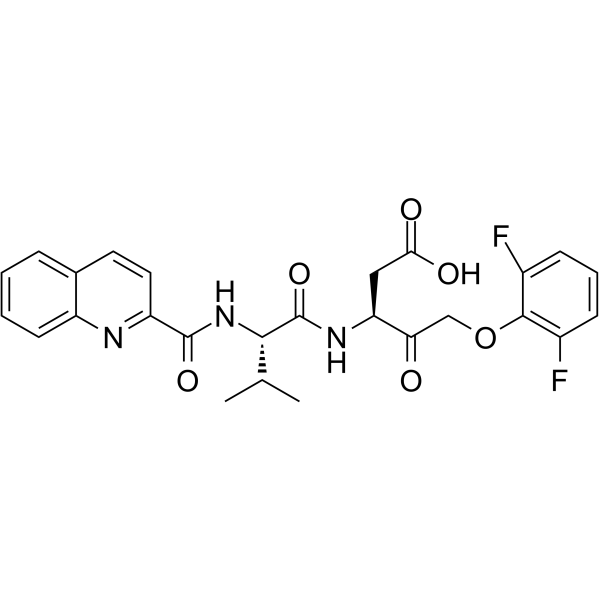
QVD-OPH; Quinoline-Val-Asp-Difluorophenoxymethylketone
|
Caspase
HIV
|
Infection
Cancer
|
|
Q-VD-OPh is an irreversible pan-caspase inhibitor with potent antiapoptotic properties; inhibits caspase 7 with an IC50 of 48 nM and 25-400 nM for other caspases including caspase 1, 3, 8, 9, 10, and 12. Q-VD-OPh can inhibits HIV infection. Q-VD-OPh is able to cross the blood-brain barrier.
|
-
-
- HY-13205
-
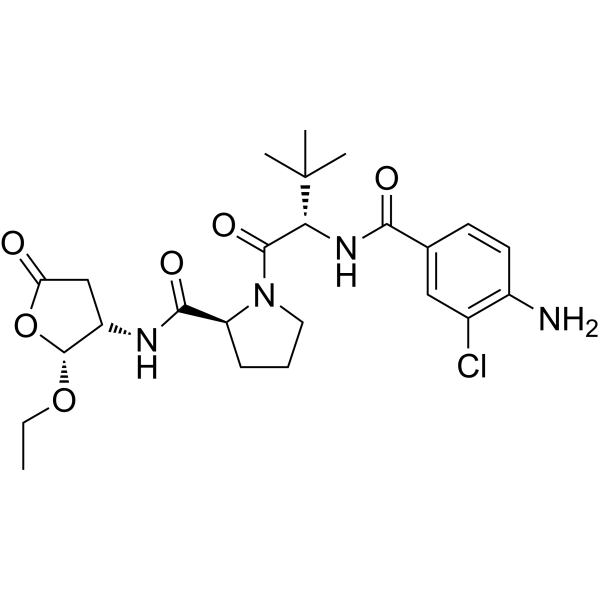
Belnacasan
Maximum Cited Publications
169 Publications Verification
VX-765
|
Caspase
|
Inflammation/Immunology
|
|
Belnacasan (VX-765) is an orally bioactive proagent of VRT-043198, which is a potent and selective inhibitor of IL-converting enzyme (ICE)/caspase-1 with Kis of 0.8 nM and less than 0.6 nM for caspase-1 and caspase-4, respectively. Belnacasan (VX-765) inhibits the release of LPS-induced IL-1β and IL-18 by human PBMCs with an IC50 of ~0.7 μM .
|
-
-
- HY-16990
-
|
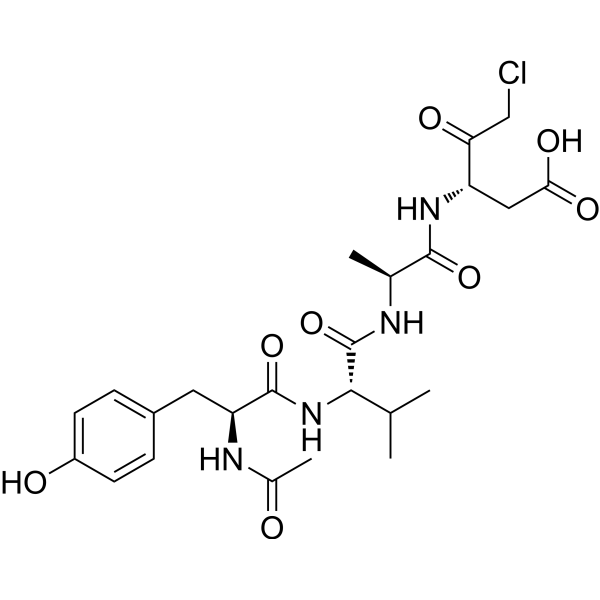
Caspase-1 Inhibitor II
|
Caspase
|
Inflammation/Immunology
|
|
Ac-YVAD-cmk (Caspase-1 Inhibitor II) is a selective caspase-1 (IL-1beta converting enzyme, ICE)) inhibitor with neuroprotective and anti-inflammatory effects. Ac-YVAD-cmk effectively suppresses the expression of IL-1β and IL-18. Ac-YVAD-cmk inhibits pyroptosis in many diseases .
|
-
-
- HY-100573
-
-
-
- HY-132591
-
-

-
- HY-132591A
-
-
-
- HY-N0619
-
|
|
TNF Receptor
Interleukin Related
Tyrosinase
|
Inflammation/Immunology
|
|
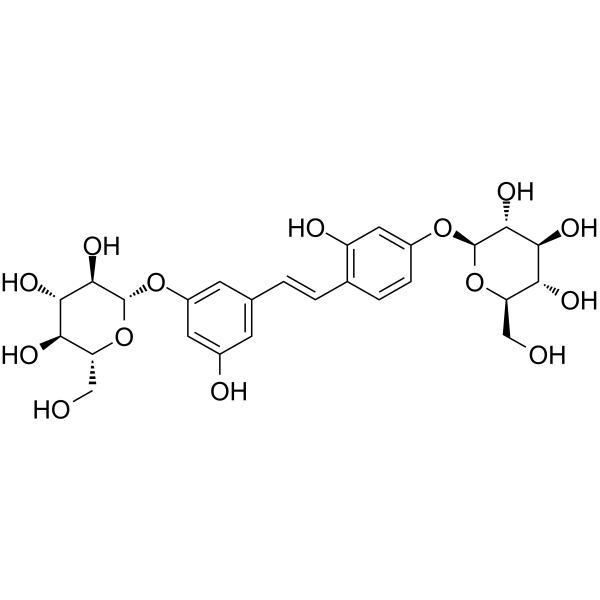
Mulberroside A is one of the main bioactive constituent in mulberry (Morus alba L.) . Mulberroside A decreases the expressions of TNF-α, IL-1β, and IL-6 and inhibits the activation of NALP3, caspase-1, and NF-κB and the phosphorylation of ERK, JNK, and p38, exhibiting anti-inflammatory antiapoptotic effects . Mulberroside A shows inhibitory activity against mushroom tyrosinase with an IC50 of 53.6 μM .
|
-
-
- HY-130413
-
|
Neuroprotectin D1; NPD1
|
Endogenous Metabolite
PI3K
Akt
HIF/HIF Prolyl-Hydroxylase
Reactive Oxygen Species (ROS)
Caspase
Interleukin Related
MicroRNA
|
Cardiovascular Disease
Neurological Disease
Inflammation/Immunology
|
|
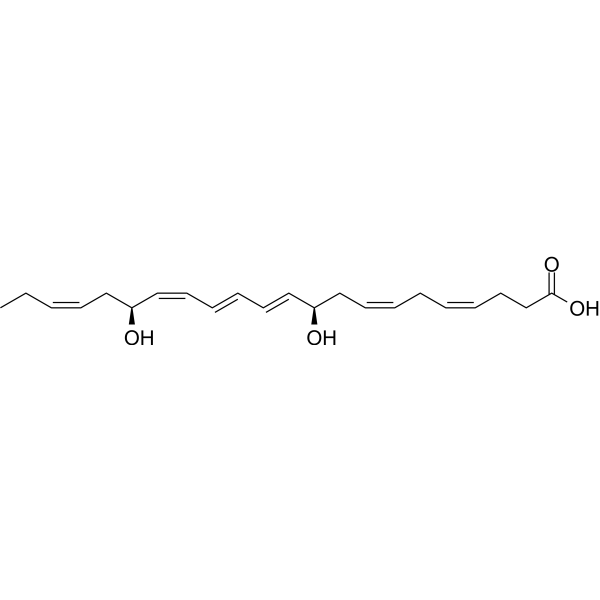
Protectin D1, a neuroprotectin D1 produced by neuronal cells, is a member of a newly discovered family of bioactive products derived from docosahexaenoic acid. Protectin D1 also serves as a specialized pro-resolving mediator, exhibiting effective in vivo pro-resolving activity in various human disease models. Additionally, Protectin D1 is an inhibitor of NALP3 inflammasomes and regulates the PI3K/AKT and HIF-1α signaling pathways. Protectin D1 exerts anti-inflammatory effects by reducing ROS levels, inhibiting the expression of NALP3, ASC, and Caspase-1, and consequently decreasing the release of pro-inflammatory cytokines IL-1β and IL-18. Furthermore, Protectin D1 enhances miRNA-210 expression, activates the PI3K/AKT signaling pathway, and exerts cardioprotective effects. Protectin D1 holds promise for research in cardiovascular diseases and inflammatory disorders .
|
-
-
- HY-N0535
-
|
Magnoflorine chloride; α-Magnoflorine chloride; Thalictrine chloride
|
Fungal
Autophagy
Apoptosis
PINK1/Parkin
NOD-like Receptor (NLR)
Caspase
JNK
NF-κB
Sirtuin
AMPK
Reactive Oxygen Species (ROS)
|
Infection
Metabolic Disease
|
|
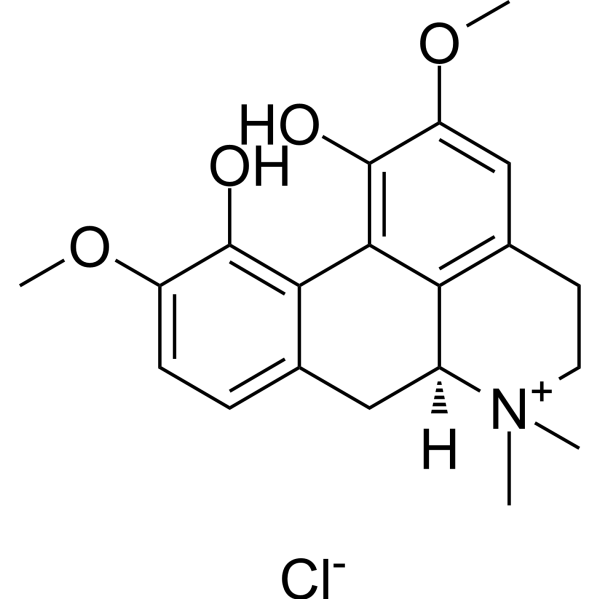
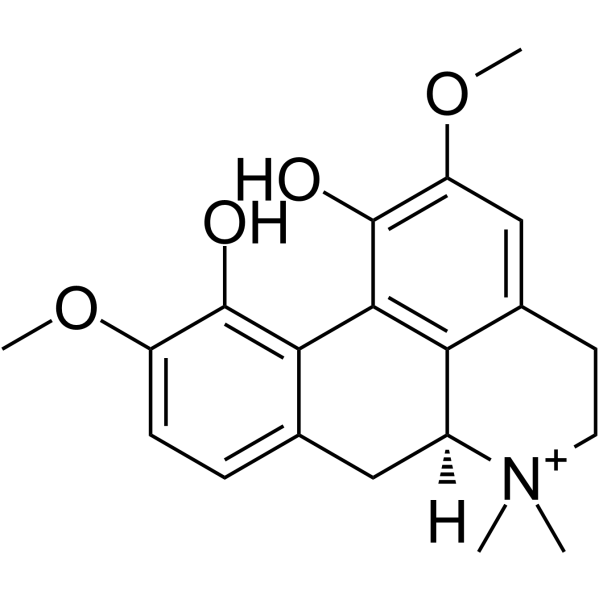
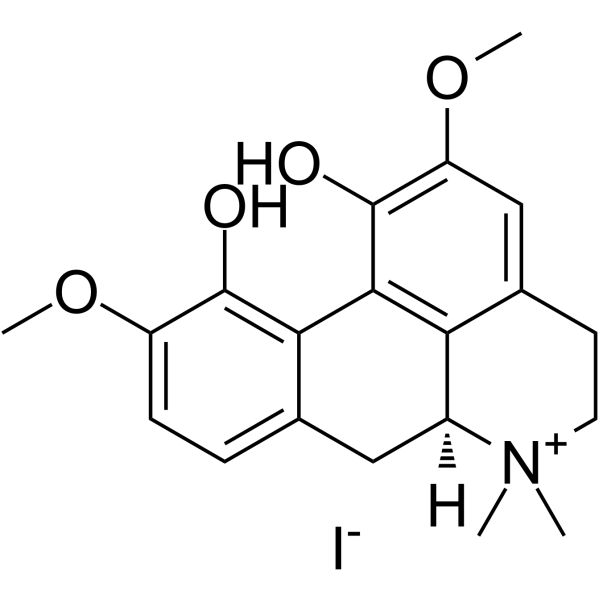
(+)-Magnoflorine (α-Magnoflorine) chloride is an orally active aporphine alkaloid with multiple biological activities. (+)-Magnoflorine chloride promotes Parkin/PINK1-mediated mitochondrial autophagy, inhibits the activation of NLRP3/Caspase-1 pathway, regulates the intestinal microbiota, and exhibits significant anti-inflammatory and immunomodulatory activities. (+)-Magnoflorine chloride inhibits JNK and TLR4/NF-κB signaling pathways, activates Sirt1/AMPK pathway, alleviates neuronal oxidative stress and apoptosis. Magnoflorine chloride upregulates miR-410-3p, inhibits HMGB1/NF-κB pathway, and has anti-tumor activity. (+)-Magnoflorine chloride also has significant antifungal activity .
|
-
-
- HY-12290
-
|
RGDS peptide; Fibronectin tetrapeptide
|
Integrin
|
Inflammation/Immunology
|
|
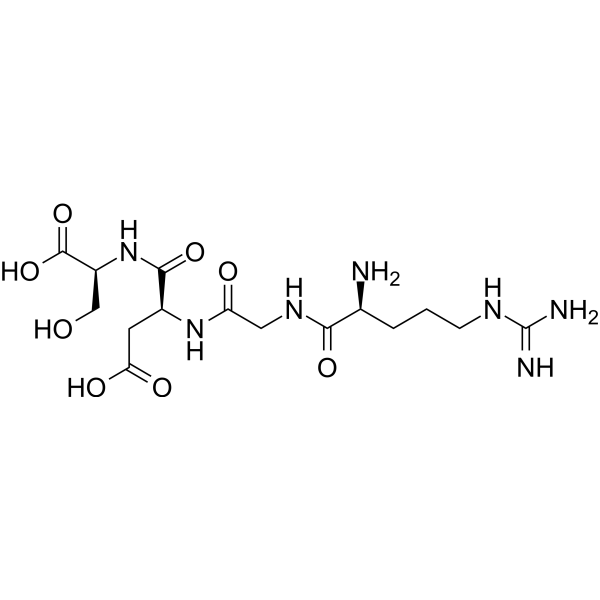
Arg-Gly-Asp-Ser is an integrin binding sequence that inhibits integrin receptor function. Arg-Gly-Asp-Ser directly and specifically bind pro-caspase-8, pro-caspase-9 and pro-caspase-3, while it does not bind pro-caspase-1.
|
-
-
- HY-112226
-
|
|
Caspase
Drug Metabolite
|
Inflammation/Immunology
|
|
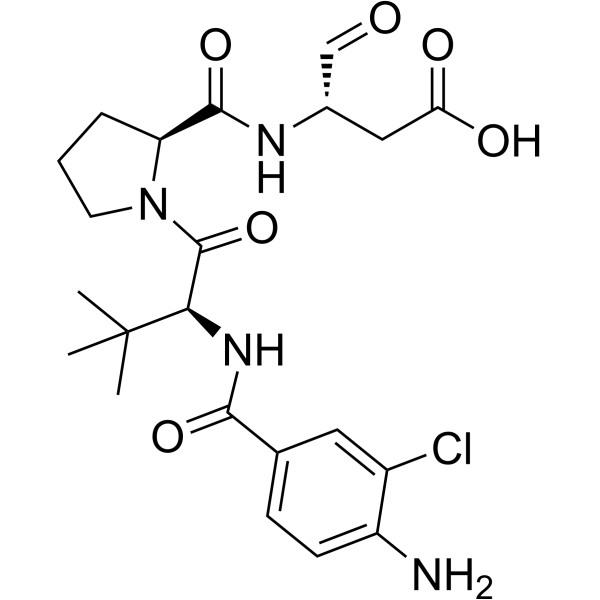
VRT-043198, the agent metabolite of VX-765 (Belnacasan), is a potent, selective and blood-brain barrier permeable inhibitor of interleukin-converting enzyme/caspase-1 subfamily caspases. VRT-043198 exhibits Ki values of 0.8 nM and 0.6 nM for ICE/caspase-1 and caspase-4, respectively .
|
-
-
- HY-159520
-
|
Ofirnoflast; HT-6184
|
NEKs
NOD-like Receptor (NLR)
Caspase
Apoptosis
Pyroptosis
NF-κB
|
Cardiovascular Disease
Inflammation/Immunology
Cancer
|
|
Ofirnoflastum (Ofirnoflast) is an orally active first-in-class allosteric NEK7 inhibitor with an IC50 of 46 nM. Ofirnoflastum binds an allosteric site adjacent to NEK7’s ATP-binding pocket, induces conformational shifts, disrupts NEK7-NLRP3 binding, blocks NLRP3 inflammasome assembly, spares NEK7’s physiological functions, and suppresses caspase-1, caspase-8, NF-κB, and TNF activity. Ofirnoflastum reduces pro-inflammatory cytokine production, suppresses ASC specks, IL-1β release, pyroptotic cell death, and leukemic burden, induces apoptosis and erythroid differentiation, restores hematopoiesis, and improves outcomes in colitis models. Ofirnoflastum can be used for the research of myelodysplastic syndromes, chronic myelomonocytic leukemia, and acute myeloid leukemia .
|
-

-
- HY-P1009
-
Z-YVAD-FMK
Maximum Cited Publications
22 Publications Verification
|
Caspase
|
Cancer
|
|
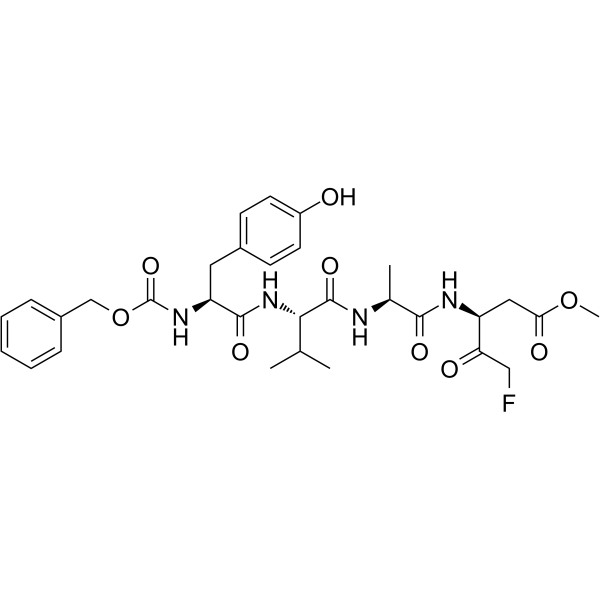
Z-YVAD-FMK is a cell-permeable caspase-1 and -4 inhibitor with anti-inflammatory and anti-tumor activities .
|
-
-
- HY-W075517
-
|
2-Methylimidazole zinc salt
|
MOFs
Caspase
Pyroptosis
|
Cancer
|
|
ZIF-8 (2-Methylimidazole zinc salt) is a pyroptosis inducer that activates the caspase-1/gasdermin D-dependent pyroptosis pathway. ZIF-8 induces pyroptotic cell death accompanied by necrosis and immunogenic cell death. ZIF-8 initiates in situ immunity, activates anti-tumor immunity, and reprograms the immunosuppressive tumor microenvironment to inhibit tumor growth. ZIF-8 acts as a pH-responsive and stimulus-responsive drug release inducer. ZIF-8 is applicable to cancer-related research .
|
-

-
- HY-101019
-
|
AS101
|
Interleukin Related
Caspase
|
Inflammation/Immunology
Cancer
|
|
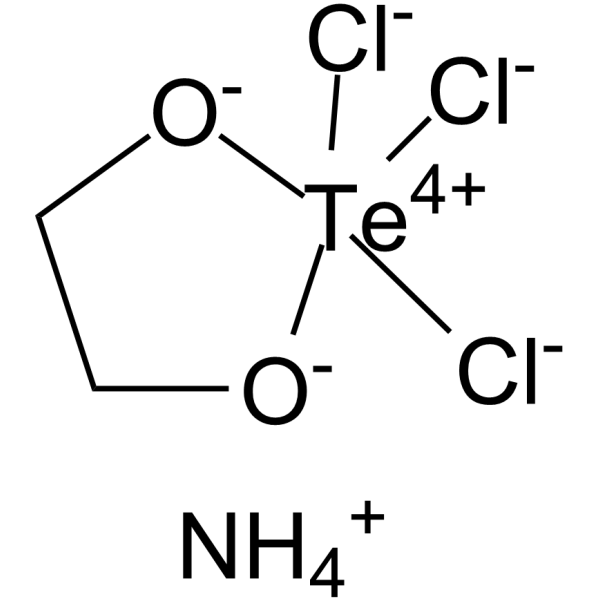
Ossirene (AS101), an immunomodulatory tellurium compound, is a potent IL-1β inhibitor . Ossirene abolishes phosphorylation of STAT3 by inhibiting IL-10. Ossirene potently inhibits Caspase-1 and is used for the autoimmune diseases and certain malignancies .
|
-
-
- HY-B1138
-
|
CL-82204
|
COX
Caspase
|
Infection
Neurological Disease
Inflammation/Immunology
Cancer
|
|
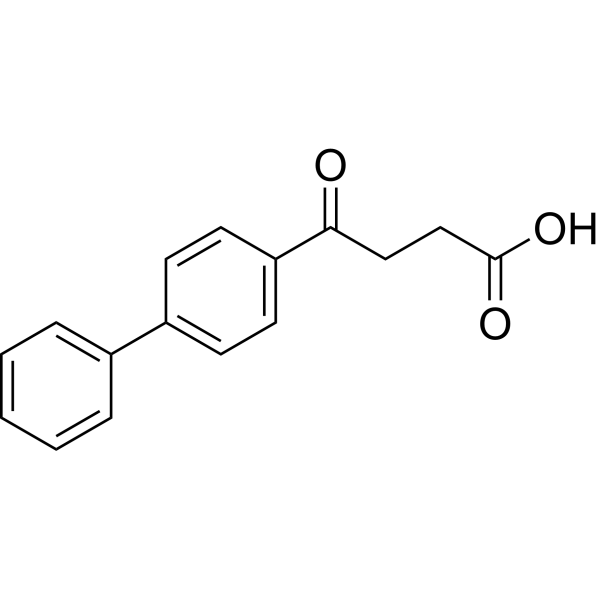
Fenbufen (CL-82204) is an orally active non-steroidal anti-inflammatory drug (NSAID), with analgetic and antipyretic effects. Fenbufen has potent activity in a variety of animal model, including carageenin edema, UV erythema and adjuvant arthritis. Fenbufen has inhibitory activities against COX-1 and COX-2 with IC50s of 3.9 μM and 8.1 μM, respectively. Fenbufen is a caspases (caspase-1, 3, 4, 5, 9) inhibitor .
|
-
-
- HY-N0260
-
Epmedin C
Maximum Cited Publications
6 Publications Verification
Epimedin-C; Baohuoside-VI
|
Keap1-Nrf2
CDK
Caspase
|
Infection
Metabolic Disease
Inflammation/Immunology
Cancer
|
|
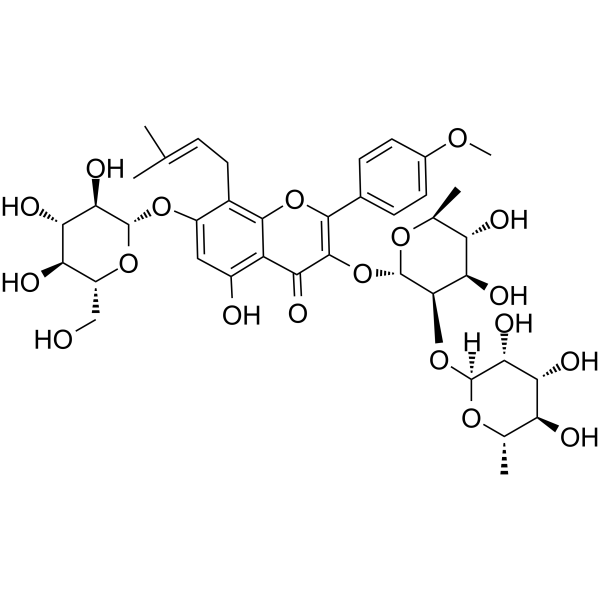
Epmedin C (Epimedin-C; Baohuoside-VI) is an orally active anti-inflammatory agent and immunomodulator that binds to multiple key proteins including UCP1, Caspase-1, CDK2 and Keap1. Epmedin C inhibits epithelial cell proliferation by disrupting the complex function of CDK2/Cyclin E. Epmedin C also upregulates Nrf2 expression, reduces ROS levels and inhibits pro-inflammatory cytokine secretion, thereby effectively restoring antibody production and alleviating tissue damage. Epmedin C has good safety with no hepatotoxicity or skin sensitization, and it has been used in studies on diseases such as obesity, Deoxynivalenol (HY-N6684)-induced immunotoxicity and mammary hyperplasia .
|
-
-
- HY-N2414
-
-
-
- HY-N0334
-
-
-
- HY-15586
-
L67
2 Publications Verification
DNA Ligase Inhibitor
|
DNA/RNA Synthesis
Caspase
Apoptosis
Reactive Oxygen Species (ROS)
|
Cancer
|
|
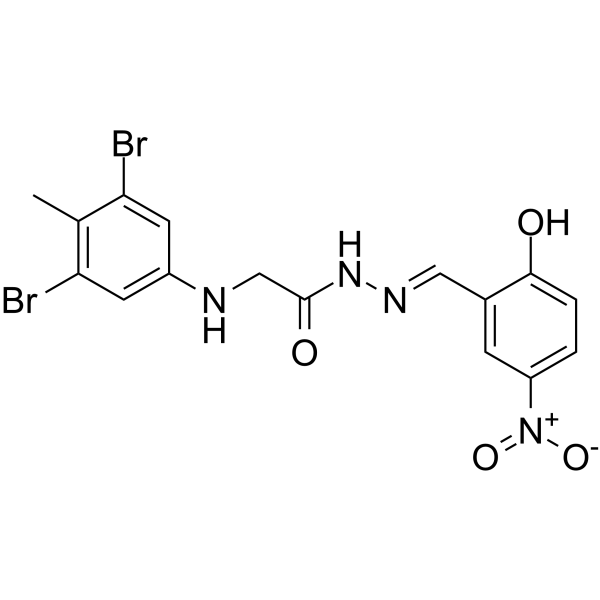
L67 (DNA Ligase Inhibitor) is a competitive DNA ligase inhibitor that effectively inhibits DNA ligases I/III (both IC50 are 10 μM). L67 can cause nuclear DNA damage by reducing levels of mitochondrial DNA and increasing levels of mitochondrially-generated ROS. L67 also activates the Caspase 1-dependent apoptosis pathway in cancer cells, can be used in cancer research .
|
-
-
- HY-148258
-
-
-
- HY-143221
-
|
|
Drug Intermediate
|
Cardiovascular Disease
|
|
AS-Inclisiran sodium is the antisense of Inclisiran (HY-132591). Inclisiran is a double-stranded small interfering RNA (siRNA) molecule. Inclisiran inhibits the transcription of PCSK9. Inclisiran inhibits Pyroptosis, activates PPARγ, and reduces NLRP3, cleaved caspase-1, IL-1β, and IL-18. Inclisiran has anti-inflammatory, lipid-regulating and anti-atherosclerotic activities. Inclisiran can be used in researches of hyperlipidemia and cardiovascular disease (CVD) .
|
-
-
- HY-176860
-
-

-
- HY-W011978
-
-
-
- HY-N1431
-
|
|
NOD-like Receptor (NLR)
Apoptosis
Cytochrome P450
NF-κB
PI3K
Akt
CDK
Caspase
Interleukin Related
p38 MAPK
|
Inflammation/Immunology
Cancer
|
|
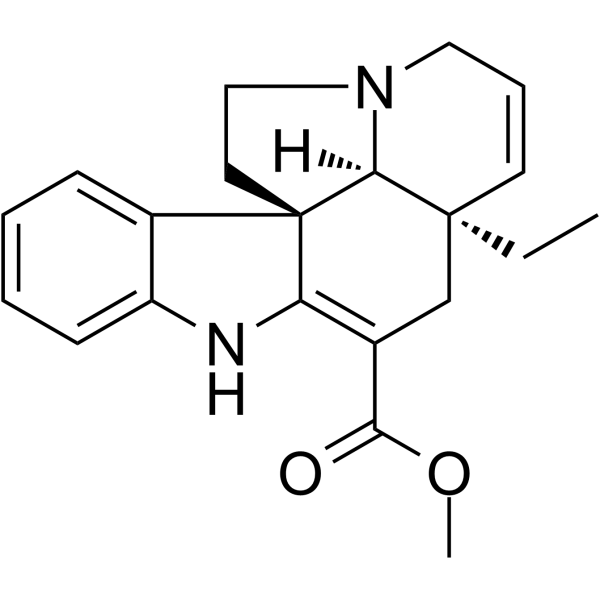
Tabersonine is a selective, orally active NLRP3 inhibitor. Tabersonine directly binds to the NACHT domain of NLRP3, inhibiting its ATPase activity and oligomerization, thereby blocking ASC spot formation and caspase-1 activation, and reducing the release of pro-inflammatory cytokines such as IL-1β. Tabersonine also inhibits K63-linked ubiquitination of TRAF6, blocking NF-κB, PI3K/Akt, and p38 MAPK signaling pathways. Tabersonine can inhibit inflammatory responses, induce apoptosis of liver cancer cells through mitochondrial pathways and death receptor pathways, reduce mitochondrial membrane potential, promote cytochrome c release, and activate caspase proteins. Tabersonine is mainly used in the study of NLRP3-driven inflammatory diseases (such as acute lung injury, sepsis, peritonitis) and tumors such as liver cancer .
|
-
-
- HY-W923189
-
|
|
Interleukin Related
COX
TNF Receptor
NOD-like Receptor (NLR)
NO Synthase
PERK
p38 MAPK
Reactive Oxygen Species (ROS)
Caspase
Autophagy
Herbicide
|
Inflammation/Immunology
Cancer
|
|
Neral is a plant-derived anti-inflammatory, antioxidant and anticancer agent. Neral inhibits the phosphorylation of ERK1/2, p38 MAPK and IκB in macrophages induced by LPS (HY-D1056), suppresses the secretion of TNF-α and IL-6, as well as the expression of pro-IL-1β, iNOS and COX-2 in cells, and reduces the production of ROS in cells. Neral inhibits the activation of the NLRP3 inflammasome, and decreases the activation of caspase-1 and the secretion of IL-1β in mouse macrophages. Neral induces autophagy, and exhibits antiproliferative activity both in in vitro breast cancer cell models and mouse xenograft models. Neral regulates brassinosteroid, jasmonic acid and ethylene signaling pathways, and induces the expression of AP2/ERF-ERF and bHLH family genes in rice roots. Neral acts as a herbicide safener, alleviates the damage induced by Fenoxaprop-P-ethyl (HY-B2013), and promotes the elongation of rice roots. Neral can be used in research related to breast cancer, inflammatory and immune system diseases, and herbicide safeners .
|
-

-
- HY-111675
-
|
|
Caspase
Pyroptosis
|
Inflammation/Immunology
|
|
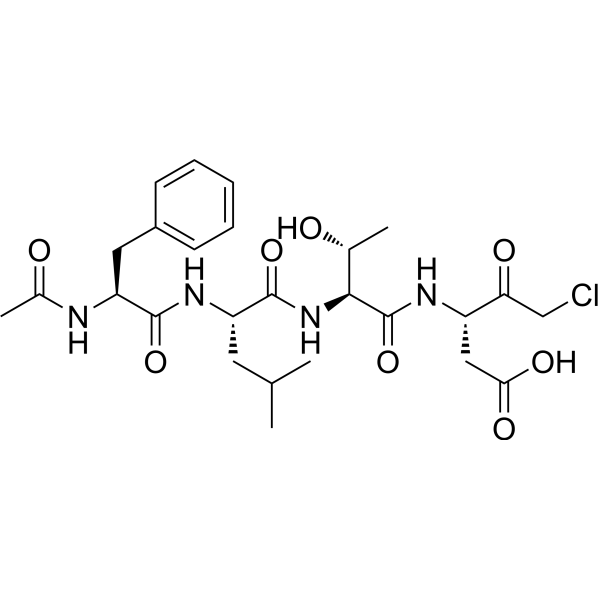
Ac-FLTD-CMK, a gasdermin D (GSDMD)-derived inhibitor, is a specific inflammatory caspases inhibitor. Ac-FLTD-CMK is effective against caspases-1 (IC50 of 46.7 nM), caspases-4 (IC50 of 1.49 μM), caspases-5 (IC50 of 329 nM), and caspases-11 , but not the apoptotic caspases such as caspase-3 .
|
-
-
- HY-N0334A
-
-
-
- HY-19676
-
|
VX-740; HMR 3480
|
Caspase
|
Inflammation/Immunology
|
|
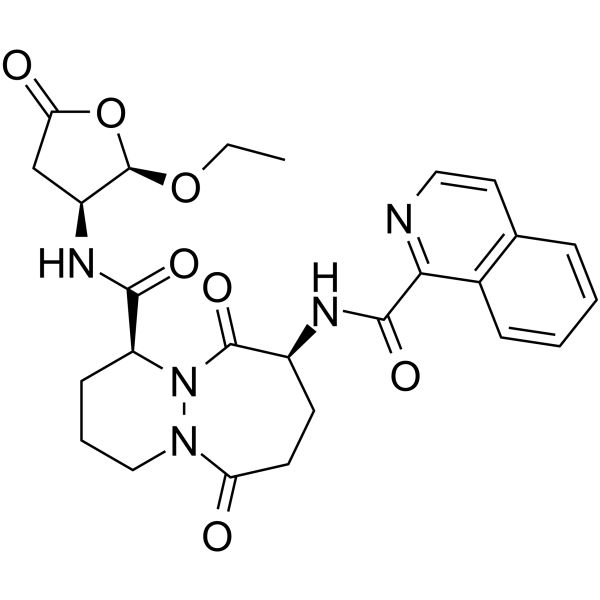
Pralnacasan (VX-740) is a potent, selective, non-peptide and orally active interleukin-1β converting enzyme (ICE, caspase 1) inhibitor with a Ki of 1.4 nM. Pralnacasan inhibits proinflammatory cytokines IL-18, IL-1β , and IFN-γ. Pralnacasan has the potential for osteoarthritis and rheumatoid arthritis treatment .
|
-
-
- HY-153068
-
-
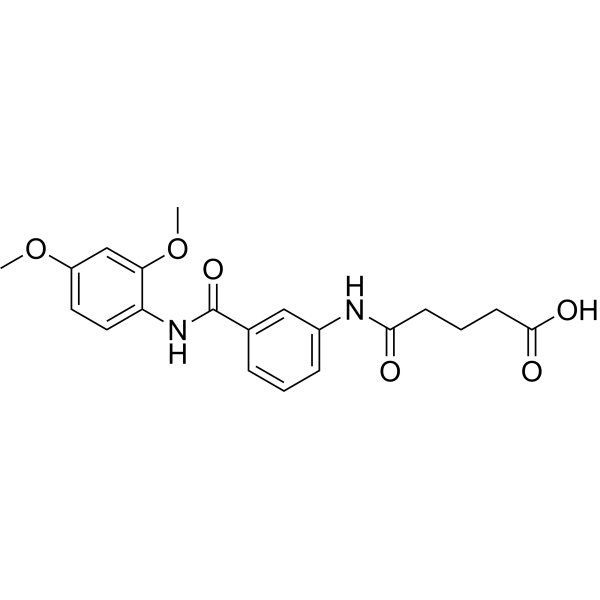
-
- HY-152670
-
JC2-11
1 Publications Verification
|
NOD-like Receptor (NLR)
AIM2
|
Inflammation/Immunology
|
|
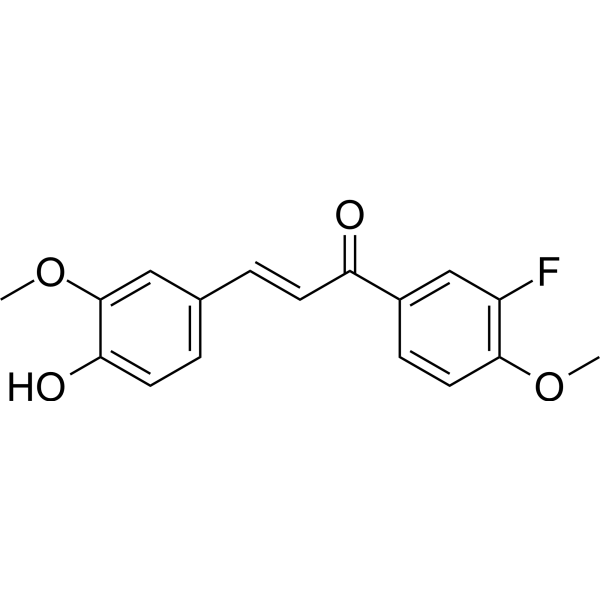
JC2-11 is an inhibitor of inflammatory corpuscles. JC2-11 inhibits domain-containing protein NLRC 4, absent in melanoma 2 (AIM 2) and non-canonical (NC) inflammatory corpuscles. JC2-11 reduces the secretion of caspase-1 (p20), the cleavage of gasdermin D (GSDMD), and the releases of IL-1β and lactate dehydrogenases (LDH) in inflammatory bodies. JC2-11 inhibits the activation of inflammatory bodies by destroying the production of reactive oxygen species and the activity of caspase-1 .
|
-
-
- HY-W041489
-
|
|
NF-κB
Caspase
|
Inflammation/Immunology
Cancer
|
|
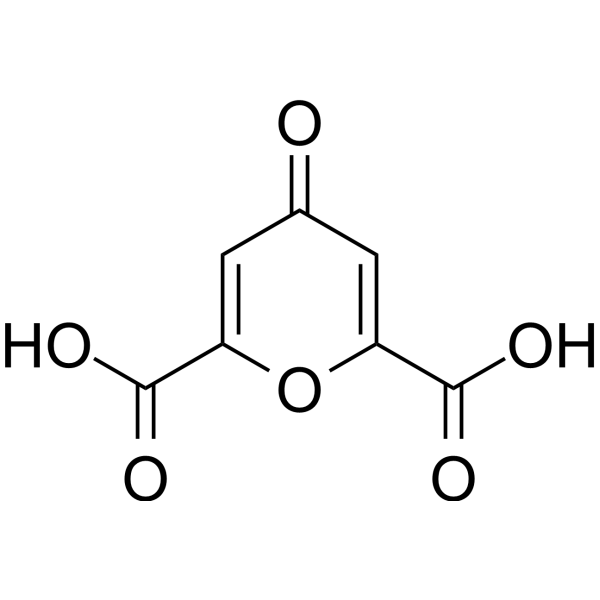
Chelidonic acid is a component of Chelidonium majus L., used as an antimicrobial. Chelidonic acid also shows anti-inflammatory activity. Chelidonic acid has potential to inhibit IL-6 production by blocking NF-κB and caspase-1 . Chelidonic acid is a glutamate decarboxylase inhibitor, with a Ki of 1.2 μM .
|
-
-
- HY-120019
-
|
L-709049
|
Interleukin Related
Apoptosis
Caspase
|
Inflammation/Immunology
|
|
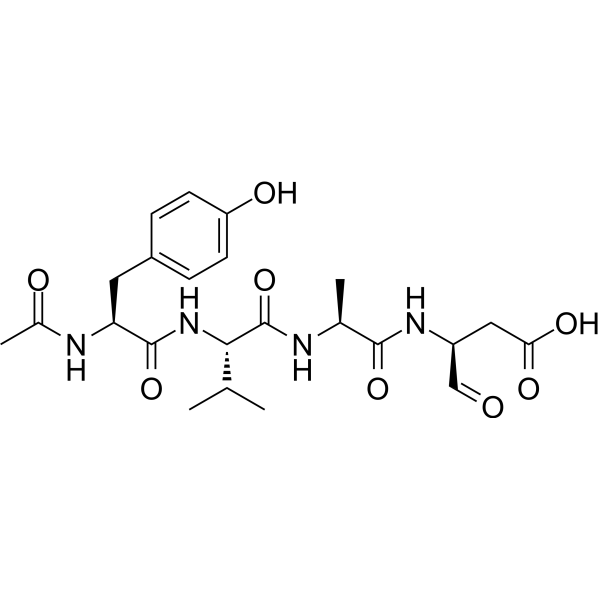
Ac-YVAD-CHO (L-709049) is a potent, reversible, specific tetrapeptide interleukin-lβ converting enzyme (ICE) inhibitor with mouse and human Ki values of 3.0 and 0.76 nM. Ac-YVAD-CHO is also a caspase-1 inhibitor. Ac-YVAD-CHO can suppress the production of mature IL-lβ .
|
-
-
- HY-12412
-
|
NCGC-00183434
|
Caspase
|
Inflammation/Immunology
Cancer
|
|
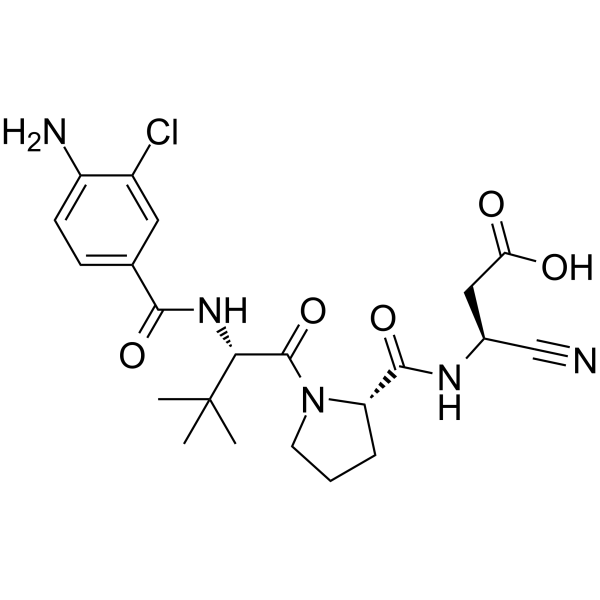
ML132 (NCGC-00183434) is a selective caspase 1 inhibitor with an IC50 value of 0.023 nM. ML132 has good stability and can be used as a caspase 1 molecular probe. ML132 is applicable to research in the fields of anticancer and anti-inflammatory studies .
|
-
-
- HY-P0111
-
|
Z-WE(OMe)HD(OMe)-FMK
|
Caspase
Cathepsin
|
Cancer
|
|
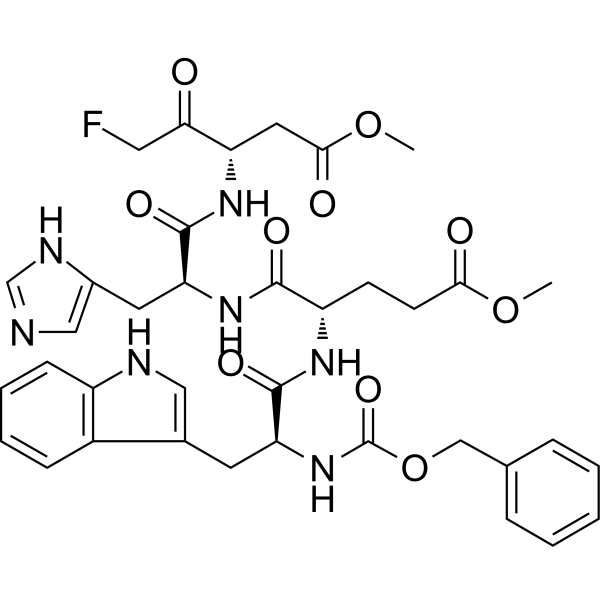
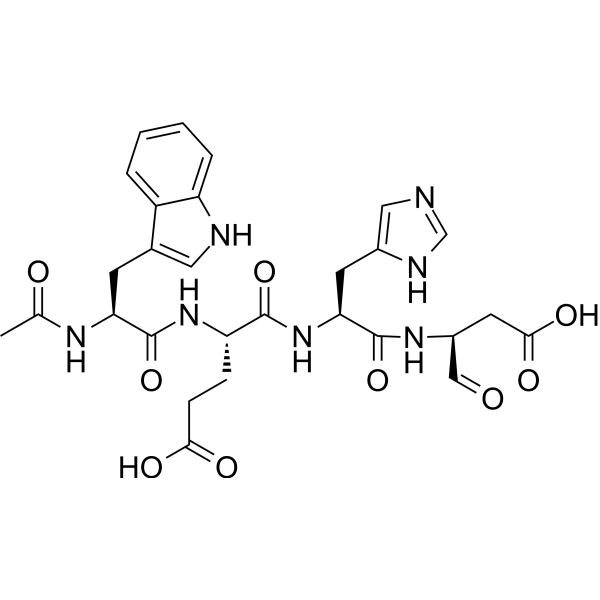
Z-WEHD-FMK is a potent, cell-permeable and irreversible caspase-1/5 inhibitor. Z-WEHD-FMK also exhibits a robust inhibitory effect on cathepsin B activity (IC50=6 μM). Z-WEHD-FMK can be used to investigate cells for evidence of apoptosis .
|
-
-
- HY-150270A
-
|
|
P2X Receptor
Prostaglandin Receptor
NOD-like Receptor (NLR)
Caspase
Interleukin Related
|
Inflammation/Immunology
|
|
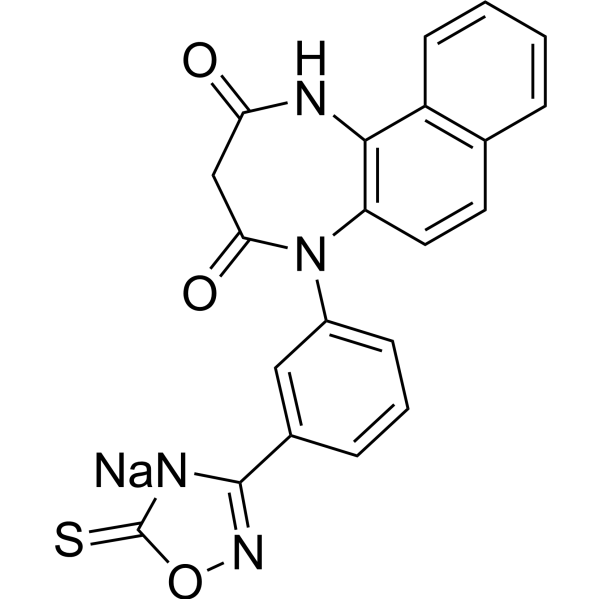
NP-1815-PX sodium is an orally active dual inhibitor of P2X4 and prostaglandin TP receptors, with an IC50 of 0.26 μM against human P2X4 receptors. NP-1815-PX sodium specifically inhibits ATP-mediated prostaglandin production, TP receptor-induced calcium elevation, and the canonical/non-canonical NLRP3 inflammasome signaling pathway. NP-1815-PX sodium selectively blocks smooth muscle contractions induced by ATP, U46619 (HY-108566) and prostaglandin F2α. NP-1815-PX sodium not only produces anti-allodynic effects in vivo, but also significantly alleviates symptoms of DNBS (HY-W324435)-induced colitis (such as weight loss and tissue damage). NP-1815-PX sodium exerts anti-inflammatory effects by downregulating IL-1β levels and Caspase-1 activity. NP-1815-PX sodium is used in studies related to asthma and inflammatory bowel disease (colitis) .
|
-
-
- HY-P1095
-
|
Caspase-3 Inhibitor VII
|
Caspase
|
Cardiovascular Disease
Neurological Disease
|
|
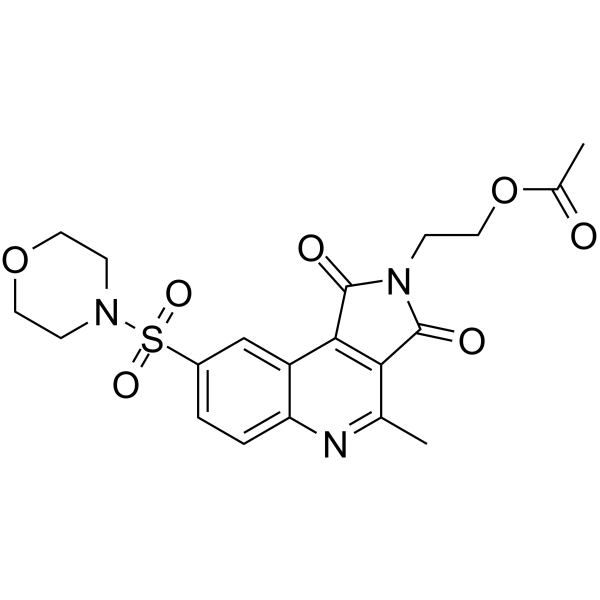
Ivachtin (Caspase-3 Inhibitor VII; compound 7a) is a nonpeptide, noncompetitive and reversibl caspase-3 inhibitor with an IC50 of 23 nM. Ivachtin has modest selectivity for the remaining caspases .
|
-
-
- HY-100573A
-
-
-
- HY-146765
-
|
|
NOD-like Receptor (NLR)
|
Neurological Disease
Inflammation/Immunology
|
|
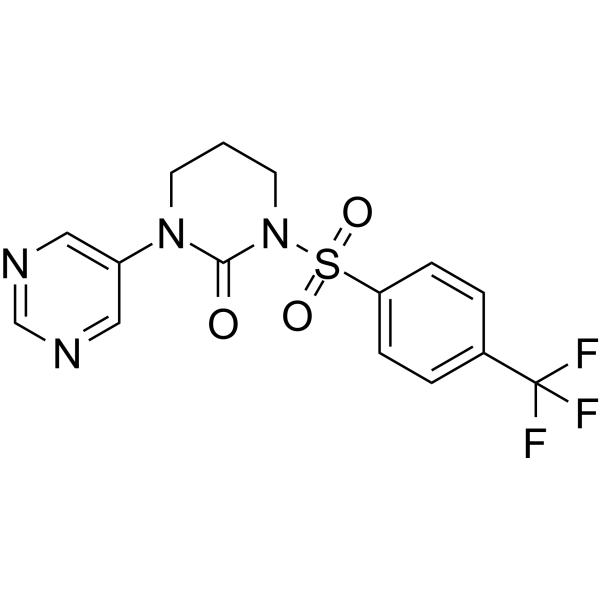
AMS-17 is a potent NLRP3 inhibitor, inhibiting microglia activation in vitro and in vivo. AMS-17 also inhibits cytokines such as caspase-1, TNF-α, IL-1β and inducible nitric oxide synthase (iNOS) in N9 cells. AMS-17 can be used for researching inflammation-associated neurological disorders, such as vascular dementia (VaD) .
|
-
-
- HY-124857
-
|
7-Desacetoxy-6,7-dehydrogedunin
|
PERK
Prokineticin Receptor
P2X Receptor
Caspase
NOD-like Receptor (NLR)
Pyroptosis
Tyrosinase
|
Neurological Disease
Metabolic Disease
Inflammation/Immunology
|
|
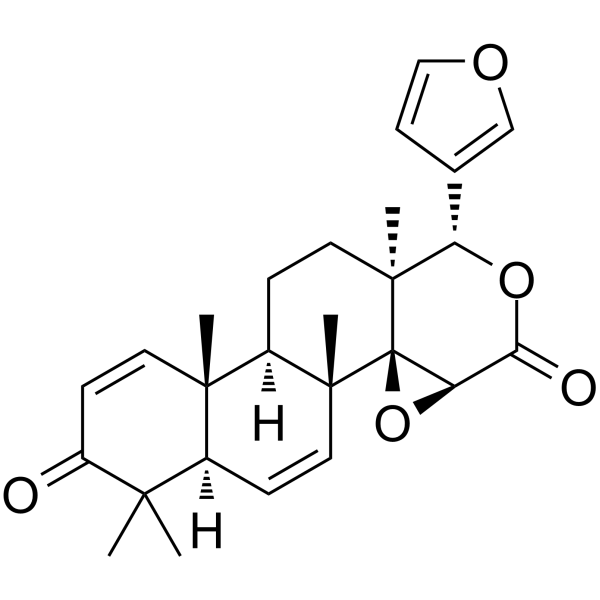
7DG (7-Desacetoxy-6,7-dehydrogedunin) is a PKR inhibitor, P2X7 purinergic receptor inhibitor, and skin-lightening agent. 7DG binds outside the ATP-catalytic domain of PKR, blocks the kinase activity-independent protein-protein interactions of PKR, inhibits the phosphorylation and activity of PKR, disrupts ASC assembly and caspase-1 activation, and suppresses the activation of the NLRP1 inflammasome. 7DG inhibits pyroptosis, suppresses the ATP-P2X7 signaling pathway, and abolishes ATP-induced increases in the expression levels of MITF, tyrosinase, PMEL/gp100, and melanin content. 7DG exerts skin-lightening effects in cultured skin in vitro. 7DG can be used in research related to chronic obstructive pulmonary disease, gout, type 2 diabetes, Alzheimer's disease, and hyperpigmentary skin disorders .
|
-
-
- HY-130480
-
|
|
AIM2
|
Inflammation/Immunology
|
|
Fructose-arginine, an amino-sugar, is an AIM2 inflammasome activation inhibitor. Fructose-arginine attenuates the secretion of IL-1β, IL-18, and caspase-1, and Asc pyroptosome formation and Gsdmd cleavage resulting from AIM2 inflammasome activation .
|
-

-
- HY-N16409
-
|
|
MMP
Caspase
|
Inflammation/Immunology
Cancer
|
|
Berkeleyamide C is a selective matrix metalloproteinase-3 (MMP-3) and caspase-1 inhibitor. Berkeleyamide C blocks MMP-3-mediated tumor cell invasion and metastasis, as well as the abnormal activation of inflammation and apoptosis related to caspase-1. Berkeleyamide C is promising for research of cancers and inflammation-related diseases .
|
-

-
- HY-131204
-
|
|
Caspase
|
Neurological Disease
|
|
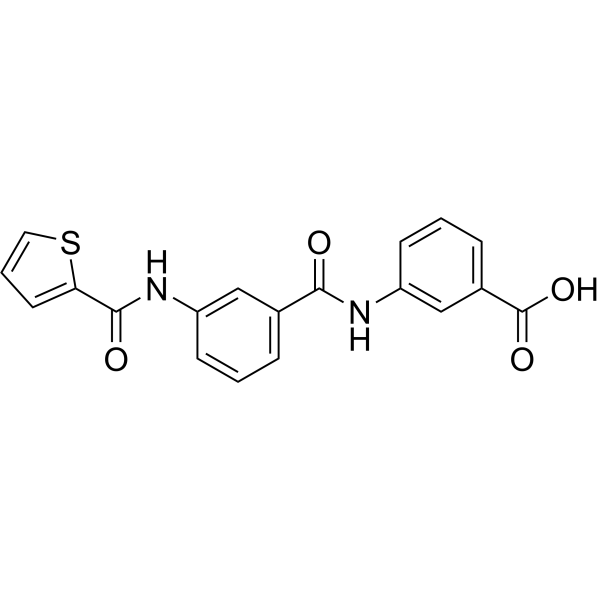
CZL80, a brain-penetrable caspase-1 inhibitor with an IC50 of 0.01 μM, could be used in the study of febrile seizures and later enhanced epileptogenic susceptibility .
|
-
-
- HY-111662
-
|
|
NOD-like Receptor (NLR)
|
Inflammation/Immunology
|
|
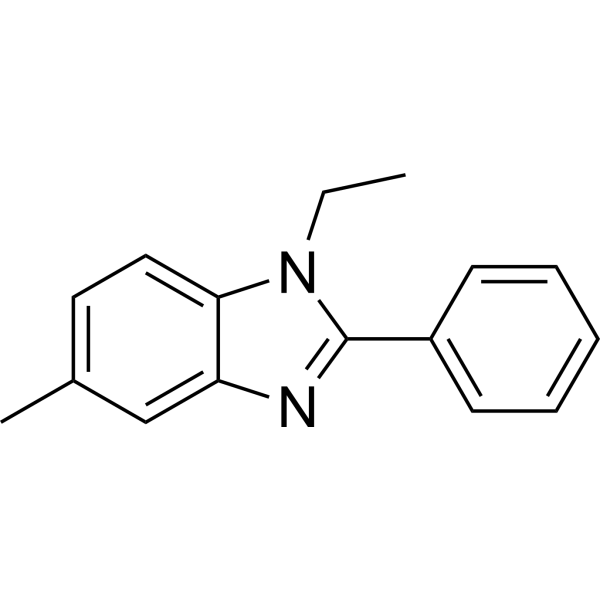
Fc 11a-2, a benzimidazole compound, is an orally active and potent NLRP3 inflammasome inhibitor. Fc 11a-2 restrains the formation of NLRP3 inflammasome by inhibiting activation of caspase-1 and thus the activation of IL-1b/IL-18. Fc 11a-2 prevents the development of Dextran sulfate sodium (DSS; HY-116282C)-induced murine experimental colitis .
|
-
-
- HY-100573S
-
-
-
- HY-N1431A
-
|
|
NOD-like Receptor (NLR)
Apoptosis
Cytochrome P450
NF-κB
PI3K
Akt
CDK
Caspase
Interleukin Related
p38 MAPK
|
Neurological Disease
Inflammation/Immunology
|
|
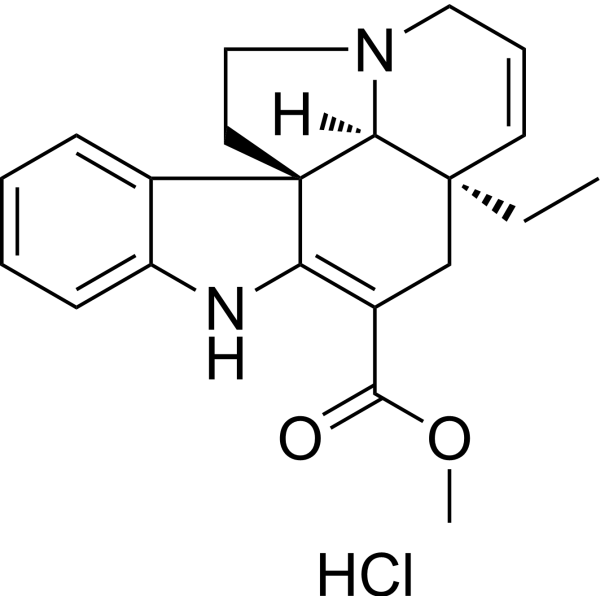
Tabersonine hydrochloride is a selective, orally active NLRP3 inhibitor. Tabersonine hydrochloride directly binds to the NACHT domain of NLRP3, inhibiting its ATPase activity and oligomerization, thereby blocking ASC spot formation and caspase-1 activation, and reducing the release of pro-inflammatory cytokines such as IL-1β. Tabersonine hydrochloride also inhibits K63-linked ubiquitination of TRAF6, blocking NF-κB, PI3K/Akt, and p38 MAPK signaling pathways. Tabersonine hydrochloride can inhibit inflammatory responses, induce apoptosis of liver cancer cells through mitochondrial pathways and death receptor pathways, reduce mitochondrial membrane potential, promote cytochrome c release, and activate caspase proteins. Tabersonine hydrochloride is mainly used in the study of NLRP3-driven inflammatory diseases (such as acute lung injury, sepsis, peritonitis) and tumors such as liver cancer .
|
-
-
- HY-16275
-
|
GS 9450; LB-84451
|
Caspase
Interleukin Related
|
Inflammation/Immunology
|
|
Nivocasan (GS 9450; LB-84451) is a pan-caspase inhibitor that irreversibly arrests caspase-1 activity and inhibits that of caspase-8. Nivocasan inhibits IL-1β cleavage and blocks osteoclast differentiation. Nivocasan inhibits the protein expression of NFATc1 and CSTK .
|
-

-
- HY-13205R
-
|
VX-765 (Standard)
|
Caspase
Reference Standards
|
Inflammation/Immunology
|
|
Belnacasan (Standard) is the analytical standard of Belnacasan. This product is intended for research and analytical applications. Belnacasan (VX-765) is an orally bioactive proagent of VRT-043198, which is a potent and selective inhibitor of IL-converting enzyme (ICE)/caspase-1 with Kis of 0.8 nM and less than 0.6 nM for caspase-1 and caspase-4, respectively. Belnacasan (VX-765) inhibits the release of LPS-induced IL-1β and IL-18 by human PBMCs with an IC50 of ~0.7 μM .
|
-

-
- HY-145087
-
|
NLRP3-IN-5
|
NOD-like Receptor (NLR)
Interleukin Related
Caspase
|
Inflammation/Immunology
|
|
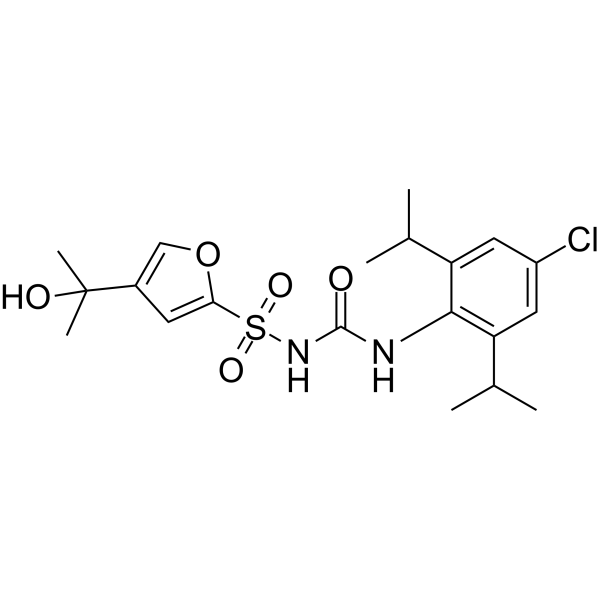
NP3-146 is a NLRP3 inflammasome inhibitor through locking the NACHT domain of NLRP3. NP3-146 shows potent inhibitory activity against IL-1β release with an IC50 value of 0.171 μM in LPS (HY-D1056)/Nigericin (HY-127019)-stimulated BMDM cells. NP3-146 regulates the levels of cleaved Caspase-1 and cleaved IL-1β in cell supernatants. NP3-146 can be used for the research of inflammatory diseases .
|
-
-
- HY-N10359
-
|
|
NOD-like Receptor (NLR)
Caspase
Akt
GSK-3
β-catenin
|
Metabolic Disease
Inflammation/Immunology
Cancer
|
|
Isoandrographolide is an orally active NLRP3 inflammasome inhibitor and AKT/GSK-3β/β-catenin pathway inhibitor. Isoandrographolide inhibits the expression of NLRP3, ASC, and caspase-1, and reduces the levels of phosphorylated AKT, phosphorylated GSK-3β, and β-catenin. Isoandrographolide alleviates inflammatory responses, reduces collagen deposition, suppresses epithelial-mesenchymal transition (EMT), induces differentiation of leukemia cells, inhibits the growth of leukemia cells, protects lung and kidney tissues, regulates cytokine levels, and also exhibits hepatoprotective effects. Isoandrographolide can be used in studies related to silicosis, murine myeloid leukemia, renal tubulointerstitial fibrosis, and non-alcoholic fatty liver disease .
|
-
- HY-150270
-
|
|
Prostaglandin Receptor
P2X Receptor
NOD-like Receptor (NLR)
Caspase
Interleukin Related
|
Neurological Disease
Inflammation/Immunology
|
|
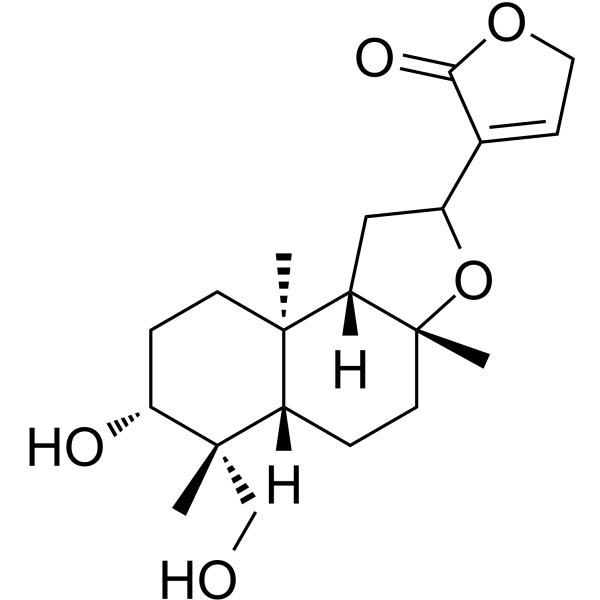
NP-1815-PX is an orally active dual inhibitor of P2X4 and prostaglandin TP receptors, with an IC50 of 0.26 μM against human P2X4 receptors. NP-1815-PX specifically inhibits ATP-mediated prostaglandin production, TP receptor-induced calcium elevation, and the canonical/non-canonical NLRP3 inflammasome signaling pathway. NP-1815-PX selectively blocks smooth muscle contractions induced by ATP, U46619 (HY-108566) and prostaglandin F2α. NP-1815-PX not only produces anti-allodynic effects in vivo, but also significantly alleviates symptoms of DNBS (HY-W324435)-induced colitis (such as weight loss and tissue damage). NP-1815-PX exerts anti-inflammatory effects by downregulating IL-1β levels and Caspase-1 activity. NP-1815-PX is used in studies related to asthma and inflammatory bowel disease (colitis) .
|
-
- HY-175640
-
|
|
Pyroptosis
Reactive Oxygen Species (ROS)
Interleukin Related
Caspase
|
Cardiovascular Disease
|
|
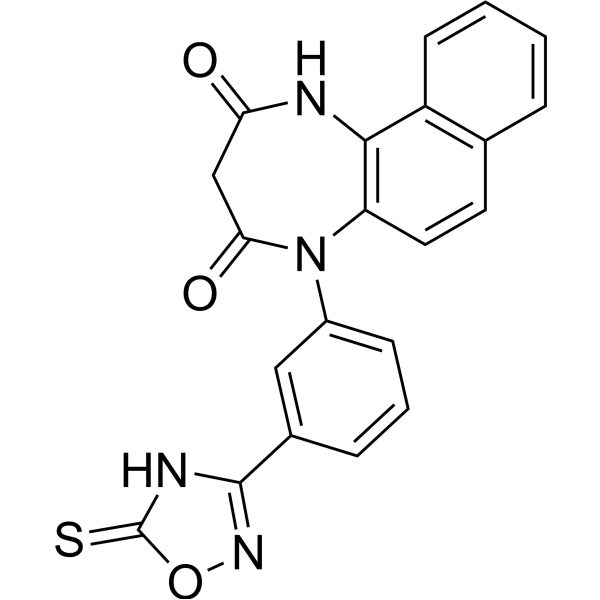
Troponin-IN-1 is a troponin inhibitor. Troponin-IN-1 protects OGD/R-injured H9c2 cardiomyocytes by reducing LDH leakage, pyroptosis and ROS accumulation. Troponin-IN-1 inhibits NO production and IL-1β/TNF-α/IL-18 release in LPS (HY-D1056)-induced RAW264.7 cells. Troponin-IN-1 acts via caspase-1/GSDMD/IL-18 pathway. Troponin-IN-1 reduces myocardial infarct size in LAD-induced myocardial ischemia/reperfusion (MI/R) male rats. Troponin-IN-1 can be used for the study of myocardial ischemia/reperfusion (MI/R) injury .
|
-

- HY-P3761
-
|
|
Caspase
|
Inflammation/Immunology
|
|
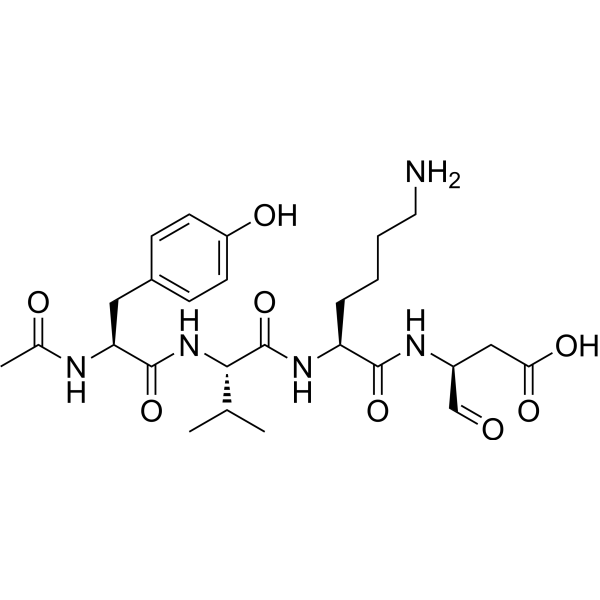
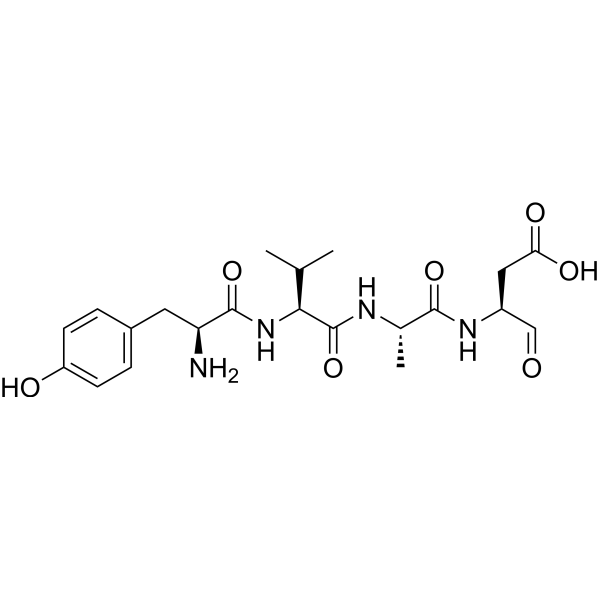
Ac-Tyr-Val-Lys-Asp-aldehyde is a reversible caspase-1 inhibitor. Ac-Tyr-Val-Lys-Asp-aldehyde increases GATA1 levels by inhibiting caspase-1 and promotes erythroid differentiation. can be used for disease research including anemia-associated to chronic diseases, chemotherapy-induced anemia and Diamond-Blackfan anemia .
|
-
- HY-P5122
-
|
|
Caspase
|
Inflammation/Immunology
|
|
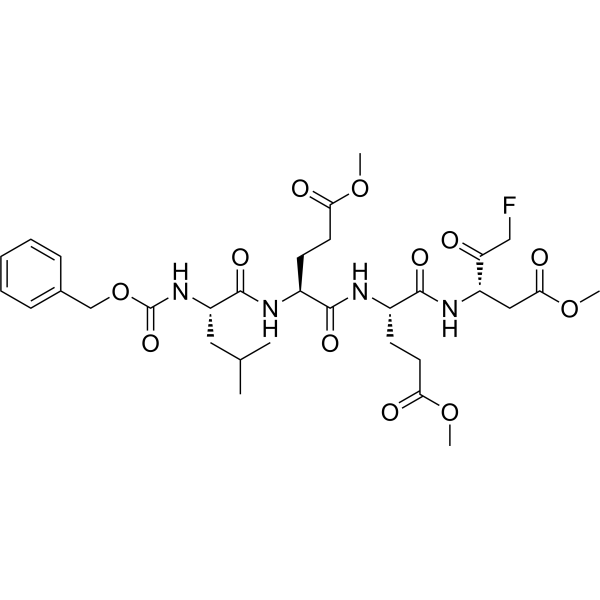
Z-LEED-FMK is a caspase-13 and caspase-4 inhibitor. Z-LEED-FMK also inhibits caspase-1 processing in S. typhimurium-infected macrophages .
|
-
- HY-N16408
-
|
|
MMP
Caspase
|
Inflammation/Immunology
Cancer
|
|
Berkeleyamide B is a dual matrix metalloproteinase-3 (MMP-3) and caspase-1 inhibitor. Berkeleyamide B is promising for research of cancers and inflammatory disease (e.g., rheumatoid arthritis) .
|
-

- HY-121988
-
|
|
NOD-like Receptor (NLR)
|
Inflammation/Immunology
|
|
INF4E is a potent NLRP3 inflammasome inhibitor. INF4E inhibits caspase-1 and NLRP3 ATPase activities. INF4E shows protection against the IR-induced myocardial injury and dysfunction .
|
-
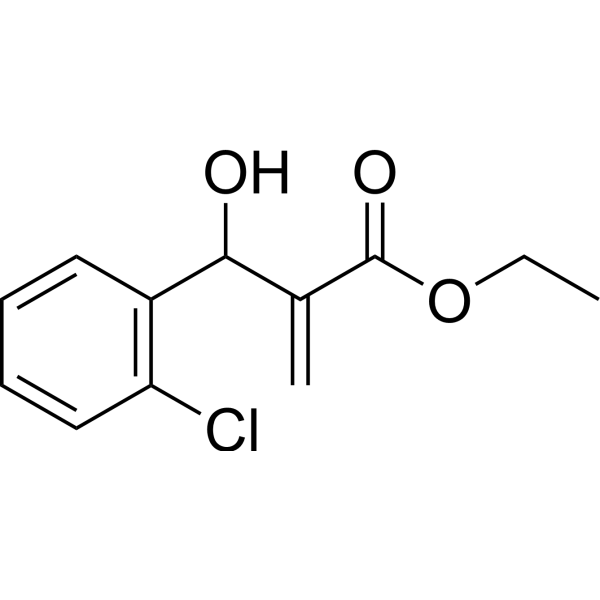
- HY-141622
-
-
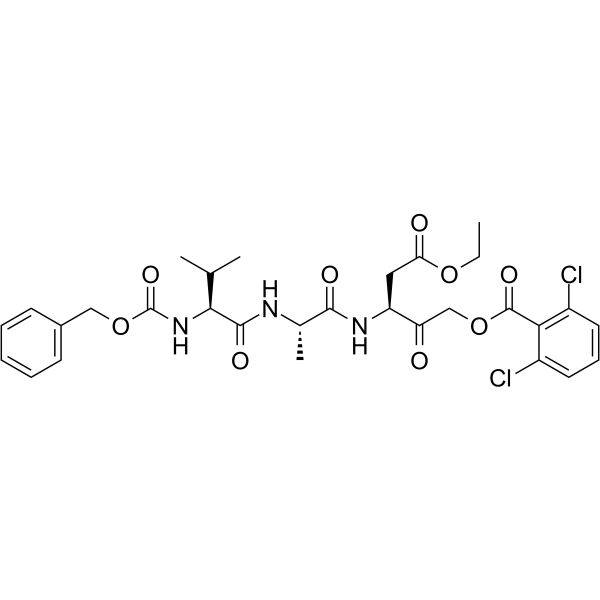
- HY-120019A
-
|
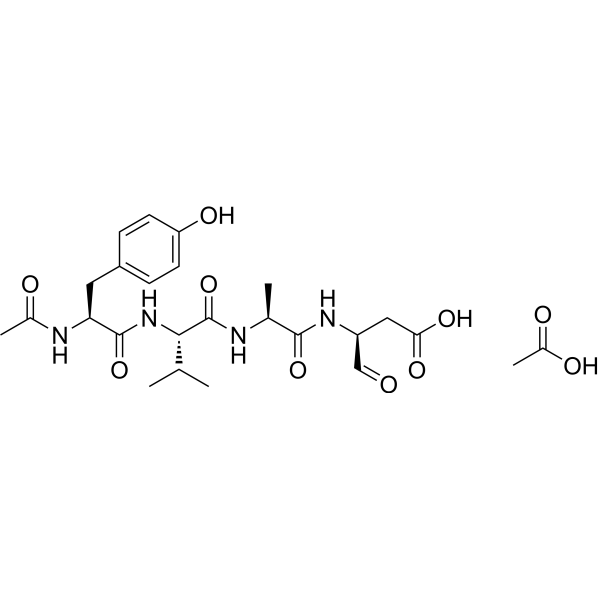
L-709049 acetate
|
Interleukin Related
Caspase
Apoptosis
|
Inflammation/Immunology
|
|
Ac-YVAD-CHO (L-709049) acetate is a potent, reversible, specific tetrapeptide interleukin-lβ converting enzyme (ICE) inhibitor with mouse and human Ki values of 3.0 and 0.76 nM. Ac-YVAD-CHO acetate is also a caspase-1 inhibitor. Ac-YVAD-CHO acetate can suppress the production of mature IL-lβ .
|
-
- HY-174312
-
|
|
NOD-like Receptor (NLR)
Pyroptosis
Caspase
Interleukin Related
|
Inflammation/Immunology
|
|
NLRP3-IN-81 (N102) is a BBB-penetrable inhibitor against NLRP3 inflammasome-dependent pyroptosis with an EC50 of 0.029 μM against cell pyroptosis induced by Nigericin (HY-127019). NLRP3-IN-81 potently inhibits NLRP3-dependent activation of caspase-1 and the release of IL-1β. NLRP3-IN-81 disturbs the interaction of NLRP3 with the adaptor protein ASC and inhibits ASC oligomerization. NLRP3-IN-81 can be used for pyroptosis-related diseases research, such as inflammatory bowel diseases and type 2 diabetes .
|
-

- HY-P5938
-
|
|
Caspase
|
Cancer
|
|
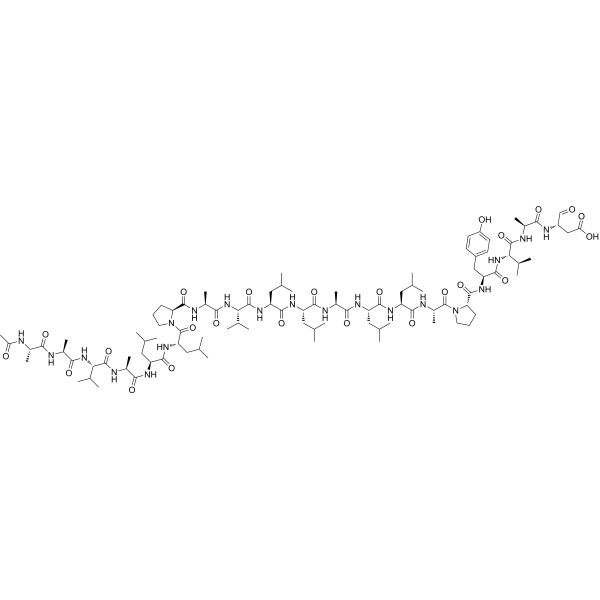
Ac-AAVALLPAVLLALLAP-YVAD-CHO is a cell-permeable caspase-1 inhibitor that has antitumor activity .
|
-
- HY-145087A
-
|
|
NOD-like Receptor (NLR)
Interleukin Related
Caspase
|
Inflammation/Immunology
|
|
NP3-146 sodium is a NLRP3 inflammasome inhibitor through locking the NACHT domain of NLRP3. NP3-146 sodium shows potent inhibitory activity against IL-1β release with an IC50 value of 0.171 μM in LPS (HY-D1056)/Nigericin (HY-127019)-stimulated BMDM cells. NP3-146 sodium regulates the levels of cleaved Caspase-1 and cleaved IL-1β in cell supernatants. NP3-146 sodium can be used for the research of inflammatory diseases .
|
-

- HY-W011978S
-
-

- HY-155759
-
|
|
NF-κB
Interleukin Related
Caspase
Apoptosis
|
Inflammation/Immunology
Cancer
|
|
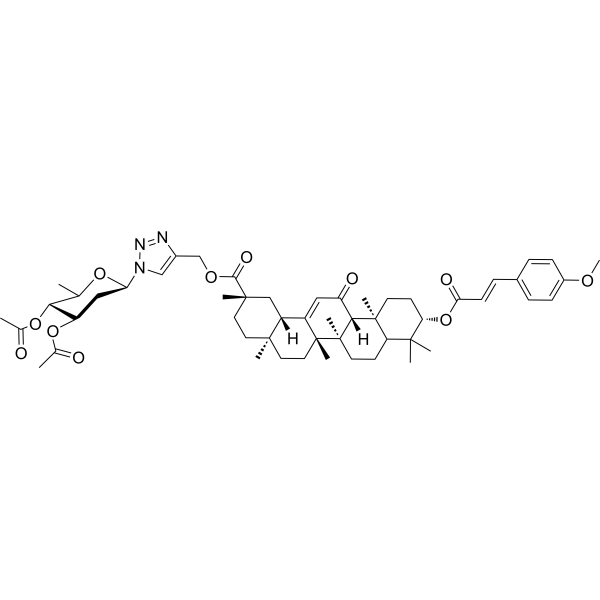
HMGB1-IN-2 (compound 15) is an inhibitor of highly conserved nuclear protein (HMGB1), showing NO inhibitory effect with IC50 value of 20.2 μM in RAW264.7 cells. HMGB1-IN-2 (30 μM) decreases the level of IL-1 β, TNF-α, caspase-1 p20, inhibits the phosphorylation of NF-κB p65, exhibits anti-apoptotic activity. HMGB1-IN-2 (15 mg/kg; ip) relives kidney injury in septic acute kidney injury mouse. HMGB1-IN-2 inhibits Huh7 cells and A549 cells with IC50s of 77.0 μM, and 82.0 μM, respectively .
|
-
- HY-178953
-
|
|
NOD-like Receptor (NLR)
Caspase
Interleukin Related
|
Inflammation/Immunology
|
|
NLRP3-IN-84 (Compound 32) is a NLRP3 inflammasome inhibitor. NLRP3-IN-84 can interfere with the oligomerization process of NLRP3 by inhibiting the activity of NLRP3 ATPase (IC50 = 158.4 nM). NLRP3-IN-84 inhibits Caspase-1 (IC50 = 27.7 nM), IL-1β release (PBMC: IC50 = 19.5 nM; mPBMC: IC50 = 24.2 nM), and ASC plaque formation (IC50 = 131 nM). NLRP3-IN-84 has no inhibitory activity on NLRC4 and AIM2 inflammasomes. NLRP3-IN-84 exhibits significant in vivo anti-inflammatory effects in a mouse acute peritonitis model. NLRP3-IN-84 can be used for the study of NLRP3-related inflammatory diseases .
|
-

- HY-P5890
-
-
- HY-P5890A
-
-

- HY-16658C
-
|
Z-VA-DL-D(OH)-FMK
|
Caspase
|
Infection
|
|
Z-VA-DL-D-FMK (Z-VA-DL-D(OH)-FMK) is an inhibitor for caspase . Z-VA-DL-D-FMK binds irreversibly to caspases, increases the sensitivity of TNF-α, and activates HIV replication in infected T cell ACH-2 .
|
-

- HY-136728
-
|
|
Caspase
|
Cancer
|
|
Ac-YVAD-AOM is the inhibitor of caspase-1 that shows antitumor activity .
|
-
- HY-W792412
-
|
|
Caspase
|
Cancer
|
|
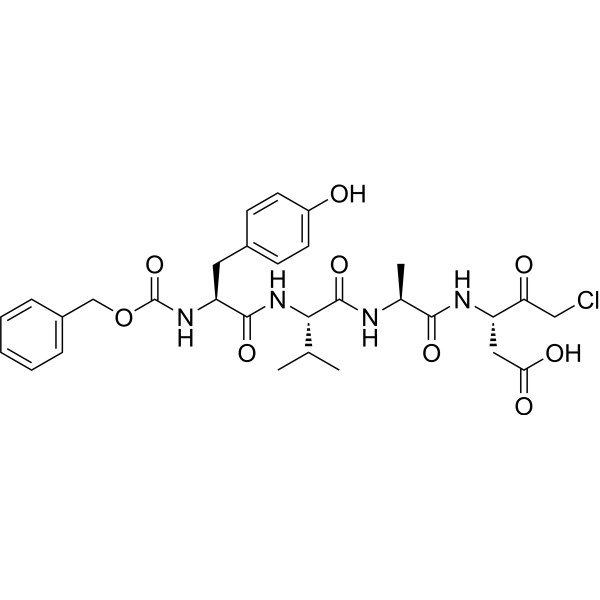
Z-YVAD-CMK is a caspase-1 and caspase-3 inhibitor .
|
-
- HY-P4535
-
-
- HY-168503
-
-

- HY-W041489R
-
|
|
Reference Standards
NF-κB
Caspase
|
Inflammation/Immunology
Cancer
|
|
Chelidonic acid (Standard) is the analytical standard of Chelidonic acid. This product is intended for research and analytical applications. Chelidonic acid is a component of Chelidonium majus L., used as an antimicrobial. Chelidonic acid also shows anti-inflammatory activity. Chelidonic acid has potential to inhibit IL-6 production by blocking NF-κB and caspase-1 . Chelidonic acid is a glutamate decarboxylase inhibitor, with a Ki of 1.2 μM .
|
-

- HY-W650842
-
|
|
Caspase
|
Cancer
|
|
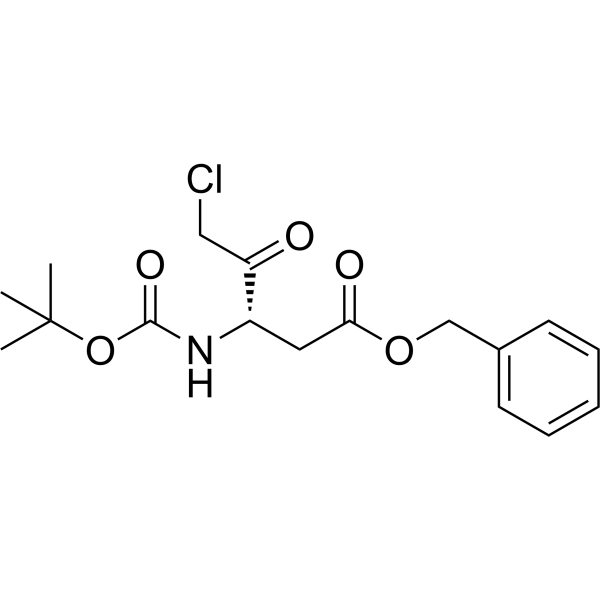
Boc-Asp(OBzl)-CMK is an inhibitor for IL-1 converting enzyme (ICE, caspase1). Boc-Asp(OBzl)-CMK prevents death of CHP100 neuroblastoma cell, and IL-1β release elicited by the viral coat protein .
|
-
- HY-P0109
-
|
|
Cathepsin
|
Others
|
|
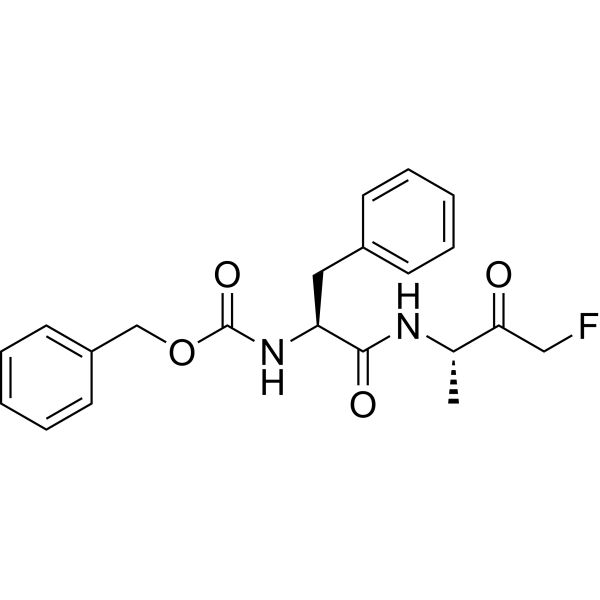
(S,S)-Z-FA-FMK is a cell-permeable, irreversible cathepsin B inhibitor. (S,S)-Z-FA-FMK blocks LPS-induced production of IL-1α and IL-1β. (S,S)-Z-FA-FMK can be used as a negative control for caspase-1 and caspase-2 inhibitors because it lacks an aspartic acid residue at the P1 position .
|
-
- HY-N0619A
-
|
Mulberroside D
|
TNF Receptor
Interleukin Related
Tyrosinase
|
Inflammation/Immunology
|
|
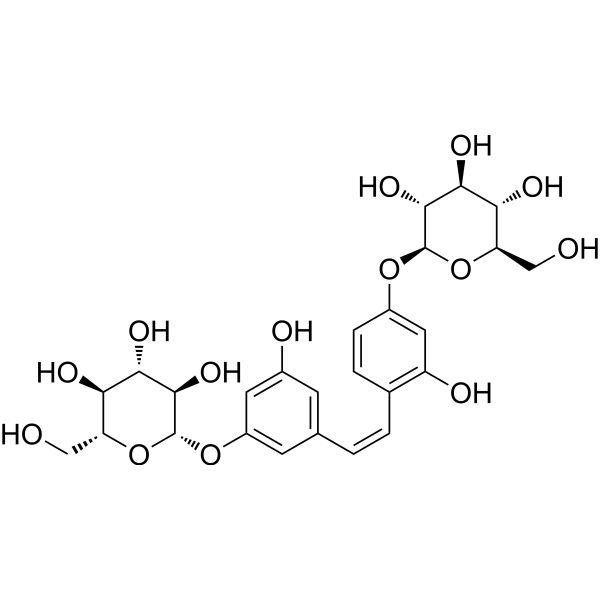
cis-Mulberroside A (Mulberroside D) is the cis-isomer of Mulberroside A. Mulberroside A is one of the main bioactive constituent in mulberry (Morus alba L.) . Mulberroside A decreases the expressions of TNF-α, IL-1β, and IL-6 and inhibits the activation of NALP3, caspase-1, and NF-κB and the phosphorylation of ERK, JNK, and p38, exhibiting anti-inflammatory and anti-apoptotic effects . Mulberroside A shows inhibitory activity against mushroom tyrosinase with an IC50 of 53.6 μM .
|
-
- HY-N0619R
-
|
|
Reference Standards
TNF Receptor
Interleukin Related
Tyrosinase
|
Inflammation/Immunology
|
|
Mulberroside A (Standard) is the analytical standard of Mulberroside A. This product is intended for research and analytical applications. Mulberroside A is one of the main bioactive constituent in mulberry (Morus alba L.) . Mulberroside A decreases the expressions of TNF-α, IL-1β, and IL-6 and inhibits the activation of NALP3, caspase-1, and NF-κB and the phosphorylation of ERK, JNK, and p38, exhibiting anti-inflammatory antiapoptotic effects . Mulberroside A shows inhibitory activity against mushroom tyrosinase with an IC50 of 53.6 μM .
|
-

- HY-B1138R
-
|
CL-82204 (Standard)
|
Reference Standards
COX
Caspase
|
Inflammation/Immunology
|
|
Fenbufen (Standard) is the analytical standard of Fenbufen. This product is intended for research and analytical applications. Fenbufen (CL-82204) is an orally active non-steroidal anti-inflammatory drug (NSAID), with analgetic and antipyretic effects. Fenbufen has potent activity in a variety of animal model, including carageenin edema, UV erythema and adjuvant arthritis. Fenbufen has inhibitory activities against COX-1 and COX-2 with IC50s of 3.9 μM and 8.1 μM, respectively. Fenbufen is a caspases (caspase-1, 3, 4, 5, 9) inhibitor .
|
-

- HY-B1138S
-
|
|
Isotope-Labeled Compounds
COX
Caspase
|
Inflammation/Immunology
|
|
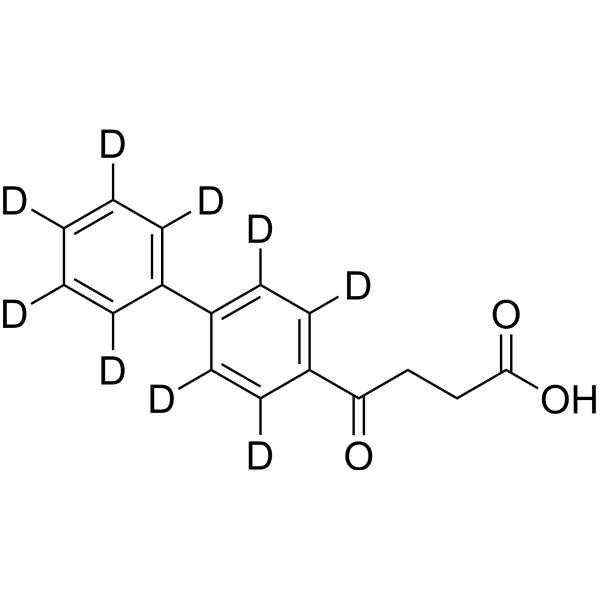
Fenbufen-d9 (CL-82204-d9) is the deuterium labeled Fenbufen. Fenbufen (CL-82204) is an orally active non-steroidal anti-inflammatory drug (NSAID), with antipyretic effects. Fenbufen has potent activity in a variety of animal model, including carageenin edema, UV erythema and adjuvant arthritis. Fenbufen has inhibitory activities against COX-1 and COX-2 with IC50s of 3.9 μM and 8.1 μM, respectively. Fenbufen is a caspases (caspase-1, 3, 4, 5, 9) inhibitor .
|
-
- HY-N0260R
-
|
Epimedin-C (Standard); Baohuoside-VI (Standard)
|
Reference Standards
Keap1-Nrf2
CDK
Caspase
|
Inflammation/Immunology
|
|
Epmedin C (Standard) is the analytical standard of Epmedin C. This product is intended for research and analytical applications. Epmedin C (Epimedin-C; Baohuoside-VI) is an orally active anti-inflammatory agent and immunomodulator that binds to multiple key proteins including UCP1, Caspase-1, CDK2 and Keap1. Epmedin C inhibits epithelial cell proliferation by disrupting the complex function of CDK2/Cyclin E. Epmedin C also upregulates Nrf2 expression, reduces ROS levels and inhibits pro-inflammatory cytokine secretion, thereby effectively restoring antibody production and alleviating tissue damage. Epmedin C has good safety with no hepatotoxicity or skin sensitization, and it has been used in studies on diseases such as obesity, Deoxynivalenol (HY-N6684)-induced immunotoxicity and mammary hyperplasia .
|
-

- HY-P10243
-
-
- HY-P10244
-
|
|
Caspase
|
Others
|
|
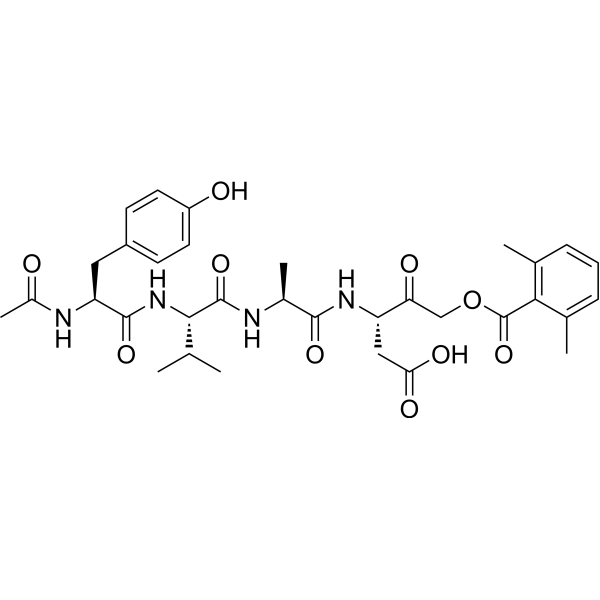
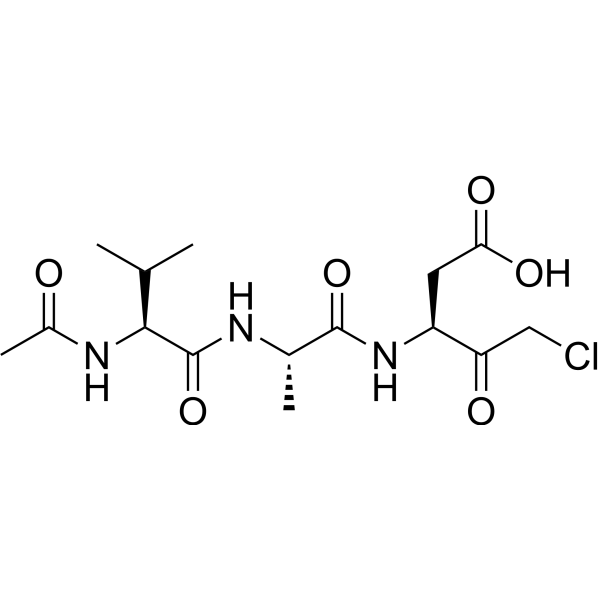
Ac-YVAD-FMK is an inhibitor for caspase 1-like protease .
|
-

- HY-N12235
-
|
|
Caspase
|
Inflammation/Immunology
|
|
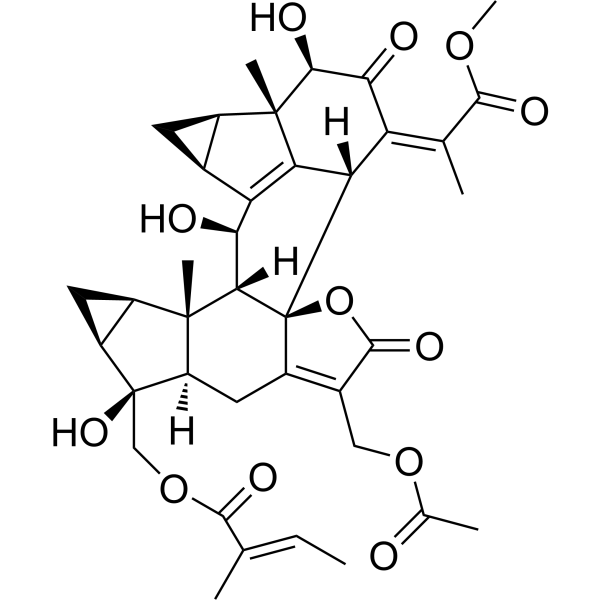
Sarglaroids F (compound 6) is an anti-inflammatory agent isolated from the roots of Grass Coral. Sarglaroids F inhibits LPS/ATP-induced IL-1β release by affecting K+ efflux and reducing Caspase-1(P20) levels. Sarglaroids F is not cytotoxic to RAW264.7 cells .
|
-
- HY-112226R
-
|
|
Reference Standards
Caspase
Drug Metabolite
|
Inflammation/Immunology
|
|
VRT-043198 (Standard) is the analytical standard of VRT-043198. This product is intended for research and analytical applications. VRT-043198, the agent metabolite of VX-765 (Belnacasan), is a potent, selective and blood-brain barrier permeable inhibitor of interleukin-converting enzyme/caspase-1 subfamily caspases. VRT-043198 exhibits Ki values of 0.8 nM and 0.6 nM for ICE/caspase-1 and caspase-4, respectively[1].
|
-

- HY-N2414R
-
|
|
Reference Standards
Reactive Oxygen Species (ROS)
Necroptosis
Pyroptosis
Interleukin Related
Caspase
NOD-like Receptor (NLR)
|
Inflammation/Immunology
Cancer
|
|
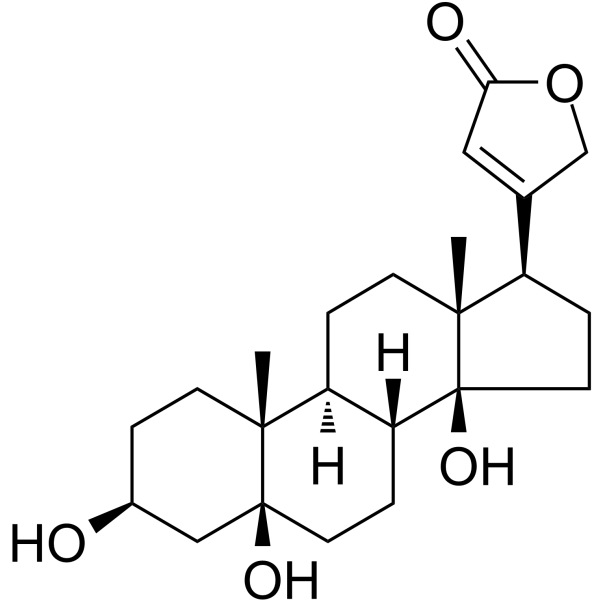
Periplogenin (Standard) is the analytical standard of Periplogenin (HY-N2414). Periplogenin is an orally active cardiac glycoside found in Cortex periplocae. Periplogenin can induce ROS production and necroptosis and cause G0/G1 phase arrest. Periplogenin can inhibit pyroptosis by regulating the NLRP3/Caspase-1/GSDMD signaling. Periplogenin suppresses growth of prostate carcinoma cells by docking to an ATP1A1 protein pocket and forming a hydrogen bond with T804. Periplogenin can be used for the researches of cancer, inflammation and immunology, such as prostate carcinoma, rheumatoid arthritis and psoriasis .
|
-

- HY-12290A
-
|
RGDS peptide TFA; Fibronectin tetrapeptide TFA
|
Integrin
|
Inflammation/Immunology
|
|
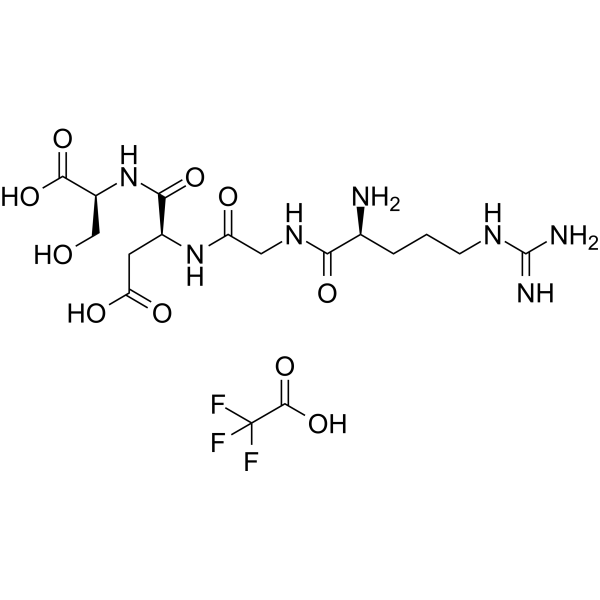
Arg-Gly-Asp-Ser (TFA) is an integrin binding sequence that inhibits integrin receptor function. Arg-Gly-Asp-Ser (TFA) directly and specifically bind pro-caspase-8, pro-caspase-9 and pro-caspase-3, while it does not bind pro-caspase-1 .
|
-
- HY-17678
-
-

- HY-182770
-
|
|
Caspase
|
Others
|
|
Caspase-4-IN-1 (compound 35) is a selective allosteric caspase-4 inhibitor that spares caspase-1, and in embodiments acts as a dual caspase-4/5 inhibitor .
|
-

- HY-176993
-
-

- HY-179494
-
|
|
NOD-like Receptor (NLR)
Pyroptosis
Caspase
Interleukin Related
Reactive Oxygen Species (ROS)
|
Metabolic Disease
|
|
M464, a non-steroidal anti-inflammatory compound, is a potent and orally active NLRP3 inflammasome inhibitor. M464 inhibits pyroptosis and hinders the activation of downstream Caspase-1 expression and the release of IL-1β by impeding ASC oligomerisation and curtailing ROS production. M464 exhibits protective effects against acute lung and liver injury in mice. M464 can be used for the research of NLRP3-related inflammatory diseases .
|
-

- HY-182051
-
|
|
HDAC
NOD-like Receptor (NLR)
Caspase
Interleukin Related
|
Inflammation/Immunology
|
|
HDAC3 degrader-2 is a selective HDAC3 degrader. HDAC3 degrader-2 inhibits the activation of the NLRP3 inflammasome by degrading HDAC3, thereby reducing the maturation of IL-1β and caspase-1. HDAC3 degrader-2 exhibits anti-inflammatory activity. HDAC3 degrader-2 can be used in research related to endotoxin shock, colitis and gouty arthritis .
|
-

- HY-148258A
-
-

- HY-183739
-
|
|
Pyroptosis
Caspase
|
Cancer
|
|
CQ31 is a PEPD and XPNPEP1 inhibitor, with an IC50 of 0.67 μM against PEPD and an IC50 of 122 μM against XPNPEP1. CQ31 inhibits the M24B aminopeptidase activity of PEPD and XPNPEP1. CQ31 induces the accumulation of Xaa-Pro-containing peptides, mildly inhibits DPP8/9, and triggers CASP1-dependent pyroptosis via activation of the CARD8 inflammasome and caspase-1. CQ31 can be used in research related to cancers such as acute myeloid leukemia .
|
-

- HY-178898
-
|
|
NOD-like Receptor (NLR)
Caspase
Insecticide
Ser/Thr Protease
Pyroptosis
|
Infection
|
|
7-Oxogedunin (Compound 7DG; Compound 16) is a small molecule that protects macrophages from cell pyroptosis induced by anthrax lethal toxin (LT). Its target is protein kinase R (PKR). 7-Oxogedunin can widely inhibit the assembly of various inflammasomes (NLRP1 and NLRP3) and the activation of caspase-1 by inhibiting the kinase-independent function of PKR. 7-Oxogedunin has growth inhibitory activity on European corn borer larvae. 7-Oxogedunin can be used for LT toxicity inhibition and pest control research .
|
-

- HY-179682
-
|
|
HDAC
NOD-like Receptor (NLR)
Interleukin Related
Caspase
|
Inflammation/Immunology
|
|
HDAC3 degrader-1 (Compound Z8) is a selective HDAC3 degrader with a DC50 of 2.42 μM. HDAC3 degrader-1 has almost no effect on HDAC1, HDAC2, and HDAC6. HDAC3 degrader-1 inhibits the activation of the NLRP3 inflammasome and reduces the secretion of IL-1β and caspase-1. HDAC3 degrader-1 shows significant efficacy in septic shock and colitis models. HDAC3 degrader-1 can be used in anti-inflammatory research .
|
-

- HY-P11581
-
|
|
NOD-like Receptor (NLR)
Interleukin Related
Caspase
Amyloid-β
Tau Protein
α-synuclein
Pyroptosis
|
Neurological Disease
|
|
MNP2 is a NLRP3-ASC interaction inhibitor. MNP2 selectively binds to the PYD domain of ASC (Ka=149 nM) and blocks ASC-PYM binding (Ka=58 nM), thereby inhibiting the interaction between ASC and NLRP3 and suppressing the formation of the NLRP3 inflammasome. MNP2 inhibits IL-1β release and caspase-1 maturation, and reduces the efflux of potassium and chloride ions. MNP2 prevents mitochondrial damage and reactive oxygen species production, and significantly decreases NLRP3 inflammasome formation in neurodegenerative pathologies induced by β-amyloid, Tau protein and α-synuclein. MNP2 is applicable for the research of neurodegenerative diseases .
|
-

- HY-100573R
-
-

- HY-181488
-
|
|
NOD-like Receptor (NLR)
Caspase
Interleukin Related
|
Metabolic Disease
Inflammation/Immunology
|
|
NLRP3-IN-87 is a selective and orally active NLRP3 inhibitor with a Kd of 0.23 μM. NLRP3-IN-87 binds directly to the NLRP3 NACHT domain, disrupts NLRP3-NEK7 and NLRP3-ASC interactions, inhibits ASC oligomerization, and blocks inflammasome assembly. NLRP3-IN-87 suppresses caspase-1 activation and IL-1β secretion. NLRP3-IN-87 exhibits anti-inflammatory and analgesic activity, reducing joint swelling, inflammation, and pain in an MSU (HY-B2130A)-induced acute gout mouse model. NLRP3-IN-87 can be used for the research of gout .
|
-

- HY-185311
-
|
|
Molecular Glues
NEKs
NOD-like Receptor (NLR)
Caspase
Interleukin Related
Pyroptosis
|
Neurological Disease
Inflammation/Immunology
|
|
NEK7 degrader-3 is an orally active and brain-penetrant NEK7 molecular glue degrader with a DC50 of 33.1 nM. NEK7 degrader-3 mediates interaction between NEK7 and E3 ligase cereblon, promoting proteasomal degradation of NEK7 and attenuating NLRP3 inflammasome-mediated inflammatory responses. NEK7 degrader-3 inhibits caspase-1 activity, cytokine release of IL-1β, IL-1α, and IL-18, and pyroptosis-related plasma membrane permeabilization. NEK7 degrader-3 shows antiinflammatory activity in an LPS (HY-D1056)-induced neuroinflammation mouse model. NEK7 degrader-3 can be used for the research of neuroinflammation .
|
-

- HY-W017087
-
|
|
NOD-like Receptor (NLR)
Caspase
Interleukin Related
|
Infection
Metabolic Disease
|
|
1,2,4-Trimethoxybenzene is an orally active NLRP3 selective inhibitor. 1,2,4-Trimethoxybenzene can markedly suppress Nigericin (HY-127019) or ATP (HY-B2176)-induced NLRP3 inflammasome activation, thus decreasing caspase-1 activation and IL-1β secretion. 1,2,4-Trimethoxybenzene specifically inhibits the activation of NLRP3 inflammasome without affecting absent in melanoma 2 (AIM2) inflammasome activation. 1,2,4-Trimethoxybenzene inhibits oligomerization of the apoptosis-associated speck-like protein containing a CARD (ASC) and protein-protein interaction between NLRP3 and ASC, thus blocking NLRP3 inflammasome assembly. 1,2,4-Trimethoxybenzene can be used for the study of experimental autoimmune encephalomyelitis (EAE), multiple sclerosis, and type 2 diabetes .
|
-

- HY-182380
-
|
|
STAT
NOD-like Receptor (NLR)
Apoptosis
|
Others
Neurological Disease
Inflammation/Immunology
Cancer
|
|
ODZ10117 is a STAT3 and NLRP3 inhibitor with a human STAT3 SH2 domain IC50 of 7.5 μM. ODZ10117 binds to the STAT3 SH2 domain, suppressing tyrosine phosphorylation, dimerization, nuclear translocation, and transcriptional activity. ODZ10117 binds to NLRP3, impairs NEK7 interaction, prevents inflammasome formation, and inhibits caspase-1 and IL-1β cleavage.ODZ10117 reduces MSU (HY-B2130A)-induced IL-1β release, lowers LPS (HY-D1056)-induced sepsis mortality, and exhibits anti-inflammatory effects. ODZ10117 induces apoptosis, suppresses breast cancer cell migration and invasion, reduces tumor growth and lung metastasis, and extends survival in breast cancer models. ODZ10117 can be used for the research of Monosodium urate (HY-B2130A)-induced peritonitis, LPS-induced sepsis, breast cancer, glioblastoma, and Alzheimer's disease .
|
-

- HY-163744
-
-

- HY-12305G
-
|
|
Caspase
HIV
|
Infection
Cancer
|
|
Q-VD-OPh (GMP) is Q-VD-OPh (HY-12305) produced by using GMP guidelines. GMP small molecules works appropriately as an auxiliary reagent for cell therapy manufacture. Q-VD-OPh is an irreversible pan-caspase inhibitor with potent antiapoptotic properties; inhibits caspase 7 with an IC50 of 48 nM and 25-400 nM for other caspases including caspase 1, 3, 8, 9, 10, and 12. Q-VD-OPh can inhibits HIV infection. Q-VD-OPh is able to cross the blood-brain barrier.
|
-

- HY-171006
-
|
|
Caspase
PARP
Pyroptosis
Interleukin Related
IFNAR
|
Infection
Inflammation/Immunology
|
|
IRF1-IN-1 (Compound I-2) is an IRF1 inhibitor. IRF1-IN-1 decreases the recruitment of IRF1 to the promoter of CASP1. IRF1-IN-1 inhibits cell death signaling pathway (i.e., cleavage of Caspase 1, GSDMD, IL-1 and PARP1). IRF1-IN-1 has a protective effect on ionizing radiation-induced inflammatory skin injury .
|
-

- HY-124122
-
|
|
VEGFR
Checkpoint Kinase (Chk)
Apoptosis
Caspase
Bcl-2 Family
|
Cancer
|
|
BPTQ is a potent inhibitor against VEGFR1 and CHK2 with IC50 values of 0.54 and 1.70 µmol/L, respectively. BPTQ is also an intercalator of DNA with anticancer activities. BPTQ inhibits the proliferation of HL-60 cells by arresting cells at S and G2/M phase with an IC50 value of 12 µmol/L. BPTQ also activates the mitochondria-mediated Apoptosis pathway by a decrease in mitochondrial membrane potential, increase in the Bax:Bcl-2 ratio and activation of caspases .
|
-

- HY-12290R
-
|
RGDS peptide (Standard); Fibronectin tetrapeptide (Standard)
|
Integrin
Reference Standards
|
Inflammation/Immunology
|
|
Arg-Gly-Asp-Ser (Standard) is the analytical standard of Arg-Gly-Asp-Ser. This product is intended for research and analytical applications. Arg-Gly-Asp-Ser is an integrin binding sequence that inhibits integrin receptor function. Arg-Gly-Asp-Ser directly and specifically bind pro-caspase-8, pro-caspase-9 and pro-caspase-3, while it does not bind pro-caspase-1.
|
-

- HY-171007
-
-

- HY-113843
-
|
|
MDM-2/p53
|
Cancer
|
|
RETRA (hydrobromide) is a mutant p53-dependent activator of p73 that can inhibit cancer cells carrying mutant p53. RETRA (hydrobromide) increases the expression level of p73, induces transcriptional activation of several common to transcriptional targets p53 and p73, which leads to mutant p53- and p73-dependent inhibition of tumor growth, reduction of colony formation and induction of effector caspases .
|
-

- HY-178950
-
|
|
Src
TNF Receptor
Interleukin Related
NOD-like Receptor (NLR)
Caspase
|
Inflammation/Immunology
|
|
Hck-IN-3 (compound 2D) is an orally effective inhibitor targeting HCK (KD = 3.92 μM). Hck-IN-3 can inhibit the release of NO. Hck-IN-3 has an IC50 of 6.52 μM in RAW264.7 cells. Hck-IN-3 can inhibit the release of TNF-α, IL-6, and IL-1β in a concentration dependent manner. Hck-IN-3 downregulates the protein expression of NLRP3, ASC, pro-caspase-1, and pro-IL-1β in a concentration dependent manner. Hck-IN-3 can be used for research on acute non traumatic inflammatory conditions .
|
-

| Cat. No. |
Product Name |
Type |
-
- HY-12305G
-
|
|
Fluorescent Dyes
|
|
Q-VD-OPh (GMP) is Q-VD-OPh (HY-12305) produced by using GMP guidelines. GMP small molecules works appropriately as an auxiliary reagent for cell therapy manufacture. Q-VD-OPh is an irreversible pan-caspase inhibitor with potent antiapoptotic properties; inhibits caspase 7 with an IC50 of 48 nM and 25-400 nM for other caspases including caspase 1, 3, 8, 9, 10, and 12. Q-VD-OPh can inhibits HIV infection. Q-VD-OPh is able to cross the blood-brain barrier.
|
| Cat. No. |
Product Name |
Type |
-
- HY-12305G
-
|
|
Biochemical Assay Reagents
|
|
Q-VD-OPh (GMP) is Q-VD-OPh (HY-12305) produced by using GMP guidelines. GMP small molecules works appropriately as an auxiliary reagent for cell therapy manufacture. Q-VD-OPh is an irreversible pan-caspase inhibitor with potent antiapoptotic properties; inhibits caspase 7 with an IC50 of 48 nM and 25-400 nM for other caspases including caspase 1, 3, 8, 9, 10, and 12. Q-VD-OPh can inhibits HIV infection. Q-VD-OPh is able to cross the blood-brain barrier.
|
| Cat. No. |
Product Name |
Target |
Research Area |
-
- HY-12290
-
|
RGDS peptide; Fibronectin tetrapeptide
|
Integrin
|
Inflammation/Immunology
|
|
Arg-Gly-Asp-Ser is an integrin binding sequence that inhibits integrin receptor function. Arg-Gly-Asp-Ser directly and specifically bind pro-caspase-8, pro-caspase-9 and pro-caspase-3, while it does not bind pro-caspase-1.
|
-
- HY-P1009
-
Z-YVAD-FMK
Maximum Cited Publications
22 Publications Verification
|
Caspase
|
Cancer
|
|
Z-YVAD-FMK is a cell-permeable caspase-1 and -4 inhibitor with anti-inflammatory and anti-tumor activities .
|
-
- HY-120019
-
|
L-709049
|
Interleukin Related
Apoptosis
Caspase
|
Inflammation/Immunology
|
|
Ac-YVAD-CHO (L-709049) is a potent, reversible, specific tetrapeptide interleukin-lβ converting enzyme (ICE) inhibitor with mouse and human Ki values of 3.0 and 0.76 nM. Ac-YVAD-CHO is also a caspase-1 inhibitor. Ac-YVAD-CHO can suppress the production of mature IL-lβ .
|
-
- HY-P0111
-
|
Z-WE(OMe)HD(OMe)-FMK
|
Caspase
Cathepsin
|
Cancer
|
|
Z-WEHD-FMK is a potent, cell-permeable and irreversible caspase-1/5 inhibitor. Z-WEHD-FMK also exhibits a robust inhibitory effect on cathepsin B activity (IC50=6 μM). Z-WEHD-FMK can be used to investigate cells for evidence of apoptosis .
|
-
- HY-P10244F
-
|
|
Peptides
|
Infection
|
|
Biotin-YVAD-FMK is an inhibitor for vacuolar processing enzyme (VPE), with a 64% inhibition at 5 μM. Biotin-YVAD-FMK is an irreversible substrate for caspase 1 .
|
-
- HY-P3761
-
|
|
Caspase
|
Inflammation/Immunology
|
|
Ac-Tyr-Val-Lys-Asp-aldehyde is a reversible caspase-1 inhibitor. Ac-Tyr-Val-Lys-Asp-aldehyde increases GATA1 levels by inhibiting caspase-1 and promotes erythroid differentiation. can be used for disease research including anemia-associated to chronic diseases, chemotherapy-induced anemia and Diamond-Blackfan anemia .
|
-
- HY-P5122
-
|
|
Caspase
|
Inflammation/Immunology
|
|
Z-LEED-FMK is a caspase-13 and caspase-4 inhibitor. Z-LEED-FMK also inhibits caspase-1 processing in S. typhimurium-infected macrophages .
|
-
- HY-P5938
-
|
|
Caspase
|
Cancer
|
|
Ac-AAVALLPAVLLALLAP-YVAD-CHO is a cell-permeable caspase-1 inhibitor that has antitumor activity .
|
-
- HY-P5890
-
-
- HY-P5890A
-
-
- HY-136728
-
|
|
Caspase
|
Cancer
|
|
Ac-YVAD-AOM is the inhibitor of caspase-1 that shows antitumor activity .
|
-
- HY-W792412
-
|
|
Caspase
|
Cancer
|
|
Z-YVAD-CMK is a caspase-1 and caspase-3 inhibitor .
|
-
- HY-P4535
-
-
- HY-W650842
-
|
|
Caspase
|
Cancer
|
|
Boc-Asp(OBzl)-CMK is an inhibitor for IL-1 converting enzyme (ICE, caspase1). Boc-Asp(OBzl)-CMK prevents death of CHP100 neuroblastoma cell, and IL-1β release elicited by the viral coat protein .
|
-
- HY-P0109
-
|
|
Cathepsin
|
Others
|
|
(S,S)-Z-FA-FMK is a cell-permeable, irreversible cathepsin B inhibitor. (S,S)-Z-FA-FMK blocks LPS-induced production of IL-1α and IL-1β. (S,S)-Z-FA-FMK can be used as a negative control for caspase-1 and caspase-2 inhibitors because it lacks an aspartic acid residue at the P1 position .
|
-
- HY-P10243
-
-
- HY-P10244
-
|
|
Caspase
|
Others
|
|
Ac-YVAD-FMK is an inhibitor for caspase 1-like protease .
|
-
- HY-12290A
-
|
RGDS peptide TFA; Fibronectin tetrapeptide TFA
|
Integrin
|
Inflammation/Immunology
|
|
Arg-Gly-Asp-Ser (TFA) is an integrin binding sequence that inhibits integrin receptor function. Arg-Gly-Asp-Ser (TFA) directly and specifically bind pro-caspase-8, pro-caspase-9 and pro-caspase-3, while it does not bind pro-caspase-1 .
|
-
- HY-12290R
-
|
RGDS peptide (Standard); Fibronectin tetrapeptide (Standard)
|
Integrin
Reference Standards
|
Inflammation/Immunology
|
|
Arg-Gly-Asp-Ser (Standard) is the analytical standard of Arg-Gly-Asp-Ser. This product is intended for research and analytical applications. Arg-Gly-Asp-Ser is an integrin binding sequence that inhibits integrin receptor function. Arg-Gly-Asp-Ser directly and specifically bind pro-caspase-8, pro-caspase-9 and pro-caspase-3, while it does not bind pro-caspase-1.
|
-
- HY-P11581
-
|
|
NOD-like Receptor (NLR)
Interleukin Related
Caspase
Amyloid-β
Tau Protein
α-synuclein
Pyroptosis
|
Neurological Disease
|
|
MNP2 is a NLRP3-ASC interaction inhibitor. MNP2 selectively binds to the PYD domain of ASC (Ka=149 nM) and blocks ASC-PYM binding (Ka=58 nM), thereby inhibiting the interaction between ASC and NLRP3 and suppressing the formation of the NLRP3 inflammasome. MNP2 inhibits IL-1β release and caspase-1 maturation, and reduces the efflux of potassium and chloride ions. MNP2 prevents mitochondrial damage and reactive oxygen species production, and significantly decreases NLRP3 inflammasome formation in neurodegenerative pathologies induced by β-amyloid, Tau protein and α-synuclein. MNP2 is applicable for the research of neurodegenerative diseases .
|
| Cat. No. |
Product Name |
Category |
Target |
Chemical Structure |
-
- HY-N0619
-
-
-
- HY-130413
-
|
Neuroprotectin D1; NPD1
|
Neurological Disease
Classification of Application Fields
Ketones, Aldehydes, Acids
Endogenous metabolite
Disease Research Fields
Source Classification
|
Endogenous Metabolite
PI3K
Akt
HIF/HIF Prolyl-Hydroxylase
Reactive Oxygen Species (ROS)
Caspase
Interleukin Related
MicroRNA
|
|
Protectin D1, a neuroprotectin D1 produced by neuronal cells, is a member of a newly discovered family of bioactive products derived from docosahexaenoic acid. Protectin D1 also serves as a specialized pro-resolving mediator, exhibiting effective in vivo pro-resolving activity in various human disease models. Additionally, Protectin D1 is an inhibitor of NALP3 inflammasomes and regulates the PI3K/AKT and HIF-1α signaling pathways. Protectin D1 exerts anti-inflammatory effects by reducing ROS levels, inhibiting the expression of NALP3, ASC, and Caspase-1, and consequently decreasing the release of pro-inflammatory cytokines IL-1β and IL-18. Furthermore, Protectin D1 enhances miRNA-210 expression, activates the PI3K/AKT signaling pathway, and exerts cardioprotective effects. Protectin D1 holds promise for research in cardiovascular diseases and inflammatory disorders .
|
-
-
- HY-N0535
-
-
-
- HY-N0260
-
-
-
- HY-N2414
-
-
-
- HY-N0334
-
-
-
- HY-W011978
-
-
-
- HY-N1431
-
|
|
Apocynaceae
Alkaloids
Structural Classification
Plants
Indole Alkaloids
Catharanthus roseus (L.) G. Don
Source Classification
|
NOD-like Receptor (NLR)
Apoptosis
Cytochrome P450
NF-κB
PI3K
Akt
CDK
Caspase
Interleukin Related
p38 MAPK
|
|
Tabersonine is a selective, orally active NLRP3 inhibitor. Tabersonine directly binds to the NACHT domain of NLRP3, inhibiting its ATPase activity and oligomerization, thereby blocking ASC spot formation and caspase-1 activation, and reducing the release of pro-inflammatory cytokines such as IL-1β. Tabersonine also inhibits K63-linked ubiquitination of TRAF6, blocking NF-κB, PI3K/Akt, and p38 MAPK signaling pathways. Tabersonine can inhibit inflammatory responses, induce apoptosis of liver cancer cells through mitochondrial pathways and death receptor pathways, reduce mitochondrial membrane potential, promote cytochrome c release, and activate caspase proteins. Tabersonine is mainly used in the study of NLRP3-driven inflammatory diseases (such as acute lung injury, sepsis, peritonitis) and tumors such as liver cancer .
|
-
-
- HY-N0334A
-
-
-
- HY-W041489
-
-
-
- HY-N16409
-
|
|
Natural Products
Microorganisms
Source Classification
|
MMP
Caspase
|
|
Berkeleyamide C is a selective matrix metalloproteinase-3 (MMP-3) and caspase-1 inhibitor. Berkeleyamide C blocks MMP-3-mediated tumor cell invasion and metastasis, as well as the abnormal activation of inflammation and apoptosis related to caspase-1. Berkeleyamide C is promising for research of cancers and inflammation-related diseases .
|
-
-
- HY-N1431A
-
|
|
Apocynaceae
Alkaloids
Plants
Indole Alkaloids
Catharanthus roseus (L.) G. Don
Source Classification
|
NOD-like Receptor (NLR)
Apoptosis
Cytochrome P450
NF-κB
PI3K
Akt
CDK
Caspase
Interleukin Related
p38 MAPK
|
|
Tabersonine hydrochloride is a selective, orally active NLRP3 inhibitor. Tabersonine hydrochloride directly binds to the NACHT domain of NLRP3, inhibiting its ATPase activity and oligomerization, thereby blocking ASC spot formation and caspase-1 activation, and reducing the release of pro-inflammatory cytokines such as IL-1β. Tabersonine hydrochloride also inhibits K63-linked ubiquitination of TRAF6, blocking NF-κB, PI3K/Akt, and p38 MAPK signaling pathways. Tabersonine hydrochloride can inhibit inflammatory responses, induce apoptosis of liver cancer cells through mitochondrial pathways and death receptor pathways, reduce mitochondrial membrane potential, promote cytochrome c release, and activate caspase proteins. Tabersonine hydrochloride is mainly used in the study of NLRP3-driven inflammatory diseases (such as acute lung injury, sepsis, peritonitis) and tumors such as liver cancer .
|
-
-
- HY-N10359
-
|
|
Acanthaceae
Classification of Application Fields
Simsia foetida (Cav.) S.F.Blake
Terpenoids
Diterpenoids
Plants
Inflammation/Immunology
Disease Research Fields
Source Classification
|
NOD-like Receptor (NLR)
Caspase
Akt
GSK-3
β-catenin
|
|
Isoandrographolide is an orally active NLRP3 inflammasome inhibitor and AKT/GSK-3β/β-catenin pathway inhibitor. Isoandrographolide inhibits the expression of NLRP3, ASC, and caspase-1, and reduces the levels of phosphorylated AKT, phosphorylated GSK-3β, and β-catenin. Isoandrographolide alleviates inflammatory responses, reduces collagen deposition, suppresses epithelial-mesenchymal transition (EMT), induces differentiation of leukemia cells, inhibits the growth of leukemia cells, protects lung and kidney tissues, regulates cytokine levels, and also exhibits hepatoprotective effects. Isoandrographolide can be used in studies related to silicosis, murine myeloid leukemia, renal tubulointerstitial fibrosis, and non-alcoholic fatty liver disease .
|
-
-
- HY-N16408
-
-
-
- HY-W041489R
-
-
-
- HY-N0619A
-
-
-
- HY-N0619R
-
-
-
- HY-N0260R
-
|
Epimedin-C (Standard); Baohuoside-VI (Standard)
|
Flavonols
Structural Classification
Monophenols
Flavonoids
Phenols
Epimedium brevicornu Maxim.
Plants
Berberidaceae
Source Classification
|
Reference Standards
Keap1-Nrf2
CDK
Caspase
|
|
Epmedin C (Standard) is the analytical standard of Epmedin C. This product is intended for research and analytical applications. Epmedin C (Epimedin-C; Baohuoside-VI) is an orally active anti-inflammatory agent and immunomodulator that binds to multiple key proteins including UCP1, Caspase-1, CDK2 and Keap1. Epmedin C inhibits epithelial cell proliferation by disrupting the complex function of CDK2/Cyclin E. Epmedin C also upregulates Nrf2 expression, reduces ROS levels and inhibits pro-inflammatory cytokine secretion, thereby effectively restoring antibody production and alleviating tissue damage. Epmedin C has good safety with no hepatotoxicity or skin sensitization, and it has been used in studies on diseases such as obesity, Deoxynivalenol (HY-N6684)-induced immunotoxicity and mammary hyperplasia .
|
-
-
- HY-N12235
-
-
-
- HY-N2414R
-
-
-
- HY-178898
-
-
| Cat. No. |
Product Name |
Chemical Structure |
-
- HY-100573S
-
|
|
|
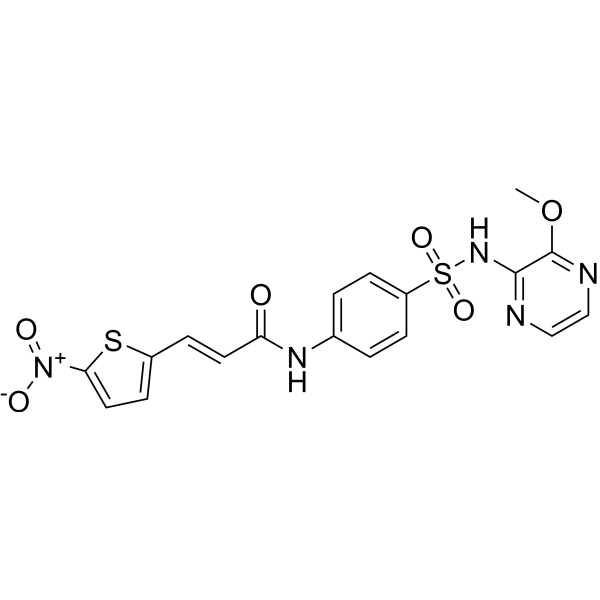
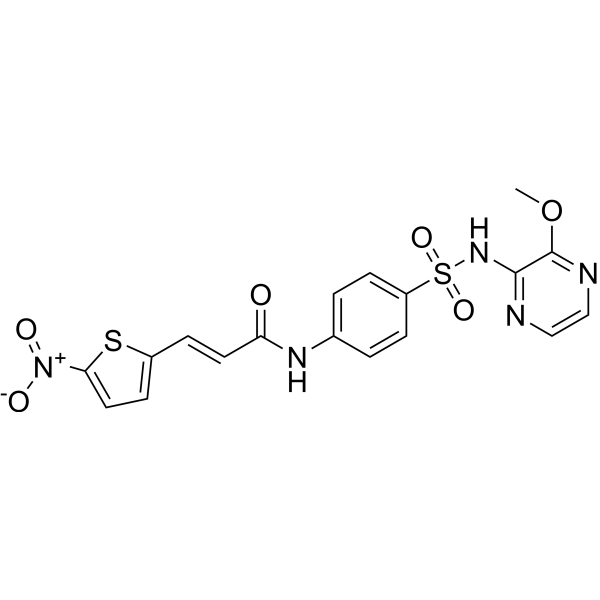
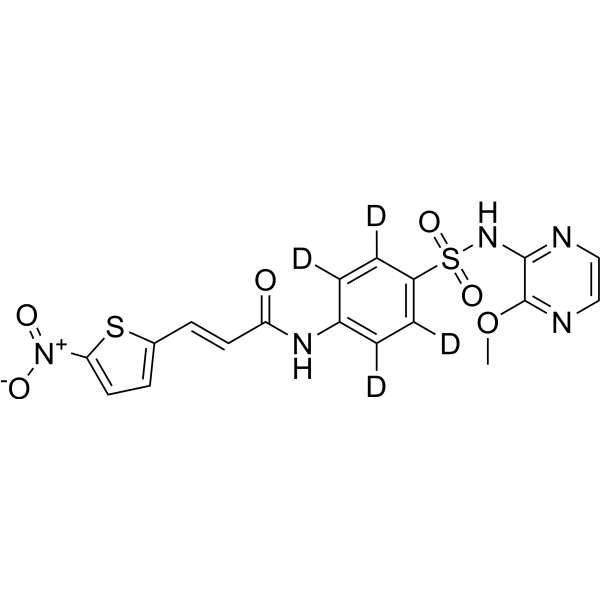
Necrosulfonamide-d4 is the deuterium labeled Necrosulfonamide (HY-100573). Necrosulfonamide is a MLKL and Gasdermin D (GSDMD) inhibitor, capable of separately inhibiting necroptosis and pyroptosis of cells. Necrosulfonamide does not affect the activation of upstream signals, but specifically inhibits the downstream executor oligomerization step. Necrosulfonamide reduces the expression of the key kinases NLRP3 and caspase-1 involved in necroptosis and pyroptosis, activate the Nrf2 pathway and the downstream antioxidant enzymes, and also downregulates a variety of inflammatory factors. Necrosulfonamide plays significant roles in various diseases such as neurodegenerative diseases (such as Parkinson’s disease), tissue damage and ischemia-reperfusion injury, inflammatory bowel disease, osteoarthritis and fracture repair, and hair loss by regulating two important programmed necrosis pathways.
|
-
-
- HY-W011978S
-
|
|
|
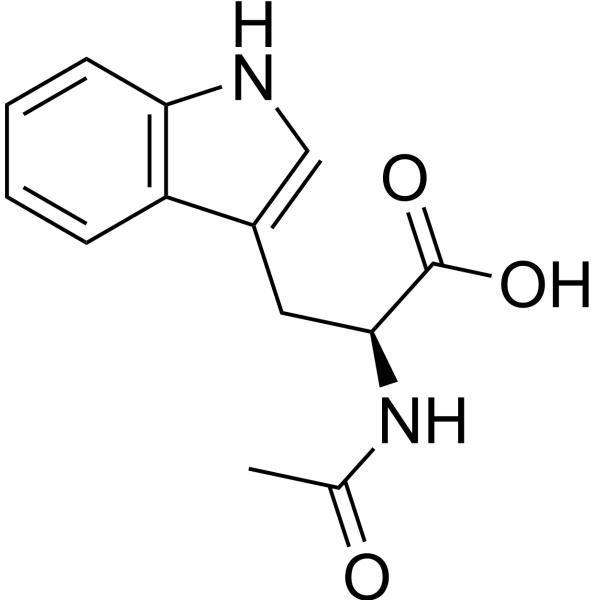
N-Acetyl-L-tryptophan-d3 is the deuterium labeled N-Acetyl-L-tryptophan (HY-W011978). N-Acetyl-L-tryptophan is an antagonist of the neurokinin-1 receptor (NK-1R), disrupting the binding of substance P (SP) to NK-1R. This action provides neuroprotective effects, improving memory deficits and motor impairments. N-Acetyl-L-tryptophan is also an inhibitor of cytochrome c (Cytochrome c), and it exerts antioxidant and anti-inflammatory effects by inhibiting the expression of IL-1β and the activation of caspase-1. N-Acetyl-L-tryptophan holds promise for research in neurodegenerative and inflammatory diseases .
|
-
-
- HY-B1138S
-
|
|
|
Fenbufen-d9 (CL-82204-d9) is the deuterium labeled Fenbufen. Fenbufen (CL-82204) is an orally active non-steroidal anti-inflammatory drug (NSAID), with antipyretic effects. Fenbufen has potent activity in a variety of animal model, including carageenin edema, UV erythema and adjuvant arthritis. Fenbufen has inhibitory activities against COX-1 and COX-2 with IC50s of 3.9 μM and 8.1 μM, respectively. Fenbufen is a caspases (caspase-1, 3, 4, 5, 9) inhibitor .
|
-
| Cat. No. |
Product Name |
|
Classification |
-
- HY-176993
-
|
|
|
Azide
|
|
2-Et-AZT is a modified Azidothymidine (HY-17413). 2-Et-AZT inhibits caspase-1 activation. 2-Et-AZT reduces choroidal neovascularization (CNV) volume .
|
| Cat. No. |
Product Name |
|
Classification |
-
- HY-132591
-
|
ALN-PCSsc
|
|
siRNAs
siRNA drugs
|
|
Inclisiran is a double-stranded small interfering RNA (siRNA) molecule. Inclisiran inhibits the transcription of PCSK9. Inclisiran inhibits Pyroptosis, activates PPARγ, and reduces NLRP3, cleaved caspase-1, IL-1β, and IL-18. Inclisiran has anti-inflammatory, lipid-regulating and anti-atherosclerotic activities. Inclisiran can be used in researches of hyperlipidemia and cardiovascular disease (CVD) .
|
-
- HY-132591A
-
|
ALN-PCSsc sodium
|
|
siRNAs
siRNA drugs
|
|
Inclisiran sodium is a double-stranded small interfering RNA (siRNA) molecule. Inclisiran sodium inhibits the transcription of PCSK9. Inclisiran sodium inhibits Pyroptosis, activates PPARγ, and reduces NLRP3, cleaved caspase-1, IL-1β, and IL-18. Inclisiran sodium has anti-inflammatory, lipid-regulating and anti-atherosclerotic activities. Inclisiran sodium can be used in researches of hyperlipidemia and cardiovascular disease (CVD) .
|
-
- HY-143221
-
|
|
|
siRNAs
siRNA drugs
|
|
AS-Inclisiran sodium is the antisense of Inclisiran (HY-132591). Inclisiran is a double-stranded small interfering RNA (siRNA) molecule. Inclisiran inhibits the transcription of PCSK9. Inclisiran inhibits Pyroptosis, activates PPARγ, and reduces NLRP3, cleaved caspase-1, IL-1β, and IL-18. Inclisiran has anti-inflammatory, lipid-regulating and anti-atherosclerotic activities. Inclisiran can be used in researches of hyperlipidemia and cardiovascular disease (CVD) .
|
| Cat. No. |
Product Name |
Target |
Research Areas |
Chemical Structure |
-
- HY-12305G
-
|
|
Caspase
HIV
|
Infection
Cancer
|
|
Q-VD-OPh (GMP) is Q-VD-OPh (HY-12305) produced by using GMP guidelines. GMP small molecules works appropriately as an auxiliary reagent for cell therapy manufacture. Q-VD-OPh is an irreversible pan-caspase inhibitor with potent antiapoptotic properties; inhibits caspase 7 with an IC50 of 48 nM and 25-400 nM for other caspases including caspase 1, 3, 8, 9, 10, and 12. Q-VD-OPh can inhibits HIV infection. Q-VD-OPh is able to cross the blood-brain barrier.
|
-
Your information is safe with us. * Required Fields.
Inquiry Information
- Product Name:
- Cat. No.:
- Quantity:
- MCE Japan Authorized Agent:








