1. Search Result
Search Result
Pathways Recommended: Cell Cycle/DNA Damage
Results for "

DNA interaction

" in MedChemExpress (MCE) Product Catalog:

132

Inhibitors & Agonists

3

Screening Libraries

7

Fluorescent Dyes

5

Biochemical Assay Reagents

8

Peptides

14

Natural
Products

12

Isotope-Labeled Compounds

1

Antibodies

7

Oligonucleotides

Cat. No. Product Name Target Research Areas Chemical Structure
  • HY-W127378
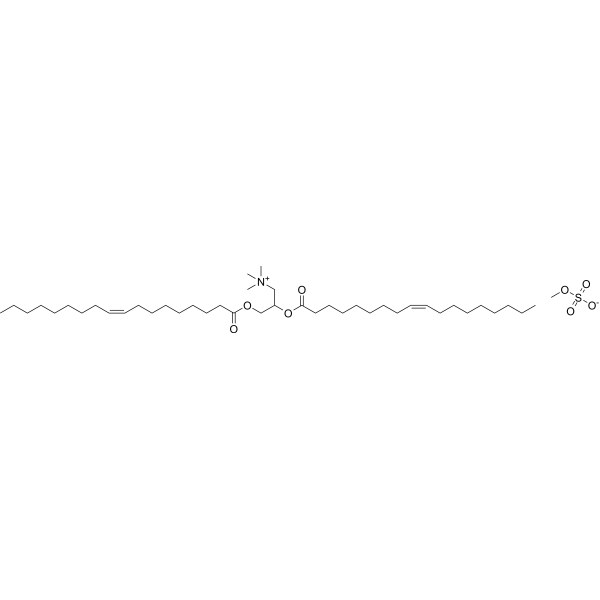
    DOTAP methylsulfate
    10+ Cited Publications

    1,2-Dioleoyl-3-trimethylammonium-propane methylsulfate

    Liposome Others
    DOTAP methylsulfat is a cationic lipid reagent, a cationic derivative of trimethylammonium, linked to two 18-carbon fatty acid tails, each with a single olefin group. DOTAP methylsulfat can self-assemble with negatively charged ions (such as DNA) to form complexes, which can be adsorbed to the cell membrane surface and enter the cell by electrostatic interaction and endocytosis, respectively. DOTAP methylsulfat promotes endosomal membrane fusion with its own hydrophobic domain, releases DNA into the cytoplasm, and exerts gene delivery function. DOTAP methylsulfat can be widely used in research fields such as gene therapy, cell transfection, and non-viral vector design .
    DOTAP methylsulfate
  • HY-124603
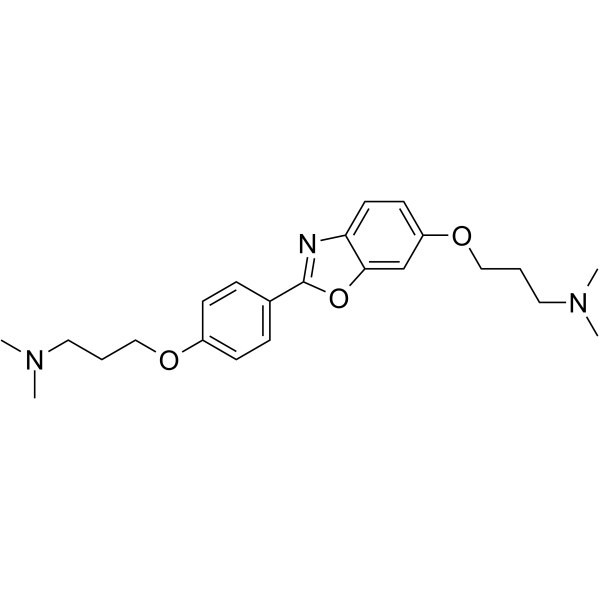
    AT791
    5+ Cited Publications

    Toll-like Receptor (TLR) Inflammation/Immunology
    AT791 is a potent and orally bioavailable TLR7 and TLR9 inhibitor. AT791 inhibits TLR7 and 9 signaling in a variety of human and mouse cell types and inhibits DNA-TLR9 interaction in vitro .
    AT791
  • HY-D0838

    Biochemical Assay Reagents Others
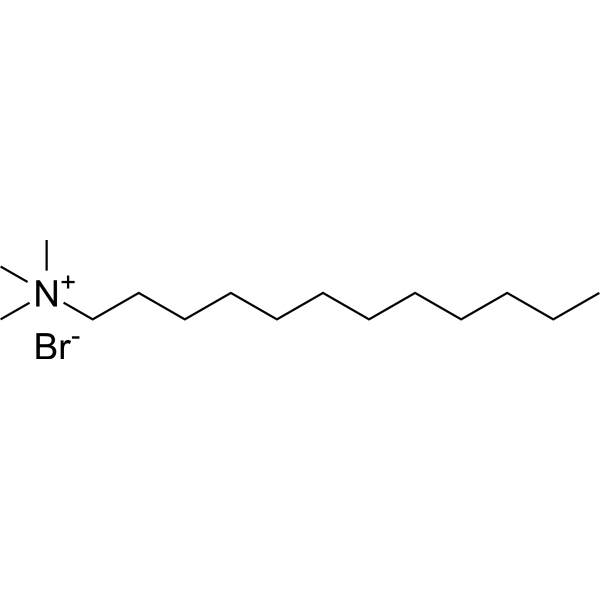
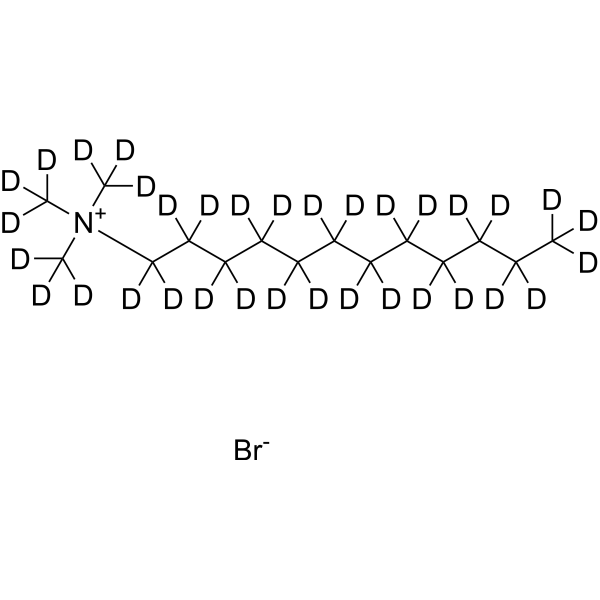
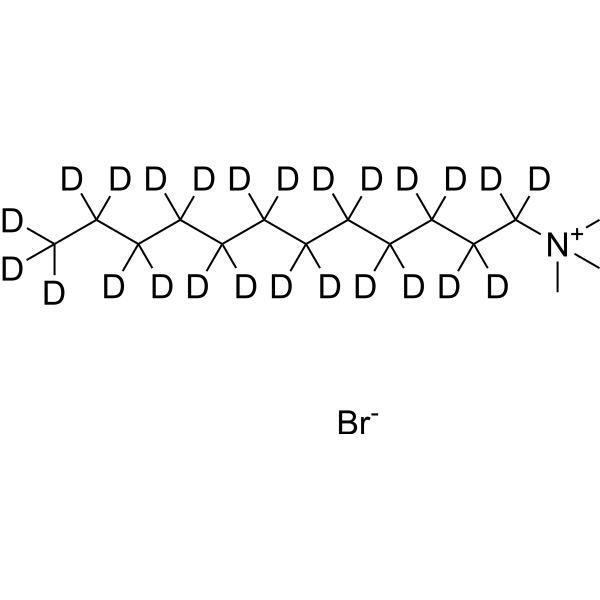
    Dodecyltrimethylammonium bromide (DTAB) is a surfactant. Dodecyltrimethylammonium bromide interacts with DNA and changes the mechanical properties of DNA on binding and the specific binding parameters of the interaction .
    Dodecyltrimethylammonium bromide
  • HY-109517
    Calf thymus DNA
    5 Publications Verification

    DNA from calf thymus, Thymonucleic acid

    DNA/RNA Synthesis Inflammation/Immunology Cancer
    Calf thymus DNA (DNA from calf thymus) is high quality double-stranded template DNA isolated from the thymus of male and female calves. Calf thymus DNA can be used for the research of the interaction between DNA and agents .
    Calf thymus DNA
  • HY-103236
    NSC232003
    5 Publications Verification

    E1/E2/E3 Enzyme Cancer
    NSC232003 is a highly potent and cell-permeable UHRF1 inhibitor, which inhibits DNA methylation in vitro and disrupts DNMT1/UHRF1 interactions at a cellular level.
    NSC232003
  • HY-129241
    AGX51
    5+ Cited Publications

    DNA/RNA Synthesis DNA Alkylator/Crosslinker Cancer
    AGX51 is the first-in-class pan-Id (inhibitors of DNA-binding/differentiation proteins) antagonist and degrader. AGX51 inhibits Id1-E47 interaction, leading to ubiquitin-mediated degradation of Ids, cell growth arrest, and viability reduction. AGX51 can inhibit TNBC and has an IC50 of about 25 nM. AGX51 can be used in cancer research.
    AGX51
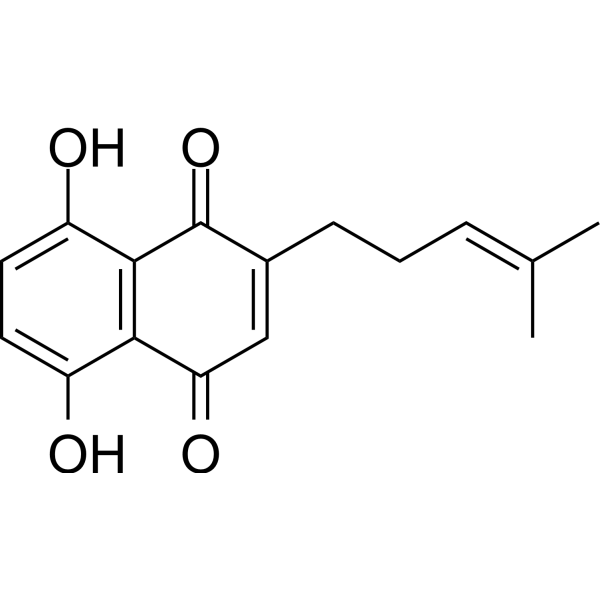
  • HY-N2187
    Deoxyshikonin
    3 Publications Verification

    Bacterial HIF/HIF Prolyl-Hydroxylase PI3K Apoptosis Infection Cardiovascular Disease Cancer
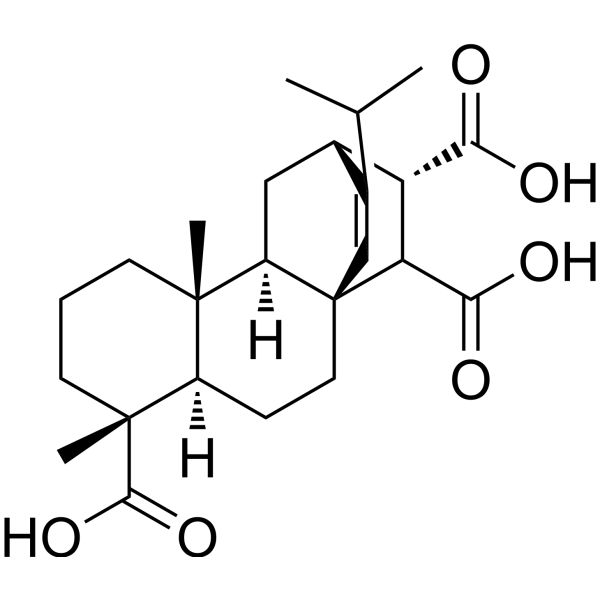
    Deoxyshikonin increases the expression of VEGF-C and VEGF-A mRNA in HMVEC-dLy, promotes HIF-1α and HIF-1β subunit interaction and binds to specific DNA sequences targeted by HIF. Deoxyshikonin inhibited colorectal cancer (CRC) through the PI3K/Akt/mTOR pathway. Deoxyshikonin has proangiogenesis effect and antitumor activity. Deoxyshikonin is an antibacterial agent against methicillin-resistant S. aureus (MRSA) and S. pneumonia (MIC=17 μg/mL) .
    Deoxyshikonin
  • HY-13424
    RITA
    3 Publications Verification

    NSC 652287

    MDM-2/p53 Autophagy DNA Alkylator/Crosslinker Cancer
    RITA is an inhibitor of p53-HDM-2 interaction, binds to p53dN, with a Kd of 1.5 nM, and also induces DNA-DNA cross-links.
    RITA
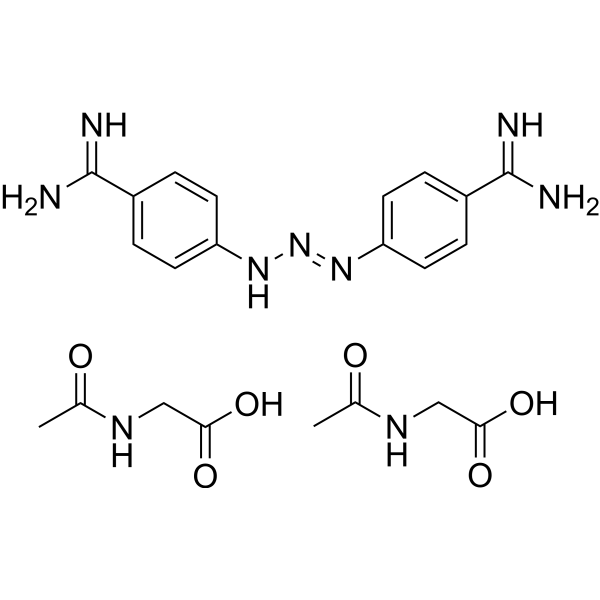
  • HY-12404
    Diminazene aceturate
    10+ Cited Publications

    Diminazene diaceturate

    Parasite Angiotensin-converting Enzyme (ACE) Infection Inflammation/Immunology
    Diminazene aceturate (Diminazene diaceturate) is an anti-trypanosome agent for livestock. The main biochemical mechanism of the trypanocidal actions of Diminazene aceturate is by binding to trypanosomal kinetoplast DNA (kDNA) in a non-intercalative manner through specific interaction with sites rich in adenine-thymine base pairs. Diminazene aceturate is also an angiotensin-converting enzyme 2 (ACE2) activator and has strong and potent anti-inflammatory properties .
    Diminazene aceturate
  • HY-B0255
    Adefovir dipivoxil
    2 Publications Verification

    GS 0840

    HBV Orthopoxvirus HSV DNA/RNA Synthesis ATM/ATR CDK Infection Cancer
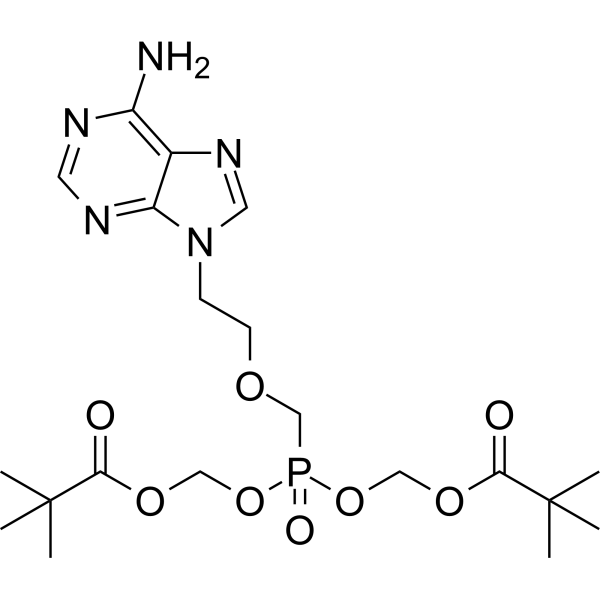
    Adefovir dipivoxil is an orally active adenosine analog and Adefovir prodrug. Adefovir dipivoxil inhibits DNA synthesis, activates the ATR signaling pathway, and disrupts the KCTD12-CDK1 interaction. Adefovir dipivoxil has antiviral activity against PRV, HBV, and orthopoxviruses. Adefovir dipivoxil has inhibitory effects on both lamivudine-resistant and wild-type strains. Adefovir dipivoxil has antitumor activity against lung and colon cancer .
    Adefovir dipivoxil
  • HY-W016009

    Endogenous Metabolite Metabolic Disease
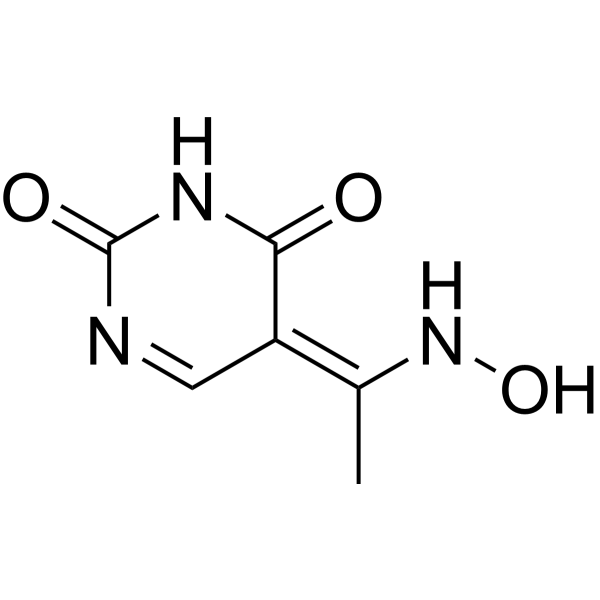
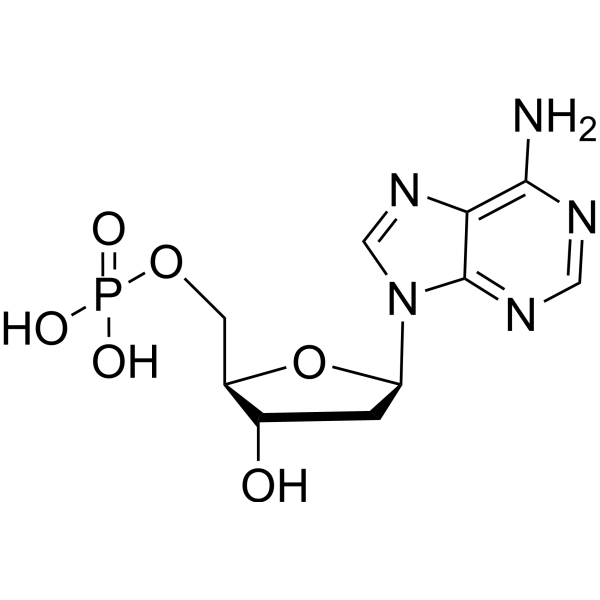
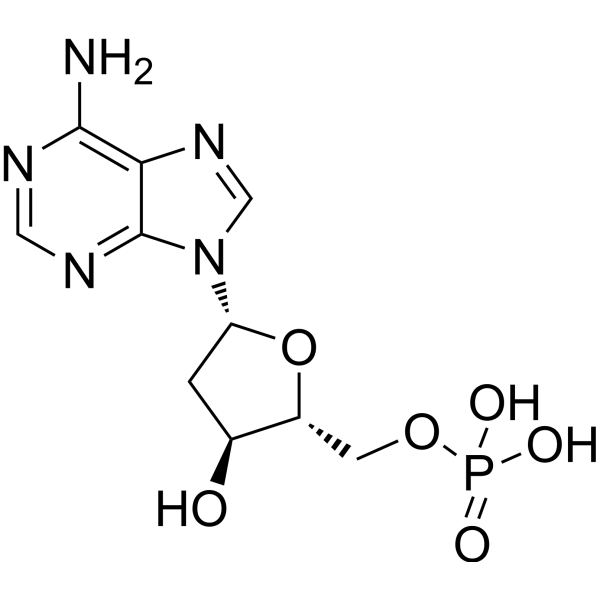
    2′-Deoxyadenosine 5′-monophosphate, a nucleic acid AMP derivative, is a deoxyribonucleotide found in DNA. 2′-Deoxyadenosine 5′-monophosphate can be used to study adenosine-based interactions during DNA synthesis and DNA damage .
    2'-Deoxyadenosine-5'-monophosphate
  • HY-14776
    Quarfloxin
    5+ Cited Publications

    CX-3543

    DNA/RNA Synthesis Cancer
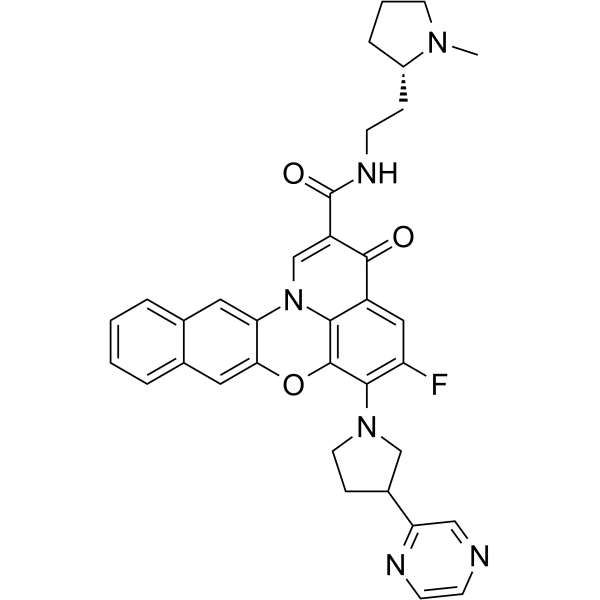
    Quarfloxin (CX-3543), a fluoroquinolone derivative with antineoplastic activity, targets and inhibits RNA pol I activity, with IC50 values in the nanomolar range in neuroblastoma cells. Quarfloxin disrupts the interaction between the nucleolin protein and a G-quadruplex DNA structure in the ribosomal DNA (rDNA) template .
    Quarfloxin
  • HY-D0162
    Malachite green hemioxalate
    1 Publications Verification

    MCCK1

    Fungal IKK NF-κB Apoptosis Infection Cancer
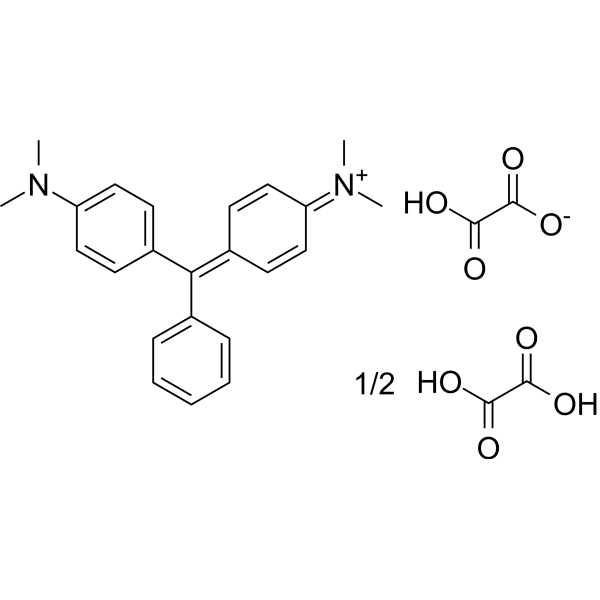
    Malachite green hemioxalate (MCCK1) is a triphenylmethane dye which can be used to detect the release of phosphate in enzymatic reactions. Malachite green hemioxalate has antibacterial activity, which is attributed to inhibition of intracellular enzymes, insertion into DNA and/or interaction with cell membranes. Malachite green hemioxalate is also a potent and selective inhibitor of IKBKE, and inhibits its downstream targets such as IκBα, p65 and IRF3. Malachite green hemioxalate exhibits antitumor activity in vitro and in vivo .
    Malachite green hemioxalate
  • HY-176083

    MDM-2/p53 Caspase Apoptosis Cancer
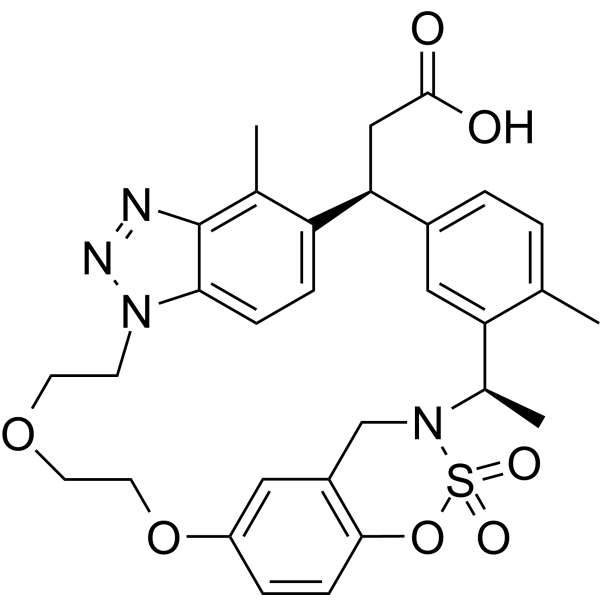
    ASTX295 is an orally active and selective MDM2 antagonist with an IC50 of <1 nM. ASTX295 inhibits the MDM2-p53 interaction, activates wild-type TP53, and thereby induces the expression of relevant transcriptional targets, leading to cell death. ASTX295 drives the transition of pancreatic cancer cells from senescence to apoptosis and regulates p53 and DNA damage biomarkers. ASTX295 can be used for the research of hematologic malignancies and pancreatic cancer .
    ASTX295
  • HY-174801

    Cyclic GMP-AMP Synthase Inflammation/Immunology
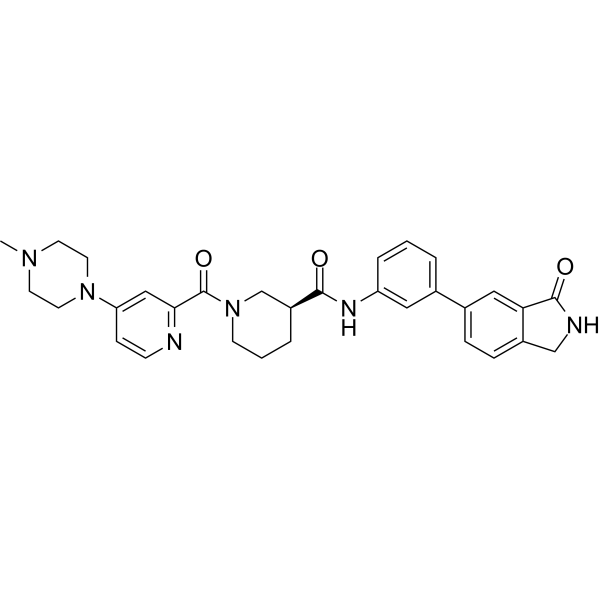
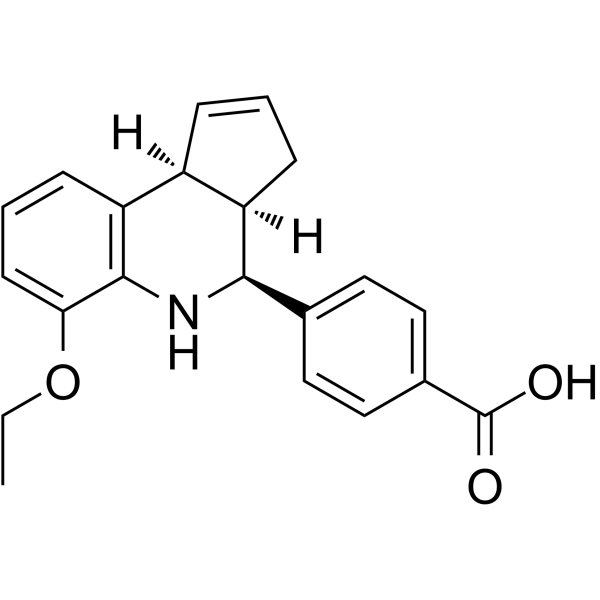
    XL-3156 is a cGAS inhibitor. XL-3156 occupies both allosteric and orthosteric sites simultaneously, and inhibits the interaction and phase separation between cGAS and DNA by stabilizing the closed conformation of the activation loop. XL-3156 can be used in the research of diseases such as autoimmune diseases and inflammation .
    XL-3156
  • HY-W020955

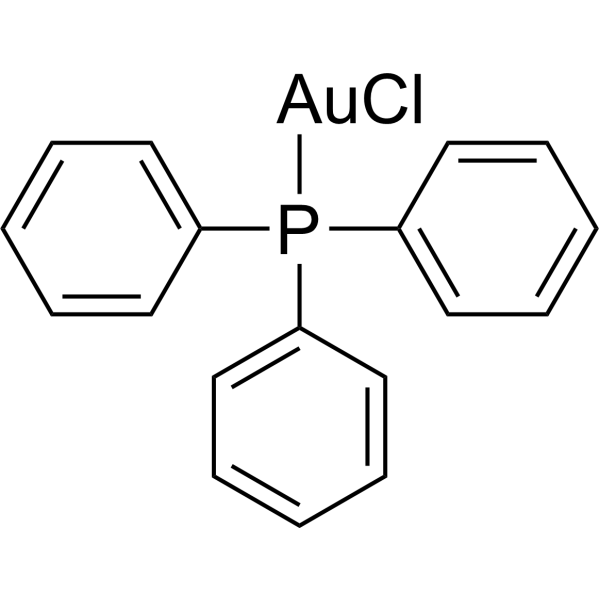
    Chloro(triphenylphosphine)gold(I)

    Biochemical Assay Reagents Apoptosis DNA Alkylator/Crosslinker Lipoxygenase Cancer
    Triphenylphosphinechlorogold (Chloro(triphenylphosphine)gold(I)) is a gold complex, Apoptosis inducer, and catalyst. Triphenylphosphinechlorogold exhibits high LOX inhibitory activity. Triphenylphosphinechlorogold induces cell cycle arrest and apoptosis. Triphenylphosphinechlorogold catalyzes the peroxidation of linoleic acid. A weak interaction exists between Triphenylphosphinechlorogold and DNA. Triphenylphosphinechlorogold displays antiproliferative activity against breast cancer cells .
    Triphenylphosphinechlorogold
  • HY-144981
    HQ461
    1 Publications Verification

    CDK Molecular Glues Cancer
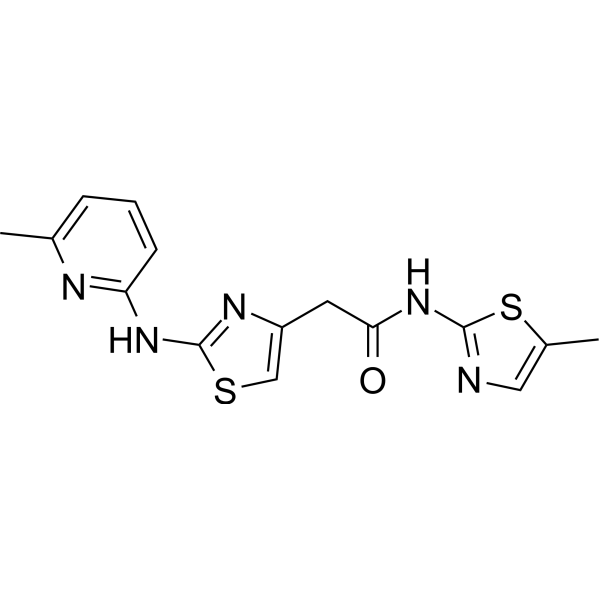
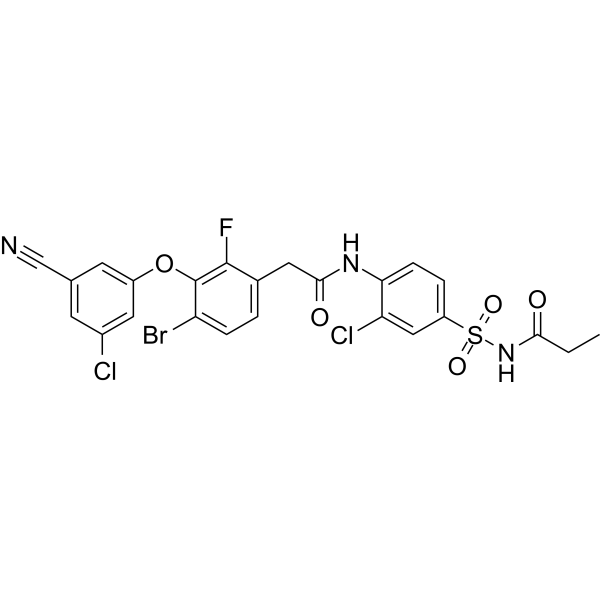
    HQ461 is a molecular glue that promotes CDK12-DDB1 interaction to trigger cyclin K degradation. HQ461-mediated degradation of cyclin K impairs CDK12 function, resulting in decreased CDK12 substrate phosphorylation, downregulation of DNA damage response genes, and cell death .
    HQ461
  • HY-113352

    Endogenous Metabolite PARP Cancer
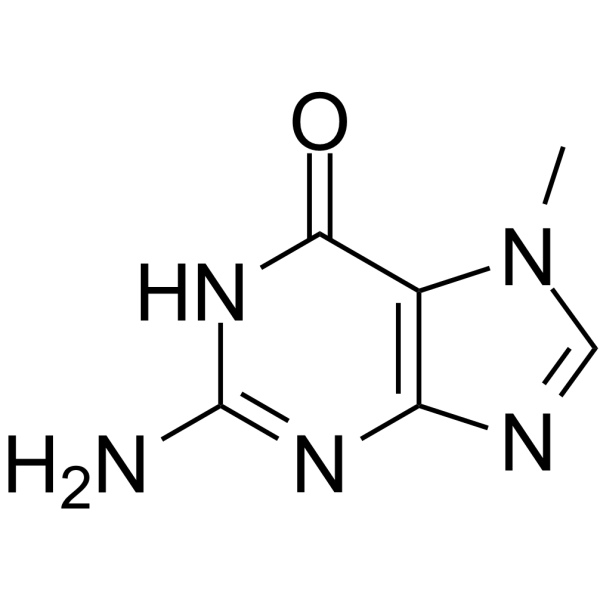
    7-Methylguanine is an orally active and competitive PARP-1 inhibitor with a Ki value of 61 μM. 7-Methylguanine is a metabolite of nucleic acids. 7-Methylguanine has anticancer activity against uterine sarcoma and colon adenocarcinoma. 7-Methylguanine is used as a probe for protein-DNA interactions .
    7-Methylguanine
  • HY-W012817

    Environmental Pollutants COX Inflammation/Immunology
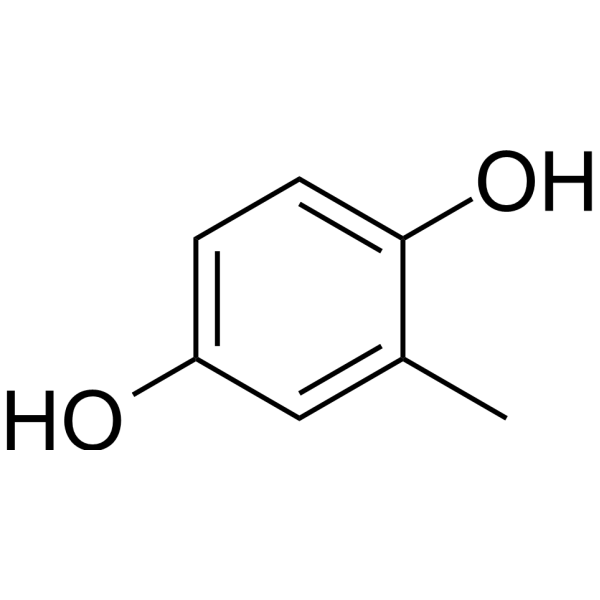
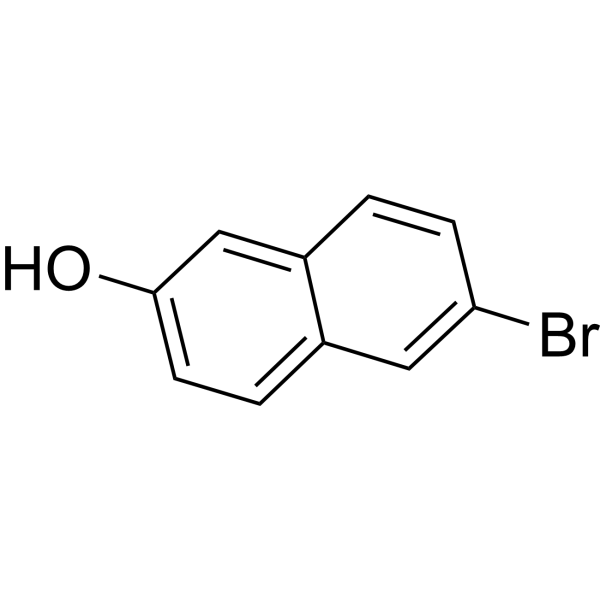
    Methylhydroquinone is an orally active COX inhibitor with IC50s of 480.7 μM and 52.2 μM for ovine COX-1 and human recombinant COX-2, respectively. Methylhydroquinone has potential DNA damaging effects: 1) inhibiting COX-1 to reduce prostaglandin synthesis and exert anti-inflammatory activity; 2) inducing DNA single-strand breaks. Methylhydroquinone exerts its effects by competitively binding to the active sites of COX-1 (such as Tyr385, Met522) and non-covalent interactions .
    Methylhydroquinone
  • HY-107194

    FGFR c-Myc DNA/RNA Synthesis Caspase Reactive Oxygen Species (ROS) Cancer
    NSC12 is an orally active pan-FGF trap. NSC12 inhibits the interaction between FGF2/FGFR. NSC12 suppresses the phosphorylation of FGFR3. NSC12 reduces c-Myc levels, induces DNA damage, triggers the cleavage of Caspase 3, and promotes ROS production. NSC12 exhibits anticancer activity against lung cancer and multiple myeloma .
    NSC12
  • HY-W035137

    5,15-DPP

    STAT Cancer
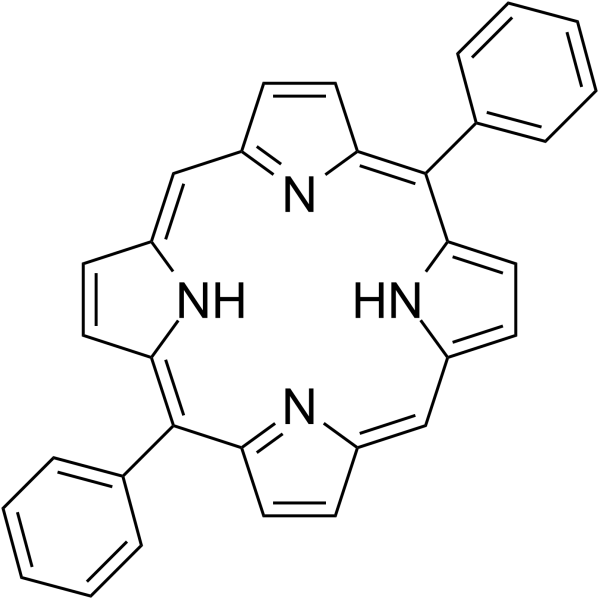
    5,15-Diphenylporphyrin (5,15-DPP) is an inhibitor of the oncogenic transcription factor STAT3. 5,15-Diphenylporphyrin specifically binds to the SH2 domain of STAT3, blocking the pTyr-SH2 interaction, thereby inhibiting the dimerization, nuclear translocation and DNA binding activity of STAT3, and ultimately inhibiting the expression of cancer cell-related genes. 5,15-Diphenylporphyrin can be used in research fields related to the development of anticancer drugs[1][2].
    5,15-Diphenylporphyrin
  • HY-122590

    Gli Cancer
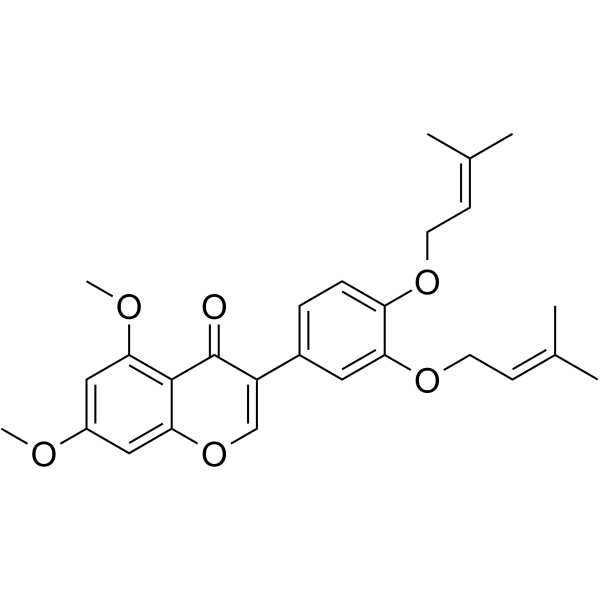
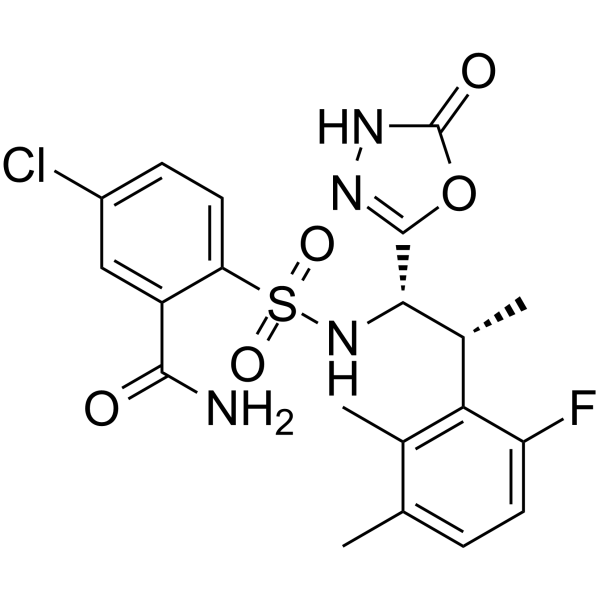
    Glabrescione B is the first compound that binds the Hedgehog (Hh) modulator Gli1. Glabrescione B impairs its activity by interfering with Gli1-DNA interaction. Glabrescione B inhibits the growth of Hedgehog-dependent tumor cells, the self-renewal ability, and clonogenicity of tumor-derived stem cells .
    Glabrescione B
  • HY-124325

    DNA Alkylator/Crosslinker Cancer
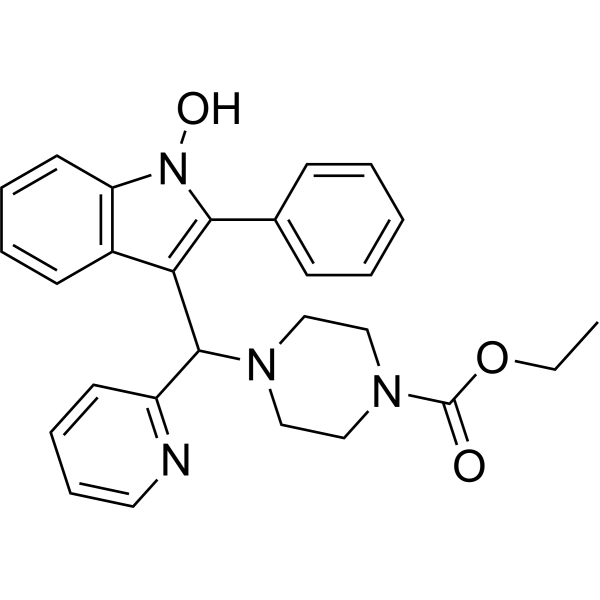
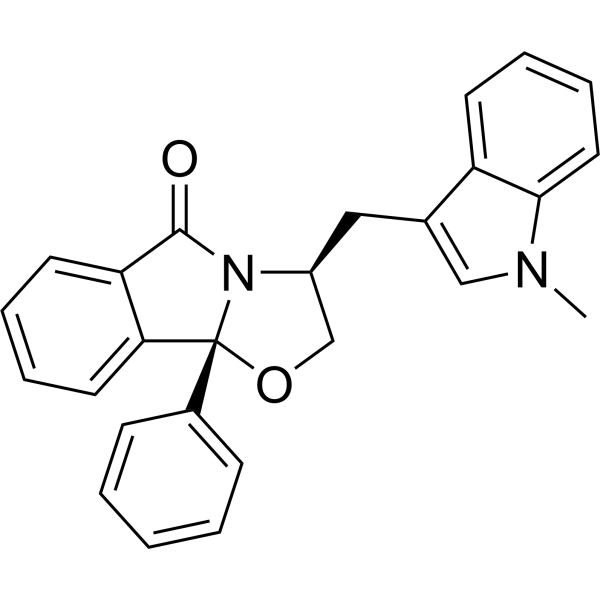
    PIP-199 is a selective inhibitor of RMI (RecQ-mediated genome instability protein) core complex/MM2 interaction, with an IC50 of 36 μM. PIP-199 can be used for the research of sensitizing resistant tumors to DNA crosslinking chemotherapeutics .
    PIP-199
  • HY-138155

    DNA/RNA Synthesis Cancer
    NSC15520 is a small molecular inhibitor of Replication Protein A (RPA). NSC15520 specifically recognizes the RPA N-terminal DNA binding domain (DBD), and blocks the interaction of RPA with p53 or RAD9. NSC15520 also inhibtis helix destabilization of a duplex DNA (dsDNA) oligonucleotide, involves in DNA replication, DNA repair, DNA recombination, and DNA damage response signaling .
    NSC15520
  • HY-124838
    EG1
    1 Publications Verification

    DNA/RNA Synthesis Cancer
    EG1, a specific Pax2 inhibitor, directly binds the paired domain of Pax2 (Kd=1.35-1.5 μM) and inhibits Pax2-DNA interactions. EG1 can inhibit embryonic kidney development, a process directly dependent on Pax2 activity .
    EG1
  • HY-116940
    Sm4
    1 Publications Verification

    Oct3/4 Notch STAT Cancer
    Sm4 is a selective and orally active SOX18 inhibitor. Sm4 inhibits SOX18-DNA binding (IC50 = 97.5 μM); Sm4 disrupts the SOX18-RBPJ protein-protein interaction (IC50 = 42.3 μM). Sm4 blocks SOX18 DNA binding, disrupts multiple SOX18 protein-protein interactions with RBPJ, DDX1, DDX17, ILF3, SOX7 and STAT1, modulates SOX18 chromatin binding dynamics. Sm4 exerts anti‑angiogenic and anti‑lymphangiogenic effects, reduces tumor vascular density, triggers vascular defects in zebrafish, prolongs survival in mouse metastatic cancer models. Sm4 can be used for the research of breast cancer .
    Sm4
  • HY-114842
    TDRL-551
    1 Publications Verification

    DNA/RNA Synthesis Cancer
    TDRL-551 is a potent replication protein A (RPA) inhibitor (IC50 = 18 µM). TDRL-551 inhibits RPA-DNA interaction and increases the anti-cancer efficacy of Platinum (Pt)-based chemotherapy. TDRL-551 can be used for the research of cancer, such as non-small cell lung cancer (NSCLC) .
    TDRL-551
  • HY-156257
    UNC9512
    1 Publications Verification

    DNA/RNA Synthesis Cancer
    UNC9512 is a selective 53BP1 inhibitor with an IC50 of 0.46 μM, and a Kd values of 0.17 μM. UNC9512 binds 53BP1 and its tandem Tudor domain, disrupts histone H4 interaction, and inhibits 53BP1 activity. UNC9512 can be used as a probe for DNA damage repair and Gene editing .
    UNC9512
  • HY-117669

    Androgen Receptor Cancer
    VPC-14228 is an inhibitor that selectively targets androgen receptor DNA binding domain (AR-DBD). VPC-14228 inhibits the interaction between AR and DNA, thereby blocking AR-mediated transcriptional activation. VPC-14228 does not rely on nuclear localization inhibition, but rather inhibits the activity of full-length AR and splice variant AR-V7 by interfering with AR binding to chromatin. And VPC-14228 has high selectivity for other nuclear receptors such as ER and PR. VPC-14228 can be used in the study of prostate cancer [2].
    VPC-14228
  • HY-147291

    c-Myc PARP Apoptosis Cancer
    VPC-70063 is a potent Myc-Max inhibitor with an IC50 value of 8.9 μM for Myc-Max transcriptional activity inhibition. VPC-70063 reduces UBE2C promotor activity and AR-V7 levels, and induces PARP cleavage. VPC-70063 induces apoptosis and blocks Myc-Max interactions with DNA. VPC-70063 can be used for researching anticancer .
    VPC-70063
  • HY-153118

    ctDNA sodium, Type I, fibers; DNA sodium, from calf thymus, Type I, fibers; Thymonucleic acid sodium, Type I, fibers

    Biochemical Assay Reagents Others Cancer
    Deoxyribonucleic acid sodium, from calf thymus, Type I, fibers is the sodium salts form of Calf thymus DNA (HY-109517). Calf thymus DNA is a double-stranded template DNA isolated from calf thymus. It can be used to study the interaction between DNA and DNA binding agents, as well as the structure and function of DNA, for DNA quantification and used as a substrate for DNA polymerase analysis, etc​ .
    Deoxyribonucleic acid sodium, from calf thymus, Type I, fibers
  • HY-W105272

    Endogenous Metabolite Metabolic Disease
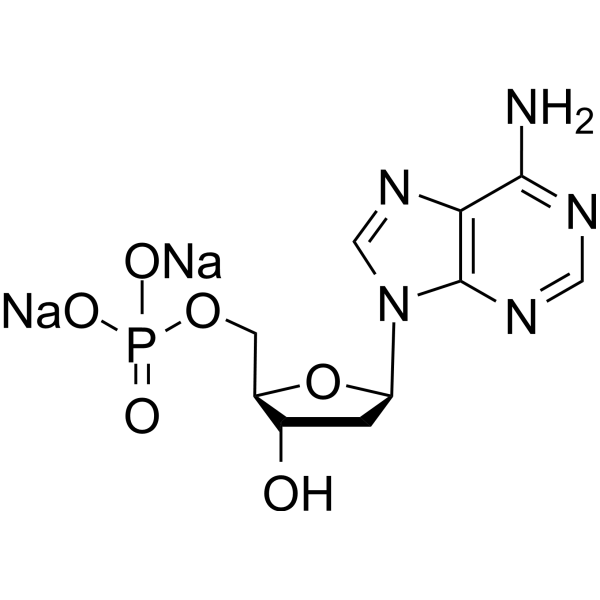
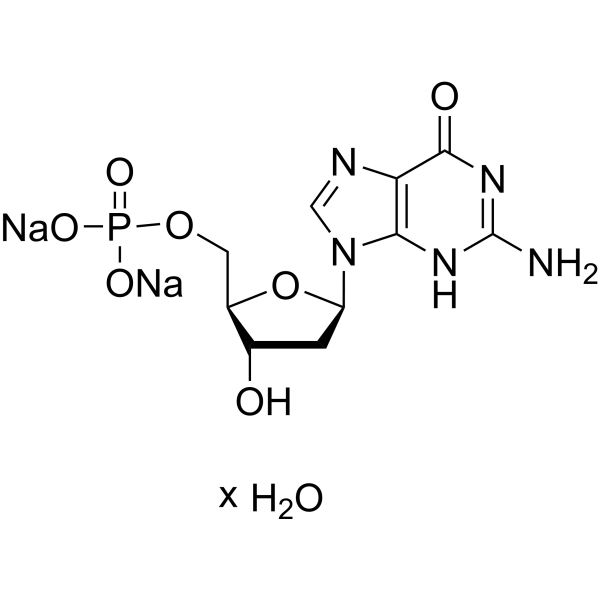
    2′-Deoxyadenosine 5′-monophosphate disodium, a nucleic acid AMP derivative, is a deoxyribonucleotide found in DNA. 2′-Deoxyadenosine 5′-monophosphate disodium can be used to study adenosine-based interactions during DNA synthesis and DNA damage .
    2′-Deoxyadenosine 5′-monophosphate disodium
  • HY-171180

    DNA/RNA Synthesis Cancer
    AF615 is a small molecule inhibitor targeting the CDT1/Geminin protein complex (IC50 = 0.313 μM). AF615 selectively induces DNA damage, inhibits DNA synthesis, causes cell cycle arrest, and decreases the survival rate in cancer cell lines. AF615 displayed a Ki = 0.37 μM in case of Geminin-tCDT1 interaction and a Ki = 0.75 μM in case of Geminin-miniCDT1 interaction .
    AF615
  • HY-150785

    Apoptosis Cancer
    TAS1553 is a potent, orally active protein-protein interaction (PPI) inhibitor with an IC50 values of 0.0396 μM. TAS1553 inhibits DNA replication and reduces intracellular dATP pool. TAS1553 induces apoptosis. TAS1553 can be used for cancer research .
    TAS1553
  • HY-P5997

    Autophagy Cyclic GMP-AMP Synthase Inflammation/Immunology
    XQ2B is a specific cGAS inhibitor targeting protein-DNA interaction and phase separation. XQ2B markedly reduces ISD-induced Autophagy. XQ2B inhibits herpes simplex virus 1 (HSV-1)-induced antiviral immune responses and enhances HSV-1 infection .
    XQ2B
  • HY-W004883

    5A-DMP

    E1/E2/E3 Enzyme DNA/RNA Synthesis Cancer
    3-Amino-4,6-dimethylpyridine (5A-DMP) is a UHRF1 inhibitor that targets the Arg-binding cavity site within the UHRF1 TTD domain. 3-Amino-4,6-dimethylpyridine disrupts the interaction between UHRF1 and LIG1, interfering with DNA methylation, and can be utilized in cancer research .
    3-Amino-4,6-dimethylpyridine
  • HY-153202

    MDM-2/p53 Apoptosis Cancer
    SLMP53-2 is a mutant p53 reactivator. SLMP53-2 restores wild-type-like conformation and DNA-binding ability of mutp53-Y220C by enhancing its interaction with the Hsp70, leading to the reestablishment of p53 transcriptional activity. SLMP53-2 can induce cell cycle arrest, apoptosis and endoplasmic reticulum (ER) stress. SLMP53-2 exhibits antitumor activity .
    SLMP53-2
  • HY-177655A

    Fovista sodium

    PDGFR Cancer
    Pegpleranib (Fovista) sodium is a pegylated DNA aptamer that selectively binds to PDGF-BB and PDGF-AB homodimers and heterodimers, interrupting the interaction with their associated tyrosine kinase receptors.
    Pegpleranib sodium
  • HY-D1005I

    Biochemical Assay Reagents Others
    Poloxamer L61 is a non-ionic triblock copolymer surfactant. Poloxamer L61 effectively achieves intracellular molecular delivery to cancer cells during photoacoustic molecular delivery, and maintains cell viability by promoting cell membrane resealing, thus avoiding irreversible damage caused by laser-induced membrane permeabilization. Poloxamer L61 is a key component of SP1017, a compound related to gene therapy, which regulates the interaction between DNA and extracellular matrix as well as cellular uptake, and significantly enhances the distribution and bioavailability of plasmid DNA in skeletal muscle. Poloxamer L61 can be used in studies on local or systemic therapeutic protein production .
    Poloxamer L61
  • HY-135782

    Poly(ADP-ribose) Glycohydrolase (PARG) Cancer
    iso-ADP ribose is the small-molecule ligand for protein nucleic acid modification, comprising parts of two consecutive ADP-ribosyl units within the PAR chain. iso-ADP ribose specifically binds WWE, FHA and OB-fold domains, enabling PAR-dependent functional responses like ubiquitylation and supporting DNA damage signaling and repair. iso-ADP ribose can be used for cancer research .
    iso-ADP ribose
  • HY-155128

    HSV Infection
    LANA-DNA-IN-2 (Compound 20) is a latency-associated nuclear antigen (LANA)-DNA interaction inhibitor. LANA-DNA-IN-2 can be used for research of Kaposi’s sarcoma-associated herpesvirus (KSHV) infection .
    LANA-DNA-IN-2
  • HY-W016009R

    Reference Standards Endogenous Metabolite Metabolic Disease
    2'-Deoxyadenosine-5'-monophosphate (Standard) is the analytical standard of 2'-Deoxyadenosine-5'-monophosphate. This product is intended for research and analytical applications. 2′-Deoxyadenosine 5′-monophosphate, a nucleic acid AMP derivative, is a deoxyribonucleotide found in DNA. 2′-Deoxyadenosine 5′-monophosphate can be used to study adenosine-based interactions during DNA synthesis and DNA damage .
    2'-Deoxyadenosine-5'-monophosphate (Standard)
  • HY-W582504

    CuCl(TPP)3

    DNA Stain Bacterial Fungal Infection Cancer
    Chlorotris(triphenylphosphine)copper (CuCl(TPP)₃) is a DNA-targeted metal complex. Chlorotris(triphenylphosphine)copper involves non-covalent interactions (such as groove binding mode) through the copper(I) center to affect DNA function, showing inhibitory activity against bacteria, fungi, and tumor cells. Chlorotris(triphenylphosphine)copper is promising for research of antibacterial, antitumor, and antioxidant agents .
    Chlorotris(triphenylphosphine)copper
  • HY-109045A

    BTA074 hydrochloride; AP 611074 hydrochloride

    E1/E2/E3 Enzyme HPV Infection
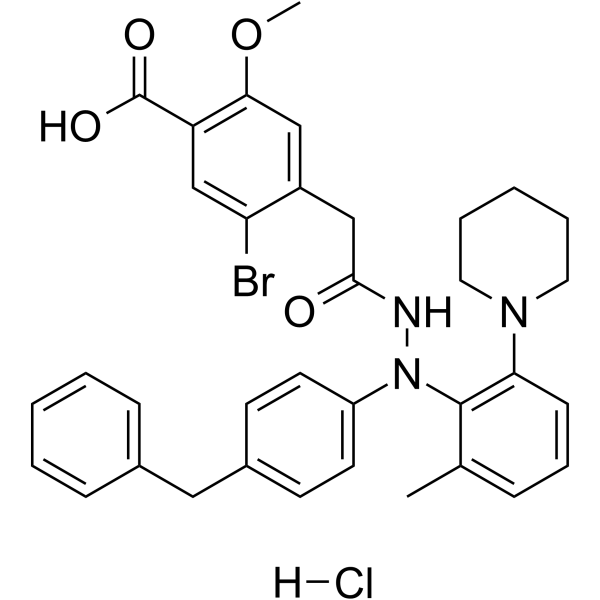
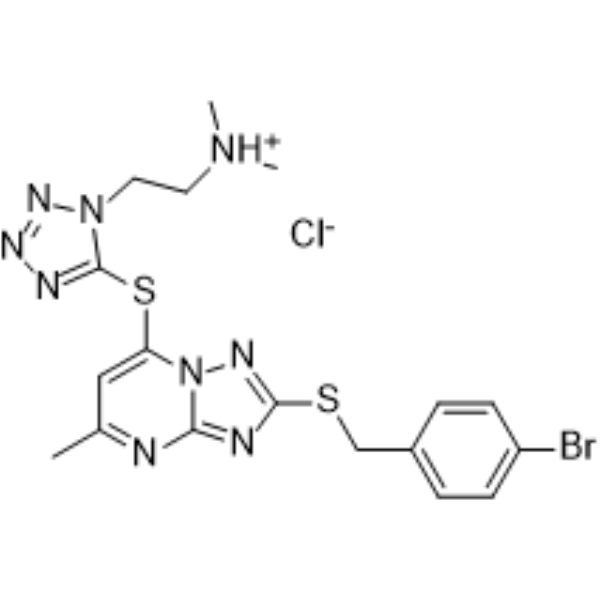
    Teslexivir (BTA074) hydrochloride is a potent antiviral agent. Teslexivir hydrochloride is a potent and selective inhibitor of the interaction between two essential viral proteins, E1 and E2, an association that is a necessary step in the DNA replication and thus viral production for Human Papilloma Virus (HPV) 6 and 11. Teslexivir hydrochloride can be used for condyloma research .
    Teslexivir hydrochloride
  • HY-W016009S

    Isotope-Labeled Compounds Endogenous Metabolite Metabolic Disease
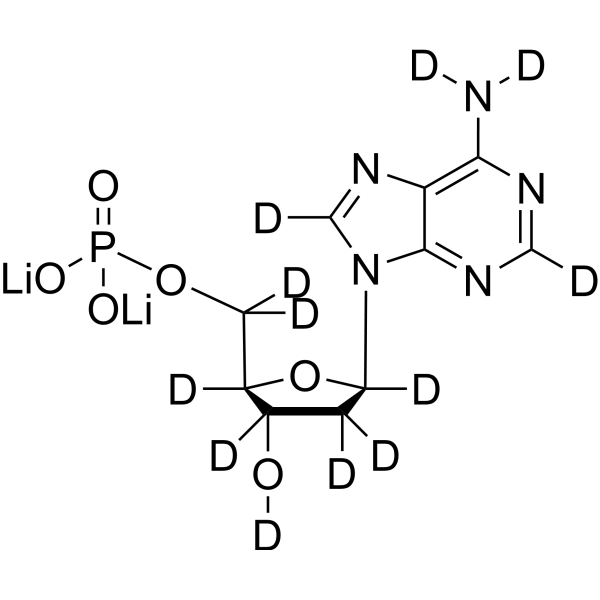
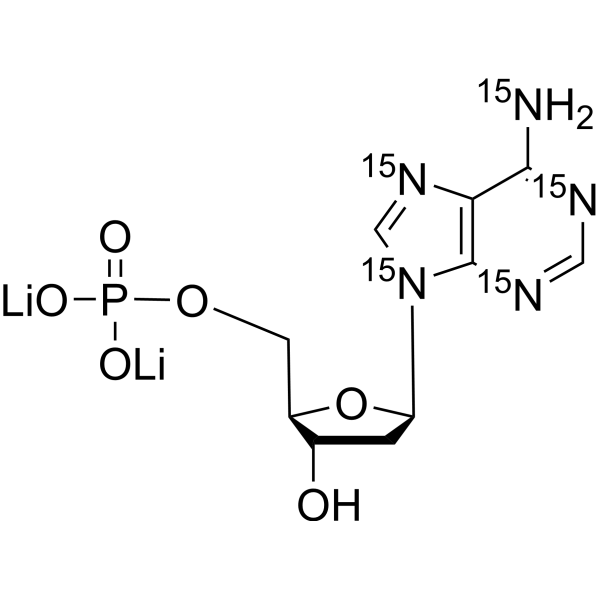
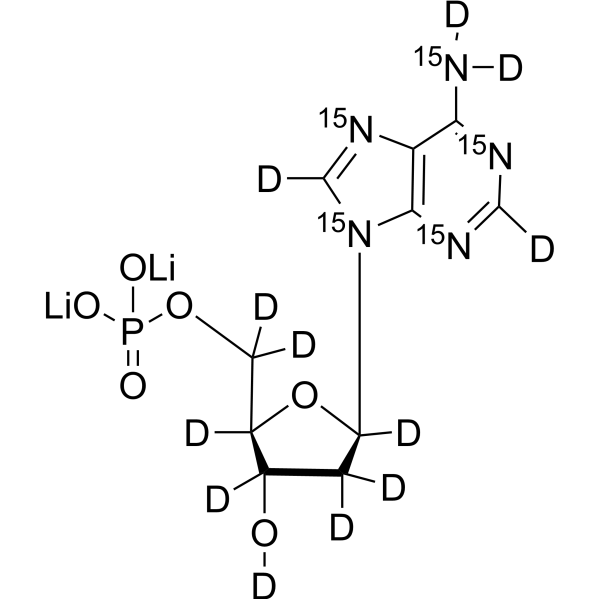
    2'-Deoxyadenosine-5'-monophosphate-d12 dilithium is deuterium labeled 2'-Deoxyadenosine-5'-monophosphate (HY-W016009). 2′-Deoxyadenosine 5′-monophosphate, a nucleic acid AMP derivative, is a deoxyribonucleotide found in DNA. 2′-Deoxyadenosine 5′-monophosphate can be used to study adenosine-based interactions during DNA synthesis and DNA damage.
    2'-Deoxyadenosine-5'-monophosphate-d12 dilithium
  • HY-W105272S

    Endogenous Metabolite Metabolic Disease
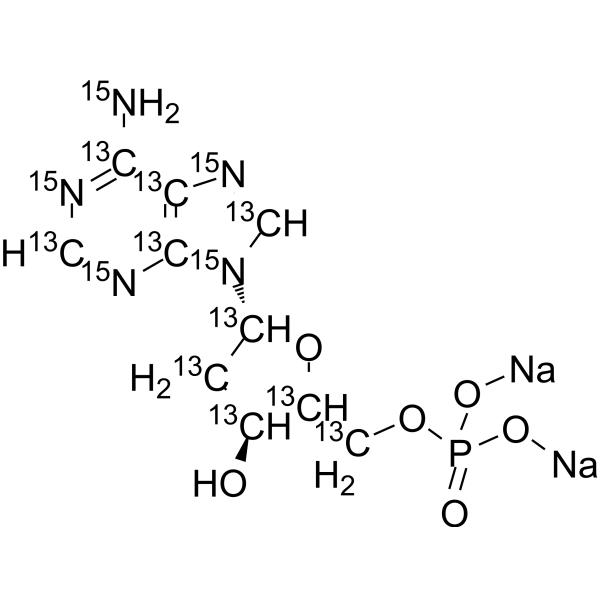
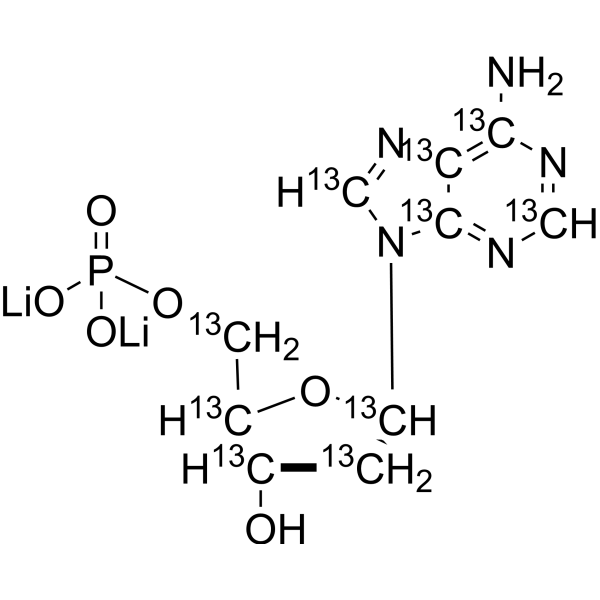
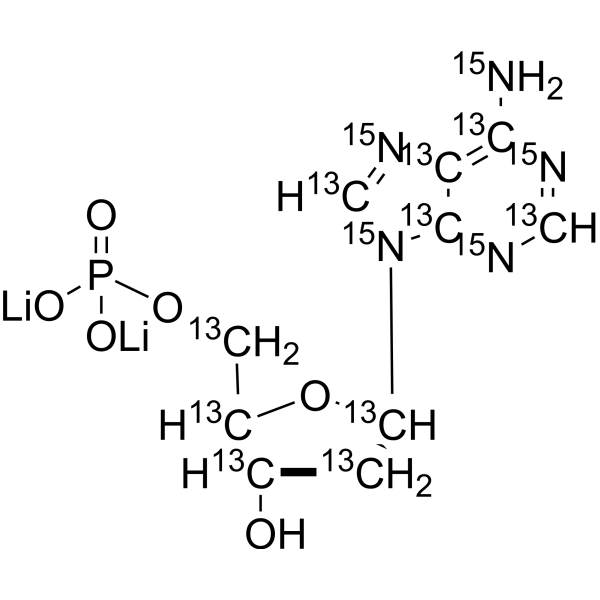
    2′-Deoxyadenosine 5′-monophosphate- 13C10, 15N5 (disodium) is the 13C and 15N labeled 2′-Deoxyadenosine 5′-monophosphate disodium . 2′-Deoxyadenosine 5′-monophosphate disodium, a nucleic acid AMP derivative, is a deoxyribonucleotide found in DNA. 2′-Deoxyadenosine 5′-monophosphate disodium can be used to study adenosine-based interactions during DNA synthesis and DNA damage .
    2′-Deoxyadenosine 5′-monophosphate-13C10,15N5 disodium
  • HY-135782A

    Poly(ADP-ribose) Glycohydrolase (PARG) Cancer
    iso-ADP ribose TEA is the small-molecule ligand for protein nucleic acid modification, comprising parts of two consecutive ADP-ribosyl units within the PAR chain. iso-ADP ribose TEA specifically binds WWE, FHA and OB-fold domains, enabling PAR-dependent functional responses like ubiquitylation and supporting DNA damage signaling and repair. iso-ADP ribose TEA can be used for cancer research .
    iso-ADP ribose TEA
  • HY-150025

    DNA Methyltransferase Apoptosis Cancer
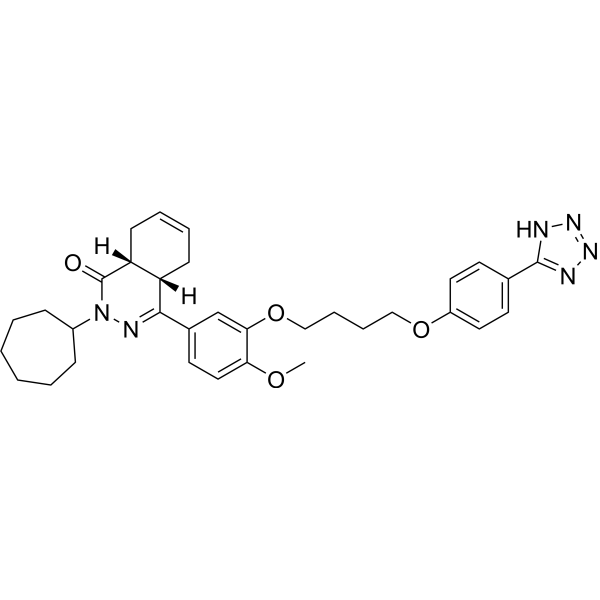
    (4aS,8aR)-NPD-001 is a potent and allosteric inhibitor of DNMT3A. (4aS,8aR)-NPD-001 inhibits DNMT3A activity by disrupting protein-protein interactions. (4aS,8aR)-NPD-001 induces apoptosis of acute myeloid leukemia (AML) cell lines. (4aS,8aR)-NPD-001 induces differentiation of distinct AML cell lines including cells with mutated DNMT3A R882 .
    (4aS,8aR)-NPD-001
  • HY-176960

    Biochemical Assay Reagents Others
    3-Amino-2-hydroxypropyl dihydrogen phosphate is a chemical modification complex of the DNA phosphate backbone, which can be used to study the interaction between HIV integrase (IN) and DNA .
    3-Amino-2-hydroxypropyl dihydrogen phosphate
  • HY-113352S

    Endogenous Metabolite Others
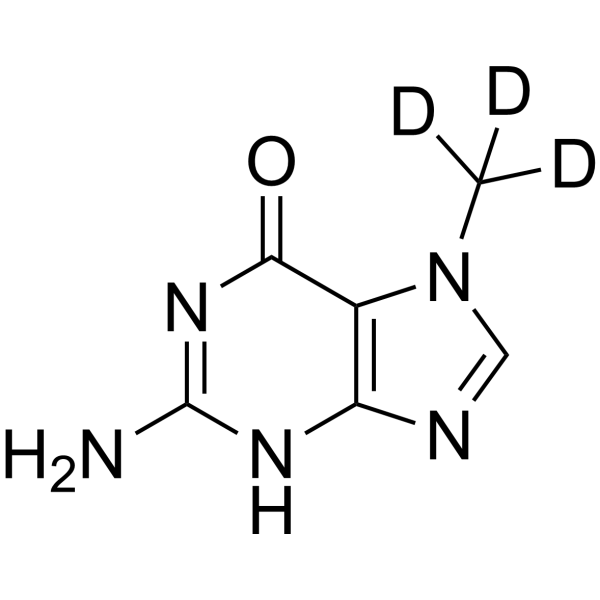
    7-Methylguanine-d3 is the deuterium labeled 7-Methylguanine . 7-Methylguanine is a metabolite of DNA methylation. It can be generated by methylating agents, and used as a probe of protein–DNA interactions and a key component of DNA sequencing method .
    7-Methylguanine-d3

Inquiry Online

Your information is safe with us. * Required Fields.

Salutation


Country or Region *

Applicant Name *


Organization Name *

Department *


Email Address *


Product Name *

Cat. No.


Requested quantity *

Phone Number *


Remarks

Inquiry Online

Inquiry Information

Product Name:
Cat. No.:
Quantity:
MCE Japan Authorized Agent: