



Deoxyshikonin
Based on 4 publication(s) in Google Scholar
Deoxyshikonin increases the expression of VEGF-C and VEGF-A mRNA in HMVEC-dLy, promotes HIF-1α and HIF-1β subunit interaction and binds to specific DNA sequences targeted by HIF. Deoxyshikonin inhibited colorectal cancer (CRC) through the PI3K/Akt/mTOR pathway. Deoxyshikonin has proangiogenesis effect and antitumor activity. Deoxyshikonin is an antibacterial agent against methicillin-resistant S. aureus (MRSA) and S. pneumonia (MIC=17 μg/mL).
For research use only. We do not sell to patients.
- Purity : 99.83%
- CAS No.: 43043-74-9
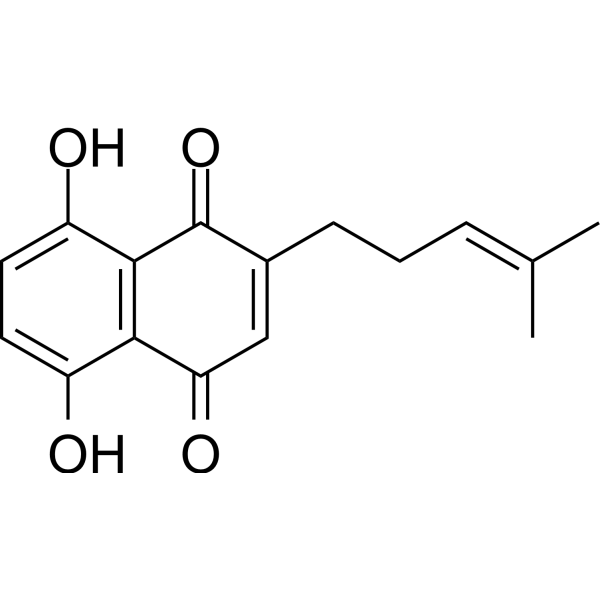
- Formula: C16H16O4
- Molecular Weight:272.30
-
Storage:
4°C, protect from light
* In solvent : -80°C, 6 months; -20°C, 1 month (protect from light)

To place orders, for customer services and technical support, please contact: MedChemExpress USA
Tel: 609-228-6898 E-mail: [email protected] [email protected]


-
 Biological Activity
-
Chemical Information
-
Solvent & Solubility
- Protocols
- Purity & Documentation
- References
-
 Help & FAQs


-
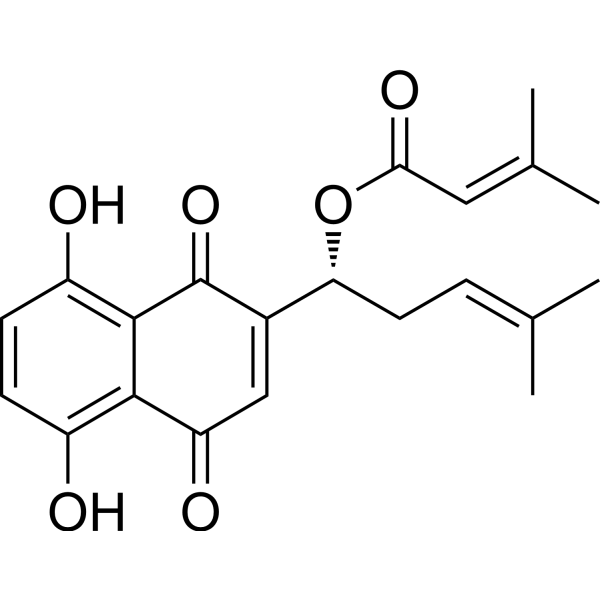
HY-N5112B
β,β-DimethylacrylshikoninAnticancer Compound -
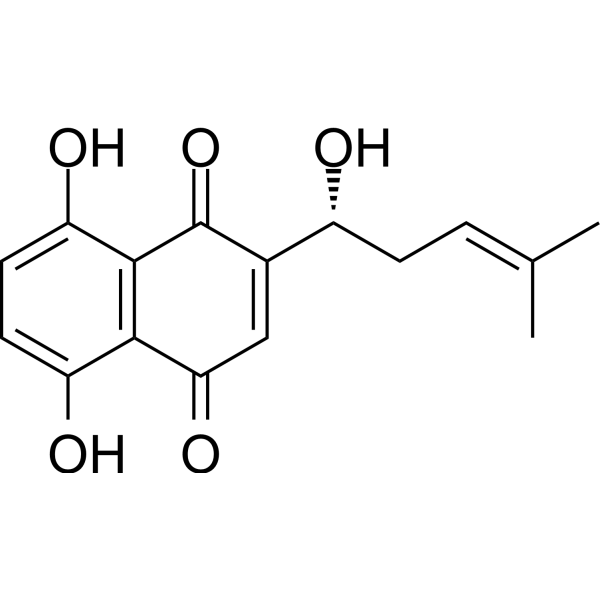
HY-N0822
ShikoninChloride Channel Inhibitor -
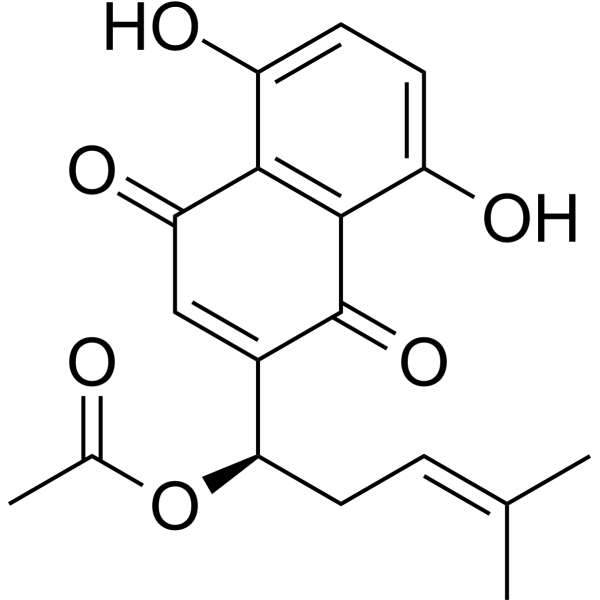
HY-N2181
AcetylshikoninAnti-inflammatory agent, AChE Inhibitor, P450 Inhibitor, Neuroprotective agents -
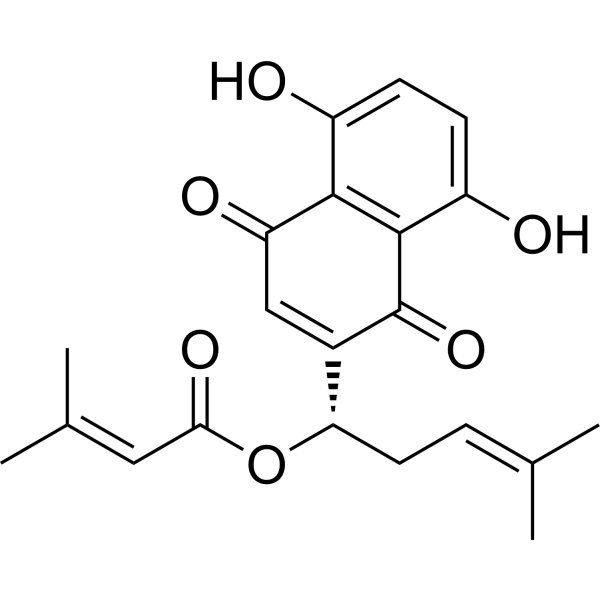
HY-N5112A
β,β-DimethylacrylalkanninFGFR1 Inhibitor -
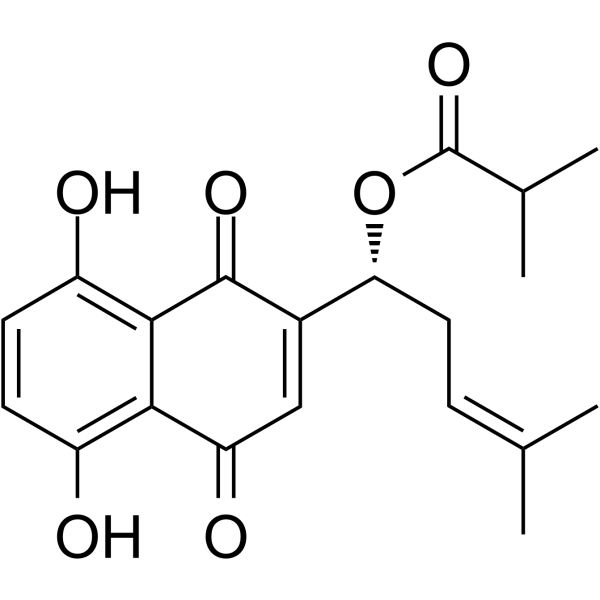
HY-N2592
IsobutylshikoninShikonin Pigment -
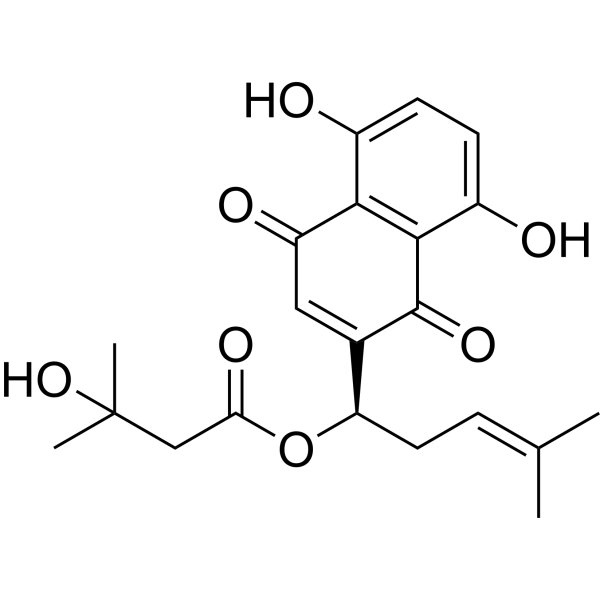
HY-N4201
β-HydroxyisovalerylshikoninSrc Inhibitor -
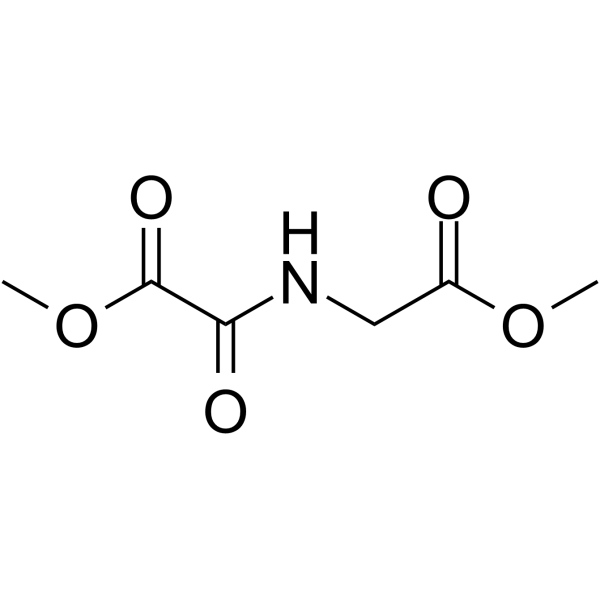
HY-15893
DMOGHIF-PH Inhibitor -
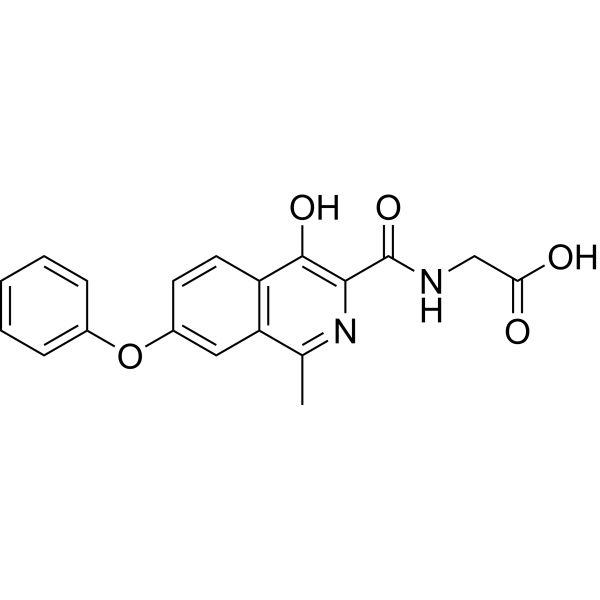
HY-13426
RoxadustatHIF-PH Inhibitor -
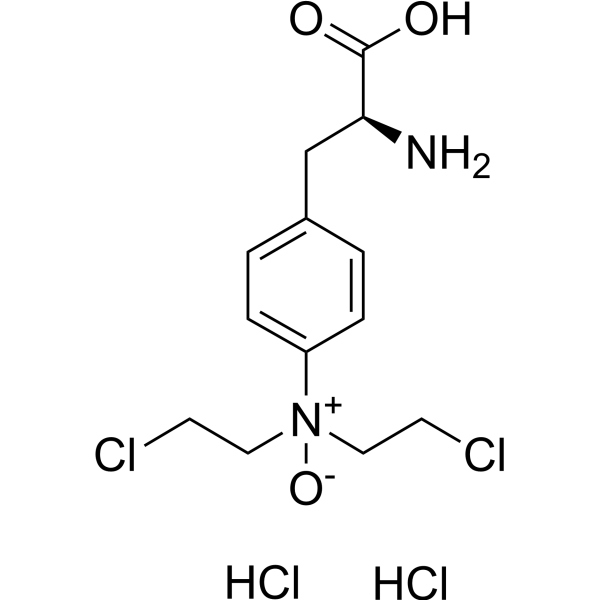
HY-10231
PX-478HIF-1α Inhibitor -
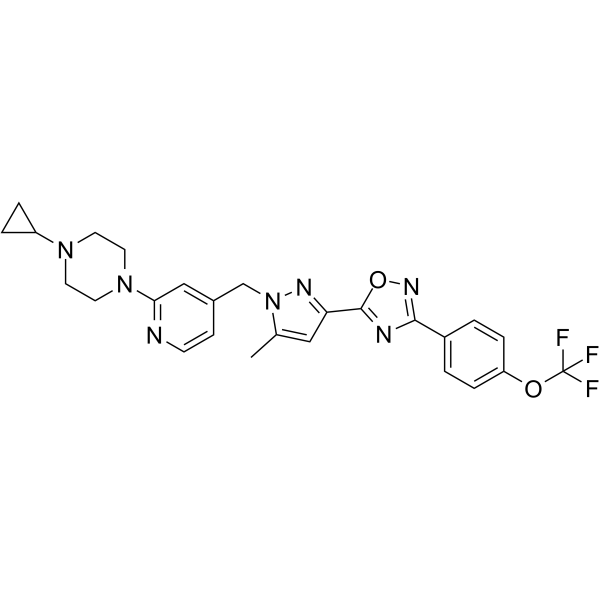
HY-15836
BAY 87-2243HIF-1 Inhibitor -

HY-15893R
DMOG (Standard)HIF-PH Inhibitor -
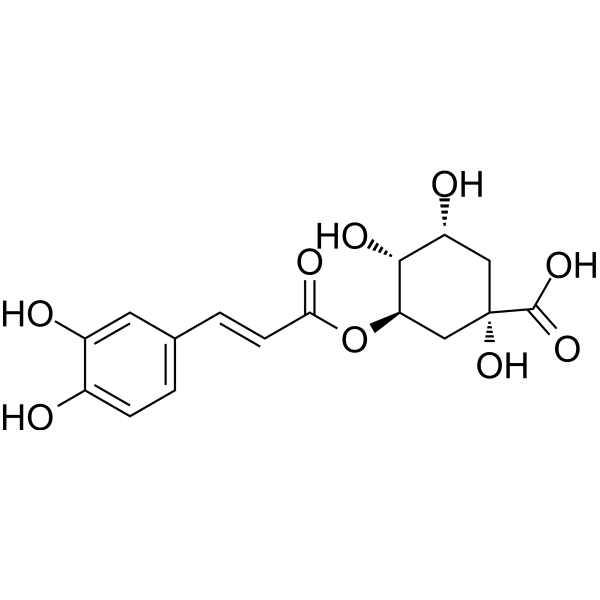
HY-N0055
Chlorogenic acidAntioxidant
Publications Citing Use of MedChemExpress (MCE) Deoxyshikonin
More Customer Validation & Images

-
Cell Proliferation/Viability Assay
-
Cell Imaging/Staining
-
IF
-
Flow Cytometry
-
IP


Biological Activity
Description
|
HIF-1α |
HIF-1β |
PI3K |
Cellular Effect
|
Cell Line

|
Type | Value | Description | References |
|---|---|---|---|---|
| A-375 | IC50 |
6.83 μM
Compound: SK-3
|
Antiproliferative activity against human A-375 cells assessed as inhibition of cell proliferation measured after 3 days by MTT assay
Antiproliferative activity against human A-375 cells assessed as inhibition of cell proliferation measured after 3 days by MTT assay
|
[PMID: 39129245] |
| AU565 | IC50 |
0.92 μM
Compound: 1
|
Cytotoxicity against human AU565 cells after 48 hrs by MTT assay
Cytotoxicity against human AU565 cells after 48 hrs by MTT assay
|
[PMID: 20405844] |
| DU-145 | IC50 |
1.24 μM
Compound: 1
|
Cytotoxicity against human DU145 cells after 48 hrs by MTT assay
Cytotoxicity against human DU145 cells after 48 hrs by MTT assay
|
[PMID: 20405844] |
| HCT-116 | IC50 |
15.46 μM
Compound: SK-3
|
Antiproliferative activity against human HCT-116 cells assessed as inhibition of cell proliferation measured after 3 days by MTT assay
Antiproliferative activity against human HCT-116 cells assessed as inhibition of cell proliferation measured after 3 days by MTT assay
|
[PMID: 39129245] |
| HeLa | IC50 |
0.85 μM
Compound: 1
|
Cytotoxicity against human HeLa cells after 48 hrs by MTT assay
Cytotoxicity against human HeLa cells after 48 hrs by MTT assay
|
[PMID: 20405844] |
| Hep 3B2 | IC50 |
6.02 μM
Compound: 1
|
Cytotoxicity against human Hep3B cells after 48 hrs by MTT assay
Cytotoxicity against human Hep3B cells after 48 hrs by MTT assay
|
[PMID: 20405844] |
| HepG2 | IC50 |
0.9 μM
Compound: 1
|
Cytotoxicity against human HepG2 cells after 48 hrs by MTT assay
Cytotoxicity against human HepG2 cells after 48 hrs by MTT assay
|
[PMID: 20405844] |
| HepG2 | IC50 |
10.5 μM
Compound: SK-3
|
Antiproliferative activity against human HepG2 cells assessed as inhibition of cell proliferation measured after 3 days by MTT assay
Antiproliferative activity against human HepG2 cells assessed as inhibition of cell proliferation measured after 3 days by MTT assay
|
[PMID: 39129245] |
| HT-29 | IC50 |
5.12 μM
Compound: 1
|
Cytotoxicity against human HT-29 cells after 48 hrs by MTT assay
Cytotoxicity against human HT-29 cells after 48 hrs by MTT assay
|
[PMID: 20405844] |
| LNCaP | IC50 |
12.21 μM
Compound: 1
|
Cytotoxicity against human LNCAP cells after 48 hrs by MTT assay
Cytotoxicity against human LNCAP cells after 48 hrs by MTT assay
|
[PMID: 20405844] |
| MCF7 | IC50 |
0.79 μM
Compound: 1
|
Cytotoxicity against human MCF7 cells after 48 hrs by MTT assay
Cytotoxicity against human MCF7 cells after 48 hrs by MTT assay
|
[PMID: 20405844] |
| MDA-MB-231 | IC50 |
5.08 μM
Compound: 1
|
Cytotoxicity against human MDA-MB-231 cells after 48 hrs by MTT assay
Cytotoxicity against human MDA-MB-231 cells after 48 hrs by MTT assay
|
[PMID: 20405844] |
| NIH3T3 | IC50 |
5.84 μM
Compound: 1
|
Cytotoxicity against mouse 3T3 cells after 48 hrs by MTT assay
Cytotoxicity against mouse 3T3 cells after 48 hrs by MTT assay
|
[PMID: 20405844] |
| PC-3 | IC50 |
4.29 μM
Compound: 1
|
Cytotoxicity against human PC3 cells after 48 hrs by MTT assay
Cytotoxicity against human PC3 cells after 48 hrs by MTT assay
|
[PMID: 20405844] |
| SAOS-2 | IC50 |
0.85 μM
Compound: 1
|
Cytotoxicity against human Saos2 cells after 48 hrs by MTT assay
Cytotoxicity against human Saos2 cells after 48 hrs by MTT assay
|
[PMID: 20405844] |
| SK-BR-3 | IC50 |
0.69 μM
Compound: 1
|
Cytotoxicity against human SKBR3 cells after 48 hrs by MTT assay
Cytotoxicity against human SKBR3 cells after 48 hrs by MTT assay
|
[PMID: 20405844] |
| Vero | IC50 |
0.66 μM
Compound: 1
|
Cytotoxicity against african green monkey Vero cells after 48 hrs by MTT assay
Cytotoxicity against african green monkey Vero cells after 48 hrs by MTT assay
|
[PMID: 20405844] |
In Vitro
Deoxyshikonin (6.25-100 μg/mL; 48 h) inhibits the growth of human colonic cancer cells[1].
Deoxyshikonin (25-100 μg/mL; 24, 48 h) induces early apoptotic cells death[1].
Deoxyshikonin (25-100 μg/mL; 48 h) leads to a dose-dependent increase in the percentage of cells at G0/G1 phase[1].
Deoxyshikonin (25-100 μg/mL; 48 h) exerts a decrease of PI3K, p-PI3K, Akt, p-Akt308 and mTOR proteins expression in HT29 and DLD-1 cell lines[1].
MedChemExpress (MCE) has not independently confirmed the accuracy of these methods. They are for reference only. Further protocols information, click here.
-
Cell Line:Caco-2, HCT116, DLD-1 and HT29 cells
-
Concentration:6.25, 12.5, 25, 50 and 100 μg/mL
-
Incubation Time:48 h
-
Result:At low concentration inhibited the growth of human colonic cancer cells including DLD-1, HCT-116, Caco-2 and HT29 cells.
Had IC50 values of 31.00 μM at 24 h, while 10.97 μM at 48 h in HT29 cells.
-
Cell Line:HT29 cells
-
Concentration:25, 50 and 100 μg/mL
-
Incubation Time:24 or 48 h
-
Result:The ratio of early apoptotic cells increased from 1% to 29% in a dose-dependent manner by being treated with 0-50 μg/mL at 48 h.
-
Cell Line:HT29 cells
-
Concentration:25, 50 and 100 μg/mL
-
Incubation Time:48 h
-
Result:The percentage of G0/G1 cells increased from approximately 44% to 67% in HT29 cells after treatment with 0-50 μg/mL, accompanied by a significant decrease in the percentage of cells at S and G2/M phases.
-
Cell Line:HT29 and DLD-1 cell lines
-
Concentration:25, 50 and 100 μg/mL
-
Incubation Time:48 h
-
Result:Exerted a decrease of PI3K, p-PI3K, Akt, p-Akt308 and mTOR proteins expression in HT29 and DLD-1 cell lines.
In Vivo
MedChemExpress (MCE) has not independently confirmed the accuracy of these methods. They are for reference only.
-
Animal Model:Male BALB/c nude mice of 10-14 g with DLD-1 cells[1]
-
Dosage:20 mg/kg
-
Administration:Intraperitoneal injection; every two days for a total of 13 days
-
Result:Markedly suppressed the growth of xenograft tumours on day 5, 9 and 11 with 20 mg/kg, while there were no significant changes in body weight of the mice.


Chemical Information
-
CAS No. 43043-74-9
-
Appearance Solid
-
Molecular Weight 272.30
-
Formula C16H16O4
-
Color Brown to reddish brown
-
SMILES
O=C1C(CC/C=C(C)/C)=CC(C2=C1C(O)=CC=C2O)=O
-
Structure Classification
-
Initial Source
-
Shipping
Room temperature in continental US; may vary elsewhere.
-
Storage
4°C, protect from light
* In solvent : -80°C, 6 months; -20°C, 1 month (protect from light)


Publications (4)
-
Journal Impact Factor
-
Most Recent
-
Nat Commun
Physiological premature aging of ovarian blood vessels leads to decline in fertility in middle-aged mice. [Abstract]2025 Jan 2;16(1):72. PMID: 39747922 -
J Exp Clin Cancer Res
Disruption of HSPA8-GEMIN5 interaction suppresses colorectal cancer by impaired splicing-translation coupling-mediated proteostasis imbalance. [Abstract]2026 Jan 16;45(1):47. PMID: 41545989
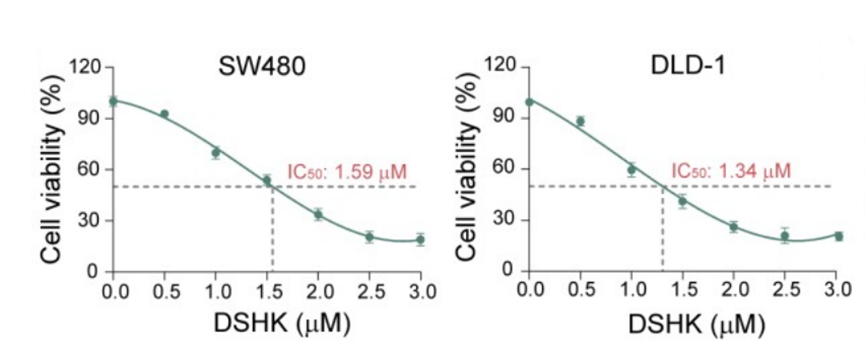
Deoxyshikonin purchased from MedChemExpress. Usage Cited in: J Exp Clin Cancer Res. 2026 Jan 16;45(1):47. [Abstract]
Dose-dependent inhibition of cell viability in human CRC SW480 and DLD-1 cells, measured using a CCK-8 assay treated with Deoxyshikonin (DSHK).
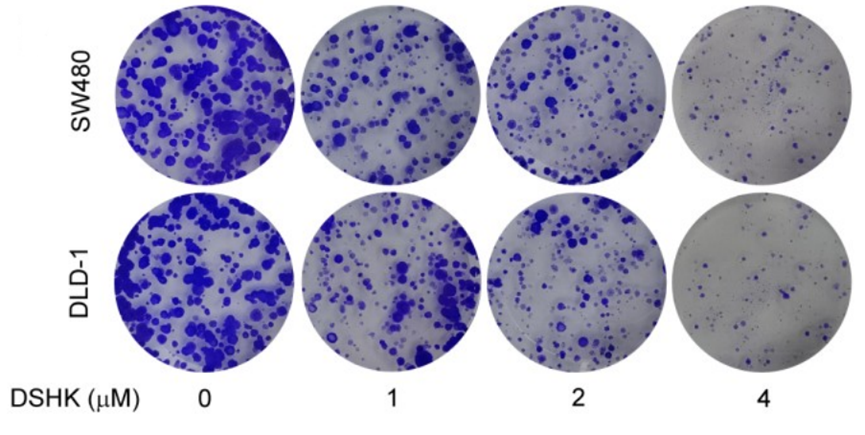
Deoxyshikonin purchased from MedChemExpress. Usage Cited in: J Exp Clin Cancer Res. 2026 Jan 16;45(1):47. [Abstract]
Colony formation assay for the analysis of the Deoxyshikonin (DSHK) (1, 2, 4 μM)-mediated suppression of cell proliferation in SW480 and DLD-1 cells.
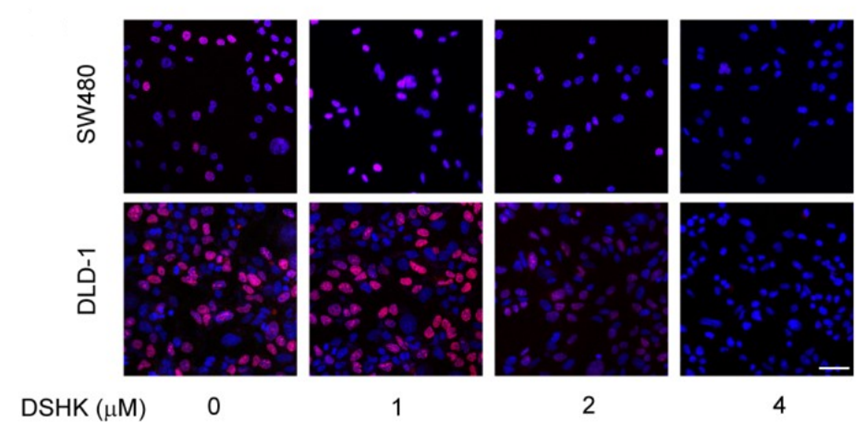
Deoxyshikonin purchased from MedChemExpress. Usage Cited in: J Exp Clin Cancer Res. 2026 Jan 16;45(1):47. [Abstract]
EdU fluorescence staining to detect the DNA replication activity after 24 h of Deoxyshikonin (DSHK) (1, 2, 4 μM) exposure.
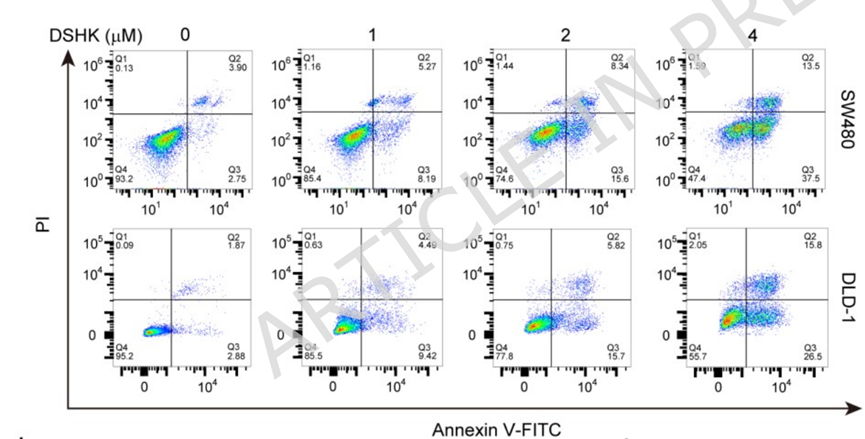
Deoxyshikonin purchased from MedChemExpress. Usage Cited in: J Exp Clin Cancer Res. 2026 Jan 16;45(1):47. [Abstract]
Annexin V-FITC/PI dual-staining flow cytometry to quantify the Deoxyshikonin (DSHK) (1, 2, 4 μM)-induced apoptosis after 24 h of treatment.
Deoxyshikonin purchased from MedChemExpress. Usage Cited in: J Exp Clin Cancer Res. 2026 Jan 16;45(1):47. [Abstract]
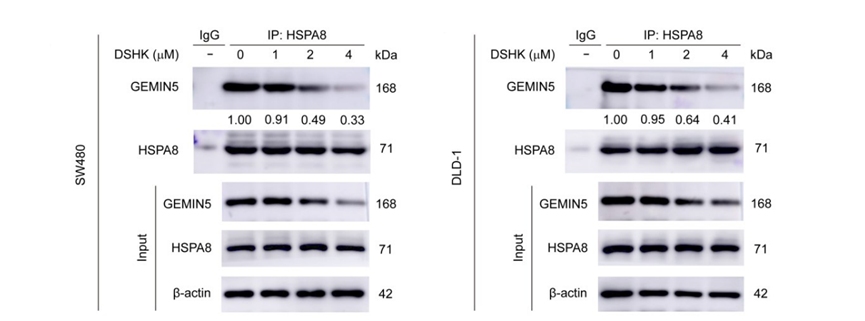
Endogenous Co-IP analysis of the HSPA8-GEMIN5 interaction intensity in SW480 and DLD-1 cells after treatment with gradient concentrations of Deoxyshikonin (DSHK) (1, 2, 4 μM) (24 h).
-
Sci Rep
Deoxyshikonin inhibits growth and induces apoptosis of hypertrophic scar-derived fibroblasts by downregulating FBXO expression through autophagy. [Abstract]2026 Apr 28;16(1):19700. PMID: 42049810 -
Microb Pathog
Deoxyshikonin inhibited rotavirus replication by regulating autophagy and oxidative stress through Sirt1/FoxO1/Rab7 axis. [Abstract]2023 May:178:106065. PMID: 36907361


Solvent & Solubility
In Vitro:
DMSO : 33.33 mg/mL (122.40 mM; ultrasonic and warming and heat to 60°C; Hygroscopic DMSO has a significant impact on the solubility of product, please use newly opened DMSO)
Please refer to the solubility information to select the appropriate solvent. Once prepared, please aliquot and store the solution to prevent product inactivation from repeated freeze-thaw cycles.
Storage method and period of stock solution: -80°C, 6 months; -20°C, 1 month (protect from light). When stored at -80°C, please use it within 6 months. When stored at -20°C, please use it within 1 month.
Please refer to the solubility information to select the appropriate solvent. Once prepared, please aliquot and store the solution to prevent product inactivation from repeated freeze-thaw cycles.
Storage method and period of stock solution: -80°C, 6 months; -20°C, 1 month (protect from light). When stored at -80°C, please use it within 6 months. When stored at -20°C, please use it within 1 month.
Concentration (start) × Volume (start) = Concentration (final) × Volume (final)
In Vivo:
Select the appropriate dissolution method based on your experimental animal and administration route.
- For the following dissolution methods, please ensure to first prepare a clear stock solution using an In Vitro approach and then sequentially add co-solvents:
- To ensure reliable experimental results, the clarified stock solution can be appropriately stored based on storage conditions. As for the working solution for In Vivo experiments, it is recommended to prepare freshly and use it on the same day.
- The percentages shown for the solvents indicate their volumetric ratio in the final prepared solution. If precipitation or phase separation occurs during preparation, heat and/or sonication can be used to aid dissolution.
Add each solvent one by one: 10% DMSO 40% PEG300 5% Tween-80 45% Saline
Solubility: ≥ 2.5 mg/mL (9.18 mM); Clear solution
This protocol yields a clear solution of ≥ 2.5 mg/mL (saturation unknown).
Taking 1 mL working solution as an example, add 100 μL DMSO stock solution (25.0 mg/mL) to 400 μL PEG300, and mix evenly; then add 50 μL Tween-80 and mix evenly; then add 450 μL Saline to adjust the volume to 1 mL.
Preparation of Saline: Dissolve 0.9 g sodium chloride in ddH₂O and dilute to 100 mL to obtain a clear Saline solution.
In Vivo Dissolution Calculator
Please enter the basic information of animal experiments:
-
-
-
-
Recommended: Prepare an additional quantity of animals to account for potential losses during experiments.
Please enter your animal formula composition:
-
%DMSO +
Recommended: Keep the proportion of DMSO in working solution below 2% if your animal is weak.
-
%+
-
+%Tween-80 + +
-
%Saline +
The co-solvents required include: DMSO, . All of co-solvents are available by MedChemExpress (MCE). , Tween 80. All of co-solvents are available by MedChemExpress (MCE).
Working solution concentration: 0.22 mg/mL
Method for preparing stock solution: mg drug dissolved in μL DMSO. Stock solution concentration: mg/mL. * In solvent : -80°C, 6 months; -20°C, 1 month (protect from light)
1. Take μL DMSO stock solution;
2. Add μL .
μL , mix evenly;
3. Then add μL Tween 80, mix evenly;
4. Then add μL
Please ensure that the stock solution in the first step is dissolved to a clear state, and add co-solvents in sequence. You can use ultrasonic heating (ultrasonic cleaner, recommended frequency 20-40 kHz), vortexing, etc. to assist dissolution.

Protocols
-
RNA extraction experimental
By lysing cells, releasing RNA, and removing impurities such as proteins and DNA, high-purity RNA products are finally obtained. The commonly used traditional method is the guanidine isothiocyanate/phenol/chloroform method (Trizol), which is suitable for a variety of animal materials including animal tissues, microorganisms, cultured cells, etc., and most plant materials.
-
Research Protocol for Infectious Diseases
Infectious-disease experiments test how pathogens interact with host barriers, innate immune receptors, inflammatory signaling, pathogen replication, and tissue injury; pattern-recognition receptors such as TLRs, RIG-I-like receptors, NOD-like receptors, and inflammasomes detect microbial molecules and activate NF-κB, interferon, and cytokine responses. The central hypothesis is that infection severity reflects the balance between pathogen burden and host response: protective inflammation restricts pathogen growth, whereas excessive or mislocalized inflammation contributes to tissue damage and disease phenotype. Unresolved questions include which host pathways are protective versus pathogenic, why some infection models fail to translate to human disease, and which combined readouts best predict clinically relevant infection outcomes.
-
Subcutaneous Cell-Line-Derived Xenograft
Subcutaneous cell-line-derived xenograft (CDX) models are established by implanting cultured human cancer cell lines into immunodeficient mice, where the injected cells form localized tumors that can be monitored in vivo as a measure of tumorigenic potential, growth kinetics, and treatment response. These models are widely used in oncology research because they allow reproducible tumor formation and enable comparative assessment of tumor growth between different cell lines or genetic manipulations in a controlled in vivo microenvironment. Subcutaneous implantation of cancer cells in immunodeficient mice is a standard approach for evaluating tumor growth behavior and therapeutic response across multiple cancer types, including prostate, esophageal, pancreatic, and colon cancer models.


Purity & Documentation
-
Data Sheet (280 KB)
-
SDS (393 KB)
- English - EN (393 KB)
- Français - FR (393 KB)
- Deutsch - DE (393 KB)
- Norwegian - NO (393 KB)
- Español - ES (393 KB)
- Swedish - SV (393 KB)
- Italian - IT (393 KB)
- Korean - KR (393 KB)
- Portuguese - PT (393 KB)
-
Handling Instructions (2659 KB)
References
[1]. Prangsaengtong O, et al. Enhancement of Lymphangiogenesis In Vitro via the Regulations of HIF-1α Expression and Nuclear Translocation by Deoxyshikonin. Evid Based Complement Alternat Med. 2013;2013:148297. [Content Brief]
[2]. Zhang S, et al. Antibacterial effects of Traditional Chinese Medicine monomers against Streptococcus pneumoniae via inhibiting pneumococcal histidine kinase (VicK). Front Microbiol. 2015 May 20;6:479. [Content Brief]
[3]. Yuzhen Zhu, et al. Deoxyshikonin isolated from Arnebia euchromainhibits colorectal cancer by down-regulating the PI3K/Akt/mTOR pathway. Pharm Biol. 2019 Dec;57(1):412-423. [Content Brief]


Complete Stock Solution Preparation Table
Please refer to the solubility information to select the appropriate solvent. Once prepared, please aliquot and store the solution to prevent product inactivation from repeated freeze-thaw cycles.
Storage method and period of stock solution: -80°C, 6 months; -20°C, 1 month (protect from light). When stored at -80°C, please use it within 6 months. When stored at -20°C, please use it within 1 month.
| Optional Solvent | Concentration Solvent Mass | 1 mg | 5 mg | 10 mg | 25 mg |
|---|---|---|---|---|---|
| DMSO | 1 mM | 3.6724 mL | 18.3621 mL | 36.7242 mL | 91.8105 mL |
| 5 mM | 0.7345 mL | 3.6724 mL | 7.3448 mL | 18.3621 mL | |
| 10 mM | 0.3672 mL | 1.8362 mL | 3.6724 mL | 9.1811 mL | |
| 15 mM | 0.2448 mL | 1.2241 mL | 2.4483 mL | 6.1207 mL | |
| 20 mM | 0.1836 mL | 0.9181 mL | 1.8362 mL | 4.5905 mL | |
| 25 mM | 0.1469 mL | 0.7345 mL | 1.4690 mL | 3.6724 mL | |
| 30 mM | 0.1224 mL | 0.6121 mL | 1.2241 mL | 3.0604 mL | |
| 40 mM | 0.0918 mL | 0.4591 mL | 0.9181 mL | 2.2953 mL | |
| 50 mM | 0.0734 mL | 0.3672 mL | 0.7345 mL | 1.8362 mL | |
| 60 mM | 0.0612 mL | 0.3060 mL | 0.6121 mL | 1.5302 mL | |
| 80 mM | 0.0459 mL | 0.2295 mL | 0.4591 mL | 1.1476 mL | |
| 100 mM | 0.0367 mL | 0.1836 mL | 0.3672 mL | 0.9181 mL |


Deoxyshikonin Related Classifications
HY-N2187 Related Classifications
 Powered by Bioz