1. Search Result
Search Result
Pathways Recommended: NF-κB
Results for "

NF-κB transcriptional

" in MedChemExpress (MCE) Product Catalog:

110

Inhibitors & Agonists

3

Screening Libraries

2

Peptides

42

Natural
Products

4

Isotope-Labeled Compounds

2

Oligonucleotides

Targets Recommended:
Cat. No. 상품명 Target 연구분야 Chemical Structure
  • HY-N0005
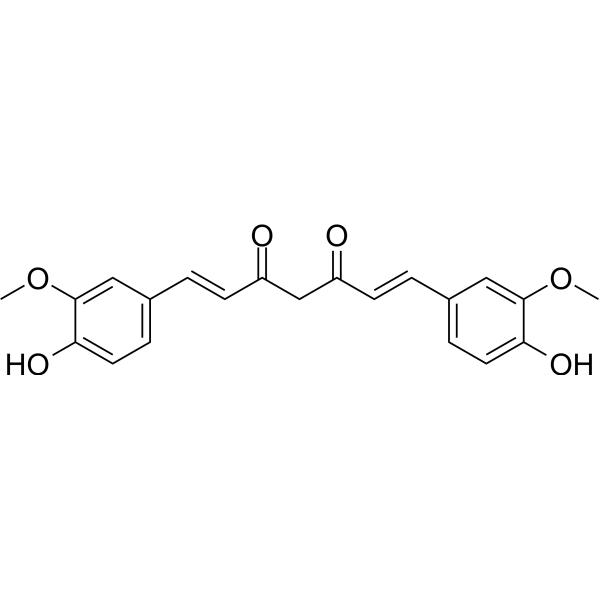
    Curcumin
    Maximum Cited Publications
    123 Publications Verification

    Diferuloylmethane; Natural Yellow 3; Turmeric yellow

    Histone Acetyltransferase Epigenetic Reader Domain Keap1-Nrf2 Autophagy Mitophagy Influenza Virus Ferroptosis Apoptosis Infection Metabolic Disease Inflammation/Immunology Cancer
    Curcumin (Diferuloylmethane), a natural phenolic compound, is a p300/CREB-binding protein-specific inhibitor of acetyltransferase, represses the acetylation of histone/nonhistone proteins and histone acetyltransferase-dependent chromatin transcription. Curcumin is a photosensitizer against microorganisms. Curcumin shows inhibitory effects on NF-κB and MAPKs, and has diverse pharmacologic effects including anti-inflammatory, antioxidant, antiproliferative and antiangiogenic activities. Curcumin induces stabilization of Nrf2 protein through Keap1 cysteine modification.
    Curcumin
  • HY-13982
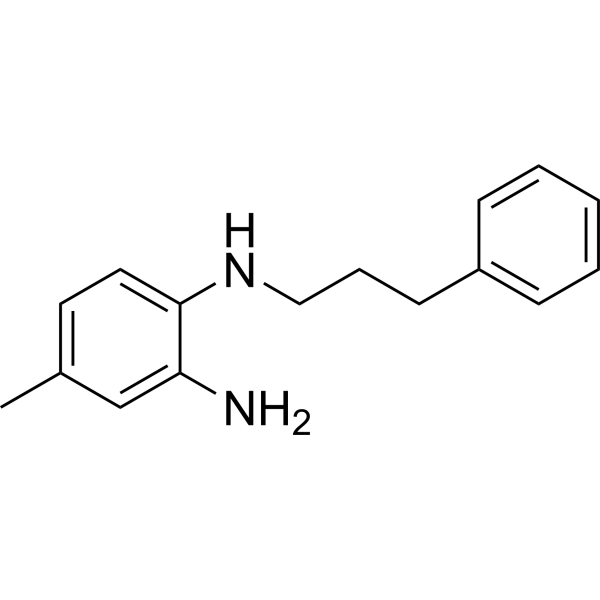
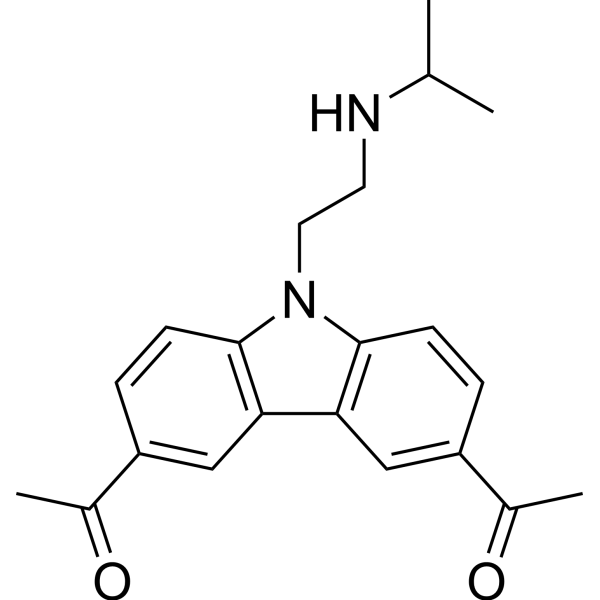
    JSH-23
    Maximum Cited Publications
    141 Publications Verification

    NF-κB Metabolic Disease Inflammation/Immunology Cancer
    JSH-23 is an NF-κB inhibitor which inhibits NF-κB transcriptional activity with an IC50 of 7.1 μM in lipopolysaccharide (LPS)-stimulated macrophages RAW 264.7. JSH-23 inhibits nuclear translocation of NF-κB p65 without affecting IκBα degradation .
    JSH-23
  • HY-N1445
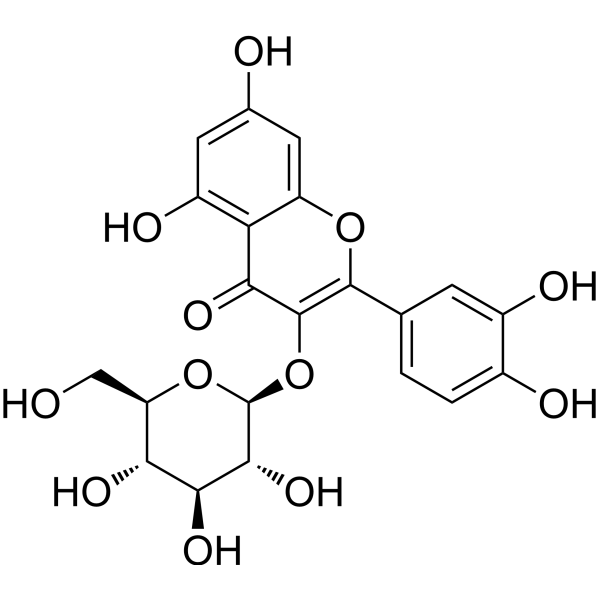
    Isoquercitrin
    5+ Cited Publications

    Isoquercetin; Quercetin 3-glucoside

    NF-κB NO Synthase Inflammation/Immunology Cancer
    Isoquercetin (Quercetin 3-glucoside) is a naturally occurring polyphenol that has antioxidant, anti-proliferative, and anti-inflammatory properties. Isoquercetin alleviates ethanol-induced hepatotoxicity, oxidative stress, and inflammatory responses via the Nrf2/ARE antioxidant signaling pathway . Isoquercetin regulates the expression of nitric oxide synthase 2 (NO2) via modulating the nuclear factor-κB (NF-κB) transcription regulation system. Isoquercetin has high bioavailability and low toxicity, is a promising candidate agent to prevent birth defects in diabetic pregnancies .
    Isoquercitrin
  • HY-B0167
    Salicylic acid
    10+ Cited Publications

    2-Hydroxybenzoic acid

    Environmental Pollutants Endogenous Metabolite COX Autophagy Apoptosis Mitophagy Infection Neurological Disease Inflammation/Immunology Cancer
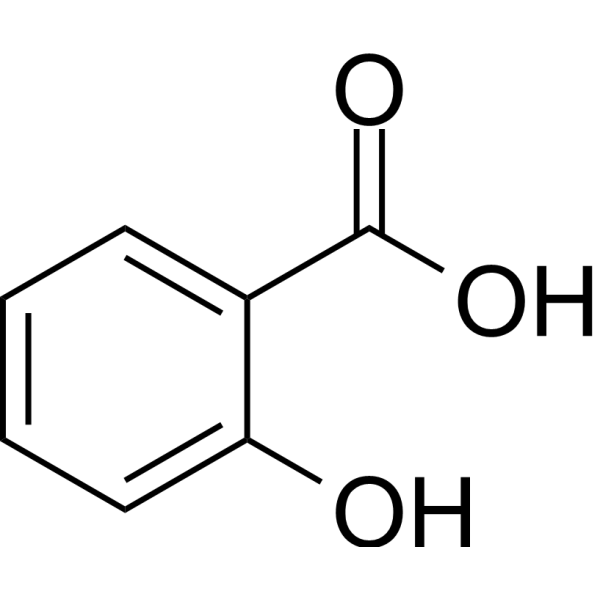
    Salicylic acid (2-Hydroxybenzoic acid) inhibits cyclo-oxygenase-2 (COX-2) activity independently of transcription factor (NF-κB) activation. Salicylic acid has blood-brain barrier permeability .
    Salicylic acid
  • HY-18935
    CBL0137
    10+ Cited Publications

    Curaxin 137; CBL-C137

    Histone Acetyltransferase MDM-2/p53 NF-κB Cancer
    CBL0137, a curaxin compound, is a histone chaperone facilitates chromatin transcription (FACT) inhibitor. CBL0137 downregulates NF-κB and activates p53. CBL0137 restores both histone H3 acetylation and trimethylation. CBL0137 is an anticancer agent. CBL0137 induces cancer cell apoptosis .
    CBL0137
  • HY-10172
    IMD-0354
    20+ Cited Publications

    IKK2 Inhibitor V

    IKK Cancer
    IMD-0354 (IKK2 Inhibitor V) is a selective IKKβ inhibitor which inhibits NF-κB activity . IMD0354 inhibits TNF-α induced NF-κB transcription activity with an IC50 of 1.2 uM .
    IMD-0354
  • HY-13812
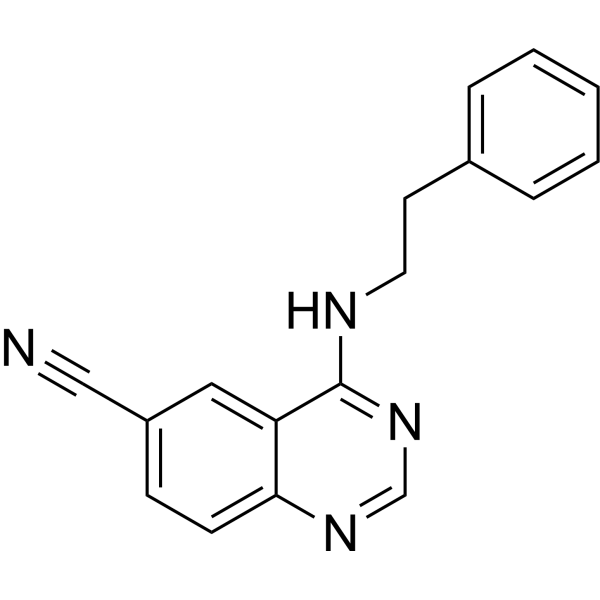
    QNZ
    45+ Cited Publications

    EVP4593

    NF-κB TNF Receptor Neurological Disease Inflammation/Immunology
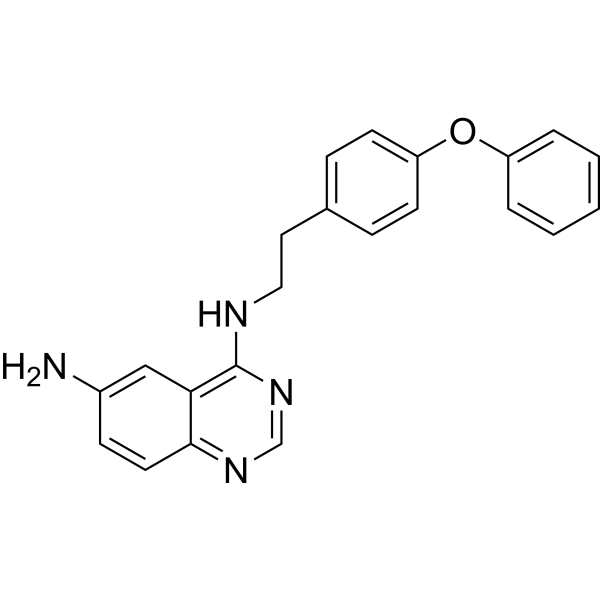
    QNZ (EVP4593) shows strong inhibitory effects on NF-κB transcriptional activation and TNF-α production with IC50s of 11 and 7 nM, respectively. QNZ (EVP4593) is a neuroprotective inhibitor of SOC channel.
    QNZ
  • HY-50937
    ST 2825
    65+ Cited Publications

    MyD88 Inflammation/Immunology
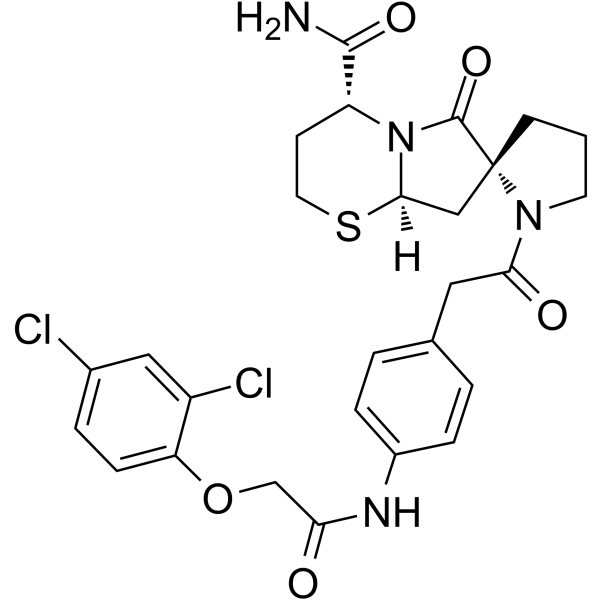
    ST 2825 is a specific MyD88 dimerization inhibitor. ST2825 interferes with recruitment of IRAK1 and IRAK4 by MyD88, causing inhibition of IL-1β-mediated activation of NF-κB transcriptional activity .
    ST 2825
  • HY-N0043
    Ginsenoside Rd
    1 Publications Verification

    Gypenoside VIII

    NF-κB COX Calcium Channel Cytochrome P450 Endogenous Metabolite Cardiovascular Disease Inflammation/Immunology Cancer
    Ginsenoside Rd inhibits TNFα-induced NF-κB transcriptional activity with an IC50 of 12.05±0.82 μM in HepG2 cells. Ginsenoside Rd inhibits expression of COX-2 and iNOS mRNA. Ginsenoside Rd also inhibits Ca 2+ influx. Ginsenoside Rd inhibits CYP2D6, CYP1A2, CYP3A4, and CYP2C9, with IC50s of 58.0±4.5 μM, 78.4±5.3 μM, 81.7±2.6 μM, and 85.1±9.1 μM, respectively.
    Ginsenoside Rd
  • HY-B1060
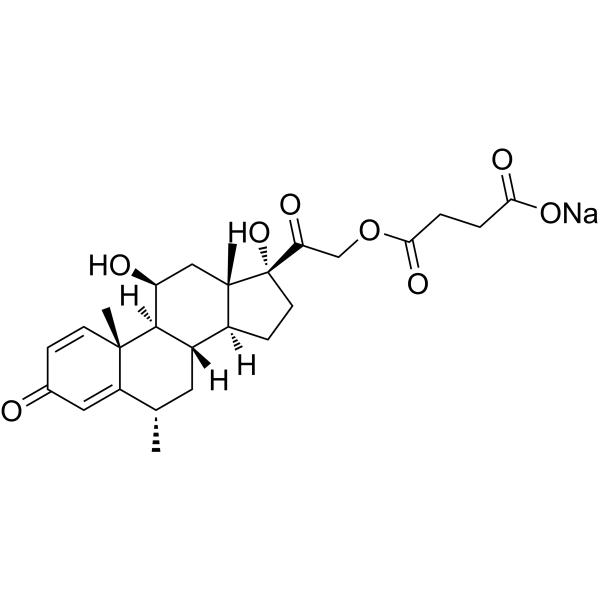
    Methylprednisolone succinate sodium
    2 Publications Verification

    Methylprednisolone hydrogen succinate sodium

    Glucocorticoid Receptor Infection Neurological Disease Inflammation/Immunology Cancer
    Methylprednisolone succinate (Methylprednisolone hydrogen succinate) sodium is a prodrug of Methylprednisolone (HY-B0260) and glucocorticoid with immunosuppressant and anti-inflammatory activity. Methylprednisolone succinate sodium binds cytosolic glucocorticoid receptors, translocates to nuclei, and modulates target gene transcription. Methylprednisolone succinate sodium alters Bax, Bcl-2, occludin, and ZO-1 expression; attenuates TLR4/NF-κB signaling; suppresses proinflammatory cytokine production and immune cell activation. Methylprednisolone succinate sodium can be used for the research of intracranial haemorrhage, rheumatoid arthritis, multiple sclerosis, preterminal cancer, inflammatory conditions, shock, immediate-type hypersensitivity, acute myocardial ischemia, hypoxic heart muscle damage, and traumatic spinal cord injury .
    Methylprednisolone succinate sodium
  • HY-B0167A
    Sodium Salicylate
    10+ Cited Publications

    Salicylic acid sodium salt; 2-Hydroxybenzoic acid sodium salt

    Environmental Pollutants Ribosomal S6 Kinase (RSK) Endogenous Metabolite Apoptosis COX Autophagy NF-κB Inflammation/Immunology Cancer
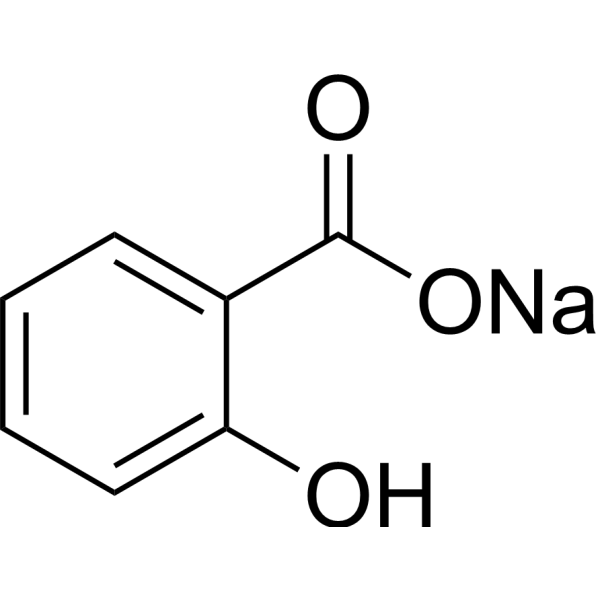
    Sodium Salicylate (Salicylic acid sodium salt) inhibits cyclo-oxygenase-2 (COX-2) activity independently of transcription factor (NF-κB) activation . Sodium Salicylate is also a S6K inhibitor.Sodium Salicylate is a NF-κB inhibitor that decreases inflammatory gene expression and improves repair in aged muscle .
    Sodium Salicylate
  • HY-N0041
    Ginsenoside Rb3
    1 Publications Verification

    Gypenoside IV

    NF-κB COX NO Synthase Inflammation/Immunology Cancer
    Ginsenoside Rb3 is extracted from steamed Panax ginseng C. A. Meyer. Ginsenoside Rb3 exhibits inhibitory effect on TNFα-induced NF-κB transcriptional activity with an IC50 of 8.2 μM in 293T cell lines. Ginsenoside Rb3 also inhibits the induction of COX-2 and iNOS mRNA.
    Ginsenoside Rb3
  • HY-B0167S
    Salicylic acid-d6
    1 Publications Verification

    2-Hydroxybenzoic acid-d6

    Isotope-Labeled Compounds COX Autophagy Mitophagy Apoptosis Inflammation/Immunology Cancer
    Salicylic acid-d6 is a deuterium labeled Salicylic acid (HY-B0167). Salicylic acid inhibits cyclo-oxygenase-2 (COX-2) activity independently of transcription factor (NF-κB) activation .
    Salicylic acid-d6
  • HY-119970
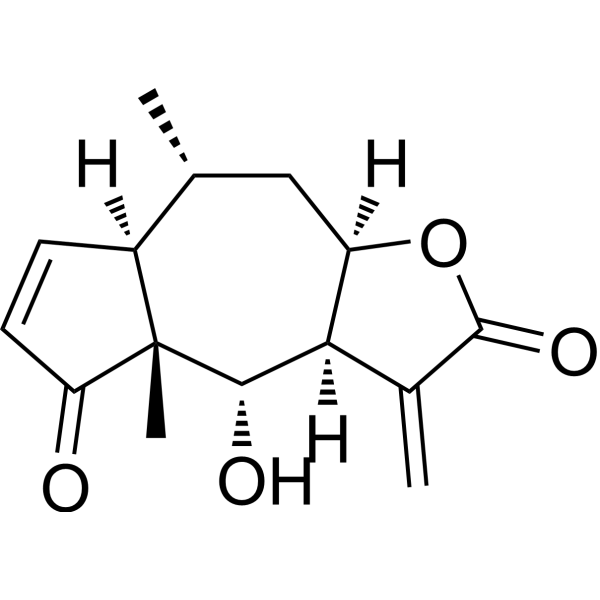
    Helenalin
    5+ Cited Publications

    NF-κB Inflammation/Immunology Cancer
    Helenalin is an anti-inflammatory sesquiterpene lactone. Helenalin selectively inhibits transcription factor NF-κB by directly targeting p65. Helenalin has alkylating activity, targets the cysteine sulfhydryl groups in the p65 subunit of NF-κB, thereby inhibits its DNA binding .
    Helenalin
  • HY-112671

    RTA dh404

    Keap1-Nrf2 NF-κB Apoptosis Cardiovascular Disease Inflammation/Immunology
    CDDO-dhTFEA (RTA dh404) is a synthetic oleanane triterpenoid compound which potently activates Nrf2 and inhibits the pro-inflammatory transcription factor NF-κB . CDDO-dhTFEA restores hypertension (MAP), increases Nrf2 and expression of its target genes, attenuates activation of NF-κB and transforming growth factor-β pathways, and reduces glomerulosclerosis, interstitial fibrosis and inflammation in the chronic kidney disease (CKD) rats .
    CDDO-dhTFEA
  • HY-15681
    Senexin A
    5+ Cited Publications

    CDK Cancer
    Senexin A is an inhibitor of CDK8/19 (IC50: 280 nM, CDK8) and an inhibitor downstream of p21 transcription. It only inhibits p21-induced transcription but does not inhibit other biological effects of p21. Senexin A inhibits CMV-GFP induction as well as the p21 stimulatory activity of the consensus NF-κB-dependent promoters .
    Senexin A
  • HY-N0279
    Cardamonin
    15+ Cited Publications

    Cardamomin; Alpinetin chalcone

    NF-κB STAT Wnt β-catenin Bcl-2 Family Apoptosis Cardiovascular Disease Metabolic Disease Inflammation/Immunology Cancer
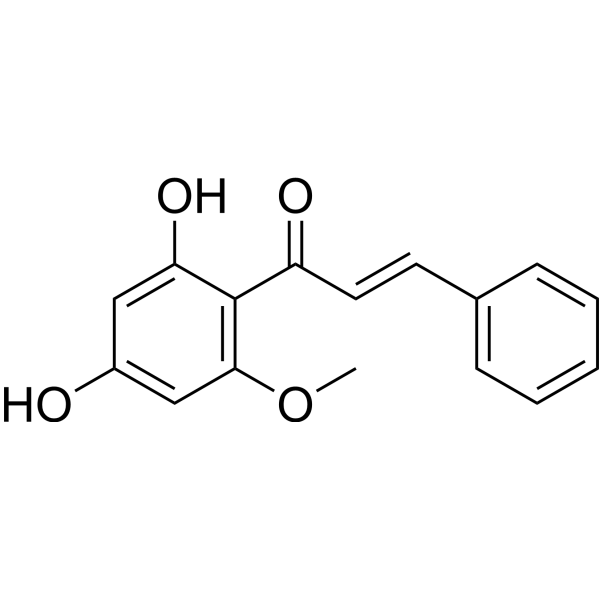
    Cardamonin can be found from cardamom, and can target various signaling molecules, transcriptional factors, cytokines and enzymes. Cardamonin can inhibit mTOR, NF-κB, Akt, STAT3, Wnt/β-catenin and COX-2. Cardamonin shows anticancer, anti-inflammatory, antimicrobial and antidiabetic activities .
    Cardamonin
  • HY-122808

    mGluR NF-κB AP-1 Metabolic Disease
    (-)-Camphoric acid is the less active enantiomer of Camphoric acid. Camphoric acid induces glutamate receptor expression. Camphoric acid also significantly induces the activation of NF-κB and AP-1. Camphoric acid significantly stimulates the differentiation of mouse osteoblastic MC3T3-E1 subclone 4 cells. Camphoric acid has weak regulatory function towards glutamate receptors. Camphoric acid can induce mRNA expression of glutamate signaling molecules and activate transcription factors, thereby stimulating osteoblast differentiation .
    (-)-Camphoric acid
  • HY-N0005R
    Curcumin (Standard)
    1 Publications Verification

    Diferuloylmethane (Standard); Natural Yellow 3 (Standard); Turmeric yellow (Standard)

    Reference Standards Histone Acetyltransferase Epigenetic Reader Domain Keap1-Nrf2 Autophagy Mitophagy Influenza Virus Ferroptosis Infection Neurological Disease Inflammation/Immunology Cancer
    Curcumin (Standard) is the analytical standard of Curcumin (HY-N0005). This product is intended for research and analytical applications. Curcumin (Diferuloylmethane), a natural phenolic compound, is a p300/CREB-binding protein-specific inhibitor of acetyltransferase, represses the acetylation of histone/nonhistone proteins and histone acetyltransferase-dependent chromatin transcription. Curcumin is a photosensitizer against microorganisms. Curcumin shows inhibitory effects on NF-κB and MAPKs, and has diverse pharmacologic effects including anti-inflammatory, antioxidant, antiproliferative and antiangiogenic activities. Curcumin induces stabilization of Nrf2 protein through Keap1 cysteine modification.
    Curcumin (Standard)
  • HY-N0807
    Swertiamarin
    1 Publications Verification

    MMP NF-κB JAK Keap1-Nrf2 Metabolic Disease Inflammation/Immunology Cancer
    Swertiamarin is an orally active natural product with hypoglycemic, lipid-lowering, anti-rheumatic, and antioxidant activities. Swertiamarin can regulate the levels of pro-inflammatory cytokines, MMP, and NF-κB, and promote osteoblast proliferation. Swertiamarin has antioxidant and hepatoprotective effects against carbon tetrachloride induced rat liver toxicity through the Nrf2/HO-1 pathway. Swertiamarin can attenuate inflammatory mediators by regulating JAK2/STAT3 transcription factors in adjuvant induced arthritis rats. Swertiamarin can be used in the research of diabetes and arthritis .
    Swertiamarin
  • HY-B1900
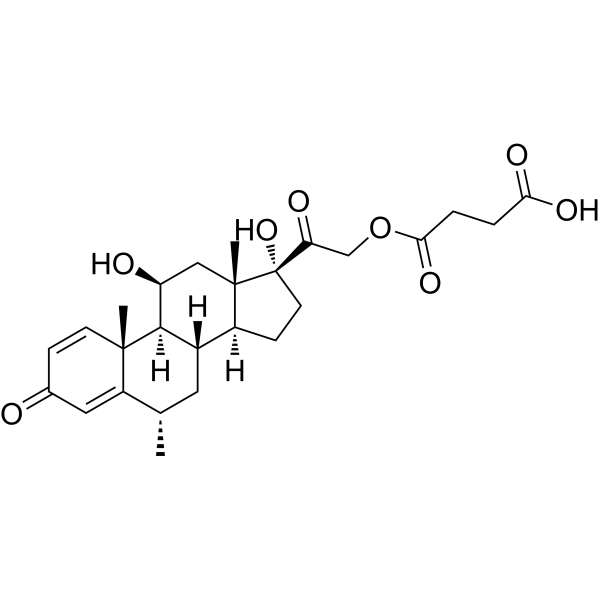
    Methylprednisolone succinate
    2 Publications Verification

    Methylprednisolone hydrogen succinate

    Glucocorticoid Receptor Bacterial Toll-like Receptor (TLR) NF-κB Infection Neurological Disease Metabolic Disease Inflammation/Immunology Cancer
    Methylprednisolone succinate (Methylprednisolone hydrogen succinate) is a prodrug of Methylprednisolone (HY-B0260) and glucocorticoid with immunosuppressant and anti-inflammatory activity. Methylprednisolone succinate binds cytosolic glucocorticoid receptors, translocates to nuclei, and modulates target gene transcription. Methylprednisolone succinate alters Bax, Bcl-2, occludin, and ZO-1 expression; attenuates TLR4/NF-κB signaling; suppresses proinflammatory cytokine production and immune cell activation. Methylprednisolone succinate can be used for the research of intracranial haemorrhage, rheumatoid arthritis, multiple sclerosis, preterminal cancer, inflammatory conditions, shock, immediate-type hypersensitivity, acute myocardial ischemia, hypoxic heart muscle damage, and traumatic spinal cord injury .
    Methylprednisolone succinate
  • HY-10072

    NF-κB AP-1 Inflammation/Immunology
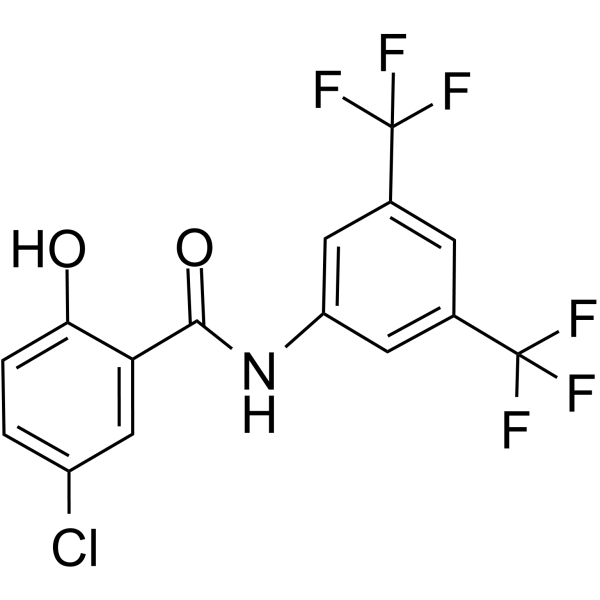
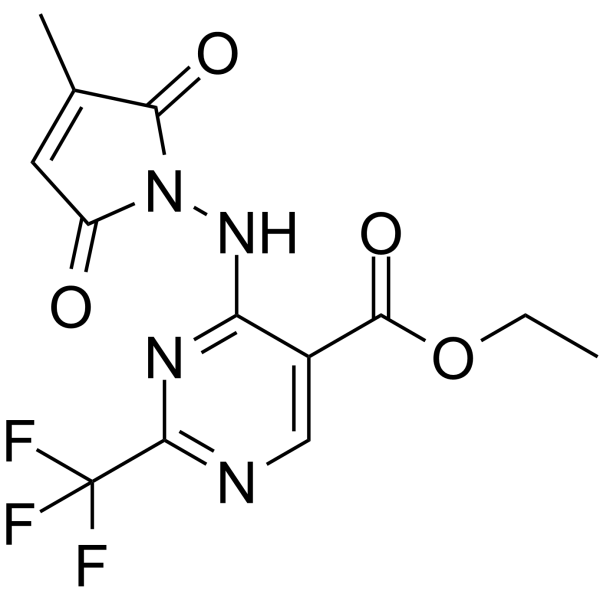
    SPC 839 (compound 10) is an orally active inhibitor of AP-1 and NF-kB mediated transcriptional activation with IC50 of 0.008 μM .
    SPC 839
  • HY-110261
    GS143
    2 Publications Verification

    IKK E1/E2/E3 Enzyme NF-κB Inflammation/Immunology
    GS143 is a selec­tive IκBα ubiquitination inhibitor with an IC50 of 5.2 μM for SCF βTrCP1-mediated IκBα ubiquitylation. GS143 sup­presses NF-κB acti­va­tion and tran­scrip­tion of tar­get genes and does not inhibit proteasome activity. GS143 has anti-asthma effect .
    GS143
  • HY-N0906
    Ginsenoside Rk3
    1 Publications Verification

    NF-κB Cardiovascular Disease Inflammation/Immunology
    Ginsenoside Rk3 is present in the roots Panax ginseng herbs. Ginsenoside Rk3 significantly inhibits TNF-α-induced NF-κB transcriptional activity, with an IC50 of 14.24±1.30 μM in HepG2 cells.
    Ginsenoside Rk3
  • HY-N0167
    Gynostemma Extract
    1 Publications Verification

    Ginsenoside C-Mx1; Gypenoside IX

    p38 MAPK Akt NF-κB COX Interleukin Related NO Synthase Metabolic Disease Inflammation/Immunology
    Gynostemma Extract (Gypenoside IX) is a triterpenoid saponin. Gynostemma Extract can be isolated from Panax notoginseng. Gynostemma Extract reduces NFκB nuclear translocation and transcriptional activity by inhibiting the p38 MAPK/Akt/NFκB signaling pathway. Gynostemma Extract reduces the expression of cytokines (COX-2, IL-6) and the production of NO. Gynostemma Extract has anti-inflammatory activity. Gynostemma Extract can be used in the study of liver injury and neuroinflammation .
    Gynostemma Extract
  • HY-174138

    NF-κB Inflammation/Immunology
    NF-κB degrader 1 (Compound MD-1) is a NF-κB1 p105 subunit degrader. NF-κB degrader 1 shows anti-inflammatory activity (IC50 for inhibiting TNF-α is 2.02 μM, and for inhibiting NO is 5.40 μM). NF-κB degrader 1 induces p105 degradation dependent on the Cullin-RING ligase (CRL) SCFBTCP, suppressing NF-κB transcriptional activity. NF-κB degrader 1 is promising for research of inflammation-related diseases .
    NF-κB degrader 1
  • HY-133987
    AP-1/NF-κB activation inhibitor 1
    3 Publications Verification

    NF-κB Inflammation/Immunology
    AP-1/NF-κB activation inhibitor 1 is a potent AP-1 and NF-κB mediated transcriptional activation inhibitor (IC50=1 μM), without blocking basal transcription driven by the β-actin promoter. AP-1/NF-κB activation inhibitor 1 has a similar inhibitory effect on the production of IL-2 and IL-8 levels in stimulated cells .
    AP-1/NF-κB activation inhibitor 1
  • HY-N0907

    NF-κB Apoptosis Inflammation/Immunology Cancer
    Ginsenoside Rg6 inhibits TNF-α-induced NF-κB transcriptional activity with an IC50 of 29.34 μM in HepG2 cells. Ginsenoside Rg6 also exhibits apoptosis-inducing effect.
    Ginsenoside Rg6
  • HY-N1921
    Edpetiline
    2 Publications Verification

    NF-κB p38 MAPK TNF Receptor Reactive Oxygen Species (ROS) COX Interleukin Related Inflammation/Immunology
    Edpetiline is an anti-inflammatory agent. Edpetiline inhibits the phosphorylation of IκB, nuclear transcription/translocation of NF-κB p65, as well as the phosphorylation of p38 MAPK and ERK MAPK. Edpetiline reduces intracellular ROS levels, inhibits the expression of TNF-α, IL-6, iNOS, COX-2, and promotes the expression of IL-4. Edpetiline is applicable to the research of diseases associated with inflammation and oxidative stress .
    Edpetiline
  • HY-160222

    HSV STING IFNAR NF-κB Infection
    HSV-60mer sodium is a 60 bp double-stranded DNA oligonucleotide derived from the HSV-1 genome, and also an IFNβ inducer. HSV-60mer sodium colocalizes with endogenous cytoplasmic IFI16 in immune cells. HSV-60mer sodium activates the transcription factors IRF3 and NF-κB, induces the production of proinflammatory cytokines, and inhibits HSV-1 replication in immune cells. HSV-60mer sodium can be used in studies related to herpes simplex virus type 1 infection .
    HSV-60mer sodium
  • HY-N0005S

    Diferuloylmethane-d6; Natural Yellow 3-d6; Turmeric yellow-d6

    Isotope-Labeled Compounds Keap1-Nrf2 Ferroptosis Autophagy Histone Acetyltransferase Epigenetic Reader Domain Mitophagy Influenza Virus Infection Metabolic Disease Inflammation/Immunology Cancer
    Curcumin-d6 (Diferuloylmethane-d6 ) is deuterium labeled Curcumin (HY-N0005). Curcumin (Diferuloylmethane), a natural phenolic compound, is a p300/CREB-binding protein-specific inhibitor of acetyltransferase, represses the acetylation of histone/nonhistone proteins and histone acetyltransferase-dependent chromatin transcription. Curcumin is a photosensitizer against microorganisms. Curcumin shows inhibitory effects on NF-κB and MAPKs, and has diverse pharmacologic effects including anti-inflammatory, antioxidant, antiproliferative and antiangiogenic activities. Curcumin induces stabilization of Nrf2 protein through Keap1 cysteine modification.
    Curcumin-d6
  • HY-N3225

    NAMPT Sirtuin Microtubule/Tubulin Apoptosis Autophagy PDGFR NF-κB AMPK Cardiovascular Disease Neurological Disease Metabolic Disease Inflammation/Immunology Cancer
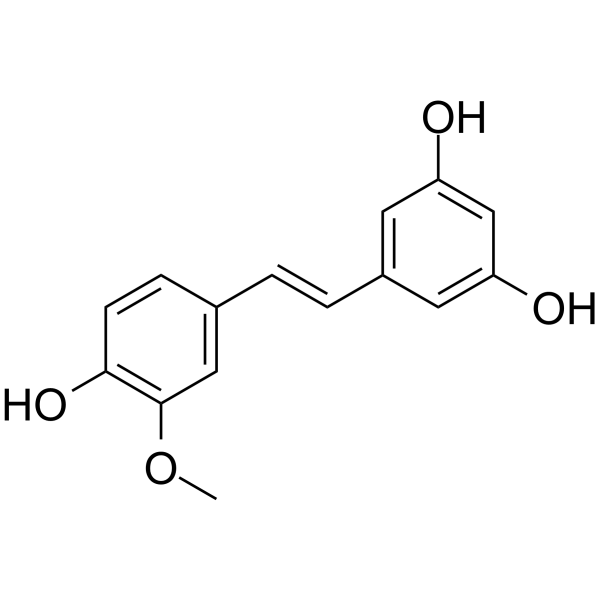
    Myricanol is a diarylheptanoid and a Nampt activator. Myricanol exerts anti-inflammatory effects and alleviates glucocorticoid-induced muscle atrophy by increasing Sirtuin 1 (SIRT1) and PRDX5 activities while regulating inflammatory factors. Myricanol exhibits growth inhibition and induces apoptosis in human lung adenocarcinoma A549 cells. Myricanol promotes autophagy-mediated clearance of microtubule-associated protein tau to exert neuroprotective effects. Myricanol protects cardiovascular function by inhibiting PDGFRβ and NF-κB signaling pathways. Myricanol activates mitochondrial transcription factor A (TFAM) expression to exert anti-renal fibrosis effects. Myricanol improves insulin resistance through AMPK activation .
    Myricanol
  • HY-N4182
    Licochalcone E
    4 Publications Verification

    Akt p38 MAPK Autophagy Inflammation/Immunology
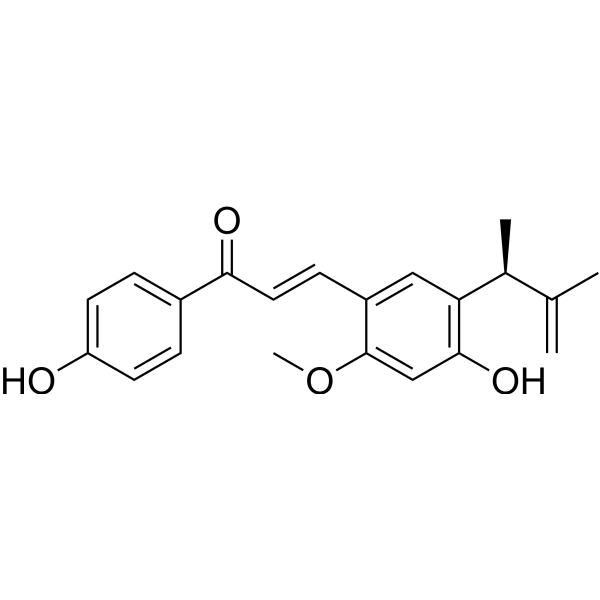
    Licochalcone E, a flavonoid compound isolated from Glycyrrhiza uralensis, inhibits NF-κB and AP-1 transcriptional activity through the inhibition of AKT and MAPK activation .
    Licochalcone E
  • HY-N1196

    NF-κB Inflammation/Immunology
    Suberosin, isolated from Plumbago zeylanica, exhibits anti-inflammatory and anticoagulant activity. Suberosin suppresses PHA-induced PBMC proliferation and arrested cell cycle progression from the G1 transition to the S phase through the modulation of the transcription factors NF-AT and NF-κB .
    Suberosin
  • HY-B0167R
    Salicylic acid (Standard)
    10+ Cited Publications

    2-Hydroxybenzoic acid (Standard)

    Reference Standards COX Autophagy Mitophagy Apoptosis Endogenous Metabolite Inflammation/Immunology Cancer
    Salicylic acid (Standard) is the analytical standard of Salicylic acid. This product is intended for research and analytical applications. Salicylic acid (2-Hydroxybenzoic acid) inhibits cyclo-oxygenase-2 (COX-2) activity independently of transcription factor (NF-κB) activation .
    Salicylic acid (Standard)
  • HY-N8593

    Environmental Pollutants p38 MAPK TNF Receptor NF-κB Interleukin Related Histamine Receptor PKA Inflammation/Immunology Endocrinology
    Undecane is a potent cAMP agonist with anti-allergic and anti-inflammatory activities. Undecane inhibits degranulation and the secretion of histamine and TNF-α. Undecane reverses the increased levels of p38 phosphorylation, NF-κB transcriptional activity and target cytokine/chemokine genes, including thymus and activation-regulated chemokine (TARC), macrophage-derived chemokine (MDC) and interleukin-8 (IL-8). Undecane can be used for the study of skin inflammatory disorders, such as atopic dermatitis .
    Undecane
  • HY-N1445R
    Isoquercitrin (Standard)
    1 Publications Verification

    Isoquercetin (Standard); Quercetin 3-glucoside (Standard)

    Reference Standards NF-κB NO Synthase Inflammation/Immunology Cancer
    Isoquercetin (Standard) is the analytical standard of Isoquercetin. This product is intended for research and analytical applications. Isoquercetin (Quercetin 3-glucoside) is a naturally occurring polyphenol that has antioxidant, anti-proliferative, and anti-inflammatory properties. Isoquercetin alleviates ethanol-induced hepatotoxicity, oxidative stress, and inflammatory responses via the Nrf2/ARE antioxidant signaling pathway . Isoquercetin regulates the expression of nitric oxide synthase 2 (NO2) via modulating the nuclear factor-κB (NF-κB) transcription regulation system. Isoquercetin has high bioavailability and low toxicity, is a promising candidate agent to prevent birth defects in diabetic pregnancies .
    Isoquercitrin (Standard)
  • HY-101318
    β-Funaltrexamine hydrochloride
    2 Publications Verification

    β-FNA hydrochloride

    Opioid Receptor p38 MAPK STAT NF-κB NO Synthase Toll-like Receptor (TLR) Cardiovascular Disease Neurological Disease
    β-Funaltrexamine (β-FNA) hydrochloride is a blood-brain barrier-permeable, selective and irreversible μ-opioid receptor antagonist with immunomodulatory, anti-inflammatory and neuroprotective activities. β-Funaltrexamine hydrochloride inhibits p38 MAPK and TLR4 signaling by blocking μ-opioid receptors, and reduces the transcriptional activities of NF-κB, AP-1, CREB and Stat. Furthermore, β-Funaltrexamine hydrochloride inhibits iNOS activation and pro-inflammatory microglial polarization, converting microglia to an anti-inflammatory phenotype, thereby downregulating neuroinflammation and ameliorating neuronal degeneration. β-Funaltrexamine hydrochloride is widely applicable to research related to stroke, cerebral ischemia/reperfusion injury and neurodegenerative diseases .
    β-Funaltrexamine hydrochloride
  • HY-P1832A
    PTD-p65-P1 Peptide TFA
    3 Publications Verification

    NF-κB Apoptosis Inflammation/Immunology Cancer
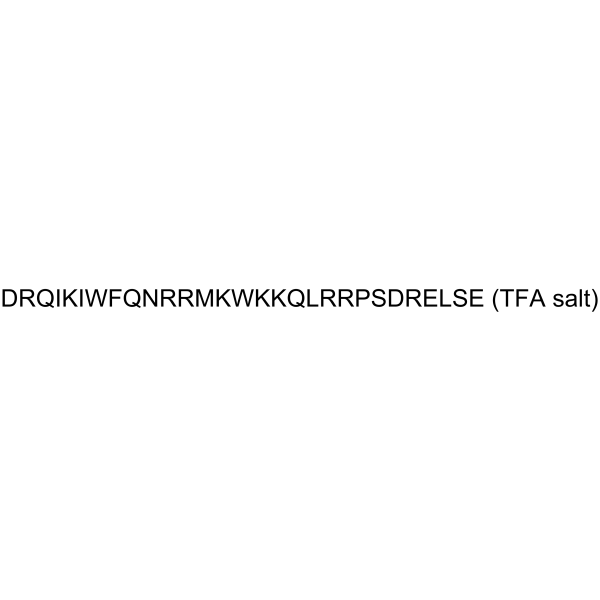
    PTD-p65-P1 Peptide TFA is a potent, selective nuclear transcription factor NF-κB inhibitor and derives from the p65 subunit of NF-κB amino acid residues 271-282, which selectively inhibits NF-κB activation induced by various inflammatory stimulation, down-regulate NF-κB-mediated gene expression and up-regulate apoptosis .
    PTD-p65-P1 Peptide TFA
  • HY-14645A
    (+)-DHMEQ
    2 Publications Verification

    (1R,2R,6R)-Dehydroxymethylepoxyquinomicin; (1R,2R,6R)-DHMEQ

    Keap1-Nrf2 Inflammation/Immunology
    (+)-DHMEQ is an activator of antioxidant transcription factor Nrf2. (+)-DHMEQ is the enantiomer of (-)-DHMEQ. (-)-DHMEQ inhibits NF-kB than its enantiomer (+)-DHMEQ.
    (+)-DHMEQ
  • HY-N1326

    Santamarin; Balchanin

    JNK p38 MAPK MMP NF-κB COX TNF Receptor Interleukin Related Reactive Oxygen Species (ROS) Apoptosis Mitochondrial Metabolism DNA/RNA Synthesis Keap1-Nrf2 Bcl-2 Family Caspase PARP TGF-beta/Smad Metabolic Disease Inflammation/Immunology Cancer
    Santamarine (Santamarin; Balchanin) is a sesquiterpene lactone found in Artemisia scoparia. Santamarine shows anti-inflammatory, antioxidant, anticancer and anti-photoaging activities. Santamarine suppresses UVA-induced phosphorylation of JNK and p38 MAPK, nuclear translocation of phosphorylated c-Fos and c-Jun, and AP-1-mediated MMP-1 transcription and secretion. Santamarine suppresses NF-κB signaling, iNOS, COX-2, TNF-α, and IL-1β production. Santamarine inhibits thioredoxin reductase activity, induces ROS production, mitochondrial apoptosis, G2/M cell cycle arrest, and DNA damage, and reduces cancer cell growth. Santamarine can be used for the photoaging, inflammatory diseases and cancer .
    Santamarine
  • HY-177624

    AMG0103

    NF-κB Inflammation/Immunology
    Cupabimod is a decoy oligodeoxynucleotide for transcription factor NF-κB.
    Cupabimod
  • HY-19498

    SIM-688

    NF-κB Inflammation/Immunology
    WAY-204688 is an estrogen receptor (ER-α) selective, orally active inhibitor of NF-κB transcriptional activity with an IC50 of 122 ± 30 nM for NF-κB-luciferase (NF-κB-luc) in HAECT-1 cells.
    WAY-204688
  • HY-117726

    Estrogen Receptor/ERR NF-κB Inflammation/Immunology
    WAY-169916 is a pathway-selective ligand of ER (estrogen receptor) that acts by inhibiting NF-kB transcriptional activity. WAY-169916 has potent anti-inflammatory effect .
    WAY-169916
  • HY-126047

    NF-κB Beta-secretase Neurological Disease
    (S)-(-)-Anatabine is an NFκB/BACE-1 inhibitor with blood-brain barrier penetration. (S)-(-)-Anatabine inhibits NFκB activation via phosphorylation of its p65 subunit. (S)-(-)-Anatabine inhibits BACE-1 transcription and reduces BACE-1 protein levels. (S)-(-)-Anatabine lowers production of 1-40 and 1-42 by reducing β-cleavage of amyloid precursor protein without affecting α-cleavage. (S)-(-)-Anatabine can be used for the research of Alzheimer's disease .
    (S)-(-)-Anatabine
  • HY-124056

    CXCR Cancer
    AZ10397767 is an orally active, selective CXCR2 receptor antagonist with an IC50 of 1 nM. AZ10397767 attenuates the Oxaliplatin (HY-17371)-induced NF-κB transcriptional activity and potentiates Oxaliplatin-induced apoptosis in androgen-independent prostate cancer (AIPC) cells. AZ10397767 significantly inhibits neutrophil recruitment into tumors which then adversely affects tumor growth in vitro and in vivo .
    AZ10397767
  • HY-124067

    IKK JAK STAT NF-κB Cancer
    EC-70124 is an orally active multikinase inhibitor targeting IKKβ and JAK2. EC-70124 blocks IkB phosphorylation and STAT3 (Tyr705) activation, suppressing NF-κB nuclear translocation and STAT3 transcriptional activity. EC-70124 reduces tumor growth and cancer stem cell (CSC) populations in prostate cancer cells and xenograft models. EC-70124 is promising for research of prostate cancer .
    EC-70124
  • HY-W030338

    Endogenous Metabolite Inflammation/Immunology
    aPKC-IN-2 is a small molecule inhibitor that inhibits aPKC activity. aPKC-IN-2 can effectively block vascular endothelial permeability in cell culture and in vivo experiments. aPKC-IN-2 shows biological activity in interfering with NFκB-driven gene transcription and is associated with inflammatory responses. aPKC-IN-2 has a significant inhibitory effect on vascular endothelial permeability induced by VEGF and TNF, and its EC50 value is in the low nanomolar range. The structural characteristics of aPKC-IN-2 reveal key elements of its inhibitory activity, providing the possibility for further development of small molecule aPKC inhibitors .
    aPKC-IN-2
  • HY-177624A

    AMG0103 sodium

    NF-κB Inflammation/Immunology
    Cupabimod sodium is a decoy oligodeoxynucleotide for transcription factor NF-κB.
    Cupabimod sodium
  • HY-P1832

    NF-κB Apoptosis Inflammation/Immunology Cancer
    PTD-p65-P1 Peptide is a potent, selective nuclear transcription factor NF-κB inhibitor and derives from the p65 subunit of NF-κB amino acid residues 271-282, which selectively inhibits NF-κB activation induced by various inflammatory stimulation, down-regulate NF-κB-mediated gene expression and up-regulate apoptosis .
    PTD-p65-P1 Peptide

온라인 문의

Your information is safe with us. * Required Fields.

호칭


Country or Region *

고객명 *


회사명 *

Department *


메일주소 *


상품명 *

Cat. No.


Requested quantity *

전화번호 *


비고

온라인 문의

Inquiry Information

상품명:
Cat. No.:
수량:
MCE Japan Authorized Agent:

