1. Search Result
Search Result
Results for "

chromatin,

" in MedChemExpress (MCE) Product Catalog:

102

Inhibitors & Agonists

3

Screening Libraries

4

Fluorescent Dyes

4

Biochemical Assay Reagents

7

Peptides

4

MCE Kits

8

Natural
Products

9

Recombinant Proteins

3

Isotope-Labeled Compounds

11

Antibodies

1

Click Chemistry

1

Oligonucleotides

1

GMP Molecules

Targets Recommended:
Cat. No. Product Name Target Research Areas Chemical Structure
  • HY-N0005
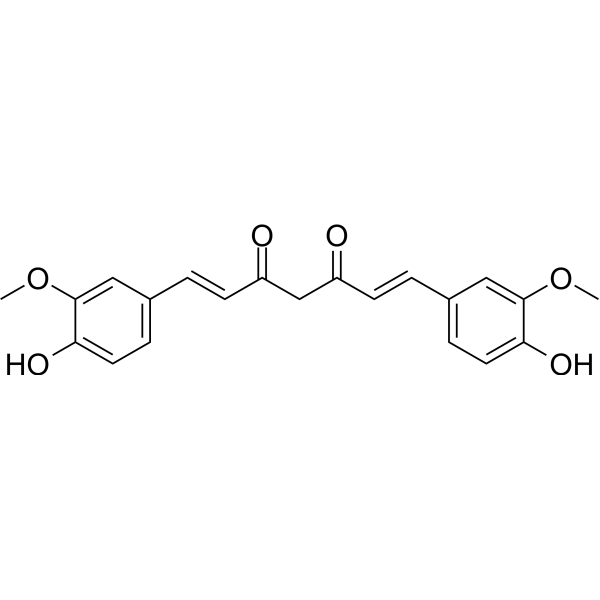
    Curcumin
    Maximum Cited Publications
    123 Publications Verification

    Diferuloylmethane; Natural Yellow 3; Turmeric yellow

    Histone Acetyltransferase Epigenetic Reader Domain Keap1-Nrf2 Autophagy Mitophagy Influenza Virus Ferroptosis Apoptosis Infection Metabolic Disease Inflammation/Immunology Cancer
    Curcumin (Diferuloylmethane), a natural phenolic compound, is a p300/CREB-binding protein-specific inhibitor of acetyltransferase, represses the acetylation of histone/nonhistone proteins and histone acetyltransferase-dependent chromatin transcription. Curcumin is a photosensitizer against microorganisms. Curcumin shows inhibitory effects on NF-κB and MAPKs, and has diverse pharmacologic effects including anti-inflammatory, antioxidant, antiproliferative and antiangiogenic activities. Curcumin induces stabilization of Nrf2 protein through Keap1 cysteine modification.
    Curcumin
  • HY-119374
    BRM/BRG1 ATP Inhibitor-1
    35+ Cited Publications

    Epigenetic Reader Domain Cancer
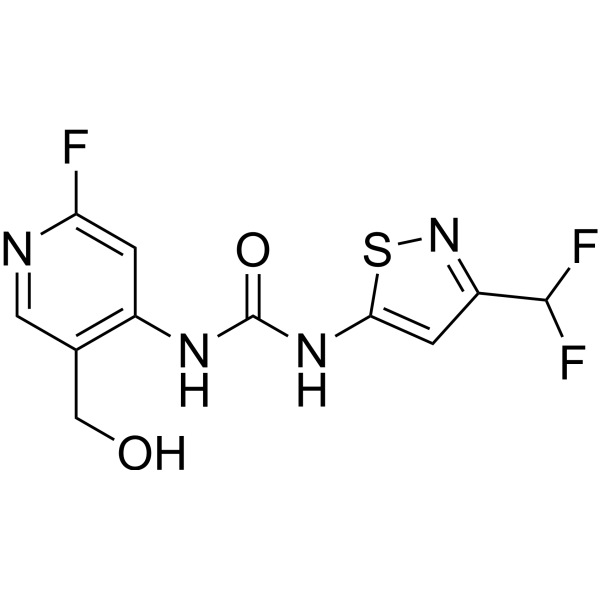
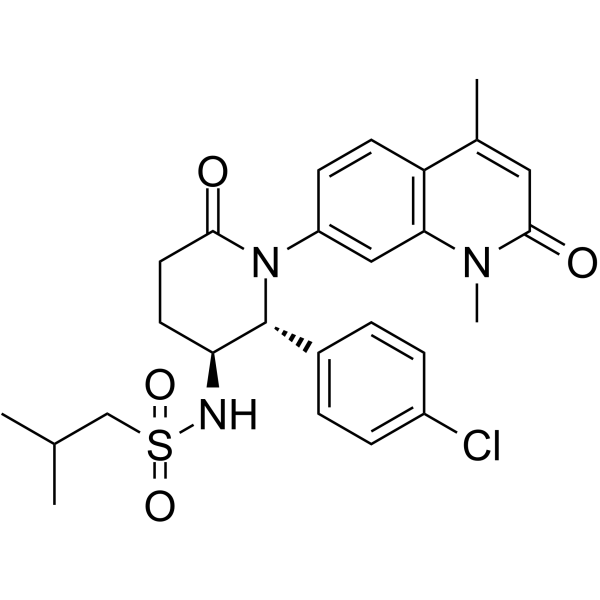
    BRM/BRG1 ATP Inhibitor-1 (compound 14) is an orally active allosteric dual brahma homolog (BRM)/SWI/SNF related matrix associated actin dependent regulator of chromatin subfamily A member 2 (SMARCA2) and brahma related gene 1 (BRG1)/SMARCA4 ATPase activity inhibitor, both IC50s are below 0.005 µM. BRM/BRG1 ATP Inhibitor-1 has anticancer activity .
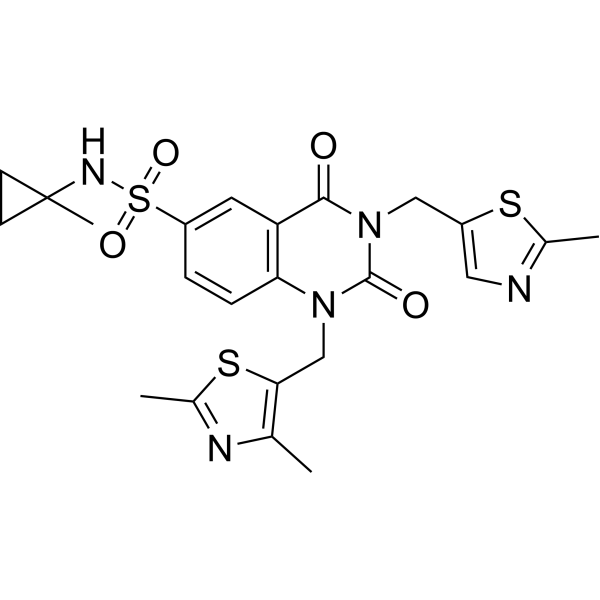
    BRM/BRG1 ATP Inhibitor-1
  • HY-18935
    CBL0137
    10+ Cited Publications

    Curaxin 137; CBL-C137

    Histone Acetyltransferase MDM-2/p53 NF-κB Cancer
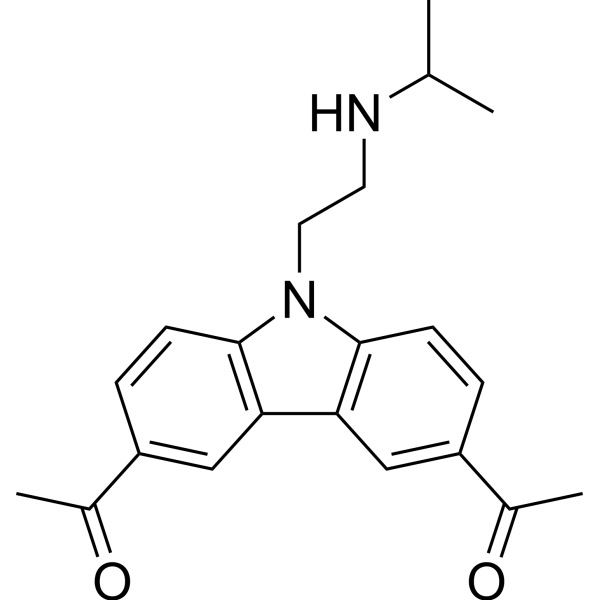
    CBL0137, a curaxin compound, is a histone chaperone facilitates chromatin transcription (FACT) inhibitor. CBL0137 downregulates NF-κB and activates p53. CBL0137 restores both histone H3 acetylation and trimethylation. CBL0137 is an anticancer agent. CBL0137 induces cancer cell apoptosis .
    CBL0137
  • HY-Y0649D

    Environmental Pollutants Biochemical Assay Reagents Others
    Lithium chloride, for molecular biology, 99% can be used in the preparation of wash buffers for chromatin immunoprecipitation. Lithium chloride, for molecular biology, 99% is a kind of biological materials or organic compounds that are widely used in life science research .
    Lithium chloride, 99%
  • HY-W012078
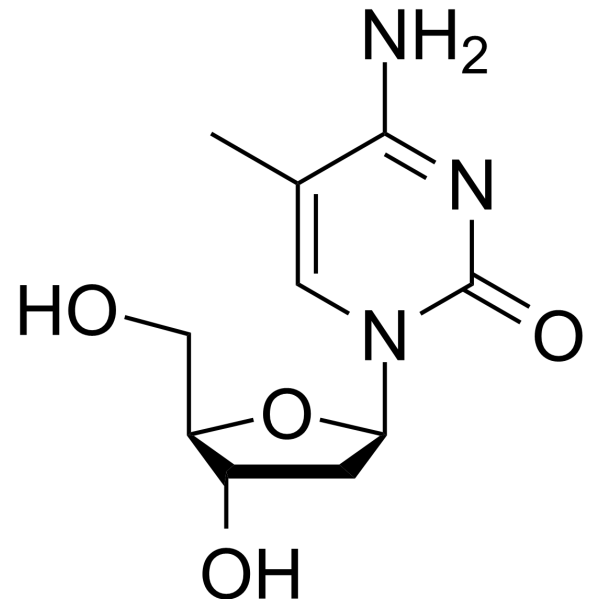
    5-Methyl-2'-deoxycytidine
    3 Publications Verification

    5-Methyldeoxycytidine

    DNA Methyltransferase Endogenous Metabolite Others
    5-Methyl-2'-deoxycytidine (5mdC) is an endogenous substrate of DNA methyltransferases (such as mammalian 5-C-MTase) and binds to DNA dependent on the formation of DNA stem-loop structures. 5-Methyl-2'-deoxycytidine guides de novo DNA methylation by acting as a methylation mark and activates the methylation of adjacent CpG sites in single-stranded DNA through cis action. 5-Methyl-2'-deoxycytidine regulates DNA methylation patterns by recruiting methyltransferases to specific chromatin regions, affecting chromatin condensation and gene expression. Its distribution in plant cells is related to cell proliferation and differentiation stages. The methylation level of 5-Methyl-2'-deoxycytidine is low in proliferating cells and high in differentiated cells .
    5-Methyl-2'-deoxycytidine
  • HY-147214
    GNE-7883
    5 Publications Verification

    YAP Cancer
    GNE-7883 is a pan-TEAD inhibitor that blocks the association of YAP/TAZ with TEAD. GNE-7883 effectively reduces chromatin accessibility at TEAD motifs, inhibits cell proliferation in multiple cell line models, and achieves strong anti-tumor efficacy in vivo. In addition, GNE-7883 effectively overcomes intrinsic and acquired resistance to KRAS (Kirsten rat sarcoma viral oncogene homolog) G12C inhibitors in multiple preclinical models by inhibiting YAP/TAZ activation .
    GNE-7883
  • HY-159607

    PROTACs SWI/SNF Complex Cancer
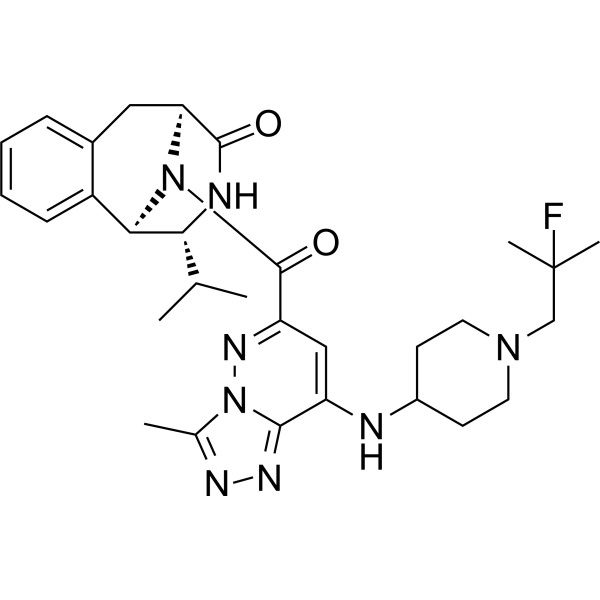
    PRT3789 is a selective SMARCA2 PROTAC degrader (DC50 in HeLa cell: 0.72 nM for SMARCA2, 14 nM for SMARCA4). PRT3789 forms a stable ternary complex with Von Hippel-Lindau (VHL) E3 ligase, induces polyubiquitination at SMARCA2-specific lysine residues, and drives proteasome-dependent SMARCA2 degradation. PRT3789 disrupts SWI/SNF chromatin remodeling complex integrity, induces dissociation of specific subunits, suppresses oncogenic gene expression, reduces chromatin accessibility, and upregulates antigen processing/presentation-related gene expression. PRT3789 induces synthetic lethality, inhibits proliferation and colony formation, and drives tumor growth inhibition and regression in SMARCA4-deficient contexts. PRT3789 can be used for the research of SMARCA4-mutated solid tumors, non-small cell lung cancer, endometrial cancer, colorectal cancer, bladder cancer, esophageal cancer, ovarian cancer, and gastric cancer .
    PRT3789
  • HY-138794
    XL177A
    5 Publications Verification

    Deubiquitinase Histone Demethylase SARS-CoV Cancer
    XL177A is a covalent USP7 inhibitor that blocks the deubiquitinase activity of USP7. XL177A destabilizes non-canonical PRC1 complexes or KDM6A and reduces chromatin deposition of H2AK119Ub, thereby relieving the repression of neuronal differentiation programs. Meanwhile, XL177A also regulates the ELOF1-UVSSA-USP7-nuclear β-catenin axis, decreasing the transcription levels of related proteins and the accumulation of nuclear β-catenin. XL177A exerts antiviral effects by reducing the expression levels of coronavirus receptors, and exhibits inhibitory activity against APC-mutated colorectal cancer cells, neuroblastoma, and coronaviruses including SARS-CoV-2 variants. XL177A is mainly used in studies related to colorectal cancer, neuroblastoma, and coronavirus infections .
    XL177A
  • HY-D0944
    Giemsa stain
    2 Publications Verification

    Fluorescent Dye Others
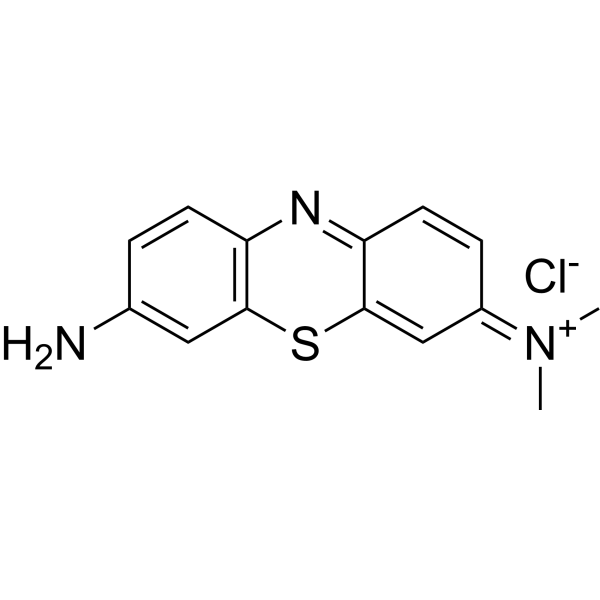
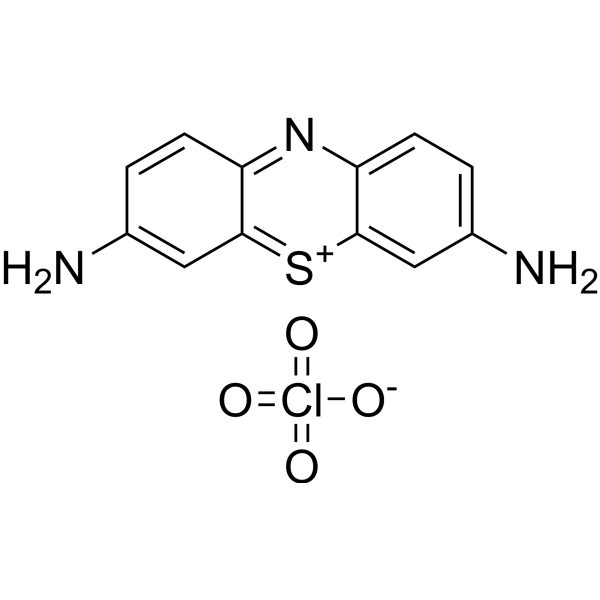
    Giemsa stain is a composite dye composed of methylene azure, methylene blue, eosin and other components. Giemsa stain stains chromatin, nuclear membranes, specific cytoplasmic components and microorganisms. Giemsa stain is used in research on cytological and parasitological staining .
    Giemsa stain
  • HY-100431
    IMR-1
    5+ Cited Publications

    Notch Cancer
    IMR-1 is a novel class of Notch inhibitor targeting the transcriptional activation with an IC50 of 26 μM. IMR-1 prevents the recruitment of Mastermind-like 1 (Maml1) to the Notch Ternary Complex (NTC) on chromatin, inhibits Notch target gene transcription and dramatically inhibits tumor growth .
    IMR-1
  • HY-100744
    AS8351
    1 Publications Verification

    NSC51355

    Histone Demethylase Cardiovascular Disease
    AS8351 (NSC51355) is a KDM5B inhibitor, which can induce and sustain active chromatin marks to facilitate the induction of cardiomyocyte-like cells .
    AS8351
  • HY-136521

    Epigenetic Reader Domain Cancer
    AZ13824374 is a potent and selective ATAD2 bromodomain inhibitor (pIC50 of 6.9 in HCT116 cells). AZ13824374 disrupts chromatin interactions and gene transcription by binding to the acetyl-lysine binding site of the ATAD2 bromodomain. AZ13824374 has anticancer activity against breast cancer .
    AZ13824374
  • HY-N0005R
    Curcumin (Standard)
    1 Publications Verification

    Diferuloylmethane (Standard); Natural Yellow 3 (Standard); Turmeric yellow (Standard)

    Reference Standards Histone Acetyltransferase Epigenetic Reader Domain Keap1-Nrf2 Autophagy Mitophagy Influenza Virus Ferroptosis Infection Neurological Disease Inflammation/Immunology Cancer
    Curcumin (Standard) is the analytical standard of Curcumin (HY-N0005). This product is intended for research and analytical applications. Curcumin (Diferuloylmethane), a natural phenolic compound, is a p300/CREB-binding protein-specific inhibitor of acetyltransferase, represses the acetylation of histone/nonhistone proteins and histone acetyltransferase-dependent chromatin transcription. Curcumin is a photosensitizer against microorganisms. Curcumin shows inhibitory effects on NF-κB and MAPKs, and has diverse pharmacologic effects including anti-inflammatory, antioxidant, antiproliferative and antiangiogenic activities. Curcumin induces stabilization of Nrf2 protein through Keap1 cysteine modification.
    Curcumin (Standard)
  • HY-W123005
    Dimethyl pimelimidate dihydrochloride
    1 Publications Verification

    Biochemical Assay Reagents Others
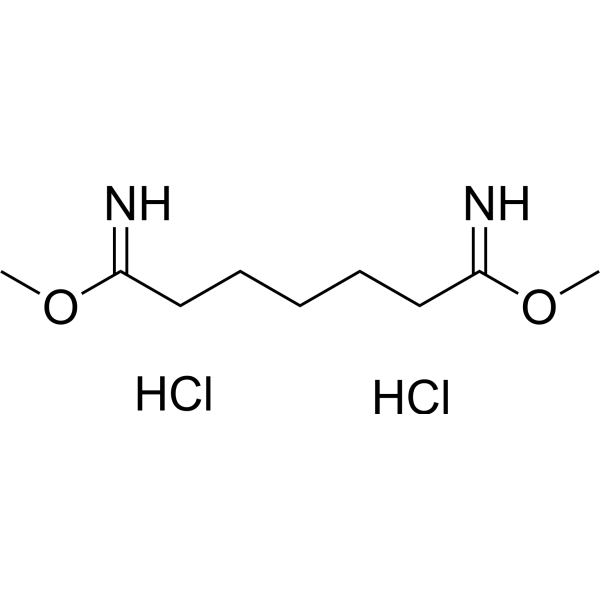
    Dimethyl pimelimidate dihydrochloride is a bifunctional imidoester protein-protein crosslinker used in chromatin immunoprecipitation (ChIP) assays .
    Dimethyl pimelimidate dihydrochloride
  • HY-125209

    DNA/RNA Synthesis Cancer
    TH5427 is a promising, targeted inhibitor that can be used to further study NUDT5 activity and ADP-ribose metabolism. TH5427, blocks progestin-dependent, PAR-derived nuclear ATP synthesis and subsequent chromatin remodeling, gene regulation and proliferation in breast cancer cells. NUDT5 is recently identified as a rheostat of hormone-dependent gene regulation and proliferation in breast cancer cells .
    TH5427
  • HY-N6588

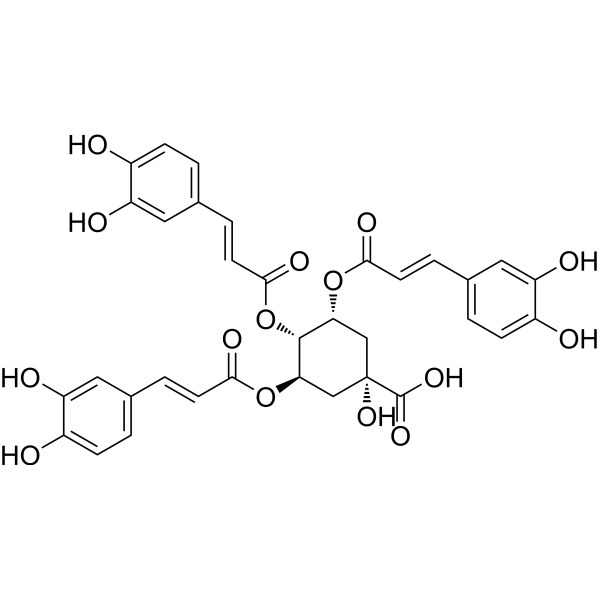
    3,4,5-triCQA

    Akt NF-κB Inflammation/Immunology Cancer
    3,4,5-Tricaffeoylquinic acid (3,4,5-triCQA) inhibits tumor necrosis factor-α-stimulated production of inflammatory mediators in keratinocytes via suppression of Akt- and NF-κB-pathways. 3,4,5-Tricaffeoylquinic acid induces cell cycle arrest at G0/G1, actin cytoskeleton organization, chromatin remodeling, neuronal differentiation, and bone morphogenetic protein signaling in human neural stem cells. 3,4,5-Tricaffeoylquinic acid has the potential for the research of aging-associated diseases .
    3,4,5-Tricaffeoylquinic acid
  • HY-168534

    SF3B1 Apoptosis Cancer
    WX-02-23 is a small-molecule probe that stereoselectively and site-specifically binds to C258 of FOXA1 and C1111 of SF3B1. WX-02-23 remodels FOXA1's chromatin binding and pioneer activity in a DNA-dependent manner, disrupts spliceosome assembly, and enhances the thermal stability of SF3B1. WX-02-23 inhibits tumor cell proliferation and induces apoptosis. WX-02-23 can be used for research on cancers such as prostate cancer .
    WX-02-23
  • HY-13032B
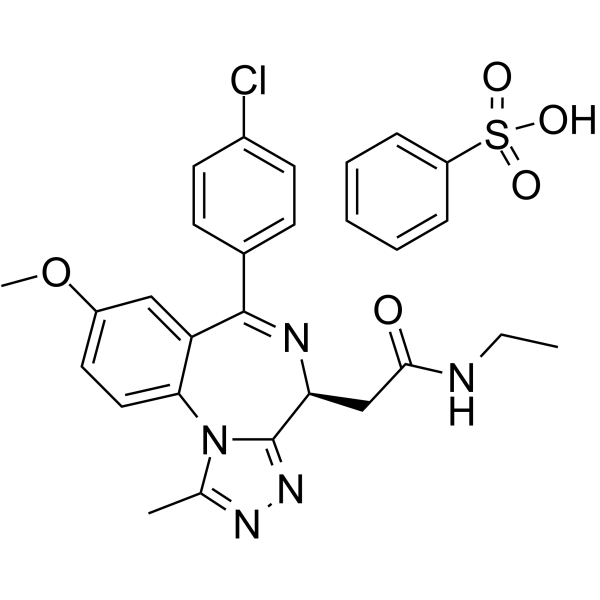
    Molibresib besylate
    20+ Cited Publications

    GSK 525762C; I-BET 762 besylate

    Epigenetic Reader Domain ERK Cancer
    Molibresib besylate (GSK 525762C; I-BET 762 besylate) is an orally active pan-BET inhibitor that targets and binds to BRD2, BRD3, BRD4 and BRDT. By competitively occupying acetylated lysine binding sites, Molibresib besylate disrupts the interaction between BET proteins and chromatin, thereby effectively inhibiting MYC expression and target gene transcription. Molibresib besylate exhibits broad antiproliferative activity, which not only inhibits cancer cell growth and induces growth arrest, but also downregulates mitosis-related genes and upregulates the level of p-ERK1/2. When combined with MEK inhibitors, Molibresib besylate shows a significant synergistic effect, reduces tumor burden in mouse models of leukemia, modulates the immune microenvironment and prolongs survival. Molibresib besylate is widely applicable to research related to acute myeloid leukemia, multiple myeloma, triple-negative breast cancer, small-cell lung cancer and various advanced refractory solid tumors .
    Molibresib besylate
  • HY-162350

    Epigenetic Reader Domain Apoptosis Cancer
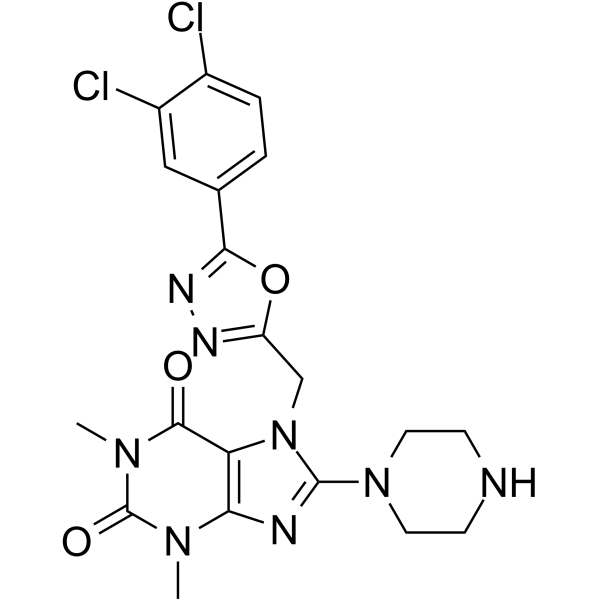
    TDI-11055 is a selective and orally active eleven-nineteen leukemia (ENL) inhibitor, which displaces ENL from chromatin by blocking its YEATS domain interaction with acylated histones. TDI-11055 inhibits ENL and AF9 YEATS domains with IC50 values of 50 nM and 70 nM, respectively, and no activity against GAS41 or YEATS2. TDI-11055 decreases chromatin occupancy of ENL-associated complexes, impairs transcription elongation, suppresses key oncogenic gene expression programs, and induces differentiation. TDI-11055 can be used for the research of acute myeloid leukemia .
    TDI-11055
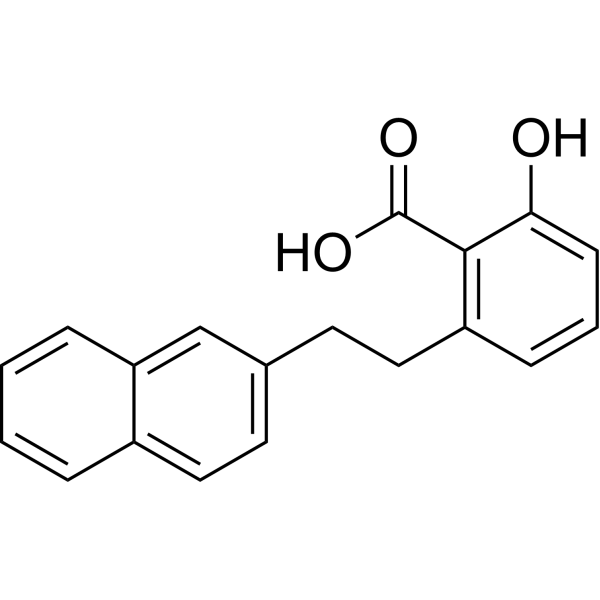
  • HY-112589

    Bacterial Infection Cancer
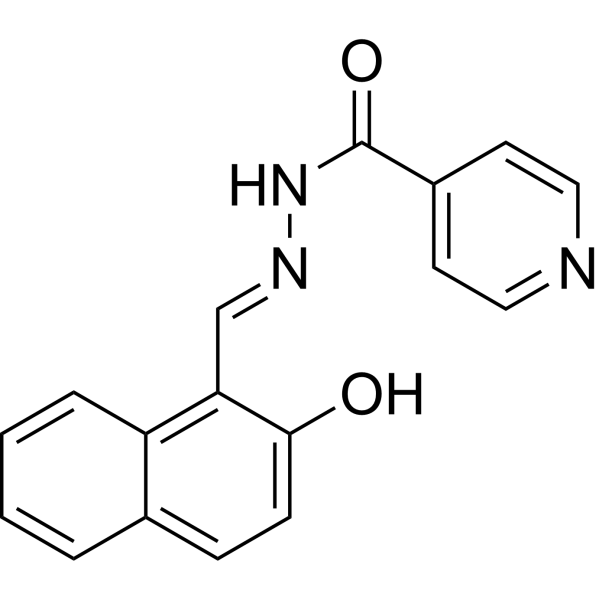
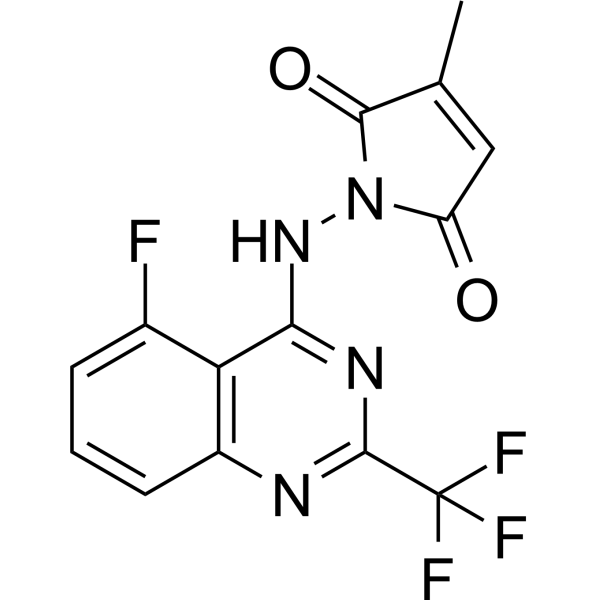
    BRITE-338733 is an inhibitor of E. coli RecA ATPase activity (IC50: 4.7 μM). BRITE-338733 also inhibits the ATP hydrolysis activity of RSC chromatin remodeling enzyme by binding to its ATP-binding pocket and DNA (IC50: 0.316 μM). BRITE-338733 exhibits cytotoxicity against MCF-7 and MDA-MB-231 breast cancer cells. BRITE-338733 can be used in studies on antibacterial adjuvants and anticancer research .
    BRITE-338733
  • HY-124012

    DNA/RNA Synthesis Apoptosis Cancer
    PCNA-I1 is a selective small molecule inhibitor targeting proliferating cell nuclear antigen (PCNA) with anticancer activity. PCNA-I1 can stabilize the PCNA trimer structure (Kd=0.14-0.41μM), reduce its binding to chromatin, induce tumor cell cycle arrest, inhibit DNA replication and repair, and enhance the anti-tumor effect of DNA damaging agents. PCNA-I1 can be used in the study of targeted therapy for prostate cancer, lung cancer and other tumors .
    PCNA-I1
  • HY-W088068

    Fluorescent Dye Others
    Wright's stain is a composite cell stain that mainly binds to intracellular nucleic acids, proteins and other components through thiazine dyes (such as methylene blue) and eosin. Wright's stain is pH-dependent (optimal pH 6.4-6.7) and achieves cell morphology resolution by differentially staining the cytoplasm and nucleus. Under alkaline conditions, thiazine dyes bind to nucleic acids to form purple, and acidic eosin binds to cytoplasmic proteins to form red, which can form contrasting cell morphological features. Wright's stain can clearly display the fine structures of blood cells and bone marrow cells (such as nuclear chromatin and granules) and quickly evaluate cell morphological abnormalities .
    Wright's stain
  • HY-153361

    PROTACs Epigenetic Reader Domain Inflammation/Immunology Cancer
    YD23 is a selective SMARCA2 PROTAC degrader with DC50 values of 64 nM and 297 nM in H1792 cells and H1975 cells. YD23 induces degradation of SMARCA2, which is synthetic lethal to SMARCA4. YD23 reduces chromatin accessibility only in SMARCA4 deficient cells, including cell cycle and cell growth regulatory genes. YD23 selectively inhibits growth of SMARCA4 mutant lung cancer cells. YD23 has potent tumor growth inhibitory activity in SMARCA4-mutant xenografts. YD23 can be used for the study of non-small cell lung cancer (NSCLC) .
    YD23
  • HY-141591

    Biochemical Assay Reagents Others
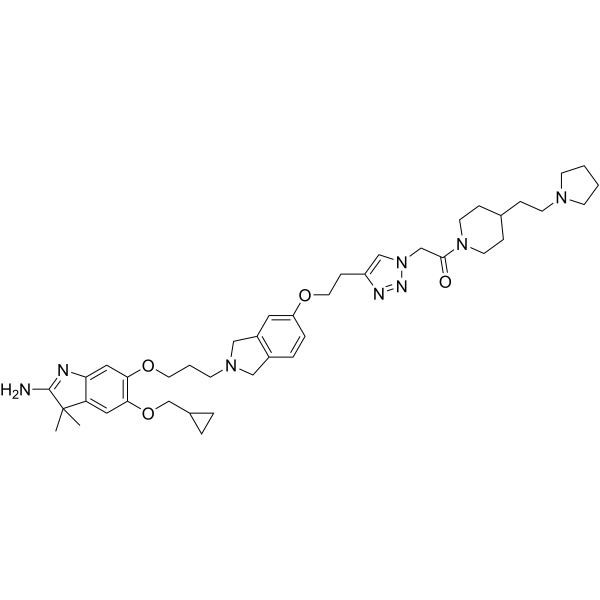
    CYT296 is a target chromatin de-condensation compound. CYT296 can improve the induction of induced pluripotent stem cell (iPSCs) mediated by defined factors (OSKM) and induce an open chromatin state in Mouse Embryonic Fibroblast (MEFs) to facilitate somatic cell reprogramming. CYT296 can be used for cell replacement therapies and drug screening research .
    CYT296
  • HY-111753
    WDR5-IN-4
    4 Publications Verification

    WDR5 Apoptosis Cancer
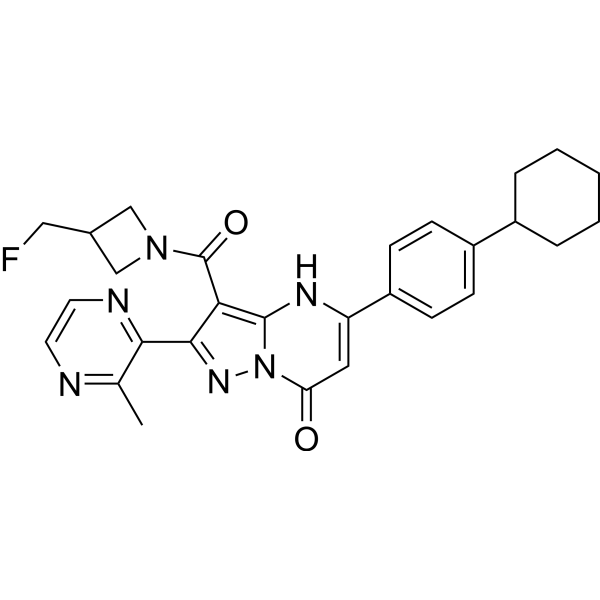
    WDR5-IN-4 (Compound C6) is a WIN site inhibitor of chromatin-associated WD repeat domain 5 protein (WDR5), Kd The value is 0.1 nM. WDR5-IN-4 is able to displace WDR5 from chromatin and reduce the expression of related genes, causing translation inhibition and nucleolar stress. Has anti-cancer effects .
    WDR5-IN-4
  • HY-19553

    Epigenetic Reader Domain Inflammation/Immunology
    LP99, an epigenetic probe, is a potent and selective inhibitor of the BRD7 and BRD9 bromodomains with a Kd of 99 nM against BRD9. LP99 disrupts the binding of BRD7 and BRD9 to chromatin in cells .
    LP99
  • HY-126428
    ZL0580
    1 Publications Verification

    HIV Epigenetic Reader Domain Infection Inflammation/Immunology
    ZL0580, a structurally close analog of ZL0590, induces epigenetic suppression of HIV via selectively binding to BD1 domain of BRD4. ZL0580 induces HIV suppression by inhibiting Tat transactivation and transcription elongation as well as by inducing repressive chromatin structure at the HIV promoter .
    ZL0580
  • HY-116501

    Androgen Receptor Cancer
    VPC-14449 is a potent and selective inhibitor of the DNA-binding domain of the androgen receptor (AR-DBD), with IC50 of 0.34 μM for full-length human AR. VPC-14449 reduces the ability of full-length AR as well as AR variants to interact with chromatin. VPC-14449 can be used for the research of prostate cancer .
    VPC-14449
  • HY-121862

    DNA/RNA Synthesis Cancer
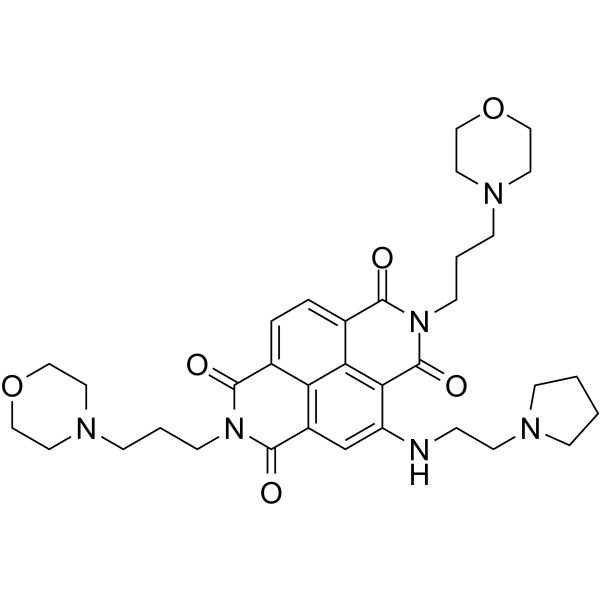
    CM03 is a potent DNA G-quadruplexes (G4s) ligand. CM03 can stabilise G4s, downregulating more G4-containing genes as well as increasing incidence of double-strand break events (DSBs) due to torsional strain on DNA and chromatin structure. CM03 has selective potency for pancreatic cancer cells .
    CM03
  • HY-161409

    Androgen Receptor Apoptosis Cancer
    SC912 is an AR-V7 inhibitor (IC50 = 0.36 μM). SC912 possesses safety, potency and selectivity. SC912 binds directly to AR-FL and AR-V7 proteins, inhibites nuclear localization and chromatin binding capabilities. SC912 exerts anticancer activity through inhibition of proliferation, induction of cell cycle arrest and apoptosis .
    SC912
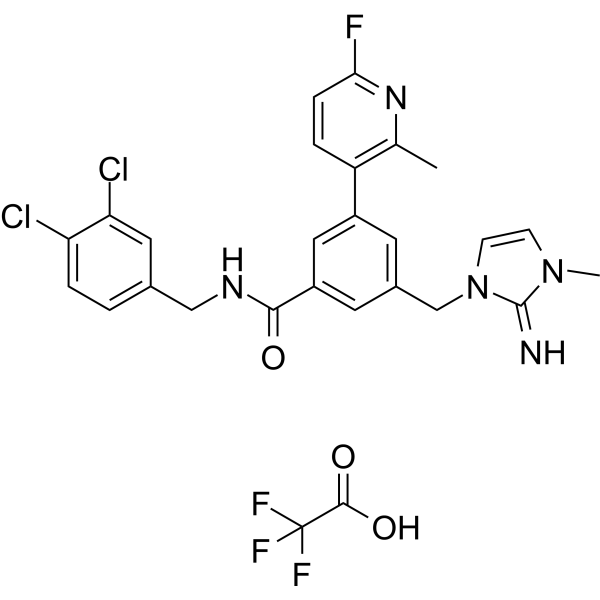
  • HY-157251

    Histone Methyltransferase Cancer
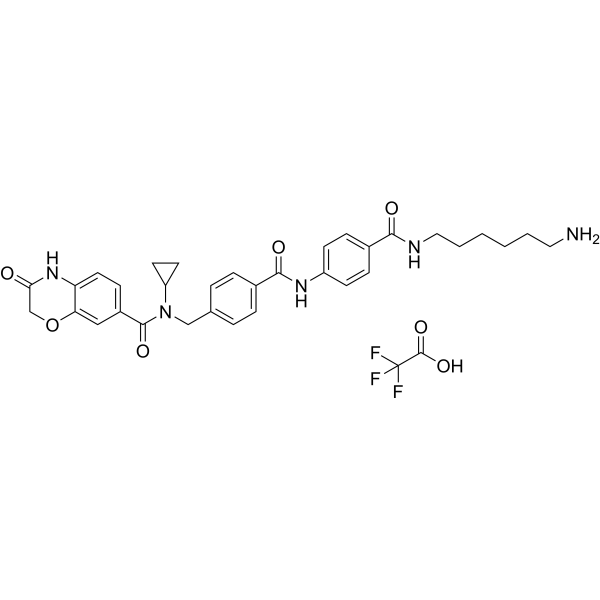
    UNC8153 TFA is a potent and selective nuclear receptor-binding SET domain-containing 2 (NSD2)-targeted degrader with a Kd of 24 nM. UNC8153 TFA reduces the cellular levels of both NSD2 protein (DC50 in cell U2OS is 0.35 μM) and the H3K36me2 chromatin mark. UNC8153 TFA contains a simple warhead that confers proteasome-dependent degradation of NSD2 .
    UNC8153 TFA
  • HY-117669

    Androgen Receptor Cancer
    VPC-14228 is an inhibitor that selectively targets androgen receptor DNA binding domain (AR-DBD). VPC-14228 inhibits the interaction between AR and DNA, thereby blocking AR-mediated transcriptional activation. VPC-14228 does not rely on nuclear localization inhibition, but rather inhibits the activity of full-length AR and splice variant AR-V7 by interfering with AR binding to chromatin. And VPC-14228 has high selectivity for other nuclear receptors such as ER and PR. VPC-14228 can be used in the study of prostate cancer [2].
    VPC-14228
  • HY-N0005S

    Diferuloylmethane-d6; Natural Yellow 3-d6; Turmeric yellow-d6

    Isotope-Labeled Compounds Keap1-Nrf2 Ferroptosis Autophagy Histone Acetyltransferase Epigenetic Reader Domain Mitophagy Influenza Virus Infection Metabolic Disease Inflammation/Immunology Cancer
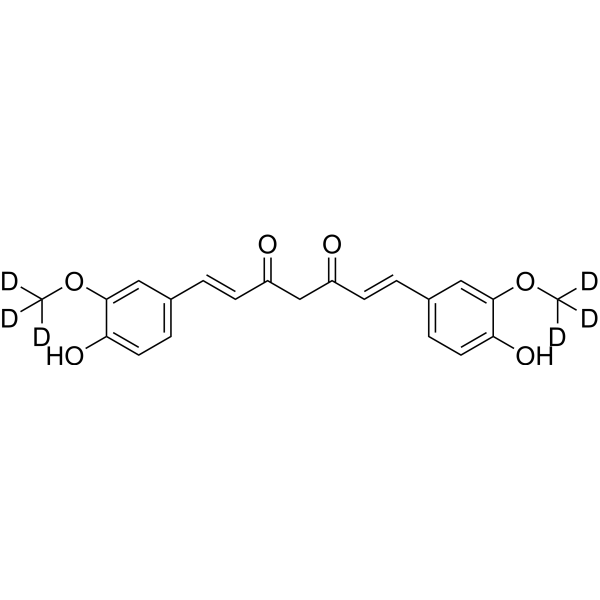
    Curcumin-d6 (Diferuloylmethane-d6 ) is deuterium labeled Curcumin (HY-N0005). Curcumin (Diferuloylmethane), a natural phenolic compound, is a p300/CREB-binding protein-specific inhibitor of acetyltransferase, represses the acetylation of histone/nonhistone proteins and histone acetyltransferase-dependent chromatin transcription. Curcumin is a photosensitizer against microorganisms. Curcumin shows inhibitory effects on NF-κB and MAPKs, and has diverse pharmacologic effects including anti-inflammatory, antioxidant, antiproliferative and antiangiogenic activities. Curcumin induces stabilization of Nrf2 protein through Keap1 cysteine modification.
    Curcumin-d6
  • HY-133531

    Poly(ADP-ribose) Glycohydrolase (PARG) Cancer
    PDD00017272 is an inhibitor of poly(ADP-ribose) glycohydrolase (PARG) (EC50=4.8 nM) and an activator of PARP1/2. PDD00017272 inhibits its activity of hydrolyzing poly(ADP-ribose) (pADPr), resulting in the accumulation of pADPr on chromatin, interfering with DNA damage repair and replication processes, and inducing PARP1/2-dependent cytotoxicity. PDD00017272 can be used in cancer models with DNA repair defects (such as BRCA mutations) or resistance to PARP inhibitors. PDD00017272 has a PARG expression level-correlated inhibitory potency with EC50 of 9.2 nM (PARG cells), the tumor cells with lower PARG expression are more sensitive .
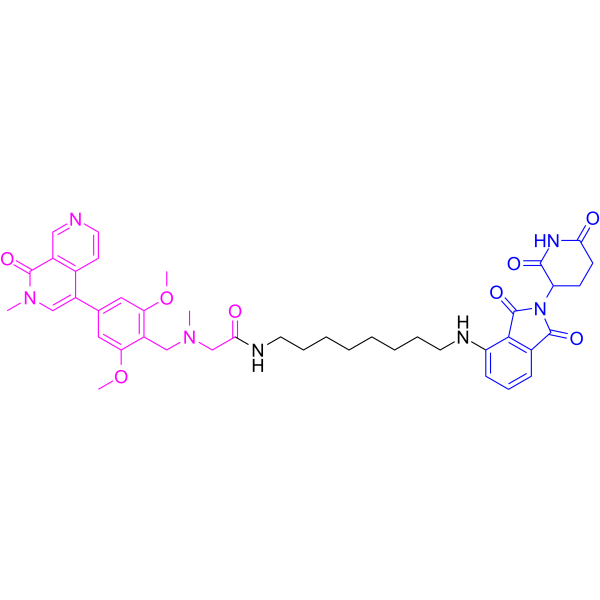
    PDD00017272
  • HY-116940
    Sm4
    1 Publications Verification

    Oct3/4 Notch STAT Cancer
    Sm4 is a selective and orally active SOX18 inhibitor. Sm4 inhibits SOX18-DNA binding (IC50 = 97.5 μM); Sm4 disrupts the SOX18-RBPJ protein-protein interaction (IC50 = 42.3 μM). Sm4 blocks SOX18 DNA binding, disrupts multiple SOX18 protein-protein interactions with RBPJ, DDX1, DDX17, ILF3, SOX7 and STAT1, modulates SOX18 chromatin binding dynamics. Sm4 exerts anti‑angiogenic and anti‑lymphangiogenic effects, reduces tumor vascular density, triggers vascular defects in zebrafish, prolongs survival in mouse metastatic cancer models. Sm4 can be used for the research of breast cancer .
    Sm4
  • HY-148739

    PROTACs Epigenetic Reader Domain Apoptosis Cancer
    dBRD 9-A is a selective BRD9 PROTAC degrader. dBRD 9-A induces near complete BRD9 degradation dependent on E3 ubiquitin ligase CRBN and BRD9 bromodomain engagement, and drives loss of BRD9 chromatin binding genome-wide. dBRD 9-A downregulates oncogenic SS18-SSX-driven transcriptional programs, super enhancer-associated gene expression, and SS18-SSX1 super enhancer binding, and depletes GBAF complex members GLTSCR1/1L from SS18-SSX complexes. dBRD 9-A induces cell cycle arrest and increases apoptosis in synovial sarcoma cells. dBRD 9-A can be used for the research of synovial sarcoma .
    dBRD 9-A
  • HY-123621

    Epigenetic Reader Domain Cancer
    GNE-375 is a potent and highly selective BRD9 inhibitor with an IC50 of 5 nM. GNE-375 shows >100-fold selective for BRD9 over BRD4, TAF1, and CECR2. GNE-375 decreases BRD9 binding to chromatin .
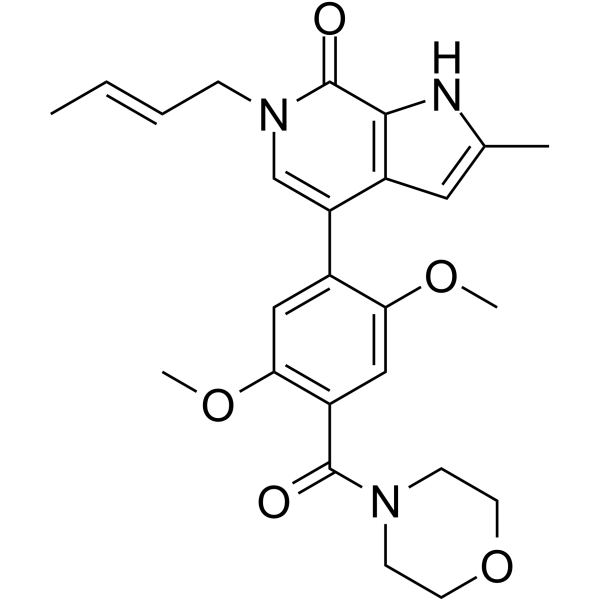
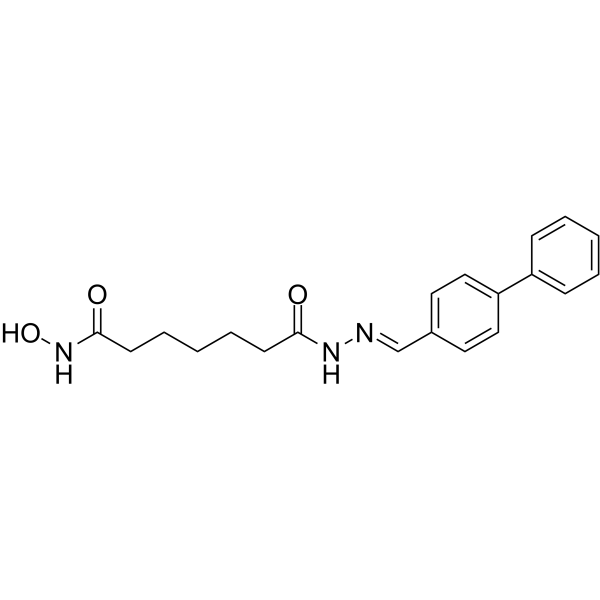
    GNE-375
  • HY-W740027

    5-Methyldeoxycytidine-d3

    Isotope-Labeled Compounds DNA Methyltransferase Endogenous Metabolite Others
    5-Methyl-2'-deoxycytidine-d3 (5-Methyldeoxycytidine-d3) is the deuterium labeled Methyl-2'-deoxycytidine (HY-W012078). 5-Methyl-2'-deoxycytidine (5mdC) is an endogenous substrate of DNA methyltransferases (such as mammalian 5-C-MTase) and binds to DNA dependent on the formation of DNA stem-loop structures. 5-Methyl-2'-deoxycytidine guides de novo DNA methylation by acting as a methylation mark and activates the methylation of adjacent CpG sites in single-stranded DNA through cis action. 5-Methyl-2'-deoxycytidine regulates DNA methylation patterns by recruiting methyltransferases to specific chromatin regions, affecting chromatin condensation and gene expression. Its distribution in plant cells is related to cell proliferation and differentiation stages. The methylation level of 5-Methyl-2'-deoxycytidine is low in proliferating cells and high in differentiated cells .
    5-Methyl-2'-deoxycytidine-d3
  • HY-116818

    HDAC Neurological Disease
    Crebinostat is a potent histone deacetylase (HDAC) inhibitor with IC50 values of 0.7 nM, 1.0 nM, 2.0 nM and 9.3 nM for HDAC1, HDAC2, HDAC3 and HDAC6, respectively. Crebinostat potently induces acetylation of both histone H3 and histone H4 as well as enhances the expression of the cAMP response element-binding protein (CREB) target gene Egr1. Crebinostat increases the density of synapsin-1 punctae along dendrites in cultured neurons. Crebinostat can modulate chromatin-mediated neuroplasticity and exhibits enhanced memory in mice .
    Crebinostat
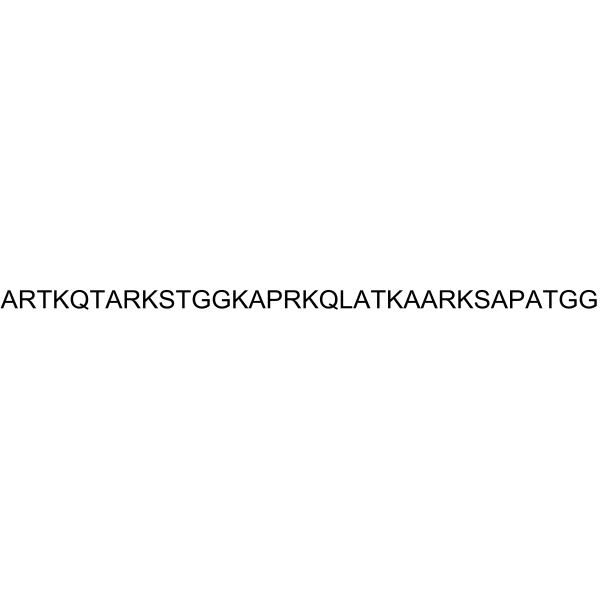
  • HY-P2258

    Histone Methyltransferase Others
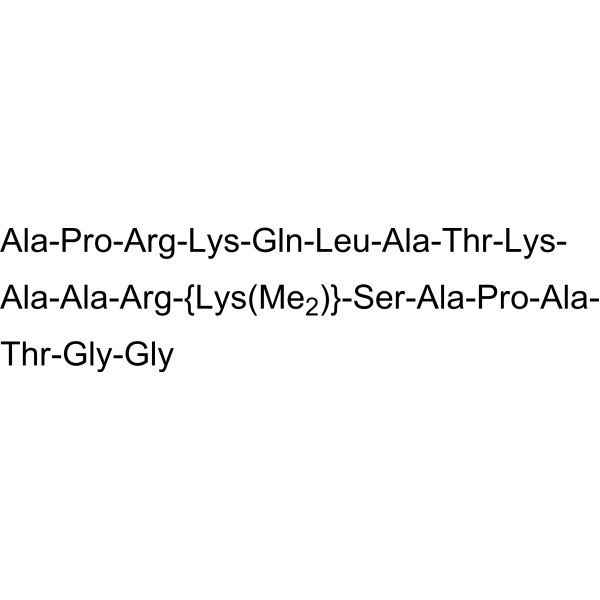
    Histone H3 (1-34) is a peptide derived from human histone isotype 3.1. Histones are the main protein components of eukaryotic chromatin. Histone variants and histone modifications modulate chromatin structure, ensuring the precise operation of cellular processes associated with genomic DNA .
    Histone H3 (1-34)
  • HY-W543137

    G-quadruplex DNA/RNA Synthesis Mitosis Cancer
    Pt-ttpy, a metallo-organic complex and potent G-quadruplex ligand, effectively triggers substantial telomere-related DNA damage in cancer cells by inhibiting telomerase and/or telomere functions, while also causing various chromatin abnormalities during mitosis, such as chromatin bridges, ultrafine bridges (UFBs), and double-stranded breaks (DSBs).
    PT-ttpy
  • HY-111753A
    WDR5-IN-4 TFA
    4 Publications Verification

    WDR5 Apoptosis Cancer
    WDR5-IN-4 TFA (Compound C6) is an inhibitor of the WIN site of chromatin-associated WD repeat-containing protein 5 (WDR5), with a Kd of 0.1 nM. WDR5-IN-4 TFA displaces WDR5 from chromatin and decreases the expression of associated genes, causing translational inhibition, nucleolar stress. Anti-cancer activity .
    WDR5-IN-4 TFA
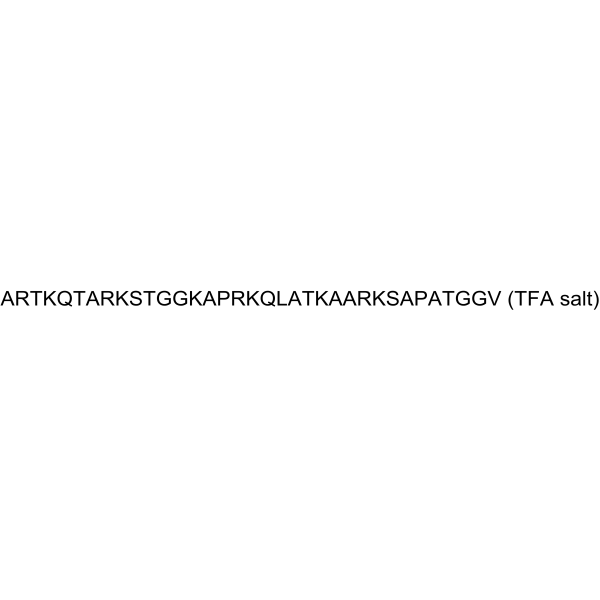
  • HY-P2465A

    DNA/RNA Synthesis Cancer
    Histone H3 (1-35) TFA is a 35-residue peptide of histone H3. Histone H3 is one of the five main histones involved in the structure of chromatin in eukaryotic cells .
    Histone H3 (1-35) TFA
  • HY-W250163
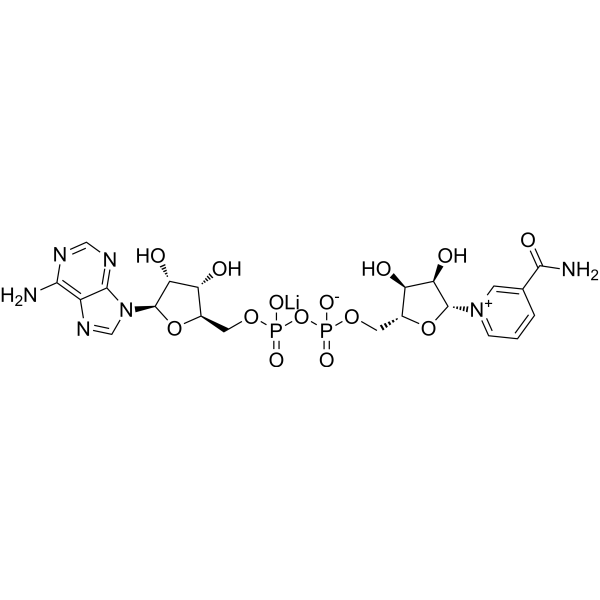
    NAD+ lithium
    40+ Cited Publications

    β-DPN lithium; β-NAD lithium; β-Nicotinamide Adenine Dinucleotide lithium

    Biochemical Assay Reagents Metabolic Disease
    NAD+ lithium (β-DPN lithium) is a lithium salt of nicotinamide adenine dinucleotide. NAD+ is a coenzyme in the REDOX reaction. NAD+ can directly or indirectly affect several key cellular functions, including metabolic pathways, DNA repair, chromatin remodeling, cell aging, and immune cell function .
    NAD+ lithium
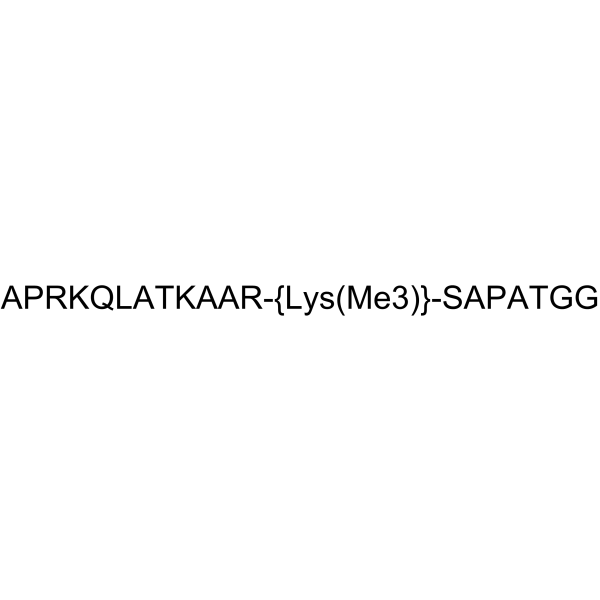
  • HY-P2254

    Histone Methyltransferase Cancer
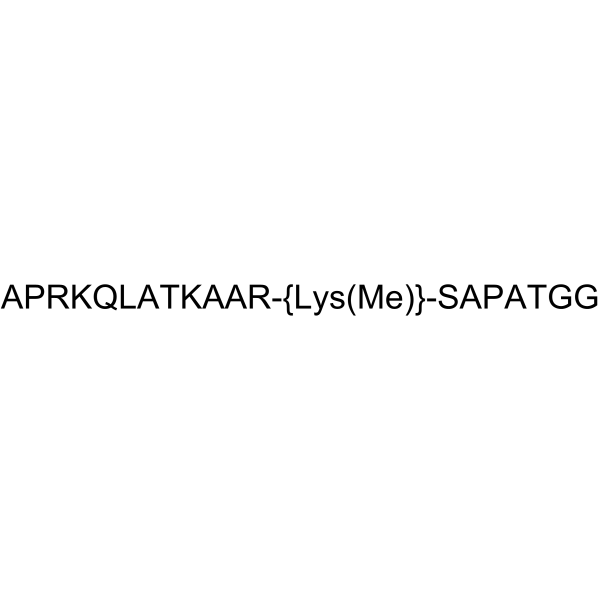
    H3K27(Me3) (15-34), a histone peptide, is a repressive chromatin mark derived from human histone. Polycomb Repressive Complex 2 (PRC2) is a multiprotein complex that catalyzes the methylation of H3K27(Me) .
    H3K27(Me3) (15-34)
  • HY-157251A

    Histone Methyltransferase Cancer
    UNC8153 is a potent and selective nuclear receptor-binding SET domain-containing 2 (NSD2)-targeted degrader with a Kd of 24 nM. UNC8153 reduces the cellular levels of both NSD2 protein (DC50 in cell U2OS is 0.35 μM) and the H3K36me2 chromatin mark. UNC8153 contains a simple warhead that confers proteasome-dependent degradation of NSD2 .
    UNC8153
  • HY-164373

    Androgen Receptor Apoptosis Cancer
    SC428 is an androgen receptor (AR) inhibitor that targets the N-terminal domain. SC428 potently decrease the transactivation of (AR)-V7, (AR)v567es, as well as full-length ( AR ) (AR-FL) and its LBD mutants, substantially. SC428 inhibits androgen-stimulated (AR)-FL nuclear translocation, chromatin binding, and (AR) -regulated gene transcription. SC428 inhibits the proliferation of tumor cells in vitro. SC428 inhibits tumor cell growth by inducing apoptosis in mice transplanted with 22RV1 .
    SC428
  • HY-173364

    BAK-04-212

    BCL6 Cancer
    EB-TCIP (BAK-04-212) is a proof-of-concept tool specifically designed for Ewing sarcoma research, serving as an EWSR1::FLI1 binder tagged with BCL6 and FKBP12 F36V. EB-TCIP forms a ternary complex with the tagged fusion protein, specifically recruits EWSR1::FLI1 to BCL6-bound DNA loci, and induces rapid chromatin remodeling and relocalization. By mediating relocalization, EB-TCIP remodels the transcriptional machinery and activates the expression of BCL6 target genes that are originally repressed. EB-TCIP is used in studies related to novel epigenetic therapies for Ewing sarcoma .
    EB-TCIP
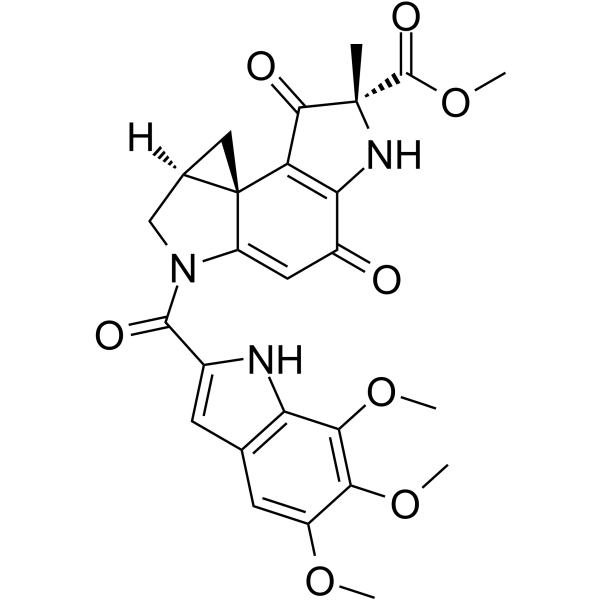
  • HY-12455

    ADC Payload Antibiotic DNA Alkylator/Crosslinker Apoptosis Caspase Cancer
    Duocarmycin A is an antitumor antibiotic and DNA alkylating agent with broad-spectrum antibacterial activity, which can serve as a payload for synthesizing antibody-drug conjugates (ADCs). Duocarmycin A selectively binds to the AT-rich minor groove of DNA, forms covalent adducts by alkylating the adenine N3 residue, thereby disrupting DNA structure and inhibiting its replication and transcription. Duocarmycin A induces apoptosis, sub-G1 phase accumulation and chromatin condensation, reduces the levels of pro-caspase-3/9, and induces p53-independent p21 expression. Duocarmycin A is widely used in the research of various malignancies, including leukemia, sarcoma, glioblastoma, as well as multiple solid tumor models such as lung cancer, breast cancer, and colorectal cancer .
    Duocarmycin A
  • HY-160267

    HIV DNA/RNA Synthesis Infection Neurological Disease Cancer
    iPAF1C is a inhibitor of the polymerase-associated factor 1 complex (PAF1C) with specific targeting to the PAF1 binding groove of CTR9 (a key subunit of PAF1C). iPAF1C disrupts PAF1C assembly by interfering with the PAF1-CTR9 interaction. iPAF1C selectively impairs BRD4-mediated recruitment of PAF1 to chromatin at hypoxia-responsive genes and inhibits RNA polymerase II (RNAPII) pause release. iPAF1C increases the population of HIV-1 NL4.3 Nef-IRES-GFP infected primary human CD4 +T cells in a dose-dependent manner. PAF1C can be used for the study of infection and diseases associated with abnormal hypoxic adaptation (e.g., cancers, neurological disorders) .
    iPAF1C

Inquiry Online

Your information is safe with us. * Required Fields.

Salutation


Country or Region *

Applicant Name *


Organization Name *

Department *


Email Address *


Product Name *

Cat. No.


Requested quantity *

Phone Number *


Remarks

Inquiry Online

Inquiry Information

Product Name:
Cat. No.:
Quantity:
MCE Japan Authorized Agent: