Search Result
Results for "
lung infections
" in MedChemExpress (MCE) Product Catalog:
3
Biochemical Assay Reagents
6
Isotope-Labeled Compounds
| Cat. No. |
Product Name |
Target |
Research Areas |
Chemical Structure |
-
- HY-10585
-
-
-
- HY-10585A
-
|
Sodium Valproate; VPA sodium; 2-Propylpentanoic acid sodium
|
Organoid
HDAC
Autophagy
Mitophagy
HIV
Notch
Apoptosis
Endogenous Metabolite
|
Infection
Neurological Disease
Metabolic Disease
Cancer
|
|
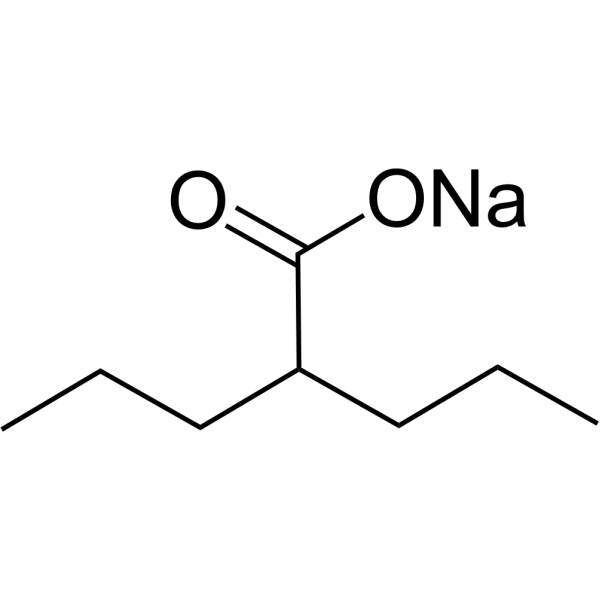
Valproic acid (Sodium Valproate) sodium is an orally active HDAC inhibitor, with IC50 in the range of 0.5 and 2 mM, also inhibits HDAC1 (IC50, 400 μM), and induces proteasomal degradation of HDAC2. Valproic acid sodium activates Notch1 signaling and inhibits proliferation in small cell lung cancer (SCLC) cells. Valproic acid sodium is used in the treatment of epilepsy, bipolar disorder, metabolic disease, HIV infection and prevention of migraine headaches .
|
-
-
- HY-B0239
-
|
|
Antibiotic
Bacterial
HIF/HIF Prolyl-Hydroxylase
VEGFR
Autophagy
Apoptosis
Beclin1
JNK
Akt
MMP
|
Infection
Cancer
|
|
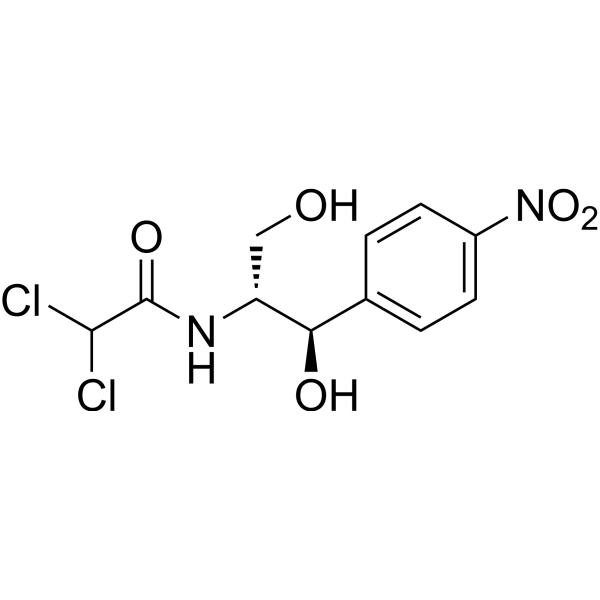
Chloramphenicol is an orally active, potent and broad-spectrum antibiotic. Chloramphenicol shows antibacterial activity. Chloramphenicol represses the oxygen-labile transcription factor and hypoxia inducible factor-1 alpha (HIF-1α) in hypoxic A549 and H1299 cells. Chloramphenicol suppresses the mRNA levels of vascular endothelial growth factor (VEGF) and glucose transporter 1, eventually decreasing VEGF release. Chloramphenicol can be used for anaerobic infections and lung cancer research .
|
-
-
- HY-W145521
-
|
β Glucan
|
Biochemical Assay Reagents
IKK
NO Synthase
Bacterial
|
Infection
Inflammation/Immunology
Cancer
|
|
β-1,3-Glucan (β Glucan) is an orally active polysaccharide composed of glucose polymers. β-1,3-Glucan increase the activity of IKKβ kinase, enhances the production of nitric oxide. β-1,3-Glucan improves resistance to Vibrio harveyi infection. β-1,3-Glucan enhances immune response, promotes blood pressure recovery, reduces lung, kidney and liver damage, inhibits the growth of syngeneic tumors .
|
-
-
- HY-135853
-
Molnupiravir
Maximum Cited Publications
71 Publications Verification
EIDD-2801; MK-4482
|
SARS-CoV
Influenza Virus
|
Infection
|
|
Molnupiravir (EIDD-2801) is an orally bioavailable proagent of the ribonucleoside analog EIDD-1931. Molnupiravir has broad spectrum antiviral activity against influenza virus and multiple coronaviruses, such as SARS-CoV-2, MERS-CoV, SARS-CoV. Molnupiravir has the potential for the research of COVID-19, and seasonal and pandemic influenza .
|
-
-
- HY-17591
-
|
Benzylpenicillin potassium
|
Antibiotic
Bacterial
|
Infection
|
|
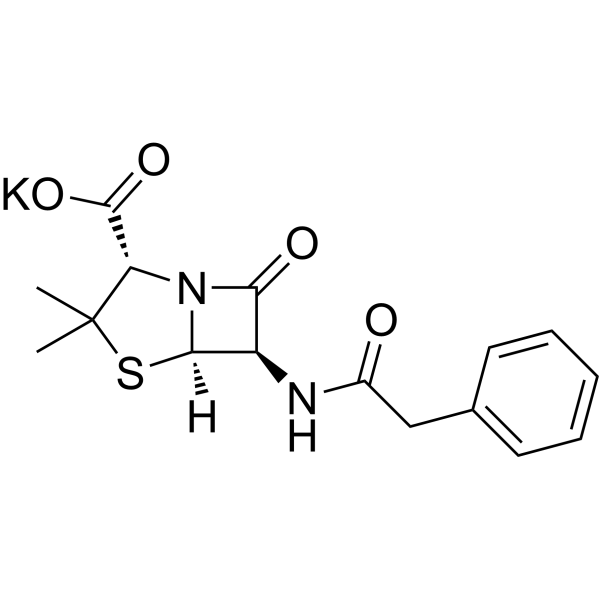
Penicillin G potassium is a fast-acting penicillin family antibiotic. Penicillin G potassium can be used for the research of bacterial infections that affect the blood, heart, lungs, joints, and genital areas .
|
-
-
- HY-13625
-
|
L-749345; MK-826
|
Bacterial
Antibiotic
|
Infection
Cancer
|
|
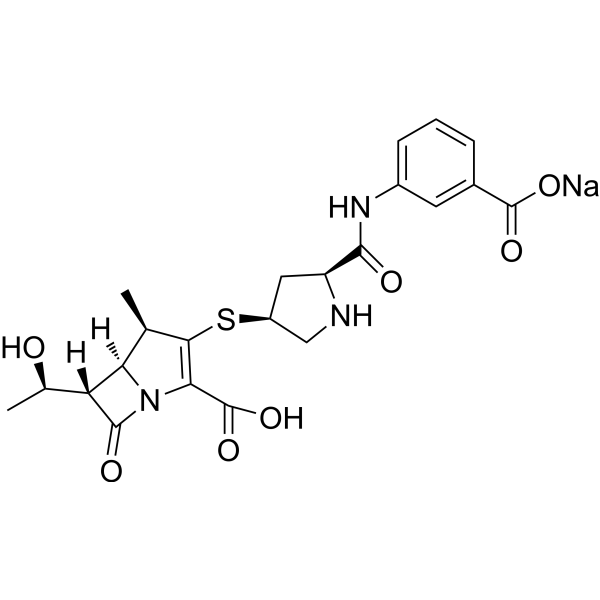
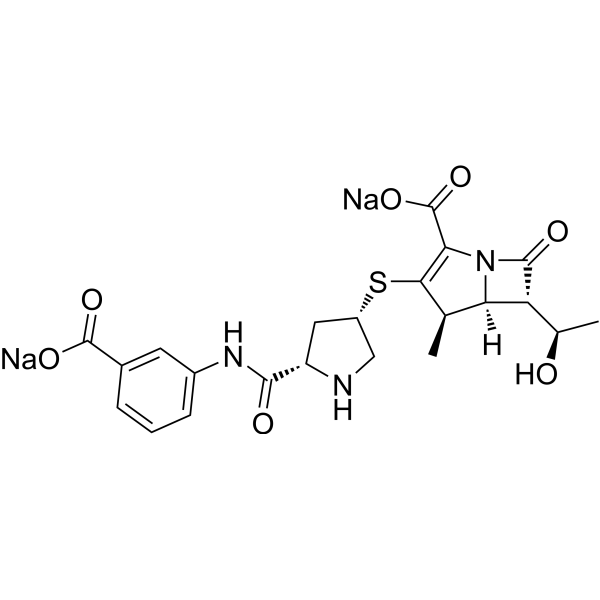
Ertapenem sodium (L-749345) is a broad spectrum and long acting β-lactam antibiotic. Ertapenem sodium has a broad-spectrum anti-anaerobic activity against a variety of anaerobes with a mode MIC of 0.12 μg/mL. Ertapenem sodium can be used for the research of severe infections caused by bacteria in the skin, lungs, stomach, pelvis, and urinary tract .
|
-
-
- HY-147429
-
|
Abx MCP; RG6006
|
Antibiotic
Bacterial
|
Infection
|
|
Zosurabalpin is a polypeptide antibiotic targeting LPS transporter (LptB2FGC complex), which can block the transport of LPS and lead to endotoxin accumulation in cells, and has shown excellent antibacterial activity against Carbapenem-resistant Acinetobacter baumanni (CRAB) .
|
-
-
- HY-N1073
-
|
6-Isopentenylgenistein; Erythrinin B
|
Apoptosis
EGFR
HSP
ERK
Akt
|
Infection
Cancer
|
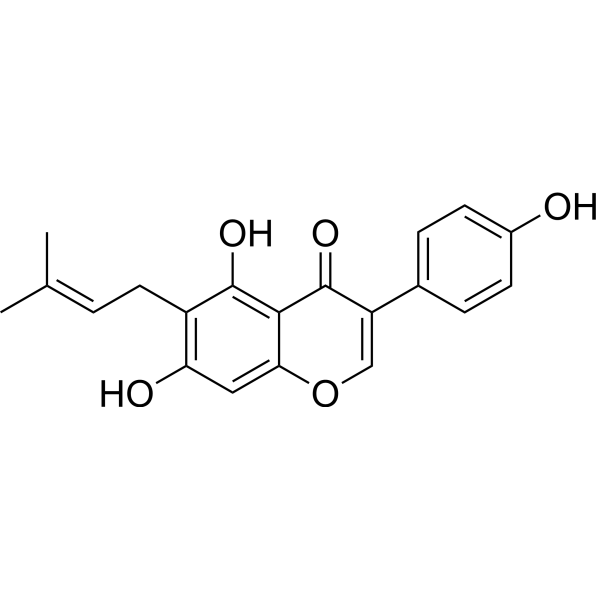
Wighteone (6-Isopentenylgenistein; Erythrinin B) is a prenylated isoflavone that acts as a HSP90/EGFR L858R/T790M inhibitor and antifungal agent. Wighteone reduces the expression level of HSP90, blocks EGF-induced phosphorylation of EGFR, and thereby inhibits the downstream ERK and AKT signaling pathways. Wighteone induces cell cycle redistribution, inhibits proliferation and triggers apoptosis in cancer cells. Wighteone can be isolated from Erythrina suberosa, and can also be induced to synthesize in Lotus japonicus under specific conditions. Wighteone can be used to study HER2-positive breast cancer, leukemia, non-small cell lung cancer with EGFR L858R/T790M mutation, and fungal infections .
|
-
-
- HY-B0027
-
|
|
Antibiotic
Bacterial
|
Infection
Metabolic Disease
|
|
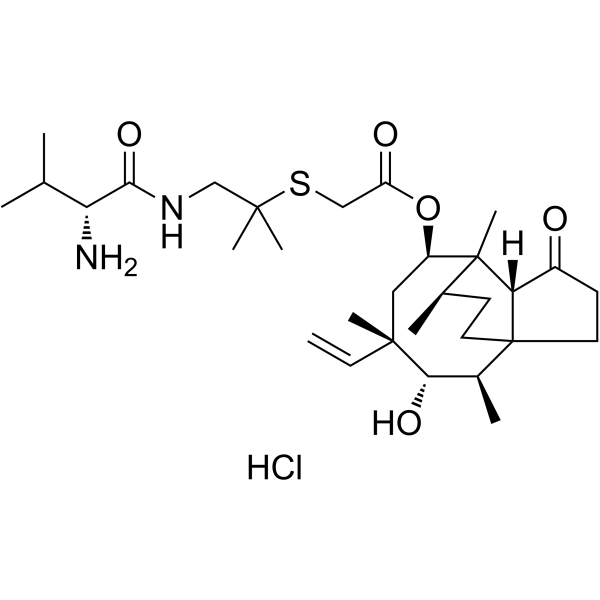
Valnemulin hydrochloride is an orally effective truncated pleurotin antibiotic that inhibits protein synthesis in bacteria by binding to peptidyl transferase in the 50s ribosome subunit. Valnemulin hydrochloride effectively eliminates Mycobacterium bovis in the lungs in an experimental bovine model of Mycoplasma bovis infection. Valnemulin hydrochloride can reduce the mortality of epidemic rabbit enteropathy and has no adverse effect on the growth performance of rabbits .
|
-
-
- HY-B1513
-
|
|
Environmental Pollutants
SARS-CoV
Microtubule/Tubulin
|
Infection
Metabolic Disease
Cancer
|
|
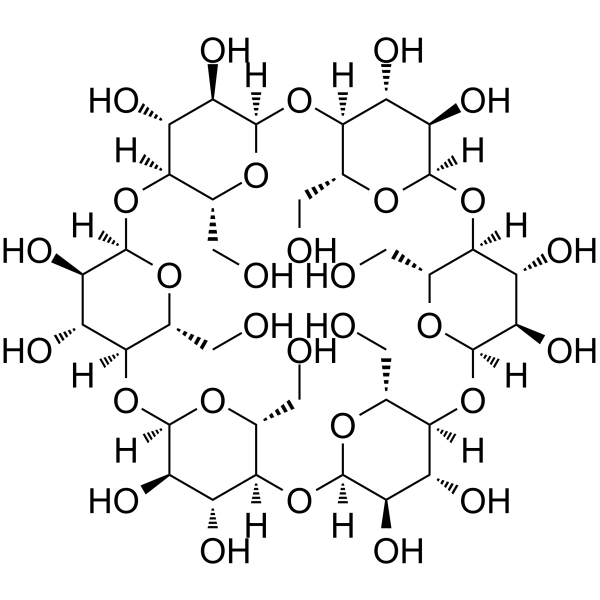
α-Cyclodextrin (α-CD) is a soluble fiber derived from corn. α-Cyclodextrin can deplete sphingolipids and phospholipids from cell membranes. α-Cyclodextrin interacts with tubulin. α-Cyclodextrin improves defenses against SARS-CoV-2 infection. α-Cyclodextrin enhances the anticancer efficacy of Crcumin (HY-N0005) against breast, lung and cervical cancer. α-Cyclodextrin has beneficial effects on body weight and blood lipids .
|
-
-
- HY-12642
-
|
|
Parasite
Bacterial
TNF Receptor
Interleukin Related
|
Infection
Metabolic Disease
Inflammation/Immunology
|
|
Diethylcarbamazine citrate is an orally active microfilaricidal agent used originally in onchocerciasis and lymphatic filiariasis. Diethylcarbamazine citrate reduces eosinophil trafficking to the lung tissue and exerts anti-allergic effects. Diethylcarbamazine citrate reduces serum levels of leptin, TNF-α, IL-6, MCP-1, glucose, insulin, and triglycerides, and ameliorates insulin resistance without altering body, liver, or adipose tissue weights. Diethylcarbamazine citrate enhances reactive oxygen intermediate expression by polymorphonuclear neutrophils, increases lymphocyte proliferation, and inhibits actinomycetoma lesion development. Diethylcarbamazine citrate can be used for the researches of bronchial asthma, insulin resistance and infection .
|
-
-
- HY-B1150
-
|
|
Bacterial
SARS-CoV
Antibiotic
|
Infection
Cancer
|
|
Clofoctol is a bacteriostatic antibiotic. Clofoctol is used in the treatment of respiratory tract and ear, nose and throat infections caused by Gram-positive bacteria. Clofoctol is only functional against Gram-positive bacteria and can penetrate into human lung tissue. Clofoctol is also an inhibitor of prostate cancer. Clofoctol has antiviral potency .
|
-
-
- HY-128423
-
|
Acetylisovaleryltylosin tartrate
|
Antibiotic
Bacterial
NF-κB
Apoptosis
|
Infection
Inflammation/Immunology
|
|
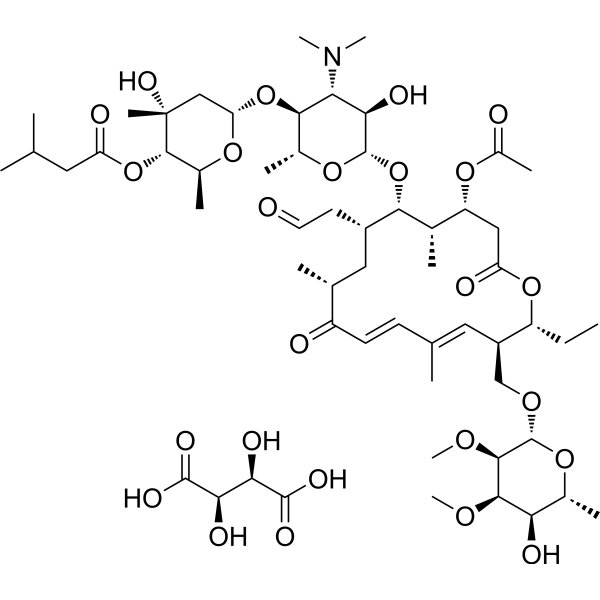
Tylvalosin (Acetylisovaleryltylosin) tartrate is an orally active, broad-spectrum macrolide antibiotic with antimicrobial activity. Tylvalosin tartrate is an antiviral agent useful in studying PRRSV infection. Tylvalosin tartrate induces apoptosis. Tylvalosin tartrate also has anti-inflammatory activity, relieves oxidative stress, and alleviates acute lung injury by inhibiting NF-κB activation .
|
-
-
- HY-103363
-
|
|
CCR
Thymidylate Synthase
|
Inflammation/Immunology
Cancer
|
|
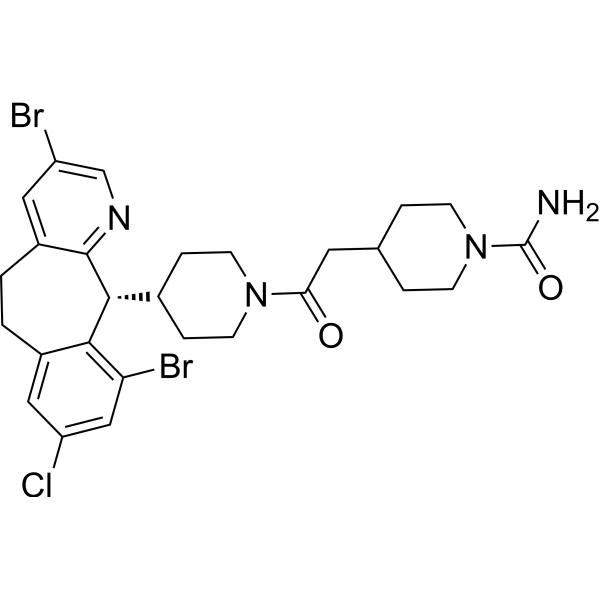
SB-328437 is a potent, selective non-peptide CCR3 antagonist with an IC50 of 4.5 nM. SB-328437 can inhibit eosinophil migration induced by eotaxin, eotaxin-2, and monocyte chemotactic protein-4. In addition, SB-328437 can sensitize 5-FU (HY-90006)-resistant gastric cancer cells. SB-328437 can also reduce the recruitment of neutrophils to the lungs and pulmonary inflammation during acute inflammation. SB-328437 can be used in the research of inflammation-related diseases .
|
-
-
- HY-N4118
-
|
(-)-Cephaeline; NSC 32944 free base
|
Filovirus
Flavivirus
Keap1-Nrf2
Ferroptosis
Reactive Oxygen Species (ROS)
|
Infection
Cancer
|
|
Cephaeline ((-)-Cephaeline), a desmethyl analog of Emetine, is a phenolic alkaloid in Indian Ipecac roots isolated from the Cephaelis ipecacuanha. Cephaeline exhibits potent inhibition of both Zika virus (ZIKV) and Ebola virus (EBOV) infections. Cephaeline is an inductor of histone H3 acetylation and an inhibitor of mucoepidermoid carcinoma cancer stem cells (MEC), which promotes ferroptosis by inhibiting NRF2 to exert anti-lung cancer efficacy .
|
-
-
- HY-128423A
-
|
Acetylisovaleryltylosin
|
Antibiotic
Bacterial
NF-κB
Apoptosis
|
Infection
Inflammation/Immunology
Cancer
|
|
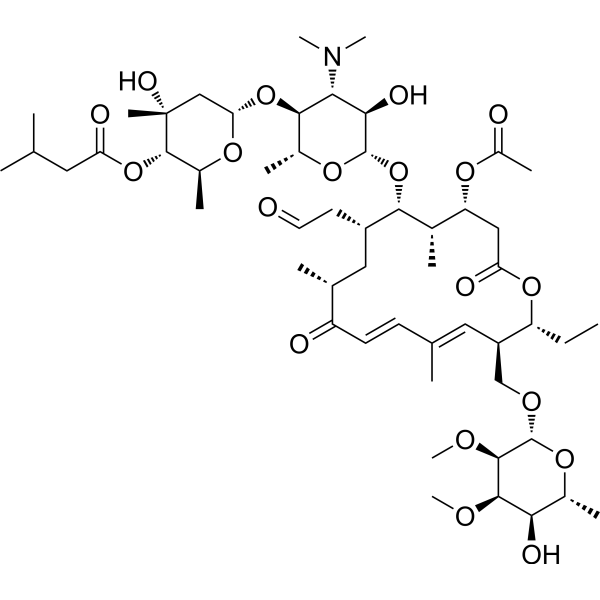
Tylvalosin (Acetylisovaleryltylo?sin) is an orally active, broad-spectrum macrolide antibiotic with antimicrobial activity. Tylvalosin is an antiviral agent used to study PRRSV infection. Tylvalosin induces apoptosis. Tylvalosin also has anti-inflammatory activity, alleviates oxidative stress, and alleviates acute lung injury by inhibiting NF-κB activation .
|
-
-
- HY-N10549
-
|
|
Ferroptosis
c-Myc
Glutathione Peroxidase
JNK
Reactive Oxygen Species (ROS)
GSK-3
|
Infection
Metabolic Disease
Cancer
|
|
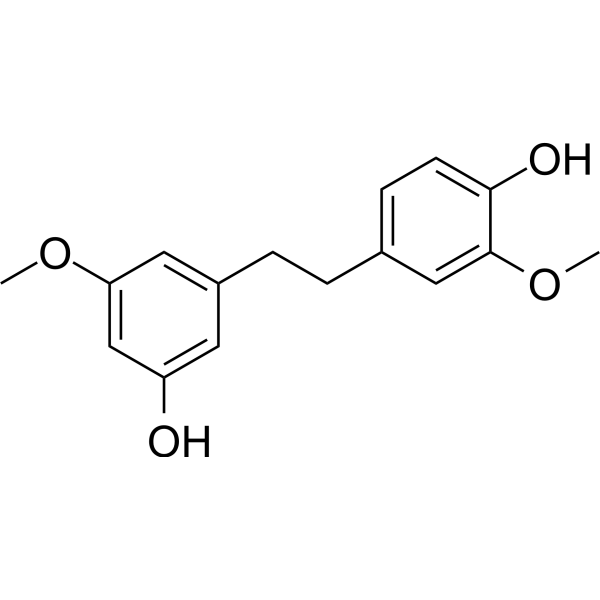
Gigantol is an orally active bibenzyl compound. Gigantol targets MYC to promote its ubiquitin-proteasomal degradation and inhibit the growth of lung cancer cells. Gigantol exerts anti-lung cancer activity by inducing ferroptosis (Ferroptosis) via the SLC7A11-GPX4 axis. Gigantol restores the sensitivity of mcr-harboring multidrug-resistant bacteria to colistin. Gigantol ameliorates carbon tetrachloride-induced liver injury by inhibiting the activation of the JNK/cPLA2/12-LOX inflammatory pathway. Gigantol promotes cholesterol metabolism and progesterone biosynthesis in Leydig cells. Gigantol can be used in studies related to diseases such as lung cancer, multidrug-resistant Gram-negative bacterial infections, and acute liver injury .
|
-
-
- HY-123475A
-
|
RV521 hydrochloride
|
RSV
|
Infection
|
|
Sisunatovir (RV521) hydrochloride is a potent and orally active respiratory syncytial virus (RSV) inhibitor with IC50 values of 1.4, 1.0 nM for RSV A, RSV B, respectively. Sisunatovir hydrochloride inhibits RSV infection and reduces virus titers in the lungs of mice .
|
-
-
- HY-123475
-
|
RV521
|
RSV
|
Infection
|
|
Sisunatovir (RV521) is a potent and orally active respiratory syncytial virus (RSV) inhibitor with IC50 values of 1.4, 1.0 nM for RSV A, RSV B, respectively. Sisunatovir inhibits RSV infection and reduces virus titers in the lungs of mice .
|
-
-
- HY-B0724A
-
|
T-3762; Pazufloxacin methanesulfonate; Pazufloxacin mesilate
|
Bacterial
DNA/RNA Synthesis
|
Infection
|
|
Pazufloxacin mesylate is an orally active fluoroquinolone antimicrobial agent. Pazufloxacin mesylate inhibits DNA gyrase with IC50 values of 0.88 μg/mL (E. coli) and 1.9 μg/mL (P. aeruginosa). Pazufloxacin mesylate exhibits broad-spectrum antimicrobial activity, with MIC90 values ranging from 0.025 to 100 μg/mL against Gram-positive and Gram-negative bacteria, non-fermenting bacteria, Legionella spp., and anaerobic bacteria. Pazufloxacin mesylate is indicated for research on systemic infections, lung infections, urinary tract infections, and Legionella pneumonia .
|
-
-
- HY-P5005
-
|
|
CMV
PD-1/PD-L1
|
Infection
Inflammation/Immunology
Cancer
|
|
VIPhyb is a vasoactive intestinal polypeptide (VIP) receptor antagonist. VIPhyb can inhibit VIP signaling, increase T-cell immunity and downregulate PD1. VIPhyb can inhibit cancer cell proliferation. VIPhyb can reduce inflammatory cytokine expression. VIPhyb can enhance viral clearance. VIPhyb can be used for the researches of cancer, infection and inflammation and immunology, such as non-small cell lung cancer (NSCLC), cytomegalovirus infection and colitis .
|
-
-
- HY-B0330B
-
|
(-)-Ofloxacin hydrochloride
|
Antibiotic
Bacterial
DNA/RNA Synthesis
Topoisomerase
Orthopoxvirus
Apoptosis
|
Infection
Neurological Disease
Cancer
|
|
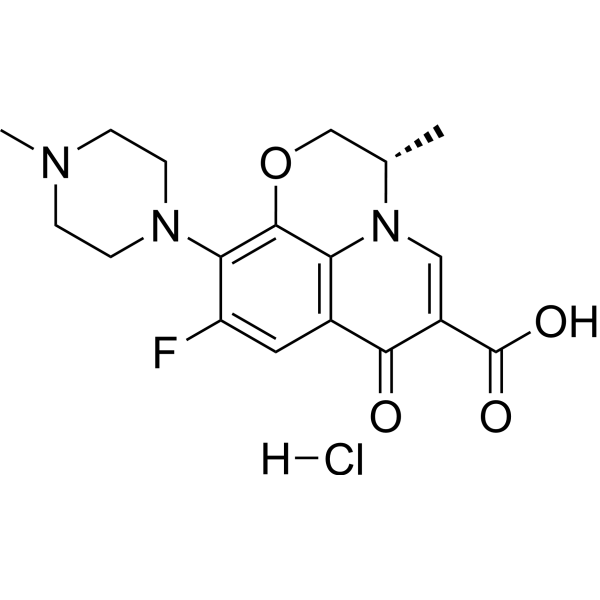
Levofloxacin hydrochloride is an orally active antibiotic. Levofloxacin inhibits DNA gyrase and topoisomerase IV activity, inducing Apoptosis. Levofloxacin hydrochloride has antibacterial activity against both Gram-positive and Gram-negative bacteria. Levofloxacin hydrochloride exhibits anticancer activity against lung cancer. Levofloxacin hydrochloride has anti-acnegenic, anxiogenic, and analgesic effects. Levofloxacin hydrochloride shortens sleep duration in mice. Levofloxacin hydrochloride can be used in the research of infectious diseases (such as tuberculosis, chronic periodontitis, bacterial infections associated with stable COPD, and BK viremia) and lung cancer .
|
-
-
- HY-Y0136
-
|
|
Endogenous Metabolite
Influenza Virus
HSV
VSV
|
Infection
|
|
3-Indoleacetonitrile is an indole derivative with anti-influenza activity. 3-Indoleacetonitrile is a plant hormone produced by cruxiferous vegetables. 3-Indoleacetonitrile exerts profound antiviral activity against a broad spectrum of influenza A viruses, HSV-1 and VSV viruses in vitro. 3-Indoleacetonitrile diminishes lung virus titers and alleviates lung lesions in vivo. 3-Indoleacetonitrile induces an increase in mitochondrial antiviral-signaling (MAVS) protein levels. 3-Indoleacetonitrile can be used in research for combating viral infections including COVID-19, HSV-1, and VSV .
|
-
-
- HY-W016969
-
|
|
Environmental Pollutants
Bacterial
Interleukin Related
Keap1-Nrf2
NF-κB
|
Infection
Cancer
|
|
2-Undecanone is an orally active organic ketone. 2-Undecanone exerts antibacterial effects by inhibiting bacterial chaperone systems and interfering with the refolding of heat-inactivated proteins. 2-Undecanone also ameliorates asthmatic inflammation and airway remodeling by blocking the NF-κB pathway, and activates the Nrf2 pathway to reduce oxidative damage and prevent lung cancer induced by Benzo[a]pyrene (HY-107377). 2-Undecanone can be used in research related to cancer, asthma and infections .
|
-
-
- HY-W008344
-
|
|
Nucleoside Antimetabolite/Analog
Apoptosis
|
Infection
Cardiovascular Disease
Neurological Disease
Inflammation/Immunology
Cancer
|
|
2-Chloroadenosine is an adenosine analog, a transporter permeabilizer of nucleoside transporters, and a competitive uridine influx inhibitor (apparent Ki=33 μM). 2-Chloroadenosine binds to nitrobenzylthioinosine with high affinity (apparent Ki=0.18 mM). 2-Chloroadenosine promotes Apoptosis and increases cerebral blood flow. 2-Chloroadenosine has anticonvulsant properties. 2-Chloroadenosine is used to study infection, inflammatory diseases, cancer, blood-related diseases, lung injury, epilepsy, and kidney disease .
|
-
-
- HY-A0294
-
|
MK-0826
|
Antibiotic
Bacterial
|
Infection
Cancer
|
|
Ertapenem (MK-0826) is a broad spectrum and long acting β-lactam antibiotic. Ertapenem has a broad-spectrum anti-anaerobic activity against a variety of anaerobes with a mode MIC of 0.12 μg/mL. Ertapenem can be used for the research of severe infections caused by bacteria in the skin, lungs, stomach, pelvis, and urinary tract .
|
-
-
- HY-A0294A
-
|
MK-0826 disodium
|
Bacterial
Antibiotic
|
Infection
Cancer
|
|
Ertapenem (MK-0826) disodium is a broad spectrum and long acting β-lactam antibiotic. Ertapenem disodium has a broad-spectrum anti-anaerobic activity against a variety of anaerobes with a mode MIC of 0.12 μg/mL. Ertapenem disodium can be used for the research of severe infections caused by bacteria in the skin, lungs, stomach, pelvis, and urinary tract .
|
-
-
- HY-13625R
-
|
L-749345 (Standard); MK-826 (Standard)
|
Reference Standards
Bacterial
Antibiotic
|
Infection
Cancer
|
|
Ertapenem sodium (Standard) is the analytical standard of Ertapenem sodium. This product is intended for research and analytical applications. Ertapenem sodium (L-749345) is a broad spectrum and long acting β-lactam antibiotic. Ertapenem sodium has a broad-spectrum anti-anaerobic activity against a variety of anaerobes with a mode MIC of 0.12 μg/mL. Ertapenem sodium can be used for the research of severe infections caused by bacteria in the skin, lungs, stomach, pelvis, and urinary tract[1][2].
|
-
-
- HY-I0501
-
|
o-aminoacetophenone
|
Bacterial
Apoptosis
Atg8/LC3
p62
Autophagy
|
Infection
Inflammation/Immunology
|
|
2'-Aminoacetophenone is an orally active inducer of apoptosis and respiratory biomarker. 2'-Aminoacetophenone can be used to detect Pseudomonas aeruginosa infections in the lungs of cystic fibrosis patients. 2'-Aminoacetophenone can inhibit the protein levels of LC3BII and p62 in macrophages infected with pqsA or mvfR and regulate autophagy. 2'-Aminoacetophenone can disrupt mitochondrial function by inducing oxidative stress and apoptosis signaling, leading to dysfunction in mouse skeletal muscle .
|
-
-
- HY-10585R
-
|
VPA (Standard); 2-Propylpentanoic acid (Standard); Dipropylacetic acid (Standard)
|
Reference Standards
Organoid
HDAC
Autophagy
Mitophagy
HIV
Notch
Apoptosis
Endogenous Metabolite
|
Infection
Neurological Disease
Metabolic Disease
Cancer
|
|
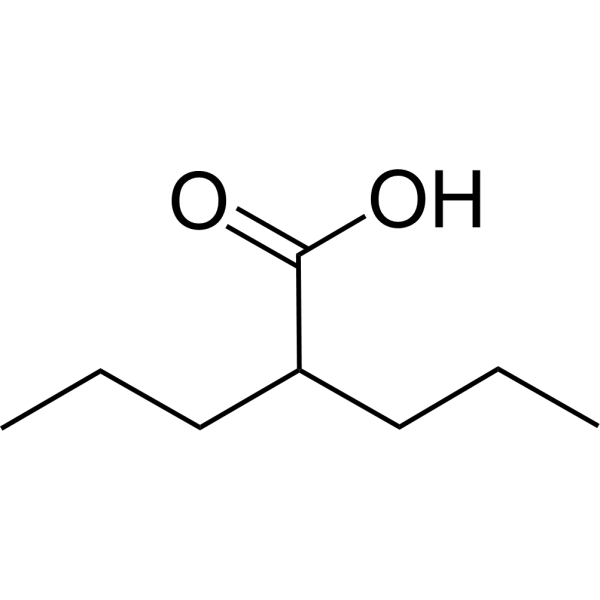
Valproic acid (Dipropylacetic Acid) (Standard) is an analytical standard for valproic acid. This product is intended for research and analytical applications. Valproic acid is an orally active HDAC inhibitor (IC50=0.5-2 mM), inhibits the activity of HDAC1 (IC50=400 μM), and induces the degradation of HDAC2. Valproic acid activates Notch1 signaling and inhibits the proliferation of small cell lung cancer (SCLC) cells. Valproic acid is used in the study of epilepsy, bipolar disorder, metabolic diseases, HIV infection, and migraine .
|
-
-
- HY-N1745A
-
|
|
Influenza Virus
|
Infection
Inflammation/Immunology
Cancer
|
|
3-Deoxysappanchalcone is a kinase inhibitor and antiviral agent. 3-Deoxysappanchalcone directly targets MET, EGFR, AKT, mTOR, p38 MAPK, JNK, thrombin, FXa, and influenza virus neuraminidase, thereby regulating related signaling pathways. 3-Deoxysappanchalcone induces cell cycle arrest, ROS production, and apoptosis. 3-Deoxysappanchalcone exhibits anti-inflammatory, anti-allergic, anticoagulant, and antithrombotic activities. 3-Deoxysappanchalcone is applicable to research related to gefitinib-resistant lung cancer, esophageal squamous cell carcinoma, thrombosis, and influenza virus infection .
|
-
-
- HY-N6580
-
-
-
- HY-B0239R
-
|
|
Reference Standards
Antibiotic
Bacterial
HIF/HIF Prolyl-Hydroxylase
VEGFR
Autophagy
Apoptosis
Beclin1
JNK
Akt
MMP
|
Infection
Cancer
|
|
Chloramphenicol (Standard) is the analytical standard of Chloramphenicol. This product is intended for research and analytical applications. Chloramphenicol is an orally active, potent and broad-spectrum antibiotic. Chloramphenicol shows antibacterial activity. Chloramphenicol represses the oxygen-labile transcription factor and hypoxia inducible factor-1 alpha (HIF-1α) in hypoxic A549 and H1299 cells. Chloramphenicol suppresses the mRNA levels of vascular endothelial growth factor (VEGF) and glucose transporter 1, eventually decreasing VEGF release. Chloramphenicol can be used for anaerobic infections and lung cancer research .
|
-
-
- HY-12642A
-
|
|
Parasite
Bacterial
TNF Receptor
Interleukin Related
|
Infection
Metabolic Disease
Inflammation/Immunology
|
|
Diethylcarbamazine is an orally active microfilaricidal agent used originally in onchocerciasis and lymphatic filiariasis. Diethylcarbamazine reduces eosinophil trafficking to the lung tissue and exerts anti-allergic effects. Diethylcarbamazine reduces serum levels of leptin, TNF-α, IL-6, MCP-1, glucose, insulin, and triglycerides, and ameliorates insulin resistance without altering body, liver, or adipose tissue weights. Diethylcarbamazine enhances reactive oxygen intermediate expression by polymorphonuclear neutrophils, increases lymphocyte proliferation, and inhibits actinomycetoma lesion development. Diethylcarbamazine can be used for the researches of bronchial asthma, insulin resistance and infection .
|
-
-
- HY-172242
-
|
|
Cathepsin
Dipeptidyl Peptidase
|
Inflammation/Immunology
|
|
Verducatib (BI 1291583) is an orally active inhibitor of cathepsin C (also known as DPP1). Verducatib restores the protease-inhibitor balance by inhibiting the activation of neutrophil serine proteases, thereby alleviating pulmonary inflammation and regulating infection responses. Verducatib significantly reduces the risk (including severe exacerbations) and frequency of acute exacerbations in bronchiectasis (BE). Verducatib also improves lung function and quality of life, and shortens the duration of antibiotic use. The overall incidence of adverse events of Verducatib is comparable to that of placebo, with only slightly more mild-to-moderate cutaneous adverse events observed in the high-dose group, demonstrating promising clinical application potential .
|
-
-
- HY-P99226
-
-
-
- HY-17591S
-
|
Benzylpenicillin-d5 potassium
|
Isotope-Labeled Compounds
Bacterial
Antibiotic
|
Infection
|
|
Penicillin G-d5 (potassium) is the deuterium labeled Penicillin G potassium. Penicillin G potassium is a fast-acting antibiotic; used to treat bacterial infections that affect the blood, heart, lungs, joints, and genital areas .
|
-
-
- HY-N8420
-
|
|
Fungal
|
Infection
Cancer
|
|
Thalifoline is an isoquinoline alkaloid. Thalifoline exerts cytotoxic effects on cancer cells. Thalifoline inhibits the growth of Fusarium oxysporum f. sp. lycopersici. Thalifoline can be used in research related to lung adenocarcinoma, colon cancer, oral epidermoid carcinoma, and fungal infections .
|
-
-
- HY-17591R
-
|
Benzylpenicillin potassium (Standard)
|
Reference Standards
Antibiotic
Bacterial
|
Infection
|
|
Penicillin G (potassium) (Standard) is the analytical standard of Penicillin G (potassium). This product is intended for research and analytical applications. Penicillin G potassium is a fast-acting penicillin family antibiotic. Penicillin G potassium can be used for the research of bacterial infections that affect the blood, heart, lungs, joints, and genital areas .
|
-
-
- HY-P5407
-
|
|
SARS-CoV
Angiotensin-converting Enzyme (ACE)
|
Infection
Cancer
|
|
HD5 is an innate immune effector peptide and SARS-CoV Inhibitor. HD5 binds to the ligand-binding domain of angiotensin-converting enzyme-2 (ACE2) via multiple hydrogen bonds to competitively block the receptor, shielding it from viral recognition. HD5 can be used for the research of COVID-19, HPV16 infection, epithelial ovarian cancer, small-cell lung cancer, and colon cancer .
|
-
-
- HY-W195509
-
|
Debrisoquine hydroiodide; Isocaramidine hydroiodide; Ro 5-3307/1 hydroiodide
|
SARS-CoV
Ser/Thr Protease
|
Infection
|
|
Debrisoquin (hydroiodide) is the hydrochloride form of Debrisoquin (HY-B1624). Debrisoquin is a TMPRSS2 inhibitors that inhibits SARS-CoV-2 entry into human lung cell line by a TMPRSS2-depedent manner. Debrisoquin can be used for antiviral research .
|
-
-
- HY-B1624A
-
|
Debrisoquine hemisulfate; Isocaramidine hemisulfate; Ro 5-3307/1 hemisulfate
|
Endogenous Metabolite
|
Infection
Cardiovascular Disease
|
|
Debrisoquin (Isocaramidine) hemisulfate is a TMPRSS2 inhibitors that inhibits SARS-CoV-2 entry into human lung cell line by a TMPRSS2-depedent manner, with an IC50 of 22μM. Debrisoquin hemisulfate can be used for antiviral research .
|
-
-
- HY-127072
-
|
|
Antibiotic
Bacterial
|
Infection
Inflammation/Immunology
Cancer
|
|
Amicoumacin A is an orally active antibiotic. Amicoumacin A targets bacterial ribosomes and inhibits bacterial translation by stabilizing the interaction between mRNA and ribosomes. Amicoumacin A induces cancer cell death by targeting eukaryotic ribosomes. Amicoumacin A exhibits anti-inflammatory and anti-ulcer activities, inhibits carrageenan-induced paw edema, and prevents stress-induced gastric ulcers. Amicoumacin A inhibits the growth of Gram-positive bacteria, Salmonella spp., Shigella spp., Helicobacter pylori, and methicillin-resistant Staphylococcus aureus. Amicoumacin A can be used in the research of lung cancer, breast cancer, bacterial infections, inflammatory edema and gastric ulcers [2] .
|
-
-
- HY-N0855
-
|
Alisol-G; 25-Anhydroalisol A
|
Carboxylesterase (CES)
Bacterial
HBV
|
Infection
Cancer
|
|
Alisol G (25-Anhydroalisol A) is a human carboxylesterase 2 (hCES2) inhibitor with an IC50 of 3.85 μM. Alisol G exhibits cytotoxic activity against human cancer cells, antibacterial activity against Gram-positive strains, and anti-hepatitis B virus activity. Alisol G can be used in research related to lung cancer, breast cancer, prostate cancer, bacterial infections, and HBV infections .
|
-
-
- HY-135562
-
|
|
Parasite
Antibiotic
|
Infection
Cancer
|
|
Ascofuranone is an orally active inhibitor of Trypanosoma brucei brucei (TAO) with a Ki value of 2.38 nM. Ascofuranone inhibits IGF-1-induced cancer cell migration, invasion, motility and actin cytoskeleton formation, and exerts anti-tumor effects. Ascofuranone can be used in research related to tumor metastasis, African trypanosomiasis, bacterial infections, lung cancer and hepatocellular carcinoma .
|
-
-
- HY-B1150R
-
|
|
Reference Standards
Bacterial
SARS-CoV
Antibiotic
|
Infection
Cancer
|
|
Clofoctol (Standard) is the analytical standard of Clofoctol. This product is intended for research and analytical applications. Clofoctol is a bacteriostatic antibiotic. Clofoctol is used in the treatment of respiratory tract and ear, nose and throat infections caused by Gram-positive bacteria. Clofoctol is only functional against Gram-positive bacteria and can penetrate into human lung tissue. Clofoctol is also an inhibitor of prostate cancer. Clofoctol has antiviral potency .
|
-
-
- HY-177332
-
|
|
TAM Receptor
SARS-CoV
Akt
|
Infection
Cancer
|
|
SLC-391 is an orally active AXL kinase inhibitor with an IC50 of 9.6 nM against AXL kinase. SLC-391 inhibits Gas6-induced AXL-dependent phosphorylation of Akt. SLC-391 inhibits SARS-CoV-2 infection, entry and replication in cells. SLC-391 suppresses cancer cell proliferation. SLC-391 inhibits tumor growth in mouse solid tumor xenograft models. SLC-391 can be used for the research of COVID-19, influenza virus infection, triple-negative breast cancer, chronic myeloid leukemia and non-small cell lung cancer .
|
-
-
- HY-Y0136S1
-
|
|
Isotope-Labeled Compounds
Endogenous Metabolite
Influenza Virus
HSV
VSV
|
Infection
|
|
3-Indoleacetonitrile-d4 is deuterium labeled 3-Indoleacetonitrile (HY-Y0136). 3-Indoleacetonitrile is an indole derivative with anti-influenza activity. 3-Indoleacetonitrile is a plant hormone produced by cruxiferous vegetables. 3-Indoleacetonitrile exerts profound antiviral activity against a broad spectrum of influenza A viruses, HSV-1 and VSV viruses in vitro. 3-Indoleacetonitrile diminishes lung virus titers and alleviates lung lesions in vivo. 3-Indoleacetonitrile induces an increase in mitochondrial antiviral-signaling (MAVS) protein levels. 3-Indoleacetonitrile can be used in research for combating viral infections including COVID-19, HSV-1, and VSV.
|
-
-
- HY-P990791
-
|
|
Transferrin Receptor
|
Infection
Inflammation/Immunology
Cancer
|
|
Anti-Mouse CD71/TfR1 Antibody (R17 217.1.3) is a rat-derived IgG2a κ type antibody inhibitor, targeting to mouse CD71/TfR1. Anti-Mouse CD71/TfR1 Antibody (R17 217.1.3) can deplete CD71 + cells and inhibit transferrin receptor. Anti-Mouse CD71/TfR1 Antibody (R17 217.1.3) can be used for the researches of cancer, infection, inflammation and immunology, such as lung cancer, lymphocytic choriomeningitis virus (LCMV) infection and Cardiac allograft .
|
-
- HY-10585B
-
|
Sodium Valproate (2:1); VPA sodium (2:1); 2-Propylpentanoic acid sodium (2:1)
|
HDAC
Autophagy
Mitophagy
HIV
Notch
Apoptosis
Endogenous Metabolite
|
Infection
Neurological Disease
Metabolic Disease
Cancer
|
|
Valproic acid (VPA) sodium (2:1) is an orally active HDAC inhibitor, with IC50 in the range of 0.5 and 2 mM, also inhibits HDAC1 (IC50, 400 μM), and induces proteasomal degradation of HDAC2. Valproic acid sodium (2:1) activates Notch1 signaling and inhibits proliferation in small cell lung cancer (SCLC) cells. Valproic acid sodium (2:1) is used in the treatment of epilepsy, bipolar disorder, metabolic disease, HIV infection and prevention of migraine headaches .
|
-
- HY-10585AR
-
|
Sodium Valproate (Standard); VPA sodium (Standard); 2-Propylpentanoic acid sodium (Standard)
|
Organoid
Reference Standards
HDAC
Autophagy
Mitophagy
HIV
Notch
Apoptosis
Endogenous Metabolite
|
Infection
Neurological Disease
Metabolic Disease
Cancer
|
|
Valproic acid (sodium) (Standard) is the analytical standard of Valproic acid (sodium). This product is intended for research and analytical applications. Valproic acid (Sodium Valproate) sodium is an orally active HDAC inhibitor, with IC50 in the range of 0.5 and 2 mM, also inhibits HDAC1 (IC50, 400 μM), and induces proteasomal degradation of HDAC2. Valproic acid sodium activates Notch1 signaling and inhibits proliferation in small cell lung cancer (SCLC) cells. Valproic acid sodium is used in the treatment of epilepsy, bipolar disorder, metabolic disease, HIV infection and prevention of migraine headaches .
|
-
- HY-I0501R
-
|
o-aminoacetophenone (Standard)
|
Reference Standards
Bacterial
Apoptosis
Atg8/LC3
p62
Autophagy
|
Infection
Inflammation/Immunology
|
|
2'-Aminoacetophenone (Standard) is the analytical standard of 2'-Aminoacetophenone. This product is intended for research and analytical applications. 2'-Aminoacetophenone is an orally active inducer of apoptosis and respiratory biomarker. 2'-Aminoacetophenone can be used to detect Pseudomonas aeruginosa infections in the lungs of cystic fibrosis patients. 2'-Aminoacetophenone can inhibit the protein levels of LC3BII and p62 in macrophages infected with pqsA or mvfR and regulate autophagy. 2'-Aminoacetophenone can disrupt mitochondrial function by inducing oxidative stress and apoptosis signaling, leading to dysfunction in mouse skeletal muscle .
|
-
- HY-U00380
-
|
|
Antibiotic
Beta-lactamase
Bacterial
|
Infection
|
|
Tigemonam is an orally active monobactam antibiotic with a Ki of 0.86 μM against Enterobacter cloacae P99 β-lactamase and 50.8 μM against Escherichia coli TEM-1 β-lactamase. Tigemonam binds to penicillin-binding proteins 1a, 3, and 4, inhibits bacterial cell wall synthesis, and exhibits bactericidal activity against aerobic gram-negative bacteria including Enterobacteriaceae, Haemophilus influenzae, and Neisseria gonorrhoeae. Tigemonam resists hydrolysis by multiple β-lactamase enzymes, reduces bacterial load in systemic, pyelonephritic, lung, and thigh muscle infections in rodents, and shows minimal difference between minimum inhibitory and bactericidal concentrations. Tigemonam can be used for the research of gram-negative bacterial infections, acute pyelonephritis, lung infection, and thigh muscle infection .
|
-
- HY-N7741
-
|
Dehydrozaluzanin C-derivative
|
Bacterial
|
Infection
Inflammation/Immunology
|
|
Isozaluzanin C (Dehydrozaluzanin c-derivative) is an anti-inflammatory agent that can be isolated from Saussurea lappa and has immunomodulatory effects. Isozaluzanin C improves tissue damage (lung, kidney, and liver) and excessive inflammation in mice induced by LPS (HY-D1056) or CRKP infection. Isozaluzanin C can be used in the study of bacterial infections and sepsi .
|
-
- HY-N4164
-
|
|
Fungal
Apoptosis
|
Infection
Cancer
|
|
Schinifoline is a 4-quinolinone found in Zanthoxylum schinifolium. Schinifoline can inhibit cancer cells proliferation, cause G2/M phase arrest and induce apoptosis. Schinifoline can improve radiosensitizing effect of cancer cells. Schinifoline shows anti-fungal activity. Schinifoline can be used for the researches of cancer and infection, such as lung cancer and C. albicans infection .
|
-
- HY-B0724B
-
|
T3761
|
Bacterial
DNA/RNA Synthesis
|
Infection
|
|
Pazufloxacin is an orally active fluoroquinolone antimicrobial agent. Pazufloxacin inhibits DNA gyrase with IC50 values of 0.88 μg/mL (E. coli) and 1.9 μg/mL (P. aeruginosa). Pazufloxacin exhibits broad-spectrum antimicrobial activity, with MIC90 values ranging from 0.025 to 100 μg/mL against Gram-positive and Gram-negative bacteria, non-fermenting bacteria, Legionella spp., and anaerobic bacteria. Pazufloxacin is indicated for research on systemic infections, lung infections, urinary tract infections, and Legionella pneumonia .
|
-
- HY-B0330BR
-
|
(-)-Ofloxacin hydrochloride (Standard)
|
Reference Standards
Antibiotic
Bacterial
DNA/RNA Synthesis
Topoisomerase
Orthopoxvirus
Apoptosis
|
Infection
Neurological Disease
Cancer
|
|
Levofloxacin (hydrochloride) (Standard) is the analytical standard of Levofloxacin hydrochloride (HY-B0330B). This product is intended for research and analytical applications. Levofloxacin hydrochloride is an orally active antibiotic. Levofloxacin inhibits DNA gyrase and topoisomerase IV activity, inducing Apoptosis. Levofloxacin hydrochloride has antibacterial activity against both Gram-positive and Gram-negative bacteria. Levofloxacin hydrochloride exhibits anticancer activity against lung cancer. Levofloxacin hydrochloride has anti-acnegenic, anxiogenic, and analgesic effects. Levofloxacin hydrochloride shortens sleep duration in mice. Levofloxacin hydrochloride can be used in the research of infectious diseases (such as tuberculosis, chronic periodontitis, bacterial infections associated with stable COPD, and BK viremia) and lung cancer .
|
-
- HY-Y0136R
-
|
|
Reference Standards
Endogenous Metabolite
Influenza Virus
HSV
VSV
|
Metabolic Disease
|
|
3-Indoleacetonitrile (Standard) is the analytical standard of 3-Indoleacetonitrile. This product is intended for research and analytical applications. 3-Indoleacetonitrile is an indole derivative with anti-influenza activity. 3-Indoleacetonitrile is a plant hormone produced by cruxiferous vegetables. 3-Indoleacetonitrile exerts profound antiviral activity against a broad spectrum of influenza A viruses, HSV-1 and VSV viruses in vitro. 3-Indoleacetonitrile diminishes lung virus titers and alleviates lung lesions in vivo. 3-Indoleacetonitrile induces an increase in mitochondrial antiviral-signaling (MAVS) protein levels. 3-Indoleacetonitrile can be used in research for combating viral infections including COVID-19, HSV-1, and VSV .
|
-
- HY-B1624
-
|
Debrisoquine; Isocaramidine; Ro 5-3307/1
|
SARS-CoV
Ser/Thr Protease
|
Infection
Cardiovascular Disease
|
|
Debrisoquin (Isocaramidine) is a TMPRSS2 inhibitors that inhibits SARS-CoV-2 entry into human lung cell line by a TMPRSS2-depedent manner, with an IC50 of 22μM. Debrisoquin can be used for antiviral research .
|
-
- HY-155732
-
|
|
Parasite
|
Infection
|
|
NPD-2975 (compound 30) is an orally active antitrypanosomal agent, against Human African Trypanosomiasis (HAT). NPD-2975 has low toxicity potential against human MRC-5 lung fibroblasts, and acute mouse model of T. b. brucei infection. NPD-2975 shows acceptable metabolic stability, inhibits T. b. brucei with IC500 of 70 nM in vitro. NPD-2975 also inhibits CYP enzymes resulted in IC50 values of 0.16 and 0.42 μM against CYP1A2 and CYP2C19, respectively .
|
-
- HY-168916
-
|
|
SARS-CoV
Virus Protease
|
|
|
Jun13296 is an orally active quinoline SARS-CoV-2 papain-like protease inhibitor (IC50 = 0.13 µM, Ki = 8.8 nM). Jun13296 exhibits potent inhibition against SARS-CoV-2 variants and Nirmatrelvir (HY-138687)-resistant mutants. Jun13296 improves lung viral titers, and prevents lung tissue damage in a SARS-CoV-2 infection model .
|
-
- HY-173526
-
|
|
Bacterial
Calcium Channel
|
Infection
|
|
H052 is a selective Staphylococcus aureus α-hemolysin (Hla) inhibitor. H052 binds to Hla monomers, disrupts the interaction with host cell membranes to block pore formation, inhibiting calcium ion influx, cytotoxicity, and inflammatory responses. H052 exhibits potency (EC50=30 nM in U937 cells) against Hla-induced calcium influx. H052 is promising for research of lung infections caused by S. aureus .
|
-
- HY-B0724BS
-
|
T3761-d4
|
Isotope-Labeled Compounds
Bacterial
DNA/RNA Synthesis
|
Infection
|
|
Pazufloxacin-d4 is deuterium labeled Pazufloxacin (HY-B0724B). Pazufloxacin is an orally active fluoroquinolone antimicrobial agent. Pazufloxacin inhibits DNA gyrase with IC50 values of 0.88 μg/mL (E. coli) and 1.9 μg/mL (P. aeruginosa). Pazufloxacin exhibits broad-spectrum antimicrobial activity, with MIC90 values ranging from 0.025 to 100 μg/mL against Gram-positive and Gram-negative bacteria, non-fermenting bacteria, Legionella spp., and anaerobic bacteria. Pazufloxacin is indicated for research on systemic infections, lung infections, urinary tract infections, and Legionella pneumonia .
|
-
- HY-106166
-
|
16α-Bromoepiandrosterone
|
Drug Derivative
NO Synthase
|
Infection
Inflammation/Immunology
|
|
α-Epibromide (16α-Bromoepiandrosterone) is an adrenal steroid derivative. α-Epibromide decreases nitric oxide production. α-Epibromide restores T helper cell type 1 activity and accelerates chemotherapy-induced bacterial clearance in a model of progressive pulmonary tuberculosis. α-Epibromide reduces mortality related to excessive inflammation and opportunistic lung infections .
|
-
- HY-N4118R
-
|
(-)-Cephaeline (Standard); NSC 32944 free base (Standard)
|
Reference Standards
Filovirus
Flavivirus
Keap1-Nrf2
Ferroptosis
Reactive Oxygen Species (ROS)
|
Infection
Cancer
|
|
Cephaeline ((-)-Cephaeline), a desmethyl analog of Emetine, is a phenolic alkaloid in Indian Ipecac roots isolated from the Cephaelis ipecacuanha. Cephaeline exhibits potent inhibition of both Zika virus (ZIKV) and Ebola virus (EBOV) infections. Cephaeline is an inductor of histone H3 acetylation and an inhibitor of mucoepidermoid carcinoma cancer stem cells (MEC), which promotes ferroptosis by inhibiting NRF2 to exert anti-lung cancer efficacy .
|
-
- HY-10585AG
-
|
Sodium Valproate; VPA sodium; 2-Propylpentanoic acid sodium
|
Organoid
HDAC
Autophagy
Mitophagy
HIV
Notch
Apoptosis
Endogenous Metabolite
|
Infection
Neurological Disease
Metabolic Disease
Cancer
|
|
Valproic acid (Sodium Valproate) sodium is an orally active HDAC inhibitor, with IC50 in the range of 0.5 and 2 mM, also inhibits HDAC1 (IC50, 400 μM), and induces proteasomal degradation of HDAC2. Valproic acid sodium activates Notch1 signaling and inhibits proliferation in small cell lung cancer (SCLC) cells. Valproic acid sodium is used in the treatment of epilepsy, bipolar disorder, metabolic disease, HIV infection and prevention of migraine headaches .
|
-
- HY-W794759
-
|
Magnesium valproate; VPA magnesium; 2-Propylpentanoic acid magnesium
|
Organoid
HDAC
Autophagy
Mitophagy
HIV
Notch
Apoptosis
Endogenous Metabolite
|
Infection
Neurological Disease
Cancer
|
|
Valproic acid magnesium (Magnesium valproate) is an orally active HDAC inhibitor, with IC50 in the range of 0.5 and 2 mM. Valproic acid magnesium inhibits HDAC1 (IC50, 400 μM), and induces proteasomal degradation of HDAC2. Valproic acid magnesium activates Notch1 signaling and inhibits proliferation in small cell lung cancer (SCLC) cells. Valproic acid magnesium is used in the epilepsy, bipolar disorder, metabolic disease, HIV infection and prevention of migraine headaches .
|
-
- HY-B0239S2
-
|
|
JNK
Apoptosis
VEGFR
MMP
Bacterial
Akt
Autophagy
HIF/HIF Prolyl-Hydroxylase
Antibiotic
Beclin1
|
Cancer
|
|
Threo-Chloramphenicol-d6 is the deuterium labeled Chloramphenicol . Chloramphenicol is an orally active, potent and broad-spectrum antibiotic. Chloramphenicol shows antibacterial activity. Chloramphenicol represses the oxygen-labile transcription factor and hypoxia inducible factor-1 alpha (HIF-1α) in hypoxic A549 and H1299 cells. Chloramphenicol suppresses the mRNA levels of vascular endothelial growth factor (VEGF) and glucose transporter 1, eventually decreasing VEGF release. Chloramphenicol can be used for anaerobic infections and lung cancer research .
|
-
- HY-135853R
-
|
EIDD-2801 (Standard); MK-4482 (Standard)
|
Reference Standards
SARS-CoV
Influenza Virus
|
Infection
|
|
Molnupiravir (Standard) is the analytical standard of Molnupiravir. This product is intended for research and analytical applications. Molnupiravir (EIDD-2801) is an orally bioavailable proagent of the ribonucleoside analog EIDD-1931. Molnupiravir has broad spectrum antiviral activity against influenza virus and multiple coronaviruses, such as SARS-CoV-2, MERS-CoV, SARS-CoV. Molnupiravir has the potential for the research of COVID-19, and seasonal and pandemic influenza .
|
-
- HY-171984
-
|
|
Liposome
|
Infection
Inflammation/Immunology
Cancer
|
|
514O6,10 is an ionizable lipidoid containing a branched-tail. 514O6,10 can be used to synthesize lipid nanoparticles (LNPs) for delivering mRNA to natural killer and dendritic cells within the lung. 514O6,10 can be used for the RNA therapies for lung diseases associated with immune cell dysregulation, including cancer, viral infections, and autoimmune disorders research .
|
-
- HY-169924
-
|
|
Influenza Virus
|
Cancer
|
|
IAV replication-IN-1 (compound 3h) is reduce the upregulation of inflammatory factors and apoptosis induced by IAV infection.alleviate the lung injury caused by IAV infection .
|
-
- HY-121571
-
|
|
Insecticide
|
Infection
Cancer
|
|
Prallethrin, a spatial mosquito repellent, is a non-fluorinated pyrethroid targeting lung surfactant proteins (SPs). prallethrin has vapor toxicity and can bind with the lung SPs by hydrogen and hydrophobic interactions, impairing functions of SPs. Prallethrin can be used for respiratory illness, pathogenic infections and malignancy research .
|
-
- HY-151164
-
|
|
Bacterial
|
Infection
|
|
LasR-IN-2 is a LasR inhibitor that forms H-bonding with TRY-56 residue. LasR-IN-2 can be used in the research of bacterial infection, neutropenia, severe burns and chronic lung disease in cystic fibrosis (CF) .
|
-
- HY-162496
-
|
|
Bacterial
|
Infection
Inflammation/Immunology
|
|
L-NBDNJ, a glycomimetic, is an antivirulence agent. L-NBDNJ interferes with the expression of proteins regulating cytoskeleton assembly and organization of the host cell. L-NBDNJ has anti-inflammatory and anti-infective effects in models of cystic fibrosis (CF) lung disease infection .
|
-
- HY-B0724AR
-
|
T-3762 (Standard); Pazufloxacin methanesulfonate (Standard); Pazufloxacin mesilate (Standard)
|
Reference Standards
Bacterial
DNA/RNA Synthesis
|
Infection
|
|
Pazufloxacin (mesylate) (Standard) is the analytical standard of Pazufloxacin mesylate (HY-B0724A). This product is intended for research and analytical applications. Pazufloxacin mesylate is an orally active fluoroquinolone antimicrobial agent. Pazufloxacin mesylate inhibits DNA gyrase with IC50 values of 0.88 μg/mL (E. coli) and 1.9 μg/mL (P. aeruginosa). Pazufloxacin mesylate exhibits broad-spectrum antimicrobial activity, with MIC90 values ranging from 0.025 to 100 μg/mL against Gram-positive and Gram-negative bacteria, non-fermenting bacteria, Legionella spp., and anaerobic bacteria. Pazufloxacin mesylate is indicated for research on systemic infections, lung infections, urinary tract infections, and Legionella pneumonia .
|
-
- HY-149304
-
|
|
SARS-CoV
|
Infection
|
|
SARS-CoV-2-IN-40 (Compound 19) is a SARS-CoV-2 inhibitor. SARS-CoV-2-IN-40 inhibits SARS-CoV-2 BA.1 and BA.5 variant infection of Calu3 lung cells, with IC50s of 100 nM and 160 nM respectively .
|
-
- HY-116758
-
|
di-Me-PGA1
|
DNA/RNA Synthesis
HIV
HSV
|
Infection
Cancer
|
|
16,16-Dimethyl prostaglandin A1 (di-Me-PGA1) is a prostaglandin analog that can inhibit DNA synthesis in Lewis lung carcinoma and B 16 amelanotic melanoma cells. 16,16-Dimethyl prostaglandin A1 also inhibits viral replication in both HSV and HIV-1 infection systems .
|
-
- HY-111125
-
|
|
Parasite
Reactive Oxygen Species (ROS)
Apoptosis
|
Infection
Cancer
|
|
AMRI-59 is a potent inhibitor of PrxI used for parasitic infections. AMRI-59 can increase cellular ROS, leading to activation of signaling pathways mediated by mitochondria and apoptosis signal-regulated kinase 1, thereby leading to apoptosis in A549 human lung adenocarcinoma. AMRI-59 exhibits significant antitumor activity without apparent acute toxicity .
|
-
- HY-118326
-
|
|
Autophagy
|
Cancer
|
|
MRT 68601 is a potent TBK1 inhibitor with the activity of inhibiting autophagosome formation in lung cancer cells. MRT 68601 may have potential effects against targets associated with host-dependent factors identified in SARS-CoV-2 infection. The drug targets involved in MRT 68601 are related to existing FDA-approved drugs and compounds in clinical trials, which can provide support for the development of broad-spectrum antiviral therapies .
|
-
- HY-B0027R
-
|
|
Reference Standards
Antibiotic
Bacterial
|
Metabolic Disease
Inflammation/Immunology
|
|
Valnemulin (hydrochloride) (Standard) is the analytical standard of Valnemulin (hydrochloride). This product is intended for research and analytical applications. Valnemulin (hydrochloride) is an orally effective truncated pleurotin antibiotic that inhibits protein synthesis in bacteria by binding to peptidyl transferase in the 50s ribosome subunit. Valnemulin hydrochloride effectively eliminates Mycobacterium bovis in the lungs in an experimental bovine model of Mycoplasma bovis infection. Valnemulin hydrochloride can reduce the mortality of epidemic rabbit enteropathy and has no adverse effect on the growth performance of rabbits .
|
-
- HY-A0294S
-
|
MK-0826-d4
|
Isotope-Labeled Compounds
Bacterial
Antibiotic
|
Infection
Cancer
|
|
Ertapenem-d4 (MK-0826-d4) is deuterium labeled Ertapenem. Ertapenem (MK-0826) is a broad spectrum and long acting β-lactam antibiotic. Ertapenem has a broad-spectrum anti-anaerobic activity against a variety of anaerobes with a mode MIC of 0.12 μg/mL. Ertapenem can be used for the research of severe infections caused by bacteria in the skin, lungs, stomach, pelvis, and urinary tract .
|
-
- HY-178488
-
|
|
Epigenetic Reader Domain
|
Infection
Cancer
|
|
BRM/BRG1 ATP-IN-7 (Compound Cpd69) is a selective dual BRM (SMARCA2) and BRG1 (SMARCA4) inhibitor with IC50 values of 12 nM and 8 nM, respectively. BRM/BRG1 ATP-IN-7 is promising for research of BRM/BRG1-dependent cancers (e.g., non-small cell lung cancer, Ewing sarcoma) and virus-associated diseases (e.g., HPV infection) .
|
-
- HY-A0294AR
-
|
MK-0826 disodium (Standard)
|
Reference Standards
Bacterial
Antibiotic
|
Infection
Cancer
|
|
Ertapenem (disodium) (Standard) is the analytical standard of Ertapenem (disodium). This product is intended for research and analytical applications. Ertapenem (MK-0826) disodium is a broad spectrum and long acting β-lactam antibiotic. Ertapenem disodium has a broad-spectrum anti-anaerobic activity against a variety of anaerobes with a mode MIC of 0.12 μg/mL. Ertapenem disodium can be used for the research of severe infections caused by bacteria in the skin, lungs, stomach, pelvis, and urinary tract[1][2].
|
-
- HY-165603
-
|
|
Liposome
VEGFR
FGFR
|
Cardiovascular Disease
Inflammation/Immunology
Cancer
|
|
Si5-N14 is a key component of siloxane-incorporated lipid nanoparticles (SiLNP), possessing pro-vascular repair and anti-tumor activities. In the transgenic GFP mouse model, Si5-N14 can mediate CRISPR-Cas9 editing. In the Lewis lung carcinoma (LLC) tumor-bearing mouse model, Si5-N14 can knock out the expression of Vascular Endothelial Growth Factor Receptor 2 (VEGFR2) to exert an anti-tumor effect. In a mouse model of lung injury induced by viral infection, the delivery of Fibroblast Growth Factor-2 (FGF-2) mRNA via Si5-N14 can promote vascular repair, increase blood oxygen levels, and improve lung function. Si5-N14 shows promise for research in the fields of oncology, pneumonia, and cardiovascular diseases .
|
-
- HY-B1624C
-
|
Debrisoquine hydrobromide; Isocaramidine hydrobromide; Ro 5-3307/1 hydrobromide
|
SARS-CoV
Ser/Thr Protease
|
Infection
|
|
Debrisoquine (Ro 5-3307/1) hydrobromide is a TMPRSS2 inhibitors that inhibits SARS-CoV-2 entry into human lung cell line by a TMPRSS2-depedent manner, with an IC50 of 22μM. Debrisoquine hydrobromide can be used for antiviral research .
|
-
- HY-P5924A
-
|
|
Bacterial
|
Infection
|
|
D-K6L9 shows antimicrobial and antibiofilm activities against P. aeruginosa from cystic fibrosis patients. D-K6L9 is stable and resistant to degradation by cystic fibrosis sputum proteases and will not induce bacterial resistance .
|
-
- HY-P5924
-
|
|
Bacterial
|
Infection
|
|
L-K6L9 shows antimicrobial and antibiofilm activities against P. aeruginosa from cystic fibrosis patients. L-K6L9 is stable and resistant to degradation by cystic fibrosis sputum proteases and will not induce bacterial resistance .
|
-
- HY-180318
-
|
|
SARS-CoV
|
Infection
|
|
MI-30 is an orally active SARS-CoV-2 3CLpro inhibitor (IC50 = 17.2 nM). MI-30 reduces viral load and lung lesions in a mouse model of SARS-CoV-2 infection. MI-30 may be used in coronavirus infection research .
|
-
- HY-181146
-
|
TBD09
|
Bacterial
|
Infection
|
|
MK-7762 is an orally active xazolidinone compound with antitubercular activity. MK-7762 inhibits MAO-B and mammalian mitochondrial protein synthesis. MK-7762 reduces lung bacterial burden in BALB/c mouse models of acute and chronic tuberculosis infection, penetrates caseous necrotic lung lesions in C3HeB/FeJ mice, and maintains concentrations above unbound MIC in lesion compartments. MK-7762 can be used for the research of tuberculosis .
|
-
- HY-182514
-
|
|
HIV
hnRNP
|
Infection
Cancer
|
|
BMMP is an anti-HIV-1 agent and hnRNP M modulator. BMMP modulates hnRNP M function to suppress CD44 mRNA expression. BMMP induces abnormal uncoating of the HIV viral core at the post-entry step. BMMP suppresses migration of TGF-β-stimulated lung carcinoma cells. BMMP suppresses HIV-1 reverse transcription and replication without inhibiting virion release. BMMP exerts anti-HIV-1 activity via a mechanism distinct from CA protein-binding heterocyclic compounds. BMMP can be used for the research of human immunodeficiency virus infection and non-small cell lung cancer .
|
-
- HY-103363R
-
|
|
Reference Standards
CCR
Thymidylate Synthase
|
Inflammation/Immunology
Cancer
|
|
SB-328437 (Standard) is the analytical standard of SB-328437 (HY-103363). This product is intended for research and analytical applications. SB-328437 is a potent, selective non-peptide CCR3 antagonist with an IC50 of 4.5 nM. SB-328437 can inhibit eosinophil migration induced by eotaxin, eotaxin-2, and monocyte chemotactic protein-4. In addition, SB-328437 can sensitize 5-FU (HY-90006)-resistant gastric cancer cells. SB-328437 can also reduce the recruitment of neutrophils to the lungs and pulmonary inflammation during acute inflammation. SB-328437 can be used in the research of inflammation-related diseases .
|
-
- HY-P5407A
-
|
|
SARS-CoV
Angiotensin-converting Enzyme (ACE)
|
Infection
Cancer
|
|
HD5 TFA is an innate immune effector peptide and SARS-CoV Inhibitor. HD5 TFA binds to the ligand-binding domain of angiotensin-converting enzyme-2 (ACE2) via multiple hydrogen bonds to competitively block the receptor, shielding it from viral recognition. HD5 TFA can be used for the research of COVID-19, HPV16 infection, epithelial ovarian cancer, small-cell lung cancer, and colon cancer .
|
-
- HY-19392
-
|
|
NO Synthase
|
Infection
Cardiovascular Disease
|
|
LA-419 is an orally active nitric oxide (NO) donor. LA-419 can significantly reduce the amount of fecal worm eggs excreted, shorten the duration of egg excretion, and also decrease the number of larvae in the lungs and the number of parasitic females in the intestines in mice infected with S. venezuelensis. LA-419 can reduce the formation of atherosclerosis in apolipoprotein E-deficient mice. LA-419 can be used for the researches of infection and cardiovascular disease .
|
-
- HY-P992423
-
|
|
RSV
|
Infection
|
|
NIAID RSVF2-5 is a human monoclonal antibody fragment. NIAID RSVF2-5 binds to conserved, distinct conformational epitopes on RSV fusion glycoprotein, and shows activity against RSV subgroup A and B strains. NIAID RSVF2-5 reduces pulmonary and lung viral titers in RSV-infected rodents. NIAID RSVF2-5 can be used for the research of respiratory syncytial virus infection .
|
-
- HY-183313
-
|
|
Influenza Virus
Apoptosis
NF-κB
Interleukin Related
NO Synthase
Toll-like Receptor (TLR)
|
Infection
|
|
IAV-IN-5 is an orally active inhibitor of influenza A virus (IAV). IAV-IN-5 inhibits viral replication, blocks virus-induced apoptosis, oxidative stress and cytokine storm, and regulates host immune signaling pathways. IAV-IN-5 reduces viral load and inflammatory cytokine levels in lung tissues of IAV-infected mouse models, alleviates body weight loss and pulmonary pathological damage. IAV-IN-5 can be used in studies related to influenza A virus infection .
|
-
- HY-181647
-
|
|
Bacterial
Elastase
|
Infection
|
|
LasB-IN-3 is a protease elastase (LasB) inhibitor of Pseudomonas aeruginosa with an IC50 value of 8.5 nM. LasB-IN-3 shows an IC50 of 58.9 nM for the Met128Val mutant. LasB-IN-3 binds to active sites of wild-type and Met128Val mutant LasB, coordinates zinc ions, forms hydrogen bonds and CH-π interactions, and inhibits LasB proteolytic activity. LasB-IN-3 increases survival rate in LasB-induced acute lung injury mice models. LasB-IN-3 can be used for the research of Pseudomonas aeruginosa infection .
|
-
- HY-W016969S
-
|
|
Isotope-Labeled Compounds
Bacterial
|
Infection
Cancer
|
|
2-Undecanone-d5 is the deuterium labeled 2-Undecanone (HY-W016969). 2-Undecanone is an orally active organic ketone. 2-Undecanone exerts antibacterial effects by inhibiting bacterial chaperone systems and interfering with the refolding of heat-inactivated proteins. 2-Undecanone also ameliorates asthmatic inflammation and airway remodeling by blocking the NF-κB pathway, and activates the Nrf2 pathway to reduce oxidative damage and prevent lung cancer induced by Benzo[a]pyrene (HY-107377). 2-Undecanone can be used in research related to cancer, asthma and infections .
|
-
- HY-179529
-
|
|
EGFR
Bacterial
|
Infection
Cancer
|
|
EGFR/InhA-IN-1 (Compound 15) is an inhibitor of the anti-cancer target EGFR tyrosine kinase (1M17) (Ki = 0.05 μM) and the anti-tuberculosis target InhA enzyme (1OUZ) (Ki = 0.02 μM). EGFR/InhA-IN-1 exhibits anti-proliferative activity against A549 cells, with an IC50 of 10.38 μM. EGFR/InhA-IN-1 has inhibitory activity against Mycobacterium tuberculosis H37Rv, with a MIC of 6.25 μM. EGFR/InhA-IN-1 can be used for research on non-small cell lung cancer and Mycobacterium tuberculosis infection .
|
-
- HY-N18878
-
|
|
Bacterial
Endogenous Metabolite
Parasite
|
Infection
|
|
Ambigol C is an ambigol, Antibacterial agent and Antimalarial agent. Ambigol C is isolated from Fischerella ambigua 108b. Ambigol C exhibits selective antibacterial activity against Gram-positive Staphylococcus aureus strains (including MRSA) with MIC values of 0.98-3.91 μg/mL. Ambigol C also shows potent antibacterial activity against B. megaterium, and possesses weak antimalarial and trypanocidal effects. Ambigol C can be used in the research of bacterial infections, plasmodial infections and trypanosomal infections .
|
-
- HY-W016969R
-
|
|
Bacterial
Reference Standards
|
Infection
Cancer
|
|
2-Undecanone (Standard) is the analytical standard of 2-Undecanone (HY-W016969). This product is intended for research and analytical applications. 2-Undecanone is an orally active organic ketone. 2-Undecanone exerts antibacterial effects by inhibiting bacterial chaperone systems and interfering with the refolding of heat-inactivated proteins. 2-Undecanone also ameliorates asthmatic inflammation and airway remodeling by blocking the NF-κB pathway, and activates the Nrf2 pathway to reduce oxidative damage and prevent lung cancer induced by Benzo[a]pyrene (HY-107377). 2-Undecanone can be used in research related to cancer, asthma and infections .
|
-
- HY-N17963
-
|
|
Glutathione S-transferase
Influenza Virus
Interleukin Related
IFNAR
STAT
|
Infection
|
|
Cappariloside A is a larvicide that exhibits larvicidal activity against Aedes aegypti larvae and reduces larval glutathione-S-transferase activity. Cappariloside A also possesses antiviral activity, decreases the level of phosphorylated STAT1 in cells, inhibits the replication of influenza viruses H1N1, H3N2, PIV3 and ADV, and downregulates the expression of IL-6, IP-10, MIG, RANTES/CCL-5, IFN-β and IL-29. Cappariloside A suppresses the inflammatory response induced by mouse lung-adapted influenza virus strains. Cappariloside A can be used in studies related to larvicidal applications and influenza virus infection .
|
-
- HY-182030
-
|
|
RSV
|
Infection
|
|
RSV fusion protein IN-1 is an orally active RSV pre-fusion F protein inhibitor with an IC50 of 0.10 nM against RSV. RSV fusion protein IN-1 forms stable hydrogen bonds and π-π stacking interactions with pre-fusion F protein to block viral fusion and entry. RSV fusion protein IN-1 suppresses RSV F protein expression in epithelial cells. RSV fusion protein IN-1 reduces viral burden in the lungs of RSV-infected murine models.RSV fusion protein IN-1 can be used for the research of respiratory syncytial virus (RSV) infection .
|
-
- HY-N3980
-
Guaiol
1 Publications Verification
Champacol; Guaiac alcohol
|
Autophagy
RAD51
|
Infection
Cardiovascular Disease
Inflammation/Immunology
Cancer
|
|
Guaiol is a sesquiterpenoid alcohol with oral activity found in various traditional Chinese medicines, exhibiting biological activities such as anti-proliferative, autophagy-promoting, insecticidal, anti-anxiety, anti-inflammatory, diuretic, and blood pressure-lowering effects. Guaiol induces apoptosis in non-small cell lung cancer cells by regulating the stability of RAD51 through autophagy modulation. Guaiol can also act directly on parasites, inhibiting their growth by affecting the kinetoplast, mitochondrial matrix and plasma membrane of the promastigotes. Guaiol kills amastigotes at an IC50 of 0.01 µg/mL. Guaiol can be used in research related to cancer, infections, cardiovascular diseases, and inflammatory conditions [4]
|
-
- HY-12642AR
-
|
|
Reference Standards
Parasite
Bacterial
TNF Receptor
Interleukin Related
|
Infection
Metabolic Disease
Inflammation/Immunology
|
|
Diethylcarbamazine (Standard) is the analytical standard of Diethylcarbamazine (HY-12642A). This product is intended for research and analytical applications. Diethylcarbamazine is an orally active microfilaricidal agent used originally in onchocerciasis and lymphatic filiariasis. Diethylcarbamazine reduces eosinophil trafficking to the lung tissue and exerts anti-allergic effects. Diethylcarbamazine reduces serum levels of leptin, TNF-α, IL-6, MCP-1, glucose, insulin, and triglycerides, and ameliorates insulin resistance without altering body, liver, or adipose tissue weights. Diethylcarbamazine enhances reactive oxygen intermediate expression by polymorphonuclear neutrophils, increases lymphocyte proliferation, and inhibits actinomycetoma lesion development. Diethylcarbamazine can be used for the researches of bronchial asthma, insulin resistance and infection .
|
-
- HY-N3980R
-
|
Champacol (Standard); Guaiac alcohol (Standard)
|
Reference Standards
Autophagy
RAD51
|
Infection
Cardiovascular Disease
Inflammation/Immunology
Cancer
|
|
Guaiol (Standard) is the analytical standard of Guaiol. This product is intended for research and analytical applications. Guaiol is a sesquiterpenoid alcohol with oral activity found in various traditional Chinese medicines, exhibiting biological activities such as anti-proliferative, autophagy-promoting, insecticidal, anti-anxiety, anti-inflammatory, diuretic, and blood pressure-lowering effects. Guaiol induces apoptosis in non-small cell lung cancer cells by regulating the stability of RAD51 through autophagy modulation. Guaiol can also act directly on parasites, inhibiting their growth by affecting the kinetoplast, mitochondrial matrix and plasma membrane of the promastigotes. Guaiol kills amastigotes at an IC50 of 0.01 µg/mL. Guaiol can be used in research related to cancer, infections, cardiovascular diseases, and inflammatory conditions [4]
|
-
- HY-12642R
-
|
|
Reference Standards
Parasite
Bacterial
TNF Receptor
Interleukin Related
|
Infection
Metabolic Disease
Inflammation/Immunology
|
|
Diethylcarbamazine citrate (Standard) is the analytical standard of Diethylcarbamazine citrate (HY-12642). This product is intended for research and analytical applications. Diethylcarbamazine citrate is an orally active microfilaricidal agent used originally in onchocerciasis and lymphatic filiariasis. Diethylcarbamazine citrate reduces eosinophil trafficking to the lung tissue and exerts anti-allergic effects. Diethylcarbamazine citrate reduces serum levels of leptin, TNF-α, IL-6, MCP-1, glucose, insulin, and triglycerides, and ameliorates insulin resistance without altering body, liver, or adipose tissue weights. Diethylcarbamazine citrate enhances reactive oxygen intermediate expression by polymorphonuclear neutrophils, increases lymphocyte proliferation, and inhibits actinomycetoma lesion development. Diethylcarbamazine citrate can be used for the researches of bronchial asthma, insulin resistance and infection .
|
-
- HY-N0469R
-
|
|
Reference Standards
Endogenous Metabolite
Virus Protease
HSV
|
Infection
Metabolic Disease
Inflammation/Immunology
|
L-Lysine (Standard) is the analytical standard of L-Lysine. This product is intended for research and analytical applications. L-lysine is an essential amino acid for humans with orally activity. L-lysine can inhibit the occurrence of HSV infections and is used in herpes research. L-lysine increases calcium absorption, reduces diabetes-related diseases, improves gut health, and alleviates pancreatic inflammation. L-lysine can be used in research on metabolism, infection, and inflammation .
IC50 & Target:L-lysine (150 mg/kg) promotes, but not initiates, bladder cancer. The administration of L-lysine to rats submitted to colovesical cystoplasty accelerates the development of transitional metaplasia of the intestinal epithelium .
L-lysine (10 mg/kg) treatment attenuates pancreatic tissue injury induced by L-arginine by inhibiting the release of the inflammatory cytokine IL-6 and enhance antioxidant activity .
In Vivo:L-lysine (10?mg/kg, p.o., pre-treated or post-treated, administration duration 15 days) treatment attenuates pancreatic tissue injury induced by L-arginine by inhibiting the release of the inflammatory cytokine IL-6 and enhance antioxidant activity in acute pancreatitis mice model .
L-lysine (5 or 10?mg/kg, p.o., 45 days) ameliorates sepsis-induced acute lung injury in a lipopolysaccharide (HY-D1056)-induced mouse model .
|
-
- HY-P5522A
-
|
L-Ala-γ-D-Glu-meso-diaminopimelic acid dihydrochloride
|
NOD-like Receptor (NLR)
NF-κB
MAP3K
MEK
ERK
p38 MAPK
Interleukin Related
SARS-CoV
|
Infection
Inflammation/Immunology
|
|
TriDAP dihydrochloride (L-Ala-γ-D-Glu-meso-diaminopimelic acid dihydrochloride) is a NOD1 agonist with a Kd value of 34.5 μM. TriDAP dihydrochloride enhances the binding of NOD1-RICK, promotes RICK phosphorylation, and activates the NF-κB, TAK1, MEK/ERK, p38 and interferon response pathways. TriDAP dihydrochloride downregulates Runx2 via increasing ubiquitination and reduces trabecular bone parameters. TriDAP dihydrochloride decreases IκBα levels and increases p65 levels. TriDAP dihydrochloride induces the secretion of proinflammatory mediators IL-8 and prostaglandins, triggers tissue inflammation and innate immune activation, and inhibits SARS-CoV-2 replication in lung epithelial cells. TriDAP dihydrochloride increases the RANKL/OPG ratio in mice, reduces bone mass and enhances osteoclast activity, and inhibits new bone formation by decreasing the mineralization deposition rate in mice. TriDAP dihydrochloride can be used in research related to pulpitis, chronic ulcerative colitis, Crohn's disease and SARS-CoV-2 infection .
|
-
- HY-P5522
-
|
L-Ala-γ-D-Glu-meso-diaminopimelic acid
|
NOD-like Receptor (NLR)
NF-κB
MAP3K
MEK
ERK
p38 MAPK
Interleukin Related
SARS-CoV
|
Infection
Inflammation/Immunology
|
|
TriDAP (L-Ala-γ-D-Glu-meso-diaminopimelic acid) is a NOD1 agonist with a Kd value of 34.5 μM. TriDAP enhances the binding of NOD1-RICK, promotes RICK phosphorylation, and activates the NF-κB, TAK1, MEK/ERK, p38 and interferon response pathways. TriDAP downregulates Runx2 via increasing ubiquitination and reduces trabecular bone parameters. TriDAP decreases IκBα levels and increases p65 levels. TriDAP induces the secretion of proinflammatory mediators IL-8 and prostaglandins, triggers tissue inflammation and innate immune activation, and inhibits SARS-CoV-2 replication in lung epithelial cells. TriDAP increases the RANKL/OPG ratio in mice, reduces bone mass and enhances osteoclast activity, and inhibits new bone formation by decreasing the mineralization deposition rate in mice. TriDAP can be used in research related to pulpitis, chronic ulcerative colitis, Crohn's disease and SARS-CoV-2 infection .
|
-
- HY-P992201
-
|
CL1-R2
|
MHC
Apoptosis
IFNAR
TNF Receptor
Interleukin Related
Akt
mTOR
|
Cardiovascular Disease
Neurological Disease
Cancer
|
|
Anti-CD160 Antibody (MAT 302) (CL1-R2) is a human monoclonal antibody targeting CD160. Anti-CD160 Antibody (MAT 302) blocks the CD160-HVEM protein interaction, inhibits FGF2-mediated renal tubular vascular growth, and induces endothelial cell apoptosis. Anti-CD160 Antibody (MAT 302) targets CD160 on neovascularization to exert anti-angiogenic and vascular normalization effects, trigger the production of IFN-γ, TNF and IL-6 by NK cells, and enhance glucose metabolism of NK cells through the AKT/mTOR/s6k signaling pathway. Anti-CD160 Antibody (MAT 302) reduces vascular density, normalizes remaining tumor blood vessels, and inhibits tumor growth in melanoma-bearing mice. Anti-CD160 Antibody (MAT 302) can be used in research related to neovascularization, proliferative diabetic retinopathy, and melanoma .
|
-
- HY-N5112A
-
|
Arnebin 1
|
FGFR
Necroptosis
Apoptosis
CDK
JNK
|
Inflammation/Immunology
|
|
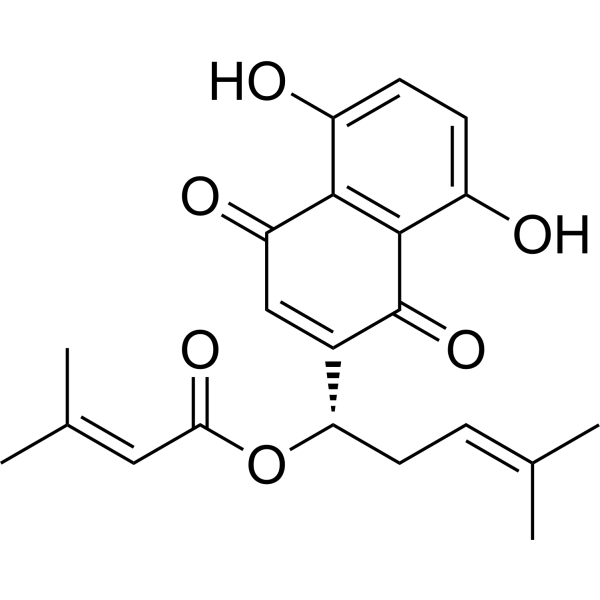
β,β-Dimethylacrylalkannin (Arnebin 1) is an orally active FGFR1 inhibitor (IC50=2.5 μM) and the main active component of Lithospermum erythrorhizon. β,β-Dimethylacrylalkannin blocks downstream signaling by binding to the ATP pocket of FGFR1, and regulates the CDK1/Cdc25C pathway and ROS-JNK axis, thereby inducing G2/M phase arrest, necrosis and apoptosis in cancer cells, and inhibiting tumor proliferation. β,β-Dimethylacrylalkannin also acts as a colistin adjuvant to disrupt the cell membrane of Gram-negative bacteria. β,β-Dimethylacrylalkannin exhibits significant tumor-inhibitory effects with no obvious toxicity in PDX models, but chronic exposure to high doses may alter the relative lung/liver weights of rats, while acute exposure to high doses causes responses such as reduced motor activity. β,β-Dimethylacrylalkannin finds wide application in studies related to hepatocellular carcinoma, colorectal cancer, colistin-resistant bacterial infections, hepatitis and psoriasis .
|
-
- HY-107044
-
|
|
Bacterial
Topoisomerase
|
Infection
|
|
DK 507k is an orally active 8-methoxyquinolone Antibacterial agent. DK 507k targets DNA gyrase subunit A (GyrA) and modulates the function of GyrA. DK 507k inhibits the growth of various Gram-positive and Gram-negative bacteria, including Pseudomonas aeruginosa and Methicillin (HY-121544)-resistant Staphylococcus aureus. DK 507k eliminates Penicillin-tolerant Streptococcus pneumoniae from the lungs of mice. DK 507k can be used in research related to sepsis and *Streptococcus pneumoniae* pneumonia .
|
-
- HY-D1056A3
-
|
LPS, from Escherichia coli (O26:B6)
|
Toll-like Receptor (TLR)
|
Inflammation/Immunology
|
Lipopolysaccharides, from E. coli (Escherichia coli) O26:B6 are lipopolysaccharide endotoxins and TLR-4 activators derived from E. coli, classified as S-type LPS, which can activate pathogen-associated molecular patterns (PAMP) of the immune system and induce cellular secretion of migrasomes. Lipopolysaccharides, from E. coli O26:B6 exhibit a typical three-part structure: O-antigen, core oligosaccharide, and lipid A, and can be recognized by the core-specific monoclonal antibody MAb J8-4C10. Lipopolysaccharides, from E. coli O26:B6 can promote an increase in pro-inflammatory cytokines in plasma, thereby triggering hypothalamic-pituitary-adrenal (HPA) activation and leading to adrenal oxidative damage. The pathogenic effects of Lipopolysaccharides, from E. coli O26:B6 can be used to construct various models, such as cellular inflammation models, sepsis, acute lung injury models, adrenal dysfunction models, and bladder infection models, etc .
It is recommended to prepare a solution with concentration ≥2 mg/mL. Vortex thoroughly for more than 10 minutes. Due to the adsorption characteristics of LPS, silanized container or low adsorption centrifuge tubes should be used for aliquoting and storage, and mix thoroughly before use.
|
-
- HY-186120A
-
|
|
Amino Acid Derivatives
|
Cancer
|
|
N-(Aminoiminomethyl)-N-methyl-L-alanine is an Amino acid analog. N-(Aminoiminomethyl)-N-methyl-L-alanine can be used in cancer-related research .
|
-
| Cat. No. |
Product Name |
Type |
-
- HY-10585AG
-
|
Sodium Valproate; VPA sodium; 2-Propylpentanoic acid sodium
|
Fluorescent Dyes
|
|
Valproic acid (Sodium Valproate) sodium is an orally active HDAC inhibitor, with IC50 in the range of 0.5 and 2 mM, also inhibits HDAC1 (IC50, 400 μM), and induces proteasomal degradation of HDAC2. Valproic acid sodium activates Notch1 signaling and inhibits proliferation in small cell lung cancer (SCLC) cells. Valproic acid sodium is used in the treatment of epilepsy, bipolar disorder, metabolic disease, HIV infection and prevention of migraine headaches .
|
| Cat. No. |
Product Name |
Type |
-
- HY-W145521
-
|
β Glucan
|
Biochemical Assay Reagents
|
|
β-1,3-Glucan (β Glucan) is an orally active polysaccharide composed of glucose polymers. β-1,3-Glucan increase the activity of IKKβ kinase, enhances the production of nitric oxide. β-1,3-Glucan improves resistance to Vibrio harveyi infection. β-1,3-Glucan enhances immune response, promotes blood pressure recovery, reduces lung, kidney and liver damage, inhibits the growth of syngeneic tumors .
|
-
- HY-D1056A3
-
|
LPS, from Escherichia coli (O26:B6)
|
Biochemical Assay Reagents
|
Lipopolysaccharides, from E. coli (Escherichia coli) O26:B6 are lipopolysaccharide endotoxins and TLR-4 activators derived from E. coli, classified as S-type LPS, which can activate pathogen-associated molecular patterns (PAMP) of the immune system and induce cellular secretion of migrasomes. Lipopolysaccharides, from E. coli O26:B6 exhibit a typical three-part structure: O-antigen, core oligosaccharide, and lipid A, and can be recognized by the core-specific monoclonal antibody MAb J8-4C10. Lipopolysaccharides, from E. coli O26:B6 can promote an increase in pro-inflammatory cytokines in plasma, thereby triggering hypothalamic-pituitary-adrenal (HPA) activation and leading to adrenal oxidative damage. The pathogenic effects of Lipopolysaccharides, from E. coli O26:B6 can be used to construct various models, such as cellular inflammation models, sepsis, acute lung injury models, adrenal dysfunction models, and bladder infection models, etc .
It is recommended to prepare a solution with concentration ≥2 mg/mL. Vortex thoroughly for more than 10 minutes. Due to the adsorption characteristics of LPS, silanized container or low adsorption centrifuge tubes should be used for aliquoting and storage, and mix thoroughly before use.
|
-
- HY-10585AG
-
|
Sodium Valproate; VPA sodium; 2-Propylpentanoic acid sodium
|
Biochemical Assay Reagents
|
|
Valproic acid (Sodium Valproate) sodium is an orally active HDAC inhibitor, with IC50 in the range of 0.5 and 2 mM, also inhibits HDAC1 (IC50, 400 μM), and induces proteasomal degradation of HDAC2. Valproic acid sodium activates Notch1 signaling and inhibits proliferation in small cell lung cancer (SCLC) cells. Valproic acid sodium is used in the treatment of epilepsy, bipolar disorder, metabolic disease, HIV infection and prevention of migraine headaches .
|
| Cat. No. |
Product Name |
Target |
Research Area |
-
- HY-P5005
-
|
|
CMV
PD-1/PD-L1
|
Infection
Inflammation/Immunology
Cancer
|
|
VIPhyb is a vasoactive intestinal polypeptide (VIP) receptor antagonist. VIPhyb can inhibit VIP signaling, increase T-cell immunity and downregulate PD1. VIPhyb can inhibit cancer cell proliferation. VIPhyb can reduce inflammatory cytokine expression. VIPhyb can enhance viral clearance. VIPhyb can be used for the researches of cancer, infection and inflammation and immunology, such as non-small cell lung cancer (NSCLC), cytomegalovirus infection and colitis .
|
-
- HY-P5407
-
|
|
SARS-CoV
Angiotensin-converting Enzyme (ACE)
|
Infection
Cancer
|
|
HD5 is an innate immune effector peptide and SARS-CoV Inhibitor. HD5 binds to the ligand-binding domain of angiotensin-converting enzyme-2 (ACE2) via multiple hydrogen bonds to competitively block the receptor, shielding it from viral recognition. HD5 can be used for the research of COVID-19, HPV16 infection, epithelial ovarian cancer, small-cell lung cancer, and colon cancer .
|
-
- HY-P5522A
-
|
L-Ala-γ-D-Glu-meso-diaminopimelic acid dihydrochloride
|
NOD-like Receptor (NLR)
NF-κB
MAP3K
MEK
ERK
p38 MAPK
Interleukin Related
SARS-CoV
|
Infection
Inflammation/Immunology
|
|
TriDAP dihydrochloride (L-Ala-γ-D-Glu-meso-diaminopimelic acid dihydrochloride) is a NOD1 agonist with a Kd value of 34.5 μM. TriDAP dihydrochloride enhances the binding of NOD1-RICK, promotes RICK phosphorylation, and activates the NF-κB, TAK1, MEK/ERK, p38 and interferon response pathways. TriDAP dihydrochloride downregulates Runx2 via increasing ubiquitination and reduces trabecular bone parameters. TriDAP dihydrochloride decreases IκBα levels and increases p65 levels. TriDAP dihydrochloride induces the secretion of proinflammatory mediators IL-8 and prostaglandins, triggers tissue inflammation and innate immune activation, and inhibits SARS-CoV-2 replication in lung epithelial cells. TriDAP dihydrochloride increases the RANKL/OPG ratio in mice, reduces bone mass and enhances osteoclast activity, and inhibits new bone formation by decreasing the mineralization deposition rate in mice. TriDAP dihydrochloride can be used in research related to pulpitis, chronic ulcerative colitis, Crohn's disease and SARS-CoV-2 infection .
|
-
- HY-P5522
-
|
L-Ala-γ-D-Glu-meso-diaminopimelic acid
|
NOD-like Receptor (NLR)
NF-κB
MAP3K
MEK
ERK
p38 MAPK
Interleukin Related
SARS-CoV
|
Infection
Inflammation/Immunology
|
|
TriDAP (L-Ala-γ-D-Glu-meso-diaminopimelic acid) is a NOD1 agonist with a Kd value of 34.5 μM. TriDAP enhances the binding of NOD1-RICK, promotes RICK phosphorylation, and activates the NF-κB, TAK1, MEK/ERK, p38 and interferon response pathways. TriDAP downregulates Runx2 via increasing ubiquitination and reduces trabecular bone parameters. TriDAP decreases IκBα levels and increases p65 levels. TriDAP induces the secretion of proinflammatory mediators IL-8 and prostaglandins, triggers tissue inflammation and innate immune activation, and inhibits SARS-CoV-2 replication in lung epithelial cells. TriDAP increases the RANKL/OPG ratio in mice, reduces bone mass and enhances osteoclast activity, and inhibits new bone formation by decreasing the mineralization deposition rate in mice. TriDAP can be used in research related to pulpitis, chronic ulcerative colitis, Crohn's disease and SARS-CoV-2 infection .
|
-
- HY-P5924A
-
|
|
Bacterial
|
Infection
|
|
D-K6L9 shows antimicrobial and antibiofilm activities against P. aeruginosa from cystic fibrosis patients. D-K6L9 is stable and resistant to degradation by cystic fibrosis sputum proteases and will not induce bacterial resistance .
|
-
- HY-P5924
-
|
|
Bacterial
|
Infection
|
|
L-K6L9 shows antimicrobial and antibiofilm activities against P. aeruginosa from cystic fibrosis patients. L-K6L9 is stable and resistant to degradation by cystic fibrosis sputum proteases and will not induce bacterial resistance .
|
-
- HY-P5407A
-
|
|
SARS-CoV
Angiotensin-converting Enzyme (ACE)
|
Infection
Cancer
|
|
HD5 TFA is an innate immune effector peptide and SARS-CoV Inhibitor. HD5 TFA binds to the ligand-binding domain of angiotensin-converting enzyme-2 (ACE2) via multiple hydrogen bonds to competitively block the receptor, shielding it from viral recognition. HD5 TFA can be used for the research of COVID-19, HPV16 infection, epithelial ovarian cancer, small-cell lung cancer, and colon cancer .
|
| Cat. No. |
Product Name |
Target |
Research Area |
Image |
-
- HY-P99226
-
-
(5)
-
- HY-P990791
-
|
|
Transferrin Receptor
|
Infection
Inflammation/Immunology
Cancer
|
|
Anti-Mouse CD71/TfR1 Antibody (R17 217.1.3) is a rat-derived IgG2a κ type antibody inhibitor, targeting to mouse CD71/TfR1. Anti-Mouse CD71/TfR1 Antibody (R17 217.1.3) can deplete CD71 + cells and inhibit transferrin receptor. Anti-Mouse CD71/TfR1 Antibody (R17 217.1.3) can be used for the researches of cancer, infection, inflammation and immunology, such as lung cancer, lymphocytic choriomeningitis virus (LCMV) infection and Cardiac allograft .
|
-
(5)
-
- HY-P992423
-
|
|
RSV
|
Infection
|
|
NIAID RSVF2-5 is a human monoclonal antibody fragment. NIAID RSVF2-5 binds to conserved, distinct conformational epitopes on RSV fusion glycoprotein, and shows activity against RSV subgroup A and B strains. NIAID RSVF2-5 reduces pulmonary and lung viral titers in RSV-infected rodents. NIAID RSVF2-5 can be used for the research of respiratory syncytial virus infection .
|
-
(5)
-
- HY-P992201
-
|
CL1-R2
|
MHC
Apoptosis
IFNAR
TNF Receptor
Interleukin Related
Akt
mTOR
|
Cardiovascular Disease
Neurological Disease
Cancer
|
|
Anti-CD160 Antibody (MAT 302) (CL1-R2) is a human monoclonal antibody targeting CD160. Anti-CD160 Antibody (MAT 302) blocks the CD160-HVEM protein interaction, inhibits FGF2-mediated renal tubular vascular growth, and induces endothelial cell apoptosis. Anti-CD160 Antibody (MAT 302) targets CD160 on neovascularization to exert anti-angiogenic and vascular normalization effects, trigger the production of IFN-γ, TNF and IL-6 by NK cells, and enhance glucose metabolism of NK cells through the AKT/mTOR/s6k signaling pathway. Anti-CD160 Antibody (MAT 302) reduces vascular density, normalizes remaining tumor blood vessels, and inhibits tumor growth in melanoma-bearing mice. Anti-CD160 Antibody (MAT 302) can be used in research related to neovascularization, proliferative diabetic retinopathy, and melanoma .
|
-
(5)
| Cat. No. |
Product Name |
Category |
Target |
Chemical Structure |
-
- HY-10585
-
-
-
- HY-10585A
-
-
-
- HY-B0239
-
-
-
- HY-17591
-
-
-
- HY-N1073
-
|
6-Isopentenylgenistein; Erythrinin B
|
Leguminosae
Genista ephedroides DC.
Plants
Isoflavones
Source Classification
|
Apoptosis
EGFR
HSP
ERK
Akt
|
Wighteone (6-Isopentenylgenistein; Erythrinin B) is a prenylated isoflavone that acts as a HSP90/EGFR L858R/T790M inhibitor and antifungal agent. Wighteone reduces the expression level of HSP90, blocks EGF-induced phosphorylation of EGFR, and thereby inhibits the downstream ERK and AKT signaling pathways. Wighteone induces cell cycle redistribution, inhibits proliferation and triggers apoptosis in cancer cells. Wighteone can be isolated from Erythrina suberosa, and can also be induced to synthesize in Lotus japonicus under specific conditions. Wighteone can be used to study HER2-positive breast cancer, leukemia, non-small cell lung cancer with EGFR L858R/T790M mutation, and fungal infections .
|
-
-
- HY-B1513
-
-
-
- HY-B1150
-
-
-
- HY-N4118
-
-
-
- HY-N3980
-
Guaiol
1 Publications Verification
Champacol; Guaiac alcohol
|
Infection
Structural Classification
Classification of Application Fields
Terpenoids
Sesquiterpenes
Distemonanthus benthamianus Baill.
Plants
Compositae
Disease Research Fields
Source Classification
|
Autophagy
RAD51
|
|
Guaiol is a sesquiterpenoid alcohol with oral activity found in various traditional Chinese medicines, exhibiting biological activities such as anti-proliferative, autophagy-promoting, insecticidal, anti-anxiety, anti-inflammatory, diuretic, and blood pressure-lowering effects. Guaiol induces apoptosis in non-small cell lung cancer cells by regulating the stability of RAD51 through autophagy modulation. Guaiol can also act directly on parasites, inhibiting their growth by affecting the kinetoplast, mitochondrial matrix and plasma membrane of the promastigotes. Guaiol kills amastigotes at an IC50 of 0.01 µg/mL. Guaiol can be used in research related to cancer, infections, cardiovascular diseases, and inflammatory conditions [4]
|
-
-
- HY-N10549
-
-
-
- HY-Y0136
-
-
-
- HY-W016969
-
-
-
- HY-N5112A
-
|
Arnebin 1
|
Quinones
Structural Classification
other families
Classification of Application Fields
Other Diseases
Plants
Naphthalene Quinones
Pteris livida Mett.
Disease Research Fields
|
FGFR
Necroptosis
Apoptosis
CDK
JNK
|
|
β,β-Dimethylacrylalkannin (Arnebin 1) is an orally active FGFR1 inhibitor (IC50=2.5 μM) and the main active component of Lithospermum erythrorhizon. β,β-Dimethylacrylalkannin blocks downstream signaling by binding to the ATP pocket of FGFR1, and regulates the CDK1/Cdc25C pathway and ROS-JNK axis, thereby inducing G2/M phase arrest, necrosis and apoptosis in cancer cells, and inhibiting tumor proliferation. β,β-Dimethylacrylalkannin also acts as a colistin adjuvant to disrupt the cell membrane of Gram-negative bacteria. β,β-Dimethylacrylalkannin exhibits significant tumor-inhibitory effects with no obvious toxicity in PDX models, but chronic exposure to high doses may alter the relative lung/liver weights of rats, while acute exposure to high doses causes responses such as reduced motor activity. β,β-Dimethylacrylalkannin finds wide application in studies related to hepatocellular carcinoma, colorectal cancer, colistin-resistant bacterial infections, hepatitis and psoriasis .
|
-
-
- HY-I0501
-
-
-
- HY-N1745A
-
|
|
Structural Classification
Chalcones
Flavonoids
Classification of Application Fields
Leguminosae
Caesalpinia sappan L.
Phenols
Polyphenols
Plants
Inflammation/Immunology
Disease Research Fields
Source Classification
|
Influenza Virus
|
|
3-Deoxysappanchalcone is a kinase inhibitor and antiviral agent. 3-Deoxysappanchalcone directly targets MET, EGFR, AKT, mTOR, p38 MAPK, JNK, thrombin, FXa, and influenza virus neuraminidase, thereby regulating related signaling pathways. 3-Deoxysappanchalcone induces cell cycle arrest, ROS production, and apoptosis. 3-Deoxysappanchalcone exhibits anti-inflammatory, anti-allergic, anticoagulant, and antithrombotic activities. 3-Deoxysappanchalcone is applicable to research related to gefitinib-resistant lung cancer, esophageal squamous cell carcinoma, thrombosis, and influenza virus infection .
|
-
-
- HY-N6580
-
-
-
- HY-B0239R
-
-
-
- HY-N0469R
-
|
|
Structural Classification
Microorganisms
Disease markers
Endocrine diseases
Amino acids
Nervous System Disorder
Endogenous metabolite
Source Classification
|
Reference Standards
Endogenous Metabolite
Virus Protease
HSV
|
L-Lysine (Standard) is the analytical standard of L-Lysine. This product is intended for research and analytical applications. L-lysine is an essential amino acid for humans with orally activity. L-lysine can inhibit the occurrence of HSV infections and is used in herpes research. L-lysine increases calcium absorption, reduces diabetes-related diseases, improves gut health, and alleviates pancreatic inflammation. L-lysine can be used in research on metabolism, infection, and inflammation .
IC50 & Target:L-lysine (150 mg/kg) promotes, but not initiates, bladder cancer. The administration of L-lysine to rats submitted to colovesical cystoplasty accelerates the development of transitional metaplasia of the intestinal epithelium .
L-lysine (10 mg/kg) treatment attenuates pancreatic tissue injury induced by L-arginine by inhibiting the release of the inflammatory cytokine IL-6 and enhance antioxidant activity .
In Vivo:L-lysine (10?mg/kg, p.o., pre-treated or post-treated, administration duration 15 days) treatment attenuates pancreatic tissue injury induced by L-arginine by inhibiting the release of the inflammatory cytokine IL-6 and enhance antioxidant activity in acute pancreatitis mice model .
L-lysine (5 or 10?mg/kg, p.o., 45 days) ameliorates sepsis-induced acute lung injury in a lipopolysaccharide (HY-D1056)-induced mouse model .
|
-
-
- HY-N8420
-
-
-
- HY-17591R
-
-
-
- HY-B1624A
-
-
-
- HY-127072
-
|
|
Structural Classification
Microorganisms
Antibiotics
Other Antibiotics
Source Classification
|
Antibiotic
Bacterial
|
|
Amicoumacin A is an orally active antibiotic. Amicoumacin A targets bacterial ribosomes and inhibits bacterial translation by stabilizing the interaction between mRNA and ribosomes. Amicoumacin A induces cancer cell death by targeting eukaryotic ribosomes. Amicoumacin A exhibits anti-inflammatory and anti-ulcer activities, inhibits carrageenan-induced paw edema, and prevents stress-induced gastric ulcers. Amicoumacin A inhibits the growth of Gram-positive bacteria, Salmonella spp., Shigella spp., Helicobacter pylori, and methicillin-resistant Staphylococcus aureus. Amicoumacin A can be used in the research of lung cancer, breast cancer, bacterial infections, inflammatory edema and gastric ulcers [2] .
|
-
-
- HY-N0855
-
-
-
- HY-B1150R
-
-
-
- HY-10585B
-
-
-
- HY-10585AR
-
|
Sodium Valproate (Standard); VPA sodium (Standard); 2-Propylpentanoic acid sodium (Standard)
|
Structural Classification
Ketones, Aldehydes, Acids
Endogenous metabolite
Source Classification
|
Organoid
Reference Standards
HDAC
Autophagy
Mitophagy
HIV
Notch
Apoptosis
Endogenous Metabolite
|
|
Valproic acid (sodium) (Standard) is the analytical standard of Valproic acid (sodium). This product is intended for research and analytical applications. Valproic acid (Sodium Valproate) sodium is an orally active HDAC inhibitor, with IC50 in the range of 0.5 and 2 mM, also inhibits HDAC1 (IC50, 400 μM), and induces proteasomal degradation of HDAC2. Valproic acid sodium activates Notch1 signaling and inhibits proliferation in small cell lung cancer (SCLC) cells. Valproic acid sodium is used in the treatment of epilepsy, bipolar disorder, metabolic disease, HIV infection and prevention of migraine headaches .
|
-
-
- HY-I0501R
-
|
o-aminoacetophenone (Standard)
|
Microorganisms
Ketones, Aldehydes, Acids
Source Classification
|
Reference Standards
Bacterial
Apoptosis
Atg8/LC3
p62
Autophagy
|
|
2'-Aminoacetophenone (Standard) is the analytical standard of 2'-Aminoacetophenone. This product is intended for research and analytical applications. 2'-Aminoacetophenone is an orally active inducer of apoptosis and respiratory biomarker. 2'-Aminoacetophenone can be used to detect Pseudomonas aeruginosa infections in the lungs of cystic fibrosis patients. 2'-Aminoacetophenone can inhibit the protein levels of LC3BII and p62 in macrophages infected with pqsA or mvfR and regulate autophagy. 2'-Aminoacetophenone can disrupt mitochondrial function by inducing oxidative stress and apoptosis signaling, leading to dysfunction in mouse skeletal muscle .
|
-
-
- HY-N7741
-
|
Dehydrozaluzanin C-derivative
|
Saussurea costus (Falc.) Lipsch.
Natural Products
Plants
Compositae
Source Classification
|
Bacterial
|
|
Isozaluzanin C (Dehydrozaluzanin c-derivative) is an anti-inflammatory agent that can be isolated from Saussurea lappa and has immunomodulatory effects. Isozaluzanin C improves tissue damage (lung, kidney, and liver) and excessive inflammation in mice induced by LPS (HY-D1056) or CRKP infection. Isozaluzanin C can be used in the study of bacterial infections and sepsi .
|
-
-
- HY-N4164
-
-
-
- HY-Y0136R
-
|
|
Structural Classification
Natural Products
Microorganisms
Endogenous metabolite
Source Classification
|
Reference Standards
Endogenous Metabolite
Influenza Virus
HSV
VSV
|
|
3-Indoleacetonitrile (Standard) is the analytical standard of 3-Indoleacetonitrile. This product is intended for research and analytical applications. 3-Indoleacetonitrile is an indole derivative with anti-influenza activity. 3-Indoleacetonitrile is a plant hormone produced by cruxiferous vegetables. 3-Indoleacetonitrile exerts profound antiviral activity against a broad spectrum of influenza A viruses, HSV-1 and VSV viruses in vitro. 3-Indoleacetonitrile diminishes lung virus titers and alleviates lung lesions in vivo. 3-Indoleacetonitrile induces an increase in mitochondrial antiviral-signaling (MAVS) protein levels. 3-Indoleacetonitrile can be used in research for combating viral infections including COVID-19, HSV-1, and VSV .
|
-
-
- HY-N4118R
-
-
-
- HY-W016969R
-
|
|
Structural Classification
Microorganisms
Saururaceae
Houttuynia cordata Thunb.
Phenols
Plants
Source Classification
|
Bacterial
Reference Standards
|
|
2-Undecanone (Standard) is the analytical standard of 2-Undecanone (HY-W016969). This product is intended for research and analytical applications. 2-Undecanone is an orally active organic ketone. 2-Undecanone exerts antibacterial effects by inhibiting bacterial chaperone systems and interfering with the refolding of heat-inactivated proteins. 2-Undecanone also ameliorates asthmatic inflammation and airway remodeling by blocking the NF-κB pathway, and activates the Nrf2 pathway to reduce oxidative damage and prevent lung cancer induced by Benzo[a]pyrene (HY-107377). 2-Undecanone can be used in research related to cancer, asthma and infections .
|
-
-
- HY-N3980R
-
|
Champacol (Standard); Guaiac alcohol (Standard)
|
Structural Classification
Natural Products
Distemonanthus benthamianus Baill.
Plants
Compositae
Source Classification
|
Reference Standards
Autophagy
RAD51
|
|
Guaiol (Standard) is the analytical standard of Guaiol. This product is intended for research and analytical applications. Guaiol is a sesquiterpenoid alcohol with oral activity found in various traditional Chinese medicines, exhibiting biological activities such as anti-proliferative, autophagy-promoting, insecticidal, anti-anxiety, anti-inflammatory, diuretic, and blood pressure-lowering effects. Guaiol induces apoptosis in non-small cell lung cancer cells by regulating the stability of RAD51 through autophagy modulation. Guaiol can also act directly on parasites, inhibiting their growth by affecting the kinetoplast, mitochondrial matrix and plasma membrane of the promastigotes. Guaiol kills amastigotes at an IC50 of 0.01 µg/mL. Guaiol can be used in research related to cancer, infections, cardiovascular diseases, and inflammatory conditions [4]
|
-
-
- HY-N18878
-
|
|
Structural Classification
Monophenols
Microorganisms
Phenols
Source Classification
|
Bacterial
Endogenous Metabolite
Parasite
|
|
Ambigol C is an ambigol, Antibacterial agent and Antimalarial agent. Ambigol C is isolated from Fischerella ambigua 108b. Ambigol C exhibits selective antibacterial activity against Gram-positive Staphylococcus aureus strains (including MRSA) with MIC values of 0.98-3.91 μg/mL. Ambigol C also shows potent antibacterial activity against B. megaterium, and possesses weak antimalarial and trypanocidal effects. Ambigol C can be used in the research of bacterial infections, plasmodial infections and trypanosomal infections .
|
-
-
- HY-N17963
-
-
| Cat. No. |
Product Name |
Chemical Structure |
-
- HY-17591S
-
|
|
|
Penicillin G-d5 (potassium) is the deuterium labeled Penicillin G potassium. Penicillin G potassium is a fast-acting antibiotic; used to treat bacterial infections that affect the blood, heart, lungs, joints, and genital areas .
|
-
-
- HY-Y0136S1
-
|
|
|
3-Indoleacetonitrile-d4 is deuterium labeled 3-Indoleacetonitrile (HY-Y0136). 3-Indoleacetonitrile is an indole derivative with anti-influenza activity. 3-Indoleacetonitrile is a plant hormone produced by cruxiferous vegetables. 3-Indoleacetonitrile exerts profound antiviral activity against a broad spectrum of influenza A viruses, HSV-1 and VSV viruses in vitro. 3-Indoleacetonitrile diminishes lung virus titers and alleviates lung lesions in vivo. 3-Indoleacetonitrile induces an increase in mitochondrial antiviral-signaling (MAVS) protein levels. 3-Indoleacetonitrile can be used in research for combating viral infections including COVID-19, HSV-1, and VSV.
|
-
-
- HY-B0724BS
-
|
|
|
Pazufloxacin-d4 is deuterium labeled Pazufloxacin (HY-B0724B). Pazufloxacin is an orally active fluoroquinolone antimicrobial agent. Pazufloxacin inhibits DNA gyrase with IC50 values of 0.88 μg/mL (E. coli) and 1.9 μg/mL (P. aeruginosa). Pazufloxacin exhibits broad-spectrum antimicrobial activity, with MIC90 values ranging from 0.025 to 100 μg/mL against Gram-positive and Gram-negative bacteria, non-fermenting bacteria, Legionella spp., and anaerobic bacteria. Pazufloxacin is indicated for research on systemic infections, lung infections, urinary tract infections, and Legionella pneumonia .
|
-
-
- HY-B0239S2
-
|
|
|
Threo-Chloramphenicol-d6 is the deuterium labeled Chloramphenicol . Chloramphenicol is an orally active, potent and broad-spectrum antibiotic. Chloramphenicol shows antibacterial activity. Chloramphenicol represses the oxygen-labile transcription factor and hypoxia inducible factor-1 alpha (HIF-1α) in hypoxic A549 and H1299 cells. Chloramphenicol suppresses the mRNA levels of vascular endothelial growth factor (VEGF) and glucose transporter 1, eventually decreasing VEGF release. Chloramphenicol can be used for anaerobic infections and lung cancer research .
|
-
-
- HY-A0294S
-
|
|
|
Ertapenem-d4 (MK-0826-d4) is deuterium labeled Ertapenem. Ertapenem (MK-0826) is a broad spectrum and long acting β-lactam antibiotic. Ertapenem has a broad-spectrum anti-anaerobic activity against a variety of anaerobes with a mode MIC of 0.12 μg/mL. Ertapenem can be used for the research of severe infections caused by bacteria in the skin, lungs, stomach, pelvis, and urinary tract .
|
-
-
- HY-W016969S
-
|
|
|
2-Undecanone-d5 is the deuterium labeled 2-Undecanone (HY-W016969). 2-Undecanone is an orally active organic ketone. 2-Undecanone exerts antibacterial effects by inhibiting bacterial chaperone systems and interfering with the refolding of heat-inactivated proteins. 2-Undecanone also ameliorates asthmatic inflammation and airway remodeling by blocking the NF-κB pathway, and activates the Nrf2 pathway to reduce oxidative damage and prevent lung cancer induced by Benzo[a]pyrene (HY-107377). 2-Undecanone can be used in research related to cancer, asthma and infections .
|
-
| Cat. No. |
Product Name |
|
Classification |
-
- HY-B1513
-
|
|
|
Others
|
|
α-Cyclodextrin (α-CD) is a soluble fiber derived from corn. α-Cyclodextrin can deplete sphingolipids and phospholipids from cell membranes. α-Cyclodextrin interacts with tubulin. α-Cyclodextrin improves defenses against SARS-CoV-2 infection. α-Cyclodextrin enhances the anticancer efficacy of Crcumin (HY-N0005) against breast, lung and cervical cancer. α-Cyclodextrin has beneficial effects on body weight and blood lipids .
|
-
- HY-171984
-
|
|
|
Cationic Lipids
|
|
514O6,10 is an ionizable lipidoid containing a branched-tail. 514O6,10 can be used to synthesize lipid nanoparticles (LNPs) for delivering mRNA to natural killer and dendritic cells within the lung. 514O6,10 can be used for the RNA therapies for lung diseases associated with immune cell dysregulation, including cancer, viral infections, and autoimmune disorders research .
|
| Cat. No. |
Product Name |
Target |
Research Areas |
Chemical Structure |
-
- HY-10585AG
-
|
Sodium Valproate; VPA sodium; 2-Propylpentanoic acid sodium
|
Organoid
HDAC
Autophagy
Mitophagy
HIV
Notch
Apoptosis
Endogenous Metabolite
|
Infection
Neurological Disease
Metabolic Disease
Cancer
|
|
Valproic acid (Sodium Valproate) sodium is an orally active HDAC inhibitor, with IC50 in the range of 0.5 and 2 mM, also inhibits HDAC1 (IC50, 400 μM), and induces proteasomal degradation of HDAC2. Valproic acid sodium activates Notch1 signaling and inhibits proliferation in small cell lung cancer (SCLC) cells. Valproic acid sodium is used in the treatment of epilepsy, bipolar disorder, metabolic disease, HIV infection and prevention of migraine headaches .
|
-
Your information is safe with us. * Required Fields.
Inquiry Information
- Product Name:
- Cat. No.:
- Quantity:
- MCE Japan Authorized Agent:

