Search Result
Results for "
neuroprotective+agent
" in MedChemExpress (MCE) Product Catalog:
5
Isotope-Labeled Compounds
| Cat. No. |
Product Name |
Target |
Research Areas |
Chemical Structure |
-
- HY-108666
-
|
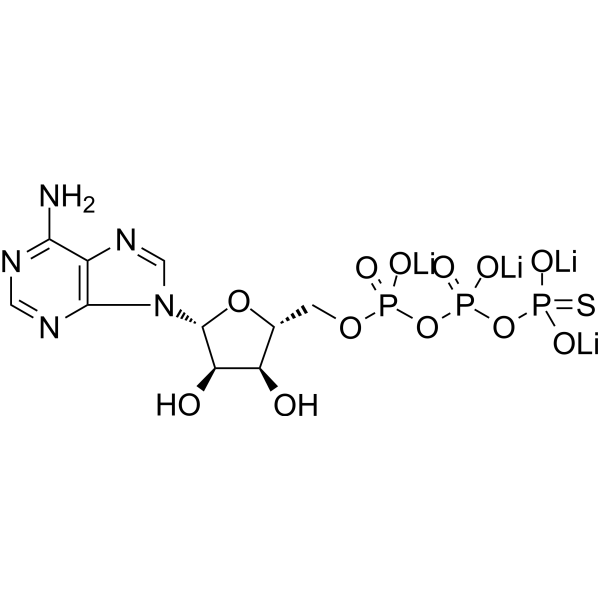
Adenosine-5'-O-3-thiotriphosphate tetralithium salt; Adenosine 5'-[γ-thio]triphosphate tetralithium salt
|
Eukaryotic Initiation Factor (eIF)
P2Y Receptor
|
Neurological Disease
Metabolic Disease
Inflammation/Immunology
|
|
ATPγS (tetralithium salt) is a P2Y11 receptor agonist, an antioxidant and a neuroprotective agent. ATPγS (tetralithium salt) can be used as a substrate for the nucleotide hydrolysis and RNA unwinding activities of eukaryotic translation initiation factor eIF4A. ATPγS (tetralithium salt) is active in ATP hydrolysis .
|
-
-
- HY-110256
-
-
-
- HY-B0233
-
|
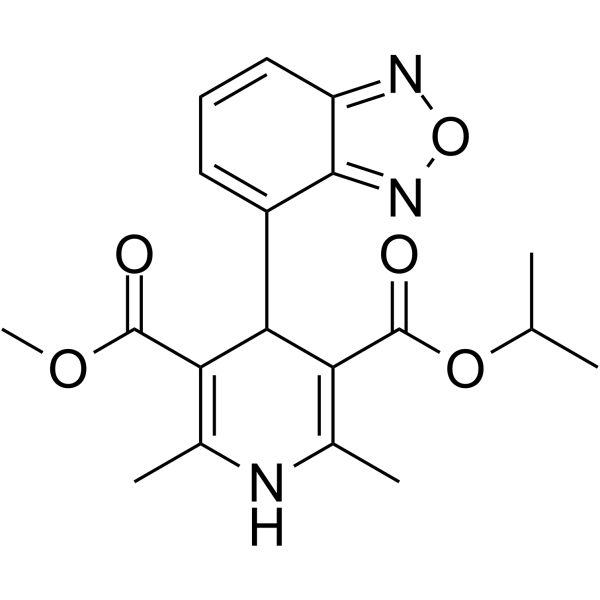
PN 200-110
|
Calcium Channel
Autophagy
|
Cardiovascular Disease
Neurological Disease
|
|
Isradipine (PN 200-110) is an orally active and blood-brain barrier permeability L-type calcium channel blocker. Isradipine, as a powerful peripheral vasodilator, is a dihydropyridine calcium antagonist with selective actions on the heart as well as the peripheral circulation. Isradipine is a potentially viable neuroprotective agent for Parkinson's disease .
|
-
-
- HY-B1028
-
-
-
- HY-N1501
-
|
|
α-synuclein
|
Cardiovascular Disease
Neurological Disease
Inflammation/Immunology
|
|
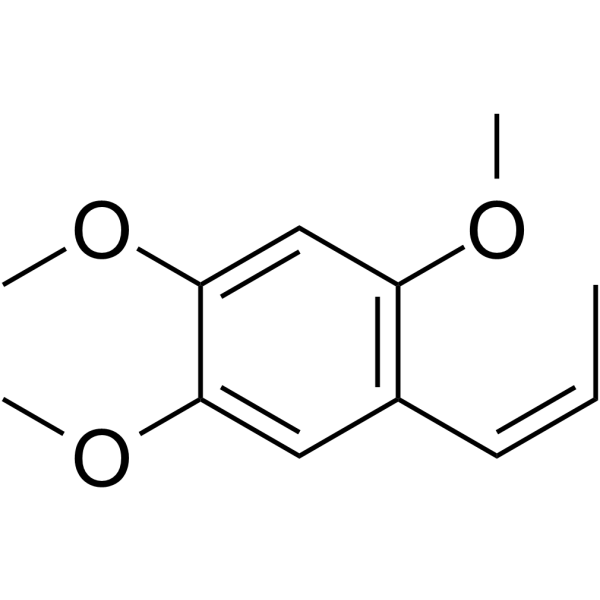
Beta-asarone is an orally active and BBB-penetrable anti-inflammatory agent and neuroprotective agent, which is the major ingredient of Acorus tatarinowii Schott. Beta-asarone can protect nerve cells from apoptosis and autophagy, inhibit expression of α-synuclein, as well as myocardial protection. Beta-asarone can be used in the study of neurological and cardiovascular diseases .
|
-
-
- HY-10932
-
|
Ro 13-5057
|
nAChR
iGluR
|
Neurological Disease
|
|
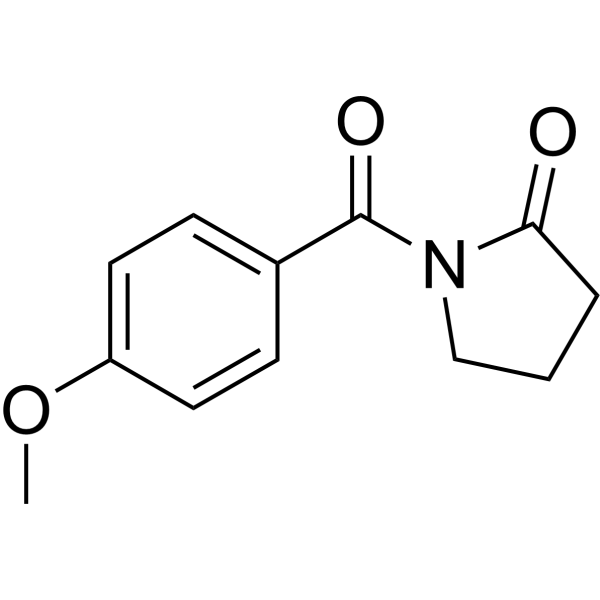
Aniracetam (Ro 13-5057) is an orally active neuroprotective agent, possessing nootropics effects. Aniracetam potentiates the ionotropic quisqualate (iQA) responses in the CA1 region of rat hippocampal slices. Aniracetam also potentiates the excitatory post synaptic potentials (EPSPs) in Schaffer collateral-commissural synapses. Aniracetam can prevents the CO2-induced impairment of acquisition in hypercapnia model rats. Aniracetam can be used to research cerebral dysfunctional disorders .
|
-
-
- HY-N2195
-
-
-
- HY-W027446
-
|
|
Endogenous Metabolite
|
Neurological Disease
Metabolic Disease
|
|
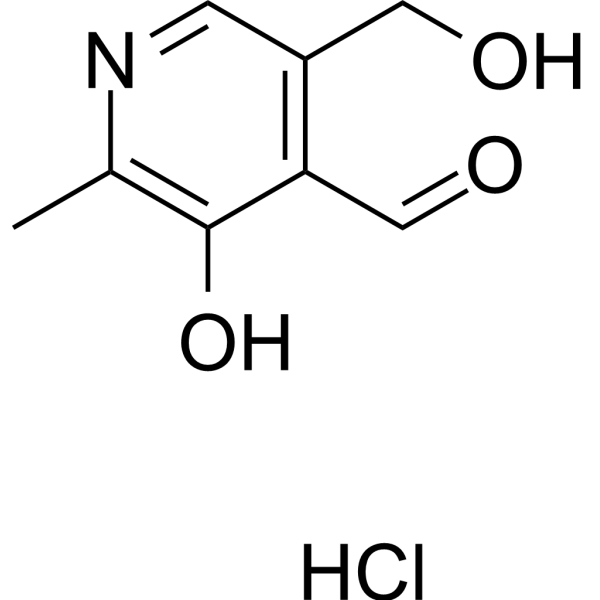
Pyridoxal hydrochloride, the hydrochloride form of Pyridoxal (HY-107469), is a newly developed neuroprotective agent. Pyridoxal hydrochloride is one of the major forms of vitamin B6. Pyridoxal hydrochloride is solvolyzed in methanol to form pyridoxal monomethylacetal. Pyridoxal is phosphorylated by pyridoxal kinase to Pyridoxal phosphate (HY-B1744). Pyridoxal is oxidized by the liver to 4-Pyridoxic acid (HY-113493) which is excreted in the urine. Pyridoxal hydrochloride is proming for research of carpal tunnel syndrome (CTS) .
|
-
-
- HY-13779
-
|
|
Monoamine Oxidase
Dopamine Transporter
|
Neurological Disease
|
|
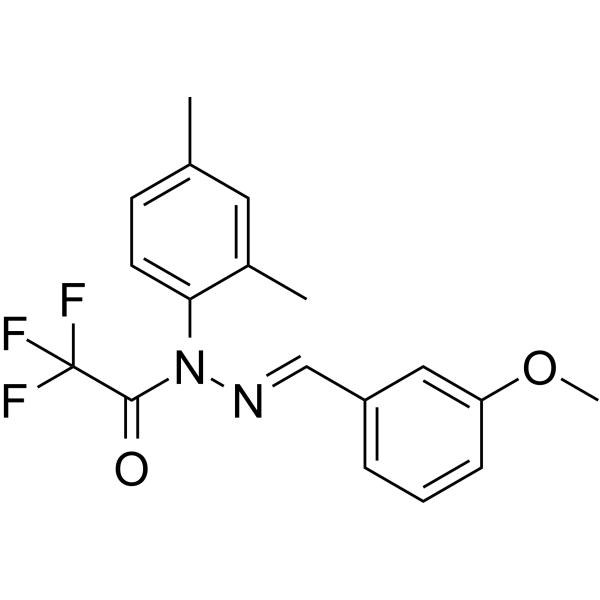
(E/Z)-J147 is an exceptionally potent, orally active, neuroprotective agent for cognitive enhancement. (E/Z)-J147 can readily pass the blood brain barrier (BBB). (E/Z)-J147 can inhibit monoamine oxidase B (MAO B) and the dopamine transporter with EC50 values of 1.88 μM and 0.649 μM, respectively. (E/Z)-J147 has potential for the study of Alzheimer’s disease (AD) .
|
-
-
- HY-N2181
-
|
|
Cytochrome P450
Apoptosis
Bacterial
Autophagy
|
Infection
Neurological Disease
Metabolic Disease
Inflammation/Immunology
Cancer
|
|
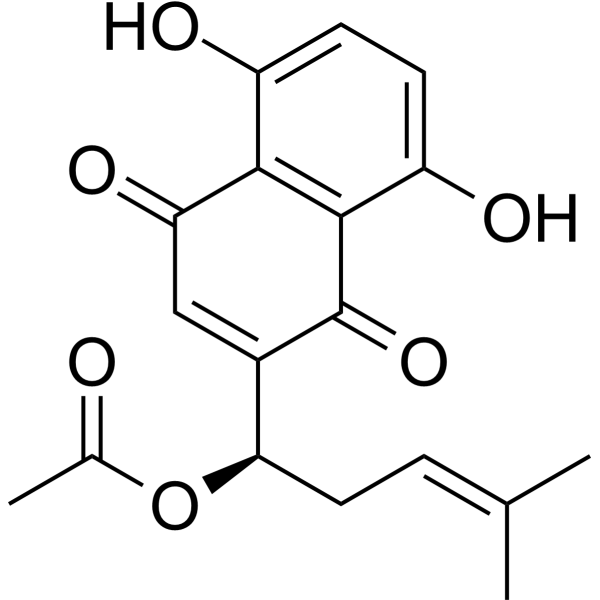
Acetylshikonin is an oral active anti-cancer, anti-inflammatory, antioxidant, anti-fertility, antibacterial, and neuroprotective agent. Acetylshikonin is a inhibitor of acetylcholinase (AChE) (IC50=34.6 μM) and nonselective cytochrome P450. Acetylshikonin can induce Apoptosis and Autophagy in cancer cells. Acetylshikonin regulates blood glucose, liver fat metabolism, and renal fibrosis, and is used in the study of diabetes, diabetic nephropathy (DN), obesity, and nonalcoholic fatty liver disease (NAFLD) .
|
-
-
- HY-107790
-
|
|
DNA/RNA Synthesis
|
Neurological Disease
|
|
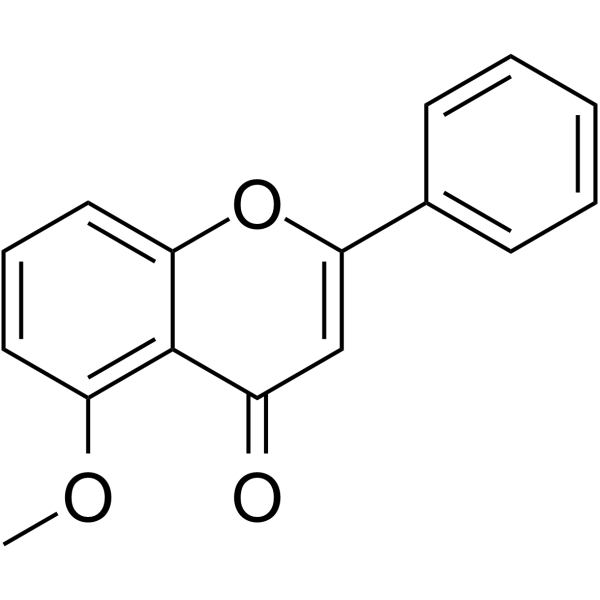
5-Methoxyflavone, belonged to Flavonoid family, is a DNA polymerase-beta inhibitor and neuroprotective agent against beta-amyloid toxicity. possess central nervous system (CNS) depressant effect mediated through the ionotropic GABAA receptors.
|
-
-
- HY-137262
-
|
|
Dopamine Receptor
|
Neurological Disease
|
|
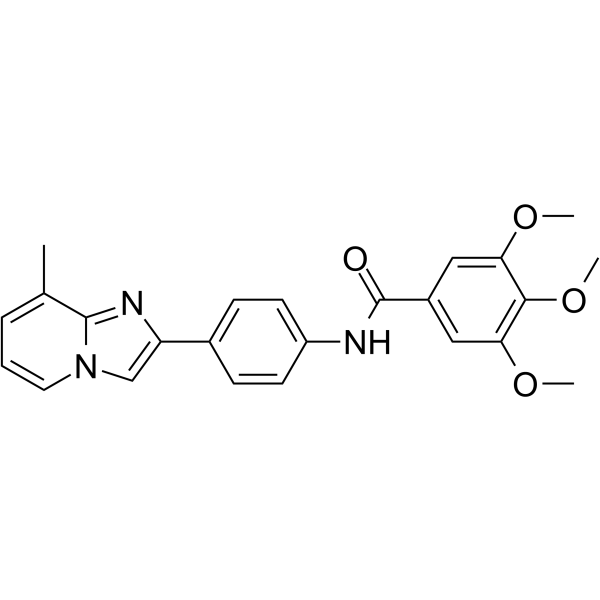
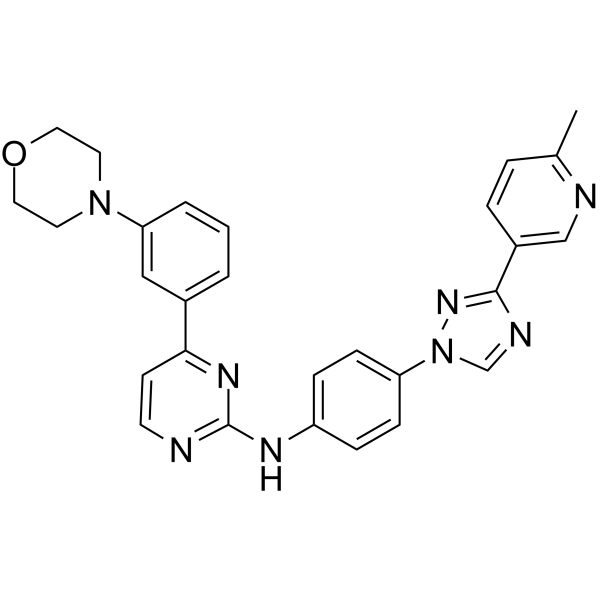
Protein deglycase DJ-1 against-1, a DJ-1-binding compound, dependently targets DJ1. Protein deglycase DJ-1 against-1 penetrates through the blood brain barrier (BBB). Protein deglycase DJ-1 against-1 is used as a neuroprotective agent and has the potential for Parkinson's disease research .
|
-
-
- HY-12829
-
-
-
- HY-13779A
-
|
|
Monoamine Oxidase
Dopamine Transporter
|
Neurological Disease
|
|
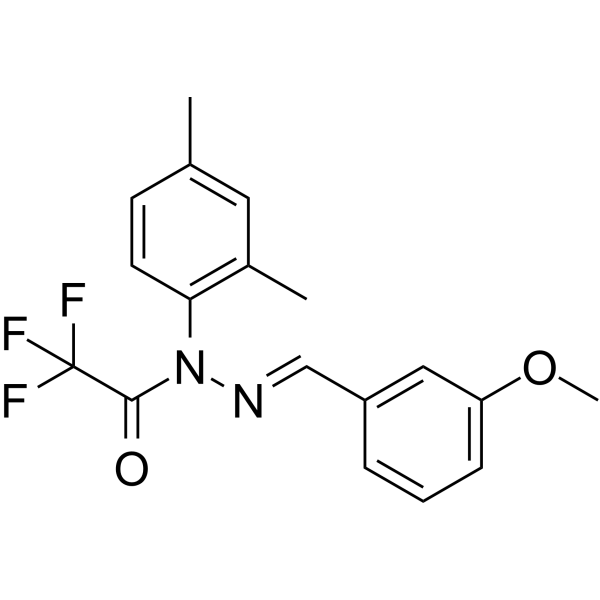
J147 is an exceptionally potent, orally active, neuroprotective agent for cognitive enhancement. J147 can pass the blood brain barrier (BBB). J147 can inhibit monoamine oxidase B (MAO B) and the dopamine transporter. J147 plays an impotant role in Alzheimer’s disease (AD) .
|
-
-
- HY-105343
-
BW-180C
1 Publications Verification
[D-Ala2, D-Leu5]-Enkephalin; DADLE
|
Opioid Receptor
|
Neurological Disease
|
|
BW-180C ([D-Ala2, D-Leu5]-Enkephalin; DADLE) is an δ opioid receptor (DOR) agonist, which belongs to the enkephalin family. Neuroprotective agent. BW-180C reversibly inhibits cellular transcription in neurons without causing cell injury .
|
-

-
- HY-W130232
-
|
|
Drug Intermediate
|
Neurological Disease
|
|
Diformylphloroglucinol is an acylphloroglucinol compound that can be used in the synthesis of Psiguadial B. Psiguadial B is a neuroprotective agent .
|
-

-
- HY-119677
-
|
WIN-18501-2
|
5-HT Receptor
Dopamine Receptor
|
Neurological Disease
|
|
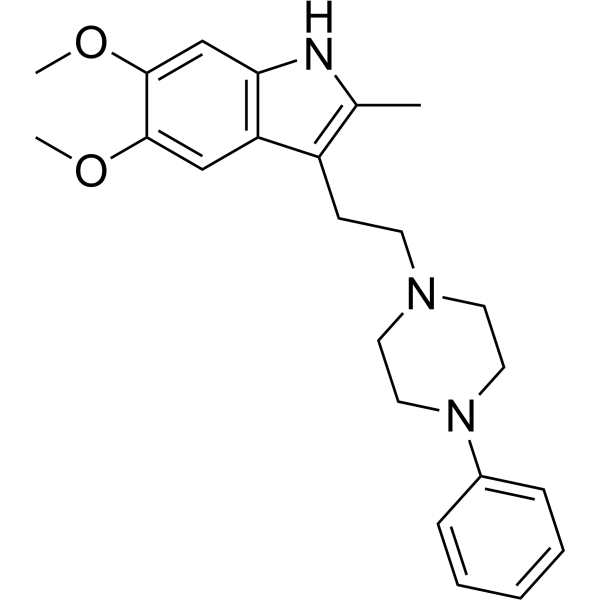
Oxypertine (WIN-18501-2) is a neuroprotective agent. Oxypertine shows high affinity for the 5-HT2 and dopamine D2 receptors with Kis of 8.6 nM and 30 nM, respectively. Oxypertine can be used in the research of neurological conditions, such as anxiety and schizophrenia .
|
-
-
- HY-132280
-
|
U 74006F free base
|
Reactive Oxygen Species (ROS)
SARS-CoV
Virus Protease
|
Neurological Disease
Inflammation/Immunology
|
|
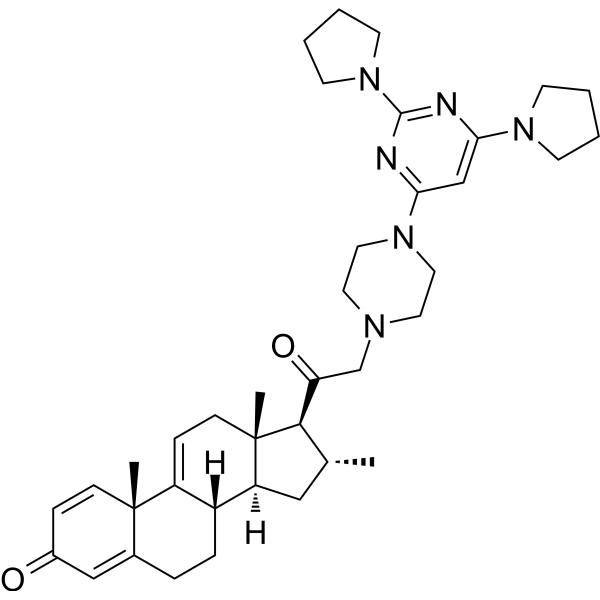
Tirilazad (U 74006F free base) is a neuroprotective agent. Tirilazad can also bind tightly to the main protease of the COVID-19 virus and exert anti-SARS-CoV-2 activity. Tirilazad scavenges hydroxyl and lipid peroxyl free radicals and maintains the levels of endogenous antioxidants. Tirilazad reduces cerebral infarct volume and improves neurobehavioral scores in animal models of focal ischemia. Tirilazad can be used in research related to ischemic stroke and subarachnoid hemorrhage .
|
-
-
- HY-N1501R
-
|
|
α-synuclein
Reference Standards
|
Cardiovascular Disease
Neurological Disease
Inflammation/Immunology
|
|
Beta-asarone (Standard) is the analytical standard of Beta-asarone. This product is intended for research and analytical applications. Beta-asarone is an orally active and BBB-penetrable anti-inflammatory agent and neuroprotective agent, which is the major ingredient of Acorus tatarinowii Schott. Beta-asarone can protect nerve cells from apoptosis and autophagy, inhibit expression of α-synuclein, as well as myocardial protection. Beta-asarone can be used in the study of neurological and cardiovascular diseases .
|
-

-
- HY-100119
-
-
-
- HY-133177
-
-

-
- HY-178943
-
|
|
Cholinesterase (ChE)
Cannabinoid Receptor
Aldehyde Dehydrogenase (ALDH)
Caspase
Apoptosis
|
Neurological Disease
|
|
Neuroprotective agent 15 (Compound 3e) is a neuroprotective agent. Neuroprotective agent 15 is a selective butyrylcholinesterase (BChE) inhibitor, with IC50 values of 2.6 and 114.3 μM for BChE and AChE respectively. Neuroprotective agent 15 has cannabinoid CB2 receptor (CB2 receptor) agonistic activity. Neuroprotective agent 15 can reduce cell death, LDH release and Caspase-3/7 activity, and inhibit apoptosis. Neuroprotective agent 15 can reduce the formation of superoxide free radicals, maintain cell morphology, and significantly lower oxidative stress levels. Neuroprotective agent 15 can be used in the research of neurodegenerative diseases, such as Alzheimer's disease and Parkinson's disease .
|
-

-
- HY-108335
-
|
619C89; BW 619C89
|
Sodium Channel
Calcium Channel
|
Neurological Disease
|
|
Sipatrigine (619C89), a neuroprotective agent, is a glutamate release inhibitor, voltage-dependent sodium channel and calcium channel inhibitor, penetrating the central nervous system. Has the potential in the study for focal cerebral ischemia and stroke .
|
-
-
- HY-134361
-
-
-
- HY-151430
-
-
-
- HY-103253
-
-
-
- HY-174339
-
|
|
Phosphodiesterase (PDE)
Heme Oxygenase (HO)
NF-κB
|
Neurological Disease
Inflammation/Immunology
|
|
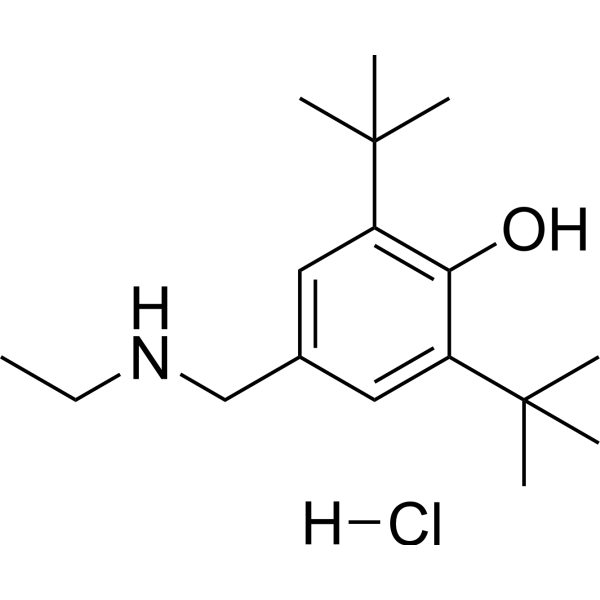
Neuroprotective agent 12 is an orally active and BBB-penetrable neuroprotective agent. Neuroprotective agent 12 has potent neuroprotective effects with robust anti-oxidation and anti-inflammation. Neuroprotective agent 12 significantly inhibits glutamate- and acrolein-induced cell death, reduces PDE4B expression but increases the HO-1, p-CREB and BDNF levels. Neuroprotective agent 12 exhibits potent neuroprotection in traumatic brain injury (TBI) mice model, promising for TBI and other central nervous system diseases .
|
-

-
- HY-178048
-
|
|
Autophagy
|
Neurological Disease
|
|
Neuroprotective agent 13 is a brain-penetrant 1H-benzo[d]imidazoles compound with neuroprotective effect. Neuroprotective agent 13 can activate autophagy and clear SCMAS accumulation from iPSC-derived neural progenitor cells. Neuroprotective agent 13 can be used for the research of neurological disease, such as neuronal ceroid lipofuscinoses (NCLs) .
|
-

-
- HY-N9587
-
|
|
Apoptosis
|
Neurological Disease
|
|
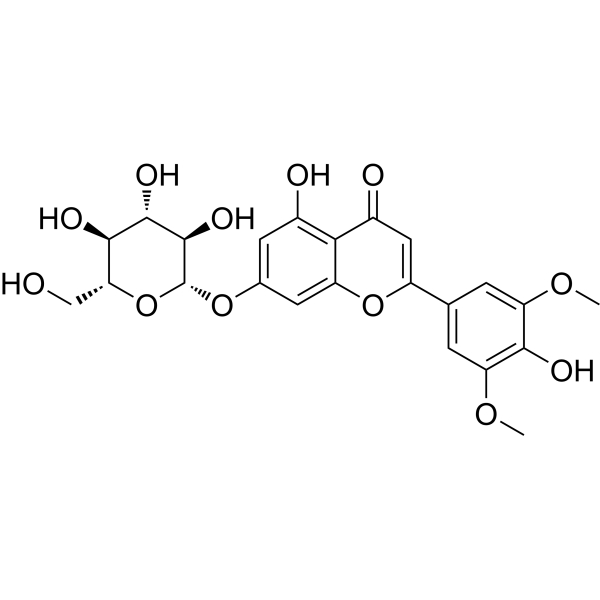
Tricin 7-O-β-D-glucopyranoside is a potent and orally active neuroprotective agent. Tricin 7-O-β-D-glucopyranoside induces Apoptosis. Tricin 7-O-β-D-glucopyranoside decreases the expression of TNF-α induced phosphor-κB-α, phosphor-NF-κB, HMGB1 .
|
-
-
- HY-116218
-
|
JPI-289 free base
|
PARP
|
Cardiovascular Disease
Neurological Disease
|
|
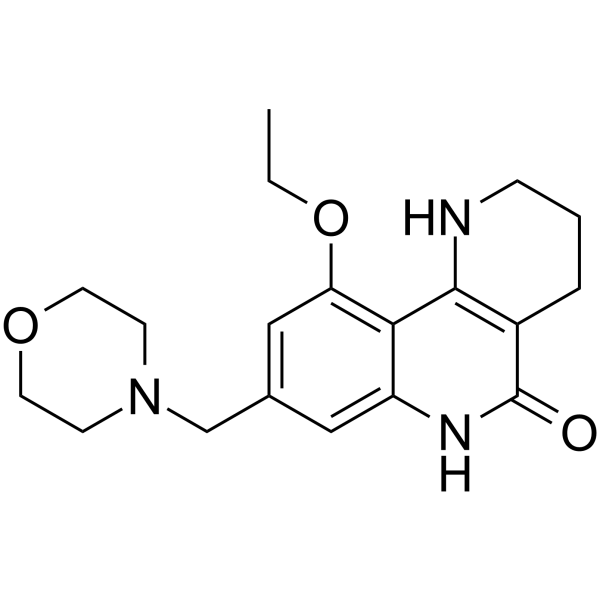
Amelparib (JPI-289 free base) is a potent, orally active, and water-soluble inhibitor of PARP-1. Amelparib inhibits PARP-1 activity (IC50=18.5 nM) and cellular PAR formation (IC50=10.7 nM) in the nanomolar range. Amelparib is a potential neuroprotective agent. Amelparib has the potential for the research of acute ischaemic stroke .
|
-
-
- HY-11054
-
-
-
- HY-172583
-
|
|
Drug Derivative
|
Neurological Disease
|
|
Neuroprotective agent 9 (compound 7) is a neuroprotective agent. Neuroprotective agent 9 is promising for research of neuron injury such as cerebral apoplexy, cerebral injury, and neuropathic pain .
|
-

-
- HY-162165
-
|
|
Lipoxygenase
|
Neurological Disease
|
|
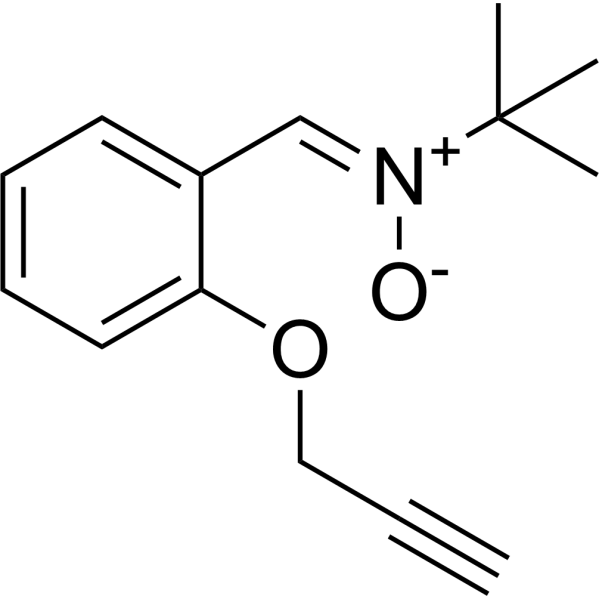
Neuroprotective agent 4 (compound 24a) is a novel and effective small molecule antioxidant. Neuroprotective agent 4 has a neuroprotective effect. Neuroprotective agent 4 can be used in the study of ischemic stroke and related diseases .
|
-
-
- HY-N7990
-
|
|
Others
|
Neurological Disease
|
|
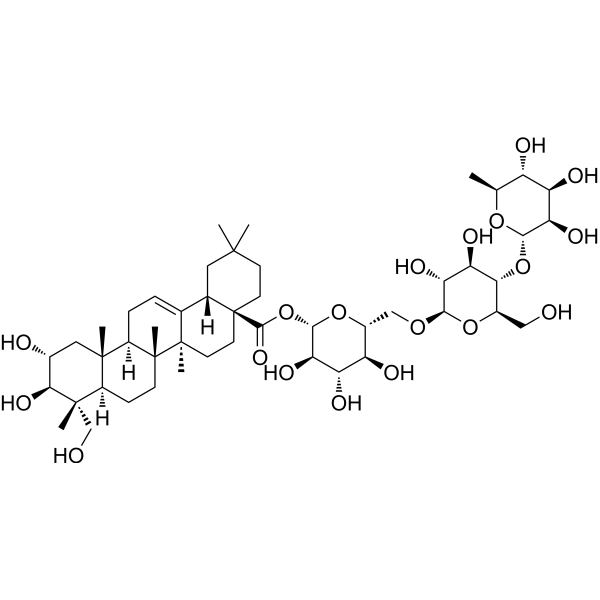
Scheffoleoside A is a neuroprotective agent can be derived from Centella asiatica. Scheffoleoside A exhibits moderate activity in inhibiting 6-OHDA-induced cytotoxicity .
|
-
-
- HY-161042
-
|
|
Caspase
|
Neurological Disease
|
|
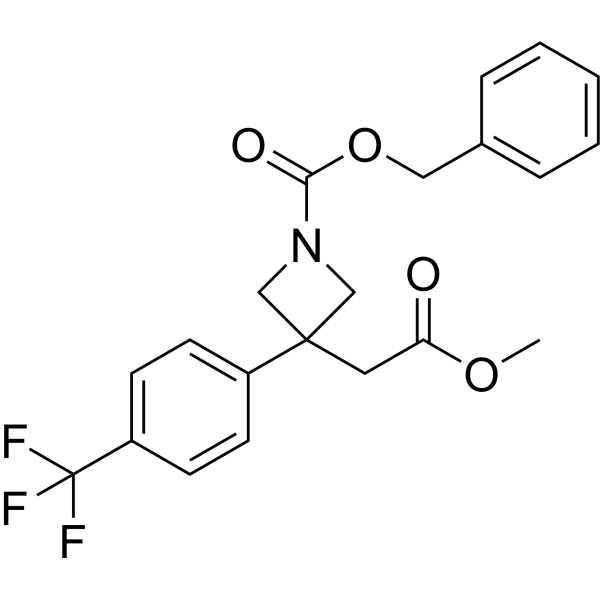
Neuroprotective agent 2 (Compd 28) is a potent neuroprotective agent which has a protective effect in both salsolinol and glutamate-induced neurodegeneration models. Neuroprotective agent 2 reduces oxidative stress and caspase-3/7 activity in the glutamate model .
|
-
-
- HY-172604
-
|
|
TNF Receptor
Reactive Oxygen Species (ROS)
|
Neurological Disease
Inflammation/Immunology
|
|
Neuroprotective agent 10 (Compound 11c) is a brain-penetrant neuroprotective agent. Neuroprotective agent 10 scavenges ABTS radicals (scavenging IC50: 9.20 μM), DPPH radicals (scavenging IC50: 7.09 μM) and superoxide anion radicals (inhibition percentage: 48.4%). Neuroprotective agent 10 also alleviates H2O2-induced oxidative damage and LPS-induced neuroinflammation with antiepileptic activity. Neuroprotective agent 10 is promising for research of epilepsy and neuroprotection .
|
-

-
- HY-159928
-
-

-
- HY-N10408
-
|
|
Apoptosis
Autophagy
|
Neurological Disease
Cancer
|
|
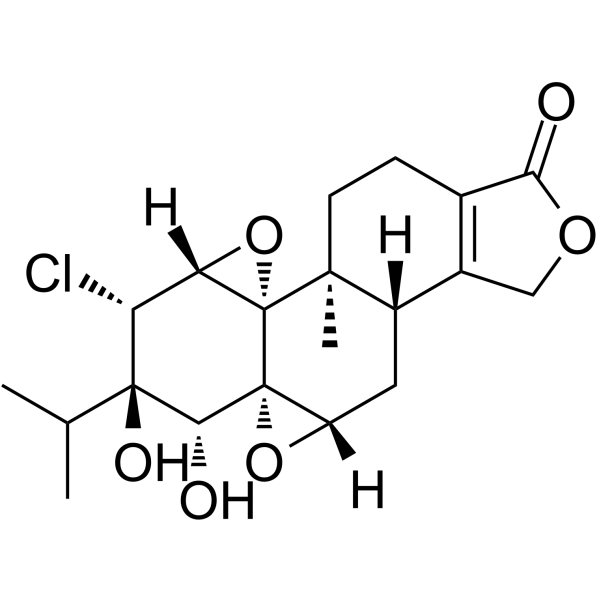
Tripchlorolide is a neuroprotective agent that can be found in Tripterygium wilfordii. Tripchlorolide prevents tumor growth by inducing apoptosis and autophagy. Tripchlorolide improves cognitive deficits in Alzheimer's disease .
|
-
-
- HY-168501
-
|
|
Reactive Oxygen Species (ROS)
|
Inflammation/Immunology
|
|
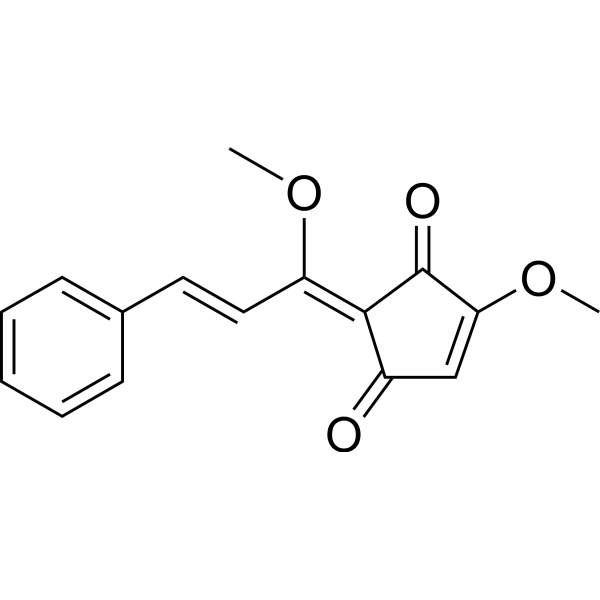
Neuroprotective Agent 6 (Compound Y12) is a neuroprotective agent with antioxidant activity and capabilities in DPPH, ABTS radical scavenging. Neuroprotective Agent 6 demonstrates superior neuroprotective effects in both cellular models induced by oxygen-glucose deprivation/reoxygenation (OGD/R) and animal models induced by transient middle cerebral artery occlusion (tMCAO). Additionally, Neuroprotective Agent 6 exhibits significant metal chelating activity towards Cu 2+ .
|
-

-
- HY-N3260
-
-
-
- HY-178052
-
|
|
Autophagy
|
Neurological Disease
|
|
Neuroprotective agent 14 is a brain-penetrant 1H-benzo[d]imidazoles compound with neuroprotective effect. Neuroprotective agent 14 can activate autophagy and clear SCMAS accumulation from iPSC-derived neural progenitor cells. Neuroprotective agent 14 can be used for the research of neurological disease, such as neuronal ceroid lipofuscinoses (NCLs) .
|
-

-
- HY-125603
-
|
|
Free Fatty Acid Receptor
|
Neurological Disease
|
|
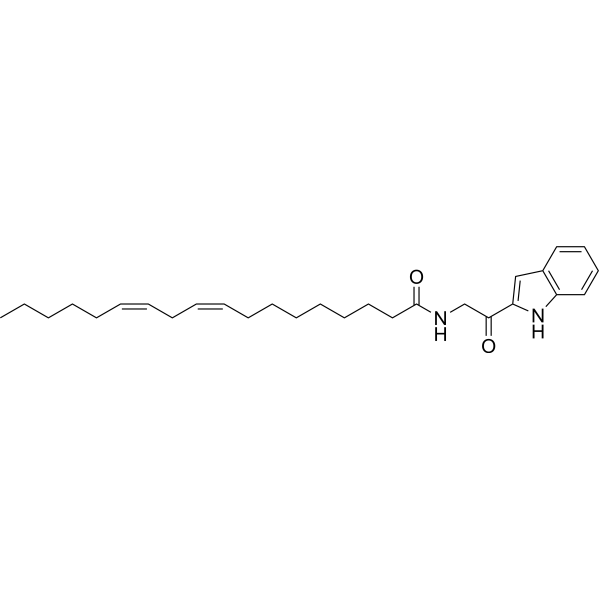
Termitomycamide B (compound 2) is a neuroprotective agent that can be obtained from Termitomyces titanicus. Termitomycamide B effectively inhibits endoplasmic reticulum stress-dependent cell death. Termitomycamide B can be used in the study of neurodegenerative diseases .
|
-
-
- HY-174260
-
|
|
NO Synthase
COX
Caspase
MDM-2/p53
|
Neurological Disease
|
|
Neuroprotective agent 11 (Compound 1a) is an orally active polyphenol compound with significant protective effects against cerebral ischemia. The main activities of Neuroprotective agent 11 include inhibiting neuronal inflammation and apoptosis, reducing cerebral infarction volume, and improving behavioral symptoms of cerebral ischemic mice. Neuroprotective agent 11 exerts its regulatory mechanism by downregulating the expression of inflammatory factors (iNOS、COX-2) and apoptotic proteins (cleaved-Caspase3, p53). Neuroprotective agent 11 can be used in the study of cerebral ischemia-related diseases (such as ischemic stroke) .
|
-

-
- HY-162164
-
|
|
Others
|
Neurological Disease
|
|
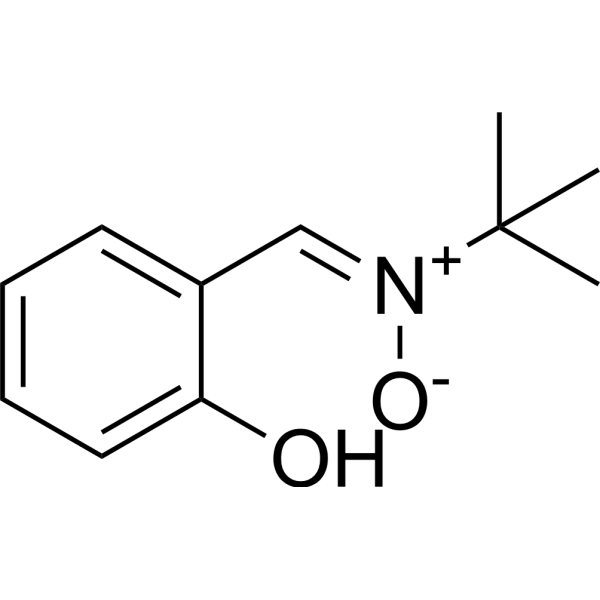
Neuroprotective agent 3 (Compound 21a) is an antioxidant that exhibits neuroprotective effects. Neuroprotective agent 3 significantly increases neuronal viability and induces neuroprotection, as well as improves neurological deficit scores in an in vivo model of transient cerebral ischemia .
|
-
-
- HY-16468A
-
|
ENT 01; MSI-1256 phosphate
|
α-synuclein
|
Neurological Disease
|
|
Squalamine phosphate (Compound ENT-01) is an orally active neuroprotective agent. Squalamine phosphate can displace α-Syn that is bound electrostatically to nerve cell membranes and prevent aggregation of α-Syn. Squalamine phosphate can be used for the research of neurological disease, such as Parkinson’s disease .
|
-

-
- HY-N2195R
-
|
(+)-Nootkatone (Standard)
|
Reference Standards
Interleukin Related
TNF Receptor
|
Neurological Disease
|
|
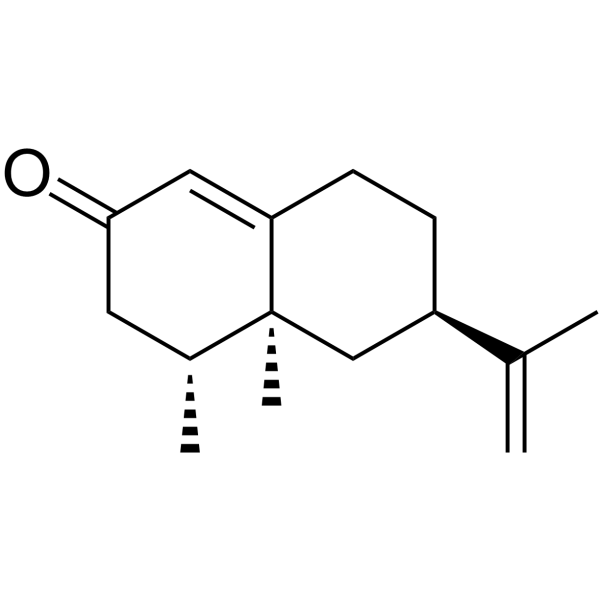
Nootkatone (Standard) is the analytical standard of Nootkatone. This product is intended for research and analytical applications. Nootkatone, a neuroprotective agent from Vitis vinifera, has antioxidant and anti-inflammatory effects[1]. Nootkatone improves cognitive impairment in lipopolysaccharide-induced mouse model of Alzheimer's disease[2].
|
-

-
- HY-P3223A
-
|
|
Opioid Receptor
|
Neurological Disease
|
|
Biphalin acetate, a BBB-penetrable opioid peptide analog, contains two active enkephalin pharmacophores.Biphalin acetate has high affinity for opioid receptors. Biphalin acetate shows analgesic effect in acute, neuropathic, and chronic animal pain models. Biphalin acetate is also an antiviral, antiproliferative, anti-inflammatory, and neuroprotective agent .
|
-

-
- HY-169103
-
|
|
NO Synthase
COX
Cholinesterase (ChE)
Amyloid-β
|
Neurological Disease
Inflammation/Immunology
|
|
Neuroprotective agent 5 (compound 28) is a brain permeabilizing agent with anti-neuritis, anti-oxidative damage and neuroprotective effects. Neuroprotective agent 5 exhibits a potent NO inhibitory effect (EC50=0.49 μM), inhibits the release of proinflammatory factors PGE2 and TNF-α, downregulates the expression of iNOS and COX-2 proteins, and promotes the polarization of BV-2 cells from the proinflammatory M1 phenotype to the anti-inflammatory M2 phenotype. In addition, Neuroprotective agent 5 can also inhibit acetylcholinesterase (AChE) activity and Aβ42 aggregation in a dose-dependent manner. Neuroprotective agent 5 can be used for the study of Alzheimer's disease .
|
-

-
- HY-105181
-
|
|
nAChR
|
Neurological Disease
|
|
T 588 is an orally active neuroprotective agent. T 588 can increase acetylcholine release from the frontal cortex and hippocampus and meliorate cognitive dysfunction. T 588 can protect cerebellar granule cells from glutamate neurotoxicity. T 588can be used for the research of neurological disease, such as Alzheimer's disease .
|
-

-
- HY-149094
-
|
|
Drug Derivative
|
Cardiovascular Disease
|
|
Neuroprotective agent 1 (2), a promising neuroprotective agent for the study of ischemic stroke, shows promising neuroprotective activity with the EC50 value of 16.07 μM in the model of glutamate-induced excitotoxicity and 19.30 μM in the model of H2O2-induced oxidative damage .
|
-
- HY-B1028R
-
|
D-Pantethine (Standard); LBF disulfide (Standard)
|
Reference Standards
Endogenous Metabolite
SARS-CoV
|
Cardiovascular Disease
Neurological Disease
Inflammation/Immunology
Endocrinology
Cancer
|
|
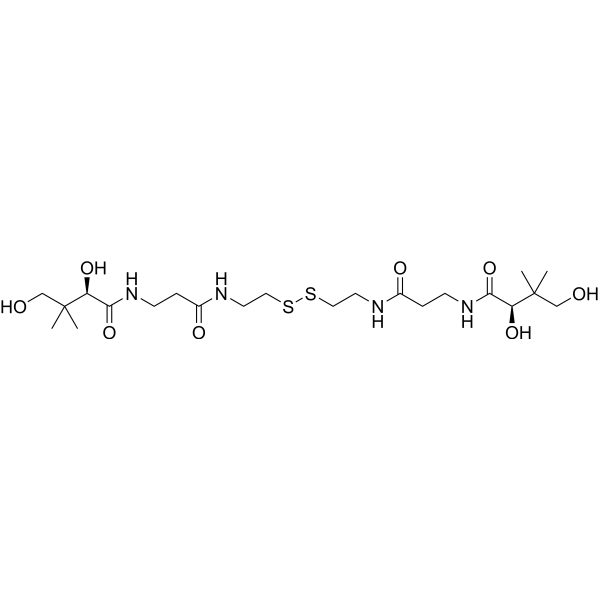
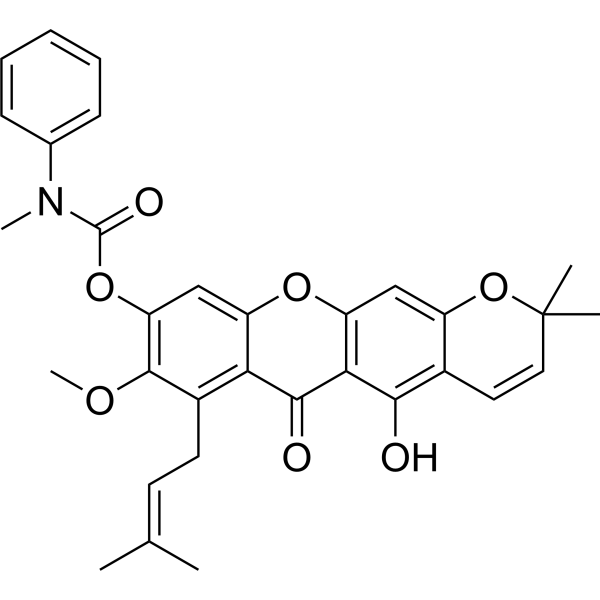
Pantethine (Standard) is the analytical standard of Pantethine. This product is intended for research and analytical applications. Pantethine is an orally active lipid-lowering agent. Pantethine has anti-tumor, anti-inflammatory and anti-SARS-COV virus activities. Pantethine is also a neuroprotective agent. Pantethine can be used in the study of Alzheimer's disease, Parkinson's disease, major depression, systemic sclerosis and pantothenate kinase-related neurodegeneration .
|
-

- HY-147681
-
|
|
FGFR
|
Neurological Disease
|
|
SUN13837 is an orally active, blood-brain barrier permeable FGFR modulator and neuroprotective agent. SUN13837 mimics the activity of basic fibroblast growth factor, stimulates intracellular tyrosine phosphorylation of FGFR and signal transduction in neuronal cells, induces neurite outgrowth, and inhibits glutamate-induced neuronal death. SUN13837 can be used in research related to acute cervical spinal cord injury and severe spinal cord injury .
|
-
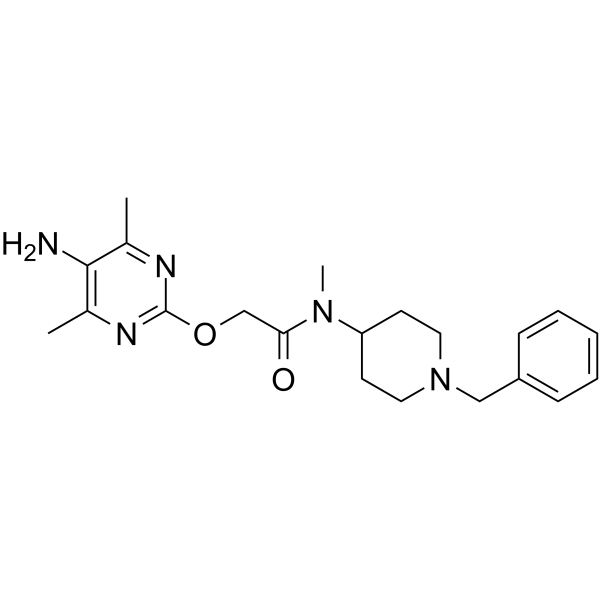
- HY-174419
-
-

- HY-147382
-
|
|
Drug Derivative
|
Neurological Disease
|
|
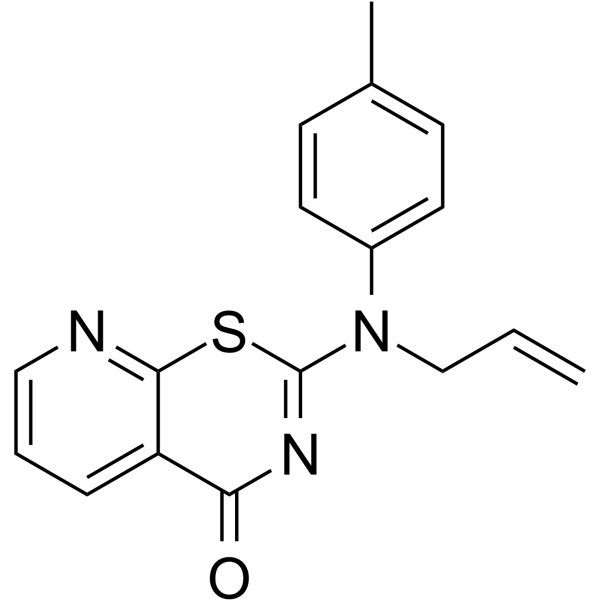
Neuronotoxicity-IN-1, a pyridothiazine derivative, is a kainic acid neurotoxicity inhibitor. Neuronotoxicity-IN-1 is a neuroprotective agent .
|
-
- HY-181069
-
-

- HY-173142
-
|
|
Drug Derivative
|
Neurological Disease
|
|
Neuroprotective agent 7 (Compound 13) is a BBB-penetrable neuroprotective agent. Neuroprotective agent 7 has a powerful neuroprotective effect and can reduce the cerebral infarct area in the MCAO rat model. Neuroprotective agent 7 can be used in the research of diseases such as cerebral ischemia .
|
-

- HY-119513
-
|
|
Others
|
Neurological Disease
|
|
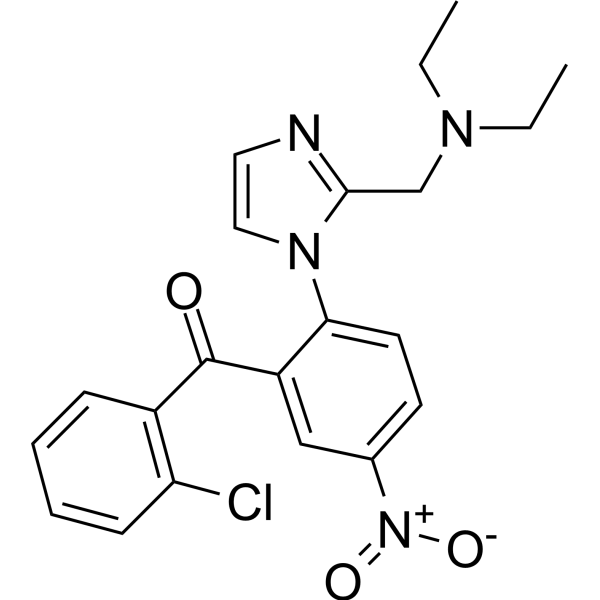
Nizofenone is a neuroprotective agent which protects neurons from death following cerebral ischemia or anoxia. Nizofenone can be used in the research of acute neurological conditions, such as stroke .
|
-
- HY-N12001
-
|
|
Others
|
Neurological Disease
|
|
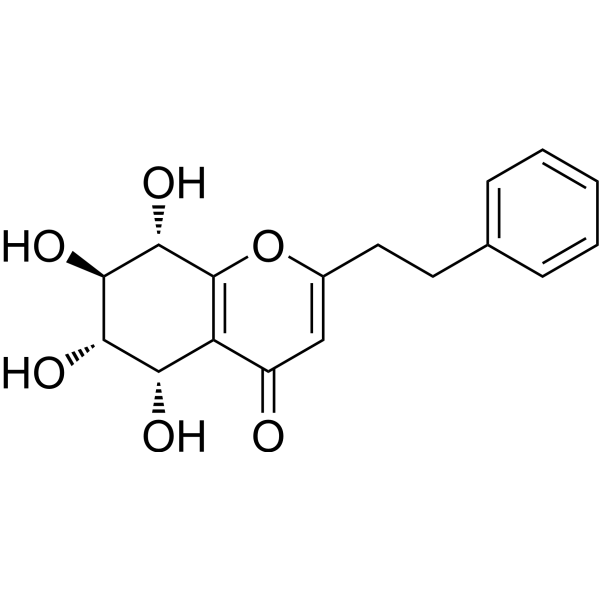
6-Epiagarotetrol is a neuroprotective agent can be extracted from Aquilaria sinensis. 6-Epiagarotetrol has a protective effect on corticosterone-induced PC12 cell damage .
|
-
- HY-119677R
-
|
WIN-18501-2 (Standard)
|
Others
|
Neurological Disease
|
|
Oxypertine (Standard) is the analytical standard of Oxypertine. This product is intended for research and analytical applications. Oxypertine is a neuroprotective agent. Oxypertine can be used in the research of neurological conditions, such as anxiety and schizophrenia .
|
-

- HY-186092
-
|
|
Drug Derivative
|
Neurological Disease
|
|
Neuroprotective agent 17 (Derivative 15) is a phenylpiperazine derivative. Neuroprotective agent 17 can be used for the research of neurological diseases such as Parkinson's disease and Alzheimer's disease .
|
-

- HY-155355
-
|
|
iGluR
|
Neurological Disease
|
|
LY836 is an orally active neuroprotective agent. LY836 significantly blocks PSD95-nNOS association in cortical neurons. LY836 can be used in study ischemic stroke .
|
-
- HY-135563
-
|
|
Drug Metabolite
|
Neurological Disease
|
|
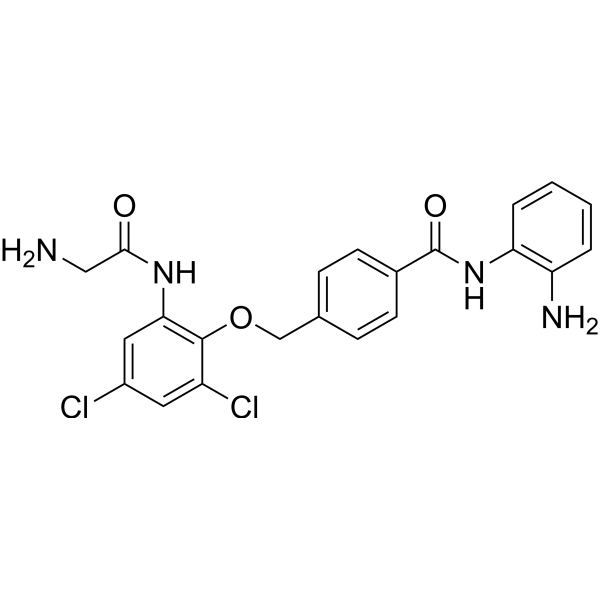
Oxoprolintane is a metabolite of the psychoactive compound Prolintane (HY-124217). Oxoprolintane has a role in regulating the central nervous system and may be a potential neuroprotective agent. Oxoprolintane is expected to be used in research on neurological diseases .
|
-

- HY-138806
-
|
|
Calcium Channel
|
Neurological Disease
|
|
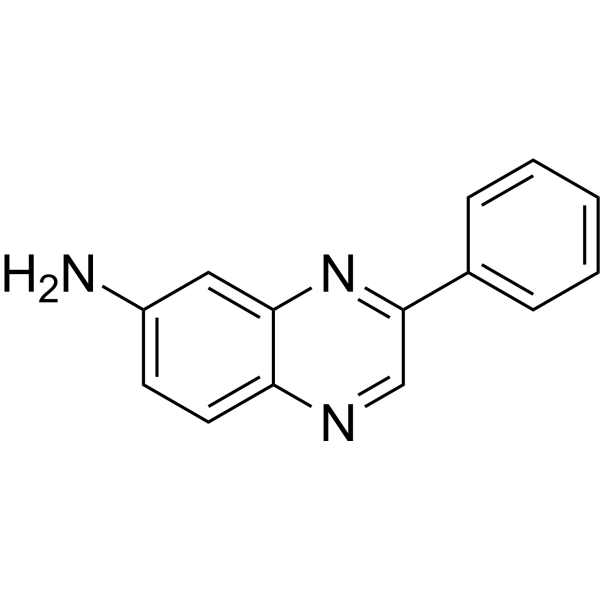
PAQ (Compound 4c) is a quinoxaline derivative. PAQ is an orally active neuroprotective agent, which targets dopamine (DA) neurons and activates reticulum endoplasmic ryanodine receptor (RyR) channels, without effects on glia cells .
|
-
- HY-159880
-
|
|
Cholinesterase (ChE)
|
Neurological Disease
|
|
AChE/BChE-IN-24 (compound 5k) is a neuroprotective agent through cholinesterase inhibition. AChE/BChE-IN-24 inhibits AChE and BChE with IC50 values of 16.38 μM and 10.44 μM, respectively .
|
-

- HY-119274
-
|
|
COX
Sodium Channel
|
Neurological Disease
|
|
BN-82451 dihydrochloride, an orally active and CNS-penetrated antioxidant and a multitargeting neuroprotective agent, exert a significant protection in experimental animal models mimicking aspects of cerebral ischemia, Parkinson disease, Huntington disease, and more particularly amyotrophic lateral sclerosis .
|
-

- HY-N11930
-
|
|
Others
|
Neurological Disease
|
|
Hydroxy-2-[2-(2-hydroxyphenyl)ethyl]chromone is a neuroprotective agent . Hydroxy-2-[2-(2-hydroxyphenyl)ethyl]chromone shows significant neuroprotective activity against glutamate-induced neurotoxicity in primary cultures of rat cortical cell .
|
-
![5-Hydroxy-2-[2-(2-hydroxyphenyl)ethyl]chromone](//file.medchemexpress.com/product_pic/hy-n11930.gif)
- HY-116218C
-
|
JPI-289 hydrochloride
|
PARP
|
Cardiovascular Disease
Neurological Disease
|
|
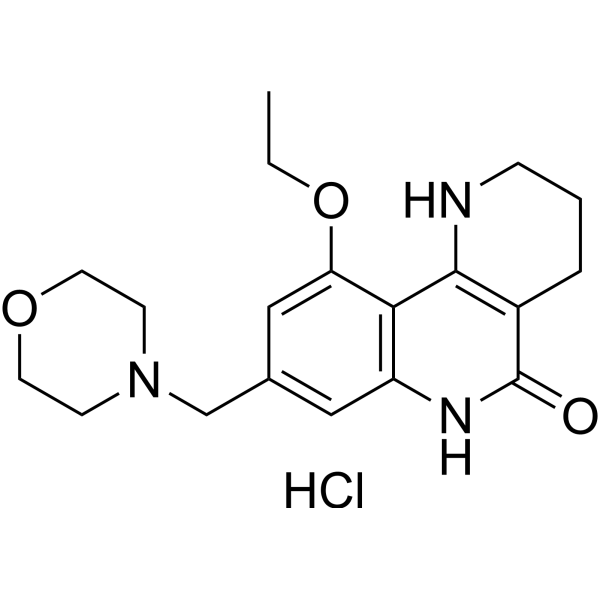
Amelparib (JPI-289) hydrochloride is a potent, orally active, and water-soluble inhibitor of PARP-1. Amelparib hydrochloride inhibits PARP-1 activity (IC50 = 18.5 nM) and cellular PAR formation (IC50 = 10.7 nM). Amelparib hydrochloride is a potential neuroprotective agent. Amelparib hydrochloride has the potential for the research of acute ischaemic stroke .
|
-
- HY-P3223
-
|
|
Opioid Receptor
|
Neurological Disease
|
|
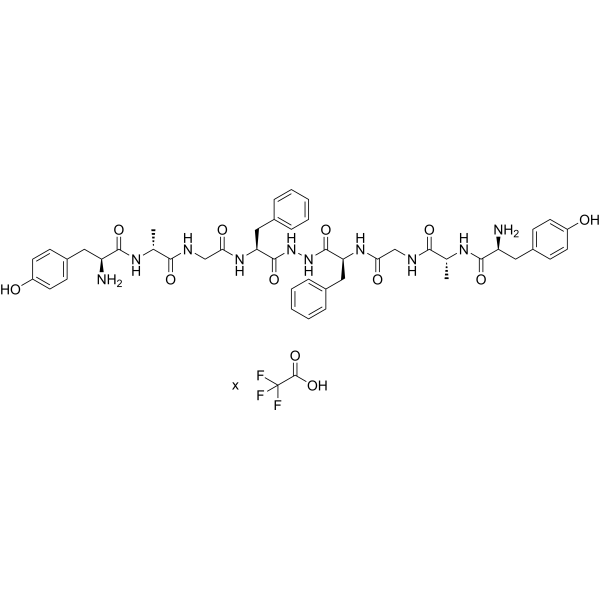
Biphalin TFA, a BBB-penetrable opioid peptide analog, contains two active enkephalin pharmacophores. Biphalin TFA has high affinity for opioid receptors. Biphalin TFA shows analgesic effect in acute, neuropathic, and chronic animal pain models. Biphalin TFA is also an antiviral, antiproliferative, anti-inflammatory, and neuroprotective agent .
|
-
- HY-B0233S1
-
|
PN 200-110-d6
|
Calcium Channel
Autophagy
|
Neurological Disease
|
|
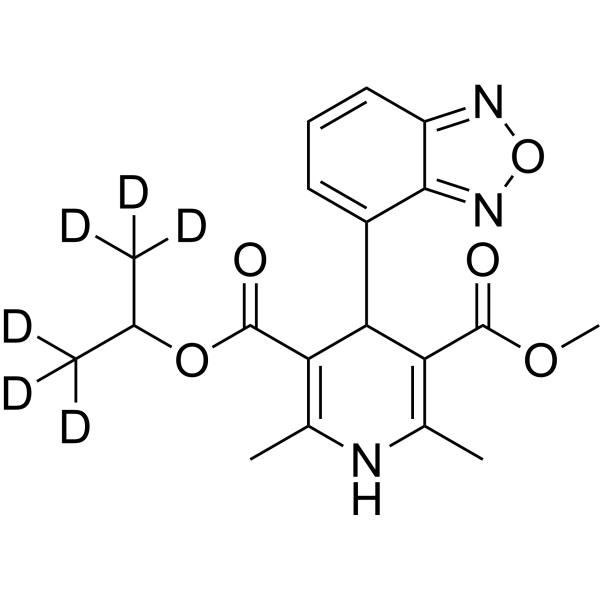
Isradipine-d6 is the deuterium labeled Isradipine . Isradipine (PN 200-110) is an orally active L-type calcium channel blocker. Isradipine, as a powerful peripheral vasodilator, is a dihydropyridine calcium antagonist with selective actions on the heart as well as the peripheral circulation. Isradipine is a potentially viable neuroprotective agent for Parkinson's disease .
|
-
- HY-N11872
-
|
|
Others
|
Neurological Disease
|
|
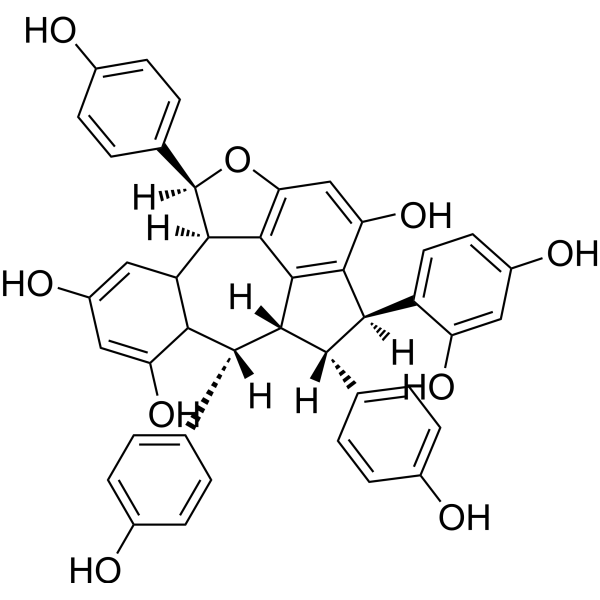
Suffruticosol A is a neuroprotective agent that restores scopolamine-induced cellular neurodegenerative damage. Suffruticosol A ameliorates hippocampal cholinergic deficits and partially enhances BDNF signaling. Suffruticosol A has neuromodulatory effects in a Scopolamine (HY-N0296)-induced model, restoring memory and cognitive performance in mice. Suffruticosol A can be isolated from seeds of P. lactiflora .
|
-
- HY-145695
-
|
|
Cholinesterase (ChE)
Monoamine Oxidase
|
Neurological Disease
|
|
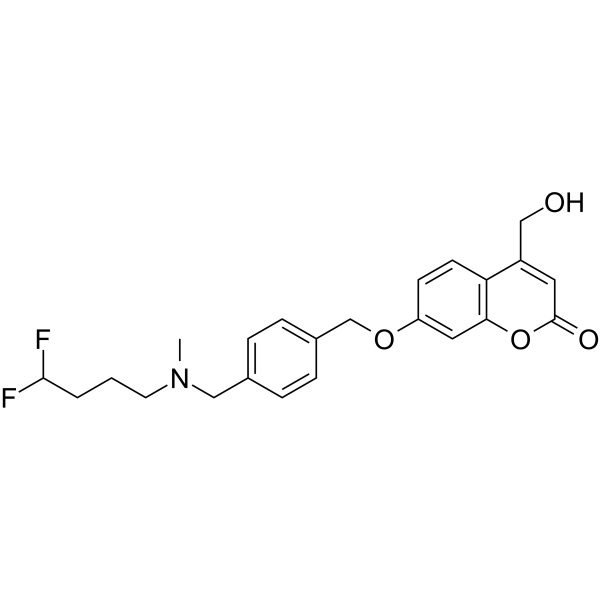
Dual AChE-MAO B-IN-1 (compound 15) is an orally bioavailable CNS-permeant potent inhibitor of both human AChE (IC50=550 nM) and MAO B (IC50=8.2 nM). Dual AChE-MAO B-IN-1 behaves as a safe and metabolically stable neuroprotective agent, devoid of cytochrome liability .
|
-
- HY-163394
-
|
|
Cannabinoid Receptor
|
Neurological Disease
Inflammation/Immunology
|
|
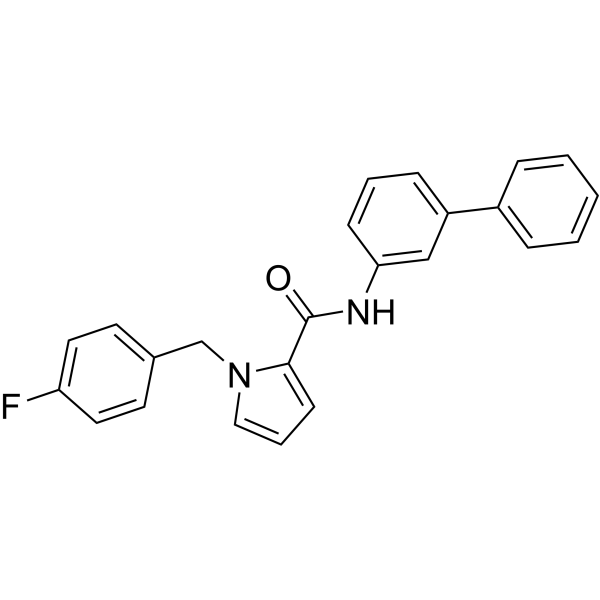
CB2 receptor agonist 6 (compound 70) is an agonist of CB2R, with EC50 of 162 nM. The IC50 values of CB2 receptor agonist 6 are 4.83 μM for CB1R and 0.88 μM for CB2R.
CB2 receptor agonist 6 is a neuroprotective agent that can be used for the reseach of neurological disease .
|
-
- HY-B0233R
-
|
PN 200-110 (Standard)
|
Reference Standards
Calcium Channel
Autophagy
|
Cardiovascular Disease
Neurological Disease
|
|
Isradipine (Standard) is the analytical standard of Isradipine. This product is intended for research and analytical applications. Isradipine (PN 200-110) is an orally active L-type calcium channel blocker. Isradipine, as a powerful peripheral vasodilator, is a dihydropyridine calcium antagonist with selective actions on the heart as well as the peripheral circulation. Isradipine is a potentially viable neuroprotective agent for Parkinson's disease .
|
-

- HY-B0233S2
-
|
PN 200-110-d7
|
Calcium Channel
Autophagy
Isotope-Labeled Compounds
|
Cardiovascular Disease
Neurological Disease
|
|
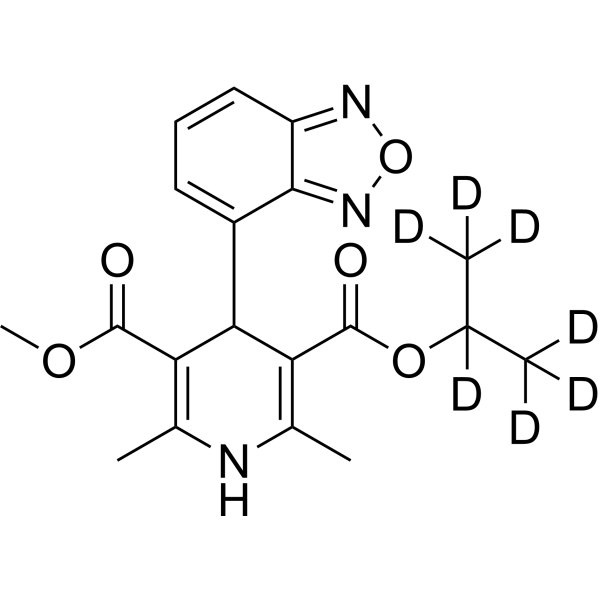
Isradipine-d7 is deuterated labeled Isradipine (HY-B0233). Isradipine (PN 200-110) is an orally active L-type calcium channel blocker. Isradipine, as a powerful peripheral vasodilator, is a dihydropyridine calcium antagonist with selective actions on the heart as well as the peripheral circulation. Isradipine is a potentially viable neuroprotective agent for Parkinson's disease .
|
-
- HY-168364
-
|
|
Wnt
β-catenin
Drug Derivative
|
Neurological Disease
|
|
1(R),2(S)-epoxy Cannabidiol (Compound 2a) is a structural analogue of phytocannabinoidsphytocannabinoids. 1(R),2(S)-epoxy Cannabidiol exhibits potent inhibitory activity against Wnt/β-catenin pathway. 1(R),2(S)-epoxy Cannabidiol is promising for research of neuroprotective agents .
|
-

- HY-114659
-
-

- HY-149941
-
|
|
Neurotensin Receptor
|
Neurological Disease
|
|
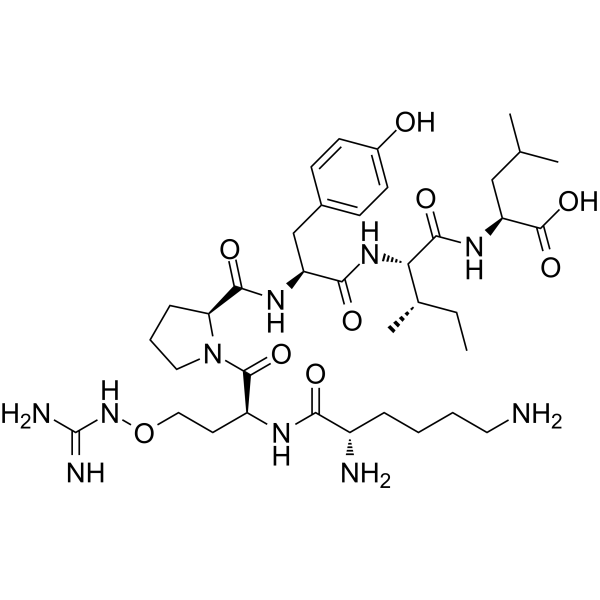
hNTS1R agonist-1 (Compound 10) is a BBB permeable hNTS1R full agonist (Ki: 6.9 nM) . hNTS1R agonist-1 increases motor function and memory in a mouse model of Parkinson's disease (PD). hNTS1R agonist-1 is a Neurotensin(8-13) analog and is a neuroprotective agent .
|
-
- HY-B0233S
-
|
|
Isotope-Labeled Compounds
Calcium Channel
Autophagy
|
Cardiovascular Disease
Neurological Disease
|
|
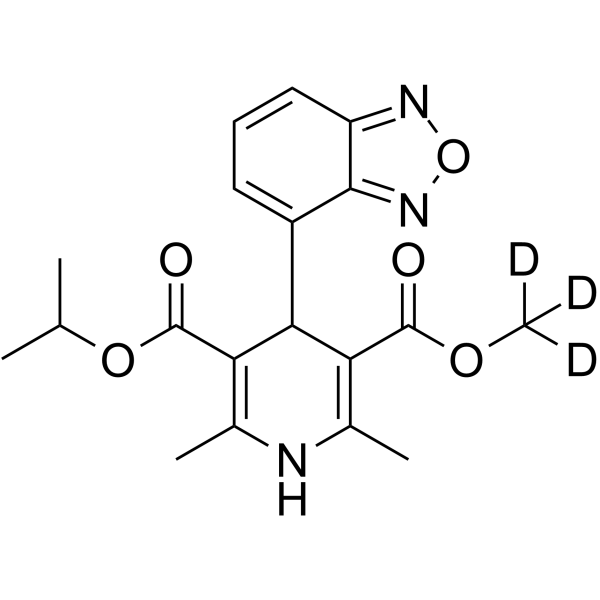
Isradipine-d3 (PN 200-110-d3) is the deuterium labeled Isradipine. Isradipine (PN 200-110) is an orally active L-type calcium channel blocker. Isradipine, as a powerful peripheral vasodilator, is a dihydropyridine calcium antagonist with selective actions on the heart as well as the peripheral circulation. Isradipine is a potentially viable neuroprotective agent for Parkinson's disease .
|
-
- HY-B1028S
-
|
D-Pantethine-15N2; LBF disulfide-15N2
|
Isotope-Labeled Compounds
|
Neurological Disease
Metabolic Disease
Inflammation/Immunology
Endocrinology
Cancer
|
|
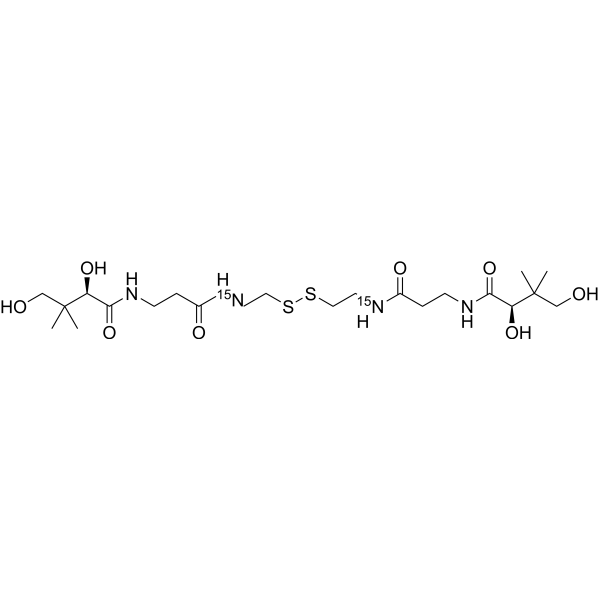
Pantethine- 15N2 is the 15N2 labeled Pantethine. Pantethine is an orally active lipid-lowering agent. Pantethine has anti-tumor, anti-inflammatory and anti-SARS-COV virus activities. Pantethine is also a neuroprotective agent. Pantethine can be used in the study of Alzheimer's disease, Parkinson's disease, major depression, systemic sclerosis and pantothenate kinase-related neurodegeneration .
|
-
- HY-156348
-
|
|
Monoamine Oxidase
Autophagy
Apoptosis
Cholinesterase (ChE)
|
Neurological Disease
|
|
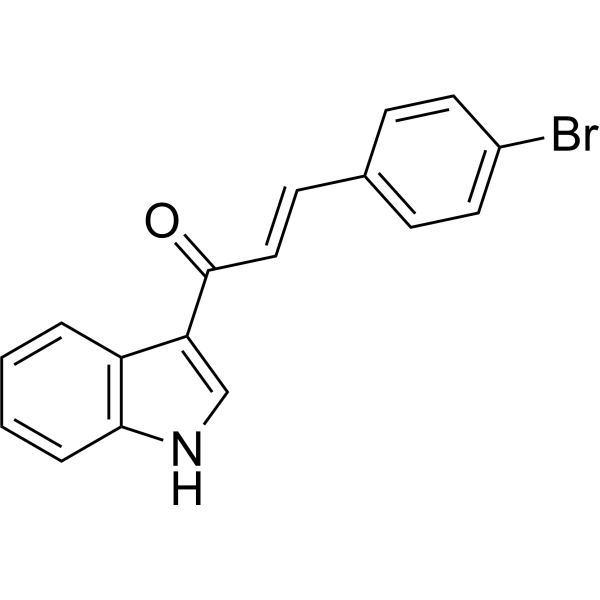
MAO-B-IN-26 (Compound IC9) is a MAO-B and acetylcholinesterase inhibitor. MAO-B-IN-26 protects SH?SY5Y cells against Aβ induced cytotoxicity, morphological changes, ROS generation and membrane damage. MAO-B-IN-26 also inhibits Aβ induced autophagy and apoptosis. MAO-B-IN-26 can be used as a neuroprotective agent against Alzheimer’s disease .
|
-
- HY-163151
-
|
|
PI3K
Akt
p38 MAPK
|
Neurological Disease
Inflammation/Immunology
|
|
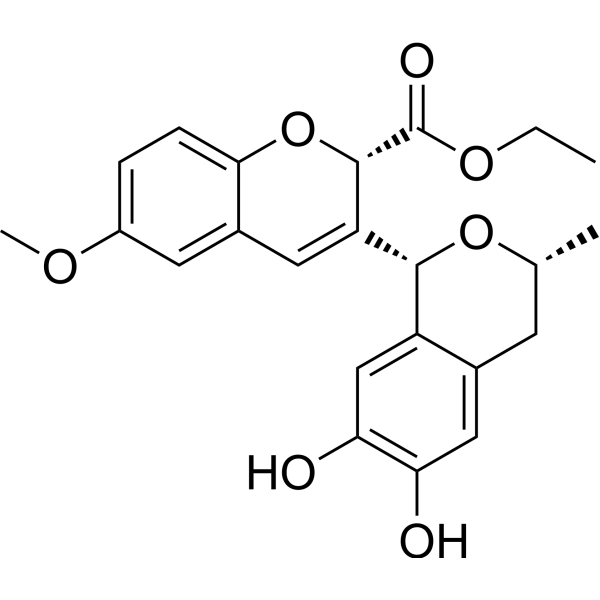
JE-133 is an optically active isochromane-2H-chromene conjugate. JE-133 exhibits antioxidant and anti-inflammatory activities. JE-133 is a neuroprotective agent that effectively inhibits neuronal oxidative damage associated with PI3K/Akt and MAPK signaling pathways. JE-133 can also inhibit lipopolysaccharide (LPS) (HY-D1056)-induced neuroinflammation by regulating JAK/STAT and Nrf2 signaling pathways .
|
-
- HY-120251
-
|
AIT-082 free acid
|
Reactive Oxygen Species (ROS)
|
Neurological Disease
|
|
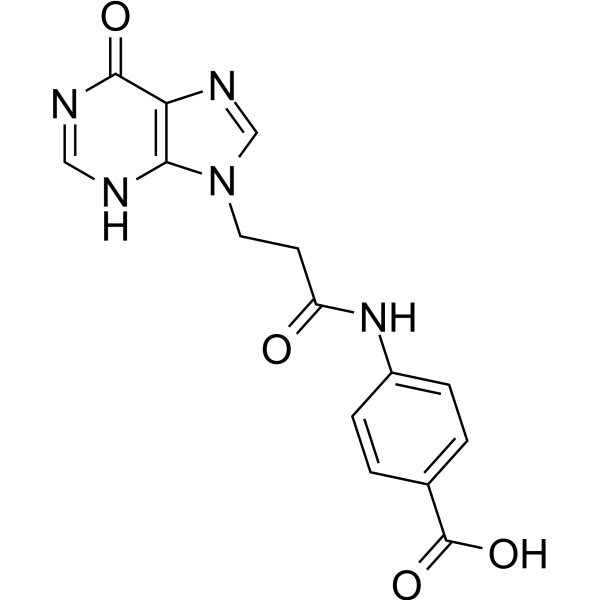
Leteprinim (AIT-082 free acid), a purine analog, is a neuroprotective agent and cognitive enhancer. Leteprinim is a hypoxanthine derivative neurotrophic agent. Leteprinim can induce brain-derived neurotrophic factor (BDNF) mRNA production following spinal cord lesions, and nerve growth factor (NGF) mRNA production in basal forebrain. Leteprinim reduces glutamate toxicity in cultured hippocampal neurons. Leteprinim increases heme-oxygenase 1 and 2 mRNA levels that play role in cellular defense against reactive oxygen species .
|
-
- HY-100119A
-
-

- HY-106821
-
|
ZY 15119
|
Others
|
Neurological Disease
|
|
Cebaracetam (ZY 15119) is a neuroprotective agent. Cebaracetam can improve cognitive impairment and can be used for the research of neurological disease .
|
-

- HY-100119R
-
-

- HY-111060
-
-

- HY-W130232R
-
|
|
Drug Intermediate
Reference Standards
|
Neurological Disease
|
|
Diformylphloroglucinol (Standard) is the analytical standard of Diformylphloroglucinol (HY-W130232). This product is intended for research and analytical applications. Diformylphloroglucinol is an acylphloroglucinol compound that can be used in the synthesis of Psiguadial B. Psiguadial B is a neuroprotective agent .
|
-

- HY-103253R
-
|
|
Reactive Oxygen Species (ROS)
Reference Standards
|
Neurological Disease
|
|
LY231617 (Standard) is the analytical standard of LY231617 (HY-103253). This product is intended for research and analytical applications. LY231617 is a potent and blood-brain barrier penetrable antioxidant. LY231617 is a neuroprotective agent in brain, it can be used for the research of nervous disease .
|
-

- HY-116968
-
|
|
Sigma Receptor
|
Neurological Disease
|
|
JVW-1009 is a Sig2R/PGRMC1 antagonist (Sig1R Ki = 96 nM; Sig2R Ki = 70 nM). JVW-1009 acts as a neuroprotective agent. JVW-1009 can be used in the research of Alzheimer's disease .
|
-

- HY-107790R
-
|
|
Reference Standards
DNA/RNA Synthesis
|
Neurological Disease
|
|
5-Methoxyflavone (Standard) is the analytical standard of 5-Methoxyflavone (HY-107790). This product is intended for research and analytical applications. 5-Methoxyflavone, belonged to Flavonoid family, is a DNA polymerase-beta inhibitor and neuroprotective agent against beta-amyloid toxicity. possess central nervous system (CNS) depressant effect mediated through the ionotropic GABAA receptors.
|
-

- HY-N12696
-
|
|
Reactive Oxygen Species (ROS)
|
Neurological Disease
|
|
Cistanoside H is a phenylethanoid glycoside neuroprotective agent that can be isolated from the leaves and twigs of Callicarpa dichotoma. Cistanoside H can alleviate glutamate-induced oxidative stress and protect rat cortical cells from neurotoxic damage. Cistanoside H protects nerve cells against excitotoxic damage and can be applied in research related to neurodegenerative diseases (such as Alzheimer's disease and Parkinson's disease).
|
-

- HY-181703
-
|
|
Na+/K+ ATPase
NF-κB
|
Neurological Disease
Inflammation/Immunology
|
|
4-PSQ is an orally active neuroprotective agent. 4-PSQ possesses both antioxidant and anti-inflammatory activities. 4-PSQ improves cognitive impairment and depressive- and anxiety-like emotional abnormalities in mice by regulating the activity of Na +, K +-ATPase, the NFκB signaling pathway, and the expression of p21. 4-PSQ can be used for the research of neurological diseases .
|
-

- HY-180267
-
|
|
Drug Derivative
|
Cardiovascular Disease
Neurological Disease
|
|
(R)-Chloro-butylphthalide-O-NBP, a chiral 3-n-butylphthalide derivative, is a neuroprotective agent. (R)-Chloro-butylphthalide-O-NBP shows potent blood-brain barrier (BBB) protective function. In vivo, (R)-Chloro-butylphthalide-O-NBP significantly reduces infarct volume and markedly preserves BBB integrity. (R)-Chloro-butylphthalide-O-NBP can be used for the research of ischemic stroke .
|
-

- HY-160906
-
|
GSSSG
|
Interleukin Related
ERK
|
Neurological Disease
Inflammation/Immunology
|
|
Glutathione trisulfide (GSSSG) is a potent neuroprotective agent with anti-inflammatory activity. Glutathione trisulfide prevents the LPS (HY-D1056)-induced inflammatory gene expression in retinal pigment epithelial cells, which is mediated through hyperactivation of ERK signaling, independent of the NRF2/HMOX1 pathway. Glutathione trisulfide can be used for neurodegenerative diseases and ischemic spinal cord injury (SCI) research .
|
-

- HY-181662
-
|
|
MAP3K
|
Neurological Disease
|
|
DLK-IN-2 is a selective inhibitor of DLK and neuroprotective agent. DLK-IN-2 shows no significant inhibition against CYPs 3A4, 2D6 and 2C9. DLK-IN-2 inhibits acute axonal palmitoylation of DLK, blocks DLK-dependent pro-degenerative axon-to-soma retrograde signaling and suppresses c-Jun phosphorylation. DLK-IN-2 can be used for the mechanistic study of neurodegenerative diseases .
|
-

- HY-108666R
-
|
Adenosine-5'-O-(3-thiotriphosphate) tetralithium salt (Standard); Adenosine 5'-[γ-thio]triphosphate tetralithium salt (Standard)
|
Reference Standards
Eukaryotic Initiation Factor (eIF)
P2Y Receptor
|
Neurological Disease
Metabolic Disease
Inflammation/Immunology
|
|
ATPγS tetralithium salt (Standard) is the analytical standard of ATPγS (tetralithium salt) (HY-108666). This product is intended for research and analytical applications. ATPγS (tetralithium salt) is a P2Y11 receptor agonist, an antioxidant and a neuroprotective agent. ATPγS (tetralithium salt) can be used as a substrate for the nucleotide hydrolysis and RNA unwinding activities of eukaryotic translation initiation factor eIF4A. ATPγS (tetralithium salt) is active in ATP hydrolysis .
|
-

- HY-105343R
-
|
[D-Ala2, D-Leu5]-Enkephalin (Standard); DADLE (Standard)
|
Reference Standards
Opioid Receptor
|
Neurological Disease
|
|
BW-180C (Standard) is the analytical standard of BW-180C (HY-105343). This product is intended for research and analytical applications. BW-180C ([D-Ala2, D-Leu5]-Enkephalin; DADLE) is an δ opioid receptor (DOR) agonist, which belongs to the enkephalin family. Neuroprotective agent. BW-180C reversibly inhibits cellular transcription in neurons without causing cell injury .
|
-

- HY-181268
-
|
|
Monoamine Oxidase
|
Neurological Disease
|
|
MAO-B-IN-53 is a human monoamine oxidase B (hMAO-B) inhibitor with an IC50 of 0.066 μM. MAO-B-IN-53 exhibits mixed reversible inhibition, binds stably to the hMAO-B active site, and shows high selectivity over hMAO-A. MAO-B-IN-53 acts as a neuroprotective agent, protects against 6-OHDA-induced damage, and exhibits low neurotoxicity in neuroblastoma cells. MAO-B-IN-53 can be used for the research of Parkinson's disease .
|
-

- HY-W027446R
-
|
|
Reference Standards
Endogenous Metabolite
|
Neurological Disease
Metabolic Disease
|
|
Pyridoxal hydrochloride (Standard) is the analytical standard of Pyridoxal hydrochloride. This product is intended for research and analytical applications. Pyridoxal hydrochloride, the hydrochloride form of Pyridoxal (HY-107469), is a newly developed neuroprotective agent. Pyridoxal hydrochloride is one of the major forms of vitamin B6. Pyridoxal hydrochloride is solvolyzed in methanol to form pyridoxal monomethylacetal. Pyridoxal is phosphorylated by pyridoxal kinase to Pyridoxal phosphate (HY-B1744). Pyridoxal is oxidized by the liver to 4-Pyridoxic acid (HY-113493) which is excreted in the urine. Pyridoxal hydrochloride is proming for research of carpal tunnel syndrome (CTS) .
|
-

- HY-181998
-
|
|
Interleukin Related
|
Neurological Disease
Inflammation/Immunology
|
|
CN016 is a neuroprotective agent. CN016 inhibits the elevation of pro-inflammatory cytokines G-CSF, GM-CSF and IL-6 induced by Oxaliplatin (HY-17371). CN016 suppresses Paclitaxel (HY-B0015)-induced inflammatory responses and immune cell infiltration into sensory neurons. CN016 protects neurons from Paclitaxel (HY-B0015)-induced neurotoxic damage. CN016 protects mice against Oxaliplatin-induced peripheral neuropathy .
|
-

- HY-181041
-
|
|
Drug Derivative
Cholinesterase (ChE)
Monoamine Oxidase
Amyloid-β
|
Neurological Disease
|
|
Multitarget AD-IN-5 (Compound 20), 9-Aminoacridine (HY-B1422) derivative, is a neuroprotective agent. Multitarget AD-IN-5 shows IC50 values of 0.614, 0.448, 3.73 and 1.55 μM for hAChE, hBChE, hMAO-A and hMAO-B. Multitarget AD-IN-5 can reduce length and diameter of Aβ42 fibers, and decrease the number of fibers per unit area. Multitarget AD-IN-5 can be used for research of Alzheimer's disease .
|
-

- HY-180807
-
|
|
p38 MAPK
Reactive Oxygen Species (ROS)
Mitochondrial Metabolism
ERK
JNK
|
Cardiovascular Disease
Neurological Disease
|
|
MAPK-IN-6 (compound 116B) is a CNS-penetrant compound that inhibits the MAPK signaling pathway. MAPK-IN-6 reduces oxidative stress in SH-SY5Y neuronal cells by reducing ROS, restoring mitochondrial function, and inhibiting MAPK-driven inflammation. MAPK-IN-6 demonstrates profound neuroprotective efficacy in a rat tBCCAO/R model via ERK-P38-JNK signaling. MAPK-IN-6 can be used as a neuroprotective agent in ischemic stroke research .
|
-

- HY-120251A
-
|
AIT-082
|
Reactive Oxygen Species (ROS)
|
Neurological Disease
|
|
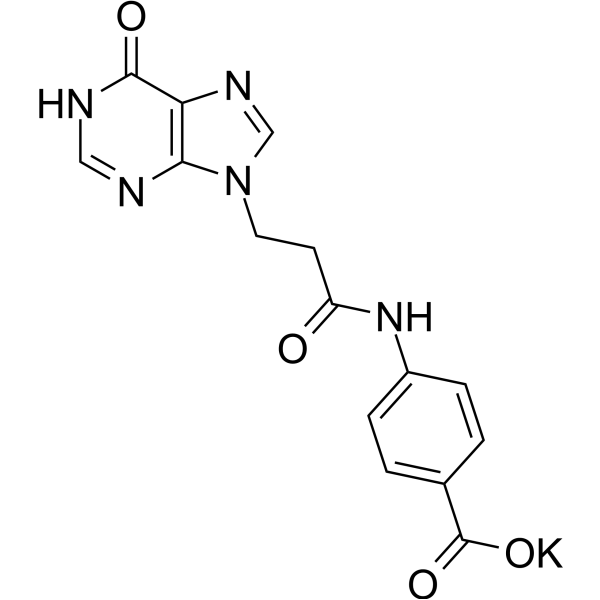
Leteprinim potassium (AIT-082), a purine analog, is a neuroprotective agent and cognitive enhancer. Leteprinim potassium is a hypoxanthine derivative neurotrophic agent. Leteprinim potassium can induce brain-derived neurotrophic factor (BDNF) mRNA production following spinal cord lesions, and nerve growth factor (NGF) mRNA production in basal forebrain. Leteprinim potassium reduces glutamate toxicity in cultured hippocampal neurons. Leteprinim potassium increases heme-oxygenase 1 and 2 mRNA levels that play role in cellular defense against reactive oxygen species .
|
-
- HY-B0020
-
|
SDZ-ICS-930
|
5-HT Receptor
nAChR
|
Neurological Disease
Inflammation/Immunology
Cancer
|
|
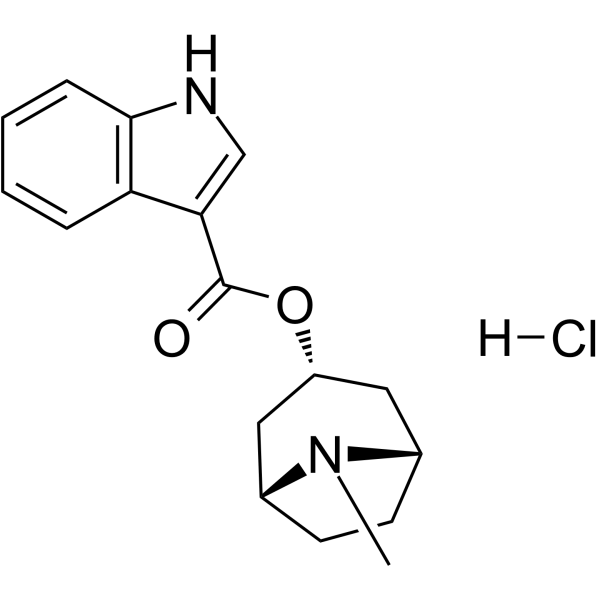
Tropisetron Hydrochloride (SDZ-ICS-930) is an effective neuroprotective agent that acts as a 5-HT3 receptor antagonist, a calmodulin inhibitor, and an α7-nAChRreceptor agonist, with an IC50 of 70.1 nM for the 5-HT3 receptor. Tropisetron Hydrochloride has anti-inflammatory properties and immune-regulating functions, effectively alleviating symptoms associated with chemotherapy and post-surgery. Tropisetron Hydrochloride reduces Ab (HY-P4867)-induced hippocampal neuroinflammation .
|
-
- HY-10932R
-
|
Ro 13-5057 (Standard)
|
Reference Standards
nAChR
iGluR
|
Neurological Disease
|
|
Aniracetam (Standard) is the analytical standard of Aniracetam. This product is intended for research and analytical applications. Aniracetam (Ro 13-5057) is an orally active neuroprotective agent, possessing nootropics effects. Aniracetam potentiates the ionotropic quisqualate (iQA) responses in the CA1 region of rat hippocampal slices. Aniracetam also potentiates the excitatory post synaptic potentials (EPSPs) in Schaffer collateral-commissural synapses. Aniracetam can prevents the CO2-induced impairment of acquisition in hypercapnia model rats. Aniracetam can be used to research cerebral dysfunctional disorders .
|
-

- HY-B0020R
-
|
SDZ-ICS-930 (Standard)
|
5-HT Receptor
Reference Standards
nAChR
|
Neurological Disease
Cancer
|
|
Tropisetron (Hydrochloride) (Standard) is the analytical standard of Tropisetron (Hydrochloride). Tropisetron Hydrochloride (SDZ-ICS-930) is an effective neuroprotective agent that acts as a 5-HT3 receptor antagonist, a calmodulin inhibitor, and an α7-nAChRreceptor agonist, with an IC50 of 70.1 nM for the 5-HT3 receptor. Tropisetron Hydrochloride has anti-inflammatory properties and immune-regulating functions, effectively alleviating symptoms associated with chemotherapy and post-surgery. Tropisetron Hydrochloride reduces Ab (HY-P4867)-induced hippocampal neuroinflammation .
|
-

- HY-100458
-
|
|
NO Synthase
|
Neurological Disease
|
|
SCR-4026 is a neuroprotective agent with blood-brain barrier penetration ability. SCR-4026 exerts neuroprotective effects by disrupting the interaction between neuronal nNOS and PSD9, with an IC50 of 6.3 μM. SCR-4026 alleviates N-methyl-D-aspartate (NMDA)-induced excitotoxic damage in primary cortical neurons, and also protects neurons in the oxygen-glucose deprivation (OGD) model. SCR-4026 can reduce the cerebral infarct volume in the rat middle cerebral artery occlusion (MCAO) reperfusion model. SCR-4026 can be used for the study of stroke .
|
-

- HY-175263
-
|
|
GABA Receptor
5-HT Receptor
Reactive Oxygen Species (ROS)
|
Neurological Disease
Metabolic Disease
|
|
Aminochalcone 4AAF is a neuroprotective agent that exerts anxiolytic effects through GABAA and 5-HT receptors. Aminochalcone 4AAF has high selectivity for 5-HT3A and 5-HT2C receptors, and stimulates allosteric behavior toward the 5-HT2A receptor. Aminochalcone 4AAF shows hypoglycemic effects and reduces the level of ROS in the liver. Aminochalcone 4AAF delays the clonic stage of the epileptic seizures . Aminochalcone 4AAF can be used in the study of anxiety, hyperglycemia, and seizures .
|
-

- HY-W052508R
-
|
N-Desalkylquetiapine (Standard)
|
5-HT Receptor
Reference Standards
|
Neurological Disease
|
|
Norquetiapine is an antidepressant and neuroprotective agent and is the active metabolic component of Quetiapine (HY-14544). Norquetiapine is also a partial 5-HT1A receptor agonist, and a presynaptic α2, 5-HT2C and 5-HT7 b> Receptor antagonist. Norquetiapine can also selectively inhibit norepinephrine transporter (NET), inhibit norepinephrine reuptake, and has potential inhibitory effects on bipolar depression, major depressive disorder, and generalized anxiety disorder. Norquetiapine demonstrated in vivo activity in forced swimming in mice and learned helplessness tests in rats .
|
-

- HY-N18155
-
|
(1(10)E,2α,4β,8α)-form,2-Meether
|
Others
|
Neurological Disease
|
|
2-Hydroxy-6-oxo-1(10),7(11)-germacradien-12,8-olide ((1(10)E,2α,4β,8α)-form,2-Meether) is a furanosesquiterpenoid neuroprotective agent that exhibits neuroprotective effect against MPP +-induced neuronal cell death. 2-Hydroxy-6-oxo-1(10),7(11)-germacradien-12,8-olide can be used for the research of parkinson's disease .
|
-

- HY-132280R
-
|
U 74006F free base (Standard)
|
Reference Standards
Reactive Oxygen Species (ROS)
SARS-CoV
Virus Protease
|
Neurological Disease
Inflammation/Immunology
|
|
Tirilazad (U 74006F free base) Standard is the analytical standard of Tirilazad (HY-132280). This product is intended for research and analytical applications. Tirilazad (U 74006F free base) is a neuroprotective agent. Tirilazad can also bind tightly to the main protease of the COVID-19 virus and exert anti-SARS-CoV-2 activity. Tirilazad scavenges hydroxyl and lipid peroxyl free radicals and maintains the levels of endogenous antioxidants. Tirilazad reduces cerebral infarct volume and improves neurobehavioral scores in animal models of focal ischemia. Tirilazad can be used in research related to ischemic stroke and subarachnoid hemorrhage .
|
-

- HY-178454
-
|
|
Monoamine Oxidase
Amyloid-β
Mitochondrial Metabolism
Apoptosis
Reactive Oxygen Species (ROS)
COX
NF-κB
|
Neurological Disease
|
|
Multitarget AD-IN-3 is a brain-penetrant neuroprotective agent. Multitarget AD-IN-3 can selectively inhibit MAO-B with an IC50 of 4.42 μM and a SI of 18.12. Multitarget AD-IN-3 can eliminate ROS. Multitarget AD-IN-3 Multitarget AD-IN-3 can inhibit Aβ1-42 self-aggregation and can reverse Aβ1-42-induced mitochondrial membrane depolarization and inhibit apoptosis. Multitarget AD-IN-3 can be used for the research of neurological disease, such as Alzheimer’s disease .
|
-

- HY-186105
-
|
|
NAMPT
|
Neurological Disease
|
|
P7C3-S243 is a brain-penetrant P7C3 class of neuroprotective agent. P7C3-S243 augments synthesis of nicotinamide adenine dinucleotide through activation of the metabolic enzyme nicotinamide phosphoribosyltransferase. P7C3-S243 shows potent neuroprotective efficacy in parkinson’s disease mice models. P7C3-S243 can be used for the research of parkinson’s disease .
|
-

- HY-107661
-
|
ONO-2506; (R)-2-Propyloctanoic acid
|
ERK
Akt
NF-κB
EAAT
|
Cardiovascular Disease
Neurological Disease
|
|
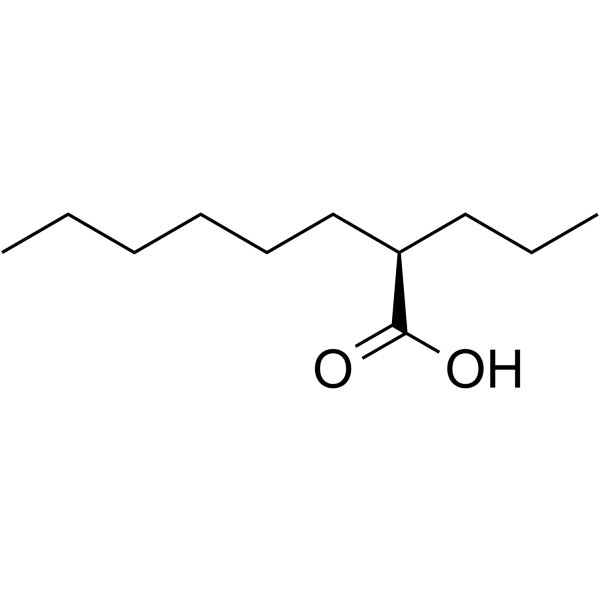
Arundic Acid is an orally effective astrocyte function modulator and neuroprotective agent. Arundic Acid increases the expression and function of the astrocytic glutamate transporter EAAT1 by activating the ERK, Akt and NF-κB pathways. Arundic Acid attenuates retinal ganglion cell death in a normal-tension glaucoma model. Arundic Acid exerts neuroprotective effects in a mouse model of Parkinson's disease. Arundic Acid is a S100β protein synthesis inhibitor that prevents neurological deficits and brain tissue damage after intracerebral hemorrhage in rats. Arundic Acid downregulates neuroinflammation and astrocytic dysfunction after status epilepticus in immature rats. Arundic Acid is applicable to research related to Parkinson's disease, cerebral ischemia, glaucoma, intracerebral hemorrhage and epilepsy .
|
-
- HY-N7773
-
|
|
TNF Receptor
Interleukin Related
Caspase
SOD
|
Neurological Disease
Metabolic Disease
|
|
Hibiscetin is an orally active anti-inflammatory, antioxidant, antihyperglycemic, hypolipidemic, hepatoprotective and neuroprotective agent. Hibiscetin reduces the levels of TNF-α, IL-1β and IL-6. Hibiscetin inhibits lipid peroxidation, reduces MDA levels, and induces the activities of antioxidant enzymes CAT, GSH and SOD. Hibiscetin lowers blood glucose, reverses reduced insulin levels, regulates adipokine levels, and reduces elevated AST and ALT levels. Hibiscetin alleviates Rotenone (HY-B1756)-induced akinesia and catalepsy, normalizes neurotransmitter levels, and modulates the activities of activated caspase 3 and BDNF. Hibiscetin can be used in the research of type 2 diabetes, Parkinson's disease and Huntington's disease .
|
-

- HY-17001
-
|
D 9998 Maleate
|
Potassium Channel
iGluR
GABA Receptor
|
Neurological Disease
Inflammation/Immunology
|
|
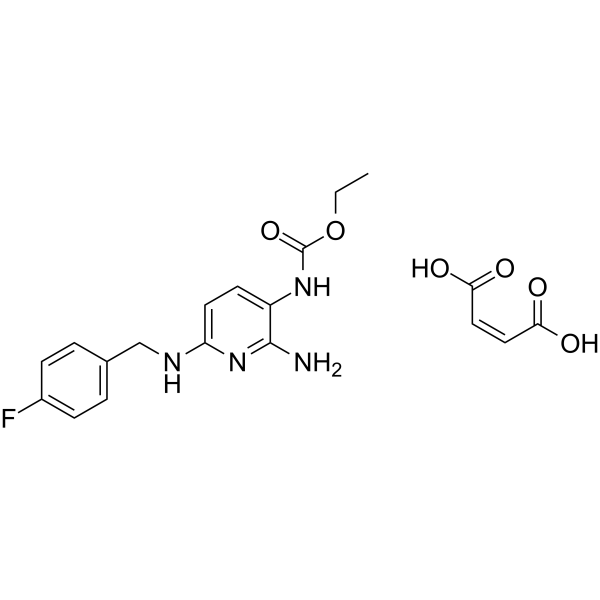
Flupirtine (D 9998) Maleate is an orally active, blood-brain barrier-crossing non-opioid analgesic and neuroprotective agent. Flupirtine Maleate is a neuronal potassium channel opener (Kv7 activator), a NMDA receptor antagonist and a GABA receptor activator. Flupirtine Maleate stabilizes blood-brain-barrier integrity, reduces oxidative stress and brain leukocyte infiltration, enhances angioneurogenesis, suppresses calcium influx, stabilizes neuronal resting membrane potential, and counteracts focal cerebral ischemia. Flupirtine Maleate exhibits analgesic, muscle relaxant properties, protects neurons from excitotoxic, ischemic, or cytokine-mediated death. Flupirtine Maleate functions as a non-opioid analgesic without antipyretic or antiphlogistic properties, shows no relevant affinity to opiate receptor. Flupirtine Maleate can be used for the research of focal cerebral ischemia, pain, Alzheimer’s disease, or multiple sclerosis .
|
-
- HY-186105A
-
|
|
Opioid Receptor
Apoptosis
|
Neurological Disease
|
|
(-)-P7C3-S243 is an orally active, blood-brain barrier permeable neuroprotective agent. (-)-P7C3-S243 binds to μ-opioid Receptor and TSPO. (-)-P7C3-S243 inhibits the premature apoptosis death of newborn hippocampal neurons, protects mature nigral dopaminergic neurons, promotes neuronal survival and prevents cognitive impairment. (-)-P7C3-S243 ameliorates depression-like behaviors in rat models. (-)-P7C3-S243 is applicable to research related to Parkinson's disease and Alzheimer's disease .
|
-

- HY-N1414
-
|
|
Trk Receptor
NF-κB
Amyloid-β
|
Neurological Disease
|
|
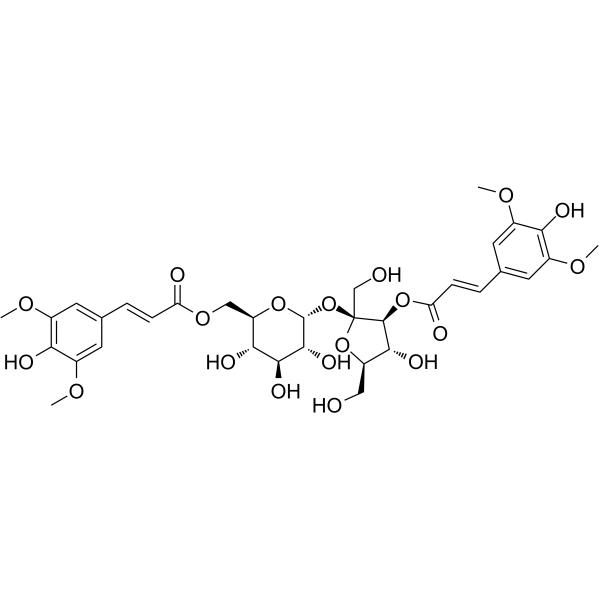
(E)-3',6-Disinapoylsucrose is an orally active, blood-brain barrier permeable neuroprotective agent that inhibits Aβ protein aggregation. (E)-3',6-Disinapoylsucrose exerts anxiolytic, anti-inflammatory and cognitive-enhancing effects. (E)-3',6-Disinapoylsucrose regulates the TrkB/BDNF signaling pathway, inhibits the expression of NF-κB p65, reduces pro-inflammatory cytokine levels, and alleviates neuronal damage. (E)-3',6-Disinapoylsucrose also enhances the functions of central 5-HT and noradrenergic systems, thereby improving spatial learning and memory abilities and reducing anxiety-like behaviors. (E)-3',6-Disinapoylsucrose can be used for the research of related diseases such as Alzheimer's disease, depression, memory impairment and anxiety disorder .
|
-
- HY-W709349
-
|
D 9998 hydrochloride
|
Potassium Channel
iGluR
GABA Receptor
|
Neurological Disease
Inflammation/Immunology
|
|
Flupirtine (D 9998) hydrochloride is an orally active, blood-brain barrier-crossing non-opioid analgesic and neuroprotective agent. Flupirtine hydrochloride is a neuronal potassium channel opener (Kv7 activator), a NMDA receptor antagonist and a GABA receptor activator. Flupirtine hydrochloride stabilizes blood-brain-barrier integrity, reduces oxidative stress and brain leukocyte infiltration, enhances angioneurogenesis, suppresses calcium influx, stabilizes neuronal resting membrane potential, and counteracts focal cerebral ischemia. Flupirtine hydrochloride exhibits analgesic, muscle relaxant properties, protects neurons from excitotoxic, ischemic, or cytokine-mediated death. Flupirtine hydrochloride functions as a non-opioid analgesic without antipyretic or antiphlogistic properties, shows no relevant affinity to opiate receptor. Flupirtine hydrochloride can be used for the research of focal cerebral ischemia, pain, Alzheimer’s disease, or multiple sclerosis .
|
-

- HY-17001A
-
|
D 9998
|
Potassium Channel
iGluR
GABA Receptor
|
Neurological Disease
Inflammation/Immunology
|
|
Flupirtine (D 9998) is an orally active, blood-brain barrier-crossing non-opioid analgesic and neuroprotective agent. Flupirtine is a neuronal potassium channel opener (Kv7 activator), a NMDA receptor antagonist and a GABA receptor activator. Flupirtine stabilizes blood-brain-barrier integrity, reduces oxidative stress and brain leukocyte infiltration, enhances angioneurogenesis, suppresses calcium influx, stabilizes neuronal resting membrane potential, and counteracts focal cerebral ischemia. Flupirtine exhibits analgesic, muscle relaxant properties, protects neurons from excitotoxic, ischemic, or cytokine-mediated death. Flupirtine functions as a non-opioid analgesic without antipyretic or antiphlogistic properties, shows no relevant affinity to opiate receptor. Flupirtine can be used for the research of focal cerebral ischemia, pain, Alzheimer’s disease, or multiple sclerosis .
|
-
- HY-121362
-
|
|
Bacterial
Endogenous Metabolite
TrxR
|
Infection
Neurological Disease
Inflammation/Immunology
Cancer
|
|
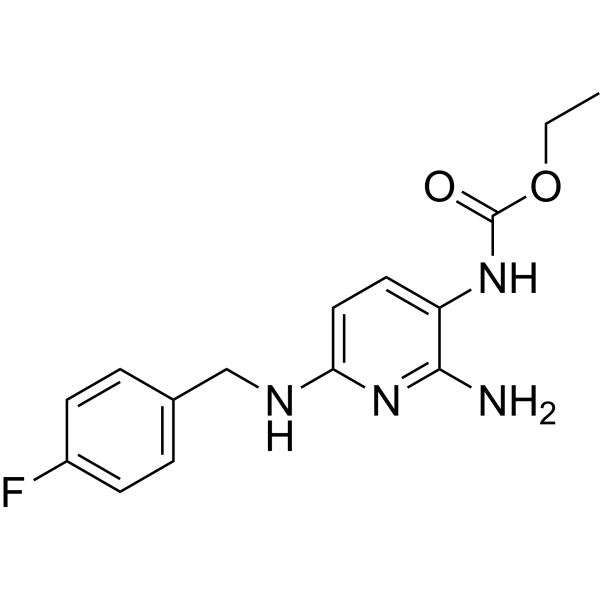
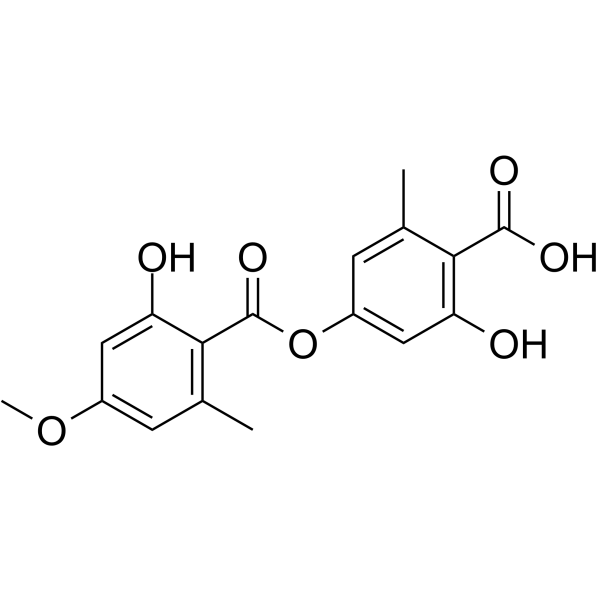
Evernic Acid is an orally active thioredoxin reductase 1 (TrxR1) inhibitor and antiproliferative agent. Evernic Acid inhibits the proliferation and migration of human breast cancer cells. Evernic Acid blocks the NF-κB pathway by inhibiting p65 nuclear translocation and IκBα phosphorylation, thereby suppressing downstream inflammatory mediators. Evernic Acid acts as an antioxidant, anti-inflammatory agent and neuroprotective agent, protects neurons from cell death, mitochondrial dysfunction and oxidative stress damage, reduces astrocyte activation, and ameliorates dopaminergic neuron loss and neuroinflammation. Evernic Acid inhibits enoyl reductases FabI and FabZ of Plasmodium falciparum. Evernic Acid downregulates the expression of lasB and rhlA genes in Pseudomonas aeruginosa, inhibits quorum sensing and biofilm formation, and exerts antibacterial activity against Gram-positive bacteria, Gram-negative bacteria and fungi. Evernic Acid is applicable to research related to breast cancer, Parkinson's disease, bacterial infections and fungal infections .
|
-
- HY-17001R
-
|
D 9998 Maleate (Standard)
|
Reference Standards
Potassium Channel
iGluR
GABA Receptor
|
Neurological Disease
Inflammation/Immunology
|
|
Flupirtine Maleate (Standard) is the analytical standard of Flupirtine Maleate (HY-17001). This product is intended for research and analytical applications. Flupirtine Maleate is an orally active, blood-brain barrier-crossing non-opioid analgesic and neuroprotective agent. Flupirtine Maleate is a neuronal potassium channel opener (Kv7 activator), a NMDA receptor antagonist and a GABA receptor activator. Flupirtine Maleate stabilizes blood-brain-barrier integrity, reduces oxidative stress and brain leukocyte infiltration, enhances angioneurogenesis, suppresses calcium influx, stabilizes neuronal resting membrane potential, and counteracts focal cerebral ischemia. Flupirtine Maleate exhibits analgesic, muscle relaxant properties, protects neurons from excitotoxic, ischemic, or cytokine-mediated death. Flupirtine Maleate functions as a non-opioid analgesic without antipyretic or antiphlogistic properties, shows no relevant affinity to opiate receptor. Flupirtine Maleate can be used for the research of focal cerebral ischemia, pain, Alzheimer’s disease, or multiple sclerosis .
|
-

- HY-W709349S
-
|
D 9998-d6 hydrochloride
|
Isotope-Labeled Compounds
Potassium Channel
iGluR
GABA Receptor
|
Neurological Disease
|
|
Flupirtine-d6 (D 9998-d6) hydrochloride is the deuterium labeled Flupirtine hydrochloride (HY-W709349). Flupirtine hydrochloride is an orally active, blood-brain barrier-crossing non-opioid analgesic and neuroprotective agent. Flupirtine hydrochloride is a neuronal potassium channel opener (Kv7 activator), a NMDA receptor antagonist and a GABA receptor activator. Flupirtine hydrochloride stabilizes blood-brain-barrier integrity, reduces oxidative stress and brain leukocyte infiltration, enhances angioneurogenesis, suppresses calcium influx, stabilizes neuronal resting membrane potential, and counteracts focal cerebral ischemia. Flupirtine hydrochloride exhibits analgesic, muscle relaxant properties, protects neurons from excitotoxic, ischemic, or cytokine-mediated death. Flupirtine hydrochloride functions as a non-opioid analgesic without antipyretic or antiphlogistic properties, shows no relevant affinity to opiate receptor. Flupirtine hydrochloride can be used for the research of focal cerebral ischemia, pain, Alzheimer’s disease, or multiple sclerosis .
|
-

- HY-110230
-
|
D 9998-d4 hydrochloride
|
Isotope-Labeled Compounds
Potassium Channel
iGluR
GABA Receptor
|
Neurological Disease
Inflammation/Immunology
|
|
Flupirtine-d4 (D 9998-d4) hydrochloride is the deuterium labeled Flupirtine hydrochloride (HY-W709349). Flupirtine hydrochloride is an orally active, blood-brain barrier-crossing non-opioid analgesic and neuroprotective agent. Flupirtine hydrochloride is a neuronal potassium channel opener (Kv7 activator), a NMDA receptor antagonist and a GABA receptor activator. Flupirtine hydrochloride stabilizes blood-brain-barrier integrity, reduces oxidative stress and brain leukocyte infiltration, enhances angioneurogenesis, suppresses calcium influx, stabilizes neuronal resting membrane potential, and counteracts focal cerebral ischemia. Flupirtine hydrochloride exhibits analgesic, muscle relaxant properties, protects neurons from excitotoxic, ischemic, or cytokine-mediated death. Flupirtine hydrochloride functions as a non-opioid analgesic without antipyretic or antiphlogistic properties, shows no relevant affinity to opiate receptor. Flupirtine hydrochloride can be used for the research of focal cerebral ischemia, pain, Alzheimer’s disease, or multiple sclerosis .
|
-
- HY-17001AR
-
|
D 9998 (Standard)
|
Reference Standards
Potassium Channel
iGluR
GABA Receptor
|
Neurological Disease
Inflammation/Immunology
|
|
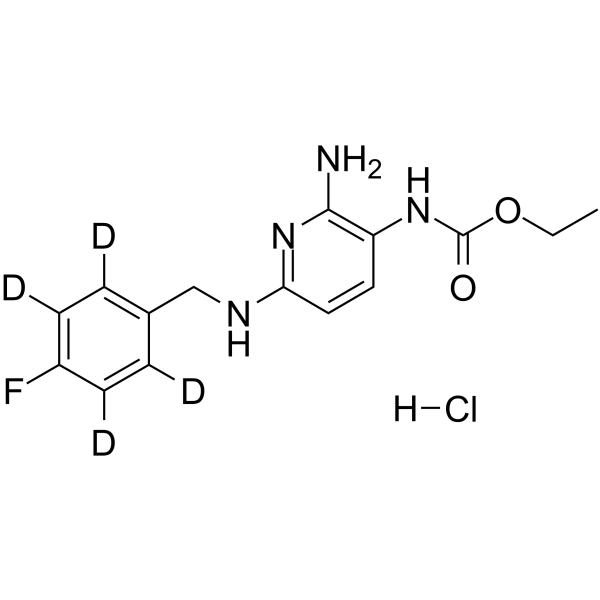
Flupirtine (Standard) (D 9998 (Standard)) is the analytical standard of Flupirtine (HY-17001A). This product is intended for research and analytical applications. Flupirtine is an orally active, blood-brain barrier-crossing non-opioid analgesic and neuroprotective agent. Flupirtine is a neuronal potassium channel opener (Kv7 activator), a NMDA receptor antagonist and a GABA receptor activator. Flupirtine stabilizes blood-brain-barrier integrity, reduces oxidative stress and brain leukocyte infiltration, enhances angioneurogenesis, suppresses calcium influx, stabilizes neuronal resting membrane potential, and counteracts focal cerebral ischemia. Flupirtine exhibits analgesic, muscle relaxant properties, protects neurons from excitotoxic, ischemic, or cytokine-mediated death. Flupirtine functions as a non-opioid analgesic without antipyretic or antiphlogistic properties, shows no relevant affinity to opiate receptor. Flupirtine can be used for the research of focal cerebral ischemia, pain, Alzheimer’s disease, or multiple sclerosis .
|
-

- HY-N7922
-
|
Decarboxyellagic acid
|
Influenza Virus
p38 MAPK
EGFR
Akt
Reactive Oxygen Species (ROS)
Apoptosis
|
Infection
Neurological Disease
|
|
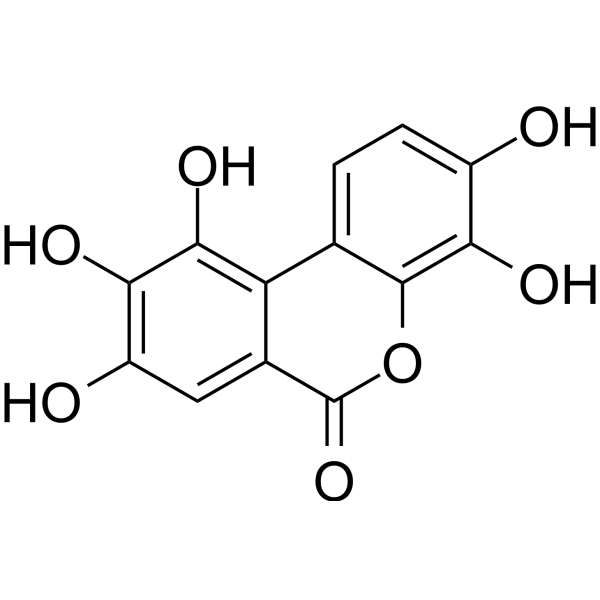
Urolithin M5 (Decarboxyellagic acid) is an orally active influenza virus neuraminidase inhibitor and neuroprotective agent, with IC50 values of 174.8 μM (HK68), 191.5 μM (pdm09), 243.2 μM (WSN) and 257.1 μM (PR8) against four influenza virus neuraminidases, respectively. Urolithin M5 inhibits viral neuraminidase activity, thereby blocking influenza virus replication (including oseltamivir (HY-13317)-resistant strains), protecting infected mammals from death and improving pulmonary edema. Urolithin M5 forms a hydrogen-bond stabilized complex with IGF1R, and binds to MAPK14, AKT1, NFKB1 and EGFR. Urolithin M5 reduces reactive oxygen species production, inhibits neuronal apoptosis, restores mitochondrial transmembrane potential, and promotes neurite outgrowth of damaged neuronal cells. Urolithin M5 can be used in research related to influenza virus infection and Alzheimer's disease .
|
-
| Cat. No. |
Product Name |
Target |
Research Area |
-
- HY-105343
-
BW-180C
1 Publications Verification
[D-Ala2, D-Leu5]-Enkephalin; DADLE
|
Opioid Receptor
|
Neurological Disease
|
|
BW-180C ([D-Ala2, D-Leu5]-Enkephalin; DADLE) is an δ opioid receptor (DOR) agonist, which belongs to the enkephalin family. Neuroprotective agent. BW-180C reversibly inhibits cellular transcription in neurons without causing cell injury .
|
-
- HY-P3223A
-
|
|
Opioid Receptor
|
Neurological Disease
|
|
Biphalin acetate, a BBB-penetrable opioid peptide analog, contains two active enkephalin pharmacophores.Biphalin acetate has high affinity for opioid receptors. Biphalin acetate shows analgesic effect in acute, neuropathic, and chronic animal pain models. Biphalin acetate is also an antiviral, antiproliferative, anti-inflammatory, and neuroprotective agent .
|
-
- HY-P5281
-
-
- HY-P3223
-
|
|
Opioid Receptor
|
Neurological Disease
|
|
Biphalin TFA, a BBB-penetrable opioid peptide analog, contains two active enkephalin pharmacophores. Biphalin TFA has high affinity for opioid receptors. Biphalin TFA shows analgesic effect in acute, neuropathic, and chronic animal pain models. Biphalin TFA is also an antiviral, antiproliferative, anti-inflammatory, and neuroprotective agent .
|
-
- HY-149941
-
|
|
Neurotensin Receptor
|
Neurological Disease
|
|
hNTS1R agonist-1 (Compound 10) is a BBB permeable hNTS1R full agonist (Ki: 6.9 nM) . hNTS1R agonist-1 increases motor function and memory in a mouse model of Parkinson's disease (PD). hNTS1R agonist-1 is a Neurotensin(8-13) analog and is a neuroprotective agent .
|
-
- HY-105343R
-
|
[D-Ala2, D-Leu5]-Enkephalin (Standard); DADLE (Standard)
|
Reference Standards
Opioid Receptor
|
Neurological Disease
|
|
BW-180C (Standard) is the analytical standard of BW-180C (HY-105343). This product is intended for research and analytical applications. BW-180C ([D-Ala2, D-Leu5]-Enkephalin; DADLE) is an δ opioid receptor (DOR) agonist, which belongs to the enkephalin family. Neuroprotective agent. BW-180C reversibly inhibits cellular transcription in neurons without causing cell injury .
|
| Cat. No. |
Product Name |
Category |
Target |
Chemical Structure |
-
- HY-B1028
-
-
-
- HY-N1501
-
-
-
- HY-N7922
-
|
Decarboxyellagic acid
|
Structural Classification
Canarium album (Lour.) Rauesch.
Phenols
Polyphenols
Plants
Burseraceae
Source Classification
|
Influenza Virus
p38 MAPK
EGFR
Akt
Reactive Oxygen Species (ROS)
Apoptosis
|
|
Urolithin M5 (Decarboxyellagic acid) is an orally active influenza virus neuraminidase inhibitor and neuroprotective agent, with IC50 values of 174.8 μM (HK68), 191.5 μM (pdm09), 243.2 μM (WSN) and 257.1 μM (PR8) against four influenza virus neuraminidases, respectively. Urolithin M5 inhibits viral neuraminidase activity, thereby blocking influenza virus replication (including oseltamivir (HY-13317)-resistant strains), protecting infected mammals from death and improving pulmonary edema. Urolithin M5 forms a hydrogen-bond stabilized complex with IGF1R, and binds to MAPK14, AKT1, NFKB1 and EGFR. Urolithin M5 reduces reactive oxygen species production, inhibits neuronal apoptosis, restores mitochondrial transmembrane potential, and promotes neurite outgrowth of damaged neuronal cells. Urolithin M5 can be used in research related to influenza virus infection and Alzheimer's disease .
|
-
-
- HY-N2195
-
-
-
- HY-W027446
-
-
-
- HY-N2181
-
|
|
Quinones
Classification of Application Fields
Phenols
Polyphenols
Plants
Lithospermum erythrorhizon Sieb. et Zucc.
Naphthalene Quinones
Boraginaceae
Inflammation/Immunology
Disease Research Fields
Source Classification
|
Cytochrome P450
Apoptosis
Bacterial
Autophagy
|
|
Acetylshikonin is an oral active anti-cancer, anti-inflammatory, antioxidant, anti-fertility, antibacterial, and neuroprotective agent. Acetylshikonin is a inhibitor of acetylcholinase (AChE) (IC50=34.6 μM) and nonselective cytochrome P450. Acetylshikonin can induce Apoptosis and Autophagy in cancer cells. Acetylshikonin regulates blood glucose, liver fat metabolism, and renal fibrosis, and is used in the study of diabetes, diabetic nephropathy (DN), obesity, and nonalcoholic fatty liver disease (NAFLD) .
|
-
-
- HY-121362
-
|
|
Structural Classification
other families
Classification of Application Fields
Ketones, Aldehydes, Acids
Plants
Inflammation/Immunology
Disease Research Fields
Source Classification
|
Bacterial
Endogenous Metabolite
TrxR
|
|
Evernic Acid is an orally active thioredoxin reductase 1 (TrxR1) inhibitor and antiproliferative agent. Evernic Acid inhibits the proliferation and migration of human breast cancer cells. Evernic Acid blocks the NF-κB pathway by inhibiting p65 nuclear translocation and IκBα phosphorylation, thereby suppressing downstream inflammatory mediators. Evernic Acid acts as an antioxidant, anti-inflammatory agent and neuroprotective agent, protects neurons from cell death, mitochondrial dysfunction and oxidative stress damage, reduces astrocyte activation, and ameliorates dopaminergic neuron loss and neuroinflammation. Evernic Acid inhibits enoyl reductases FabI and FabZ of Plasmodium falciparum. Evernic Acid downregulates the expression of lasB and rhlA genes in Pseudomonas aeruginosa, inhibits quorum sensing and biofilm formation, and exerts antibacterial activity against Gram-positive bacteria, Gram-negative bacteria and fungi. Evernic Acid is applicable to research related to breast cancer, Parkinson's disease, bacterial infections and fungal infections .
|
-
-
- HY-N1414
-
|
|
Structural Classification
Simple Phenylpropanols
Polygalaceae
Phenols
Polyphenols
Phenylpropanoids
Plants
Polygala tenuifolia Willd.
Source Classification
|
Trk Receptor
NF-κB
Amyloid-β
|
|
(E)-3',6-Disinapoylsucrose is an orally active, blood-brain barrier permeable neuroprotective agent that inhibits Aβ protein aggregation. (E)-3',6-Disinapoylsucrose exerts anxiolytic, anti-inflammatory and cognitive-enhancing effects. (E)-3',6-Disinapoylsucrose regulates the TrkB/BDNF signaling pathway, inhibits the expression of NF-κB p65, reduces pro-inflammatory cytokine levels, and alleviates neuronal damage. (E)-3',6-Disinapoylsucrose also enhances the functions of central 5-HT and noradrenergic systems, thereby improving spatial learning and memory abilities and reducing anxiety-like behaviors. (E)-3',6-Disinapoylsucrose can be used for the research of related diseases such as Alzheimer's disease, depression, memory impairment and anxiety disorder .
|
-
-
- HY-W130232
-
-
-
- HY-N1501R
-
-
-
- HY-N9587
-
-
-
- HY-N7990
-
-
-
- HY-N3260
-
-
-
- HY-125603
-
-
-
- HY-N2195R
-
-
-
- HY-B1028R
-
|
D-Pantethine (Standard); LBF disulfide (Standard)
|
Structural Classification
Natural Products
Endogenous metabolite
Source Classification
|
Reference Standards
Endogenous Metabolite
SARS-CoV
|
|
Pantethine (Standard) is the analytical standard of Pantethine. This product is intended for research and analytical applications. Pantethine is an orally active lipid-lowering agent. Pantethine has anti-tumor, anti-inflammatory and anti-SARS-COV virus activities. Pantethine is also a neuroprotective agent. Pantethine can be used in the study of Alzheimer's disease, Parkinson's disease, major depression, systemic sclerosis and pantothenate kinase-related neurodegeneration .
|
-
-
- HY-N12001
-
-
-
- HY-N11930
-
-
-
- HY-N11872
-
|
|
Paeonia lactiflora Pall.
Phenols
Polyphenols
Plants
Paeoniaceae
Source Classification
|
Others
|
|
Suffruticosol A is a neuroprotective agent that restores scopolamine-induced cellular neurodegenerative damage. Suffruticosol A ameliorates hippocampal cholinergic deficits and partially enhances BDNF signaling. Suffruticosol A has neuromodulatory effects in a Scopolamine (HY-N0296)-induced model, restoring memory and cognitive performance in mice. Suffruticosol A can be isolated from seeds of P. lactiflora .
|
-
-
- HY-W130232R
-
-
-
- HY-N12696
-
-
-
- HY-W027446R
-
|
|
Structural Classification
Ketones, Aldehydes, Acids
Endogenous metabolite
Source Classification
|
Reference Standards
Endogenous Metabolite
|
|
Pyridoxal hydrochloride (Standard) is the analytical standard of Pyridoxal hydrochloride. This product is intended for research and analytical applications. Pyridoxal hydrochloride, the hydrochloride form of Pyridoxal (HY-107469), is a newly developed neuroprotective agent. Pyridoxal hydrochloride is one of the major forms of vitamin B6. Pyridoxal hydrochloride is solvolyzed in methanol to form pyridoxal monomethylacetal. Pyridoxal is phosphorylated by pyridoxal kinase to Pyridoxal phosphate (HY-B1744). Pyridoxal is oxidized by the liver to 4-Pyridoxic acid (HY-113493) which is excreted in the urine. Pyridoxal hydrochloride is proming for research of carpal tunnel syndrome (CTS) .
|
-
-
- HY-N18155
-
|
(1(10)E,2α,4β,8α)-form,2-Meether
|
Structural Classification
Natural Products
Commiphora myrrha (Nees) Engl.
Plants
Burseraceae
Source Classification
|
Others
|
|
2-Hydroxy-6-oxo-1(10),7(11)-germacradien-12,8-olide ((1(10)E,2α,4β,8α)-form,2-Meether) is a furanosesquiterpenoid neuroprotective agent that exhibits neuroprotective effect against MPP +-induced neuronal cell death. 2-Hydroxy-6-oxo-1(10),7(11)-germacradien-12,8-olide can be used for the research of parkinson's disease .
|
-
-
- HY-N7773
-
|
|
Malvaceae
Structural Classification
Flavonols
Flavonoids
Hibiscus sabdariffa Linn.
Plants
Source Classification
|
TNF Receptor
Interleukin Related
Caspase
SOD
|
|
Hibiscetin is an orally active anti-inflammatory, antioxidant, antihyperglycemic, hypolipidemic, hepatoprotective and neuroprotective agent. Hibiscetin reduces the levels of TNF-α, IL-1β and IL-6. Hibiscetin inhibits lipid peroxidation, reduces MDA levels, and induces the activities of antioxidant enzymes CAT, GSH and SOD. Hibiscetin lowers blood glucose, reverses reduced insulin levels, regulates adipokine levels, and reduces elevated AST and ALT levels. Hibiscetin alleviates Rotenone (HY-B1756)-induced akinesia and catalepsy, normalizes neurotransmitter levels, and modulates the activities of activated caspase 3 and BDNF. Hibiscetin can be used in the research of type 2 diabetes, Parkinson's disease and Huntington's disease .
|
-
| Cat. No. |
Product Name |
Chemical Structure |
-
- HY-B0233S1
-
|
|
|
Isradipine-d6 is the deuterium labeled Isradipine . Isradipine (PN 200-110) is an orally active L-type calcium channel blocker. Isradipine, as a powerful peripheral vasodilator, is a dihydropyridine calcium antagonist with selective actions on the heart as well as the peripheral circulation. Isradipine is a potentially viable neuroprotective agent for Parkinson's disease .
|
-
-
- HY-B0233S2
-
|
|
|
Isradipine-d7 is deuterated labeled Isradipine (HY-B0233). Isradipine (PN 200-110) is an orally active L-type calcium channel blocker. Isradipine, as a powerful peripheral vasodilator, is a dihydropyridine calcium antagonist with selective actions on the heart as well as the peripheral circulation. Isradipine is a potentially viable neuroprotective agent for Parkinson's disease .
|
-
-
- HY-B0233S
-
|
|
|
Isradipine-d3 (PN 200-110-d3) is the deuterium labeled Isradipine. Isradipine (PN 200-110) is an orally active L-type calcium channel blocker. Isradipine, as a powerful peripheral vasodilator, is a dihydropyridine calcium antagonist with selective actions on the heart as well as the peripheral circulation. Isradipine is a potentially viable neuroprotective agent for Parkinson's disease .
|
-
-
- HY-B1028S
-
|
|
|
Pantethine- 15N2 is the 15N2 labeled Pantethine. Pantethine is an orally active lipid-lowering agent. Pantethine has anti-tumor, anti-inflammatory and anti-SARS-COV virus activities. Pantethine is also a neuroprotective agent. Pantethine can be used in the study of Alzheimer's disease, Parkinson's disease, major depression, systemic sclerosis and pantothenate kinase-related neurodegeneration .
|
-
-
- HY-W709349S
-
|
|
|
Flupirtine-d6 (D 9998-d6) hydrochloride is the deuterium labeled Flupirtine hydrochloride (HY-W709349). Flupirtine hydrochloride is an orally active, blood-brain barrier-crossing non-opioid analgesic and neuroprotective agent. Flupirtine hydrochloride is a neuronal potassium channel opener (Kv7 activator), a NMDA receptor antagonist and a GABA receptor activator. Flupirtine hydrochloride stabilizes blood-brain-barrier integrity, reduces oxidative stress and brain leukocyte infiltration, enhances angioneurogenesis, suppresses calcium influx, stabilizes neuronal resting membrane potential, and counteracts focal cerebral ischemia. Flupirtine hydrochloride exhibits analgesic, muscle relaxant properties, protects neurons from excitotoxic, ischemic, or cytokine-mediated death. Flupirtine hydrochloride functions as a non-opioid analgesic without antipyretic or antiphlogistic properties, shows no relevant affinity to opiate receptor. Flupirtine hydrochloride can be used for the research of focal cerebral ischemia, pain, Alzheimer’s disease, or multiple sclerosis .
|
-
| Cat. No. |
Product Name |
|
Classification |
-
- HY-181268
-
|
|
|
Alkynes
|
|
MAO-B-IN-53 is a human monoamine oxidase B (hMAO-B) inhibitor with an IC50 of 0.066 μM. MAO-B-IN-53 exhibits mixed reversible inhibition, binds stably to the hMAO-B active site, and shows high selectivity over hMAO-A. MAO-B-IN-53 acts as a neuroprotective agent, protects against 6-OHDA-induced damage, and exhibits low neurotoxicity in neuroblastoma cells. MAO-B-IN-53 can be used for the research of Parkinson's disease .
|
Your information is safe with us. * Required Fields.
Inquiry Information
- Product Name:
- Cat. No.:
- Quantity:
- MCE Japan Authorized Agent:





![5-Hydroxy-2-[2-(2-hydroxyphenyl)ethyl]chromone](http://file.medchemexpress.com/product_pic/hy-n11930.gif)





