
1. Search Result
Search Result
Results for "

Arabidopsis

" in MedChemExpress (MCE) Product Catalog:

142

Inhibitors & Agonists

5

Fluorescent Dyes

8

Biochemical Assay Reagents

9

Peptides

53

Natural
Products

3

Recombinant Proteins

6

Isotope-Labeled Compounds

1

Click Chemistry

Cat. No. Product Name Target Research Areas Chemical Structure
  • HY-W008566

    Norharman; β-Carboline

    Monoamine Oxidase Endogenous Metabolite Infection Neurological Disease Cancer
    Norharmane (Norharman), a β-carboline alkaloid, is a potent and reversible monoamine oxidase inhibitor, with IC50 values of 6.5 and 4.7 μM for MAO-A and MAO-B, respectively. Norharmane causes antidepressant responses. Norharmane is also a prospective anti-cancer photosensitizer. Norharmane alters polar auxin transport (PAT) by inhibiting PIN2, PIN3 and PIN7 transport proteins, thus causing a significant inhibitory effect on the growth of Arabidopsis thaliana seedlings .
    Norharmane
  • HY-D0155
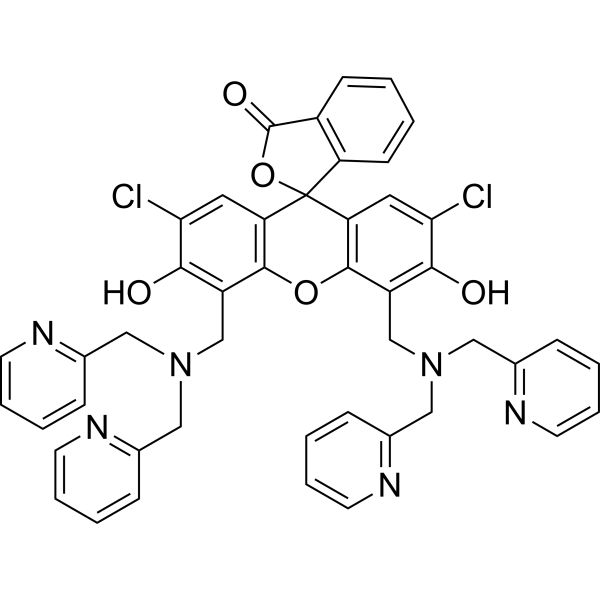
    Zinpyr-1
    4 Publications Verification

    Fluorescent Dye Others
    Zinpyr-1 is a zinc-responsive fluorescent indicator and a membrane-permeable metal-binding probe. Zinpyr-1 forms a complex with Mn 2+ ions and generates a fluorescence turn-on signal. Zinpyr-1 binds to free zinc ions in serum, enabling quantitative detection of free zinc concentration. Zinpyr-1 produces fluorescence signals reflecting the relative zinc concentration in plant root cells, localizes to specific layers of plant root cells, and can be used to support analyses related to plant zinc transporter mutations and homeostasis .
    Zinpyr-1
  • HY-131683
    ES9-17
    1 Publications Verification

    Dynamin Clathrin Others
    ES9-17 is an analog of ES9 (endosidin9), which is an inhibitor of clathrin heavy chain (CHC). ES9-17 is an inhibitor of clathrin-mediated endocytosis (CME), a major route for internalization of plasma membrane proteins and molecules from the extracellular environment in plants. ES9-17 inhibits the uptake of transferrin and FM4-64. ES9-17 also inhibits root growth of Arabidopsis seedings .
    ES9-17
  • HY-136409

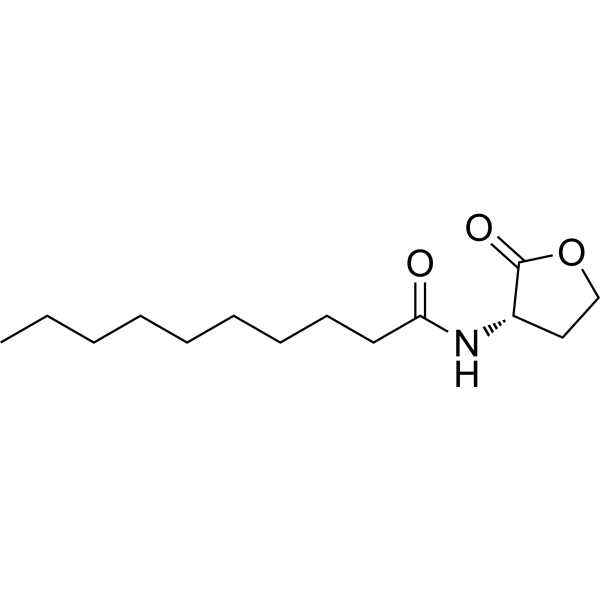
    C10-HSL

    Bacterial Reactive Oxygen Species (ROS) Infection
    N-decanoyl-L-homoserine lactone (C10-HSL) is a N-acyl-homoserine lactone (AHL) N-decanoyl-L-homoserine lactone can inhibit primary root growth in Arabidopsis. N-decanoyl-L-homoserine lactone triggers a transient and immediate increase in the concentrations of cytosolic free Ca 2+ and reactive oxygen species (ROS), increases the activity of mitogen-activated protein kinase 6 (MPK6), and induces nitric oxide (NO) production in Arabidopsis roots .
    N-Decanoyl-L-homoserine lactone
  • HY-141519

    Parasite Infection
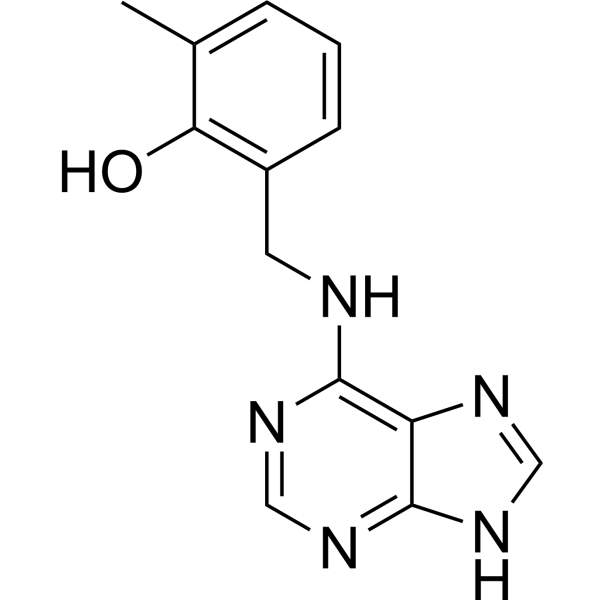
    PI-55 is a specific cytokinin receptor inhibitor. PI-55 is structurally related to 6-benzylaminopurine (BAP) and was shown to inhibit competitively BAP binding on Arabidopsis-specific receptors CRE1/AHK4 and AHK3. PI-55 inhibits cytokinins induced haustorium formation and increased parasite aggressiveness .
    PI-55
  • HY-117660
    Lincomycin
    5 Publications Verification

    U-10149

    Antibiotic Bacterial DNA/RNA Synthesis Infection Metabolic Disease
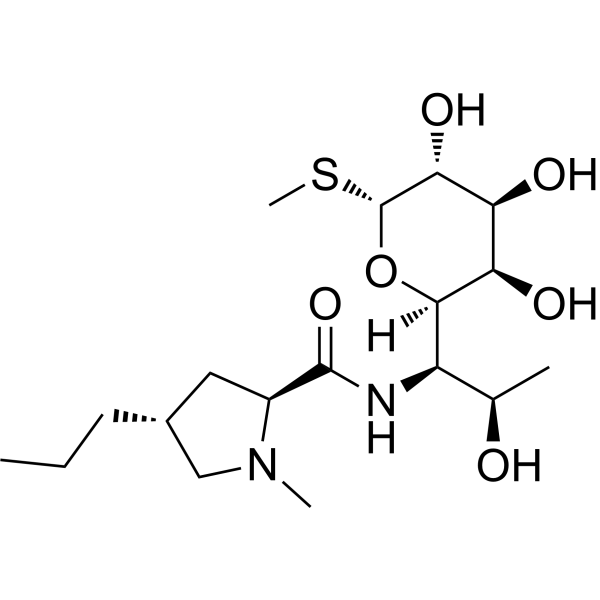
    Lincomycin (U-10149) is an orally active lincosamide antibiotic. Lincomycin binds to the ribosomes of Gram-positive bacteria to inhibit protein synthesis. Lincomycin can inhibit chloroplast translation, disrupt chloroplast integrity, and activate chloroplast-to-nucleus retrograde signaling in Arabidopsis thaliana seedlings. Lincomycin induces alterations in lipid profiles and liver injury, disrupts blood glucose and insulin levels, and increases growth rate in mice .
    Lincomycin
  • HY-N9599

    Fungal Endogenous Metabolite Parasite Insecticide Infection
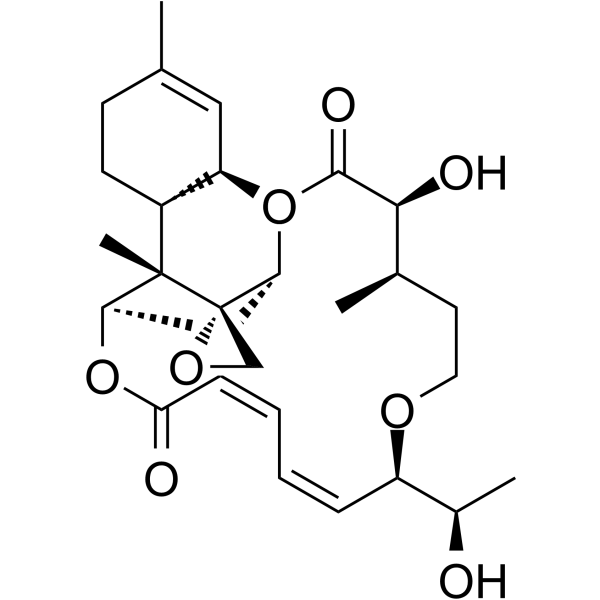
    Roridin A acts as an inhibitor of pollen development in Arabidopsis thaliana and nematicide. Roridin A is isolated from the fungus Cylindrocarpon sp. Roridin A delays the flowering time of Arabidopsis thaliana, inhibits pollen development and stem elongation, and blocks plant growth. Roridin A induces larval death of the southern root-knot nematode (Meloidogyne incognita) .
    Roridin A
  • HY-W041301

    Drug Isomer Inflammation/Immunology
    (±)-Dihydroactinidiolide is the dextrorotatory form of Dihydroactinidiolide (HY-107805). (±)-Dihydroactinidiolide has a strong, pleasant musky, tea-like and tobacco-like aroma and is mainly found in black tea, tobacco and fruits. (±)-Dihydroactinidiolide has antioxidant activity and can be derived from β-carotene.or light adaptation in Arabidopsis .
    (±)-Dihydroactinidiolide
  • HY-N6784

    ATP Synthase Bacterial Apoptosis Antibiotic Infection Neurological Disease
    Oligomycin B is an antibiotic that acts as a non-selective inhibitor of ATP Synthase. Oligomycin B increases mitochondrial membrane potential. Oligomycin B induces apoptosis and necrosis. Oligomycin B impairs the motility of Plasmopara viticola zoospores and induces their lysis. Oligomycin B inhibits Magnaporthe oryzae (wheat blast fungus) and suppresses the development of wheat blast. Oligomycin B reduces hyphal growth and spore germination of Botrytis cinerea, and protects Arabidopsis thaliana against Botrytis cinerea infection. Oligomycin B exacerbates cytotoxic brain edema in rats with cerebral cortical contusion, increases intracranial pressure and brain water content, and aggravates mitochondrial damage in these rats. Oligomycin B is used in studies related to grape downy mildew, traumatic brain injury, wheat blast, and gray mold .
    Oligomycin B
  • HY-142006A

    (±)-JA-L-Ile

    Phytohormone Others
    (±)-Jasmonic-L-isoleucine ((±)-JA-L-Ile) is a mixture of (±)-Jasmonic acid (HY-122464) and isoleucine isomers. (±)-Jasmonic-L-isoleucine is a phytohormone that participates in the jasmonic acid signaling pathway. (±)-Jasmonic-L-isoleucine regulates biological processes in plants, including defense responses, growth and development, and stress tolerance .
    (±)-Jasmonic-L-isoleucine
  • HY-W187279

    Phytohormone Others
    Karrikin 2 is a seed germination stimulant identified in smoke produced by plant combustion. Karrikins induce seed germination in Arabidopsis thaliana, lettuce, E. penduliflora and S. orbiculatum. Karrikin 2 upregulates the expression of gibberellin (GA) biosynthesis genes GA3ox1, GA3ox2 and the gibberellin GA4-responsive gene CP1 in Arabidopsis thaliana seeds .
    Karrikin 2
  • HY-136403

    Phytohormone Others
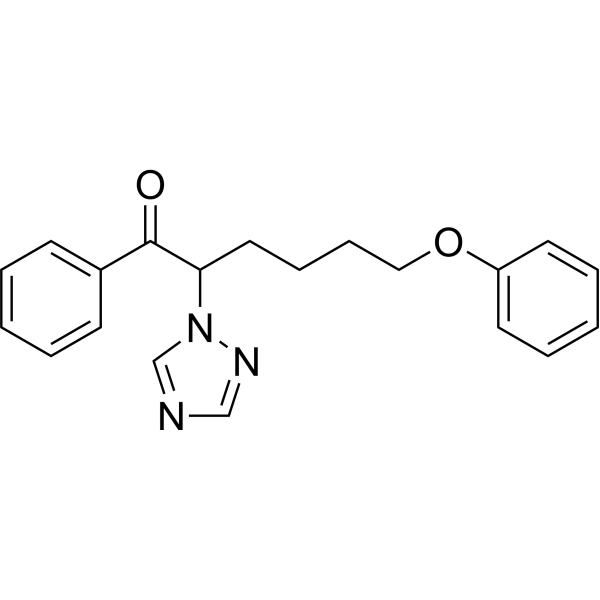
    TIS108 is a triazole-type strigolactone biosynthesis inhibitor. TIS108 inhibits Arabidopsis embryogenesis and root hair growth, and promotes shoot branching. TIS108 can also increase the gibberellin content in Gastrodia elata. TIS108 can be used in the research of plant growth and development as well as plant responses to the environment .
    TIS108
  • HY-118563

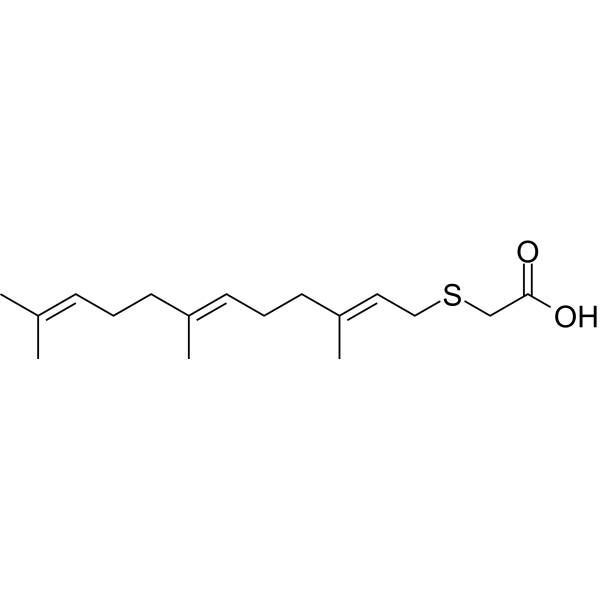
    ICMT Apoptosis Ras Cancer
    Farnesylthioacetic acid is a competitive, non-substrate inhibitor of Prenylcysteine α-carboxyl methyltransferase. It acts as a non-substrate competitive inhibitor of Arabidopsis thaliana Prenylcysteine α-carboxyl methyltransferase and blocks methyltransferase activity. Farnesylthioacetic acid does not inhibit protein farnesyltransferase activity in Arabidopsis. It induces Apoptosis. Farnesylthioacetic acid regulates the subcellular localization of Ras protein, reducing the proportion of cytoplasmic Ras protein without disrupting membrane binding. It enhances ABA-induced seed dormancy, delays seed germination, and promotes maximum stomatal closure at lower exogenous ABA concentrations. Farnesylthioacetic acid can be used in studies related to promyelocytic leukemia .
    Farnesylthioacetic acid
  • HY-N10455
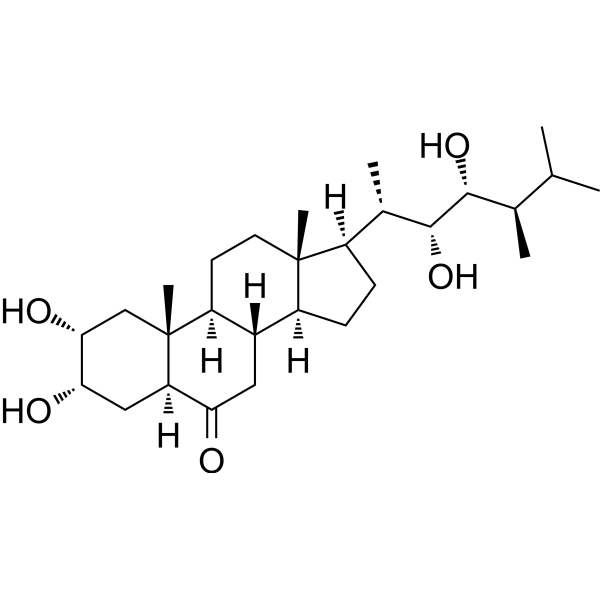
    24-Epicastasterone
    2 Publications Verification

    24-epi-Castasterone

    Drug Derivative Others
    24-Epicastasterone (24-epi-Castasterone) is a bioactive brassinosteroid and a ligand of ABCB1 and ABCB19 in Arabidopsis thaliana. 24-Epicastasterone stimulates the ATPase activity of ABCB19 and the ATP hydrolysis activity of ABCB1, which drive the efflux of substances from plant cells. 24-Epicastasterone increases the activities of catalase and guaiacol peroxidase in the roots of wheat seedlings. 24-Epicastasterone alleviates heat-induced lipid peroxidation through a ROS-dependent mechanism and enhances the heat tolerance of common wheat seedlings .
    24-Epicastasterone
  • HY-137551

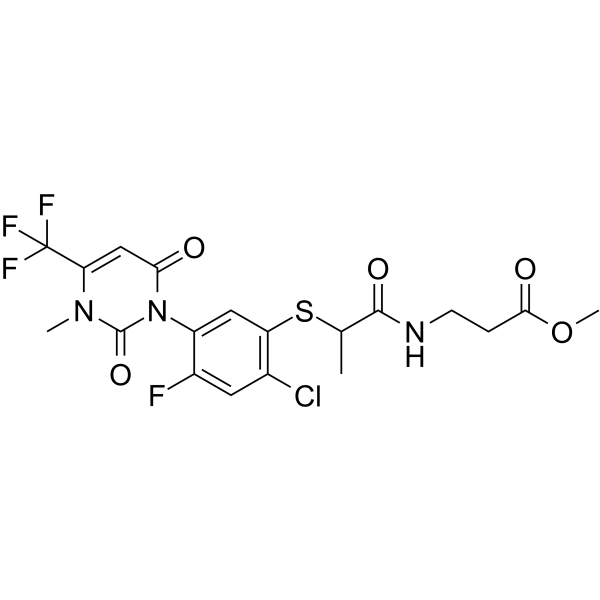
    Environmental Pollutants Protoporphyrinogen IX oxidase Herbicide Others
    Tiafenacil is a new protoporphyrinogen IX oxidase (PPO)-inhibiting herbicide, with IC50 values of 22 to 28 nM for various plant species, including amaranth (Amaranthus tuberculatus), soybean (Glycine max), arabidopsis (Arabidopsis thaliana), and rapeseed (Brassica napus) .
    Tiafenacil
  • HY-125954

    UDP-α-D-glucuronic acid

    Endogenous Metabolite Metabolic Disease
    Uridine diphosphate glucuronic acid (UDP-α-D-glucuronic acid) is a glucuronic acid donor. Uridine diphosphate glucuronic acid transfers its glucuronic acid moiety to acceptor molecules, thereby forming "ether" glucuronides, while being converted into uridine 5'-pyrophosphate. Uridine diphosphate glucuronic acid serves as a substrate for Arabidopsis UDP-GlcA 4-epimerase 1, and undergoes reversible 4-epimerization to generate UDP-α-D-galacturonic acid .
    Uridine diphosphate glucuronic acid
  • HY-107805

    Cholinesterase (ChE) Bacterial Infection Neurological Disease Cancer
    Dihydroactinidiolide, existing in plant leaves and fruits, is a potent plant growth inhibitor, a regulator of gene expression and is responsible for photo acclimation in Arabidopsis. Dihydroactinidiolide has antioxidant activity, antibacterial activity, anticancer activity and neuroprotective effect . Dihydroactinidiolide is also an inhibitor of AChE (IC50=34.03 nM) and has scavenging activities for DPPH and (.NO). Dihydroactinidiolide is present in plant leaves and fruits and is a potent plant growth inhibitor, regulator of gene expression, and responsible for light adaptation in Arabidopsis.
    Dihydroactinidiolide
  • HY-N8393

    Bacterial Fungal Infection
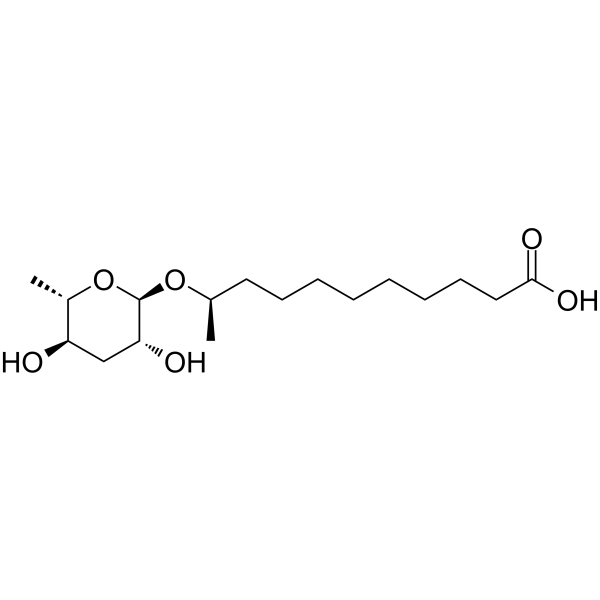
    Ascr#18, an ascaroside, is a hormone of nematodes. Ascr#18 is expressed during nematode development. Ascr#18 increases resistance in Arabidopsis, tomato, potato and barley to viral, bacterial, oomycete, fungal and nematode infections .
    Ascr#18
  • HY-115521
    Jarin-1
    5 Publications Verification

    Phytohormone Others
    Jarin-1 is a jasmonic acid-amido synthetase (JAR1) inhibitor with an IC50 of 3.8 μM. Jarin-1 specific inhibits bioactive JA (jasmonoyl-isoleucine, JA-Ile) biosynthesis in Arabidopsis and other plants .
    Jarin-1
  • HY-B0417A
    Lincomycin hydrochloride
    5 Publications Verification

    U10149A

    DNA/RNA Synthesis Antibiotic Bacterial Infection Metabolic Disease
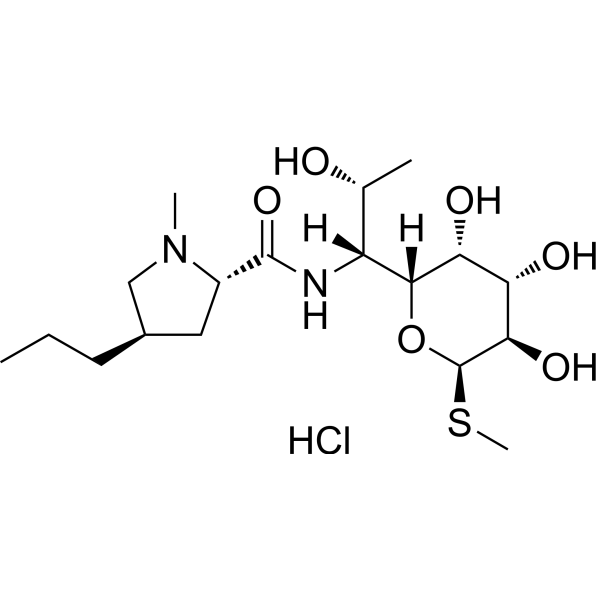
    Lincomycin hydrochloride (U10149A) is an orally active lincosamide antibiotic. Lincomycin hydrochloride binds to the ribosomes of Gram-positive bacteria to inhibit protein synthesis. Lincomycin hydrochloride can inhibit chloroplast translation, disrupt chloroplast integrity, and activate chloroplast-to-nucleus retrograde signaling in Arabidopsis thaliana seedlings. Lincomycin hydrochloride induces alterations in lipid profiles and liver injury, disrupts blood glucose and insulin levels, and increases growth rate in mice .
    Lincomycin hydrochloride
  • HY-B1358
    Lincomycin hydrochloride monohydrate
    5 Publications Verification

    U-10149 hydrochloride monohydrate

    DNA/RNA Synthesis Antibiotic Bacterial Infection Metabolic Disease
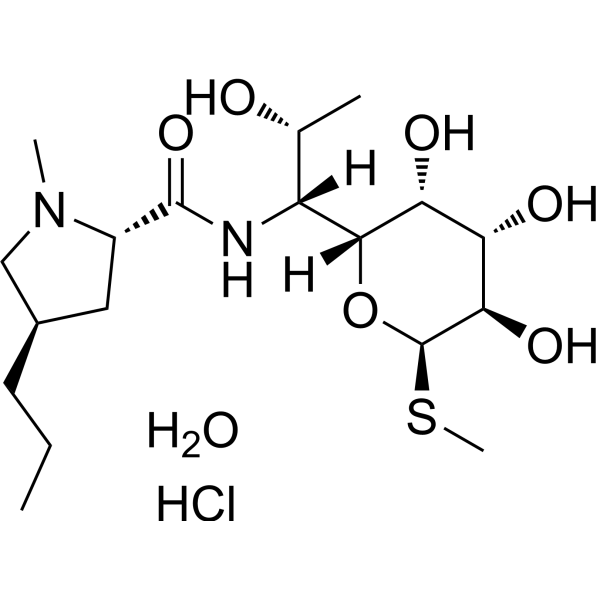
    Lincomycin (U-10149) hydrochloride monohydrate is an orally active lincosamide antibiotic. Lincomycin hydrochloride monohydrate binds to the ribosomes of Gram-positive bacteria to inhibit protein synthesis. Lincomycin hydrochloride monohydrate can inhibit chloroplast translation, disrupt chloroplast integrity, and activate chloroplast-to-nucleus retrograde signaling in Arabidopsis thaliana seedlings. Lincomycin hydrochloride monohydrate induces alterations in lipid profiles and liver injury, disrupts blood glucose and insulin levels, and increases growth rate in mice .
    Lincomycin hydrochloride monohydrate
  • HY-120161

    3'-Hexylsulfanylabscisic acid

    ABA Receptor Phosphatase Others
    AS6 (3'-Hexylsulfanylabscisic acid) is a PYL antagonist with a Kd value of 0.48 μM for Arabidopsis PYL5. AS6 binds to PYL proteins, and its S-hexyl chain blocks PP2C binding via steric hindrance. AS6 alleviates the inhibitory effect of ABA on seed germination in Arabidopsis and lettuce .
    AS6
  • HY-151931

    Jasmonyl-ACC

    Phytohormone Metabolic Disease
    JA-ACC (Jasmonyl-ACC) is a derivative of 1-aminocyclopropane-1-carboxylic acid (ACC). ACC is the direct precursor of the plant hormone ethylene. JA-ACC inhibits root growth in Arabidopsis and the inhibition is independent of jasmonic acid (JA) signaling .
    JA-ACC
  • HY-P10396

    Bacterial Infection Inflammation/Immunology
    Elf18 is a peptide fragment of bacterial translation elongation factor Tu (EF-Tu). Elf18 can be recognized by plant pattern recognition receptors, thereby inducing an immune response. Elf18 can enhance plants' resistance to pathogens and can be used in research related to plant immune responses .
    Elf18
  • HY-W045071

    Bacterial Infection
    N-Hexanoyl-DL-homoserine lactone is a bacterial quorum sensing molecule produced in the rhizosphere. N-Hexanoyl-DL-homoserine lactone, a bacterial quorum sensing signal, induces transcriptional changes in Arabidopsis and may contribute to tuning plant growth to the microbial composition of the rhizosphere .
    N-Hexanoyl-DL-homoserine lactone
  • HY-111957

    HPPD Others
    Fenquinotrione is a 4-hydroxyphenylpyruvate dioxygenase (HPPD) inhibitor with IC50s of 27.2 and 44.7nM against rice and Arabidopsis thaliana HPPD, respectively. Fenquinotrione is an herbicide that can control a wide range of broadleaf and sedge weeds with excellent rice selectivity .
    Fenquinotrione
  • HY-N0341

    Sirtuin Metabolic Disease
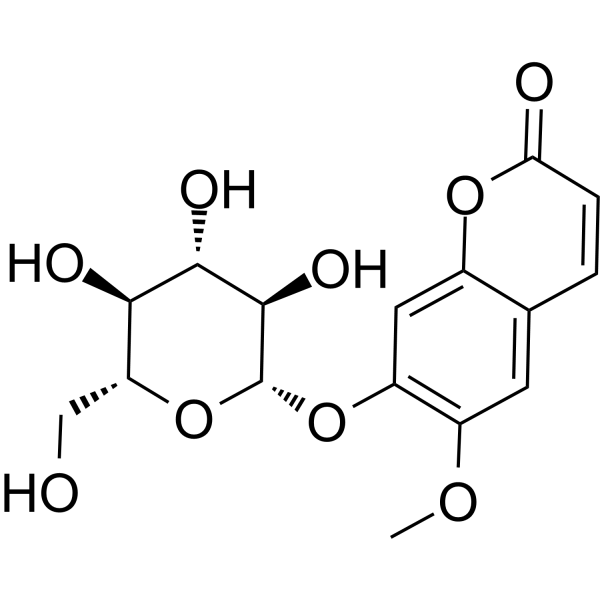
    Scopolin is a coumarin isolated from Arabidopsis thaliana (Arabidopsis) roots . Scopolin attenuated hepatic steatosis through activation of SIRT1-mediated signaling cascades .
    Scopolin
  • HY-B1918

    Interleukin Related Others
    (+)-Bornyl acetate is found in pichtae essential oil (Siberian fir needle oil). (+)-Bornyl acetate has a stronger inhibitory effect on root growth of Arabidopsis seedlings .
    (+)-Bornyl acetate
  • HY-161308

    HPPD Others
    HPPD-IN-3 (compound 25) is a potent inhibitor of 4-Hydroxyphenylpyruvate dioxygenase (HPPD), with IC50 of 10 nM, more potency than Mesotrione (HY-12853) .
    HPPD-IN-3
  • HY-125954A

    UDP-α-D-glucuronic acid ammonium

    Endogenous Metabolite Metabolic Disease
    Uridine diphosphate glucuronic acid ammonium (UDP-α-D-glucuronic acid ammonium) is a glucuronic acid donor. Uridine diphosphate glucuronic acid ammonium transfers its glucuronic acid moiety to acceptor molecules, thereby forming "ether" glucuronides, while being converted into uridine 5'-pyrophosphate. Uridine diphosphate glucuronic acid ammonium serves as a substrate for Arabidopsis UDP-GlcA 4-epimerase 1, and undergoes reversible 4-epimerization to generate UDP-α-D-galacturonic acid .
    Uridine diphosphate glucuronic acid ammonium
  • HY-N7257

    Others Others
    Glucosinalbate is a natural product that can be isolated from Arabidopsis thaliana .
    Glucosinalbate
  • HY-122159

    FAAH Metabolic Disease
    MDPD is an Arabidopsis FAAH (AtFAAH) activator that can enhance the enzymatic activity of AtFAAH .
    MDPD
  • HY-W001940

    Amino Acid Derivatives Bacterial Infection Cardiovascular Disease
    DL-m-Tyrosine is a non-protein amino acid. DL-m-Tyrosine inhibits microbial growth and spore formation. DL-m-Tyrosine also inhibits root growth in various plants, such as lettuce and Arabidopsis. DL-m-Tyrosine, when used in combination with Carbidopa (HY-B0311), has a potent antihypertensive effect. DL-m-Tyrosine can be used in research on biopesticide design .
    DL-m-Tyrosine
  • HY-D2315

    Fluorescent Dye Cancer
    Probe-Cys is a water-soluble and selective near-infrared fluorescent probe for Cysteine (Cys) (λex= 680 nm, λem=710 nm) that is not interfered by Hcy, GSH, and HS-. Probe-Cys can react with the stimulant DTT (HY-15917) and the NEM (HY-D0843) in HepG2 cells and zebrafish for the detection of endogenous Cys. Probe-Cys can also be used for imaging Cys in Arabidopsis thaliana. Probe-Cys provides a method for cancer diagnosis and exploration of plant sulfur metabolism .
    Probe-Cys
  • HY-151224

    DNA/RNA Synthesis Others
    Thermospermine, a structural isomer of Spermine, is synthesized by a thermospermine synthase designated ACAULIS5 (ACL5). Thermospermine suppresses auxin-inducible xylem differentiation in Arabidopsis thaliana .
    Thermospermine
  • HY-W087988

    Bacterial Sex Pheromone Phytohormone Infection Inflammation/Immunology
    3-Pentanol is an active organic compound produced by plants and is a component of insect-released pheromones. 3-Pentanol can trigger plant immunity against microbial pathogens and pests in crops by activating the SA and JA signaling pathways.
    3-Pentanol
  • HY-174423

    NC-656

    Herbicide Others
    Iptriazopyrid (NC-656) is an azole carboxamide herbicide targeting 4-hydroxyphenylpyruvate dioxygenase (HPPD) with a Ki value of 24.3 nM for Arabidopsis HPPD and 33.3 nM for rice HPPD. Iptriazopyrid blocks plastoquinone and carotenoid synthesis, leading to weed chlorosis and death. Iptriazopyrid is promising for research of controlling weeds such as Echinochloa crus-galli in paddy fields .
    Iptriazopyrid
  • HY-127157

    Herbicide Others
    Aspterric acid is a carotane compound, which is initially isolated from Aspergillus terreus. Aspterric acid is an inhibitor for pollen development in Arabidopsis thaliana .
    Aspterric acid
  • HY-162467

    Proton Pump Others
    Opabactin is an agonist for abscisic acid (ABA) receptor, which regulates the water use of plants by mimicking the effects of ABA with an IC50 of 7 nM. Opabactin inhibits the seed germination of Arabidopsis with an IC50 of 62 nM. Opabactin induces anti-transpiration response in plant tissue, and improves crop drought tolerance .
    Opabactin
  • HY-155135

    HPPD Others
    HPPD-IN-1 (compound II-3) is a HPPD inhibitor. HPPD-IN-1 shows inhibitory activity of Arabidopsis thaliana HPPD (AtHPPD) with an IC50 value of 0.248 μM, which was superior to that of mesotrione (HY-12853) (0.283 μM) in vitro. HPPD-IN-1 shows excellent herbicidal activity against broadleaf and monocotyledonous weeds .
    HPPD-IN-1
  • HY-119898

    Fungal Infection
    Alloocimene is a diterpenoid that activates defense genes and induces resistance to Botrytis cinerea in Arabidopsis thaliana .
    Alloocimene
  • HY-149711

    ICMT Metabolic Disease
    Farnesylcysteine (FC) is a competitive inhibitor of ICMT. The fcly mutant has quantitatively low farnesylcysteine (FC) lyase activity and an enhanced response to ABA. Farnesylcysteine induces an ABA hypersensitive phenotype in Arabidopsis thaliana .
    Farnesylcysteine
  • HY-P10400

    Phytohormone Inflammation/Immunology
    AtPep1 is a plant elicitor peptide. AtPep1 activates transcription of the defensive gene defensin (PDF1.2) and activates the synthesis of H2O2, which are components of the innate immune response against pathogens. AtPep1 can be isolated from extracts of Arabidopsis leaves .
    AtPep1
  • HY-121161C

    Phytohormone Metabolic Disease
    Brassinazole (0.5, 1, 5 μM) causes markedly deformed seedlings, whose morphology is similar to that of BR-deficient mutants. Brassinazole causes cress dwarfism, altering leaf morphology such as the typical downward curl and dark green appearance of Arabidopsis BR-deficient mutants. However, administration of 10 nM BR reversed dwarfism .
    (2R,3S)-Brassinazole
  • HY-P2996A

    Drug Isomer Others
    Nitrate Reductase, Arabidopsis thaliana is the isomer of NAD(P)H-Nitrate reductase (HY-P2996). NAD(P)H-Nitrate reductase is isolated from Aspergillus niger that catalyses the reduction of nitrate to nitrite via a two-electron transfer. In plants,the electron donor for Nitrate reductase is NADPH is NADH:Nitrate reductase and a bispecific NAD(P)H: Nitrate reductase .
    Nitrate Reductase, Arabidopsis thaliana
  • HY-170795

    HPPD Herbicide Others
    AtHPPD-IN-1 (Compound III-15) is an HPPD inhibitor and herbicide with high safety for peanuts. AtHPPD-IN-1 has IC50 of 12 nM for Arabidopsis thaliana HPPD .
    AtHPPD-IN-1
  • HY-N1450

    Phospholipase Cancer
    Aristolochic acid C is a derivative of Aristolochic acid. Aristolochic acid is a phospholipase A2 (PLA2) inhibitor, which disrupts cortical microtubule arrays and root growth in Arabidopsis .
    Aristolochic acid C
  • HY-179006

    HPPD Herbicide Others
    HPPD-IN-7 (Compound 35) is an Arabidopsis thaliana HPPD inhibitor (IC50 of 89 nM) and herbicide. HPPD-IN-7 exhibits herbicidal activity against Digitaria sanguinalis, Amaranthus retroflexus, Chenopodium serotinum, Abutilon theophrasti, Setaria viridis .
    HPPD-IN-7
  • HY-168432

    Phytohormone Others
    KK181N1 is a potent inhibitor of karrikin (KAR) receptor KAI2. KK181N1 binds to the catalytic pockets of KAI2 in a non-covalent binding manner. KK181N1 selectively depress the KAR-induced phenotypes in Arabidopsis .
    KK181N1
  • HY-178026

    HPPD Protoporphyrinogen IX oxidase Others
    HPPD/PPO-IN-1 (Compound B14) is dual-functional inhibitor of HPPD and PPO with IC50s of 0.12  μM and 0.51 μM for Arabidopsis thaliana HPPD and Nicotiana tabacum PPO, respectively. HPPD/PPO-IN-1 has broad-spectrum herbicidal activity against weeds with a crop safety to peanuts and cotton. HPPD/PPO-IN-1 can be used for the development of environmentally friendly herbicides .
    HPPD/PPO-IN-1

Inquiry Online

Your information is safe with us. * Required Fields.

Salutation


Country or Region *

Applicant Name *


Organization Name *

Department *


Email Address *


Product Name *

Cat. No.


Requested quantity *

Phone Number *


Remarks

Inquiry Online

Inquiry Information

Product Name:
Cat. No.:
Quantity:
MCE Japan Authorized Agent:

