

1. Search Result
Search Result
Results for "

hepatic lipid

" in MedChemExpress (MCE) Product Catalog:

104

Inhibitors & Agonists

2

Fluorescent Dyes

1

Biochemical Assay Reagents

12

Peptides

37

Natural
Products

7

Isotope-Labeled Compounds

2

Oligonucleotides

Cat. No. Product Name Target Research Areas Chemical Structure
  • HY-114118
    Semaglutide
    Maximum Cited Publications
    35 Publications Verification

    GLP Receptor Insulin Receptor α-synuclein Apoptosis p38 MAPK Autophagy Bcl-2 Family Neurological Disease Metabolic Disease Cancer
    Semaglutide is a long-acting, selective, competitive GLP-1R agonist that can penetrate the blood-brain barrier. After activating GLP-1R, Semaglutide promotes insulin secretion, inhibits gastric emptying and appetite, and at the same time enhances autophagy, inhibits oxidative stress and apoptosis. Semaglutide also regulates mitochondrial function and lipid metabolism (such as reducing de novo lipogenesis in the liver). Semaglutide has activities such as lowering blood sugar, reducing weight, neuroprotection (such as improving motor function in Parkinson's disease models, reducing α-synuclein aggregation) and improving hepatic steatosis. Semaglutide can be used for the study of neurodegenerative diseases and liver diseases such as type 2 diabetes, obesity, Parkinson's disease, metabolic associated fatty liver disease (MASLD), and cancer .
    Semaglutide
  • HY-13771
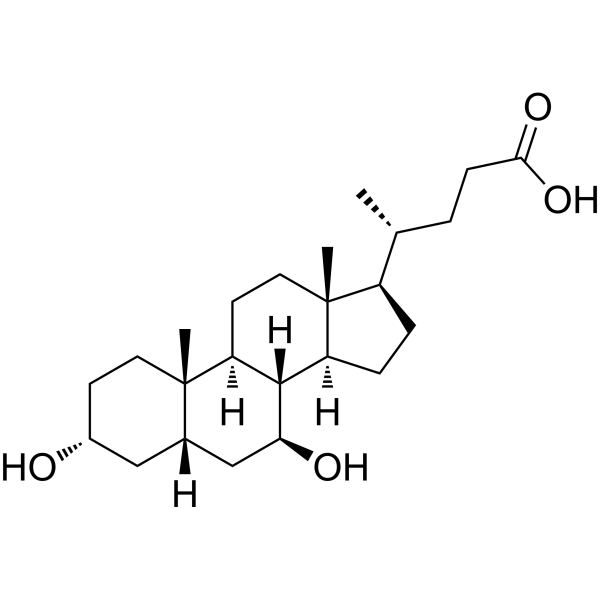
    Ursodeoxycholic acid
    Maximum Cited Publications
    26 Publications Verification

    Ursodeoxycholate; Ursodiol; UDCA

    G protein-coupled Bile Acid Receptor 1 FXR Angiotensin-converting Enzyme (ACE) Endogenous Metabolite Infection Metabolic Disease Cancer
    Ursodeoxycholic acid (Ursodeoxycholate) is a secondary bile acid issued from the transformation of (cheno)deoxycholic acid by intestinal bacteria, acting as a key regulator of the intestinal barrier integrity and essential for lipid metabolism. Ursodeoxycholic acid acts as signaling molecule, exerting its effects by interacting with bile acid activated receptors, including G-protein coupled bile acid receptor 5 (TGR5, GPCR19) and the farnesoid X receptor (FXR). Ursodeoxycholic acid can be used for the research of a variety of hepatic and gastrointestinal diseases. Ursodeoxycholic acid also reduces ACE2 expression and is beneficial for reducing SARS-CoV-2 infection. Orally active .
    Ursodeoxycholic acid
  • HY-D1168
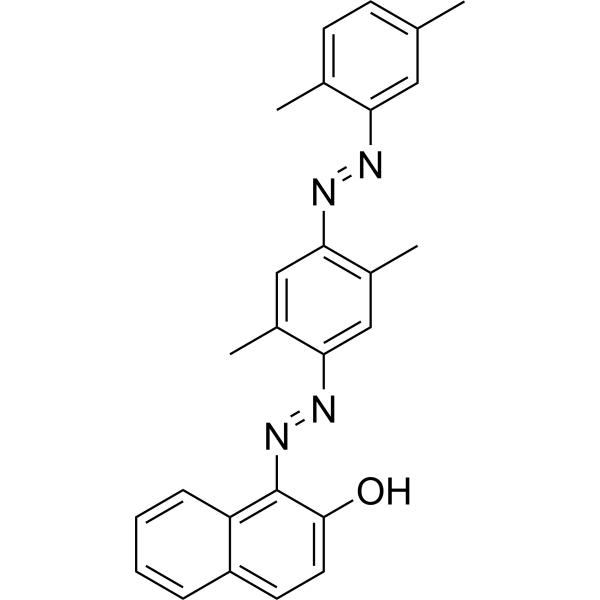
    Oil Red O
    10+ Cited Publications

    Environmental Pollutants Fluorescent Dye Metabolic Disease
    Oil Red O is a fat-soluble diazol dye, with a maximum absorption at 518 nm. Oil Red O stains neutral lipids and cholesteryl esters but not biological membranes. Oil Red O can be used for detecting and quantifying hepatic steatosis in mouse liver biopsies. Oil Red O staining efficiently helps to visualize the radical changes that occur in tissues as metabolic disease occurs and progresses .
    Oil Red O
  • HY-113402
    Gamma-glutamylcysteine
    4 Publications Verification

    γ-Glu-Cys

    Endogenous Metabolite Interleukin Related TNF Receptor AMPK Sirtuin STAT PI3K NF-κB JAK p38 MAPK JNK Akt Apoptosis Ferroptosis Cardiovascular Disease Neurological Disease Inflammation/Immunology
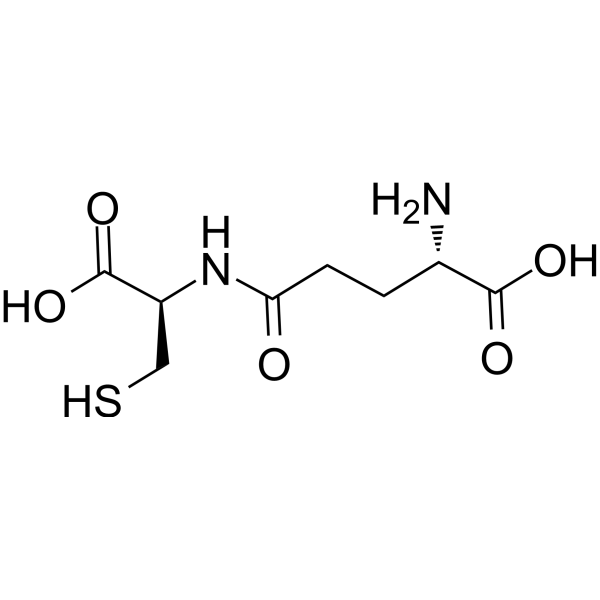
    Gamma-glutamylcysteine (γ-Glu-Cys) is an orally active, blood-brain barrier permeable dipeptide . Gamma-glutamylcysteine activates AMPK, SIRT1, IL-4/STAT6, AC/cAMP/PI3K, IGF-1R/IRS1/PI3K, and Nrf2 signaling pathways; it inhibits NF-κB, JAK1/STAT1/3, MAPKs, cadmium-induced p38 MAPK, JNK, and PI3K/Akt signaling pathways. Gamma-glutamylcysteine regulates macrophage polarization, modulates the trafficking of CD36 and GLUT4, induces glutathione synthesis, improves metabolic dysfunction, reduces lipid deposition, ameliorates glucose homeostasis, inhibits apoptosis (Apoptosis), stabilizes mitochondria, suppresses lipid peroxidation, iron accumulation and ferroptosis (Ferroptosis), reduces ds-HMGB1 levels, reverses mechanical hyperalgesia, and alleviates hepatic lipid droplet formation. Gamma-glutamylcysteine is applicable to research related to inflammatory bowel disease, type 2 diabetes, cadmium-induced neurotoxicity, Alzheimer's disease, cerebral ischemia/reperfusion injury, neuropathy, and alcoholic liver disease .
    Gamma-glutamylcysteine
  • HY-N9933
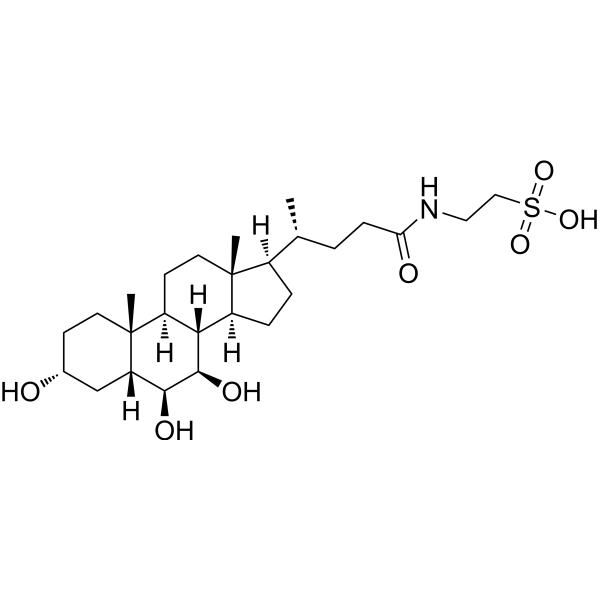
    Tauro-β-muricholic acid
    4 Publications Verification

    TβMCA

    FXR Apoptosis Neurological Disease Metabolic Disease Inflammation/Immunology Cancer
    Tauro-β-muricholic acid (TβMCA) is an orally active trihydroxylated bile acid and a competitive, reversible FXR antagonist (IC50=40 μM). Tauro-β-muricholic acid inhibits bile acid-induced hepatocyte apoptosis by maintaining mitochondrial membrane potential, while simultaneously inhibiting intestinal FXR signaling, affecting bile acid synthesis, hepatic lipid metabolism, and insulin sensitivity. Accumulation of tauro-β-muricholic acid disrupts metabolic homeostasis, promoting cancer stem cell proliferation and tumor progression. The mechanisms of tauro-β-muricholic acid involve two aspects: first, inhibiting the translocation of the pro-apoptotic protein Bax to mitochondria and maintaining mitochondrial membrane potential (MMP); and second, blocking the FXR signaling pathway to regulate bile acid metabolism, reduce serum ceramide production, and downregulate the hepatic SREBP1C/CIDEA pathway. Tauro-β-muricholic acid possesses anti-hepatocyte apoptosis, bile acid homeostasis regulation, and liver fat accumulation reduction properties, and also functions as a biomarker, making it useful in the study of diseases such as bile acid metabolism disorders, non-alcoholic fatty liver disease, colorectal cancer, and liver fibrosis .
    Tauro-β-muricholic acid
  • HY-114118B
    Semaglutide acetate
    Maximum Cited Publications
    35 Publications Verification

    GLP Receptor Insulin Receptor α-synuclein Apoptosis p38 MAPK Autophagy Bcl-2 Family Neurological Disease Metabolic Disease Cancer
    Semaglutide acetate is a long-acting, selective, competitive GLP-1R agonist that can penetrate the blood-brain barrier. After activating GLP-1R, Semaglutide acetate promotes insulin secretion, inhibits gastric emptying and appetite, and at the same time enhances autophagy, inhibits oxidative stress and apoptosis. Semaglutide acetate also regulates mitochondrial function and lipid metabolism (such as reducing de novo lipogenesis in the liver). Semaglutide acetate has activities such as lowering blood sugar, reducing weight, neuroprotection (such as improving motor function in Parkinson's disease models, reducing α-synuclein aggregation) and improving hepatic steatosis. Semaglutide acetate can be used for the study of neurodegenerative diseases and liver diseases such as type 2 diabetes, obesity, Parkinson's disease, metabolic associated fatty liver disease (MASLD), and cancer .
    Semaglutide acetate
  • HY-114118A
    Semaglutide TFA
    Maximum Cited Publications
    35 Publications Verification

    GLP Receptor Insulin Receptor α-synuclein Apoptosis p38 MAPK Autophagy Bcl-2 Family Neurological Disease Metabolic Disease Cancer
    Semaglutide TFA is a long-acting, selective, competitive GLP-1R agonist that can penetrate the blood-brain barrier. After activating GLP-1R, Semaglutide TFA promotes insulin secretion, inhibits gastric emptying and appetite, and at the same time enhances autophagy, inhibits oxidative stress and apoptosis. Semaglutide TFA also regulates mitochondrial function and lipid metabolism (such as reducing de novo lipogenesis in the liver). Semaglutide TFA has activities such as lowering blood sugar, reducing weight, neuroprotection (such as improving motor function in Parkinson's disease models, reducing α-synuclein aggregation) and improving hepatic steatosis. Semaglutide TFA can be used for the study of neurodegenerative diseases and liver diseases such as type 2 diabetes, obesity, Parkinson's disease, metabolic associated fatty liver disease (MASLD), and cancer .
    Semaglutide TFA
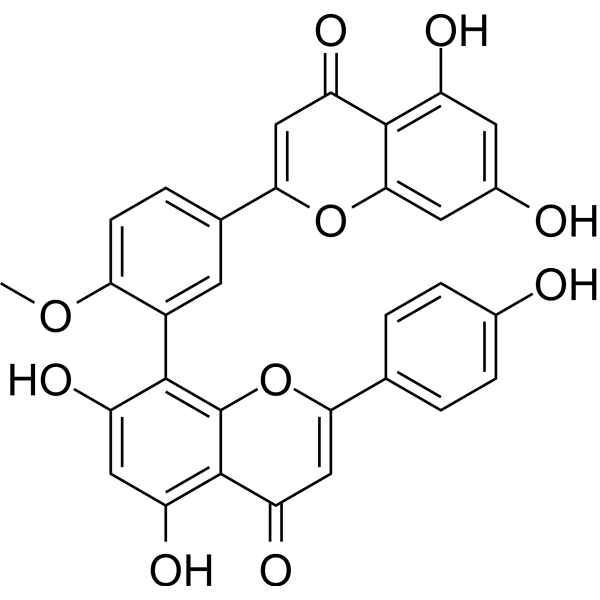
  • HY-N2118
    Bilobetin
    2 Publications Verification

    PPAR PKA Akt p38 MAPK ERK Metabolic Disease
    Bilobetin, an active component of Ginkgo biloba, can reduce blood lipids and improve the effects of insulin. Bilobetin ameliorated insulin resistance, increased the hepatic uptake and oxidation of lipids, reduced very-low-density lipoprotein triglyceride secretion and blood triglyceride levels, enhanced the expression and activity of enzymes involved in β-oxidation and attenuated the accumulation of triglycerides and their metabolites in tissues. Bilobetin also increased the phosphorylation, nuclear translocation and activity of PPARα accompanied by elevated cAMP level and PKA activity .
    Bilobetin
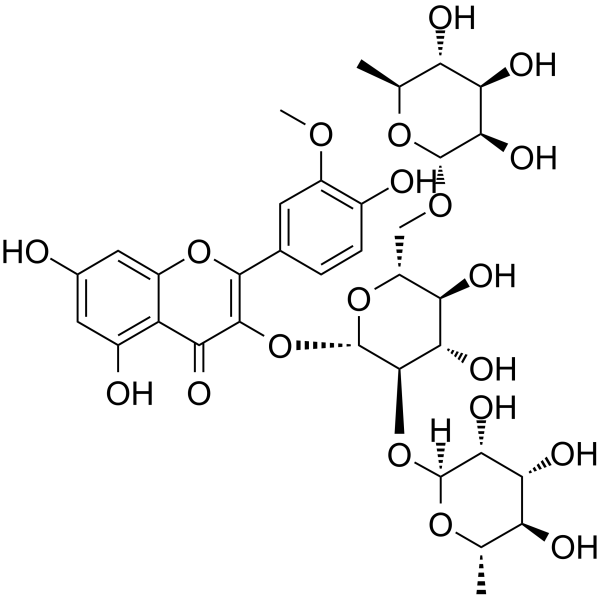
  • HY-N0152
    Myricitrin
    3 Publications Verification

    PKC NO Synthase TNF Receptor Parasite Infection Neurological Disease Inflammation/Immunology
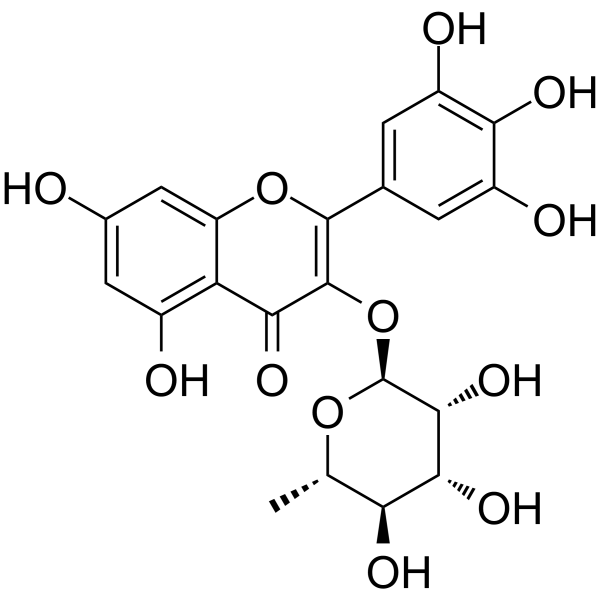
    Myricitrin, a naturally occurring flavonoid, is an orally active nitric oxide (NO) and PKC inhibitor. Myricitrin has central nervous system activity, including anxiolytic-like action. Myricitrin possesses antioxidant, anti-inflammatory, antifibrotic and anti-malarial effects .
    Myricitrin
  • HY-125848

    Apoptosis AMPK PPAR p38 MAPK PI3K Akt GSK-3 Reactive Oxygen Species (ROS) SOD Caspase Neurological Disease Metabolic Disease Inflammation/Immunology Cancer
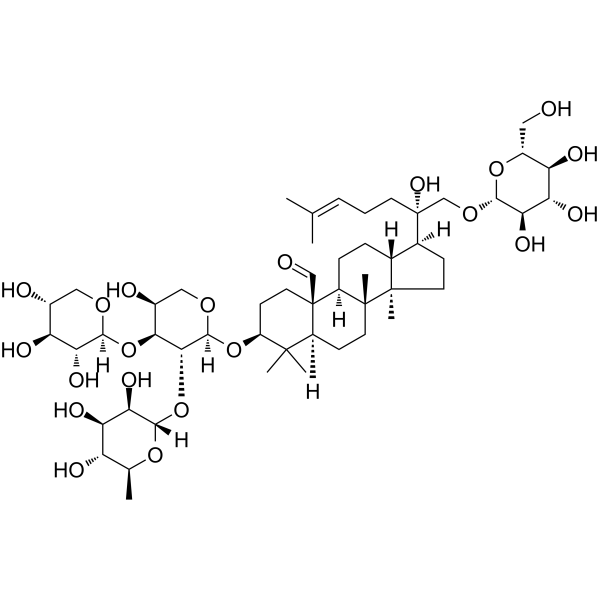
    Ginsenoside F2 is an orally active bioactive compound that participates in the regulation of metabolism and inflammation. Ginsenoside F2 promotes the phosphorylation of AMPK and ACC, binds to PPARγ, inhibits the phosphorylation of MAPK, activates the PI3K/AKT/GSK-3β pathway, reduces GLRX expression, and regulates lipid metabolism. Ginsenoside F2 reduces ROS production and MDA levels, restores SOD activity in cells, and alleviates oxidative stress. Ginsenoside F2 induces cell apoptosis (Apoptosis) and increases the number of cleaved caspase-3-positive cells. Ginsenoside F2 reduces body weight gain, adipose tissue weight and serum lipid levels in obese mice, and activates the hepatic AMPK signaling pathway and the expression of antioxidant enzymes. Ginsenoside F2 alleviates atopic dermatitis in mice by inhibiting inflammation and reshaping the gut microbiota . Ginsenoside F2 is applicable to research related to insulin resistance, obesity, atopic dermatitis, liver cancer, glioblastoma and glioma .
    Ginsenoside F2
  • HY-13771A
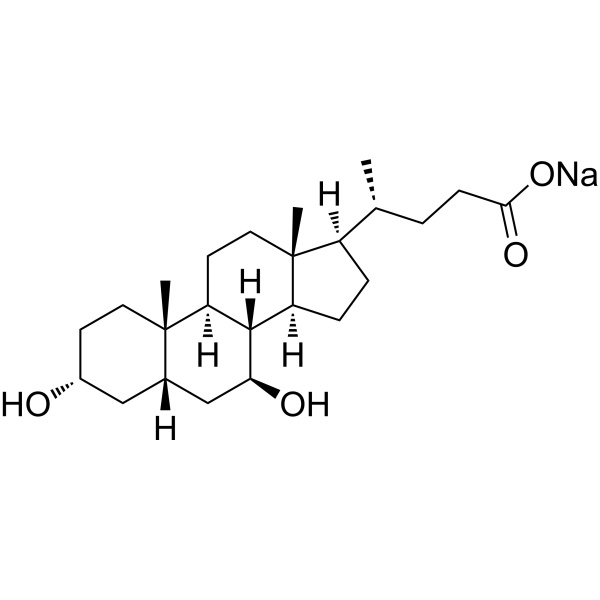
    Ursodeoxycholic acid sodium
    Maximum Cited Publications
    26 Publications Verification

    Ursodeoxycholate sodium; Ursodiol sodium; UCDA sodium

    G protein-coupled Bile Acid Receptor 1 FXR Endogenous Metabolite Metabolic Disease Inflammation/Immunology Cancer
    Ursodeoxycholic acid (Ursodeoxycholate) sodium is a secondary bile acid issued from the transformation of (cheno)deoxycholic acid by intestinal bacteria, acting as a key regulator of the intestinal barrier integrity and essential for lipid metabolism. Ursodeoxycholic acid sodium acts as signaling molecule, exerting its effects by interacting with bile acid activated receptors, including G-protein coupled bile acid receptor 5 (TGR5, GPCR19) and the farnesoid X receptor (FXR). Ursodeoxycholic acid sodium can be used for the research of a variety of hepatic and gastrointestinal diseases. Orally active .
    Ursodeoxycholic acid sodium
  • HY-113402A
    Gamma-glutamylcysteine TFA
    4 Publications Verification

    γ-Glu-Cys TFA

    Interleukin Related TNF Receptor Endogenous Metabolite AMPK Sirtuin STAT PI3K NF-κB JAK p38 MAPK JNK Akt Apoptosis Ferroptosis Cardiovascular Disease Neurological Disease Inflammation/Immunology
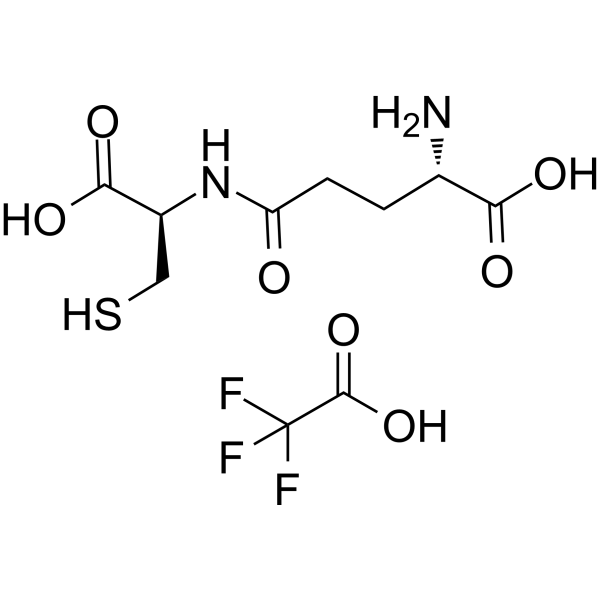
    Gamma-glutamylcysteine TFA (γ-Glu-Cys TFA) is an orally active, blood-brain barrier permeable dipeptide . Gamma-glutamylcysteine TFA activates AMPK, SIRT1, IL-4/STAT6, AC/cAMP/PI3K, IGF-1R/IRS1/PI3K, and Nrf2 signaling pathways; it inhibits NF-κB, JAK1/STAT1/3, MAPKs, cadmium-induced p38 MAPK, JNK, and PI3K/Akt signaling pathways. Gamma-glutamylcysteine TFA regulates macrophage polarization, modulates the trafficking of CD36 and GLUT4, induces glutathione synthesis, improves metabolic dysfunction, reduces lipid deposition, ameliorates glucose homeostasis, inhibits apoptosis (Apoptosis), stabilizes mitochondria, suppresses lipid peroxidation, iron accumulation and ferroptosis (Ferroptosis), reduces ds-HMGB1 levels, reverses mechanical hyperalgesia, and alleviates hepatic lipid droplet formation. Gamma-glutamylcysteine TFA is applicable to research related to inflammatory bowel disease, type 2 diabetes, cadmium-induced neurotoxicity, Alzheimer's disease, cerebral ischemia/reperfusion injury, neuropathy, and alcoholic liver disease .
    Gamma-glutamylcysteine TFA
  • HY-114118CP

    GLP Receptor Insulin Receptor α-synuclein Apoptosis p38 MAPK Autophagy Bcl-2 Family Neurological Disease Metabolic Disease Cancer
    Semaglutide (crude) is the crude form of Semaglutide (HY-114118). Semaglutide is a long-acting, selective, competitive GLP-1R agonist that can penetrate the blood-brain barrier. After activating GLP-1R, Semaglutide promotes insulin secretion, inhibits gastric emptying and appetite, and at the same time enhances Autophagy, inhibits oxidative stress and Apoptosis. Semaglutide also regulates mitochondrial function and lipid metabolism (such as reducing de novo lipogenesis in the liver). Semaglutide has activities such as lowering blood sugar, reducing weight, neuroprotection (such as improving motor function in Parkinson's disease models, reducing α-synuclein aggregation) and improving hepatic steatosis. Semaglutide can be used for the study of neurodegenerative diseases and liver diseases such as type 2 diabetes, obesity, Parkinson's disease, metabolic associated fatty liver disease (MASLD), and cancer .
    Semaglutide (crude)
  • HY-13582
    Carbendazim
    5+ Cited Publications

    Environmental Pollutants Fungal Parasite Infection Cancer
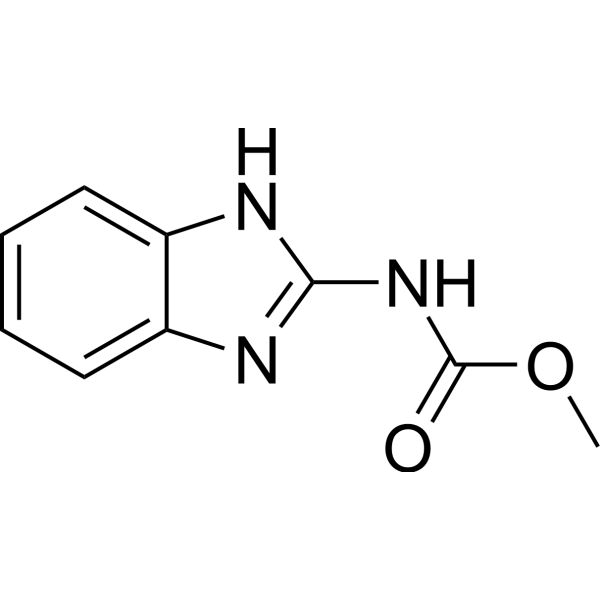
    Carbendazim is a potent and orally active broad-spectrum benzimidazole fungicide and can be acts as a pesticide for fungal diseases research, such as SeproriaFusarium and Sclerotina . Carbendazim is a benzimidazole (HY-Y1825) derivative with antitumor activity and used for cancer research, especially advanced solid tumors and lymphoma .
    Carbendazim
  • HY-114118S3

    Isotope-Labeled Compounds GLP Receptor Insulin Receptor α-synuclein Apoptosis p38 MAPK Autophagy Bcl-2 Family Metabolic Disease
    Semaglutide- 13C6, 15N TFA is the 13C- and 15N-labeled Semaglutide TFA (HY-114118A). Semaglutide TFA is a long-acting, selective, competitive GLP-1R agonist that can penetrate the blood-brain barrier. After activating GLP-1R, Semaglutide TFA promotes insulin secretion, inhibits gastric emptying and appetite, and at the same time enhances autophagy, inhibits oxidative stress and apoptosis. Semaglutide TFA also regulates mitochondrial function and lipid metabolism (such as reducing de novo lipogenesis in the liver). Semaglutide TFA has activities such as lowering blood sugar, reducing weight, neuroprotection (such as improving motor function in Parkinson's disease models, reducing α-synuclein aggregation) and improving hepatic steatosis. Semaglutide TFA can be used for the study of neurodegenerative diseases and liver diseases such as type 2 diabetes, obesity, Parkinson's disease, metabolic associated fatty liver disease (MASLD), and cancer .
    Semaglutide-13C6,15N TFA
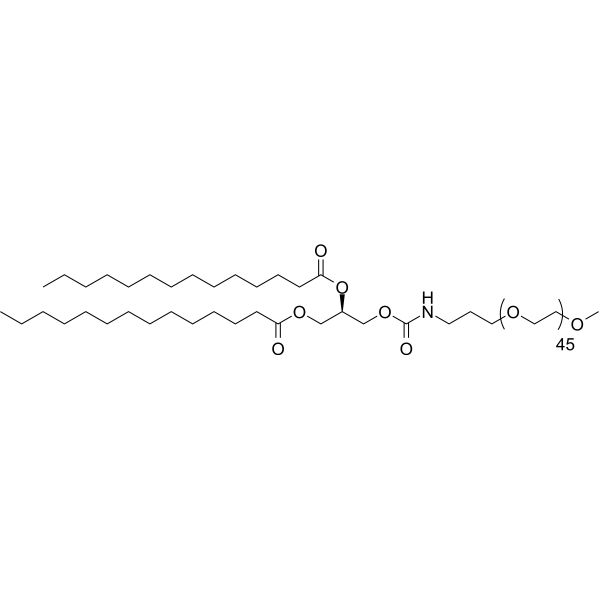
  • HY-145411
    PEG2000-C-DMG
    3 Publications Verification

    Liposome Endocrinology
    PEG2000-C-DMG, a pegylated lipid, can be used for the preparation of Onpattro. Onpattro, a hepatically directed investigational RNAi therapeutic agent, harnesses this process to reduce the production of mutant and wild-type transthyretin by targeting the 3′ untranslated region of transthyretin mRNA .
    PEG2000-C-DMG
  • HY-N0468
    Rebaudioside D
    1 Publications Verification

    FXR Acetyl-CoA Carboxylase Metabolic Disease
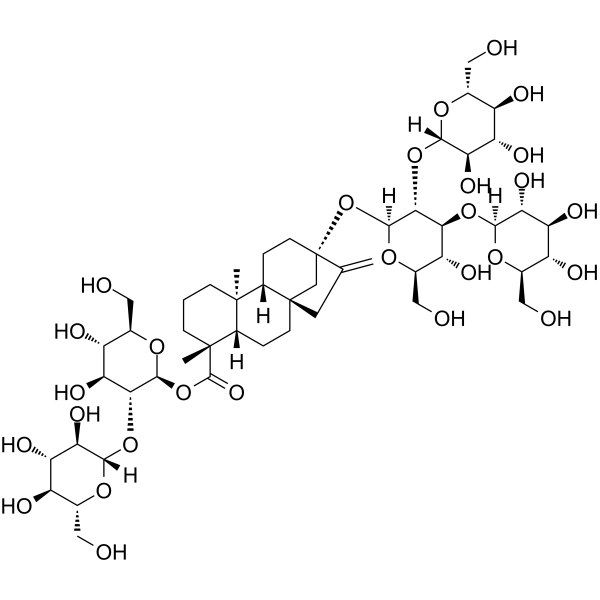
    Rebaudioside D is an orally active sweetener that targets and activates FXR, modulates Acetyl-CoA Carboxylase, and inhibits 3-hydroxy-3-methylglutaryl-CoA reductase. Rebaudioside D regulates bile acid homeostasis and lipid metabolism, reduces the synthesis rates of fatty acids and cholesterol, and exerts multiple effects including anti-adipogenesis, hepatoprotection, anti-steatosis, gut microbiota modulation, enhancement of secondary bile acid metabolism, anti-endotoxin activity, regulation of bile acid transport, and inhibition of bile acid efflux. Rebaudioside D also reduces body weight gain, visceral fat accumulation, hepatic triglyceride and cholesterol accumulation, hepatic lipid peroxidation, and decreases the circulating level of lipopolysaccharide-binding protein. Rebaudioside D additionally enhances the secondary bile acid metabolic pathway of intestinal bacteria, upregulates the gene expression of ileal organic solute transporter α, and downregulates the gene expression of hepatic bile salt export pump. Rebaudioside D does not affect glucose homeostasis, alter total caloric intake or fecal energy excretion, induce weight gain, exacerbate obesity, promote hepatic steatosis, impair brown adipose tissue function, nor change skeletal muscle metabolism-related proteins. Rebaudioside D can be used in diet-induced obesity and obesity-related research .
    Rebaudioside D
  • HY-N0712
    Typhaneoside
    3 Publications Verification

    Autophagy mTOR Akt FXR Cardiovascular Disease Neurological Disease Metabolic Disease Cancer
    Typhaneoside is an orally bioavailable signal modulator and cellular regulator. Typhaneoside regulates the PI3K/Akt/mTOR autophagy transduction pathway. Typhaneoside promotes the activation of AMP-activated protein kinase and Caspase-3, induces apoptosis, ferroptosis, autophagy, ROS accumulation, and cell cycle arrest at the G2/M phase, and reduces cancer cell viability. Typhaneoside activates the farnesoid X receptor signaling pathway, improves glucose and lipid metabolism, alleviates inflammatory responses, oxidative stress and hepatic lipid accumulation, and exerts hepatoprotective effects. Typhaneoside is applicable to research related to post-myocardial infarction heart failure, acute myeloid leukemia, non-alcoholic fatty liver disease, and neurological disorders .
    Typhaneoside
  • HY-107582

    Ser/Thr Protease Calcium Channel PKC Cancer
    JW480 is a selective KIAA1363/AADACL1 inhibitor with oral activity, featuring IC50 values of 12 nM against human KIAA1363, 20 nM against mouse KIAA1363. JW480 blocks lipid deacetylase activity to restrain HAG metabolism and lowers retinyl ester hydrolase function in hepatic stellate cells. JW480 reduces MAGE lipid levels and inhibits migration, invasion, survival and tumor growth of prostate cancer cells. JW480 lowers PKCδ phosphorylation, facilitates HAGP accumulation, diminishes platelet aggregation, dense granule secretion and Ca 2+ flux, delays arterial thrombosis and prolongs tail bleeding time in rats. JW480 can be used for the study of prostate cancer and thrombosis .
    JW480
  • HY-42680

    D-(-)-Tagatose

    Endogenous Metabolite Metabolic Disease Inflammation/Immunology Cancer
    D-Tagatose (D-(-)-Tagatose) is a natural low-calorie rare sugar. D-Tagatose inhibits the activities of sucrase, maltase and intestinal disaccharidases, reduces the digestion of sucrose and starch, and blocks the absorption of sucrose, maltose and glucose. D-Tagatose promotes glucokinase activity and inhibits glycogen phosphorylase activity via tagatose-1-phosphate, regulates the synthesis and decomposition of hepatic glycogen, reduces postprandial and fasting blood glucose levels, and improves hyperinsulinemia. D-Tagatose regulates lipid profiles, stimulates GLP-1 secretion, and exhibits prebiotic effects. D-Tagatose is a bulking sweetener. D-Tagatose can be used in research related to diabetes, hyperlipidemia, dental caries, atherosclerosis and type 2 diabetes .
    D-Tagatose
  • HY-106539

    FXR G protein-coupled Bile Acid Receptor 1 GLP Receptor Metabolic Disease Cancer
    Colesevelam hydrochloride is an orally active bile acid sequestrant, lipid-lowering agent, and glycemic control agent. Colesevelam hydrochloride binds bile acids in the gastrointestinal tract to form nonabsorbable complexes, interrupts enterohepatic recirculation and increases fecal bile acid elimination. Colesevelam hydrochloride modulates FXR, TGR5, and Cyp7a1 activity and triggers cAMP signaling and GLP-1 release. Colesevelam hydrochloride alters hepatic lipid and glucose metabolism, suppresses hepatic glycogenolysis, reduces hepatic triglyceride and cholesterol levels, and increases LDL-C (low-density lipoprotein cholesterol) clearance. Colesevelam hydrochloride can be used for the research of type 2 diabetes mellitus, hypercholesterolemia, and alcohol-related liver disease .
    Colesevelam hydrochloride
  • HY-N0261
    Aurantio-obtusin
    1 Publications Verification

    TNF Receptor COX Cardiovascular Disease Inflammation/Immunology
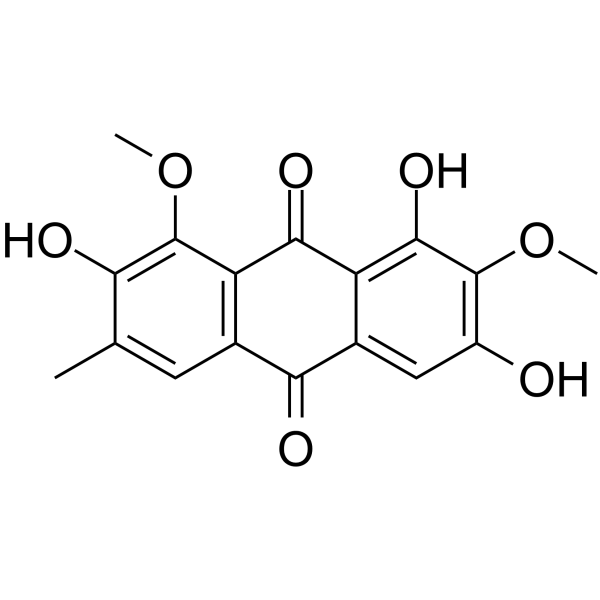
    Aurantio-obtusin is a anthraquinone compound that can be extracted from cassia seed. Aurantio-obtusin has the effects of decreasing blood pressure, decreasing blood lipids and anti-inflammatory.Aurantio-obtusin is an orally active vasodilator. Aurantio-obtusin ameliorates hepatic steatosis through AMPK/ autophagy- and AMPK/TFEB mediated inhibition of lipid accumulation .
    Aurantio-obtusin
  • HY-129109

    Fluorescent Dye Inflammation/Immunology Cancer
    NBD-Pen is the first fluorescence probe for lipid radicals with high selectivity and sensitivity (λex: 470 nm, λem: 530 nm). NBD-Pen specifically detects lipid derived radicals over other reactive species present in biological systems, including H2O2, ClO -, O2 -?, and ?OH. NBD-Pen directly detects lipid radicals in living cells by turn-on fluorescence. NBD-Pen decreases inflammation, apoptosis, and oxidative stress markers. NBD-Pen can be studied in various disease models such as hepatic carcinoma .
    NBD-Pen
  • HY-W018587

    Mitochondrial Metabolism Cytochrome P450 TNF Receptor Interleukin Related HSP LDLR Eukaryotic Initiation Factor (eIF) ClpP Metabolic Disease Inflammation/Immunology
    TBPH is a brominated flame retardant. TBPH enhances hepatic steatosis, inflammation, and fibrosis in mice with nonalcoholic steatohepatitis (NASH). TBPH induces dysregulation of phospholipid metabolism, reducing cardiolipin (CL) and phosphatidylserine (PS) levels. TBPH leads to impaired endoplasmic reticulum-mitochondria (ER-Mito) contacts, subsequently causing mitochondrial dysfunction. TBPH induces lung injury through an inflammatory response mediated by mitochondria-derived ds-DNA. TBPH can be used to study the role of MFN2-mediated ER-mitochondria contacts in lipid metabolism homeostasis .
    TBPH
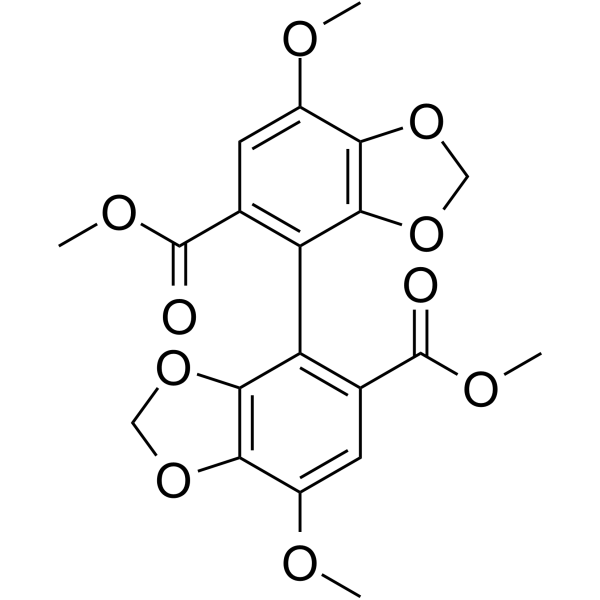
  • HY-W018791
    Bifendate
    2 Publications Verification

    DDB

    HBV Autophagy Cytochrome P450 Atg8/LC3 p62 P-glycoprotein Infection Cardiovascular Disease Cancer
    Bifendate (DDB), extracted from Schisandrae chinensis, is an orally active anti-HBV agent against chronic hepatitis B. Bifendate inhibits ATG5-dependent autophagy and attenuates oleic acid-induced lipid accumulation with anti-oxidant properties in vitro. Bifendate can decrease alanine transaminase (ALT) level in mice. Bifendate attenuates hepatic steatosis in cholesterol/bile salt- and high-fat diet-induced hypercholesterolemia in mice. Bifendate potently increases the activity of cytochrome proteins (CYPs) and reverse P-gp-mediated multi-drug resistance (MDR) .
    Bifendate
  • HY-113478S

    Ursodeoxycholate-d4; Ursodiol-d4; UDCA-d4

    Isotope-Labeled Compounds Infection Metabolic Disease
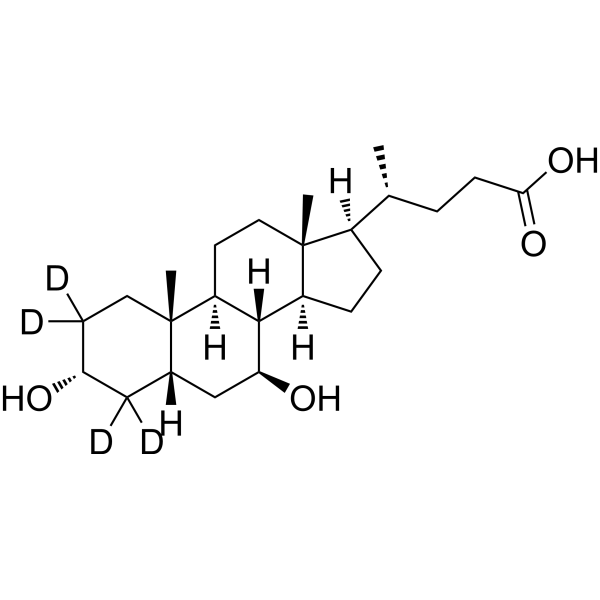
    Ursodeoxycholic acid-2,2,4,4-d4 is the deuterium labeled Ursodeoxycholic acid (HY-13771). Ursodeoxycholic acid is a secondary bile acid issued from the transformation of (cheno)deoxycholic acid by intestinal bacteria, acting as a key regulator of the intestinal barrier integrity and essential for lipid metabolism. Ursodeoxycholic acid acts as signaling molecule, exerting its effects by interacting with bile acid activated receptors, including G-protein coupled bile acid receptor 5 (TGR5, GPCR19) and the farnesoid X receptor (FXR). Ursodeoxycholic acid can be used for the research of a variety of hepatic and gastrointestinal diseases. Ursodeoxycholic acid also reduces ACE2 expression and is beneficial for reducing SARS-CoV-2 infection .
    Ursodeoxycholic acid-d4
  • HY-160912

    ELOVL Metabolic Disease
    ELOVL6-IN-5 is an orally active and selective elongase enzyme of long-chain fatty acid family 6 (ELOVL6) inhibitor with IC50 values of 85 nM and 38 nM for human and mouse ELOVL6, respectively. ELOVL6-IN-5 shows >60-fold selectivity over other ELOVL family enzymes (ELOVL1, 2, 3, 5) and no effect on other lipid synthesis enzymes like ACC1, ACC2. ELOVL6-IN-5 reduces hepatic fatty acid composition ratio of C18 to C16 in diet-induced obesity (DIO) and KKAy mice. ELOVL6 inhibition by ELOVL6-IN-5 does not improve insulin resistance. ELOVL6-IN-5 can be used for the research of metabolic disease .
    ELOVL6-IN-5
  • HY-P10302A

    GLP Receptor Metabolic Disease Inflammation/Immunology
    GLP-1R/GIPR agonist-1 sodium is a dual GLP-1/GIP receptor agonist, with an EC50 of 0.57 nM for GLP-1R and an EC50 of 0.75 nM for GIPR. GLP-1R/GIPR agonist-1 sodium reduces food intake, inhibits weight gain, repairs islet damage, improves glucose tolerance, regulates serum lipid and liver enzyme levels, ameliorates hepatic vacuolization, reduces hepatic fat accumulation, delays the progression of hepatic fibrosis, and exhibits long-lasting hypoglycemic activity. GLP-1R/GIPR agonist-1 sodium can be used in research related to type 2 diabetes, obesity, and non-alcoholic steatohepatitis .
    GLP-1R/GIPR agonist-1 (soduim)
  • HY-129143
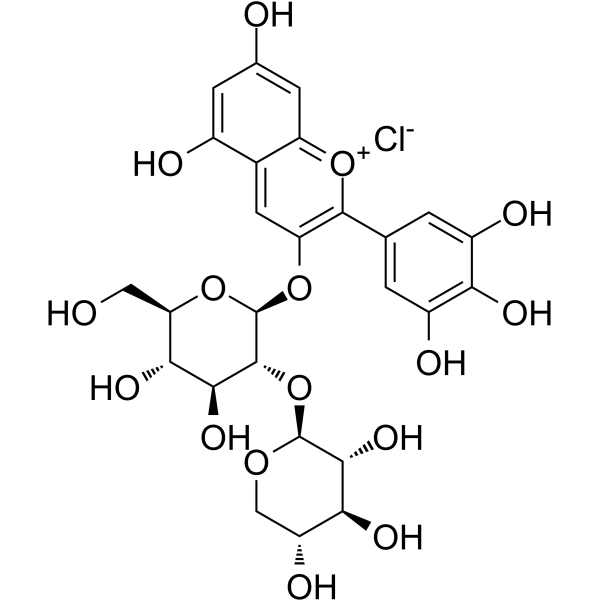
    Delphinidin-3-sambubioside chloride
    1 Publications Verification

    Dp3‐Sam chloride

    Apoptosis Metabolic Disease Inflammation/Immunology
    Delphinidin-3-sambubioside (Dp3‐Sam) chloride is an anthocyanin that has orally active anti-inflammatory activity. Delphinidin-3-sambubioside chloride inhibits LPS-induced inflammatory factors release. Delphinidin-3-sambubioside chloride also alleviates hepatic lipid accumulation in HFD rats. Delphinidin-3-sambubioside chloride can be isolated from Hibiscus sabdariffa L. .
    Delphinidin-3-sambubioside chloride
  • HY-114118S1

    Isotope-Labeled Compounds GLP Receptor Insulin Receptor α-synuclein Apoptosis p38 MAPK Autophagy Bcl-2 Family Neurological Disease Metabolic Disease Cancer
    Semaglutide-d8 tetraTFA is the deuterium labeled Semaglutide (HY-114118). Semaglutide is a long-acting, selective, competitive GLP-1R agonist that can penetrate the blood-brain barrier. After activating GLP-1R, Semaglutide promotes insulin secretion, inhibits gastric emptying and appetite, and at the same time enhances autophagy, inhibits oxidative stress and apoptosis. Semaglutide also regulates mitochondrial function and lipid metabolism (such as reducing de novo lipogenesis in the liver). Semaglutide has activities such as lowering blood sugar, reducing weight, neuroprotection (such as improving motor function in Parkinson's disease models, reducing α-synuclein aggregation) and improving hepatic steatosis. Semaglutide can be used for the study of neurodegenerative diseases and liver diseases such as type 2 diabetes, obesity, Parkinson's disease, metabolic associated fatty liver disease (MASLD), and cancer .
    Semaglutide-d8 tetraTFA
  • HY-114118S

    Isotope-Labeled Compounds GLP Receptor Insulin Receptor α-synuclein Apoptosis p38 MAPK Autophagy Bcl-2 Family Neurological Disease Metabolic Disease Cancer
    Semaglutide-d8 is the deuterium labeled Semaglutide (HY-114118). Semaglutide is a long-acting, selective, competitive GLP-1R agonist that can penetrate the blood-brain barrier. After activating GLP-1R, Semaglutide promotes insulin secretion, inhibits gastric emptying and appetite, and at the same time enhances autophagy, inhibits oxidative stress and apoptosis. Semaglutide also regulates mitochondrial function and lipid metabolism (such as reducing de novo lipogenesis in the liver). Semaglutide has activities such as lowering blood sugar, reducing weight, neuroprotection (such as improving motor function in Parkinson's disease models, reducing α-synuclein aggregation) and improving hepatic steatosis. Semaglutide can be used for the study of neurodegenerative diseases and liver diseases such as type 2 diabetes, obesity, Parkinson's disease, metabolic associated fatty liver disease (MASLD), and cancer .
    Semaglutide-d8
  • HY-114557

    3,5-Diiodo-L-thyronine

    JNK NF-κB Sirtuin PGC-1α COX TGF-β Receptor Collagen Metabolic Disease Inflammation/Immunology Endocrinology
    NSC 90469 (3,5-Diiodo-L-thyronine) is an orally active thyroid hormone derivative. NSC 90469 inhibits JNK phosphorylation and NF-κB acetylation, blocks SIRT1 protein expression, induces elevated PGC-1α levels, and stimulates COX activity. NSC 90469 enhances UCP1-mediated thermogenesis, increases hepatic Dio1 activity, inhibits TSH levels and hypothalamic-pituitary-thyroid axis function, enhances lipid metabolism, and regulates energy metabolism via the mitochondrial pathway. NSC 90469 prevents blood glucose reduction, reduces urinary albumin excretion, inhibits renal matrix expansion, decreases TGF-β1 expression, and reduces renal fibronectin and type Ⅳ collagen deposition. NSC 90469 also increases energy expenditure and prevents diet-induced overweight. NSC 90469 can be used in studies related to diabetic nephropathy, hypothyroidism, non-alcoholic fatty liver disease, and diet-induced obesity .
    NSC 90469
  • HY-W009417

    Environmental Pollutants Glycosidase Metabolic Disease
    Cedryl acetate is an orally active α-glucosidase inhibitor with an IC50 of 94 μM against yeast α-glucosidase. Cedryl acetate reduces high-fat diet-induced body weight gain, visceral fat pad weight, adipocyte hypertrophy, hepatic lipid accumulation, glucose intolerance, insulin resistance and gluconeogenesis. Cedryl acetate can be used in the research of obesity and obesity-related metabolic syndrome .
    Cedryl acetate
  • HY-111179

    Drug Derivative Inflammation/Immunology
    ML261 is a hepatic lipid droplets formation inhibitor with an IC50 value of 69.7 nM. ML261 can be used for the research of non-alcoholic fatty liver disease (NAFLD) and inflammation .
    ML261
  • HY-P2989

    Endogenous Metabolite Metabolic Disease Cancer
    Pyruvate carboxylase is a key mitochondrial anaplerotic enzyme that catalyzes the conversion of pyruvate to oxaloacetate. Pyruvate carboxylase not only maintains tricarboxylic acid cycle activity and redox homeostasis, but also drives hepatic gluconeogenesis and fatty acid synthesis. The activity of Pyruvate carboxylase is upregulated in insulin-resistant states, exacerbating hepatic glucose production. Pyruvate carboxylase also shows significantly enhanced expression in early-stage non-small cell lung cancer (NSCLC). Pyruvate carboxylase promotes tumor proliferation by supporting nucleotide and lipid synthesis, and its functional deficiency cannot be compensated by glutaminolysis. Pyruvate carboxylase can be used in the research of prediabetes type 2 and NSCLC .
    Pyruvate carboxylase
  • HY-162353

    Cancer
    AZ'9567 is an orally active MAT2a inhibitor with a pIC50 of 9.1. AZ'9567 binds to MAT2a allosterically, reduces the synthesis of SAM, decreases SDMA levels, and exerts antiproliferative effects on MTAP-knockout cells. AZ'9567 depletes SAM, causes methionine accumulation in plasma and tissues, triggers adaptive disorders in one-carbon metabolism, transsulfuration metabolism and lipid metabolism, and induces oxidative stress, hepatic steatosis and lipid homeostasis imbalance. AZ'9567 can be used in studies related to MTAP-deficient/deleted cancers .
    AZ'9567
  • HY-162562

    PCSK9 Metabolic Disease Inflammation/Immunology
    E28362 is an orally active lipid-lowering agent and a selective PCSK9 antagonist. E28362 blocks the interaction between PCSK9 and LDLR, and induces PCSK9 degradation via the ubiquitin-proteasome pathway. E28362 significantly increases the levels of cell surface and total LDLR proteins, enhances low-density lipoprotein uptake, thereby effectively reducing plasma lipids, hepatic cholesterol and triglyceride levels. E28362 shows no obvious cytotoxicity at high concentrations, and significantly attenuates atherosclerotic lesions in animal models. E28362 is an important molecule in research of hyperlipidemia and atherosclerosis .
    E28362
  • HY-N0909
    Notoginsenoside R2
    1 Publications Verification

    20(S)-Notoginsenoside R2; Ginsenoside Ng-R2

    Apoptosis MEK ERK Reactive Oxygen Species (ROS) Caspase COX β-catenin Src MDM-2/p53 JAK STAT Neurological Disease Metabolic Disease Inflammation/Immunology
    Notoginsenoside R2 (20(S)-Notoginsenoside R2; Ginsenoside Ng-R2) is an orally active notoginsenoside . Notoginsenoside R2 activates P90RSK and Nrf2 via the MEK1/2-ERK1/2 pathway to inhibit 6-OHDA-induced apoptotic damage in nerve cells. Notoginsenoside R2 upregulates SOX8/β-catenin by reducing miR-27a, thereby suppressing Aβ25-35-induced neuronal apoptosis and inflammatory responses . Notoginsenoside R2 alleviates lipid accumulation and mitochondrial dysfunction in diabetic nephropathy by inhibiting c-Src. Notoginsenoside R2 alleviates hepatic fibrosis by inducing hepatic stellate cell senescence and inhibiting the inflammatory microenvironment via JAK/STAT3 suppression . Notoginsenoside R2 can be used in research related to Parkinson's disease, Alzheimer's disease, diabetic nephropathy and hepatic fibrosis .
    Notoginsenoside R2
  • HY-W001542

    Reactive Oxygen Species (ROS) Neurological Disease Metabolic Disease Cancer
    5-Hydroxyoxindole is a structural analog of uric acid for its antioxidant. 5-Hydroxyoxindole has DPPH radical scavenging activities and lipid peroxidation-inhibitory activities. 5-Hydroxyoxindole is a product of partial metabolism of tryptophan involving conversion in the gut lumen of tryptophan to indole through the action of bacterial tryptophanase and tryptophan synthase. 5-Hydroxyoxindole is one of the main molecules responsible for the neurological symptoms of hepatic encephalopathy in rats. 5-Hydroxyoxindole can be used for the research of oxidative stress-mediated disorders .
    5-Hydroxyoxindole
  • HY-141645

    WS070117

    AMPK TGF-β Receptor NF-κB JNK AP-1 Cardiovascular Disease Metabolic Disease Inflammation/Immunology
    IMM-H007 (WS070117) is an orally active and potent AMPK (AMP-activated protein kinase) activator and TGFβ1 (transforming growth factor β1) antagonist. IMM-H007 has protective effects in cardiovascular diseases via activation of AMPK. IMM-H007 negatively regulates endothelium inflammation through inactivating NF-κB and JNK/AP1 signaling. IMM-H007 inhibits ABCA1 degradation. IMM-H007 resolves hepatic steatosis in HFD-fed hamsters by the regulation of lipid metabolism. IMM-H007 can be used for the research of nonalcoholic fatty liver disease (NAFLD) and inflammatory atherosclerosis .
    IMM-H007
  • HY-13771R

    Ursodeoxycholate (Standard); Ursodiol (Standard); UDCA (Standard)

    Reference Standards G protein-coupled Bile Acid Receptor 1 FXR Angiotensin-converting Enzyme (ACE) Endogenous Metabolite Infection Metabolic Disease Cancer
    Ursodeoxycholic acid (Standard) is the analytical standard of Ursodeoxycholic acid. This product is intended for research and analytical applications. Ursodeoxycholic acid (Ursodeoxycholate) is a secondary bile acid issued from the transformation of (cheno)deoxycholic acid by intestinal bacteria, acting as a key regulator of the intestinal barrier integrity and essential for lipid metabolism. Ursodeoxycholic acid acts as signaling molecule, exerting its effects by interacting with bile acid activated receptors, including G-protein coupled bile acid receptor 5 (TGR5, GPCR19) and the farnesoid X receptor (FXR). Ursodeoxycholic acid can be used for the research of a variety of hepatic and gastrointestinal diseases. Ursodeoxycholic acid also reduces ACE2 expression and is beneficial for reducing SARS-CoV-2 infection. Orally active .
    Ursodeoxycholic acid (Standard)
  • HY-129297

    Endogenous Metabolite Metabolic Disease
    CMPF can be found in trace constituent of urine and blood. CMPF is a biomarker of type 2 diabetes. CMPF can act on the β cell and induces impaired mitochondrial function. CMPF decreases glucose-induced ATP accumulation, and induces oxidative stress. CMPF reverses hepatic lipid accumulation and improves insulin sensitivity in obese mice .
    CMPF
  • HY-125539

    Antibiotic Phosphatase Fungal Infection
    Roridin E is a glucose-6-phosphatase (G6Pase) inhibitor and antibiotic, and is a metabolic byproduct of Roridin A (HY-N9599). Roridin E induces significant oxidative stress, characterized by depletion of glutathione in vivo, induction of hepatic lipid peroxidation, and inhibition of renal superoxide dismutase activity. Roridin E reduces blood glucose levels in rats, but exhibits acute toxicity (which is enhanced when co-administered with linoleic acid (HY-N0729)) and causes hepatotoxicity in male albino mice. Roridin E induces a decrease in total blood protein and increases in the levels of total lipids, γ-glutamyltransferase, alkaline phosphatase, and 5'-nucleotidase. Roridin E can be isolated from molds, and possesses cytostatic and antifungal activities similar to those of Verrucarin A (HY-107426) and Roridin A. Roridin E exhibits in vivo activity in rodents and is commonly used in hepatotoxicity-related studies .
    Roridin E
  • HY-142026

    (+)-Vitisin A

    Caspase ERK NF-κB Influenza Virus PAK LDLR PPAR PCSK9 Androgen Receptor Keap1-Nrf2 Monoamine Oxidase Cholinesterase (ChE) IKK Wnt β-catenin Reactive Oxygen Species (ROS) Apoptosis Cuproptosis Infection Neurological Disease Metabolic Disease Inflammation/Immunology Cancer
    Vitisin A ((+)-Vitisin A) is an orally active natural product with multiple pharmacological activities including anti-inflammatory, anti-tumor, anti-oxidant, anti-pathogenic microorganism, hypoglycemic and lipid-regulating, anti-osteoporotic, neuroprotective and cardiovascular protective effects. Vitisin A exhibits inhibitory effects on human AChE and MAO-B with IC50 values of 1.29 µM and 4.94 µM, respectively. Vitisin A inhibits the ERK, MAPK, NF-κB, STAT1, HMGCR and TRAF6 pathways, downregulates the related phosphorylation and protein expression, while activates the Nrf2/HO-1 pathway and upregulates p21 expression. Vitisin A induces tumor cell apoptosis and cell cycle arrest, inhibits adipogenesis and lipid accumulation, while alleviates oxidative stress, suppresses inflammatory responses, blocks hepatic fibrosis, Cuproptosis and cholesterol synthesis, and increases the expression levels of central BDNF and TrkB. Vitisin A can be used in the research of tumors, infectious diseases, metabolic diseases, bone and joint diseases, liver diseases, skin injuries, as well as neurodegenerative and cognitive dysfunction-related diseases .
    Vitisin A
  • HY-N0853A
    Alisol A 24-acetate
    1 Publications Verification

    Alisol A 24-monoacetate; Alisol A monoacetate

    AMPK Carnitine Palmitoyltransferase (CPT) Acyltransferase Fatty Acid Synthase (FASN) Acetyl-CoA Carboxylase Bcl-2 Family PPAR Nuclear Factor of activated T Cells (NFAT) PI3K Akt PKA ERK Apoptosis Autophagy Cardiovascular Disease Infection Neurological Disease Metabolic Disease Endocrinology
    Alisol A 24-acetate (Alisol A monoacetate) is an orally active derivative of protostane-type tetracyclic triterpenoid. Alisol A 24-acetate upregulates the expression of adiponectin, AMPKα, CPT1, and ACOX1; downregulates the expression of SREBP-1c, ACC, FAS, Bcl-2, Bcl-xl, PPAR-γ, perilipin A, and NFATc1; inhibits the activity of PI3K/Akt/mTOR and HMGR; and activates the PKA and ERK signaling pathways. Alisol A 24-acetate regulates cell apoptosis (apoptosis), autophagy (Autophagy, hepatic lipid accumulation, inflammatory response, neuroprotection, MRSA membrane integrity, and osteoclast differentiation. Alisol A 24-acetate can be used in research related to non-alcoholic fatty liver disease, nephrotoxicity, obesity, global cerebral ischemia-reperfusion injury, bacterial infection, and osteoporosis .
    Alisol A 24-acetate
  • HY-13582R
    Carbendazim (Standard)
    5+ Cited Publications

    Parasite Fungal Reference Standards Infection Cancer
    Carbendazim (Standard) is the analytical standard of Carbendazim. This product is intended for research and analytical applications. Carbendazim is a potent and orally active broad-spectrum benzimidazole fungicide and can be acts as a pesticide for fungal diseases research, such as SeproriaFusarium and Sclerotina . Carbendazim is a benzimidazole (HY-Y1825) derivative with antitumor activity and used for cancer research, especially advanced solid tumors and lymphoma .
    Carbendazim (Standard)
  • HY-168049

    PPAR Akt Metabolic Disease
    ZLY06 is an orally active dual agonist of peroxisome proliferator-activated receptor (PPAR) δ and γ (PPAR δ: EC50=341 nM; PPAR γ: EC50=237 nM). ZLY06 induces hepatic lipid accumulation by inhibiting the phosphorylation of AKT1, mediating the upregulation of CD36. In addition, ZLY06 significantly improves glucose and lipid metabolism without increasing body weight, and alleviates fatty liver by promoting β-oxidation of fatty acids and inhibiting hepatic lipogenesis .
    ZLY06
  • HY-139040

    PPAR Metabolic Disease
    2-Tetradecylthio acetic acid is a pan-peroxisome proliferator activated receptor (pan-PPAR) activator. 2-Tetradecylthio acetic acid induces hypolipidemia. 2-Tetradecylthio acetic acid reduces plasma lipids and enhances hepatic fatty acid oxidation in rodents. 2-Tetradecylthio acetic acid increases the expression of genes involved in fatty acid uptake, activation, accumulation, and oxidation .
    2-(Tetradecylthio)acetic acid
  • HY-B2119

    Tauroglycocholic acid sodium salt

    Biochemical Assay Reagents Metabolic Disease
    Sodium tauroglycocholate (Tauroglycocholic acid sodium salt) is a multifunctional surfactant and penetration enhancer that can serve as a cholegraphic contrast agent. In organic solvents, Sodium tauroglycocholate embeds and stabilizes invertase by forming reverse micelles, and prolongs its active lifespan. In terms of transdermal absorption, Sodium tauroglycocholate effectively regulates the flux of aminophylline through snake slough by binding to keratin filaments, disrupting keratinocytes and altering lipid components of the stratum corneum. It exhibits rapid penetration characteristics without lag time at a concentration of 100 μg/mL. Sodium tauroglycocholate does not interfere with the hepatic uptake of Gd-EOB-DTPA by the bile acid transport system in rat hepatocytes .
    Sodium tauroglycocholate
  • HY-P11358

    Angiotensin-converting Enzyme (ACE) Acetyl-CoA Carboxylase Mitochondrial Metabolism Inflammation/Immunology
    IRW is an orally active tripeptide produced from egg white with angiotensin converting enzyme (ACE) inhibitory properties. IRW can prevent high-fat diet (HFD)-induced Non-alcoholic fatty liver disease (NAFLD) by modulating hepatic lipid metabolism and increasing mitochondrial content. IRW decreases hepatic triglyceride content and lipid droplet size. IRW increases the hepatic mitochondrial complexes and citrate synthase activity, phosphorylation of 5’-AMP-activated protein kinase and microsomal triglyceride transfer protein abundance. IRW increases phosphorylated acetyl CoA carboxylase and mitochondrial complexes, IRW can be used for the research of inflammation .
    IRW

Inquiry Online

Your information is safe with us. * Required Fields.

Salutation


Country or Region *

Applicant Name *


Organization Name *

Department *


Email Address *


Product Name *

Cat. No.


Requested quantity *

Phone Number *


Remarks

Inquiry Online

Inquiry Information

Product Name:
Cat. No.:
Quantity:
MCE Japan Authorized Agent:

