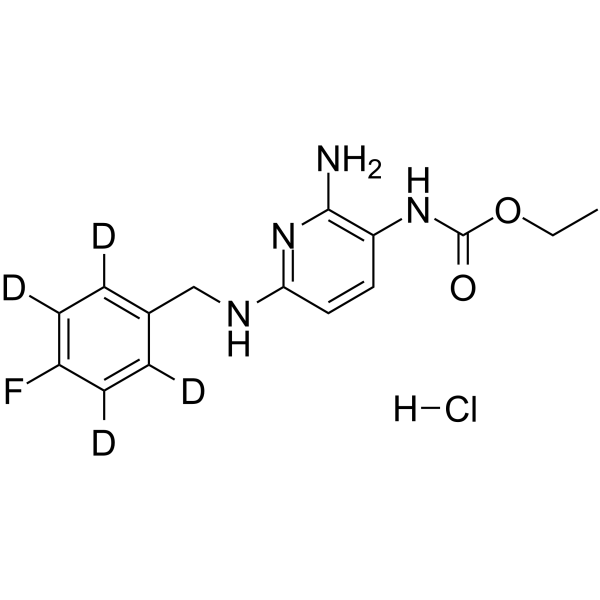
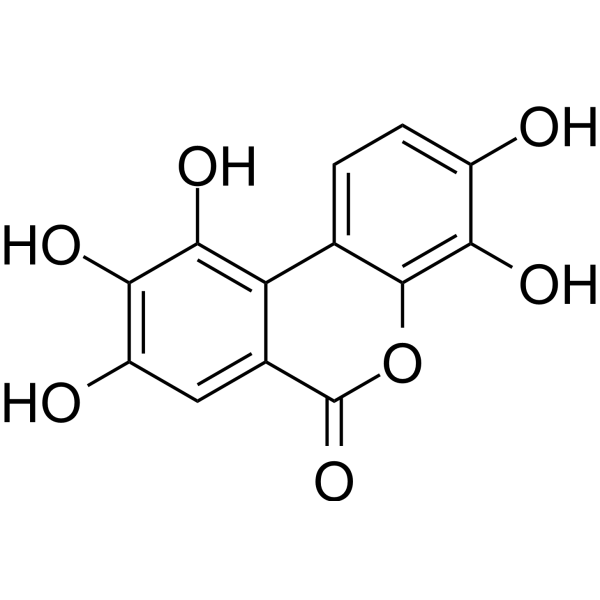
1. Search Result
Search Result
Results for "

neuroprotective potential

" in MedChemExpress (MCE) Product Catalog:

130

Inhibitors & Agonists

1

Screening Libraries

3

Peptides

21

Natural
Products

19

Isotope-Labeled Compounds

Targets Recommended:
Cat. No. Product Name Target Research Areas Chemical Structure
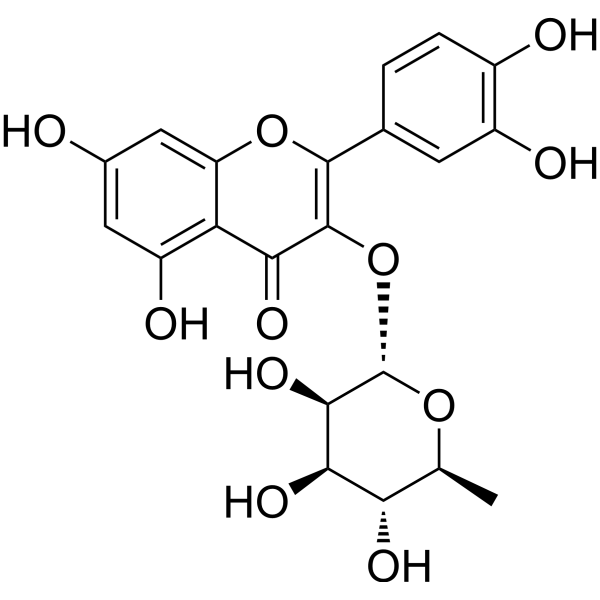
  • HY-N0418
    Quercitrin
    Maximum Cited Publications
    6 Publications Verification

    Quercetin 3-rhamnoside

    Ribosomal S6 Kinase (RSK) Apoptosis Autophagy Reactive Oxygen Species (ROS) Cardiovascular Disease Neurological Disease Inflammation/Immunology
    Quercitrin (Quercetin 3-rhamnoside) is a bioflavonoid compound with potential anti-inflammation, antioxidative and neuroprotective effect. Quercitrin induces apoptosis of colon cancer cells. Quercitrin can be used for the research of cardiovascular and neurological disease research .
    Quercitrin
  • HY-P1061
    Colivelin
    90+ Cited Publications

    STAT Amyloid-β Neurological Disease
    Colivelin is a brain penetrant neuroprotective peptide and a potent activator of STAT3, suppresses neuronal death by activating STAT3 in vitro . Colivelin exhibits long-term beneficial effects against neurotoxicity, Aβ deposition, neuronal apoptosis, and synaptic plasticity deficits in neurodegenerative disease . Colivelin has the potential for the treatment of alzheimer's disease and ischemic brain injury
    Colivelin
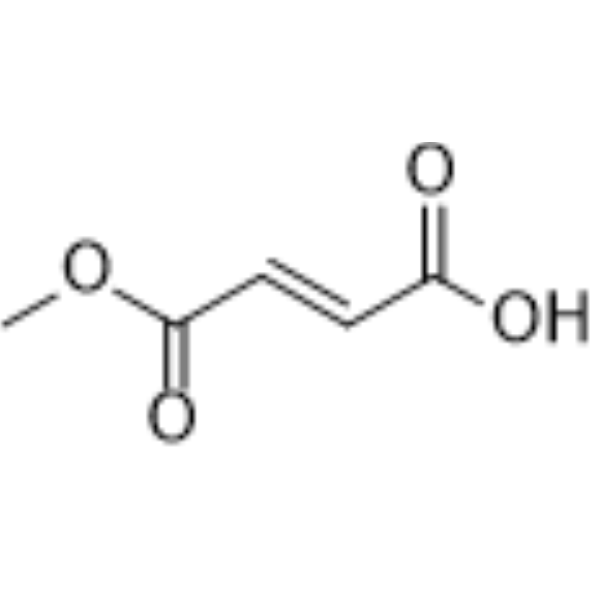
  • HY-103252
    Monomethyl fumarate
    5+ Cited Publications

    GPR109A Drug Metabolite Neurological Disease Inflammation/Immunology
    Monomethyl fumarate, an active metabolite of Dimethyl fumarate (DMF), is a potent GPR109A agonist. Monomethyl fumarate has the potential for multiple neuroprotective pathways and other models of retinal disease .
    Monomethyl fumarate
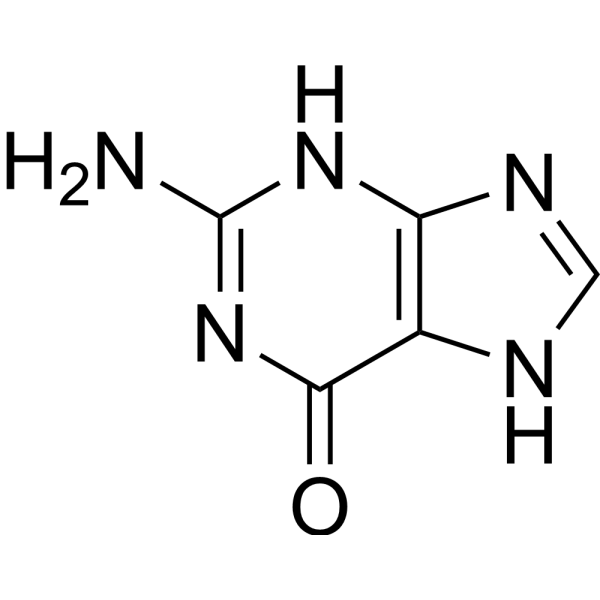
  • HY-Y1055
    Guanine
    3 Publications Verification

    DNA/RNA Synthesis Endogenous Metabolite Infection Neurological Disease Cancer
    Guanine is one of the fundamental components of nucleic acids (DNA and RNA). Guanine is a purine derivative, consisting of a fused pyrimidine-imidazole ring system with conjugated double bonds. Guanine has the potential to serve as a large-capacity N pool. Guanine has cytotoxic, antinociceptive and neuroprotective effects .
    Guanine
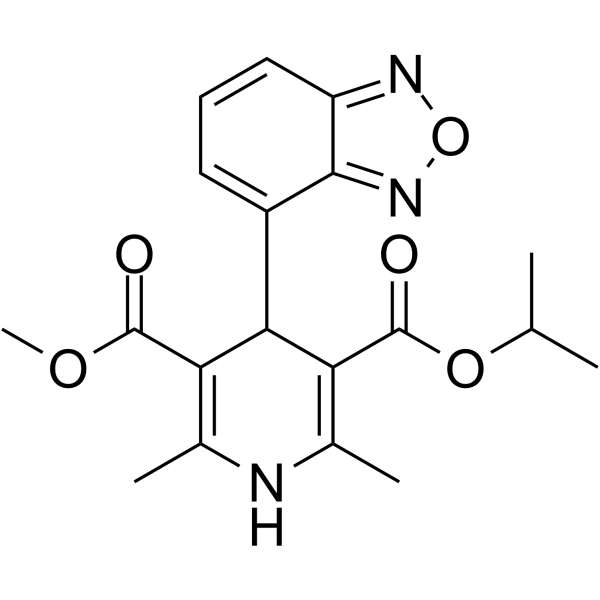
  • HY-B0233

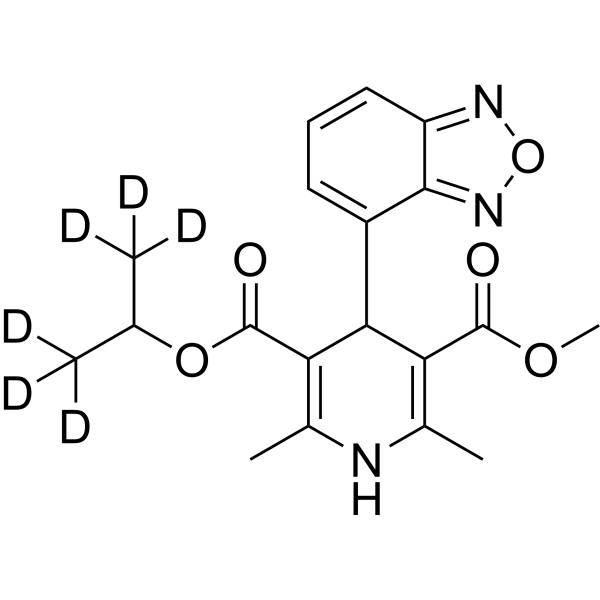
    PN 200-110

    Calcium Channel Autophagy Cardiovascular Disease Neurological Disease
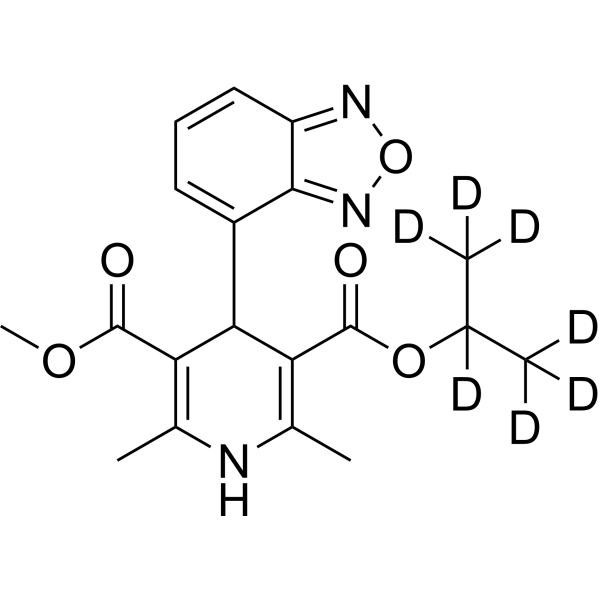
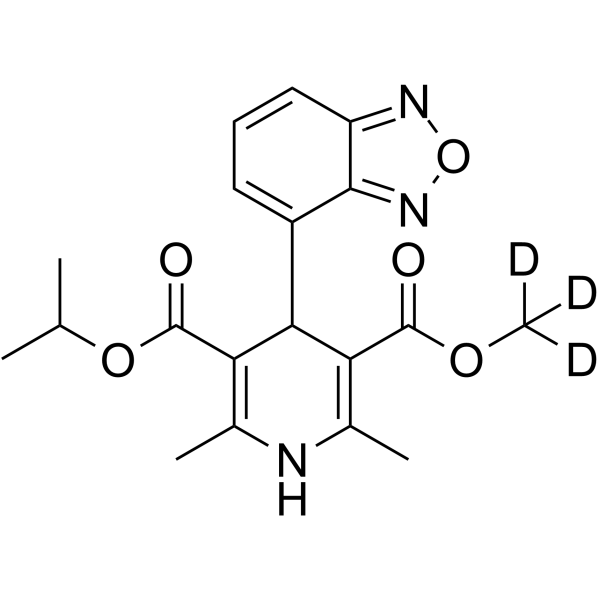
    Isradipine (PN 200-110) is an orally active and blood-brain barrier permeability L-type calcium channel blocker. Isradipine, as a powerful peripheral vasodilator, is a dihydropyridine calcium antagonist with selective actions on the heart as well as the peripheral circulation. Isradipine is a potentially viable neuroprotective agent for Parkinson's disease .
    Isradipine
  • HY-15655
    GW1929
    10+ Cited Publications

    PPAR Neurological Disease Metabolic Disease
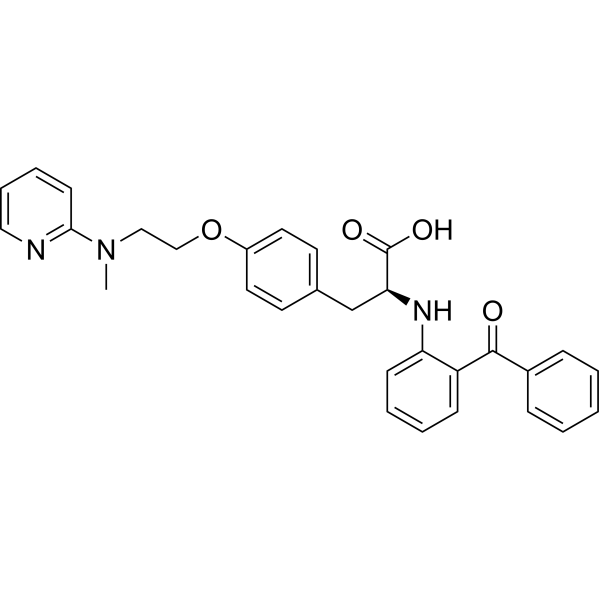
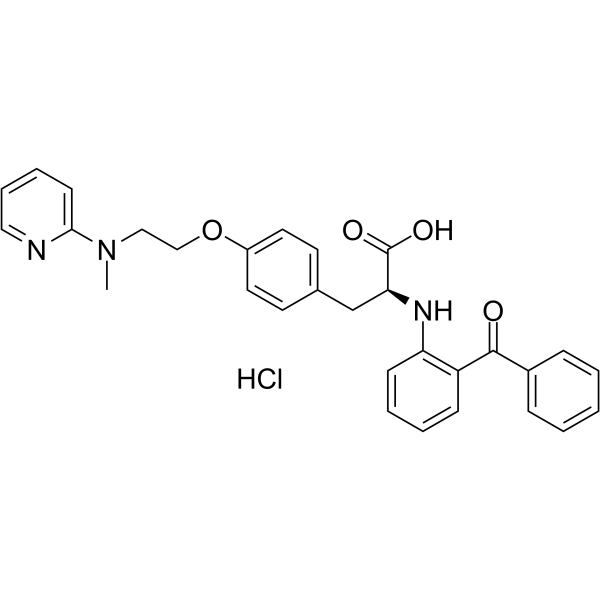
    GW 1929 is an orally active peroxisome proliferator-activated receptor-γ (PPARγ) agonist with a pKi of 8.84 for human PPAR-γ, and pEC50s of 8.56 and 8.27 for human PPAR-γ and murine PPAR-γ, respectively. GW 1929 (hydrochloride) has antidiabetic efficacy and neuroprotective potential .
    GW1929
  • HY-W037893
    CHMA1004 dihydrochloride
    2 Publications Verification

    Methyl piperazine-2-carboxylate dihydrochloride; METTL3 activator-1

    METTL3 HIV Infection Neurological Disease
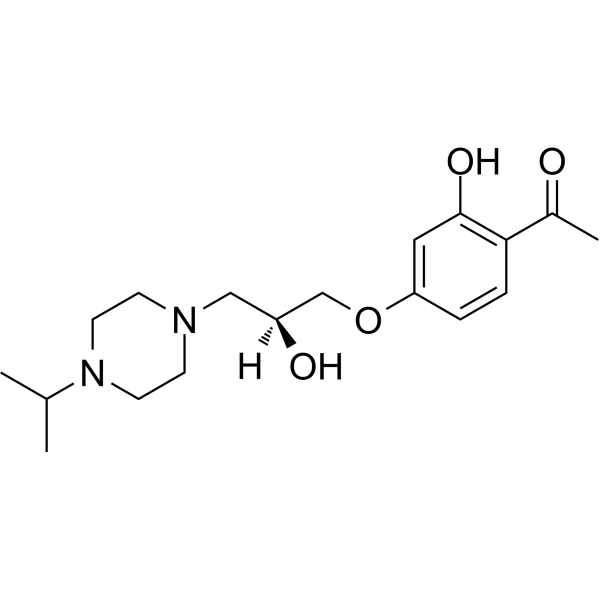
    CHMA1004 (Methyl piperazine-2-carboxylate; METTL3 activator-1) dihydrochloride is a METTL3/METTL14/WTAP methyltransferase complex activator. CHMA1004 dihydrochloride exhibits neuroprotective and anxiolytic potential by enhancing m 6A methylation modification of RNA. CHMA1004 dihydrochloride promotes HIV replication in an infection context. CHMA1004 dihydrochloride can be used in studies related to anxiety disorders and HIV-1 infection .
    CHMA1004 dihydrochloride
  • HY-70057
    Safinamide
    2 Publications Verification

    FCE 26743; EMD 1195686

    Monoamine Oxidase Neurological Disease
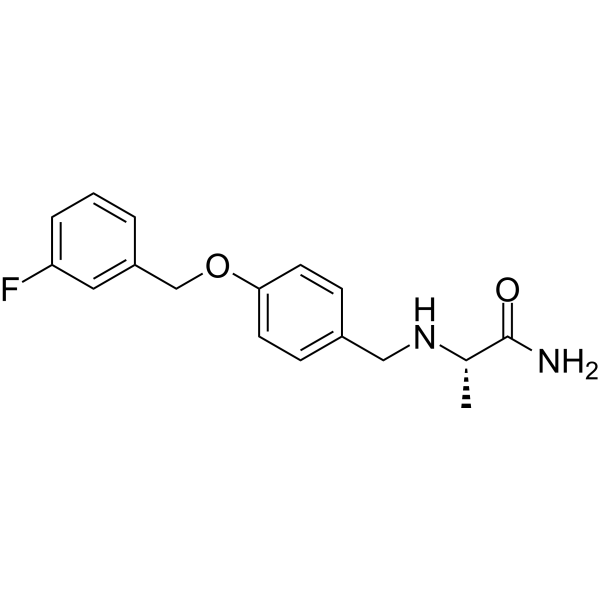
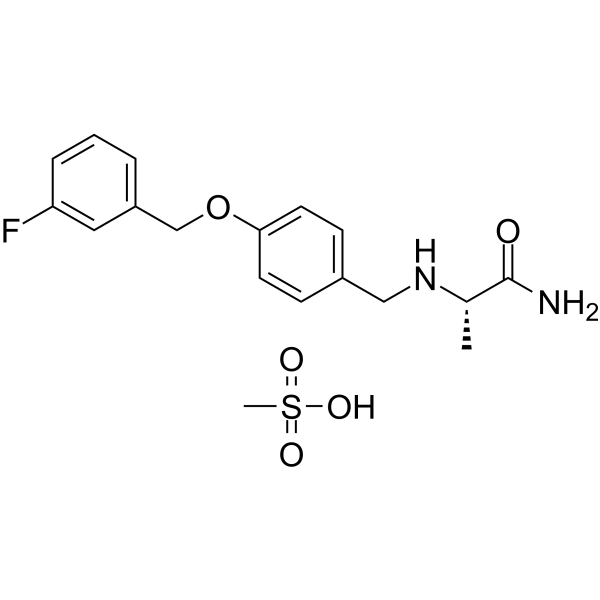
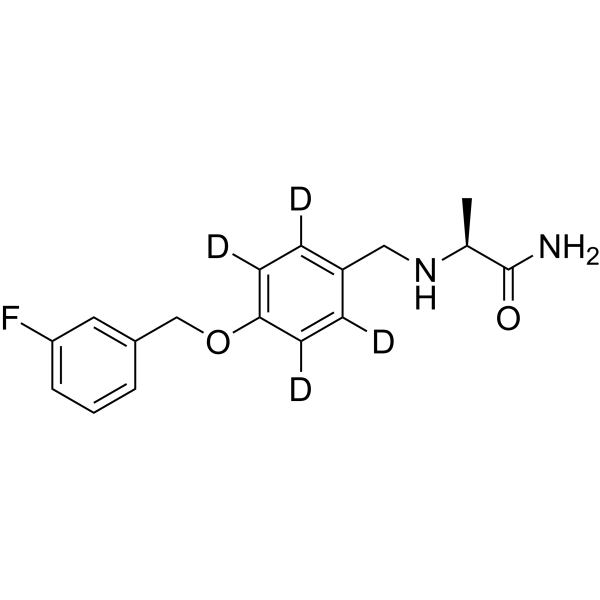
    Safinamide is a potent, selective, and reversible monoamine oxidase B (MAO-B) inhibitor (IC50=0.098 μM) over MAO-A (IC50=580 μM) . Safinamide also blocks sodium channels and modulates glutamate (Glu) release, showing a greater affinity at depolarized (IC50=8 μM) than at resting (IC50=262 μM) potentials. Safinamide has neuroprotective and neurorescuing effects and can be used for the study of parkinson disease, ischemia stroke etc.al .
    Safinamide
  • HY-N7560
    Safranal
    Maximum Cited Publications
    6 Publications Verification

    Keap1-Nrf2 Neurological Disease Inflammation/Immunology
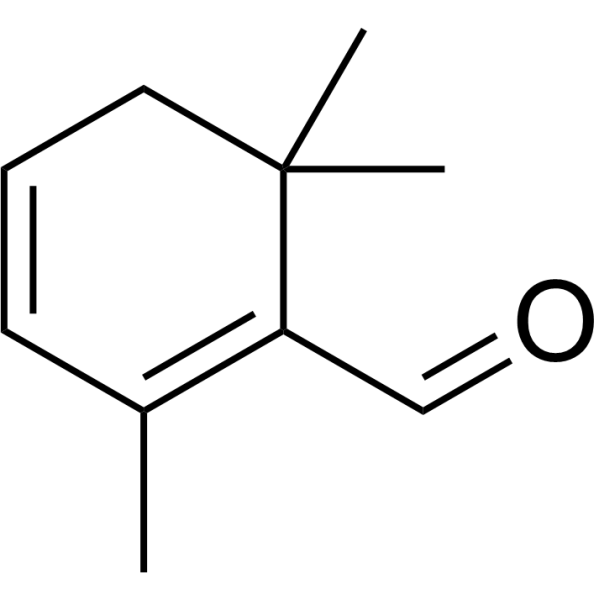
    Safranal is an orally active main component of Saffron (Crocus sativus) and is responsible for the unique aroma of this spice. Safranal has neuroprotective and anti-inflammatory effects and has the potential for Parkinson’s disease research .
    Safranal
  • HY-N2393
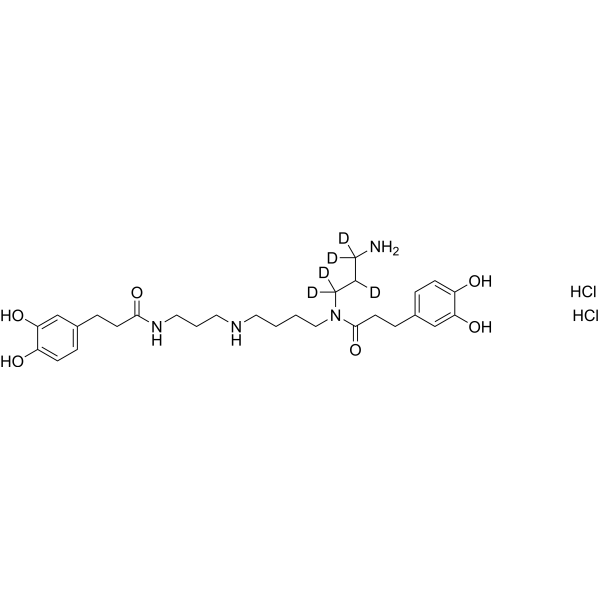
    Kukoamine B
    1 Publications Verification

    Apoptosis MMP MAPKAPK2 (MK2) p38 MAPK PI3K Akt Reactive Oxygen Species (ROS) DNA/RNA Synthesis Neurological Disease Metabolic Disease Inflammation/Immunology
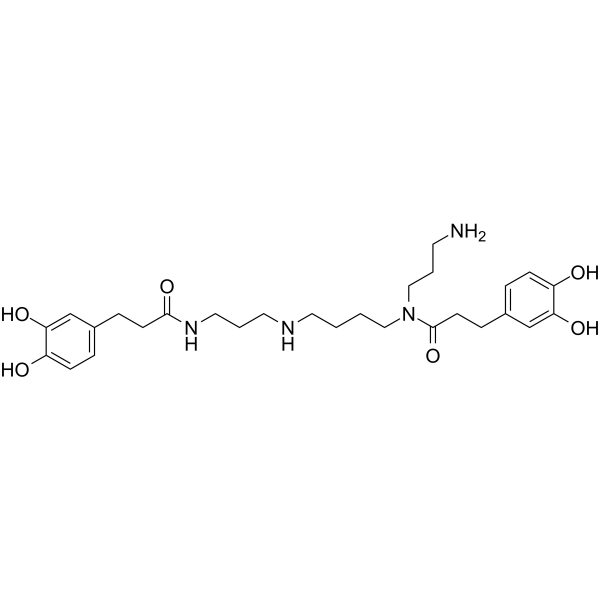
    Kukoamine B, a spermine alkaloid, is a potent dual LPS and CpG DNA inhibitor with Kd values of 1.23 µM and 0.66 µM, respectively. Kukoamine B exerts anti-inflammatory, anti-diabetic, anti-oxidant, anti-osteoporotic and neuroprotective effects. Kukoamine B has the potential for the study of sepsis .
    Kukoamine B
  • HY-P1061A
    Colivelin TFA
    90+ Cited Publications

    STAT Amyloid-β Apoptosis Neurological Disease
    Colivelin TFA is a brain penetrant neuroprotective peptide and a potent activator of STAT3, suppresses neuronal death by activating STAT3 in vitro . Colivelin TFA exhibits long-term beneficial effects against neurotoxicity, Aβ deposition, neuronal apoptosis, and synaptic plasticity deficits in neurodegenerative disease . Colivelin TFA has the potential for the treatment of alzheimer's disease and ischemic brain injury .
    Colivelin TFA
  • HY-14895

    CM346

    Parasite Monoamine Oxidase Sigma Receptor P-glycoprotein Infection Cardiovascular Disease Neurological Disease
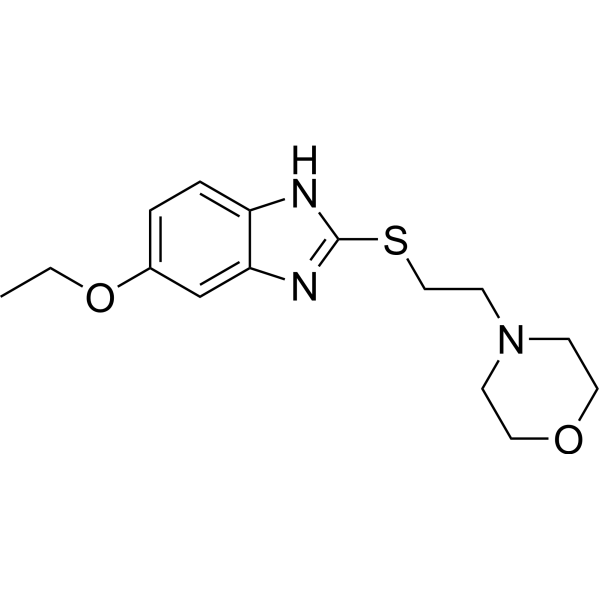
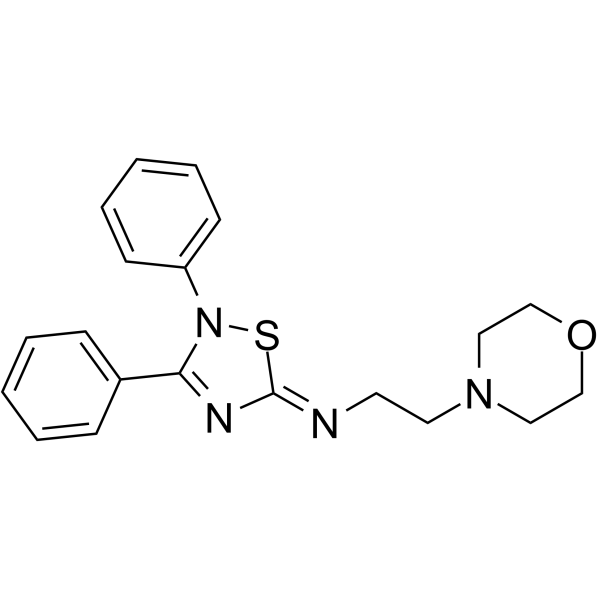
    Fabomotizole (CM346) is an insecticide with anxiolytic, antianxiety, and neuroprotective activities and a substrate of p-glycoprotein. Fabomotizole inhibits the ST-segment depression induced by isoproterenol in a rat model of acute subendocardial ischemia. Fabomotizole also inhibits Giardia lamblia and has the potential to inhibit giardiasis. Fabomotizole also targets Sigma1R, NRH:quinone reductase 2 (NQO2), and MAO-A to exert anxiolytic effects .
    Fabomotizole
  • HY-10932
    Aniracetam
    1 Publications Verification

    Ro 13-5057

    nAChR iGluR Neurological Disease
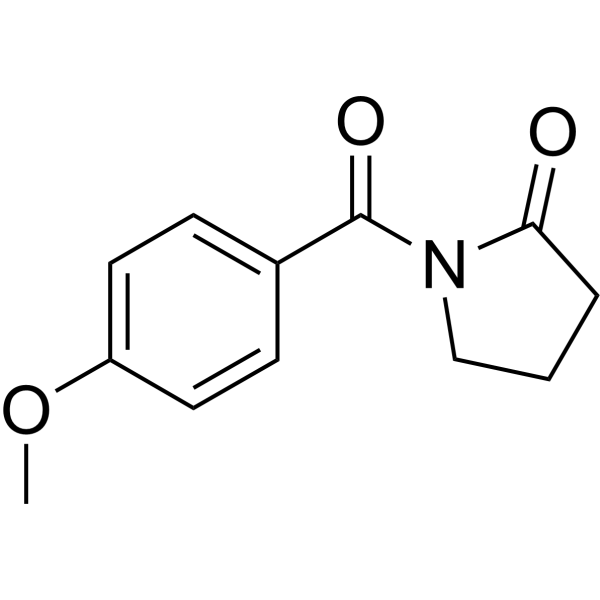
    Aniracetam (Ro 13-5057) is an orally active neuroprotective agent, possessing nootropics effects. Aniracetam potentiates the ionotropic quisqualate (iQA) responses in the CA1 region of rat hippocampal slices. Aniracetam also potentiates the excitatory post synaptic potentials (EPSPs) in Schaffer collateral-commissural synapses. Aniracetam can prevents the CO2-induced impairment of acquisition in hypercapnia model rats. Aniracetam can be used to research cerebral dysfunctional disorders .
    Aniracetam
  • HY-N3017
    Artemitin
    1 Publications Verification

    Antibiotic Neurological Disease Inflammation/Immunology
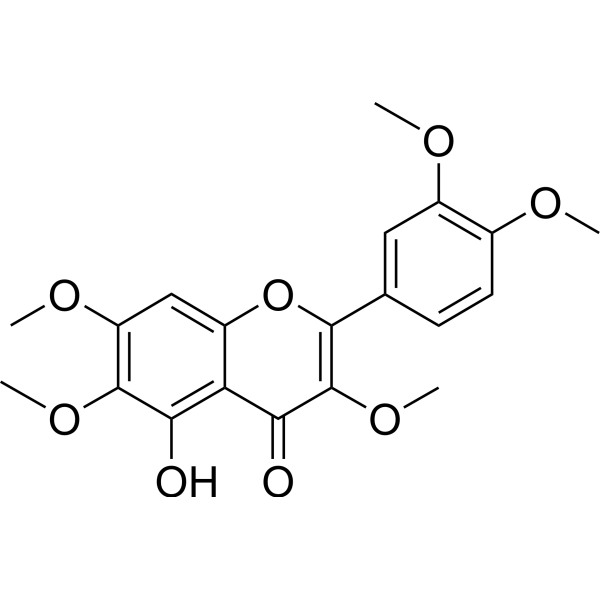
    Artemitin is a flavonoid neuroanesthetic agent with moderate cytotoxicity. Artemitint has selective inhibitory activity against Meth-A sarcoma cells with an ED50 of 5-10 μg/mL, and has no significant effect on LLC lung cancer cells. Artemitin exerts anticancer activity by affecting cell proliferation signaling pathways, and also has potential anti-inflammatory and neuroprotective effects. Artemitin exhibits a dose-dependent antinociceptive effect in the mouse hot plate test, with an ED50 of 1.6 μg/kg, and has analgesic activity .
    Artemitin
  • HY-148195

    NNZ-2591

    Biochemical Assay Reagents Neurological Disease
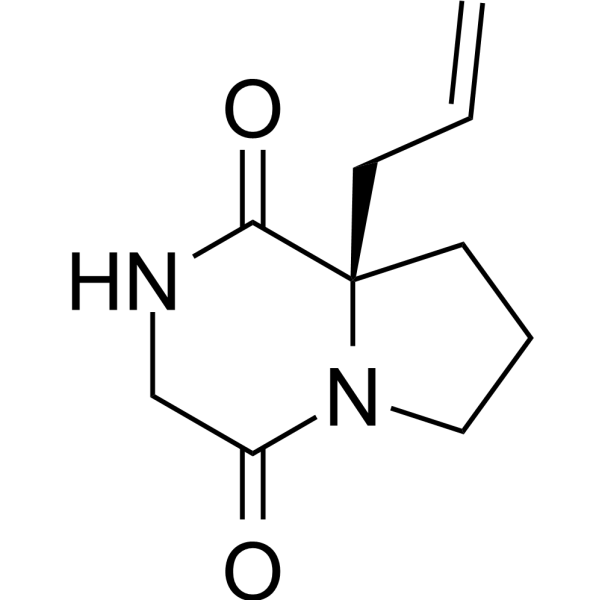
    Ercanetide (NNZ 2591) is a synthetic analogue of a small peptide of cyclic glycine proline (cGP). Ercanetide shows orally active and cross the blood-brain barrier. Ercanetide shows neuroprotective after ischemic brain injury. NNZ 2591 improves motor function in a rat model of Parkinson's disease. Ercanetide has the potential for the research of ischemic brain injury and angelman syndrome .
    Ercanetide
  • HY-15978
    P7C3-A20
    5+ Cited Publications

    Others Neurological Disease
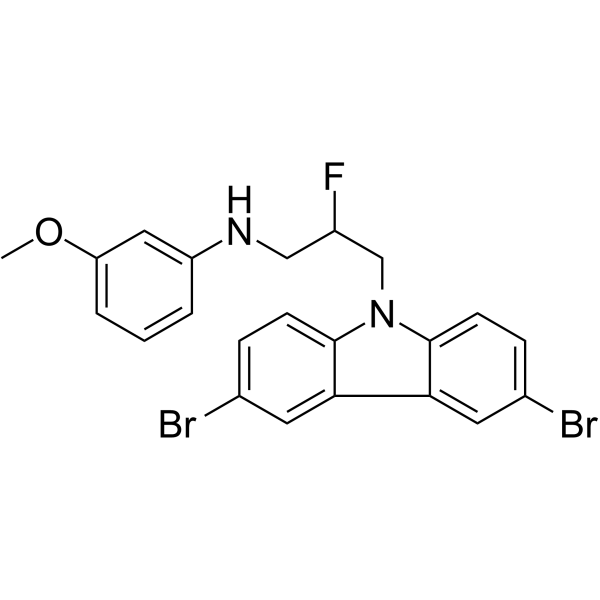
    P7C3-A20 is a derivative of P7C3 with potent proneurogenic and neuroprotective activity. P7C3-A20 exerts an antidepressant-like effect. P7C3-A20 can cross the blood-brain barrier and therefore has the potential for brain injury treatment .
    P7C3-A20
  • HY-100550
    MSDC 0160
    4 Publications Verification

    Mitoglitazone; CAY10415

    Insulin Receptor Mitochondrial Metabolism Neurological Disease Endocrinology
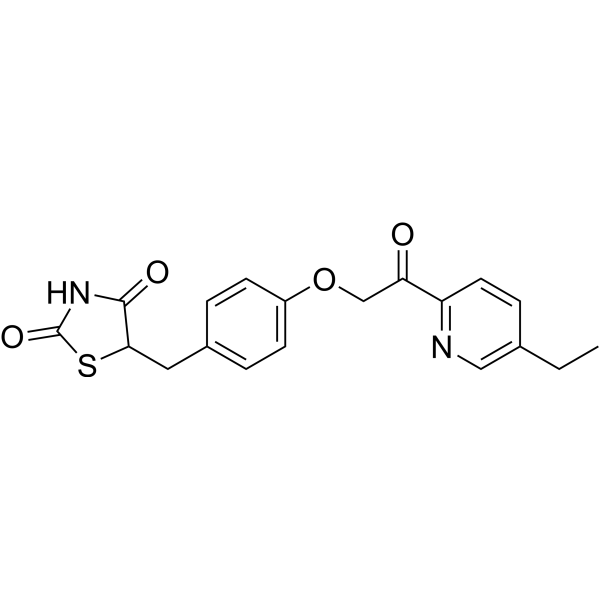
    MSDC 0160 (Mitoglitazone) is a mitochondrial target of thiazolidinediones (mTOT)-modulating insulin sensitizer and a modulator of mitochondrial pyruvate carrier (MPC). MSDC 0160 is a thiazolidinedione (TZD) with antidiabetic and neuroprotective activities. MSDC 0160 has the potential for Alzheimer′s disease .
    MSDC 0160
  • HY-13779

    Monoamine Oxidase Dopamine Transporter Neurological Disease
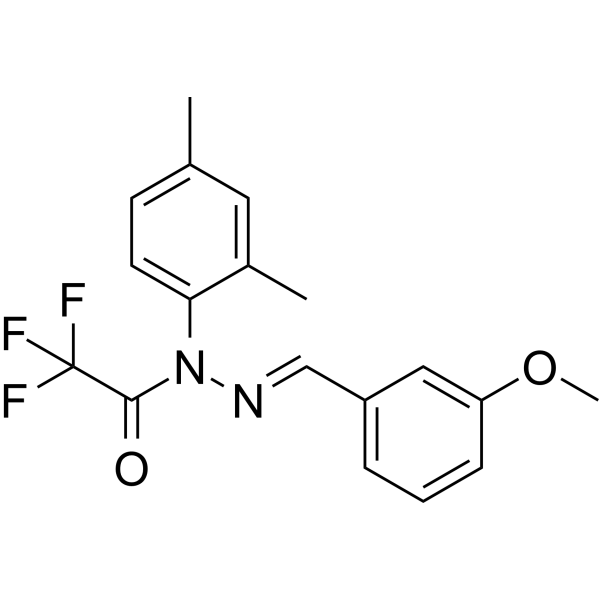
    (E/Z)-J147 is an exceptionally potent, orally active, neuroprotective agent for cognitive enhancement. (E/Z)-J147 can readily pass the blood brain barrier (BBB). (E/Z)-J147 can inhibit monoamine oxidase B (MAO B) and the dopamine transporter with EC50 values of 1.88 μM and 0.649 μM, respectively. (E/Z)-J147 has potential for the study of Alzheimer’s disease (AD) .
    (E/Z)-J147
  • HY-Y1055A
    Guanine hydrochloride
    3 Publications Verification

    Endogenous Metabolite DNA/RNA Synthesis Infection Neurological Disease Cancer
    Guanine hydrochloride is one of the fundamental components of nucleic acids (DNA and RNA). Guanine hydrochloride is a purine derivative, consisting of a fused pyrimidine-imidazole ring system with conjugated double bonds. Guanine hydrochloride has the potential to serve as a large-capacity N pool. Guanine hydrochloride has cytotoxic, antinociceptive and neuroprotective effects .
    Guanine hydrochloride
  • HY-15314
    Ranirestat
    1 Publications Verification

    AS-3201

    Aldose Reductase Neurological Disease Metabolic Disease
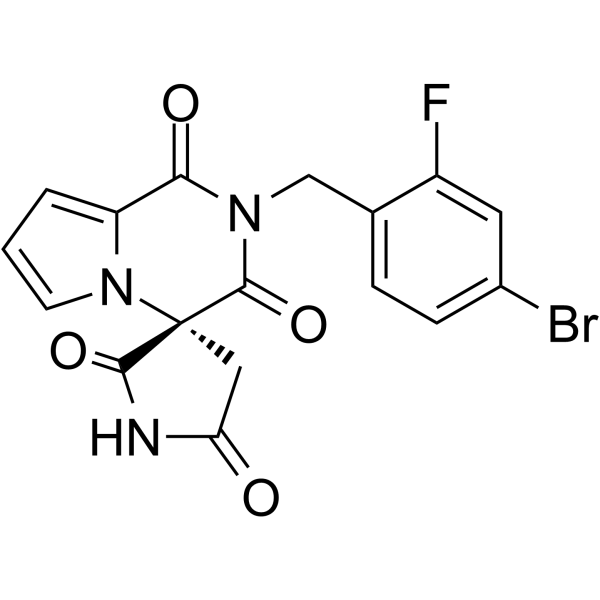
    Ranirestat (AS-3201) potent and orally active aldose reductase (AR) inhibitor with IC50s of 11 nM and 15 nM for rat lens AR and recombinant human AR, respectively, and a Ki of 0.38 nM for recombinant human AR. Ranirestat has the potential for diabetic sensorimotor polyneuropathy treatment. Ranirestat also has a neuroprotective effect on diabetic retinas .
    Ranirestat
  • HY-116622

    L-822179

    GABA Receptor Neurological Disease
    α5IA (L-822179) is a selective α5 GABAA receptor inverse agonist with neuroprotective potential .
    α5IA
  • HY-109046
    Tulrampator
    2 Publications Verification

    CX-1632; S-47445

    iGluR mTOR Neurological Disease
    Tulrampator (S-47445) is an orally active selective AMPA receptor modulator. Tulrampator possesses procognitive, enhancing synaptic plasticity, anti-depressant-anxiolytic-like, procognitive and potential neuroprotective properties. Tulrampator can be used for research of alzheimer’s disease and in major depressive disorder .
    Tulrampator
  • HY-N9404

    Sodium Channel Neurological Disease
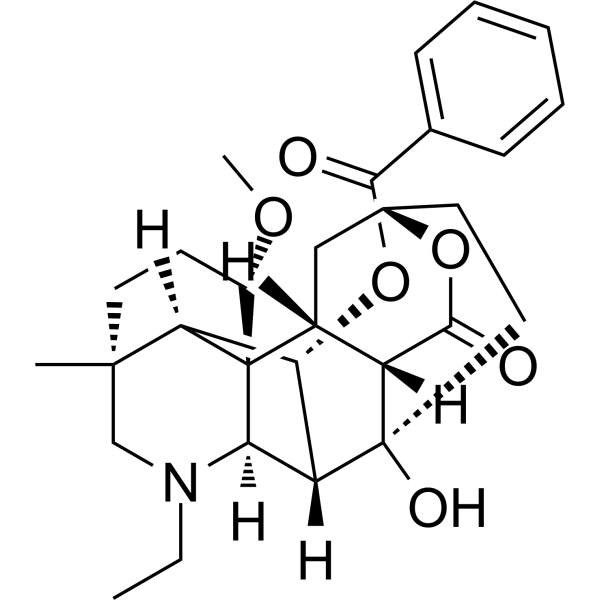
    6-Benzoylheteratisine is an Aconitum alkaloid with potential neuroprotective activity. 6-Benzoylheteratisine can antagonize tetrodotoxin, inhibit the increase of [Na +]i, [Ca 2+]i and glutamate release, and block sodium channels. 6-Benzoylheteratisine has an inhibitory effect on the neuronal activity underlying epileptiform burst discharge .
    6-Benzoylheteratisine
  • HY-137262
    Protein deglycase DJ-1 against-1
    1 Publications Verification

    Dopamine Receptor Neurological Disease
    Protein deglycase DJ-1 against-1, a DJ-1-binding compound, dependently targets DJ1. Protein deglycase DJ-1 against-1 penetrates through the blood brain barrier (BBB). Protein deglycase DJ-1 against-1 is used as a neuroprotective agent and has the potential for Parkinson's disease research .
    Protein deglycase DJ-1 against-1
  • HY-14895A

    CM346 hydrochloride

    Parasite Neurological Disease
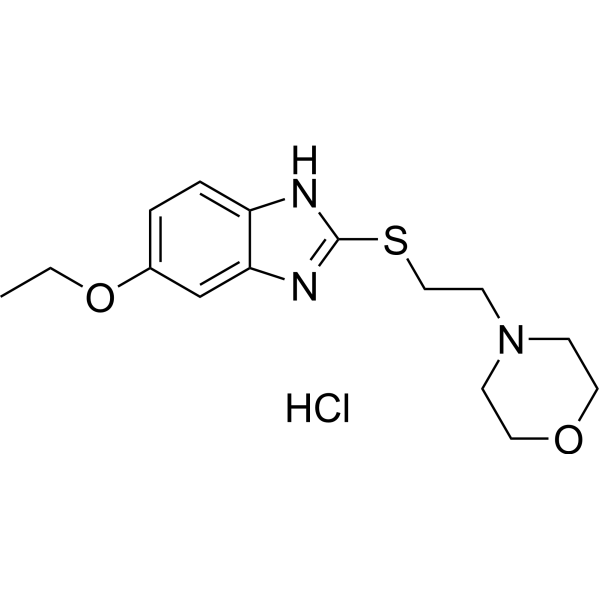
    Fabomotizole (CM346) hydrochloride is a compound with anxiolytic and neuroprotective activities. Fabomotizole (CM346) hydrochloride also has activity against Giardia lamblia and has the potential to inhibit giardiasis.
    Fabomotizole hydrochloride
  • HY-125558

    ORG-34517

    Glucocorticoid Receptor Neurological Disease
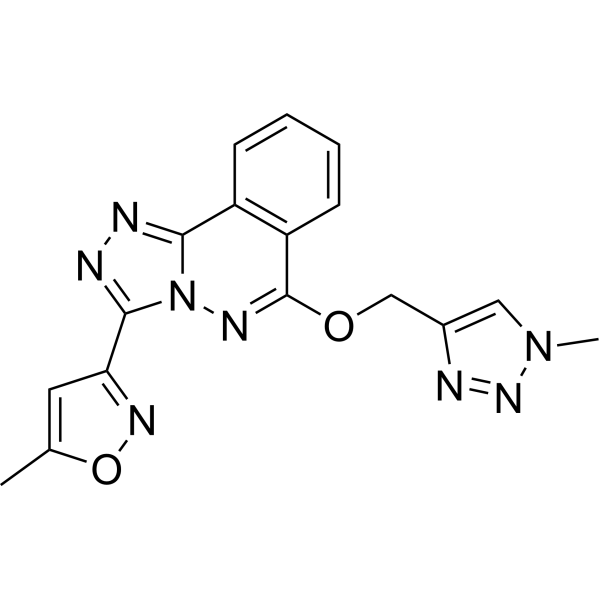
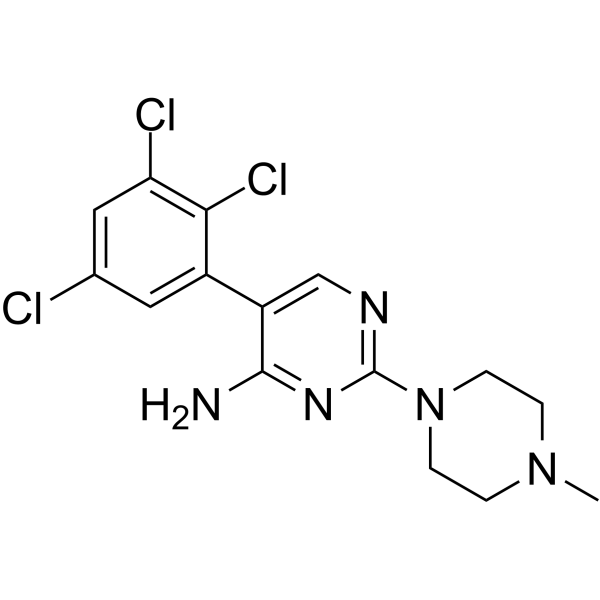
    PT150 (ORG-34517) is a competitive and orally active glucocorticoid receptor antagonist. PT150 shows neuroprotective effects. PT150 has the potential for the research of Parkinson’s disease .
    PT150
  • HY-N7509

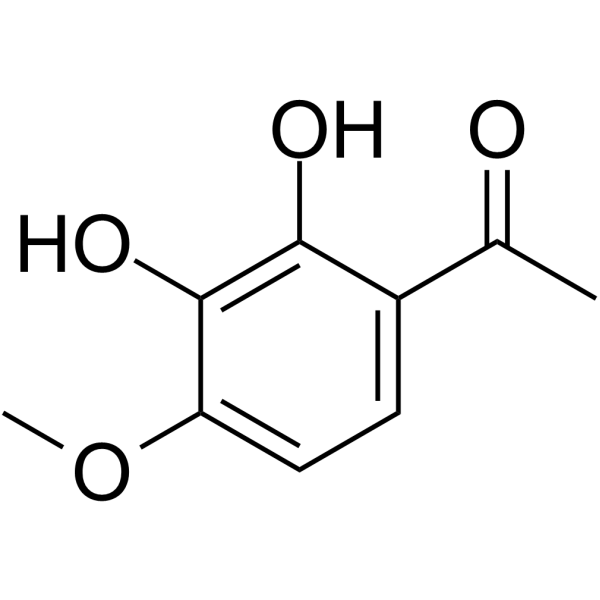
    Gallacetophenone-4-methyl ether

    Others Neurological Disease
    2,3-Dihydroxy-4-methoxyacetophenone is a neuroprotective compound from Cynenchum paniculatum. 2,3-Dihydroxy-4-methoxyacetophenone improves cognitive function and may has the potential for the treatment of Alzheimer's disease research .
    2,3-Dihydroxy-4-methoxyacetophenone
  • HY-139464

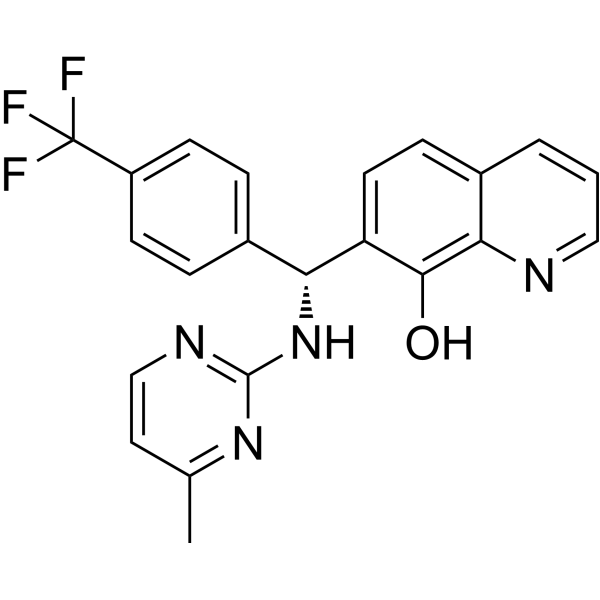
    Nuclear Factor of activated T Cells (NFAT) Neurological Disease
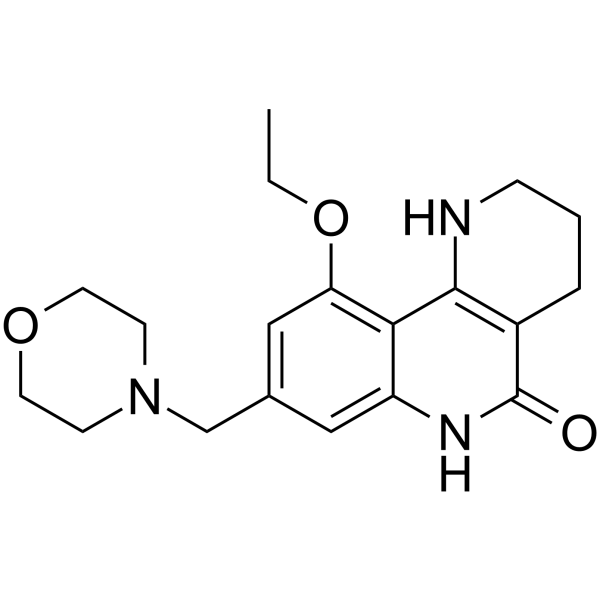
    Q134R, a neuroprotective hydroxyquinoline derivative that suppresses nuclear factor of activated T cell (NFAT) signaling. Q134R can across blood-brain barrier. Q134R has the potential for Alzheimer's disease (AD) and aging-related disorders research .
    Q134R
  • HY-N4005

    Bacterial Tyrosinase Infection Neurological Disease
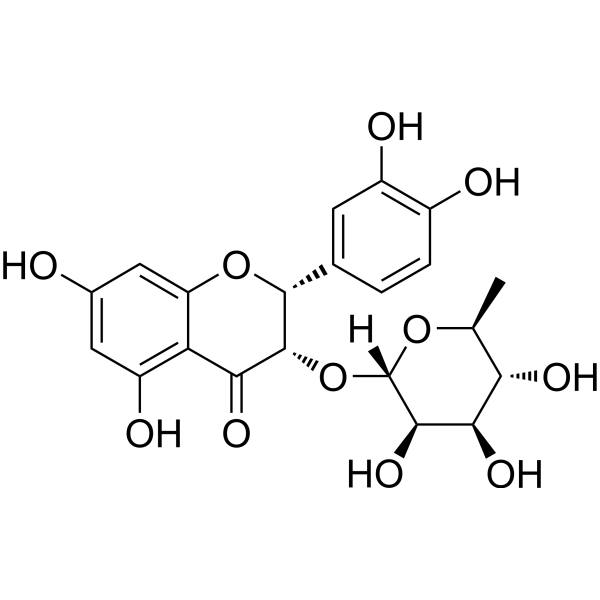
    Isoastilbin is a dihydroflavonol glycoside compound in Rhizoma Smilacis glabrae and Astragalus membranaceus. Isoastilbin inhibits glucosyltransferase (GTase) with an IC50 value of 54.3 μg/mL, and also inhibits tyrosinase activity. Isoastilbin shows neuroprotective, antioxidation, antimicrobial and anti-apoptotic properties and has the potential for Alzheimer’s disease research .
    Isoastilbin
  • HY-14418

    ML-128

    mGluR Neurological Disease
    VU0361737 (ML-128) is a potent, selective and CNS penetrant positive allosteric modulator of metabotropic glutamate receptor 4 (mGluR4 PAM), with EC50s of 240 nM and 110 nM for human and rat mGluR4 receptors, respectively. VU0361737 has neuroprotective effect. VU0361737 is potential for Parkinson's disease research .
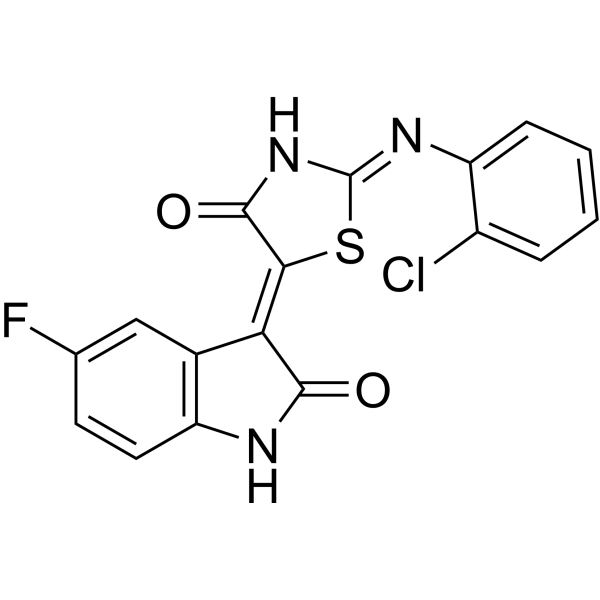
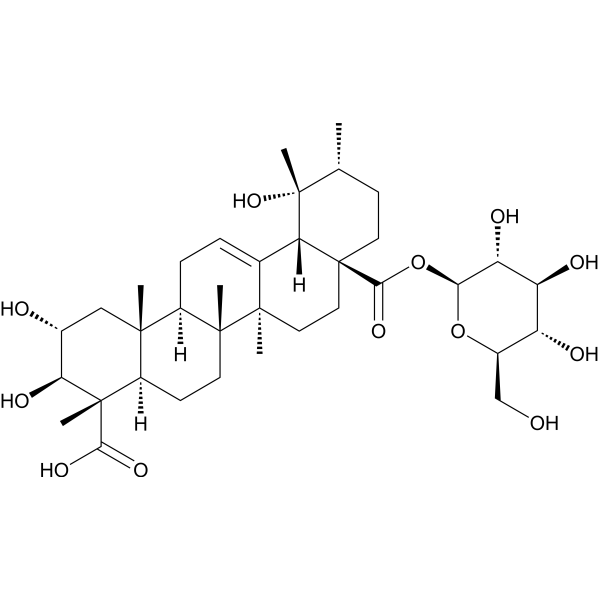
    VU0361737
  • HY-W015515

    (S)-3,7-Dimethyloct-6-en-1-ol

    Environmental Pollutants TNF Receptor Beta-secretase γ-secretase ERK Cholinesterase (ChE) Neurological Disease Inflammation/Immunology
    L-Citronellol ((S)-3,7-Dimethyloct-6-en-1-ol) is a natural product with anti-allergic and neuroprotective effects. L-Citronellol inhibits mast cell activation and the release of inflammatory factors by inhibiting the ERK pathway. L-Citronellol inhibits BACE1/PSEN1 and AChE, reduces TNF-α expression and lipid peroxidation, demonstrating the potential of multi-target anti-Alzheimer's disease (AD) .
    L-Citronellol
  • HY-103252S
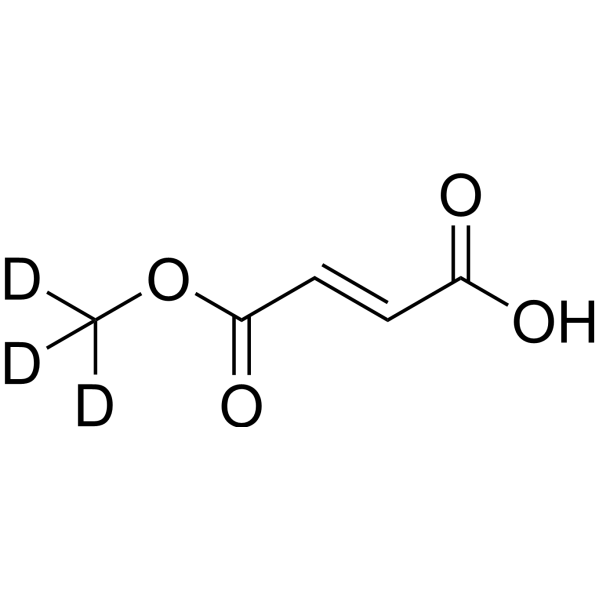
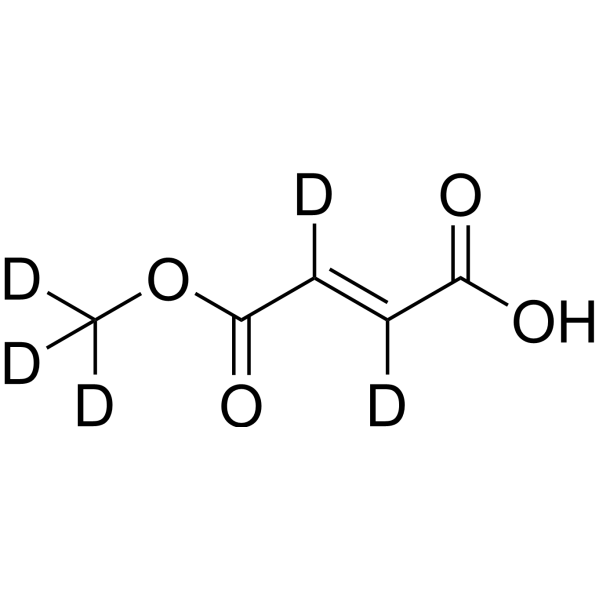
    Monomethyl fumarate-d3
    1 Publications Verification

    GPR109A Isotope-Labeled Compounds Drug Metabolite Neurological Disease Inflammation/Immunology
    Monomethyl fumarate-d3 is a deuterium labeled Monomethyl fumarate (HY-103252). Monomethyl fumarate, an active metabolite of Dimethyl fumarate (DMF) (HY-17363), is a potent GPR109A agonist. Monomethyl fumarate has the potential for multiple neuroprotective pathways and other models of retinal disease .
    Monomethyl fumarate-d3
  • HY-113616A

    MARCKS mAChR Neurological Disease
    VU0364572 TFA is an orally active and selective allosteric agonist of the M1 muscarinic receptor with an EC50 of 0.11 μM. VU0364572 TFA has neuroprotective potential for preventing memory impairments and reducing neuropathology in Alzheimer’s Disease. VU0364572 TFA is CNS penetrant .
    VU0364572 TFA
  • HY-W717504

    Drug Derivative
    Glucosylceramide, plant is a plant-derived glycolipid with anti-inflammatory and immunomodulatory activities. Glucosylceramide, plant plays an important role in promoting cell proliferation and repair. Glucosylceramide, plant is widely used in skin care products to enhance skin barrier function. Glucosylceramide, plant has also been studied for improving nervous system health, showing potential neuroprotective effects.
    Glucosylceramide, plant
  • HY-125838

    JNK Neurological Disease
    J30-8 is a potent and isoform-selective inhibitor of c-Jun N-terminal kinase 3 (JNK3) with an IC50 of 40 nM, which 2500-fold isoform selectivity against JNK1α1 and JNK2α2. J30-8 exhibits neuroprotective activity in vitro and potential for the treatment of neurodegenerative diseases .
    J30-8
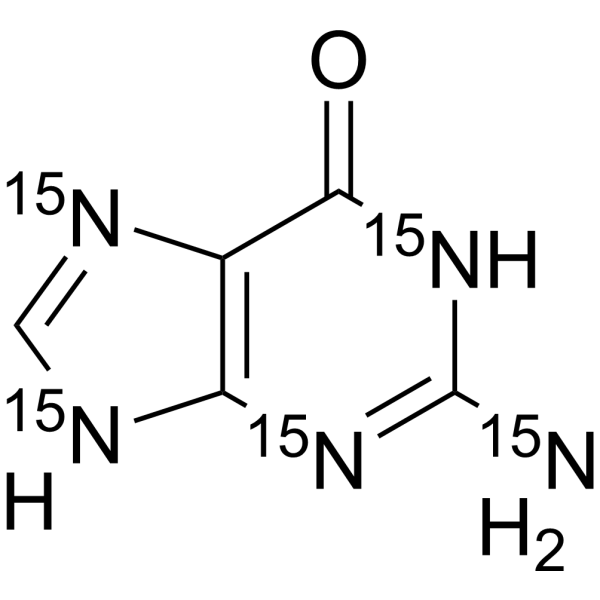
  • HY-Y1055S3

    Isotope-Labeled Compounds DNA/RNA Synthesis Endogenous Metabolite Neurological Disease Cancer
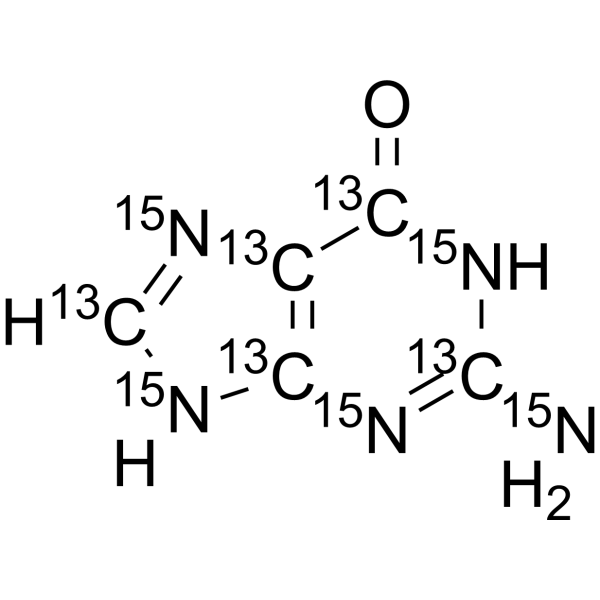
    Guanine- 15N5 is 15N labeled Guanine (HY-Y1055). Guanine is one of the fundamental components of nucleic acids (DNA and RNA). Guanine is a purine derivative, consisting of a fused pyrimidine-imidazole ring system with conjugated double bonds. Guanine has the potential to serve as a large-capacity N pool. Guanine has cytotoxic, antinociceptive and neuroprotective effects .
    Guanine-15N5
  • HY-Y1055S

    DNA/RNA Synthesis Endogenous Metabolite Neurological Disease Cancer
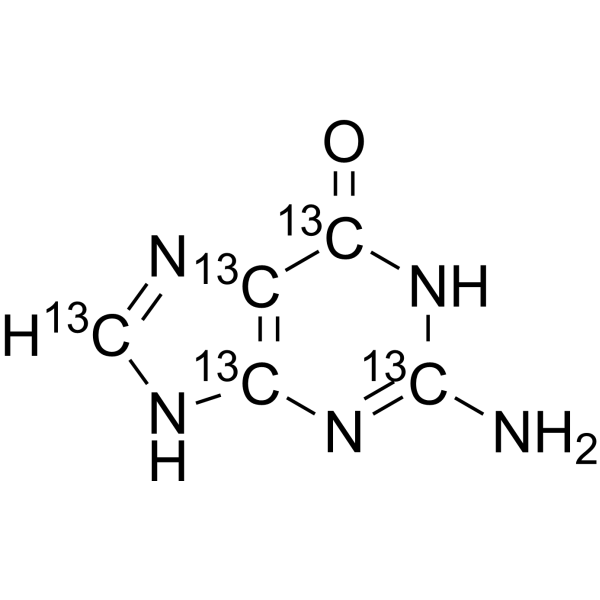
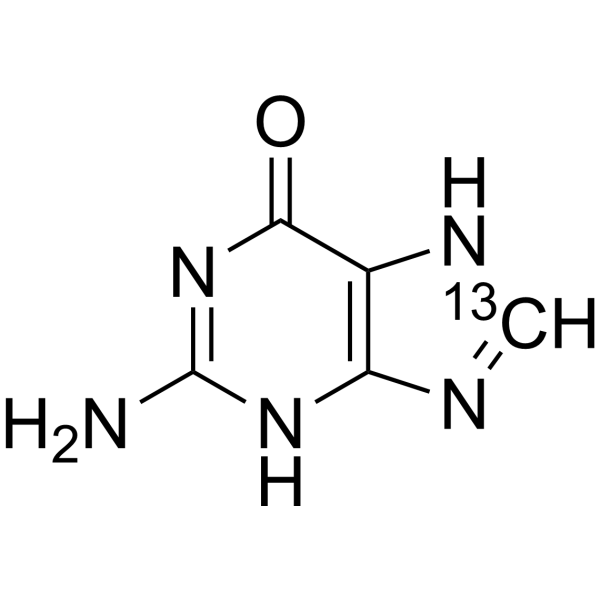
    Guanine- 13C is the 13C labeled Guanine (HY-Y1055) . Guanine is one of the fundamental components of nucleic acids (DNA and RNA). Guanine is a purine derivative, consisting of a fused pyrimidine-imidazole ring system with conjugated double bonds. Guanine has the potential to serve as a large-capacity N pool. Guanine has cytotoxic, antinociceptive and neuroprotective effects .
    Guanine-13C
  • HY-Y1055R

    Reference Standards DNA/RNA Synthesis Endogenous Metabolite Neurological Disease Cancer
    Guanine (Standard) is the analytical standard of Guanine (HY-Y1055). This product is intended for research and analytical applications. Guanine is one of the fundamental components of nucleic acids (DNA and RNA). Guanine is a purine derivative, consisting of a fused pyrimidine-imidazole ring system with conjugated double bonds. Guanine has the potential to serve as a large-capacity N pool. Guanine has cytotoxic, antinociceptive and neuroprotective effects .
    Guanine (Standard)
  • HY-N7025

    Others Neurological Disease
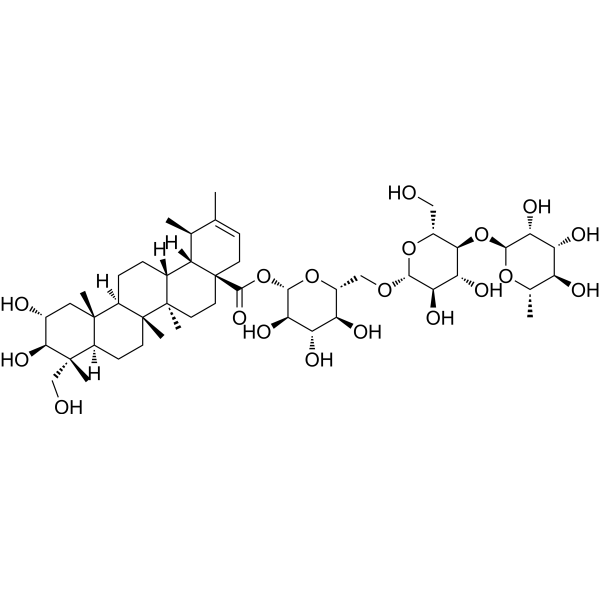
    Suavissimoside R1, isolated from the roots of Rubus parvifollus, possesses potent neuroprotective activity and has the potential to treat anti-Parkinson's disease agent .
    Suavissimoside R1
  • HY-105067A

    GV-1001 hydrochloride

    Telomerase Neurological Disease
    Tertomotide (GV1001) hydrochloride is peptide vaccine consists a 16-aa human telomerase reverse transcriptase (hTERT) sequence. Tertomotide hydrochloride shows neuroprotective. Tertomotide hydrochloride has the potential for the research of Alzheimer's disease .
    Tertomotide hydrochloride
  • HY-108335
    Sipatrigine
    1 Publications Verification

    619C89; BW 619C89

    Sodium Channel Calcium Channel Neurological Disease
    Sipatrigine (619C89), a neuroprotective agent, is a glutamate release inhibitor, voltage-dependent sodium channel and calcium channel inhibitor, penetrating the central nervous system. Has the potential in the study for focal cerebral ischemia and stroke .
    Sipatrigine
  • HY-112403
    (S)-Roscovitine
    1 Publications Verification

    (S)-Seliciclib; (S)-CYC202

    CDK Neurological Disease
    (S)-Roscovitine ((S)-Seliciclib; (S)-CYC202) is a potent and cross the blood-brain barrier CDKs inhibitor. (S)-Roscovitine shows neuroprotective efficacy. (S)-Roscovitine has the potential for the research of stroke .
    (S)-Roscovitine
  • HY-N7560R

    Keap1-Nrf2 Reference Standards Neurological Disease Inflammation/Immunology
    Safranal (Standard) is an analytical standard for Safranal. This product is intended for research and analytical applications. Safranal is the main component of saffron (Crocus sativus), is orally active, and is the source of the spice's unique aroma. Safranal has neuroprotective and anti-inflammatory effects and has research potential for Parkinson's disease.
    Safranal (Standard)
  • HY-N0418R

    Quercetin 3-rhamnoside (Standard)

    Reference Standards Ribosomal S6 Kinase (RSK) Apoptosis Autophagy Reactive Oxygen Species (ROS) Cardiovascular Disease Neurological Disease Inflammation/Immunology
    Quercitrin (Standard) is the analytical standard of Quercitrin. This product is intended for research and analytical applications. Quercitrin (Quercetin 3-rhamnoside) is a bioflavonoid compound with potential anti-inflammation, antioxidative and neuroprotective effect. Quercitrin induces apoptosis of colon cancer cells. Quercitrin can be used for the research of cardiovascular and neurological disease research .
    Quercitrin (Standard)
  • HY-N9785

    Others Neurological Disease
    1-O-trans-p-Coumaroylglycerol is a compound found in certain plants that has neuroprotective activity. 1-O-trans-p-Coumaroylglycerol has shown potential in protecting against neurodegenerative diseases. 1-O-trans-p-Coumaroylglycerol is also believed to act as a natural antioxidant, and its applications may include improving cognitive function and supporting neurological health .
    1-O-trans-p-Coumaroylglycerol
  • HY-170790

    TRP Channel Neurological Disease
    HZS60 is a NMDAR/TRPM4 inhibitor with brain permeability that can improve cerebral ischemia. HZS60 has significant neuroprotective effects on primary neuronal ischemic damage caused by NMDA and oxygen-glucose deprivation/reoxygenation. HZS60 exhibits good pharmacokinetic characteristics and can inhibit cerebral ischemia-reperfusion injury. HZS60 can be used as a potential inhibitor of ischemic stroke .
    HZS60
  • HY-Y1055S1

    DNA/RNA Synthesis Endogenous Metabolite Neurological Disease Cancer
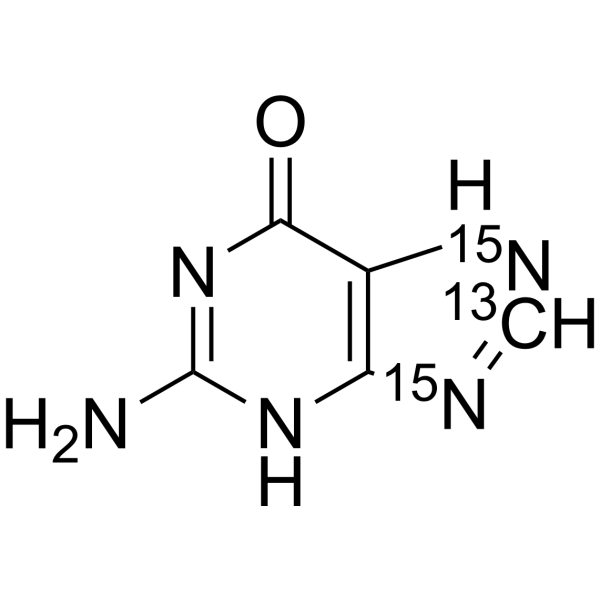
    Guanine- 13C, 15N2 is the 13C and 15N labeled Guanine (HY-Y1055) . Guanine is one of the fundamental components of nucleic acids (DNA and RNA). Guanine is a purine derivative, consisting of a fused pyrimidine-imidazole ring system with conjugated double bonds. Guanine has the potential to serve as a large-capacity N pool. Guanine has cytotoxic, antinociceptive and neuroprotective effects .
    Guanine-13C,15N2
  • HY-101375

    mGluR Neurological Disease
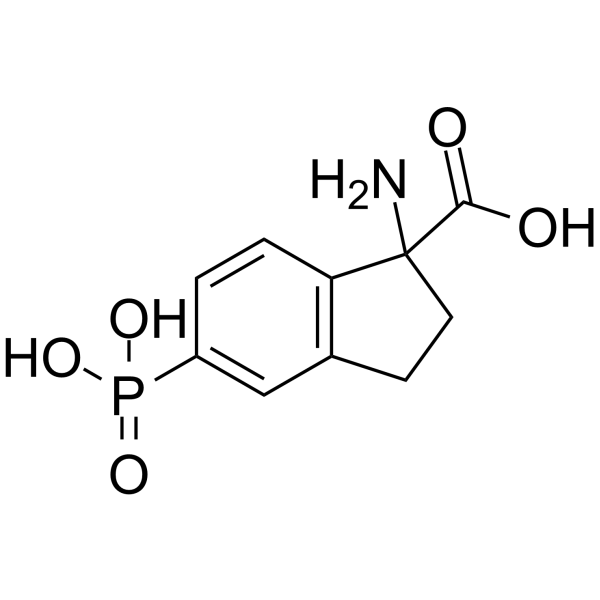
    (RS)-APICA is a selective group II metabotropic glutamate receptor (mGluR II) antagonist. (RS)-APICA shows potential neuroprotective effect .
    (RS)-APICA
  • HY-116218

    JPI-289 free base

    PARP Cardiovascular Disease Neurological Disease
    Amelparib (JPI-289 free base) is a potent, orally active, and water-soluble inhibitor of PARP-1. Amelparib inhibits PARP-1 activity (IC50=18.5 nM) and cellular PAR formation (IC50=10.7 nM) in the nanomolar range. Amelparib is a potential neuroprotective agent. Amelparib has the potential for the research of acute ischaemic stroke .
    Amelparib
  • HY-103252S2

    Isotope-Labeled Compounds GPR109A Drug Metabolite Neurological Disease Inflammation/Immunology
    Monomethyl fumarate-d2 is a deuterium labeled Monomethyl fumarate (HY-103252). Monomethyl fumarate, an active metabolite of Dimethyl fumarate (DMF) (HY-17363), is a potent GPR109A agonist. Monomethyl fumarate has the potential for multiple neuroprotective pathways and other models of retinal disease .
    Monomethyl fumarate-d2

Inquiry Online

Your information is safe with us. * Required Fields.

Salutation


Country or Region *

Applicant Name *


Organization Name *

Department *


Email Address *


Product Name *

Cat. No.


Requested quantity *

Phone Number *


Remarks

Inquiry Online

Inquiry Information

Product Name:
Cat. No.:
Quantity:
MCE Japan Authorized Agent: