
1. Search Result
Search Result
Pathways Recommended: Stem Cell/Wnt Cell Cycle/DNA Damage
Results for "

suppressed tumor cell proliferation

" in MedChemExpress (MCE) Product Catalog:

147

Inhibitors & Agonists

1

Screening Libraries

7

Inhibitory Antibodies

20

Natural
Products

7

Isotope-Labeled Compounds

2

Click Chemistry

Cat. No. Product Name Target Research Areas Chemical Structure
  • HY-16938
    5'-Methylthioadenosine
    Maximum Cited Publications
    8 Publications Verification

    5'-(Methylthio)-5'-deoxyadenosine; 5'-Deoxy-5'-(methylthio)adenosine; 5'-S-Methyl-5'-thioadenosine

    Endogenous Metabolite Apoptosis Parasite Metabolic Disease Cancer
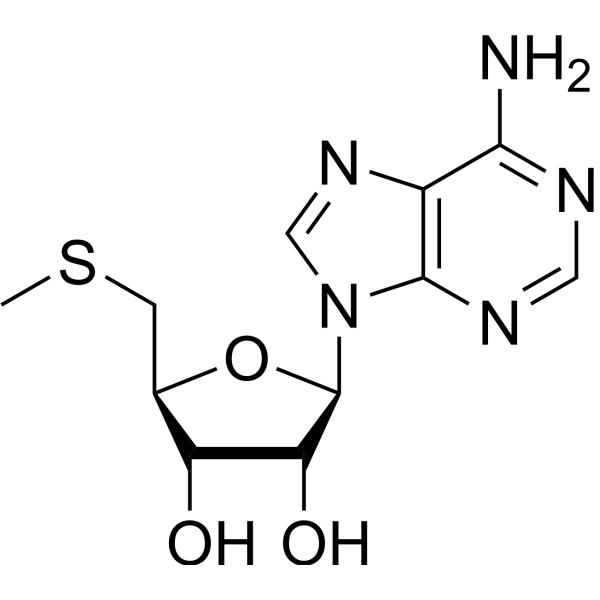
    5'-Methylthioadenosine (5'-(Methylthio)-5'-deoxyadenosine) is a nucleoside generated from S-adenosylmethionine (SAM) during polyamine synthesis . 5'-Methylthioadenosine suppresses tumors by inhibiting tumor cell proliferation, invasion, and the induction of apoptosis while controlling the inflammatory micro-environments of tumor tissue. 5'-Methylthioadenosine and its associated materials have striking regulatory effects on tumorigenesis .
    5'-Methylthioadenosine
  • HY-18768
    NCT-501
    5 Publications Verification

    Aldehyde Dehydrogenase (ALDH) Akt β-catenin Necroptosis Cancer
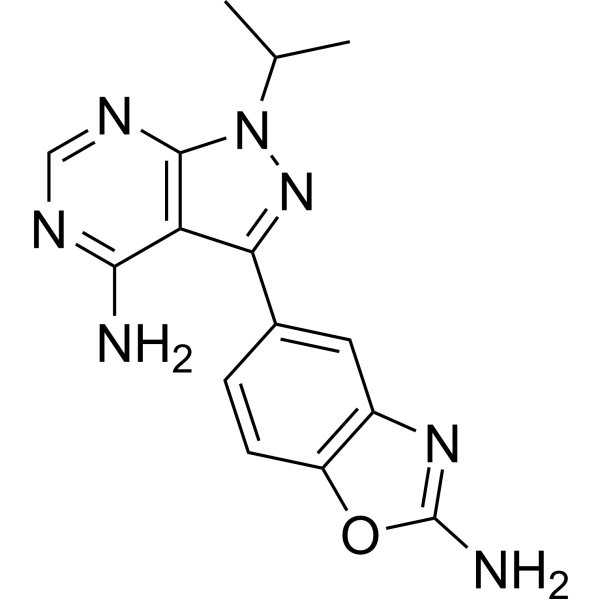
    NCT-501 is a reversible, non-competitive, selective, blood-brain barrier-permeable ALDH1A1 inhibitor with an IC50 of 40 nM. NCT-501 inhibits the AKT-β-catenin signaling pathway, induces necroptosis in nasopharyngeal carcinoma cells, suppresses their proliferation and inhibits stem cell spheroid formation. NCT-501 can be used in research related to nasopharyngeal carcinoma, esophageal squamous cell carcinoma and malignant tumors .
    NCT-501
  • HY-173629

    Ras Apoptosis Cancer
    RMC-5127 is a small molecule inhibitor that binds to GTP-targeted KRAS G12V, with oral bioavailability and blood-brain barrier permeability. RMC-5127 inhibits the activities of the RAS and MAPK pathways, suppresses the proliferation of KRAS G12V-mutant cancer cells and induces their apoptosis. RMC-5127 can be used for the research of KRAS G12V-mutant non-small cell lung cancer, pancreatic ductal adenocarcinoma, colorectal cancer and intracranial KRAS G12V tumors .
    RMC-5127
  • HY-148807

    QC8222 free base; TACH 101 free base

    Histone Demethylase Apoptosis Cancer
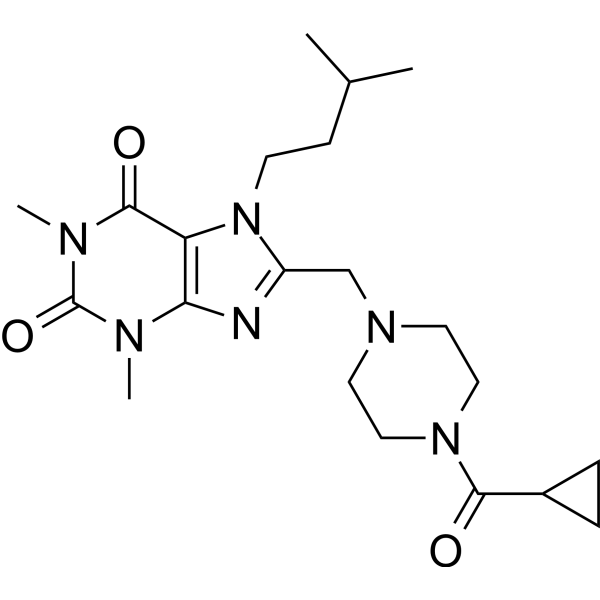
    Zavondemstat (QC8222 free base; TACH 101 free base) is an orally active pan-KDM4 inhibitor, with a IC50 ≤ 0.08 μM against human KDM4A-D and a Kᵢ of 0.52 μM against human KDM4C. Zavondemstat induces cell apoptosis, causes S-phase cell cycle arrest, reduces the population of tumor-initiating cells and inhibits cancer cell proliferation. Zavondemstat suppresses tumor growth and induces tumor regression in mouse xenograft models. Zavondemstat can be used for the research of various cancers including colorectal cancer, esophageal squamous cell carcinoma and triple-negative breast cancer .
    Zavondemstat
  • HY-19542
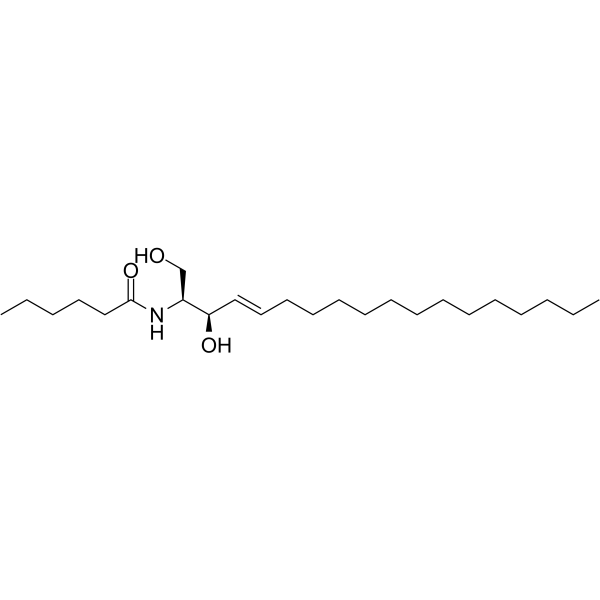
    C6 Ceramide
    3 Publications Verification

    C6-Cer; N-Hexanoylsphingosine

    Apoptosis Cancer
    C6 Ceramide (C6-Cer) is a short-chain, cell-permeable ceramide pathway activator with anticancer activity. C6 Ceramide-mediated miR-29b expression participates in the progression of multiple myeloma through suppressing the proliferation, migration and angiogenesis of endothelial cells by targeting Akt signal pathway. C6 Ceramide exhibits multiple anti-cancer properties including cell cycle arrest, Apoptosis, inhibition of tumor growth and enhances the effects of chemotherapy in drug-resistant cancer cells. C6-ceramide can be used as an adjuvant for chemotherapeutic agents, to enhance anti-tumor effects .
    C6 Ceramide
  • HY-142870

    Pyruvate Carboxylase (PC) Apoptosis β-catenin ERK Wnt Cancer
    ZY-444 is an anti-cancer agent, targeting pyruvate carboxylase (PC). ZY-444 suppresses the Wnt/β-catenin/Snail signaling pathway by blocking nuclear translocation of β-catenin. ZY-444 selectively inhibits proliferation, migration, and invasion and induces apoptosis in cancer cells. ZY-444 exhibits potent anti-tumor in cancer mouse models. ZY-444 can be used for the study of breast cancer, lung cancer (NSCLC), prostate cancer and iodine-refractory thyroid cancer .
    ZY-444
  • HY-A0020
    Eldecalcitol
    4 Publications Verification

    ED-71; 2-(3-hydroxypropoxy)-1,25-dihydroxyvitamin D3

    VD/VDR Apoptosis Metabolic Disease Inflammation/Immunology Cancer
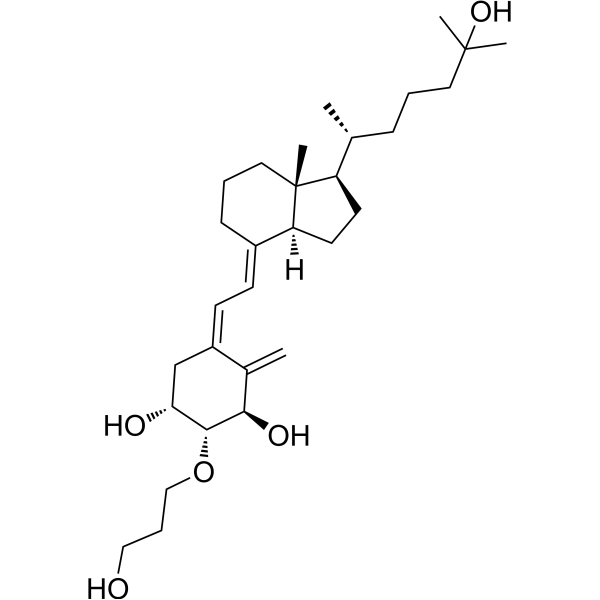
    Eldecalcitol (ED-71) is an orally active vitamin D3 analogue, inhibits bone resorption and increases bone mineral density. Eldecalcitol (ED-71) displays anti-tumor effect and inhibits cell proliferation, migration and induces apoptosis by suppressing GPx-1 .
    Eldecalcitol
  • HY-N0448
    10-Gingerol
    4 Publications Verification

    AMPK Reactive Oxygen Species (ROS) Akt PI3K Interleukin Related TNF Receptor Apoptosis Neurological Disease Inflammation/Immunology Cancer
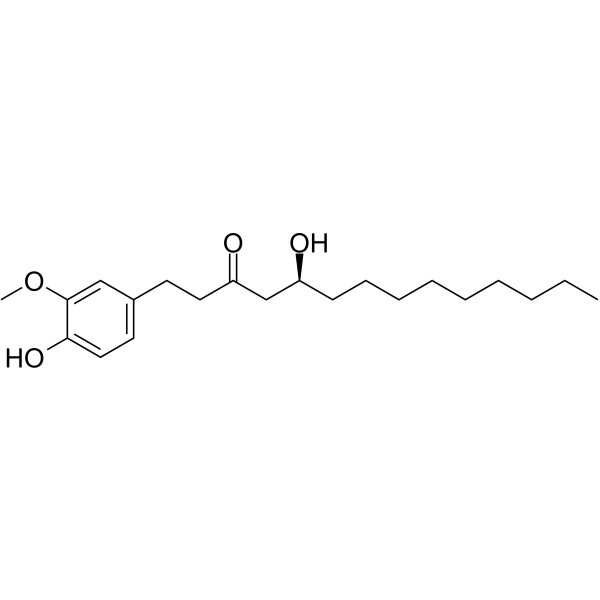
    10-Gingerol is an AMPK agonist, which is found in the ginger oleoresin from fresh rhizome with anti-inflammatory, antioxidant and anti-proliferative activities. 10-Gingerol suppresses neointimal hyperplasia and inhibits vascular smooth muscle cell proliferation. 10-Gingerol exhibits substantial scavenging activities with an IC50 value of 10.47 μM against DPPH radical, an IC50 value of 1.68 μM against superoxide radical and an IC50 value of 1.35 μM against hydroxyl radical. 10-Gingerol inhibits the proliferation of MDA-MB-231 tumor cell line with an IC50 of 12.1 μM. 10-Gingerol suppresses the proliferation, migration, invasion, and induced apoptosis through targeting the PI3K/Akt signaling pathway in MDA-MB-231/IR cells. 10-Gingerol can be used in research on various common cancers such as ovarian cancer and colon cancer, as well as colitis and neurodegenerative diseases .
    10-Gingerol
  • HY-176523

    Ras Cancer
    KRAS G12D inhibitor 29 (Compound Formula (I)) is an orally active and selective KRAS G12D mutant inhibitor. KRAS G12D inhibitor 29 blocks downstream signaling pathways mediated by KRAS G12D, suppressing tumor cell proliferation. KRAS G12D inhibitor 29 is promising for research of KRAS G12D mutation-related cancers (such as pancreatic cancer, lung cancer, colorectal cancer) .
    KRAS G12D-IN-29
  • HY-121802
    Dynarrestin
    4 Publications Verification

    Hedgehog Cancer
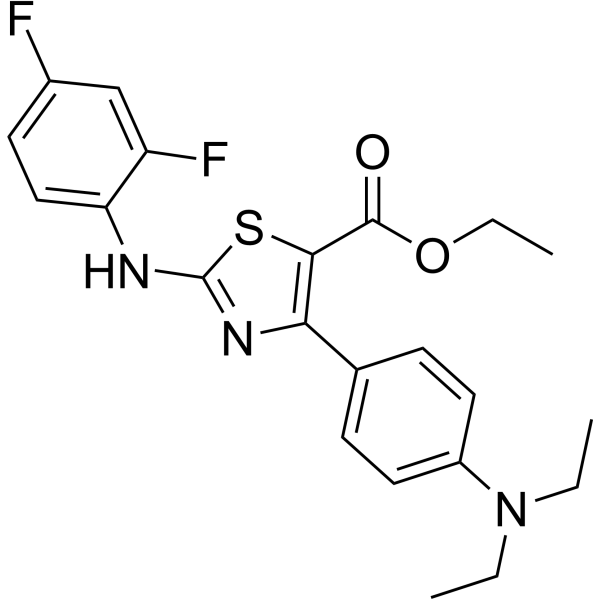
    Dynarrestin is a aminothiazole inhibitor of cytoplasmic dyneins 1 and 2. Dynarrestin rapidly and reversibly inhibits dynein 1-driven microtubule gliding in vitro plus a range of dynein 1- and 2-dependent processes in cells without affecting ATP hydrolysis and interfering with ciliogenesis. Dynarrestin suppresses hedgehog (Hh)-dependent proliferation of neuronal precursors and tumor cells .
    Dynarrestin
  • HY-N6950
    Hederacolchiside A1
    1 Publications Verification

    PI3K Akt mTOR Parasite Apoptosis Infection Cancer
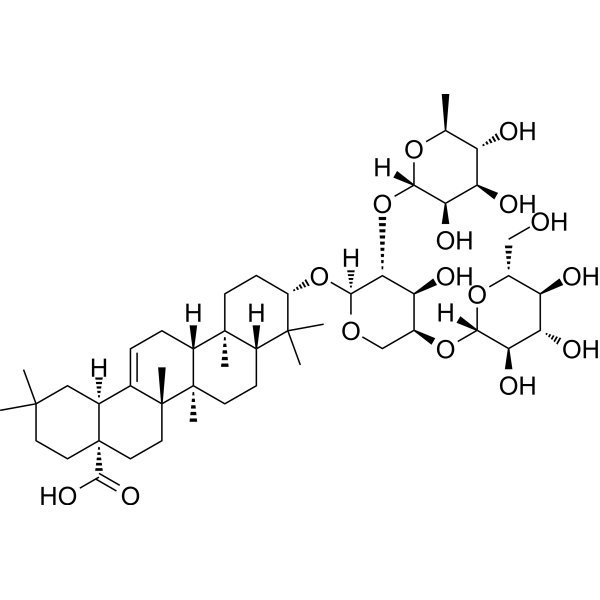
    Hederacolchiside A1, isolated from Pulsatilla chinensis, suppresses proliferation of tumor cells by inducing apoptosis through modulating PI3K/Akt/mTOR signaling pathway . Hederacolchiside A1 has antischistosomal activity, affecting parasite viability both in vivo and in vitro .
    Hederacolchiside A1
  • HY-P99364
    Icrucumab
    1 Publications Verification

    Anti-VEGFR1/FLT1 Reference Antibody; IMC-18F1

    VEGFR Apoptosis p38 MAPK Akt Endocrinology Cancer
    Icrucumab (Anti-VEGFR1/FLT1 Reference Antibody; IMC-18F1) is an IgG1 antibody inhibitor targeting VEGFR-1/FLT1 with anti-tumor activity. By blocking ligand-dependent phosphorylation and downstream signal transduction, Icrucumab reduces the activities of MAPK and Akt in breast cancer xenograft models, inhibits the proliferation and invasion of VEGFR-1-positive tumor cells, and reverses the conversion of M1 macrophages to the pro-tumor M2-like phenotype. Icrucumab also inhibits tumor cell proliferation, promotes apoptosis, and effectively suppresses tumor growth through direct targeting of tumors and host support mechanisms. In addition, Icrucumab exhibits a synergistic effect when combined with chemotherapeutic agents, and it is used in research related to various cancers including advanced solid malignancies, thyroid cancer, melanoma, and lung cancer .
    Icrucumab
  • HY-N0743
    Senkyunolide A
    4 Publications Verification

    α-synuclein Neurological Disease Inflammation/Immunology Cancer
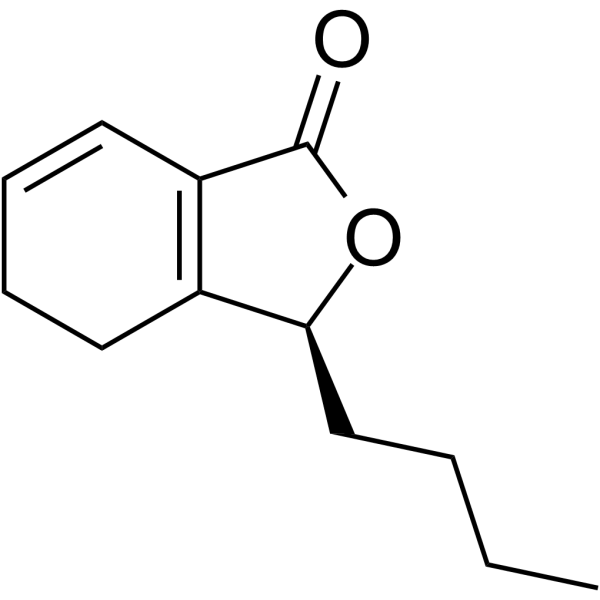
    Senkyunolide A is a phthalide, anti-tumor cell proliferation agent with anticancer activity. Senkyunolide A protects neurons from corticosterone (HY-B1618)-induced apoptosis by decreasing protein phosphatase PP2A and α-synuclein phosphorylation and protein level. Senkyunolide A also inhibits osteoarthritis through the NLRP3 signaling pathway and suppresses the expression of CD137, a diagnostic biomarker for atherosclerosis .
    Senkyunolide A
  • HY-134463
    NHWD-870
    1 Publications Verification

    Epigenetic Reader Domain Apoptosis Cancer
    NHWD-870 is a potent, orally active and selective BET family bromodomain inhibitor and only binds bromodomains of BRD2, BRD3, BRD4 (IC50=2.7 nM), and BRDT. NHWD-870 has potent tumor suppressive efficacies and suppresses cancer cell-macrophage interaction. NHWD-870 increases tumor apoptosis and inhibits tumor proliferation .
    NHWD-870
  • HY-13464

    Brigatinib analog

    Anaplastic lymphoma kinase (ALK) EGFR Cancer
    ALK-IN-1 is an orally active, blood-brain barrier-permeable ALK and EGFR inhibitor. ALK-IN-1 binds to and inhibits ALK kinase, ALK fusion proteins, and wild-type and mutant EGFR variants, thereby disrupting their corresponding signaling pathways. ALK-IN-1 can suppress the growth and proliferation of tumor cells and exhibits potential inhibitory activity against mutant EGFR. ALK-IN-1 can be used in the research of non-small-cell lung cancer .
    ALK-IN-1
  • HY-123981
    5MPN
    3 Publications Verification

    Phosphatase Cancer
    5MPN is a first-in-class, potent, orally active and selective 6-phosphofructo-2-kinase/fructose-2,6-bisphosphatase 4 (PFKFB4) inhibitor. 5MPN appears to be a competitive inhibitor of the F6P binding site (Ki=8.6 μM). 5MPN does not inhibit PFK-1 or PFKFB3. 5MPN targets the sugar metabolism of tumors and suppresses proliferation of multiple human cancer cell lines .
    5MPN
  • HY-124676A
    DB2115 tertahydrochloride
    1 Publications Verification

    Apoptosis Cancer
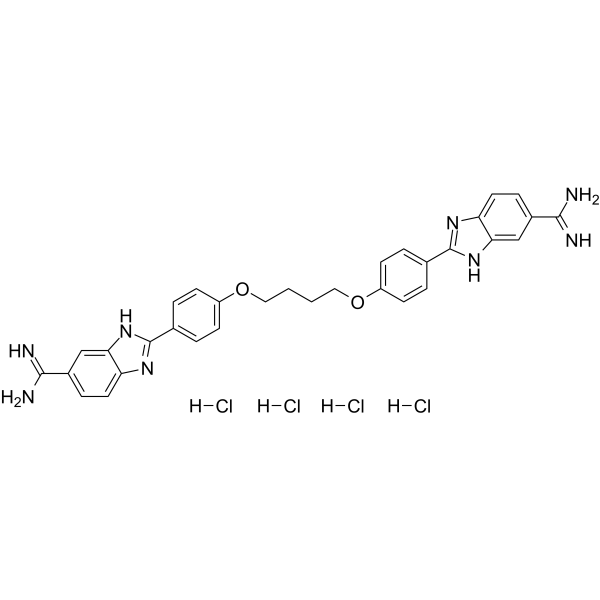
    DB2115 tetrahydrochloride is a highly selective PU.1 inhibitor that suppresses the binding of PU.1 to DNA (IC50: 2.3 nM). DB2115 tetrahydrochloride can inhibit tumor cell proliferation and induce apoptosis. DB2115 tetrahydrochloride can be used in the research of tumors such as leukemia .
    DB2115 tertahydrochloride
  • HY-141807

    PROTACs Akt Cancer
    MS21 is an effective AKT PROTAC degrader. MS21 can inhibit mutations in the PI3K/PTEN pathway, suppress the proliferation and induce cell cycle arrest of tumor cells. MS21 has anti-tumor activity. (Pink: AKT ligand-2 (HY-48682); Black: Linker (HY-W014125); Blue: (S,R,S)-AHPC (HY-125845)) .
    MS21
  • HY-16938S1
    5'-Methylthioadenosine-d3
    1 Publications Verification

    5'-(Methylthio)-5'-deoxyadenosine-d3; 5'-Deoxy-5'-(methylthio)adenosine-d3; 5'-S-Methyl-5'-thioadenosine-d3

    Apoptosis Parasite Endogenous Metabolite Inflammation/Immunology
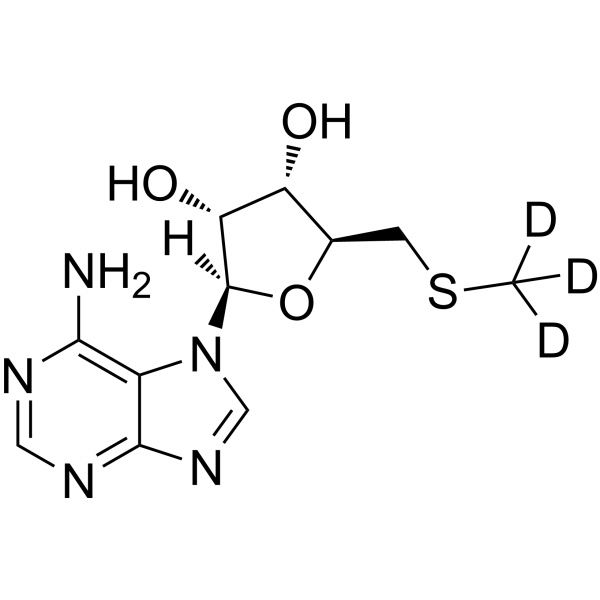
    5'-Methylthioadenosine-d3 is the deuterium labeled 5'-Methylthioadenosine . 5'-Methylthioadenosine (5'-(Methylthio)-5'-deoxyadenosine) is a nucleoside generated from S-adenosylmethionine (SAM) during polyamine synthesis. 5'-Methylthioadenosine suppresses tumors by inhibiting tumor cell proliferation, invasion, and the induction of apoptosis while controlling the inflammatory micro-environments of tumor tissue. 5'-Methylthioadenosine and its associated materials have striking regulatory effects on tumorigenesis .
    5'-Methylthioadenosine-d3
  • HY-W040055
    Neopterin
    1 Publications Verification

    D-(+)-Neopterin; D-erythro-Neopterin

    NF-κB PPAR ERK Raf Src Cardiovascular Disease Inflammation/Immunology
    Neopterin is an immune system activator metabolized by GTP and can be produced by activated macrophages. Neopterin has the potential to resist vascular inflammation and atherosclerosis. Neopterin inhibits the phosphorylation of NF-κB and promotes the expression of PPAR-γ, thereby suppressing the inflammatory response of vascular endothelial cells, reducing the formation of macrophage foam cells, and regulating the migration and proliferation of vascular smooth muscle cells. Neopterin can be used in research fields such as cardiovascular diseases (such as atherosclerosis), inflammation-related diseases and tumor immunomonitoring .
    Neopterin
  • HY-148105
    DS12881479
    1 Publications Verification

    MNK Eukaryotic Initiation Factor (eIF) Apoptosis FLT3 DYRK Cancer
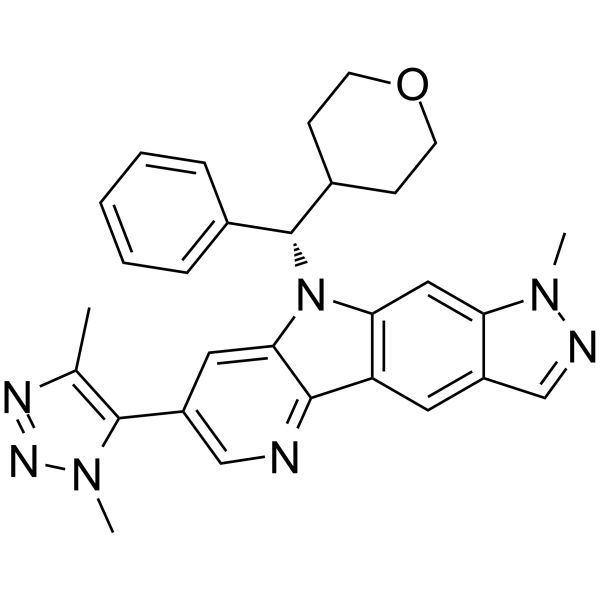
    DS12881479 is a selective non-ATP-competitive MNK1 inhibitor with an IC50 value of 387 nM. DS12881479 stabilizes MNK1 in its autoinhibited DFD-out conformation, blocks eIF4E phosphorylation, suppresses tumor cell proliferation and induces weak apoptosis. DS12881479 also inhibits FLT3 and DYRK1a kinase activity at high concentrations. DS12881479 can be used for the research of cancer, such as leukemia .
    DS12881479
  • HY-161781

    HSP EGFR Akt Survivin Apoptosis Infection Neurological Disease Metabolic Disease Inflammation/Immunology Cancer
    HVH-2930 is a HSP90 C-terminal domain inhibitor with high oral bioavailability. HVH-2930 downregulates HSP90 client proteins, inhibits the HER2 signaling pathway, induces apoptosis, and suppresses the proliferation of breast cancer cells. HVH-2930 inhibits the proliferation of tumors sensitive or resistant to Trastuzumab (HY-P9907). HVH-2930 is applicable to relevant research on breast cancer .
    HVH-2930
  • HY-178836

    Drug-Linker Conjugates for ADC Ras Cancer
    Z56-L23 is a conjugate of RAS-targeting ADC cytotoxic payload-linker with anti-tumor activity. Z56-L23 can be conjugated with HER3 antibody, EGFR antibody or EGFRxHER3 bispecific antibody to form intact antibody-drug conjugates (ADCs). ADC molecules related to Z56-L23 effectively inhibit the proliferation of tumor cells and also significantly suppress tumor growth in xenograft mouse models. Z56-L23 can be used in the research of pancreatic cancer .
    Z56-L23
  • HY-155994
    PIK5-12d
    1 Publications Verification

    PROTACs PIKfyve Autophagy Cancer
    PIK5-12d is a PROTAC PIKfyve degrader (DC50 = 1.48 nM). PIK5-12d induces massive cytoplasmic vacuolization and blocks autophagic flux in multiple prostate cancer cells. PIK5-12d inhibits prostate cancer cell proliferation. PIK5-12d significantly suppresses tumor proliferation in mice bearing LTL-331R human prostate cancer PDX tumors. PIK5-12d can be used for the study of prostate cancer. (Pink: PIKfyve ligand (HY-175631), Blue: VHL Ligand (HY-125845), Black: Linker, PIKfyve ligand-linker conjugate (HY-175632)) .
    PIK5-12d
  • HY-120868
    TP-004
    1 Publications Verification

    MetAP Metabolic Disease Cancer
    TP-004 is a potent and reversible inhibitor of methionine aminopeptidase 2 (MetAP2), with an IC50 of 6 nM against MetAP2. TP-004 is a chemical probe. TP-004 suppresses MetAP2 enzymatic activity, blocks N-terminal methionine cleavage, impairs protein maturation and stability, and thereby inhibits cell proliferation and angiogenesis. TP-004 can be used for the study of tumors and diseases associated with excessive angiogenesis .
    TP-004
  • HY-N0475

    Hypolide; (+)-Triptophenolide

    Androgen Receptor Pyroptosis Caspase Bcl-2 Family Apoptosis Inflammation/Immunology Cancer
    Triptophenolide (Hypolide) is a colorless crystal isolated from the ethyl acetate extract of Tripterygium wilfordii. Triptophenolide is an orally active pan‑antagonist of the androgen receptor (AR) with an IC50 of 467 nM against human wild‑type AR. Triptophenolide reduces AR expression, inhibits AR nuclear translocation, downregulates prostate‑specific antigen mRNA levels, and suppresses the growth of AR‑positive prostate cancer cells. Triptophenolide shows anti-tumor effects against breast cancer by inhibiting cell proliferation and migration, inducing G1-phase arrest and apoptosis, repressing xenograft tumor growth. Triptophenolide inhibits pyroptosis, alleviates tissue inflammation, and ameliorates synovial injury. Triptophenolide can be used for the study of prostate cancer, rheumatoid arthritis and breast cancer .
    Triptophenolide
  • HY-174346

    E1/E2/E3 Enzyme Apoptosis DNA/RNA Synthesis Cancer
    Skp2-IN-4 is an Skp2 inhibitor with a IC50 of 0.38  μM for Skp2-Cks1 binding. Skp2-IN-4 improves anti-tumor activity, inhibits the proliferation and induces S phase arrest by targeting Skp2. Skp2-IN-4 significantly enhances Cisplatin (HY-17394) chemosensitivity by suppressing the tumor cell stemness in NCl-H1299 xenograft mice model, promising for lung cancer and esophageal cancer research .
    Skp2-IN-4
  • HY-W654139

    Isotope-Labeled Compounds Endogenous Metabolite Parasite Apoptosis Metabolic Disease
    5'-Deoxy-5'-(methylthio)adenosine-d3 is deuterium labeled 5'-Methylthioadenosine. 5'-Methylthioadenosine (5'-(Methylthio)-5'-deoxyadenosine) is a nucleoside generated from S-adenosylmethionine (SAM) during polyamine synthesis . 5'-Methylthioadenosine suppresses tumors by inhibiting tumor cell proliferation, invasion, and the induction of apoptosis while controlling the inflammatory micro-environments of tumor tissue. 5'-Methylthioadenosine and its associated materials have striking regulatory effects on tumorigenesis.
    5'-Deoxy-5'-(methylthio)adenosine-d3
  • HY-159884

    Tim3 TNF Receptor IFNAR Cancer
    MG-T-19 is an effective TIM-3 inhibitor that can suppress the interaction of TIM-3 with PtdSer, CEACAM1, and Gal-9. MG-T-19 can increase the production of tumor necrosis factor-α (TNF-α) and interferon-γ (IFN-γ) in peripheral blood mononuclear cells (PBMCs) from healthy donors, and enhance the ability of PBMCs to inhibit the proliferation of Kasumi-1 cells (an acute myelogenous leukemia cell line) .
    MG-T-19
  • HY-P991358

    LFA-102; X213

    Estrogen Receptor/ERR STAT Akt Cancer
    XOMA-213 (LFA-102; X213) is a human monoclonal antibody (mAb) targeting the prolactin receptor (PRLR), with a Kd value of 2 nM against the human target. XOMA-213 blocks PRL-induced cell proliferation and inhibits the activation of multiple PRLR ligands, including PRL and human growth hormone (hGH). XOMA-213 suppresses PRL-induced phosphorylation of Stat5, Akt and ERK1/2 in cells. XOMA-213 induces tumor regression, delays disease progression, and inhibits PRLR signaling as well as tumor growth. XOMA-213 can be used in research related to breast cancer .
    XOMA-213
  • HY-172609

    Phosphatase Apoptosis MDM-2/p53 Caspase Metabolic Disease Cancer
    SL-176 is a PPM1D (Wip1) inhibitor. SL-176 inhibits lipid droplet formation, downregulates the mRNA and protein expression of PPARγ and C/EBPα, and blocks adipocyte differentiation. SL-176 induces G2/M cell cycle arrest, apoptosis and inhibits cell proliferation in breast cancer cells overexpressing PPM1D, and activates components of the p53 pathway. SL-176 suppresses tumor growth in a zebrafish model of neuroblastoma. SL-176 is applicable to research related to obesity, breast cancer and neuroblastoma .
    SL-176
  • HY-116269

    Ras Apoptosis PAK ERK Cancer
    AZA197 is a selective small molecule inhibitor of Cdc42.AZA197 suppresses colon cancer cell proliferation, cell migration, invasion and increases apoptosis by down-regulating the PAK1 and ERK signaling pathways in vitro. AZA197 reduces tumor growth and significantly increases mouse survival in SW620 tumor xenografts. AZA197 can be used for the study of colon cancer .
    AZA197
  • HY-177332

    TAM Receptor SARS-CoV Akt Infection Cancer
    SLC-391 is an orally active AXL kinase inhibitor with an IC50 of 9.6 nM against AXL kinase. SLC-391 inhibits Gas6-induced AXL-dependent phosphorylation of Akt. SLC-391 inhibits SARS-CoV-2 infection, entry and replication in cells. SLC-391 suppresses cancer cell proliferation. SLC-391 inhibits tumor growth in mouse solid tumor xenograft models. SLC-391 can be used for the research of COVID-19, influenza virus infection, triple-negative breast cancer, chronic myeloid leukemia and non-small cell lung cancer .
    SLC-391
  • HY-168556

    CDK PROTACs DNA/RNA Synthesis Cancer
    YJ9069 is a selective CDK12/CDK13 PROTAC degrader with an IC50 of 22.22 nM for in VCaP cells. CDK12/13 degradation rapidly triggers gene-length-dependent transcriptional elongation defects, leading to DNA damage and cell-cycle arrest. YJ9069 effectively inhibits proliferation in subsets of prostate cancer cells and significantly suppresses prostate tumor growth. (Pink: CDK12/CDK13 degradation agent (HY-168658); Black: Linker (HY-W015967); Blue: ligand for E3 ligase (HY-103596)) .
    YJ9069
  • HY-16938S

    5'-(Methylthio)-5'-deoxyadenosine-13C6; 5'-Deoxy-5'-(methylthio)adenosine-13C6; 5'-S-Methyl-5'-thioadenosine-13C6

    Endogenous Metabolite Apoptosis Metabolic Disease Cancer
    5'-Methylthioadenosine- 13C6 is the 13C-labeled 5'-Methylthioadenosine. 5'-Methylthioadenosine (5'-(Methylthio)-5'-deoxyadenosine) is a nucleoside generated from S-adenosylmethionine (SAM) during polyamine synthesis . 5'-Methylthioadenosine suppresses tumors by inhibiting tumor cell proliferation, invasion, and the induction of apoptosis while controlling the inflammatory micro-environments of tumor tissue. 5'-Methylthioadenosine and its associated materials have striking regulatory effects on tumorigenesis .
    5'-Methylthioadenosine-13C6
  • HY-175243

    Adenosine Deaminase Apoptosis Cancer
    ADAR1-IN-1 is a potent ADAR1 inhibitor. ADAR1-IN-1 significantly suppressed DU-145 cell proliferation (IC50 = 1.11 μM), clonogenicity, migration, and invasion, arrests cell cycle, and induces apoptosis. ADAR1-IN-1 safely and effectively inhibits tumor growth. ADAR1-IN-1 can be used for the study of prostate cancer (PCa) .
    ADAR1-IN-1
  • HY-137062

    CDK Cancer
    CGP-79807 is a purine-based CDK inhibitor. CGP-79807 can block the cell cycle by inhibiting CDK activity to suppress the proliferation of tumor cells. CGP-79807 can be used in the study of cancer .
    CGP-79807
  • HY-177134

    VEGFR c-Met/HGFR Cancer
    Taligantinib (Compound Example 70) is an orally active and selective dual inhibitor targeting vascular endothelial growth factor receptor 2 (VEGFR-2) and hepatocyte growth factor receptor (c-Met). Taligantinib suppresses tumor angiogenesis and cell proliferation. Taligantinib is promising for research of solid tumors such as non-small cell lung cancer and hepatocellular carcinoma .
    Taligantinib
  • HY-120412

    EGFR Apoptosis Cancer
    SKLB188 is an orally active and potent epidermal growth factor receptor (EGFR) inhibitor (IC50=5 nM). SKLB188 suppresses MEK/Erk and Akt/mTOR signaling pathways to inhibit head and neck squamous cell carcinoma (HNSCC) proliferation and induce caspase-dependent apoptosis. SKLB188 is promising for research of EGFR-overexpressing solid tumors .
    SKLB188
  • HY-148807A

    QC8222; TACH 101

    Apoptosis Histone Demethylase Cancer
    Zavondemstat (QC8222; TACH 101) L-lysine is an orally active pan-KDM4 inhibitor, with a IC50 ≤ 0.08 μM against human KDM4A-D and a Kᵢ of 0.52 μM against human KDM4C. Zavondemstat L-lysine induces cell apoptosis, causes S-phase cell cycle arrest, reduces the population of tumor-initiating cells and inhibits cancer cell proliferation. Zavondemstat L-lysine suppresses tumor growth and induces tumor regression in mouse xenograft models. Zavondemstat L-lysine can be used for the research of various cancers including colorectal cancer, esophageal squamous cell carcinoma and triple-negative breast cancer .
    Zavondemstat L-lysine
  • HY-16938R

    5'-(Methylthio)-5'-deoxyadenosine (Standard); 5'-Deoxy-5'-(methylthio)adenosine (Standard); 5'-S-Methyl-5'-thioadenosine (Standard)

    Reference Standards Endogenous Metabolite Apoptosis Parasite Metabolic Disease Cancer
    5'-Methylthioadenosine (Standard) is the analytical standard of 5'-Methylthioadenosine. This product is intended for research and analytical applications. 5'-Methylthioadenosine (5'-(Methylthio)-5'-deoxyadenosine) is a nucleoside generated from S-adenosylmethionine (SAM) during polyamine synthesis[1]. 5'-Methylthioadenosine suppresses tumors by inhibiting tumor cell proliferation, invasion, and the induction of apoptosis while controlling the inflammatory micro-environments of tumor tissue. 5'-Methylthioadenosine and its associated materials have striking regulatory effects on tumorigenesis[2].
    5'-Methylthioadenosine (Standard)
  • HY-A0020R

    ED-71 (Standard); 2-(3-hydroxypropoxy)-1,25-dihydroxyvitamin D3 (Standard)

    Reference Standards VD/VDR Apoptosis Metabolic Disease Inflammation/Immunology Cancer
    Eldecalcitol (Standard) is the analytical standard of Eldecalcitol. This product is intended for research and analytical applications. Eldecalcitol (ED-71) is an orally active vitamin D3 analogue, inhibits bone resorption and increases bone mineral density. Eldecalcitol (ED-71) displays anti-tumor effect and inhibits cell proliferation, migration and induces apoptosis by suppressing GPx-1 .
    Eldecalcitol (Standard)
  • HY-W753201

    5'-(Methylthio)-5'-deoxyadenosine-13C; 5'-Deoxy-5'-(methylthio)adenosine-13C; 5'-S-Methyl-5'-thioadenosine-13C

    Isotope-Labeled Compounds Apoptosis Parasite Endogenous Metabolite Cancer
    5'-Methylthioadenosine- 13C (5'-(Methylthio)-5'-deoxyadenosine- 13C) is the 13C-labeled 5'-Methylthioadenosine (HY-16938). 5'-Methylthioadenosine (5'-(Methylthio)-5'-deoxyadenosine) is a nucleoside generated from S-adenosylmethionine (SAM) during polyamine synthesis . 5'-Methylthioadenosine suppresses tumors by inhibiting tumor cell proliferation, invasion, and the induction of apoptosis while controlling the inflammatory micro-environments of tumor tissue. 5'-Methylthioadenosine and its associated materials have striking regulatory effects on tumorigenesis .
    5'-Methylthioadenosine-13C
  • HY-177796

    Apoptosis CDK Caspase PARP Cancer
    TMLB-C16 is a potent and orally active B3GAT3 inhibitor with a KD of 3.962 μM. TMLB-C16 suppresses proliferation and migration, and induces cell cycle arrest and apoptosis in MHCC-97H (IC50 = 6.53 μM) and HCCLM3 cells (IC50 = 6.22 μM). TMLB-C16 inhibits tumor growth in both MHCC-97H and HCCLM3 xenograft tumor mouse models without causing obvious toxicity. TMLB-C16 can be used for hepatocellular carcinoma research .
    TMLB-C16
  • HY-N6950R

    Reference Standards PI3K Akt mTOR Parasite Apoptosis Infection Cancer
    Hederacolchiside A1 (Standard) is the analytical standard of Hederacolchiside A1. This product is intended for research and analytical applications. Hederacolchiside A1, isolated from Pulsatilla chinensis, suppresses proliferation of tumor cells by inducing apoptosis through modulating PI3K/Akt/mTOR signaling pathway . Hederacolchiside A1 has antischistosomal activity, affecting parasite viability both in vivo and in vitro .
    Hederacolchiside A1 (Standard)
  • HY-N0448R

    Reference Standards Others Neurological Disease Inflammation/Immunology Cancer
    10-Gingerol (Standard) is the analytical standard of 10-Gingerol (HY-N0448). This product is intended for research and analytical applications. 10-Gingerol is an AMPK agonist, which is found in the ginger oleoresin from fresh rhizome with anti-inflammatory, antioxidant and anti-proliferative activities. 10-Gingerol suppresses neointimal hyperplasia and inhibits vascular smooth muscle cell proliferation. 10-Gingerol exhibits substantial scavenging activities with an IC50 value of 10.47 μM against DPPH radical, an IC50 value of 1.68 μM against superoxide radical and an IC50 value of 1.35 μM against hydroxyl radical. 10-Gingerol inhibits the proliferation of MDA-MB-231 tumor cell line with an IC50 of 12.1 μM. 10-Gingerol suppresses the proliferation, migration, invasion, and induced apoptosis through targeting the PI3K/Akt signaling pathway in MDA-MB-231/IR cells. 10-Gingerol is promising for research of ulcerative colitis .
    10-Gingerol (Standard)
  • HY-175010

    STAT Apoptosis Bcl-2 Family Caspase Cancer
    STAT3-IN-44 is a potent STAT3 inhibitor with IC50s of 1.84 (C6 cells) and 4.81 μM (A549 cells). STAT3-IN-44 inhibits STAT3 phosphorylation, downregulates Bcl-2, and upregulates Caspase-3 to promote late-stage apoptosis. STAT3-IN-44 significantly suppresses tumor cell proliferation and migration. STAT3-IN-44 can be used for the study of cancers such as glioma and lung cancer .
    STAT3-IN-44
  • HY-175733

    RIO Kinase Apoptosis Cancer
    CQ3196 is an orally active RIOK2 inhibitor with a Kd of 14 nM. CQ3196 effectively inhibits the ATPase activity of RIOK2, with an IC50 value of 72 nM. CQ3196 inhibits cell proliferation and colony formation in gastric cancer cell lines. CQ3196 induces cell apoptosis in HGC-27 and AGS cells. CQ3196 suppresses downstream signal pathway of RIOK2. CQ3196 reduces phosphorylation of mTOR and AKT. CQ3196 modulates ribosome function and protein synthesis. CQ3196 inhibits tumor growth and can be used for gastric cancer invtro and invivo research .
    CQ3196
  • HY-178349

    P-glycoprotein Apoptosis Autophagy Cancer
    P-gp inhibitor 30 is a potent P-gp inhibitor that reverses multidrug resistance in breast cancer by sensitizing resistant cells to Doxorubicin (ADM) (HY-15142). P-gp inhibitor 30 promotes apoptosis, induces autophagy, and suppresses proliferation, migration, and invasion of drug-resistant breast cancer cells when combined with ADM. P-gp inhibitor 30 inhibits breast tumor growth both in vitro and in vivo. P-gp inhibitor 30 can be used for drug-resistant breast cancer research .
    P-gp inhibitor 30
  • HY-173273

    CDK Apoptosis DNA/RNA Synthesis Akt Cancer
    YJZ5118 is a selective CDK12/CDK13 inhibitor with IC50 values of 39.5 nM and 26.4 nM. YJZ5118 suppresses transcription of DNA damage response genes and induces DNA damage in tumor cells. YJZ5118 inhibits proliferation and triggers apoptosis. YJZ5118 inhibits RNA polymerase II Ser2 phosphorylation and increases Akt pathway activity. YJZ5118 exhibits synergistic effects with Akt inhibitors. YJZ5118 can be used for the research of cancer, such as prostate cancer .
    YJZ5118

Inquiry Online

Your information is safe with us. * Required Fields.

Salutation


Country or Region *

Applicant Name *


Organization Name *

Department *


Email Address *


Product Name *

Cat. No.


Requested quantity *

Phone Number *


Remarks

Inquiry Online

Inquiry Information

Product Name:
Cat. No.:
Quantity:
MCE Japan Authorized Agent:

