
1. Search Result
Search Result
Results for "

B16 melanoma

" in MedChemExpress (MCE) Product Catalog:

124

Inhibitors & Agonists

3

Biochemical Assay Reagents

11

Peptides

5

Inhibitory Antibodies

47

Natural
Products

4

Isotope-Labeled Compounds

1

Click Chemistry

2

Oligonucleotides

Targets Recommended:
Cat. No. Nombre del producto Target Áreas de investigación Chemical Structure
  • HY-N0351
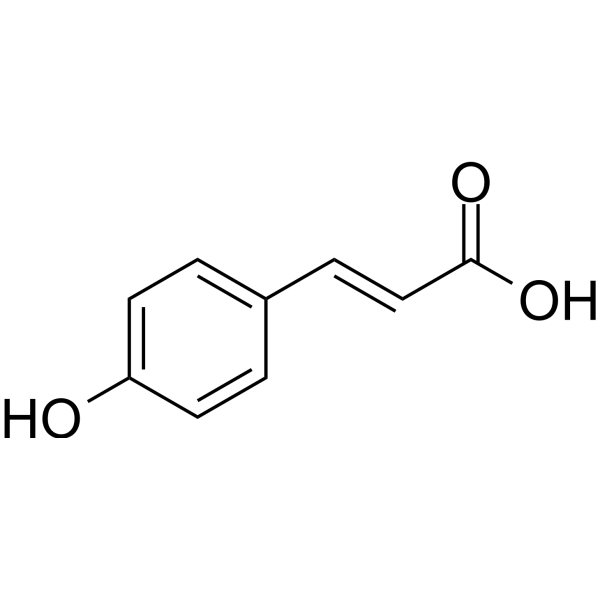
    p-Coumaric acid
    3 Publications Verification

    trans-4-Hydroxycinnamic acid

    Endogenous Metabolite Bacterial Apoptosis Inflammation/Immunology Cancer
    p-Coumaric acid (trans-4-Hydroxycinnamic acid) is an isomer of cinnamic acid with oral activity. p-Coumaric acid inhibits cell proliferation and promotes apoptosis. p-Coumaric acid has antibacterial, anti-inflammatory, antioxidant and anti-tumor activities .
    p-Coumaric acid
  • HY-N0202
    Atractylenolide II
    3 Publications Verification

    Asterolide

    ERK Apoptosis p38 MAPK Akt Src STAT Cardiovascular Disease Neurological Disease Inflammation/Immunology Cancer
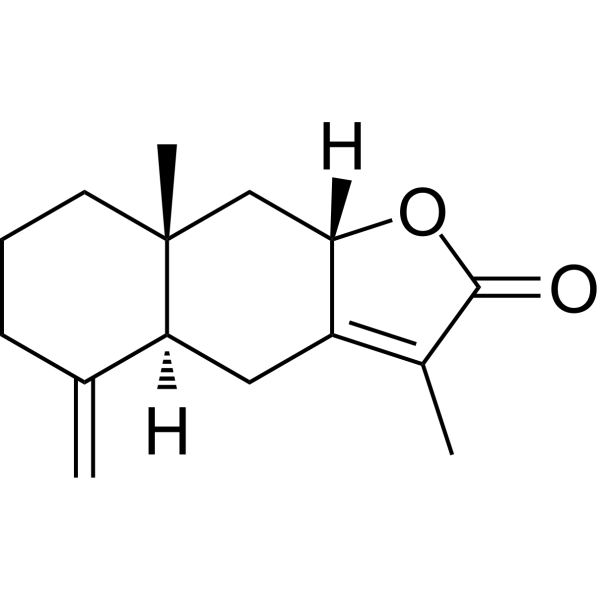
    Atractylenolide II (Asterolide) is a sesquiterpenoid compound. Atractylenolide II can induce G1 phase cell cycle arrest and apoptosis in B16 melanoma cells. Atractylenolide II is an orally effective anticancer agent that can exert anti-melanoma effects by inhibiting the STAT3 signaling pathway. In addition, Atractylenolide II has been shown to ameliorate myocardial fibrosis, oxidative stress, and neuroprotective activity .
    Atractylenolide II
  • HY-P11307

    Proteasome Cancer
    Biotin-epoxomicin is a Proteasome subunit binder. Biotin-epoxomicin serves as an affinity reagent for identifying proteasomal catalytic subunits, and facilitates affinity purification of active proteasomal subunits for LC-MS identification. Biotin-epoxomicin can be used to study solid tumors derived from B16 melanoma .
    Biotin-epoxomicin
  • HY-N7085

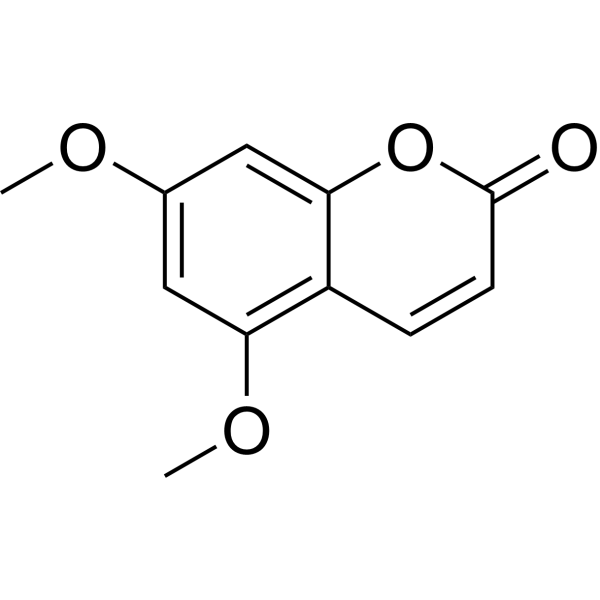
    5,7-Dimethoxycoumarin; Limettin

    Environmental Pollutants ERK p38 MAPK JNK Neurological Disease Inflammation/Immunology Cancer
    Citropten (5, 7-dimethoxycoumarin) is one of the coumarin derivatives. Citropten is an effective oral anticancer agent. Citropten has anti-proliferative activity against A2058 and B16 melanoma cells. Citropten exerts anti-inflammatory effects through the NFκB and MAPK signaling pathways. Citropten acts as an antidepressant through heat shock protein-70, monoamine oxidase-A and inhibition of apoptosis .
    Citropten
  • HY-W004288

    Tetradecanoic acid methyl ester

    Environmental Pollutants Drug Derivative Others
    Methyl myristate is a saturated fatty acid methyl ester obtained from the esterification of myristic acid. Methyl myristate shows a high melanin induction in B16F10 melanoma .
    Methyl myristate
  • HY-14907

    MPC 6827

    Microtubule/Tubulin Cancer
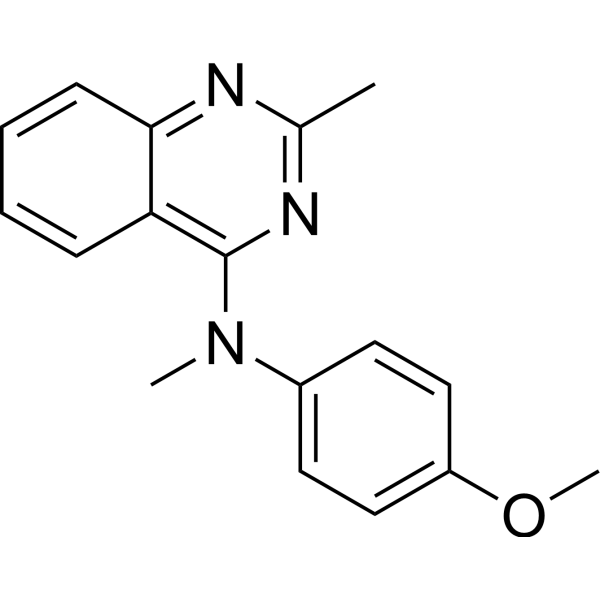
    Verubulin (MPC-6827) is a highly potent and broad-spectrum microtubule blocker. Verubulin has antitumor activity against breast cancer, melanoma, and ovarian cancer. Verubulin can be used in non-small cell lung cancer research .
    Verubulin
  • HY-162275

    Histone Demethylase Histone Methyltransferase STAT Cancer
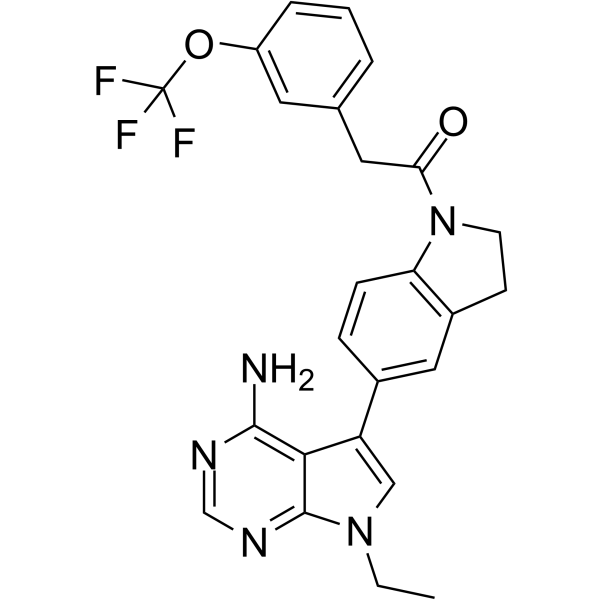
    JMJD1C-IN-1 is an orally active and selective inhibitor of JMJD1C (IC50 = 0.59 μM, Kd = 1.96 μM). JMJD1C-IN-1 inhibits the binding of JMJD1C to H3K9me2 peptide substrate in the HTRF assay (IC50 = 1.47 μM). JMJD1C-IN-1 disrupts intratumoral regulatory T (Treg) cell fitness by dual mechanisms: promoting H3K9me2 accumulation to downregulate PD1 expression and reducing STAT3 demethylation to enhance STAT3 activation. JMJD1C-IN-1 demonstrates dose-dependent antitumor efficacy in multiple mouse tumor models (MCA205 fibrosarcoma, B16-F10 melanoma, LLC lung cancer, Hepa1-6 hepatocellular carcinoma, CT26 colorectal cancer). JMJD1C-IN-1 can be used for the study of tumor immunotherapy by selectively targeting intratumoral Treg cells .
    JMJD1C-IN-1
  • HY-N1434

    Methyl 4-hydroxycinnamate

    Fungal Infection Cancer
    Methyl p-coumarate (Methyl 4-hydroxycinnamate), an orally active esterified derivative of p-Coumaric acid (pCA), can be isolated from the flower of Trixis michuacana var longifolia. Methyl p-coumarate could inhibit the melanin formation in B16 mouse melanoma cells. Methyl p-coumarate also has strong in vitro inhibitory effect on A. alternata and other pathogens .
    Methyl p-coumarate
  • HY-N3200

    Tyrosinase Cancer
    Neorauflavane is a potent tyrosinase inhibitor derived from Campylotropis hirtella, with an IC50 value of 30 nM for tyrosinase monophenolase activity and an IC50 value of 500 nM for diphenolase activity. Neorauflavane can effectively reduce the melanin content of B16 melanoma cells .
    Neorauflavane
  • HY-119933

    RIP kinase Cancer
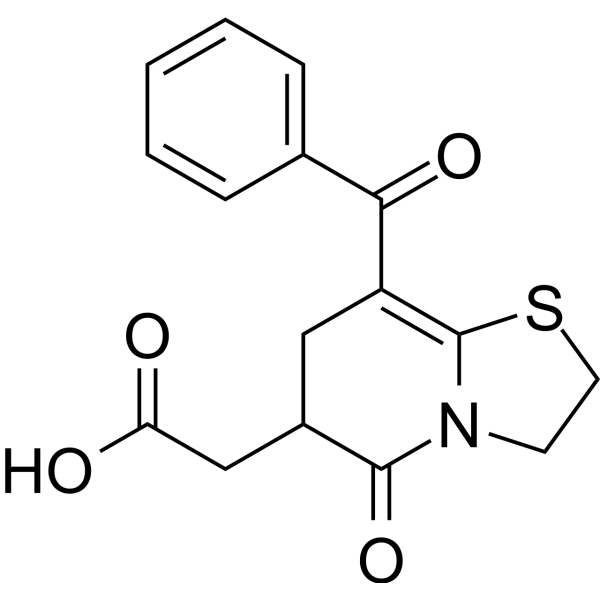
    RIPK1-IN-7 is a potent and selective RIPK1 inhibitor with a Kd of 4 nM and an enzymatic IC50 of 11 nM. RIPK1-IN-7 exhibits excellent antimetastasis activity in the experimental B16 melanoma lung metastasis model .
    RIPK1-IN-7
  • HY-P2336A
    CCZ01048 TFA
    3 Publications Verification

    Melanocortin Receptor Cancer
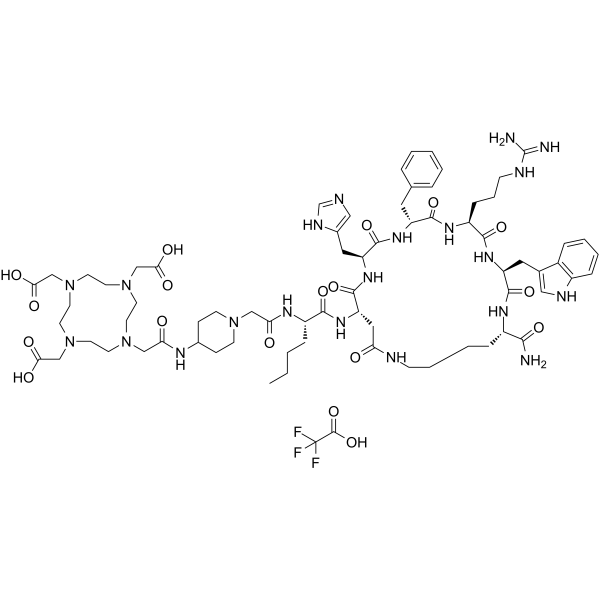
    CCZ01048 TFA, a α-MSH analogue, exhibits high binding affinity to melanocortin 1 receptor (MC1R) with a Ki of 0.31 nM. CCZ01048 TFA shows rapid internalization into B16F10 melanoma cells and high in vivo stability. CCZ01048 TFA is a promising candidate for PET imaging of malignant melanoma .
    CCZ01048 TFA
  • HY-P1585
    Gp100 (25-33), human
    1 Publications Verification

    Hgp100 (25-33)

    MHC Cancer
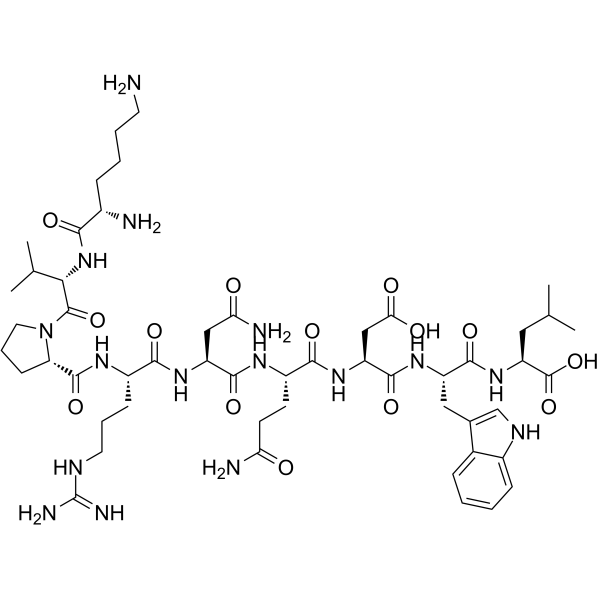
    Gp100 (25-33), human (Hgp100 (25-33)) is the amino acids 25-33 fragment of the human melanoma antigen. Gp100 (25-33), human is a 9-amino acid (AA) epitope restricted by MHC class I H-2D b and recognized by the T cells. Gp100 (25-33), human has immunogenicity and induces specific T cells. Gp100 (25-33), human can be used for the cancer research, such as melanoma .
    Gp100 (25-33), human
  • HY-151509

    Liposome Cancer
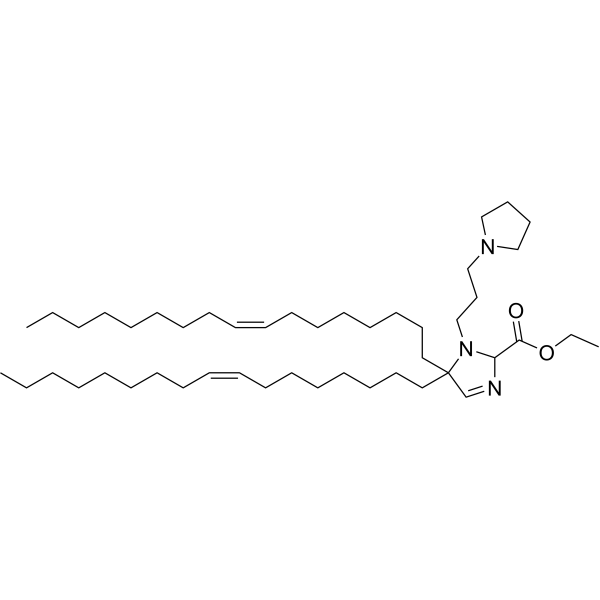
    A2-Iso5-2DC18 is a dihydroimidazole-linked lipid, served as potent mRNA delivery vehicle. A2-Iso5-2DC18 can be used for antitumor research, including B16F10 melanoma. .
    A2-Iso5-2DC18
  • HY-N0351R

    trans-4-Hydroxycinnamic acid (Standard)

    Reference Standards Endogenous Metabolite Bacterial Apoptosis Inflammation/Immunology Cancer
    p-Coumaric acid (Standard) is the analytical standard of p-Coumaric acid. This product is intended for research and analytical applications. p-Coumaric acid (trans-4-Hydroxycinnamic acid) is an isomer of cinnamic acid with oral activity. p-Coumaric acid inhibits cell proliferation and promotes apoptosis. p-Coumaric acid has antibacterial, anti-inflammatory, antioxidant and anti-tumor activities .
    p-Coumaric acid (Standard)
  • HY-174830

    PD-1/PD-L1 Cancer
    GJ19 is a PD-L1 inhibitor with an IC50 of 32.06 nM. GJ19 can effectively bind to human/murine PD-L1 protein with Kd values of 171 and 290 nM, respectively. GJ19 concentration-dependently promotes HepG2 cell mortality in a co-culture model of HepG2/hPD-L1 and Jurkat T/hPD-1 cells. GJ19 effectively suppresses tumor growth in a B16-F10 melanoma mouse model. GJ19 can be used for the study of tumor immunotherapy .
    GJ19
  • HY-116392E

    Glucosylceramide Synthase (GCS) Apoptosis Neurological Disease Metabolic Disease Cancer
    D-threo-PDMP is a potent glucoceramide synthase (GCS) inhibitor, which reduces the glycosphingolipids (such as GM3 and GD3) on the cell surface by inhibiting glycosylation, reduces the total length of the axon plexus and the number of axon branch points, and inhibits neurite growth. D-threo-PDMP inhibits the synthesis of GM3, thereby reducing the adhesion ability of B16 melanoma cells and mimicking the pathological effects of hyperglycemia/TGF-β1. D-threo-PDMP inhibits the synthesis of GD3, thereby protecting liver cells from apoptosis induced by TNF-α. D-threo-PDMP can be used to study diseases related to targeted glycosphingolipid metabolism .
    D-threo-PDMP
  • HY-116392F

    Glucosylceramide Synthase (GCS) Neurological Disease Metabolic Disease Cancer
    D-threo-PDMP hydrochloride is a potent glucoceramide synthase (GCS) inhibitor, which reduces the glycosphingolipids (such as GM3 and GD3) on the cell surface by inhibiting glycosylation, reduces the total length of the axon plexus and the number of axon branch points, and inhibits neurite growth. D-threo-PDMP hydrochloride inhibits the synthesis of GM3, thereby reducing the adhesion ability of B16 melanoma cells and mimicking the pathological effects of hyperglycemia/TGF-β1. D-threo-PDMP hydrochloride inhibits the synthesis of GD3, thereby protecting liver cells from apoptosis induced by TNF-α. D-threo-PDMP hydrochloride can be used to study diseases related to targeted glycosphingolipid metabolism .
    D-threo-PDMP hydrochloride
  • HY-169089

    Drug Derivative Cancer
    RP-182-PEG3-K palmitic acid-NH2 (Compound 1a) is a fatty acid derivative of the immunomodulatory peptide RP-182. RP-182-PEG3-K palmitic acid-NH2 inhibits CD206 high M2-like macrophage (IC50 of 3.2 μM) and induces phagocytosis. RP-182-PEG3-K palmitic acid-NH2 exhibits antitumor efficacy in mouse B16 melanoma allografts .
    RP-182-PEG3-K(palmitic acid)-NH2
  • HY-W272217S

    n-Octacosane-d58; NSC 5549-d58

    Bacterial Endogenous Metabolite Cancer
    Octacosane-d58 is the deuterium labeled Octacosane . Octacosane is an endogenous metabolite with antibacterial activity. Octacosane shows high cytotoxicity against murine melanoma B16F10-Nex2 cells besides inducing protection against a grafted subcutaneous melanoma. Octacosane has the larvicidal activity against mosquito Culex quinquefasciatus with the LC50 concentration of 7.2 mg/l .
    Octacosane-d58
  • HY-130115

    STING Cancer
    IACS-8803 is a highly potent cyclic dinucleotide STING agonist with robust systemic antitumor efficacy .
    IACS-8803
  • HY-P1585A
    Gp100 (25-33), human TFA
    1 Publications Verification

    Hgp100 (25-33) TFA

    MHC Cancer
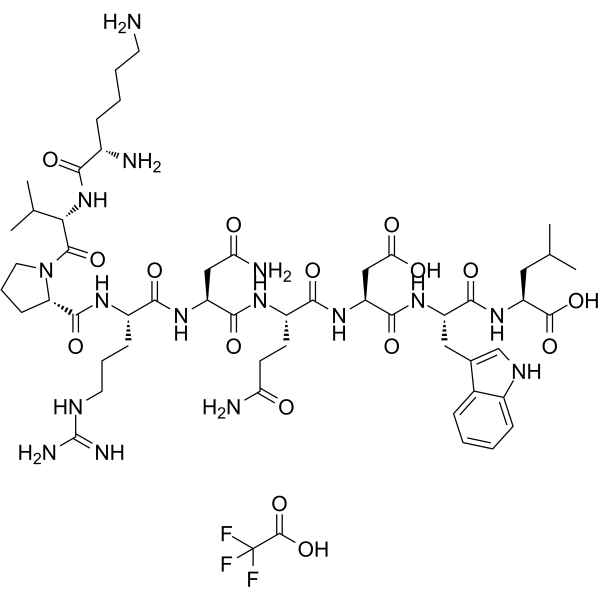
    Gp100 (25-33), human TFA (Hgp100 (25-33) (TFA)) is the amino acids 25-33 fragment of the human melanoma antigen. Gp100 (25-33), human TFA is a 9-amino acid (AA) epitope restricted by MHC class I H-2D b and recognized by the T cells. Gp100 (25-33), human TFA has immunogenicity and induces specific T cells. Gp100 (25-33), human TFA can be used for the cancer research, such as melanoma .
    Gp100 (25-33), human TFA
  • HY-W001939

    Biochemical Assay Reagents Cancer
    4-Acetylbenzoic acid is a Zn(II) complex. 4-Acetylbenzoic acid is a derivative of benzoic acid that is commonly used in chemical synthesis. 4-Acetylbenzoic acid has an IC50 of 331.3 μM in murine L929 fibroblasts and an IC50 of 176 μM in metastatic melanoma B16 F10 cell lines .
    4-Acetylbenzoic acid
  • HY-N7085R

    5,7-Dimethoxycoumarin (Standard); Limettin (Standard)

    ERK JNK p38 MAPK Reference Standards Neurological Disease Inflammation/Immunology Cancer
    Citropten (Standard) is the analytical standard of Citropten. This product is intended for research and analytical applications. Citropten (5, 7-dimethoxycoumarin) is one of the coumarin derivatives. Citropten is an effective oral anticancer agent. Citropten has anti-proliferative activity against A2058 and B16 melanoma cells. Citropten exerts anti-inflammatory effects through the NFκB and MAPK signaling pathways. Citropten acts as an antidepressant through heat shock protein-70, monoamine oxidase-A and inhibition of apoptosis .
    Citropten (Standard)
  • HY-113612

    Phosphatase Apoptosis Cancer
    Cytostatin is an effective and selective protein phosphatase 2A (PP2A) inhibitor with an IC50 value of 210 nM. Cytostatin exhibits anti-metastatic properties, good antitumor activity, and can induce apoptosis. Cytostatin can also prevent the adhesion of B16 melanoma cells to components of the extracellular matrix (laminin and collagen). Cytostatin belongs to the family of natural product fosriecin .
    Cytostatin
  • HY-W272217

    n-Octacosane; NSC 5549

    Endogenous Metabolite Bacterial Inflammation/Immunology Cancer
    Octacosane is an endogenous metabolite with antibacterial activity. Octacosane shows high cytotoxicity against murine melanoma B16F10-Nex2 cells besides inducing protection against a grafted subcutaneous melanoma. Octacosane has the larvicidal activity against mosquito Culex quinquefasciatus with the LC50 concentration of 7.2 mg/l .
    Octacosane
  • HY-150158

    Toll-like Receptor (TLR) Cancer
    TMX-201 is a TLR7 ligand-phospholipid conjugate. TMX-201 shows potent immune stimulatory activity. TMX-201 can be used for breast cancer and melanoma research .
    TMX-201
  • HY-139061

    LPL Receptor ROCK Cancer
    Palmitoyl 3-carbacyclic phosphatidic acid (HY-139061) is a palmitoylated Carba-like cyclophosphatidic acid and an analog of lysophosphatidic acid (LPA). Palmitoyl 3-carbacyclic phosphatidic acid has different functions from LPA and can inhibit the activation of RhoA and inhibit the migration of melanoma cells. Palmitoyl 3-carbacyclic phosphatidic acid effectively inhibited experimental lung metastasis and reduced the number of tumor nodules in a B16-F0 xenograft mouse model .
    Palmitoyl 3-carbacyclic phosphatidic acid
  • HY-N3643

    Platelet-activating Factor Receptor (PAFR) Cancer
    Cryptomeridiol is a platelet-activating factor (PAF) receptor binding inhibitor. Cryptomeridiol has melanogenesis inhibitory activity in the α-MSH (HY-P0252)-stimulated B16 melanoma cells .
    Cryptomeridiol
  • HY-147973

    c-Myc Apoptosis Cancer
    IZTZ-1, an imidazole-benzothiazole conjugate, is a c-MYC G4 ligand. IZTZ-1 is able to downregulate the c-MYC expression by stabilizing c-MYC G4. IZTZ-1 induces cell cycle arrest, apoptosis, thereby inhibiting cell proliferation in B16 cells. IZTZ-1 shows antitumor activity, and can be used for melanoma research .
    IZTZ-1
  • HY-P2045

    Arp2/3 Complex Cancer
    RA-VII is an antitumor agent that exhibits significant activity against L1210, B-16 melanoma, Lewis lung carcinoma, Colon 38 and Ehrlich carcinoma .
    RA-VII
  • HY-169089A

    Drug Derivative Cancer
    RP-182-PEG3-K(palmitic acid)-NH2 (Compound 1a) TFA is a fatty acid derivative of the immunomodulatory peptide RP-182. RP-182-PEG3-K(palmitic acid)-NH2 TFA inhibits CD206 high M2-like macrophage (IC50 of 3.2 μM) and induces phagocytosis. RP-182-PEG3-K(palmitic acid)-NH2 TFA exhibits antitumor efficacy in mouse B16 melanoma allografts .
    RP-182-PEG3-K(palmitic acid)-NH2 TFA
  • HY-P11424

    Integrin Cancer
    Cyclo(GRGDSPA) is a cyclic RGD peptide targeting αvβ3 integrin. Cyclo(GRGDSPA) reduces the formation of colonies in mice injected with B16-FE7 melanoma cells. Cyclo(GRGDSPA) can be used for melanoma research .
    Cyclo(GRGDSPA)
  • HY-136295

    Antibiotic Bacterial Infection Inflammation/Immunology
    Quinaldopeptin, a quinomycin antibiotic isolated from the culture of Streptoverticillium album strain, is highly active against Gram-positive bacteria and anaerobes and strongly cytotoxic against cultured B16 melanoma cells .
    Quinaldopeptin
  • HY-N9521

    Others Cancer
    3-O-β-D-Glucopyranosyl(1→2)-[a-Lrhamnopyranosyl(1→3)]-β-D-glucopyranosyl 28-O-β-D-glucuronopyranoside, a saponin, is isolated from Polaskia chichipe Backbg. 3-O-β-D-Glucopyranosyl(1→2)-[a-Lrhamnopyranosyl(1→3)]-β-D-glucopyranosyl 28-O-β-D-glucuronopyranoside shows ability to inhibit melanin biosynthesis by B16 melanoma cell with inhibitory activity 84.2% at 100μM[1].
    3-O-β-D-Glucopyranosyl(1→2)-[a-Lrhamnopyranosyl(1→3)]-β-D-glucopyranosyl 28-O-β-D-glucuronopyranoside
  • HY-179717

    PROTACs Microphthalmia Associated Transcription Factor (MITF) Cancer
    WZS0347 is a MITF PROTAC degrader. WZS0347 effectively reduces the MITF protein levels in several melanoma cell lines, including B16F10, A375, and GAK. WZS0347 significantly inhibits the proliferation, migration, and invasion of melanoma cells. WZS0347 can be used for research on melanoma (Pink: MITF ligand: (HY-179718); Blue: CRBN ligand: (HY-131717); Black: linker: (HY-22391)) .
    WZS0347
  • HY-P2336

    Melanocortin Receptor Cancer
    CCZ01048, a α-melanocyte-stimulating hormone (α-MSH) analogue, exhibits high binding affinity to melanocortin 1 receptor (MC1R) with a Ki of 0.31 nM. CCZ01048 shows rapid internalization into B16F10 melanoma cells and high in vivo stability. CCZ01048 is a promising candidate for PET imaging of malignant melanoma .
    CCZ01048
  • HY-W004288S

    Myristic acid methyl ester-d27

    Isotope-Labeled Compounds Drug Derivative Cancer
    Methyl tetradecanoate-d27 is the deuterium labeled Methyl myristate. Methyl myristate is a saturated fatty acid methyl ester obtained from the esterification of myristic acid. Methyl myristate shows a high melanin induction in B16F10 melanoma .
    Methyl tetradecanoate-d27
  • HY-172671

    STING Cancer
    STING agonist-43 (Compound 67) is a selective STING agonist (EC50: 20.53 μM). STING agonist-43 selectively amplifies cGAMP-dependent STING pathway activation by modulating STING oligomerization. B16.F10 has antitumor activity in a mouse melanoma model. STING agonist-43 can be used for the study of cancer immunity .
    STING agonist-43
  • HY-19825

    Topoisomerase ADC Payload Antibiotic Cancer
    Rebeccamycin, an antitumor antibiotic, inhibits DNA topoisomerase I. Rebeccamycin appears to exert its primary antineoplastic effect by poisoning topoisomerase I and has negligible effect on protein kinase C and topoisomerase II .
    Rebeccamycin
  • HY-W587938

    (+)-γ-Eudesmol

    Apoptosis Cancer
    γ-Eudesmol ((+)-γ-Eudesmol) is a mitochondrial-mediated apoptosis inducer. γ-Eudesmol binds mitochondrial membrane proteins, triggering depolarization of mitochondrial membrane potential and activating caspase cascades. γ-Eudesmol demonstrates cytotoxicity against multiple tumor cell lines (e.g., HepG2, B16-F10) with IC50 values ranging from 8.86-15.15 μg/mL. γ-Eudesmol is promising for research of cancers, such as hepatocellular carcinoma and melanoma .
    γ-Eudesmol
  • HY-P991566

    CTLA-4 Cancer
    KD6001 is a humanized IgG1κ monoclonal antibody, targeting CTLA4. KD6001 significantly disrupts CTLA-4 interactions with CD80 (IC50: 16 ng/mL) and CD86. KD6001 enhances IL-2 and IFNγ expression in PHA-activated human lymphocytes and exhibits potent antitumor effects. KD6001 effectively inhibits tumor growth in MC38, B16, and Hepa1-6 tumor mice model. KD6001 can be used for cancers research, such as advanced melanoma, hepatocellular carcinoma and liver cancer .
    KD6001
  • HY-117231

    Others Cancer
    RM 06 is an immunomodulator with a peptidyl hypoxanthine structure that significantly reduces the number of lung metastases of B16 melanoma cells in mice after lethal irradiation and bone marrow reconstitution by stimulating the activity of natural killer (NK) cells .
    RM 06
  • HY-116392A

    Glucosylceramide Synthase (GCS) Cancer
    (−)-L-threo-PDMP hydrochloride is the hydrochloride form of (−)-L-threo-PDMP. L-threo-PDMP is a glucosylceramide synthase (GCS) inhibitor. L-threo-PDMP stimulates the proliferation of cultured aortic smooth muscle cells, and that increases the level of LacCer in B16 melanoma cells .
    (−)-L-threo-PDMP hydrochloride
  • HY-114585

    Bacterial Infection Cancer
    Sperabillin A is an antibacterial agent against gram-positive and gram-negative bacteria. Sperabillin A shows strong inhibition of human umbilical vein endothelial (HUVE) cell proliferation. Sperabillin A also shows anti-tumor acfivity against B16 melanoma in mouse .
    Sperabillin A
  • HY-113612A

    Apoptosis Phosphatase Cancer
    Cytostatin sodium is an effective and selective protein phosphatase 2A (PP2A) inhibitor with an IC50 value of 210 nM. Cytostatin sodium exhibits anti-metastatic properties, good antitumor activity, and can induce apoptosis. Cytostatin sodium can also prevent the adhesion of B16 melanoma cells to components of the extracellular matrix (laminin and collagen). Cytostatin sodium belongs to the family of natural product fosriecin .
    Cytostatin sodium
  • HY-N12431

    Others Cancer
    Machilin A is a lignan isolated from the methanolic extract of Phoebe bark. Machilin A inhibits melanin biosynthesis in B-16 mouse melanoma cells with an IC50 of 39.9 μM.
    Machilin A
  • HY-N13879

    Melanocortin Receptor Cancer
    Amphistin is a melanogenesis inhibitor found in actinomycete. Amphistin inhibits the melanogenesis of B16 melanoma cells without affecting the growth of the cell .
    Amphistin
  • HY-N14435

    Antibiotic Fungal Infection
    Pradimicin Q is an antibiotic. The cytotoxicity (IC50) to human colon HCT-116 cells and murine melanoma B16-F10 cells are 75 and 100 μg/mL, respectively .
    Pradimicin Q
  • HY-149950

    Apoptosis Cancer
    Anticancer agent 106 (compound 10ic) is an anticancer agent that induces apoptosis in B16-F10 melanoma cells. Anticancer agent 106 also potently inhibits metastatic nodules in a mouse model of lung metastatic melanoma. Anticancer agent 106 can be used in the study of cancer, especially lung metastatic melanoma .
    Anticancer agent 106
  • HY-N14095

    Bacterial HIV Infection Cancer
    Curromycin A has antibacterial activity against Gram-positive bacteria such as Bacillus subtilis. Curromycin A can inhibit the replication of human immunodeficiency virus (HIV), inhibit mouse melanoma B16 and leukemia P388 cells .
    Curromycin A

Consulta en línea

Your information is safe with us. * Required Fields.

Saludo


Country or Region *

Nombre del solicitante *


Nombre de la Organizaciòn *

Department *


Direcciòn del E-mail *


Nombre del producto *

Cat. No.


Requested quantity *

Número de teléfono *


Observaciones

Consulta en línea

Inquiry Information

Nombre del producto:
Cat. No.:
Cantidad:
MCE Japan Authorized Agent:

