

1. Search Result
Search Result
Results for "

Diabetic nephropathy

" in MedChemExpress (MCE) Product Catalog:

105

Inhibitors & Agonists

1

Fluorescent Dyes

11

Peptides

1

MCE Kits

4

Inhibitory Antibodies

33

Natural
Products

4

Isotope-Labeled Compounds

Cat. No. Product Name Target Research Areas Chemical Structure
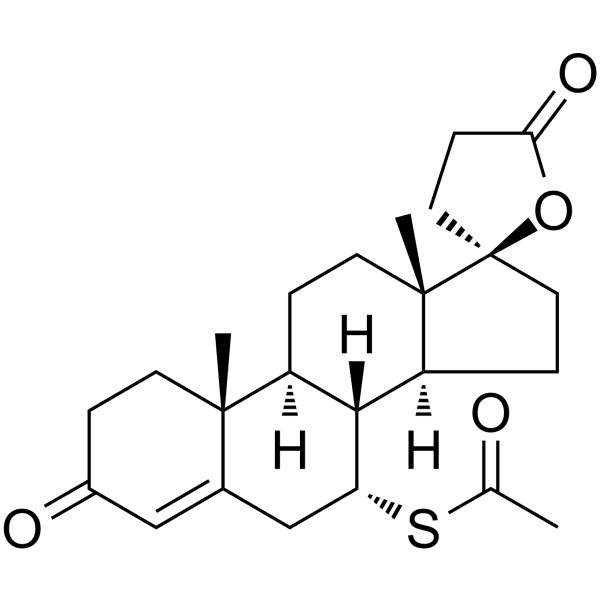
  • HY-B0561
    Spironolactone
    5+ Cited Publications

    SC9420

    Mineralocorticoid Receptor Androgen Receptor Autophagy Calcium Channel Cardiovascular Disease Metabolic Disease Endocrinology Cancer
    Spironolactone is an aldosterone antagonist that acts on the aldosterone mineralocorticoid receptor (IC50=24 nM) and androgen receptor (IC50=77 nM), promotes podocyte autophagy and regulates pain. Spironolactone improves hypertension-related vascular hypertrophy and remodeling by reducing angiotensin II (Ang II)-induced inflammation, reduces aldosterone-induced vascular and soft tissue calcification through PIT1-dependent signaling, and alleviates vascular dysfunction in type II diabetic mice by reducing oxidative stress and restoring NO/GC signaling; at low concentrations, it and its metabolites can interfere with aldosterone biosynthesis in the adrenal cortex and inhibit voltage-dependent Ca 2+ channels to exert antihypertensive effects .
    Spironolactone
  • HY-B1041
    Aminoguanidine hydrochloride
    5+ Cited Publications

    Pimagedine hydrochloride; GER-11; Aminoguanidinium chloride

    NO Synthase Apoptosis ERK Neurological Disease Metabolic Disease Inflammation/Immunology
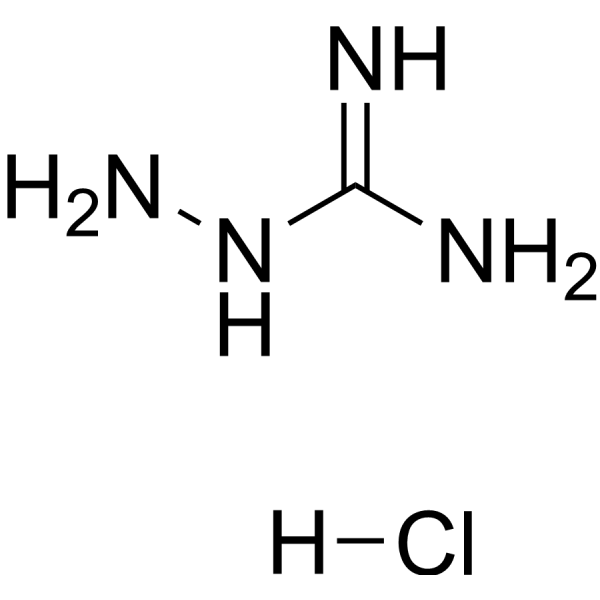
    Aminoguanidine (Pimagedine) hydrochloride is an inhibitor of diamine oxidase (DAO) and nitric oxide synthase (NOS). Aminoguanidine hydrochloride can reduce the formation of advanced glycation end products (AGEs). Aminoguanidine hydrochloride has a dose-dependent inhibitory effect on Doxorubicin (HY-15142)-induced cell apoptosis. Aminoguanidine hydrochloride has antioxidant properties. Aminoguanidine hydrochloride can be used in the research of diabetic nephropathy .
    Aminoguanidine hydrochloride
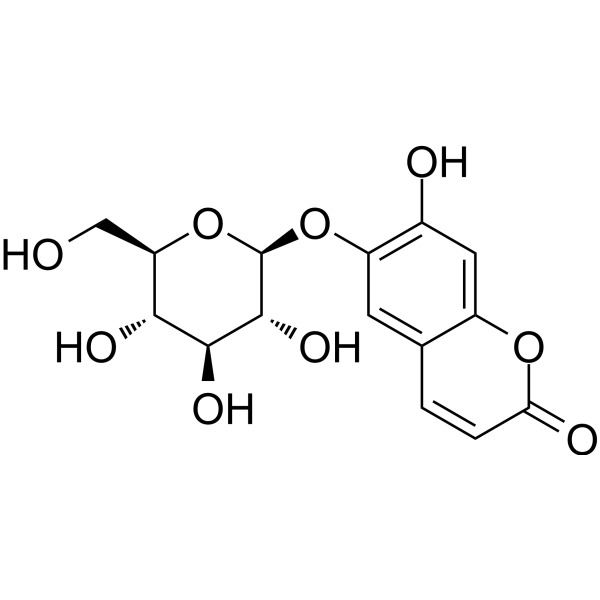
  • HY-N0188
    Esculin
    5 Publications Verification

    p38 MAPK Inflammation/Immunology Cancer
    Esculin is a fluorescent coumarin glucoside, the active ingredient in ash bark. Esculin has antidiabetic effects, improves cognitive impairment in experimental diabetic nephropathy (DN) via the MAPK signaling pathway, and exerts antioxidant stress and anti-inflammatory effects. Esculin also has anticancer, antibacterial, antiviral, neuroprotective, antithrombotic, and therapeutic properties for eye diseases .
    Esculin
  • HY-109041
    Razuprotafib
    4 Publications Verification

    AKB-9778

    Phosphatase Tie Inflammation/Immunology
    Razuprotafib (AKB-9778) is a potent and selective inhibitor of the catalytic activity of VE-PTP (vascular endothelial protein tyrosine phosphatase) with an IC50of 17 pM. Razuprotafib promotes TIE2 activation, enhances ANG1-induced TIE2 activation, and stimulates phosphorylation of signaling molecules in the TIE2 pathway, including AKT, eNOS, and ERK. Razuprotafib inhibits the structurally related phosphatase PTP1B with an IC50 of 780 nM. Razuprotafib shows excellent selectivity for VE-PTP versus a variety of phosphatases, with the exception of HPTPη (IC50=36 pM) and HPTPγ (100 pM) .
    Razuprotafib
  • HY-N0270
    Ononin
    Maximum Cited Publications
    11 Publications Verification

    Ononoside; Formononetin 7-O-β-D-glucopyranoside

    ERK JNK p38 MAPK PI3K Akt mTOR Apoptosis Neurological Disease Metabolic Disease Cancer
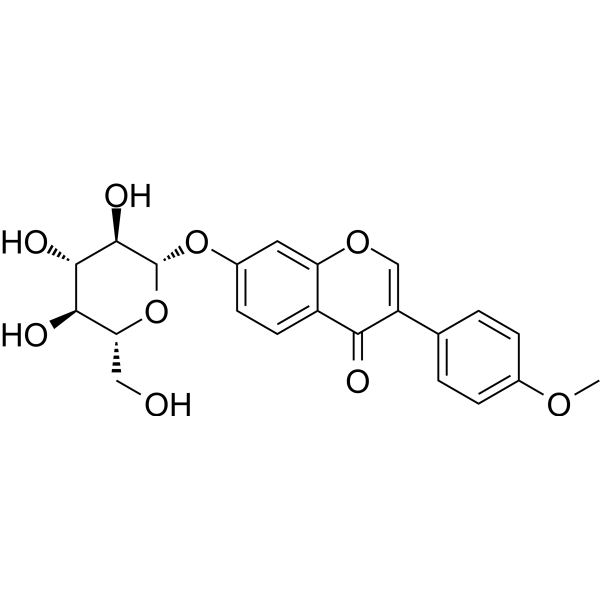
    Ononin is an orally active isoflavone. Ononin inhibits the ERK/JNK/p38 and PI3K/Akt/mTOR pathways. Ononin regulates Apoptosis. Ononin has anti-tumor effects on laryngeal cancer and lung cancer. Ononin has neuroprotective effects. Ononin alleviates endoplasmic reticulum stress and diabetic nephropathy .
    Ononin
  • HY-B0093A
    Benazepril hydrochloride
    2 Publications Verification

    CGS14824A

    Angiotensin-converting Enzyme (ACE) Apoptosis Reactive Oxygen Species (ROS) Akt Cardiovascular Disease Metabolic Disease Inflammation/Immunology
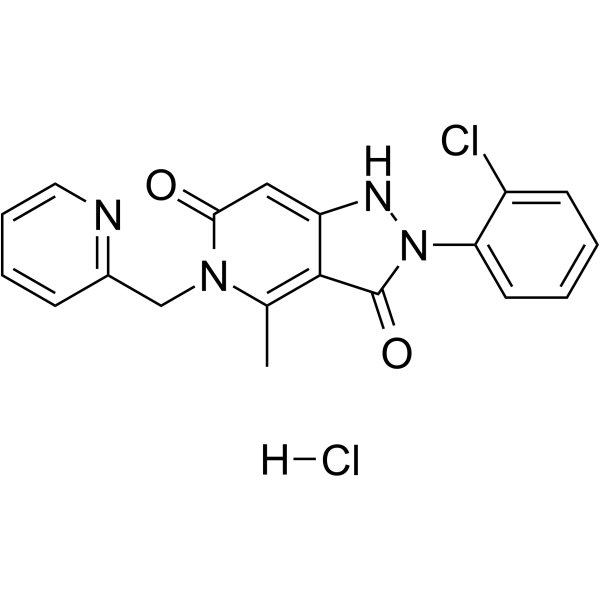
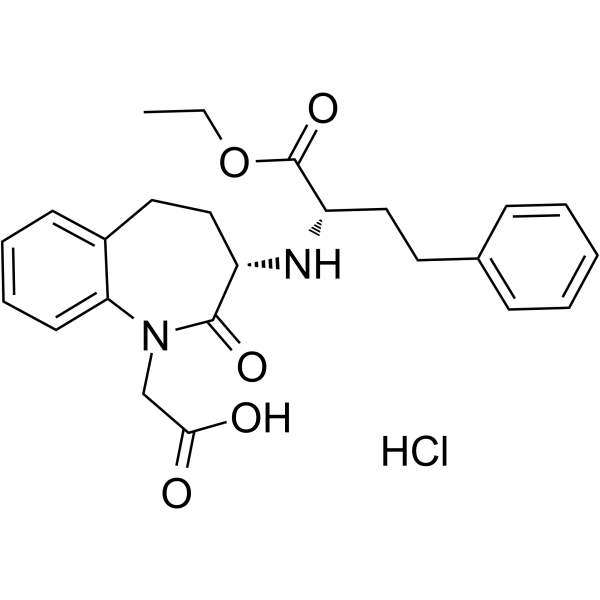
    Benazepril (CGS14824A) hydrochloride is an orally active angiotensin-converting enzyme (ACE) inhibitor to reduce angiotensin-II production. Benazepril hydrochloride inhibits oxidative stress and inhibits apoptosis by the PI3K/Akt signaling pathway. In addition, Benazepril hydrochloride improves diabetic nephropathy and decreases proteinuria. Benazepril hydrochloride can be used in the study of hypertension, heart failure and diabetic nephropathy .
    Benazepril hydrochloride
  • HY-14447

    Histamine Receptor Inflammation/Immunology Endocrinology
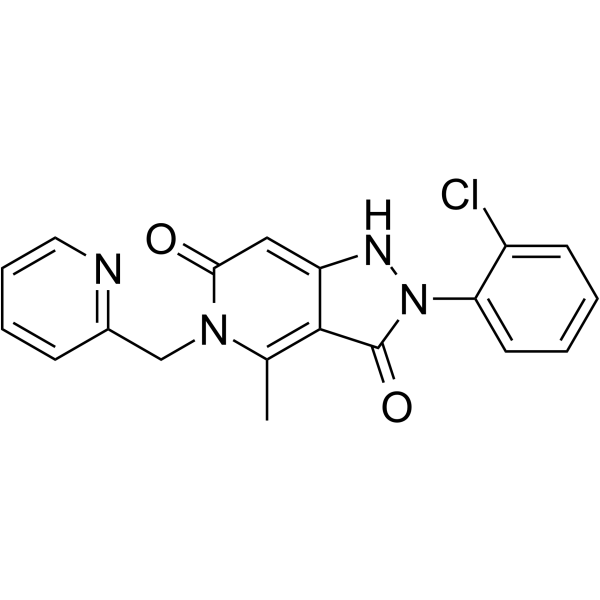
    Bilastine is an oral histamine H1-receptor antagonist. Bilastine can be used for allergic rhinitis and urticaria studies, and it also improves diabetic nephropathy in mice, showing safety for the central nervous system .
    Bilastine
  • HY-18938
    Selonsertib
    Maximum Cited Publications
    23 Publications Verification

    GS-4997

    MAP3K Apoptosis Cancer
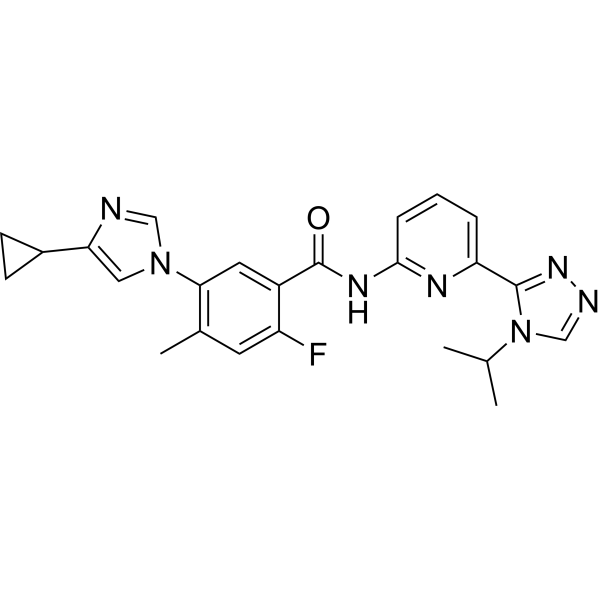
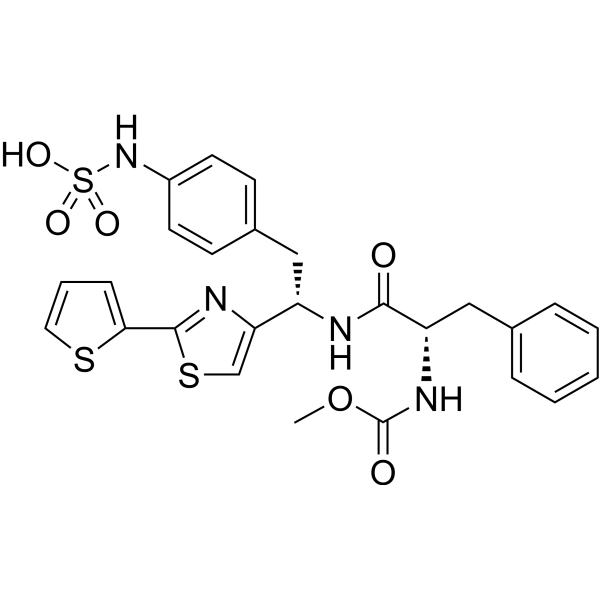
    Selonsertib (GS-4997), an orally bioavailable, selective apoptosis signal-regulating kinase 1 (ASK1) inhibitor with a pIC50 of 8.3, has been evaluated as an experimental treatment for diabetic nephropathy and kidney fibrosis.
    Selonsertib
  • HY-N0559
    Kirenol
    1 Publications Verification

    Casein Kinase Apoptosis AMPK Akt NF-κB TGF-beta/Smad Cardiovascular Disease Neurological Disease Metabolic Disease Inflammation/Immunology Cancer
    Kirenol is a diterpenoid compound, an orally active apoptosis inducer and signaling pathway regulator, with a Kd value of 5.47 μM against the target CK2. Kirenol promotes the cleavage of Bid into tBid, regulates the protein levels/phosphorylation of Bax, Bcl-2, p53 and p21, and induces caspase-independent apoptosis, S-phase cell cycle arrest, ROS accumulation and cytotoxicity in cancer cells. Kirenol activates the CK2/AKT and AMPK-mTOR-ULK1 pathways, inhibits the signaling of NF-κB, TGF-β/Smads and NLRP3 inflammasome, and regulates the GSK3β, BMP and Wnt/β-catenin pathways. Kirenol induces autophagy, mitophagy and osteoblast differentiation, promotes mitochondrial fusion, and exerts antioxidant, anti-inflammatory, antifibrotic, renoprotective, cardioprotective, neuroprotective and analgesic effects. Kirenol is applicable to research related to chronic myeloid leukemia, ischemic stroke, diabetic nephropathy, heart failure, acute lung injury and osteoporosis .
    Kirenol
  • HY-P11069

    Biochemical Assay Reagents Metabolic Disease
    Kidney-targeting peptide is a kidney-targeting peptide (KTP). Kidney-targeting peptide significantly enhances the renal targeting ability of Isoquercitrin (HY-N1445). Kidney-targeting peptide can be used in diabetic nephropathy research .
    Kidney-targeting peptide
  • HY-101499
    GKT136901
    4 Publications Verification

    NADPH Oxidase Neurological Disease Metabolic Disease Inflammation/Immunology
    GKT136901 is a potent, selective and orally active inhibitor of NADPH oxidase (NOX1/4), with Kis of 160 and 165 nM, respectively. GKT136901 is also a selective and direct scavenger of peroxynitrite. GKT136901 can be used for the research of diabetic nephropathy, stroke, and neurodegeneration. GKT136901 also has anti-inflammatory activity .
    GKT136901
  • HY-N2181
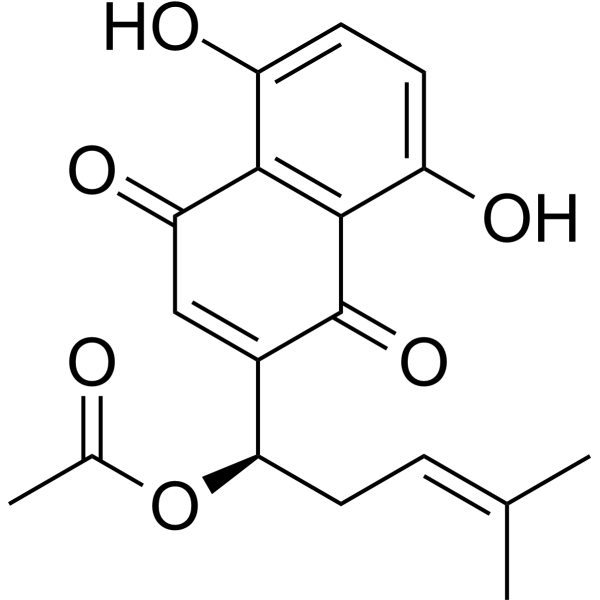
    Acetylshikonin
    3 Publications Verification

    Cytochrome P450 Apoptosis Bacterial Autophagy Infection Neurological Disease Metabolic Disease Inflammation/Immunology Cancer
    Acetylshikonin is an oral active anti-cancer, anti-inflammatory, antioxidant, anti-fertility, antibacterial, and neuroprotective agent. Acetylshikonin is a inhibitor of acetylcholinase (AChE) (IC50=34.6 μM) and nonselective cytochrome P450. Acetylshikonin can induce Apoptosis and Autophagy in cancer cells. Acetylshikonin regulates blood glucose, liver fat metabolism, and renal fibrosis, and is used in the study of diabetes, diabetic nephropathy (DN), obesity, and nonalcoholic fatty liver disease (NAFLD) .
    Acetylshikonin
  • HY-113355

    Endogenous Metabolite Apoptosis Neurological Disease Inflammation/Immunology Endocrinology
    NADH is an orally active dehydrogenase coenzyme that acts as a crucial electron carrier in cellular respiration and participates in ATP production. NADH promotes metabolism, supports brain function, and counteracts oxidative stress by transferring electrons to the electron transport chain. As a signaling molecule, NADH regulates multiple biological processes, including anti-apoptosis, synaptic plasticity, gene expression, and calcium homeostasis. Redox imbalance of NADH/NAD⁺ is one of the key pathological mechanisms of various diseases, such as diabetic nephropathy, neurodegenerative diseases, and ischemia-reperfusion injury.
    NADH
  • HY-N7675

    NF-κB TGF-beta/Smad Syk Cardiovascular Disease Neurological Disease Metabolic Disease
    Flavanomarein is a substance with cytoprotective, anti-inflammatory and antioxidant activities, with a Ka of 3.064e-5 M against human Syk. Flavanomarein enhances the phosphorylation level of AKT, regulates the expression of PKC-δ, P85α, PKC-β1, Sirt1, Bcl-2 and ICAD, and inhibits the nuclear translocation of NF-κB p65. Flavanomarein regulates EMT marker proteins, promotes the proliferation of HK-2 cells, and protects neuronal cells from 6-OHDA-induced neurotoxic damage. Flavanomarein can be used in studies related to Parkinson's disease and diabetic nephropathy.
    Flavanomarein
  • HY-N0444

    Reactive Oxygen Species (ROS) Inflammation/Immunology
    Rubiadin is an orally active polyketide-derived compound and free radical scavenger that inhibits the activation of the NF-κB pathway. Rubiadin inhibits osteoclast formation, bone resorption, lipid peroxidation, HBV DNA replication and cancer cell proliferation; reduces pro-inflammatory cytokine levels; induces cancer cell apoptosis; and possesses antifungal, antimalarial, antibacterial and anticonvulsant activities. Rubiadin can be used in the research of osteoporosis, acute inflammation, chronic inflammation, carbon tetrachloride-induced liver injury, Alzheimer's disease, breast cancer, iron overload disorders, hepatitis B virus infection, colon cancer, liver cancer, T-lymphocytic leukemia, cervical cancer, diabetic nephropathy, epileptic seizures, fungal infections, malaria and bacterial infections .
    Rubiadin
  • HY-B0093
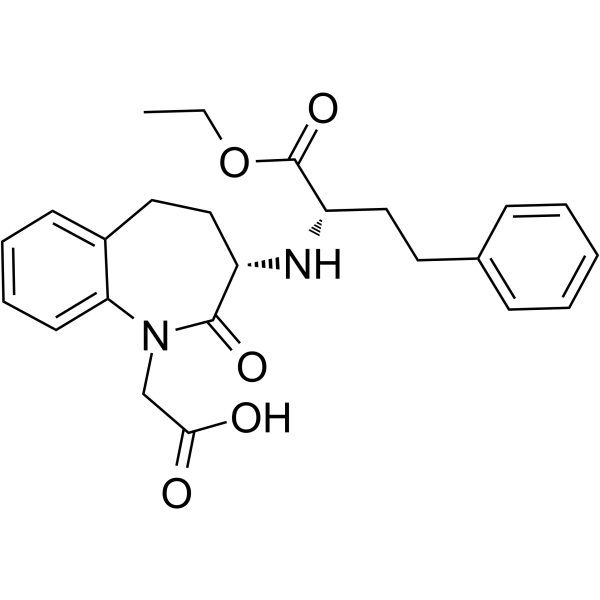
    Benazepril
    2 Publications Verification

    CGS14824A free base

    Angiotensin-converting Enzyme (ACE) Apoptosis Reactive Oxygen Species (ROS) Cardiovascular Disease Cancer
    Benazepril (CGS14824A free base) is an orally active angiotensin-converting enzyme (ACE) inhibitor to reduce angiotensin-II production. Benazepril inhibits oxidative stress and inhibits apoptosis by the PI3K/Akt signaling pathway. Benazepril improves diabetic nephropathy and decreases proteinuria. Benazepril can be used in the study of hypertension, heart failure and diabetic nephropathy .
    Benazepril
  • HY-B1451

    TA-6366

    Angiotensin-converting Enzyme (ACE) MMP JNK Cardiovascular Disease Neurological Disease Metabolic Disease Inflammation/Immunology
    Imidapril hydrochloride (TA-6366) is an orally active dual inhibitor of angiotensin-converting enzyme (ACE) and MMP-9. Imidapril hydrochloride inhibits lipopolysaccharide-induced phosphorylation of c-Jun, MKK4 and JNK in monocytes, and downregulates the production of specific inflammatory factors such as TNF-α and IP-10, thereby exerting anti-inflammatory activity. Imidapril hydrochloride also effectively ameliorates mesangial expansion and reduces urinary albumin excretion by inhibiting angiotensin AngII production, lowering glomerular pressure and oxidative stress, thus delaying disease progression. Imidapril hydrochloride can also directly bind to the active site of MMP-9 to inhibit gelatinase activity, and suppress the enlargement of cerebral aneurysms without altering systemic blood pressure. Imidapril hydrochloride is widely applicable to related studies on autoimmune glomerulonephritis, diabetic nephropathy, cerebral aneurysms and other conditions .
    Imidapril hydrochloride
  • HY-P1430
    11R-VIVIT
    5+ Cited Publications

    Cell permeable NFAT inhibitor

    Nuclear Factor of activated T Cells (NFAT) Metabolic Disease
    11R-VIVIT is a cell-permeable nuclear factor of activated T cells (NFAT) inhibitor. 11R-VIVIT can be used for the research of podocyte and diabetic nephropathy .
    11R-VIVIT
  • HY-N6082
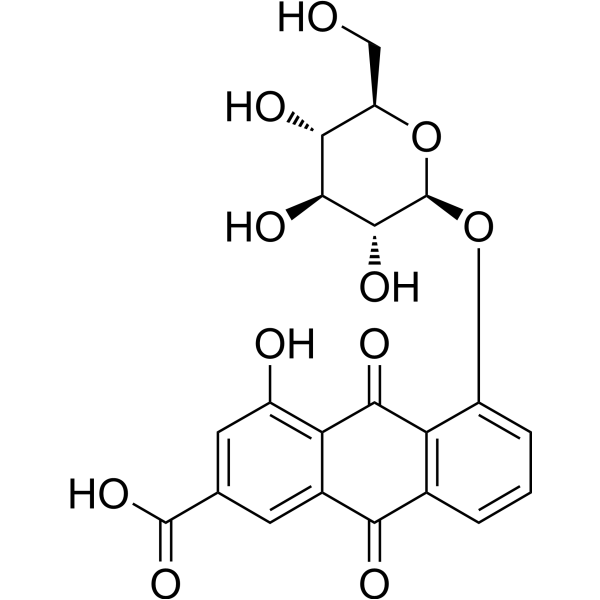
    Rhein 8-O-β-D-Glucopyranoside
    1 Publications Verification

    Apoptosis Bcl-2 Family Caspase TGF-beta/Smad Bacterial Infection Metabolic Disease Inflammation/Immunology
    Rhein 8-O-β-D-Glucopyranoside is an orally active glycoside found in Rhubarb. Rhein 8-O-β-D-Glucopyranoside attenuates high glucose-induced apoptosis, recovers altered lincRNA ANRIL and let-7a expression, reverses high glucose-altered Bcl-2 and cleaved caspase-3 protein expression, and inhibits TGF-β1/Smad signaling. Rhein 8-O-β-D-Glucopyranoside accelerates Sennoside A (HY-N0365) metabolism, stimulates sennoside A purgative activity. Rhein 8-O-β-D-Glucopyranoside inhibits bacterial biofilm formation, suppresses its virulence gene expression, and exerts antibacterial activity. Rhein 8-O-β-D-Glucopyranoside can be used for the research of diabetic nephropathy, constipation, and infection .
    Rhein 8-O-β-D-Glucopyranoside
  • HY-117623

    PF-249

    AMPK Metabolic Disease
    PF-06685249 (PF-249) is a potent and orally active allosteric AMPK activator with an EC50 of 12 nM for recombinant AMPK α1β1γ1. PF-06685249 improves renal function in ZSF-1 rats with diabetic nephropathy. PF-06685249 can be used for diabetic nephropathy research .
    PF-06685249
  • HY-114557

    3,5-Diiodo-L-thyronine

    JNK NF-κB Sirtuin PGC-1α COX TGF-β Receptor Collagen Metabolic Disease Inflammation/Immunology Endocrinology
    NSC 90469 (3,5-Diiodo-L-thyronine) is an orally active thyroid hormone derivative. NSC 90469 inhibits JNK phosphorylation and NF-κB acetylation, blocks SIRT1 protein expression, induces elevated PGC-1α levels, and stimulates COX activity. NSC 90469 enhances UCP1-mediated thermogenesis, increases hepatic Dio1 activity, inhibits TSH levels and hypothalamic-pituitary-thyroid axis function, enhances lipid metabolism, and regulates energy metabolism via the mitochondrial pathway. NSC 90469 prevents blood glucose reduction, reduces urinary albumin excretion, inhibits renal matrix expansion, decreases TGF-β1 expression, and reduces renal fibronectin and type Ⅳ collagen deposition. NSC 90469 also increases energy expenditure and prevents diet-induced overweight. NSC 90469 can be used in studies related to diabetic nephropathy, hypothyroidism, non-alcoholic fatty liver disease, and diet-induced obesity .
    NSC 90469
  • HY-N0909
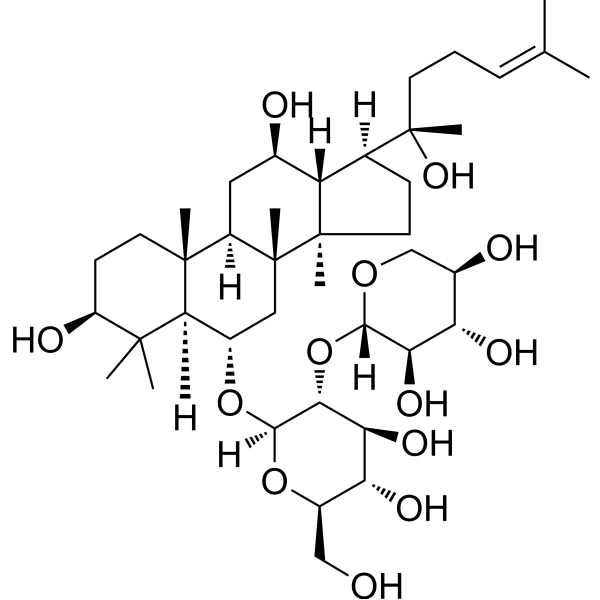
    Notoginsenoside R2
    1 Publications Verification

    20(S)-Notoginsenoside R2; Ginsenoside Ng-R2

    Apoptosis MEK ERK Reactive Oxygen Species (ROS) Caspase COX β-catenin Src MDM-2/p53 JAK STAT Neurological Disease Metabolic Disease Inflammation/Immunology
    Notoginsenoside R2 (20(S)-Notoginsenoside R2; Ginsenoside Ng-R2) is an orally active notoginsenoside . Notoginsenoside R2 activates P90RSK and Nrf2 via the MEK1/2-ERK1/2 pathway to inhibit 6-OHDA-induced apoptotic damage in nerve cells. Notoginsenoside R2 upregulates SOX8/β-catenin by reducing miR-27a, thereby suppressing Aβ25-35-induced neuronal apoptosis and inflammatory responses . Notoginsenoside R2 alleviates lipid accumulation and mitochondrial dysfunction in diabetic nephropathy by inhibiting c-Src. Notoginsenoside R2 alleviates hepatic fibrosis by inducing hepatic stellate cell senescence and inhibiting the inflammatory microenvironment via JAK/STAT3 suppression . Notoginsenoside R2 can be used in research related to Parkinson's disease, Alzheimer's disease, diabetic nephropathy and hepatic fibrosis .
    Notoginsenoside R2
  • HY-113089

    H-Glu(H-Lys-OH)-OH; γ-Glu-ε-Lys

    Endogenous Metabolite Metabolic Disease
    Epsilon-(gamma-glutamyl)-lysine is an N(6)-acyl-L-lysine derivative. The enzyme tissue transglutaminase (tTg) helps the formation of epsilon-(gamma-glutamyl)lysine bonds between ECM components in some disease, such as non-diabetic kidney, glaucoma filtration .
    Epsilon-(gamma-glutamyl)-lysine
  • HY-15195

    Ro 67-0565; SPP-301

    Endothelin Receptor Cardiovascular Disease Endocrinology
    Avosentan (Ro 67-0565; SPP-301) is an orally active endothelin (ETA) receptor antagonist. Avosentan can block the ETA receptor, thereby reducing vascular contraction and exerting a renal protective effect. Avosentan inhibits vascular contraction caused by ET-1 and alleviates the reduction in retinal and optic nerve head blood flow induced by it, lowering intraocular pressure in the glaucoma monkey model. Avosentan non-specifically blocks ETB receptors at high doses, inhibiting ETB-mediated diuresis and natriuresis, and may cause fluid retention. Avosentan can be used to reduce proteinuria with diabetic nephropathy, but induces significant fluid overload and congestive heart failure .
    Avosentan
  • HY-B1451A

    TA-6366 free base

    Angiotensin-converting Enzyme (ACE) MMP JNK Cardiovascular Disease Metabolic Disease
    Imidapril (TA-6366 free base) is an orally active dual inhibitor of angiotensin-converting enzyme (ACE) and MMP-9. Imidapril inhibits lipopolysaccharide-induced phosphorylation of c-Jun, MKK4 and JNK in monocytes, and downregulates the production of specific inflammatory factors such as TNF-α and IP-10, thereby exerting anti-inflammatory activity. Imidapril also effectively ameliorates mesangial expansion and reduces urinary albumin excretion by inhibiting angiotensin AngII production, lowering glomerular pressure and oxidative stress, thus delaying disease progression. Imidapril can also directly bind to the active site of MMP-9 to inhibit gelatinase activity, and suppress the enlargement of cerebral aneurysms without altering systemic blood pressure. Imidapril is widely applicable to related studies on autoimmune glomerulonephritis, diabetic nephropathy, cerebral aneurysms and other conditions .
    Imidapril
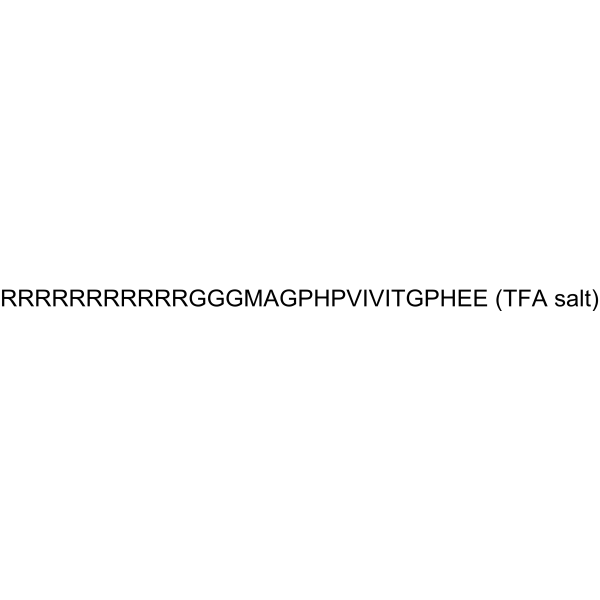
  • HY-P1430A
    11R-VIVIT TFA
    5+ Cited Publications

    Cell permeable NFAT inhibitor TFA

    Nuclear Factor of activated T Cells (NFAT) Metabolic Disease
    11R-VIVIT TFA is a cell-permeable nuclear factor of activated T cells (NFAT) inhibitor. 11R-VIVIT TFA can be used for the research of podocyte and diabetic nephropathy .
    11R-VIVIT TFA
  • HY-P990071

    LY-3016859

    EGFR Neurological Disease Metabolic Disease Inflammation/Immunology
    Fepixnebart (LY3016859) is a humanized monoclonal hIgG4 antibody, which binds and neutralizes only TGFα and epiregulin with high affinity. Fepixnebart can be used for the study of diabetic nephropathy and broad-spectrum chronic pain, including diabetic peripheral neuropathic pain (DPNP), signs and symptoms of osteoarthritis (OA), and chronic low back pain (CLBP) .
    Fepixnebart
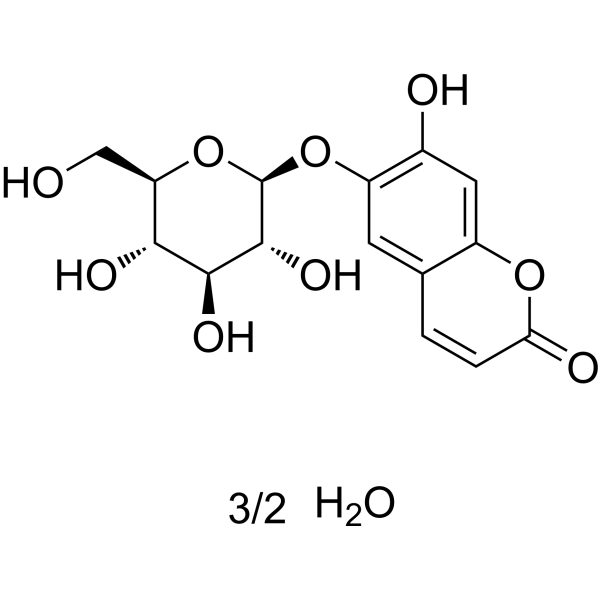
  • HY-W166297
    Esculin sesquihydrate
    5 Publications Verification

    p38 MAPK Cancer
    Esculin sesquihydrate, a fluorescent coumarin glucoside, is an active ingredient of ash bark. Esculin sesquihydrate ameliorates cognitive impairment in experimental diabetic nephropathy (DN), and exerts anti?oxidative stress and anti?inflammatory effects, via the MAPK signaling pathway .
    Esculin sesquihydrate
  • HY-N10423

    (-)-Cubebin

    Cholinesterase (ChE) Bacterial Fungal Parasite p38 MAPK Infection Neurological Disease Metabolic Disease Inflammation/Immunology Cancer
    Cubebin ((-)-Cubebin), a dibenzyl butyrolactone lignan, is an orally active AChE inhibitor. Cubebin binds to active sites of NF-κB, TNF-α, and TGF-β1 via hydrogen and hydrophobic interactions, obstructing critical residues to inhibit pro-inflammatory or renal fibrosis-related activity. Cubebin enhances p38 MAPK phosphorylation to increase tyrosinase gene expression, stimulating melanogenesis via elevated tyrosinase activity, expression, and mRNA levels. Cubebin reduces oxidative stress via enhanced endogenous antioxidant enzyme activity and inhibited lipid peroxidation, regulates lipid metabolism, improves glycemic control, and exerts renoprotective effects via reduced renal dysfunction markers and improved renal architecture. Cubebin shows antimicrobial activity. Cubebin exerts larvicidal activity against Angiostrongylus cantonensis larvae, with no cytotoxicity toward monkey or human cell lines or Caenorhabditis elegans. Cubebin can be used for the research of diabetic nephropathy, melanoma, colon adenocarcinoma, neuroangiostrongyliasis, Alzheimer’s disease (AD) and depression .
    Cubebin
  • HY-B1041A

    Pimagedine; GER-11free base ; Aminoguanidinium

    NO Synthase Apoptosis Endocrinology
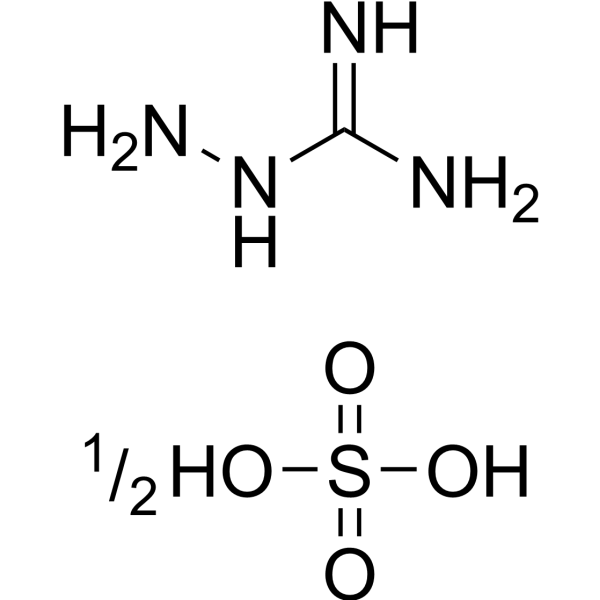
    Aminoguanidine (Pimagedine hydrochloride) is an inhibitor of diamine oxidase and nitric oxide synthase. Aminoguanidine has a dose-dependent inhibitory effect on apoptosis induced by Doxorubicin (HY-15142). Aminoguanidine has antioxidant properties. Aminoguanidine can be used in diabetic nephropathy research .
    Aminoguanidine
  • HY-105946

    Interleukin Related NADPH Oxidase Cardiovascular Disease Metabolic Disease
    Hidrosmin, a flavonoid, is derived from Diosmin (HY-N0178). hidrosmin exerts a beneficial effect against diabetic nephropathy (DN) by reducing inflammation, oxidative stress, and senescence pathways. Hidrosmin can be used for the research of venous insufficiency and diabetes mellitus .
    Hidrosmin
  • HY-101499A
    GKT136901 hydrochloride
    4 Publications Verification

    NADPH Oxidase Neurological Disease Metabolic Disease
    GKT136901 hydrochloride is a potent, selective and orally active inhibitor of NADPH oxidase (NOX1/4), with Kis of 160 and 165 nM, respectively. GKT136901 hydrochloride is also a selective and direct scavenger of peroxynitrite. GKT136901 hydrochloride can be used for the research of diabetic nephropathy, stroke, and neurodegeneration. GKT136901 hydrochloride also has anti-inflammatory activity .
    GKT136901 hydrochloride
  • HY-176236

    LXR Autophagy Metabolic Disease
    Lipophagy inducer 1 is a lipophagy inducer. Lipophagy inducer 1 has activity of reducing lipid droplet accumulation and rescuing cell death. Lipophagy inducer 1 exerts its effects by activating lipophagy, increasing steady-state autophagosome and regulating the LXR signaling pathway. Lipophagy inducer 1 can be used in the study of diabetic nephropathy (DKD) and other diseases related to lipid metabolism disorders .
    Lipophagy inducer 1
  • HY-N7628

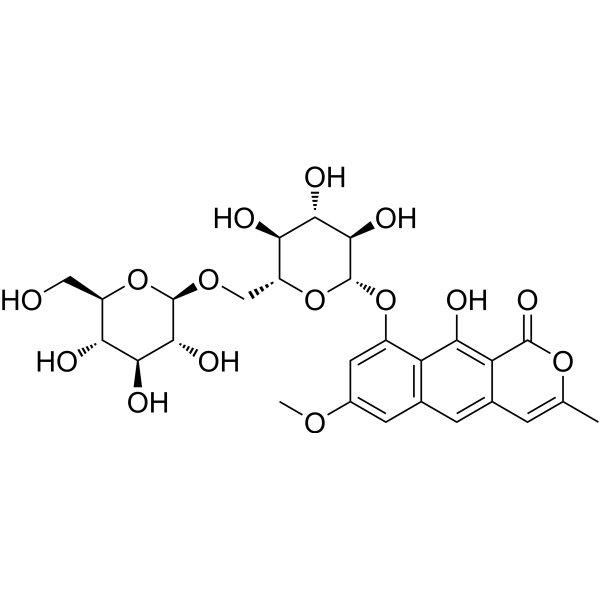
    Toralactone 9-O-β-D-gentiobioside

    Endogenous Metabolite Metabolic Disease
    Cassiaside C (Toralactone 9-O-β-D-gentiobioside) is a naphthopyrone isolated from the seed of Cassia tora and has inhibitory activity on advanced glycation end products (AGE) formation in vitro .
    Cassiaside C
  • HY-113089A

    H-Glu(H-Lys-OH)-OH TFA; γ-Glu-ε-Lys TFA

    Endogenous Metabolite Metabolic Disease
    Epsilon-(gamma-glutamyl)-lysine (H-Glu(H-Lys-OH)-OH) TFA is an N(6)-acyl-L-lysine derivative. The enzyme tissue transglutaminase (tTg) helps the formation of epsilon-(gamma-glutamyl)lysine bonds between ECM components in some disease, such as non-diabetic kidney, glaucoma filtration .
    Epsilon-(gamma-glutamyl)-lysine TFA
  • HY-162325

    Aldose Reductase Mitochondrial Metabolism Apoptosis Mitophagy Metabolic Disease
    WJ-39 is an orally active aldose reductase (AR) inhibitor. WJ-39 improves tubular damage in diabetic nephropathy rats by activating PINK1/Parkin signaling, promoting mitophagy, and attenuating apoptosis .
    WJ-39
  • HY-122963

    Adenosine Receptor Metabolic Disease
    Danshenol B is a diterpenoid. Danshenol B has strong aldose reductase (AR) inhibitory activity with IC50 value of 0.042μM. Danshenol B can be used for the research of diabetic related complication resulted by metabolic abnormality, such as cataracts, retinopathy, neuropathy, and nephropathy .
    Danshenol B
  • HY-117621

    CCR Metabolic Disease
    PF-0463481 is a potent and orally active dual CCR2/CCR5 antagonist with comparable human and rodent CCR2 potency (rat IC50=20.8 nM), and displays 10-20 fold less rodent CCR5 potency (rat IC50=470 nM). PF-0463481 is safe and well-tolerated and has the potential for the study of diabetic nephropathy .
    PF-04634817
  • HY-117621A

    CCR Metabolic Disease
    PF-0463481 succinate is a potent and orally active dual CCR2/CCR5 antagonist with comparable human and rodent CCR2 potency (rat IC50=20.8 nM), and displays 10-20 fold less rodent CCR5 potency (rat IC50=470 nM). PF-0463481 succinate is safe and well-tolerated and has the potential for the study of diabetic nephropathy .
    PF-04634817 succinate
  • HY-109002

    MT-3995

    Mineralocorticoid Receptor Cardiovascular Disease Metabolic Disease
    Apararenone (MT-3995) is a novel non-steroidal mineralocorticoid receptor antagonists under development for the treatment of diabetic nephropathies and non-alcoholic steatohepatitis.
    Apararenone
  • HY-145552

    QR-01019

    Angiotensin Receptor Cardiovascular Disease
    Azilsartan mepixetil is the antagonist of angiotensin II receptor. Azilsartan mepixetil has stronger and longer blood pressure effect, more abvious and longer lasting heart rate lowering effect and high safety. Azilsartan mepixetil achieves ideal protective effect for heart and kidney functions. Azilsartan mepixetil has the potential for the research of hypertension, chronic heart failure and diabetic nephropathy (extracted from patent CN107400122A) .
    Azilsartan mepixetil
  • HY-N2608

    Others Metabolic Disease
    7-O-Ethylmorroniside is a iridoid glucoside from the fruit of Cornus officinalis which is a traditional medicine in China and used for the reserch of kidney diseases, including diabetic nephropathy .
    7-O-Ethylmorroniside
  • HY-N13248

    Glycosidase Metabolic Disease
    Mulberry Leaf Extract is a mulberry leaf extract, and its components include: 1-Deoxynojirimycin. Mulberry Leaf Extract can effectively alleviate the adverse effects of high-fat diet on blood lipids and renal function, regulate lipid metabolism abnormalities, and significantly inhibit the accumulation of glycosylated substances in glomeruli. Mulberry Leaf Extract can regulate the key signaling pathways of diabetic nephropathy, but does not directly affect blood glucose levels. .
    Mulberry Leaf Extract
  • HY-N0188R

    Reference Standards p38 MAPK Inflammation/Immunology Cancer
    Esculin (Standard) is the analytical standard of Esculin. This product is intended for research and analytical applications. Esculin is a fluorescent coumarin glucoside, the active ingredient in ash bark. Esculin has antidiabetic effects, improves cognitive impairment in experimental diabetic nephropathy (DN) via the MAPK signaling pathway, and exerts antioxidant stress and anti-inflammatory effects. Esculin also has anticancer, antibacterial, antiviral, neuroprotective, antithrombotic, and therapeutic properties for eye diseases .
    Esculin (Standard)
  • HY-113089AR

    H-Glu(H-Lys-OH)-OH TFA (Standard); γ-Glu-ε-Lys TFA (Standard)

    Endogenous Metabolite Reference Standards Metabolic Disease
    Epsilon-(gamma-glutamyl)-lysine (TFA) (Standard) is the analytical standard of Epsilon-(gamma-glutamyl)-lysine (TFA). This product is intended for research and analytical applications. Epsilon-(gamma-glutamyl)-lysine (H-Glu(H-Lys-OH)-OH) TFA is an N(6)-acyl-L-lysine derivative. The enzyme tissue transglutaminase (tTg) helps the formation of epsilon-(gamma-glutamyl)lysine bonds between ECM components in some disease, such as non-diabetic kidney, glaucoma filtration .
    Epsilon-(gamma-glutamyl)-lysine TFA (Standard)
  • HY-P991254

    Integrin TGF-β Receptor Metabolic Disease
    VPI-2690B is a human monoclonal antibody (mAb) targeting Integrin aVb3. VPI-2690B inhibits TGF-β signaling. VPI-2690B can be used in Diabetic nephropathies research .
    VPI-2690B
  • HY-100819

    CCR Metabolic Disease
    RO5234444 is an orally active CCR2 antagonist, with IC50s of 22nM for human CCR2 and 161 nM for mouse CCR2. RO5234444 alleviates glomerulosclerosis, reduces albuminuria, and significantly improves the glomerular filtration rate (GFR) in the uninephrectomized (1K) type 2 diabetic db/db mouse model. RO5234444 can be used for the study of type 2 diabetic nephropathy .
    RO5234444
  • HY-117962A

    Guanylate Cyclase Metabolic Disease
    BI 703704 is a potent soluble guanylate cyclase (sGC) activator. BI 703704 inhibits the progression of diabetic nephropathy in the ZSF1 rat .
    BI 703704
  • HY-14923

    AVE 7688

    Angiotensin-converting Enzyme (ACE) Metabolic Disease
    Ilepatril, a dual inhibitor of angiotensin-converting enzyme (ACE) and neutral endopeptidase, has inhibitory effects in the type 2 diabetic nephropathy model in obese Zucker diabetic fatty (ZDF) rats. Ilepatril significantly reduced albuminuria in a dose-dependent manner and may be a strategy distinct from metabolic control to inhibit type 2 diabetic nephropathy .
    Ilepatril
  • HY-N17695

    Others Metabolic Disease
    (-)-Celallocinnine (MOL003209) is an orally active ingredient of Tripterygium wilfordii. (-)-Celallocinnine can be used for the research of diabetic nephropathy .
    (-)-Celallocinnine

Inquiry Online

Your information is safe with us. * Required Fields.

Salutation


Country or Region *

Applicant Name *


Organization Name *

Department *


Email Address *


Product Name *

Cat. No.


Requested quantity *

Phone Number *


Remarks

Inquiry Online

Inquiry Information

Product Name:
Cat. No.:
Quantity:
MCE Japan Authorized Agent:

