Search Result
Results for "
P2X receptors
" in MedChemExpress (MCE) Product Catalog:
1
Biochemical Assay Reagents
3
Isotope-Labeled Compounds
| Cat. No. |
Product Name |
Target |
Research Areas |
Chemical Structure |
-
- HY-136254
-
|
|
P2X Receptor
|
Inflammation/Immunology
Cancer
|
|
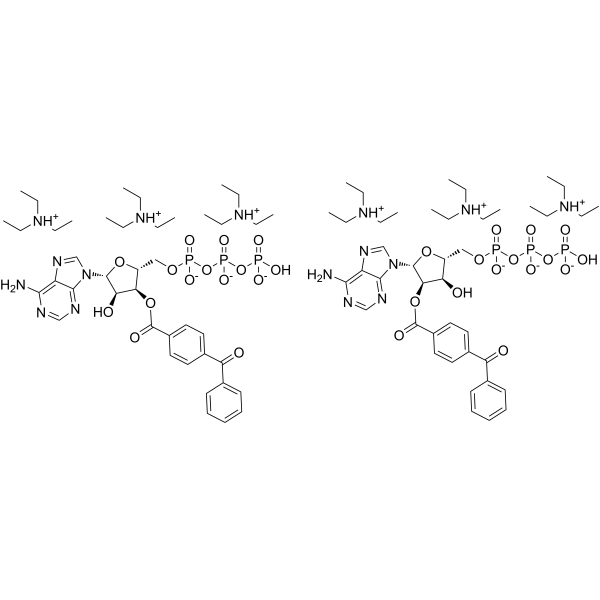
BzATP triethylammonium salt acts as a P2X receptor agonist with pEC50s of 8.74, 5.26, 7.10, 7.50, 6.19, 6.31, 5.33 for P2X1, P2X2, P2X3, P2X2/3, P2X4 and P2X7, respectively . BzATP triethylammonium salt is potent at P2X7 receptors with EC50s of 3.6 μM and 285 μM for rat P2X7 and mouse P2X7, respectively .
|
-
-
- HY-112461A
-
|
|
P2X Receptor
|
Cardiovascular Disease
|
|
NF449 octasodium is a highly potent P2X1 receptor antagonist, with IC50s of 0.28, 0.69, and 120 nM for rP2X1, rP2X1+5, P2X2+3, respectively. NF449 octasodium is a Gsα-selective G Protein antagonist. NF449 octasodium suppresses the rate of GTP[γS] binding to Gsα-s, inhibits the stimulation of adenylyl cyclase activity, and blocks the coupling of β-adrenergic receptors to Gs .
|
-
-
- HY-101044
-
|
|
P2X Receptor
Na+/Ca2+ Exchanger
|
Neurological Disease
|
|
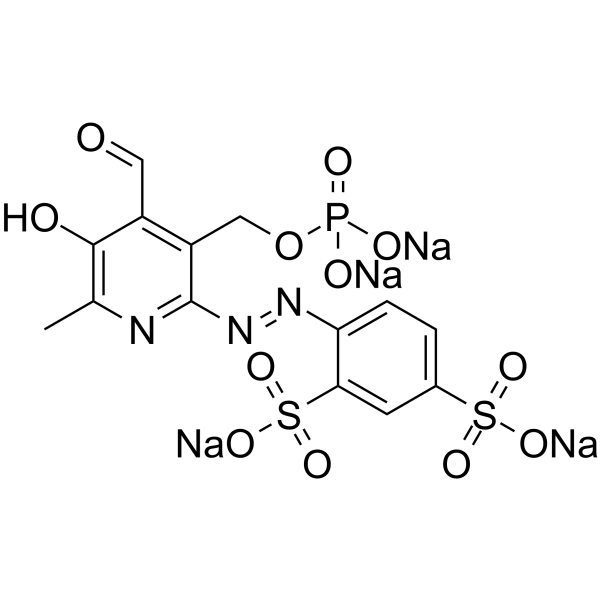
PPADS tetrasodiuma is a non-selective P2X receptor antagonist. PPADS tetrasodiuma blocks recombinant P2X1, -2, -3, -5 with IC50s ranging from 1 to 2.6 μM. PPADS tetrasodiuma blocks native P2Y2-like (IC50~0.9 mM) and recombinant P2Y4 (IC50~15 mM) receptors. PPADS tetrasodiuma is an inhibitor of the reverse mode of the Na/Ca 2+ exchanger in guinea pig airway smooth muscle .
|
-
-
- HY-101588
-
|
MK-7264; AF-219
|
P2X Receptor
|
Inflammation/Immunology
|
|
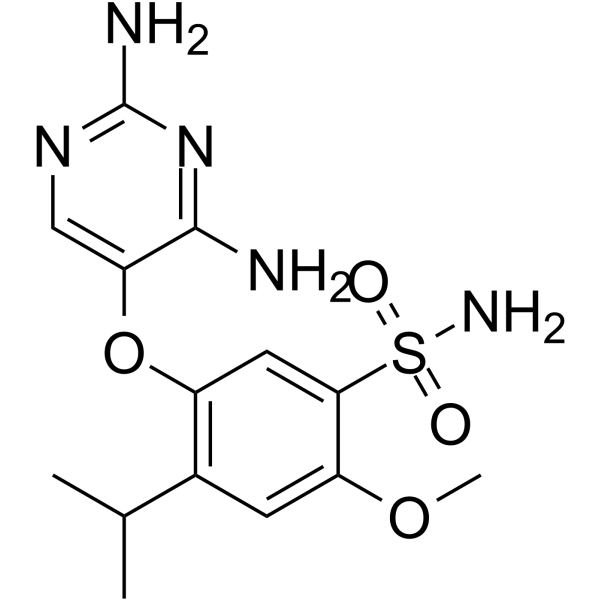
Gefapixant is an orally active and potent purinergic P2X3 receptor (P2X3R) antagonist, with IC50 values of ~30 nM versus recombinant hP2X3 homotrimers and 100-250 nM at hP2X2/3 heterotrimeric receptors. Gefapixant can be used for the research of chronic cough and knee osteoarthritis .
|
-
-
- HY-108652
-
|
|
P2X Receptor
|
Inflammation/Immunology
|
|
α,β-Methylene-ATP trisodium is an agonist of P2X1 and P2X3 receptors and can cross the blood-brain barrier. α,β-Methylene-ATP trisodium can trigger a reflex pressor response by activating P2X receptors in peripheral muscles and the central locus coeruleus (LC); this effect can be blocked by the P2X antagonist PPADS (HY-108960). α,β-Methylene-ATP trisodium also activates noradrenergic neurons in the central locus coeruleus, mediating antinociceptive effects; this effect can be attenuated by the locus coeruleus damaging agent DSP-4 (HY-103210/HY-121602). α,β-Methylene-ATP trisodium can be used to study the pathological mechanisms of neuropathic pain, cardiovascular reflex regulation, and antinociceptive effects of the central nervous system .
|
-
-
- HY-50697
-
|
|
P2X Receptor
|
Neurological Disease
|
|
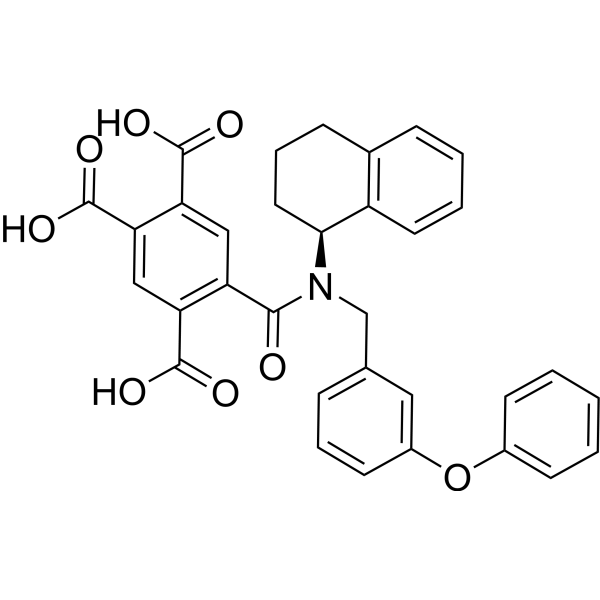
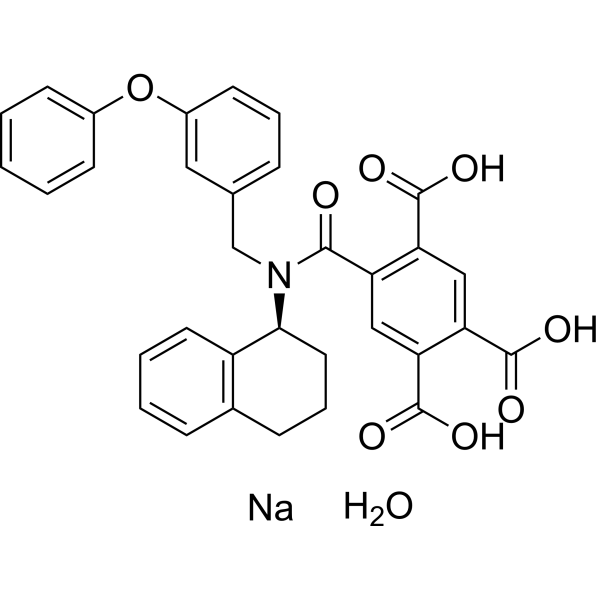
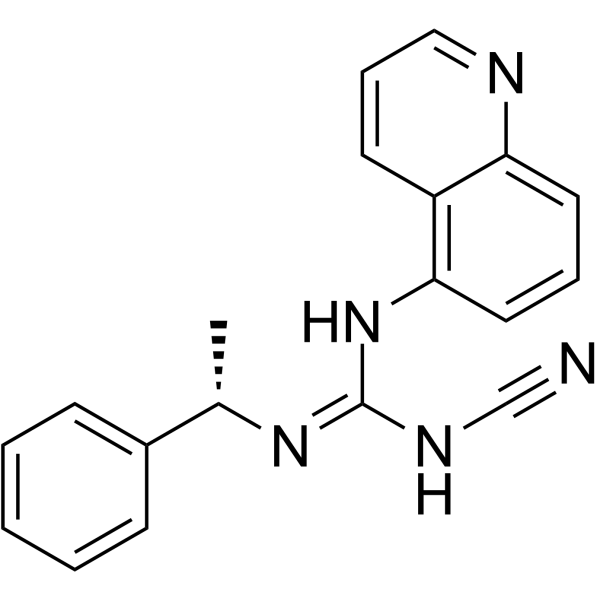
A-740003 is a potent, selective and competitive P2X7 receptor antagonist with IC50 values are 18 and 40 nM for rat and human P2X7 receptors, respectively.
|
-
-
- HY-15488
-
-
-
- HY-15488A
-
-
-
- HY-109170
-
|
BAY 1817080
|
P2X Receptor
|
Inflammation/Immunology
|
|
Eliapixant (BAY 1817080) is a potent and selective antagonist of P2X3 receptor, with an IC50 of 8 nM. Eliapixant can be used for the research of refractory chronic cough .
|
-
-
- HY-101588A
-
|
MK-7264 citrate; AF-219 citrate
|
P2X Receptor
|
Inflammation/Immunology
|
|
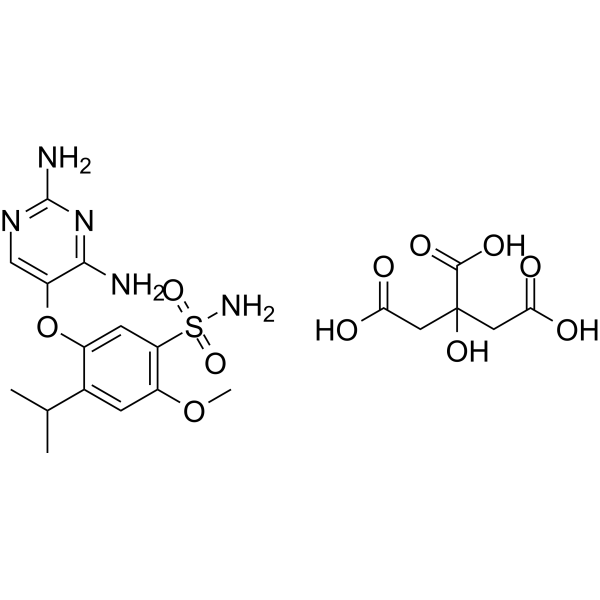
Gefapixant citrate is an orally active and potent purinergic P2X3 receptor (P2X3R) antagonist, with IC50 values of ~30 nM versus recombinant hP2X3 homotrimers and 100-250 nM at hP2X2/3 heterotrimeric receptors. Gefapixant citrate can be used for the research of chronic cough and knee osteoarthritis .
|
-
-
- HY-108669
-
|
|
P2X Receptor
|
Neurological Disease
Cancer
|
|
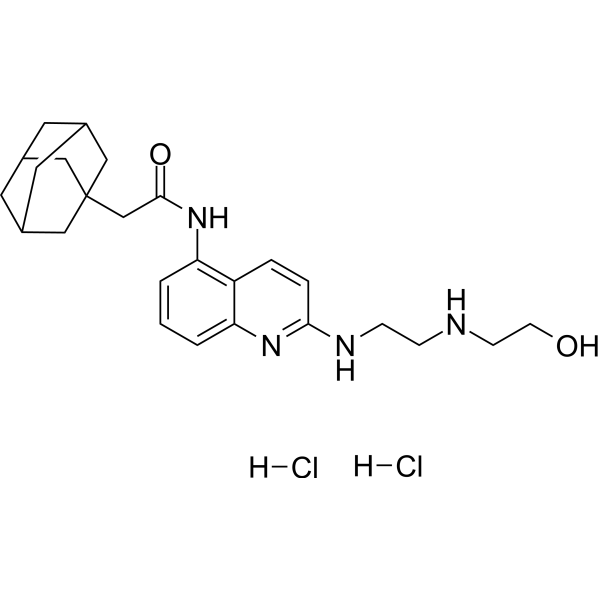
AZ10606120 dihydrochloride is a selective, high affinity antagonist for P2X7 receptor (P2X7R) at human and rat with an IC50 of about 10 nM. AZ10606120 dihydrochloride is little or no effect at other P2XR subtypes. AZ10606120 dihydrochloride has anti-depressant effects and reduces tumour growth .
|
-
-
- HY-15568
-
|
|
P2X Receptor
|
Neurological Disease
Inflammation/Immunology
|
|
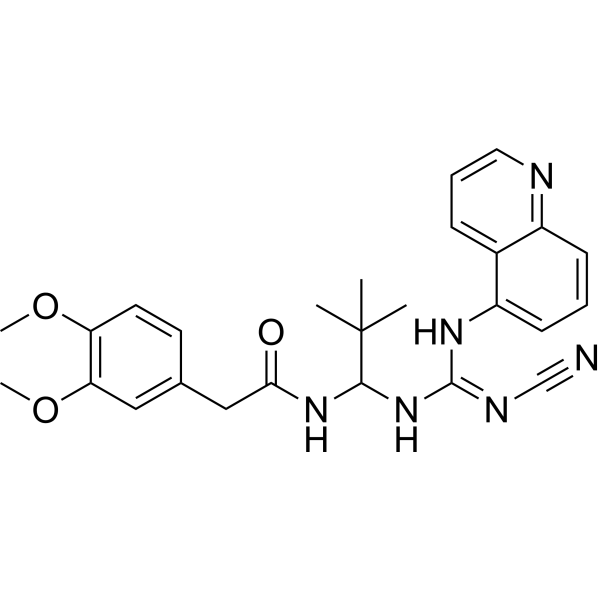
A-317491 is a potent, selective and non-nucleotide antagonist of P2X3 and P2X2/3 receptors, with Kis of 22, 22, 9, and 92 nM for hP2X3, rP2X3, hP2X2/3, and rP2X2/3, respectively. A-317491 is highly selective (IC50>10 μM) over other P2 receptors and other neurotransmitter receptors, ion channels, and enzymes. A-317491 reduces inflammatory and neuropathic pain by blocking P2X3 and P2X2/3 receptor-mediated calcium flux .
|
-
-
- HY-B1901
-
|
(±)-Eperisone hydrochloride
|
P2X Receptor
|
Neurological Disease
|
|
Eperisone Hydrochloride ((±)-Eperisone hydrochloride) is an orally active antispastic agent with a vasodilator effect, used for the research of muscle stiffness and pain. Eperisone Hydrochloride is a potent and selectively P2X7 receptor antagonist, also shows antagonism for human P2X3. Eperisone Hydrochloride works by relaxing both skeletal muscles and vascularsmooth muscles, demonstrating a variety of effects such as reduction ofmyotonia, improvement of circulationand and suppression of the pain reflex .
|
-
-
- HY-D0976
-
NF279
1 Publications Verification
|
P2X Receptor
HIV
NTPDase
CXCR
|
Infection
|
|
NF279 is a selective P2X1 receptor antagonist and NTPDase inhibitor, with a P2X1 IC50 value of 19 nM. NF279 suppresses GABA-evoked currents, reduces ATP-excited respiratory activity, alters hypoglossal nerve burst parameters, and blocks CXCR4, CCR5, CXCR3, and CXCR7-mediated calcium responses. NF279 arrests HIV-1 fusion downstream of CD4 binding, inhibits R5- and X4-tropic HIV-1 strains. NF279 can be used for the research of HIV-1 infection .
|
-
-
- HY-14483
-
AF-353
1 Publications Verification
Ro-4
|
P2X Receptor
|
Cancer
|
|
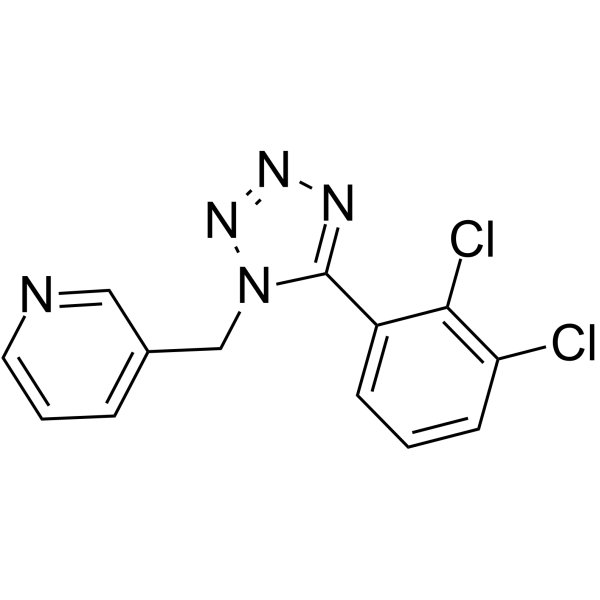
AF-353 (Ro-4) is a potent, selective and orally bioavailable P2X3/P2X2/3 receptor antagonist, with a pIC50 of 8.0 for both human and rat P2X3, and with a pIC50 of 7.3 for human P2X2/3 .
|
-
-
- HY-108667
-
|
|
P2X Receptor
Interleukin Related
Fluorescent Dye
|
Neurological Disease
|
|
TNP-ATP triethylammonium is a P2X receptor antagonist with an IC50 of 0.010 μM for P2X3 and an IC50 of 0.062 μM for P2X2/3. TNP-ATP triethylammonium acts as an inhibitor of CheA autophosphorylation, with a Ki of 0.7 µM. TNP-ATP triethylammonium blocks the functional activation of P2X1-7 receptors. TNP-ATP triethylammonium attenuates hypoxia-induced IL-1β expression and release. TNP-ATP triethylammonium alleviates visceral pain, and improves hypoxia-induced cognitive impairment, insufficient myelination and neuroinflammation. Binding of TNP-ATP triethylammonium to CheA enhances the fluorescence of the TNP group. TNP-ATP triethylammonium can be used in studies related to visceral pain. NP-ATP triethylammonium can be used in studies related to hypoxia-induced insufficient myelination and cognitive decline .
|
-
-
- HY-N5025
-
|
|
P2X Receptor
Apoptosis
ERK
p38 MAPK
c-Myc
NF-κB
Reactive Oxygen Species (ROS)
|
Neurological Disease
Inflammation/Immunology
Cancer
|
|
Bullatine A, a diterpenoid alkaloid, is a potent P2X7 antagonist. Bullatine A possesses anti-rheumatic, anti-inflammatory and anti-nociceptive effects. Bullatine A inhibits ATP-induced BV-2 cell death/apoptosis and P2X receptor-mediated inflammatory responses. Bullatine A suppresses glioma cell growth by targeting SIRT6. Bullatine A specifically attenuates pain hypersensitivity in rats. Bullatine A attenuates LPS (HY-D1056)-induced systemic inflammatory response by inhibiting the ROS/JNK/NF-κB pathway in mice. Bullatine A improves despair behavior in Chronic chronic social defeat stress (CSDS) mice. Bullatine A can be used for the study of inflammation, glioblastoma (GBM) and depression .
|
-
-
- HY-100483
-
|
|
P2X Receptor
|
Neurological Disease
Cancer
|
|
A-804598 is a BBB penetrant, competitive and selective P2X7 receptor antagonist with IC50s of 9 nM, 10 nM and 11 nM for mouse, rat and human P2X7 receptors, respectively .
|
-
-
- HY-117508
-
|
|
P2X Receptor
|
Neurological Disease
|
|
JNJ-54175446 is a potent and selective brain penetrant P2X7 receptor antagonist, with pIC50s of 8.46 and 8.81 for hP2X7 receptor and rP2X7 receptor, respectively.
|
-
-
- HY-N1478
-
|
|
P2X Receptor
Reactive Oxygen Species (ROS)
|
Neurological Disease
Inflammation/Immunology
|
|
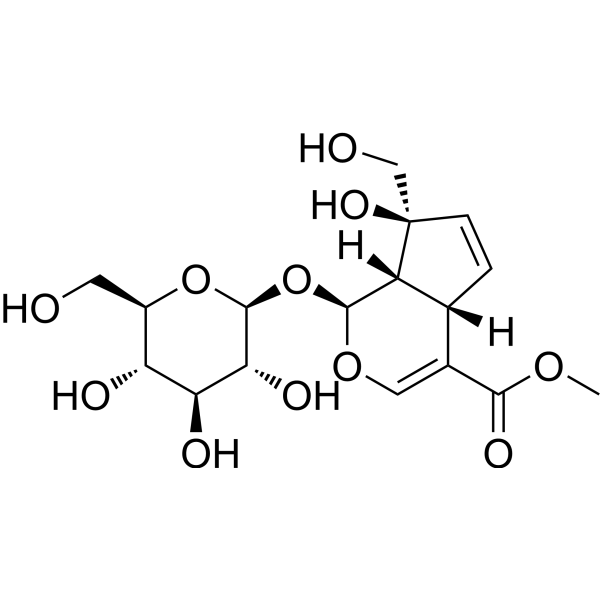
Gardenoside is an orally active natural compound found in Gardenia fruits. Gardenoside reliefs chronic constriction injury (CCI)-induced neuropathic pain by regulating the P2X3 and P2X7 receptors. Gardenoside has an inhibitory effect on free fatty acids (FFA)-induced cellular steatosis. Gardenoside reduces reactive oxygen species (ROS). Gardenoside can be used for anti-inflammatory, antinociceptive and hepatoprotective study .
|
-
-
- HY-123205
-
-
-
- HY-137451
-
|
S-600918
|
P2X Receptor
|
Neurological Disease
|
|
Sivopixant (S-600918) is a potent and selective P2X3 receptor antagonist (P2X3 IC50=4.2 nM; P2X2/3 IC50=1100 nM). Sivopixant shows strong analgesic effect .
|
-
-
- HY-134440A
-
|
|
P2X Receptor
|
Inflammation/Immunology
|
|
α,β-Methylene-ATP is an agonist of P2X1 and P2X3 receptors and can cross the blood-brain barrier. α,β-Methylene-ATP can trigger a reflex pressor response by activating P2X receptors in peripheral muscles and the central locus coeruleus (LC); this effect can be blocked by the P2X antagonist PPADS (HY-108960). α,β-Methylene-ATP also activates noradrenergic neurons in the central locus coeruleus, mediating antinociceptive effects; this effect can be attenuated by the locus coeruleus damaging agent DSP-4 (HY-103210/HY-121602). α,β-Methylene-ATP can be used to study the pathological mechanisms of neuropathic pain, cardiovascular reflex regulation, and antinociceptive effects of the central nervous system .
|
-
-
- HY-13954
-
|
|
P2X Receptor
|
Neurological Disease
Inflammation/Immunology
|
|
A 839977 is a P2X7 selective antagonist; it blocks BzATP-evoked calcium influx at recombinant human, rat and mouse P2X7 receptors (IC50 values are 20 nM, 42 nM and 150 nM respectively) and reduces inflammatory and neuropathic pain in animal models; the antihyperalgesic effects of P2X7 receptor blockade are mediated by blocking the release of IL-1beta .
|
-
-
- HY-112461
-
|
|
P2X Receptor
|
Cardiovascular Disease
|
|
NF449 is a highly potent P2X1 receptor antagonist, with IC50s of 0.28, 0.69, and 120 nM for rP2X1, rP2X1+5, P2X2+3, respectively. NF449 is a Gsα-selective G Protein antagonist. NF449 suppresses the rate of GTP[γS] binding to Gsα-s, inhibits the stimulation of adenylyl cyclase activity, and blocks the coupling of β-adrenergic receptors to Gs .
|
-
-
- HY-134807
-
|
|
P2X Receptor
5-HT Receptor
Autophagy
|
Cancer
|
|
Indophagolin is a potent, indoline-containing autophagy inhibitor (IC50=140 nM). Indophagolin antagonizes the purinergic receptor P2X4 as well as P2X1 and P2X3 with IC50s of 2.71, 2.40 and 3.49 μM, respectively. Indophagolin also antagonizes the Gq-protein-coupled P2Y4, P2Y6, and P2Y11 receptors (IC50s =3.4~15.4 μM). Indophagolin has a strong antagonistic effect on serotonin receptor 5-HT6 (IC50=1.0 μM) and a moderate effect on receptors 5-HT1B, 5-HT2B, 5-HT4e, and 5-HT7 .
|
-
-
- HY-110237
-
|
|
P2X Receptor
Calcium Channel
|
Cardiovascular Disease
|
|
BX430 is a potent and selective noncompetitive allosteric human P2X4 receptor channels antagonist with an IC50 of 0.54 μM. BX430 has species specificity. BX430 is used for chronic pain and cardiovascular disease.
|
-
-
- HY-131502
-
|
|
P2X Receptor
|
Inflammation/Immunology
|
|
Taspine is a natural product with anti-inflammatory activity. Taspine suppresses P2X4 receptor activity via PI3K inhibition. Taspine inhibits pro-inflammatory signalling via inhibition of P2X4 receptors in macrophage .
|
-
-
- HY-108960
-
|
|
P2X Receptor
Interleukin Related
|
Neurological Disease
|
|
PPADS is a P2X receptor (P2X Receptor) antagonist and a reversible competitive antagonist of NAADP receptors, with IC50 values of 68 nM (P2X1) and 214 nM (P2X3), respectively. PPADS alleviates pain-related behaviors in the central and peripheral nervous systems of mice after peripheral neuropathy, inhibits the overproduction of IL-1β, IL-6, iNOS and nNOS, and suppresses the hydrolytic activity of extracellular ATPase. PPADS blocks ATP-mediated inward currents on recombinant rat P2X1 and P2X3 receptors, and inhibits purinergic nerve stimulation-induced contraction of rabbit bladder detrusor muscle. PPADS is applicable to research related to neuropathic pain .
|
-
-
- HY-135976
-
|
|
P2X Receptor
|
Neurological Disease
Inflammation/Immunology
|
|
P2X3 antagonist 34 is a potent, selective and orally active P2X3 homotrimeric receptor antagonist with IC50s of 25 nM, 92 nM and 126 nM for human P2X3, rat P2X3 and guinea pig P2X3 receptors, respectively. P2X3 antagonist 34 is less active against human, rat and guinea pig P2X2/3 heterotrimeric receptors. P2X3 antagonist 34 has strong anti-tussive effect .
|
-
-
- HY-108676
-
|
|
P2X Receptor
|
Neurological Disease
|
|
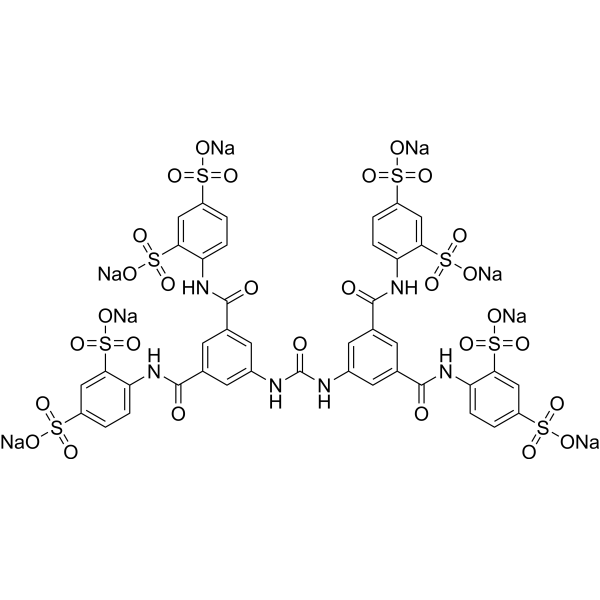
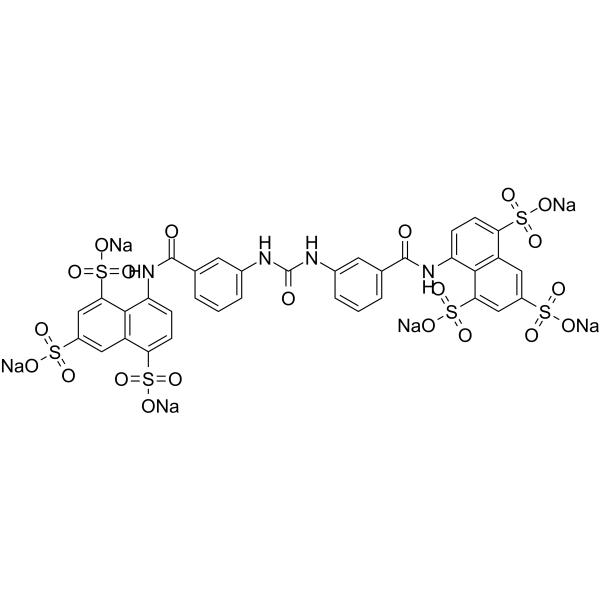
NF023 hexasodium is a selective and competitive P2X1 receptor antagonist, with IC50 values of 0.21 μM, 28.9 μM, > 50 μM and > 100 μM for human P2X1, P2X3, P2X2, and P2X4-mediated responses respectively .
|
-
-
- HY-101308A
-
|
|
P2Y Receptor
|
Cardiovascular Disease
|
|
MRS2179 tetrasodium hydrate is a competitive P2Y1 receptor antagonist, with a Kb of 102 nM and a pA2 of 6.99 for turkey P2Y1 receptor. MRS2179 tetrasodium hydrate is selective for P2Y1 over P2X1 (IC50=1.15 µM), P2X3 (12.9 µM), P2X2, P2X4, P2Y2, P2Y4, and P2Y6 receptors . MRS2179 tetrasodium hydrate inhibits platelet aggregation .
|
-
-
- HY-15487
-
-
-
- HY-137325A
-
|
|
Calcium Channel
|
Metabolic Disease
|
|
2-Chloro-ATP sodium (2-Chloro ATP) is an adenine nucleotide and an analog of ATP. It is an antagonist of the purinergic P2Y1 receptor and inhibits intracellular calcium mobilization induced by ADP (HY-W010918) in Jurkat cells expressing the human receptor (Ki=2.3 μM). 2-Chloro-ATP sodium is an agonist of the purinergic P2X receptor and induces inward currents in HEK293 cells expressing human bladder smooth muscle or rat PC12 forms of the receptor (EC50=0.5 and 2.5 μM). 2-Chloro-ATP sodium induces relaxation of precontracted guinea pig cecal strips in a concentration-dependent manner. 2-Chloro-ATP sodium has been used to study the substrate specificity of cyclic nucleotide-dependent protein kinases such as protein kinase A (PKA) and PKG.
|
-
-
- HY-150059
-
-
-
- HY-15568A
-
|
|
P2X Receptor
|
Neurological Disease
Inflammation/Immunology
|
|
A-317491 sodium salt hydrate is a potent, selective and non-nucleotide antagonist of P2X3 and P2X2/3 receptors, with Kis of 22, 22, 9, and 92 nM for hP2X3, rP2X3, hP2X2/3, and rP2X2/3, respectively. A-317491 sodium salt hydrate is highly selective (IC50>10 μM) over other P2 receptors and other neurotransmitter receptors, ion channels, and enzymes. A-317491 sodium salt hydrate reduces inflammatory and neuropathic pain by blocking P2X3 and P2X2/3 receptor-mediated calcium flux .
|
-
-
- HY-18745
-
|
Benzoylbenzoyl-ATP triethylammonium
|
P2X Receptor
|
Inflammation/Immunology
Cancer
|
|
BzATP triethylammonium acts as a P2X receptor agonist with pEC50s of 8.74, 5.26, 7.10, 7.50, 6.19, 6.31, 5.33 for P2X1, P2X2, P2X3, P2X2/3, P2X4 and P2X7, respectively . BzATP triethylammonium is potent at P2X7 receptors with EC50s of 3.6 μM and 285 μM for rat P2X7 and mouse P2X7, respectively .
|
-
-
- HY-109173
-
-
-
- HY-16322
-
|
YM-529
|
P2X Receptor
Apoptosis
Farnesyl Transferase
|
Metabolic Disease
Cancer
|
|
Minodronic acid (YM-529) is an FPP synthase inhibitor with an IC50 of 3 nM, and also an antagonist of P2X2/3 receptors with an IC50 of 62.7 μM. Minodronic acid induces tumor cell apoptosis and inhibits cell growth. Minodronic acid also suppresses bone resorption. Minodronic acid can be used in research related to osteoporosis and cancer .
|
-
-
- HY-16322A
-
|
YM-529 hydrate
|
P2X Receptor
Apoptosis
|
Metabolic Disease
Cancer
|
|
Minodronic acid (YM-529) hydrate is an FPP synthase inhibitor with an IC50 of 3 nM, and also an antagonist of P2X2/3 receptors with an IC50 of 62.7 μM. Minodronic acid hydrate induces tumor cell apoptosis and inhibits cell growth. Minodronic acid hydrate also suppresses bone resorption. Minodronic acid hydrate can be used in research related to osteoporosis and cancer .
|
-
-
- HY-B1901R
-
|
(±)-Eperisone hydrochloride (Standard)
|
P2X Receptor
Reference Standards
|
Neurological Disease
|
|
Eperisone (hydrochloride) (Standard) is the analytical standard of Eperisone (hydrochloride). This product is intended for research and analytical applications. Eperisone Hydrochloride ((±)-Eperisone hydrochloride) is an orally active antispastic agent with a vasodilator effect, used for the research of muscle stiffness and pain. Eperisone Hydrochloride is a potent and selectively P2X7 receptor antagonist, also shows antagonism for human P2X3. Eperisone Hydrochloride works by relaxing both skeletal muscles and vascularsmooth muscles, demonstrating a variety of effects such as reduction ofmyotonia, improvement of circulationand and suppression of the pain reflex .
|
-
-
- HY-160645
-
|
|
P2X Receptor
|
Neurological Disease
Endocrinology
Cancer
|
|
P2X4 antagonist-1 is a P2X4 receptor antagonist with an IC50 of 15 nM. P2X4 antagonist-1 inhibits ATP (HY-B2176)-induced calcium influx. P2X4 antagonist-1 can be used for the research of pain syndromes, endometriosis, cancer .
|
-
-
- HY-19978
-
|
|
P2X Receptor
|
Neurological Disease
|
|
RO-3 is a potent, and orally active P2X3 and P2X2/3 antagonist with pIC50s of 5.9 and 7.0 for human homomultimeric P2X3 and heteromultimeric P2X2/3 receptors, respectively. RO-3 shows selectivity for P2X3 and P2X2/3 over all other functional homomultimeric P2X receptors (IC50 >10 μM at P2X1,2,4,5,7) .
|
-
-
- HY-19888
-
|
|
P2X Receptor
Interleukin Related
|
Neurological Disease
Inflammation/Immunology
|
|
GSK-1482160 is an orally active and blood-brain barrier penetrant P2X7 receptor (P2X7R) negative allosteric modulator with pIC50s of 8.5 (human) and 6.5 (rat). GSK-1482160 reduces the efficacy of ATP at the P2X7 receptor without affecting its affinity, thereby inhibiting the release of IL-1β. GSK-1482160 is an effective radioligand and can be labeled with radioactive isotopes like 11C or 18F to image P2X7R. GSK-1482160 can be used for the studies of chronic joint pain and chronic constriction injury (CCI) .
|
-
-
- HY-145466
-
|
|
P2X Receptor
|
Neurological Disease
|
|
EVT-401 (P2X7 receptor antagonist-1) is a purinergic P2X7 receptor antagonist. EVT-401 has efficacy of combating neuroinflammation .
|
-
-
- HY-134440
-
|
|
P2X Receptor
|
Inflammation/Immunology
|
|
α,β-Methylene-ATP dilithium is an agonist of P2X1 and P2X3 receptors and can cross the blood-brain barrier. α,β-Methylene-ATP dilithium can trigger a reflex pressor response by activating P2X receptors in peripheral muscles and the central locus coeruleus (LC); this effect can be blocked by the P2X antagonist PPADS (HY-108960). α,β-Methylene-ATP dilithium also activates noradrenergic neurons in the central locus coeruleus, mediating antinociceptive effects; this effect can be attenuated by the locus coeruleus damaging agent DSP-4 (HY-103210/HY-121602). α,β-Methylene-ATP dilithium can be used to study the pathological mechanisms of neuropathic pain, cardiovascular reflex regulation, and antinociceptive effects of the central nervous system .
|
-
-
- HY-134262
-
|
8-Bromoadenosine 5'-triphosphate; 8-Br-ATP
|
P2X Receptor
|
Cancer
|
|
8-Bromo-ATP (8-Bromoadenosine 5'-triphosphate), an ATP analogue, is a purinergic P2X receptor agonist. 8-Bromo-ATP shows cytotoxic to multiple myeloma cells with an IC50 of 23.1 μM .
|
-
-
- HY-101308
-
|
|
P2Y Receptor
|
Cardiovascular Disease
|
|
MRS2179 tetrasodium is a competitive P2Y1 receptor antagonist, with a Kb of 102 nM and a pA2 of 6.99 for turkey P2Y1 receptor. MRS2179 tetrasodium is selective for P2Y1 over P2X1 (IC50=1.15 µM), P2X3 (12.9 µM), P2X2, P2X4, P2Y2, P2Y4, and P2Y6 receptors . MRS2179 tetrasodium inhibits platelet aggregation .
|
-
-
- HY-101228
-
|
|
P2X Receptor
|
Neurological Disease
|
|
PSB-12054 is a selective P2X4 antagonist with an IC50 of 0.189 μM at human P2X4 receptors. PSB-12054 can be used in the research of neuropathic pain and neurodegenerative diseases .
|
-
-
- HY-15469
-
|
|
P2X Receptor
|
Neurological Disease
|
|
GW791343 dihydrochloride is a potent human P2X7 receptor negative allosteric modulator (exhibits species-specific activity), produces a non-competitive antagonist effect on human P2X7 receptor, with a pIC50 of 6.9-7.2. GW791343 dihydrochloride can enhance ATP rhythm. GW791343 dihydrochloride can be used in study of neurological disease .
|
-
- HY-N7740
-
|
|
P2Y Receptor
Endogenous Metabolite
|
Others
|
|
Adenosine 2',5'-diphosphate sodium is a competitive P2Y1 antagonist. Adenosine 2',5'-diphosphate sodium exhibits non-selective antagonism at recombinant and human platelet P2X1 receptors .
|
-
- HY-139627
-
-
- HY-101077
-
|
|
P2X Receptor
|
Inflammation/Immunology
|
|
Iso-PPADS tetrasodium is a P2X-purinoceptor antagonist. Iso-PPADS tetrasodium inhibits P2X1 and P2X3 receptor with IC50s of 43 nM and 84 nM. Iso-PPADS tetrasodium is protective against ventilator-induced brain injury (VIBI) .
|
-
- HY-134370
-
|
|
P2X Receptor
|
Cardiovascular Disease
|
|
Ap4G is a dinucleoside polyphosphate compound with vasoconstrictor activity. Ap4G regulates vasoconstriction through P2 receptors, especially P2X receptors, and is an important tool for studying vascular physiology and pathology .
|
-
- HY-108673
-
|
|
P2X Receptor
|
Cancer
|
|
Ro 0437626 is a selective purinergic (P2X1) receptor antagonist (IC50 = 3 μM), but shows low affinity for P2X2, P2X3 and P2X2/3 receptors (IC50 > 100 μM) .
|
-
- HY-18725
-
-
- HY-137610A
-
|
|
P2X Receptor
P2Y Receptor
|
Neurological Disease
|
|
TNP-ATP is an antagonist of purinergic P2Y1, P2X3, and P2X2/3 receptors (IC50 = 6, 0.9, and 7 nM, respectively, in HEK293 cells expressing human receptors). TNP-ATP reduces acetate-induced calcium flux in 1321N1 cells expressing P2X3 and P2X2/3 receptors (IC50 = 100 and 62 nM, respectively). TNP-ATP dose-dependently attenuates acetate-induced abdominal contractions in a mouse visceral pain model (ED50 = 6.35 µmol/kg) [1][2].
|
-
- HY-176731
-
|
|
P2X Receptor
|
Neurological Disease
|
|
MSK-9 is a positive allosteric modulator of the P2X4 receptor with dual activities of enhancing ion conductance and delaying receptor inactivation. MSK-9 stabilizes the open state of the P2X4 receptor through rigid 3-piperidinyl and hydrophobic menthyl substituents. MSK-9 can be used in the study of multiple sclerosis (MS) .
|
-
- HY-15470
-
|
|
P2X Receptor
|
Neurological Disease
|
|
GW791343 trihydrochloride is a potent human P2X7 receptor negative allosteric modulator (exhibits species-specific activity), produces a non-competitive antagonist effect on human P2X7 receptor, with a pIC50 of 6.9-7.2. GW791343 trihydrochloride can enhance ATP rhythm. GW791343 trihydrochloride can be used in study of neurological disease .
|
-
- HY-W015627
-
-
- HY-151547
-
|
|
P2X Receptor
|
Neurological Disease
|
|
MRS4719 is a potent P2X4 receptor antagonist with an IC50 value of 0.503 μM for human P2X4 receptor. MRS4719 can reduce infarct volume and reduce brain atrophy, showing neuroprotective and neuro-rehabilitative activities in ischemic stroke model. MRS4719 also reduces ATP-induced [Ca 2+]i influx in primary human monocyte-derived macrophages. MRS4719 can be used to research ischemic stroke .
|
-
- HY-179373
-
|
|
P2X Receptor
|
Cardiovascular Disease
Neurological Disease
Cancer
|
|
UB-MBX-46 is a potent and selective P2X7 receptor antagonist with IC50s of 0.514 nM (hP2X7R), 40.6 nM (rP2X7R), and 4.52 nM (mP2X7R), respectively. UB-MBX-46 interacts with the classical allosteric pocket of the human P2X7 receptor. UB-MBX-46 can be used for cancer, atherosclerosis, and neurode generation research .
|
-
- HY-N1478R
-
|
|
Reference Standards
P2X Receptor
Reactive Oxygen Species (ROS)
|
Neurological Disease
Inflammation/Immunology
|
|
Gardenoside is an orally active natural compound found in Gardenia fruits. Gardenoside reliefs chronic constriction injury (CCI)-induced neuropathic pain by regulating the P2X3 and P2X7 receptors. Gardenoside has an inhibitory effect on free fatty acids (FFA)-induced cellular steatosis. Gardenoside reduces reactive oxygen species (ROS). Gardenoside can be used for anti-inflammatory, antinociceptive and hepatoprotective study .
|
-
- HY-108671
-
|
|
P2X Receptor
|
Neurological Disease
|
|
NF110 is a P2X3 receptor antagonist (Ki = 36 nM) and inactive toward P2Y receptors stably expressed (IC50s > 10 M). NF110 blocks alphabeta-methylene-ATP-induced currents (IC50 = 527 nM) in rat dorsal root ganglia neurons .
|
-
- HY-161914
-
|
|
P2X Receptor
|
Neurological Disease
|
|
P2X3 antagonist 39 (compound 26a) is a selective P2X3 receptor antagonist with an IC50 value of 54.9 nM. P2X3 antagonist 39 can be used in the study of neuropathic pain model .
|
-
- HY-101588R
-
|
MK-7264 (Standard); AF-219 (Standard)
|
Reference Standards
P2X Receptor
|
Inflammation/Immunology
|
|
Gefapixant (Standard) is the analytical standard of Gefapixant. This product is intended for research and analytical applications. Gefapixant is an orally active and potent purinergic P2X3 receptor (P2X3R) antagonist, with IC50 values of ~30 nM versus recombinant hP2X3 homotrimers and 100-250 nM at hP2X2/3 heterotrimeric receptors. Gefapixant can be used for the research of chronic cough and knee osteoarthritis .
|
-
- HY-182642
-
|
|
P2X Receptor
Nucleoside Antimetabolite/Analog
|
Cardiovascular Disease
|
|
MRS2339 is a ribose-modified nucleotide and a nucleotidase-resistant P2 receptor agonist. MRS2339 activates P2X4R. MRS2339 induces ionic currents via P2X receptors, reduces cardiomyocyte cross-sectional area and heart weight/body weight ratio, lacks vasodilatory activity, and extends the lifespan of mice with cardiomyopathy. MRS2339 can be used in research related to heart failure and cardiomyopathy .
|
-
- HY-186112
-
|
|
P2X Receptor
|
Inflammation/Immunology
|
|
PSFL2915 is a P2X receptor inhibitor with oral effectiveness, with an IC50 of 0.319 μM for human P2X3, 0.261 μM for rat P2X2/3, and 13.3 μM for human P2X2, and exhibits ~42-fold selectivity for human P2X3 over human P2X2. PSFL2915 inhibits human P2X3 activation by preventing allosteric tightening of the inner pocket of the head domain required for channel opening, with magnesium-dependent inhibition. PSFL2915 inhibits rat P2X2/3 and human P2X2 receptor activation, and has low activity against human P2X1, P2X4, and P2X7 receptors. PSFL2915 can be used for the research of chronic cough .
|
-
- HY-128402
-
-
- HY-148558
-
|
|
P2X Receptor
|
Neurological Disease
|
|
P2X7 receptor antagonist-3 is a potent P2X7 receptor antagonist with P2X7R IC50 values of 4.2 nM in humans and 6.8 nM in rats .
|
-
- HY-14483A
-
|
Ro-4 hydrochloride
|
P2X Receptor
|
Cancer
|
|
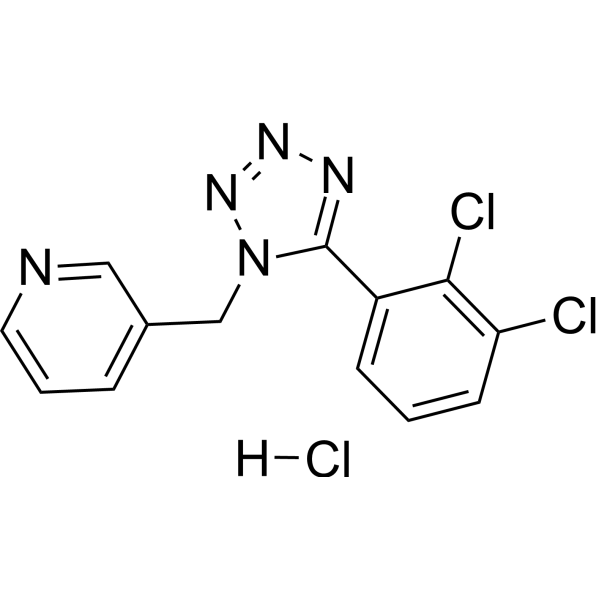
AF-353 hydrochloride is a potent, selective and orally bioavailable P2X3/P2X2/3 receptor antagonist, with a pIC50 of 8.0 for both human and rat P2X3, and with a pIC50 of 7.3 for human P2X2/3 .
|
-
- HY-18725A
-
-
- HY-162951
-
|
|
P2X Receptor
|
Cancer
|
|
P2X7 receptor antagonist-5 (compund 13a) is a potent, orally active and long-lasting P2X7 receptor antagonist .
|
-
- HY-175196
-
-
- HY-14483R
-
|
Ro-4 (Standard)
|
P2X Receptor
Reference Standards
|
Cancer
|
|
AF-353 (Standard) is the analytical standard of AF-353. This product is intended for research and analytical applications. AF-353 (Ro-4) is a potent, selective and orally bioavailable P2X3/P2X2/3 receptor antagonist, with a pIC50 of 8.0 for both human and rat P2X3, and with a pIC50 of 7.3 for human P2X2/3 .
|
-
- HY-124300
-
|
|
P2X Receptor
|
Others
|
|
JNJ-54166060 is a potent and selective P2X7 receptor antagonist, with IC50s of 4/115/72 nM for human/rat/mouse P2X7 receptor, respectively .
|
-
- HY-102063
-
|
Pyridoxol, cyclic 3,4-hydrogen phosphate
|
P2X Receptor
|
Neurological Disease
|
|
MRS 2219 (Pyridoxol) is a selective pharmacological probe of P2X1 receptor. MRS 2219 selectively potentiated ATP-evoked responses at P2X1 receptors with an EC50 of 5.9 μM .
|
-
- HY-143576
-
-
- HY-151546
-
|
|
P2X Receptor
|
Neurological Disease
|
|
MRS4596 is a potent and selective P2X4 receptor antagonist with an IC50 value of 1.38 μM for human P2X4 receptor. MRS4596 has neuroprotective and neuro-rehabilitative activities in ischemic stroke model. MRS4596 can be used in research of ischemic stroke .
|
-
- HY-W412336
-
|
|
Biochemical Assay Reagents
P2Y Receptor
|
Others
|
|
Acid blue 129 is an acidic dye and highly selective antagonist at the P2Y-receptor of the guinea pig taenia coli. Acid blue 129 does not show any effect at the P2X-receptor of the rat vas deferens. Acid blue 129 can be used for the dyeing of cotton, wool, silk, nylon, paper and leather .
|
-
- HY-171462
-
-
- HY-123382
-
|
|
Drug Isomer
|
Neurological Disease
Inflammation/Immunology
|
|
GSK-1482160 isomer is the isomer of GSK-1482160 (HY-19888). GSK-1482160 is an orally active and blood-brain barrier penetrant P2X7 receptor (P2X7R) negative allosteric modulator with pIC50s of 8.5 (human) and 6.5 (rat). GSK-1482160 reduces the efficacy of ATP at the P2X7 receptor without affecting its affinity, thereby inhibiting the release of IL-1β. GSK-1482160 is an effective radioligand and can be labeled with radioactive isotopes like 11C or 18F to image P2X7R. GSK-1482160 can be used for the studies of chronic joint pain and chronic constriction injury (CCI).
|
-
- HY-151546S
-
|
|
Isotope-Labeled Compounds
P2X Receptor
|
Neurological Disease
|
|
MRS4596-d4 is the deuterium labeled MRS4596 (HY-151546). MRS4596 is a potent and selective P2X4 receptor antagonist with an IC50 value of 1.38 μM for human P2X4 receptor. MRS4596 has neuroprotective and neuro-rehabilitative activities in ischemic stroke model. MRS4596 can be used in research of ischemic stroke .
|
-
- HY-19427
-
|
|
P2X Receptor
|
Cancer
|
|
AZD9056 is a P2X7 purinergic receptor antagonist with anticancer activity. AZD9056 can inhibit the invasion and metastasis of cancer stem cells .
|
-
- HY-108652R
-
|
|
Reference Standards
P2X Receptor
|
Inflammation/Immunology
|
|
α,β-Methylene-ATP trisodium (Standard) is the analytical standard of α,β-Methylene-ATP (trisodium) (HY-108652). This product is intended for research and analytical applications. α,β-Methylene-ATP trisodium is an agonist of P2X1 and P2X3 receptors and can cross the blood-brain barrier. α,β-Methylene-ATP trisodium can trigger a reflex pressor response by activating P2X receptors in peripheral muscles and the central locus coeruleus (LC); this effect can be blocked by the P2X antagonist PPADS (HY-108960). α,β-Methylene-ATP trisodium also activates noradrenergic neurons in the central locus coeruleus, mediating antinociceptive effects; this effect can be attenuated by the locus coeruleus damaging agent DSP-4 (HY-103210/HY-121602). α,β-Methylene-ATP trisodium can be used to study the pathological mechanisms of neuropathic pain, cardiovascular reflex regulation, and antinociceptive effects of the central nervous system .
|
-
- HY-15488AR
-
|
|
P2X Receptor
|
Neurological Disease
|
|
A 438079 (hydrochloride) (Standard) is the analytical standard of A 438079 (hydrochloride). This product is intended for research and analytical applications. A 438079 (hydrochloride) is a potent, and selective P2X7 receptor antagonist with pIC50 of 6.9.
|
-
- HY-15488R
-
|
|
P2X Receptor
|
Neurological Disease
|
|
A 438079 (Standard) is the analytical standard of A 438079. This product is intended for research and analytical applications. A 438079 is a potent, and selective P2X7 receptor antagonist with pIC50 of 6.9.
|
-
- HY-122282
-
|
|
Angiotensin Receptor
|
Cardiovascular Disease
|
|
AZ11657312 is a P2X7 receptor antagonist with activity to restore stress natriuresis. AZ11657312 significantly increased renal medullary perfusion, only in mice treated with angiotensin II. AZ11657312 improves tissue oxygenation by blocking P2X7R, especially in areas of the kidney that are underoxygenated. Administration of AZ11657312 increased sodium excretion up to sixfold while normalizing blood pressure .
|
-
- HY-137451A
-
|
(E/Z)-S-600918
|
P2X Receptor
|
Inflammation/Immunology
|
|
(E/Z)-Sivopixant ((E/Z)-S-600918) is a potent P2X3 receptor antagonist with an IC50 of 4 nM. (E/Z)-Sivopixant can be used for respiratory diseases research .
|
-
- HY-P1330
-
|
|
P2X Receptor
|
Inflammation/Immunology
|
|
Purotoxin 1 is a P2X3 receptor inhibitor. Purotoxin 1 shows antinociceptive properties in animal models of inflammatory pain. Purotoxin 1 can be isolated from the venom of the wolf spider Geolycosa sp .
|
-
- HY-D1199
-
|
|
P2X Receptor
P2Y Receptor
|
Inflammation/Immunology
|
|
Blue FPG-A trisodium is a selective antagonist of P2X1 receptor and P2Y1 receptor with IC50 values of 35.5 μM and 2.6 μM, respectively. Blue FPG-A trisodium is a structural isomer of the components of Reactive Blue 2 (RB2) .
|
-
- HY-137606
-
|
UP4A
|
P2X Receptor
|
Cardiovascular Disease
|
|
Uridine adenosine tetraphosphate (UP4A) is an endothelium-derived vasoconstrictor that primarily acts through the P2X1 receptor and possibly through the P2Y2 and P2Y4 receptors. Uridine adenosine tetraphosphate can be used in the study of cardiovascular diseases .
|
-
- HY-151547S
-
|
|
Isotope-Labeled Compounds
P2X Receptor
|
Neurological Disease
|
|
MRS4719-d3 is the deuterium labeled MRS4719 (HY-151547). MRS4719 is a potent P2X4 receptor antagonist with an IC50 value of 0.503 μM for human P2X4 receptor. MRS4719 can reduce infarct volume and reduce brain atrophy, showing neuroprotective and neuro-rehabilitative activities in ischemic stroke model. MRS4719 also reduces ATP-induced [Ca 2+]i influx in primary human monocyte-derived macrophages. MRS4719 can be used to research ischemic stroke .
|
-
- HY-16322S
-
|
YM-529-d4
|
Isotope-Labeled Compounds
P2X Receptor
Apoptosis
|
Metabolic Disease
Cancer
|
|
Minodronic acid-d4 (YM-529-d4) is deuterium labeled Minodronic acid (HY-16322). Minodronic acid (YM-529) is an FPP synthase inhibitor with an IC50 of 3 nM, and also an antagonist of P2X2/3 receptors with an IC50 of 62.7 μM. Minodronic acid induces tumor cell apoptosis and inhibits cell growth. Minodronic acid also suppresses bone resorption. Minodronic acid can be used in research related to osteoporosis and cancer .
|
-
- HY-101588AR
-
|
MK-7264 citrate (Standard); AF-219 citrate (Standard)
|
P2X Receptor
Reference Standards
|
Inflammation/Immunology
|
|
Gefapixant (citrate) (Standard) is the analytical standard of Gefapixant (citrate) (HY-101588A). This product is intended for research and analytical applications. Gefapixant citrate is an orally active and potent purinergic P2X3 receptor (P2X3R) antagonist, with IC50 values of ~30 nM versus recombinant hP2X3 homotrimers and 100-250 nM at hP2X2/3 heterotrimeric receptors. Gefapixant citrate can be used for the research of chronic cough and knee osteoarthritis .
|
-
- HY-183056
-
-
- HY-182715
-
|
|
P2X Receptor
|
Neurological Disease
|
|
PSB-10211 is a P2X2 receptor antagonist with an IC50 of 0.086 μM against rat P2X2 receptors. PSB-10211 inhibits ATP-mediated currents of rat P2X2 receptors expressed in Xenopus oocytes. PSB-10211 can be used in studies related to pain and urinary incontinence .
|
-
- HY-183784
-
|
|
P2X Receptor
FAK
MMP
|
Cancer
|
|
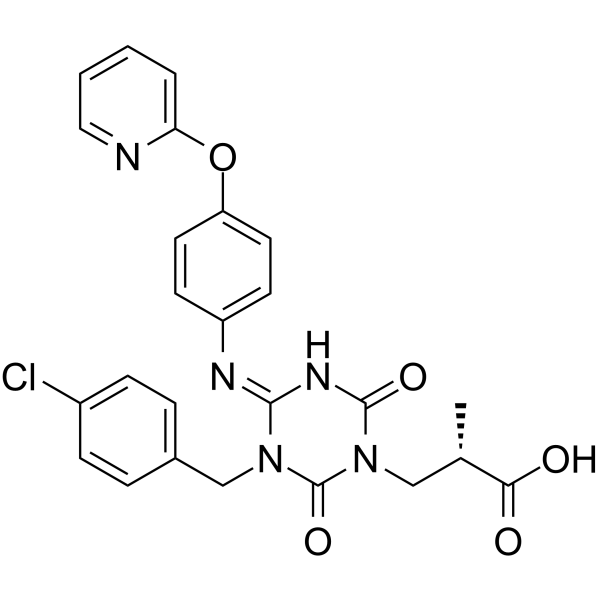
P2X7R antagonist-1 is an orally active P2X7 receptor antagonist with an IC50 of 3.57 μM. P2X7R antagonist-1 inhibits the proliferation, invasion and metastasis abilities of cancer cells. P2X7R antagonist-1 downregulates the expression of FAK and MMP-9. P2X7R antagonist-1 suppresses tumor growth and metastasis in a mouse breast cancer model. P2X7R antagonist-1 promotes the activation of CD4 and CD8 T cells. P2X7R antagonist-1 can be used in breast cancer-related research .
|
-
- HY-137609A
-
-
- HY-108669R
-
|
|
Reference Standards
P2X Receptor
|
Neurological Disease
Cancer
|
|
AZ10606120 dihydrochloride (Standard) is the analytical standard of AZ10606120 (dihydrochloride) (HY-108669). This product is intended for research and analytical applications. AZ10606120 dihydrochloride is a selective, high affinity antagonist for P2X7 receptor (P2X7R) at human and rat with an IC50 of about 10 nM. AZ10606120 dihydrochloride is little or no effect at other P2XR subtypes. AZ10606120 dihydrochloride has anti-depressant effects and reduces tumour growth .
|
-
- HY-178450
-
|
|
P2X Receptor
|
Neurological Disease
|
|
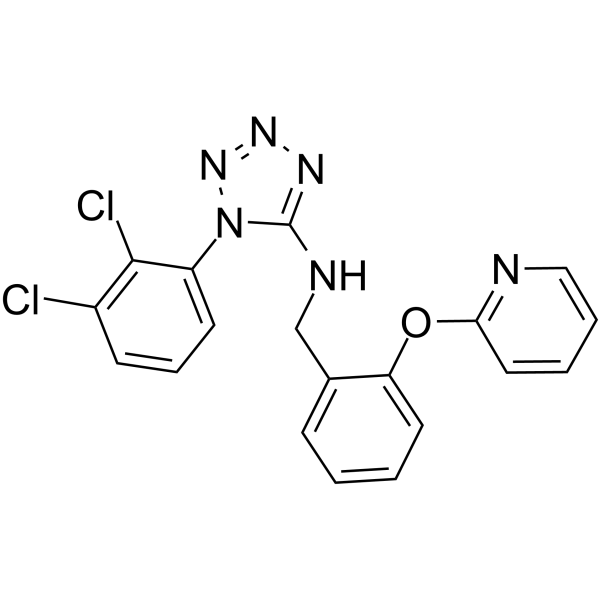
HW091077 is a highly selective P2X3 receptor antagonist with an IC50 of 17 nM. HW091077 blocks ATP-induced calcium influx and cell depolarization to inhibit cough reflex pathways. HW091077 is promising for research of chronic cough .
|
-
- HY-108670
-
|
|
P2X Receptor
|
Inflammation/Immunology
|
|
AZ11645373 is a highly selective and potent antagonist at human but not rat P2X7 receptors,AZ11645373 inhibits ATP-evoked IL-1β release from lipopolysaccharide-activated THP-1 cells , with an IC50 value of 90 nM .
|
-
- HY-113273A
-
|
|
P2X Receptor
|
Neurological Disease
|
|
Diadenosine pentaphosphate pentasodium is an agonist and negative modulator of the P2X1 receptor, an endogenous vasoactive purine dinucleotide that can be isolated from platelets. Diadenosine pentaphosphate pentasodium mediates negative regulation of dendrite growth and number by activating homologous and heterologous P2X1 receptors, which triggers a transient and moderate increase in intracellular calcium levels within dendritic growth cones. Diadenosine pentaphosphate pentasodium is widely present in secretory vesicles such as platelets, chromaffin cells and brain synaptosomes, and exhibits selective activity on dendrite growth of cultured hippocampal neurons, inhibiting only dendrite growth without affecting axon growth. Diadenosine pentaphosphate pentasodium has a weaker ability to compete with RcCHAD for binding to polyP than short-chain polyPs .
|
-
- HY-108675
-
|
|
MMP
P2X Receptor
|
Infection
Cancer
|
|
PPNDS tetrasodium is a selective and competitive meprin β inhibitor (IC50: 80 nM, Ki: 8 nM), and also inhibits ADAM10 (IC50: 1.2 μM). PPNDS tetrasodium is also a P2X1 receptor antagonist. PPNDS is an agonist for the ATP receptor of Paramecium. PPNDS tetrasodium potently inhibits polymerases from viruses. PPNDS tetrasodium can be used in the research of infection and cancers .
|
-
- HY-101911
-
5-BDBD
4 Publications Verification
|
P2X Receptor
|
Neurological Disease
|
|
5-BDBD, a potent and selective P2X4 receptor antagonist, inhibits rP2X4R-mediated currents, with an IC50 of 0.75 μM. 5-BDBD completely blocks the basal and acute hyperalgesia induced by nitroglycerin (NTG) .
|
-
- HY-137888A
-
|
oATP trisodium salt
|
P2X Receptor
NOD-like Receptor (NLR)
|
Inflammation/Immunology
|
|
Oxidized ATP (oATP) trisodium salt is a broad-spectrum P2 receptor inhibitor. Oxidized ATP trisodium salt irreversibly antagonizes P2X7R activation. Oxidized ATP trisodium salt inhibits c-reactive protein (CRP)-induced NLRP3 inflammasome activation. Oxidized ATP trisodium salt can be used for research of atherosclerosis .
|
-
- HY-136026
-
|
BLU-5937
|
P2X Receptor
|
Inflammation/Immunology
|
|
Camlipixant (BLU-5937) a potent, selective, non-competitive and orally active P2X3 homotrimeric receptor antagonist with an IC50 of 25 nM against hP2X3 homotrimeric. Camlipixant shows potent anti-tussive effect and no taste alteration. Camlipixant can be used for the research of unexplained, refractory chronic cough .
|
-
- HY-165557
-
|
|
P2X Receptor
|
Inflammation/Immunology
|
|
GSK1370319A (compound 1a) is a human P2X7 receptor inhibitor with an IC50 of 474 nM and a Ki of 176 nM. GSK1370319A inhibits the production of IL-1β, reduces the generation of reactive oxygen species (ROS), and increases the survival rate of macrophages. GSK1370319A can be used for the research of inflammatory bowel disease .
|
-
- HY-123205R
-
|
KW-4354 (Standard)
|
Reference Standards
Histamine Receptor
P2X Receptor
5-HT Receptor
Apoptosis
PERK
p38 MAPK
COX
|
Inflammation/Immunology
|
|
Oxatomide (Standard) (KW-4354 (Standard)) is the analytical standard of Oxatomide (HY-123205). This product is intended for research and analytical applications. Oxatomide (KW-4354) is an orally active dual antagonist of the H1-histamine receptor and the P2X7 receptor, as well as an inhibitor of serotonin. Oxatomide possesses antihistaminic, antiallergic and anti-inflammatory activities. Oxatomide can be used in the research of allergic diseases .
|
-
- HY-128891
-
|
|
P2X Receptor
|
Neurological Disease
|
|
Eperisone ((±)-Eperisone) is an antispasmodic agent and centrally acting muscle relaxant useful in the study of diseases characterized by muscle stiffness and pain. Eperisone acts by relaxing skeletal and vascular smooth muscle, resulting in vasodilation, decreased muscle tone, improved circulation, and inhibition of pain reflexes. Eperisone is also a potent P2X7 receptor antagonist .
|
-
- HY-132981
-
|
|
P2X Receptor
|
Neurological Disease
|
|
Lu AF27139 is a potent, selective, and orally active antagonist of P2X7 receptor (IC50s of 12 and 2.4 nM for human and rat, Kis of 22, 54, and 13 nM for mouse, human, and rat, respectively). Lu AF27139 has rodent-active and CNS-penetrant character. Lu AF27139 has the potential for the research of CNS diseases .
|
-
- HY-13290
-
|
|
CaMK
P2X Receptor
|
Metabolic Disease
Cancer
|
|
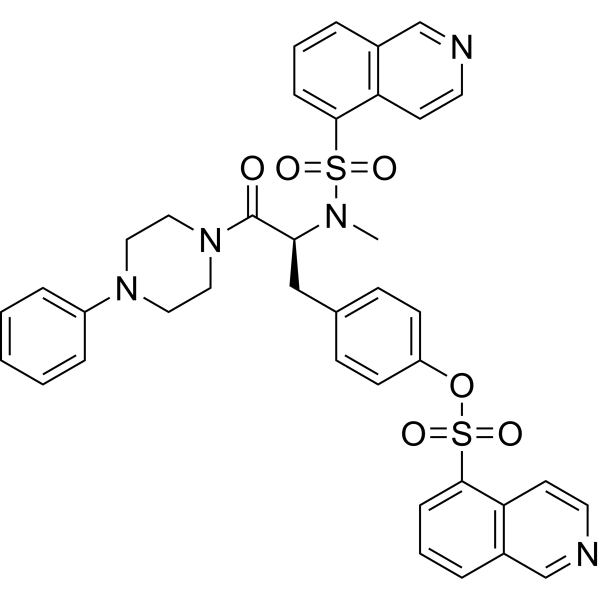
KN-62 is a selective and reversible inhibitor of calmodulin-dependent protein kinase II (CaMK-II) with a Ki of 0.9 μM for rat brain CaMK-II. KN-62 directly binds to the calmodulin binding site of CaMK-II. KN-62 displays noncompetitive antagonism at P2X7 receptors in HEK293 cells, with an IC50 value of approximately 15 nM.
|
-
- HY-122163
-
-
- HY-N9182
-
|
Physalien
|
Adiponectin Receptor
P2X Receptor
Autophagy
|
Inflammation/Immunology
|
|
Zeaxanthin dipalmitate (Physalien) is a wolfberry-derived carotenoid, has anti-inflammatory and anti-oxidative stress effects. Zeaxanthin dipalmitate directly interact with p2X7 receptor (Kd=81.2 nM) and adiponectin receptor 1 (AdipoR1; Kd=533 nM) in a positive dose-dependent manner. Zeaxanthin dipalmitate restores mitochondrial autophagy functions suppressed by ethanol intoxication. Zeaxanthin dipalmitate can be used in the research of alcoholic fatty liver disease (AFLD) and retinitis pigmentosa (RP) .
|
-
- HY-108670R
-
|
|
Reference Standards
P2X Receptor
|
Inflammation/Immunology
|
|
AZ 11645373 (Standard) is the analytical standard of AZ 11645373 (HY-108670). This product is intended for research and analytical applications. AZ11645373 is a highly selective and potent antagonist at human but not rat P2X7 receptors,AZ11645373 inhibits ATP-evoked IL-1β release from lipopolysaccharide-activated THP-1 cells , with an IC50 value of 90 nM .
|
-
- HY-150270A
-
|
|
P2X Receptor
Prostaglandin Receptor
NOD-like Receptor (NLR)
Caspase
Interleukin Related
|
Inflammation/Immunology
|
|
NP-1815-PX sodium is an orally active dual inhibitor of P2X4 and prostaglandin TP receptors, with an IC50 of 0.26 μM against human P2X4 receptors. NP-1815-PX sodium specifically inhibits ATP-mediated prostaglandin production, TP receptor-induced calcium elevation, and the canonical/non-canonical NLRP3 inflammasome signaling pathway. NP-1815-PX sodium selectively blocks smooth muscle contractions induced by ATP, U46619 (HY-108566) and prostaglandin F2α. NP-1815-PX sodium not only produces anti-allodynic effects in vivo, but also significantly alleviates symptoms of DNBS (HY-W324435)-induced colitis (such as weight loss and tissue damage). NP-1815-PX sodium exerts anti-inflammatory effects by downregulating IL-1β levels and Caspase-1 activity. NP-1815-PX sodium is used in studies related to asthma and inflammatory bowel disease (colitis) .
|
-
- HY-150270
-
|
|
Prostaglandin Receptor
P2X Receptor
NOD-like Receptor (NLR)
Caspase
Interleukin Related
|
Neurological Disease
Inflammation/Immunology
|
|
NP-1815-PX is an orally active dual inhibitor of P2X4 and prostaglandin TP receptors, with an IC50 of 0.26 μM against human P2X4 receptors. NP-1815-PX specifically inhibits ATP-mediated prostaglandin production, TP receptor-induced calcium elevation, and the canonical/non-canonical NLRP3 inflammasome signaling pathway. NP-1815-PX selectively blocks smooth muscle contractions induced by ATP, U46619 (HY-108566) and prostaglandin F2α. NP-1815-PX not only produces anti-allodynic effects in vivo, but also significantly alleviates symptoms of DNBS (HY-W324435)-induced colitis (such as weight loss and tissue damage). NP-1815-PX exerts anti-inflammatory effects by downregulating IL-1β levels and Caspase-1 activity. NP-1815-PX is used in studies related to asthma and inflammatory bowel disease (colitis) .
|
-
- HY-167704
-
|
|
Apoptosis
|
Cancer
|
|
NF023 is a compound that inhibits X-BIR1/TAB1 assembly activity. NF023 can affect cell survival signaling pathways by interfering with XIAP-mediated NF-κB activation. NF023 also shows potential as a selective P2X1 adenylate receptor antagonist. This compound has the potential to synergize with existing pro-apoptotic drugs and play an important role in cancer suppression .
|
-
- HY-101911R
-
|
|
Reference Standards
P2X Receptor
|
Neurological Disease
|
|
5-BDBD (Standard) is the analytical standard of 5-BDBD (HY-101911). This product is intended for research and analytical applications. 5-BDBD, a potent and selective P2X4 receptor antagonist, inhibits rP2X4R-mediated currents, with an IC50 of 0.75 μM. 5-BDBD completely blocks the basal and acute hyperalgesia induced by nitroglycerin (NTG) .
|
-
- HY-124857
-
|
7-Desacetoxy-6,7-dehydrogedunin
|
PERK
Prokineticin Receptor
P2X Receptor
Caspase
NOD-like Receptor (NLR)
Pyroptosis
Tyrosinase
|
Neurological Disease
Metabolic Disease
Inflammation/Immunology
|
|
7DG (7-Desacetoxy-6,7-dehydrogedunin) is a PKR inhibitor, P2X7 purinergic receptor inhibitor, and skin-lightening agent. 7DG binds outside the ATP-catalytic domain of PKR, blocks the kinase activity-independent protein-protein interactions of PKR, inhibits the phosphorylation and activity of PKR, disrupts ASC assembly and caspase-1 activation, and suppresses the activation of the NLRP1 inflammasome. 7DG inhibits pyroptosis, suppresses the ATP-P2X7 signaling pathway, and abolishes ATP-induced increases in the expression levels of MITF, tyrosinase, PMEL/gp100, and melanin content. 7DG exerts skin-lightening effects in cultured skin in vitro. 7DG can be used in research related to chronic obstructive pulmonary disease, gout, type 2 diabetes, Alzheimer's disease, and hyperpigmentary skin disorders .
|
-
- HY-P1137
-
10Panx
1 Publications Verification
|
Gap Junction Protein
|
Others
|
|
10Panx is a competitive inhibitor of selective Pannexin 1 (PANX1) channels. 10Panx blocks the opening of PANX1 channels, inhibits ATP release and downstream P2X7 receptor-mediated signaling pathways, thereby reducing cell death and inflammatory responses. 10Panx can be used in the study of diseases such as neuropathic pain, inflammatory bowel disease, and Clostridioides difficile infection. 10Panx can effectively reduce mechanical hyperalgesia and enhanced C-reflexes, and inhibit the expression of pro-inflammatory factors such as IL-6[1][2][3].
|
-
- HY-105285
-
|
Neu-P11
|
Melatonin Receptor
5-HT Receptor
P2X Receptor
TRP Channel
Sodium Channel
|
Neurological Disease
|
|
Piromelatine (Neu-P11) is a melatonin MT1/MT2 receptor agonist, serotonin 5-HT1A/5-HT1D agonist, and serotonin 5-HT2B antagonist. Piromelatine (Neu-P11) possesses sleep promoting, analgesic, anti-neurodegenerative, anxiolytic and antidepressant potentials. Piromelatine (Neu-P11) also possesses pain-related P2X3, TRPV1, and Nav1.7 channel-inhibition capacities .
|
-
- HY-D0914A
-
|
|
α-synuclein
|
Neurological Disease
|
|
Fast green FCF free acid is a dye that is acid-resistant. Fast Green FCF free acid inhibits α-synuclein aggregation, as well as Aβ, P2X4 receptor and TLR4/Myd88/NF-κB. Fast Green FCF free acid is widely used as a staining agent like quantitative stain for histones at alkaline pH after acid extraction of DNA, and as a protein stain in electrophoresis. Fast Green FCF free acid improves cognitive impairment, depression, relieves pain allergies, and promotes reproductive function .
|
-
- HY-D0914
-
|
FD&C Green No. 3; Food green 3; C.I. 42053
|
Environmental Pollutants
α-synuclein
|
Neurological Disease
|
|
Fast Green FCF is a sea green triarylmethane food dye, with absorption maximum ranging from 622 to 626 nm. Fast Green FCF inhibits α-synuclein aggregation, as well as Aβ and P2X4 receptor, and TLR4/Myd88/NF-κB. Fast Green FCF is widely used as a staining agent like quantitative stain for histones at alkaline pH after acid extraction of DNA, and as a protein stain in electrophoresis. Fast Green FCF improves cognitive impairment, depression, relieves pain allergies, and promotes reproductive function .
|
-
- HY-15310
-
|
MK-933; CD-5024; K-237
|
Environmental Pollutants
Antibiotic
Mitophagy
Bacterial
Parasite
Autophagy
Flavivirus
HSV
HIV
SARS-CoV
Dengue Virus
|
Infection
Cancer
|
|
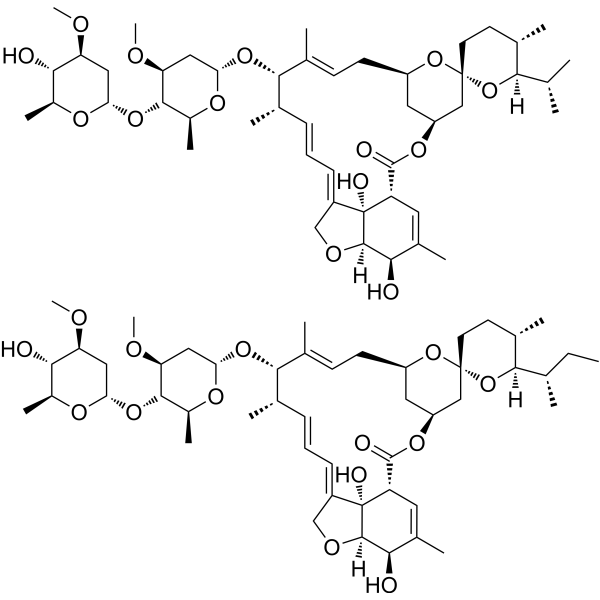
Ivermectin (MK-933) is a broad-spectrum anti-parasite agent. Ivermectin (MK-933) is a specific inhibitor of Impα/β1-mediated nuclear import and has potent antiviral activity towards both HIV-1 and dengue virus. It is a positive allosteric effector of P2X4 and the α7 neuronal nicotinic acetylcholine receptor (nAChRs). Ivermectin also inhibits bovine herpesvirus1 (BoHV-1) replication and inhibits BoHV-1 DNA polymerase nuclear import . Ivermectin is a candidate therapeutic against SARS-CoV-2/COVID-19 .
|
-
- HY-105285R
-
|
Neu-P11 (Standard)
|
Reference Standards
Melatonin Receptor
5-HT Receptor
P2X Receptor
TRP Channel
Sodium Channel
|
Neurological Disease
|
|
Piromelatine (Standard) is the analytical standard of Piromelatine. This product is intended for research and analytical applications. Piromelatine (Neu-P11) is a melatonin MT1/MT2 receptor agonist, serotonin 5-HT1A/5-HT1D agonist, and serotonin 5-HT2B antagonist. Piromelatine (Neu-P11) possesses sleep promoting, analgesic, anti-neurodegenerative, anxiolytic and antidepressant potentials. Piromelatine (Neu-P11) also possesses pain-related P2X3, TRPV1, and Nav1.7 channel-inhibition capacities .
|
-
- HY-122575
-
|
|
P2X Receptor
Influenza Virus
Topoisomerase
MicroRNA
Apoptosis
|
Infection
Neurological Disease
Inflammation/Immunology
|
|
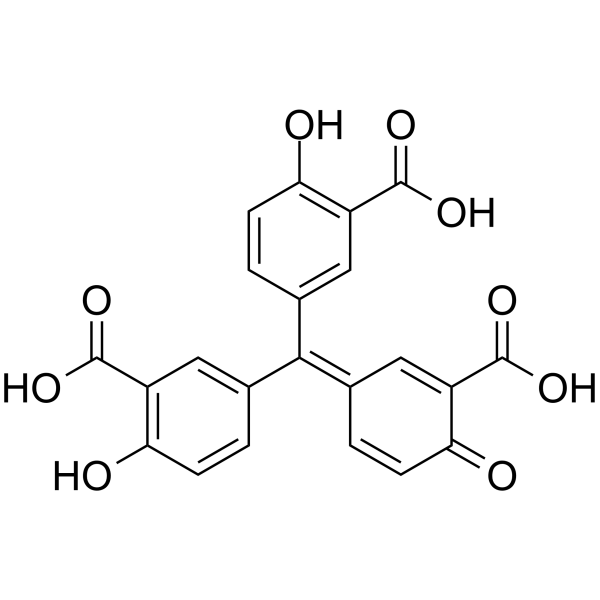
Aurintricarboxylic acid is a nanomolar-potency, allosteric antagonist with selectivity towards αβ-methylene-ATP-sensitive P2X1Rs and P2X3Rs, with IC50s of 8.6 nM and 72.9 nM for rP2X1R and rP2X3R, respectively . Aurintricarboxylic acid is a potent anti-influenza agent by directly inhibiting the neuraminidase . Aurintricarboxylic acid is an inhibitor of topoisomerase II and apoptosis . Aurintricarboxylic acid is a selective inhibitor of the TWEAK-Fn14 signaling pathway . Aurintricarboxylic acid also acts as a cystathionine-lyase (CSE) inhibitor with an IC50 of 0.6 μM . Aurintricarboxylic acid is a modifier of miRNAs that regulate miRNA function, with an IC50 of 0.47 µM .
|
-
| Cat. No. |
Product Name |
Type |
-
- HY-D0914
-
|
FD&C Green No. 3; Food green 3; C.I. 42053
|
Fluorescent Dyes
|
|
Fast Green FCF is a sea green triarylmethane food dye, with absorption maximum ranging from 622 to 626 nm. Fast Green FCF inhibits α-synuclein aggregation, as well as Aβ and P2X4 receptor, and TLR4/Myd88/NF-κB. Fast Green FCF is widely used as a staining agent like quantitative stain for histones at alkaline pH after acid extraction of DNA, and as a protein stain in electrophoresis. Fast Green FCF improves cognitive impairment, depression, relieves pain allergies, and promotes reproductive function .
|
-
- HY-D0914A
-
|
|
Fluorescent Dyes
|
|
Fast green FCF free acid is a dye that is acid-resistant. Fast Green FCF free acid inhibits α-synuclein aggregation, as well as Aβ, P2X4 receptor and TLR4/Myd88/NF-κB. Fast Green FCF free acid is widely used as a staining agent like quantitative stain for histones at alkaline pH after acid extraction of DNA, and as a protein stain in electrophoresis. Fast Green FCF free acid improves cognitive impairment, depression, relieves pain allergies, and promotes reproductive function .
|
| Cat. No. |
Product Name |
Type |
-
- HY-W015627
-
|
|
Biochemical Assay Reagents
|
|
3,5-dichloropyridine is a drug intermediate that can be used to synthesize metal-organic framework (MOF) materials and P2X7 receptor antagonists .
|
| Cat. No. |
Product Name |
Target |
Research Area |
-
- HY-P1137
-
10Panx
1 Publications Verification
|
Gap Junction Protein
|
Others
|
|
10Panx is a competitive inhibitor of selective Pannexin 1 (PANX1) channels. 10Panx blocks the opening of PANX1 channels, inhibits ATP release and downstream P2X7 receptor-mediated signaling pathways, thereby reducing cell death and inflammatory responses. 10Panx can be used in the study of diseases such as neuropathic pain, inflammatory bowel disease, and Clostridioides difficile infection. 10Panx can effectively reduce mechanical hyperalgesia and enhanced C-reflexes, and inhibit the expression of pro-inflammatory factors such as IL-6[1][2][3].
|
-
- HY-P1330
-
|
|
P2X Receptor
|
Inflammation/Immunology
|
|
Purotoxin 1 is a P2X3 receptor inhibitor. Purotoxin 1 shows antinociceptive properties in animal models of inflammatory pain. Purotoxin 1 can be isolated from the venom of the wolf spider Geolycosa sp .
|
| Cat. No. |
Product Name |
Category |
Target |
Chemical Structure |
| Cat. No. |
Product Name |
Chemical Structure |
-
- HY-151546S
-
|
|
|
MRS4596-d4 is the deuterium labeled MRS4596 (HY-151546). MRS4596 is a potent and selective P2X4 receptor antagonist with an IC50 value of 1.38 μM for human P2X4 receptor. MRS4596 has neuroprotective and neuro-rehabilitative activities in ischemic stroke model. MRS4596 can be used in research of ischemic stroke .
|
-
-
- HY-151547S
-
|
|
|
MRS4719-d3 is the deuterium labeled MRS4719 (HY-151547). MRS4719 is a potent P2X4 receptor antagonist with an IC50 value of 0.503 μM for human P2X4 receptor. MRS4719 can reduce infarct volume and reduce brain atrophy, showing neuroprotective and neuro-rehabilitative activities in ischemic stroke model. MRS4719 also reduces ATP-induced [Ca 2+]i influx in primary human monocyte-derived macrophages. MRS4719 can be used to research ischemic stroke .
|
-
-
- HY-16322S
-
|
|
|
Minodronic acid-d4 (YM-529-d4) is deuterium labeled Minodronic acid (HY-16322). Minodronic acid (YM-529) is an FPP synthase inhibitor with an IC50 of 3 nM, and also an antagonist of P2X2/3 receptors with an IC50 of 62.7 μM. Minodronic acid induces tumor cell apoptosis and inhibits cell growth. Minodronic acid also suppresses bone resorption. Minodronic acid can be used in research related to osteoporosis and cancer .
|
-
| Cat. No. |
Product Name |
|
Classification |
-
- HY-113273A
-
|
|
|
Nucleotide Analogs
Adenine Nucleotide
|
|
Diadenosine pentaphosphate pentasodium is an agonist and negative modulator of the P2X1 receptor, an endogenous vasoactive purine dinucleotide that can be isolated from platelets. Diadenosine pentaphosphate pentasodium mediates negative regulation of dendrite growth and number by activating homologous and heterologous P2X1 receptors, which triggers a transient and moderate increase in intracellular calcium levels within dendritic growth cones. Diadenosine pentaphosphate pentasodium is widely present in secretory vesicles such as platelets, chromaffin cells and brain synaptosomes, and exhibits selective activity on dendrite growth of cultured hippocampal neurons, inhibiting only dendrite growth without affecting axon growth. Diadenosine pentaphosphate pentasodium has a weaker ability to compete with RcCHAD for binding to polyP than short-chain polyPs .
|
Your information is safe with us. * Required Fields.
Inquiry Information
- Product Name:
- Cat. No.:
- Quantity:
- MCE Japan Authorized Agent:

