
1. Search Result
Search Result
Results for "

RNA transcription

" in MedChemExpress (MCE) Product Catalog:

116

Inhibitors & Agonists

1

Screening Libraries

3

Fluorescent Dyes

5

Biochemical Assay Reagents

3

Peptides

3

MCE Kits

10

Natural
Products

5

Recombinant Proteins

10

Isotope-Labeled Compounds

9

Antibodies

1

Click Chemistry

18

Oligonucleotides

1

GMP Molecules

Cat. No. Product Name Target Research Areas Chemical Structure
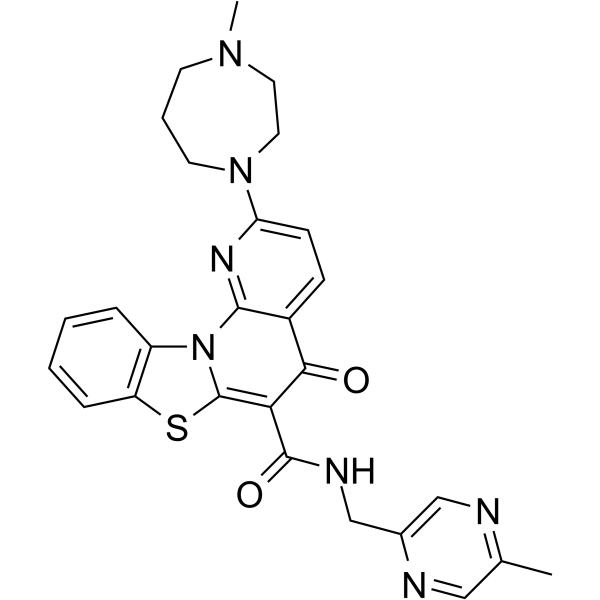
  • HY-13323
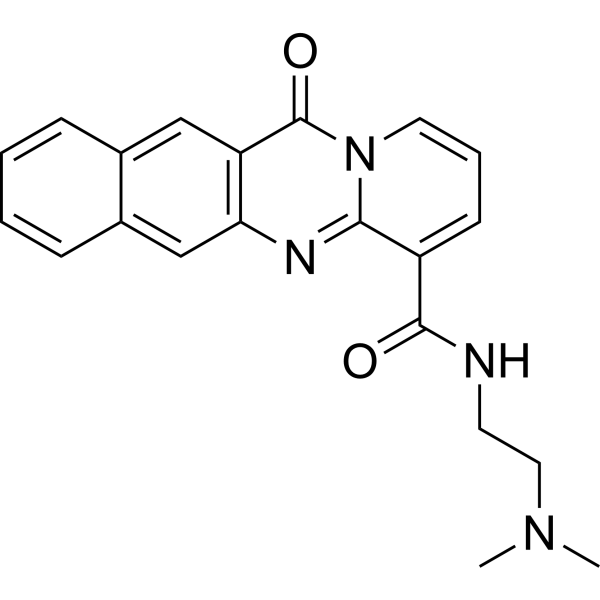
    CX-5461
    Maximum Cited Publications
    66 Publications Verification

    DNA/RNA Synthesis Cancer
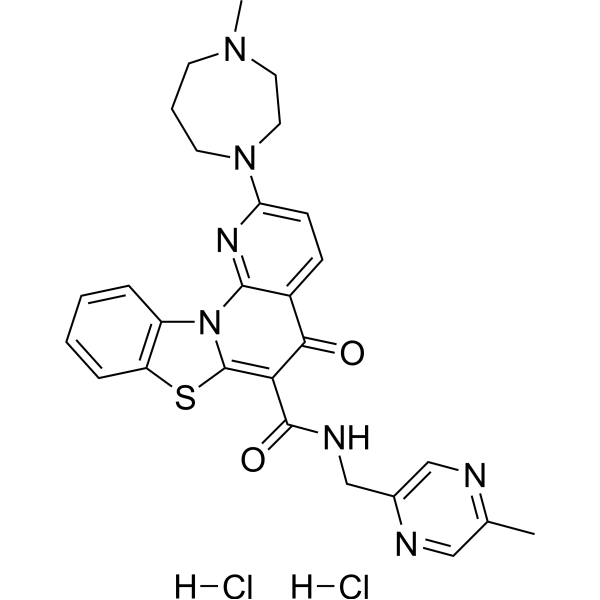
    CX-5461 is a potent and oral rRNA synthesis inhibitor. It inhibits RNA polymerase I-driven transcription of rRNA with IC50s of 142, 113, and 54 nM in HCT-116, A375, and MIA PaCa-2 cells, respectively .
    CX-5461
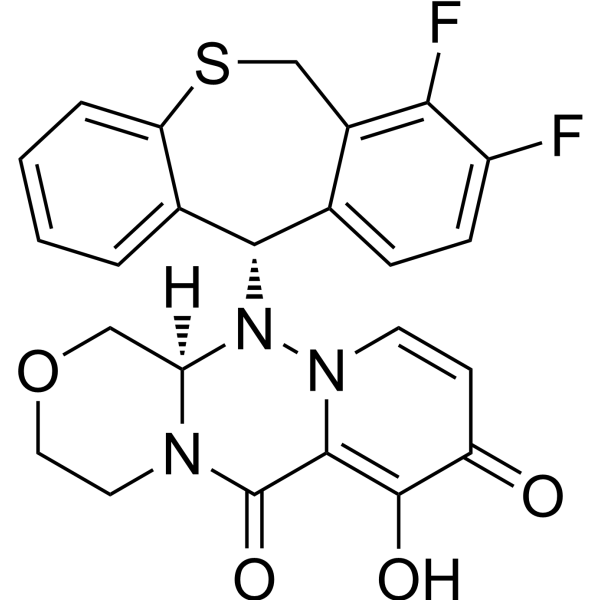
  • HY-109025A
    Baloxavir
    45+ Cited Publications

    Baloxavir acid; S-033447

    Influenza Virus Infection Cancer
    Baloxavir (Baloxavir acid), derived from the proagent Baloxavir marboxil, is a first-in-class, potent and selective cap-dependent endonuclease (CEN) inhibitor within the polymerase PA subunit of influenza A and B viruses. Baloxavir inhibits viral RNA transcription and replication and has potently antiviral activity .
    Baloxavir
  • HY-103586
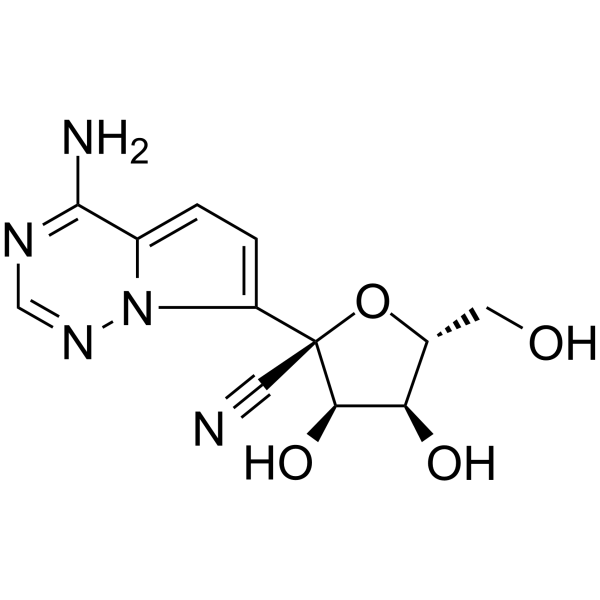
    GS-441524
    25+ Cited Publications

    DNA/RNA Synthesis SARS-CoV Infection
    GS-441524 is a potent, orally active and CNS-penetrant viral RNA-dependent RNA polymerase inhibitor. GS-441524 competes with natural nucleosides to block viral RNA transcription as an alternative substrate and RNA chain terminator. GS-441524 inhibits the replication of feline infectious peritonitis virus, African swine fever virus, and severe acute respiratory syndrome coronavirus 2. GS-441524 reduces viral RNA levels in cats. GS-441524 can be used in research related to feline infectious peritonitis, African swine fever, and coronavirus disease 2019 (COVID-19) .
    GS-441524
  • HY-134539
    IMT1
    5+ Cited Publications

    Oxidative Phosphorylation Mitochondrial Metabolism DNA/RNA Synthesis Metabolic Disease Cancer
    IMT1 is a first-in-class specific and noncompetitive human mitochondrial RNA polymerase (POLRMT) inhibitor. IMT1 causes a conformational change of POLRMT, which blocks substrate binding and transcription in a dose-dependent way in vitro. IMT1 reduces deoxynucleoside triphosphate levels and citric acid cycle intermediates, resulting in a marked depletion of cellular amino acid levels. IMT1 has the potential for mitochondrial transcription disorders related diseases .
    IMT1
  • HY-17381
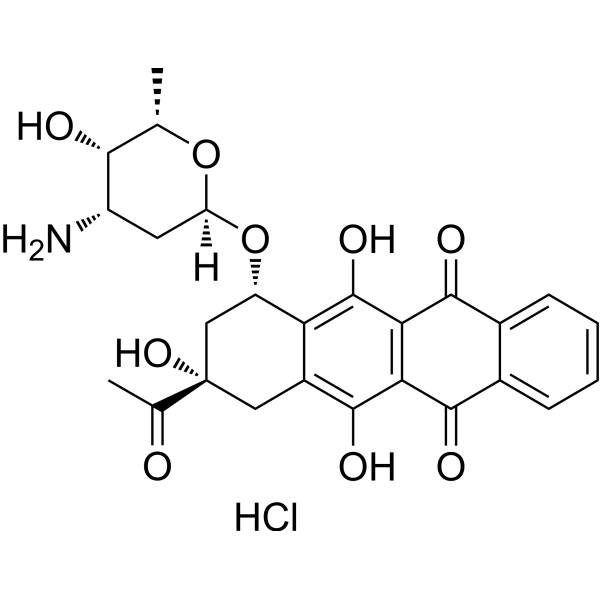
    Idarubicin hydrochloride
    15+ Cited Publications

    4-Demethoxydaunorubicin hydrochloride

    Topoisomerase Bacterial Fungal Autophagy Antibiotic DNA/RNA Synthesis c-Myc Infection Cancer
    Idarubicin hydrochloride is an anthracycline antileukemic agent. It inhibits the topoisomerase II interfering with the replication of DNA and RNA transcription. Idarubicin hydrochloride inhibits the growth of bacteria and yeasts.
    Idarubicin hydrochloride
  • HY-141140
    5-Ethynyluridine
    2 Publications Verification

    5-EU

    Biochemical Assay Reagents Others
    5-Ethynyluridine (5-EU) is a potent cell-permeable nucleoside can be used to label newly synthesized RNA. 5-Ethynyluridine can be used for isolation and sequencing of nascent RNA from neuronal populations in vivo. 5-Ethynyluridine can be used to identify changes in transcription in vivo in nervous system disease models . 5-Ethynyluridine is a click chemistry reagent, it contains an Alkyne group and can undergo copper-catalyzed azide-alkyne cycloaddition (CuAAc) with molecules containing Azide groups.
    5-Ethynyluridine
  • HY-132591
    Inclisiran
    Maximum Cited Publications
    7 Publications Verification

    ALN-PCSsc

    PCSK9 Small Interfering RNA (siRNA) Pyroptosis PPAR NOD-like Receptor (NLR) Caspase Interleukin Related Cardiovascular Disease Metabolic Disease
    Inclisiran is a double-stranded small interfering RNA (siRNA) molecule. Inclisiran inhibits the transcription of PCSK9. Inclisiran inhibits Pyroptosis, activates PPARγ, and reduces NLRP3, cleaved caspase-1, IL-1β, and IL-18. Inclisiran has anti-inflammatory, lipid-regulating and anti-atherosclerotic activities. Inclisiran can be used in researches of hyperlipidemia and cardiovascular disease (CVD) .
    Inclisiran
  • HY-12484
    BMH-21
    10+ Cited Publications

    DNA/RNA Synthesis Cancer
    BMH-21 is a first-in-class DNA intercalator which inhibits RNA polymerase I (Pol I) transcription. BMH-21 possesses anticancer activity .
    BMH-21
  • HY-17381A
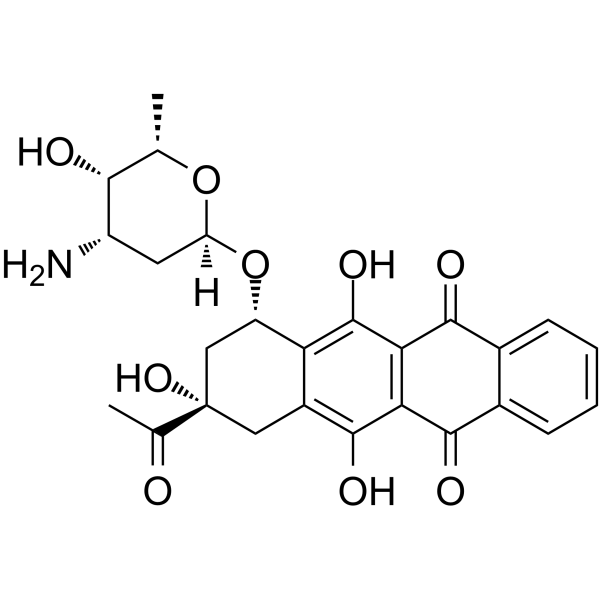
    Idarubicin
    15+ Cited Publications

    4-Demethoxydaunorubicin

    Topoisomerase Bacterial Fungal Autophagy c-Myc DNA/RNA Synthesis Antibiotic Infection Cancer
    Idarubicin is an orally active and potent anthracycline antileukemic agent. Idarubicin inhibits the topoisomerase II interfering with the replication of DNA and RNA transcription. Idarubicin shows induction of DNA damage. Idarubicin inhibits DNA synthesis and of c-myc expression. Idarubicin inhibits the growth of bacteria and yeasts .
    Idarubicin
  • HY-15176A
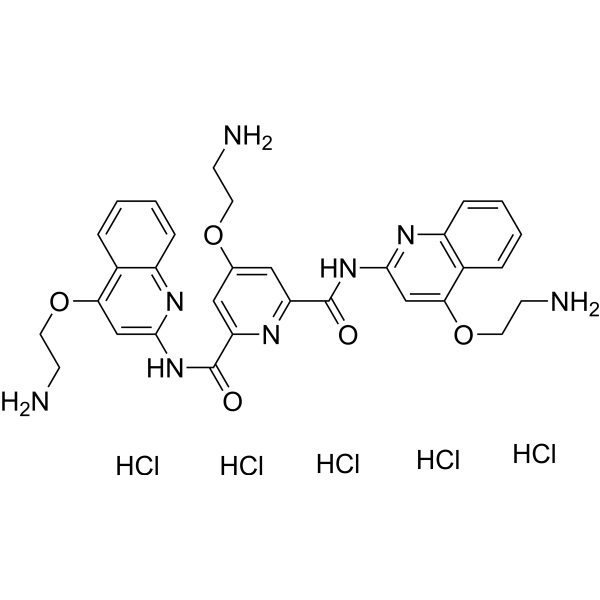
    Pyridostatin hydrochloride
    30+ Cited Publications

    RR82 hydrochloride

    DNA/RNA Synthesis G-quadruplex Flavivirus Src Virus Protease Cancer
    Pyridostatin (RR82) hydrochloride is a G-quadruplex DNA stabilizing agent (Kd=490 nM) and can target DNA and RNA G4s in cells. Pyridostatin hydrochloride promotes growth arrest in human cancer cells by inducing replication- and transcription-dependent DNA damage. Pyridostatin hydrochloride targets the proto-oncogene Src. Pyridostatin hydrochloride reduced SRC protein levels and SRC-dependent cellular motility in human breast cancer cells .
    Pyridostatin hydrochloride
  • HY-15176

    RR82

    G-quadruplex Cancer
    Pyridostatin (RR82) is a G-quadruplex DNA stabilizing agent (Kd=490 nM) and can target DNA and RNA G4s in cells. Pyridostatin promotes growth arrest in human cancer cells by inducing replication- and transcription-dependent DNA damage. Pyridostatin targets the proto-oncogene Src. Pyridostatin reduced SRC protein levels and SRC-dependent cellular motility in human breast cancer cells .
    Pyridostatin
  • HY-132591A
    Inclisiran sodium
    Maximum Cited Publications
    7 Publications Verification

    ALN-PCSsc sodium

    PCSK9 Small Interfering RNA (siRNA) Pyroptosis PPAR NOD-like Receptor (NLR) Caspase Interleukin Related Cardiovascular Disease Metabolic Disease
    Inclisiran sodium is a double-stranded small interfering RNA (siRNA) molecule. Inclisiran sodium inhibits the transcription of PCSK9. Inclisiran sodium inhibits Pyroptosis, activates PPARγ, and reduces NLRP3, cleaved caspase-1, IL-1β, and IL-18. Inclisiran sodium has anti-inflammatory, lipid-regulating and anti-atherosclerotic activities. Inclisiran sodium can be used in researches of hyperlipidemia and cardiovascular disease (CVD) .
    Inclisiran sodium
  • HY-122122
    ML-60218
    5+ Cited Publications

    DNA/RNA Synthesis Infection Cancer
    ML-60218 is a broad-spectrum RNA pol III inhibitor, with IC50s of 32 and 27 μM for Saccharomyces cerevisiae and human. ML-60218 disrupts already assembled viroplasms and to hamper the formation of new ones without the need for de novo transcription of cellular RNAs .
    ML-60218
  • HY-I0960
    Uracil
    4 Publications Verification

    Endogenous Metabolite Drug Derivative Infection Cancer
    Uracil is a pyrimidine derivative and one of the four nucleobases in the nucleic acid of RNA. Uracil is a frequently occurring DNA base damage that results from the spontaneous or chemically induced deamination of cytosine and is mutagenic at the level of replication. Uracil could potentially alter transcriptional fidelity, resulting in production of mutant proteins .
    Uracil
  • HY-103019
    Enitociclib
    2 Publications Verification

    (+)-BAY-1251152; (+)-VIP152; (S)-Enitociclib

    Drug Isomer CDK Apoptosis DNA/RNA Synthesis Inflammation/Immunology Cancer
    Enitociclib ((+)-BAY-1251152; (+)-VIP152) is a selective CDK9 inhibitor (IC50=3 nM) that inhibits transcriptional elongation by blocking Ser2/Ser5 phosphorylation of RNA polymerase II. Enitociclib specifically depletes key short-lived proteins such as c-MYC, MCL-1 and induces tumor cell apoptosis. Enitociclib also interferes with the production of enhancer RNAs (eRNA) and enhancer-promoter interactions, and downregulates oncogene expression at the epigenetic level. Enitociclib exerts synergistic effects with agents including Bortezomib (HY-10227), Lenalidomide (HY-A0003), Pomalidomide (HY-10984), Venetoclax (HY-15531) and Paclitaxel (HY-B0015), and even reverses paclitaxel resistance. Enitociclib serves as a vital research tool for various malignancies such as double-hit diffuse large B-cell lymphoma, multiple myeloma and pancreatic ductal adenocarcinoma .
    Enitociclib
  • HY-122903
    TK216
    5+ Cited Publications

    DNA/RNA Synthesis Cancer
    TK216 is an orally active and potent E26 transformation specific (ETS) inhibitor . TK216 directly binds EWS-FLI1 and inhibits EWS-FLI1 protein interactions. TK216 blocks the binding between EWS-FLI1 and RNA helicase A. TK216 has anticancer activity .
    TK216
  • HY-103019A

    (±)-BAY-1251152; (±)-VIP152

    CDK Apoptosis DNA/RNA Synthesis Cancer
    (±)-Enitociclib ((±)-BAY-1251152) is the racemic mixture of Enitociclib (HY-103019E). Enitociclib is a selective CDK9 inhibitor and apoptosis inducer. Enitociclib inhibits CDK9 activity and reduces the phosphorylation of Ser2 in the carboxyl-terminal domain (CTD) of RNA polymerase Pol II, thereby downregulating the transcription of key oncogenes such as MYC and MCL1. Enitociclib has anti-proliferative activity targeting MYC + lymphoma and multiple myeloma (MM) cells, and has synergistic effects with Bortezomib (HY-10227) and Lenalidomide (HY-A0003), and can be used in the research of hematological malignancies .
    (±)-Enitociclib
  • HY-120118

    ML246

    DNA/RNA Synthesis Cancer
    Metarrestin (ML246) is an orally active, first-in-class and specific perinucleolar compartment inhibitor. Metarrestin disrupts the nucleolar structure and inhibits RNA polymerase (Pol) I transcription, at least in part by interacting with the translation elongation factor eEF1A2. Metarrestin blocks metastatic development and extends survival in mouse cancer models .
    Metarrestin
  • HY-E70529

    DNA/RNA Synthesis Bacterial Infection
    Ribonucleoside vanadyl complexes are a class of potent RNase and Taq polymerase inhibitors. Ribonucleoside vanadyl complexes protect RNA during RNA isolation by inhibiting ribonucleases, and also reduce the viability of bacteria and eukaryotic cells by interfering with ribosomal subunit assembly. Ribonucleoside vanadyl complexes block PCR and reverse transcription reactions templated by viral nucleic acids and enhance the effects of antibiotics against Staphylococcus aureus, but do not directly inhibit protein synthesis. Ribonucleoside vanadyl complexes can be effectively removed by phenol-chloroform extraction, thus enabling subsequent PCR analysis. Ribonucleoside vanadyl complexes can be applied in research related to chronic hepatitis C (HCV) and Staphylococcus aureus infection .
    Ribonucleoside vanadyl complexes
  • HY-143221

    Drug Intermediate Cardiovascular Disease
    AS-Inclisiran sodium is the antisense of Inclisiran (HY-132591). Inclisiran is a double-stranded small interfering RNA (siRNA) molecule. Inclisiran inhibits the transcription of PCSK9. Inclisiran inhibits Pyroptosis, activates PPARγ, and reduces NLRP3, cleaved caspase-1, IL-1β, and IL-18. Inclisiran has anti-inflammatory, lipid-regulating and anti-atherosclerotic activities. Inclisiran can be used in researches of hyperlipidemia and cardiovascular disease (CVD) .
    AS-Inclisiran sodium
  • HY-100008
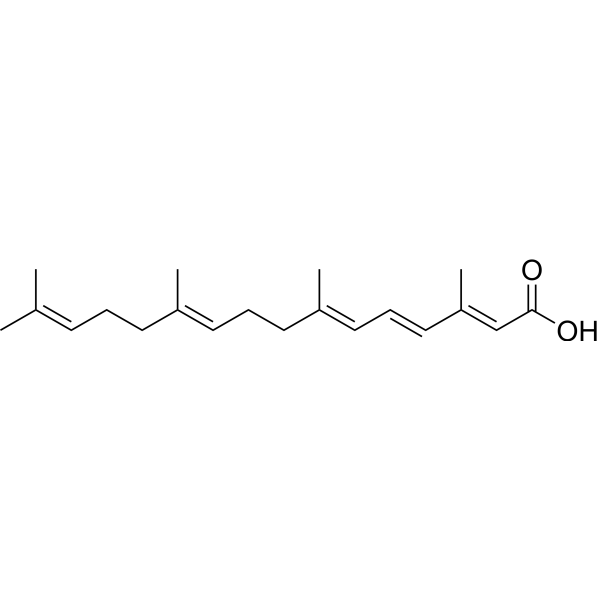
    Peretinoin
    5+ Cited Publications

    NIK333

    RAR/RXR SphK Autophagy HCV Infection Cancer
    Peretinoin is an oral acyclic retinoid with a vitamin A-like structure that targets retinoid nuclear receptors such as retinoid X receptor (RXR) and retinoic acid receptor (RAR). Peretinoin reduces the mRNA level of sphingosine kinase 1 (SPHK1) in vitro by downregulating a transcription factor, Sp1 . Peretinoin prevents the progression of non-alcoholic steatohepatitis (NASH) and the development of hepatocellular carcinoma (HCC) through activating the autophagy pathway by increased Atg16L1 expression . Peretinoin inhibits HCV RNA amplification and virus release by altering lipid metabolism with a EC50 of 9 μM .
    Peretinoin
  • HY-B1537

    2',3',5'-Tri-O-acetyl-6-azauridine

    Virus Protease Influenza Virus Infection Inflammation/Immunology
    Azaribine (2',3',5'-Tri-O-acetyl-6-azauridine) is a potent orotidine monophosphate decarboxylase (OMPD) inhibitor. Azaribine is an antiviral inhibitor of several RNA viruses and inhibits viral genome replication and gene transcription. Azaribine shows broad-spectrum antiviral activity (EC50=3.80 nM-1.73 μM against influenza A and B viruses; EC50=1.62 μM against ZIKV Paraiba). Azaribine, a triacetate salt of Azauridine, has the potential for psoriasis research .
    Azaribine
  • HY-103400
    8-Chloroadenosine
    1 Publications Verification

    8-Cl-Ado

    AMPK Autophagy Cancer
    8-Chloroadenosine (8-Cl-Ado), a unique ribonucleoside analog, depletes endogenous ATP that subsequently induces the phosphorylation and activation of AMPK. 8-Chloroadenosine induces autophagic cell death. 8-Chloroadenosine effectively inhibited in vivo tumor growth in mice .
    8-Chloroadenosine
  • HY-143584

    CDK Apoptosis Cancer
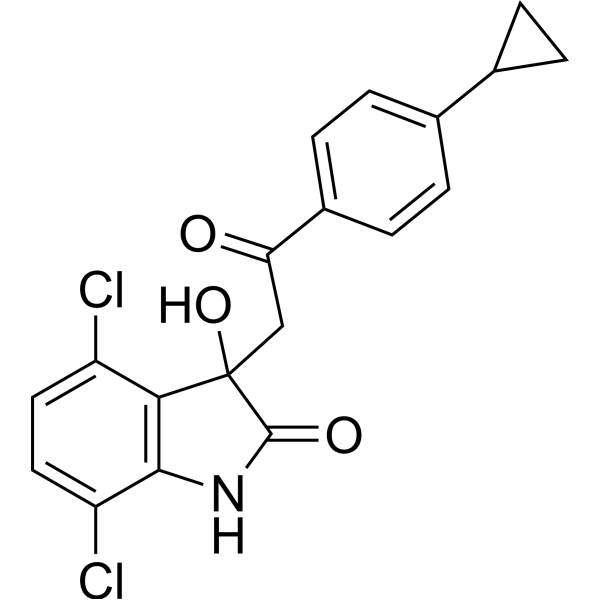
    AZ5576 is a potent and highly selective CDK9 inhibitor (IC50: <5 nM). AZ5576 inhibits the phosphorylation of RNA polymerase II at Ser2, thereby inhibiting transcriptional elongation. AZ5576 can be used for hematological Malignancy research .
    AZ5576
  • HY-N0656
    Usnic acid
    2 Publications Verification

    Bacterial DNA/RNA Synthesis Nuclear Factor of activated T Cells (NFAT) Apoptosis Infection Inflammation/Immunology Cancer
    Usnic acid is a secondary metabolite of lichens with a unique dibenzofuran skeleton. Usnic acid inhibits DNA/RNA synthesis and has antibacterial activity. Usnic acid induces cell cycle arrest and apoptosis and has anticancer activity. Usnic acid inhibits RANKL-mediated osteoclast formation and function by reducing the transcriptional and translational expression of NFATc1. Usnic acid has antioxidant and anti-inflammatory activities by inhibiting lipid peroxidation and myeloperoxidase .
    Usnic acid
  • HY-113137
    N2,N2-Dimethylguanosine
    4 Publications Verification

    Endogenous Metabolite Cancer
    N2,N2-Dimethylguanosine is a methylated modified nucleoside present in RNA and serves as a structural modification component of tRNA. N2,N2-Dimethylguanosine inhibits reverse transcriptase-mediated cDNA synthesis and is one of the key modifications affecting sequencing efficiency in high-throughput RNA sequencing. N2,N2-Dimethylguanosine can be selectively demethylated at one methyl group by AlkB mutant enzymes (such as D135S/L118V) and converted to N2-methylguanosine, thereby reducing the inhibition of reverse transcription .
    N2,N2-Dimethylguanosine
  • HY-113225

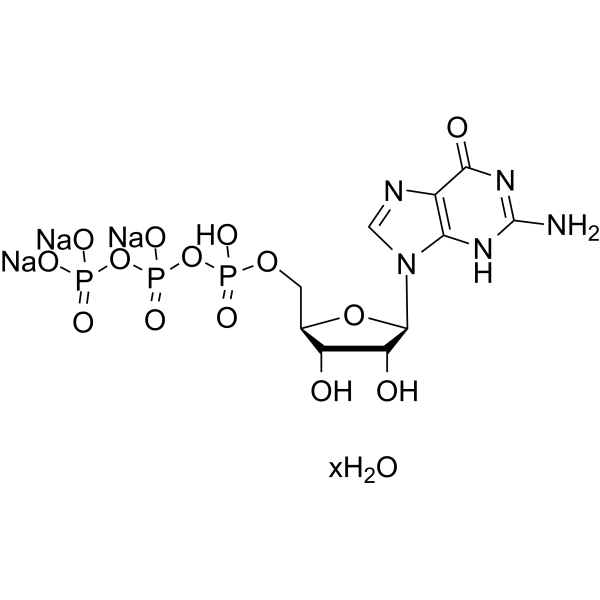
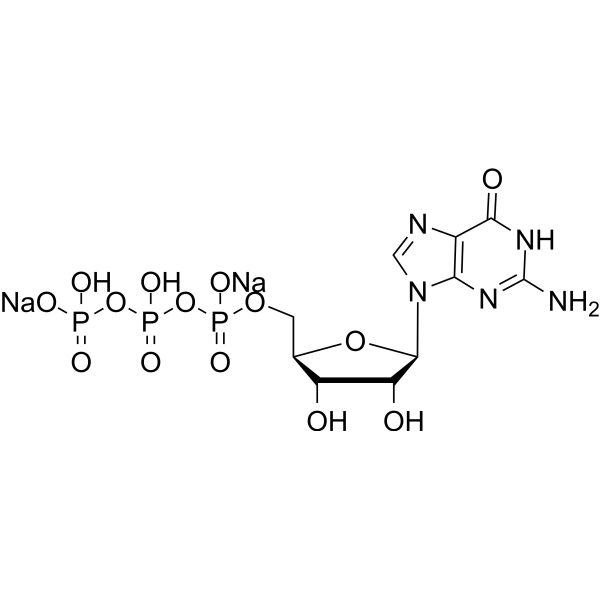
    GTP

    Endogenous Metabolite DNA/RNA Synthesis Apoptosis Mitosis Cancer
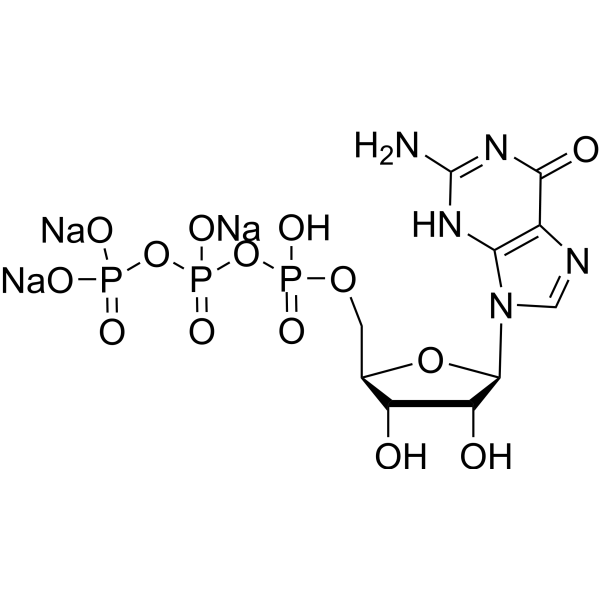
    Guanosine triphosphate (GTP) is a critical nucleotide and regulator of cellular metabolism. Guanosine triphosphate promotes ribosomal DNA localization, pre-rRNA transcription and ribosome biogenesis by binding to RNA polymerase I and GPN proteins (GPN1/3). Guanosine triphosphate links MYC-dependent ribosome biogenesis to nucleotide sufficiency, acts as a metabolic gatekeeper supporting protein synthesis, DNA/RNA synthesis and cellular signal transduction, while also participating in the physiological activities of pancreatic β-cells and serving as an oxidative substrate for reactive oxygen species. In small cell lung cancer with high MYC expression, Guanosine triphosphate accumulates through the IMPDH-driven synthetic pathway, thereby affecting apoptosis and mitotic processes. Guanosine triphosphate is used in the research of small cell lung cancer, hepatoblastoma and cellular metabolism .
    Guanosine triphosphate
  • HY-139100B

    m7GpppA diammonium; N7-Methyl-guanosine-5'-triphosphate-5'-adenosine diammonium

    DNA/RNA Synthesis Infection
    m7G(5')ppp(5')A (m7GpppA) diammonium is a dinucleotide cap analog that can be used for in vitro RNA transcription .
    m7G(5')ppp(5')A diammonium
  • HY-125818I

    Cytidine triphosphate disodium salt, 100 mM Solution, PCR Grade; 5'-CTP disodium salt, 100 mM Solution, PCR Grade

    Biochemical Assay Reagents Metabolic Disease
    CTP (Cytidine triphosphate; 5'-CTP disodium salt) disodium salt, 100 mM Solution, PCR Grade is an immediate-use solution of cytidine triphosphate diodium salt. CTP is one of the four basic raw materials for RNA biosynthesis. CTP disodium salt is mainly used in molecular biology applications such as in vitro transcription (IVT), RNA synthesis and labeling .
    CTP disodium salt, 100 mM Solution, PCR Grade
  • HY-112062

    DNA/RNA Synthesis Apoptosis Cancer
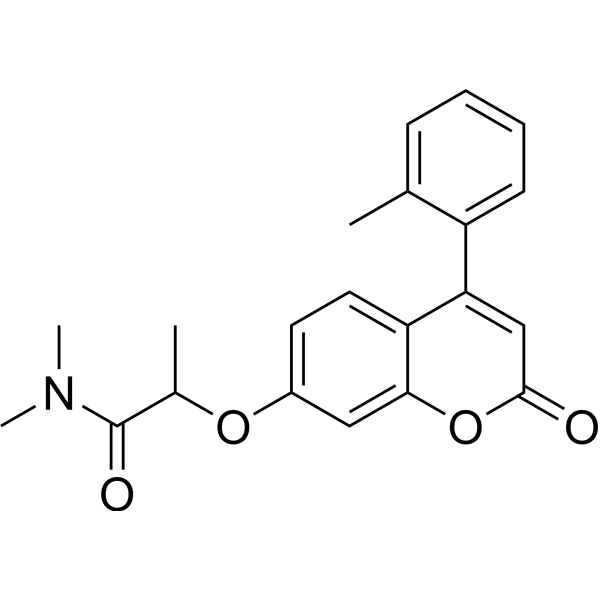
    POL1-IN-1 is a class of RNA polymerase I inhibitors with broad-spectrum antiproliferative activity against tumor cells, while selectively inhibiting RNA polymerase I transcription. By blocking RNA polymerase I-mediated rRNA synthesis, POL1-IN-1 impairs ribosome biogenesis, thereby inhibiting tumor cell proliferation and inducing apoptosis. POL1-IN-1 can be used for the research of malignant tumors .
    POL1-IN-1
  • HY-149648

    RSV DNA/RNA Synthesis Infection
    JNJ-8003 is a potent and orally active non-nucleoside RSV polymerase inhibitor with an IC50 of 0.29 nM. JNJ-8003 targets the L protein polymerase complex of RSV (IC50 = 0.67 nM), and blocks the transcription and replication of the viral genome by inhibiting the activity of RNA-dependent RNA polymerase (RdRp). JNJ-8003 displays subnanomolar activity in vitro as well as prominent efficacy in mice and a neonatal lamb models. JNJ-8003 can be used for the study of respiratory syncytial virus (RSV) .
    JNJ-8003
  • HY-103019B
    (-)-Enitociclib
    2 Publications Verification

    (R)-Enitociclib; (-)-BAY-1251152; (-)-VIP152

    Drug Isomer CDK Apoptosis DNA/RNA Synthesis Cancer
    (-)-Enitociclib ((R)-Enitociclib) is an enantiomer of Enitociclib (HY-103019E) with an optical rotation of (-). Enitociclib is a selective CDK9 inhibitor and apoptosis inducer. Enitociclib inhibits CDK9 activity and reduces the phosphorylation of Ser2 in the carboxyl-terminal domain (CTD) of RNA polymerase Pol II, thereby downregulating the transcription of key oncogenes such as MYC and MCL1. Enitociclib has anti-proliferative activity targeting MYC + lymphoma and multiple myeloma (MM) cells, and has synergistic effects with Bortezomib (HY-10227) and Lenalidomide (HY-A0003), and can be used in the research of hematological malignancies .
    (-)-Enitociclib
  • HY-145103

    Histone Methyltransferase Cancer
    UNC6934 is a selective NSD2-PWWP1 antagonist with a Kd of 91 nM against human targets. UNC6934 binds to the canonical methyl-lysine binding pocket of NSD2-PWWP1 and directly competes with H3K36me2 for binding. UNC6934 induces the aggregation of NSD2 within the nucleolus, without altering ribosomal RNA transcription, global H3K36me2 levels or the proliferation of KMS-11 cells. UNC6934 can be used in studies related to multiple myeloma and diffuse intrinsic pontine glioma .
    UNC6934
  • HY-D1686

    Biotin-16-UTP tetralithium

    DNA Stain Others
    Biotin-16-UTP is an active substrate for RNA polymerase. Biotin-16-UTP can replace UTP in the in vitro transcription reaction for RNA labeling .
    Biotin-16-UTP
  • HY-101886

    5-Bromouridine 5'-triphosphate sodium salt

    Biochemical Assay Reagents Others
    5-BrUTP sodium salt can be used to label RNA to measure the transcription.
    5-BrUTP sodium salt
  • HY-E70090

    DNA/RNA Synthesis Infection
    T7 RNA polymerase is a polymerase expressed by Escherichia coli from the RNA polymerase gene of T7 bacteriophage. T7 RNA polymerase is highly specific and involved in in vitro transcription (IVT) of mRNA. In the presence of Mg 2+, T7 RNA polymerase only uses the single-stranded or double-stranded DNA containing the T7 promoter sequence as a template, and uses NTP as a substrate to synthesize RNA complementary to the single-stranded DNA downstream of the promoter .
    T7 RNA polymerase
  • HY-143220

    PCSK9 Small Interfering RNA (siRNA) Drug Derivative Cardiovascular Disease
    SS (no Galnac)-Inclisiran sodium is the sense strand of Inclisiran (HY-132591) without GalNAc modification. Inclisiran is a double-stranded small interfering RNA (siRNA) molecule that inhibits the transcription of PCSK-9. SS (no Galnac)-Inclisiran sodium can be used in cardiovascular disease research .
    SS(no Galnac)-Inclisiran sodium
  • HY-145726

    TNF Receptor Cardiovascular Disease Inflammation/Immunology
    ISIS 104838 is an antisense oligonucleotide targeting TNF-α. ISIS 104838 specifically binds to human TNF-α mRNA via Watson-Crick base pairing to form a DNA:RNA hybrid duplex, thereby recruiting the ubiquitously expressed intracellular enzyme RNase H to degrade the target mRNA and inhibit TNF-α protein synthesis at the transcriptional level. ISIS 104838 induces moderate, self-limiting thrombocytopenia in cynomolgus monkeys. ISIS 104838 can be used for the study of inflammatory diseases .
    ISIS 104838
  • HY-N0086R
    N6-Methyladenosine (Standard)
    1 Publications Verification

    6-Methyladenosine (Standard); N-Methyladenosine (Standard)

    Endogenous Metabolite Influenza Virus Reference Standards Infection
    N6-Methyladenosine (Standard) is the analytical standard of N6-Methyladenosine. This product is intended for research and analytical applications. N6-Methyladenosine is the most prevalent internal (non-cap) modification present in the messenger RNA (mRNA) of all higher eukaryotes. N6-Methyladenosine can modifies viral RNAs and has antiviral activities. In Vitro: N6-methyladenosine (m6A) is selectively recognized by the human YTH domain family 2 (YTHDF2) protein to regulate mRNA degradation. N6-methyladenosine (m6A), a prevalent internal modification in the messenger RNA of all eukaryotes, is post-transcriptionally installed by m6A methyltransferase (e.g., MT-A70) within the consensus sequence of G(m6A)C (70%) or A(m6A)C (30%). N6-methyladenosine (m6A)-containing RNAs are greatly enriched in the YTHDF-bound portion and diminished in the flow-through portion . N6-methyladenosine (m6A), the most abundant internal RNA modification, functions in diverse biological processes, including regulation of embryonic stem cell self-renewal and differentiation. N6-methyladenosine (m6A) is a large protein complex, consisting in part of methyltransferase-like 3 (METTL3) and methyltransferase-like 14 (METTL14) catalytic subunits .
    N6-Methyladenosine (Standard)
  • HY-147917

    ADC Payload DNA/RNA Synthesis Cancer
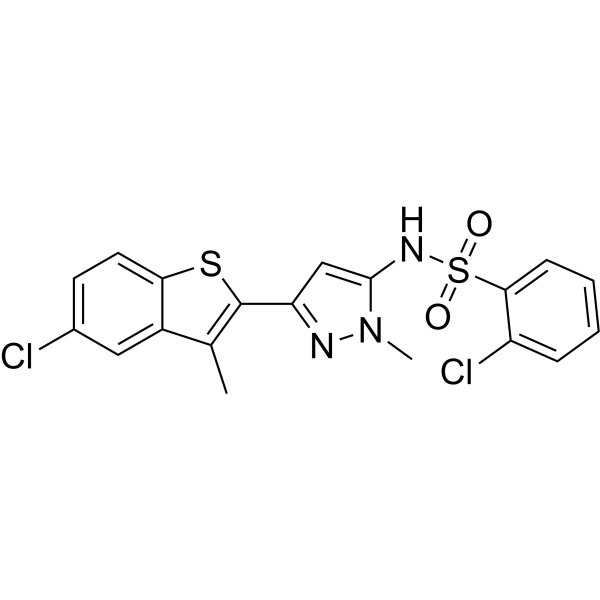
    RNA polymerase II-IN-2 is a RNA polymerase II inhibitor with a Ki value of 74.1 nM. RNA polymerase II-IN-2 inhibits Pol II-mediated transcription and induces cytotoxicity in mammalian cells. RNA polymerase II-IN-2 serves as a payload for antibody-drug conjugates (ADC) and is applicable for cancer research .
    RNA polymerase II-IN-2
  • HY-118723

    DNA/RNA Synthesis Cancer
    BMH-22, a benzonaphthyridin, is a RNA polymerase I (Pol I) transcription inhibitor independent of p53 function. BMH-22 causes reorganization of nucleolar marker proteins consistent with segregation of the nucleolus. BMH-22 destabilizes RPA194 in a proteasome-dependent manner and inhibits nascent rRNA synthesis and expression of the 45S rRNA precursor. BMH-22 shows potent anticancer activity across many tumor types .
    BMH-22
  • HY-103586A
    GS-441524 hydrochloride
    25+ Cited Publications

    DNA/RNA Synthesis SARS-CoV Infection
    GS-441524 hydrochloride is a potent, orally active and CNS-penetrant viral RNA-dependent RNA polymerase inhibitor. GS-441524 hydrochloride competes with natural nucleosides to block viral RNA transcription as an alternative substrate and RNA chain terminator. GS-441524 hydrochloride inhibits the replication of feline infectious peritonitis virus, African swine fever virus, and severe acute respiratory syndrome coronavirus 2. GS-441524 hydrochloride reduces viral RNA levels in cats. GS-441524 hydrochloride can be used in research related to feline infectious peritonitis, African swine fever, and coronavirus disease 2019 (COVID-19) .
    GS-441524 hydrochloride
  • HY-138646

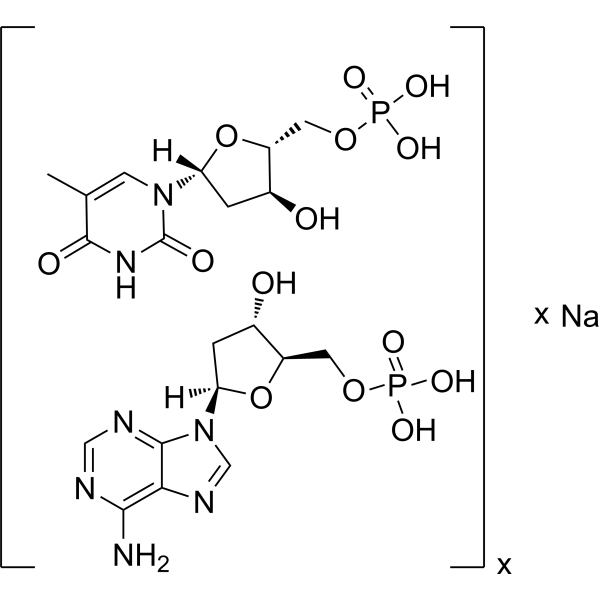
    Poly(dA:dT) sodium

    Cyclic GMP-AMP Synthase STING Inflammation/Immunology
    Poly(deoxyadenylic-thymidylic) acid (Poly(dA:dT)) sodium is a double-stranded DNA stimulant. Poly(deoxyadenylic-thymidylic) acid sodium is recognized by the intracellular DNA sensor DDX41 and activates the innate immune pathway via the adaptor protein STING, inducing the production of cytokines such as type I interferons. Poly(deoxyadenylic-thymidylic) acid sodium also serves as an in vitro transcription template for free RNA polymerase .
    Poly(deoxyadenylic-thymidylic) acid sodium
  • HY-113225S2

    GTP-13C dilithium

    Isotope-Labeled Compounds Endogenous Metabolite Mitosis Apoptosis DNA/RNA Synthesis Infection Cancer
    Guanosine triphosphate- 13C (GTP- 13C) dilithium is 13C-labeled Guanosine triphosphate (HY-113225). Guanosine triphosphate (GTP) is a critical nucleotide and regulator of cellular metabolism. Guanosine triphosphate promotes ribosomal DNA localization, pre-rRNA transcription and ribosome biogenesis by binding to RNA polymerase I and GPN proteins (GPN1/3). Guanosine triphosphate links MYC-dependent ribosome biogenesis to nucleotide sufficiency, acts as a metabolic gatekeeper supporting protein synthesis, DNA/RNA synthesis and cellular signal transduction, while also participating in the physiological activities of pancreatic β-cells and serving as an oxidative substrate for reactive oxygen species. In small cell lung cancer with high MYC expression, Guanosine triphosphate accumulates through the IMPDH-driven synthetic pathway, thereby affecting apoptosis and mitotic processes. Guanosine triphosphate is used in the research of small cell lung cancer, hepatoblastoma and cellular metabolism .
    Guanosine triphosphate-13C dilithium
  • HY-D1686B

    DNA Stain Others
    Biotin-16-UTP tetrasodium is an active substrate for RNA polymerase. Biotin-16-UTP tetrasodium can replace UTP in the in vitro transcription reaction for RNA labeling .
    Biotin-16-UTP tetrasodium
  • HY-W004924

    Endogenous Metabolite Others
    5-Hydroxymethyluracil is a product of oxidative DNA damage. 5-Hydroxymethyluracil can be used as a potential epigenetic mark enhancing or inhibiting transcription with bacterial RNA polymerase.
    5-Hydroxymethyluracil
  • HY-145726A

    TNF Receptor Cardiovascular Disease Inflammation/Immunology
    ISIS 104838 sodium is an antisense oligonucleotide targeting TNF-α. ISIS 104838 sodium specifically binds to human TNF-α mRNA via Watson-Crick base pairing to form a DNA:RNA hybrid duplex, thereby recruiting the ubiquitously expressed intracellular enzyme RNase H to degrade the target mRNA and inhibit TNF-α protein synthesis at the transcriptional level. ISIS 104838 sodium induces moderate, self-limiting thrombocytopenia in cynomolgus monkeys. ISIS 104838 sodium can be used for the study of inflammatory diseases .
    ISIS 104838 sodium
  • HY-139099

    Gp3G

    Nucleoside Antimetabolite/Analog DNA/RNA Synthesis Cancer
    Diguanosine 5′-triphosphate (Gp3G) is a dinucleoside triphosphates. Diguanosine 5′-triphosphate also is a virus-specific oligonucleotide. Diguanosine 5′-triphosphate is needed for the synthesis of RNA during the transcription process .
    Diguanosine 5′-triphosphate
  • HY-148781

    HBV Infection
    HBV-IN-30 (ex44), a flavone derivative, is a potent covalently closed circular DNA (cccDNA) inhibitor. cccDNA serves as the template for viral RNA transcription and subsequent viral DNA generation. HBV-IN-30 has the potential for the research of HBV infection .
    HBV-IN-30
  • HY-139100

    m7GpppA

    DNA/RNA Synthesis Infection
    N7-Methyl-guanosine-5'-triphosphate-5'-adenosine (m7GpppA) is a dinucleotide cap analog that can be used for in vitro RNA transcription .
    N7-Methyl-guanosine-5'-triphosphate-5'-adenosine

Inquiry Online

Your information is safe with us. * Required Fields.

Salutation


Country or Region *

Applicant Name *


Organization Name *

Department *


Email Address *


Product Name *

Cat. No.


Requested quantity *

Phone Number *


Remarks

Inquiry Online

Inquiry Information

Product Name:
Cat. No.:
Quantity:
MCE Japan Authorized Agent:

