1. Search Result
Search Result
Pathways Recommended: Apoptosis
Results for "

caspase-dependent apoptosis

" in MedChemExpress (MCE) Product Catalog:

77

Inhibitors & Agonists

1

Peptides

22

Natural
Products

1

Isotope-Labeled Compounds

Targets Recommended:
Cat. No. Product Name Target Research Areas Chemical Structure
  • HY-100423
    Eltanexor
    3 Publications Verification

    KPT-8602

    CRM1 Cancer
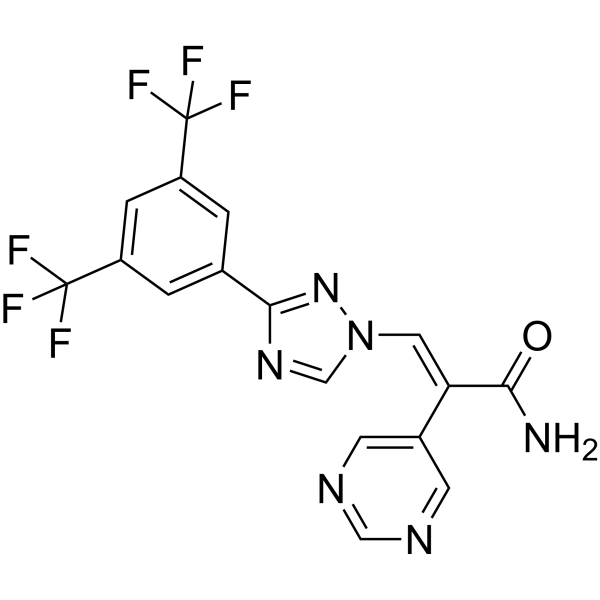
    Eltanexor (KPT-8602) is a second-generation, highly specific and orally active exportin-1 (XPO1) inhibitor with potent anti-leukemic activity. Eltanexor (KPT-8602) inhibits XPO1-dependent nuclear export (EC50=60.9 nM) by directly targeting XPO1. Eltanexor (KPT-8602) induces Caspase-dependent apoptosis in a panel of leukemic cell lines .
    Eltanexor
  • HY-121320
    Raptinal
    5+ Cited Publications

    Caspase Apoptosis Cancer
    Raptinal, a agent that directly activates caspase-3, initiates intrinsic pathway caspase-dependent apoptosis. Raptinal is able to rapidly induce cancer cell death by directly activating the effector caspase-3, bypassing the activation of initiator caspase-8 and caspase-9 .
    Raptinal
  • HY-124745
    KY-05009
    1 Publications Verification

    MAP4K Wnt Apoptosis Cancer
    KY-05009 is an ATP-competitive Traf2- and Nck-interacting kinase (TNIK) inhibitor with a Ki of 100 nM. KY-05009 pharmacologically inhibits TGF-β1-induced epithelial-to-mesenchymal transition (EMT) in human lung adenocarcinoma cells. KY-05009 inhibits the protein expression of TNIK and transcriptional activity of Wnt target genes and induces apoptosis in cancer cells. KY-05009 exerts anti-cancer activity .
    KY-05009
  • HY-N0551
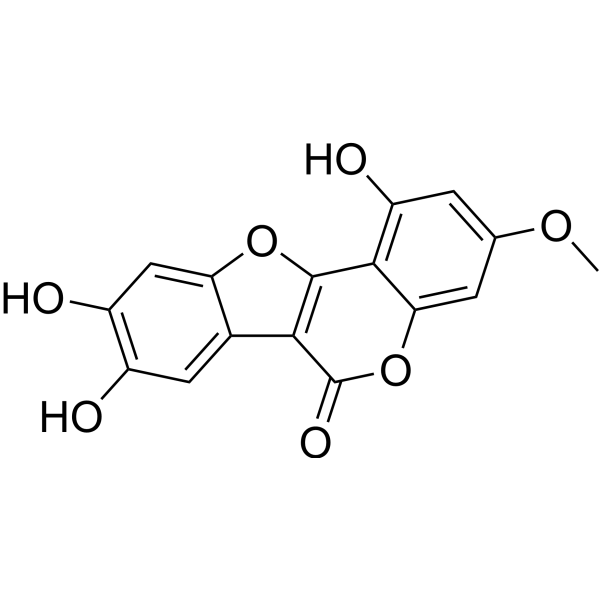
    Wedelolactone
    Maximum Cited Publications
    24 Publications Verification

    Caspase Lipoxygenase Apoptosis Inflammation/Immunology Cancer
    Wedelolactone suppresses LPS-induced caspase-11 expression by directly inhibits the IKK Complex. Wedelolactone also inhibits 5-lipoxygenase (5-Lox) with an IC50 of 2.5 μM. Wedelolactone induces caspase-dependent apoptosis in prostate cancer cells via downregulation of PKCε without inhibiting Akt. Wedelolactone can extract from Eclipta alba, and it can be used for the research of cancer .
    Wedelolactone
  • HY-W040129
    Chromomycin A3
    1 Publications Verification

    DNA Alkylator/Crosslinker DNA/RNA Synthesis Apoptosis Caspase Infection Neurological Disease Cancer
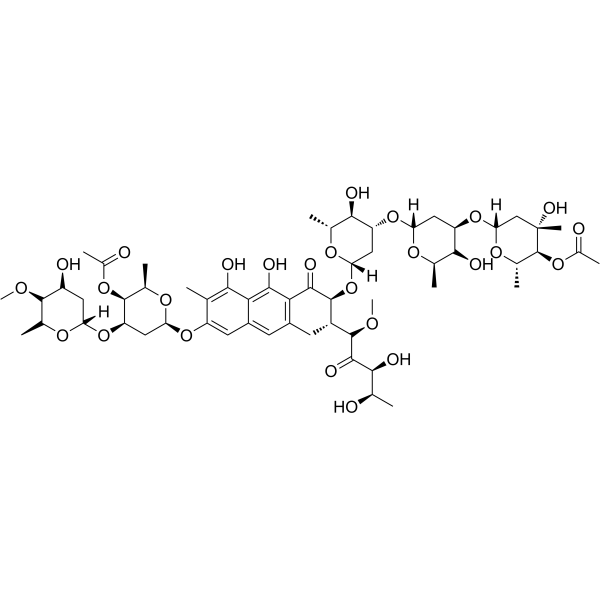
    Chromomycin A3 is an inhibitor that selectively binds to GC-rich DNA sequences. Chromomycin A3 targets the DNA minor groove after forming a dimer with Mg 2+. Chromomycin A3 inhibits DNA replication and transcription, blocks the binding of Sp1 transcription factor to target gene promoters, downregulates the expression of anti-apoptotic proteins such as FLIP, Mcl-1, and XIAP, and induces S-phase cycle arrest and caspase-dependent apoptosis in tumor cells. Chromomycin A3 can antagonize oxidative stress induced by glutathione depletion and neuronal apoptosis induced by Camptothecin (HY-15660). Chromomycin A3 can be used in basic research on malignant tumors such as cholangiocarcinoma, and is a potential chemosensitizer and GC-rich region probe .
    Chromomycin A3
  • HY-N0806
    Sweroside
    3 Publications Verification

    Keap1-Nrf2 AMPK Sirtuin NF-κB NOD-like Receptor (NLR) Pyroptosis Apoptosis Autophagy PARP Cardiovascular Disease Metabolic Disease Inflammation/Immunology Cancer
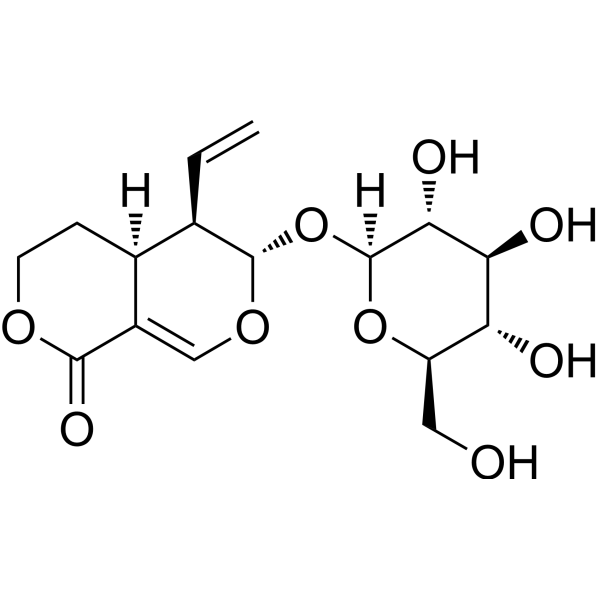
    Sweroside is an iridoid glycoside that targets multiple targets, including the Keap1/Nrf2 axis, NLRP3 inflammasome, SIRT1, NF-κB, AMPK/mTOR pathway, and caspase family. Sweroside promotes Nrf2 nuclear translocation by competitively binding to Keap1. Sweroside also inhibits oxidative stress and NLRP3-mediated pyroptosis by activating Nrf2, inhibits NF-κB inflammatory pathway by activating SIRT1, and promotes autophagy and induces caspase-dependent apoptosis via the AMPK/mTOR pathway. Sweroside has antioxidant, anti-inflammatory, anti-apoptotic, and lipid metabolism regulating activities, and can be used in the research of myocardial ischemia-reperfusion injury, leukemia, acute lung injury, non-alcoholic fatty liver disease, and other fields .
    Sweroside
  • HY-18676
    OSU-T315
    10+ Cited Publications

    Integrin Autophagy Apoptosis Cancer
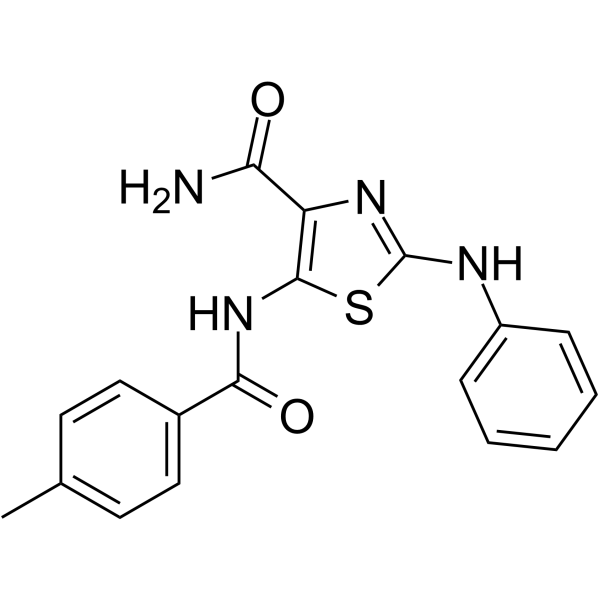
    OSU-T315 (ILK-IN-1) is a small Integrin-linked kinase (ILK) inhibitor with an IC50 of 0.6 μM, inhibiting PI3K/AKT signaling by dephosphorylation of AKT-Ser473 and other ILK targets (GSK-3β and myosin light chain) . OSU-T315 abrogates AKT activation by impeding AKT localization in lipid rafts and triggers caspase-dependent apoptosis in an ILK-independent manner . OSU-T315 causes cell death through apoptosis and autophagy .
    OSU-T315
  • HY-15322
    PRT062607
    4 Publications Verification

    P505-15; PRT-2607; BIIB-057

    Syk Apoptosis Caspase Inflammation/Immunology Cancer
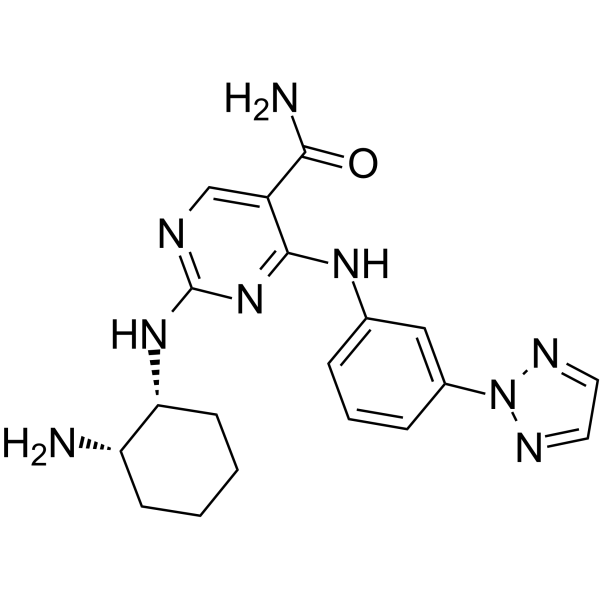
    PRT062607 (P505-15; PRT-2607) is an orally active ATP-competitive Syk inhibitor with an IC50 value of 1 nM, and exhibits at least 80-fold selectivity over other kinases. PRT062607 blocks B cell antigen receptor-mediated activation, Fcε receptor 1-mediated basophil degranulation and microglial phagocytosis, and induces caspase-dependent apoptosis and microglial death. PRT062607 inhibits tumor growth and peripheral nerve injury-induced mechanical allodynia, and prevents neuronal loss. PRT062607 can be used in research related to rheumatoid arthritis, chronic lymphocytic leukemia, non-Hodgkin's lymphoma, neurodegenerative diseases and neuropathic pain .
    PRT062607
  • HY-14804
    Tasisulam
    1 Publications Verification

    LY 573636

    Molecular Glues Apoptosis Cancer
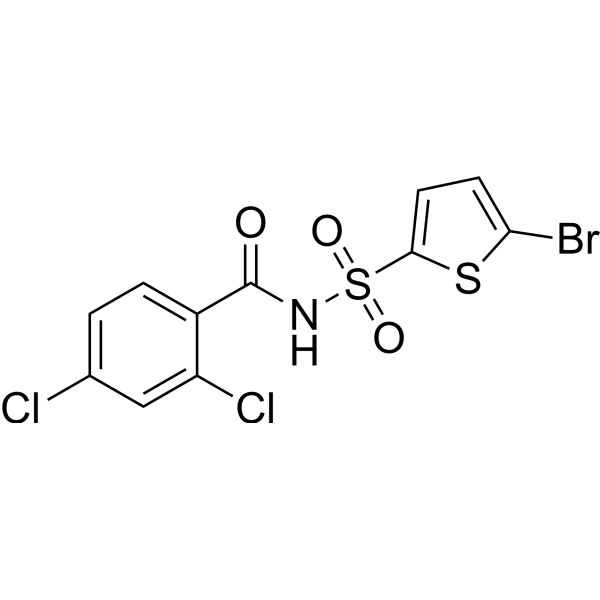
    Tasisulam is a anticancer agent and induces apoptosis via the intrinsic pathway, resulting in cytochrome c release and caspase-dependent cell death. Tasisulam inhibits mitotic progression and induces vascular normalization .
    Tasisulam
  • HY-117800
    BJE6-106
    5 Publications Verification

    B106

    PKC Apoptosis Inflammation/Immunology Cancer
    BJE6-106 (B106) is a potent, selective 3 rd generation PKCδ inhibitor with an IC50 of 0.05 μM and targets selectivity over classical PKC isozyme PKCα (IC50=50 μM). BJE6-106 (B106) induces caspase-dependent apoptosis. BJE6-106 (B106) possesses tumor-specific effect.
    BJE6-106
  • HY-W009141

    Glyceryl palmitate

    P-glycoprotein IAP PI3K Akt Caspase Apoptosis Cancer
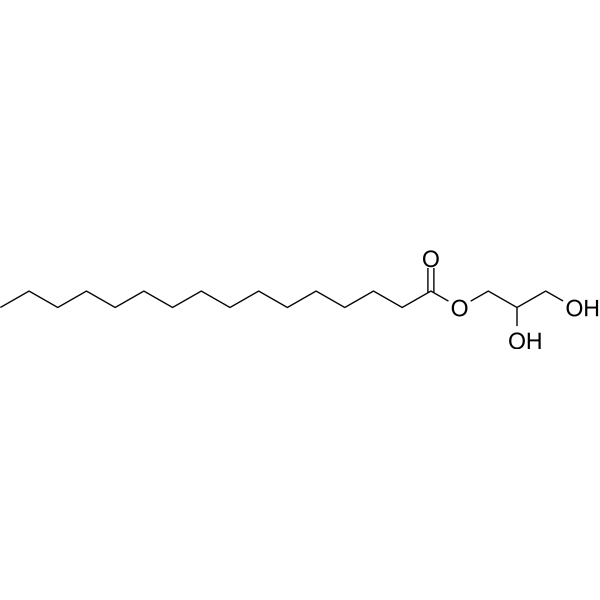
    1-Monopalmitin (Glyceryl palmitate) is an activator of the PI3K/Akt pathway and an inhibitor of P-glycoprotein (P-gp). 1-Monopalmitin can induce G2/M arrest and caspase-dependent apoptosis in cancer cells, while inhibiting IAPs protein expression. 1-Monopalmitin can increase drug accumulation by inhibiting P-gp activity in intestinal Caco-2 cells. 1-Monopalmitin has the ability to induce protective autophagy and apoptosis of lung cancer cells (IC50=50-58 μg/mL), with low toxicity to normal cells .
    1-Monopalmitin
  • HY-101448
    TMI-1
    1 Publications Verification

    WAY-171318

    MMP Apoptosis Interleukin Related TNF Receptor Caspase Infection Neurological Disease Inflammation/Immunology Cancer
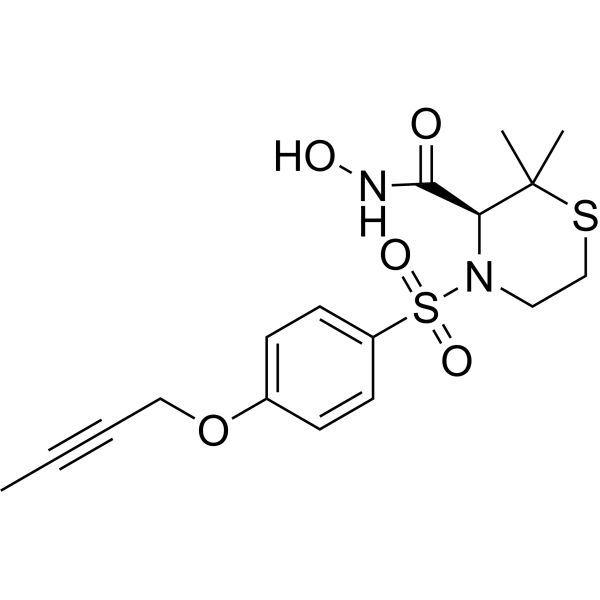
    TMI-1 (WAY-171318) inhibits TNF converting enzyme (TACE) (IC50 of 8.4 nM), ADAM-TS-4, ADAM-17 and various MMPs with oral activity. TMI-1 significantly suppresses the secretion of TNF-α , alleviating collagen-induced arthritis in mice. TMI-1 inhibits cancer cell proliferation, induces apoptosis through a caspase-dependent pathway. TMI-1 also reverses TRPV1 upregulation and lowers the levels of inflammatory factors (TNF-αIL-1βIL-6) in nerve cells, protecting against paclitaxel-induced neurotoxicity. TMI-1 leads to changes in pro-atherogenic lipoprotein profiles, but does not affect the progression of early lesions .
    TMI-1
  • HY-N3415
    Kumatakenin
    1 Publications Verification

    Apoptosis Autophagy Caspase Ferroptosis SARS-CoV Neurological Disease Inflammation/Immunology Cancer
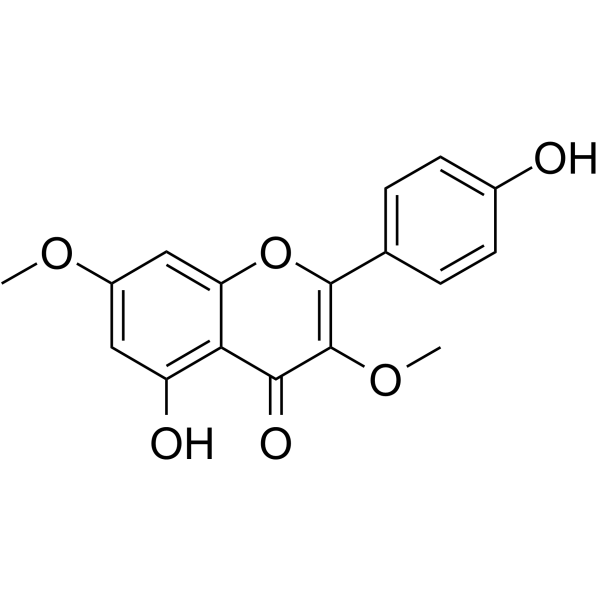
    Kumatakenin is an orally active apoptosis inducer and autophagy inhibitor, with a Kd value of 2.94 μM for mouse ATG5. Kumatakenin increases the activities of caspase-3, caspase-8 and caspase-9, thereby inducing caspase-dependent apoptosis in ovarian cancer cells. Kumatakenin reduces the expression of chemokines and pro-oncogenic factors in ovarian cancer cells, and inhibits M2 macrophage polarization. Kumatakenin inactivates TRIM65 function, reduces the expression and stability of FASN, and thus inhibits the proliferation, migration, invasion and tumor progression of esophageal cancer cells. Kumatakenin interacts with ATG5 to reduce its protein level, decrease LC3 level, and reduce the number of autophagosomes in the hippocampus. Kumatakenin binds to Eno3 to upregulate its expression, reduce the stability and expression level of IRP1 mRNA, inhibit ferroptosis, alleviate intestinal inflammation, and restore epithelial barrier function. Kumatakenin enhances the efficacy of antibiotics against pathogenic bacteria, inhibits SARS-CoV-2 replication, and reduces cytokine production. Kumatakenin is applicable to research related to ovarian cancer, esophageal cancer, depression and colitis .
    Kumatakenin
  • HY-124113

    4′‐BR

    Sirtuin Apoptosis Caspase Lactate Dehydrogenase GLUT Metabolic Disease Inflammation/Immunology Cancer
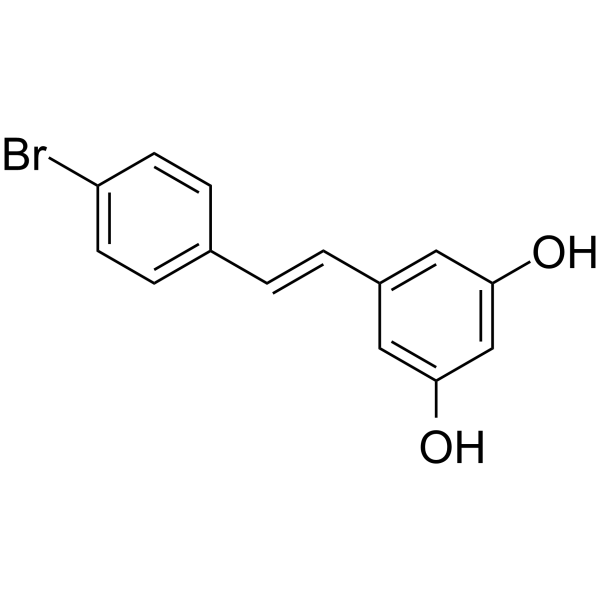
    4'-Bromo-resveratrol (4′‐BR) is a dual SIRT1/SIRT3 inhibitor with an IC50 of 0.2 mM for both targets. 4'-Bromo-resveratrol induces caspase-dependent apoptosis, induces G0/G1 cell cycle arrest, and inhiibits proliferation. 4'-Bromo-resveratrol reduces lactate production, glucose uptake, and NAD +/NADH ratio, and downregulates lactate dehydrogenase A and glucose transporter 1 (GLUT1). 4'-Bromo-resveratrol can be used for the research of melanoma .
    4'-Bromo-resveratrol
  • HY-N2369
    Chelidonine
    2 Publications Verification

    Apoptosis Influenza Virus Infection Neurological Disease Inflammation/Immunology Cancer
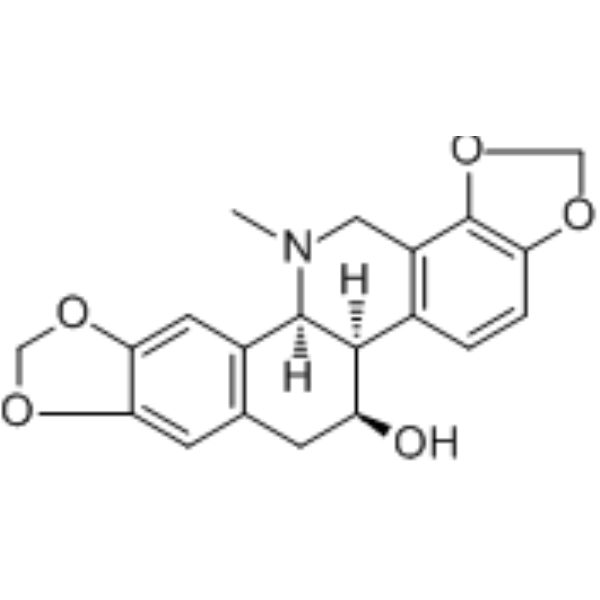
    Chelidonine, an isoquinoline alkaloid, can be isolated from Chelidonium majus L.. Chelidonine causes G2/M arrest and induces caspase-dependent and caspase-independent apoptosis, and prevents cell cycle progression of stem cells in Dugesia japonica. Chelidonine has cytotoxic activity against melanoma cell lines. with anticancer and antiviral activity .
    Chelidonine
  • HY-18676B

    OSU-T315 analog

    Integrin Autophagy Apoptosis Caspase PDHK Cancer
    ILK-IN-2 (OSU-T315 analog) is an oral PDK2 inhibitor and also an ILK inhibitor, with an IC50 of 0.6 μM. ILK-IN-2 induces cell autophagy and apoptosis, showing anti-tumor activity. ILK-IN-2 directly abolishes AKT activation by preventing AKT from translocating to lipid rafts, triggering Caspase-dependent apoptosis in chronic lymphocytic leukemia (CLL) and extending the lifespan in TCL1 mouse models .
    ILK-IN-2
  • HY-N2071
    Cedrol
    1 Publications Verification

    (+)-Cedrol; α-Cedrol

    Environmental Pollutants Cytochrome P450 Apoptosis Fungal Caspase Platelet-activating Factor Receptor (PAFR) Infection Neurological Disease Inflammation/Immunology Cancer
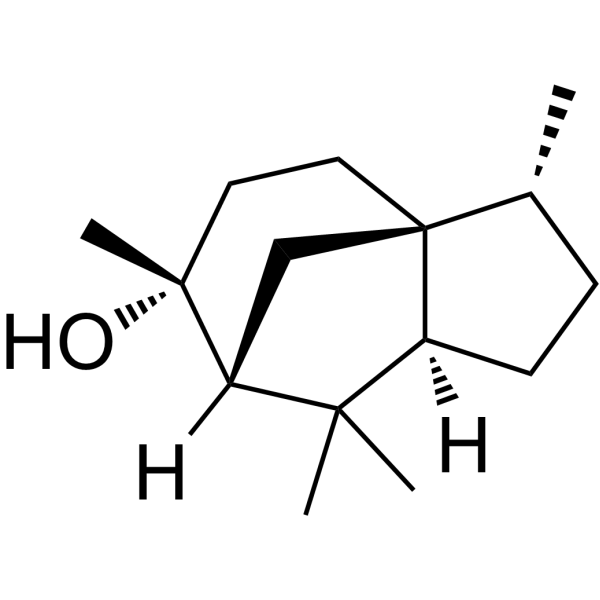
    Cedrol is a potent competitive inhibitor of cytochrome P-450(CYP) enzyme. Cedrol plays an anticancer role by inducing cell cycle arrest and Caspase-dependent apoptosis. Cedrol acts as a neutrophil agonist that can desensitize cells to subsequent stimulation of N-formyl peptides. Cedrol prevents neuropathic pain caused by chronic contractile injury by inhibiting oxidative stress and inflammation. In addition, Cedrol has antibacterial, hair loss prevention and anti-anxiety properties .
    Cedrol
  • HY-N3354

    8-prenylgenistein

    Apoptosis Cancer
    Lupiwighteone is an isoflavone present widely in wild-growing plants, with antioxidant, antimicrobial and anticancer effects. Lupiwighteone induces caspase-dependent and -independent apoptosis on human breast cancer cells via inhibiting PI3K/Akt/mTOR pathway .
    Lupiwighteone
  • HY-18712
    BG45
    4 Publications Verification

    HDAC Apoptosis Caspase Cancer
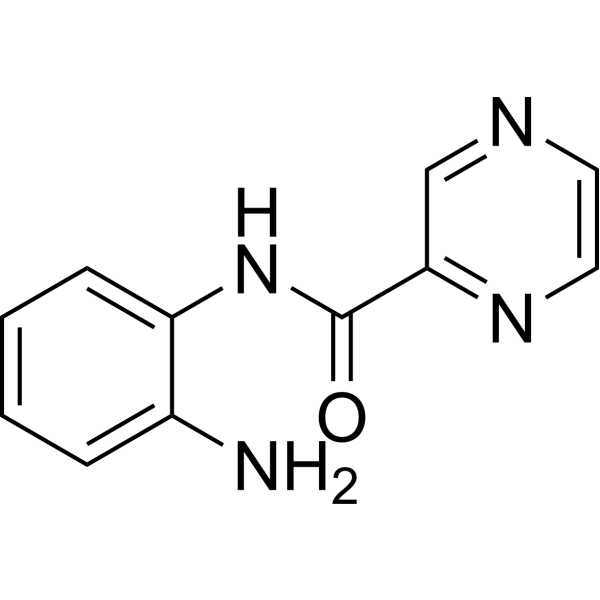
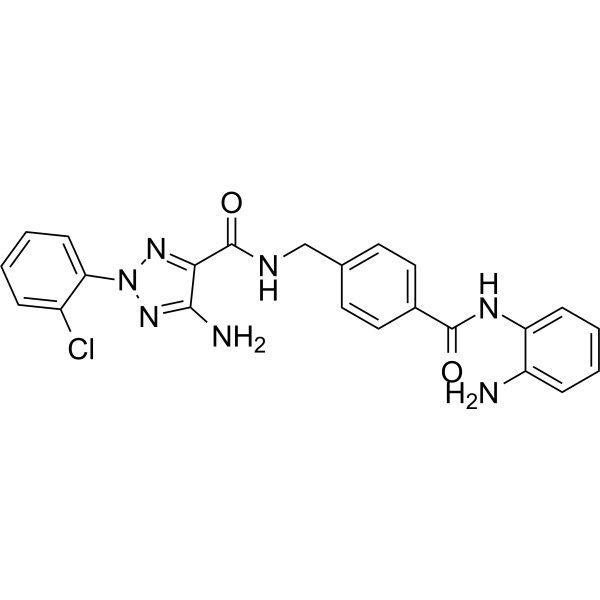
    BG45 is a potent HDAC3 inhibitor with IC50 values of 0.289, 2, 2.2 and ﹥20 μM for HDAC3, HDAC1, HDAC2 and HDAC6, respectively. BG45 selectively targets multiple myeloma (MM) cells and induces caspase-dependent apoptosis .
    BG45
  • HY-113041

    PGA2; Medullin

    Apoptosis Caspase PARP ERK MDM-2/p53 JNK HSV Infection Cancer
    Prostaglandin A2 (PGA2) is a Cyclopentenone prostaglandin. Prostaglandin A2 induces Caspase-dependent Apoptosis, activates p53. Prostaglandin A2 activates ERK2 and JNK1/SAPK. Prostaglandin A2 shows antiviral activity against HSV-1. Prostaglandin A2 has anti-tumor effects. Prostaglandin A2 can be used for the research of colorectal cancer, colorectal carcinoma, breast carcinoma, and herpetic keratitis .
    Prostaglandin A2
  • HY-W017424

    Drug Intermediate Caspase Apoptosis Neurological Disease Cancer
    2-Aminobenzothiazole acts as a caspase 3/7 activator, an anticancer cytotoxic agent, and also exhibits neurotoxicity. 2-Aminobenzothiazole drives the apoptotic pathway by activating caspase 3/7, induces mitochondrial inner membrane depolarization, and triggers both early and late apoptosis via a caspase-dependent pathway. In zebrafish models, 2-Aminobenzothiazole induces oxidative damage in brain tissues and inhibits genes related to GABA and 5-HT synthesis pathways. Long-term exposure to 2-Aminobenzothiazole impairs motor ability, social behavior, anxiety-like state and cognitive function. 2-Aminobenzothiazole can be used in studies of human laryngeal carcinoma and related neurotoxicity .
    2-Aminobenzothiazole
  • HY-154860

    PROTACs Btk Apoptosis Caspase Bcl-2 Family NF-κB Akt Inflammation/Immunology Cancer
    PTD10 is a selective and potent BTK PROTAC degrader (DC50 = 0.5 nM, KD = 2.28 nM). PTD10 can recruit cereblon (CRBN) E3 ligase and form a ternary complex with BTK, thereby mediating the ubiquitination and proteasome-dependent degradation of BTK. PTD10 inhibits cancer cells proliferation, and induces cell apoptosis via activation of the caspase-dependent pathway and mitochondrial pathway. PTD10 potently inhibits the BCR, AKT and NF-κB signaling pathway. PTD10 can be used for researches of B-cell malignancies and autoimmune disease .
    PTD10
  • HY-149208

    HDAC Apoptosis Cancer
    HDAC-IN-53 is an orally active, and selective HDAC1-3 inhibitor with IC50 values of 47 nM, 125 nM, and 450 nM, respectively. HDAC-IN-53 does not inhibit class II HDACs (HDAC4, 5, 6, 7, 9; IC50>10 μM). HDAC-IN-53 induces caspase-dependent apoptosis. HDAC-IN-53 significantly inhibits the growth of human tumor xenografts in nude mice and murine tumor growth in immune-competent mice bearing MC38 colon cancer .
    HDAC-IN-53
  • HY-59001

    Apoptosis Cancer
    Sappanchalcone, a flavonoid isolated from Caesalpinia sappan L., induces caspase-dependent and AIF-dependent apoptosis in human colon cancer cells .
    Sappanchalcone
  • HY-15211

    γ-secretase Apoptosis Neurological Disease Cancer
    MRK 003 is a potent, selective and orally active γ-secretase inhibitor. MRK 003 reduce brain Aβ production in vivo. MRK 003 induces caspase-dependent apoptosis and inhibits tumor cell proliferation in vivo and in vitro .
    MRK 003
  • HY-N11262

    Phosphodiesterase (PDE) Sirtuin PGC-1α p38 MAPK HSP TNF Receptor NO Synthase Apoptosis Metabolic Disease Inflammation/Immunology
    Sudachitin is an orally active compound that potently inhibits mouse PDE1C and human PDE4B, with IC50 values of 5.0 μM and 15.0 μM, respectively. Sudachitin upregulates Sirt1 and PGC‑1α expression in skeletal muscle to regulate energy metabolism and promote mitochondrial biogenesis. Sudachitin improves lipid metabolism, glucose tolerance, insulin sensitivity, energy expenditure, and fatty acid β‑oxidation. Sudachitin activates p38MAPK signaling, induces HSP27 phosphorylation and caspase‑dependent apoptosis, and blocks EGF‑driven keratinocyte migration and proliferation. Sudachitin suppresses LPS‑induced TNF‑α, NO, and iNOS expression in macrophages and shows potent anti‑inflammatory activity. Sudachitin can be used for the research of metabolic syndrome, type 2 diabetes, and psoriasis. .
    Sudachitin
  • HY-122534

    Mitochondrial Metabolism ADC Payload Apoptosis Cancer
    Mensacarcin, a highly complex polyketide, strongly inhibits cell growth universally in cancer cell lines and potently induces apoptosis in melanoma cells. Mensacarcin targets to mitochondria, affects energy metabolism in mitochondria, and activates caspase-dependent apoptotic pathways. Mensacarcin, an antibiotic, can be used as a cytotoxic component of antibody-drug conjugates (ADCs) .
    Mensacarcin
  • HY-N0551R

    Reference Standards Caspase Lipoxygenase Apoptosis Inflammation/Immunology Cancer
    Wedelolactone (Standard) is the analytical standard of Wedelolactone. This product is intended for research and analytical applications. Wedelolactone suppresses LPS-induced caspase-11 expression by directly inhibits the IKK Complex. Wedelolactone also inhibits 5-lipoxygenase (5-Lox) with an IC50 of 2.5 μM. Wedelolactone induces caspase-dependent apoptosis in prostate cancer cells via downregulation of PKCε without inhibiting Akt. Wedelolactone can extract from Eclipta alba, and it can be used for the research of cancer .
    Wedelolactone (Standard)
  • HY-120035

    Proteasome Ribosomal S6 Kinase (RSK) Apoptosis Cancer
    DD1, a proteasome inhibitor, targets Bax activation and P70S6K degradation during acute myeloid leukemia (AML) apoptosis. DD1 induces apoptosis in the caspase-dependent manner. DD1 induces mitochondrial membrane depolarization and Bad dephosphorylation .
    DD1
  • HY-165550

    C22-D-erythro-Sphingosine

    Apoptosis Caspase Mitochondrial Metabolism Bcl-2 Family Metabolic Disease
    Sphingosine (C22-D-erythro-Sphingosine) is a metabolite of sphingolipid and a pro-Apoptotic signaling messenger. Sphingosine induces apoptosis via Caspase-dependent, mitochondria-dependent and lysosomal affinity detergent pathways, downregulates Bcl-2 and Bcl-xL, and truncates Bid and Bax. Sphingosine is used for cancer research .
    Sphingosine
  • HY-120412

    EGFR Apoptosis Cancer
    SKLB188 is an orally active and potent epidermal growth factor receptor (EGFR) inhibitor (IC50=5 nM). SKLB188 suppresses MEK/Erk and Akt/mTOR signaling pathways to inhibit head and neck squamous cell carcinoma (HNSCC) proliferation and induce caspase-dependent apoptosis. SKLB188 is promising for research of EGFR-overexpressing solid tumors .
    SKLB188
  • HY-120600

    Necroptosis Apoptosis RIP kinase Inflammation/Immunology
    Sibiriline is a specific competitive inhibitor of RIPK1 that targets the RIPK1 ATP-binding site and locks it in an inactive conformation. Sibiriline inhibits TNF-induced RIPK1-dependent necroptosis and RIPK1-dependent apoptosis, but does not protect cells from caspase-dependent apoptosis. Sibiriline protects mice from concanavalin A-induced hepatitis and has the potential to inhibit immune-dependent hepatitis. .
    Sibiriline
  • HY-124896

    6-Geranylnaringenin; Mimulone

    Phosphatase Apoptosis Autophagy Inflammation/Immunology Cancer
    Bonannione A (6-Geranylnaringenin; Mimulone), a prenylflavonoid, is an orally active and potent protein tyrosine phosphatase 1B (PTP1B) inhibitor with an IC50 of 14 µM. Bonannione A triggers caspase-dependent apoptosis. Bonannione A induces autophagy through p53-mediated AMPK/mTOR pathway. Bonannione A shows anti-inflammatory, antiradical and anti-cancer activity .
    Bonannione A
  • HY-155542

    ROR Cancer
    RORγ antagonist 1 (compound 22), a potent betulinic acid derivative, is an antagonist of RORγ (KD=0.18 μM). RORγ antagonist 1 exhibits anti-proliferative activity in HPAF-II pancreatic cancer xenograft model. RORγ antagonist 1 inhibits RAS/MAPK and AKT/mTORC1 pathway, and induces caspase-dependent apoptosis in pancreatic cancer cells .
    RORγ antagonist 1
  • HY-N2369R

    Reference Standards Apoptosis Influenza Virus Infection Cancer
    Chelidonine (Standard) is the analytical standard of Chelidonine. This product is intended for research and analytical applications. Chelidonine, an isoquinoline alkaloid, can be isolated from Chelidonium majus L.. Chelidonine causes G2/M arrest and induces caspase-dependent and caspase-independent apoptosis, and prevents cell cycle progression of stem cells in Dugesia japonica. Chelidonine has cytotoxic activity against melanoma cell lines. with anticancer and antiviral activity .
    Chelidonine (Standard)
  • HY-178944

    Phosphatase Apoptosis Caspase Cancer
    CDC25-IN-1 (Compound D11b) is a potent inhibitor of cell division cycle 25 (CDC25) phosphatase. CDC25-IN-1 exerts strong inhibitory effects on leukemia and colorectal cancer cells. CDC25-IN-1 blocks CDC25 mediated CDK1 Tyr15 dephosphorylation, delays G2/M progression, and induces caspase-dependent apoptosis with DNA damage. CDC25-IN-1 can be used for researches of leukemia and colorectal cancer .
    CDC25-IN-1
  • HY-178021

    HDAC DNA/RNA Synthesis Apoptosis RAD51 Caspase Cancer
    HDAC1-IN-11 (Compound 6) is a HDAC1 inhibitor with an IC50 of 106.6  nM. HDAC1-IN-11 inhibits the expression of Sp1 and RAD51, thereby inducing Caspase-dependent apoptosis. HDAC1-IN-11 has antitumor activity and sensitizes Etoposide (HY-13629) and Gemcitabine (HY-17026), promoting synergistic death of NSCLC cells through the inhibition of homologous recombination and non-homologous end joining (NHEJ) pathways involved in DNA DSB repair. HDAC1-IN-11 can be used for chemotherapy of cancers like NSCLC research .
    HDAC1-IN-11
  • HY-178022

    HDAC Apoptosis Caspase RAD51 DNA/RNA Synthesis Cancer
    HDAC6-IN-63 (Compound 7) is an orally active HDAC6 inhibitor with an IC50 of 145  nM. HDAC6-IN-63 inhibits the expression of Sp1 and RAD51, thereby inducing Caspase-dependent apoptosis. HDAC6-IN-63 has antitumor activity and sensitizes Etoposide (HY-13629) and Gemcitabine (HY-17026), promoting synergistic death of NSCLC cells through the inhibition of homologous recombination and non-homologous end joining (NHEJ) pathways involved in DNA DSB repair. HDAC6-IN-63 can be used for chemotherapy of cancers like NSCLC research .
    HDAC6-IN-63
  • HY-120406

    Btk Akt mTOR p38 MAPK ERK CCR Apoptosis Cancer
    LPS-123 is a covalently irreversible BTK inhibitor with an IC50 of < 5 nM. LPS-123 simultaneously inhibits the catalytic activity of BTK at Tyr551 and its self-activation at Tyr223. LPS-123 inhibits phosphorylation of the AKT/mTOR and MAPK signaling pathways, activation of PLCγ2, ERK1/2, p38, AKT, and mTOR, and blocks the production of CCL3 and CCL4 chemokines. LPS-123 exhibits significant anti-proliferative activity against various B-cell lymphoma cell lines and effectively induces apoptosis via a caspase-dependent pathway. LPS-123 also demonstrates significant antitumor activity in the OCI-Ly7 xenograft model. LPS-123 can be used for lymphoma research .
    PLS-123
  • HY-174403

    Bcl-2 Family c-Myc Apoptosis Caspase Cancer
    c-MYC/BCL2 ligand 1 iodide is a dual-targeting c-MYC/Bcl-2 G4 ligand with Kd values of 0.90 μM (c-MYC G4) and 0.56 μM (Bcl-2 G4). c-MYC/BCL2 ligand 1 iodide inhibits c-MYC and Bcl-2 gene transcription by binding to G4-forming sequences and downregulates their protein expression. c-MYC/BCL2 ligand 1 iodide inhibits suppresses migration, induces caspase-dependent apoptosis, and triggers cell cycle G1 arrest in MCF-7 cells. c-MYC/BCL2 ligand 1 iodide significantly suppresses tumor growth in a 4T1 syngeneic model with no observable toxicity. c-MYC/BCL2 ligand 1 iodide can be used for the research of breast cancer.
    c-MYC/BCL2 ligand 1 iodide
  • HY-119807

    Apoptosis Caspase Endocrinology
    Prosultiamine is an allithiamine homolog. Prosultiamine can disrupt intracellular redox reactions, inducing caspase-dependent apoptosis in HTLV-1 infected cells. Prosultiamine can be used in studies involving lower urinary tract dysfunction associated with human T-lymphotropic virus type 1-related myelopathy/tropical spastic paraparesis .
    Prosultiamine
  • HY-170321

    Apoptosis Cancer
    Apoptosis inducer 31 (compound 19) induces caspase-dependent apoptosis. Apoptosis inducer 31 plays an important role in cancer research .
    Apoptosis inducer 31
  • HY-131143

    Apoptosis Cancer
    Cadein1, an isoquinolinium derivative, leads to a G2/M delay and caspase-dependent apoptosis in cancer cells with non- functional p53 .
    Cadein1
  • HY-14804A

    LY 573636 sodium

    Apoptosis Cancer
    Tasisulam is a anticancer agent and induces apoptosis via the intrinsic pathway, resulting in cytochrome c release and caspase-dependent cell death. Tasisulam inhibits mitotic progression and induces vascular normalization .
    Tasisulam sodium
  • HY-146037

    Apoptosis Aurora Kinase Cancer
    Aurora A inhibitor 2 (Compound 16h) is a potent Aurora A kinase inhibitor with an IC50 of 21.94 nM. Aurora A inhibitor 2 induces caspase-dependent apoptosis in MDA-MB-231 cells .
    Aurora A inhibitor 2
  • HY-N10491

    P-glycoprotein Cancer
    Spongionellol A is a MDR1 (p-glycoprotein) inhibitor. Spongionellol A has high cytotoxic activity and selectivity in prostate cancer cells by inducing caspase‑dependent apoptosis. Spongionellol A can be used in the research of cancers, such as prostate cancer .
    Spongionellol A
  • HY-N10492

    P-glycoprotein Cancer
    Spongionellol A analog 1, an analog of Spongionellol A (HY-10491), is a MDR1 (p-glycoprotein) inhibitor. Spongionellol A analog 1 has high cytotoxic activity and selectivity in prostate cancer cells by inducing caspase?dependent apoptosis. Spongionellol A analog 1 can be used in the research of cancers, such as prostate cancer .
    Spongionellol A analog 1
  • HY-116664

    Apoptosis Ras Raf Caspase Cancer
    DPQZ is an anti-tubulin agent that inhibits cell separation and induces cell cycle arrest at the G2/M phase. In addition, DPQZ induces caspase-dependent apoptosis of HSC-3 cells by inhibiting Ras/Raf and activating MAP kinase. DPQZ can be used in the study of oral cancer .
    DPQZ
  • HY-N2369A

    Apoptosis Influenza Virus Infection Cancer
    Chelidonine (hydrochloride) is the hydrochloride form of Chelidonine (HY-N2369).Chelidonine, an isoquinoline alkaloid, can be isolated from Chelidonium majus L. Chelidonine causes G2/M arrest and induces caspase-dependent and caspase-independent apoptosis, and prevents cell cycle progression of stem cells in Dugesia japonica. Chelidonine has cytotoxic activity against melanoma cell lines. with anticancer and antiviral activity .
    Chelidonine hydrochloride
  • HY-176162

    Reactive Oxygen Species (ROS) Apoptosis Cancer
    BJ-13 is a reactive oxygen species (ROS) inducer that can lead to mitochondrial membrane potential collapse and caspase-dependent apoptosis. BJ-13 inhibits the proliferation of SGC-7901, U-87MG, and HepG-2 cancer cells (IC50 values of 15.33, 27.18, and 20.44 nM, respectively). BJ-13 can be used in the study of gastric cancer .
    BJ-13

Inquiry Online

Your information is safe with us. * Required Fields.

Salutation


Country or Region *

Applicant Name *


Organization Name *

Department *


Email Address *


Product Name *

Cat. No.


Requested quantity *

Phone Number *


Remarks

Inquiry Online

Inquiry Information

Product Name:
Cat. No.:
Quantity:
MCE Japan Authorized Agent:

