1. Search Result
Search Result
Results for "

myocardial+ischemia

" in MedChemExpress (MCE) Product Catalog:

120

Inhibitors & Agonists

1

Screening Libraries

2

Fluorescent Dyes

3

Biochemical Assay Reagents

10

Peptides

3

Inhibitory Antibodies

21

Natural
Products

4

Isotope-Labeled Compounds

3

Oligonucleotides

1

GMP Molecules

Cat. No. Product Name Target Research Areas Chemical Structure
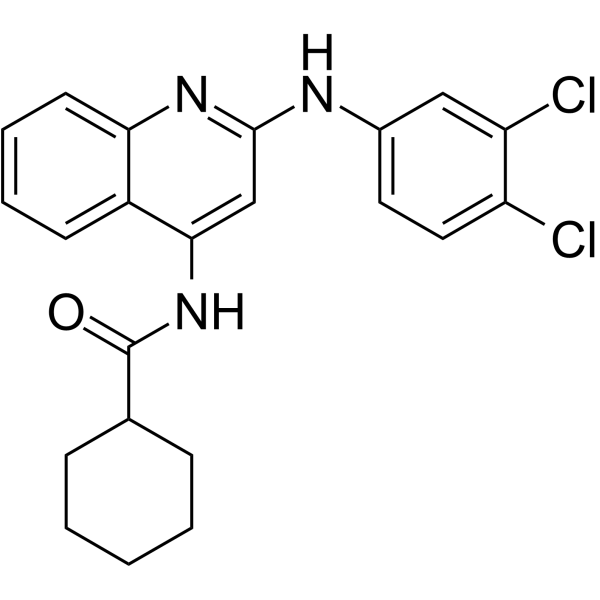
  • HY-139397
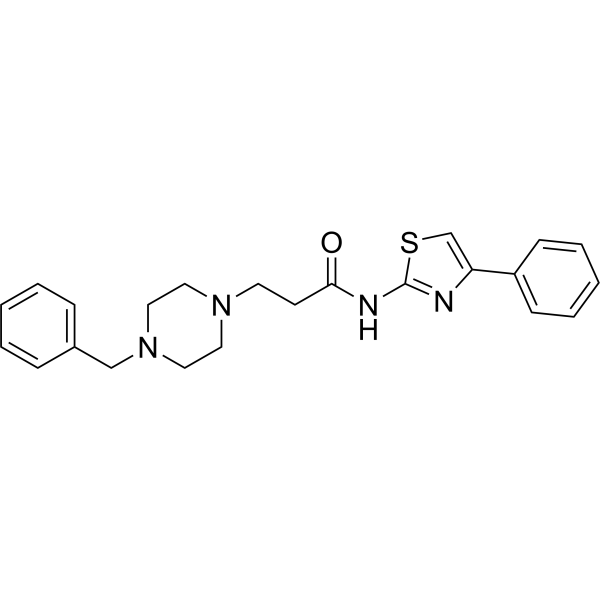
    TJ-M2010-5
    30+ Cited Publications

    MyD88 Cardiovascular Disease
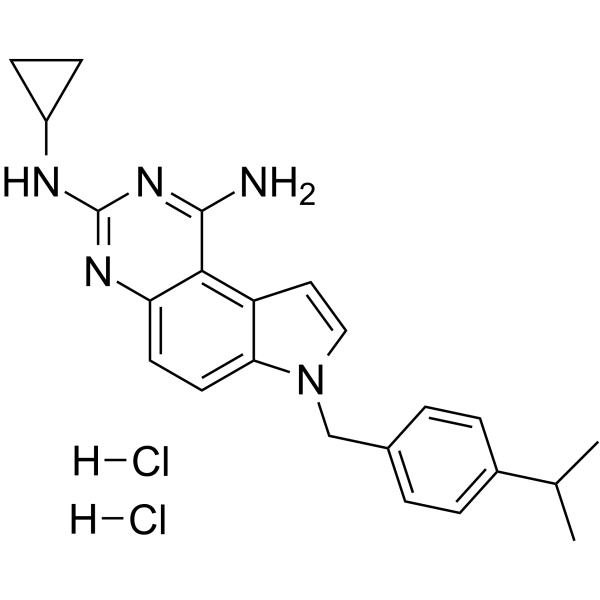
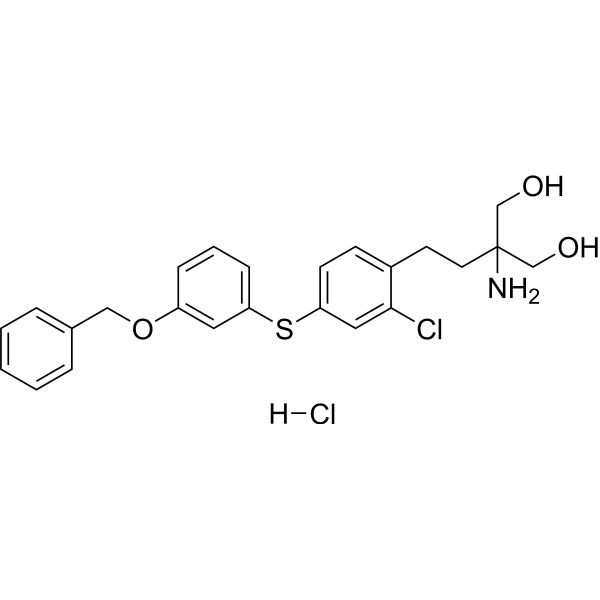
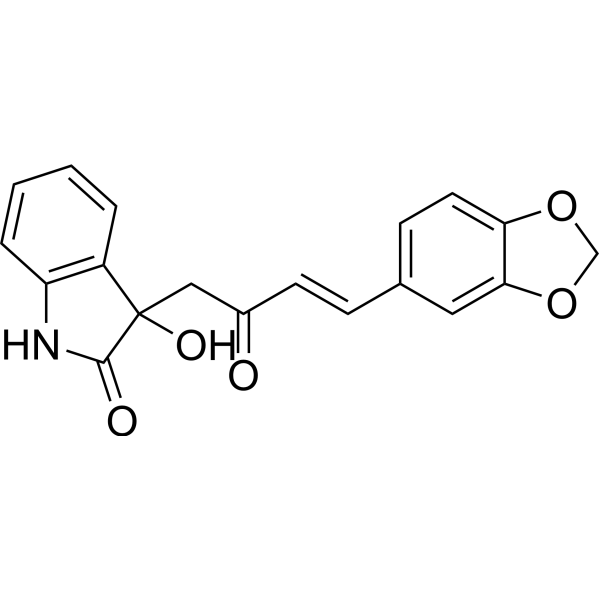
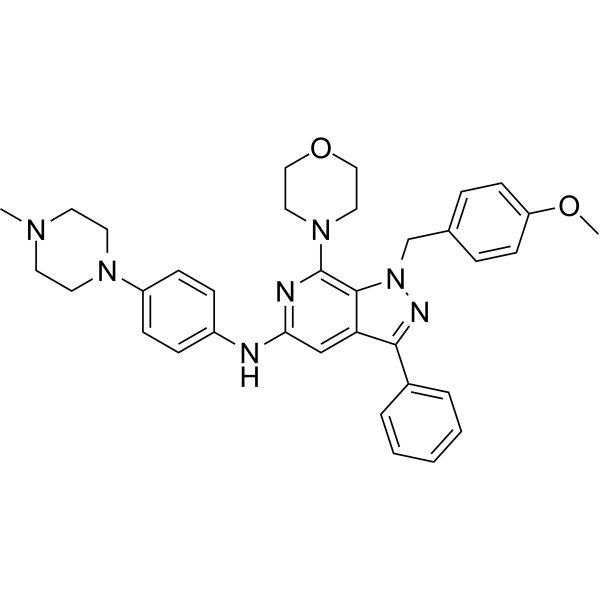
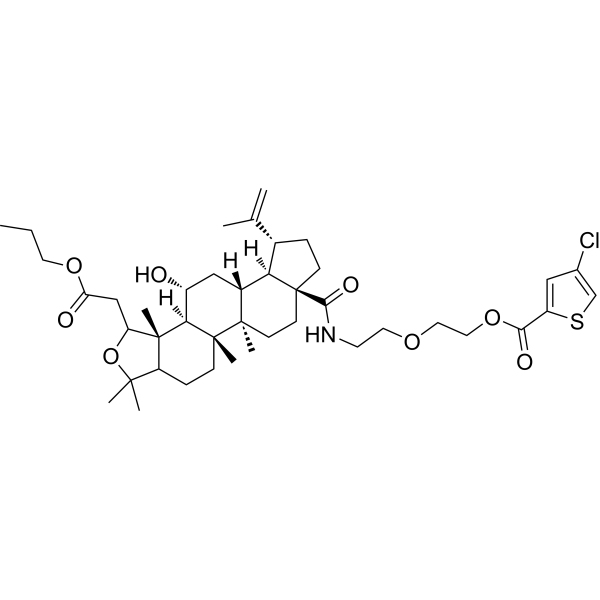
    TJ-M2010-5 is a MyD88 inhibitor that binds to the TIR domain of MyD88 to interfere with its homodimerization, and the TLR/MyD88 signal pathway . TJ-M2010-5 can be used for the research of myocardial ischemia/reperfusion injury (MIRI) .
    TJ-M2010-5
  • HY-P3211
    Nangibotide
    Maximum Cited Publications
    7 Publications Verification

    LR12

    TREM receptor NF-κB NOD-like Receptor (NLR) Interleukin Related Apoptosis Cardiovascular Disease Inflammation/Immunology
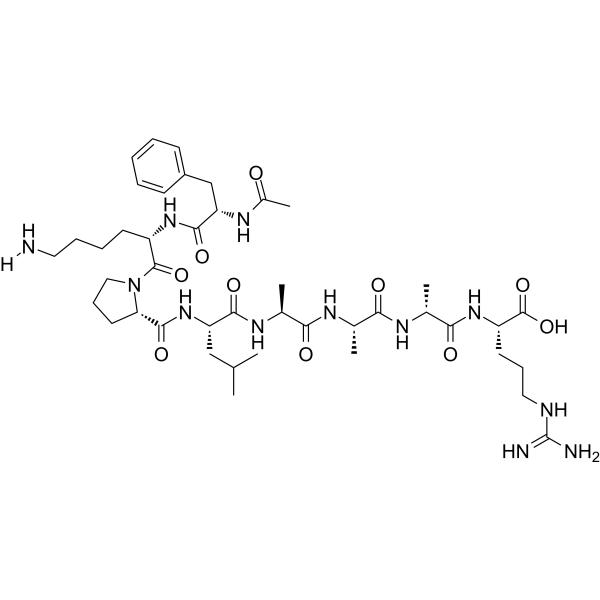
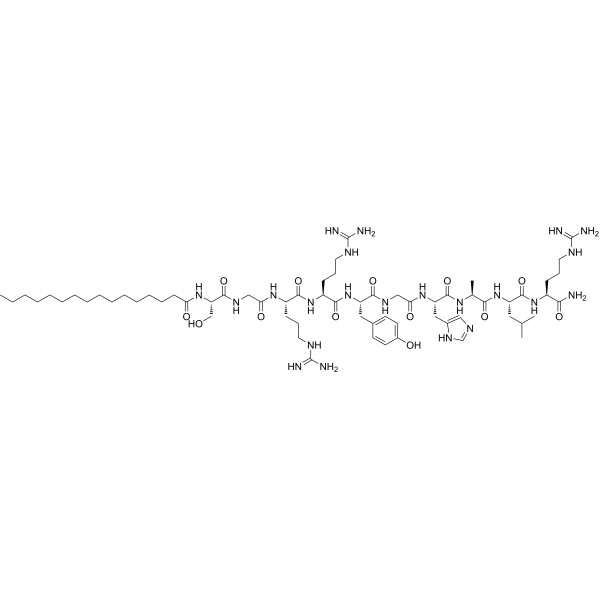
    Nangibotide (LR12) is a synthetic peptide and TREM-1 receptor inhibitor. Nangibotide inhibits NF-κB and NLRP3 inflammasome activation and reduces the release of pro-inflammatory factors (such as IL-1β, IL-8). Nangibotide inhibits Apoptosis. Nangibotide reduces excessive inflammatory responses and protects tissues (liver, lung) from damage. Nangibotide can be used in the researches for myocardial ischemia-reperfusion injury, septic shock, acute lung injury, osteoarthritis, and acute liver failure .
    Nangibotide
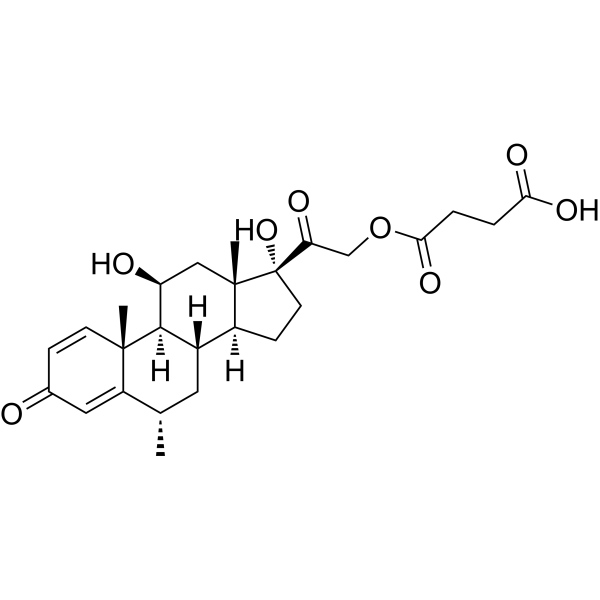
  • HY-B1060
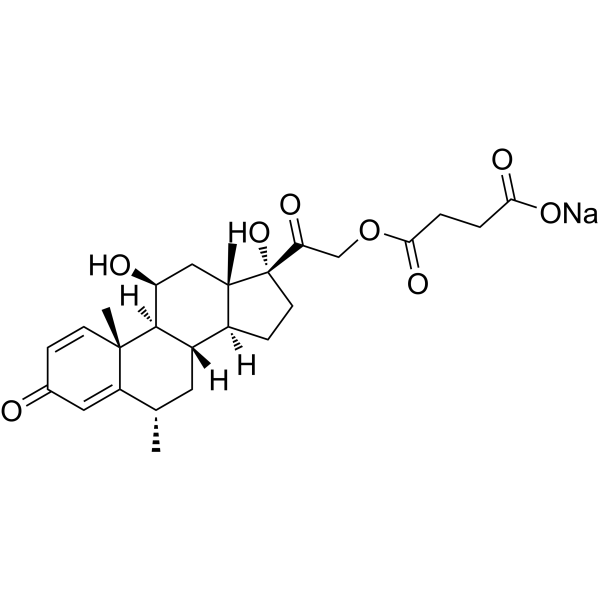
    Methylprednisolone succinate sodium
    2 Publications Verification

    Methylprednisolone hydrogen succinate sodium

    Glucocorticoid Receptor Infection Neurological Disease Inflammation/Immunology Cancer
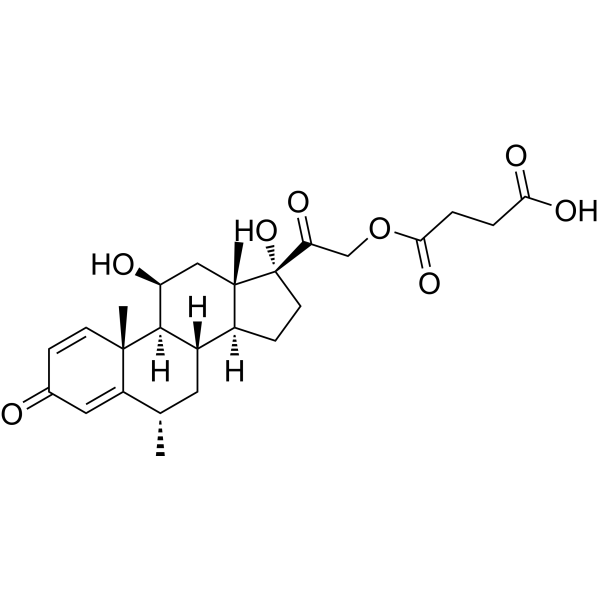
    Methylprednisolone succinate (Methylprednisolone hydrogen succinate) sodium is a prodrug of Methylprednisolone (HY-B0260) and glucocorticoid with immunosuppressant and anti-inflammatory activity. Methylprednisolone succinate sodium binds cytosolic glucocorticoid receptors, translocates to nuclei, and modulates target gene transcription. Methylprednisolone succinate sodium alters Bax, Bcl-2, occludin, and ZO-1 expression; attenuates TLR4/NF-κB signaling; suppresses proinflammatory cytokine production and immune cell activation. Methylprednisolone succinate sodium can be used for the research of intracranial haemorrhage, rheumatoid arthritis, multiple sclerosis, preterminal cancer, inflammatory conditions, shock, immediate-type hypersensitivity, acute myocardial ischemia, hypoxic heart muscle damage, and traumatic spinal cord injury .
    Methylprednisolone succinate sodium
  • HY-18100A
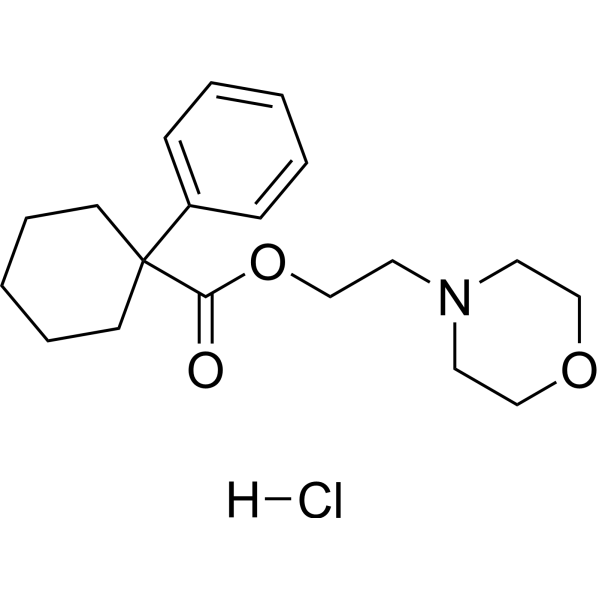
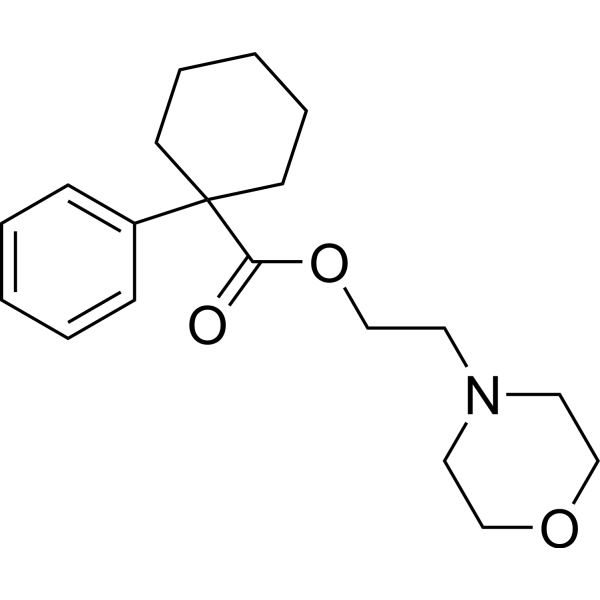
    PRE-084 hydrochloride
    10+ Cited Publications

    Sigma Receptor Akt NO Synthase Cardiovascular Disease Neurological Disease
    PRE-084 hydrochloride is a highly selective σ1 receptor (S1R) agonist, with an IC50 of 44 nM. PRE-084 hydrochloride exhibits good neuroprotective effects, can improve motor function and motor neuron survival in mice. PRE-084 hydrochloride also can ameliorate myocardial ischemia-reperfusion injury in rats by activating the Akt-eNOS pathway .
    PRE-084 hydrochloride
  • HY-103171
    BAY 60-6583
    5+ Cited Publications

    Adenosine Receptor Cardiovascular Disease Inflammation/Immunology
    BAY 60-6583 is a potent and high-affinity agonist of adenosine A2B receptor (EC50=3 nM) over A1, A2A, and A3 receptors. BAY 60-6583 binds to mouse, rabbit, and dog A2BAR with Ki values of 750 nM, 340 nM and 330 nM, respectively. BAY 60-6583 has a cardioprotective effect in a myocardial ischemia model .
    BAY 60-6583
  • HY-14993
    SCH79797
    5 Publications Verification

    Protease Activated Receptor (PAR) Apoptosis Cardiovascular Disease
    SCH79797 is a highly potent, selective nonpeptide protease activated receptor 1 (PAR1) antagonist. SCH79797 inhibits binding of a high-affinity thrombin receptor-activating peptide to PAR1 with an IC50 of 70 nM and a Ki of 35 nM. SCH79797 inhibits thrombin-induced platelet aggregation with an IC50 of 3 μM. SCH79797 has antiproliferative and pro-apoptotic effects, and limits myocardial ischemia/reperfusion injury in rat hearts. SCH79797 also potently prevents PAR1 activation in vascular smooth muscle cells, endothelial cells, and astrocytes .
    SCH79797
  • HY-P3211A
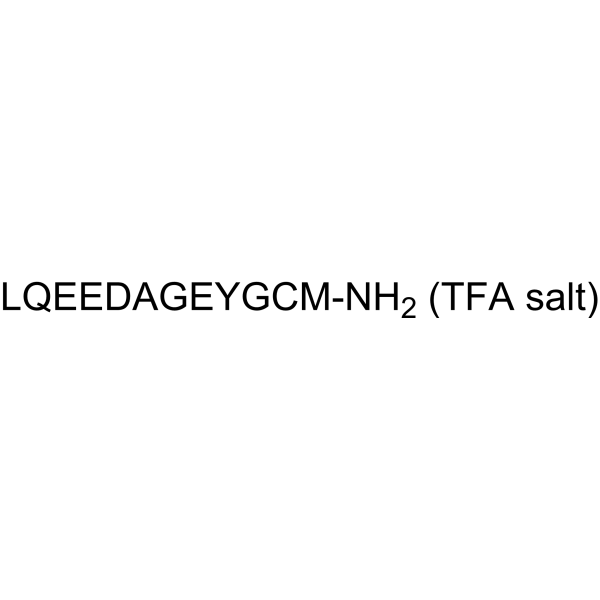
    Nangibotide TFA
    Maximum Cited Publications
    7 Publications Verification

    LR12 TFA

    TREM receptor NF-κB NOD-like Receptor (NLR) Interleukin Related Apoptosis Cardiovascular Disease Inflammation/Immunology
    Nangibotide TFA (LR12 TFA) is a synthetic peptide and TREM-1 receptor inhibitor. Nangibotide TFA inhibits NF-κB and NLRP3 inflammasome activation and reduces the release of pro-inflammatory factors (such as IL-1β, IL-8). Nangibotide TFA inhibits Apoptosis. Nangibotide TFA reduces excessive inflammatory responses and protects tissues (liver, lung) from damage. Nangibotide TFA can be used in the researches for myocardial ischemia-reperfusion injury, septic shock, acute lung injury, osteoarthritis, and acute liver failure .
    Nangibotide TFA
  • HY-17355A
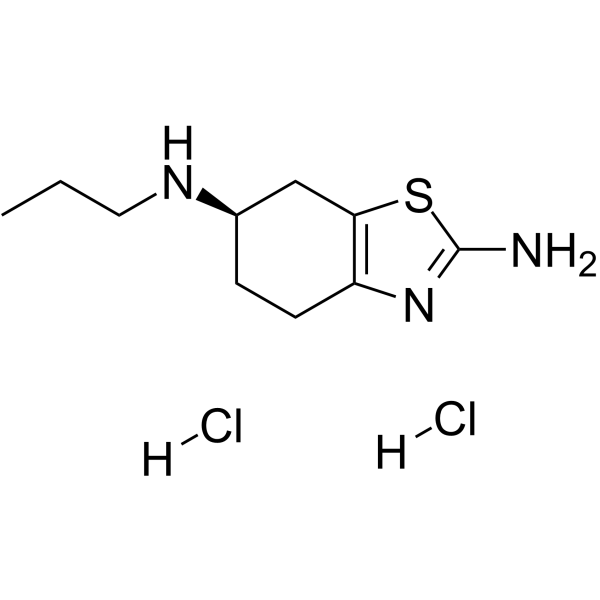
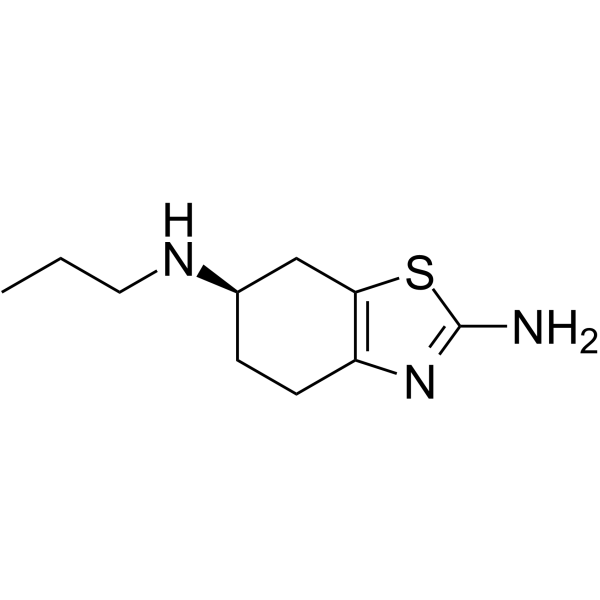
    Dexpramipexole dihydrochloride
    2 Publications Verification

    (R)-Pramipexole dihydrochloride; R-(+)-Pramipexole dihydrochloride; KNS-760704 dihydrochloride

    ATP Synthase Sodium Channel Glutathione Peroxidase NOD-like Receptor (NLR) Mitophagy Ferroptosis PINK1/Parkin Autophagy Apoptosis Reactive Oxygen Species (ROS) Cardiovascular Disease Neurological Disease Inflammation/Immunology
    Dexpramipexole ((R)-Pramipexole) dihydrochloride is an orally active, blood-brain barrier permeable mitochondrial protective agent. Dexpramipexole dihydrochloride upregulates the expression of Parkin, PINK1, GPX4 and FSP1; binds to mitochondrial F1/Fo-ATP synthase; blocks the Nav1.8 sodium channel; and inhibits the activation of the NLRP3 inflammasome. Dexpramipexole dihydrochloride induces mitophagy, inhibits ferroptosis, pyroptosis, apoptosis, neuroinflammation and eosinophilopoiesis; maintains mitochondrial function and redox homeostasis; reduces reactive oxygen species production; and decreases myocardial infarct size. Dexpramipexole dihydrochloride is applicable to studies on eosinophilic asthma, myocardial ischemia/reperfusion injury, sepsis-associated encephalopathy, analgesia, and more .
    Dexpramipexole dihydrochloride
  • HY-125792
    Nexinhib20
    1 Publications Verification

    Reactive Oxygen Species (ROS) Ras Integrin Cardiovascular Disease Inflammation/Immunology
    Nexinhib20 is an inhibitor that targets the interactions of Rab27a-JFC1 (IC50: 2.6 μM) and Rac-1-GTP. Nexinhib20 can inhibit neutrophil exocytosis, adhesion, and β2 integrin activation, and has anti-inflammatory activity. Nexinhib20 can be used in the research of diseases such as systemic inflammation and myocardial ischemia-reperfusion injury .
    Nexinhib20
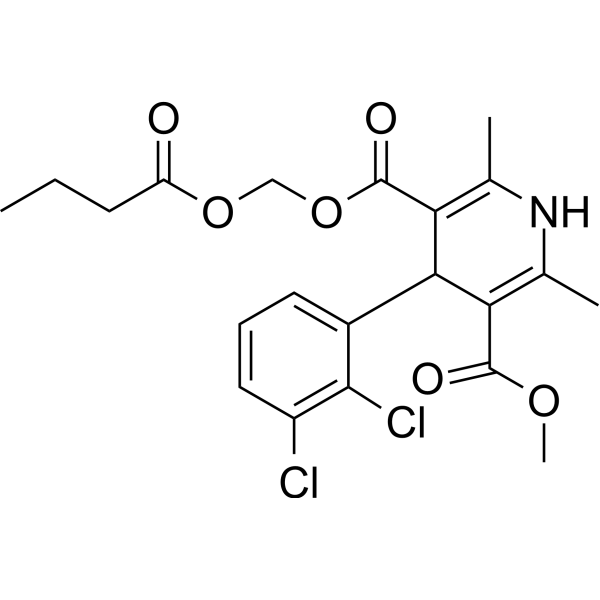
  • HY-17436

    Calcium Channel Cardiovascular Disease Cancer
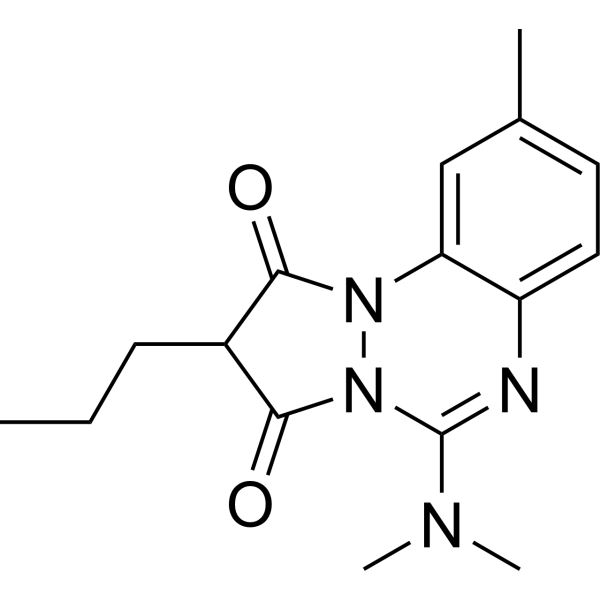
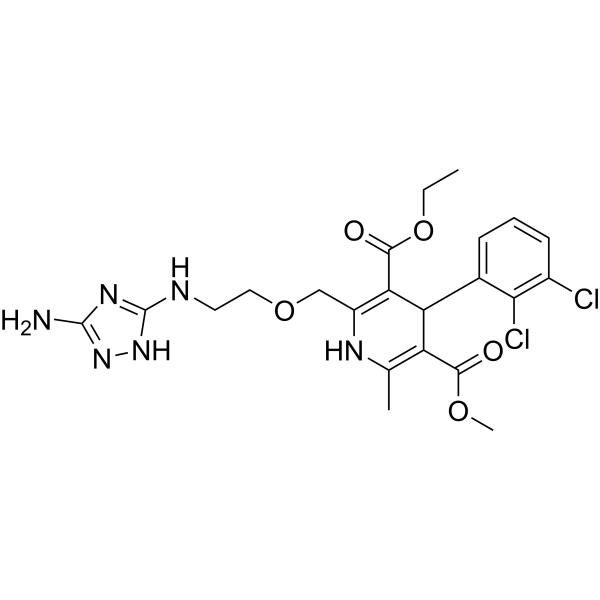
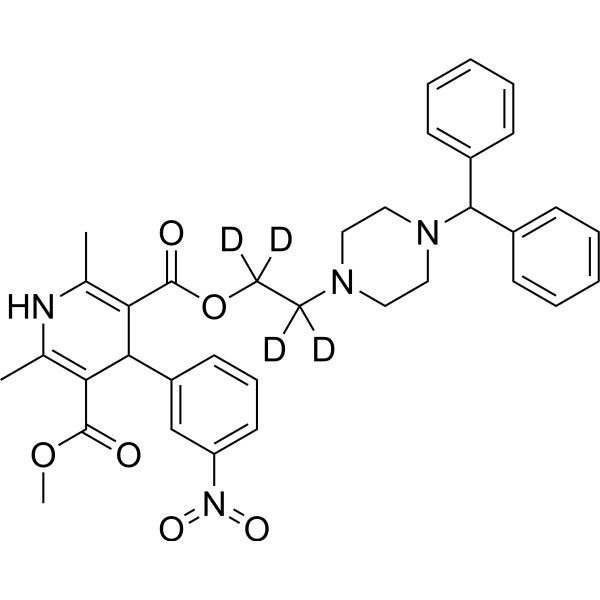
    Clevidipine is a selective, short-acting L-type calcium channel antagonist with an IC50 of 7.1 nM. Clevidipine can competitively bind to calcium channels and exert rapid vasoselective vasodilation by blocking the influx of extracellular calcium ions, thereby reducing peripheral vascular resistance and effectively controlling acute severe hypertension. Clevidipine can also protect the myocardium from reperfusion injury by promoting the release of nitric oxide (NO). Clevidipine can be used in the research of acute hypertension, perioperative blood pressure management, and myocardial ischemia-reperfusion injury .
    Clevidipine
  • HY-P99555

    OPN-305

    Toll-like Receptor (TLR) MyD88 NOD-like Receptor (NLR) Tau Protein Interleukin Related Cardiovascular Disease Neurological Disease Inflammation/Immunology Cancer
    Tomaralimab (OPN-305) is a humanized anti-TLR2 IgG4 monoclonal antibody. Tomaralimab inhibits TLR2, MyD88, NLRP3, and reduces pro-inflammatory cytokine (IL-1β, IL-6, IL-8) production. Tomaralimab reduces tau pathology. Tomaralimab improves cognition, atopic dermatitis. Tomaralimab has anticancer effects on pancreatic ductal adenocarcinoma. Tomaralimab is being studied in myelodysplastic syndrome (MDS), atopic dermatitis, pancreatic ductal adenocarcinoma, Alzheimer's disease, and myocardial ischemia/reperfusion injury .
    Tomaralimab
  • HY-B1900
    Methylprednisolone succinate
    2 Publications Verification

    Methylprednisolone hydrogen succinate

    Glucocorticoid Receptor Bacterial Toll-like Receptor (TLR) NF-κB Infection Neurological Disease Metabolic Disease Inflammation/Immunology Cancer
    Methylprednisolone succinate (Methylprednisolone hydrogen succinate) is a prodrug of Methylprednisolone (HY-B0260) and glucocorticoid with immunosuppressant and anti-inflammatory activity. Methylprednisolone succinate binds cytosolic glucocorticoid receptors, translocates to nuclei, and modulates target gene transcription. Methylprednisolone succinate alters Bax, Bcl-2, occludin, and ZO-1 expression; attenuates TLR4/NF-κB signaling; suppresses proinflammatory cytokine production and immune cell activation. Methylprednisolone succinate can be used for the research of intracranial haemorrhage, rheumatoid arthritis, multiple sclerosis, preterminal cancer, inflammatory conditions, shock, immediate-type hypersensitivity, acute myocardial ischemia, hypoxic heart muscle damage, and traumatic spinal cord injury .
    Methylprednisolone succinate
  • HY-153999A

    BT200 sodium

    Integrin Apoptosis Cardiovascular Disease Inflammation/Immunology
    Rondaptivon pegol (BT200) sodium is an aptamer targeting von Willebrand factor (VWF), with an EC50 of 33 nM in humans. Rondaptivon pegol sodium effectively alleviates acute myocardial ischemia-reperfusion injury in mice by inhibiting VWF activity, reducing microvascular obstruction, inflammatory responses and cardiomyocyte apoptosis (apoptosis). Rondaptivon pegol sodium inhibits the binding of VWF to platelet glycoprotein GPIb, thereby preventing arterial thrombosis in cynomolgus monkeys. Rondaptivon pegol sodium can be used in research related to arterial thrombosis, stroke, myocardial infarction and myocardial ischemia-reperfusion injury .
    Rondaptivon pegol sodium
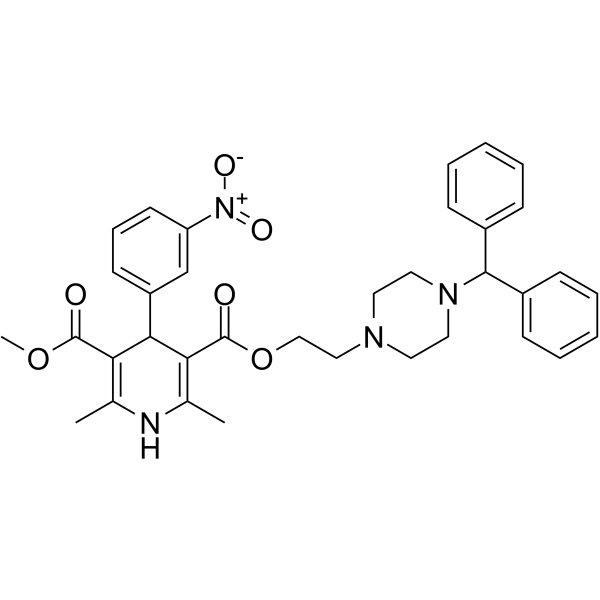
  • HY-B0419
    Manidipine
    3 Publications Verification

    Calcium Channel Interleukin Related Cardiovascular Disease Neurological Disease Endocrinology
    Manidipine is an orally active calcium channel antagonist. Manidipine regulates the expression of cytokines (IL-1β, IL-6). Manidipine has a hypotensive effect. Manidipine can be used in the study of cardiovascular diseases (such as hypertension, myocardial ischemia-reperfusion injury, ventricular hypertrophy), kidney diseases (such as glomerular diseases), and epilepsy .
    Manidipine
  • HY-173572

    Sirtuin Autophagy Cardiovascular Disease
    SKLB-11A is a selective, orally active and allosteric SIRT3 (sirtuin 3) agonist with a Kd value of 4.7 μM. SKLB-11A is highly selective for other members of the SIRT family. SKLB-11A activates autophagy-related signaling pathways, prevents mitochondrial dysfunction, improves cardiac function in Doxorubicin (HY-15142A)-induced cardiotoxicity and myocardial ischemia/reperfusion models .
    SKLB-11A
  • HY-14994
    SCH79797 dihydrochloride
    5 Publications Verification

    Protease Activated Receptor (PAR) Apoptosis Cardiovascular Disease
    SCH79797 dihydrochloride is a highly potent, selective nonpeptide protease activated receptor 1 (PAR1) antagonist. SCH79797 dihydrochloride inhibits binding of a high-affinity thrombin receptor-activating peptide to PAR1 with an IC50 of 70 nM and a Ki of 35 nM. SCH79797 dihydrochloride inhibits thrombin-induced platelet aggregation with an IC50 of 3 μM. SCH79797 dihydrochloride has antiproliferative and pro-apoptotic effects, and limits myocardial ischemia/reperfusion injury in rat hearts. SCH79797 dihydrochloride also potently prevents PAR1 activation in vascular smooth muscle cells, endothelial cells, and astrocytes .
    SCH79797 dihydrochloride
  • HY-B1194

    (±)-Tetramisole hydrochloride; DL-Tetramisole hydrochloride; R-829

    Potassium Channel Parasite PKA Infection Cardiovascular Disease
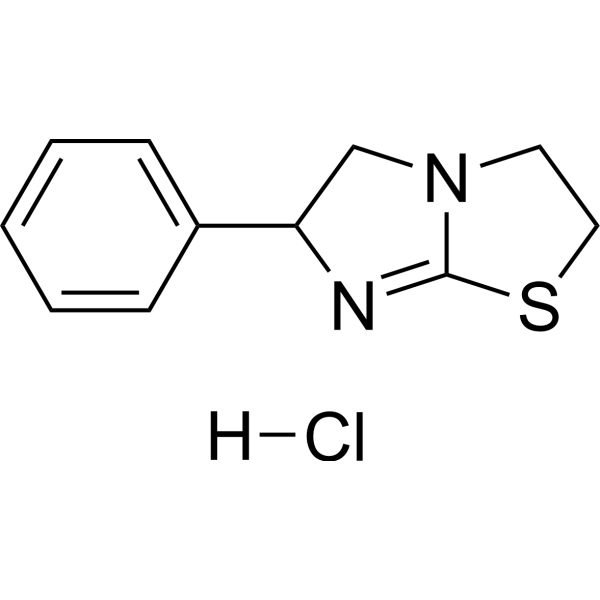
    Tetramisole hydrochloride is an orally active, selective inward rectifier potassium channel agonist with an EC50 of approximately 30 μM for the Kir2.1 subunit. Tetramisole hydrochloride is also an anti-nematode agent that blocks neuromuscular transmission by non-competitive depolarization. Tetramisole hydrochloride promotes the forward transport of Kir2.1 channels, hyperpolarizes the resting potential (RP), shortens the action potential duration (APD), inhibits intracellular calcium overload and the PKA signaling pathway, and exerts anti-arrhythmic and anti-myocardial remodeling activities. Tetramisole hydrochloride can be used in cardiac electrophysiology research and research related to myocardial ischemia and heart failure .
    Tetramisole hydrochloride
  • HY-116442

    Xanthine Oxidase Cardiovascular Disease Inflammation/Immunology
    Azapropazone is an orally active nonsteroidal anti-inflammatory agent. Azapropazone inhibits Xanthine oxidase activity with an IC50 of 70-140 μg/mL. Azapropazone exerts significant cardiomyocyte protective effects on dogs with ischemia-reperfusion injury . Azapropazone reduces arthritis. Azapropazone inhibits Adrenaline-induced platelet aggregation. Azapropazone can be used for the research of myocardial ischemia and reperfusion injury, adjuvant arthritis, and gouty arthritis .
    Azapropazone
  • HY-P6442

    Chemerin Receptor Syk ERK Src p38 MAPK P-selectin Cardiovascular Disease Neurological Disease Inflammation/Immunology
    Chemerin15 is an anti-inflammatory peptide derived from Chemerin. Chemerin15 binds to ChemR23. Chemerin15 inhibits TNFα-induced activation of Syk, ERK and Src kinases. Chemerin15 increases the expression of p-p38 mRNA and protein. Chemerin15 mediates phagocytosis, resolution of inflammation, CD62L shedding and downregulation of PSGL-1 expression in macrophages and microglia. Chemerin15 inhibits neutrophil-mediated vascular inflammation and myocardial ischemia-reperfusion injury via ChemR23. Chemerin15 enhances microglial phagocytosis, thereby alleviating cerebral ischemia-reperfusion injury .
    Chemerin15
  • HY-108448

    OLDA

    TRP Channel Lipoxygenase Cardiovascular Disease Neurological Disease Metabolic Disease
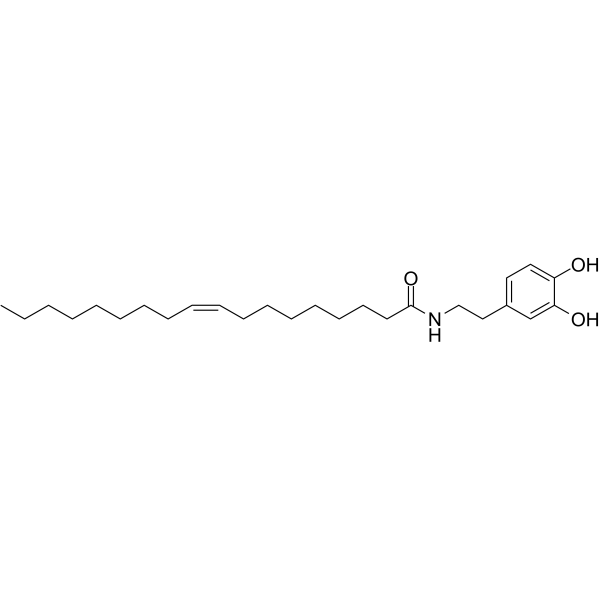
    N-Oleoyldopamine (OLDA) is an orally active TRPV1 activator and 5-LOX inhibitor with blood-brain barrier permeability. N-Oleoyldopamine excites histaminergic neurons in the tuberomammillary nucleus via a dopamine receptor mechanism, a process independent of TRPV1 and cannabinoid receptors. On one hand, N-Oleoyldopamine promotes the release of insulin and glucose-dependent insulinotropic polypeptide through a GPR119-dependent pathway to improve glucose tolerance; on the other hand, N-Oleoyldopamine improves left ventricular function and reduces myocardial infarction size by triggering the release of substance P and calcitonin gene-related peptide. N-Oleoyldopamine is used in studies related to glycemic abnormalities and myocardial ischemia-reperfusion injury .
    N-Oleoyldopamine
  • HY-13660
    Mocravimod hydrochloride
    2 Publications Verification

    KRP-203

    LPL Receptor Reactive Oxygen Species (ROS) Akt GSK-3 JAK STAT Metabolic Disease Inflammation/Immunology Cancer
    Mocravimod (hydrochloride) is an orally active sphingosine-1-phosphate receptor (S1PR) modulator that blocks the signal required by T cells to egress from lymph nodes and other lymphoid organs. Mocravimod (hydrochloride) preferentially binds to S1PR1 over S1PR2 and S1PR3 in cardiomyocytes. Mocravimod (hydrochloride) significantly lowered the concentration of reactive oxygen species (ROS), prevented mitochondrial permeability transition pore opening, boosted mitochondrial membrane potential (MMP), and increased phosphorylation of AKT, EKR, GSK-3β, JAK2, and STAT3. Mocravimod (hydrochloride) retains T cell effector function. Mocravimod (hydrochloride) can be used for the study of acute myelogenous leukemia, diabetes and Myocardial Ischemia-Reperfusion Injury (MIRI) .
    Mocravimod hydrochloride
  • HY-W011082

    NOD-like Receptor (NLR) Cardiovascular Disease
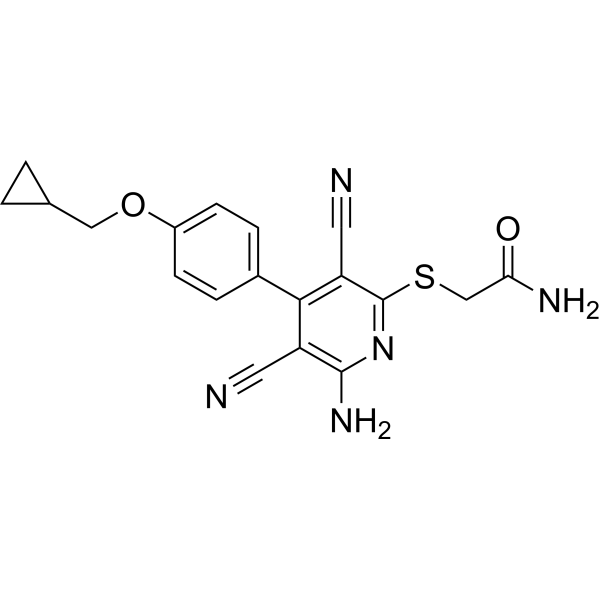
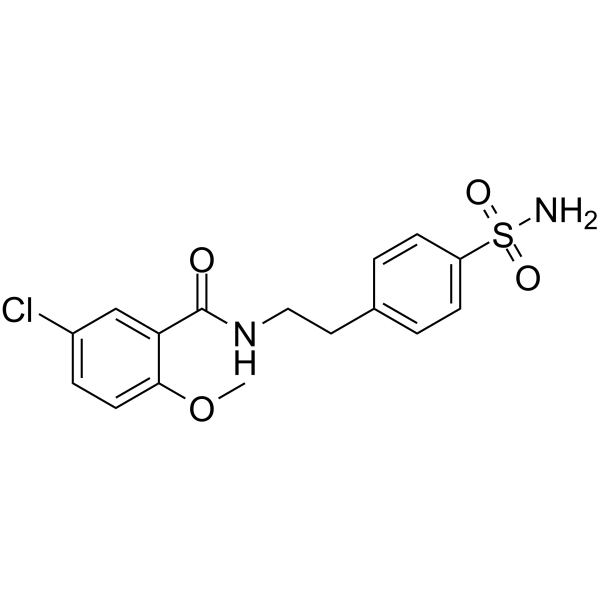
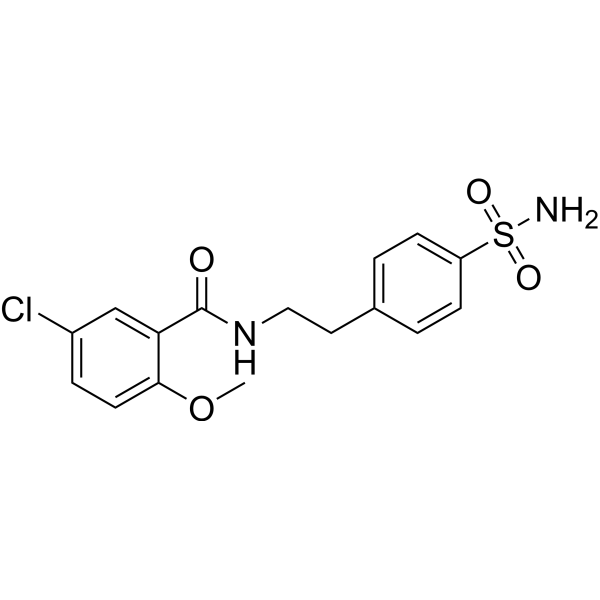
    NLRP3-IN-2, an intermediate substrate in the synthesis of glyburide, inhibits the formation of the NLRP3 inflammasome in cardiomyocytes and limits the infarct size following myocardial ischemia/reperfusion in the mouse, without affecting glucose metabolism .
    NLRP3-IN-2
  • HY-145237
    BM213
    3 Publications Verification

    Complement System Apoptosis Reactive Oxygen Species (ROS) Cancer
    BM213 is a selective C5aR agonist, with an EC50 of 59 nM. BM213 specifically activates the C5a-C5aR1 axis, which in turn promotes neutrophil extracellular trap (NET) formation and exacerbates inflammatory responses. BM213 significantly induces ventricular dilationin, promotes myocardial ROS production, and induces cardiomyocyte apoptosis in rats. BM213 can be used for the study of myocardial ischemia/reperfusion (I/R) injury .
    BM213
  • HY-129763

    Fluorescent Dye Cardiovascular Disease
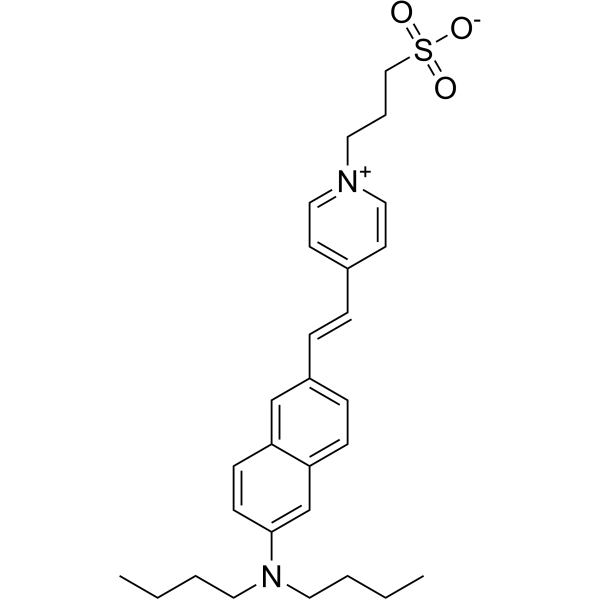
    Di-4-ANEPPS is a voltage-sensitive dye that acts on voltage-gated ion channels (such as sodium channels) and inhibits sodium current, significantly reducing sodium current density, although specific values like IC50 remain unclear. It mainly binds to the voltage-sensitive regions on the cell membrane, changing its fluorescence properties to reflect membrane potential changes and thus affecting the function of ion channels to exert its activity. This substance can be used in cardiovascular research, such as the electrophysiology of cardiomyocytes, myocardial ischemia, and the effects of drugs on cardiomyocytes. It is of great value in evaluating drug cardiotoxicity and exploring the mechanisms of arrhythmias .
    Di-4-ANEPPS
  • HY-17355B
    Dexpramipexole
    2 Publications Verification

    (R)-Pramipexole; R-(+)-Pramipexole; KNS-760704

    PINK1/Parkin Glutathione Peroxidase Sodium Channel ATP Synthase NOD-like Receptor (NLR) Mitophagy Ferroptosis Autophagy Apoptosis Reactive Oxygen Species (ROS) Cardiovascular Disease Neurological Disease Inflammation/Immunology
    Dexpramipexole ((R)-Pramipexole) is an orally active, blood-brain barrier permeable mitochondrial protective agent. Dexpramipexole upregulates the expression of Parkin, PINK1, GPX4 and FSP1; binds to mitochondrial F1/Fo-ATP synthase; blocks the Nav1.8 sodium channel; and inhibits the activation of the NLRP3 inflammasome. Dexpramipexole induces mitophagy, inhibits ferroptosis, pyroptosis, apoptosis, neuroinflammation and eosinophilopoiesis; maintains mitochondrial function and redox homeostasis; reduces reactive oxygen species production; and decreases myocardial infarct size. Dexpramipexole is applicable to studies on eosinophilic asthma, myocardial ischemia/reperfusion injury, sepsis-associated encephalopathy, analgesia, and more .
    Dexpramipexole
  • HY-E70008

    Sirtuin Inflammation/Immunology
    Lumbokinase attenuates myocardial ischemia-reperfusion (I-R) injury through the activation of Sirt1 signaling, and thus enhances autophagic flux and reduces I-R-induced oxidative damage, inflammation and apoptosis .
    Lumbokinase
  • HY-176716

    Aldehyde Dehydrogenase (ALDH) Cardiovascular Disease
    ALDH2 activator 1 (Compound Z17) is an allosteric aldehyde dehydrogenase 2 (ALDH2) agonist. ALDH2 activator 1 enhances cardiac function and reduces myocardial necrosis in a mouse model of myocardial ischemia-reperfusion. ALDH2 activator 1 is promising for research of cardiovascular diseases such as myocardial infarction (MI) .
    ALDH2 activator 1
  • HY-164304

    Pyroptosis Interleukin Related NOD-like Receptor (NLR) Cardiovascular Disease Inflammation/Immunology
    INF 195 is an NLRP3 inhibitor. INF 195 can inhibit NLRP3 driven macrophage pyroptosis and IL-1β release, with an EC50 value of 0.15 μM. INF 195 can reduce the infarct size of isolated mouse hearts at low doses, effectively preventing myocardial ischemia/reperfusion injury .
    INF 195
  • HY-105218A
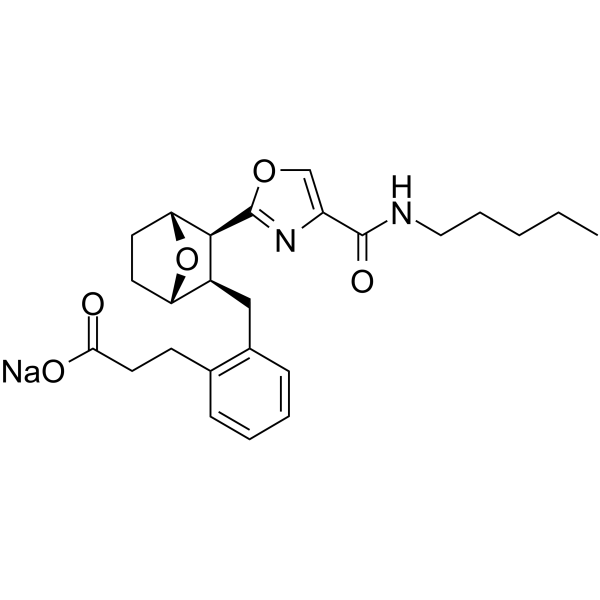
    Ifetroban sodium
    1 Publications Verification

    BMS-180291 sodium

    Prostaglandin Receptor Cardiovascular Disease Endocrinology Cancer
    Ifetroban (BMS-180291) sodium is an orally active antagonist of thromboxane A2 (TXA2) or prostaglandin H2 (PGH2) receptor. Ifetroban sodium shows antiplatelet activity, and inhibits tumor cell migration without affecting cell proliferation. Ifetroban sodium can be used for myocardial ischemia, hypertension, stroke, thrombosis, cardiomyopathy research .
    Ifetroban sodium
  • HY-105218
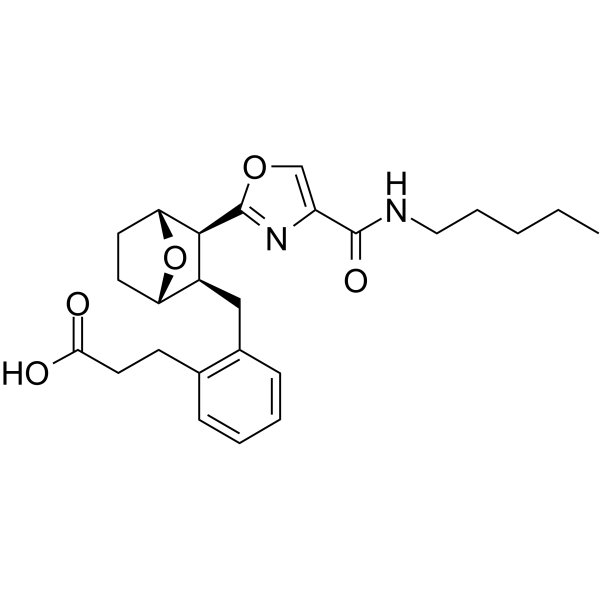
    Ifetroban
    1 Publications Verification

    BMS-180291

    Prostaglandin Receptor Cardiovascular Disease Endocrinology Cancer
    Ifetroban (BMS-180291) is an orally active antagonist of thromboxane A2 (TXA2) or prostaglandin H2 (PGH2) receptor. Ifetroban shows antiplatelet activity, and inhibits tumor cell migration without affecting cell proliferation. Ifetroban can be used for myocardial ischemia, hypertension, stroke, thrombosis, cardiomyopathy research .
    Ifetroban
  • HY-N0597
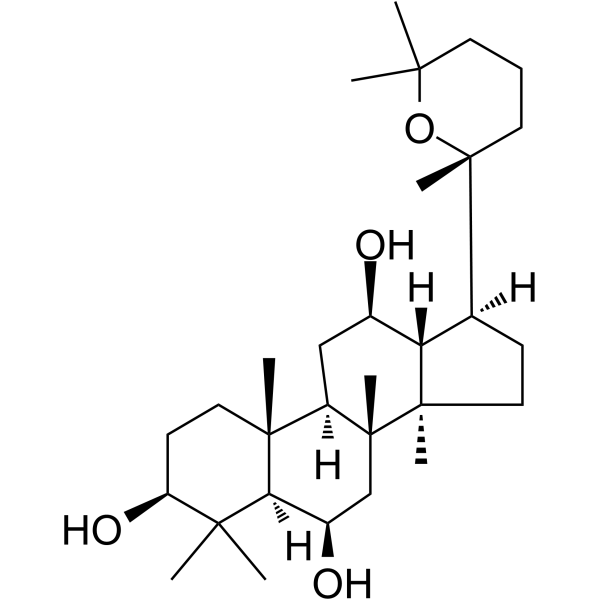
    Panaxatriol
    3 Publications Verification

    Others Insulin Receptor Cardiovascular Disease Others Metabolic Disease Cancer
    Panaxatriol is an orally active insulin sensitizer. Panaxatriol enhances the phosphorylation levels of Akt, insulin receptor and p70S6K in skeletal muscle. Panaxatriol reduces the mRNA expression level of Atrogin1 in skeletal muscle. Panaxatriol induces apoptosis, pre-G1 cell cycle arrest and increased intracellular ROS levels in prostate cancer cells, decreases mitochondrial membrane potential, inhibits cell migration and reduces colony formation. Panaxatriol can be used in research related to insulin resistance, myocardial ischemia/reperfusion injury and prostate cancer .
    Panaxatriol
  • HY-N9362

    EmodAN

    Ferroptosis Antibiotic Cardiovascular Disease Infection
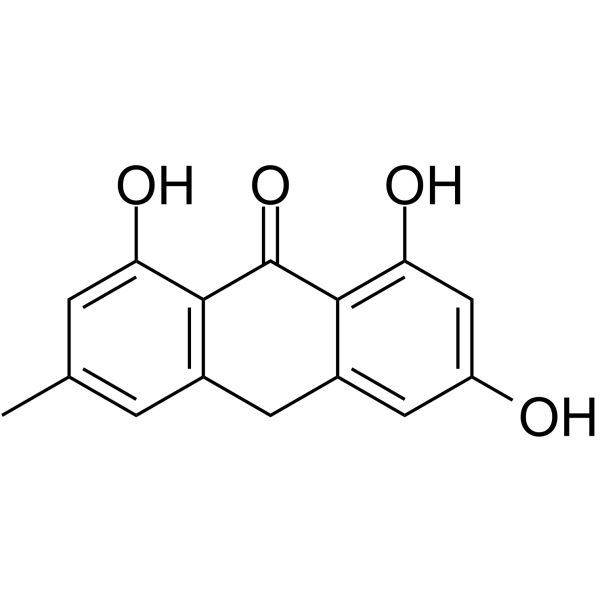
    Emodinanthrone (EmodAn) is a MARCH7 stabilizer that inhibits ferroptosis (EC50=70 nM). Emodinanthrone is also a precursor to Emodin (HY-14393) and possesses antibiotic activity. Emodinanthrone directly binds to MARCH7 and blocks its ubiquitination-mediated degradation at the K608 site; this action enhances MARCH7-mediated K48 ubiquitination and degradation of NCOA4, as well as its regulation of the intracellular localization of TFR1 via K63 ubiquitination, thereby reducing the intracellular labile iron pool and blocking ferroptosis. Emodinanthrone demonstrates in vivo cardioprotective effects and exhibits a favorable safety profile. Emodinanthrone is applicable to research on ferroptosis-related cardiovascular diseases, including Doxorubicin (HY-15142A)-induced cardiomyopathy and myocardial ischemia-reperfusion injury .
    Emodinanthrone
  • HY-W009512

    RS-94287

    Drug Metabolite Cardiovascular Disease
    CVT-2738 is an orally active metabolite of Ranolazine (HY-B0280). CVT-2738 has a protective effect against Isoprenaline (HY-108353)-induced myocardial ischemia in mice. CVT-2738 can be used in myocardial ischemia research .
    CVT-2738
  • HY-153999

    BT200

    Integrin Apoptosis Cardiovascular Disease Inflammation/Immunology
    Rondaptivon pegol (BT200) is an aptamer targeting von Willebrand factor (VWF), with an EC50 of 33 nM in humans. Rondaptivon pegol effectively alleviates acute myocardial ischemia-reperfusion injury in mice by inhibiting VWF activity, reducing microvascular obstruction, inflammatory responses and cardiomyocyte apoptosis (apoptosis). Rondaptivon pegol inhibits the binding of VWF to platelet glycoprotein GPIb, thereby preventing arterial thrombosis in cynomolgus monkeys. Rondaptivon pegol can be used in research related to arterial thrombosis, stroke, myocardial infarction and myocardial ischemia-reperfusion injury .
    Rondaptivon pegol
  • HY-106865

    Dopamine Receptor Adrenergic Receptor Cardiovascular Disease
    Mivazerol is a selective α2-adrenoceptor agonist. Mivazerol decreases the spontaneous release of serotonin (5-HT) and significantly inhibits the immobilization stress-induced enhancement of norepinephrine (NE), dopamine (DA) and dihydroxyphenylacetic acid (DOPAC). Mivazerol inhibits intrathecal release of glutamate evoked by halothane withdrawal in rats, and exerts neuroprotective effects in forebrain ischemia rats. Mivazerol can be used for myocardial ischemia research .
    Mivazerol
  • HY-N2026A
    Propylparaben sodium
    1 Publications Verification

    Propyl parahydroxybenzoate sodium; Propyl 4-hydroxybenzoate sodium

    Estrogen Receptor/ERR Cardiovascular Disease Neurological Disease
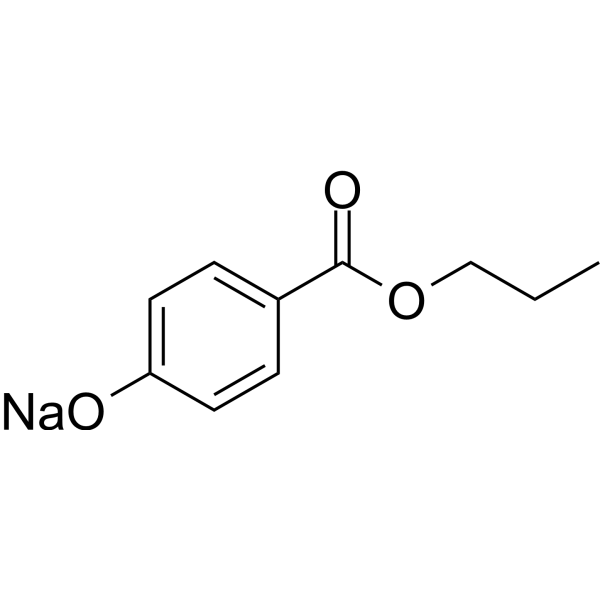
    Propylparaben sodium is an orally active weak estrogen receptor agonist. Propylparaben sodium regulates the PI3K-AKT and JNK signaling pathways, induces oxidative stress, and alters the estrous cycle, hormone levels and ovarian reserve function. Propylparaben sodium inhibits the growth of antral follicles and alters the accumulation of steroid hormones in follicle culture media. Propylparaben sodium can be used in studies related to ovarian aging and myocardial ischemia-reperfusion injury[1][2][3][4][5].
    Propylparaben sodium
  • HY-N6065
    Praeruptorin A
    3 Publications Verification

    (+)-Praeruptorin A

    Calcium Channel Drug Isomer Cytochrome P450 iGluR Apoptosis Cardiovascular Disease Neurological Disease
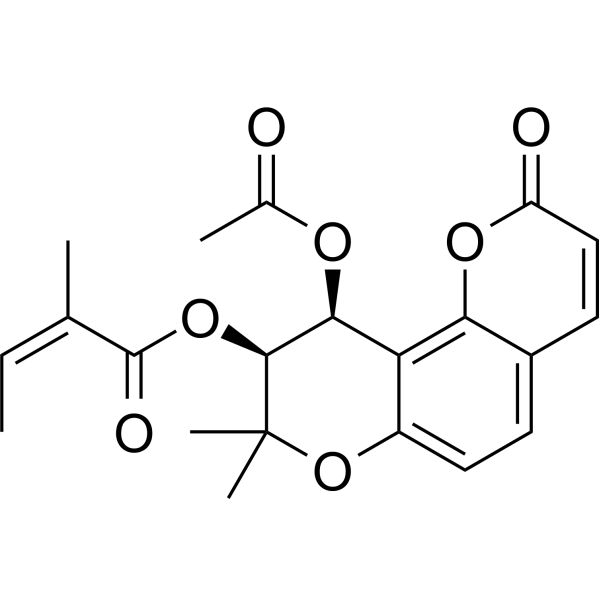
    Praeruptorin A ((+)-Praeruptorin A) is an orally active isomer of (±)-Praeruptorin A (HY-N0081). Praeruptorin A also acts as a Calcium channel blocker. Praeruptorin A can be isolated from Peucedanum. Praeruptorin A serves as a substrate for CYP3A4. Praeruptorin A downregulates NMDA receptors containing GluN2B and inhibits neuronal Apoptosis. Praeruptorin A mediates vasodilation, inhibits vascular hypertrophy and reduces blood pressure. Praeruptorin A can be used in research related to neurological diseases, myocardial ischemia, heart failure, exertional angina, renovascular hypertension and spontaneous hypertension .
    Praeruptorin A
  • HY-132187

    TGF-beta/Smad TRP Channel Apoptosis PAI-1 Cardiovascular Disease Neurological Disease Metabolic Disease Inflammation/Immunology Cancer
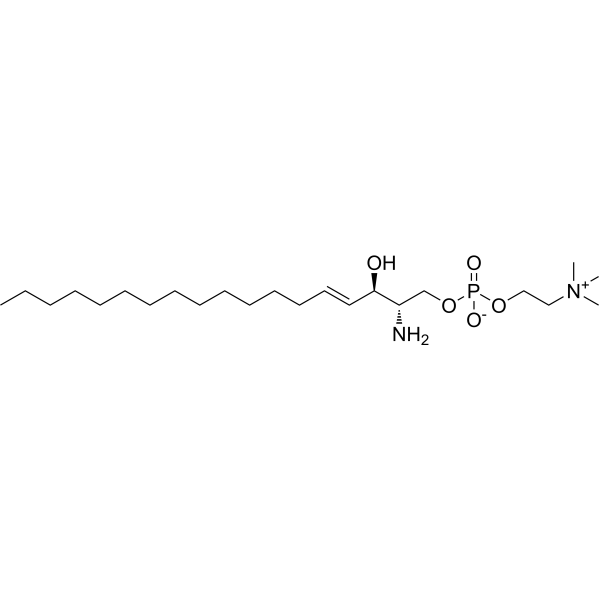
    Sphingosylphosphorylcholine is a bioactive lipid and a major component of plasma high-density lipoprotein that binds to OGR1 with a Kd of 33.3 nM. Sphingosylphosphorylcholine triggers delayed phosphorylation of Smad2, upregulates α-SMA expression, and activates TRPM3. Sphingosylphosphorylcholine reduces Apoptosis and upregulates the expression of uPA and its receptor uPA-R. Sphingosylphosphorylcholine exerts anti-apoptotic, anti-cardiac hypertrophy and pro-wound healing effects. Sphingosylphosphorylcholine induces scratching behavior in mice. Sphingosylphosphorylcholine is used in studies related to atopic dermatitis, promyelocytic leukemia, heart failure, myocardial ischemia/reperfusion injury, ovarian cancer, breast cancer, pancreatic cancer, and skin wound healing disorders in genetically impaired healing diabetes .
    Sphingosylphosphorylcholine
  • HY-N7064

    Pyruvate Kinase COX STAT TNF Receptor NO Synthase Interleukin Related HIF/HIF Prolyl-Hydroxylase Cardiovascular Disease Inflammation/Immunology
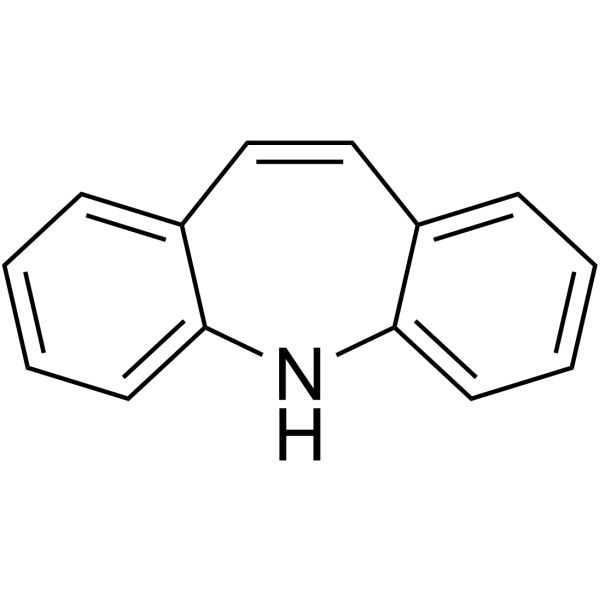
    Iminostilbene is a chemical precursor of carbamazepine. Additionally, Iminostilbene is an orally active inhibitor of PKM2 (Pyruvate Kinase M2) and COX2 (Cyclooxygenase-2). Iminostilbene exerts its effects by inhibiting PKM2 and its interaction with HIF-1α and STAT3, reducing COX2 and iNOS expression, and decreasing LPS-induced release of IL-1β, IL-6, TNF-α, and MCP-1, thereby suppressing macrophage-mediated inflammatory responses and improving myocardial ischemia/reperfusion (MI/R) injury. Iminostilbene holds promise for research in inflammation regulation, cardiovascular diseases (such as MI/R injury), and macrophage-mediated immune-related diseases .
    Iminostilbene
  • HY-76144

    4-Aminothiobenzamide

    Biochemical Assay Reagents Cardiovascular Disease
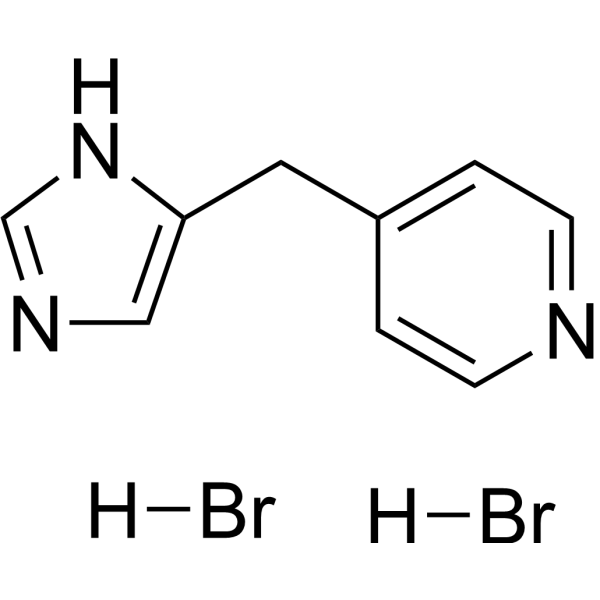
    3-Aminobenzothioamide is a small H2S donor. 3-Aminobenzothioamide has the potential for the research of myocardial ischemia-reperfusion injury .
    4-Aminobenzothioamide
  • HY-110315

    Apoptosis MDM-2/p53 Epigenetic Reader Domain Cardiovascular Disease
    Ischemin sodium is a CBP bromodomain inhibitor that inhibits p53 interaction with CBP and transcriptional activity in cells. Ischemin sodium salt inhibits p53-induced p21 activation with an IC50 value of 5 µM. Ischemin sodium salt also prevents apoptosis in ischemic cardiomyocytes. Ischemin sodium salt can be used in the study of cardiovascular diseases (such as myocardial ischemia) .
    Ischemin sodium
  • HY-P5875A

    Protease Activated Receptor (PAR) Cardiovascular Disease Inflammation/Immunology
    P4pal10 TFA is the TFA salt form of P4pal10 (HY-P5875). P4pal10 TFA is an antagonist for protease-activated receptor 4 (PAR4). P4pal10 TFA inhibits the platelet aggregation, inhibits tissue factor (TF)-induced thrombin generation, and exhibits anticoagulant and antithrombotic activities. P4pal10 TFA reduces the oedema and the granulocyte infiltration induced by Carrageenan (HY-125474). P4pal10 TFA ameliorates the injury in rats myocardial ischemia/reperfusion (I/R) models .
    P4pal10 TFA
  • HY-N16650

    Lactate Dehydrogenase Cardiovascular Disease
    Bisadinrone A is a sesquiterpene found in Curcuma longa. Bisadinrone A can inhibit LDH release and shows significant anti-myocardial ischemia-reperfusion injury activity. Bisadinrone A can be used for the research of cardiovascular disease, such as ischemic heart disease .
    Bisadinrone A
  • HY-122005

    NO Synthase Inflammation/Immunology
    AVE-9488 is an eNOS enhancer with the activity of protecting the heart from ischemia-reperfusion injury. AVE-9488 can upregulate eNOS expression, increase NO production, reduce myocardial ischemia-reperfusion injury, and reduce the level of reactive oxygen species .
    AVE-9488
  • HY-114671

    CG-4203

    Prostaglandin Receptor Cardiovascular Disease
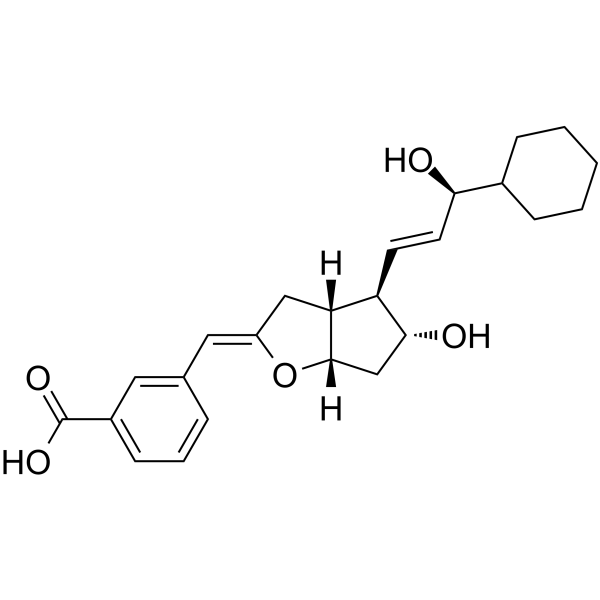
    Taprostene (CG-4203) is a synthetic, chemically stable analogue of Prostacyclin (PGI2). Taprostene exhibits endothelium and myocardial protecting actions after acute myocardial ischemia and reperfusion in cats. Taprostene enhances cytoprotective actions, while minimizing unwanted hemodynamic effects .
    Taprostene
  • HY-175640

    Pyroptosis Reactive Oxygen Species (ROS) Interleukin Related Caspase Cardiovascular Disease
    Troponin-IN-1 is a troponin inhibitor. Troponin-IN-1 protects OGD/R-injured H9c2 cardiomyocytes by reducing LDH leakage, pyroptosis and ROS accumulation. Troponin-IN-1 inhibits NO production and IL-1β/TNF-α/IL-18 release in LPS (HY-D1056)-induced RAW264.7 cells. Troponin-IN-1 acts via caspase-1/GSDMD/IL-18 pathway. Troponin-IN-1 reduces myocardial infarct size in LAD-induced myocardial ischemia/reperfusion (MI/R) male rats. Troponin-IN-1 can be used for the study of myocardial ischemia/reperfusion (MI/R) injury .
    Troponin-IN-1
  • HY-106150

    EMD-96785

    Na+/H+ Exchanger (NHE) Others
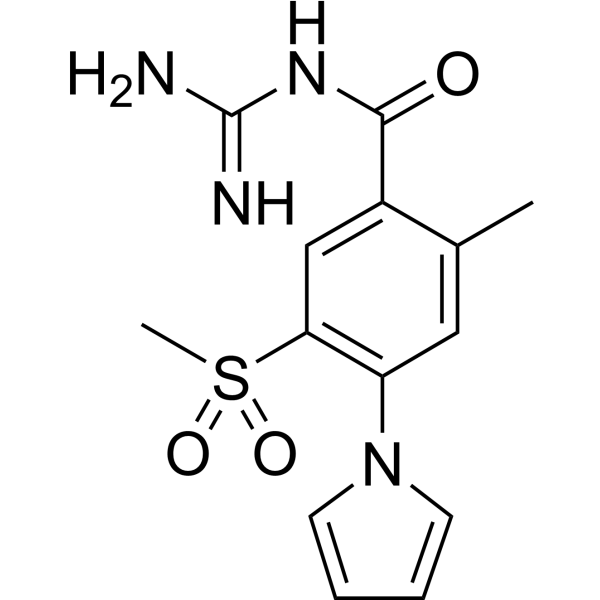
    Eniporide (EMD 96785) is a Na(+)/H(+) exchange (NHE) inhibitor. Eniporide specifically inhibits the NHE-1 isoform. Eniporide improves cardiac performance inhibition associated with myocardial ischemia/reperfusion in animals, and limits infarct size in experimental models. Eniporide regulates cardiac performance and high-energy phosphate content in clinically relevant pig models of CPB and cardiac arrest .
    Eniporide
  • HY-18100

    Sigma Receptor Akt NO Synthase Cardiovascular Disease Neurological Disease
    PRE-084 is a highly selective σ1 receptor (S1R) agonist, with an IC50 of 44 nM. PRE-084 exhibits good neuroprotective effects, can improve motor function and motor neuron survival in mice. PRE-084 also can ameliorate myocardial ischemia-reperfusion injury in rats by activating the Akt-eNOS pathway .
    PRE-084
  • HY-177249

    Arp2/3 Complex Cardiovascular Disease
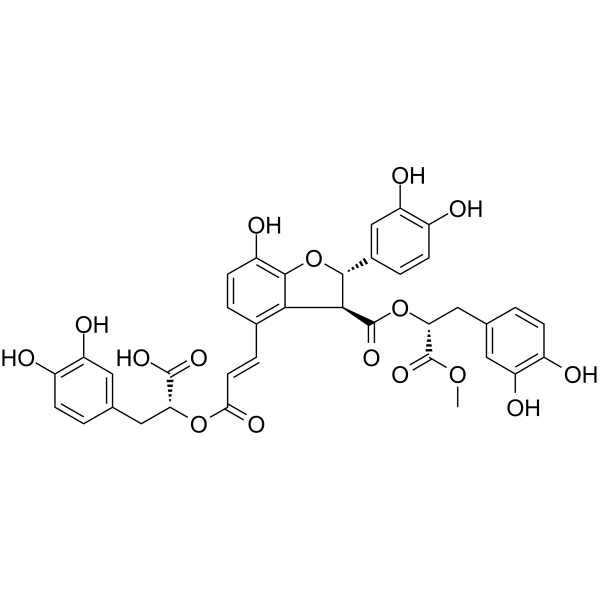
    Salvianolic acid A derivative-1 (Compound SAA-30) is a orally active derivative of Salvianolic acid A (HY-N0318). Salvianolic acid A derivative-1 binds to transgelin with a KD of 2.39 μM. Salvianolic acid A derivative-1 promotes cell contractions by facilitating the aggregation of actin. Salvianolic acid A derivative-1 can be used for prevention of myocardial ischemia or other diseases associated with IR tissue injuries .
    Salvianolic acid A derivative-1
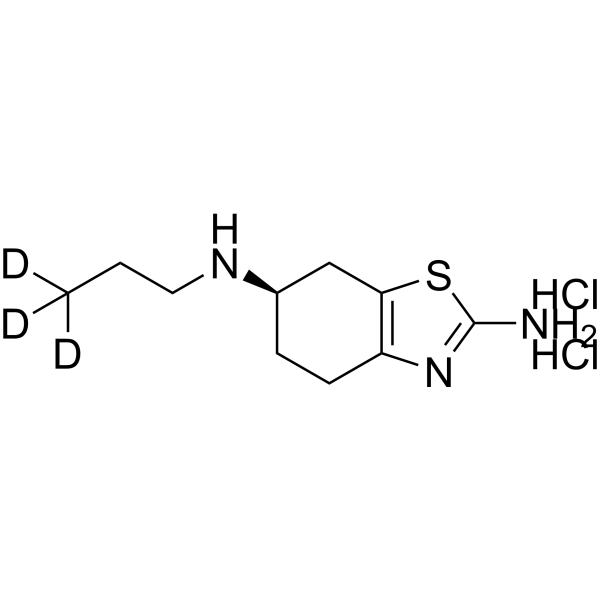
  • HY-17355BS

    (R)-Pramipexole-d3 dihydrochloride; R-(+)-Pramipexole-d3 dihydrochloride; KNS-760704-d3 dihydrochloride

    Isotope-Labeled Compounds ATP Synthase Sodium Channel Glutathione Peroxidase NOD-like Receptor (NLR) Mitophagy Ferroptosis PINK1/Parkin Autophagy Apoptosis Reactive Oxygen Species (ROS) Cardiovascular Disease Neurological Disease Inflammation/Immunology
    Dexpramipexole-d3 ((R)-Pramipexole-d3) dihydrochloride is the deuterium labeled Dexpramipexole. Dexpramipexole ((R)-Pramipexole) dihydrochloride is an orally active, blood-brain barrier permeable mitochondrial protective agent. Dexpramipexole dihydrochloride upregulates the expression of Parkin, PINK1, GPX4 and FSP1; binds to mitochondrial F1/Fo-ATP synthase; blocks the Nav1.8 sodium channel; and inhibits the activation of the NLRP3 inflammasome. Dexpramipexole dihydrochloride induces mitophagy, inhibits ferroptosis, pyroptosis, apoptosis, neuroinflammation and eosinophilopoiesis; maintains mitochondrial function and redox homeostasis; reduces reactive oxygen species production; and decreases myocardial infarct size. Dexpramipexole dihydrochloride is applicable to studies on eosinophilic asthma, myocardial ischemia/reperfusion injury, sepsis-associated encephalopathy, analgesia, and more.
    Dexpramipexole-d3 dihydrochloride

Inquiry Online

Your information is safe with us. * Required Fields.

Salutation


Country or Region *

Applicant Name *


Organization Name *

Department *


Email Address *


Product Name *

Cat. No.


Requested quantity *

Phone Number *


Remarks

Inquiry Online

Inquiry Information

Product Name:
Cat. No.:
Quantity:
MCE Japan Authorized Agent: