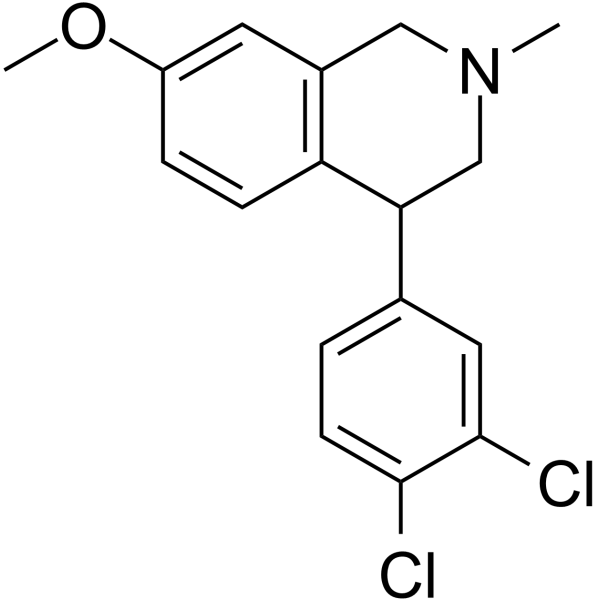
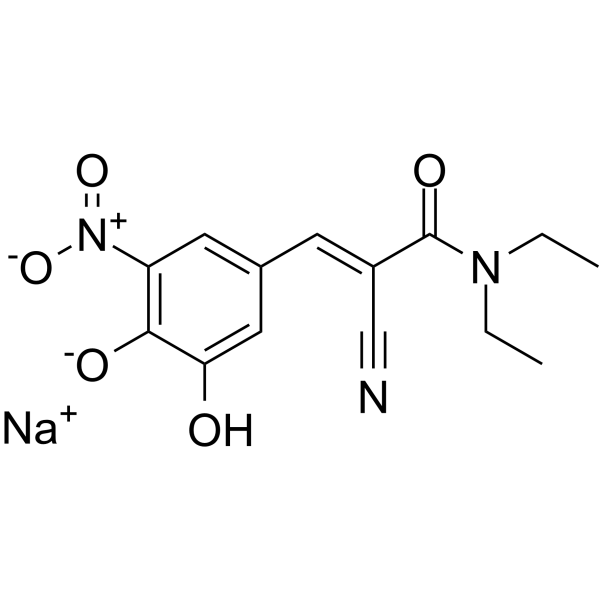
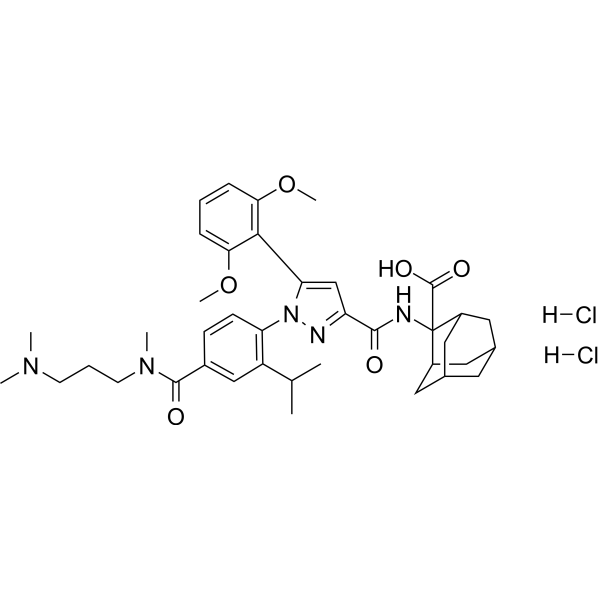
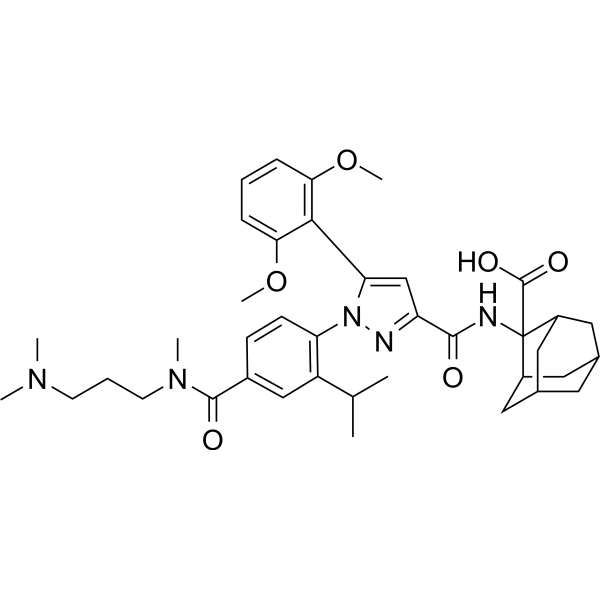
1. Search Result
Search Result
Results for "

rat+brain

" in MedChemExpress (MCE) Product Catalog:

178

Inhibitors & Agonists

1

Biochemical Assay Reagents

26

Peptides

17

Natural
Products

9

Isotope-Labeled Compounds

5

Click Chemistry

1

Oligonucleotides

Cat. No. Product Name Target Research Areas Chemical Structure
  • HY-15084
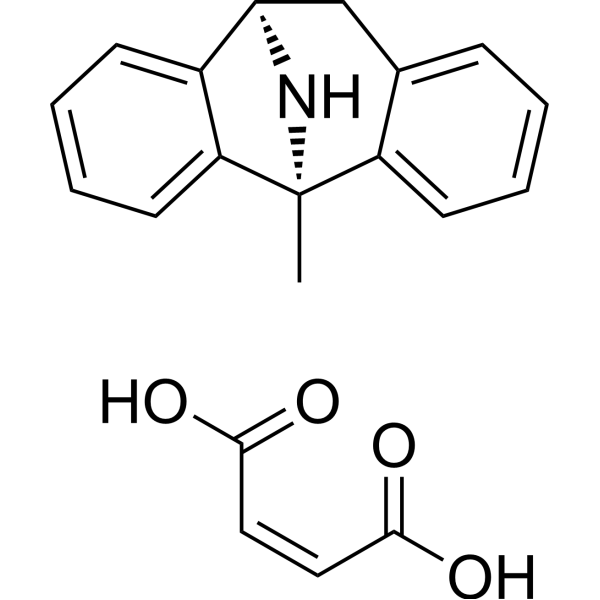
    Dizocilpine maleate
    Maximum Cited Publications
    44 Publications Verification

    (+)-MK 801 Maleate

    iGluR Neurological Disease
    Dizocilpine maleate (MK-801 maleate) is a potent, selective and non-competitive NMDA receptor antagonist with Kd of 37.2 nM in rat brain membranes.
    Dizocilpine maleate
  • HY-15084B
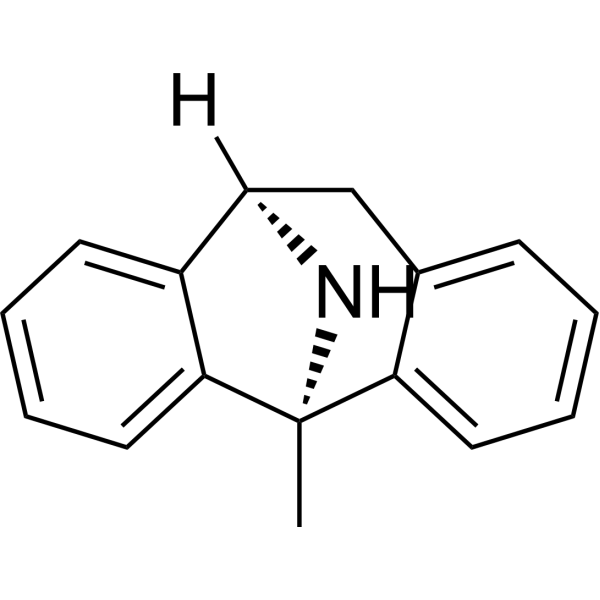
    Dizocilpine
    Maximum Cited Publications
    44 Publications Verification

    MK-801

    iGluR Neurological Disease
    Dizocilpine (MK-801), a potent anticonvulsant, is a selective and non-competitive NMDA receptor antagonist, with a Kd of 37.2 nM in rat brain membranes. Dizocilpine acts by binding to a site located within the NMDA associated ion channel and thus prevents Ca 2+ flux .
    Dizocilpine
  • HY-B1614
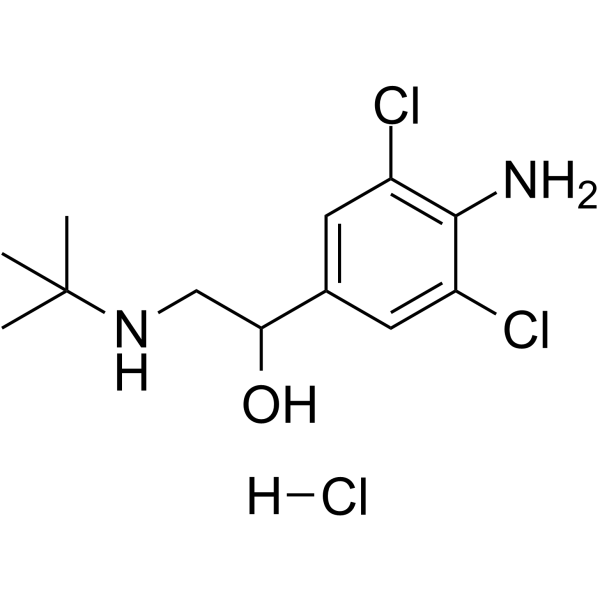
    Clenbuterol hydrochloride
    5+ Cited Publications

    NAB-365 hydrochloride

    Adrenergic Receptor Metabolic Disease Inflammation/Immunology Endocrinology
    Clenbuterol (NAB-365) hydrochloride, a selective β2-adrenergic agonist, enhances skeletal muscle strength and hypertrophy. Clenbuterol hydrochloride induces growth factor mRNA, activates astrocytes, and protects rat brain tissue against ischemic damage .
    Clenbuterol hydrochloride
  • HY-109012
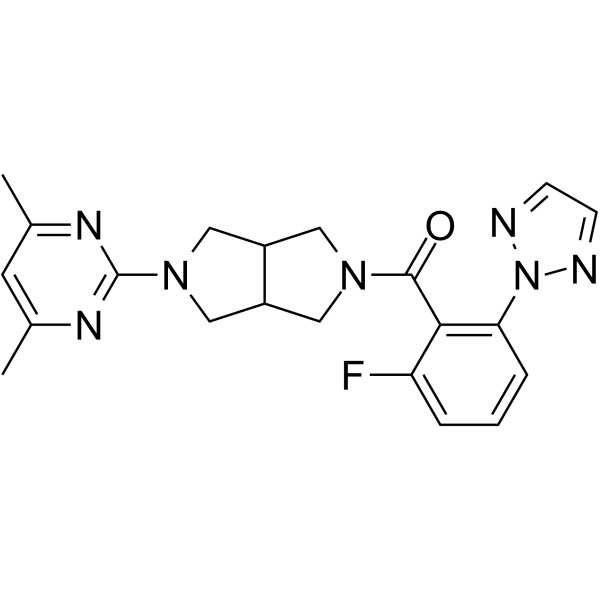
    Seltorexant
    3 Publications Verification

    JNJ-42847922

    Orexin Receptor (OX Receptor) Neurological Disease Endocrinology
    Seltorexant (JNJ-42847922) is an orally active, high-affinity, and selective orexin-2 receptor (OX2R) antagonist (pKi values of 8.0 and 8.1 for human and rat OX2R). Seltorexant (JNJ-42847922) crosses the blood-brain barrier and quickly occupies OX2R binding sites in the rat brain .
    Seltorexant
  • HY-14605A
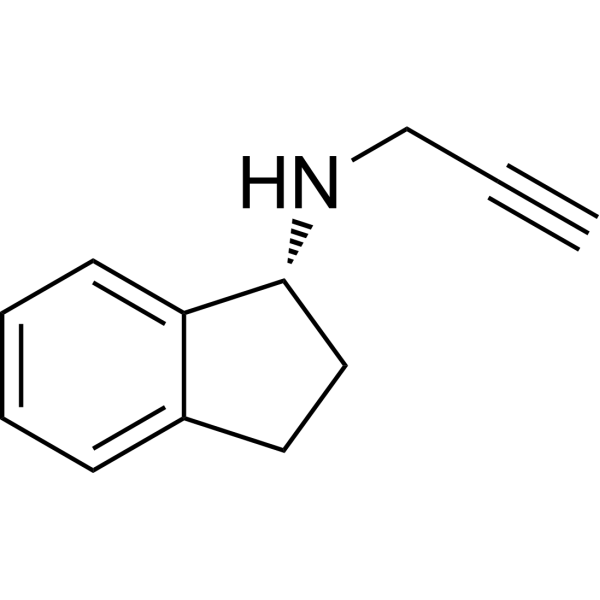
    Rasagiline
    Maximum Cited Publications
    7 Publications Verification

    (R)-AGN1135; TVP1012

    Monoamine Oxidase Neurological Disease
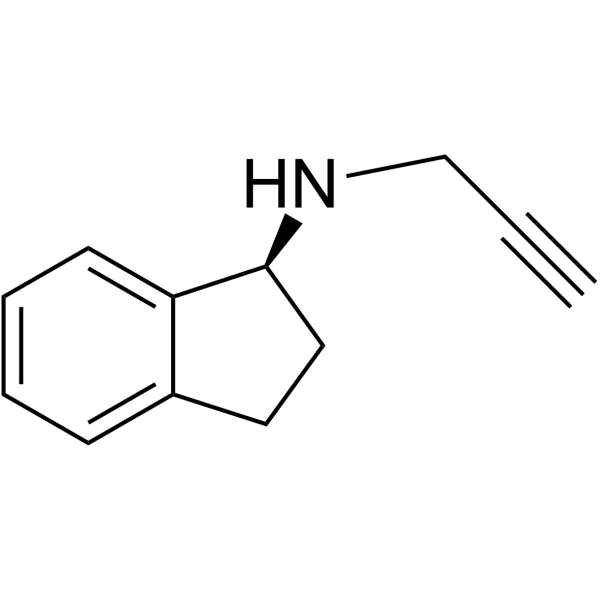
    Rasagiline (R-AGN1135) is a highly potent selective irreversible mitochondrial monoamine oxidase (MAO) inhibitor with IC50s of 4.43 nM and 412 nM for rat brain MAO B and A activity, respectively . Rasagiline is a click chemistry reagent, it contains an Alkyne group and can undergo copper-catalyzed azide-alkyne cycloaddition (CuAAc) with molecules containing Azide groups.
    Rasagiline
  • HY-10864
    URB-597
    5 Publications Verification

    KDS-4103

    FAAH Autophagy Mitophagy Neurological Disease
    URB-597 (KDS-4103) is an orally bioavailable and selective FAAH inhibitor. URB-597 inhibits FAAH activity with an IC50s of approximately 5 nM in rat brain membranes, 0.5 nM in intact rat neurons, 3 nM in human liver microsomes. Antidepressant-like effects. Analgesic activity .
    URB-597
  • HY-13290
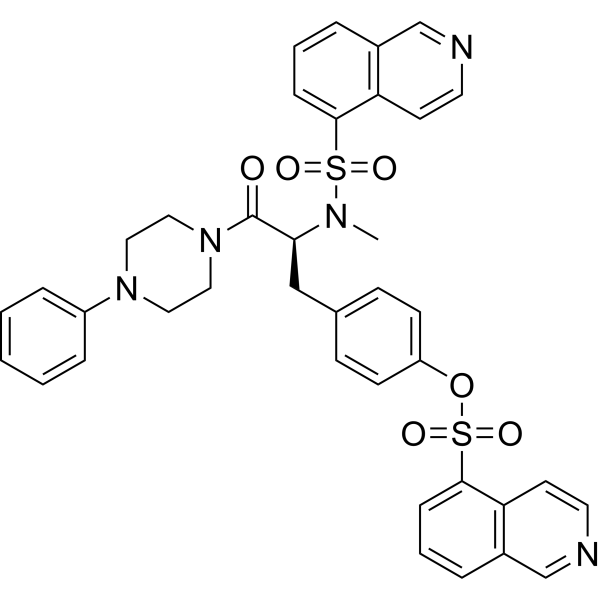
    KN-62
    10+ Cited Publications

    CaMK P2X Receptor Metabolic Disease Cancer
    KN-62 is a selective and reversible inhibitor of calmodulin-dependent protein kinase II (CaMK-II) with a Ki of 0.9 μM for rat brain CaMK-II. KN-62 directly binds to the calmodulin binding site of CaMK-II. KN-62 displays noncompetitive antagonism at P2X7 receptors in HEK293 cells, with an IC50 value of approximately 15 nM.
    KN-62
  • HY-14605
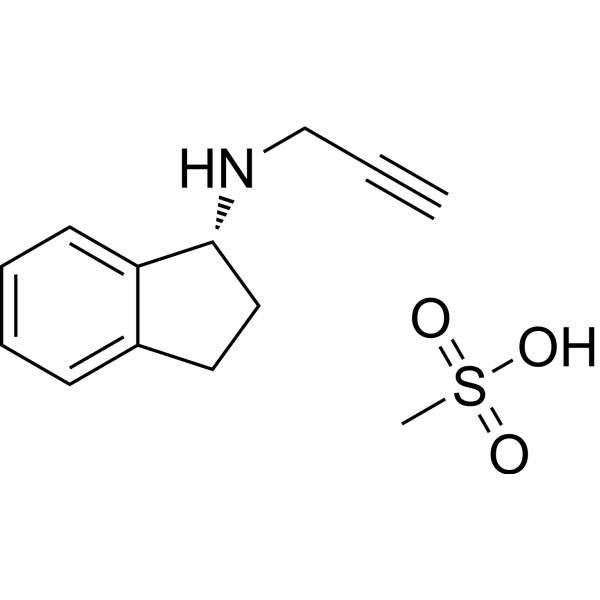
    Rasagiline mesylate
    Maximum Cited Publications
    7 Publications Verification

    (R)-AGN1135 mesylate; TVP1012 mesylate

    Monoamine Oxidase Autophagy Apoptosis Neurological Disease
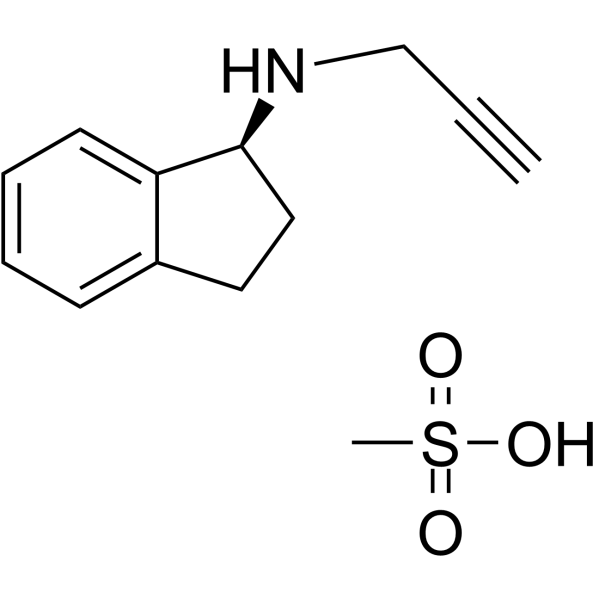
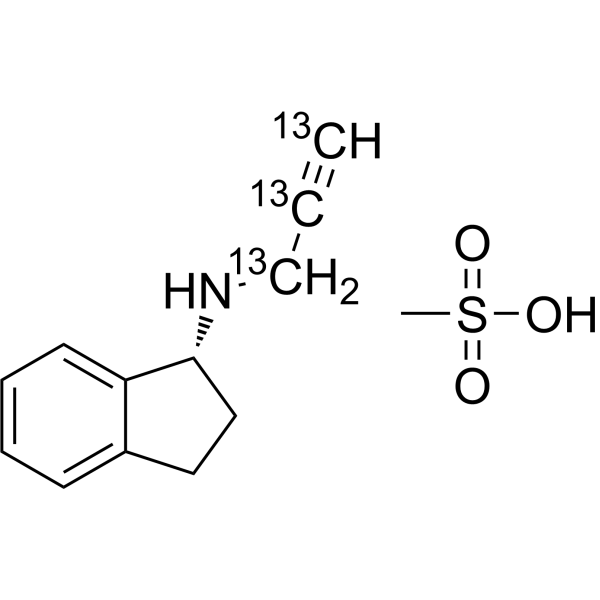
    Rasagiline (R-AGN1135) mesylate is a highly potent selective irreversible mitochondrial monoamine oxidase (MAO) inhibitor with IC50s of 4.43 nM and 412 nM for rat brain MAO B and A activity, respectively . Rasagiline (mesylate) is a click chemistry reagent, it contains an Alkyne group and can undergo copper-catalyzed azide-alkyne cycloaddition (CuAAc) with molecules containing Azide groups.
    Rasagiline mesylate
  • HY-109012A
    Seltorexant hydrochloride
    3 Publications Verification

    JNJ-42847922 hydrochloride

    Orexin Receptor (OX Receptor) Neurological Disease Metabolic Disease
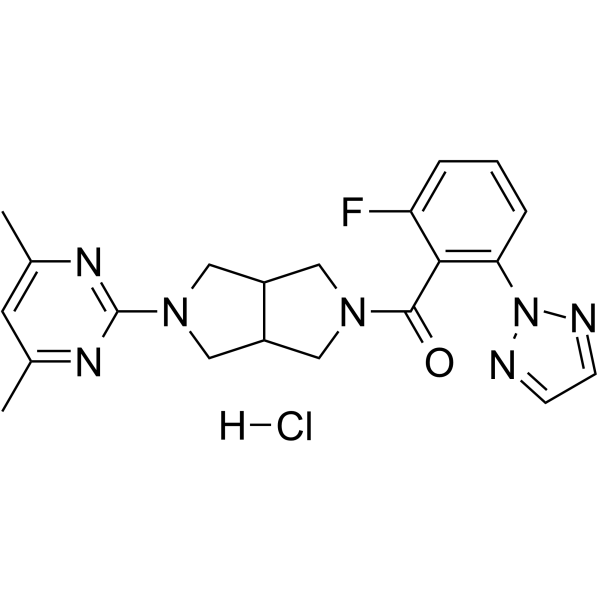
    Seltorexant hydrochloride (JNJ-42847922 hydrochloride) is an orally active, high-affinity, and selective OX2R antagonist (pKi values of 8.0 and 8.1 for human and rat OX2R). Seltorexant hydrochloride crosses the blood-brain barrier and quickly occupies OX2R binding sites in the rat brain .
    Seltorexant hydrochloride
  • HY-18698

    iGluR Neurological Disease
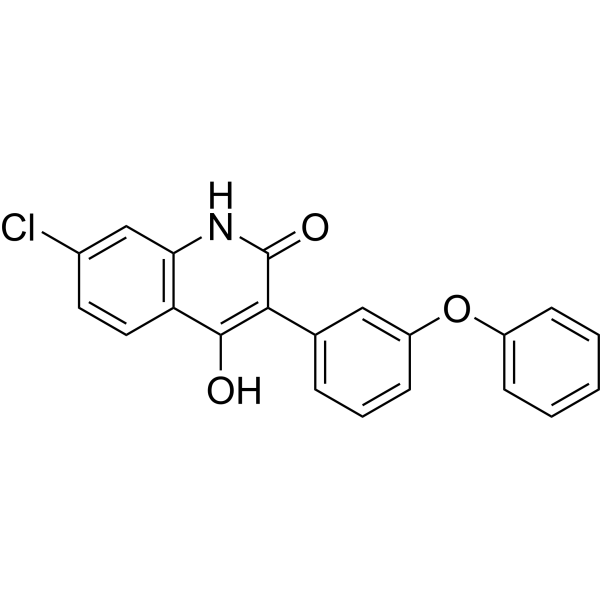
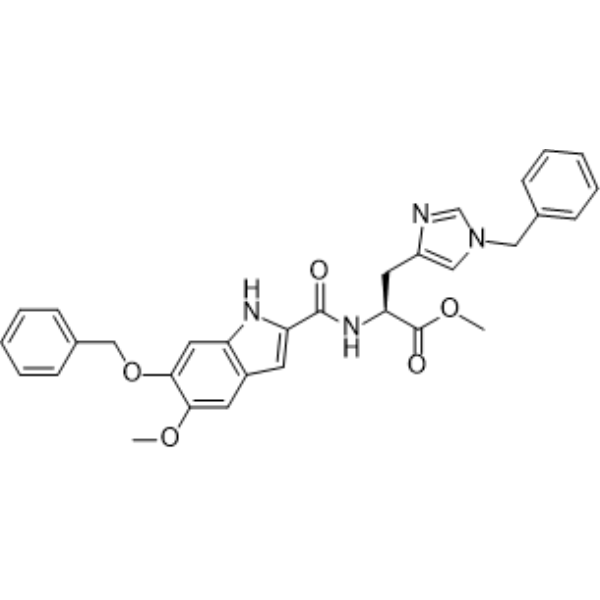
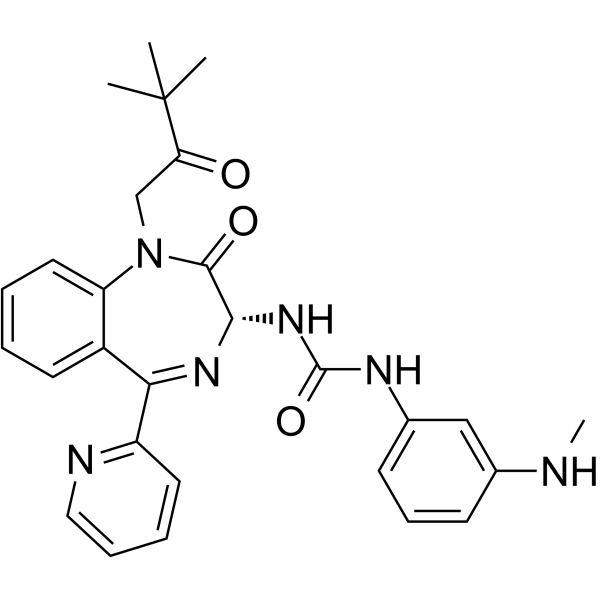
    L-701324 is a potent, orally active NMDA receptor antagonist that antagonizes the activity of the NMDA receptor by blocking its glycine B binding site. L-701324 binds with high affinity to rat brain membranes (IC50=2 nM). L-701324 has antidepressant activity .
    L-701324
  • HY-19740
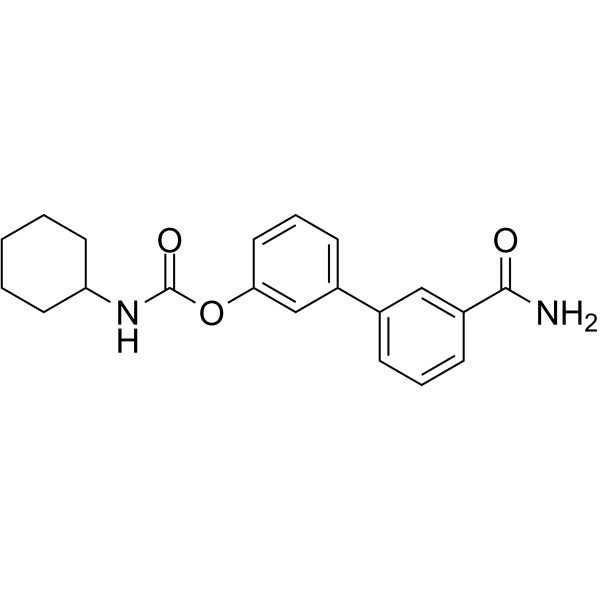
    BIA 10-2474
    2 Publications Verification

    FAAH Autophagy Neurological Disease
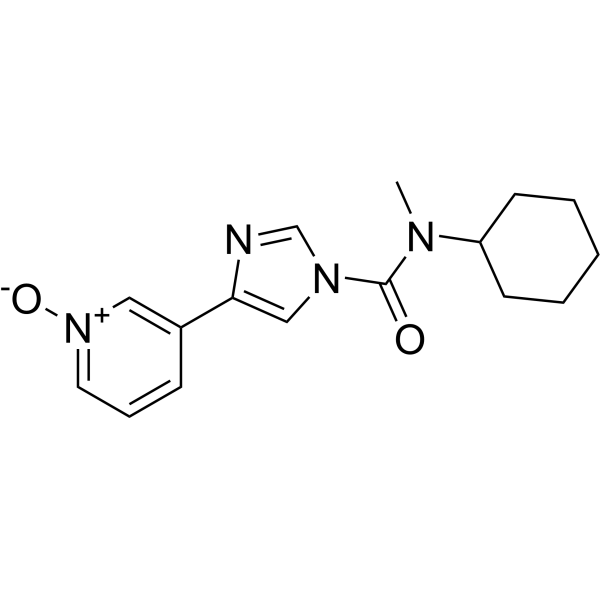
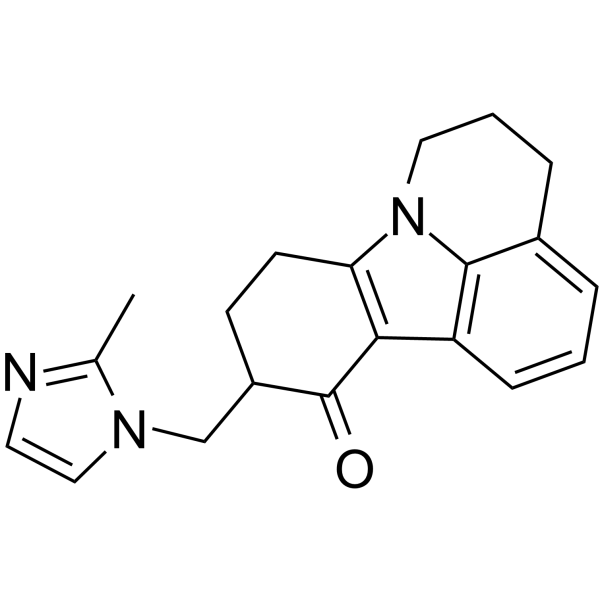
    BIA 10-2474 is an inhibitor of fatty acid amide hydrolase (FAAH) with IC50 values of 50 to 70mg/kg in various rat brain regions.
    BIA 10-2474
  • HY-N2080

    GABA Receptor Neurological Disease Cancer
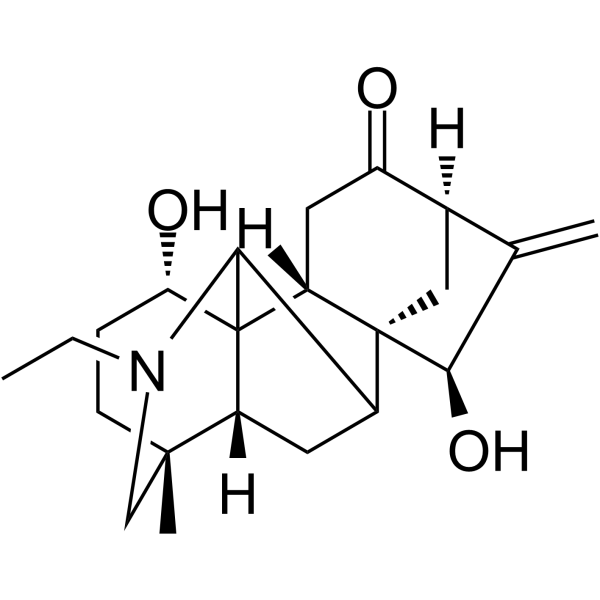
    Songorine is a BBB-permeable diterpenoid alkaloid isolated from the genus Aconitum. Songorine is a GABAA receptor antagonist in rat brain and has anti cancer, antiarrhythmic and anti-inflammatory activities. Songorine has the potential for the treatment of Epithelial ovarian cancer (EOC) .
    Songorine
  • HY-10862

    Benzothiazole analog 3

    FAAH Autophagy Neurological Disease Cancer
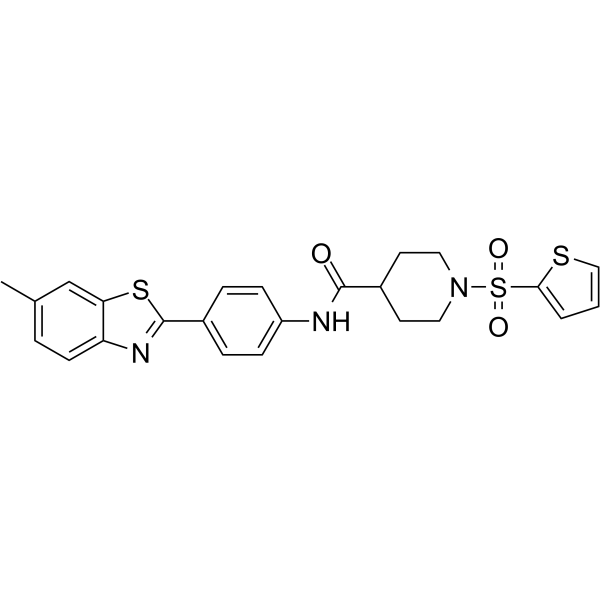
    FAAH inhibitor 1 (compound 3) is a selective reversible FAAH inhibitor. FAAH inhibitor 1 has no off-target activity with respect to other serine hydrolases. FAAH inhibitor 1 is exclusively specific against FAAH in rat brain with an IC50 value of 18 nM and had no missing protein bands in all the other tissues. FAAH inhibitor 1 can be used for neurological disorders research .
    FAAH inhibitor 1
  • HY-14174
    MRK-560
    4 Publications Verification

    γ-secretase Neurological Disease Cancer
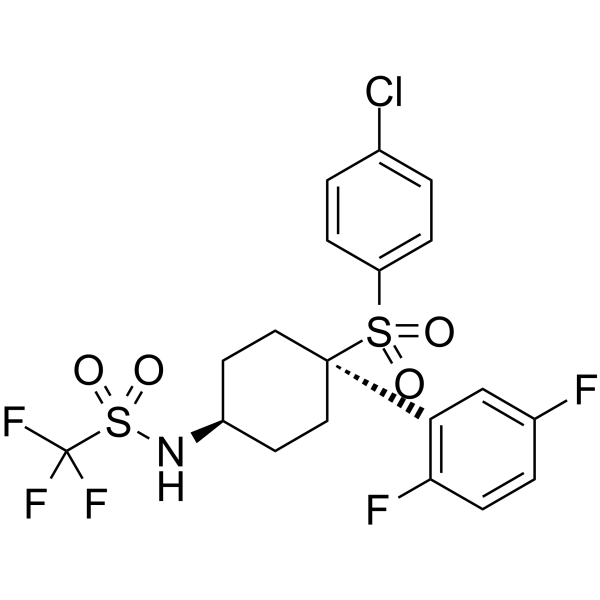
    MRK-560, a chemical probe, is an orally active, brain barrier-penetrated γ-Secretase inhibitor, reducing Aβ peptide in rat brain and cerebrospinal fluid. MRK-560 decreases mutant NOTCH1 processing by selectively inhibiting PSEN1. MRK-560 can be used in studies of Alzheimer's disease and T-cell acute lymphoblastic leukaemia (T-ALL) .
    MRK-560
  • HY-N13258

    β-Citrylglutamic acid

    Others Others
    β-Citryl-L-glutamic acid (β-Citrylglutamic acid) is a citrylglutamic acid, that can be isolated from newborn rat brain .
    β-Citryl-L-glutamic acid
  • HY-13929
    Isocarboxazid
    2 Publications Verification

    Monoamine Oxidase Neurological Disease
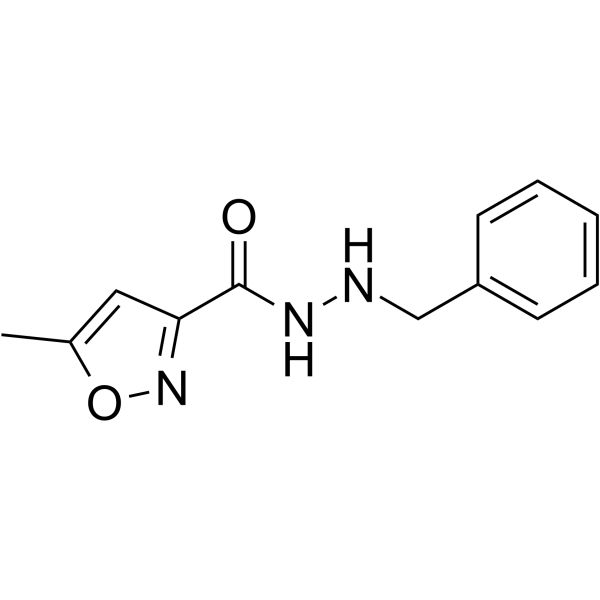
    Isocarboxazid is a non-selective and irreversible inhibitor of monoamine oxidase, with an IC50 of 4.8 μM for rat brain monoamine oxidase in vitro .
    Isocarboxazid
  • HY-W020468
    Linopirdine
    2 Publications Verification

    DuP 996

    Potassium Channel TRP Channel Neurological Disease
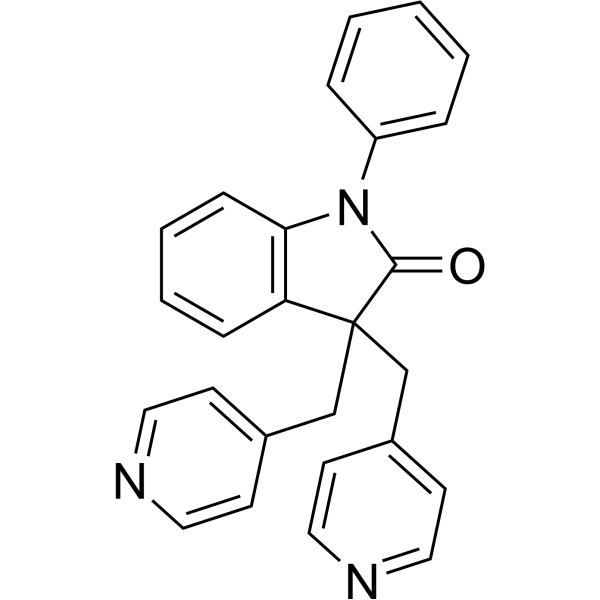
    Linopirdine (DuP 996) is an orally active, selective M-type K + current (IM; Kv7; KCNQ Channels) inhibitor with an IC50 of 2.4 μM. Linopirdine is a TRPV1 agonist. Linopirdine, a putative cognition enhancing agent, increases acetylcholine release in rat brain tissue .
    Linopirdine
  • HY-108483

    Neurokinin Receptor Neurological Disease Inflammation/Immunology
    RP 67580 is a non-peptide antagonist of substance P (SP), competitively inhibits the binding of [3H]SP to neurokinin receptor 1 (NK1 receptor) in rat brain membranes with a Ki value of 4.16 nM. RP 67580 is a specific antagonist of NK1 receptors and can be used in the research of pain and neurogenic inflammation .
    RP 67580
  • HY-100792

    Bacterial Cancer
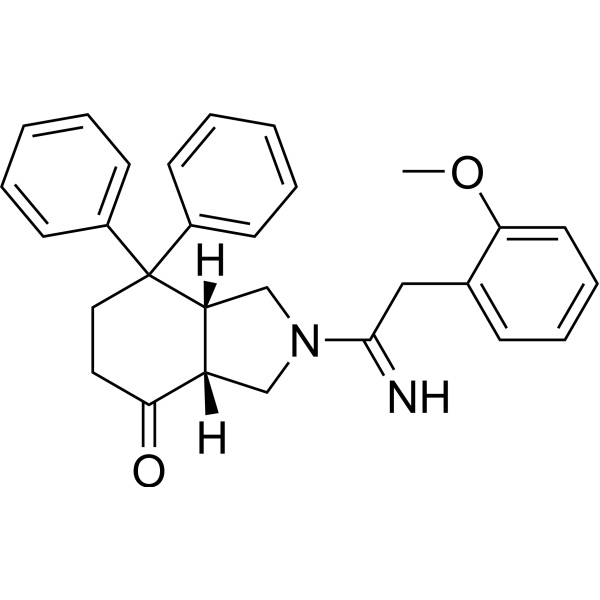
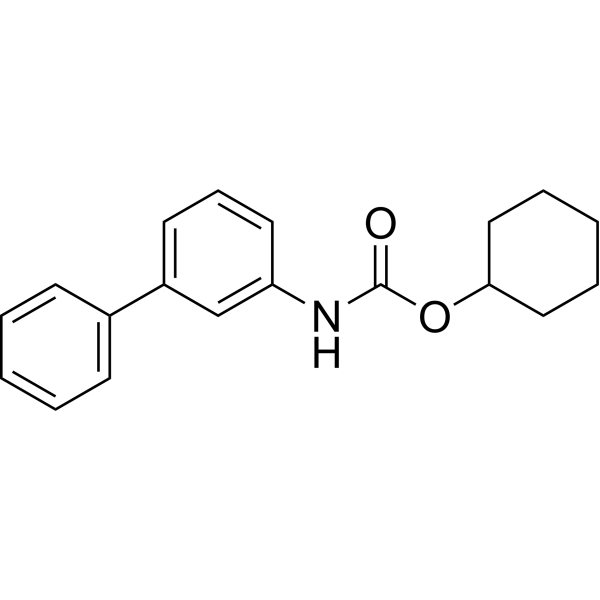
    URB602 is a selective monoacylglycerol lipase (MGL) inhibitor, which inhibits rat brain MGL with IC50 of 28±4 μM through a noncompetitive mechanism.
    URB602
  • HY-112552

    DSG; 1,2-Dioctadecanoyl-sn-glycerol

    Endogenous Metabolite Biochemical Assay Reagents Others
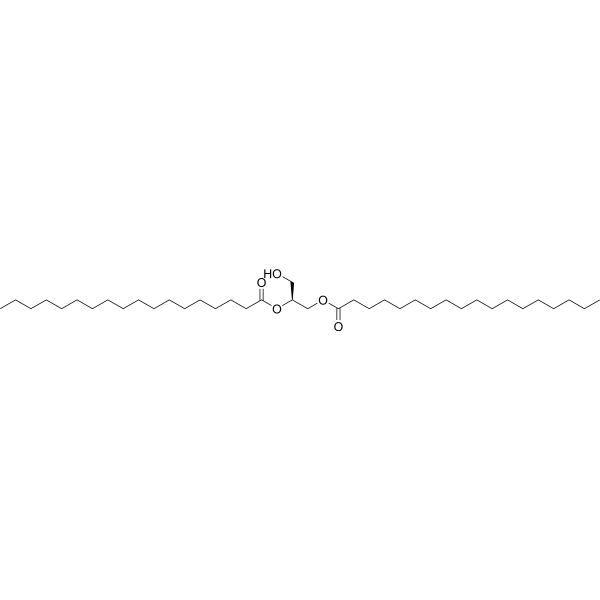
    1,2-Distearoyl-sn-glycerol (DSG) is a glyceride compound. 1,2-Distearoyl-sn-glycerol can be used as an internal standard for the analysis of molecular species of diacylglycerol (DAG) and other phospholipids in rat brain .
    1,2-Distearoyl-sn-glycerol
  • HY-P1091

    Cannabinoid Receptor Neurological Disease
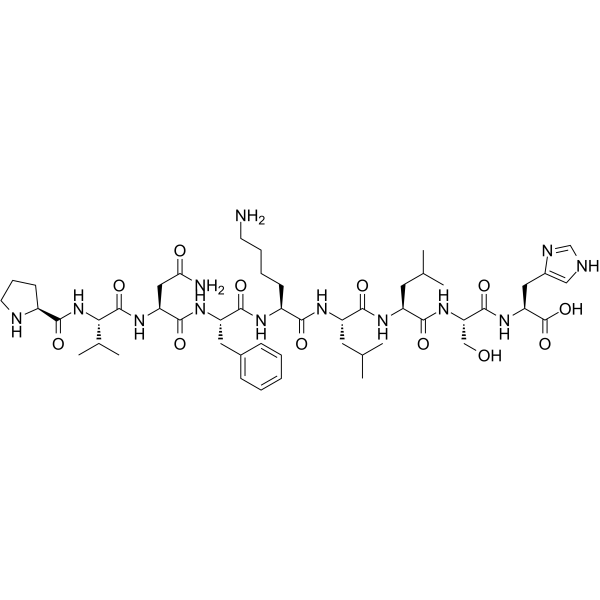
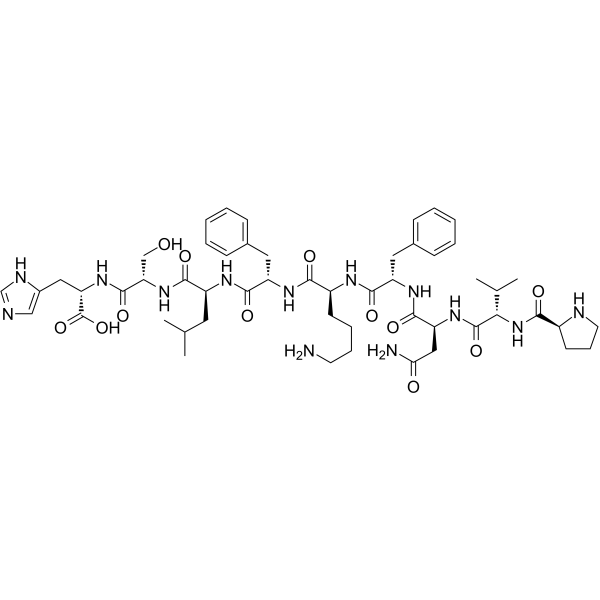
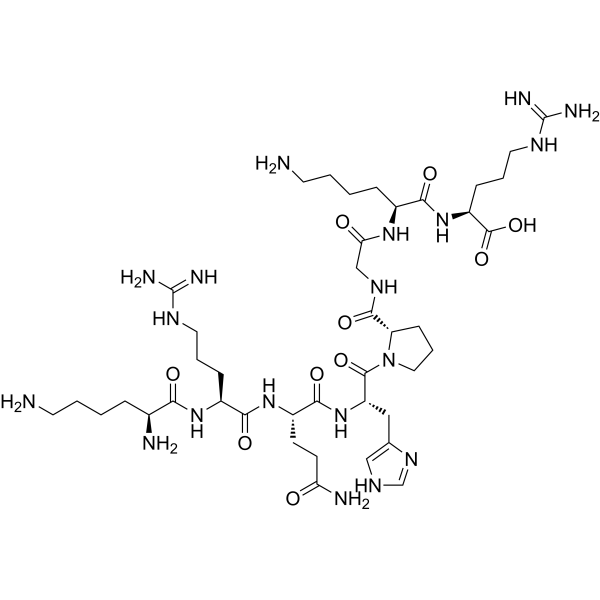
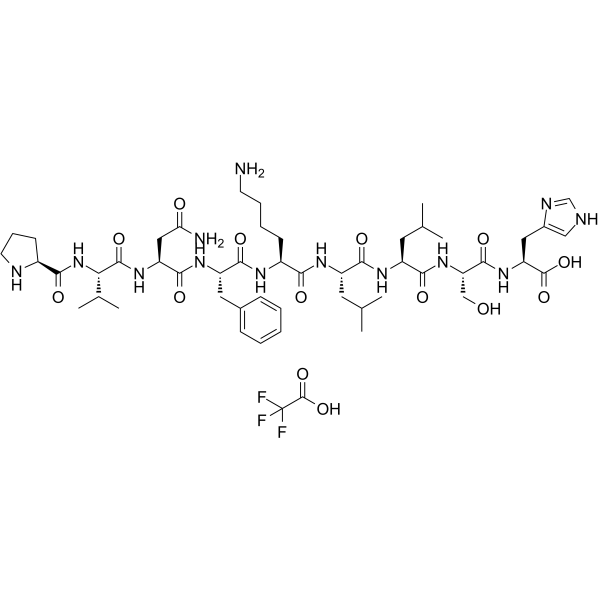
    Hemopressin is a nonapeptide derived from the α1-chain of hemoglobin, is originally isolated from rat brain homogenates. Hemopressin is orally active, selective and inverse agonist of CB1 cannabinoid receptors. Hemopressin exerts antinociceptive action in inflammatory pain models .
    Hemopressin (human, mouse)
  • HY-120170
    BMS-466442
    1 Publications Verification

    ASCT Adrenergic Receptor Dopamine Transporter Neurological Disease
    BMS-466442 is a potent and selective inhibitor of asc-1 (alanine serine cysteine transporter-1), with an IC50 of 11 nM. BMS-466442 inhibits [ 3H] D-serine uptake into rat brain synaptosomes, with an IC50 of 400 nM. BMS-466442 can be used for schizophrenia research .
    BMS-466442
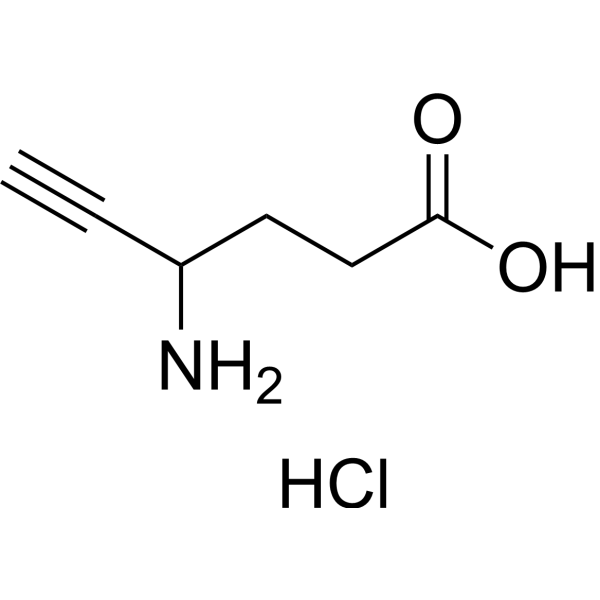
  • HY-131693A

    GAG hydrochloride

    GABA Receptor Neurological Disease Cancer
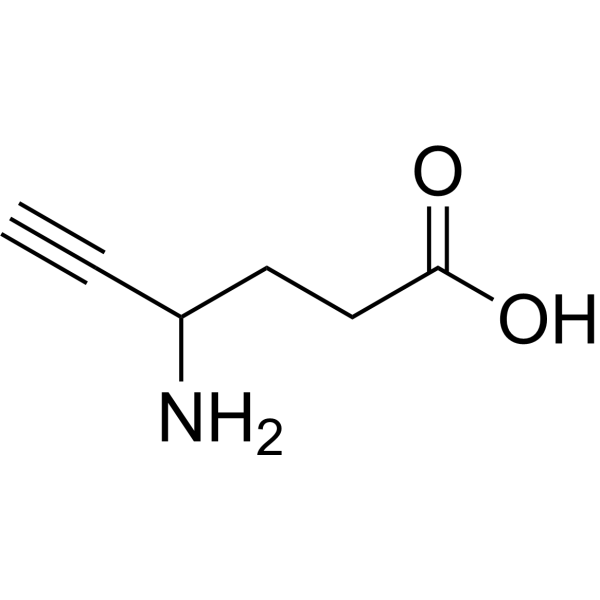
    γ-Acetylenic GABA (GAG) hydrochloride is an irreversible inhibitor of GABA-transaminase. γ-Acetylenic GABA hydrochloride can increase the concentration of GABA in rat brain . γ-Acetylenic GABA (hydrochloride) is a click chemistry reagent, it contains an Alkyne group and can undergo copper-catalyzed azide-alkyne cycloaddition (CuAAc) with molecules containing Azide groups.
    γ-Acetylenic GABA hydrochloride
  • HY-NP180

    Calcium Channel Metabolic Disease
    Progesterone/BSA is a conjugate of Progesterone (HY-N0437) and bovine serum albumin (BSA). Progesterone/BSA cannot penetrate the plasma membrane of human sperm, but still rapidly elevates intracellular free calcium and induces the acrosome reaction. Progesterone/BSA can also act as a probe to specifically bind to progesterone-binding proteins on the membrane of rat brain synaptosomes .
    Progesterone/BSA
  • HY-14200
    (S)-Rasagiline
    1 Publications Verification

    TVP1022; S-PAI

    Monoamine Oxidase Neurological Disease
    (S)-Rasagiline (TVP1022) is the relatively inactive S-enantiomer form of Rasagiline. Rasagiline is a highly potent selective irreversible MAO inhibitor with IC50s of 4.43 nM and 412 nM for rat brain MAO B and A activity, respectively . (S)-Rasagiline is a click chemistry reagent, it contains an Alkyne group and can undergo copper-catalyzed azide-alkyne cycloaddition (CuAAc) with molecules containing Azide groups.
    (S)-Rasagiline
  • HY-150209

    Fluorescent Dye Neurological Disease
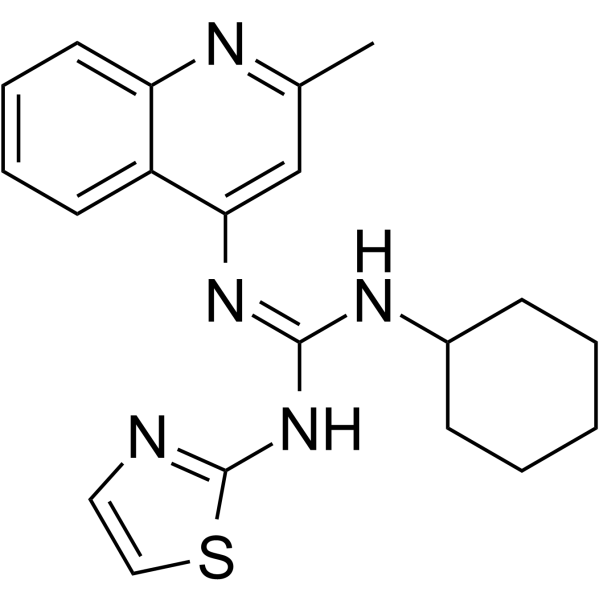
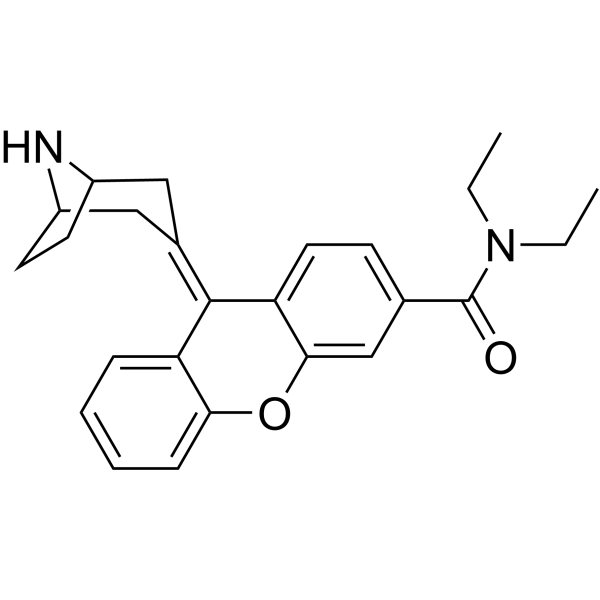
    MODAG-001 can bind to synuclein fibrils in a rat brain. MODAG-001 is a candidate α-syn imaging probe .
    MODAG-001
  • HY-W009234

    6-Chloroguanosine

    Nucleoside Antimetabolite/Analog Others
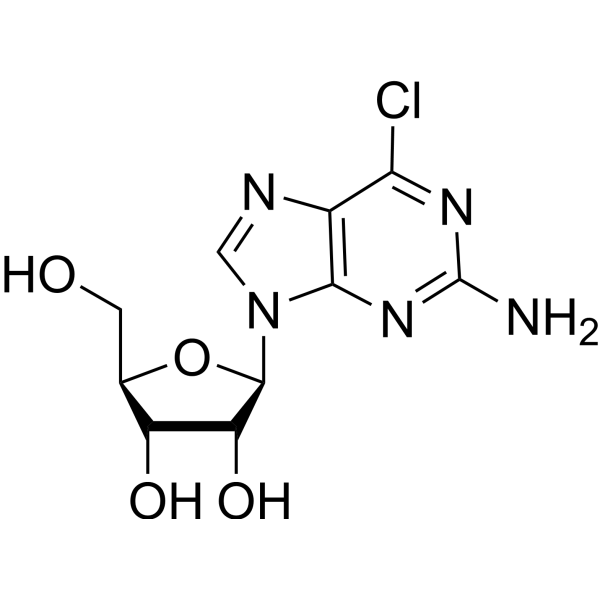
    6-Chloroguanineriboside (6-Chloroguanosine) is a purine nucleoside analog. 6-Chloroguanineriboside has extremely low affinity for guanosine binding sites in rat brain (Ki: 253.1 μM) .
    6-Chloroguanineriboside
  • HY-120963

    Endogenous Metabolite Metabolic Disease
    Several different arachidonoyl amino acids, including N-arachidonoyl dopamine and N-arachidonoyl serine, have been isolated and characterized from bovine brain.1 During mass spectral lipidomics analysis of rat brain, a series of fatty acyl amides of a third amino acid, taurine, were discovered.2 This novel class of compounds is present in kidney and activates members of the transient receptor potential (TRP) family of calcium channels.3 N-Oleoyl taurine is an amino-acyl endocannabinoid isolated from rat brain that may activate TRPV1 and TRPV4.
    N-Oleoyl Taurine
  • HY-108295

    CXB-722

    GABA Receptor Neurological Disease
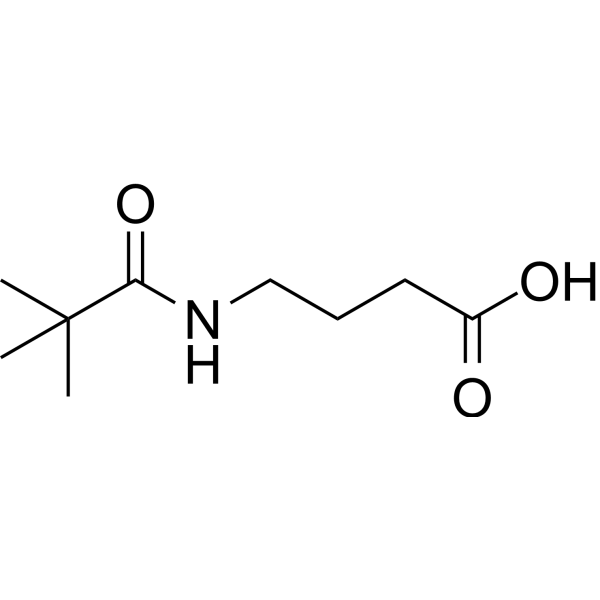
    Pivagabine (CXB 722) is a hydrophobic 4-aminobutyric acid derivative with neuromodulatory activity. Pivagabine penetrates the blood-brain barrier in rats. Pivagabine antagonizes the effects of foot shock on both GABAA receptor function and corticotropin-releasing factor (CRF) concentrations in rat brain .
    Pivagabine
  • HY-P1090

    Cannabinoid Receptor Neurological Disease
    Hemopressin(rat) is a nonapeptide derived from the α1-chain of hemoglobin, is originally isolated from rat brain homogenates. Hemopressin(rat) is orally active, selective and inverse agonist of CB1 cannabinoid receptors. Hemopressin(rat) exerts antinociceptive action in inflammatory pain models .
    Hemopressin(rat)
  • HY-W795507

    Adrenergic Receptor 5-HT Receptor Neurological Disease
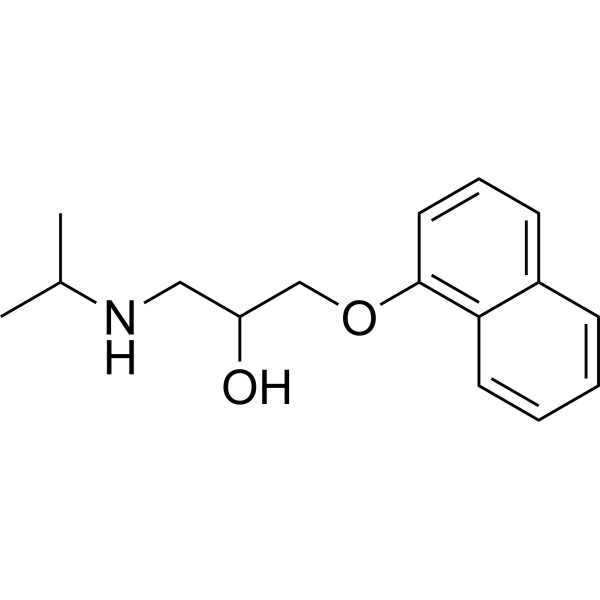
    Cyanopindolol is an β3-adrenoceptor antagonist. Cyanopindolol is a potent and selective antagonist at the presynaptic serotonin autoreceptor in the rat brain cortex. Cyanopindolol has binding affinity for 5-HT1A and 5-HT1B receptor (Ki: 2.1 and 3 nM respectively) .
    Cyanopindolol
  • HY-P3801

    DiMe-C7

    Neurokinin Receptor Neurological Disease Metabolic Disease
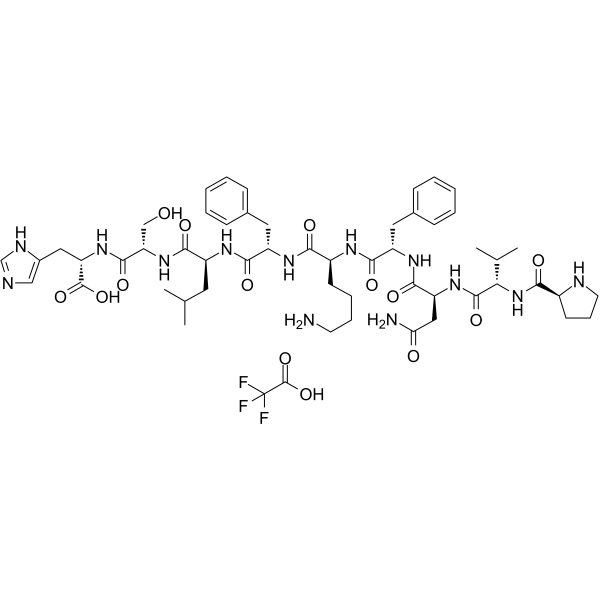
    [Glp5,(Me)Phe8,Sar9] Substance P (5-11) (DiMe-C7) is a Substance P (HY-P0201) analogue that has approximately the same effects as Substance P (HY-P0201) on neurokinin 1 receptor (NK1R) in rat brain, but with a much longer duration of action. [Glp5,(Me)Phe8,Sar9] Substance P (5-11) selectively activates dopamine metabolism in the mesencephalon and midbrain cortex of the rat brain. [Glp5,(Me)Phe8,Sar9] Substance P (5-11) also increases motor activity and induces recovery of addictive agent-seeking behavior in rats .
    [Glp5,(Me)Phe8,Sar9] Substance P (5-11)
  • HY-120965

    Endogenous Metabolite Metabolic Disease
    Several different arachidonoyl amino acids, including N-arachidonoyl dopamine (NADA) and N-arachidonoyl serine (ARA-S), have been isolated and characterized from bovine brain.1 During mass spectral lipidomic analysis of rat brain, a series of fatty acyl amides of a third amino acid, taurine, is discovered. N-Palmitoyl taurine is a prominent amino-acyl endocannabinoid isolated from rat brain during lipidomics profiling. Its function is currently under investigation.
    N-Palmitoyl Taurine
  • HY-101169
    Tetrindole mesylate
    1 Publications Verification

    Monoamine Oxidase Neurological Disease
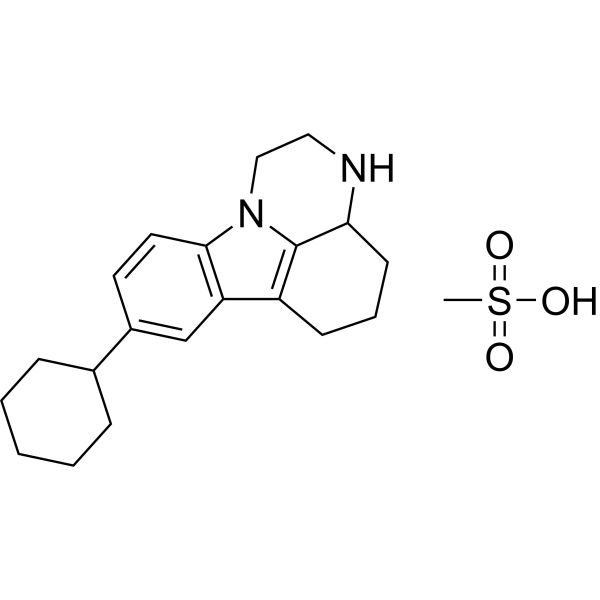
    Tetrindole mesylate is a selective inhibitor of monoamine oxidase A (MAO A). Tetrindole mesylate inhibits rat brain mitochondrial MAO A in a competitive manner with a Ki value of 0.4 μM and inhibits MAO B with a Ki of 110 μM. Tetrindole mesylate has antidepressant activity .
    Tetrindole mesylate
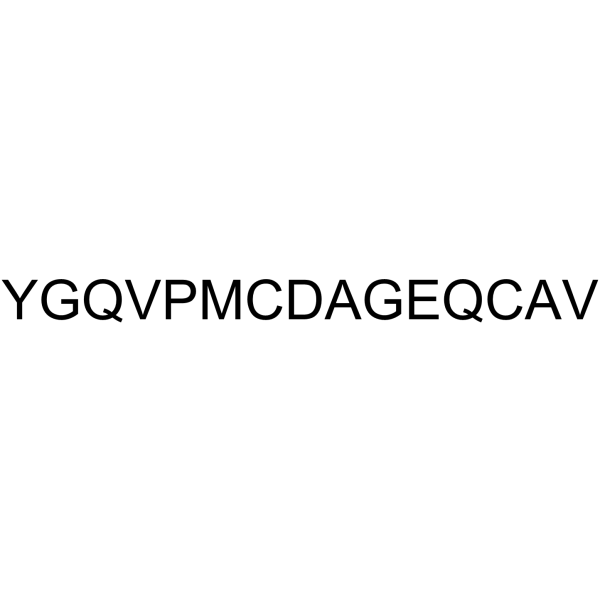
  • HY-P1303

    5-HT Receptor Neurological Disease
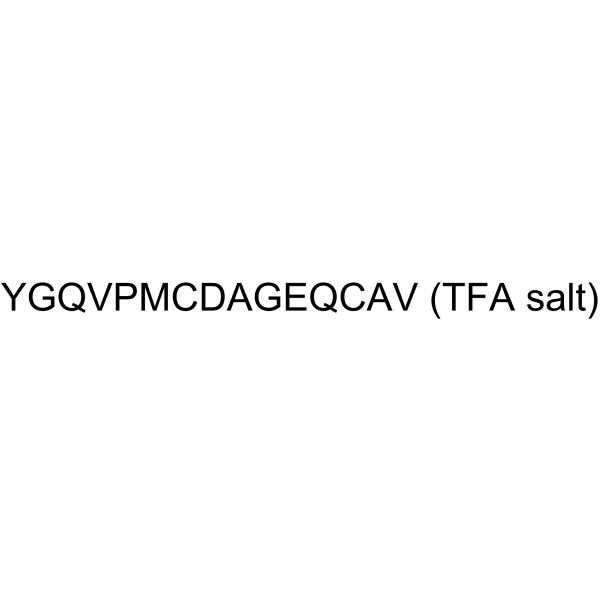
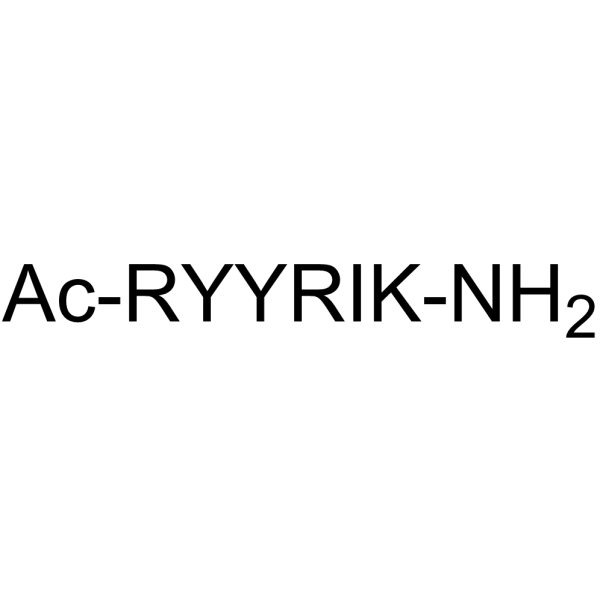
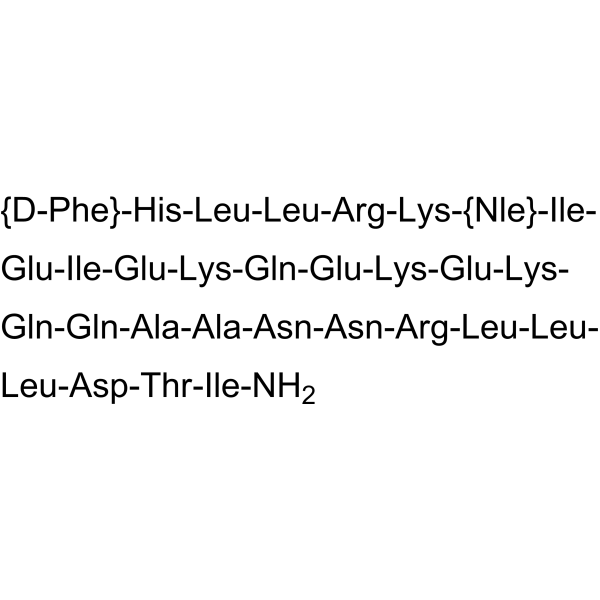
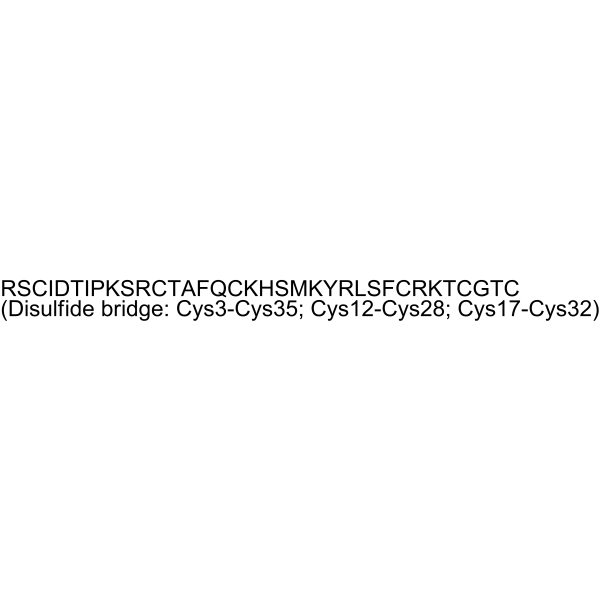
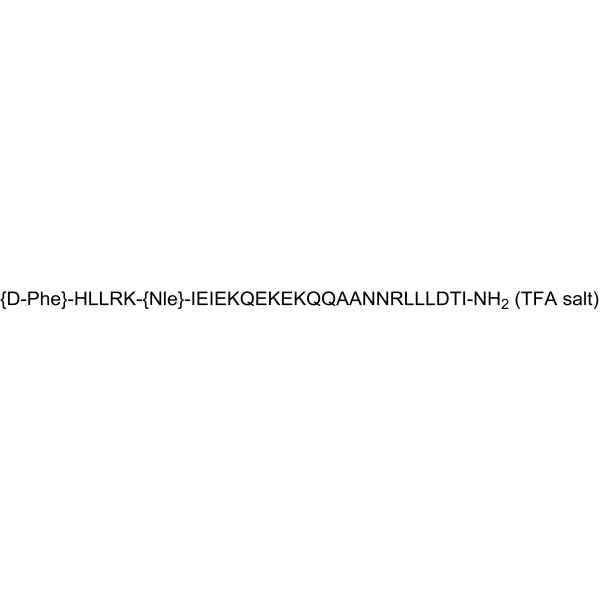
    CART(62-76)(human,rat) is a neuropeptide (62-76 residues of the CART peptide) with neurotransmitter-like effects. CART(62-76)(human,rat) can modulate the activity of striatal noradrenergic and corticostriatal and hypothalamic serotoninergic (5-HT) system in the rat brain .
    CART(62-76)(human,rat)
  • HY-P1573

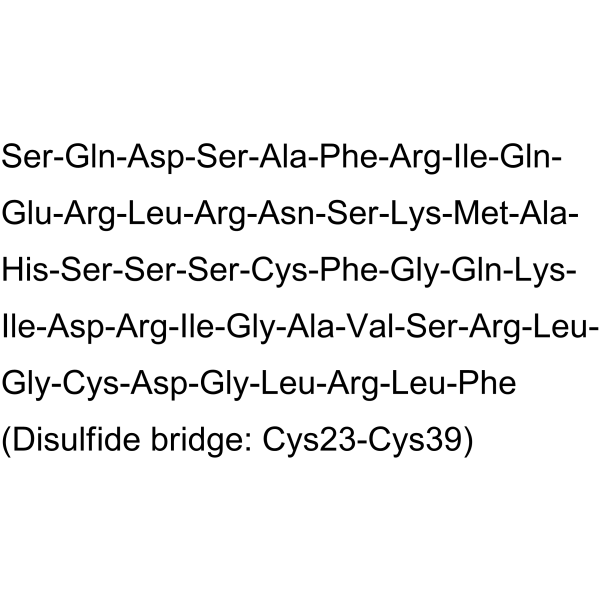
    BNP-45, rat

    Natriuretic Peptide Receptor (NPR) Cardiovascular Disease
    Brain Natriuretic Peptide-45, rat (BNP-45, rat) is a circulating form of rat brain natriuretic peptide isolated from rat heart with potent hypotensive and natriuretic potency .
    Brain Natriuretic Peptide-45, rat
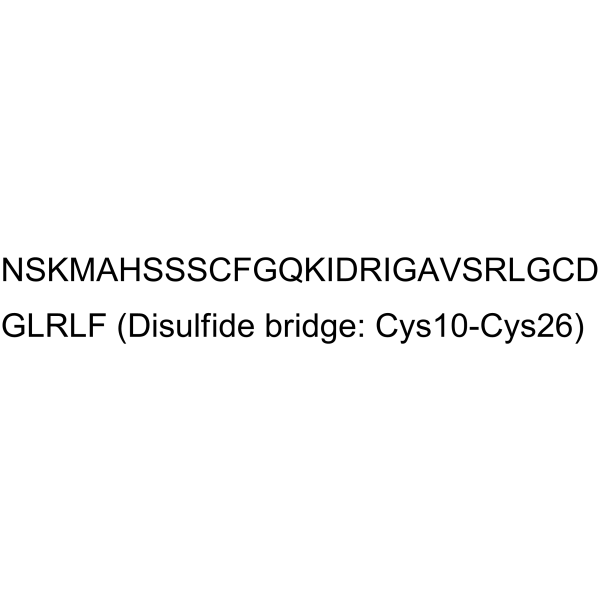
  • HY-P1519

    BNP (1-32), rat

    Angiotensin Receptor Cardiovascular Disease
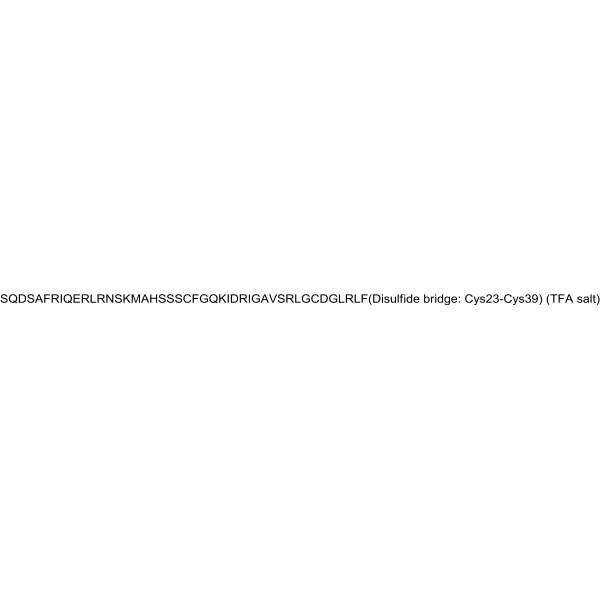
    Brain Natriuretic Peptide (1-32), rat (BNP (1-32), rat) is a 32 amino acid polypeptide secreted by the ventricles of the heart in response to excessive stretching of heart muscle cells (cardiomyocytes) .
    Brain Natriuretic Peptide (1-32), rat
  • HY-120964

    Endogenous Metabolite Metabolic Disease
    Several different arachidonoyl amino acids, including N-arachidonoyl dopamine (NADA) and N-arachidonoyl serine (ARA-S), have been isolated and characterized from bovine brain.1 During mass spectral lipidomic analysis of rat brain, a series of fatty acyl amides of a third amino acid, taurine, is discovered.2 This novel class of compounds is present in kidney and activates members of the transient receptor potential (TRP) family of calcium channels.3 N-Stearoyl taurine is a prominent amino-acyl endocannabinoid isolated from rat brain during lipidomics profiling.
    N-Stearoyl Taurine
  • HY-116663

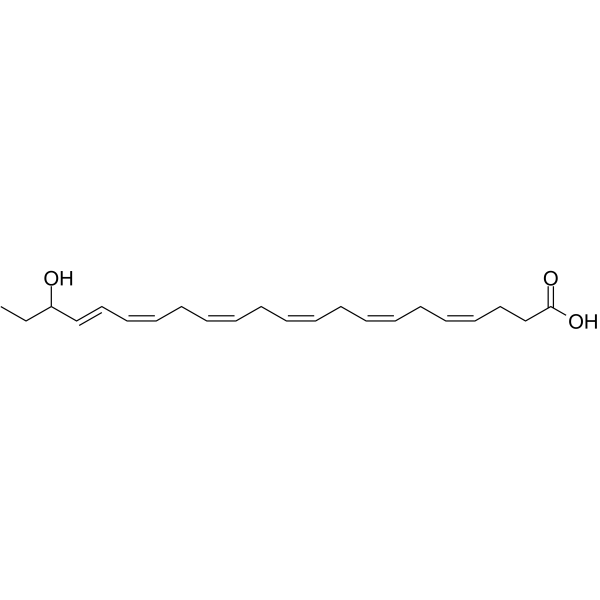
    (±)20-HDoHE

    Endogenous Metabolite Neurological Disease
    (±)20-HDHA ((±)20-HDoHE) is a racemic mixture and is an autoxidation product of Docosahexaenoic acid (DHA). (±)20-HDHA is also formed by peroxidation process in human platelets and rat brain homogenate .
    (±)20-HDHA
  • HY-101169A

    Monoamine Oxidase Neurological Disease
    Tetrindole hydrochloride is a selective inhibitor of monoamine oxidase A (MAO A). Tetrindole hydrochloride inhibits rat brain mitochondrial MAO A in a competitive manner with a Ki value of 0.4 μM and inhibits MAO B with a Ki of 110 μM. Tetrindole hydrochloride has antidepressant activity .
    Tetrindole hydrochloride
  • HY-165116

    18:0p/22:6-PE; C18(Plasm)-22:6-PE; PE(P-18:0/22:6)

    Endogenous Metabolite Others
    1-1(Z)-Octadecenyl-2-docosahexaenoyl-sn-glycero-3-PE (18:0p/22:6-PE) is a lipid identified in rat brain tissue by mass spectrometry imaging with specific structural and distribution characteristics, and isomers of different fatty acid chains can be identified by improved methods.
    1-1(Z)-Octadecenyl-2-docosahexaenoyl-sn-glycero-3-PE
  • HY-126419

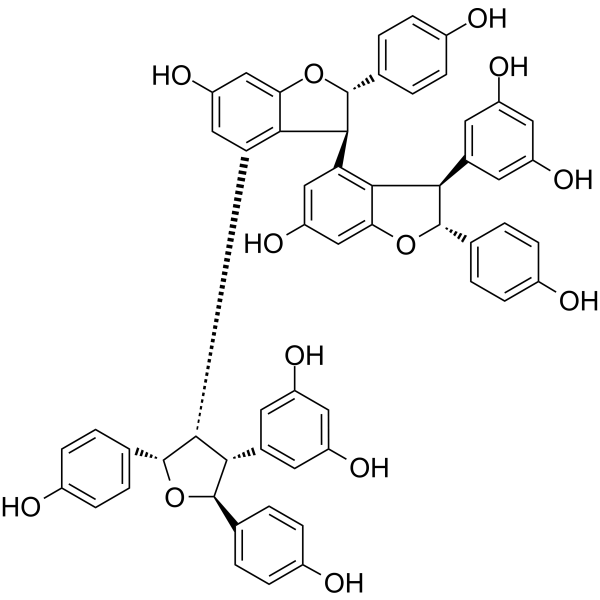
    SARS-CoV PKC Infection
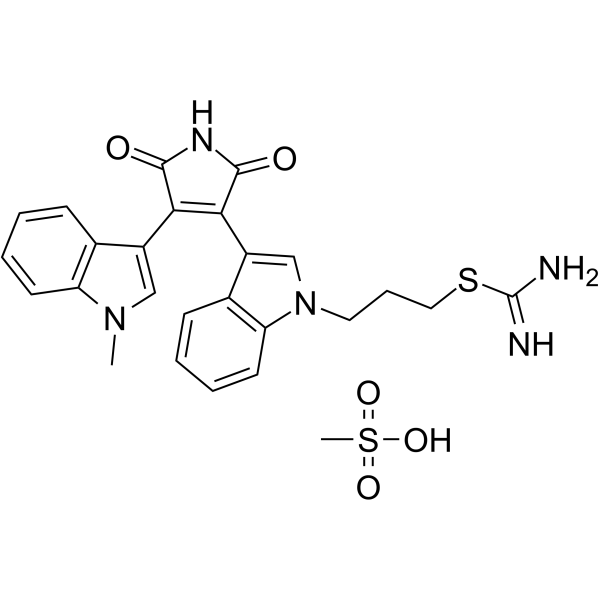
    Kobophenol A, an oligomeric stilbene, blocks the interaction between the ACE2 receptor and S1-RBD with an IC50 of 1.81 μM and inhibits SARS-CoV-2 viral infection in cells with an EC50 of 71.6 μM. Kobophenol A inhibits the activity of partially purified rat brain protein kinase C (PKC) with an IC50 of 52 µM .
    Kobophenol A
  • HY-108973A

    CGP-15210G

    5-HT Receptor Neurological Disease
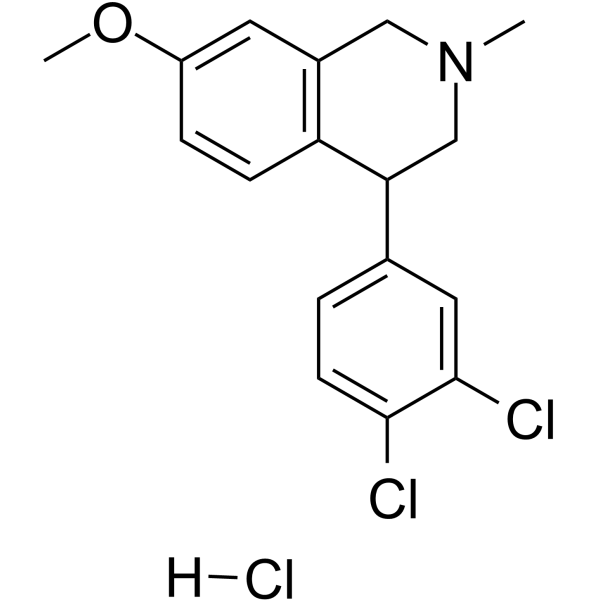
    Ifoxetine (CGP 15210G) is an inhibitor of 5-HT reuptake. Ifoxetine specifically and selectively blocks the 5-HT reuptake in the brain without affecting the 5-HT uptake processes in the periphery (blood platelets). Ifoxetine inhibits the uptake of radiolabelled 5-HT into rat brain synaptosomes in vitro or ex vivo. Ifoxetine has antidepressant properties .
    Ifoxetine
  • HY-P3883

    Neurokinin Receptor Neurological Disease
    [DAla4] Substance P (4-11) is an analog of Substance P (HY-P0201) that inhibits the binding of 125I-Bolton Hunter-conjugated Eledoisin (HY-P0006) (IC50 of 0.5 μM) and 125I-Bolton Hunter-conjugated Substance P (IC50 of 0.15 μM) to rat brain cortex membranes .
    [DAla4] Substance P (4-11)
  • HY-19578B

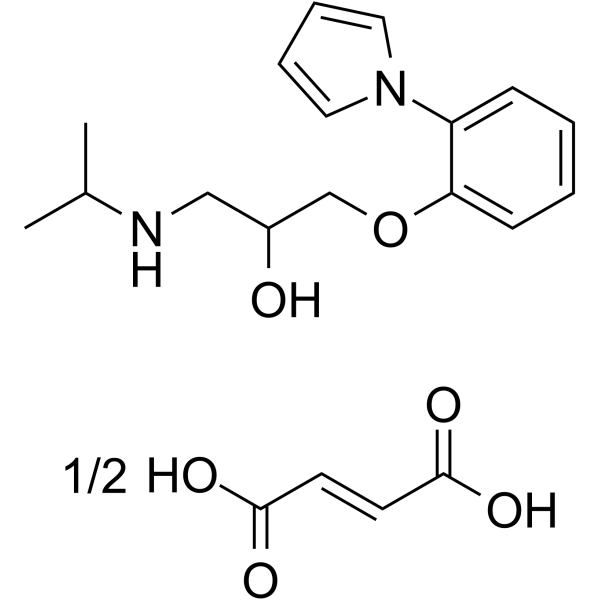
    (±)-Isamoltane hemifumarate

    5-HT Receptor Adrenergic Receptor Neurological Disease
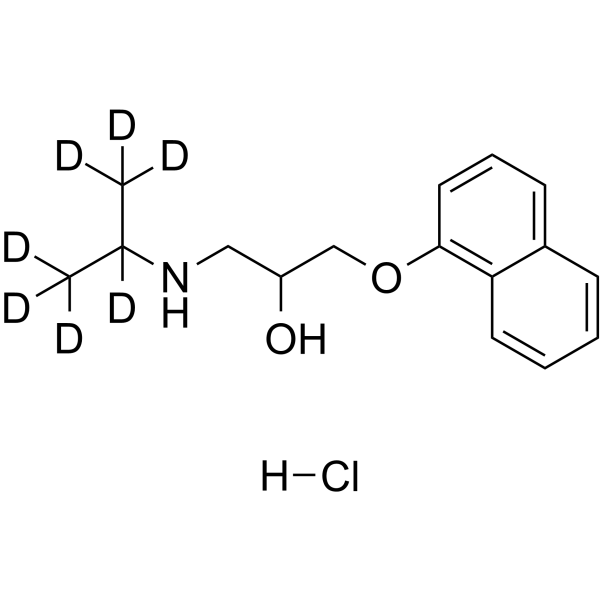
    Isamoltane hemifumarate is a selective antagonist of 5-HT1B receptor, with an IC50 of 39 nM for inhibits the binding of [ 125I]ICYP to 5-HT1B recognition sites in rat brain membranes. Isamoltane hemifumarate is also a β-adrenoceptor ligand, with an IC50 of 8.4 nM. Isamoltane hemifumarate shows anxiolytic activity .
    Isamoltane hemifumarate
  • HY-13225A

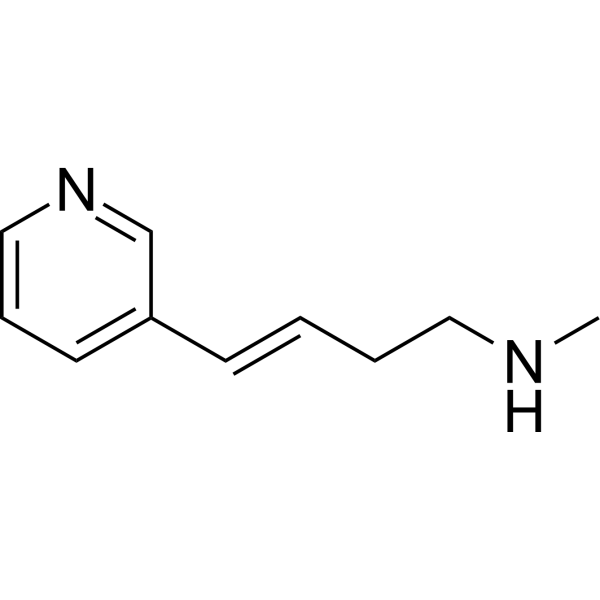
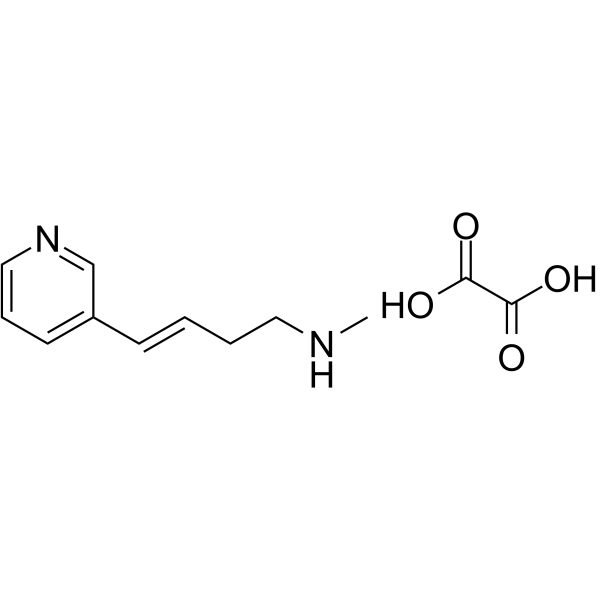
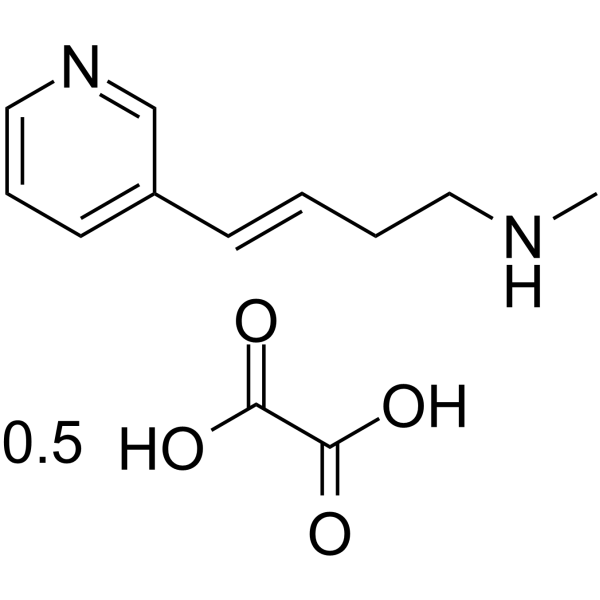
    RJR-2403; (E)-Metanicotine

    nAChR Neurological Disease
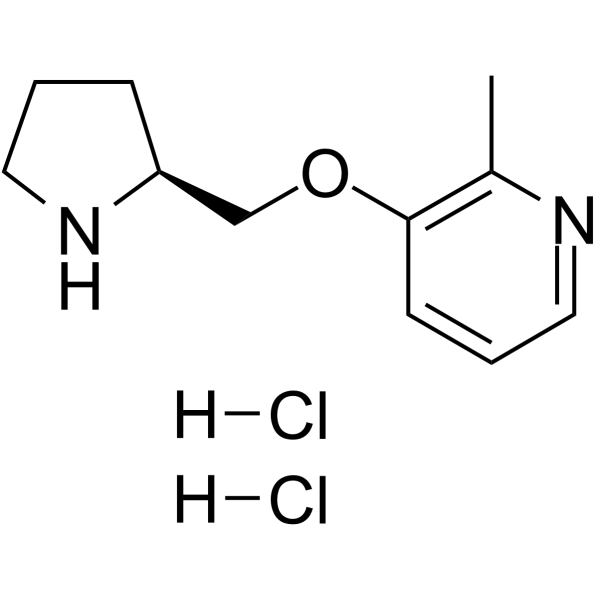
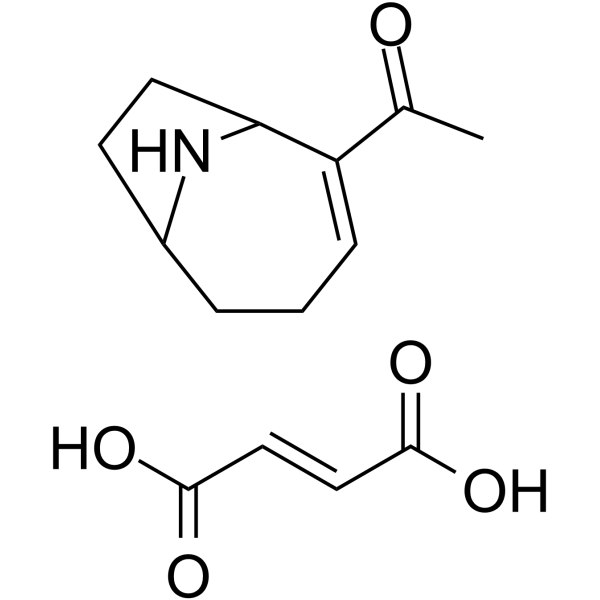
    Rivanicline (RJR-2403) is a neuronal nicotinic receptor agonist. Rivanicline is highly selective for the rat brain cortex nAChRs (Ki = 26 nM, EC50 of 732 nM) and α4β2 subtype (Ki = 26 nM, EC50 = 16 μM). Rivanicline can significantly restore the learning impairment and cognitive dysfunction. Rivanicline can be used for the study of neurodegenerative diseases (such as schizophrenia or Alzheimer's disease) .
    Rivanicline
  • HY-W098008

    Parasite Microtubule/Tubulin Infection
    Fenbendazole analog-1 (compound 9) is a 2-methoxycarbonylamino-derived antiparasitic compound and inhibits rat brain tubulin polymerization. Fenbendazole analog-1 inhibits the growth of the protozoa Giardia lamblia, Entamoeba histolytica, and the worm Trichinella spiralis .
    Fenbendazole analog-1
  • HY-120965S

    Isotope-Labeled Compounds Endogenous Metabolite Metabolic Disease
    N-Palmitoyl taurine-d4 is the deuterium labeled N-Palmitoyl taurine (HY-120965). N-Palmitoyl taurine is a prominent amino-acyl endocannabinoid isolated from rat brain during lipidomics profiling. Its function is currently under investigation .
    N-Palmitoyl Taurine-d4
  • HY-135507

    5-HT Receptor Neurological Disease
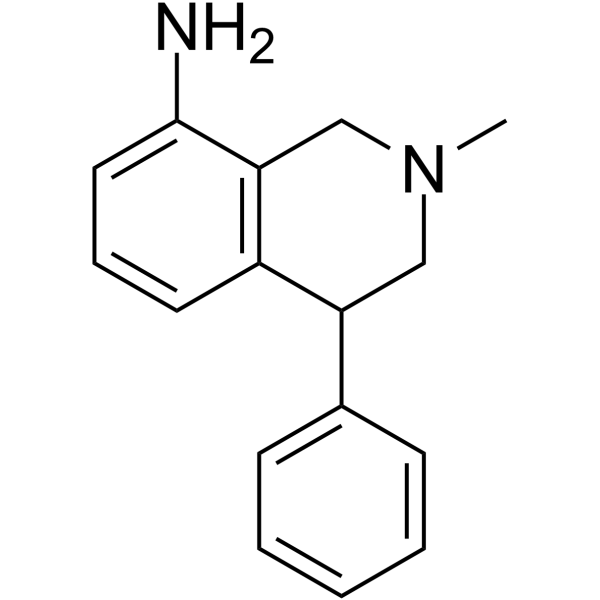
    NAS-181 is a potent and selective rat 5-hydroxytryptamine1B (r5-HT1B) antagonist with an Ki value of 47 nM. NAS-181 increases the 5-HTP accumulation in rat brain regions .
    NAS-181
  • HY-U00322

    5-HT Receptor Neurological Disease
    5-HT3 antagonist 3 (Compound 15b) is a high-affinity 5-HT3 receptor antagonist. 5-HT3 antagonist 3 binds to 5-HT3 receptors in rat brain cortical membranes with Ki of 0.25 nM .
    5-HT3 antagonist 3

Inquiry Online

Your information is safe with us. * Required Fields.

Salutation


Country or Region *

Applicant Name *


Organization Name *

Department *


Email Address *


Product Name *

Cat. No.


Requested quantity *

Phone Number *


Remarks

Inquiry Online

Inquiry Information

Product Name:
Cat. No.:
Quantity:
MCE Japan Authorized Agent: