



SR 142948 (Standard)
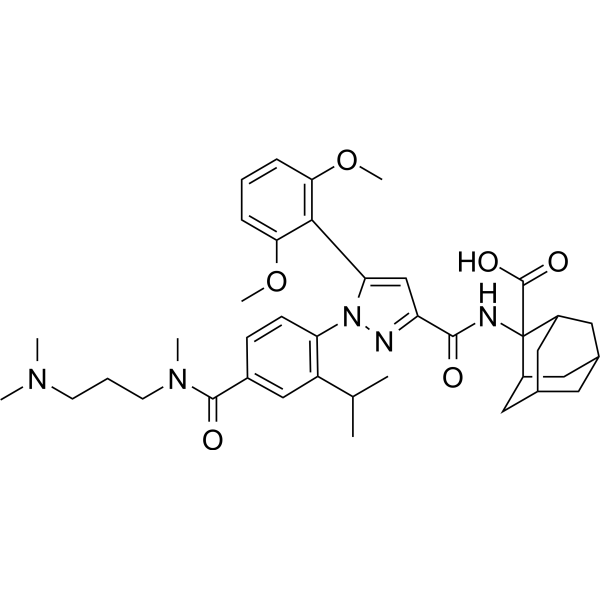
SR 142948 (Standard) is the analytical standard of SR 142948 (HY-107664). This product is intended for research and analytical applications. SR 142948 is an orally active and selective non-peptide neurotensin receptor (NT) antagonist with IC50s of 1.19 nM, 0.32 nM, 3.96 nM in h-NTR1-CHO cells, HT-29 cells, and adult rat brain, respectively. SR 142948 antagonizes NT-induced inositol monophosphate formation in HT-29 cells with an IC50 of 3.9 nM. SR 142948 blocks hypothermia, analgesia and steering behavior induced by NT in vivo. SR 142948 shows blood-brain permeability and can be used in study of psychiatric disorders.
For research use only. We do not sell to patients.
- CAS No.: 184162-64-9
- Formula: C39H51N5O6
- Molecular Weight:685.85
-
Storage:
Please store the product under the recommended conditions in the Certificate of Analysis.


To place orders, for customer services and technical support, please contact: MedChemExpress USA
Tel: 609-228-6898 E-mail: [email protected] [email protected]


-
 Biological Activity
-
Chemical Information
- Protocols
- Purity & Documentation
- References
-
 Help & FAQs


-
HY-107664
SR 142948NT Antagonist -
HY-P0234
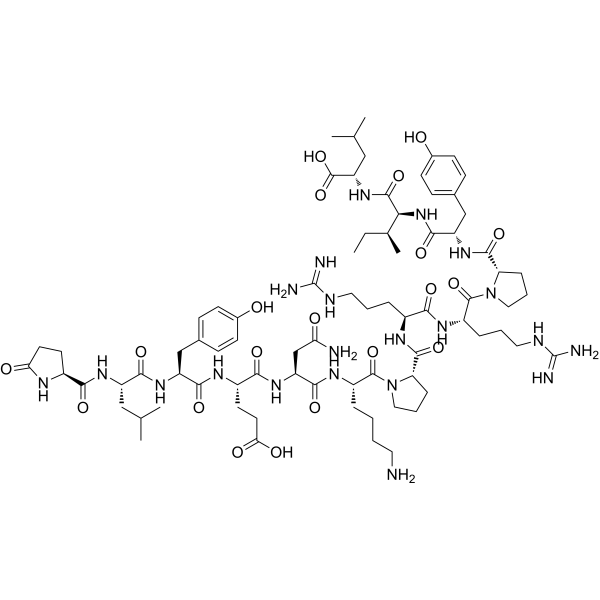
NeurotensinNeurotensin Receptor Agonist -
HY-P1255
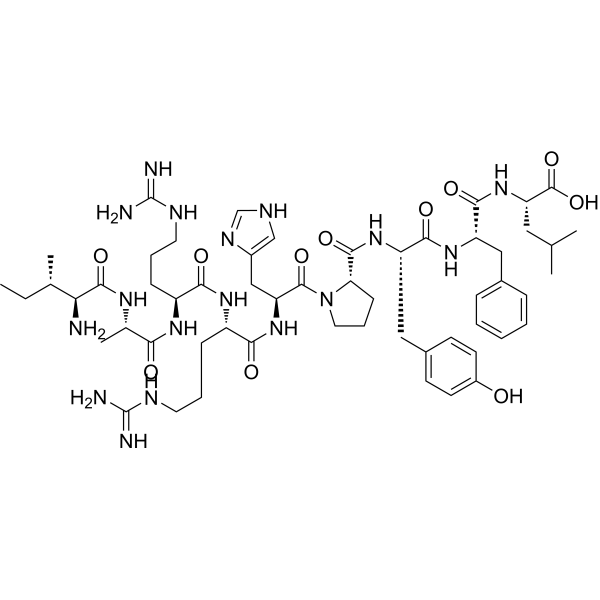
KinetensinEndogenous Metabolite -
HY-125880
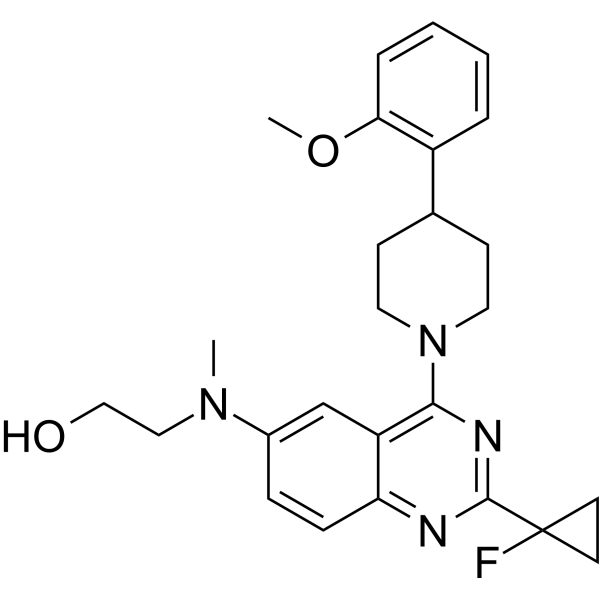
SBI-553NTR1 Allosteric Modulator -
![[Lys8, Lys9]-Neurotensin (8-13)](https://file.medchemexpress.com/product_pic/hy-p2544.gif)
HY-P2544
[Lys8, Lys9]-Neurotensin (8-13) -
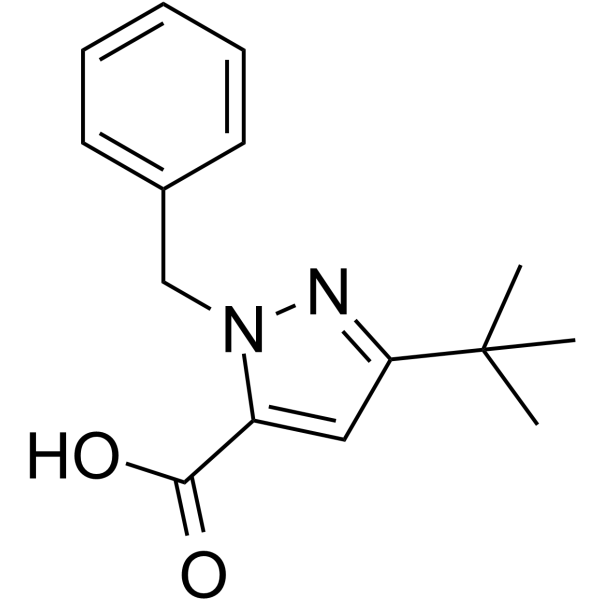
HY-115213
SORT-PGRN interaction inhibitor 1Sortilin-Progranulin Interaction Inhibitor -
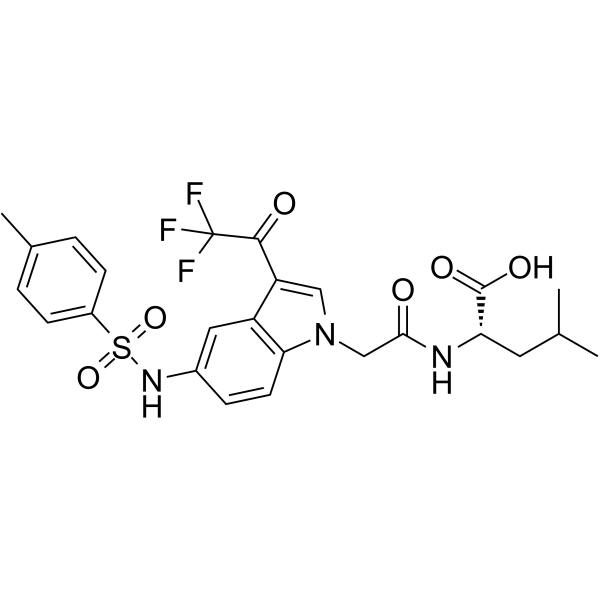
HY-12436
NTRC-824NTS2 Antagonist -
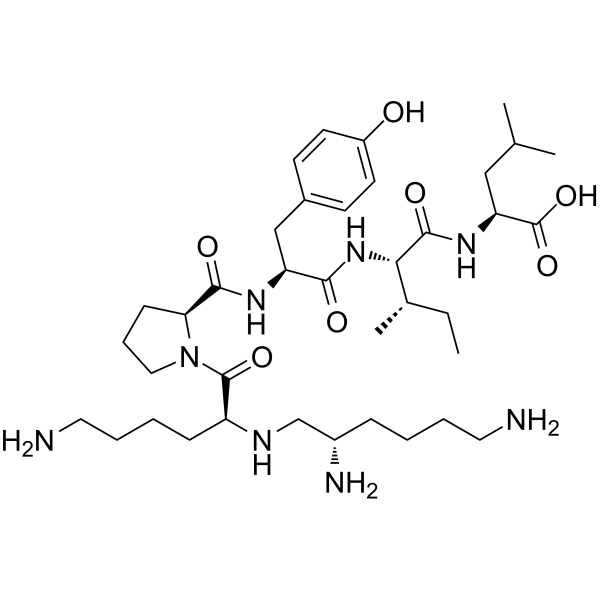
HY-P1256
JMV 449Neurotensin Receptor Agonist -
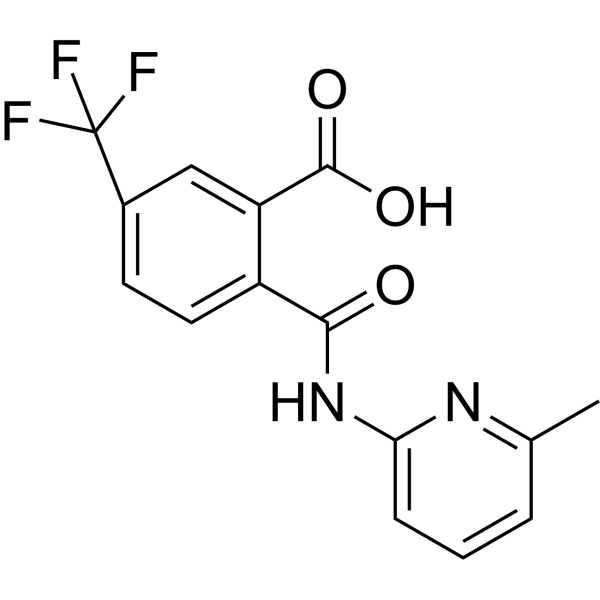
HY-12802
AF38469Sortilin Inhibitor -
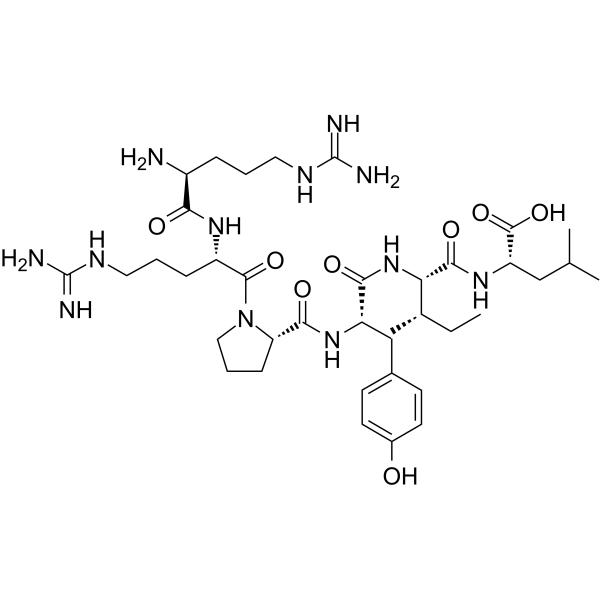
HY-P0251
Neurotensin(8-13)Neurotensin Receptor Agonist -
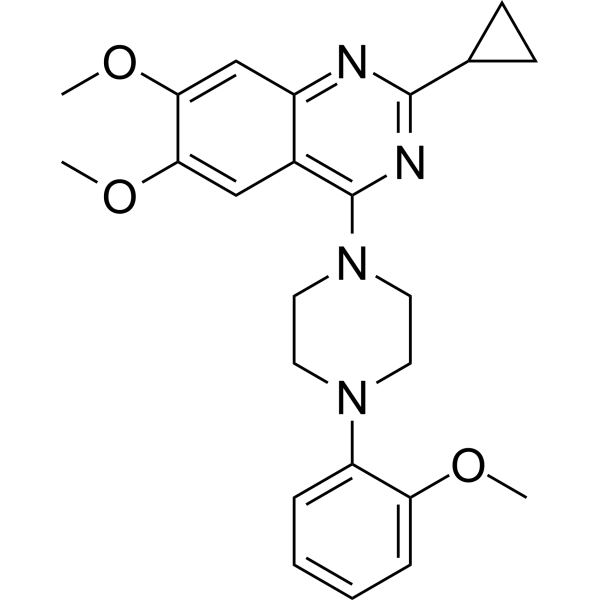
HY-16639
ML314NTR1 Activator -
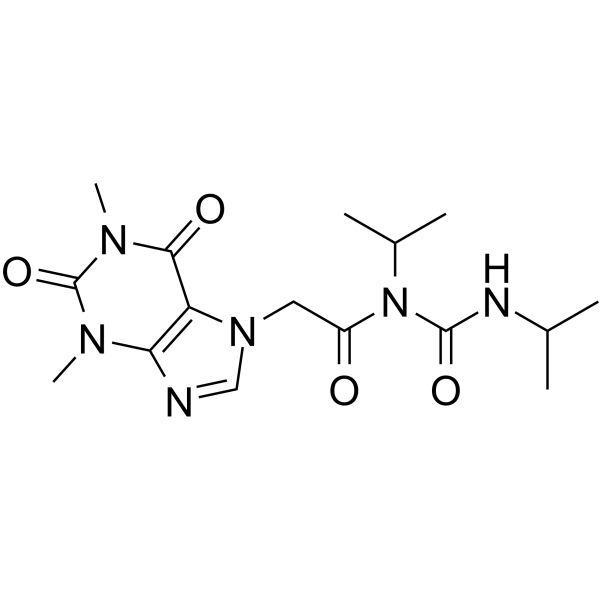
HY-137322
THX-Bp75NTR Antagonist


Biological Activity
Description


Chemical Information
-
CAS No. 184162-64-9
-
Molecular Weight 685.85
-
Formula C39H51N5O6
-
SMILES
O=C(C1=NN(C2=C(C=C(C(N(C)CCCN(C)C)=O)C=C2)C(C)C)C(C3=C(C=CC=C3OC)OC)=C1)NC4([C@H]5C[C@H](C6)C[C@@H]4C[C@H]6C5)C(O)=O
-
Shipping
Room temperature in continental US; may vary elsewhere.
-
Storage
Please store the product under the recommended conditions in the Certificate of Analysis.


Purity & Documentation
References
[1]. Portier M, et al. Neurotensin type 1 receptor-mediated activation of krox24, c-fos and Elk-1: preventing effect of the neurotensin antagonists SR 48692 and SR 142948. FEBS Lett. 1998 Jul 31;432(1-2):88-93. [Content Brief]
[2]. Gully D, et al. Biochemical and pharmacological activities of SR 142948A, a new potent neurotensin receptor antagonist. J Pharmacol Exp Ther. 1997 Feb;280(2):802-12. [Content Brief]

Calculators
Concentration (start) × Volume (start) = Concentration (final) × Volume (final)


SR 142948 (Standard) Related Classifications
HY-107664R Related Classifications
 Powered by Bioz