Search Result
Results for "
SKF
" in MedChemExpress (MCE) Product Catalog:
2
Biochemical Assay Reagents
27
Isotope-Labeled Compounds
| Cat. No. |
Nom du produit |
Target |
Áreas de investigación |
Chemical Structure |
-
- HY-B1123
-
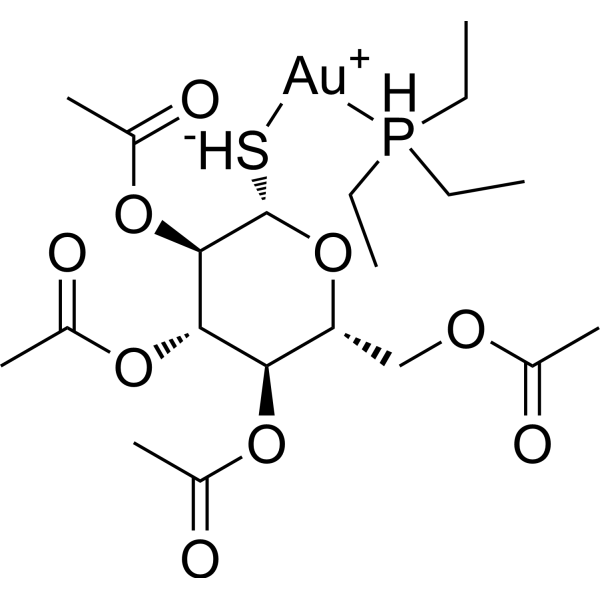
Auranofin
Maximum Cited Publications
40 Publications Verification
SKF-39162
|
Bacterial
SARS-CoV
|
Infection
Inflammation/Immunology
Cancer
|
|
Auranofin (SKF-39162) is a thioredoxin reductase (TrxR) inhibitor with an IC50 of 0.2 μM. Auranofin exhibits antiviral activity against SARS-CoV21, with a CC50 of 4.2 μM for monkey kidney Vero E6 cells.
|
-
-
- HY-13768A
-
|
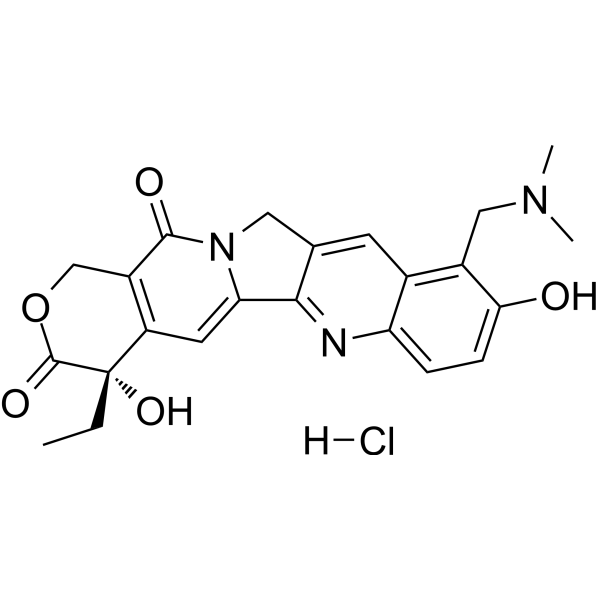
SKF 104864A hydrochloride; NSC 609669 hydrochloride
|
Topoisomerase
Autophagy
Apoptosis
|
Cancer
|
|
Topotecan Hydrochloride (SKF 104864A Hydrochloride) is a Topoisomerase I inhibitor with potent antineoplastic activities.
|
-
-
- HY-17447A
-
-
-
- HY-100001
-
|
|
TRP Channel
CRAC Channel
Autophagy
CaMK
Akt
Apoptosis
Na+/Ca2+ Exchanger
Calcium Channel
|
Neurological Disease
Inflammation/Immunology
Cancer
|
|
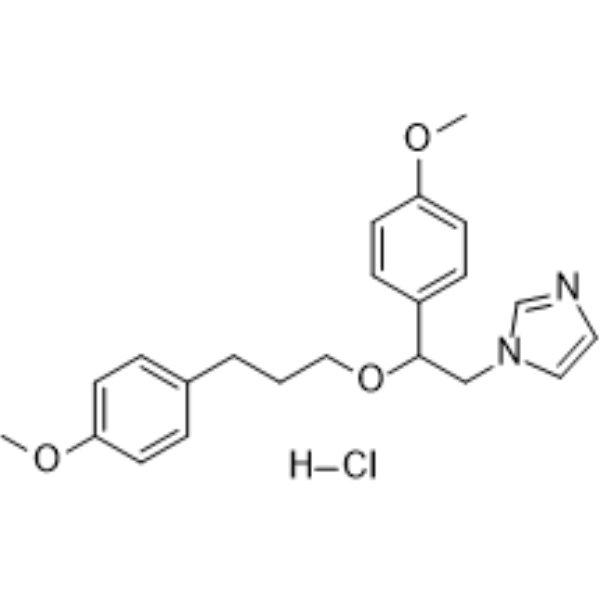
SKF-96365 hydrochloride is a TRPC channel antagonist and store-operated calcium entry (SOCE) inhibitor. SKF-96365 hydrochloride reduces calcium ion influx by inhibiting the activity and expression of TRPC6, STIM1 and Orai1. SKF-96365 hydrochloride inhibits voltage-gated sodium current (cardiac INa/NaV1.5) and slows myocardial conduction. SKF-96365 hydrochloride inhibits phosphorylation/activation of CaMKIIγ and suppresses the downstream AKT signaling pathway. SKF-96365 hydrochloride induces G2/M phase cell cycle arrest, apoptosis and cytoprotective autophagy in colorectal cancer cells. SKF-96365 hydrochloride alleviates allergic rhinitis symptoms by reducing inflammatory cytokine levels. SKF-96365 hydrochloride reduces intracellular calcium overload, inhibits Homer1 expression, prevents nuclear damage and suppresses apoptosis. SKF-96365 hydrochloride inhibits the growth of colorectal cancer xenografts in nude mice . SKF-96365 hydrochloride is applicable to research related to allergic rhinitis, colorectal cancer, Parkinson's disease, persistent spontaneous nociception and hyperalgesia .
|
-
-
- HY-12520A
-
|
(±)-SKF-38393 hydrochloride; SKF-38393A
|
Dopamine Receptor
|
Neurological Disease
|
|
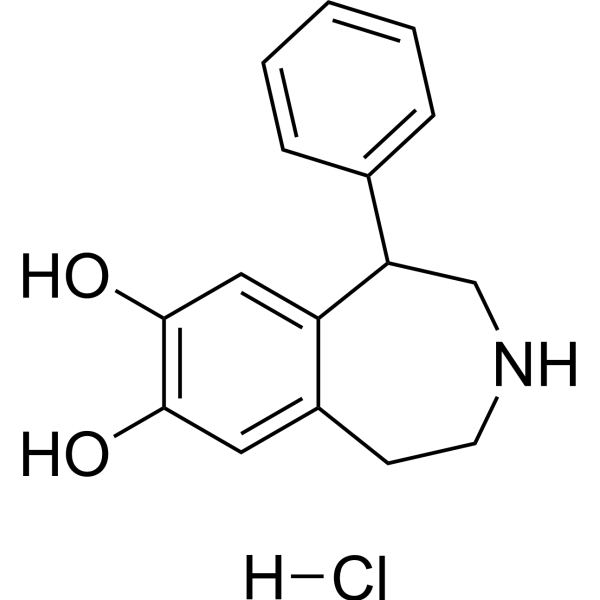
SKF 38393 hydrochloride is a selective agonist of the dopamine D1 receptor (D1DR) with an IC50 of 110 nM .
|
-
-
- HY-B0223
-
-
-
- HY-14289
-
-
-
- HY-B0623A
-
|
SKF 101468 hydrochloride
|
Dopamine Receptor
|
Neurological Disease
|
|
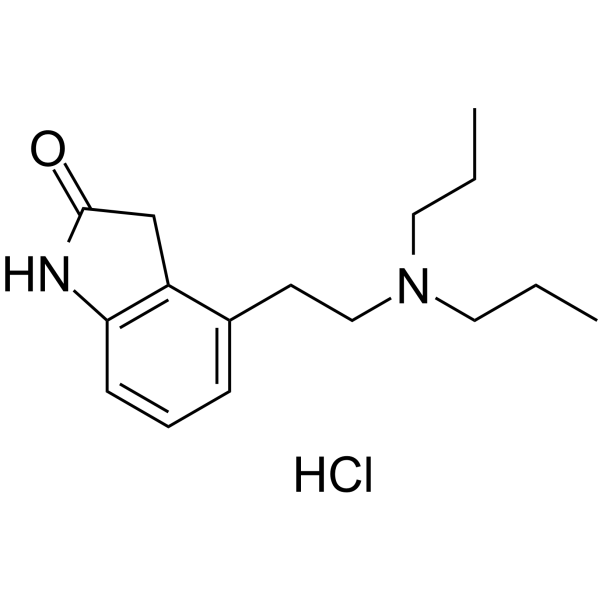
Ropinirole (SKF 101468) hydrochloride is an orally active, potent D3/D2 receptor agonist with a Ki of 29 nM for D2 receptor. Ropinirole hydrochloride has pEC50s of 7.4, 8.4 and 6.8 for hD2, hD3 and hD4 receptors, respectively. Ropinirole hydrochloride has no affinity for the D1 receptors. Ropinirole hydrochloride has the potential for Parkinson's disease .
|
-
-
- HY-128923
-
|
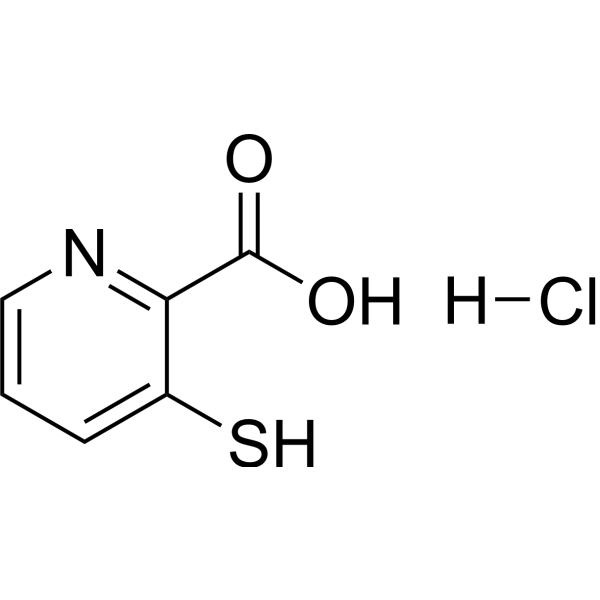
3-Mercaptopicolinic acid hydrochloride; 3-MPA hydrochloride
|
PEPCK
|
Metabolic Disease
|
|
SKF-34288 (3-Mercaptopicolinic acid) hydrochloride is an orally active phosphoenolpyruvate carboxykinase (PEPCK) inhibitor (Ki: 2-9 μM). SKF-34288 hydrochloride is a potent hypoglycemic agent by inhibiting glucose synthesis. SKF-34288 hydrochloride also inhibits Asn metabolism and increases amino acids and amides .
|
-
-
- HY-B1496
-
|
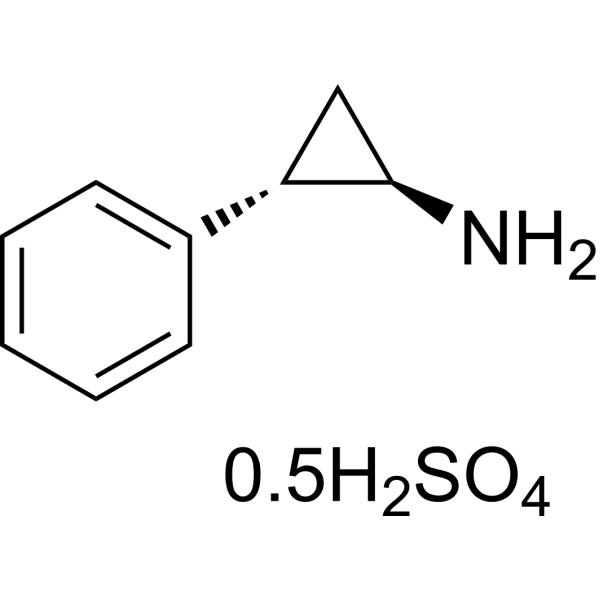
SKF 385 hemisulfate
|
Monoamine Oxidase
Histone Demethylase
|
Neurological Disease
Cancer
|
|
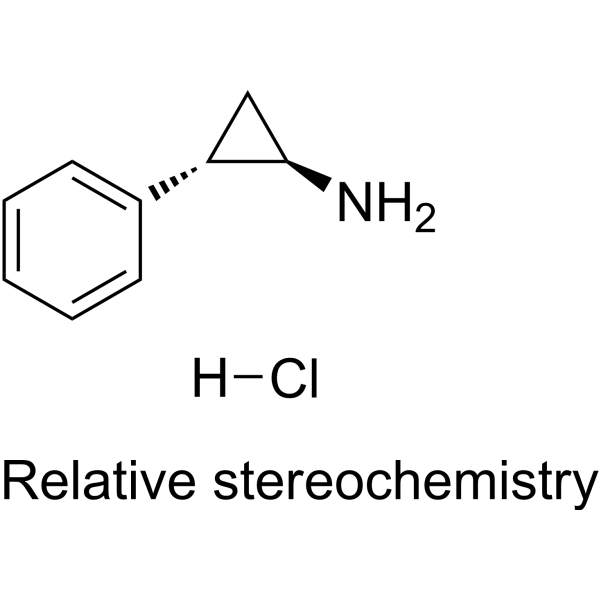
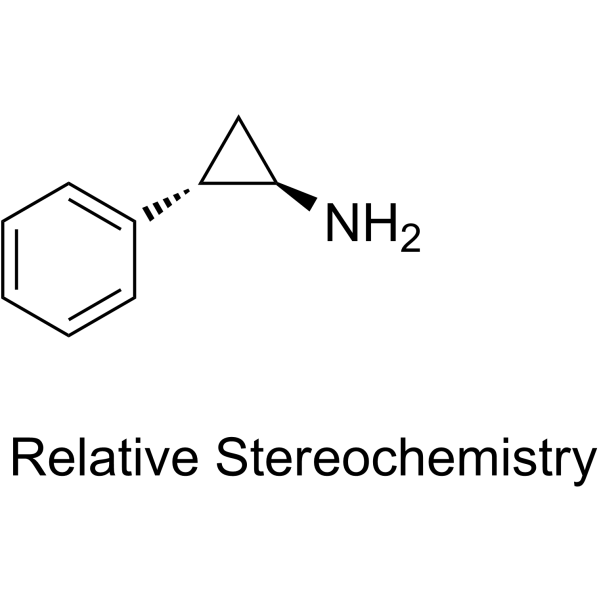
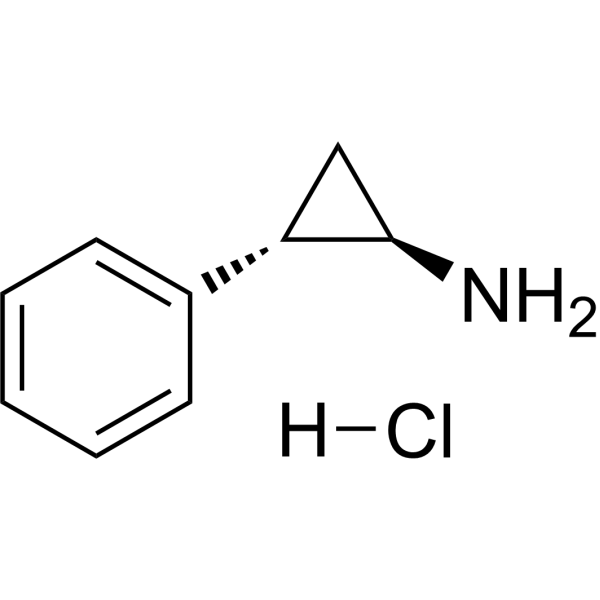
Tranylcypromine (SKF 385) hemisulfate is an irreversible, nonselective monoamine oxidase (MAO) inhibitor used in the treatment of depression. Tranylcypromine hemisulfate is also a lysine-specific demethylase 1 (LSD1) inhibitor, suppresses lesion growth and improves generalized hyperalgesia in mouse with induced endometriosis. Tranylcypromine has antidepressant effects .
|
-
-
- HY-10435A
-
|
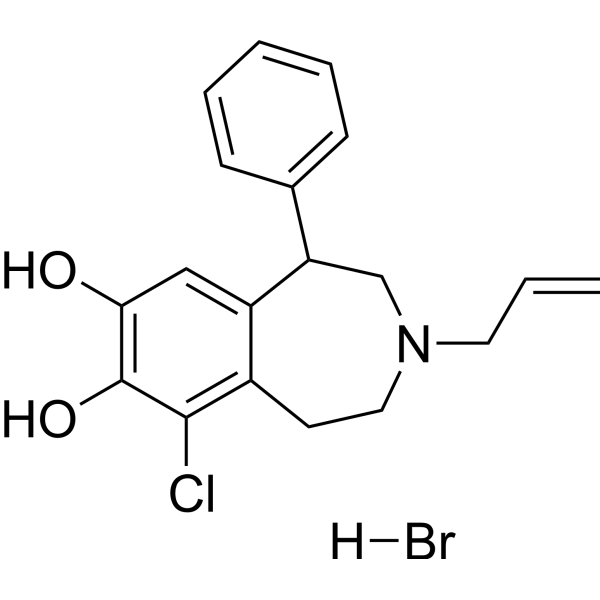
(±)-SKF-82958 hydrobromide; Chloro-APB hydrobromide
|
Dopamine Receptor
|
Neurological Disease
|
|
SKF-82958 ((±)-SKF 82958) hydrobromide is a dopamine D1 receptor full agonist (K0.5=4 nM), displays selective for D1 over D2 receptors (K0.5=73 nM). SKF-82958 hydrobromide induces dopamine D1 receptor-dependent adenylate cyclase activity in rat striatal membranes (EC50=491 nM) .
|
-
-
- HY-12236
-
-
-
- HY-B0735A
-
|
Fenoldopam methanesulfonate; SKF-82526 mesylate
|
Dopamine Receptor
Apoptosis
|
Cardiovascular Disease
Cancer
|
|
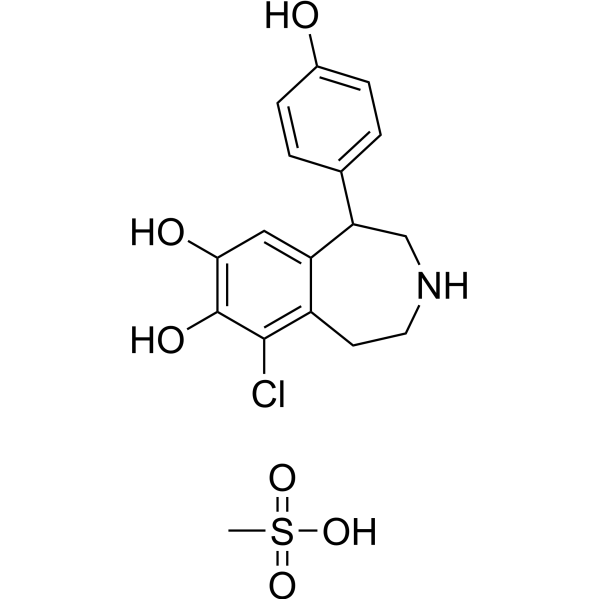
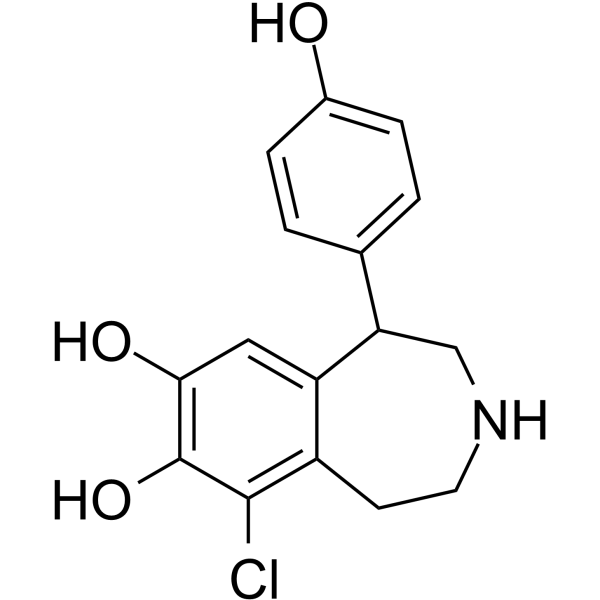
Fenoldopam mesylate (SKF-82526) is a D1 receptor agonist and a novel lysine-specific demethylase 1 (LSD1) inhibitor (IC50=0.8974 μM). Fenoldopam mesylate shows anti-hypertensive effects, anti-cancer cell proliferation activity and can induce cells apoptosis .
|
-
-
- HY-117743
-
|
SKF-108566J free base
|
Angiotensin Receptor
|
Cardiovascular Disease
|
|
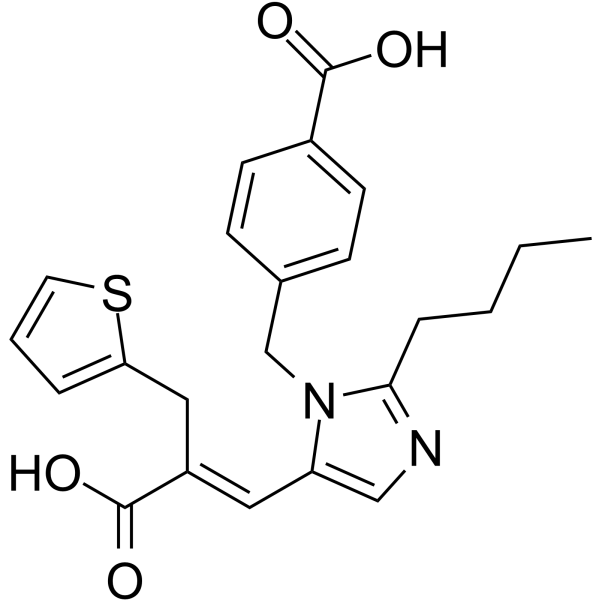
Eprosartan (SKF-108566J free base) is a selective, competitive, nonpeptid and orally active angiotensin II receptor antagonist, used as an antihypertensive. Eprosartan binds angiotensin II receptor with IC50s of 9.2 nM and 3.9 nM in rat and human adrenal cortical membranes, respectively .
|
-
-
- HY-A0148A
-
|
SKF-102886; WR-171669 hydrochloride
|
Parasite
Fungal
Reactive Oxygen Species (ROS)
Potassium Channel
|
Infection
|
|
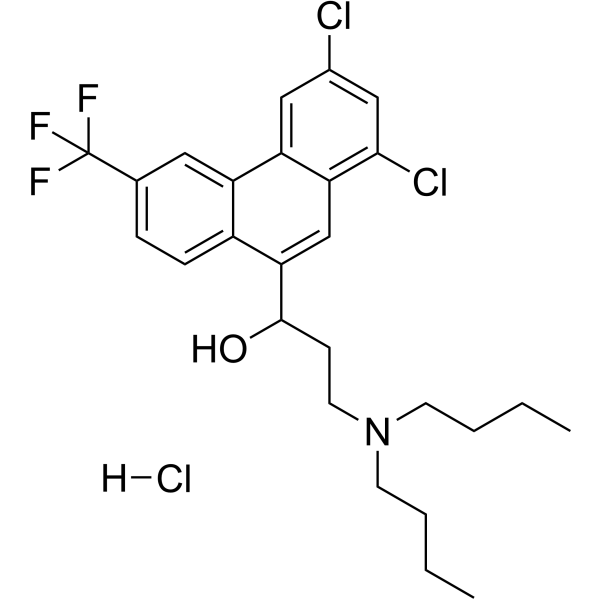
Halofantrine hydrochloride (SKF-102886 hydrochloride; WR-171669 hydrochloride) is a blocker that delays the delayed rectifier potassium current by inhibiting human ERG channels, and it is a potent antimalarial agent with oral activity. Halofantrine hydrochloride inhibits the Cap1-dependent oxidative stress response of Candida albicans, suppresses ROS responses, and enhances the antifungal (Fungal) activity of oxidative damage agents. Halofantrine hydrochloride exhibits antifungal activity in the Galleria mellonella model, and shows antimalarial activity against Plasmodium strains both in vitro and in animal models. Halofantrine hydrochloride can be used in studies related to invasive candidiasis, falciparum malaria, and vivax malaria .
|
-
-
- HY-12236A
-
-
-
- HY-15834A
-
|
SKF-108566J
|
Angiotensin Receptor
|
Cardiovascular Disease
Endocrinology
|
|
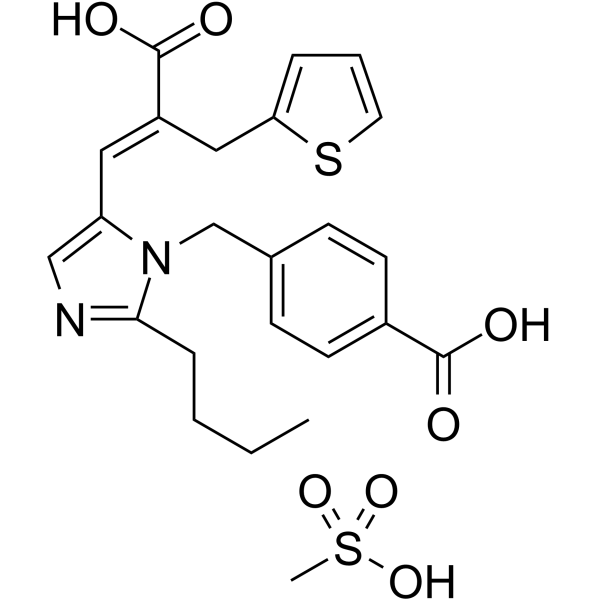
Eprosartan mesylate (SKF-108566J) is a selective, competitive, nonpeptid and orally active angiotensin II receptor antagonist, used as an antihypertensive. Eprosartan mesylate binds angiotensin II receptor with IC50s of 9.2 nM and 3.9 nM in rat and human adrenal cortical membranes, respectively .
|
-
-
- HY-12511
-
|
|
p38 MAPK
|
Inflammation/Immunology
|
|
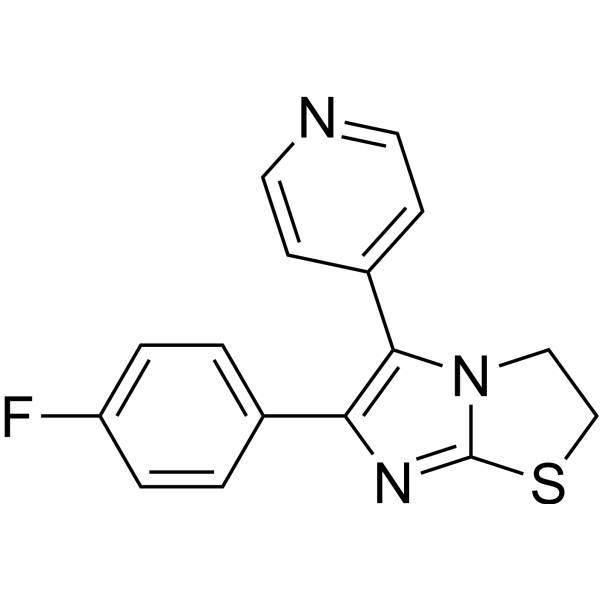
SKF-86002 is an orally active p38 MAPK inhibitor, with anti-inflammatory, anti-arthritic and analgesic activities. SKF-86002 inhibits lipopolysaccharide (LPS)-stimulate human monocyte IL-1 and TNF-α production (IC50 = 1 μM). SKF-86002 inhibits lipoxygenase- and cyclooxygenase-mediated metabolism of arachidonic acid .
|
-
-
- HY-100228A
-
|
d,l-SKF89976A hydrochloride
|
GABA Receptor
|
Neurological Disease
|
|
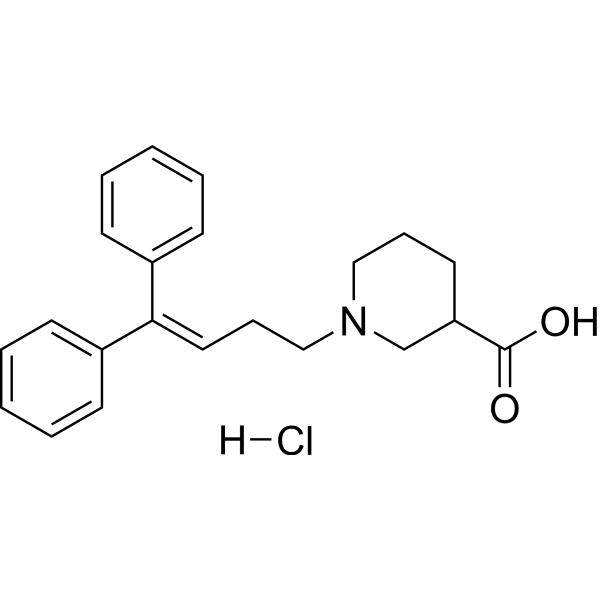
SKF89976A hydrochloride is a selective GABA transporter (GAT-1) inhibitor with IC50s of 0.28 μM, 137.34 μM and 202.8 μM for GAT-1, GAT-2 and GAT-3 in CHO cells, respectively.
|
-
-
- HY-116874
-
|
|
Dopamine Receptor
|
Neurological Disease
|
|
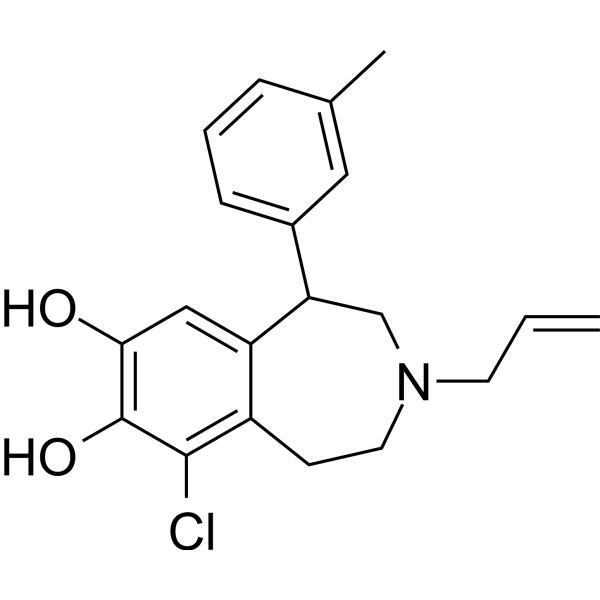
SKF 83822 is an atypical agonist of dopamine D1 receptor. SKF 83822 activates adenylyl cyclase (AC), but not phospholipase C (PLC). SKF 83822 is also proved to stimulate AC via cAMP production. SKF 83822 can be used for research of schizophrenia .
|
-
-
- HY-130344
-
|
|
Dopamine Receptor
Sigma Receptor
|
Neurological Disease
|
|
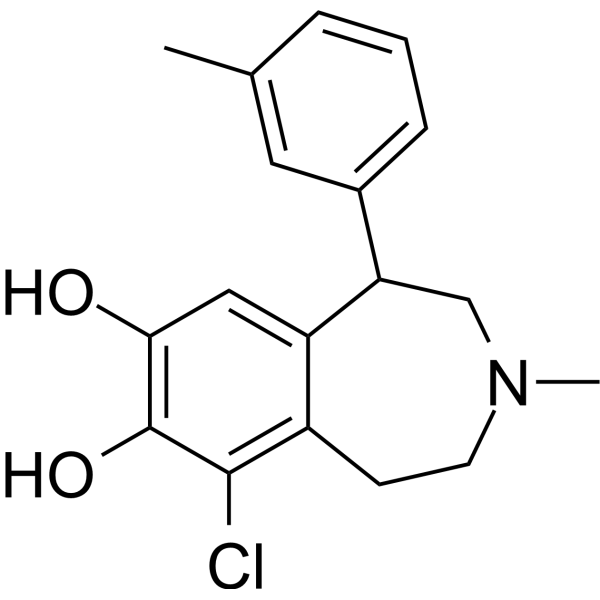
SKF83959 is a potent and selective dopamine D1-like receptor partial agonist. SKF83959 Ki values for rat D1, D5, D2 and D3 receptors are 1.18, 7.56, 920 and 399 nM, respectively. SKF83959 is a potent allosteric modulator of sigma (σ)-1 receptor. SKF83959 belongs to benzazepine family and has improvements on cognitive dysfunction. SKF83959 can be used for the research of Alzheimer's disease and depression .
|
-
-
- HY-17447
-
-
-
- HY-B1042
-
|
SKF-9976 citrate; AF-438 citrate
|
Cytochrome P450
|
Inflammation/Immunology
|
|
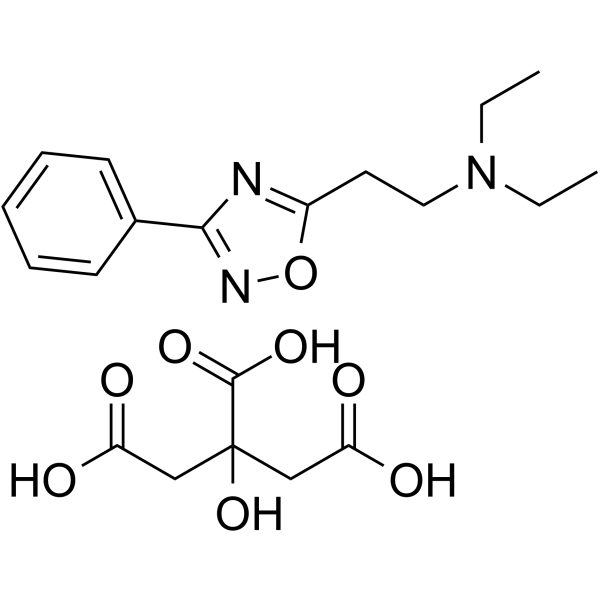
Oxolamine citrate (SKF-9976 citrate) is an orally active antitussive. Oxolamine citrate can inhibit CYP2B1/2. Oxolamine citrate has anti-inflammatory effects on the respiratory organs of guinea pigs. Oxolamine citrate increases the AUC of Warfarin (HY-B0687) and prolongs its terminal half-life. Oxolamine citrate can be used in respiratory disease research .
|
-
-
- HY-103430A
-
|
|
Dopamine Receptor
5-HT Receptor
Adenylate Cyclase
|
Neurological Disease
|
|
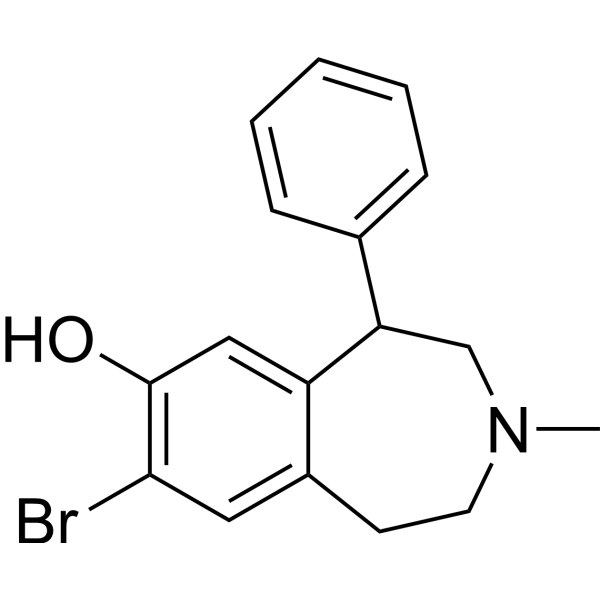
SKF-83566 is a potent, blood-brain permeable and orally active D1-like dopamine receptor (D1DR) antagonist and a weaker competitive antagonist at the vascular 5-HT2 receptor (Ki=11 nM) . SKF-83566 is a competitive DAT (dopamine transporter) inhibitor with an IC50 of 5.7 μM . SKF-83566 also shows selective inhibition for adenylyl cyclase 2 (AC2) over AC1 and AC5 in the isolated rabbit thoracic aorta . SKF-83566 can be used for research of parkinson’s disease and nicotine craving alleviation .
|
-
-
- HY-B1596A
-
-
-
- HY-B0623
-
|
SKF 101468
|
Dopamine Receptor
|
Neurological Disease
|
|
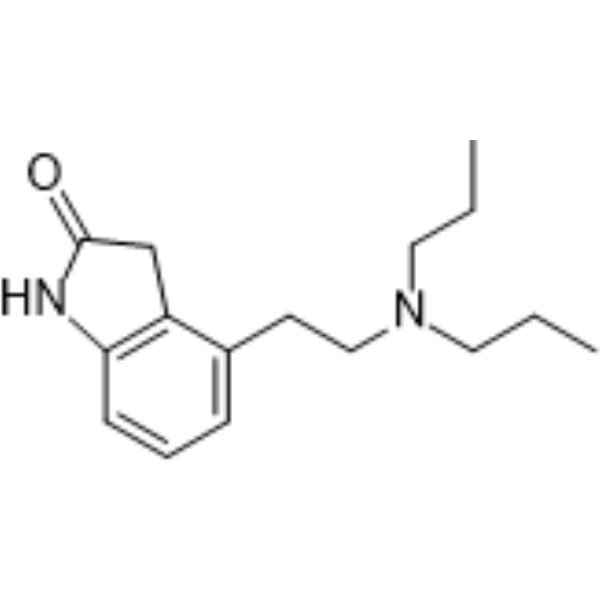
Ropinirole (SKF 101468) is an orally active, potent D3/D2 receptor agonist with a Ki of 29 nM for D2 receptor. Ropinirole has pEC50s of 7.4, 8.4 and 6.8 for hD2, hD3 and hD4 receptors, respectively. Ropinirole has no affinity for the D1 receptors. Ropinirole has the potential for Parkinson's disease .
|
-
-
- HY-125942
-
|
|
CRAC Channel
TRP Channel
CaMK
Akt
Apoptosis
Autophagy
Na+/Ca2+ Exchanger
Calcium Channel
|
Neurological Disease
Inflammation/Immunology
Cancer
|
|
SKF-96365 is a TRPC channel antagonist and store-operated calcium entry (SOCE) inhibitor. SKF-96365 reduces calcium ion influx by inhibiting the activity and expression of TRPC6, STIM1 and Orai1. SKF-96365 inhibits voltage-gated sodium current (cardiac INa/NaV1.5) and slows myocardial conduction. SKF-96365 inhibits phosphorylation/activation of CaMKIIγ and suppresses the downstream AKT signaling pathway. SKF-96365 induces G2/M phase cell cycle arrest, apoptosis and cytoprotective autophagy in colorectal cancer cells. SKF-96365 alleviates allergic rhinitis symptoms by reducing inflammatory cytokine levels. SKF-96365 reduces intracellular calcium overload, inhibits Homer1 expression, prevents nuclear damage and suppresses apoptosis. SKF-96365 inhibits the growth of colorectal cancer xenografts in nude mice . SKF-96365 is applicable to research related to allergic rhinitis, colorectal cancer, Parkinson's disease, persistent spontaneous nociception and hyperalgesia .
|
-

-
- HY-100967
-
|
Homodimaprit dihydrochloride
|
Histone Methyltransferase
|
Infection
Cardiovascular Disease
Inflammation/Immunology
|
|
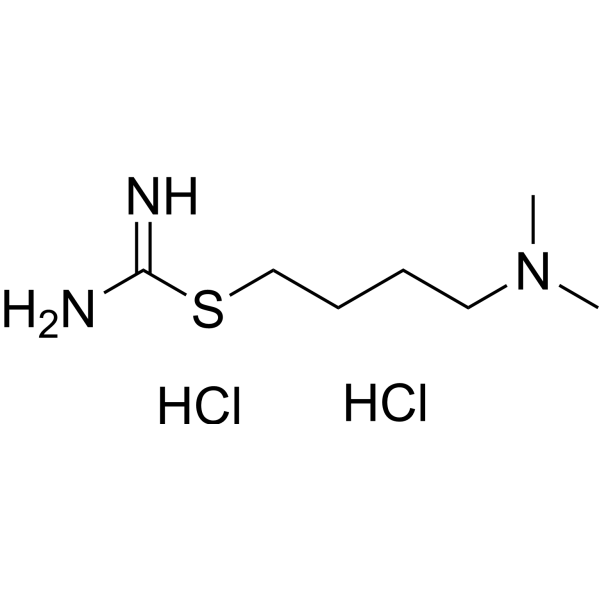
SKF 91488 (Homodimaprit) dihydrochloride is a potent and noncompetitive histamine N-methyltransferase inhibitor with a Ki value of 0.9 μM. SKF 91488 dihydrochloride can block histamine metabolism and increase histamine concentrations. SKF 91488 dihydrochloride can increase blood pressure and enhance bronchoconstriction. SKF 91488 can be used for the researches of infection, inflammation and cardiovascular disease, such as Mycoplasma pneumonia and hemorrhagic hypotension .
|
-
-
- HY-103417
-
-
-
- HY-101373A
-
|
SKF 95282 dimaleate
|
Histamine Receptor
|
Neurological Disease
|
|
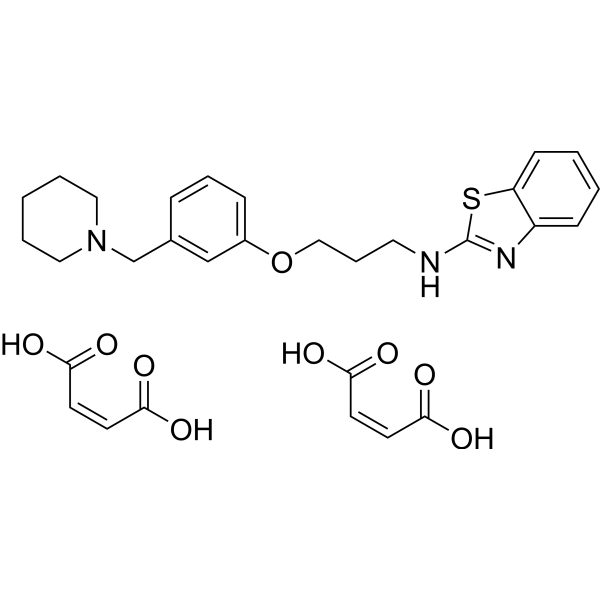
Zolantidine dimaleate (SKF 95282 dimaleate) is a potent, selective and cross the blood-brain barrier histamine H2 antagonist. Zolantidine dimaleate induces antinociception .
|
-
-
- HY-14289R
-
|
SKF-92334 (Standard)
|
Reference Standards
Histamine Receptor
Bacterial
|
Endocrinology
Cancer
|
|
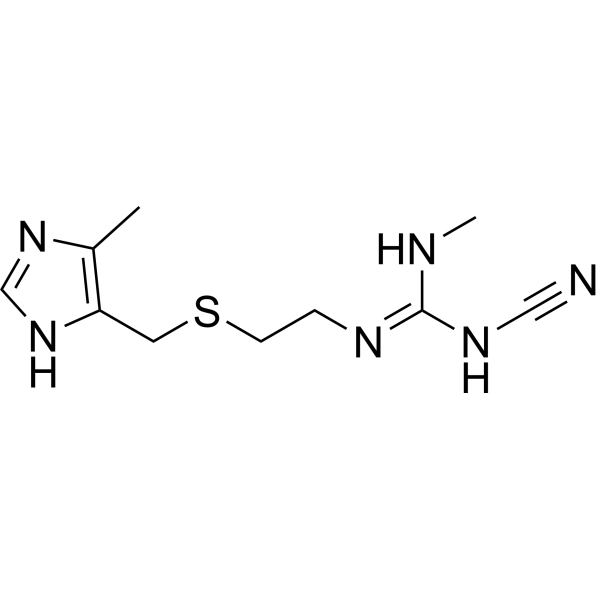
Cimetidine (Standard) is the analytical standard of Cimetidine. This product is intended for research and analytical applications. Cimetidine (SKF-92334) is an orally active and inverse histamine H2 receptor antagonist with a Ki of 0.6 μM. Cimetidine is a gastric acid reducer, and can be used for duodenal and gastric ulcers research. Cimetidine has anti-cancer and anti-inflammatory activity .
|
-

-
- HY-B0223R
-
-

-
- HY-12237
-
|
(±)-SKF-38393 hydrobromide
|
Dopamine Receptor
|
Neurological Disease
|
|
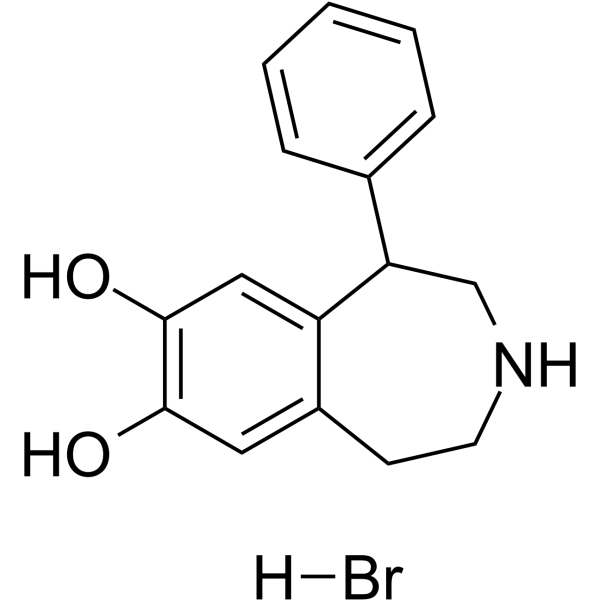
SKF 38393 ((±)-SKF-38393) hydrobromide is a selective agonist of the dopamine D1 receptor (D1DR) with an IC50 of 110 nM .
|
-
-
- HY-103412
-
|
|
Dopamine Receptor
Sigma Receptor
|
Neurological Disease
|
|
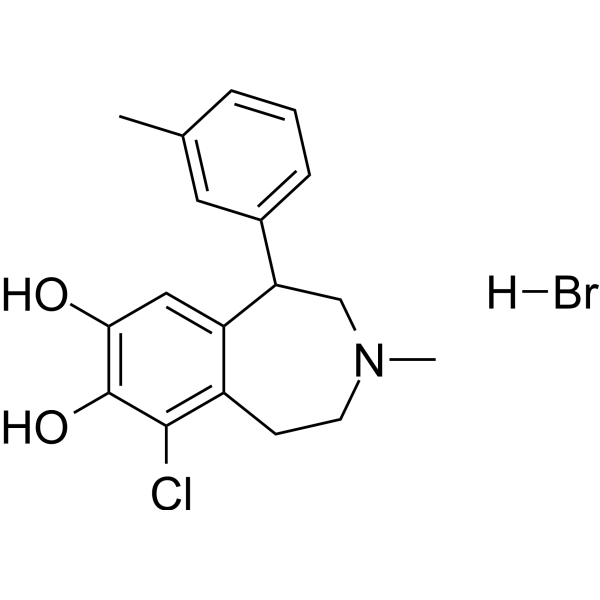
SKF83959 hydrobromide is a potent and selective dopamine D1-like receptor partial agonist. SKF83959 hydrobromide Ki values for rat D1, D5, D2 and D3 receptors are 1.18, 7.56, 920 and 399 nM, respectively. SKF83959 hydrobromide is a potent allosteric modulator of sigma (σ)-1 receptor. SKF83959 hydrobromide belongs to benzazepine family and has improvements on cognitive dysfunction. SKF83959 hydrobromide can be used for the research of Alzheimer's disease and depression .
|
-
-
- HY-B0735
-
-
-
- HY-17447AG
-
|
SKF 385 hydrochloride
|
Monoamine Oxidase
|
Cardiovascular Disease
Endocrinology
|
|
Tranylcypromine (SKF 385) hydrochloride (GMP) is Tranylcypromine hydrochloride (HY-17447A) produced by using GMP guidelines. GMP small molecules work appropriately as an auxiliary reagent for cell therapy manufacture. Tranylcypromine hydrochloride is a potent monoamine oxidase (MAO) inhibitor .
|
-
-
- HY-19026
-
|
SKF 94836
|
Phosphodiesterase (PDE)
|
Cardiovascular Disease
|
|
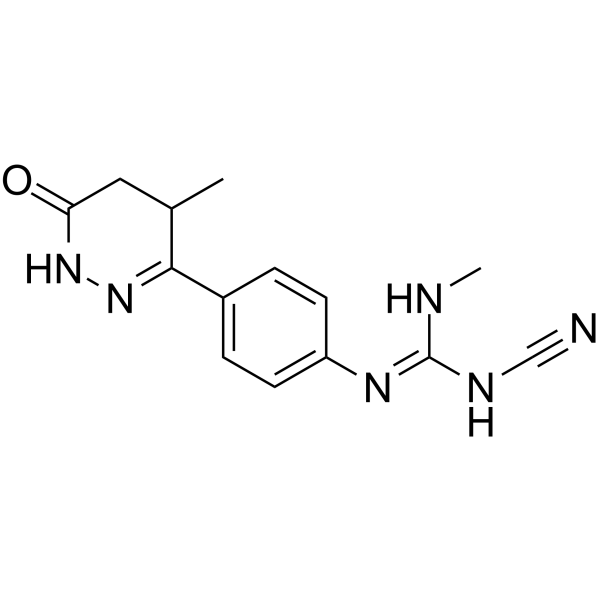
Siguazodan (SKF 94836) is a potent, selective and orally active phosphodiesterase III (PDE-III) inhibitor with an IC50 of 117 nM. Siguazodan increases cAMP accumulation in intact platelets with an EC50 of 18.88 μM. Siguazodan also inhibits phenylephrine-induced 5-HT release with an IC50 value of 4.2 μM .
|
-
-
- HY-A0148
-
|
SKF-102886 free base; WR-171669
|
Parasite
Fungal
Potassium Channel
Reactive Oxygen Species (ROS)
|
Infection
Cancer
|
|
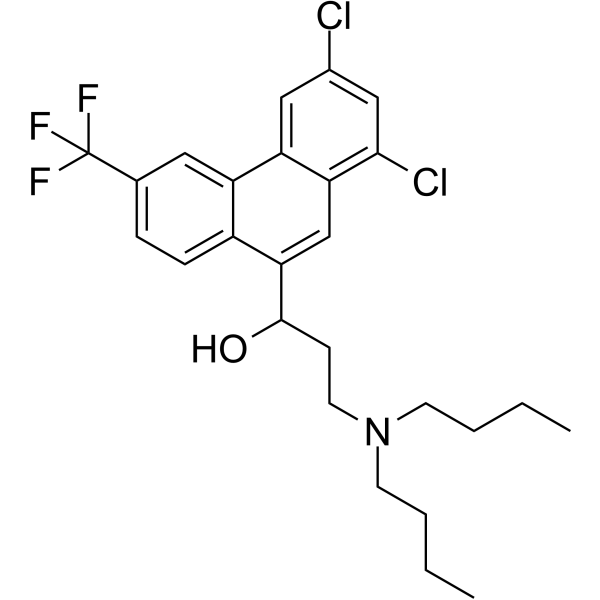
Halofantrine (SKF-102886 hydrochloride; WR-171669 hydrochloride) is a blocker that delays the delayed rectifier potassium current by inhibiting human ERG channels, and it is a potent antimalarial agent with oral activity. Halofantrine inhibits the Cap1-dependent oxidative stress response of Candida albicans, suppresses ROS responses, and enhances the antifungal (Fungal) activity of oxidative damage agents. Halofantrine exhibits antifungal activity in the Galleria mellonella model, and shows antimalarial activity against Plasmodium strains both in vitro and in animal models. Halofantrine can be used in studies related to invasive candidiasis, falciparum malaria, and vivax malaria .
|
-
-
- HY-133782
-
|
SKF-7171A hydrochloride
|
Calmodulin
|
Neurological Disease
|
|
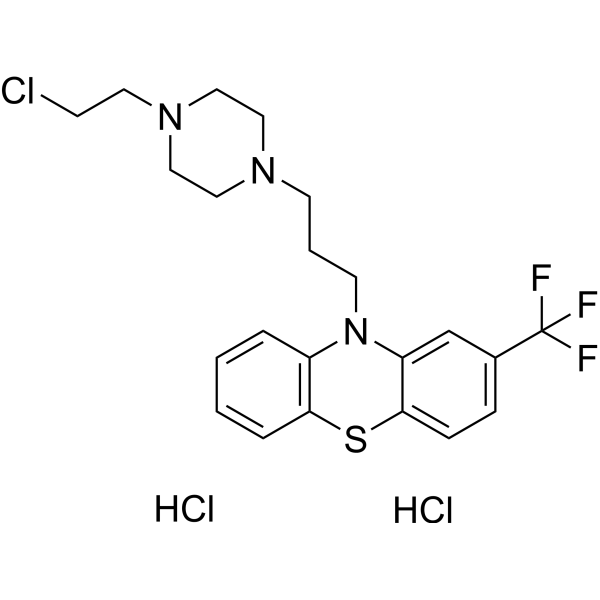
Fluphenazine-N-2-chloroethane (SKF-7171A) hydrochloride is a potent irreversible calmodulin antagonist .
|
-
-
- HY-B1123R
-
|
SKF-39162 (Standard)
|
Bacterial
SARS-CoV
Reference Standards
|
Infection
Inflammation/Immunology
Cancer
|
|
Auranofin (Standard) is the analytical standard of Auranofin. This product is intended for research and analytical applications. Auranofin (SKF-39162) is a thioredoxin reductase (TrxR) inhibitor with an IC50 of 0.2 μM. Auranofin exhibits antiviral activity against SARS-CoV21, with a CC50 of 4.2 μM for monkey kidney Vero E6 cells.
|
-

-
- HY-P3066
-
|
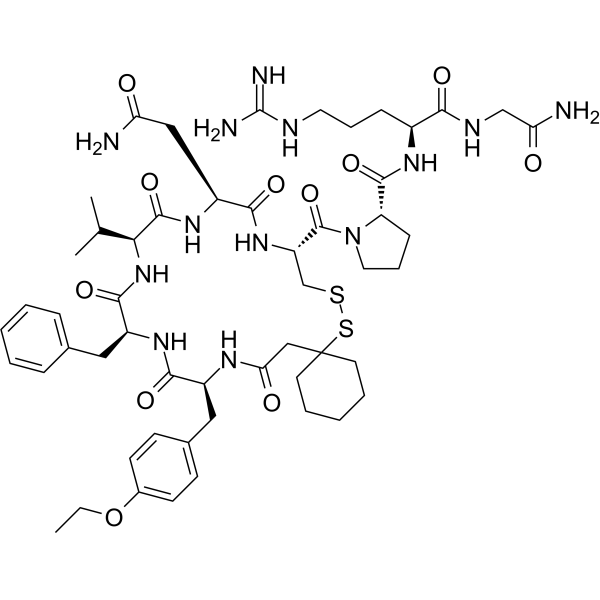
d(CH2)5Tyr(Et)VAVP
|
Vasopressin Receptor
|
Metabolic Disease
|
|
SKF 100398 (d(CH2)5Tyr(Et)VAVP), an arginine vasopressin (AVP) analogue, is a specific antagonist of the antidiuretic effect of exogenous and endogenous AVP .
|
-
-
- HY-B2090
-
|
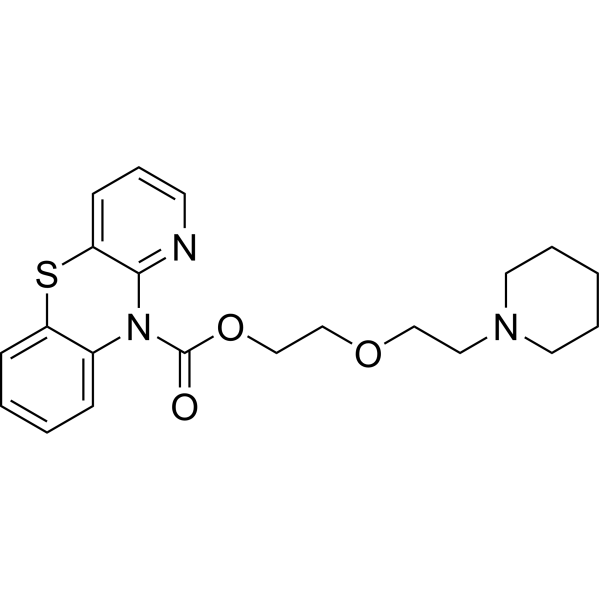
SKF 70230A; SQ 15874; Pipazetate
|
GABA Receptor
|
Others
|
|
Pipazethate (SKF 70230A), a pyridobenzothiazine derivative, is a potent GABA antagonist. Pipazethate has antitussive activity. Pipazethate can be used in research in cough supressant .
|
-
-
- HY-10435
-
|
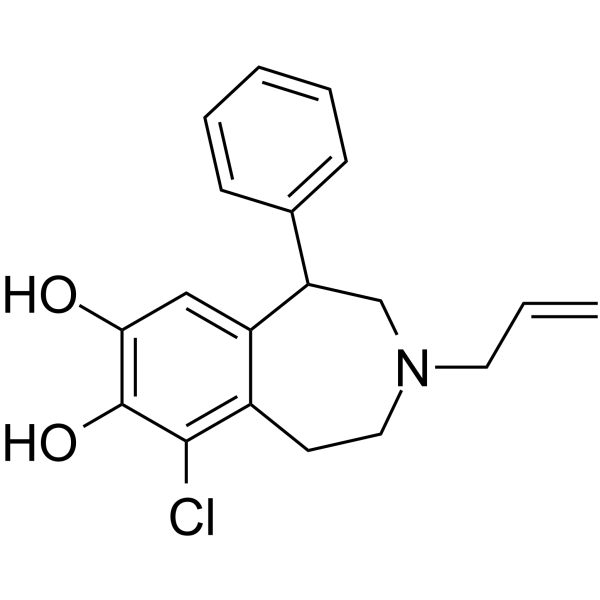
(±)-SKF-82958; Chloro-APB
|
Dopamine Receptor
|
Neurological Disease
|
|
SKF-82958 ((±)-SKF 82958) is a dopamine D1 receptor full agonist (K0.5=4 nM), displays selective for D1 over D2 receptors (K0.5=73 nM). SKF-82958 induces dopamine D1 receptor-dependent adenylate cyclase activity in rat striatal membranes (EC50=491 nM) .
|
-
-
- HY-12520
-
|
|
Dopamine Receptor
|
Neurological Disease
Cancer
|
|
SKF 38393 is a selective dopamine D1 receptor agonist. SKF 38393 activates the cAMP signaling pathway and promotes dopamine release in the developing rat striatum. SKF 38393 inhibits MCF-7 breast cancer cell proliferation (IC50=0.1 μM). SKF 38393 is promising for research of neurodevelopmental disorders, dopamine-related diseases (e.g., Parkinson’s, dopamine deficiency), and cancers .
|
-

-
- HY-117219
-
|
|
Cytochrome P450
HMG-CoA Reductase (HMGCR)
Endogenous Metabolite
|
Metabolic Disease
|
|
SKF 104976 is a 3,2-carboxylic acid derivative with potent 14-alpha-demethylase (14 alpha DM) inhibitory activity. SKF 104976 inhibited 14 alpha DM activity by 50% at 2 nM in Hep G2 cell extracts. SKF 104976 inhibited the incorporation of [14C]acetate into cholesterol in intact cells at similar concentrations, accompanied by accumulation of lanosterol, and resulted in a 40-70% decrease in 3-hydroxy-3-methylglutaryl-CoA reductase (HMGR) activity. SKF 104976 did not affect the uptake and degradation of low-density lipoprotein in Hep G2 cells, indicating that HMGR and low-density lipoprotein receptor activities are not coordinately regulated under these conditions. The inhibitory effect of SKF 104976 on HMGR activity remained unchanged even when the flux of carbon units in the sterol synthesis pathway was reduced by 80%. SKF 104976 did not inhibit HMGR activity under conditions where sterol synthesis was almost completely blocked by lovastatin .
|
-

-
- HY-100915
-
|
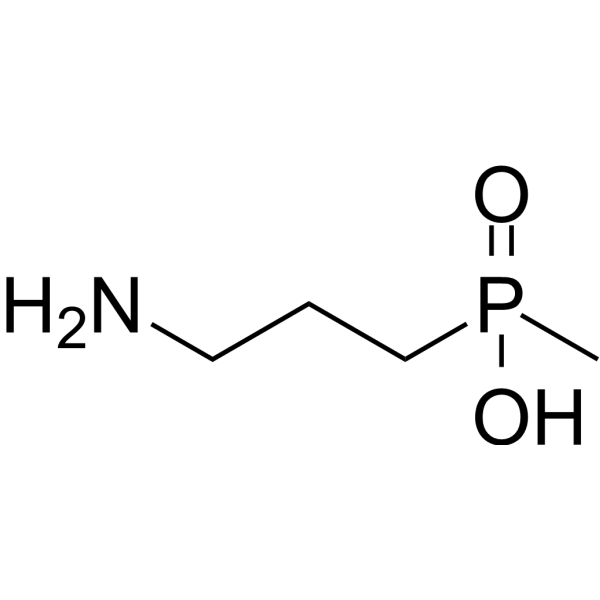
CGP 35024
|
GABA Receptor
|
Neurological Disease
|
|
SKF 97541 (CGP 35024) is a potent and selective GABAB agonist that can induce hyperpotential. SKF 97541 has antiepileptic activity .
|
-
-
- HY-U00042
-
-
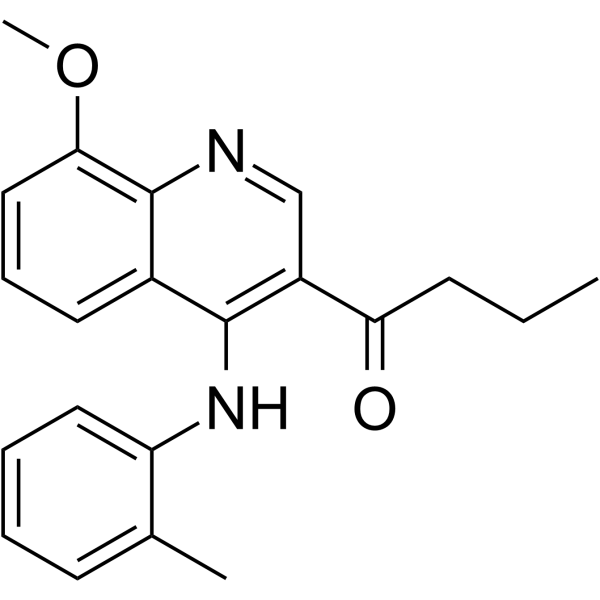
-
- HY-U00154
-
-
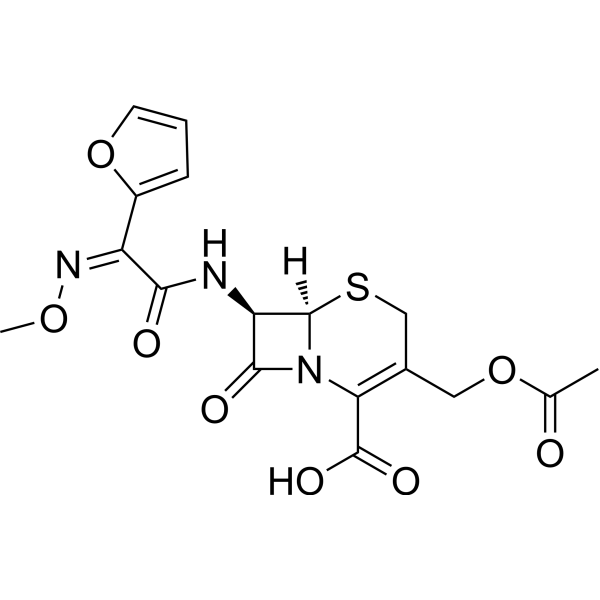
-
- HY-116777
-
|
SKF 92676
|
Histamine Receptor
|
Others
|
|
Impromidine (SKF 92676) is a potent agonist for histamine H2 receptor. Impromidine induces gastric mucosal blood flow and acid secretion .
|
-

-
- HY-P1162
-
-
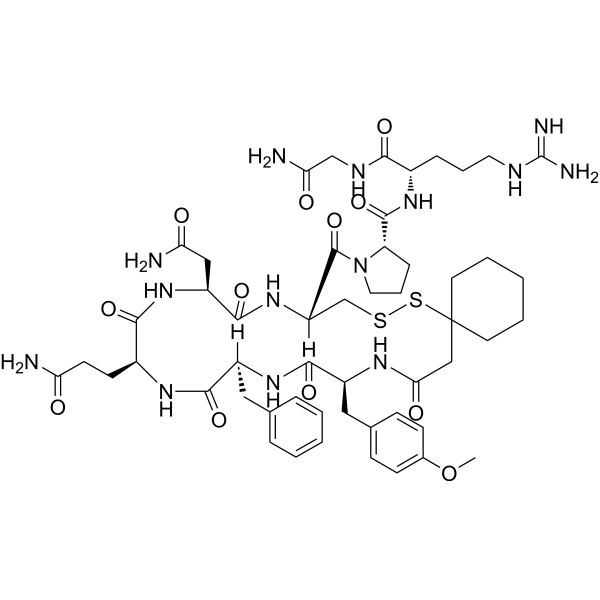
- HY-W742300
-
|
SKF 70230A hydrochloride; SQ 15874 hydrochloride; Pipazetate hydrochloride
|
GABA Receptor
|
Inflammation/Immunology
|
|
Pipazethate (SKF 70230A; SQ 15874) hydrochloride is a potent GABA antagonist. Pipazethate hydrochloride shows antitussive activity and can be used in research in cough suppressant .
|
-

- HY-12520B
-
|
(±)-SKF-38393 hydrochloride; SKF-38393A hydrochloride
|
Dopamine Receptor
Potassium Channel
|
Neurological Disease
|
|
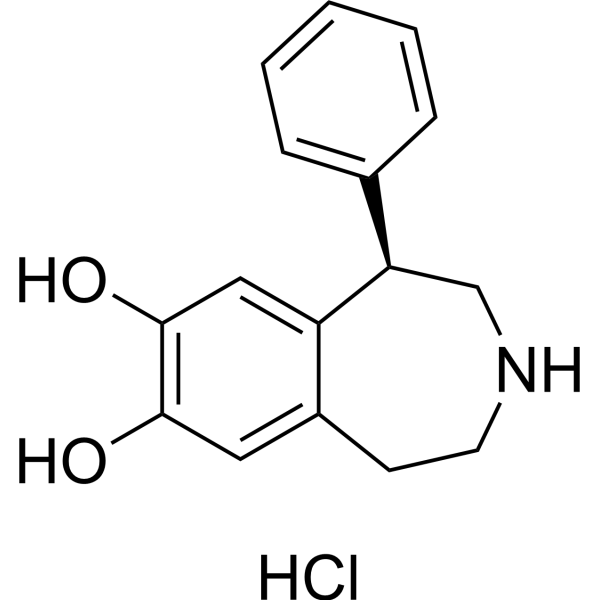
(R)-SKF 38393 ((±)-SKF-38393) hydrochloride is a potent and selective D1 dopamine receptor antagonist. (R)-SKF 38393 hydrochloride inhibits G protein-coupled inwardly rectifying potassium (GIRK) channel .
|
-
- HY-105785
-
-
- HY-W1030828
-
-

- HY-12520AR
-
|
(±)-SKF-38393 hydrochloride (Standard); SKF-38393A (Standard)
|
Dopamine Receptor
Reference Standards
|
Neurological Disease
|
|
SKF 38393 (hydrochloride) (Standard) is the analytical standard of SKF 38393 (hydrochloride). This product is intended for research and analytical applications. SKF 38393 hydrochloride is a selective agonist of the dopamine D1 receptor (D1DR) with an IC50 of 110 nM .
|
-

- HY-171471
-
|
|
GABA Receptor
|
Neurological Disease
|
|
SKF 10810 is a GABAA receptor antagonist with an EC50 of 4.3 μM. By blocking GABAergic inhibition of the brain's reward pathways, SKF 10810 may exert antidepressant effects. SKF 10810 can be used for research in neurological disorders .
|
-

- HY-12511R
-
|
|
p38 MAPK
|
Inflammation/Immunology
|
|
SKF-86002 (Standard) is the analytical standard of SKF-86002. This product is intended for research and analytical applications. SKF-86002 is an orally active p38 MAPK inhibitor, with anti-inflammatory, anti-arthritic and analgesic activities. SKF-86002 inhibits lipopolysaccharide (LPS)-stimulate human monocyte IL-1 and TNF-α production (IC50 = 1 μM). SKF-86002 inhibits lipoxygenase- and cyclooxygenase-mediated metabolism of arachidonic acid .
|
-

- HY-105480
-
-

- HY-108641
-
|
|
p38 MAPK
|
Inflammation/Immunology
|
|
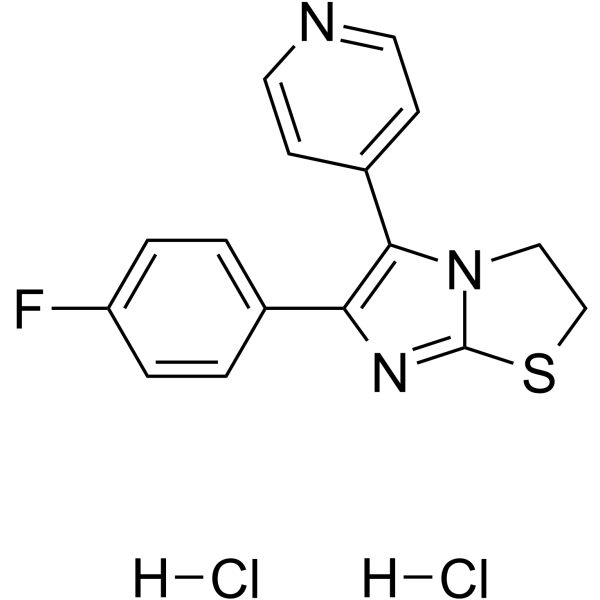
SKF-86002 dihydrochloride is an orally active p38 MAPK inhibitor, with anti-inflammatory, anti-arthritic and analgesic activities. SKF-86002 dihydrochloride inhibits lipopolysaccharide (LPS)-stimulate human monocyte IL-1 and TNF-α production (IC50 = 1 μM). SKF-86002 dihydrochloride inhibits lipoxygenase- and cyclooxygenase-mediated metabolism of arachidonic acid .
|
-
- HY-125043
-
-
- HY-P2595
-
|
|
Endogenous Metabolite
|
Cardiovascular Disease
|
|
SKF 103784 is an vasopressin antagonist with activity against vasopressin. SKF 103784 inhibits the physiological response caused by antidiuretic and is therefore used to study biological processes related to water and salt balance. SKF 103784 can also be used to explore pathological mechanisms related to cardiovascular diseases and endocrine dysfunction .
|
-

- HY-P3082
-
|
|
Endogenous Metabolite
|
Cardiovascular Disease
|
|
SKF 106760 is a potent platelet fibrin receptor (glycoprotein IIb/IIIa) antagonist with significant antiplatelet and antithrombotic activities. SKF 106760 inhibits platelet aggregation in dogs in vitro and prevents thrombus formation in stenotic carotid arteries. SKF 106760 has also shown elimination effects against aspirin-resistant thrombi that develop in the setting of high-grade stenosis .
|
-

- HY-111160
-
|
|
Dopamine Receptor
|
Neurological Disease
|
|
SKF 83509, a desmethyl analogue of SCH 23390 (HY-19545A), is a selective dopamine D1 antagonist with a Ki of 70.2 nM. SKF 83509 has no activity at dopamine D2 receptors .
|
-

- HY-10435AR
-
|
(±)-SKF-82958 hydrobromide (Standard); Chloro-APB hydrobromide (Standard)
|
Reference Standards
Dopamine Receptor
|
Neurological Disease
|
|
SKF-82958 (hydrobromide) (Standard) is the analytical standard of SKF-82958 (hydrobromide). This product is intended for research and analytical applications. SKF-82958 ((±)-SKF 82958) hydrobromide is a dopamine D1 receptor full agonist (K0.5=4 nM), displays selective for D1 over D2 receptors (K0.5=73 nM). SKF-82958 hydrobromide induces dopamine D1 receptor-dependent adenylate cyclase activity in rat striatal membranes (EC50=491 nM) .
|
-

- HY-137254
-
-

- HY-103430
-
|
|
Dopamine Receptor
5-HT Receptor
Adenylate Cyclase
|
Neurological Disease
|
|
SKF-83566 hydrobromide is a potent, blood-brain permeable and orally active D1-like dopamine receptor (D1DR) antagonist and a weaker competitive antagonist at the vascular 5-HT2 receptor (Ki=11 nM) . SKF-83566 is a competitive DAT (dopamine transporter) inhibitor with an IC50 of 5.7 μM . SKF-83566 also shows selective inhibition for adenylyl cyclase 2 (AC2) over AC1 and AC5 in the isolated rabbit thoracic aorta . SKF-83566 can be used for the research of parkinson’s disease and nicotine craving alleviation .
|
-
- HY-117158
-
|
|
Adrenergic Receptor
|
Others
|
|
SKF 89748 is an α1-adrenergic receptor agonist with the activity of inhibiting food and water intake. SKF 89748 inhibits food and water intake in adult male rats with an ED50 of 0.37mg/kg for inhibiting food intake.
|
-

- HY-106078
-
-

- HY-120880
-
-
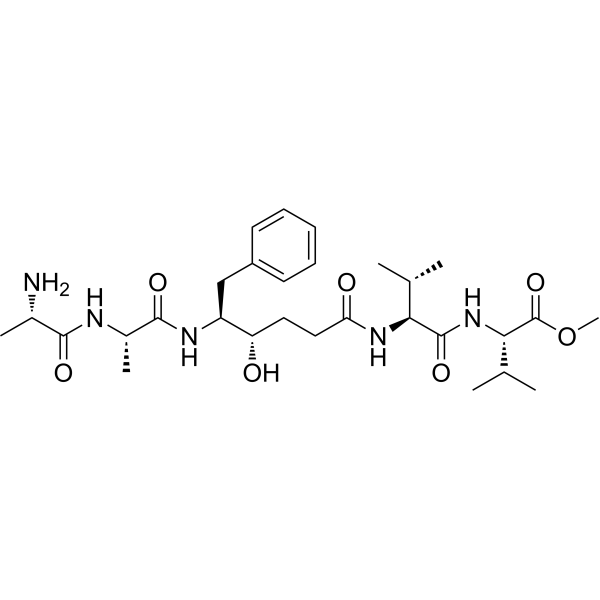
- HY-103411
-
|
|
Dopamine Receptor
|
Neurological Disease
|
|
SKF83822 hydrobromide is a potent dopamine D1 receptor agonist. SKF83822 hydrobromide activates Gs/olf/adenylyl cyclase (AC)-coupled D1 receptors, but not phospholipase C (PLC)-coupled D1-like receptors .
|
-
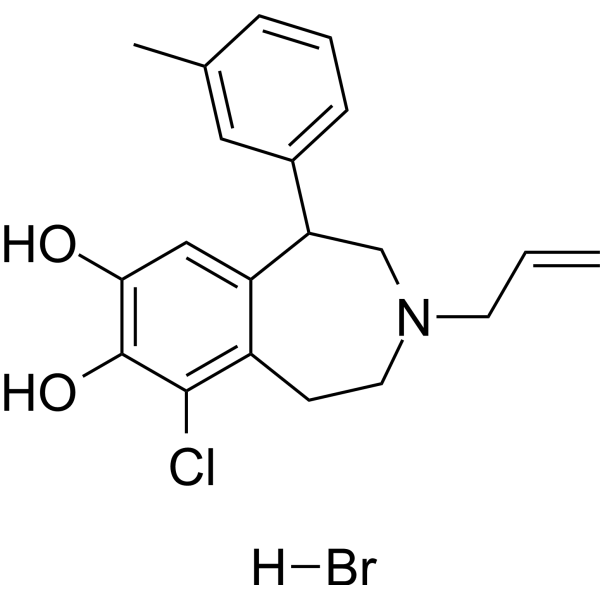
- HY-14289A
-
|
SKF-92334 hydrochloride
|
Histamine Receptor
Bacterial
|
Metabolic Disease
Cancer
|
|
Cimetidine (SKF-92334) hydrochloride is an orally active, inverse and BBB-permeable histamine H2 receptor antagonist with a Ki of 0.6 μM. Cimetidine hydrochloride is a gastric acid reducer, and can be used for duodenal and gastric ulcers research. Cimetidine hydrochloride has anti-cancer and anti-inflammatory activity .
|
-
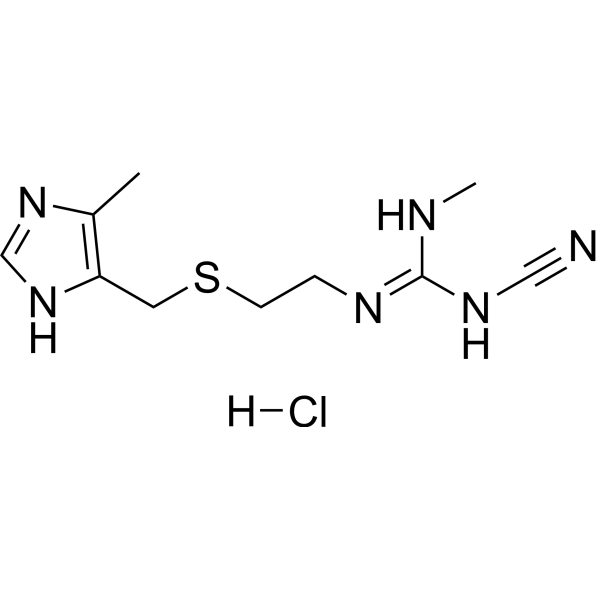
- HY-123454
-
-
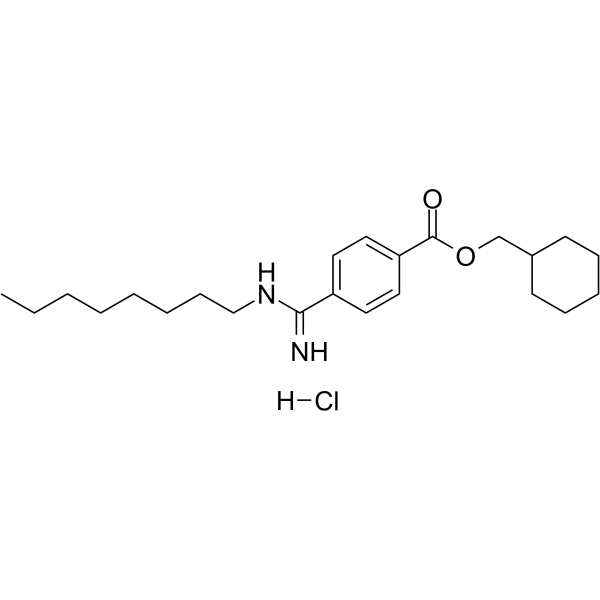
- HY-158332
-
|
SKF-95587; BM-13177
|
Prostaglandin Receptor
|
Cardiovascular Disease
|
|
Sulotroban (SKF-95587; BM-13177) is a selective antagonist for thromboxane A2 receptor (TXA2 Receptor). Sulotroban exhibits inhibitory activity against carbocyclic thromboxane A2- and endoperoxide-induced vasoconstrictor. Sulotroban inhibits platelets aggregation .
|
-

- HY-W329175
-
|
SKF-104557
|
Dopamine Receptor
|
Neurological Disease
|
|
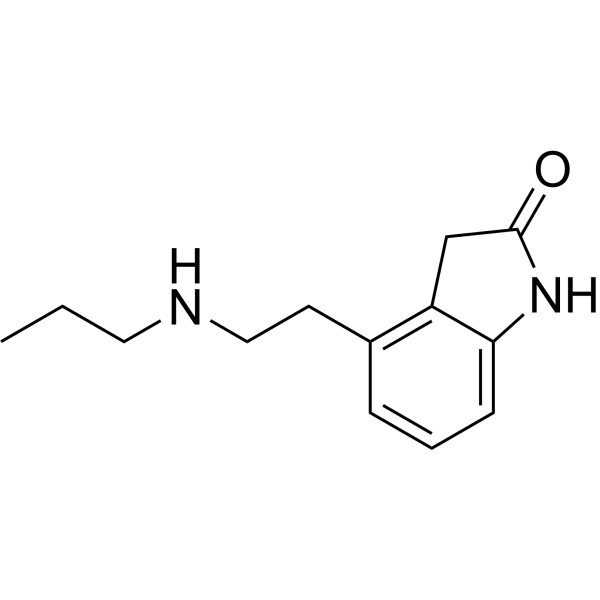
N-Despropyl Ropinirole (SKF-104557) is an active metabolite of the dopamine D2 receptor agonist Ropinirole (HY-B0623). N-Despropyl Ropinirole is a full agonist at human D2 and D3 receptors. N-Despropyl Ropinirole is a partial agonistof the hD4 receptor .
|
-
- HY-110021
-
|
SKF 82526 hydrochloride
|
Dopamine Receptor
Histone Demethylase
Apoptosis
|
Cardiovascular Disease
Cancer
|
|
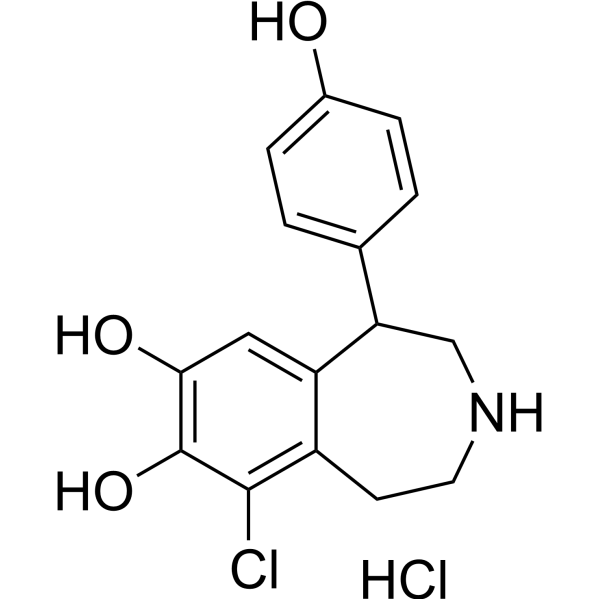
Fenoldopam (SKF 82526) hydrochloride is a D1 receptor agonist and a novel lysine-specific demethylase 1 (LSD1) inhibitor (IC50=0.8974 μM). Fenoldopam hydrochloride shows anti-hypertensive effects, anti-cancer cell proliferation activity and can induce cells apoptosis .
|
-
- HY-A0148B
-
|
(-)-SKF-102886 free base; (-)-WR-171669
|
Parasite
|
Infection
|
|
(-)-Halofantrine ((-)-SKF-102886 free base; (-)-WR-171669) is an inhibitor of the malignant malaria parasite (P. falciparum) and targets multidrug-resistant P. falciparum. The pharmacokinetic parameters of (-)-Halofantrine in rats vary depending on the route of administration, distinguishing it from other isomers .
|
-

- HY-14289AR
-
|
SKF-92334 hydrochloride (Standard)
|
Reference Standards
Histamine Receptor
Bacterial
|
Endocrinology
Cancer
|
|
Cimetidine (hydrochloride) (Standard) is the analytical standard of Cimetidine (hydrochloride). This product is intended for research and analytical applications. Cimetidine (SKF-92334) hydrochloride is an orally active and inverse histamine H2 receptor antagonist with a Ki of 0.6 μM. Cimetidine hydrochloride is a gastric acid reducer, and can be used for duodenal and gastric ulcers research. Cimetidine hydrochloride has anti-cancer and anti-inflammatory activity .
|
-

- HY-19010
-
|
SKF 94482
|
Histamine Receptor
|
Neurological Disease
|
|
BMY-25368 (SKF 94482) is a histamine H2 receptor antagonist that acts as a gastric acid secretion inhibitor. BMY-25368 competitively antagonizes gastric secretion stimulated by histamine and also antagonizes gastric secretion stimulated by Pentagastrin (HY-A0261), Bethanechol (HY-B0406), and food .
|
-

- HY-15834AR
-
|
SKF-108566J (Standard)
|
Reference Standards
Angiotensin Receptor
|
Cardiovascular Disease
Endocrinology
|
|
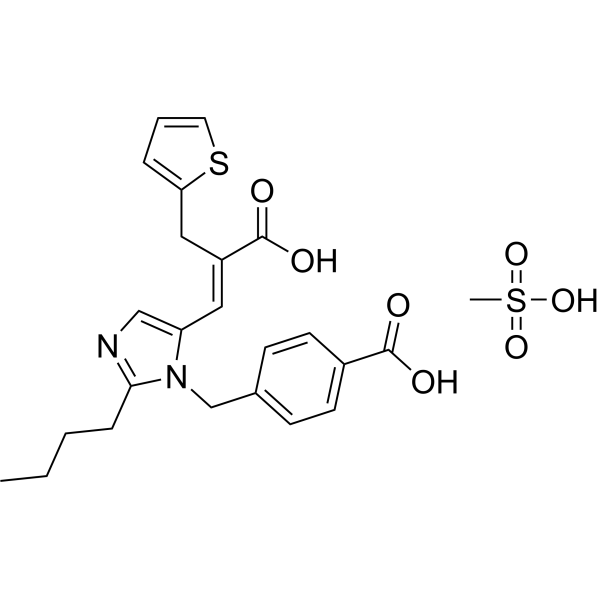
Eprosartan (mesylate) (Standard) is the analytical standard of Eprosartan (mesylate). This product is intended for research and analytical applications. Eprosartan mesylate (SKF-108566J) is a selective, competitive, nonpeptid and orally active angiotensin II receptor antagonist, used as an antihypertensive. Eprosartan mesylate binds angiotensin II receptor with IC50s of 9.2 nM and 3.9 nM in rat and human adrenal cortical membranes, respectively .
|
-
- HY-U00154R
-
|
SKF81367 (Standard)
|
Reference Standards
Antibiotic
Bacterial
|
Infection
|
|
Cefuracetime (Standard) (SKF81367 (Standard)) is the analytical standard of Cefuracetime (HY-U00154). This product is intended for research and analytical applications. Cefuracetime is a cephalosporin antibiotic.
|
-

- HY-101373AR
-
|
SKF 95282 dimaleate (Standard)
|
Reference Standards
Histamine Receptor
|
Neurological Disease
|
|
Zolantidine (dimaleate) (Standard) is the analytical standard of Zolantidine (dimaleate). This product is intended for research and analytical applications. Zolantidine dimaleate (SKF 95282 dimaleate) is a potent, selective and cross the blood-brain barrier histamine H2 antagonist. Zolantidine dimaleate induces antinociception .
|
-

- HY-B0223S4
-
|
SKF-62979-d3-1
|
Reactive Oxygen Species (ROS)
|
Cancer
|
|
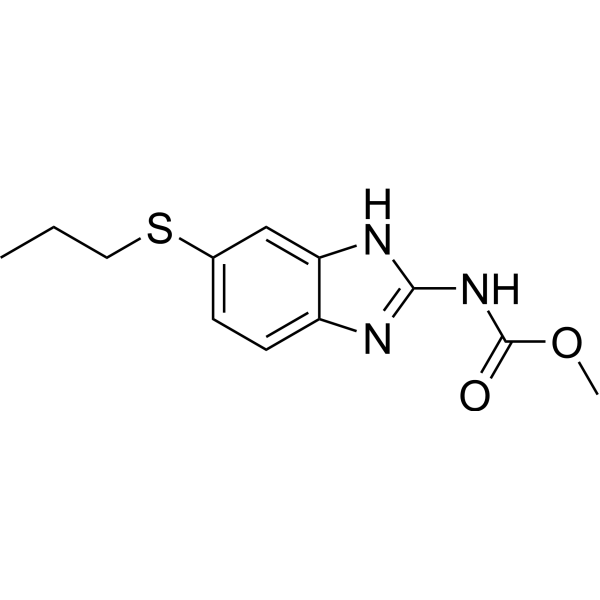
Albendazole-d3-1 (SKF-62979-d3-1) is the deuterium labeled Albendazole (HY-B0223). Albendazole (SKF-62979) is an orally active and broad-spectrum parasiticide with high effectiveness and low host toxicity, is used for the research of gastrointestinal parasites in humans and animals. Albendazole induces apoptosis and autophagy in cancer cells. Albendazole also inhibits tubulin polymerization and HIF-1α, VEGF expression, has antioxidant activity, and inhibits the glycolytic process in cancer cells .
|
-

- HY-14289S
-
|
SKF-92334-d3
|
Histamine Receptor
|
Endocrinology
Cancer
|
|
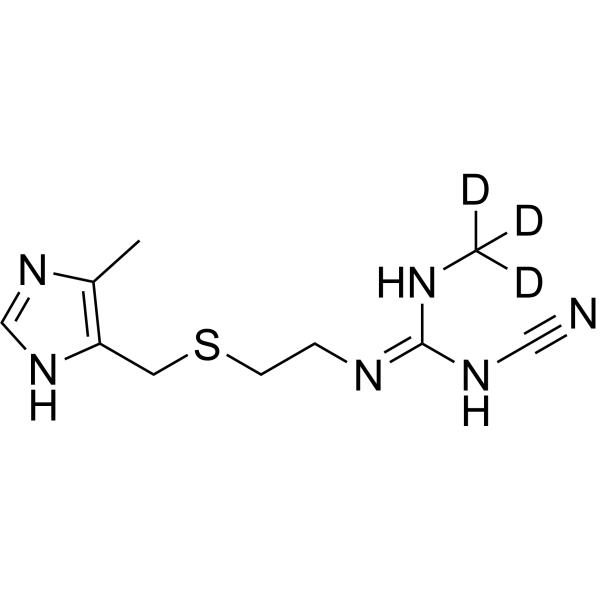
Cimetidine-d3 is the deuterium labeled Cimetidine. Cimetidine (SKF-92334) is an orally active and inverse histamine H2 receptor antagonist with a Ki of 0.6 μM. Cimetidine is an inverse agonist. Cimetidine has anti-cancer and anti-inflammatory activity .
|
-
- HY-100228
-
|
|
GABA Receptor
|
Neurological Disease
|
|
SKF89976A is a selective GABA transporter (GAT-1) inhibitor with IC50s of 0.28 μM, 137.34 μM and 202.8 μM for GAT-1, GAT-2 and GAT-3 in CHO cells, respectively.
|
-

- HY-117743R
-
|
SKF-108566J free base (Standard)
|
Reference Standards
Angiotensin Receptor
|
Cardiovascular Disease
|
|
Eprosartan (Standard) is the analytical standard of Eprosartan. This product is intended for research and analytical applications. Eprosartan (SKF-108566J free base) is a selective, competitive, nonpeptid and orally active angiotensin II receptor antagonist, used as an antihypertensive. Eprosartan binds angiotensin II receptor with IC50s of 9.2 nM and 3.9 nM in rat and human adrenal cortical membranes, respectively .
|
-

- HY-B0735AR
-
|
Fenoldopam methanesulfonate (Standard); SKF-82526 mesylate (Standard)
|
Reference Standards
Dopamine Receptor
Apoptosis
|
Cardiovascular Disease
Cancer
|
|
Fenoldopam (mesylate) (Standard) is the analytical standard of Fenoldopam (mesylate). This product is intended for research and analytical applications. Fenoldopam mesylate (SKF-82526) is a D1 receptor agonist and a novel lysine-specific demethylase 1 (LSD1) inhibitor (IC50=0.8974 μM). Fenoldopam mesylate shows anti-hypertensive effects, anti-cancer cell proliferation activity and can induce cells apoptosis .
|
-

- HY-19026R
-
|
SKF 94836 (Standard)
|
Phosphodiesterase (PDE)
Reference Standards
|
Cardiovascular Disease
|
|
Siguazodan (Standard) is the analytical standard of Siguazodan. This product is intended for research and analytical applications. Siguazodan (SKF 94836) is a potent, selective and orally active phosphodiesterase III (PDE-III) inhibitor with an IC50 of 117 nM. Siguazodan increases cAMP accumulation in intact platelets with an EC50 of 18.88 μM. Siguazodan also inhibits phenylephrine-induced 5-HT release with an IC50 value of 4.2 μM .
|
-

- HY-N14699
-
|
Ancillin free acid; 2-Biphenylyl penicillin free acid; SKF-12141 free acid
|
Penicillin-binding protein (PBP)
Bacterial
|
Infection
|
|
Diphenicillin (Ancillin (free acid); 2-Biphenylyl penicillin (free acid); SKF-12141 (free acid)) is a Penicillinase (HY-E70012)-
resistant penicillin with antibacterial activity. Diphenicillin shows good antibacterial effects against Gram-positive cocci. Diphenicillin is promising for research of infectious diseases caused by Gram-positive cocci such as staphylococci, pneumococci, and group A streptococci .
|
-

- HY-B1496R
-
|
SKF 385 hemisulfate (Standard)
|
Reference Standards
Monoamine Oxidase
Histone Demethylase
|
Neurological Disease
|
|
Tranylcypromine (hemisulfate) (Standard) is the analytical standard of Tranylcypromine (hemisulfate). This product is intended for research and analytical applications. Tranylcypromine (SKF 385) hemisulfate is an irreversible, nonselective monoamine oxidase (MAO) inhibitor used in the treatment of depression. Tranylcypromine hemisulfate is also a lysine-specific demethylase 1 (LSD1) inhibitor, suppresses lesion growth and improves generalized hyperalgesia in mouse with induced endometriosis. Tranylcypromine has antidepressant effects .
|
-

- HY-B0623AR
-
|
SKF 101468 hydrochloride (Standard)
|
Reference Standards
Dopamine Receptor
|
Neurological Disease
|
|
Ropinirole (hydrochloride) (Standard) is the analytical standard of Ropinirole (hydrochloride). This product is intended for research and analytical applications. Ropinirole (SKF 101468) hydrochloride is an orally active, potent D3/D2 receptor agonist with a Ki of 29 nM for D2 receptor. Ropinirole hydrochloride has pEC50s of 7.4, 8.4 and 6.8 for hD2, hD3 and hD4 receptors, respectively. Ropinirole hydrochloride has no affinity for the D1 receptors. Ropinirole hydrochloride has the potential for Parkinson's disease .
|
-

- HY-117743S1
-
|
SKF-108566J free base-d6
|
Angiotensin Receptor
Isotope-Labeled Compounds
|
Cardiovascular Disease
|
|
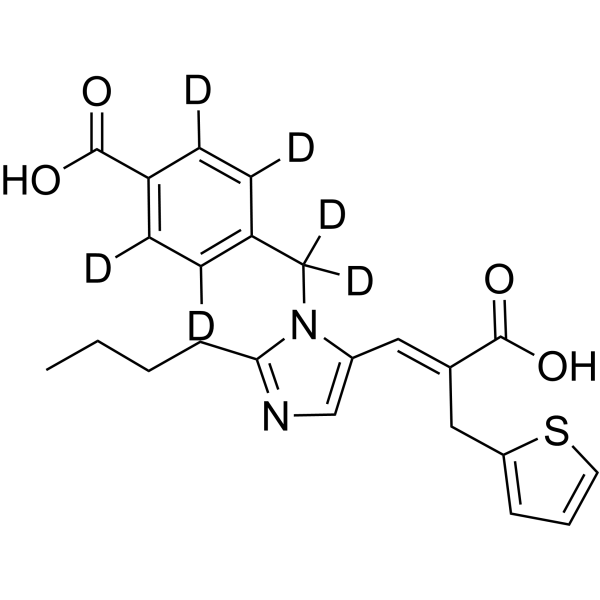
Eprosartan-d6 is deuterated labeled Eprosartan (HY-117743). Eprosartan (SKF-108566J free base) is a selective, competitive, nonpeptid and orally active angiotensin II receptor antagonist, used as an antihypertensive. Eprosartan binds angiotensin II receptor with IC50s of 9.2 nM and 3.9 nM in rat and human adrenal cortical membranes, respectively .
|
-
- HY-13768AR
-
|
SKF 104864A hydrochloride (Standard); NSC 609669 hydrochloride (Standard)
|
Reference Standards
Topoisomerase
Autophagy
Apoptosis
|
Cancer
|
|
Topotecan (hydrochloride) (Standard) is the analytical standard of Topotecan (hydrochloride). This product is intended for research and analytical applications. Topotecan Hydrochloride (SKF 104864A Hydrochloride) is a Topoisomerase I inhibitor with potent antineoplastic activities.
|
-

- HY-B0623S1
-
|
SKF 101468-d3
|
Isotope-Labeled Compounds
Dopamine Receptor
|
Neurological Disease
|
|
Ropinirole-d3 (SKF 101468-d3) is deuterium labeled Ropinirole. Ropinirole (SKF 101468) is an orally active, potent D3/D2 receptor agonist with a Ki of 29 nM for D2 receptor. Ropinirole has pEC50s of 7.4, 8.4 and 6.8 for hD2, hD3 and hD4 receptors, respectively. Ropinirole has no affinity for the D1 receptors. Ropinirole has the potential for Parkinson's disease .
|
-

- HY-19086
-
|
|
COX
Lipoxygenase
|
Inflammation/Immunology
|
|
SKF-105809 is a dual-action inhibitor of lipoxygenase and COX. SKF-105809 inhibits edema and inflammatory cell infiltration in mouse models of ear, paw, and peritoneum inflammation. SKF-105809 inhibits the production of relevant acute-phase reactive proteins in a mouse model of arthritis. SKF-105809 exhibits analgesic activity in a mouse abdominal contraction test and inhibits ulceration. SKF-105809 can be used in research on inflammatory and immune system diseases such as peritonitis and arthritis .
|
-

- HY-103430AR
-
|
|
Reference Standards
Dopamine Receptor
5-HT Receptor
Adenylate Cyclase
|
Neurological Disease
|
|
SKF-83566 (Standard) is the analytical standard of SKF-83566 (HY-103430A). This product is intended for research and analytical applications. SKF-83566 is a potent, blood-brain permeable and orally active D1-like dopamine receptor (D1DR) antagonist and a weaker competitive antagonist at the vascular 5-HT2 receptor (Ki=11 nM) . SKF-83566 is a competitive DAT (dopamine transporter) inhibitor with an IC50 of 5.7 μM . SKF-83566 also shows selective inhibition for adenylyl cyclase 2 (AC2) over AC1 and AC5 in the isolated rabbit thoracic aorta . SKF-83566 can be used for research of parkinson’s disease and nicotine craving alleviation .
|
-

- HY-121626
-
-

- HY-19044
-
|
|
Potassium Channel
|
Cardiovascular Disease
|
|
SKF 95601 is a modulator of small conductive Ca2+-activated K+ channels with anti-atrial fibrillation (AF) activity. SKF 95601 may play a role in inhibiting atrial fibrillation by affecting the interaction between intracellular Ca2+ concentration and membrane potential. SKF 95601 has become a potential inhibitory target against atrial fibrillation due to its significant expression in various species, especially human atria .
|
-

- HY-180814
-
|
|
Drug Derivative
Dopamine Receptor
|
Cancer
|
|
SKF-83566-PEG1-pomalidomide is an anti-tumor agent and is formed by the covalent connection of SKF-83566 (HY-103430A) (dopamine D1 receptor antagonist) and Pomalidomide (HY-10984) (immunomodulatory agent). SKF-83566-PEG1-pomalidomide can inhibit cancer cells invasion, migration and colony formation. SKF-83566-PEG1-pomalidomide can inhibit tumor growth and angiogenesis in MDA-MB-231 cell chicken embryo chorioallantoic membrane (CAM) xenograft model. SKF-83566-PEG1-pomalidomide can be used for research of breast cancer .
|
-

- HY-W328451
-
-

- HY-100228AR
-
|
d,l-SKF89976A hydrochloride (Standard)
|
GABA Receptor
Reference Standards
|
Neurological Disease
|
|
SKF89976A (hydrochloride) (Standard) is the analytical standard of SKF89976A (hydrochloride) (HY-100228A). This product is intended for research and analytical applications. SKF89976A hydrochloride is a selective GABA transporter (GAT-1) inhibitor with IC50s of 0.28 μM, 137.34 μM and 202.8 μM for GAT-1, GAT-2 and GAT-3 in CHO cells, respectively.
|
-

- HY-A0148AR
-
|
SKF-102886 (Standard); WR-171669 hydrochloride (Standard)
|
Reference Standards
Parasite
Fungal
Potassium Channel
Reactive Oxygen Species (ROS)
|
Infection
|
|
Halofantrine hydrochloride (Standard) is the analytical standard of Halofantrine hydrochloride. This product is intended for research and analytical applications. Halofantrine hydrochloride (SKF-102886 hydrochloride; WR-171669 hydrochloride) is a blocker that delays the delayed rectifier potassium current by inhibiting human ERG channels, and it is a potent antimalarial agent. Halofantrine hydrochloride inhibits the Cap1-dependent oxidative stress response of Candida albicans, suppresses ROS responses, and enhances the antifungal (Fungal) activity of oxidative damage agents. Halofantrine hydrochloride exhibits antifungal activity in the Galleria mellonella model, and shows antimalarial activity against Plasmodium strains both in vitro and in animal models. Halofantrine hydrochloride can be used in studies related to invasive candidiasis, falciparum malaria, and vivax malaria.
|
-

- HY-13768
-
|
SKF 104864A; NSC 609669
|
Topoisomerase
Autophagy
Apoptosis
|
Cancer
|
|
Topotecan (SKF 104864A; NSC 609669) is an orally active and potent Topoisomerase I inhibitor. Topotecan induces cell cycle arrest in G0/G1 and S phases and promotes apoptosis. Topotecan shows anticancer activity .
|
-
- HY-13768S2
-
|
SKF 104864A-d6 dihydrochloride; NSC 609669-d6 dihydrochloride
|
Isotope-Labeled Compounds
Apoptosis
Topoisomerase
Autophagy
|
Cancer
|
|
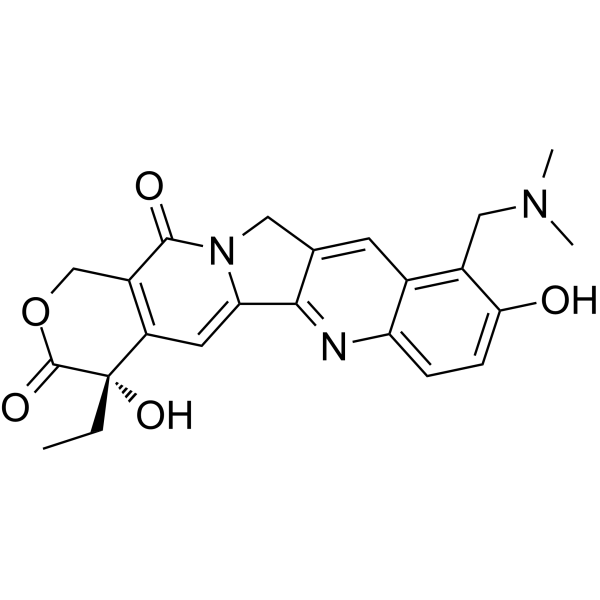
Topotecan-d6 dihydrochloride (SKF 104864A-d6 dihydrochloride) is the deuterium labeled Topotecan dihydrochloride. Topotecan (SKF 104864A; NSC 609669) is an orally active and potent Topoisomerase I inhibitor. Topotecan induces cell cycle arrest in G0/G1 and S phases and promotes apoptosis. Topotecan shows anticancer activity .
|
-

- HY-137312
-
|
SKF 40383-A
|
Adrenergic Receptor
|
Inflammation/Immunology
|
|
Carbuterol (SKF 40383-A) is a selective β2-adrenergic receptor agonist that primarily targets bronchial smooth muscle, exhibiting significant bronchodilatory and anti-allergic activity. Carbuterol can directly inhibit the immunologically induced release of histamine and slow-reacting substance of anaphylaxis (SRS-A), thereby alleviating allergic responses. Carbuterol exerts mild β1-mediated cardiac stimulation and is applicable to studies related to respiratory and immune-related diseases such as asthma and allergic disorders .
|
-

- HY-137312A
-
|
SKF 40383-A hydrochloride
|
Adrenergic Receptor
|
Inflammation/Immunology
|
|
Carbuterol (SKF 40383-A) hydrochloride is a selective β2-adrenergic receptor agonist that primarily targets bronchial smooth muscle, exhibiting significant bronchodilatory and anti-allergic activity. Carbuterol hydrochloride can directly inhibit the immunologically induced release of histamine and slow-reacting substance of anaphylaxis (SRS-A), thereby alleviating allergic responses. In addition, it exerts mild β1-mediated cardiac stimulation and is applicable to studies related to respiratory and immune-related diseases such as asthma and allergic disorders .
|
-

- HY-B1311
-
|
SKF-525A; U-5446; RP-5171
|
Cytochrome P450
Monoamine Oxidase
Bcl-2 Family
Survivin
PARP
|
Neurological Disease
Inflammation/Immunology
Cancer
|
|
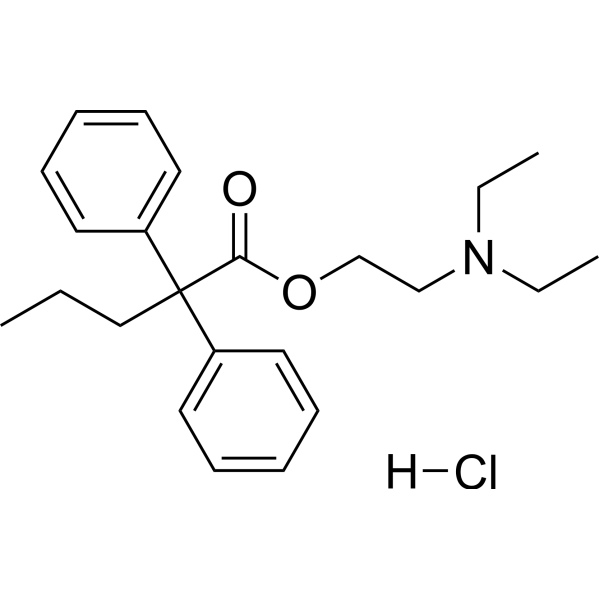
Proadifen (SKF-525A) hydrochloride is a non-competitive Cytochrome P450 inhibitor with an IC50 value of 19 μM. Proadifen hydrochloride reduces monoamine oxidase A (MAO-A) activity and reverses the antidepressantlike behavioral effect of Imipramine (HY-B1490A) and Desipramine (HY-B1272A) in rats. Proadifen hydrochloride also reduces N, N-dimethyltryptamine (DMT) metabolism in liver microsomes and inhibits N-demethylationand Acridone (HY-W007771) formation. Proadifen hydrochloride augments Lipopolysaccharide (LPS) (HY-D1056)-induced fever and exacerbates Prostaglandin E2 (PGE2) (HY-101952) levels in the rat. Proadifen hydrochloride is promising for research of metabolism-related deseases, ovarian carcinoma, inflammation and dopamine neurons-related deseases .
|
-
- HY-B0623AS1
-
|
SKF 101468-d7 hydrochloride
|
Dopamine Receptor
|
Neurological Disease
|
|
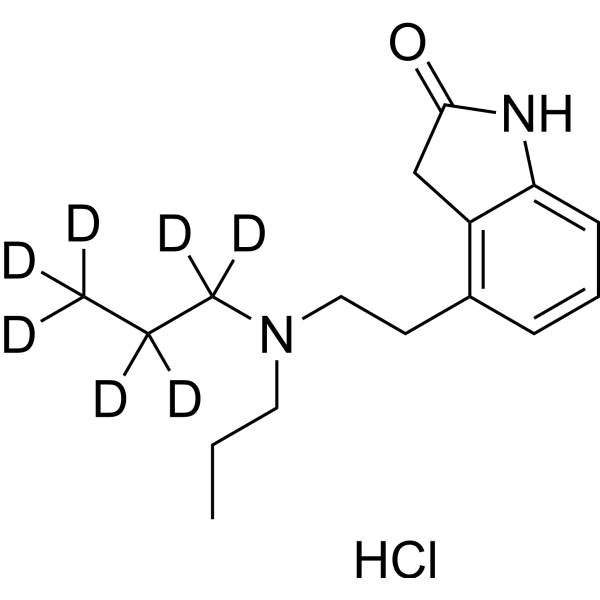
Ropinirole-d7 hydrochloride is the deuterium labeled Ropinirole hydrochloride . Ropinirole (SKF 101468) hydrochloride is an orally active, potent D3/D2 receptor agonist with a Ki of 29 nM for D2 receptor. Ropinirole hydrochloride has pEC50s of 7.4, 8.4 and 6.8 for hD2, hD3 and hD4 receptors, respectively. Ropinirole hydrochloride has no affinity for the D1 receptors. Ropinirole hydrochloride has the potential for Parkinson's disease .
|
-
- HY-B0623AS2
-
|
SKF 101468-d3 hydrochloride
|
Dopamine Receptor
|
Neurological Disease
|
|
Ropinirole-d3 hydrochloride is the deuterium labeled Ropinirole hydrochloride . Ropinirole (SKF 101468) hydrochloride is an orally active, potent D3/D2 receptor agonist with a Ki of 29 nM for D2 receptor. Ropinirole hydrochloride has pEC50s of 7.4, 8.4 and 6.8 for hD2, hD3 and hD4 receptors, respectively. Ropinirole hydrochloride has no affinity for the D1 receptors. Ropinirole hydrochloride has the potential for Parkinson's disease .
|
-
- HY-B0623AS
-
|
SKF 101468-d4 hydrochloride
|
Isotope-Labeled Compounds
Dopamine Receptor
|
Neurological Disease
|
|
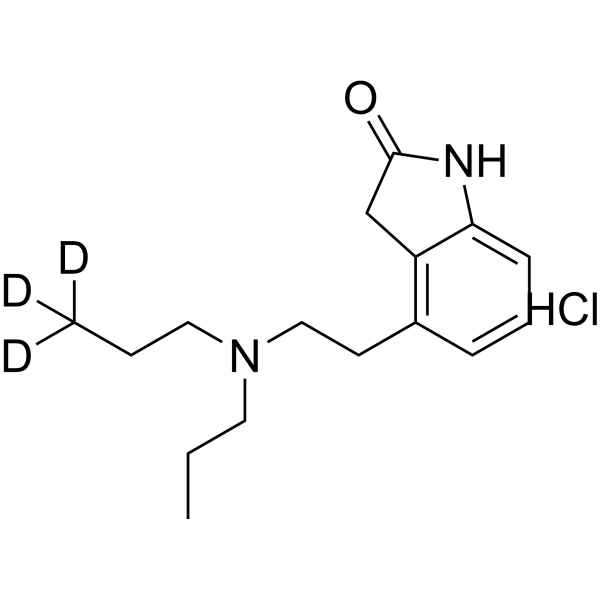
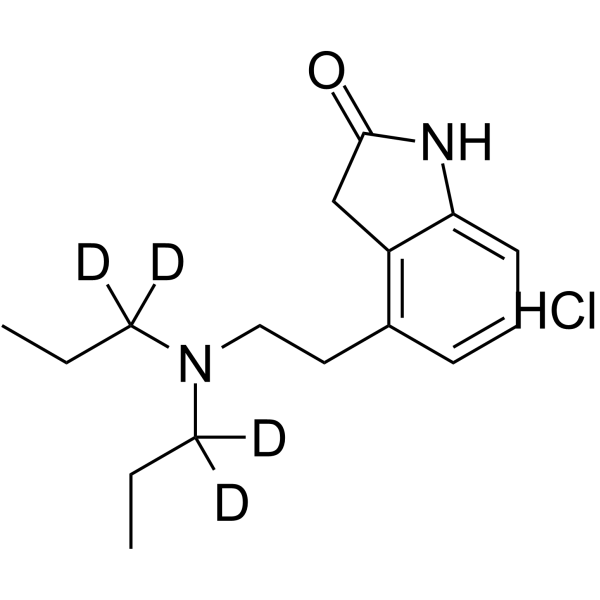
Ropinirole-d4 (SKF 101468-d4) hydrochloride is the deuterium labeled Ropinirole hydrochloride. Ropinirole hydrochloride is a potent D3/D2 receptor agonist with a Kiof 29 nM for D2 receptor. Ropinirole hydrochloride has pEC50s of 7.4, 8.4 and 6.8 for hD2, hD3 and hD4 receptors, respectively. Ropinirole hydrochloride has no affinity for the D1 receptors. Ropinirole hydrochloride has the potential for Parkinson's disease .
|
-
- HY-B0623AS3
-
|
SKF 101468-d14 hydrochloride
|
Dopamine Receptor
Isotope-Labeled Compounds
|
Neurological Disease
|
|
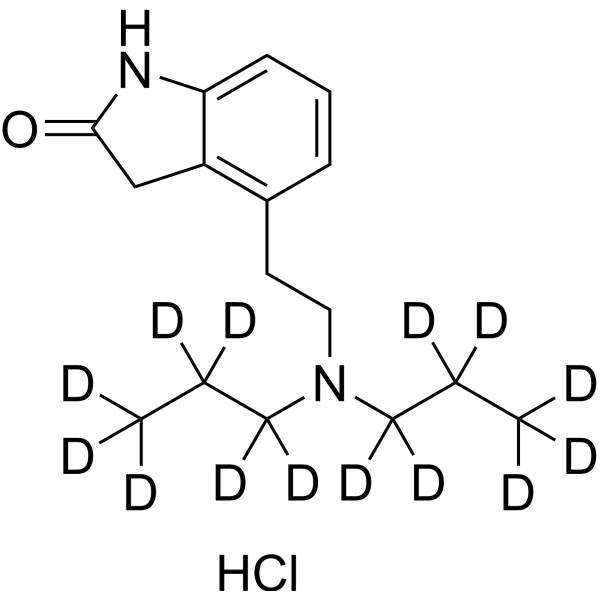
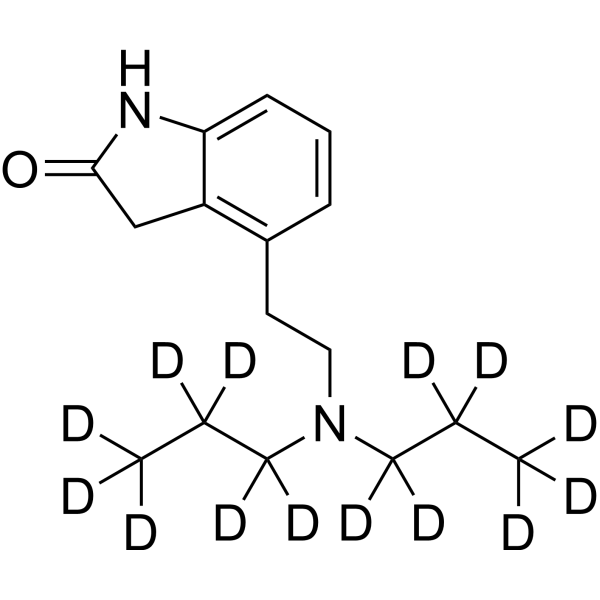
Ropinirole-d14 hydrochloride is deuterated labeled Ropinirole hydrochloride (HY-B0623A). Ropinirole (SKF 101468) hydrochloride is an orally active, potent D3/D2 receptor agonist with a Ki of 29 nM for D2 receptor. Ropinirole hydrochloride has pEC50s of 7.4, 8.4 and 6.8 for hD2, hD3 and hD4 receptors, respectively. Ropinirole hydrochloride has no affinity for the D1 receptors. Ropinirole hydrochloride has the potential for Parkinson's disease .
|
-
- HY-B1311R
-
|
SKF-525A (Standard); U-5446 (Standard); RP-5171 (Standard)
|
Reference Standards
Cytochrome P450
Monoamine Oxidase
Bcl-2 Family
Survivin
PARP
|
Neurological Disease
Inflammation/Immunology
Cancer
|
|
Proadifen (hydrochloride) (Standard) is the analytical standard of Proadifen (hydrochloride). This product is intended for research and analytical applications. Proadifen (SKF-525A) hydrochloride is a non-competitive Cytochrome P450 inhibitor with an IC50 value of 19 μM. Proadifen hydrochloride reduces monoamine oxidase A (MAO-A) activity and reverses the antidepressantlike behavioral effect of Imipramine (HY-B1490A) and Desipramine (HY-B1272A) in rats. Proadifen hydrochloride also reduces N, N-dimethyltryptamine (DMT) metabolism in liver microsomes and inhibits N-demethylationand Acridone (HY-W007771) formation. Proadifen hydrochloride augments Lipopolysaccharide (LPS) (HY-D1056)-induced fever and exacerbates Prostaglandin E2 (PGE2) (HY-101952) levels in the rat. Proadifen hydrochloride is promising for research of metabolism-related deseases, ovarian carcinoma, inflammation and dopamine neurons-related deseases [4] .
|
-

- HY-13768S
-
|
SKF 104864A-d5; NSC 609669-d5
|
Isotope-Labeled Compounds
Topoisomerase
Autophagy
|
Cancer
|
|
Topotecan-d5 is the deuterium labeled Topotecan. Topotecan (SKF 104864A; NSC 609669) is a Topoisomerase I inhibitor. The IC50 values of Topotecan at 24 h are 2.73±0.25 μM of U251 cells, 2.95±0.23 μM of U87 cells, 5.46±0.41 μM of GSCs-U251 and 5.95±0.24 μM of GSCs-U87 .
|
-

- HY-110102
-
|
Azaspirane hydrochloride; SKF 106615-12 hydrochloride; SKF 106615
|
JAK
STAT
Apoptosis
Autophagy
Reactive Oxygen Species (ROS)
Caspase
Atg8/LC3
p62
|
Cardiovascular Disease
Inflammation/Immunology
Cancer
|
|
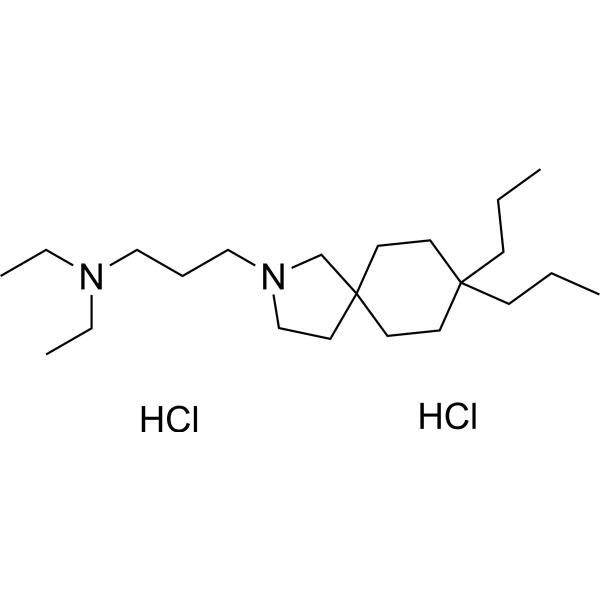
Atiprimod (Azaspirane) hydrochloride is a STAT3 inhibitor with antitumor, anti-inflammatory, and anti-angiogenic activities. Atiprimod blocks the signaling pathways of IL-6 and VEGF by inhibiting the phosphorylation of signal transducer and activator of STAT3. Atiprimod blocks the JAK-STAT signaling pathway by inhibiting the phosphorylation of JAK2 and JAK3. Atiprimod also inhibits cell proliferation, induces cell cycle arrest, and induces autophagy and apoptosis. Atiprimod triggers persistent ER stress-mediated apoptosis in breast cancer cells by activating the PERK/eIF2α/ATF4/CHOP axis and inhibiting the nuclear translocation of STAT3/NF-κB. Atiprimod shows great anti-tumor activities in tumor xenograft mouse models. Atiprimod can be used for the study of pituitary adenoma, breast cancer, multiple myeloma and acute myeloid leukemia (AML) .
|
-
- HY-116777A
-
|
SKF 92676 hydrochloride
|
Histamine Receptor
|
Others
|
|
Impromidine hydrochloride is a potent agonist for histamine H2 receptor. Impromidine hydrochloride induces gastric mucosal blood flow and acid secretion .
|
-

- HY-115364
-
|
SKF 29044
|
Microtubule/Tubulin
Parasite
|
Infection
|
|
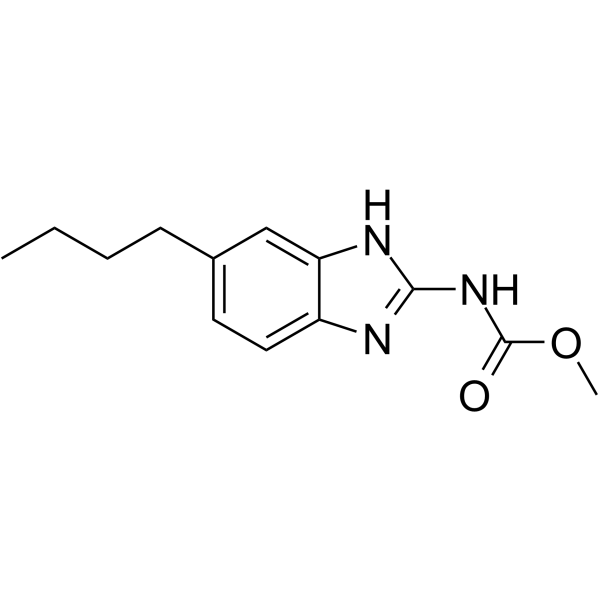
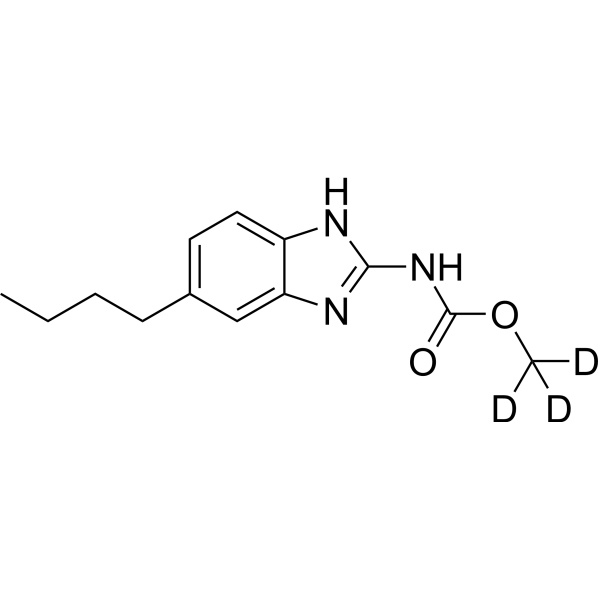
Parbendazole is a potent inhibitor of microtubule assembly, destabilizes tubulin, with an EC50 of 530 nM, and exhibits a broad-spectrum anthelmintic activity.
|
-
- HY-19010A
-
|
SKF 94482 hydrochloride
|
Histamine Receptor
|
Neurological Disease
|
|
BMY-25368 hydrochloride is a histamine H2 receptor antagonist that acts as a gastric acid secretion inhibitor. BMY-25368 hydrochloride competitively antagonizes gastric secretion stimulated by histamine and also antagonizes gastric secretion stimulated by Pentagastrin (HY-A0261), Bethanechol (HY-B0406), and food .
|
-

- HY-121018
-
|
BM-13505; SKF 96148
|
Prostaglandin Receptor
|
Cardiovascular Disease
|
|
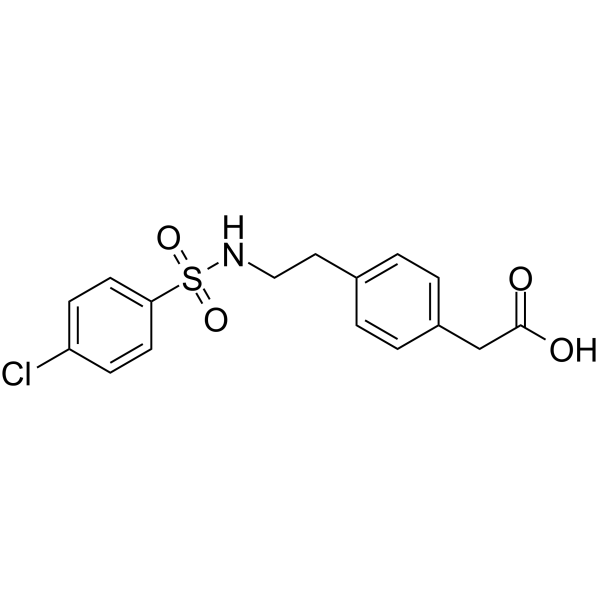
Daltroban (BM-13505) is a selective and specific thromboxane A2 (TXA2) receptor antagonist. Daltroban increase intracellular calcium in vascular smooth muscle cells. Daltroban shows protective effect in reperfusion injury .
|
-
- HY-115364R
-
|
SKF 29044 (Standard)
|
Reference Standards
Microtubule/Tubulin
Parasite
|
Infection
|
|
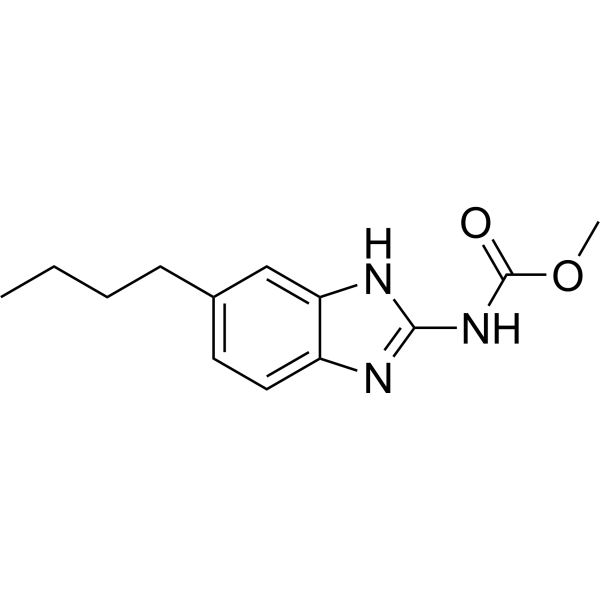
Parbendazole (Standard) is the analytical standard of Parbendazole. This product is intended for research and analytical applications. Parbendazole is a potent inhibitor of microtubule assembly, destabilizes tubulin, with an EC50 of 530 nM, and exhibits a broad-spectrum anthelmintic activity.
|
-
- HY-13559
-
|
Azaspirane ; SKF 106615-12; SKF 106615A12
|
STAT
Apoptosis
Autophagy
Reactive Oxygen Species (ROS)
Caspase
Bcl-2 Family
p62
Atg8/LC3
PARP
NF-κB
PERK
JAK
|
Cardiovascular Disease
Inflammation/Immunology
Cancer
|
|
Atiprimod (Azaspirane) is a STAT3 inhibitor with antitumor, anti-inflammatory, and anti-angiogenic activities. Atiprimod blocks the signaling pathways of IL-6 and VEGF by inhibiting the phosphorylation of signal transducer and activator of STAT3. Atiprimod blocks the JAK-STAT signaling pathway by inhibiting the phosphorylation of JAK2 and JAK3. Atiprimod also inhibits cell proliferation, induces cell cycle arrest, and induces autophagy and apoptosis. Atiprimod triggers persistent ER stress-mediated apoptosis in breast cancer cells by activating the PERK/eIF2α/ATF4/CHOP axis and inhibiting the nuclear translocation of STAT3/NF-κB. Atiprimod shows great anti-tumor activities in tumor xenograft mouse models. Atiprimod can be used for the study of pituitary adenoma, breast cancer, multiple myeloma and acute myeloid leukemia (AML) .
|
-

- HY-112072
-
|
SB 7505 hydrochloride; SKF 100168 hydrochloride
|
Dopamine Receptor
Adrenergic Receptor
|
Cardiovascular Disease
|
|
Ibopamine (SB 7505) hydrochloride is an orally active dopamine derivative. Ibopamine hydrochloride exerts agonistic effects on α, β adrenergic receptors and dopaminergic receptors. Ibopamine hydrochloride can be hydrolyzed to produce the active metabolite Epinine. Ibopamine hydrochloride possesses positive inotropic and vasodilatory effects, which can improve hemodynamics and renal function in heart failure models. Ibopamine hydrochloride has good safety profile and can be used in the research of diseases such as congestive heart failure .
|
-

- HY-A0151
-
|
RP 7843; SKF 5883; Thioperazine
|
Dopamine Receptor
|
Neurological Disease
|
|
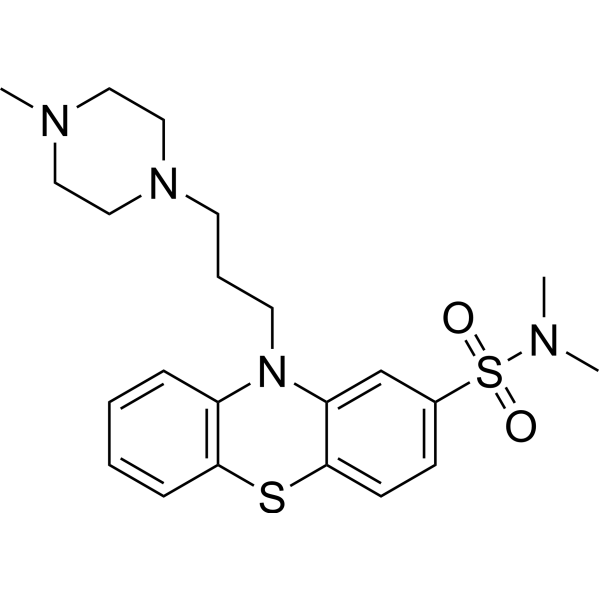
Thioproperazine (RP 7843) is an orally active antipsychotic agent with calming, antiemetic activity. Thioproperazine is effective in promoting the release of dopamine in rat striatum. Thioproperazine can be used in studies of schizophrenia and bipolar disorder .
|
-
- HY-101173
-
|
VUF 8325 dihydrobromide; SKF 91105 dihydrobromide
|
Histamine Receptor
|
Neurological Disease
|
|
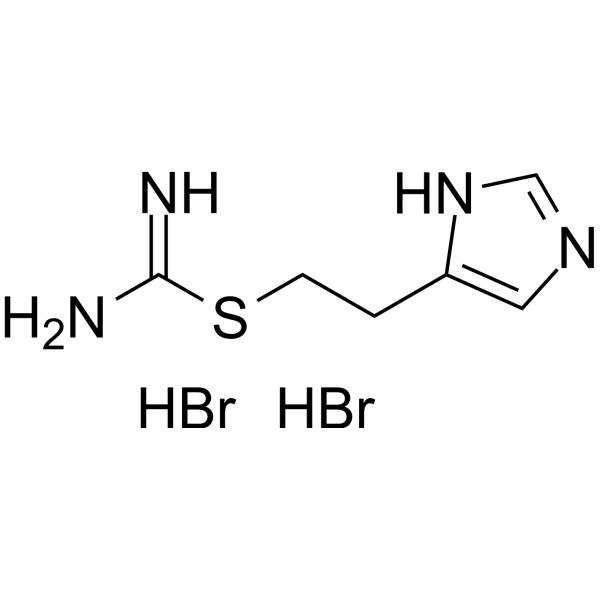
Imetit dihydrobromide (VUF 8325 dihydrobromide) is a high affinity and potent agonist of histamine H3 and H4 receptors, with Ki values of 0.3 and 2.7 nM, respectively. Imetit mimics histamine effect in triggering a shape change in eosinophils (EC50=25 nM) .
|
-
- HY-13559A
-
|
Azaspirane dimaleate; SKF 106615-12 dimaleate; SKF 106615A12 dimaleate
|
STAT
Apoptosis
Caspase
Interleukin Related
Autophagy
Reactive Oxygen Species (ROS)
Atg8/LC3
p62
JAK
|
Cardiovascular Disease
Inflammation/Immunology
Cancer
|
|
Atiprimod (Azaspirane) (dimaleate) is a STAT3 inhibitor with antitumor, anti-inflammatory, and anti-angiogenic activities. Atiprimod blocks the signaling pathways of IL-6 and VEGF by inhibiting the phosphorylation of signal transducer and activator of STAT3. Atiprimod blocks the JAK-STAT signaling pathway by inhibiting the phosphorylation of JAK2 and JAK3. Atiprimod also inhibits cell proliferation, induces cell cycle arrest, and induces autophagy and apoptosis. Atiprimod triggers persistent ER stress-mediated apoptosis in breast cancer cells by activating the PERK/eIF2α/ATF4/CHOP axis and inhibiting the nuclear translocation of STAT3/NF-κB. Atiprimod shows great anti-tumor activities in tumor xenograft mouse models. Atiprimod can be used for the study of pituitary adenoma, breast cancer, multiple myeloma and acute myeloid leukemia (AML) .
|
-

- HY-17507
-
|
BY1023; SKF96022
|
Proton Pump
Autophagy
Apoptosis
Bacterial
|
Inflammation/Immunology
Cancer
|
|
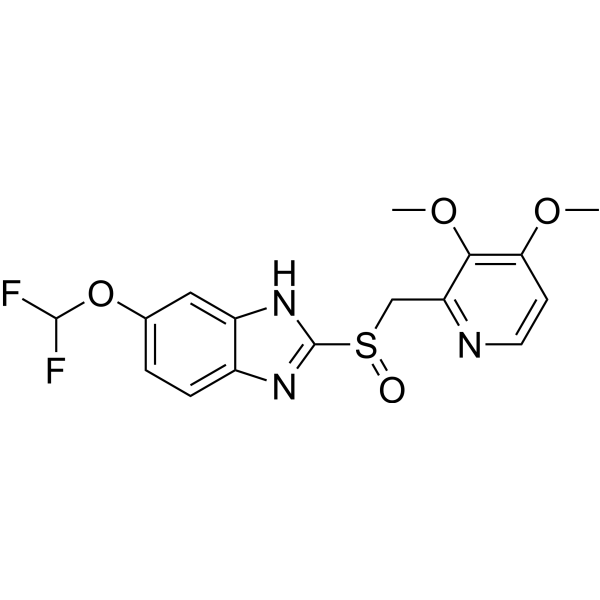
Pantoprazole (BY10232) is an orally active and potent proton pump inhibitor (PPI) . Pantoprazole, a substituted benzimidazole, is a potent H +/K +-ATPase inhibitor with an IC50 of 6.8 μM. Pantoprazole improves pH stability and has anti-secretory, anti-ulcer activities. Pantoprazole significantly increased tumor growth delay combined with Doxorubicin (HY-15142) .
|
-
- HY-107385
-
|
ONO-9302; SKF105657
|
5 alpha Reductase
|
Cancer
|
|
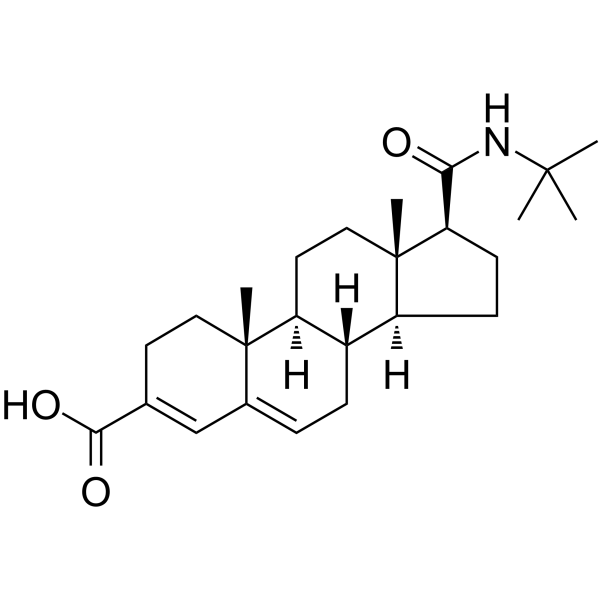
Epristeride (ONO-9302) is a selective, specific and orally active uncompetitive inhibitor of human steroid 5 alpha-reductase isoform 2. Epristeride has inhibitory effects for SR isoenzymes types 2 with Ki value of 0.7-2 nM. Epristeride can be used for the research of prostatic hyperplasia and acne .
|
-
- HY-17507B
-
|
BY1023 sodium hydrate; SKF96022 sodium hydrate
|
Proton Pump
Autophagy
Apoptosis
Bacterial
|
Inflammation/Immunology
Cancer
|
|
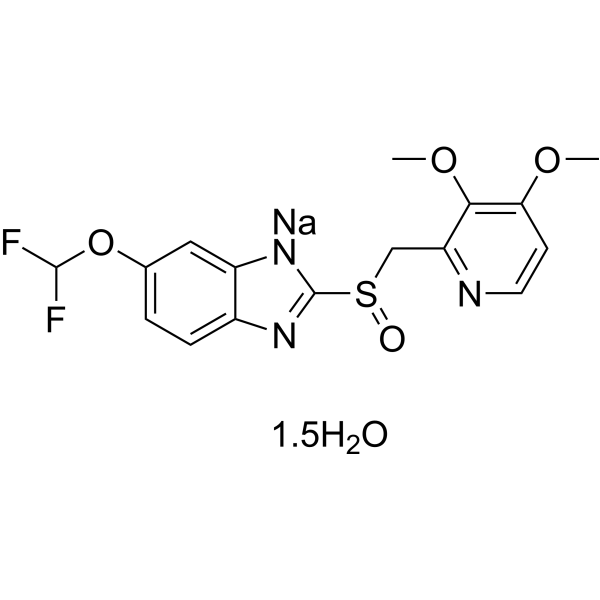
Pantoprazole sodium hydrate (BY10232 sodium hydrate) is an orally active and potent proton pump inhibitor (PPI) . Pantoprazole sodium hydrate, a substituted benzimidazole, is a potent H +/K +-ATPase inhibitor with an IC50 of 6.8 μM. Pantoprazole sodium hydrate improves pH stability and has anti-secretory, anti-ulcer activities. Pantoprazole sodium hydrate significantly increased tumor growth delay combined with Doxorubicin (HY-15142) .
|
-
- HY-17507A
-
|
BY1023 sodium; SKF96022 sodium
|
Proton Pump
Autophagy
Apoptosis
Bacterial
|
Inflammation/Immunology
Cancer
|
|
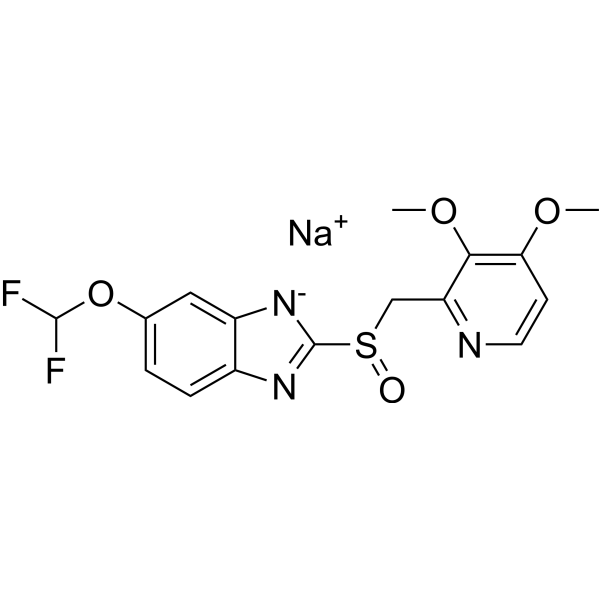
Pantoprazole sodium (BY10232 sodium) is an orally active and potent proton pump inhibitor (PPI) . Pantoprazole sodium, a substituted benzimidazole, is a potent H +/K +-ATPase inhibitor with an IC50 of 6.8 μM. Pantoprazole sodium improves pH stability and has anti-secretory, anti-ulcer activities. Pantoprazole sodium significantly increased tumor growth delay combined with Doxorubicin (HY-15142) .
|
-
- HY-112737
-
-
- HY-106785
-
-

- HY-17447SA
-
|
SKF 385-d5 hydrochloride
|
Monoamine Oxidase
Histone Demethylase
|
Neurological Disease
|
|
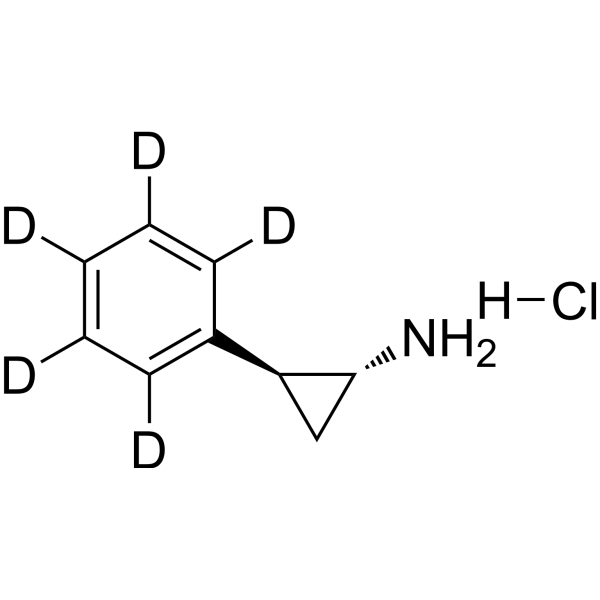
Tranylcypromine-d5 (hydrochloride) is a deuterium labeled (rel)-Tranylcypromine hydrochloride. Tranylcypromine hydrochloride is an irreversible, nonselective monoamine oxidase (MAO) inhibitor used in the treatment of depression. Tranylcypromine hydrochloride is also a lysine-specific demethylase 1 (LSD1) inhibitor, suppresses lesion growth and improves generalized hyperalgesia in mouse with induced endometriosis .
|
-
- HY-13768D
-
|
SKF 104864A acetate; NSC 609669 acetate
|
Topoisomerase
|
Cancer
|
|
Topotecan acetate is a topoisomerase inhibitor.
|
-

- HY-17507R
-
|
BY1023 (Standard); SKF96022 (Standard)
|
Reference Standards
Proton Pump
Autophagy
Apoptosis
Bacterial
|
Inflammation/Immunology
Cancer
|
|
Pantoprazole (Standard) is the analytical standard of Pantoprazole. This product is intended for research and analytical applications. Pantoprazole (BY10232) is an orally active and potent proton pump inhibitor (PPI) . Pantoprazole, a substituted benzimidazole, is a potent H +/K +-ATPase inhibitor with an IC50 of 6.8 μM. Pantoprazole improves pH stability and has anti-secretory, anti-ulcer activities. Pantoprazole significantly increased tumor growth delay combined with Doxorubicin (HY-15142) .
|
-

- HY-107385R
-
|
ONO-9302 (Standard); SKF105657 (Standard)
|
Reference Standards
5 alpha Reductase
|
Cancer
|
|
Epristeride (Standard) is the analytical standard of Epristeride. This product is intended for research and analytical applications. Epristeride (ONO-9302) is a selective, specific and orally active uncompetitive inhibitor of human steroid 5 alpha-reductase isoform 2. Epristeride has inhibitory effects for SR isoenzymes types 2 with Ki value of 0.7-2 nM. Epristeride can be used for the research of prostatic hyperplasia and acne .
|
-

- HY-17507AR
-
|
BY1023 sodium (Standard); SKF96022 sodium (Standard)
|
Reference Standards
Proton Pump
Autophagy
Apoptosis
Bacterial
|
Inflammation/Immunology
Cancer
|
|
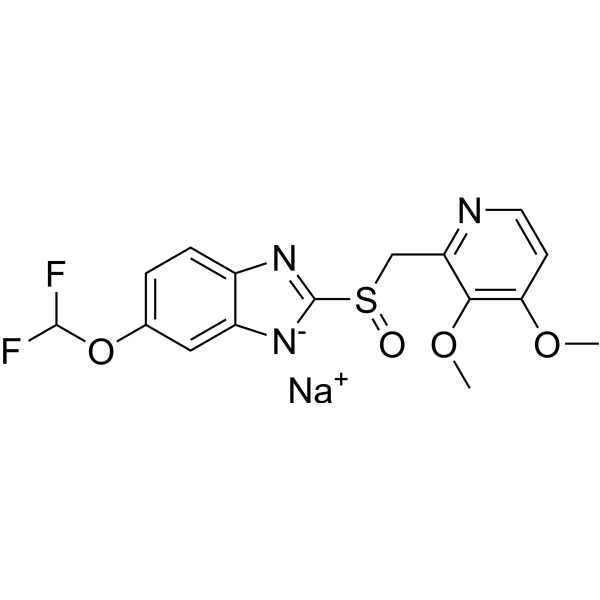
Pantoprazole (sodium) (Standard) is the analytical standard of Pantoprazole (sodium). This product is intended for research and analytical applications. Pantoprazole sodium (BY10232 sodium) is an orally active and potent proton pump inhibitor (PPI) . Pantoprazole sodium, a substituted benzimidazole, is a potent H +/K +-ATPase inhibitor with an IC50 of 6.8 μM. Pantoprazole sodium improves pH stability and has anti-secretory, anti-ulcer activities. Pantoprazole sodium significantly increased tumor growth delay combined with Doxorubicin (HY-15142) .
|
-
- HY-13768C
-
|
SKF 104864A hydrochloride hydrate; NSC 609669 hydrochloride hydrate
|
Topoisomerase
Apoptosis
Autophagy
|
Cancer
|
|
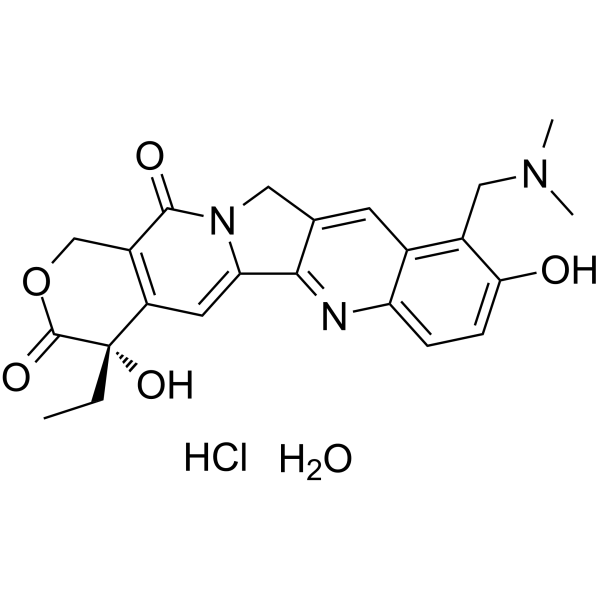
Topotecan hydrochloride hydrate is an orally active and potent Topoisomerase I inhibitor. Topotecan hydrochloride hydrate induces cell cycle arrest in G0/G1 and S phases and promotes apoptosis. Topotecan hydrochloride hydrate shows anticancer activity .
|
-
- HY-17507BR
-
|
BY1023 sodium hydrate (Standard); SKF96022 sodium hydrate (Standard)
|
Reference Standards
Proton Pump
Autophagy
Apoptosis
Bacterial
|
Inflammation/Immunology
Cancer
|
|
Pantoprazole (sodium hydrate) (Standard) is the analytical standard of Pantoprazole (sodium hydrate). This product is intended for research and analytical applications. Pantoprazole sodium hydrate (BY10232 sodium hydrate) is an orally active and potent proton pump inhibitor (PPI) . Pantoprazole sodium hydrate, a substituted benzimidazole, is a potent H+/K+-ATPase inhibitor with an IC50 of 6.8 μM. Pantoprazole sodium hydrate improves pH stability and has anti-secretory, anti-ulcer activities. Pantoprazole sodium hydrate significantly increased tumor growth delay combined with Doxorubicin (HY-15142) .
|
-

- HY-115364S
-
-
- HY-B0223S
-
|
SKF-62979-d3
|
Parasite
|
Infection
|
|
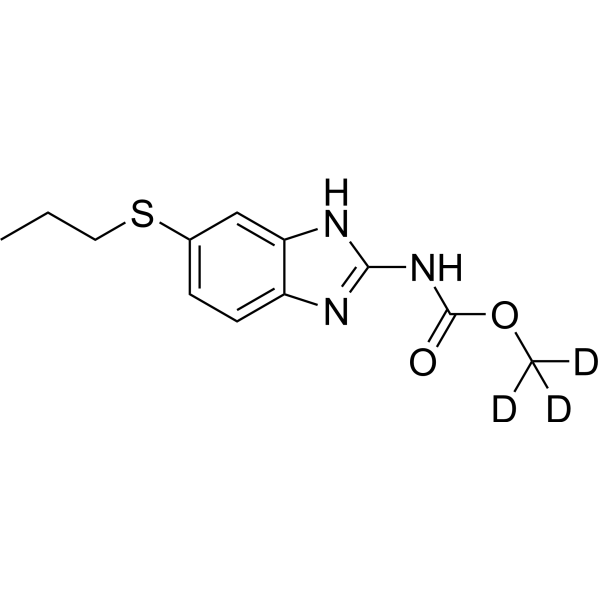
Albendazole-d3 is the deuterium labeled Albendazole, which is a member of the benzimidazole compounds used as a agent indicated for the treatment of a variety of worm infestations .
|
-
- HY-B0623S
-
-
- HY-B0223S2
-
|
SKF-62979-d7
|
Isotope-Labeled Compounds
Parasite
Antibiotic
|
Infection
|
|
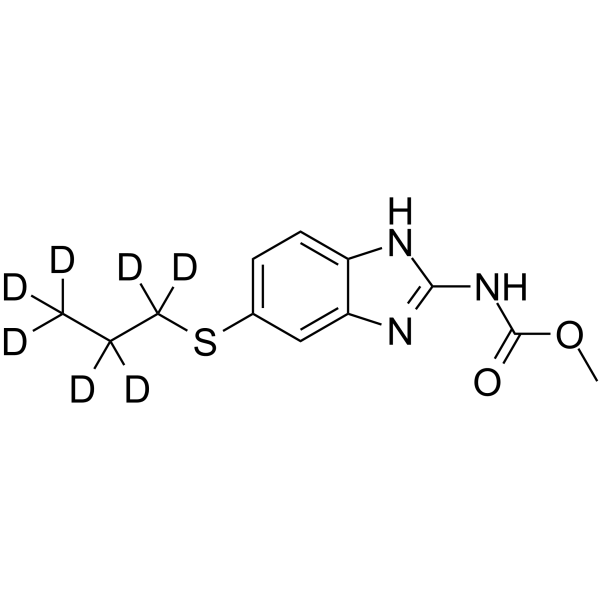
Albendazole-d7 is the deuterium labeled Albendazole. Albendazole is a broad-spectrum parasiticide with high effectiveness and low host toxicity. Albendazole is used for the research gastrointestinal parasites in humans and animals .
|
-
- HY-137312S
-
-

- HY-117743AS1
-
-
- HY-W141742S
-
-

- HY-W739793
-
|
BY1023-d8 sodium; SKF96022-d8 sodium
|
Isotope-Labeled Compounds
Proton Pump
Autophagy
Apoptosis
Bacterial
|
Inflammation/Immunology
Cancer
|
|
Pantoprazole-d8 (BY1023-d8) sodium is a deuterium labeled Pantoprazole (HY-17507). Pantoprazole (BY10232) is an orally active and potent proton pump inhibitor (PPI) . Pantoprazole, a substituted benzimidazole, is a potent H +/K +-ATPase inhibitor with an IC50 of 6.8 μM. Pantoprazole improves pH stability and has anti-secretory, anti-ulcer activities. Pantoprazole significantly increased tumor growth delay combined with Doxorubicin (HY-15142) .
|
-

- HY-17507S
-
|
BY1023-d6; SKF96022-d6
|
Isotope-Labeled Compounds
Proton Pump
Autophagy
Apoptosis
|
Inflammation/Immunology
Cancer
|
|
Pantoprazole-d6 is deuterium labeled Pantoprazole. Pantoprazole (BY10232) is an orally active and potent proton pump inhibitor (PPI) . Pantoprazole, a substituted benzimidazole, is a potent H+/K+-ATPase inhibitor with an IC50 of 6.8 μM. Pantoprazole improves pH stability and has anti-secretory, anti-ulcer activities. Pantoprazole significantly increased tumor growth delay combined with Doxorubicin (HY-15142) .
|
-
- HY-17507S1
-
|
BY1023-d3; SKF96022-d3
|
Isotope-Labeled Compounds
Proton Pump
Autophagy
Apoptosis
|
Inflammation/Immunology
Cancer
|
|
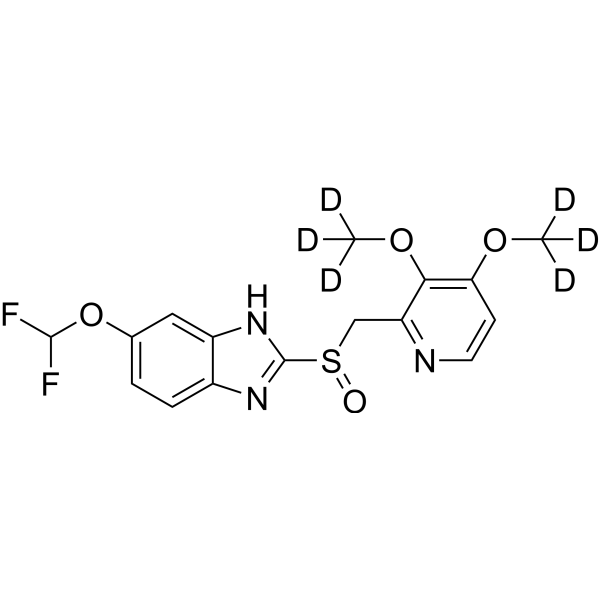
Pantoprazole-d3 is deuterium labeled Pantoprazole. Pantoprazole (BY10232) is an orally active and potent proton pump inhibitor (PPI) . Pantoprazole, a substituted benzimidazole, is a potent H+/K+-ATPase inhibitor with an IC50 of 6.8 μM. Pantoprazole improves pH stability and has anti-secretory, anti-ulcer activities. Pantoprazole significantly increased tumor growth delay combined with Doxorubicin (HY-15142) .
|
-
- HY-17507S2
-
|
BY1023-d8; SKF96022-d8
|
Isotope-Labeled Compounds
Bacterial
Autophagy
Apoptosis
Proton Pump
|
Inflammation/Immunology
Cancer
|
|
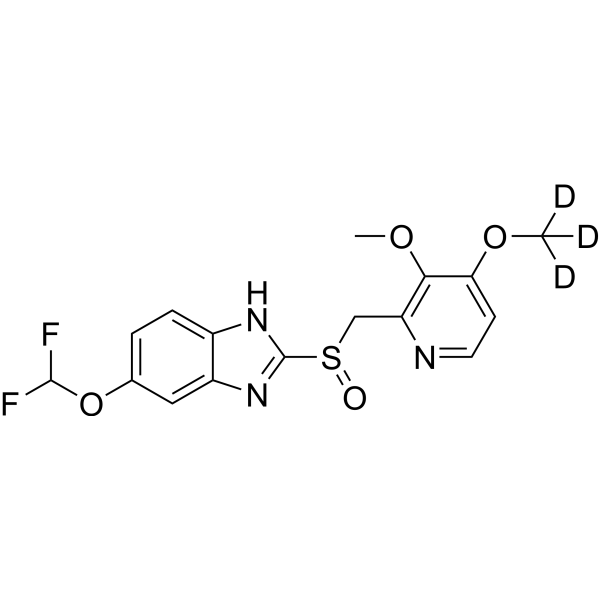
Pantoprazole-d8 (BY1023-d8) is deuterium labeled Pantoprazole. Pantoprazole (BY10232) is an orally active and potent proton pump inhibitor (PPI) . Pantoprazole, a substituted benzimidazole, is a potent H +/K +-ATPase inhibitor with an IC50 of 6.8 μM. Pantoprazole improves pH stability and has anti-secretory, anti-ulcer activities. Pantoprazole significantly increased tumor growth delay combined with Doxorubicin (HY-15142) .
|
-

- HY-107385S
-
|
ONO-9302-d9; SKF105657-d9
|
Isotope-Labeled Compounds
5 alpha Reductase
|
Cancer
|
|
Epristeride-d9 (ONO-9302-d9) is the deuterium labeled Epristeride (HY-107385). Epristeride (ONO-9302) is a selective, specific and orally active uncompetitive inhibitor of human steroid 5 alpha-reductase isoform 2. Epristeride has inhibitory effects for SR isoenzymes types 2 with Ki value of 0.7-2 nM. Epristeride can be used for the research of prostatic hyperplasia and acne .
|
-

- HY-17507S4
-
|
BY1023-d4; SKF96022-d4
|
Isotope-Labeled Compounds
|
Inflammation/Immunology
Cancer
|
|
Pantoprazole-d4 (BY1023-d4) is deuterium labeled Pantoprazole. Pantoprazole (BY10232) is an orally active and potent proton pump inhibitor (PPI) . Pantoprazole, a substituted benzimidazole, is a potent H +/K +-ATPase inhibitor with an IC50 of 6.8 μM. Pantoprazole improves pH stability and has anti-secretory, anti-ulcer activities. Pantoprazole significantly increased tumor growth delay combined with Doxorubicin (HY-15142) .
|
-

- HY-12520C
-
|
|
Drug Isomer
Dopamine Receptor
|
Neurological Disease
|
|
(S)-SKF 38393 (Compound 7) is the S-enantiomer of SKF 38393 (HY-12520). (S)-SKF 38393 shows no activity against the D1 dopamine receptor, with an IC50 of 10700 nM. (S)-SKF 38393 can be used in the research of neurological diseases .
|
-

- HY-12236B
-
-

- HY-116430
-
|
(S)-APB
|
Dopamine Receptor
Drug Isomer
|
Neurological Disease
|
|
(S)-SKF-77434 (Compound 11) ((S)-APB) is an enantiomer of SKF-77434 (HY-103417). (S)-SKF-77434 shows an affinity for the D1 receptor with an IC50 of 2800 nM. (S)-SKF-77434 can be used in the research of neuropsychiatric disorders .
|
-

- HY-124235
-
|
|
Na+/K+ ATPase
|
Others
|
|
SK&F 97574 hydrochloride is a reversible inhibitor for H+/K+ ATPase, that reduces gastric acid secretion and promotes the healing of acid-related upper gastrointestinal ulcers .
|
-

- HY-142090
-
|
SK&F 93574
|
Histamine Receptor
|
Others
|
|
Donetidine (SK&F 93574) is an antagonist for histamine H2 receptor, that promotes histamine release in beagle dog models .
|
-

- HY-15540
-
-
- HY-101373
-
|
SK&F 95282
|
Histamine Receptor
|
Neurological Disease
|
|
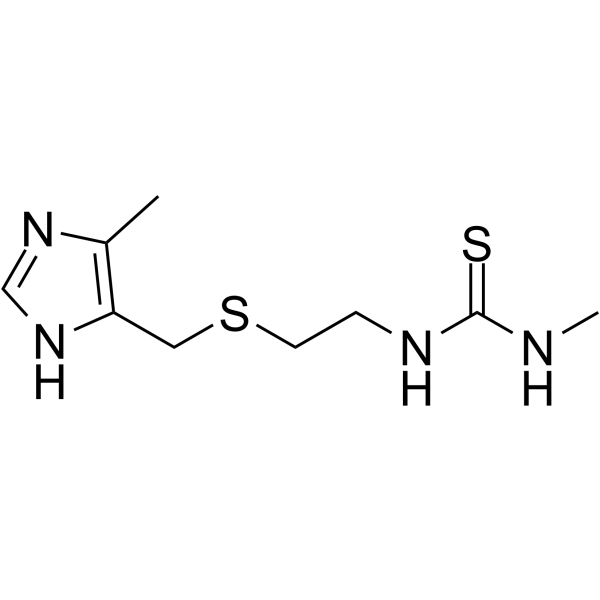
Zolantidine (SKF 95282) is a potent, selective and cross the blood-brain barrier histamine H2 antagonist. Zolantidine induces antinociception .
|
-

- HY-101376
-
|
(+)-SKF 10047 hydrochloride; (+)-N-Allyl-N-normetazocine hydrochloride
|
Opioid Receptor
|
Neurological Disease
|
|
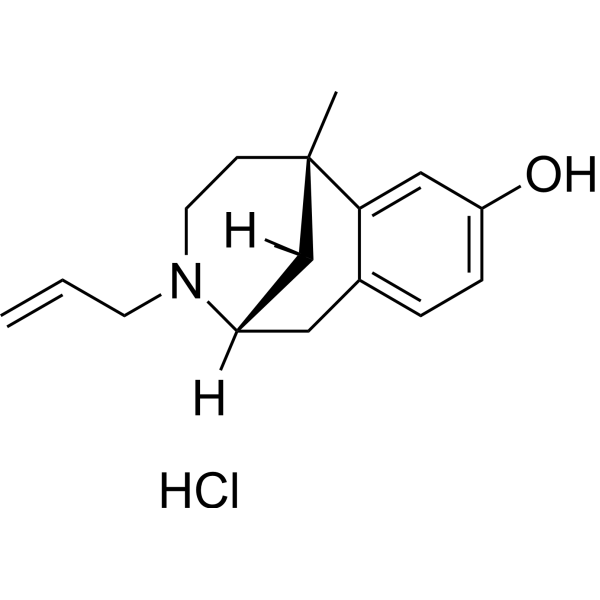
(+)-N-Allylnormetazocine ((+)-SKF 10047) hydrochloride is a benzomorphan opioid with psychotomi metic effects. (+)-N-Allylnormetazocine hydrochloride is an opioid receptor antagonist with Ki values of 300 nM and 27 μM for σ1 and σ2 opioid receptors, respectively. (+)-N-Allylnormetazocine hydrochloride can be used for the research of neurological disease .
|
-
- HY-17447B
-
-
- HY-15540R
-
|
SK&F 92058 (Standard)
|
Histamine Receptor
Reference Standards
|
Endocrinology
|
|
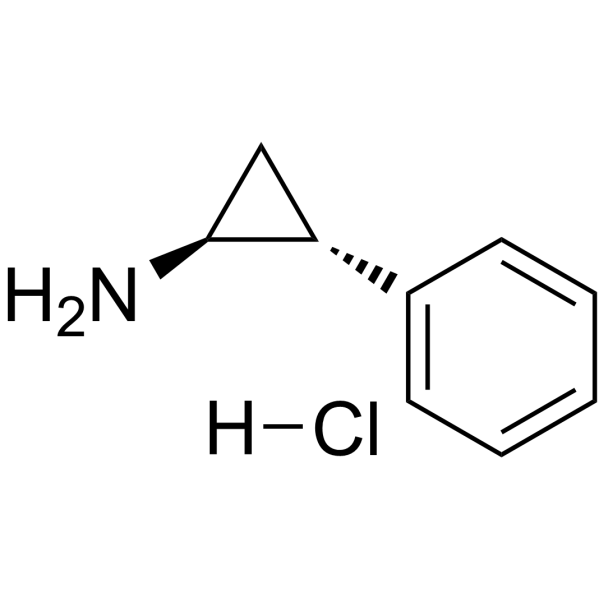
Metiamide (Standard) is the analytical standard of Metiamide. This product is intended for research and analytical applications. Metiamide (SK&F 92058) is a histamine H2-receptor antagonist developed from another H2 antagonist, burimamide.
|
-

- HY-167636
-
|
SK&F 89124 bromide
|
Dopamine Receptor
|
Cardiovascular Disease
Neurological Disease
|
|
7-Hydroxy ropinirole (SK&F 89124) bromide is a potent and highly selective DA2 receptor agonist, and a derivative of N,N-di-n-propyldopamine (DPDA). In isolated perfused rabbit ear artery models, 7-Hydroxy ropinirole (bromide) exerts its DA2 agonist effects by inhibiting neurotransmitter release or sympathetic nerve-induced responses. It shows potential for research in the fields of cardiovascular and neurological diseases .
|
-

- HY-17447AS
-
|
(1S,2R)-SKF 385-d5 hydrochloride
|
Monoamine Oxidase
|
Neurological Disease
|
|
(1S,2R)-Tranylcypromine-d5 (hydrochloride) is the deuterium labeled Tranylcypromine hydrochloride . Tranylcypromine hydrochloride (SKF 385 hydrochloride) is an irreversible inhibitor of lysine-specific demethylase 1 (LSD1/BHC110) and monoamine oxidase (MAO). Tranylcypromine hydrochloride inhibits LSD1, MAO A and MAO B with IC50s of 20.7, 2.3 and 0.95 μM, respectively. Tranylcypromine hydrochloride can be used for the research of depression .
|
-
- HY-117743S
-
|
|
Isotope-Labeled Compounds
Angiotensin Receptor
|
Cardiovascular Disease
|
|
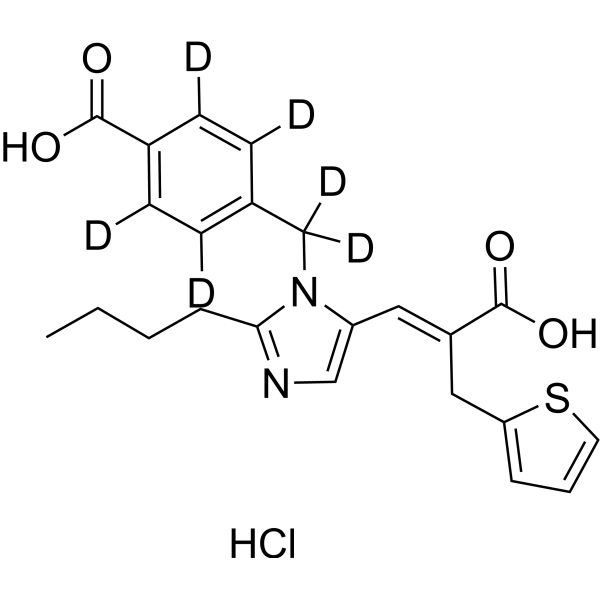
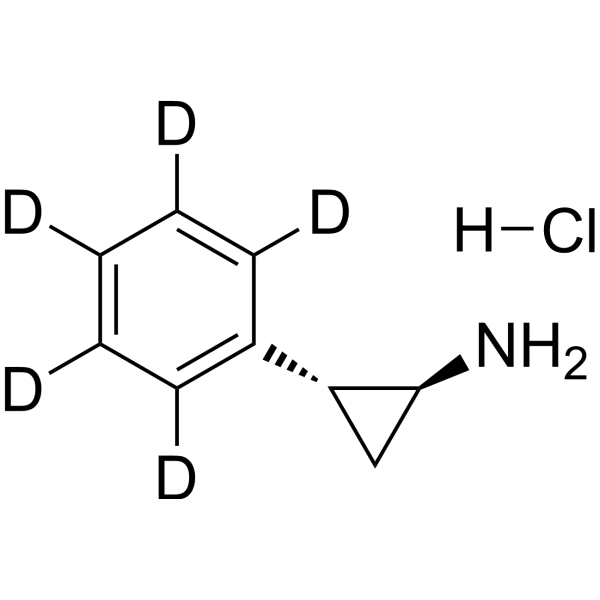
Eprosartan-d3 is the deuterium labeled Eprosartan. Eprosartan (SKF-108566J free base) is a selective, competitive, nonpeptid and orally active angiotensin II receptor antagonist, used as an antihypertensive. Eprosartan binds angiotensin II receptor with IC50s of 9.2 nM and 3.9 nM in rat and human adrenal cortical membranes, respectively .
|
-
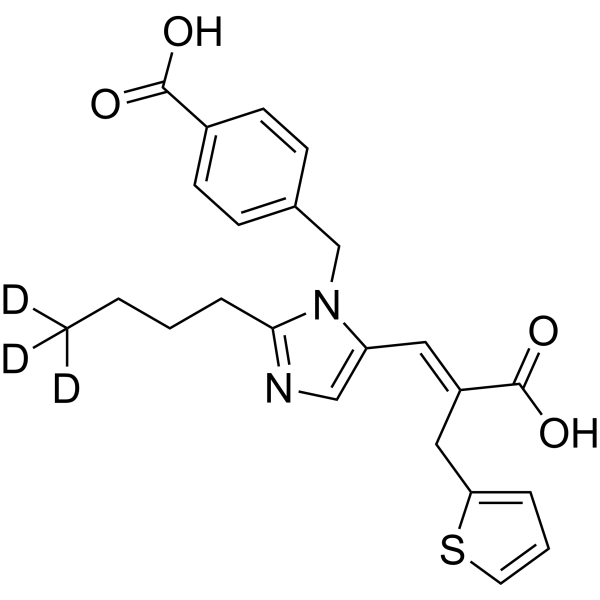
- HY-B1109R
-
|
Acecainide (Standard); NAPA (Standard)
|
Reference Standards
Potassium Channel
Drug Metabolite
|
Cardiovascular Disease
|
|
Cimetidine (hydrochloride) (Standard) is the analytical standard of Cimetidine (hydrochloride). This product is intended for research and analytical applications. Cimetidine (SKF-92334) hydrochloride is an orally active and inverse histamine H2 receptor antagonist with a Ki of 0.6 μM. Cimetidine hydrochloride is a gastric acid reducer, and can be used for duodenal and gastric ulcers research. Cimetidine hydrochloride has anti-cancer and anti-inflammatory activity .
|
-

- HY-B1717A
-
|
|
Cytochrome P450
|
Inflammation/Immunology
|
|
Oxolamine hydrochloride (SKF-9976 hydrochloride) is an orally active antitussive. Oxolamine hydrochloride can inhibit CYP2B1/2. Oxolamine hydrochloride has anti-inflammatory effects on the respiratory organs of guinea pigs. Oxolamine hydrochloride increases the AUC of Warfarin (HY-B0687) and prolongs its terminal half-life. Oxolamine hydrochloride can be used in respiratory disease research .
|
-

- HY-B1717
-
|
|
Cytochrome P450
|
Inflammation/Immunology
|
|
Oxolamine (SKF-9976) is an orally active antitussive. Oxolamine can inhibit CYP2B1/2. Oxolamine has anti-inflammatory effects on the respiratory organs of guinea pigs. Oxolamine increases the AUC of Warfarin (HY-B0687) and prolongs its terminal half-life. Oxolamine can be used in respiratory disease research .
|
-

- HY-103149
-
|
SB-216641 hydrochloride
|
5-HT Receptor
|
Neurological Disease
|
|
SB-216641A (SB-216641 hydrochloride) is a selective antagonist of 5-HT1B/D receptor. SB-216641A shows high affinity and selectivity for h5-HT1B receptors over h5-HT1D receptors. SB-216641A inhibits the function of SKF-99101H .
|
-
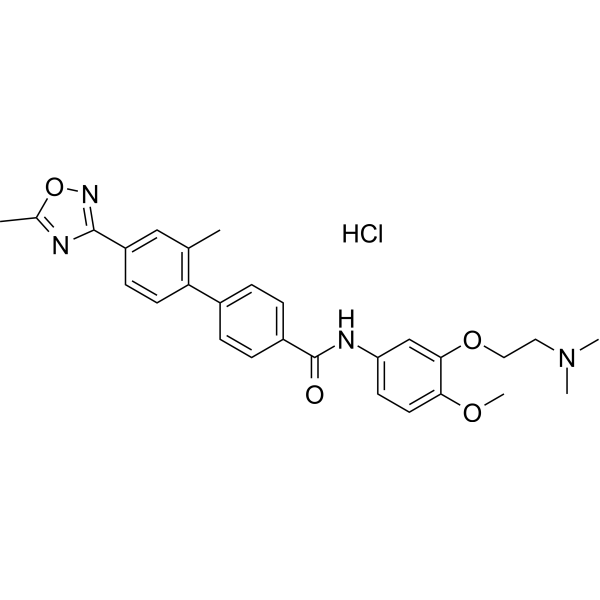
- HY-W703279
-
|
(R)-(+)-BY1023 sodium; (R)-(+)-SKF96022 sodium
|
Proton Pump
|
Inflammation/Immunology
|
|
(R)-(+)-Pantoprazole ((R)-(+)-BY1023) sodium is a proton pump inhibitor that can be used for the study of gastroesophageal reflux disease .
|
-

- HY-123024
-
|
BL-S-640; SK&F 60771
|
Apoptosis
Bacterial
Antibiotic
|
Infection
Cancer
|
|
Cefatrizine (BL-S-640) is an orally active and broad-spectrum cephalosporin antibiotic. Cefatrizine is also a eEF2K inhibitor, with anti-proliferative activity in human breast cancer cells, which could induce ER stress, leading to cell death. Cefatrizine can be used in studies of cancer and bacterial infection .
|
-
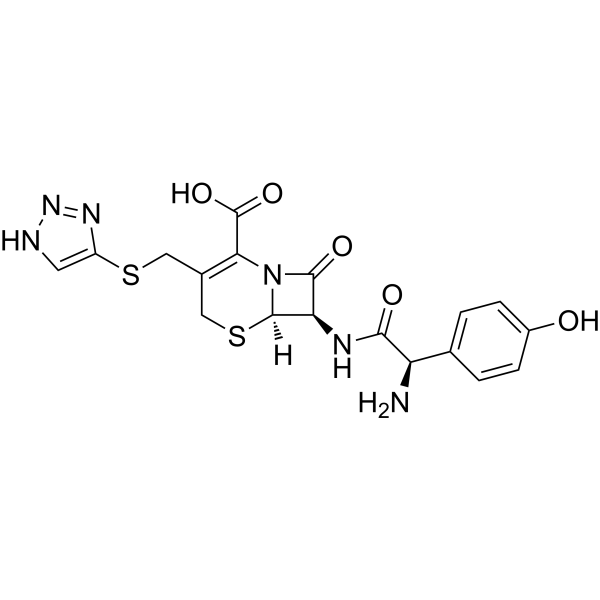
- HY-W016414
-
|
|
Environmental Pollutants
Endogenous Metabolite
|
Cardiovascular Disease
|
|
Triethyl phosphate is a versatile phosphate ester compound. Triethyl phosphate induces rapid and short-acting anesthesia, and exhibits hypotensive, smooth muscle relaxant, and cardiac inhibitory effects. Triethyl phosphate also modulates cholinergic toxicity; its anesthetic effect shows sex- and age-dependency in rodents, and it interacts with SKF 525-A (HY-B1311) to alter the duration of anesthesia .
|
-

- HY-13768S1
-
|
|
Isotope-Labeled Compounds
Topoisomerase
Autophagy
|
Cancer
|
|
Topotecan-d6 is the deuterium labeled Topotecan. Topotecan (SKF 104864A; NSC 609669) is a Topoisomerase I inhibitor. The IC50 values of Topotecan at 24 h are 2.73±0.25 μM of U251 cells, 2.95±0.23 μM of U87 cells, 5.46±0.41 μM of GSCs-U251 and 5.95 μM of GSCs-U87 .
|
-
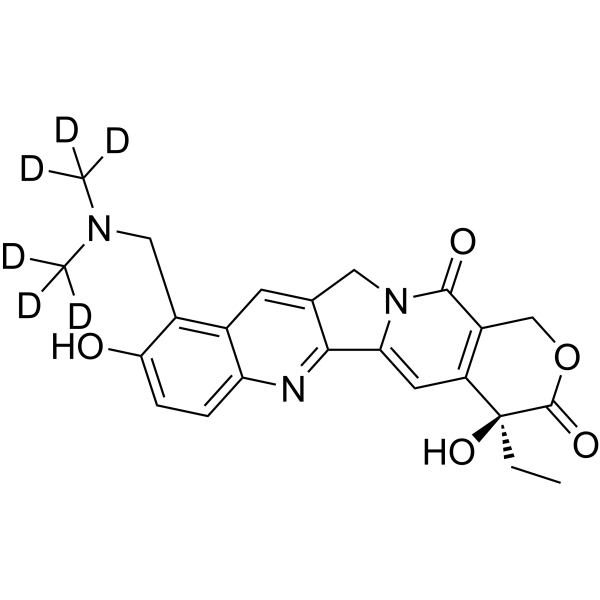
- HY-W014018
-
|
PPO; DPO; POP
|
Fluorescent Dye
|
Others
|
|
2,5-Diphenyloxazole (PPO; DPO; POP) is a fluorescent dye, as well as a substrate and metabolite precursor of cytochrome P-450 (cytochrome P-448/P1-450). 2,5-Diphenyloxazole serves as a scintillator .
|
-

| Cat. No. |
Nom du produit |
Type |
-
- HY-17447AG
-
|
SKF 385 hydrochloride
|
Fluorescent Dyes
|
|
Tranylcypromine (SKF 385) hydrochloride (GMP) is Tranylcypromine hydrochloride (HY-17447A) produced by using GMP guidelines. GMP small molecules work appropriately as an auxiliary reagent for cell therapy manufacture. Tranylcypromine hydrochloride is a potent monoamine oxidase (MAO) inhibitor .
|
| Cat. No. |
Nom du produit |
Type |
-
- HY-W014018
-
|
PPO; DPO; POP
|
Biochemical Assay Reagents
|
|
2,5-Diphenyloxazole (PPO; DPO; POP) is a fluorescent dye, as well as a substrate and metabolite precursor of cytochrome P-450 (cytochrome P-448/P1-450). 2,5-Diphenyloxazole serves as a scintillator .
|
-
- HY-17447AG
-
|
SKF 385 hydrochloride
|
Biochemical Assay Reagents
|
|
Tranylcypromine (SKF 385) hydrochloride (GMP) is Tranylcypromine hydrochloride (HY-17447A) produced by using GMP guidelines. GMP small molecules work appropriately as an auxiliary reagent for cell therapy manufacture. Tranylcypromine hydrochloride is a potent monoamine oxidase (MAO) inhibitor .
|
| Cat. No. |
Nom du produit |
Target |
Research Area |
-
- HY-P3066
-
|
d(CH2)5Tyr(Et)VAVP
|
Vasopressin Receptor
|
Metabolic Disease
|
|
SKF 100398 (d(CH2)5Tyr(Et)VAVP), an arginine vasopressin (AVP) analogue, is a specific antagonist of the antidiuretic effect of exogenous and endogenous AVP .
|
-
- HY-P1162
-
-
- HY-P2595
-
|
|
Endogenous Metabolite
|
Cardiovascular Disease
|
|
SKF 103784 is an vasopressin antagonist with activity against vasopressin. SKF 103784 inhibits the physiological response caused by antidiuretic and is therefore used to study biological processes related to water and salt balance. SKF 103784 can also be used to explore pathological mechanisms related to cardiovascular diseases and endocrine dysfunction .
|
-
- HY-P3082
-
|
|
Endogenous Metabolite
|
Cardiovascular Disease
|
|
SKF 106760 is a potent platelet fibrin receptor (glycoprotein IIb/IIIa) antagonist with significant antiplatelet and antithrombotic activities. SKF 106760 inhibits platelet aggregation in dogs in vitro and prevents thrombus formation in stenotic carotid arteries. SKF 106760 has also shown elimination effects against aspirin-resistant thrombi that develop in the setting of high-grade stenosis .
|
-
- HY-120880
-
| Cat. No. |
Nom du produit |
Category |
Target |
Chemical Structure |
-
- HY-13768A
-
-
-
- HY-N14699
-
|
Ancillin free acid; 2-Biphenylyl penicillin free acid; SKF-12141 free acid
|
Productos naturales
Microorganisms
Source Classification
|
Penicillin-binding protein (PBP)
Bacterial
|
|
Diphenicillin (Ancillin (free acid); 2-Biphenylyl penicillin (free acid); SKF-12141 (free acid)) is a Penicillinase (HY-E70012)-
resistant penicillin with antibacterial activity. Diphenicillin shows good antibacterial effects against Gram-positive cocci. Diphenicillin is promising for research of infectious diseases caused by Gram-positive cocci such as staphylococci, pneumococci, and group A streptococci .
|
-
-
- HY-13768AR
-
-
| Cat. No. |
Nom du produit |
Chemical Structure |
-
- HY-13768S1
-
|
|
|
Topotecan-d6 is the deuterium labeled Topotecan. Topotecan (SKF 104864A; NSC 609669) is a Topoisomerase I inhibitor. The IC50 values of Topotecan at 24 h are 2.73±0.25 μM of U251 cells, 2.95±0.23 μM of U87 cells, 5.46±0.41 μM of GSCs-U251 and 5.95 μM of GSCs-U87 .
|
-
-
- HY-B0223S2
-
|
|
|
Albendazole-d7 is the deuterium labeled Albendazole. Albendazole is a broad-spectrum parasiticide with high effectiveness and low host toxicity. Albendazole is used for the research gastrointestinal parasites in humans and animals .
|
-
-
- HY-17507S
-
|
|
|
Pantoprazole-d6 is deuterium labeled Pantoprazole. Pantoprazole (BY10232) is an orally active and potent proton pump inhibitor (PPI) . Pantoprazole, a substituted benzimidazole, is a potent H+/K+-ATPase inhibitor with an IC50 of 6.8 μM. Pantoprazole improves pH stability and has anti-secretory, anti-ulcer activities. Pantoprazole significantly increased tumor growth delay combined with Doxorubicin (HY-15142) .
|
-
-
- HY-B0223S4
-
|
|
|
Albendazole-d3-1 (SKF-62979-d3-1) is the deuterium labeled Albendazole (HY-B0223). Albendazole (SKF-62979) is an orally active and broad-spectrum parasiticide with high effectiveness and low host toxicity, is used for the research of gastrointestinal parasites in humans and animals. Albendazole induces apoptosis and autophagy in cancer cells. Albendazole also inhibits tubulin polymerization and HIF-1α, VEGF expression, has antioxidant activity, and inhibits the glycolytic process in cancer cells .
|
-
-
- HY-14289S
-
|
|
|
Cimetidine-d3 is the deuterium labeled Cimetidine. Cimetidine (SKF-92334) is an orally active and inverse histamine H2 receptor antagonist with a Ki of 0.6 μM. Cimetidine is an inverse agonist. Cimetidine has anti-cancer and anti-inflammatory activity .
|
-
-
- HY-117743S1
-
|
|
|
Eprosartan-d6 is deuterated labeled Eprosartan (HY-117743). Eprosartan (SKF-108566J free base) is a selective, competitive, nonpeptid and orally active angiotensin II receptor antagonist, used as an antihypertensive. Eprosartan binds angiotensin II receptor with IC50s of 9.2 nM and 3.9 nM in rat and human adrenal cortical membranes, respectively .
|
-
-
- HY-B0623S1
-
|
|
|
Ropinirole-d3 (SKF 101468-d3) is deuterium labeled Ropinirole. Ropinirole (SKF 101468) is an orally active, potent D3/D2 receptor agonist with a Ki of 29 nM for D2 receptor. Ropinirole has pEC50s of 7.4, 8.4 and 6.8 for hD2, hD3 and hD4 receptors, respectively. Ropinirole has no affinity for the D1 receptors. Ropinirole has the potential for Parkinson's disease .
|
-
-
- HY-B0623AS1
-
|
|
|
Ropinirole-d7 hydrochloride is the deuterium labeled Ropinirole hydrochloride . Ropinirole (SKF 101468) hydrochloride is an orally active, potent D3/D2 receptor agonist with a Ki of 29 nM for D2 receptor. Ropinirole hydrochloride has pEC50s of 7.4, 8.4 and 6.8 for hD2, hD3 and hD4 receptors, respectively. Ropinirole hydrochloride has no affinity for the D1 receptors. Ropinirole hydrochloride has the potential for Parkinson's disease .
|
-
-
- HY-B0623AS2
-
|
|
|
Ropinirole-d3 hydrochloride is the deuterium labeled Ropinirole hydrochloride . Ropinirole (SKF 101468) hydrochloride is an orally active, potent D3/D2 receptor agonist with a Ki of 29 nM for D2 receptor. Ropinirole hydrochloride has pEC50s of 7.4, 8.4 and 6.8 for hD2, hD3 and hD4 receptors, respectively. Ropinirole hydrochloride has no affinity for the D1 receptors. Ropinirole hydrochloride has the potential for Parkinson's disease .
|
-
-
- HY-B0623AS
-
|
|
|
Ropinirole-d4 (SKF 101468-d4) hydrochloride is the deuterium labeled Ropinirole hydrochloride. Ropinirole hydrochloride is a potent D3/D2 receptor agonist with a Kiof 29 nM for D2 receptor. Ropinirole hydrochloride has pEC50s of 7.4, 8.4 and 6.8 for hD2, hD3 and hD4 receptors, respectively. Ropinirole hydrochloride has no affinity for the D1 receptors. Ropinirole hydrochloride has the potential for Parkinson's disease .
|
-
-
- HY-B0623AS3
-
|
|
|
Ropinirole-d14 hydrochloride is deuterated labeled Ropinirole hydrochloride (HY-B0623A). Ropinirole (SKF 101468) hydrochloride is an orally active, potent D3/D2 receptor agonist with a Ki of 29 nM for D2 receptor. Ropinirole hydrochloride has pEC50s of 7.4, 8.4 and 6.8 for hD2, hD3 and hD4 receptors, respectively. Ropinirole hydrochloride has no affinity for the D1 receptors. Ropinirole hydrochloride has the potential for Parkinson's disease .
|
-
-
- HY-13768S
-
|
|
|
Topotecan-d5 is the deuterium labeled Topotecan. Topotecan (SKF 104864A; NSC 609669) is a Topoisomerase I inhibitor. The IC50 values of Topotecan at 24 h are 2.73±0.25 μM of U251 cells, 2.95±0.23 μM of U87 cells, 5.46±0.41 μM of GSCs-U251 and 5.95±0.24 μM of GSCs-U87 .
|
-
-
- HY-17447AS
-
|
|
|
(1S,2R)-Tranylcypromine-d5 (hydrochloride) is the deuterium labeled Tranylcypromine hydrochloride . Tranylcypromine hydrochloride (SKF 385 hydrochloride) is an irreversible inhibitor of lysine-specific demethylase 1 (LSD1/BHC110) and monoamine oxidase (MAO). Tranylcypromine hydrochloride inhibits LSD1, MAO A and MAO B with IC50s of 20.7, 2.3 and 0.95 μM, respectively. Tranylcypromine hydrochloride can be used for the research of depression .
|
-
-
- HY-117743S
-
|
|
|
Eprosartan-d3 is the deuterium labeled Eprosartan. Eprosartan (SKF-108566J free base) is a selective, competitive, nonpeptid and orally active angiotensin II receptor antagonist, used as an antihypertensive. Eprosartan binds angiotensin II receptor with IC50s of 9.2 nM and 3.9 nM in rat and human adrenal cortical membranes, respectively .
|
-
-
- HY-17447SA
-
|
|
|
Tranylcypromine-d5 (hydrochloride) is a deuterium labeled (rel)-Tranylcypromine hydrochloride. Tranylcypromine hydrochloride is an irreversible, nonselective monoamine oxidase (MAO) inhibitor used in the treatment of depression. Tranylcypromine hydrochloride is also a lysine-specific demethylase 1 (LSD1) inhibitor, suppresses lesion growth and improves generalized hyperalgesia in mouse with induced endometriosis .
|
-
-
- HY-B0223S
-
|
|
|
Albendazole-d3 is the deuterium labeled Albendazole, which is a member of the benzimidazole compounds used as a agent indicated for the treatment of a variety of worm infestations .
|
-
-
- HY-115364S
-
|
|
|
Parbendazole-d3 is the deuterium labeled Parbendazole. Parbendazole is a potent inhibitor of microtubule assembly, destabilizes tubulin, with an EC50 of 530 nM, and exhibits a broad-spectrum anthelmintic activity.
|
-
-
- HY-B0623S
-
|
|
|
Ropinirole-d14 is the deuterium labeled Ropinirole .
|
-
-
- HY-117743AS1
-
|
|
|
Eprosartan-d6 hydrochloride is deuterated labeled Eprosartan.
|
-
-
- HY-W739793
-
|
|
|
Pantoprazole-d8 (BY1023-d8) sodium is a deuterium labeled Pantoprazole (HY-17507). Pantoprazole (BY10232) is an orally active and potent proton pump inhibitor (PPI) . Pantoprazole, a substituted benzimidazole, is a potent H +/K +-ATPase inhibitor with an IC50 of 6.8 μM. Pantoprazole improves pH stability and has anti-secretory, anti-ulcer activities. Pantoprazole significantly increased tumor growth delay combined with Doxorubicin (HY-15142) .
|
-
-
- HY-17507S1
-
|
|
|
Pantoprazole-d3 is deuterium labeled Pantoprazole. Pantoprazole (BY10232) is an orally active and potent proton pump inhibitor (PPI) . Pantoprazole, a substituted benzimidazole, is a potent H+/K+-ATPase inhibitor with an IC50 of 6.8 μM. Pantoprazole improves pH stability and has anti-secretory, anti-ulcer activities. Pantoprazole significantly increased tumor growth delay combined with Doxorubicin (HY-15142) .
|
-
-
- HY-17507S2
-
|
|
|
Pantoprazole-d8 (BY1023-d8) is deuterium labeled Pantoprazole. Pantoprazole (BY10232) is an orally active and potent proton pump inhibitor (PPI) . Pantoprazole, a substituted benzimidazole, is a potent H +/K +-ATPase inhibitor with an IC50 of 6.8 μM. Pantoprazole improves pH stability and has anti-secretory, anti-ulcer activities. Pantoprazole significantly increased tumor growth delay combined with Doxorubicin (HY-15142) .
|
-
-
- HY-17507S4
-
|
|
|
Pantoprazole-d4 (BY1023-d4) is deuterium labeled Pantoprazole. Pantoprazole (BY10232) is an orally active and potent proton pump inhibitor (PPI) . Pantoprazole, a substituted benzimidazole, is a potent H +/K +-ATPase inhibitor with an IC50 of 6.8 μM. Pantoprazole improves pH stability and has anti-secretory, anti-ulcer activities. Pantoprazole significantly increased tumor growth delay combined with Doxorubicin (HY-15142) .
|
-
-
- HY-13768S2
-
|
|
|
Topotecan-d6 dihydrochloride (SKF 104864A-d6 dihydrochloride) is the deuterium labeled Topotecan dihydrochloride. Topotecan (SKF 104864A; NSC 609669) is an orally active and potent Topoisomerase I inhibitor. Topotecan induces cell cycle arrest in G0/G1 and S phases and promotes apoptosis. Topotecan shows anticancer activity .
|
-
-
- HY-137312S
-
|
|
|
Carbuterol-d9 is the deuterium labeled Carbuterol .
|
-
-
- HY-W141742S
-
|
|
|
N-Despropyl Ropinirole-d3 is the deuterium labeled N-Despropyl Ropinirole .
|
-
-
- HY-107385S
-
|
|
|
Epristeride-d9 (ONO-9302-d9) is the deuterium labeled Epristeride (HY-107385). Epristeride (ONO-9302) is a selective, specific and orally active uncompetitive inhibitor of human steroid 5 alpha-reductase isoform 2. Epristeride has inhibitory effects for SR isoenzymes types 2 with Ki value of 0.7-2 nM. Epristeride can be used for the research of prostatic hyperplasia and acne .
|
-
| Cat. No. |
Nom du produit |
Target |
Áreas de investigación |
Chemical Structure |
-
- HY-17447AG
-
|
SKF 385 hydrochloride
|
Monoamine Oxidase
|
Cardiovascular Disease
Endocrinology
|
|
Tranylcypromine (SKF 385) hydrochloride (GMP) is Tranylcypromine hydrochloride (HY-17447A) produced by using GMP guidelines. GMP small molecules work appropriately as an auxiliary reagent for cell therapy manufacture. Tranylcypromine hydrochloride is a potent monoamine oxidase (MAO) inhibitor .
|
-
Your information is safe with us. * Required Fields.
Inquiry Information
- Nom du produit:
- Cat. No.:
- Quantité:
- MCE Japan Authorized Agent:








