



Cimetidine hydrochloride
Based on 6 publication(s) in Google Scholar
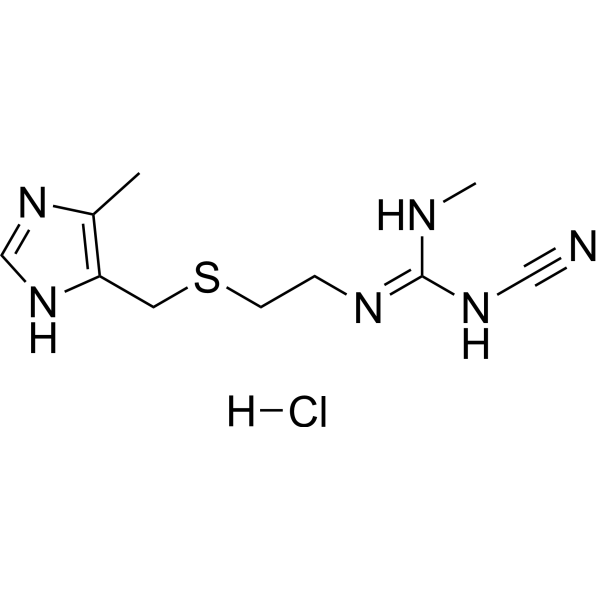
Cimetidine (SKF-92334) hydrochloride is an orally active, inverse and BBB-permeable histamine H2 receptor antagonist with a Ki of 0.6 μM. Cimetidine hydrochloride is a gastric acid reducer, and can be used for duodenal and gastric ulcers research. Cimetidine hydrochloride has anti-cancer and anti-inflammatory activity.
For research use only. We do not sell to patients.
- CAS No.: 70059-30-2
- Formula: C10H17ClN6S
- Molecular Weight:288.80
-
Storage:
Please store the product under the recommended conditions in the Certificate of Analysis.

To place orders, for customer services and technical support, please contact: MedChemExpress USA
Tel: 609-228-6898 E-mail: [email protected] [email protected]


-
 Biological Activity
-
Chemical Information
- Protocols
- Purity & Documentation
- References
-
 Help & FAQs


Publications Citing Use of MedChemExpress (MCE) Cimetidine hydrochloride
More Customer Validation & Images

-
Cell Proliferation/Viability Assay
-
Cell Proliferation/Viability Assay
-
Cell Migration/Invasion Assay
-
Cell Migration/Invasion Assay
-
WB
All Histamine Receptor Isoforms
More

Biological Activity
Description
IC50 & Target
[1]|
H2 Receptor .6 μM (Kd) |
In Vitro
Cimetidine (SKF-92334) hydrochloride, a partial agonist for H2R, has a pharmacological profile different from ranitidine and famotidine, possibly contributing to its antitumor activity on gastrointestinal cancers [1]. Cimetidine hydrochloride has no effect on the uptake and cytotoxicity of cisplatin in ovarian cancer cells with high OCT2 mRNA levels (IGROV-1 cells)[3].
Cimetidine hydrochloride shows no effect on proliferation, survival, migration and invasion of 3LL cells. Cimetidine hydrochloride reverses MDSC-mediated T-cell suppression, and improves IFN-γ production[4].
Cimetidine-mediated down-regulation of NCAM involved suppression of the nuclear translocation of NF-kappaB, a transcriptional activator of NCAM gene expression[5].
MedChemExpress (MCE) has not independently confirmed the accuracy of these methods. They are for reference only. Further protocols information, click here.
In Vivo
Cimetidine hydrochloride exerts a beneficial effect on periodontal disease in rats, decreasing the RANKL/OPG ratio in gingival connective tissue and reducing alveolar bone resorption[6].
MedChemExpress (MCE) has not independently confirmed the accuracy of these methods. They are for reference only.


Chemical Information
-
CAS No. 70059-30-2
-
Molecular Weight 288.80
-
Formula C10H17ClN6S
-
SMILES
CC1=C(CSCC/N=C(NC)/NC#N)NC=N1.[H]Cl
-
Synonyms
SKF-92334 hydrochloride
-
Shipping
Room temperature in continental US; may vary elsewhere.
-
Storage
Please store the product under the recommended conditions in the Certificate of Analysis.


Publications (6)
-
Journal Impact Factor
-
Most Recent
-
-
Biochim Biophys Acta Mol Basis Dis
Both carvedilol and cimetidine alleviate cisplatin-induced nephrotoxicity via downregulating OCT2. [Abstract]2025 Jun;1871(5):167754. PMID: 40044066 -
Exp Neurol
Inhibition of histamine receptor 3 alleviates sevoflurane-induced hypomyelination and neurobehavioral deficits. [Abstract]2025 Mar:385:115086. PMID: 39637962 -
-
Ann Transl Med
Cimetidine promotes STUB1-mediated degradation of tumoral FOXP3 by activating PI3K-Akt pathway in gastric cancer. [Abstract]2020 Oct;8(20):1304. PMID: 33209884
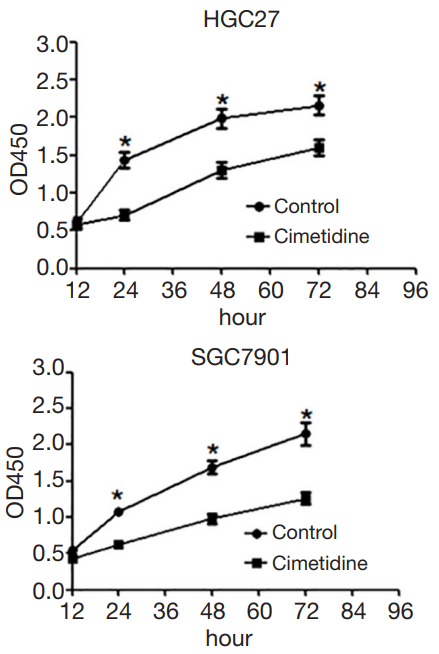
Cimetidine hydrochloride purchased from MedChemExpress. Usage Cited in: Ann Transl Med. 2020 Oct;8(20):1304. [Abstract]
Our study showed that Cimetidine disrupted the proliferative capacity of GC cells by CCK8.
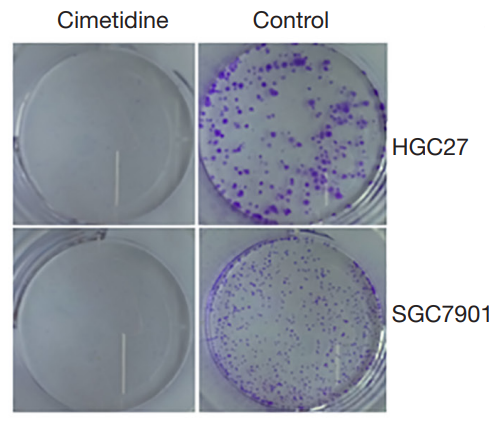
Cimetidine hydrochloride purchased from MedChemExpress. Usage Cited in: Ann Transl Med. 2020 Oct;8(20):1304. [Abstract]
Our study showed that Cimetidine (4 mM, 24 h) disrupted the proliferative capacity of GC cells byplate clone assay.
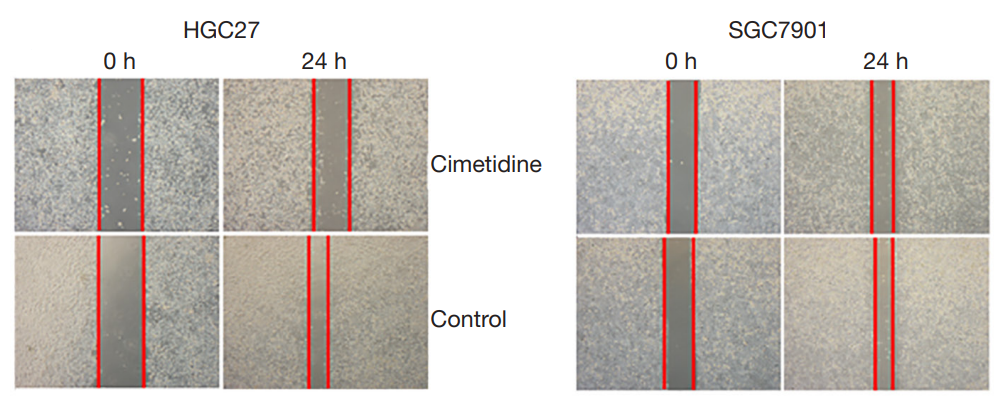
Cimetidine hydrochloride purchased from MedChemExpress. Usage Cited in: Ann Transl Med. 2020 Oct;8(20):1304. [Abstract]
Wound healing showed that Cimetidine (4 mM, 24 h) significantly reduced the number of migrated GC cells.
Cimetidine hydrochloride purchased from MedChemExpress. Usage Cited in: Ann Transl Med. 2020 Oct;8(20):1304. [Abstract]
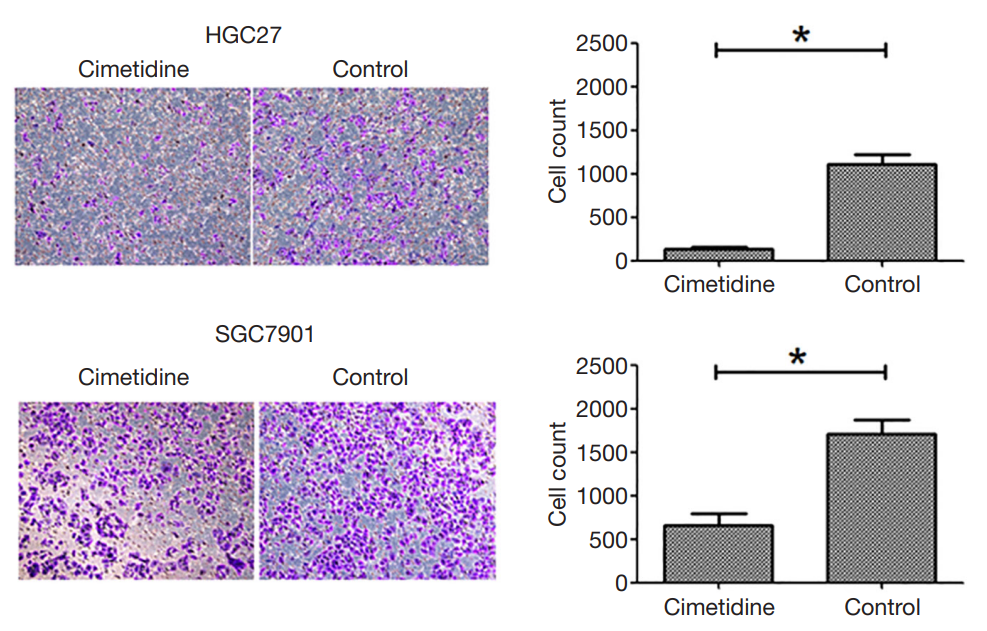
Transwell assay showed that Cimetidine (4 mM, 24 h) significantly reduced the number of migrated GC cells.
Cimetidine hydrochloride purchased from MedChemExpress. Usage Cited in: Ann Transl Med. 2020 Oct;8(20):1304. [Abstract]
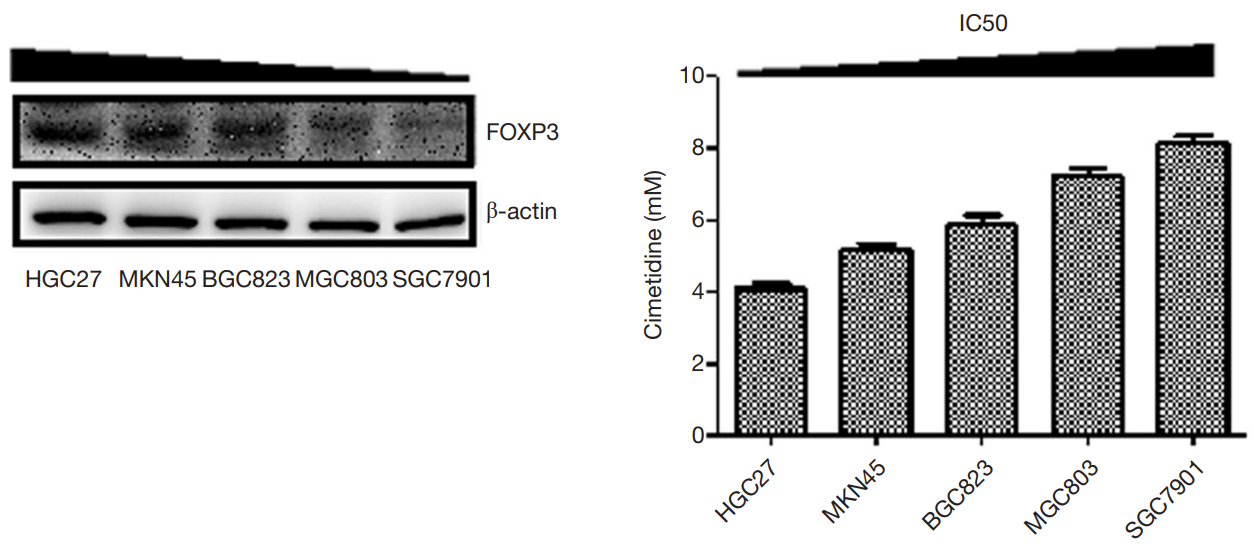
CCK8 assay revealed that the IC50 of Cimetidine (0-10 mM) inhibiting the viability of GC cells was increased with the decrease of FOXP3 level in these GC cells.
-
Chemosphere
Mass-balance-model-based evaluation of sewage treatment plant contribution to residual pharmaceuticals in environmental waters. [Abstract]2019 Jun:225:378-387. PMID: 30884299

Protocols
-
Cotton Pellet Granuloma
Cotton pellet granuloma is a classical in vivo chronic inflammation model used to evaluate the anti-inflammatory potential of test substances by measuring their ability to inhibit granuloma tissue formation around an implanted foreign body (cotton pellet) in rodents. The method is based on the biological response to a sterile implanted material, which induces proliferative phase inflammation characterized by fibroblast proliferation and collagen-rich granuloma formation, and the final readout reflects the extent of chronic inflammatory tissue growth surrounding the pellet. In multiple preclinical pharmacological evaluations, inhibition of cotton pellet-induced granuloma formation has been used as an indicator of anti-inflammatory activity in both synthetic and natural product screening contexts.
-
Carrageenan-Induced Paw Edema
Carrageenan-induced paw edema is an acute inflammation model in which intraplantar injection of carrageenan induces localized inflammatory swelling characterized by vascular permeability, leukocyte infiltration, and production of inflammatory mediators such as prostaglandins and cytokines, making it widely used to evaluate anti-inflammatory agents in vivo. The resulting paw volume or thickness increase is quantified over time as a direct readout of inflammatory intensity and drug efficacy, typically reflecting cyclooxygenase-mediated prostaglandin-driven edema formation and immune cell recruitment in peripheral tissue[20].
-
Research Protocol for Inflammation-related Diseases
The NLRP3 inflammasome is a cytosolic innate immune signaling platform that integrates priming signals and danger-signal activation to promote caspase-1 activation, maturation of IL-1β and IL-18, and gasdermin D-mediated pyroptotic cell death. The core experimental logic is to determine whether inflammatory disease phenotypes are driven by increased NLRP3 expression, ASC-containing inflammasome assembly, caspase-1 cleavage, GSDMD cleavage, and extracellular release of IL-1β/IL-18 rather than by nonspecific cell injury alone. The pathway is strongly linked to inflammation-related disease phenotypes because monosodium urate crystals activate NALP3/NLRP3 inflammasome signaling in gout-like crystal inflammation, cholesterol crystals activate NLRP3 inflammasomes in atherogenesis models, and DSS-induced intestinal inflammation has been reported to involve NLRP3 inflammasome activity. However, experimental colitis studies also show context-dependent protective effects of NLRP3 inflammasome co


Purity & Documentation
References
[1]. M J Smit, et al. Inverse agonism of histamine H2 antagonist accounts for upregulation of spontaneously active histamine H2 receptors. Proc Natl Acad Sci U S A. 1996 Jun 25;93(13):6802-7. [Content Brief]
[2]. Takahashi, H.K., et al., Cimetidine induces interleukin-18 production through H2-agonist activity in monocytes. Mol Pharmacol, 2006. 70(2): p. 450-3. [Content Brief]
[3]. Sprowl, J.A., et al., Conjunctive therapy of cisplatin with the OCT2 inhibitor cimetidine: influence on antitumor efficacy and systemic clearance. Clin Pharmacol Ther, 2013. 94(5): p. 585-92. [Content Brief]
[4]. Zheng, Y., et al., Cimetidine suppresses lung tumor growth in mice through proapoptosis of myeloid-derived suppressor cells. Mol Immunol, 2013. 54(1): p. 74-83. [Content Brief]
[5]. Fukuda, M., K. Kusama, and H. Sakashita, Cimetidine inhibits salivary gland tumor cell adhesion to neural cells and induces apoptosis by blocking NCAM expression. BMC Cancer, 2008. 8: p. 376. [Content Brief]
[6]. Longhini, R., et al., Cimetidine Reduces the Alveolar Bone Loss in Induced Periodontitis in Rat Molars. J Periodontol, 2013. [Content Brief]

Calculators
Concentration (start) × Volume (start) = Concentration (final) × Volume (final)


Cimetidine hydrochloride Related Classifications
HY-14289A Related Classifications
 Powered by Bioz