



H2 Receptor
Histamine H2 receptor (H2R, HRH2) is a class A G protein-coupled receptor that mediates key histamine-dependent physiological responses and is best known for regulating gastric acid secretion through Gs-dependent activation of adenylyl cyclase, elevation of intracellular cAMP, and subsequent protein kinase A (PKA) signaling[1]. Mechanistically, H2R signaling extends beyond gastric physiology and influences cellular survival, receptor desensitization, internalization, and ERK1/2 pathway activation, highlighting its broader role in signal transduction and tissue homeostasis[1]. In cardiovascular systems, H2R participates in histamine-mediated regulation of atrial natriuretic peptide (ANP) release and cardiac function, and altered H2R signaling has been investigated in heart failure and related experimental models[2][3]. Compared with related histamine receptor isoforms, H2R is distinguished by its predominant coupling to Gs/cAMP signaling, whereas H1 receptors primarily activate phospholipase C pathways, H3 receptors function mainly as inhibitory presynaptic receptors, and H4 receptors are associated with immune cell regulation[1][4]. For experimental applications, selective agonists and antagonists have been widely used to dissect H2R-dependent signaling networks; notably, ligands such as famotidine can exhibit pathway-selective or biased signaling properties, differentially affecting cAMP and ERK signaling outputs and thereby providing useful pharmacological tools for mechanistic studies[1].
References:
- [1]. Alonso N, et al. Physiological implications of biased signaling at histamine H2 receptors. Front Pharmacol. 2015 Mar 10;6:45. [Content Brief]
- [2]. Li D, et al. Cardiac mast cells regulate myocyte ANP release via histamine H2 receptor in beating rabbit atria. Regul Pept. 2009 Jun 5;155(1-3):33-8. [Content Brief]
- [3]. Saheera S, et al. Histamine 2 receptors in cardiovascular biology: A friend for the heart. Drug Discov Today. 2022 Jan;27(1):234-245. [Content Brief]
-
H2 Receptor Related Products (64)
Related Products (64)

-
Cimetidine
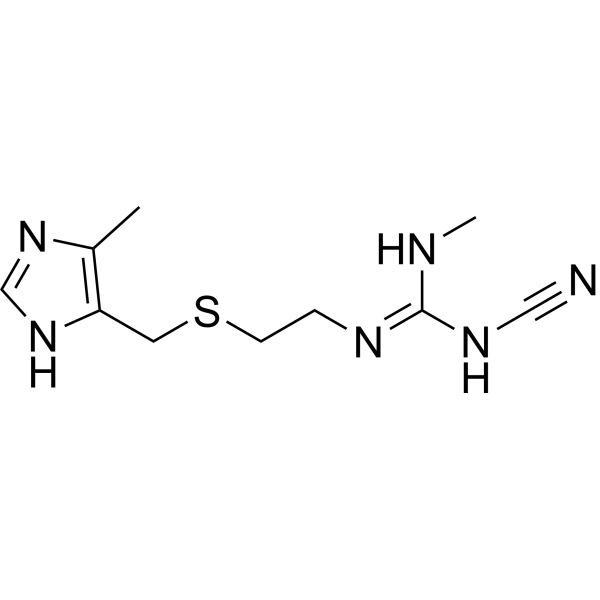 0 ImagesSynonyms: SKF-92334Cimetidine (SKF-92334) is an orally active, inverse and BBB-permeable histamine H2 receptor antagonist with a Ki of 0.6 μM. Cimetidine is a gastric acid reducer, and can be used for duodenal and gastric ulcers research. Cimetidine has anti-cancer and anti-inflammatory activity.
-
Famotidine
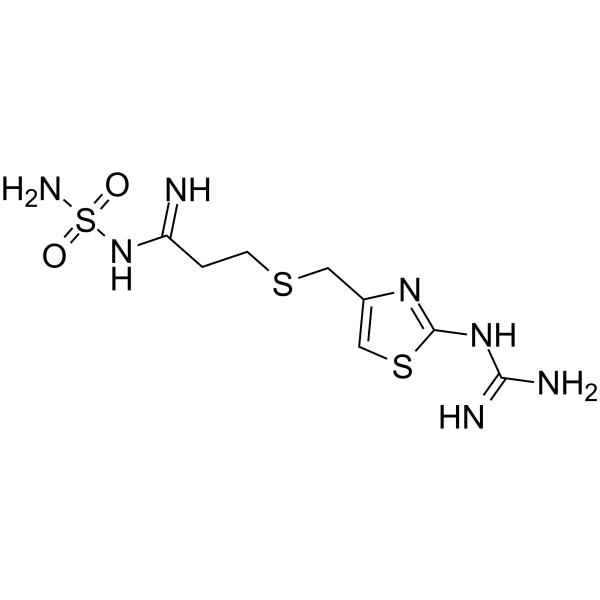 0 ImagesSynonyms: MK-208Famotidine (MK-208) is an orally active and highly selective histamine H2 receptor antagonist. It inhibits gastric acid secretion by blocking the Gs signaling pathway, and regulates intracellular cAMP and ERK pathways. Famotidine inhibits TLR3-mediated inflammatory pathways, and reduces the expression of various inflammatory mediators and interferon-related genes. Famotidine scavenges DPPH and nitric oxide free radicals, alleviates oxidative stress damage in gastric tissue, inhibits proMMP-9, improves vascular endothelial permeability, and restores the normal physiological functions of neutrophils and eosinophils. Famotidine crosses intestinal epithelial cells via facilitated diffusion and passive diffusion, blocks paracellular cation transport, and increases intestinal transepithelial electrical resistance. Famotidine reduces serum levels of transaminases and alkaline phosphatase, exerts analgesic effects and gastric protective effects simultaneously. Famotidine can be used in studies related to COVID-19, liver injury and acute gastric ulcer.
-
Perphenazine
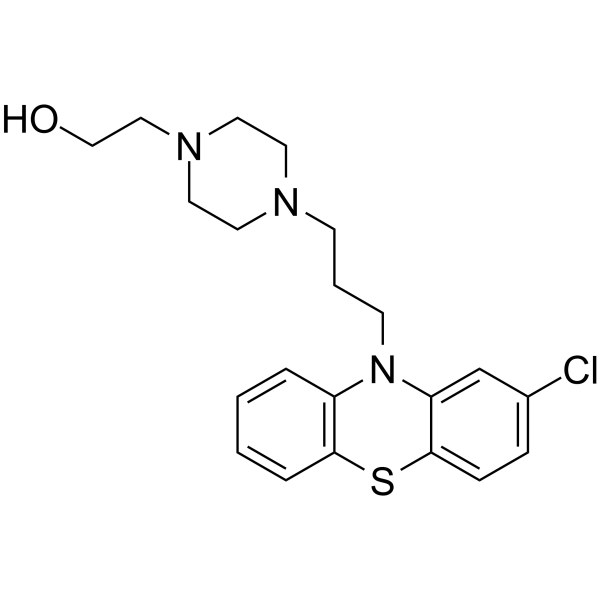 0 ImagesPerphenazine is an orally active dopamine receptor and histamine-1 receptor antagonist, with Ki values of 0.56 nM (D2), 0.43 nM (D3), 6 nM (5-HT2A), respectively. Perphenazine also binds to Alpha-1A adrenergic receptor. Perphenazine inhibits cancer cell proliferation, and induces apoptosis. Perphenazine can be used in the research of mental disease, cancer, inflammation.
-
Ranitidine
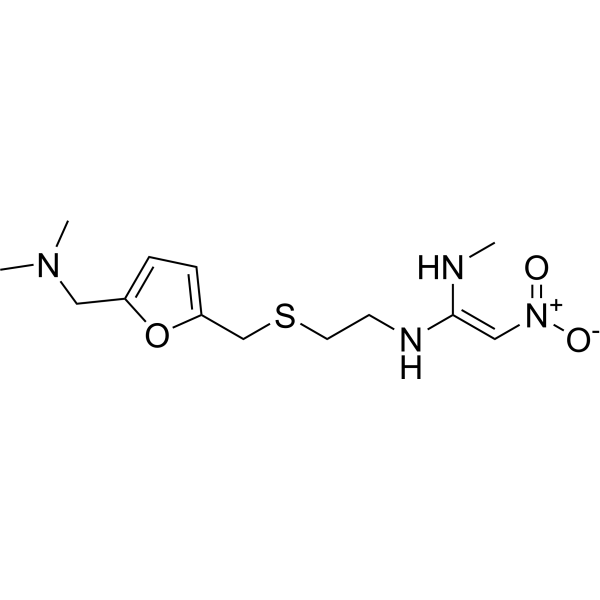 0 ImagesRanitidine is a potent, selective and orally active histamine H2-receptor antagonist that inhibits gastric secretion. Ranitidine antagonizes Histamine (HY-B1204)-induced increases of the guinea-pig isolated rat atrium and Histamine-induced relaxations of the rat isolated uterine horn, with pA2 values of 7.2 and 6.95, respectively. Ranitidine inhibits breast tumor development and spread in mice.
-
Alcaftadine
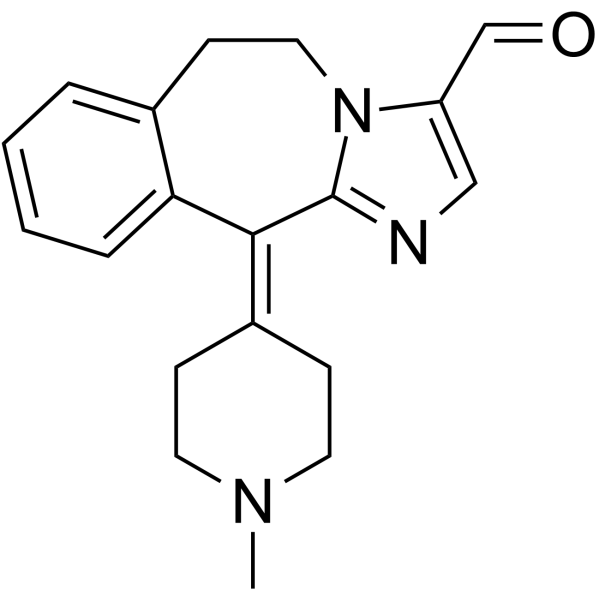 0 ImagesSynonyms: R89674Alcaftadine (R89674) is a histamine H1 receptor antagonist, which is used to prevent eye irritation brought on by allergic conjunctivitis. Alcaftadine is a broad-spectrum antihistamine displaying a high affinity for histamine H1 and H2 receptors and a lower affinity for H4 receptors. Alcaftadine also exhibits modulatory action on immune cell recruitment and mast cell stabilizing effects.
-
N-Methylhistamine dihydrochloride
 0 ImagesSynonyms: Nα-Methylhistamine dihydrochlorideN-Methylhistamine dihydrochloride (Nα-Methylhistamine dihydrochloride) is a non-selective Histamine receptor agonist. N-Methylhistamine dihydrochloride activates histamine H1, H2 and H3 receptors; it stimulates central H1 receptors by activating sympathetic α and β adrenergic receptors to inhibit intestinal transit, exerts dose-dependent inhibition on intestinal transit, reduces histamine turnover in mouse brains, and increases gastric acid secretion without altering plasma gastrin concentrations. N-Methylhistamine dihydrochloride produces a pH-dependent, voltage-independent potentiating effect on acid-sensing ion channel 1a, and shows no significant activity toward homologous ASIC2a channels. N-Methylhistamine dihydrochloride can be used in studies related to Helicobacter pylori infection.
-
Ebrotidine
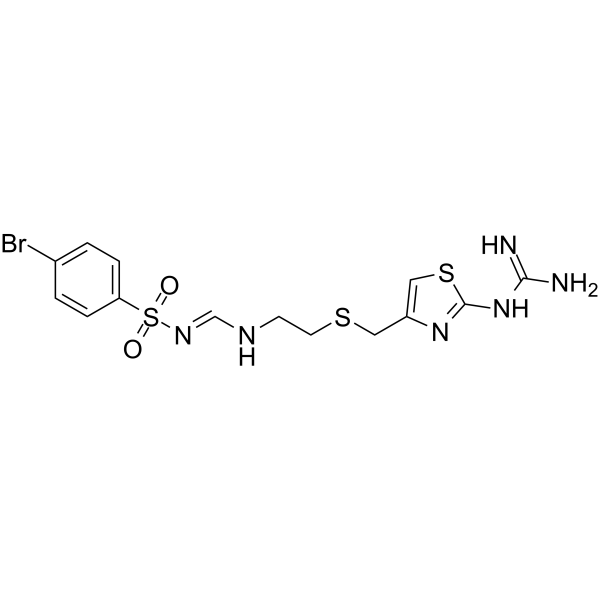 0 ImagesSynonyms: FI3542Ebrotidine (FI3542) is a competitive histamine H2 receptor (histamine H2 receptor) antagonist with gastric acid secretion inhibitory and gastric mucosal protective effects. Ebrotidine alleviates gastric mucosal injury and epithelial cell apoptosis induced by Indomethacin (HY-14397) and Helicobacter pylori LPS (HY-D1056), and accelerates chronic gastric ulcer healing by promoting rapid recovery of IL-4 and inhibiting TNF-α, endothelin-1 (ET-1) and NOS-2. Ebrotidine can be used in studies on gastric ulcer healing, NSAID-induced gastric mucosal injury, Helicobacter pylori-associated gastritis, and H2 receptor-mediated gastric mucosal protection mechanisms.
-
Betazole dihydrochloride
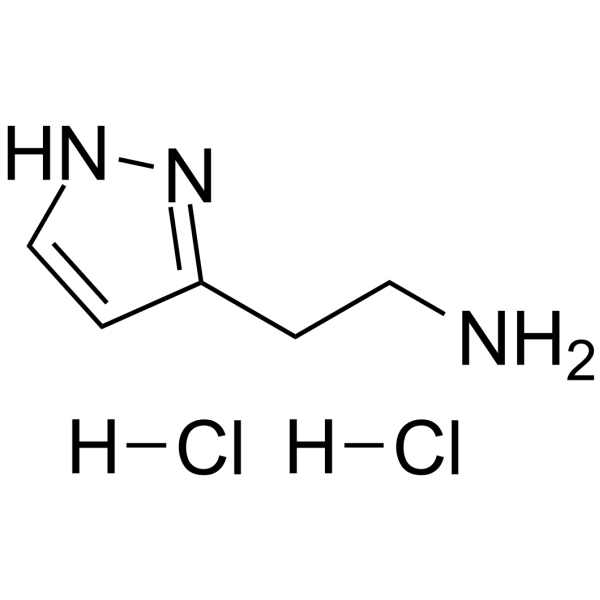 0 ImagesBetazole (Ametazole) dihydrochloride, a pyrazole analogue of histamine, is an orally active H2 receptor agonist. Betazole dihydrochloride induces gastric acid secretion, and causes an immediate and significant increase in common bile duct pressure. Betazole dihydrochloride has been used as a diagnostic agent known as histalog, for investigating gastric acid secretory capacity.
-
Ranitidine hydrochloride
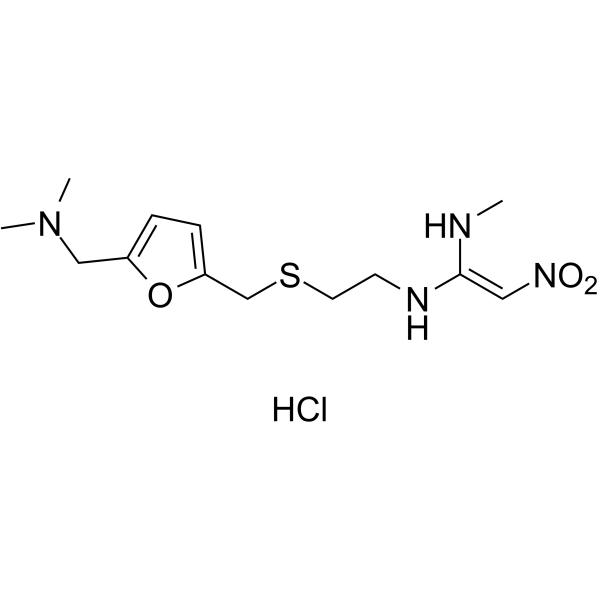 0 ImagesRanitidine hydrochloride is a potent, selective and orally active histamine H2-receptor antagonist that inhibits gastric secretion. Ranitidine hydrochloride antagonizes Histamine (HY-B1204)-induced increases of the guinea-pig isolated rat atrium and Histamine-induced relaxations of the rat isolated uterine horn, with pA2 values of 7.2 and 6.95, respectively. Ranitidine hydrochloride inhibits breast tumor development and spread in mice.
-
Asenapine
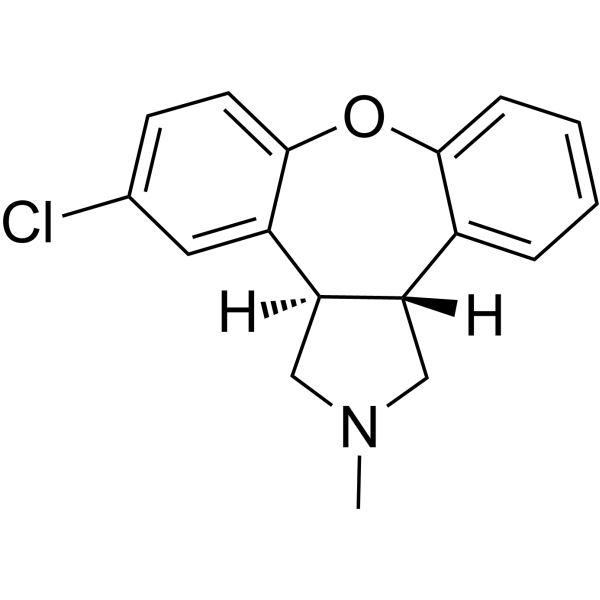 0 ImagesSynonyms: Org 5222Asenapine (Org 5222), an atypical antipsychotic, is an antagonist of serotonin receptors (pKi: 8.4-10.5), adrenoceptors (pKi: 8.9-9.5), dopamine receptors (pKi: 8.9-9.4) and histamine receptors (pKi: 8.2-9.0). Asenapine can be used in the research of schizophrenia and bipolar disorder.
-
Nizatidine
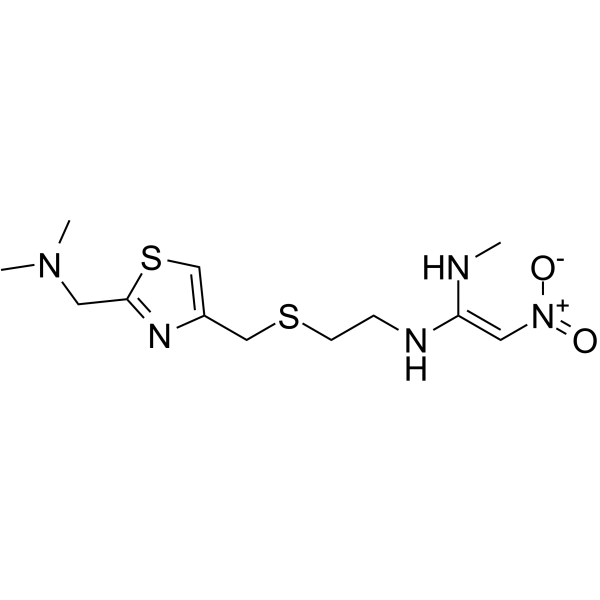 0 ImagesNizatidine is a potent and orally active histamine H2 receptor antagonist, can be used for the research of stomach and intestines ulcers. Nizatidine works by decreasing the secretion of gastric acid the stomach makes and prevent ulcers from coming back after they have healed in animal models.
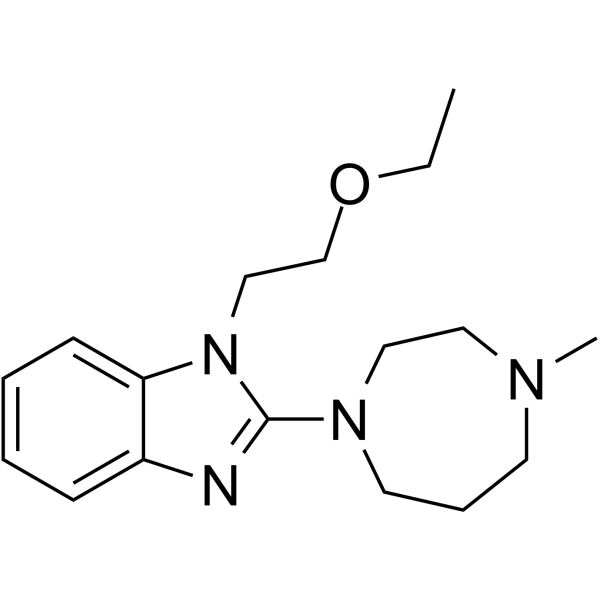
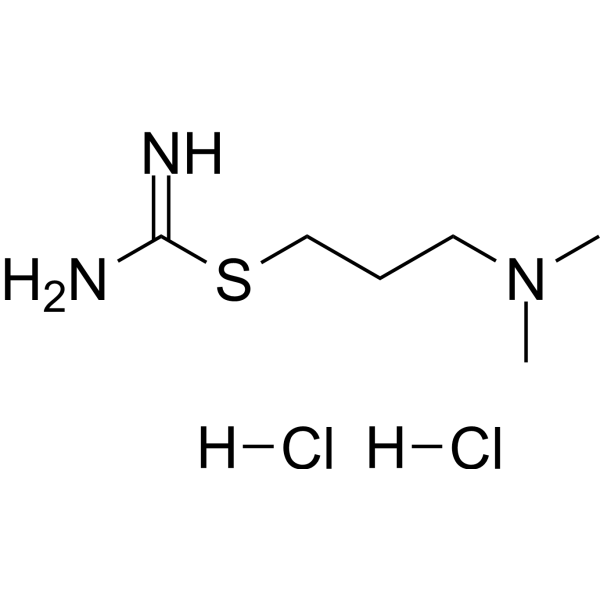
-
Roxatidine Acetate Hydrochloride
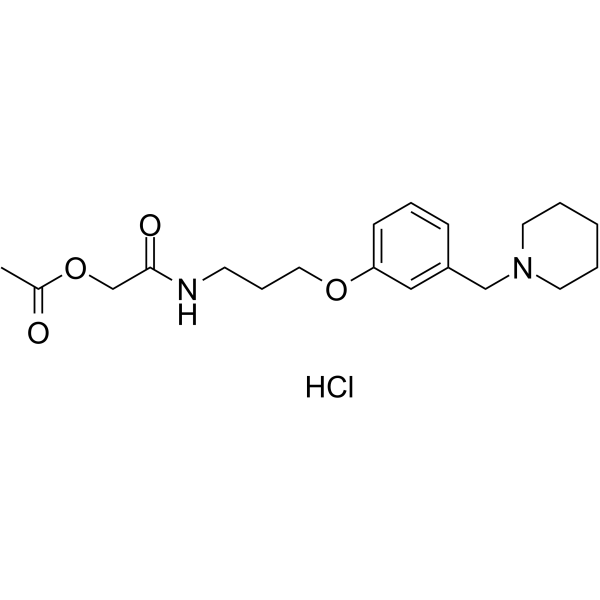 0 ImagesSynonyms: HOE 760Roxatidine Acetate Hydrochloride is a potent, selective, competitive and orally active histamine H2-receptor antagonist. Roxatidine Acetate Hydrochloride has antisecretory potency against gastric acid secretion. Roxatidine Acetate Hydrochloride can also suppress inflammatory responses and can be used for gastric and duodenal ulcers research. Roxatidine Acetate Hydrochloride has antitumor activity.
-
Tiotidine
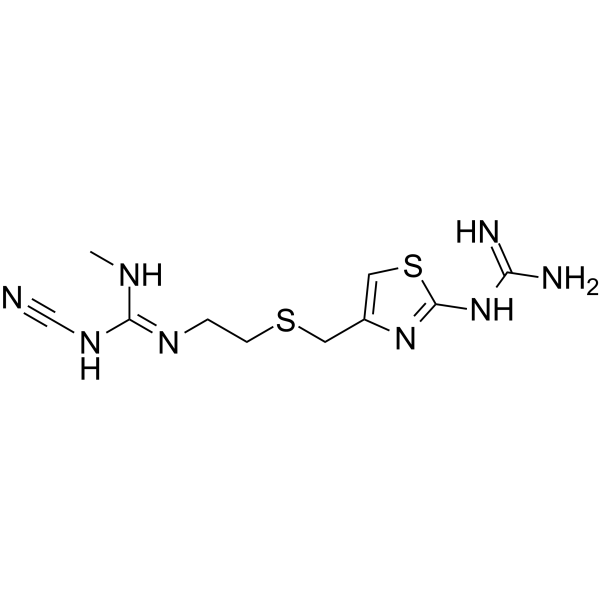 0 ImagesSynonyms: ICI 125211Tiotidine (ICI 125211) is a potent and selective antagonist of histamine H2-receptor (pA2=7.3-7.8 for guinea-pig right atrium). Tiotidine has low affinity for both the H1 and the H3 receptors.
-
Clobenpropit dihydrobromide
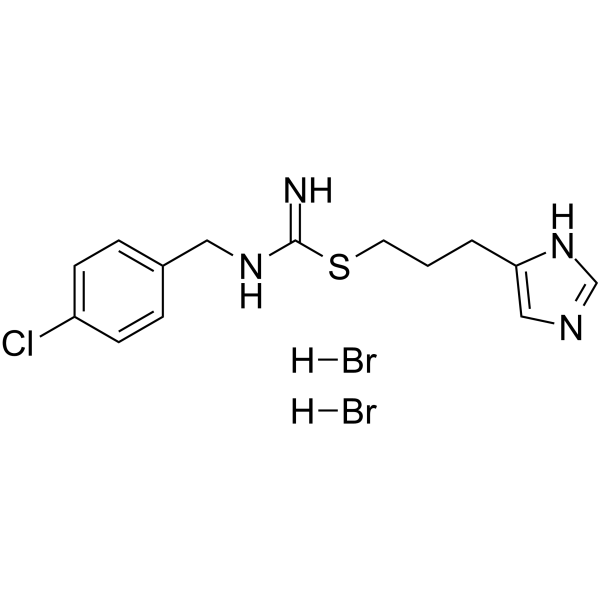 0 ImagesClobenpropit dihydrobromide is a potent histamine H3R antagonist/inverse agonist with a pEC50 of 8.07 for histamine H3LR. Clobenpropit dihydrobromide acts as partial agonist at histamine H4 receptors (Ki 13 nM). Clobenpropit dihydrobromide also binds to serotonin 5-HT3 receptors (Ki 7.4 nM) and α2A/α2C adrenoceptors (Ki 17.4/7.8 nM). Clobenpropit dihydrobromide increases apoptosis.
-
HTMT dimaleate
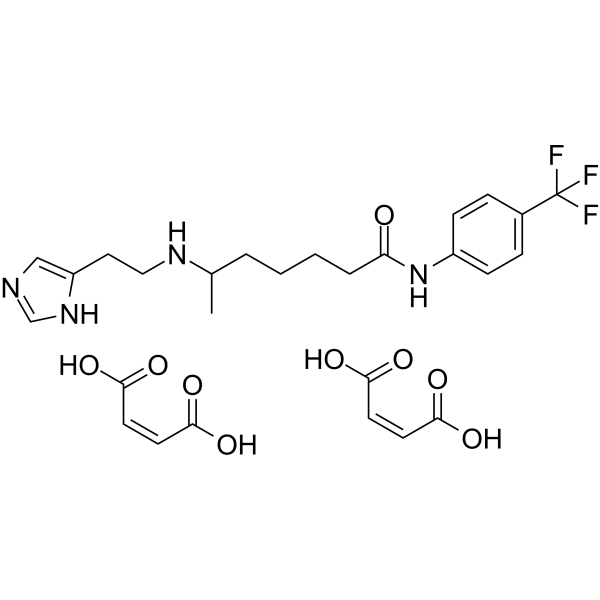 0 ImagesHTMT (dimaleate) is a potent histamine H1 and H2 receptor agonist. HTMT (dimaleate) is 4 x 10⁴ times more active than histamine in H2-mediated effects in natural suppressor cells.
-
Betazole
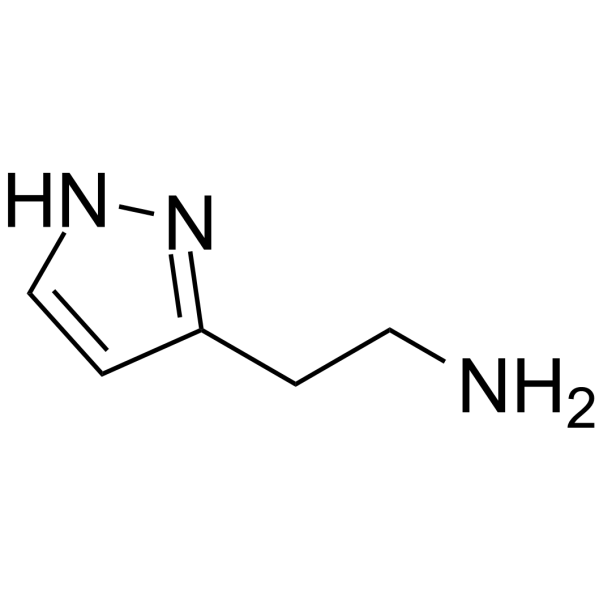 0 ImagesBetazole (Ametazole), a pyrazole analogue of histamine, is an orally active histamine H2 receptor agonist. Betazole induces gastric acid secretion and causes an immediate and significant increase in common bile duct pressure. Betazole is used as a diagnostic agent known as histalog for investigating gastric acid secretory capacity.
-
Niperotidine
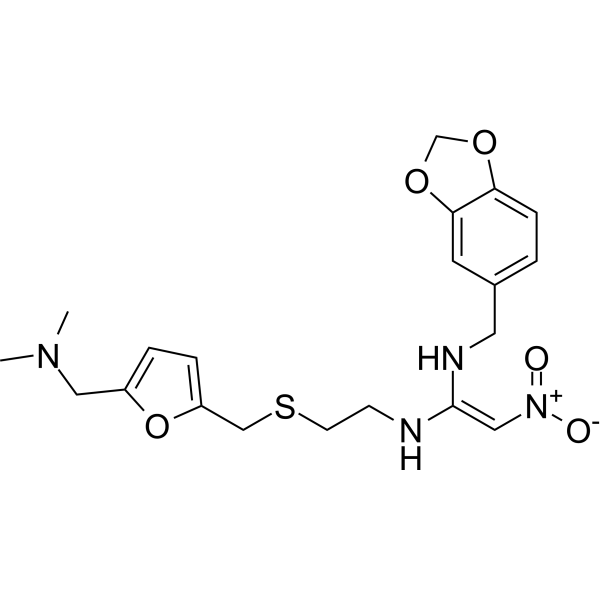 0 ImagesNiperotidine is a histamine H2-receptor antagonist.
-
Zolantidine dimaleate
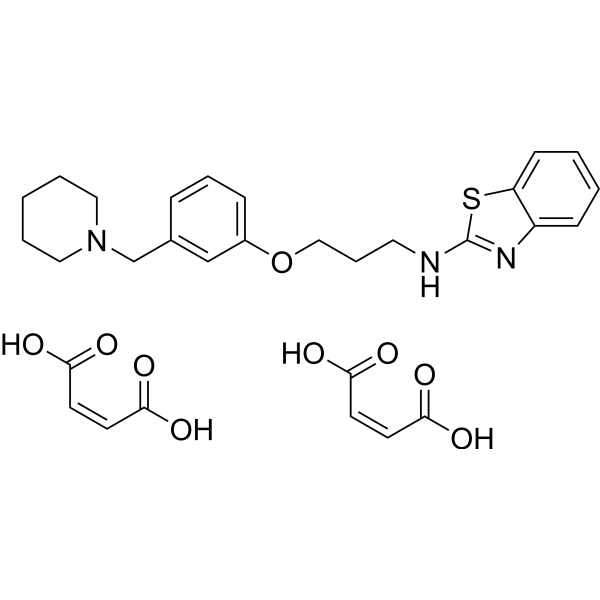 0 ImagesSynonyms: SKF 95282 dimaleateZolantidine dimaleate (SKF 95282 dimaleate) is a potent, selective and cross the blood-brain barrier histamine H2 antagonist. Zolantidine dimaleate induces antinociception.



