



H4 Receptor
Histamine H4 receptor (H4R) is a G protein-coupled receptor predominantly expressed in hematopoietic and immune cells, where it regulates immune cell trafficking, chemotaxis, and inflammatory responses[1][2][3]. Mechanistically, H4R activation promotes calcium mobilization and directional migration of mast cells, eosinophils, macrophages, dendritic cells, and T cells, positioning the receptor as a key regulator of histamine-dependent immune signaling pathways[4][5][1][6]. Through its effects on cytokine, chemokine, and adhesion molecule regulation, H4R contributes to leukocyte recruitment and amplification of inflammatory processes in allergic and immune-mediated conditions[2][1][7]. In disease models, H4R has been implicated in allergic airway inflammation, autoimmune disorders, pruritic skin diseases, and chronic inflammatory conditions, where pharmacological blockade of the receptor reduces inflammatory responses and improves disease outcomes[7][8][9][10]. Compared with related histamine receptor isoforms, H4R exhibits a distinct expression profile that is concentrated in immune and inflammatory cell populations, whereas H1R primarily mediates allergic symptoms, H2R regulates gastric acid secretion and immune modulation, and H3R functions predominantly in the nervous system[1][3][11]. This immune-selective distribution makes H4R particularly valuable for investigating inflammatory mechanisms and immune-cell migration[3][11]. For experimental applications, selective H4R agonists such as 4-methylhistamine and antagonists including JNJ7777120 have been widely used to characterize receptor-specific signaling and evaluate therapeutic modulation of inflammation in preclinical models[9][12].
References:
- [1]. Zampeli E, et al. The role of histamine H4 receptor in immune and inflammatory disorders. Br J Pharmacol. 2009 May;157(1):24-33. [Content Brief]
- [2]. Zhang M, et al. The histamine H(4) receptor: a novel modulator of inflammatory and immune disorders. Pharmacol Ther. 2007 Mar;113(3):594-606. [Content Brief]
- [3]. Patel RH, et al. Biochemistry, Histamine. 2026 Jan 10. In: StatPearls [Internet]. Treasure Island (FL): StatPearls Publishing; 2026 Jan–. [Content Brief]
- [4]. Hofstra CL, et al. Histamine H4 receptor mediates chemotaxis and calcium mobilization of mast cells. J Pharmacol Exp Ther. 2003 Jun;305(3):1212-21. [Content Brief]
- [5]. Marchese G, et al. Haloperidol, but not clozapine, produces dramatic catalepsy in delta9-THC-treated rats: possible clinical implications. Br J Pharmacol. 2003 Oct;140(3):520-6. [Content Brief]
- [6]. Czerner CP, et al. Histamine induces chemotaxis and phagocytosis in murine bone marrow-derived macrophages and RAW 264.7 macrophage-like cells via histamine H4-receptor. Inflamm Res. 2014 Mar;63(3):239-47. [Content Brief]
- [7]. Dunford PJ, et al. The histamine H4 receptor mediates allergic airway inflammation by regulating the activation of CD4+ T cells. J Immunol. 2006 Jun 1;176(11):7062-70. [Content Brief]
- [8]. Zhang M, et al. The histamine H4 receptor in autoimmune disease. Expert Opin Investig Drugs. 2006 Nov;15(11):1443-52. [Content Brief]
- [9]. Thurmond RL, et al. A potent and selective histamine H4 receptor antagonist with anti-inflammatory properties. J Pharmacol Exp Ther. 2004 Apr;309(1):404-13. [Content Brief]
- [10]. Im D, et al. Structural insights into the agonists binding and receptor selectivity of human histamine H4 receptor. Nat Commun. 2023 Oct 20;14(1):6538. [Content Brief]
- [11]. Sciencedirect.topics.
- [12]. Lim HD, et al. Evaluation of histamine H1-, H2-, and H3-receptor ligands at the human histamine H4 receptor: identification of 4-methylhistamine as the first potent and selective H4 receptor agonist. J Pharmacol Exp Ther. 2005 Sep;314(3):1310-21. [Content Brief]
-
H4 Receptor Related Products (25)
Related Products (25)

- 1
- 2
-
JNJ-7777120
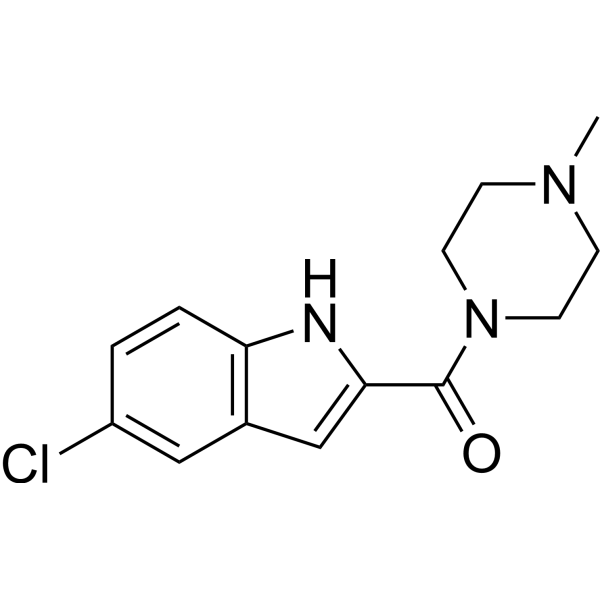 0 ImagesJNJ-7777120 is a potent and selective histamine H4 receptor antagonist (Ki=4.5 nM). JNJ-7777120 effectively blocks histamine-induced migration of mouse tracheal mast cells from connective tissue to epithelial cells. JNJ-7777120 also significantly blocks neutrophil infiltration in a mouse Zymosan-induced peritonitis model. JNJ-7777120 has a good potential to study antipruritic and anti-inflammatory.
-
Amitriptyline hydrochloride
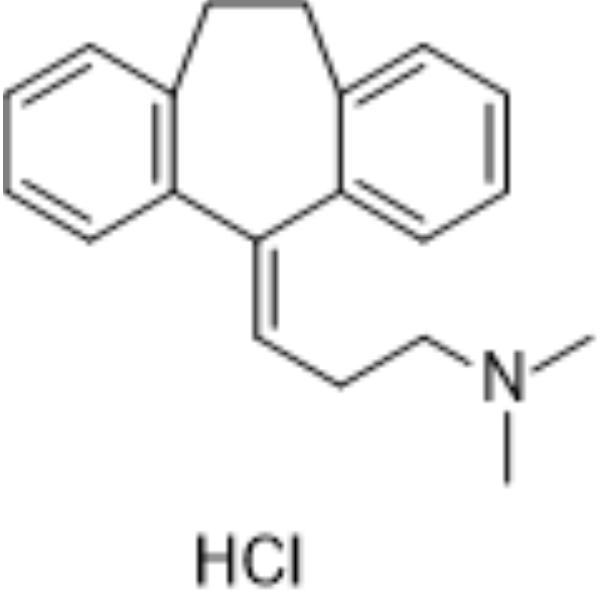 0 ImagesAmitriptyline hydrochloride is an orally active tricyclic antidepressant (TCA). Amitriptyline hydrochloride mainly exerts its antidepressant effect by blocking SERT (Ki = 3.45 nM) and NET (Ki = 13.3 nM), thereby increasing the concentrations of 5-hydroxytryptamine (5-HT) and norepinephrine (NE) in the synaptic cleft. Amitriptyline hydrochloride is also an agonist at α2A and TrkA/TrkB receptors, thereby exerting analgesic and neurotrophic activities (inhibiting cell apoptosis). Amitriptyline hydrochloride can reduce inflammation, angiogenesis and fibrosis. Amitriptyline hydrochloride binds to DAT (with Ki = 2.58 μM). Amitriptyline hydrochloride has high affinity for a series of receptors and can antagonize muscarinic cholinergic receptors (M1/M2/M3/M4/M5 receptors) (Ki = 11-24 nM), H1 receptors (Ki = 0.5-1.1 nM), adrenergic α1 receptors (Ki = 4.4 nM), etc., resulting in a series of side effects. Amitriptyline hydrochloride can block sodium channels and hERG potassium channel (IC50 = 4.78 μM) and it has cardiotoxicity.
-
4-Methylhistamine dihydrochloride
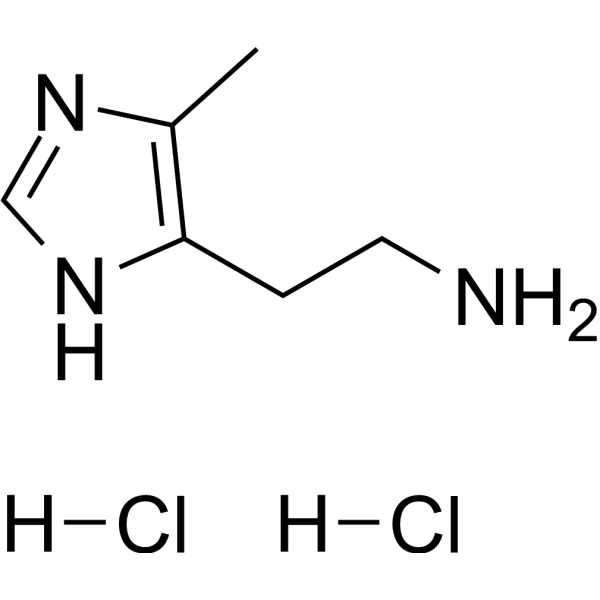 0 Images4-Methylhistamine hydrochloride is the dihydrochloride salt of 4-Methylhistamine (HY-W580721). 4-Methylhistamine hydrochloride is a potent and selective agonist of histamine 4 receptor (H4R) with a Ki of 50 nM. 4-Methylhistamine hydrochloride has a >100-fold selectivity for the hH4R over the other histamine receptor subtypes. 4-Methylhistamine hydrochloride can potently activate the hH4R (pEC50 = 7.4). 4-Methylhistamine hydrochloride can be used for the researches of cancer, inflammation and immunology, such as lung cancer and skin inflammation.
-
Imetit dihydrobromide
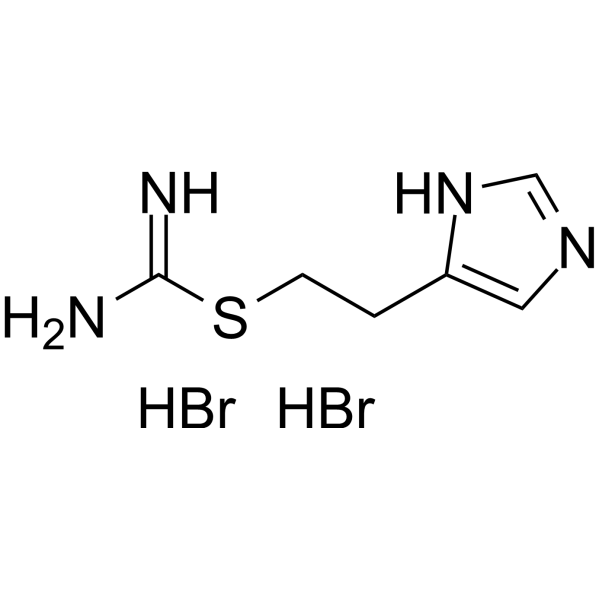 0 ImagesSynonyms: VUF 8325 dihydrobromide; SKF 91105 dihydrobromideImetit dihydrobromide (VUF 8325 dihydrobromide) is a high affinity and potent agonist of histamine H3 and H4 receptors, with Ki values of 0.3 and 2.7 nM, respectively. Imetit mimics histamine effect in triggering a shape change in eosinophils (EC50=25 nM).
-
VUF10460
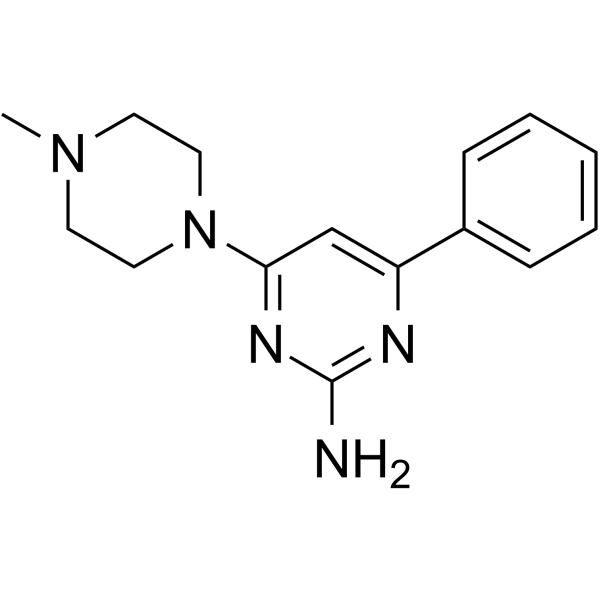 0 ImagesVUF10460 is a non-imidazole histamine H4 receptor agonist; binds to rat H4 receptor with a pKi of 7.46.
-
Izuforant
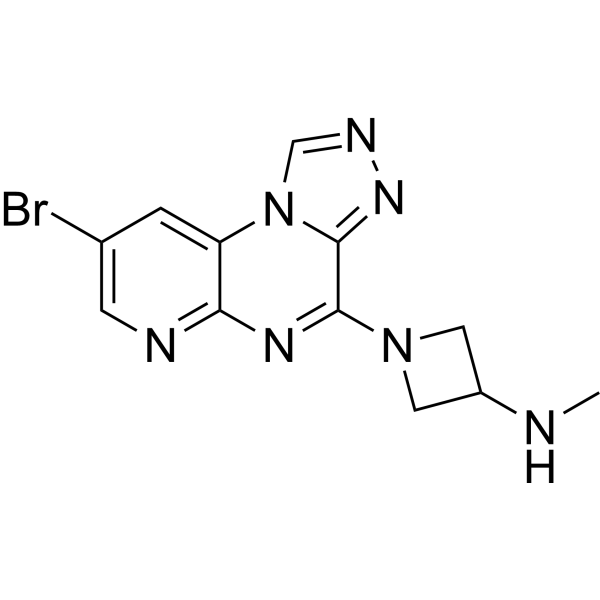 0 ImagesSynonyms: JW1601Izuforant (JW1601) (Compound 24) is an orally active histamine H4 receptor (H4R) antagonist with an IC50 of 36 nM against human H4R. Izuforant also shows binding affinity of human serotonin 3 receptor (h5-HT3R) with an IC50 of 9.1 μM. Izuforant exhibits strong anti-pruritic and anti-inflammatory efficacies.
-
Clobenpropit dihydrobromide
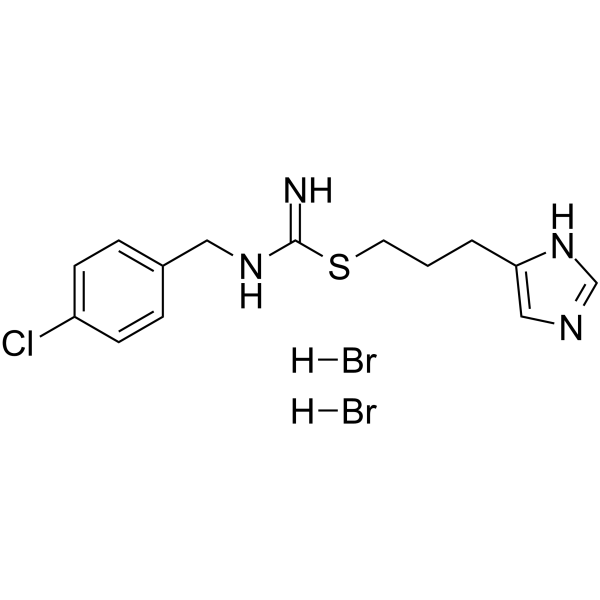 0 ImagesClobenpropit dihydrobromide is a potent histamine H3R antagonist/inverse agonist with a pEC50 of 8.07 for histamine H3LR. Clobenpropit dihydrobromide acts as partial agonist at histamine H4 receptors (Ki 13 nM). Clobenpropit dihydrobromide also binds to serotonin 5-HT3 receptors (Ki 7.4 nM) and α2A/α2C adrenoceptors (Ki 17.4/7.8 nM). Clobenpropit dihydrobromide increases apoptosis.
-
JNJ-39758979
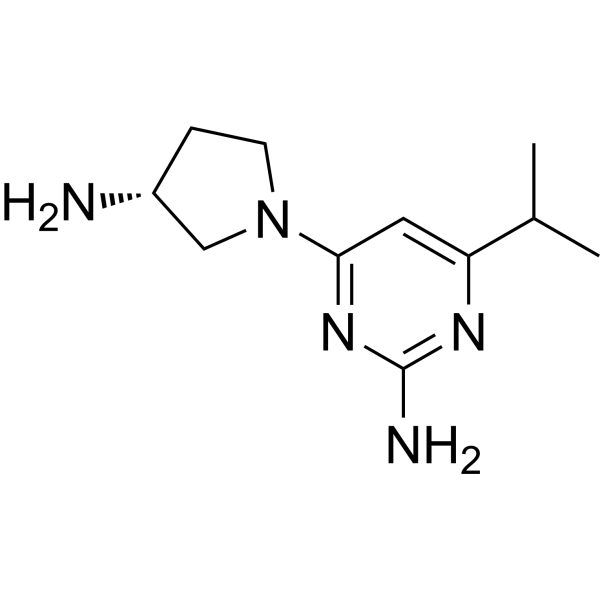 0 ImagesJNJ-39758979, a chemical probe, is a selective, orally active, and high-affinity histamine H4 receptor antagonist with Kis of 12.5, 5.3, and 25 nM for human, mouse, and monkey histamine H4 receptor, respectively. JNJ-39758979 functionally antagonizes histamine-induced cAMP inhibition with a pA2 of 7.9 in transfected cells. JNJ-39758979 shows good anti-inflammatory and antipruritic activity.
-
Toreforant
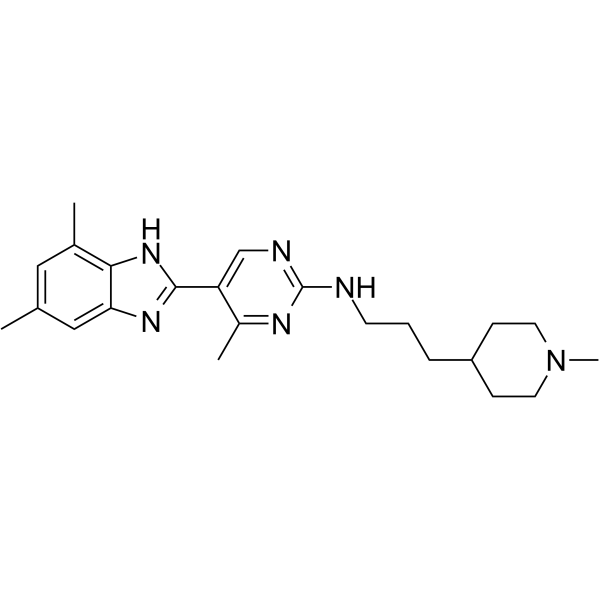 0 ImagesCat. No.: HY-16756CAS No.: 952494-46-1Synonyms: JNJ-38518168Toreforant is a potent and selective histamine H4 receptor (H4R) antagonist, with a Ki at the human receptor of 8.4 nM.
-
JNJ10191584
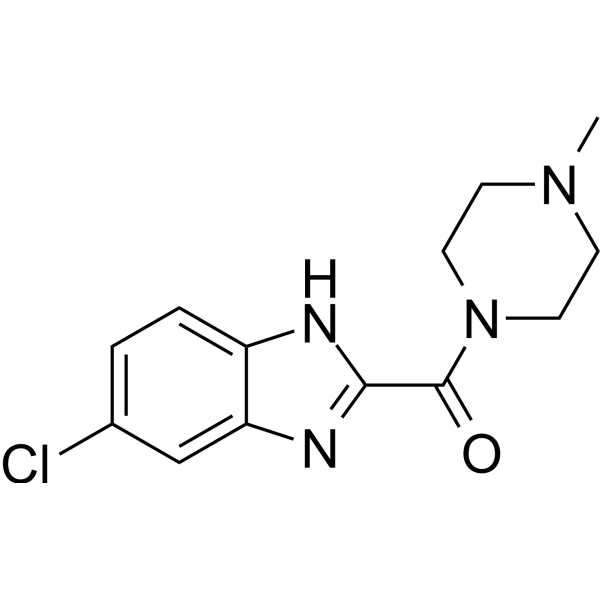 0 ImagesSynonyms: VUF6002JNJ10191584 (VUF6002) is an orally active and selective histamine H4 receptor antagonist with a Ki value of 26 nM. JNJ10191584 shows 540-fold selectivity to H4 receptor over H3 receptor with a Ki value of 14.1 μM. JNJ10191584 inhibits chemotaxis of eosinophils and mast cells with IC50 values of 530 nM and 138 nM, respectively.
-
VUF 8430 dihydrobromide
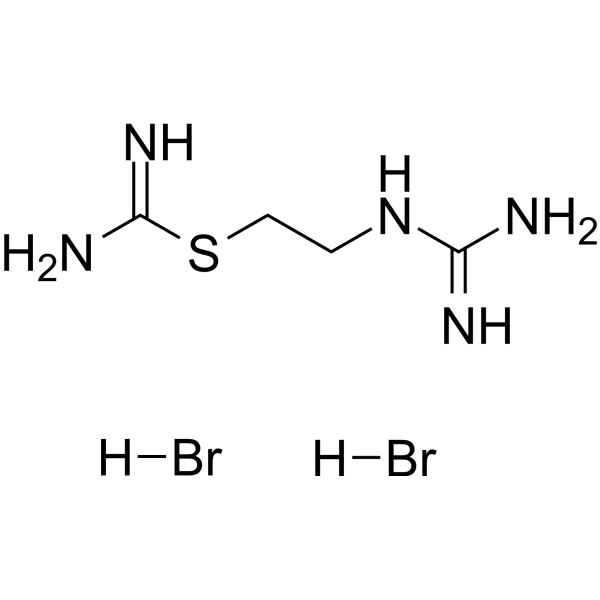 0 ImagesVUF 8430 (dihydrobromide) is a potent and selective histamine H4 receptor agonist with a Ki of 31.6 nM and an EC50 of 50 nM.
-
Seliforant
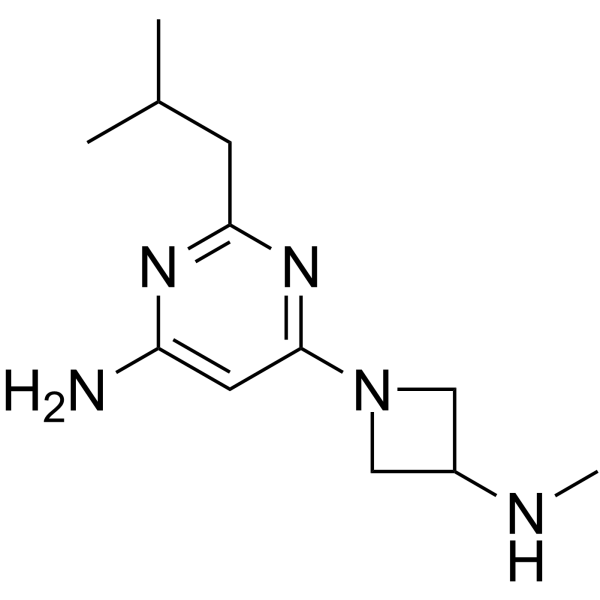 0 ImagesSynonyms: SENS-111Seliforant (SENS-111) is a selective, orally active histamine H4 receptor antagonist. Seliforant inhibits the sustained activity of vestibular neurons and modulates vestibular-related responses. Seliforant reduces spontaneous nystagmus in rats with excitotoxic acute unilateral vestibular loss. Seliforant shows no sedative effect. Seliforant can be used in research related to acute unilateral vestibular loss, vestibular dysfunction, and acute unilateral vestibular lesions.
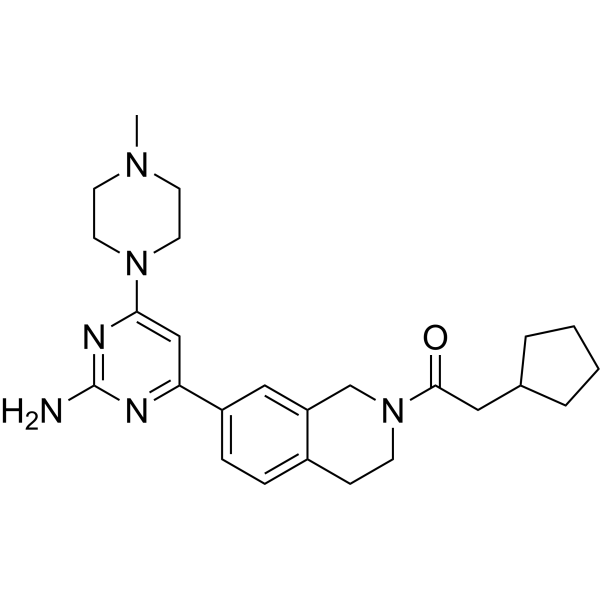
-
H4R antagonist 1
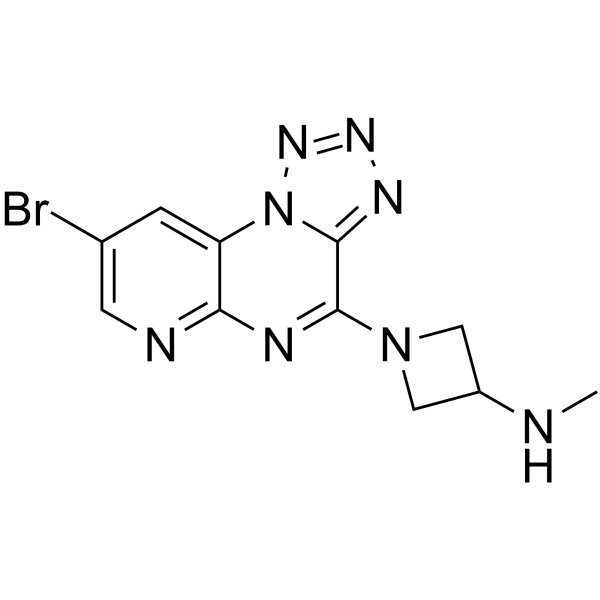 0 ImagesH4R antagonist 1 is a potent and highly selective histamine H4 receptor (H4R) antagonist with an IC50 of 27 nM. H4R antagonist 1 does not show any noticeable binding affinity to other subtypes of histamine receptors, H1R, H2R, and H3R.
-
ST-1006
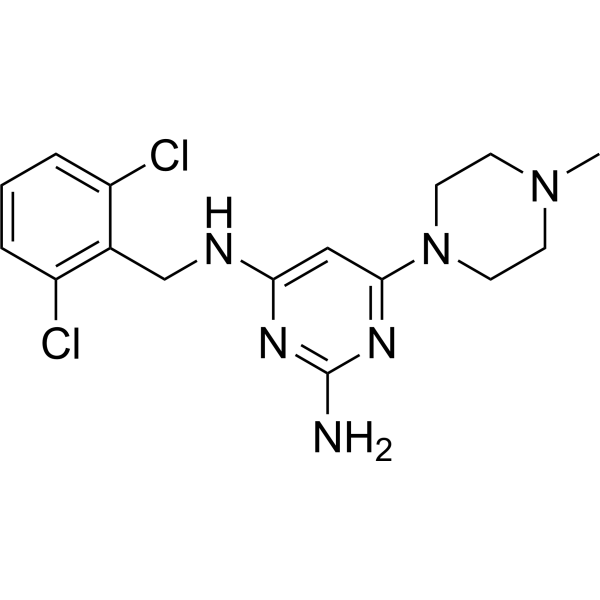 0 ImagesST-1006 is a potent histamine H4 receptor agonist with a pKi value of 7.94. ST-1006 has anti-inflammatory effect.
-
A-943931
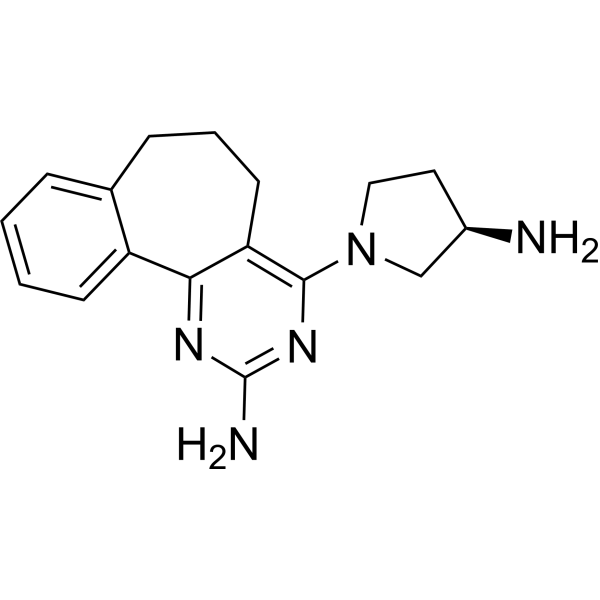 0 ImagesA-943931 is a potent and selective histamine H4 receptor (H4R) antagonist with pKi values of 4.6, 3.8 nM for human and rat H4R, respectively. A-943931 shows anti-inflammatory and antinociceptive efficacy.
-
H4 Receptor antagonist 1
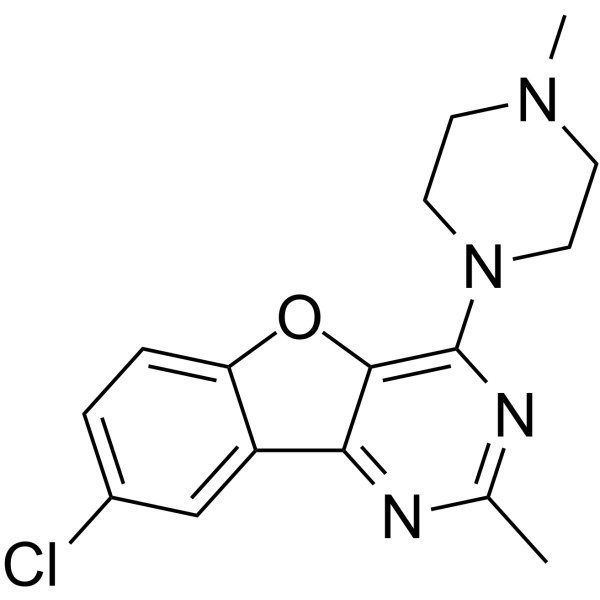 0 ImagesH4 Receptor antagonist 1 is a potent and selective histamine H4 receptor inverse agonist, with an IC50 of 19 nM.
-
H4R antagonist 3
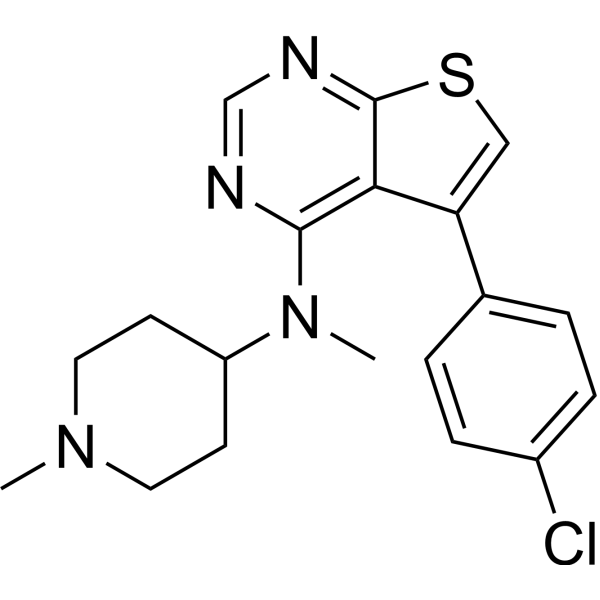 0 ImagesCat. No.: HY-156667CAS No.: 1003091-20-0H4R antagonist 3 (Example 8) is a histamine-4 and -1 receptor antagonist with EC50 of ≤10 mM. H4R antagonist 3 can be used for the research of prevention of inflammatory, autoimmune, allergic, and ocular diseases.
-
JNJ10191584 maleate
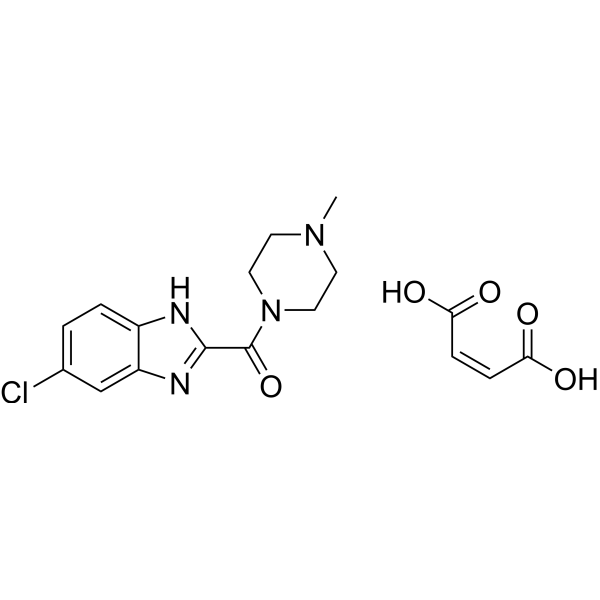 0 ImagesCat. No.: HY-107558CAS No.: 869497-75-6Synonyms: VUF6002 maleateJNJ10191584 (VUF6002) maleate (compound 40) is an orally active and selective histamine H4 receptor antagonist with a Ki value of 26 nM. JNJ10191584 maleate shows 540-fold selectivity to H4 receptor over the H3 receptor with a Ki value of 14.1 μM. JNJ10191584 maleate inhibits chemotaxis of eosinophils and mast cells with IC50 values of 530 nM and 138 nM, respectively.
-
JNJ-39758979 dihydrochloride
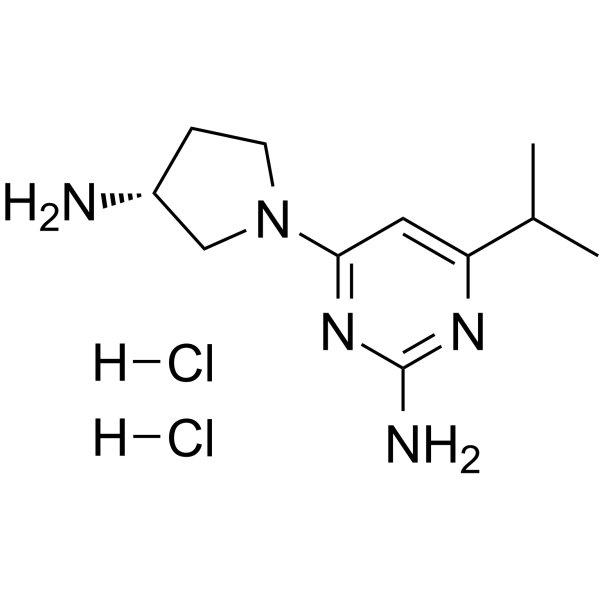 0 ImagesCat. No.: HY-101189BJNJ-39758979 dihydrochloride is a selective, orally active, and high-affinity histamine H4 receptor antagonist, with Kis of 12.5, 5.3, and 25 nM for human, mouse, and monkey histamine H4 receptor, respectively. JNJ-39758979 dihydrochloride functionally antagonizes histamine-induced cAMP inhibition with a pA2 of 7.9 in transfected cells. JNJ-39758979 dihydrochloride shows good anti-inflammatory and antipruritic activity.
- 1
- 2



