



H4 Receptor Antagonist
- 1
-
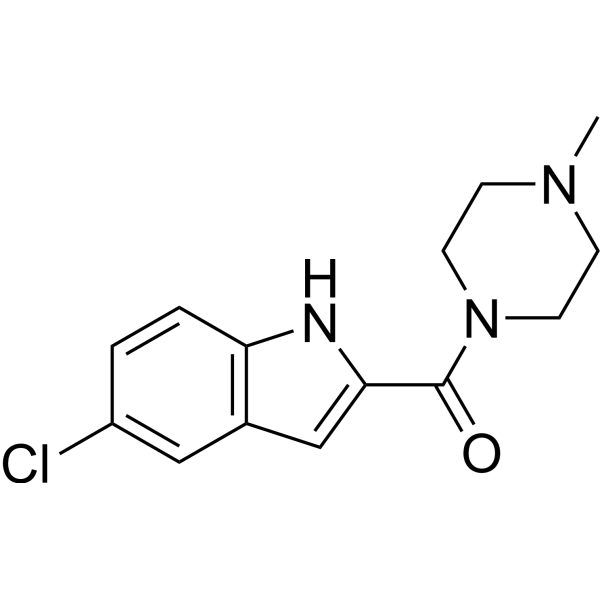
JNJ-7777120
 0 Images
JNJ-7777120 is a potent and selective histamine H4 receptor antagonist (Ki=4.5 nM). JNJ-7777120 effectively blocks histamine-induced migration of mouse tracheal mast cells from connective tissue to epithelial cells. JNJ-7777120 also significantly blocks neutrophil infiltration in a mouse Zymosan-induced peritonitis model. JNJ-7777120 has a good potential to study antipruritic and anti-inflammatory.
-
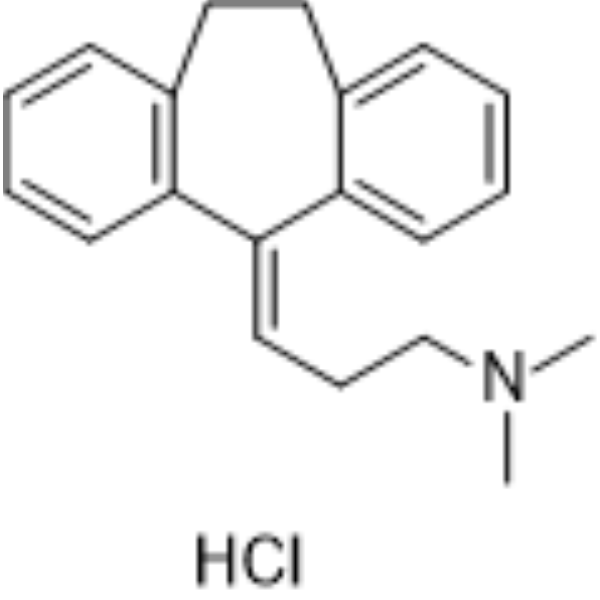
Amitriptyline hydrochloride
 0 Images
Amitriptyline hydrochloride is an orally active tricyclic antidepressant (TCA). Amitriptyline hydrochloride mainly exerts its antidepressant effect by blocking SERT (Ki = 3.45 nM) and NET (Ki = 13.3 nM), thereby increasing the concentrations of 5-hydroxytryptamine (5-HT) and norepinephrine (NE) in the synaptic cleft. Amitriptyline hydrochloride is also an agonist at α2A and TrkA/TrkB receptors, thereby exerting analgesic and neurotrophic activities (inhibiting cell apoptosis). Amitriptyline hydrochloride can reduce inflammation, angiogenesis and fibrosis. Amitriptyline hydrochloride binds to DAT (with Ki = 2.58 μM). Amitriptyline hydrochloride has high affinity for a series of receptors and can antagonize muscarinic cholinergic receptors (M1/M2/M3/M4/M5 receptors) (Ki = 11-24 nM), H1 receptors (Ki = 0.5-1.1 nM), adrenergic α1 receptors (Ki = 4.4 nM), etc., resulting in a series of side effects. Amitriptyline hydrochloride can block sodium channels and hERG potassium channel (IC50 = 4.78 μM) and it has cardiotoxicity.
-
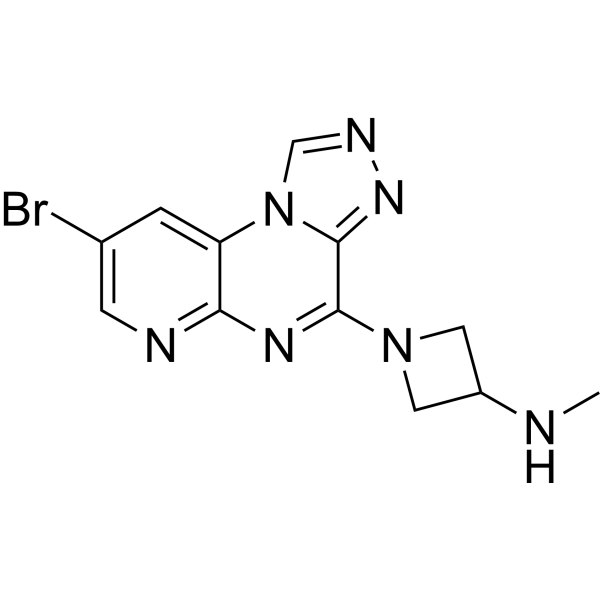
Izuforant
 0 ImagesSynonyms: JW1601
Izuforant (JW1601) (Compound 24) is an orally active histamine H4 receptor (H4R) antagonist with an IC50 of 36 nM against human H4R. Izuforant also shows binding affinity of human serotonin 3 receptor (h5-HT3R) with an IC50 of 9.1 μM. Izuforant exhibits strong anti-pruritic and anti-inflammatory efficacies.
-
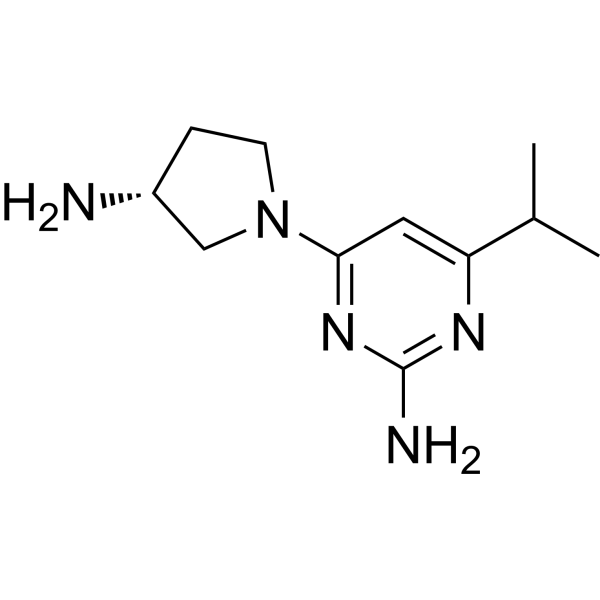
JNJ-39758979
 0 Images
JNJ-39758979, a chemical probe, is a selective, orally active, and high-affinity histamine H4 receptor antagonist with Kis of 12.5, 5.3, and 25 nM for human, mouse, and monkey histamine H4 receptor, respectively. JNJ-39758979 functionally antagonizes histamine-induced cAMP inhibition with a pA2 of 7.9 in transfected cells. JNJ-39758979 shows good anti-inflammatory and antipruritic activity.
-
Toreforant
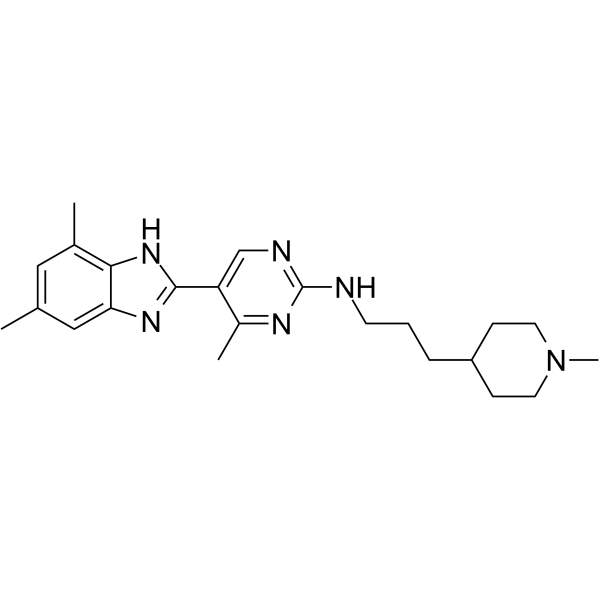 0 ImagesCat. No.: HY-16756CAS No.: 952494-46-1Synonyms: JNJ-38518168
Toreforant is a potent and selective histamine H4 receptor (H4R) antagonist, with a Ki at the human receptor of 8.4 nM.
-
JNJ10191584
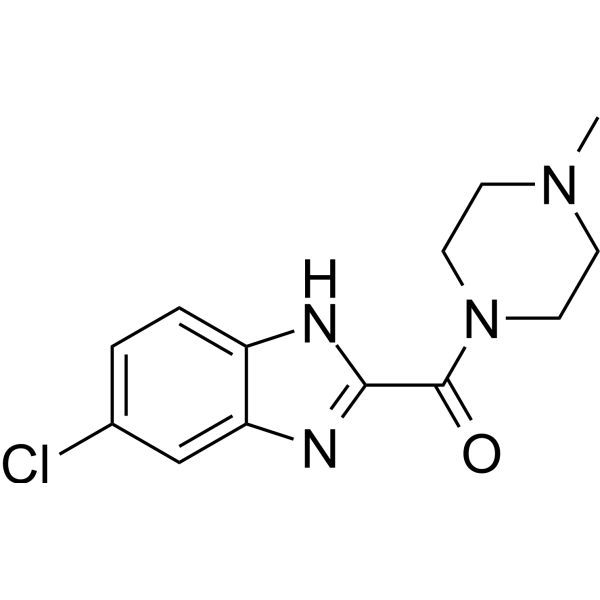 0 ImagesSynonyms: VUF6002
JNJ10191584 (VUF6002) is an orally active and selective histamine H4 receptor antagonist with a Ki value of 26 nM. JNJ10191584 shows 540-fold selectivity to H4 receptor over H3 receptor with a Ki value of 14.1 μM. JNJ10191584 inhibits chemotaxis of eosinophils and mast cells with IC50 values of 530 nM and 138 nM, respectively.
-
Seliforant
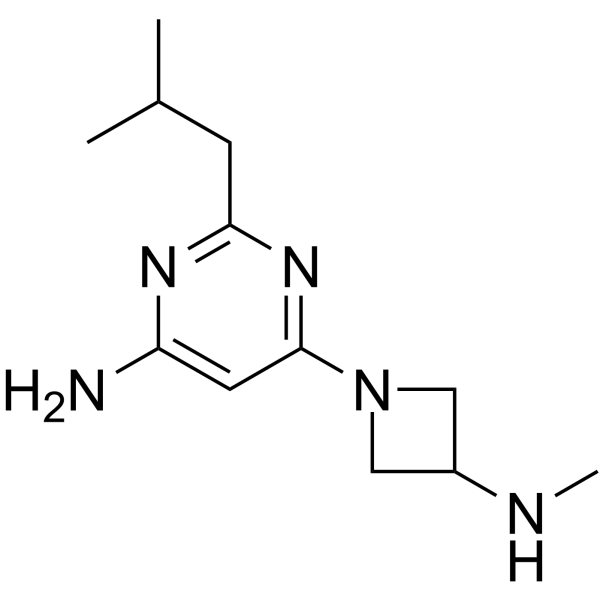 0 ImagesSynonyms: SENS-111
Seliforant (SENS-111) is a selective, orally active histamine H4 receptor antagonist. Seliforant inhibits the sustained activity of vestibular neurons and modulates vestibular-related responses. Seliforant reduces spontaneous nystagmus in rats with excitotoxic acute unilateral vestibular loss. Seliforant shows no sedative effect. Seliforant can be used in research related to acute unilateral vestibular loss, vestibular dysfunction, and acute unilateral vestibular lesions.
-
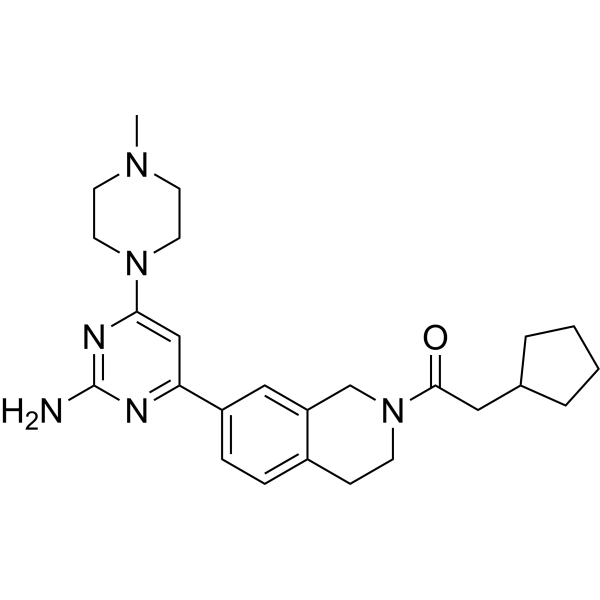
H4R antagonist 1
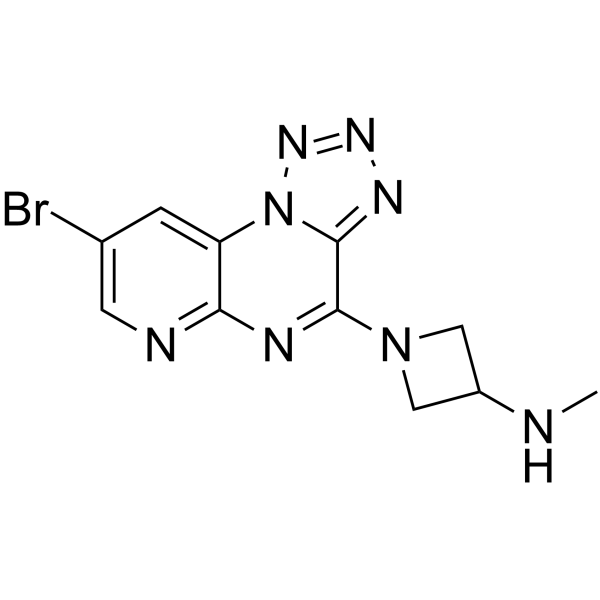 0 Images
H4R antagonist 1 is a potent and highly selective histamine H4 receptor (H4R) antagonist with an IC50 of 27 nM. H4R antagonist 1 does not show any noticeable binding affinity to other subtypes of histamine receptors, H1R, H2R, and H3R.
-
A-943931
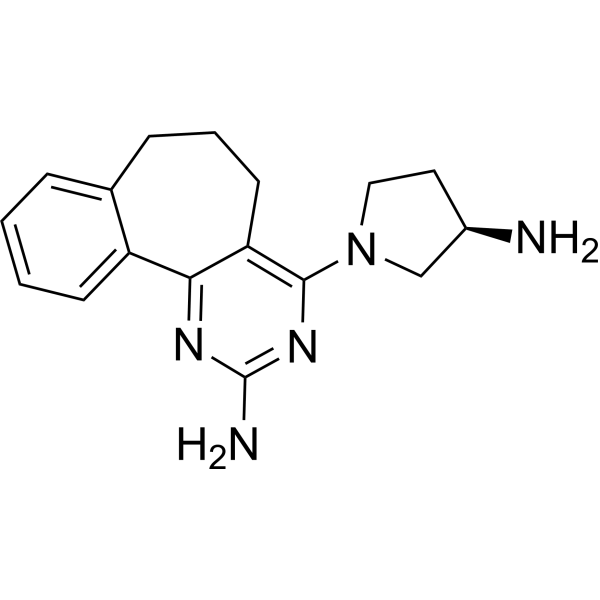 0 Images
A-943931 is a potent and selective histamine H4 receptor (H4R) antagonist with pKi values of 4.6, 3.8 nM for human and rat H4R, respectively. A-943931 shows anti-inflammatory and antinociceptive efficacy.
-
H4R antagonist 3
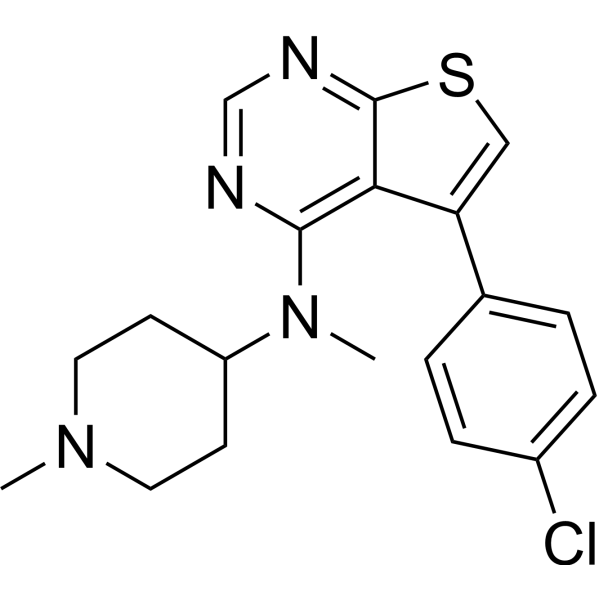 0 ImagesCat. No.: HY-156667CAS No.: 1003091-20-0
H4R antagonist 3 (Example 8) is a histamine-4 and -1 receptor antagonist with EC50 of ≤10 mM. H4R antagonist 3 can be used for the research of prevention of inflammatory, autoimmune, allergic, and ocular diseases.
-
JNJ10191584 maleate
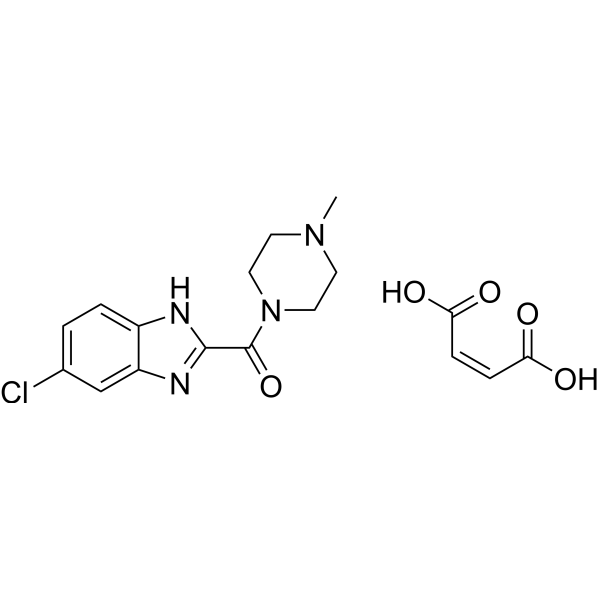 0 ImagesCat. No.: HY-107558CAS No.: 869497-75-6Synonyms: VUF6002 maleate
JNJ10191584 (VUF6002) maleate (compound 40) is an orally active and selective histamine H4 receptor antagonist with a Ki value of 26 nM. JNJ10191584 maleate shows 540-fold selectivity to H4 receptor over the H3 receptor with a Ki value of 14.1 μM. JNJ10191584 maleate inhibits chemotaxis of eosinophils and mast cells with IC50 values of 530 nM and 138 nM, respectively.
-
JNJ-39758979 dihydrochloride
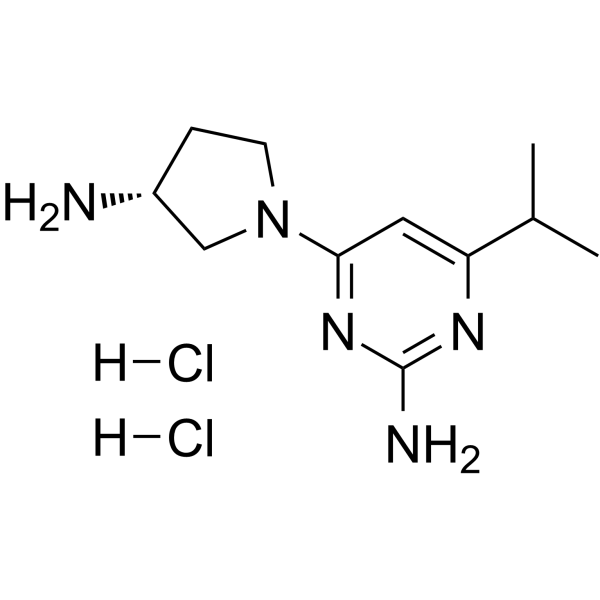 0 ImagesCat. No.: HY-101189B
JNJ-39758979 dihydrochloride is a selective, orally active, and high-affinity histamine H4 receptor antagonist, with Kis of 12.5, 5.3, and 25 nM for human, mouse, and monkey histamine H4 receptor, respectively. JNJ-39758979 dihydrochloride functionally antagonizes histamine-induced cAMP inhibition with a pA2 of 7.9 in transfected cells. JNJ-39758979 dihydrochloride shows good anti-inflammatory and antipruritic activity.
-
JNJ 40279486
 0 ImagesCat. No.: HY-113917CAS No.: 1002351-34-9
JNJ 40279486 is a novel and highly selective histamine H4 receptor antagonist with a Ki of 9 nM. JNJ 40279486 can be used in the research of immune-driven inflammatory diseases.
- 1



